1st Grade Addition Worksheets
Adding 1 (20 questions)
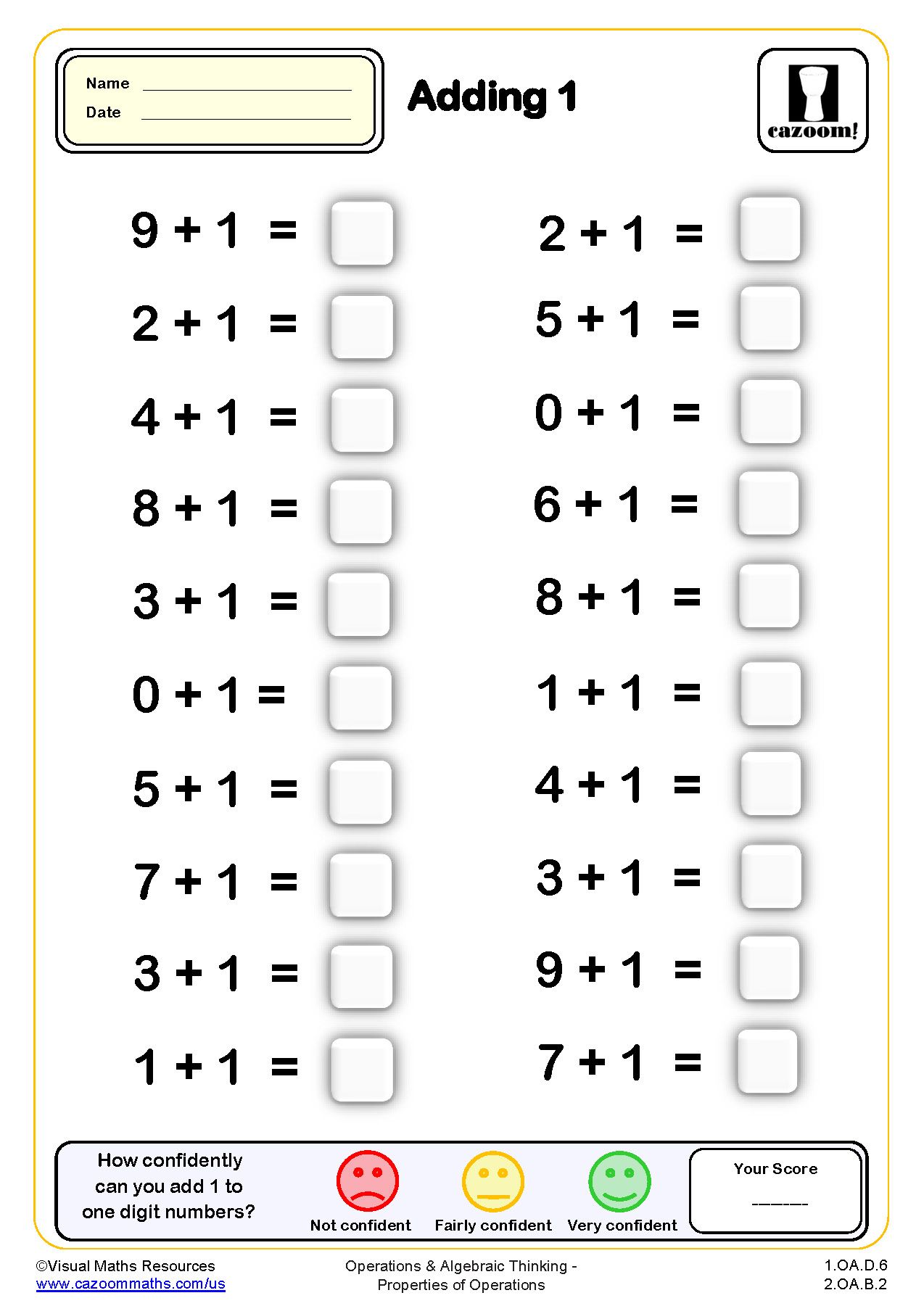
Adding 1 (50 questions)
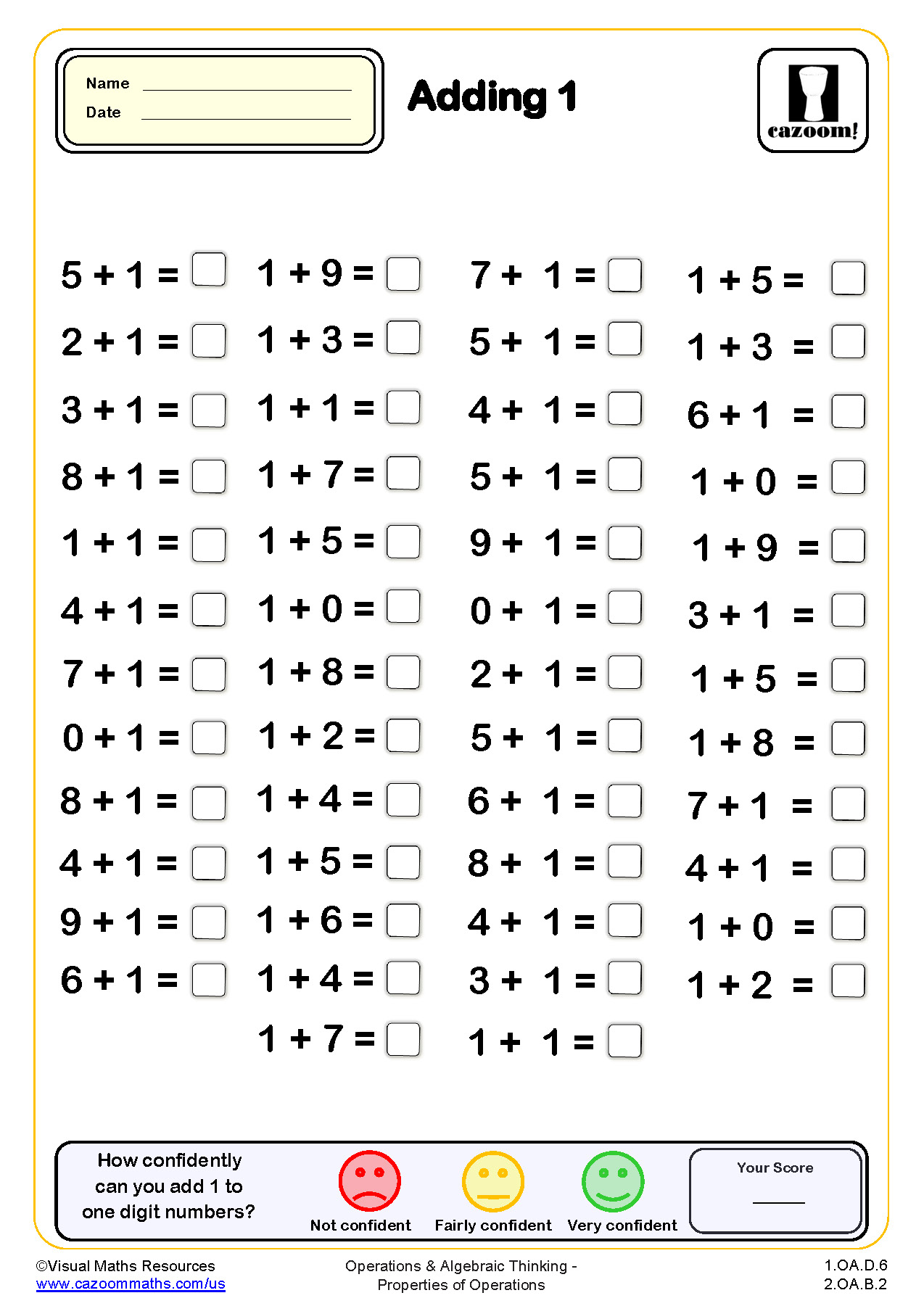
Adding 10 to 2 digit numbers (20 questions)
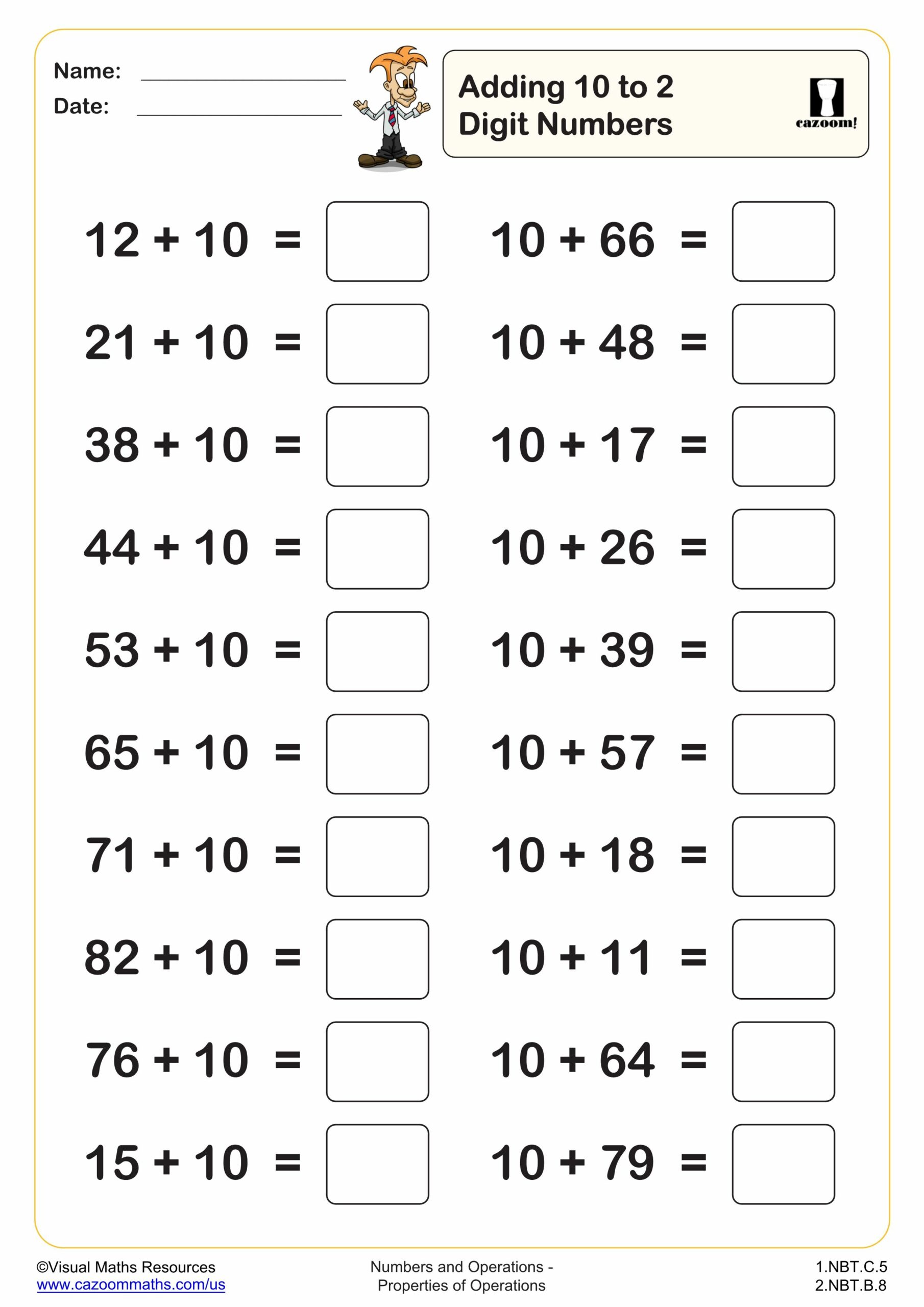
Adding 11 to 2 digit numbers (20 questions)
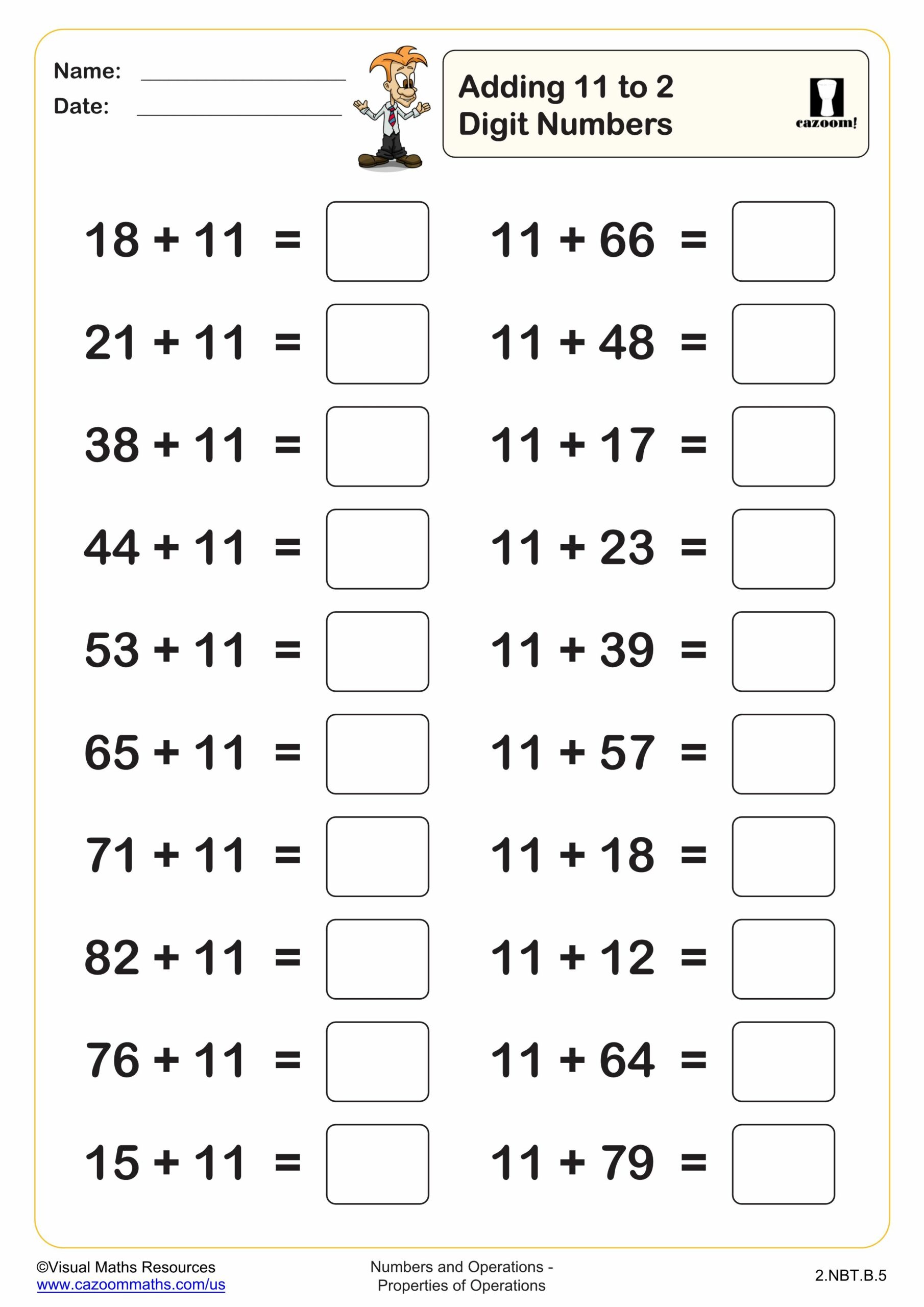
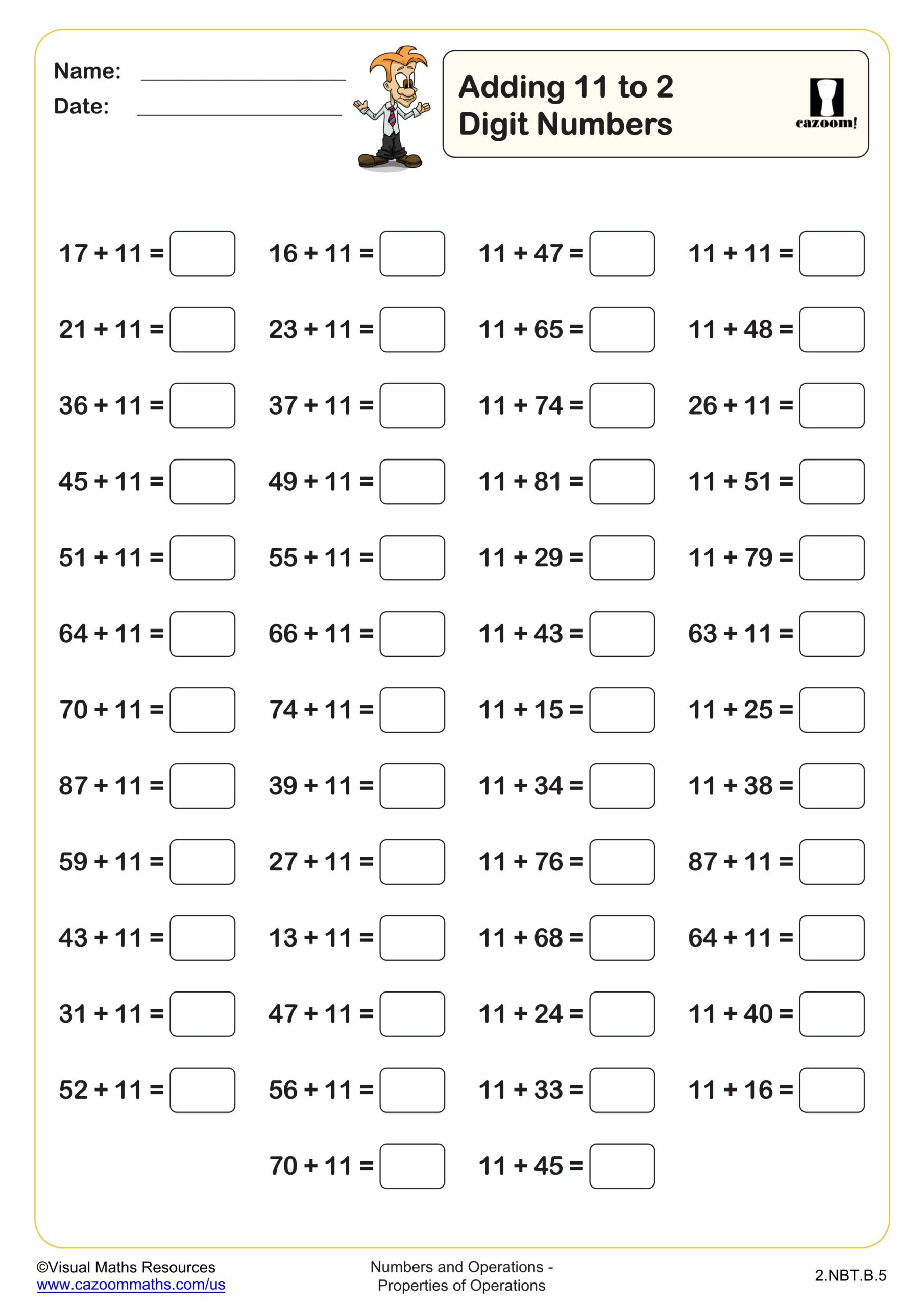
Adding 11 to 2 digit numbers (50 questions)
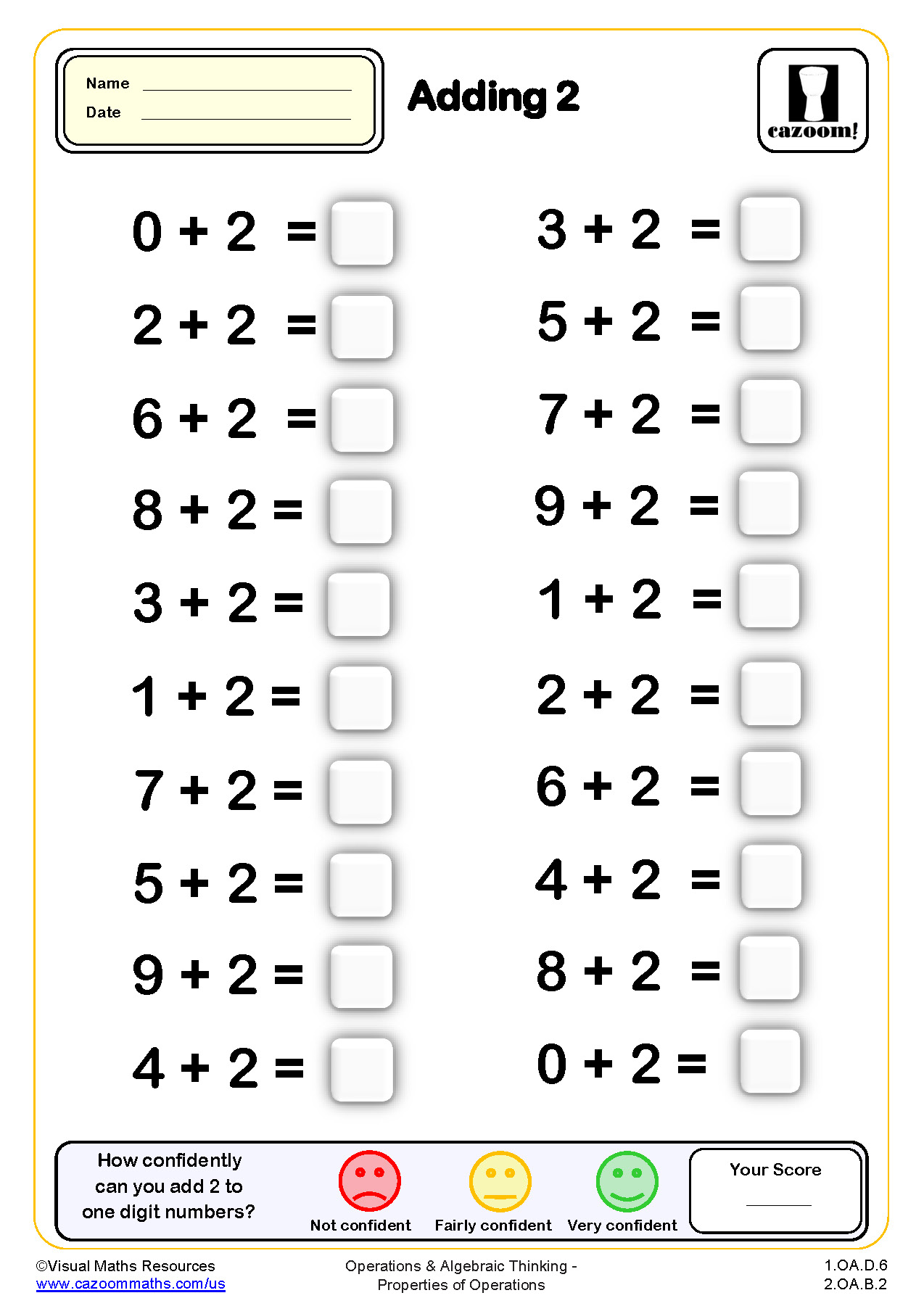
Adding 2 (20 questions)
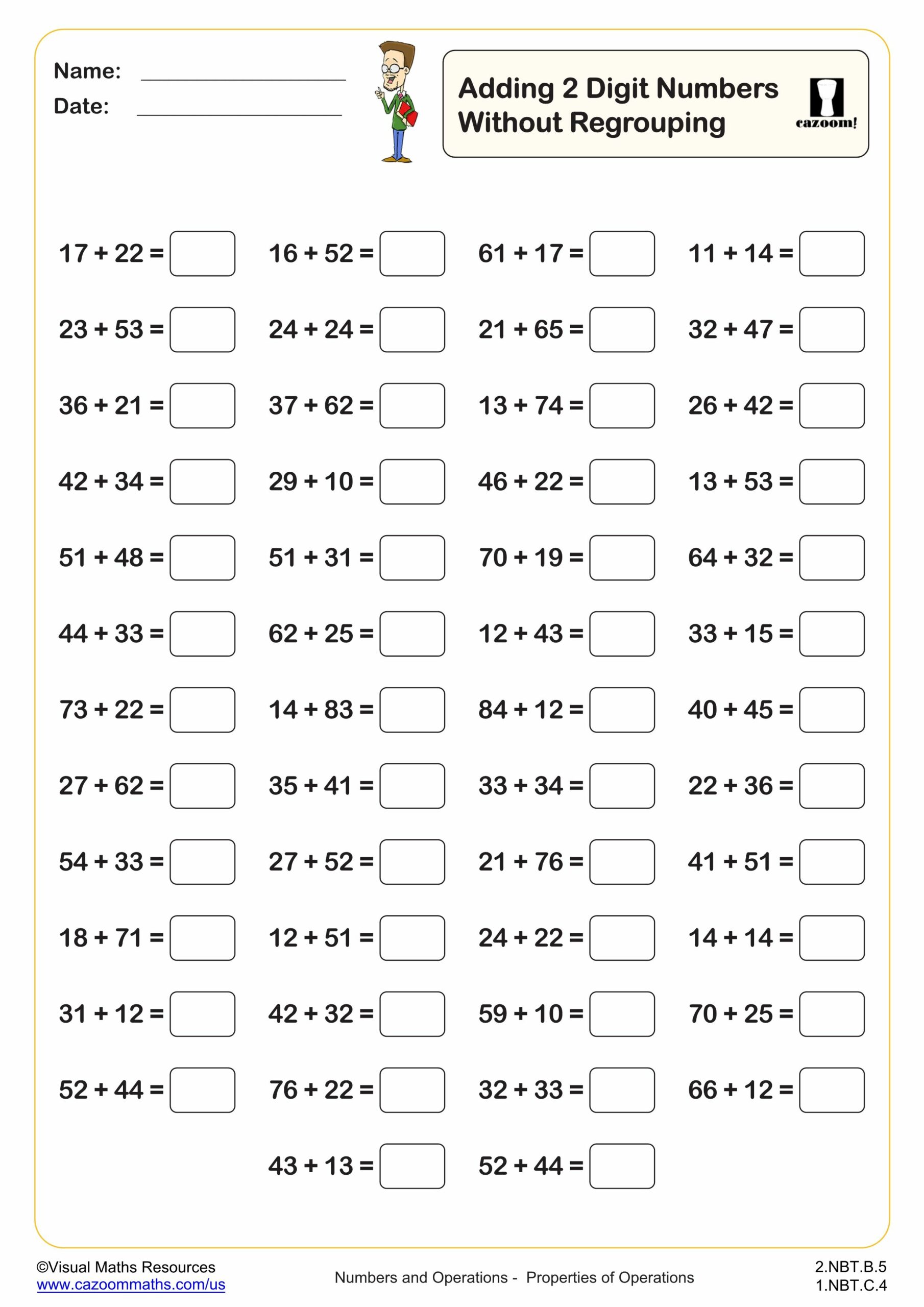
Adding 2 digit numbers without regrouping (50 questions)
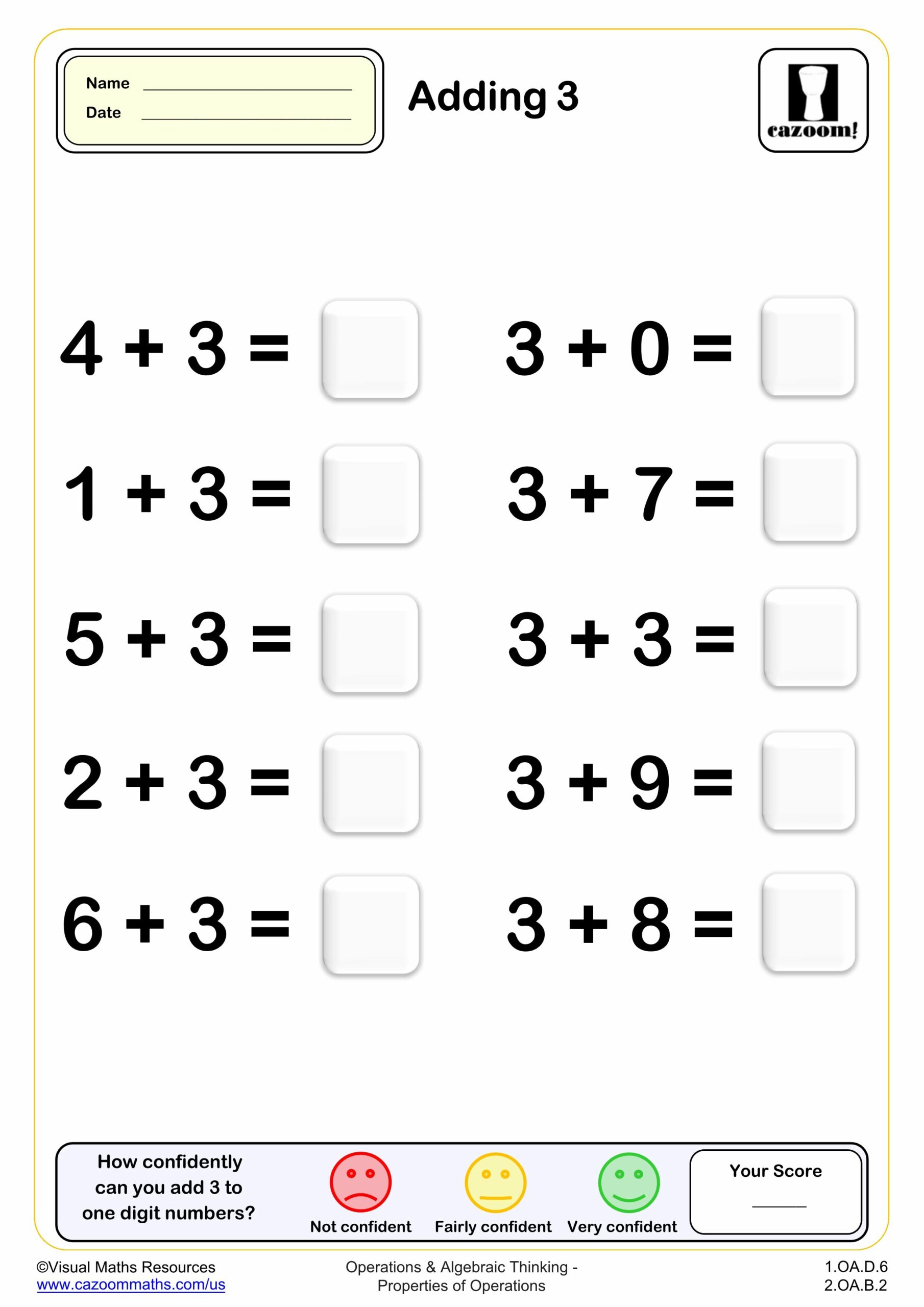
Adding 3 (10 questions)
Adding 3 (20 questions)
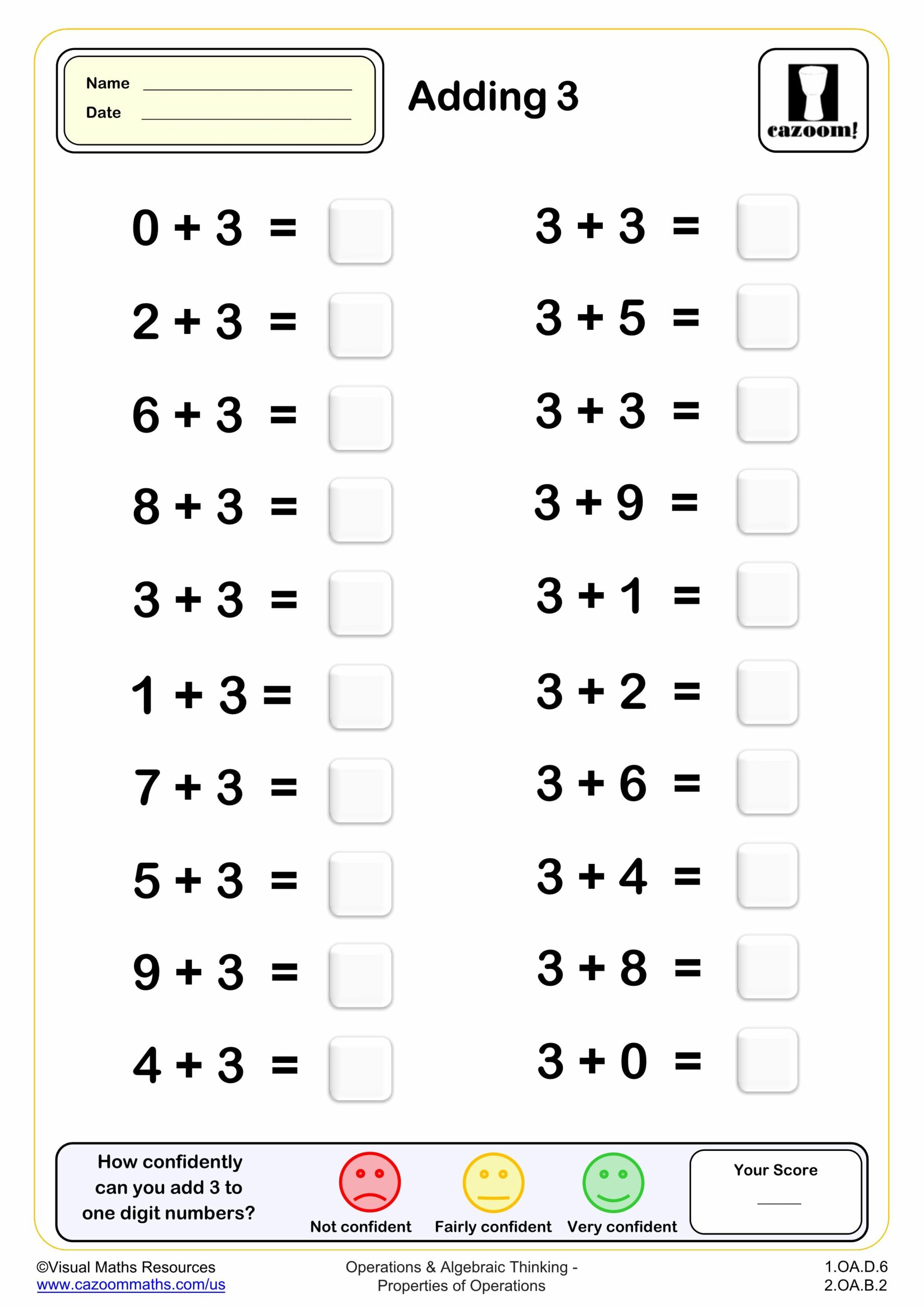
Adding 3 (50 questions)
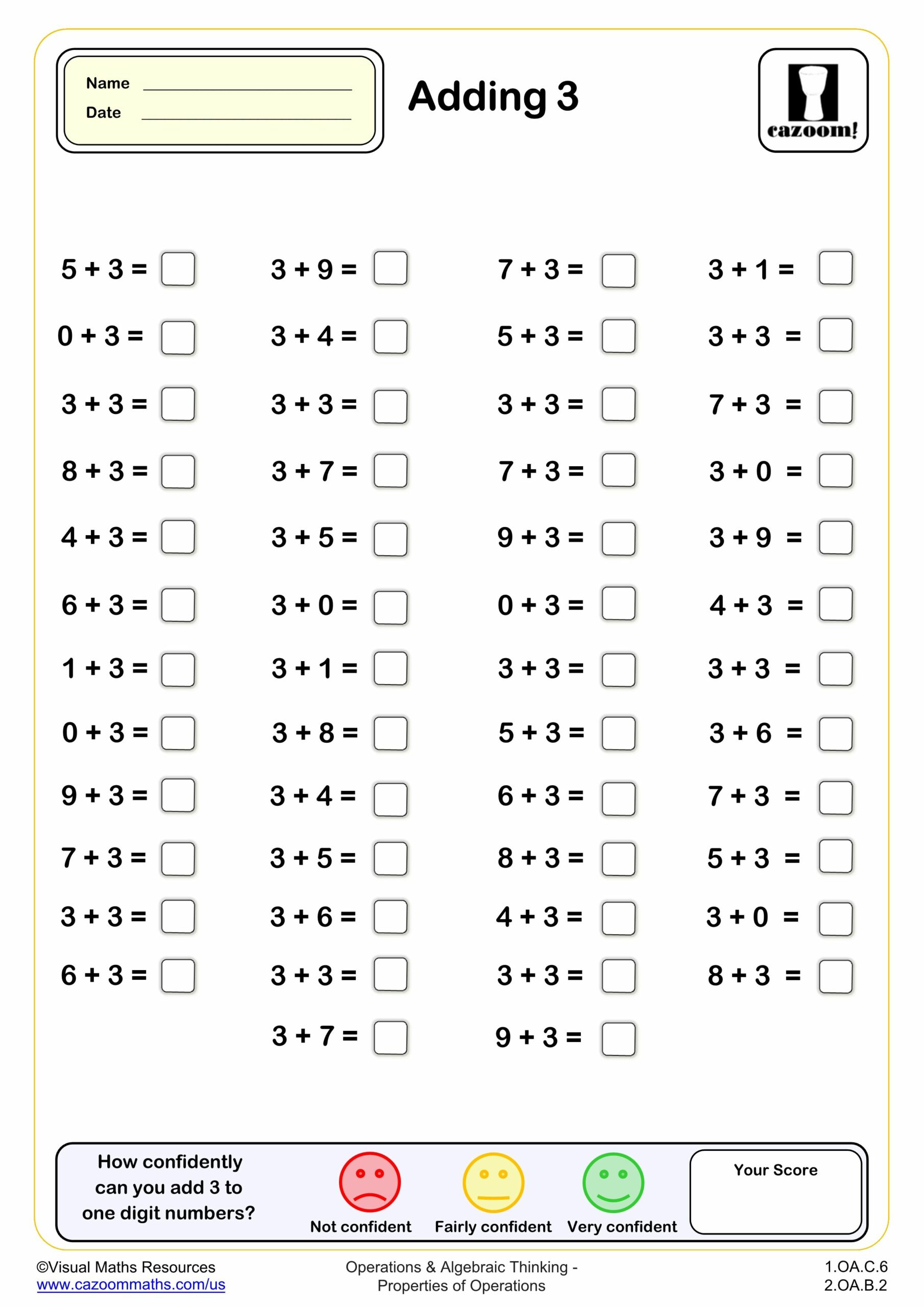
Adding 4 (10 questions)
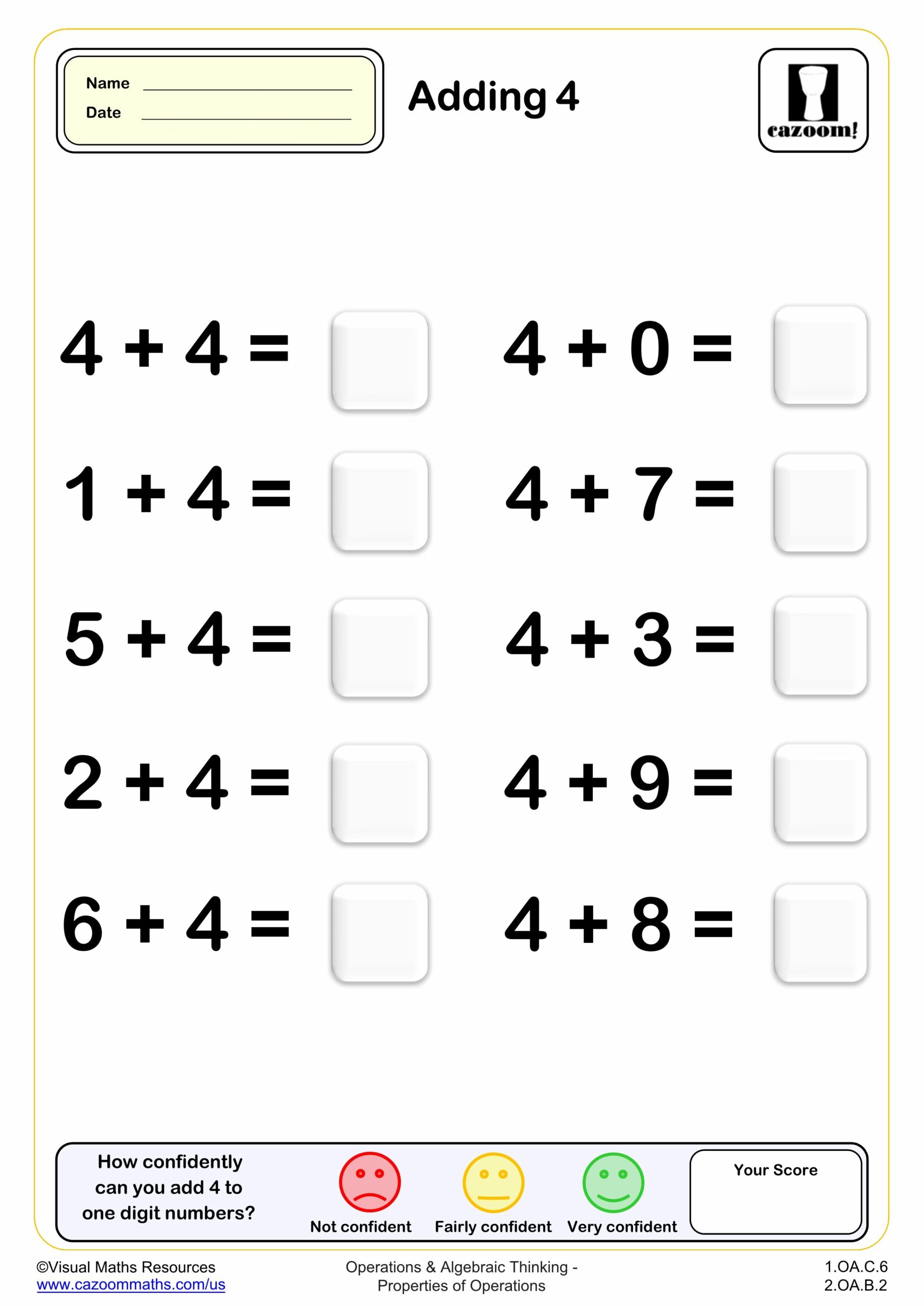
Adding 4 (20 questions)
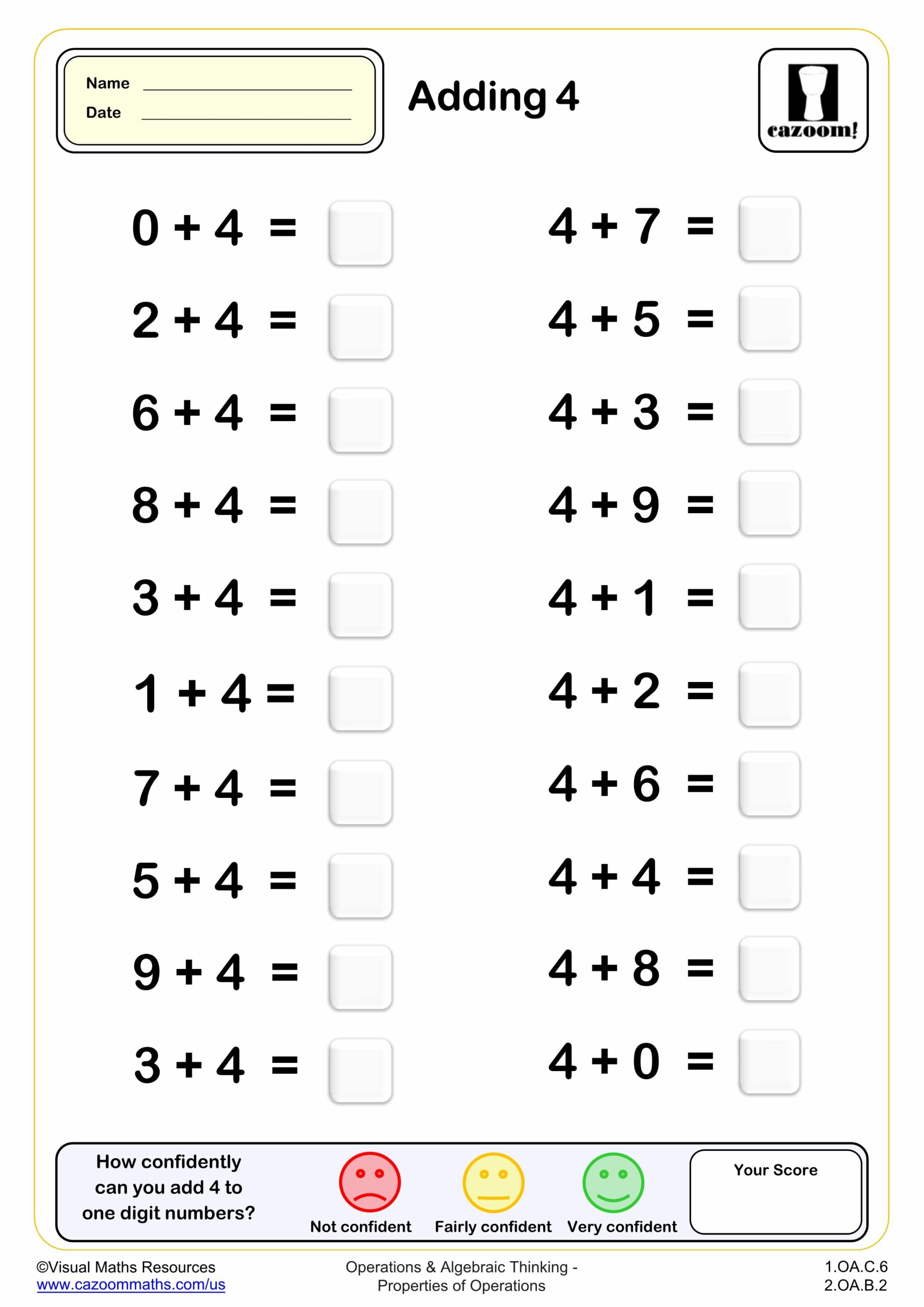
Adding 4 (50 questions)
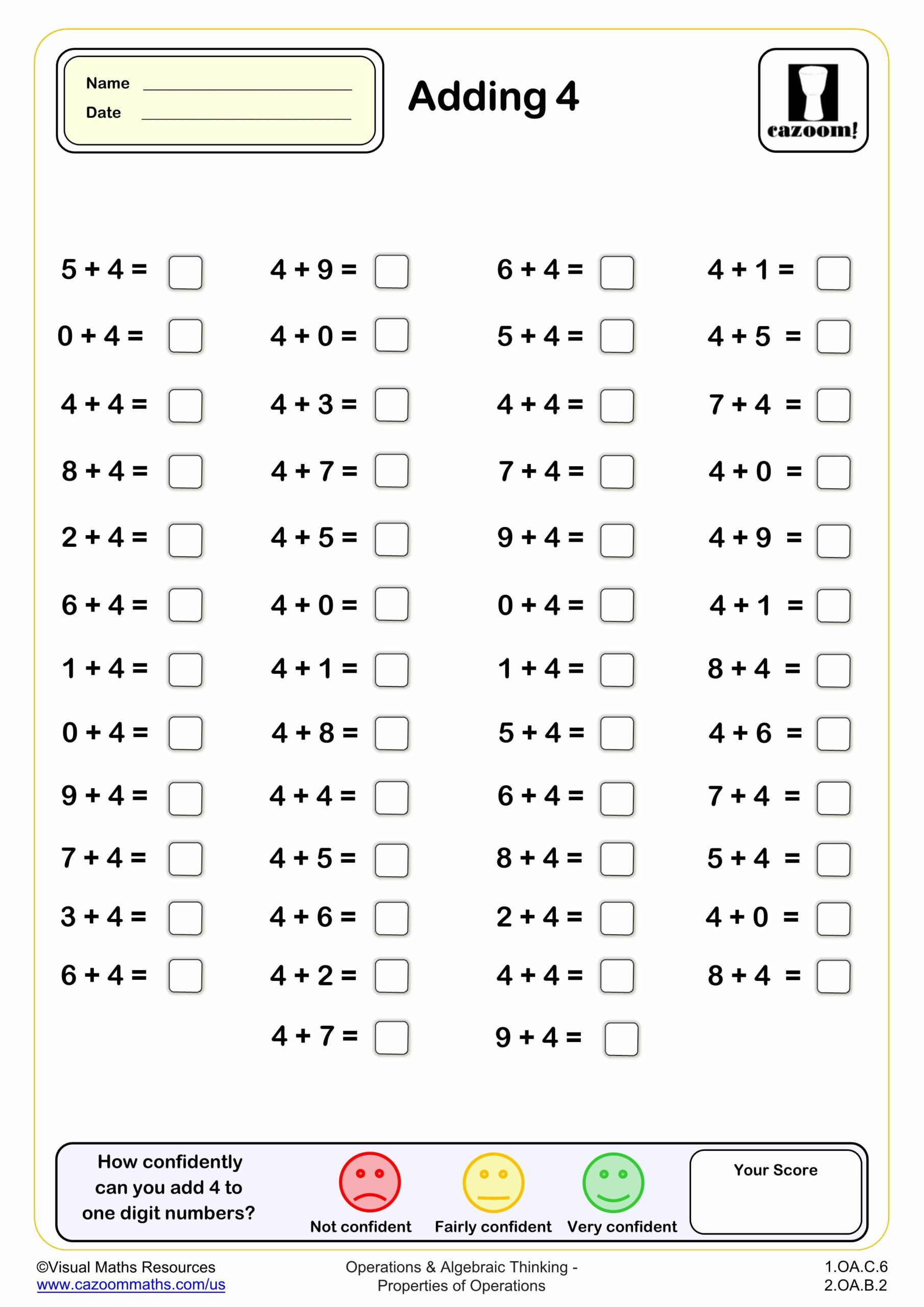
Adding 5 (20 questions)
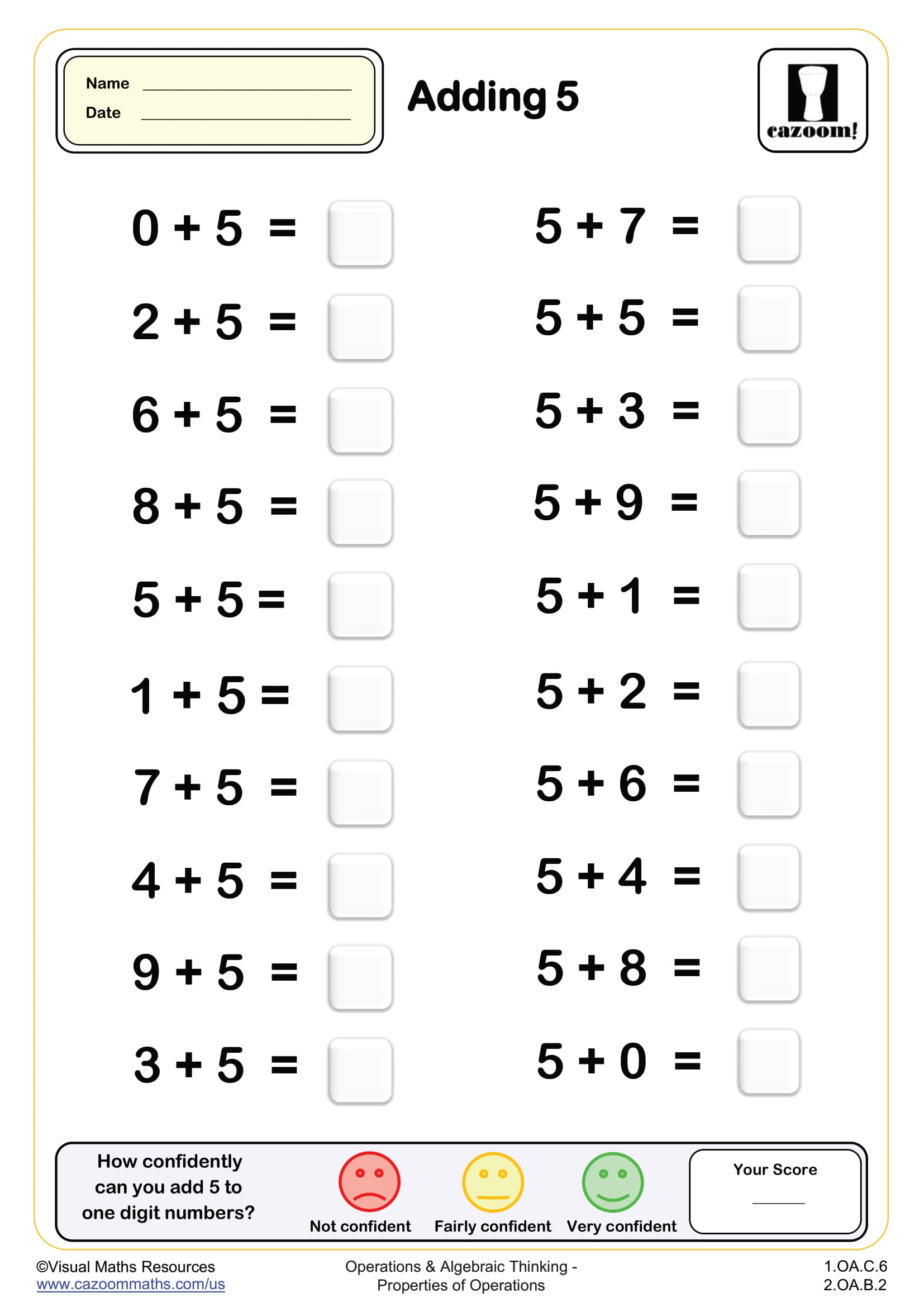
Adding 5 to 2 digit numbers (10 questions)
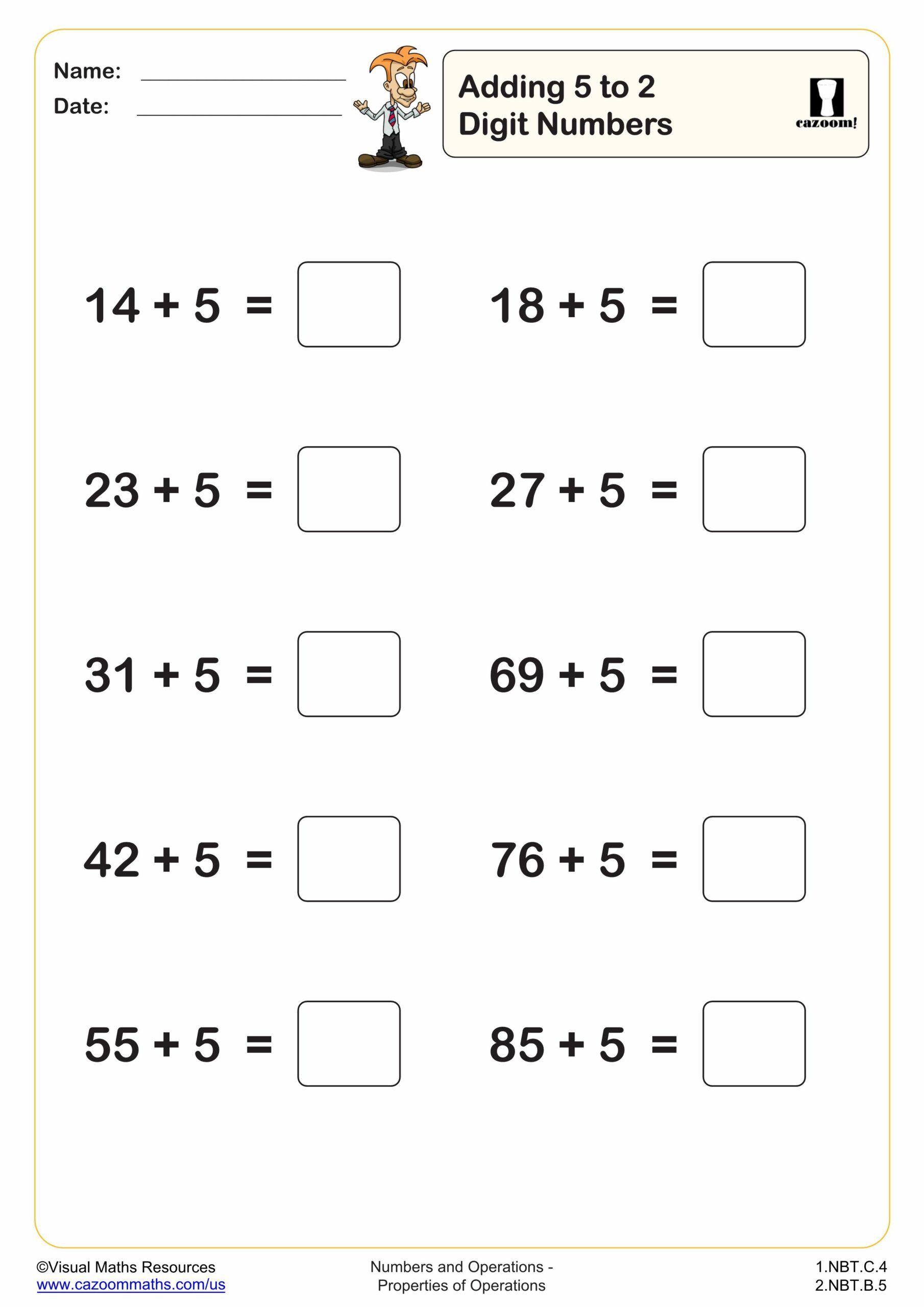
Adding 6 to 2 digit numbers (50 questions)
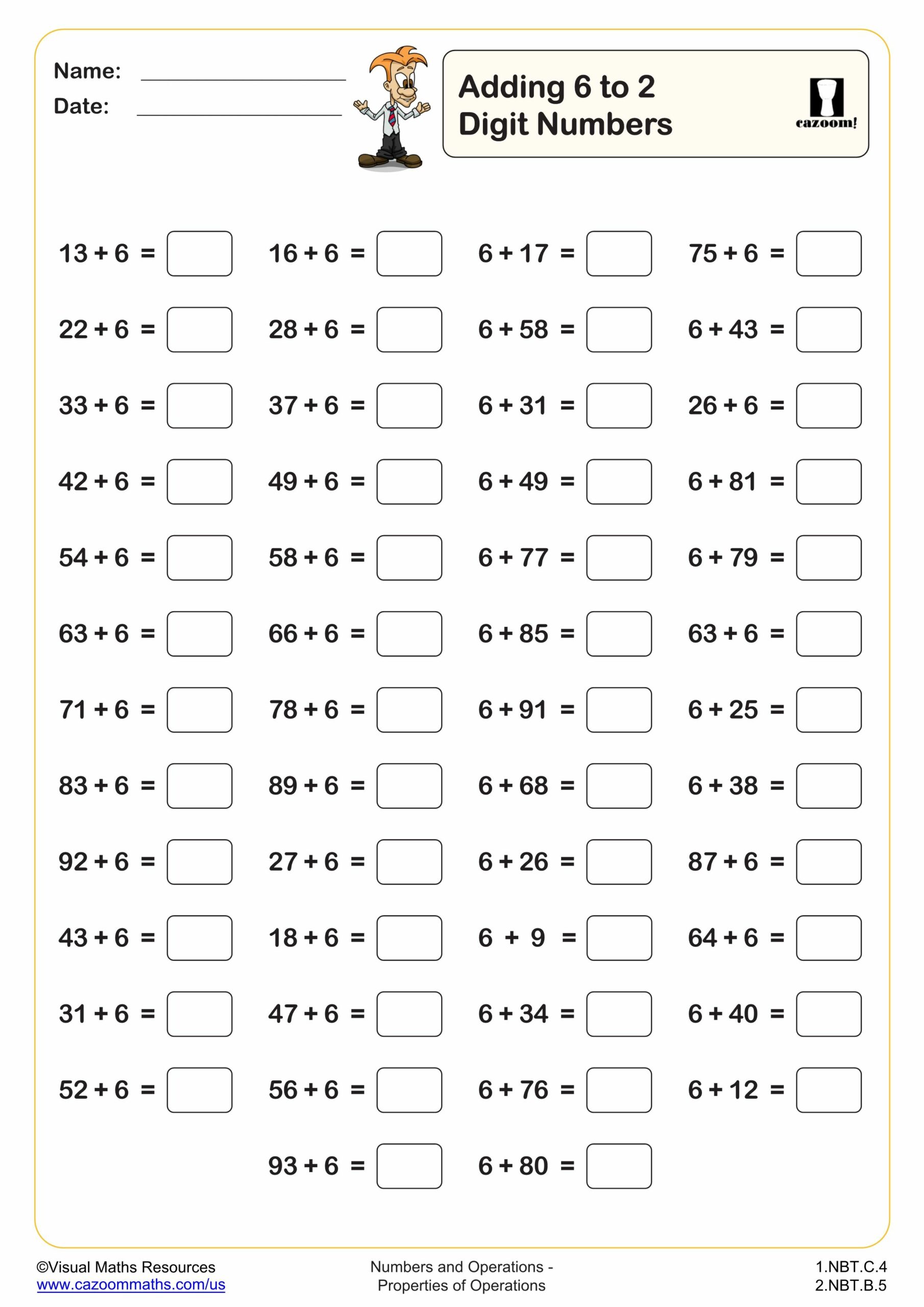
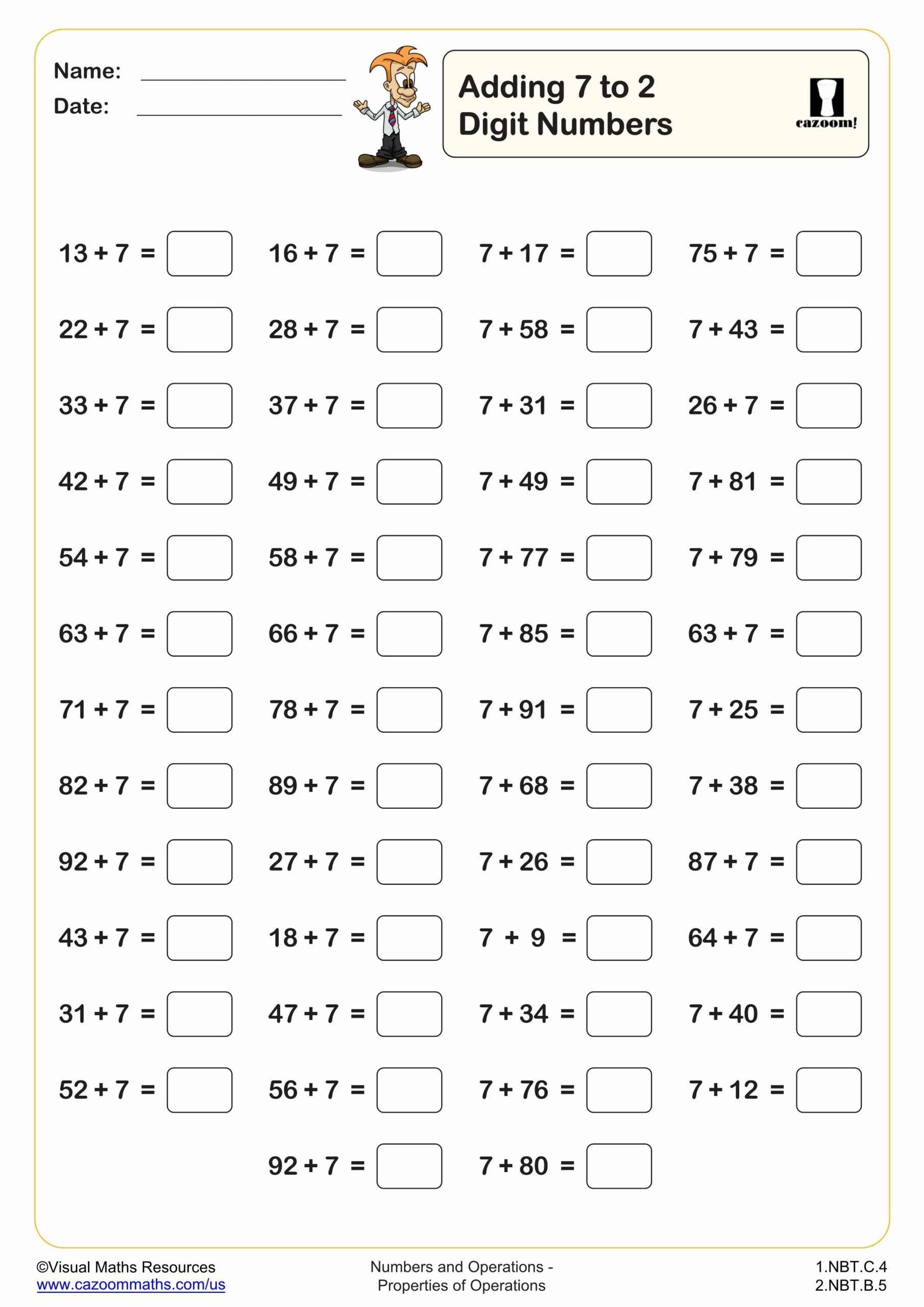
Adding 7 to 2 digit numbers (50 questions)
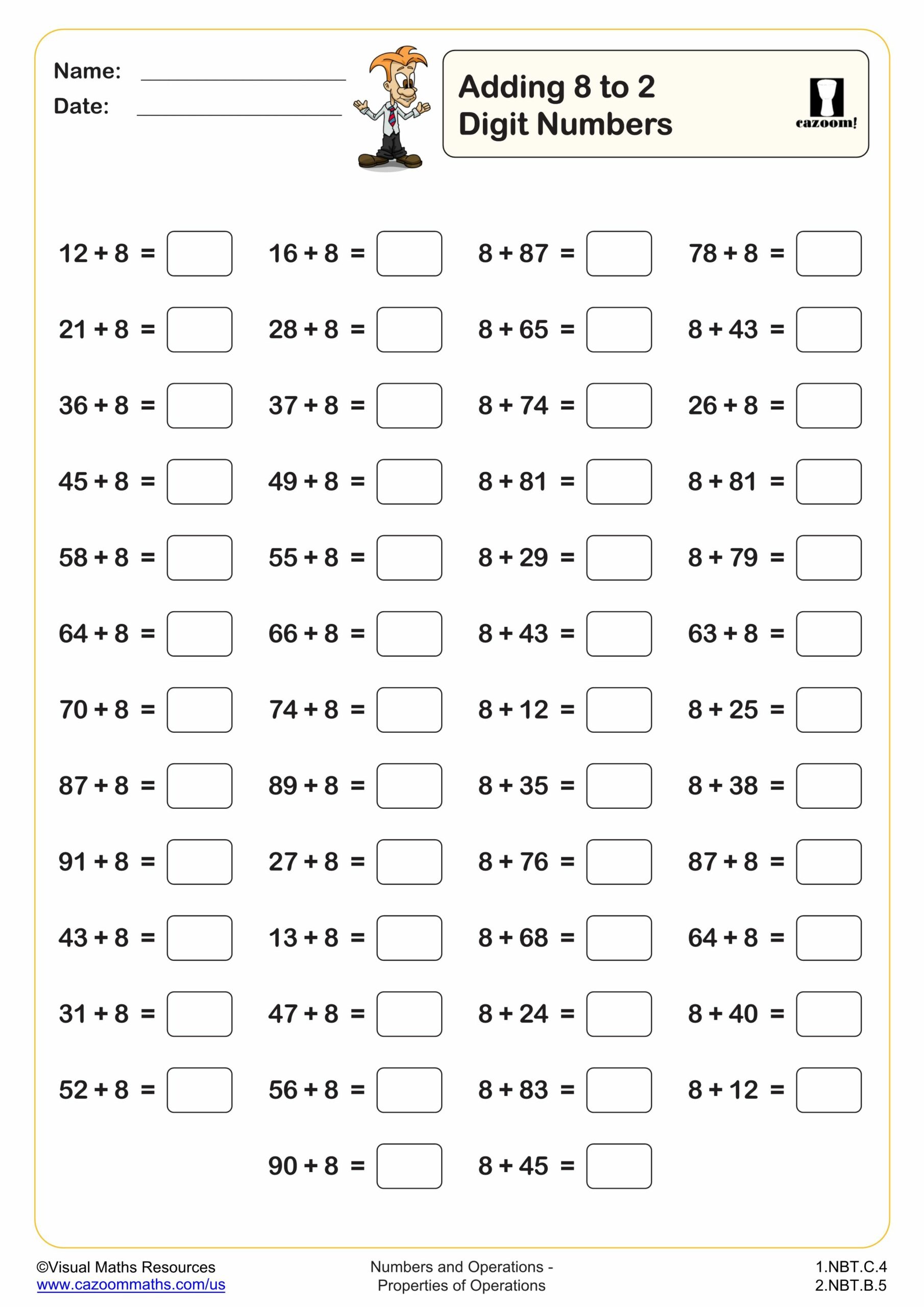
Adding 8 to 2 digit numbers (50 questions)
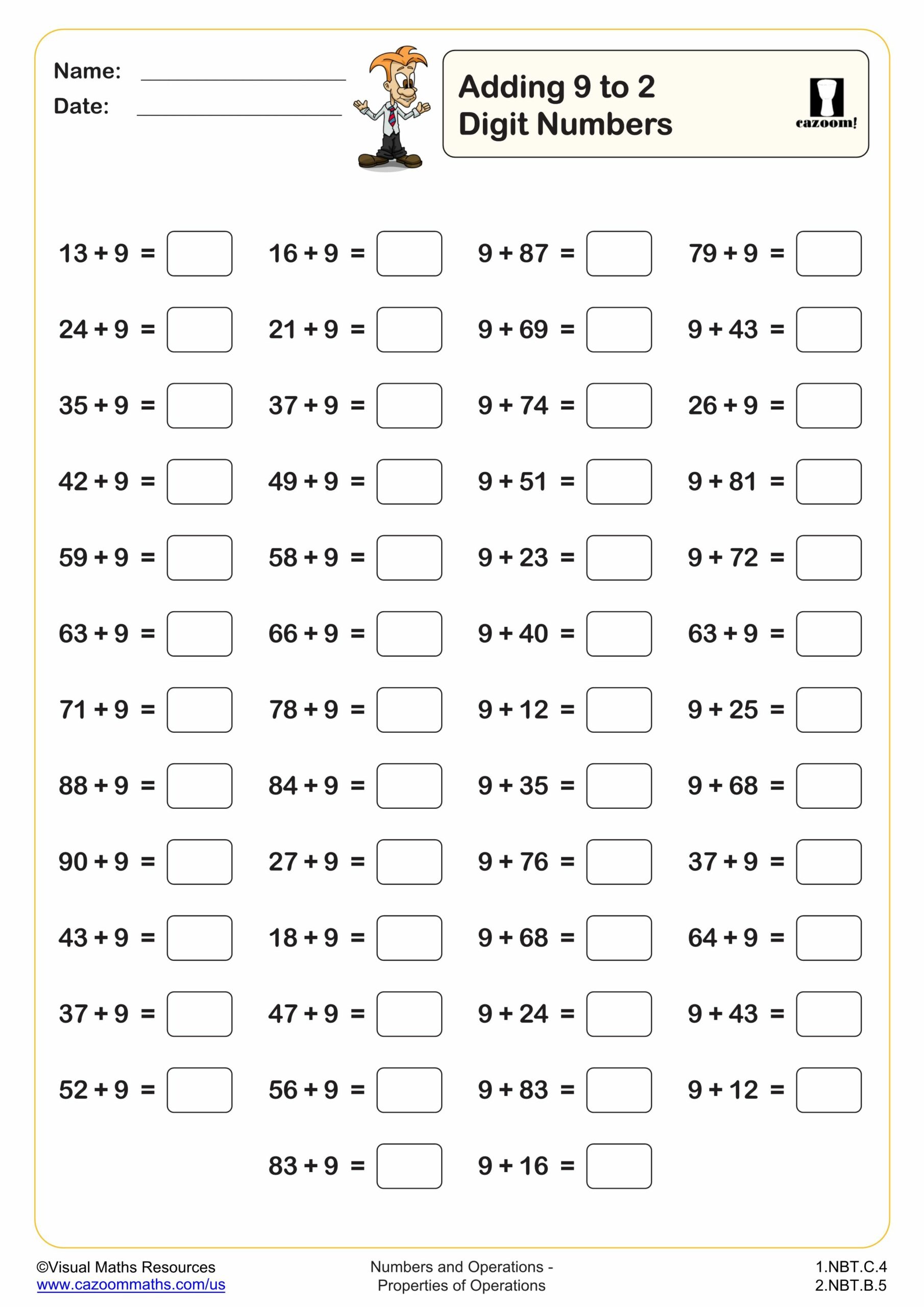
Adding 9 to 2 digit numbers (50 questions)
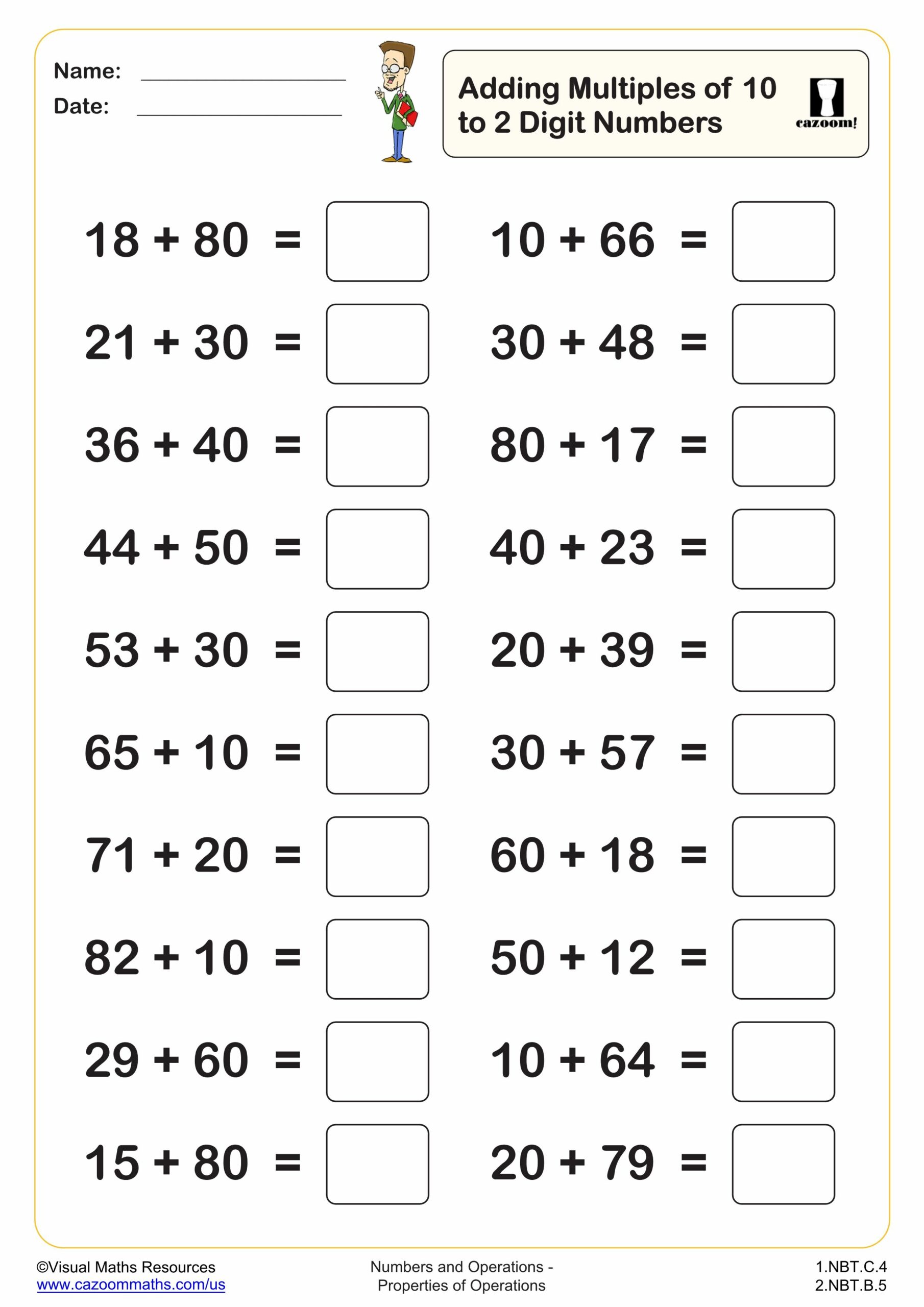
Adding mulitples of 10 to a 2 digit number (20 questions)
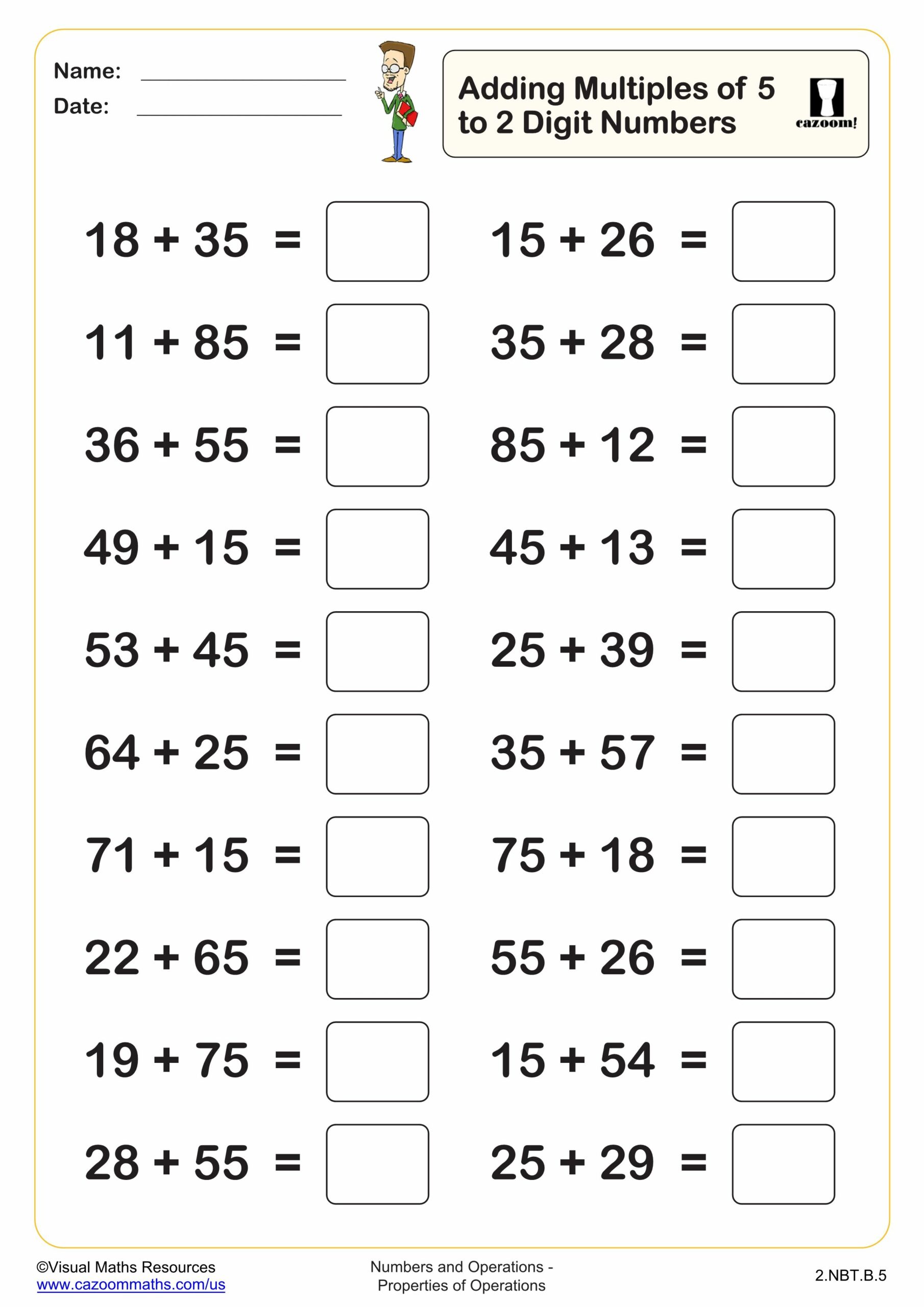
Adding mulitples of 5 to a 2 digit number (10 questions)
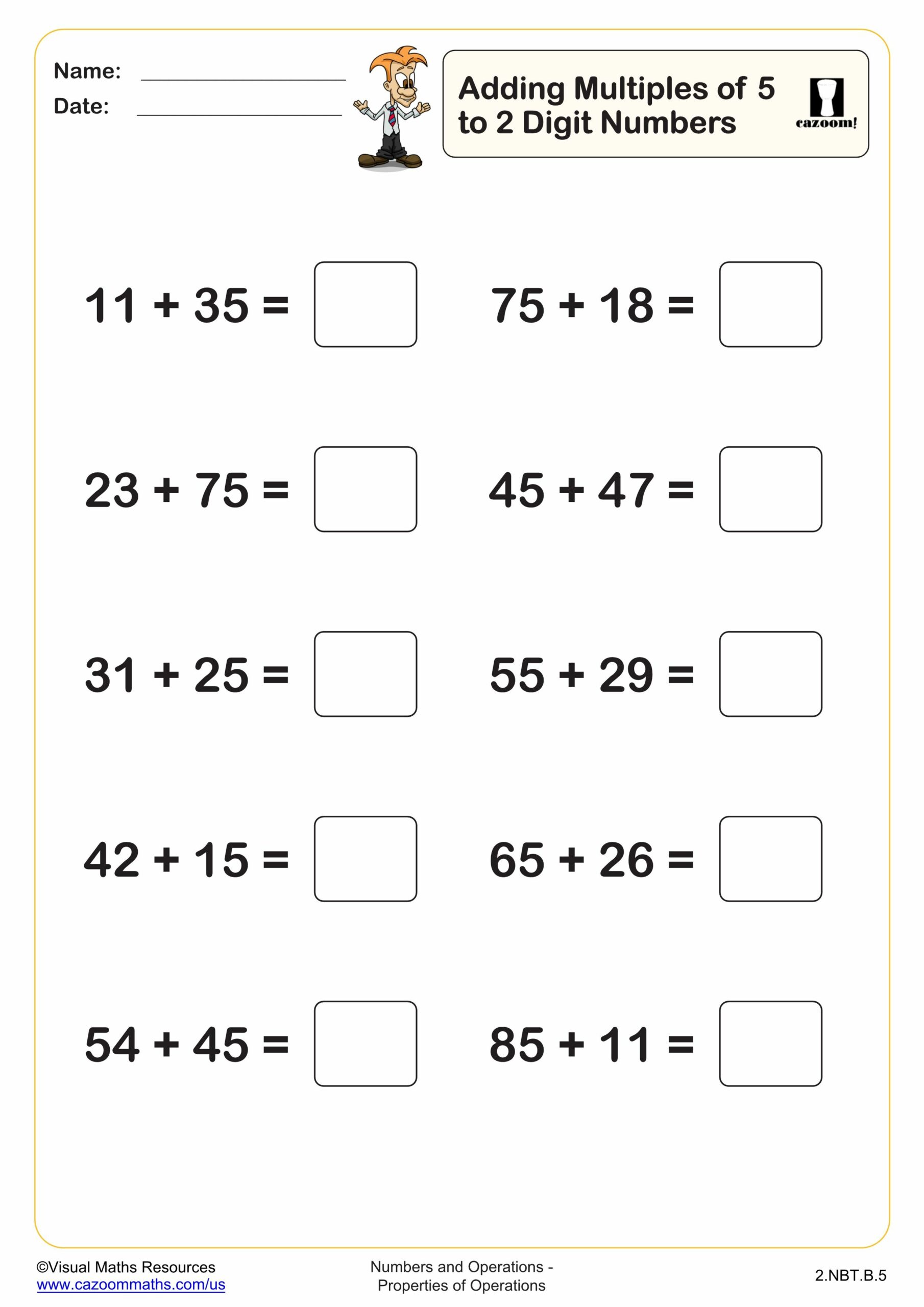
Adding mulitples of 5 to a 2 digit number (20 questions)
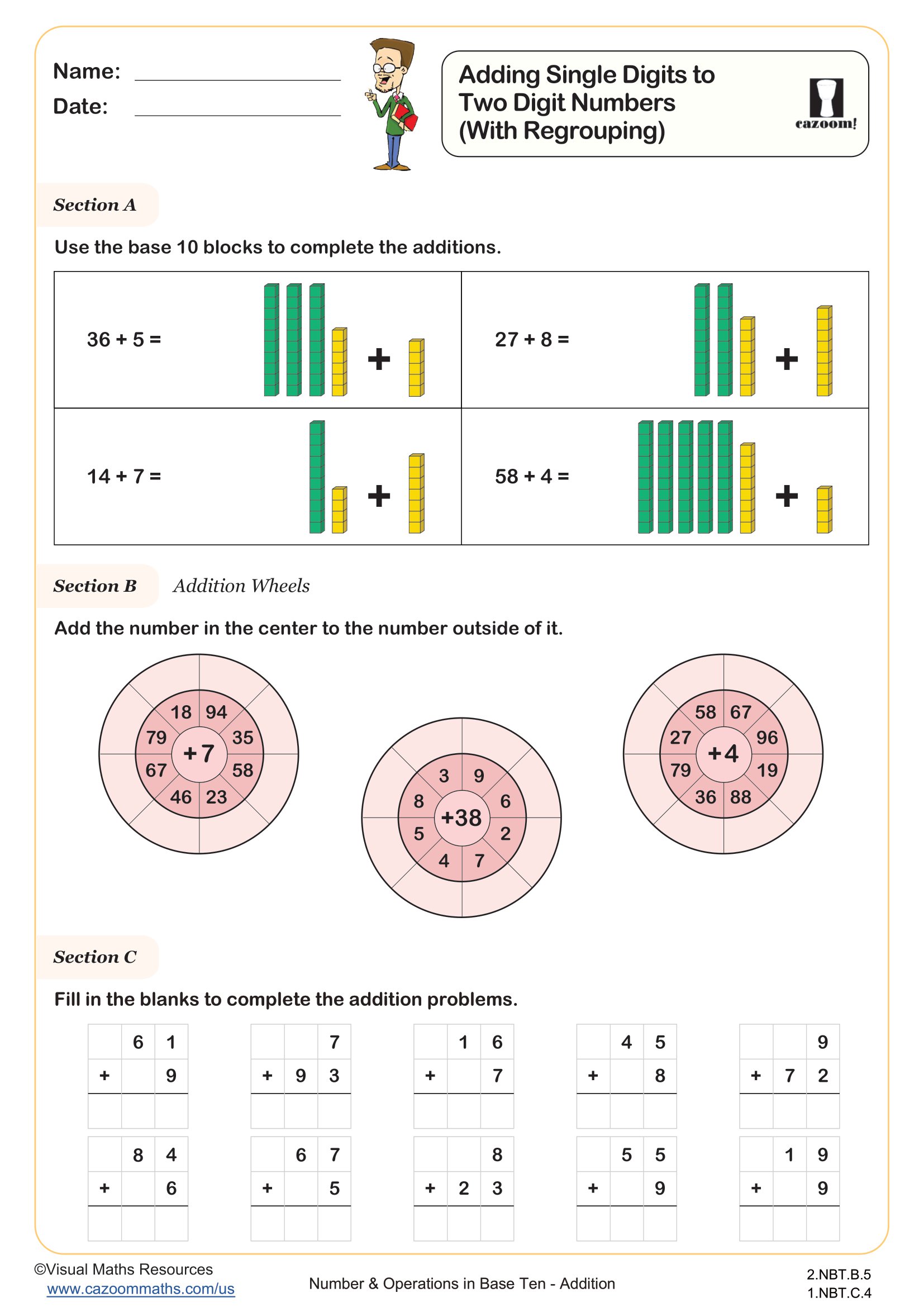
Adding Single Digits to Two Digit Numbers (With Regrouping)
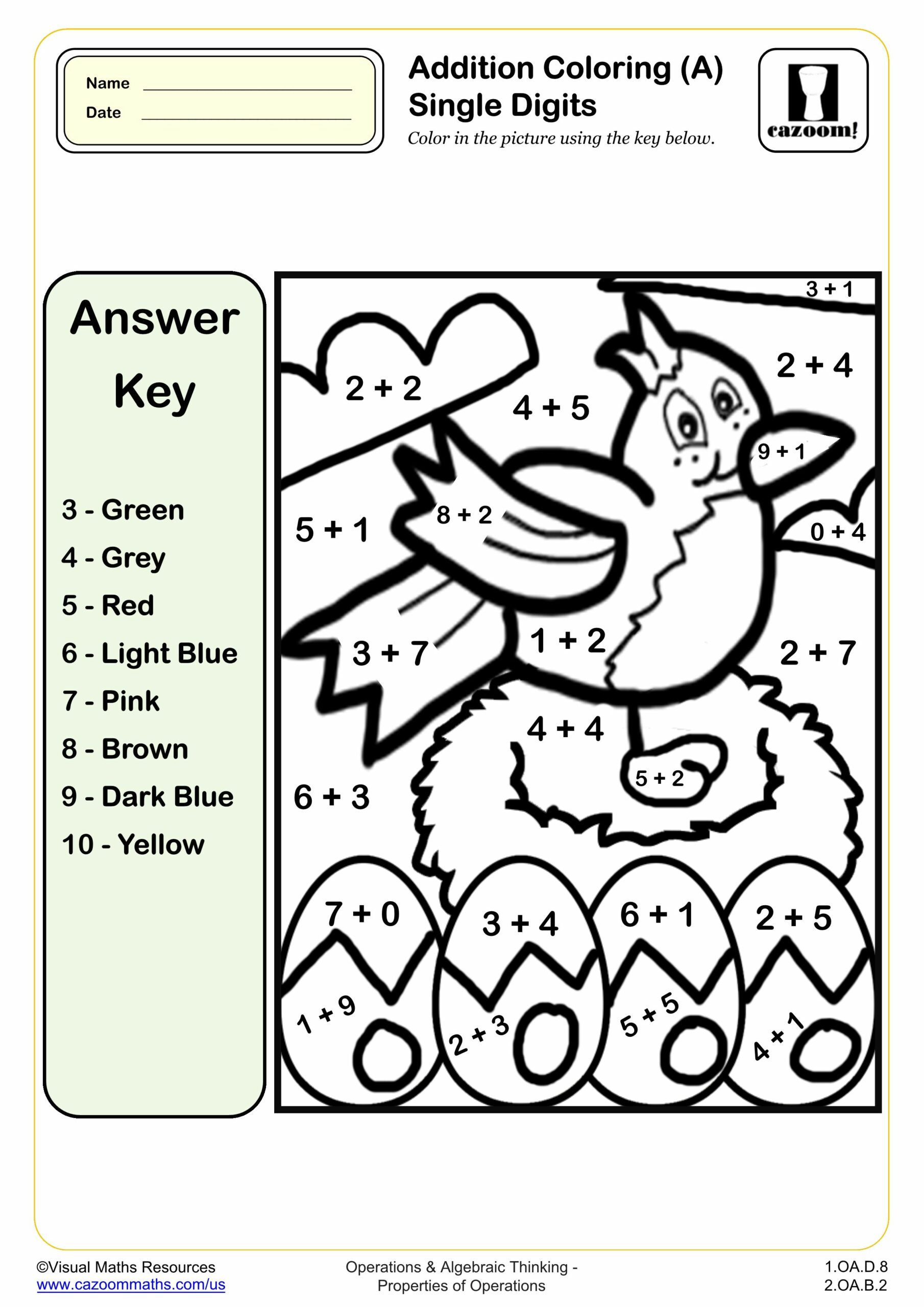
Addition Coloring (A) Single Digits
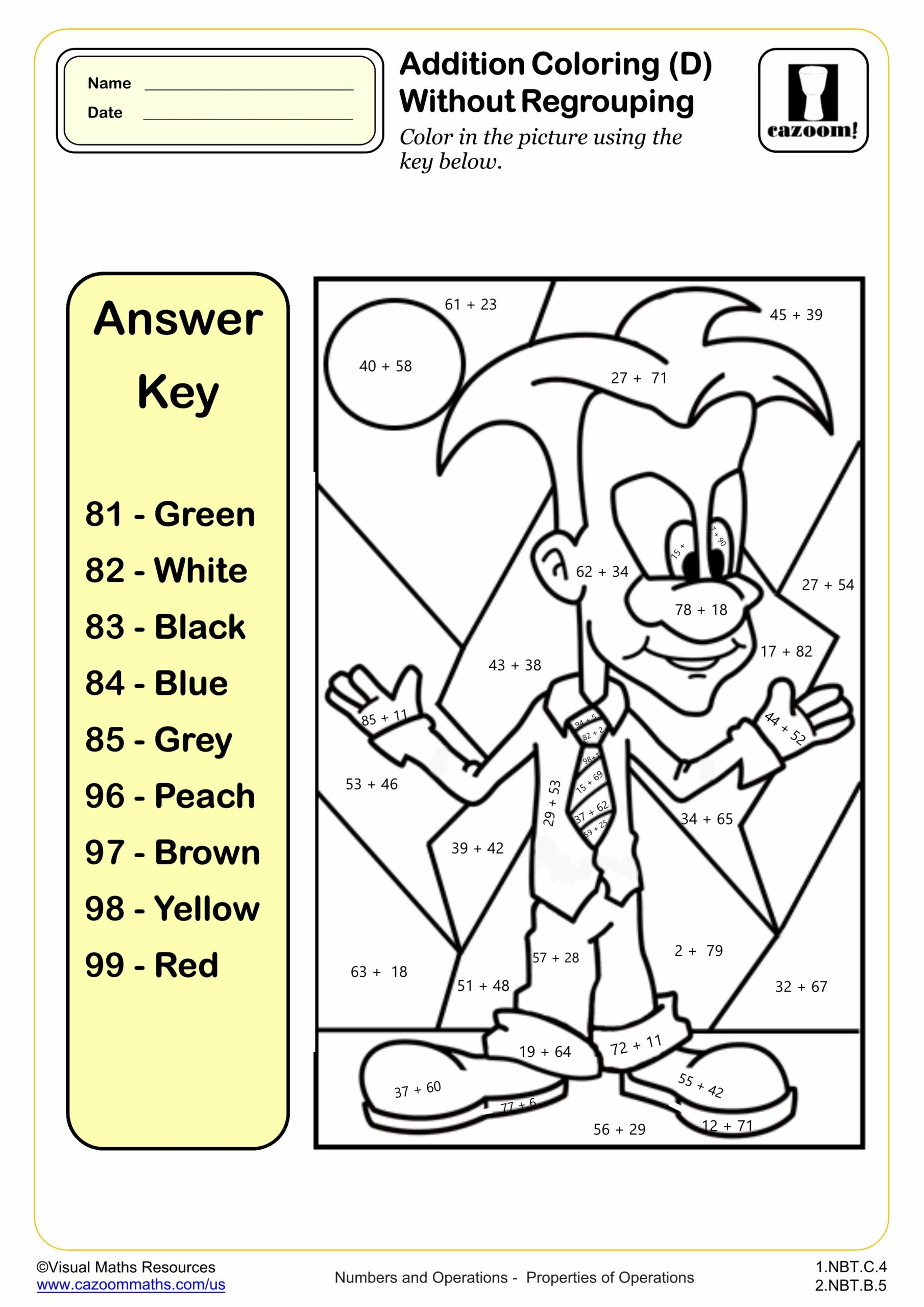
Addition Coloring (D)
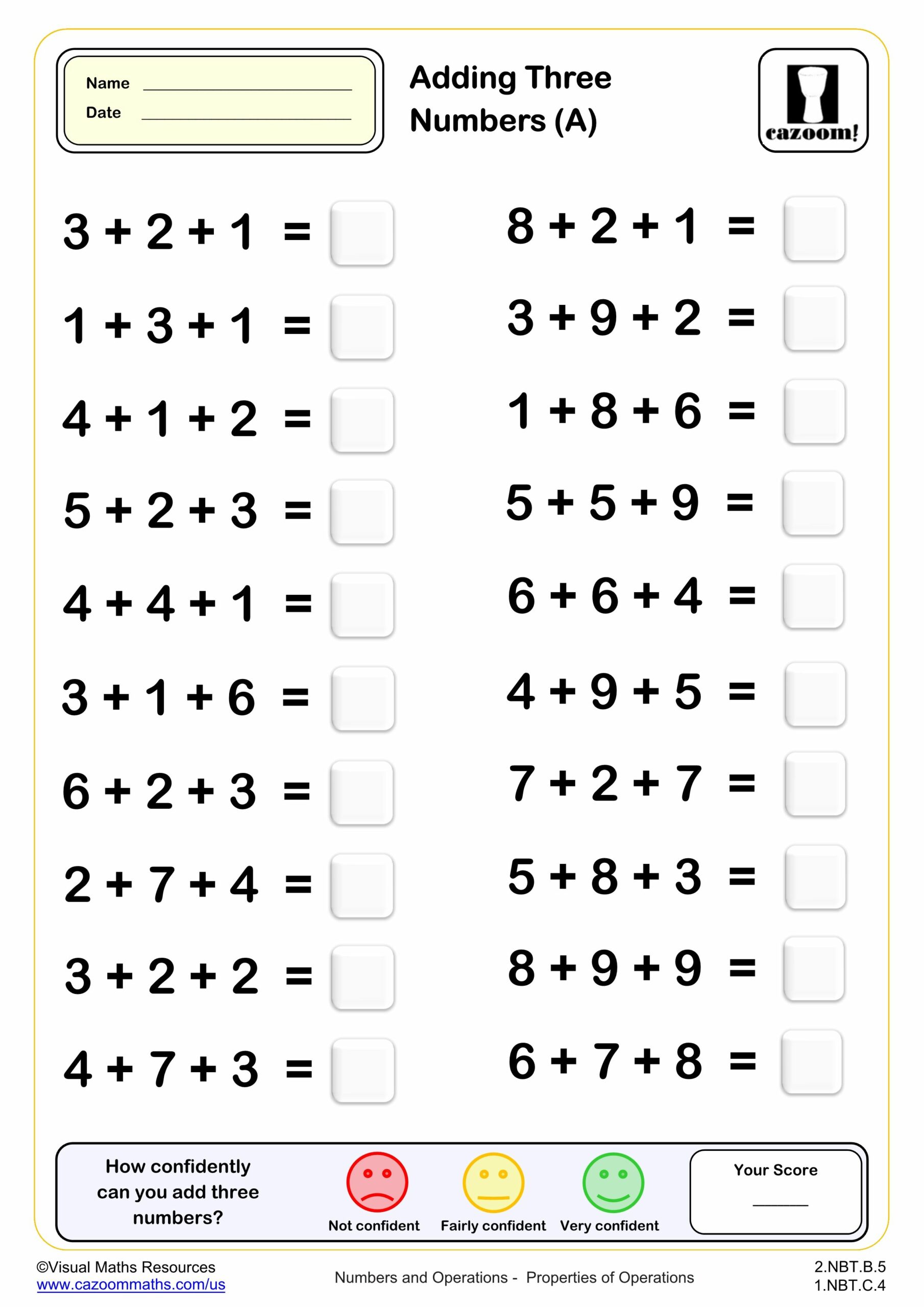
Addition Drills with three numbers (A)
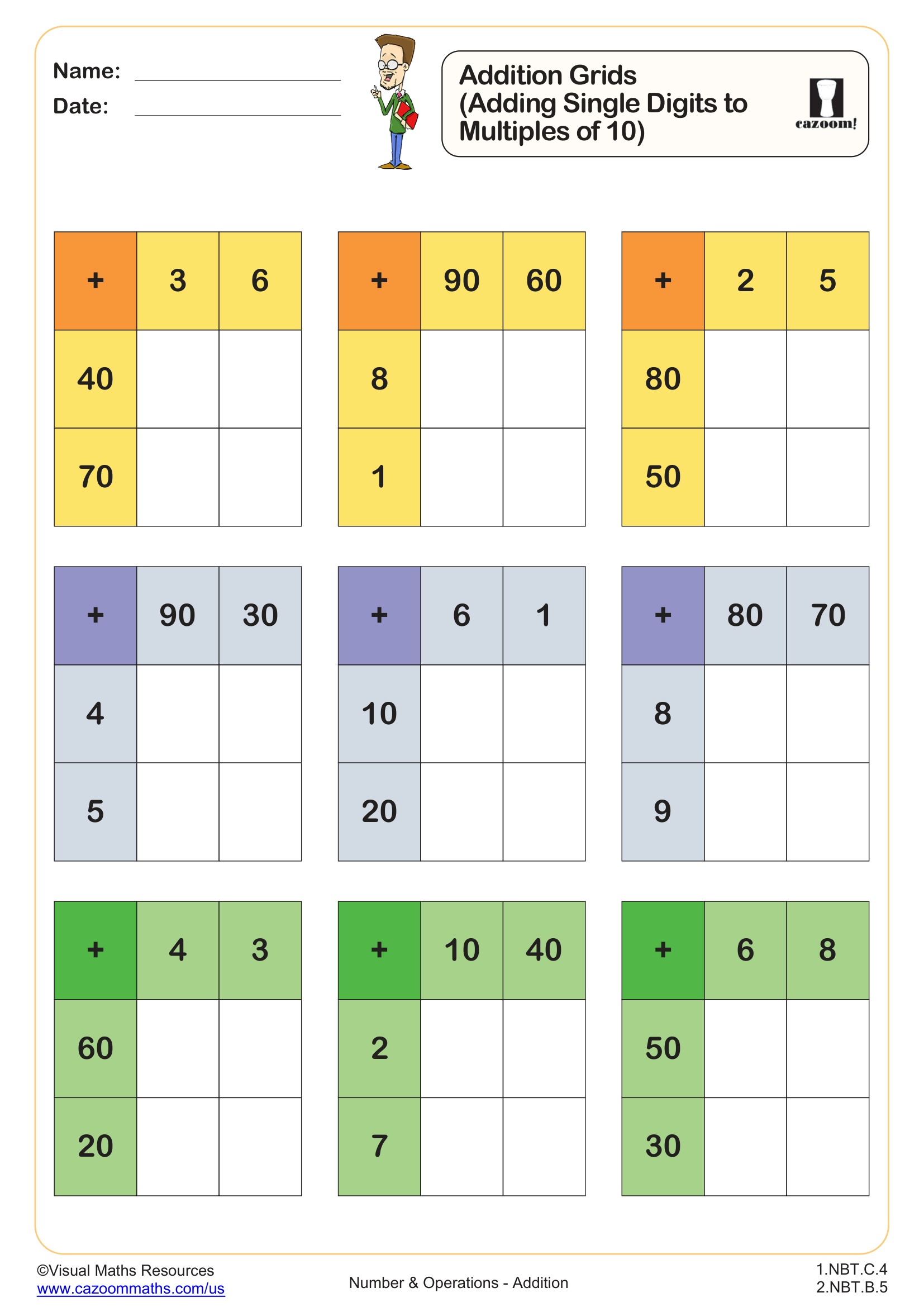
Addition Grids (Adding Single Digits to Multiples of 10)
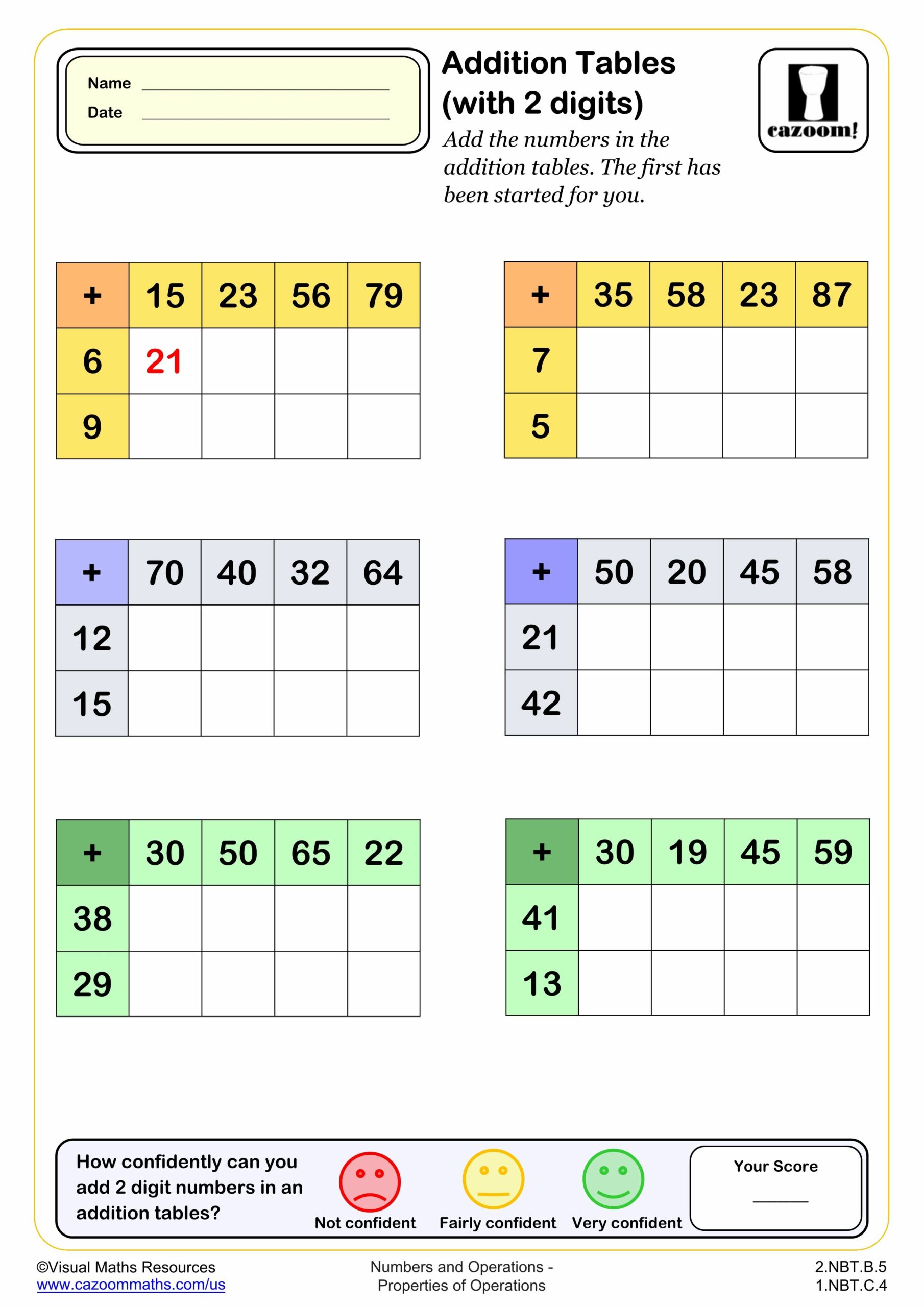
Addition Tables (2 digits)
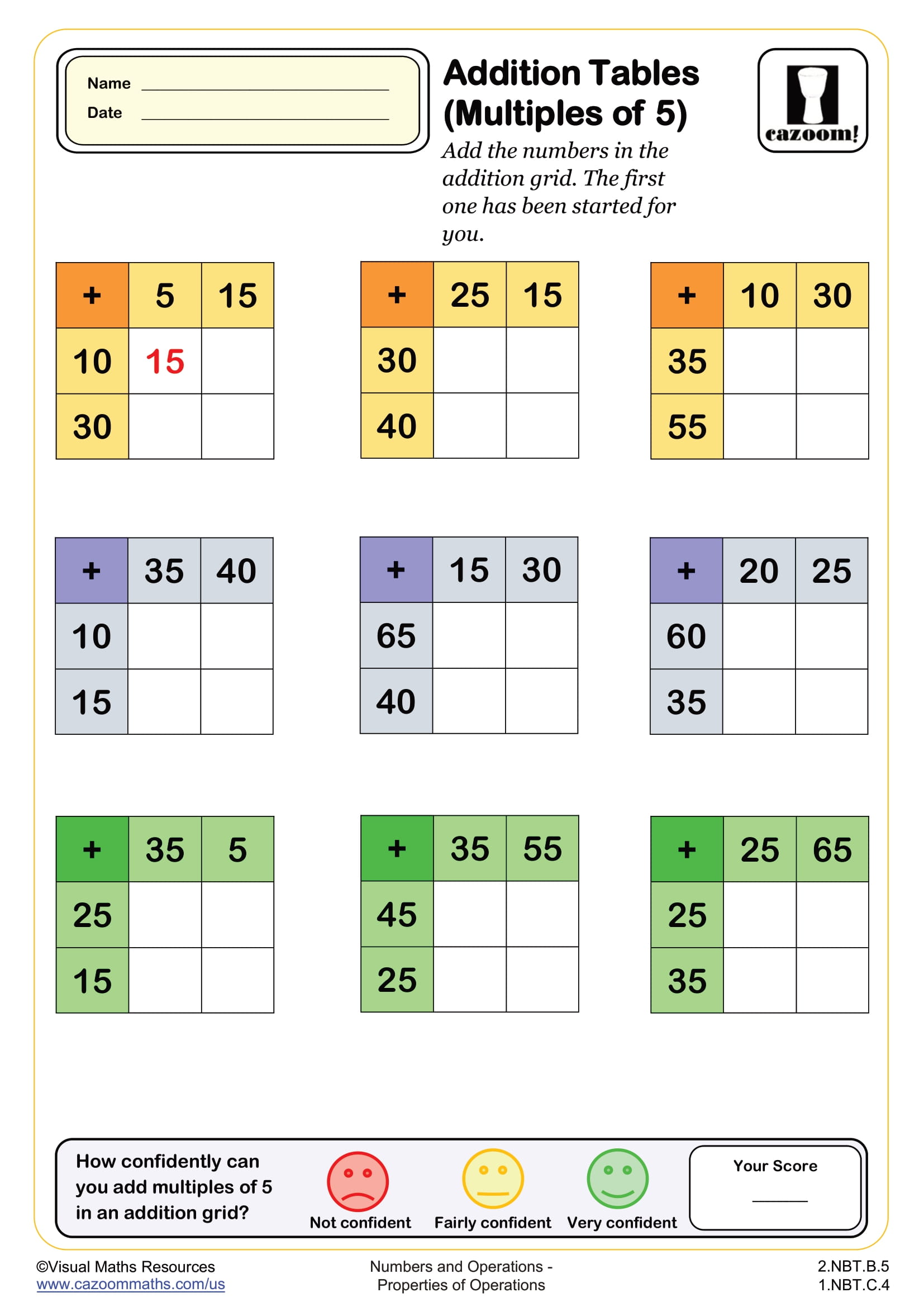
Addition Tables (Multiples of 5)
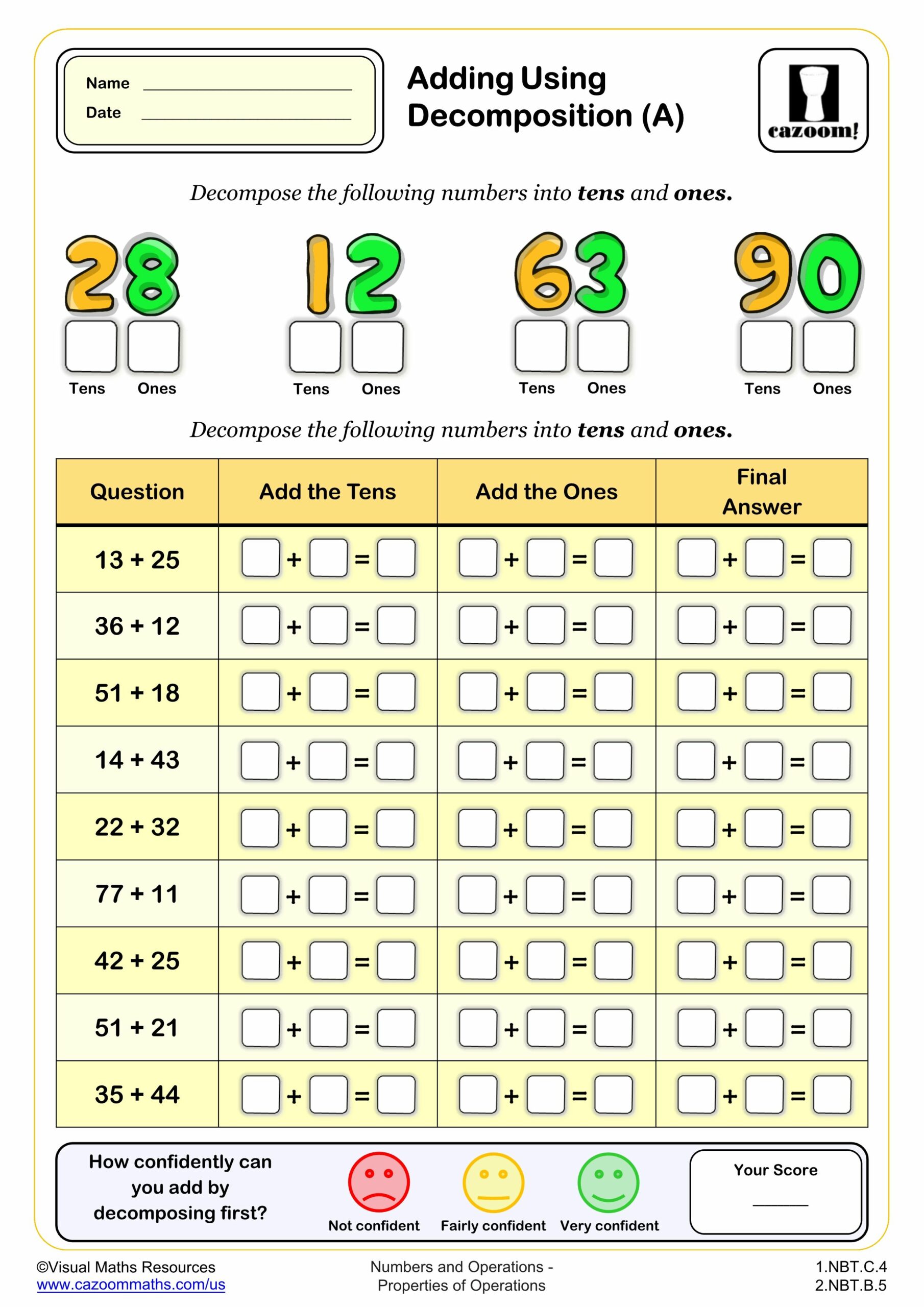
Addition using Decomposition (A)
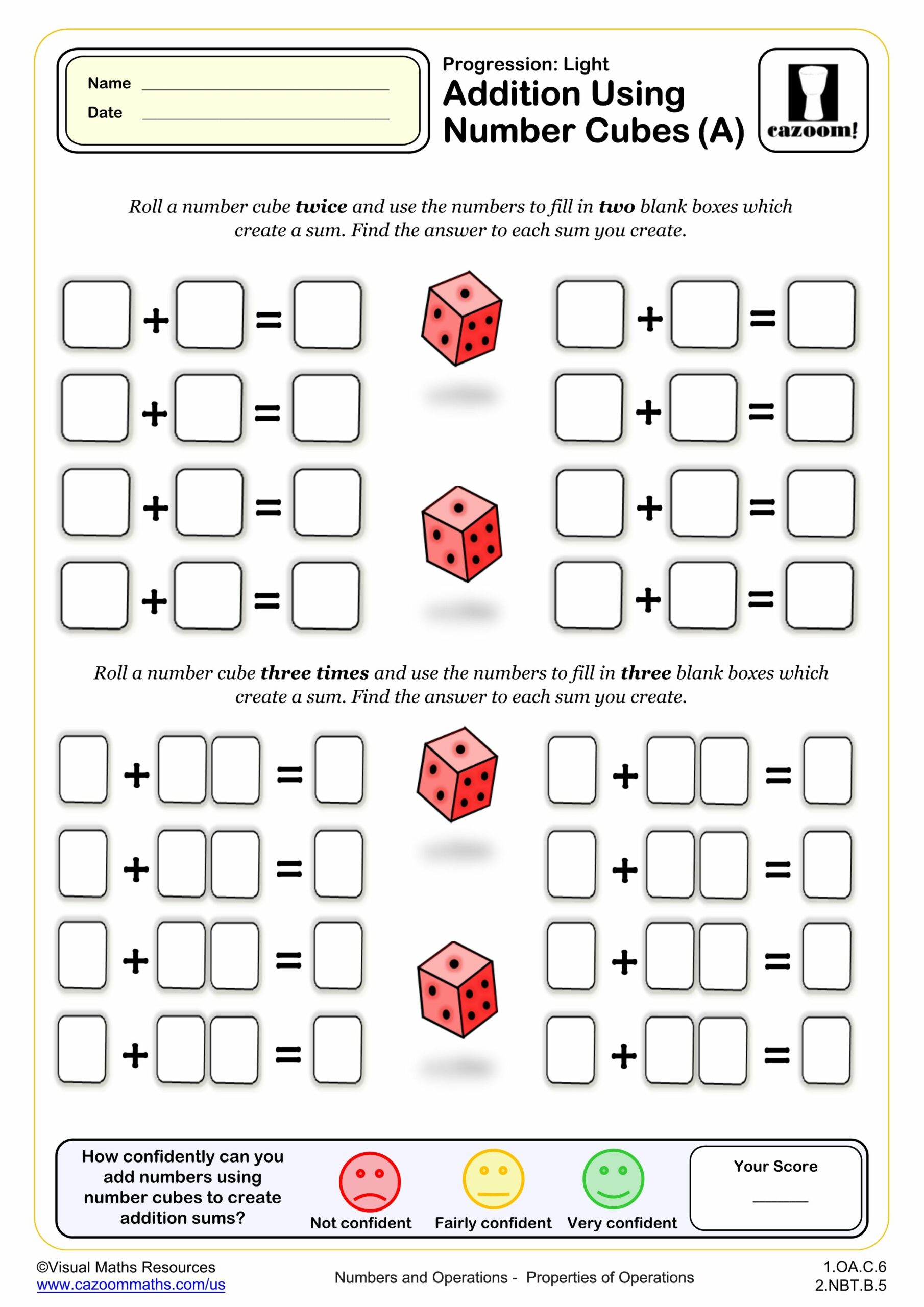
Addition Using Number Cubes (A)
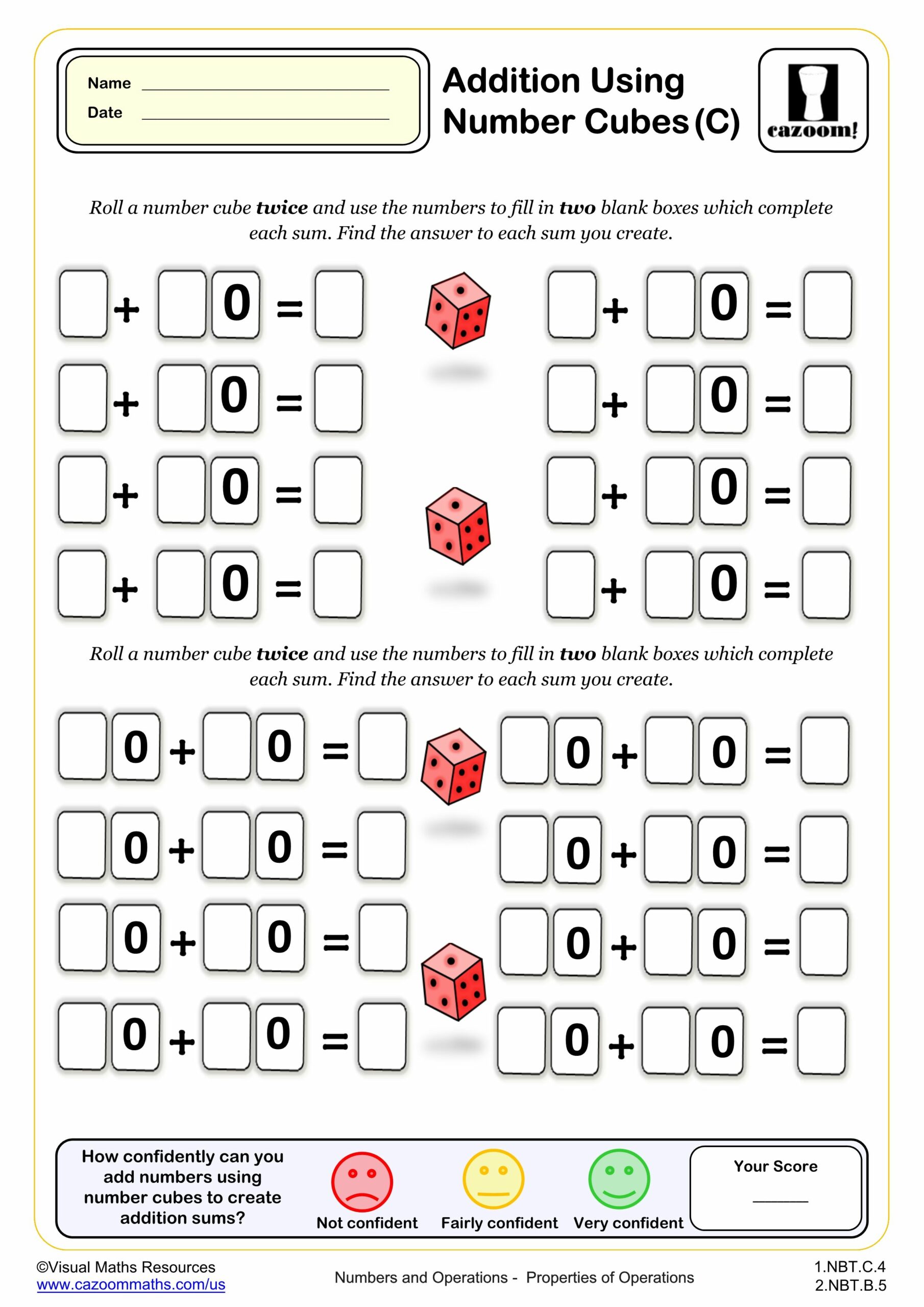
Addition Using Number Cubes (C)
Addition Using Number Cubes (D)
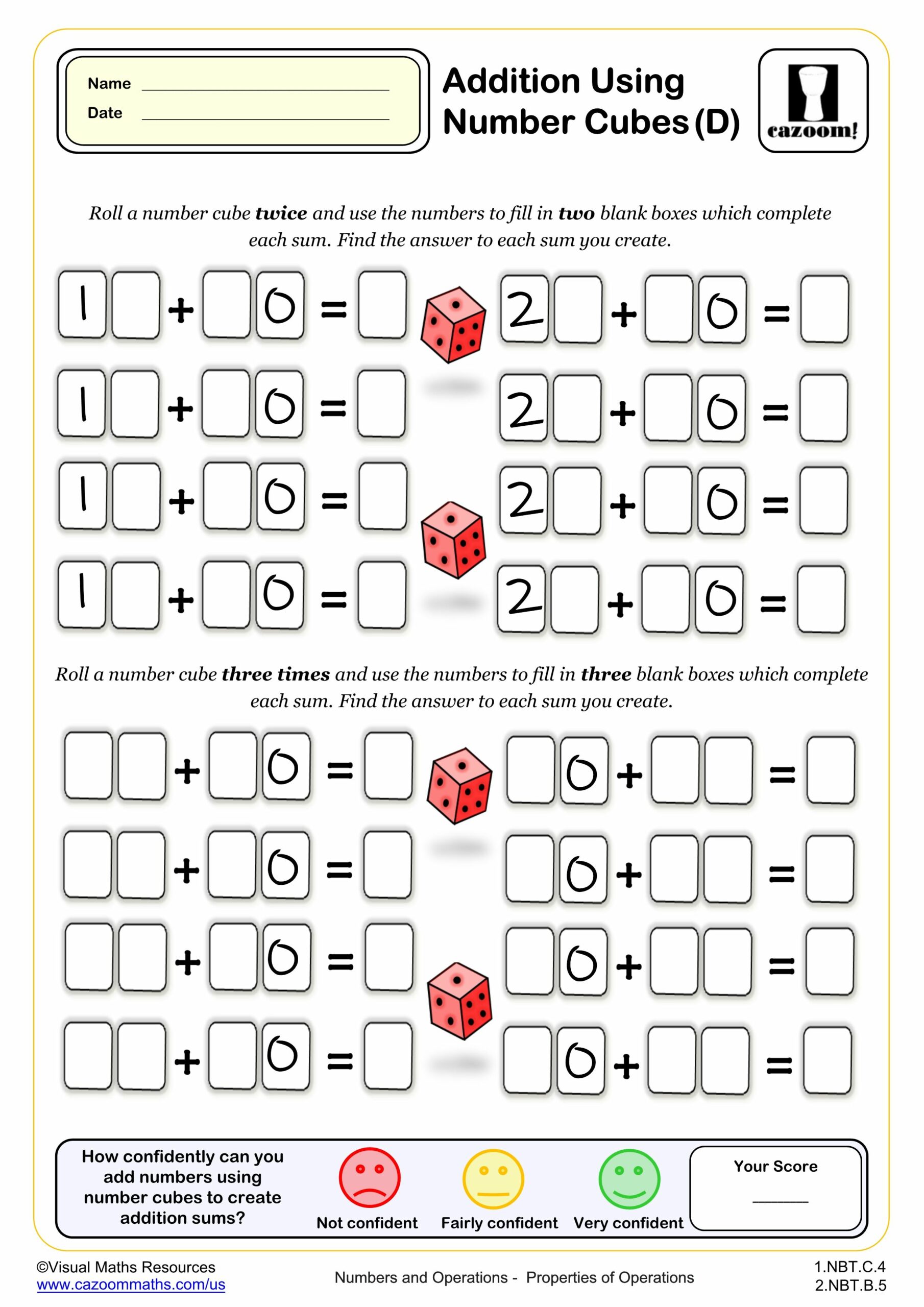
Addition Using Number Cubes (E)
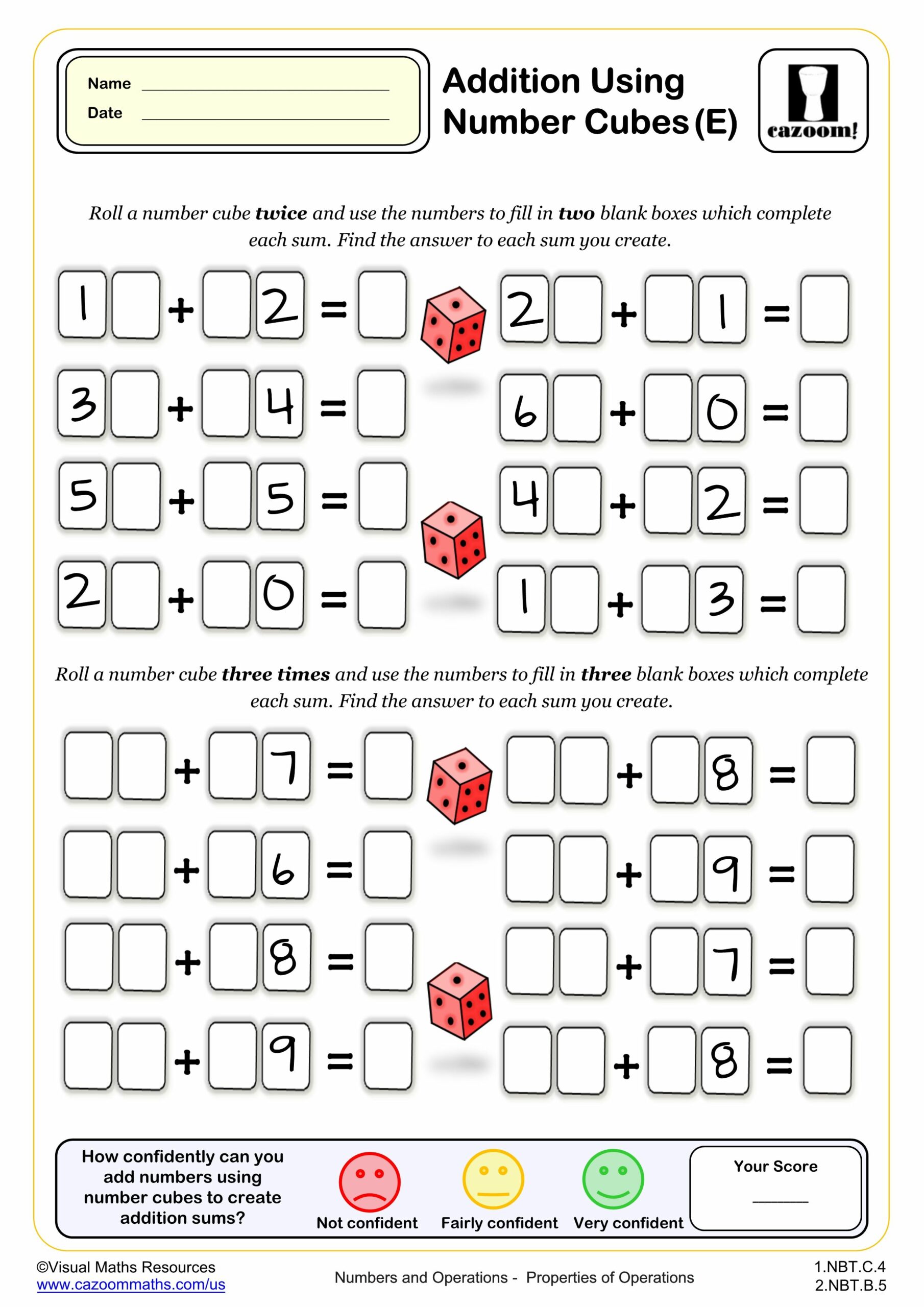
Addition Wheel (adding 10 to 2 digits)
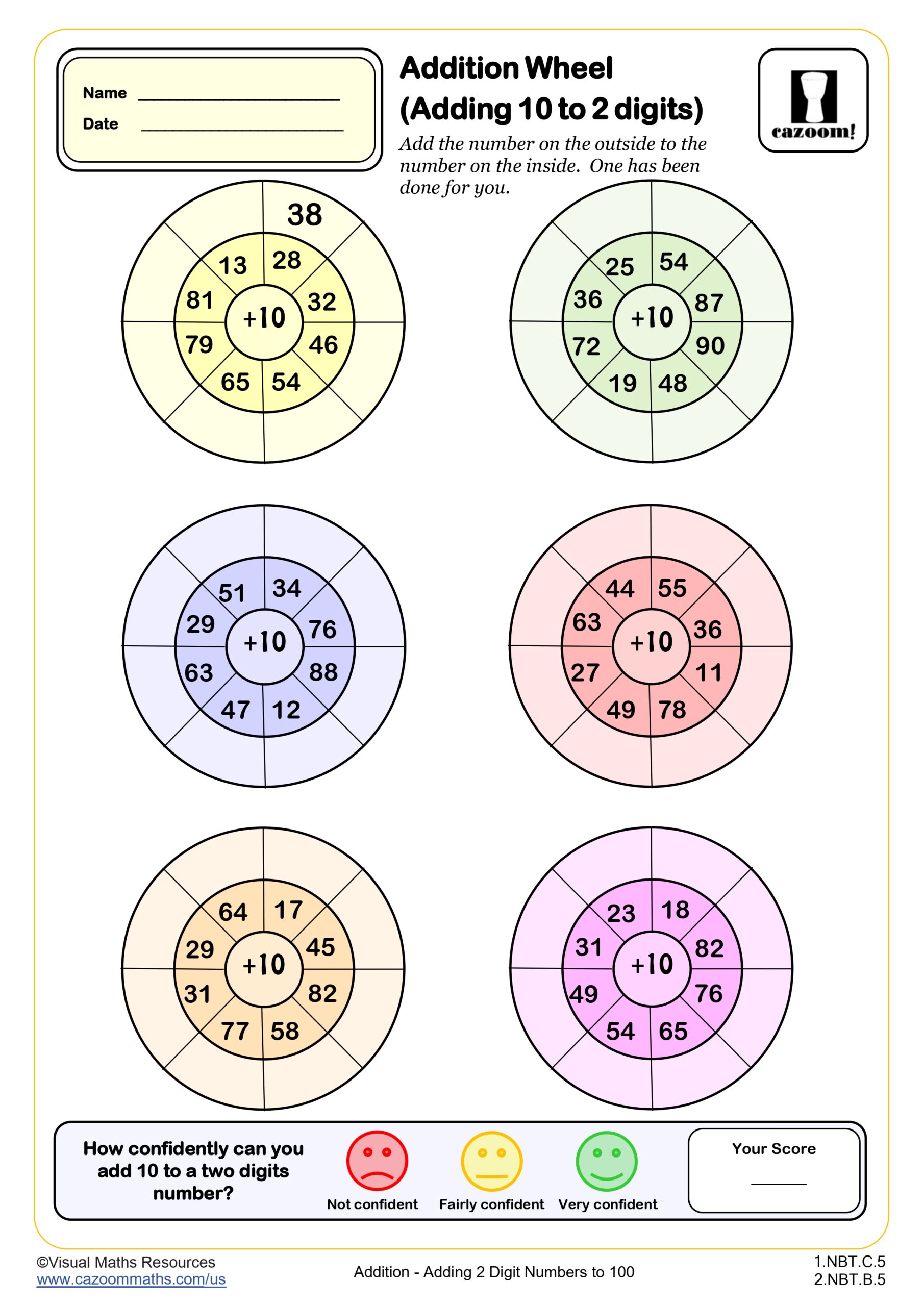
Addition Wheels (1 digit to 2 digits)
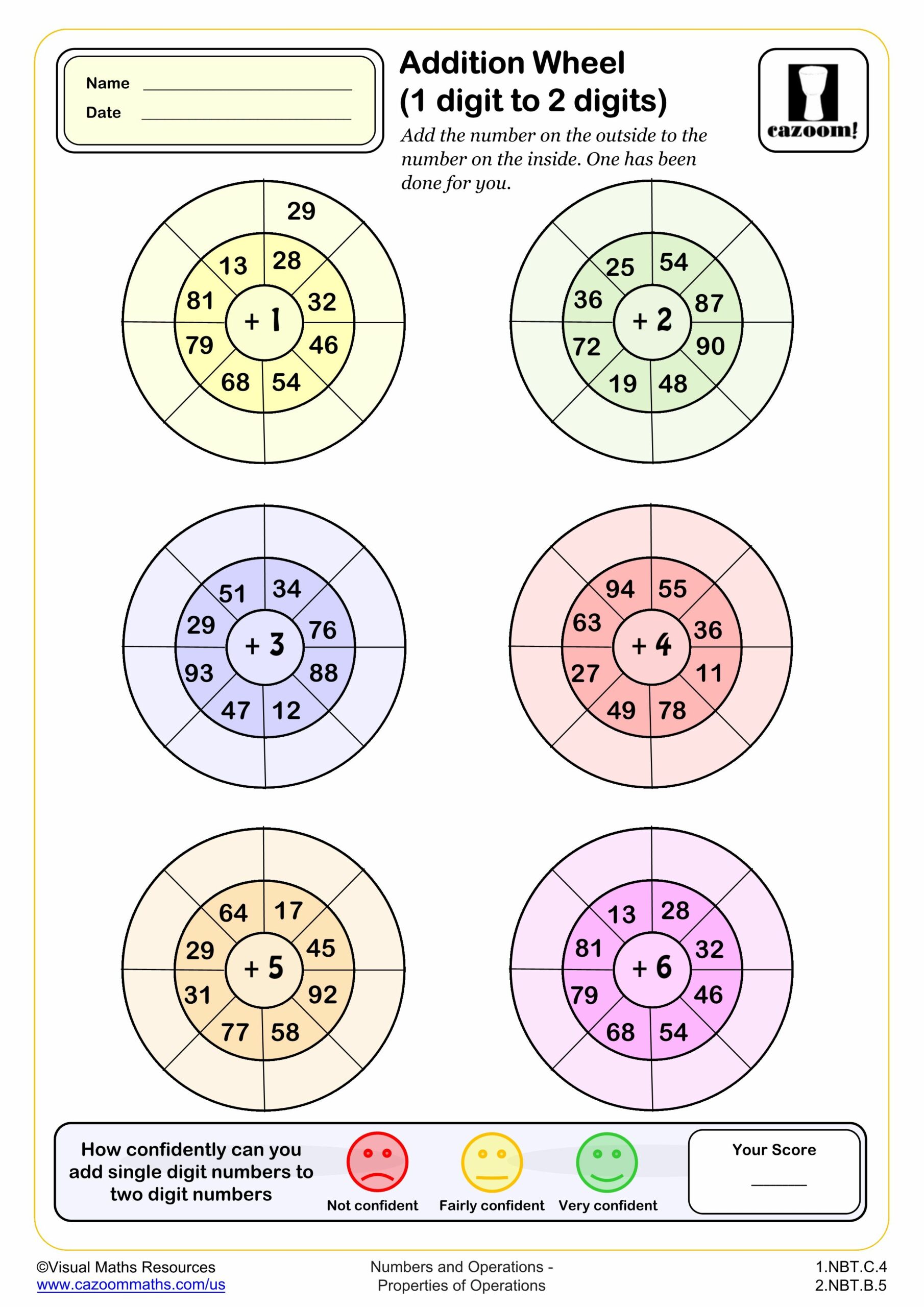
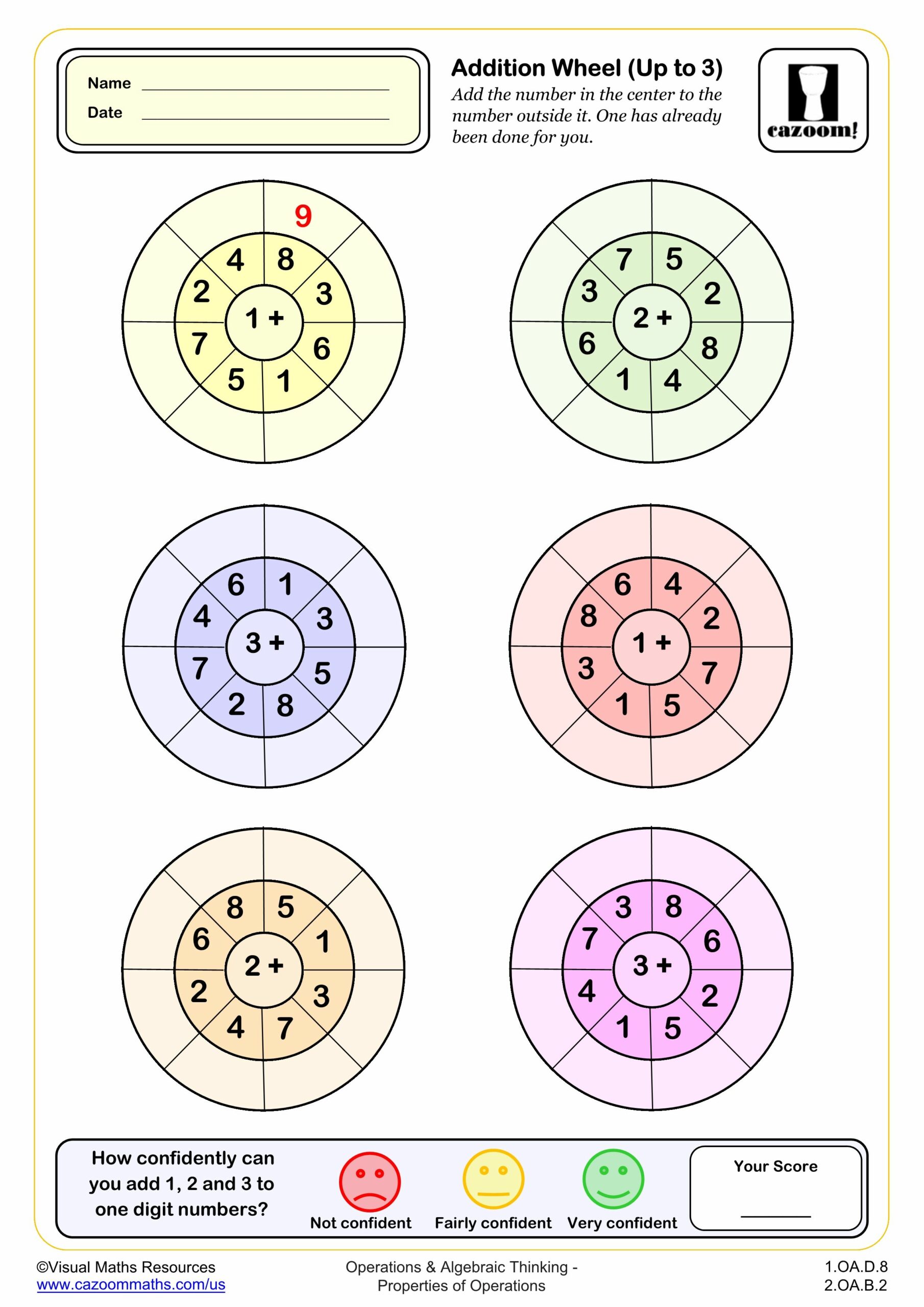
Addition Wheels (adding 2)
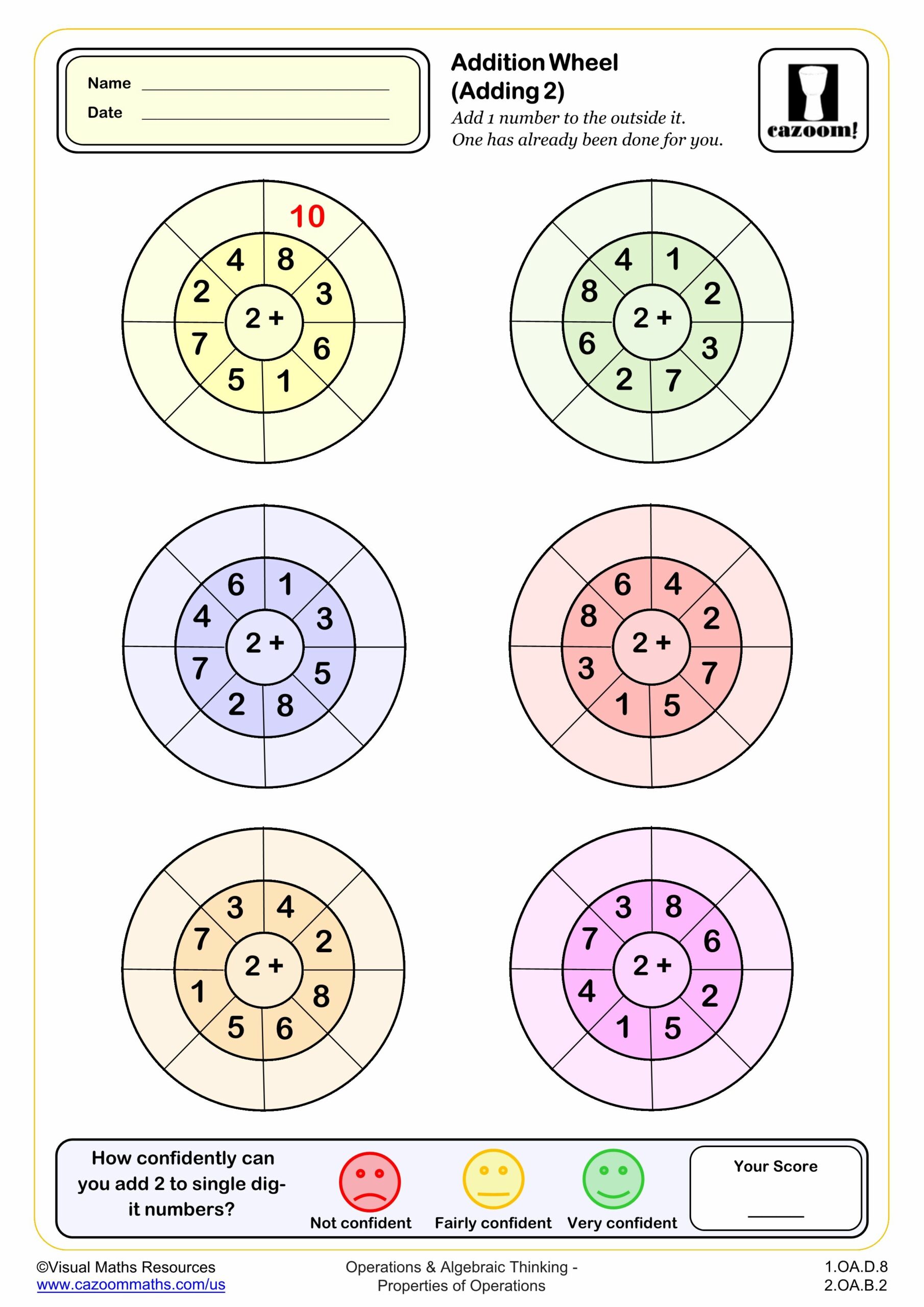
Addition Wheels (Up to 10)
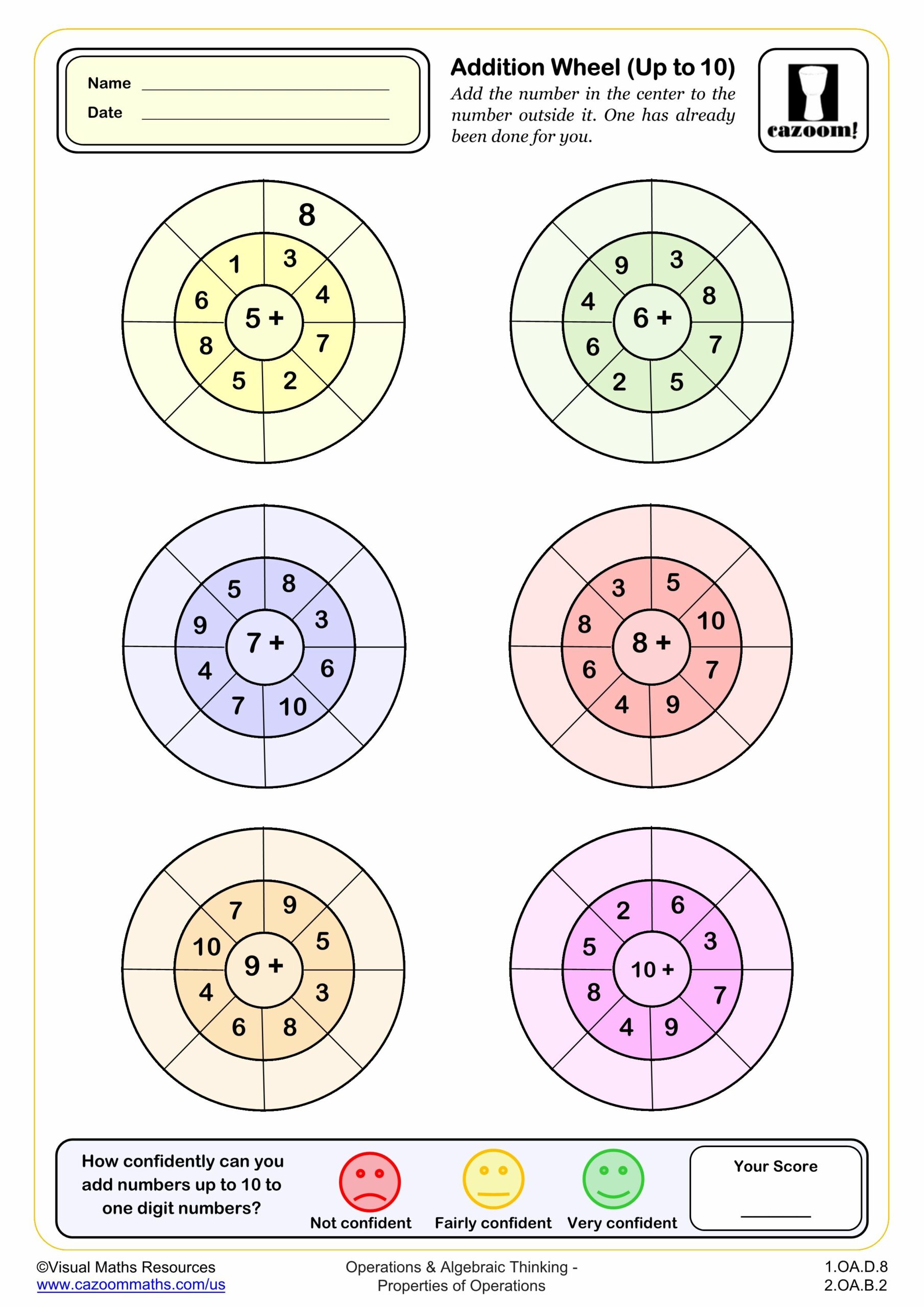
Addition Wheels (Up to 17)
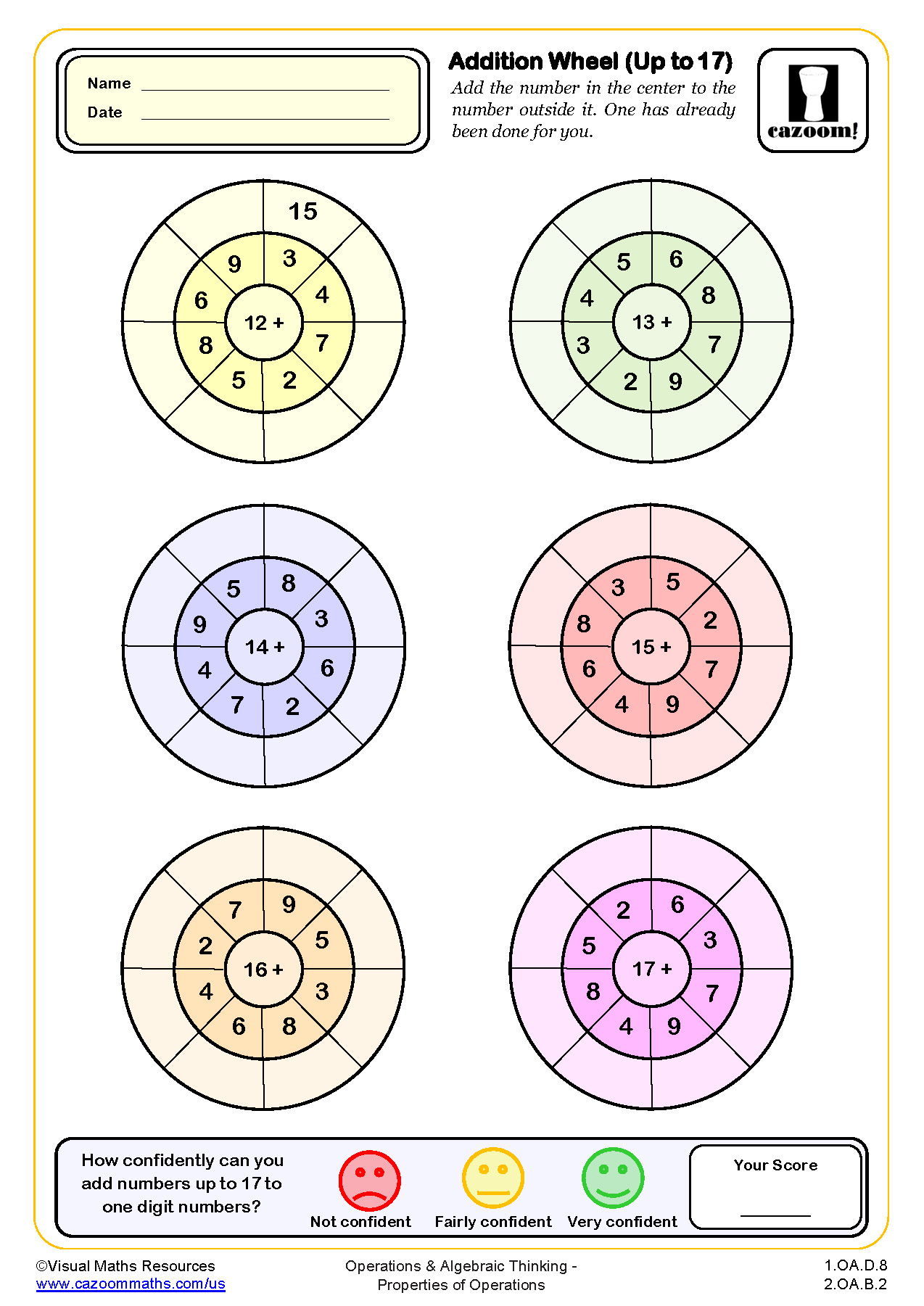
Addition Wheels (Up to 3)
Addition Wheels (Up to 7)
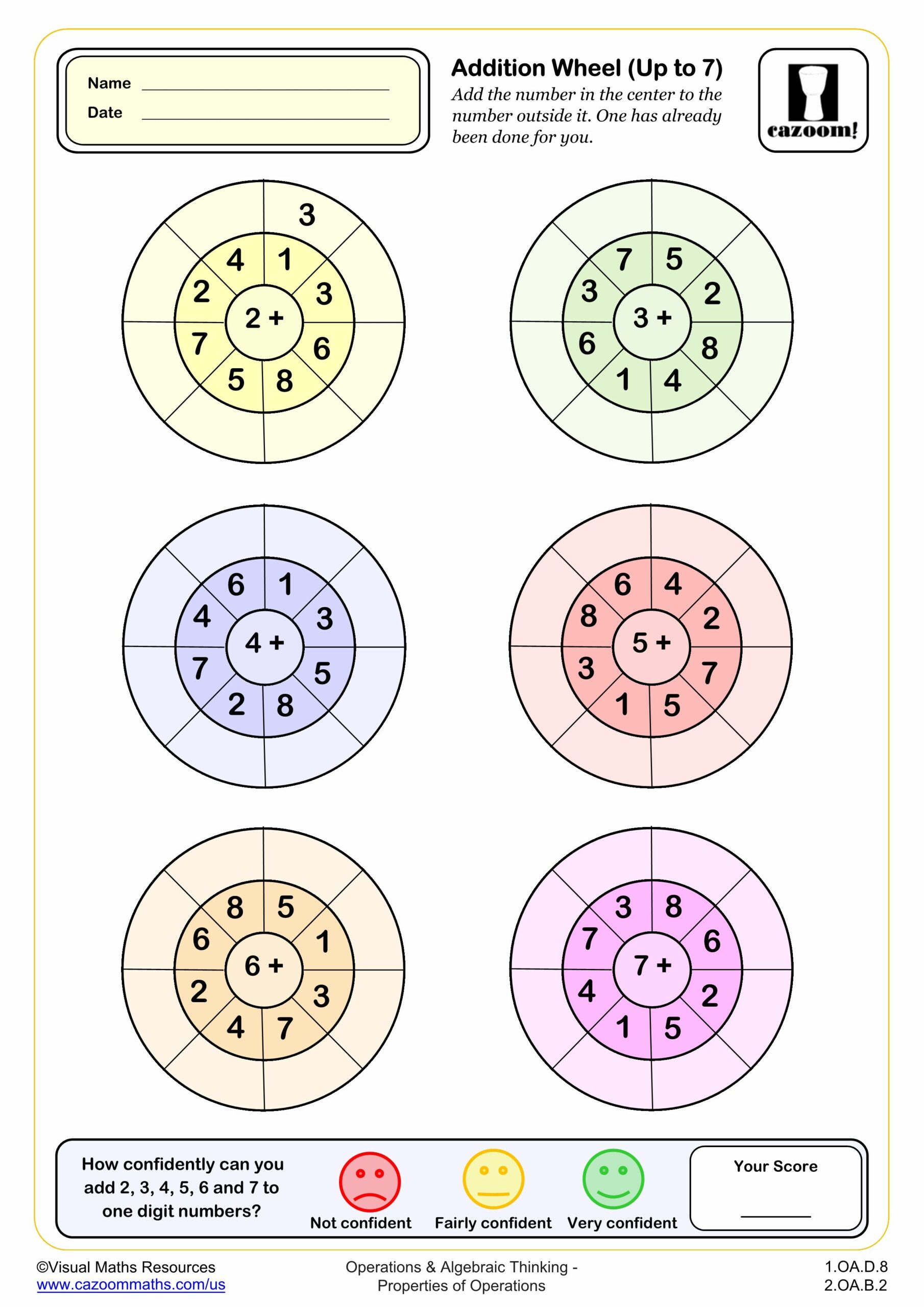
Making 10 with three numbers
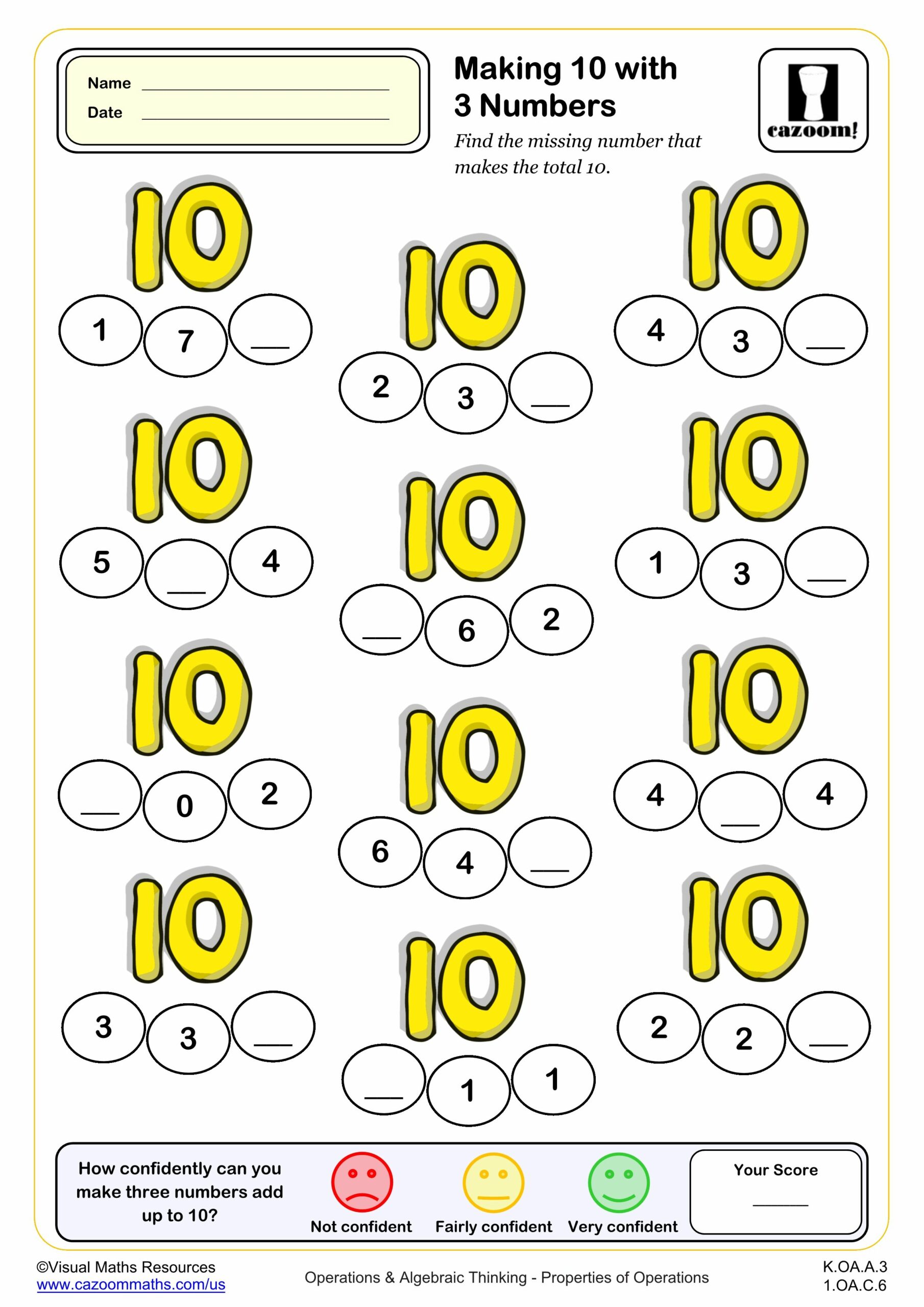
Making 100 with 2 numbers (blanks)
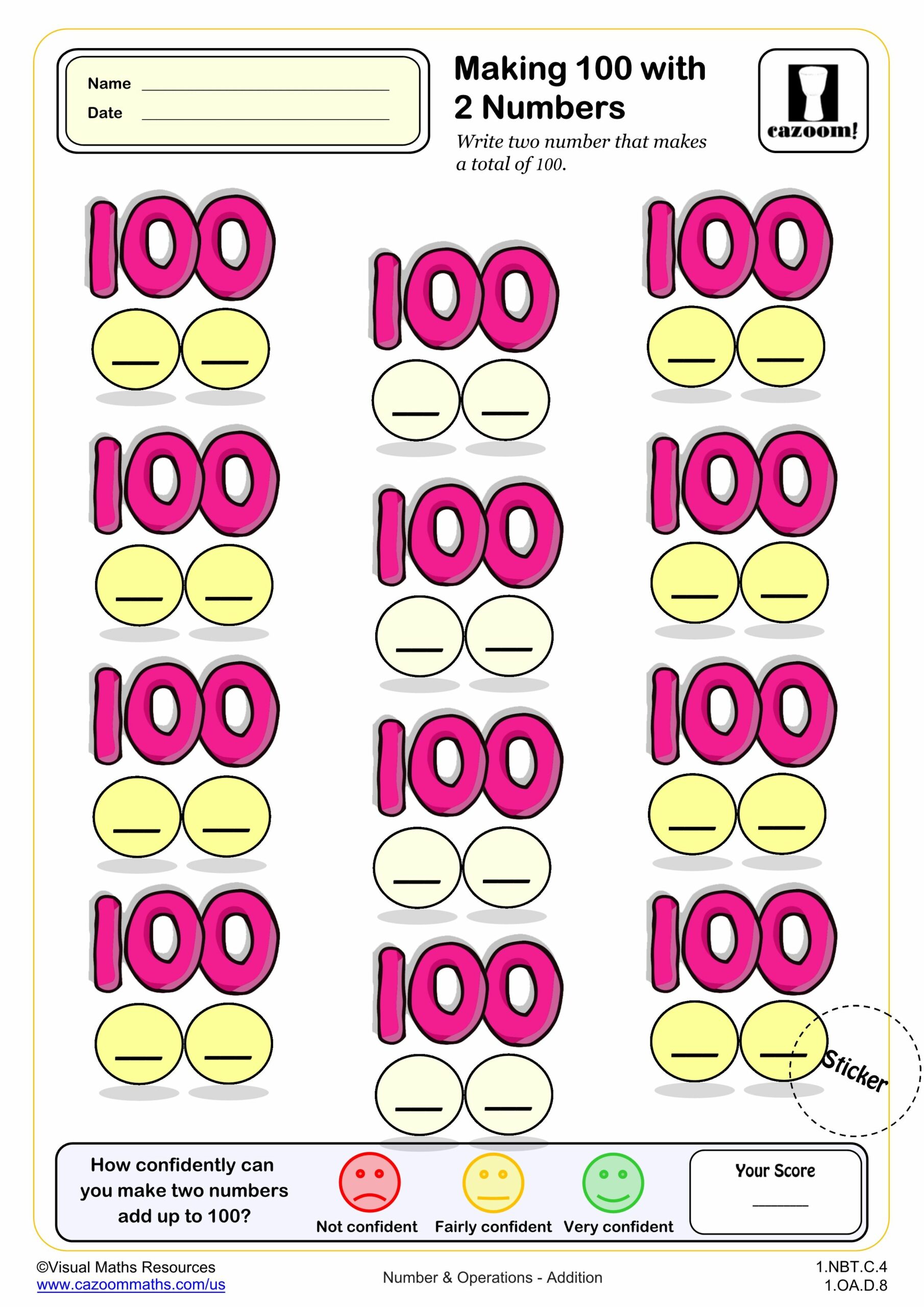
Making 18 (BONDS)
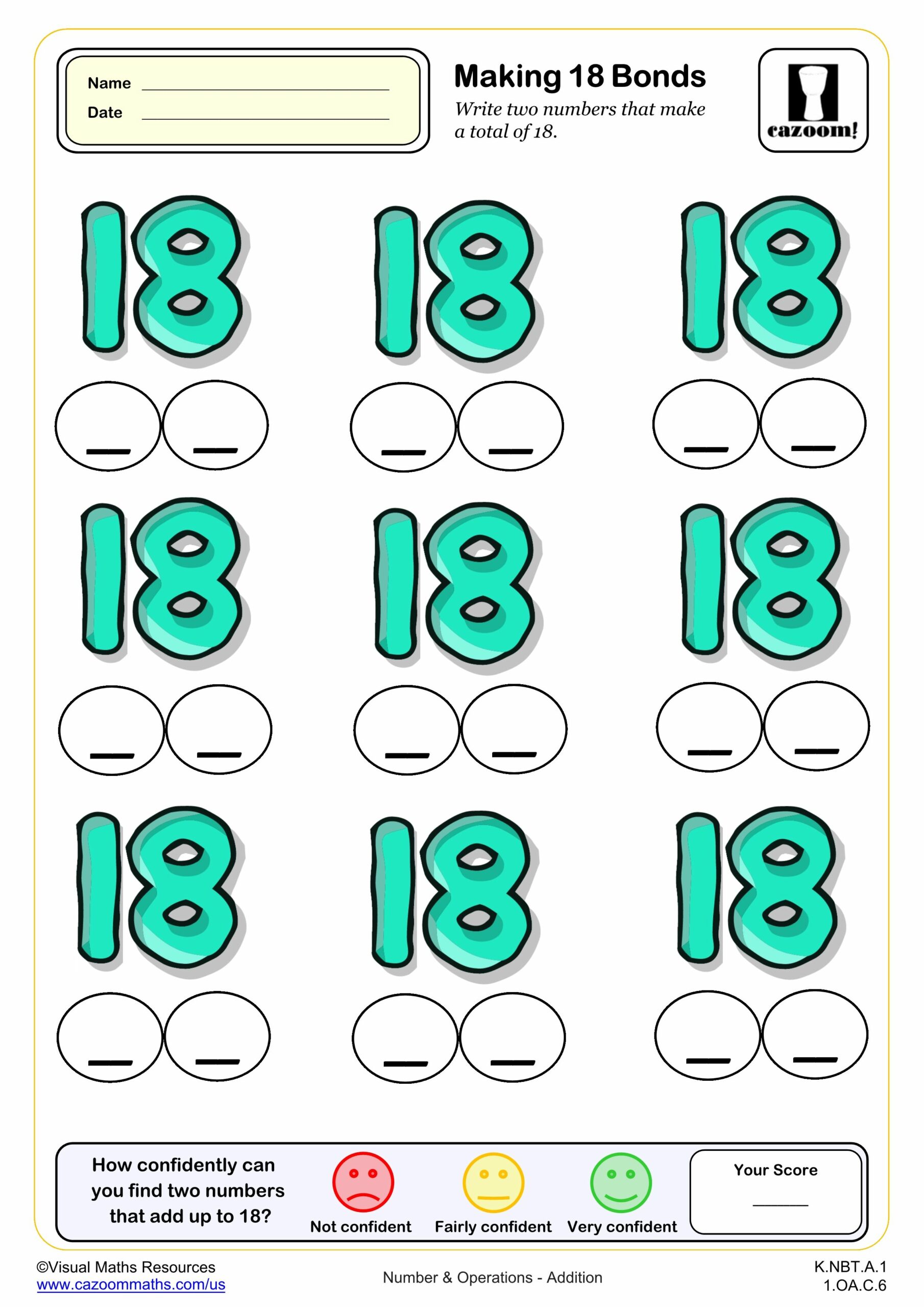
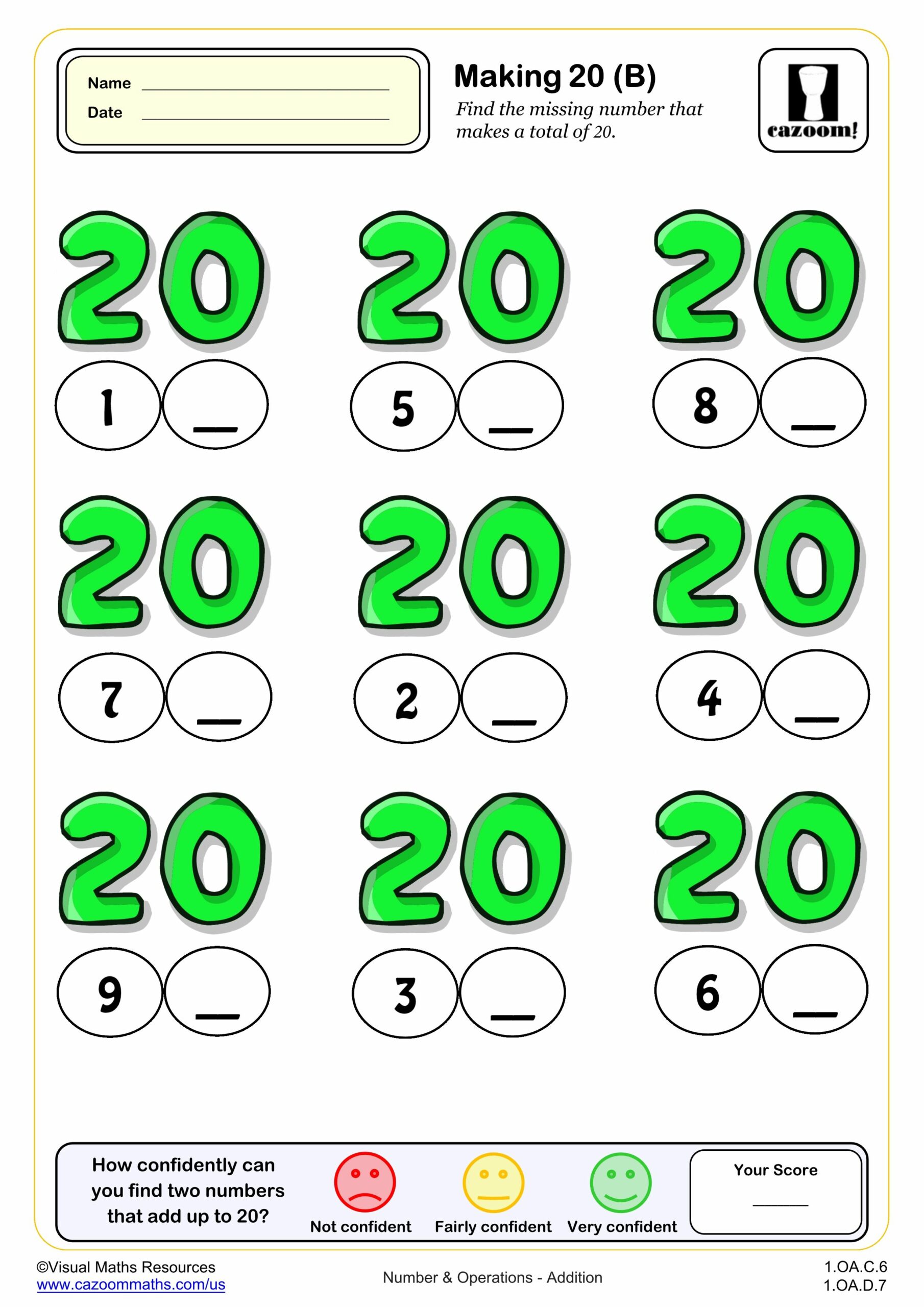
Making 20 (B)
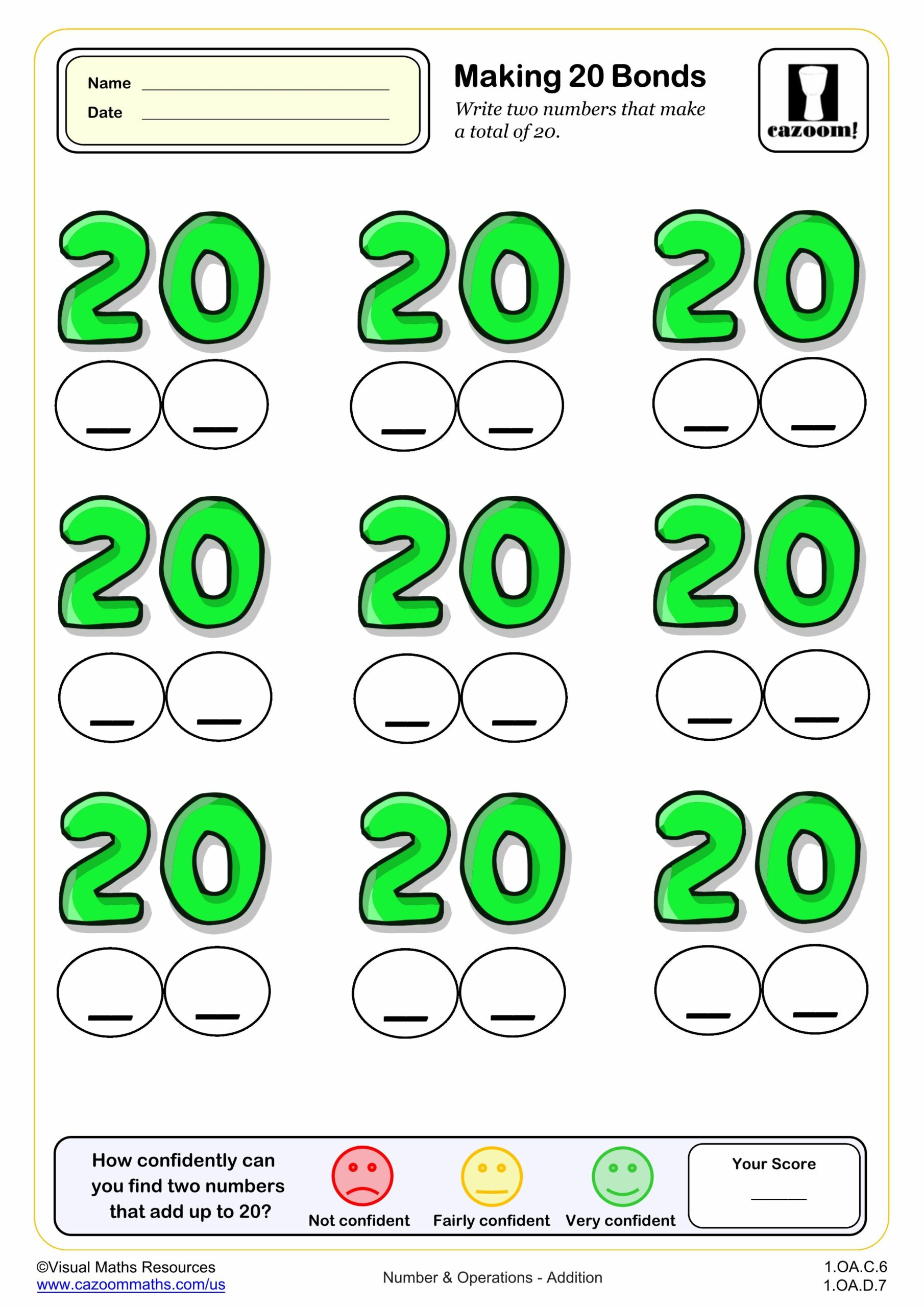
Making 20 (BONDS)
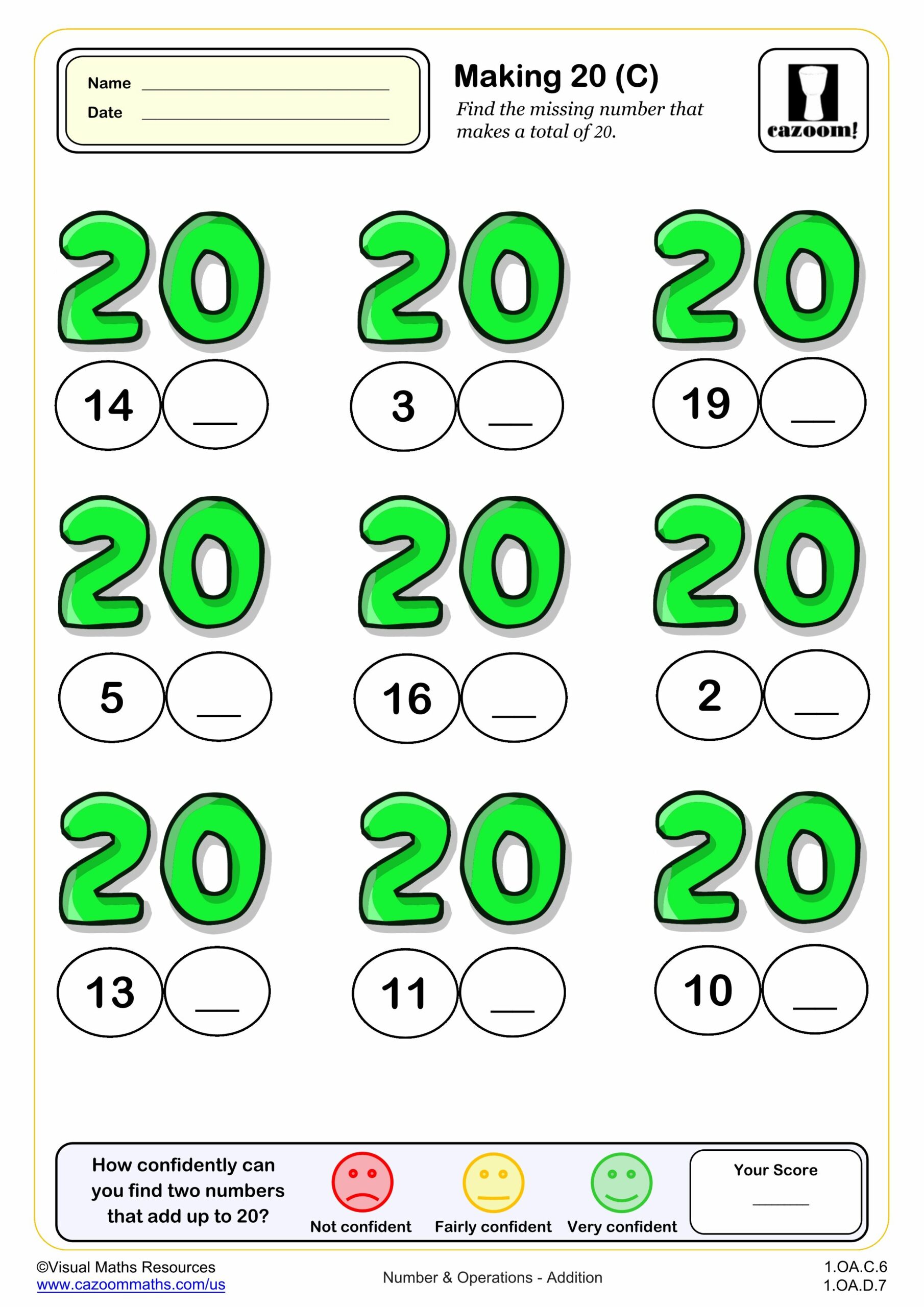
Making 20 (C)
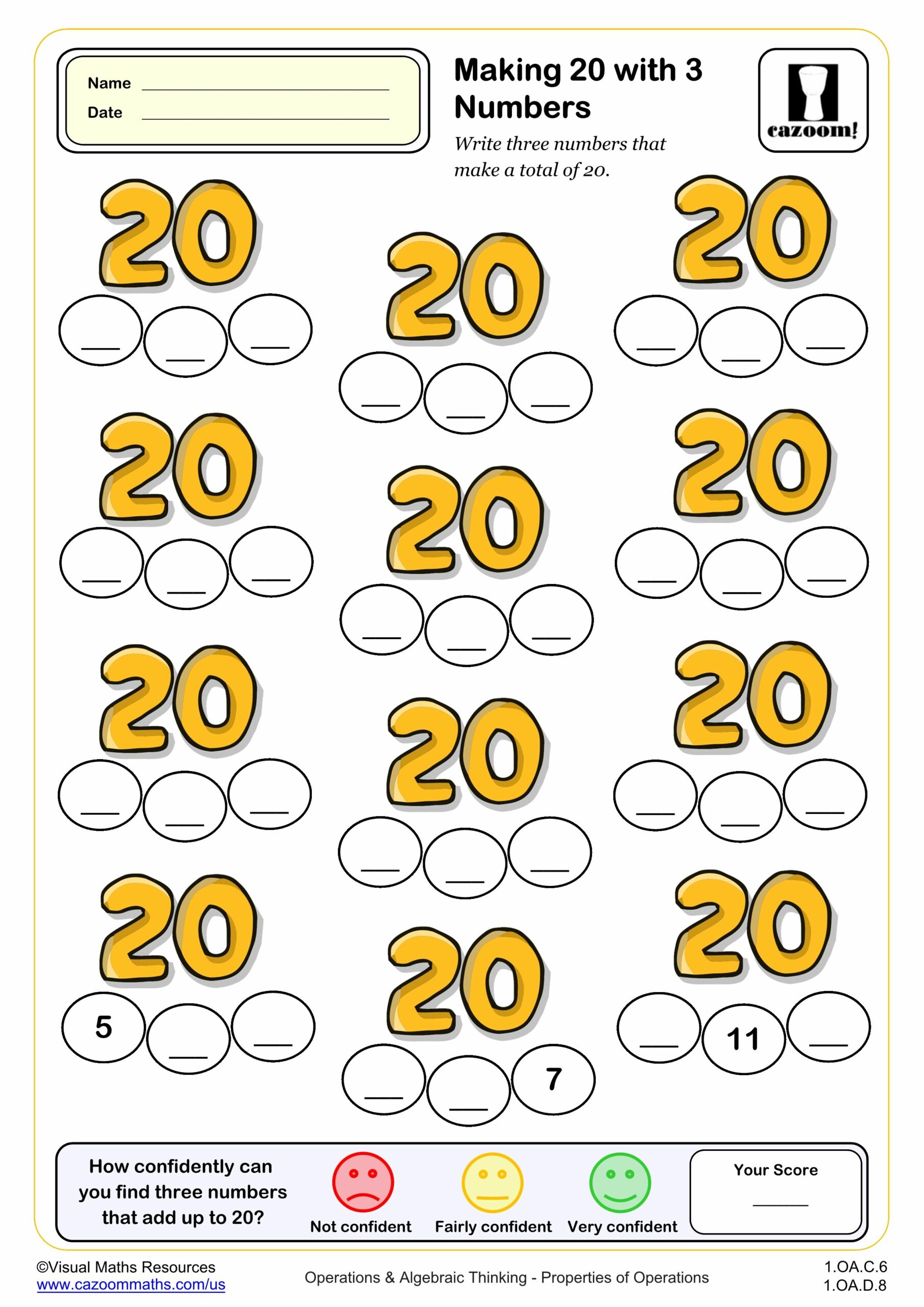
Making 20 with three numbers (Blanks)
Making 28
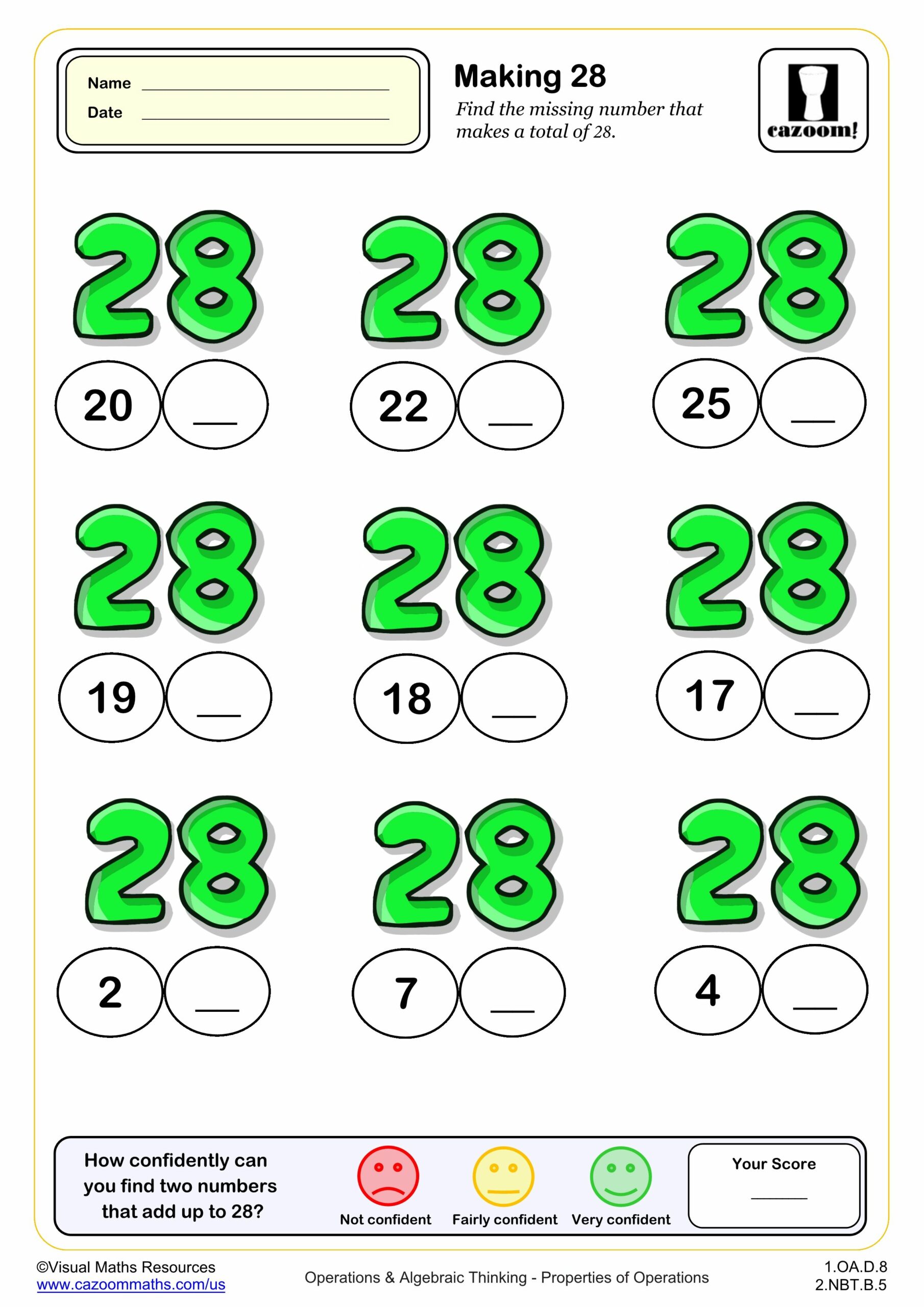
Making 35 (blanks)
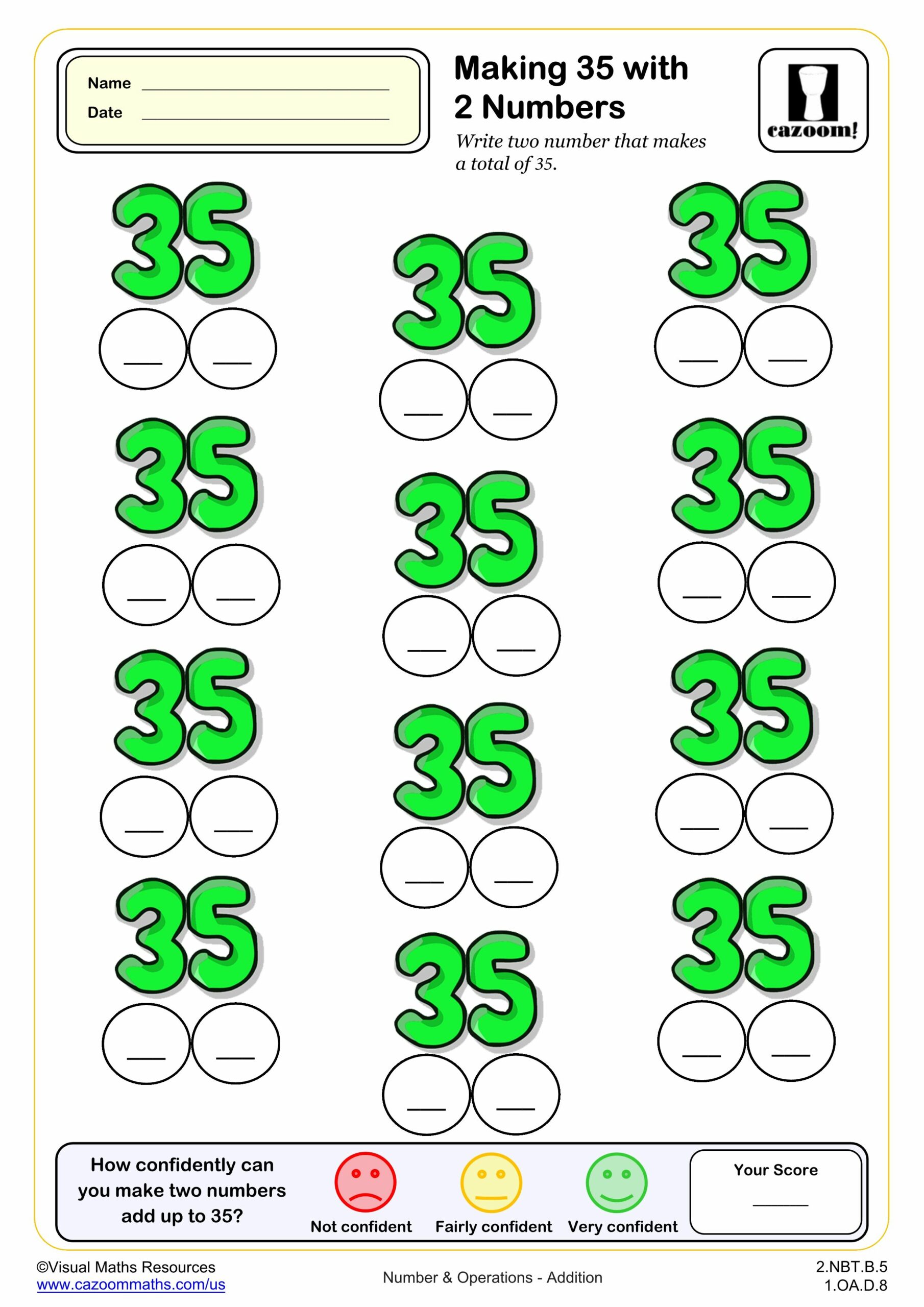
Making 35 with 2 numbers
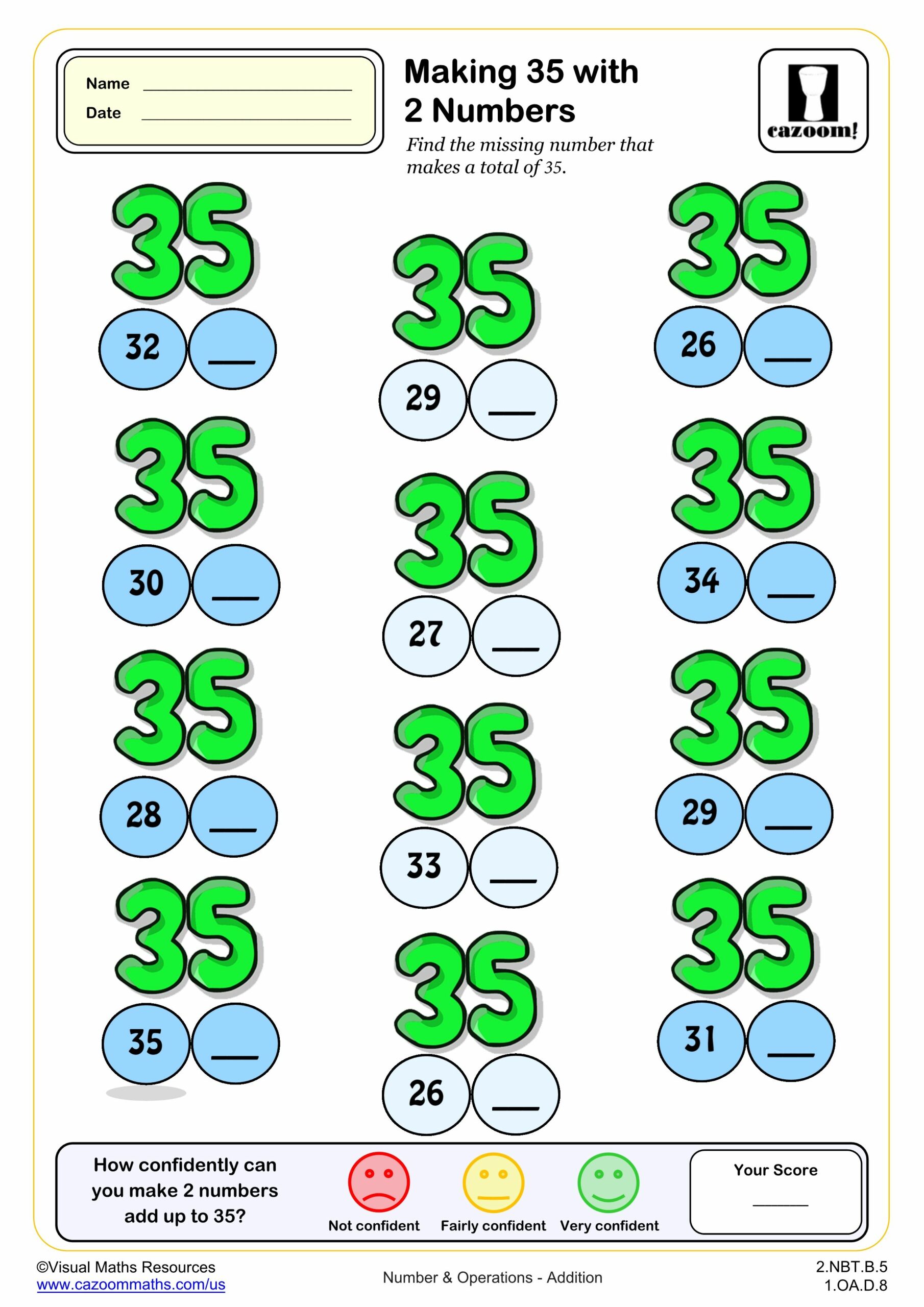
Making 7
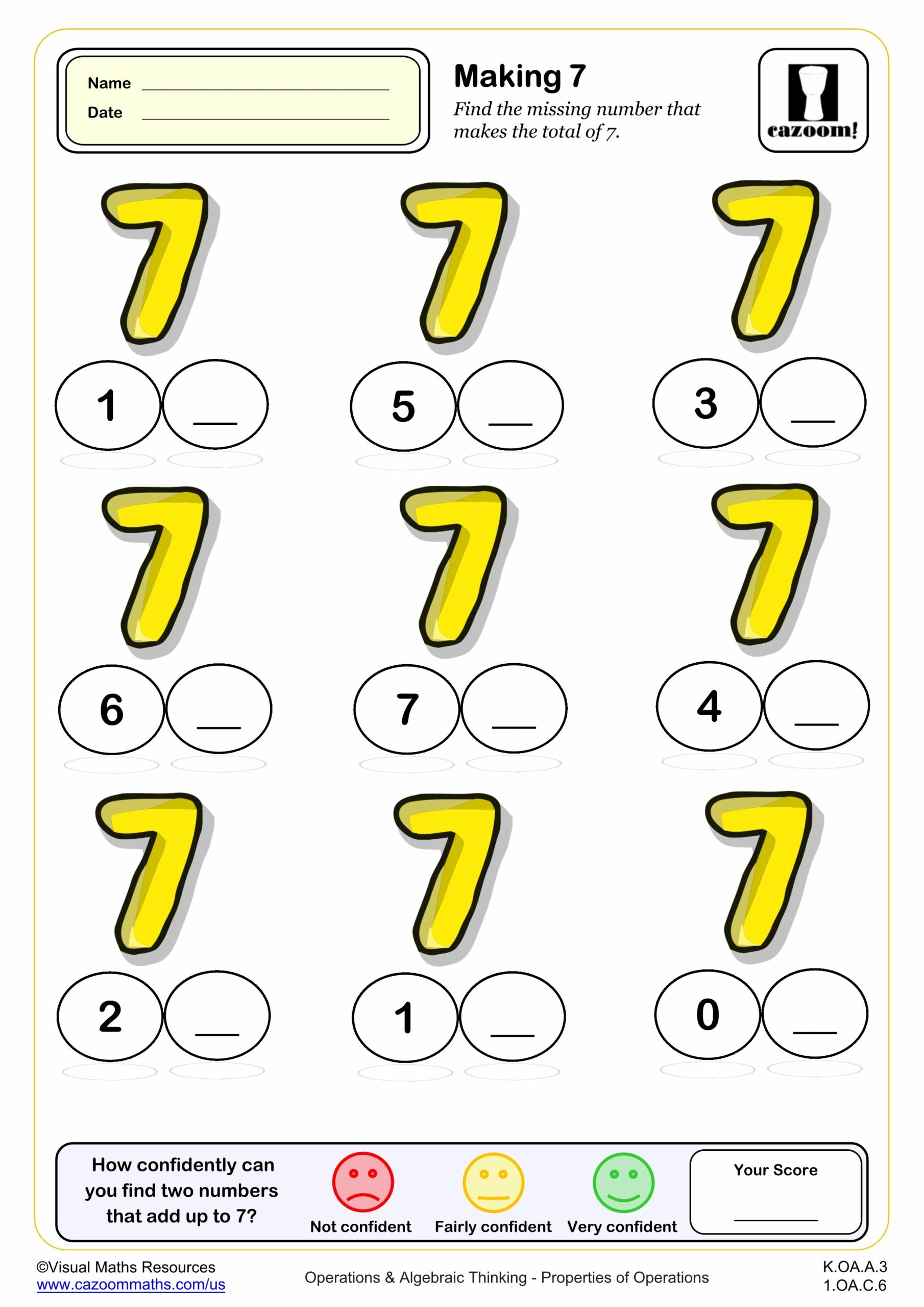
Making 8
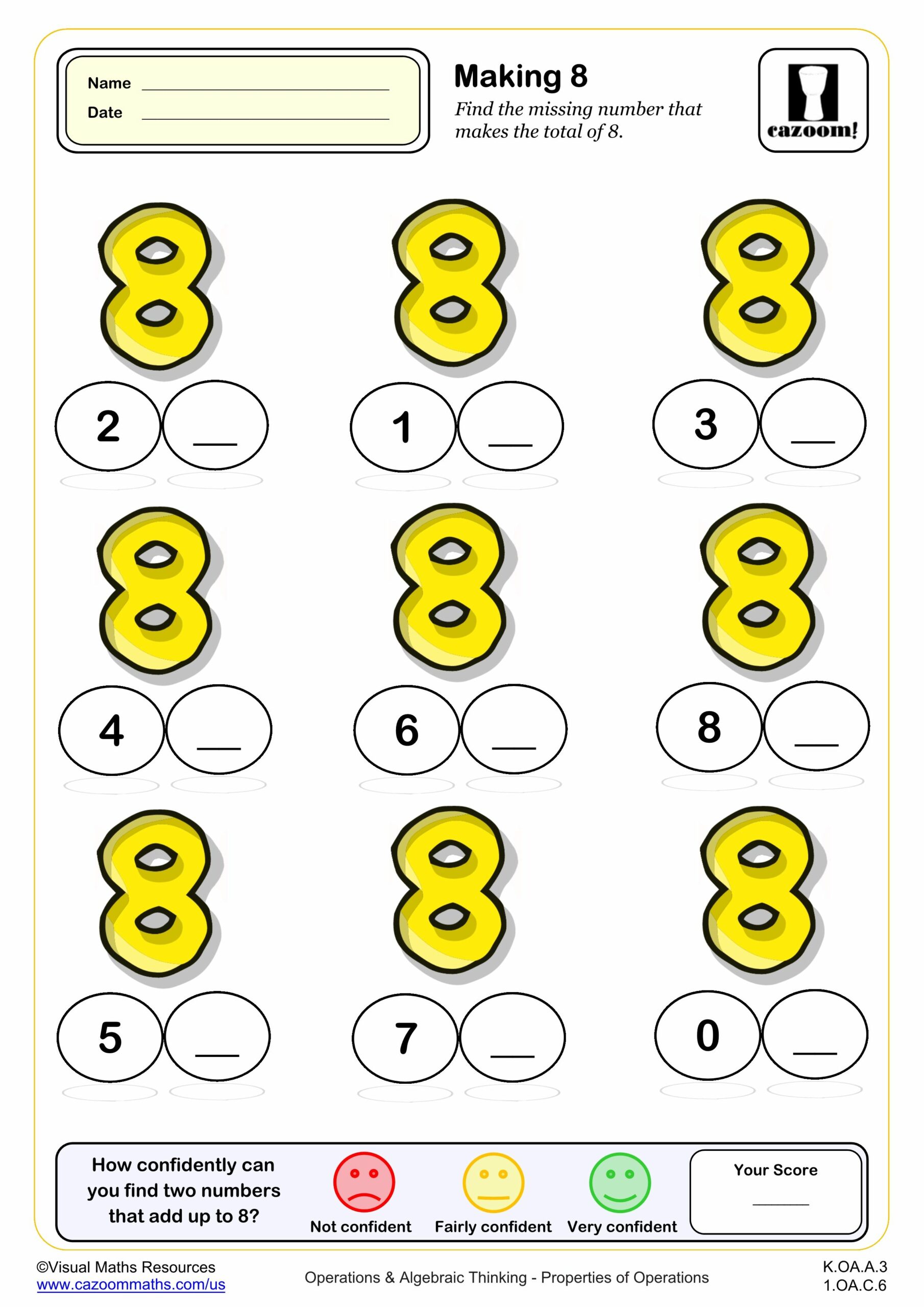
Making 9
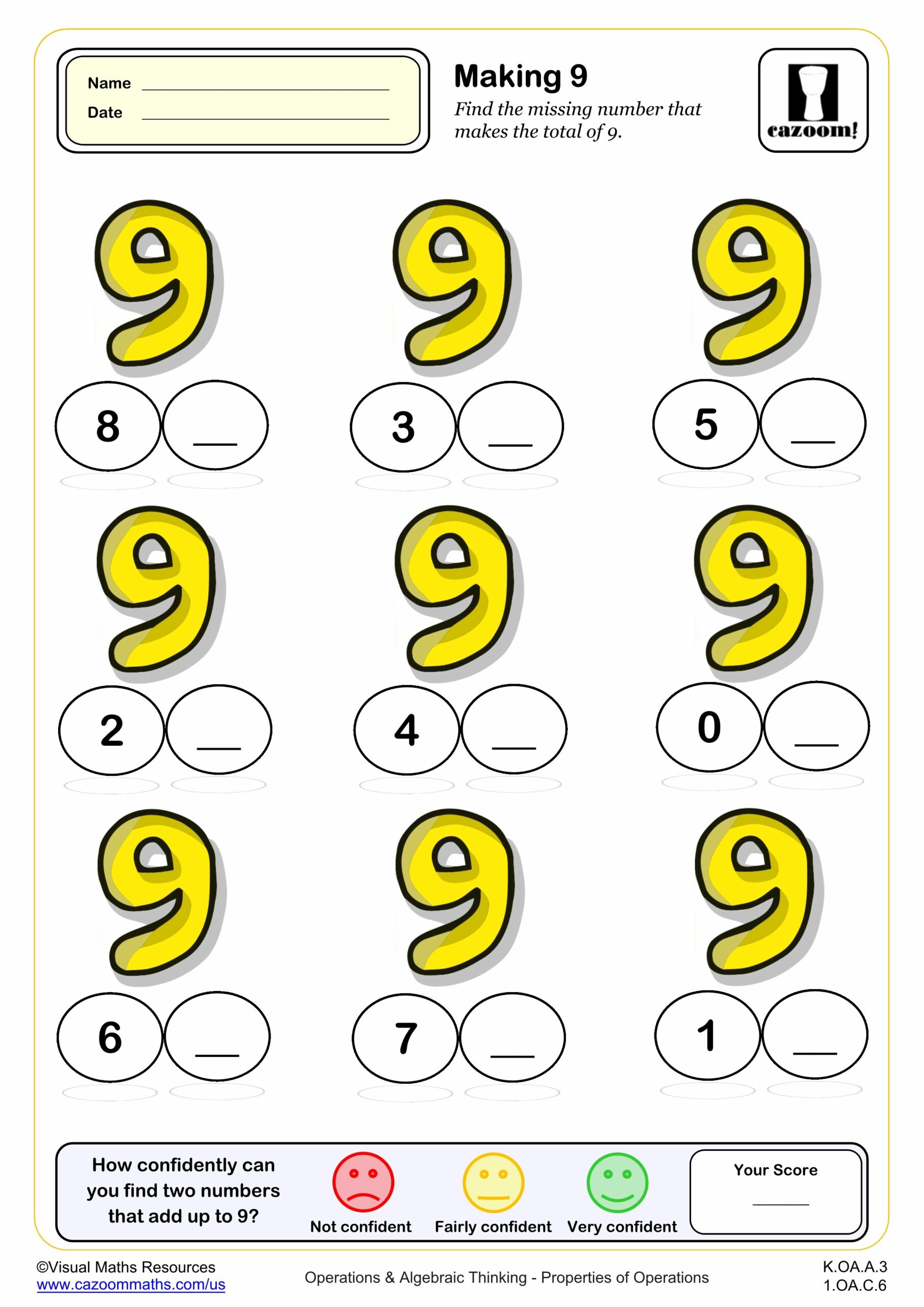
Matching sums (20 only)
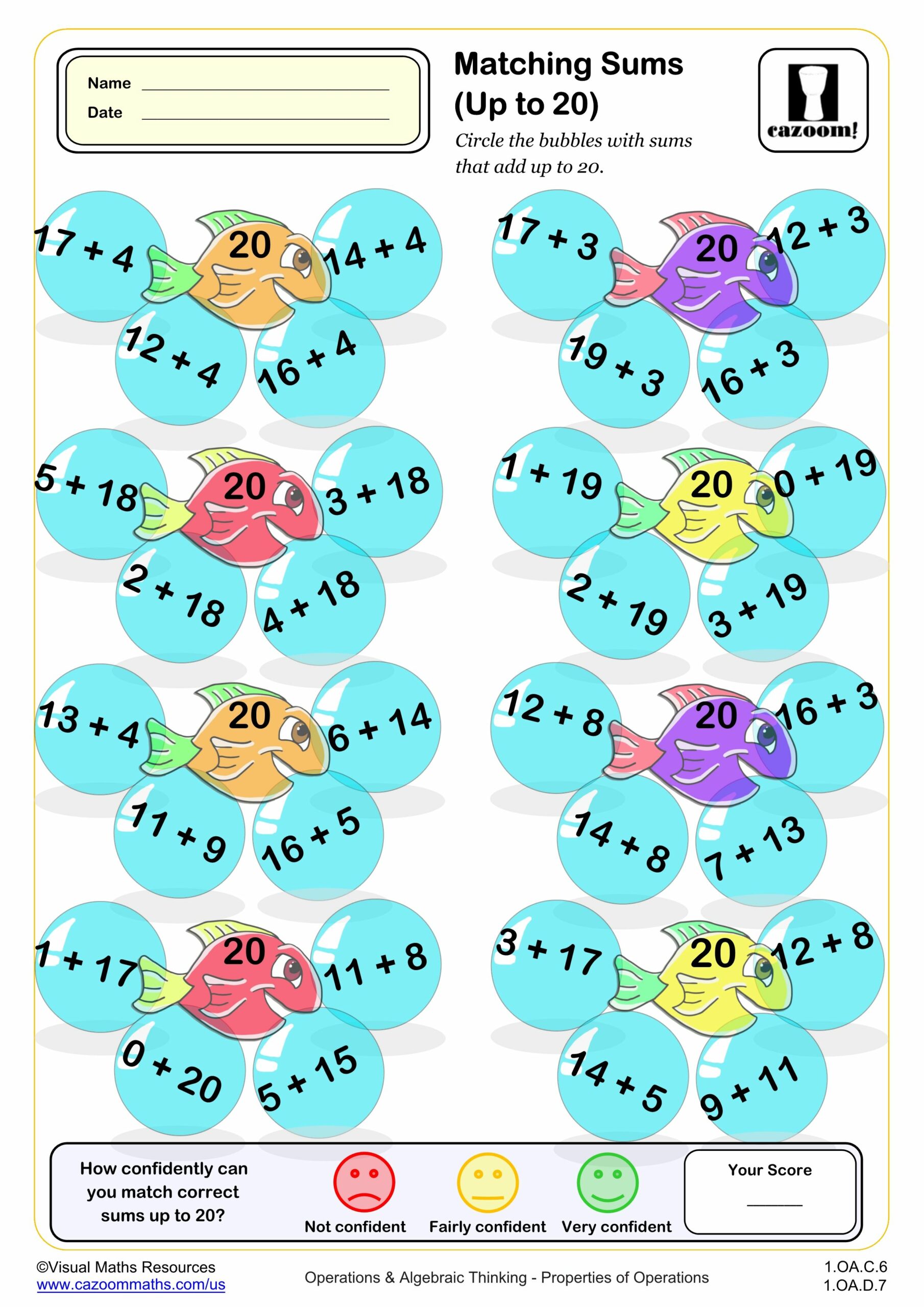
Number bond to 100 Drills (A) (10 questions)
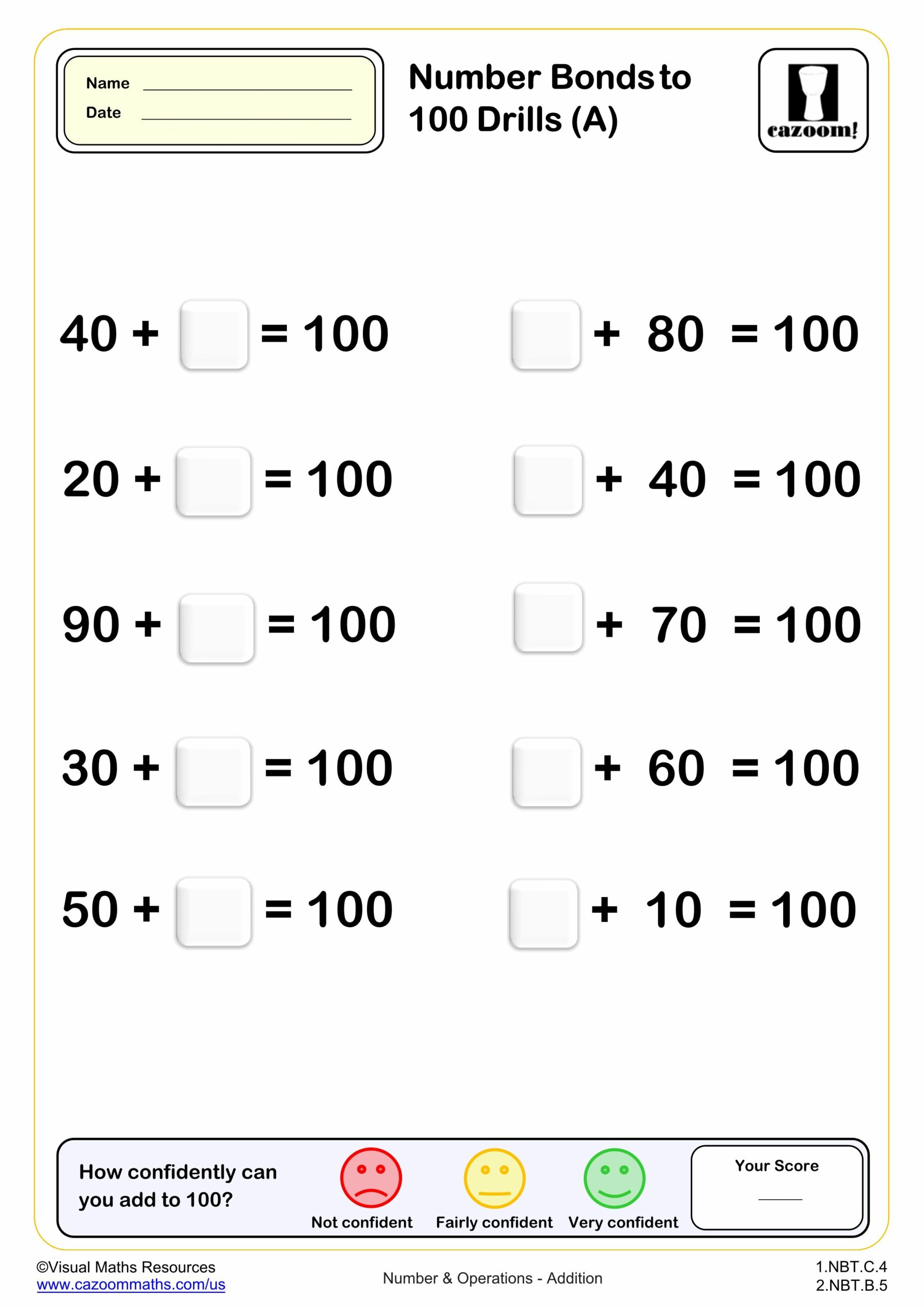
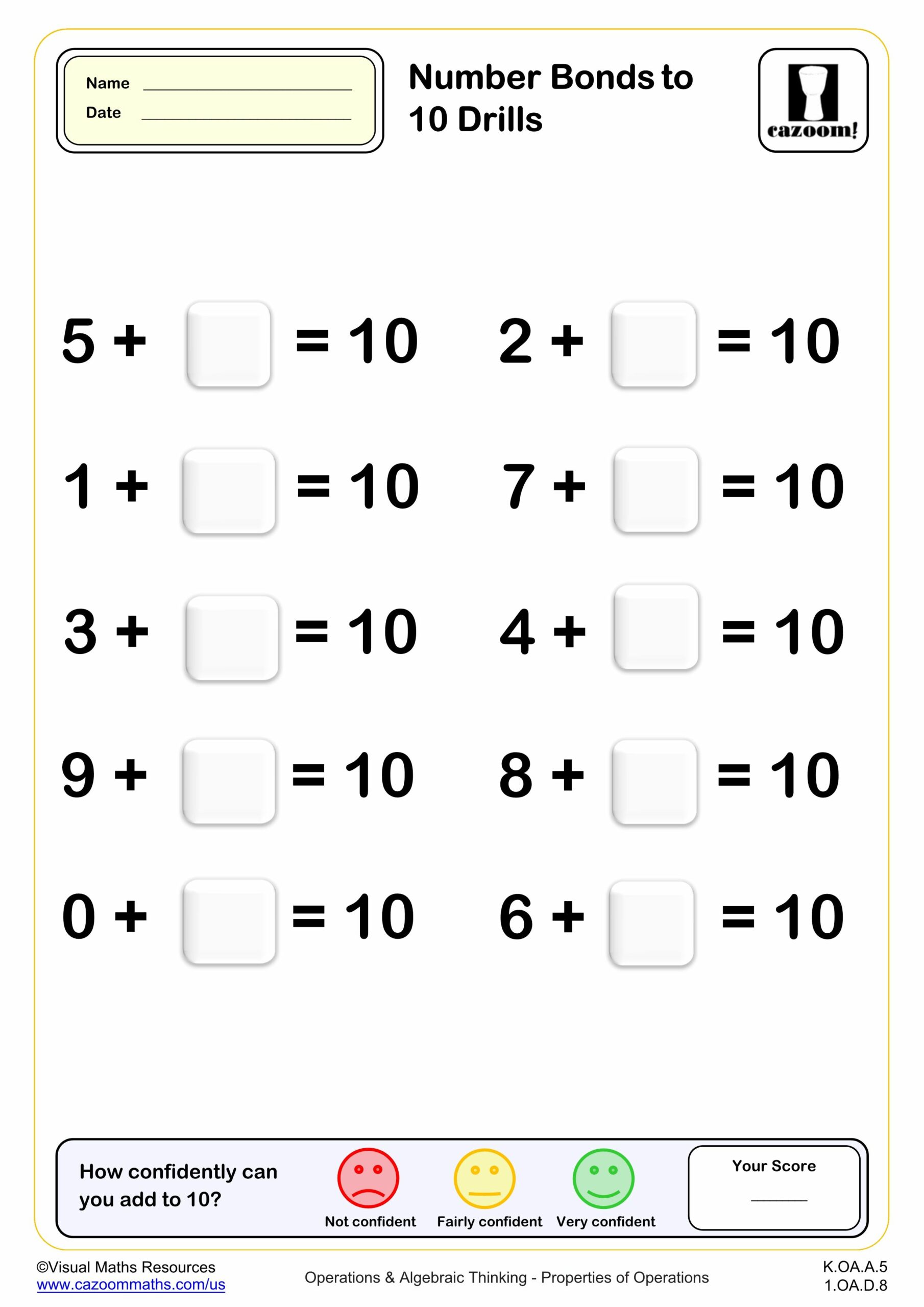
Number Bonds to 10 drills (10 questions)
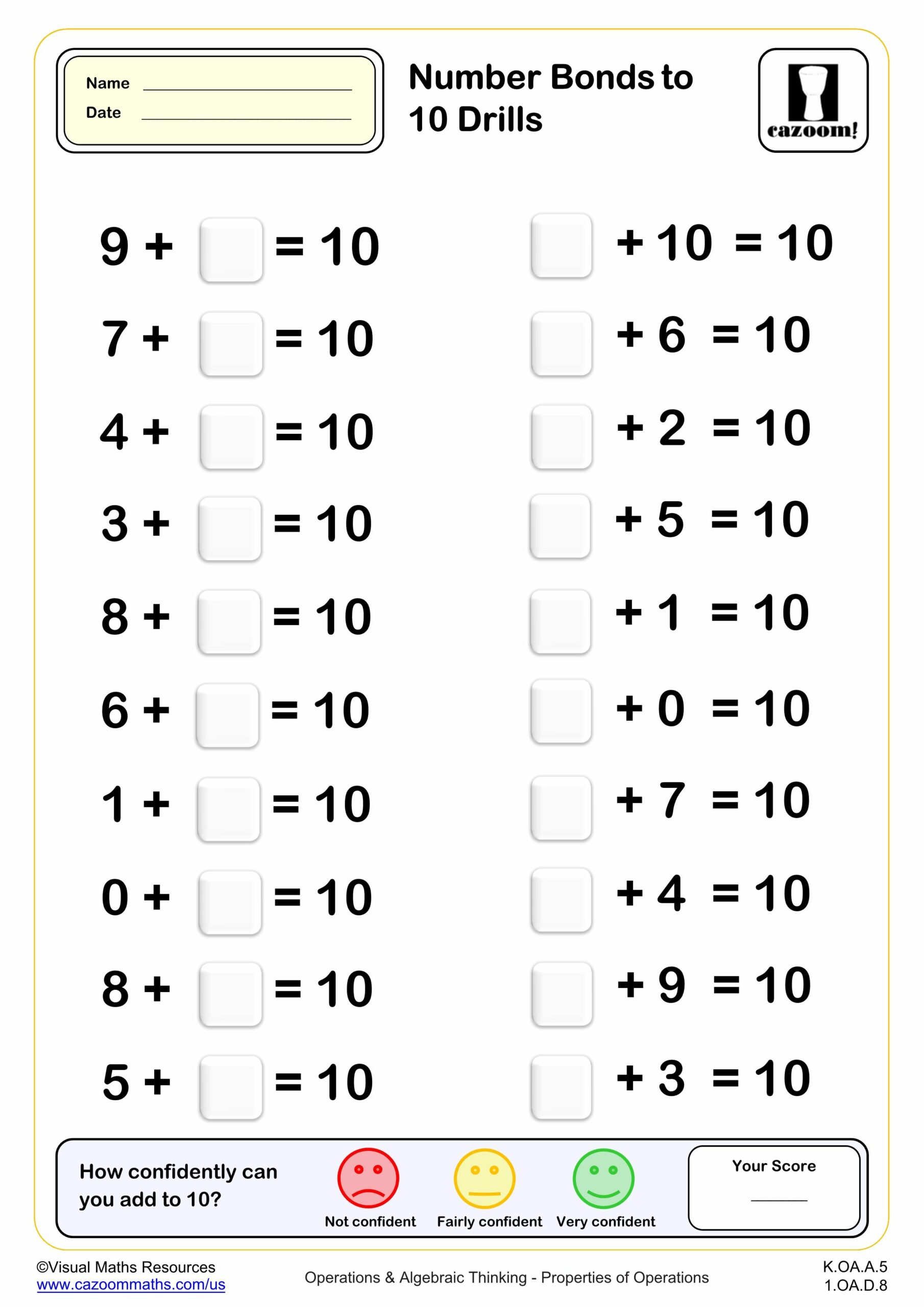
Number Bonds to 10 drills (20 questions)
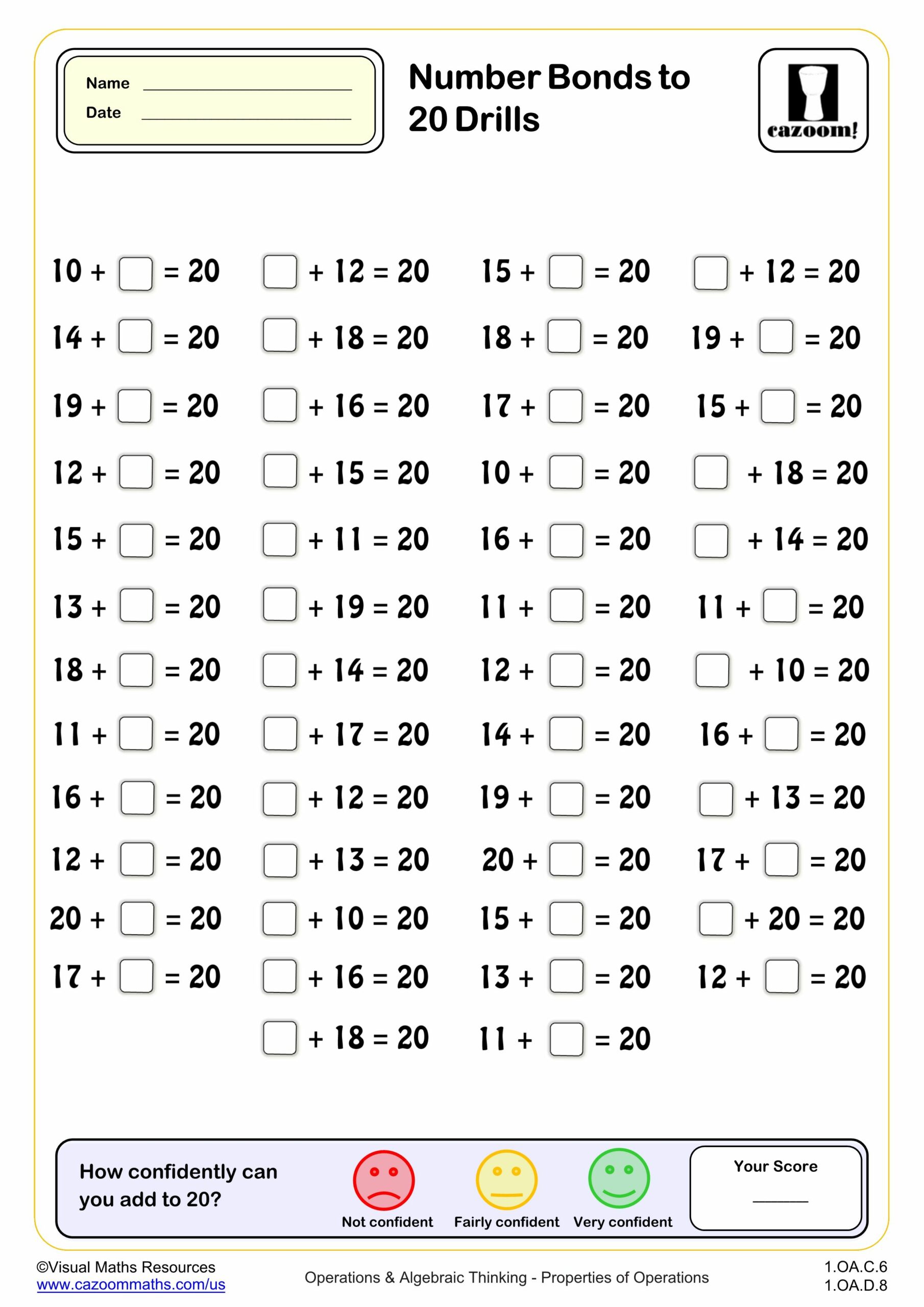
Number Bonds to 20 drills (50 questions)
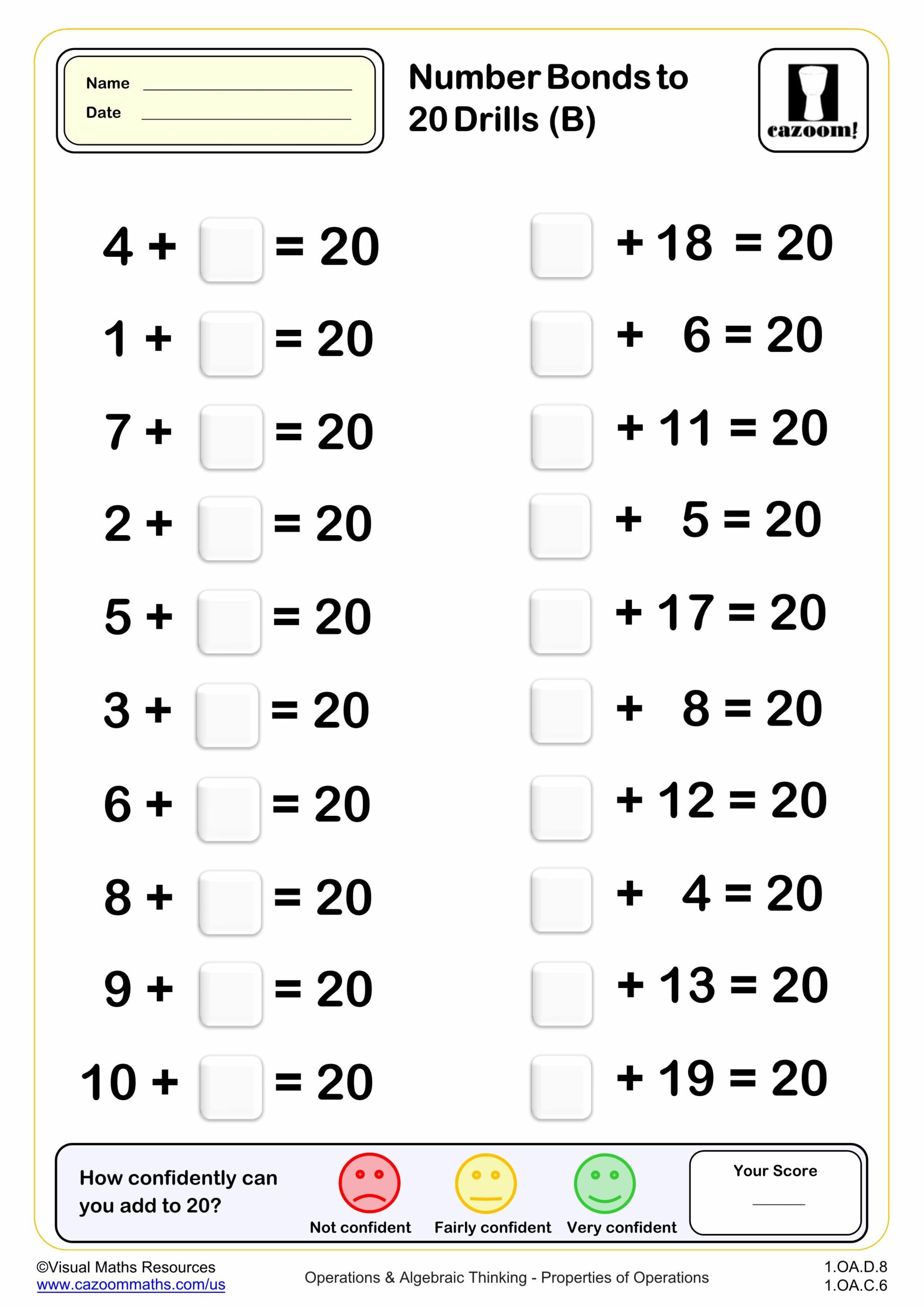
Number Bonds to 20 drills (B) (20 questions)
Number Bonds to 20 drills (B) (50 questions)
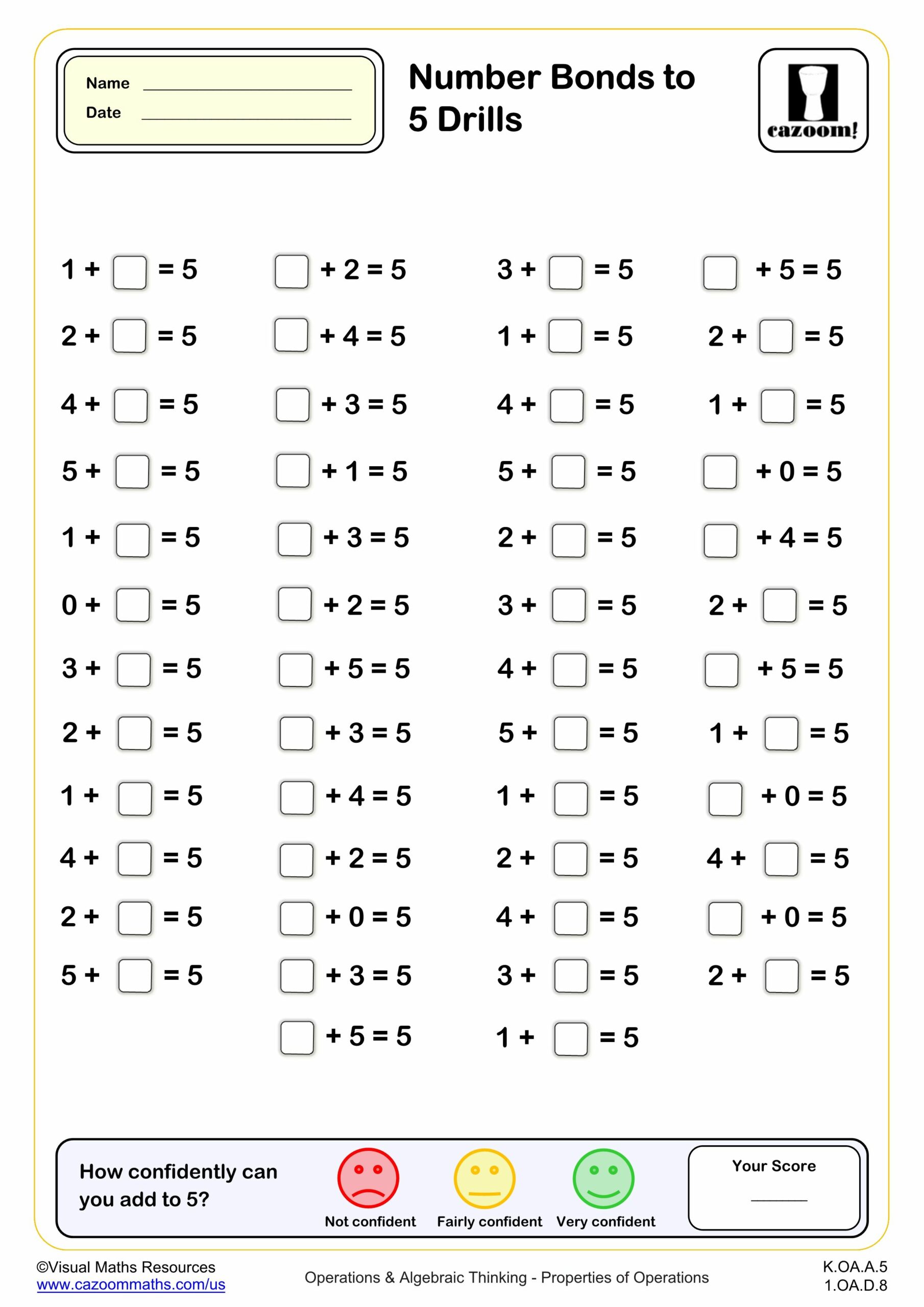
Number Bonds to 5 drills (50 questions)
All worksheets are created by the team of experienced teachers at Cazoom Math.
What addition skills should first graders master by the end of the year?
First grade students need to fluently add within 10 and understand addition as putting together and adding to, according to Common Core State Standards. They should solve word problems involving addition within 20 and demonstrate understanding of the relationship between addition and subtraction.
Teachers notice that students who master basic addition facts to 10 by mid-year show significantly more confidence with multi-digit problems later. The key milestone is moving beyond counting strategies to recall facts automatically, which typically happens when students practice addition worksheets for grade 1 consistently and use visual models like ten frames alongside number practice.
Are these worksheets appropriate for students below or above first grade level?
These 1st grade addition math worksheets work well for kindergarten students who have mastered number recognition and counting, as well as second graders who need additional practice with basic facts. The visual supports and systematic progression make them accessible across different skill levels.
Many teachers use these materials for differentiated instruction, giving advanced kindergarteners the simpler problems while providing struggling second graders with the visual scaffolds they missed earlier. The answer keys help teachers quickly identify which students need additional support with specific addition strategies or fact families.
How do these worksheets help students learn addition tricks for grade 1?
The worksheets introduce counting on, doubles facts, and making ten strategies through repeated practice and visual representations. Students learn that adding 1 means finding the next number, while doubles like 4+4 become anchor facts for near doubles like 4+5.
Classroom teachers report that students who struggle with abstract addition often breakthrough when they see the same concept presented multiple ways. These worksheets include dot patterns, number lines, and ten frames so students can connect different addition tricks for grade 1 to their preferred learning style and build computational fluency gradually.
How should teachers use these worksheets for maximum effectiveness?
Most effective implementation involves using these worksheets as targeted practice after introducing concepts through manipulatives and visual models. Teachers should review the answer keys beforehand to anticipate common errors and plan follow-up instruction for struggling students.
Successful teachers often use these additions worksheets for morning warm-up, math centers, or homework rather than whole-group instruction. The PDF format allows for easy differentiation - teachers can assign different problems to different students while maintaining the same worksheet structure that students recognize and feel comfortable completing independently.