1st Grade Geometry Worksheets
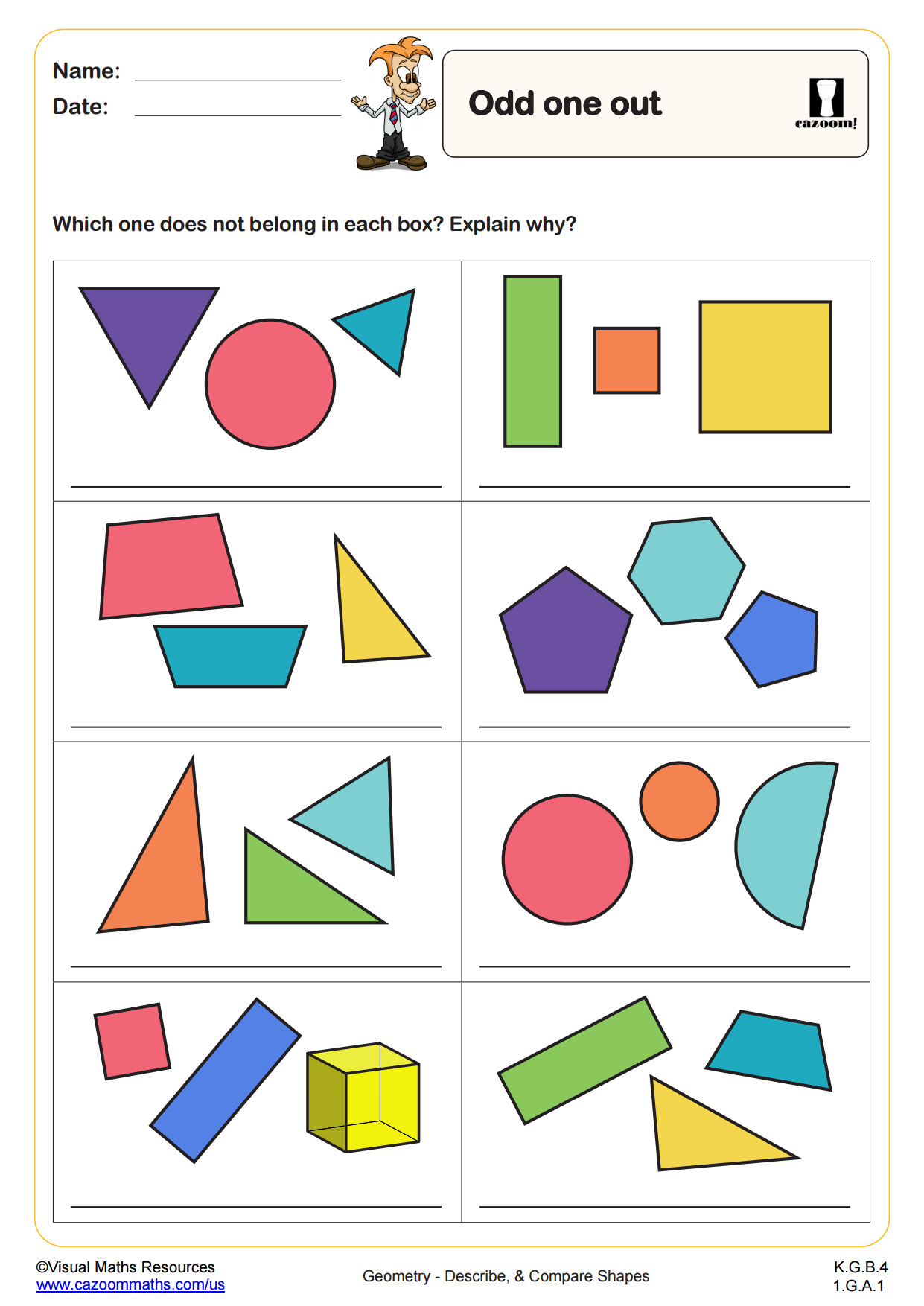
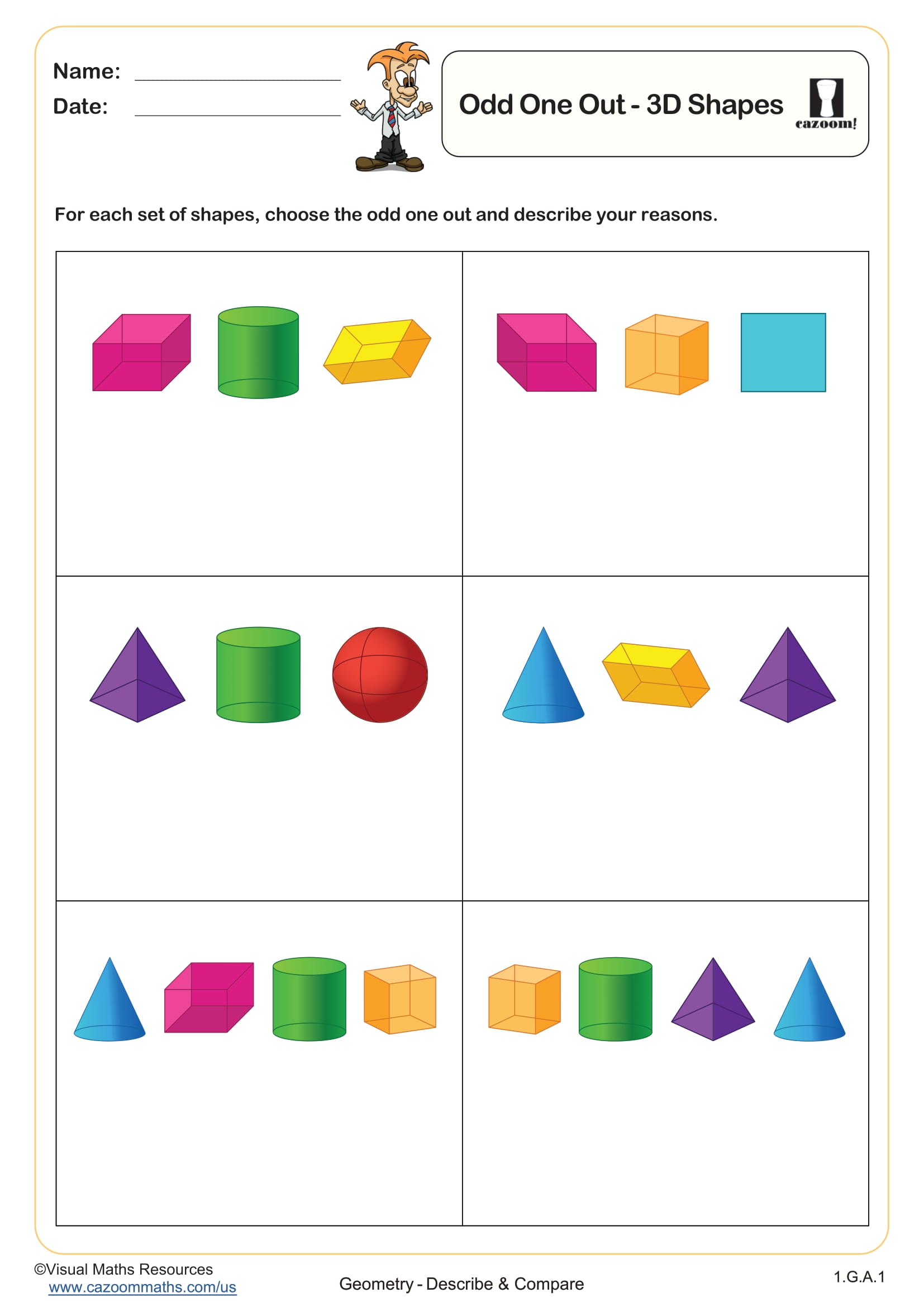
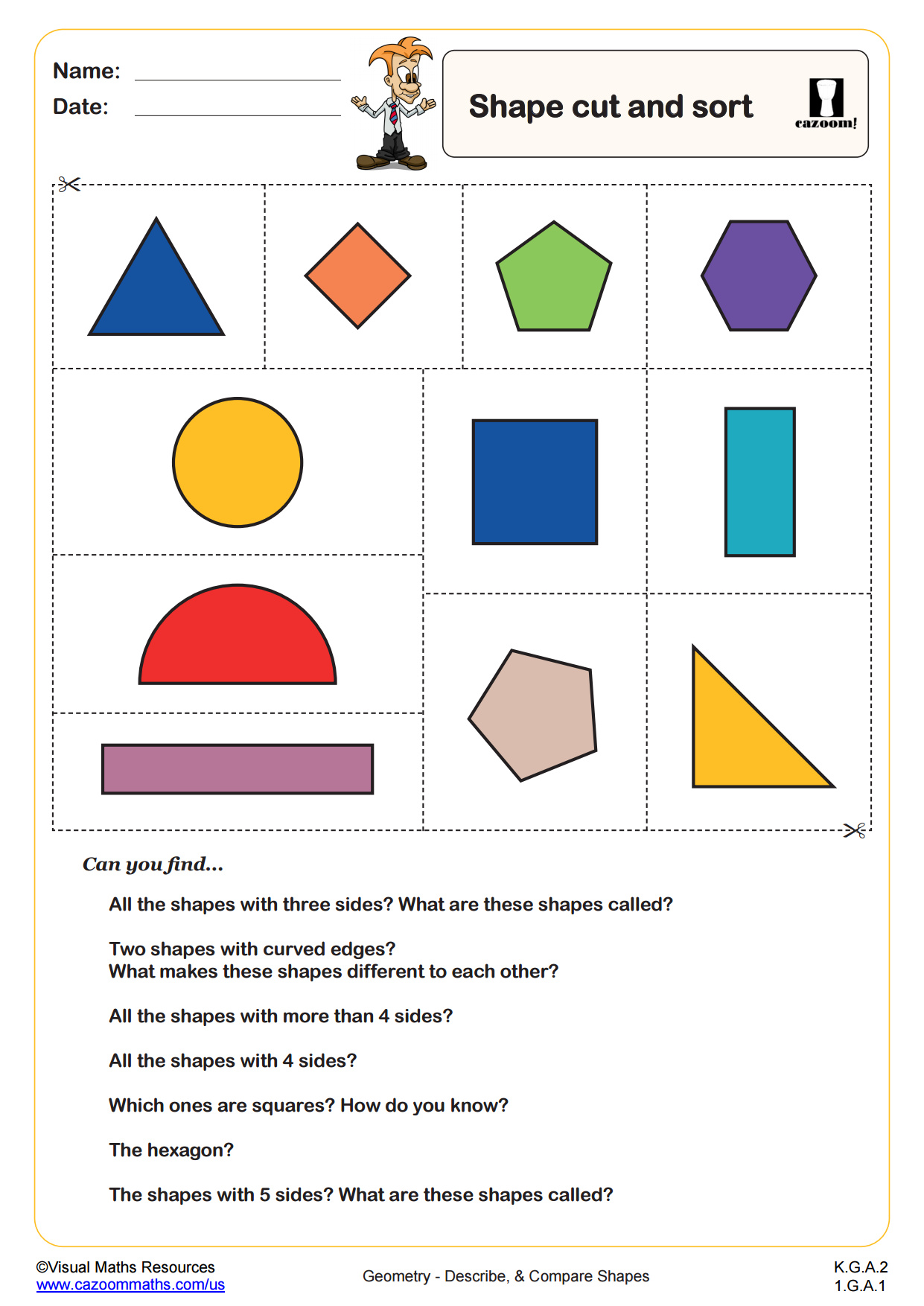
All worksheets are created by the team of experienced teachers at Cazoom Math.
Transform Geometry Into a Strength With Our Ready-to-Print 1st Grade Math Resources.
First graders transition from kindergarten shape recognition to deeper geometric understanding. The worksheets employ visual learning methods in conjunction with mathematical vocabulary. Students learn to identify shapes through the examination of their defining features. The practice of regular geometry enables students to develop spatial awareness, which will serve them well in their future math studies. Children develop their ability to recognize patterns and connections between various forms. The materials function as links that unite physical objects with theoretical mathematical concepts.
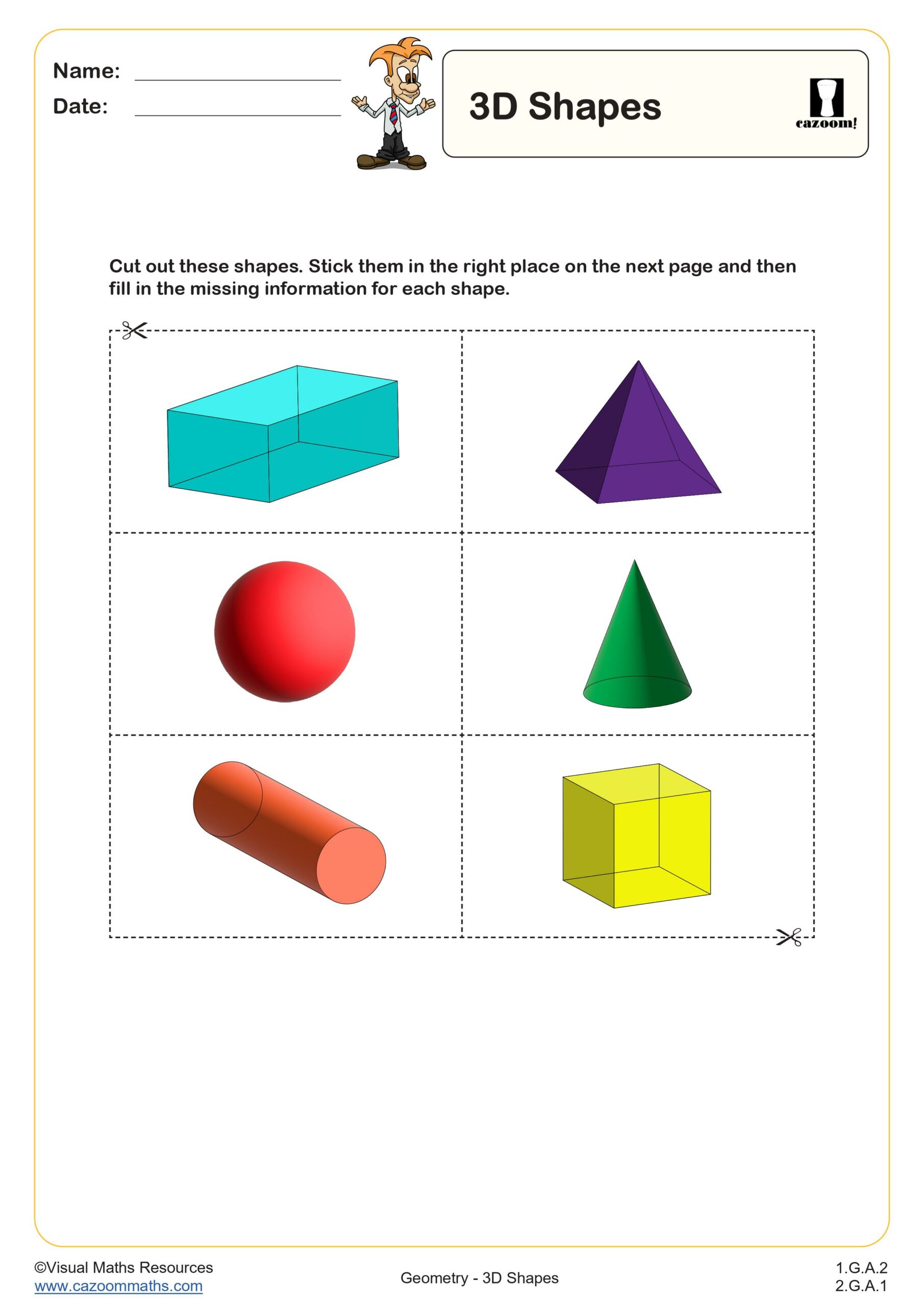
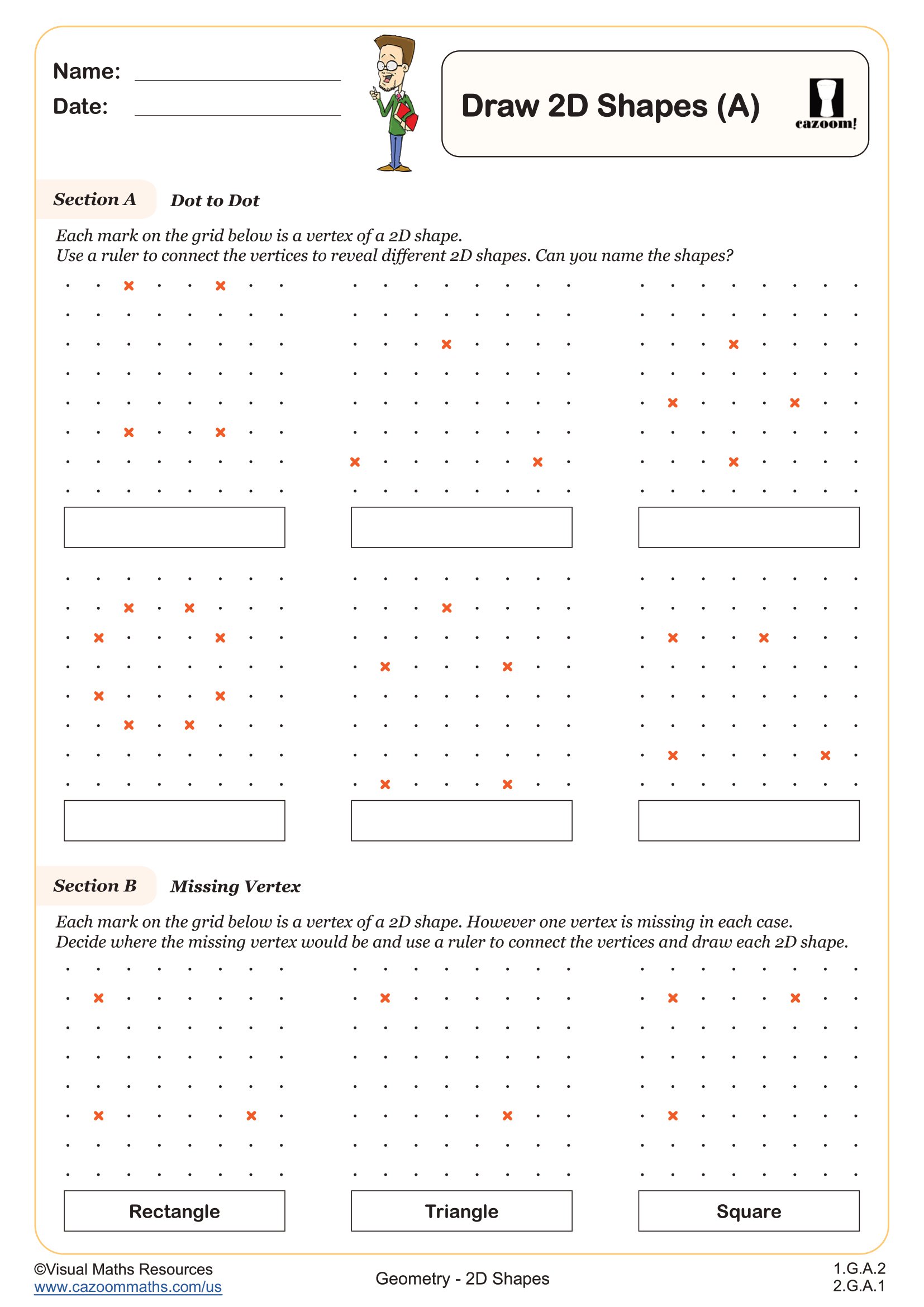
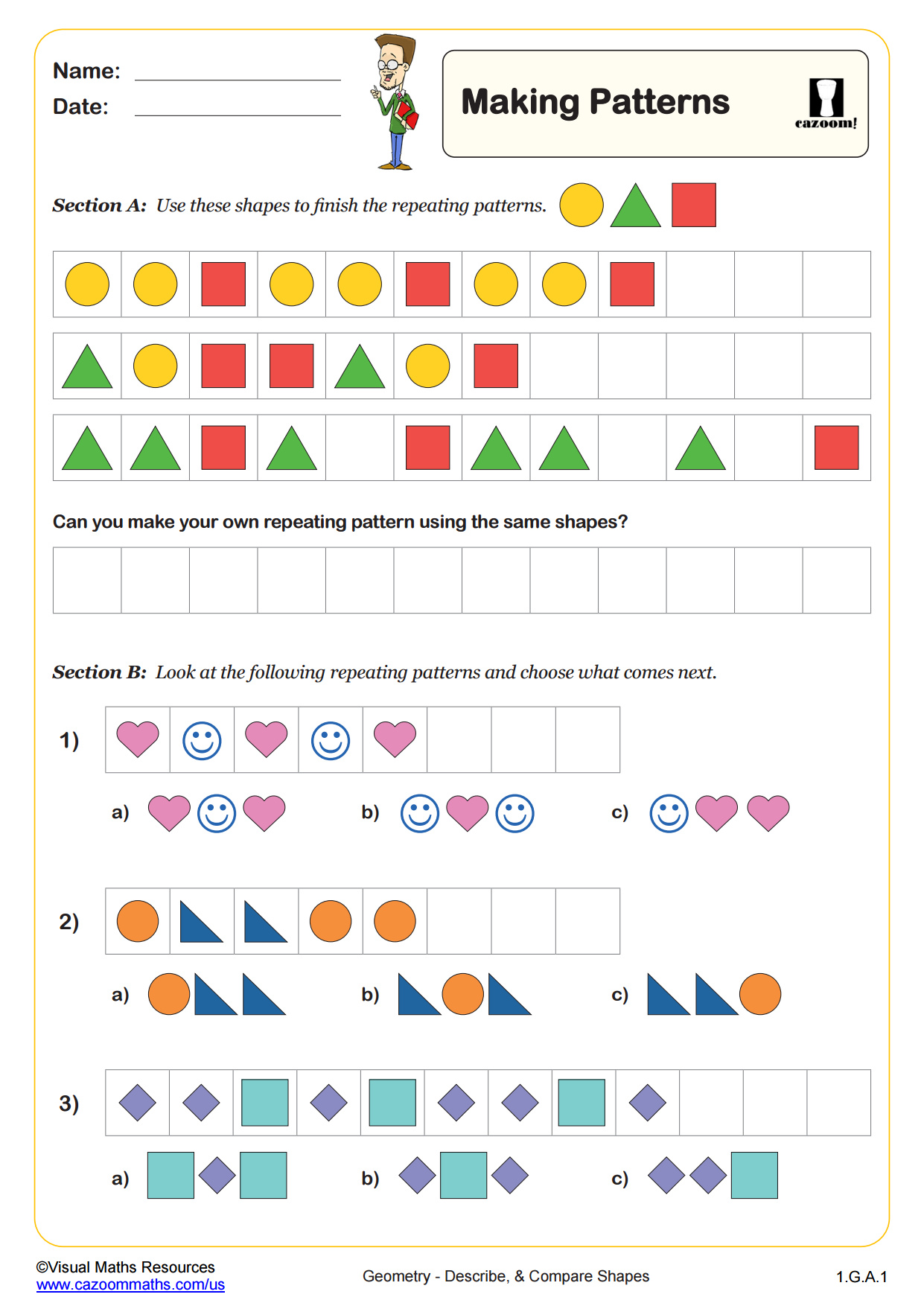
Topics at a Glance: 2D Shapes, 3D Shapes, and Making Patterns
These worksheets move from recognizing familiar shapes to understanding their characteristics. Students start with concrete manipulatives before working with drawings. The progression builds from 2D shapes to beginning 3D shape awareness. Each worksheet includes answer keys that demonstrate correct identification methods.
Get Your 1st Graders Excited About Geometry Using Cazoom Math Activities
The Cazoom Math worksheets help teachers save planning time while providing suitable content for different student learning requirements. The quick warm-ups section reviews material from previous lessons before moving on to new information. Teachers should use various differentiation methods to provide advanced content for students who need it and extra support for those who require it. The instructions provide parent volunteers and substitutes with clear guidance to execute activities properly. The assessment process becomes easier to follow due to its organized structure. Visual supports establish an inclusive educational environment that enables students with unique learning needs to learn alongside their peers in shared classroom settings. Teachers observe that students become more interested in their work when they teach geometry.
Everyday Math: Where 1st Graders Use Geometry in Life
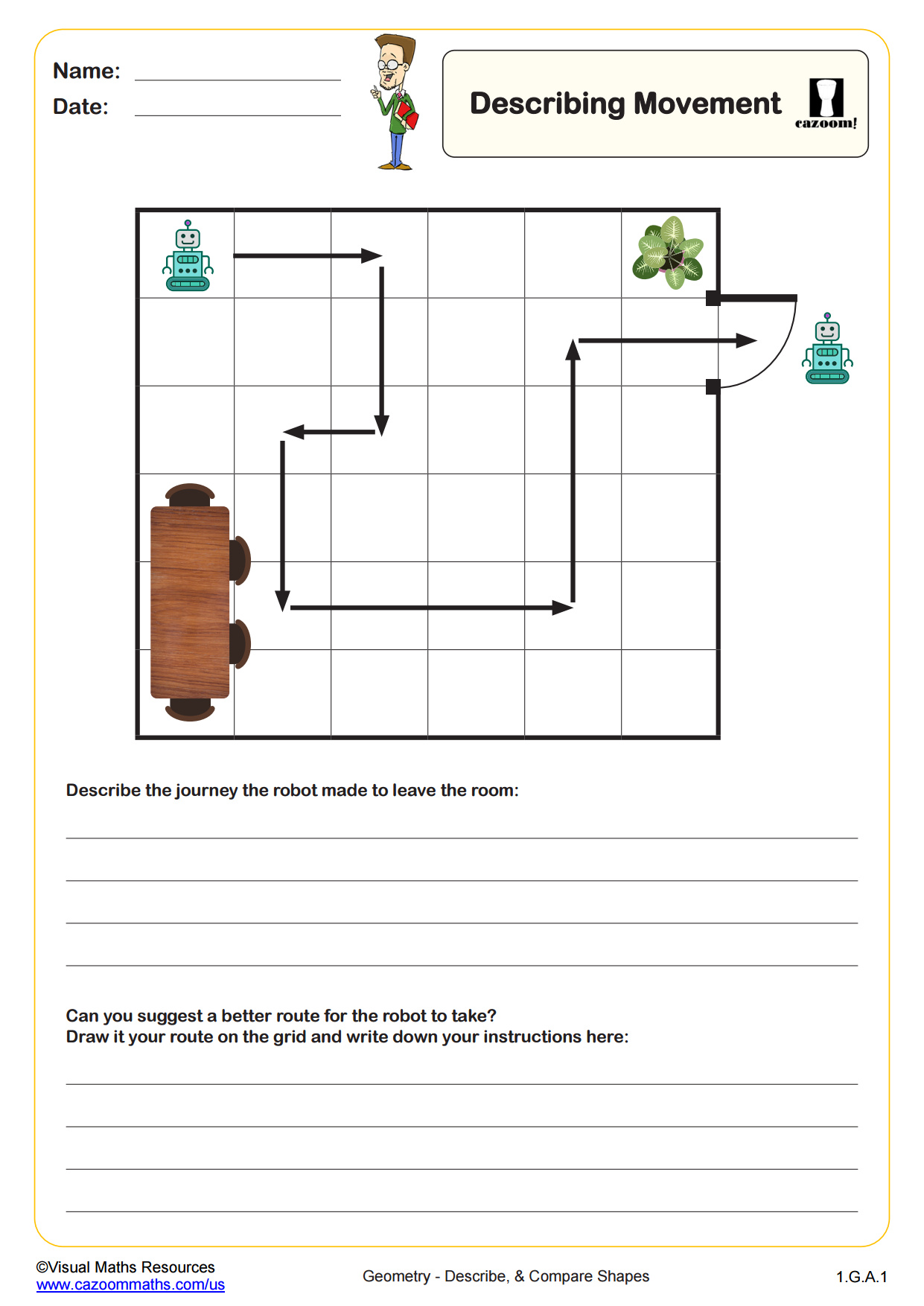
Shape recognition appears everywhere in a first grader's world. Understanding geometry helps children navigate their environment successfully.
Real-world applications include:
• Recognizing traffic signs and symbols
• Building with blocks and toys
• Organizing items in containers
• Following game board paths