1st Grade Number and Operations in Base Ten Worksheets
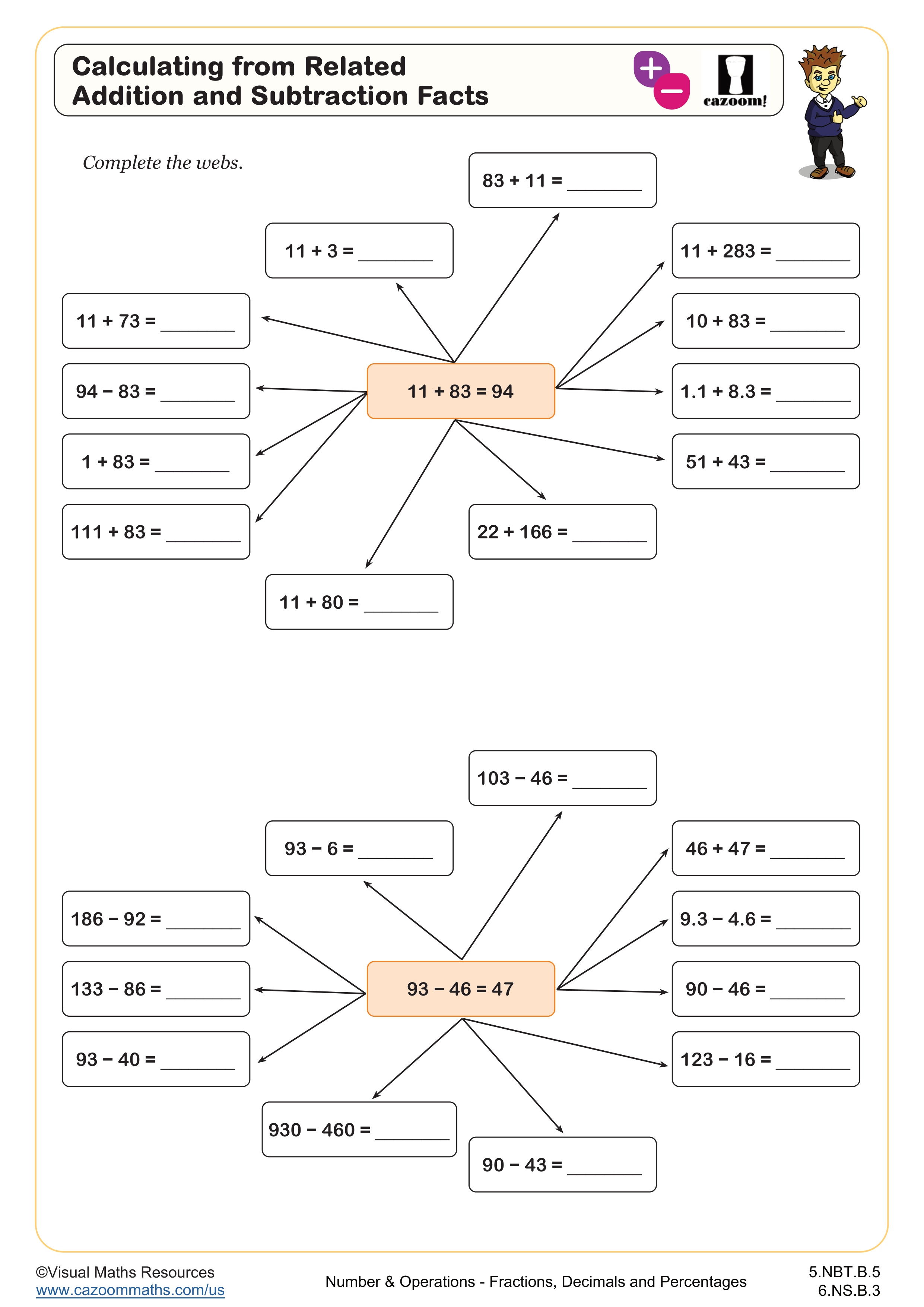
Calculating from Related Addition and Subtraction Facts
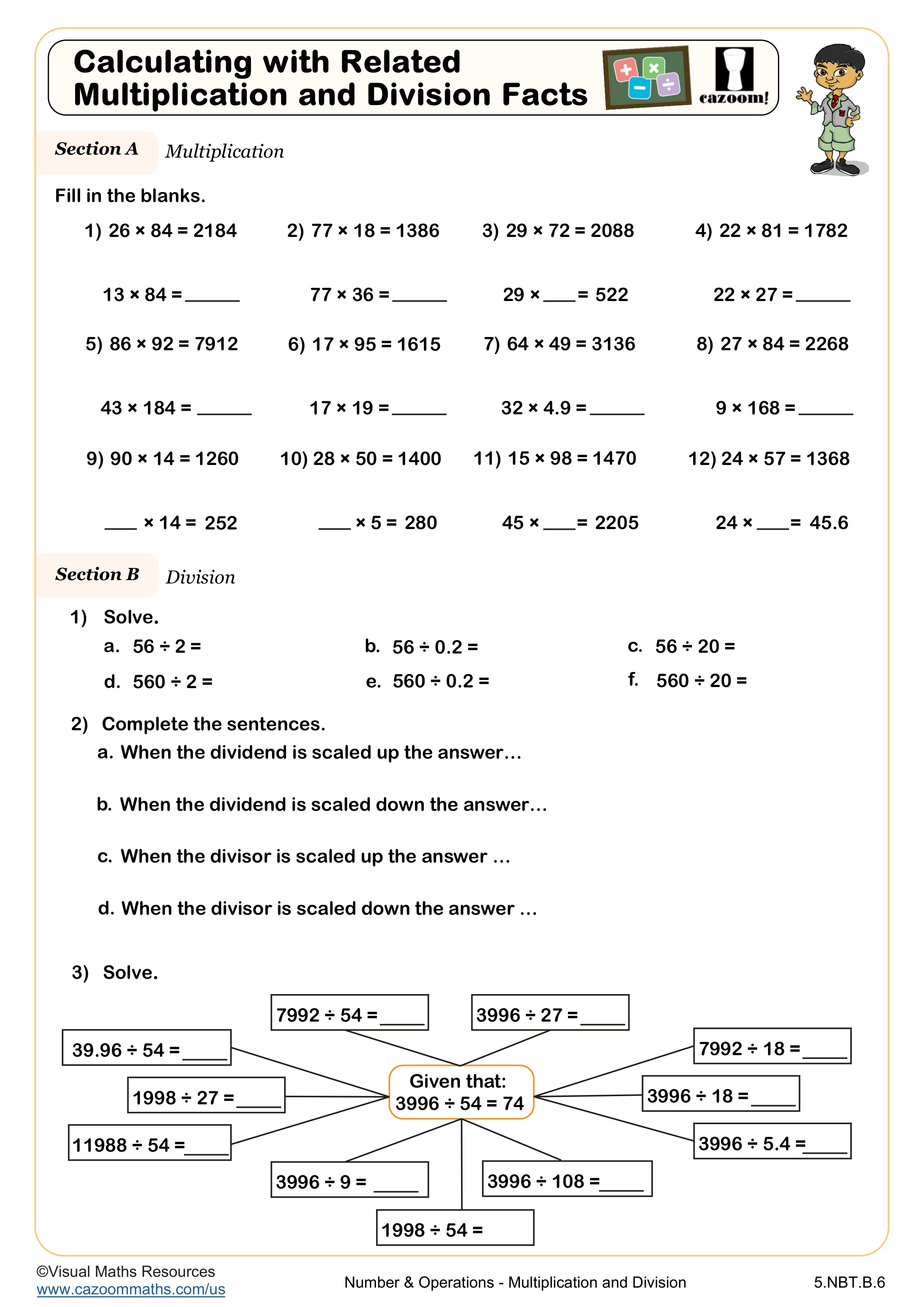
Calculating with Related Multiplication and Division Facts
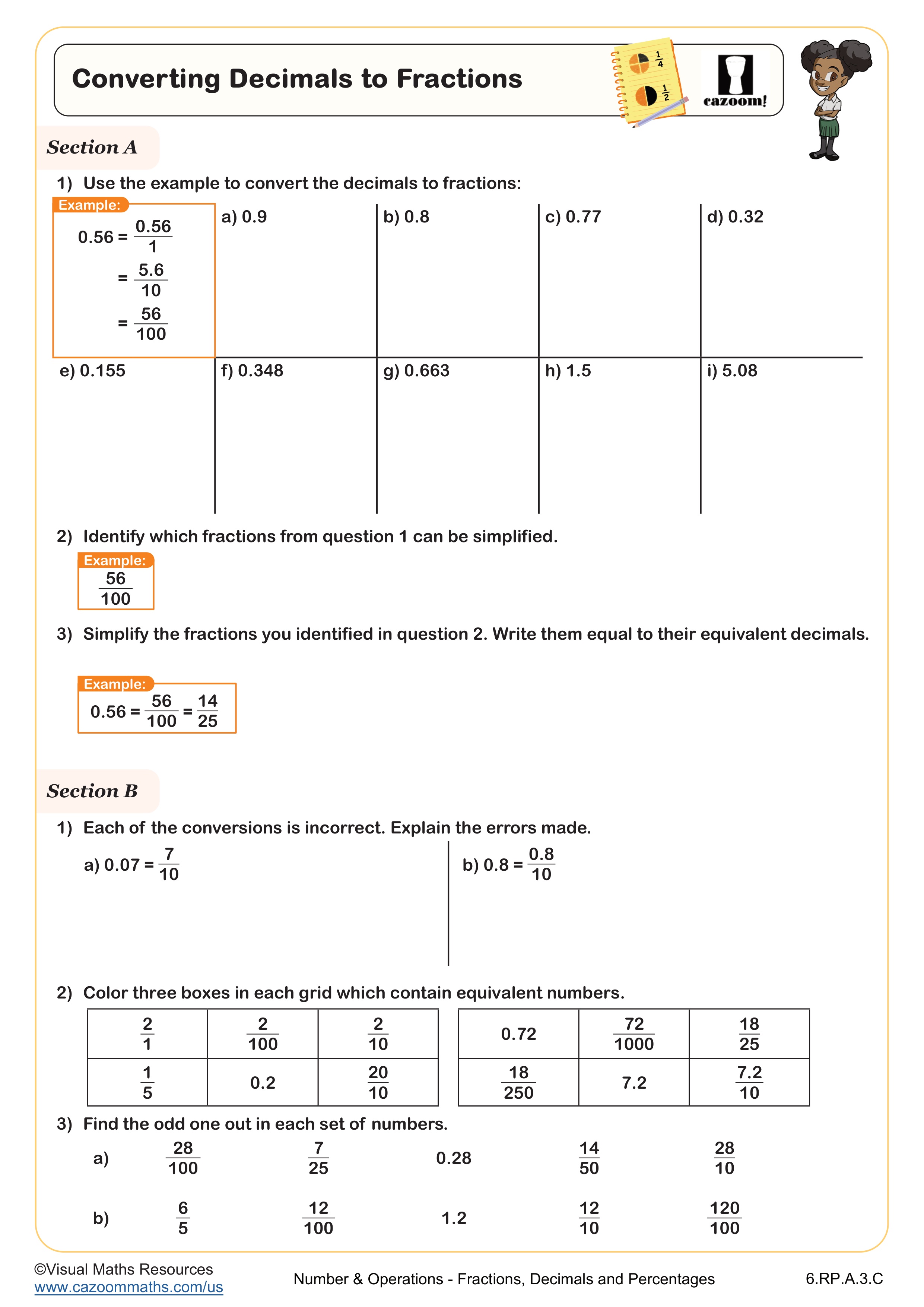
Converting Decimals to Fractions
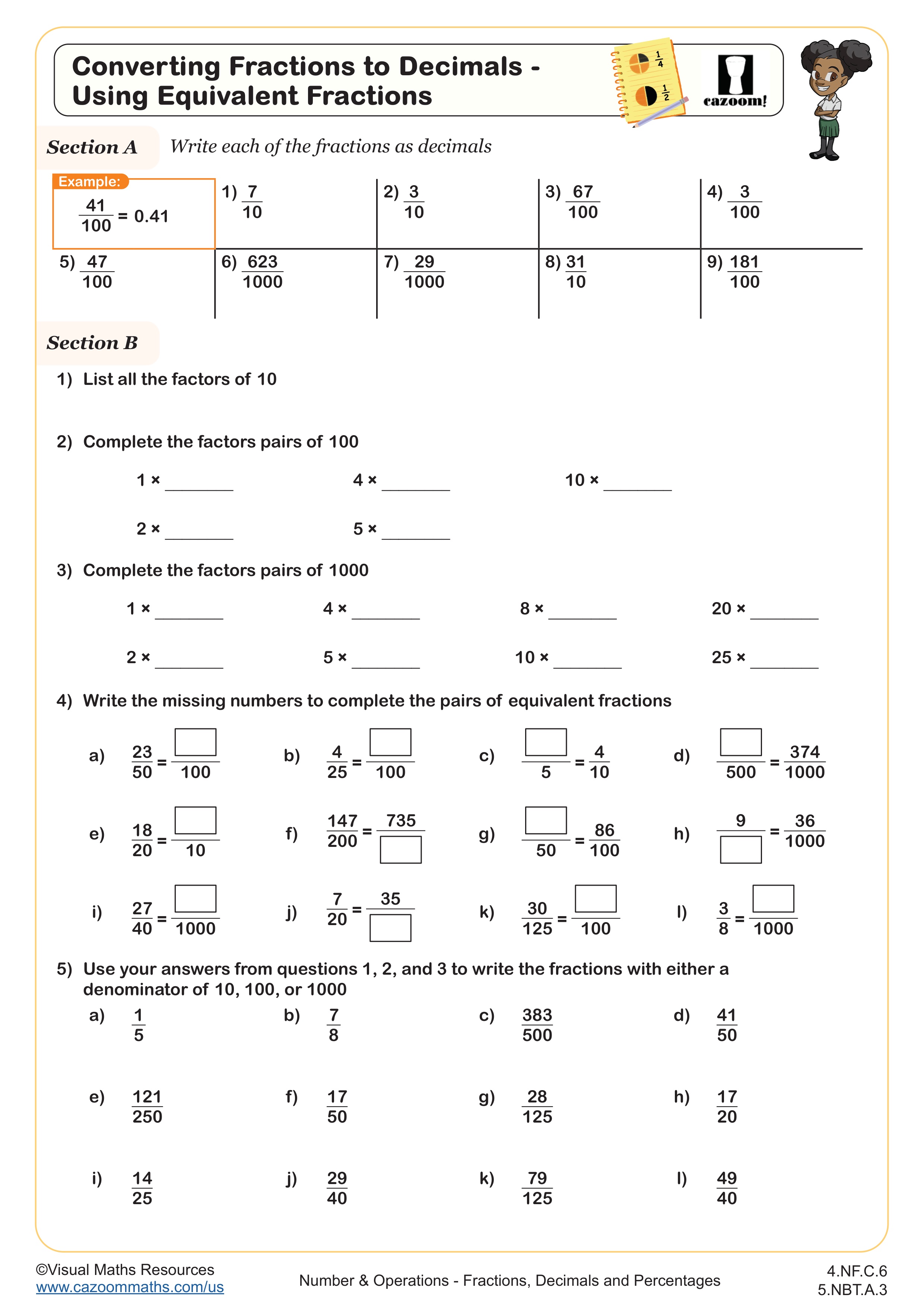
Converting Fractions to Decimals - Using Equivalent Fractions
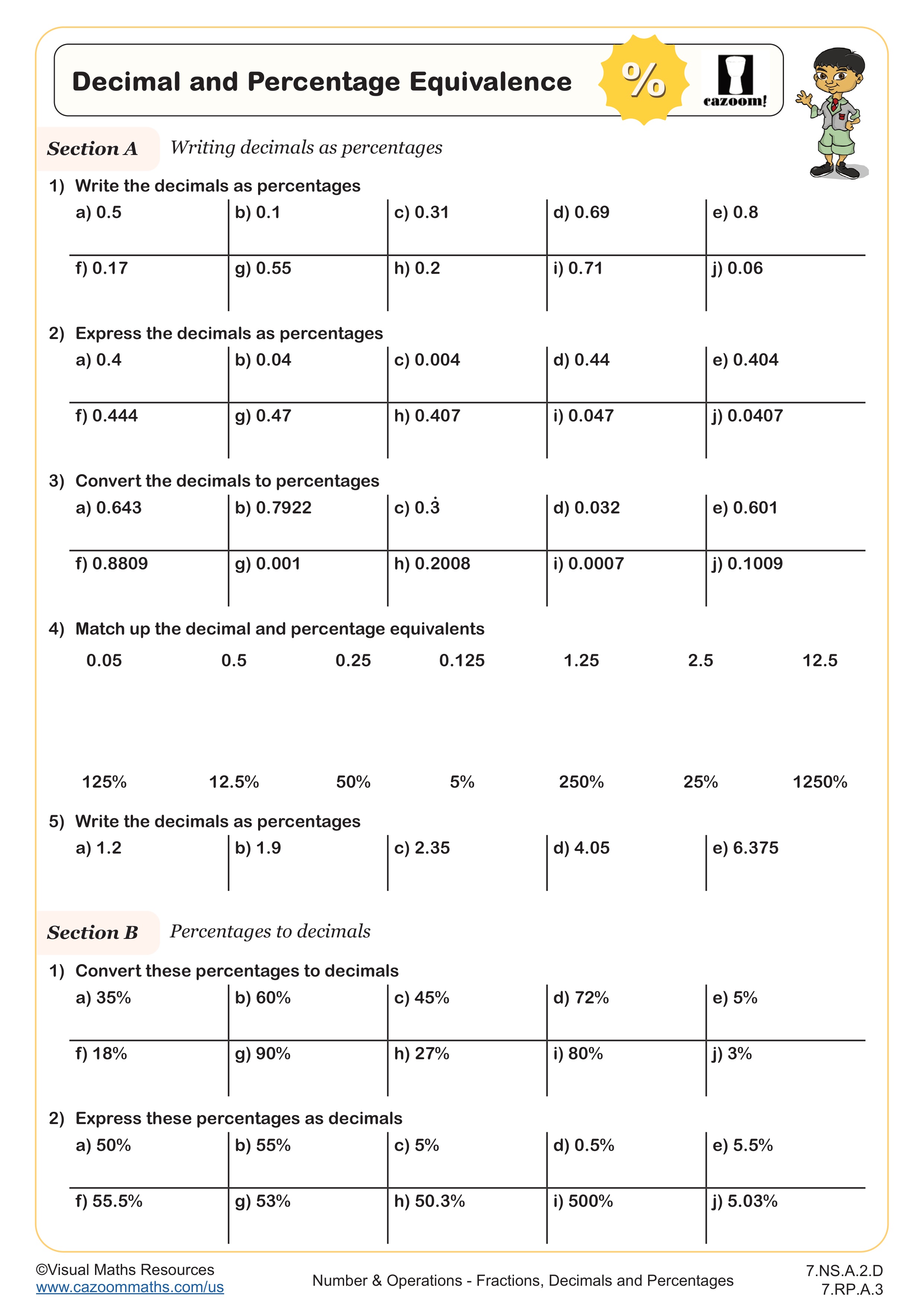
Decimal and Percentage Equivalence
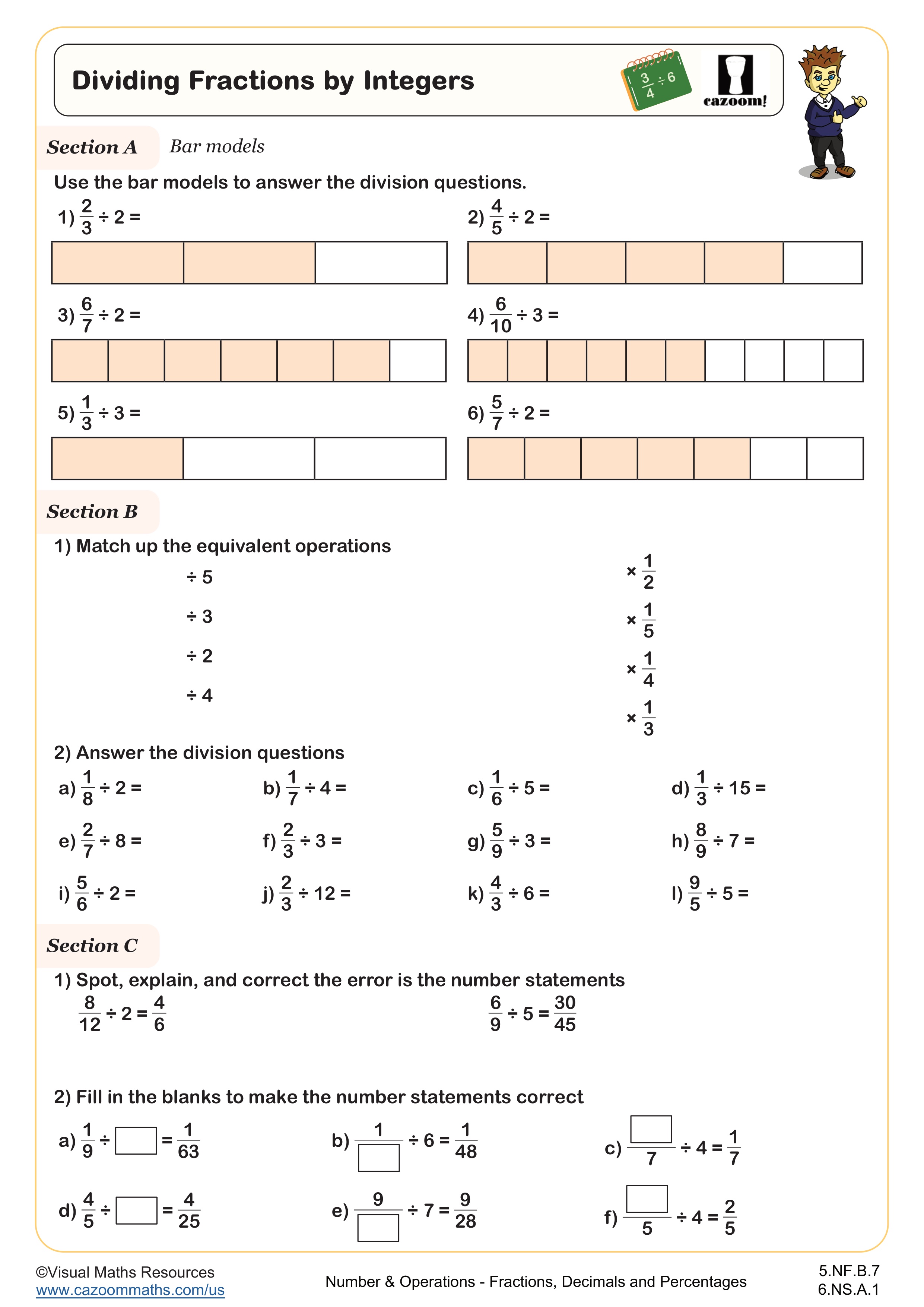
Dividing Fractions by Integers
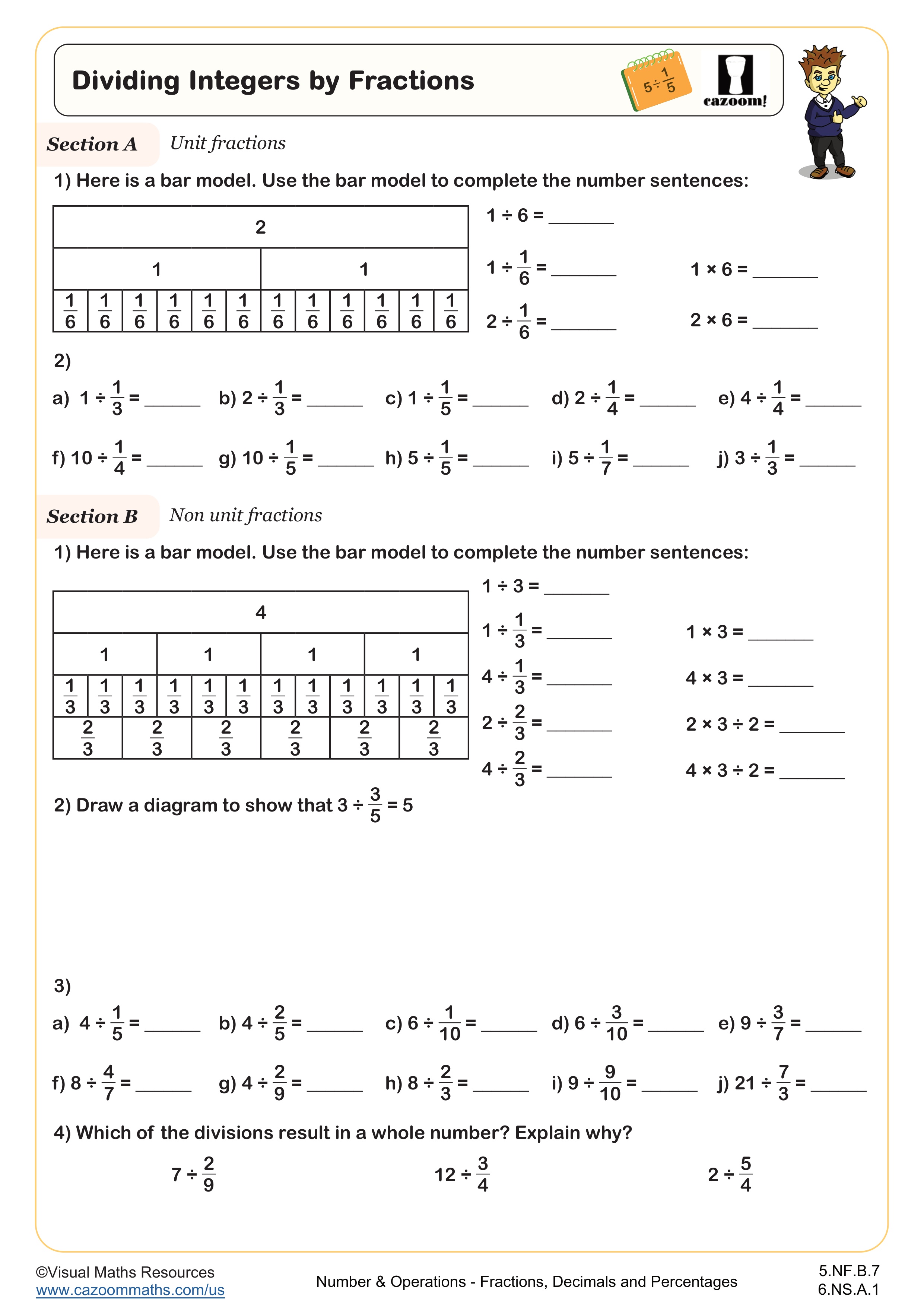
Dividing Integers by Fractions
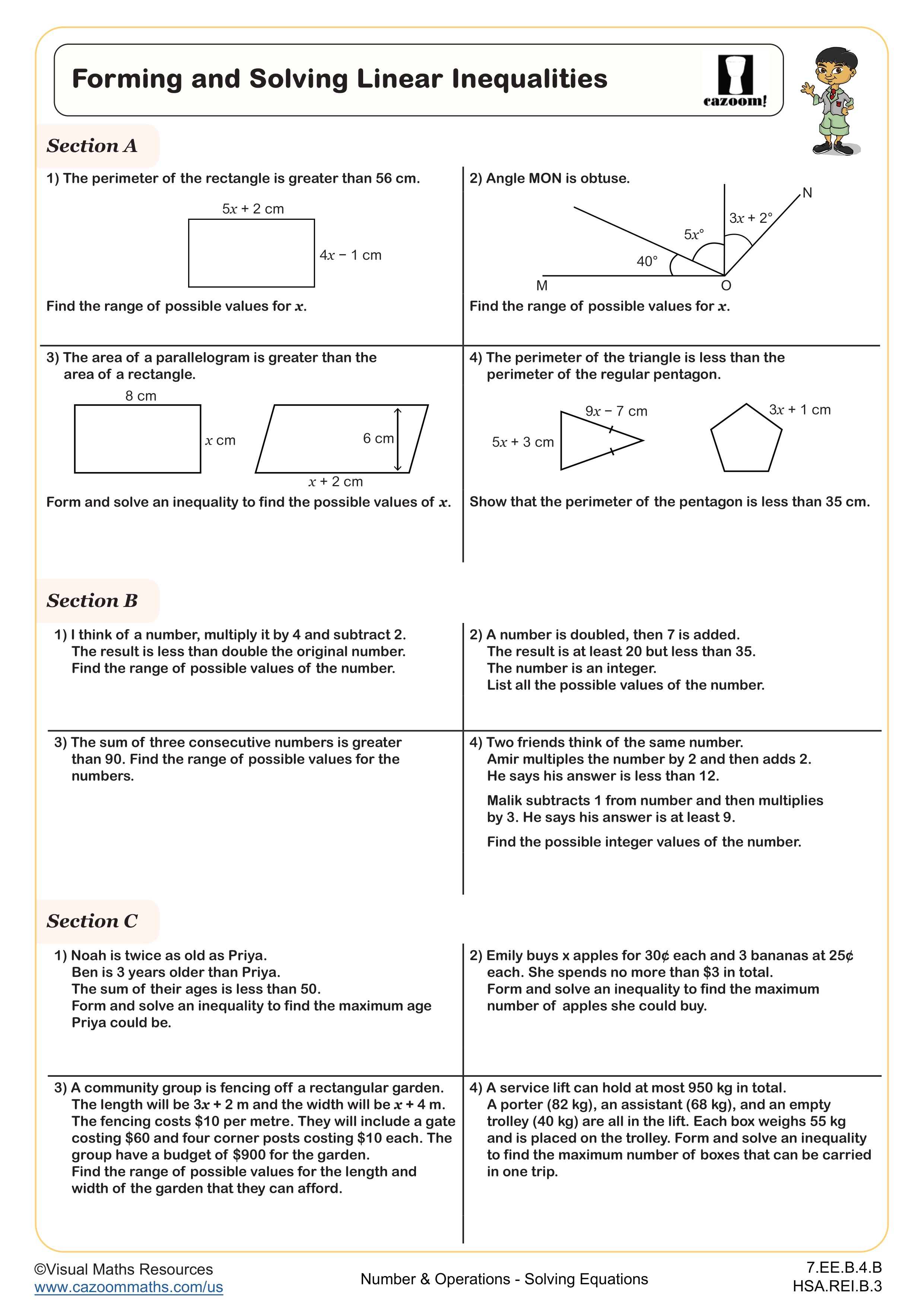
Forming and Solving Linear Inequalities
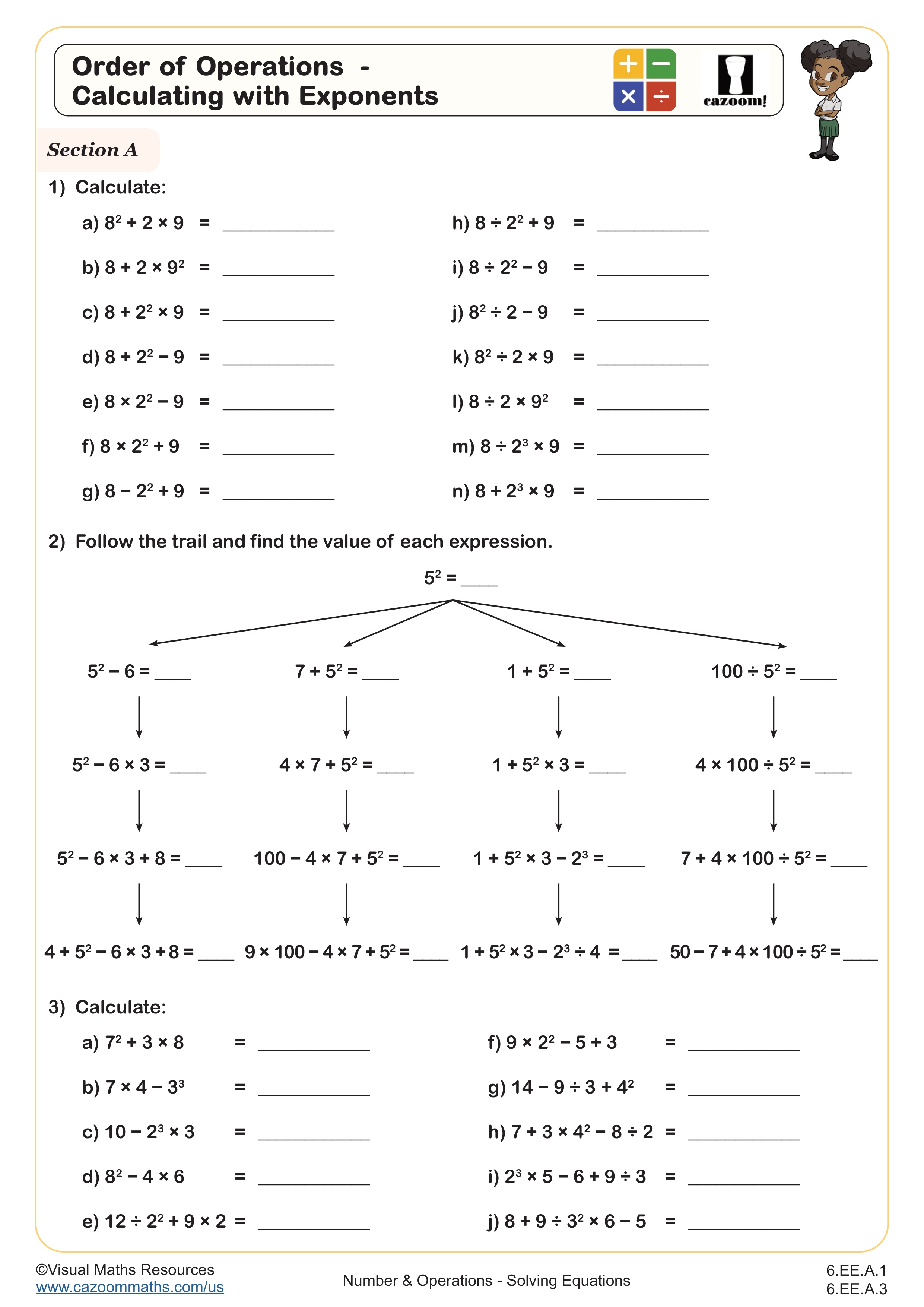
Fraction and Percentage Equivalence
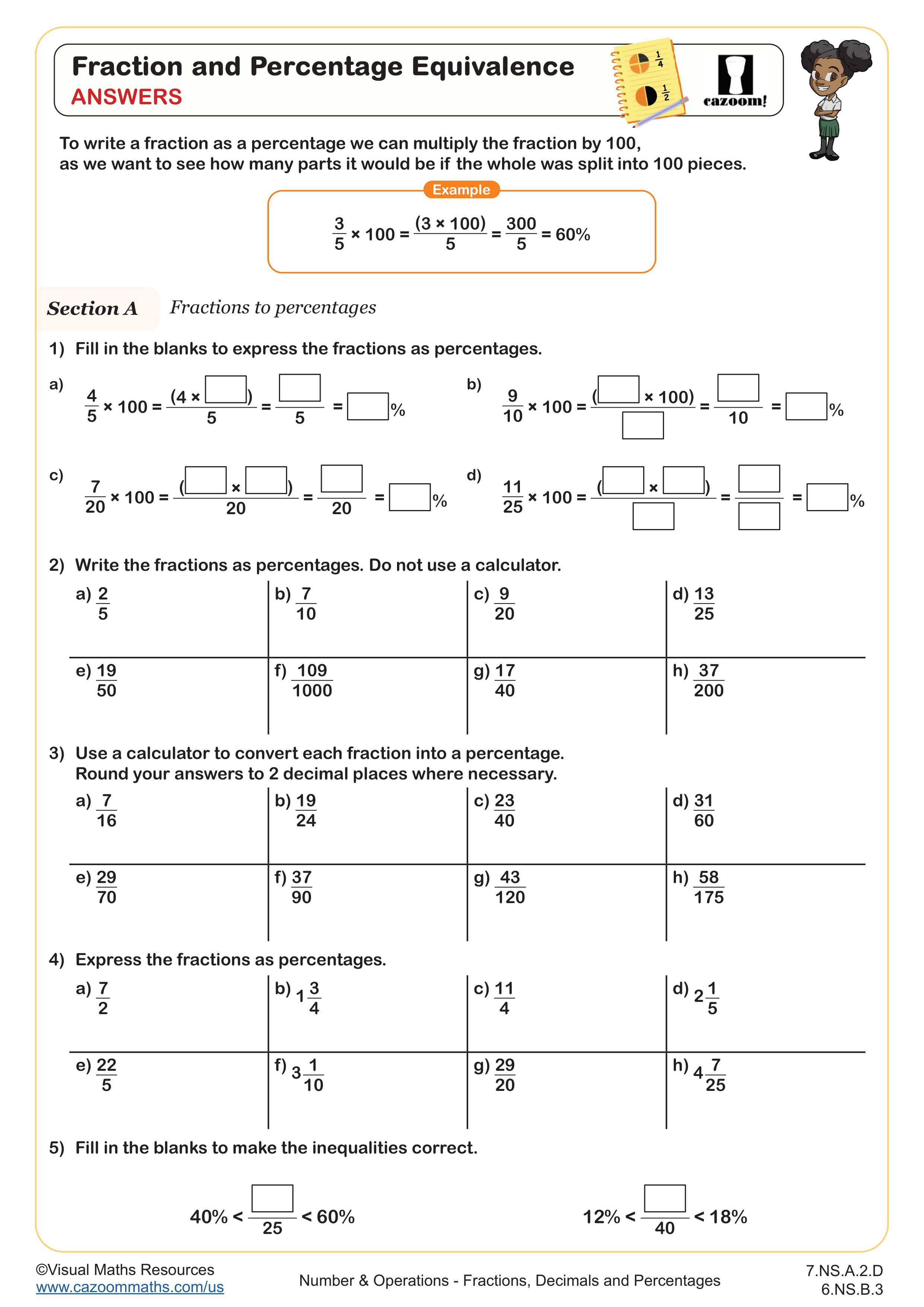
Given HCF & LCM - Find Possible Numbers
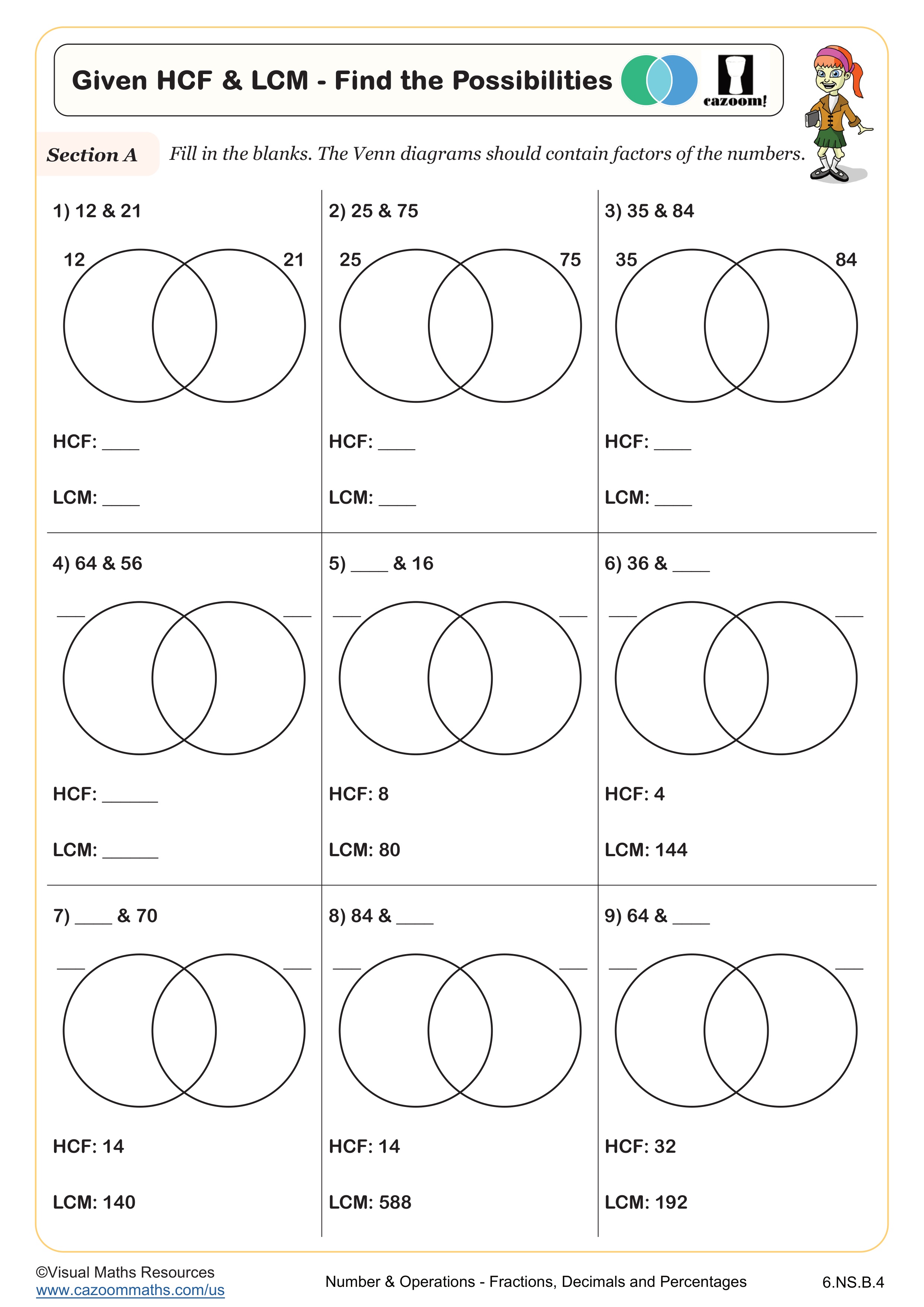
Multiplying Decimals - Using Known Facts
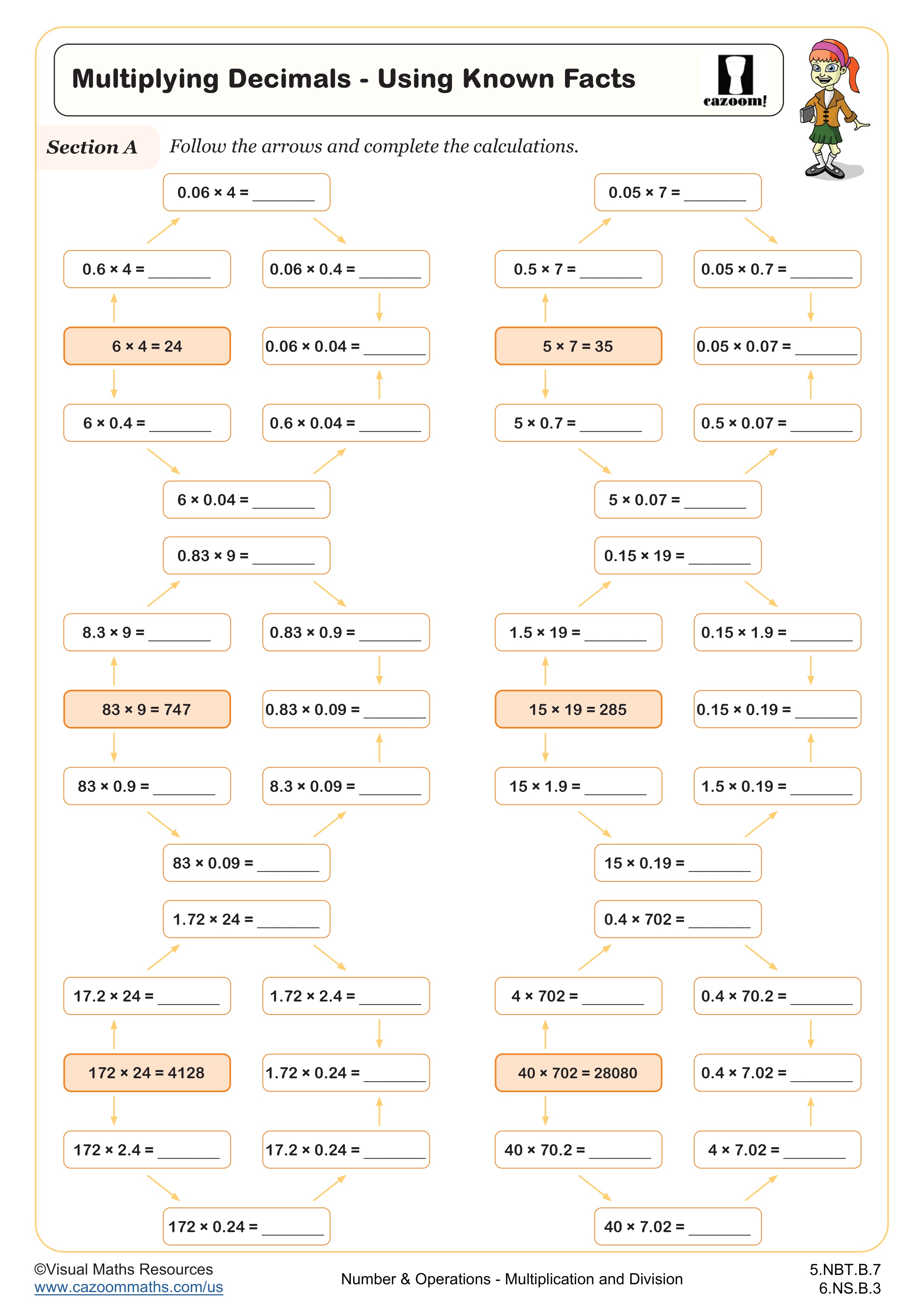
Order of Operations - Calculating with Exponents
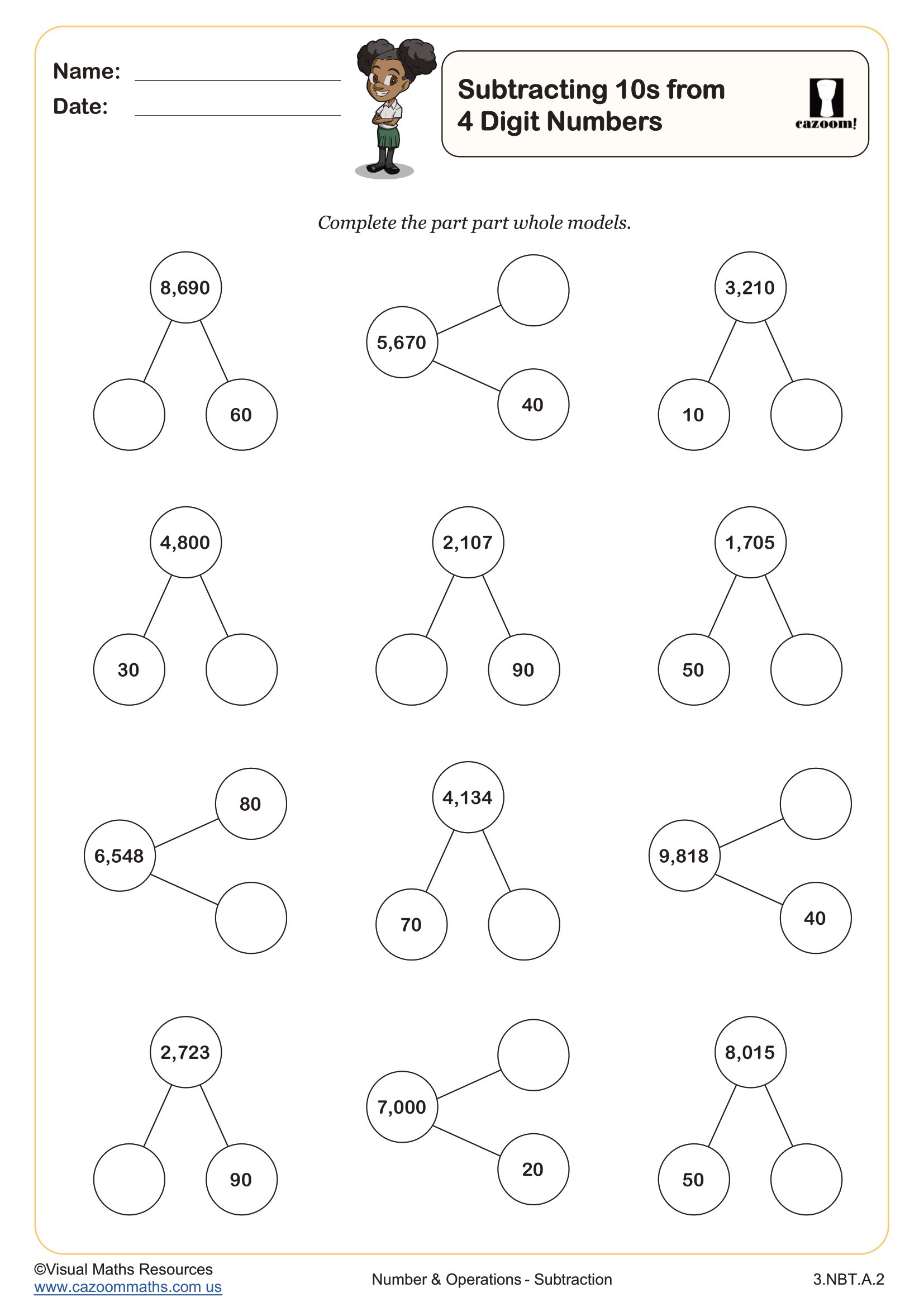
Subtracting 10s from 4 Digit Numbers
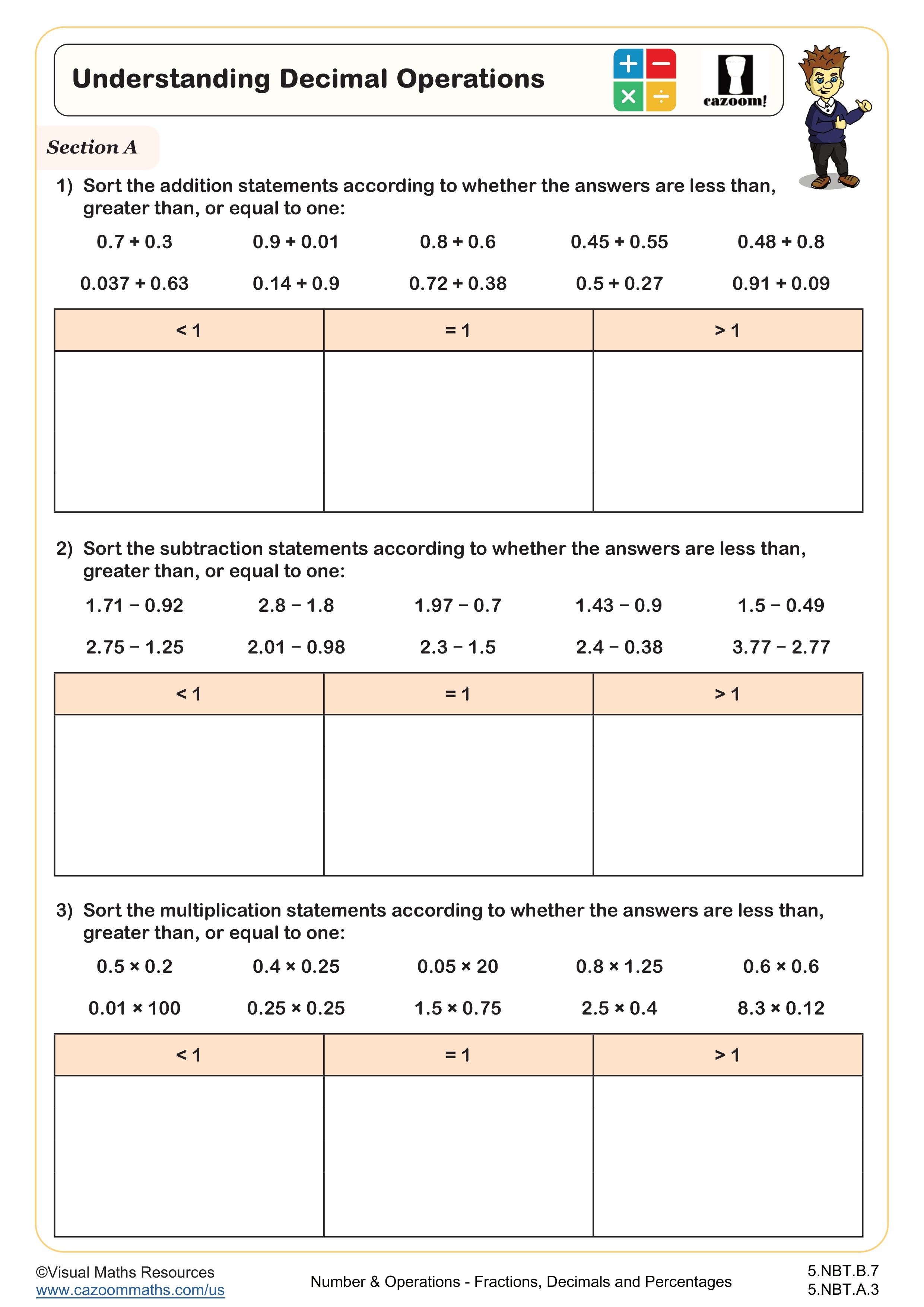
Understanding Decimal Operations
All worksheets are created by the team of experienced teachers at Cazoom Math.
What are math facts for 1st grade students?
Math facts first grade students need include addition and subtraction combinations within 20, counting sequences to 120, and basic place value concepts for two-digit numbers. According to Common Core standards 1.OA.6, first graders should develop fluency with addition and subtraction facts within 10, while 1.NBT.1 requires understanding that two-digit numbers represent groups of tens and ones.
Teachers frequently observe that students memorize individual facts but struggle to see patterns and relationships between numbers. For example, many first graders can recite '7 + 3 = 10' but don't automatically recognize that '3 + 7 = 10' or that '10 - 3 = 7'. Systematic practice with fact families helps students develop this conceptual understanding alongside memorization.
How do number and operations grade 1 skills prepare students for second grade?
First grade number and operations provide the foundation for second grade's expanded place value work with hundreds and multi-step word problems. Students who master teen number concepts and addition facts within 20 transition more smoothly to second grade's three-digit place value and addition with regrouping requirements outlined in standards 2.NBT.1-4.
Classroom teachers notice that students who struggle with basic place value concepts in first grade often have difficulty with regrouping in second grade. When first graders understand that 15 means '1 ten and 5 ones' rather than just memorizing the numeral, they're better prepared for understanding why we 'carry over' in multi-digit addition problems later.
Why do first graders find subtraction more challenging than addition?
Subtraction presents cognitive challenges because it involves taking away or finding differences, which are more abstract concepts than the joining action of addition. Teachers observe that students often count up instead of back when subtracting, or they may subtract the smaller digit from the larger digit regardless of position in problems like 12 - 8.
Many first graders also struggle with subtraction word problems because the language can be confusing. Problems stating 'Maria had 15 stickers and gave away 7' require students to understand that 'gave away' means subtract, while problems asking 'How many more does Sam have than Lisa?' involve comparative subtraction thinking that develops throughout the elementary years.
How can teachers use these worksheets most effectively in their classrooms?
Teachers find success using these worksheets as warm-up activities, guided practice during small group instruction, or independent work once students demonstrate understanding through manipulatives and visual models. The answer keys allow teachers to quickly assess student understanding and identify common errors for reteaching opportunities.
Effective implementation involves starting with concrete manipulatives before moving to worksheet practice. Teachers notice better retention when students first solve problems using counting bears or base-ten blocks, then complete similar problems on worksheets. This progression from concrete to abstract thinking supports the developmental needs of first-grade learners and aligns with research-based math instruction practices.