1st Grade Number and Operations Worksheets
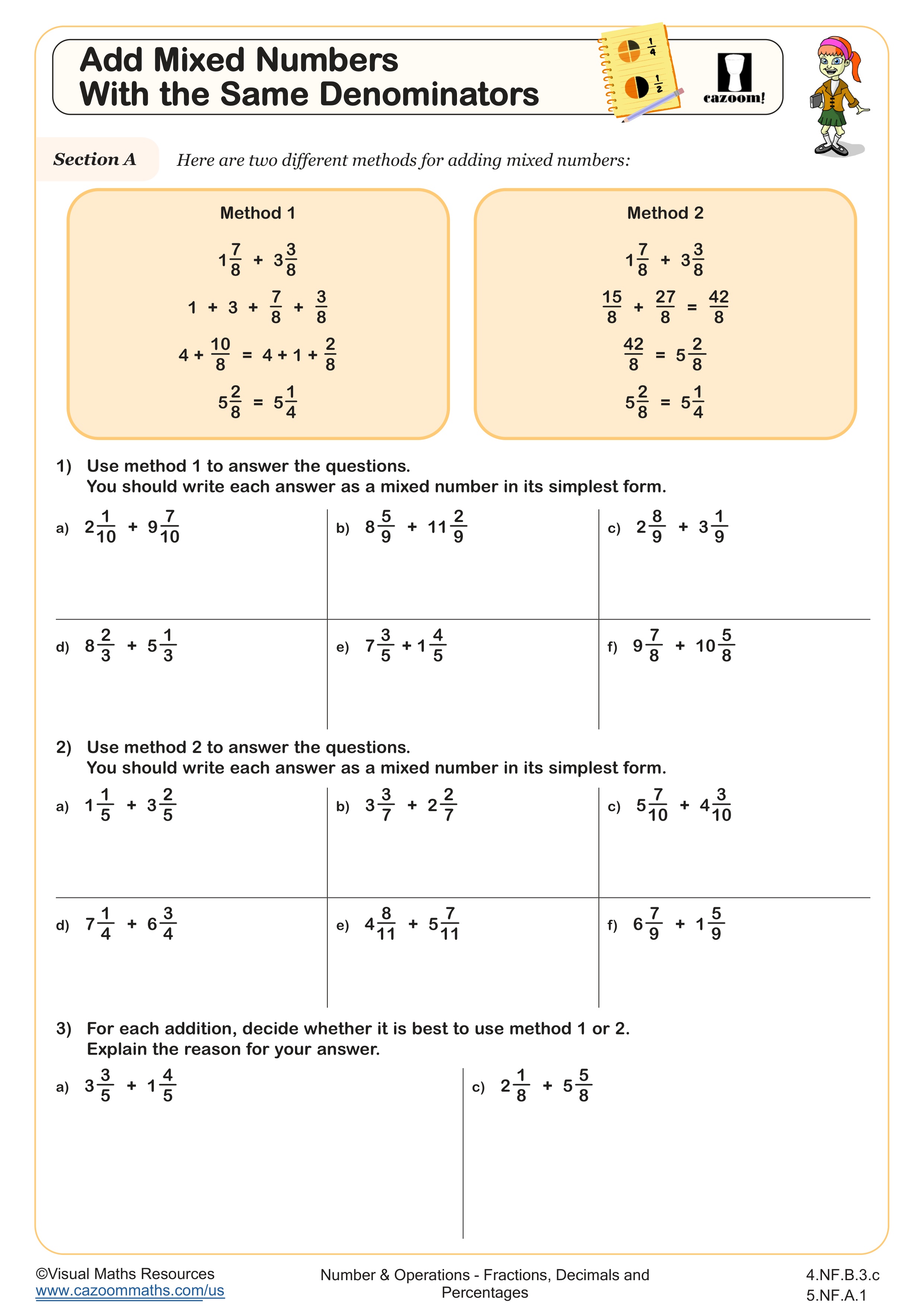
Add Mixed Numbers with the Same Denominator
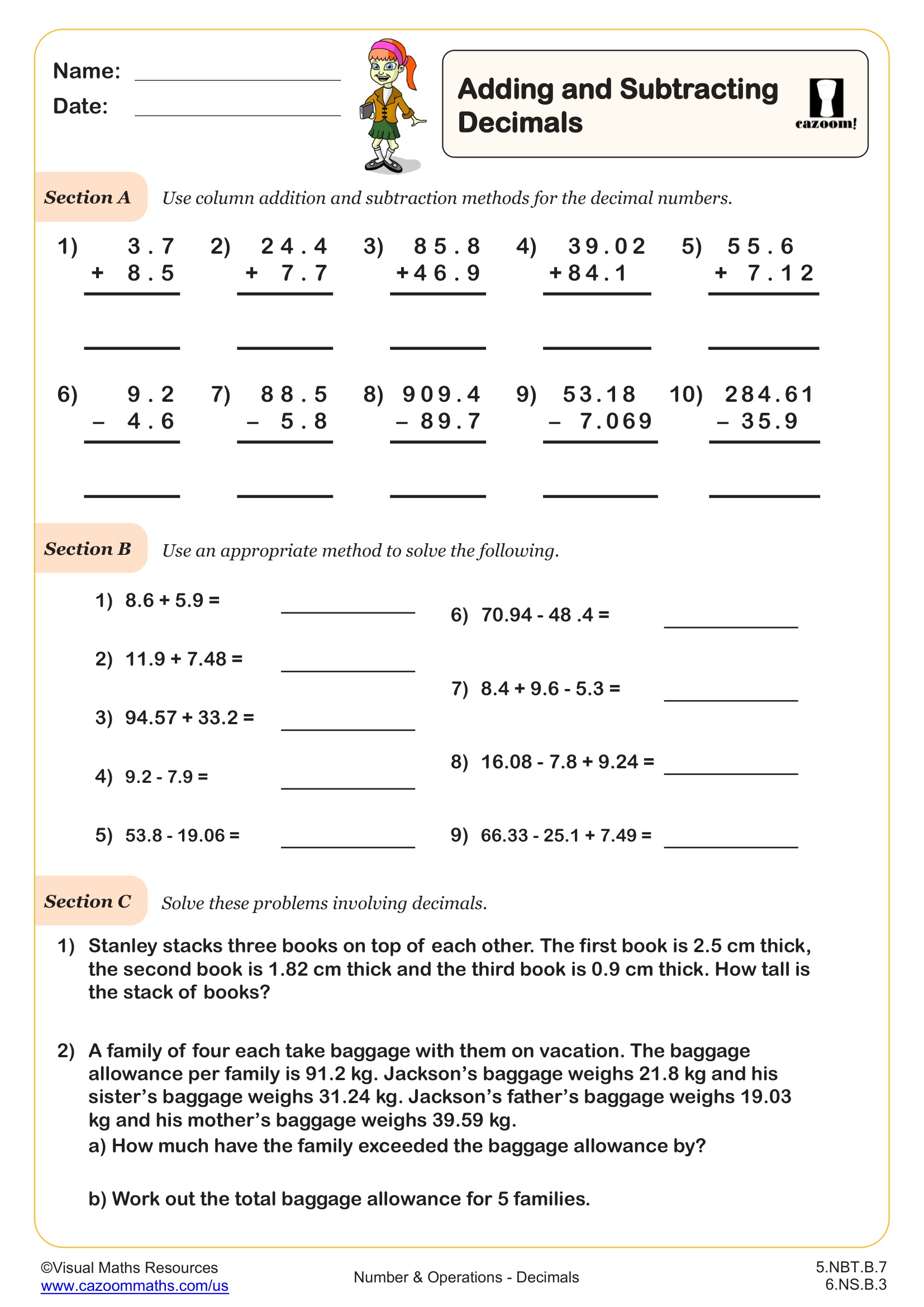
Adding and Subtracting Decimals
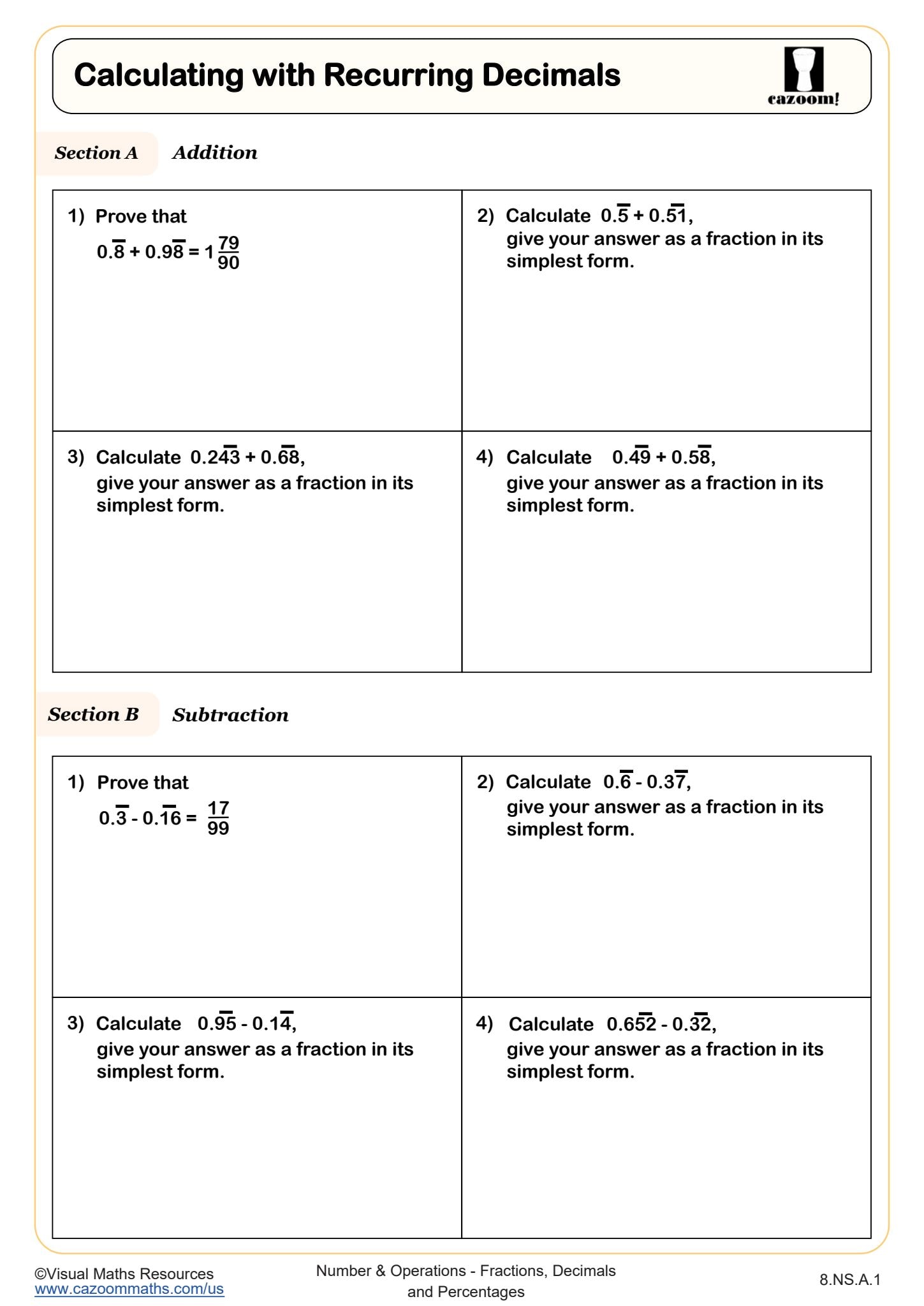
Calculating with Recurring Decimals
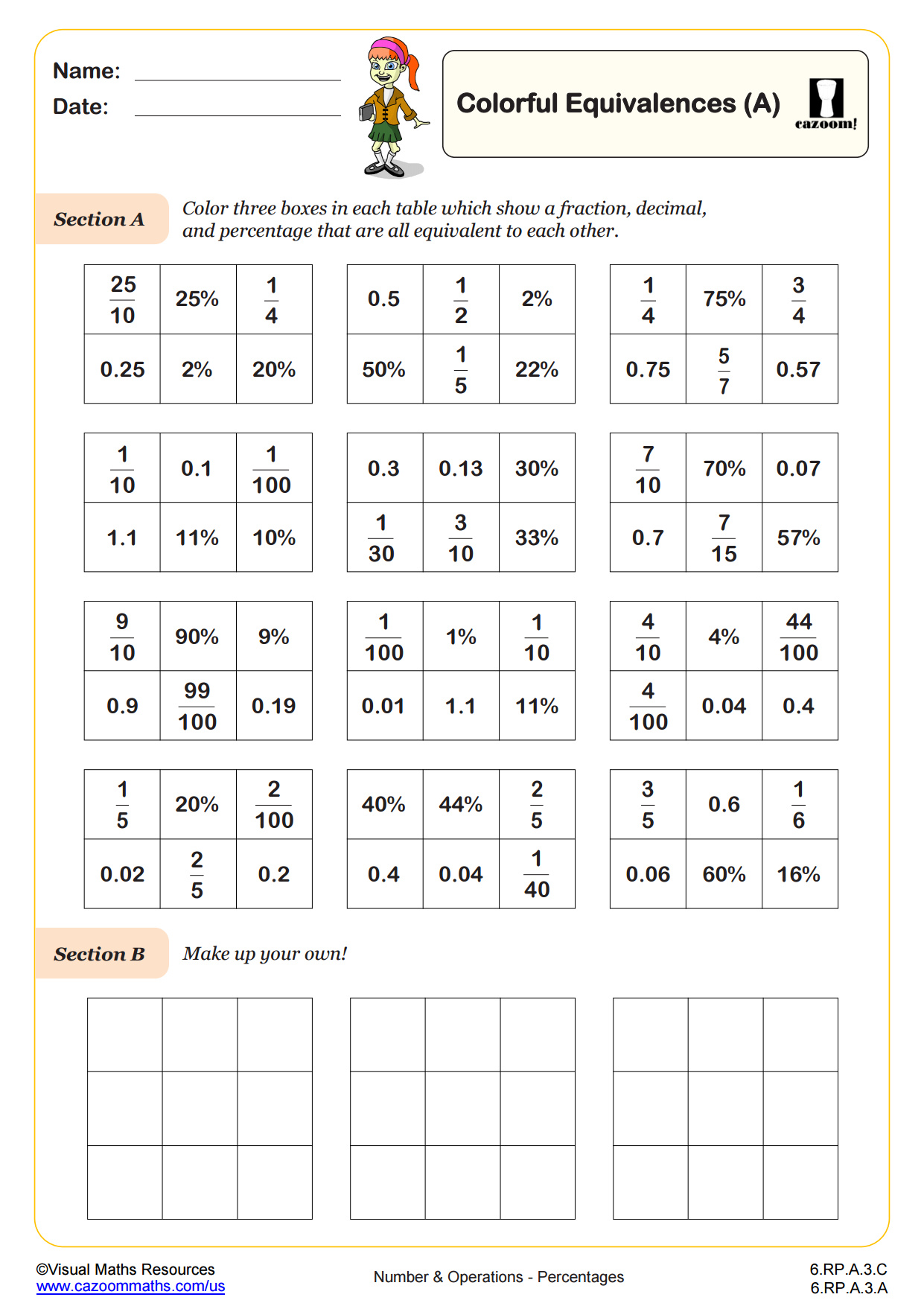
Colourful Equivalances (A)
Comparing Decimals (A)
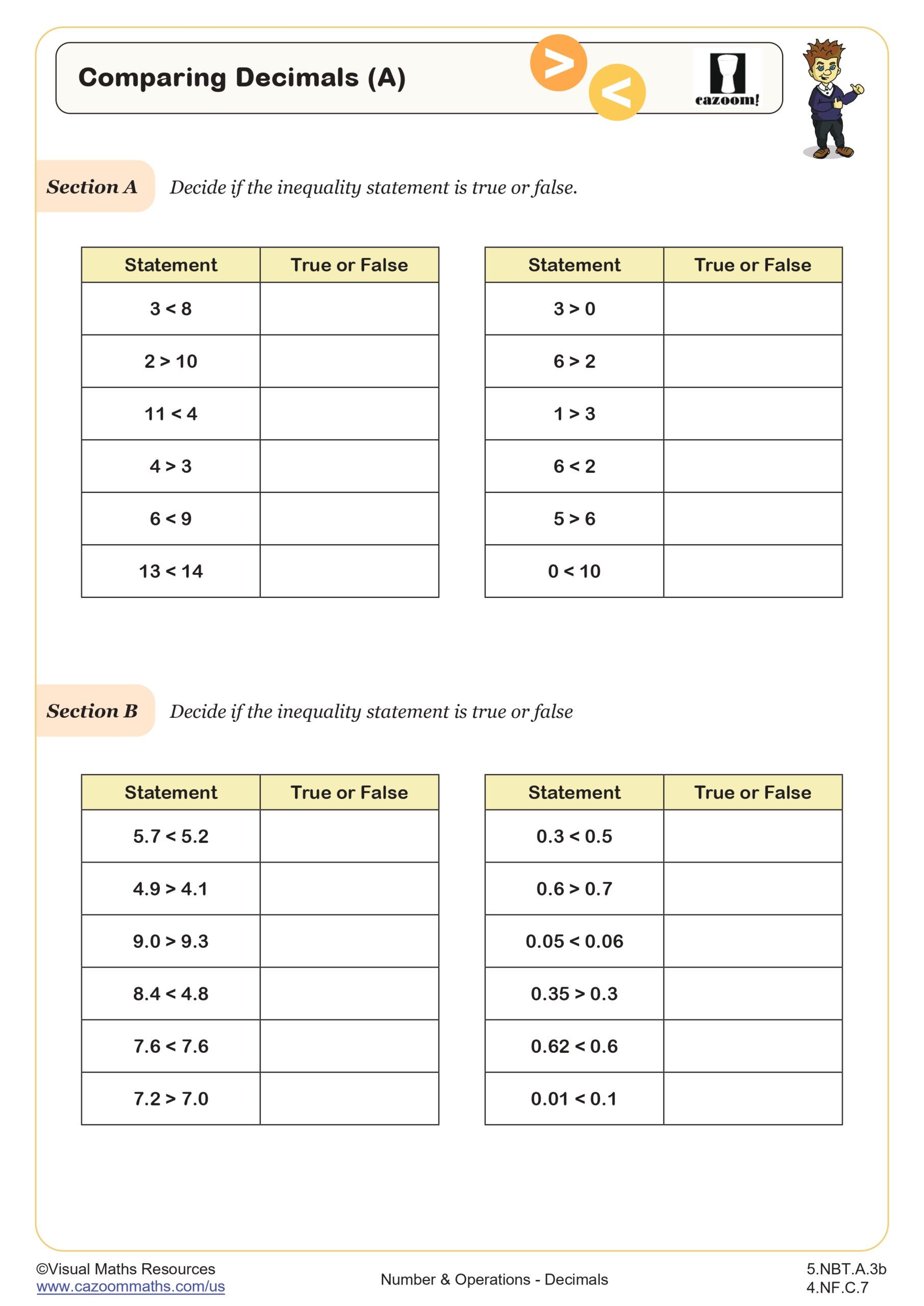
Comparing Fractions
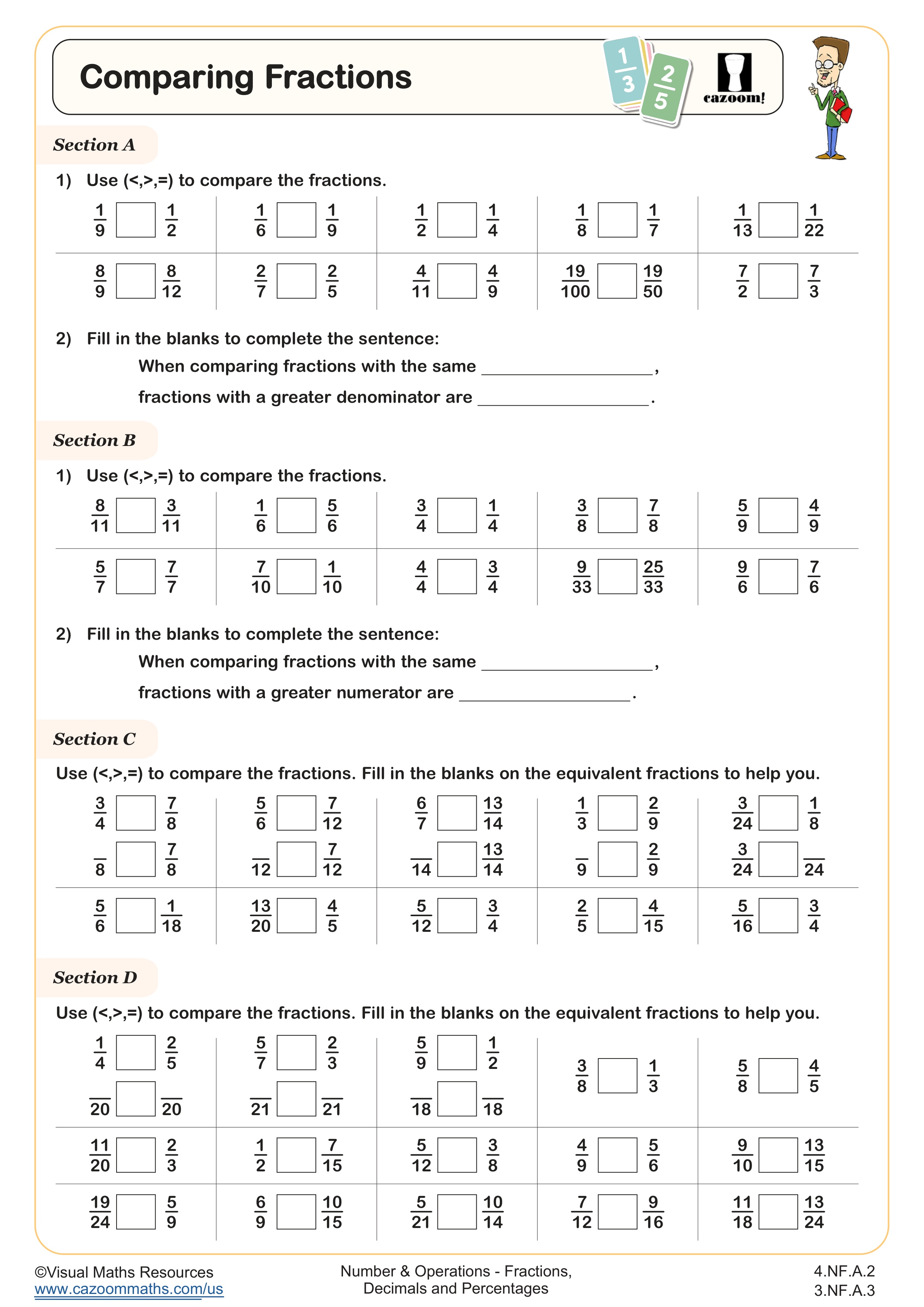
Compound Interest
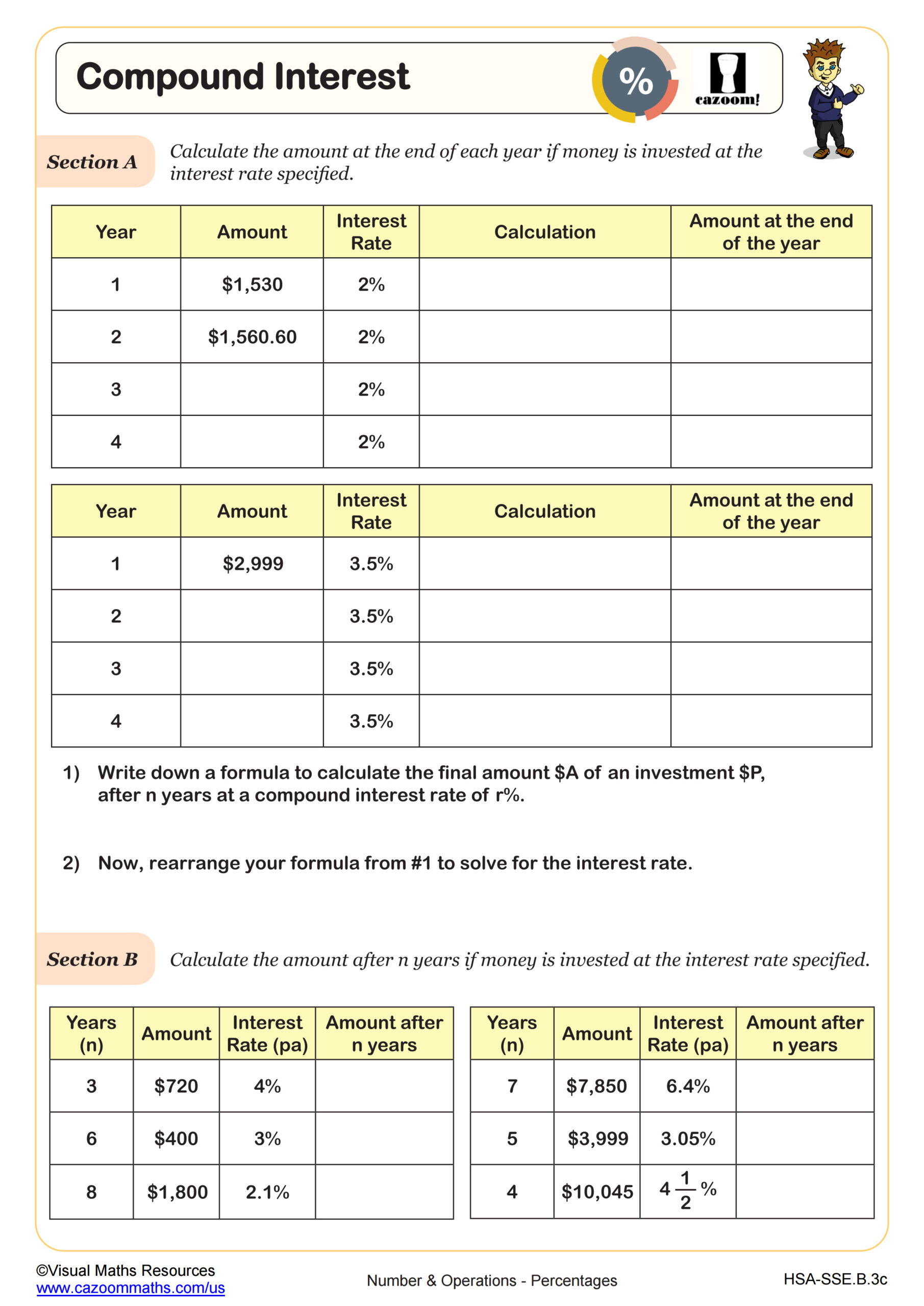
Compound Interest - Problem Solving
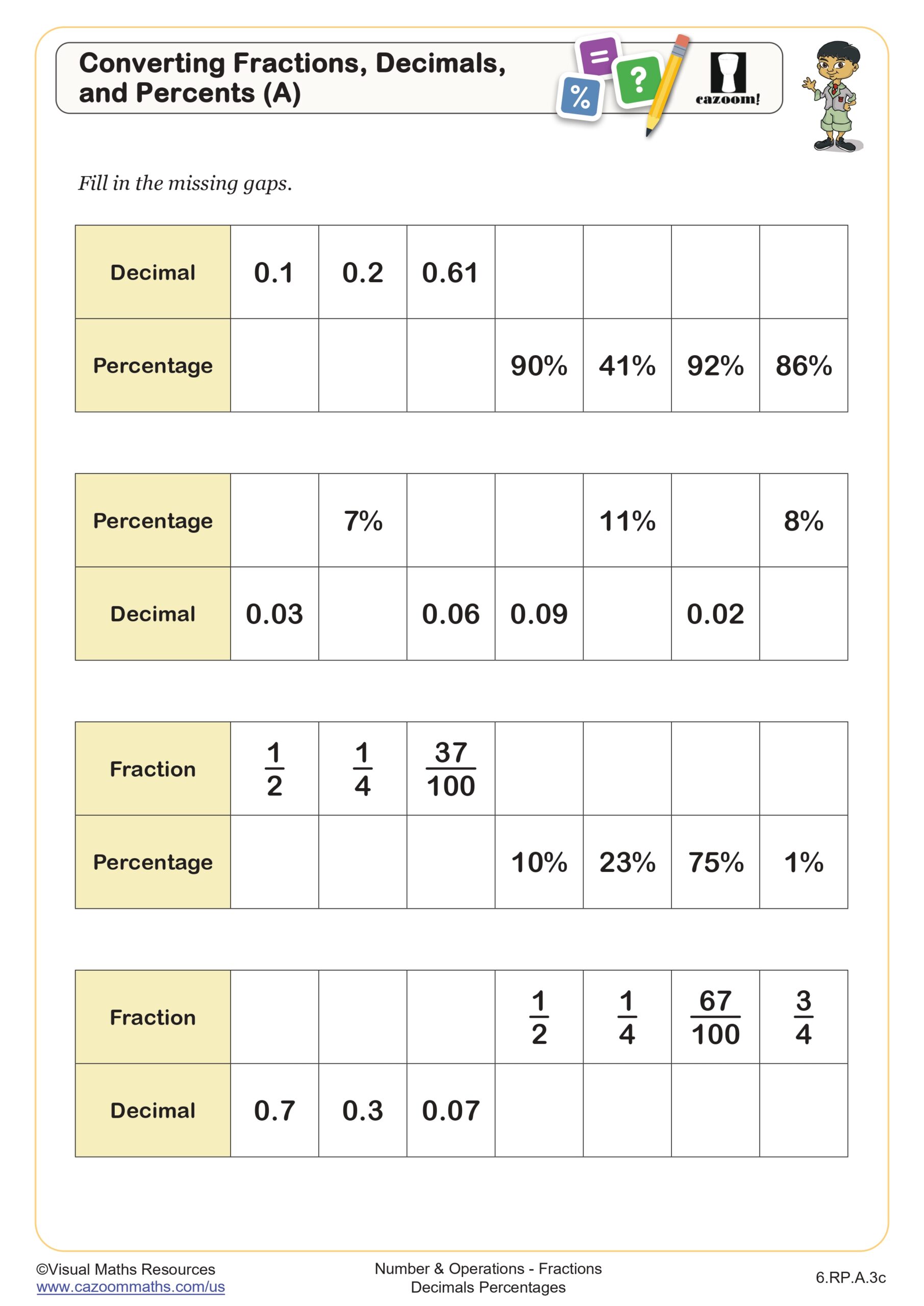
Converting Fractions, Decimals, and Percents (A)
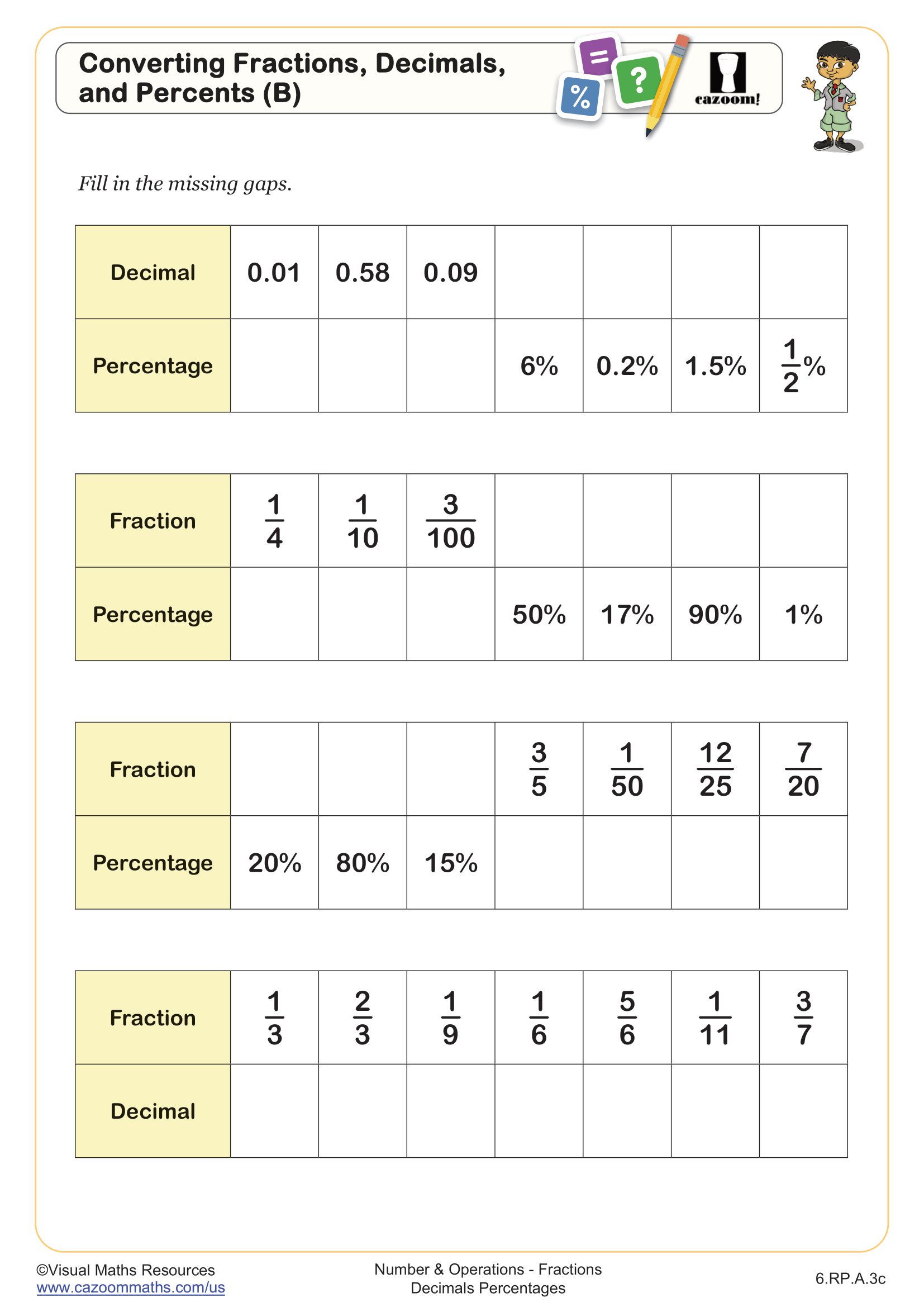
Converting Fractions, Decimals, and Percents (B)
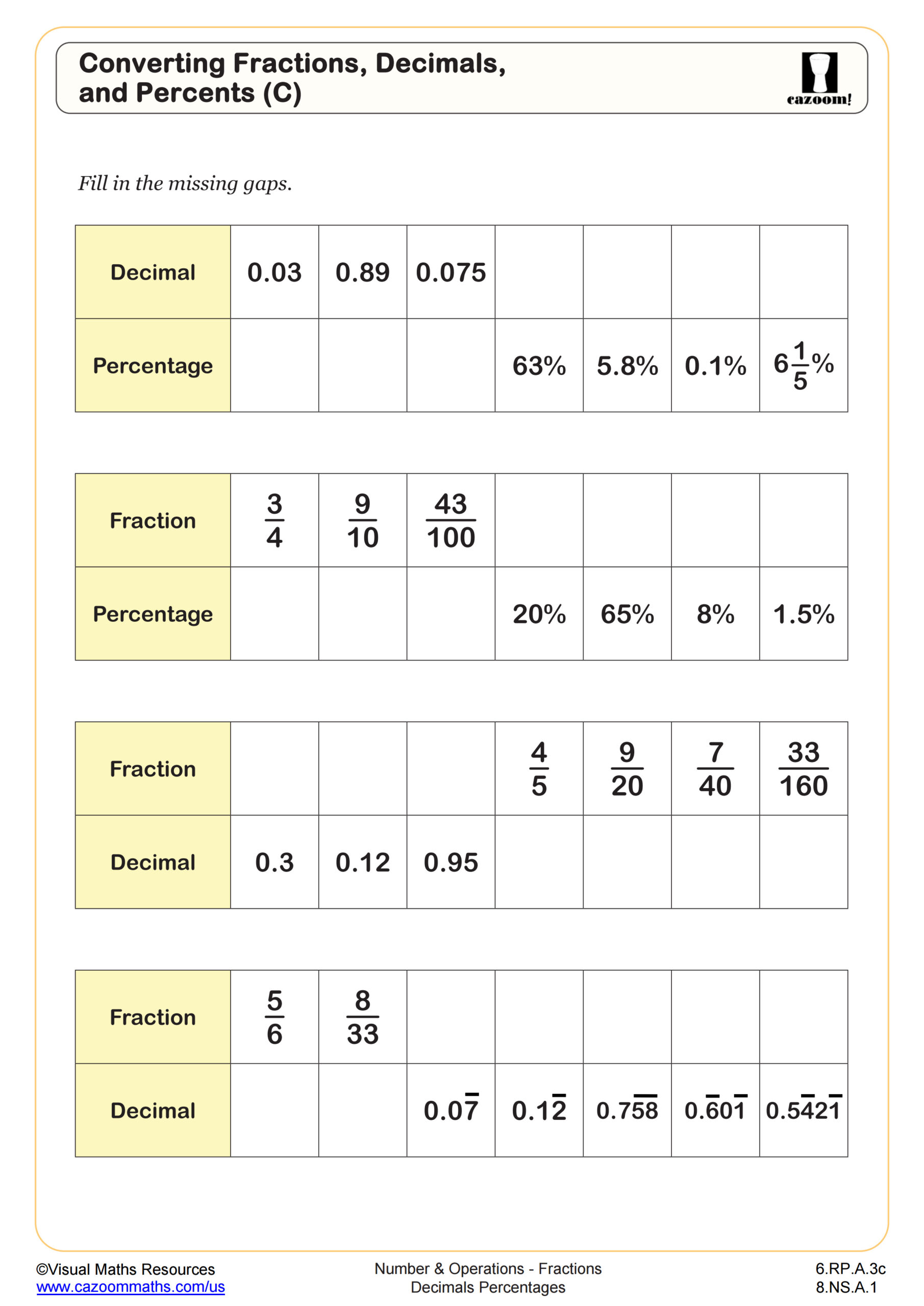
Converting Fractions, Decimals, and Percents (C)
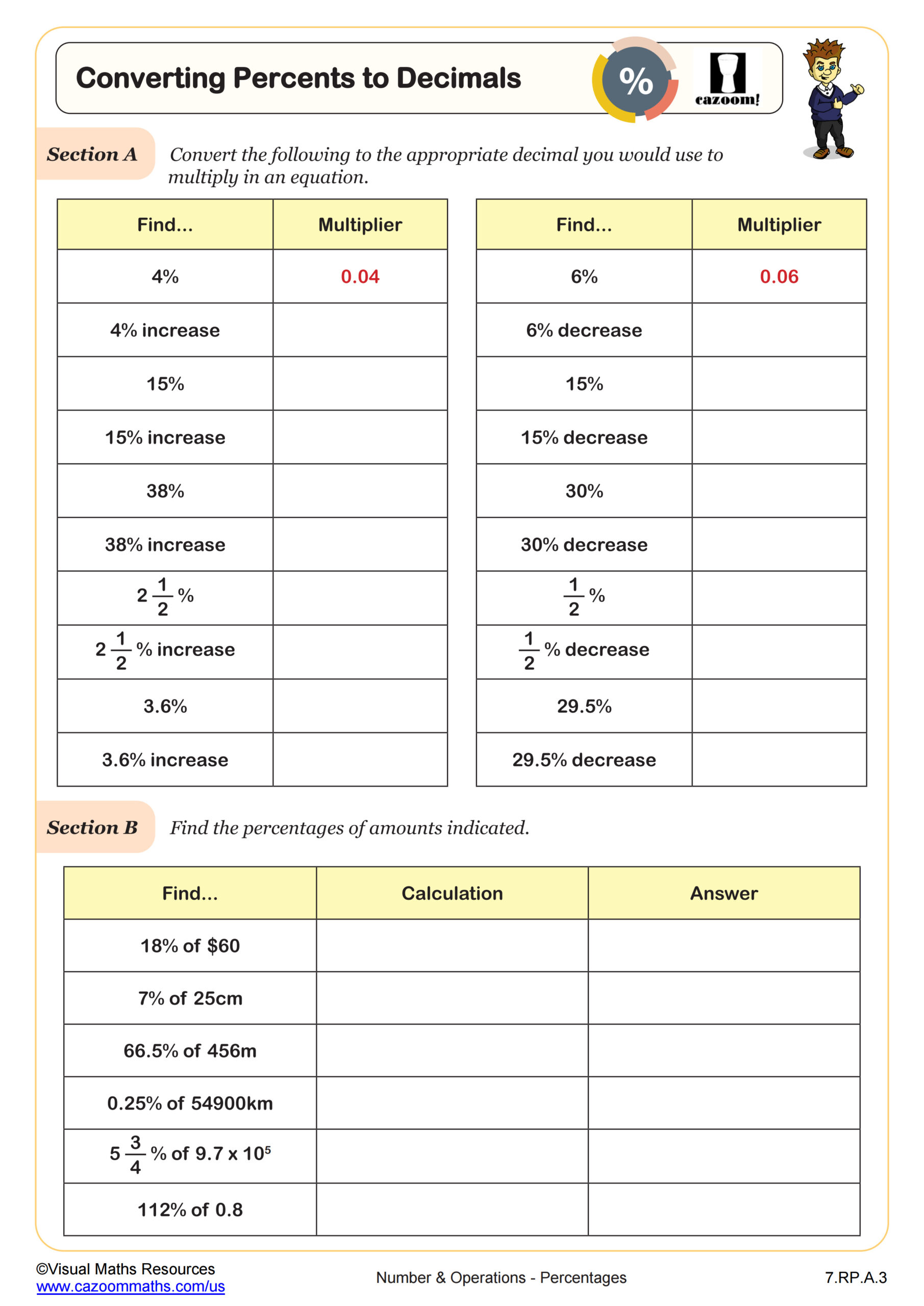
Converting Percents to Decimals
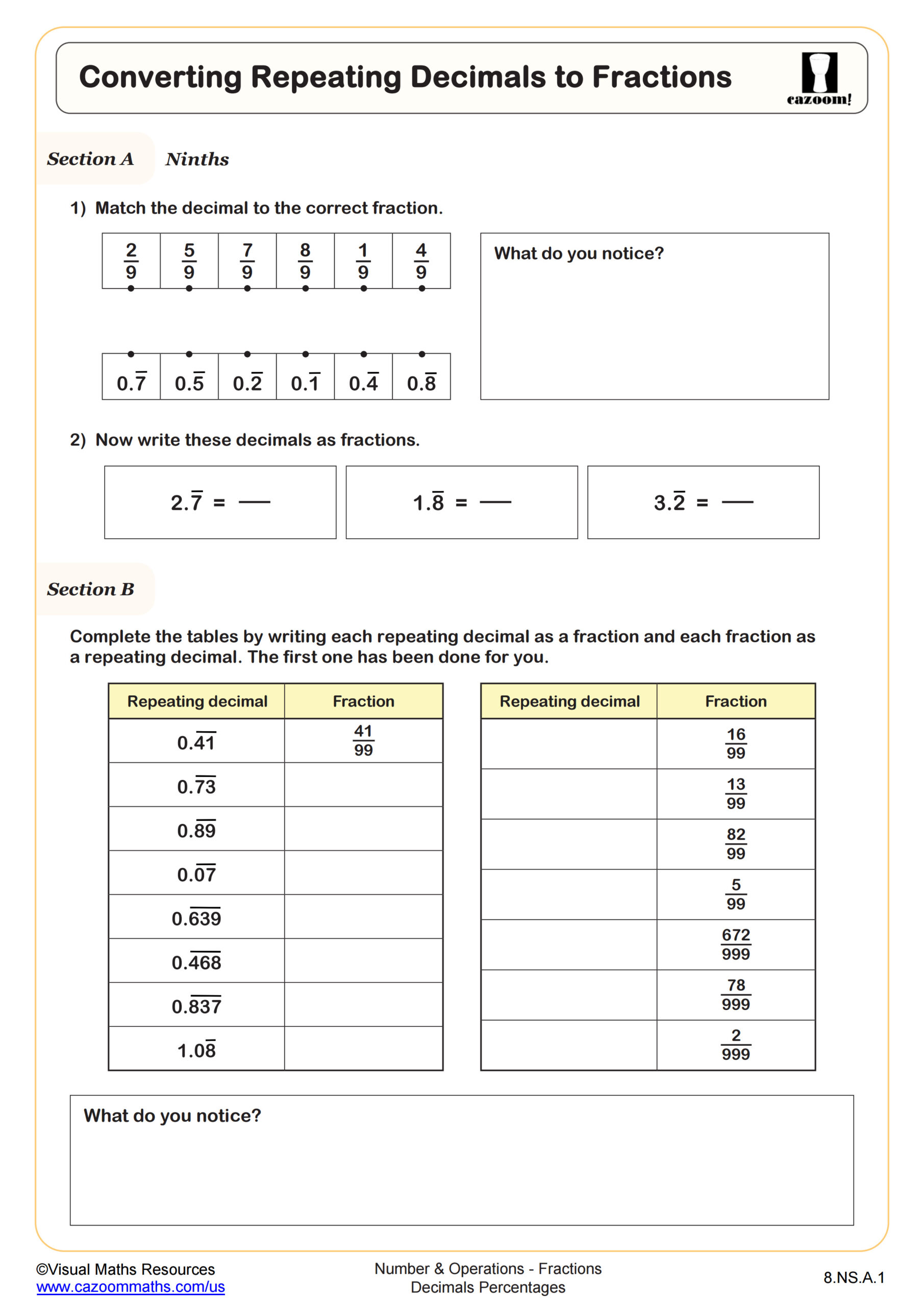
Converting Repeating Decimals to Fractions
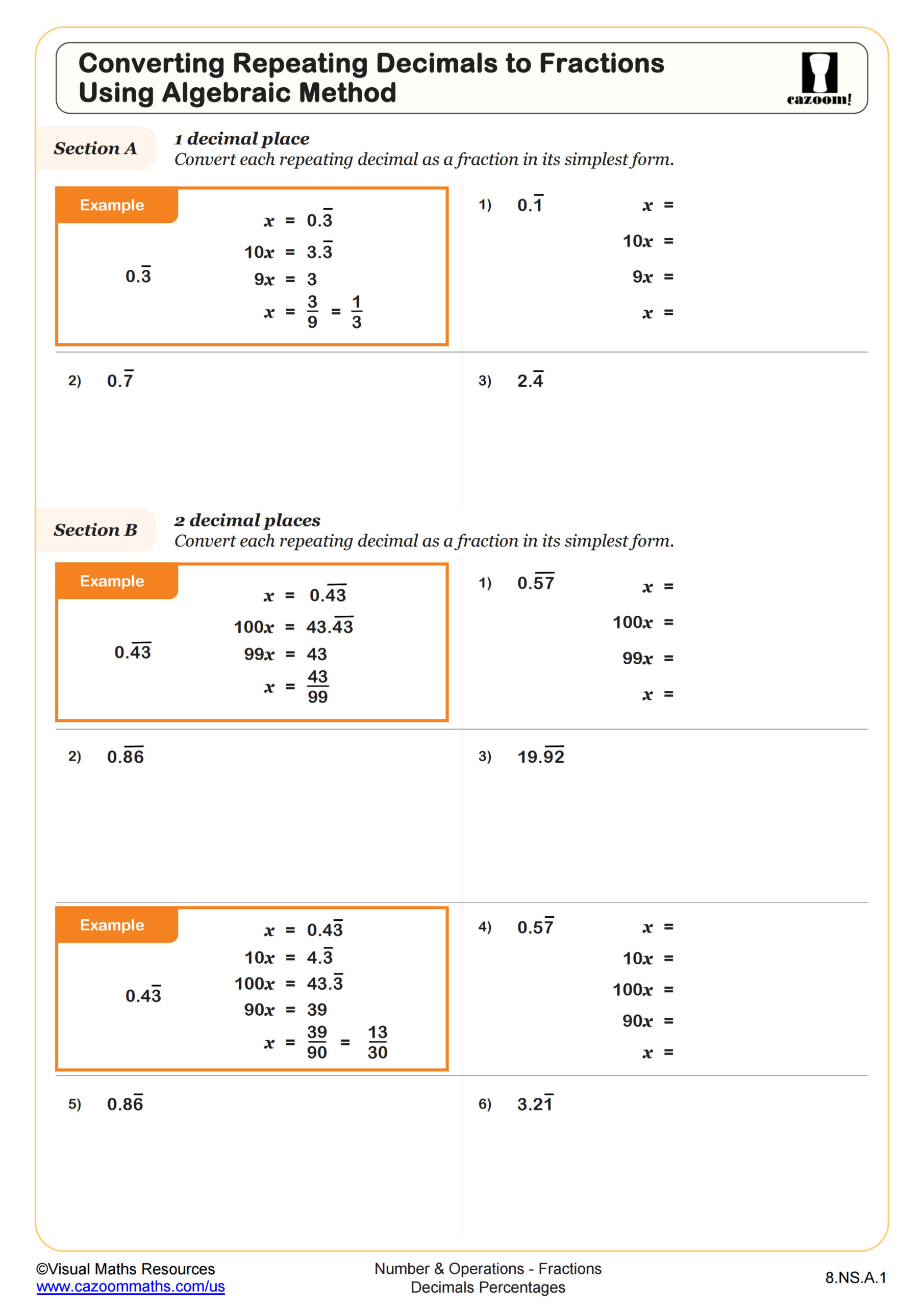
Converting Repeating Decimals to Fractions Using Algebraic Method
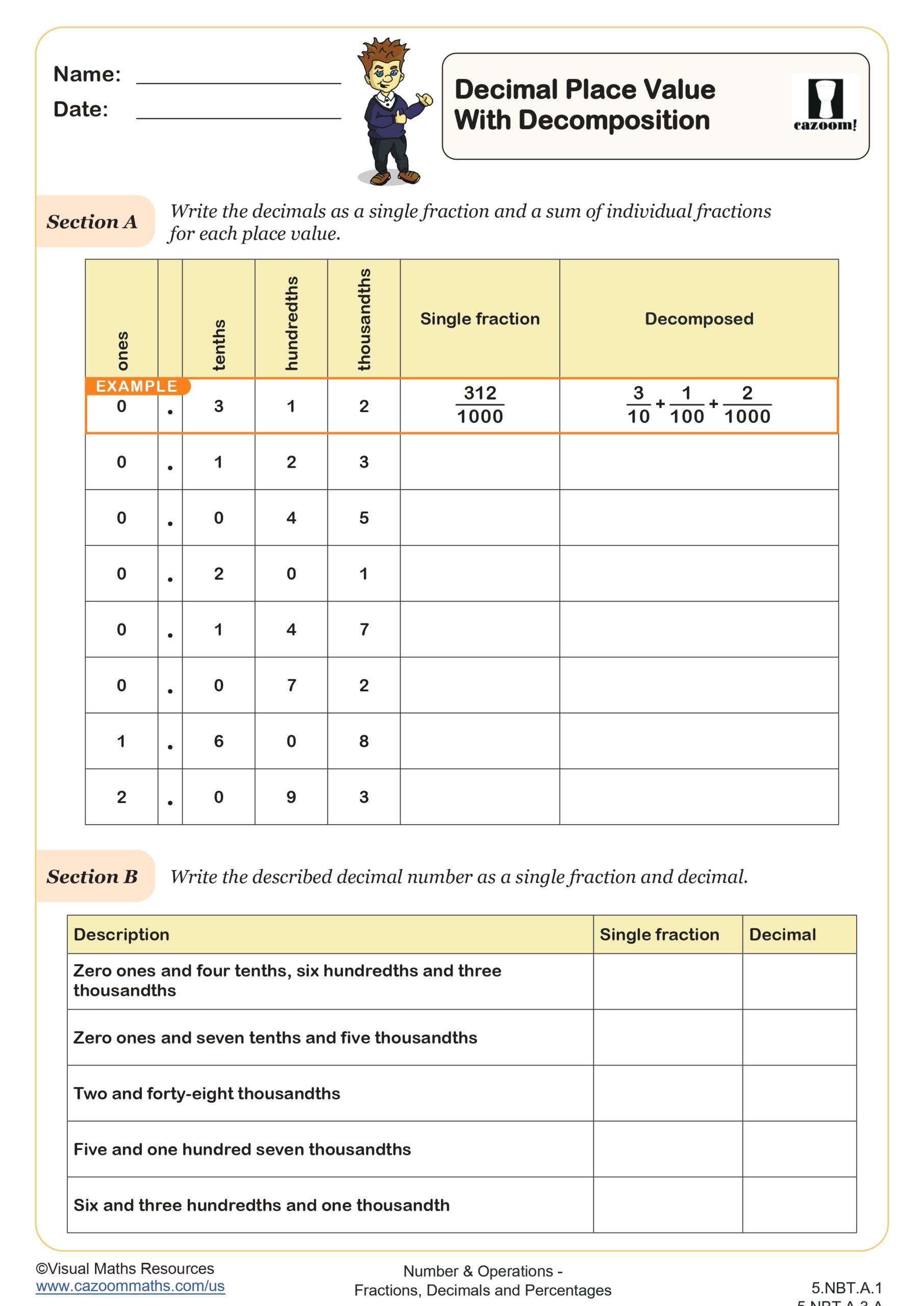
Decimal Place Value With Decomposition
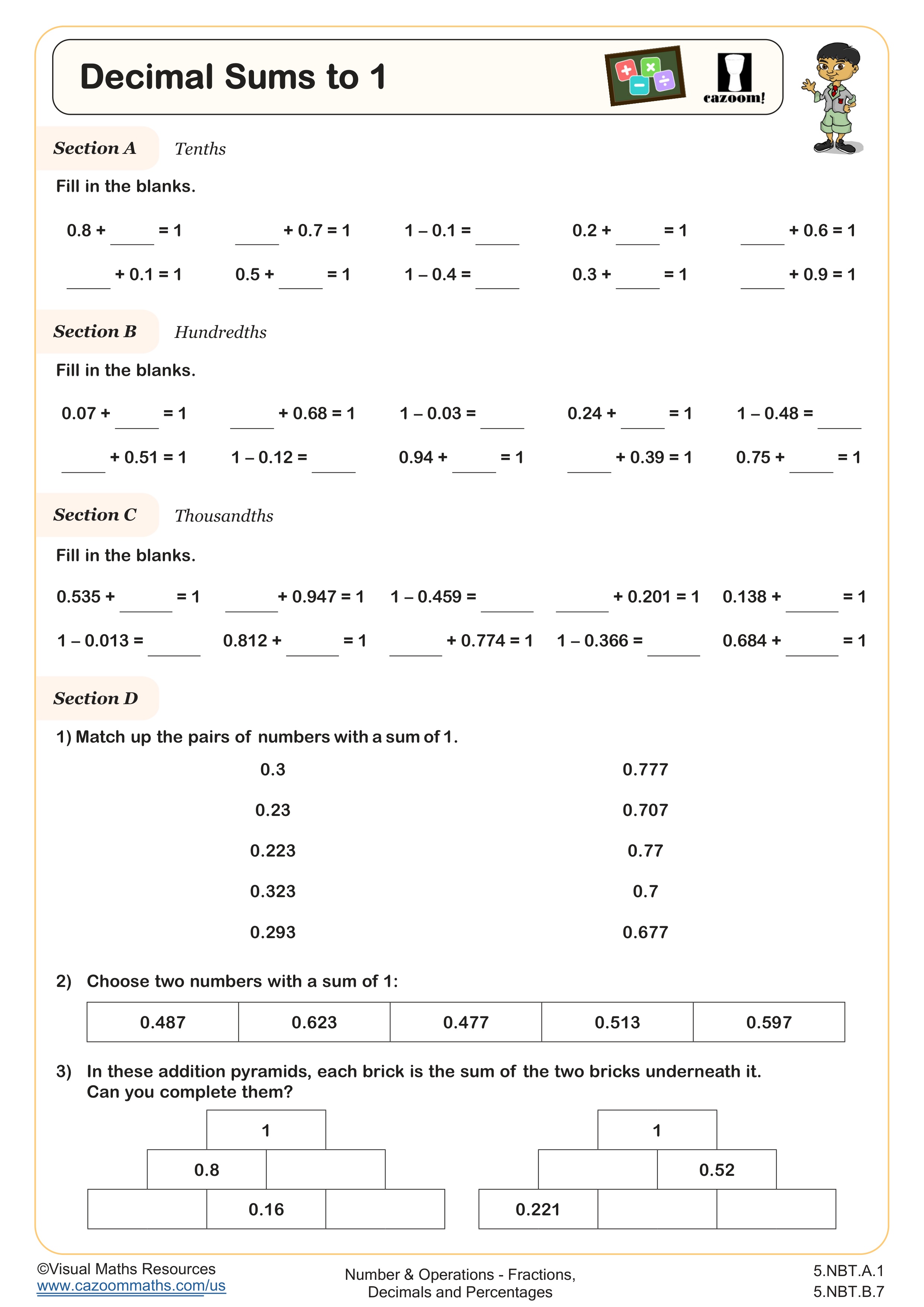
Decimal Sums to 1
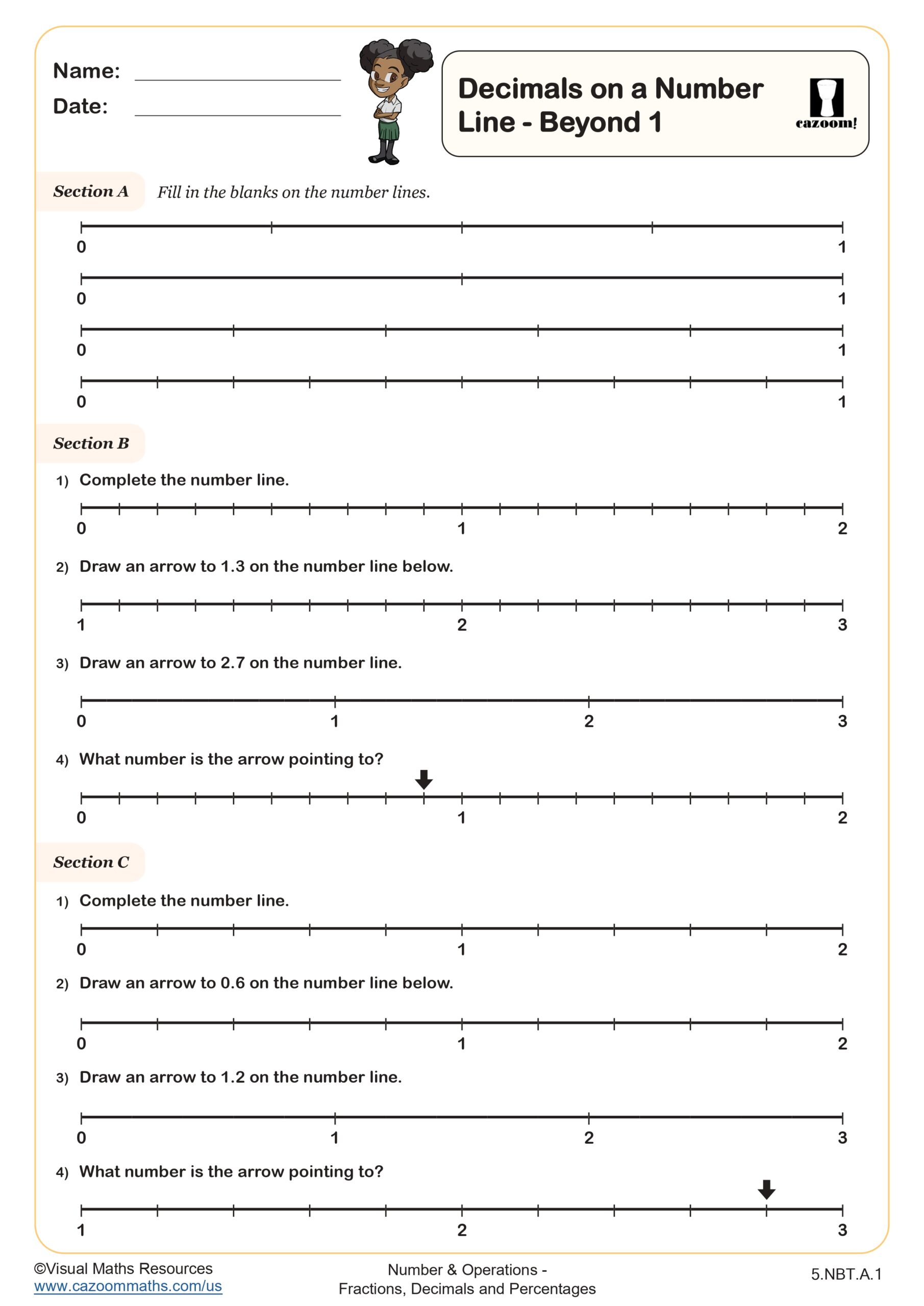
Decimals on a Number Line - Beyond 1
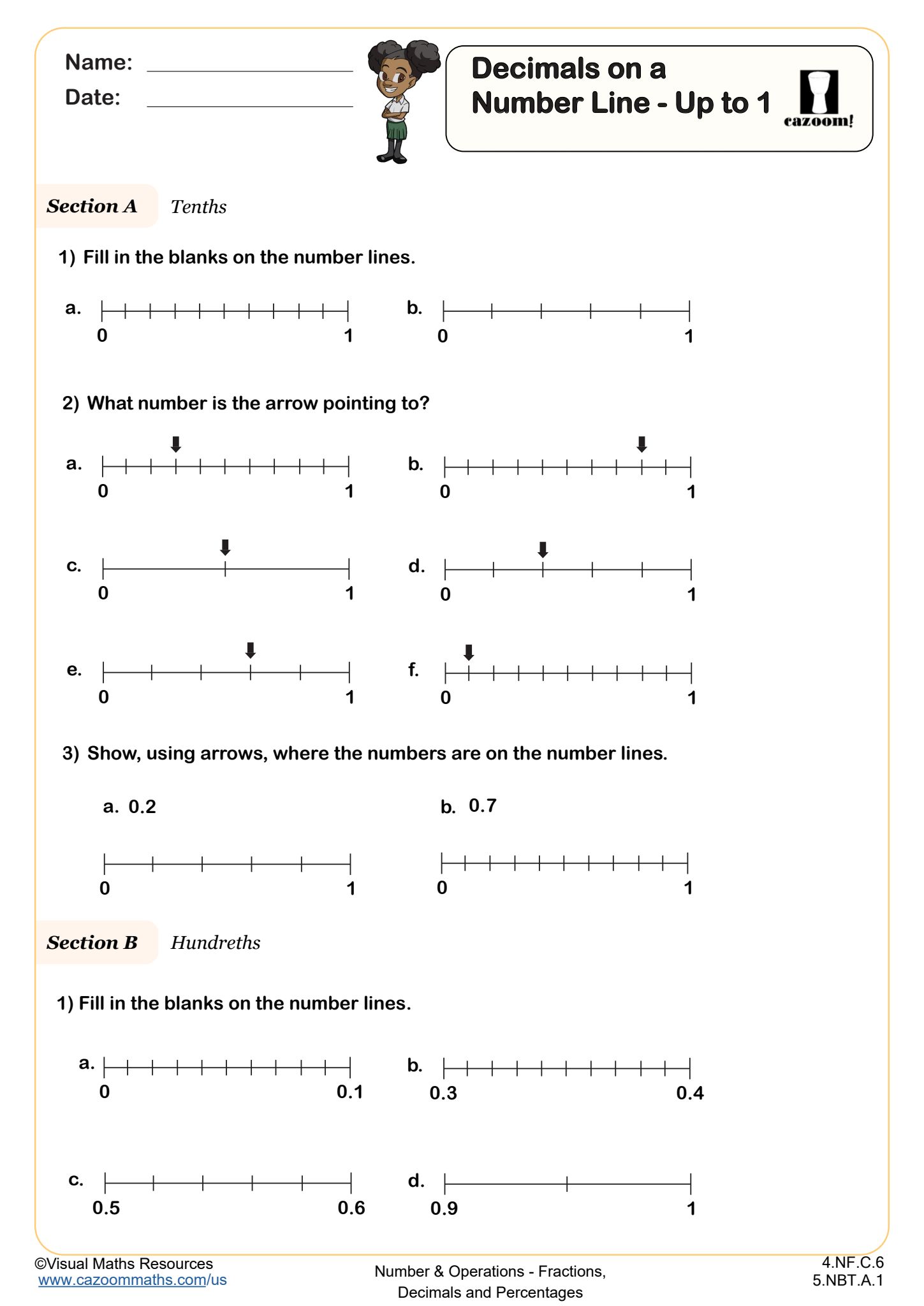
Decimals on a Number Line - Up to 1
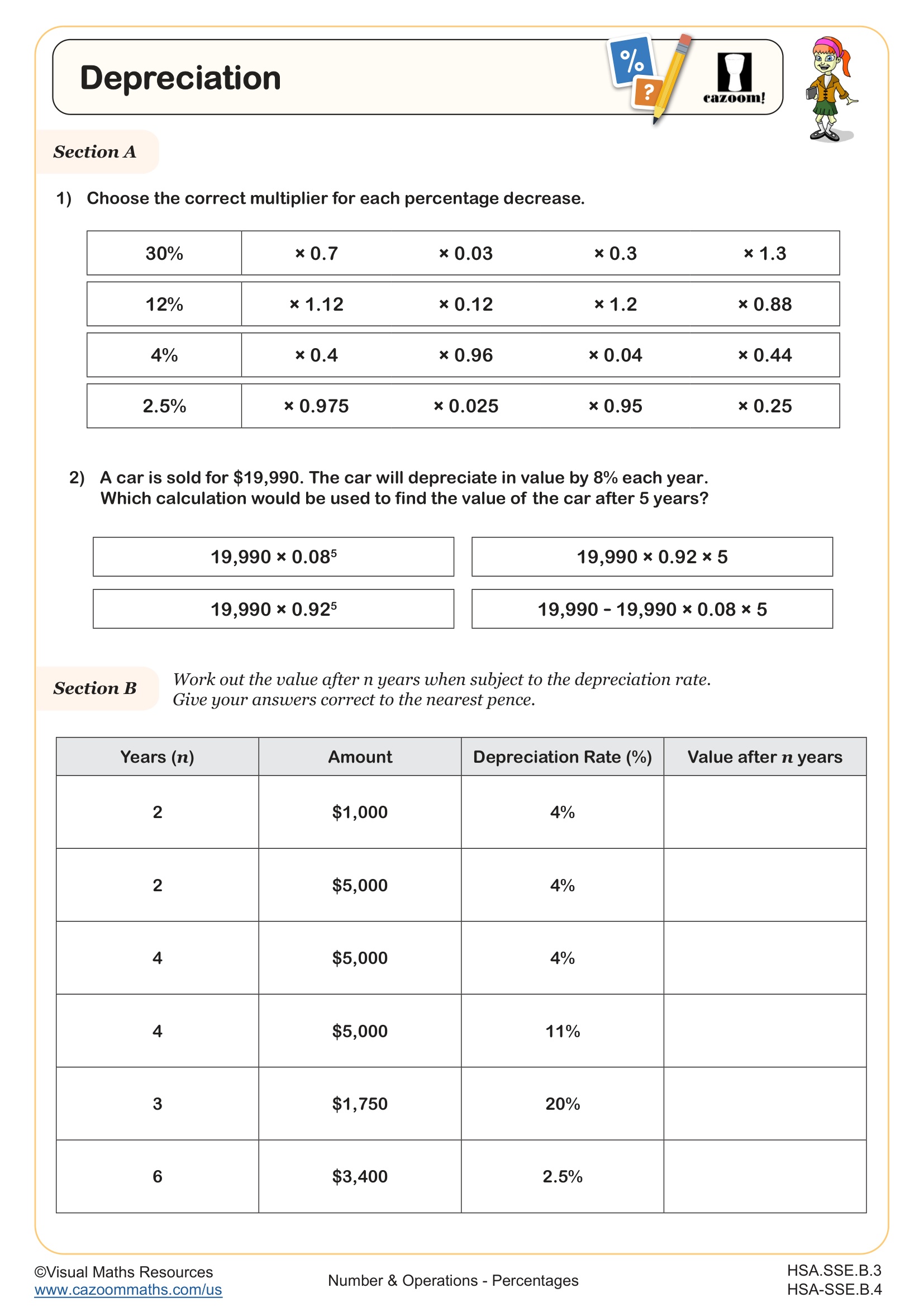
Depreciation
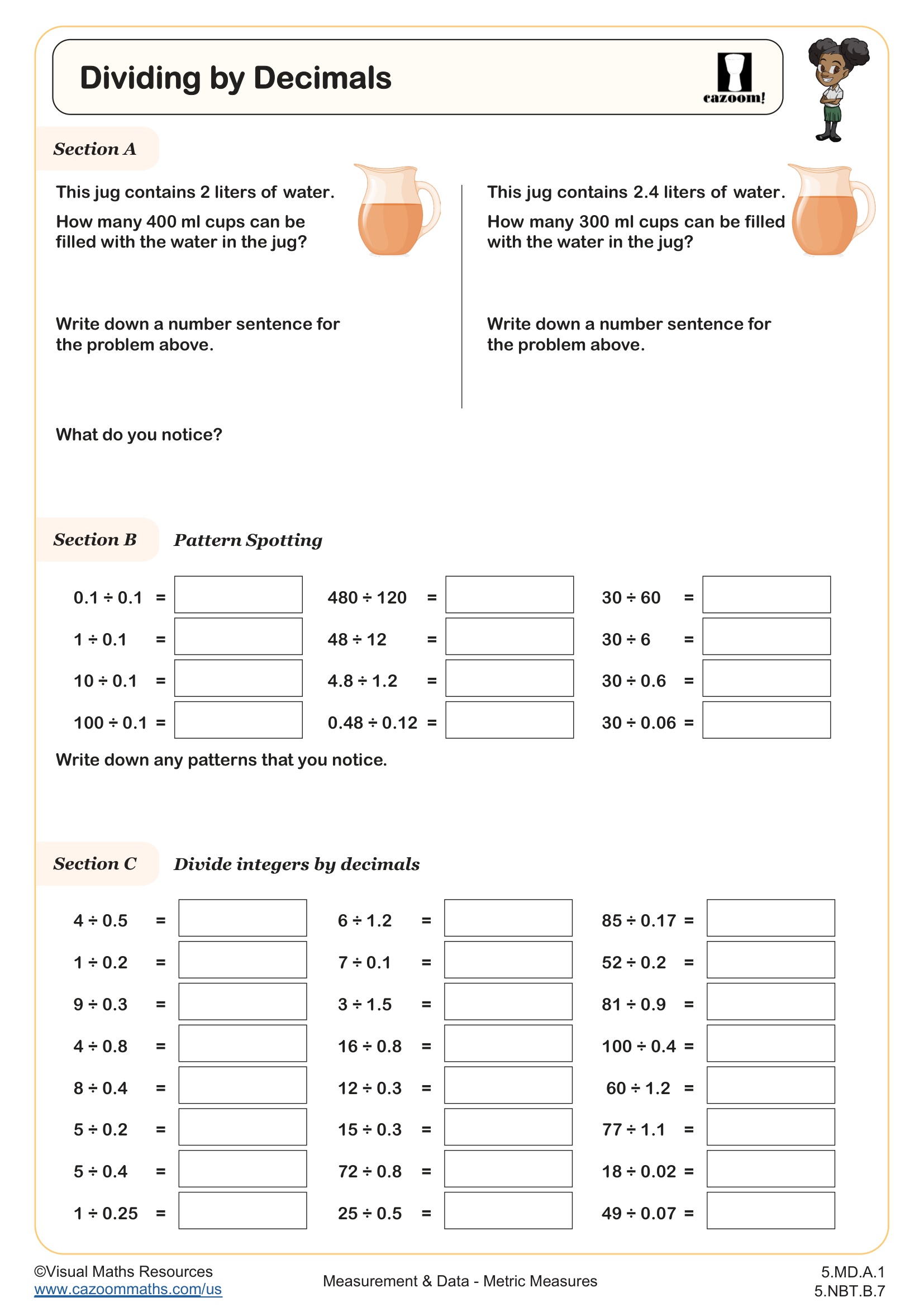
Dividing by Decimals
Dividing Mixed Numbers
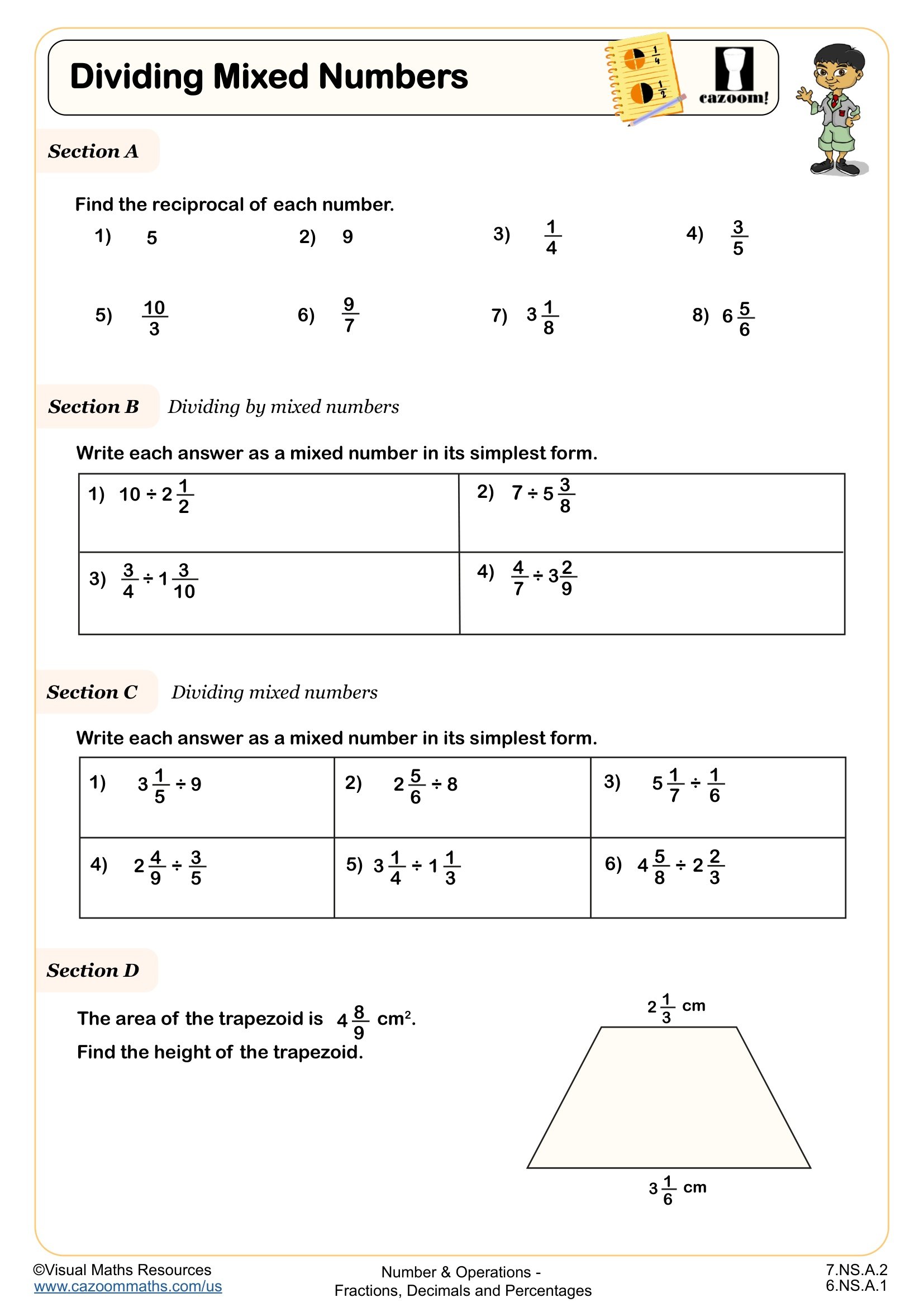
Estimating (A)
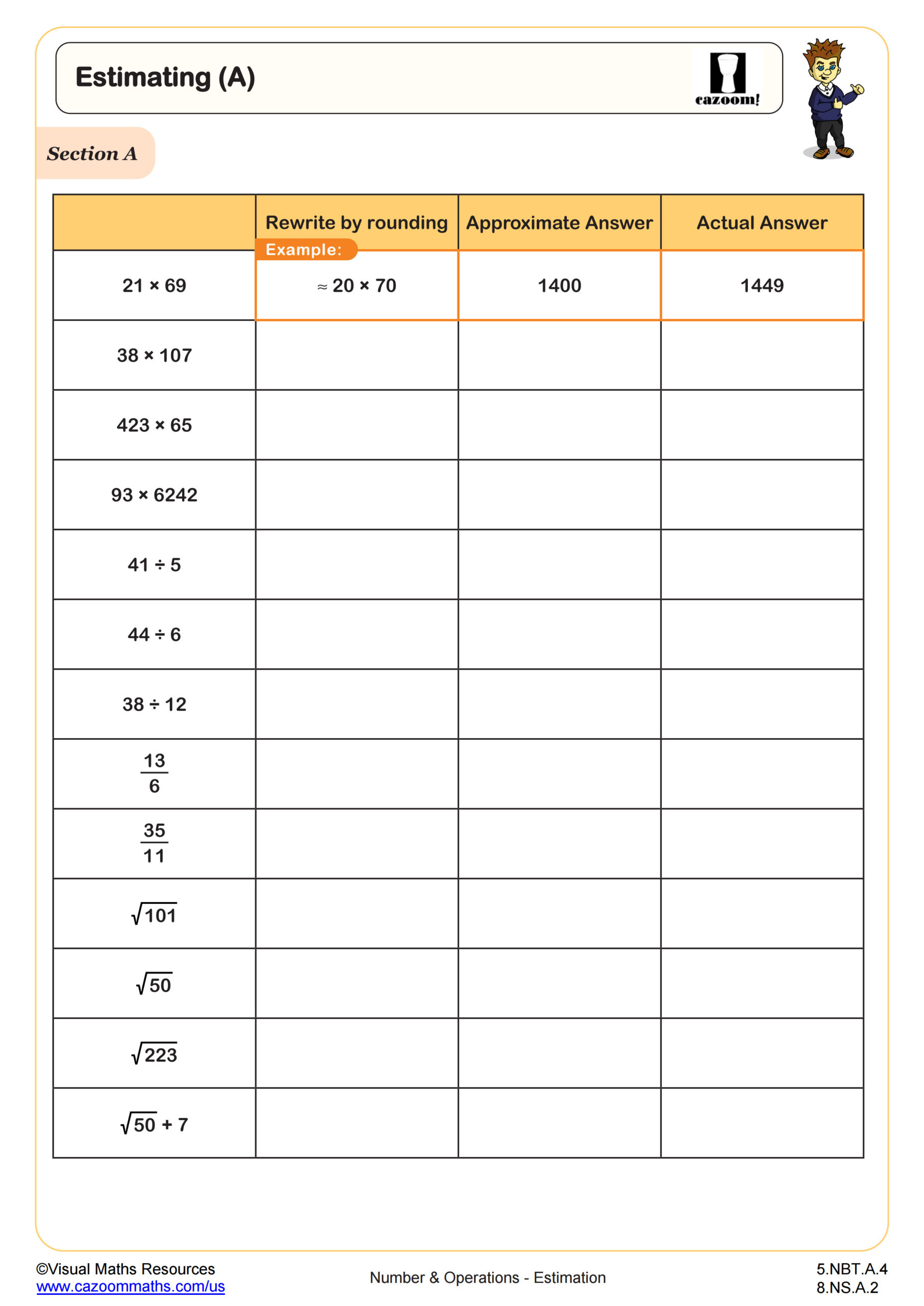
Estimating Shopping Bills
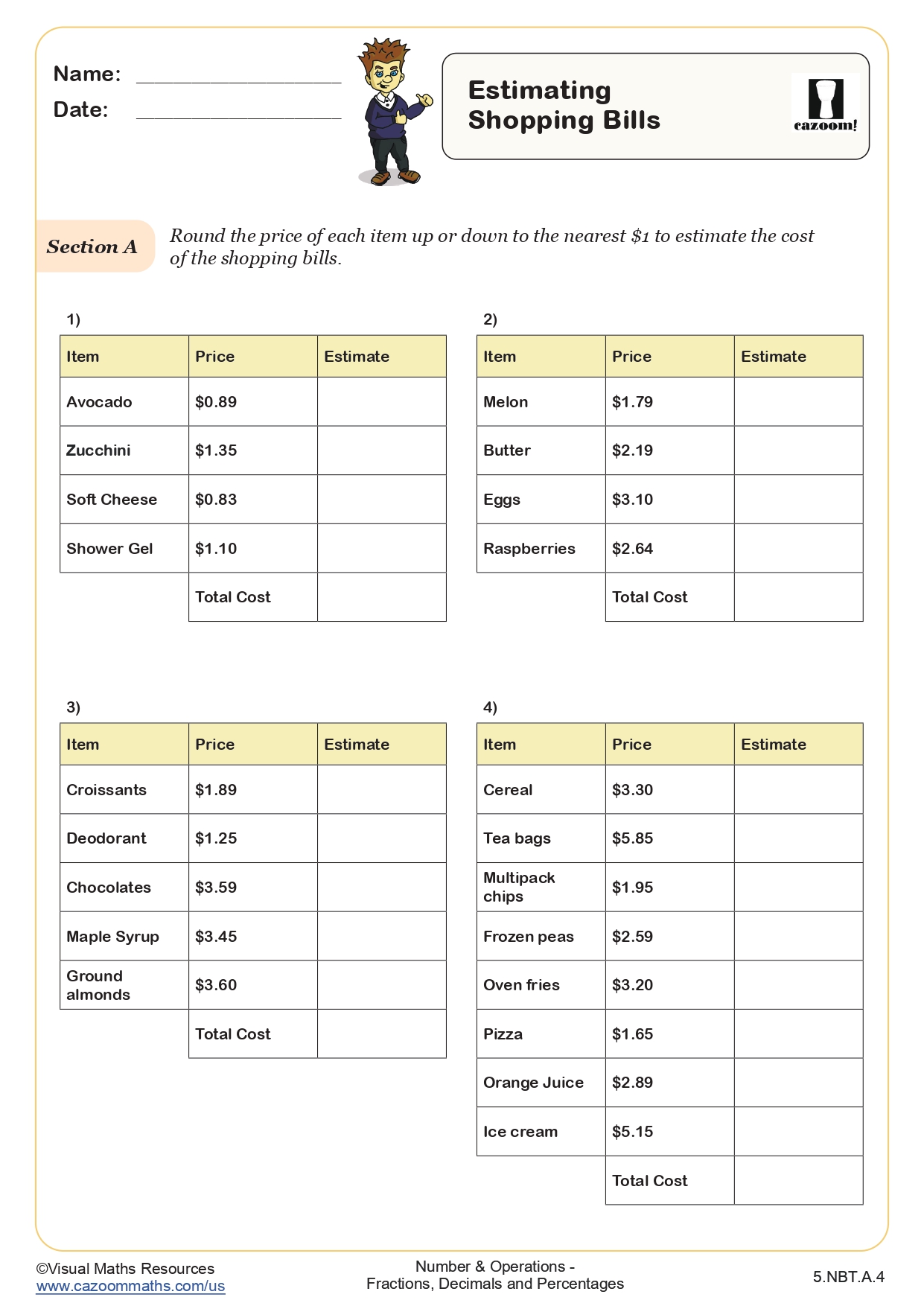
Estimating Square Roots
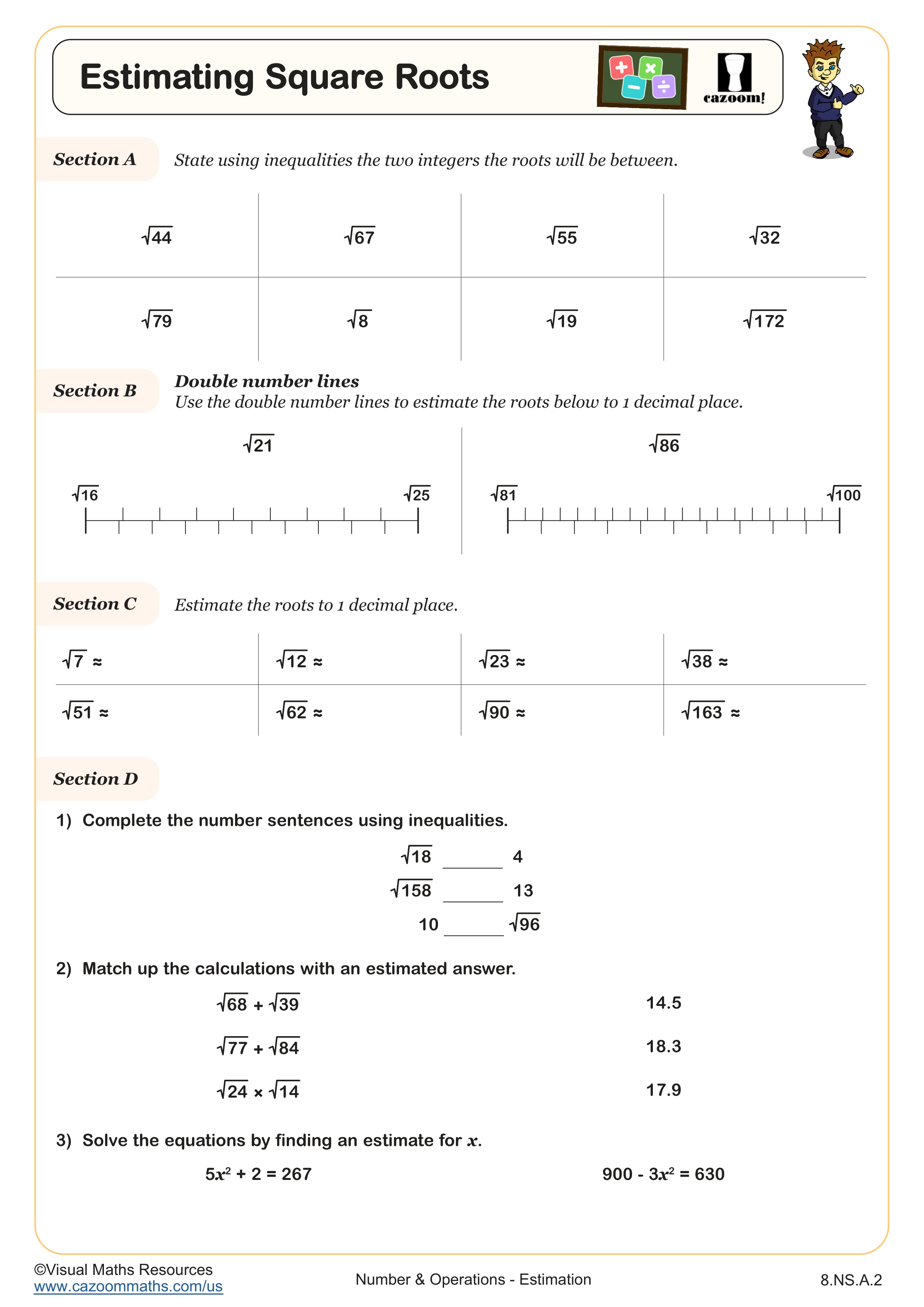
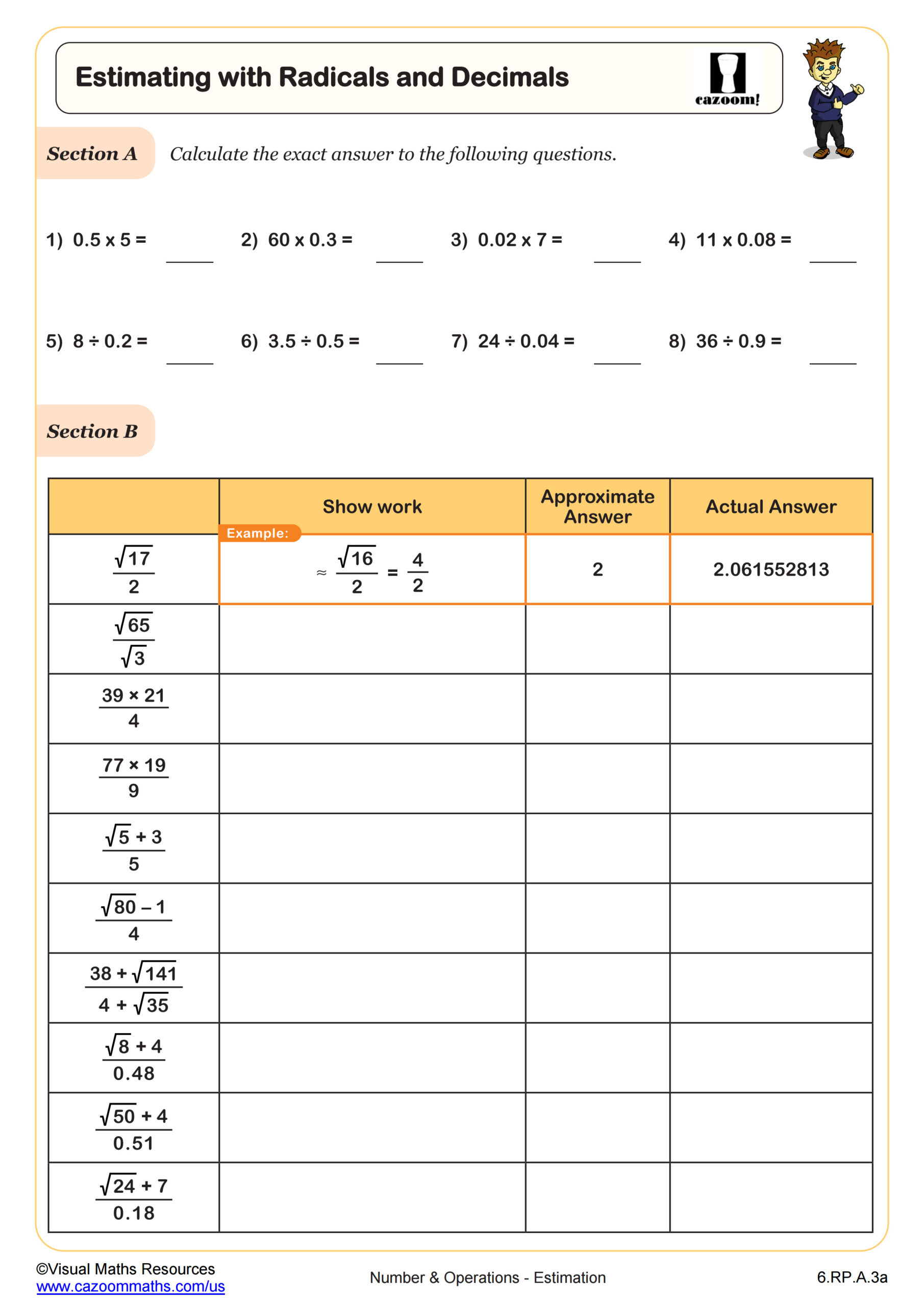
Estimating with Radicals and Decimals
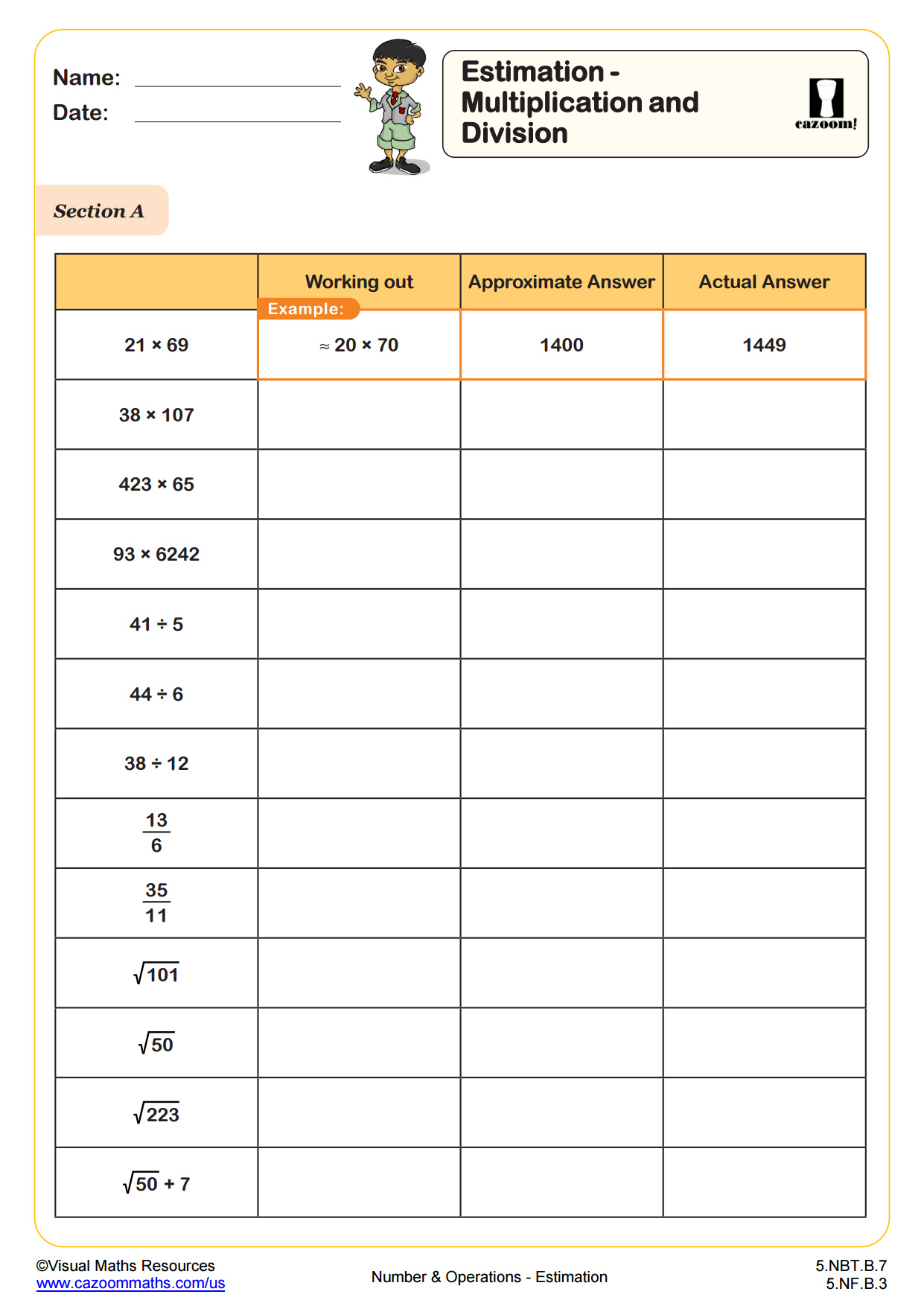
Estimation - Multiplication and Division
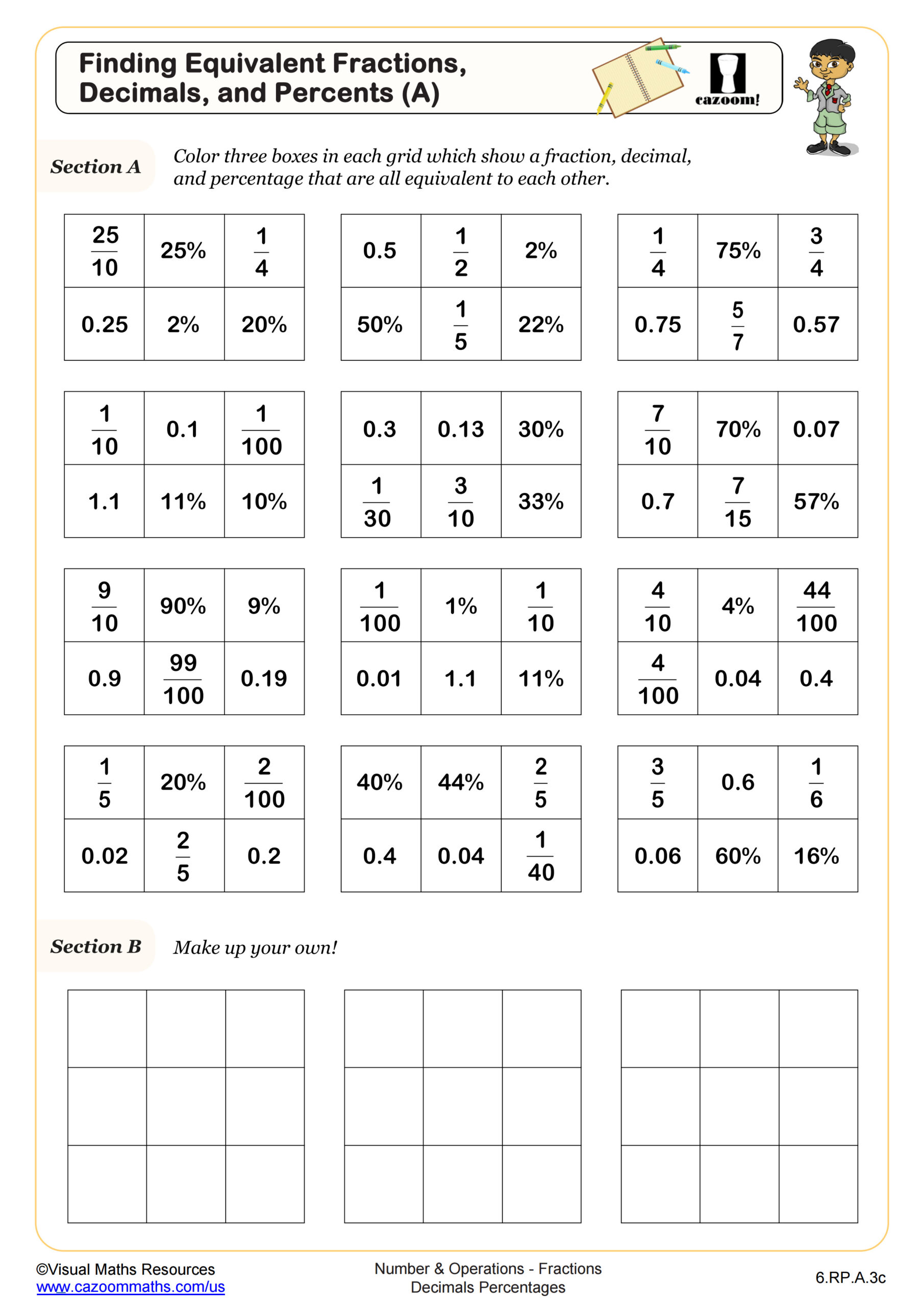
Finding Equivalent Fractions, Decimals, and Percents (A)
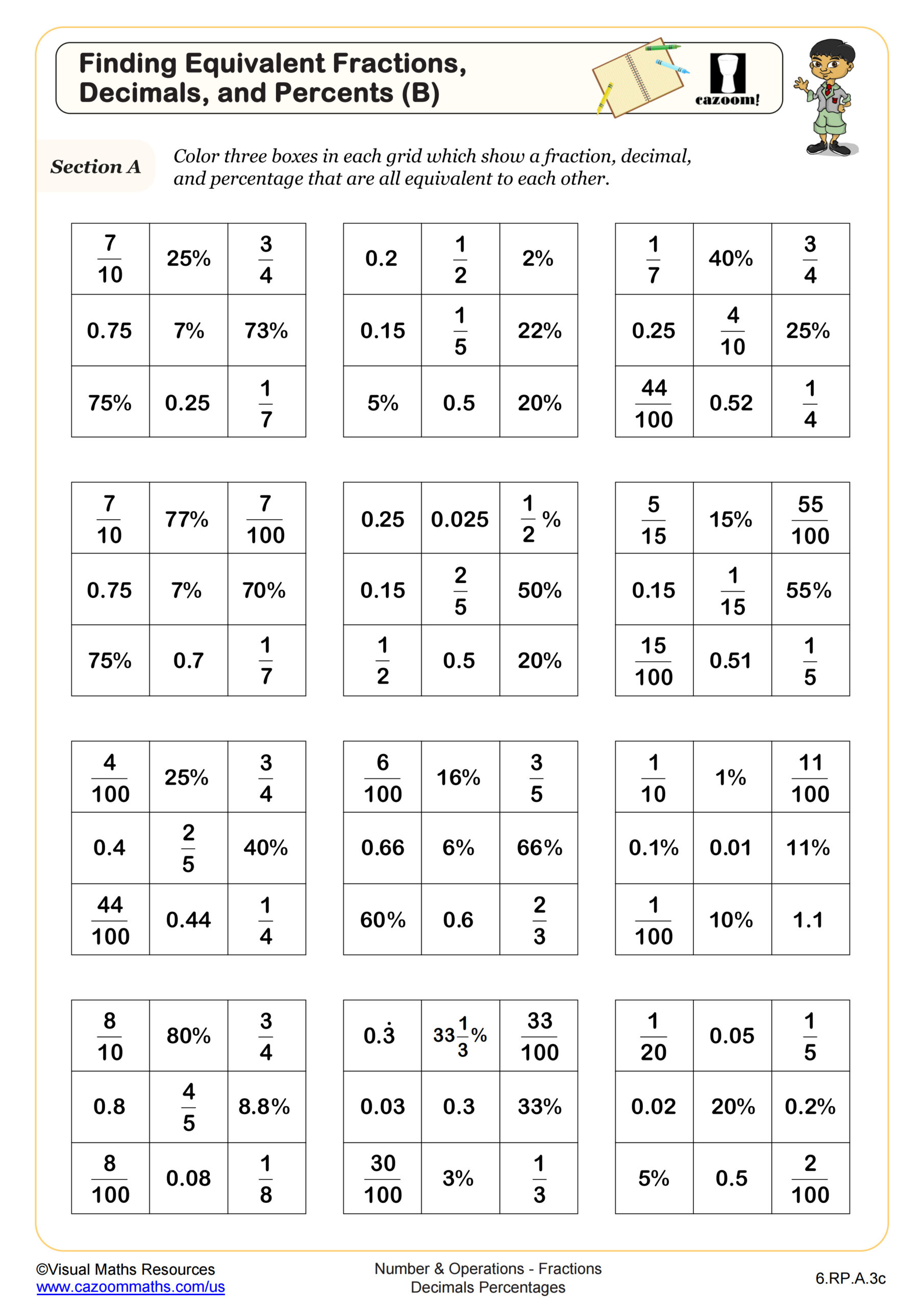
Finding Equivalent Fractions, Decimals, and Percents (B)
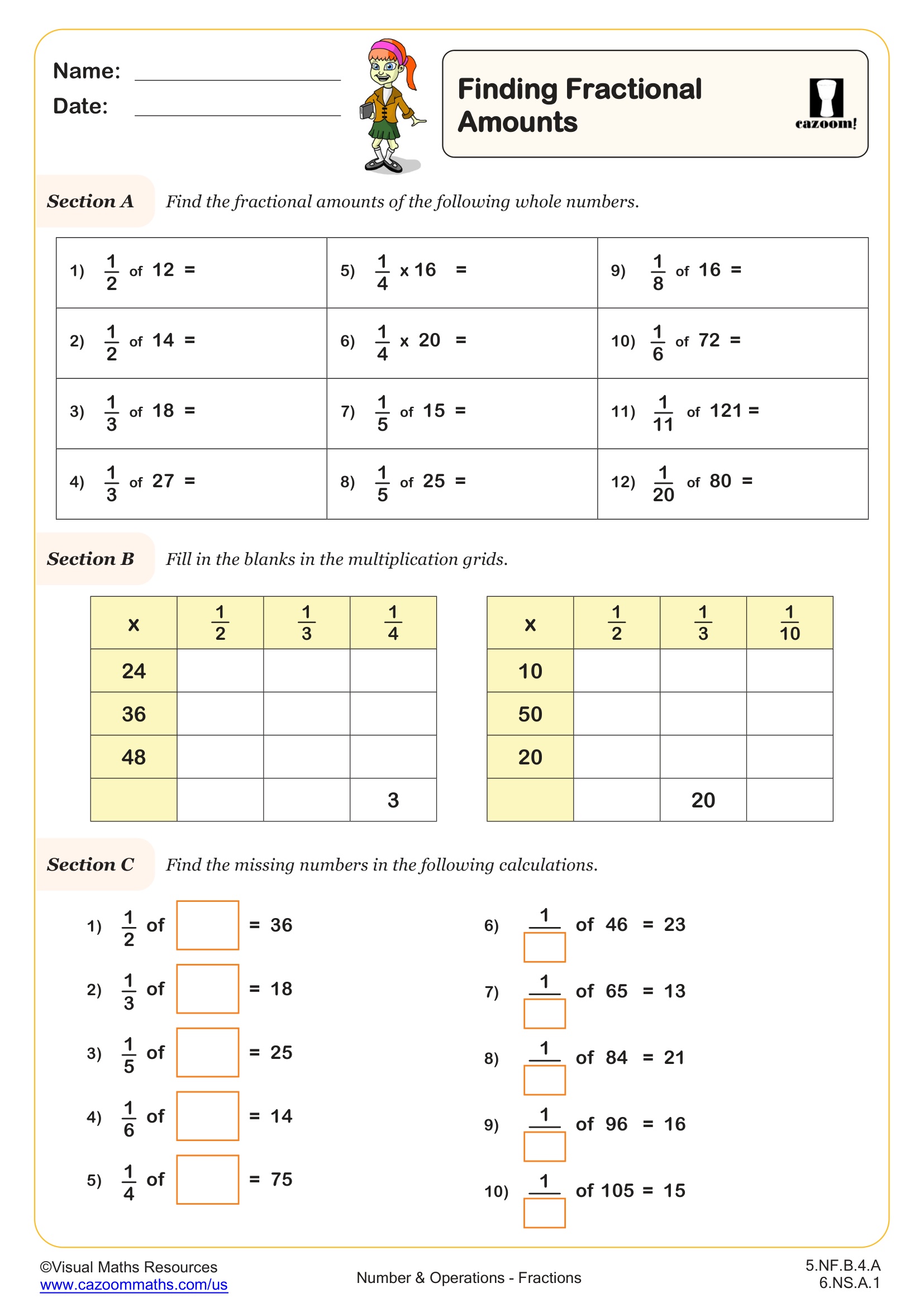
Finding Fractional Amounts
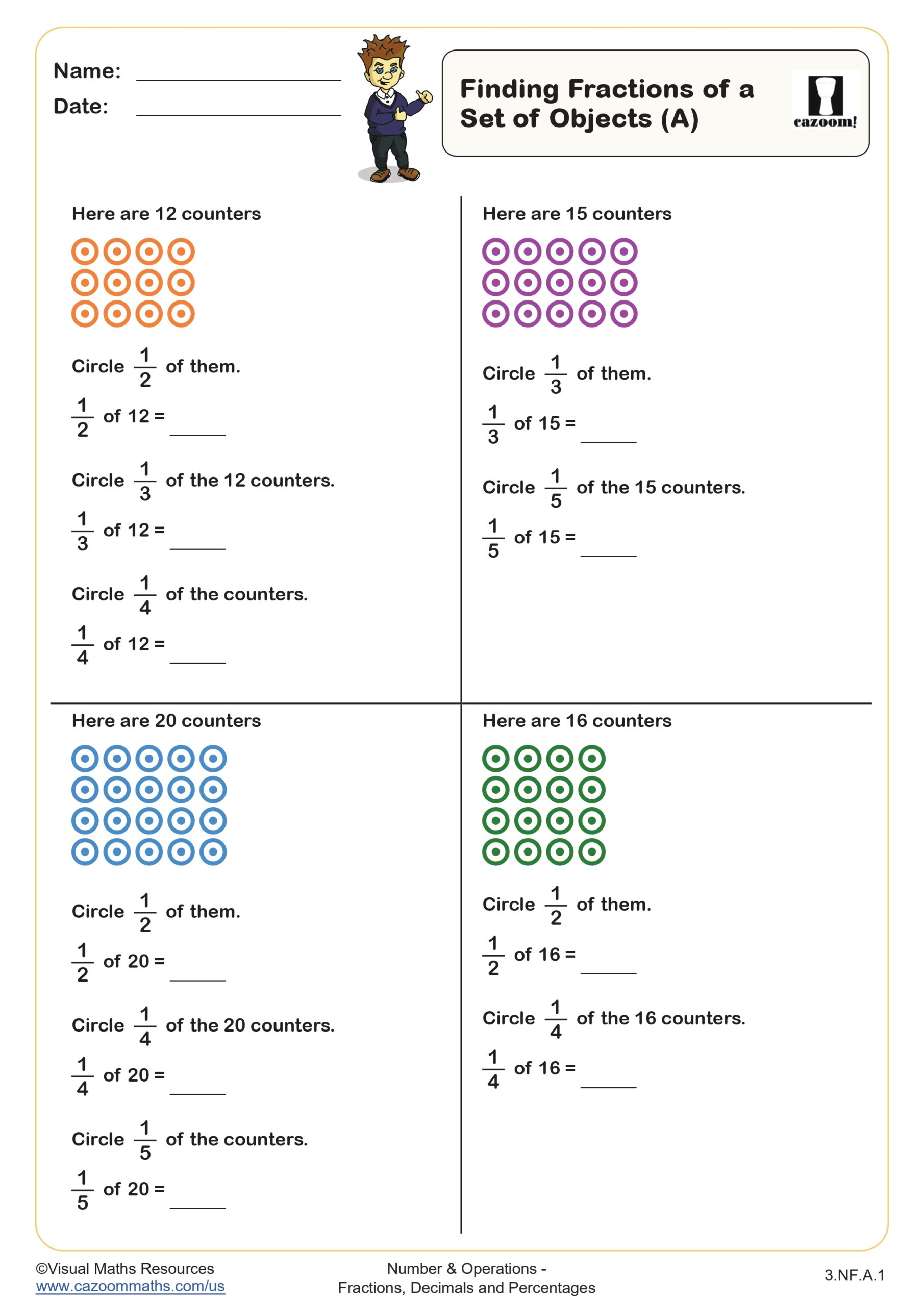
Finding fractions of a set of objects (A)
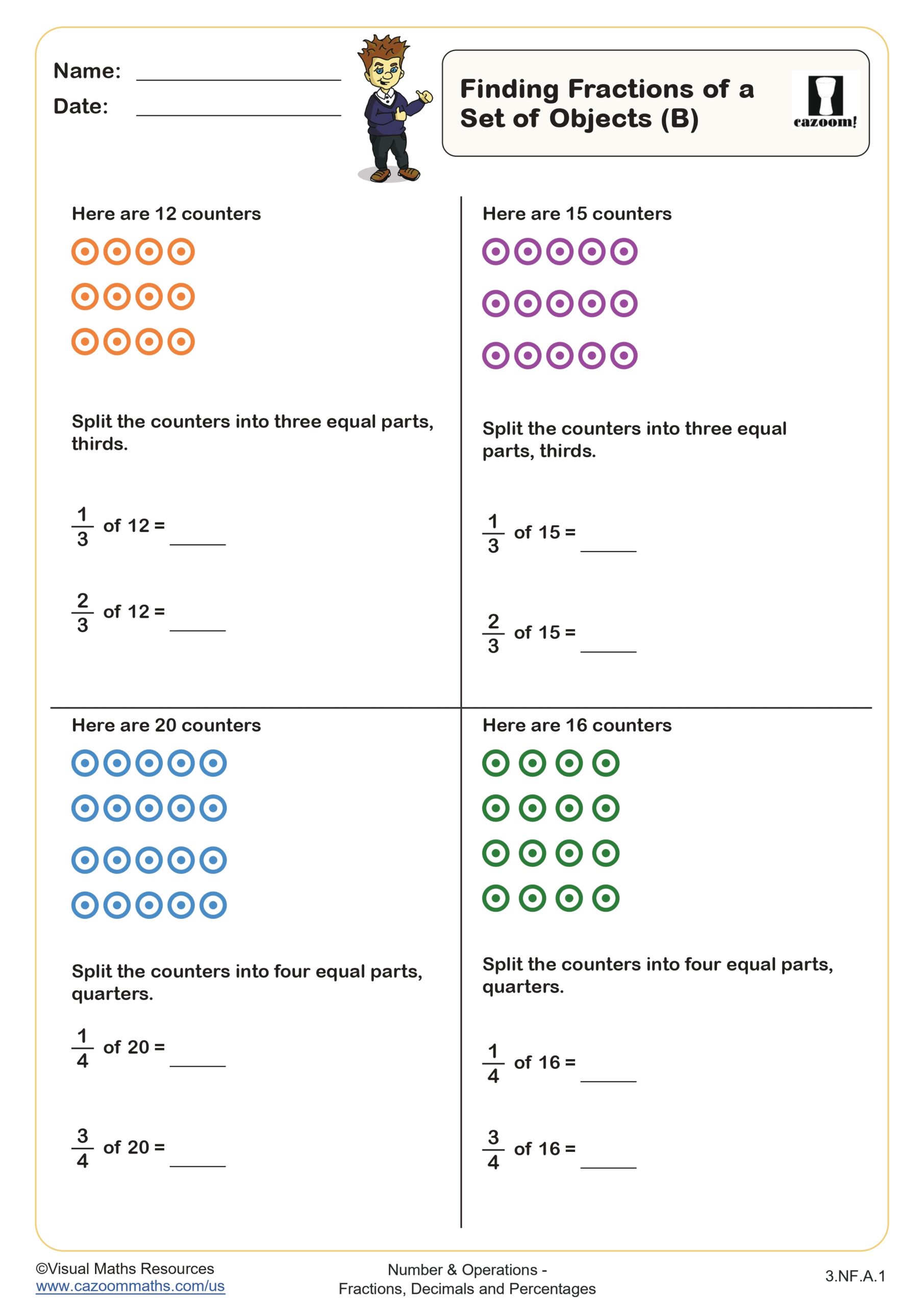
Finding fractions of a set of objects (B)
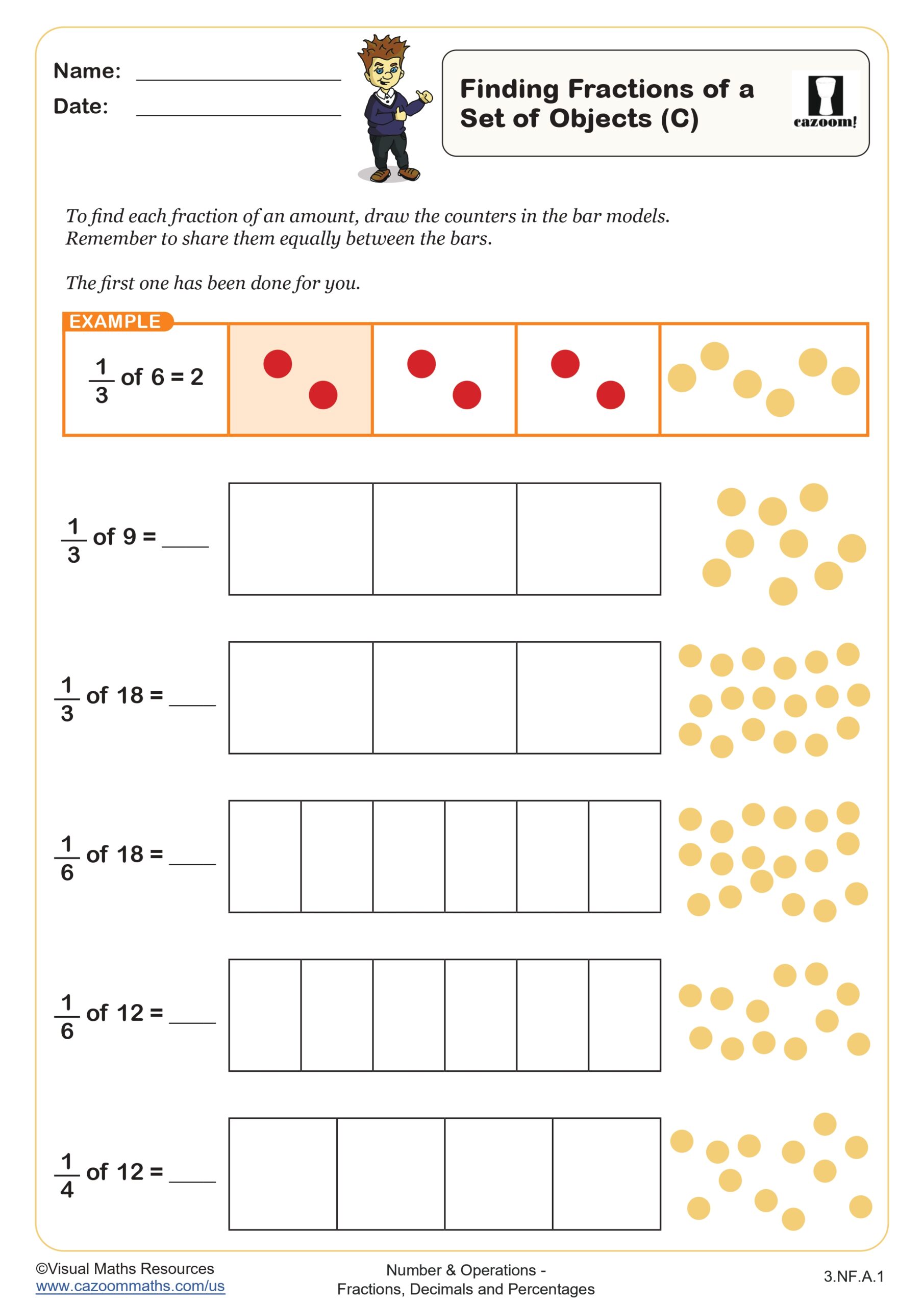
Finding fractions of a set of objects (C)
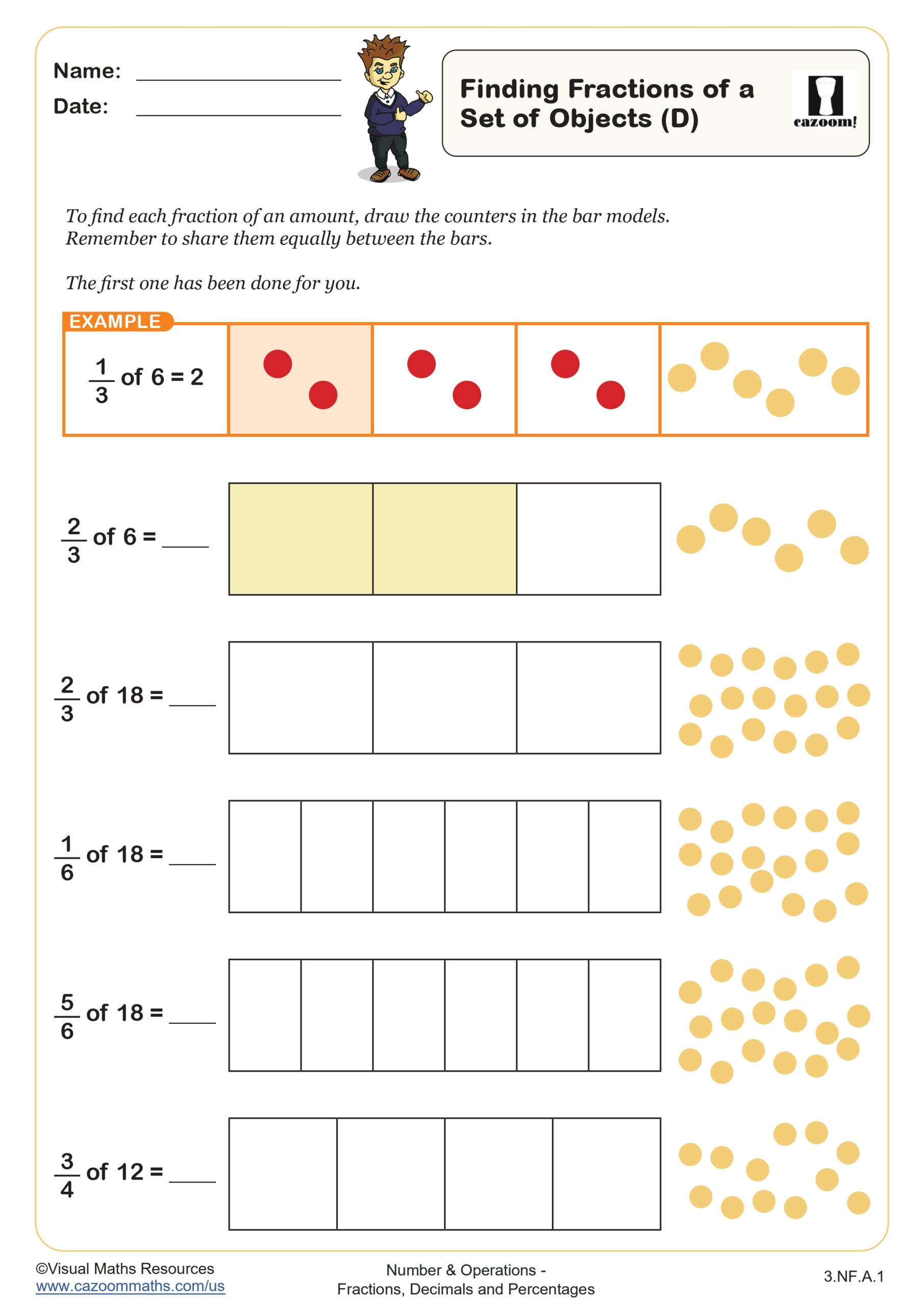
Finding fractions of a set of objects (D)
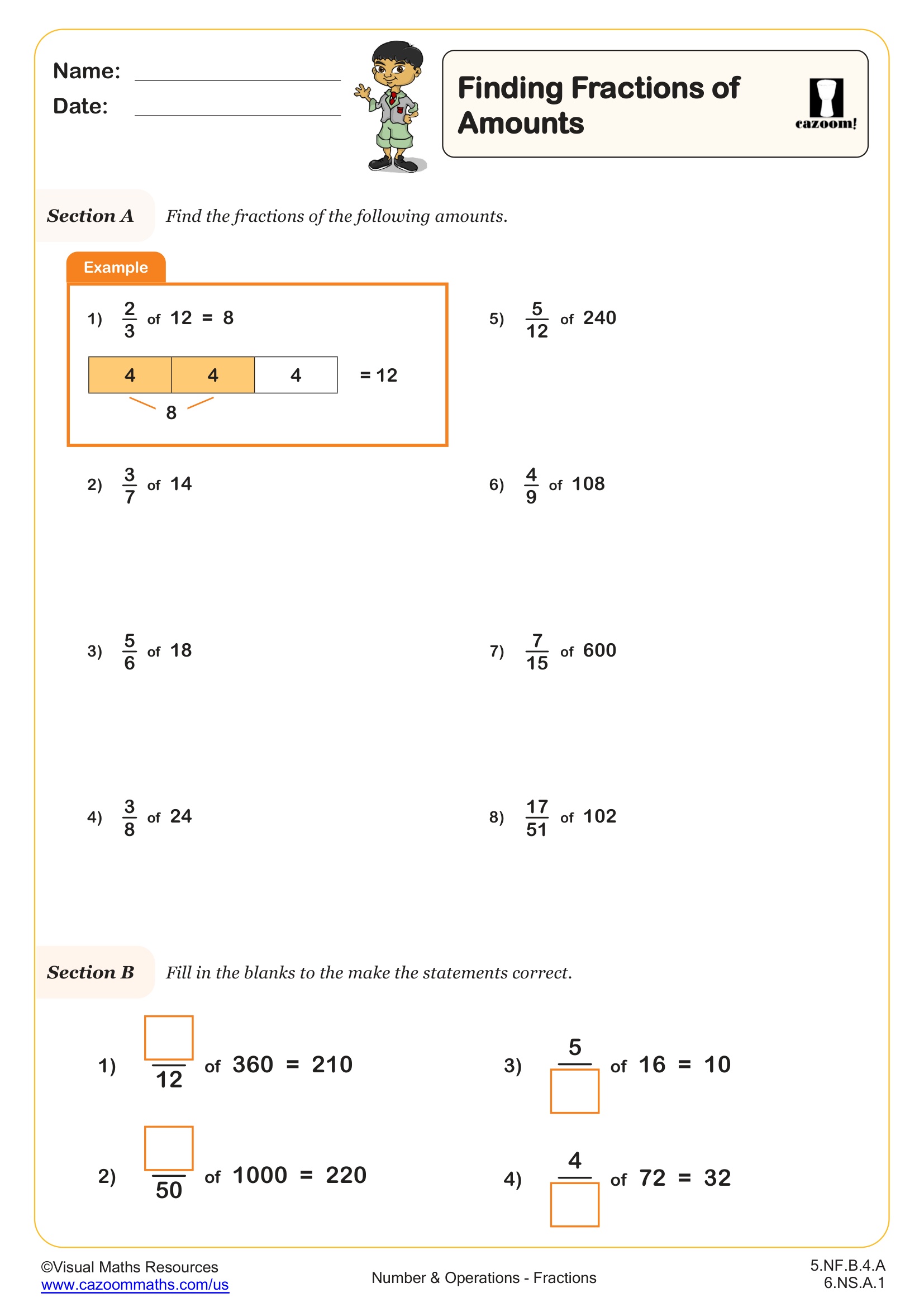
Finding Fractions of Amounts
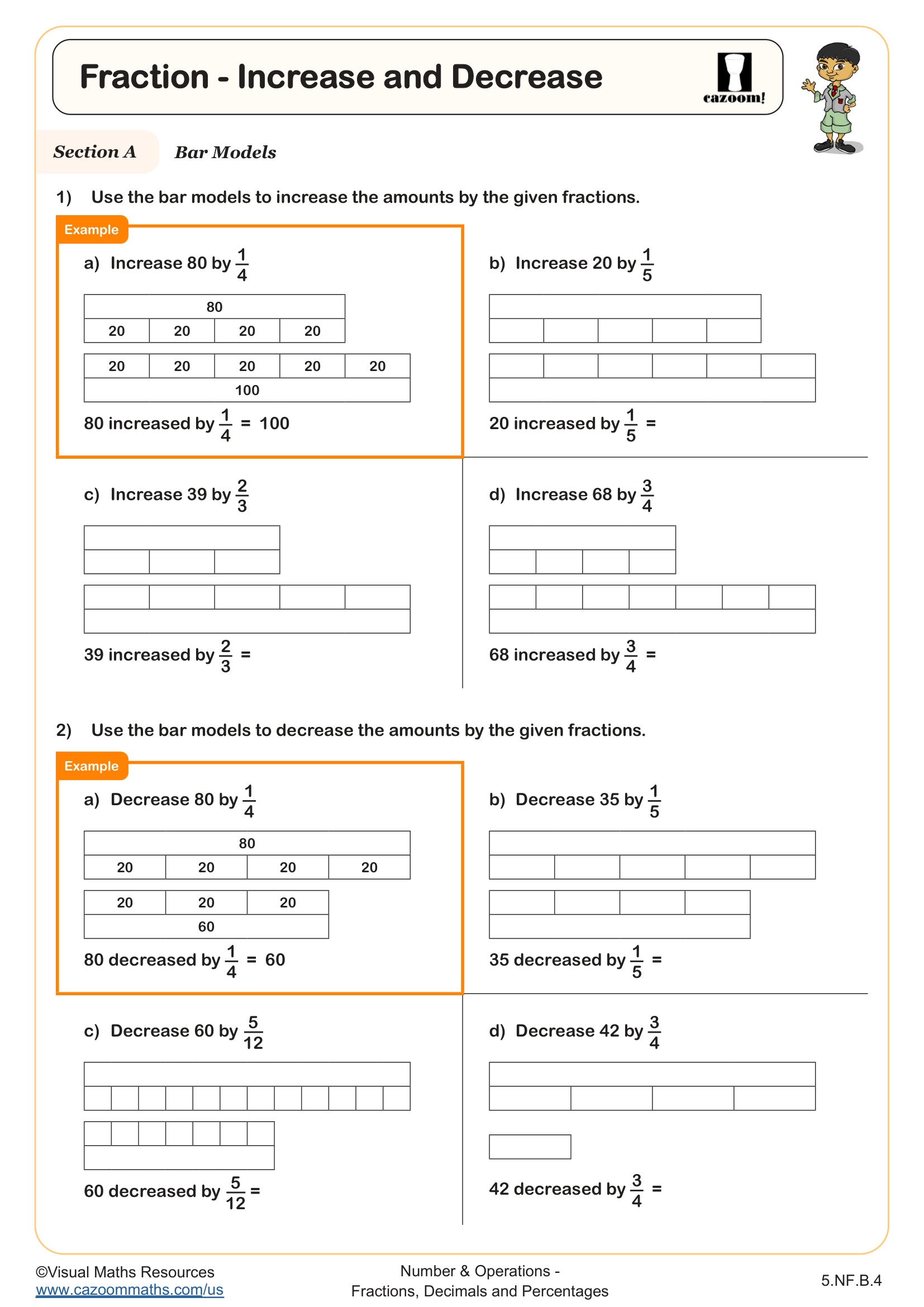
Fraction - Increase and Decrease
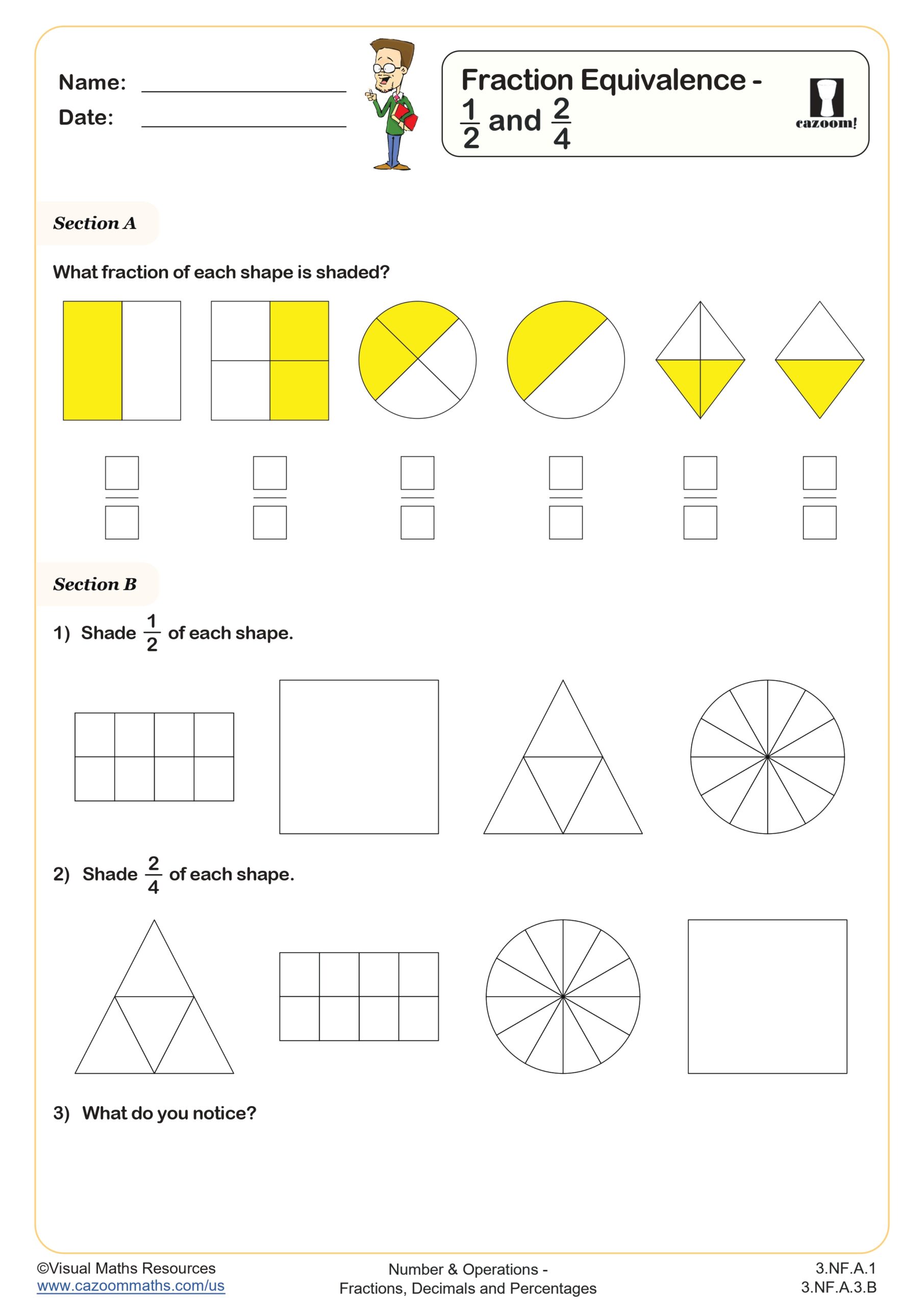
Fraction Equivalence - 1/2 and 2/4
Fractions, Decimals and Percentages (A)
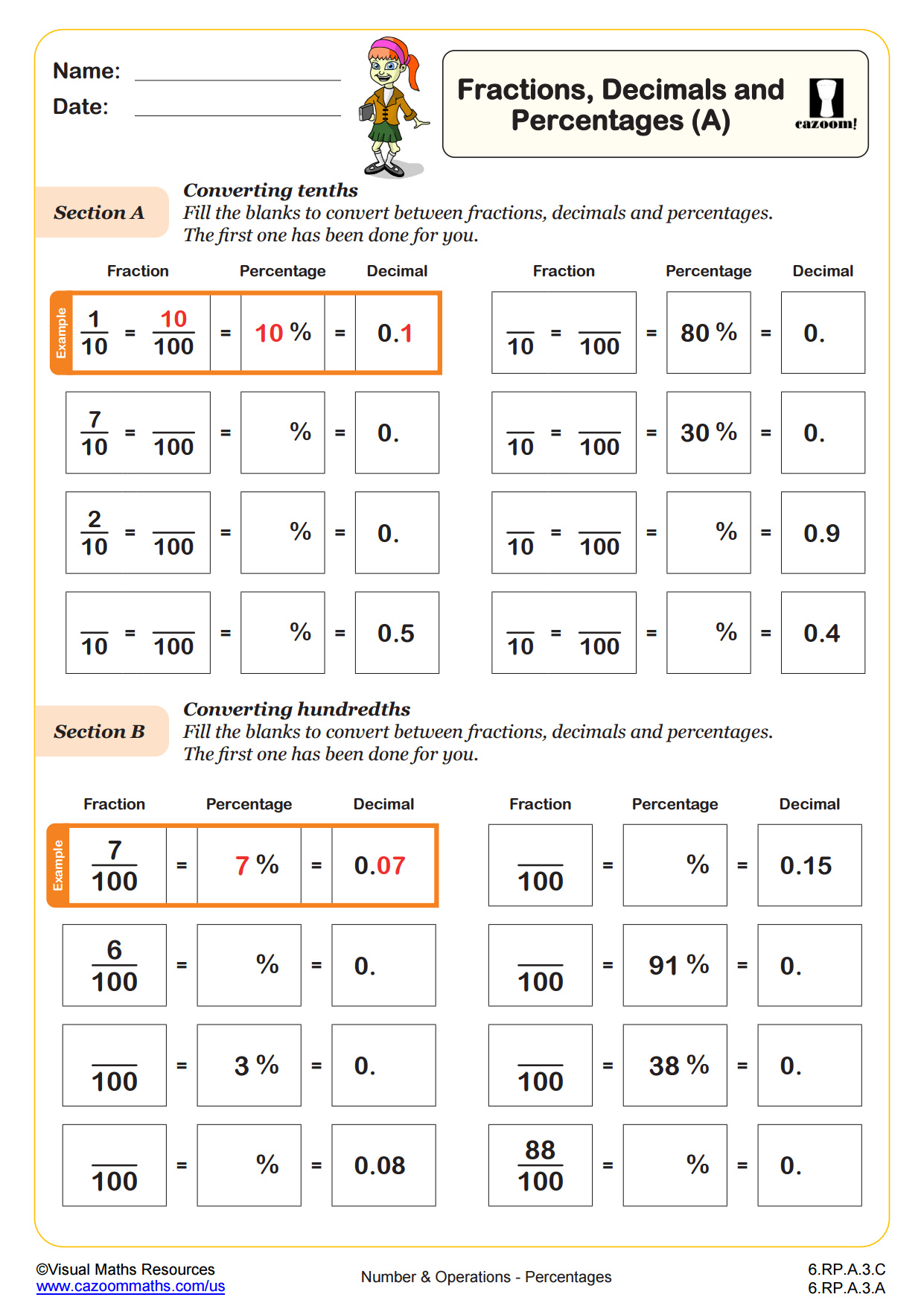
Fractions, Decimals, and Percents (A)
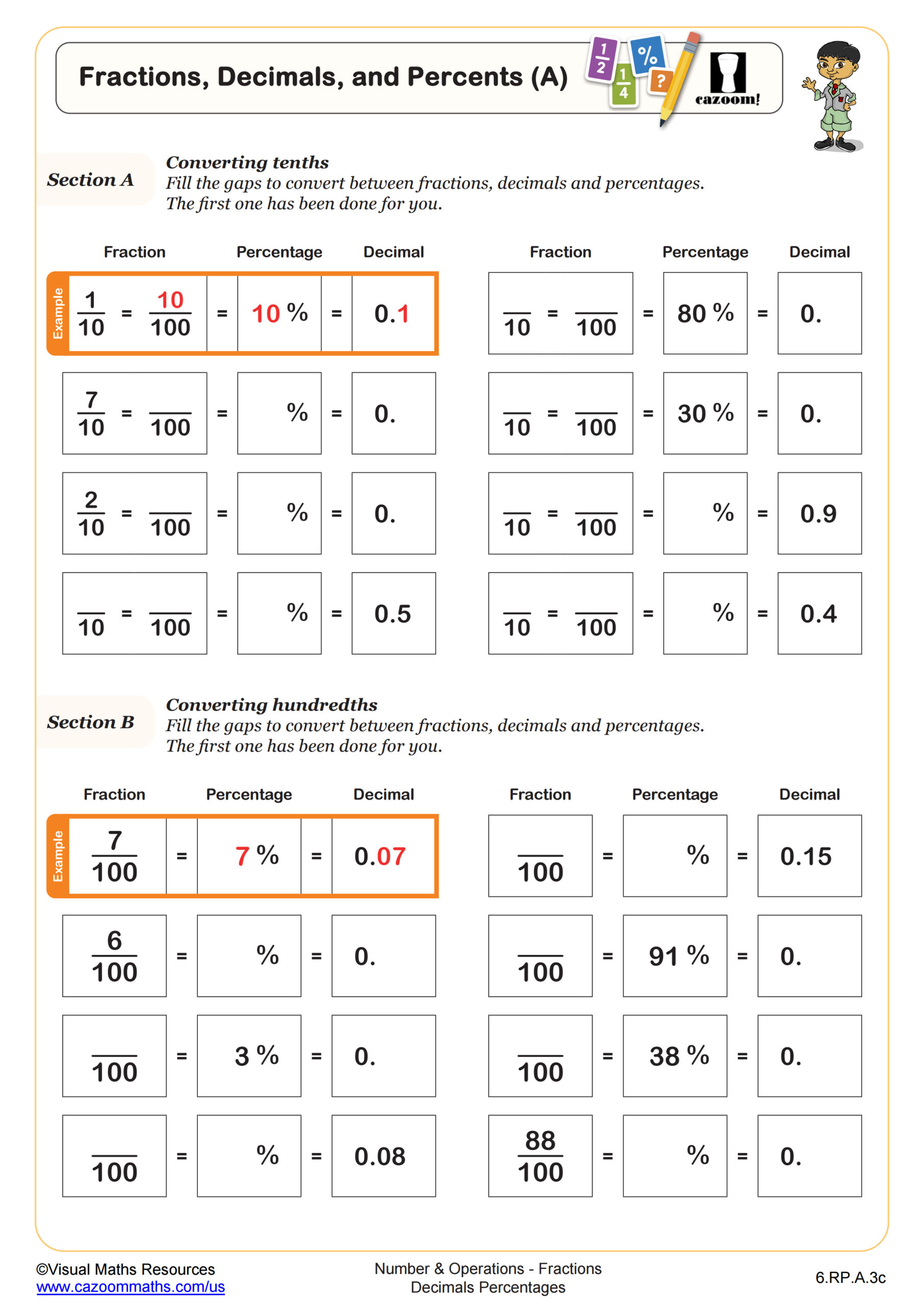
Fractions, Decimals, and Percents (B)
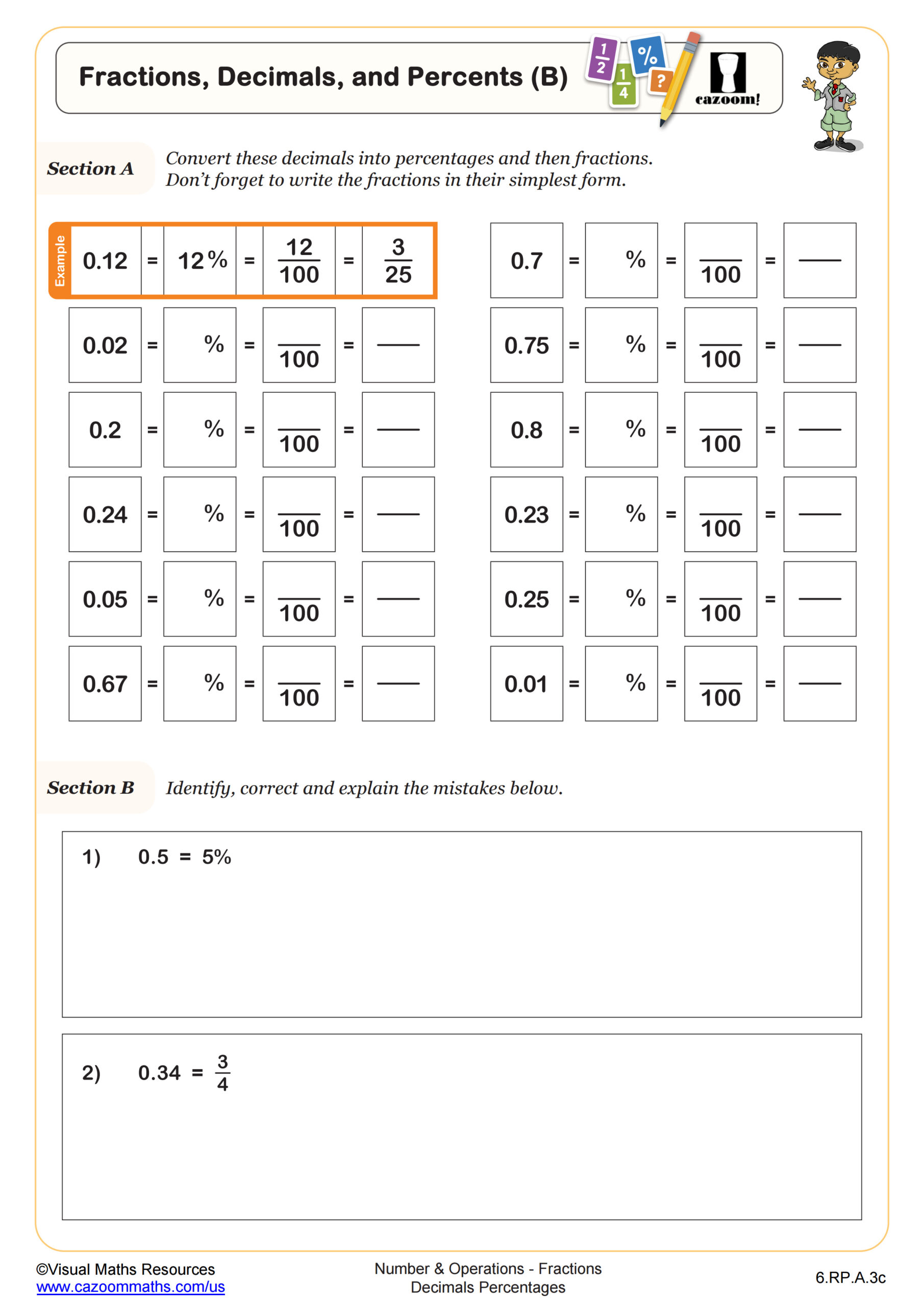
Fractions, Decimals, and Percents (C)
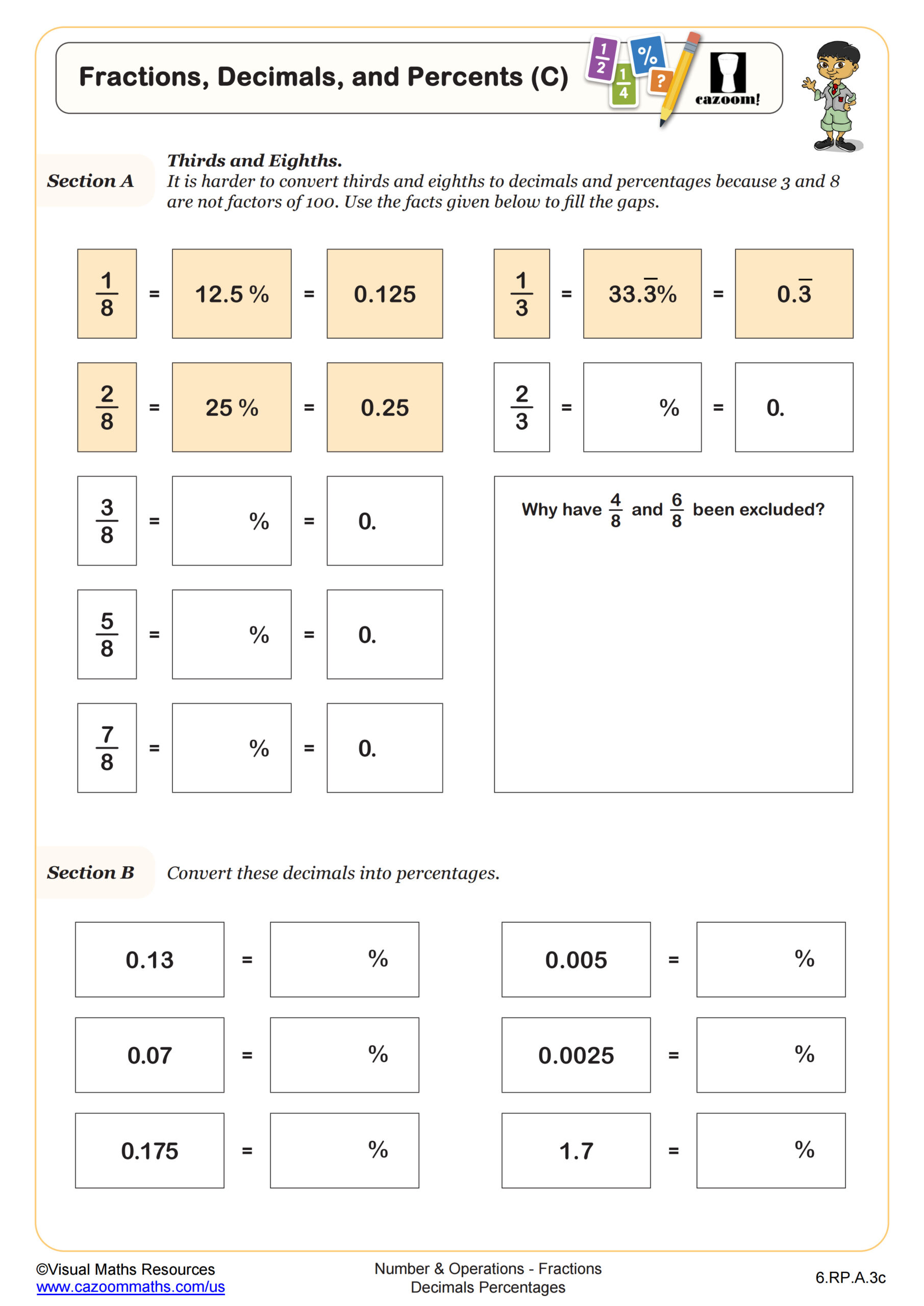
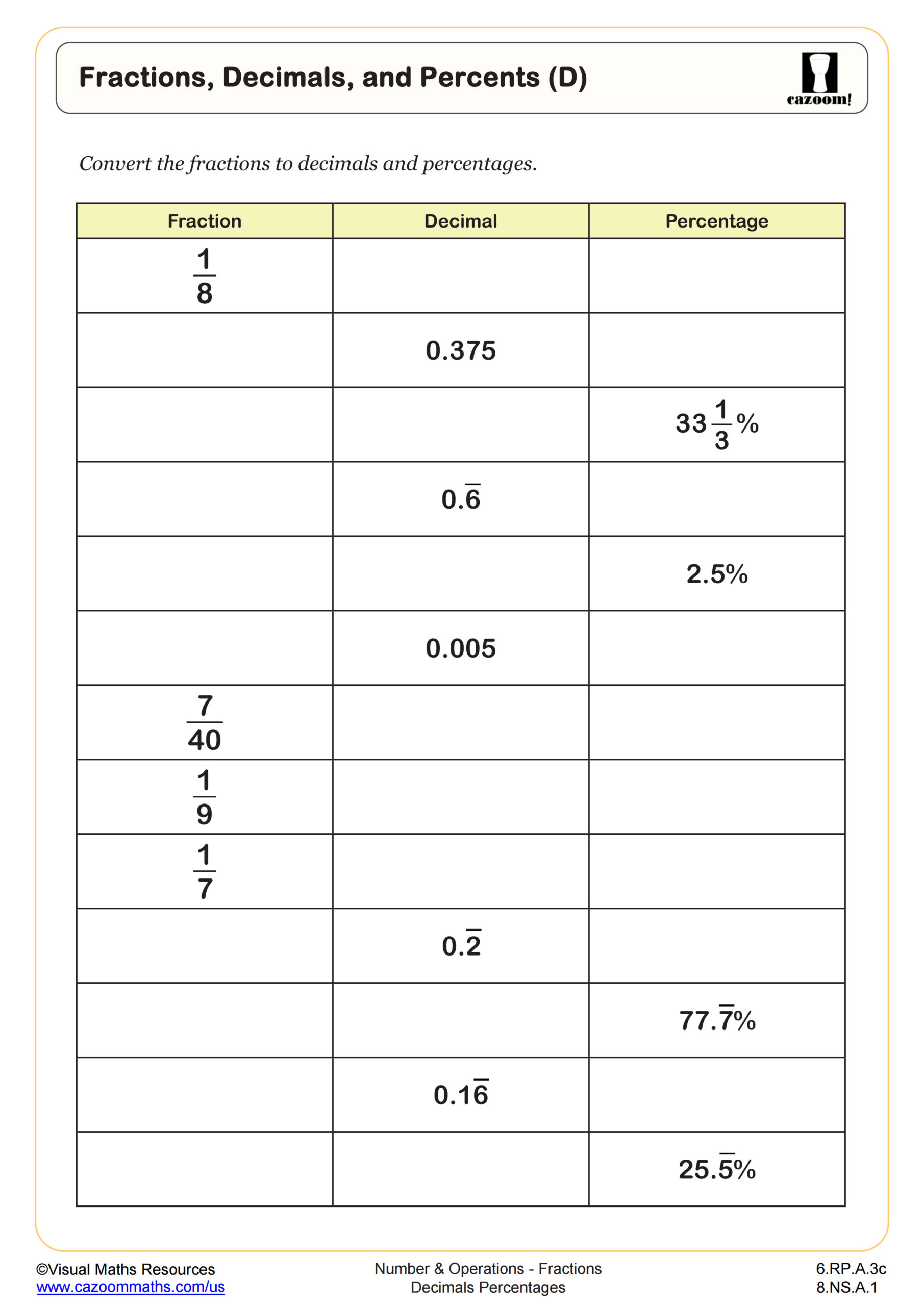
Fractions, Decimals, and Percents (D)
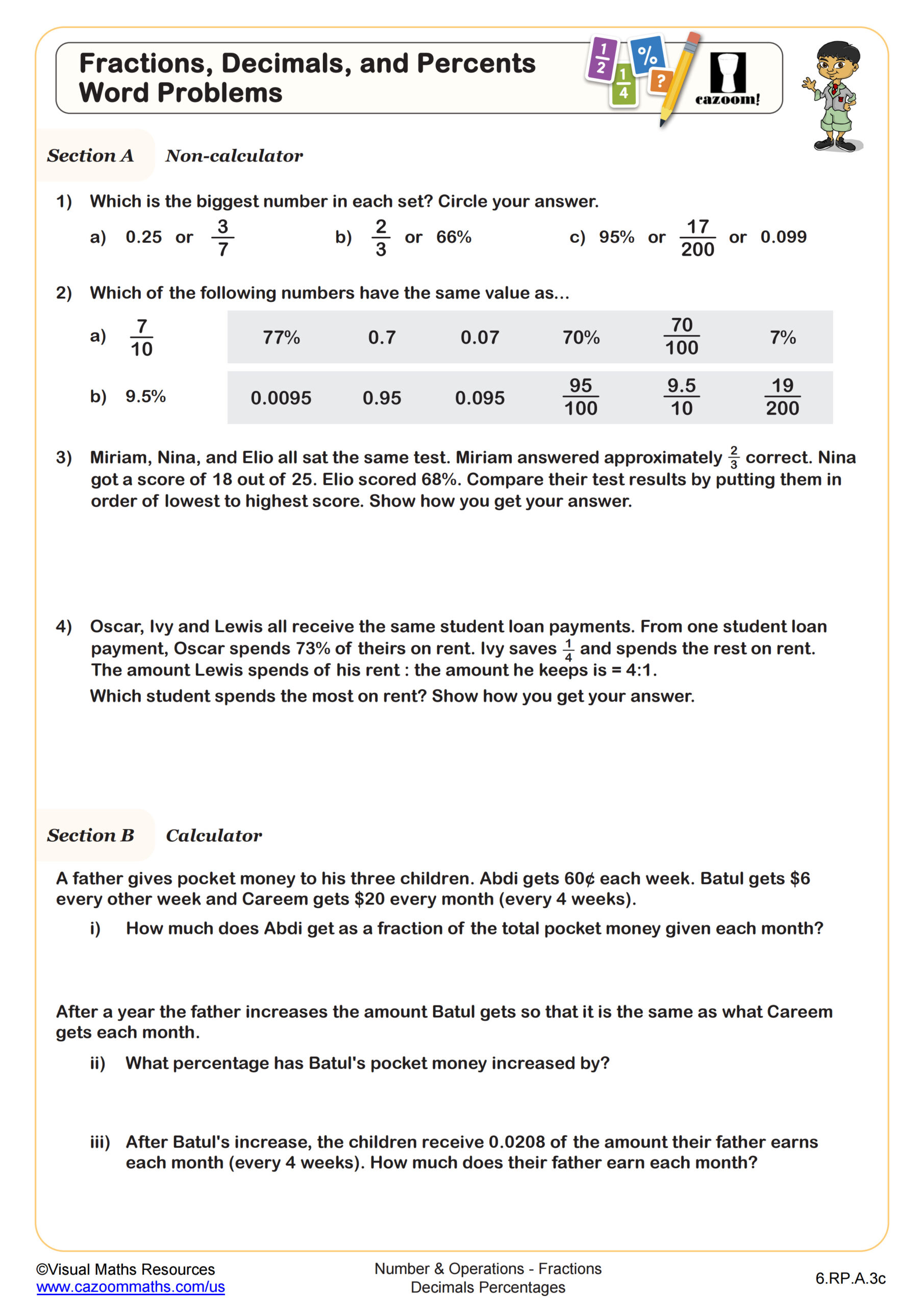
Fractions, Decimals, and Percents Word Problems
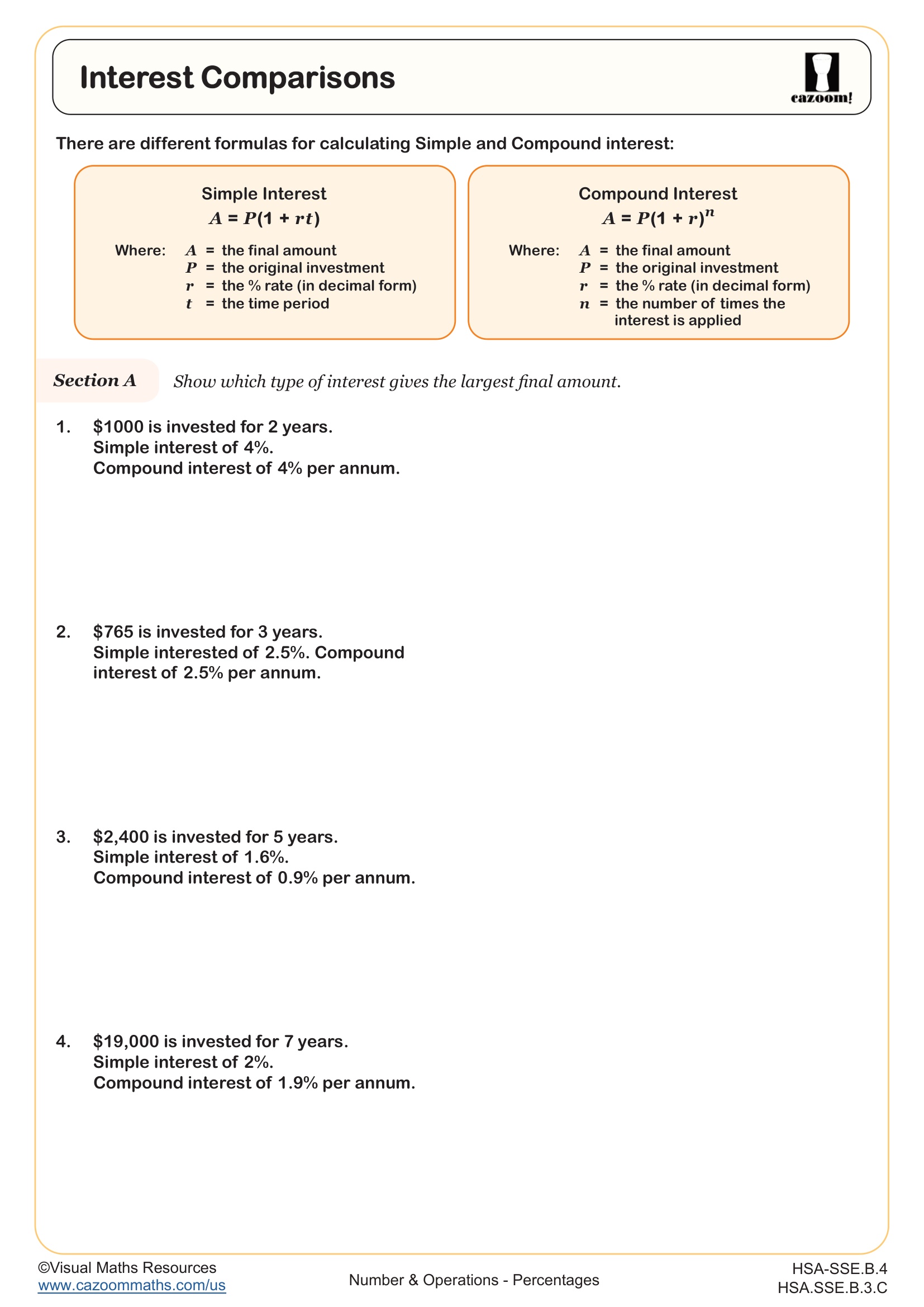
Interest Comparisons
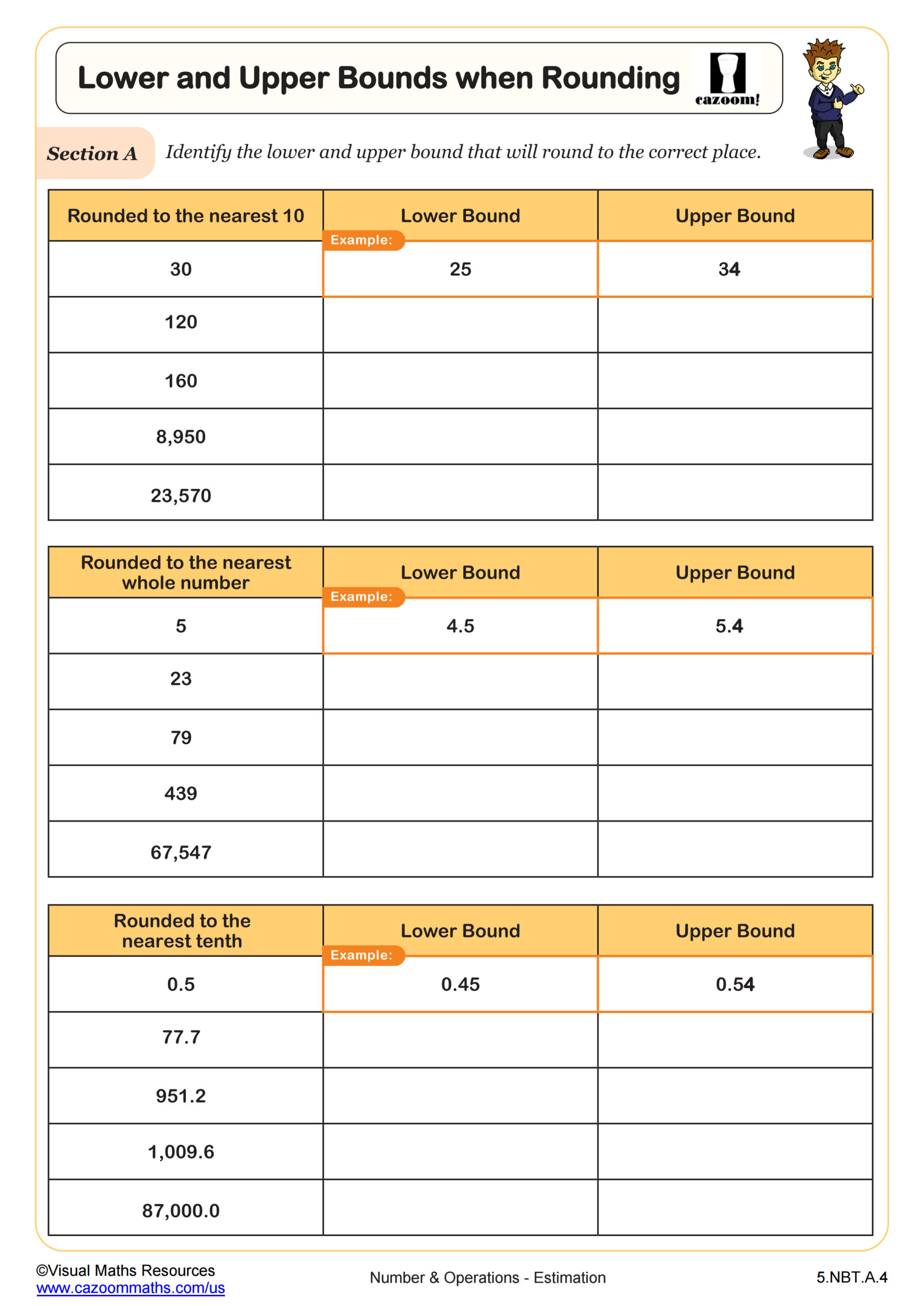
Lower and Upper Bounds when Rounding
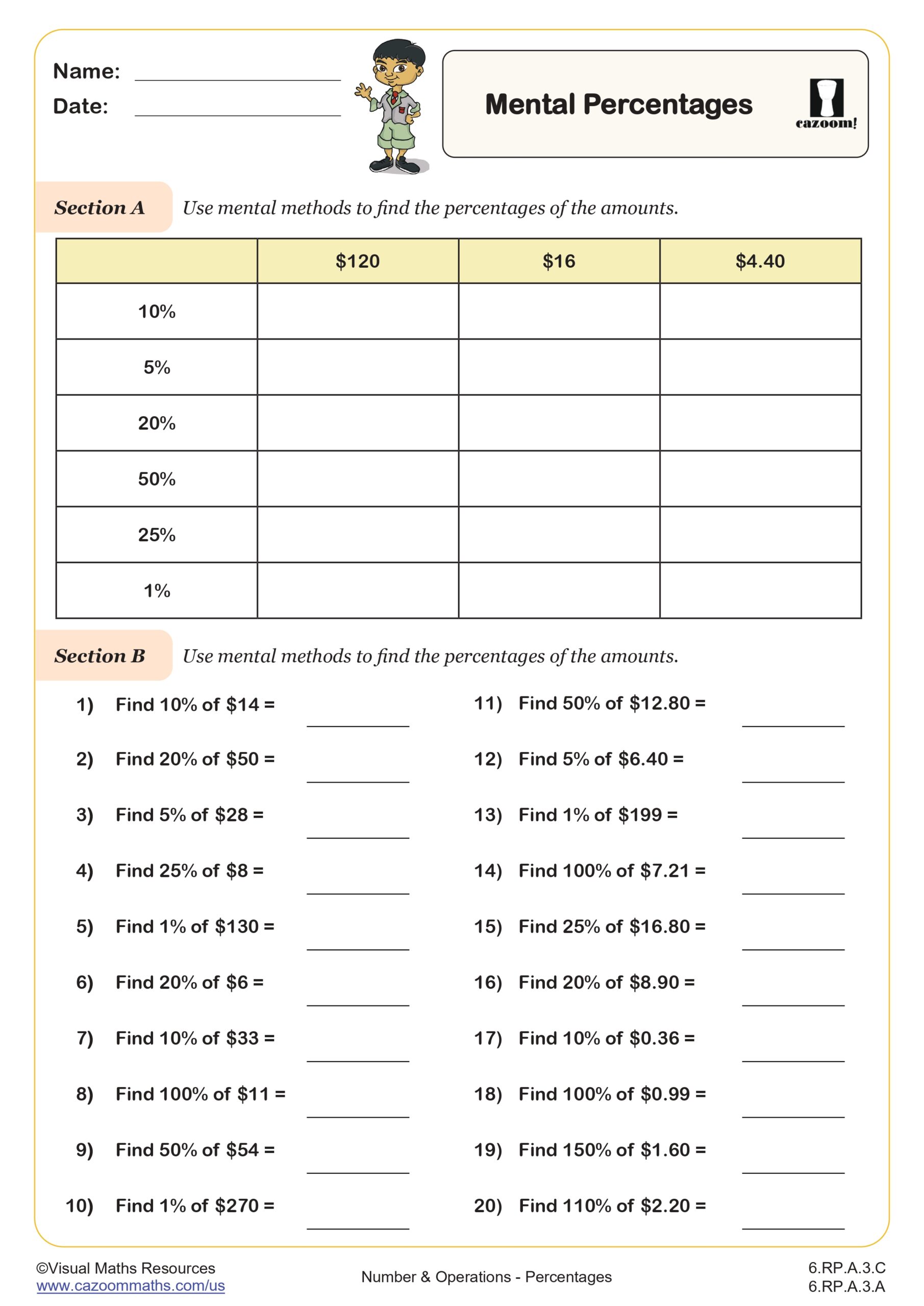
Mental Percentages
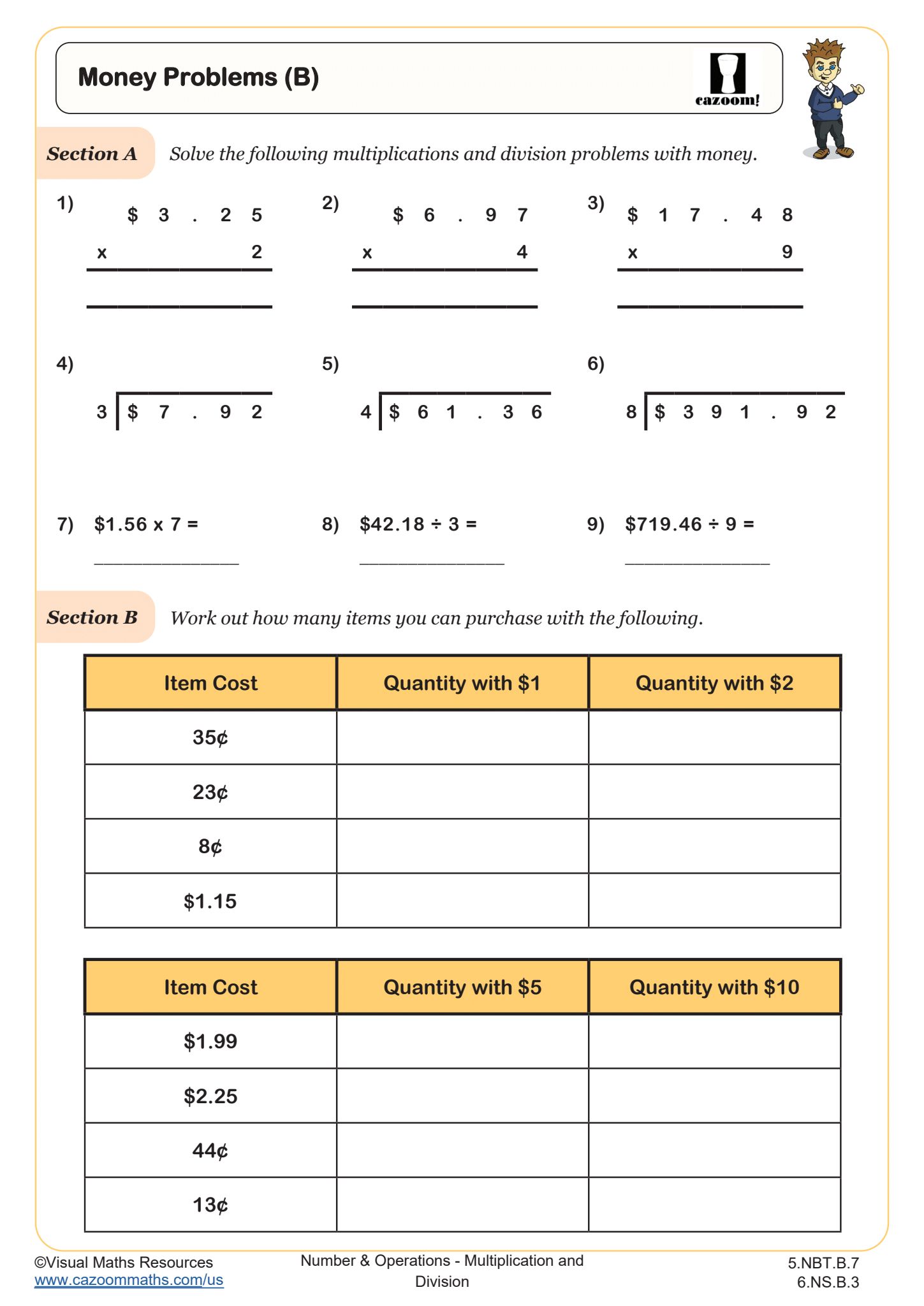
Money Problems (B)
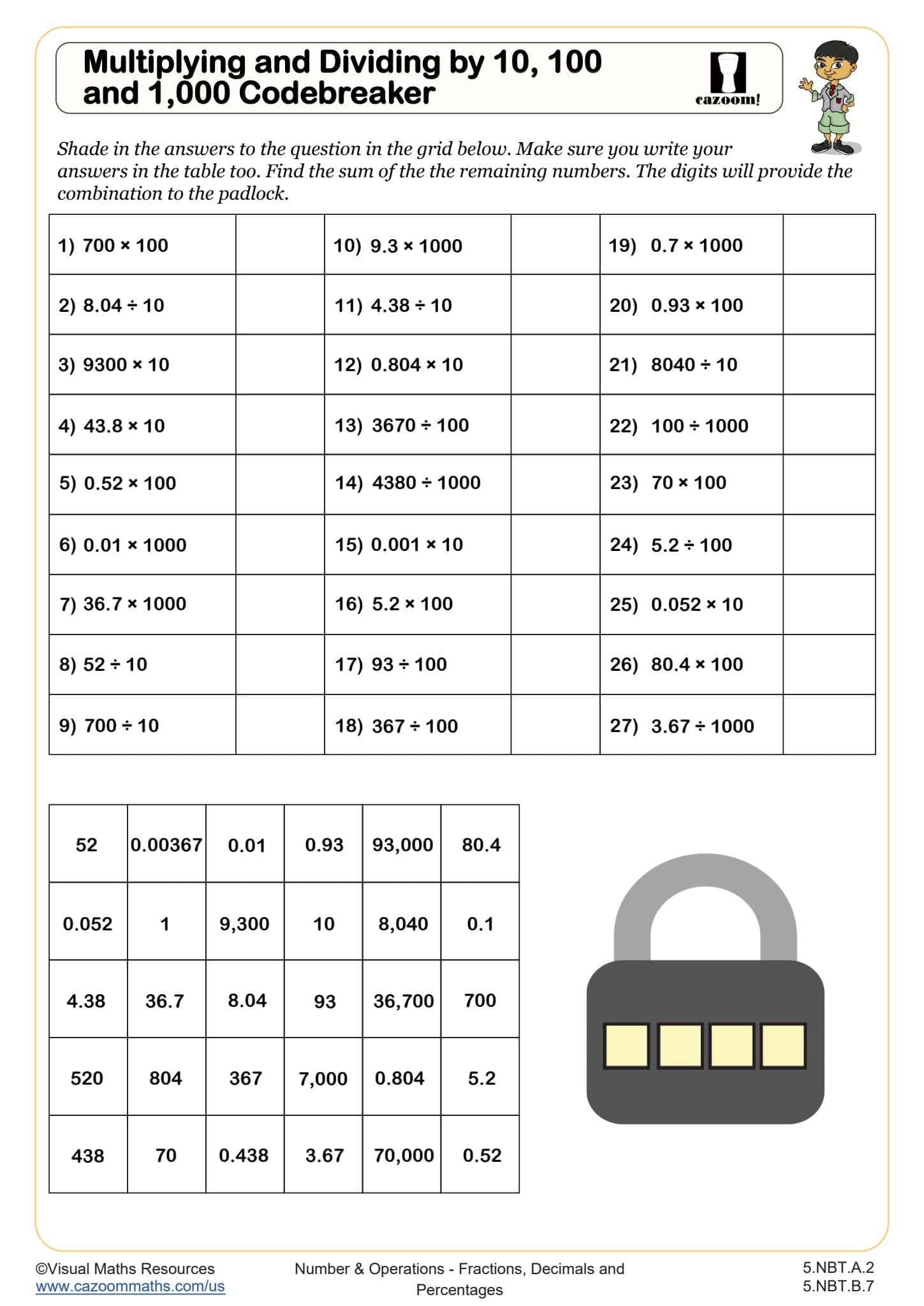
Multiplying and Dividing by 10, 100 and 1,000 Codebreaker
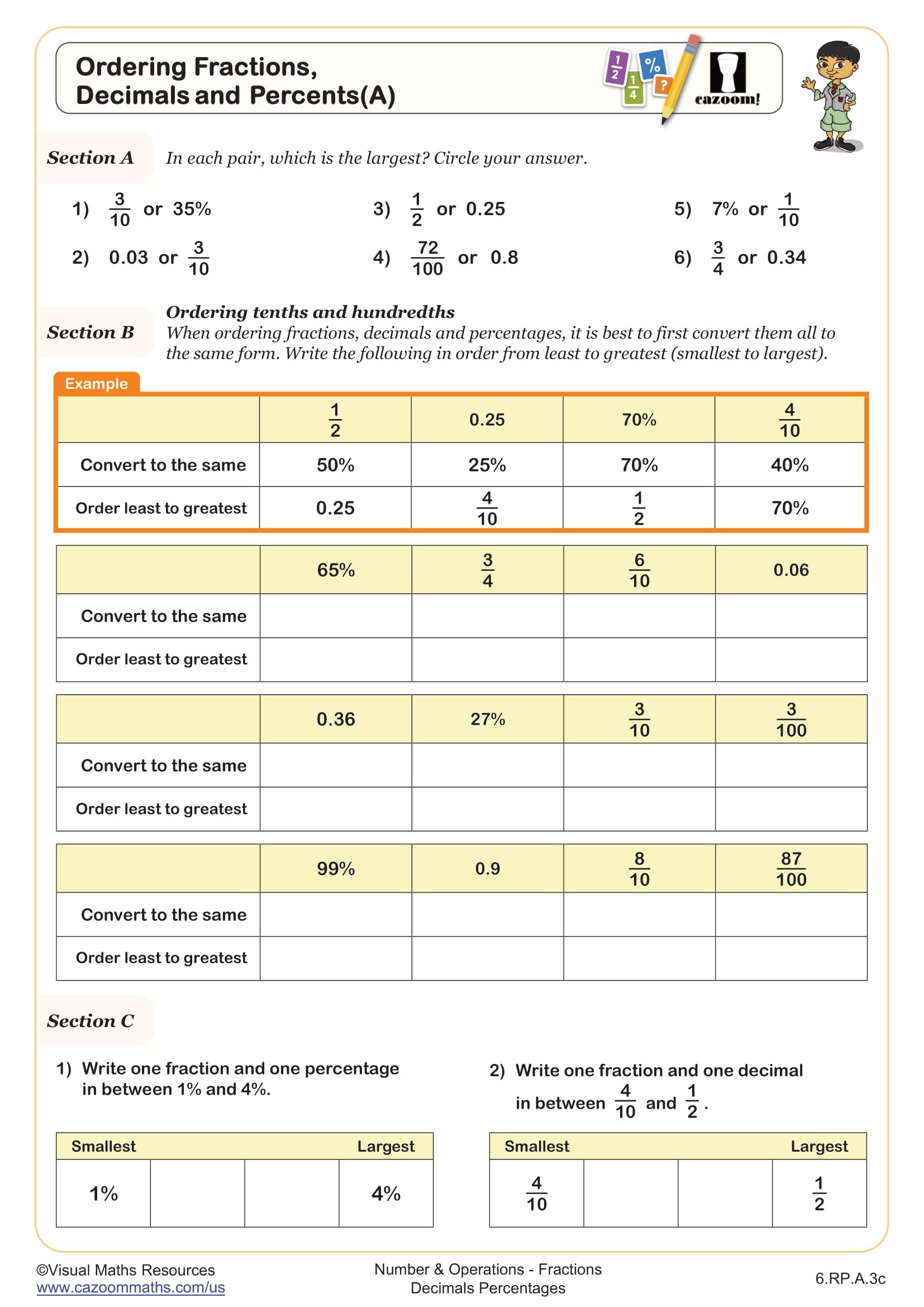
Ordering Fractions, Decimals, and Percents (A)
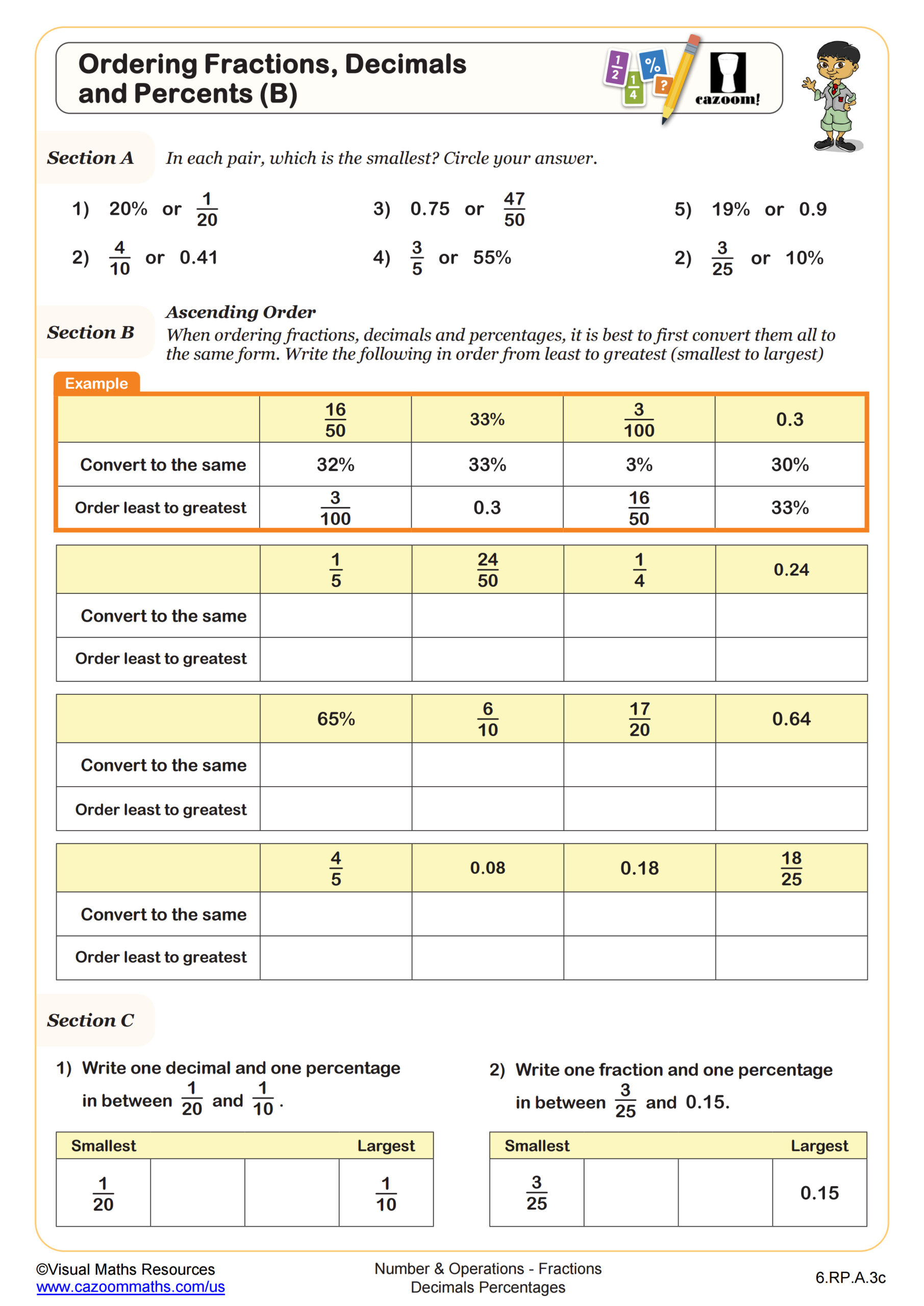
Ordering Fractions, Decimals, and Percents (B)
Partitioning Decimals - Tenths and Hundredths (A)
-Questions-Worksheet.jpg?w=3840)
Partitioning Decimals - Tenths and Hundredths (B)
-Questions-Worksheet.jpg?w=3840)
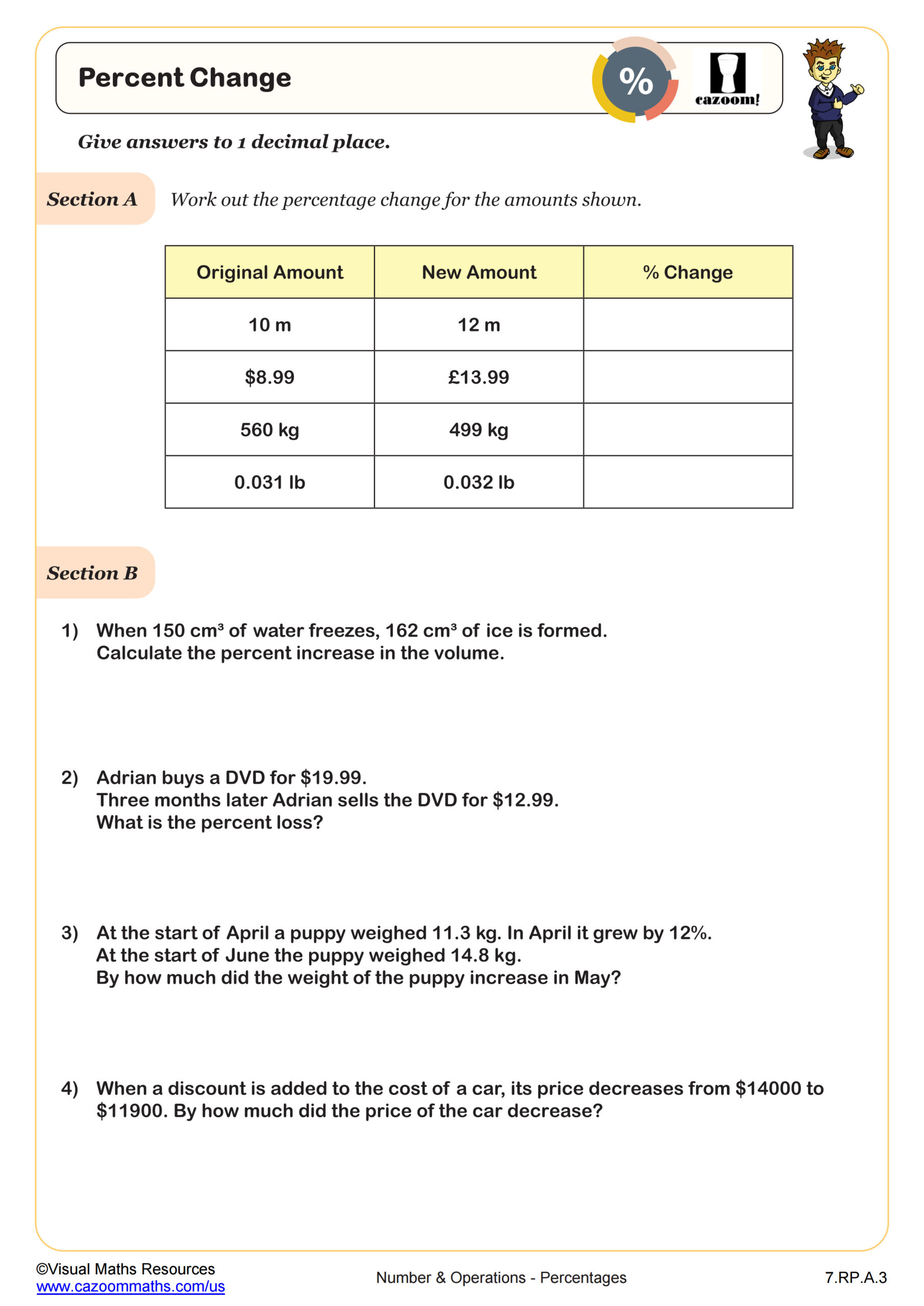
Percent Change
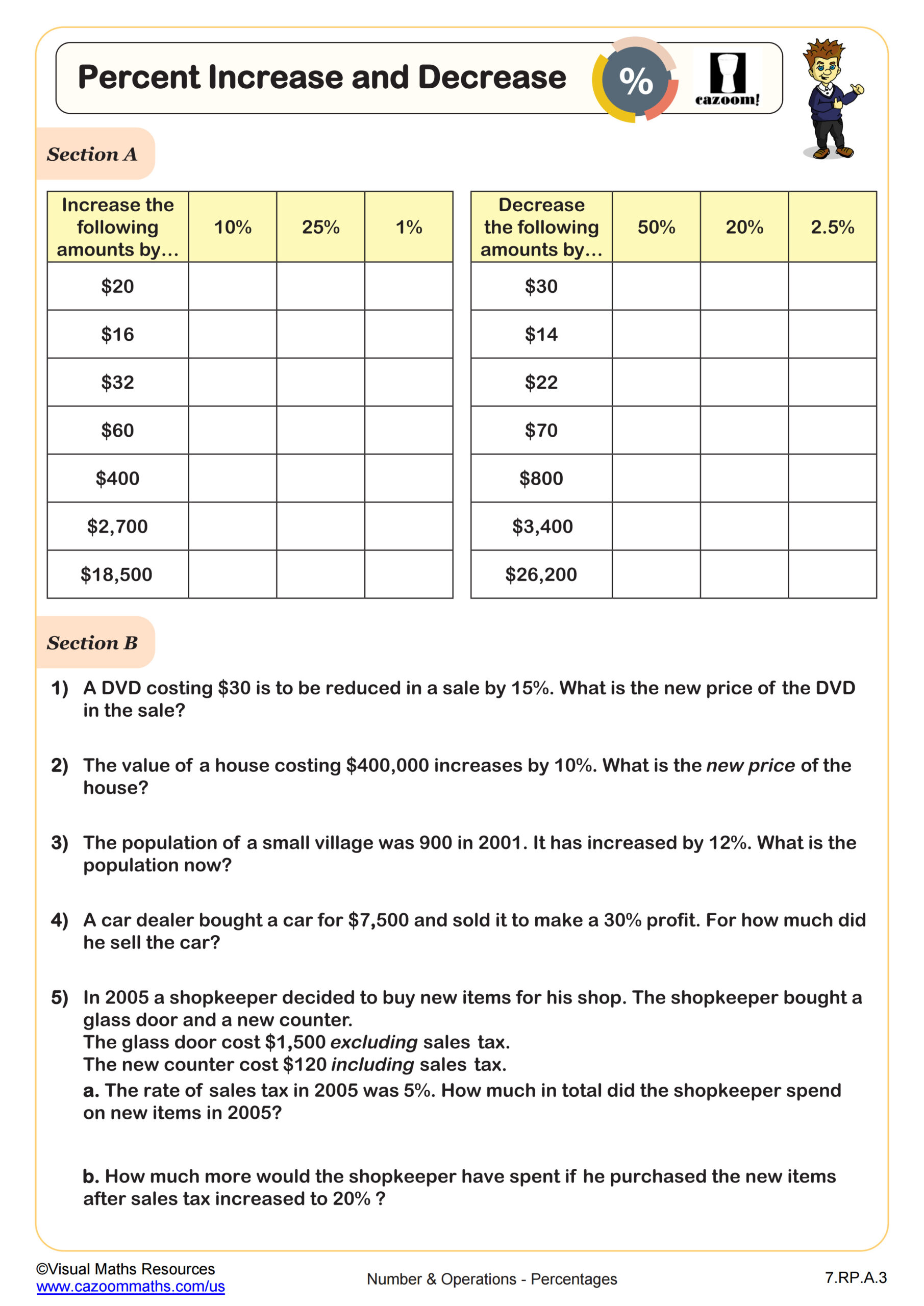
Percent Increase and Decrease
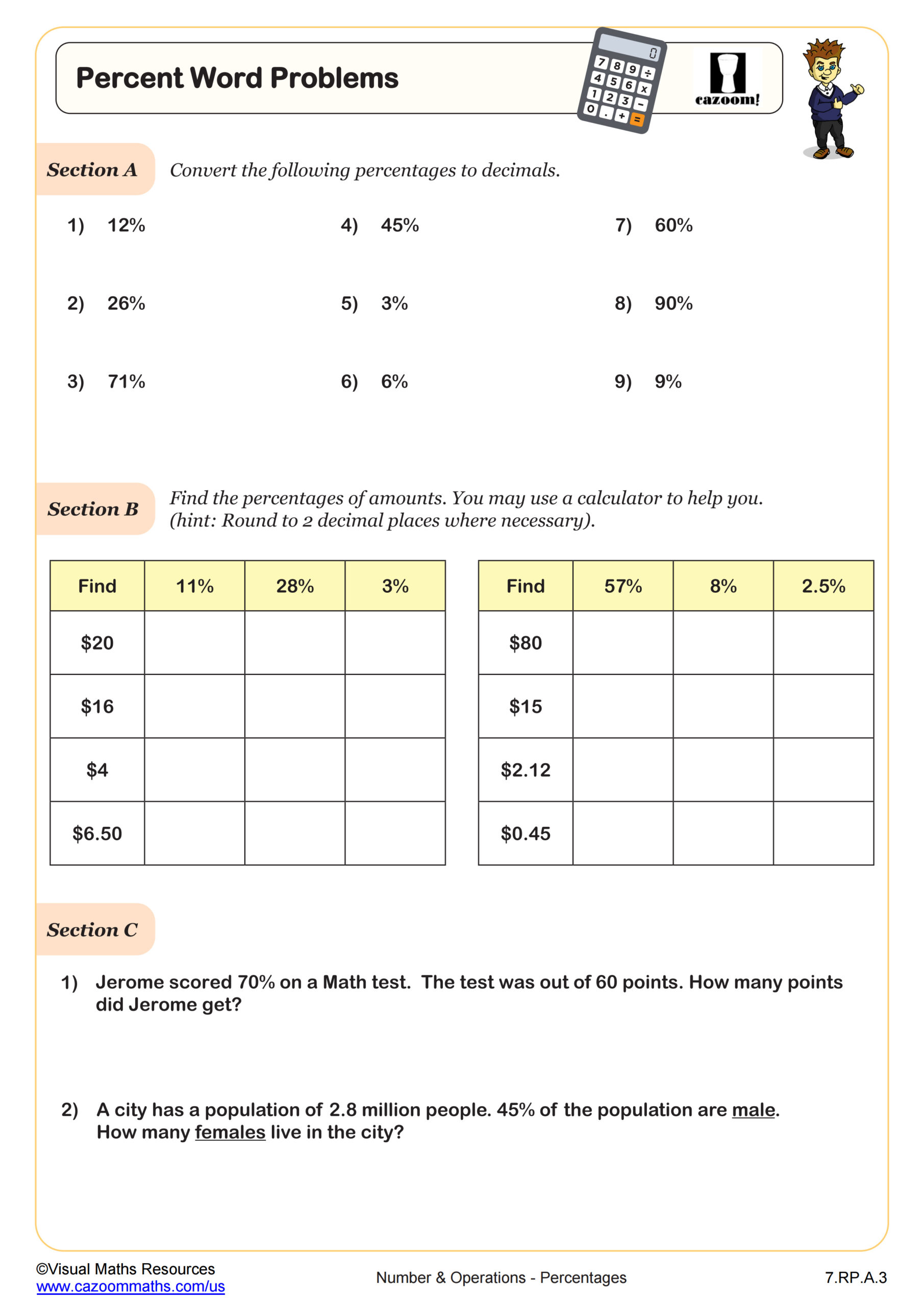
Percent Word Problems
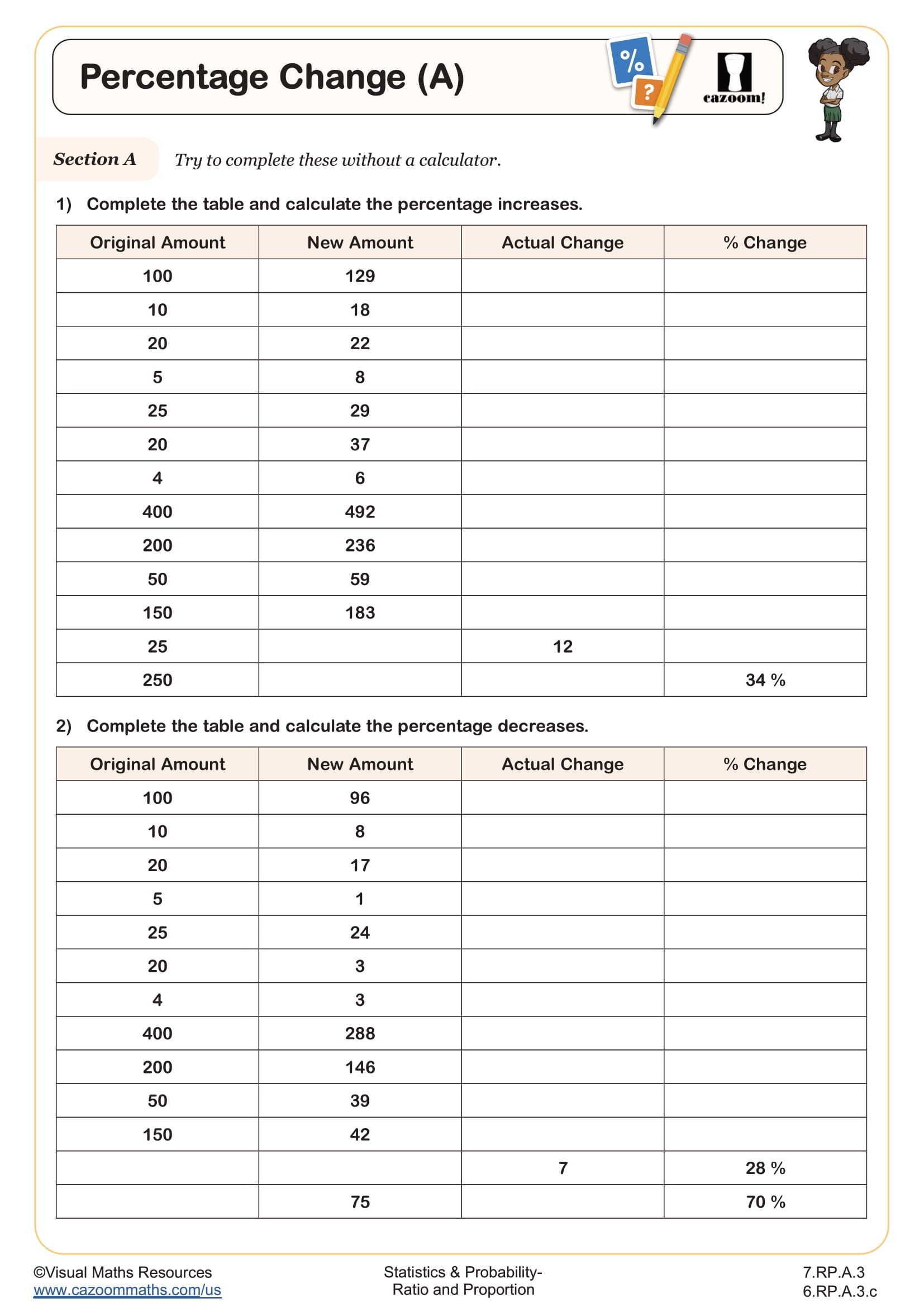
Percentage Change (A)
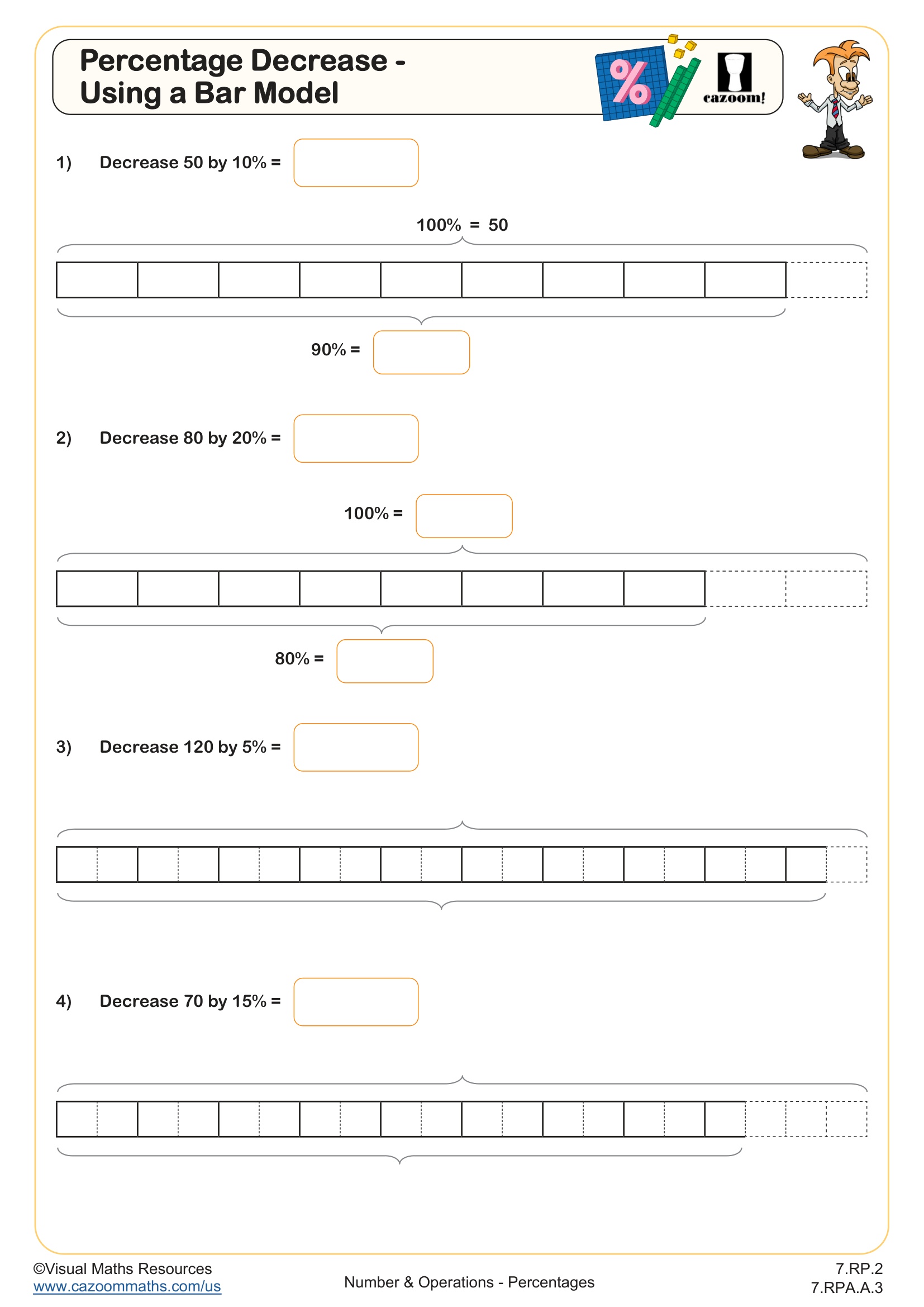
Percentage Decrease - Using a Bar Model
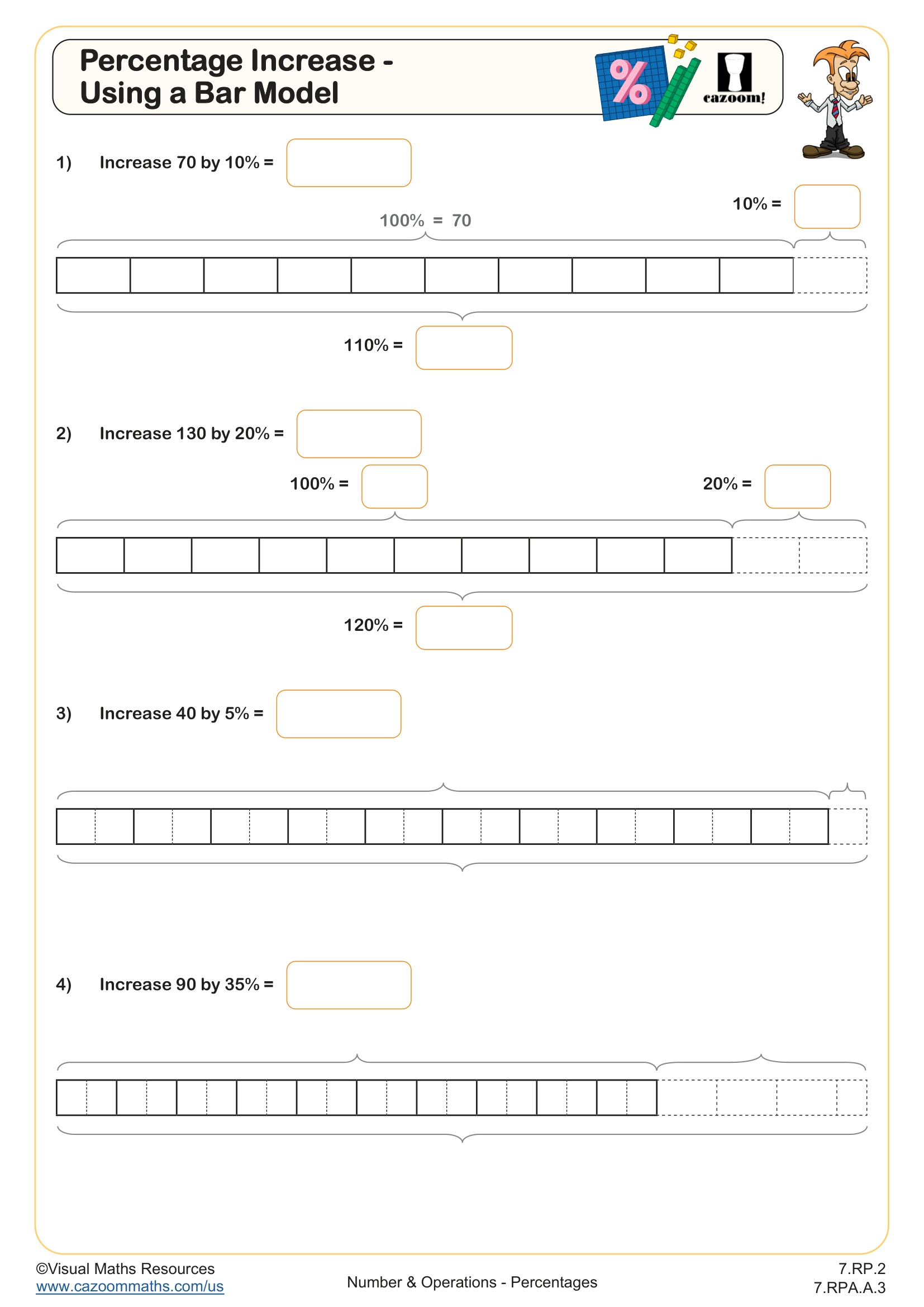
Percentage Increase - Using a Bar Model
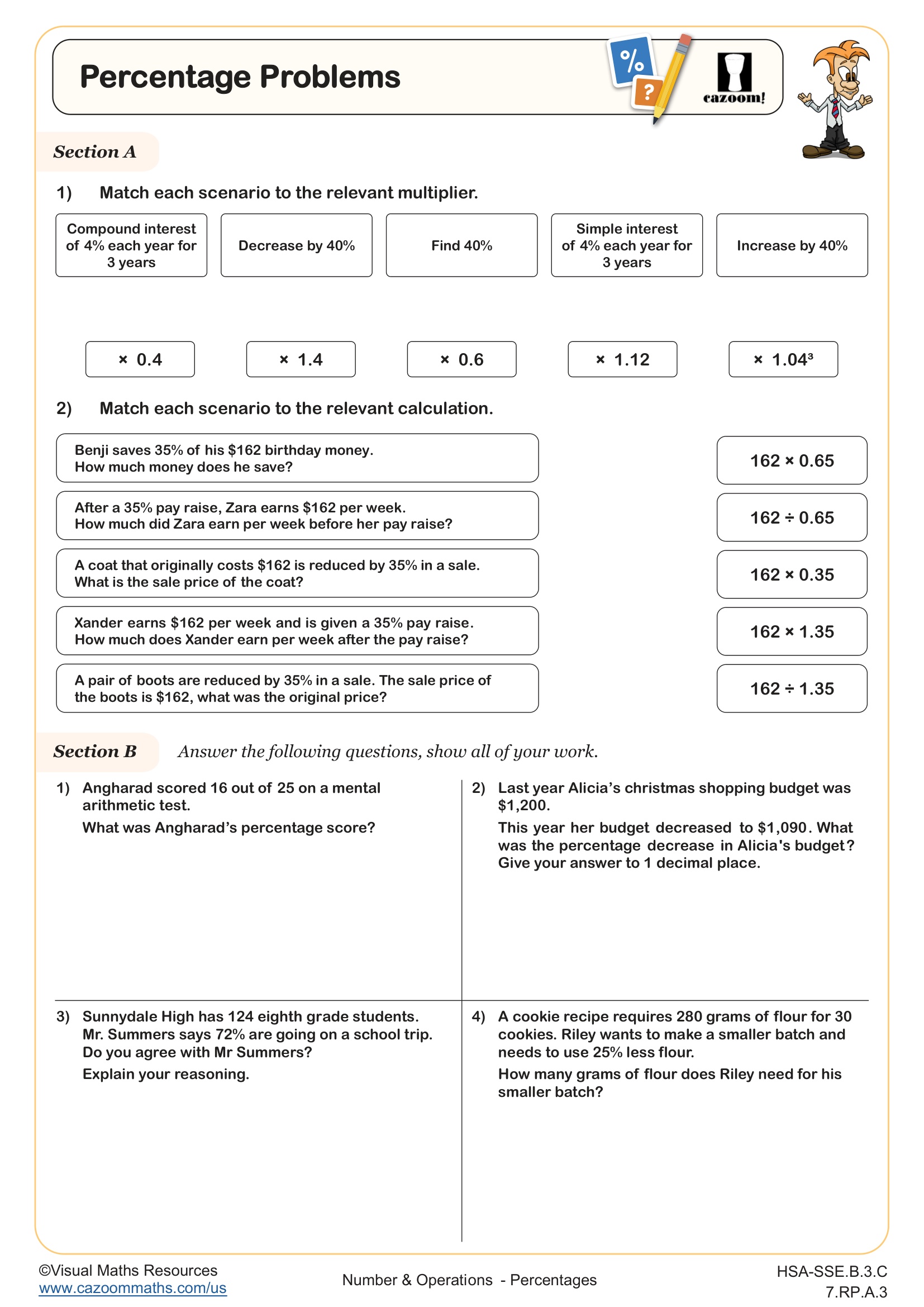
Percentage Problems
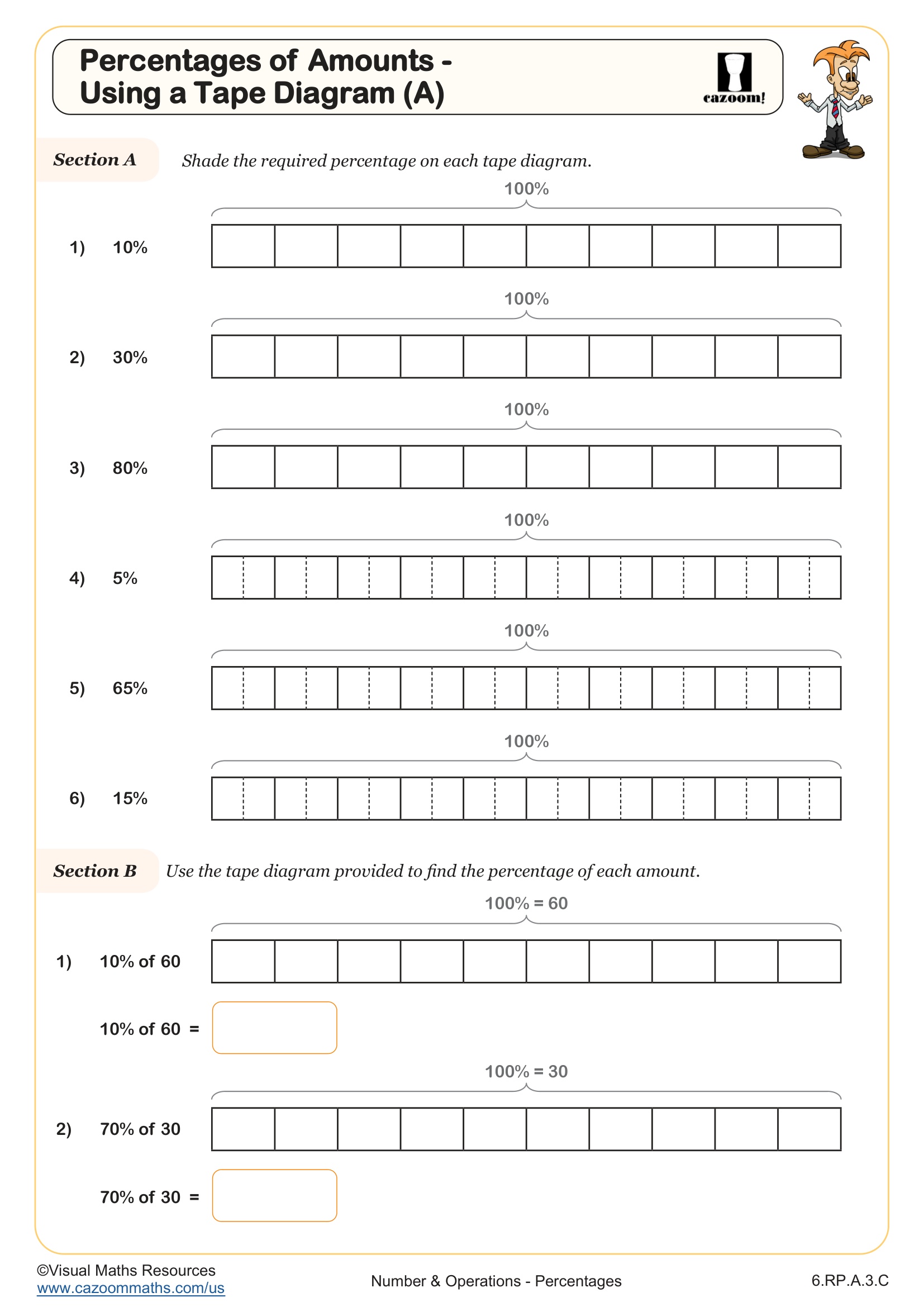
Percentages of Amounts - Using a Tape Diagram (A)
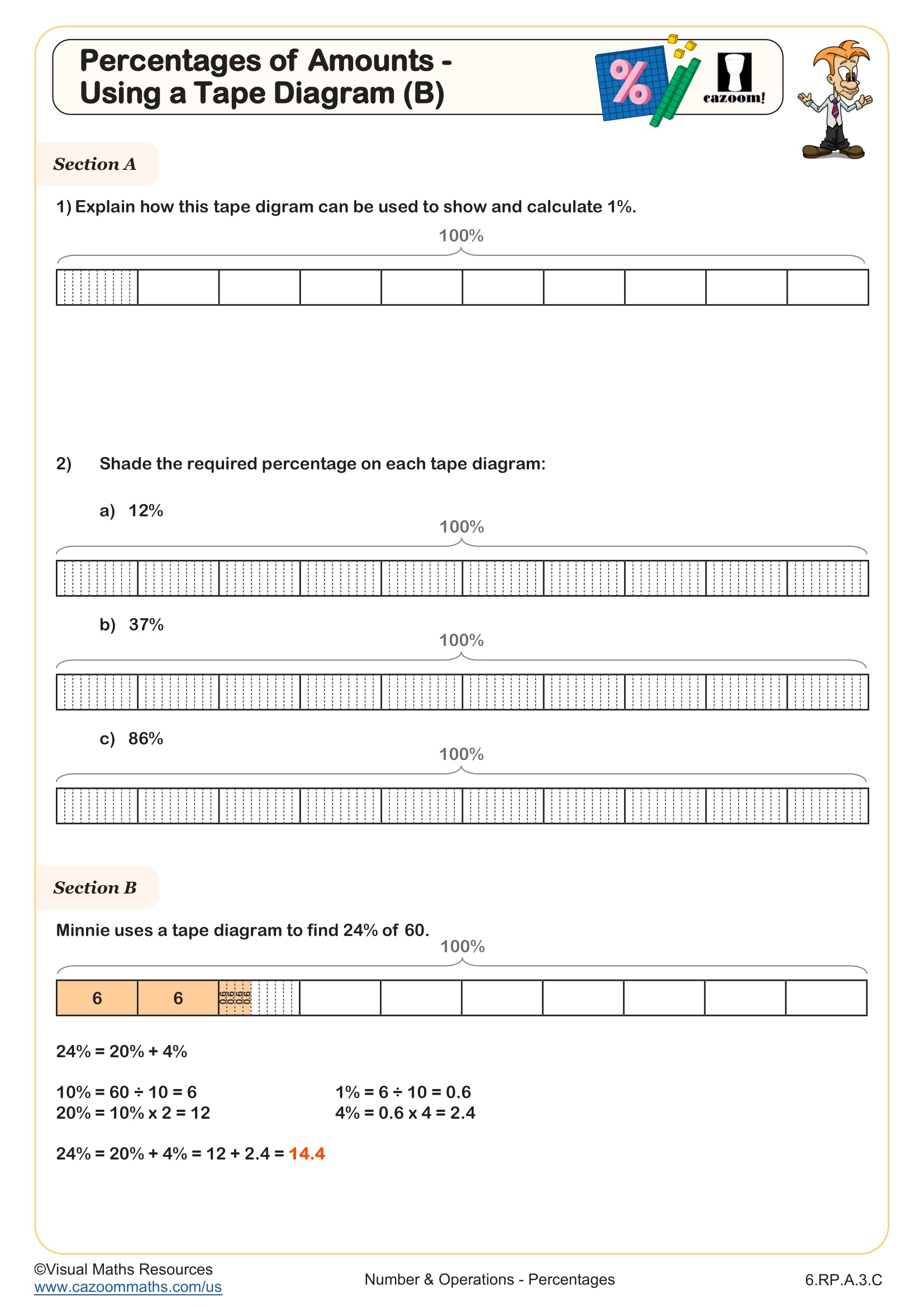
Percentages of Amounts - Using a Tape Diagram (B)
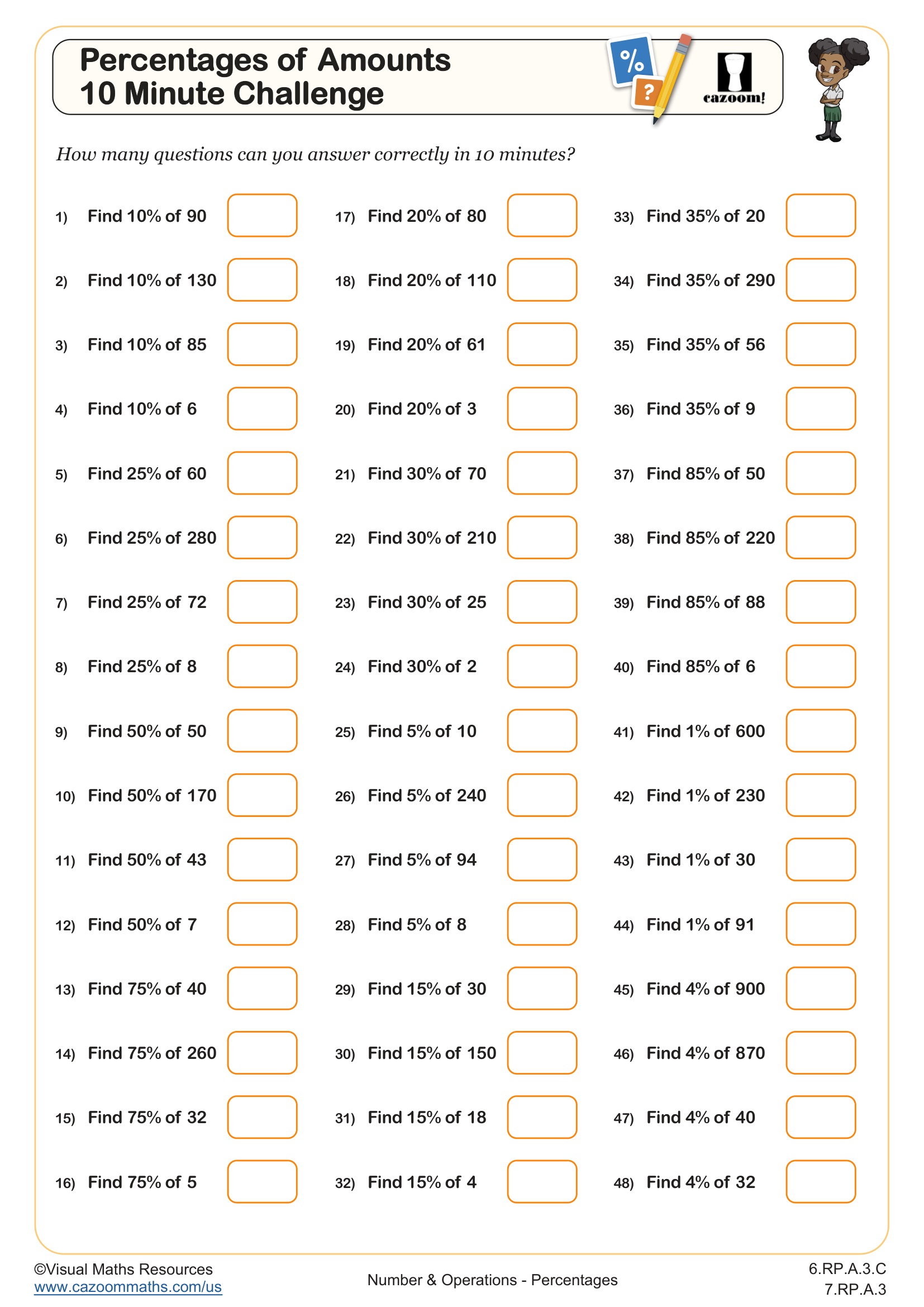
Percentages of Amounts 10 Minute Challenge
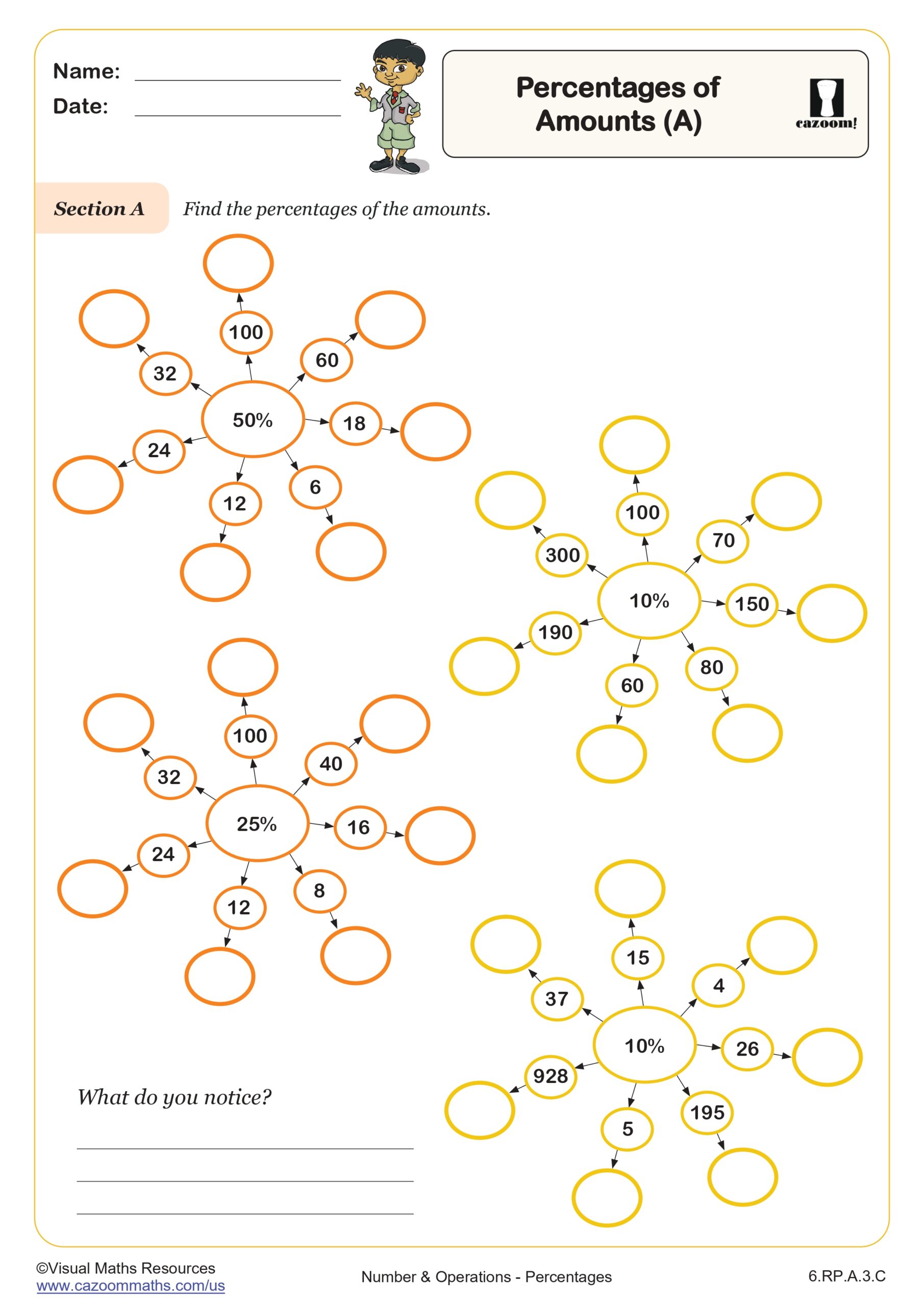
Percents of an Amount (A)
Percents of an Amount (B)
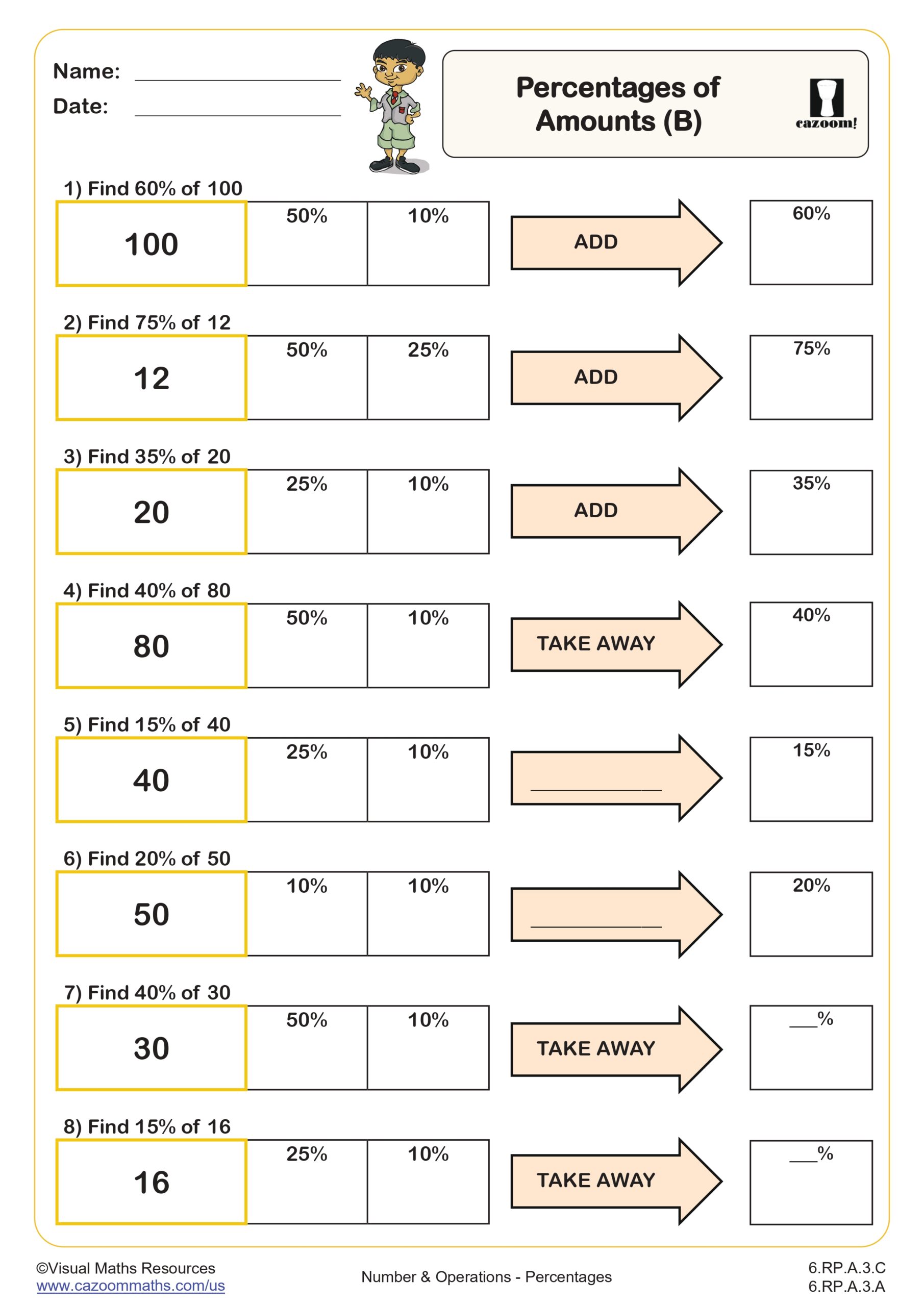
Percents of an Amount (C)
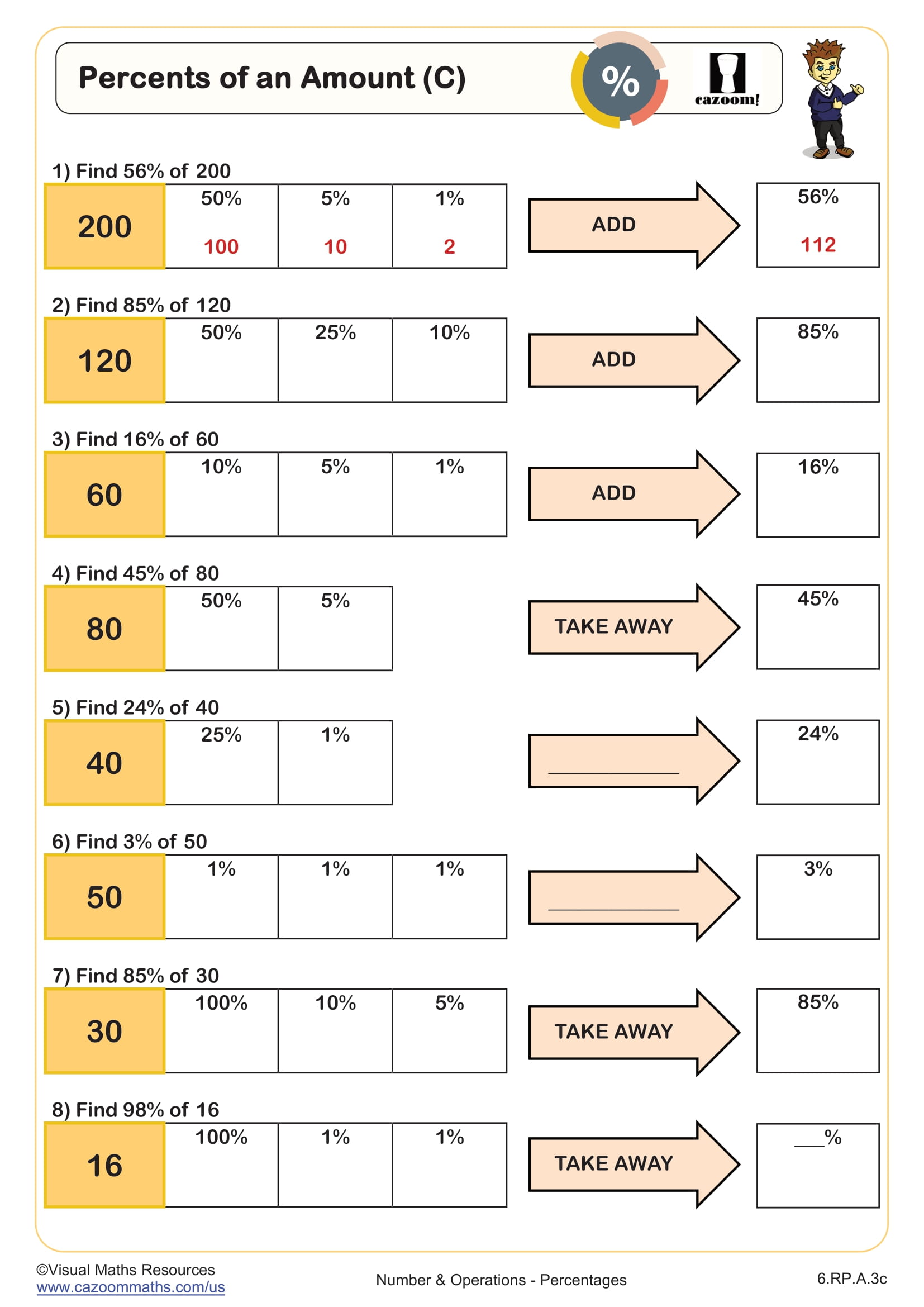
Percents of an Amount (D)
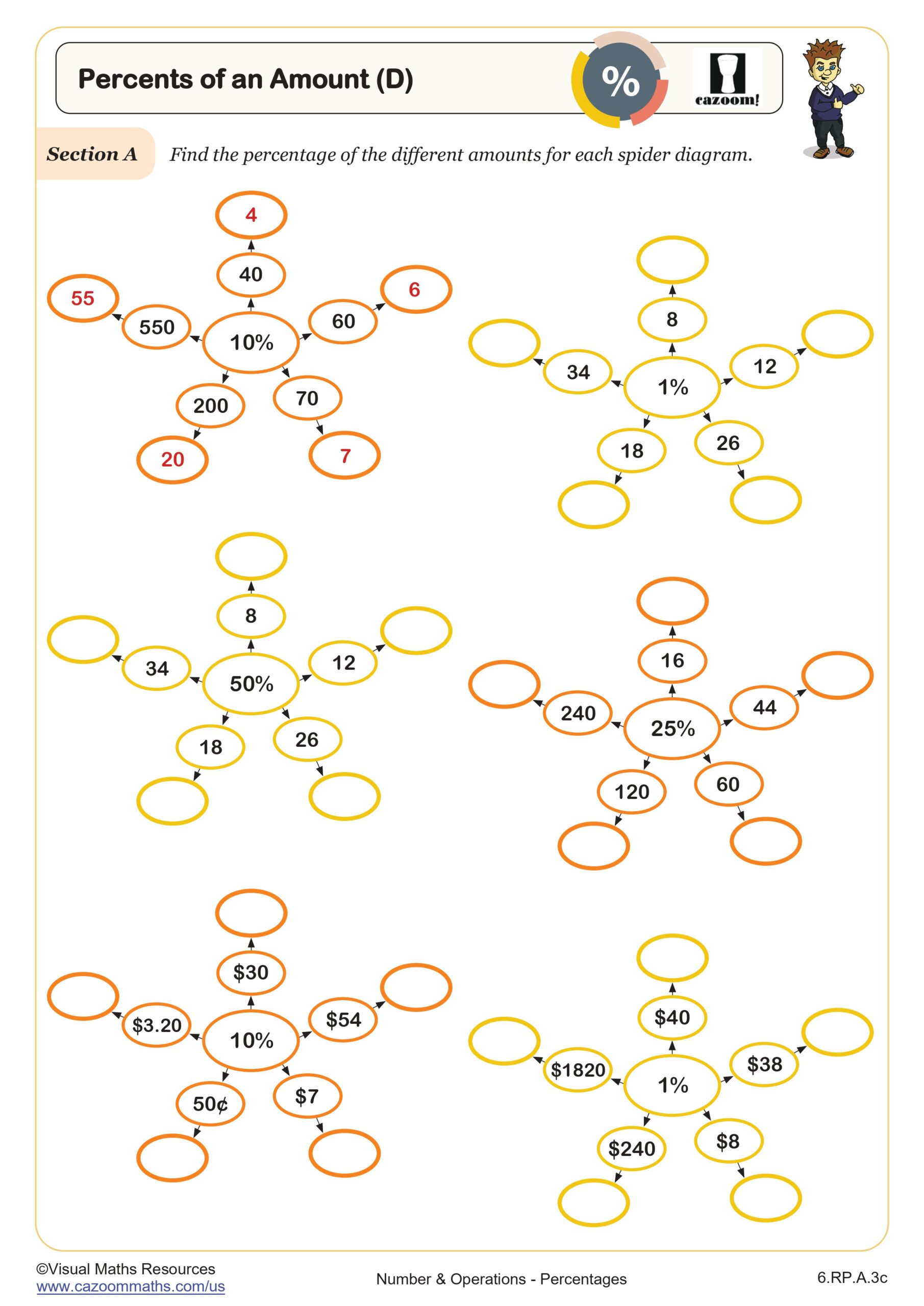
Percents of an Amount (E)
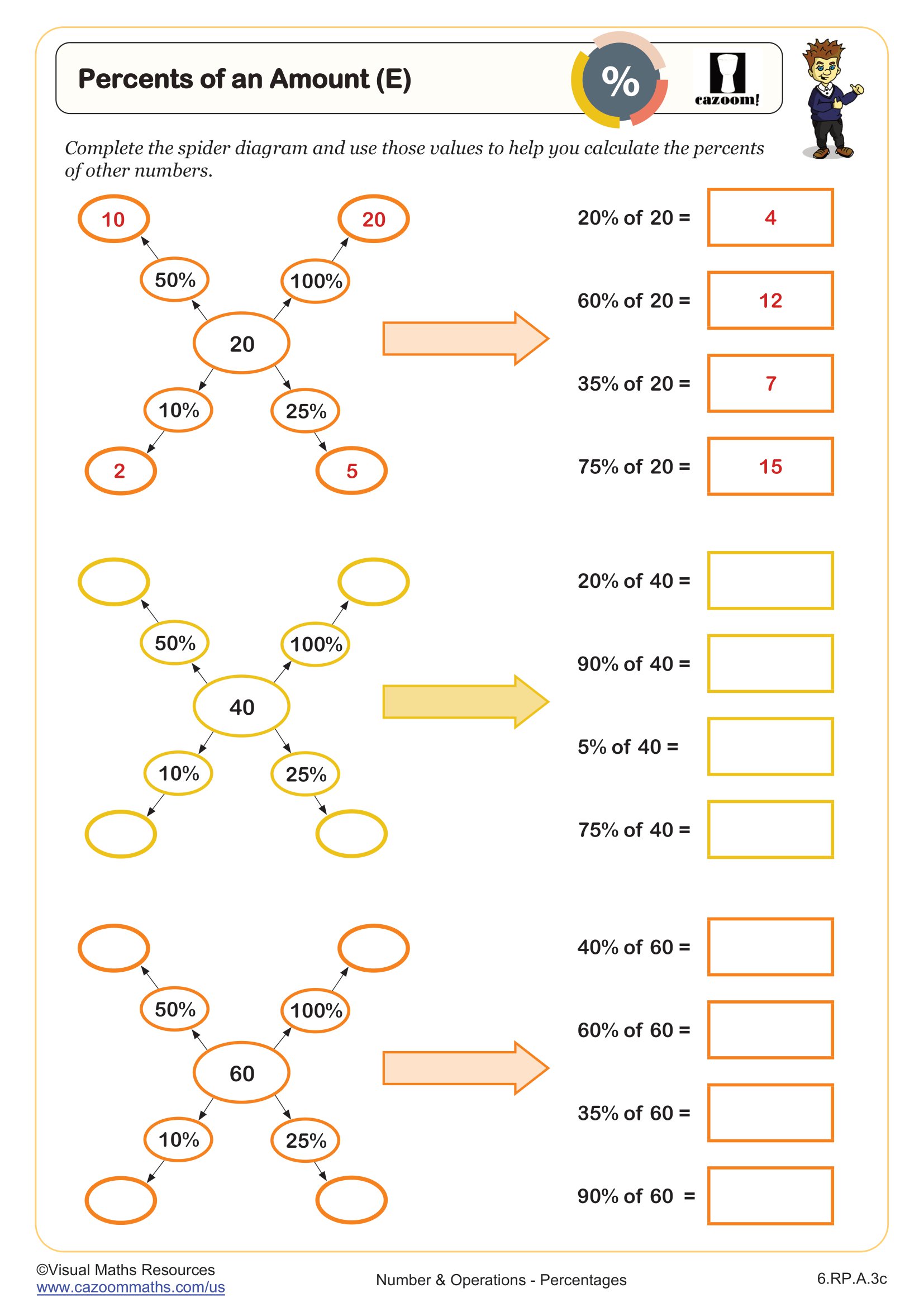
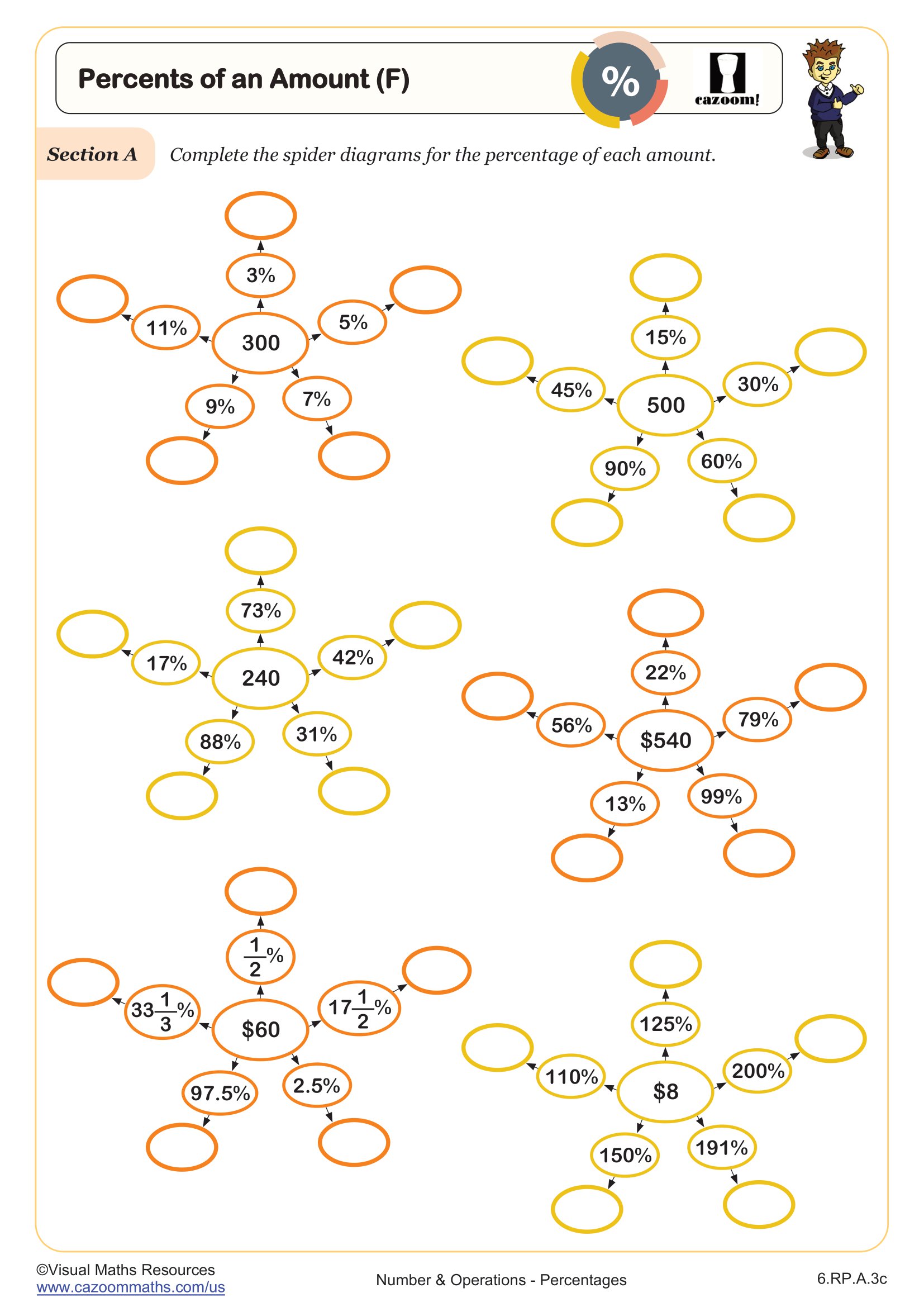
Percents of an Amount (F)
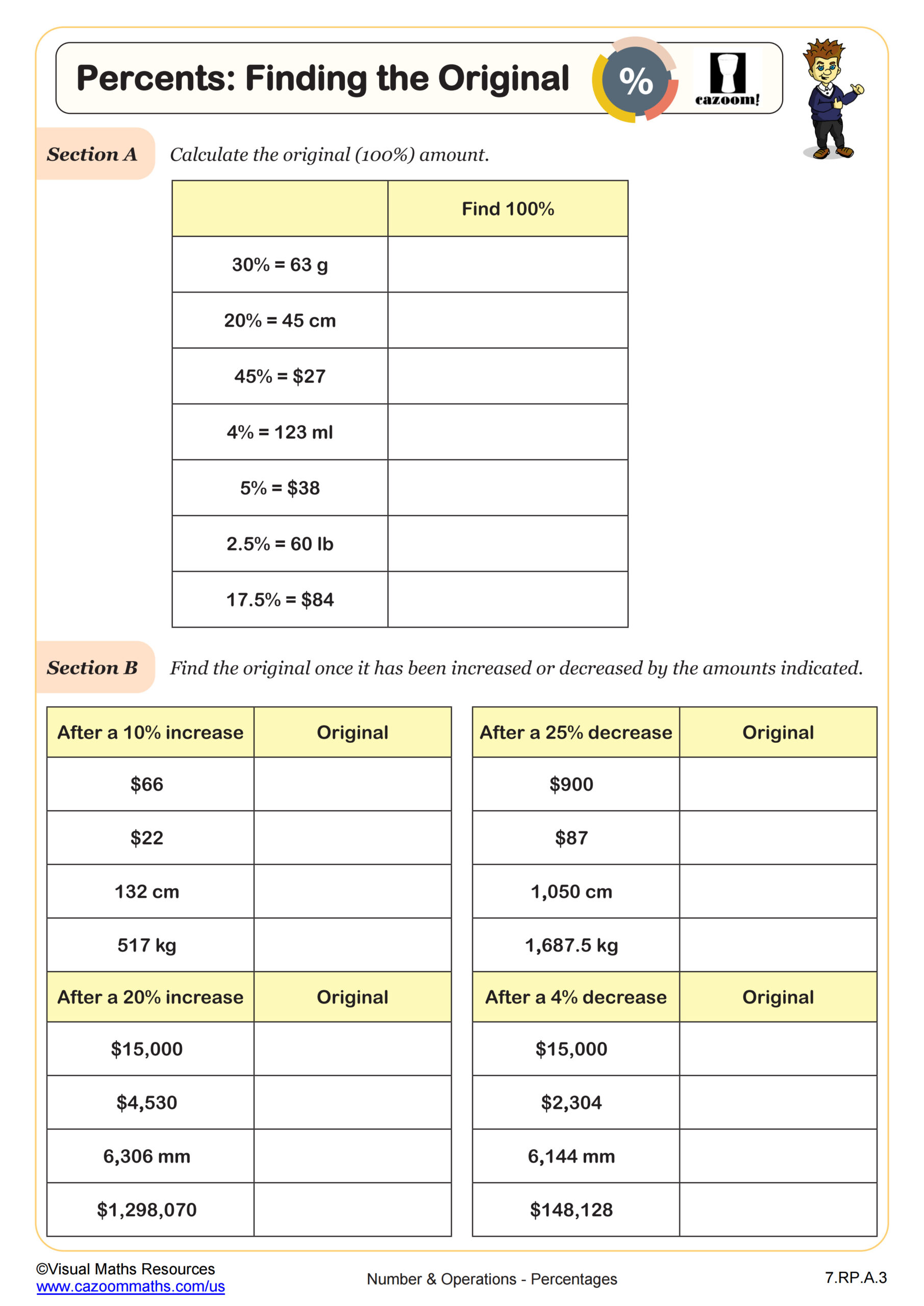
Percents: Finding the Original
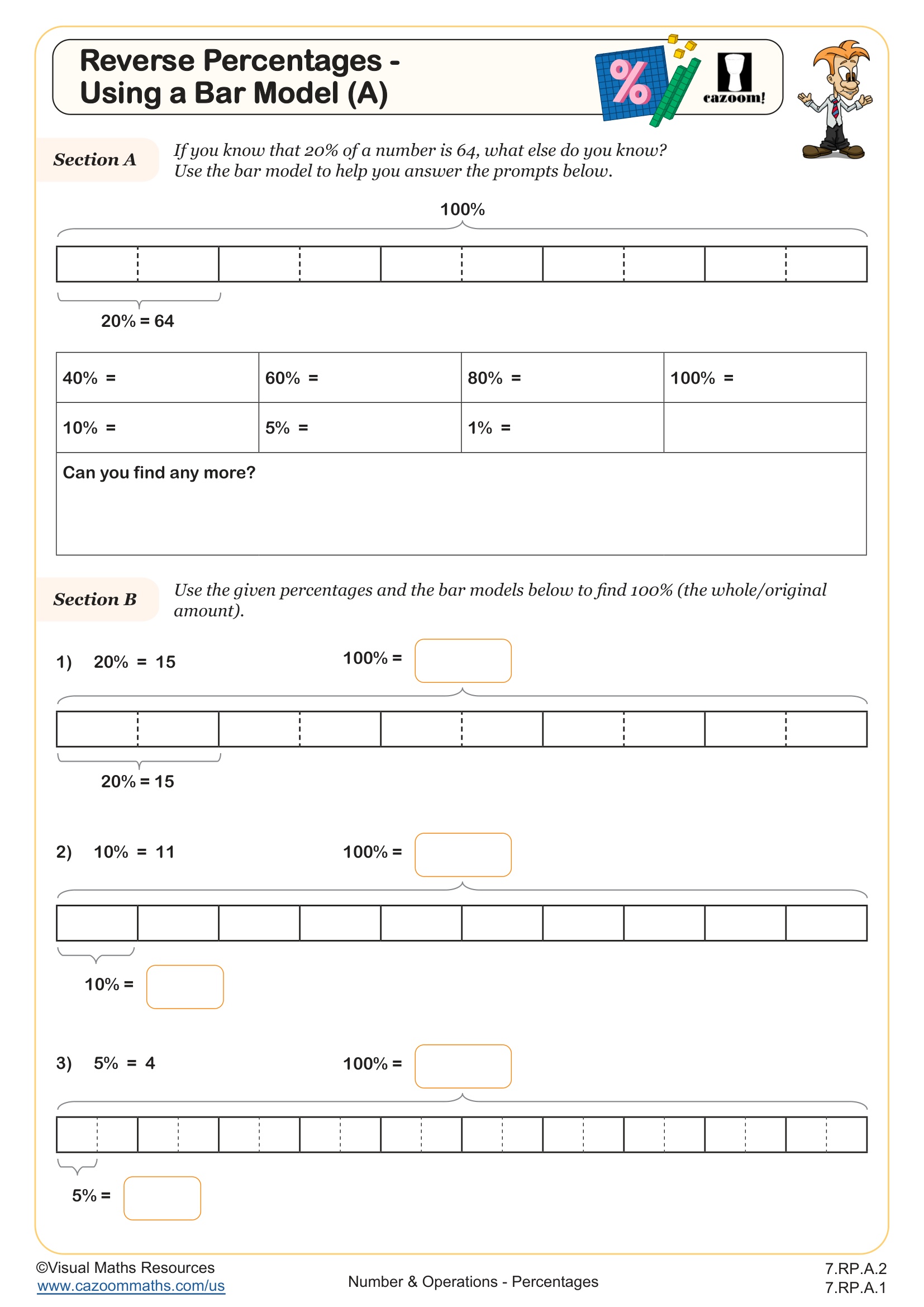
Reverse Percentages - Using a Bar Model (A)
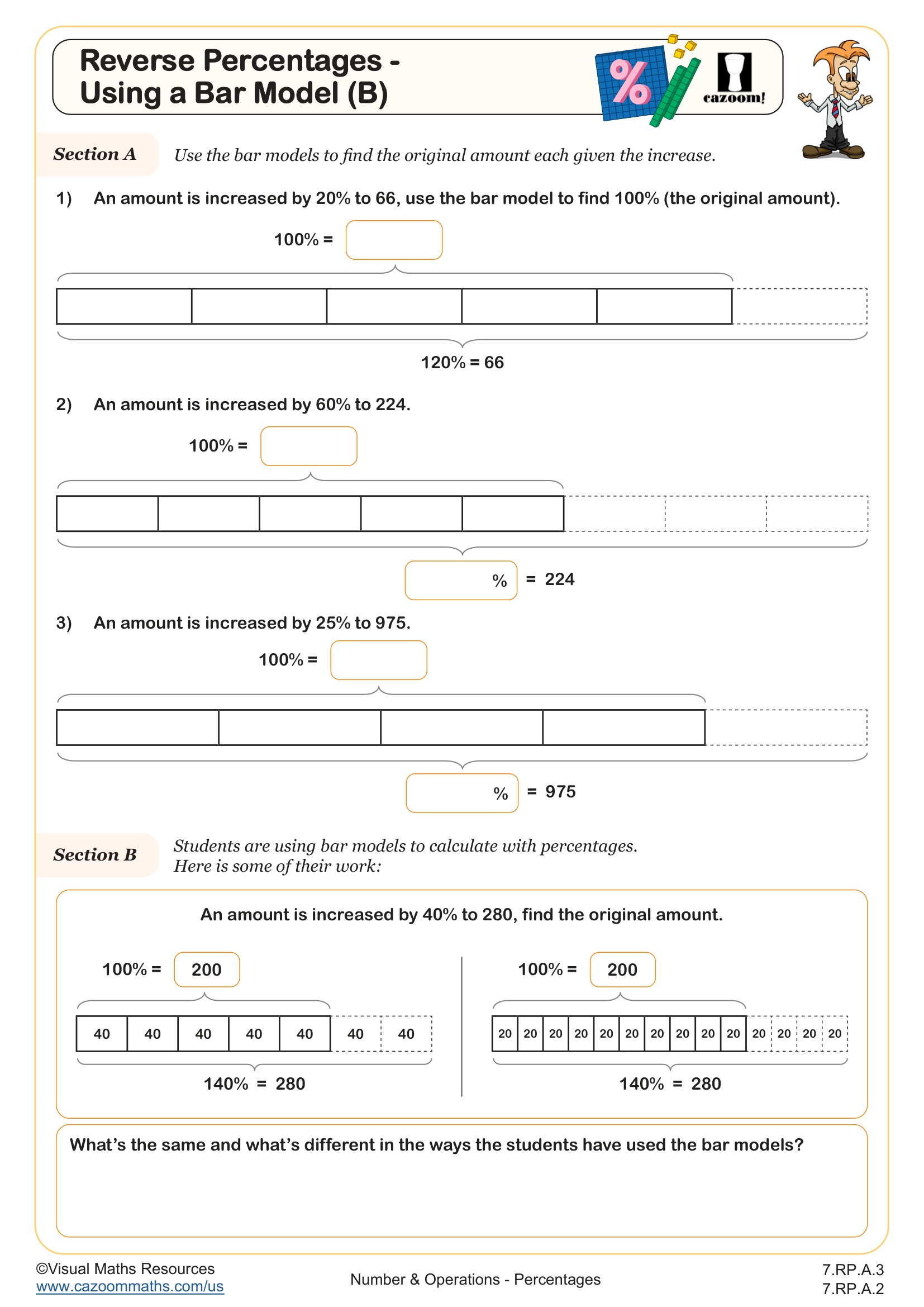
Reverse Percentages - Using a Bar Model (B)
Rounding Charts
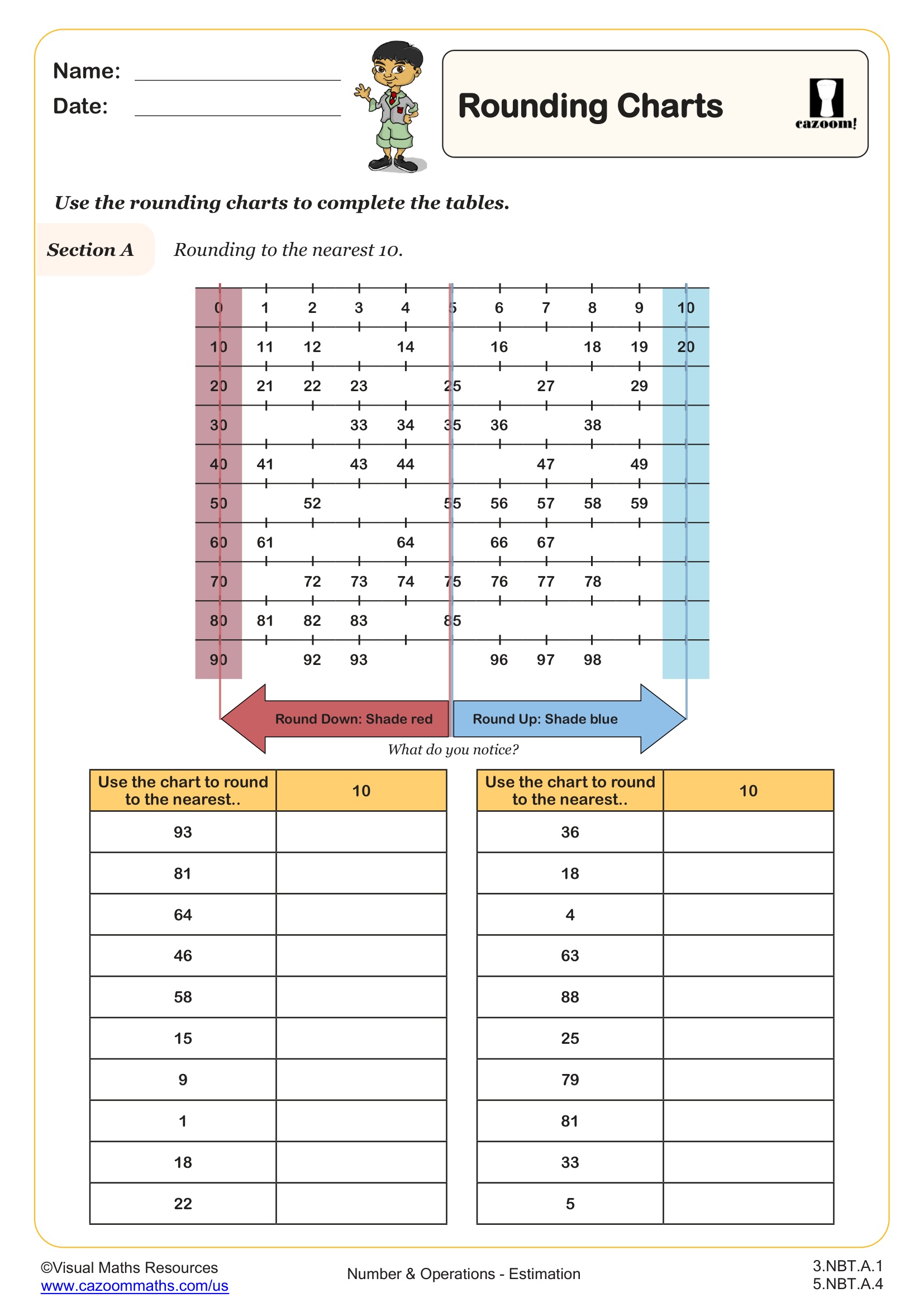
Rounding Decimals
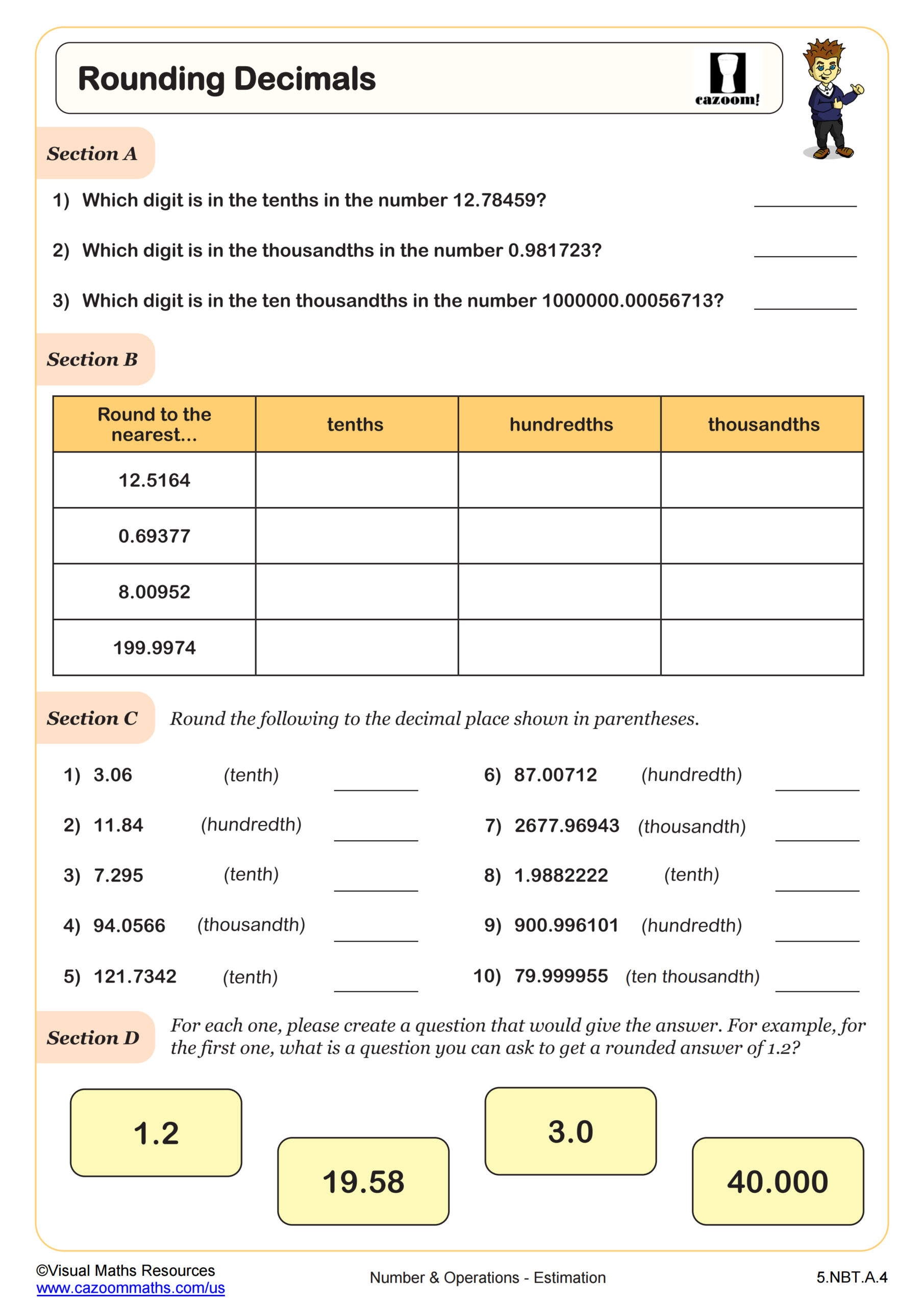
Rounding Decimals to the Nearest Whole
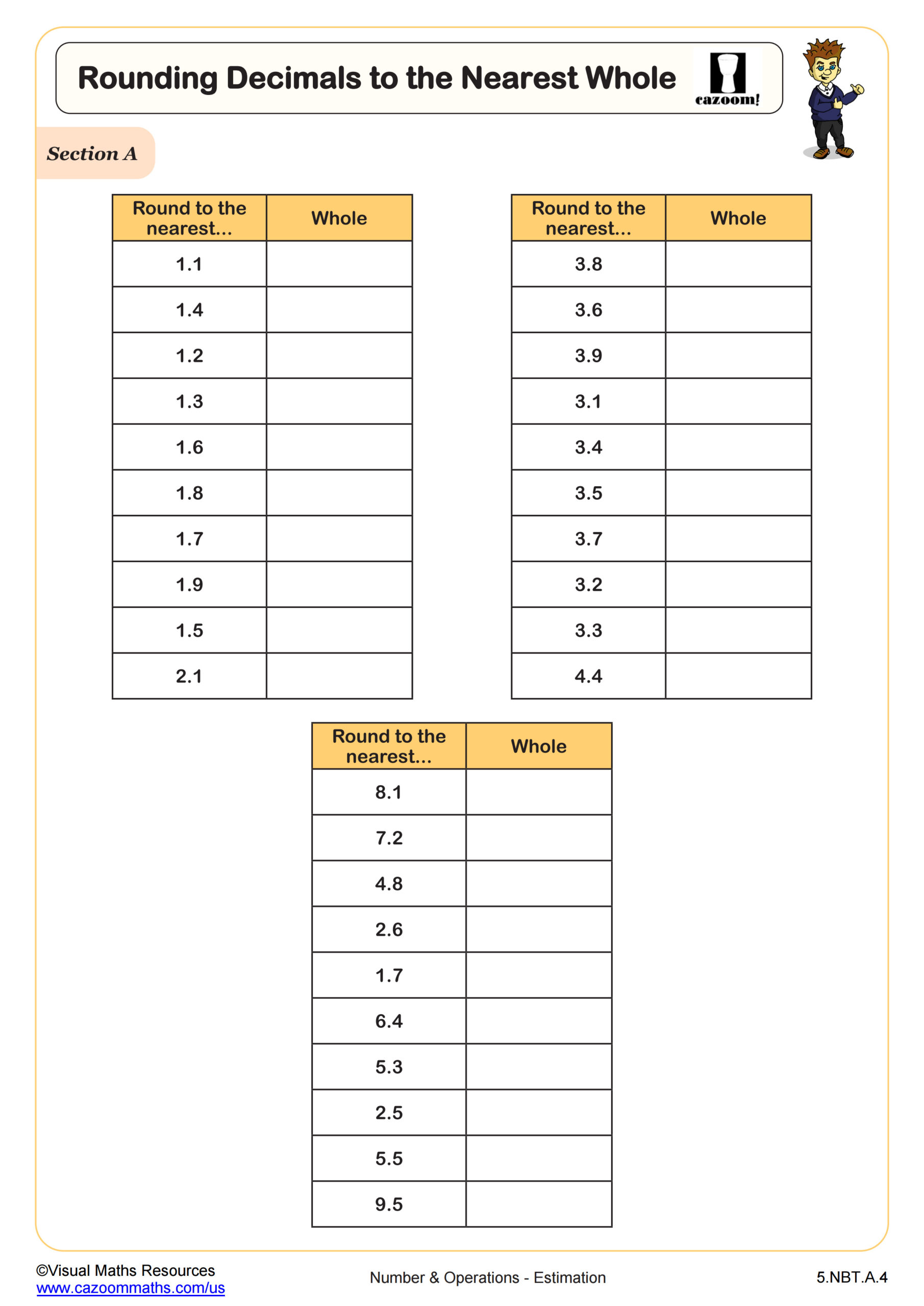
Rounding to the Nearest Hundred
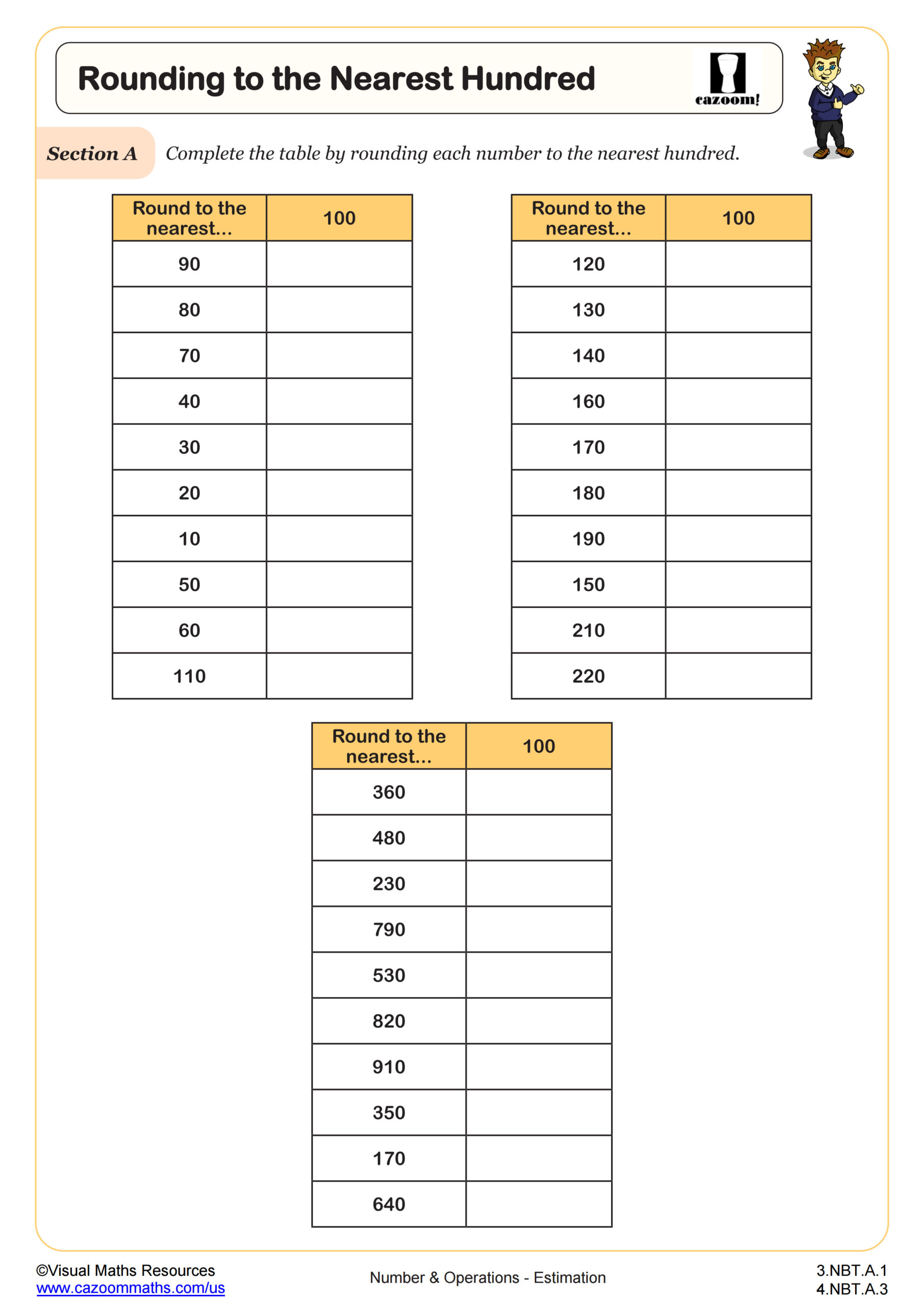
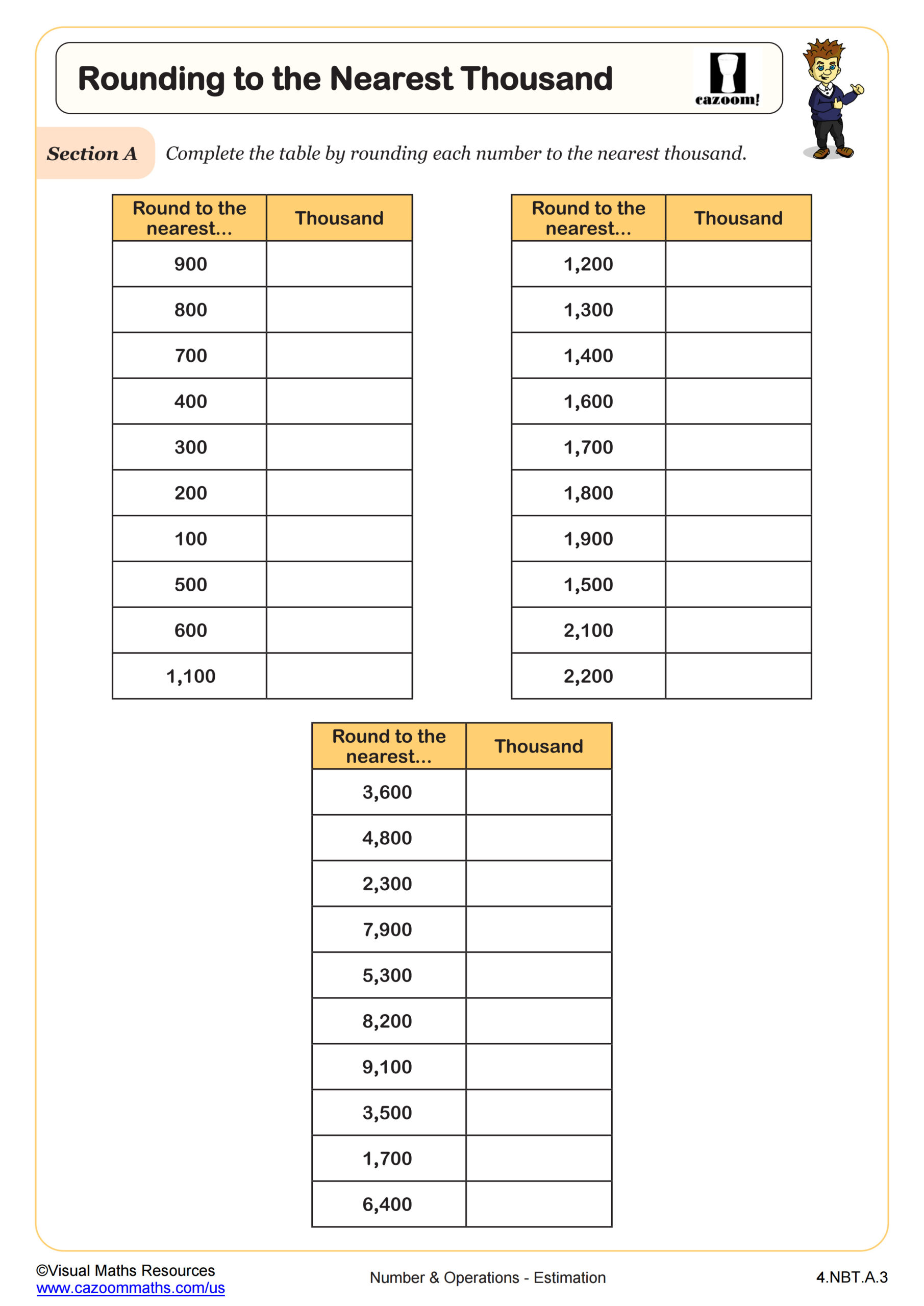
Rounding to the Nearest Thousand
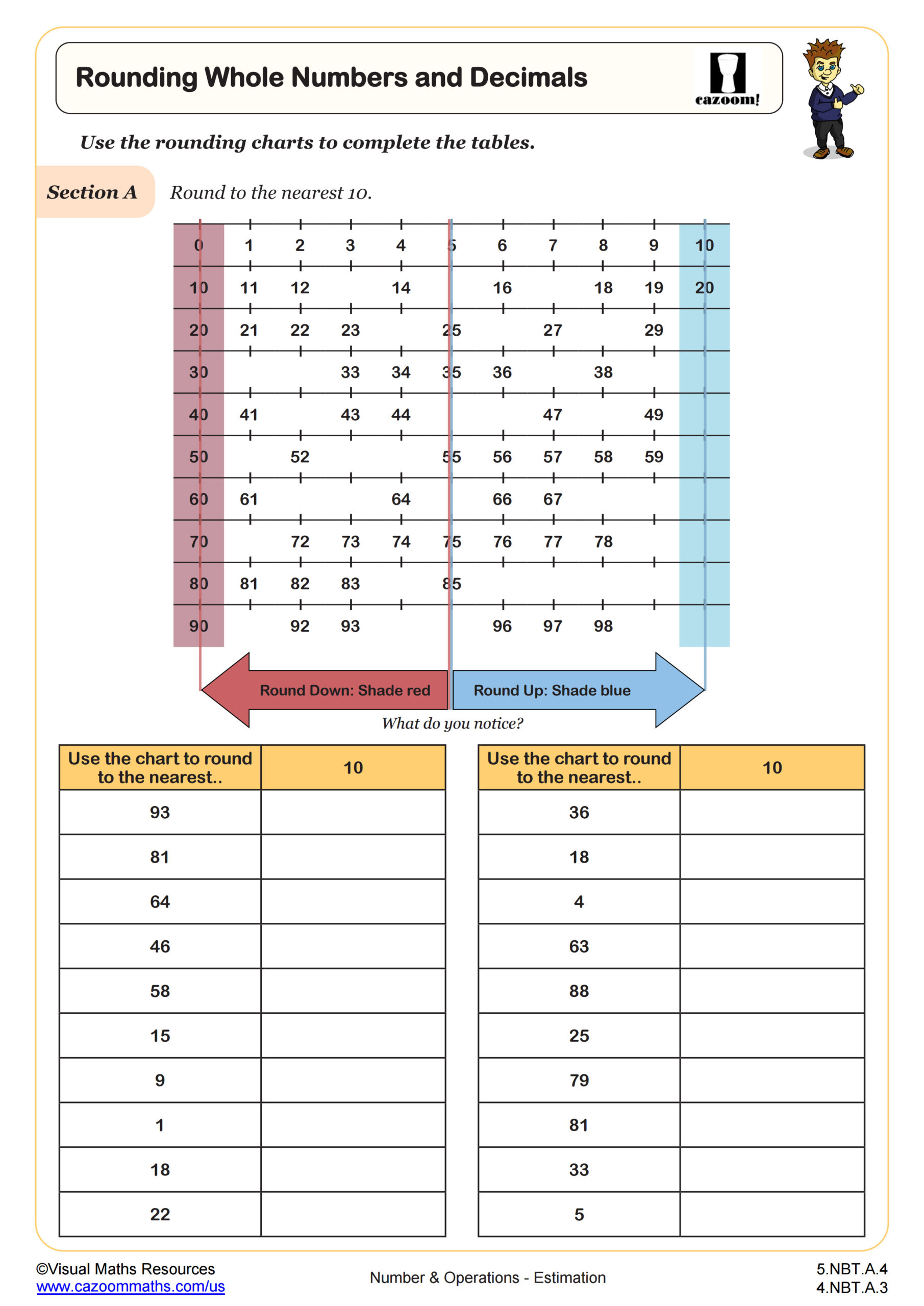
Rounding Whole Numbers and Decimals
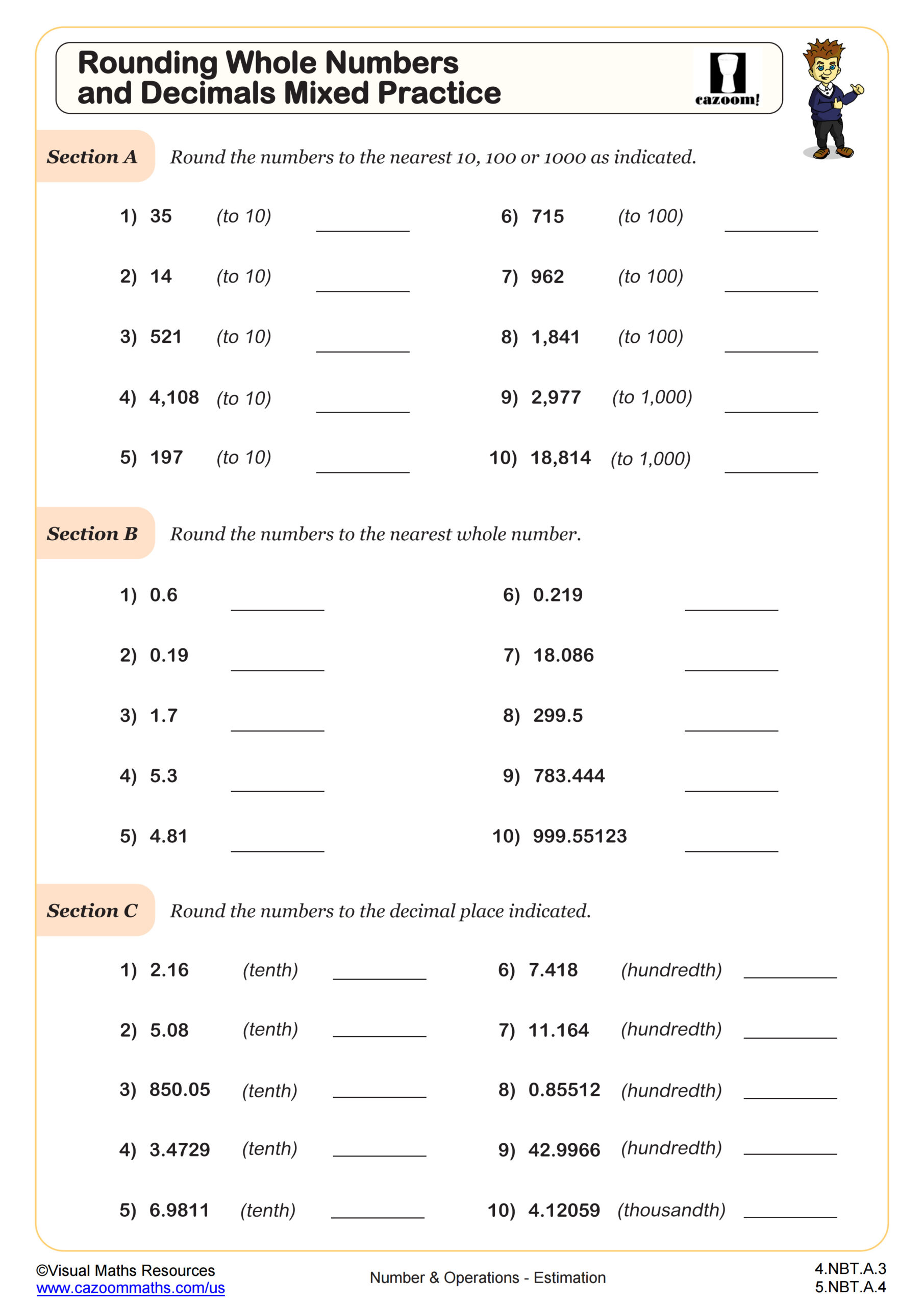
Rounding Whole Numbers and Decimals Mixed Practice
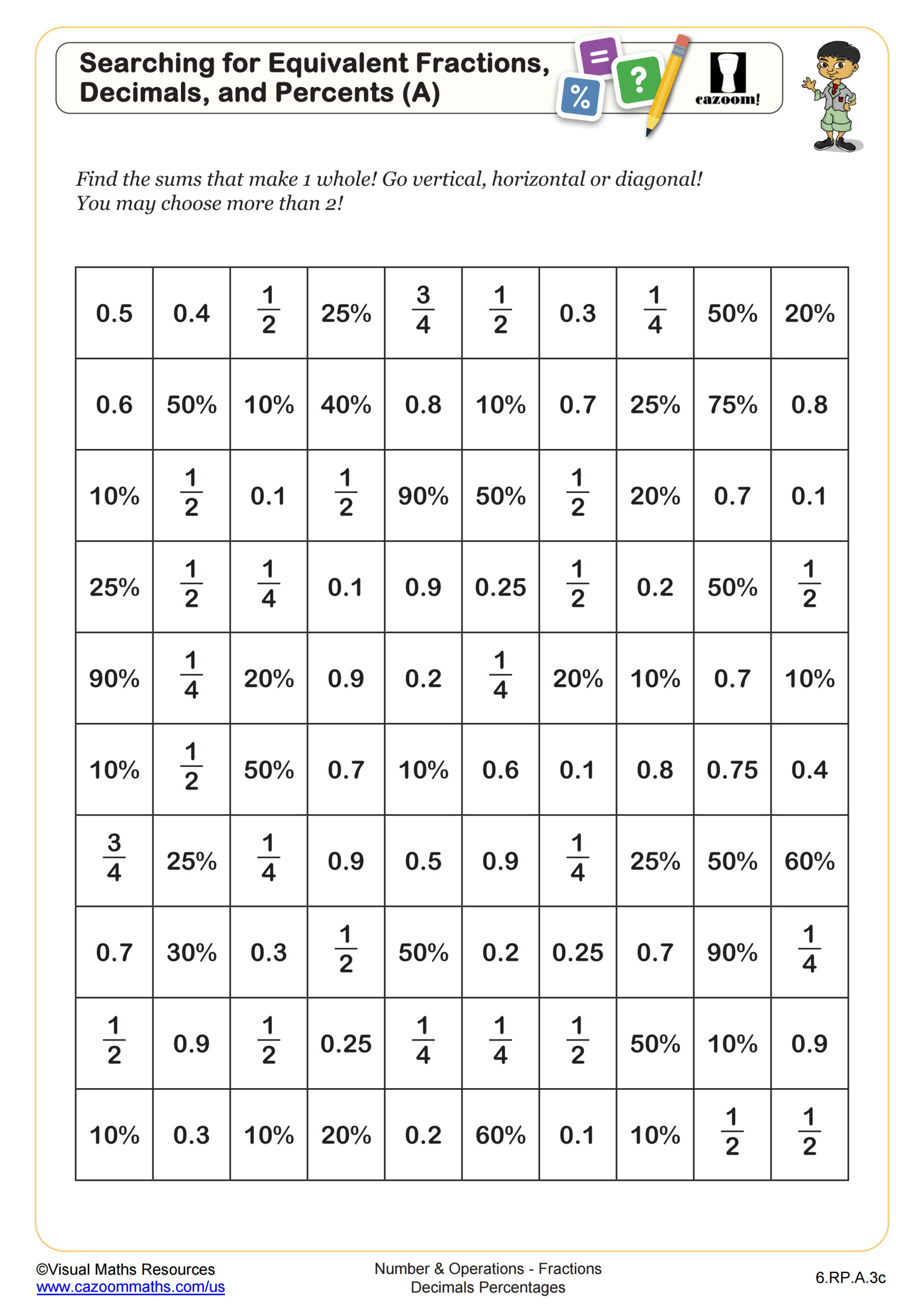
Searching for Equivalent Fractions, Decimals, and Percents (A)
Searching for Equivalent Fractions, Decimals, and Percents (B)
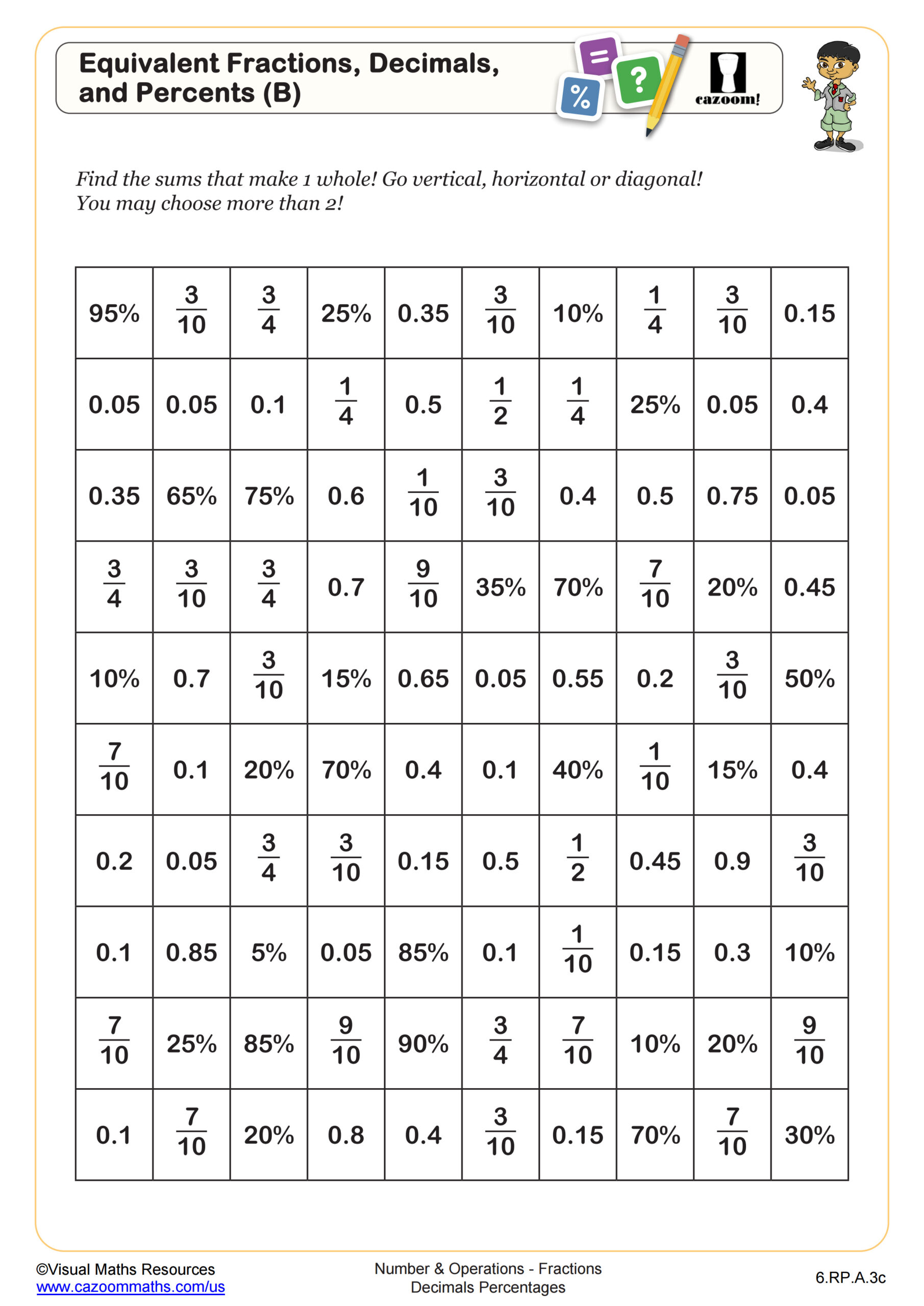
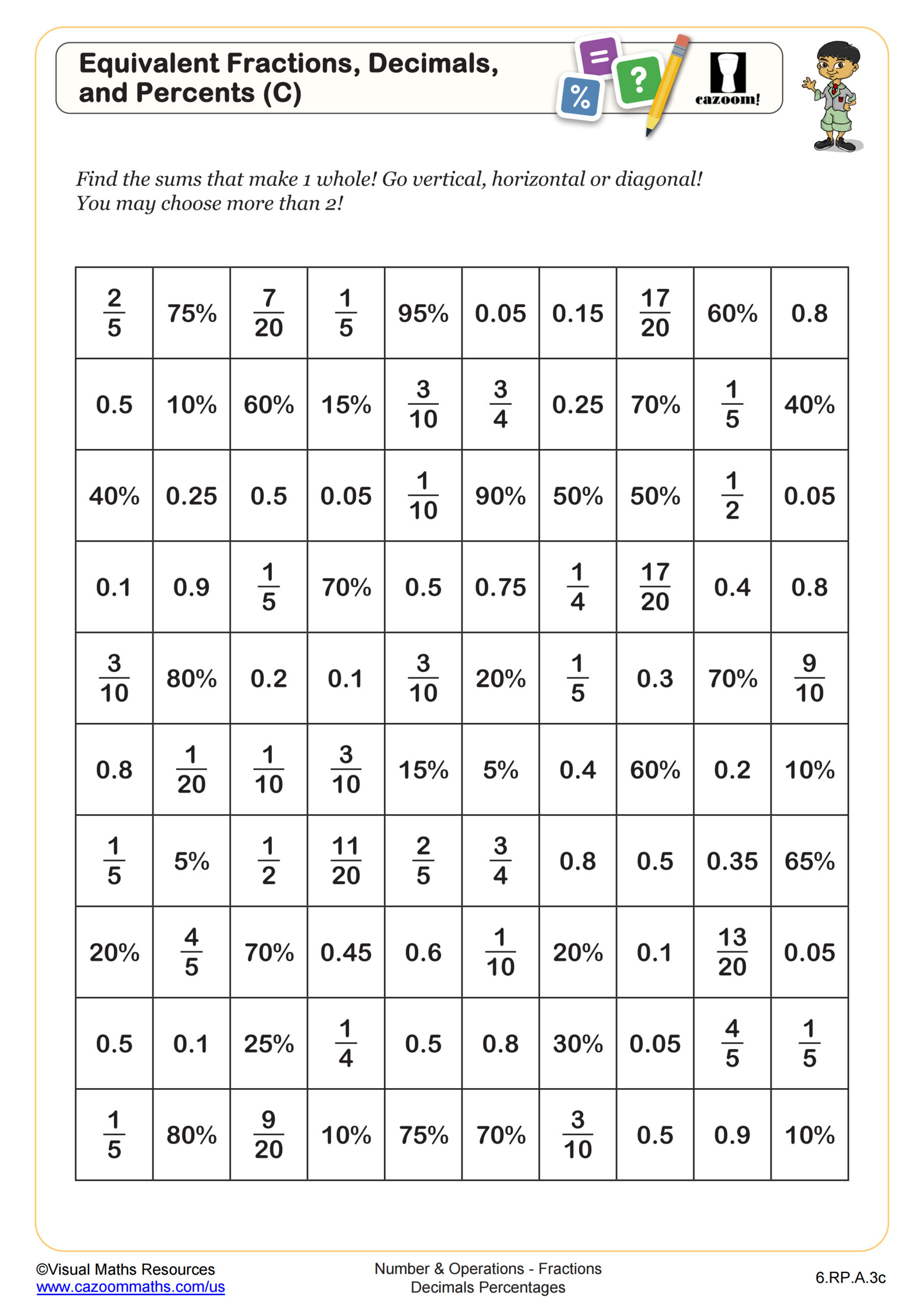
Searching for Equivalent Fractions, Decimals, and Percents (C)
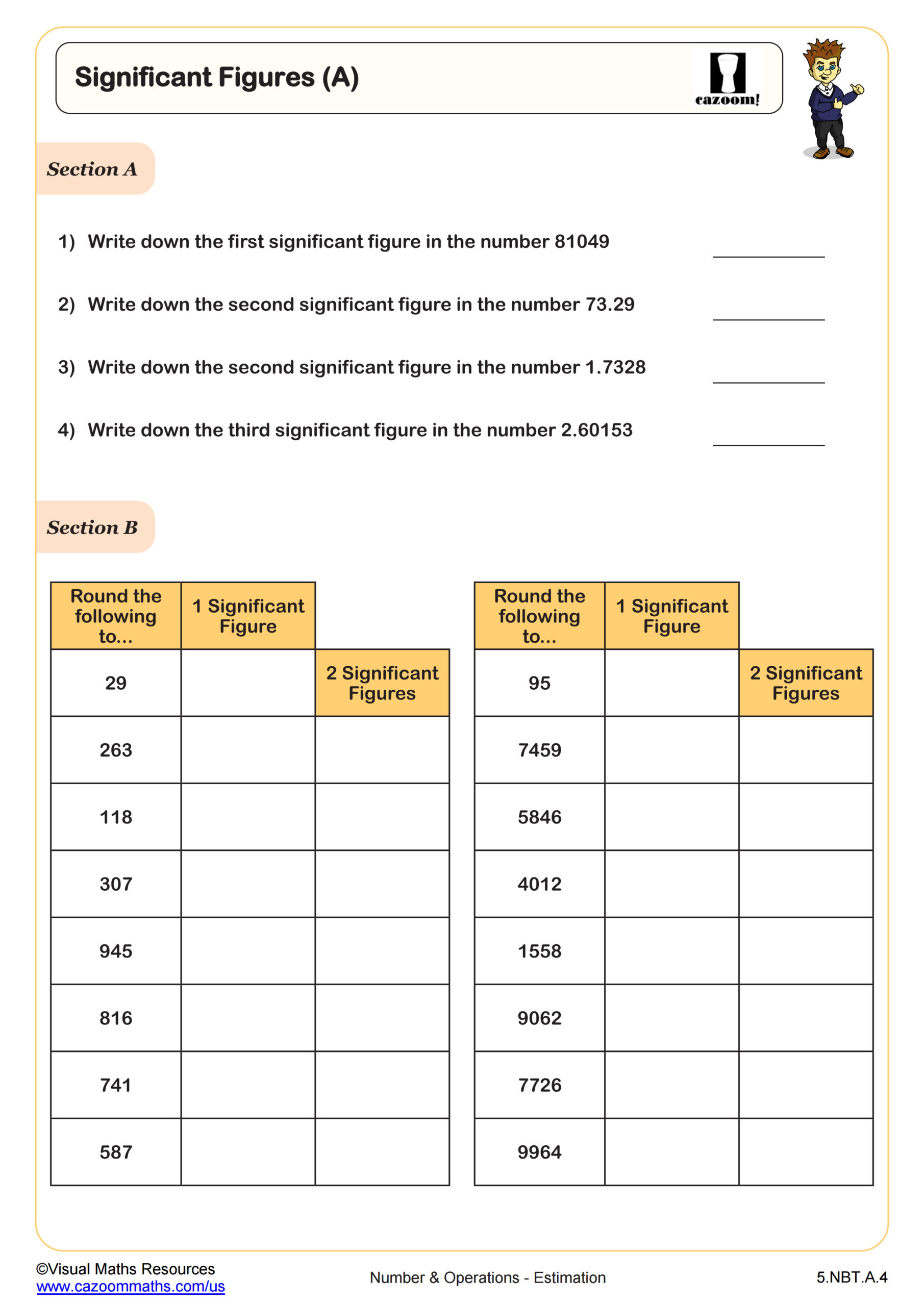
Significant Figures (A)
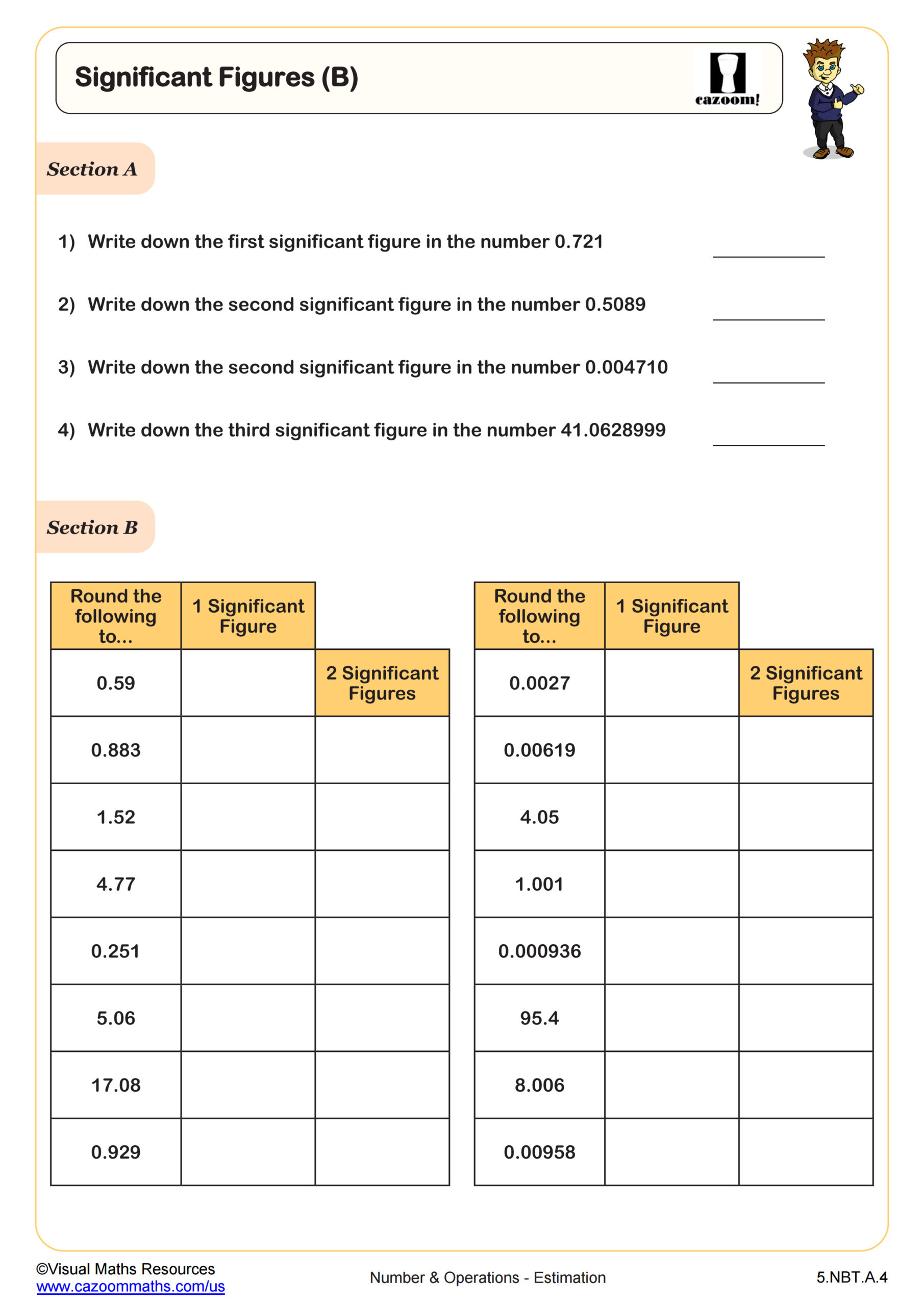
Significant Figures (B)
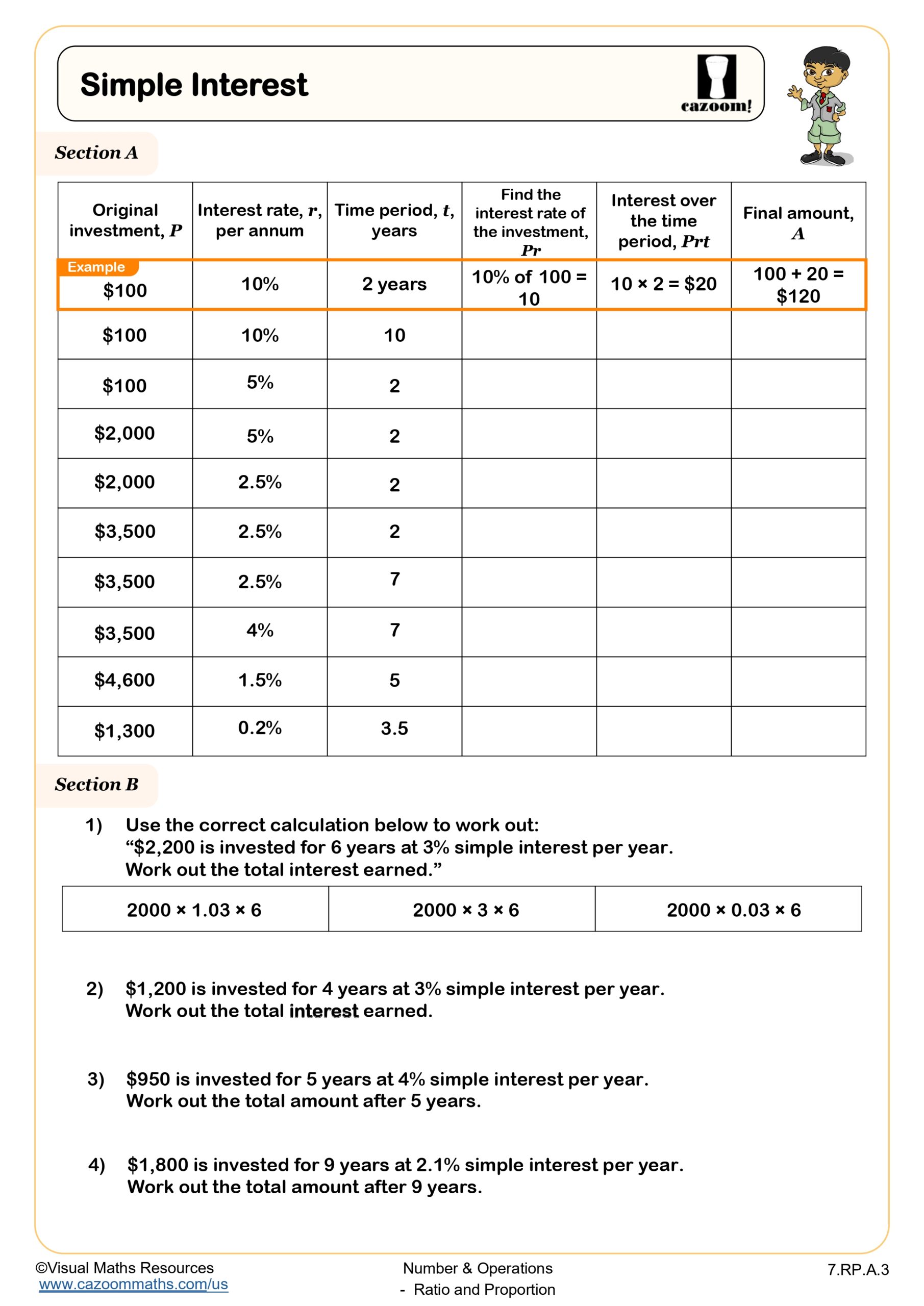
Simple Interest
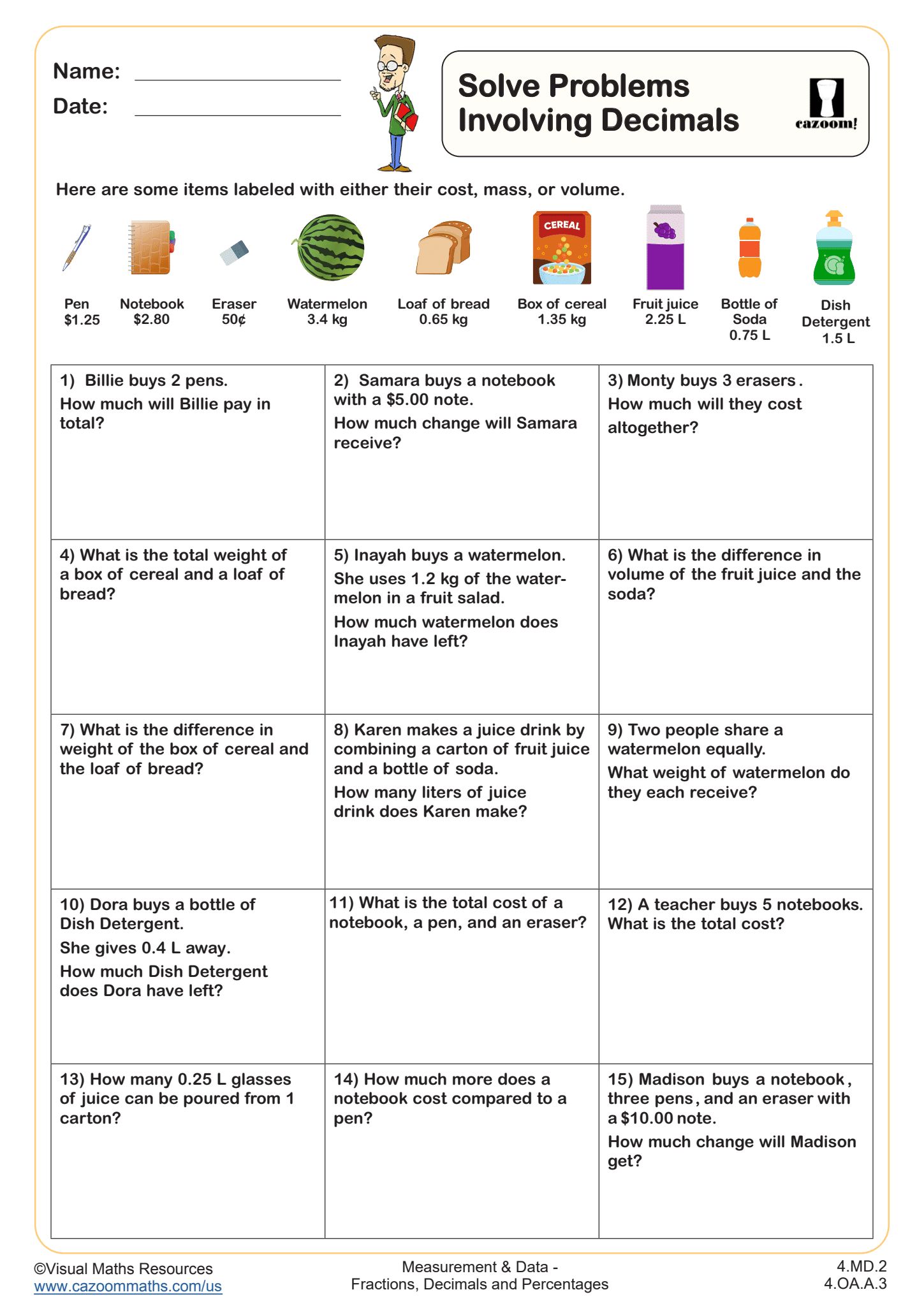
Solve Problems Involving Decimals
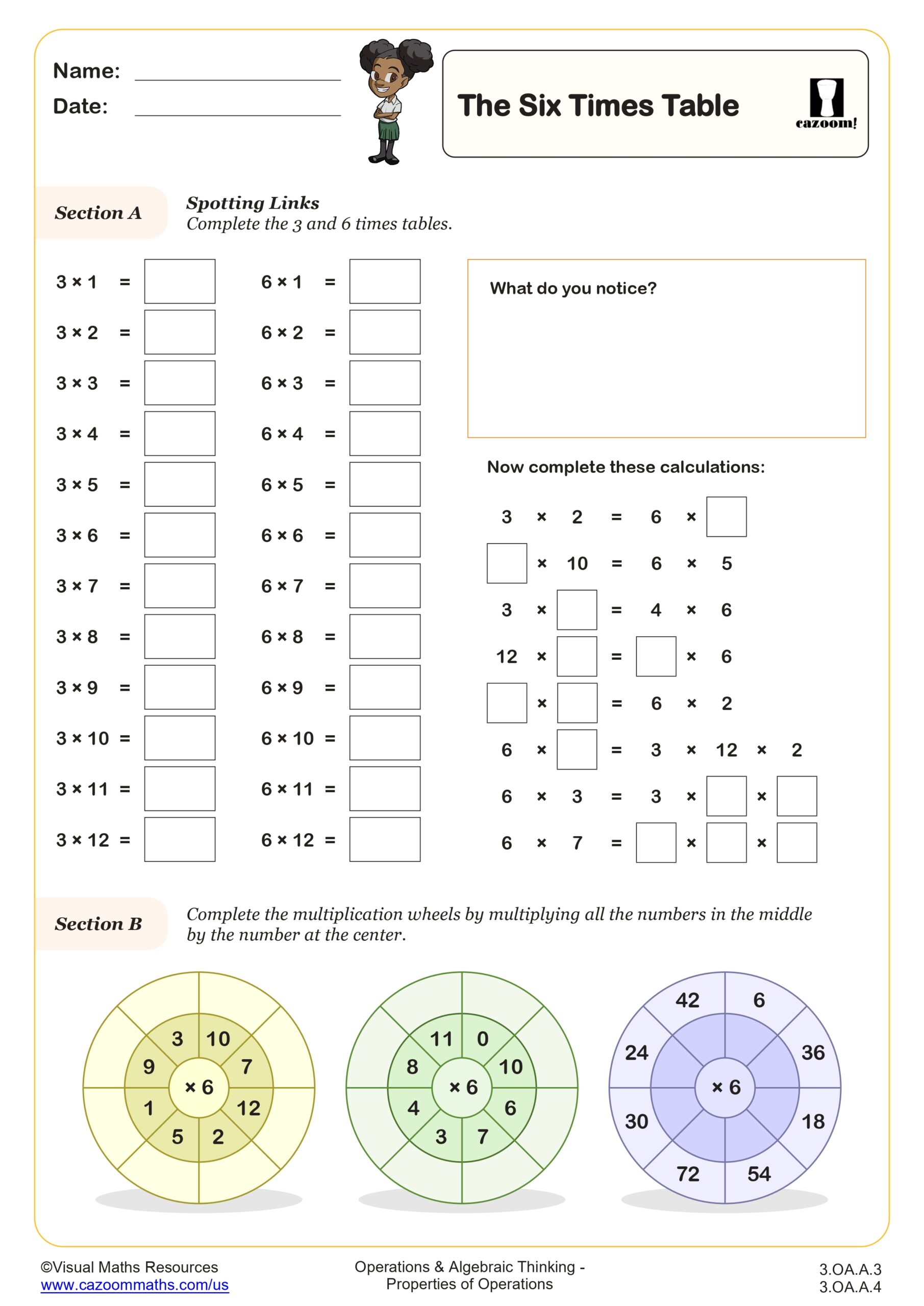
The Six Times Table
All worksheets are created by the team of experienced teachers at Cazoom Math.
What concepts are covered in number and operations grade 1 curricula?
Number and operations grade 1 standards focus on counting, place value understanding, and basic addition and subtraction within 20. Students learn to count to 120, understand place value for two-digit numbers, and develop fluency with addition and subtraction facts within 10. The Common Core emphasizes understanding numbers as groups of tens and ones, which builds the foundation for later multi-digit arithmetic.
Teachers frequently observe that students master rote counting but struggle with number recognition in random order. Many first graders can count to 100 but become confused when asked to identify 67 or 84 out of sequence. This disconnect between counting ability and number sense requires targeted practice with number identification activities.
How do first grade number skills connect to later math learning?
The number concepts first graders learn directly support second grade work with three-digit numbers and multi-step problems. Students who develop strong place value understanding in first grade show greater success with regrouping in addition and subtraction algorithms later. The relationship between addition and subtraction that students explore in grade 1 becomes the foundation for fact family work and problem-solving strategies.
Classroom teachers notice that students who struggle with teen number concepts (understanding that 17 means 1 ten and 7 ones) often carry these difficulties into second grade place value work. Early intervention with place value activities and consistent use of base-ten blocks helps prevent these gaps from widening.
Why do students find addition within 20 challenging?
Addition within 20 requires students to bridge across 10, which represents a significant cognitive leap from simple counting strategies. When solving 8 + 5, students must decompose numbers and use the make-ten strategy rather than counting on fingers. This transition from concrete counting to abstract number relationships challenges many first graders who rely heavily on visual and tactile support.
Speed math addition worksheets can help build fluency, but teachers observe that rushing students through facts without conceptual understanding often backfires. Students who memorize without understanding struggle when numbers get larger or when they encounter subtraction problems. Building number sense through manipulatives and visual models supports both accuracy and speed development.
How can teachers effectively use these worksheets in their classrooms?
These worksheets work best when integrated with hands-on activities and mathematical discussions rather than assigned as isolated practice. Teachers find success using them as warm-up activities, homework reinforcement, or assessment tools after concept introduction with manipulatives. The variety of problem types allows teachers to differentiate instruction by selecting specific skills that match individual student needs.
Many educators use the answer keys to create self-checking stations where students can verify their work independently. This approach builds confidence and allows teachers to focus on students who need additional support. The visual format appeals to first graders who are still developing reading skills, making math practice accessible even for emerging readers.