1st Grade Operations and Algebraic Thinking Worksheets
Addition Coloring (A) Single Digits
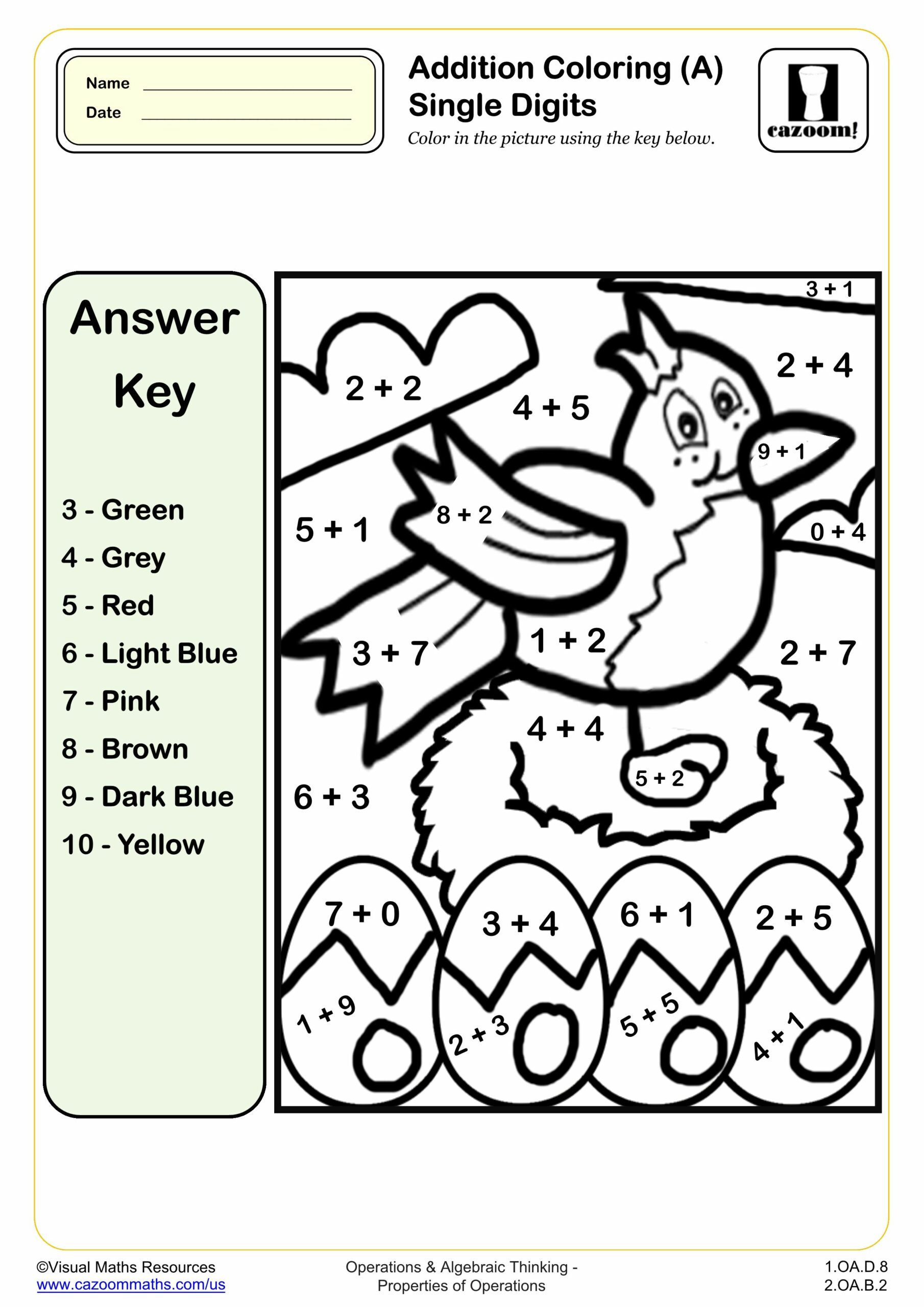
Addition Coloring (B)
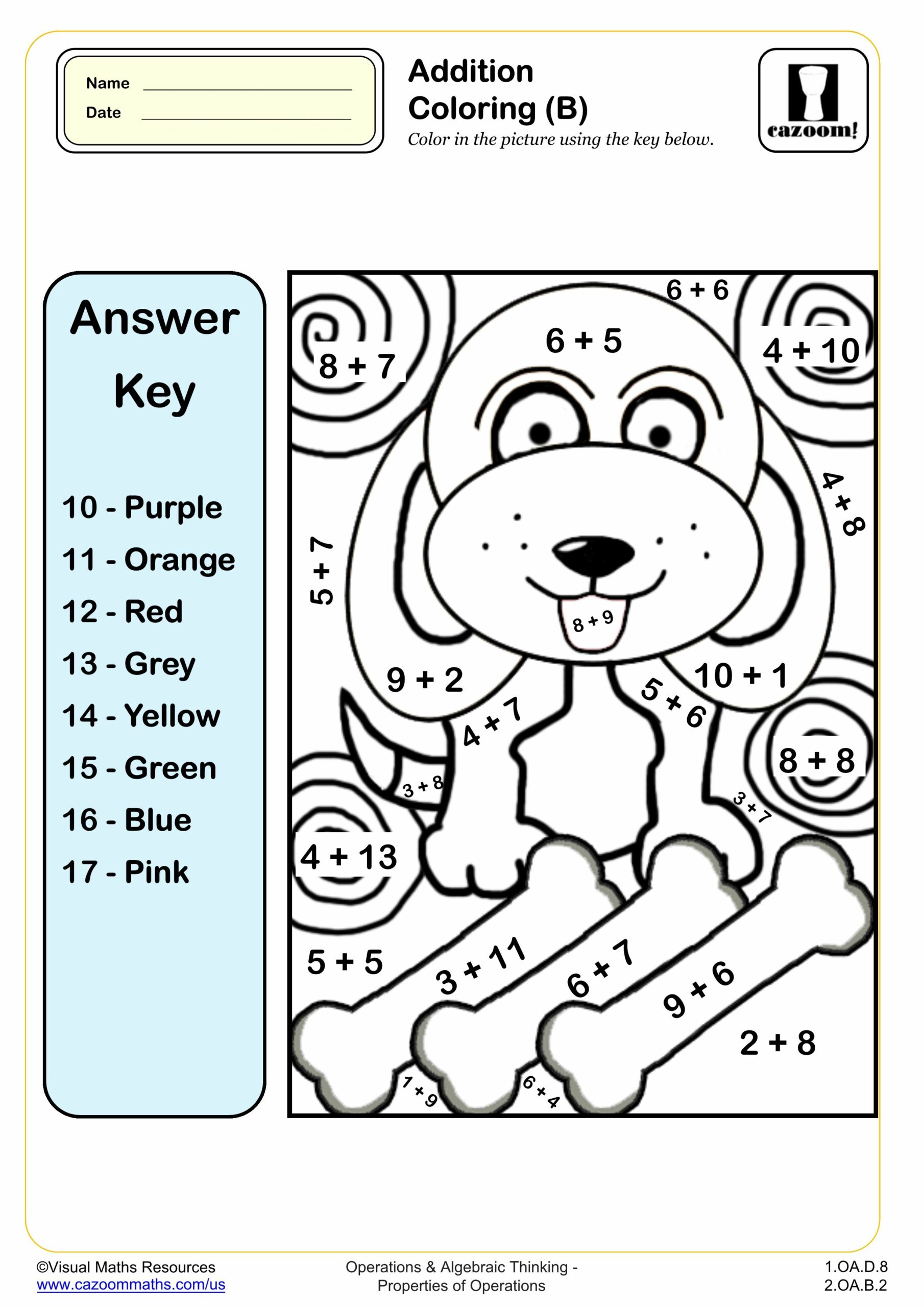
Addition Tables up to 10
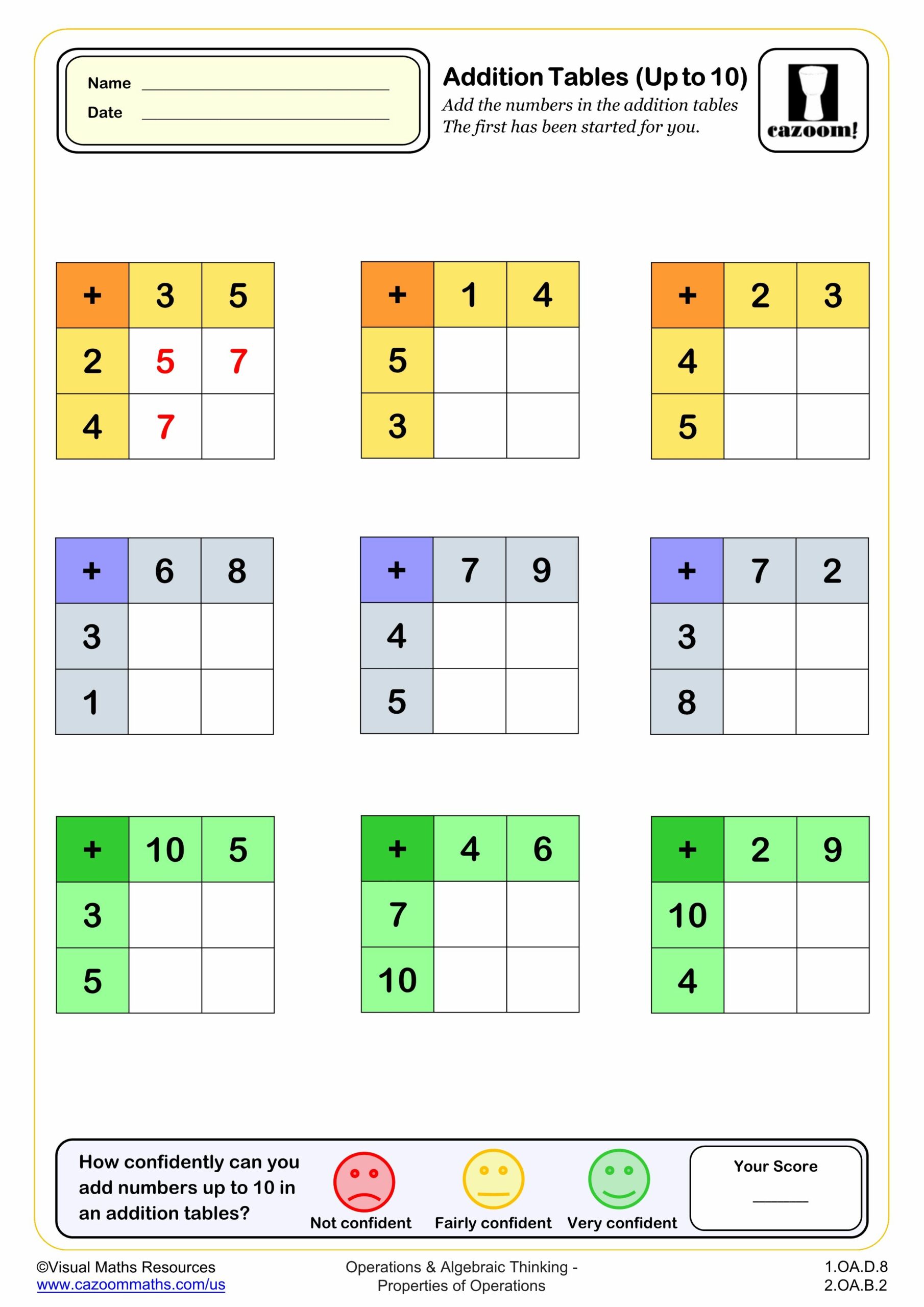
Addition Wheels (adding 2)
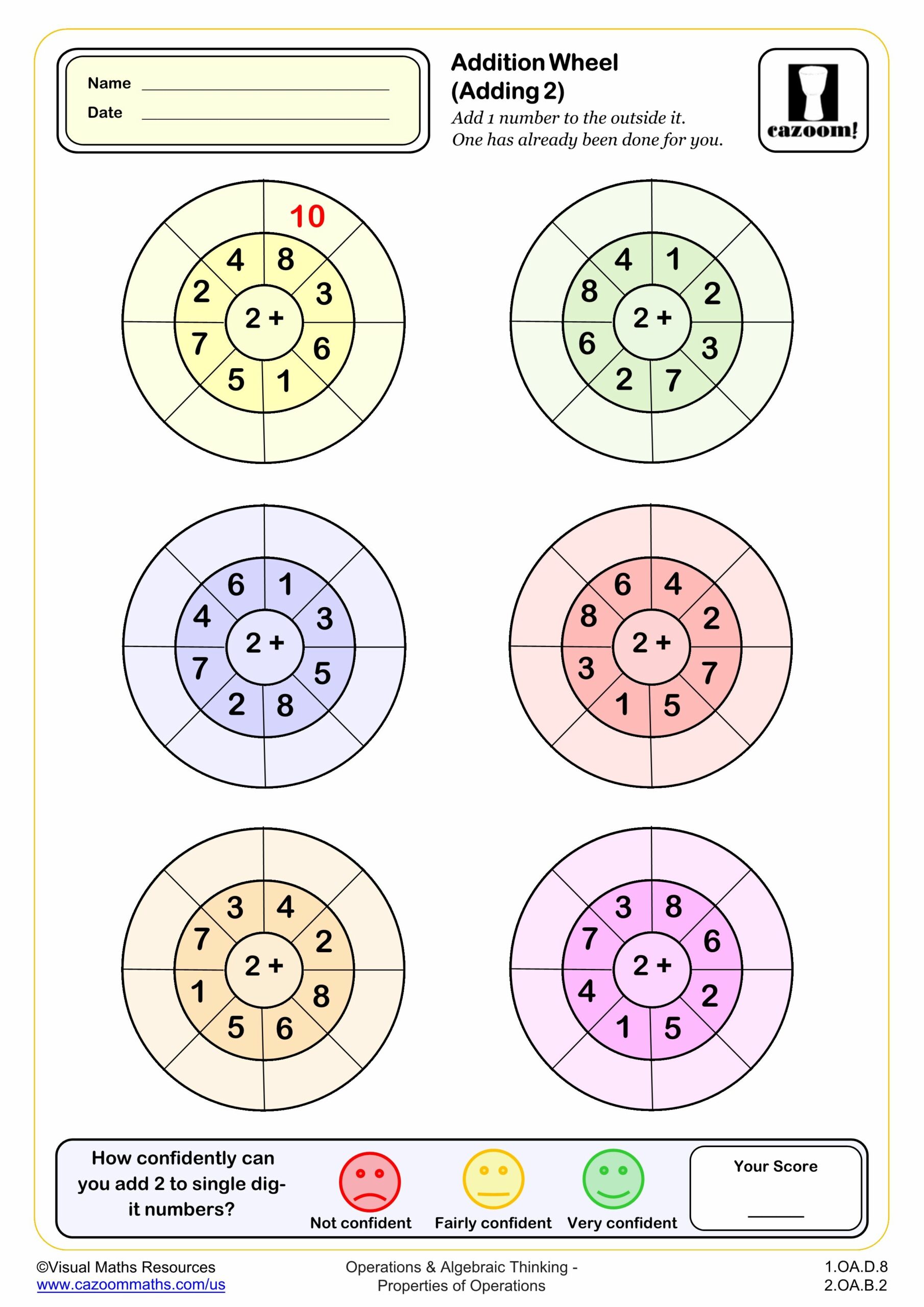
Addition Wheels (Up to 10)
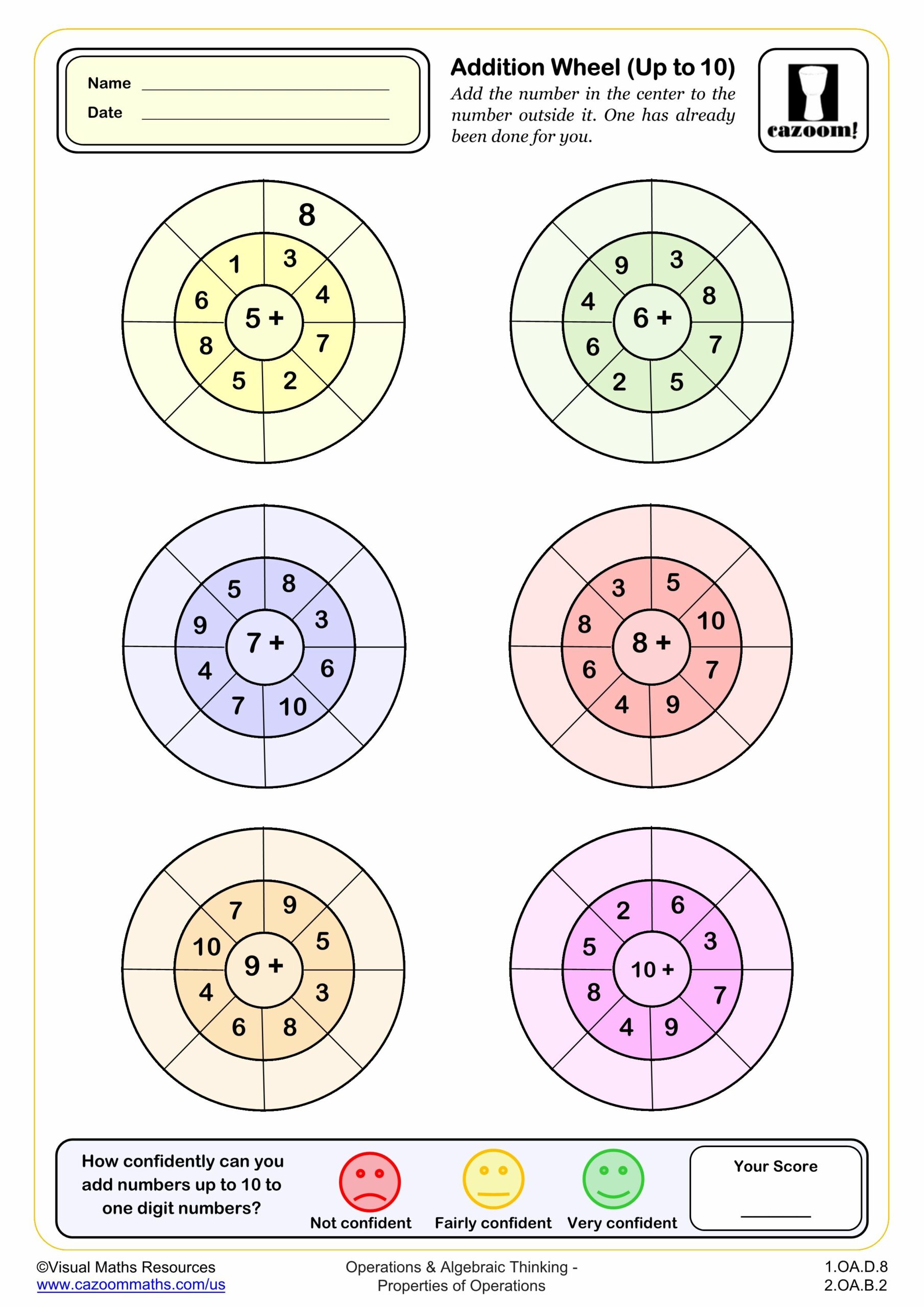
Addition Wheels (Up to 17)
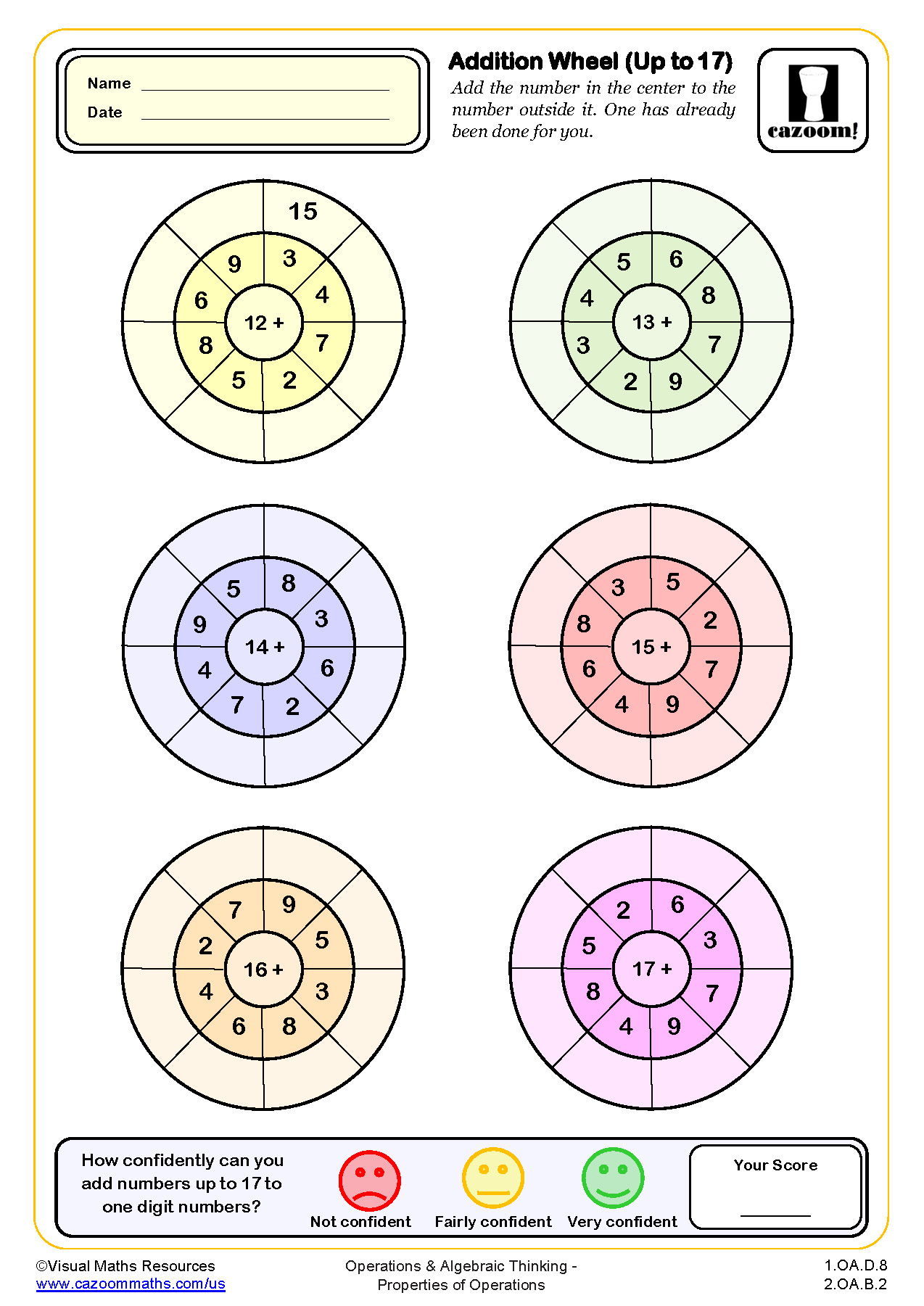
Addition Wheels (Up to 3)
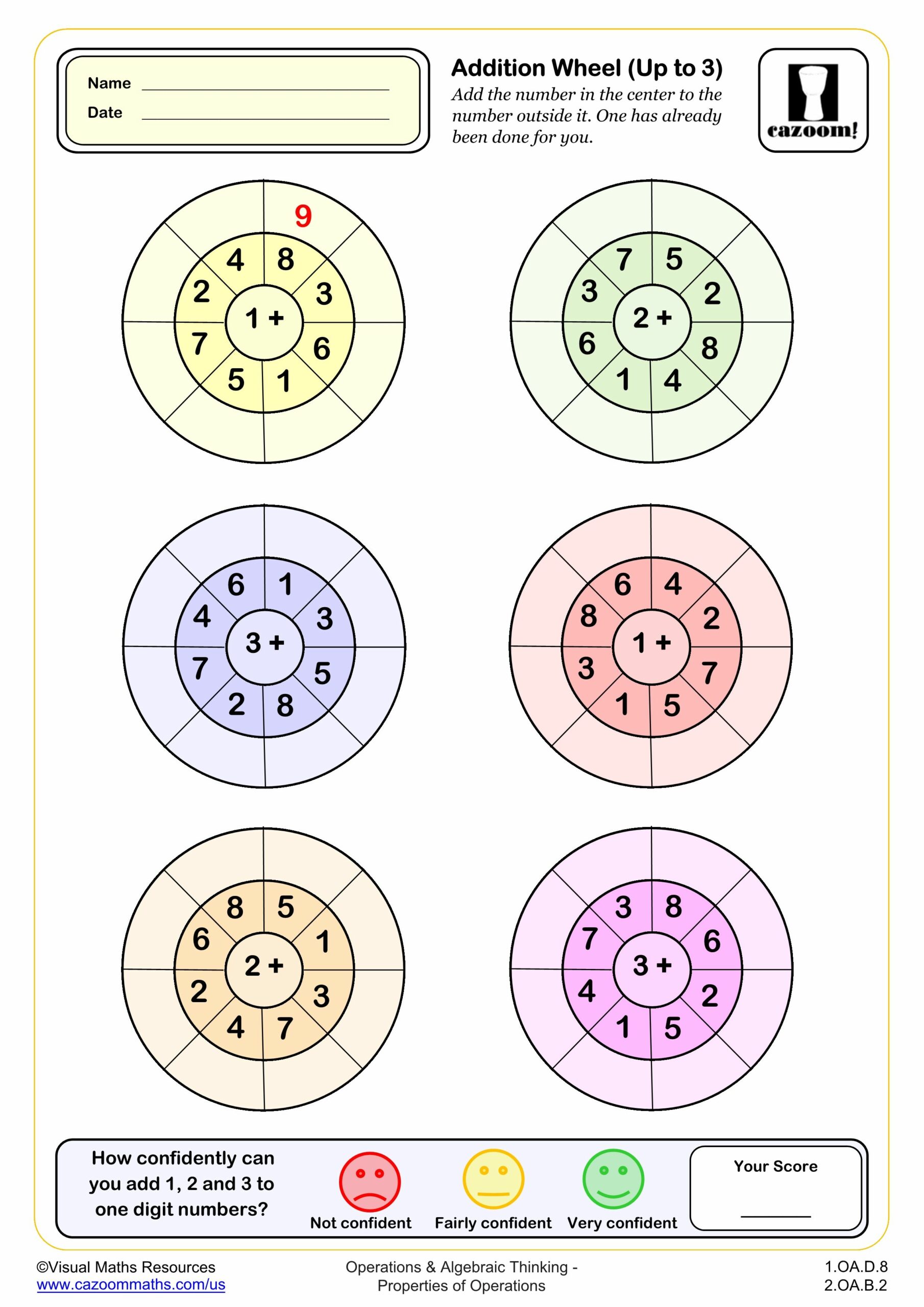
Addition Wheels (Up to 7)
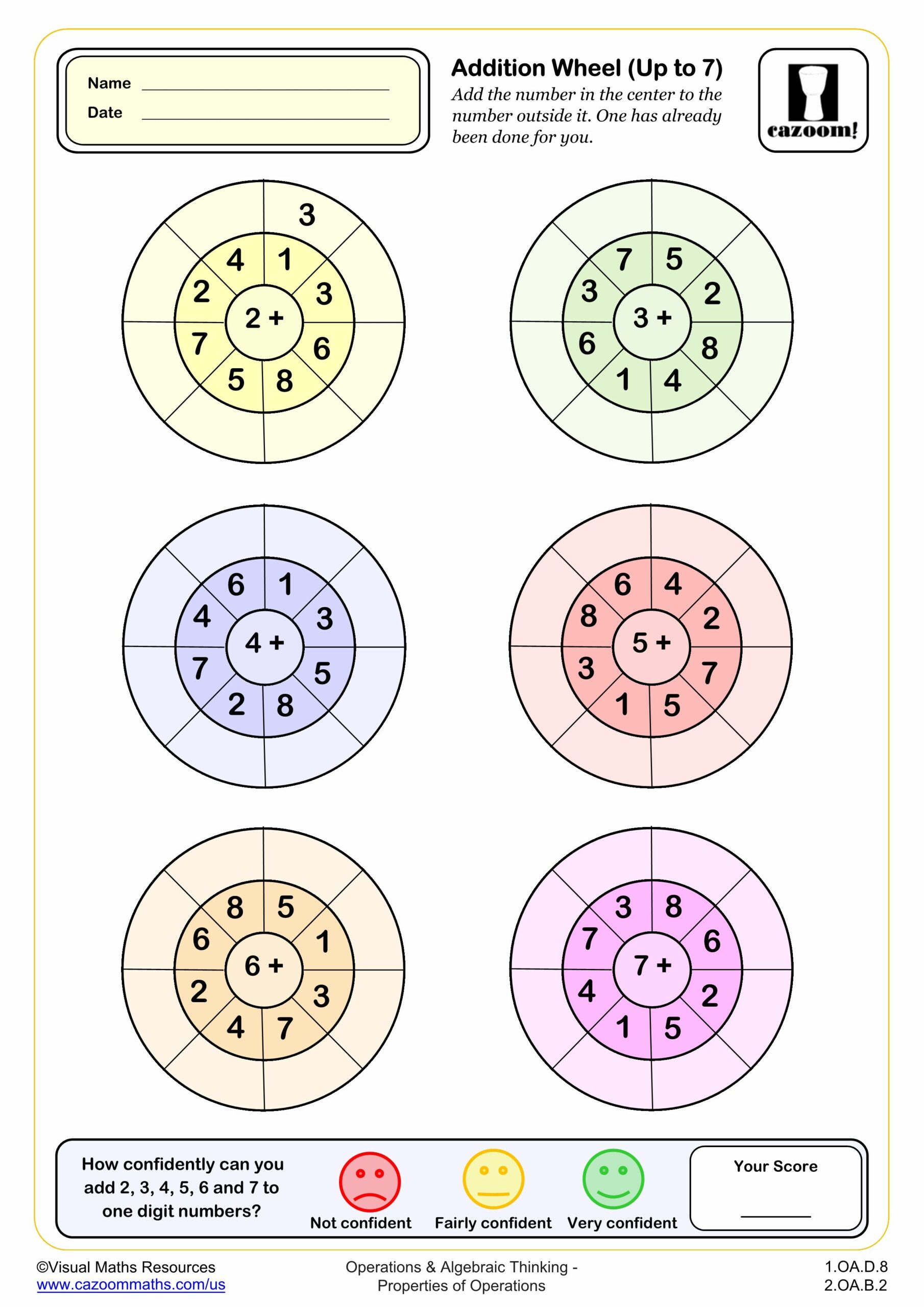
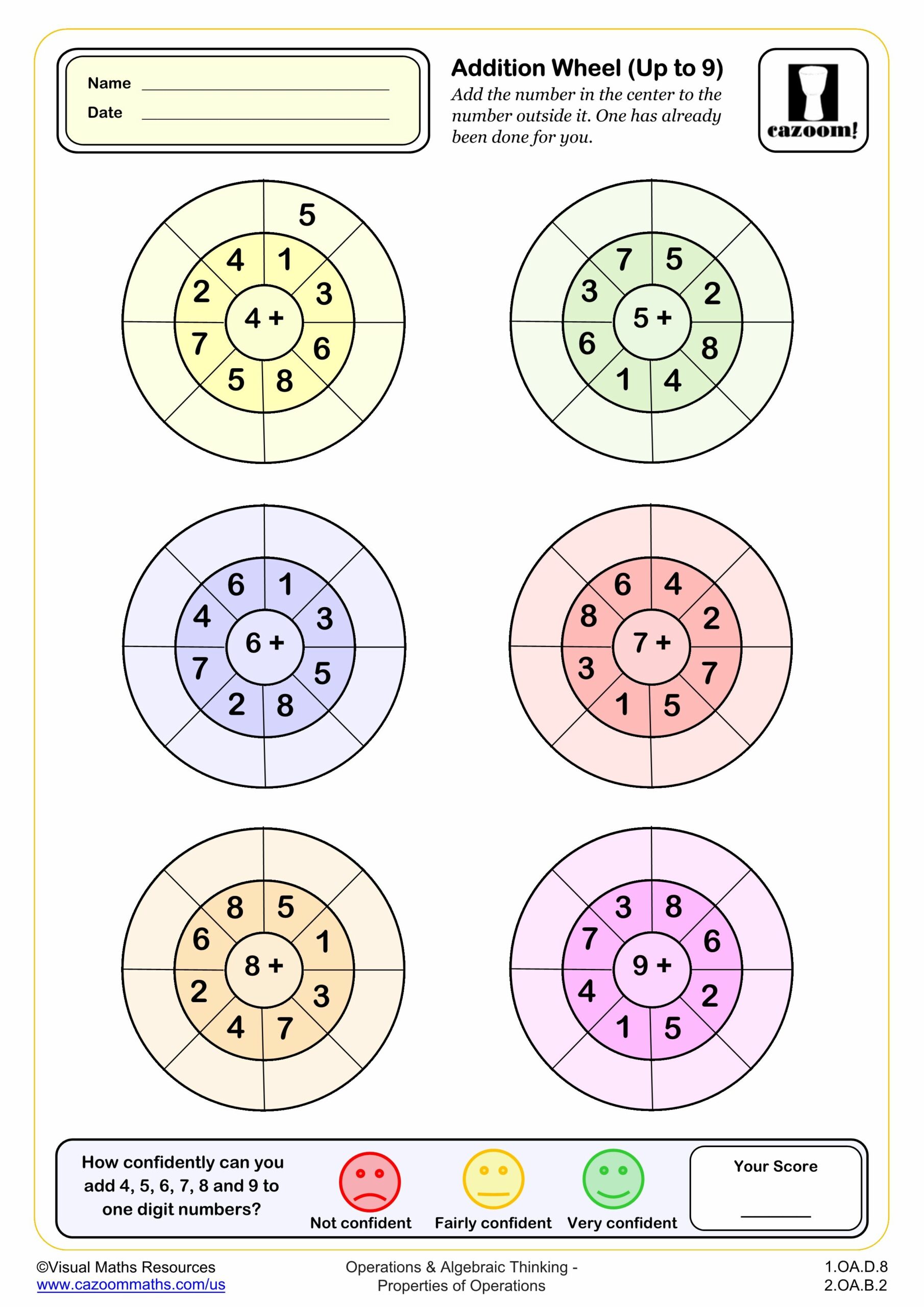
Addition Wheels (Up to 9)
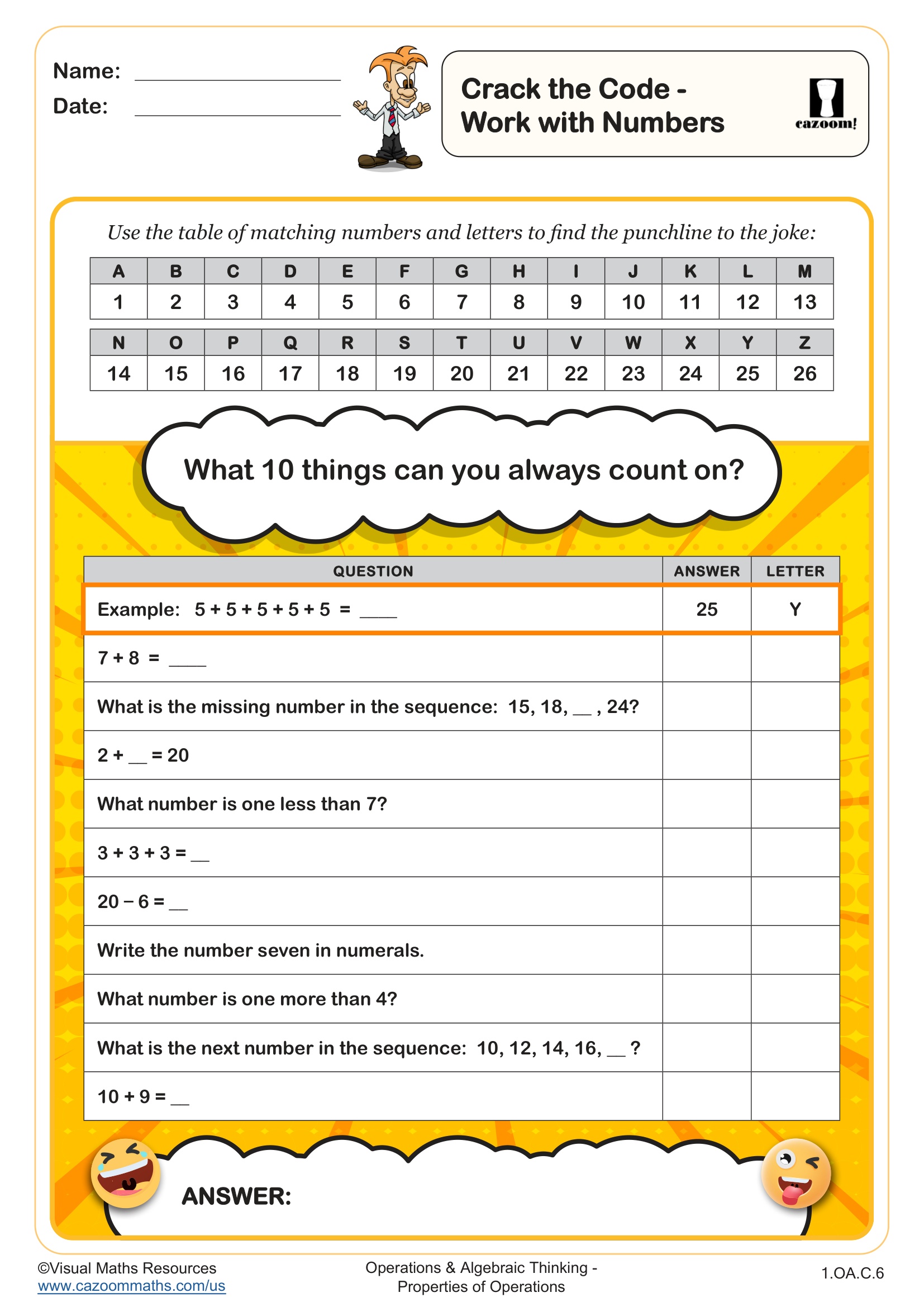
Crack the Code - Work with Numbers
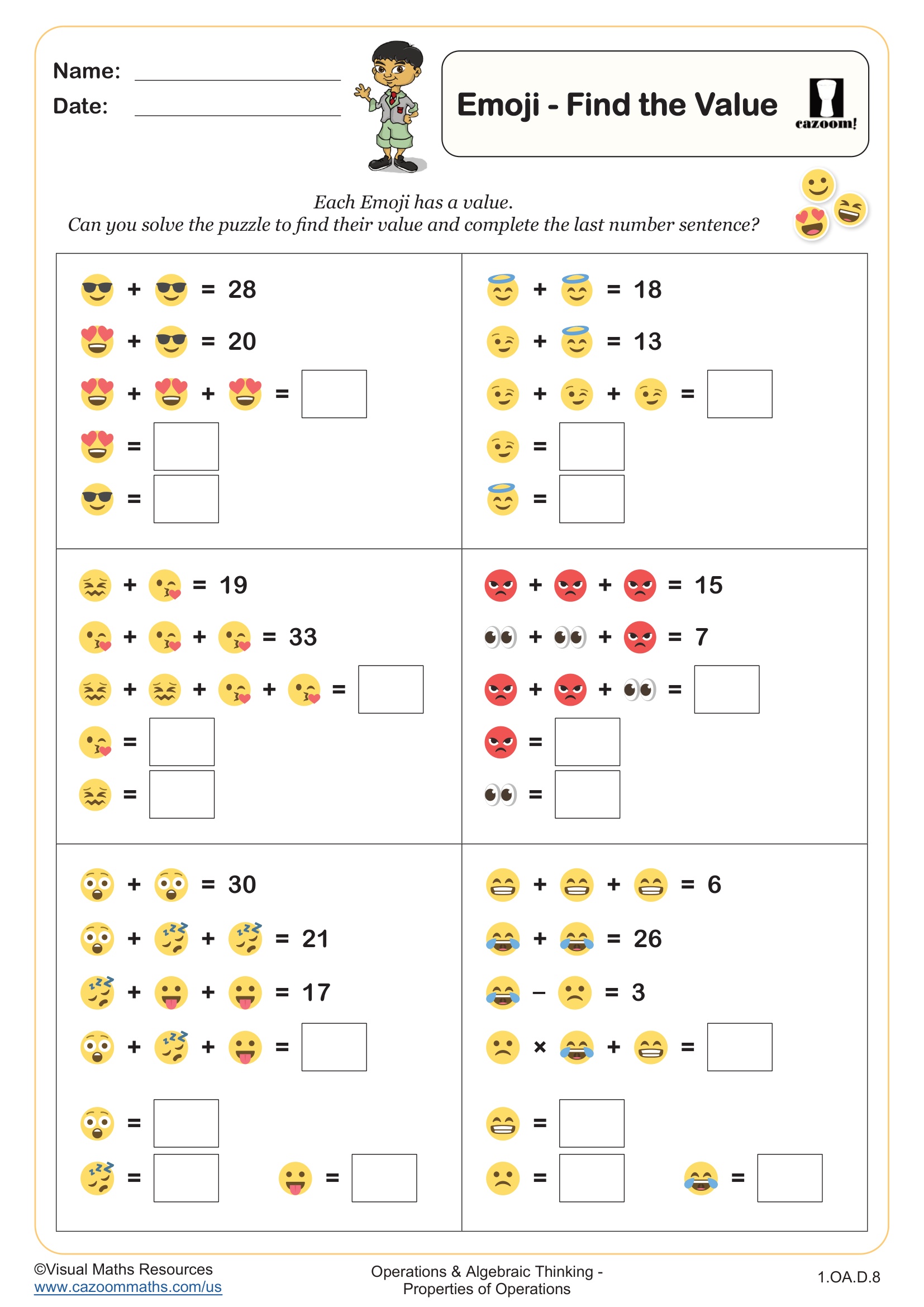
Emoji - Find the Value
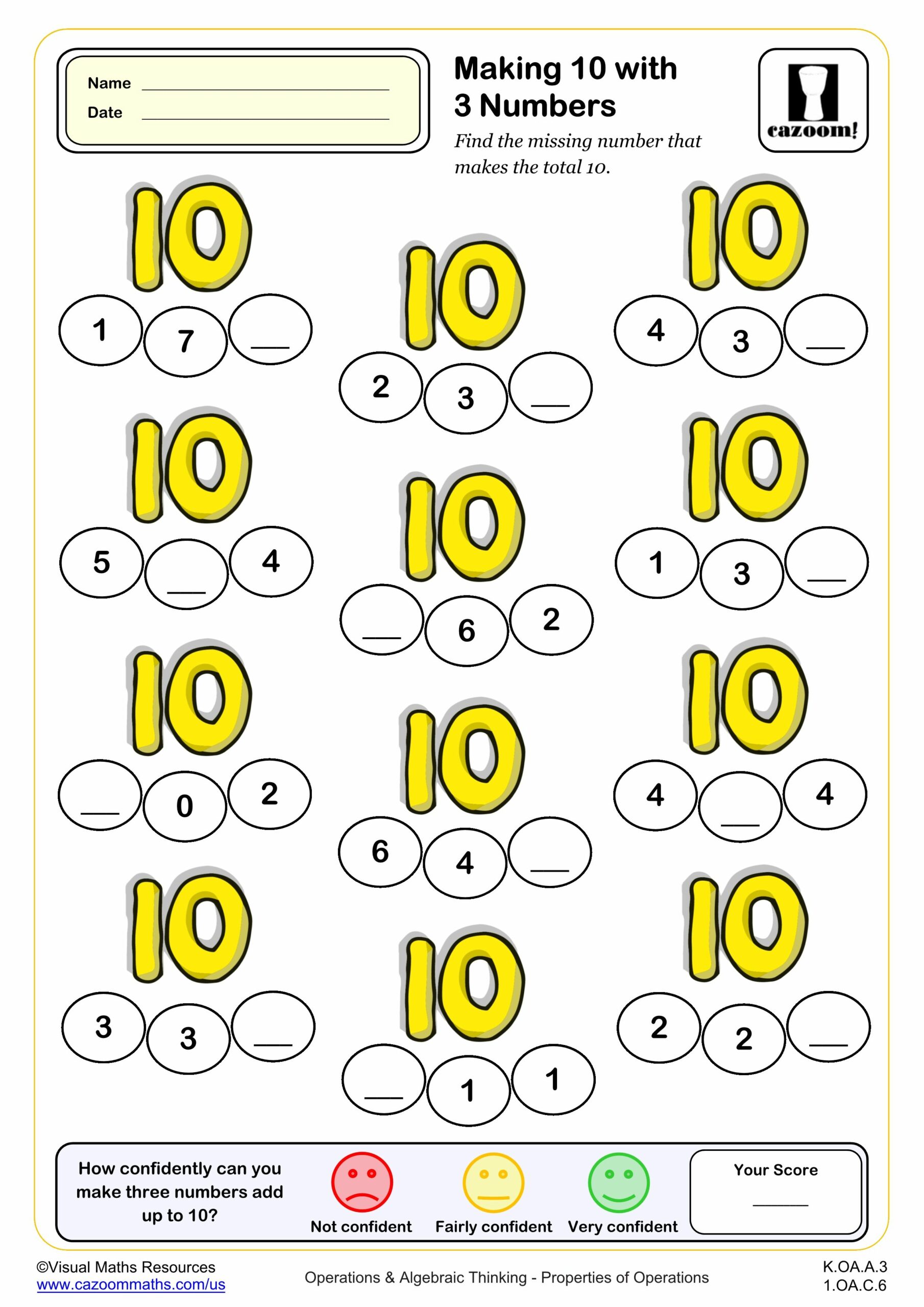
Making 10 with three numbers
Making 15 (BONDS)
Making 18 (BONDS)
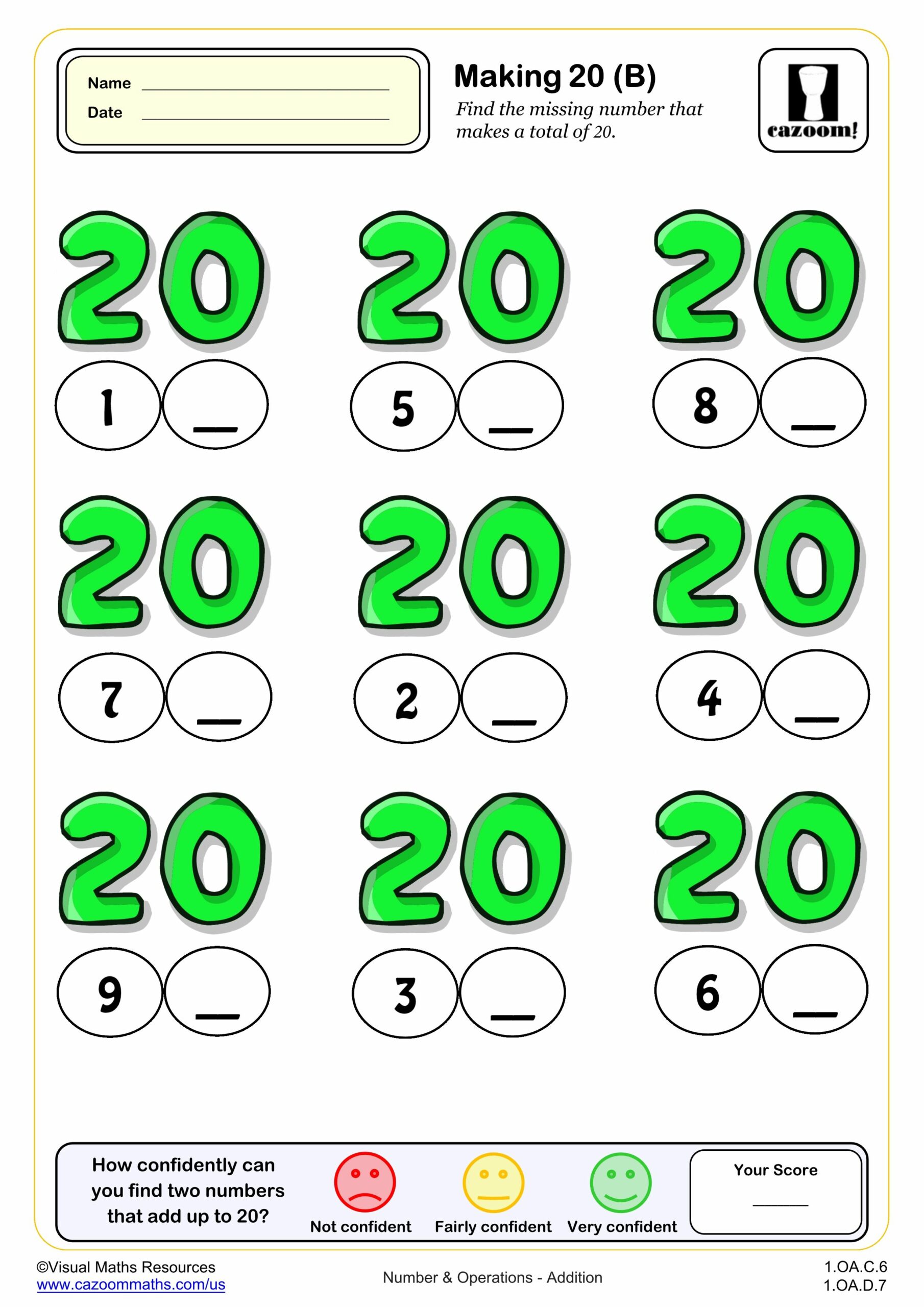
Making 20 (B)
Making 20 (BONDS)
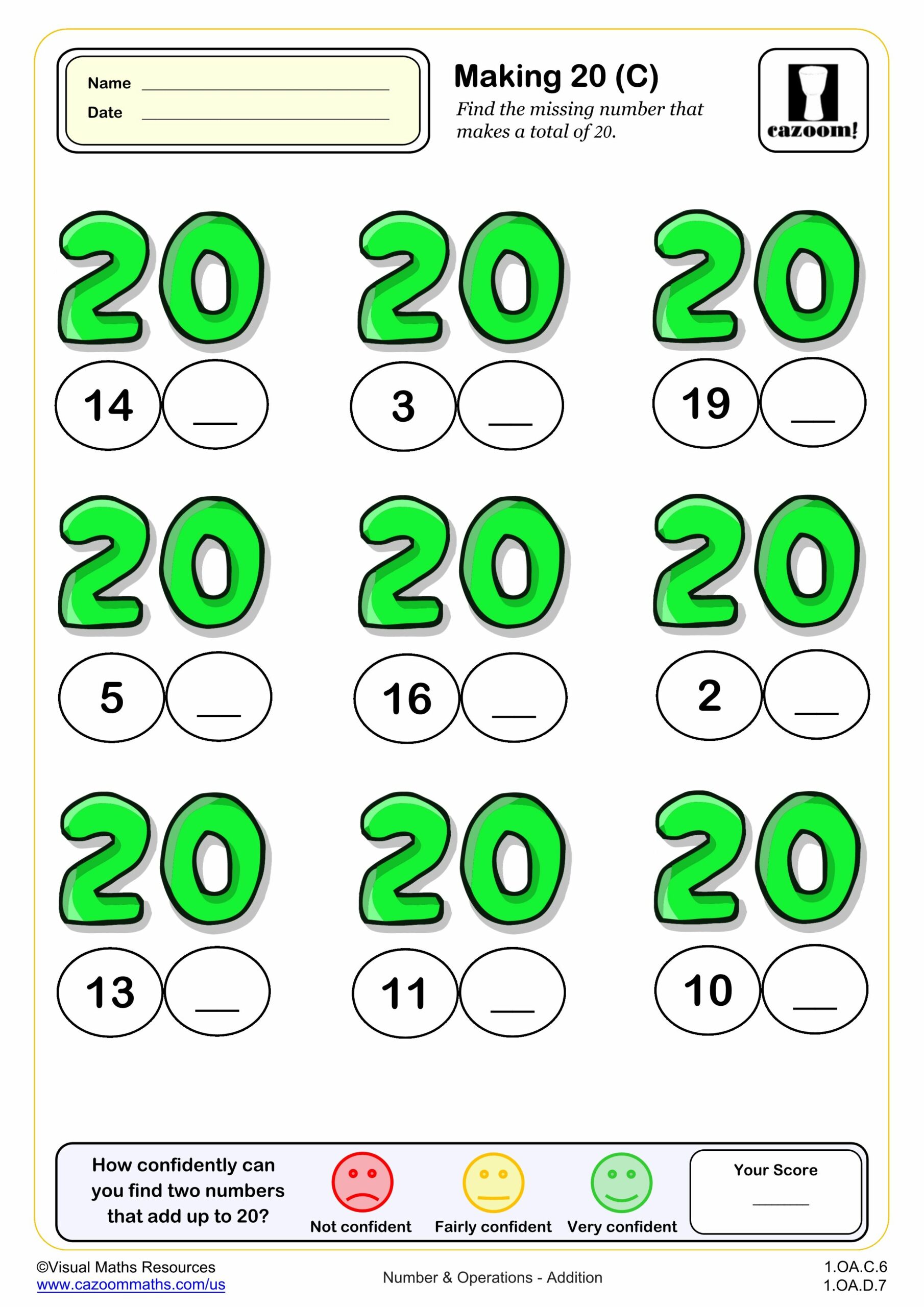
Making 20 (C)
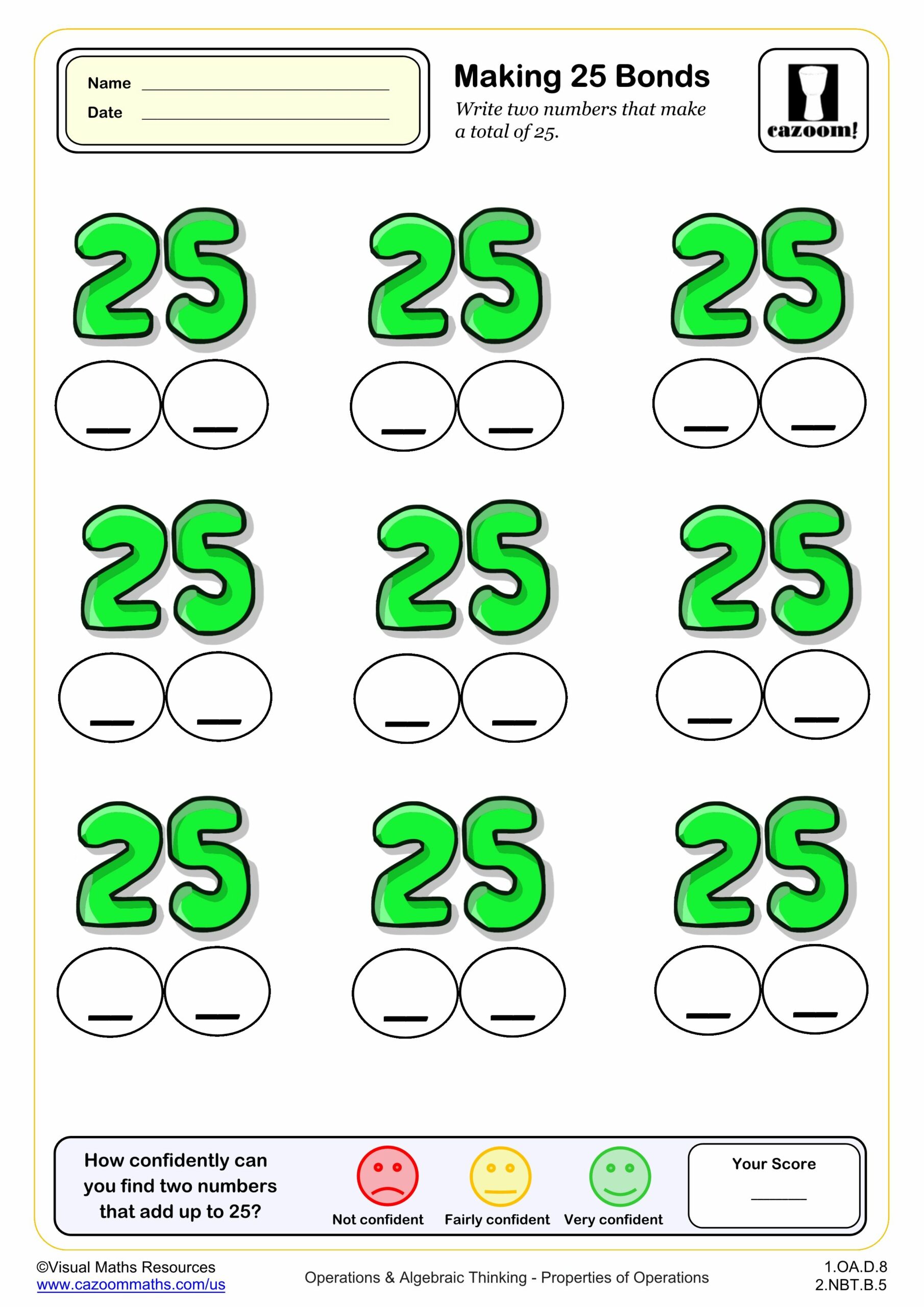
Making 25 (Blanks)
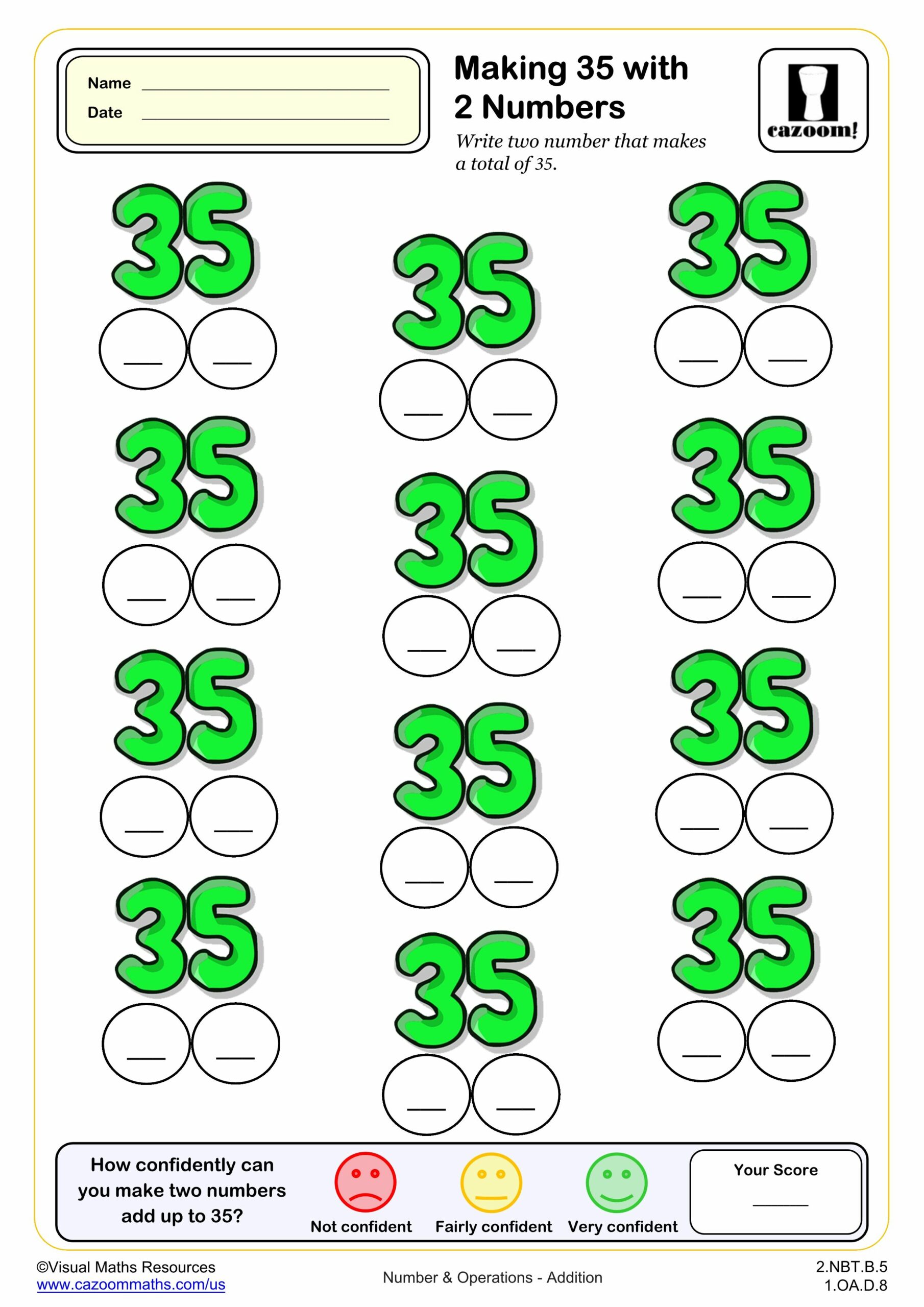
Making 35 (blanks)
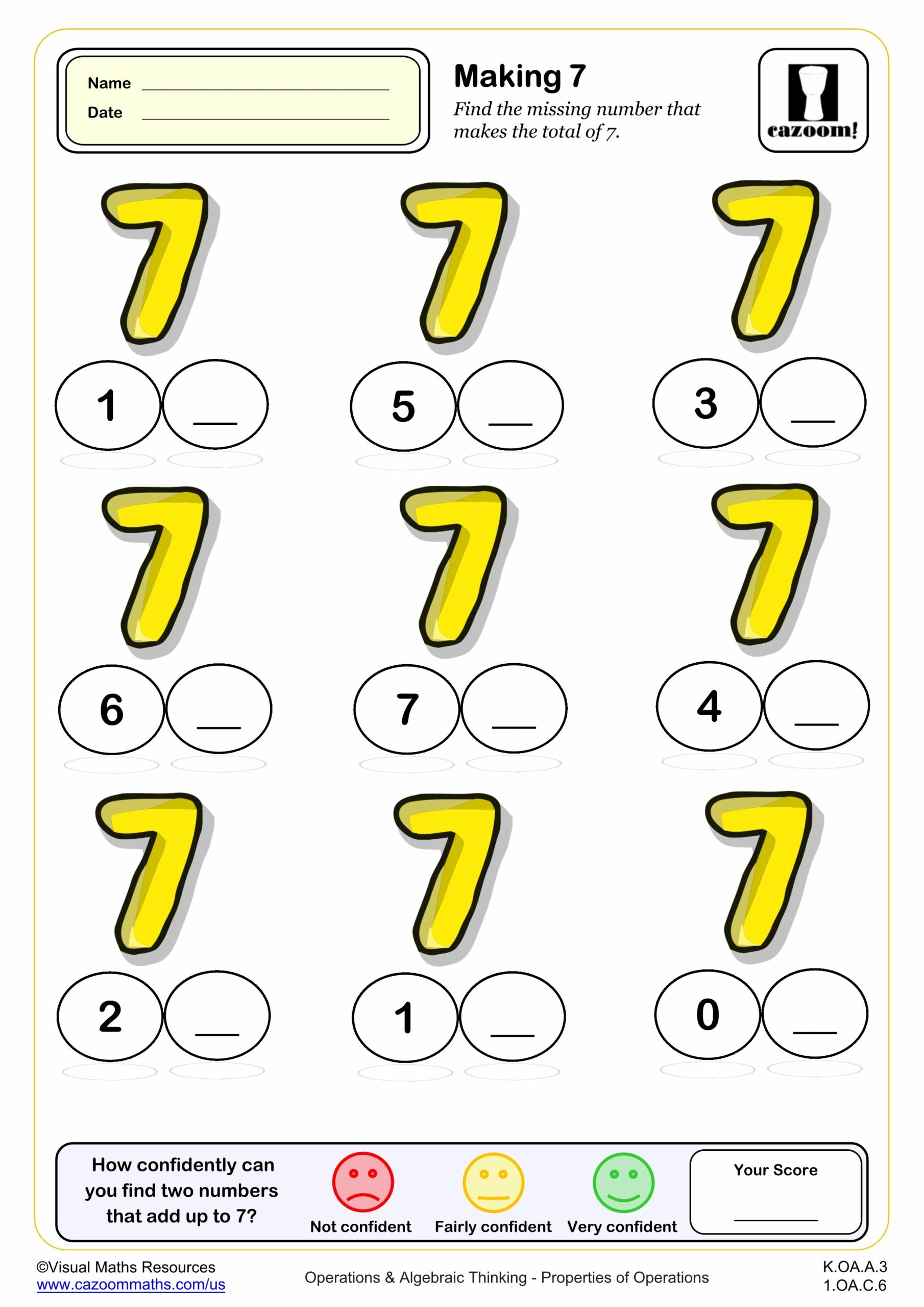
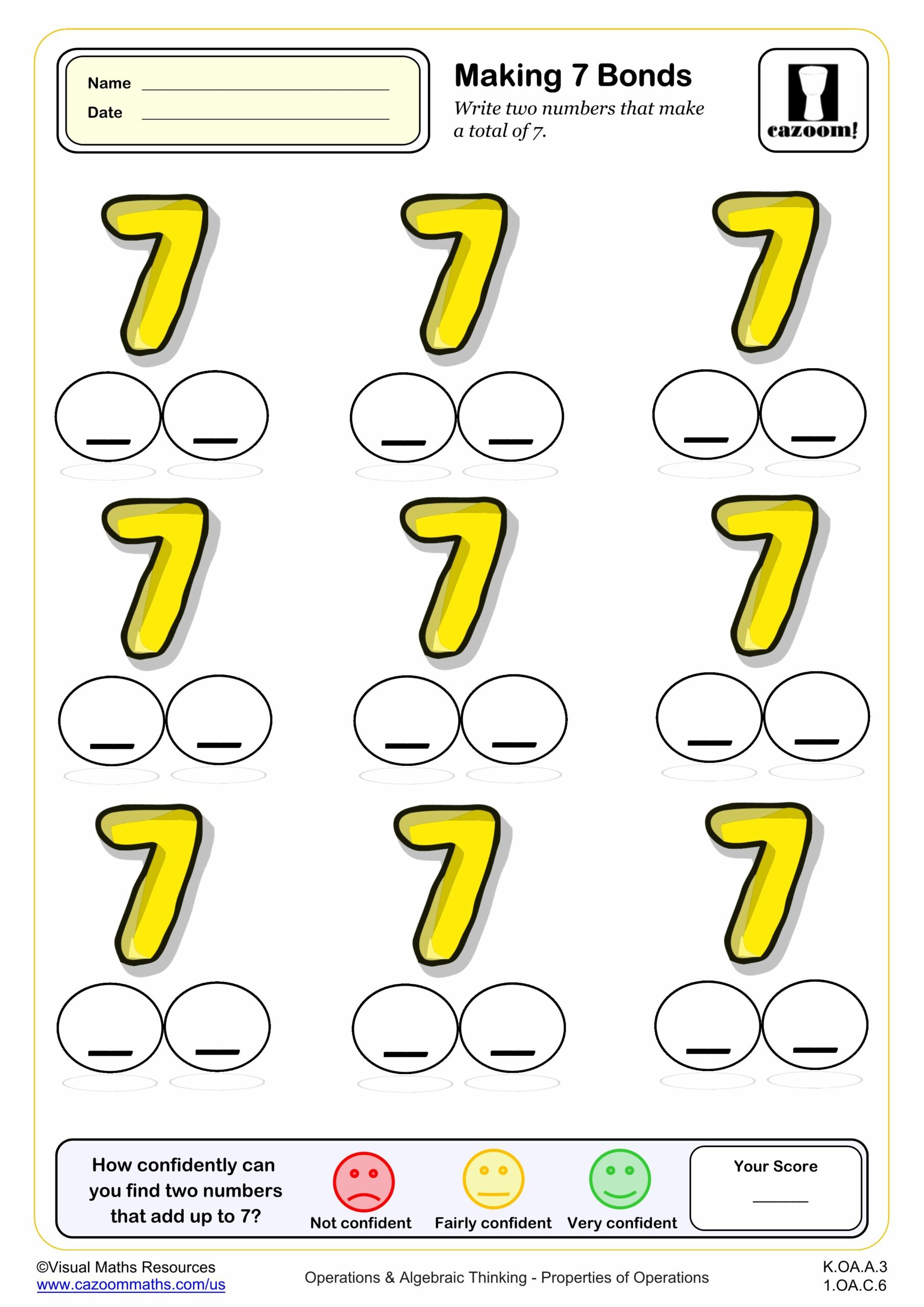
Making 7
Making 7 (Bonds)
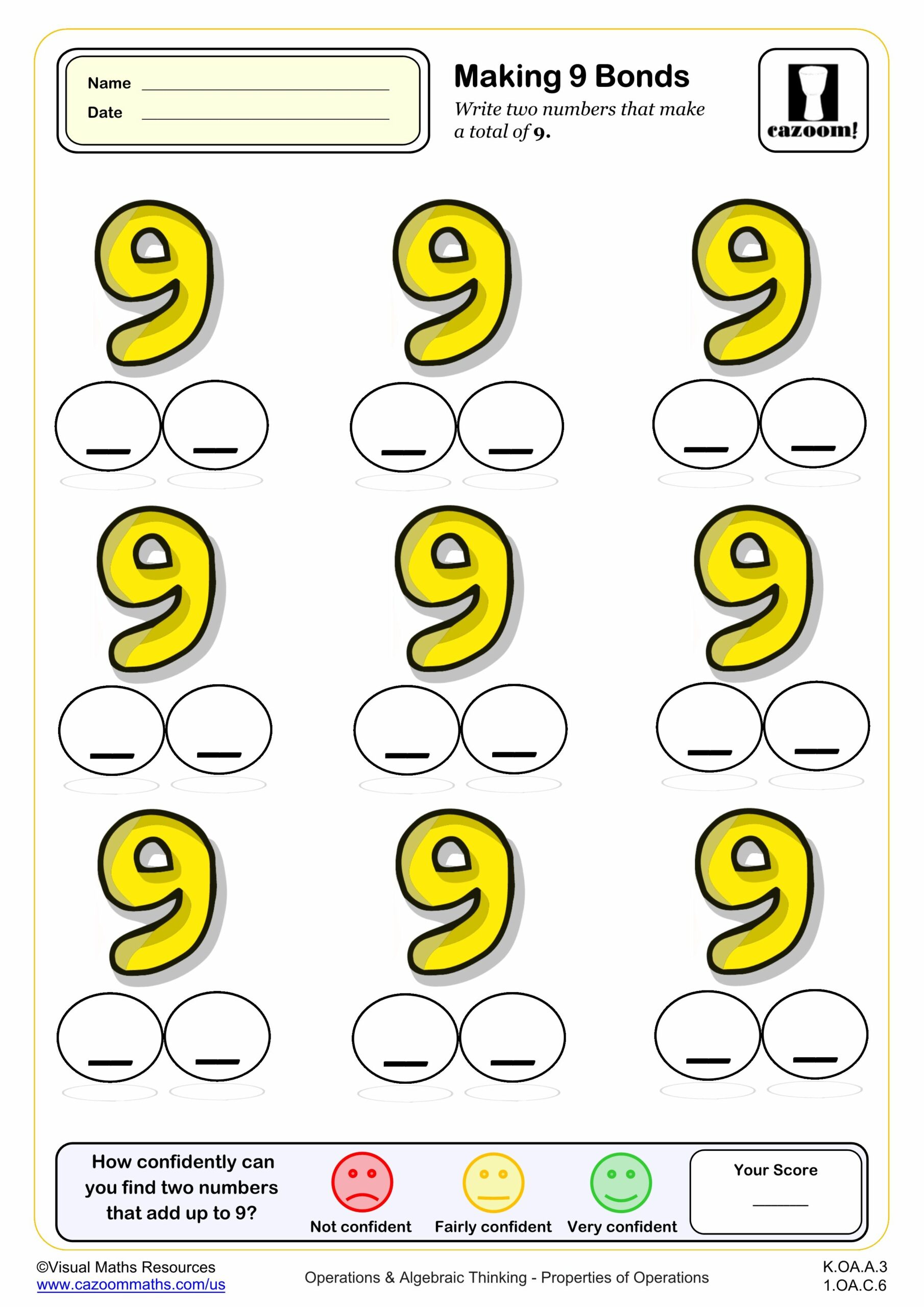
Making 9 (BONDS)
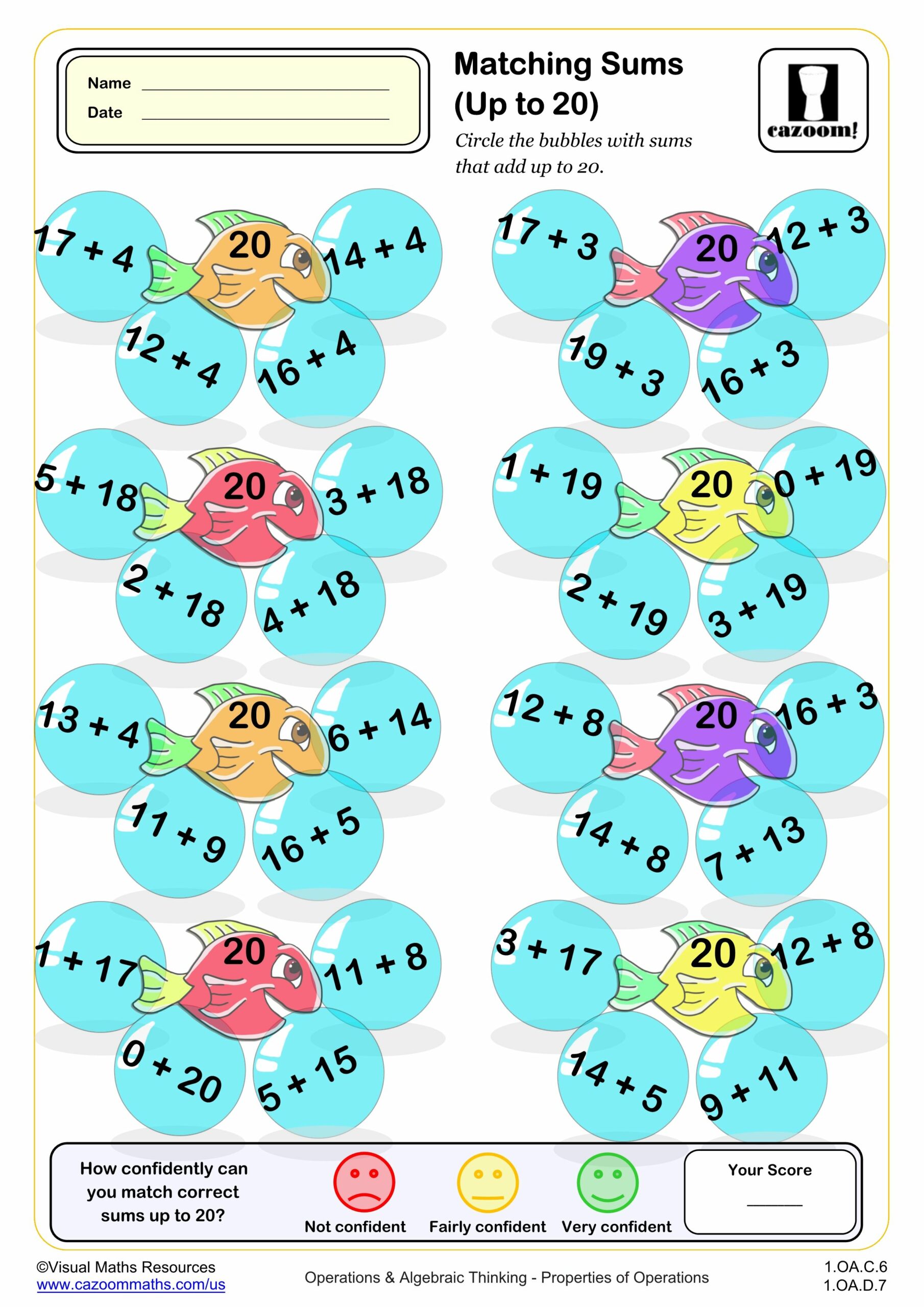
Matching sums (20 only)
Misisng Gaps (B) (Without a Number Line)
Missing Numbers (A) (With a Number Line)
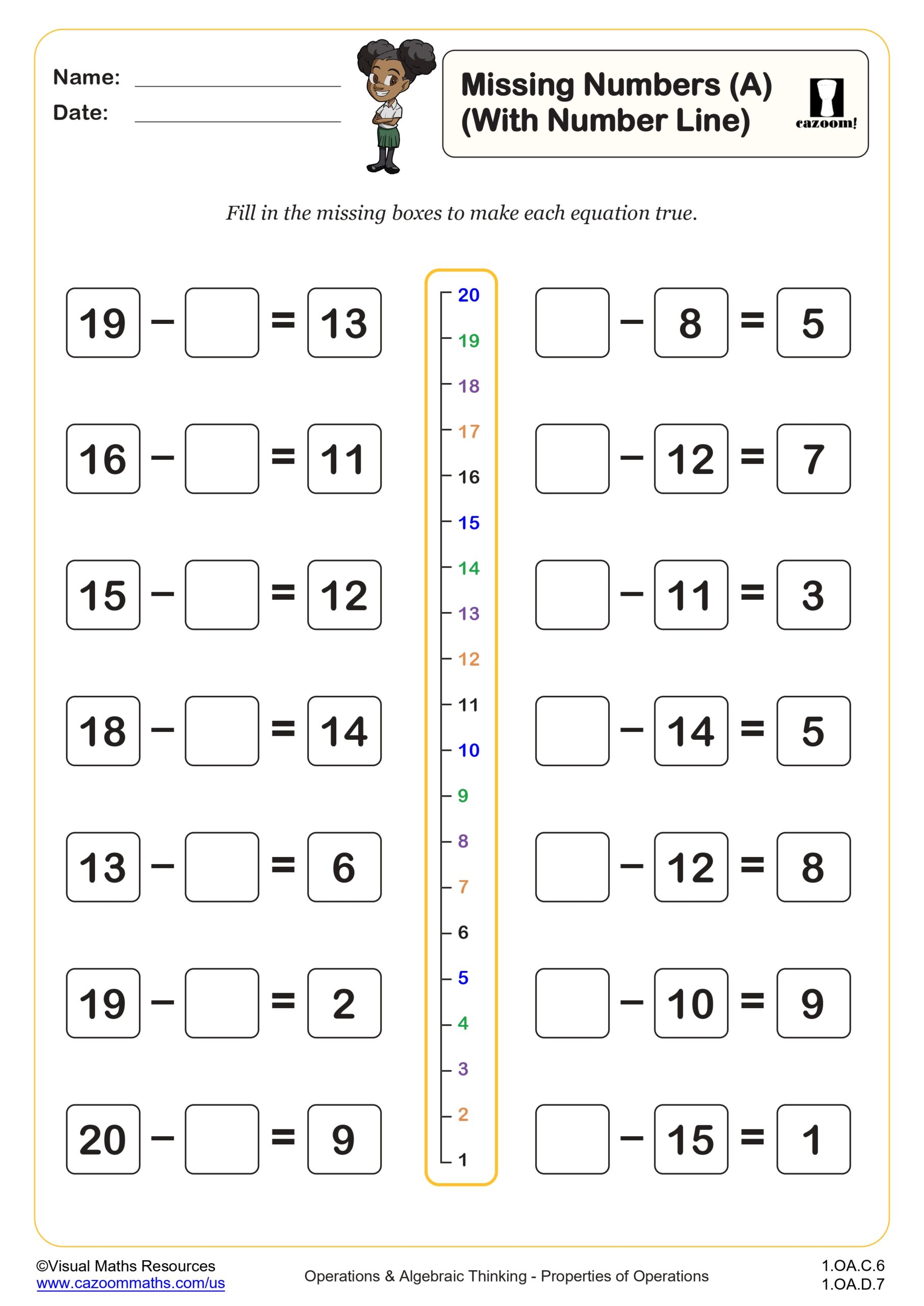
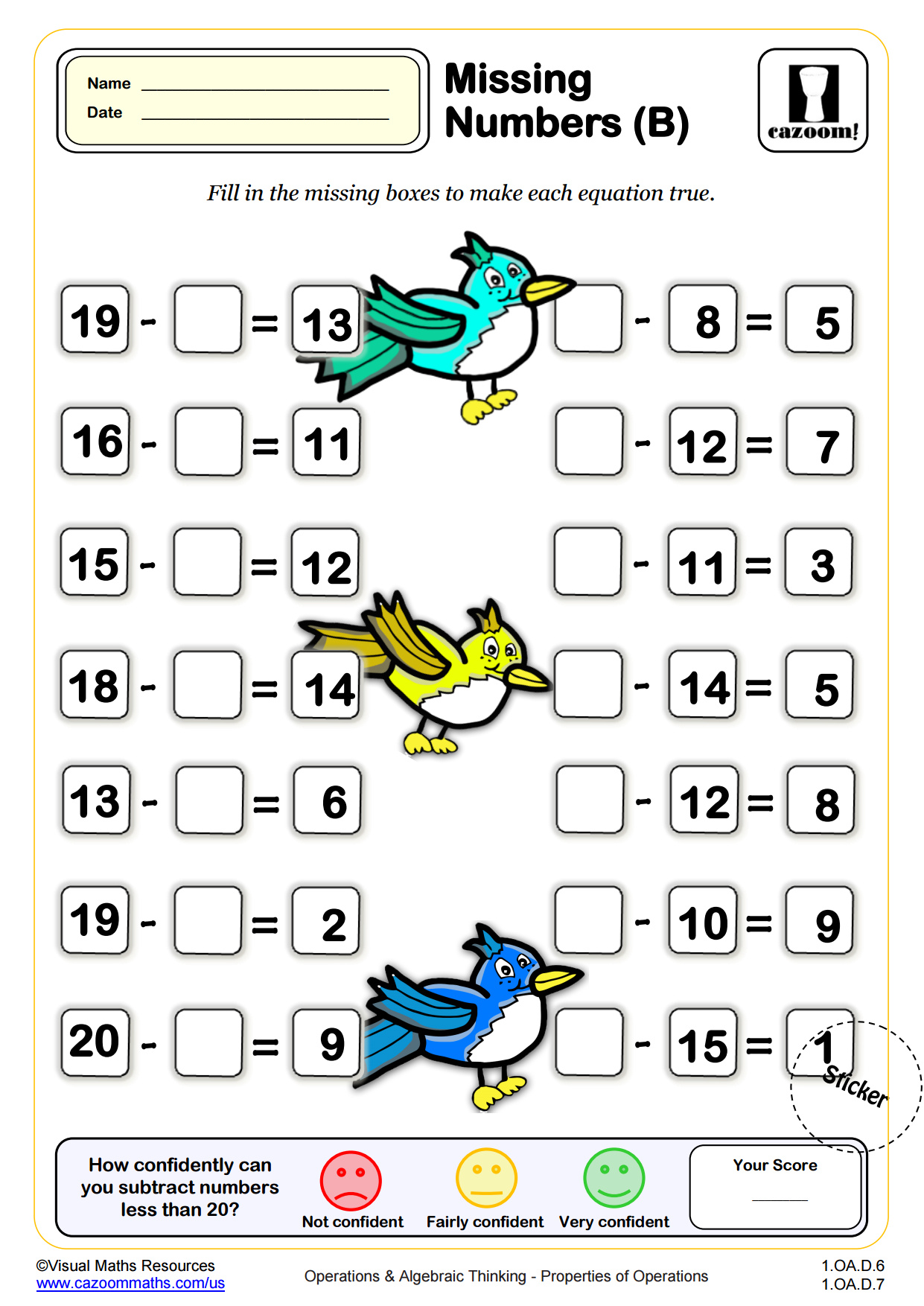
Missing Numbers (B) (With a Number Line)
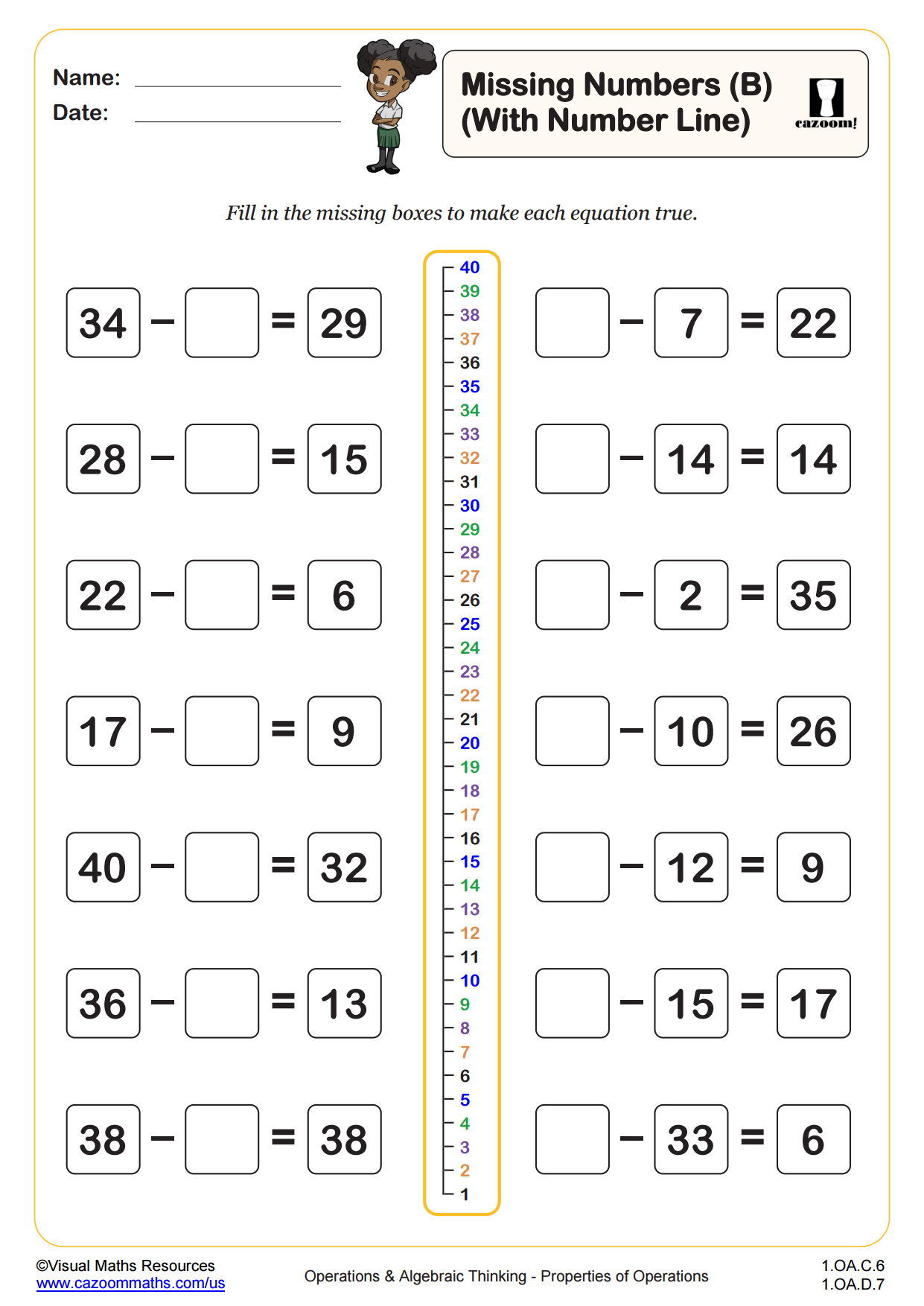
Number Bonds to 10 drills (10 questions)
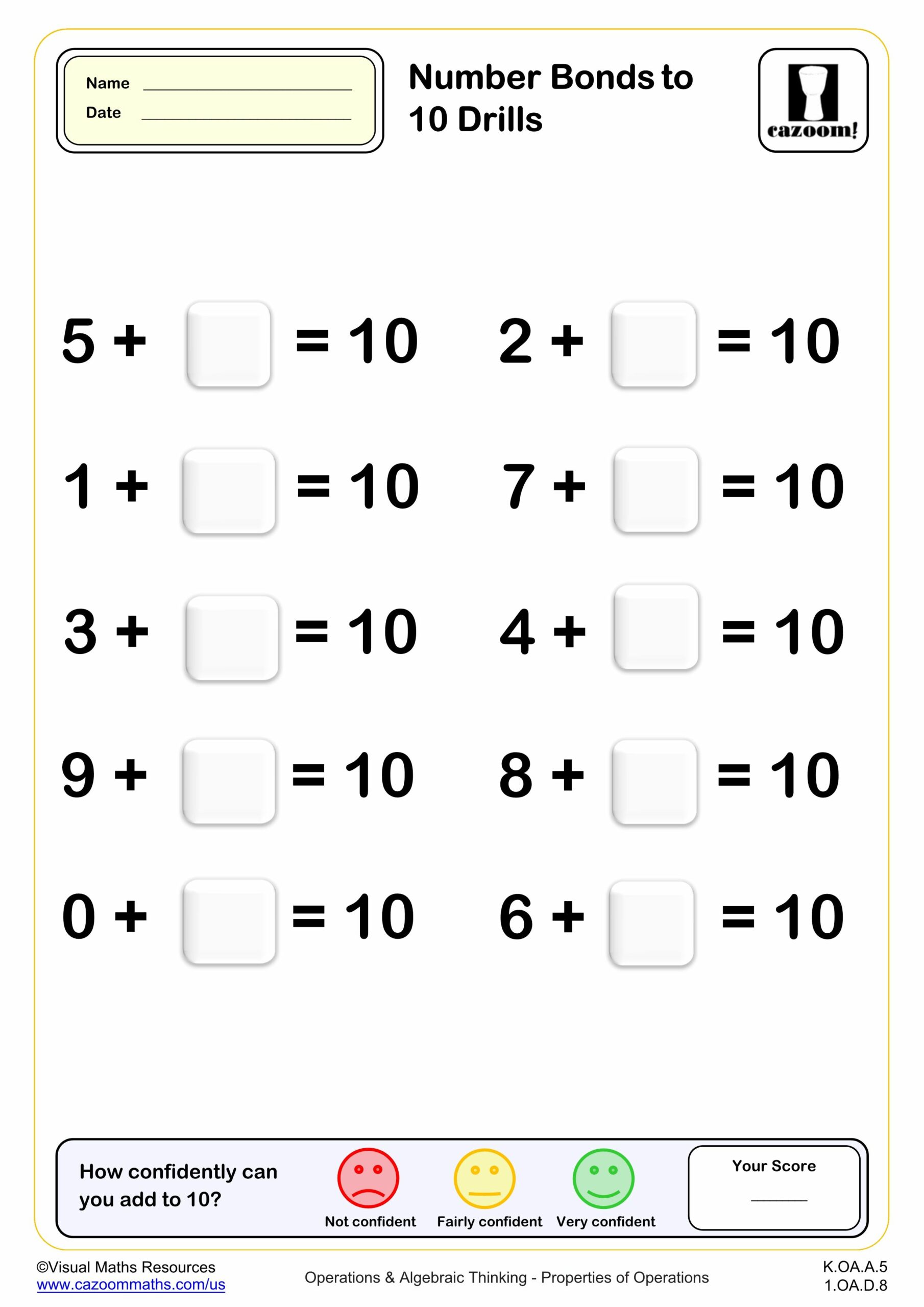
Number Bonds to 10 drills (20 questions)
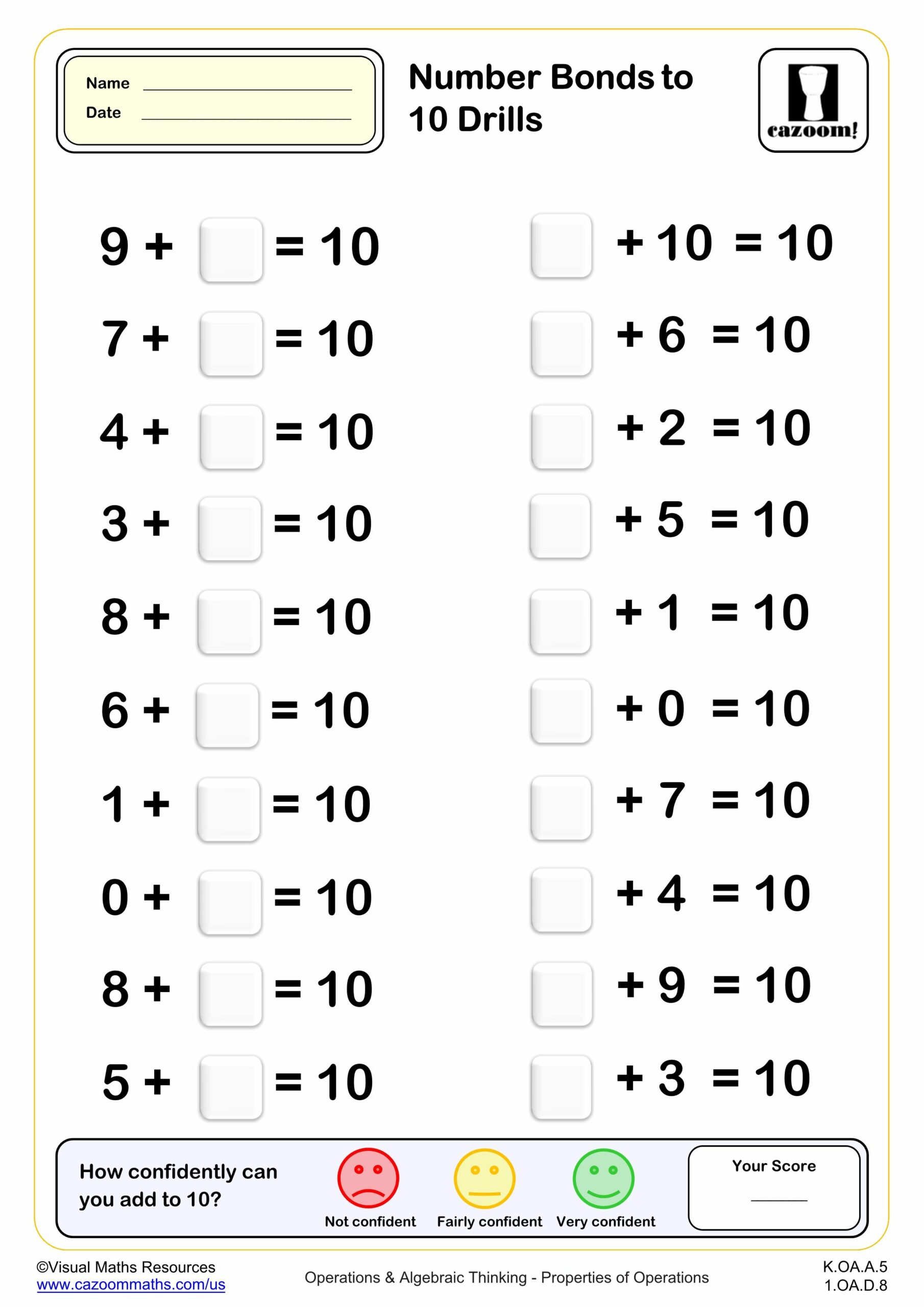
Number Bonds to 10 with Dots
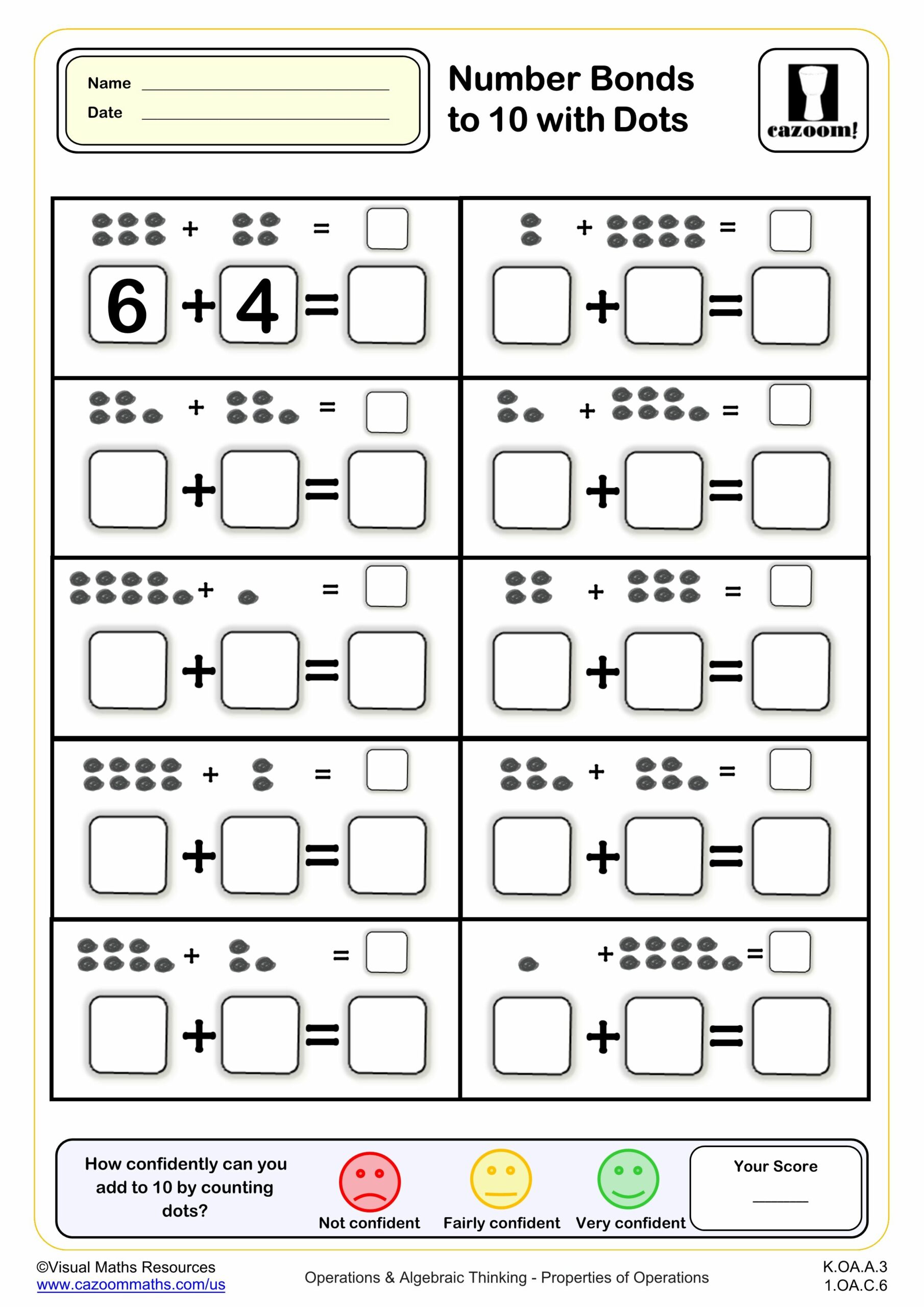
Number bonds to 10 with number lines
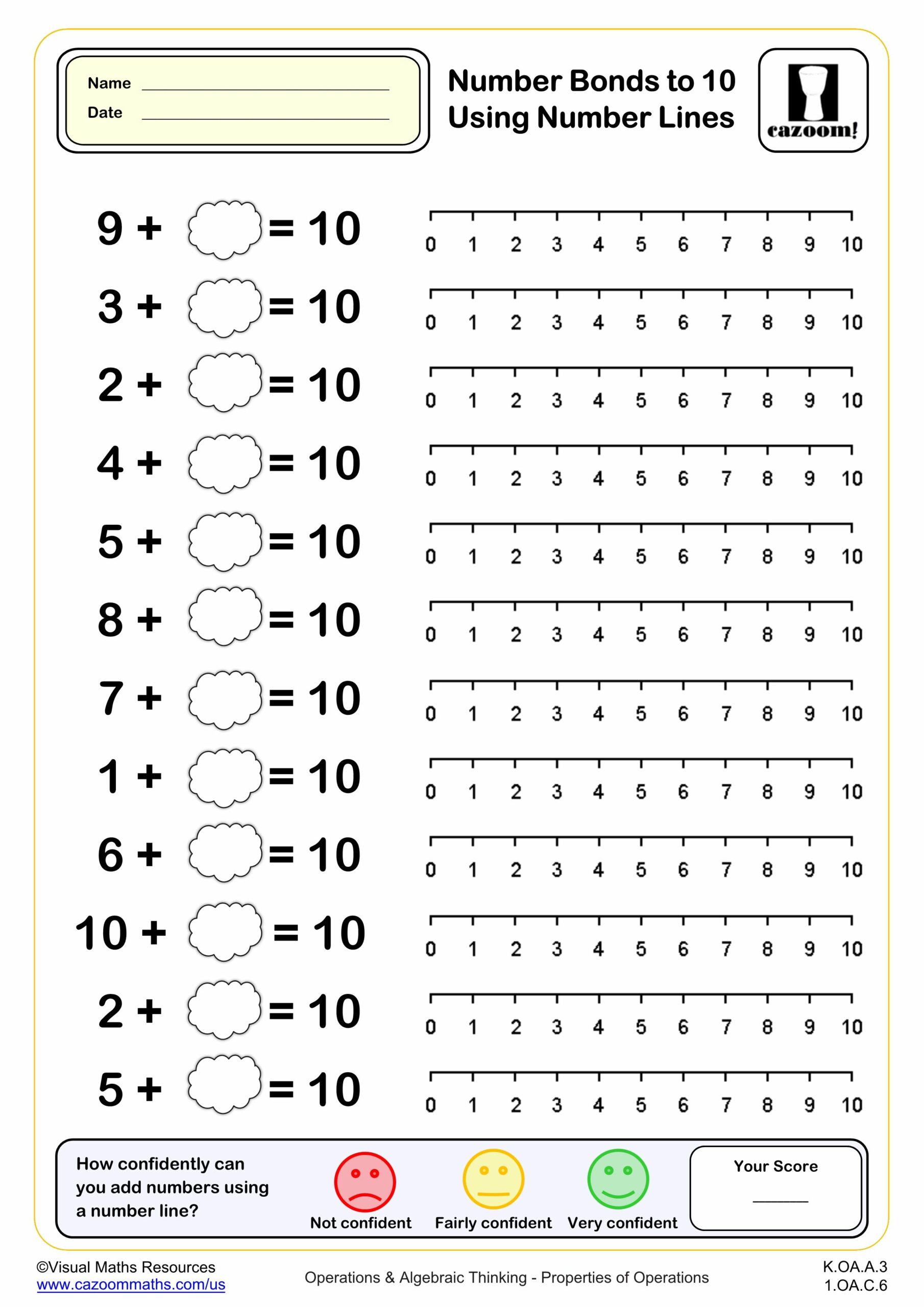
Number Bonds to 20 drills (10 questions)
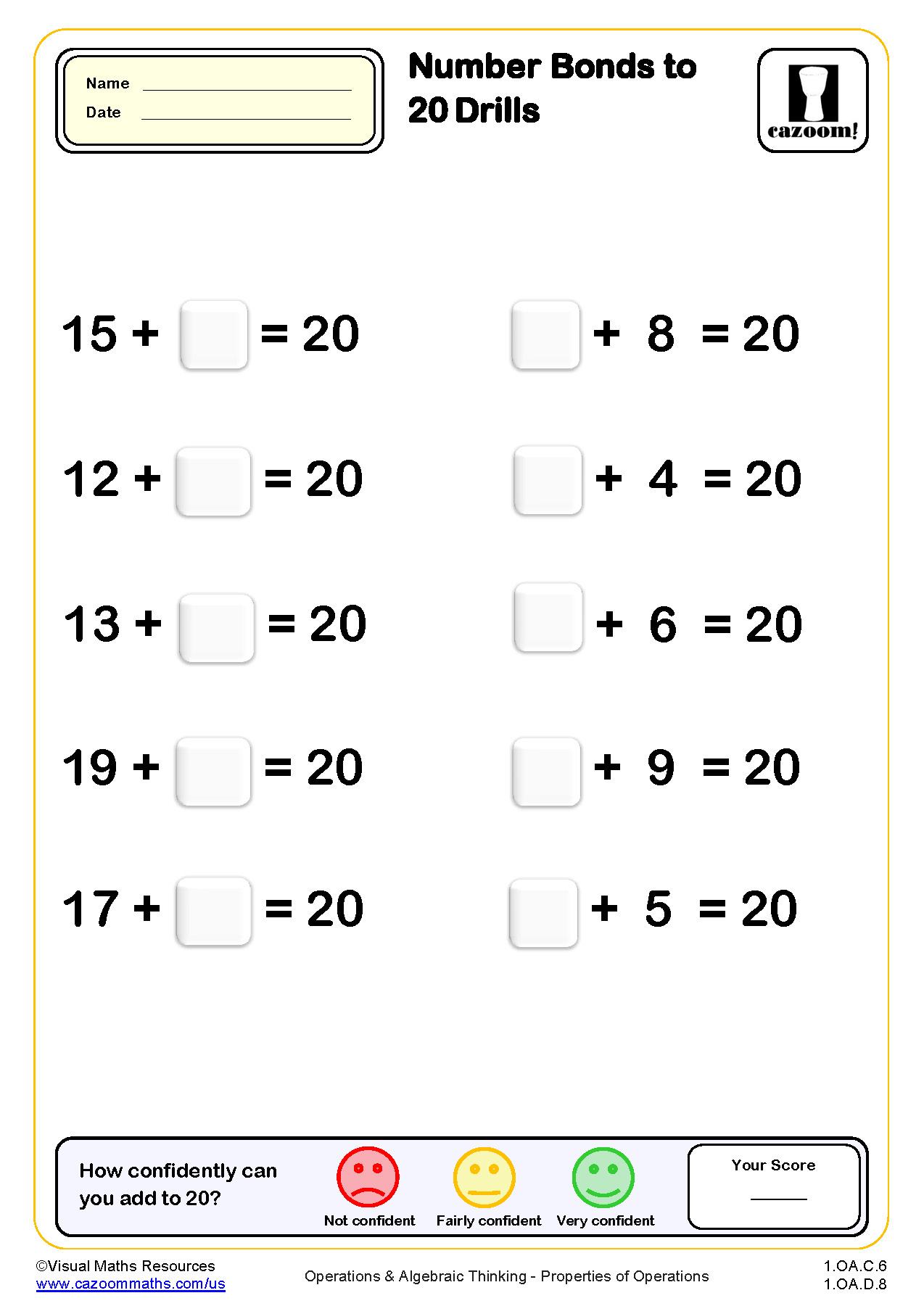
Number Bonds to 20 drills (50 questions)
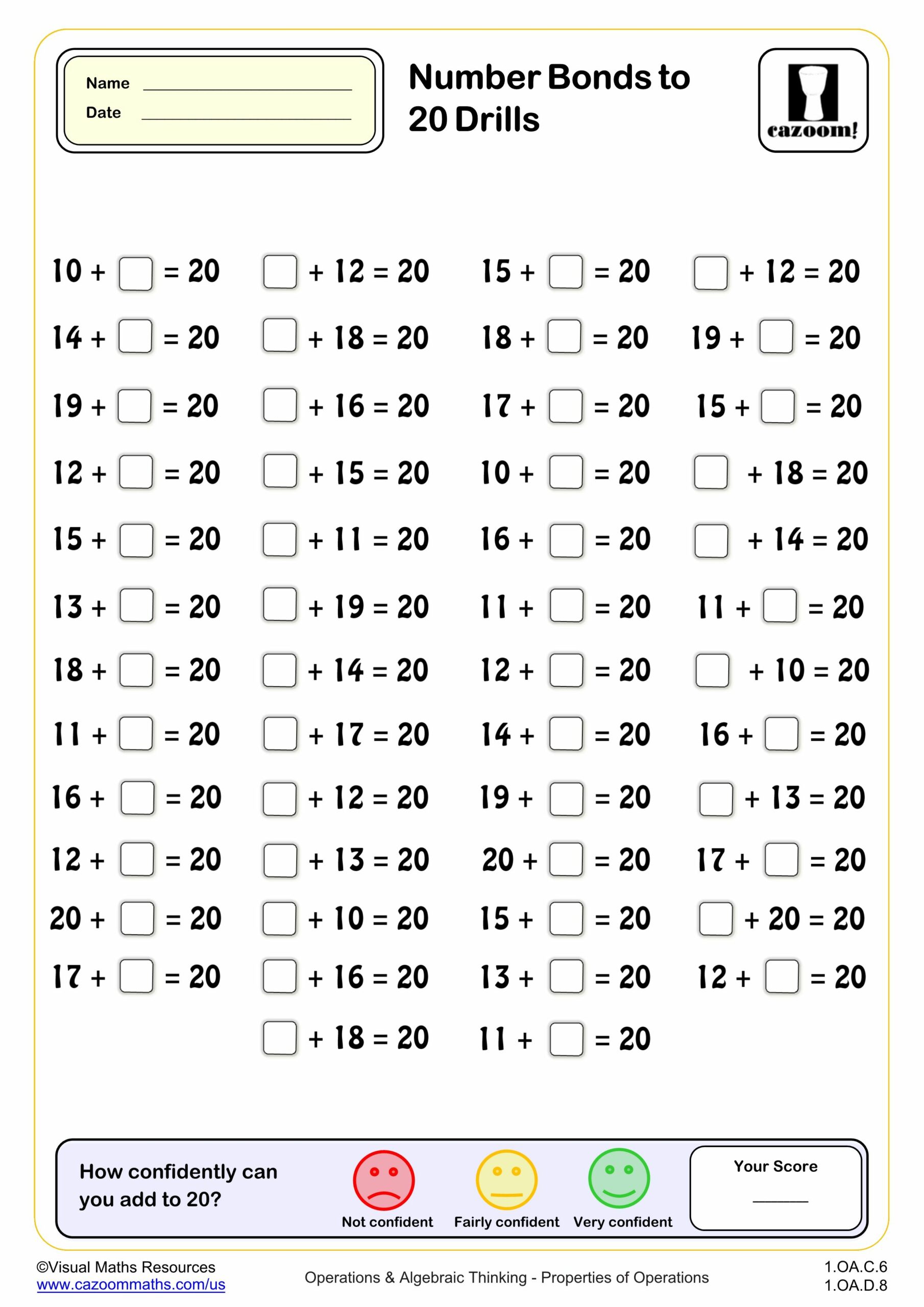
Number Bonds to 20 drills (B) (20 questions)
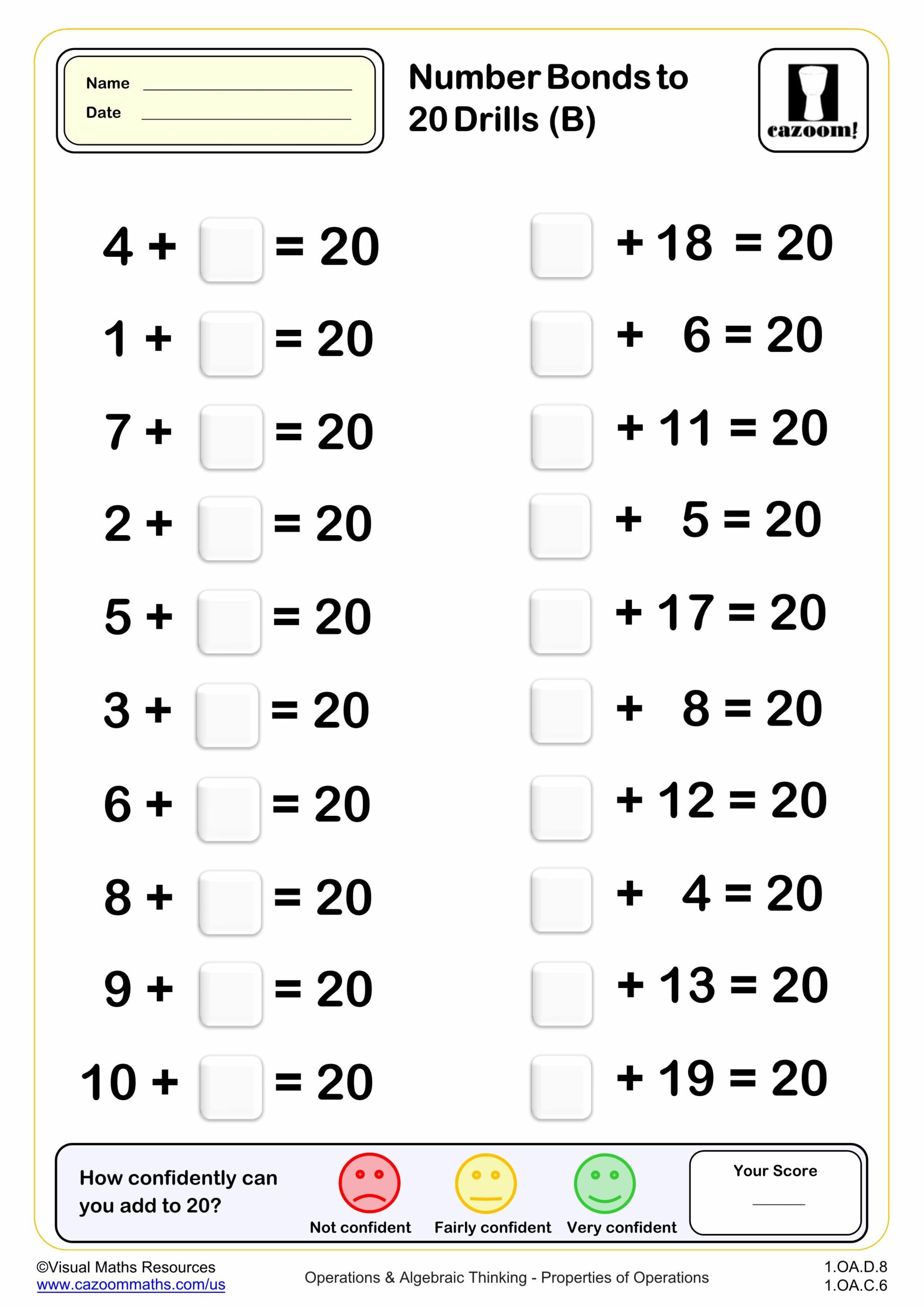
Number Bonds to 20 drills (B) (50 questions)
Number bonds to 20 with number lines
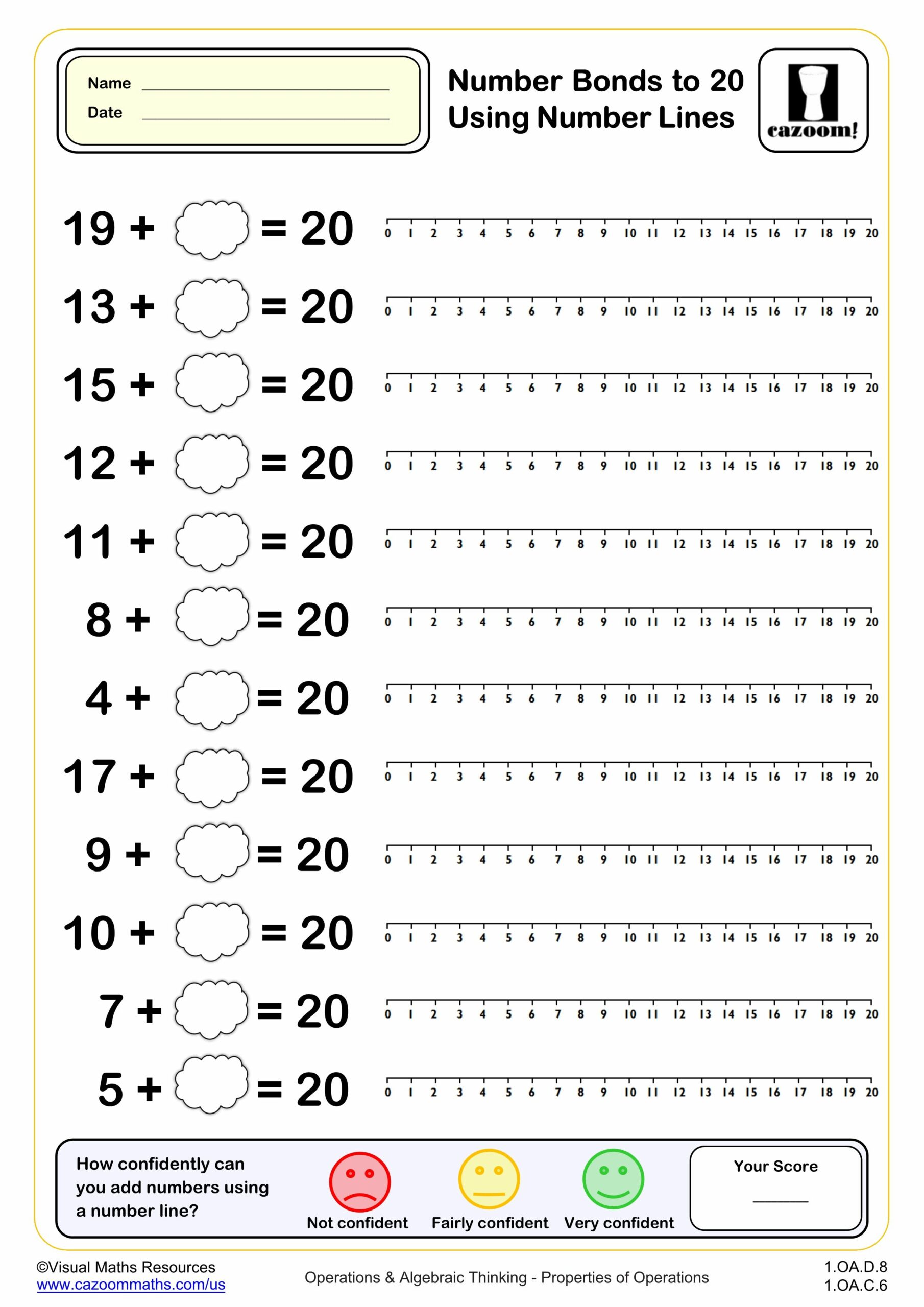
Number Bonds to 5 drills (50 questions)
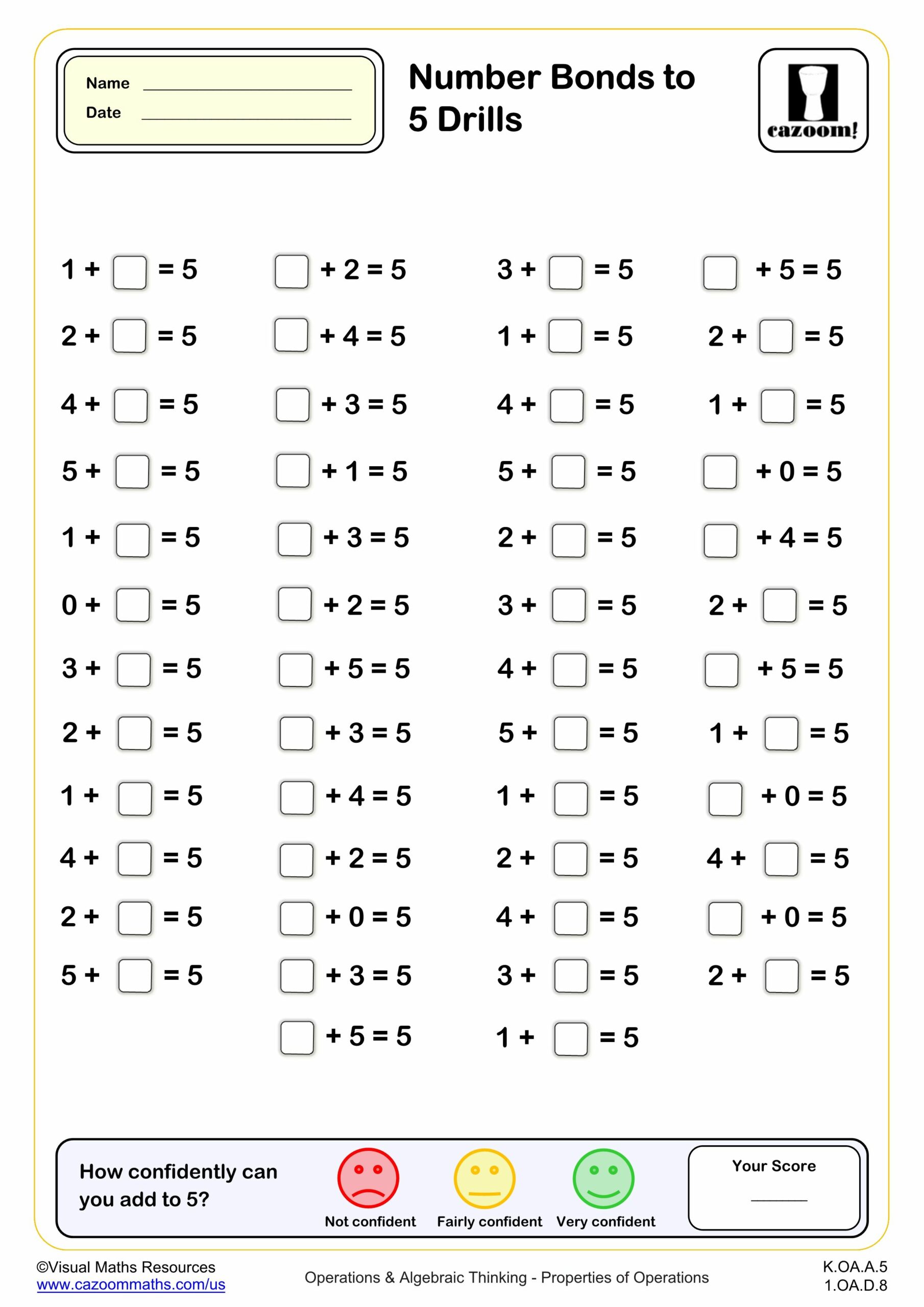
Subtracting 1 (10 questions)
Subtracting 1 (20 questions)
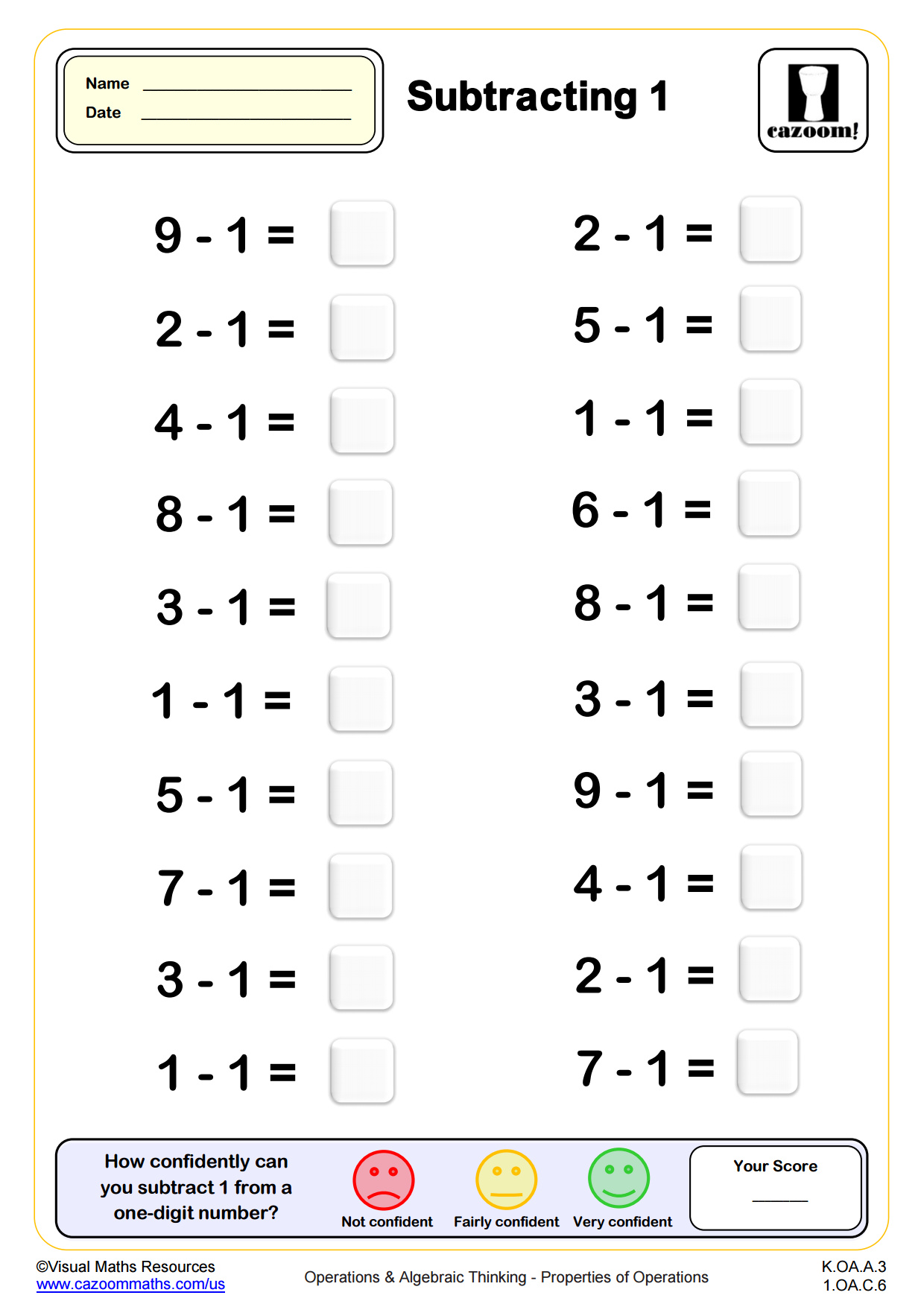
Subtracting 1 (50 questions)
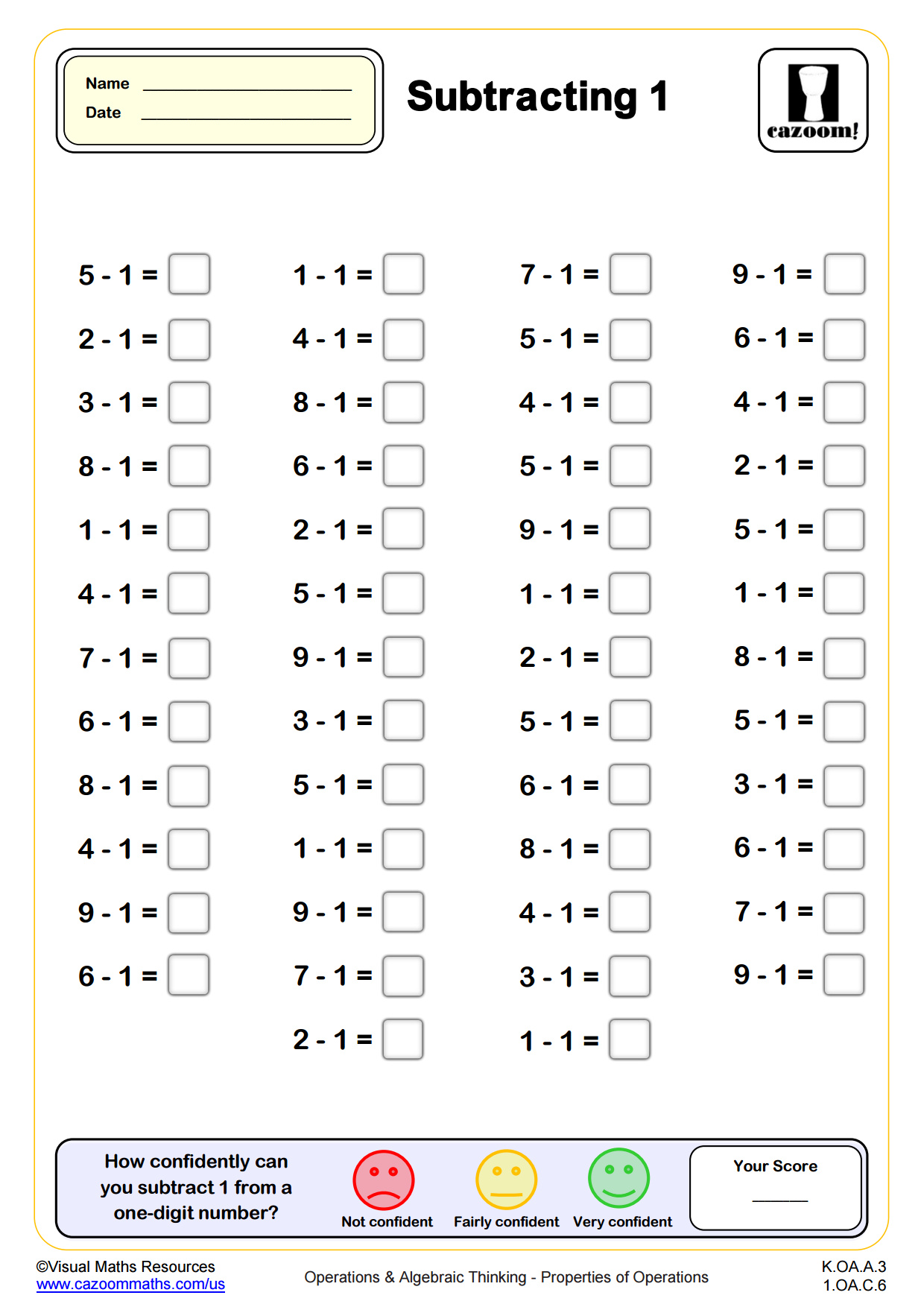
Subtracting 2 (10 questions)
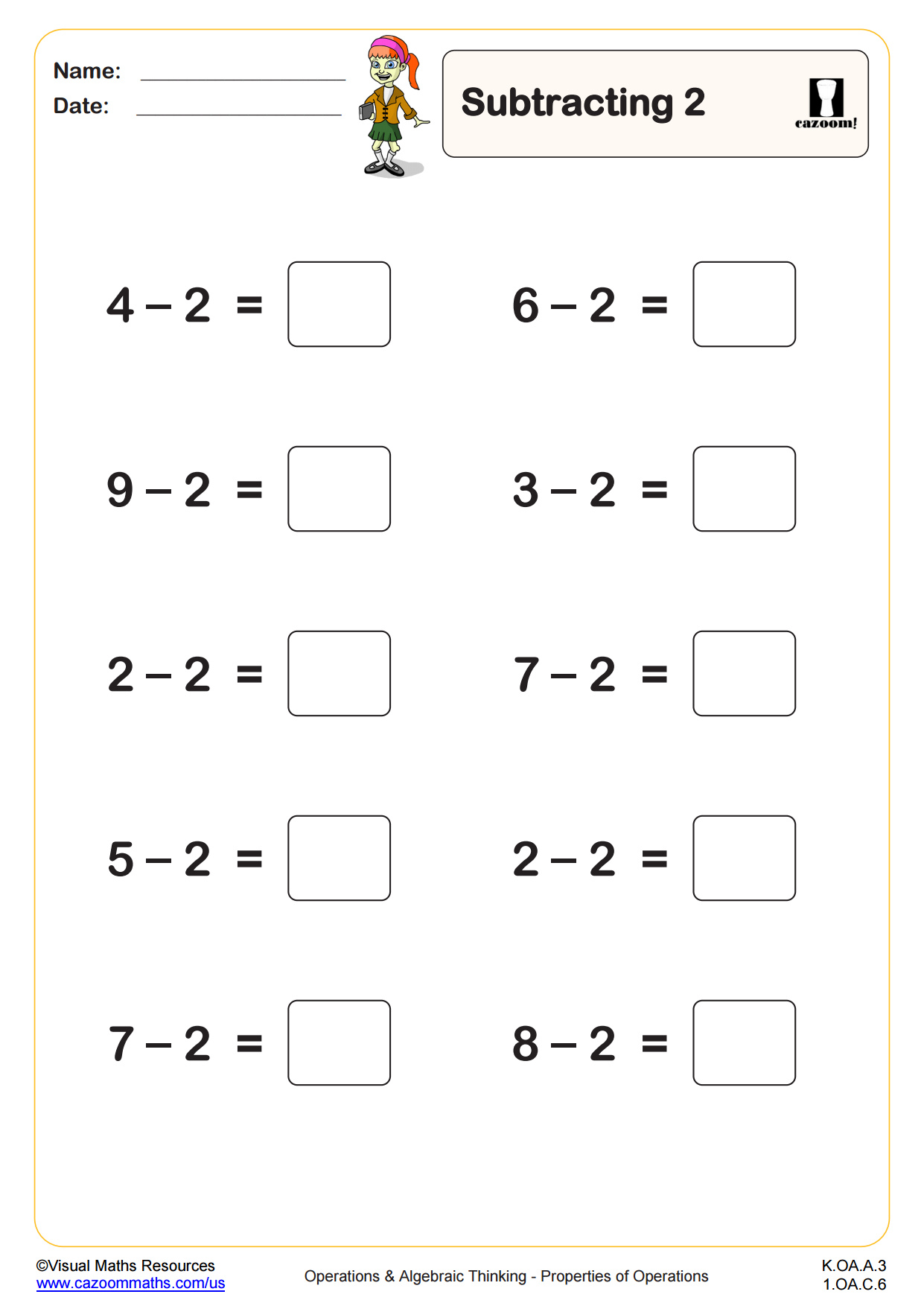
Subtracting 2 (20 questions)
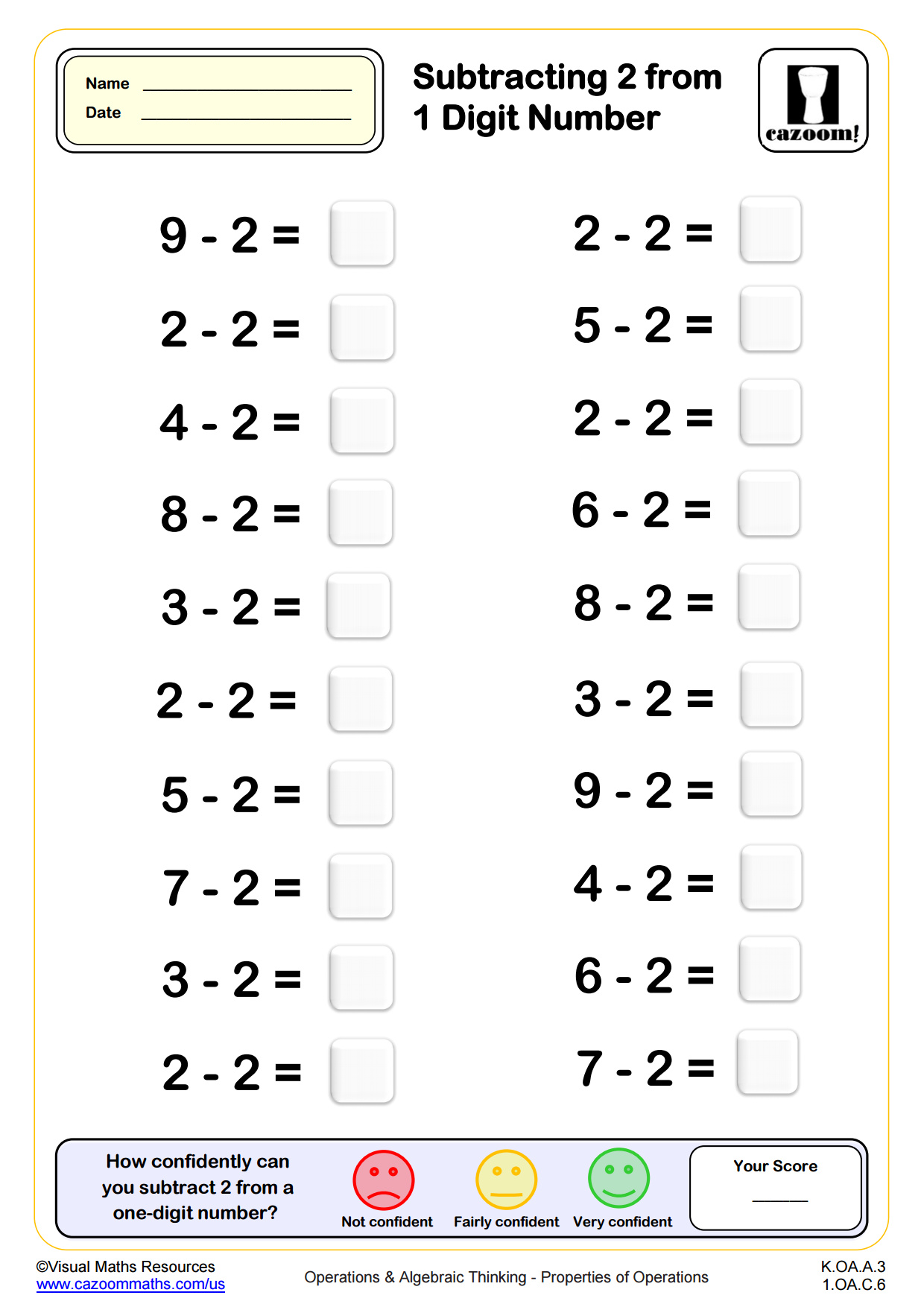
Subtracting from 10 Drills (10 questions)
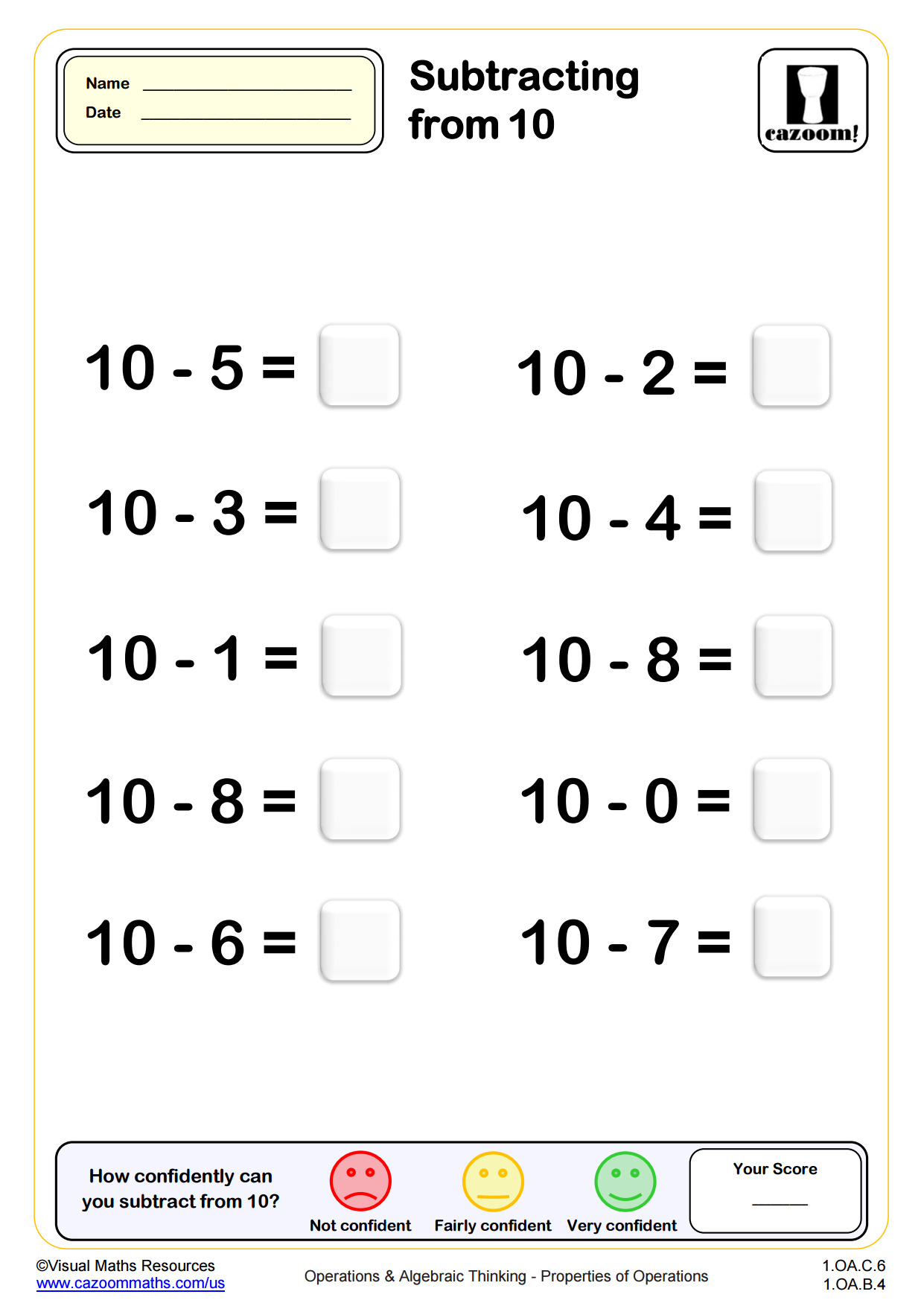
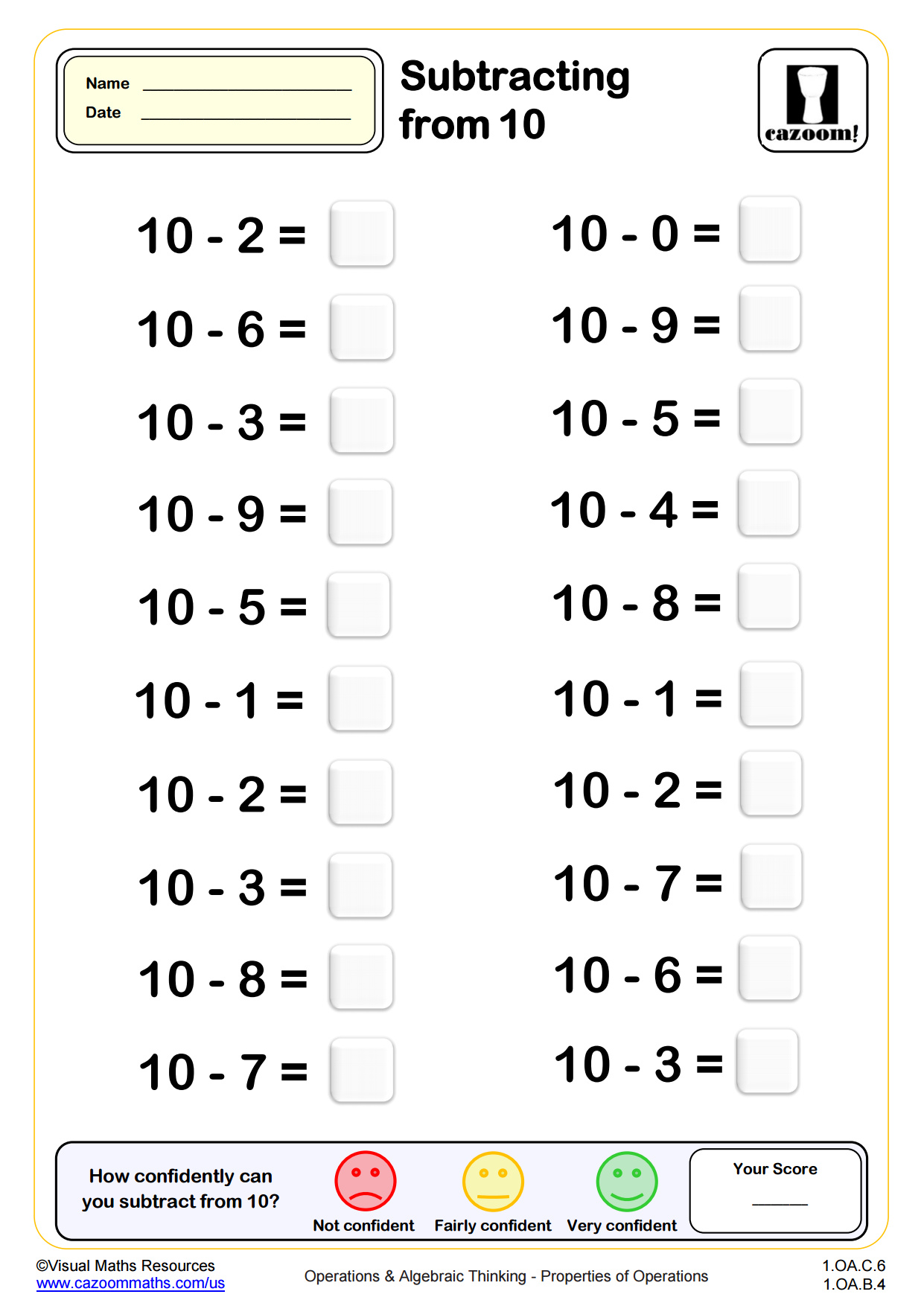
Subtracting from 10 Drills (20 questions)
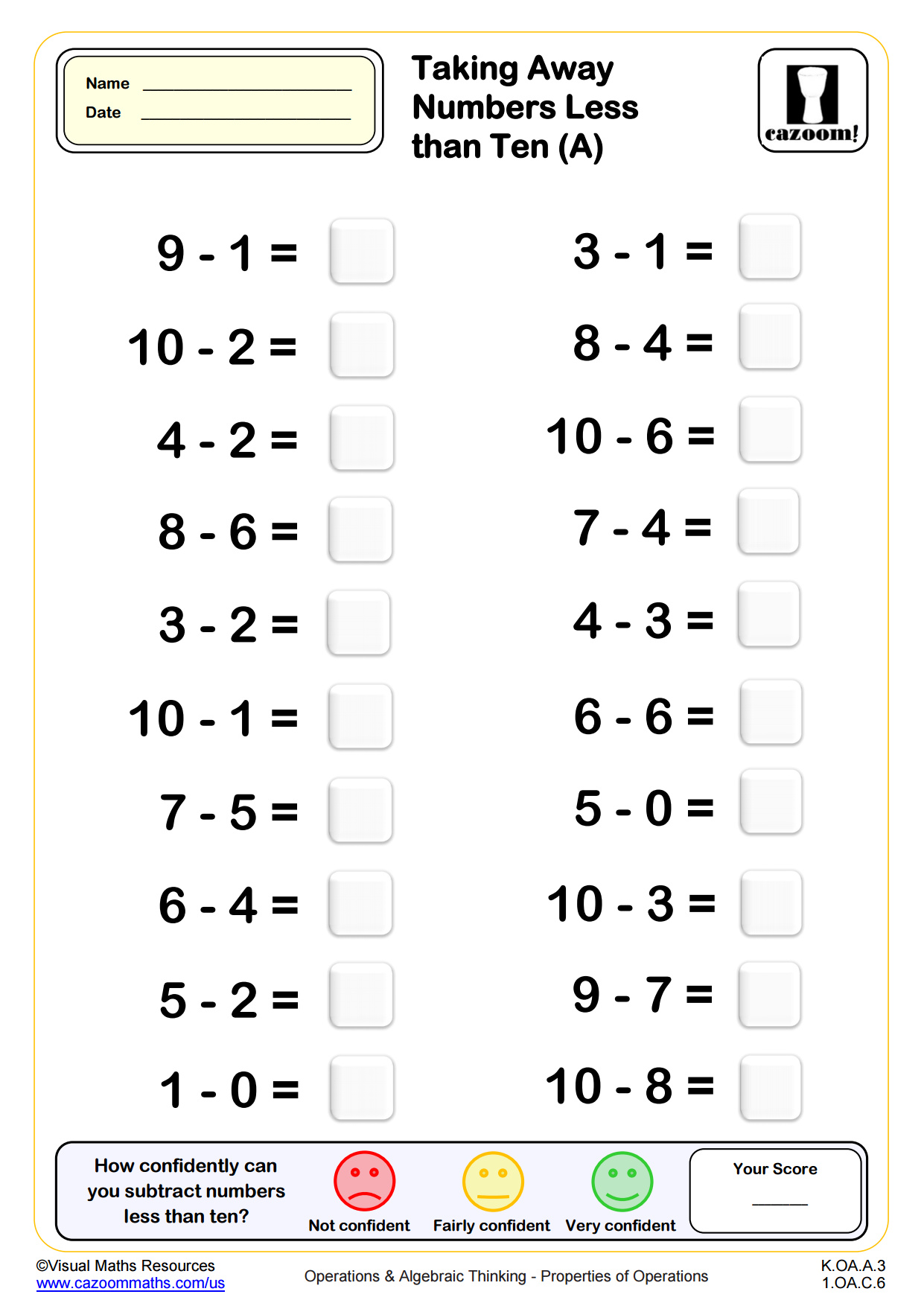
Subtracting Numbers Less Than 10 (A)
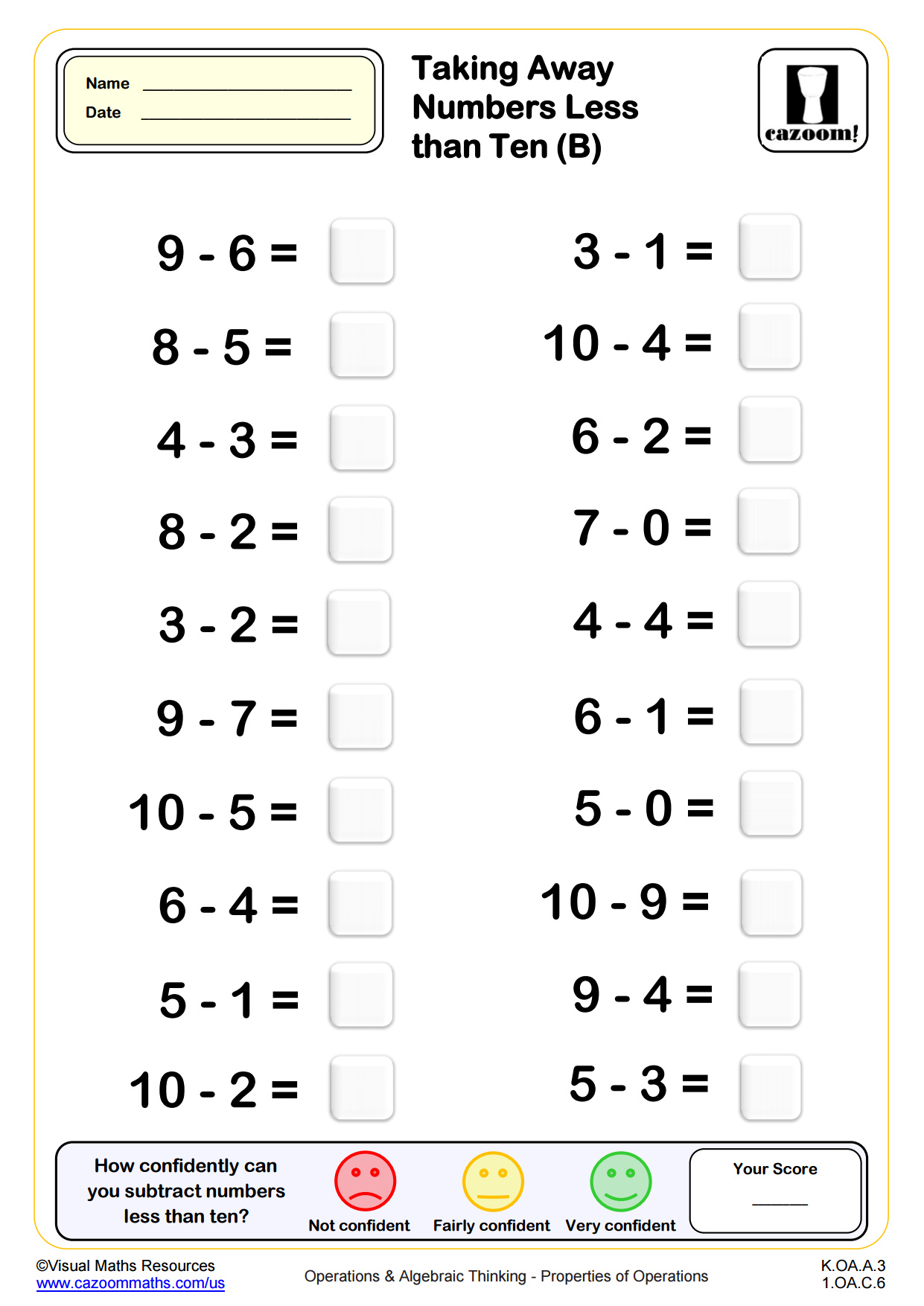
Subtracting Numbers Less Than 10 (B)
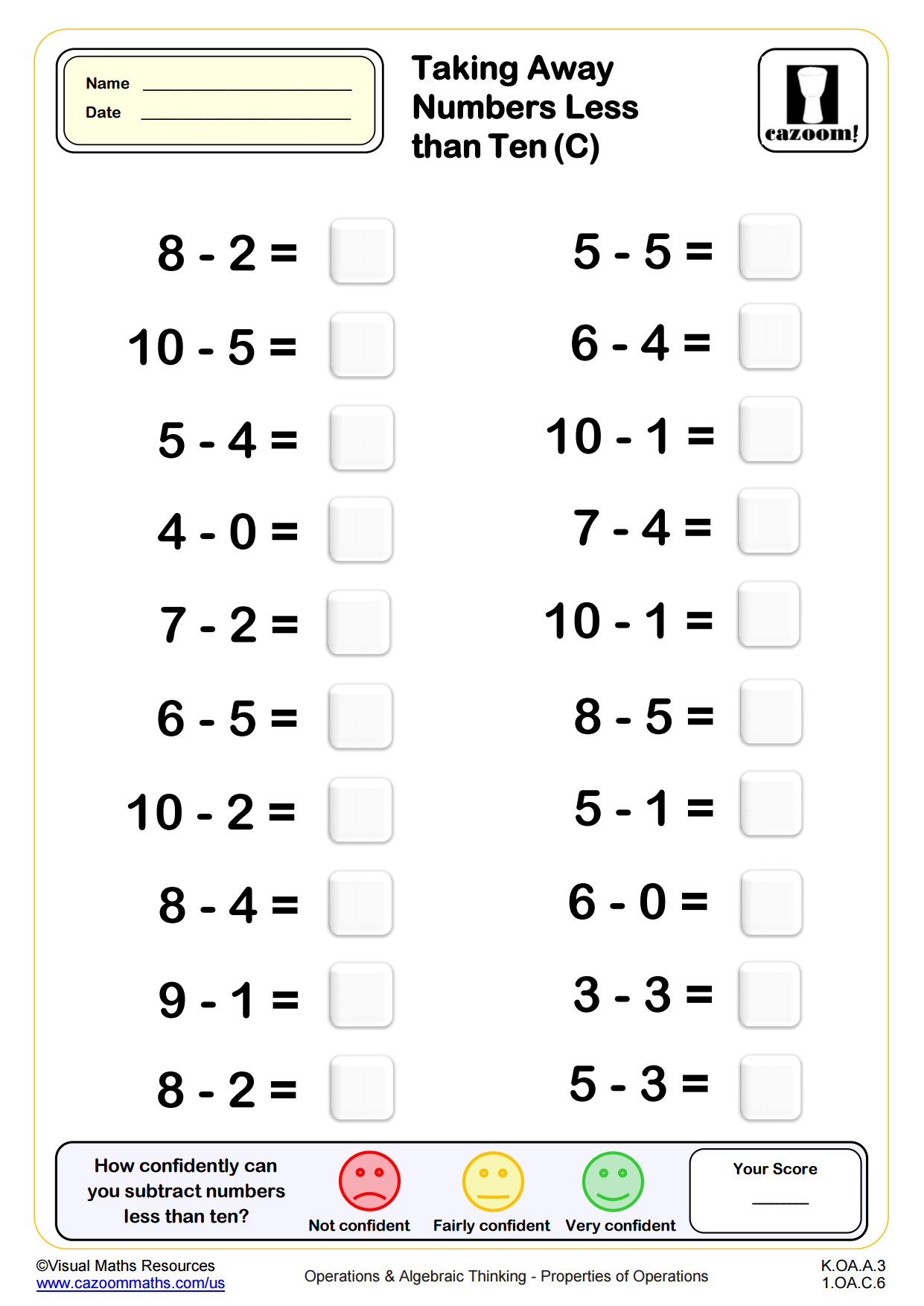
Subtracting Numbers Less Than 10 (C)
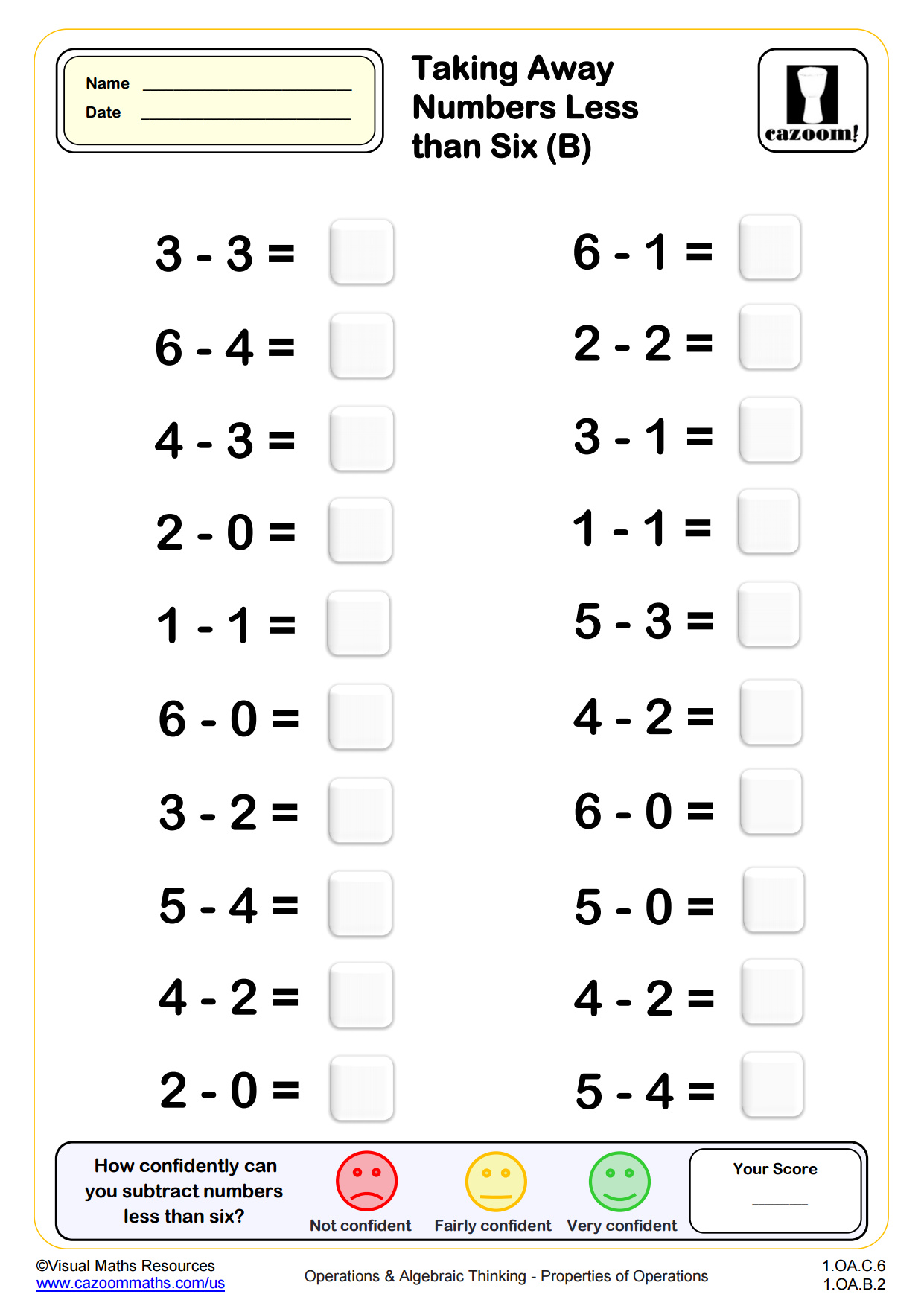
Subtracting Numbers Less Than 6 (B)
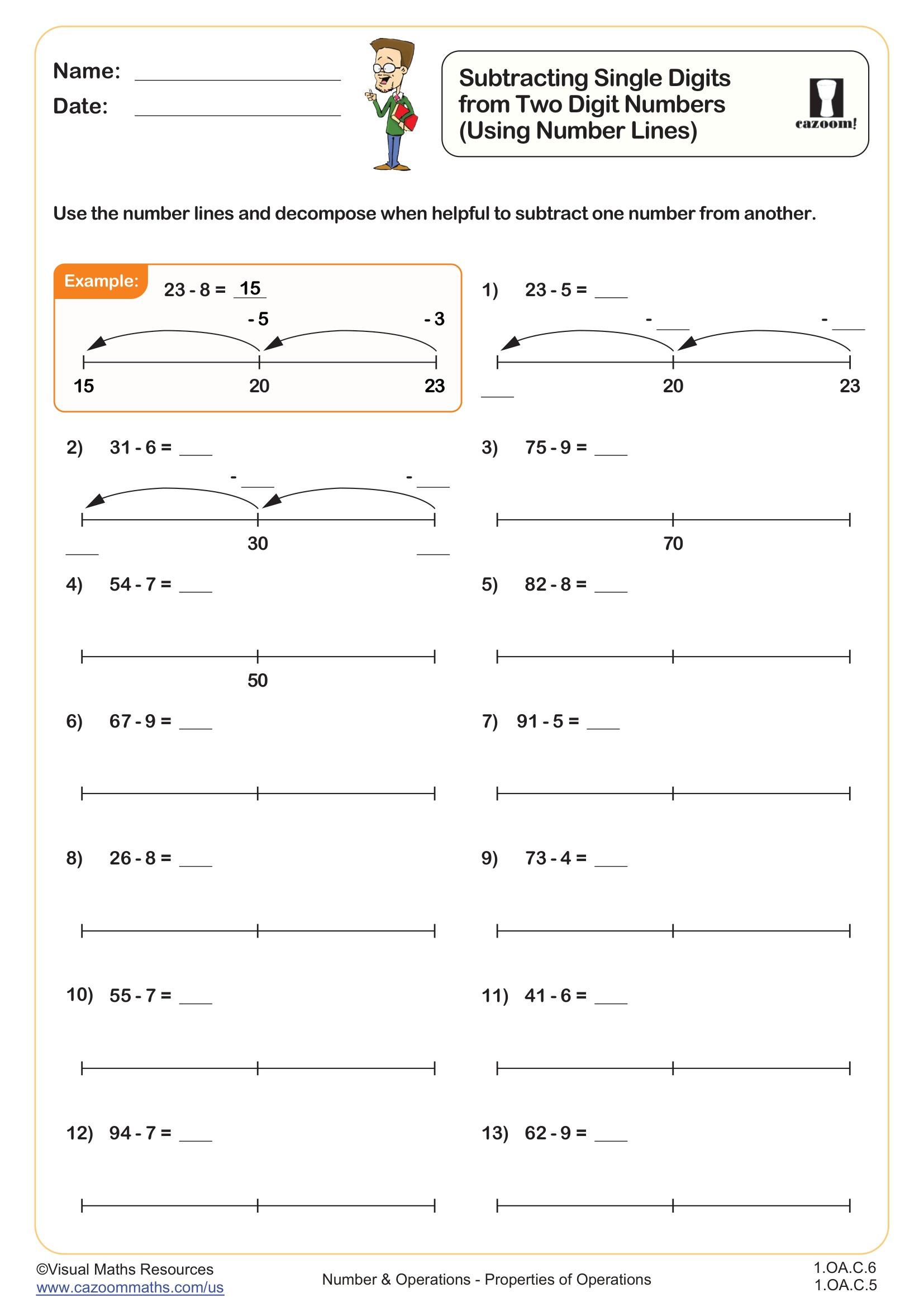
Subtracting Single Digits from Two Digit Numbers (Using Number Lines)
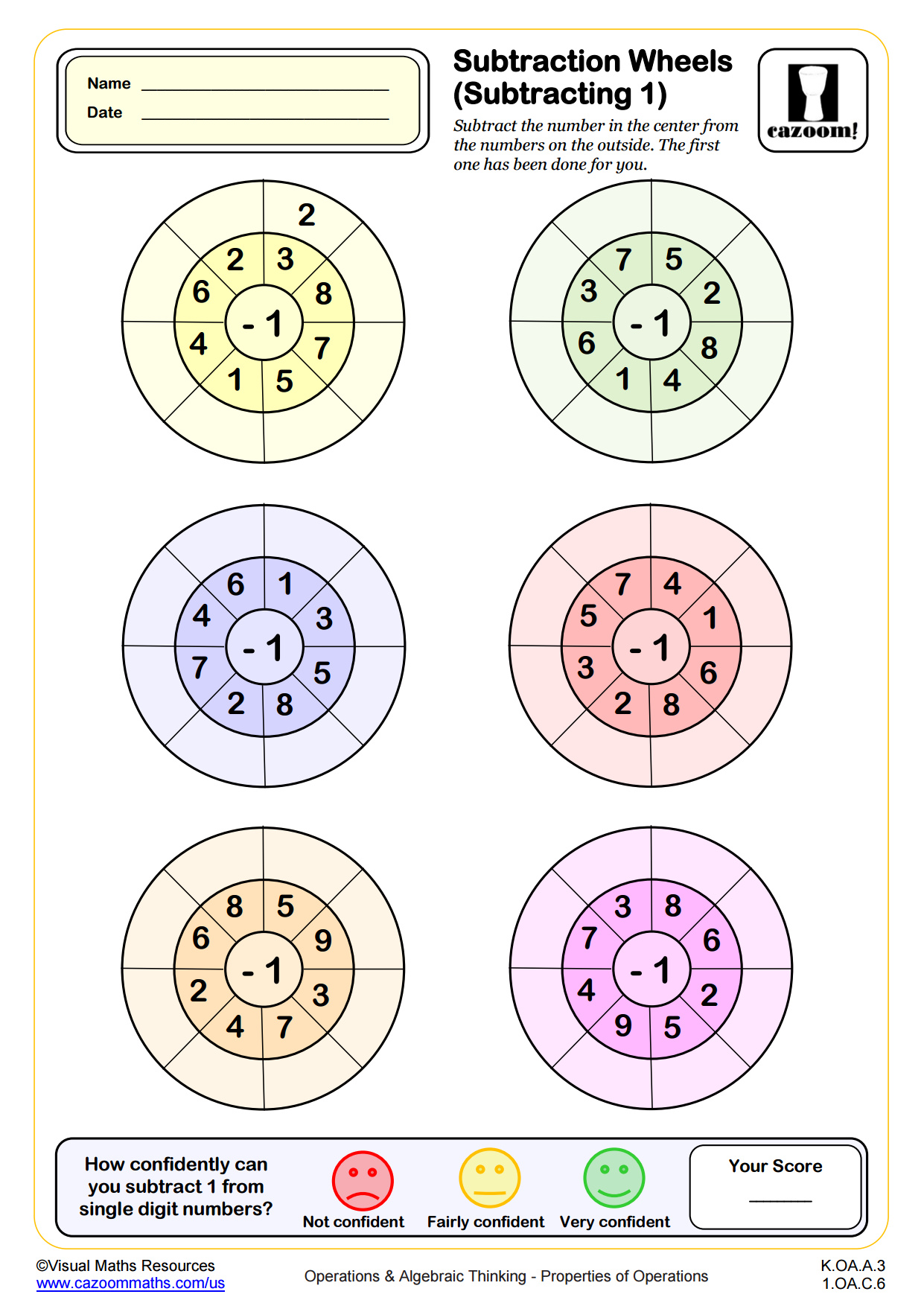
Subtraction Wheels (Subtracting 1)
Subtraction Wheels (Subtracting 2)
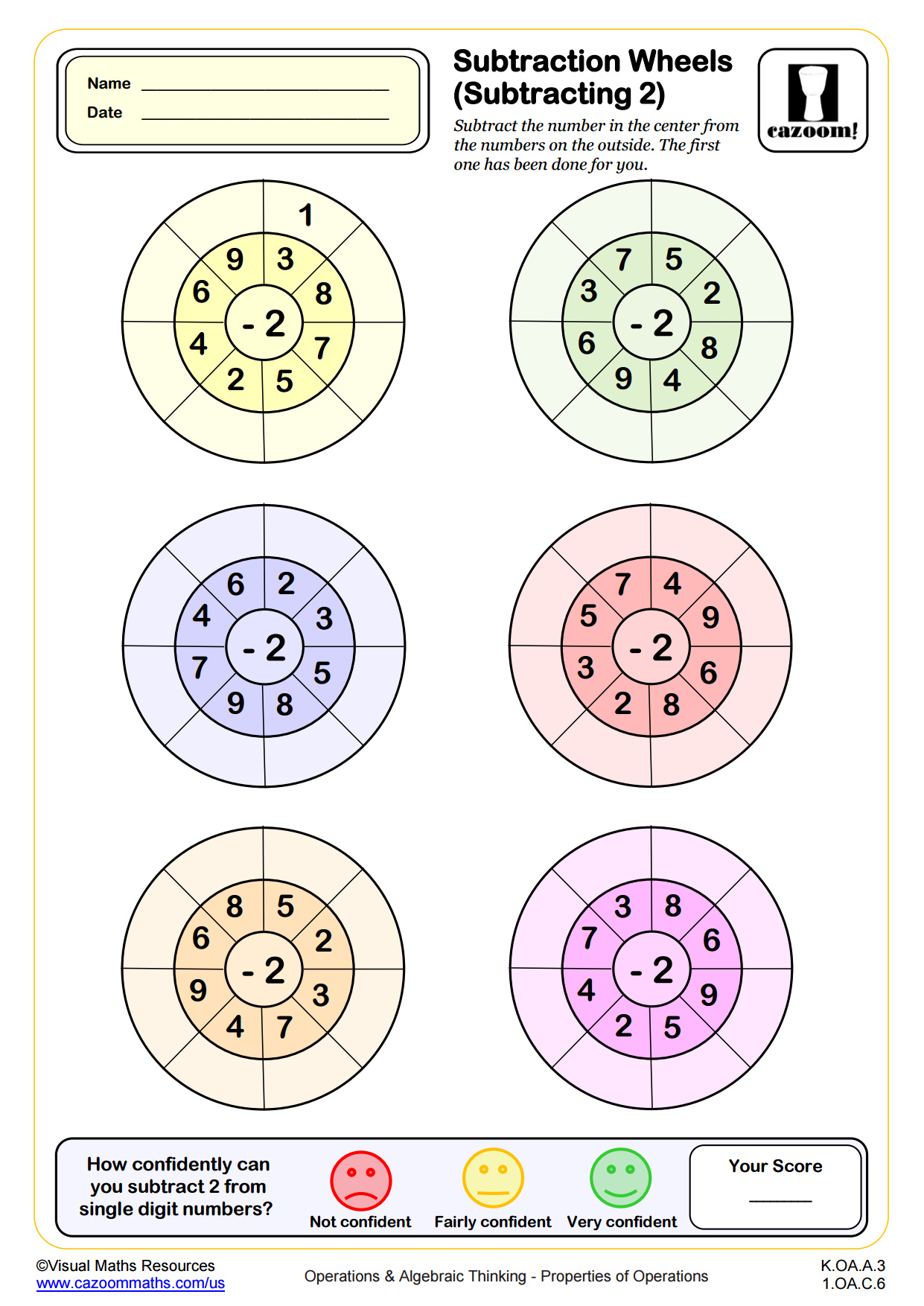
Subtraction Wheels (Subtracting 5)
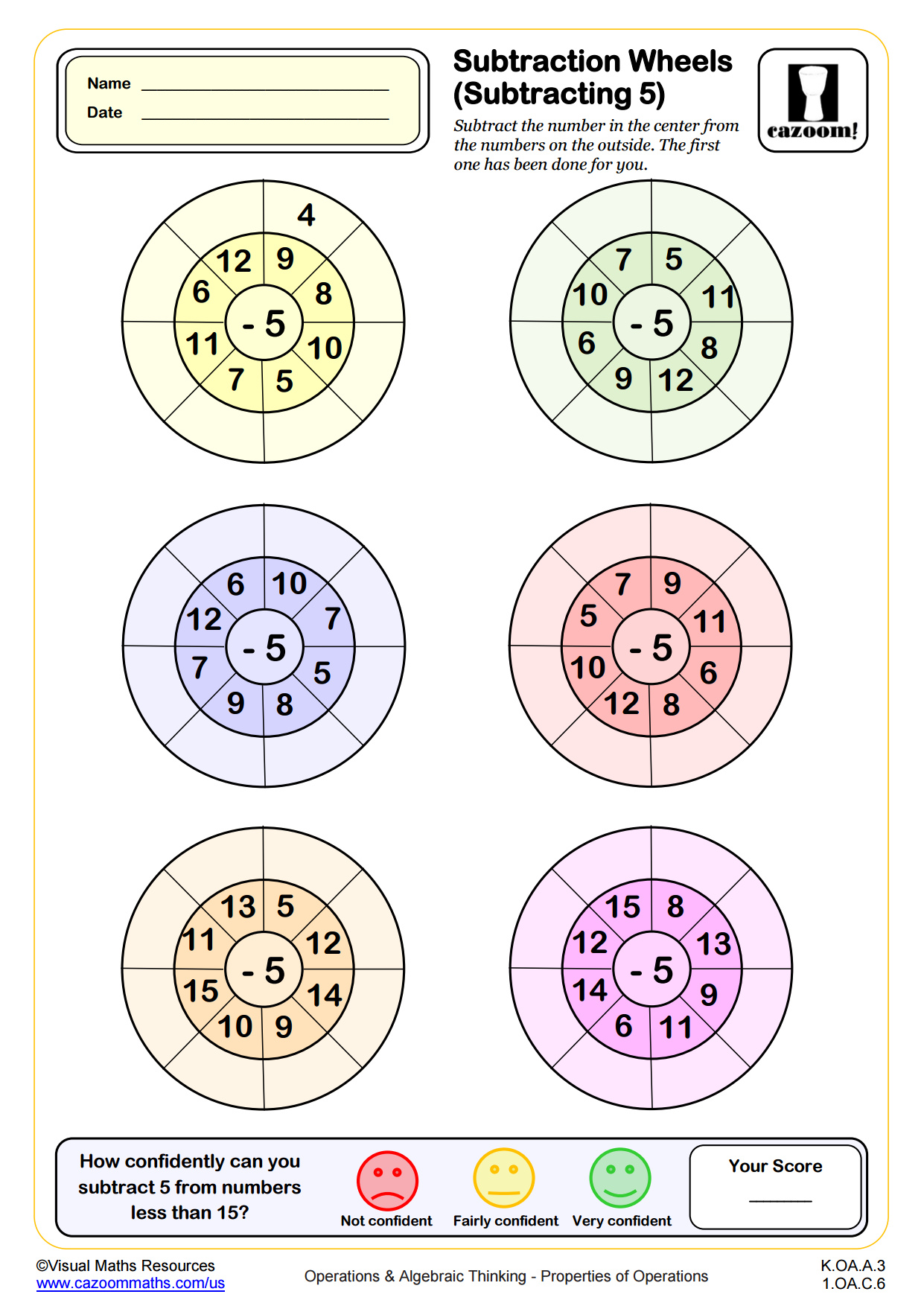
Subtraction Wheels (Subtracting up to 10) A
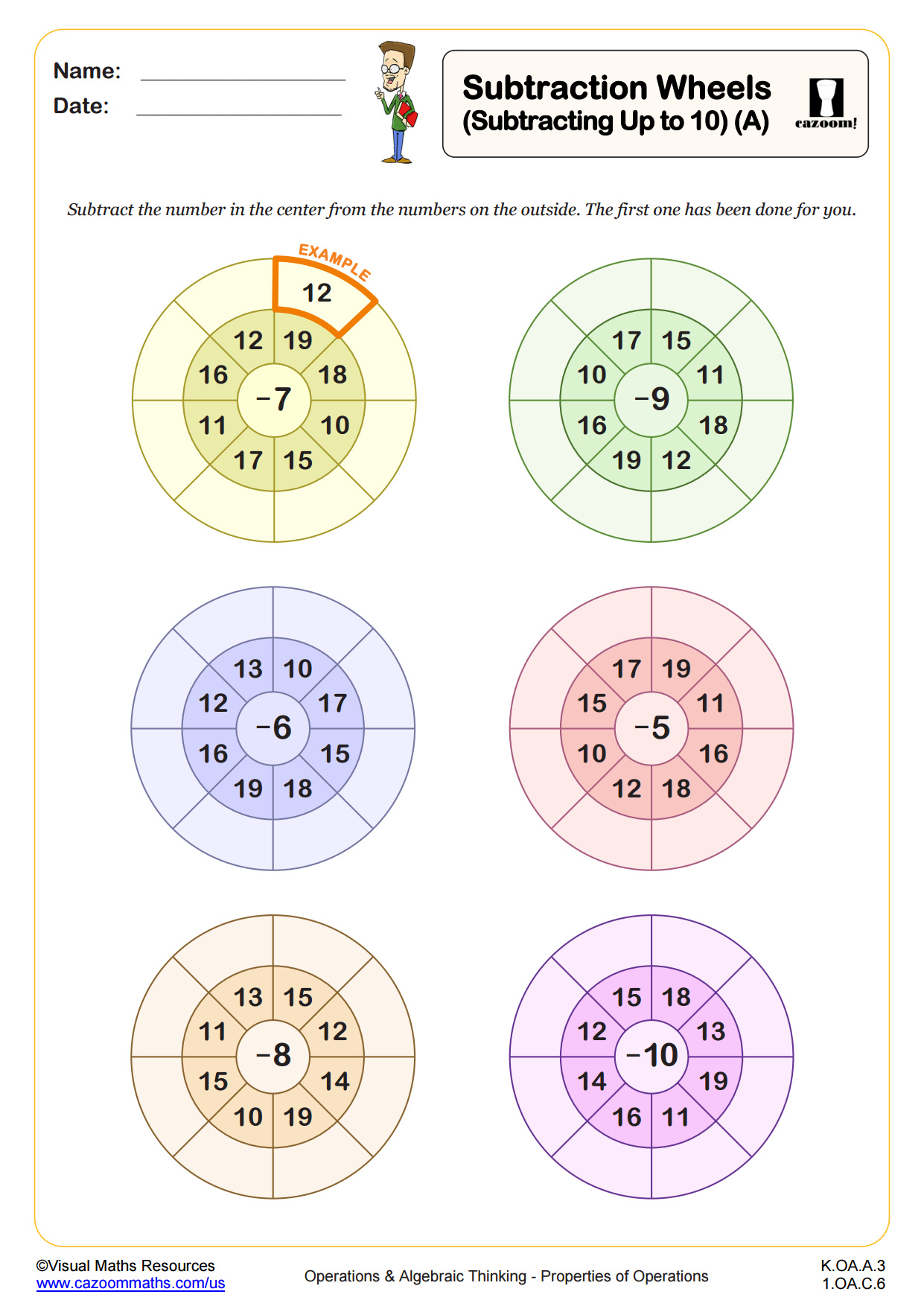
Subtraction Wheels (Subtracting up to 4)
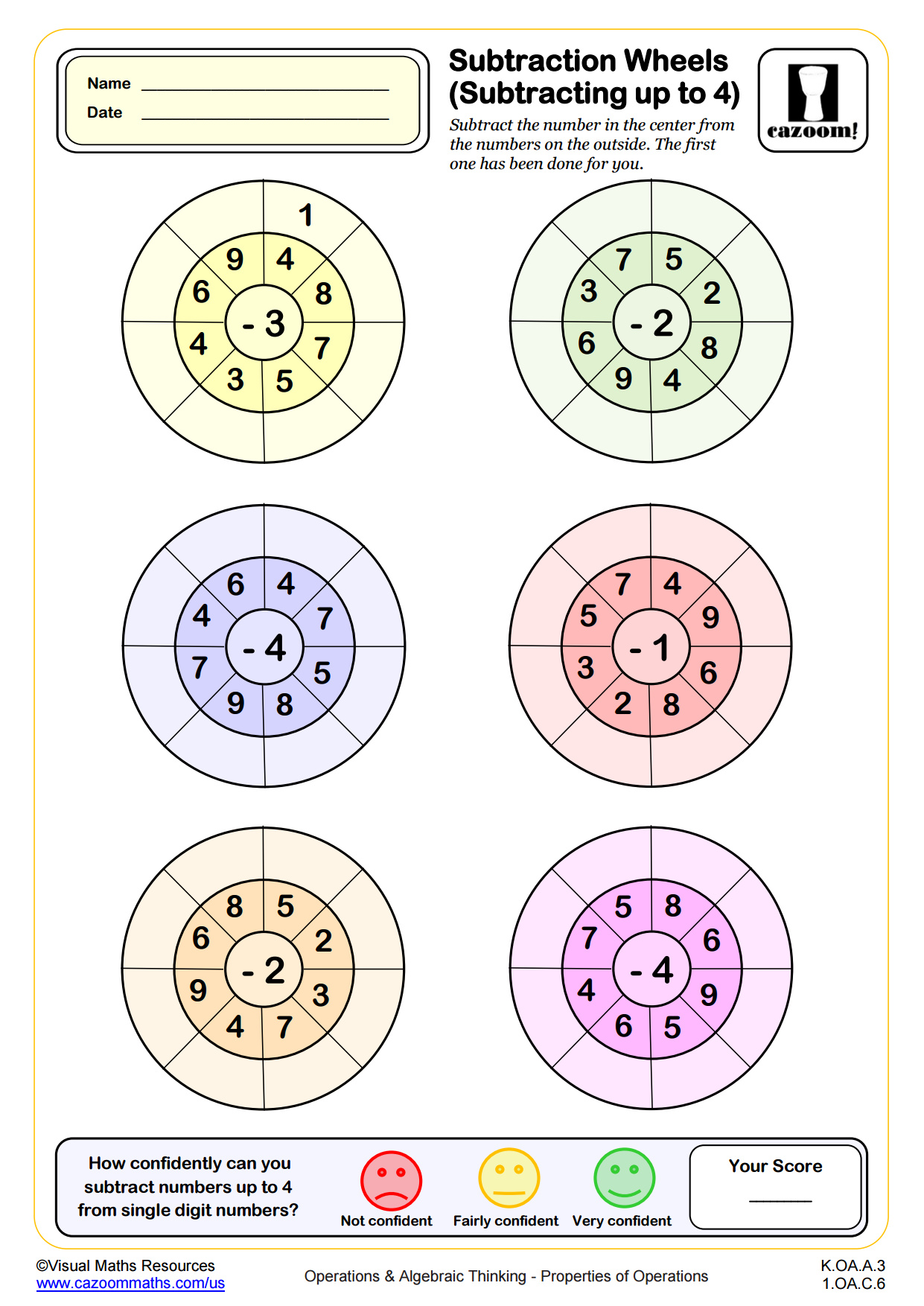
All worksheets are created by the team of experienced teachers at Cazoom Math.
The Benefits of Practicing With Our Ready-to-use Elementary School Math Worksheets
First-grade students develop their critical thinking abilities and problem-solving competencies through their study of operations and algebraic patterns. The worksheets link fundamental counting abilities to the growth of addition and subtraction proficiency. Students learn number relationships, pattern recognition, and equation understanding through practical activities that prepare them for future algebra. The practice of basic facts through regular weekly sessions helps students develop speed and confidence, while word-problem practice with structure teaches them to reason and think flexibly, which builds their mental math abilities and number sense.
Number Bonds to Skip Counting: Step-by-Step Skills Your Child Will practice
The worksheets help students progress from hands-on manipulatives to pictorial models before they learn abstract number sentences. Students better understand operations through visual aids, including dots and number lines, because these tools present mathematical concepts in tangible ways. Each worksheet focuses on a specific skill within the Operations and Algebraic Thinking domain, from number bonds and skip counting to problem-solving challenges. The program helps students develop fluency and confidence through structured progression and clear answer keys, leading to substantial gains in addition and subtraction skills and early algebraic reasoning abilities.
Transform Operations and Algebraic Thinking Activities Into a Strength With 1st Grade Worksheets
Teachers value how these worksheets integrate seamlessly into existing curriculum maps without extra planning time. Students can work independently through the structured format when they move between different math centers and station activities. Differentiated difficulty levels enable teachers to support students with varying learning needs in the same learning environment. Teachers can use quick-check formats to perform formative assessments, which help them monitor student progress during their busy school days. The different types of worksheets help students avoid boredom while keeping their skills development on track. Parents find comfort in the established framework, which enables them to assist their children with homework even though they lack expertise in math. Educators commonly use these materials to help their students complete morning work assignments and for early finisher activities and intervention groups.
Why Real-Life Math Starts With Operations and Algebraic Thinking
First graders encounter addition and subtraction in countless real-world situations. These fundamental operations connect classroom learning to everyday experiences.
• Counting lunch money and change
• Dividing snacks among friends
• Measuring growth on charts
• Calculating minutes until activities