1st Grade Place Value Worksheets
All worksheets are created by the team of experienced teachers at Cazoom Math.
What Is Place Value and Why Does It Matter in First Grade?
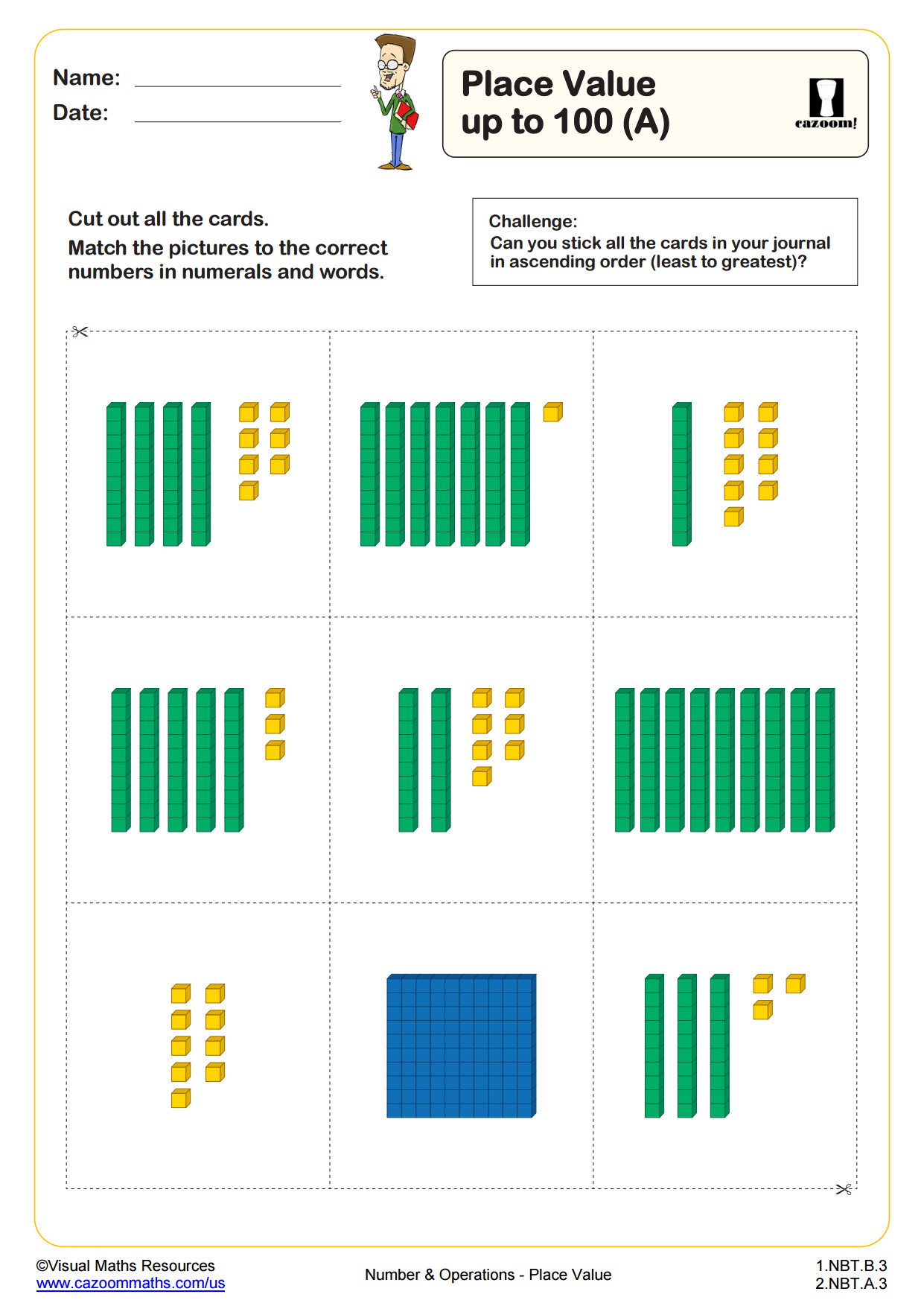
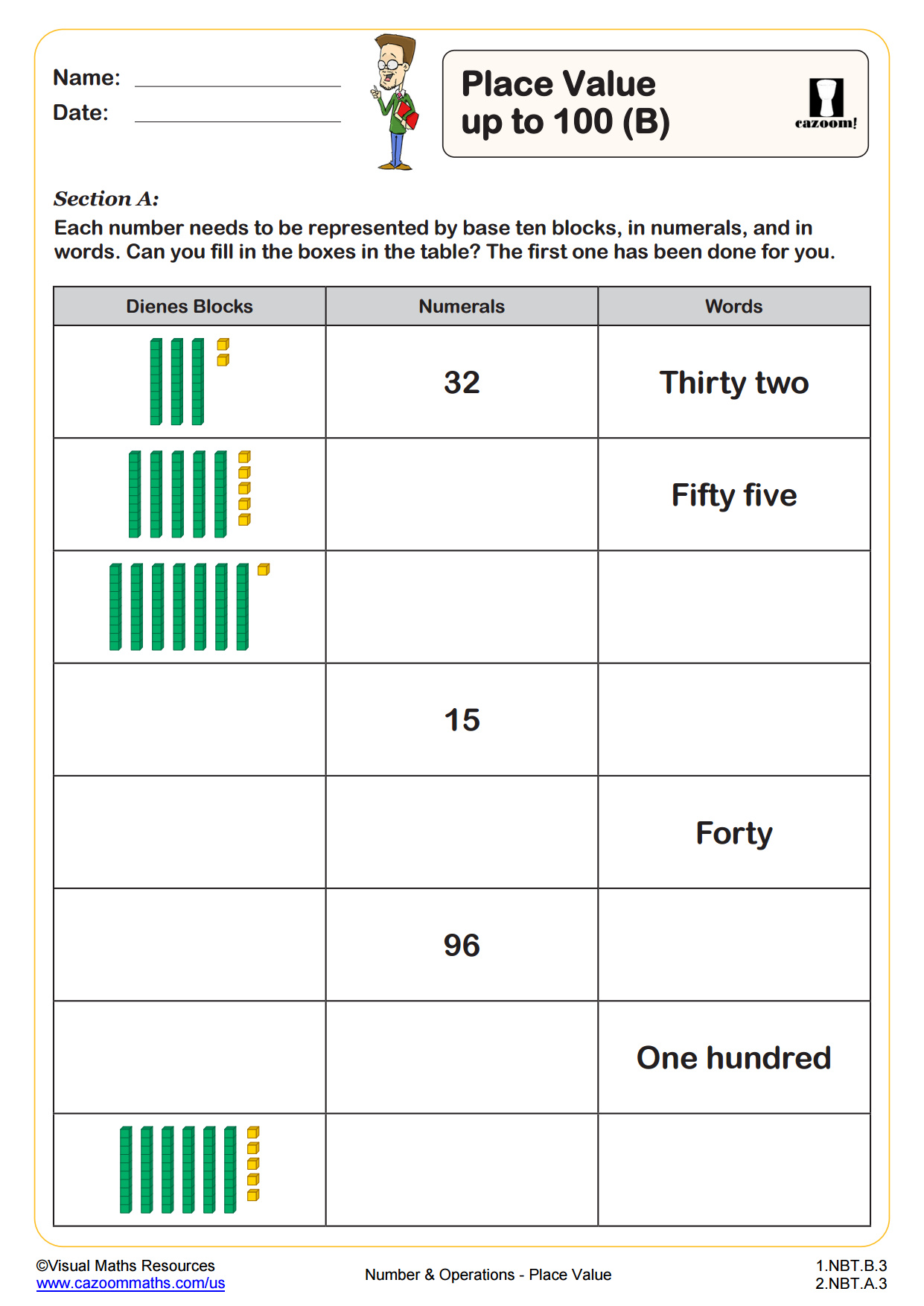
Place value is the understanding that the position of a digit in a number determines its value. In first grade, this means recognizing that the number 34 contains 3 tens (worth 30) and 4 ones (worth 4). This concept aligns with Common Core Standard 1.NBT.B.2, which expects students to understand that the two digits of a two-digit number represent amounts of tens and ones.
Many teachers find that students initially treat two-digit numbers as two separate single-digit numbers rather than as a unified quantity. For example, when comparing 28 and 31, some students incorrectly choose 28 as larger because they focus on the 8 in the ones place. Regular practice with place value models, base-ten blocks, and visual representations helps students move past this misconception and recognize that the tens place carries greater weight than the ones place.
What Should First Graders Know About Place Value?
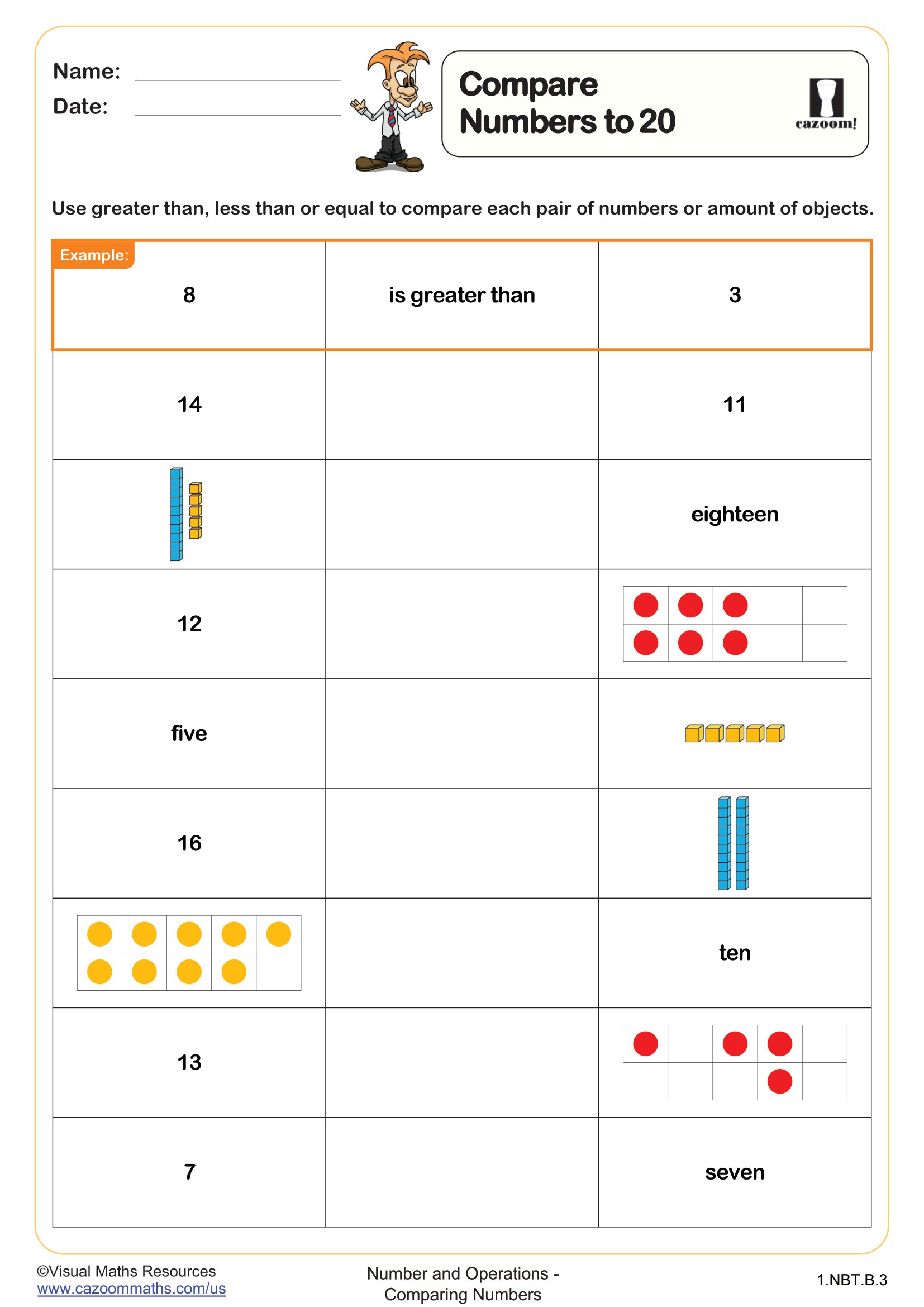
By the end of first grade, students should confidently identify tens and ones in any number up to 100, compare two-digit numbers using inequality symbols, and understand that adding 10 to a number changes only the tens digit. They should also be able to represent numbers using drawings, equations, or manipulatives that show the breakdown into tens and ones. First graders work extensively with number lines to 20 and gradually extend their understanding to 100.
This work builds directly on kindergarten counting skills and prepares students for second grade addition and subtraction with regrouping. Students who master place value in first grade find it significantly easier to understand why we "carry" or "borrow" in multi-digit operations. Without this foundation, students often resort to memorizing procedures without understanding why the algorithms work, which creates challenges in later grades when math concepts become more abstract.
How Do Number Lines Support Place Value Understanding?
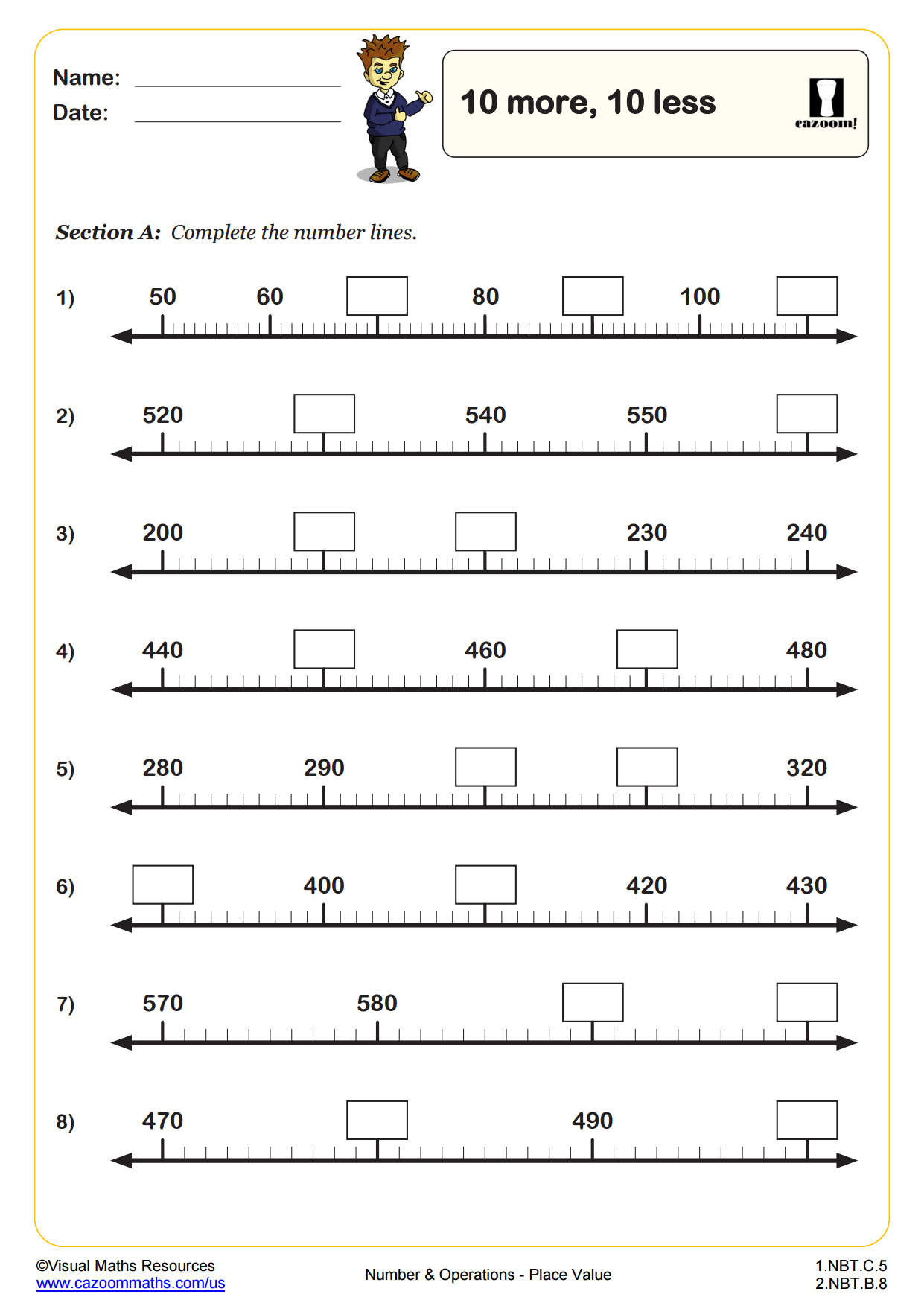
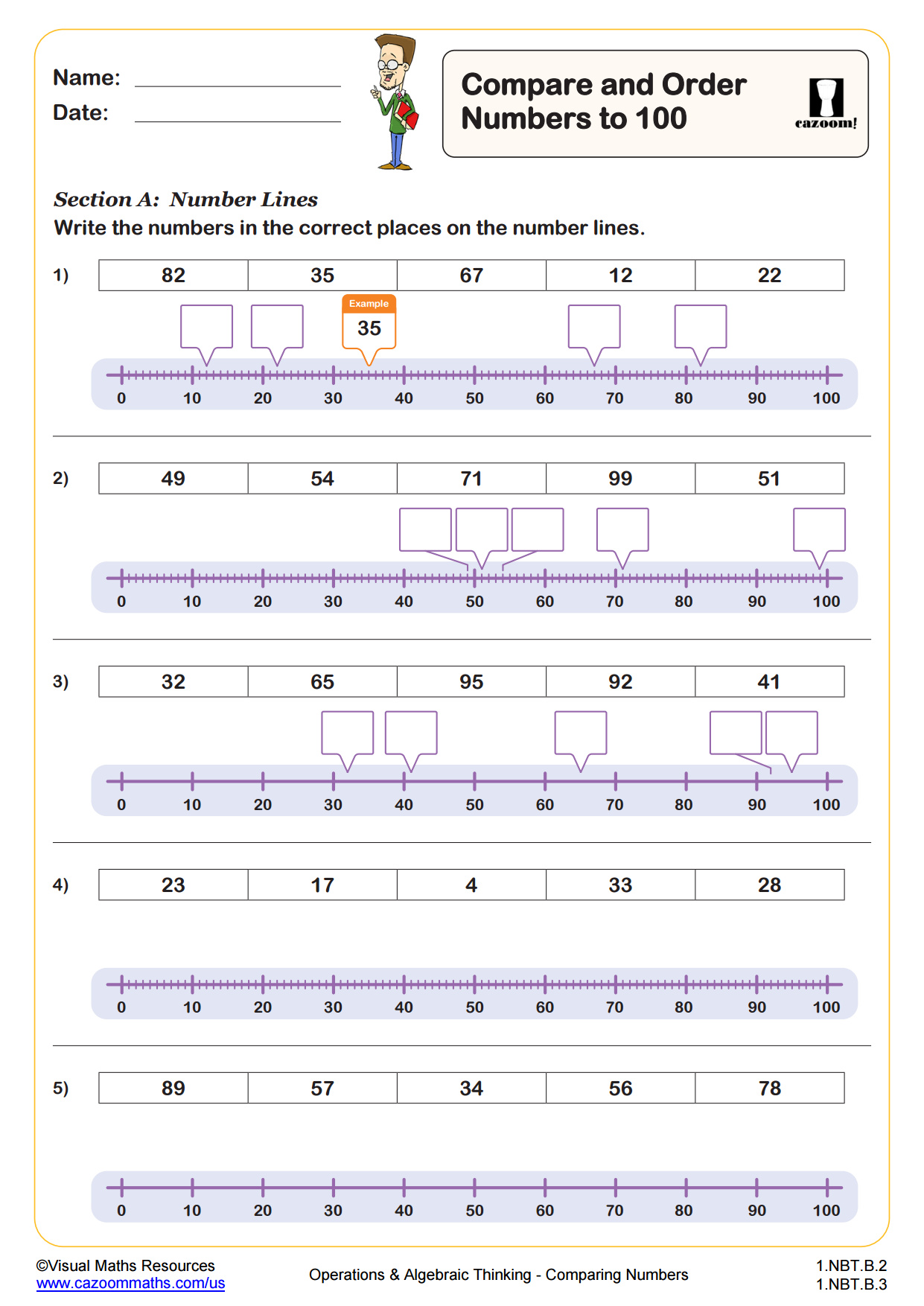
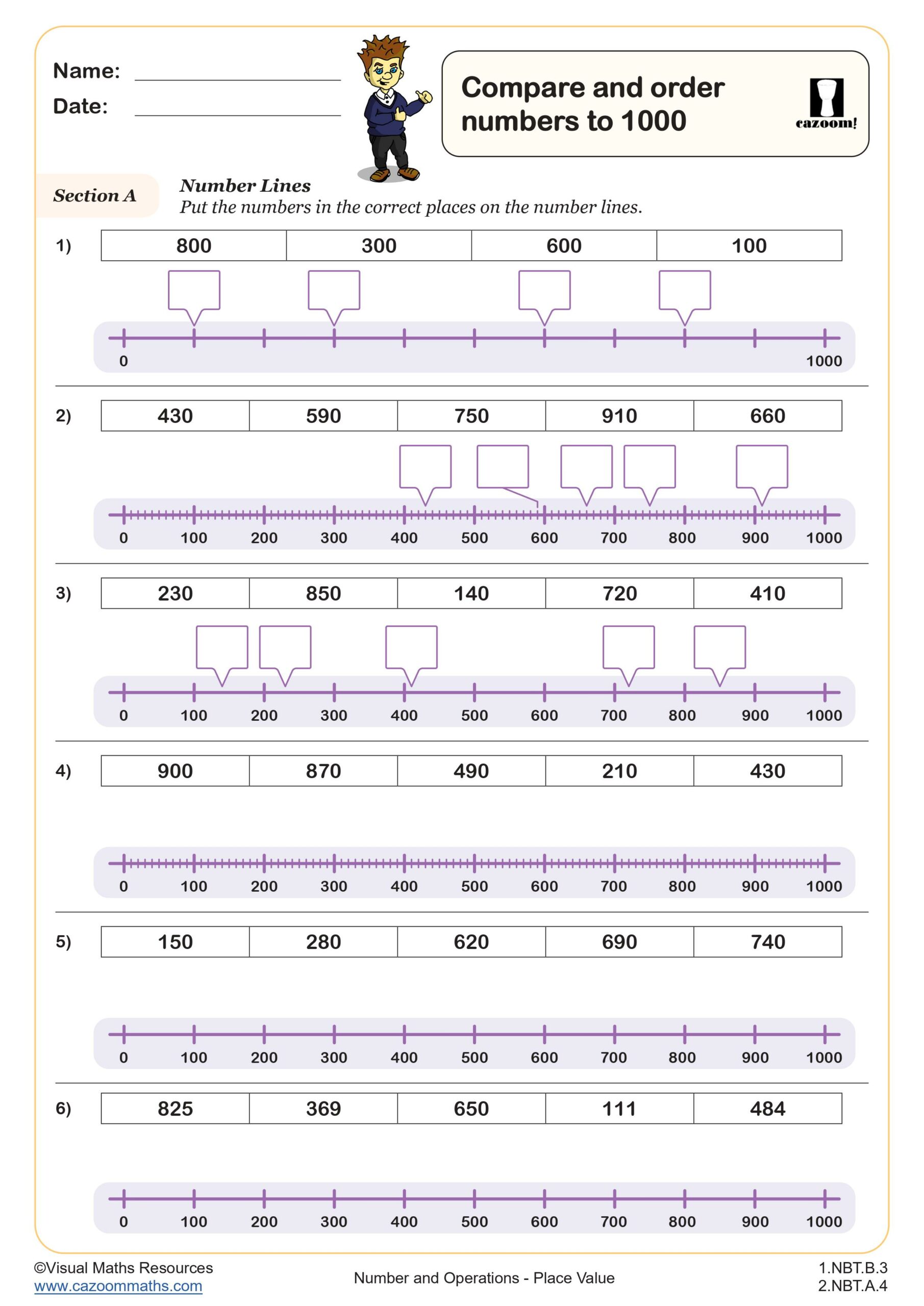
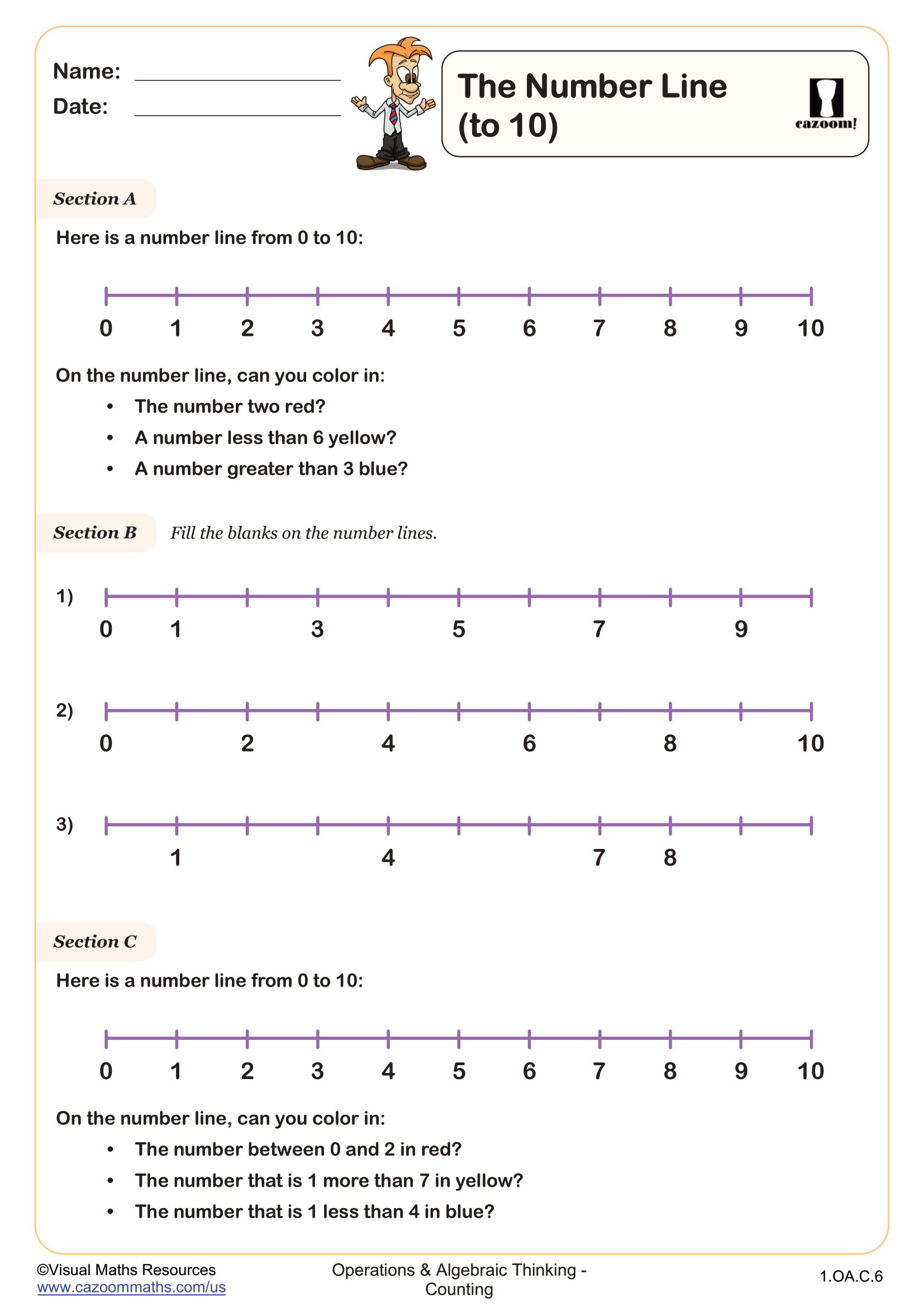
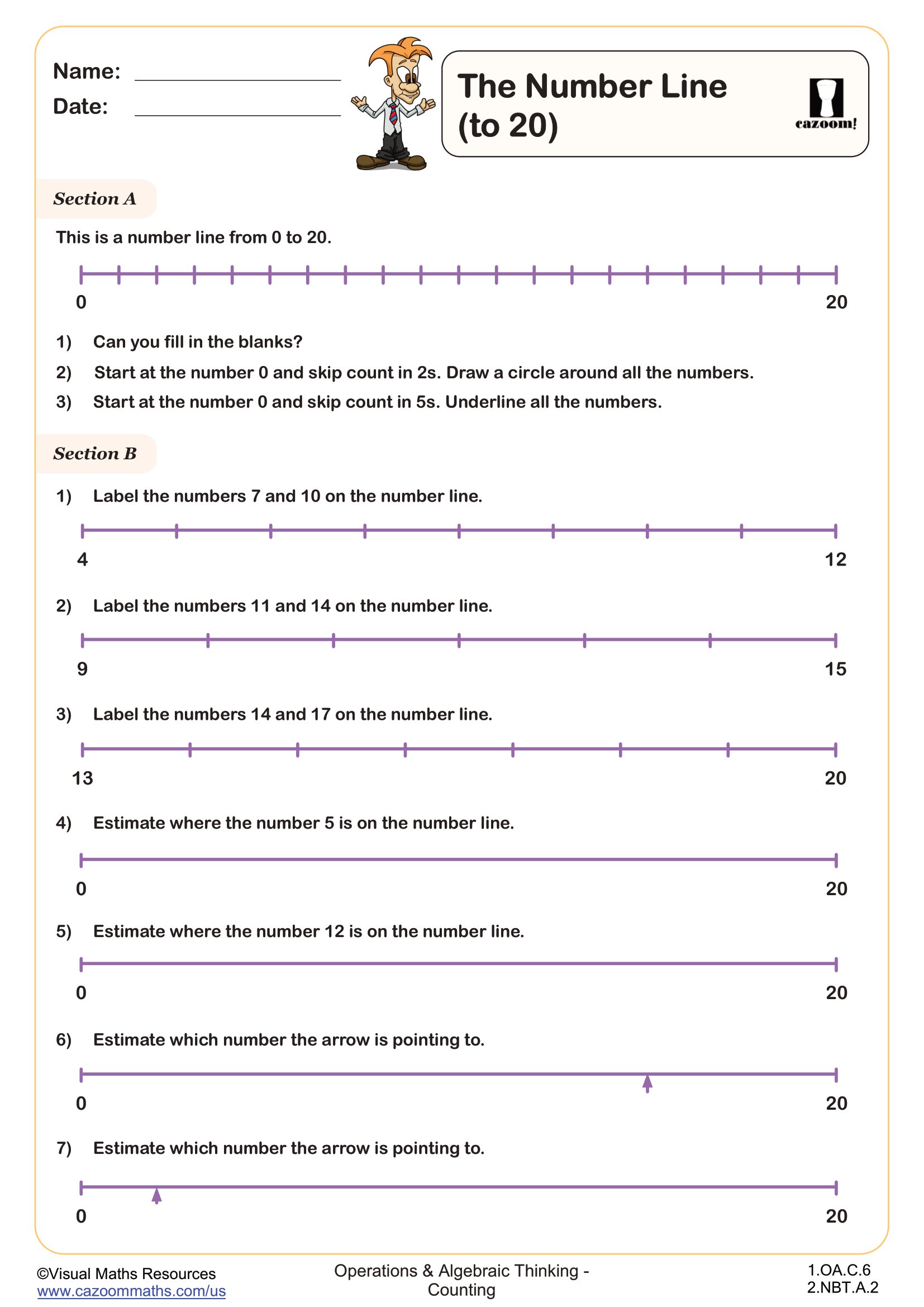
Number lines provide a visual representation that helps students see numbers as points along a continuous sequence rather than isolated symbols. When students place numbers like 15, 28, and 42 on a number line, they begin to internalize that numbers closer to 100 are larger and that the distance between numbers represents their difference. Number lines to 10 and 20 help students grasp basic ordering before extending to 100.
This spatial understanding connects directly to measurement concepts students encounter in science and everyday life. When students measure length with a ruler, they're reading a number line. When they look at a thermometer to check if it's warm enough to play outside, they're interpreting values on a vertical number line. Understanding that numbers have both order and magnitude prepares students for data interpretation on graphs and charts, skills they'll use throughout STEM subjects and in making informed decisions about quantities in daily situations.
How Can Teachers Use These Place Value Worksheets Effectively?
These worksheets scaffold learning by starting with smaller number ranges and visual supports before progressing to more abstract representations. The collection includes both foundational practice with place value charts and application problems where students compare and order numbers, allowing teachers to match worksheets to individual student readiness levels. Complete answer keys make it easy to quickly review student work and identify patterns in errors.
Teachers frequently use these worksheets during small group instruction for students who need extra support with two-digit numbers, while other students work independently on grade-level content. The worksheets also work well as homework assignments because the consistent format helps parents understand what their child is learning. Some teachers assign one worksheet as a pre-assessment, then use the results to form targeted intervention groups before reassessing with a parallel worksheet. The clear visual layout particularly benefits students who struggle with number sense, giving them repeated opportunities to connect abstract numerals with concrete quantities.