1st Grade Properties of Operations Worksheets
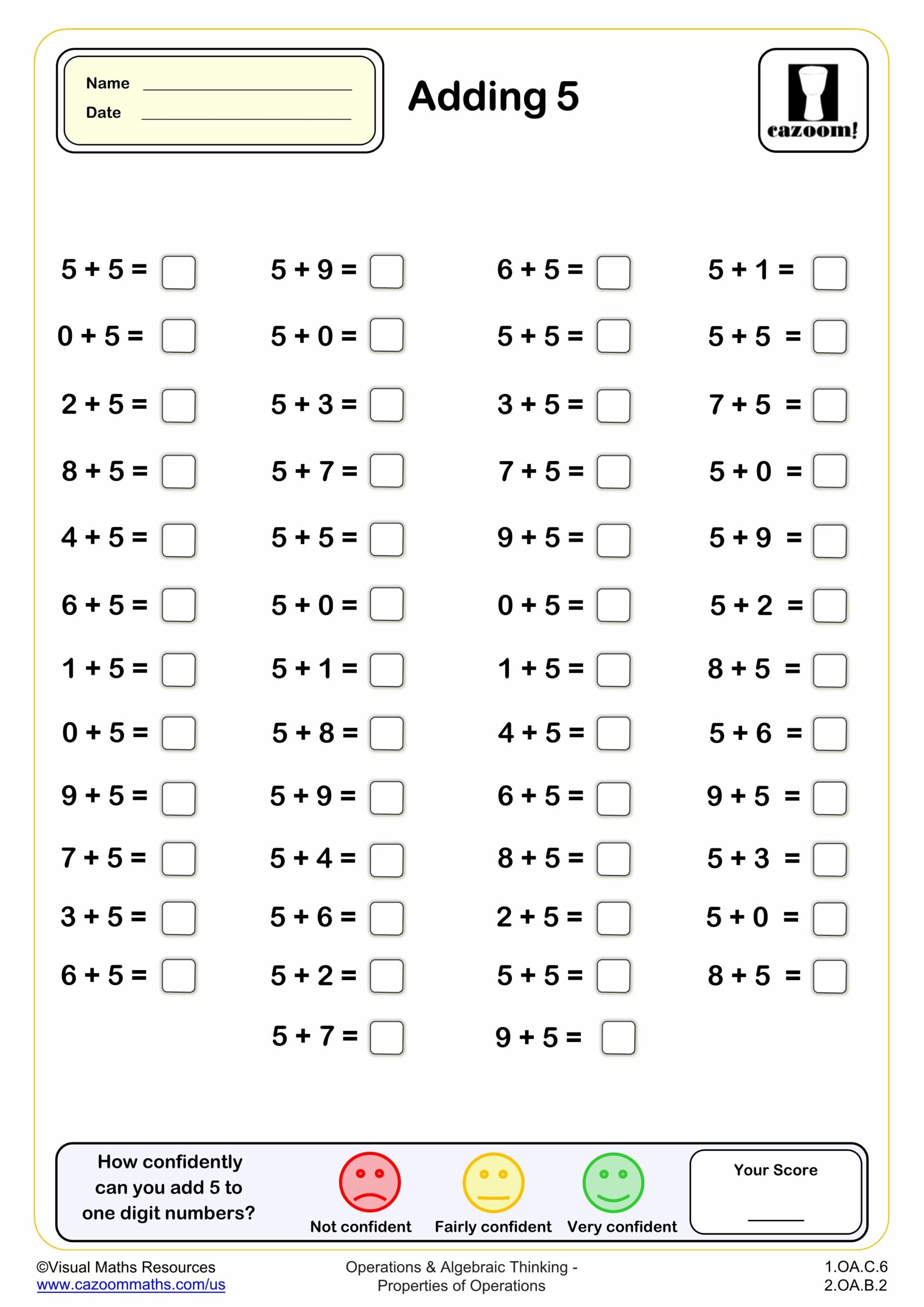
Adding 5 (50 questions)
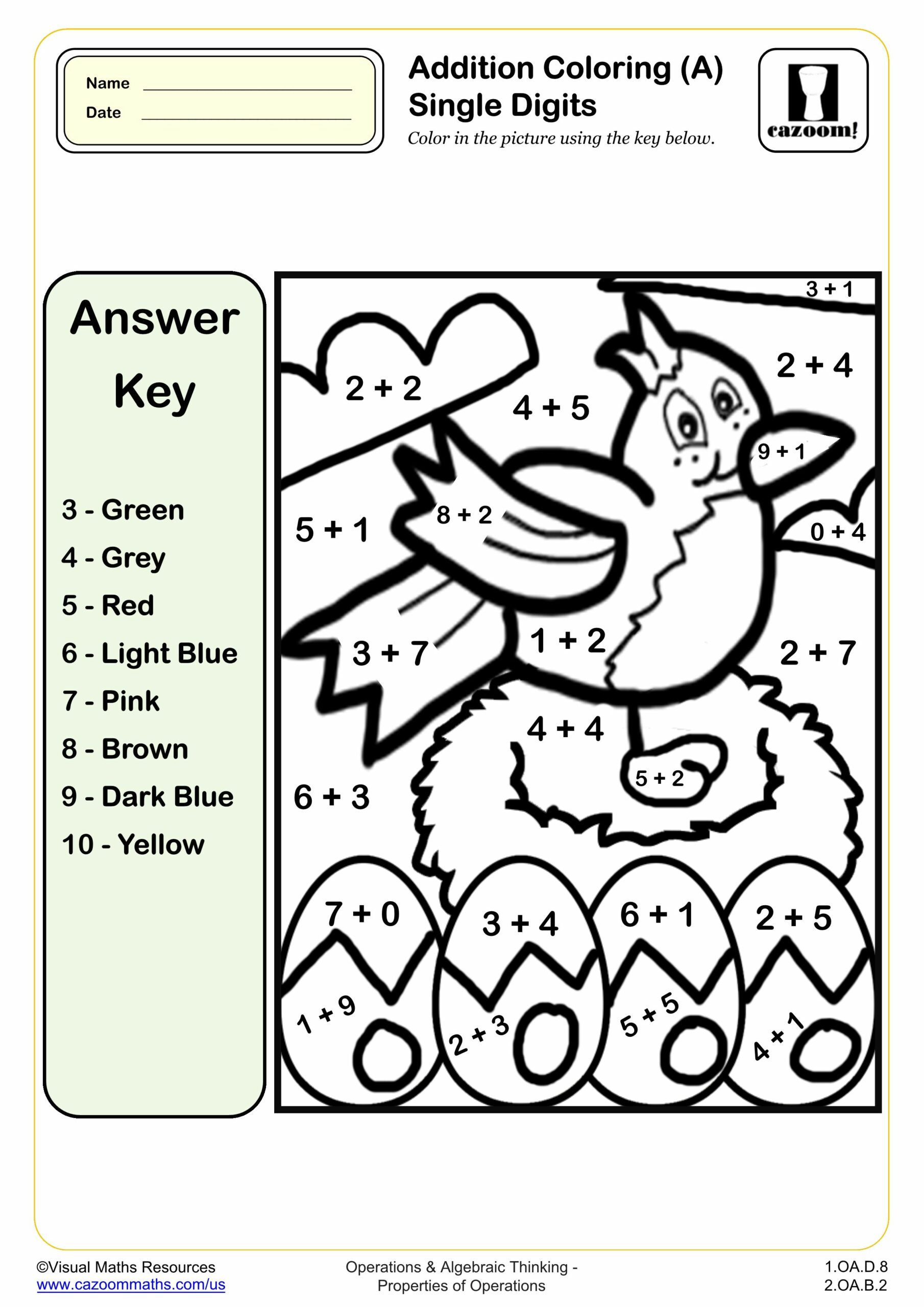
Addition Coloring (A) Single Digits
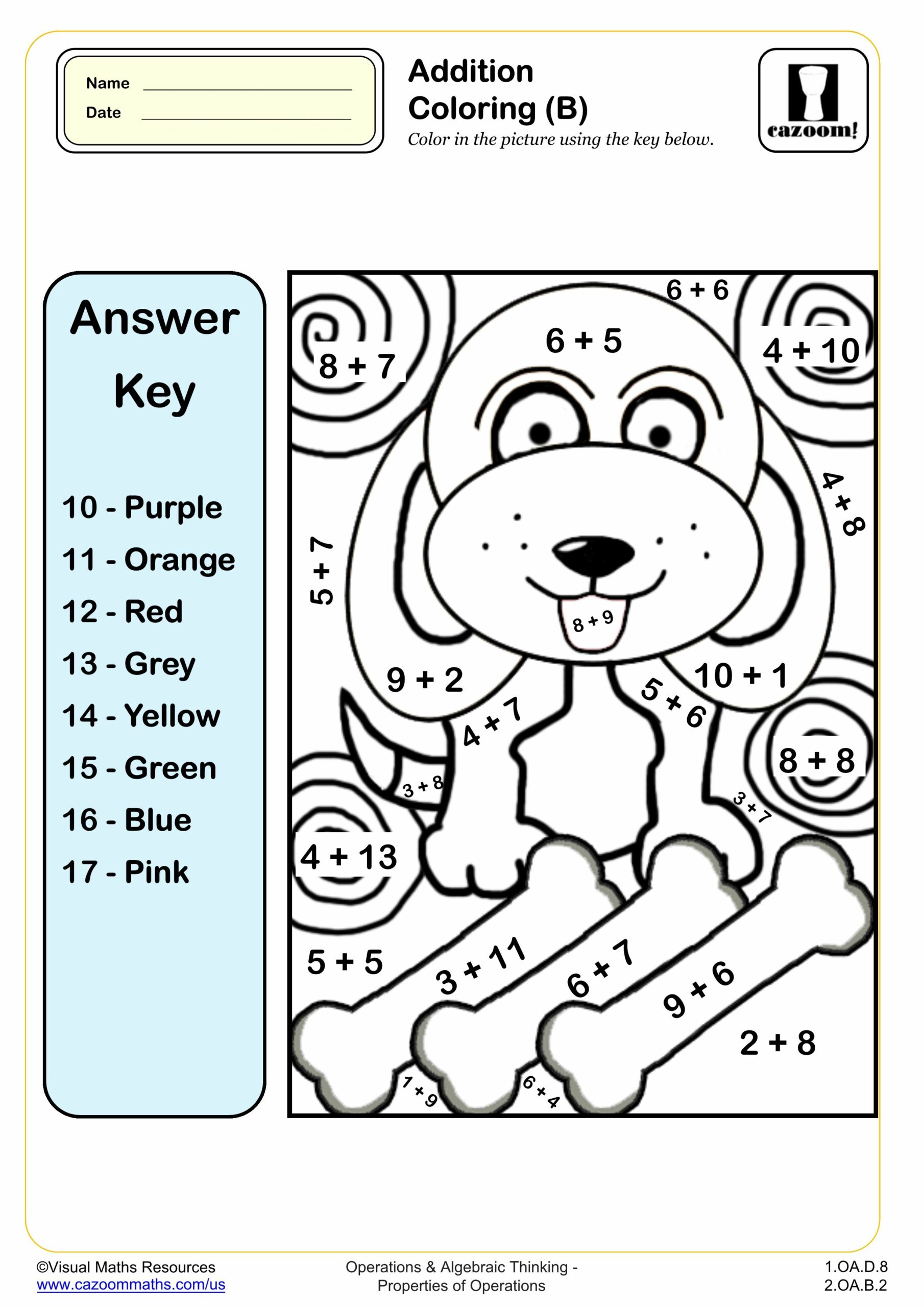
Addition Coloring (B)
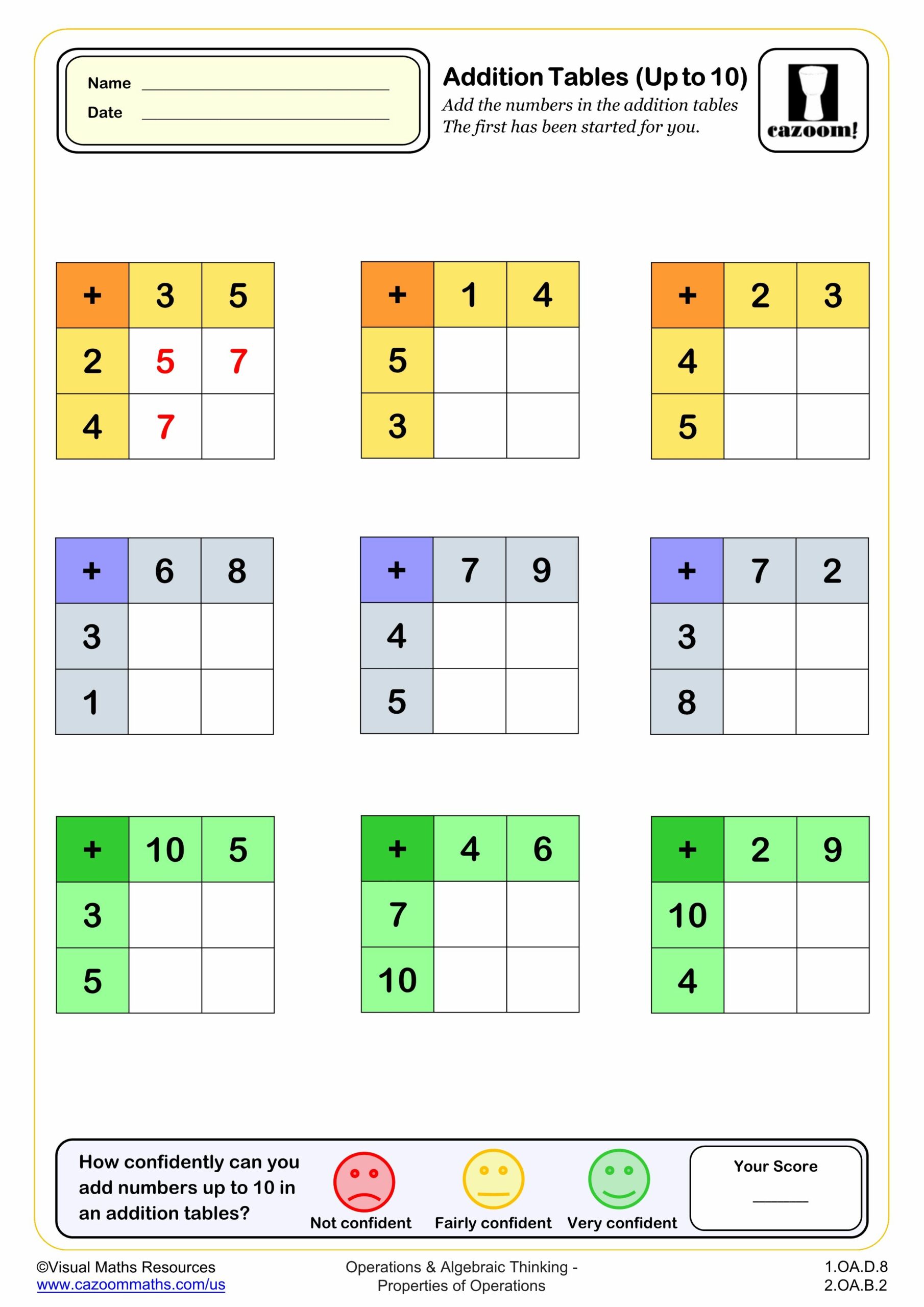
Addition Tables up to 10
Addition Wheels (adding 1)
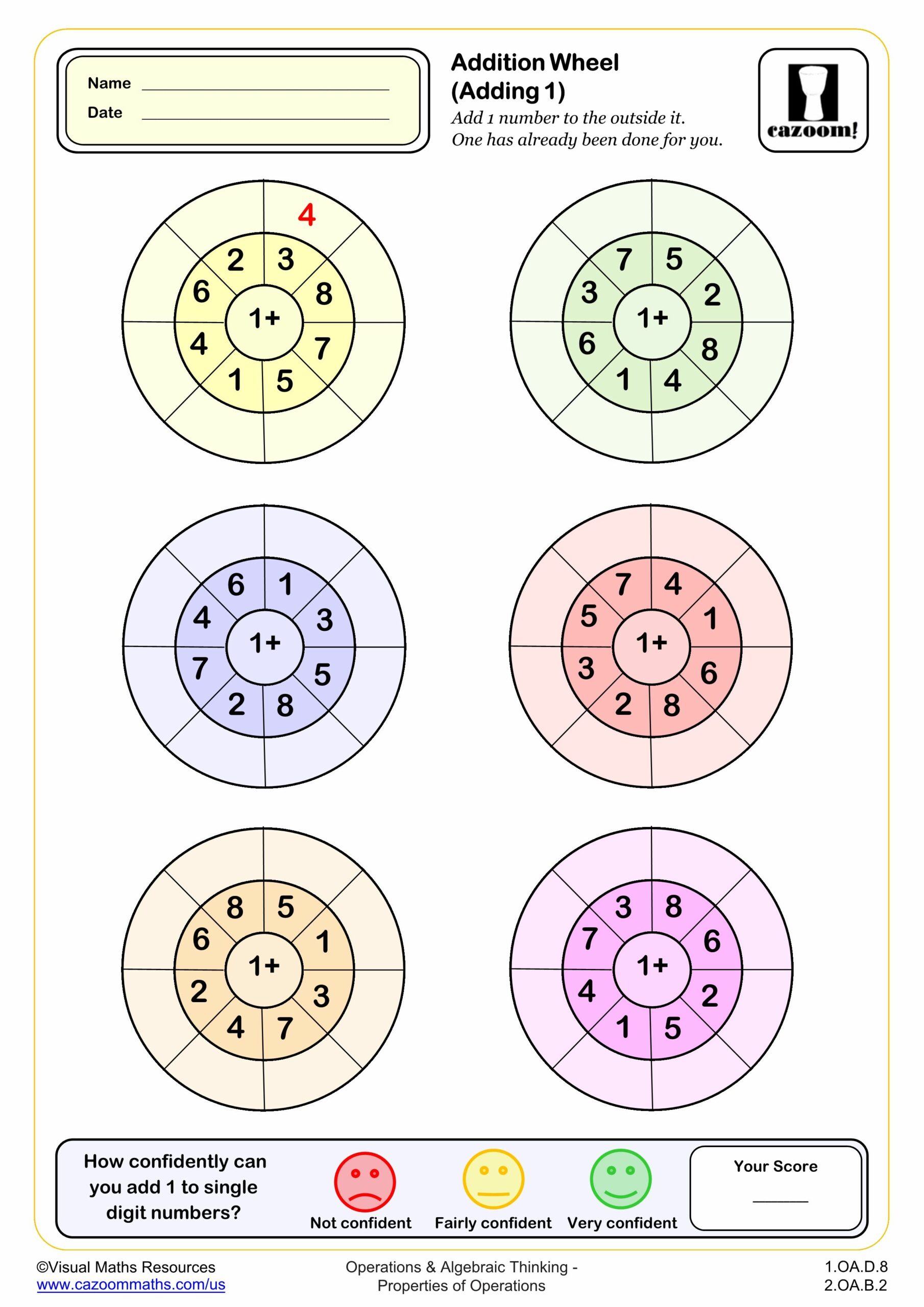
Addition Wheels (adding 2)
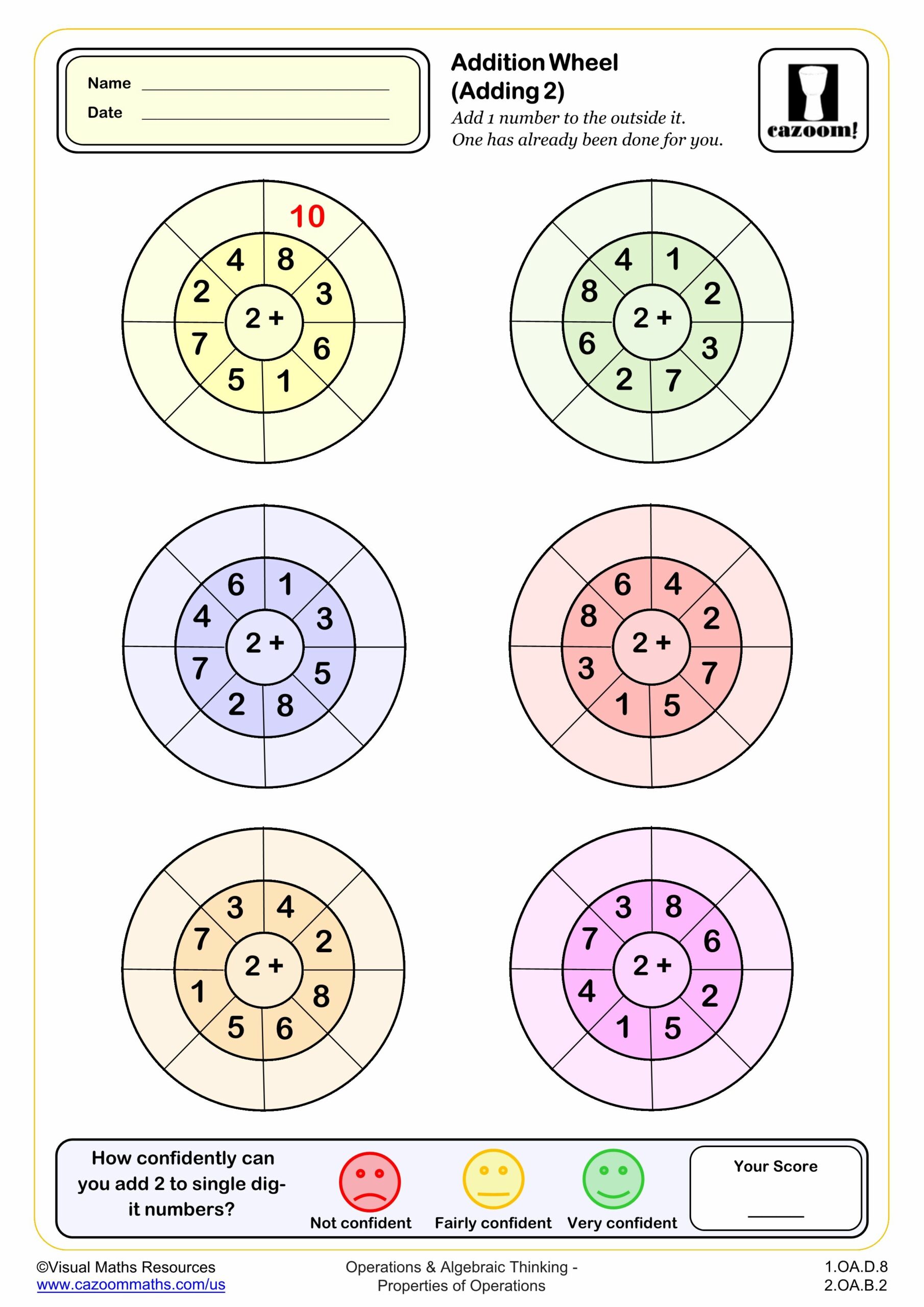
Addition Wheels (Up to 10)
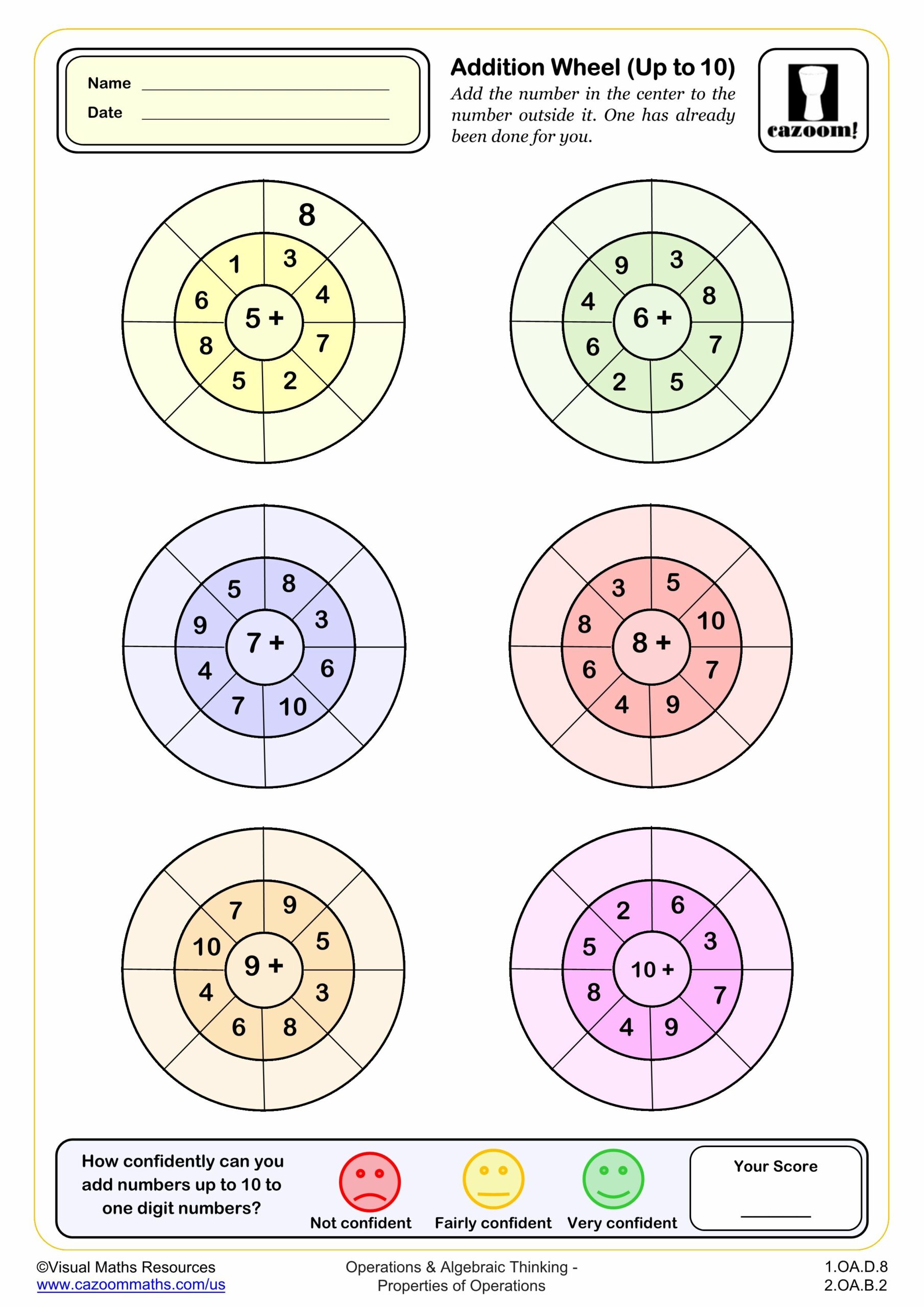
Addition Wheels (Up to 17)
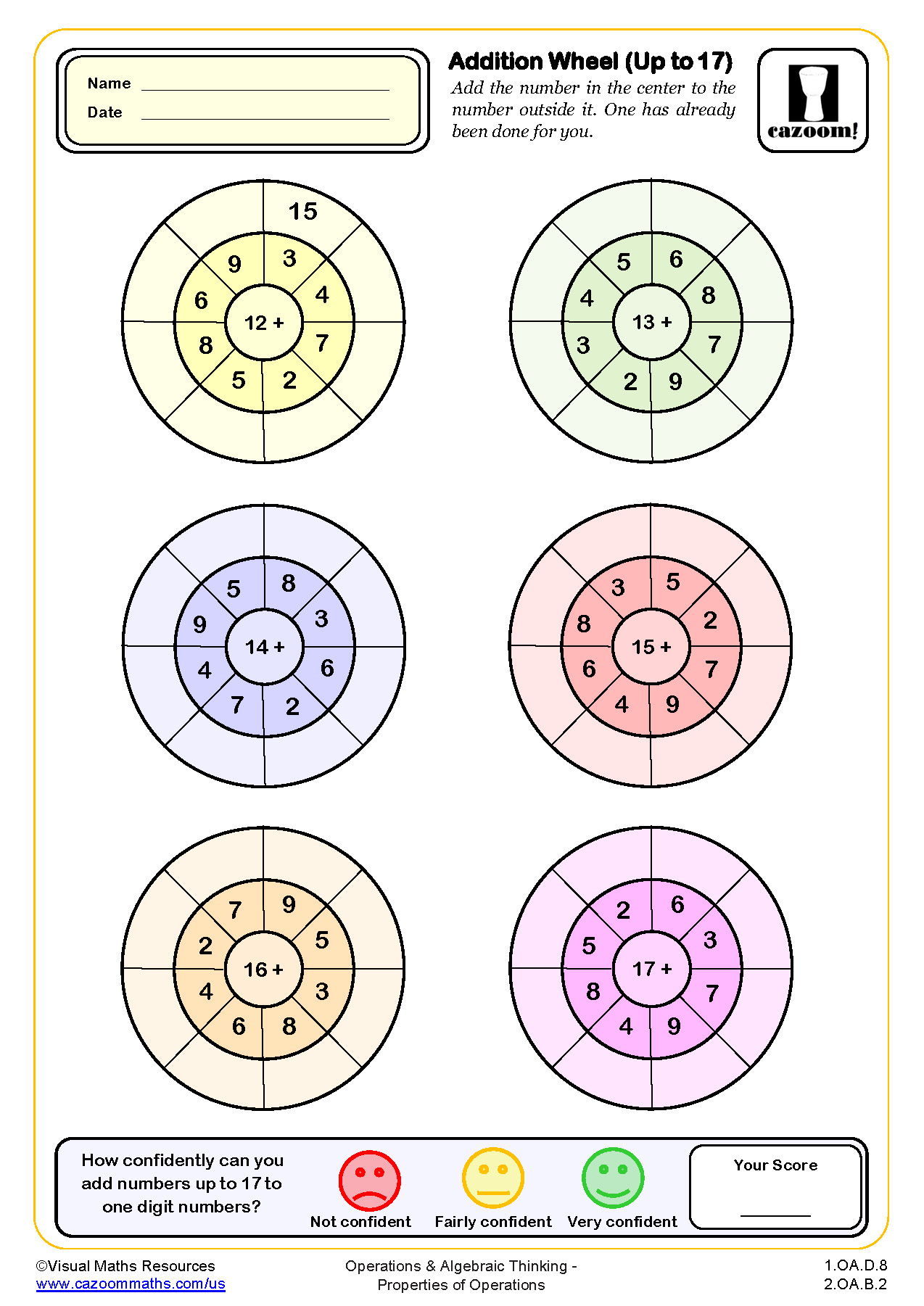
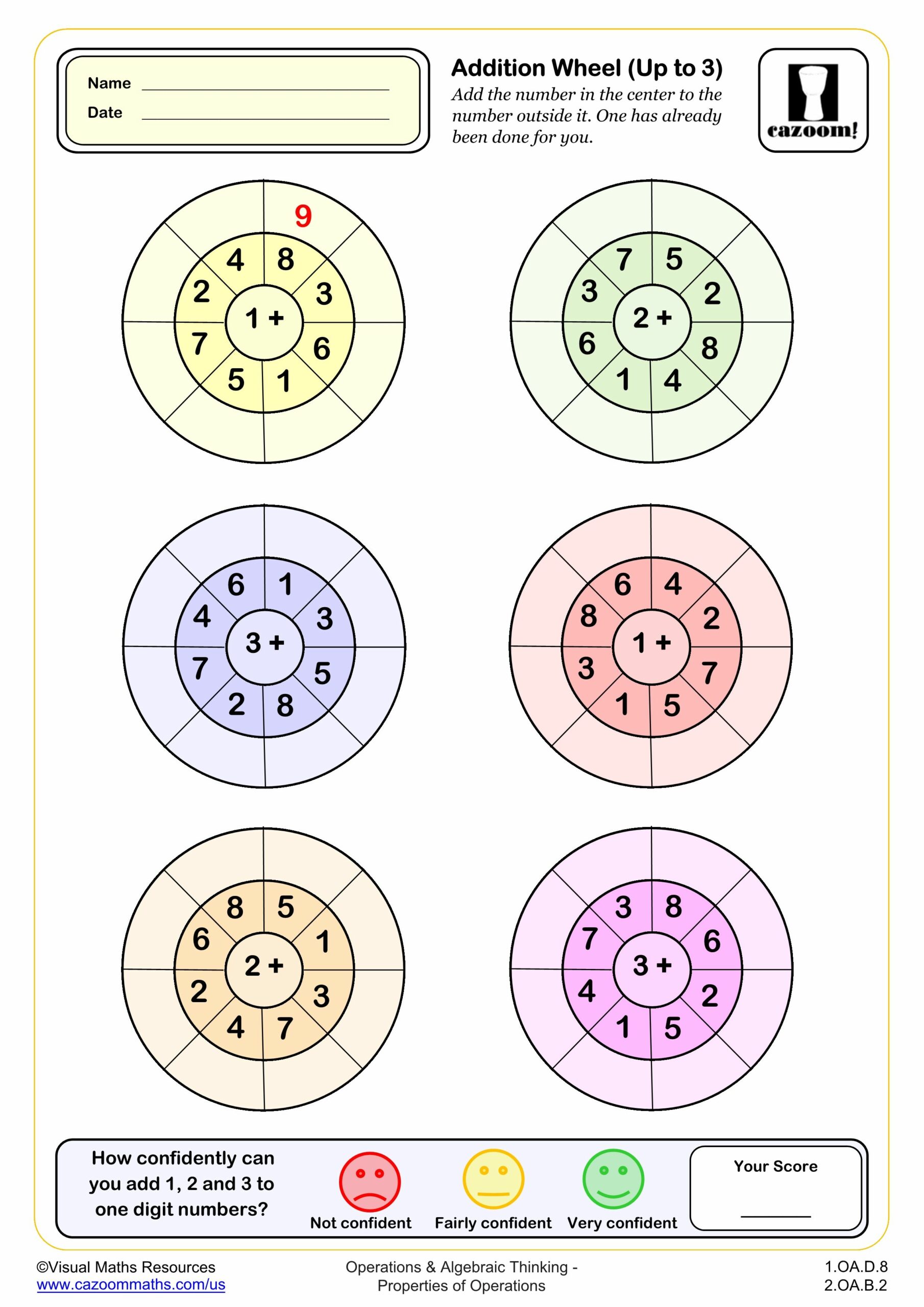
Addition Wheels (Up to 3)
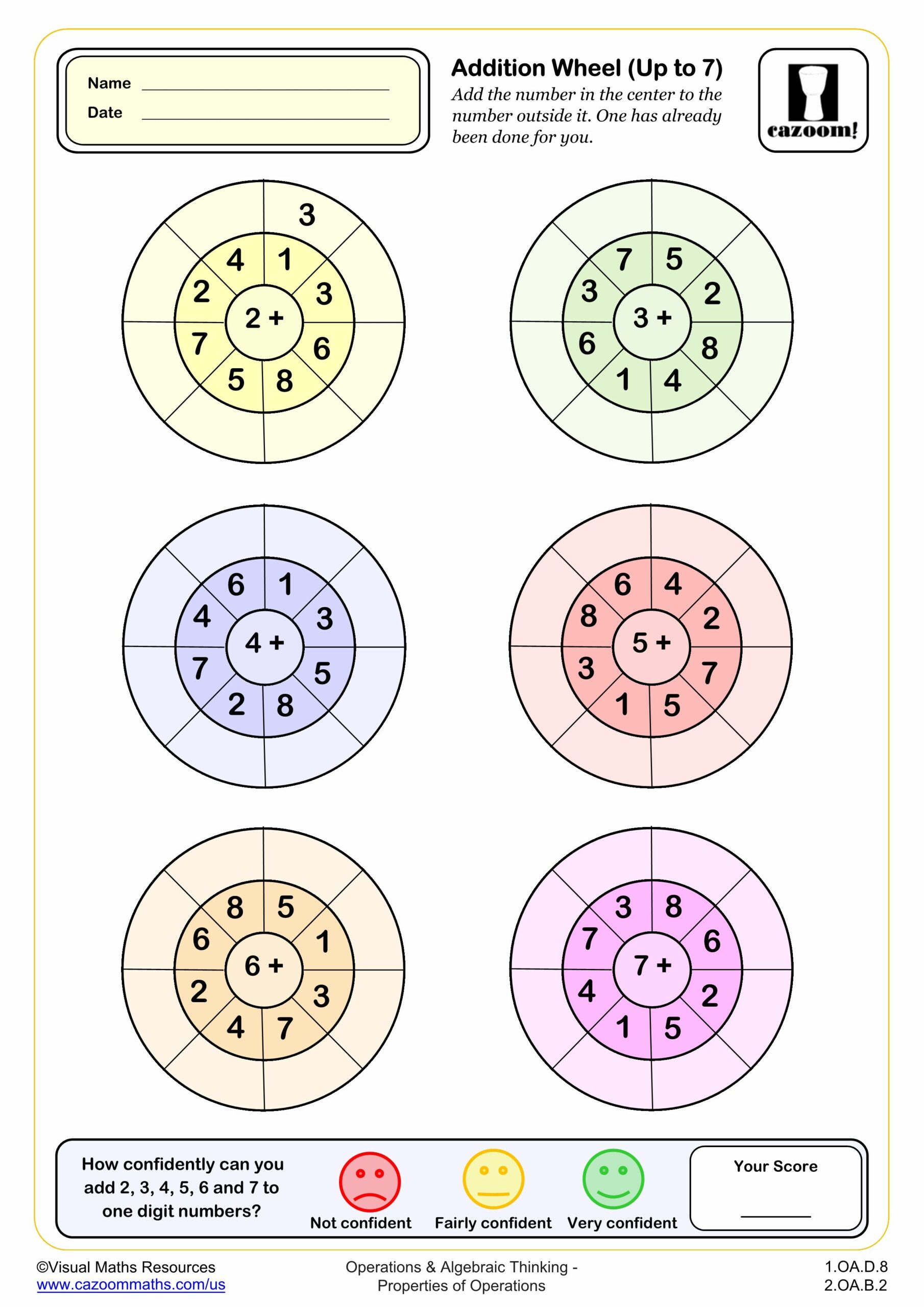
Addition Wheels (Up to 7)
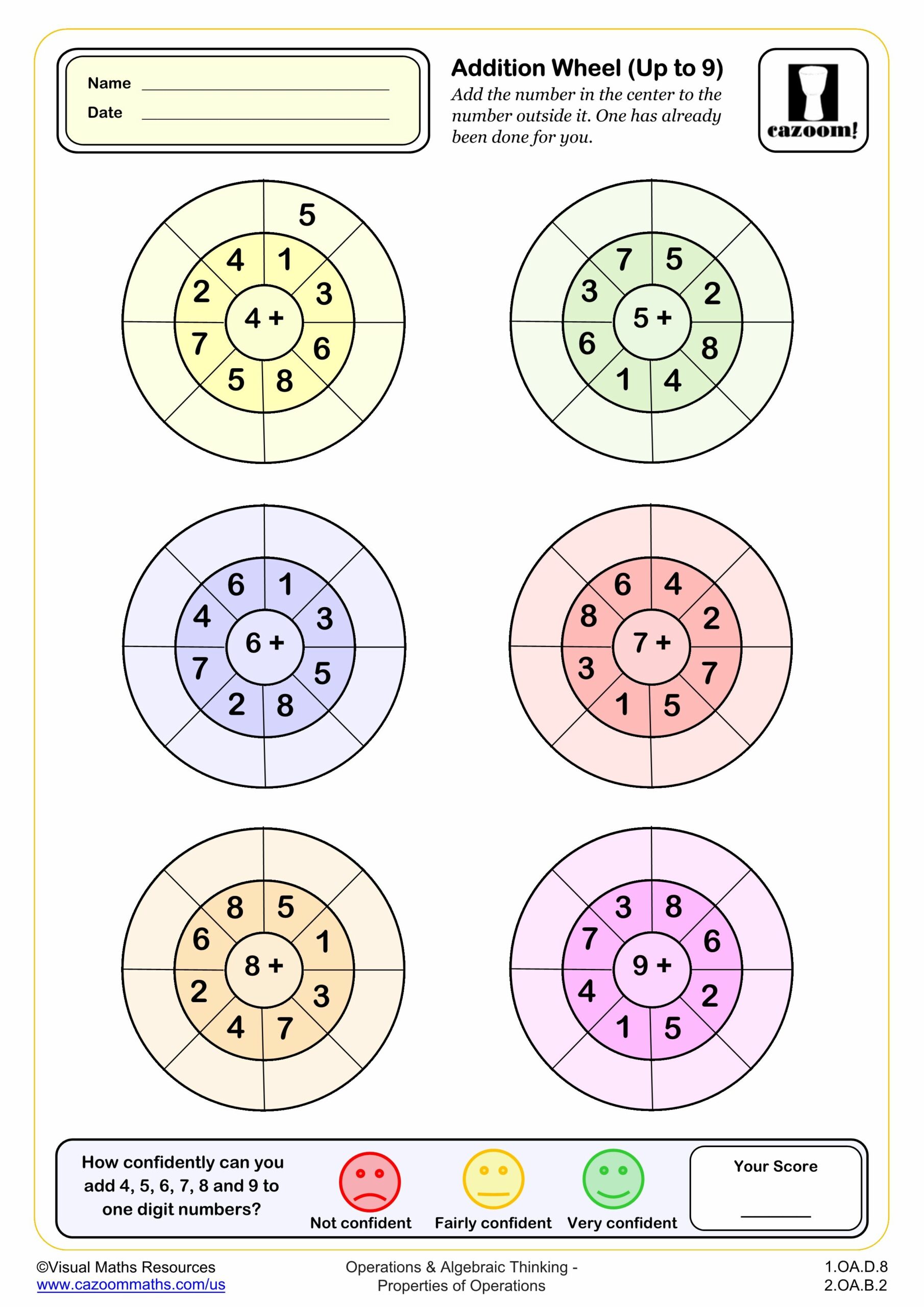
Addition Wheels (Up to 9)
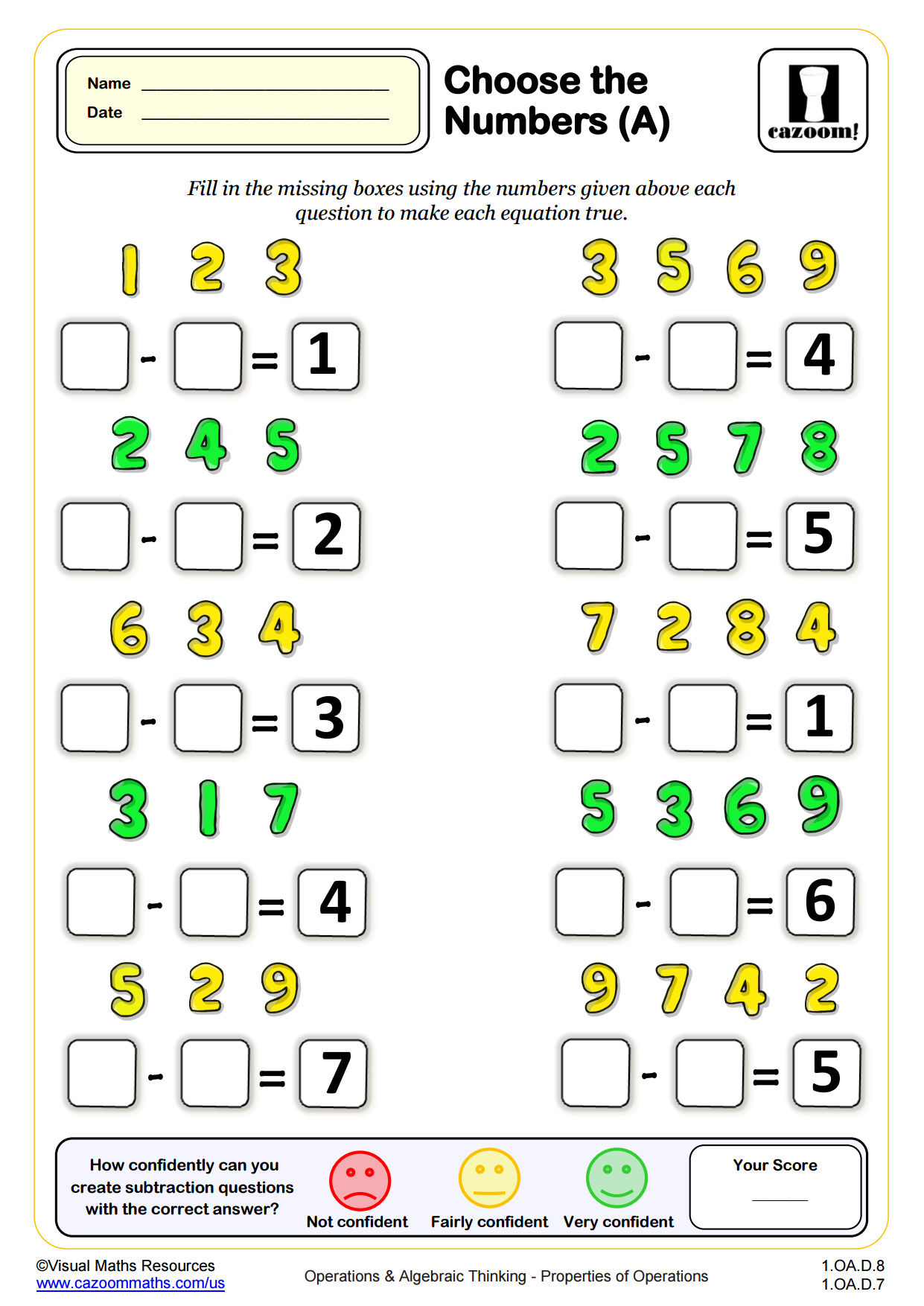
Choose the Numbers (A)
Choose the Numbers (B)
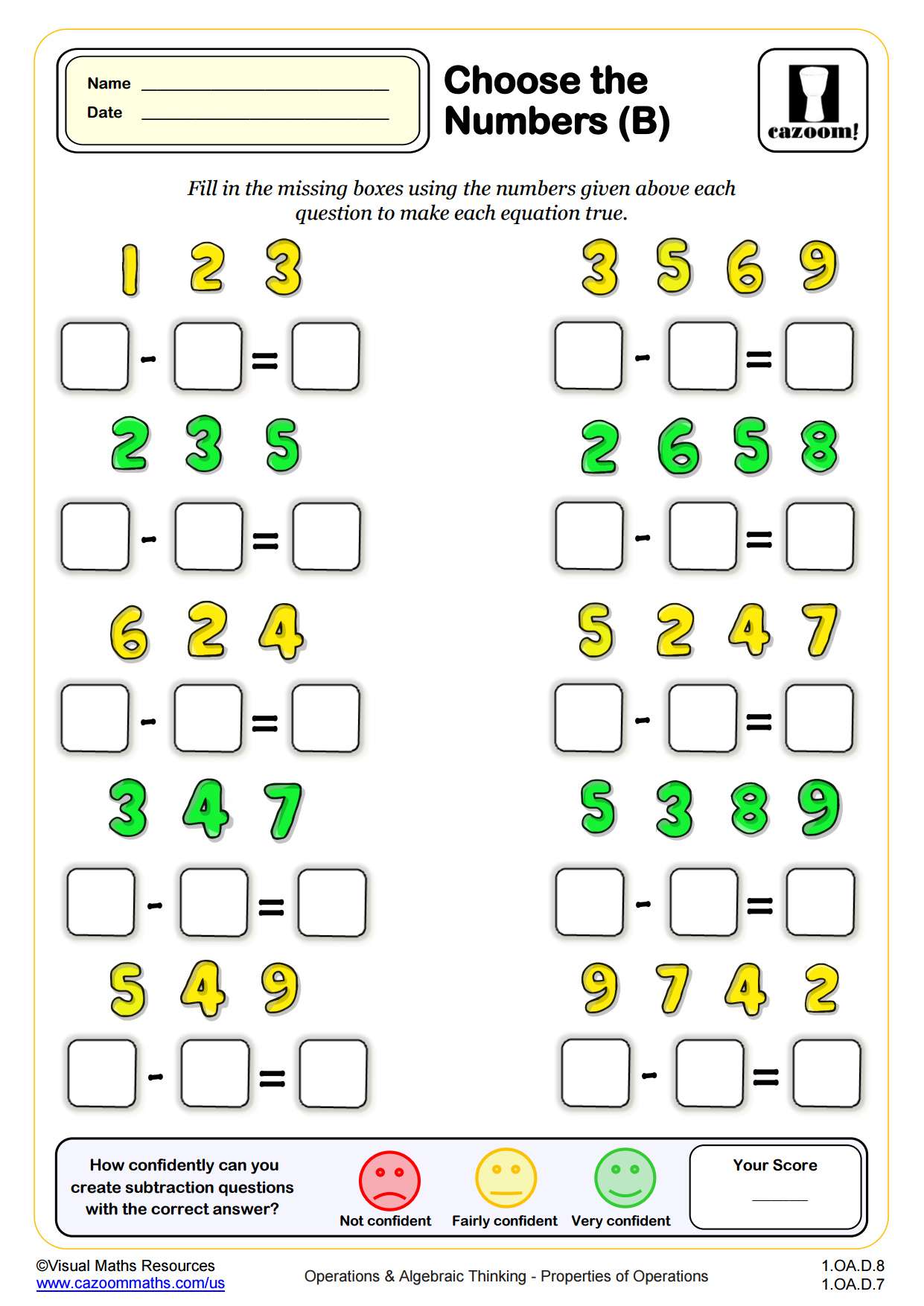
Crack the Code - Work with Numbers
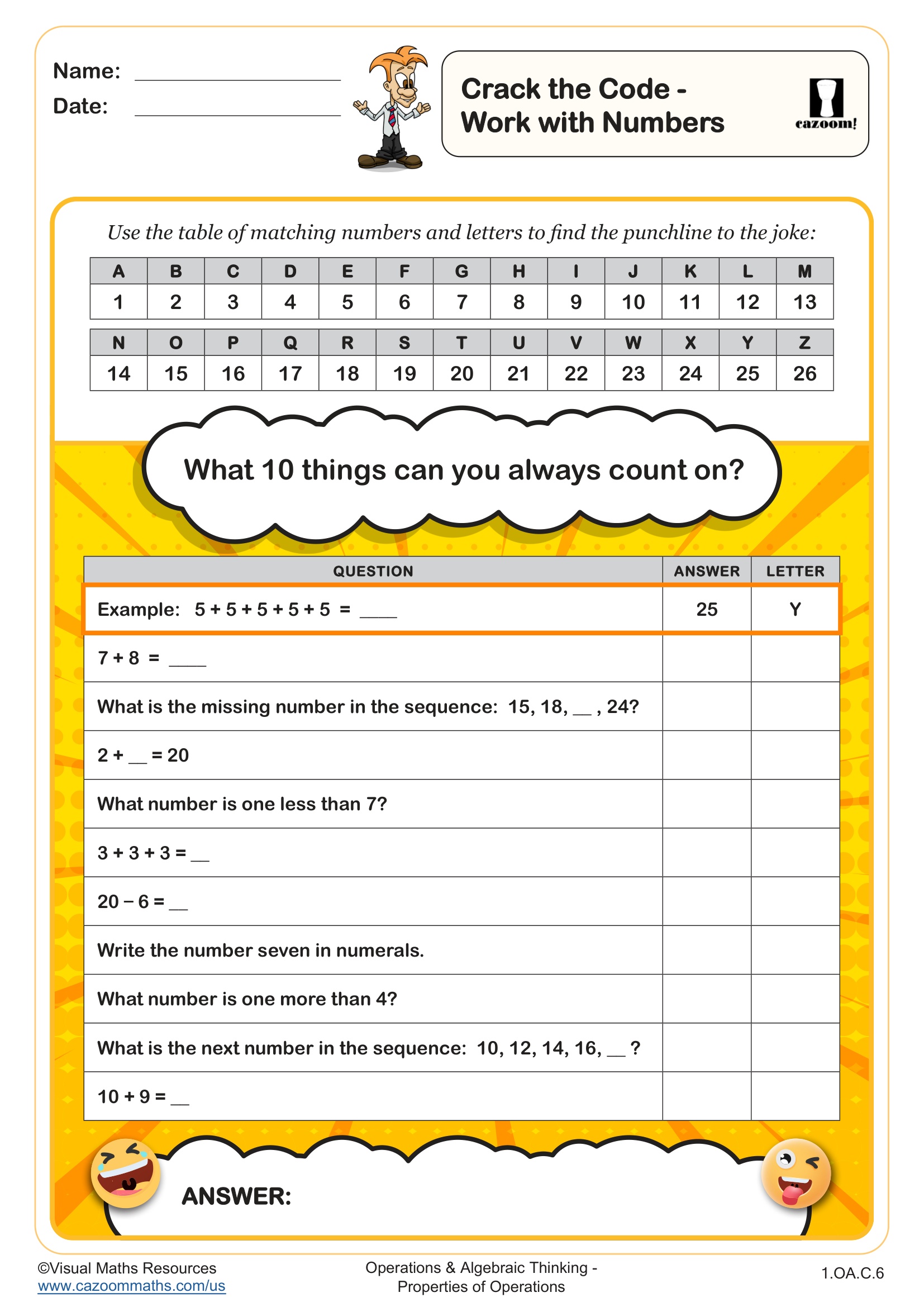
Emoji - Find the Value
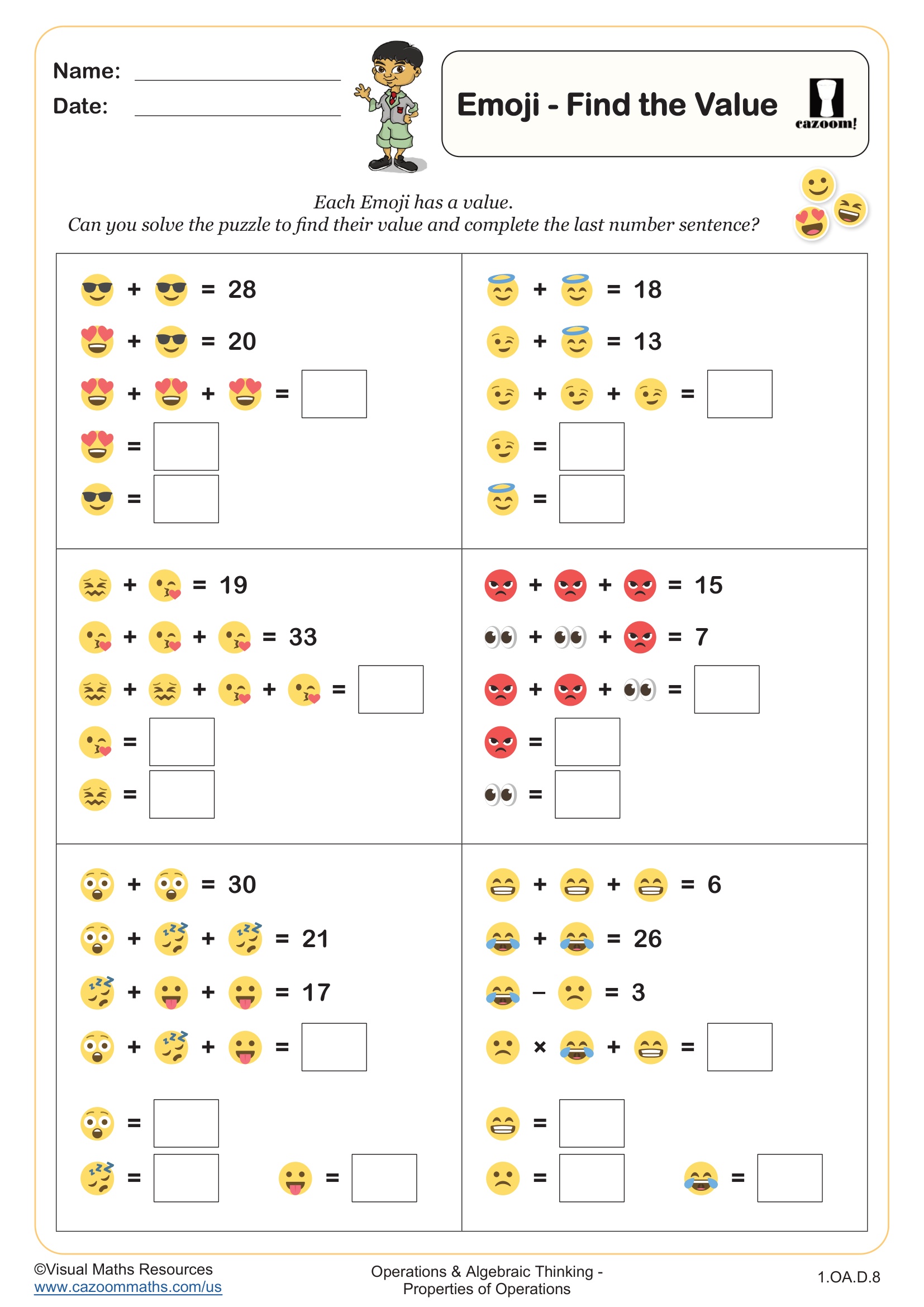
Making 10 with three numbers
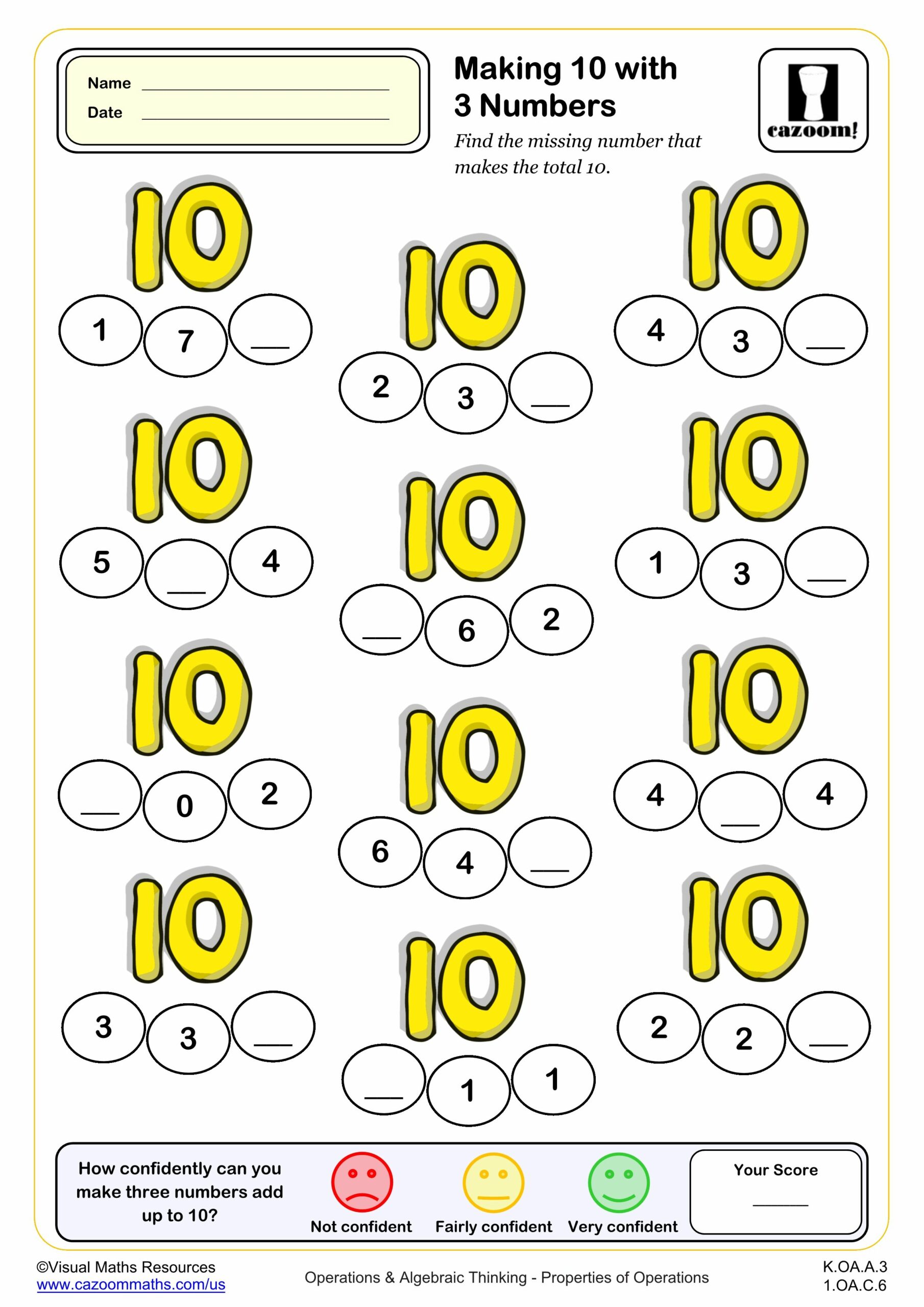
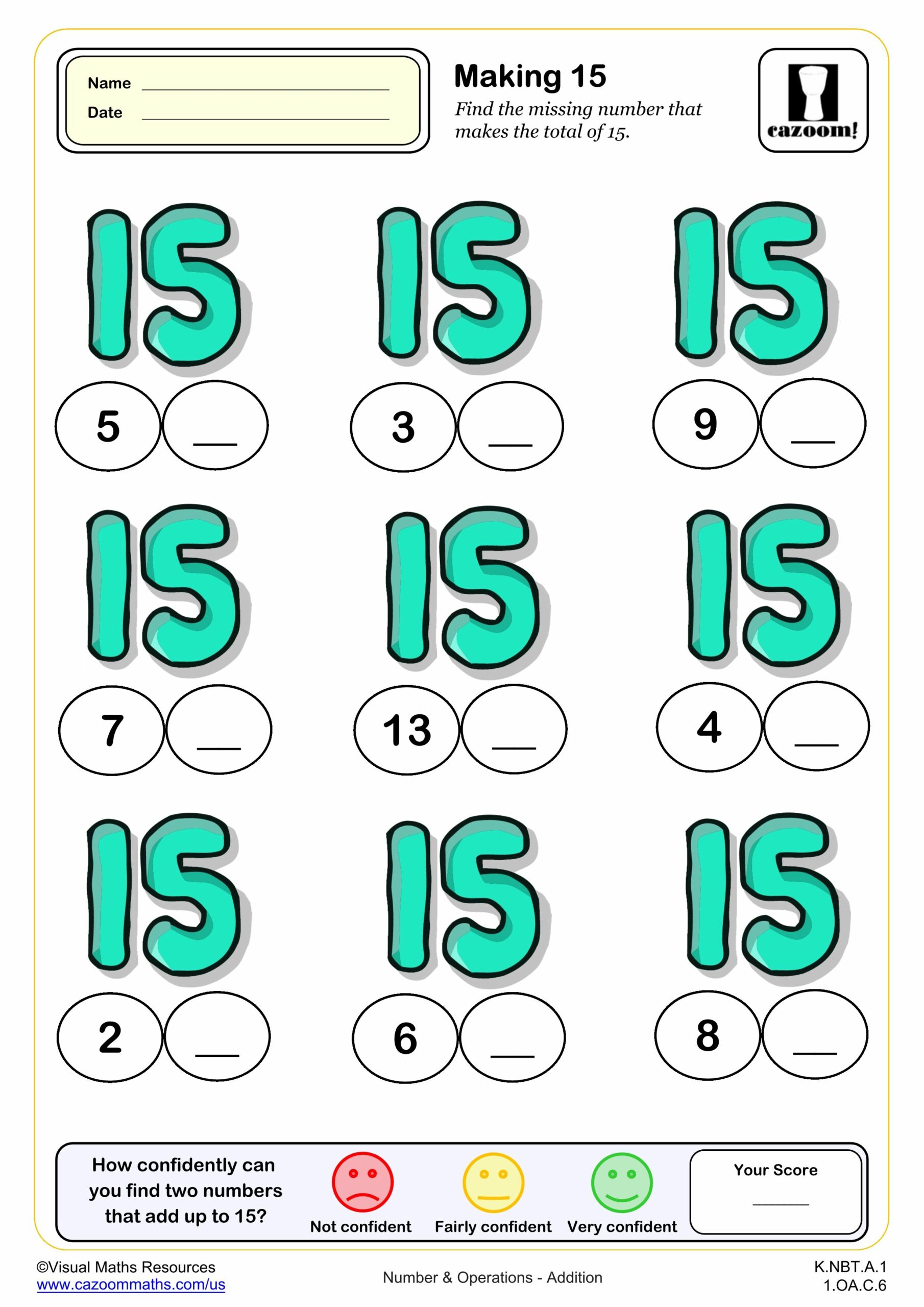
Making 15
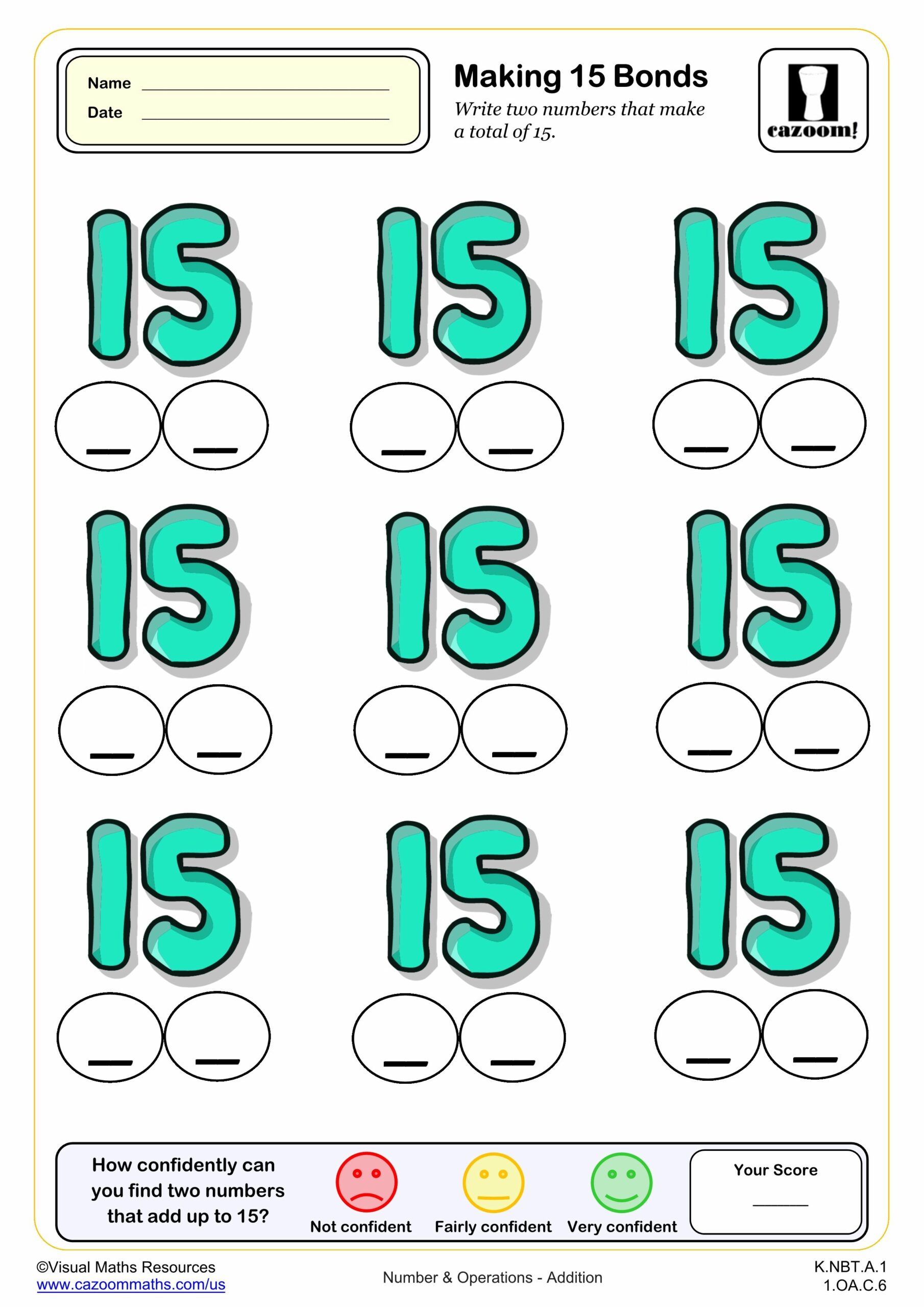
Making 15 (BONDS)
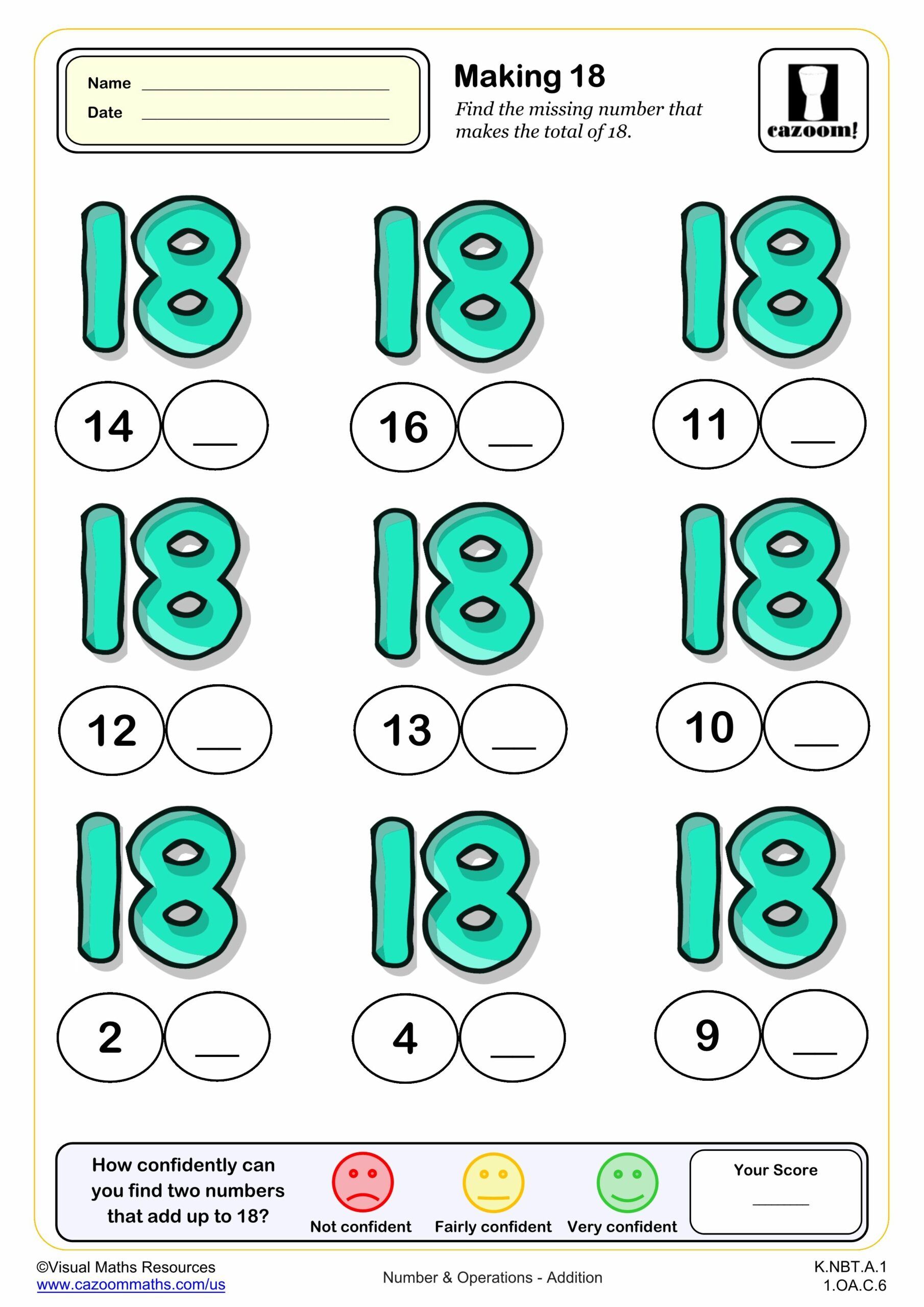
Making 18
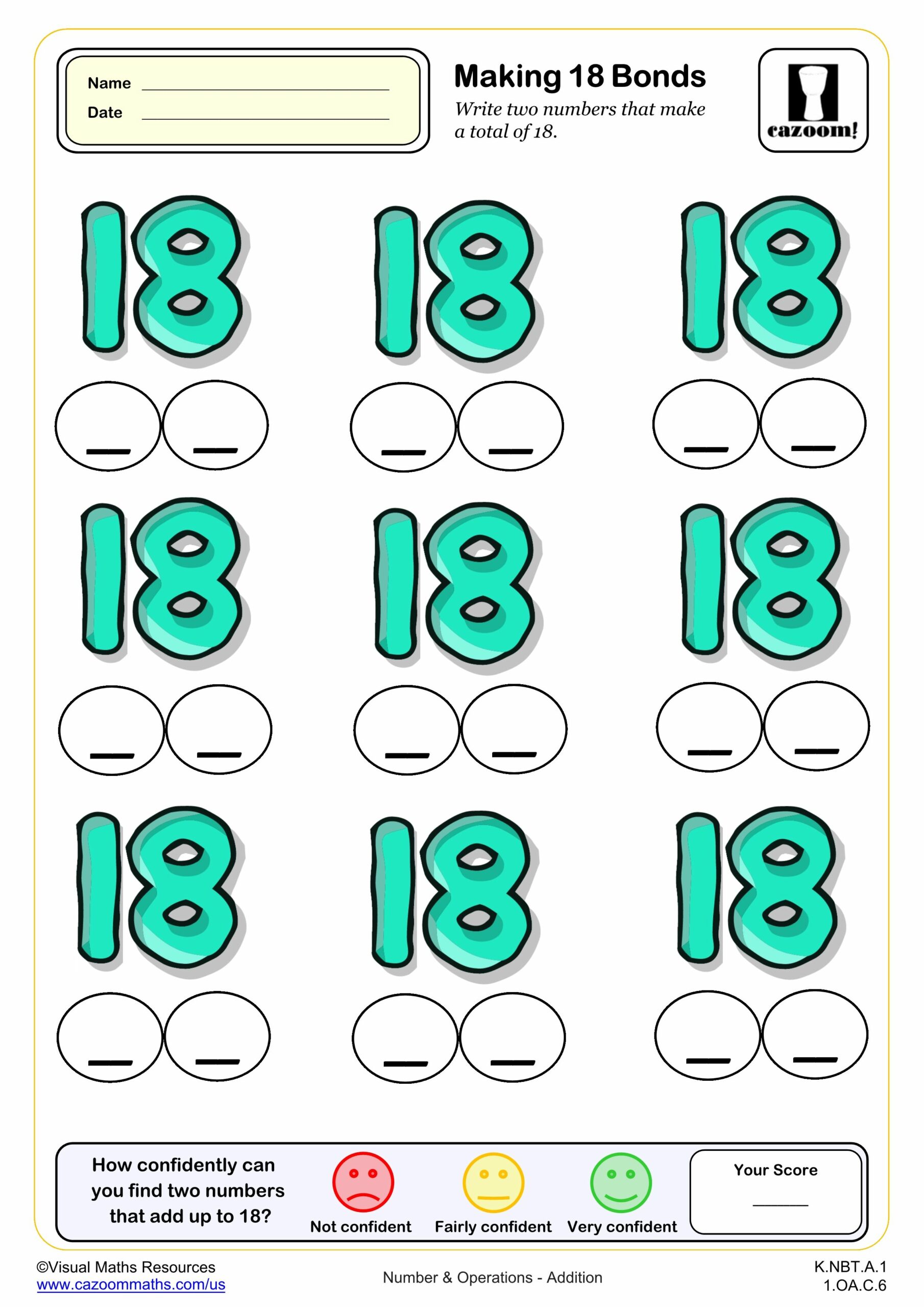
Making 18 (BONDS)
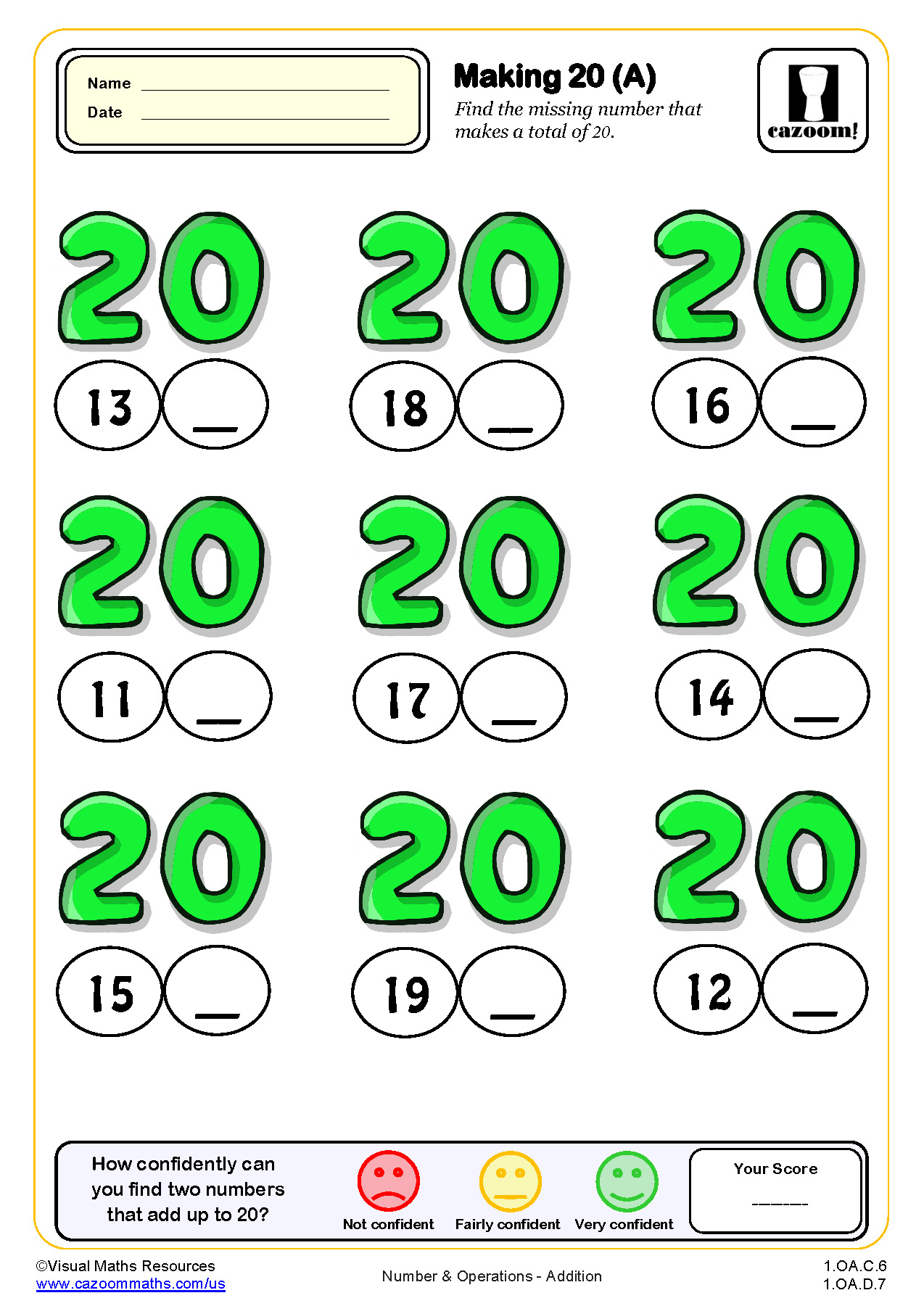
Making 20 (A)
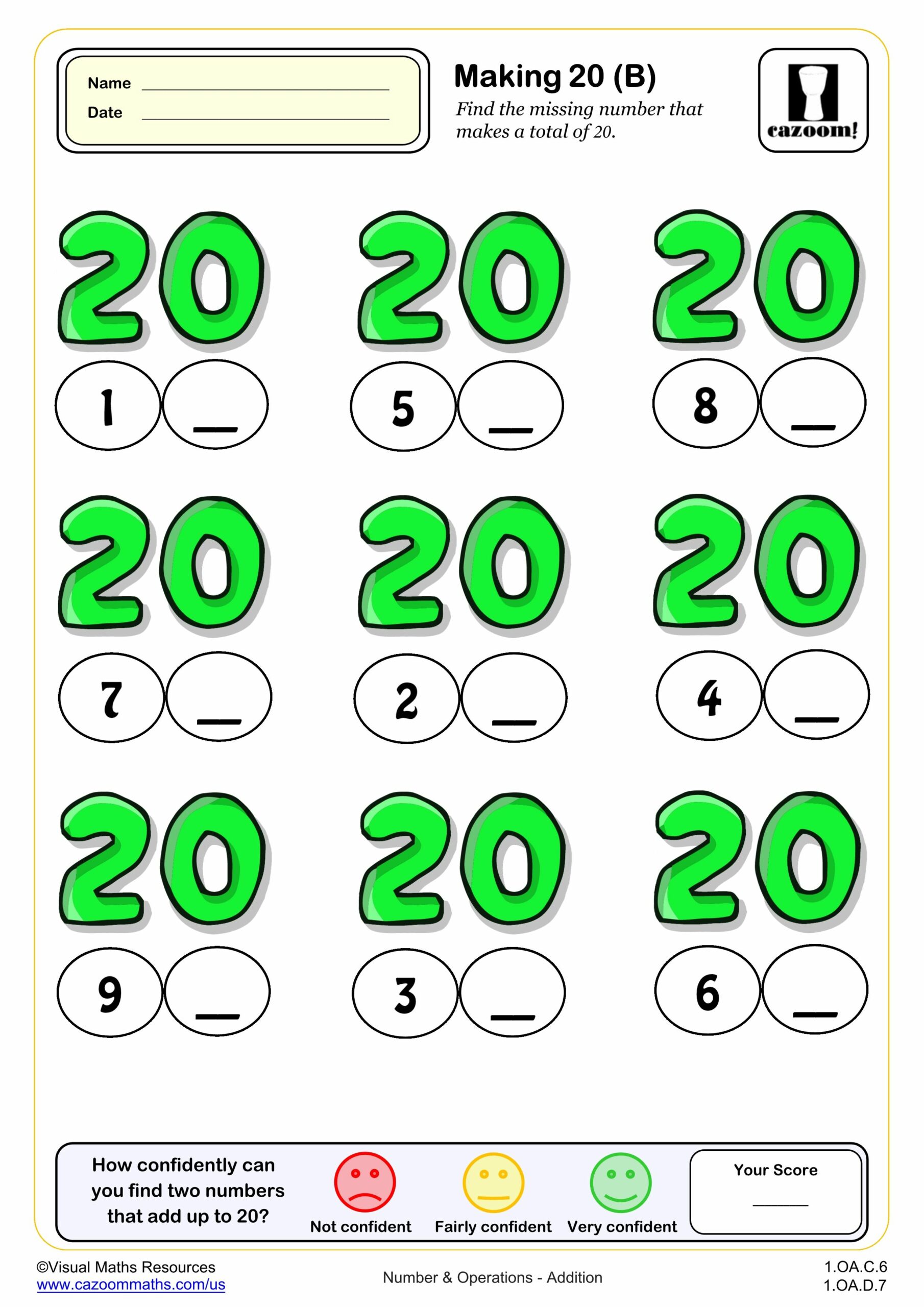
Making 20 (B)
Making 20 (BONDS)
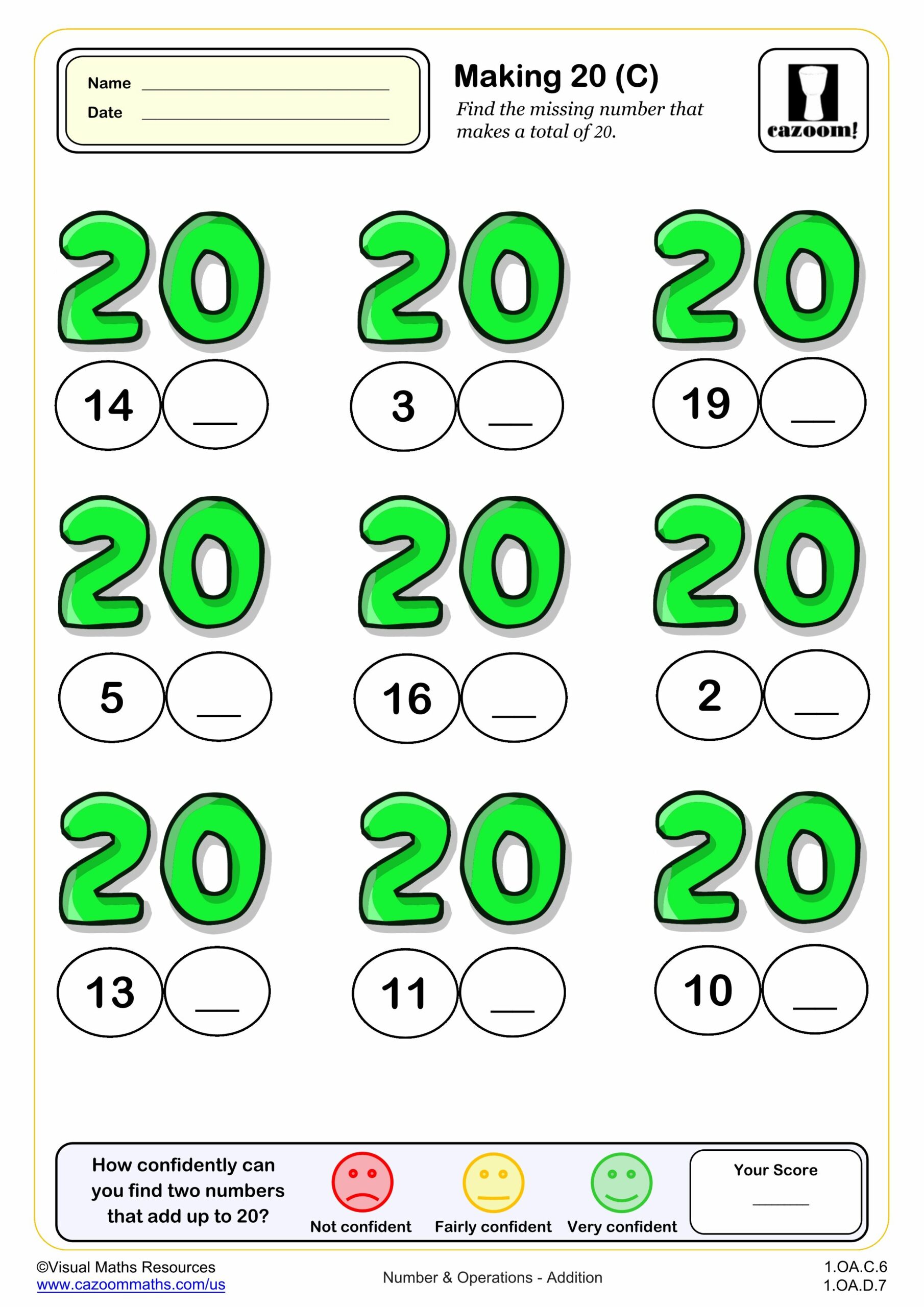
Making 20 (C)
Making 25 (Blanks)
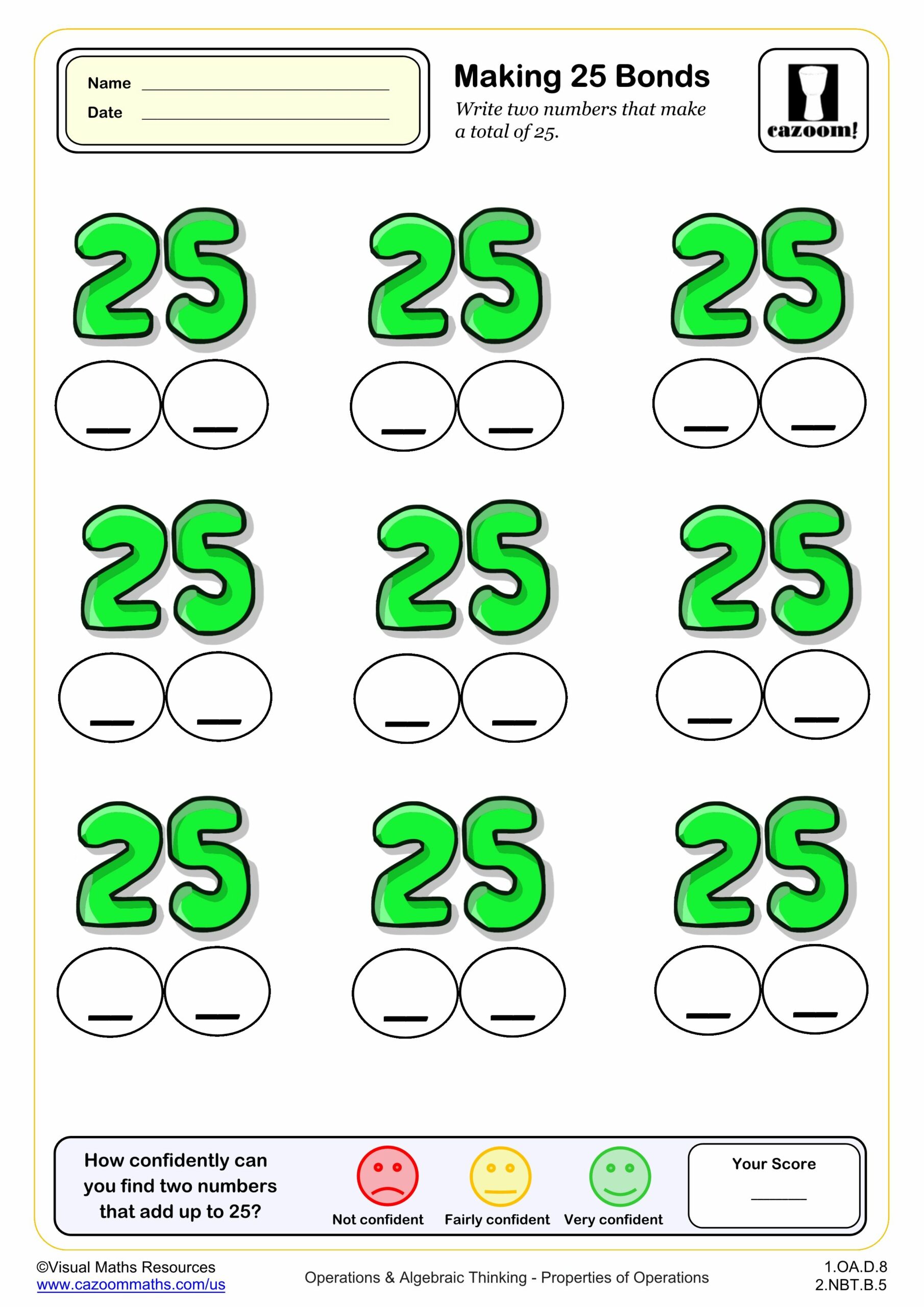
Making 35 (blanks)
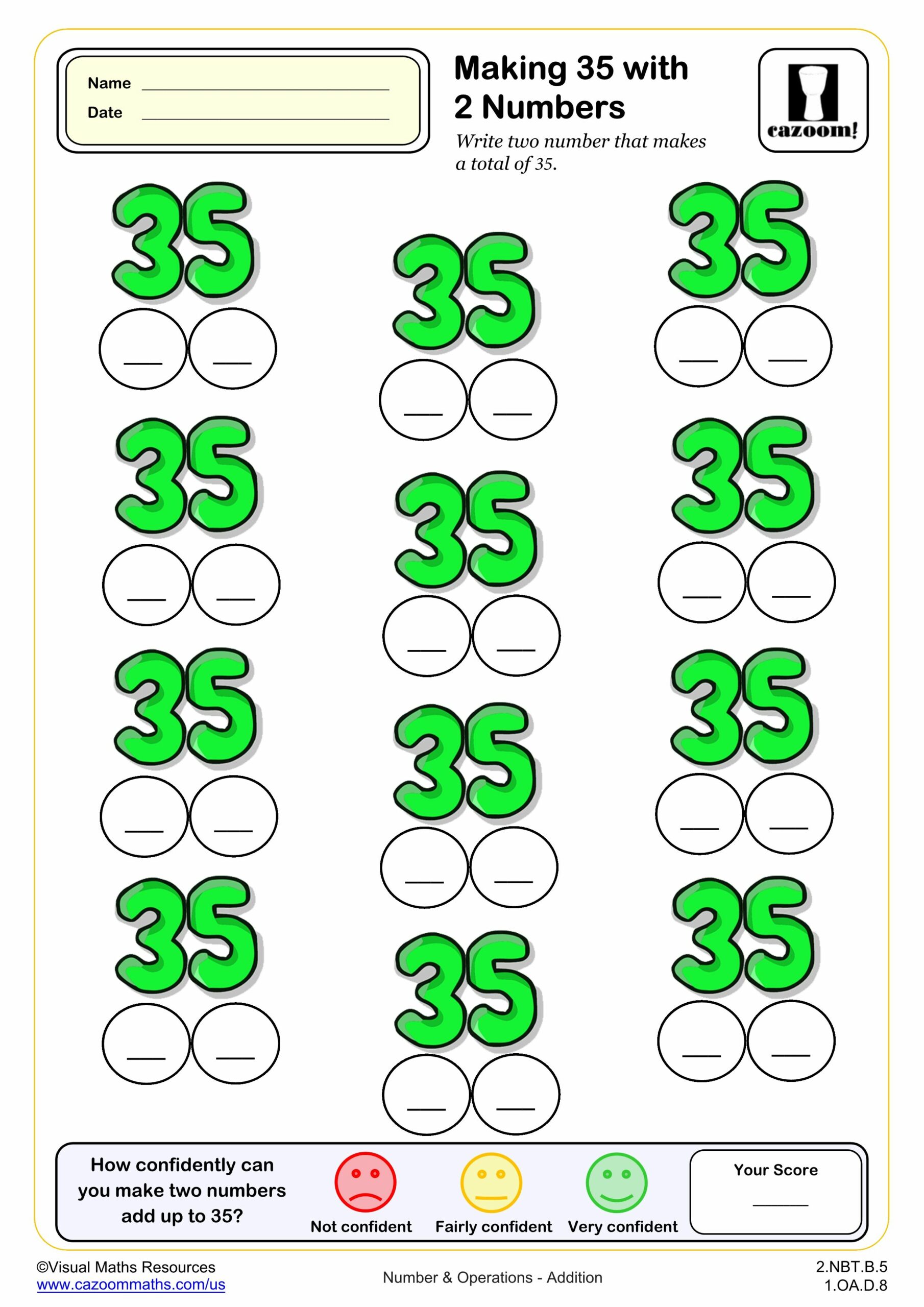
Making 7
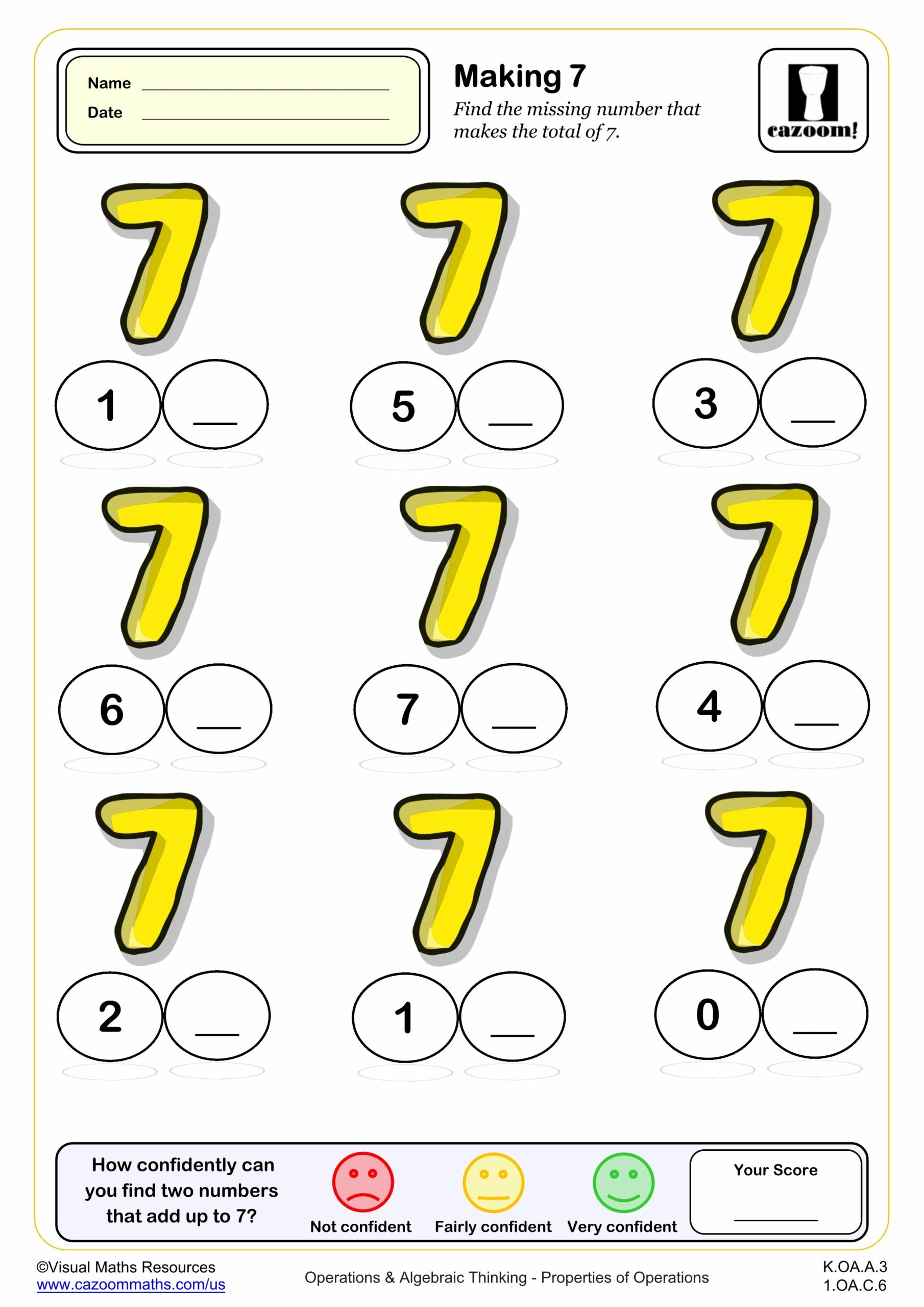
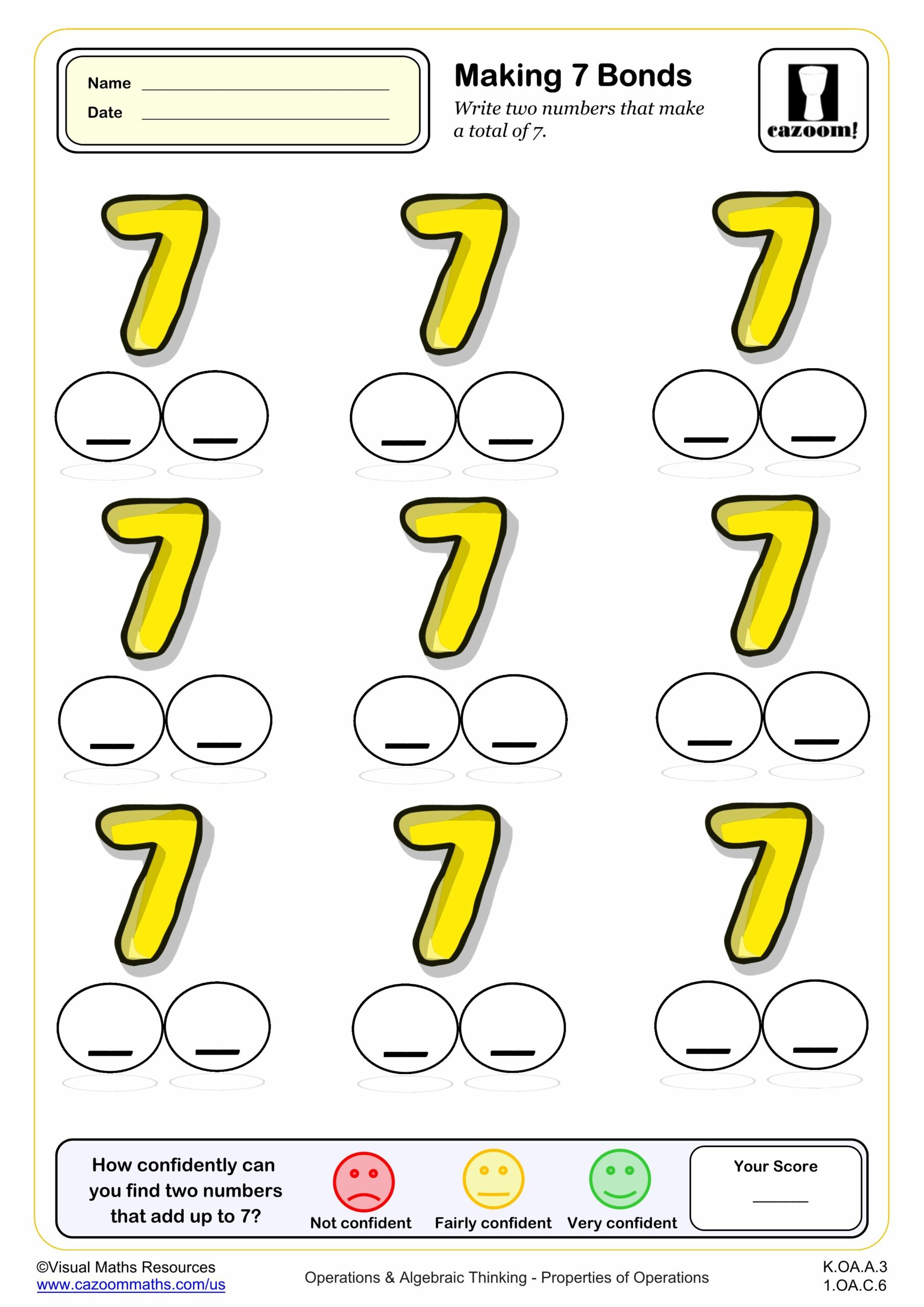
Making 7 (Bonds)
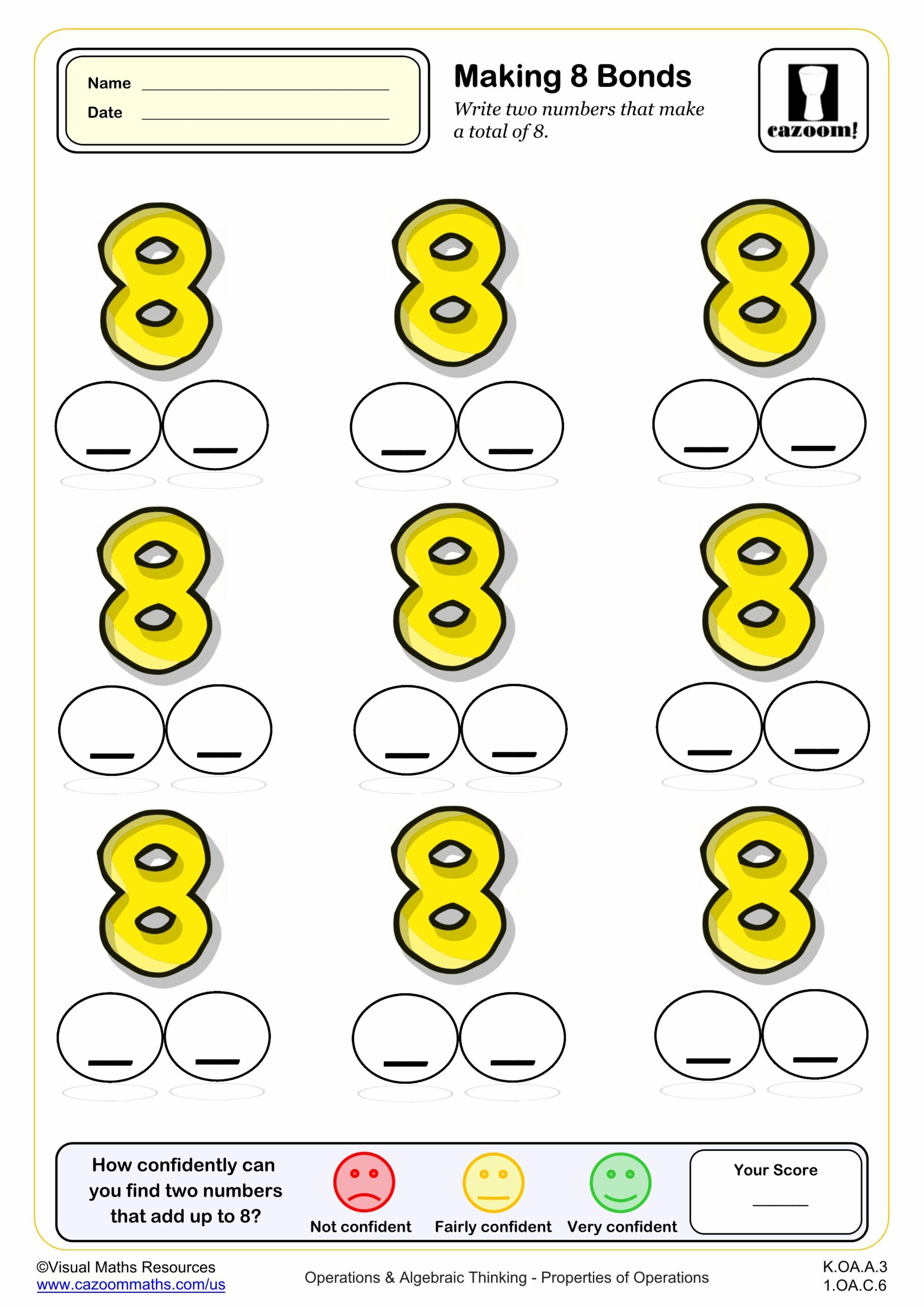
Making 8 (BONDS)
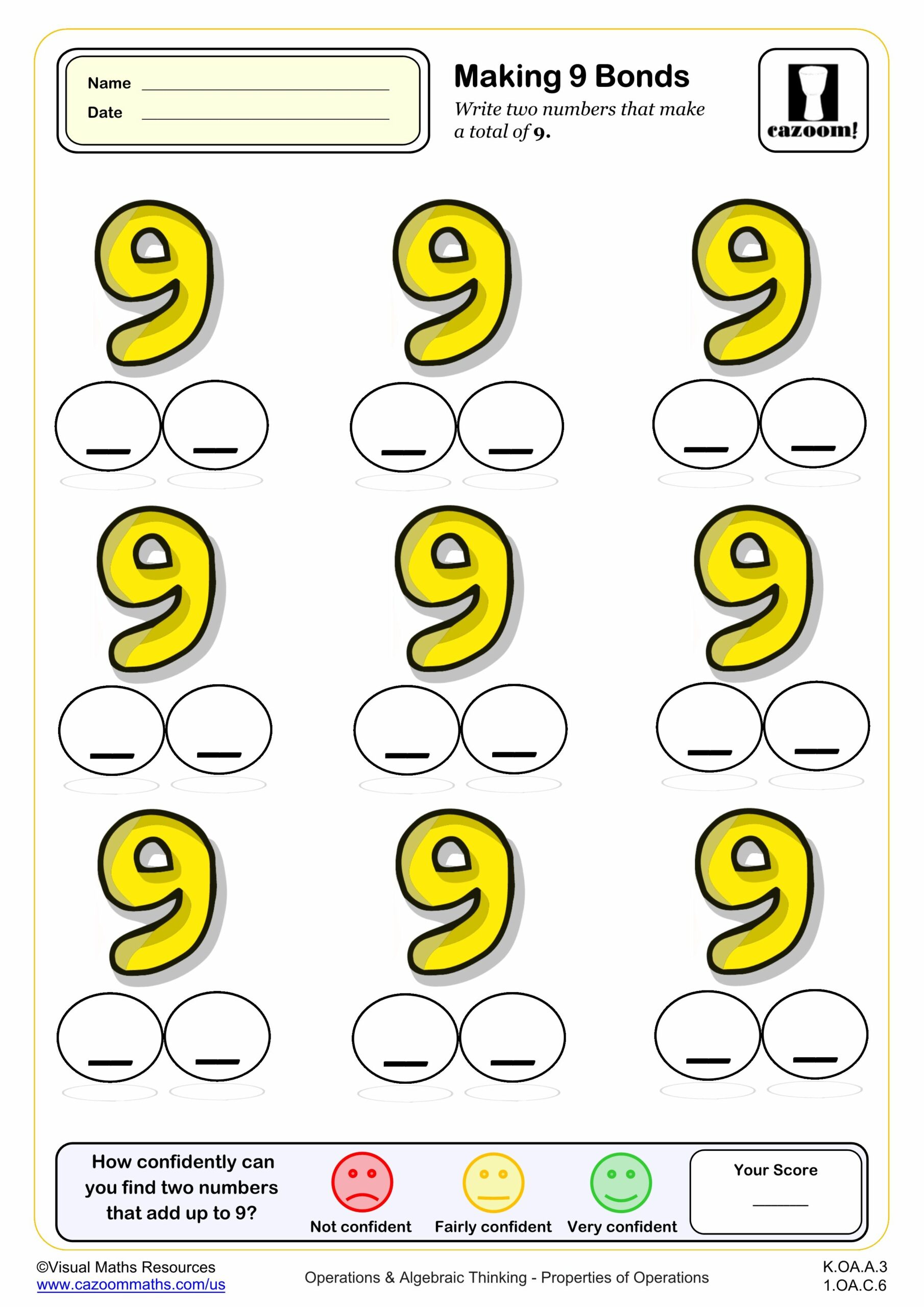
Making 9 (BONDS)
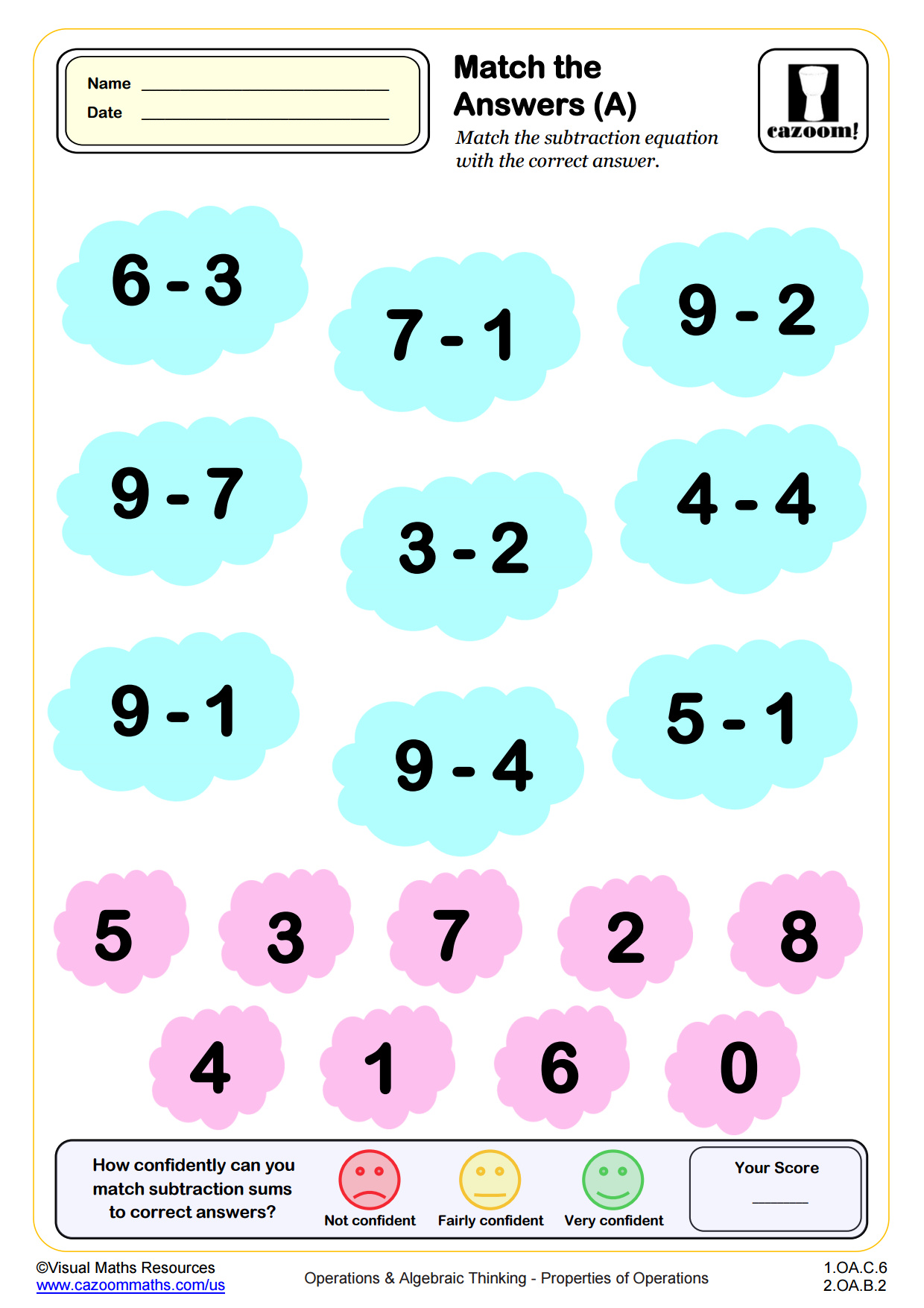
Match the Answers (A)
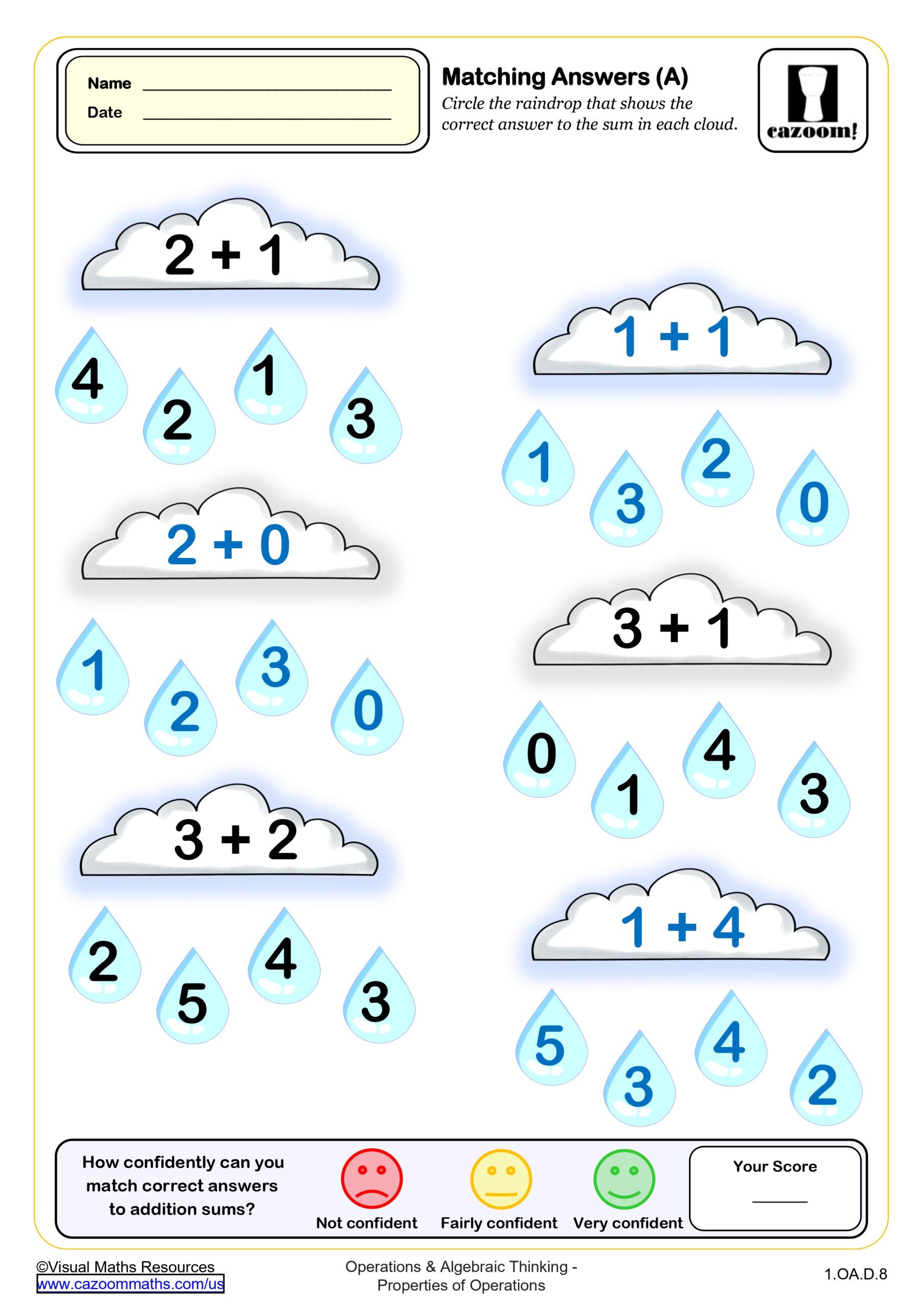
Matching Answers (A)
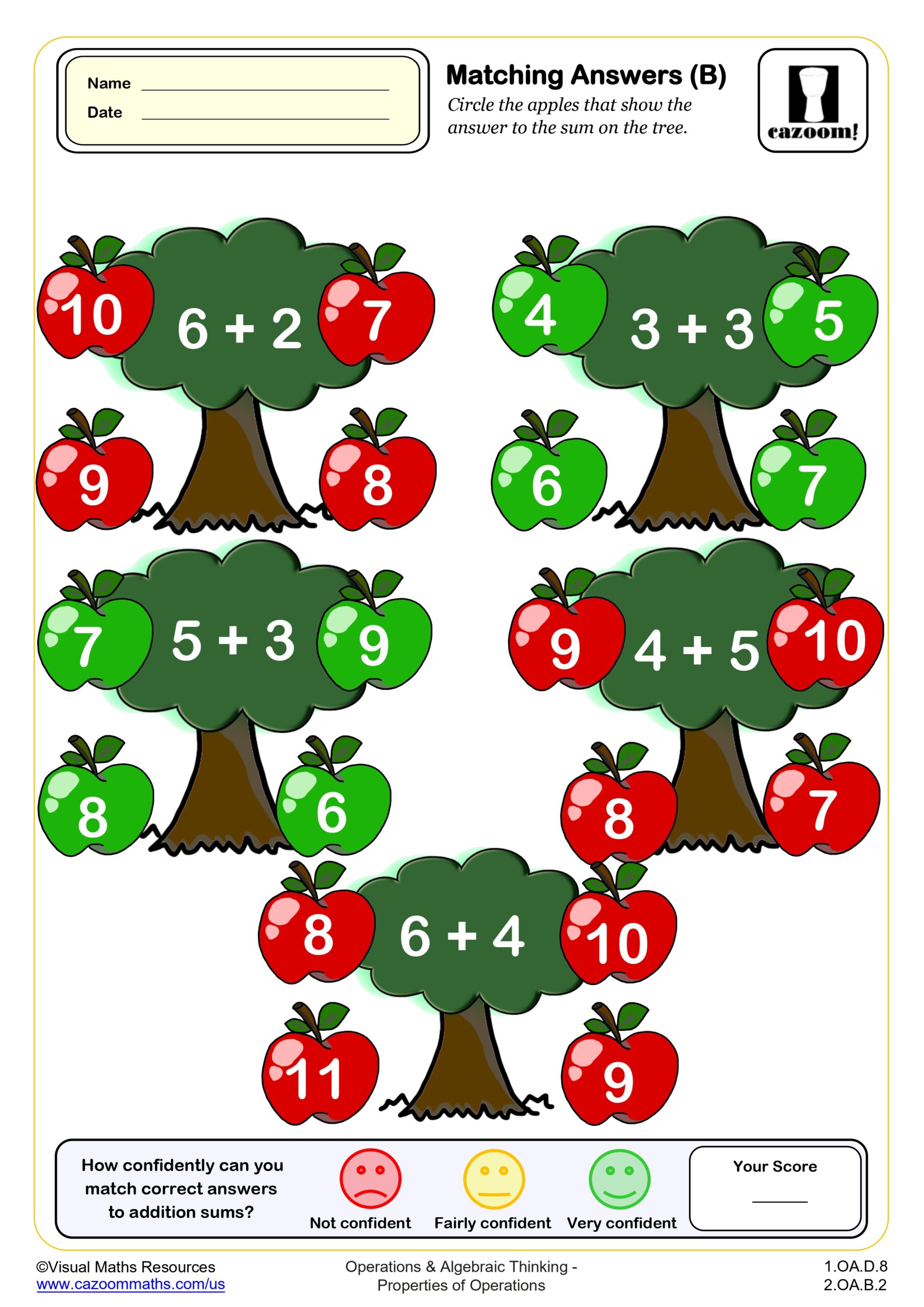
Matching Answers (B)
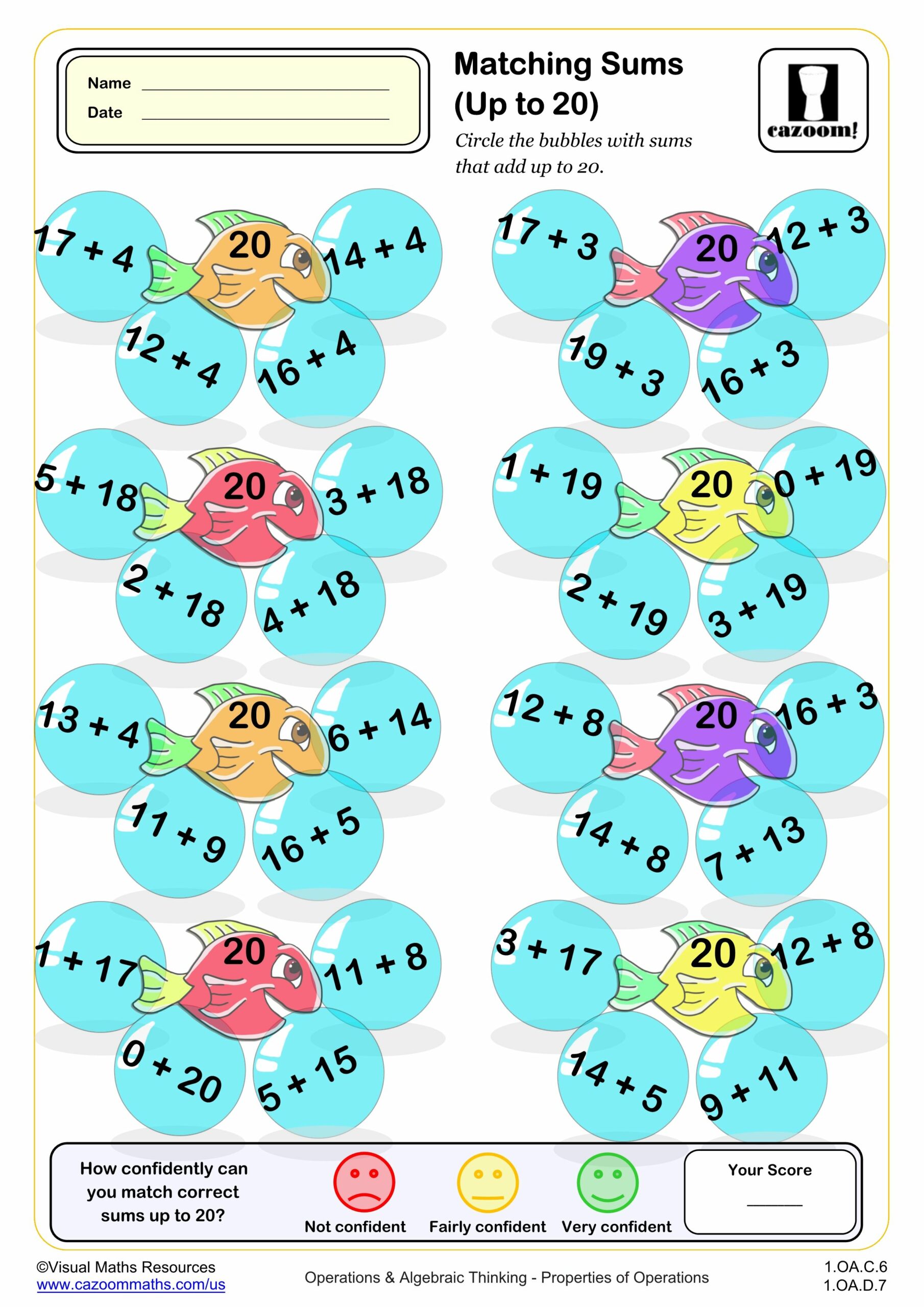
Matching sums (20 only)
Misisng Gaps (B) (Without a Number Line)
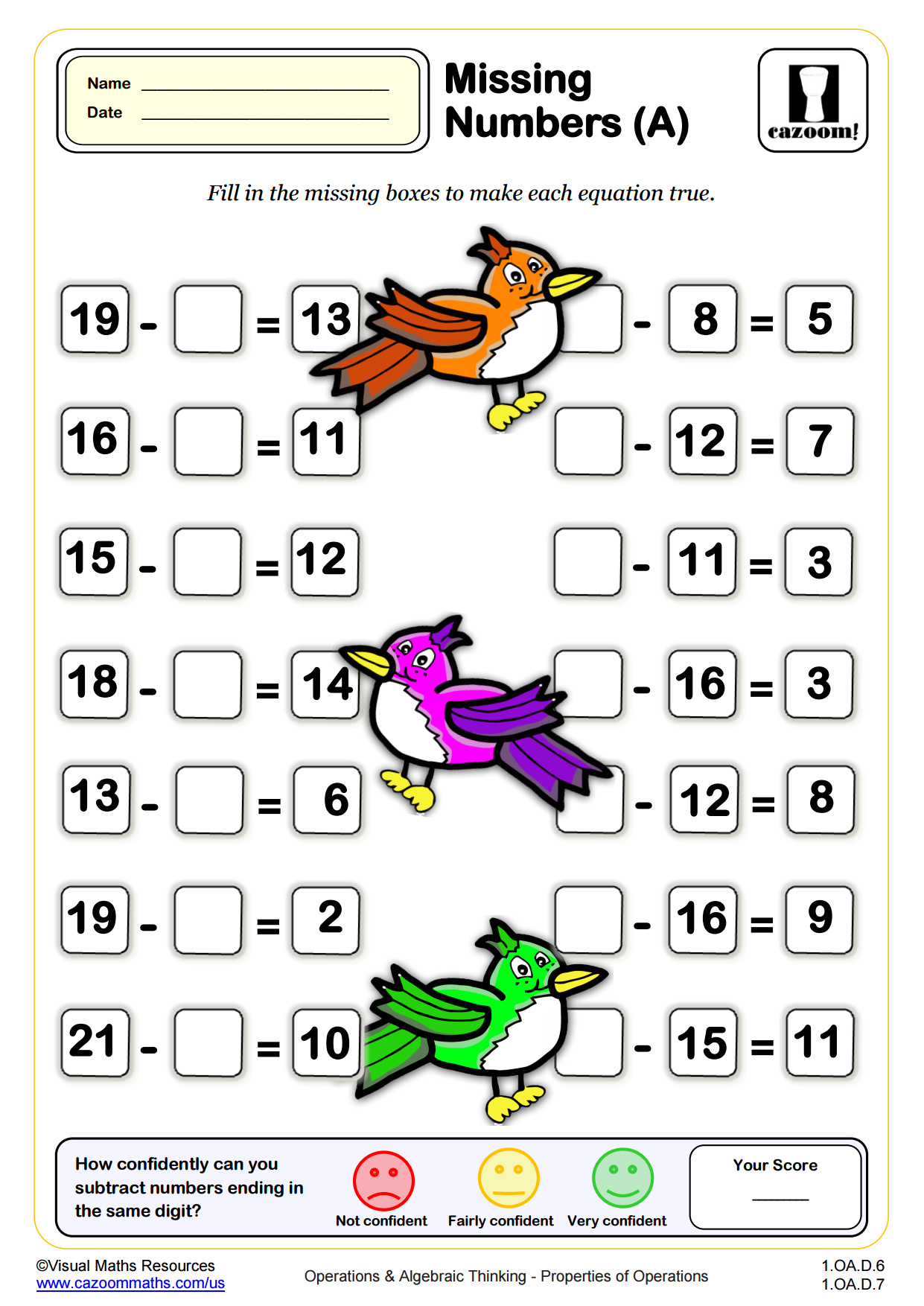
Missing Numbers (A)
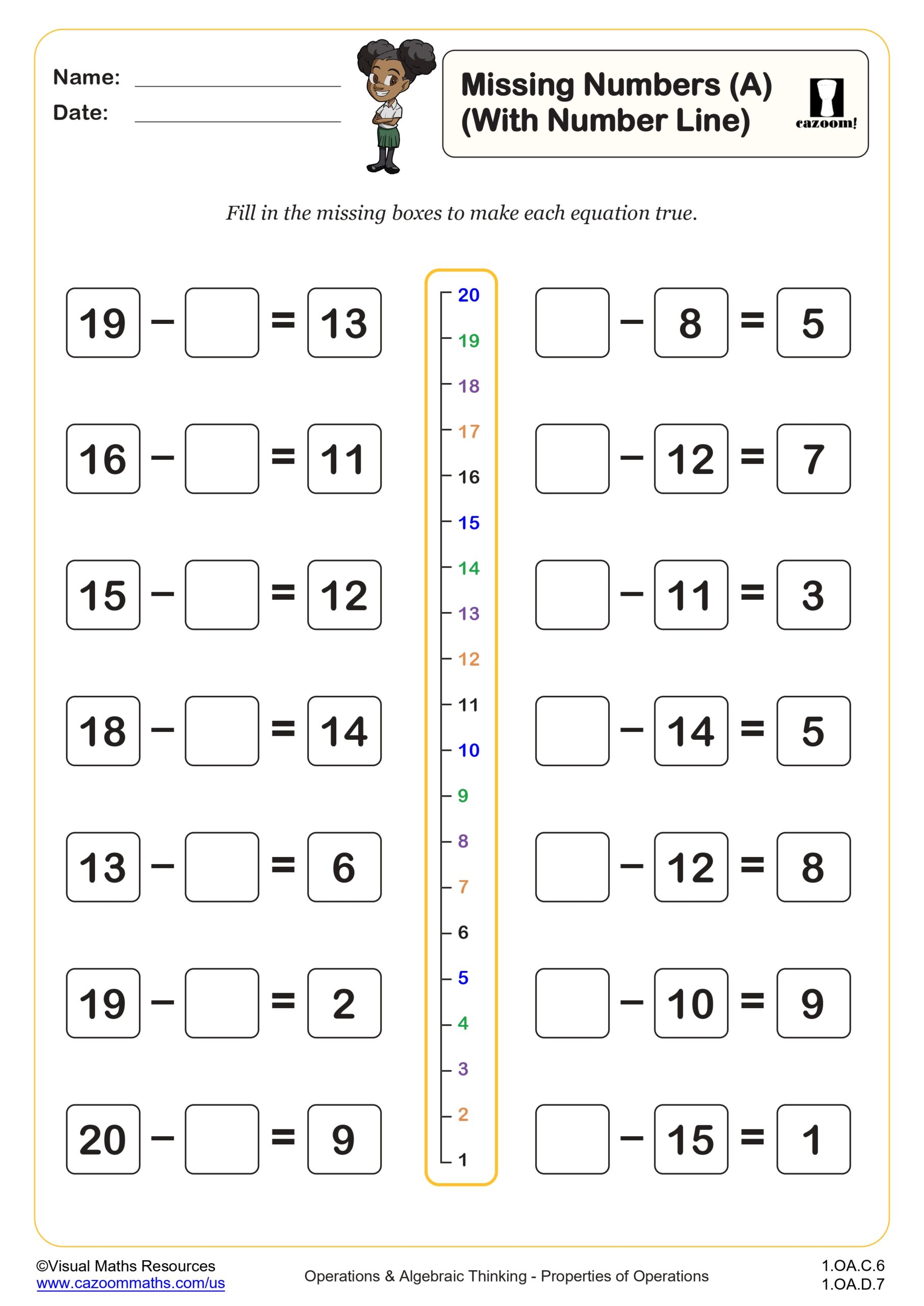
Missing Numbers (A) (With a Number Line)
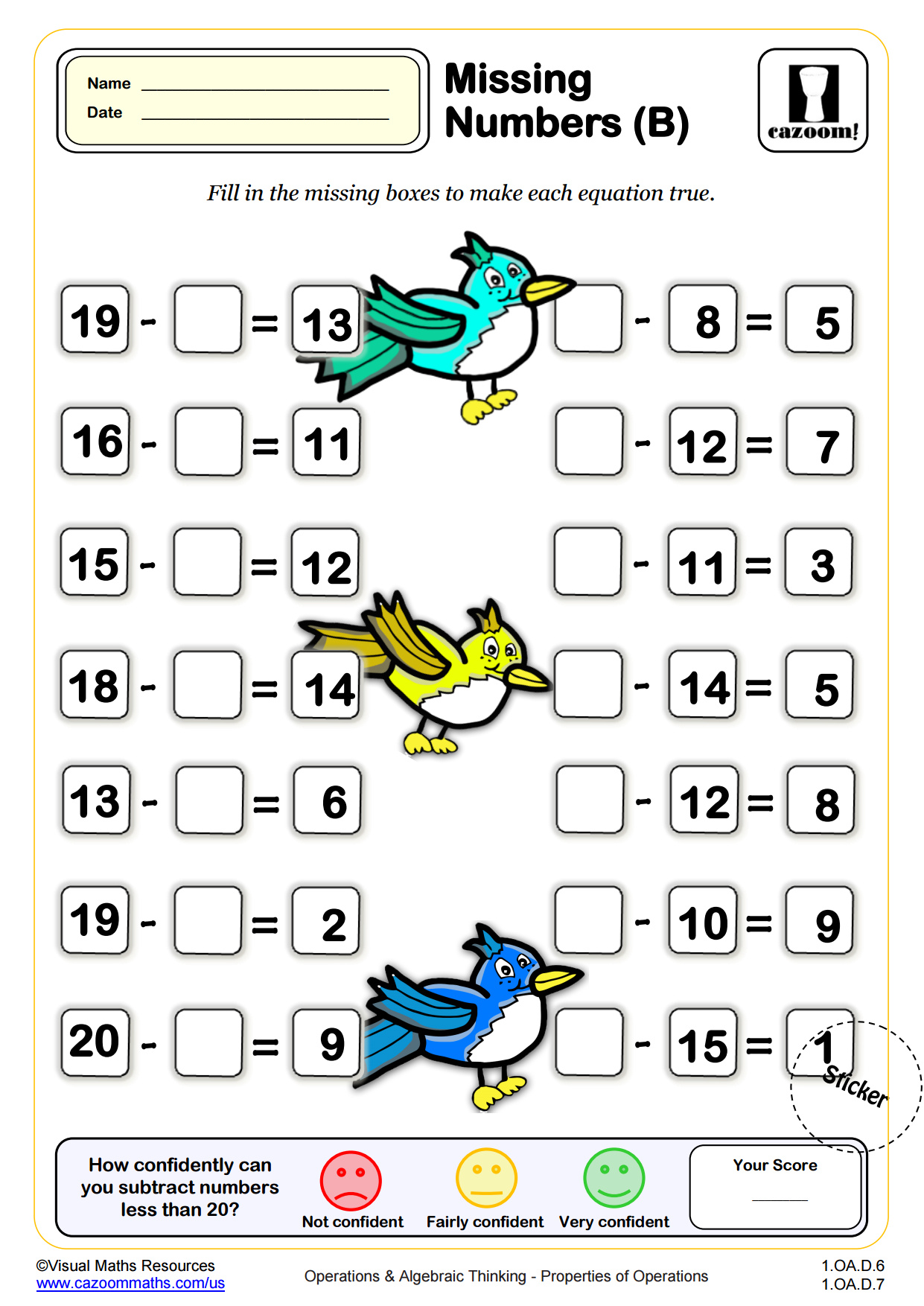
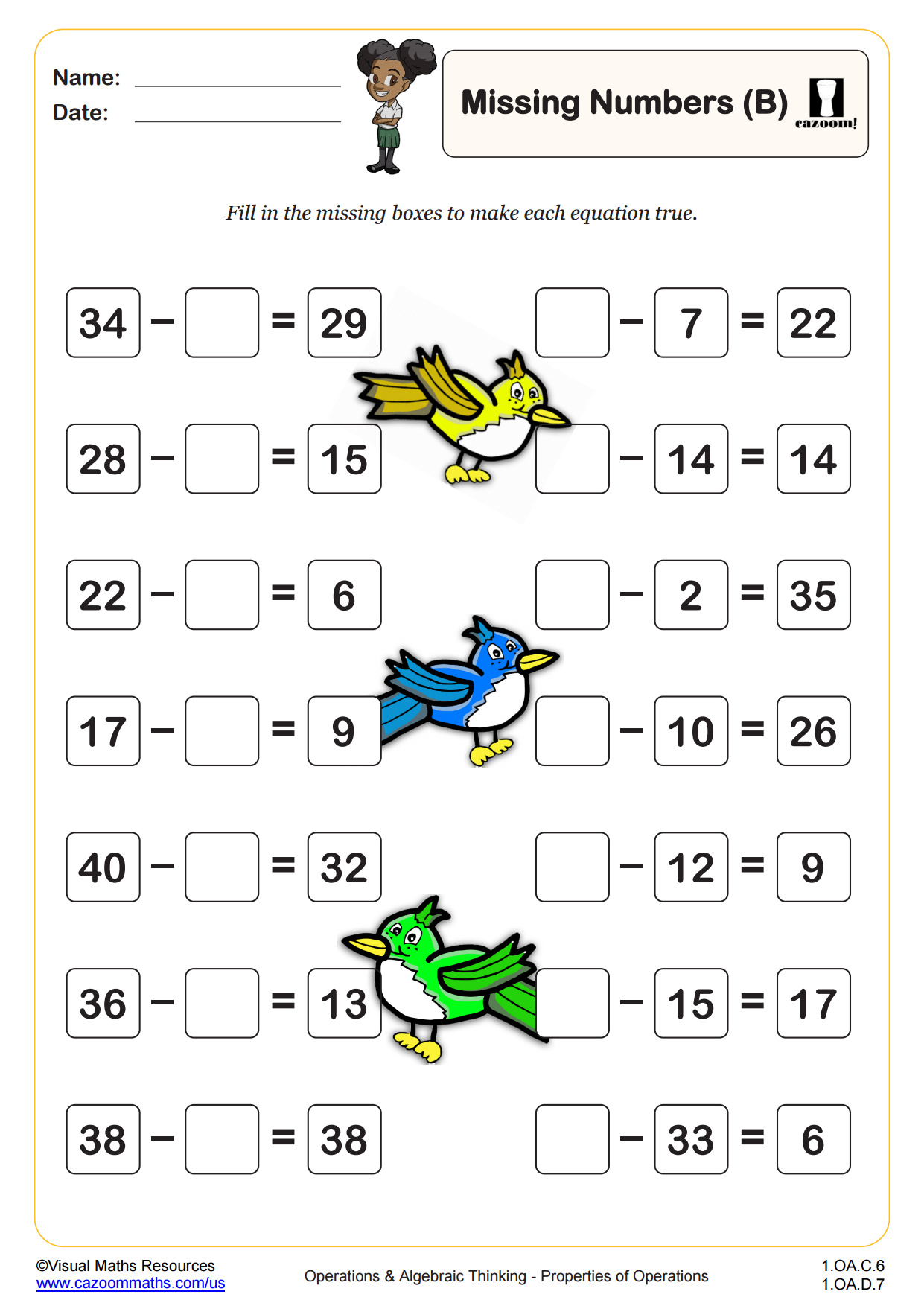
Missing Numbers (B)
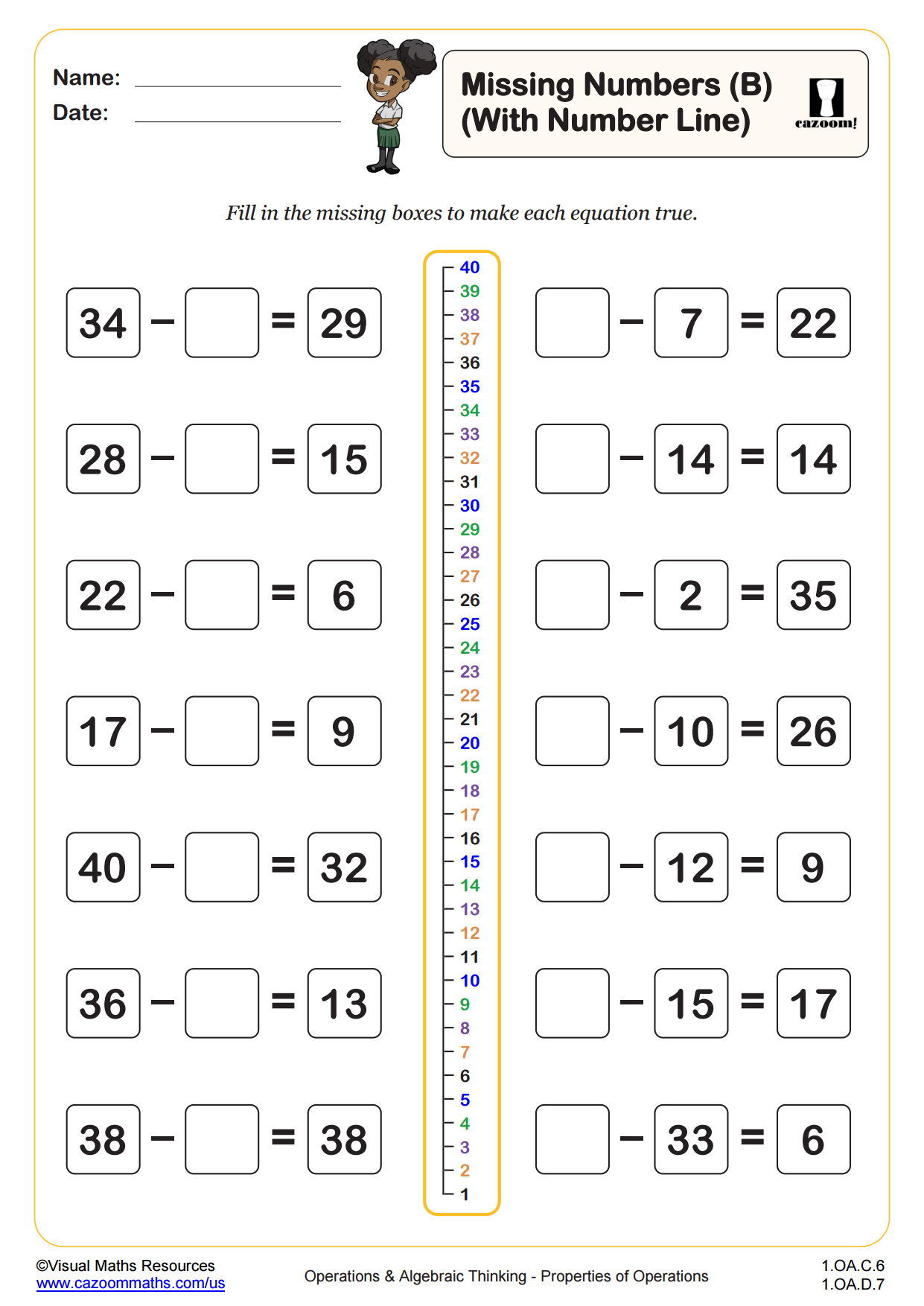
Missing Numbers (B) (With a Number Line)
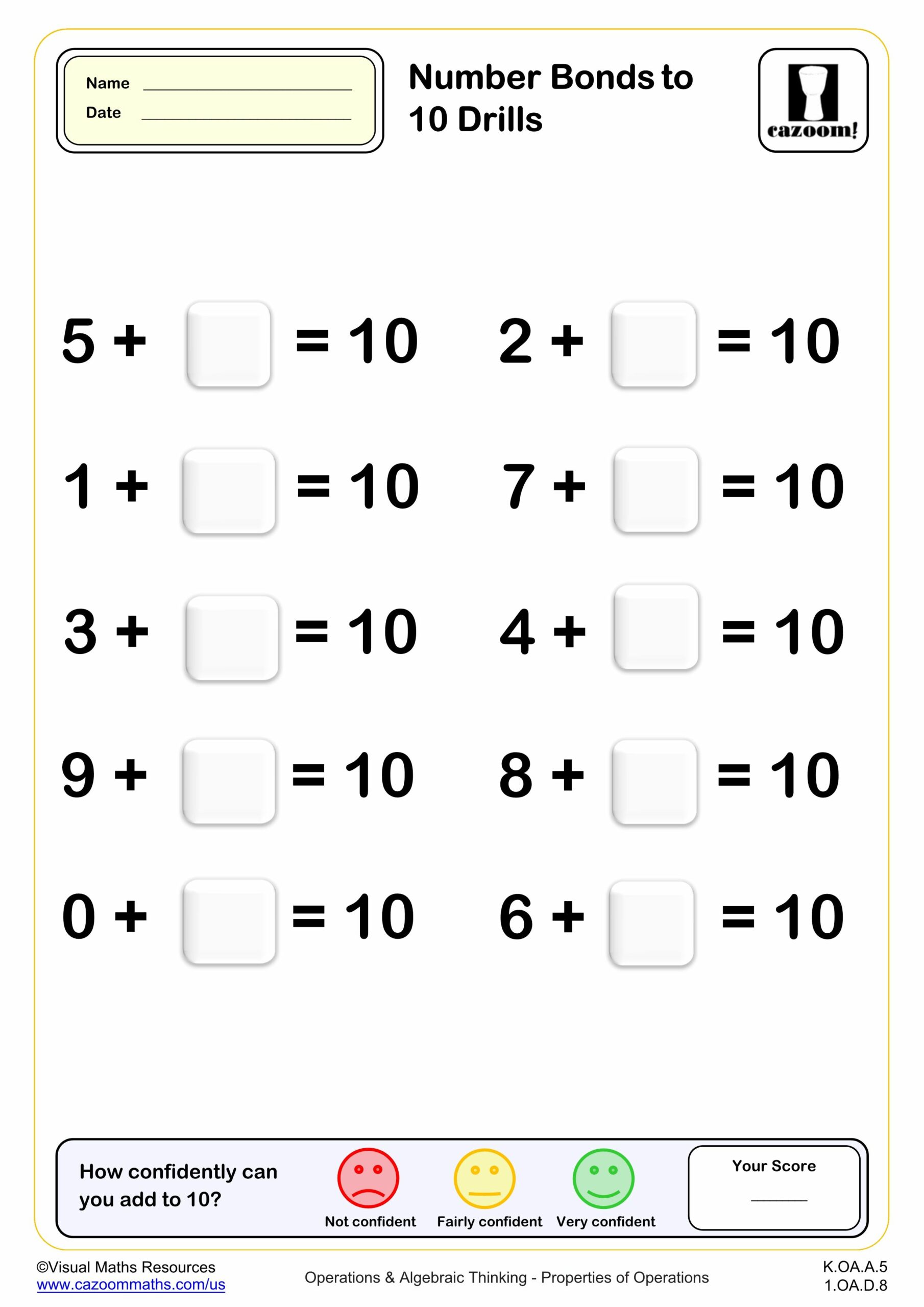
Number Bonds to 10 drills (10 questions)
Number Bonds to 10 drills (20 questions)
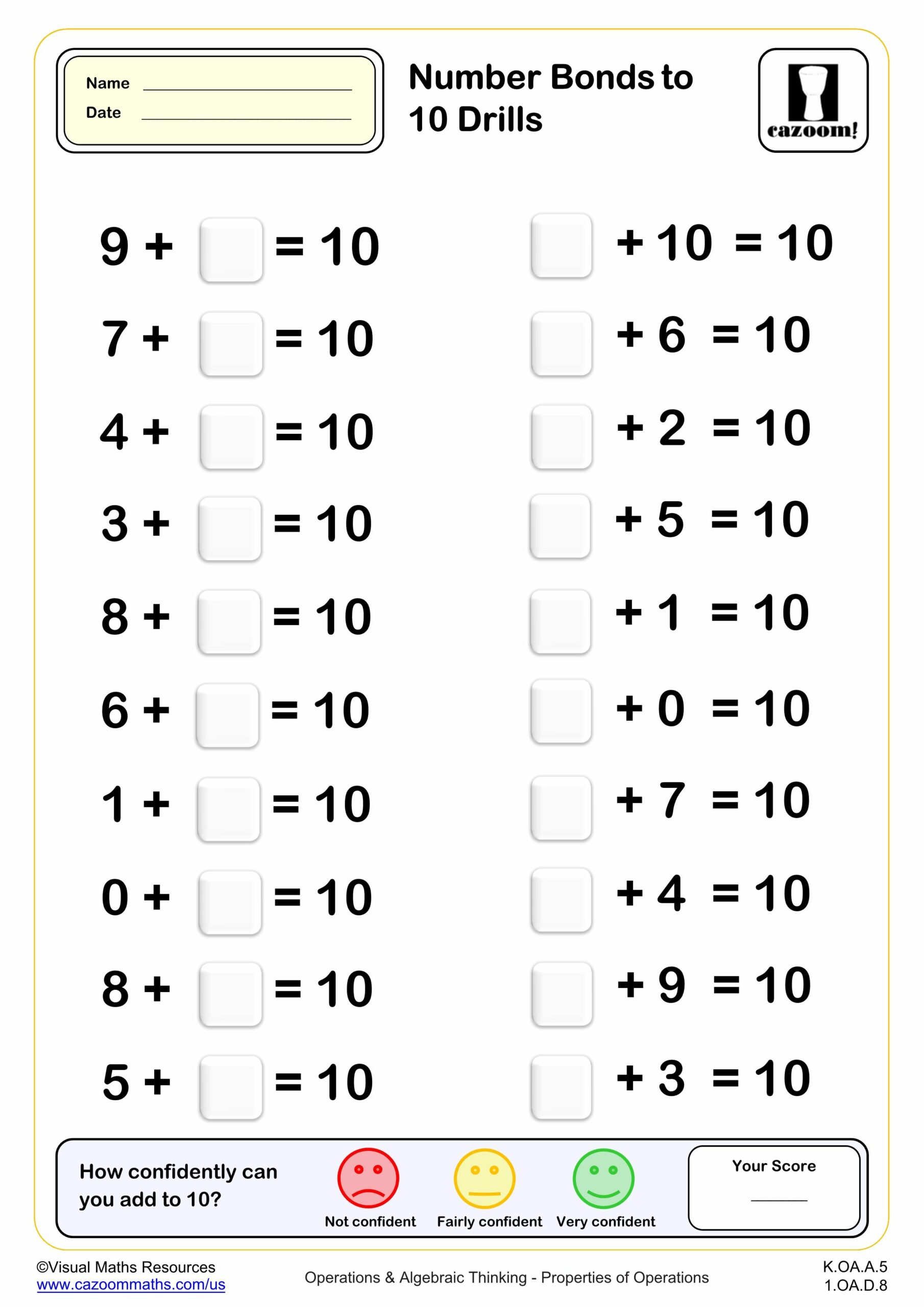
Number Bonds to 10 drills (50 questions)
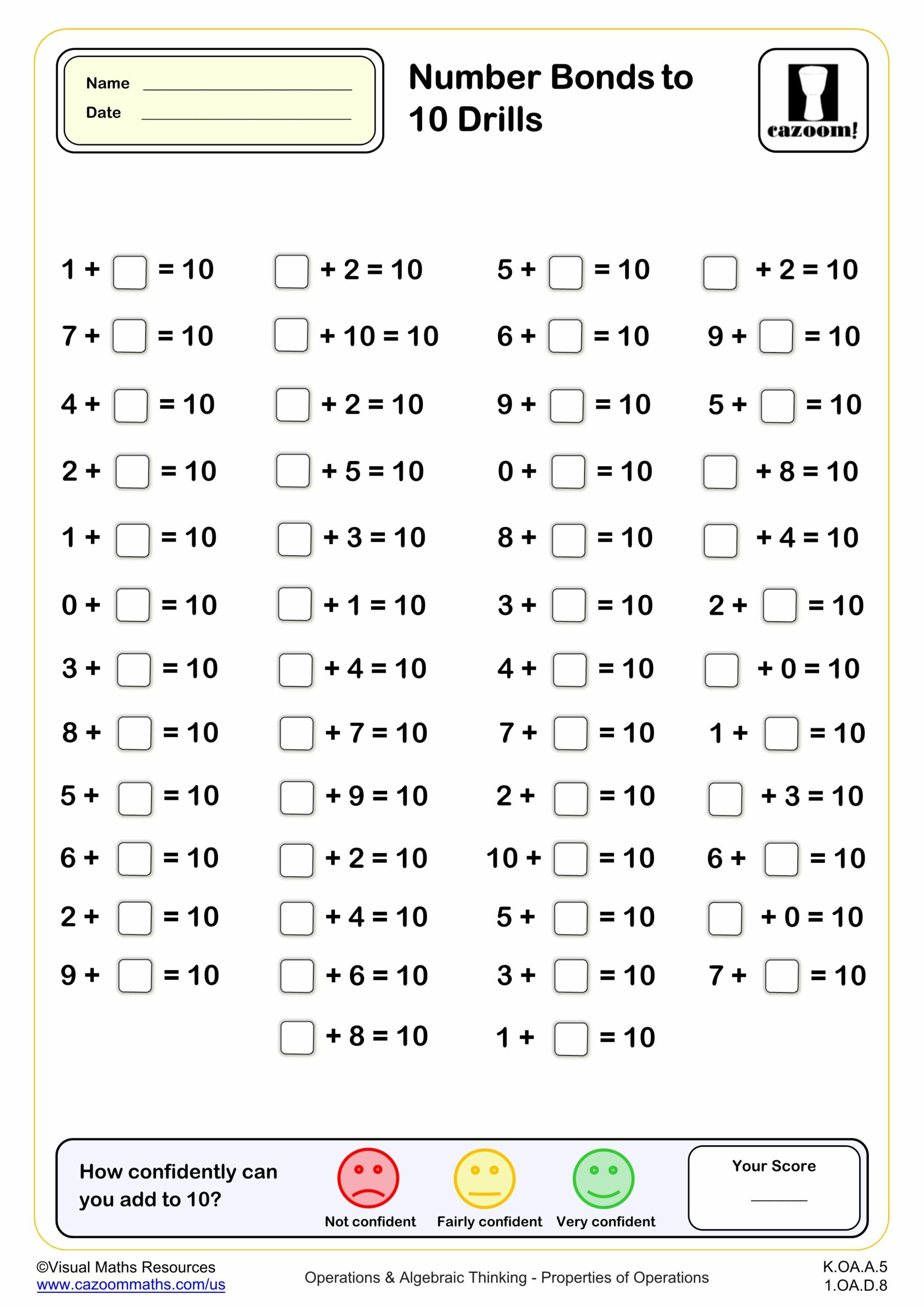
Number Bonds to 10 with Dots
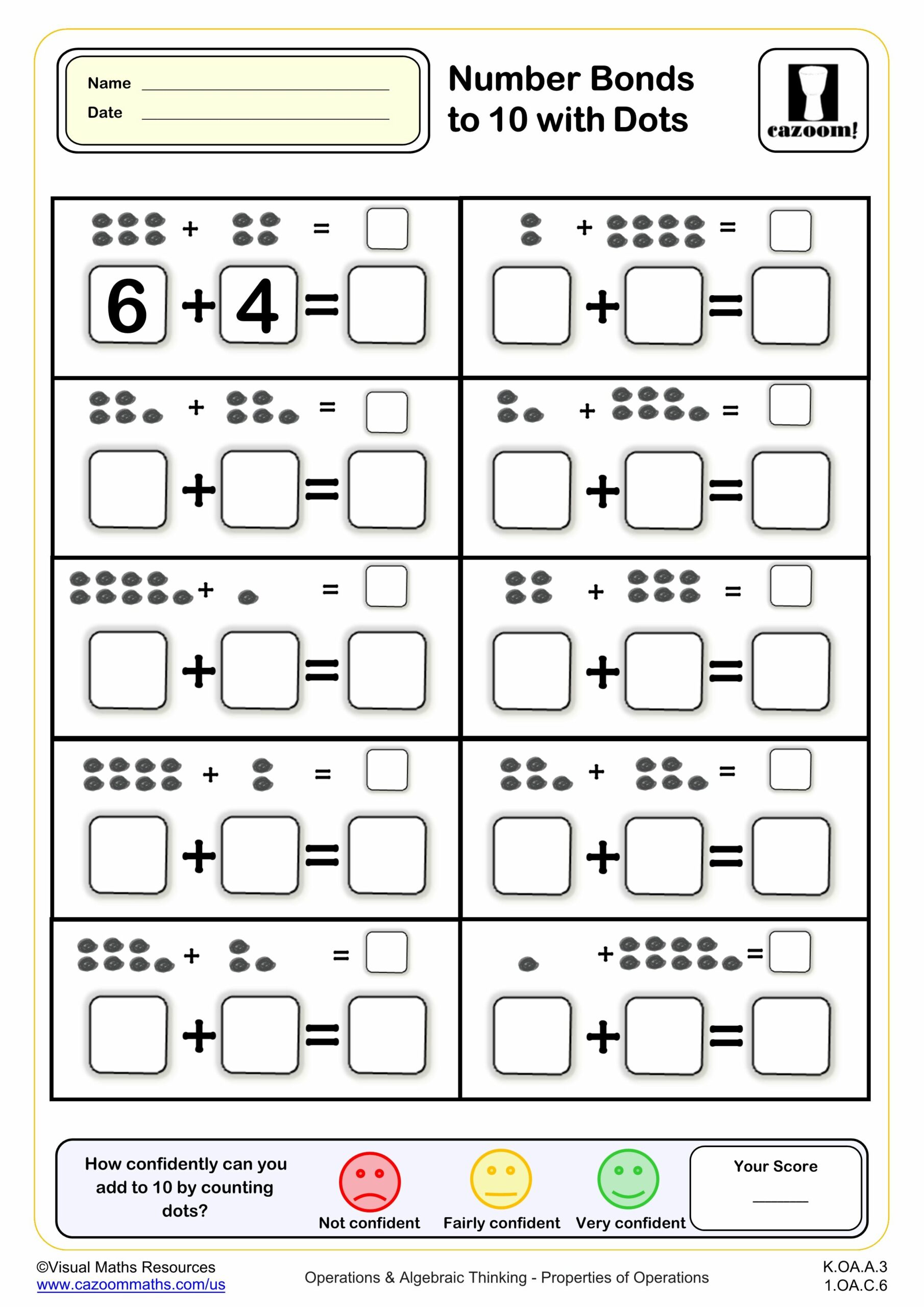
Number bonds to 10 with number lines
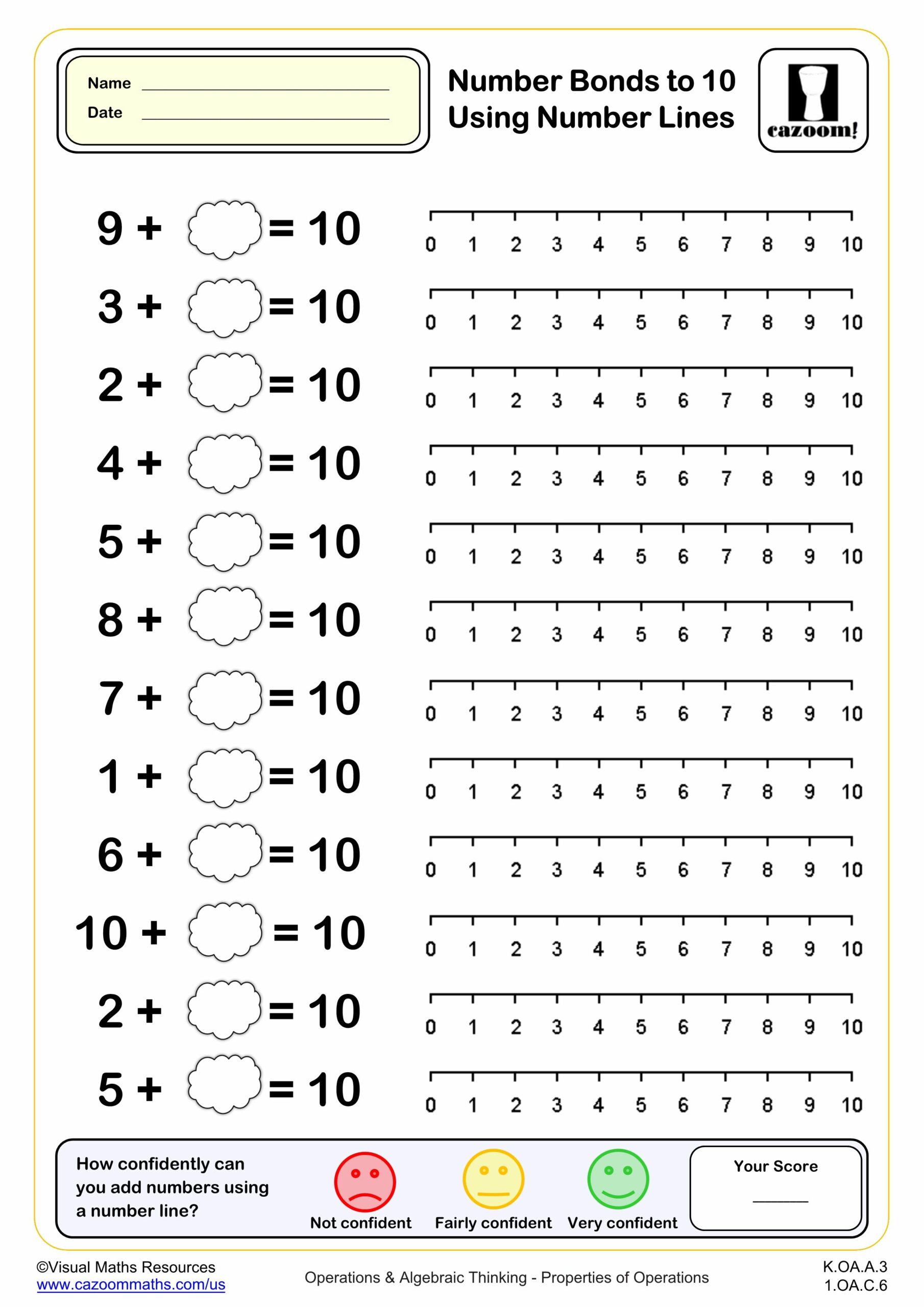
Number Bonds to 20 drills (10 questions)
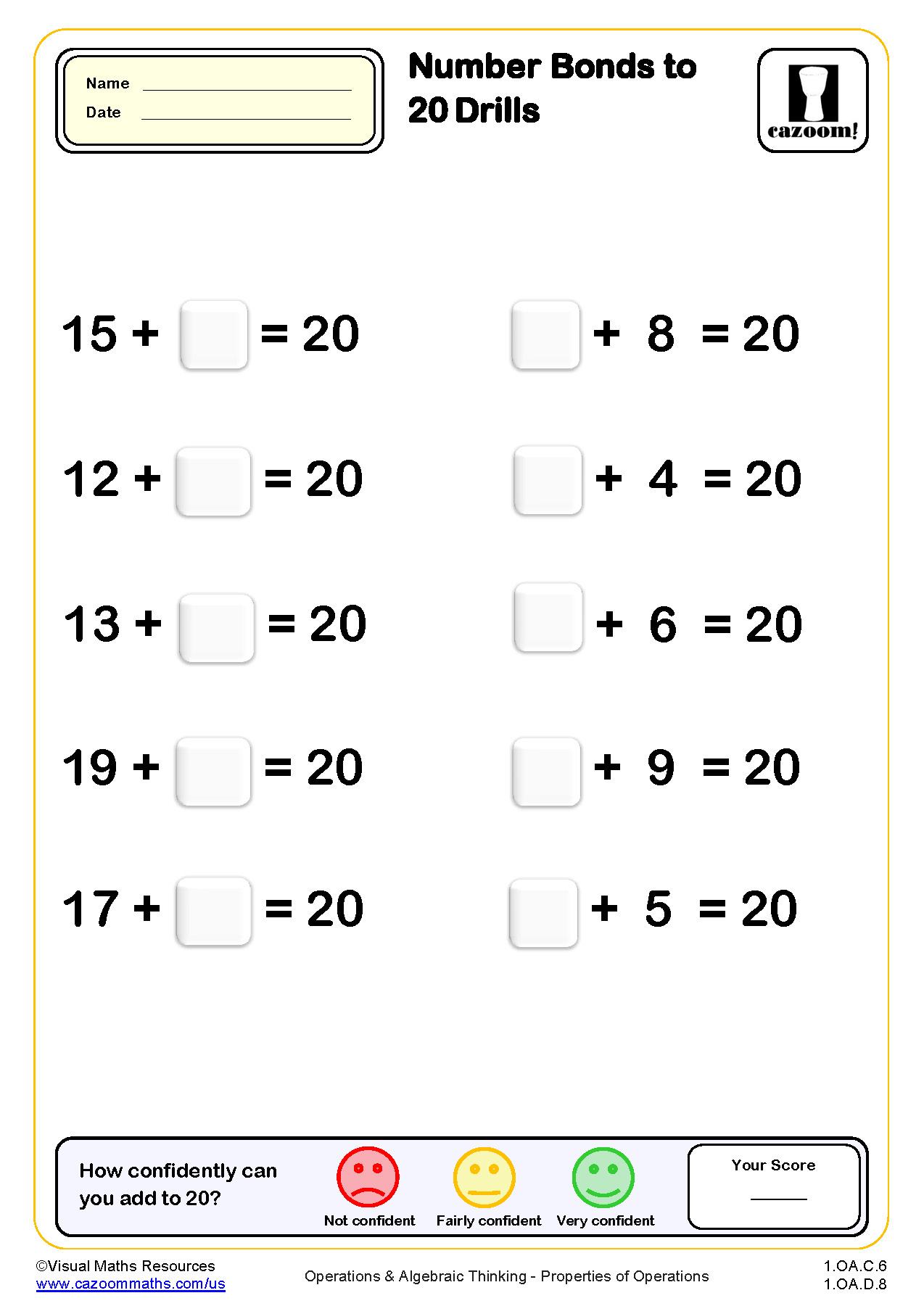
Number Bonds to 20 drills (20 questions)
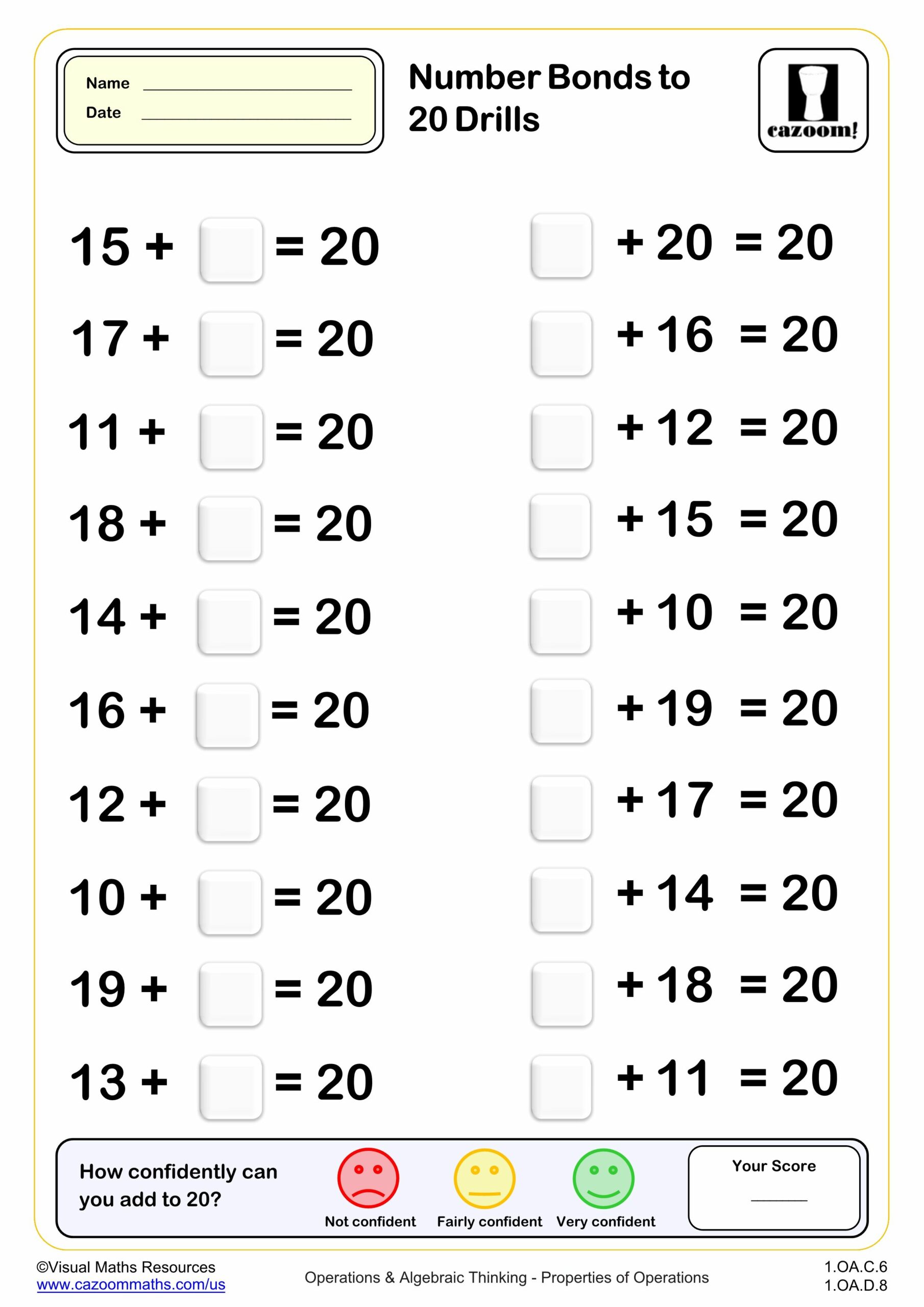
Number Bonds to 20 drills (50 questions)
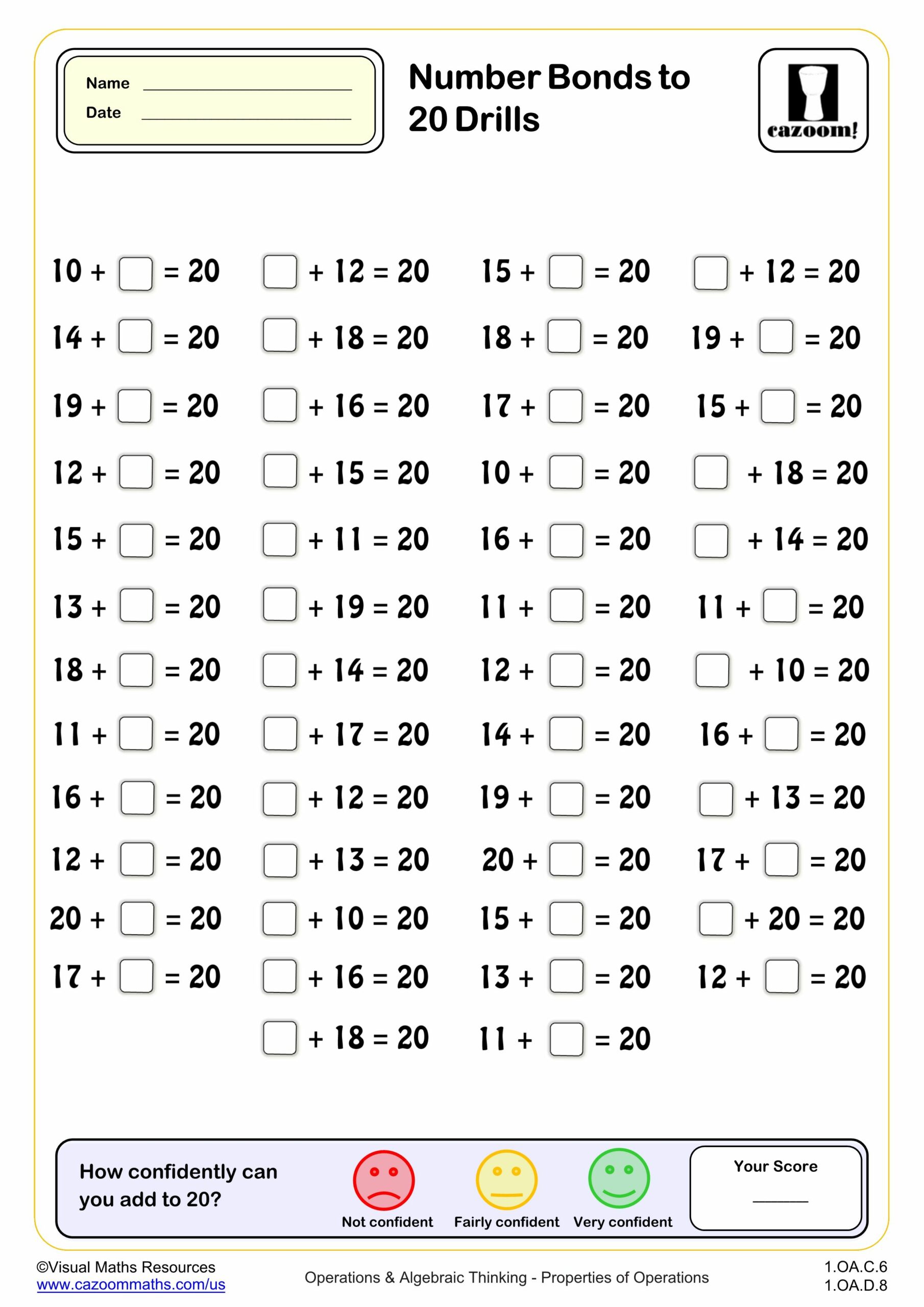
Number Bonds to 20 drills (B) (20 questions)
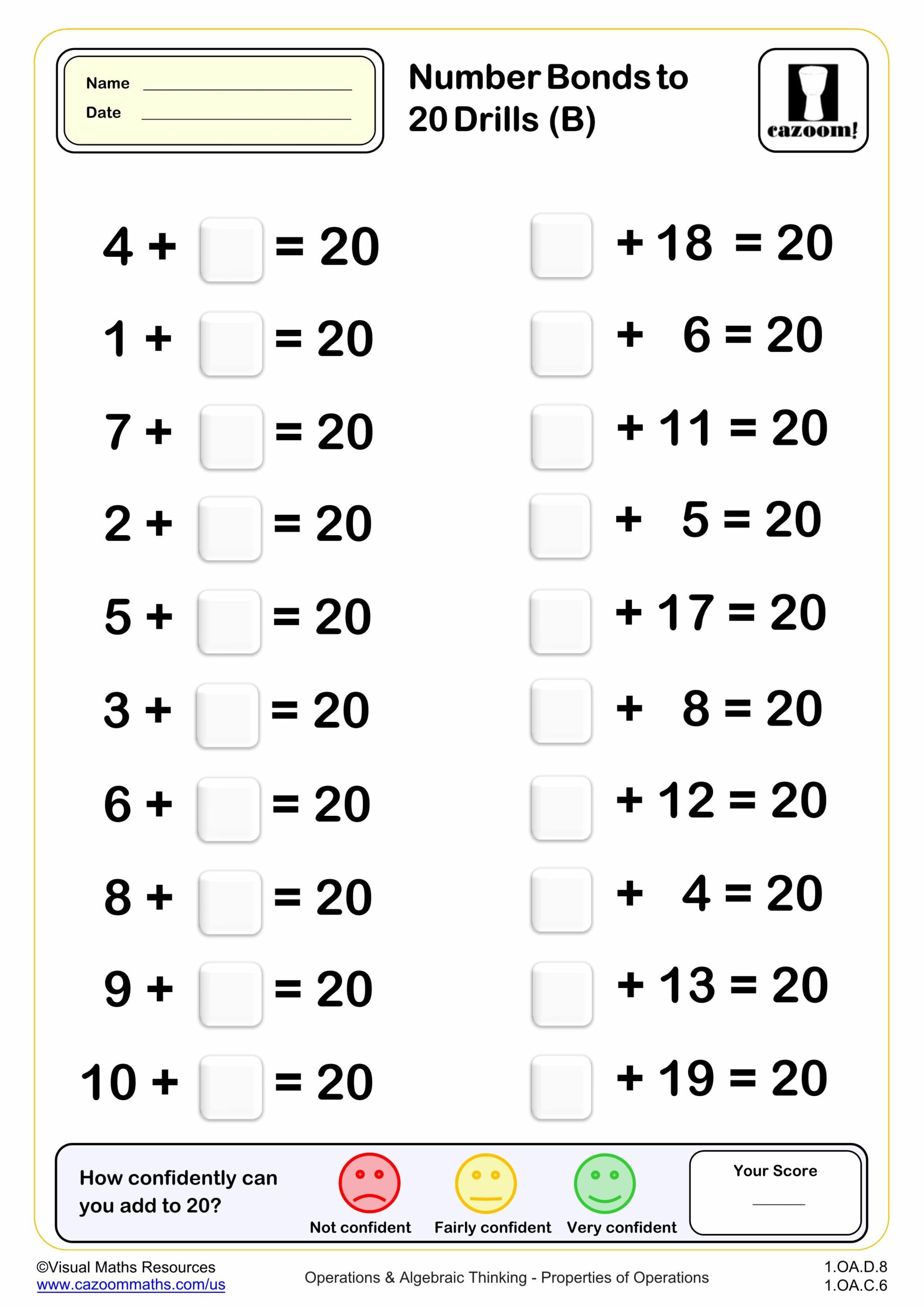
Number Bonds to 20 drills (B) (50 questions)
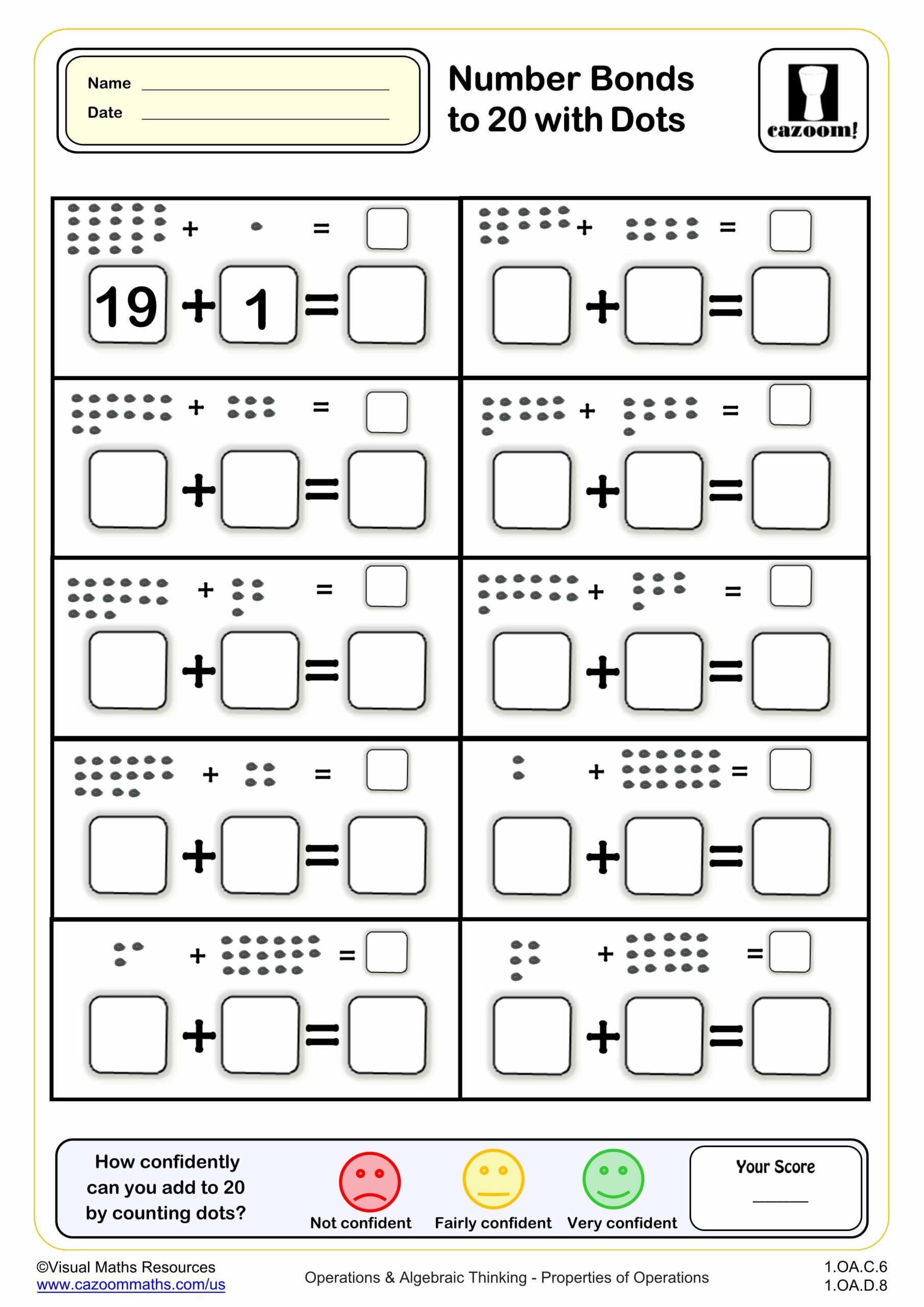
Number bonds to 20 with dots
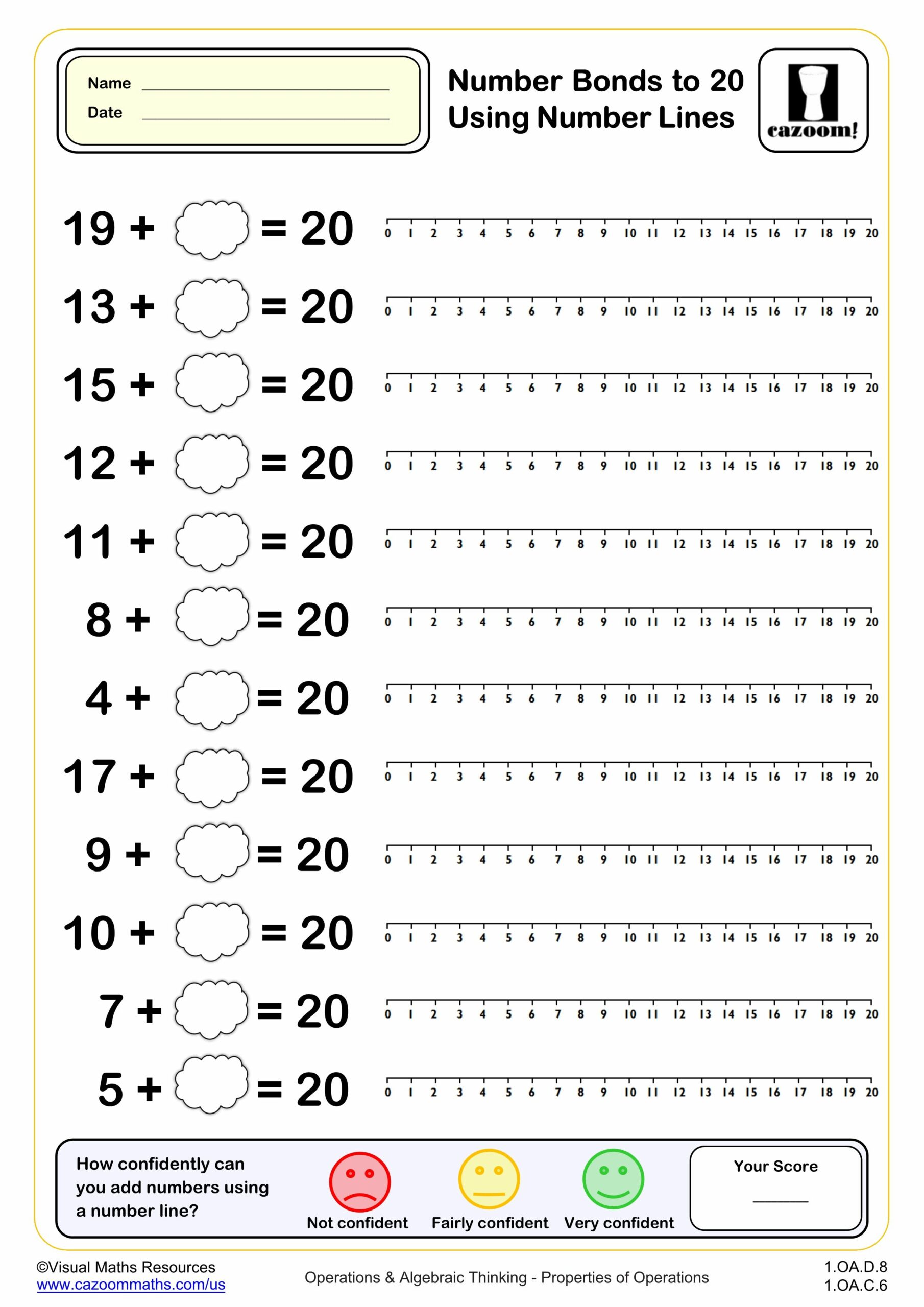
Number bonds to 20 with number lines
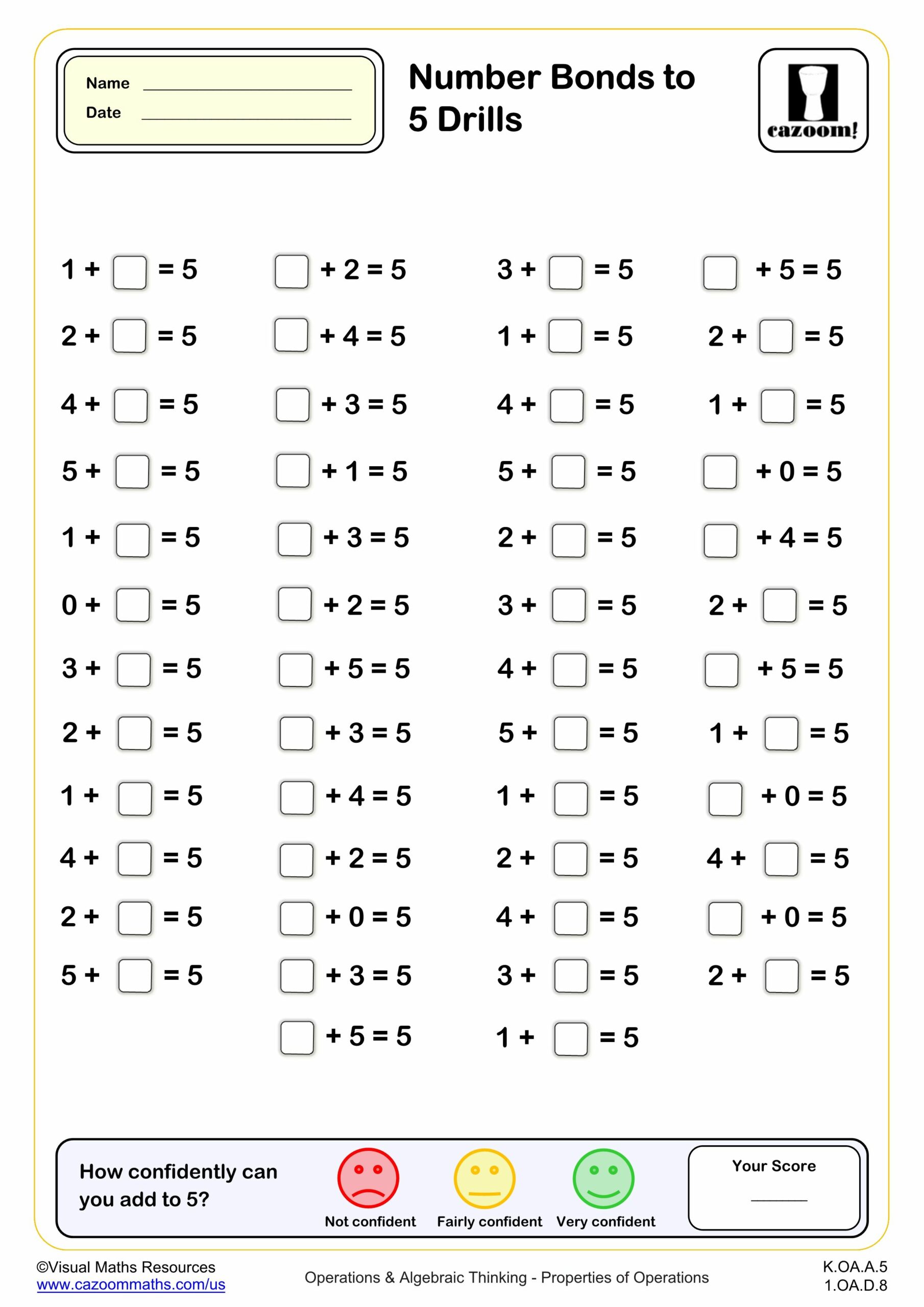
Number Bonds to 5 drills (50 questions)
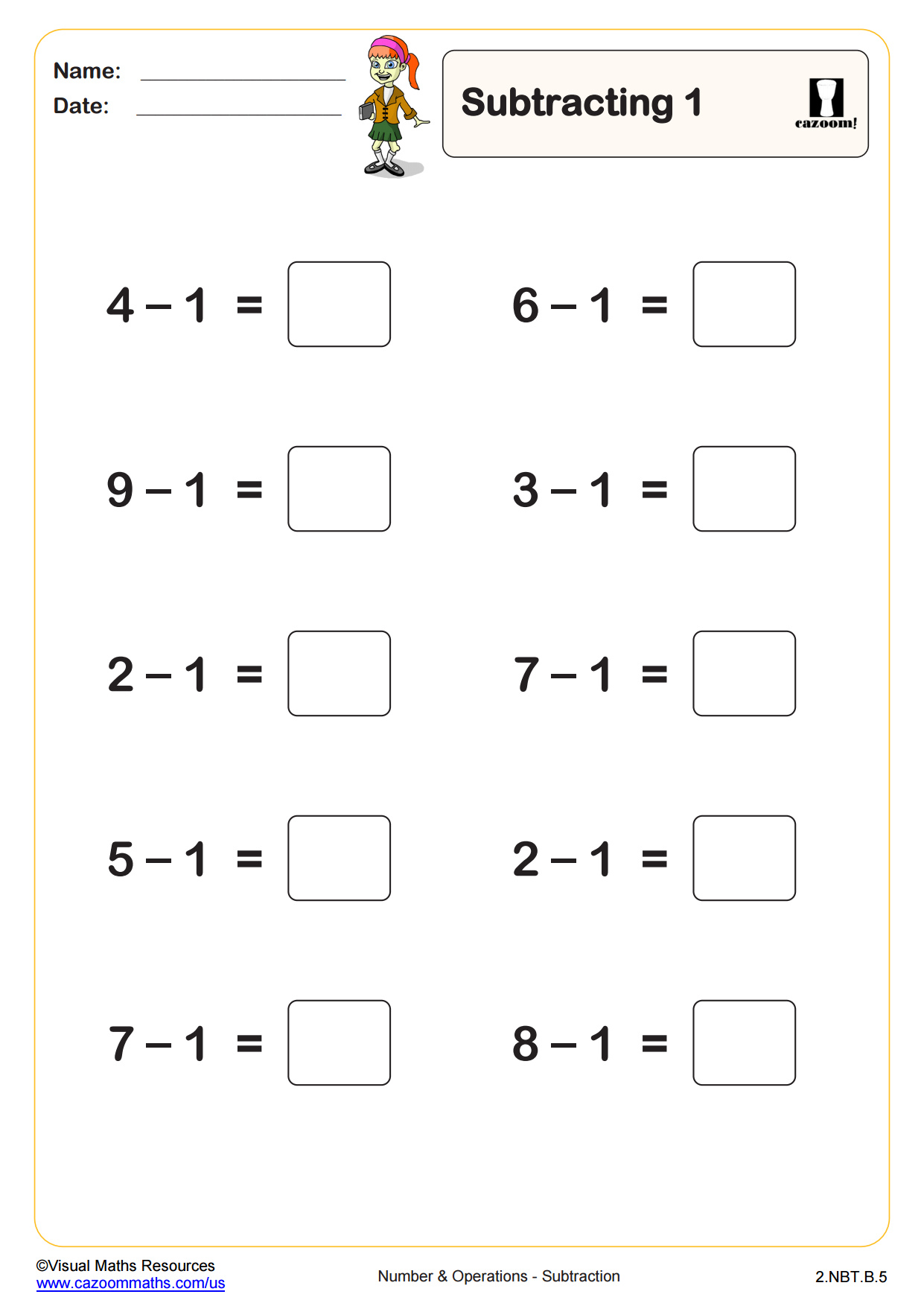
Subtracting 1 (10 questions)
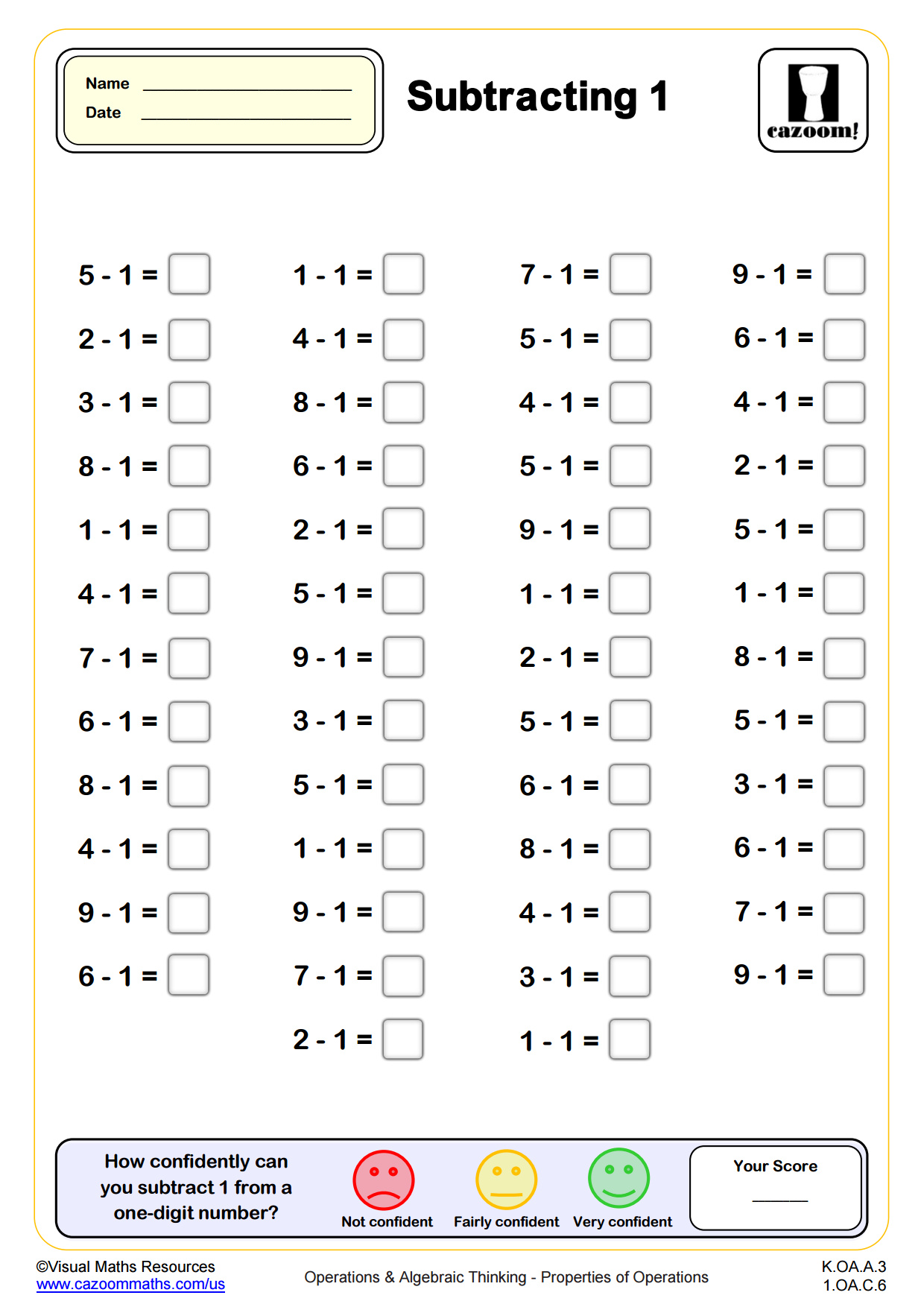
Subtracting 1 (20 questions)
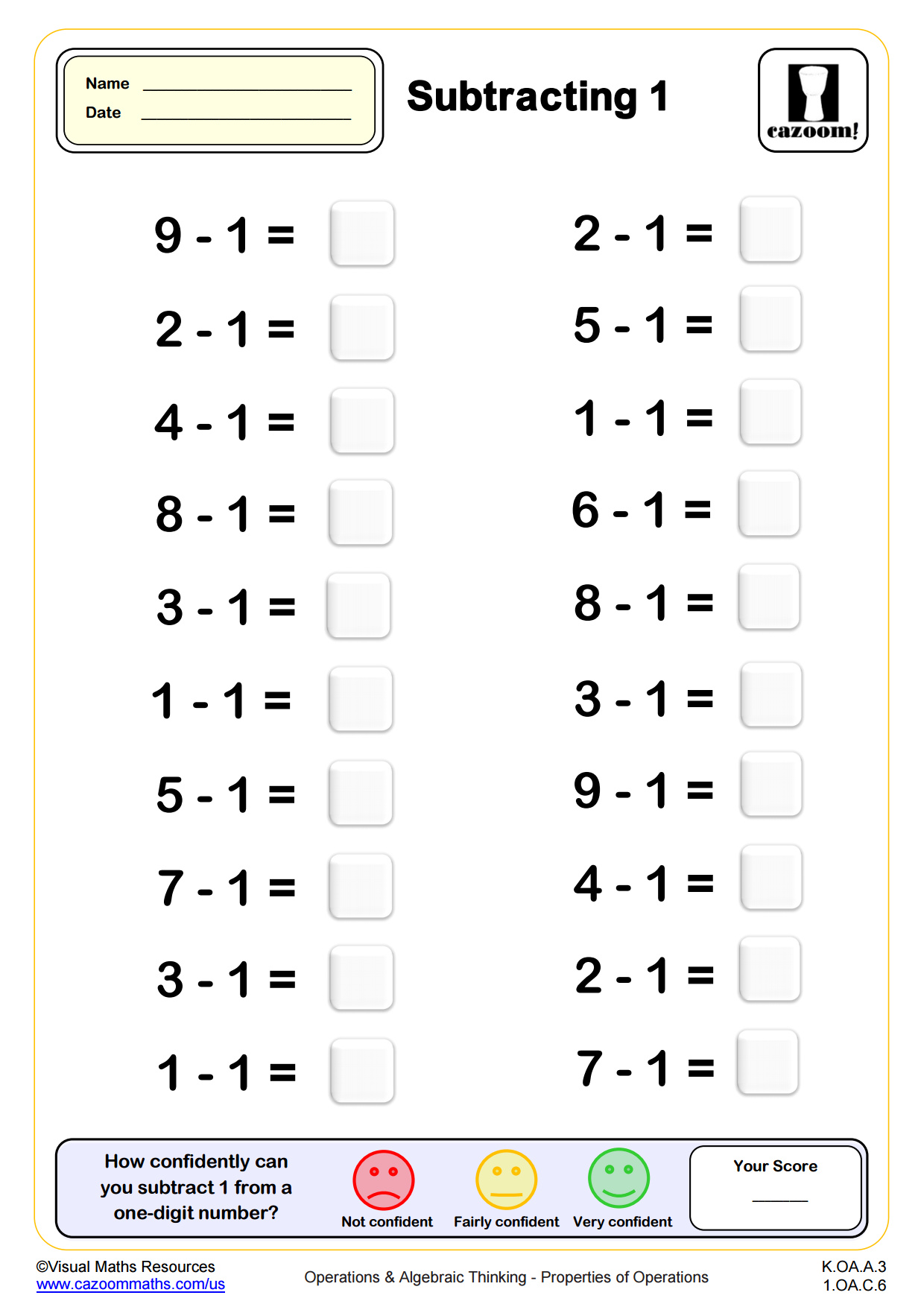
Subtracting 1 (50 questions)
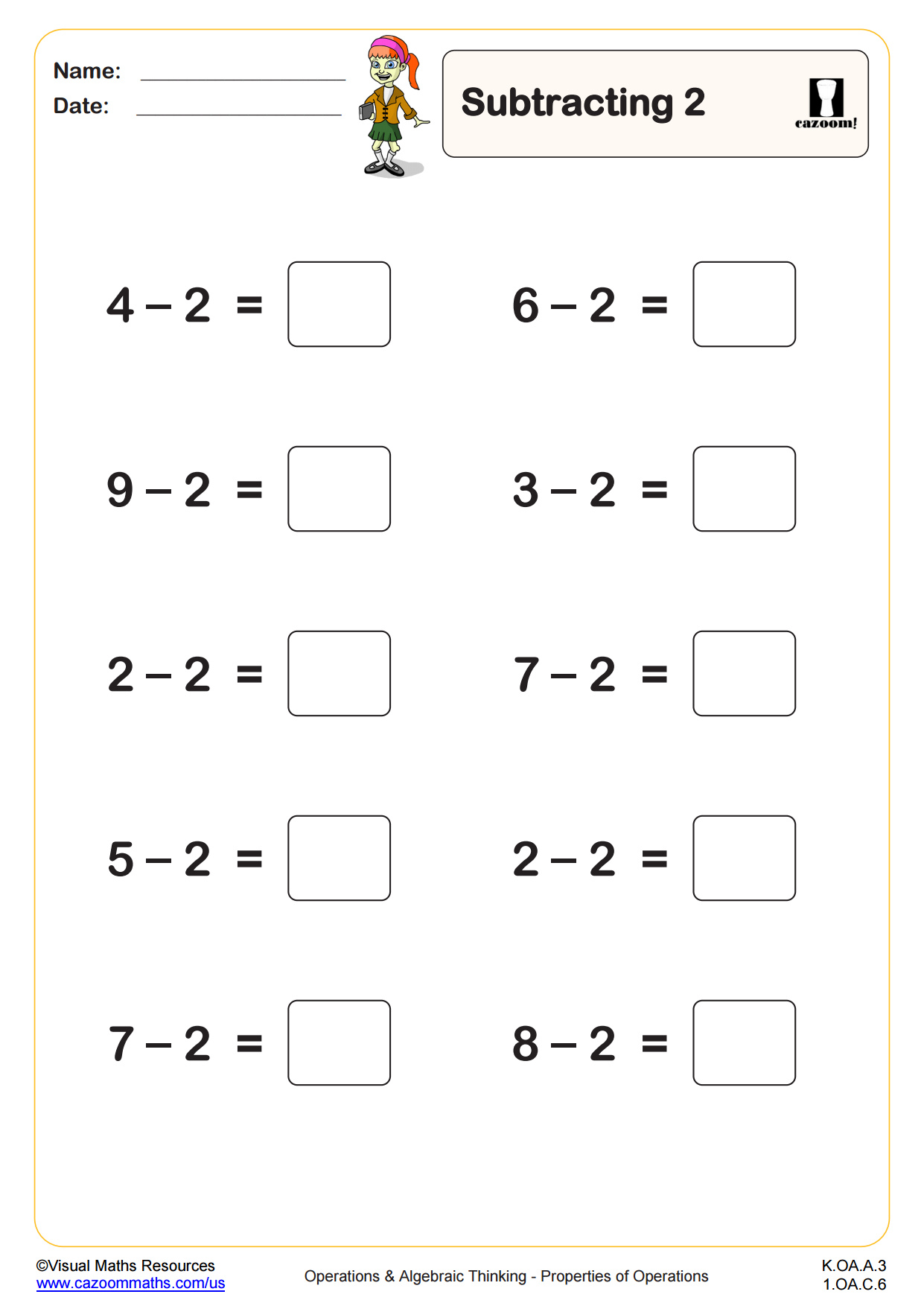
Subtracting 2 (10 questions)
Subtracting 2 (20 questions)
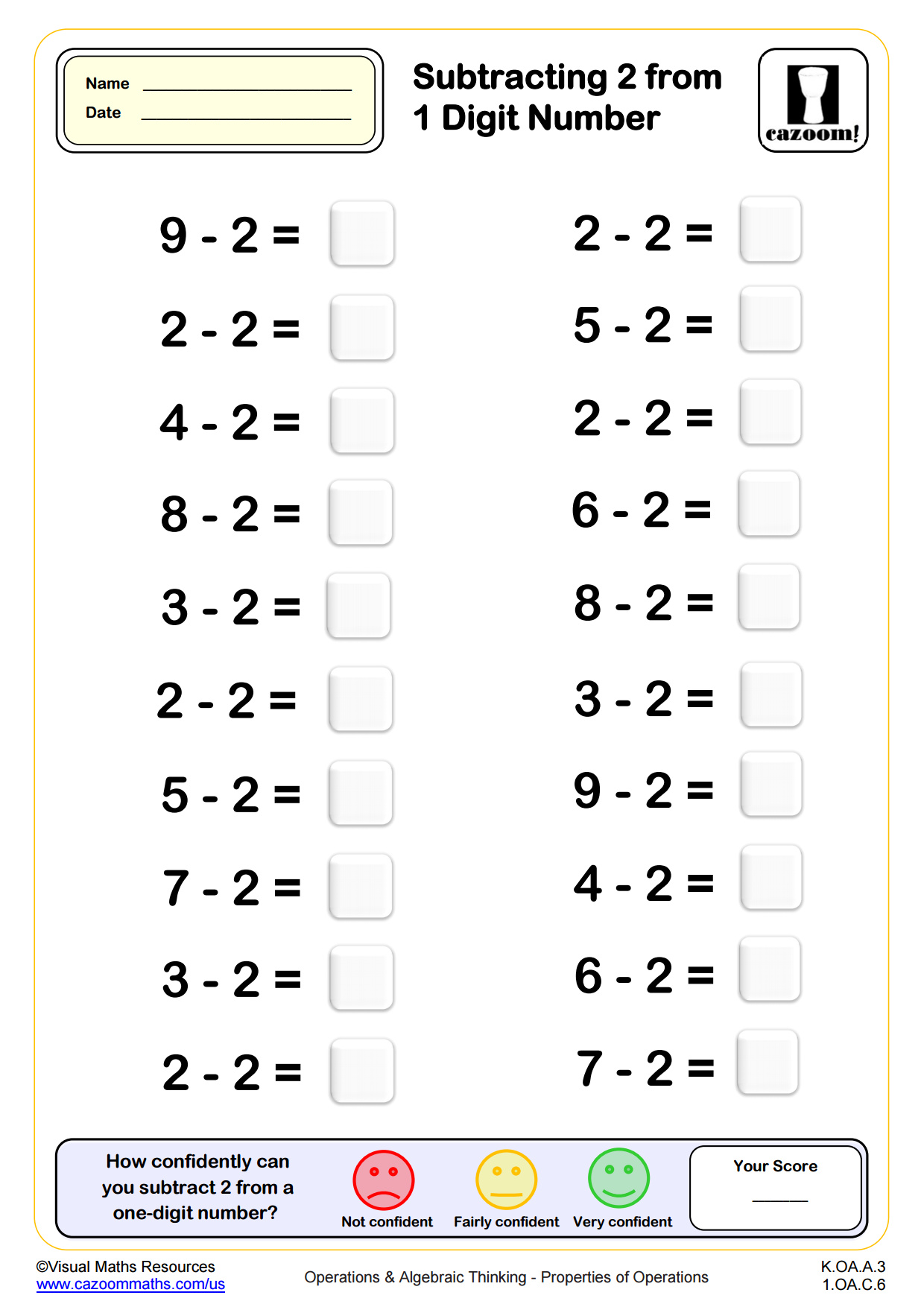
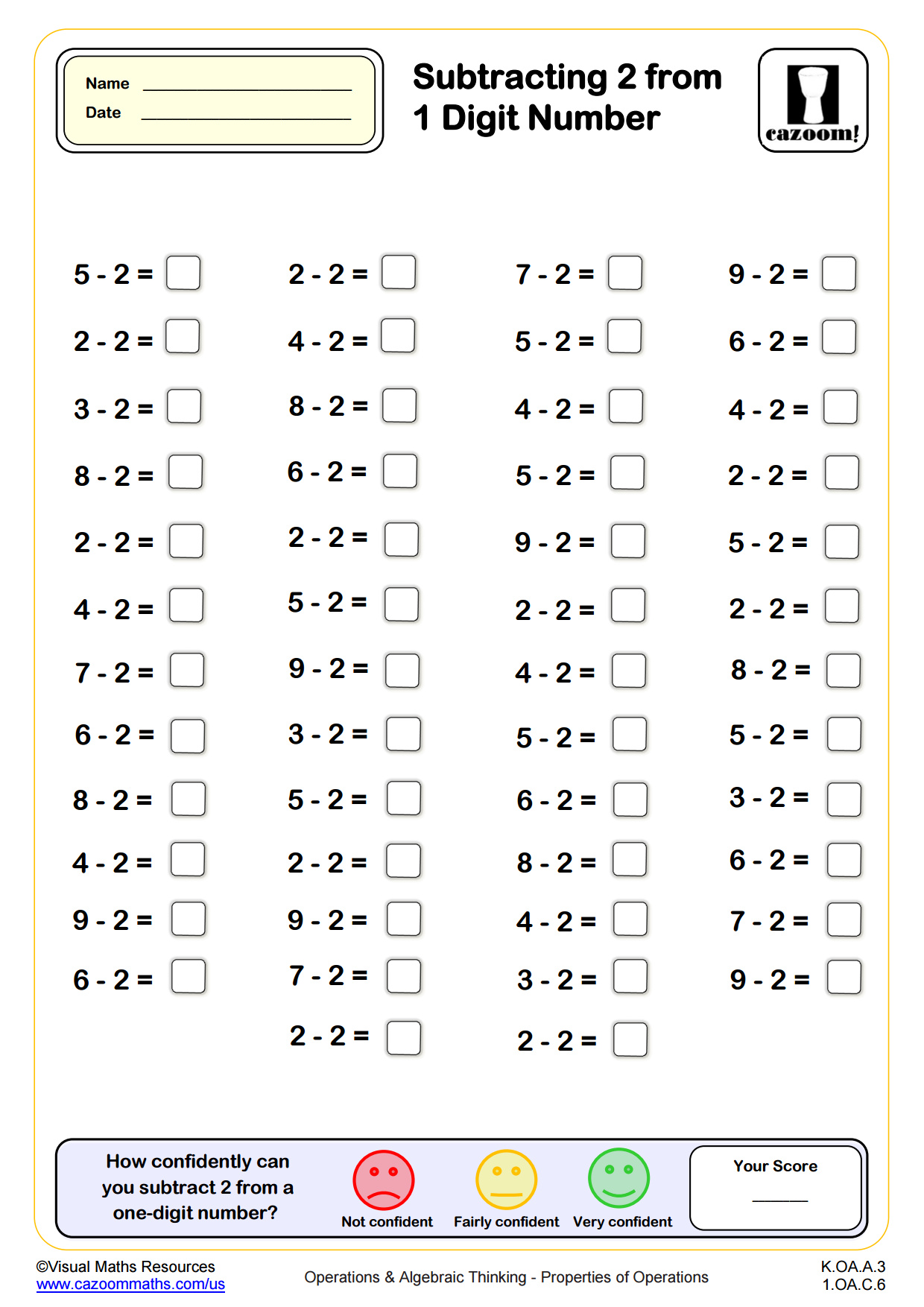
Subtracting 2 (50 questions)
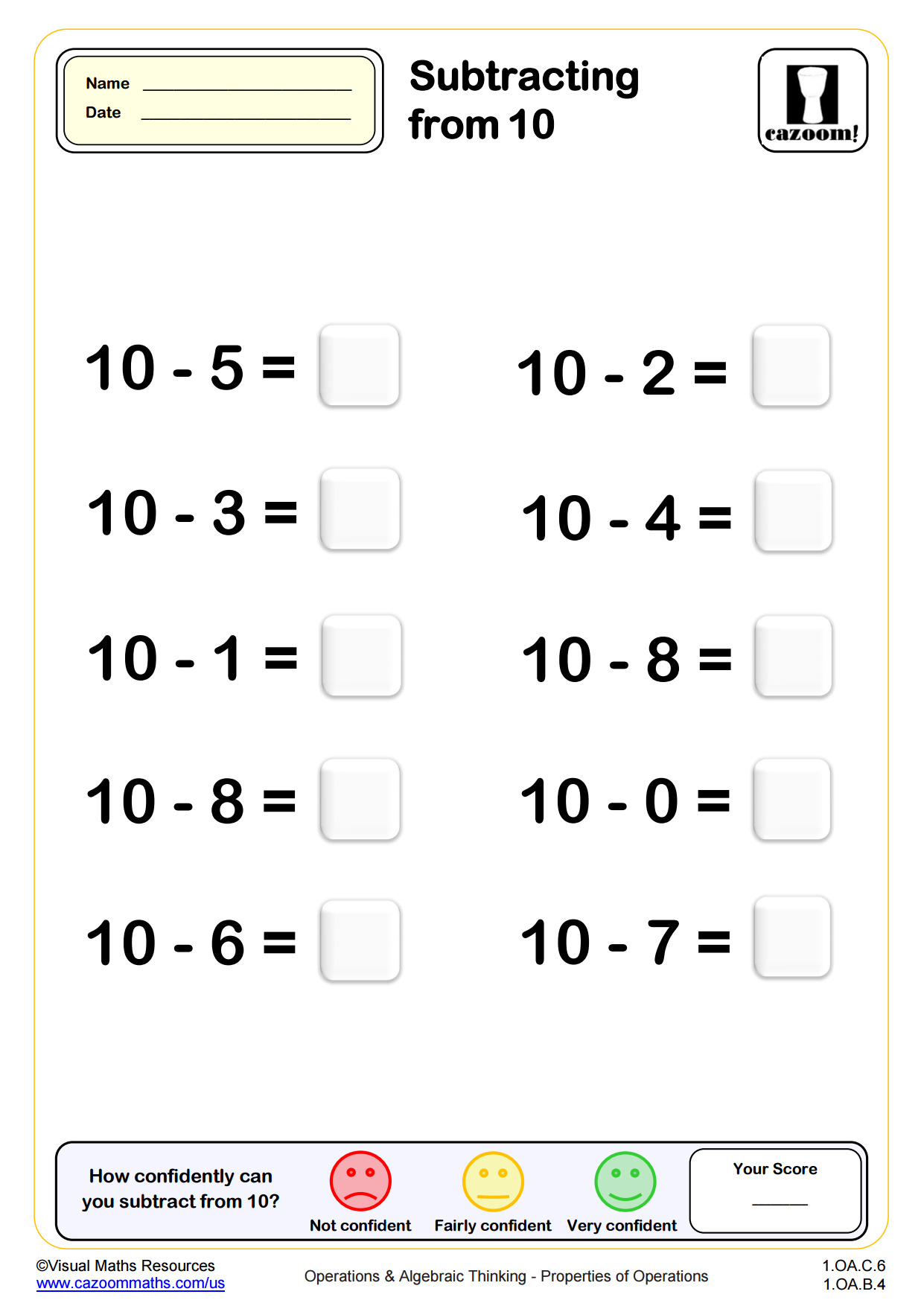
Subtracting from 10 Drills (10 questions)
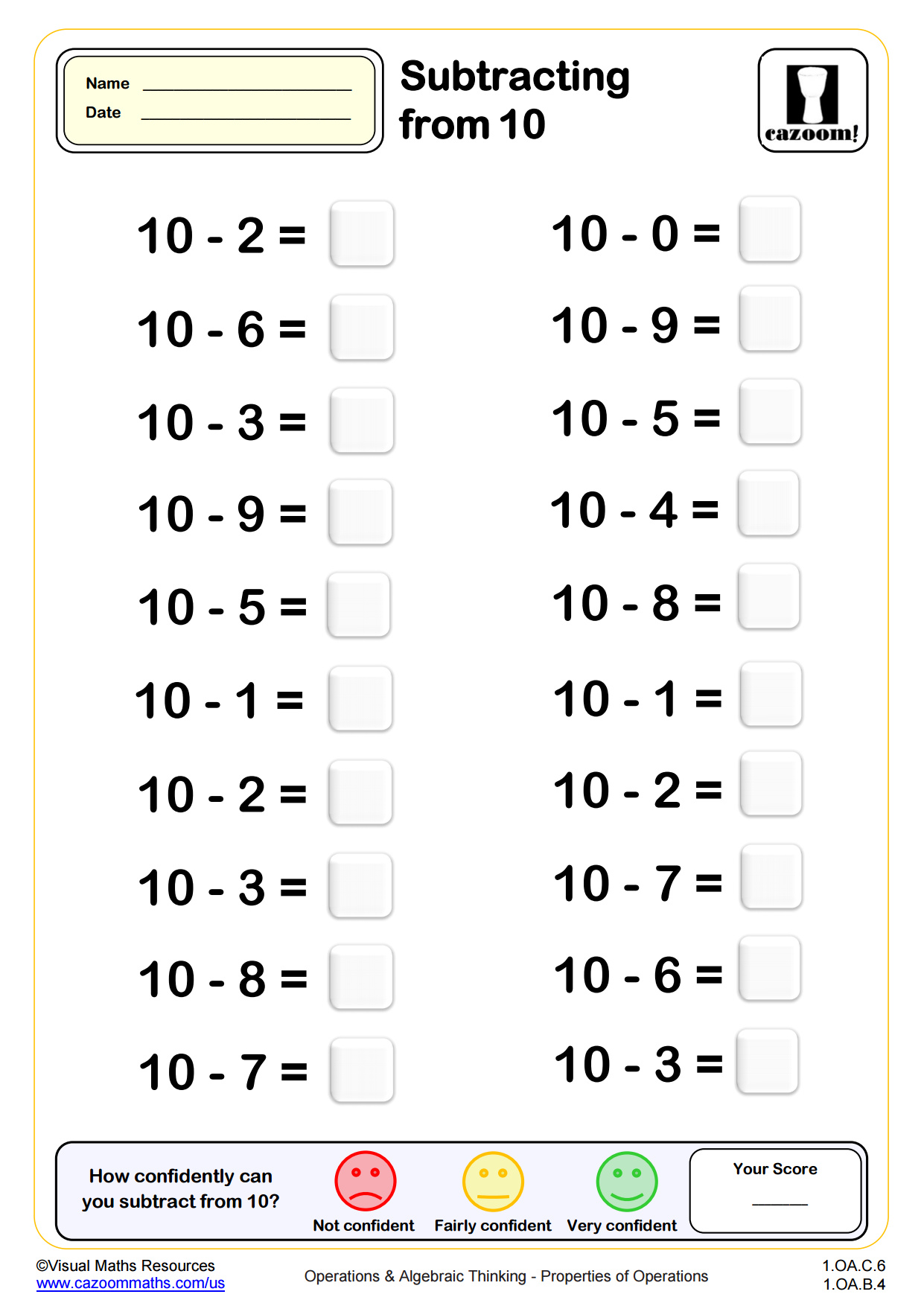
Subtracting from 10 Drills (20 questions)
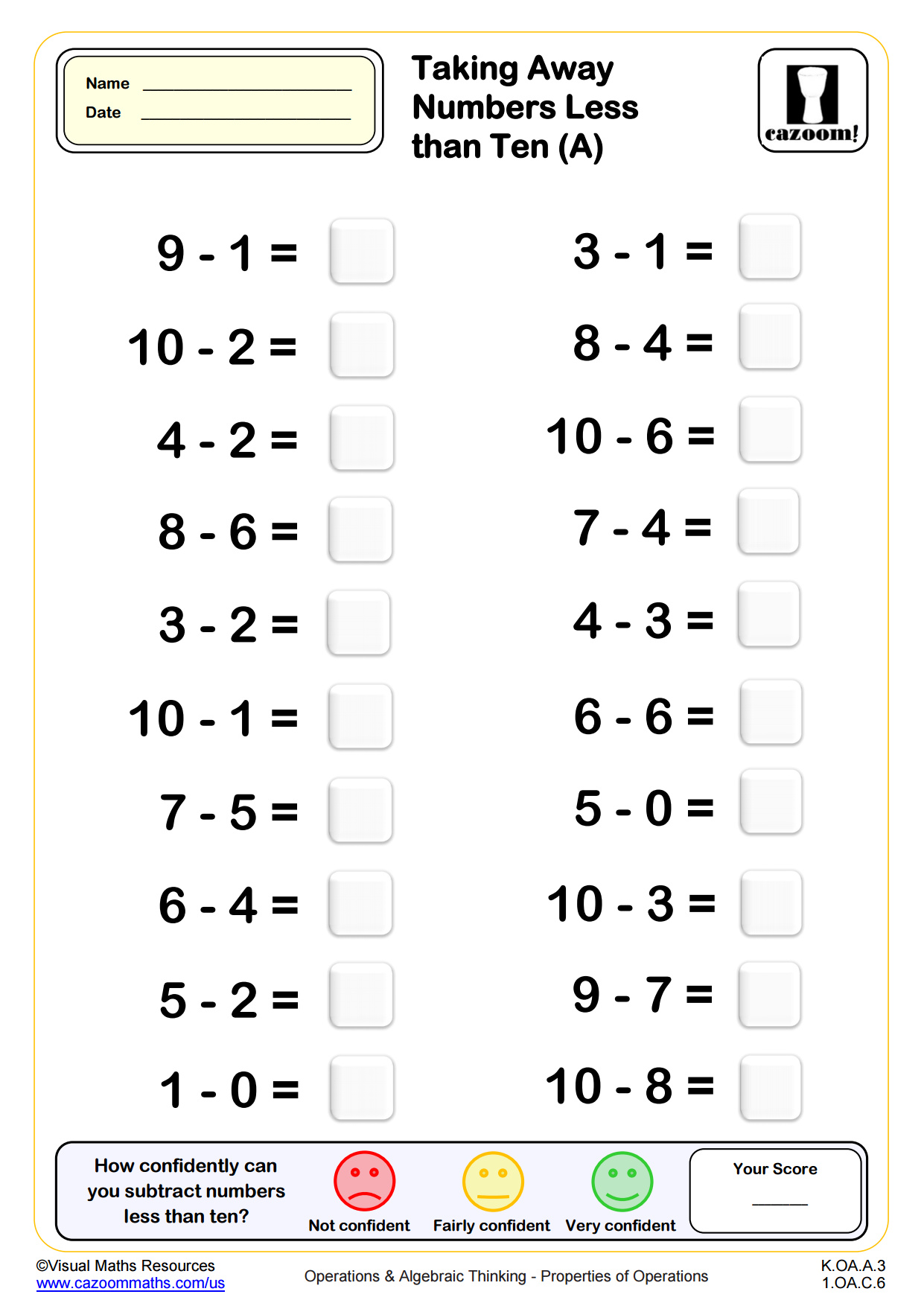
Subtracting Numbers Less Than 10 (A)
Subtracting Numbers Less Than 10 (B)
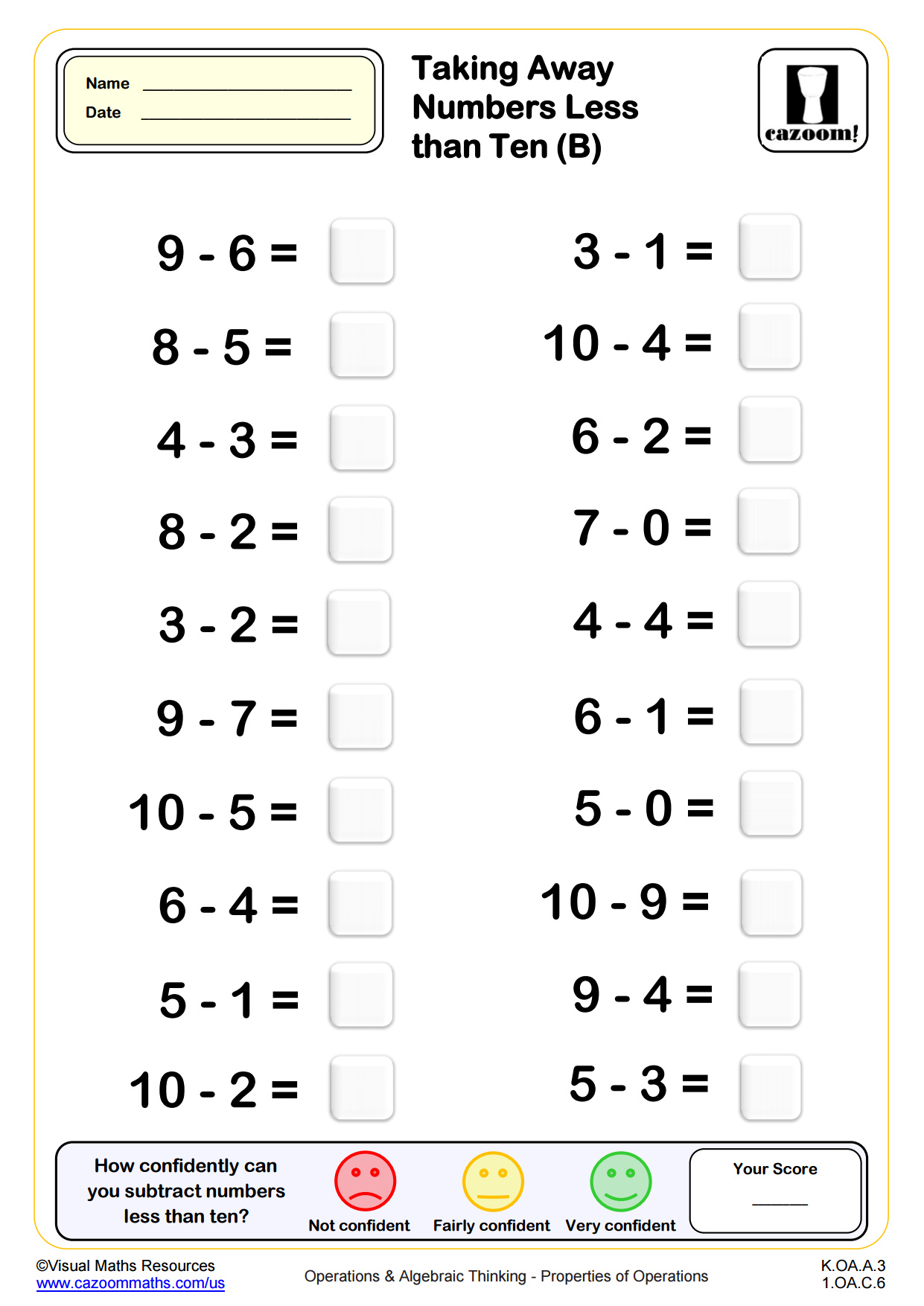
Subtracting Numbers Less Than 10 (C)
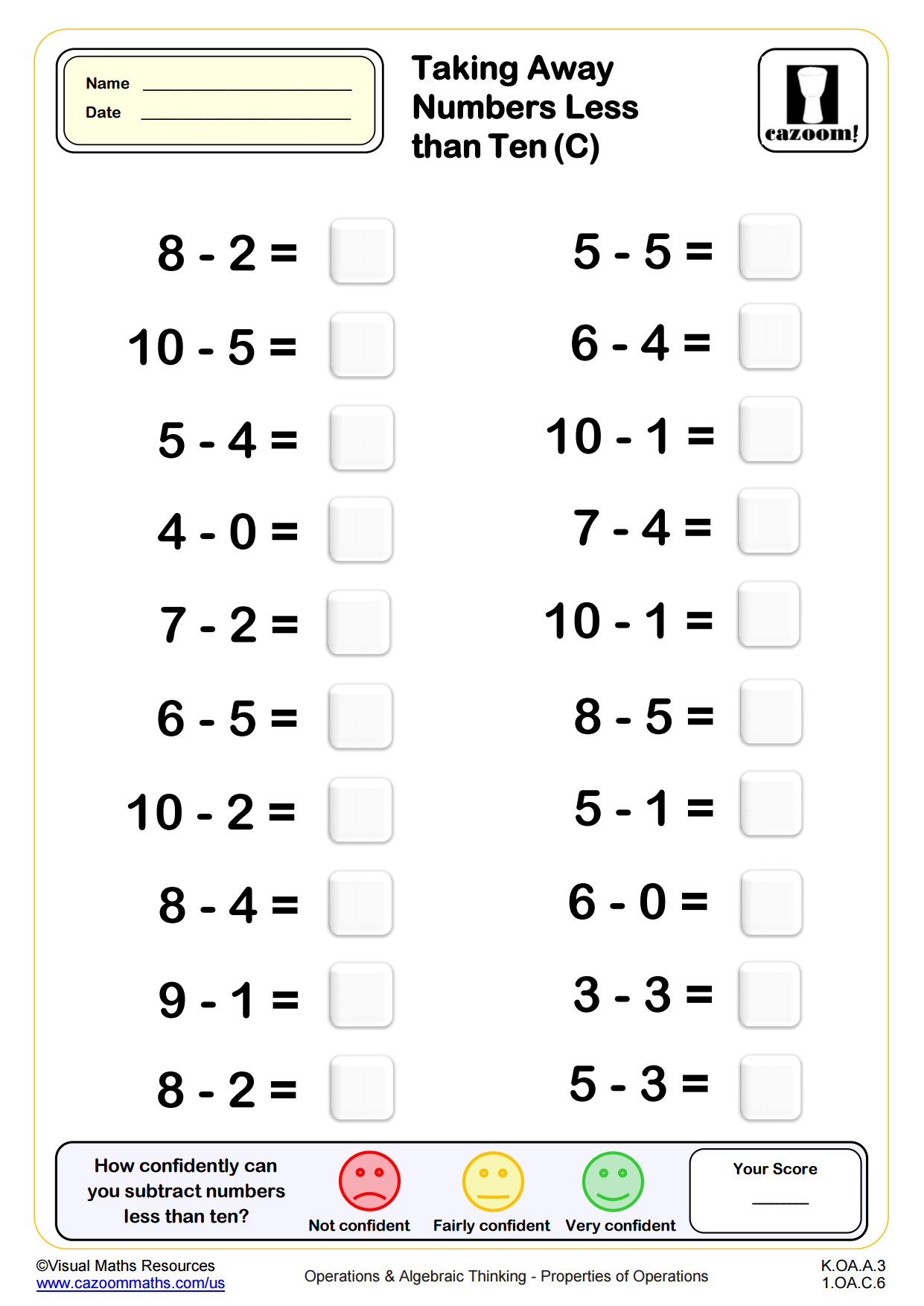
Subtracting Numbers Less Than 6 (A)
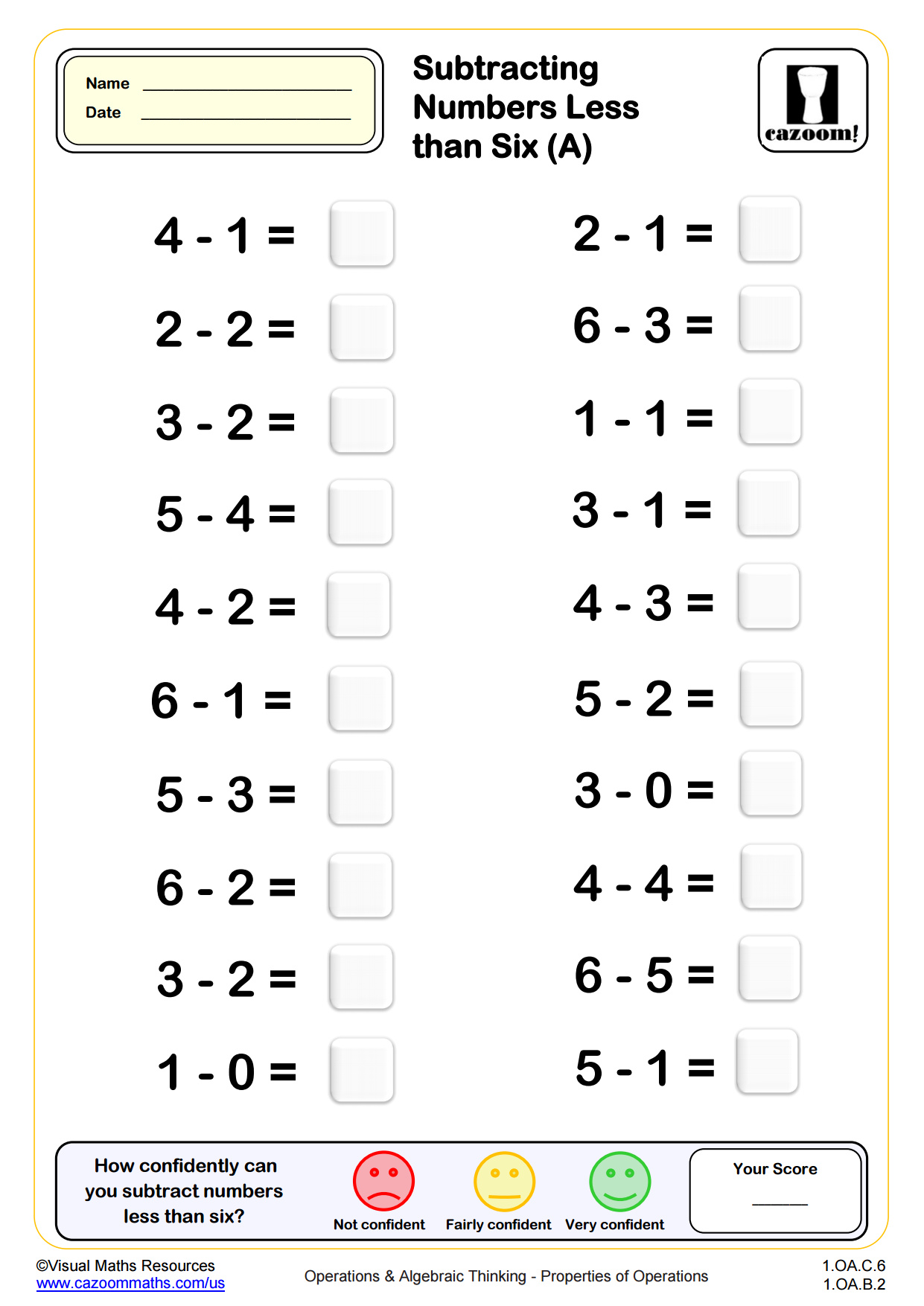
Subtracting Numbers Less Than 6 (B)
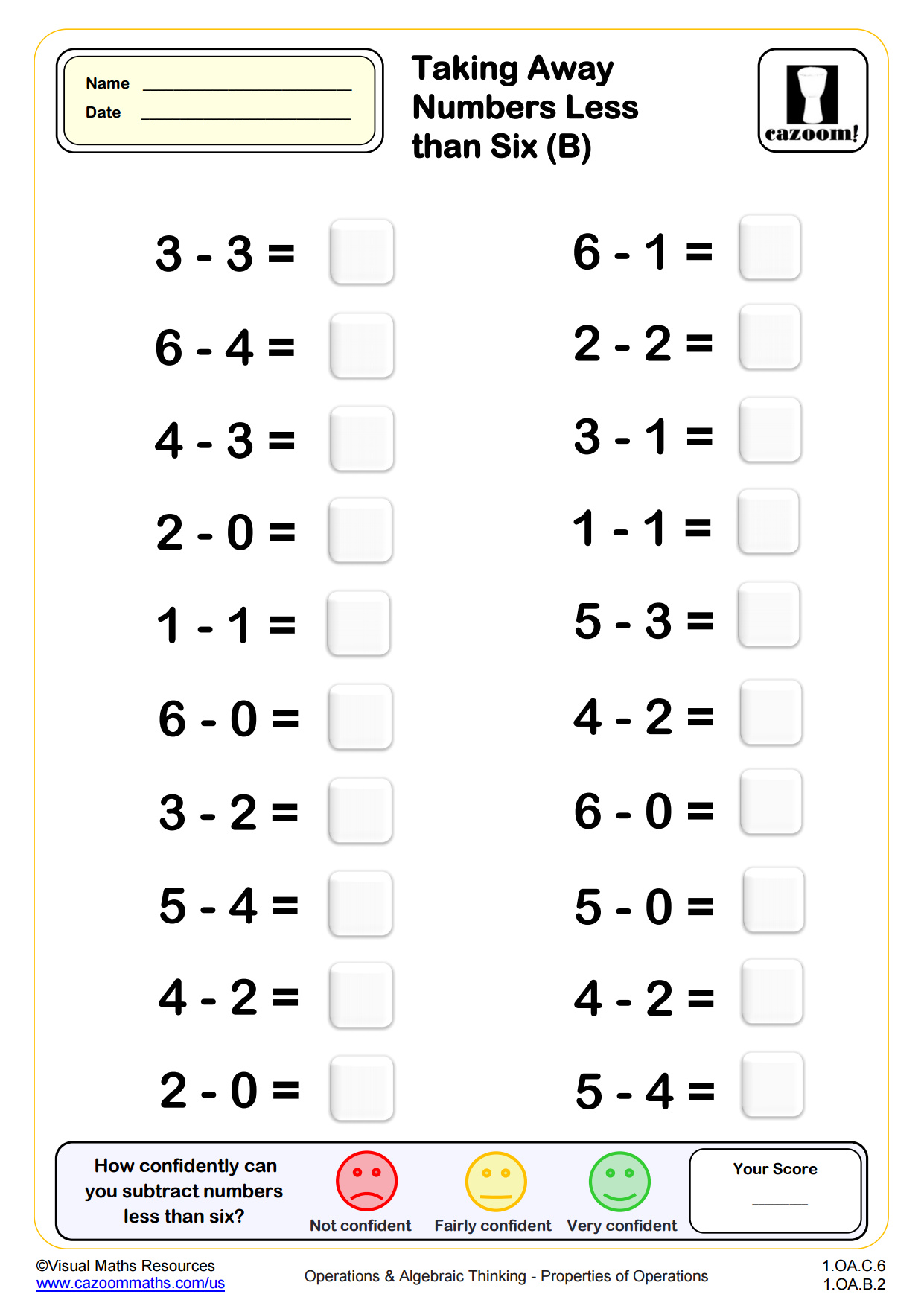
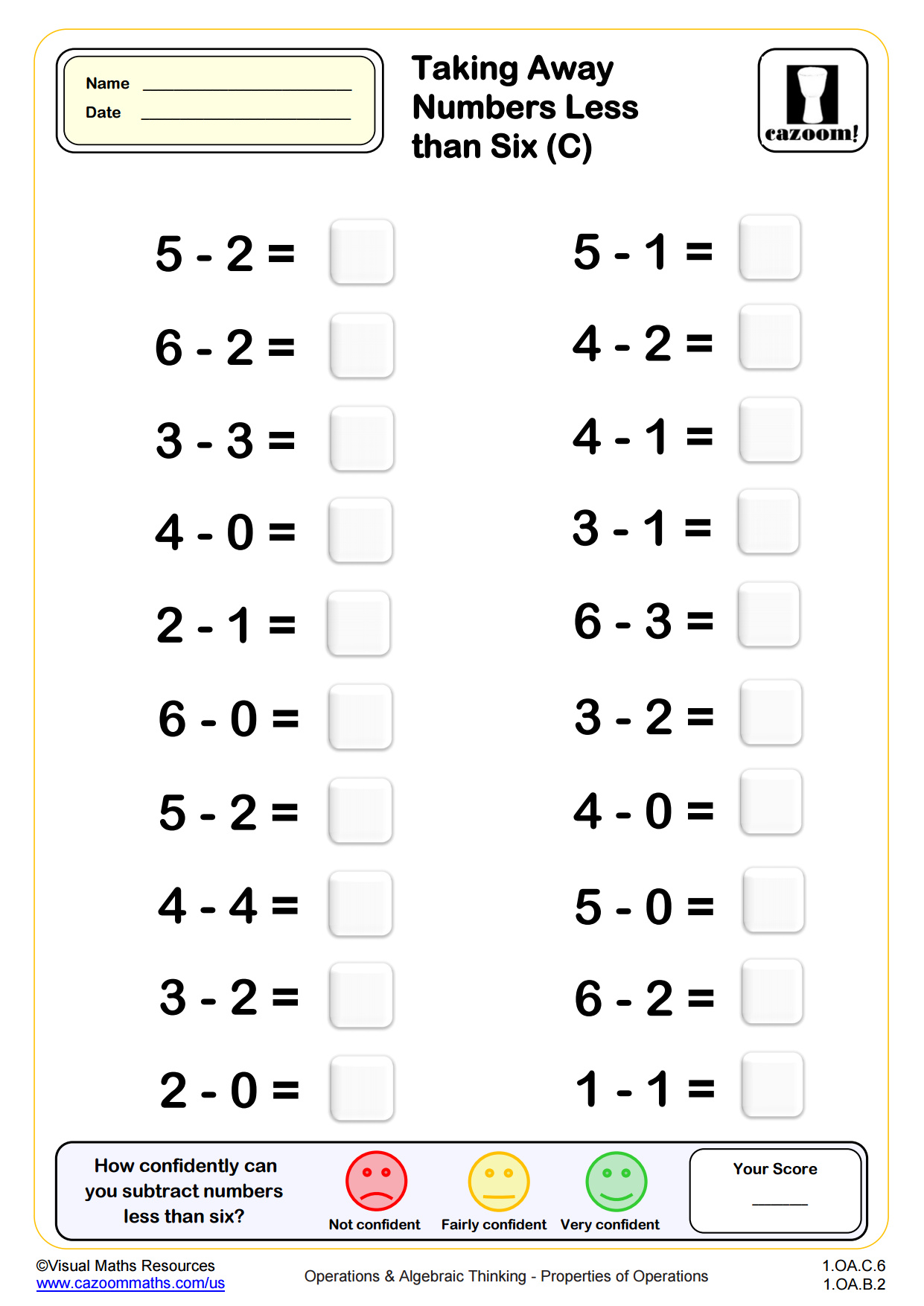
Subtracting Numbers Less Than 6 (C)
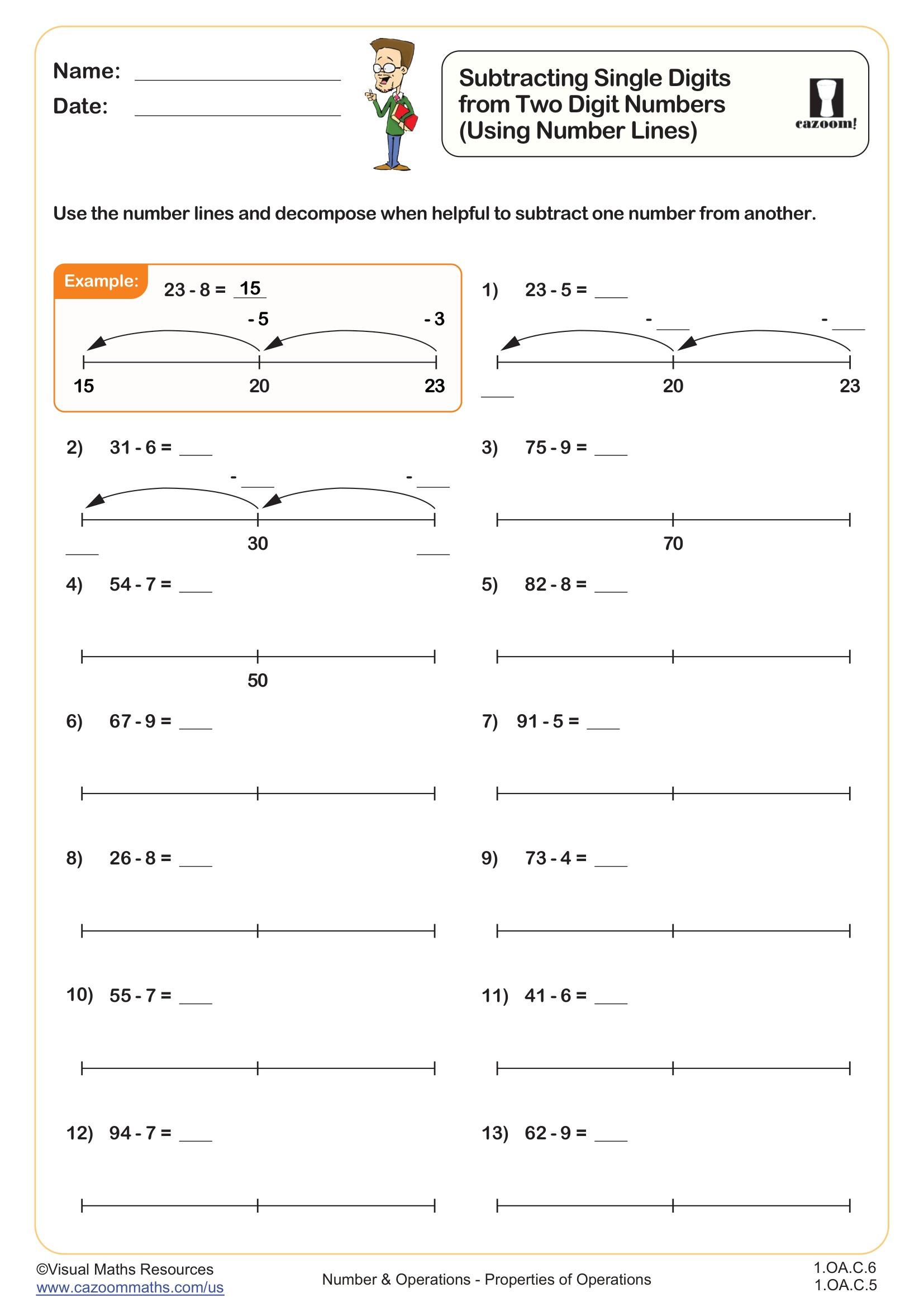
Subtracting Single Digits from Two Digit Numbers (Using Number Lines)
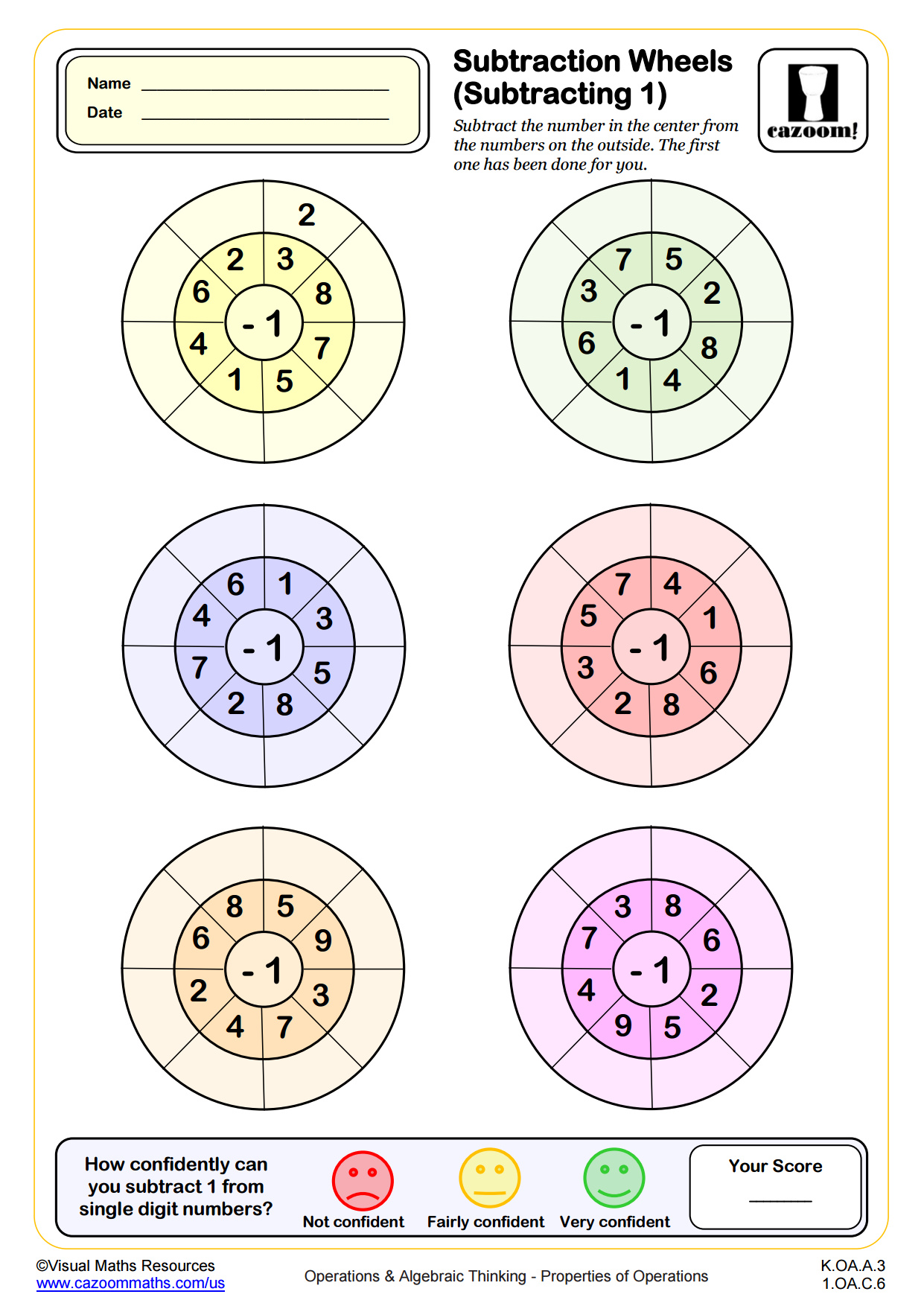
Subtraction Wheels (Subtracting 1)
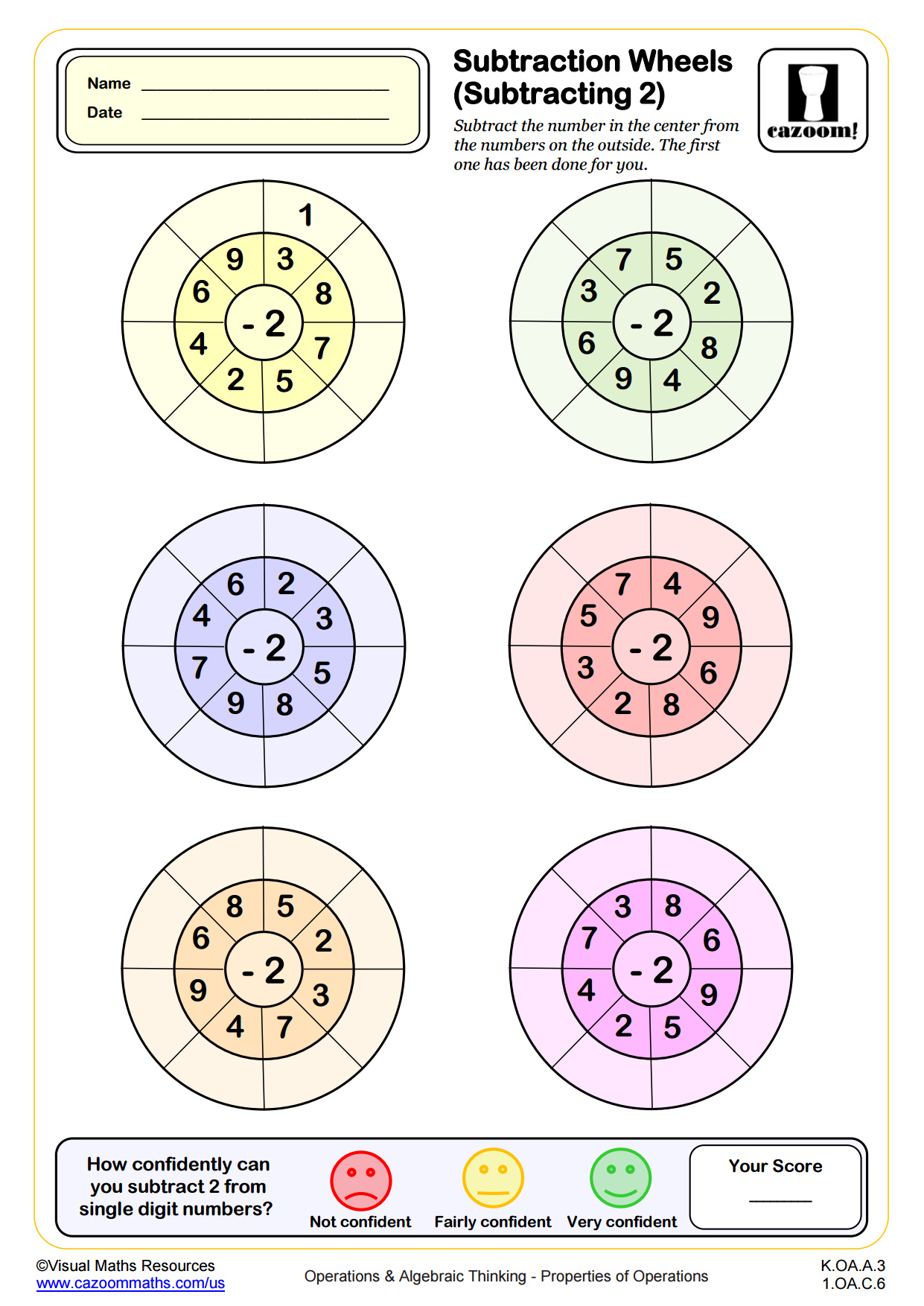
Subtraction Wheels (Subtracting 2)
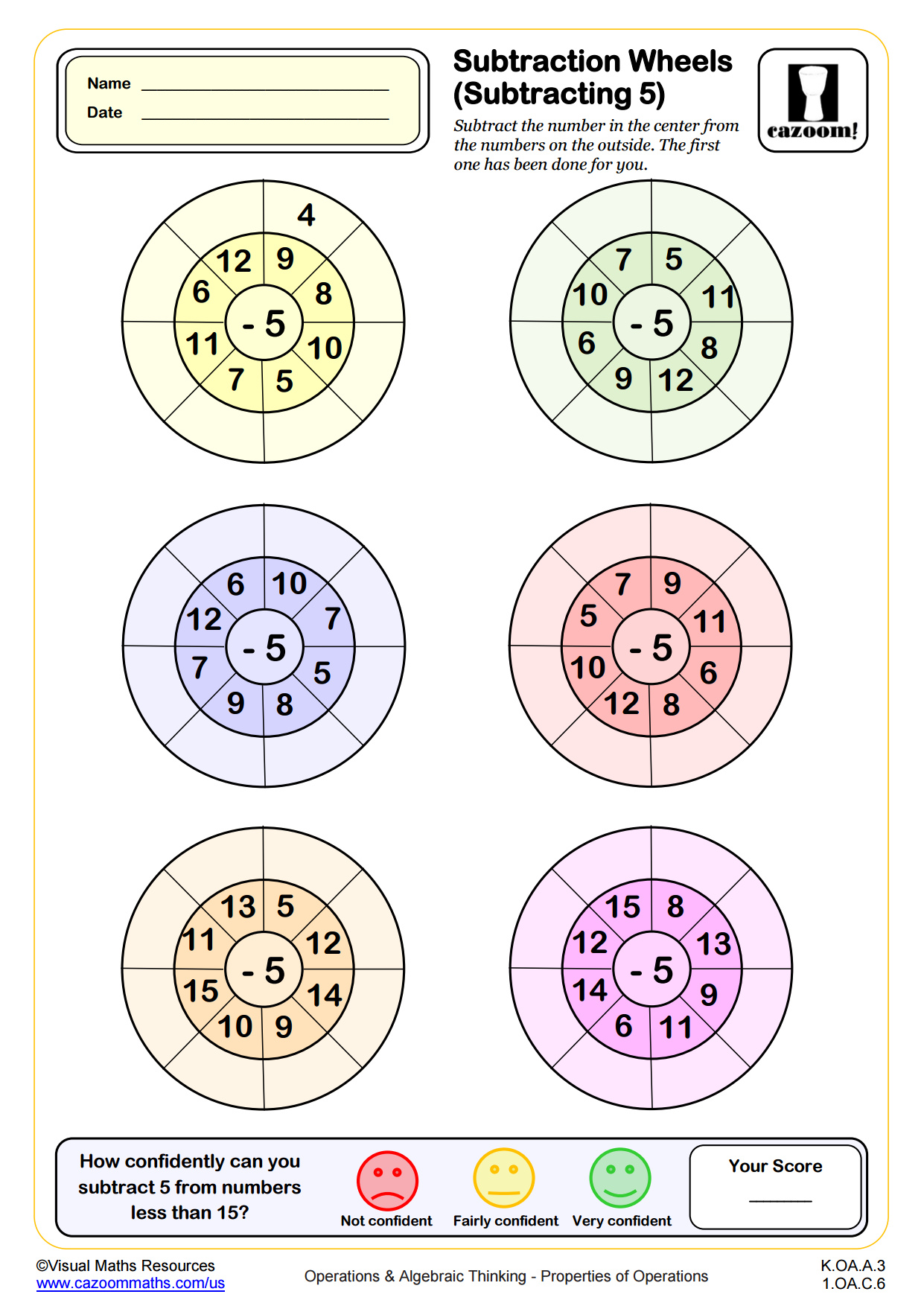
Subtraction Wheels (Subtracting 5)
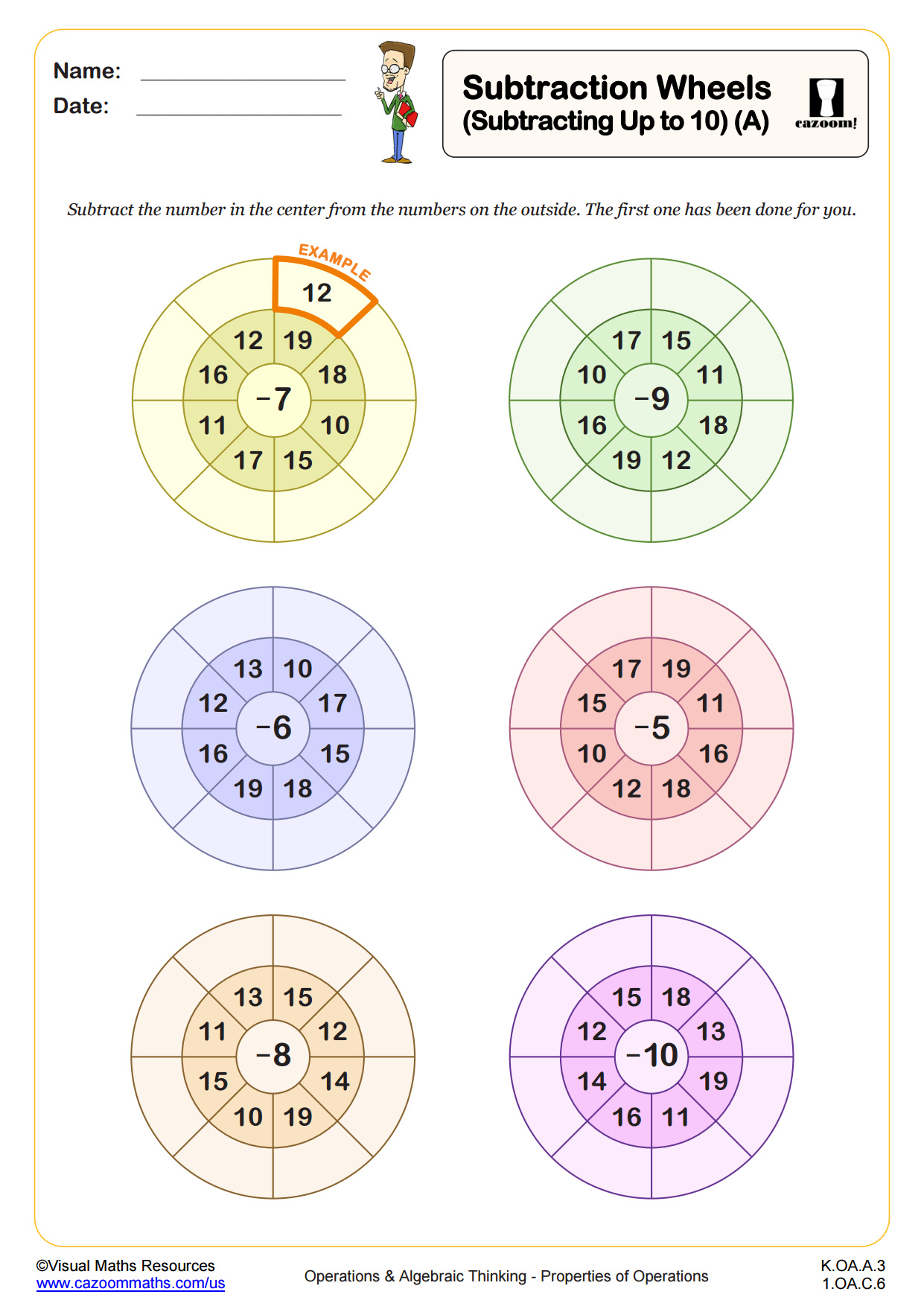
Subtraction Wheels (Subtracting up to 10) A
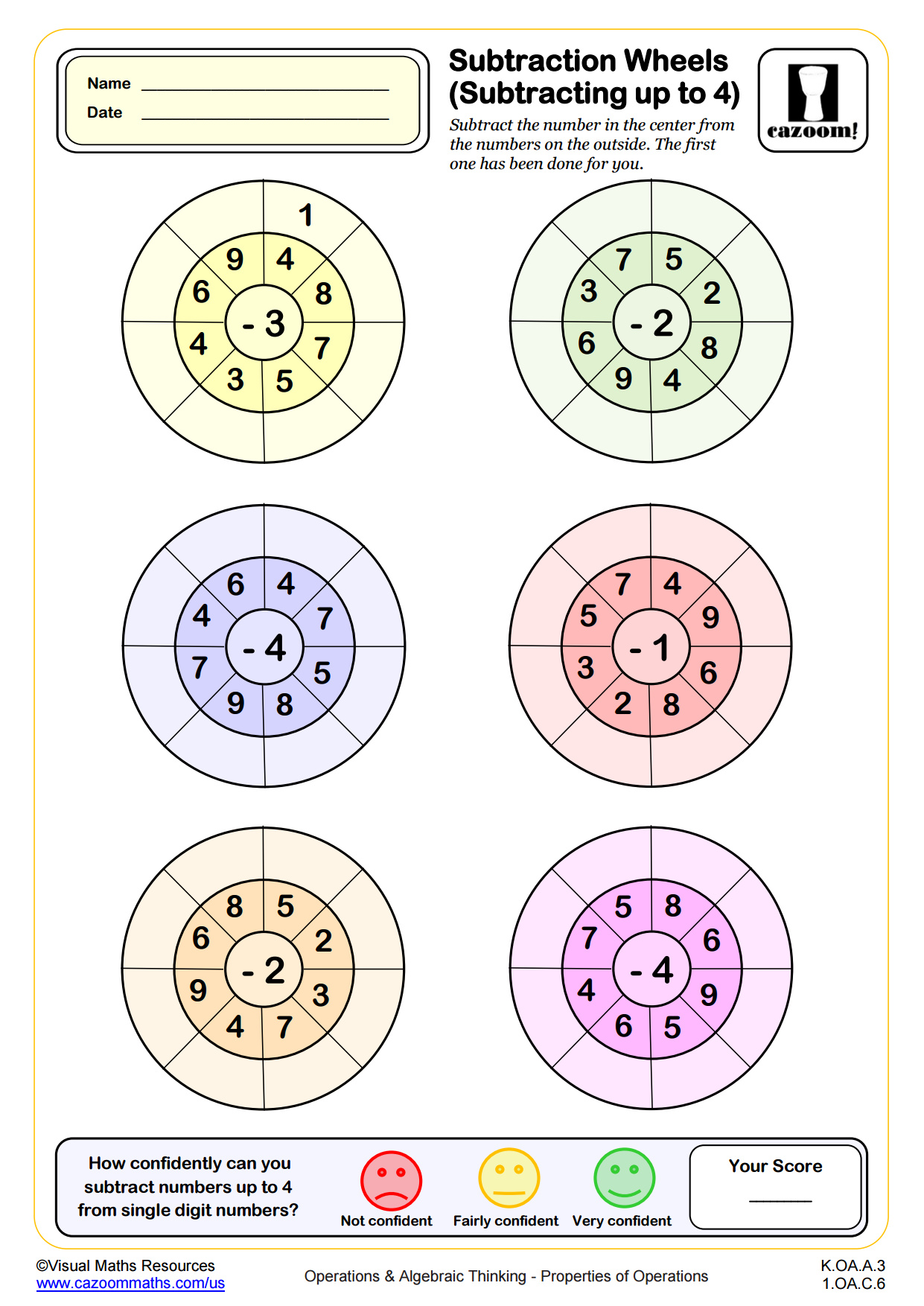
Subtraction Wheels (Subtracting up to 4)
All worksheets are created by the team of experienced teachers at Cazoom Math.
What Properties of Operations Should 1st Grade Students Learn?
First grade students focus primarily on the commutative property of addition (the order of addends doesn't affect the sum) and the identity property of addition (adding zero doesn't change a number). These foundational concepts align with Common Core standards 1.OA.B.3, which requires students to apply properties of operations as strategies for addition and subtraction.
Classroom observations show that students often memorize addition facts without understanding why 4 + 1 equals 1 + 4. Teachers find success using manipulatives like counting bears or blocks to demonstrate that moving objects around doesn't change the total quantity, helping students visualize these abstract mathematical properties.
How Do Properties of Operations Progress from Kindergarten to 2nd Grade?
In kindergarten, students work with concrete addition and subtraction situations without formally learning property names. First grade introduces the commutative and identity properties through hands-on activities and visual representations. Second grade extends these concepts to include the associative property and applies all properties to larger numbers.
Many teachers observe that students who master properties of operations in 1st grade show stronger algebraic reasoning skills in later grades. The progression from concrete manipulatives to abstract understanding typically takes several months, with some students needing extended practice with visual supports before grasping these foundational concepts.
How Can Students Practice the Commutative Property Effectively?
The commutative property works best when students use concrete objects to physically demonstrate that 2 + 5 produces the same result as 5 + 2. Effective practice includes drawing pictures, using ten frames, and working with number stories that highlight how switching addends maintains the same sum.
Teachers frequently notice that students initially resist the idea that order doesn't matter, often wanting to count from the first number mentioned. Using real-world contexts like combining groups of toys or snacks helps students understand that the total remains constant regardless of which group they count first, making this abstract concept more tangible.
What's the Most Effective Way to Use These Worksheets in Class?
These worksheets work best as guided practice after introducing concepts with manipulatives and group discussions. Teachers can use them for independent work once students demonstrate understanding through hands-on activities, or as assessment tools to identify students who need additional support with properties of operations.
Effective implementation includes having students explain their thinking aloud before completing worksheets independently. Many teachers find success pairing struggling students with peers who can articulate why the properties work, fostering mathematical discourse while building conceptual understanding through collaborative learning experiences.