2nd Grade Number and Operations Worksheets
Add Mixed Numbers with the Same Denominator
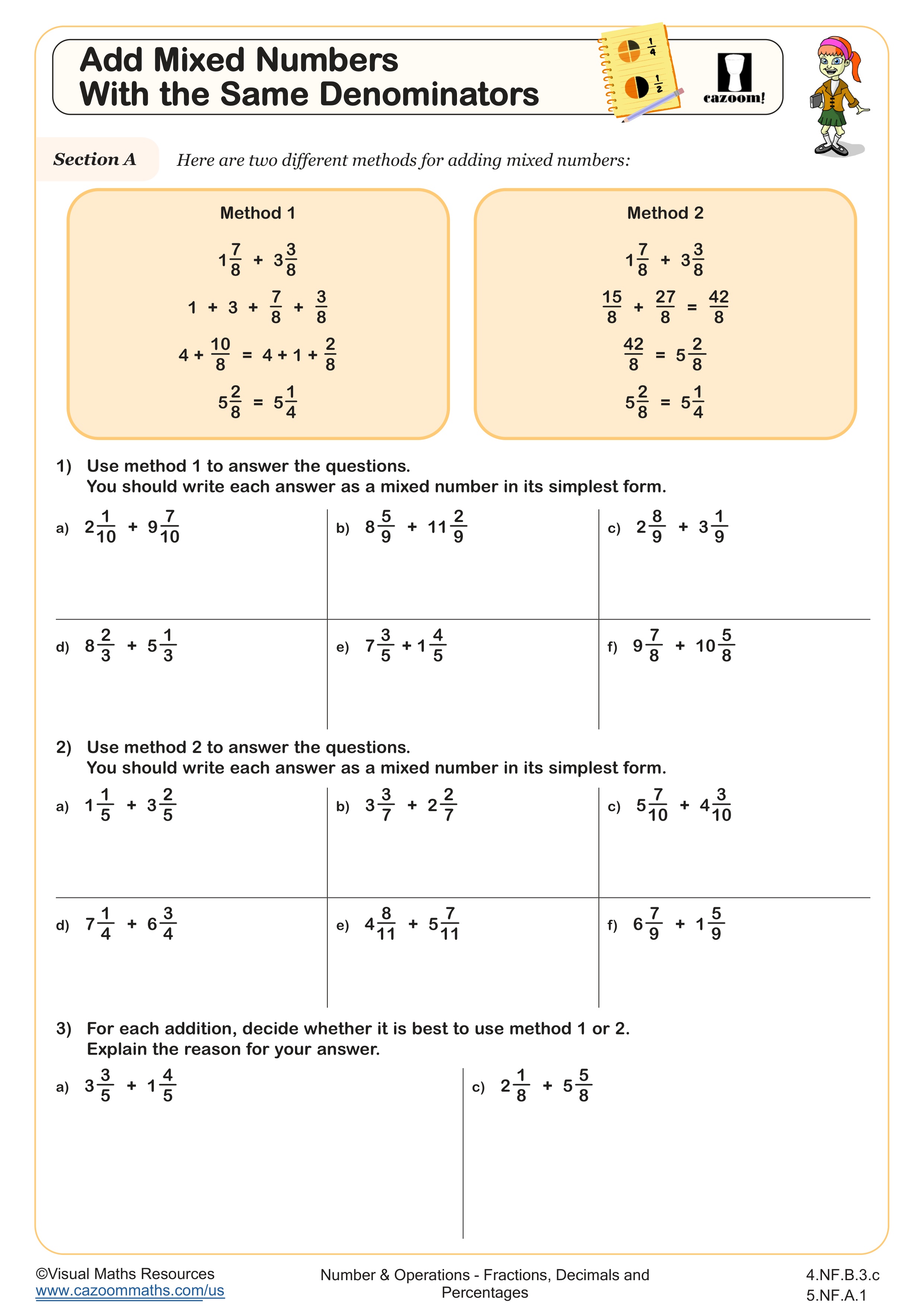
Adding and Subtracting Decimals
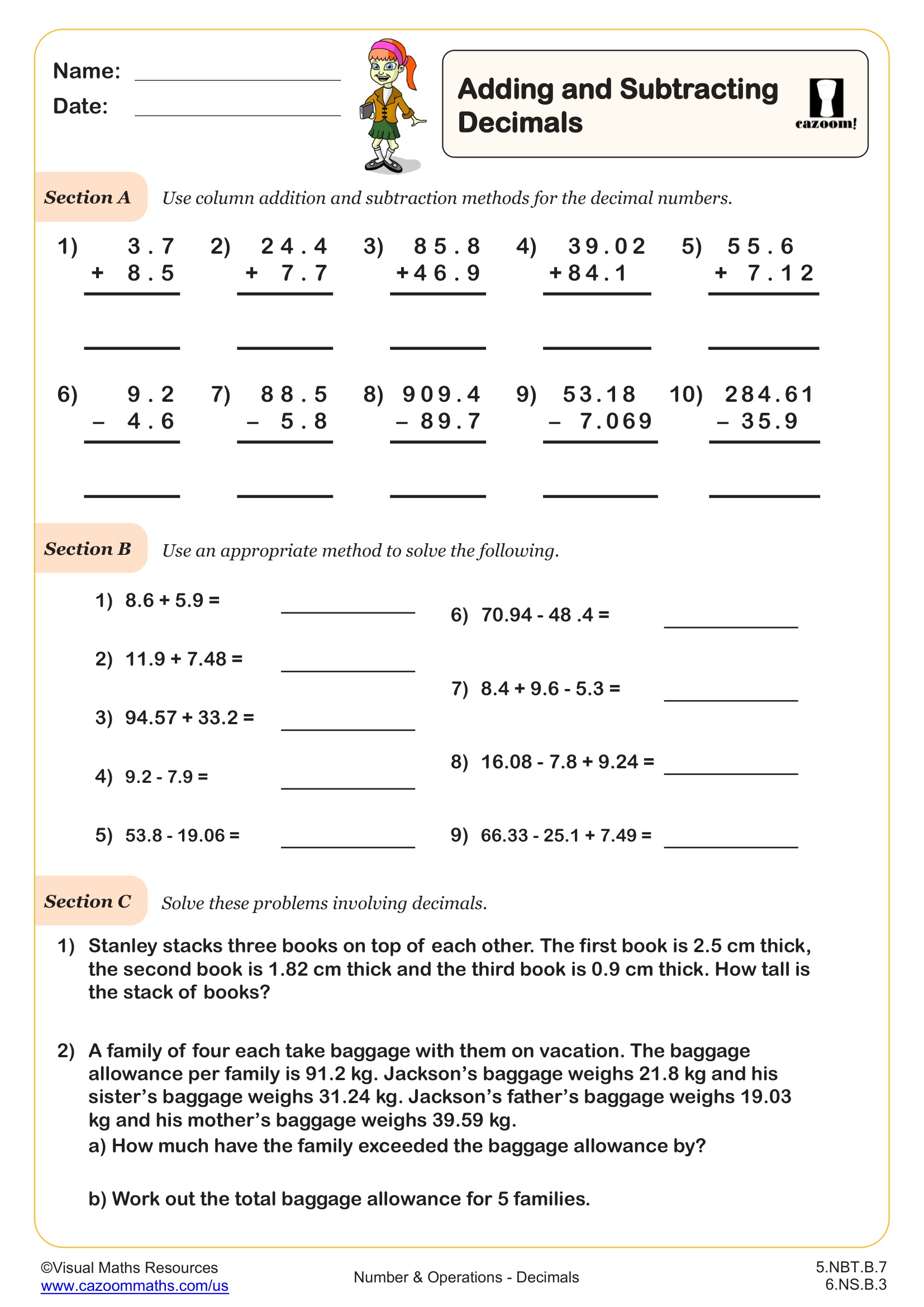
Calculating with Recurring Decimals
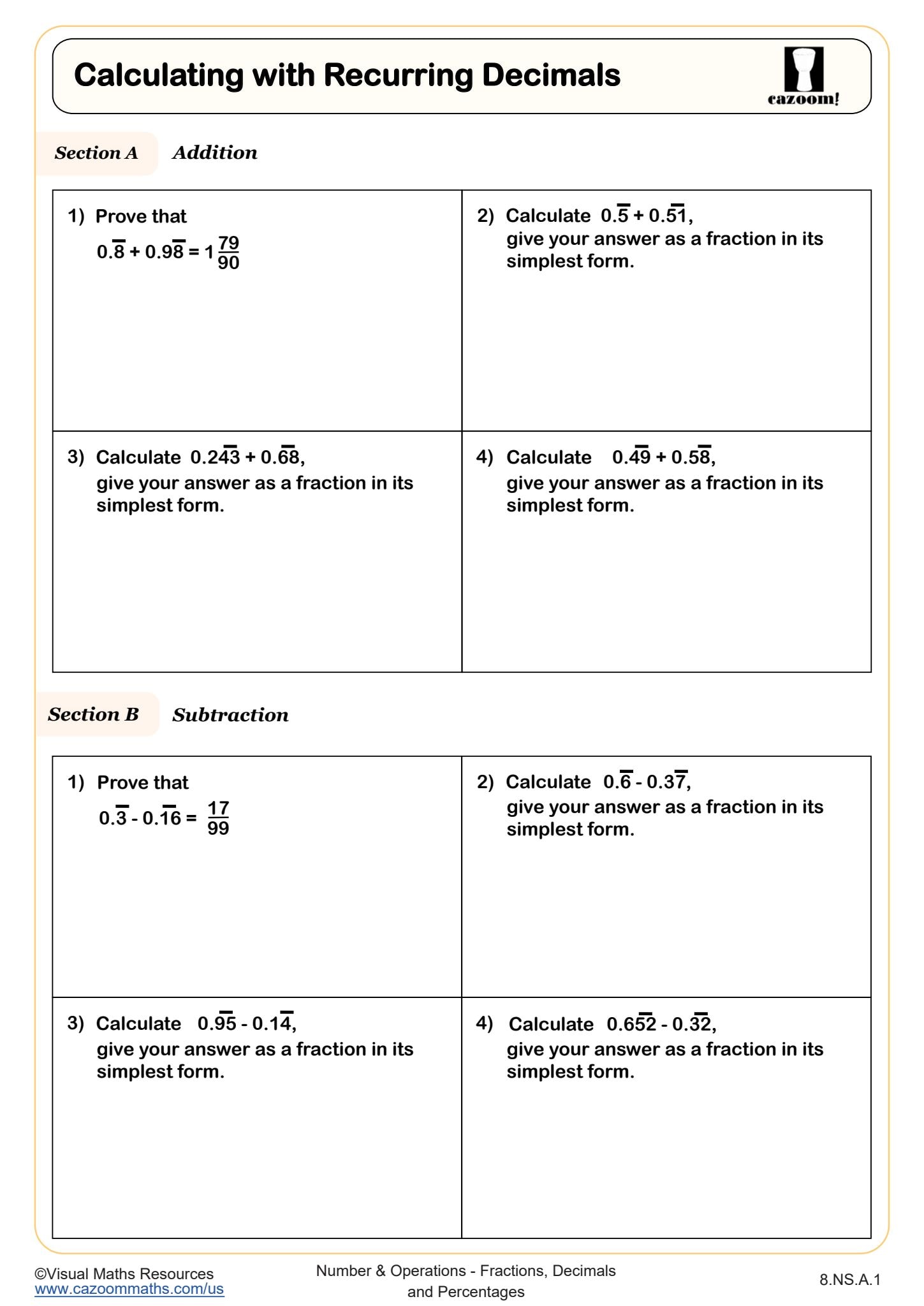
Colourful Equivalances (A)
Comparing Decimals (A)
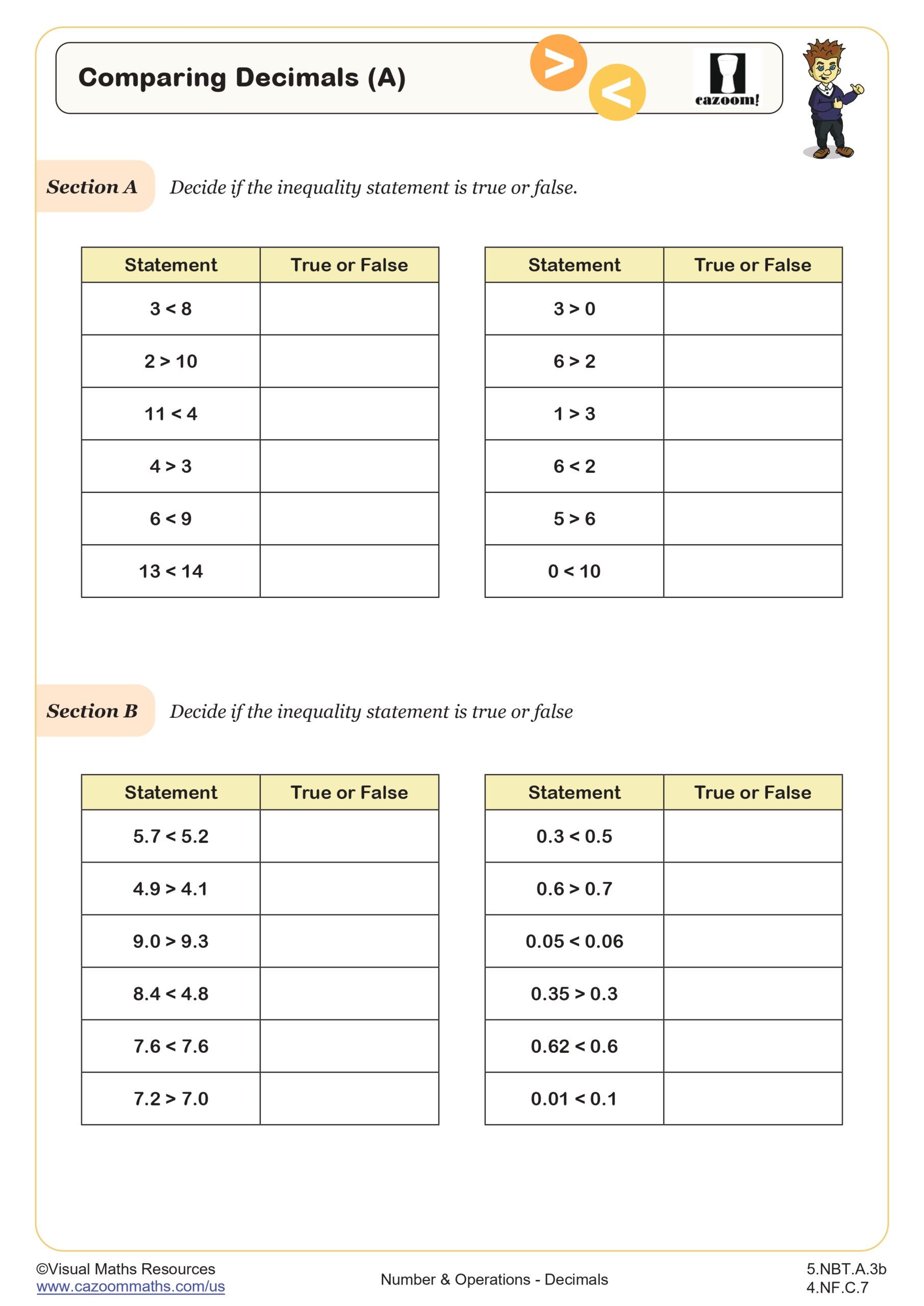
Comparing Fractions
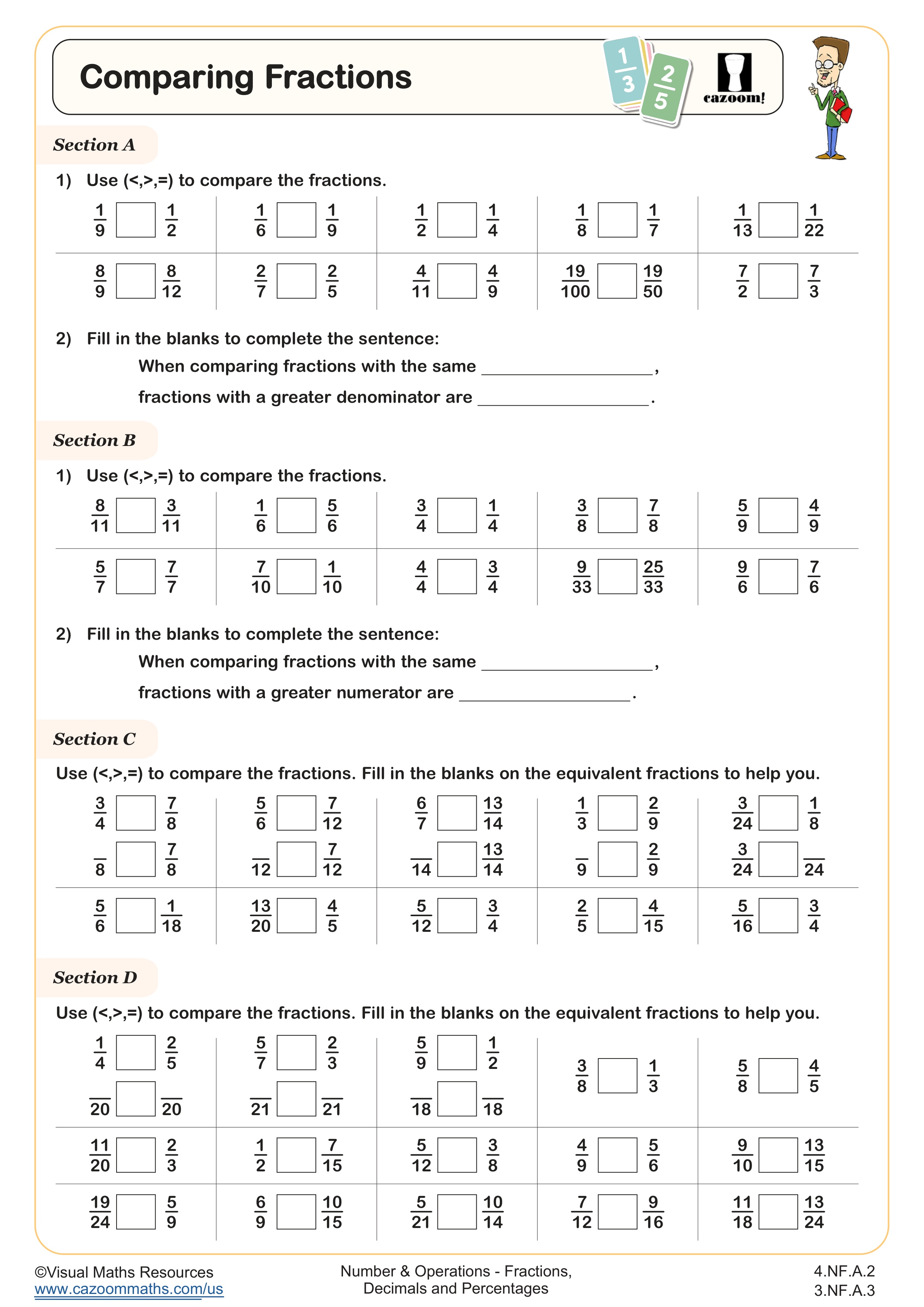
Compound Interest
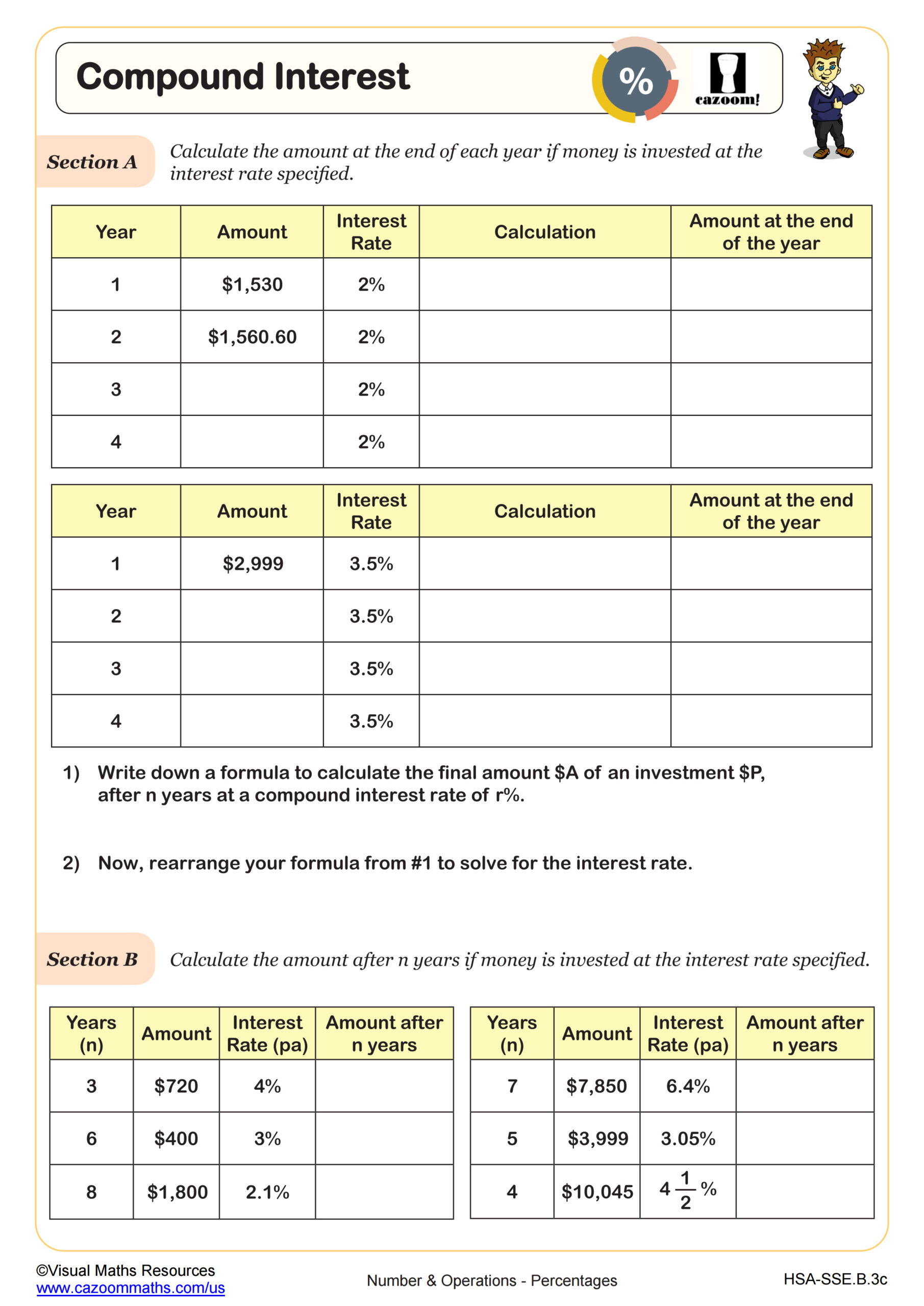
Compound Interest - Problem Solving
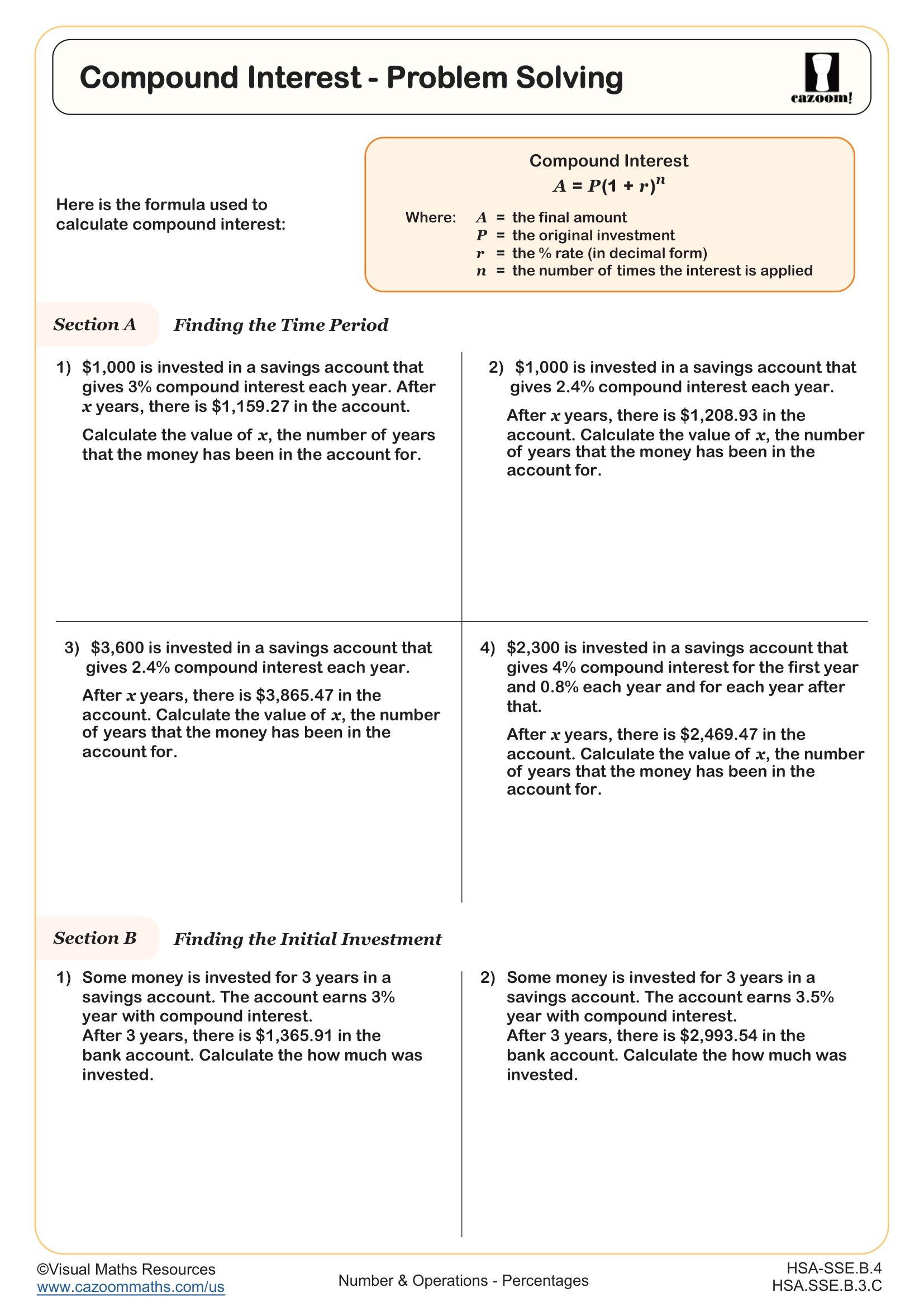
Converting Fractions, Decimals, and Percents (A)
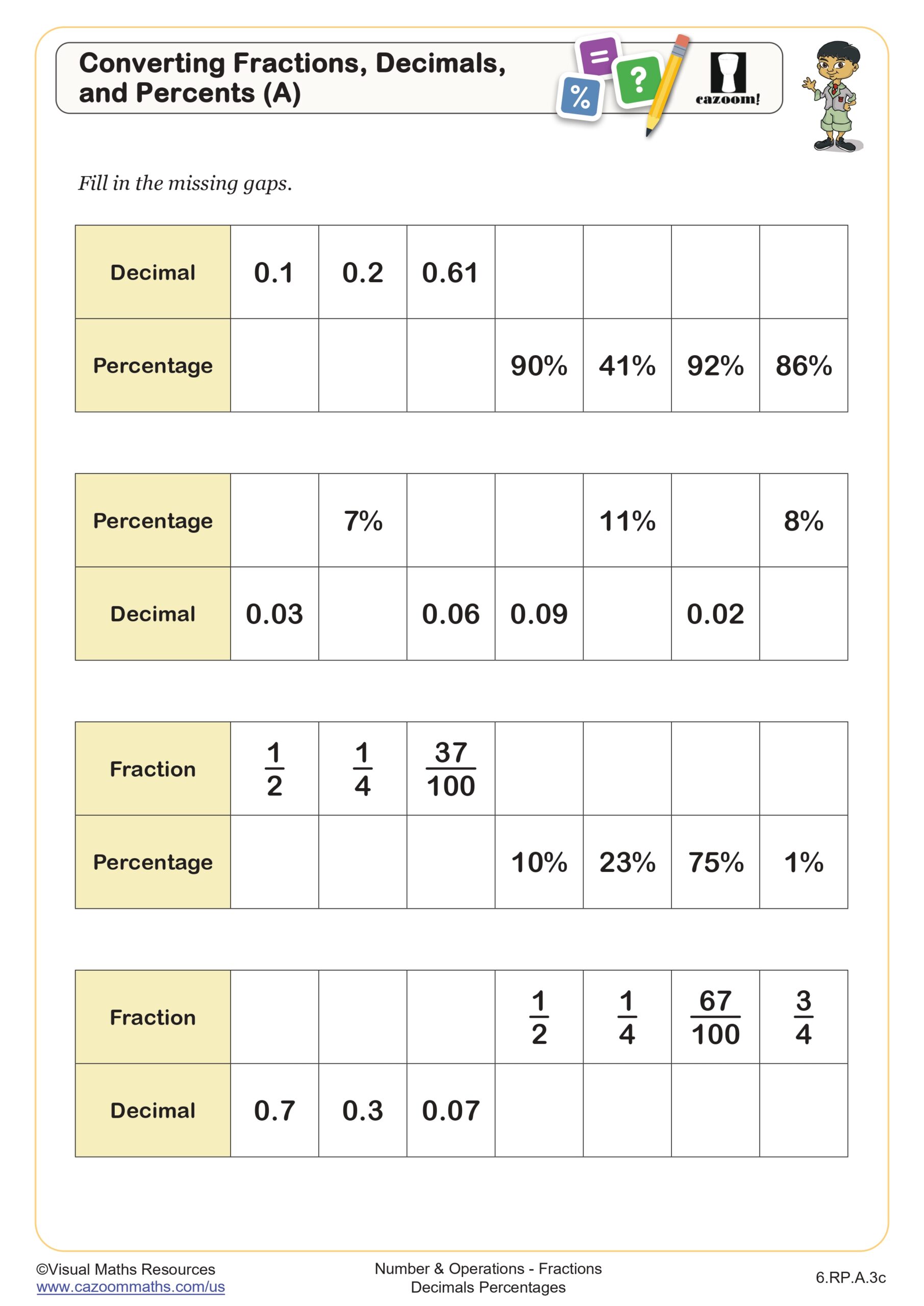
Converting Fractions, Decimals, and Percents (B)
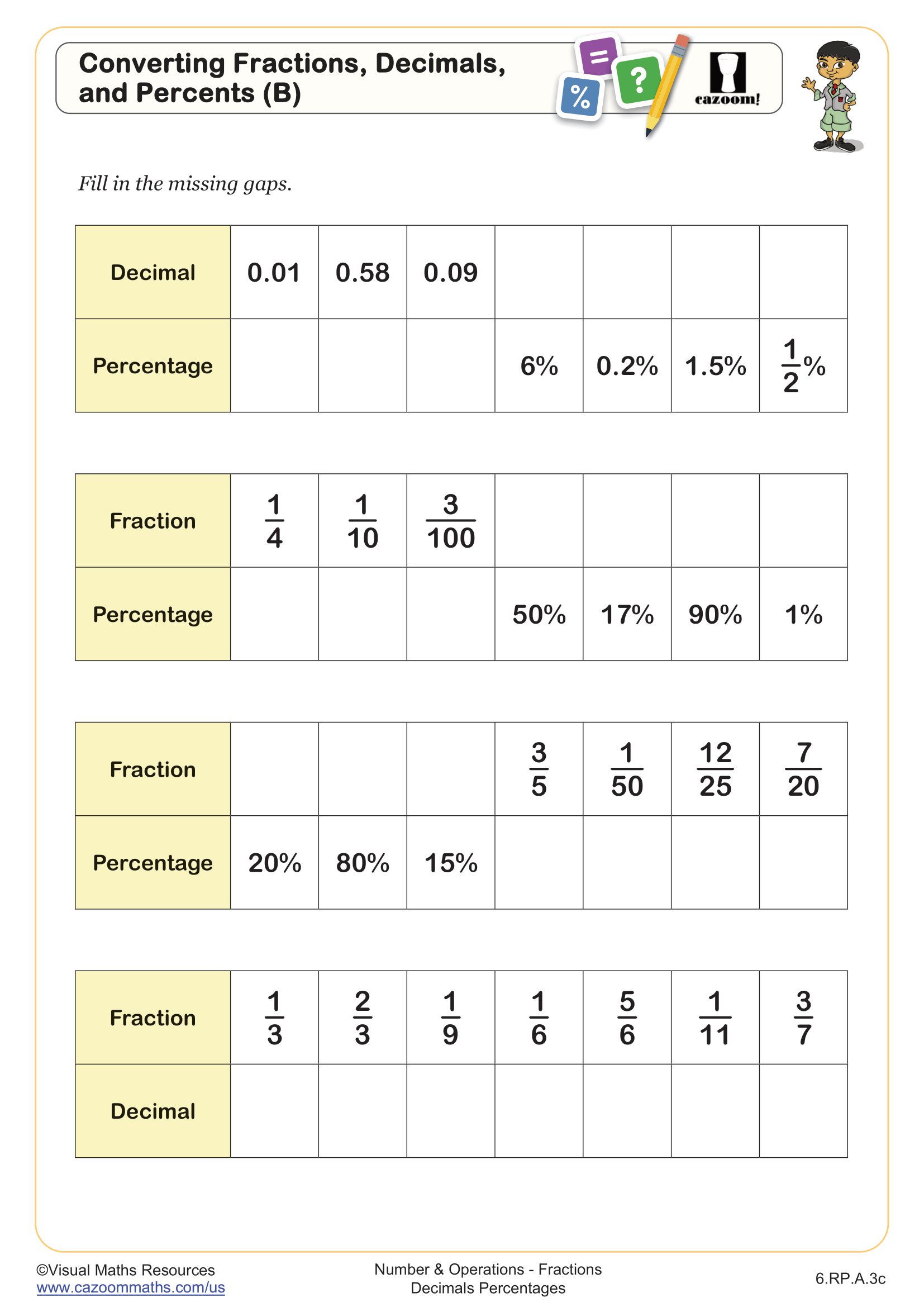
Converting Fractions, Decimals, and Percents (C)
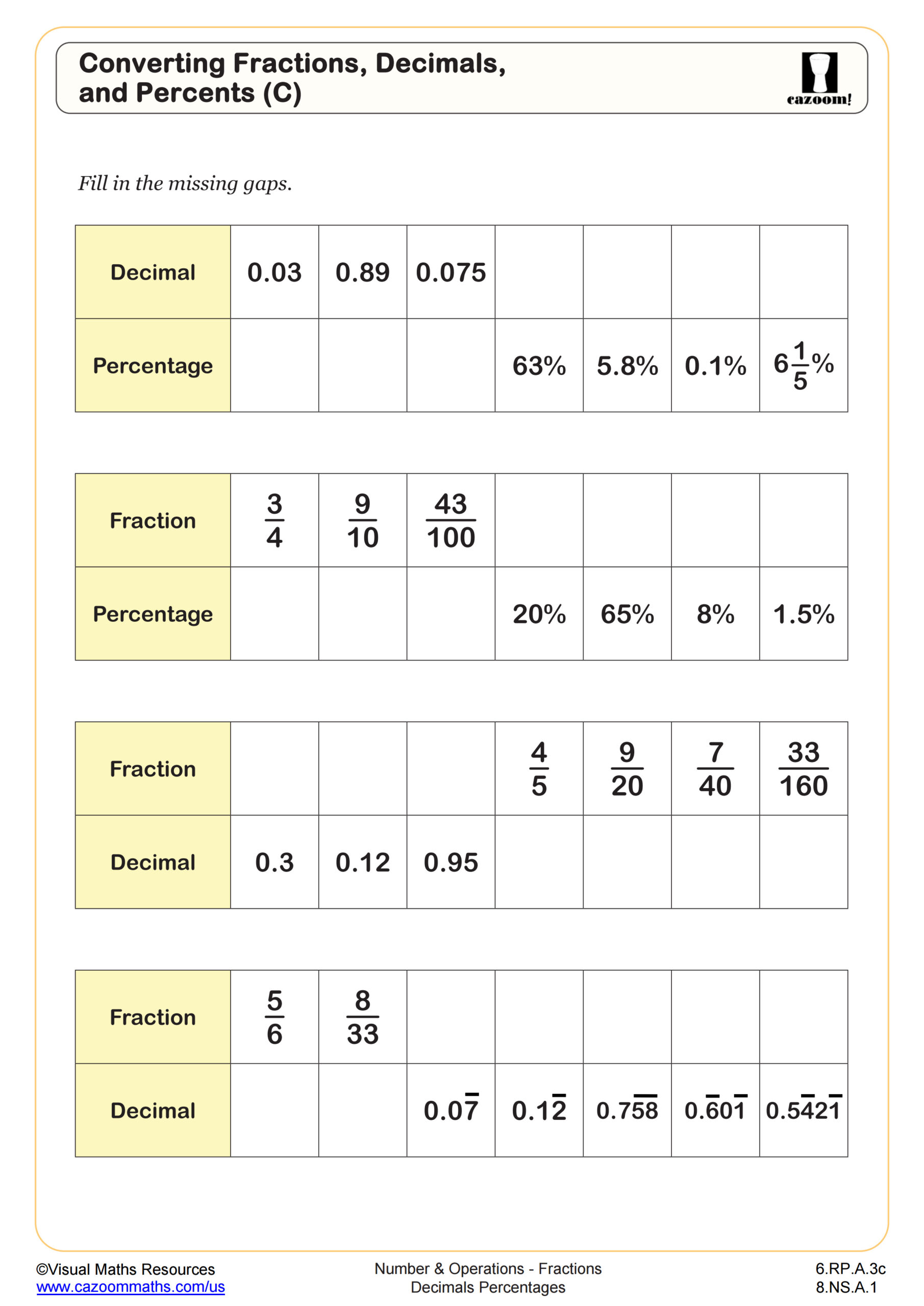
Converting Percents to Decimals
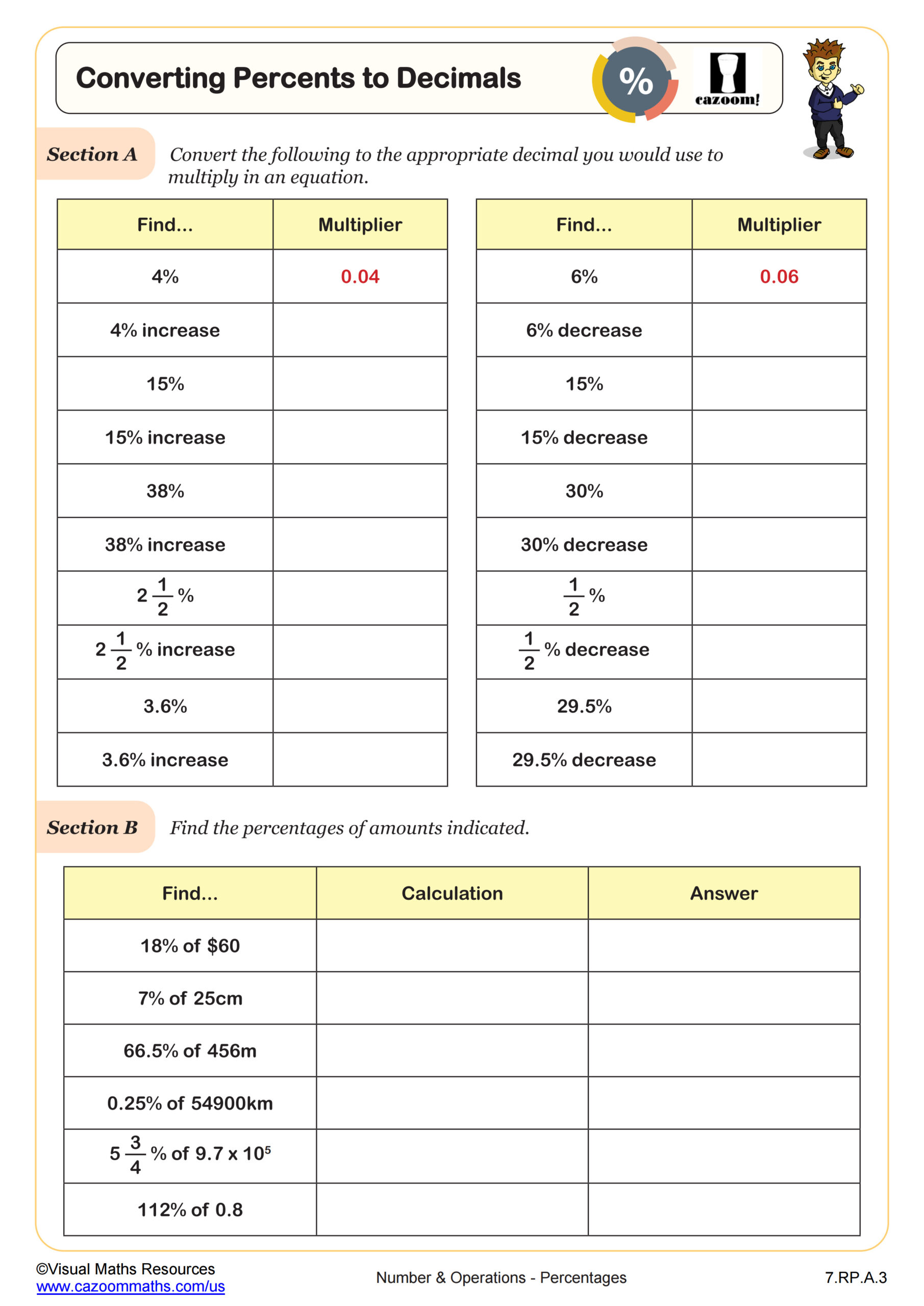
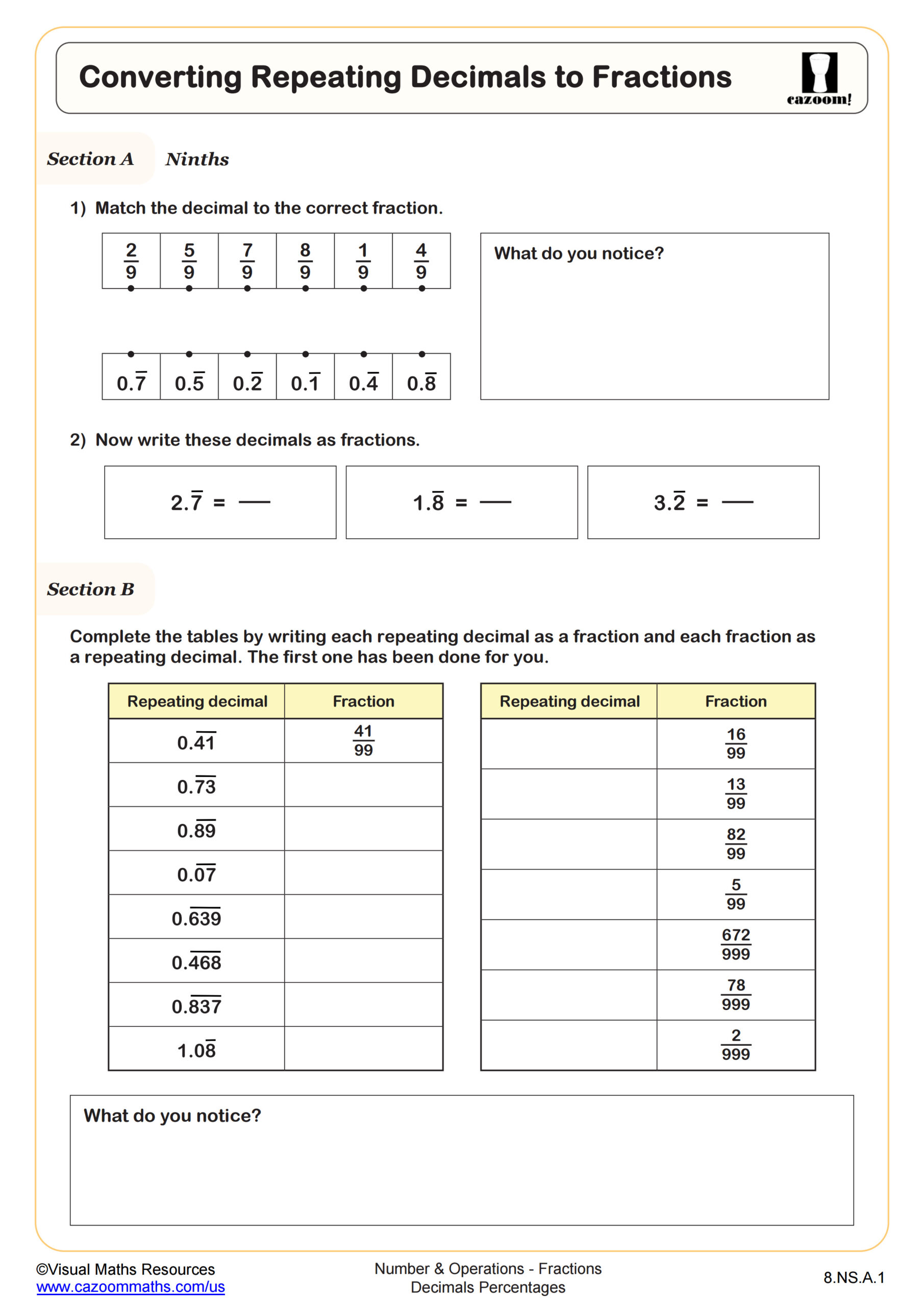
Converting Repeating Decimals to Fractions
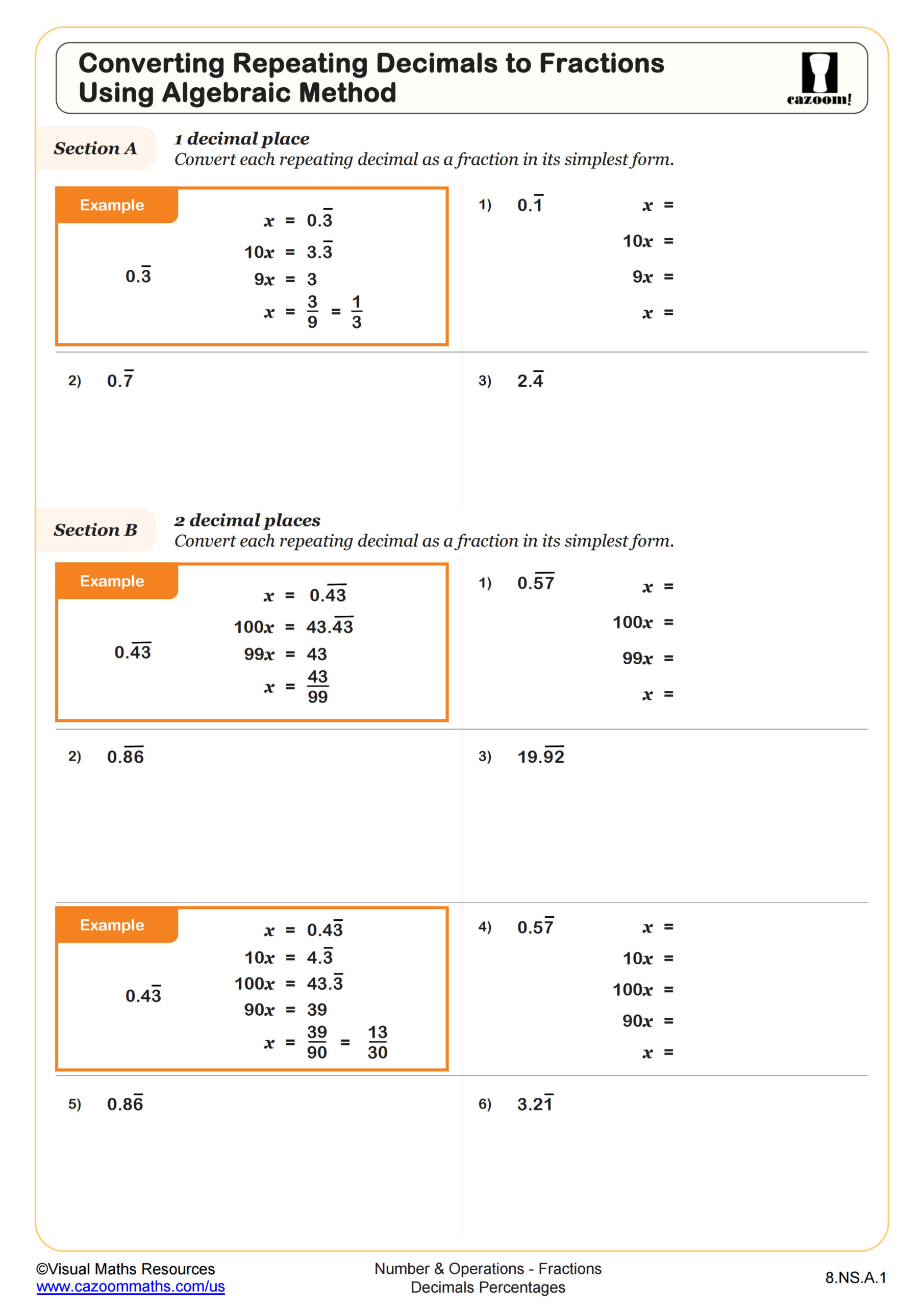
Converting Repeating Decimals to Fractions Using Algebraic Method
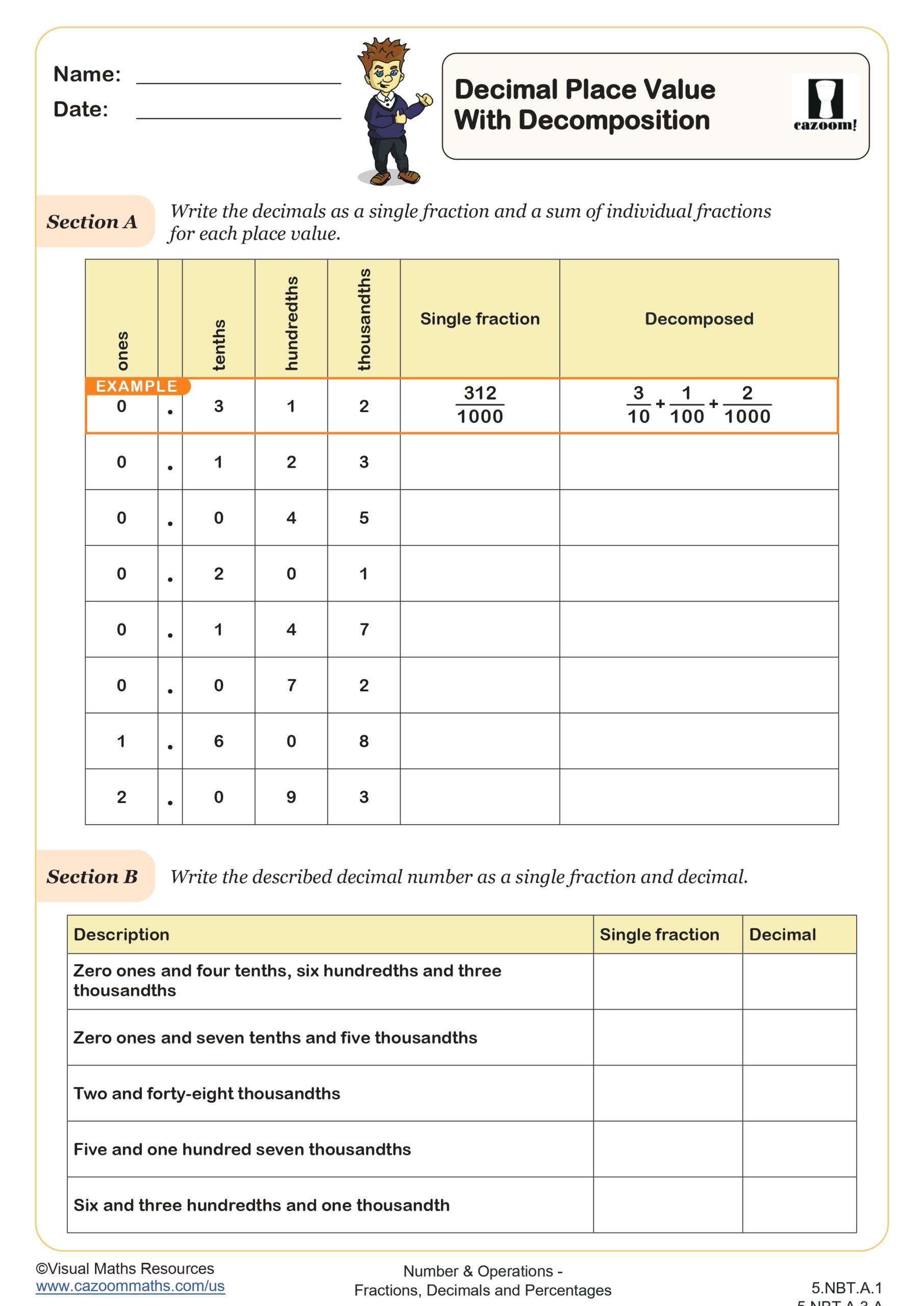
Decimal Place Value With Decomposition
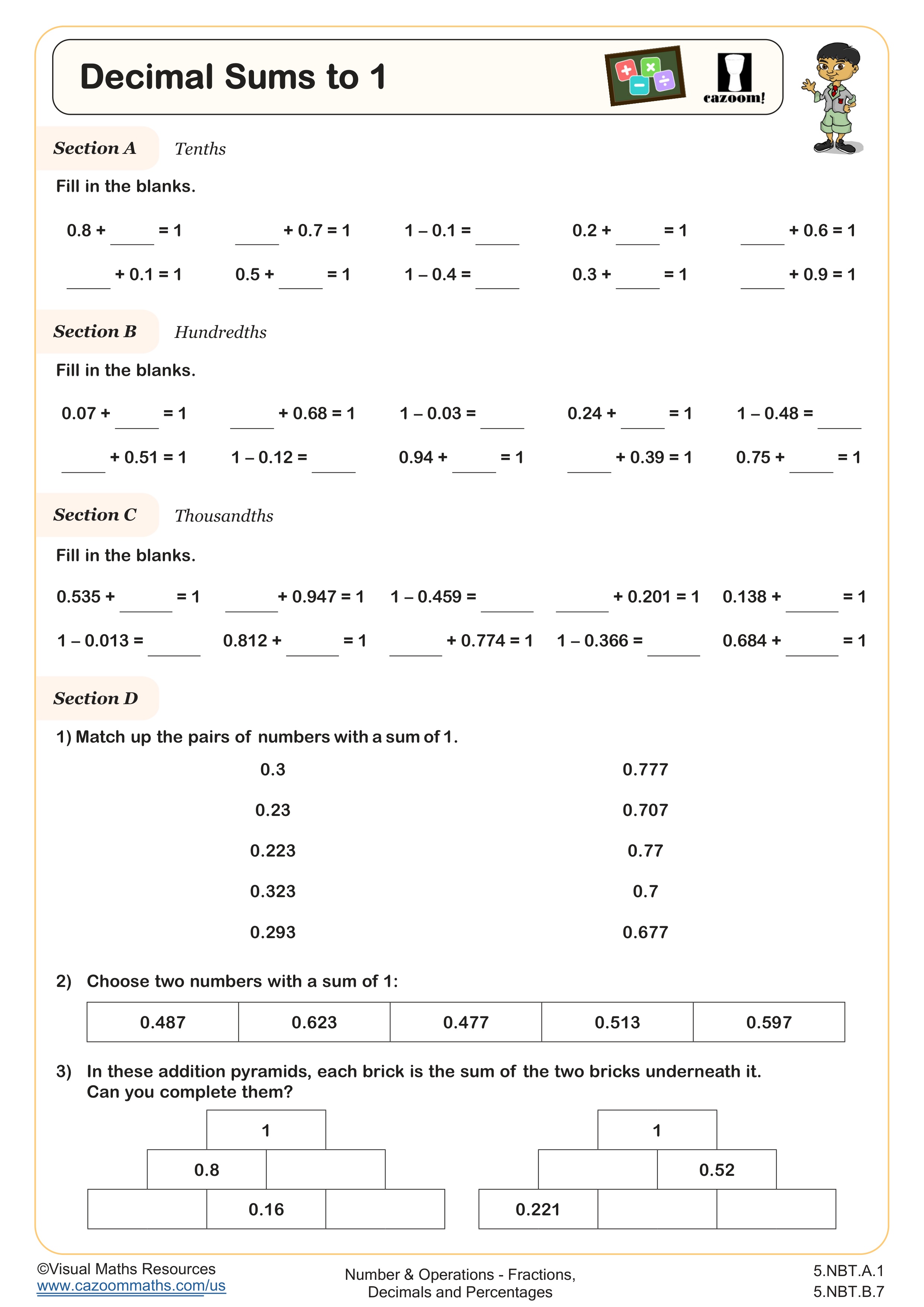
Decimal Sums to 1
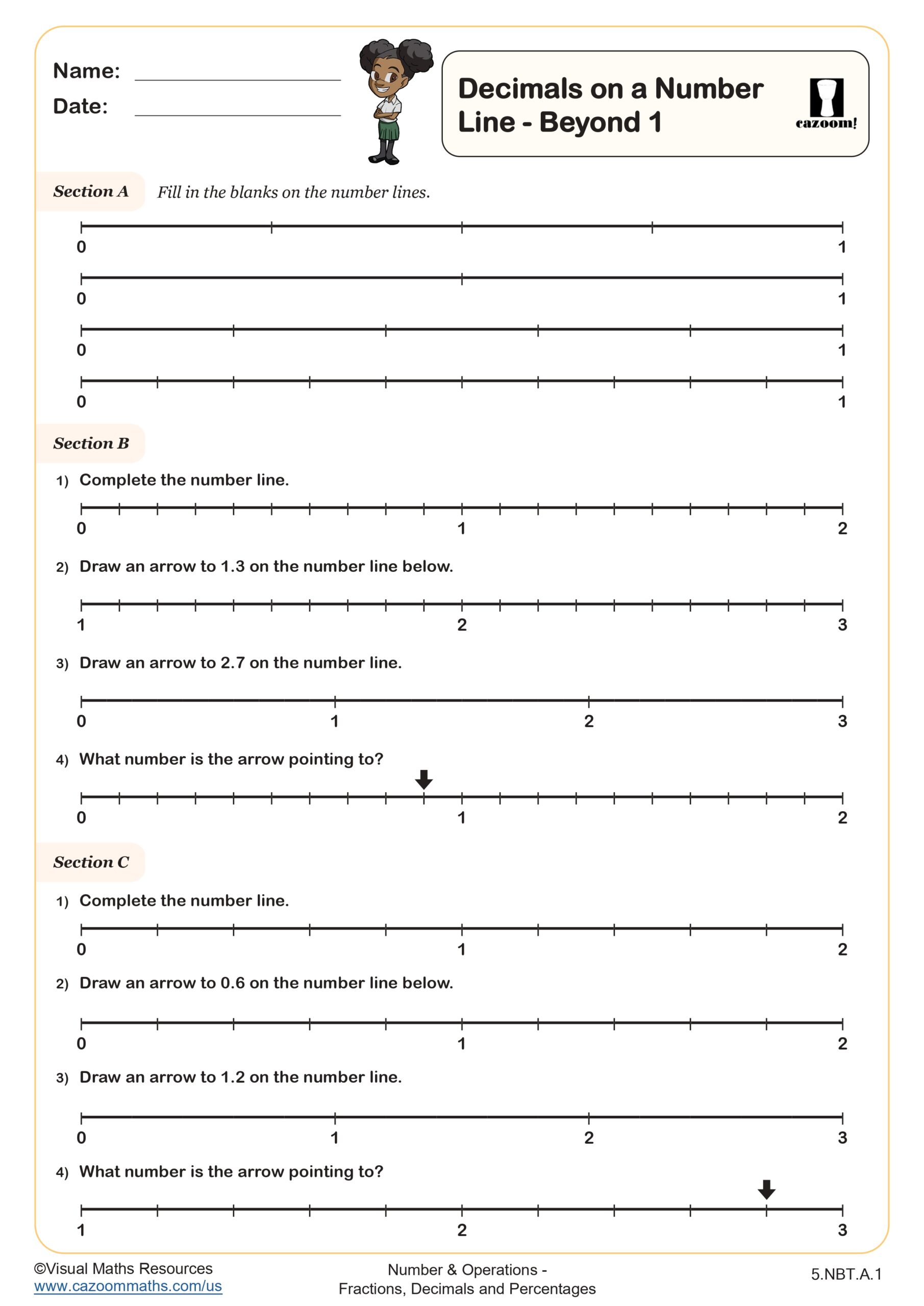
Decimals on a Number Line - Beyond 1
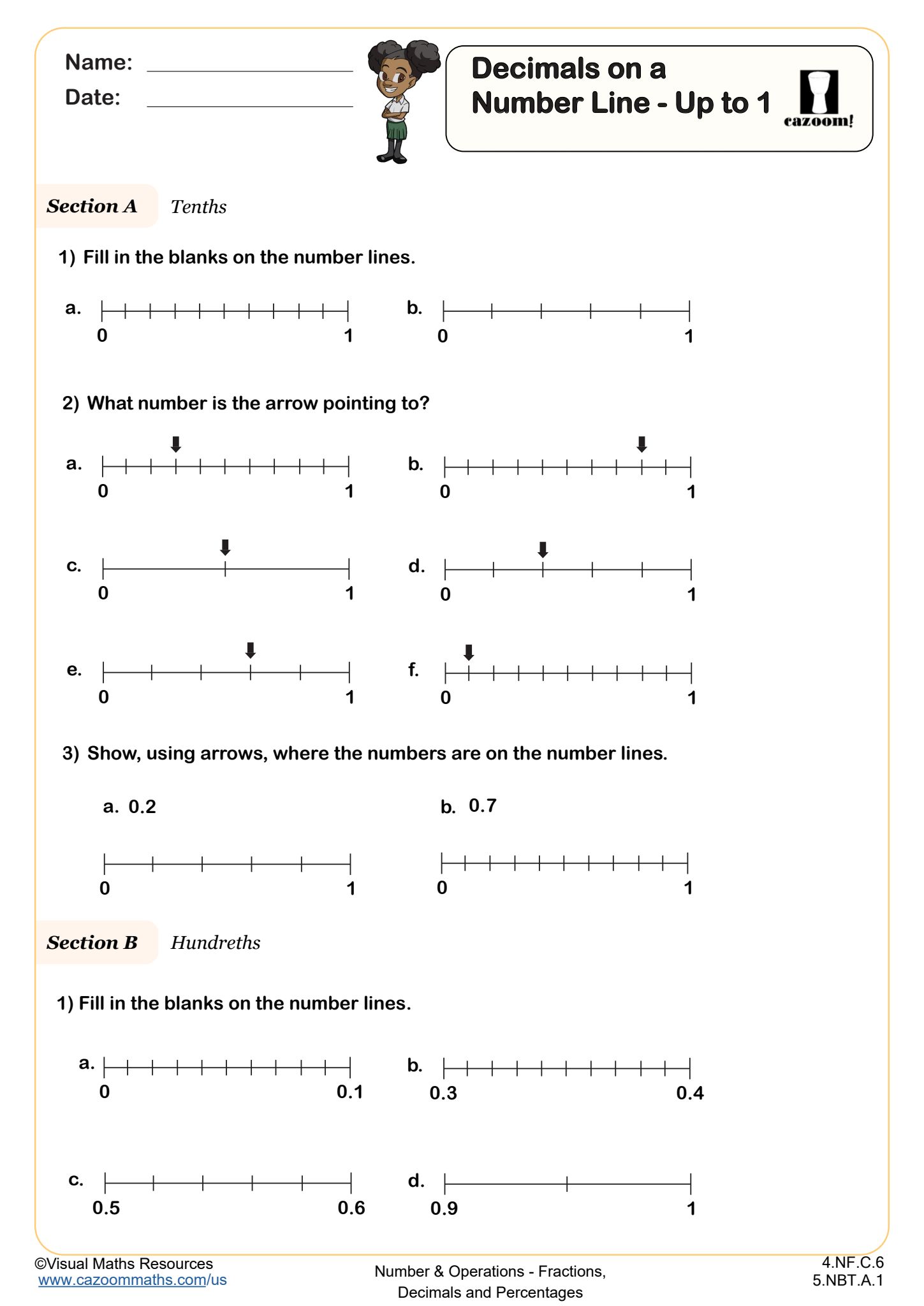
Decimals on a Number Line - Up to 1
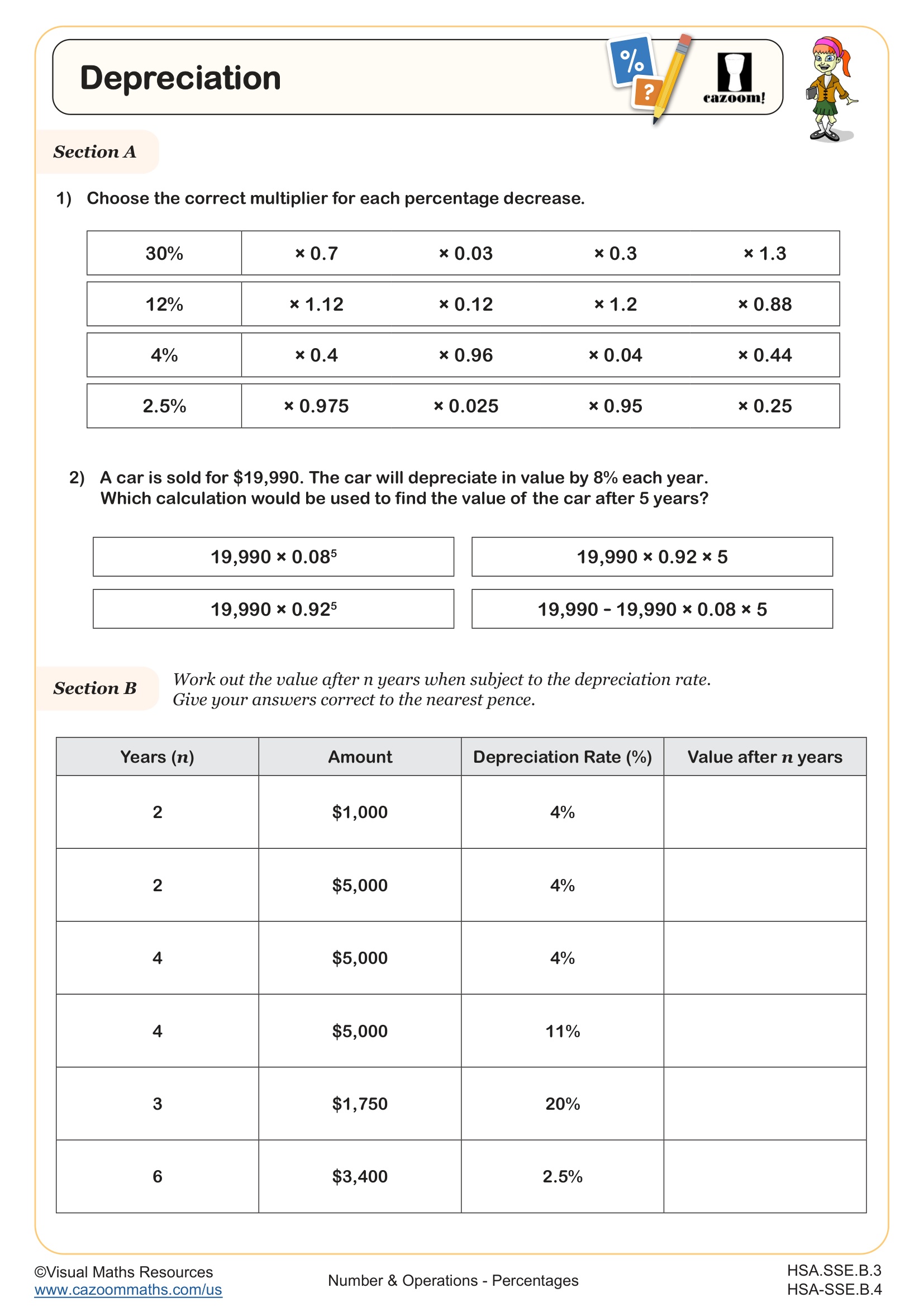
Depreciation
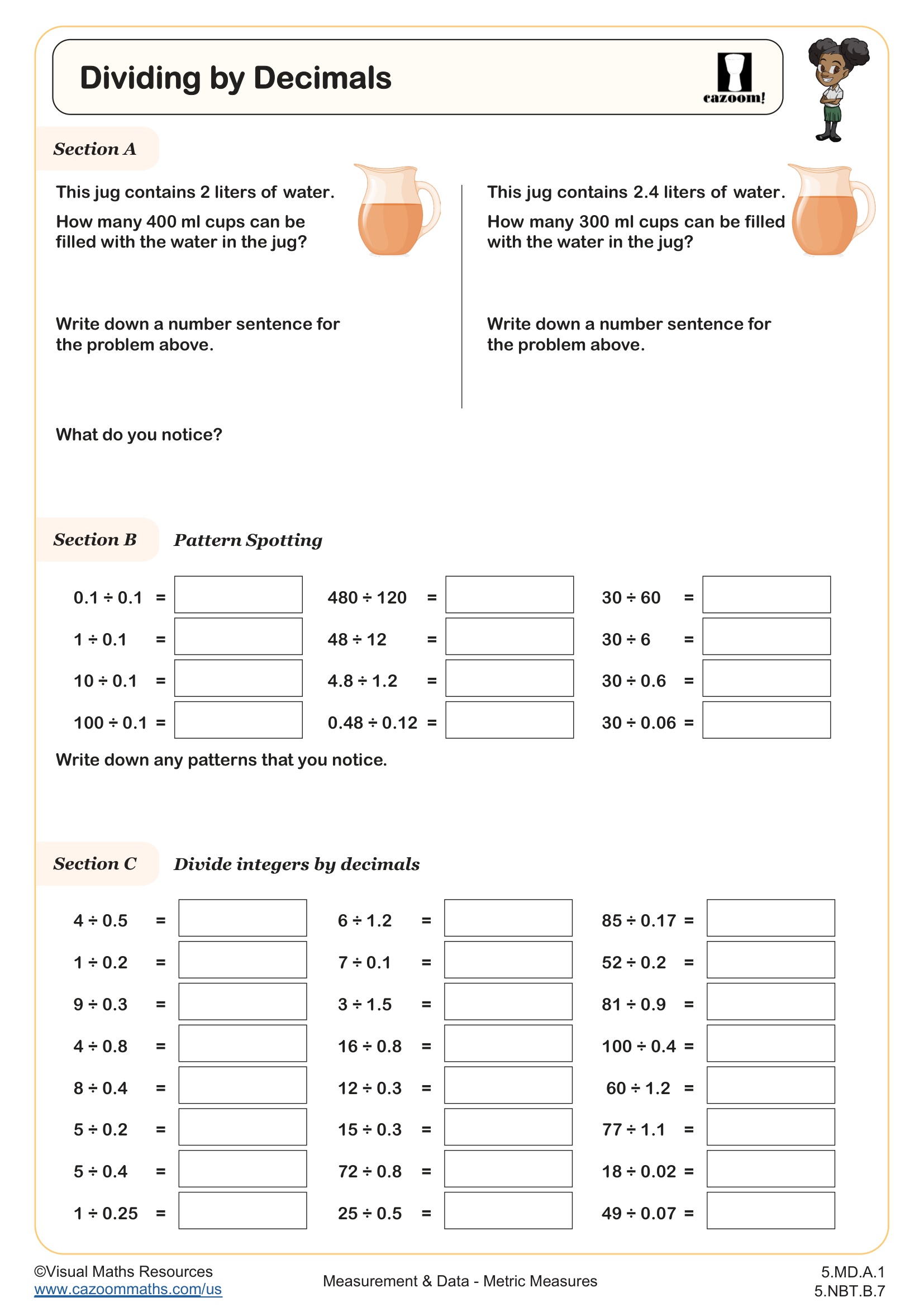
Dividing by Decimals
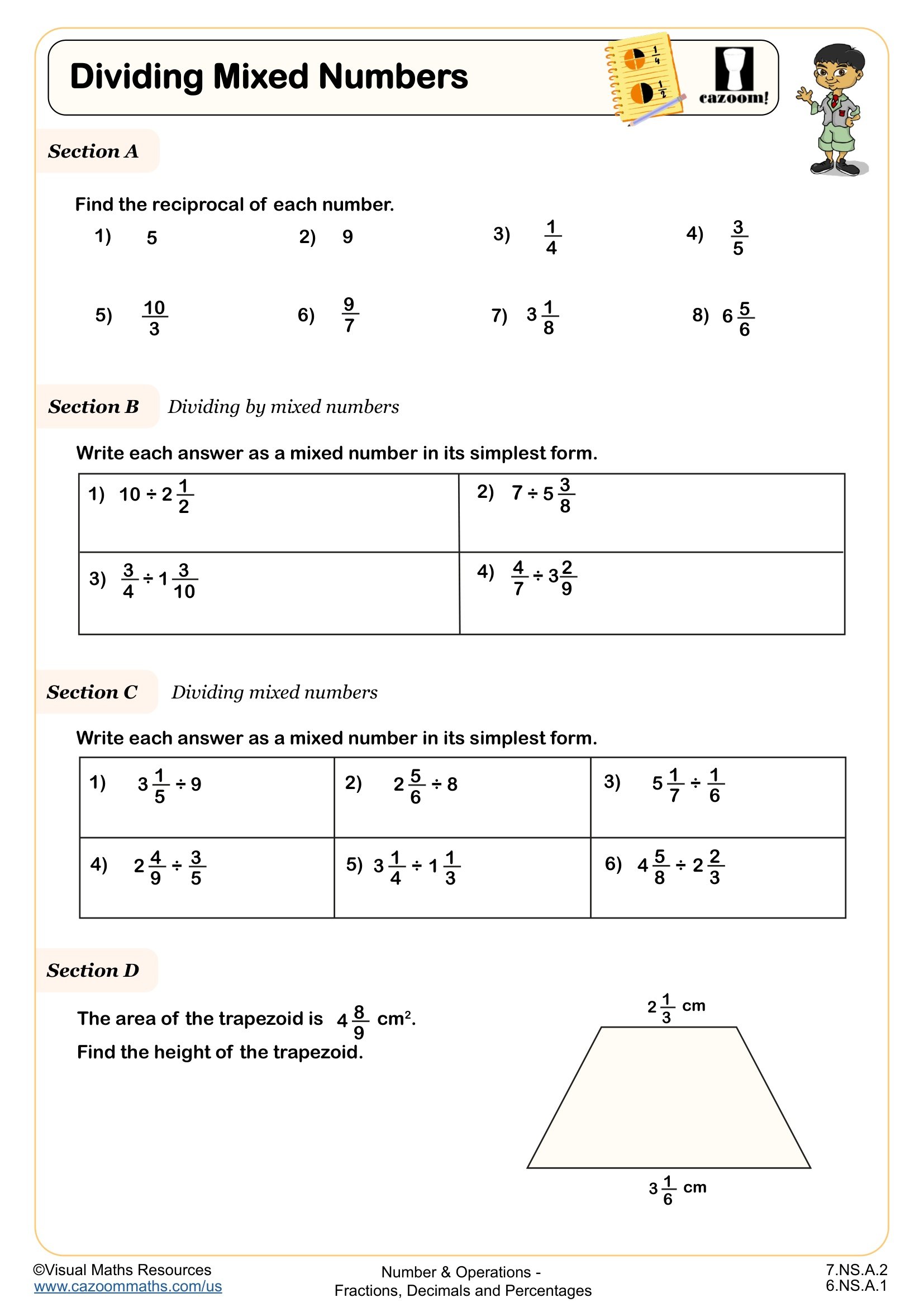
Dividing Mixed Numbers
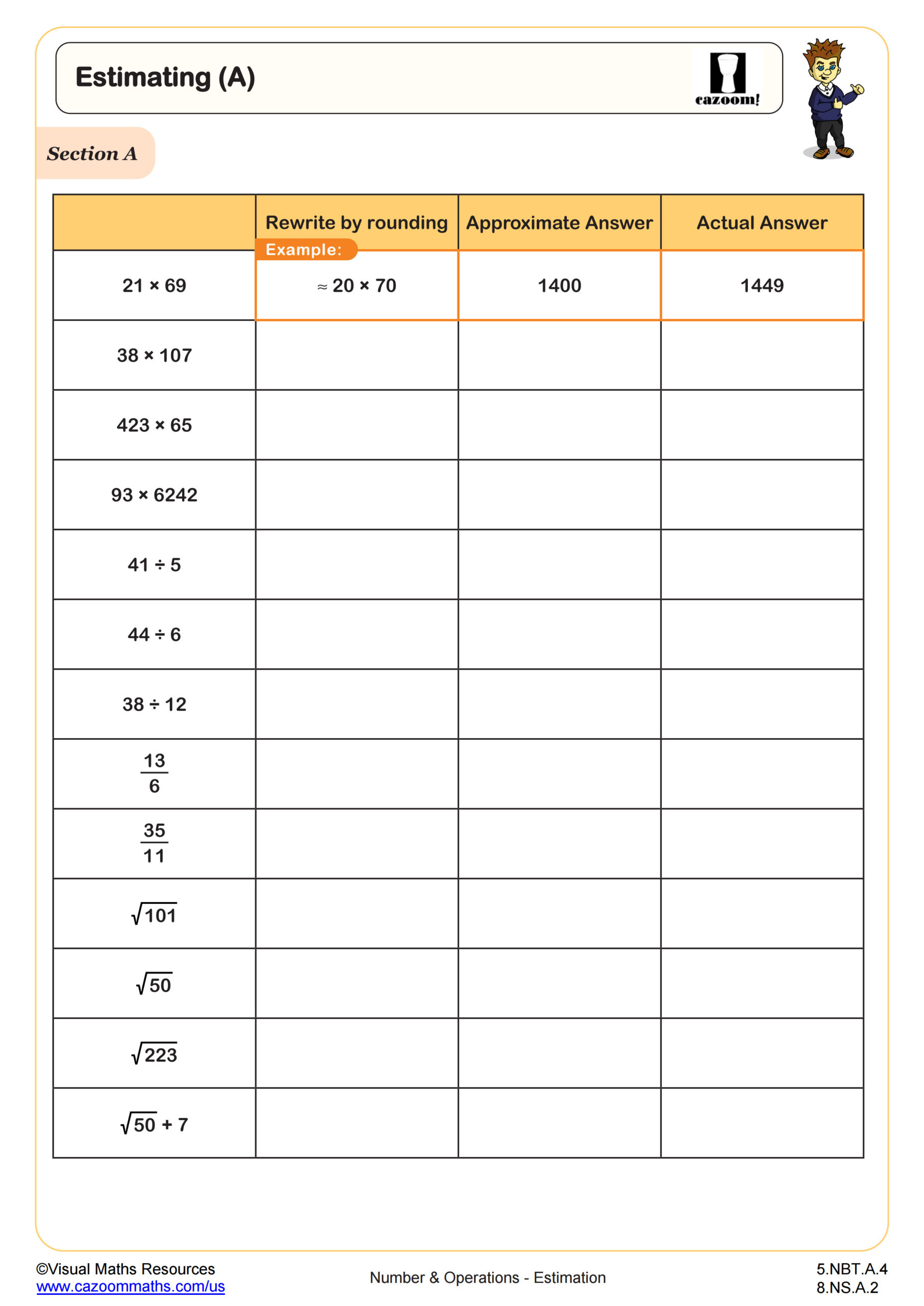
Estimating (A)
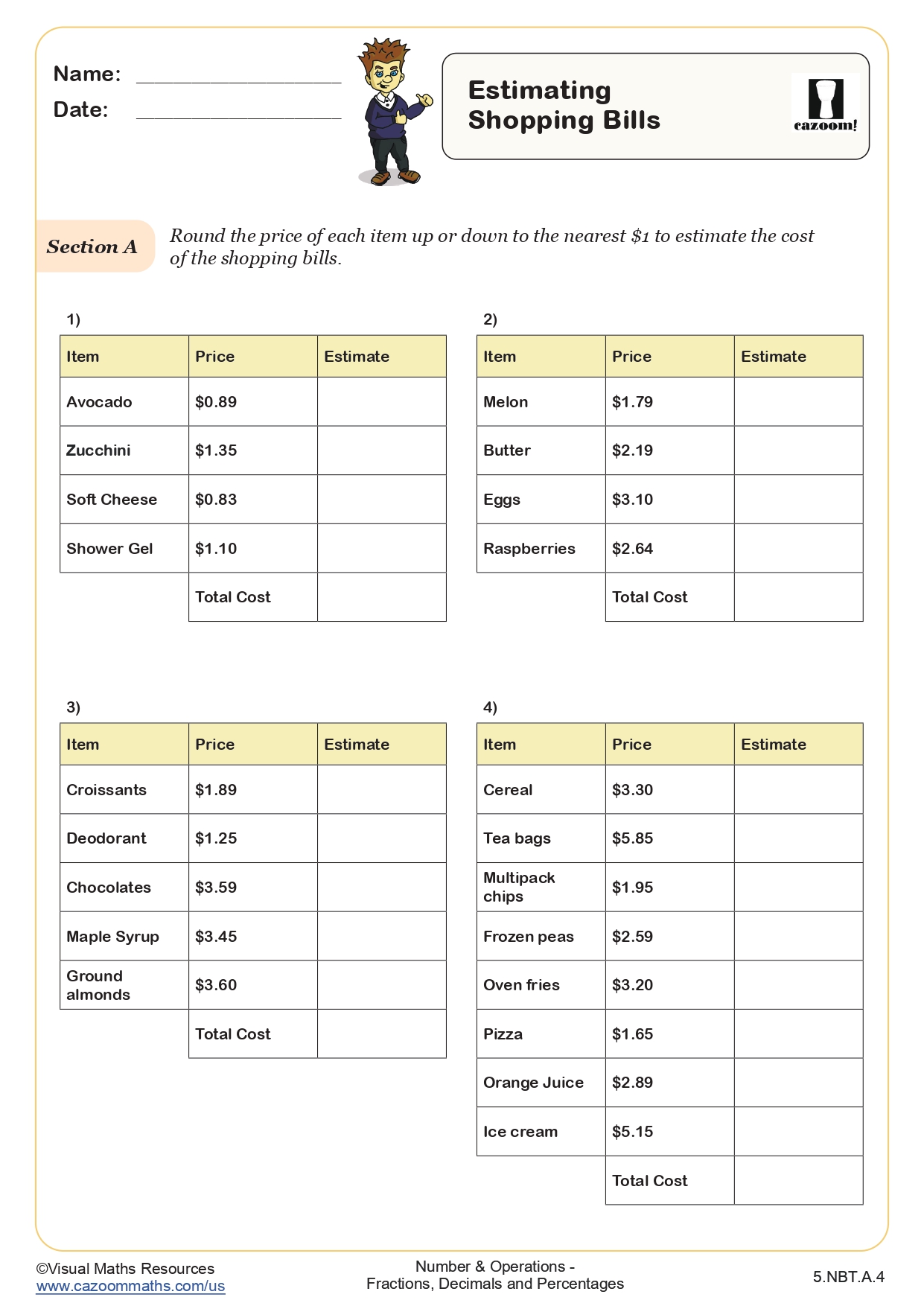
Estimating Shopping Bills
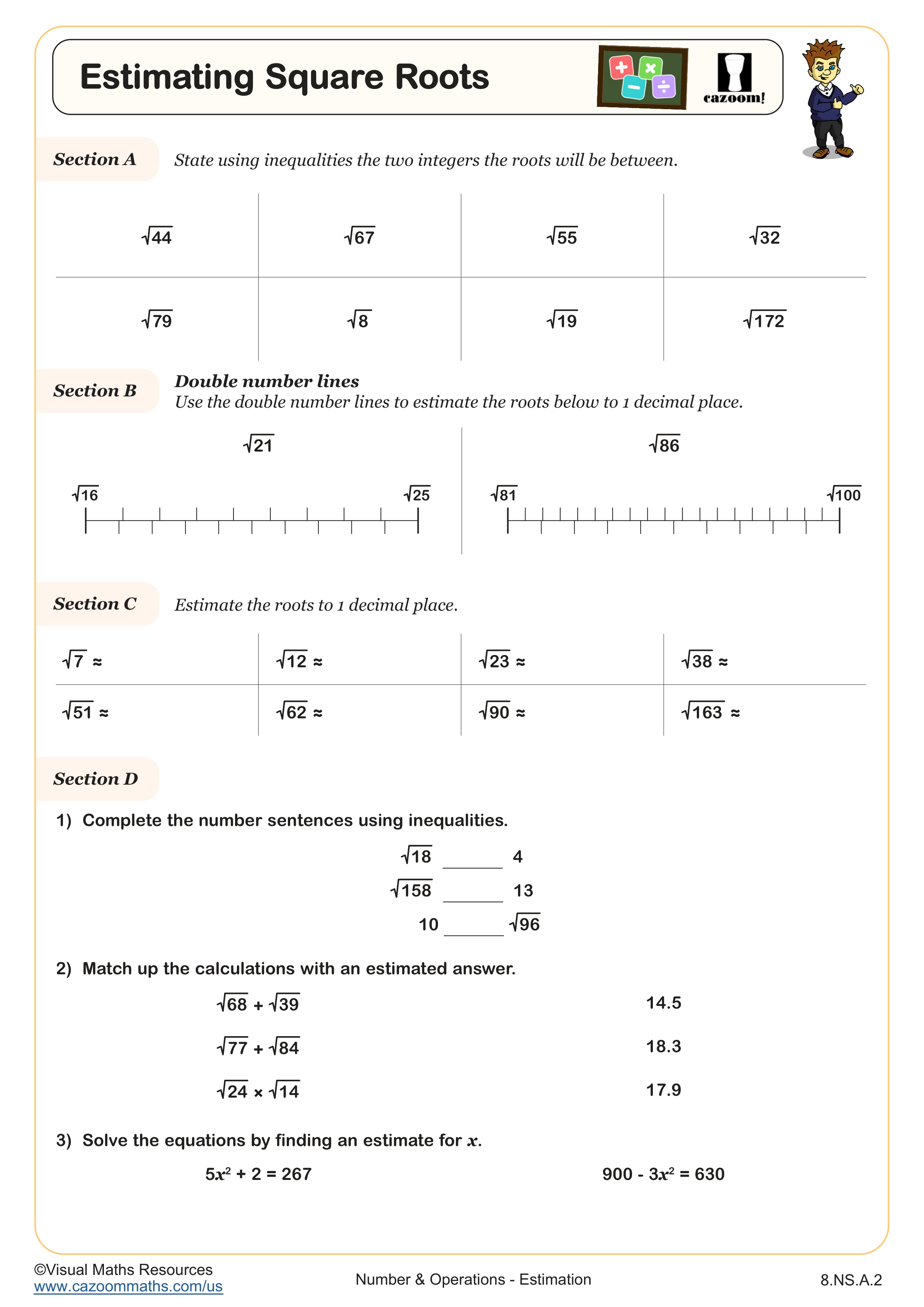
Estimating Square Roots
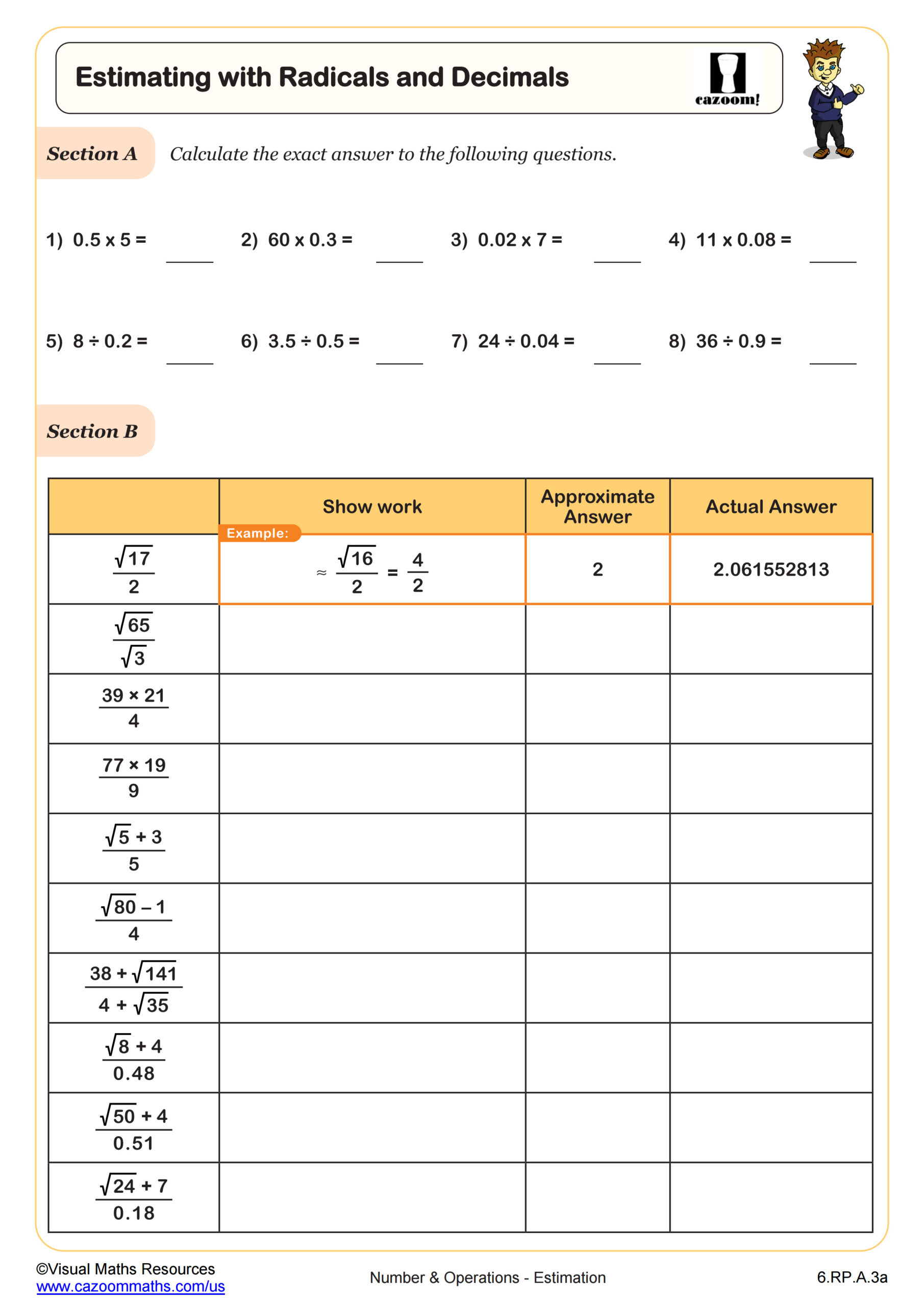
Estimating with Radicals and Decimals
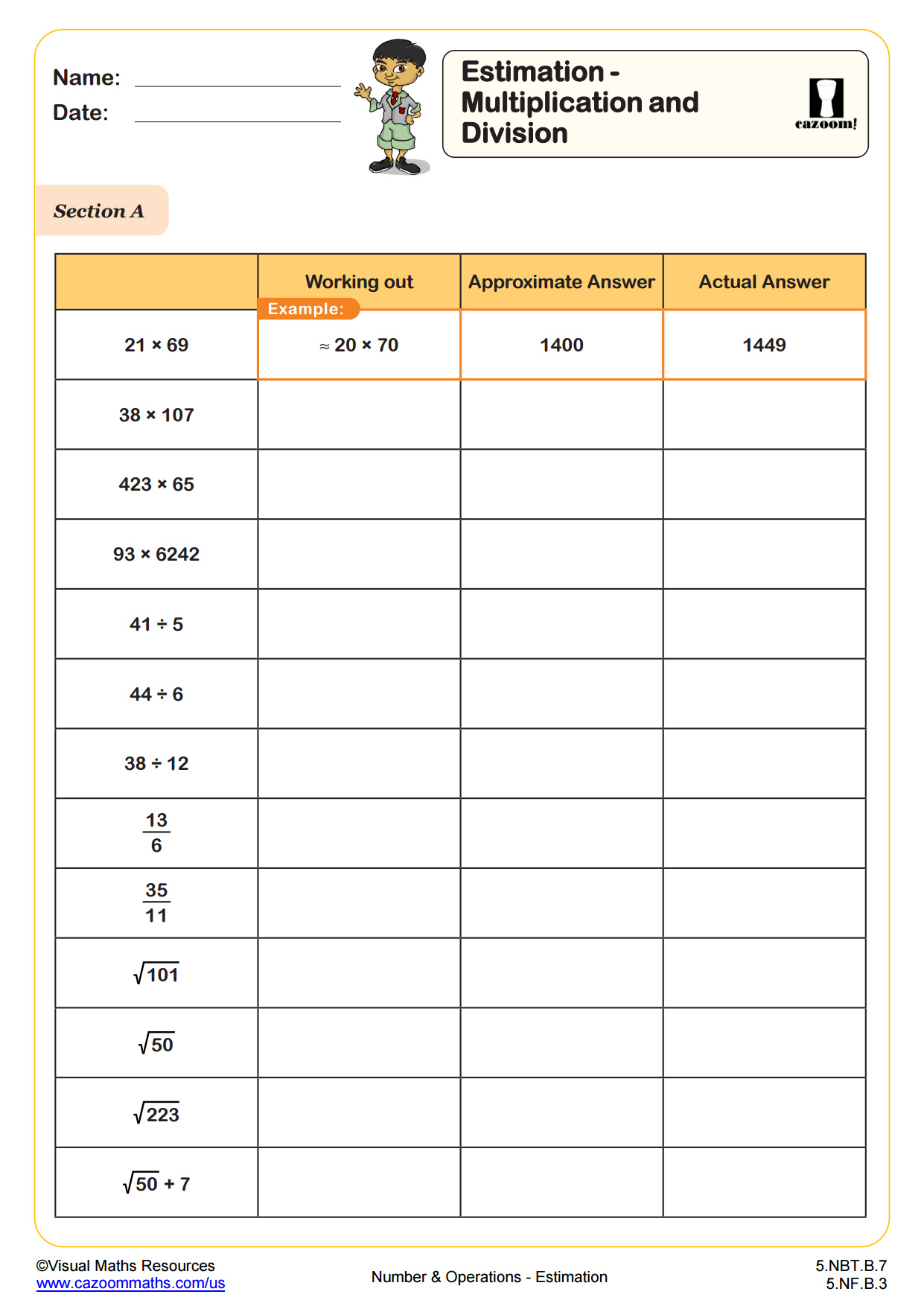
Estimation - Multiplication and Division
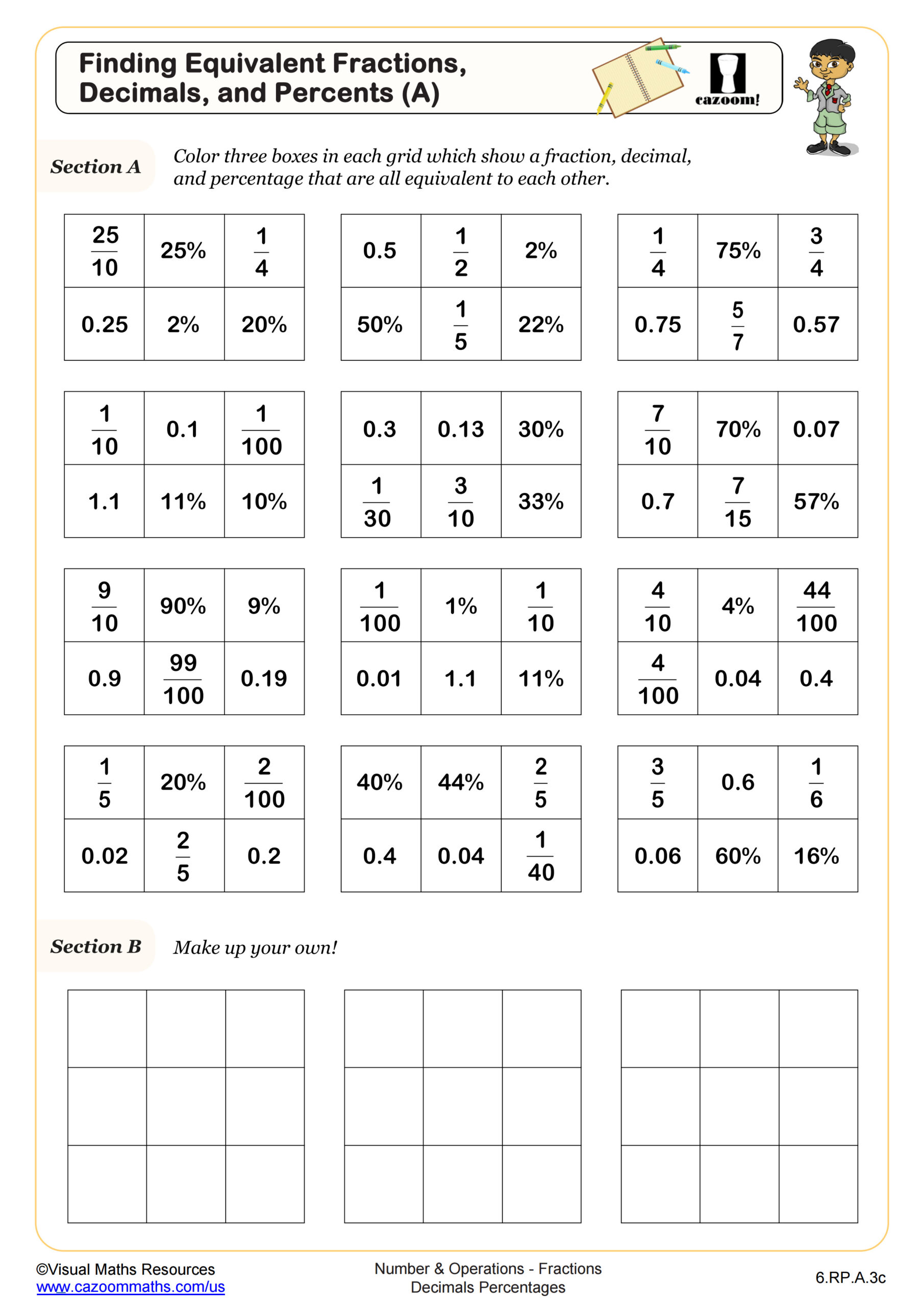
Finding Equivalent Fractions, Decimals, and Percents (A)
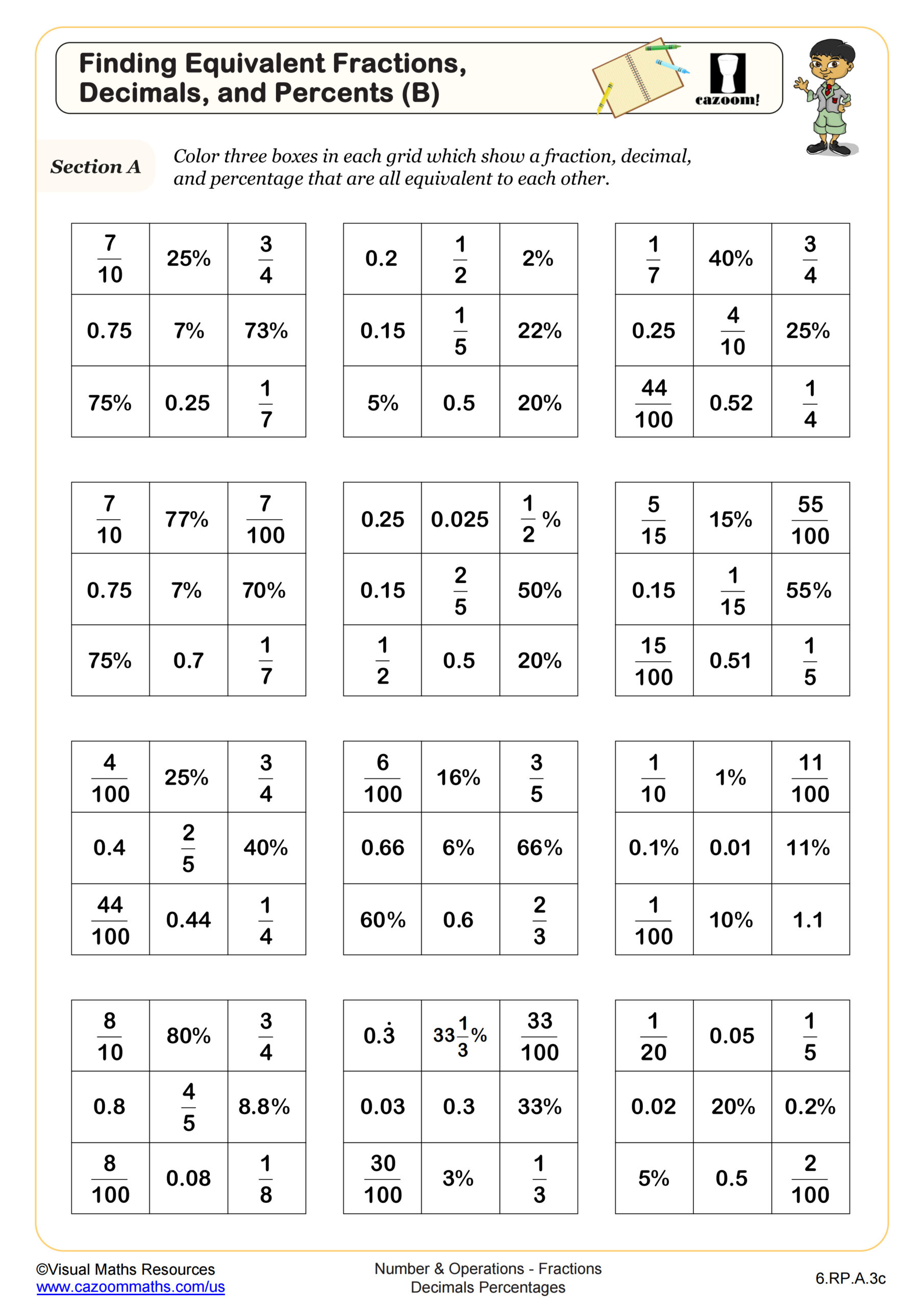
Finding Equivalent Fractions, Decimals, and Percents (B)
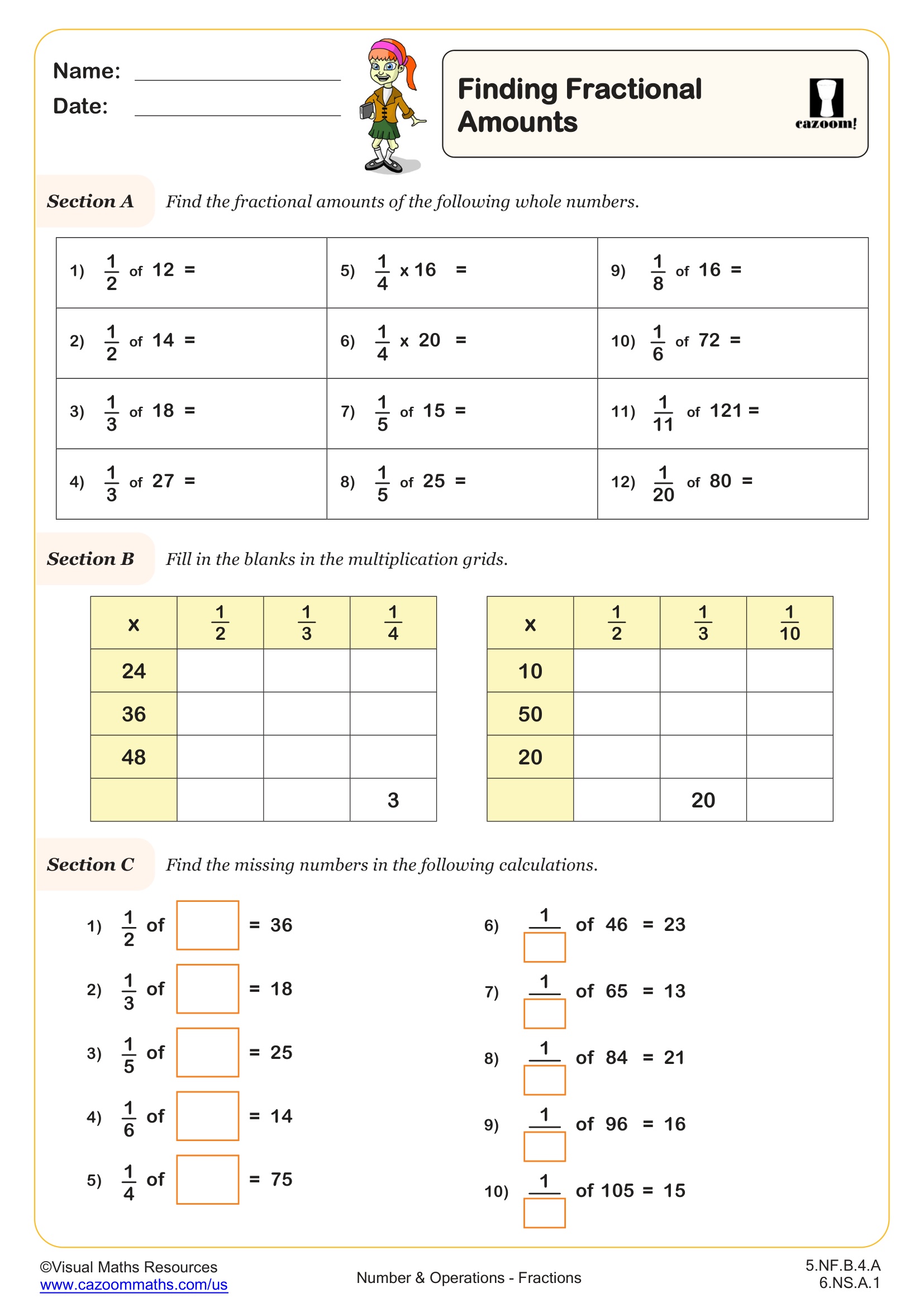
Finding Fractional Amounts
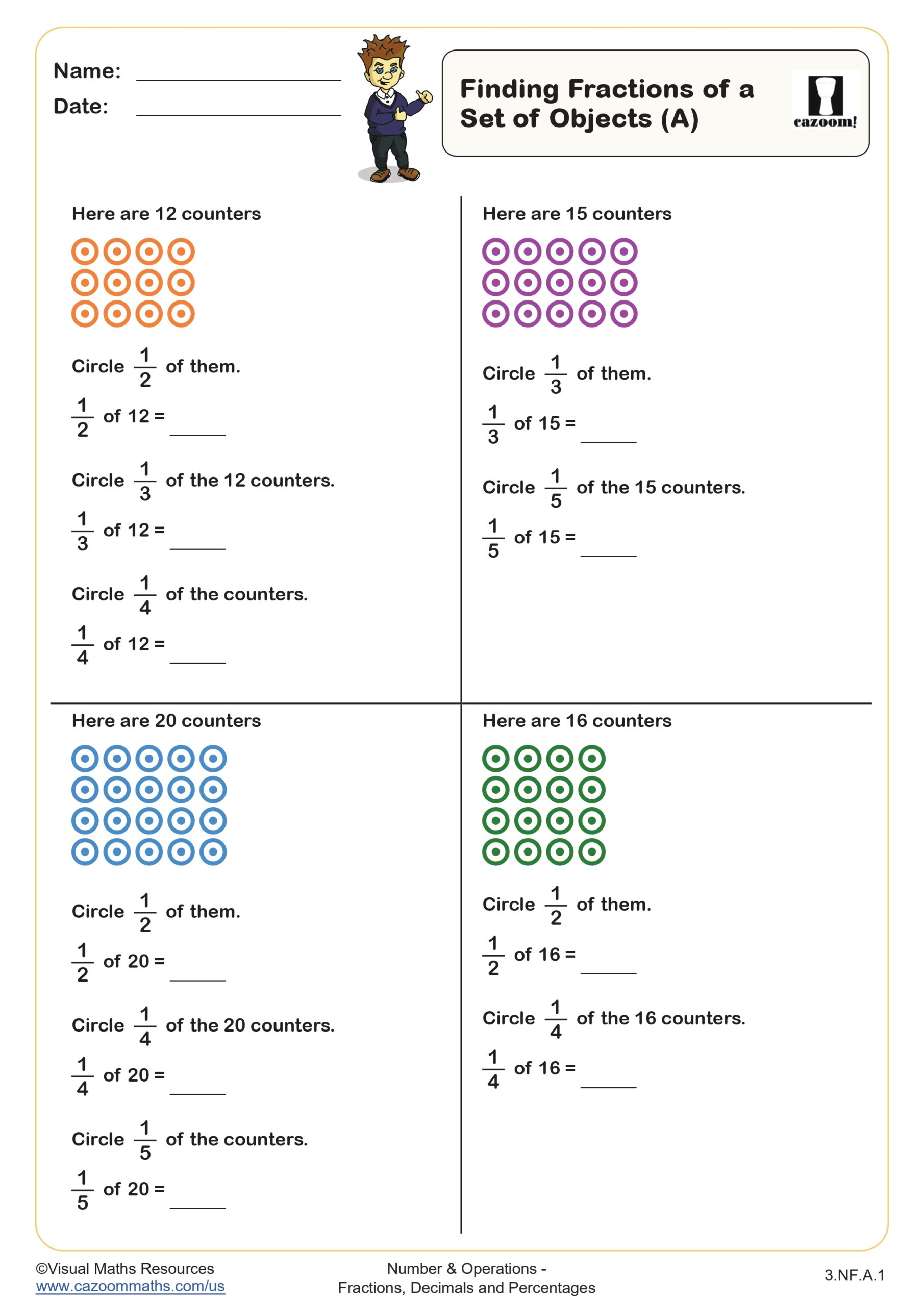
Finding fractions of a set of objects (A)
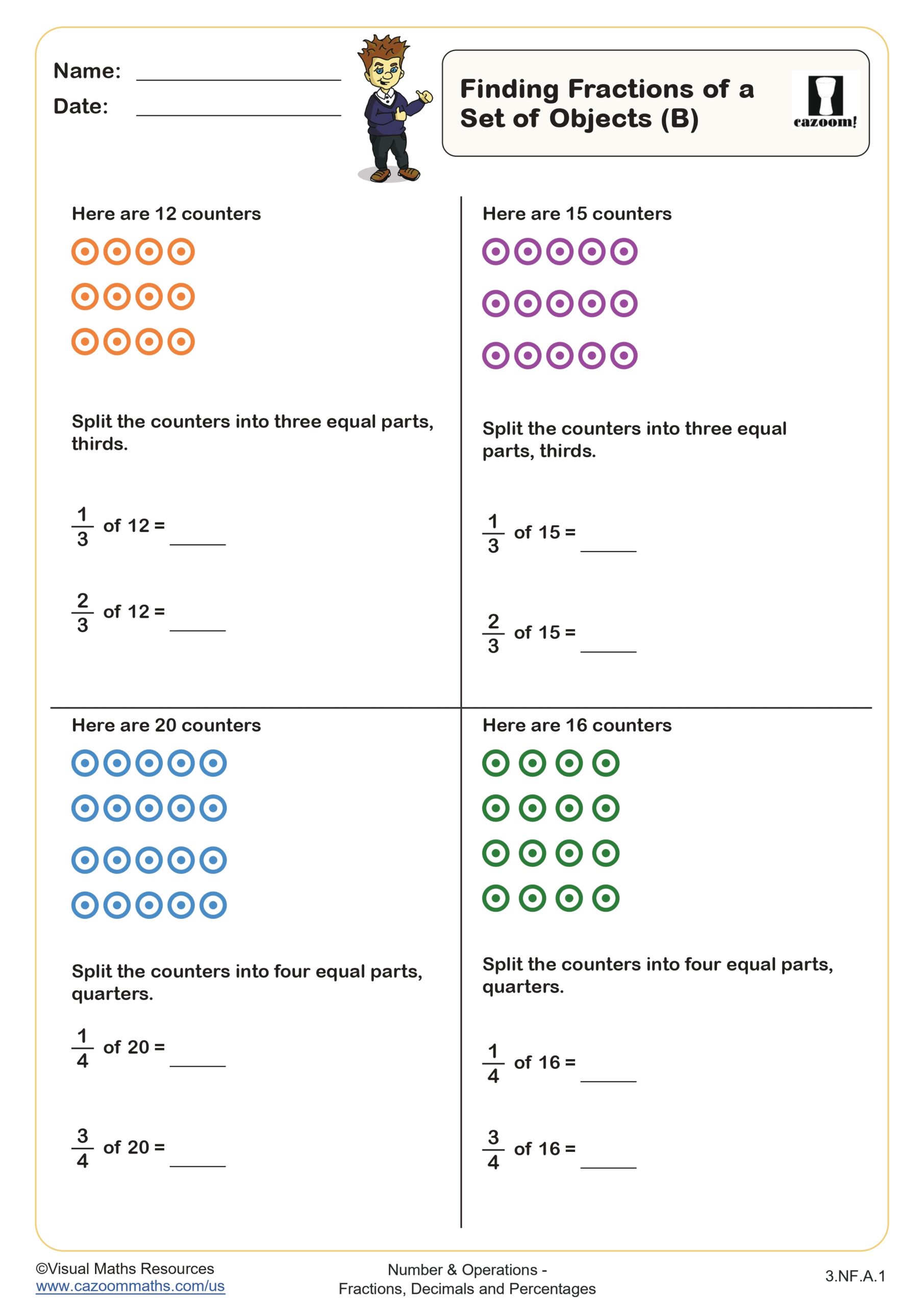
Finding fractions of a set of objects (B)
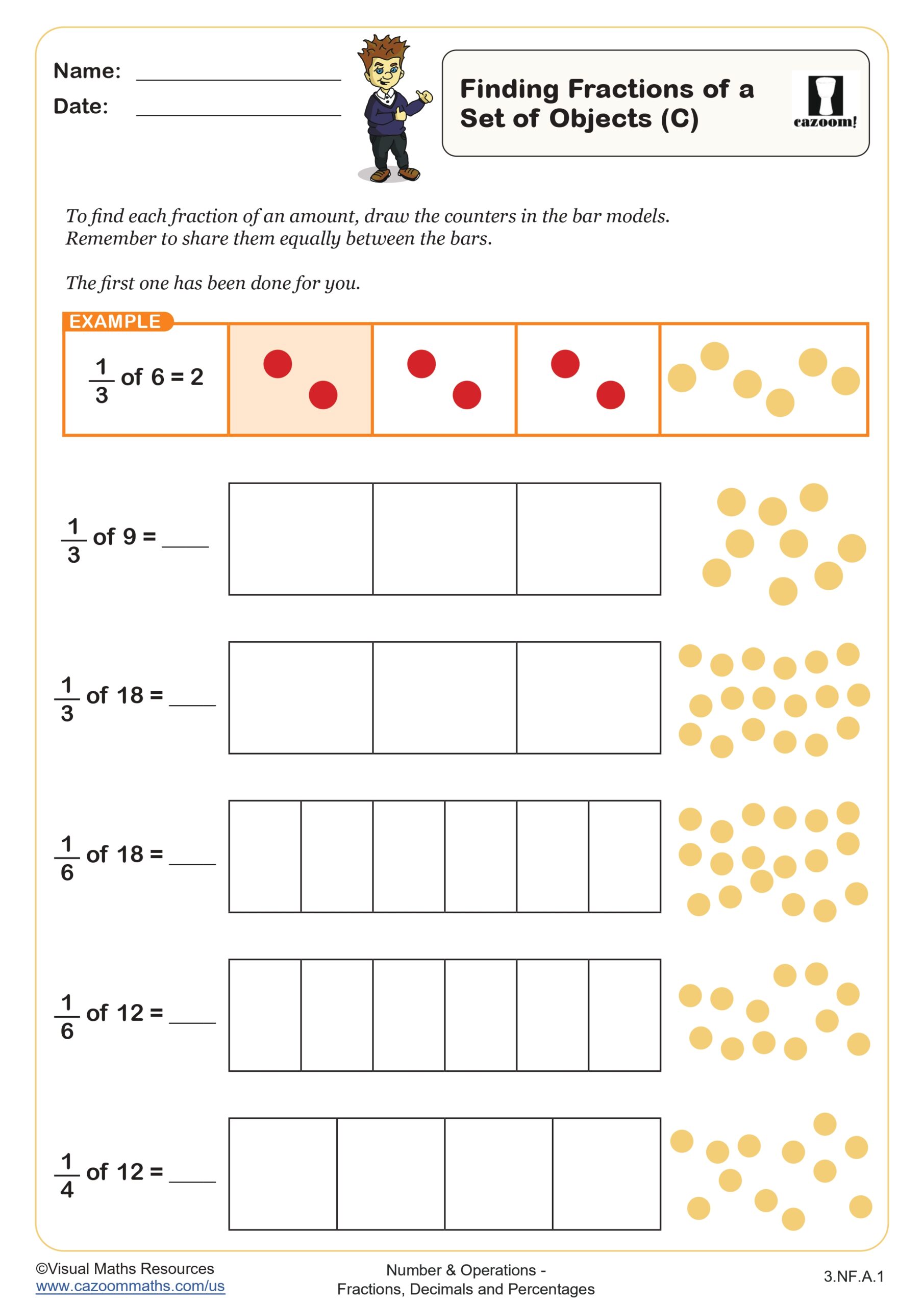
Finding fractions of a set of objects (C)
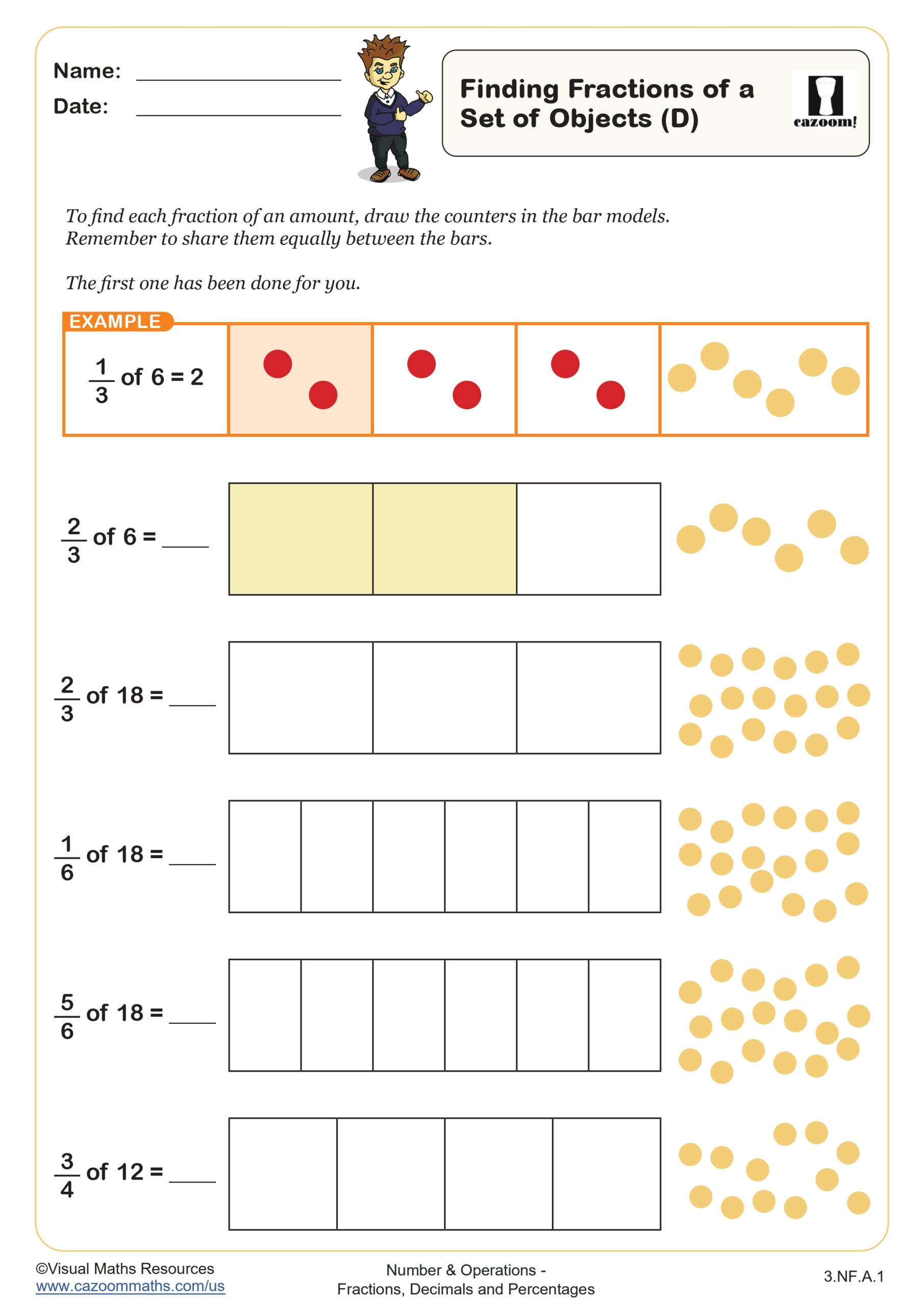
Finding fractions of a set of objects (D)
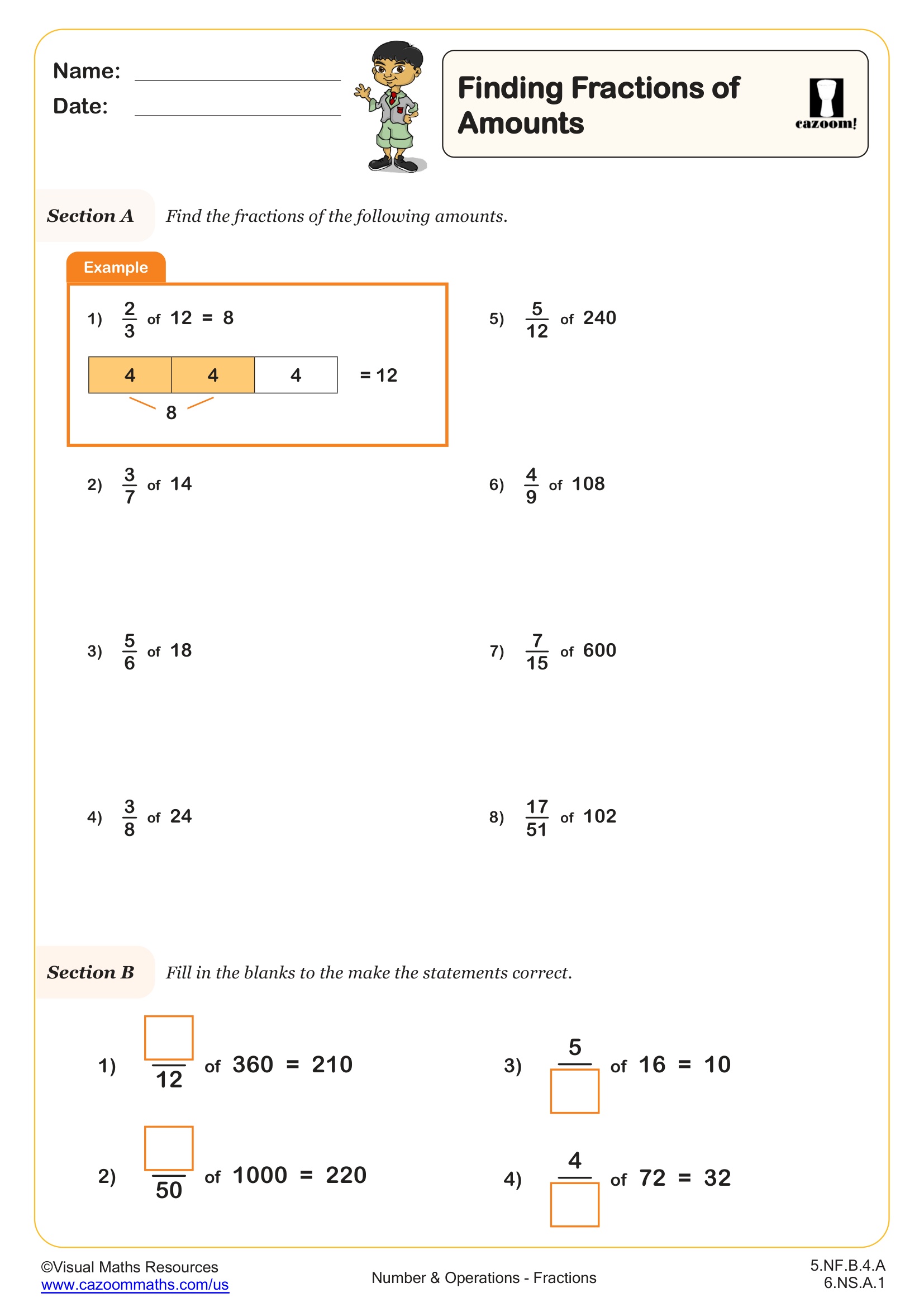
Finding Fractions of Amounts
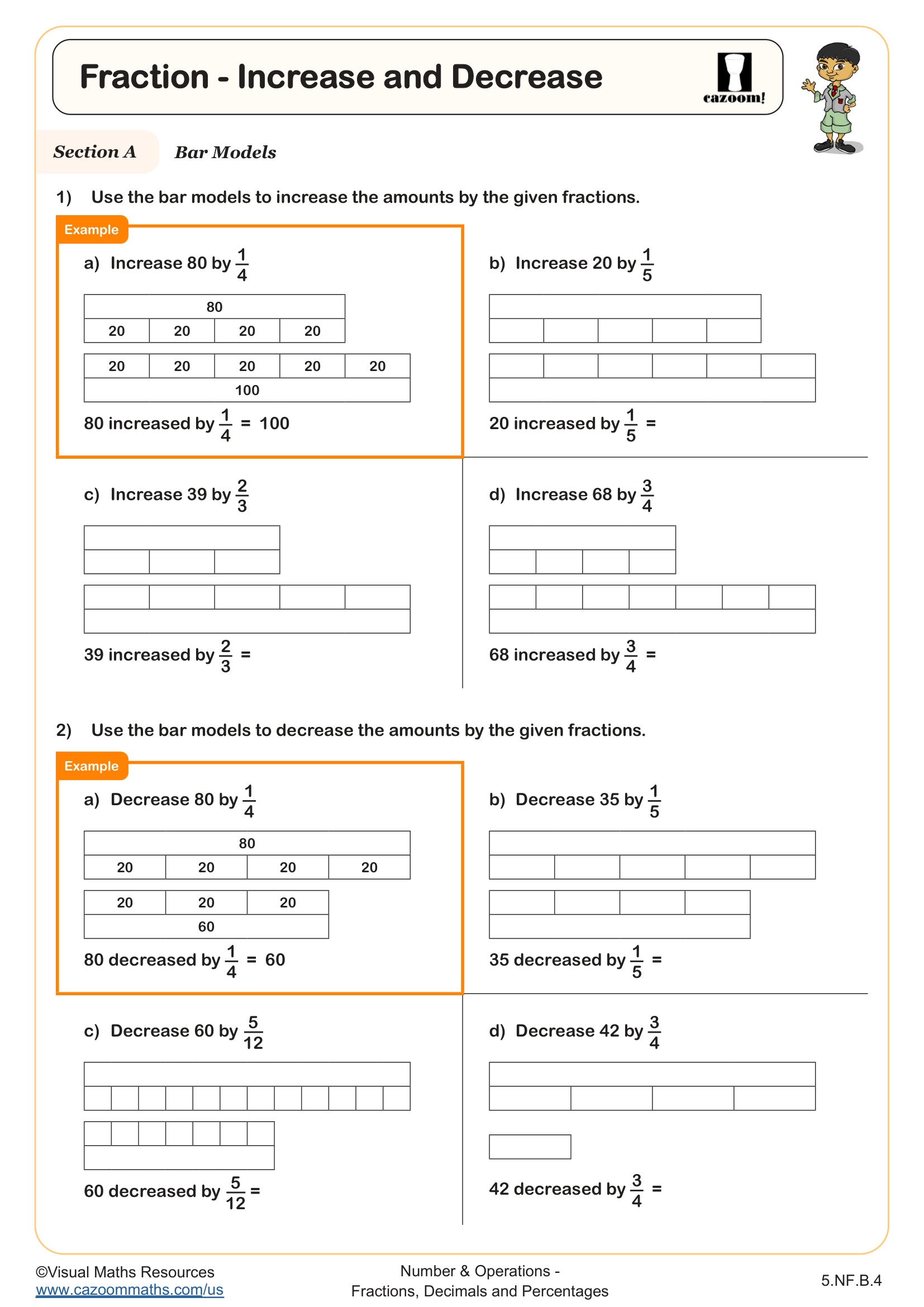
Fraction - Increase and Decrease
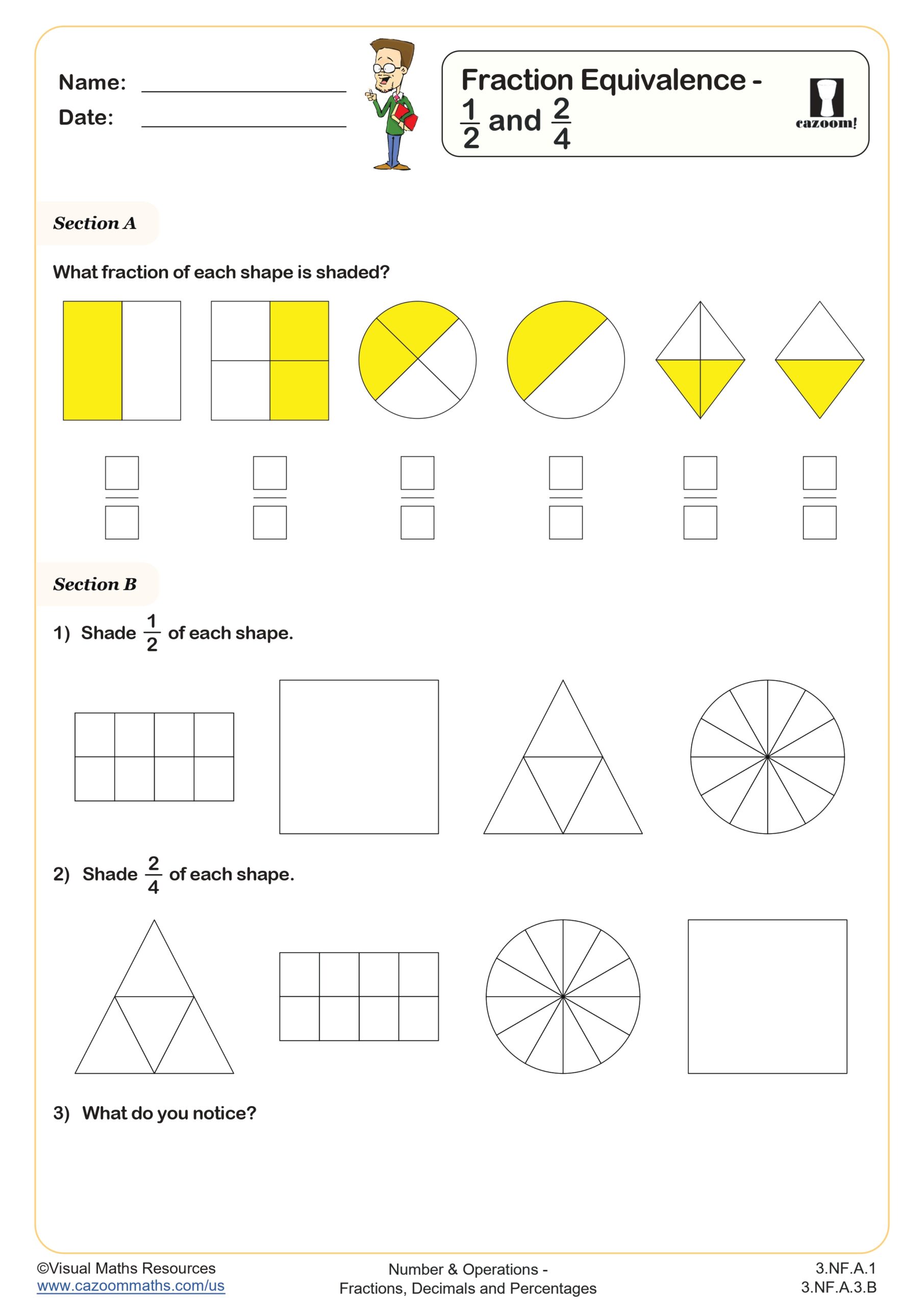
Fraction Equivalence - 1/2 and 2/4
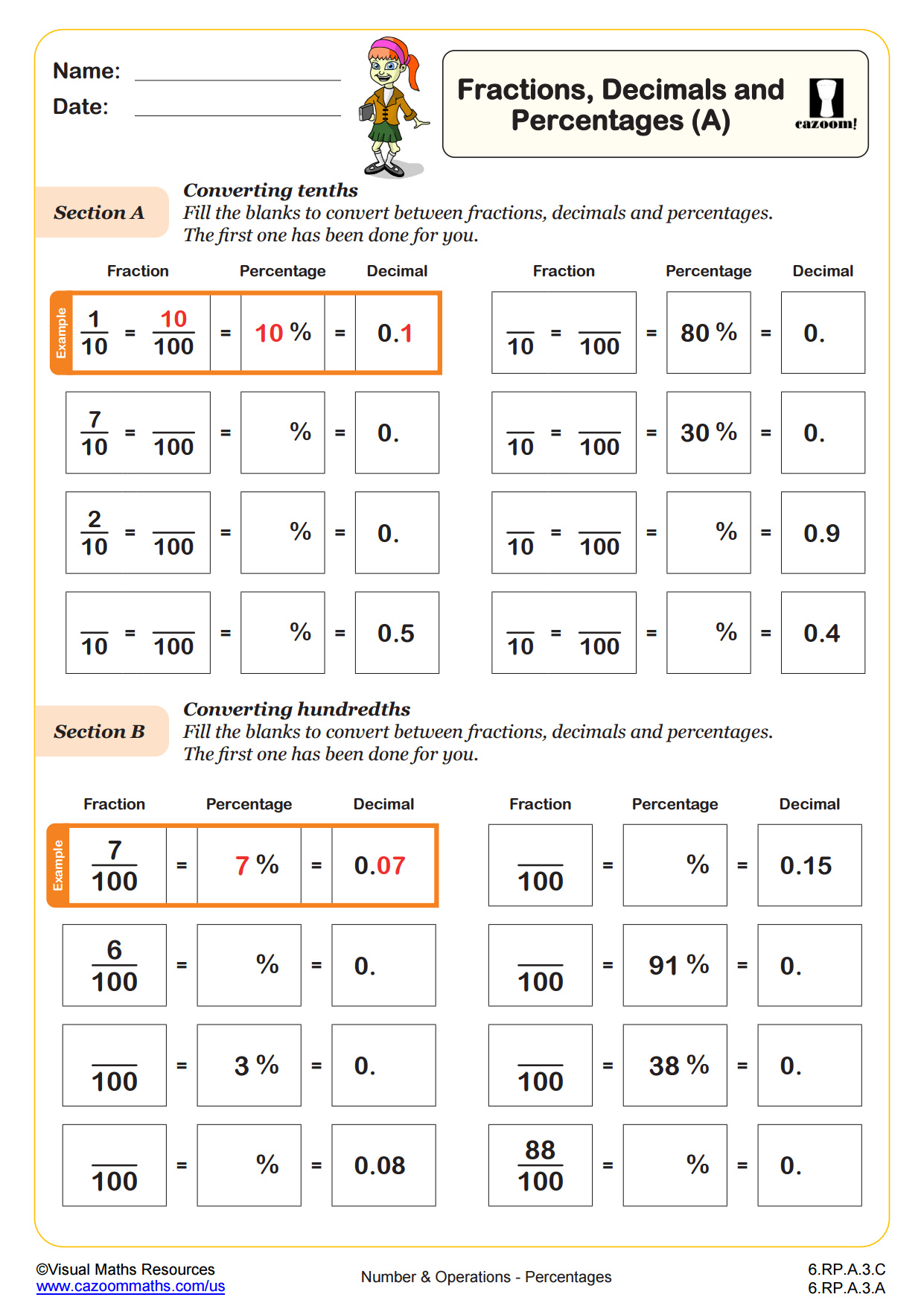
Fractions, Decimals and Percentages (A)
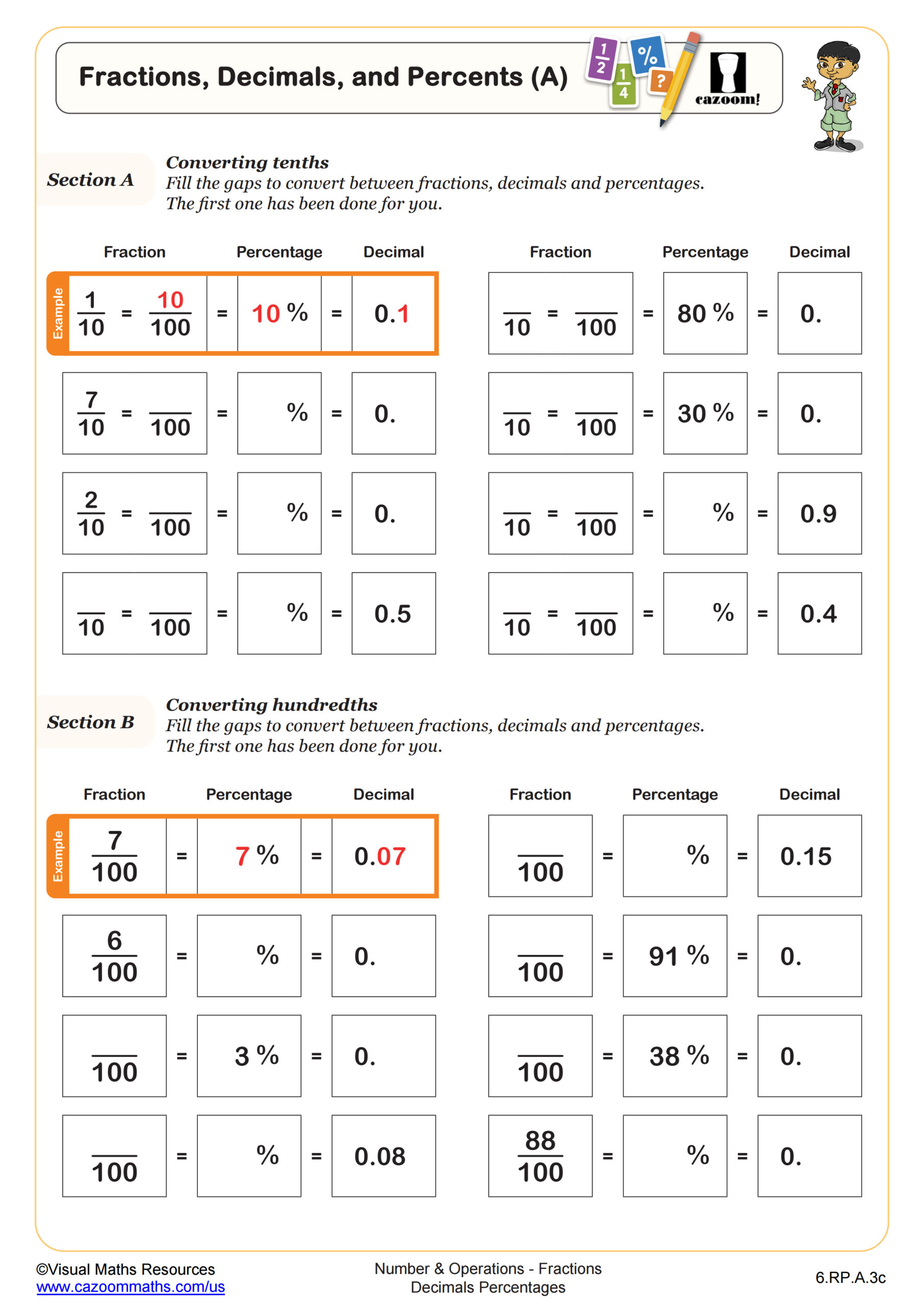
Fractions, Decimals, and Percents (A)
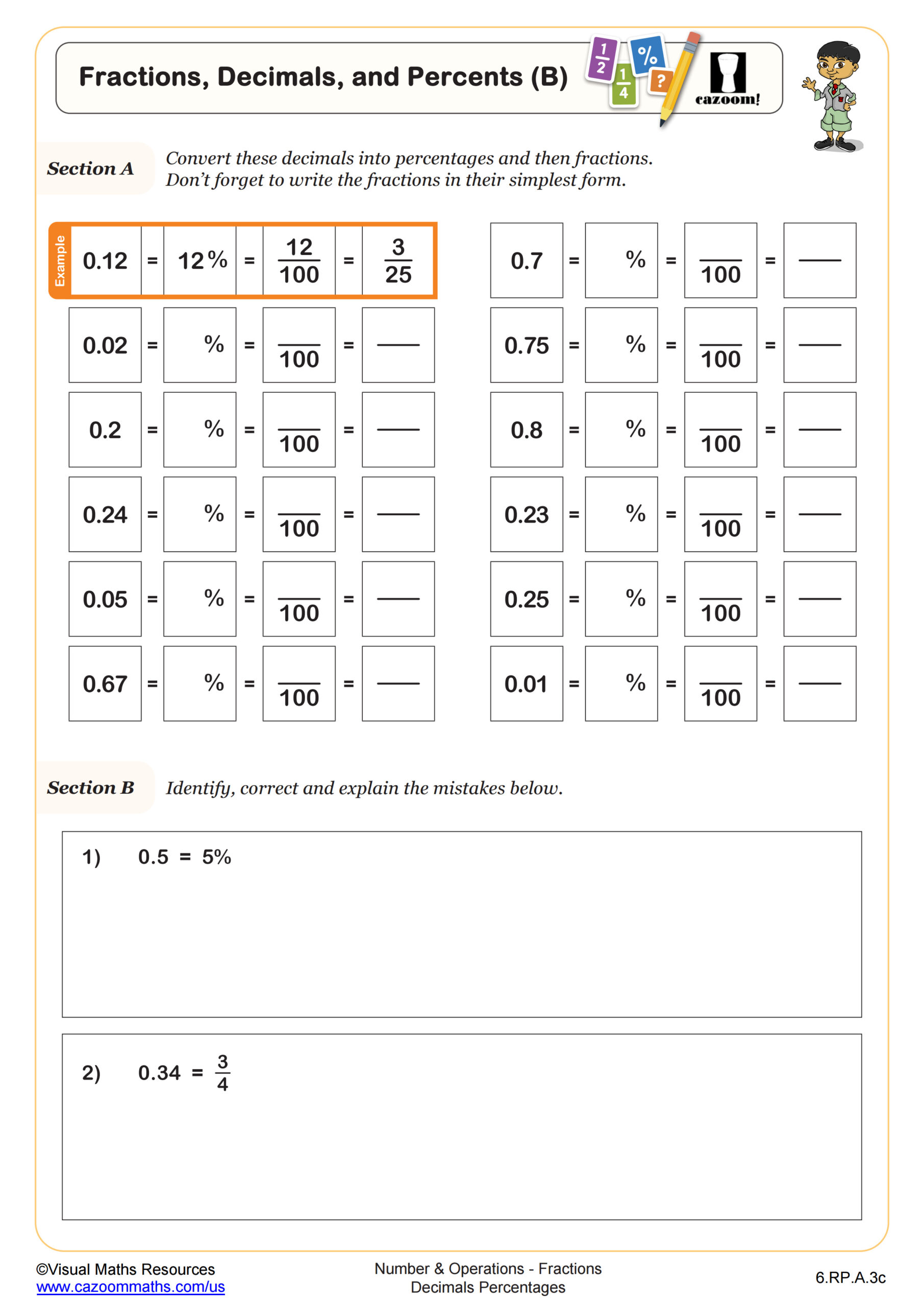
Fractions, Decimals, and Percents (B)
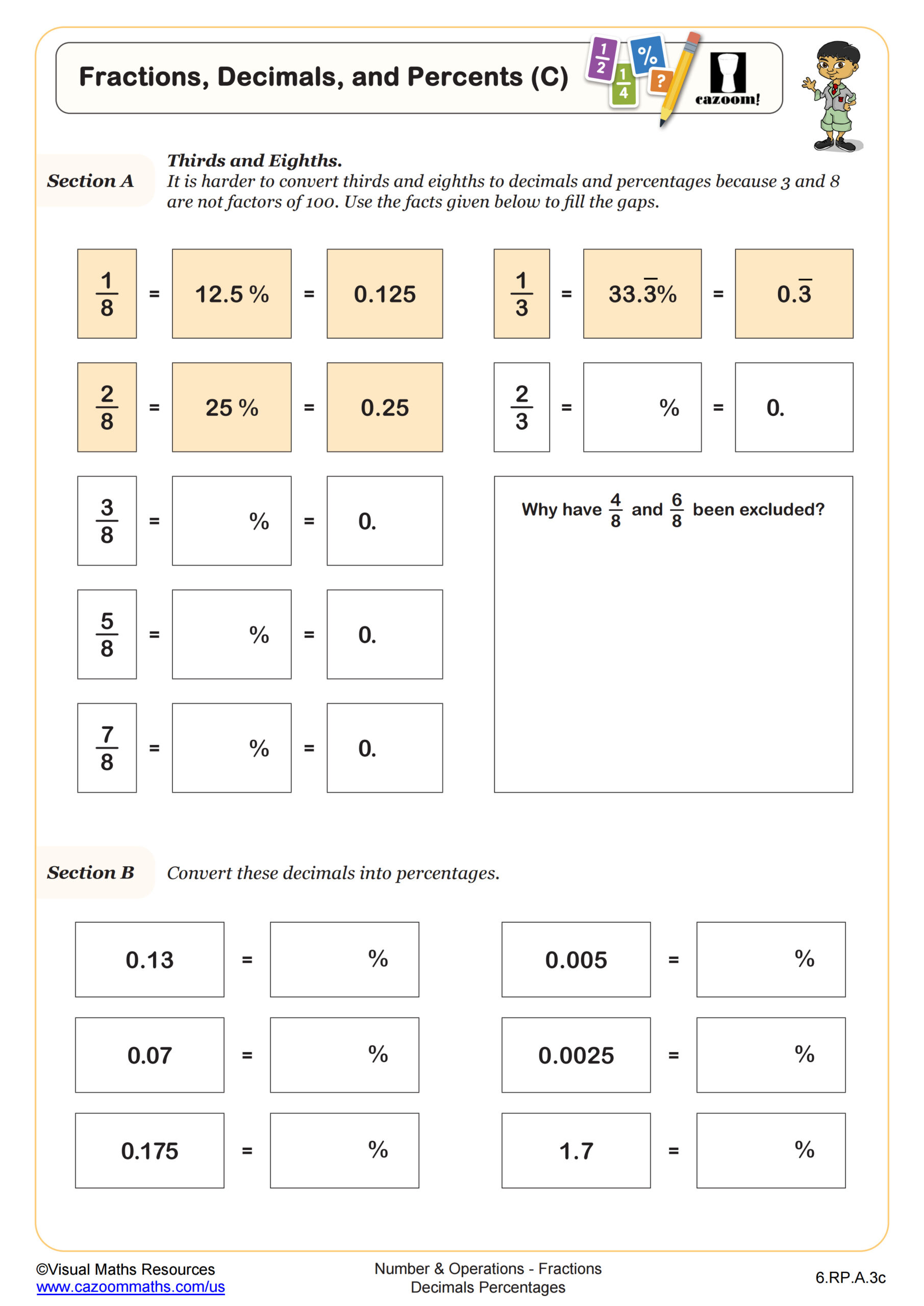
Fractions, Decimals, and Percents (C)
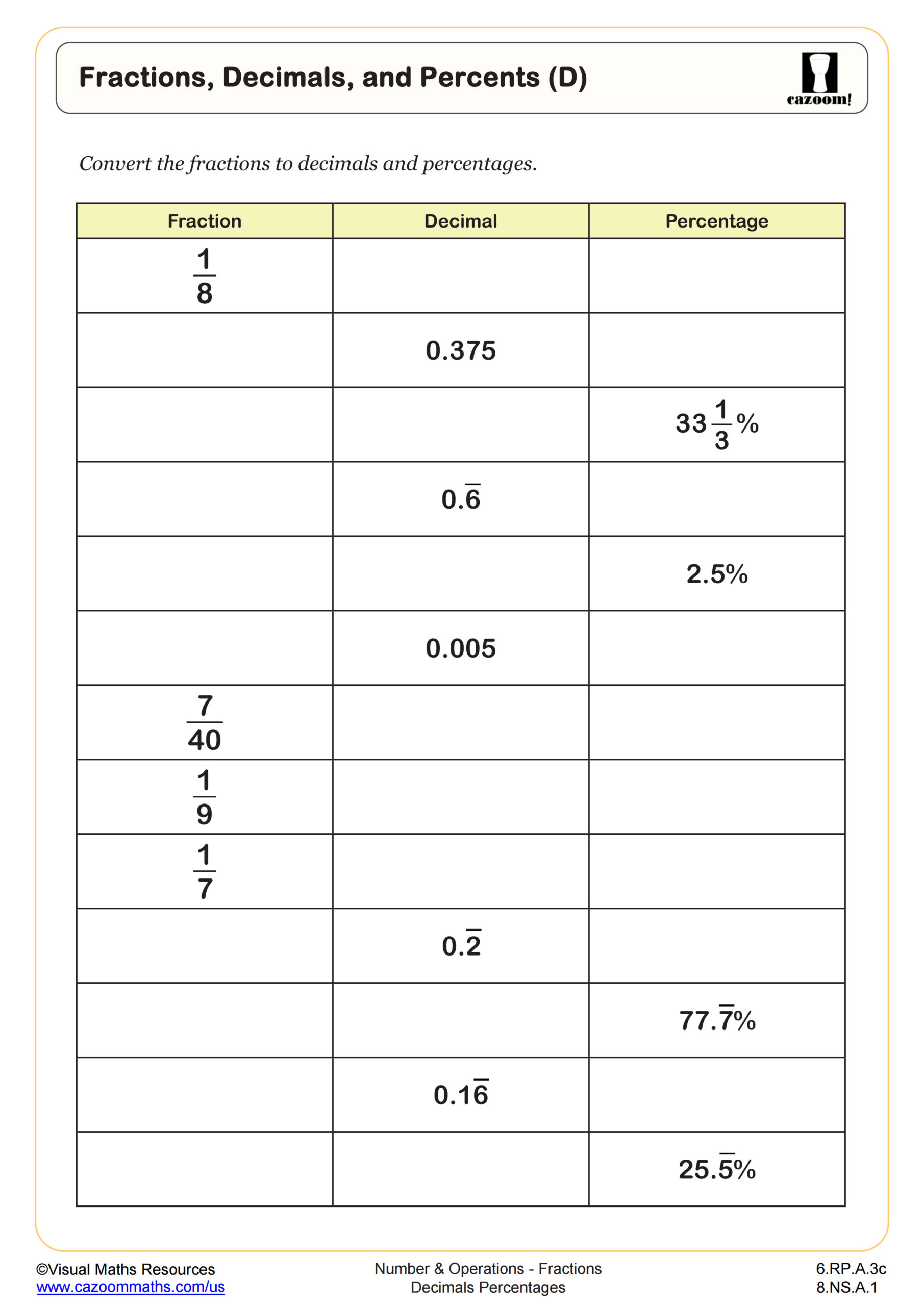
Fractions, Decimals, and Percents (D)
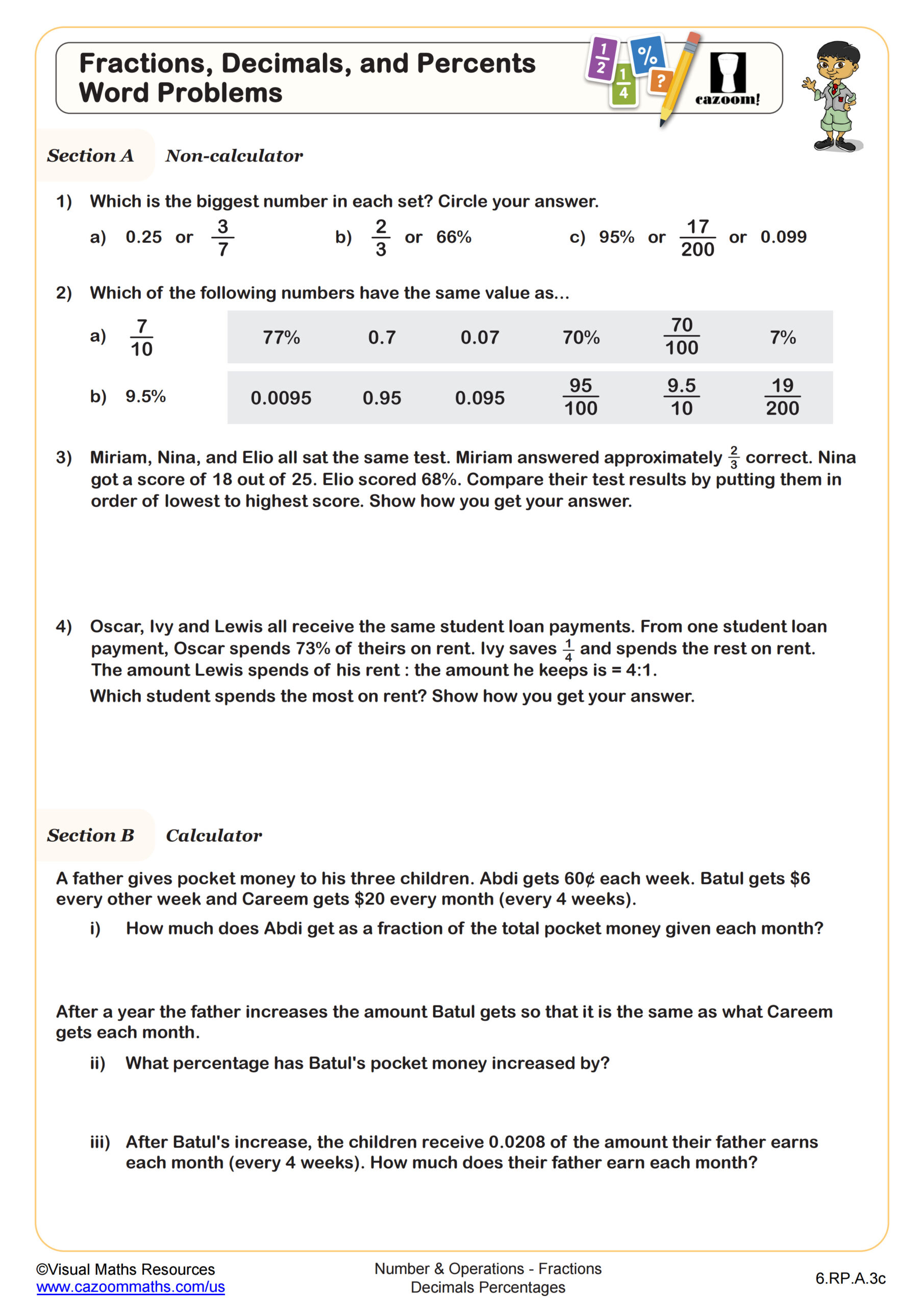
Fractions, Decimals, and Percents Word Problems
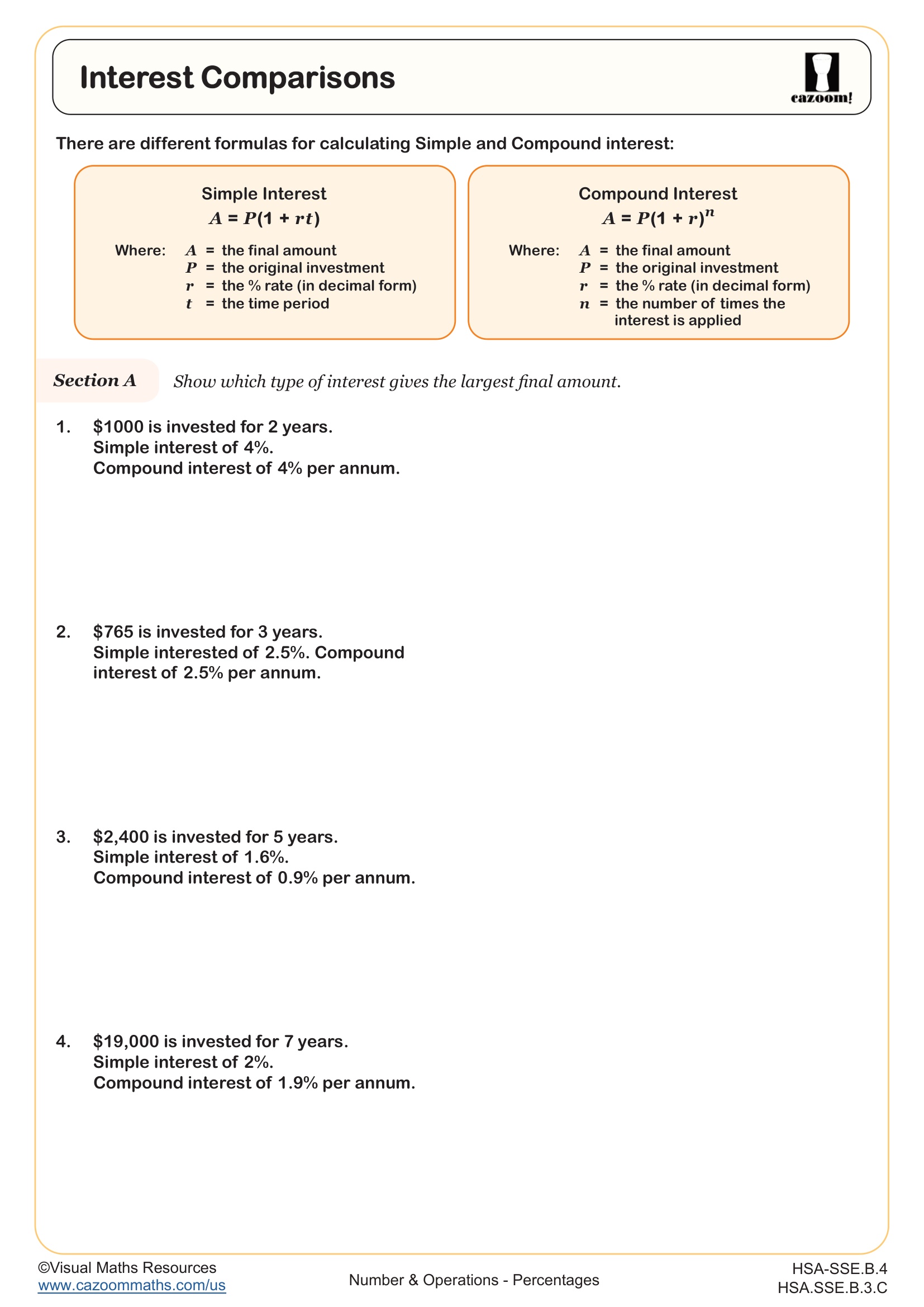
Interest Comparisons
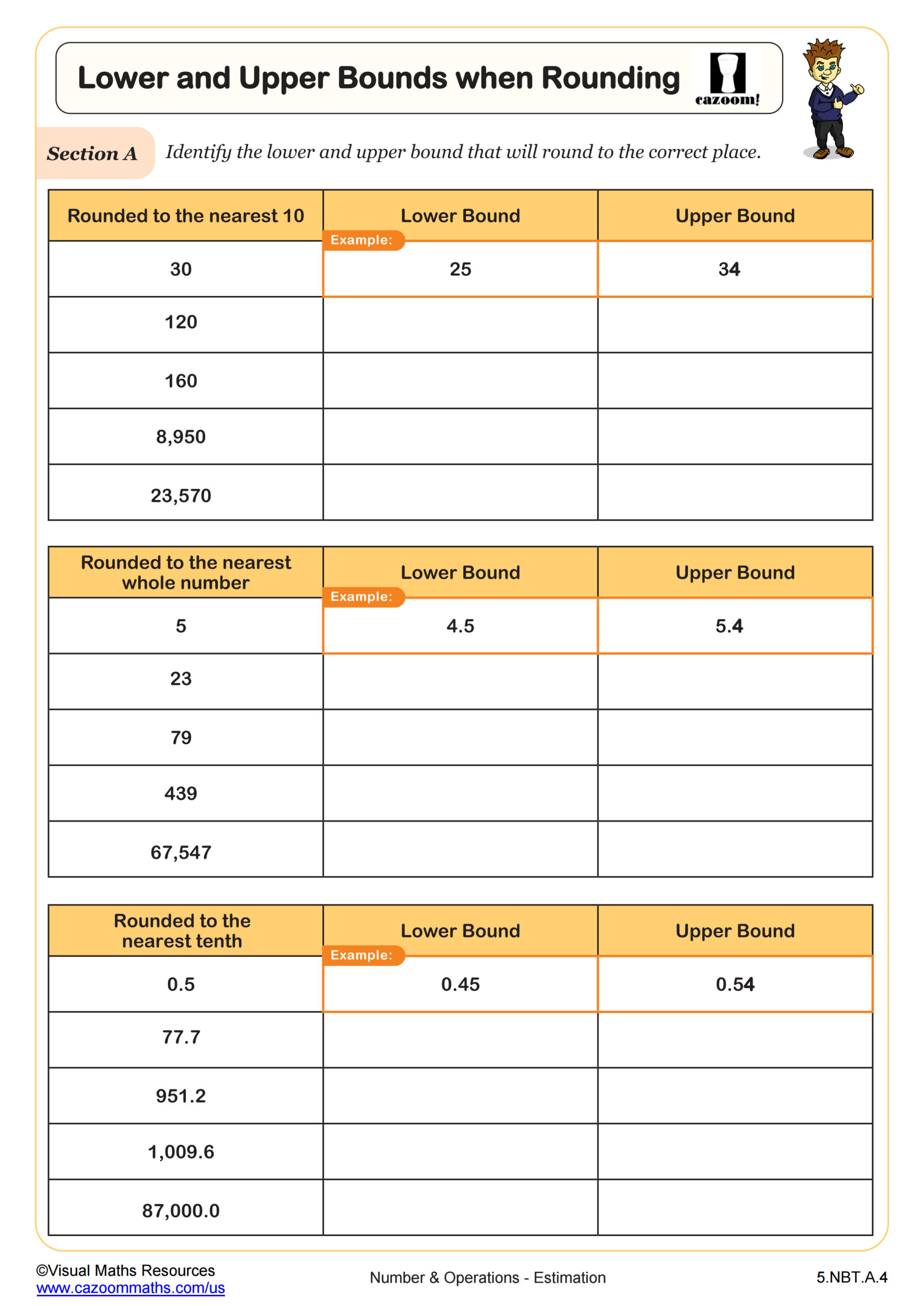
Lower and Upper Bounds when Rounding
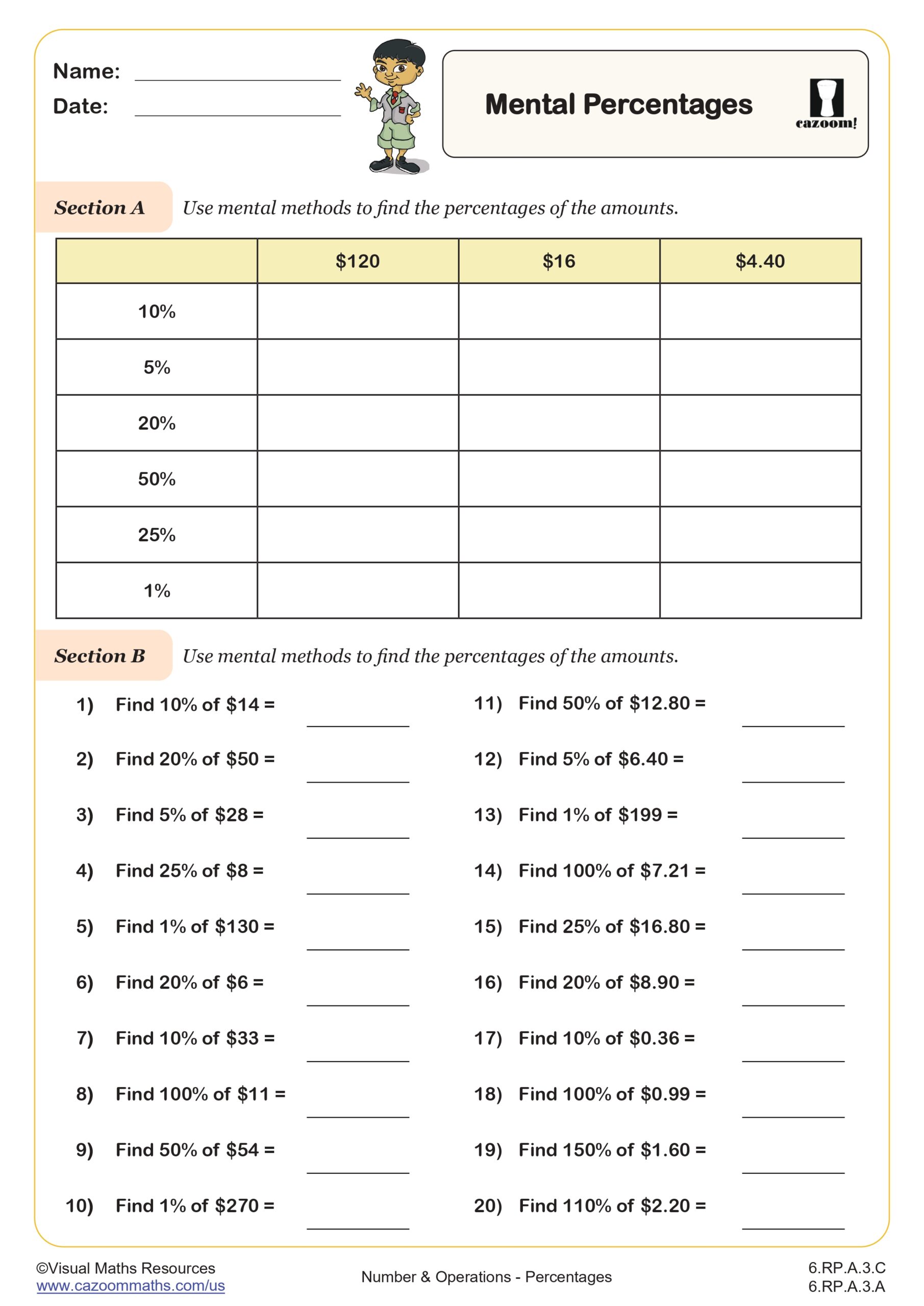
Mental Percentages
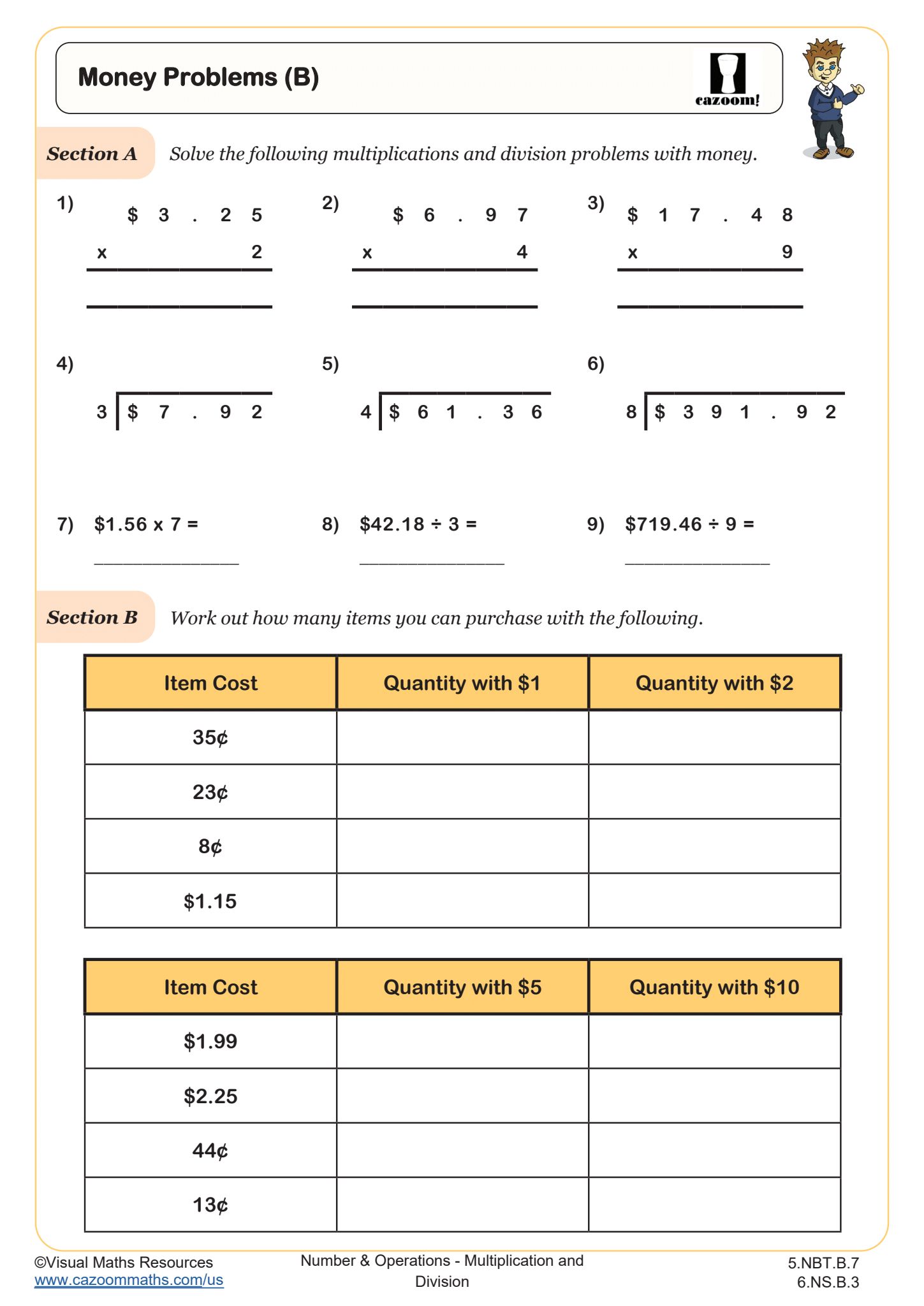
Money Problems (B)
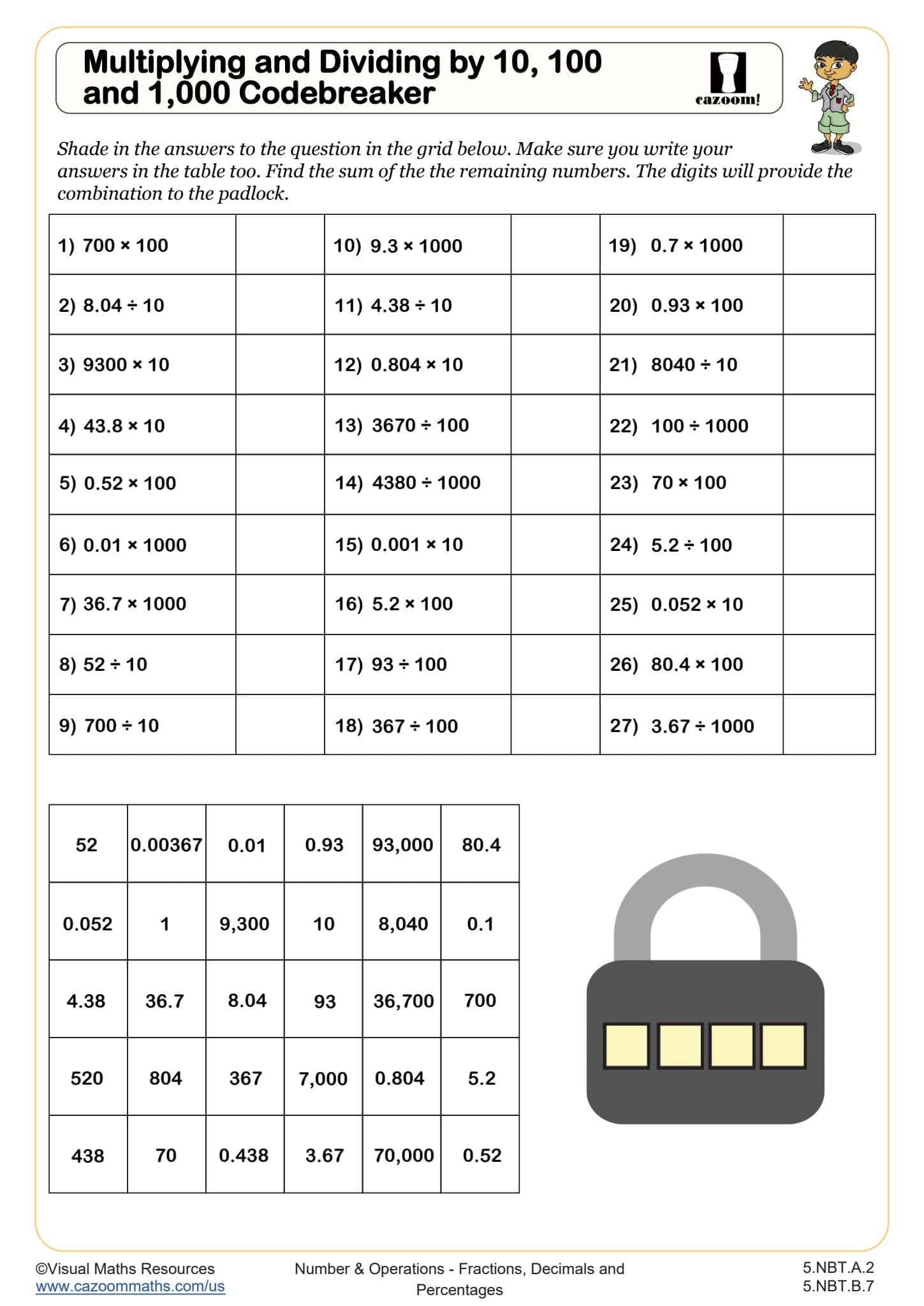
Multiplying and Dividing by 10, 100 and 1,000 Codebreaker
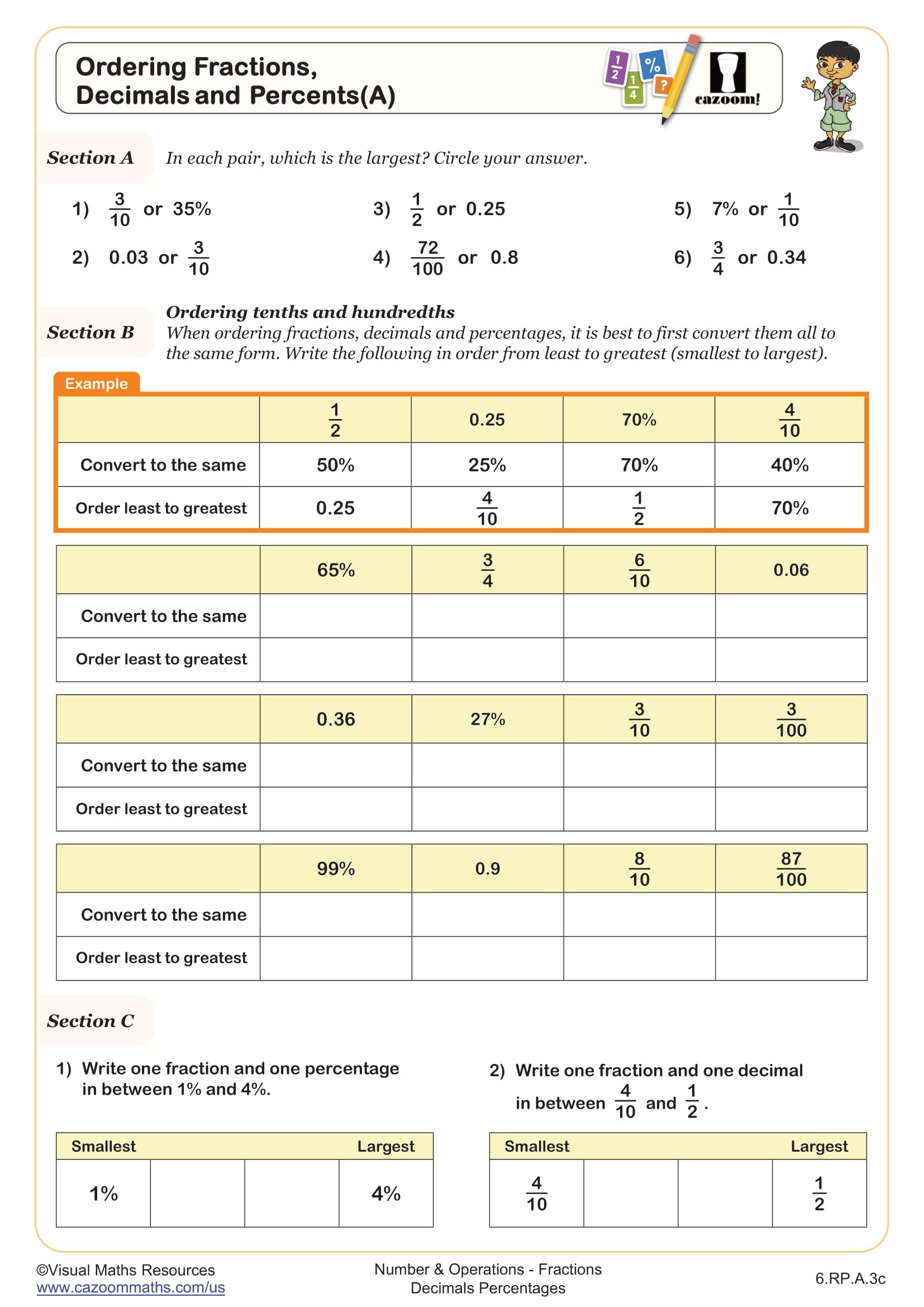
Ordering Fractions, Decimals, and Percents (A)
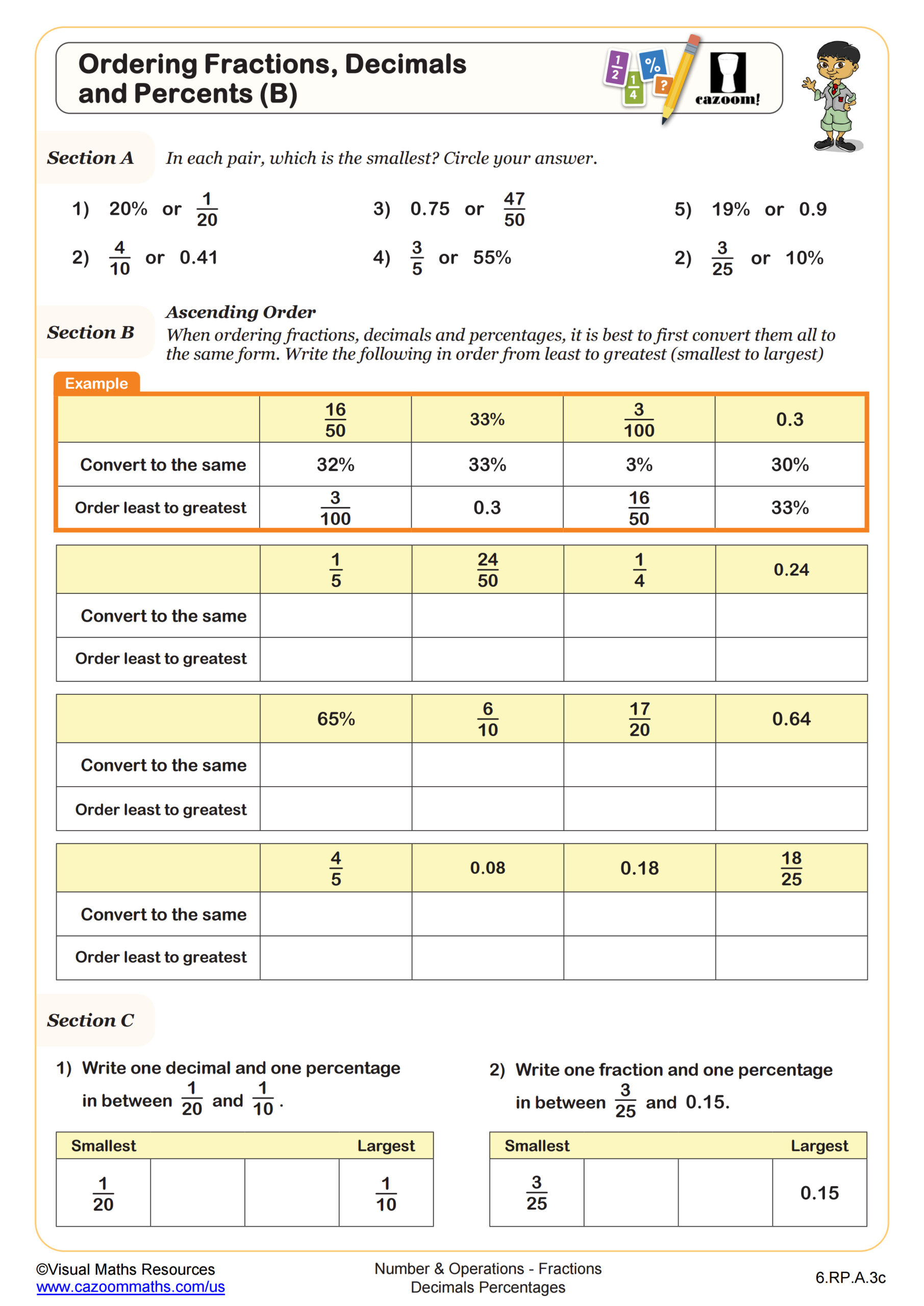
Ordering Fractions, Decimals, and Percents (B)
Partitioning Decimals - Tenths and Hundredths (A)
-Questions-Worksheet.jpg?w=3840)
Partitioning Decimals - Tenths and Hundredths (B)
-Questions-Worksheet.jpg?w=3840)
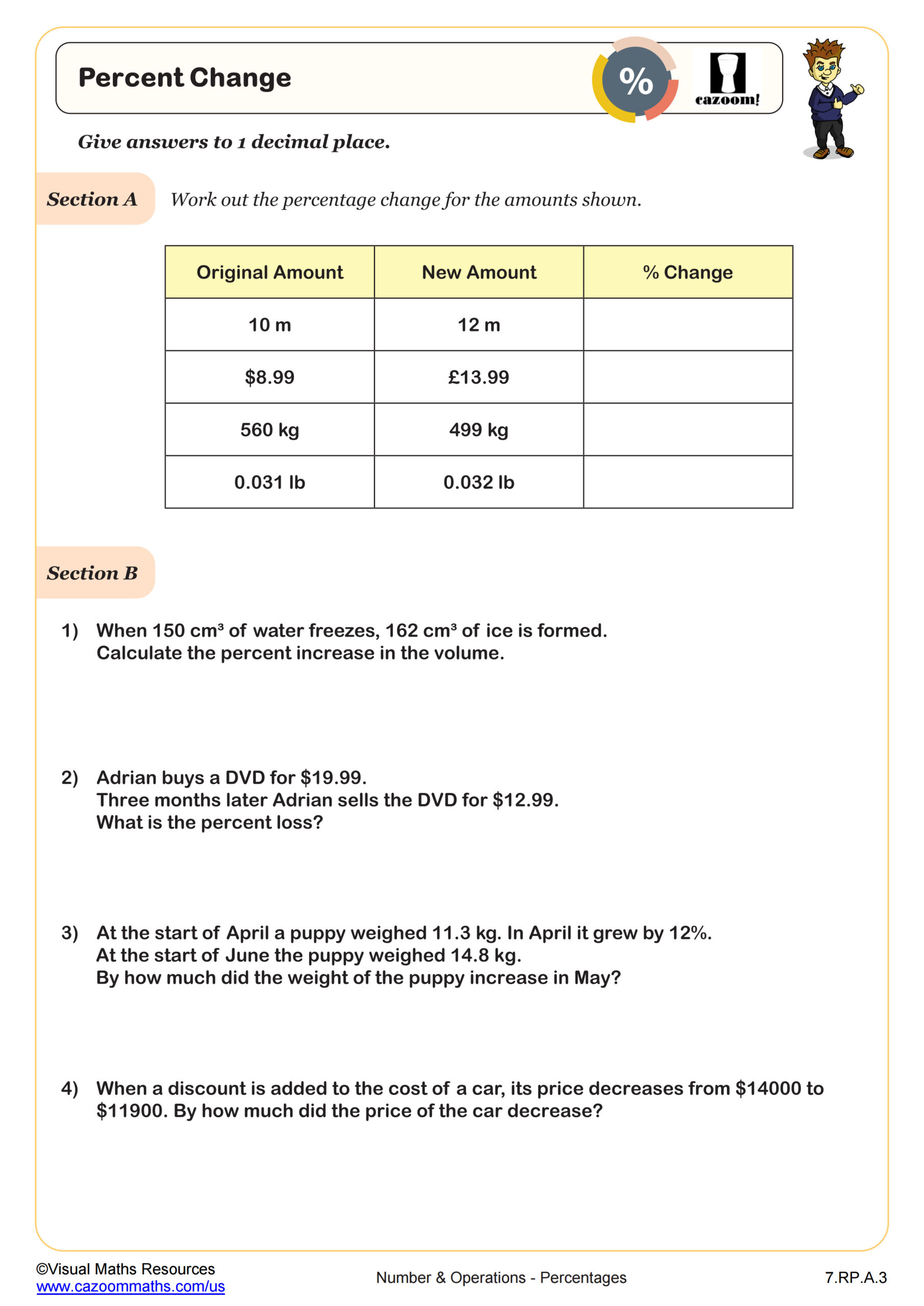
Percent Change
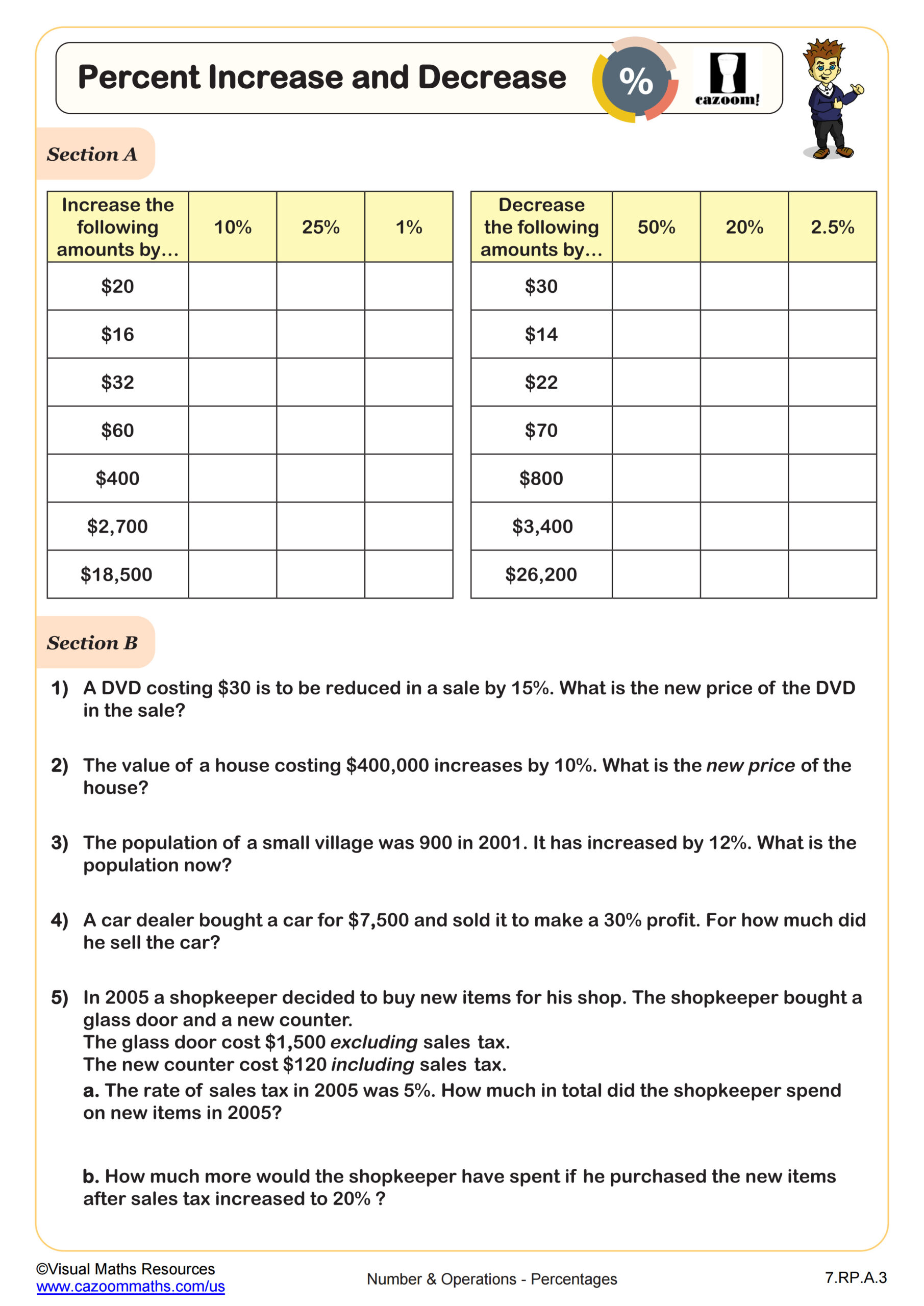
Percent Increase and Decrease
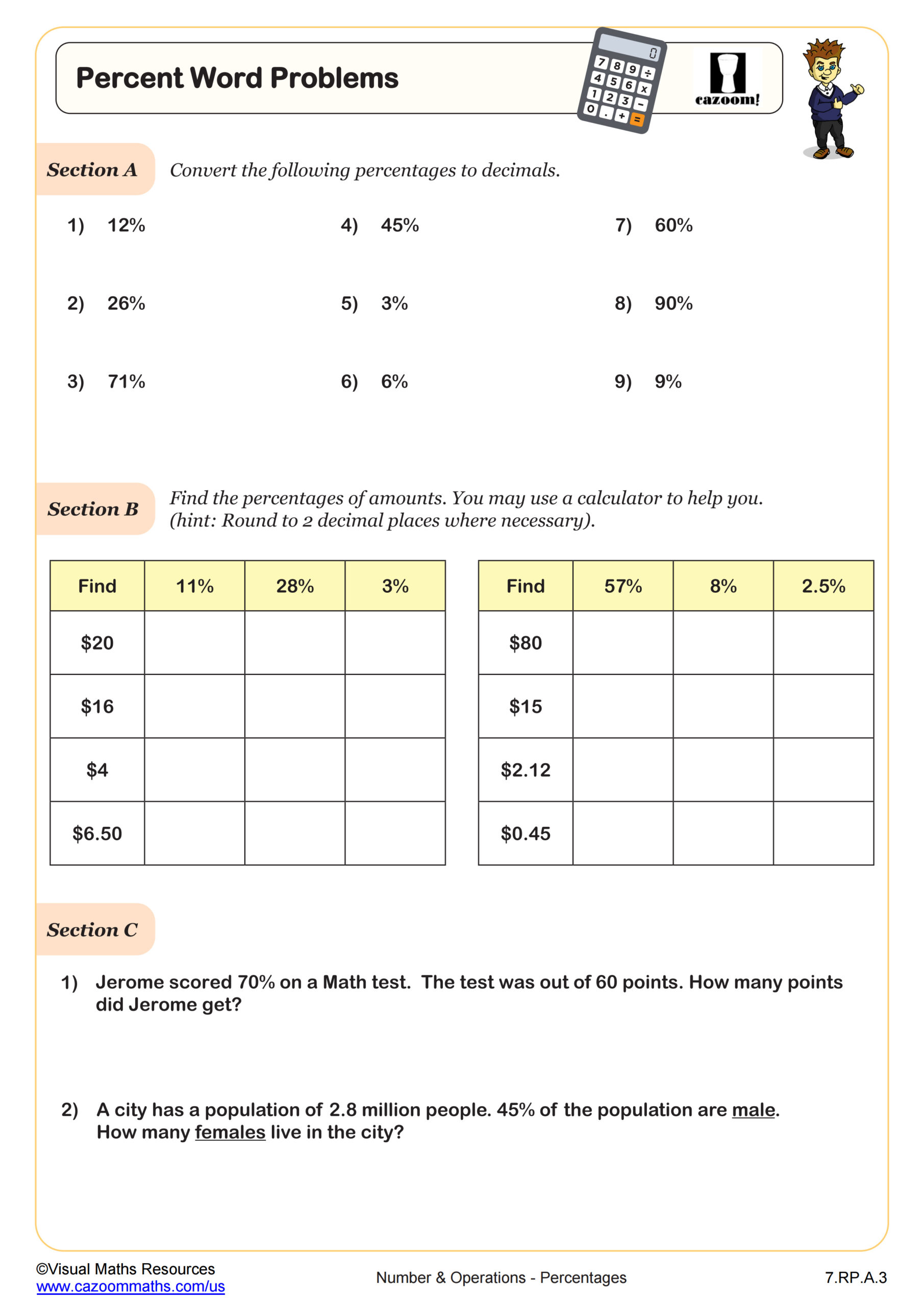
Percent Word Problems
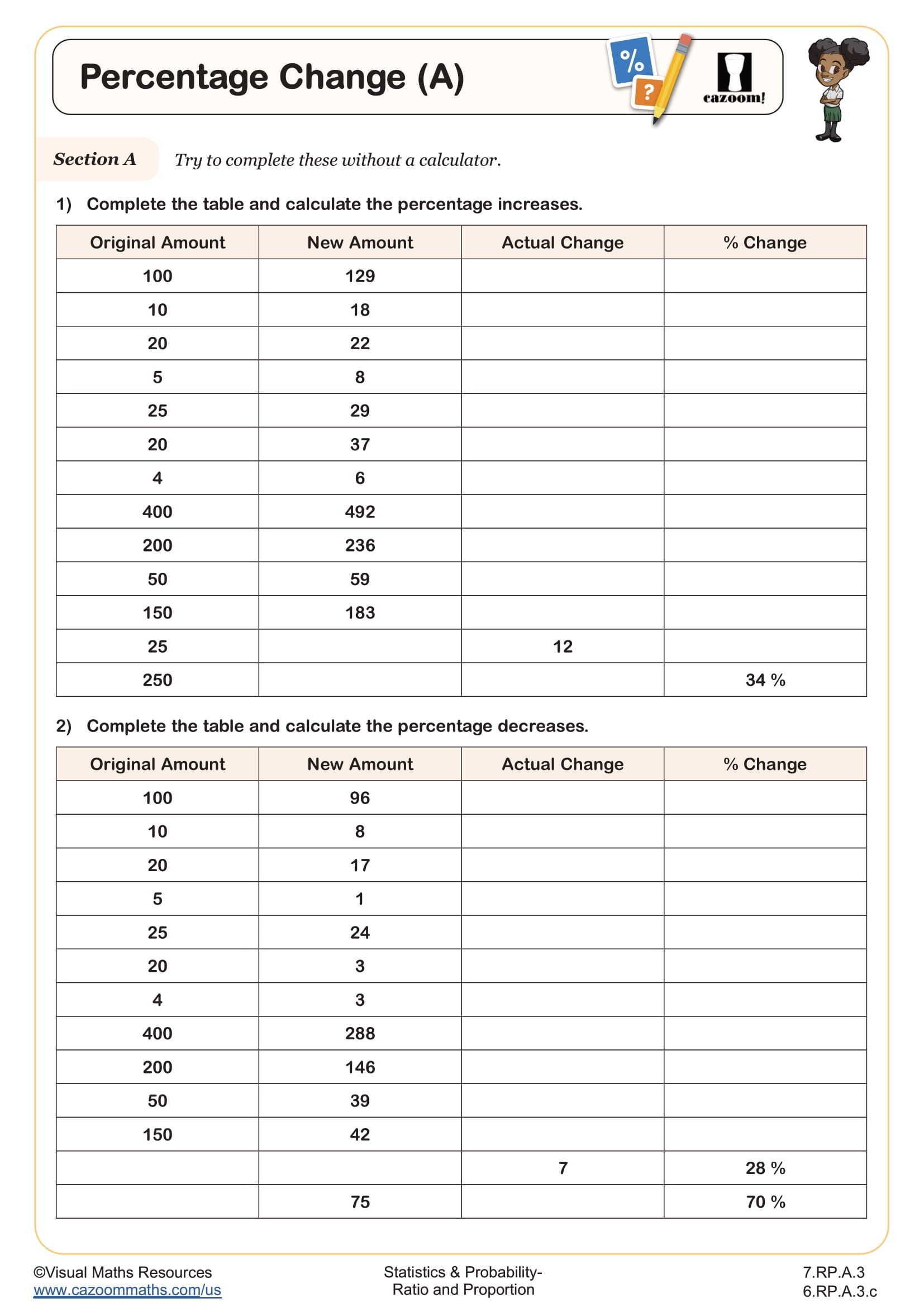
Percentage Change (A)
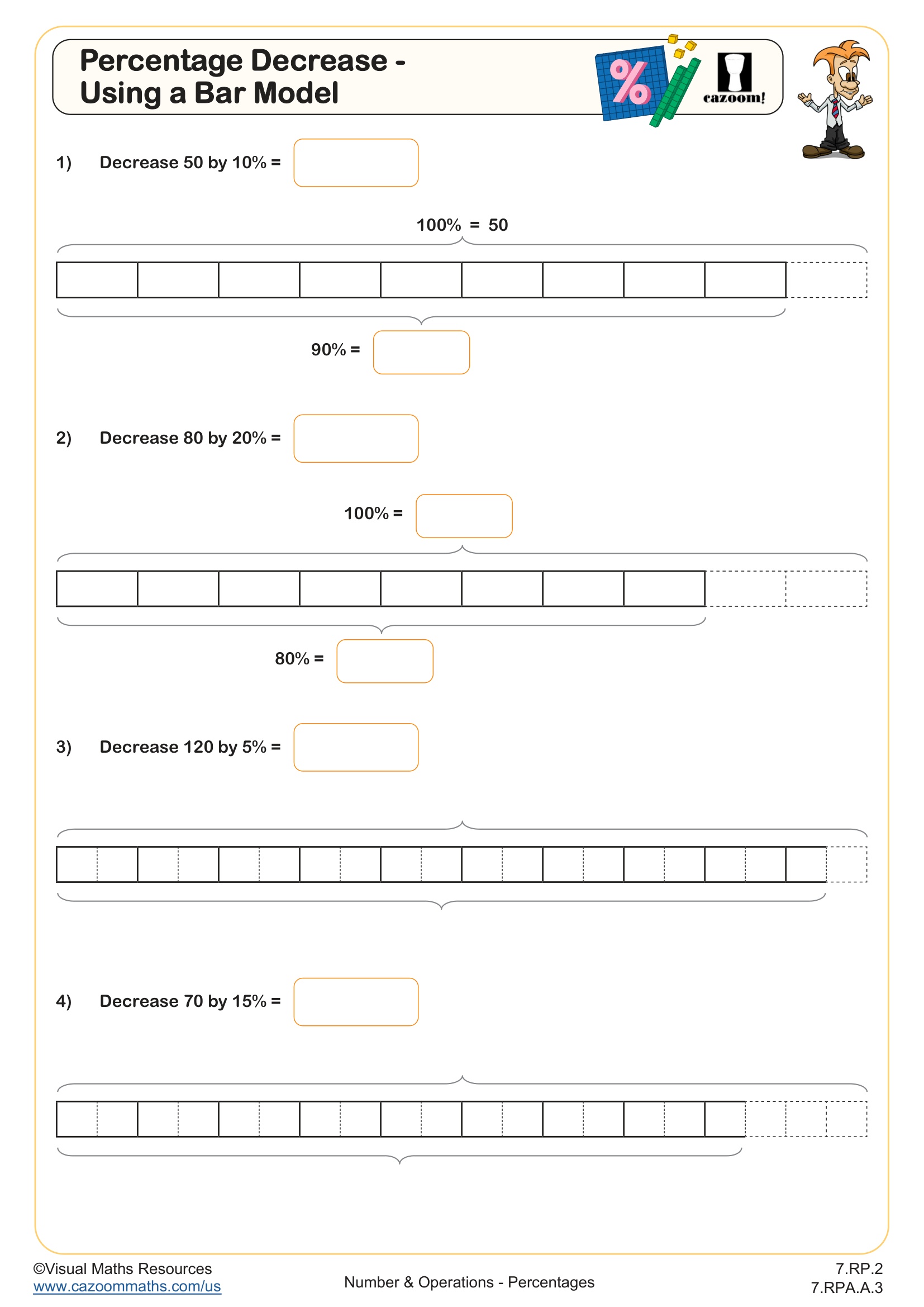
Percentage Decrease - Using a Bar Model
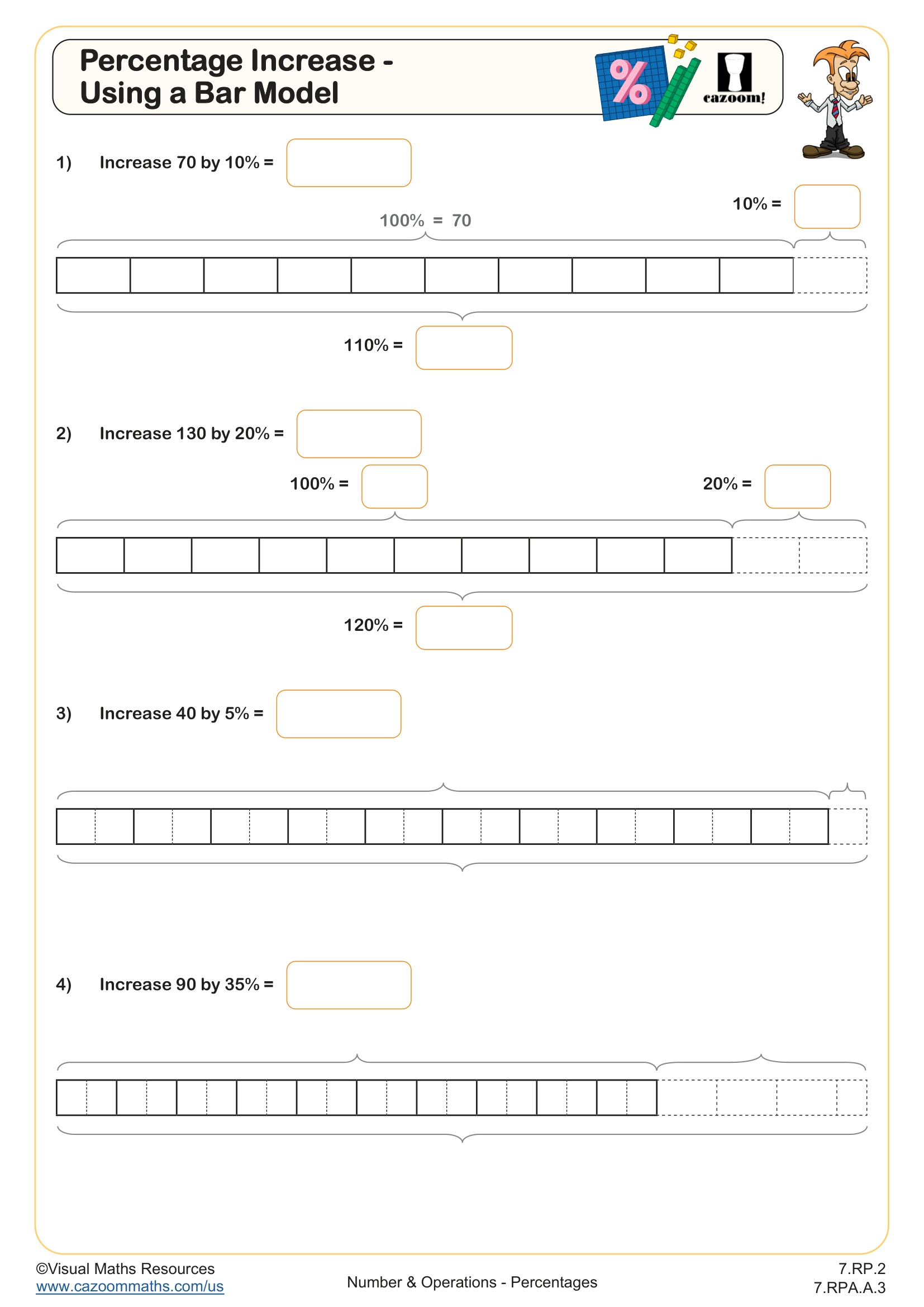
Percentage Increase - Using a Bar Model
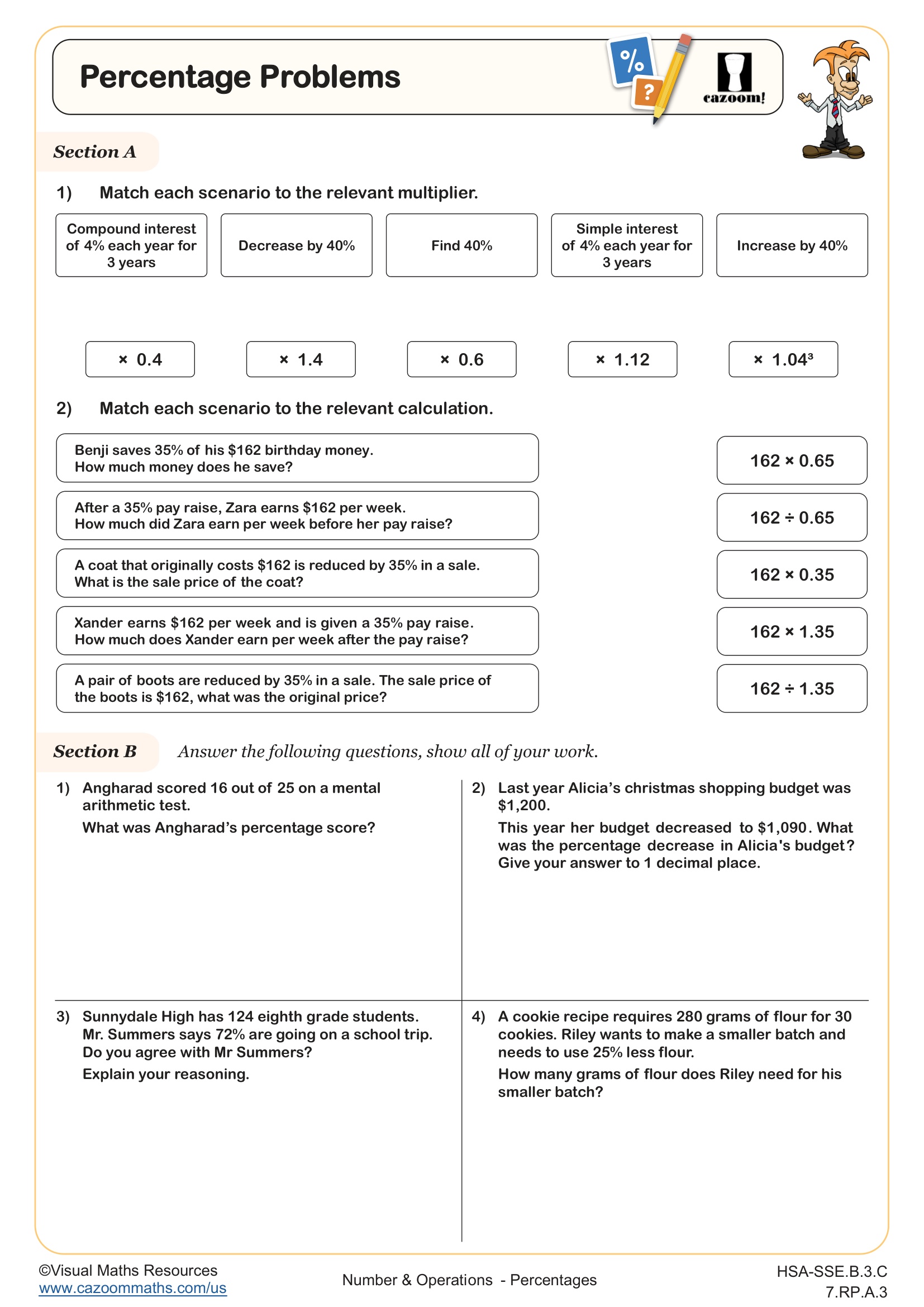
Percentage Problems
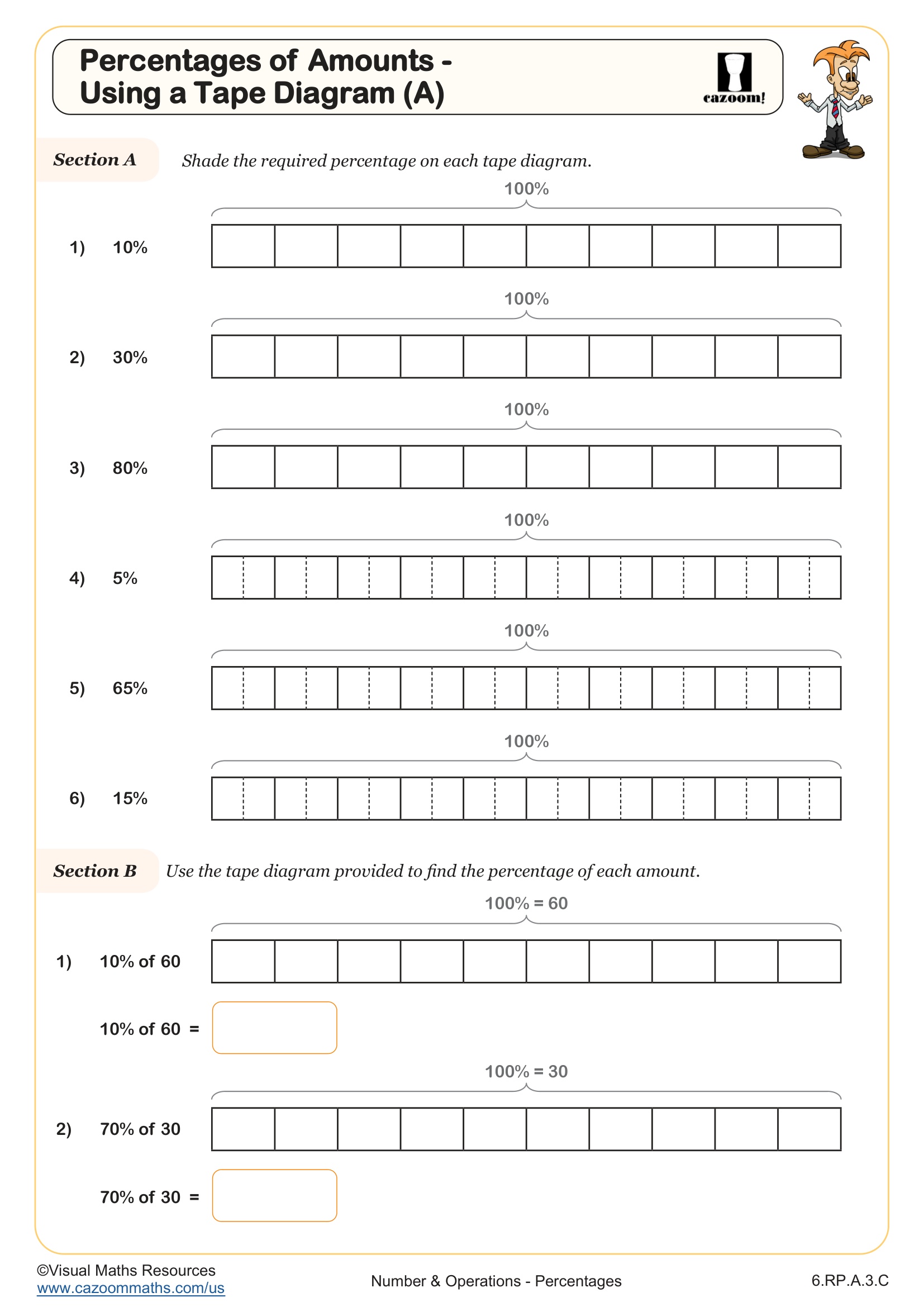
Percentages of Amounts - Using a Tape Diagram (A)
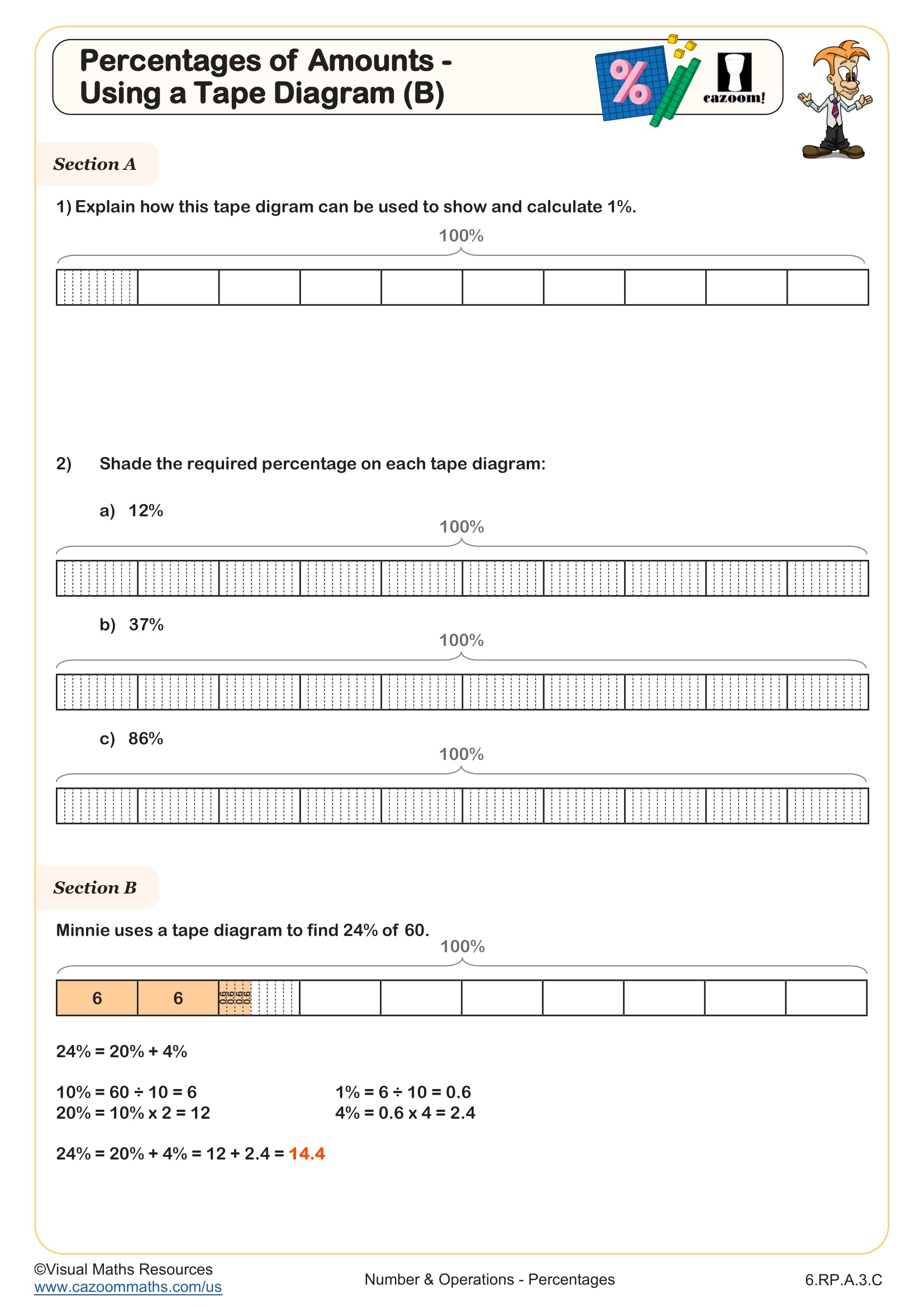
Percentages of Amounts - Using a Tape Diagram (B)
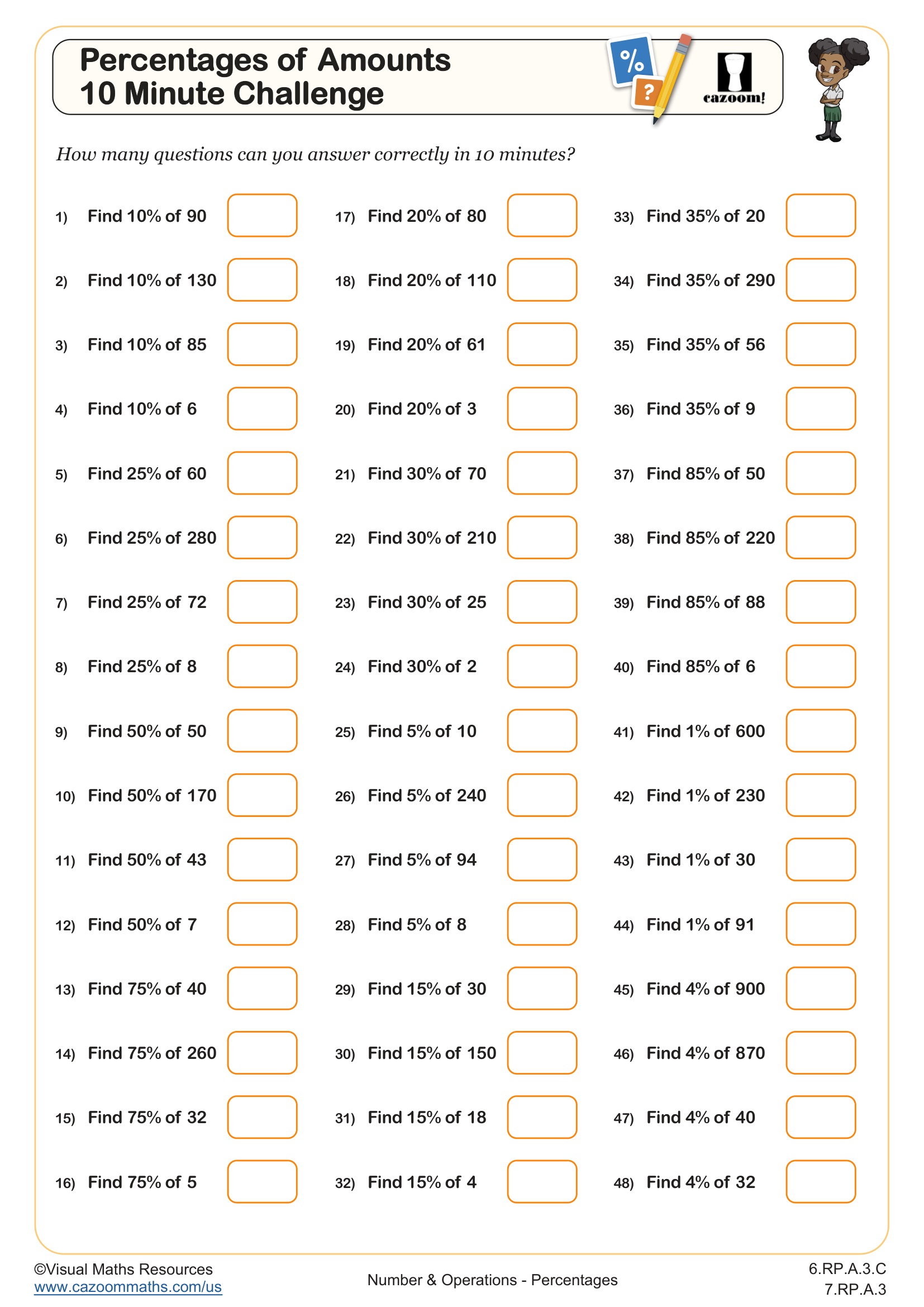
Percentages of Amounts 10 Minute Challenge
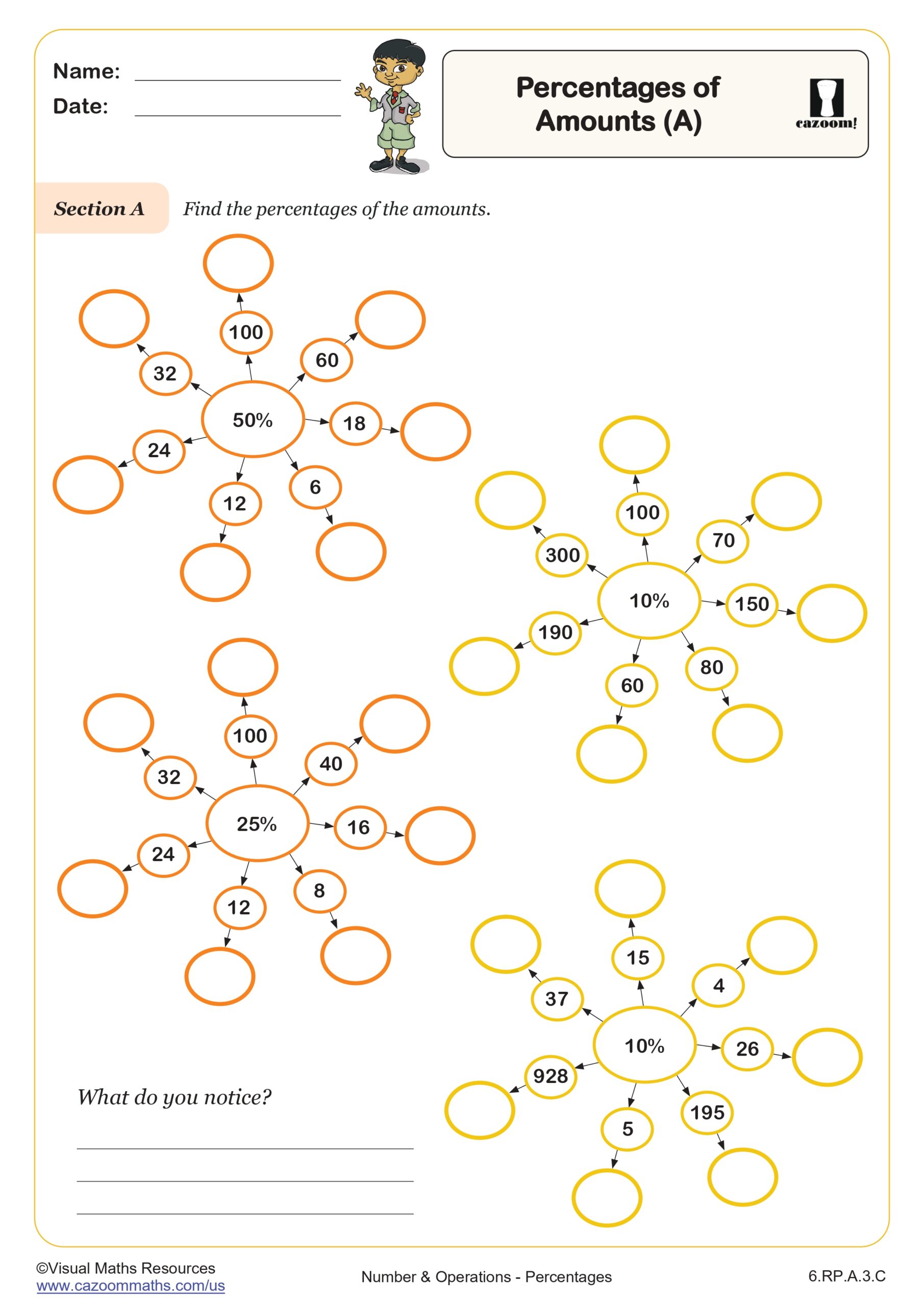
Percents of an Amount (A)
Percents of an Amount (B)
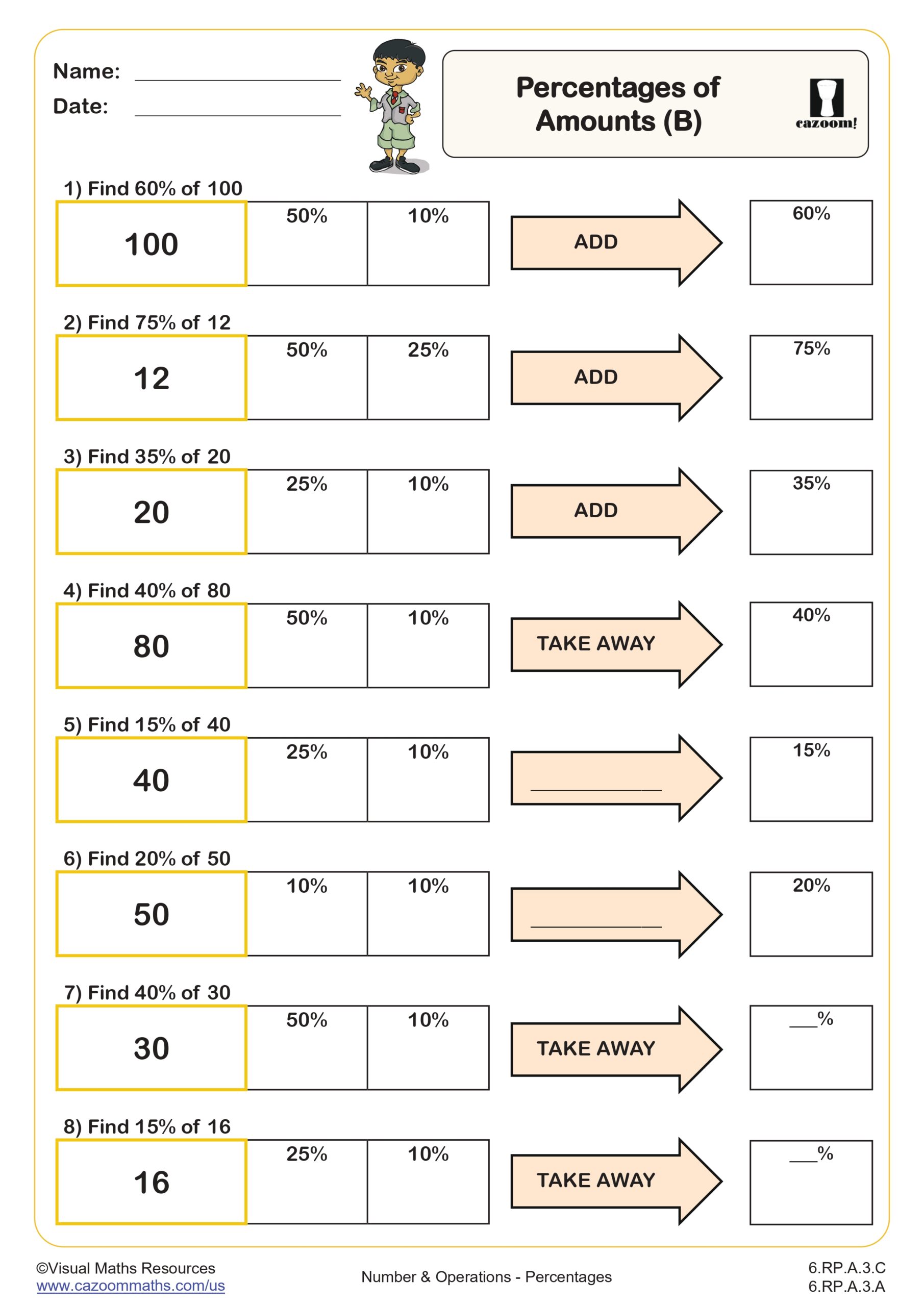
Percents of an Amount (C)
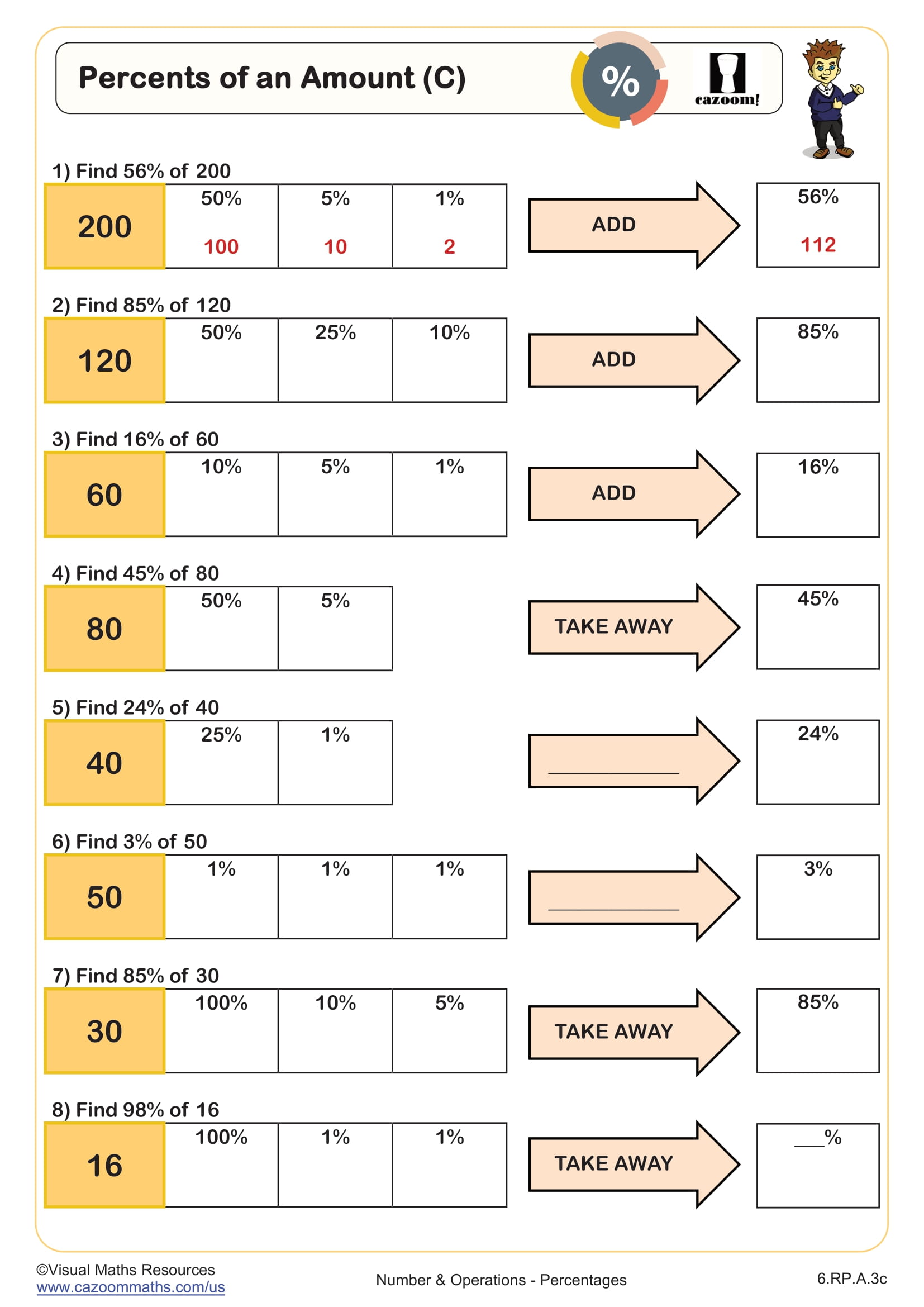
Percents of an Amount (D)
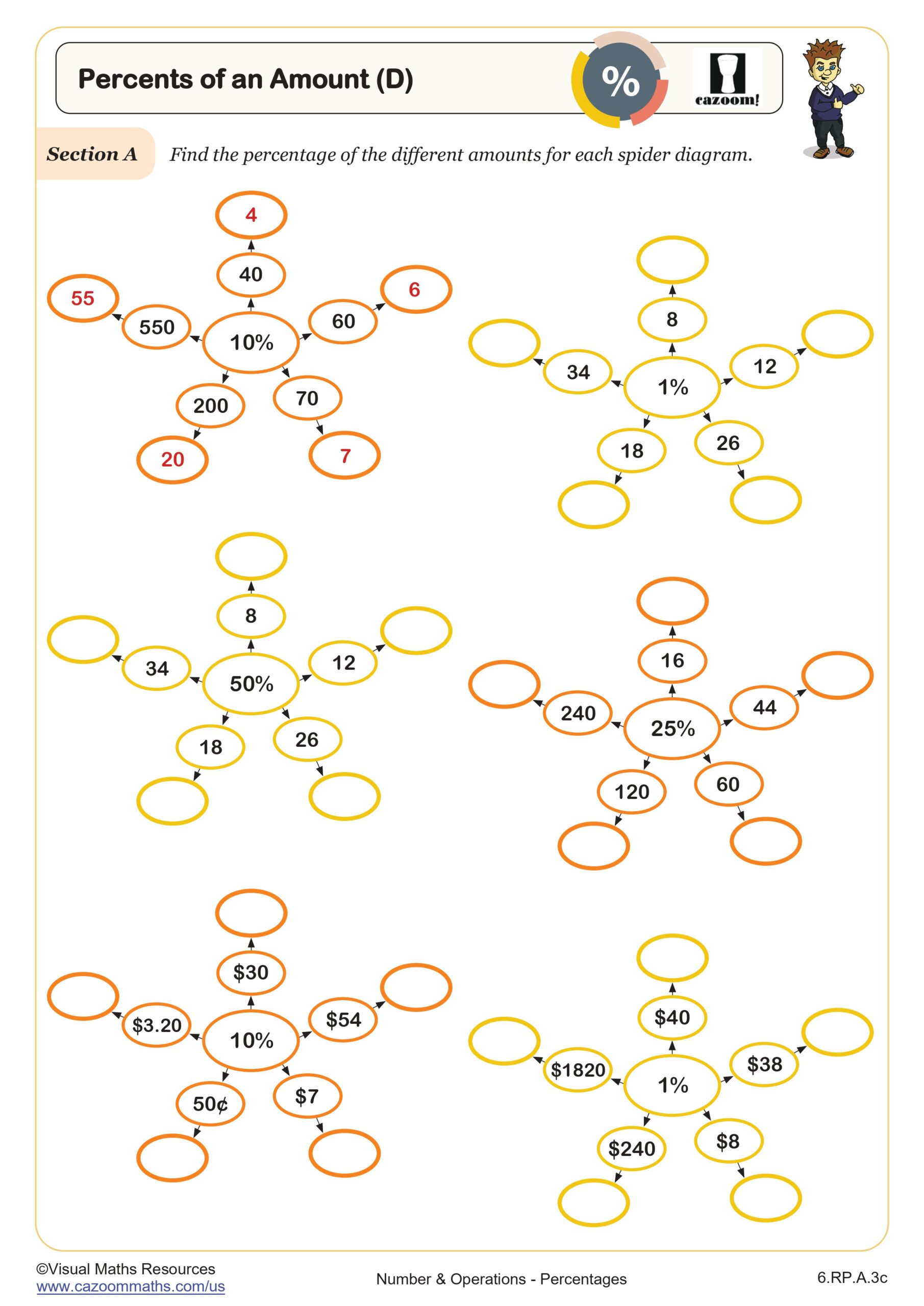
Percents of an Amount (E)
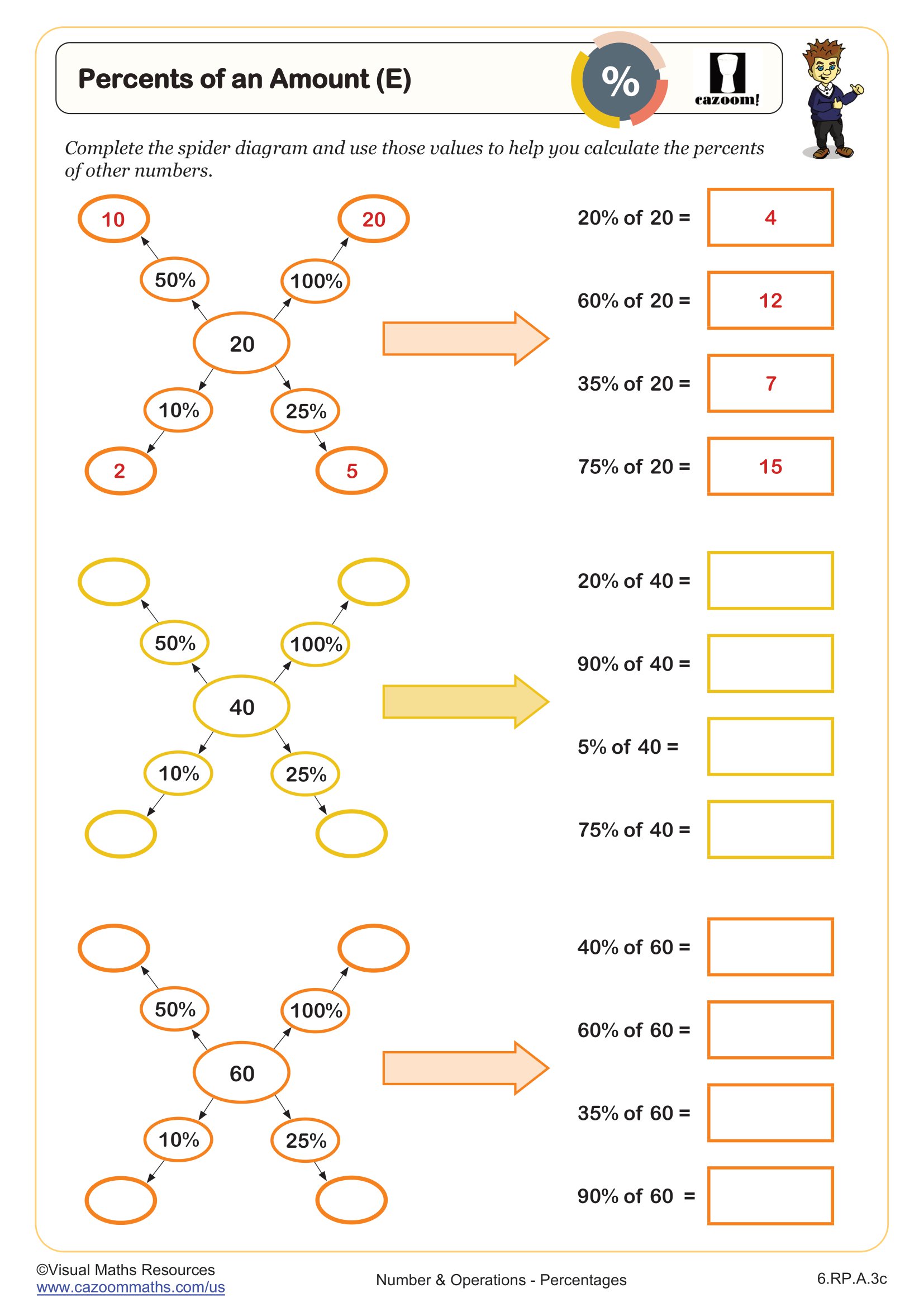
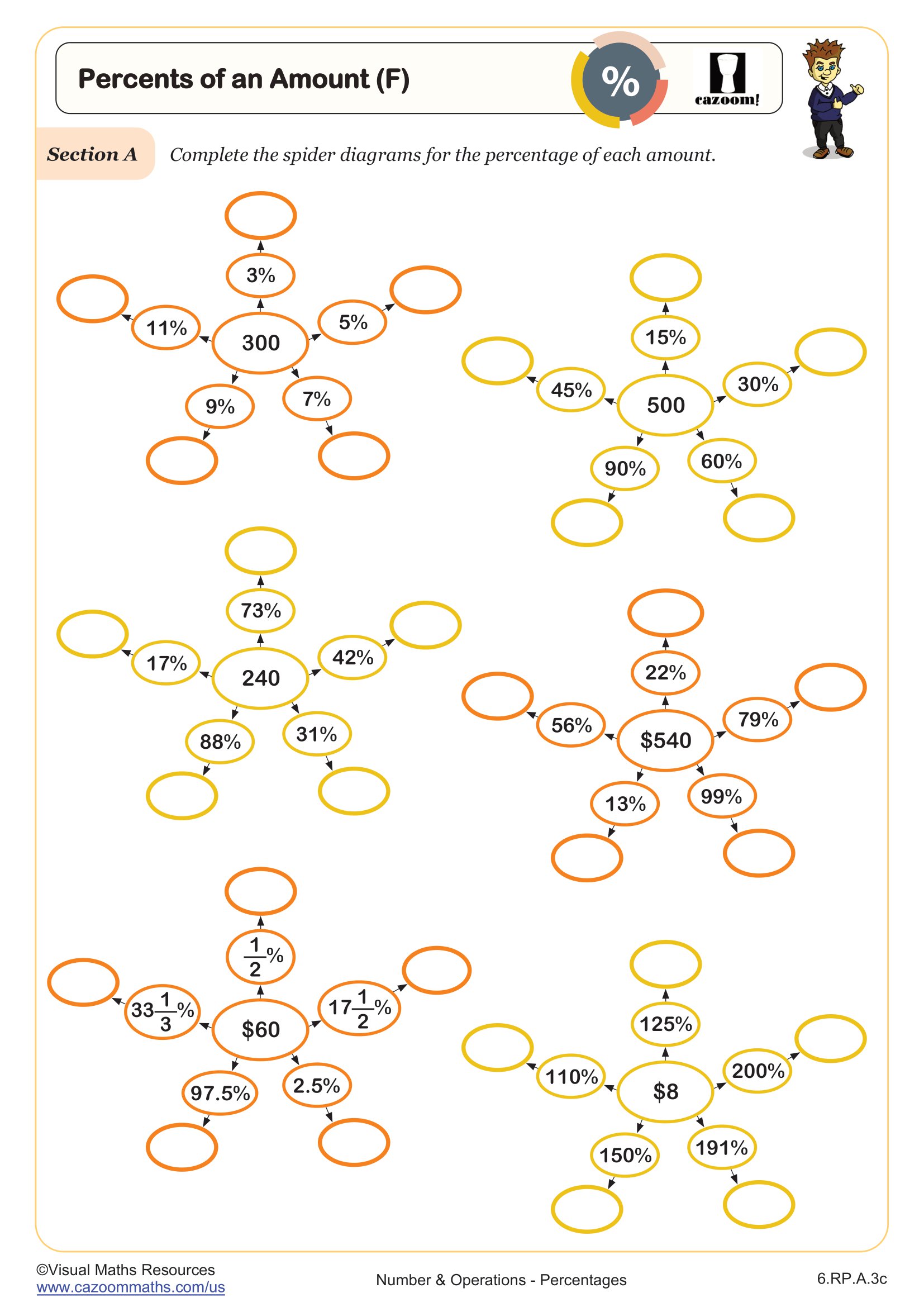
Percents of an Amount (F)
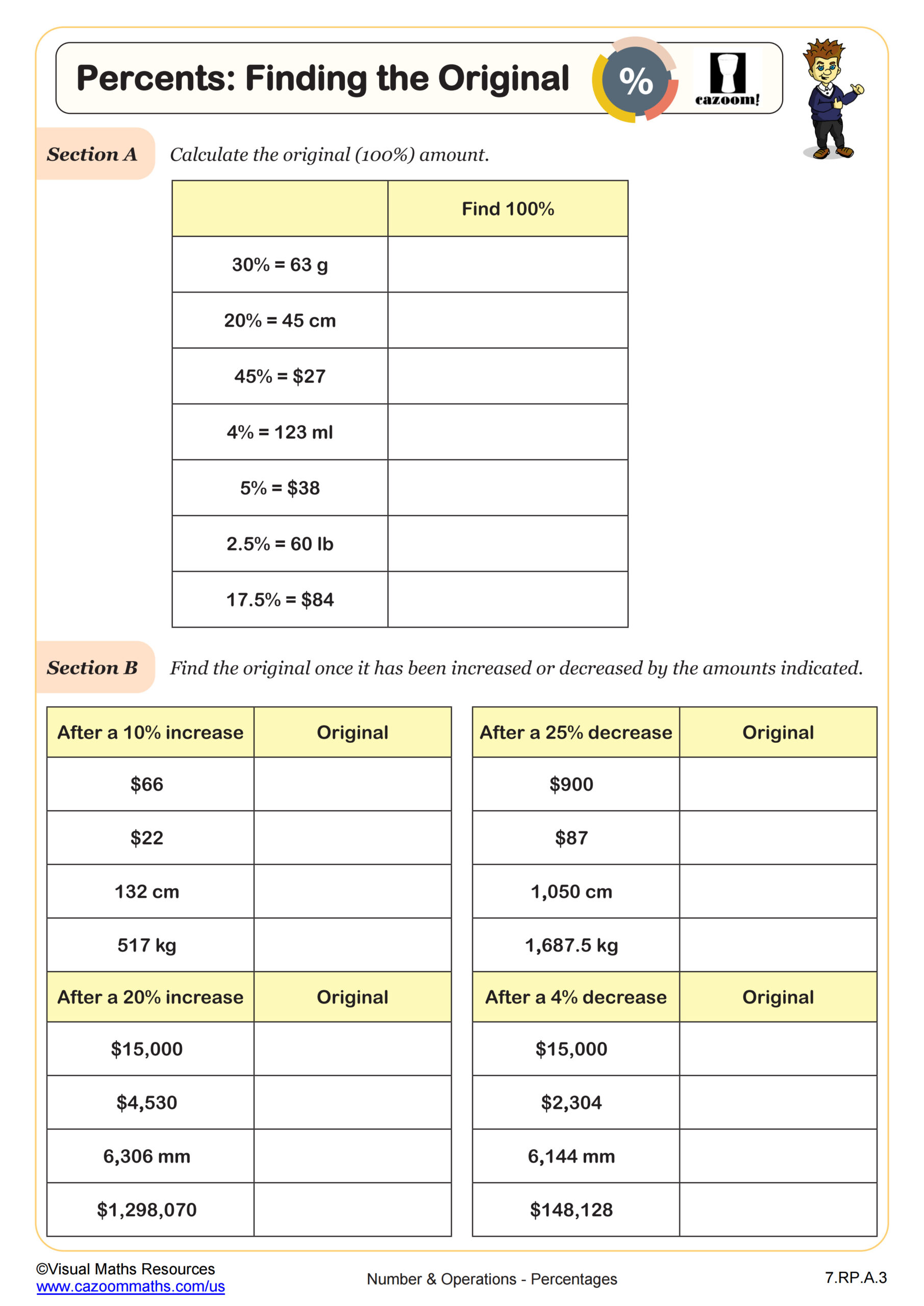
Percents: Finding the Original
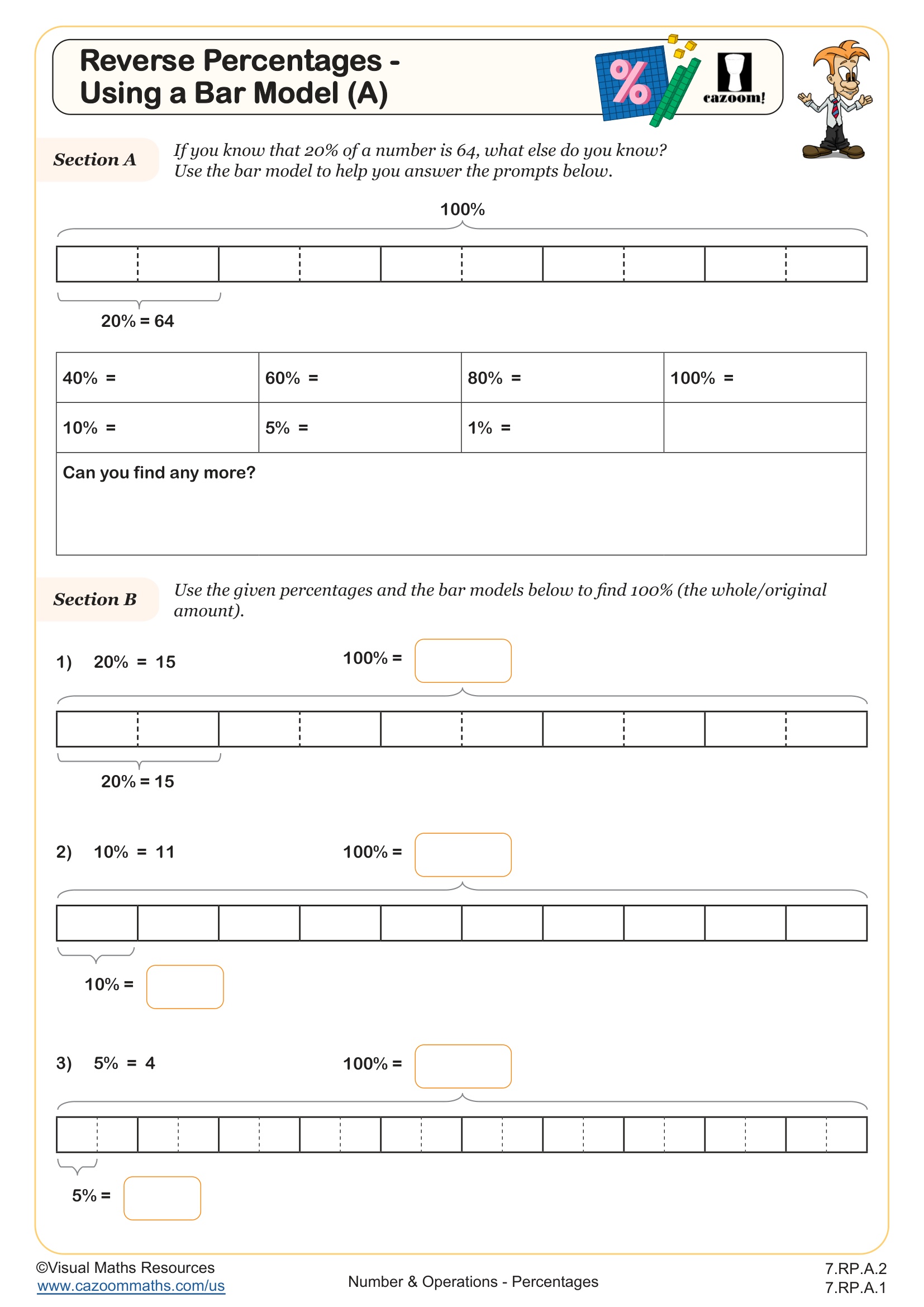
Reverse Percentages - Using a Bar Model (A)
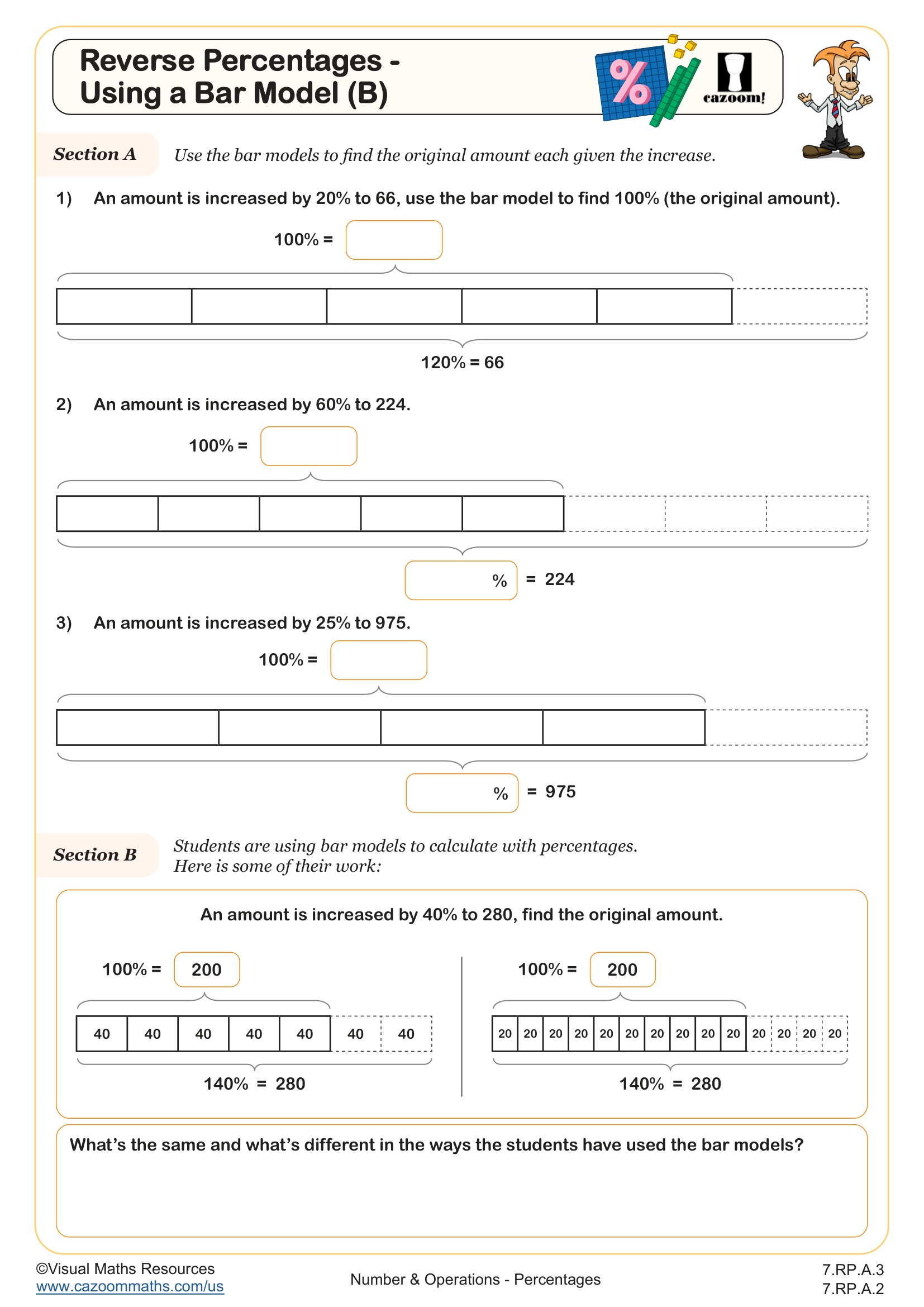
Reverse Percentages - Using a Bar Model (B)
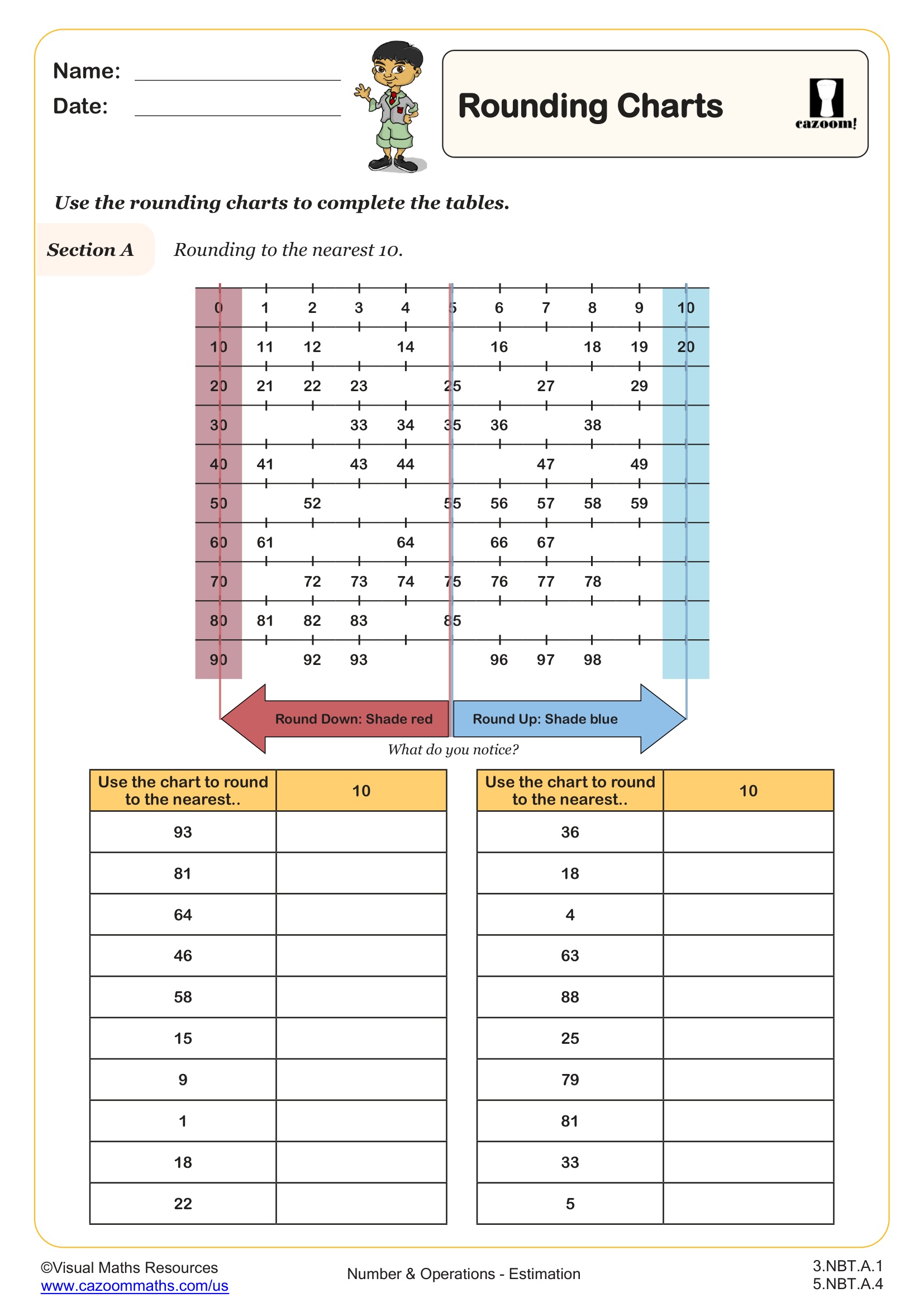
Rounding Charts
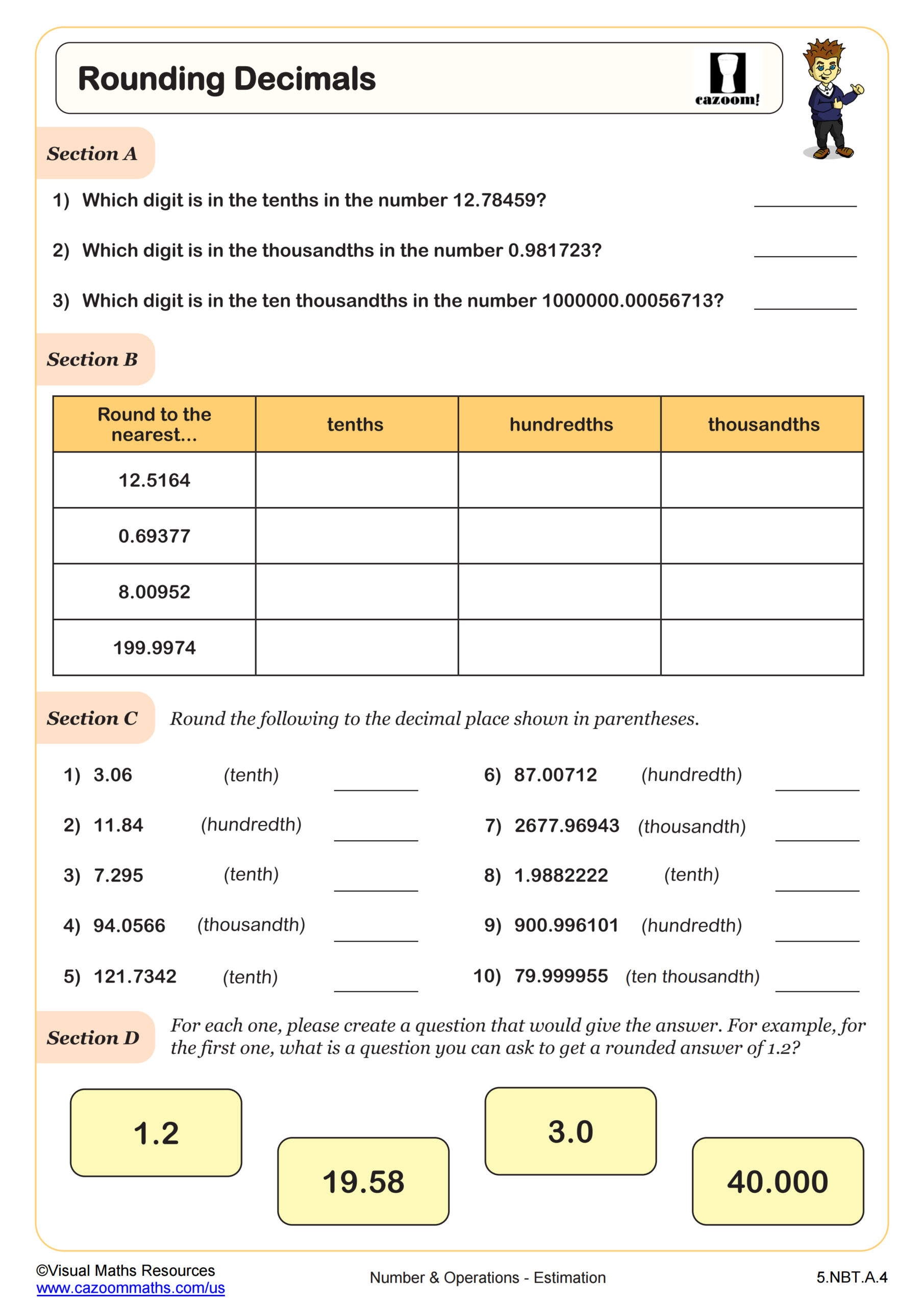
Rounding Decimals
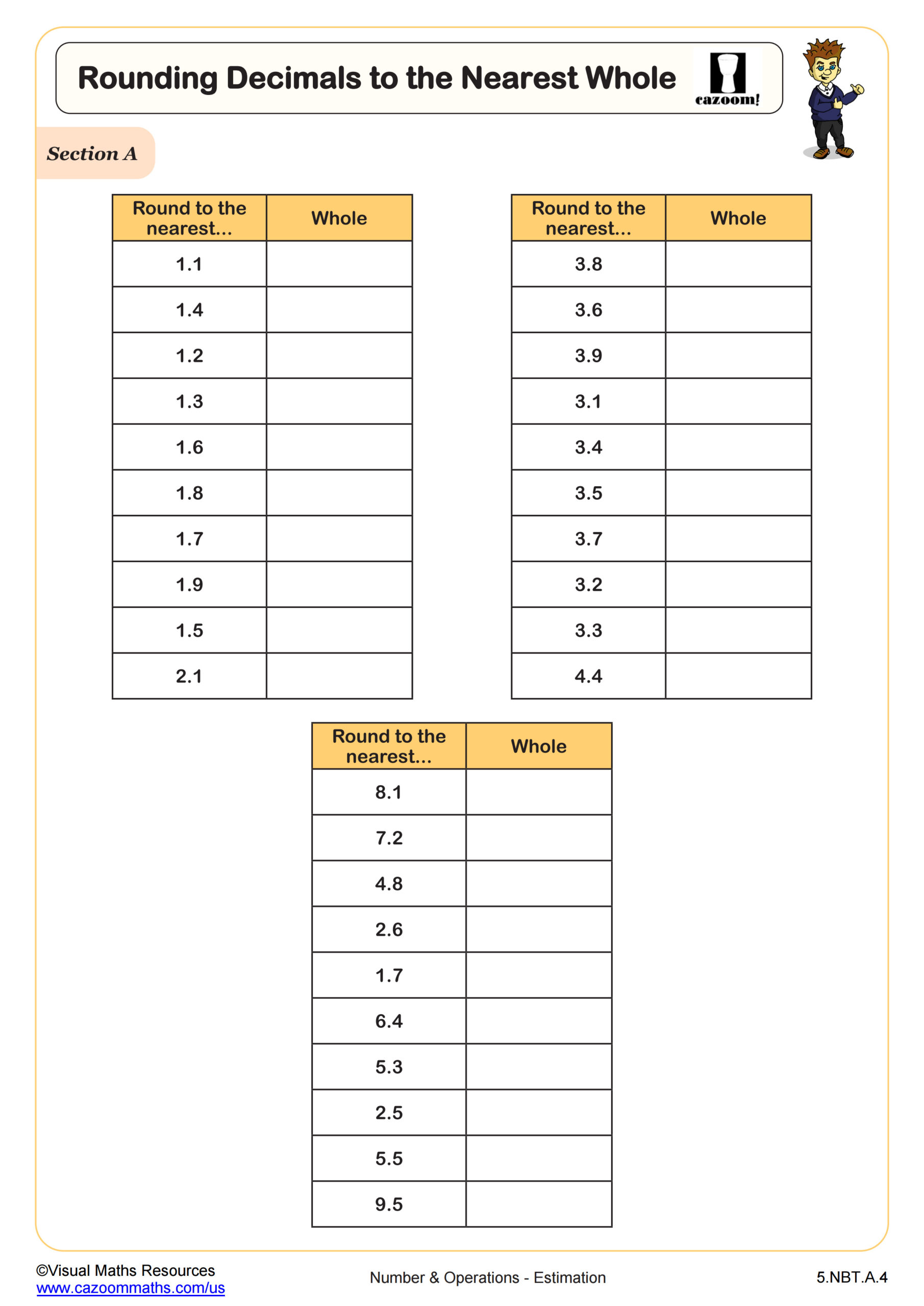
Rounding Decimals to the Nearest Whole
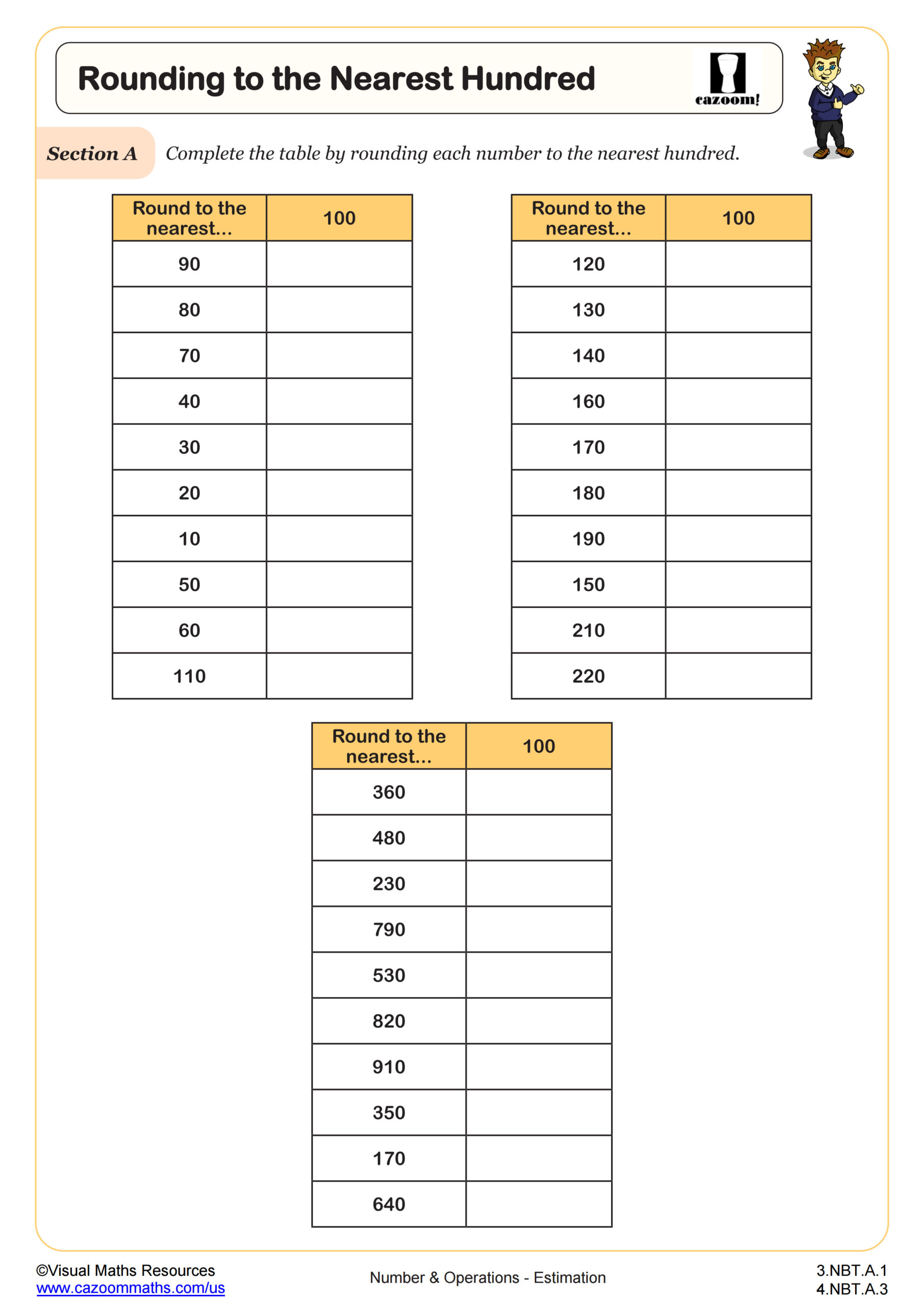
Rounding to the Nearest Hundred
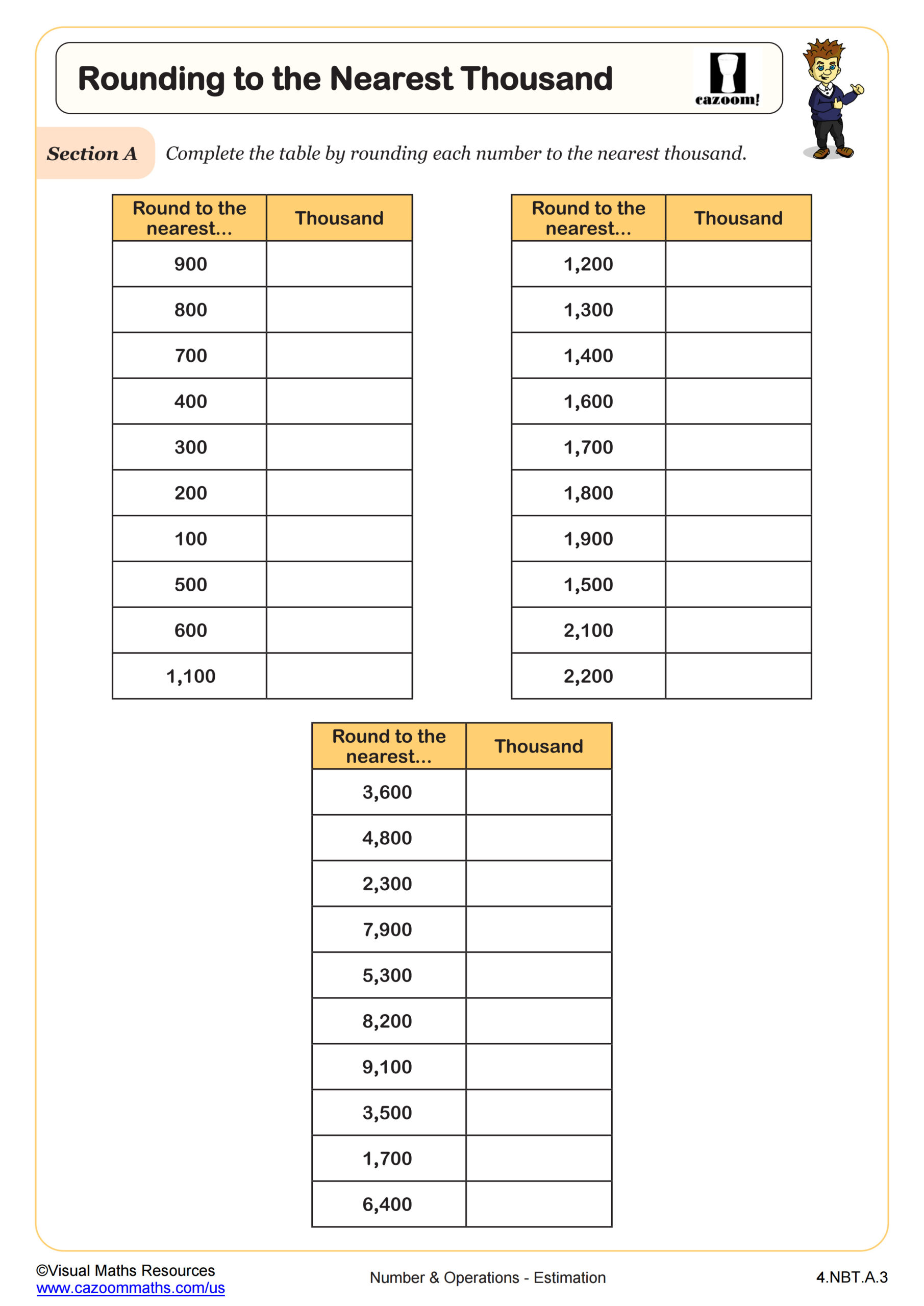
Rounding to the Nearest Thousand
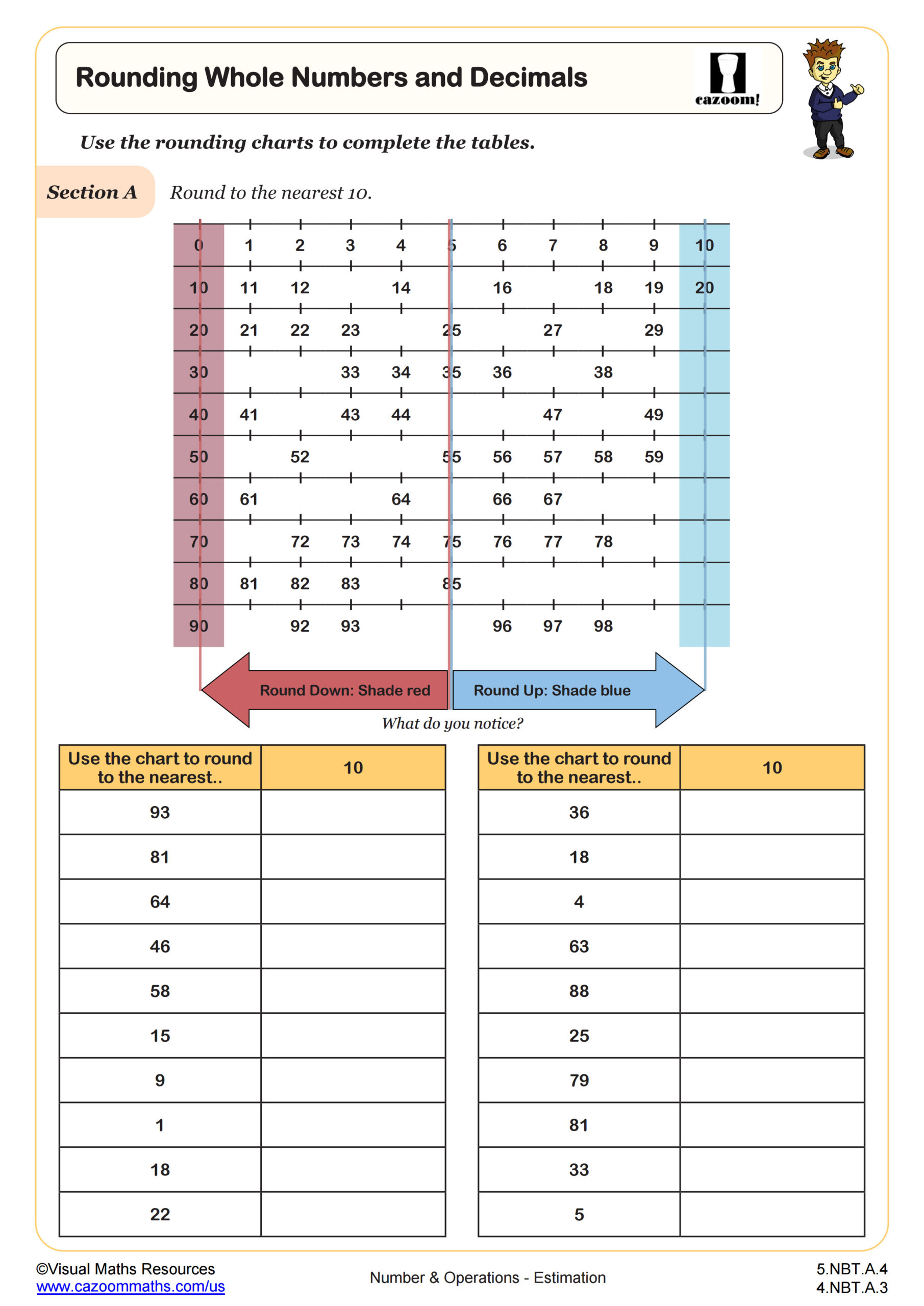
Rounding Whole Numbers and Decimals
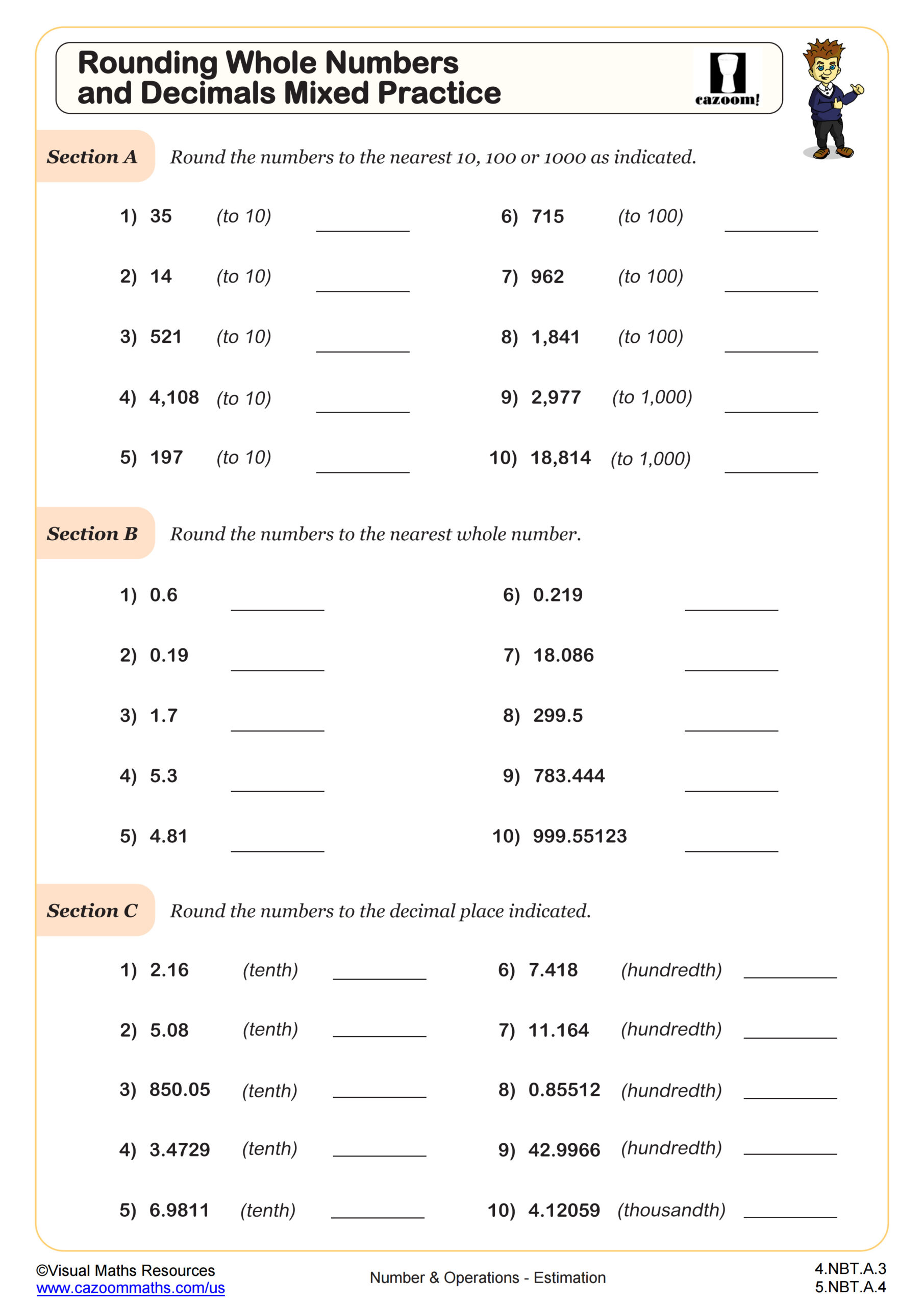
Rounding Whole Numbers and Decimals Mixed Practice
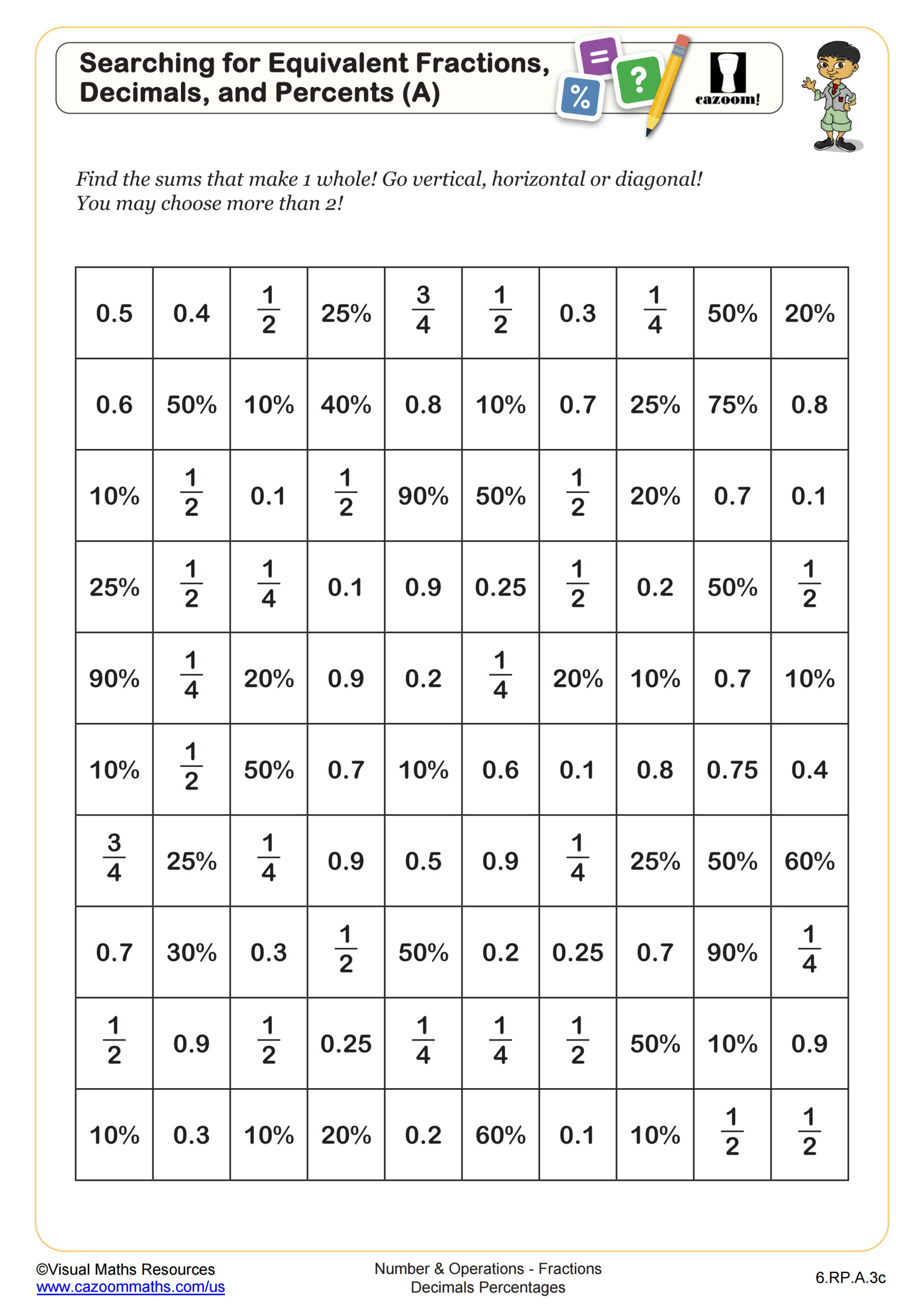
Searching for Equivalent Fractions, Decimals, and Percents (A)
Searching for Equivalent Fractions, Decimals, and Percents (B)
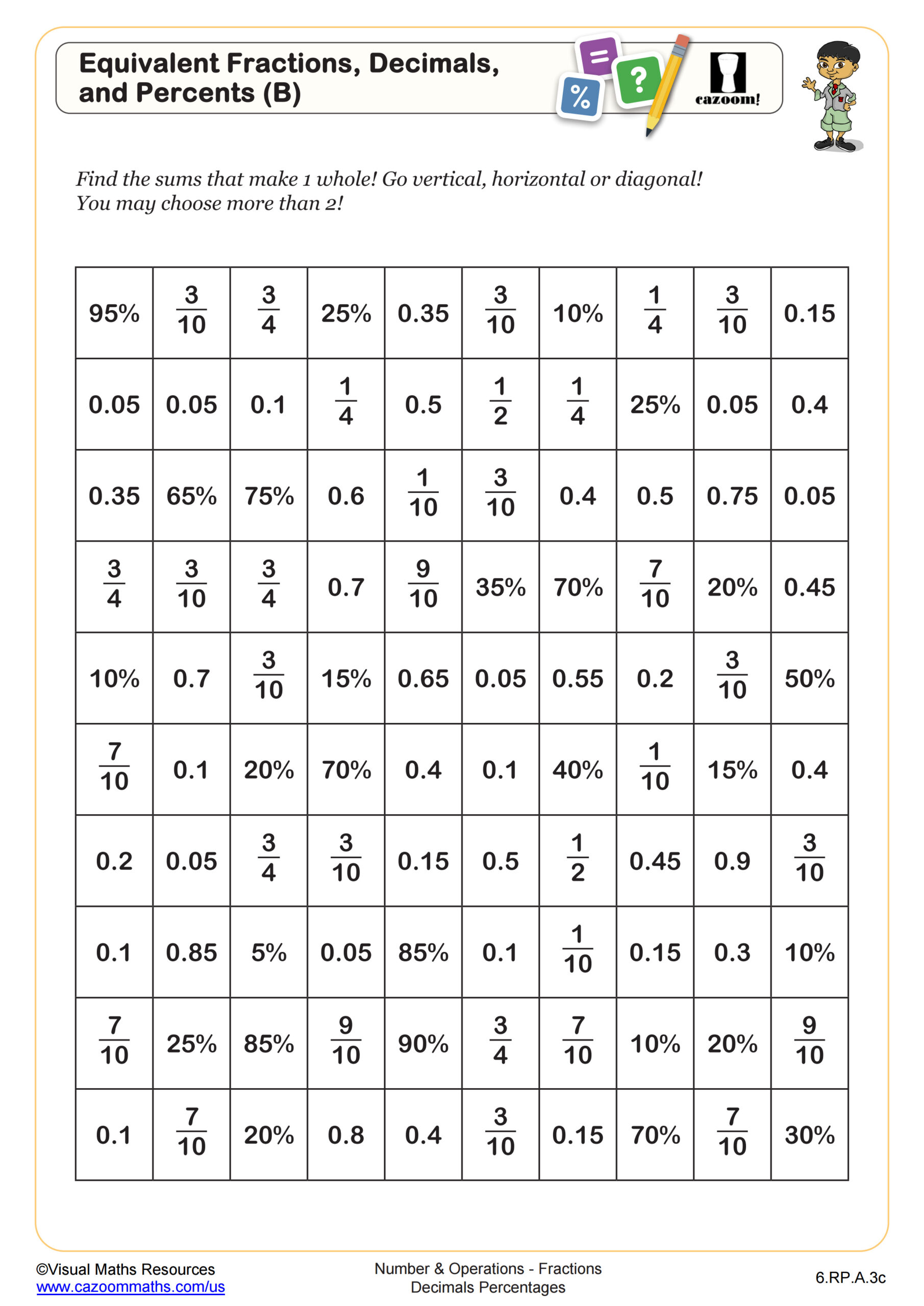
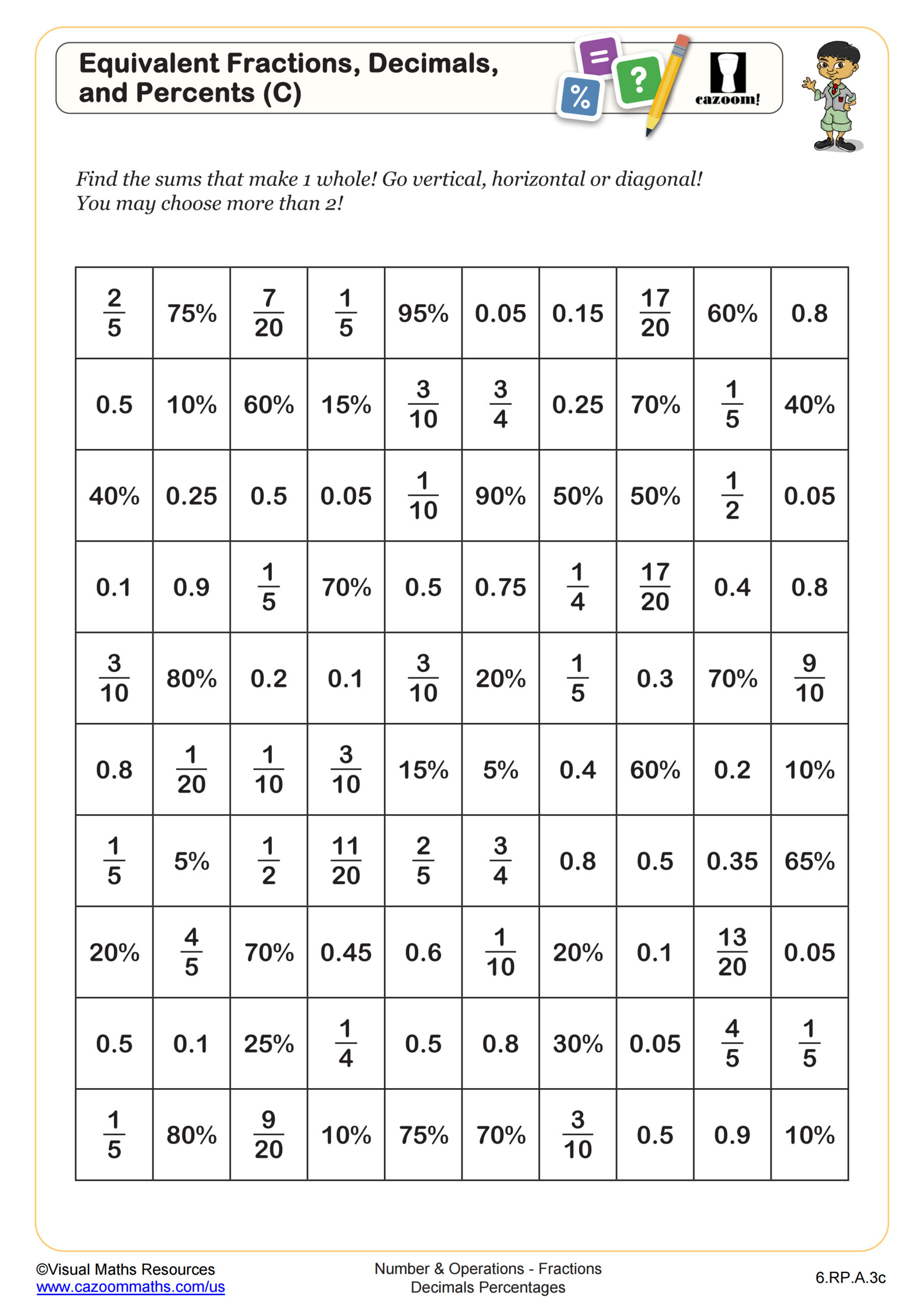
Searching for Equivalent Fractions, Decimals, and Percents (C)
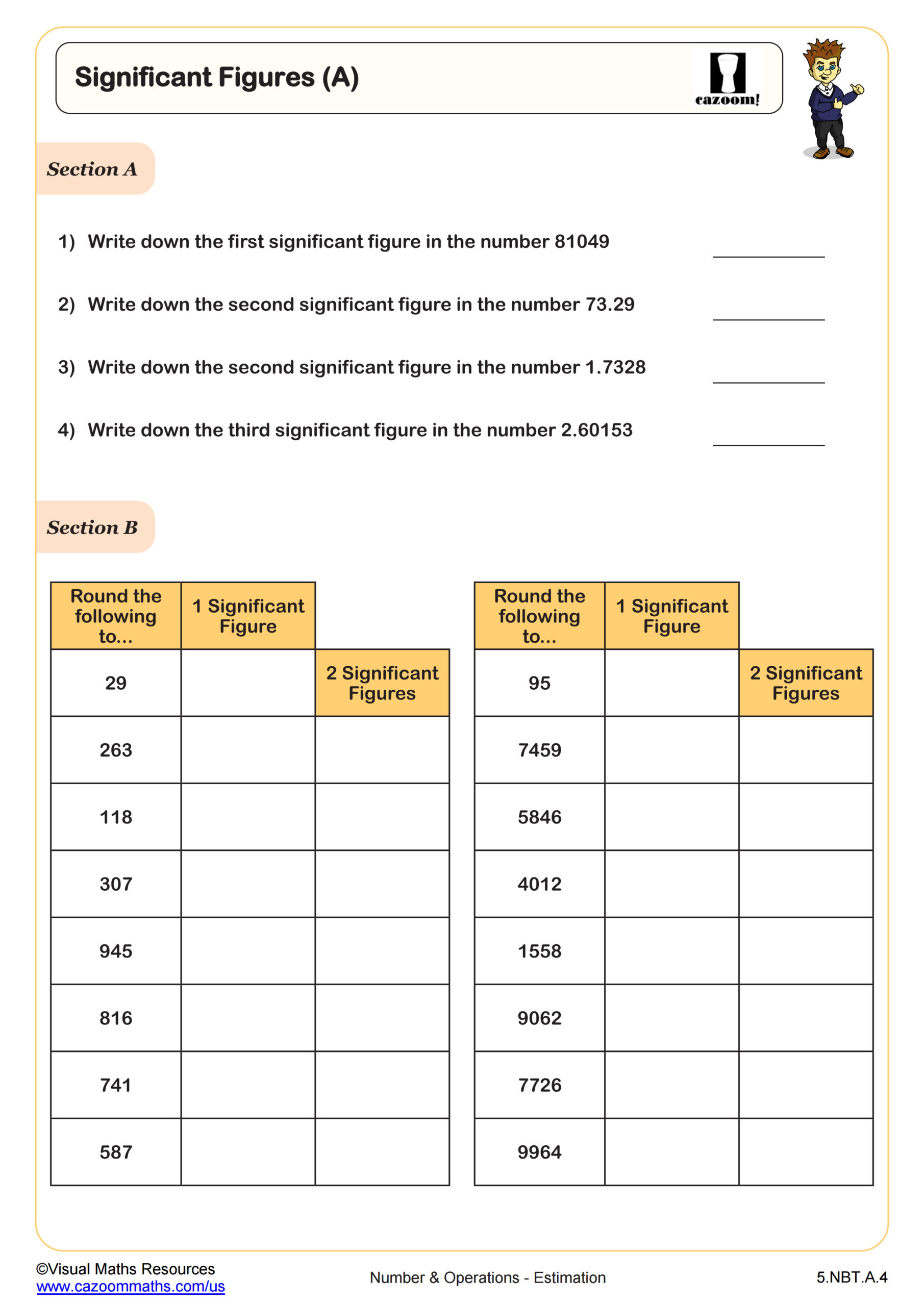
Significant Figures (A)
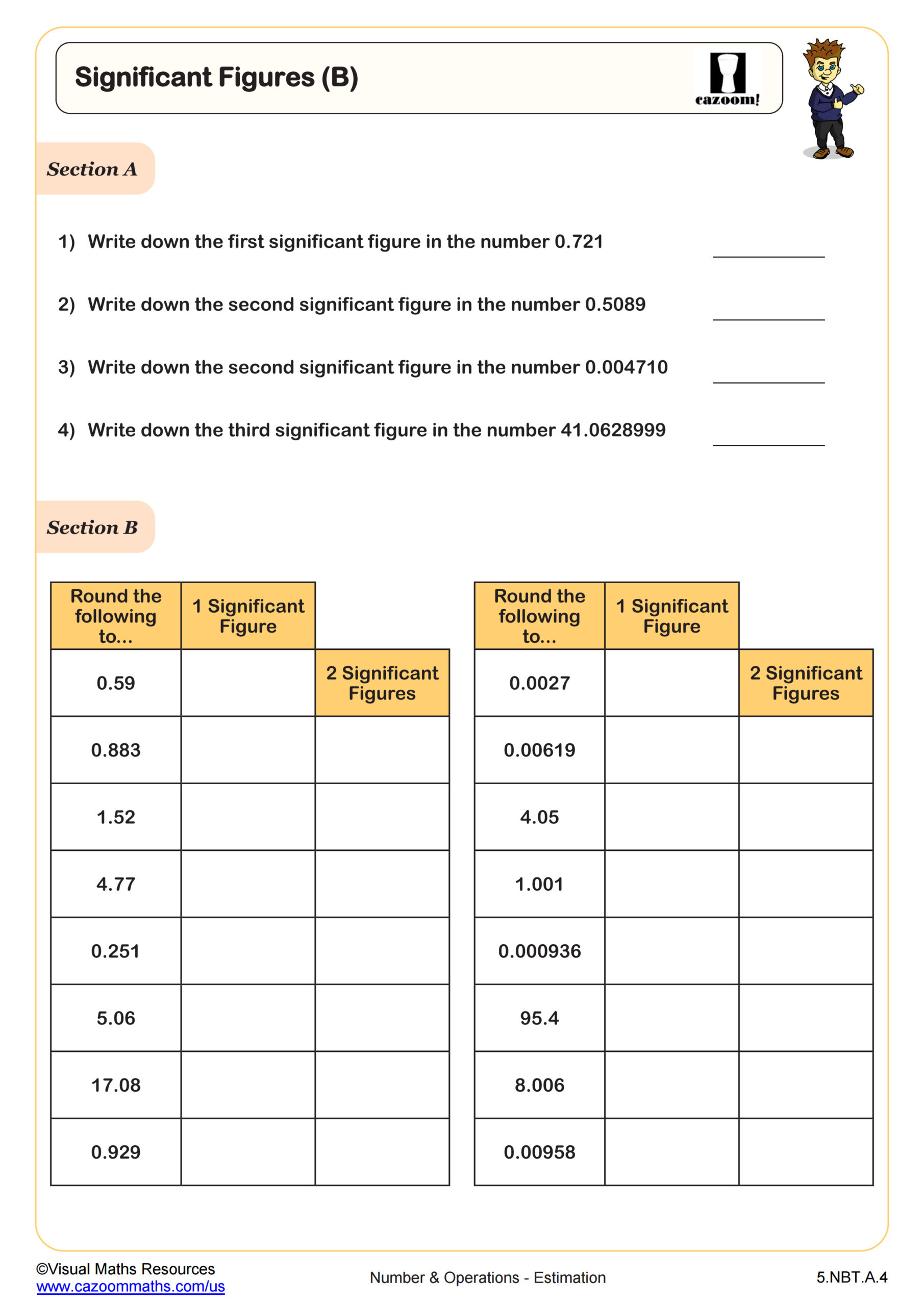
Significant Figures (B)
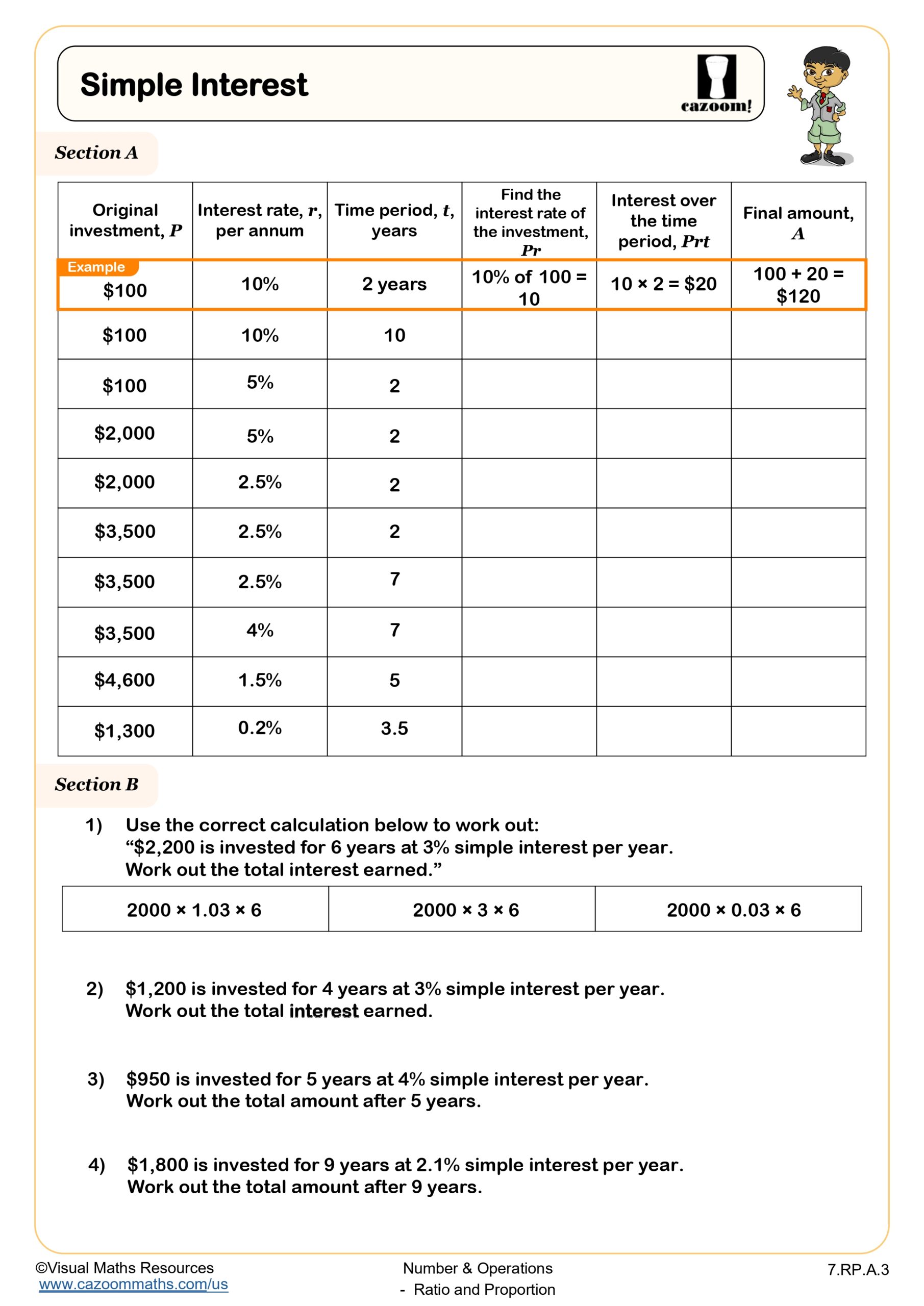
Simple Interest
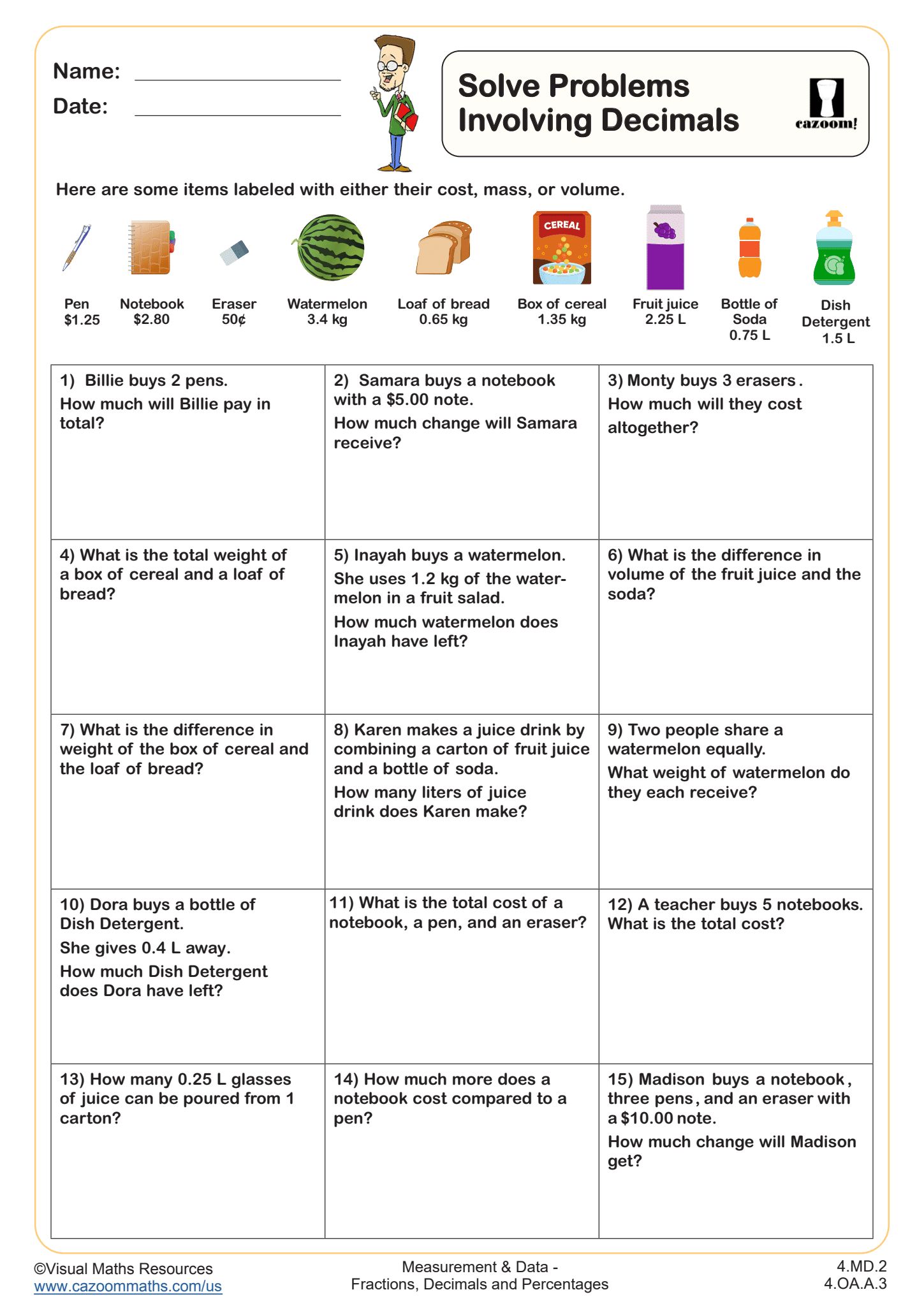
Solve Problems Involving Decimals
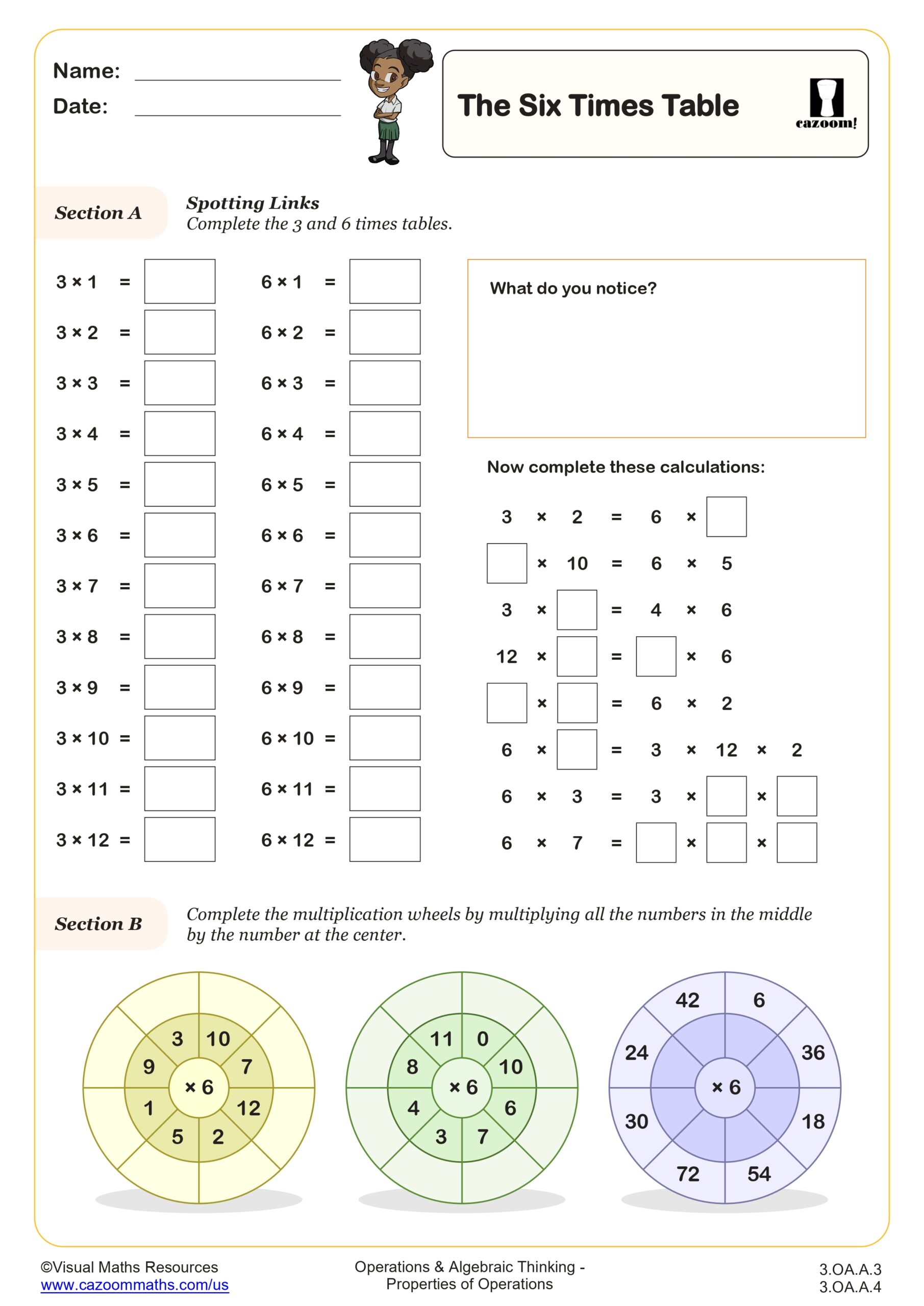
The Six Times Table
All worksheets are created by the team of experienced teachers at Cazoom Math.
What makes effective 1 st class math instruction for number operations?
Effective 1 st class math instruction focuses on building conceptual understanding alongside procedural fluency in number operations. Second grade students need multiple representations of numbers through base-ten blocks, number lines, and hundreds charts to develop strong place value foundations that support computational thinking.
Teachers notice that students who master decomposing numbers into tens and ones show significantly better performance on two-digit addition and subtraction problems. The transition from concrete manipulatives to abstract symbols requires careful scaffolding, and worksheets that incorporate visual models help bridge this gap effectively.
How do second grade number standards differ from first grade expectations?
Second grade number and operations standards extend first grade skills to larger numbers and more complex problem-solving situations. While first graders work primarily within 20, second graders must demonstrate fluency with addition and subtraction within 100 and understand place value to 1000.
The leap from single-digit to multi-digit operations represents a significant cognitive shift for young learners. Teachers observe that students who struggle with this transition often lack solid understanding of place value concepts, making targeted practice with regrouping and number relationships core for building computational confidence.
Why do students struggle with regrouping in addition and subtraction?
Regrouping challenges stem from incomplete understanding of place value and the base-ten number system. Students often view numbers as collections of individual digits rather than understanding the positional value each digit represents within the larger number.
Teachers frequently see students who can perform regrouping mechanically but cannot explain why the process works. This procedural knowledge without conceptual understanding leads to errors when students encounter non-routine problems or forget specific steps in multi-step calculations.
How can teachers maximize student learning with these worksheets?
Teachers achieve better results when they use worksheets as formative assessment tools rather than isolated practice activities. Reviewing student work patterns helps identify specific misconceptions that require targeted intervention, particularly around place value and operational strategies.
Many teachers find success pairing worksheet practice with manipulative work and peer discussions. Students benefit from explaining their thinking processes, and teachers can address conceptual gaps before they become entrenched habits. The included answer keys support immediate feedback, allowing teachers to redirect student thinking during the learning process.