2nd Grade Operations and Algebraic Thinking Worksheets
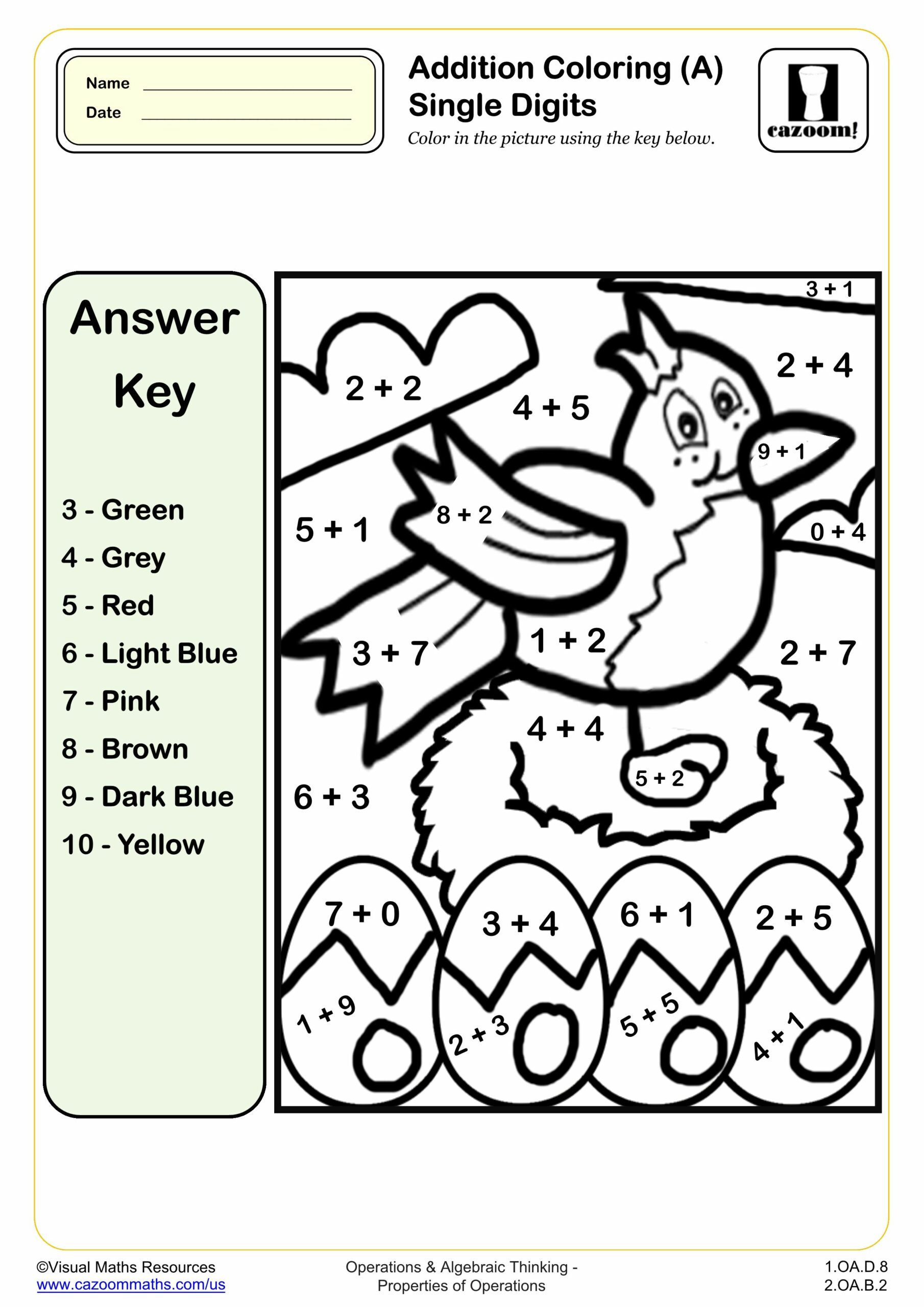
Addition Coloring (A) Single Digits
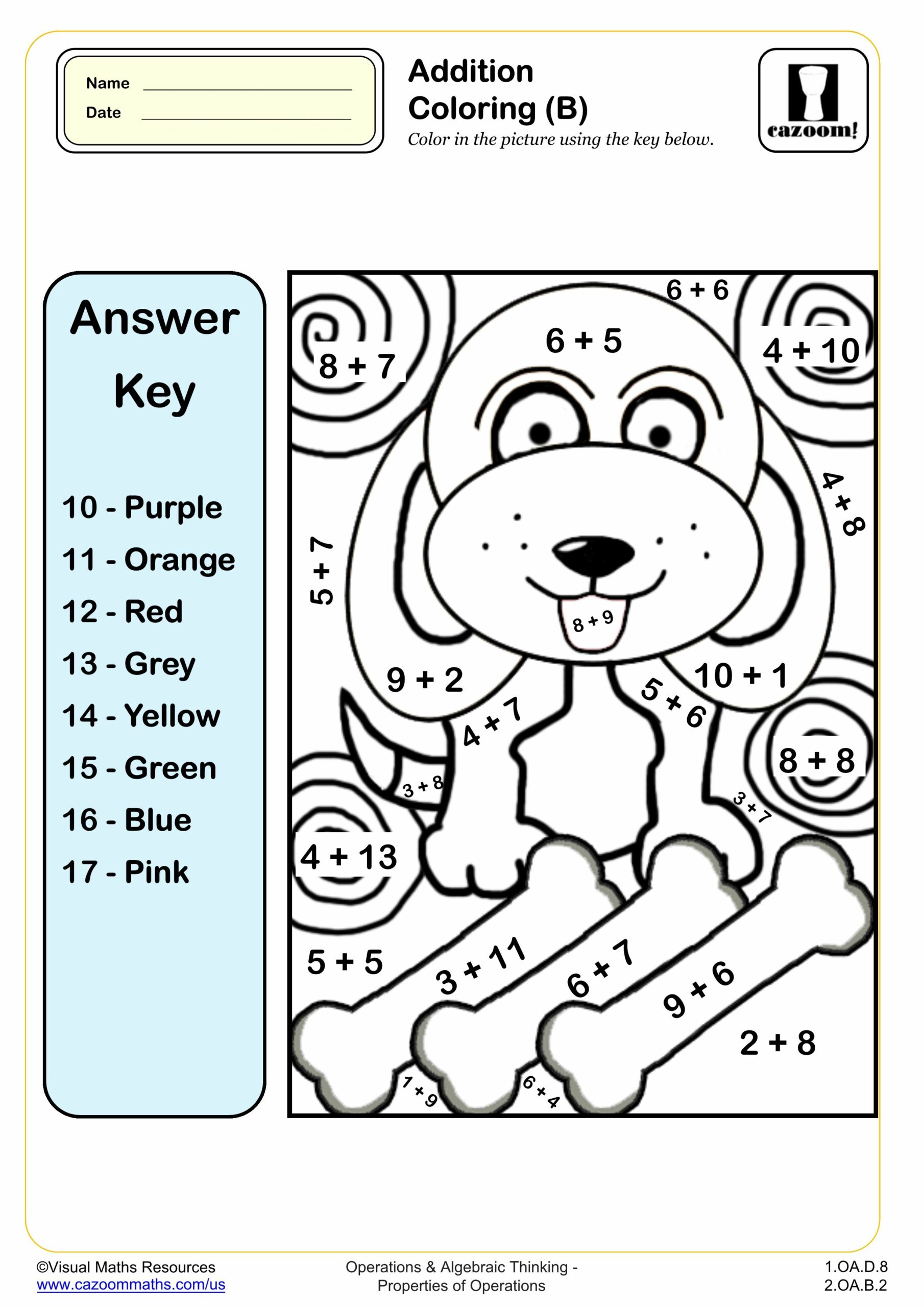
Addition Coloring (B)
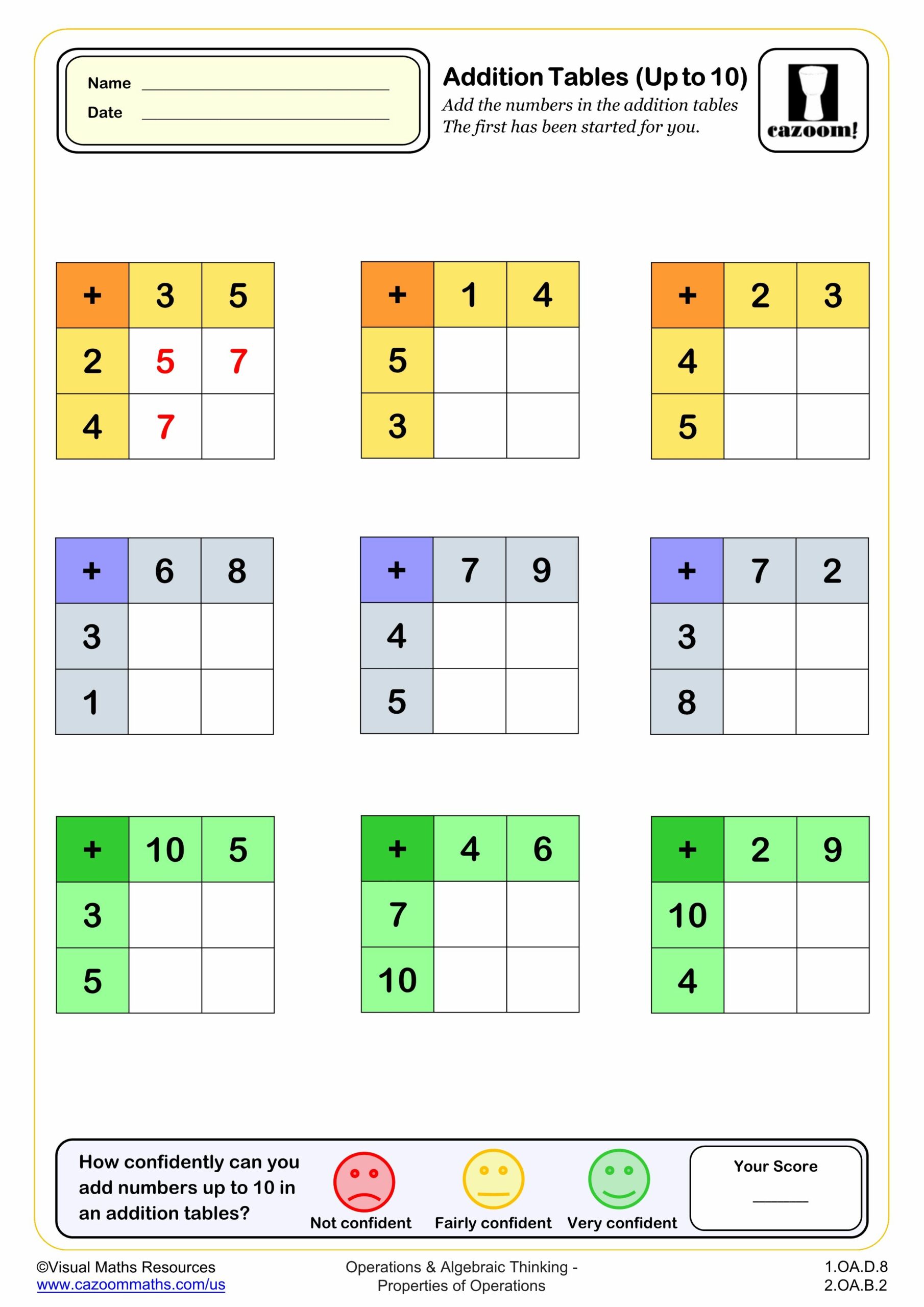
Addition Tables up to 10
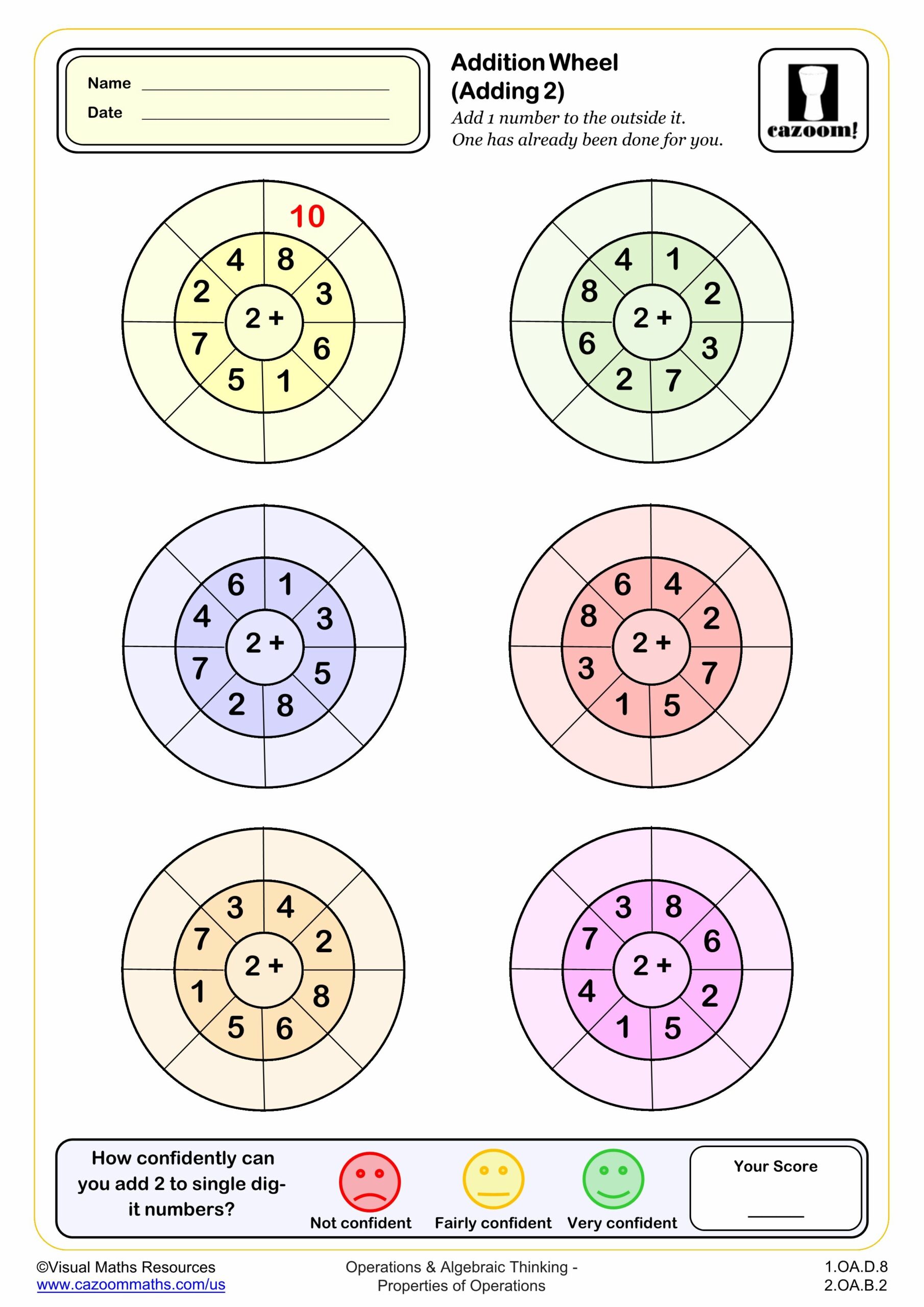
Addition Wheels (adding 2)
Addition Wheels (Up to 10)
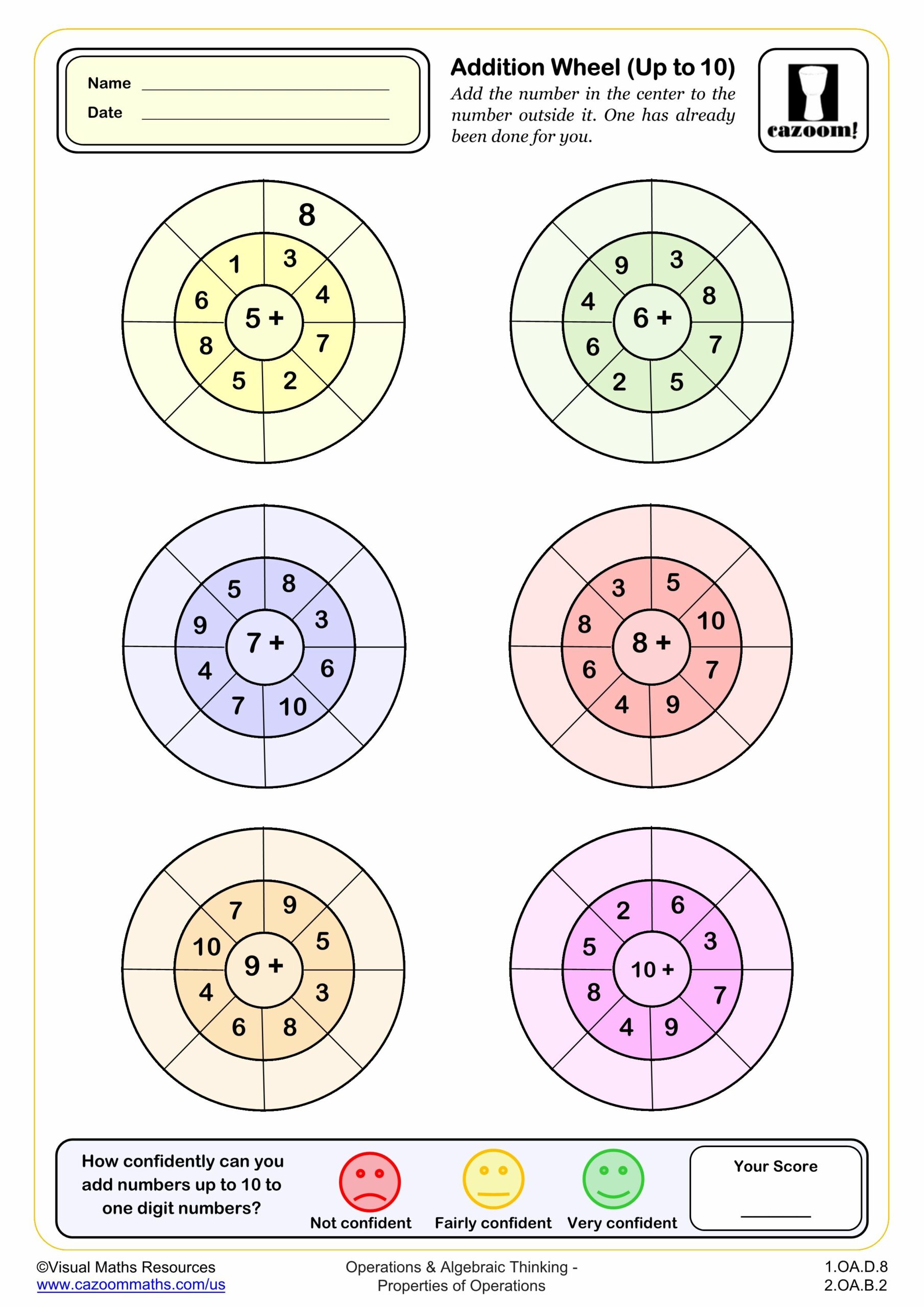
Addition Wheels (Up to 17)
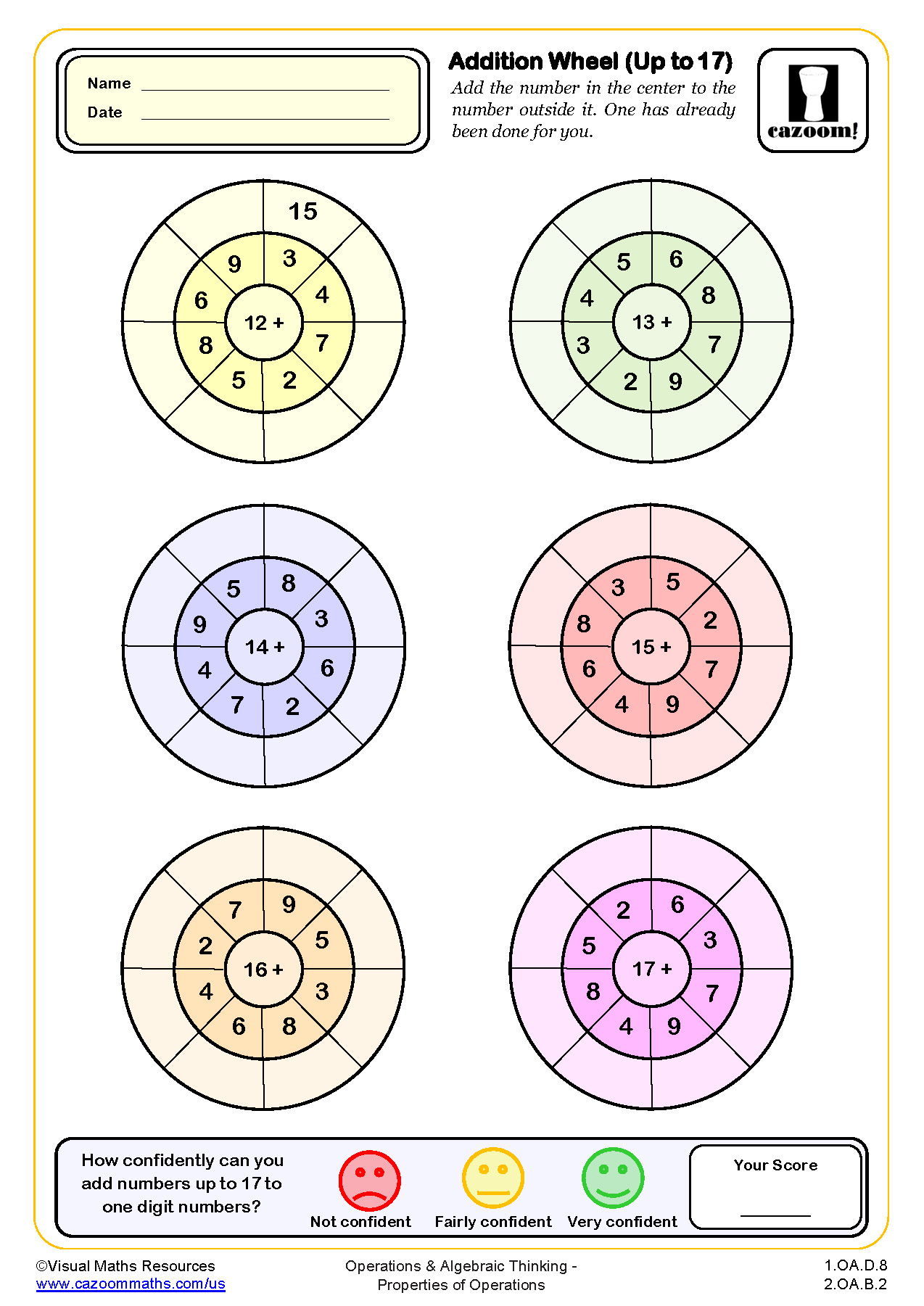
Addition Wheels (Up to 3)
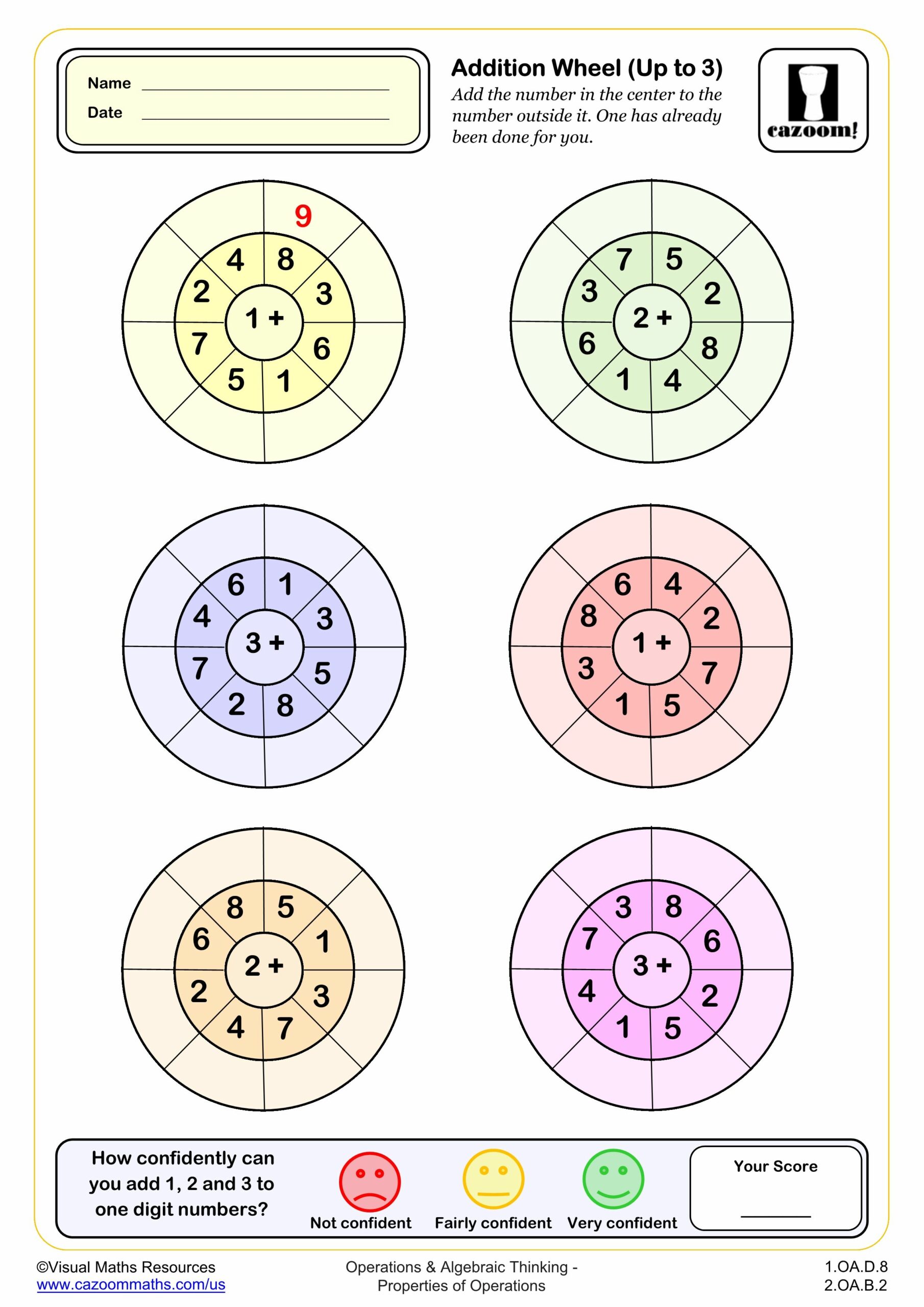
Addition Wheels (Up to 7)
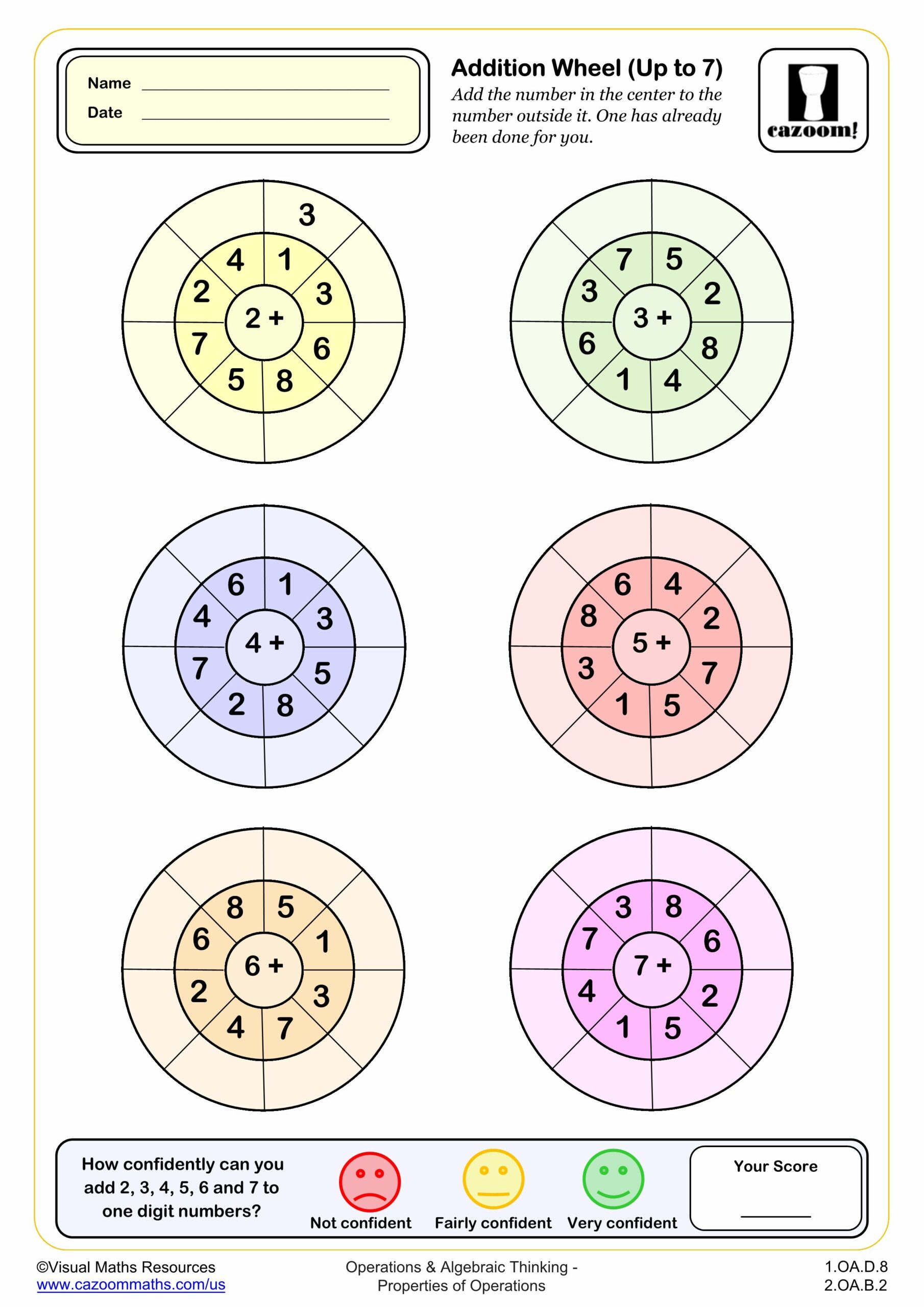
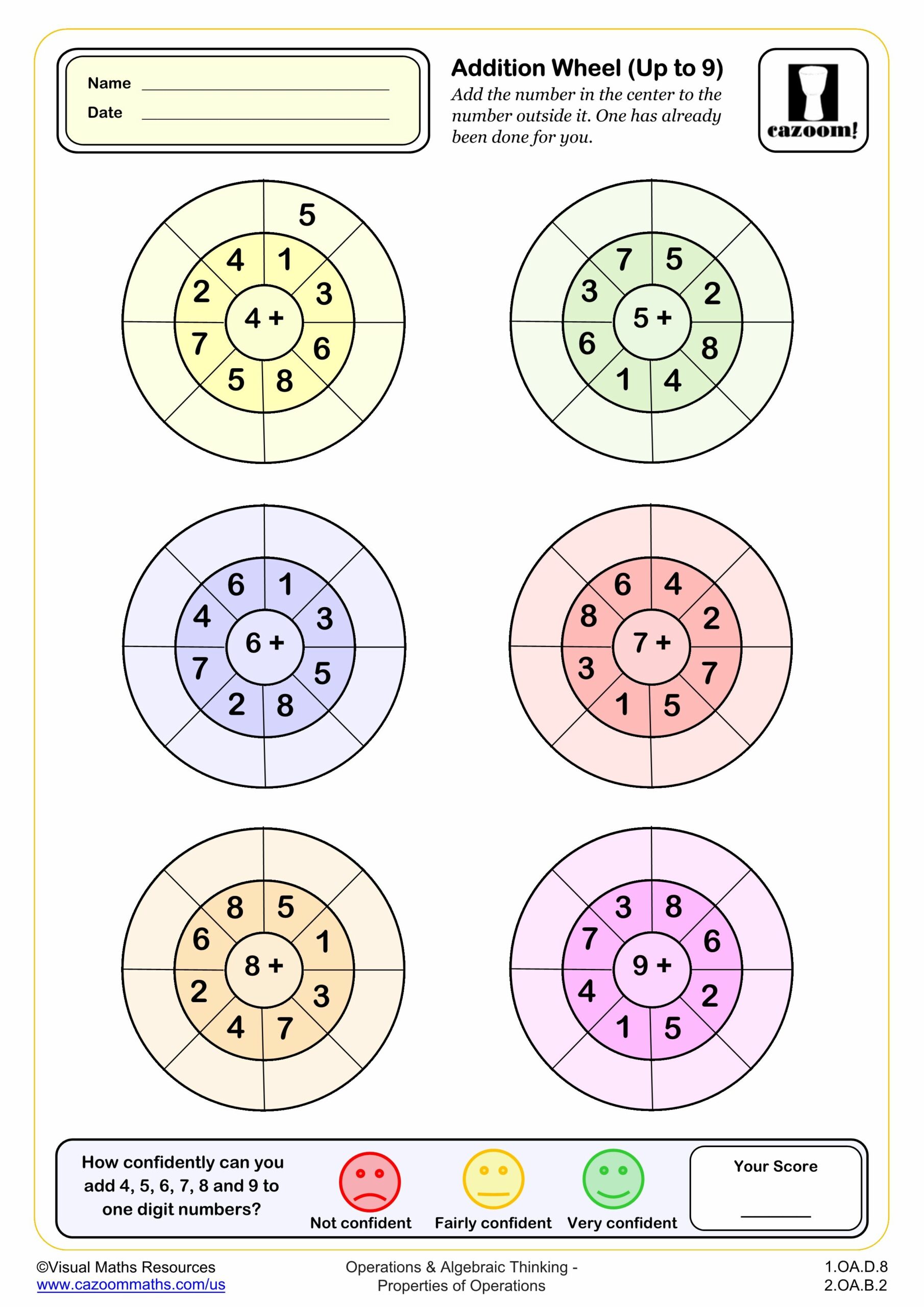
Addition Wheels (Up to 9)
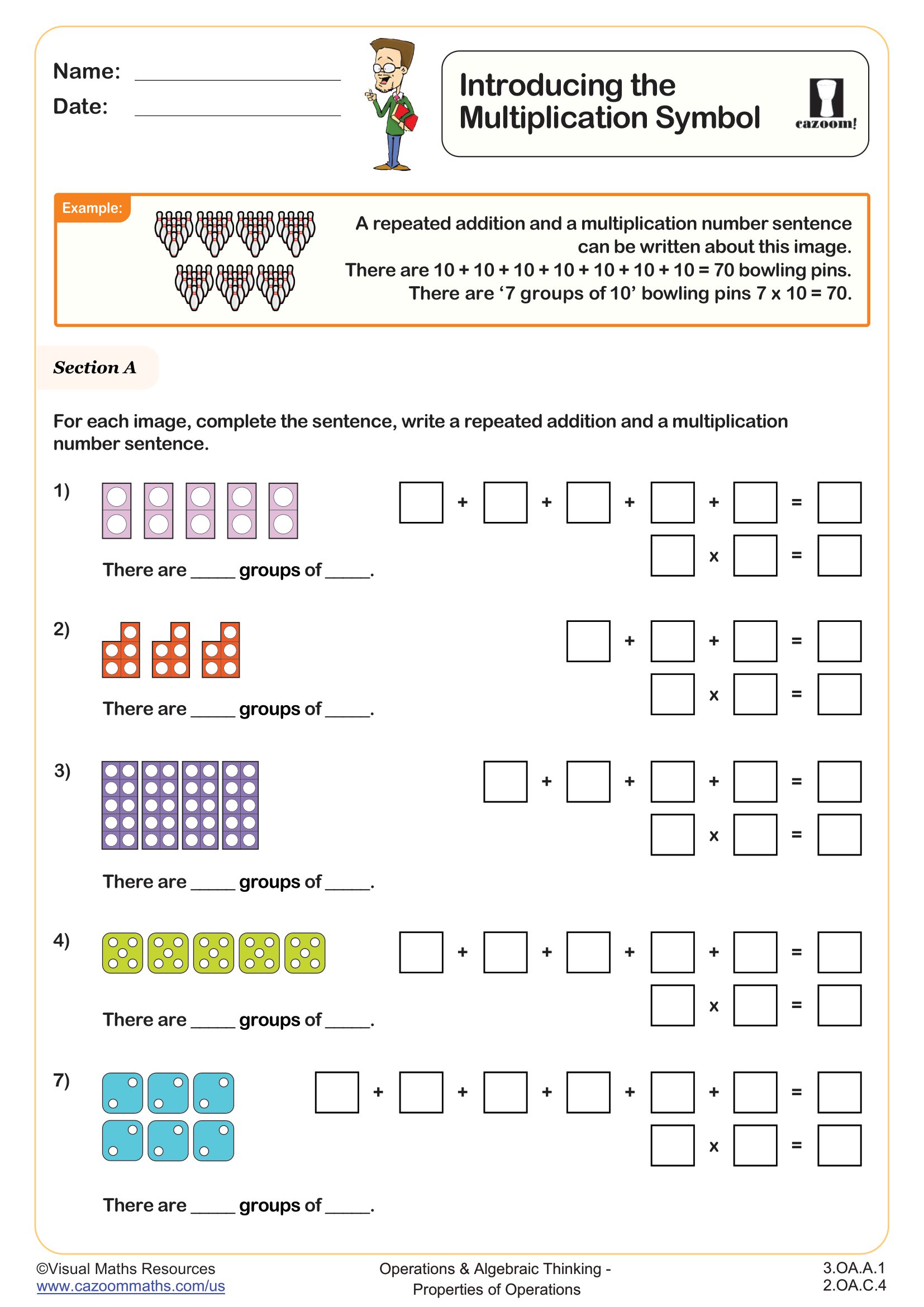
Introducing the Multiplication Symbol
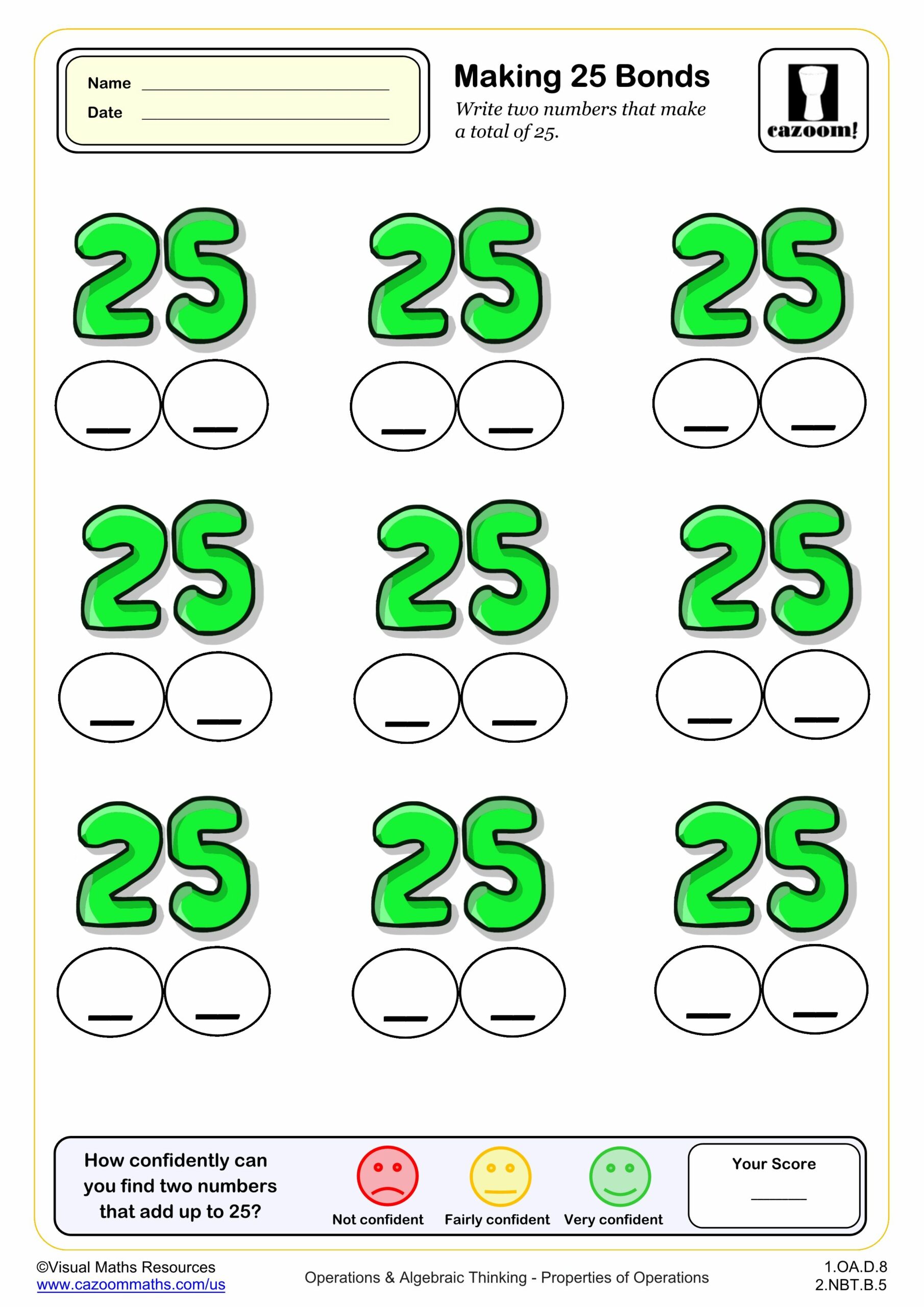
Making 25 (Blanks)
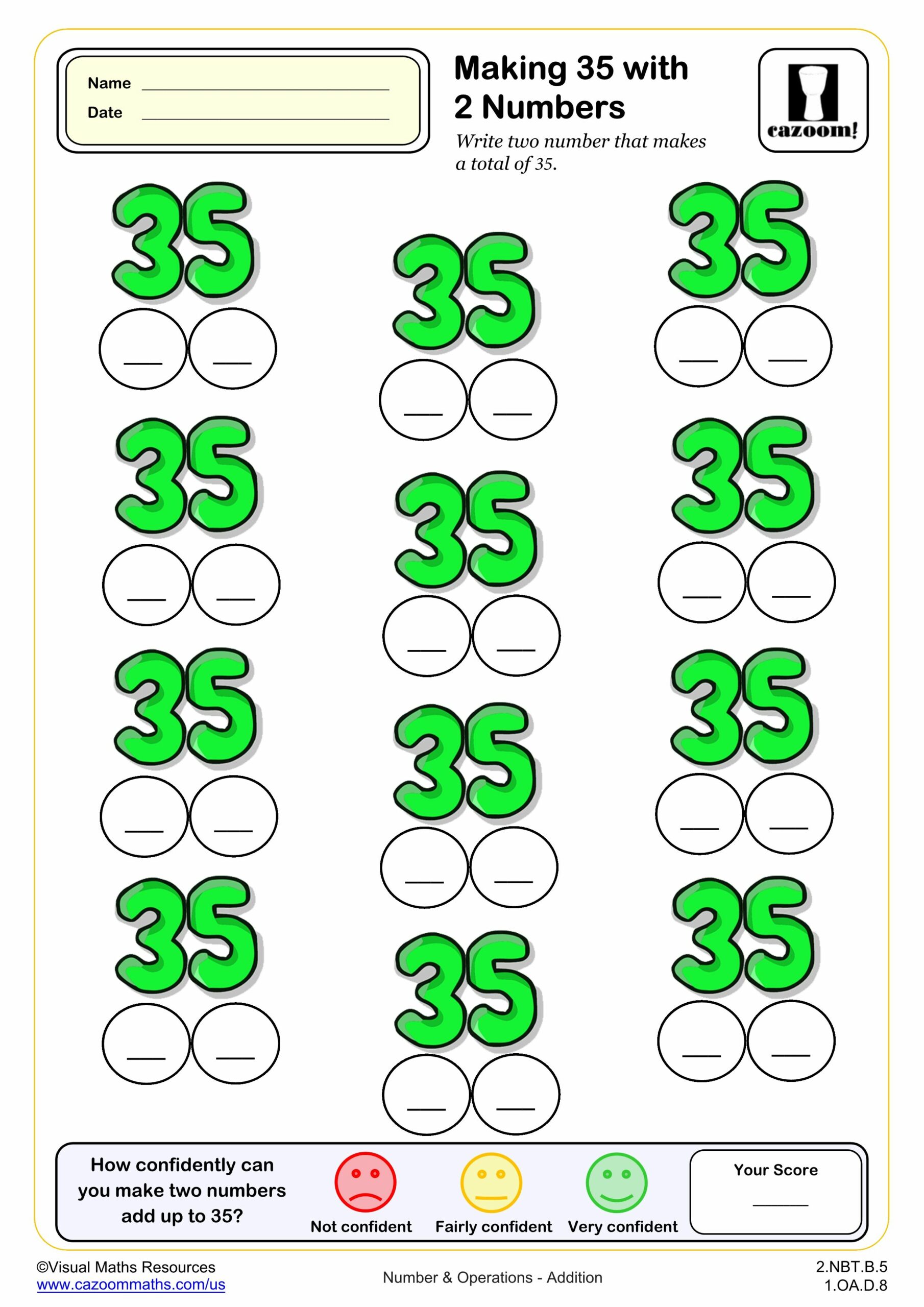
Making 35 (blanks)
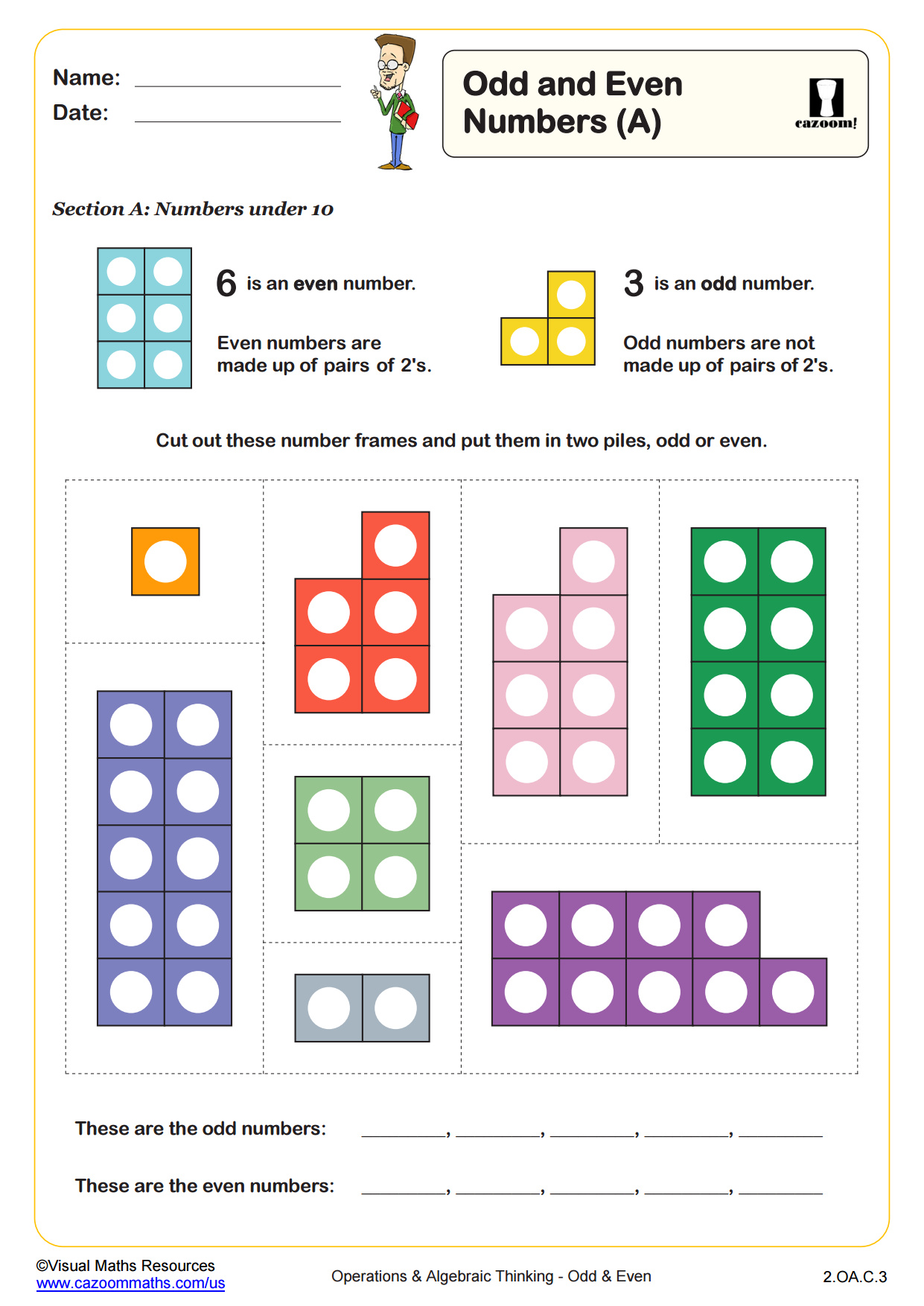
Making Arrays
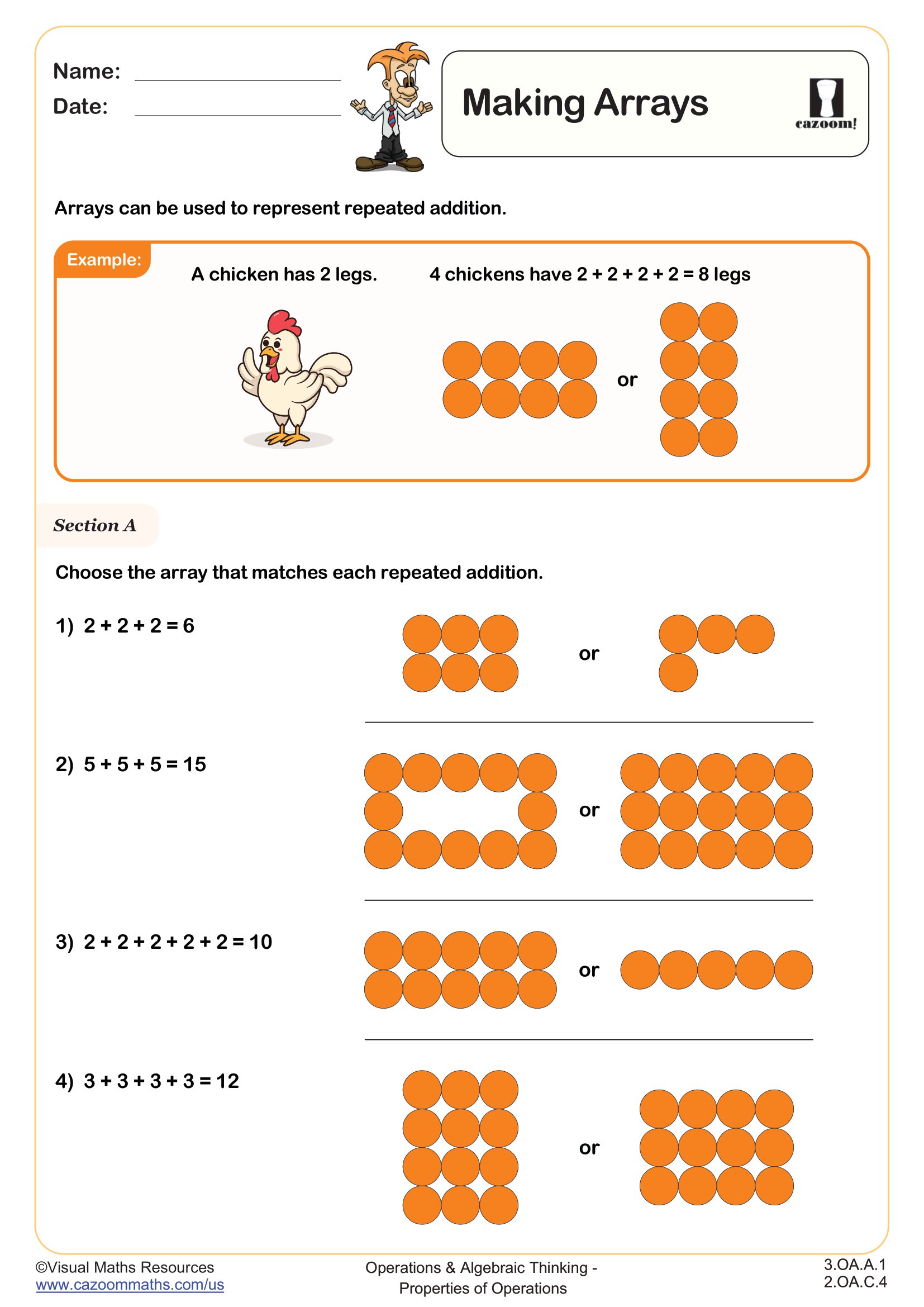
Number bond to 100 Drills (B) (50 questions)
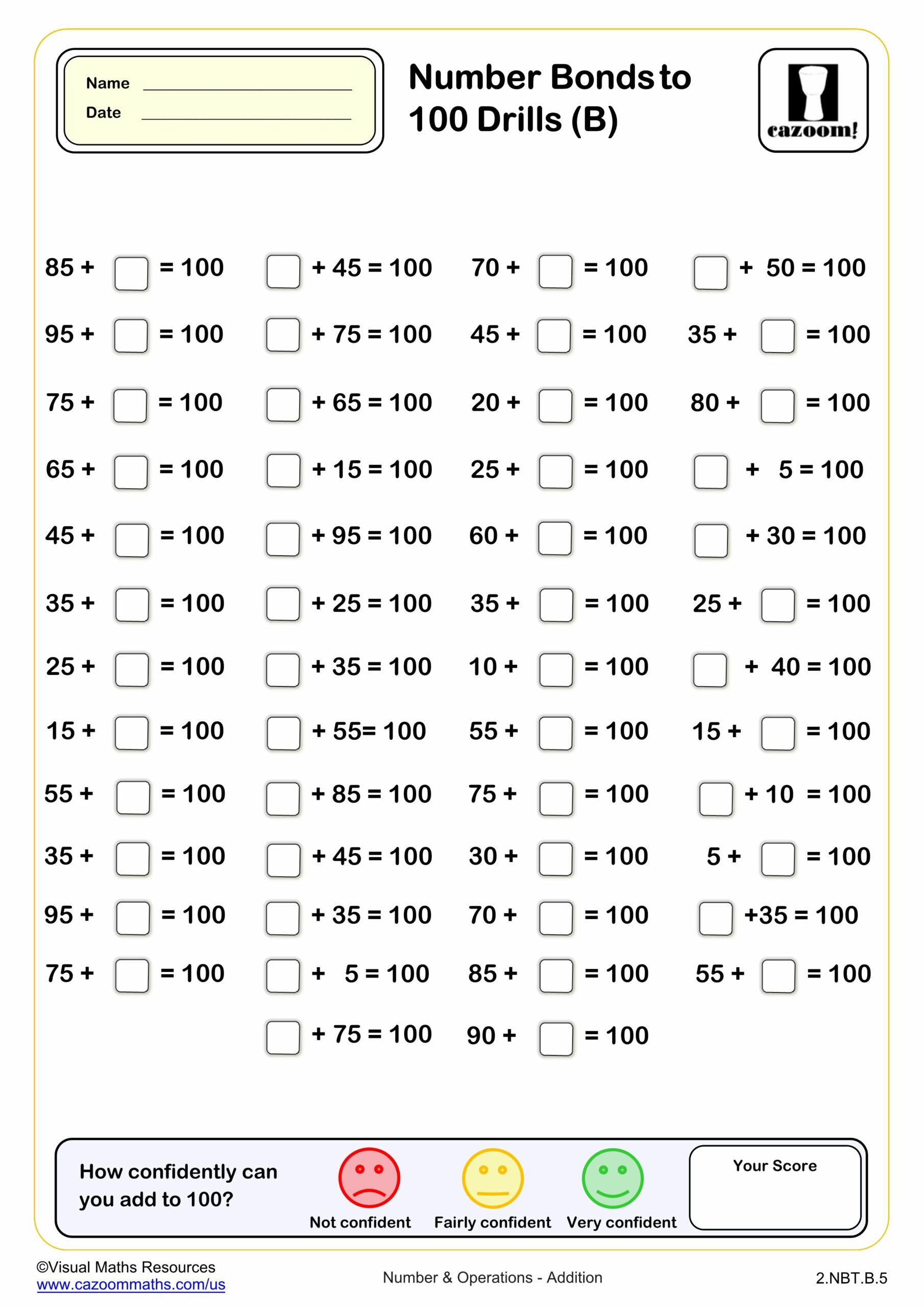
Number bond to 50 Drills (B) (20 questions)
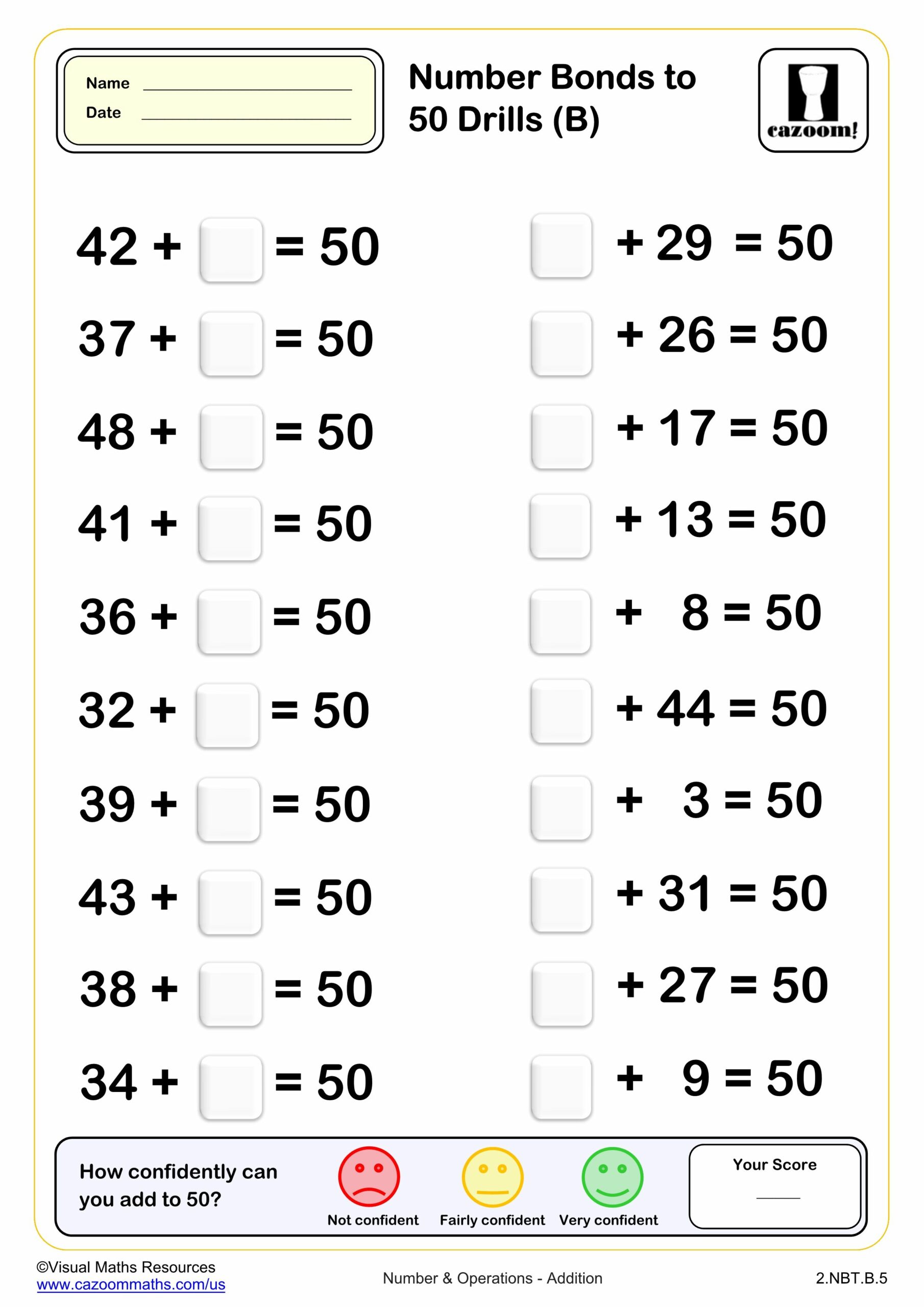
Odd and Even Numbers (A)
Odd and Even Numbers (B)
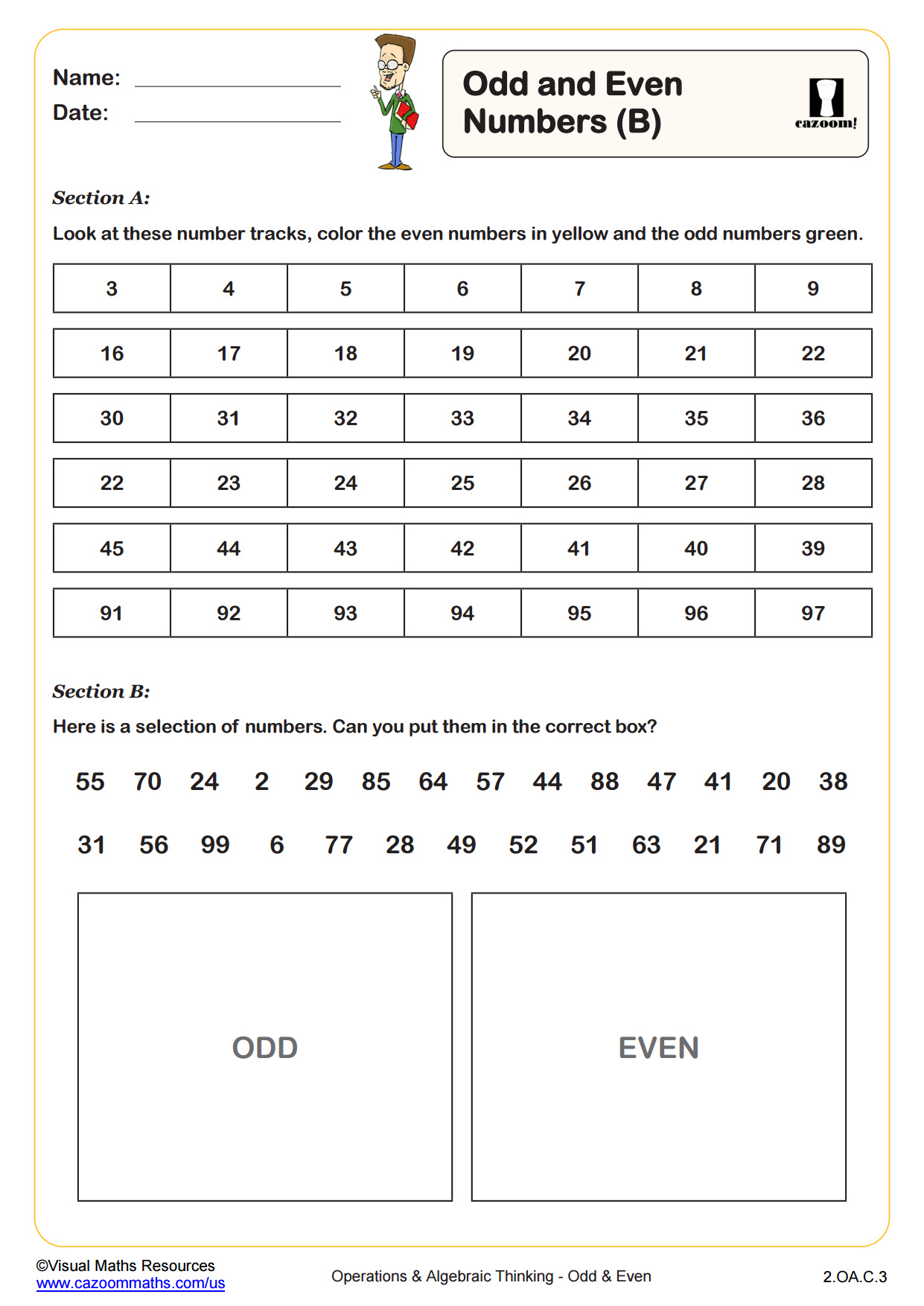
Selecting the Correct Inverse
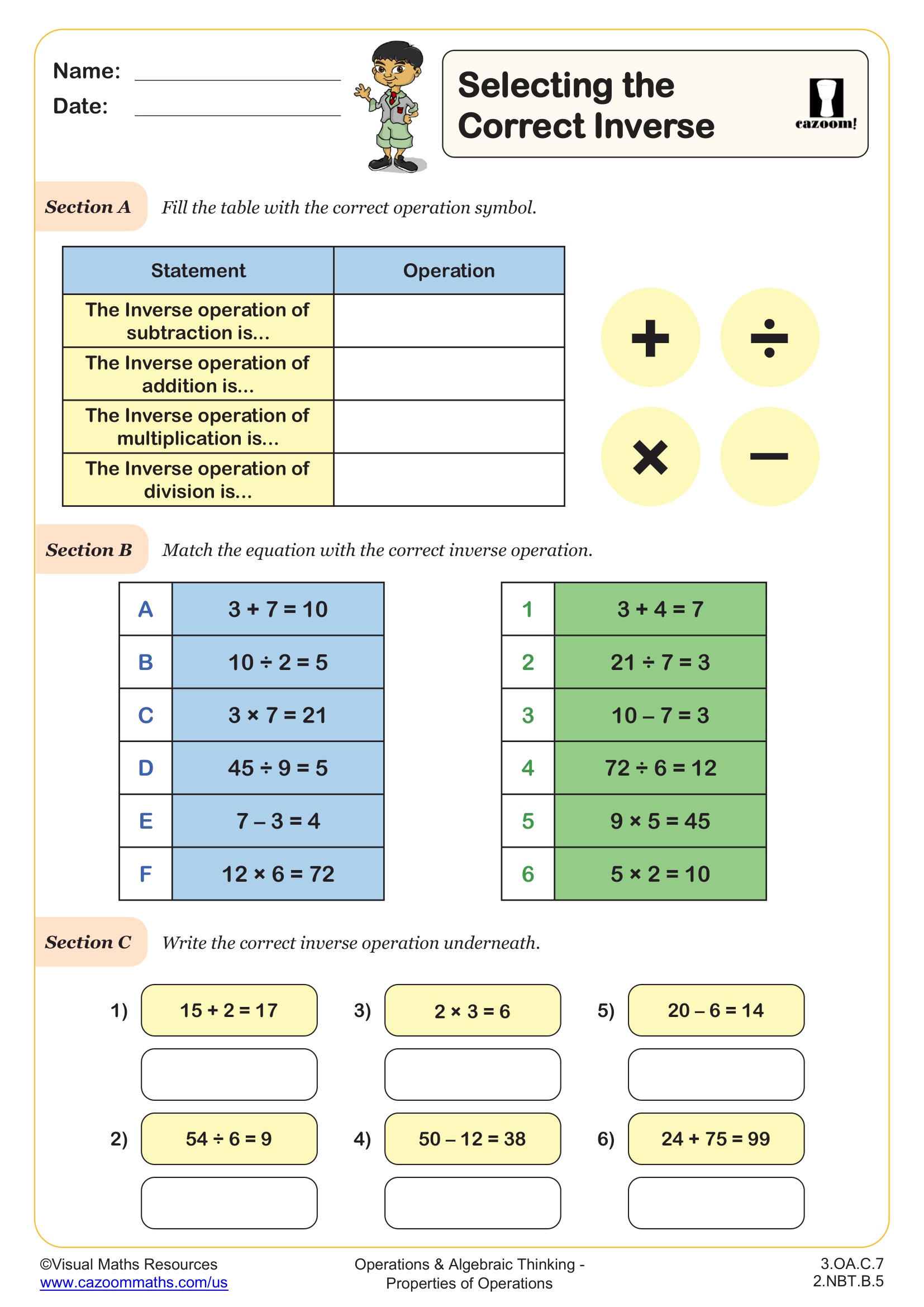
Subtracting from Multiples of 10 (B)
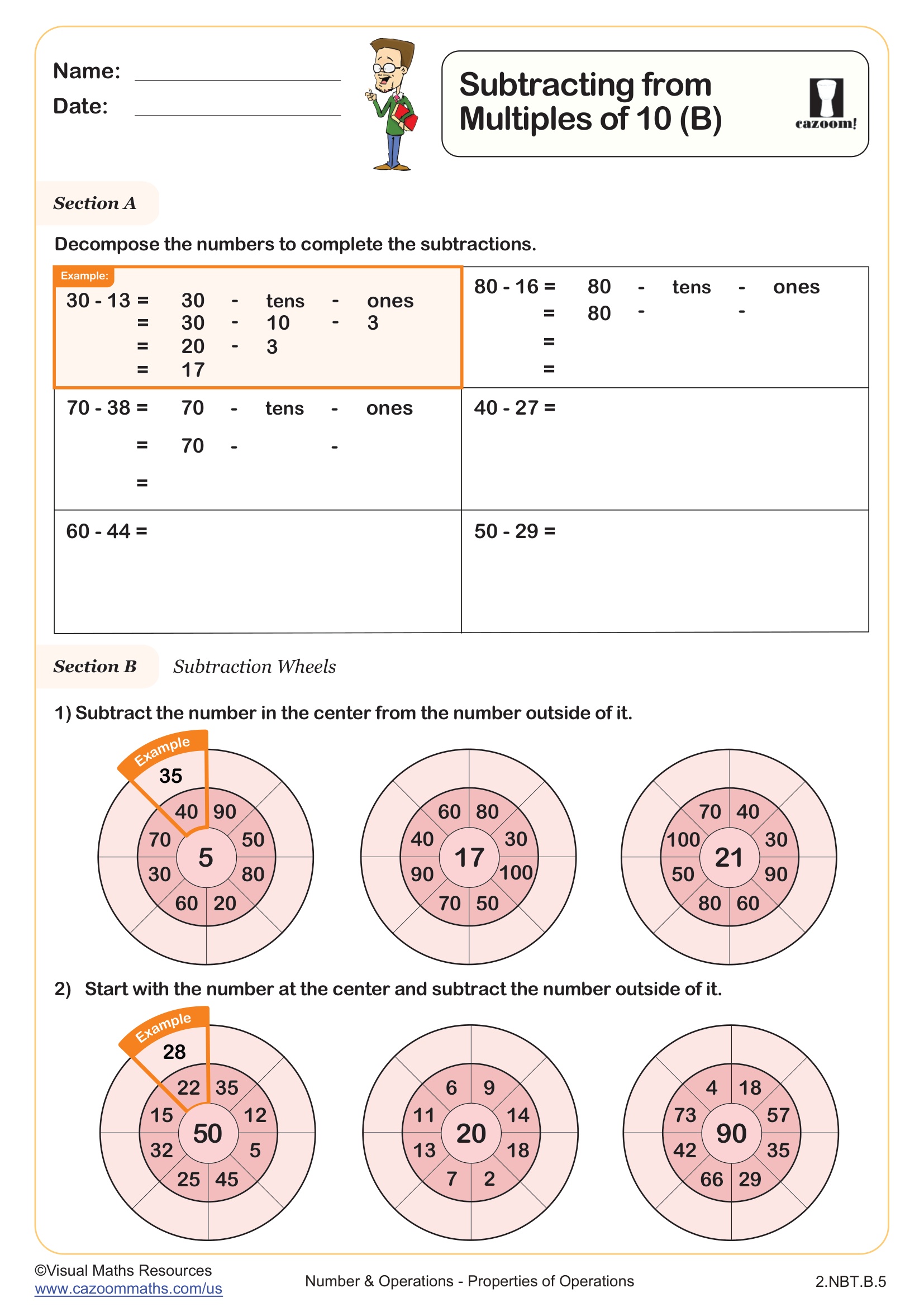
Subtracting Numbers Less Than 6 (B)
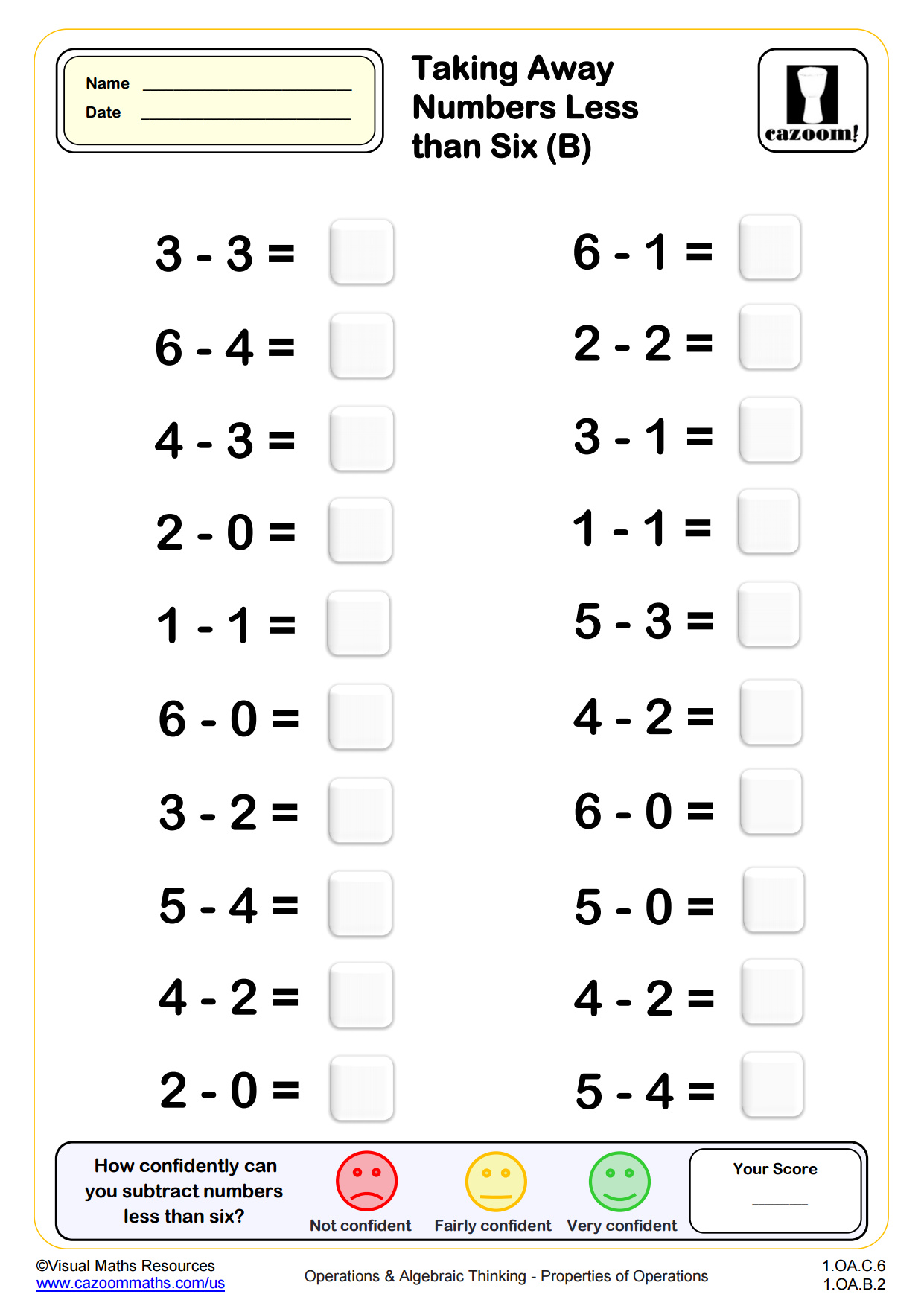
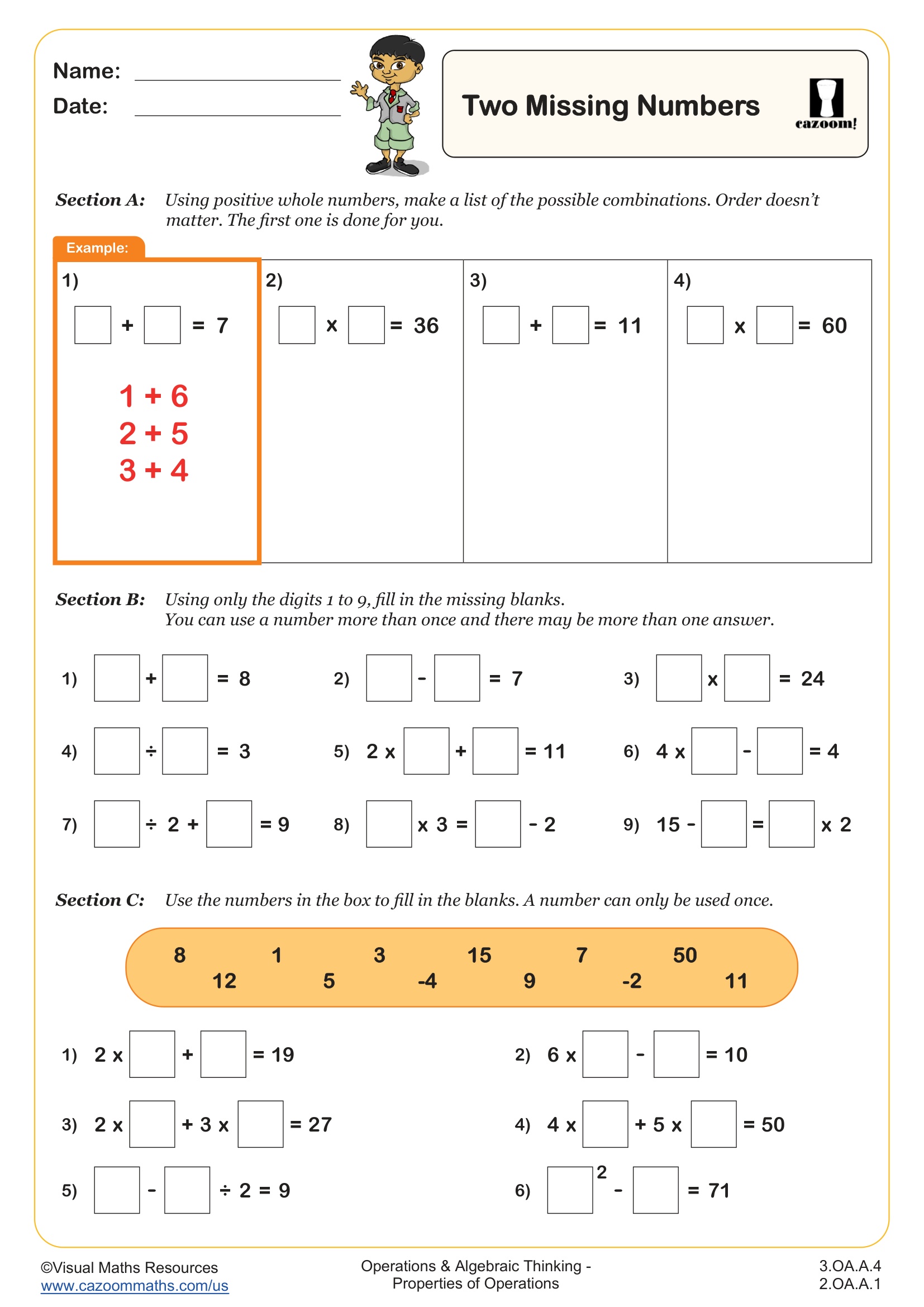
Two Missing Numbers
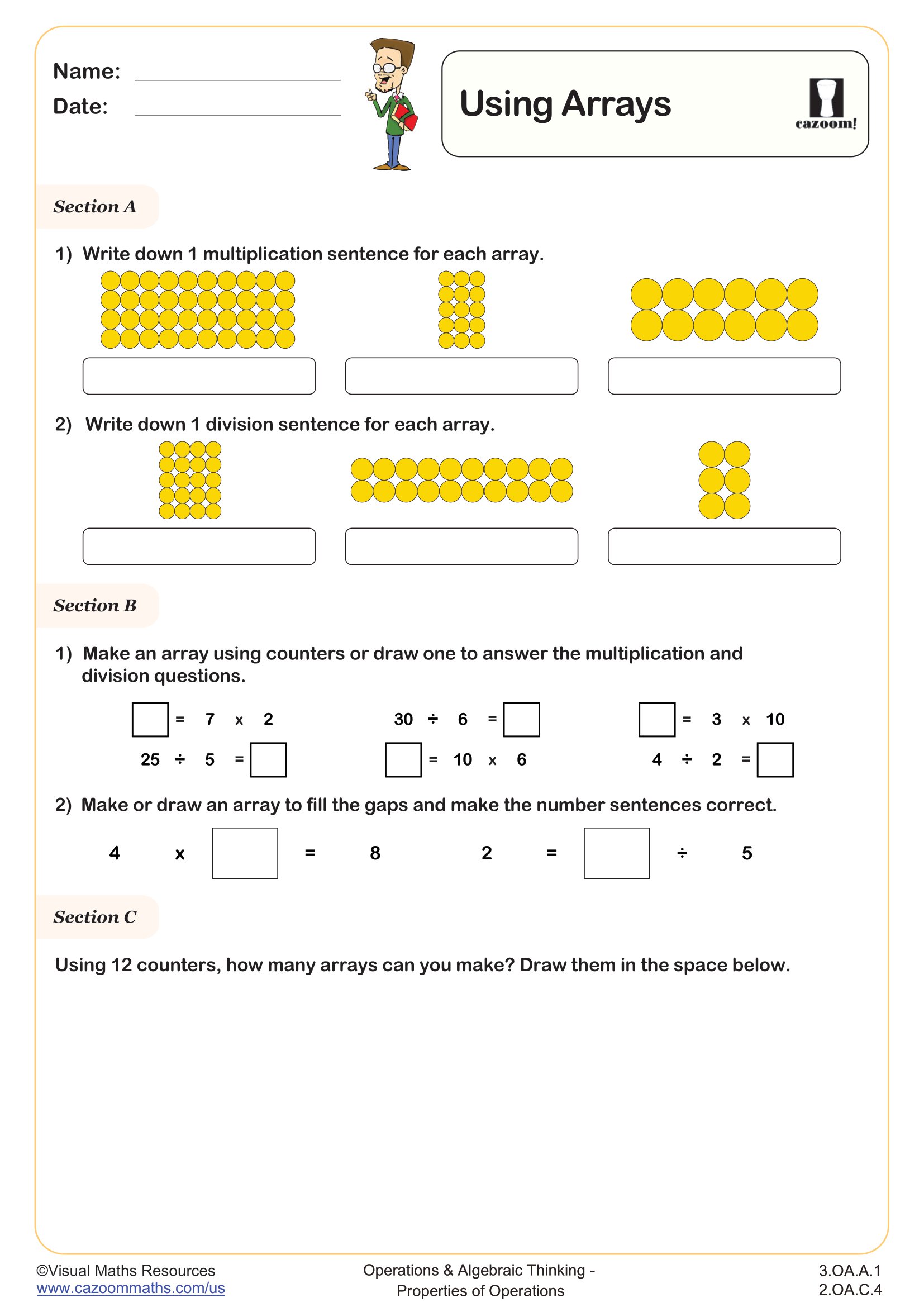
Using Arrays
All worksheets are created by the team of experienced teachers at Cazoom Math.
How Do Our PDF 2nd Grade Math Activities Prepare Students for Operations and Algebraic Thinking?
Students in second grade continue to develop their addition and subtraction skills from first grade while beginning to learn the basics of multiplication. The worksheets help students progress from basic counting methods to both automatic number recall and adaptable problem-solving techniques. Short activities using multiple teaching methods help students maintain focus as they learn about number relationships. Students develop their fluency skills and number bond abilities while learning to skip-count, understand how arrays relate to multiplication, and perform subtraction operations in the tens place. The sequence of operations develops problem-solving skills, builds student confidence in math, and enables them to conduct state assessments and higher-level math tasks through automatic recall of essential facts.
Curriculum Alignment: Skip Counting, Addition Puzzles, Place Value, and More
The worksheets help students progress from basic counting and grouping skills to visual models such as wheels, tables, and arrays before moving to abstract number sentences. The layout keeps things simple to show students what matters most, while the complete answer key helps teachers during instruction. The activities consist of addition drills, color puzzles, skip-counting mazes, number bonds, subtraction sets, and early multiplication with arrays. These tasks are designed to help students progress while staying engaged by improving fluency, reasoning, and pattern recognition skills, enabling them to develop core number skills with confidence and enjoyment.
Why Elementary Schools Choose 2nd Grade Operations and Algebraic Thinking Worksheets as Core Resources
Planning is straightforward because each worksheet focuses on a single, clear objective with built-in support. Every set begins with accessible tasks and progresses to more challenging items, making differentiation easy without requiring extra preparation. They work well as mini-lessons, stations, or exit tickets, and the consistent layout helps young learners follow instructions independently. Detailed solutions provide the whole reasoning, not just the answer, allowing students to understand each step. This approach reduces grading time, supports self-checking, and makes the sheets useful for later retrieval practice. The mix of drills, puzzles, tables, and arrays keeps engagement high while covering the same skill in different ways. Teachers can combine categories across the week to strengthen facts, patterns, and strategies with minimal planning effort—one of the main reasons these worksheets are a classroom favorite.
Where Students Use Operations and Algebra in Real Life
These skills are evident daily at home and in the community, helping children make sense of numbers they encounter everywhere.
• Adding prices and checking totals while shopping
• Sharing snacks evenly among friends or family
• Reading time intervals and planning simple schedules
• Measuring ingredients and adjusting amounts in recipes