4th Grade Number and Operations Worksheets
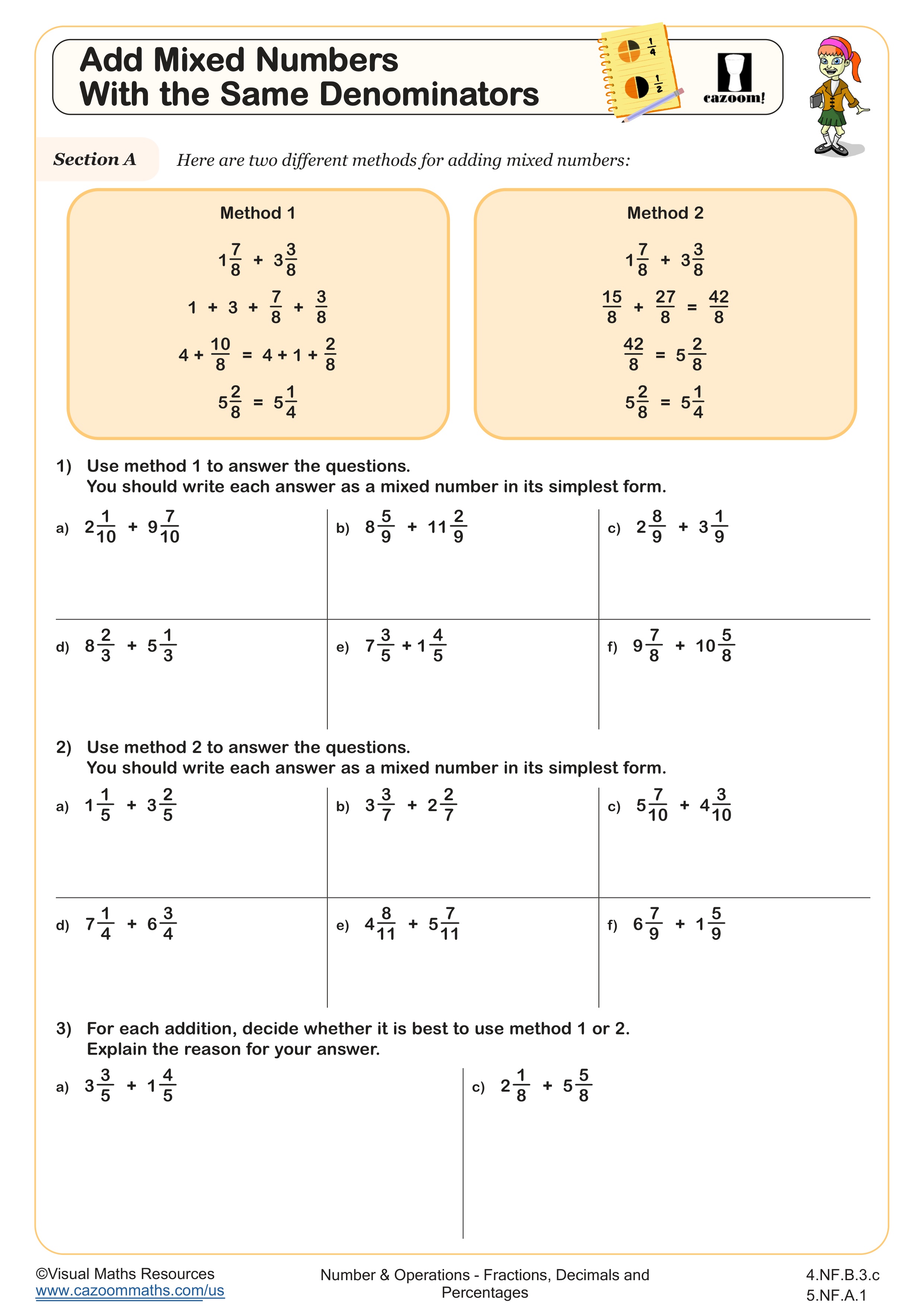
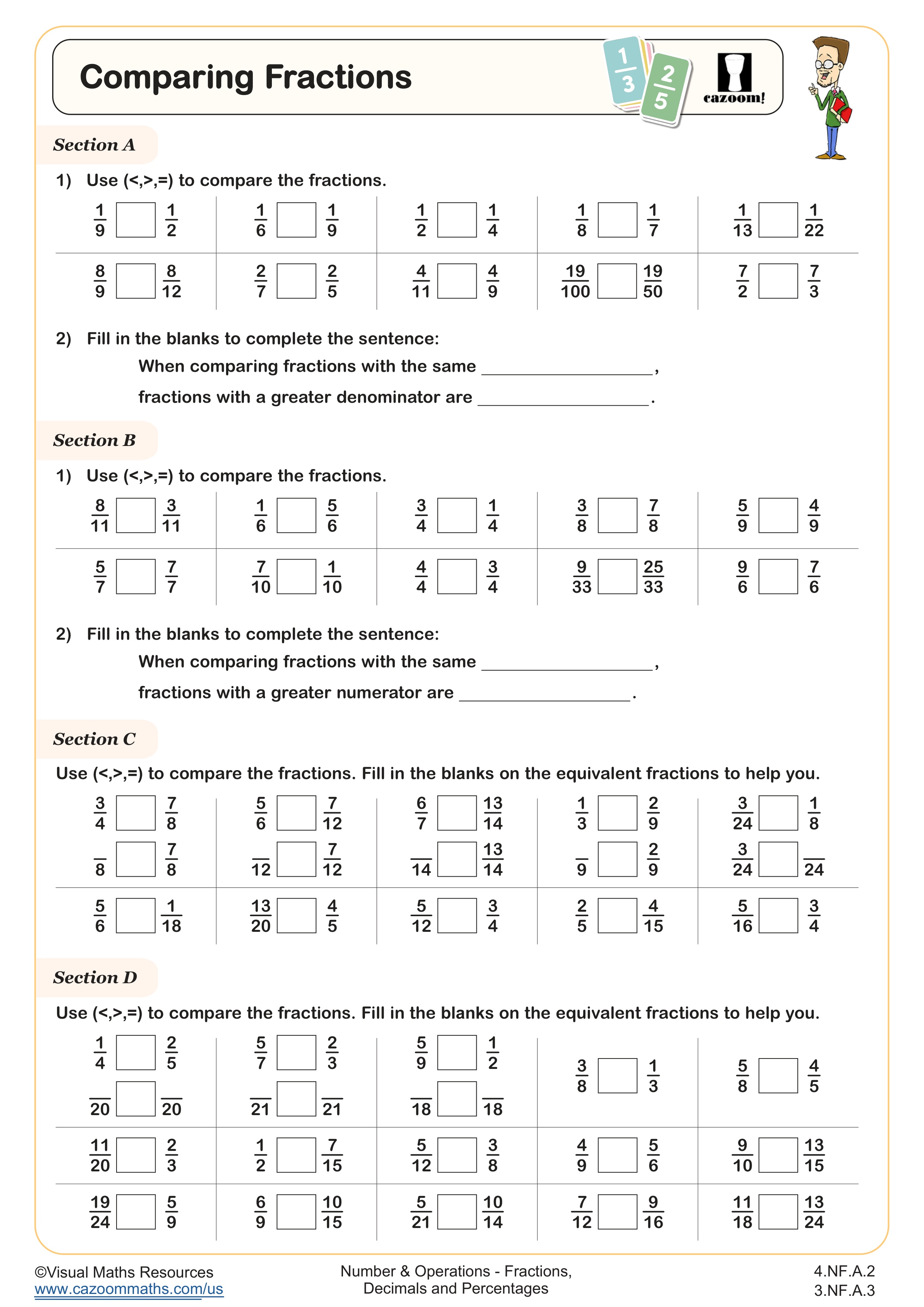
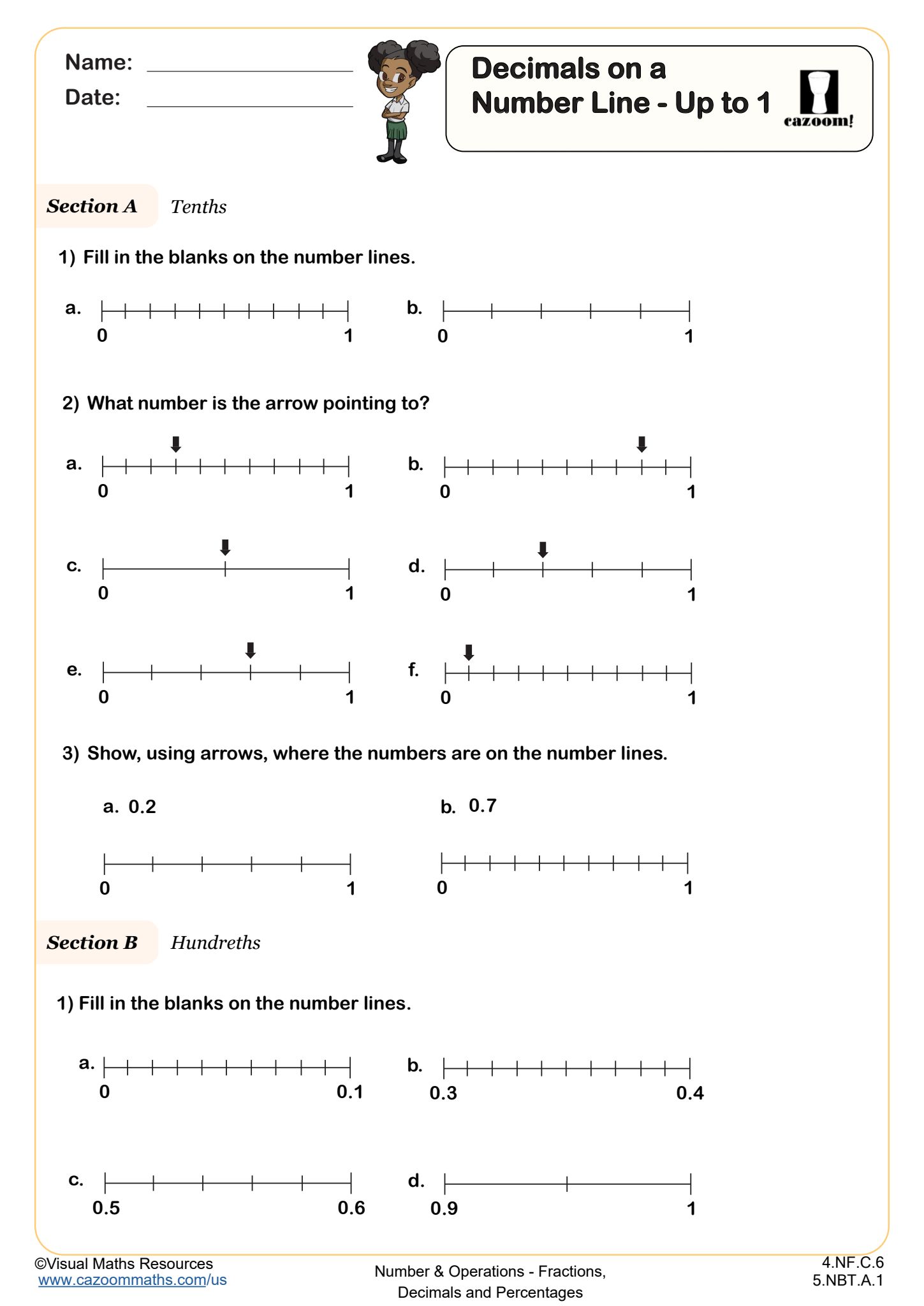
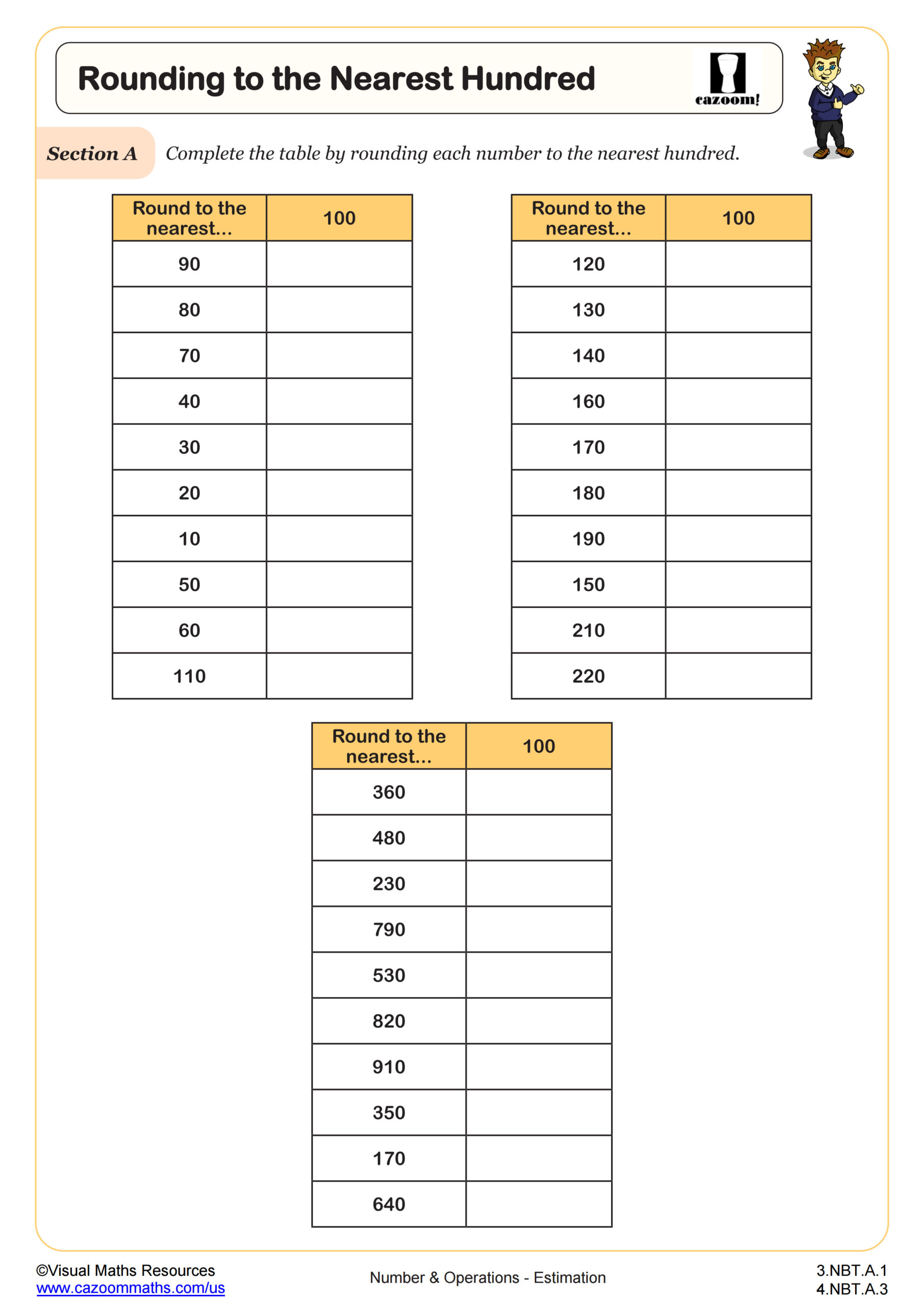
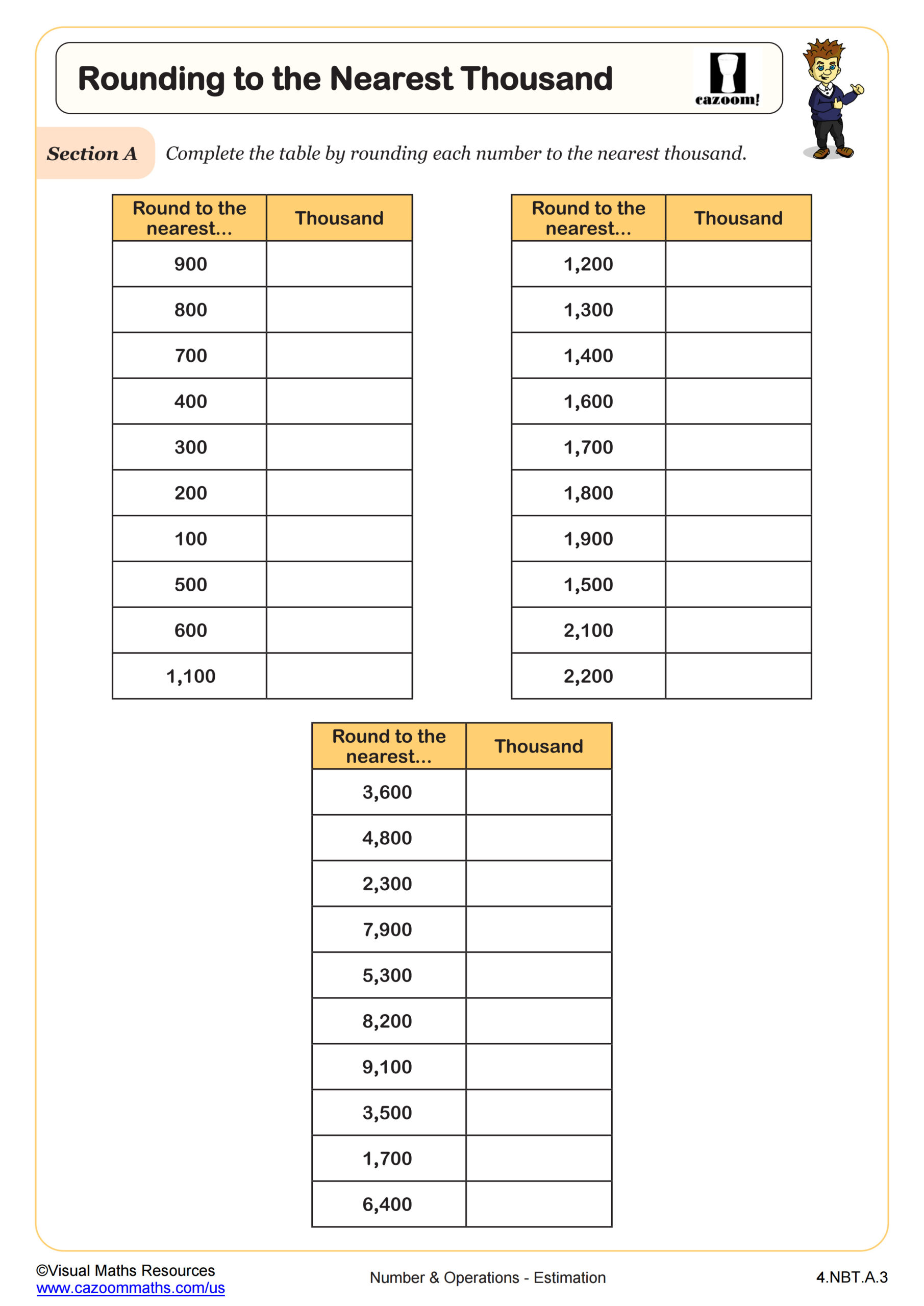
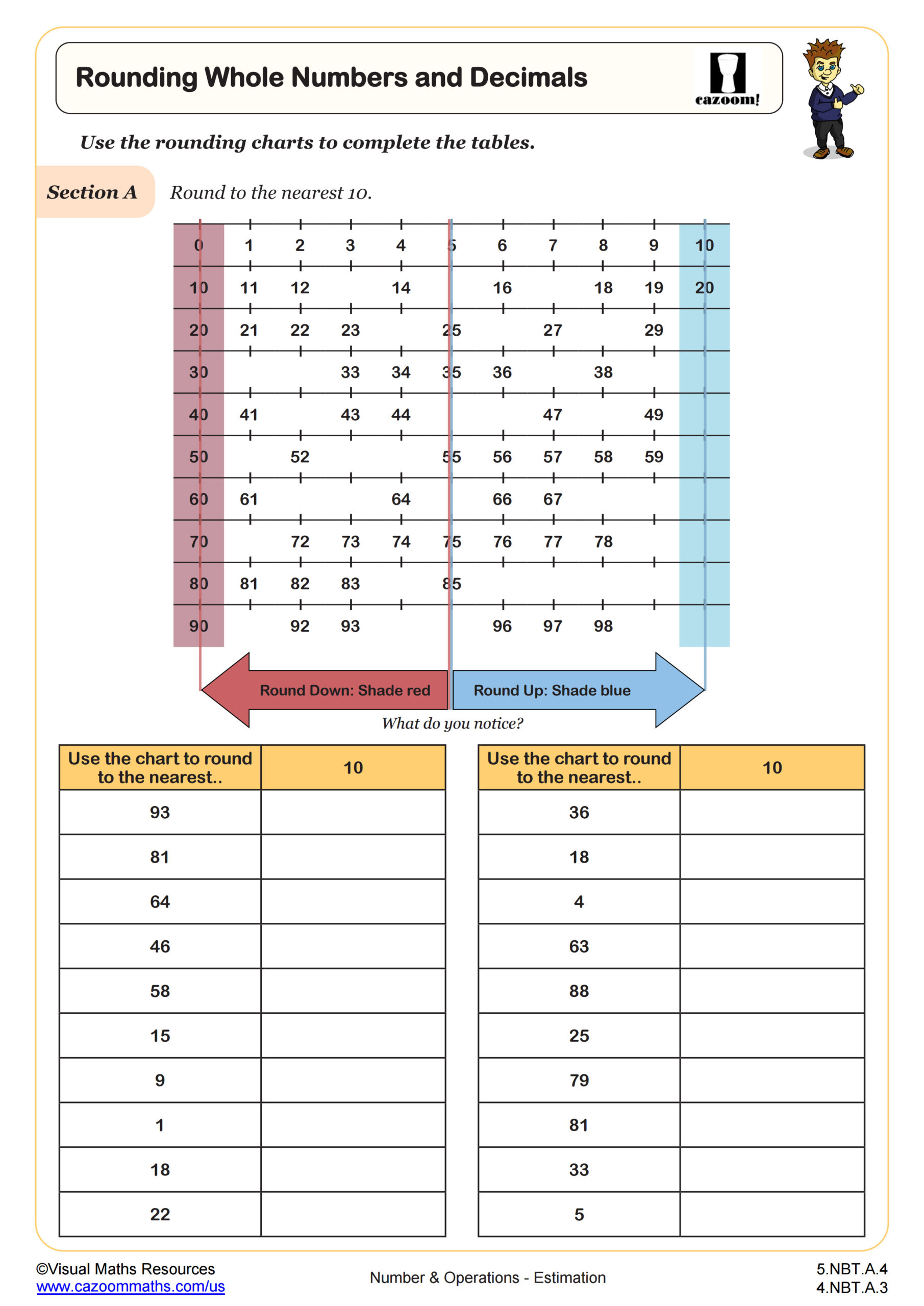
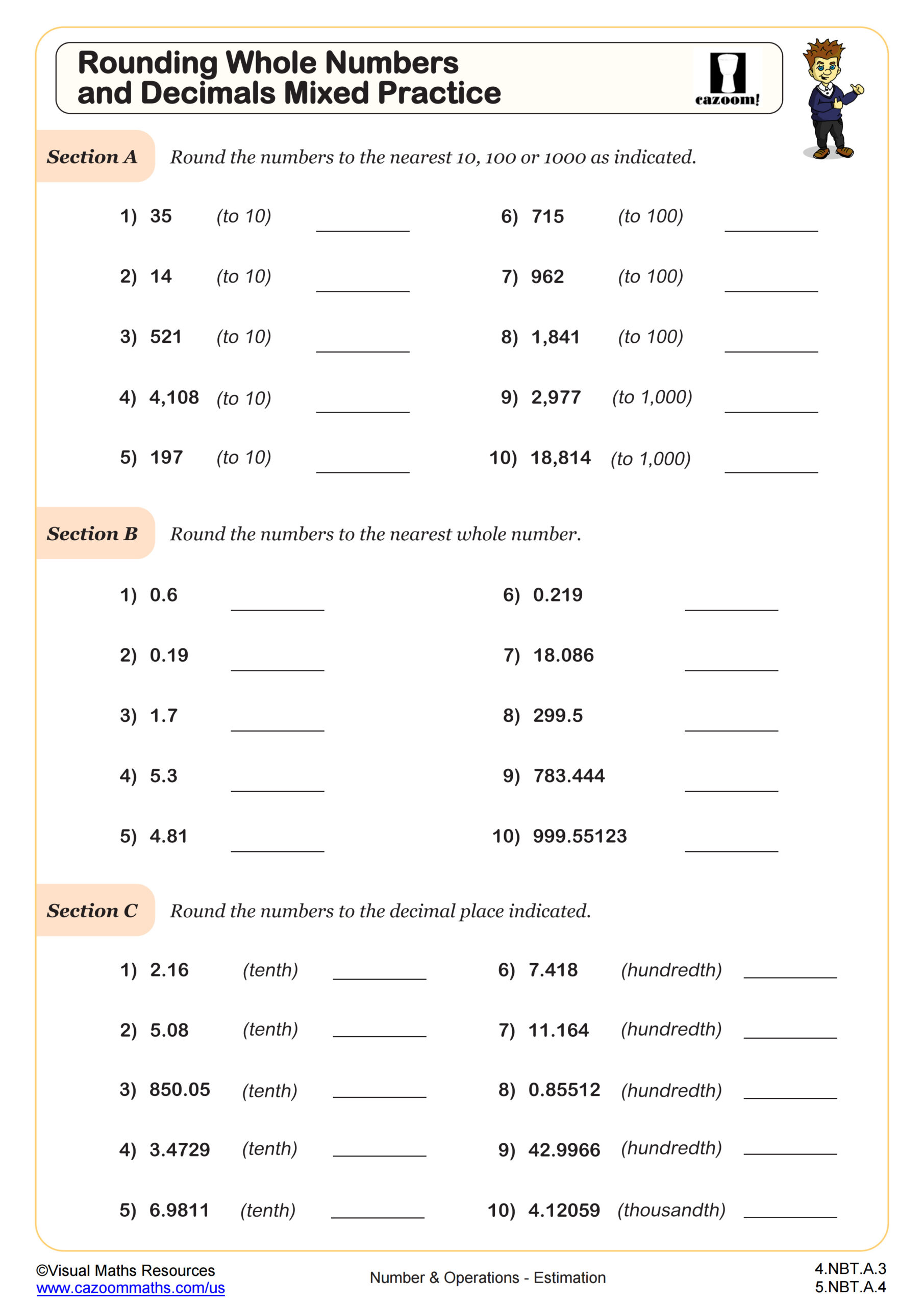
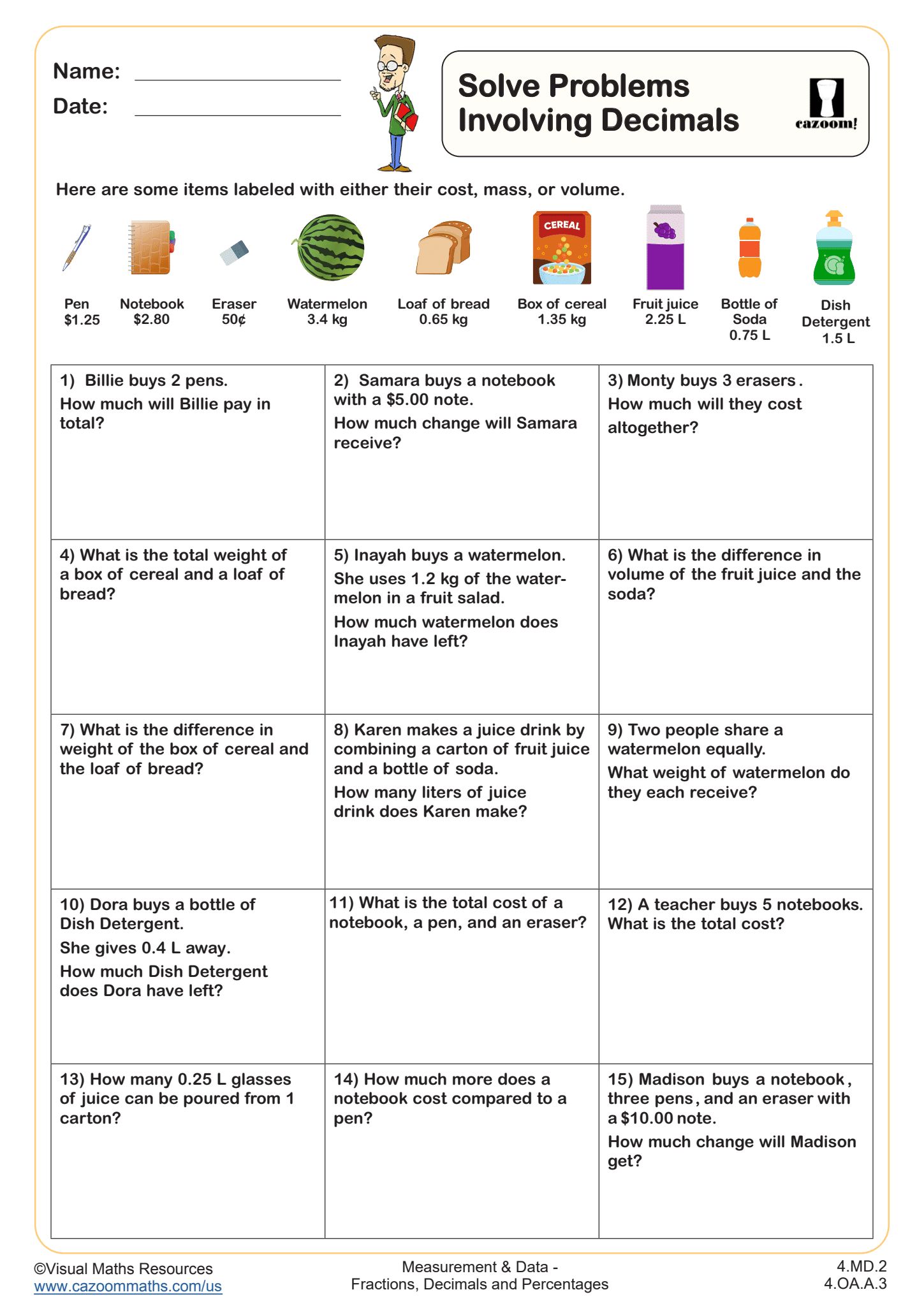
All worksheets are created by the team of experienced teachers at Cazoom Math.
What topics do 4th grade numbers and operations worksheets typically cover?
These worksheets align with Common Core standards 4.NBT (Number and Operations in Base Ten) and 4.OA (Operations and Algebraic Thinking), covering multi-digit arithmetic, place value understanding through millions, factor identification, and basic fraction concepts. Students practice algorithms for addition and subtraction with regrouping, multiplication of multi-digit numbers, and division with remainders.
Teachers frequently observe that students who master these concepts in fourth grade show stronger performance in middle school pre-algebra courses. The connection between understanding place value patterns and later work with decimals and scientific notation becomes particularly evident when students encounter engineering and science applications in higher grades.
How do 4th grade number concepts build on previous grade levels?
Fourth grade number work extends third grade foundations by moving from three-digit to multi-digit operations and introducing more complex problem-solving strategies. While third graders focus on basic multiplication and division facts, fourth graders apply these facts to solve multi-step problems and work with larger numbers up to one million.
The progression becomes clear when teachers compare student work from September to May. Students who struggled with three-digit subtraction in third grade often show remarkable growth when they understand the underlying place value concepts through systematic practice with these targeted worksheets.
What makes multi-digit multiplication challenging for 4th graders?
The partial products method and standard algorithm both require students to maintain place value understanding while managing multiple steps simultaneously. Many students lose track of which digits they're multiplying or forget to add placeholder zeros when recording partial products, leading to incorrect final answers.
Teachers report that students benefit most from seeing both methods side by side, as the partial products approach helps them understand why the standard algorithm works. Visual models and area diagrams provide crucial support before students transition to purely numerical approaches in these practice problems.
How can teachers use these worksheets most effectively in their instruction?
Strategic implementation involves using these worksheets as targeted practice after introducing concepts through manipulatives and visual models. Teachers often assign specific problems based on formative assessment results rather than requiring every student to complete entire worksheets, allowing for differentiated instruction within the same resource.
The answer keys enable teachers to quickly identify common error patterns across the class and plan follow-up mini-lessons accordingly. Many teachers use selected problems as warm-up activities or exit tickets, creating a continuous cycle of practice and assessment that supports student mastery.