Elementary School Addition Worksheet
Add and subtract numbers (A)
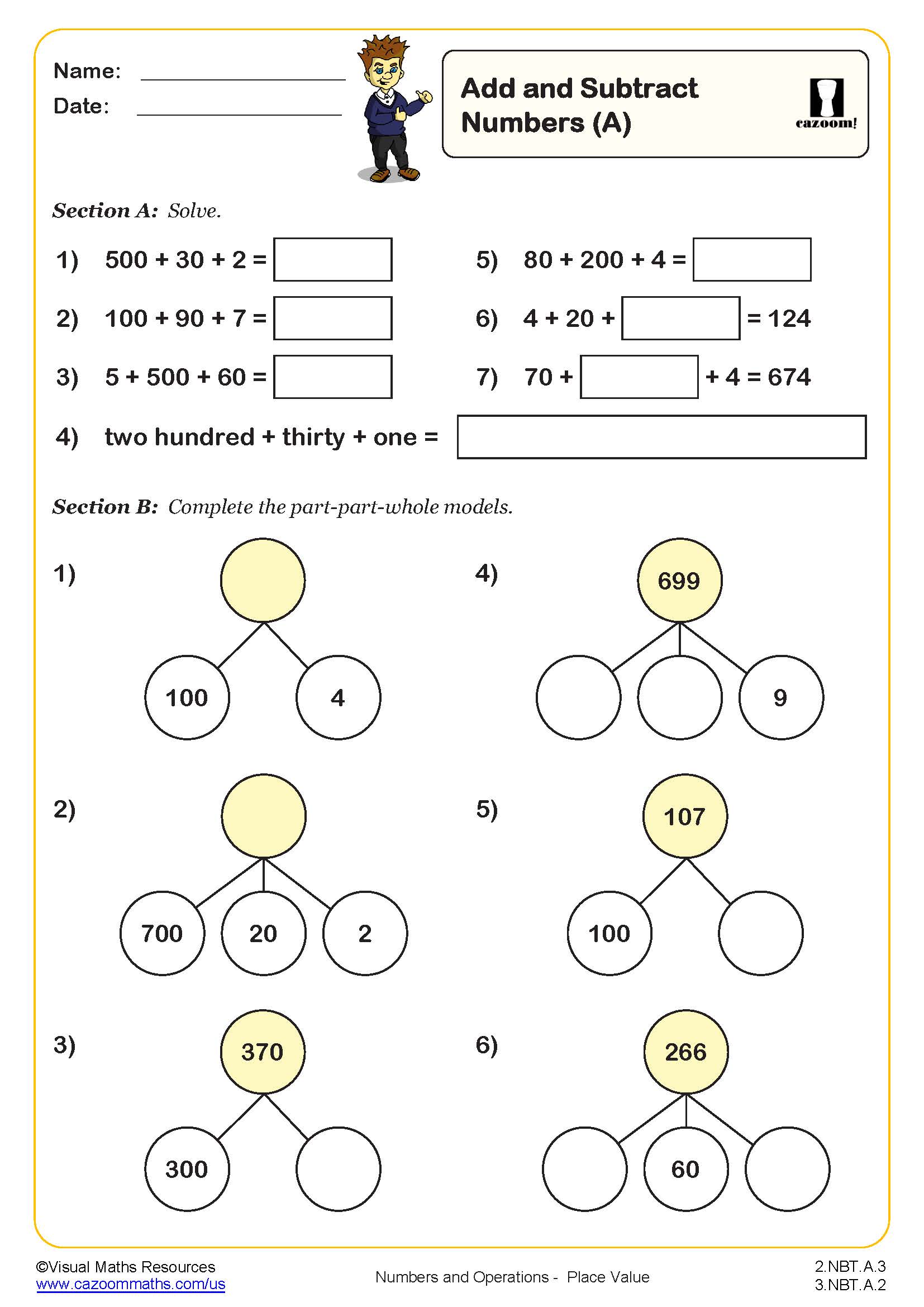
Add and subtract numbers (B)
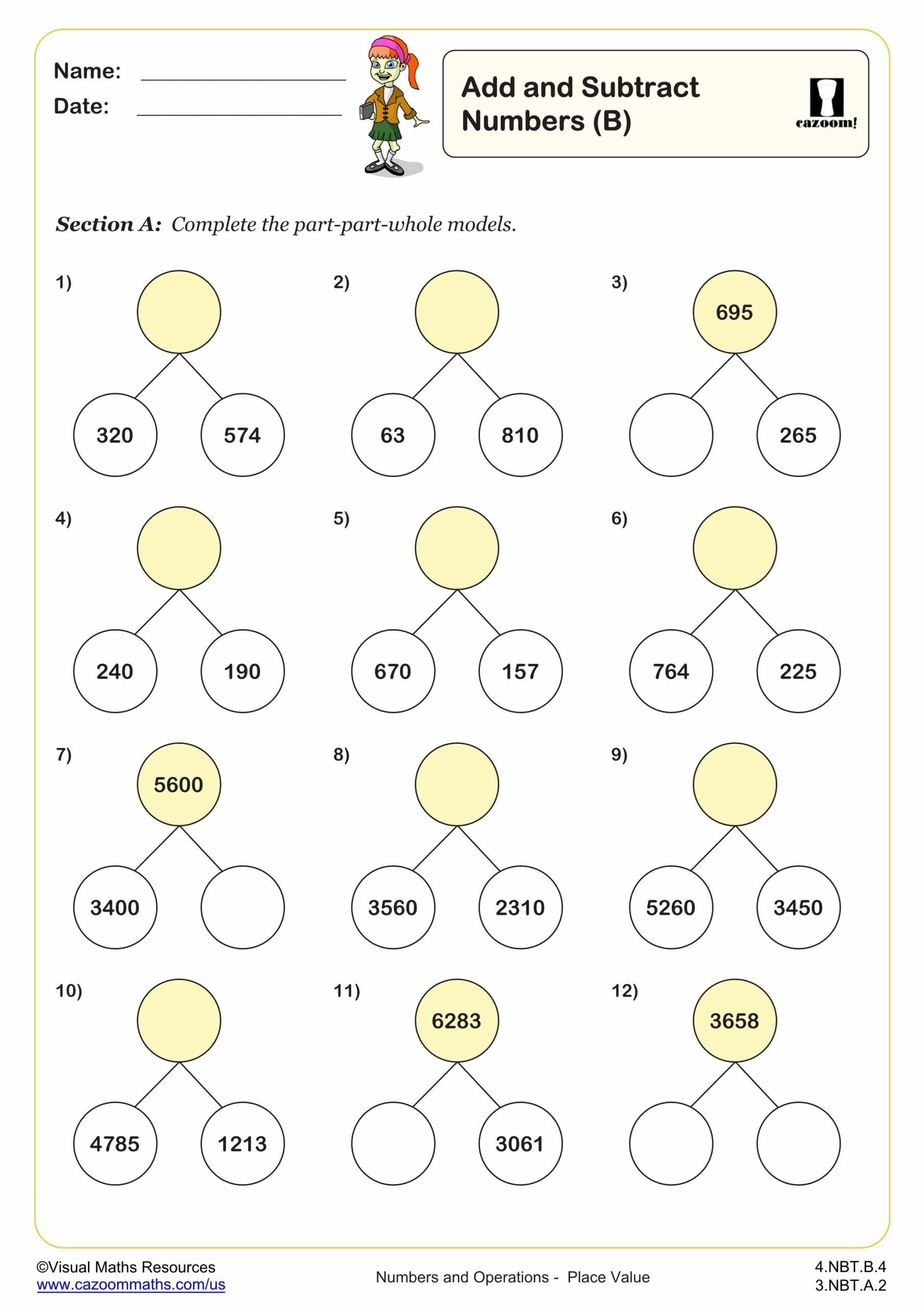
Adding 1 (20 questions)
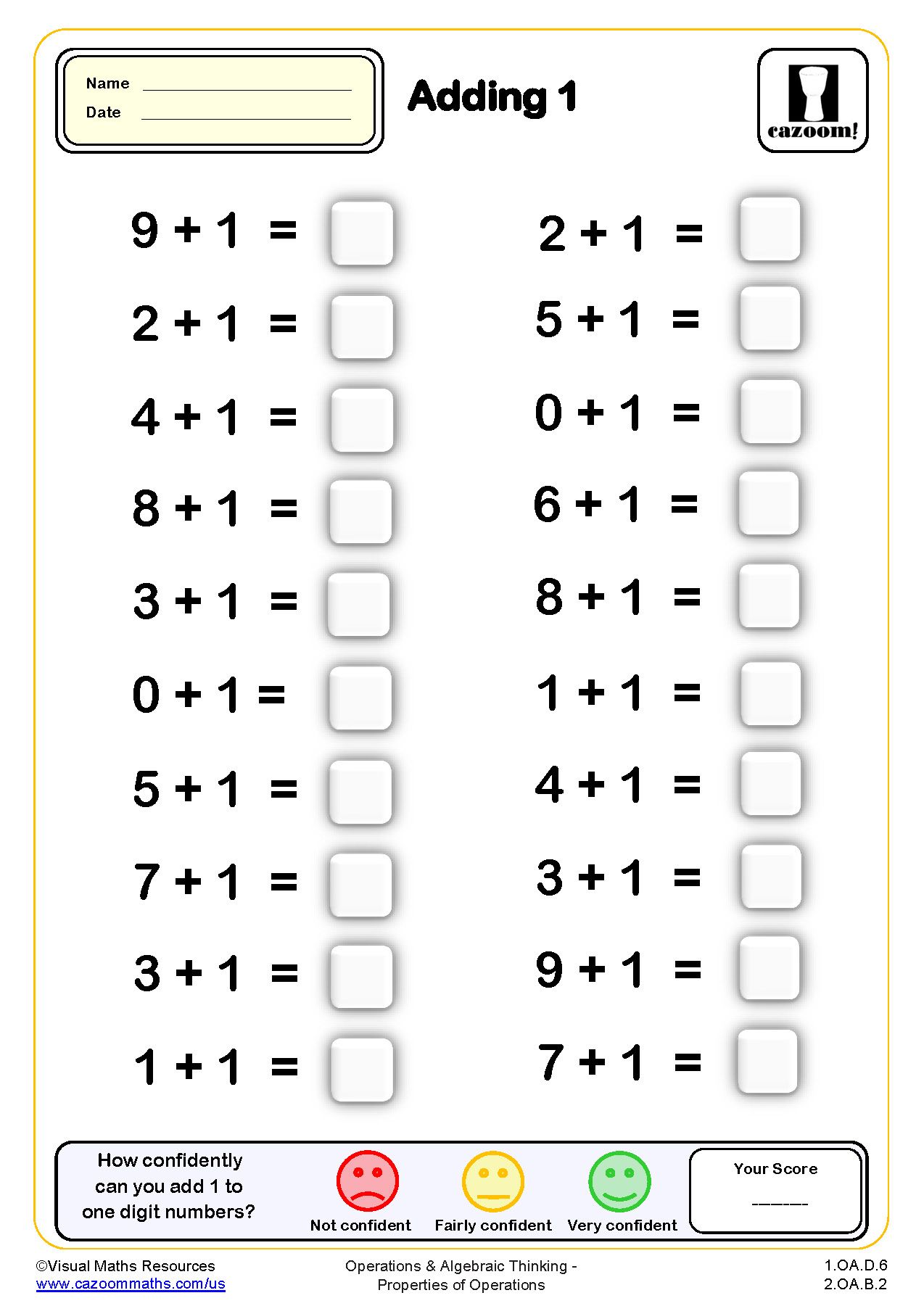
Adding 1 (50 questions)
Adding 10 to 2 digit numbers (20 questions)
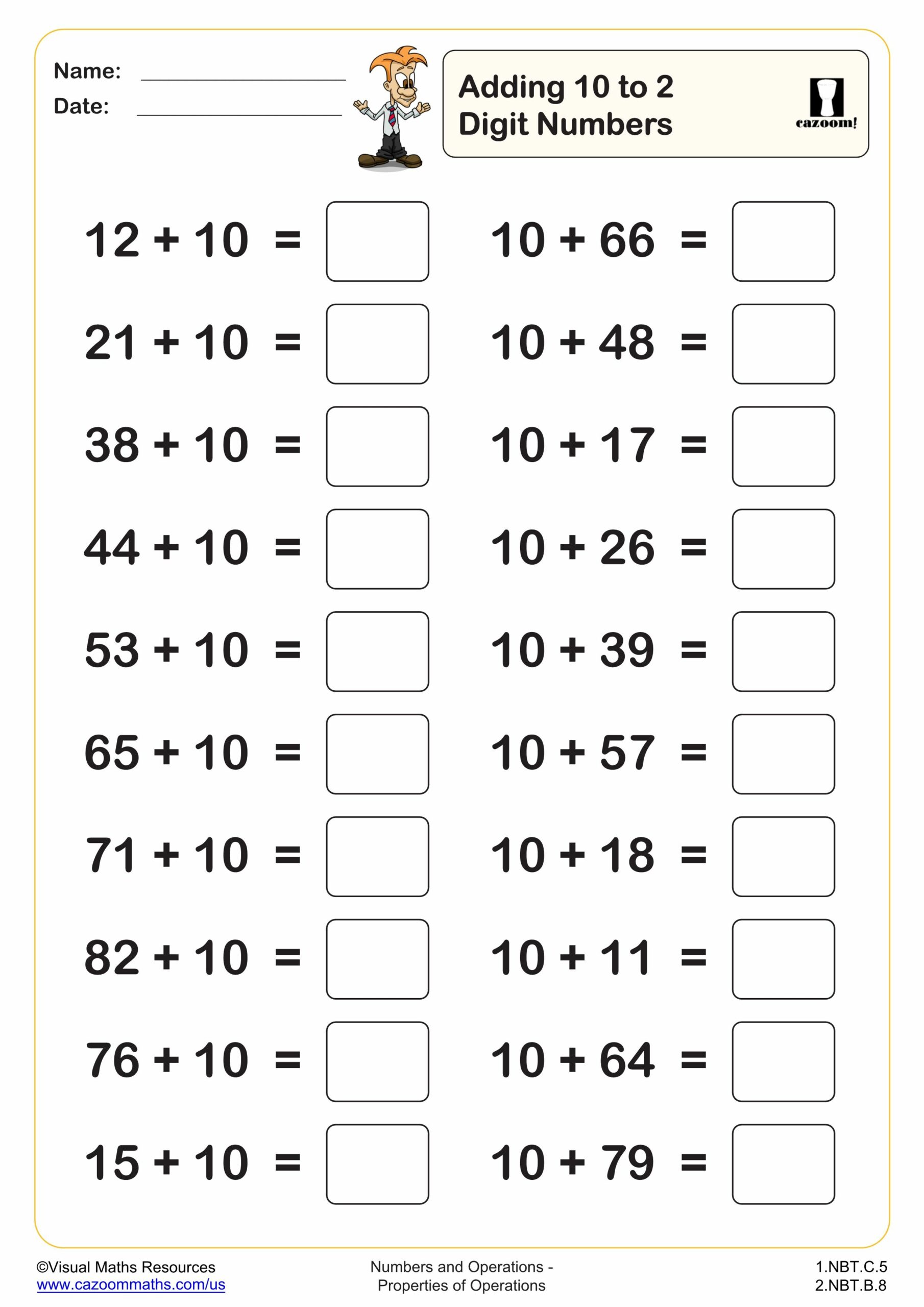
Adding 11 to 2 digit numbers (20 questions)
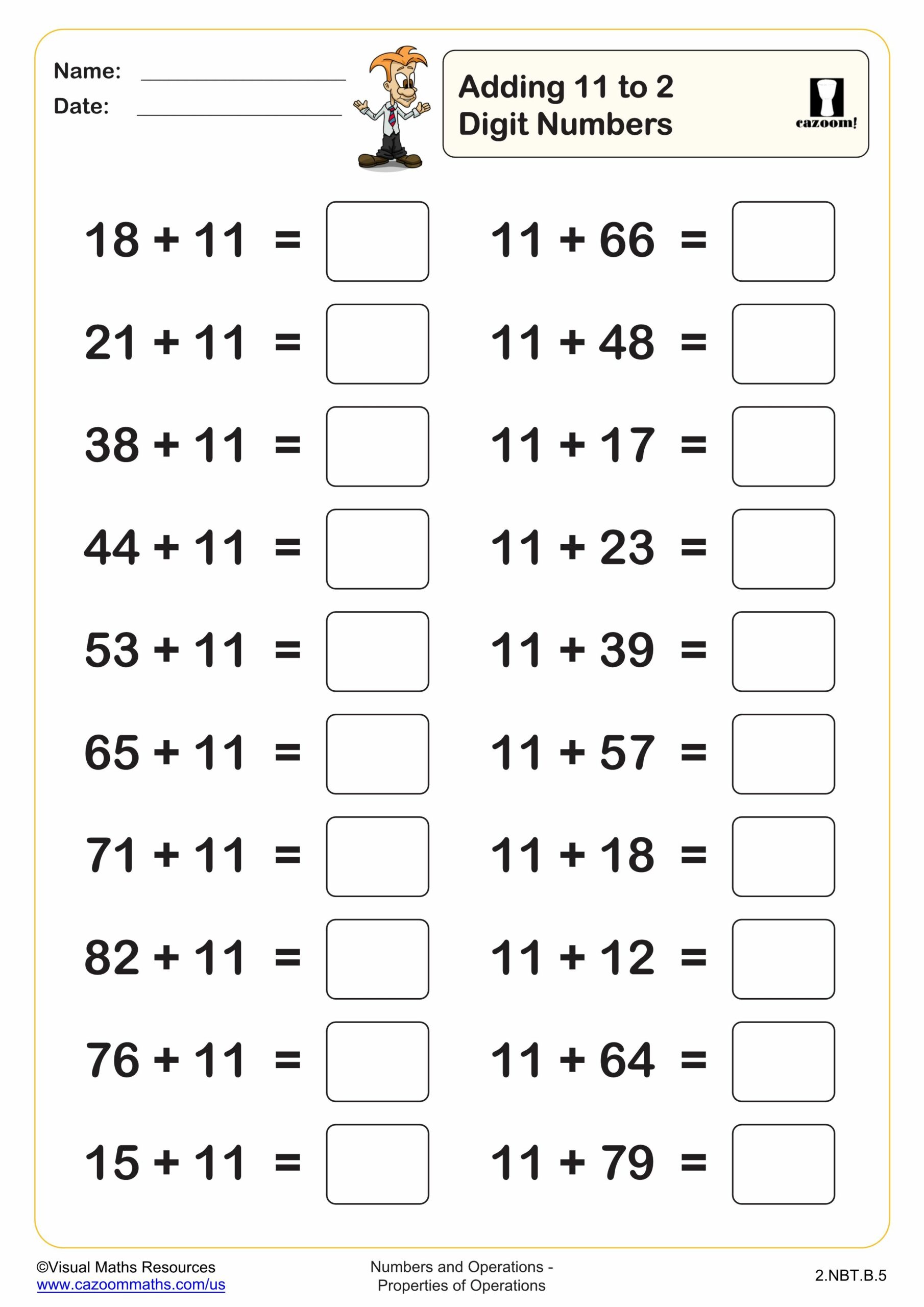
Adding 11 to 2 digit numbers (50 questions)
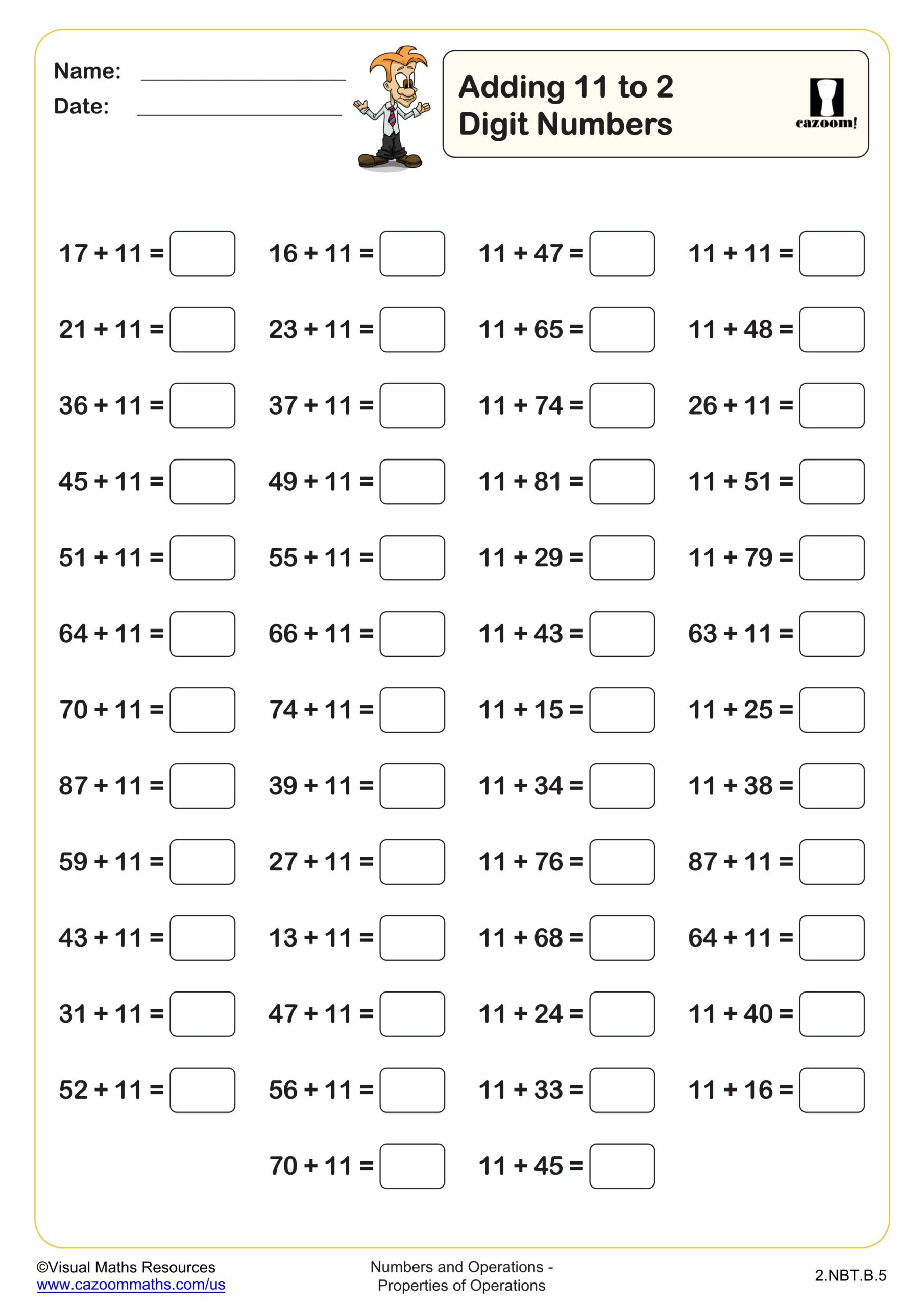
Adding 2 (20 questions)
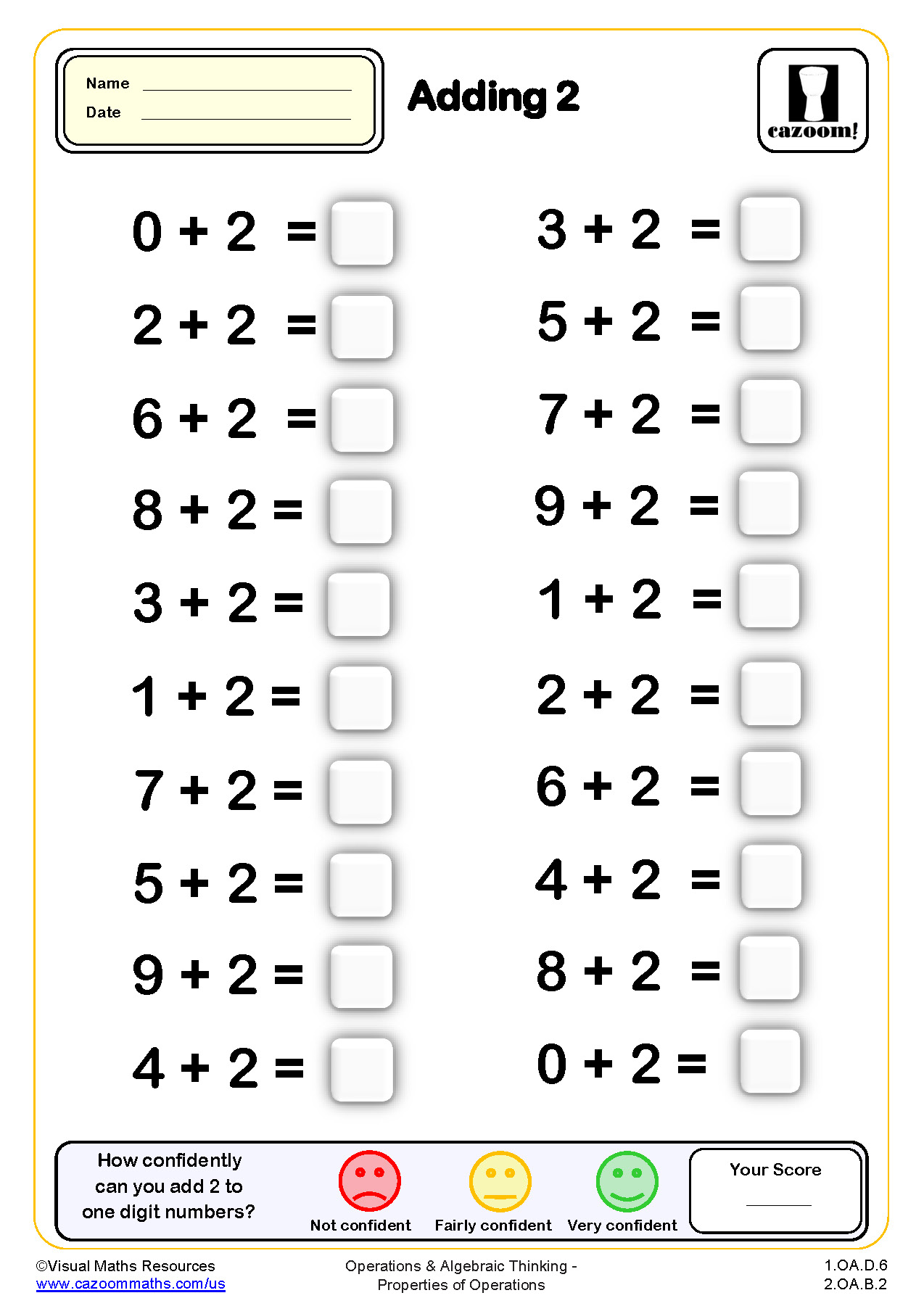
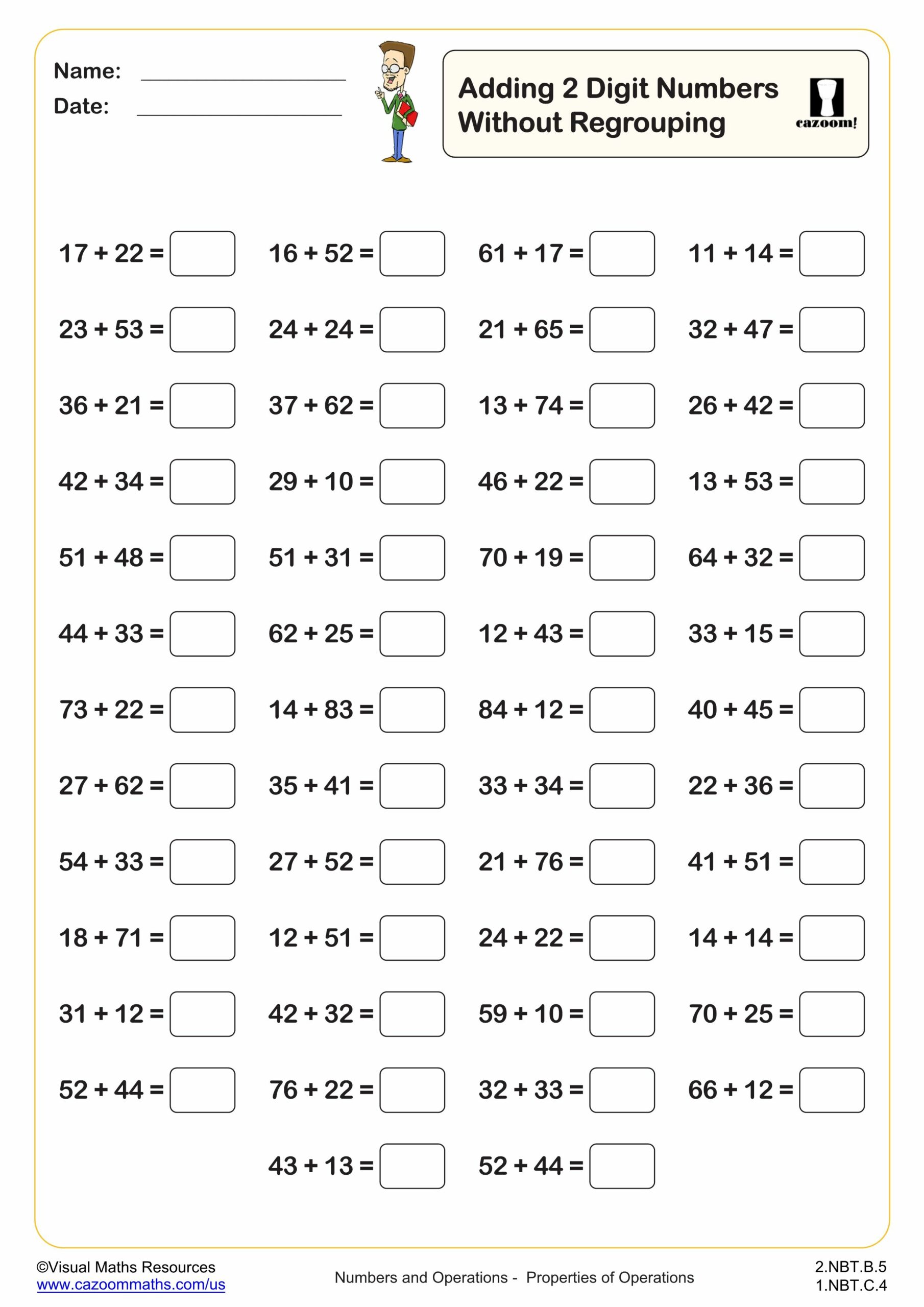
Adding 2 digit numbers without regrouping (50 questions)
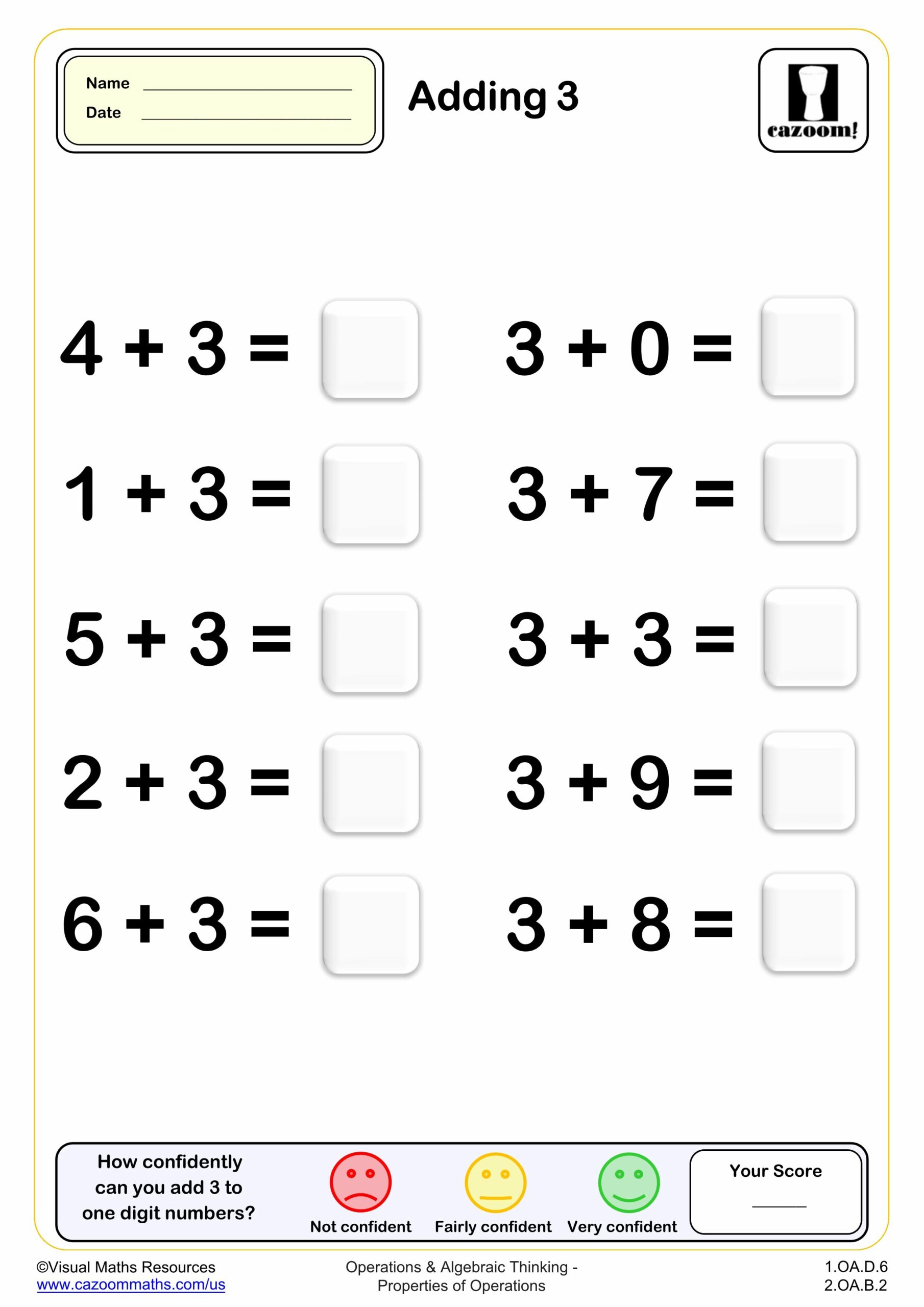
Adding 3 (10 questions)
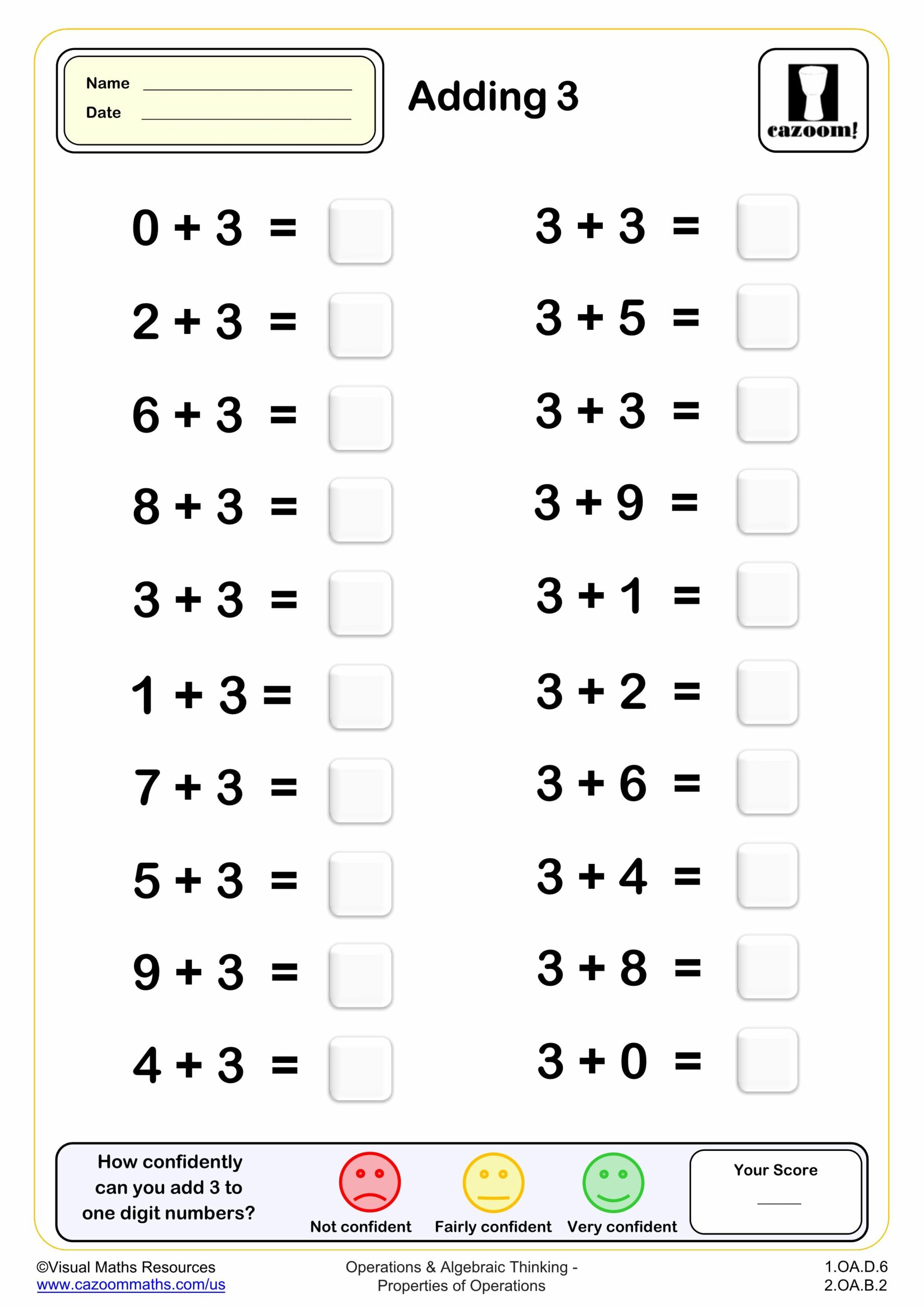
Adding 3 (20 questions)
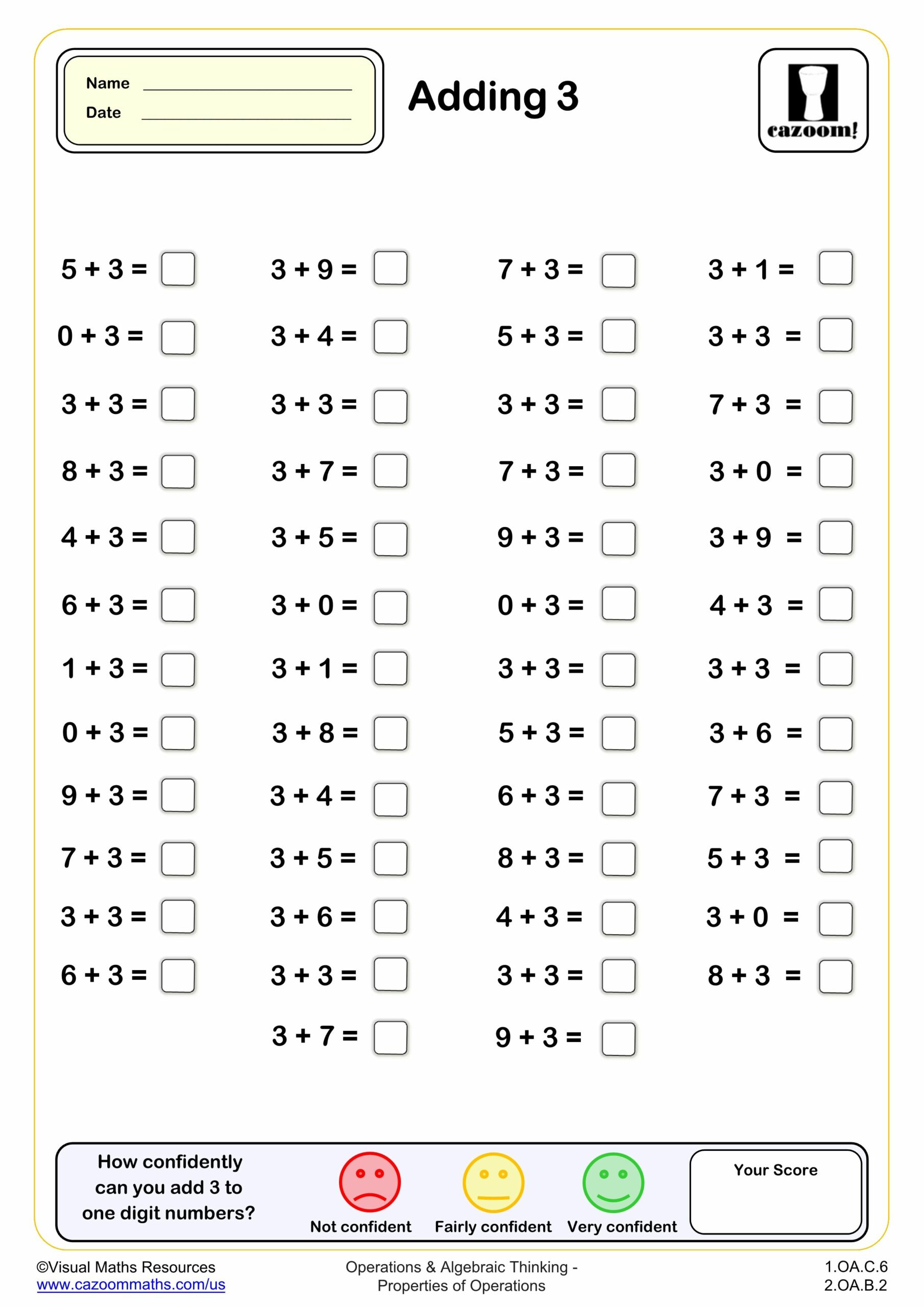
Adding 3 (50 questions)
Adding 4 (10 questions)
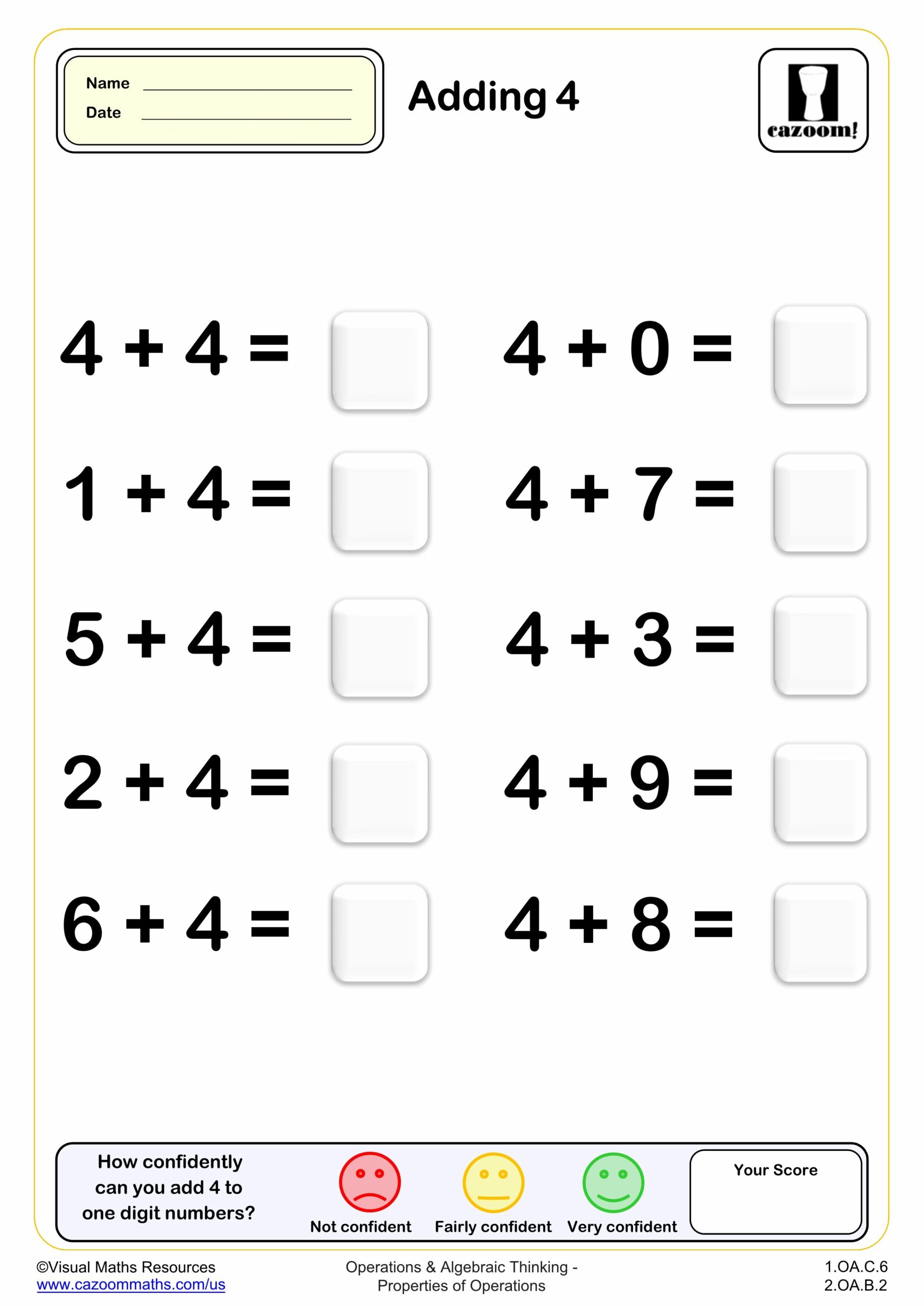
Adding 4 (20 questions)
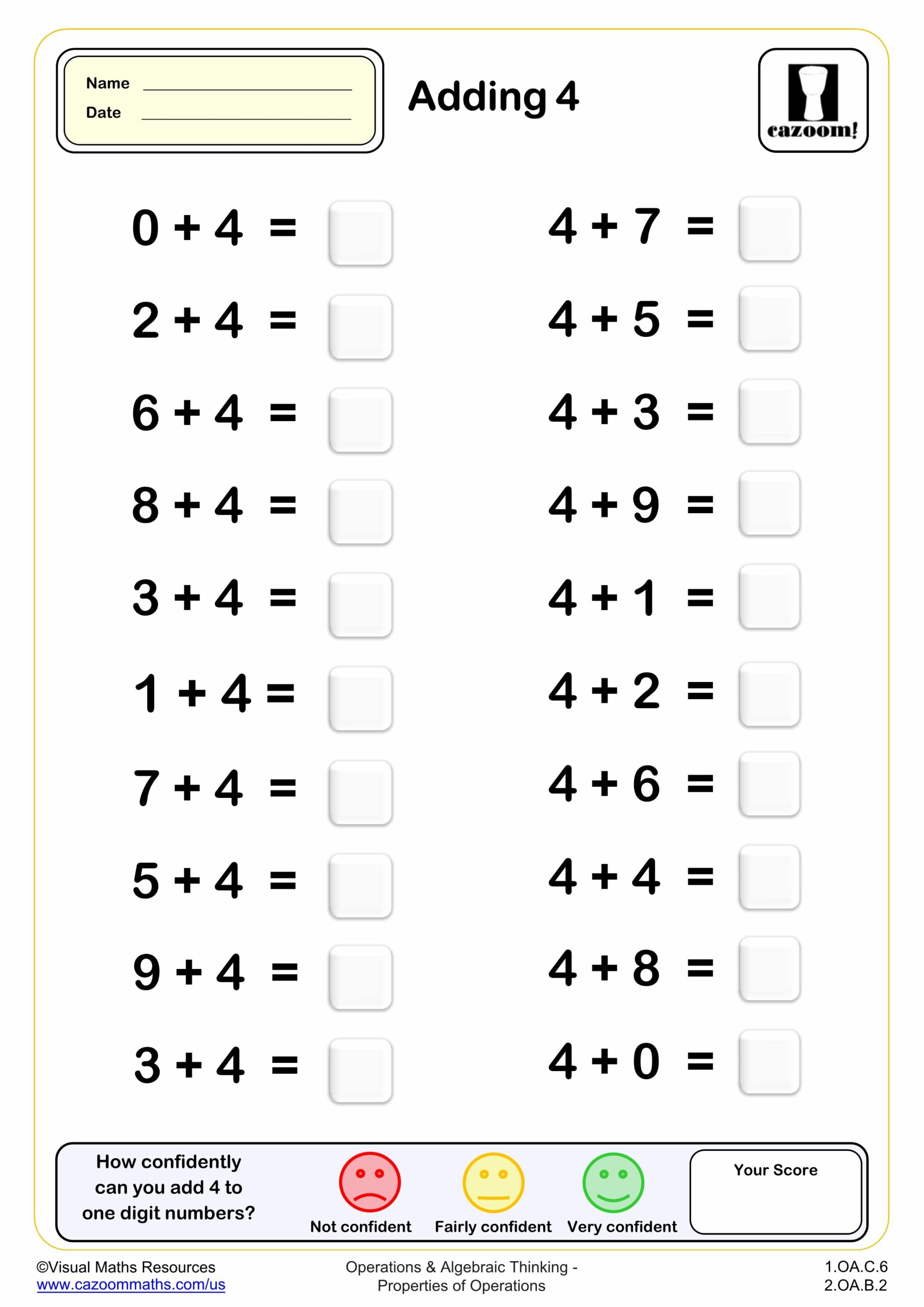
Adding 4 (50 questions)
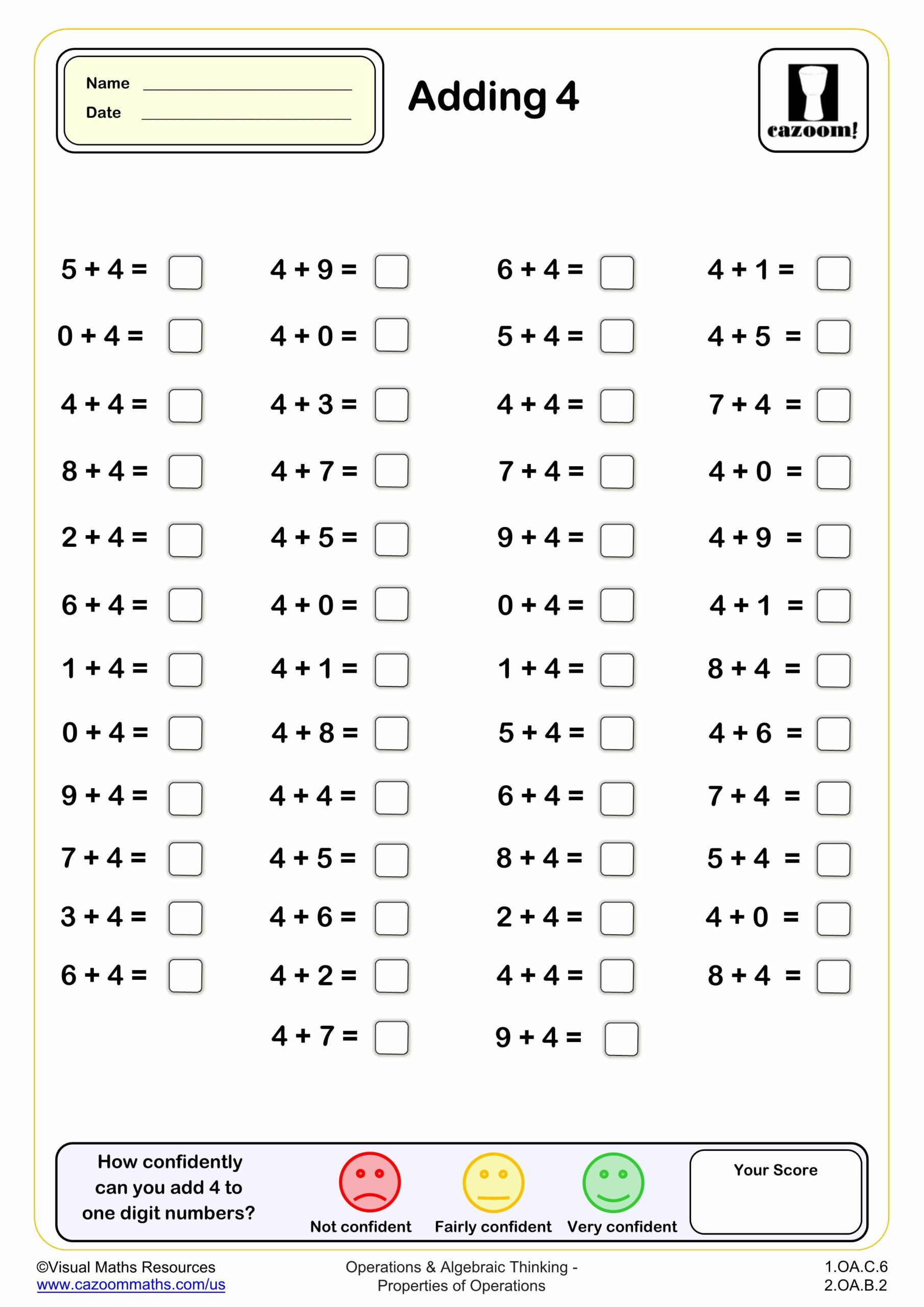
Adding 5 (20 questions)
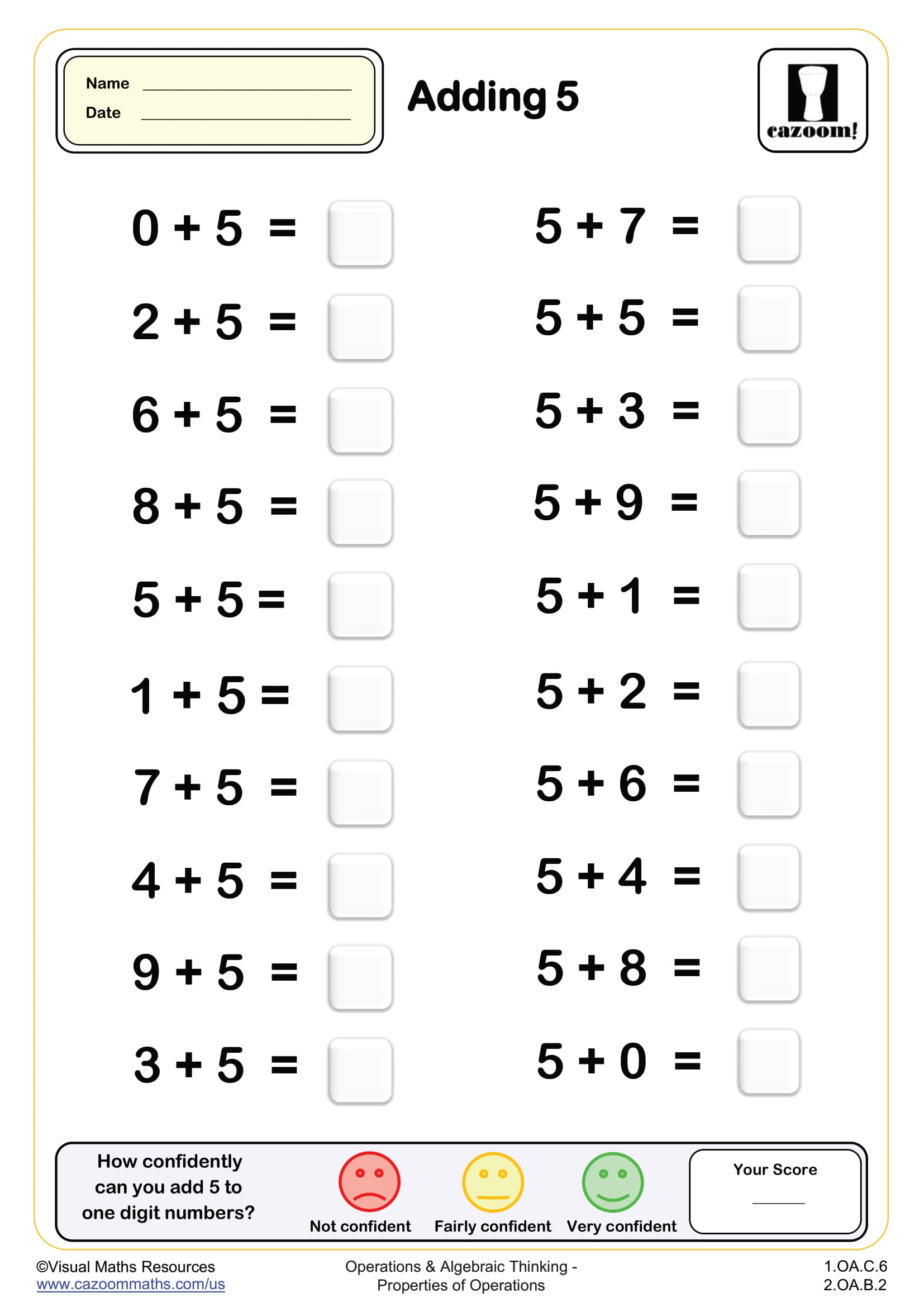
Adding 5 to 2 digit numbers (10 questions)
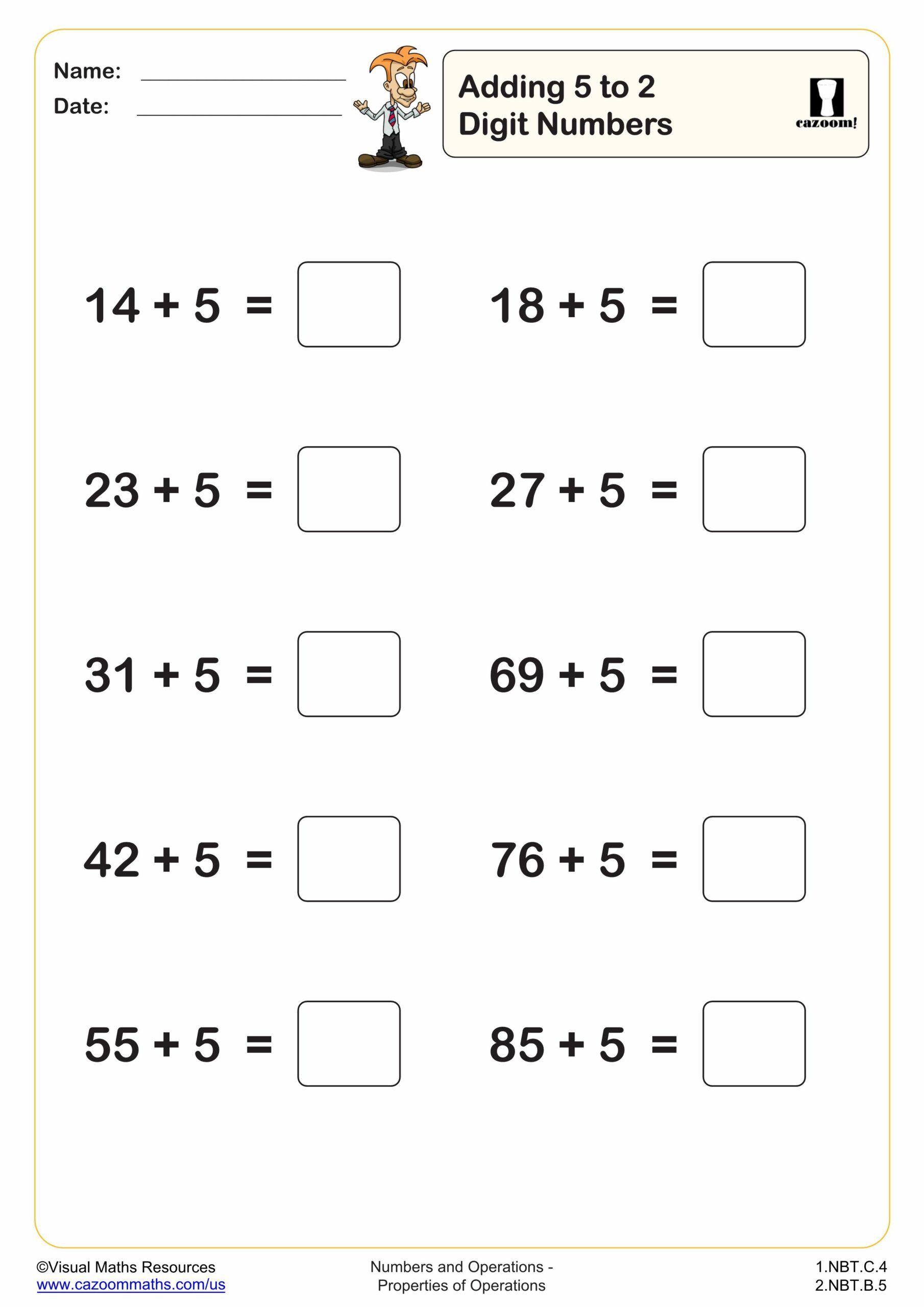
Adding 6 to 2 digit numbers (50 questions)
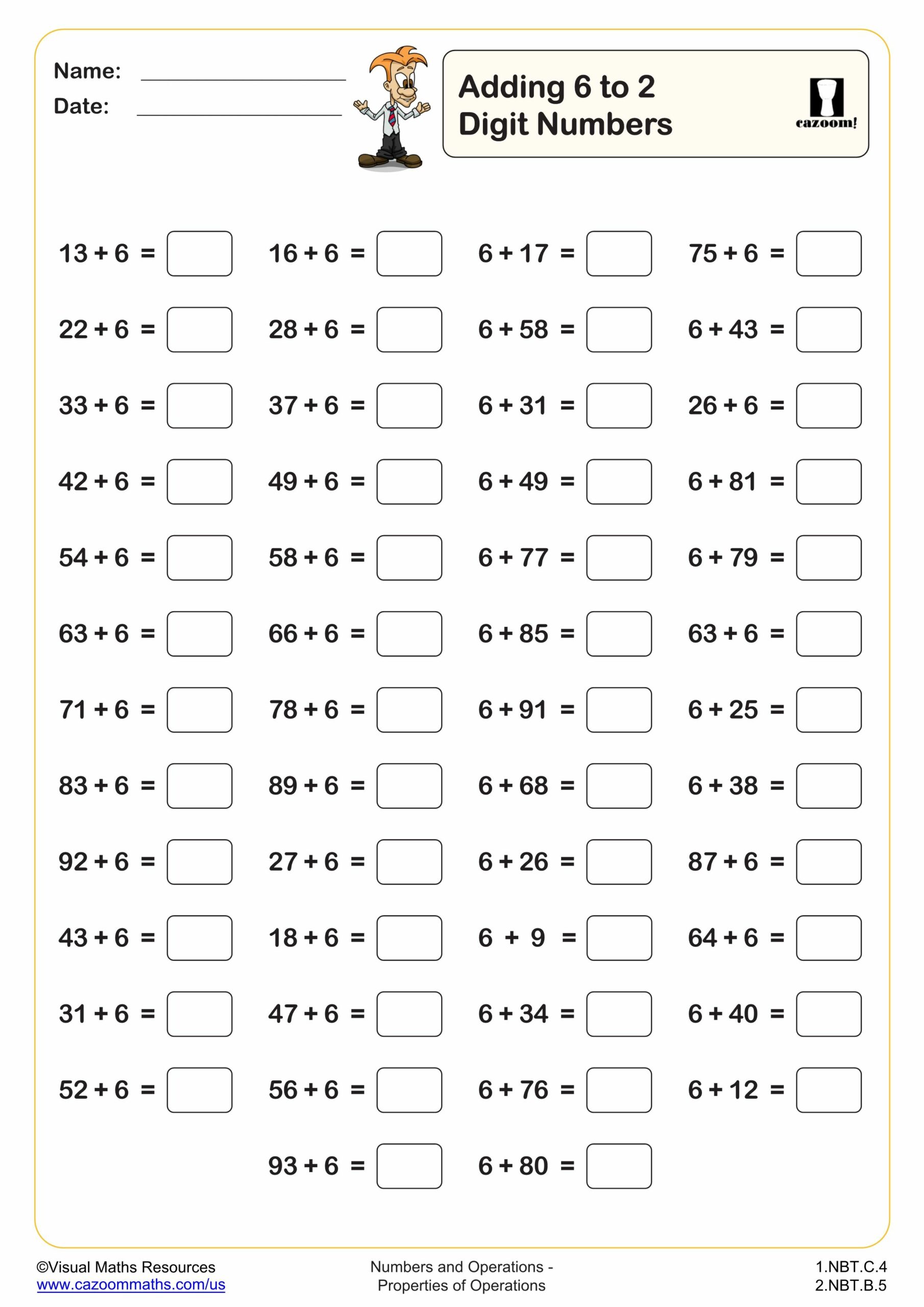
Adding 7 to 2 digit numbers (50 questions)
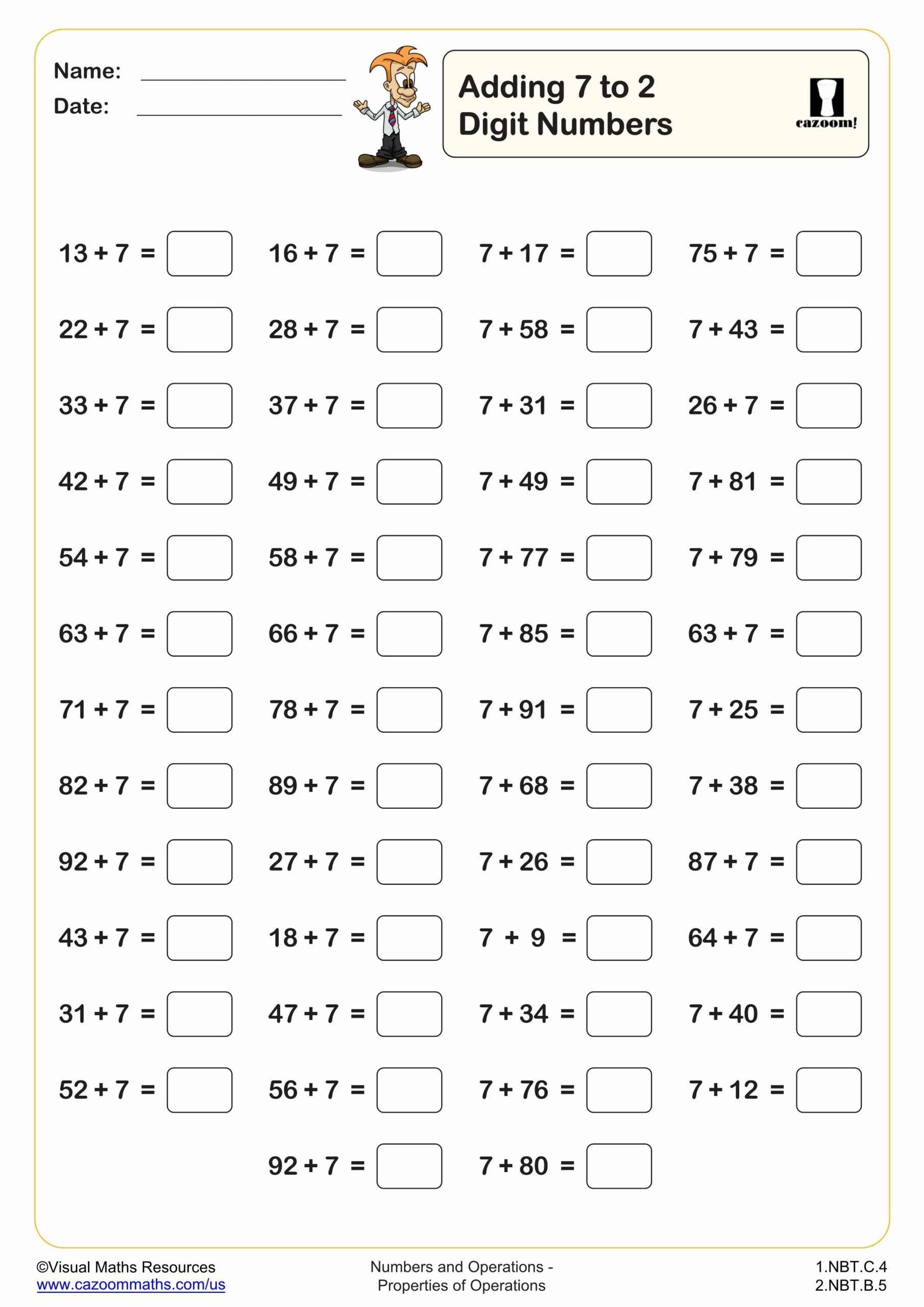
Adding 8 to 2 digit numbers (50 questions)
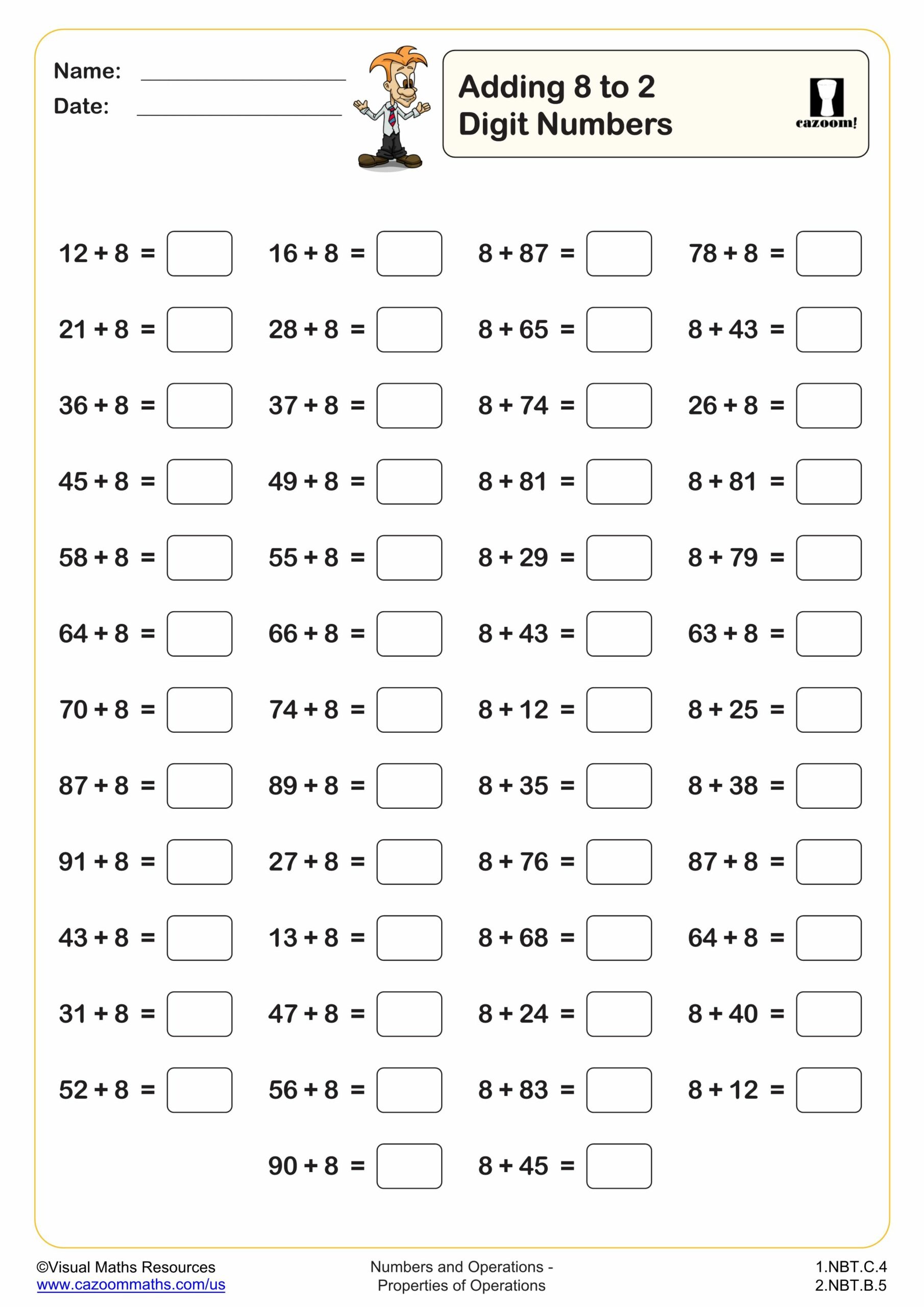
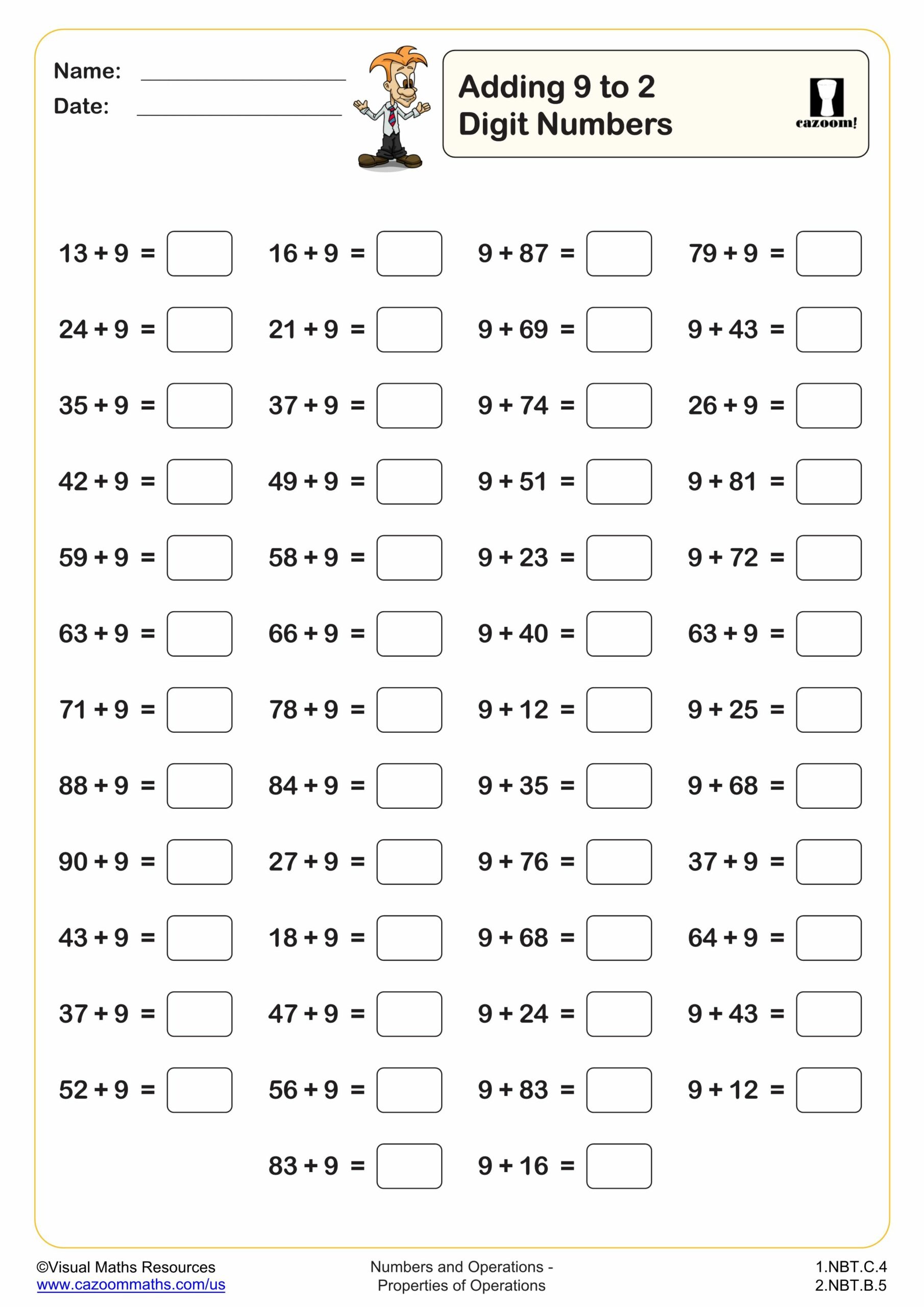
Adding 9 to 2 digit numbers (50 questions)
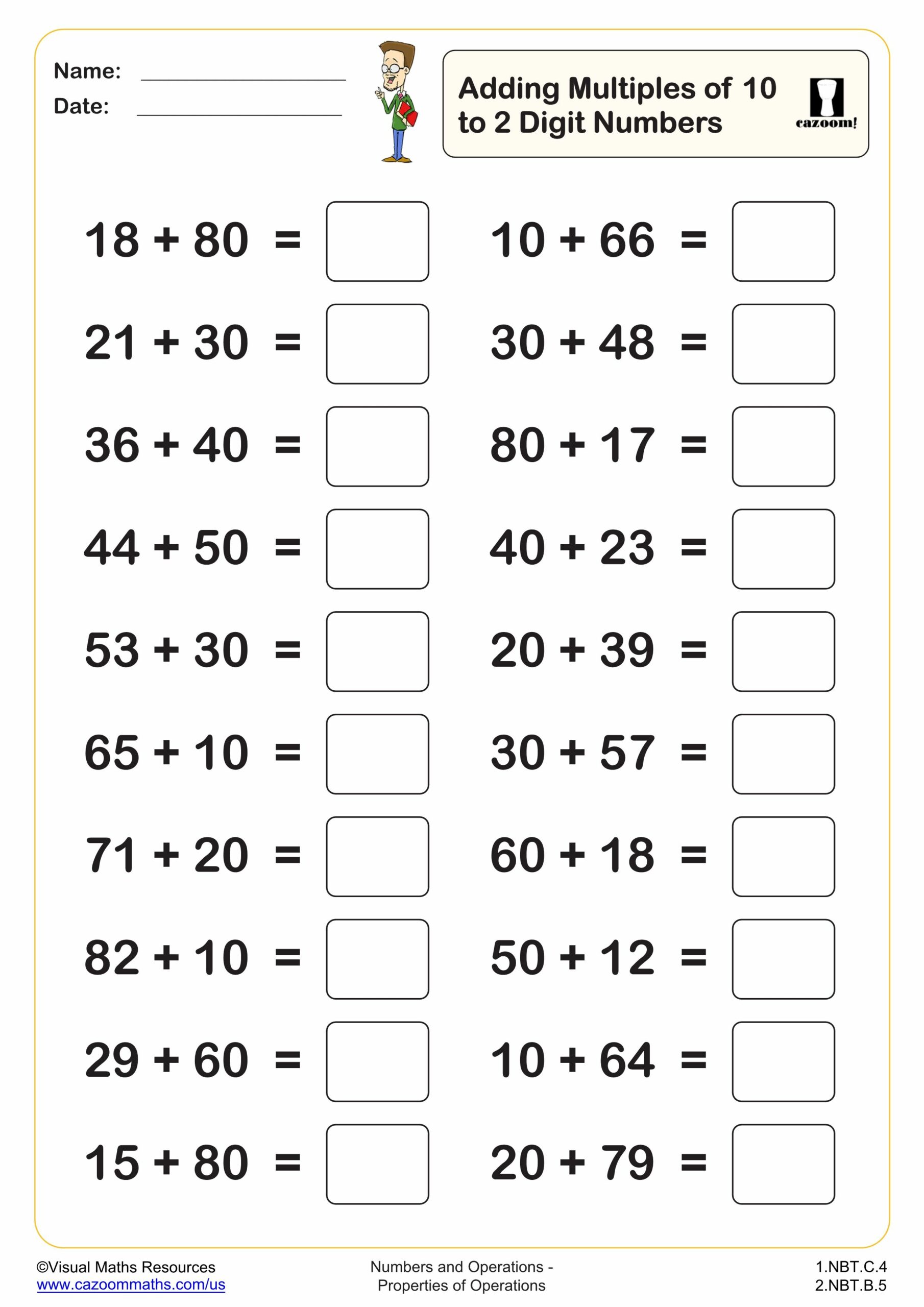
Adding mulitples of 10 to a 2 digit number (20 questions)
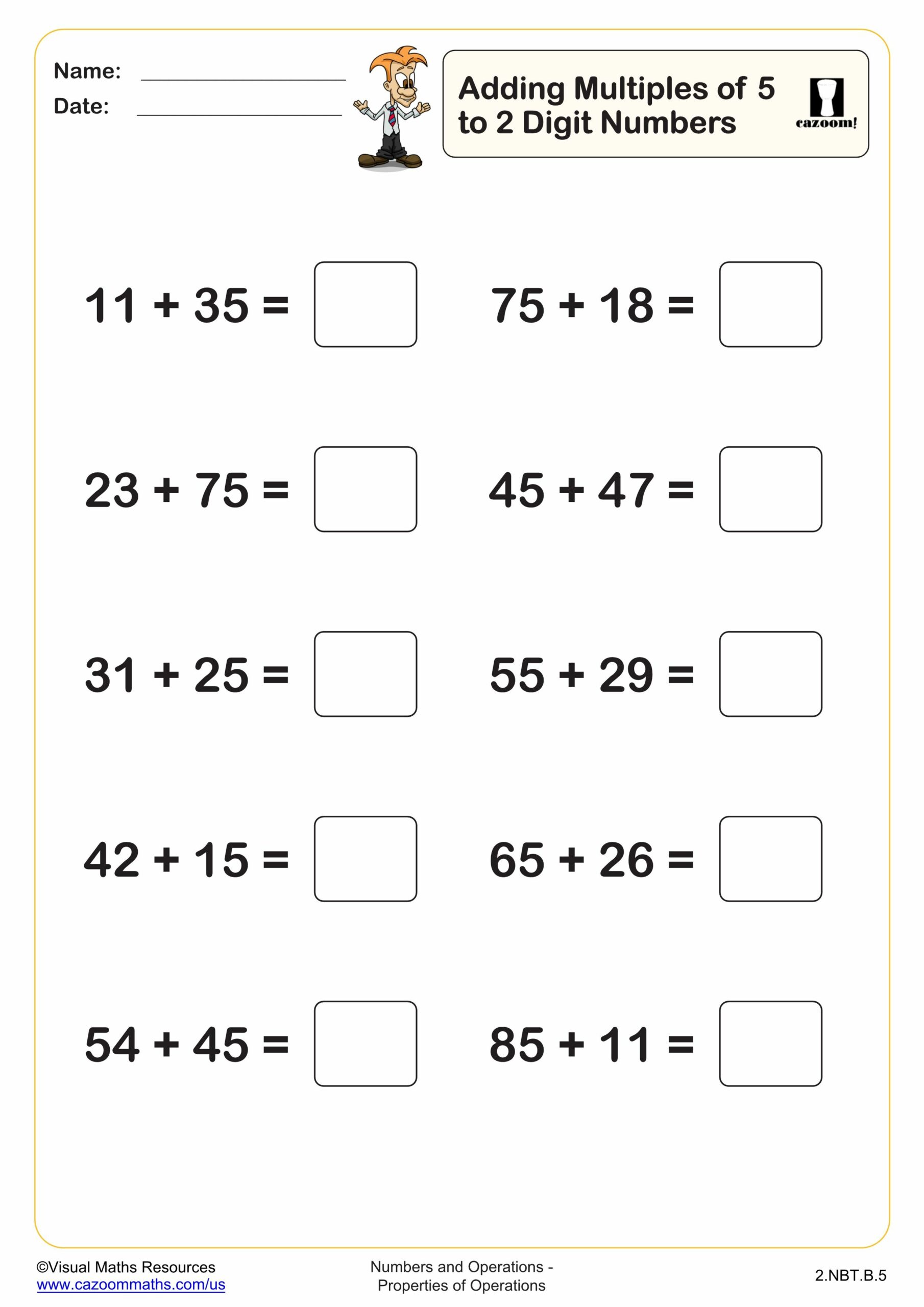
Adding mulitples of 5 to a 2 digit number (10 questions)
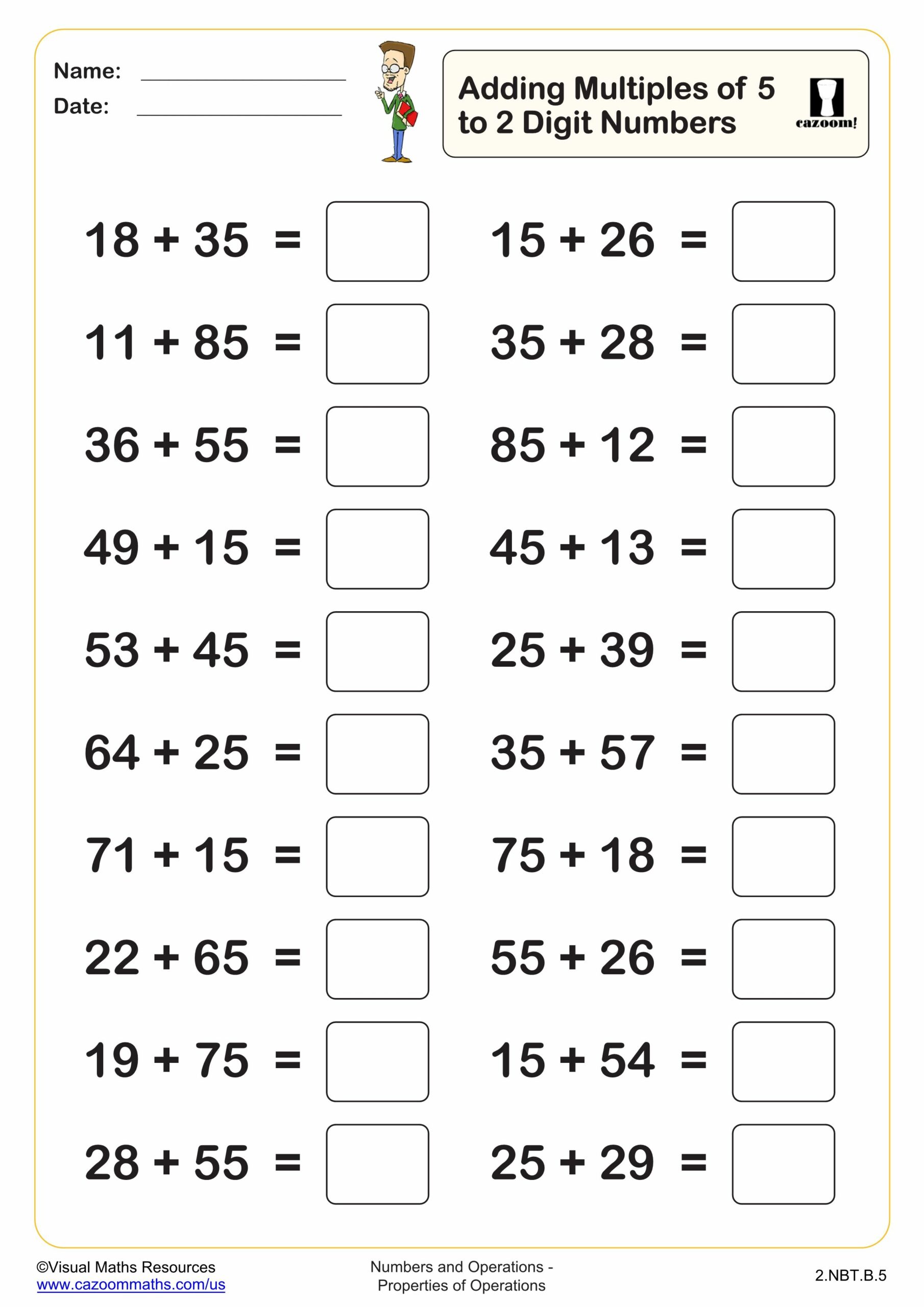
Adding mulitples of 5 to a 2 digit number (20 questions)
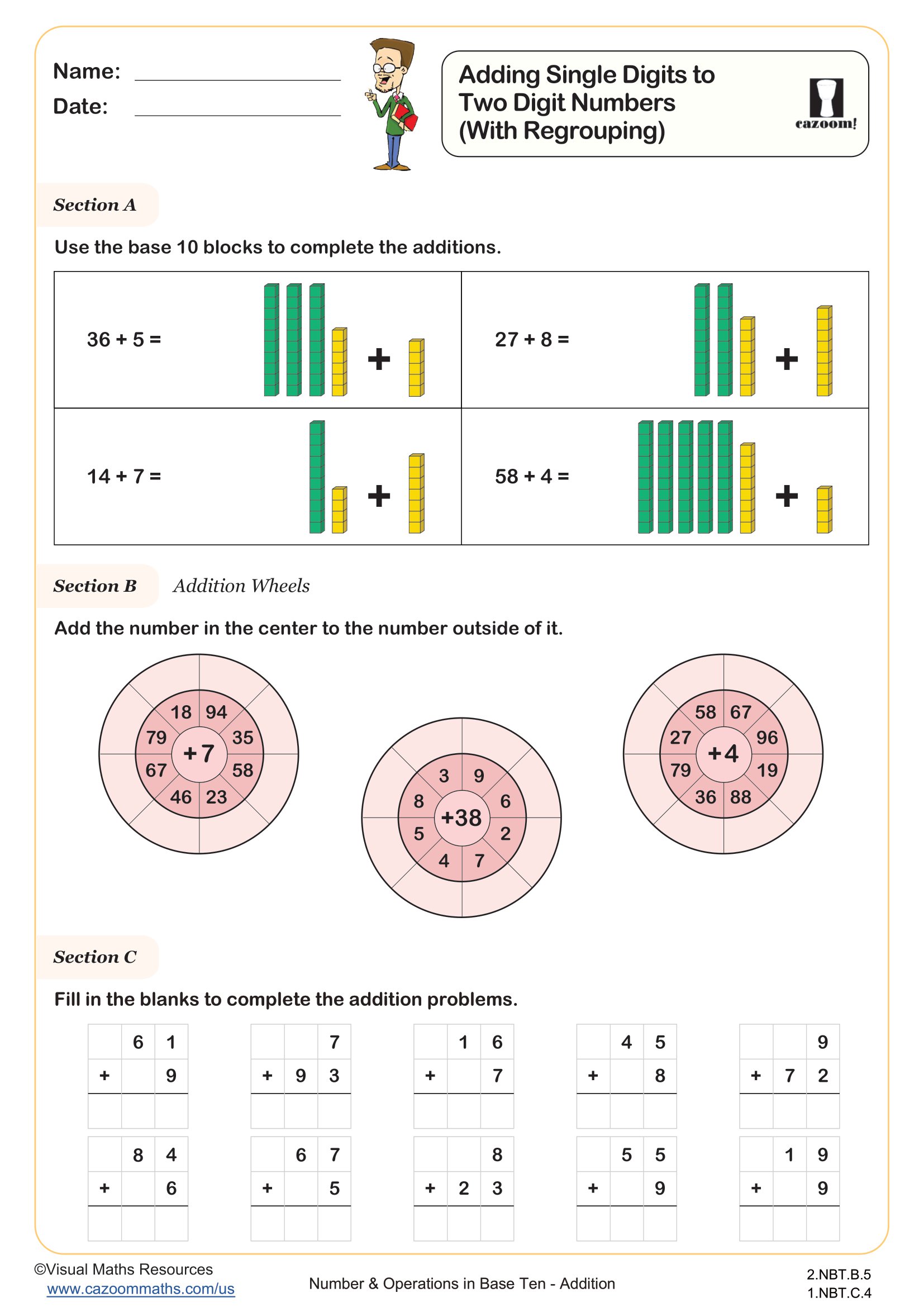
Adding Single Digits to Two Digit Numbers (With Regrouping)
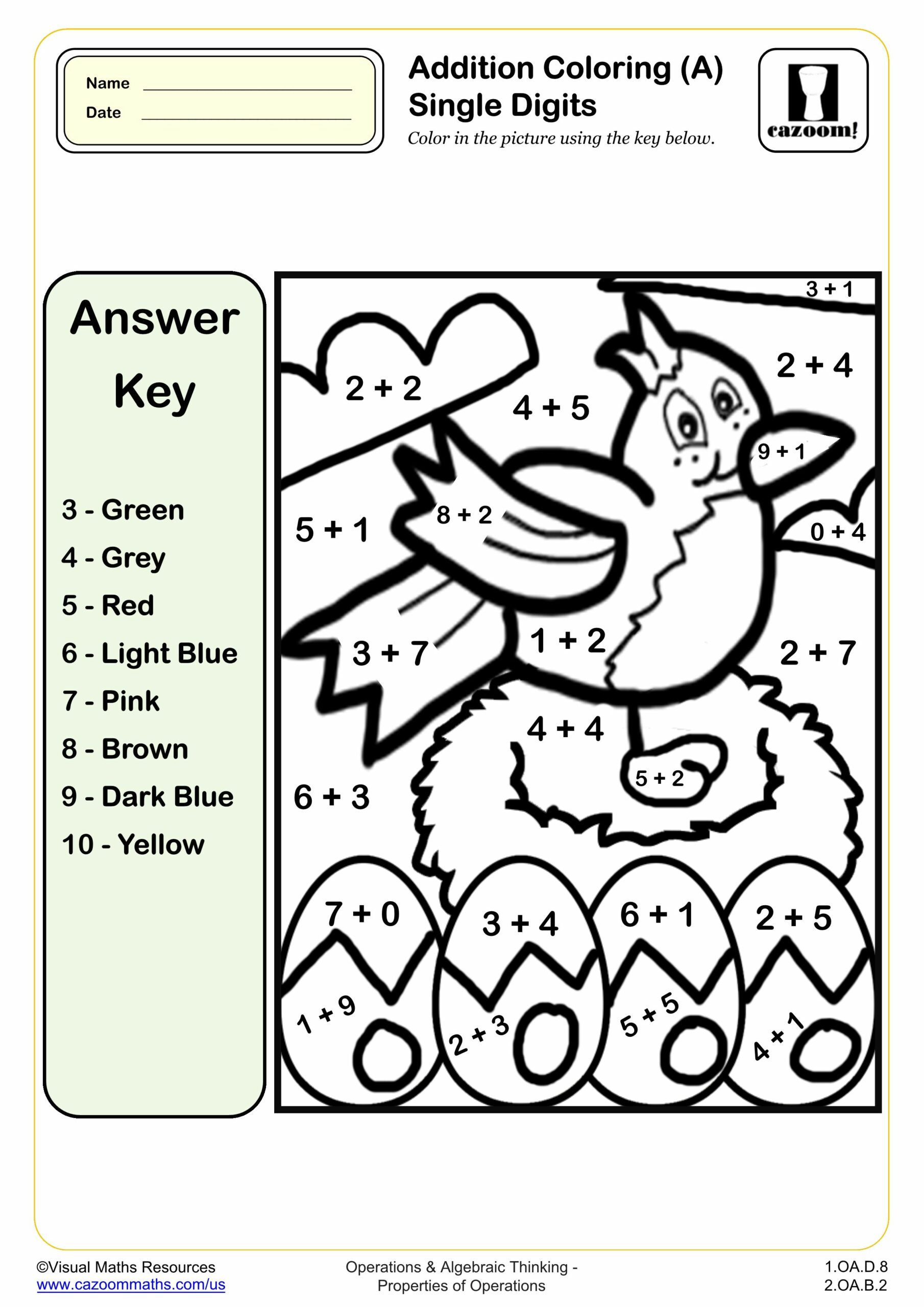
Addition Coloring (A) Single Digits
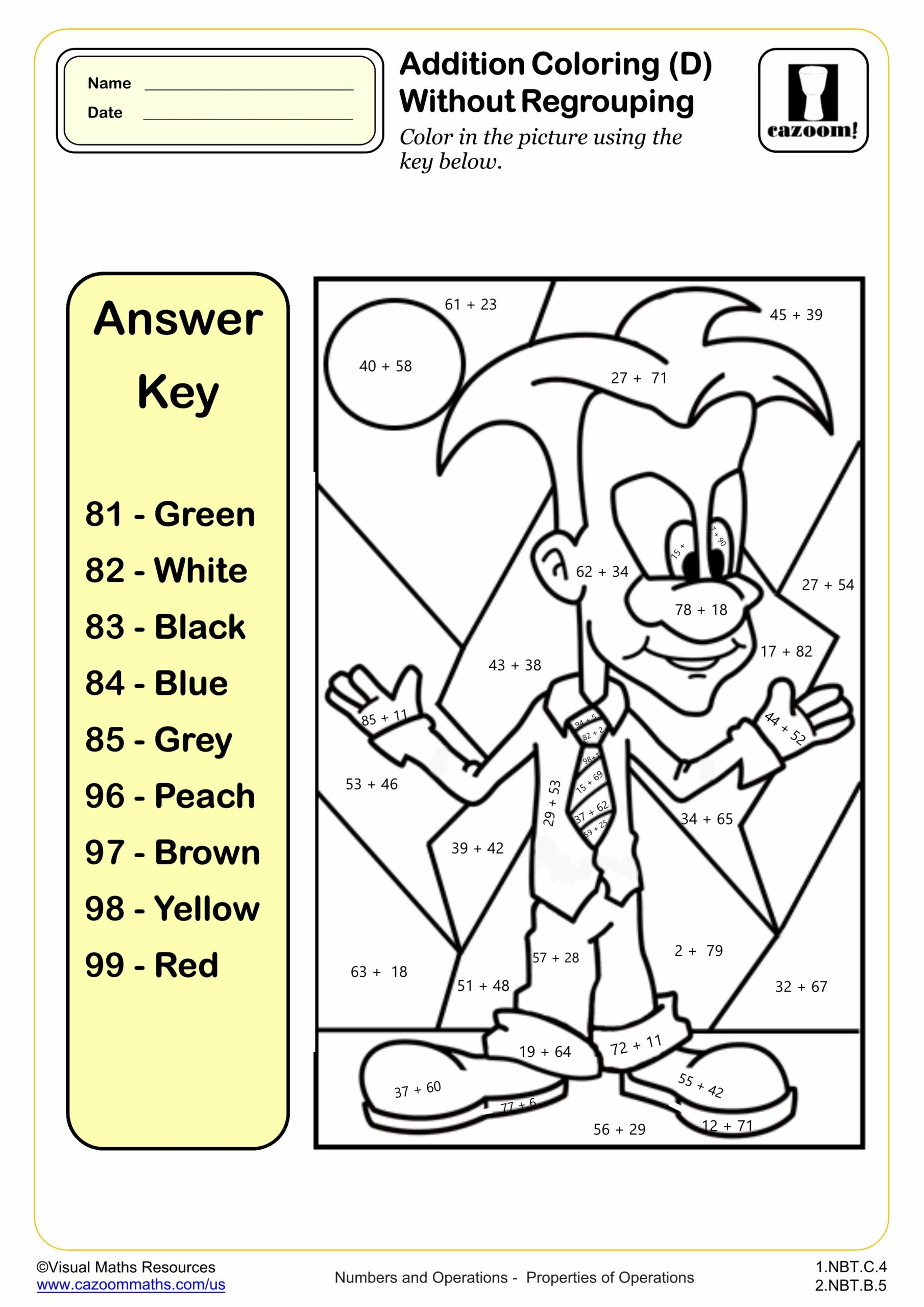
Addition Coloring (D)
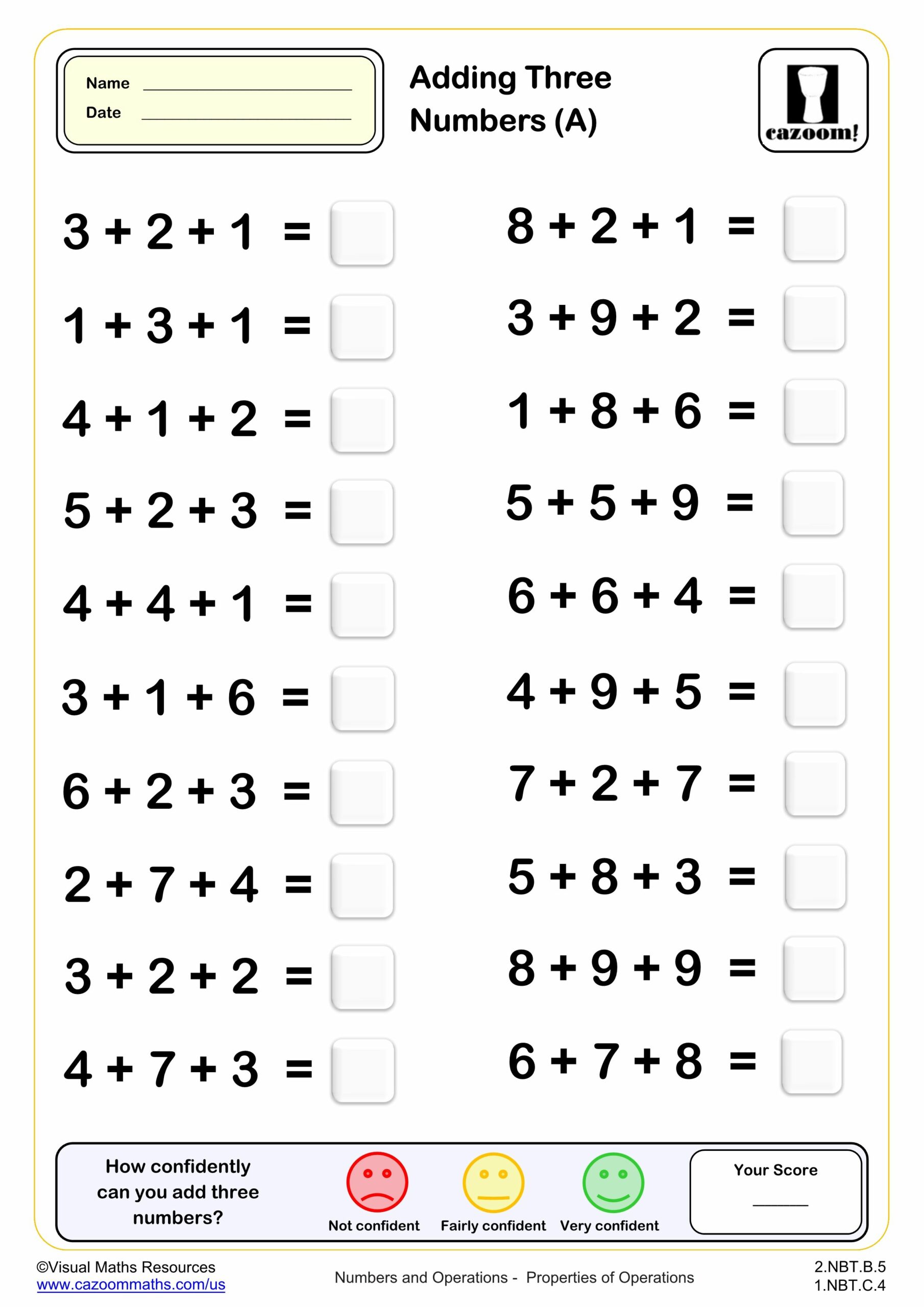
Addition Drills with three numbers (A)
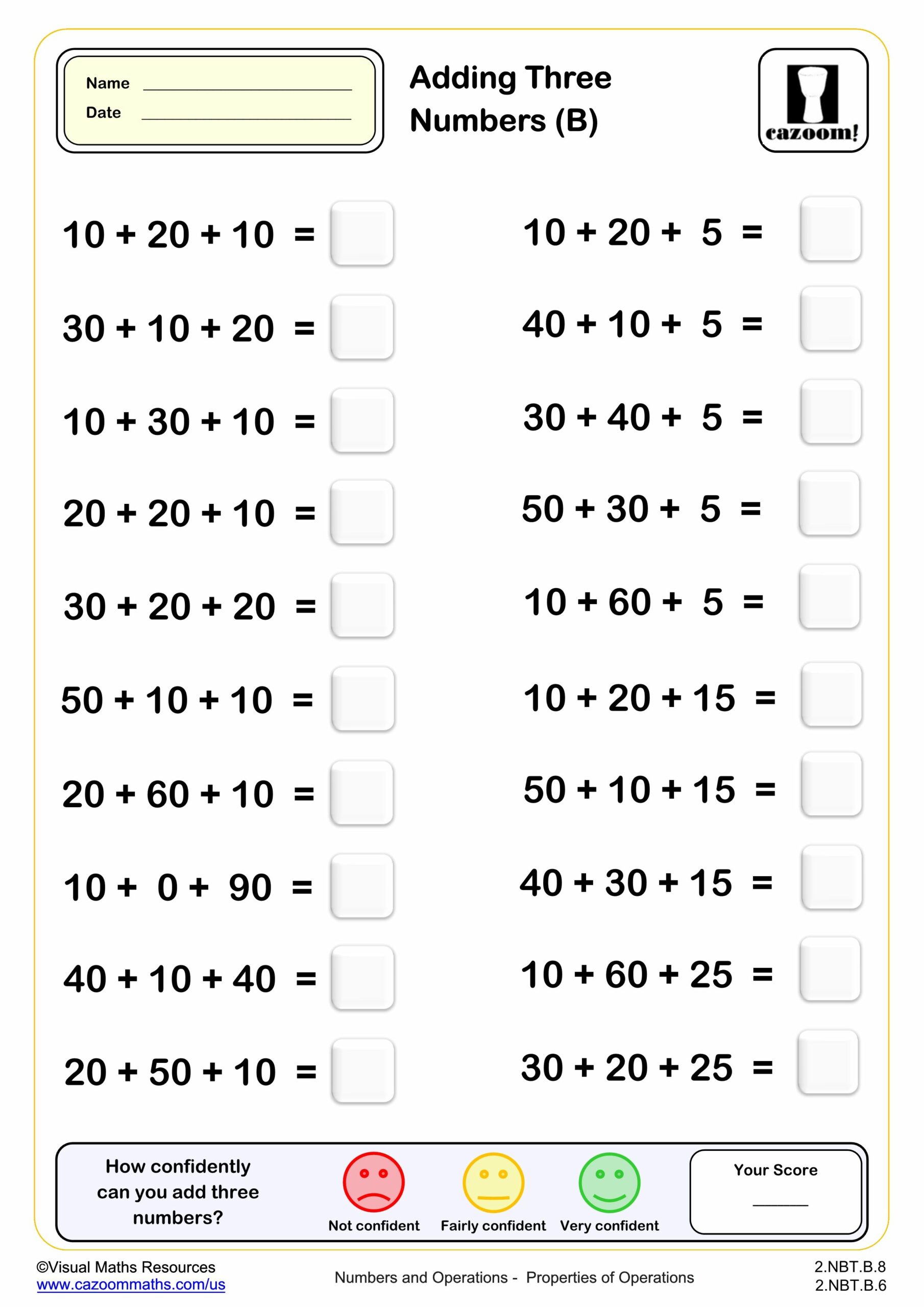
Addition Drills with three numbers (B)
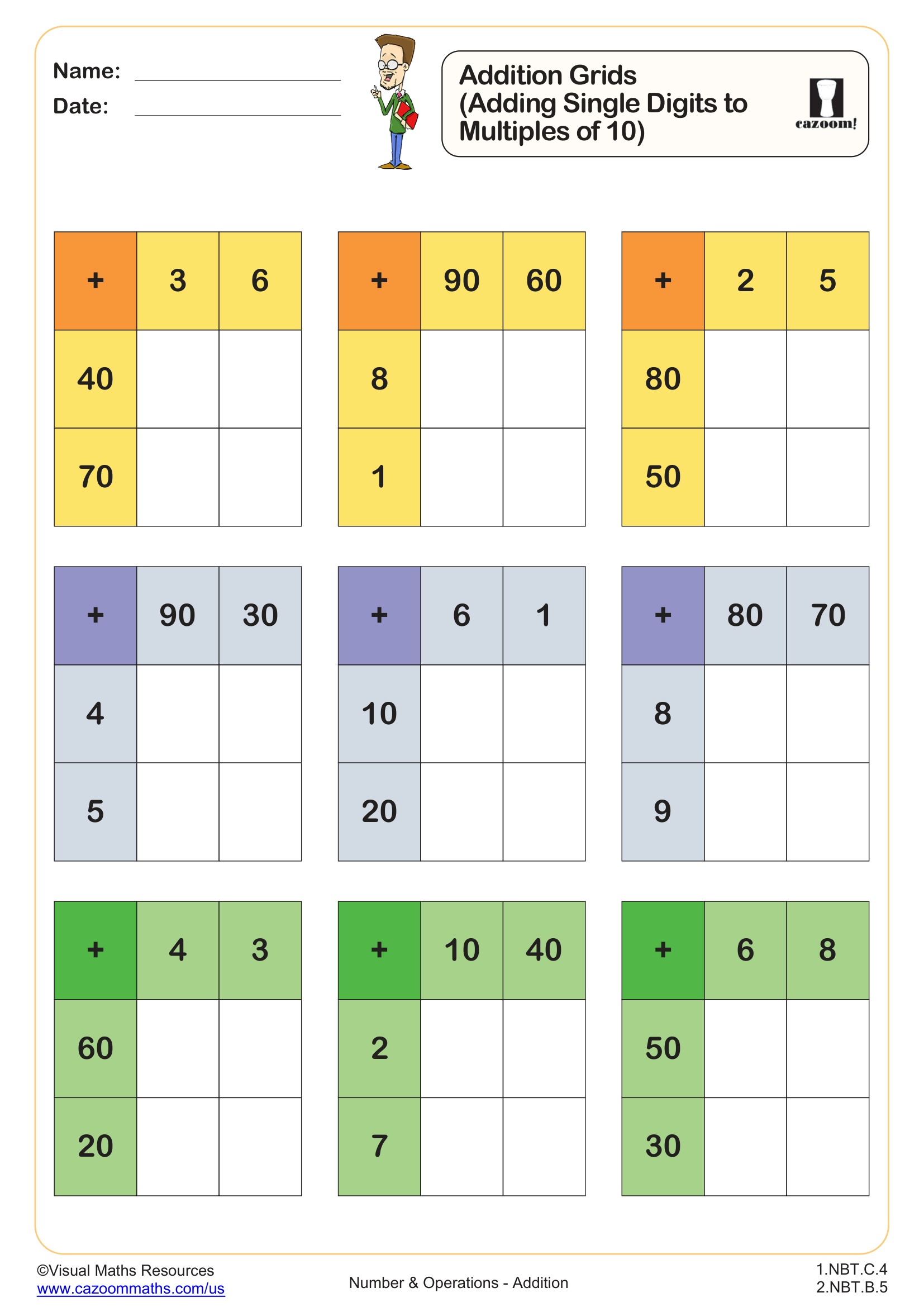
Addition Grids (Adding Single Digits to Multiples of 10)
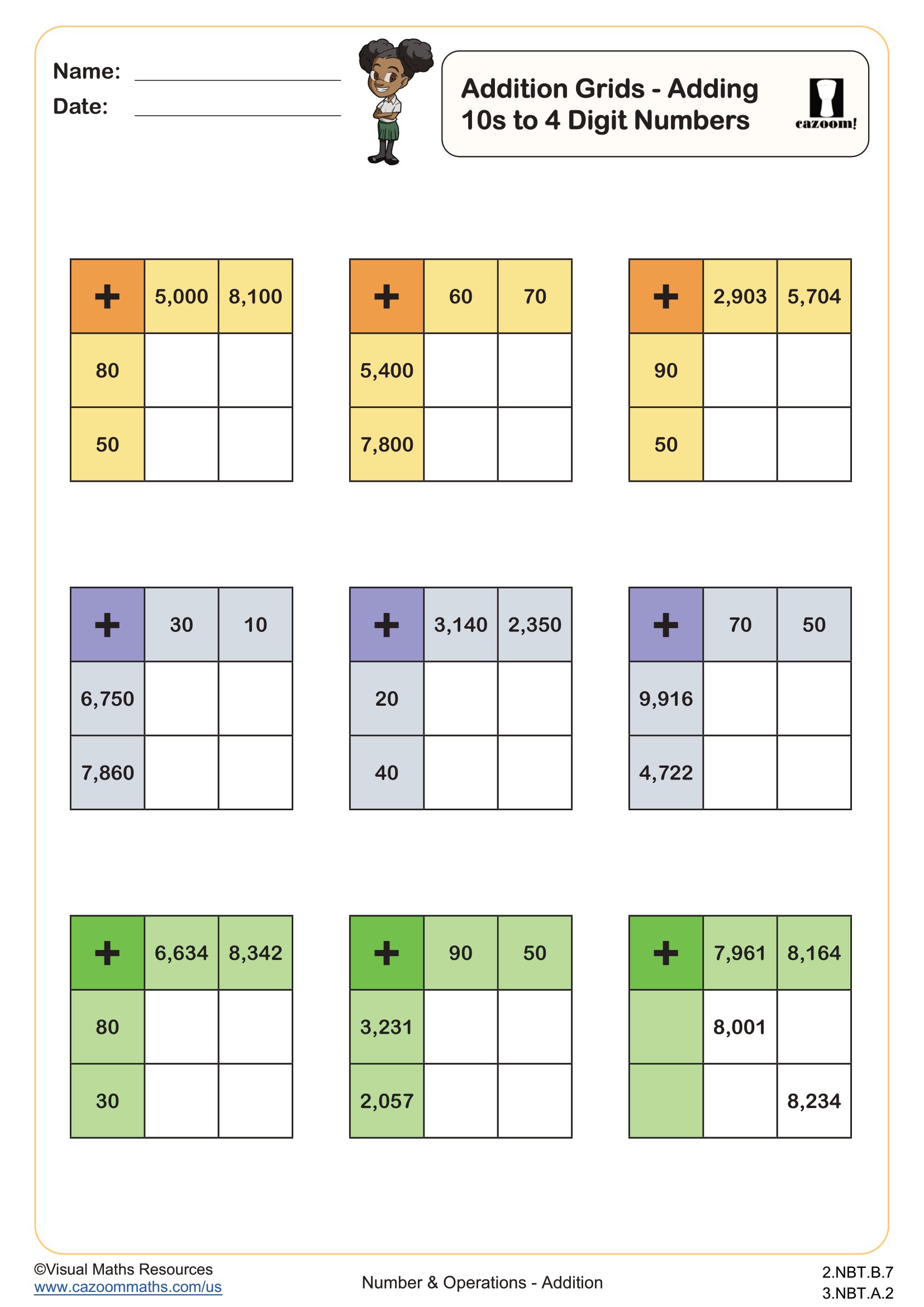
Addition Grids Adding 10s to 4 Digit Numbers
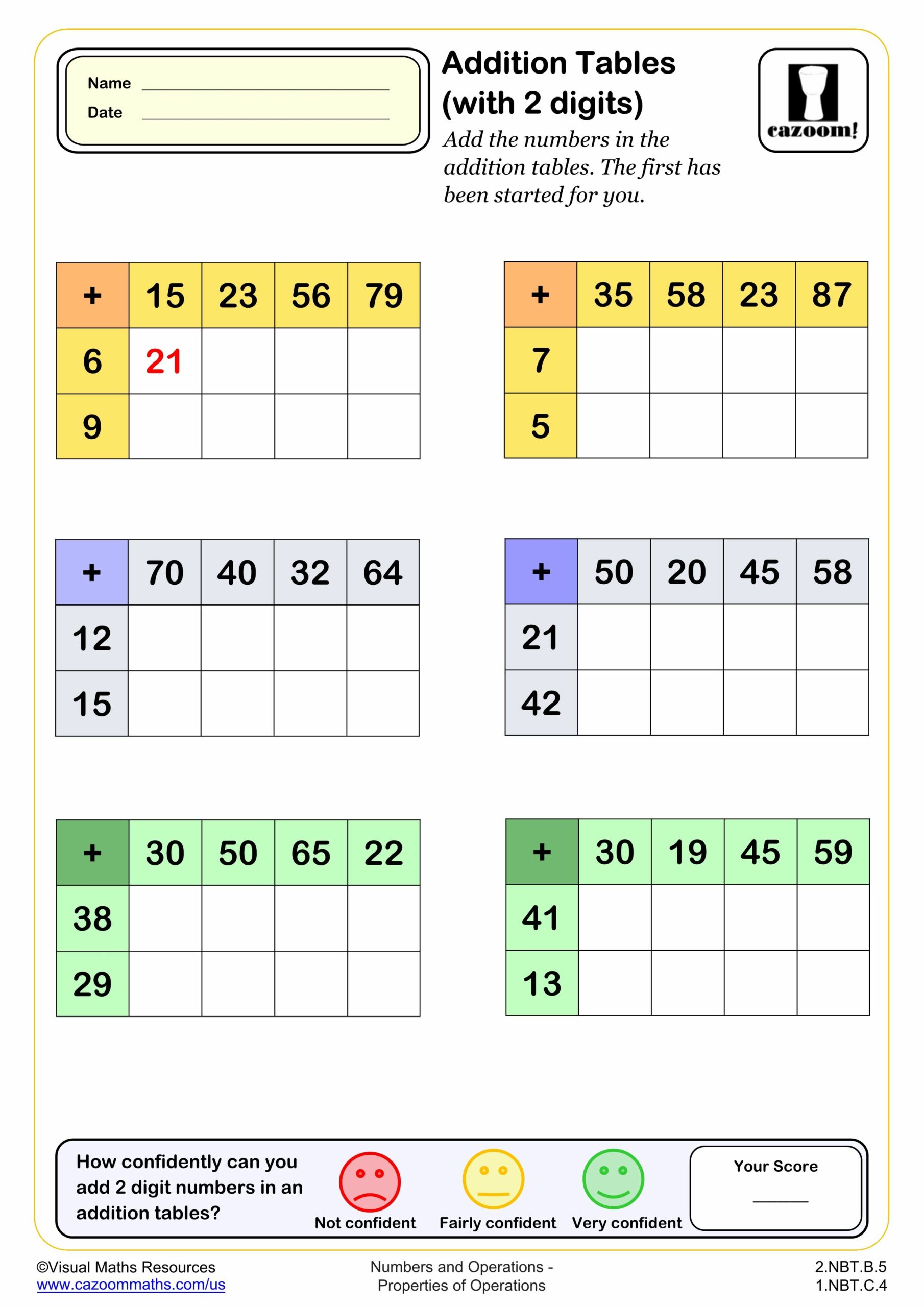
Addition Tables (2 digits)
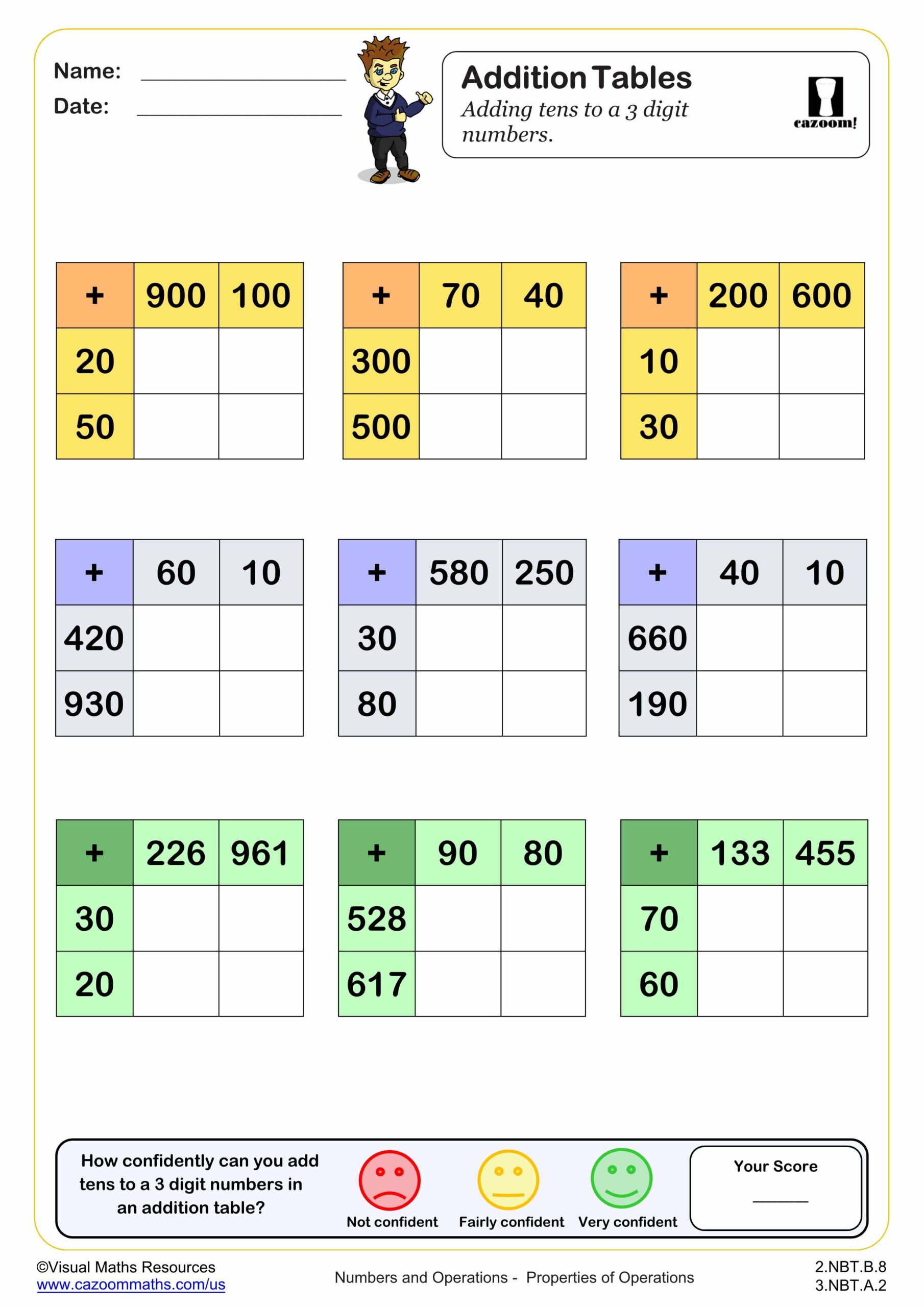
Addition Tables (adding tens to 3 digit numbers)
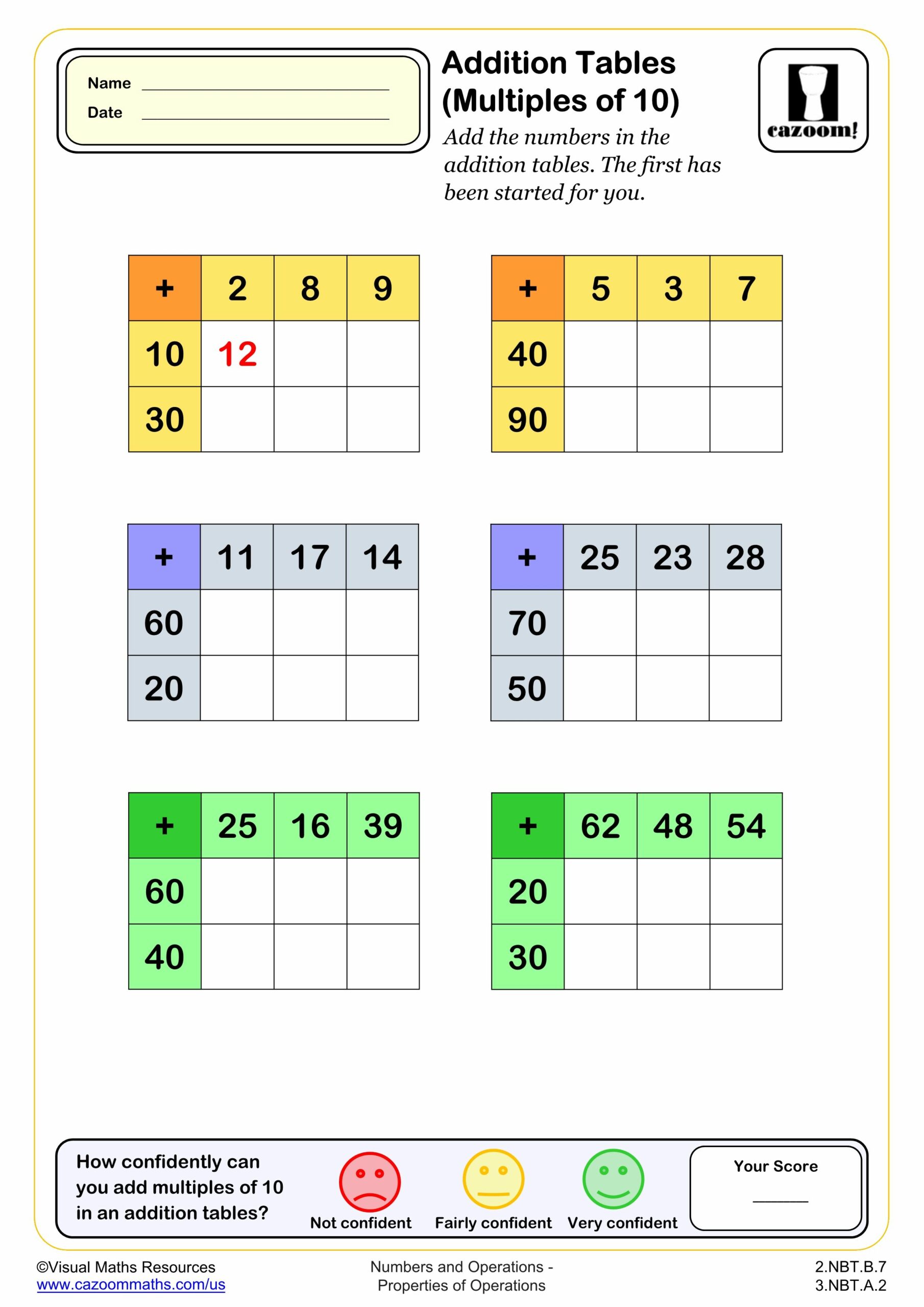
Addition Tables (Multipes of 10)
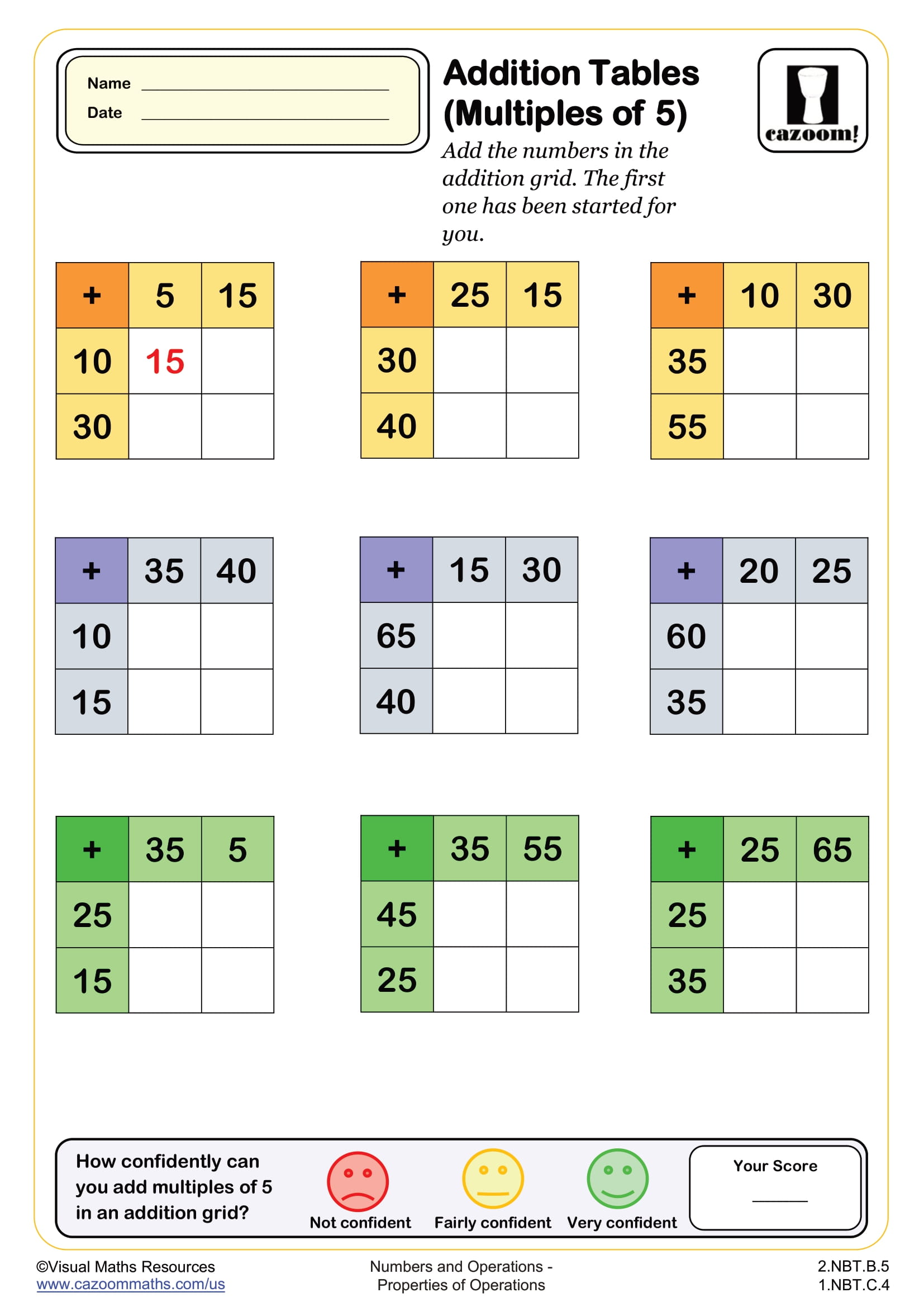
Addition Tables (Multiples of 5)
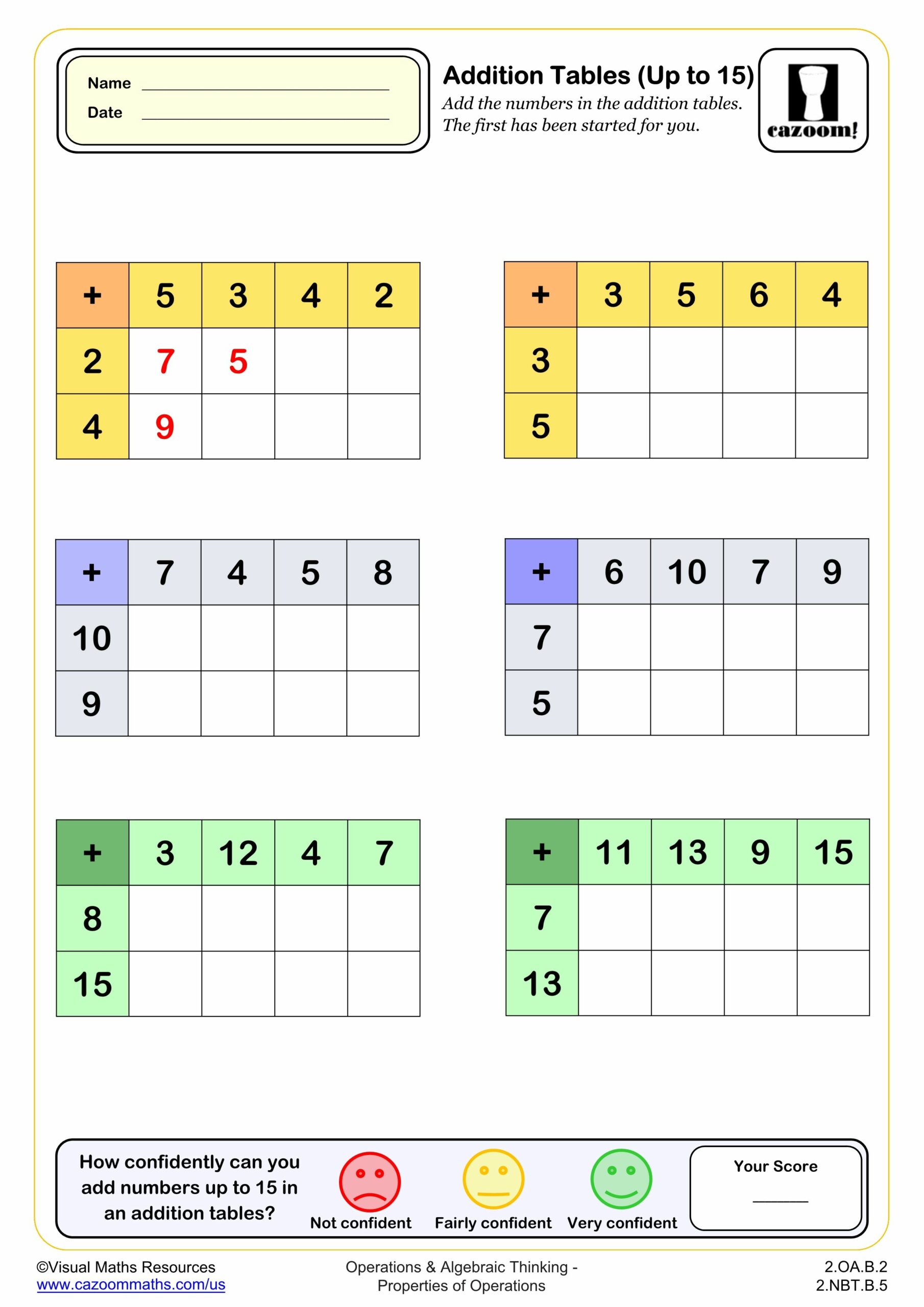
Addition Tables (Up to 15)
Addition using Decomposition (A)
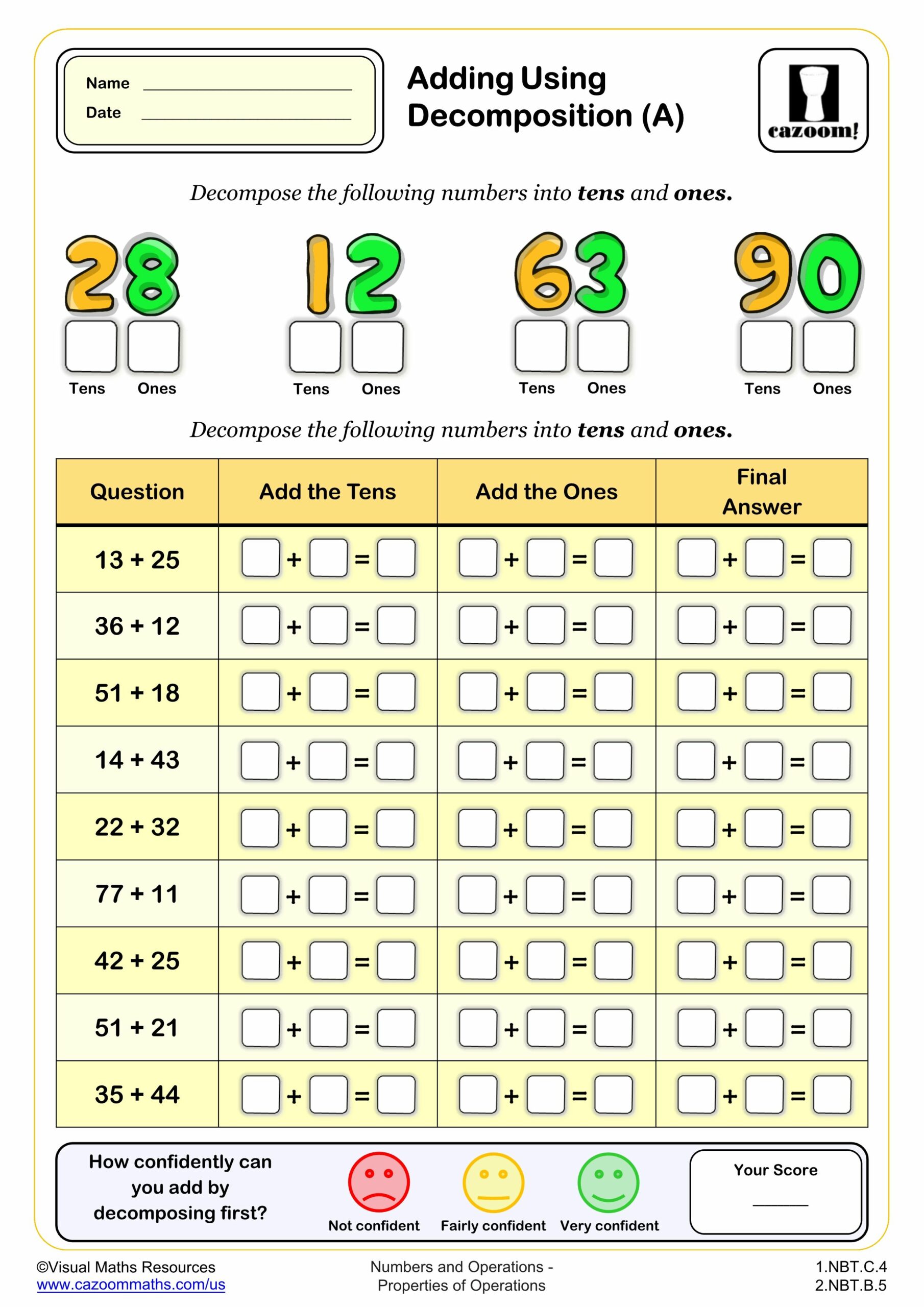
Addition Using Number Cubes (A)
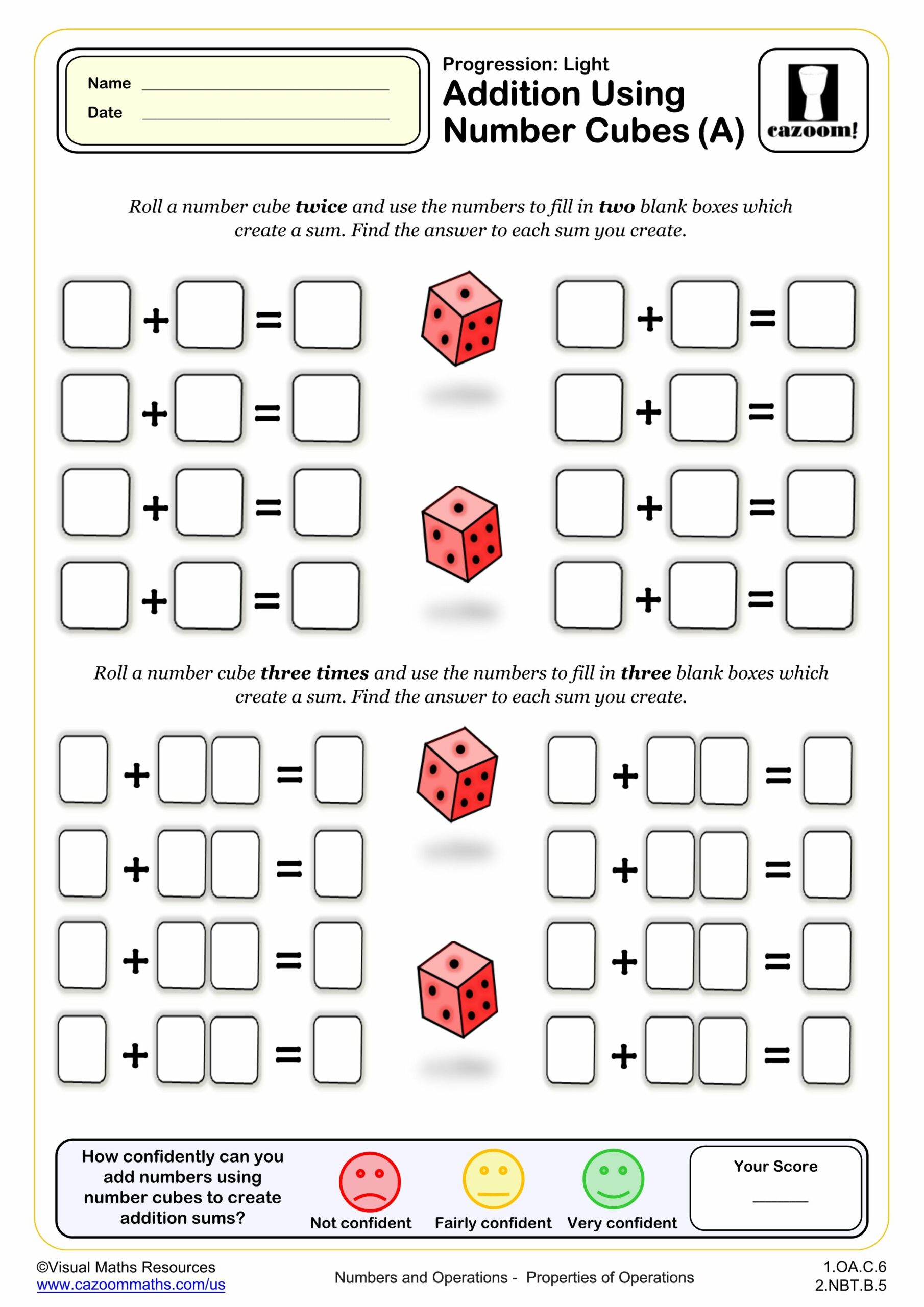
Addition Using Number Cubes (C)
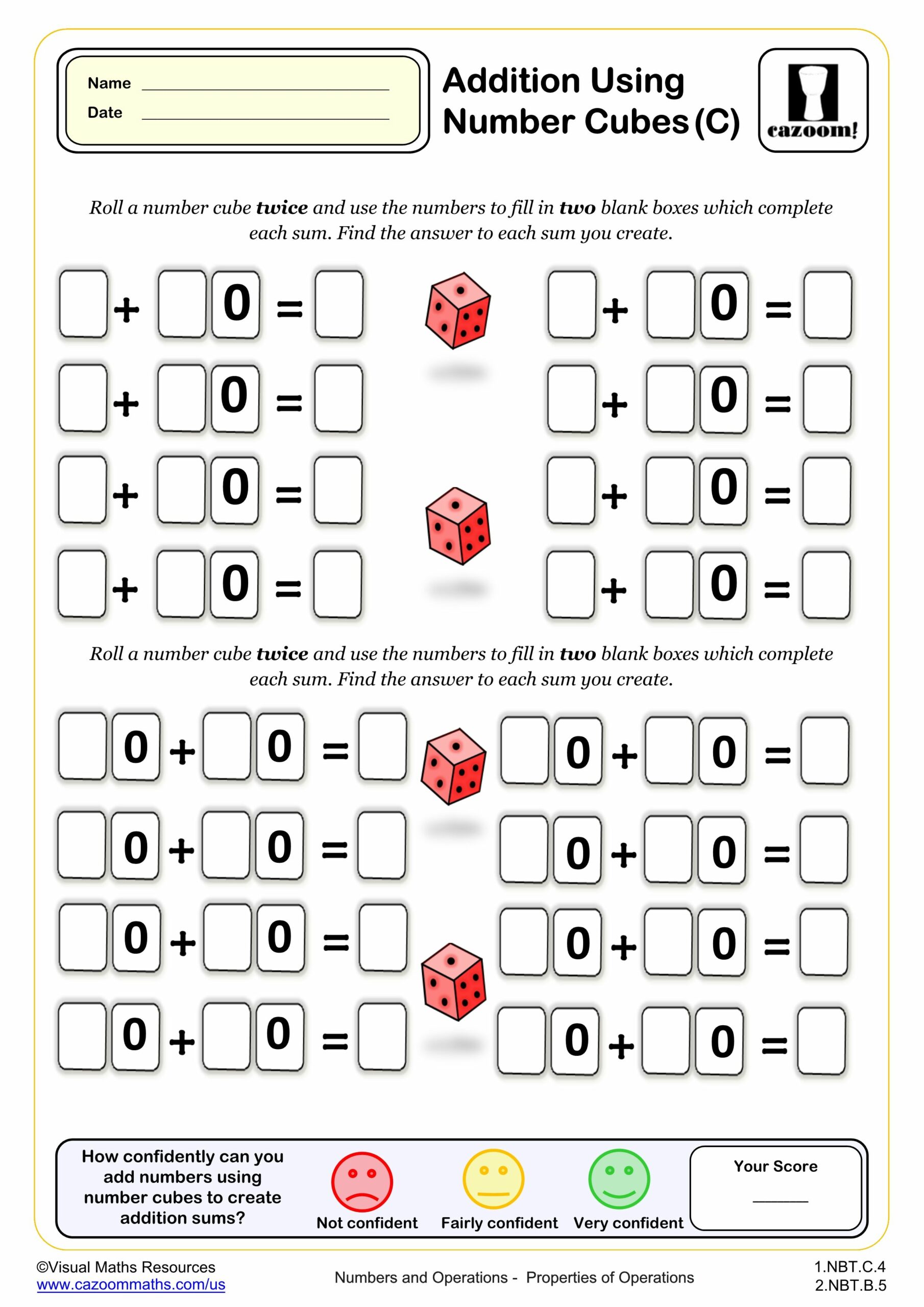
Addition Using Number Cubes (D)
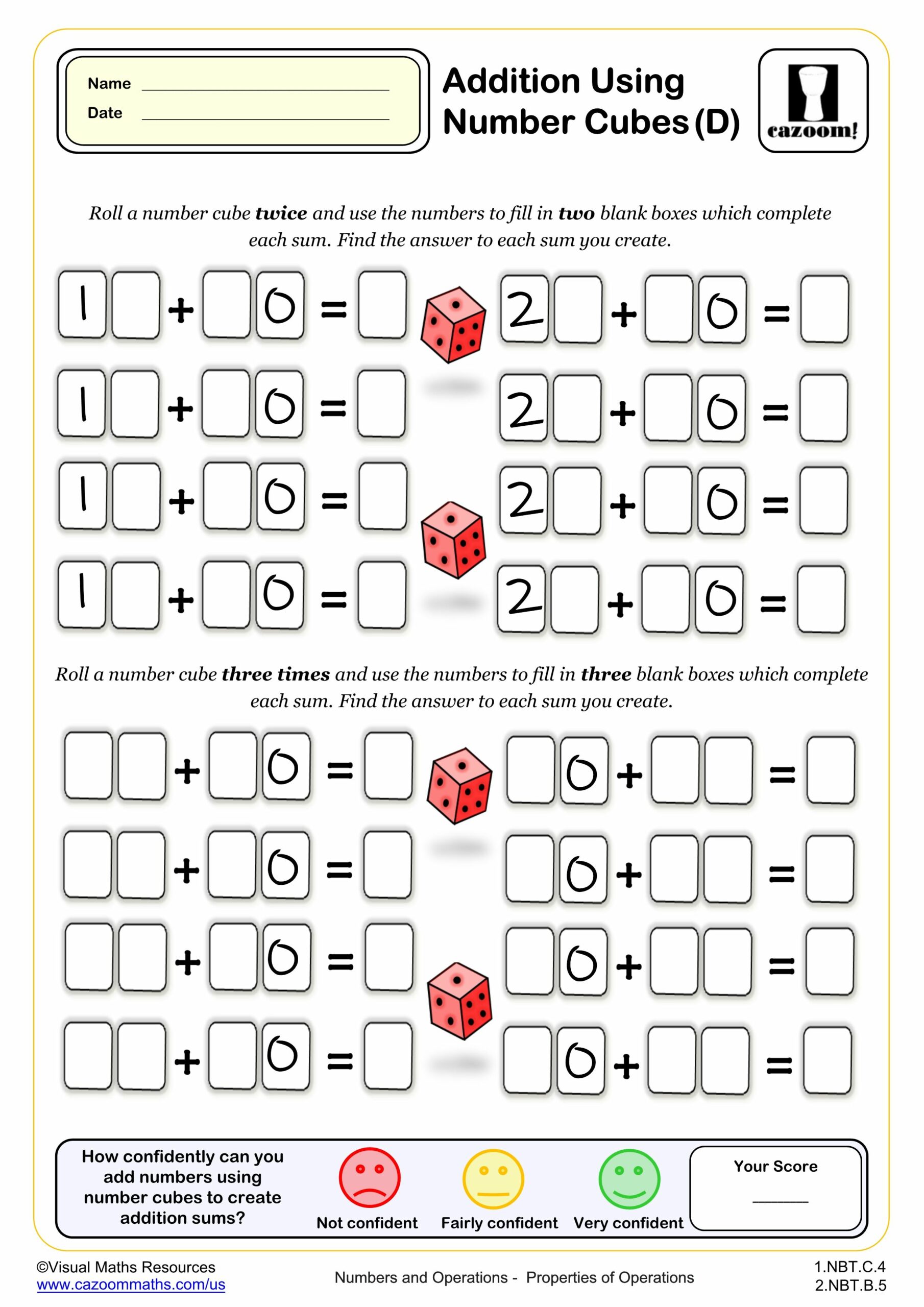
Addition Using Number Cubes (E)
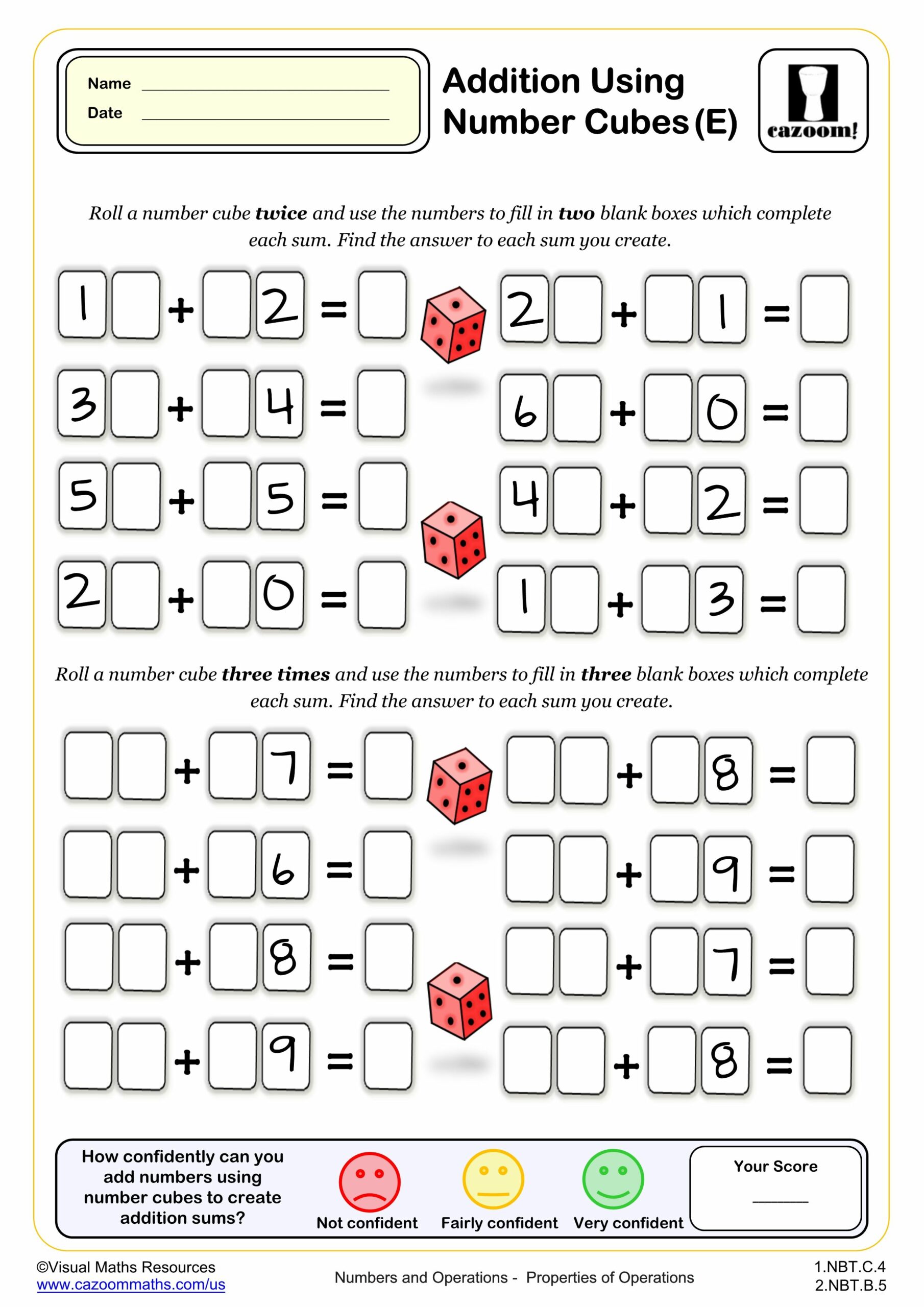
Addition Wheel (adding 10 to 2 digits)
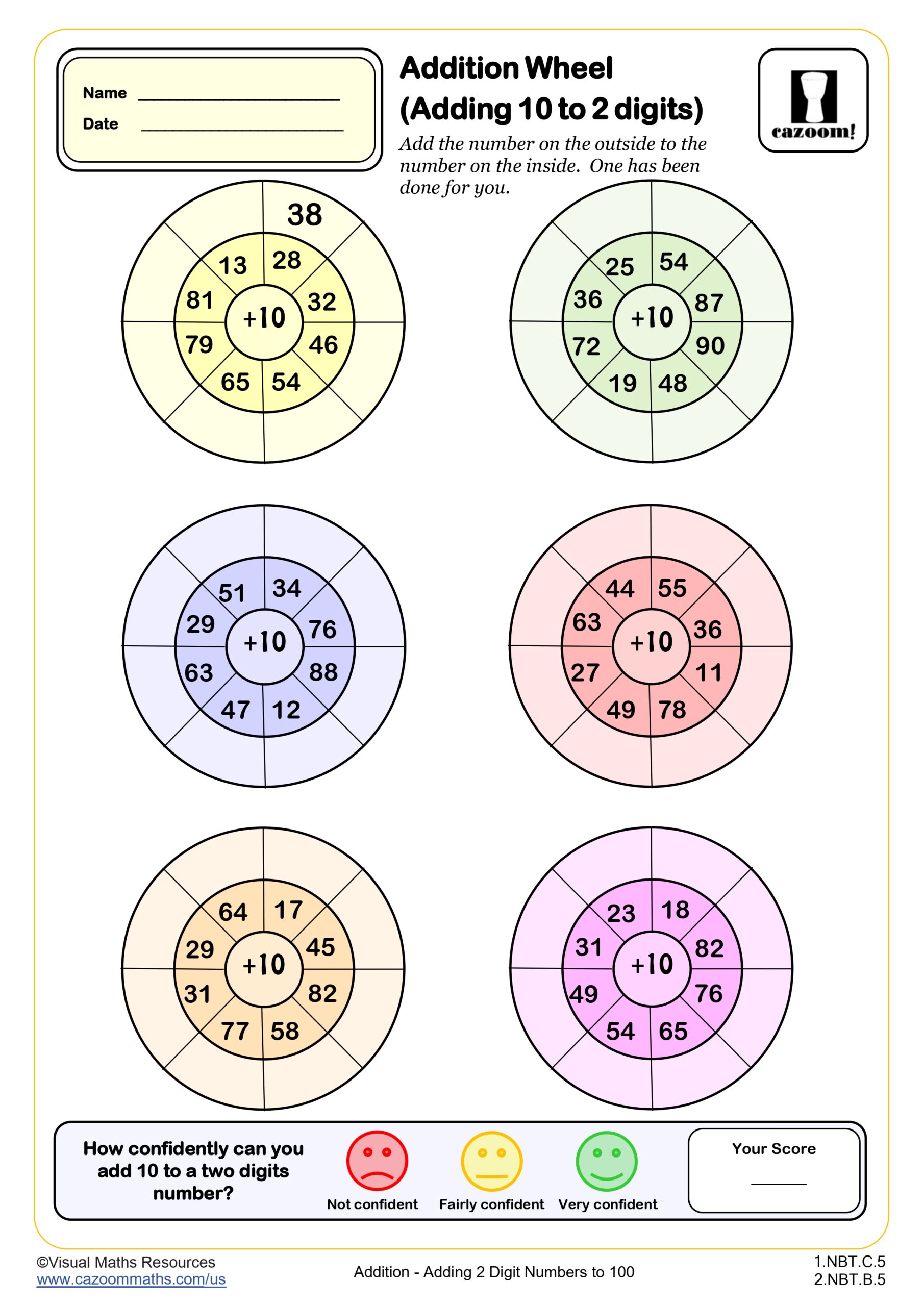
Addition Wheel (adding 9 - 11 to 2 digits)
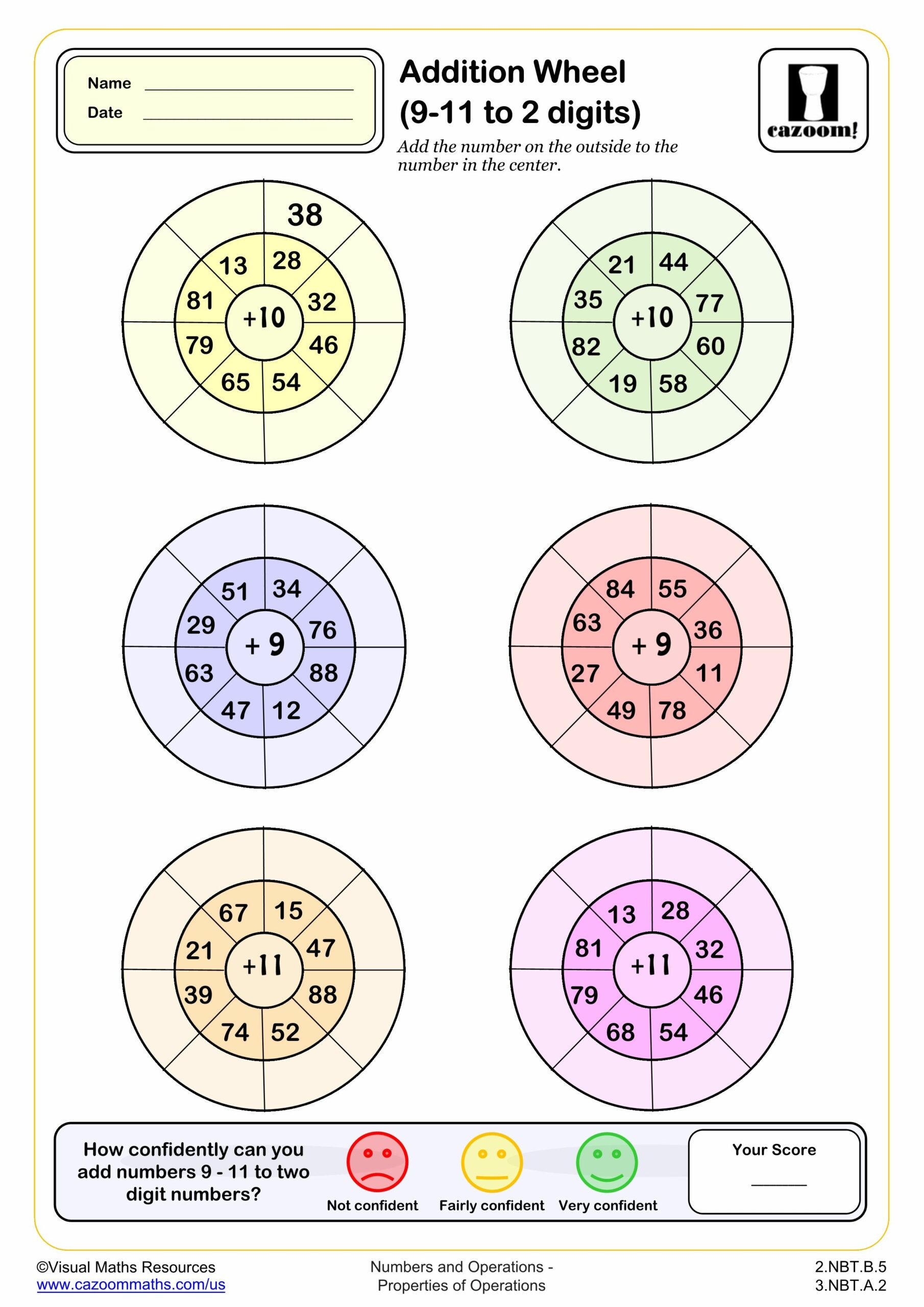
Addition Wheel Adding Three Numbers (A)
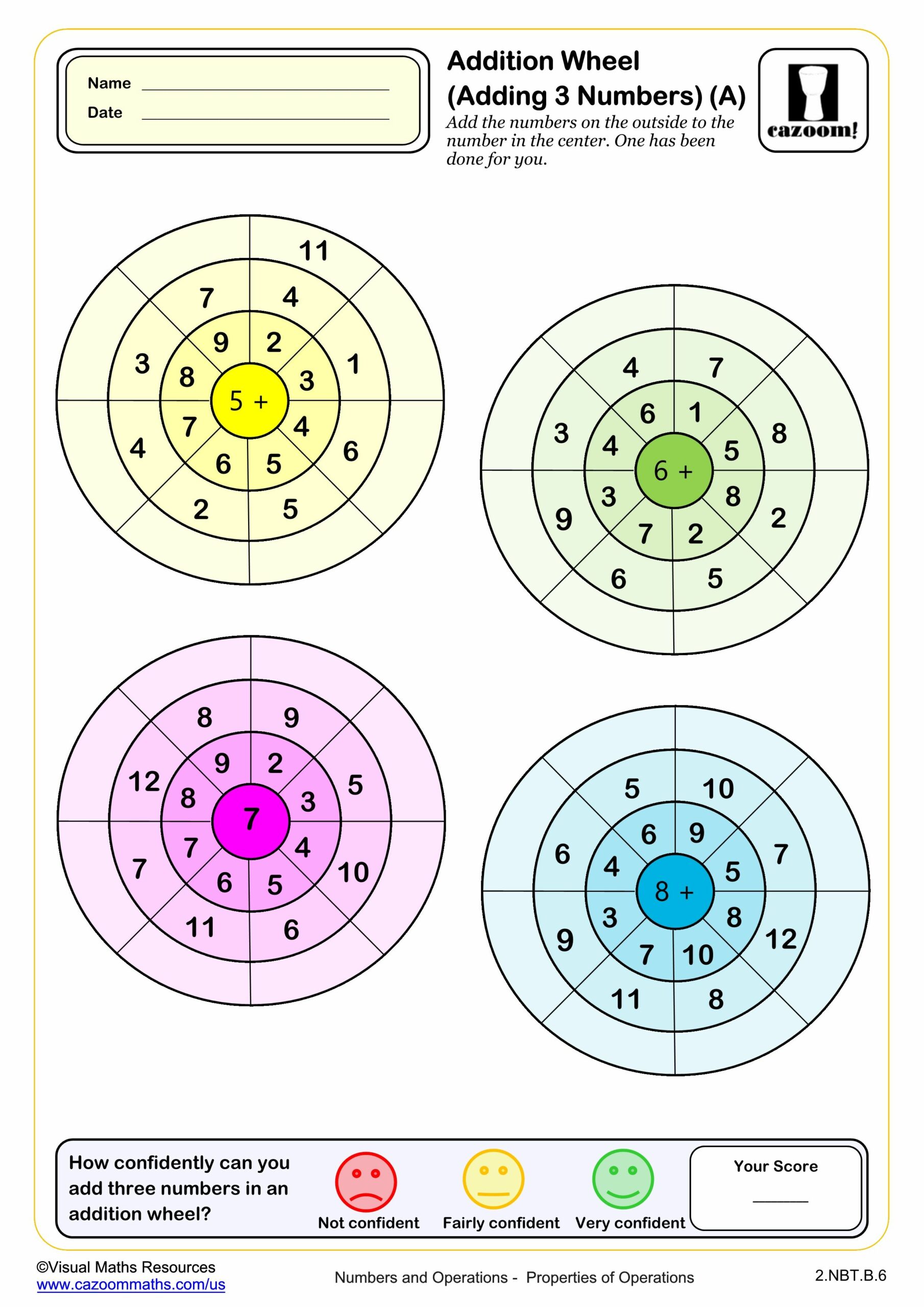
Addition Wheels (1 digit to 2 digits)
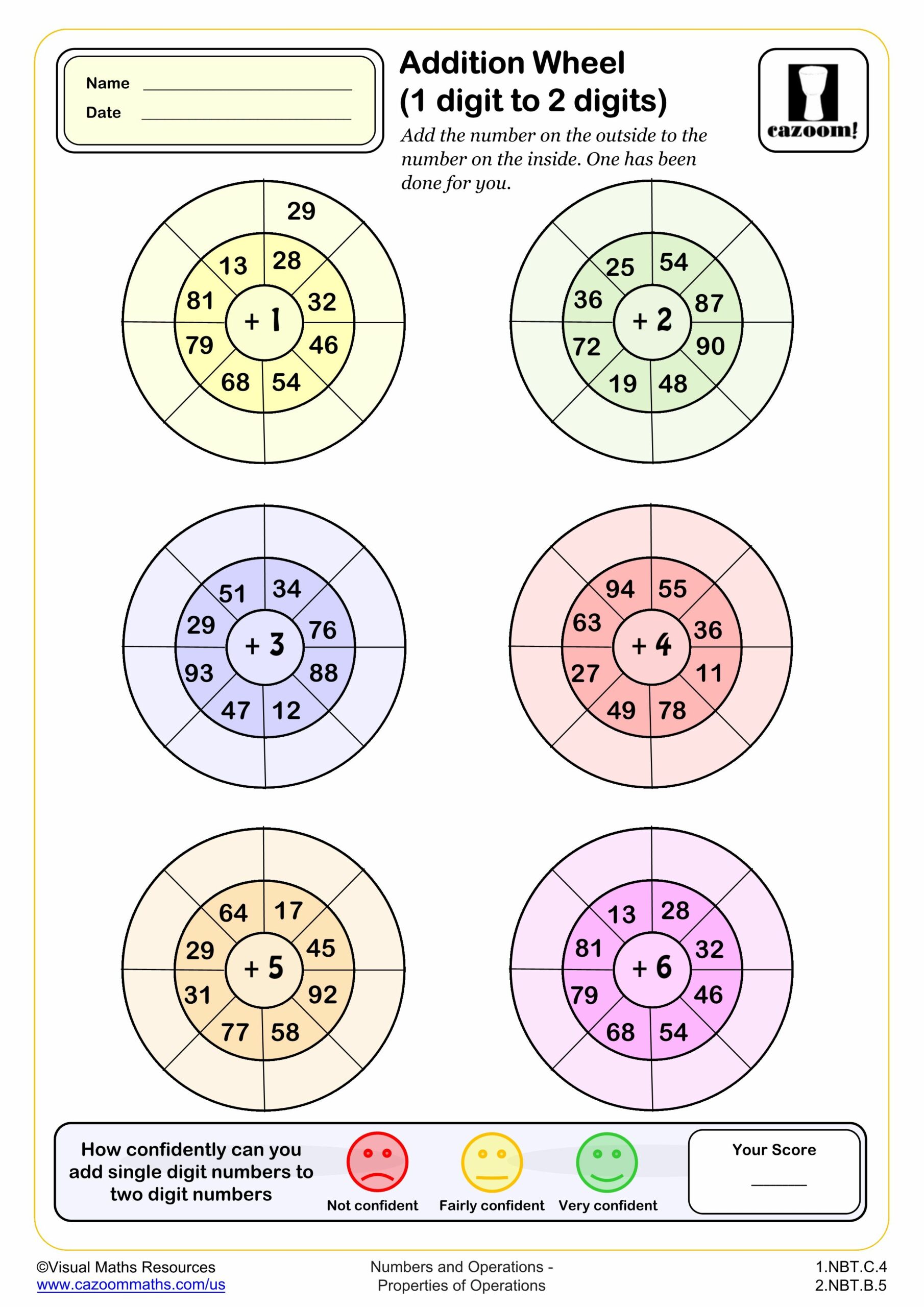
Addition Wheels (adding 2)
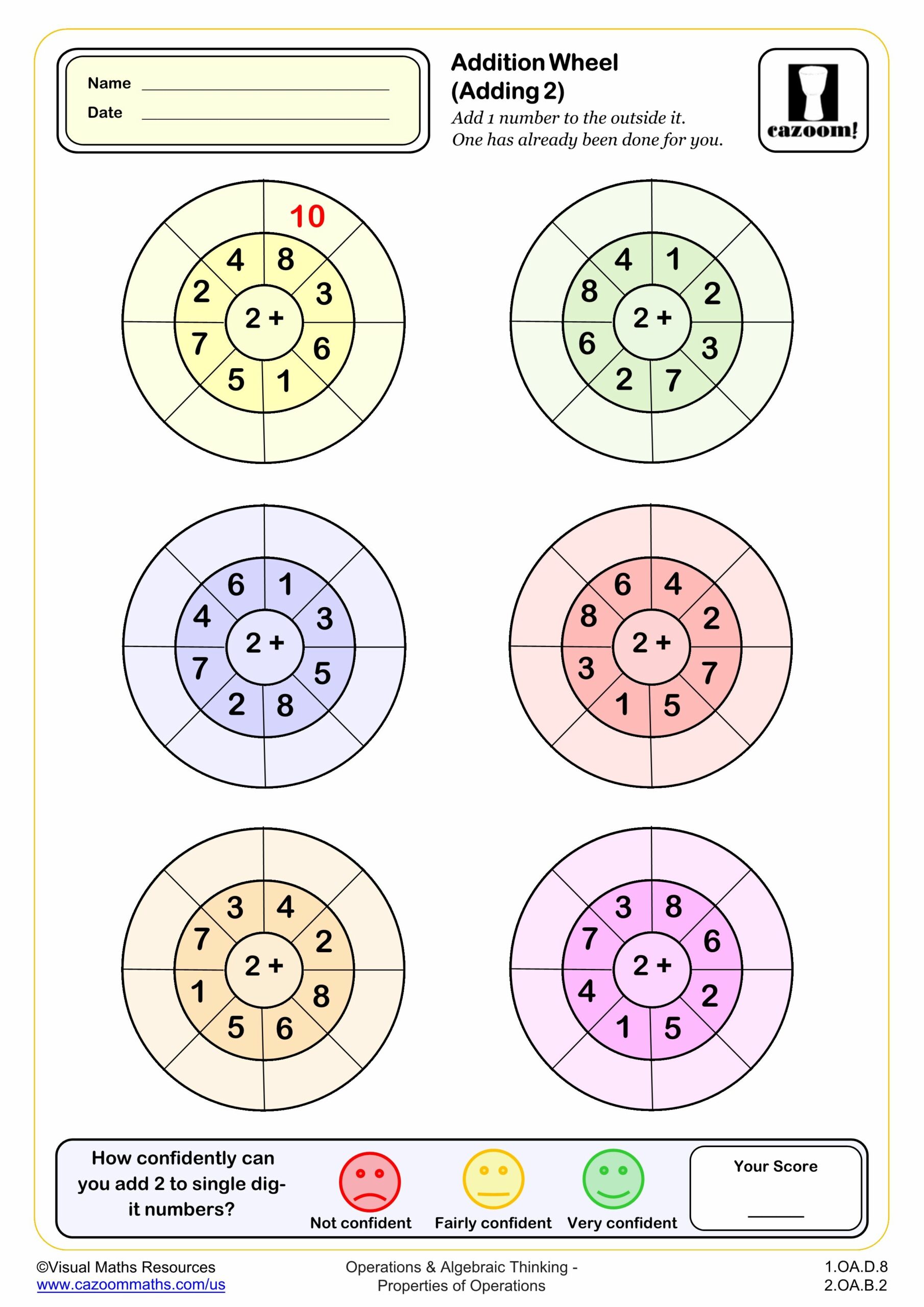
Addition Wheels (adding hundreds to 3 digit numbers)
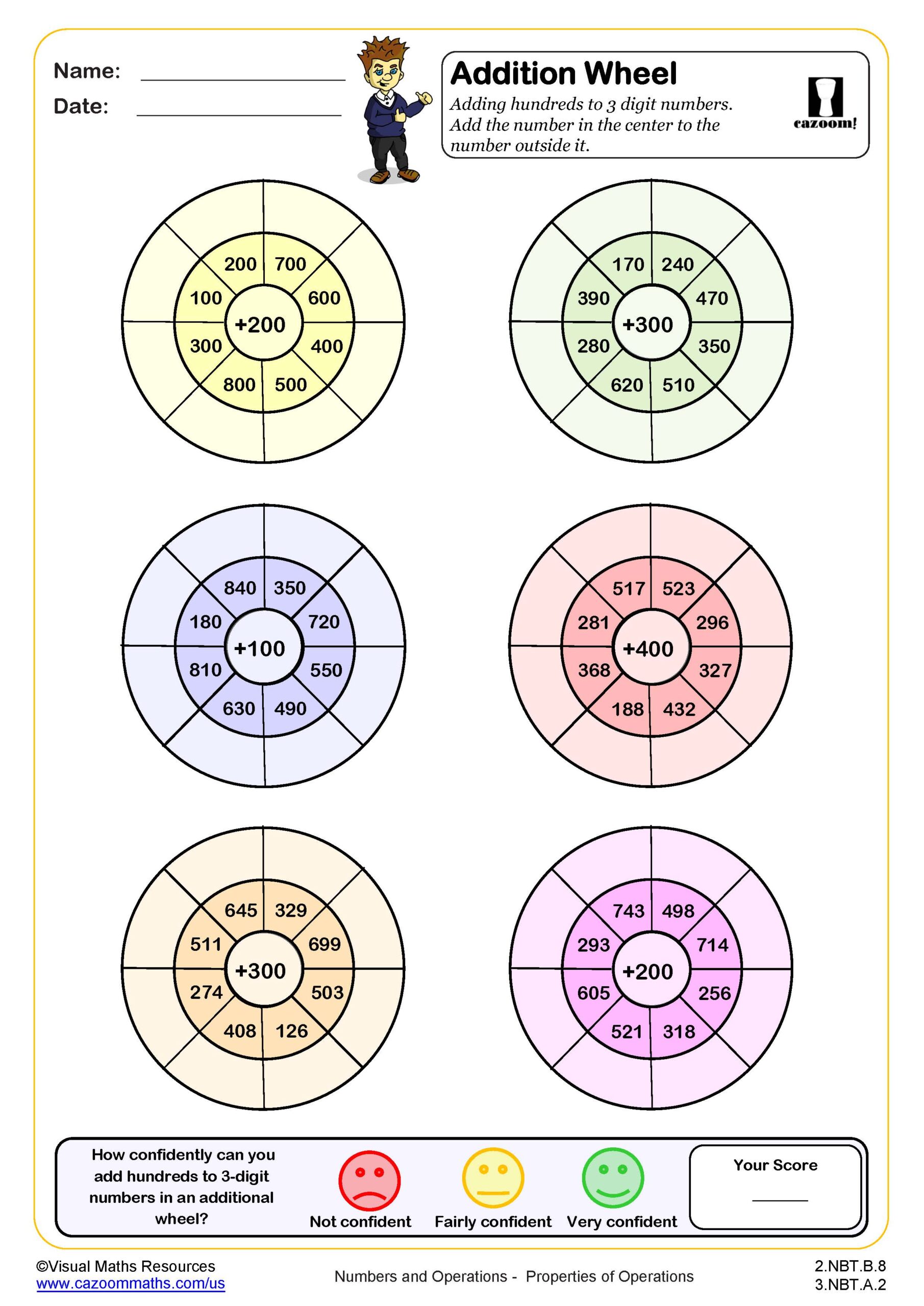
Addition Wheels (adding ones, tens and hundreds to 3 digit numbers)
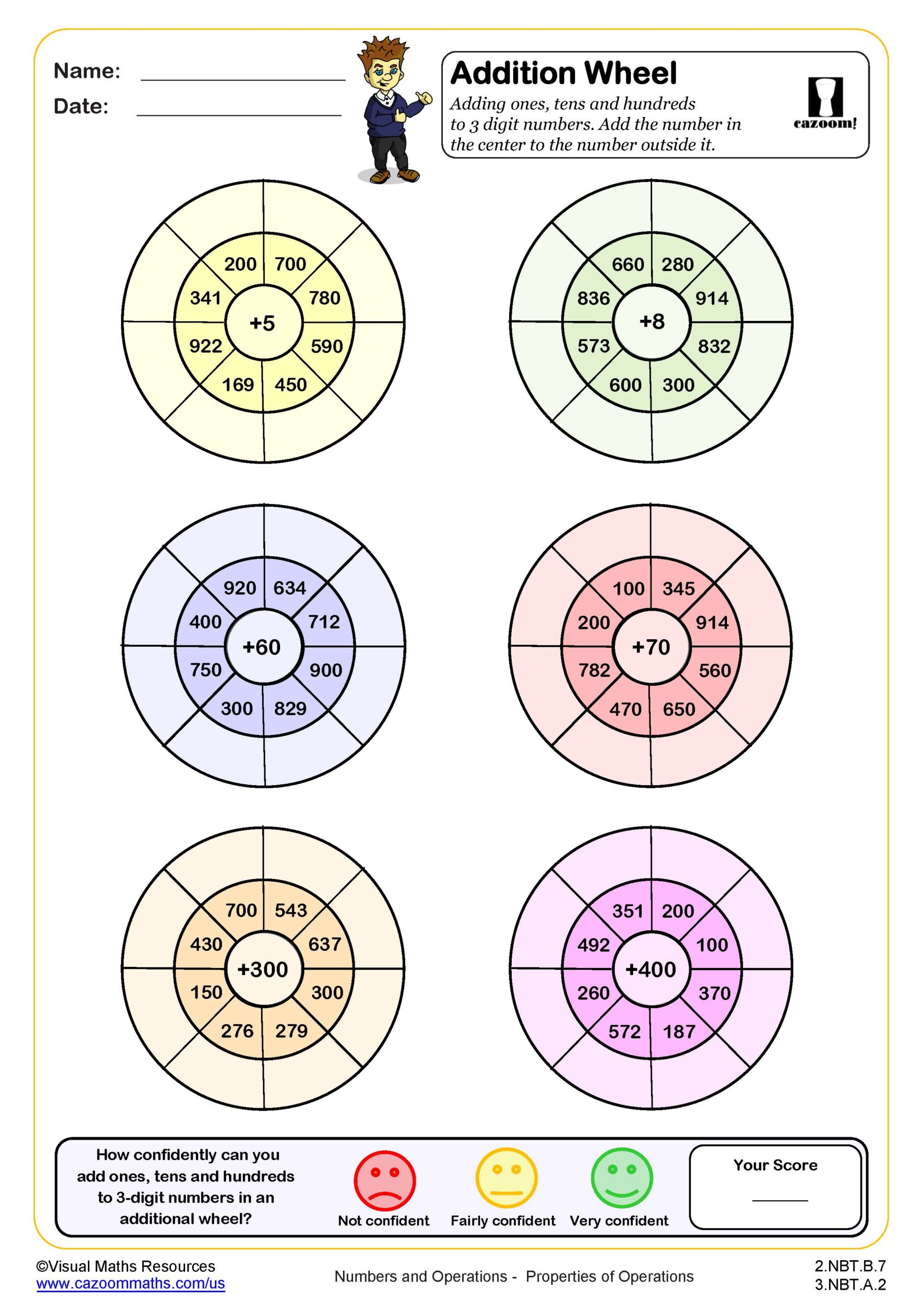
Addition Wheels (adding tens to 3 digit numbers)
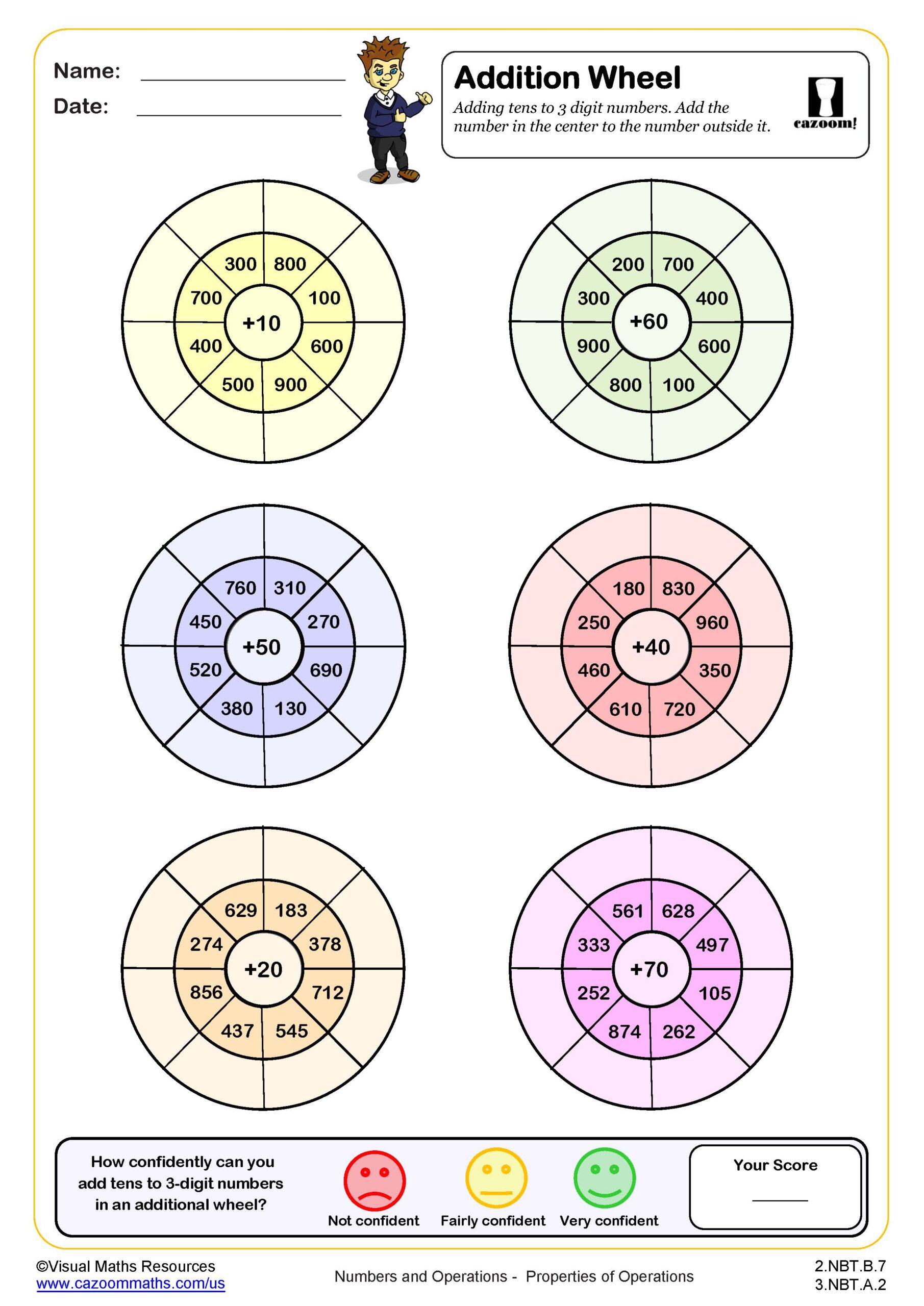
Addition Wheels (Up to 10)
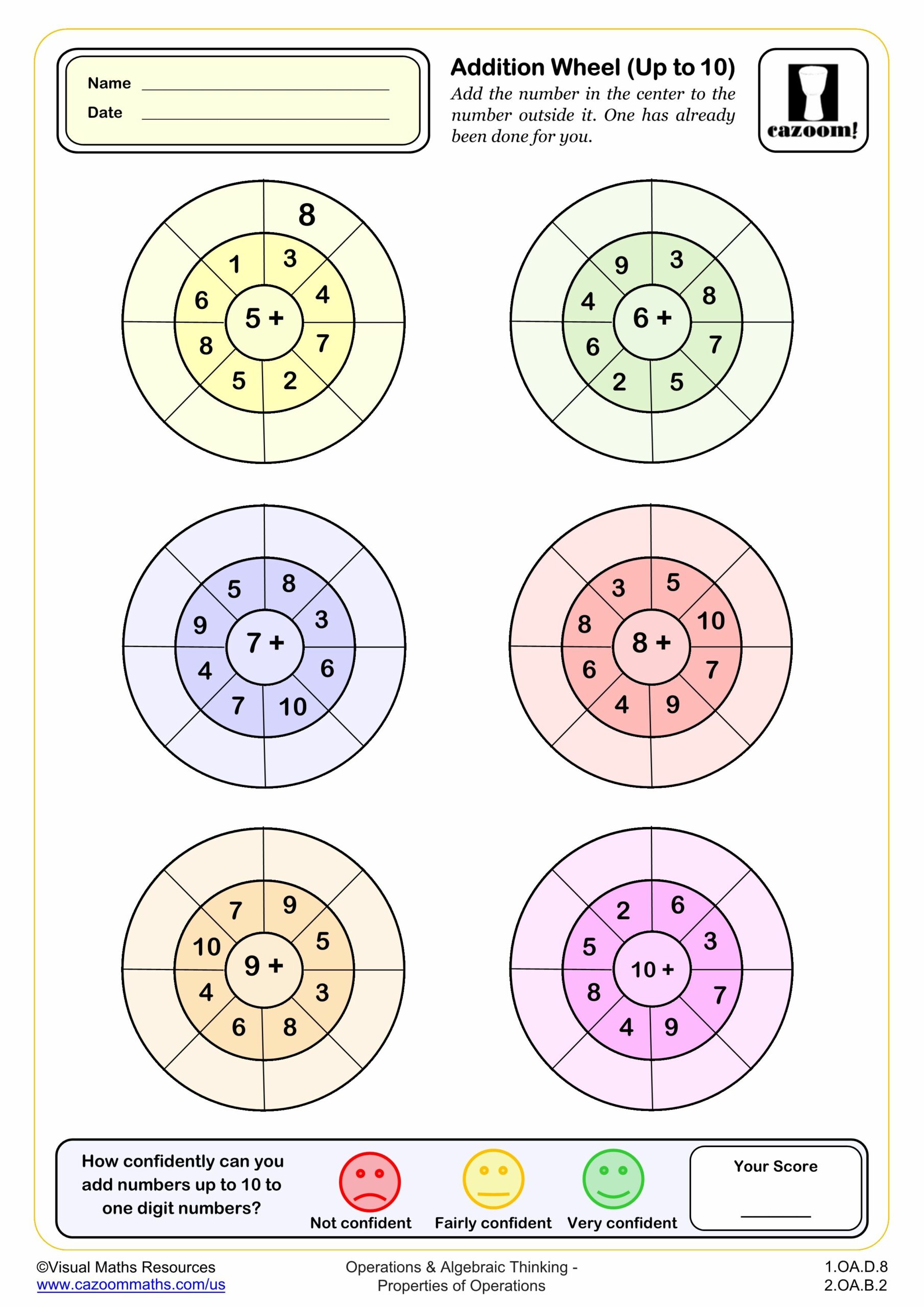
Addition Wheels (Up to 17)
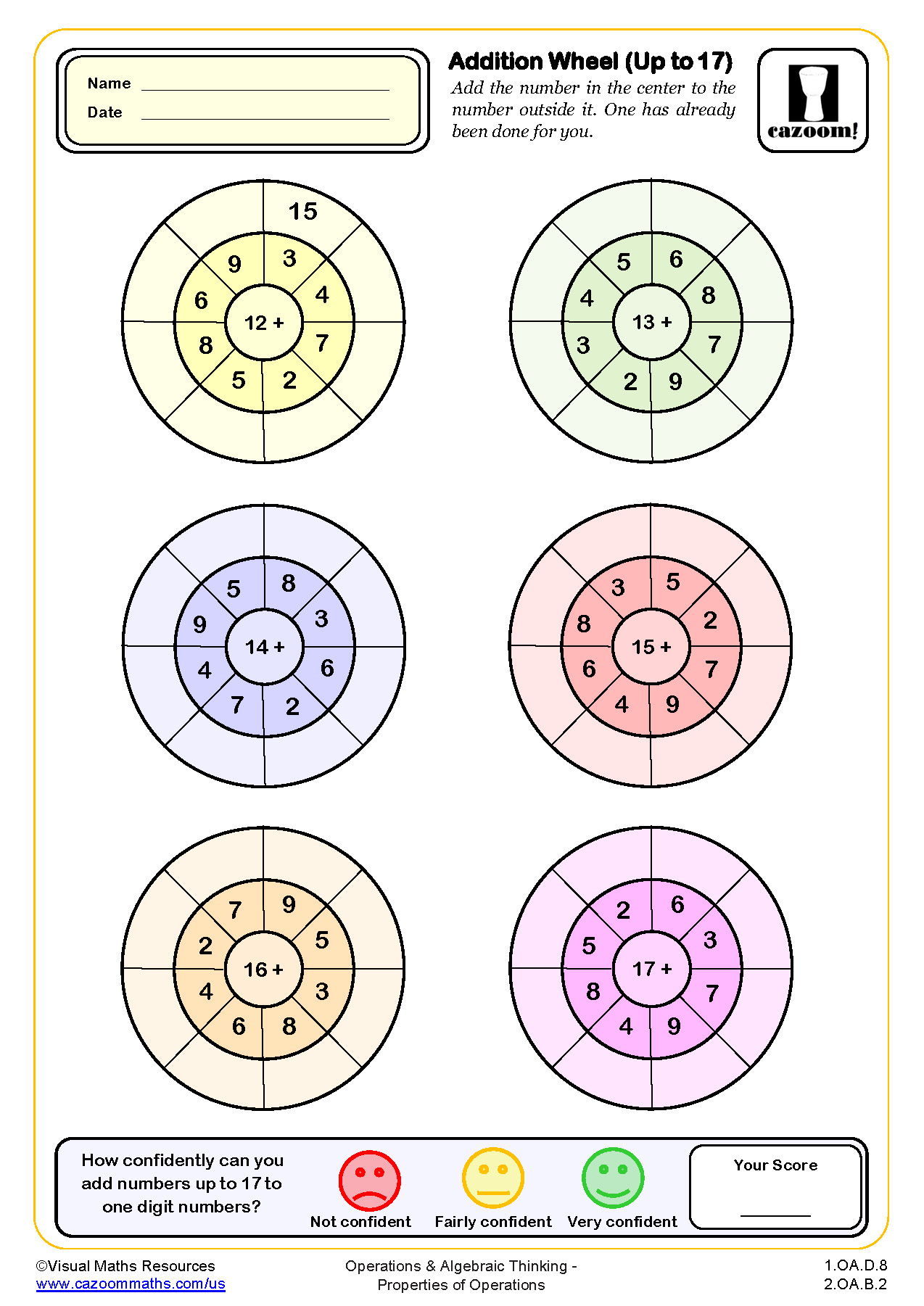
Addition Wheels (Up to 3)
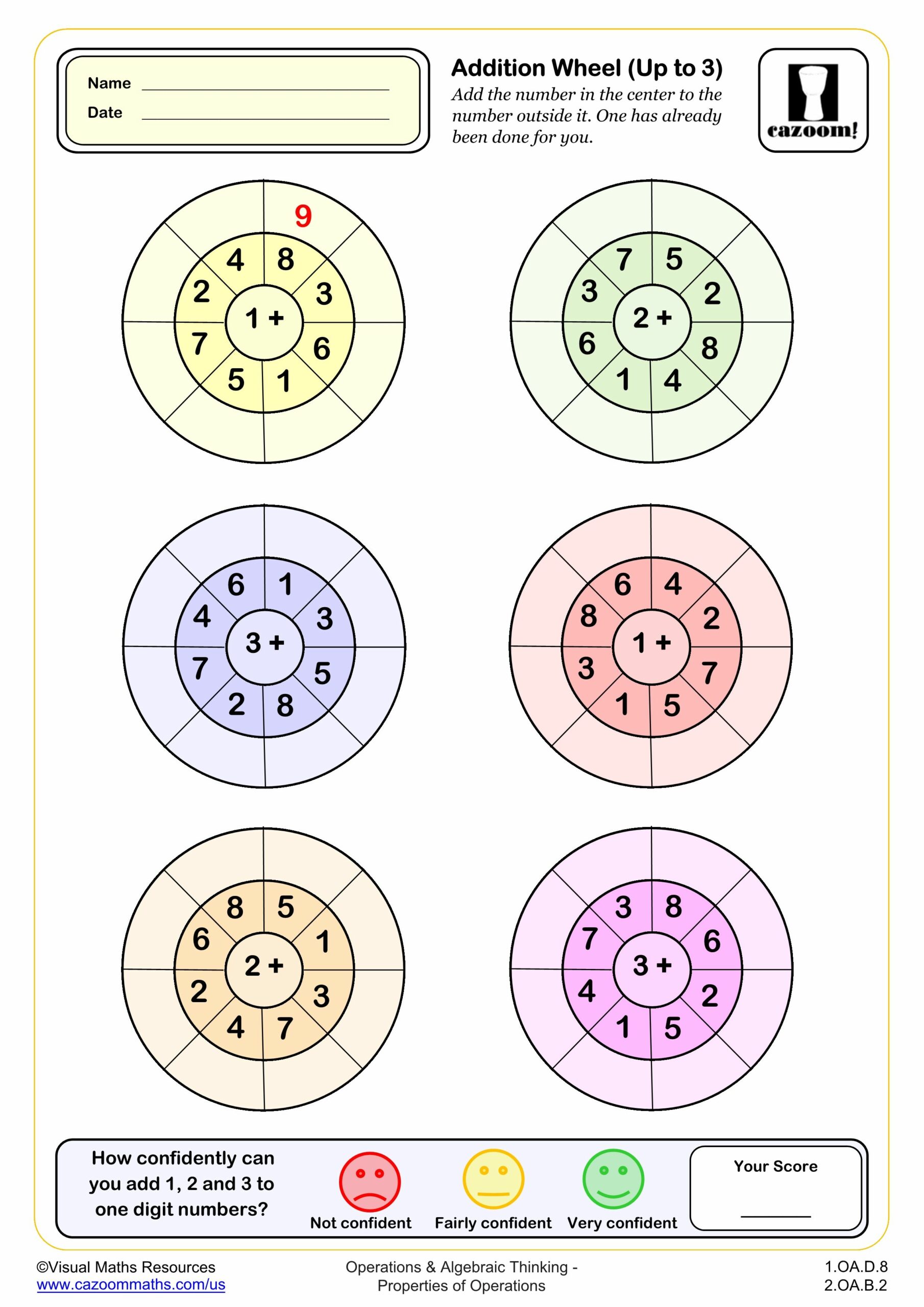
Addition Wheels (Up to 7)
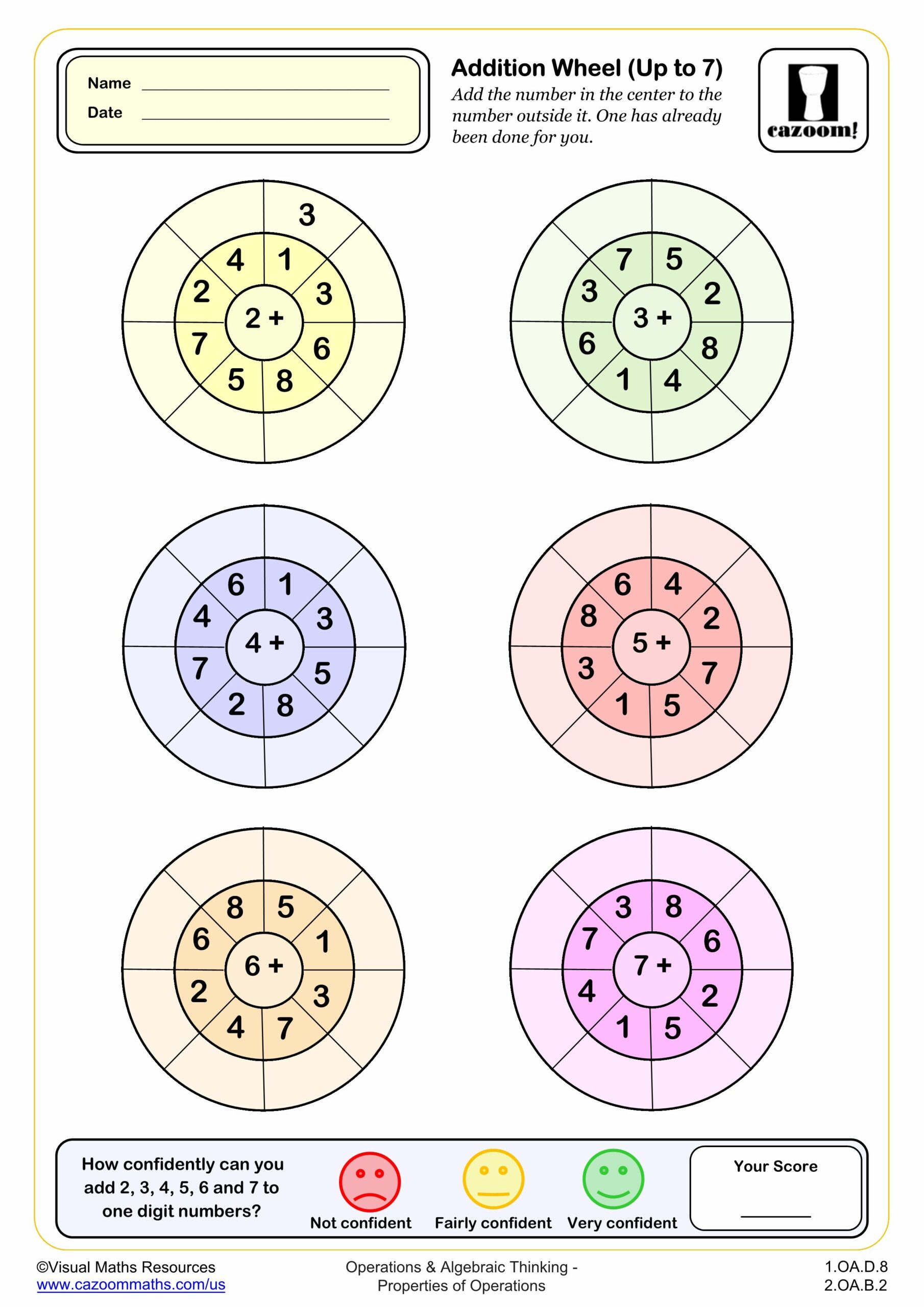
Addition Wheels adding three numbers (B)
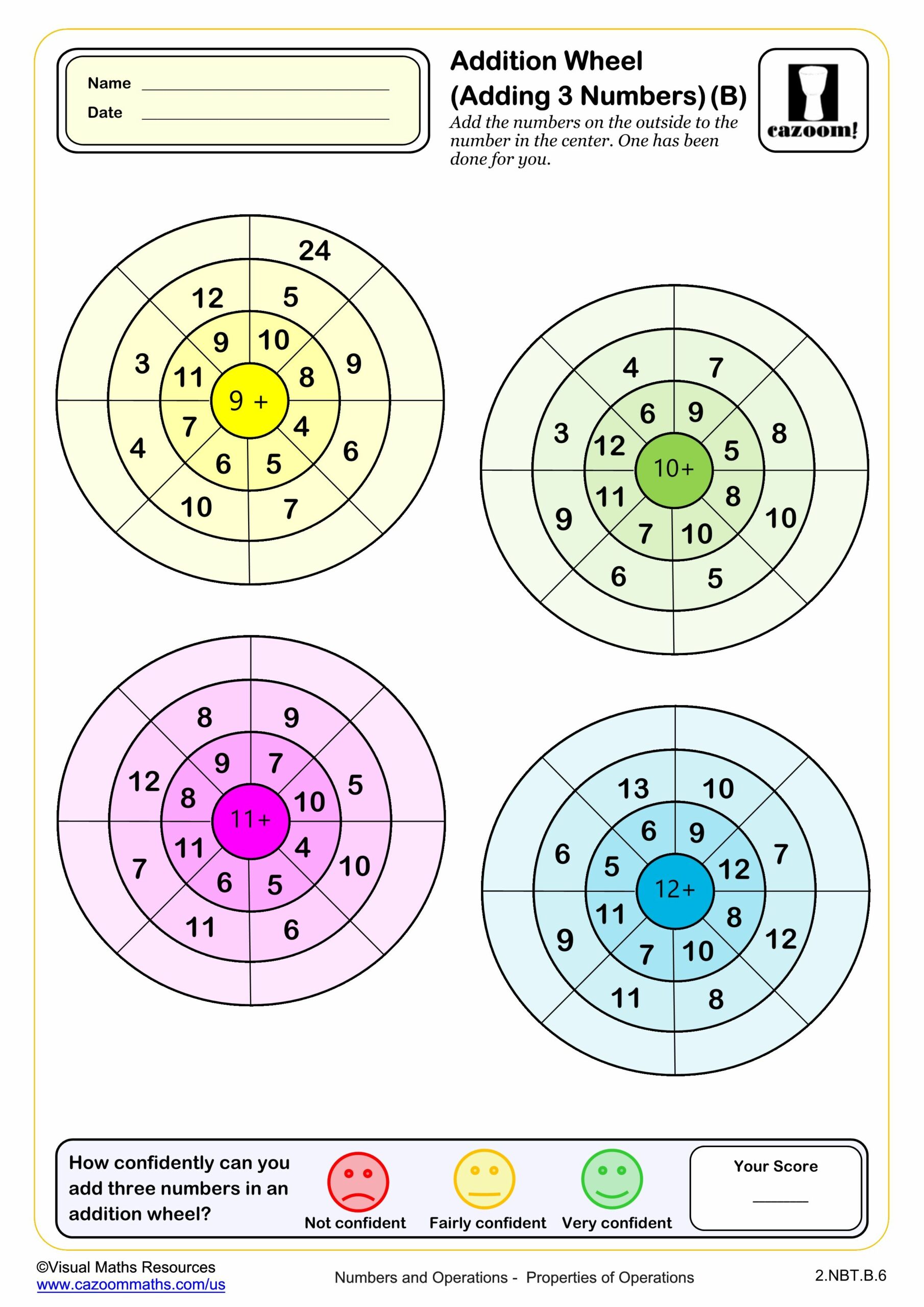
Addition Wheels adding three numbers (C)
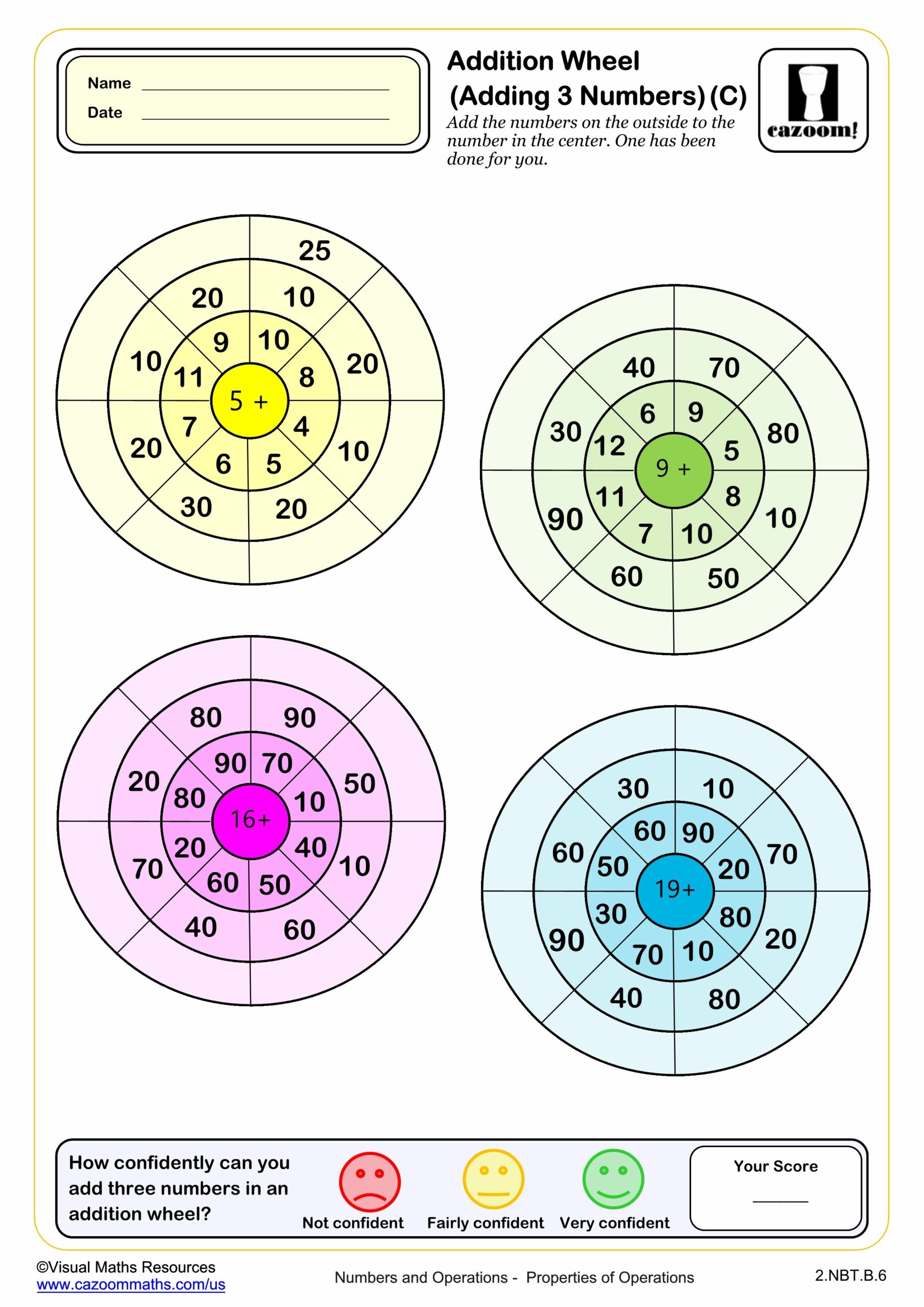
Addition with Number Lines (up to 10)
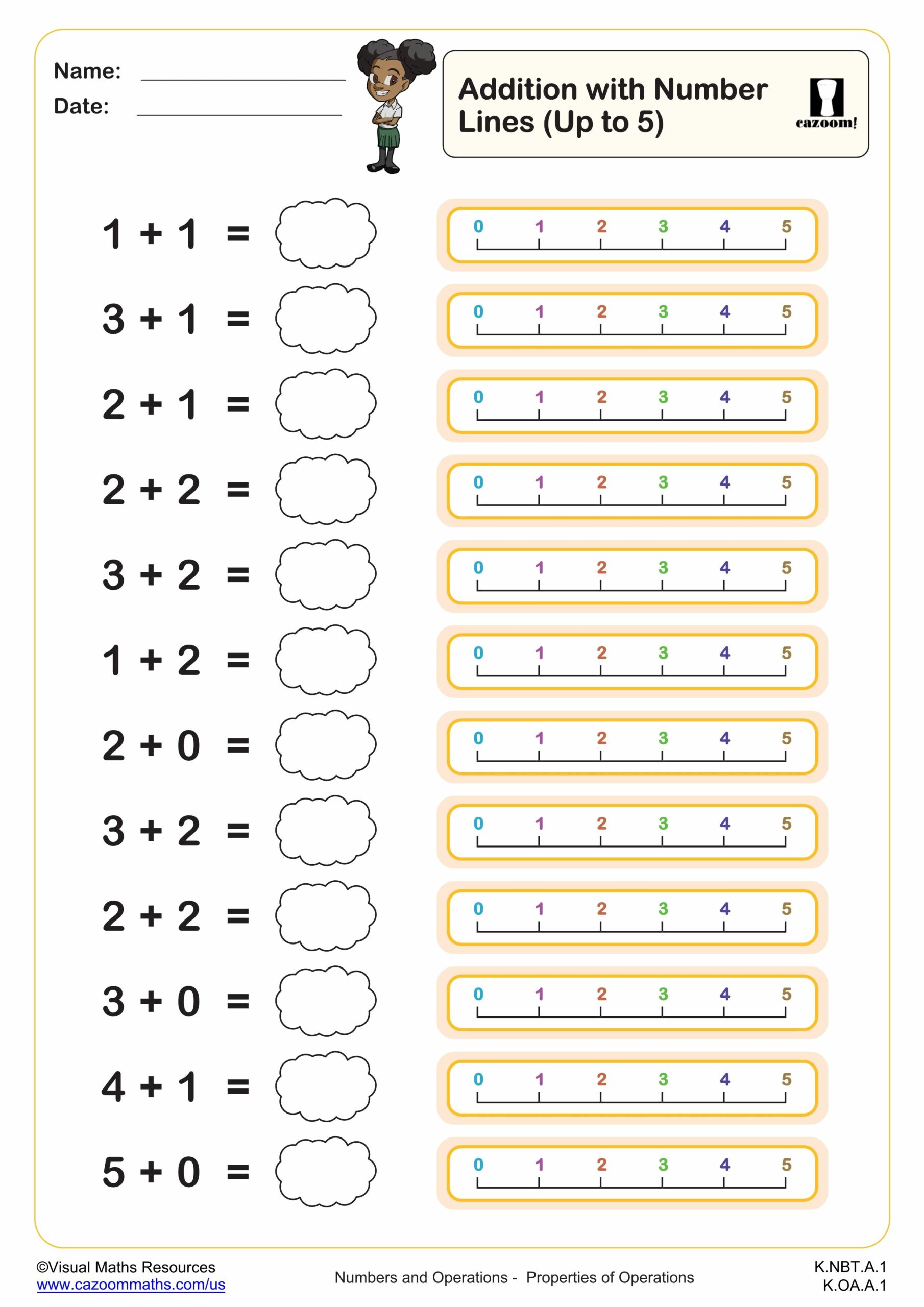
Addition with Number Lines (up to 5)
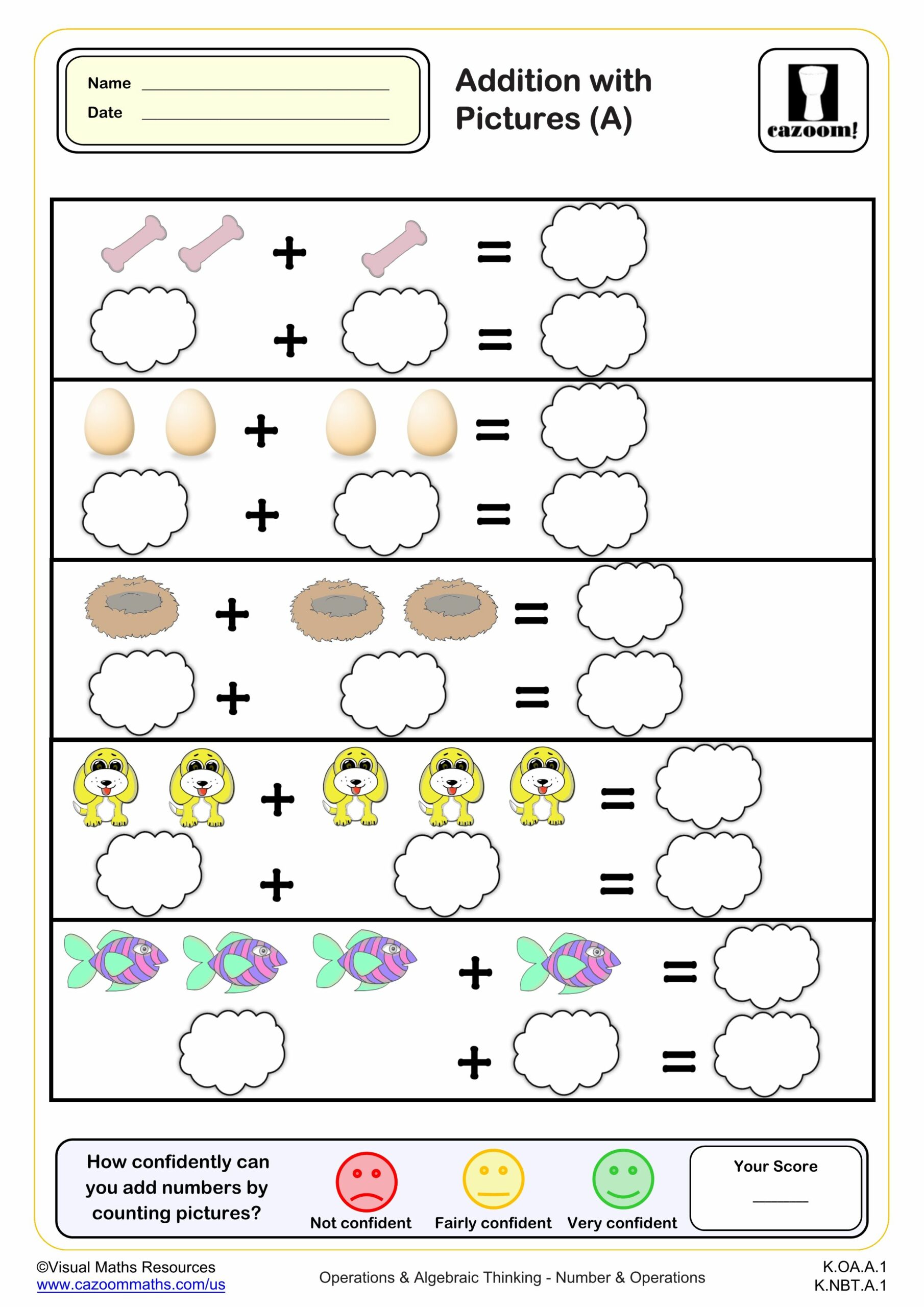
Addition with Pictures (A)
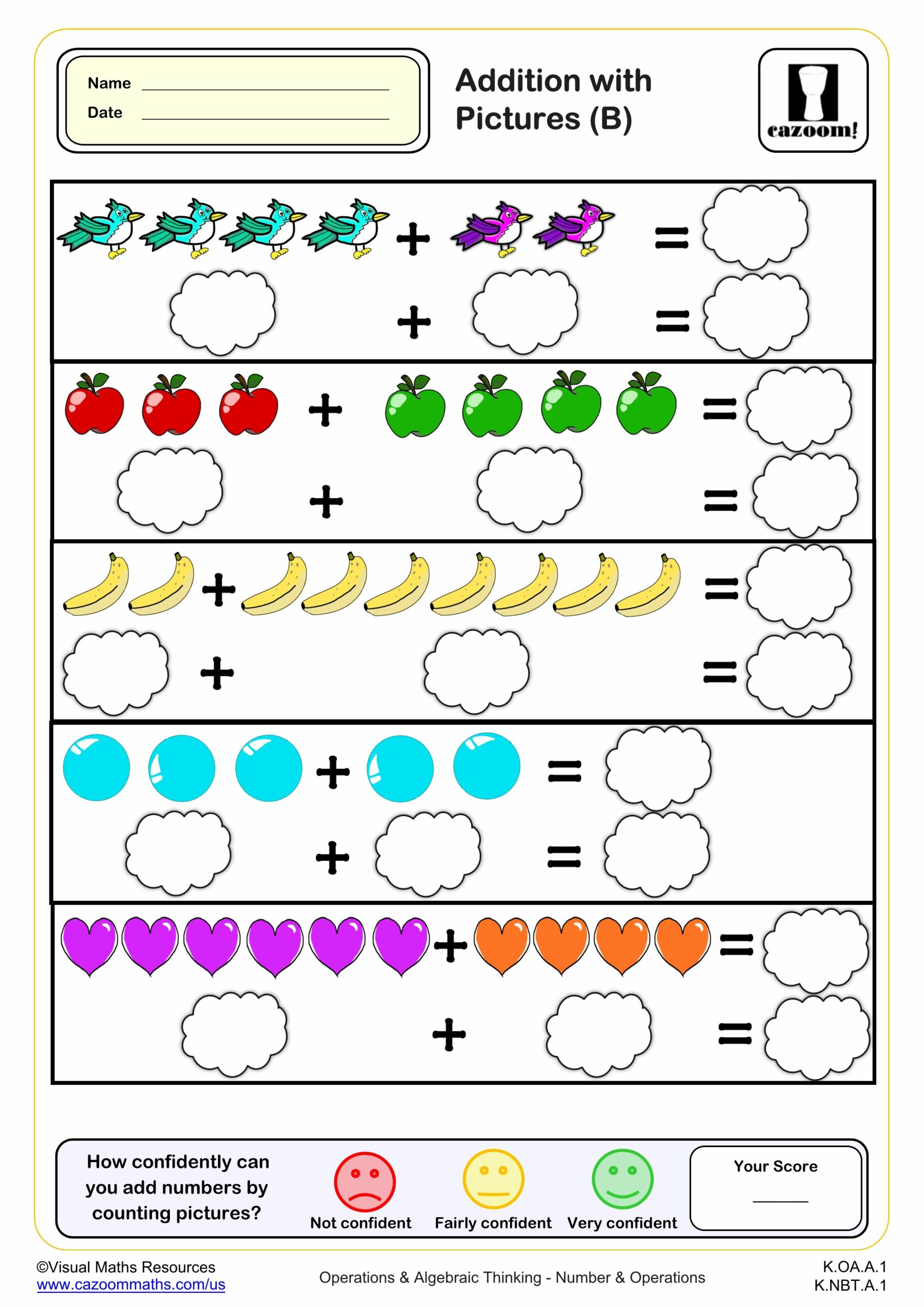
Addition with Pictures (B)
Column Addition (A)
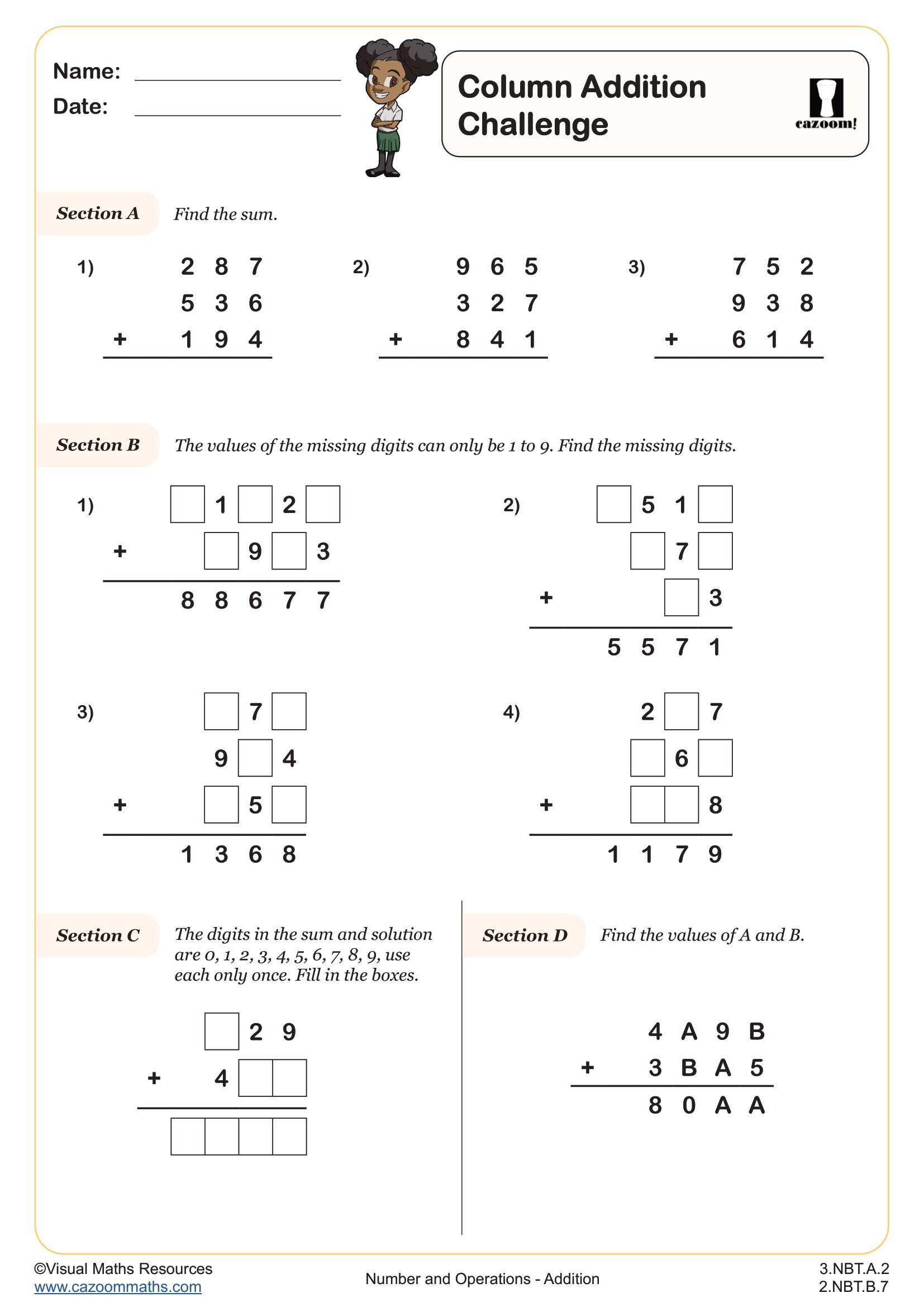
Column Addition Challenge
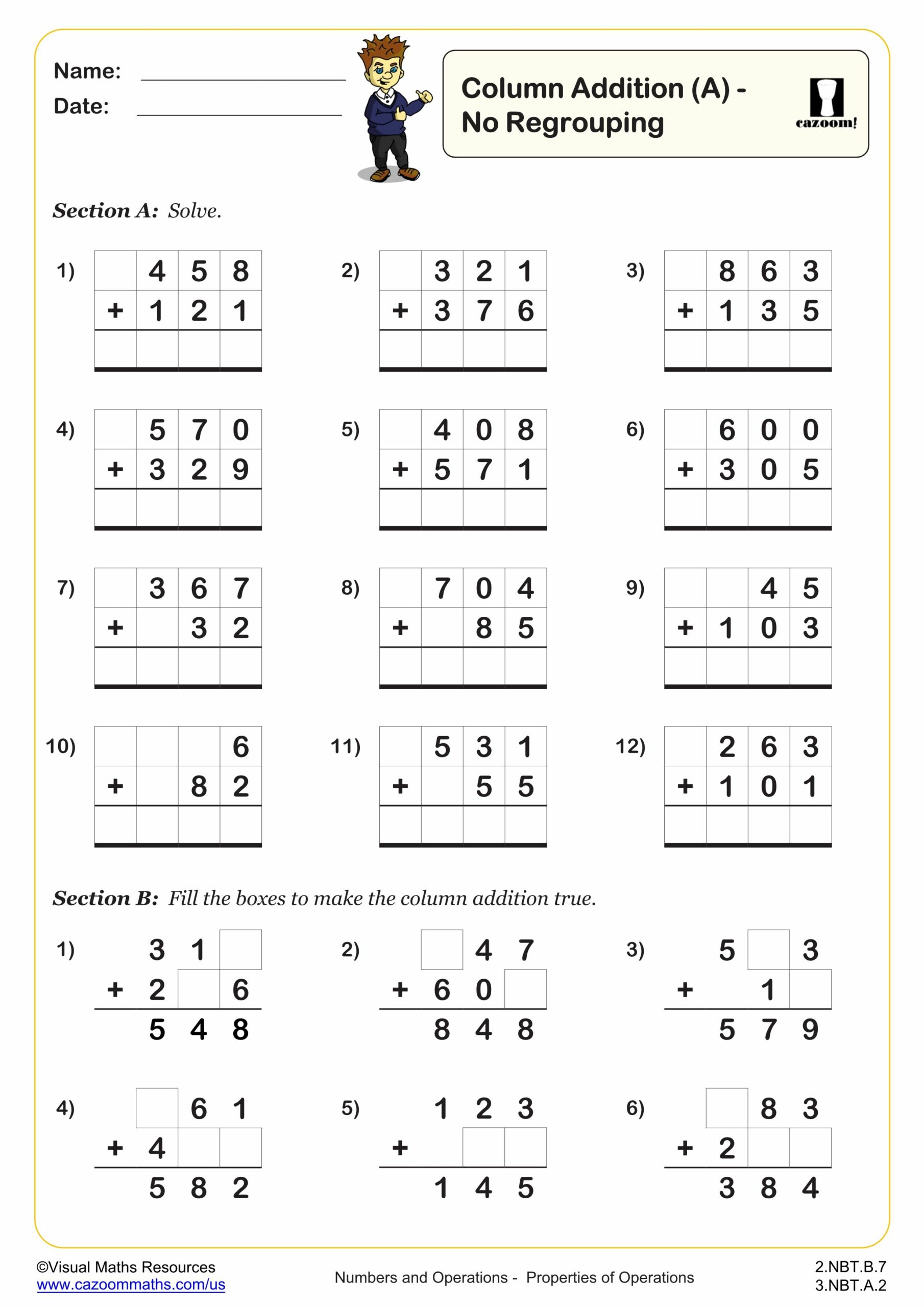
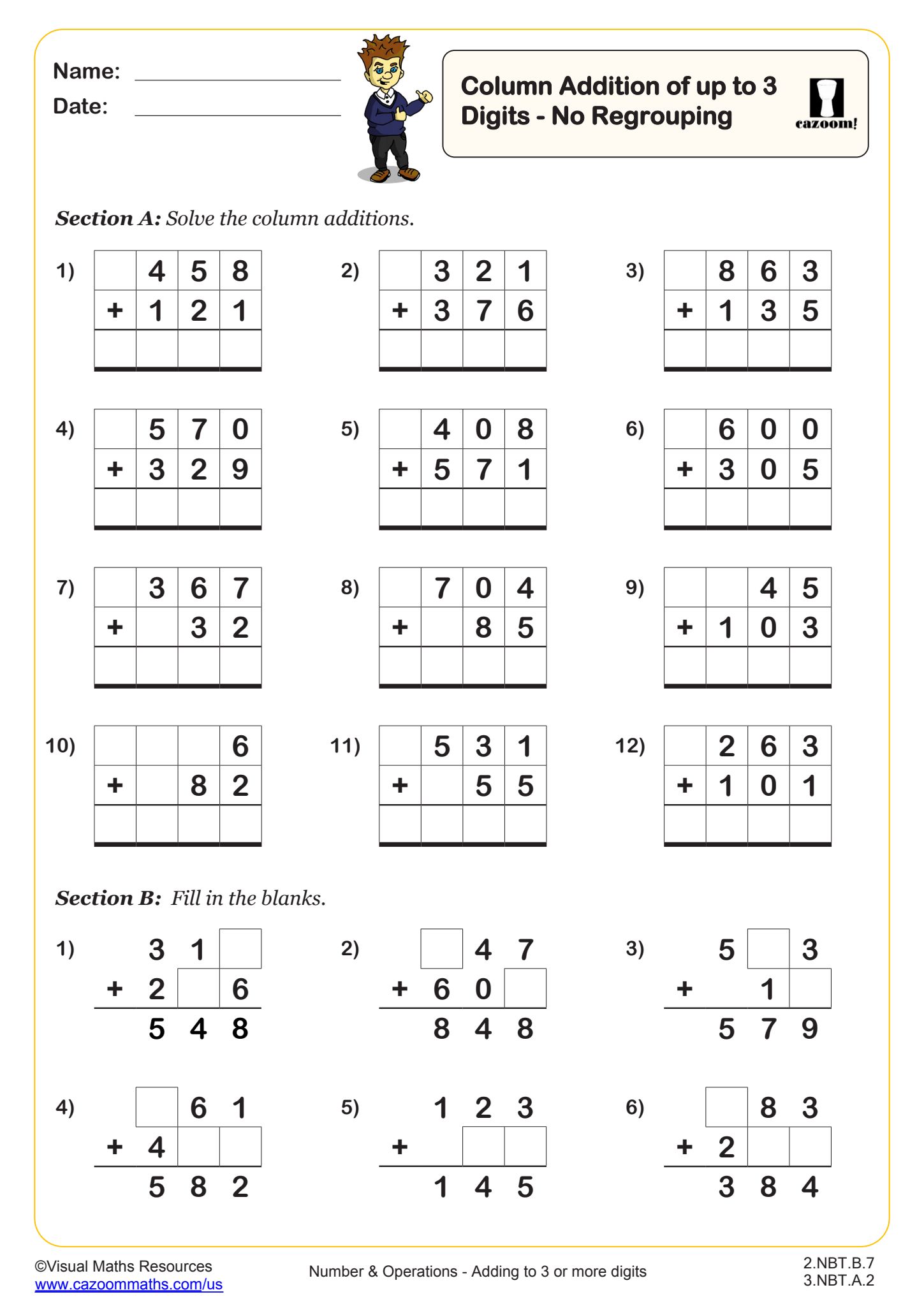
Column Addition of up to 3 Digits - No Regrouping
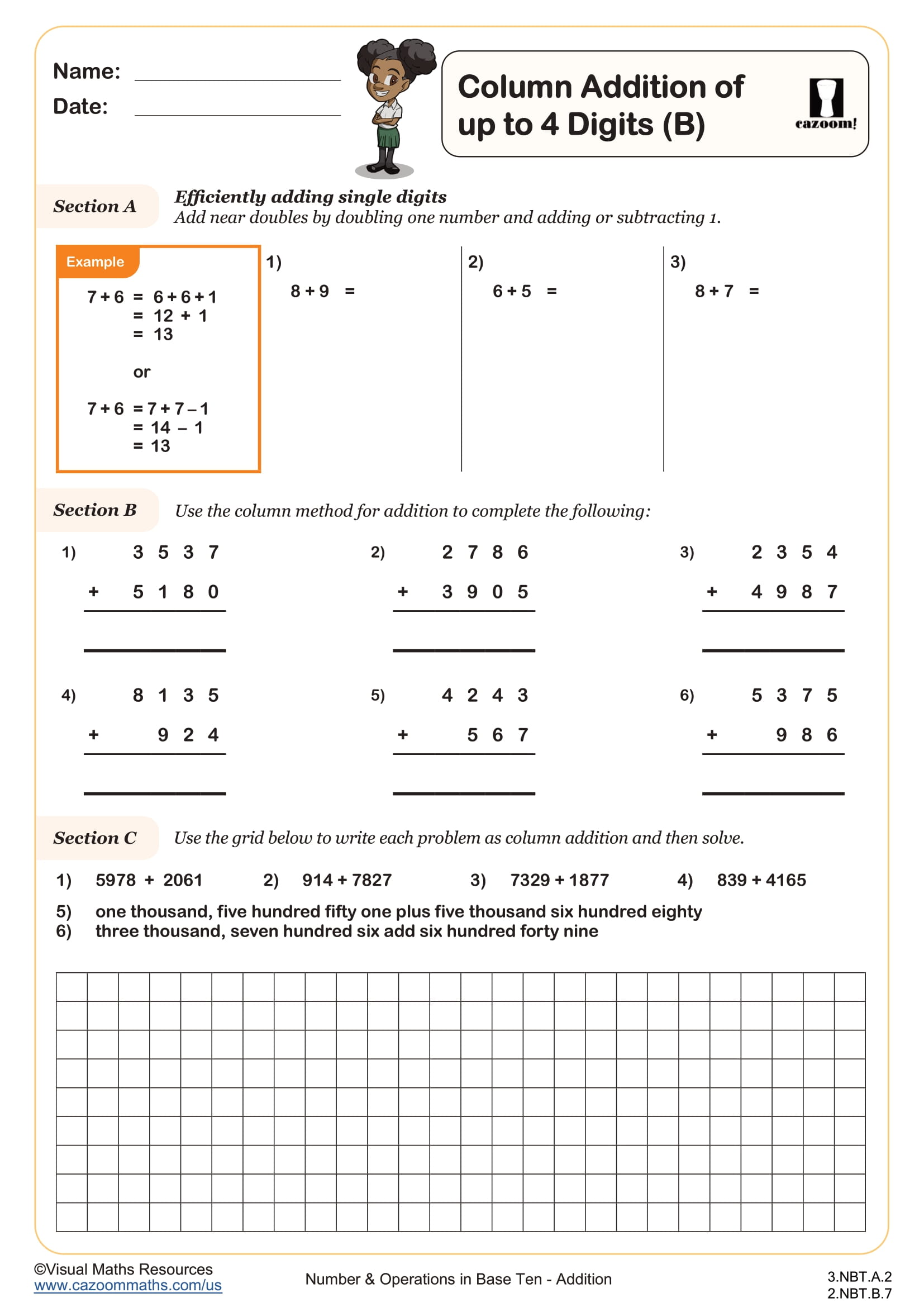
Column Addition of up to 4 Digits (B)
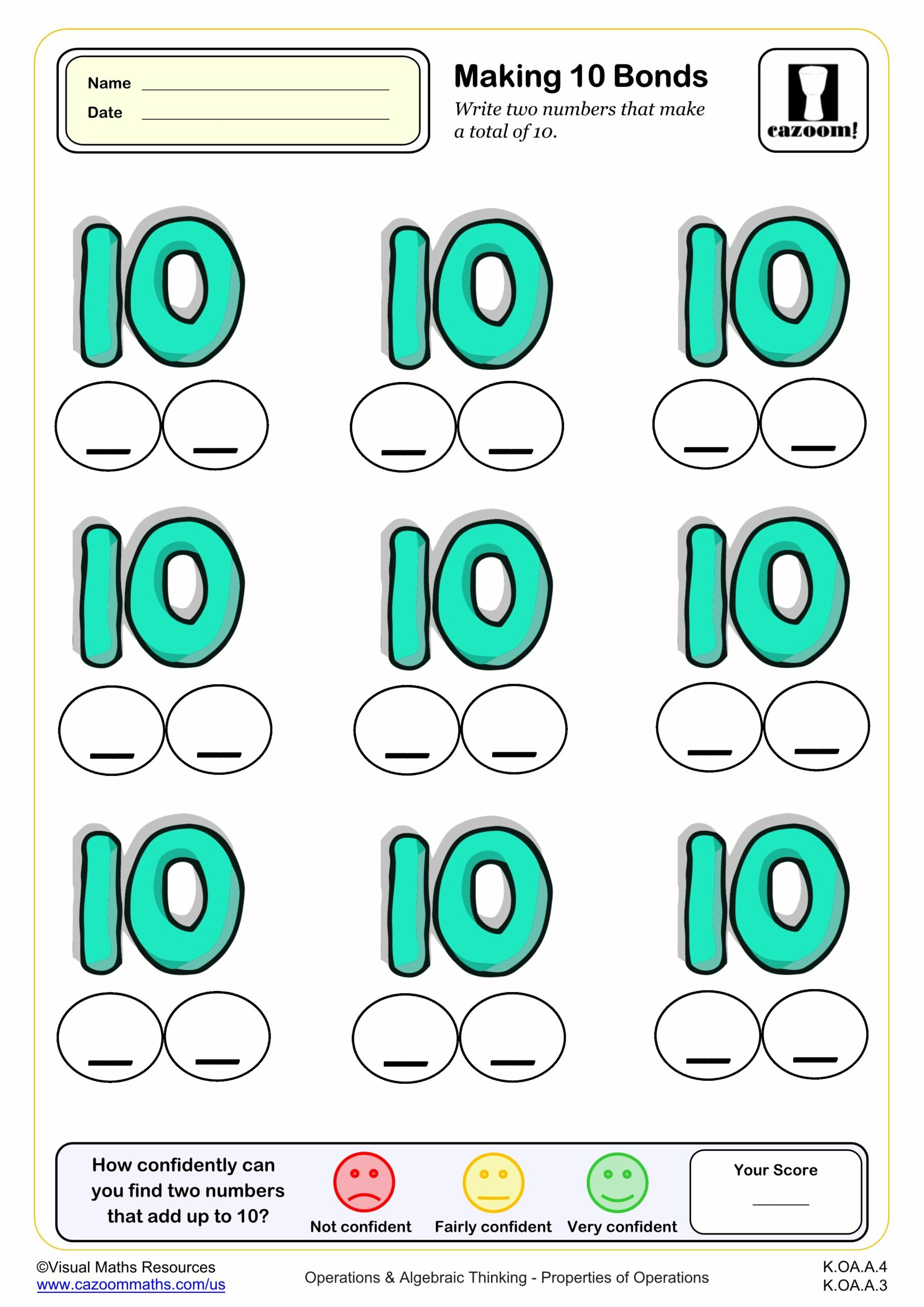
Making 10 (BONDS)
Making 10 with three numbers
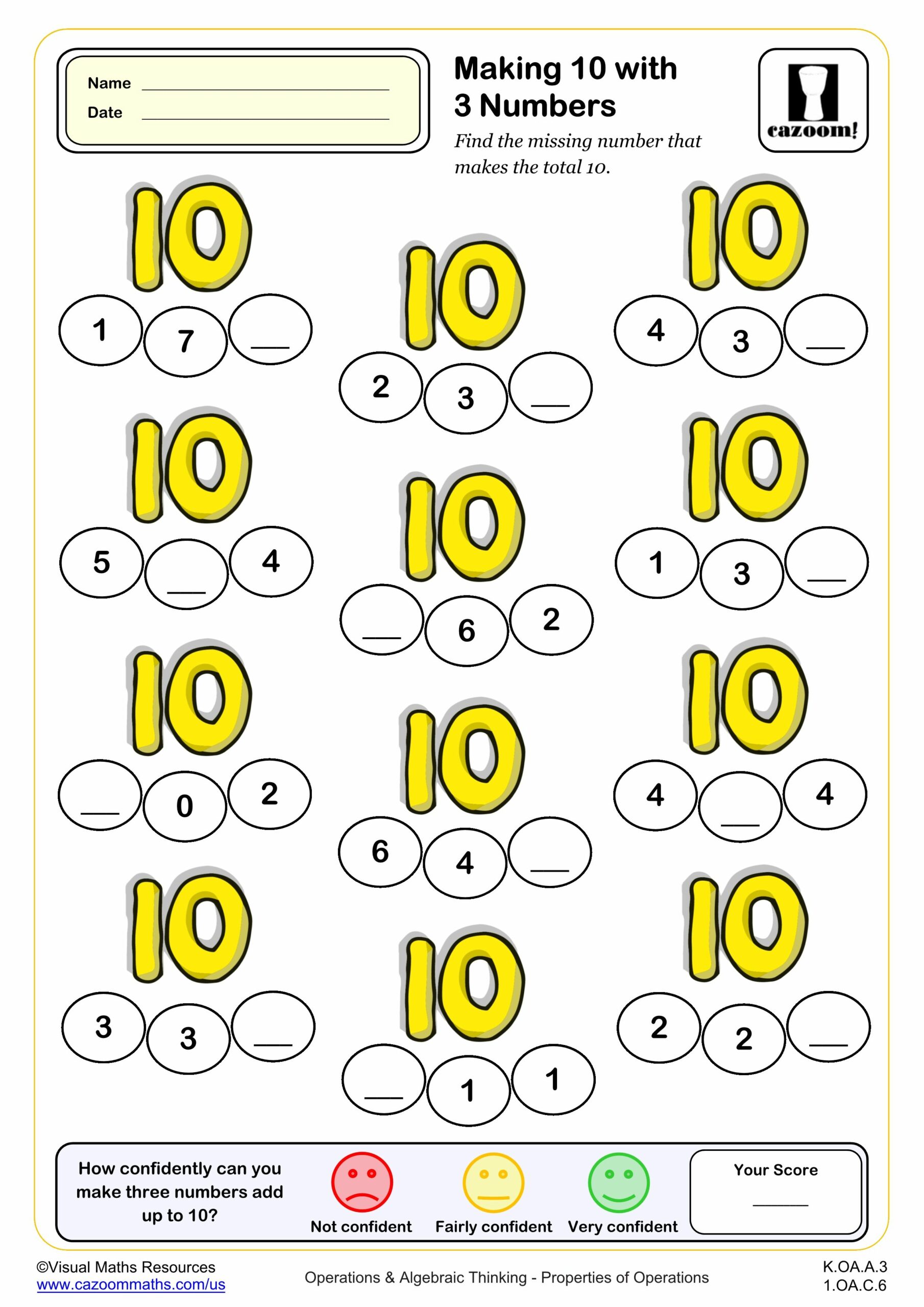
Making 100 with 2 numbers (blanks)
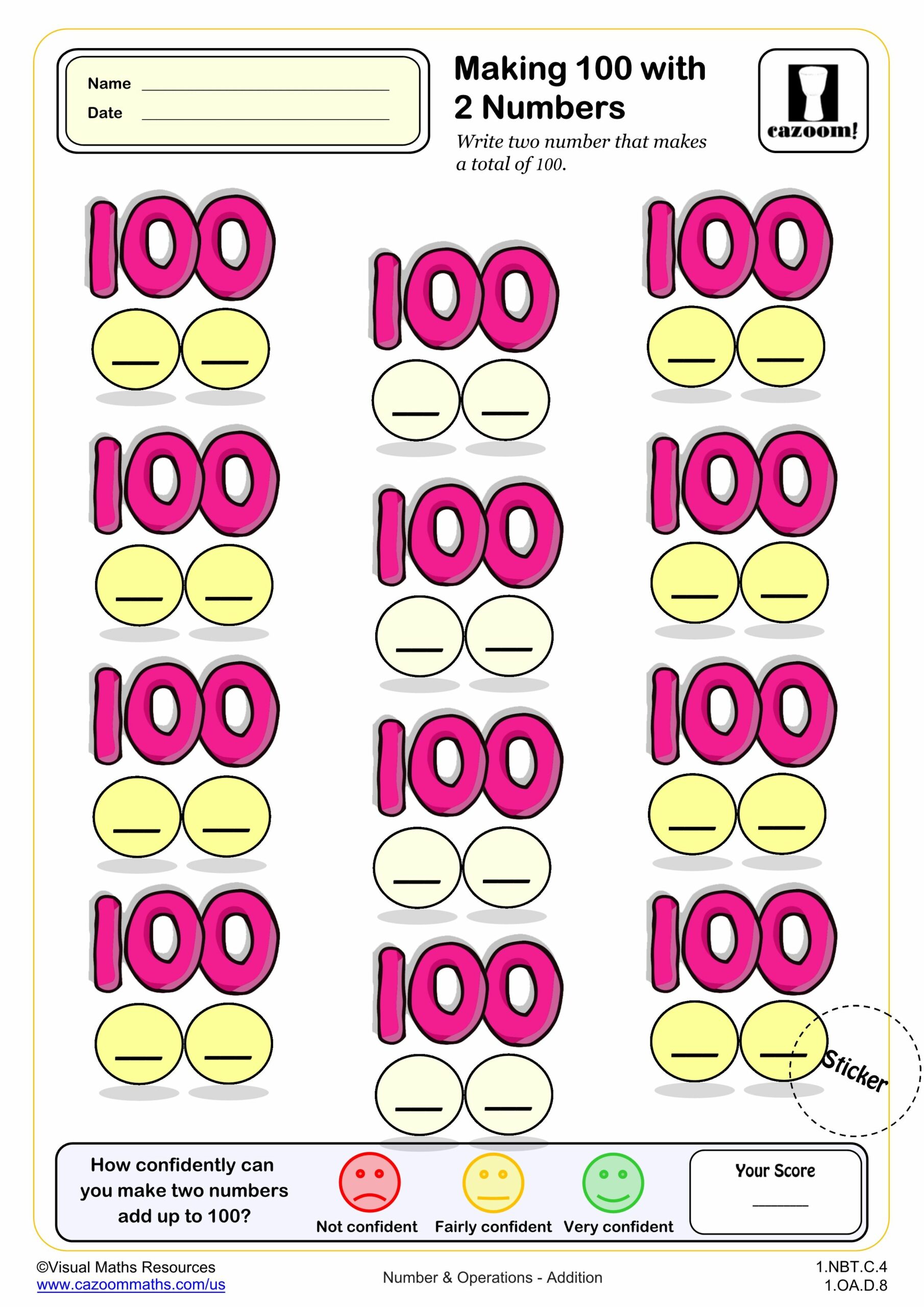
Making 100 with 3 numbers (B) (multiples of 5)
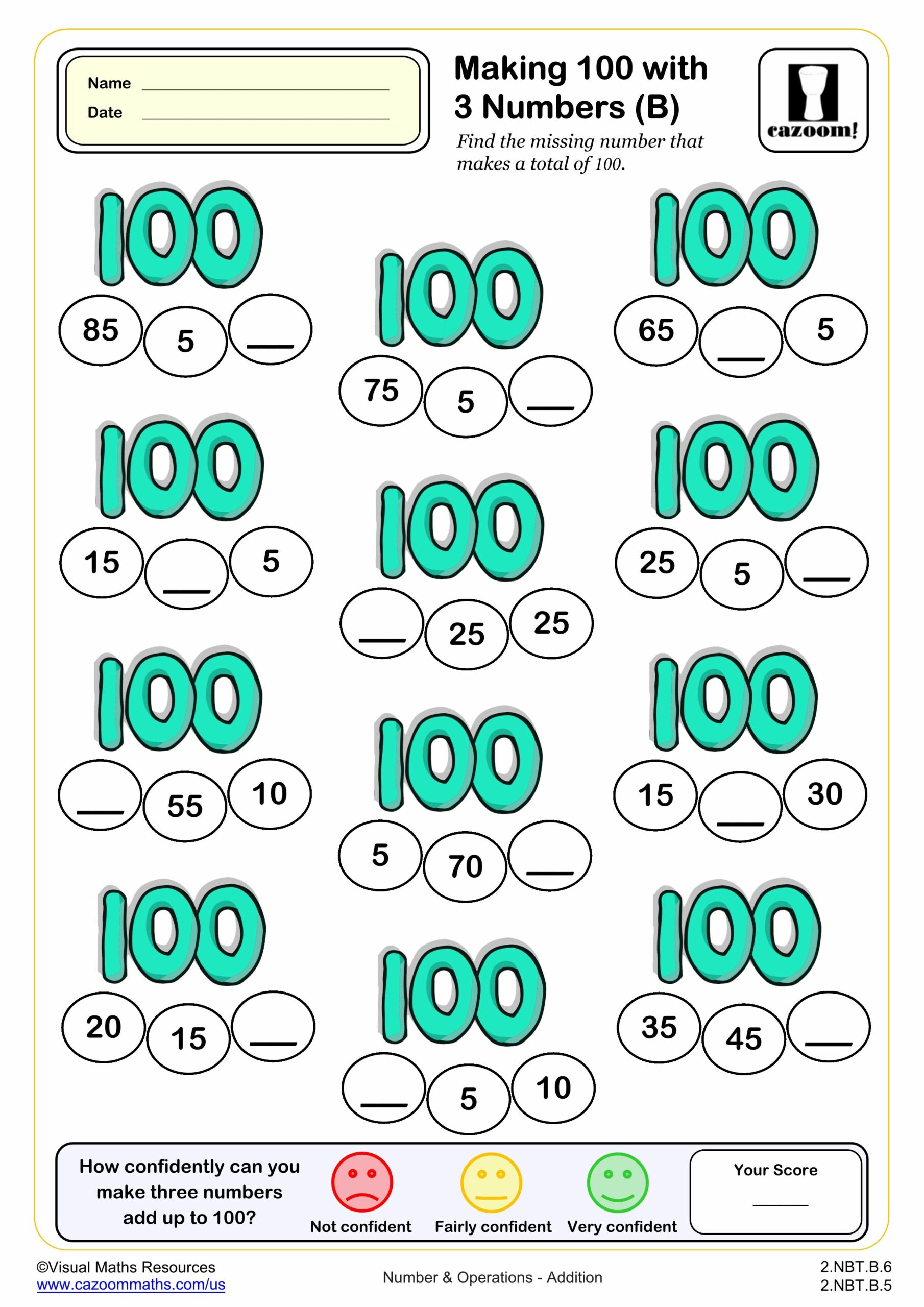
Making 100 with 3 numbers (D) (no regrouping)
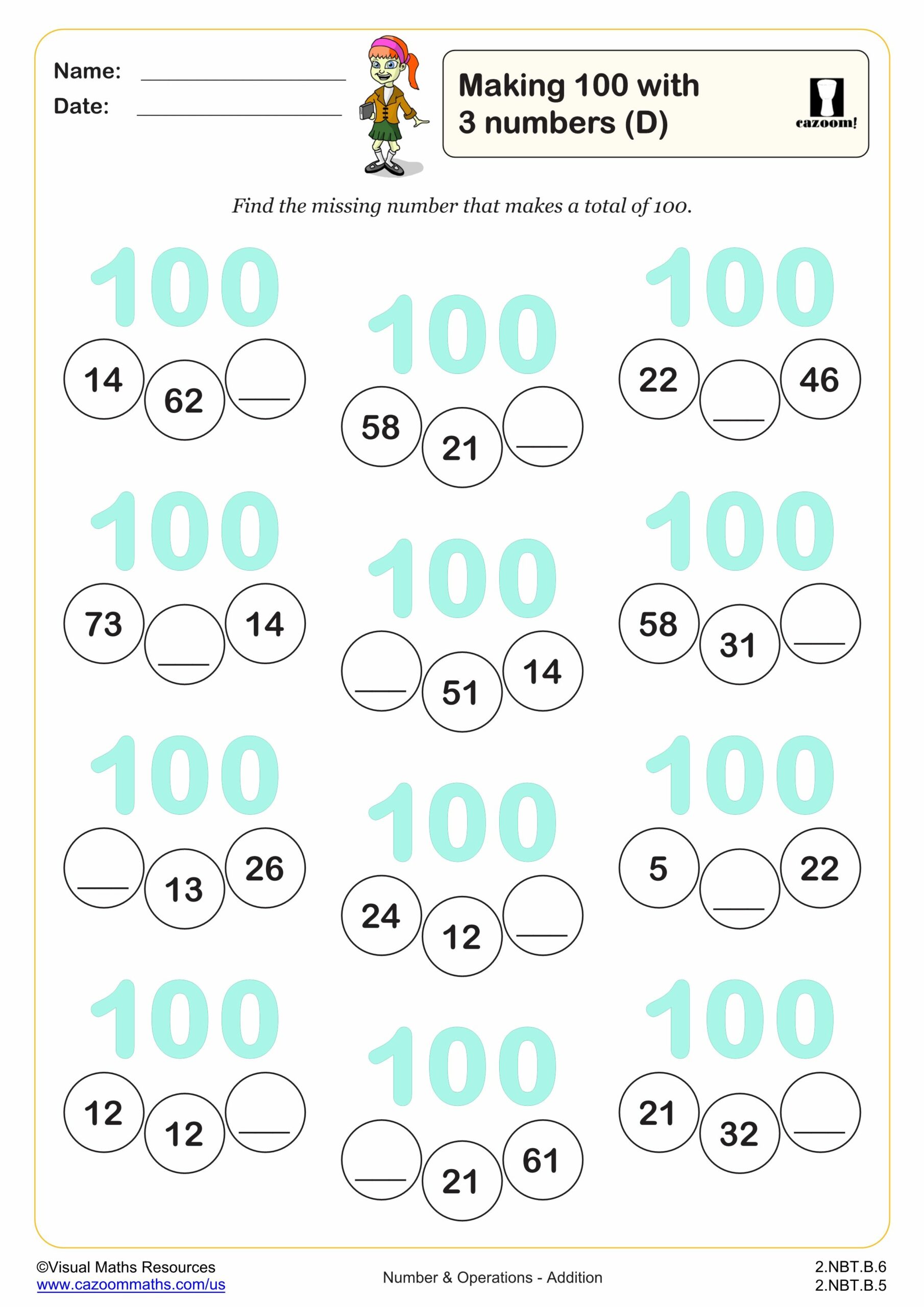
Making 18 (BONDS)
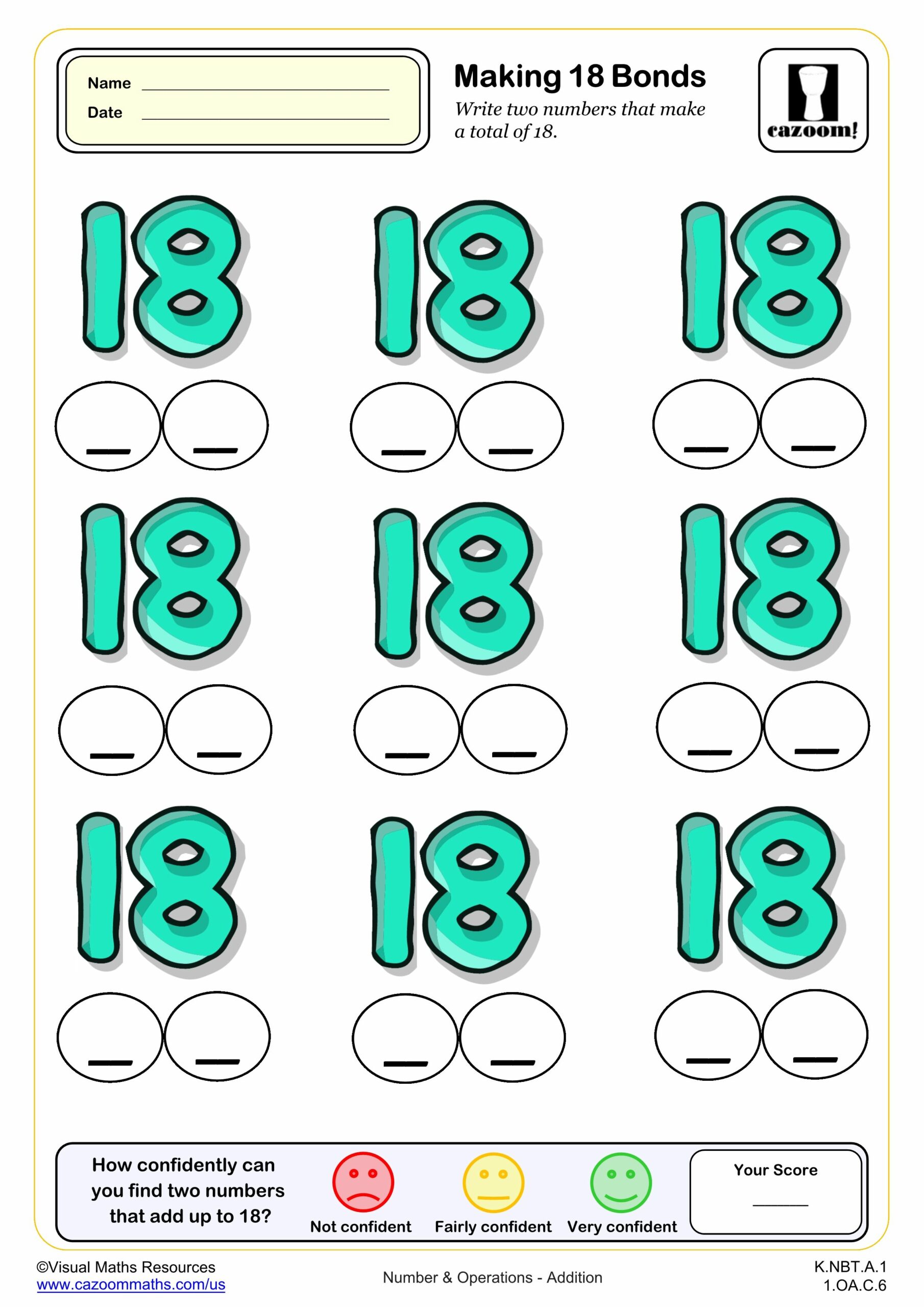
Making 20 (B)
Making 20 (BONDS)
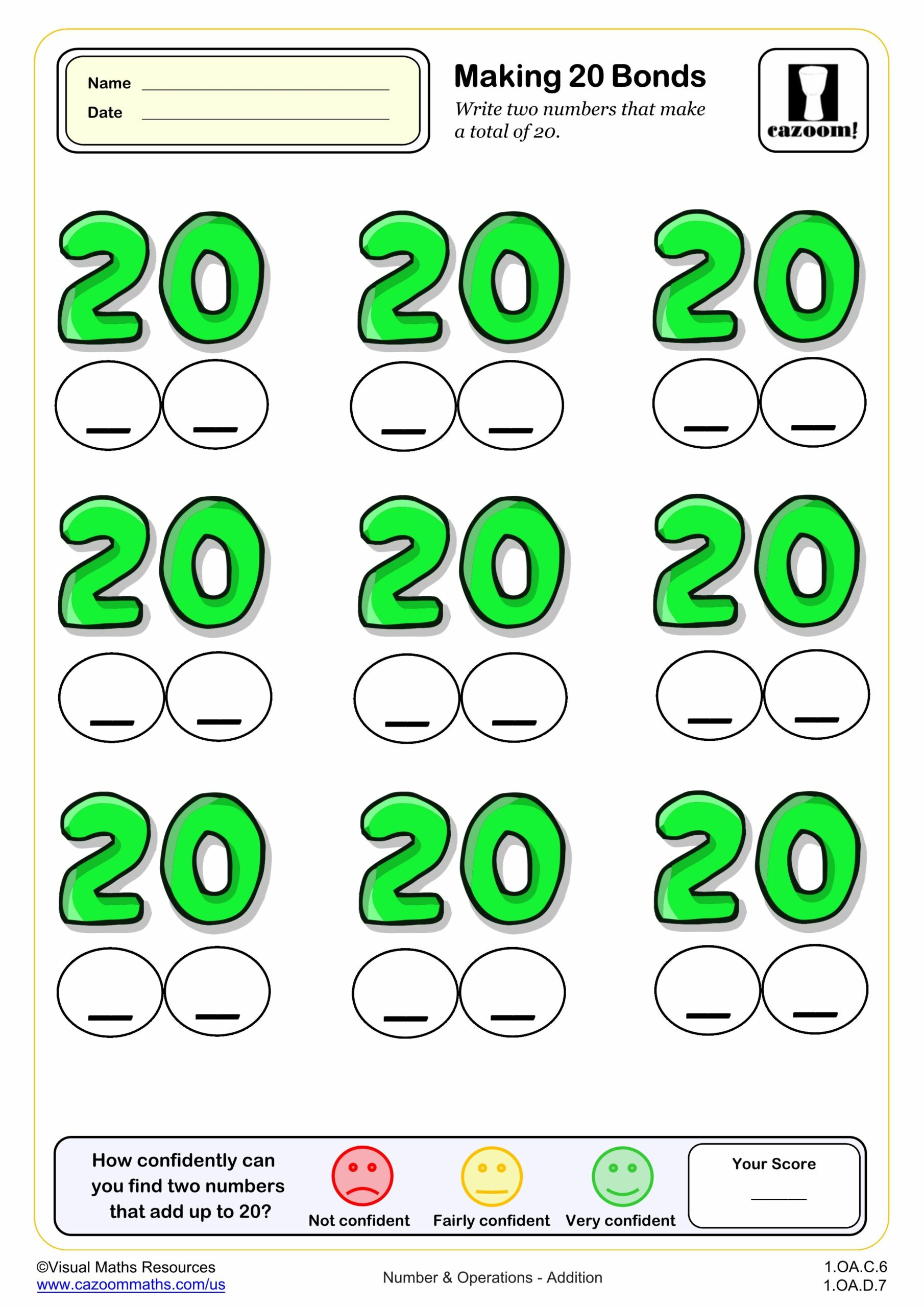
Making 20 (C)
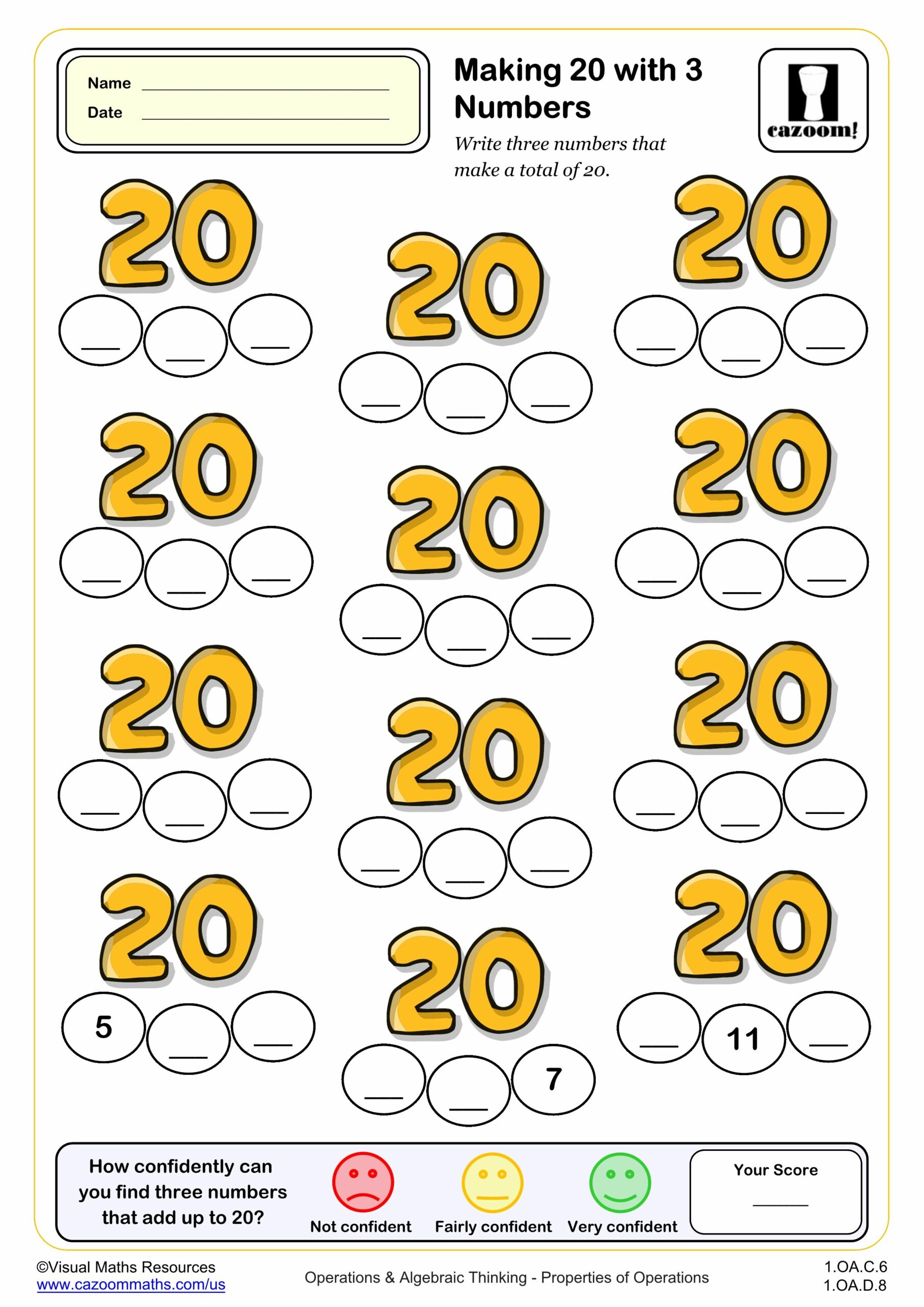
Making 20 with three numbers (Blanks)
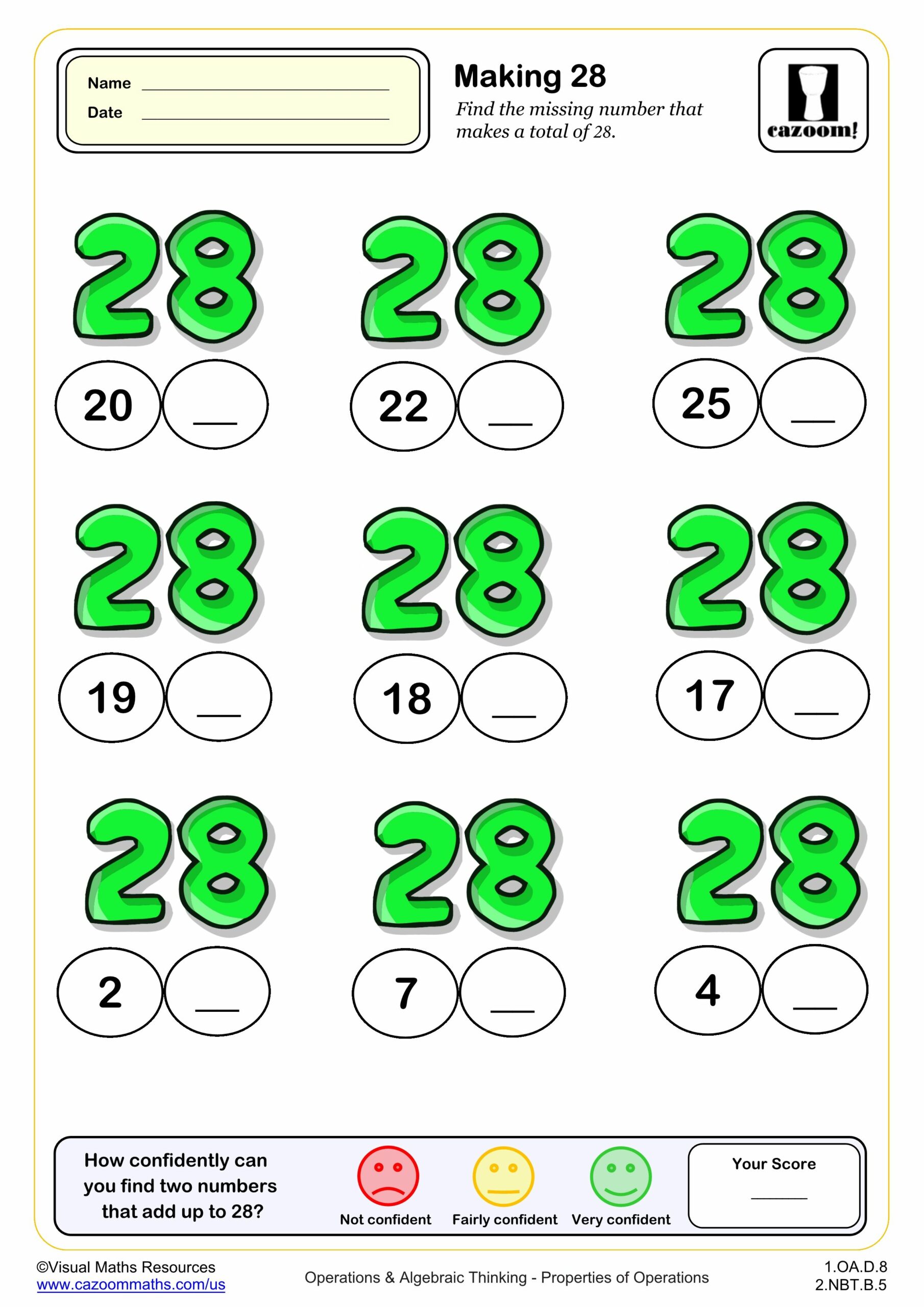
Making 28
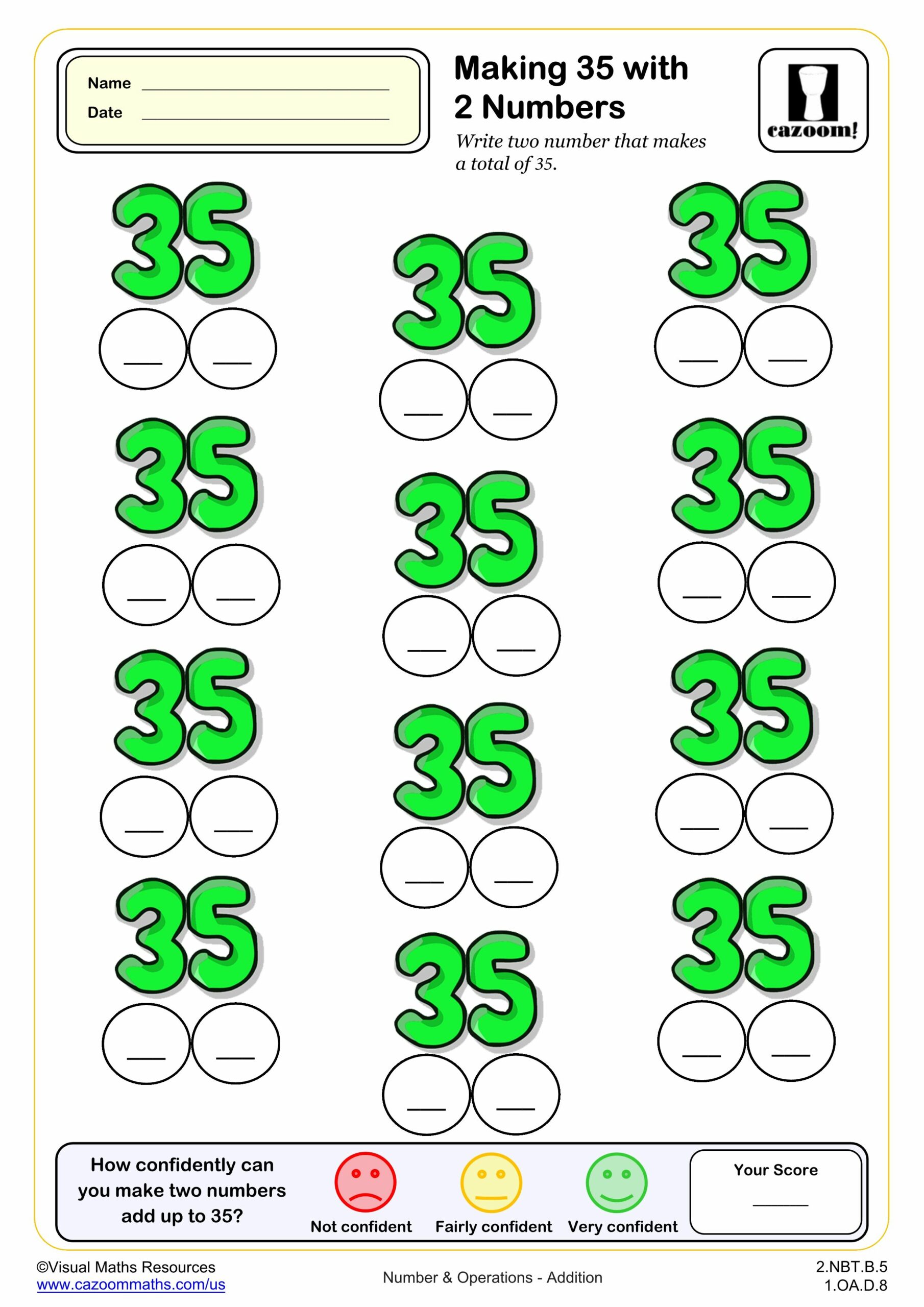
Making 35 (blanks)
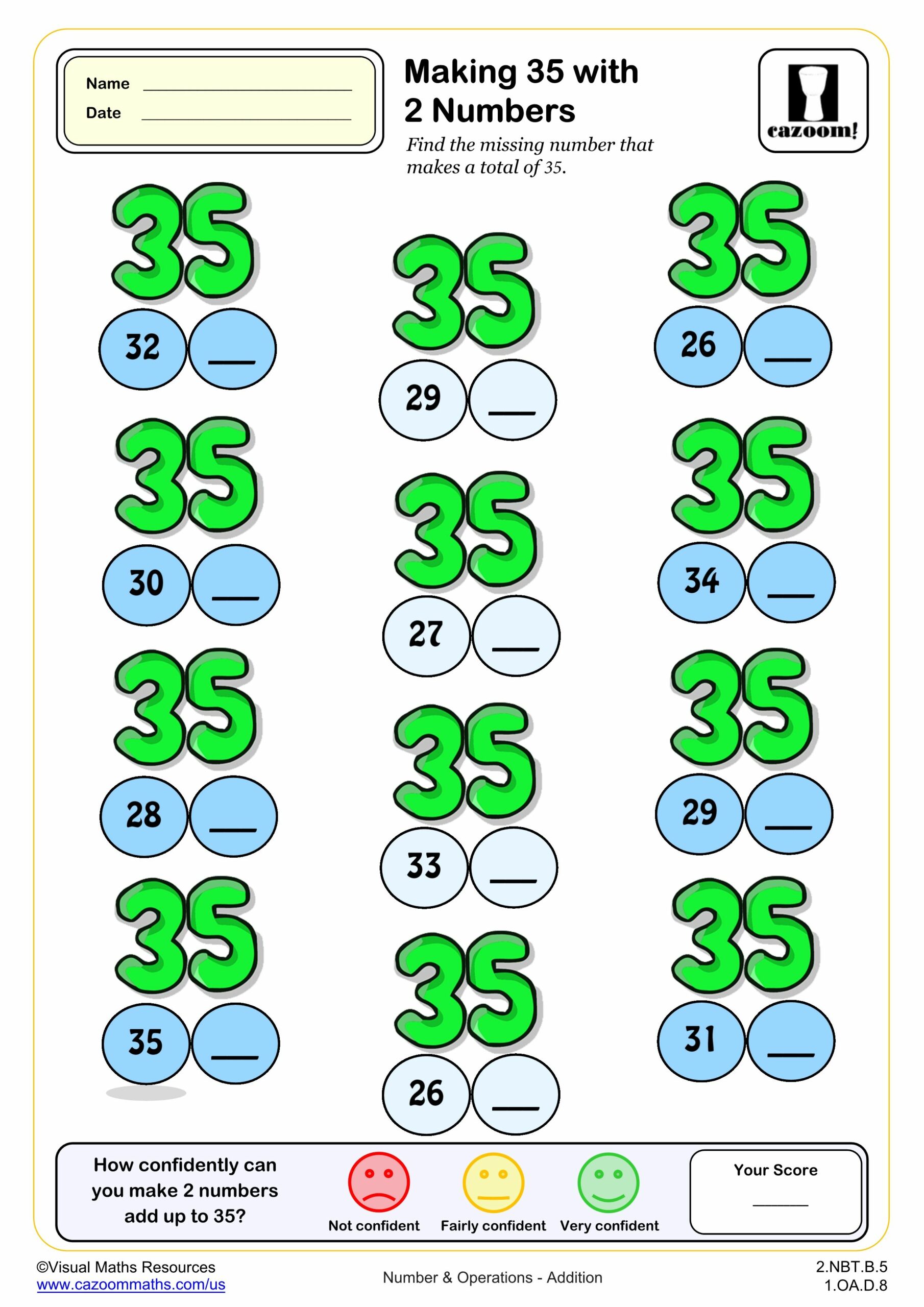
Making 35 with 2 numbers
Making 7
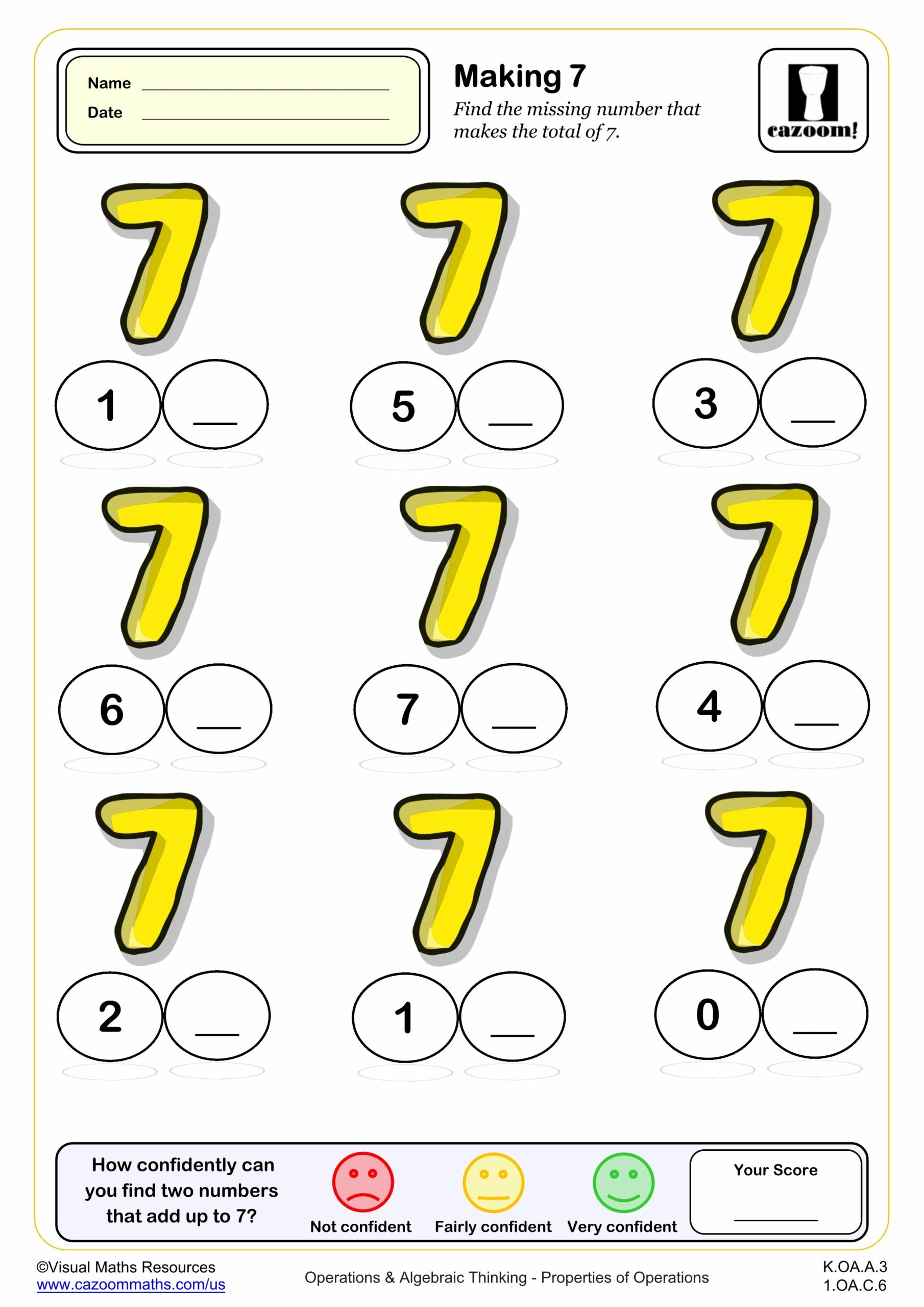
Making 8
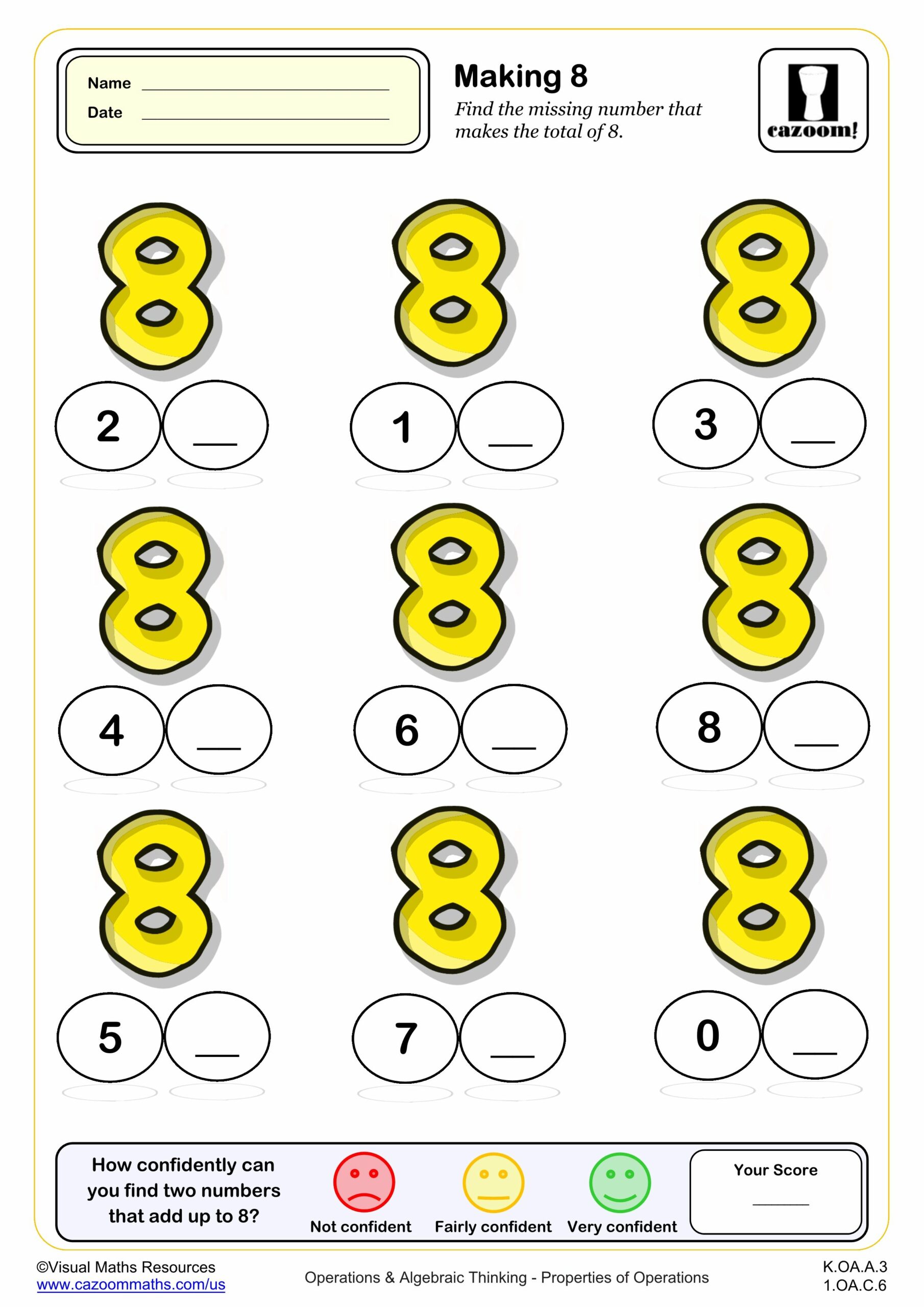
Making 9
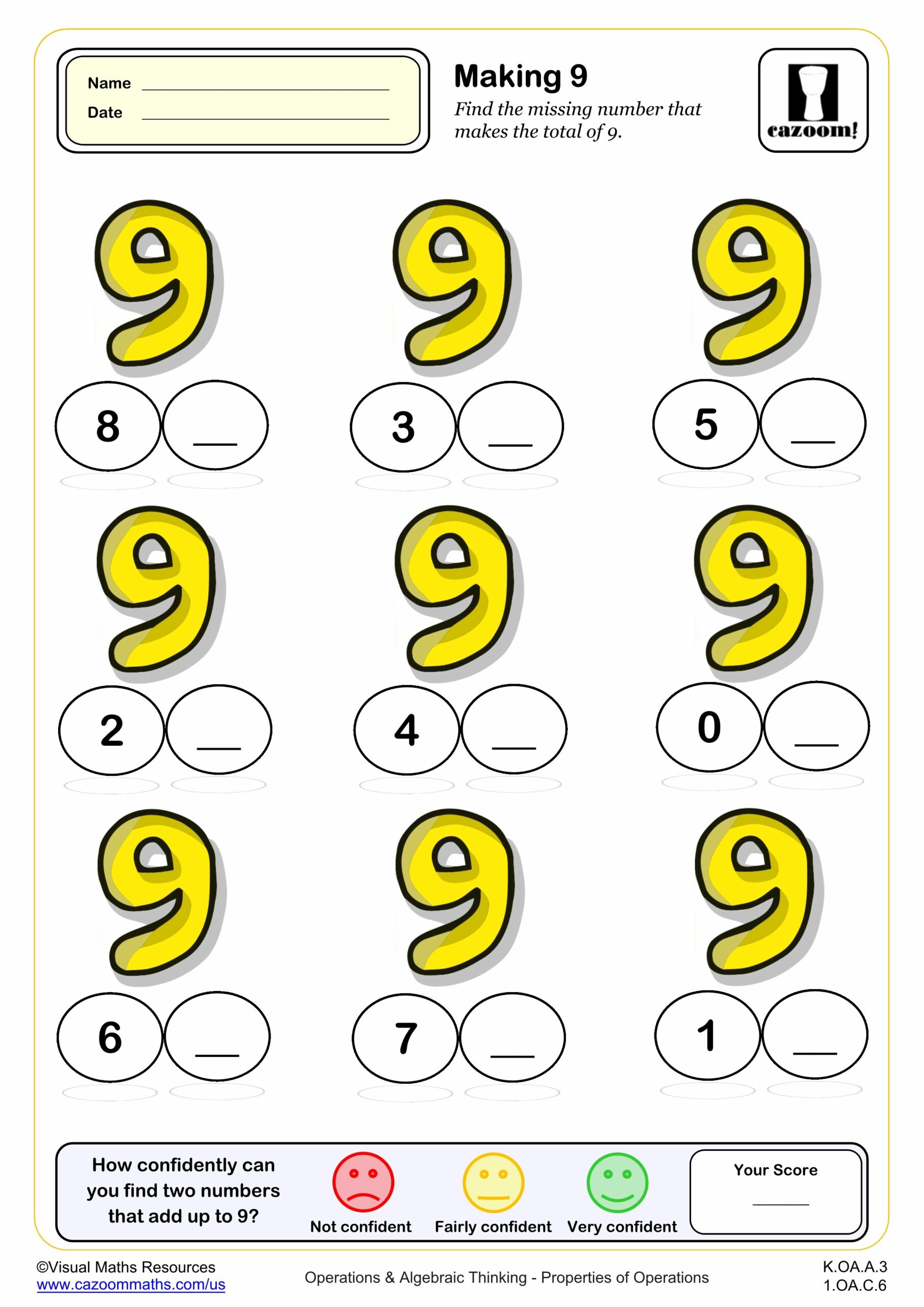
Matching sums (20 only)
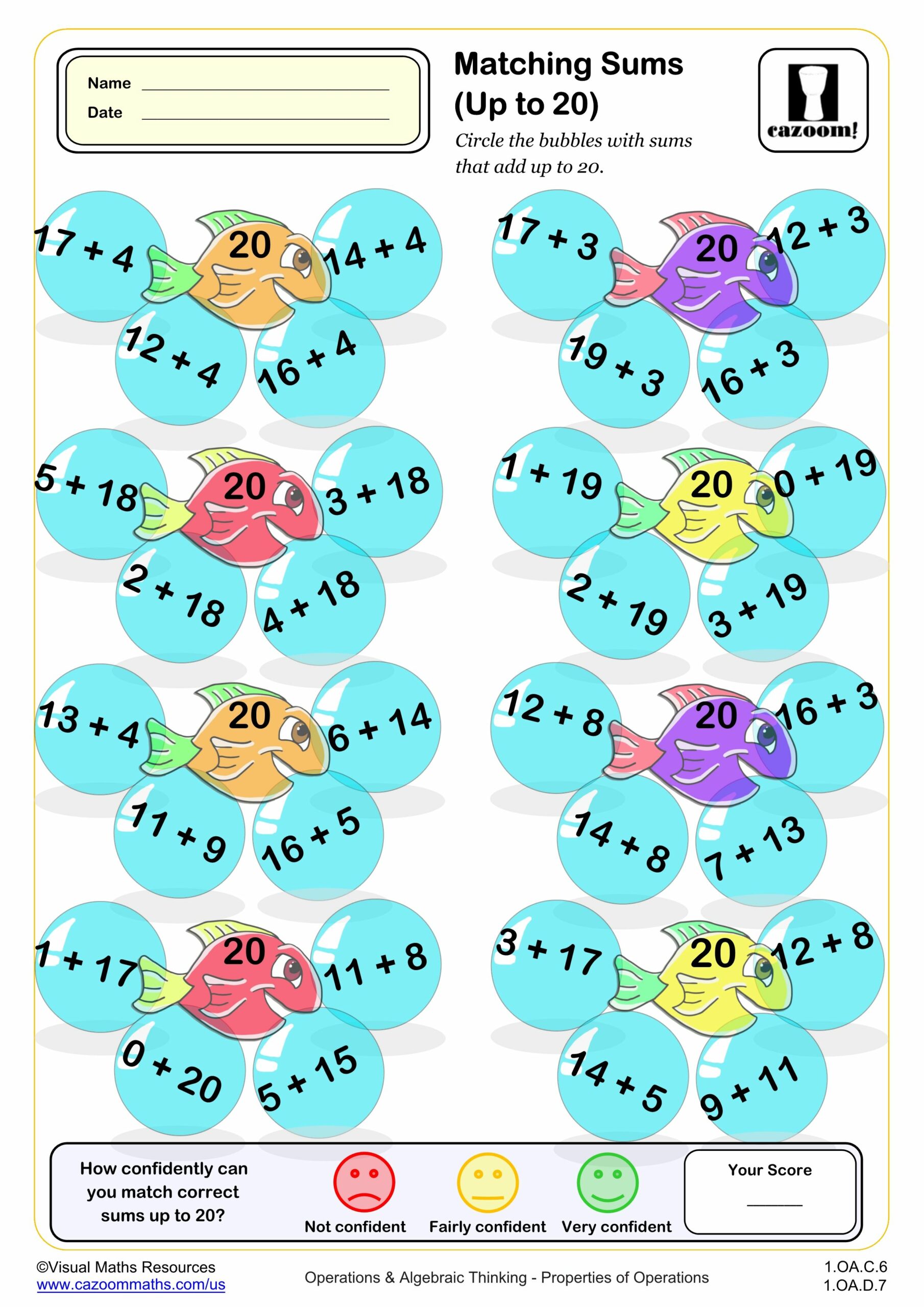
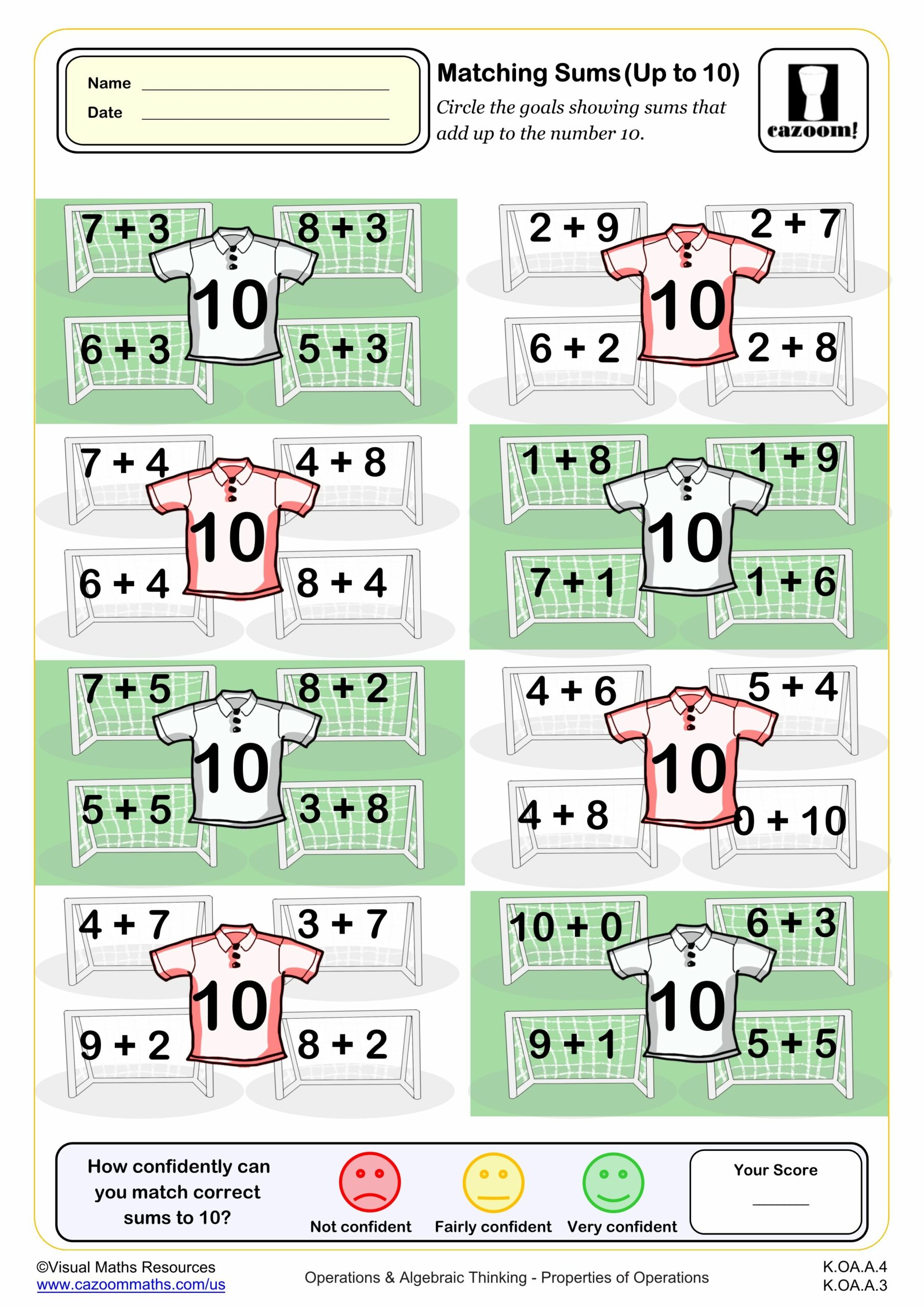
Matching Sums (to 10)
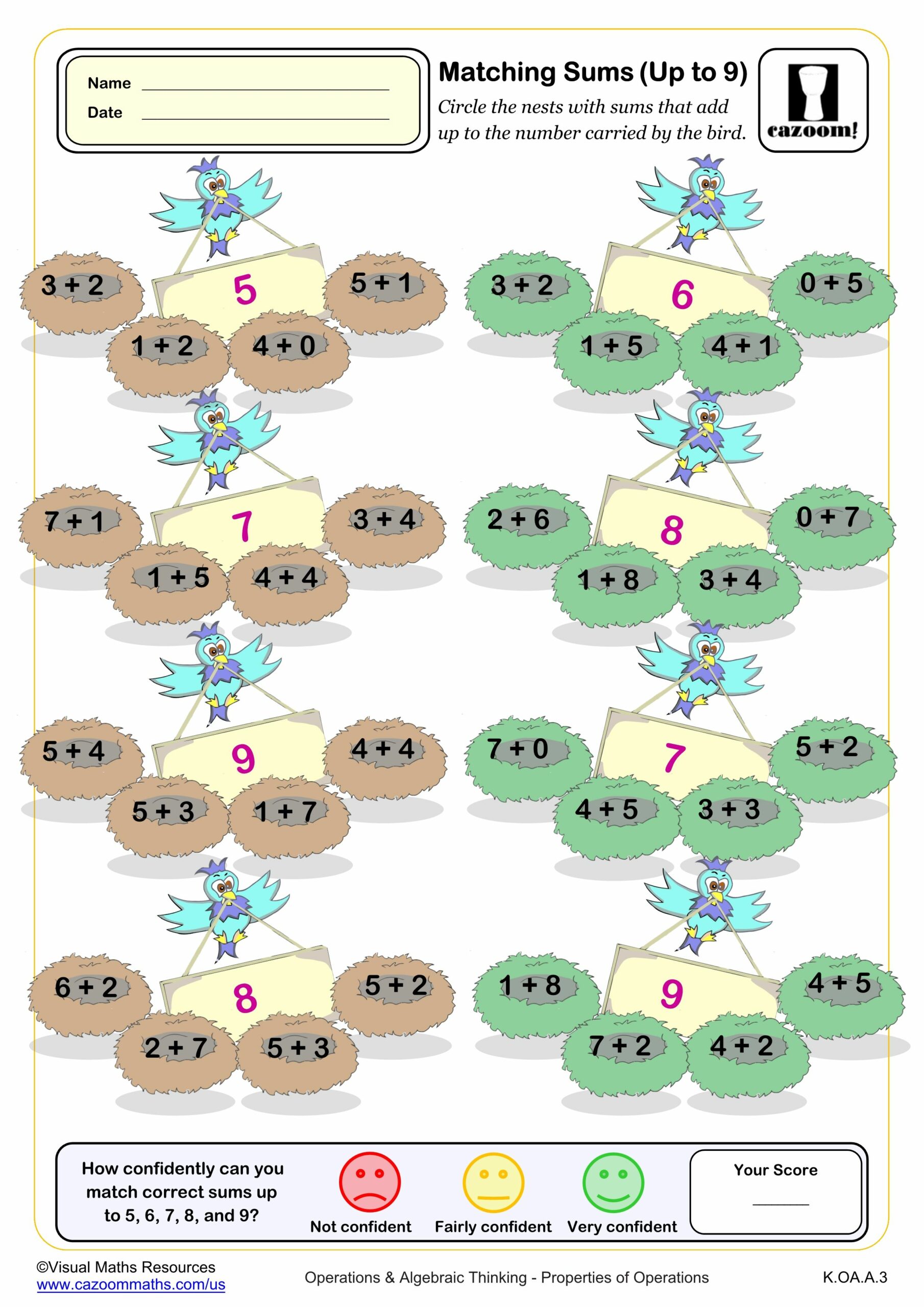
Matching Sums (up to 9)
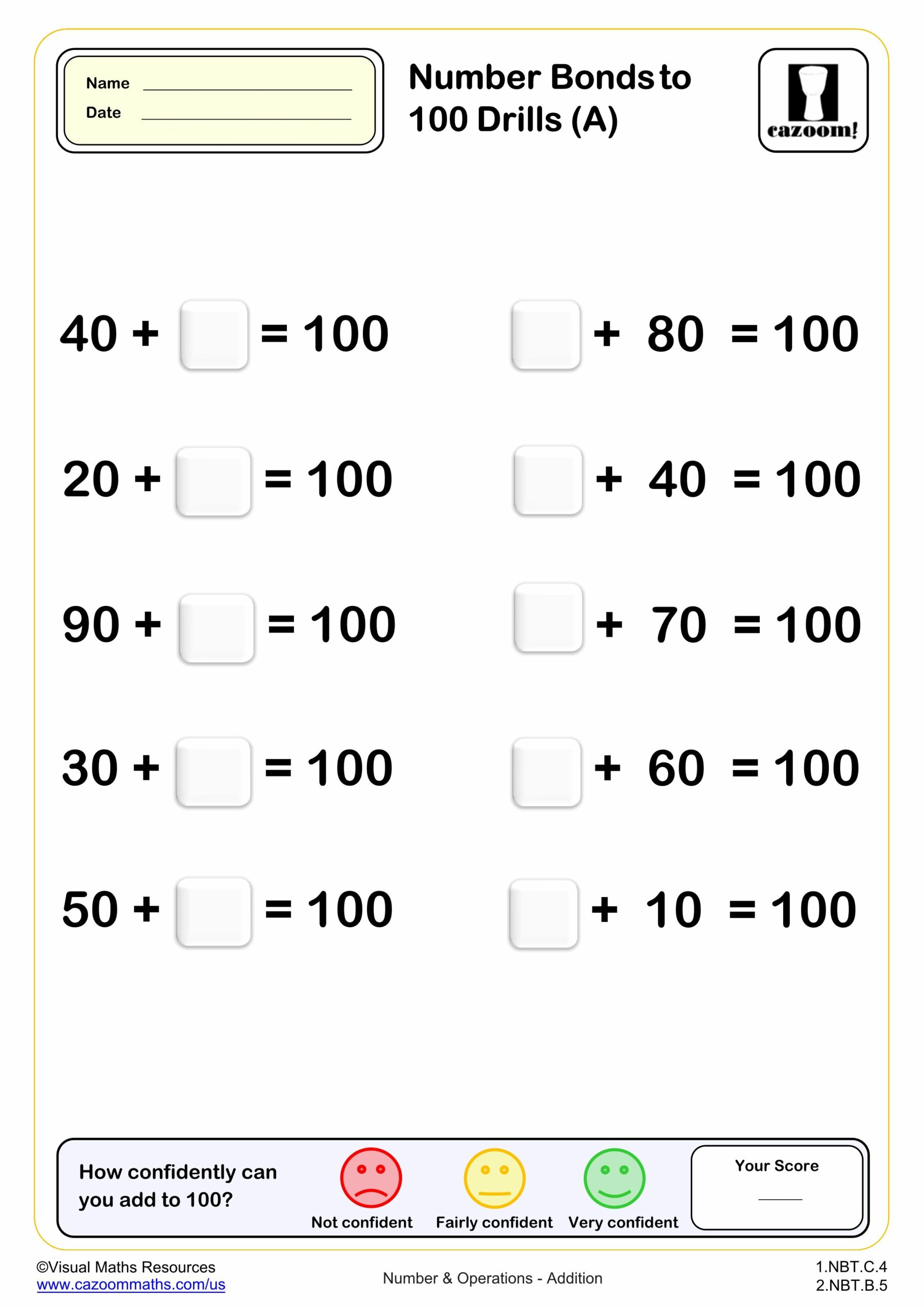
Number bond to 100 Drills (A) (10 questions)
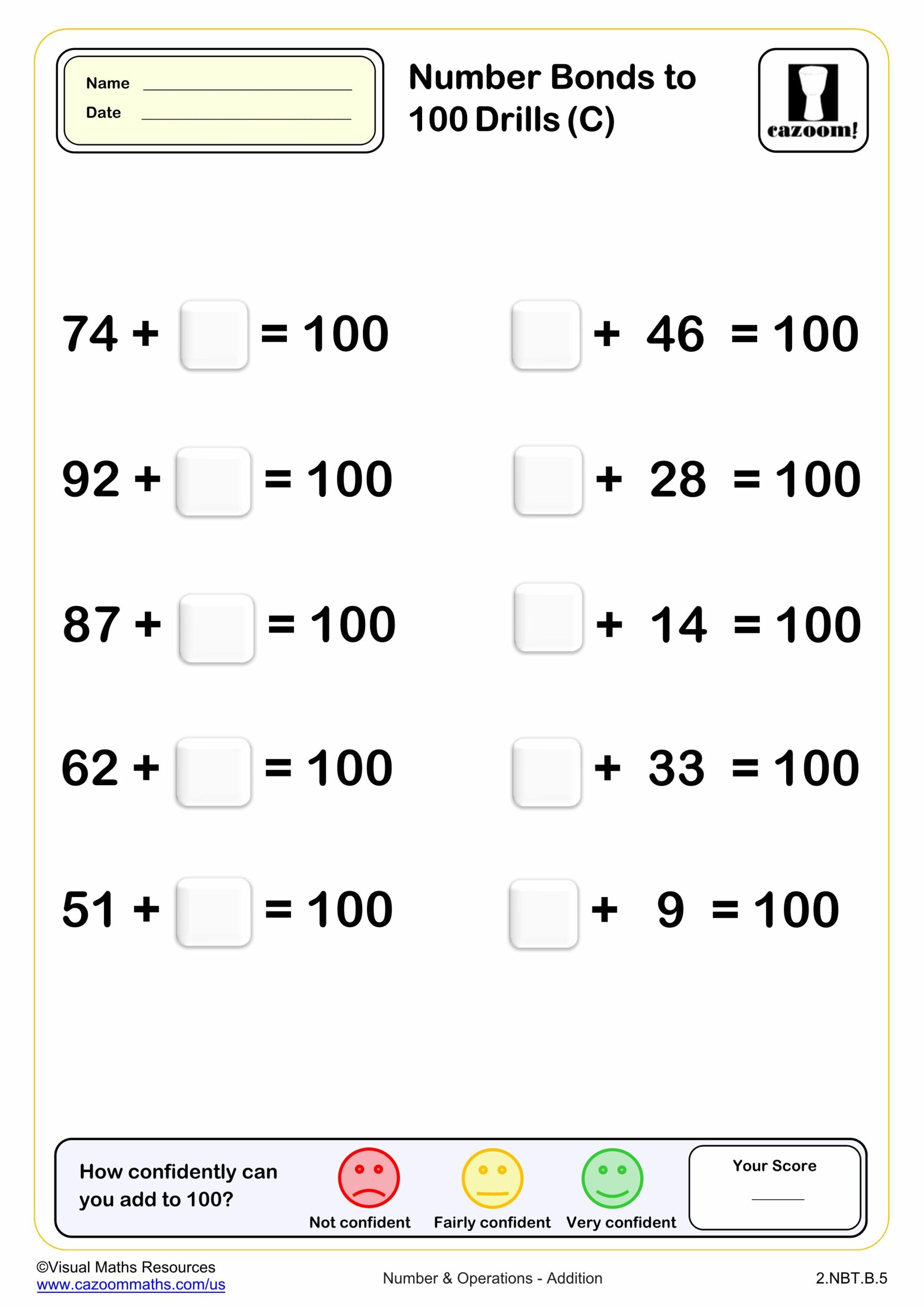
Number bond to 100 Drills (C) (10 questions)
Number bond to 100 Drills (C) (20 questions)
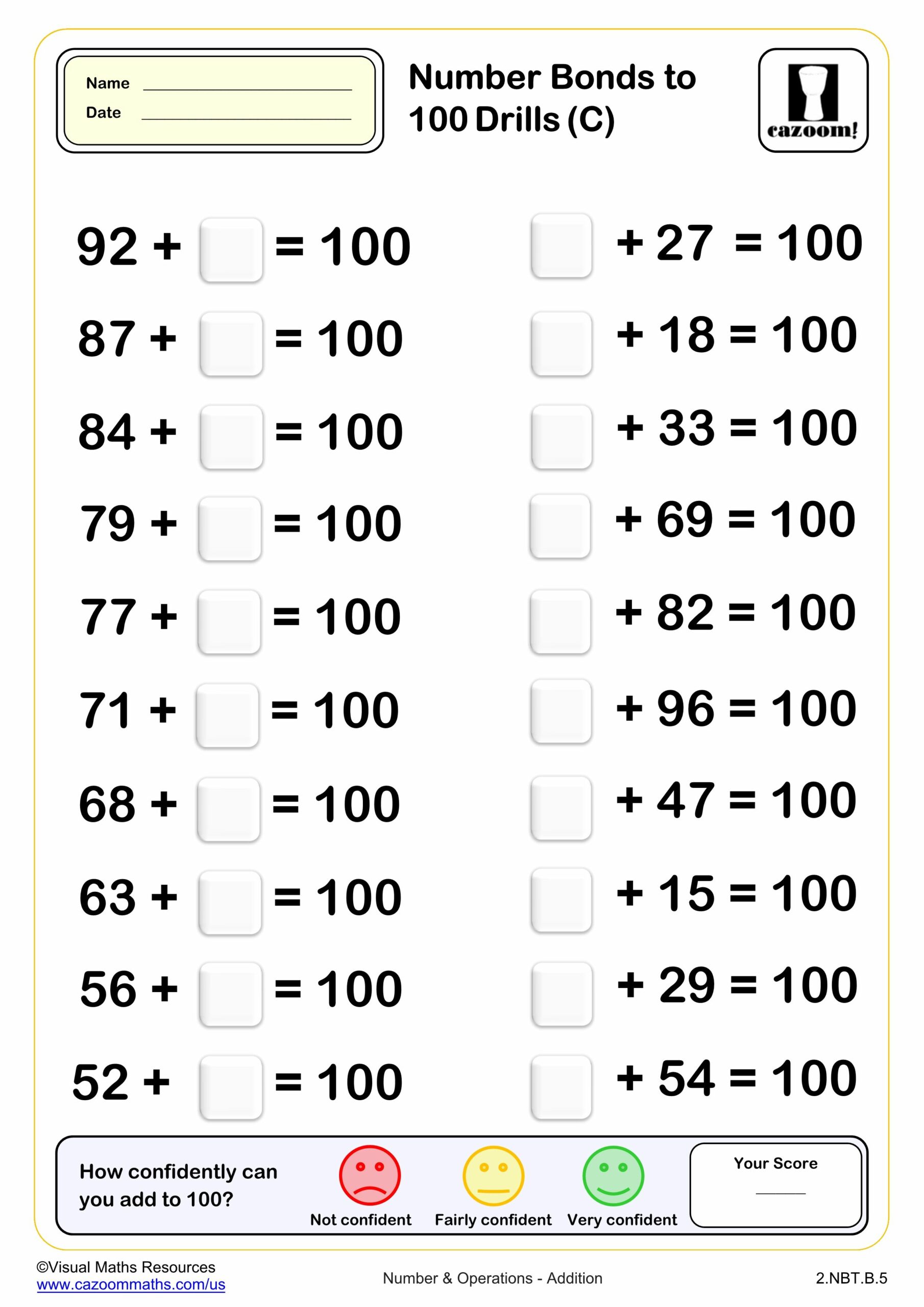
Number bond to 50 Drills (A) (20 questions)
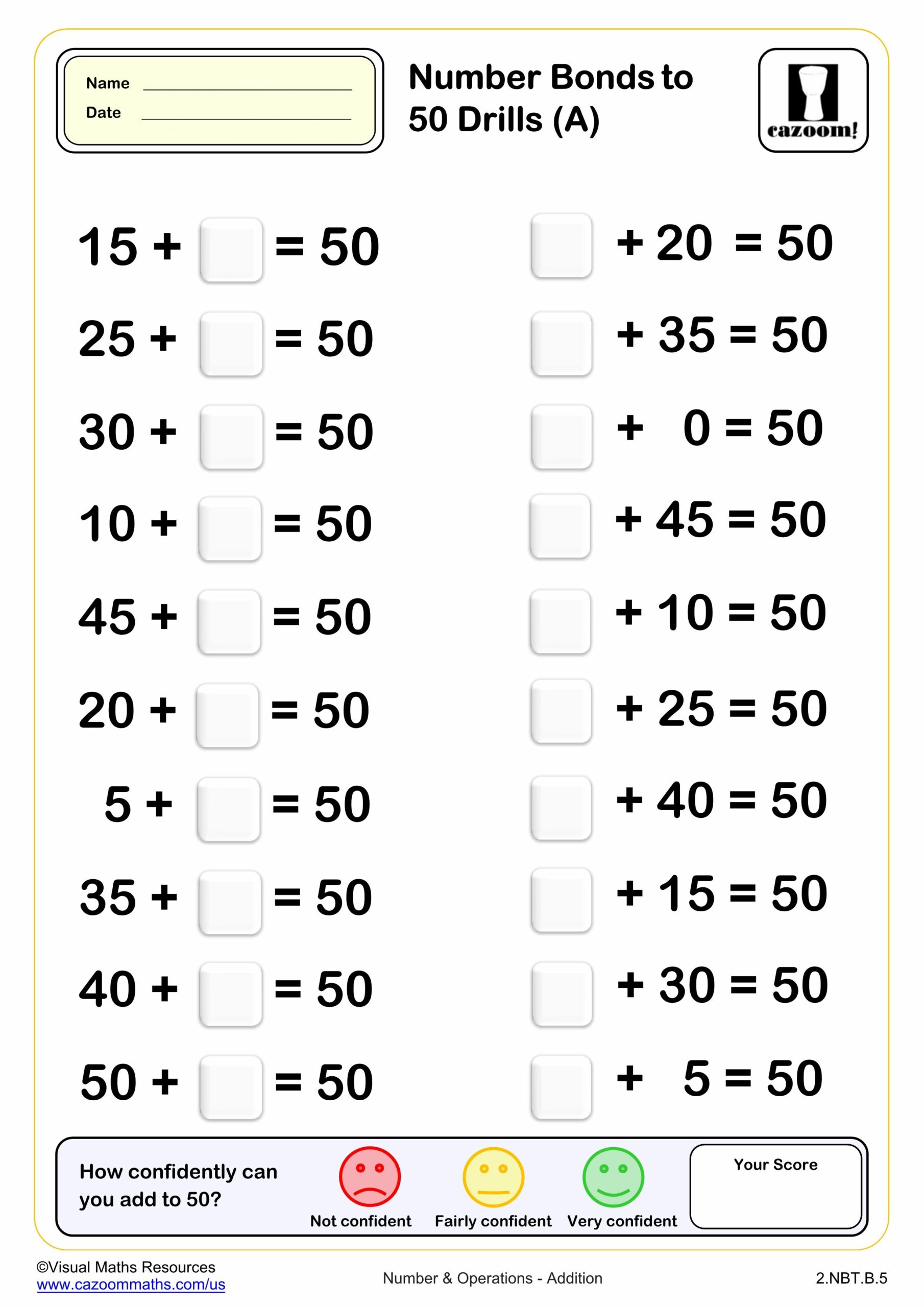
Number bond to 50 Drills (B) (10 questions)
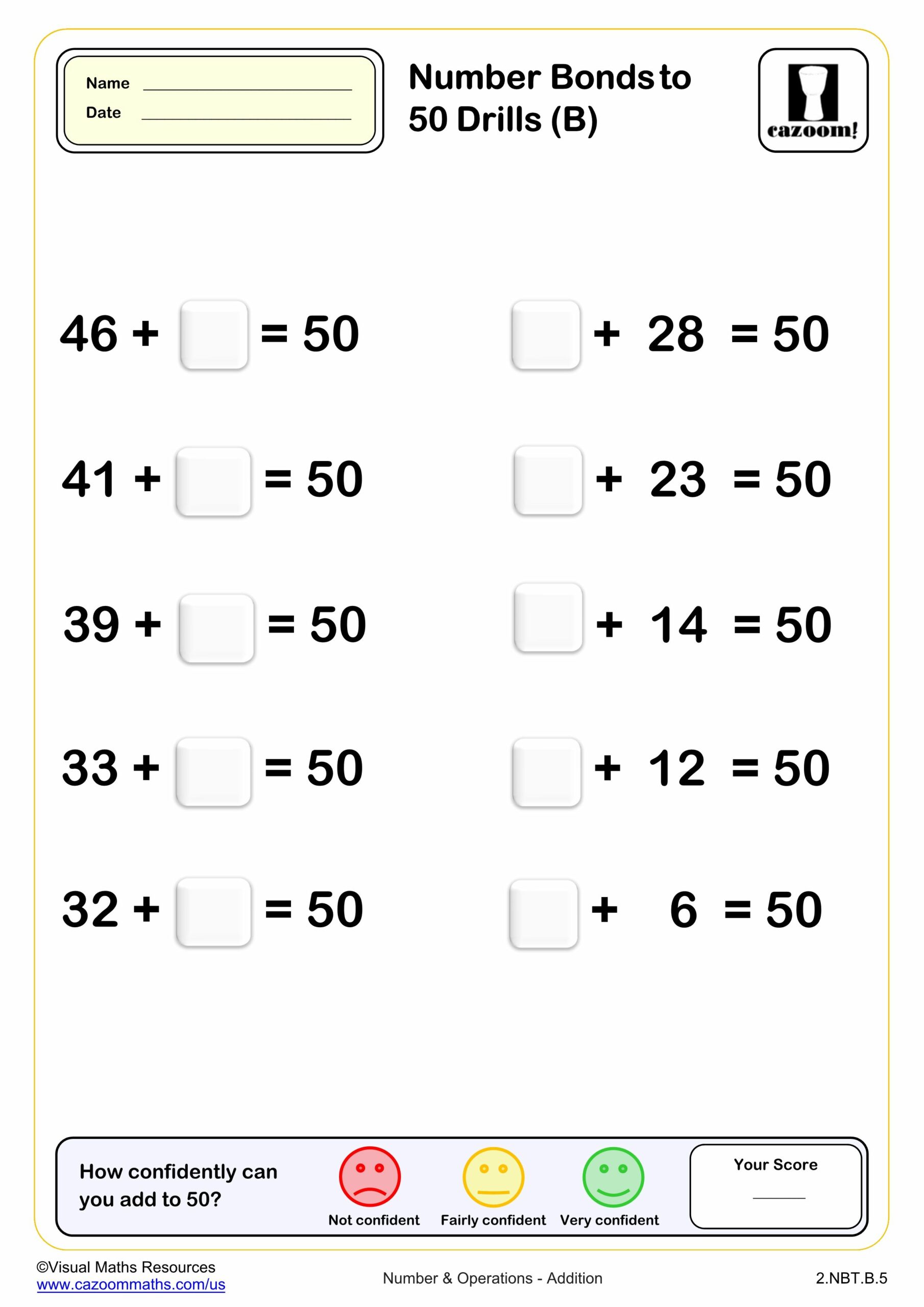
Number bond to 50 Drills (B) (20 questions)
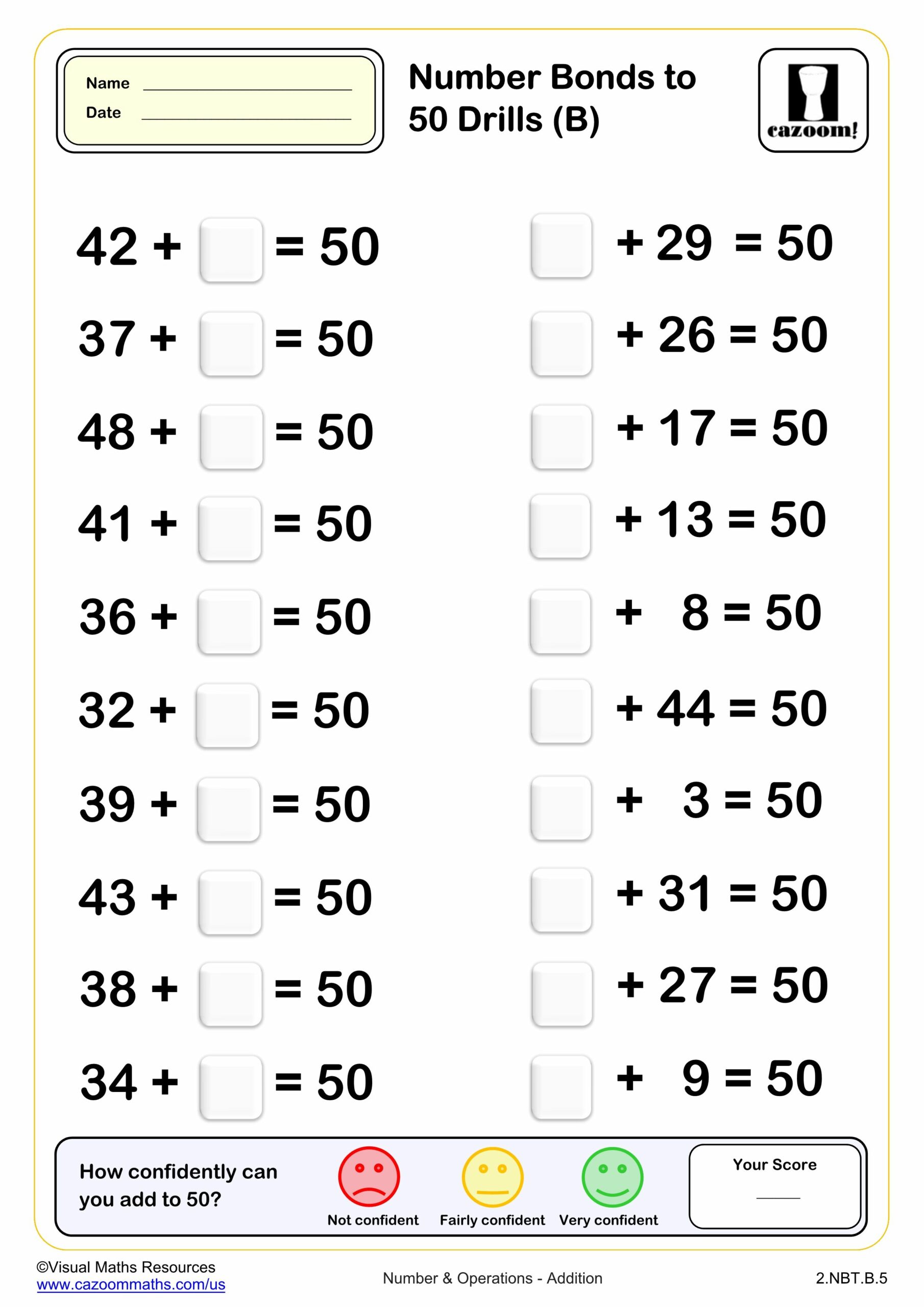
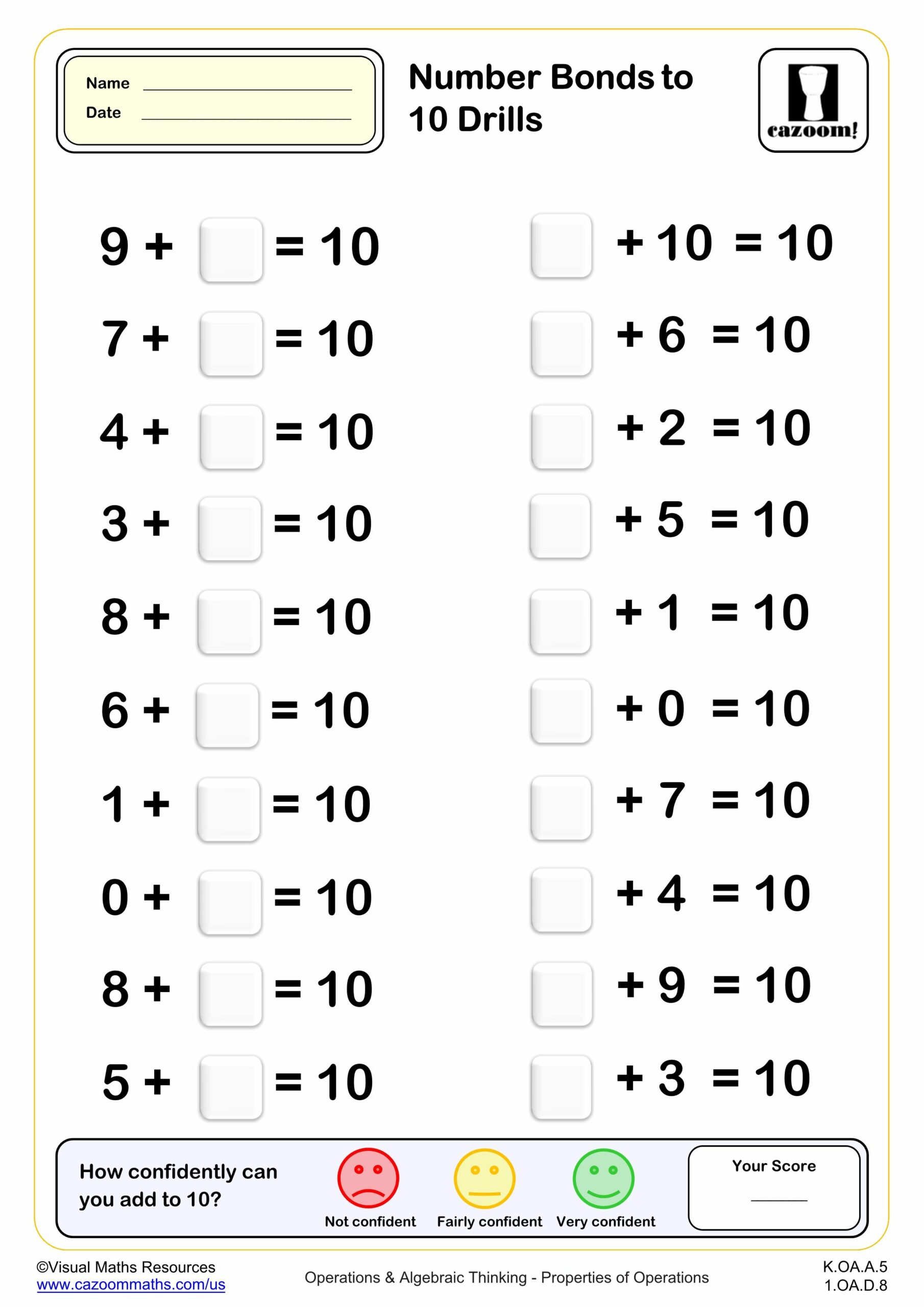
Number Bonds to 10 drills (10 questions)
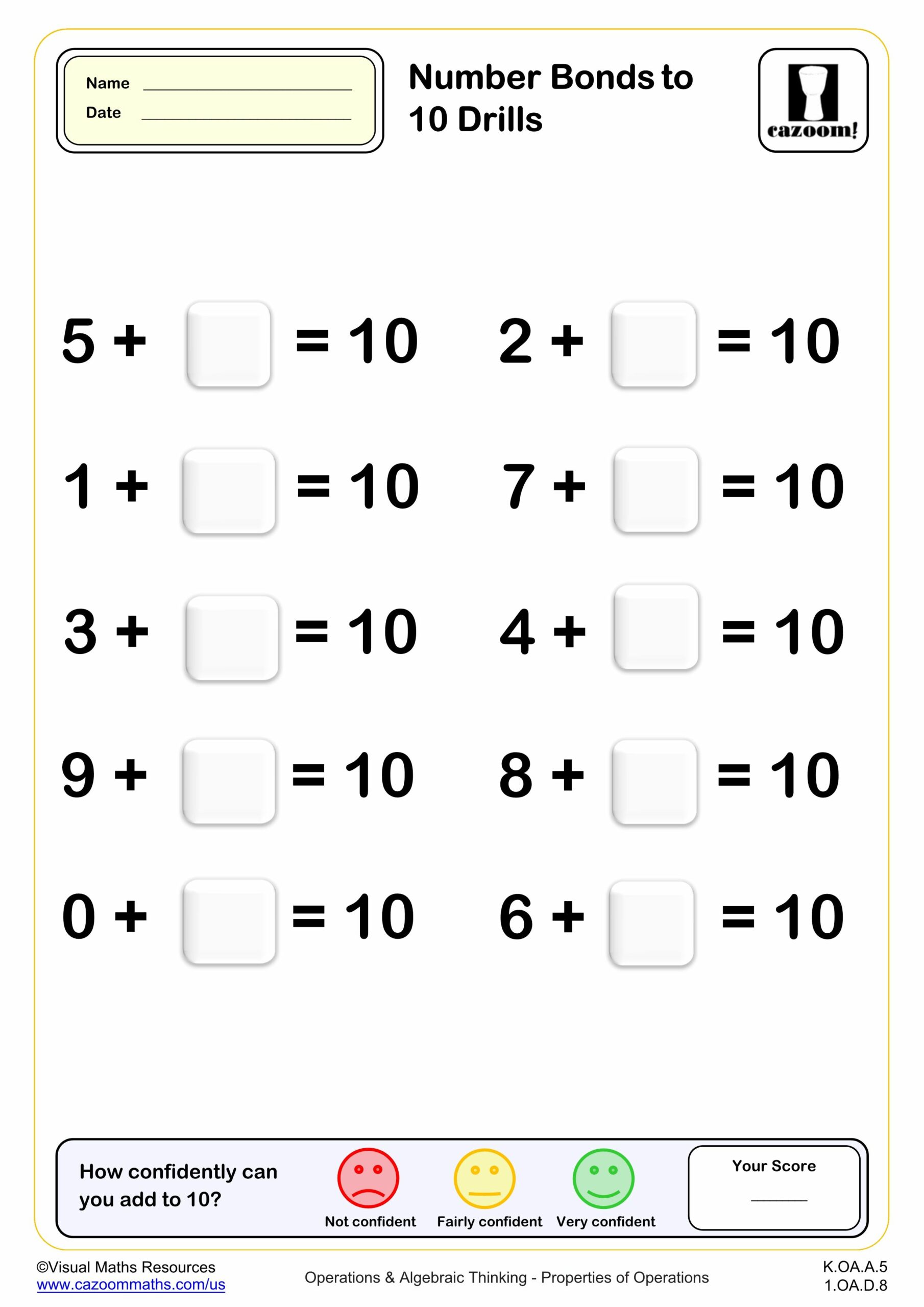
Number Bonds to 10 drills (20 questions)
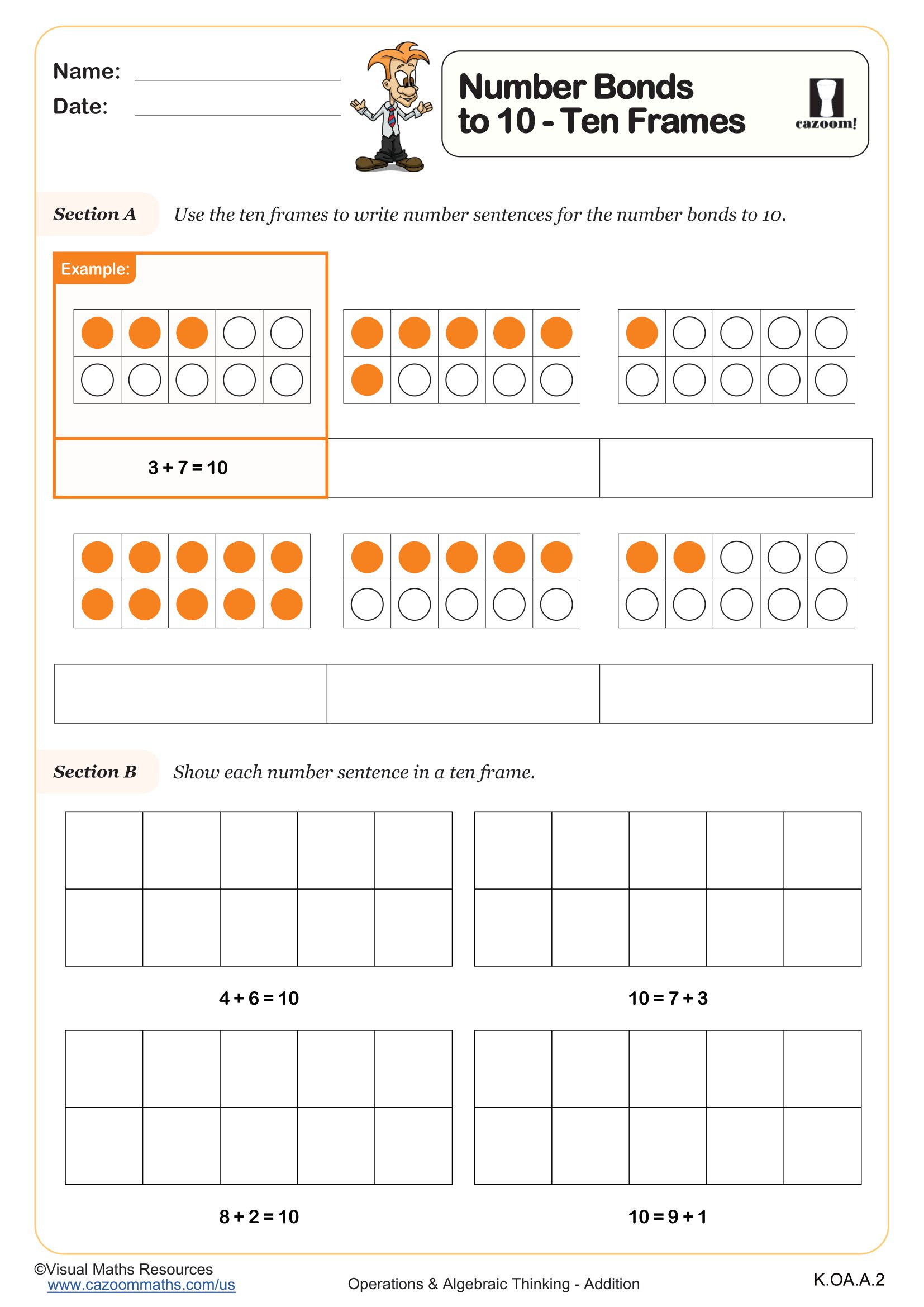
Number Bonds to 10 Ten Frames
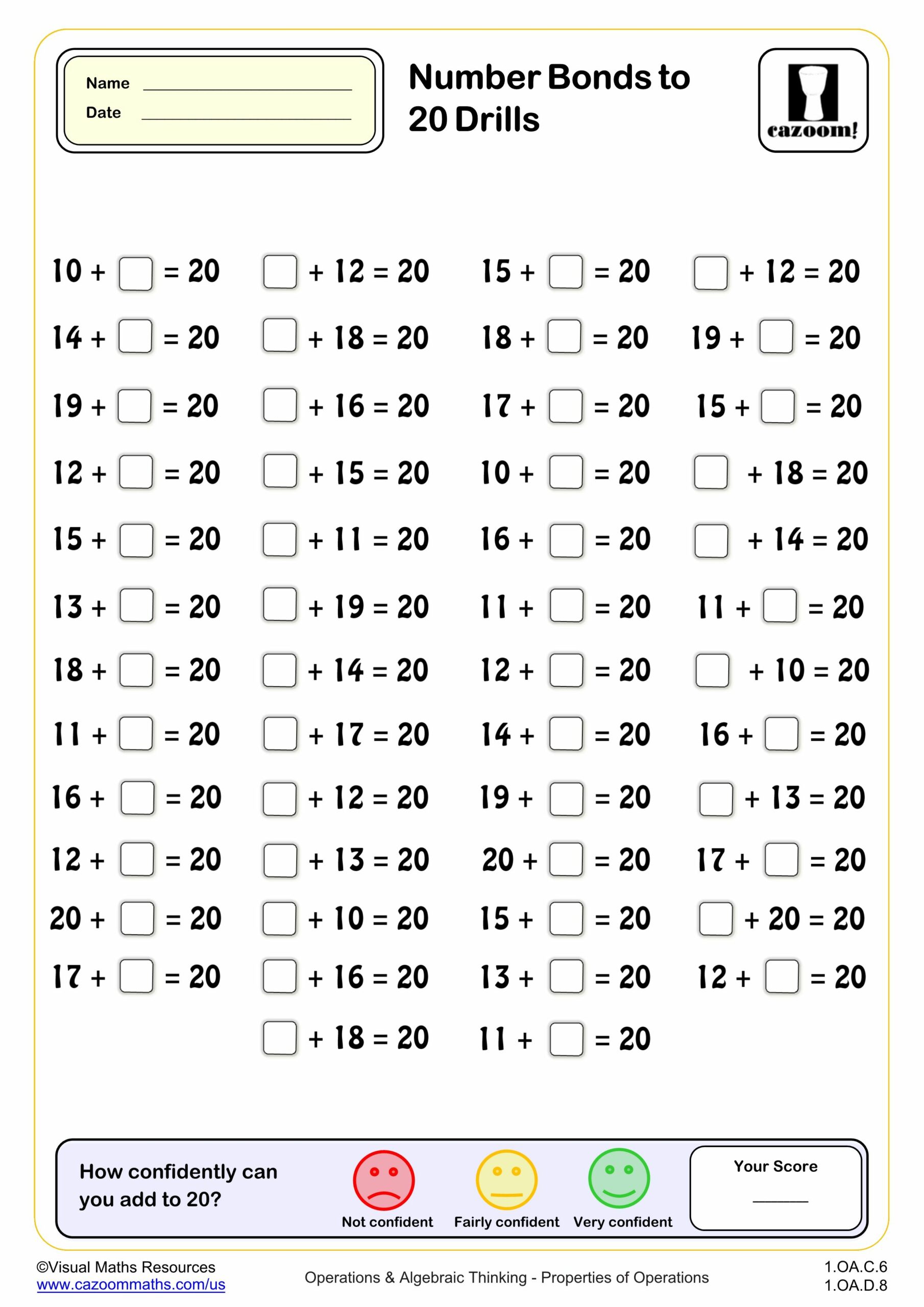
Number Bonds to 20 drills (50 questions)
Number Bonds to 20 drills (B) (20 questions)
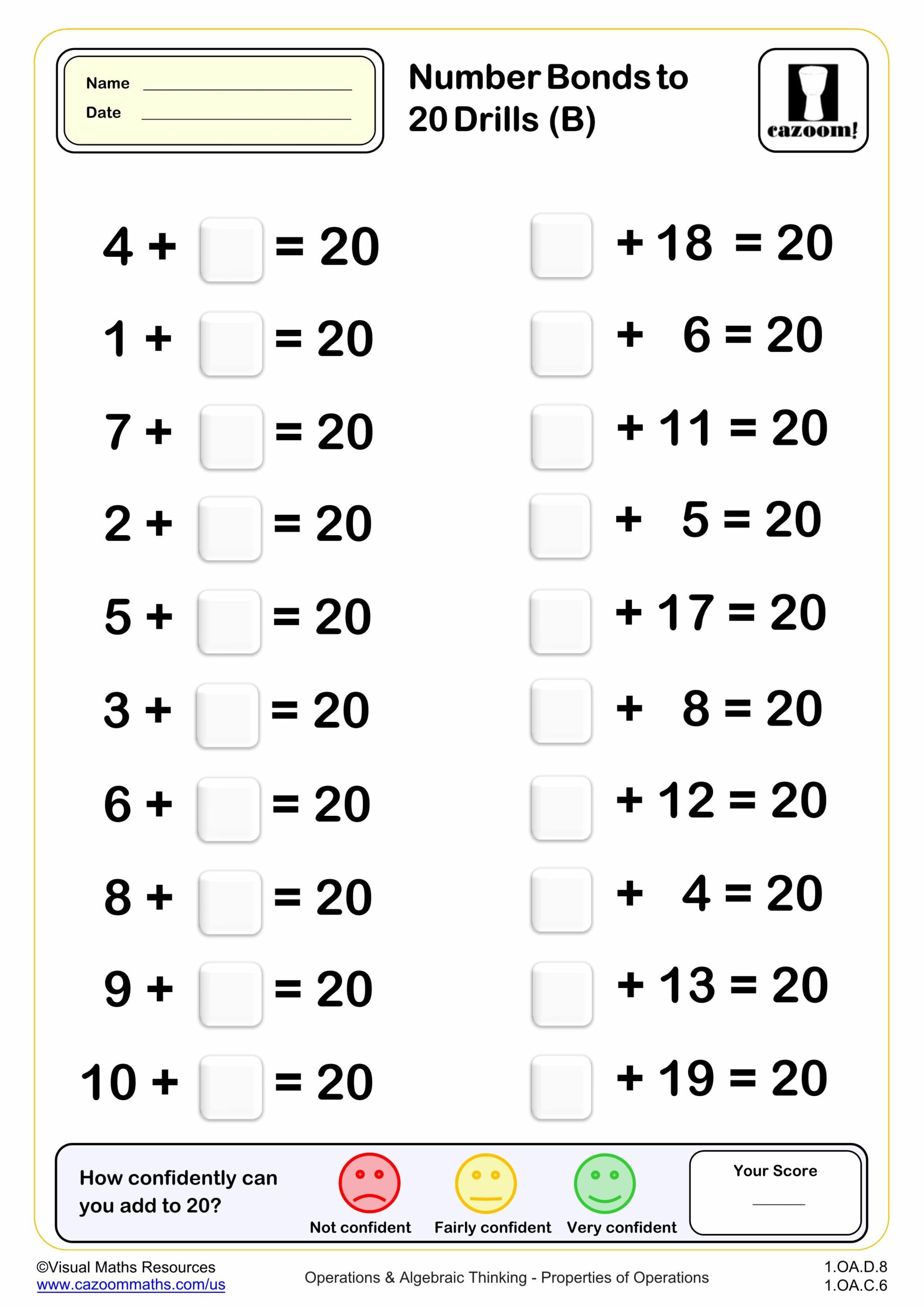
Number Bonds to 20 drills (B) (50 questions)
Number Bonds to 5 drills (10 questions)
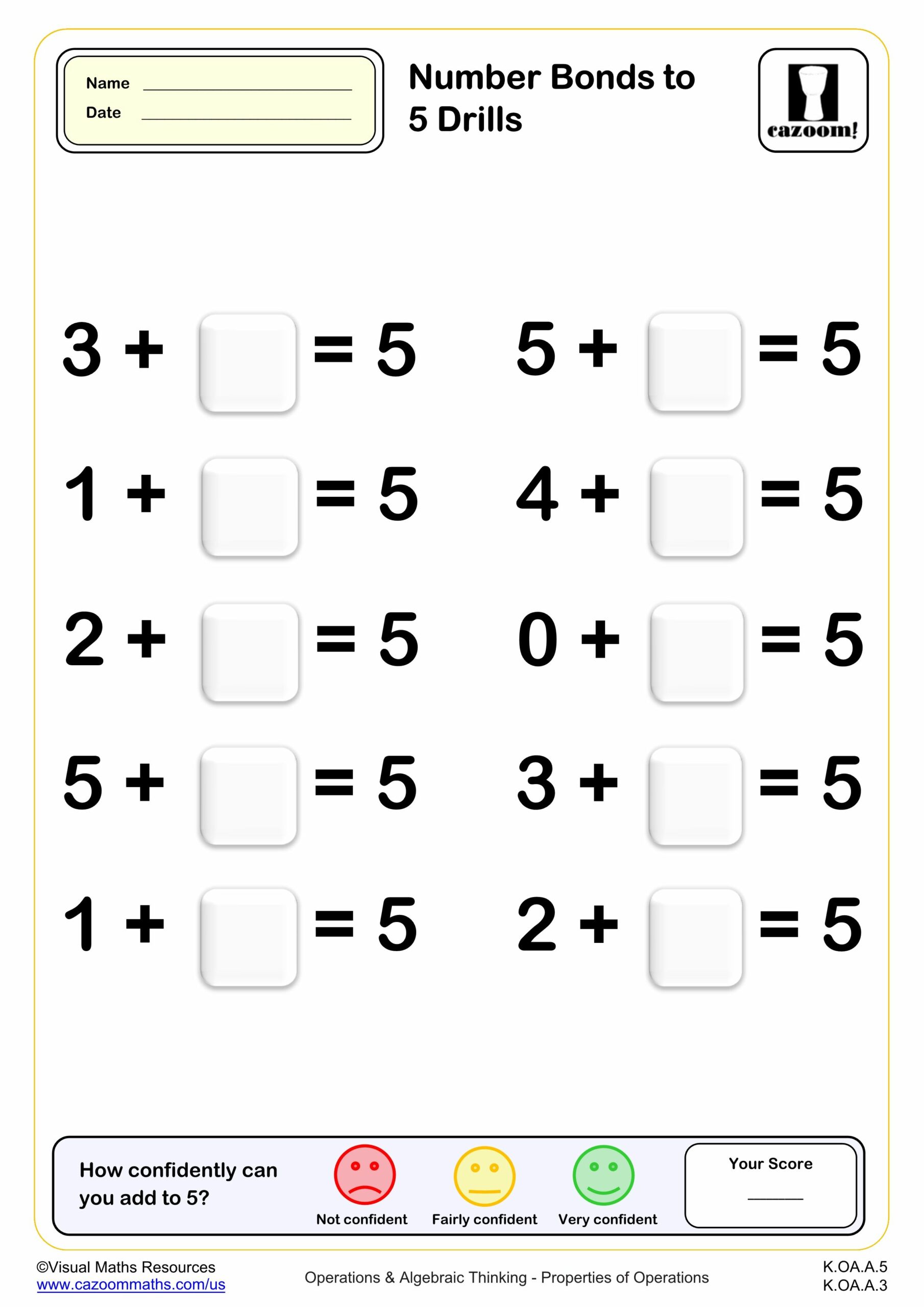
Number Bonds to 5 drills (20 questions)
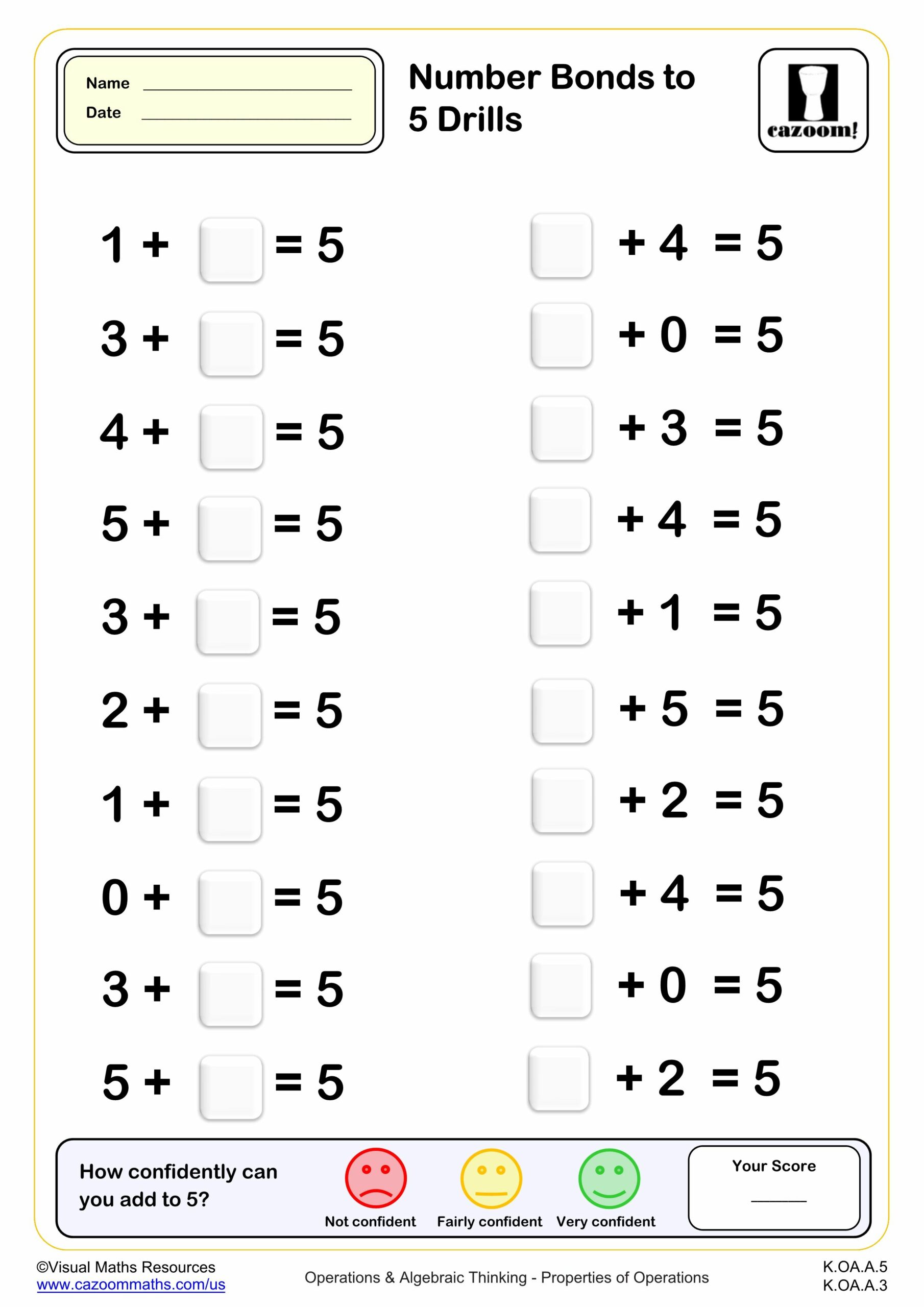
Number Bonds to 5 drills (50 questions)
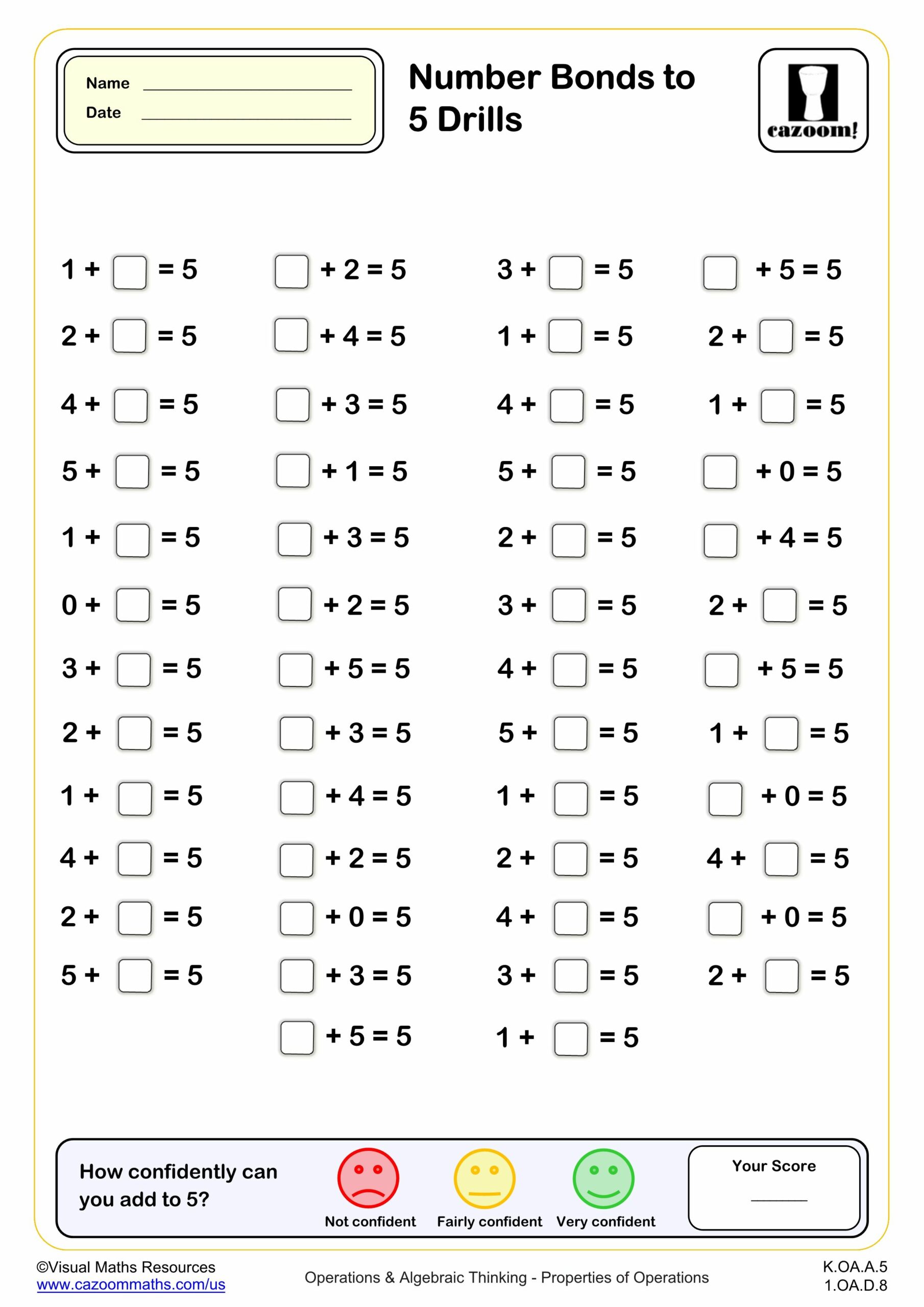
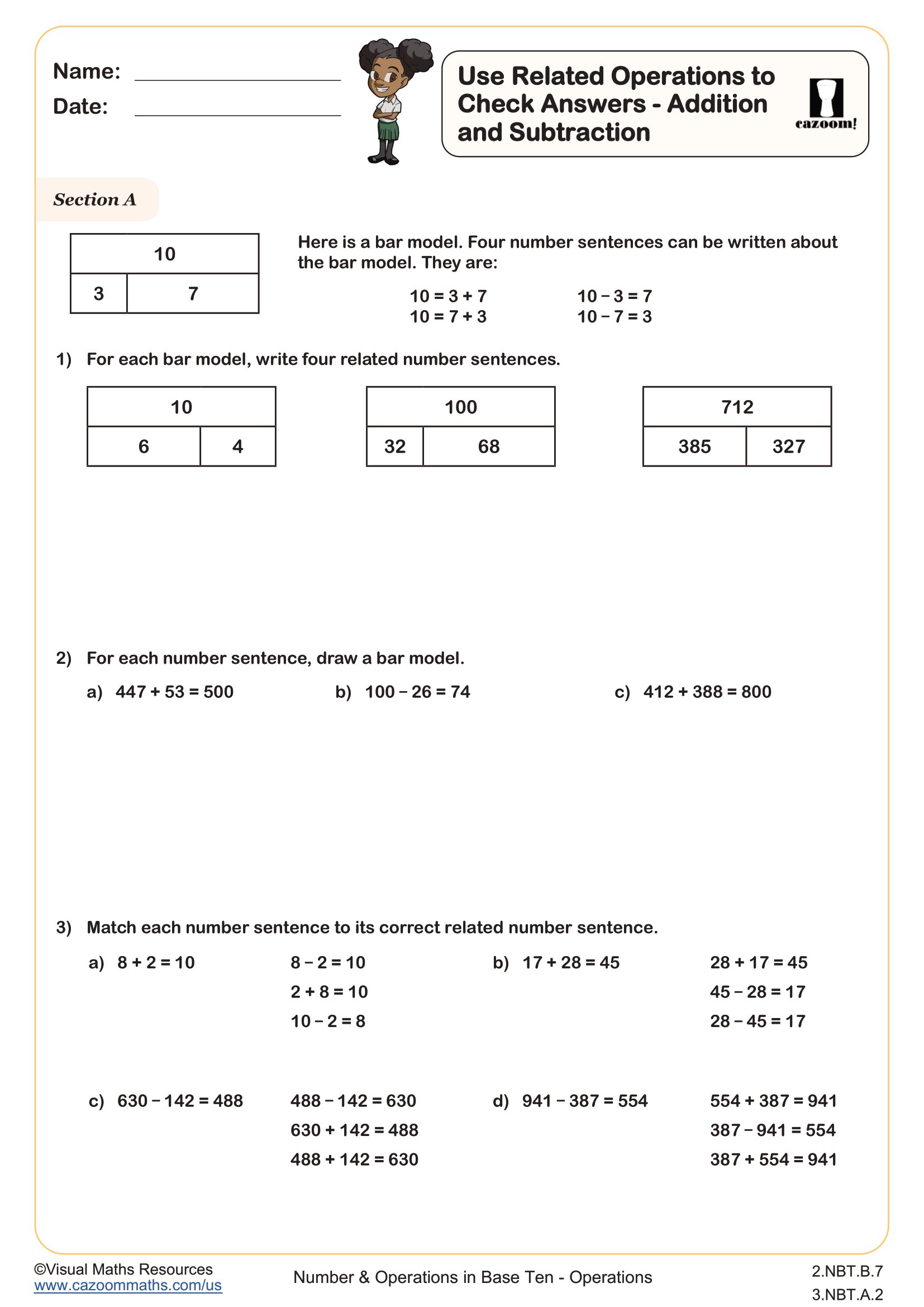
Using Related Operations to Check Answers Addition and Subtraction
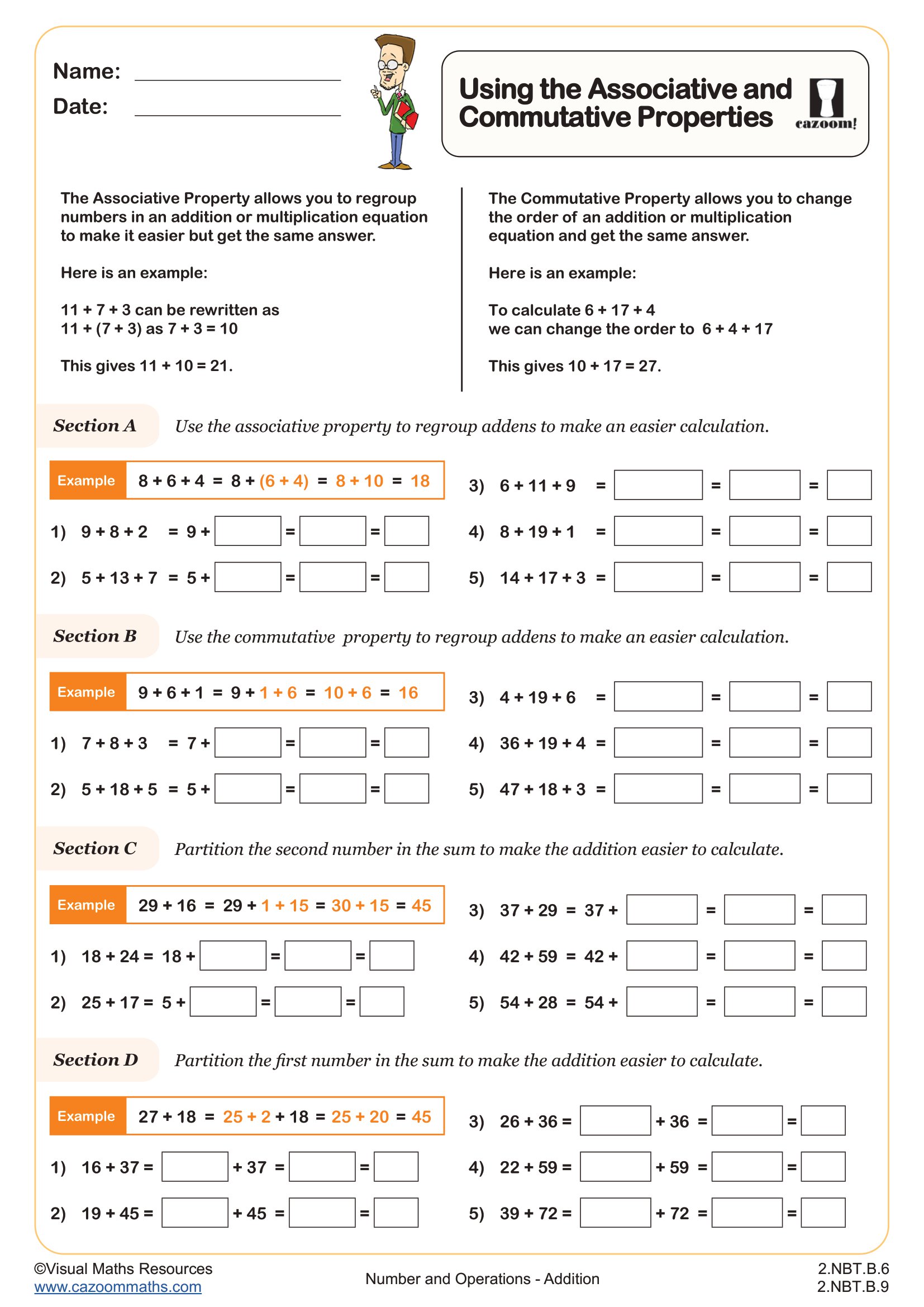
Using the Associative and Commutative Properties
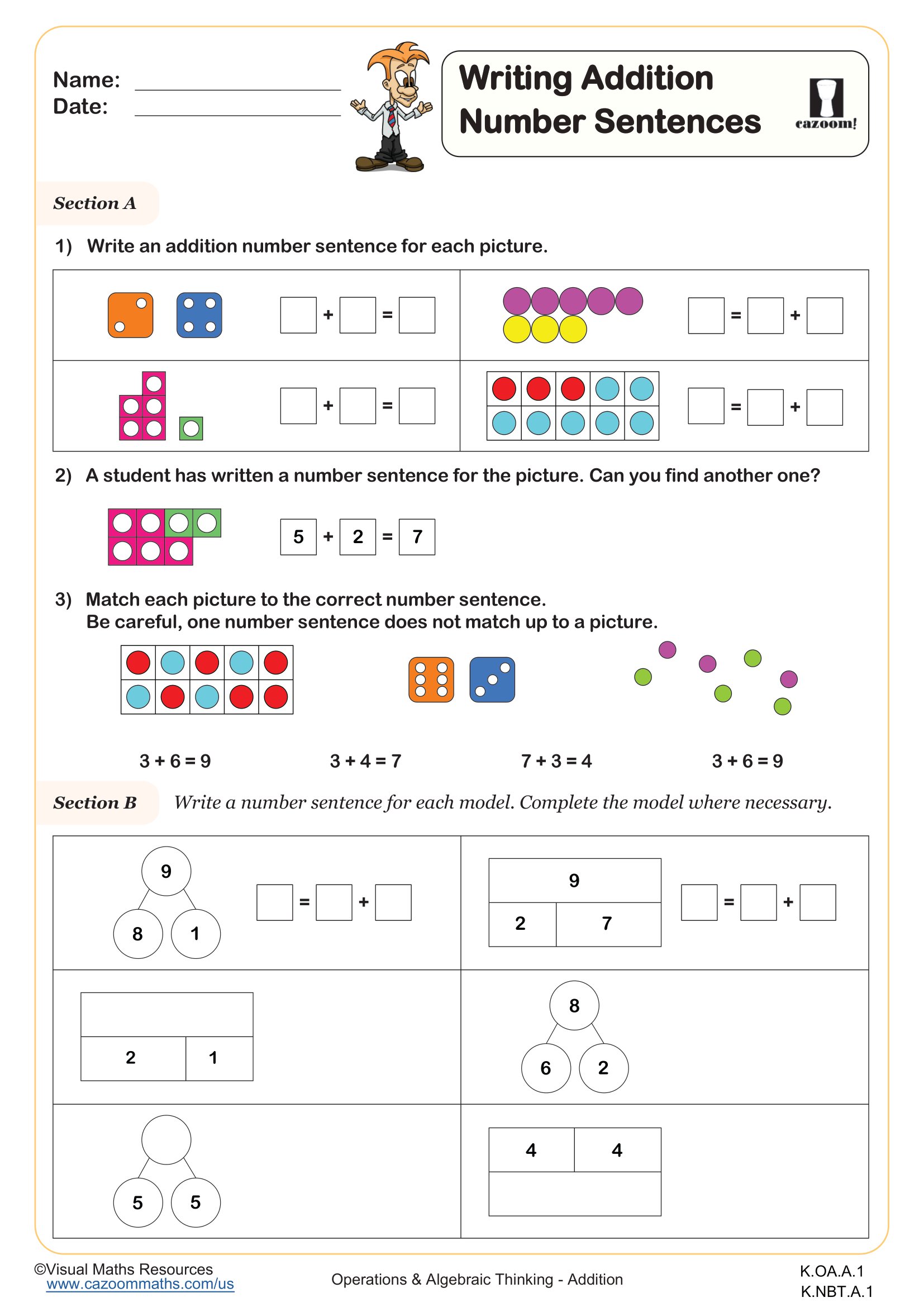
Writing Addition Number Sentences
All worksheets are created by the team of experienced teachers at Cazoom Math.
Why Are Our Printable Elementary School Addition Worksheets Essential for Common Core Math
The addition skills students learn in elementary school will help them succeed in pre-algebra and advanced math when they enter middle school. The worksheets establish a progression from kindergarten number sense and counting skills to the complex multi-step problems students encounter in upper grades. Early addition practice using pictures and manipulatives leads naturally to abstract number work. Students develop their ability to recognize number patterns and solve mental math problems through regular practice. Students who can perform addition fluently without using their fingers or counters will have more mental capacity to solve word problems and handle complex mathematical operations. The solid base of understanding will enable students to master fractions and decimals and algebraic thinking when they reach upper elementary school and beyond.
Key Math Skills Covered in Cazoom Math Elementary Number Worksheets
These worksheets follow a concrete-pictorial-abstract approach that mirrors how young learners build number sense. Students start with visual tools such as ten frames, grids, and number lines before progressing to symbolic addition. Each worksheet includes step-by-step answer keys demonstrating clear methods. Covering single- and two-digit addition, number bonds, column methods, and advanced strategies like decomposition and inverse operations, this collection develops fluency, accuracy, and conceptual understanding in foundational arithmetic.
Why Cazoom Math Addition Resources Help Parents Support Learning Without Stress
These worksheets save preparation time because the progression from simple to complex is already built in. Teachers can quickly assign the right sheet for whole-class instruction or pull specific exercises for small group work. The range of question counts from 10 to 50 per page makes it easy to differentiate for students who need extra support or those ready to push ahead. Solutions reveal the reasoning behind each answer, which helps students self-correct and understand their mistakes. The mix of drill sheets and engaging formats like wheels and coloring pages maintains interest while building automaticity. Teachers report that these sheets work well for morning warm-ups, exit tickets, or retrieval practice throughout the school year.
From Counting to Planning: Addition Skills You Use Every Day
Addition is the math skill students use most often outside the classroom. Every time they count money, compare prices, or figure out a total, they rely on addition. Understanding how numbers combine helps children make sense of quantities in cooking, sports scores, and time management. These everyday applications make practice feel relevant.
• Calculate total cost when shopping
• Combine ingredients in recipes
• Keep score in games and sports
• Figure out the elapsed time between events