Elementary School Constructions Worksheets
-7-9-11.jpg?w=3840)
-Combining-Test-%20for-Composite-Factors.jpg?w=3840)
All worksheets are created by the team of experienced teachers at Cazoom Math.
What Are Geometric Constructions in Elementary Math?
Geometric constructions involve creating precise geometric figures using specific tools like compasses, straightedges, rulers, and protractors. In elementary school, students begin with simple constructions such as drawing line segments of specific lengths, then advance to constructing perpendicular lines, angle bisectors, and complete geometric shapes like triangles and quadrilaterals. These activities align with Common Core standards for geometry across grades K-5, emphasizing measurement, spatial reasoning, and the properties of two-dimensional shapes.
A common misconception occurs when students confuse a straightedge with a ruler—while both can draw straight lines, constructions requiring a straightedge alone test whether students understand geometric relationships without relying on measurement. Teachers also notice that students often press too lightly with their compass point, causing the radius to shift mid-construction and creating inaccurate circles or arcs. Demonstrating proper tool pressure and technique prevents these frustrating errors.
Which Grade Levels Cover Construction Worksheets?
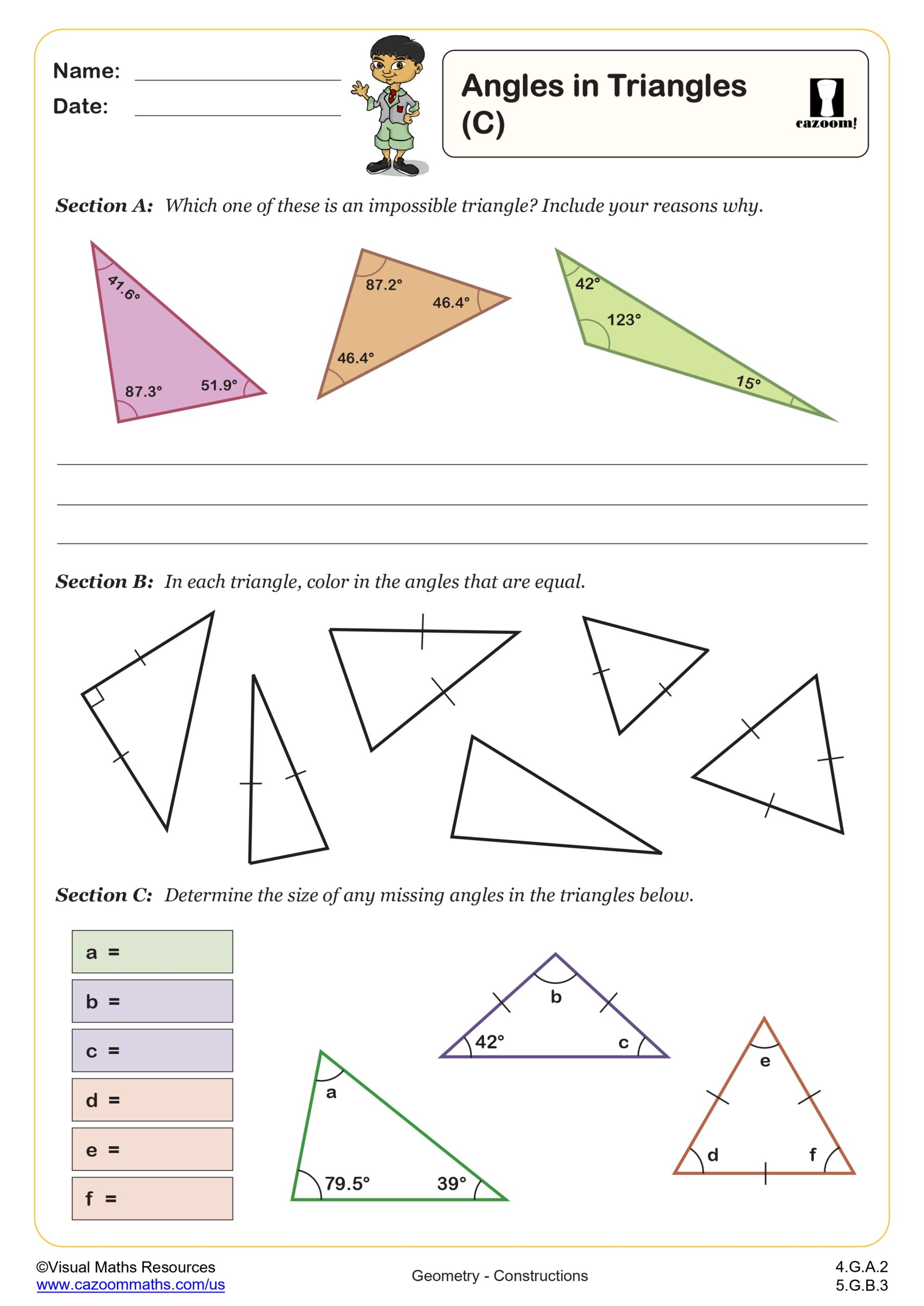
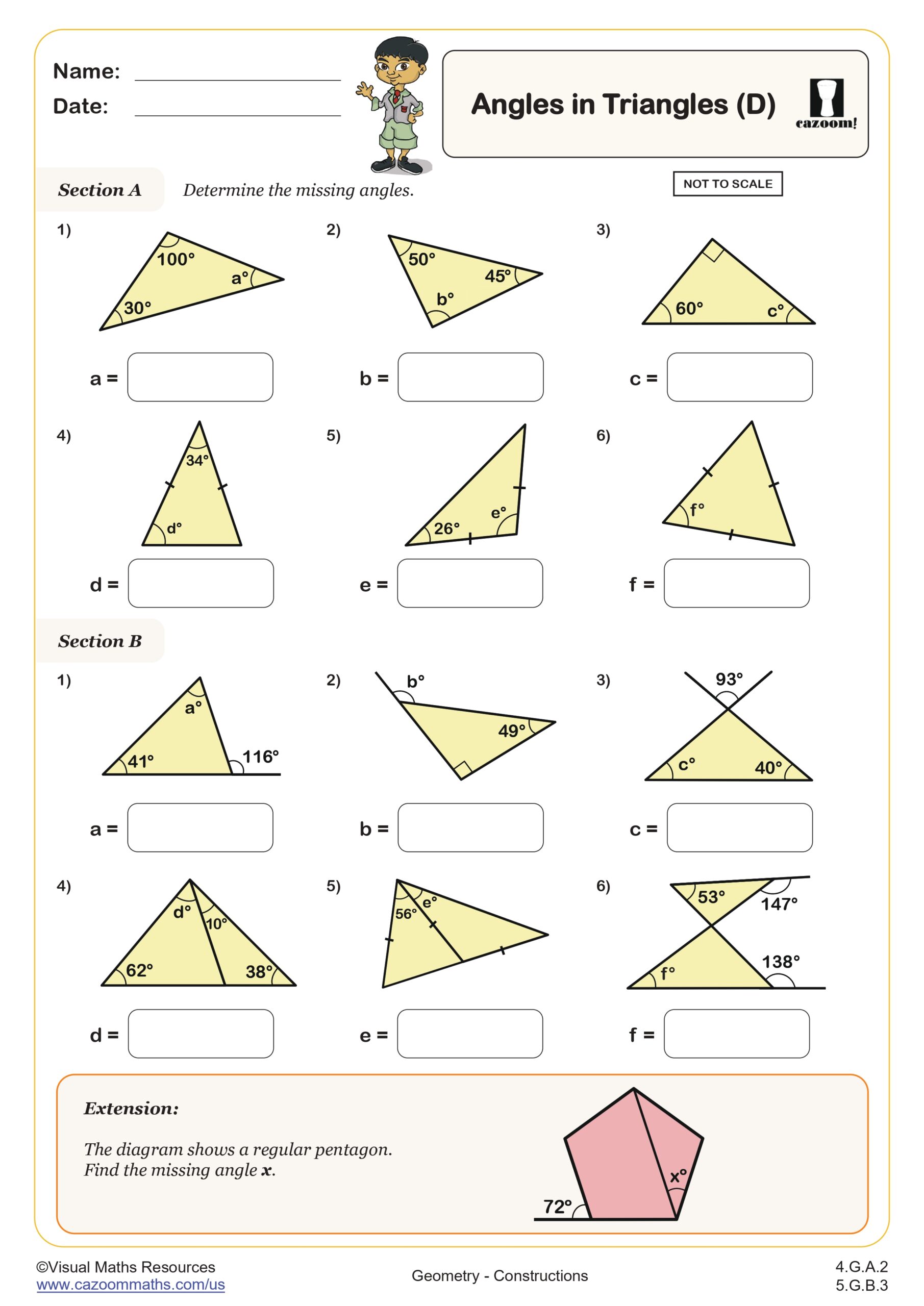
These construction worksheets span kindergarten through 5th grade at the elementary school level. Younger students in kindergarten through 2nd grade focus on basic constructions like drawing straight lines with rulers and creating simple shapes, while 3rd through 5th graders tackle more sophisticated tasks involving angle measurement, bisector construction, and analyzing angle relationships within polygons.
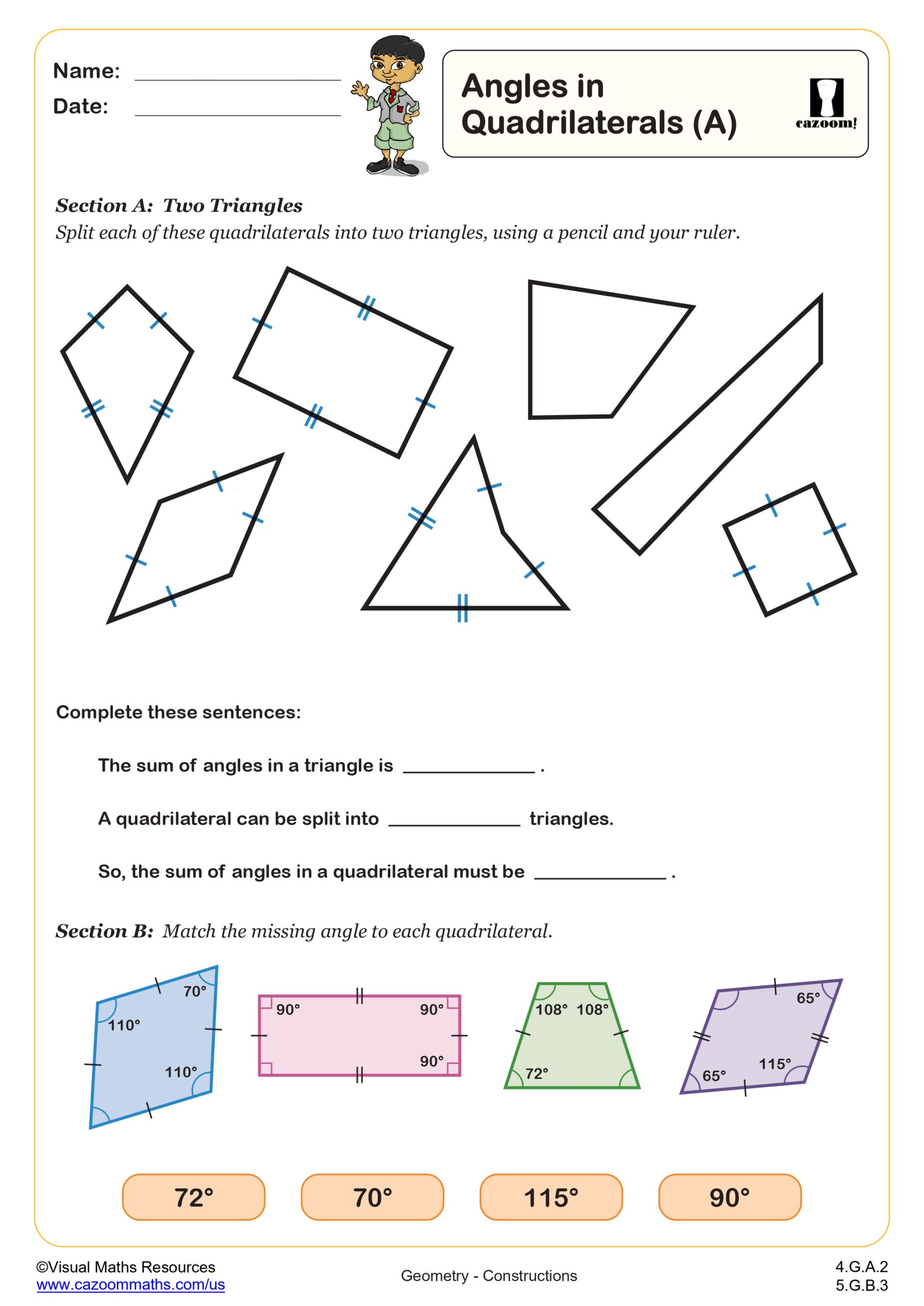
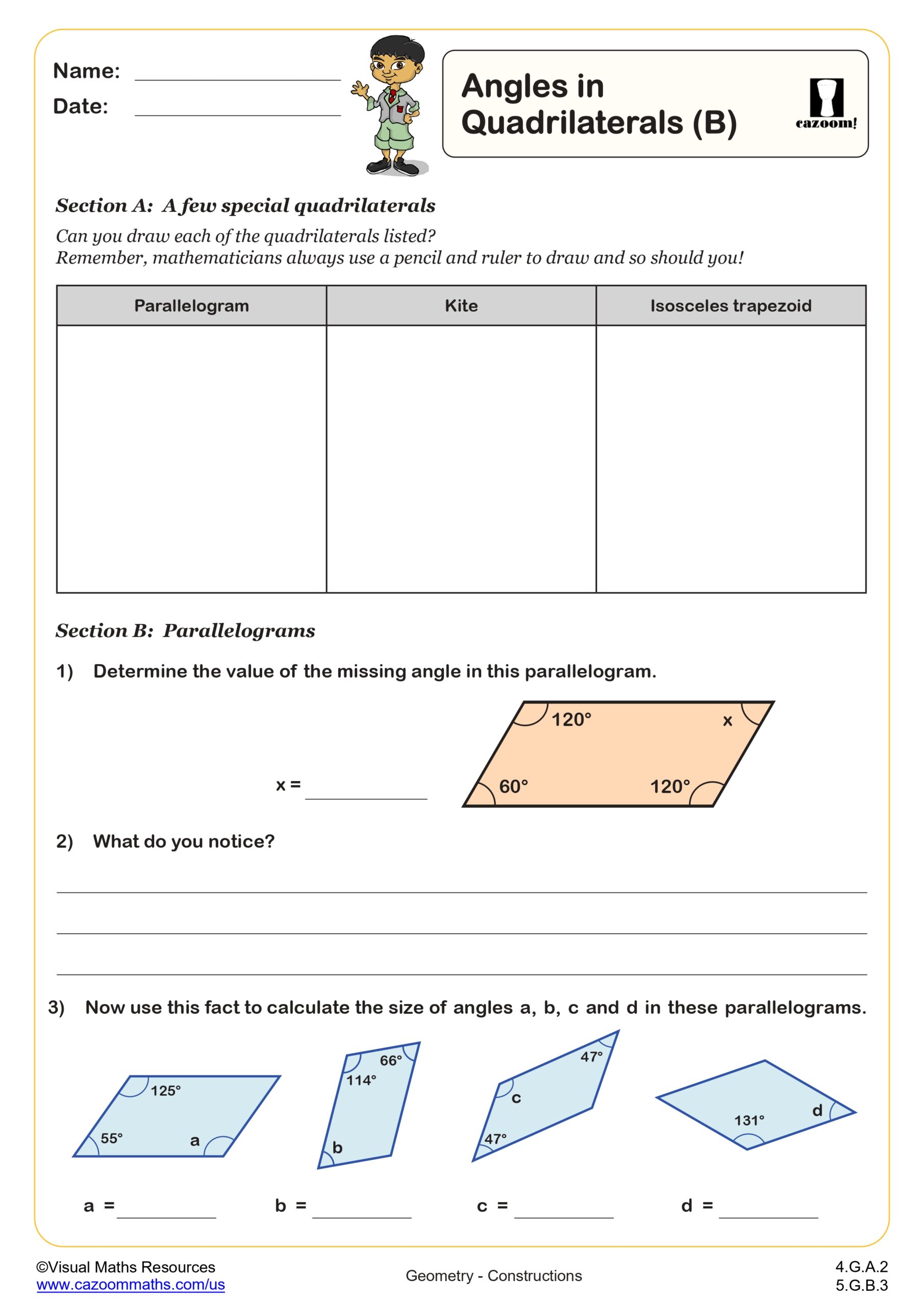
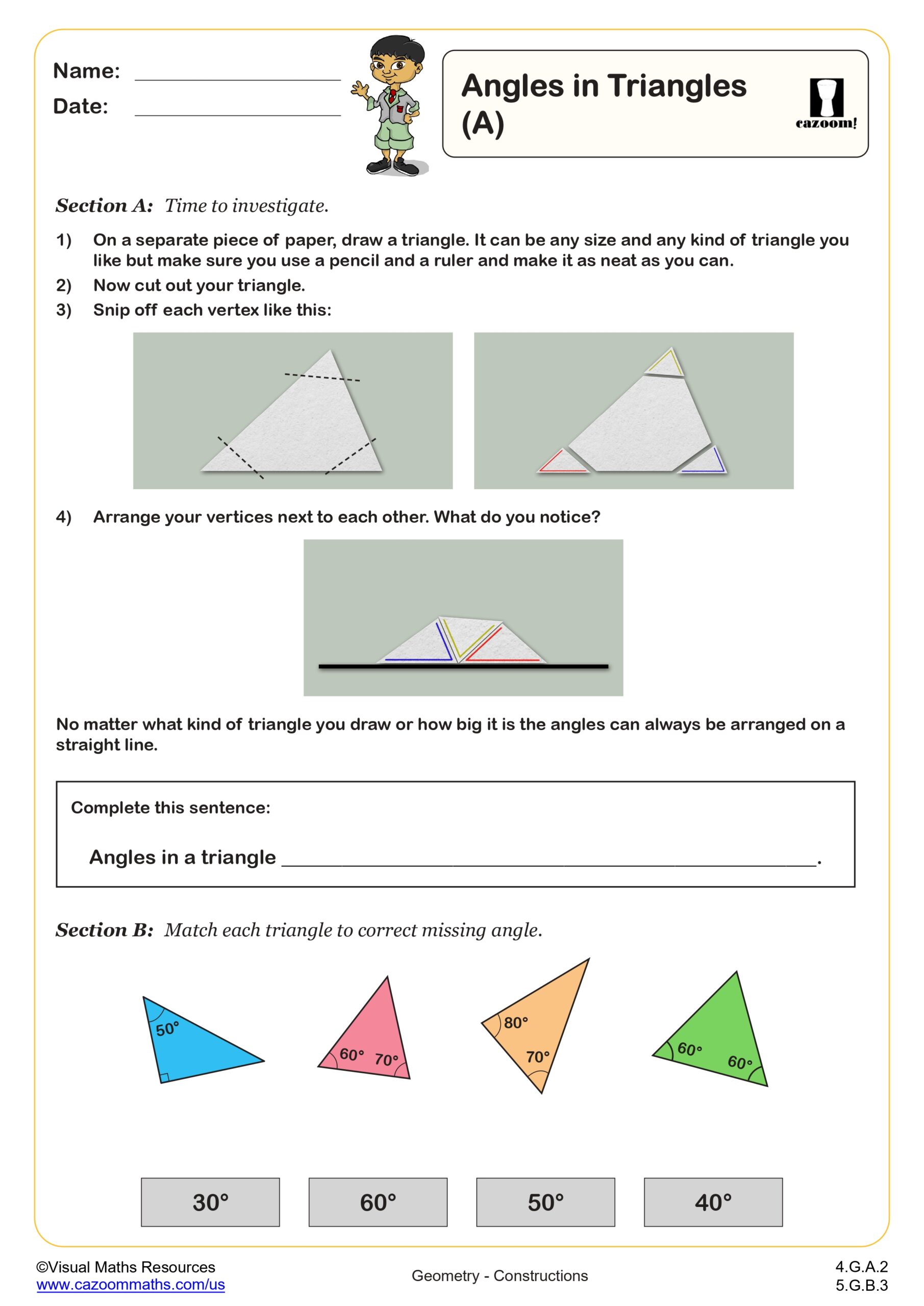
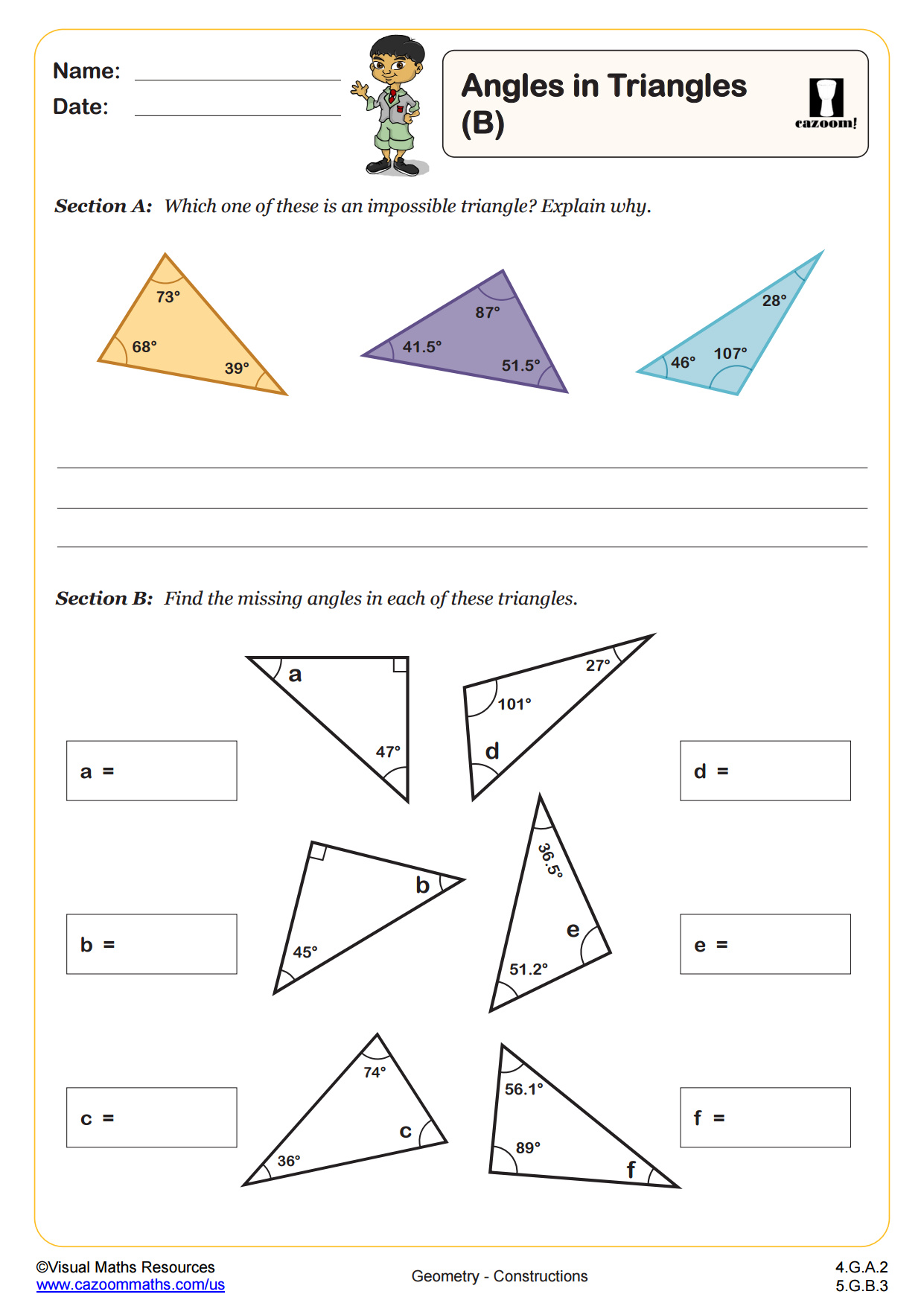
The progression across grade levels reflects increasing precision and complexity. Early elementary students develop fine motor skills and tool familiarity through shape tracing and basic line drawing. By 4th and 5th grade, students construct triangles with specific side lengths, explore angle sum properties in triangles and quadrilaterals, and create perpendicular and angle bisectors—skills that prepare them for formal geometric proofs in middle school. This scaffolded approach ensures students build confidence before encountering abstract geometric reasoning.
How Do Students Construct Perpendicular Bisectors?
Constructing a perpendicular bisector requires using a compass to find two points equidistant from the endpoints of a line segment, then connecting those points to create a line that intersects the original segment at a 90-degree angle exactly at its midpoint. Students set their compass to a radius greater than half the segment length, place the compass point on one endpoint, draw arcs above and below the segment, then repeat from the other endpoint. Where the arcs intersect determines two points through which the perpendicular bisector passes.
This construction skill connects directly to real-world applications in architecture, engineering, and design. Carpenters use perpendicular bisectors to find exact centers when building symmetrical structures or installing fixtures. Graphic designers rely on this principle when creating balanced logos and layouts. Civil engineers apply perpendicular bisector concepts when surveying land boundaries or determining optimal locations for public facilities equidistant from multiple neighborhoods. Understanding this construction helps students recognize geometry's practical value beyond the classroom.
How Can Teachers Use These Construction Worksheets Effectively?
These worksheets provide structured practice that moves from guided examples to independent construction tasks, allowing students to build procedural fluency alongside conceptual understanding. The answer keys enable students to self-check their work by comparing angle measurements and verifying that constructions meet specific criteria, such as perpendicularity or equal segment lengths. Teachers can use worksheets with worked examples as anchor charts during whole-group instruction, demonstrating each construction step before students attempt similar problems independently.
In classroom practice, these worksheets work well for math centers where students rotate through construction stations with different tools and challenges. They're particularly effective for differentiated instruction—struggling students benefit from worksheets focusing on single construction types with step-by-step guidance, while advanced learners can tackle mixed practice sheets combining multiple construction techniques. Many teachers assign these as homework after initial in-class instruction, then use them for warm-up review before state assessments that include geometry construction questions.