Elementary School Properties of Operations Worksheets
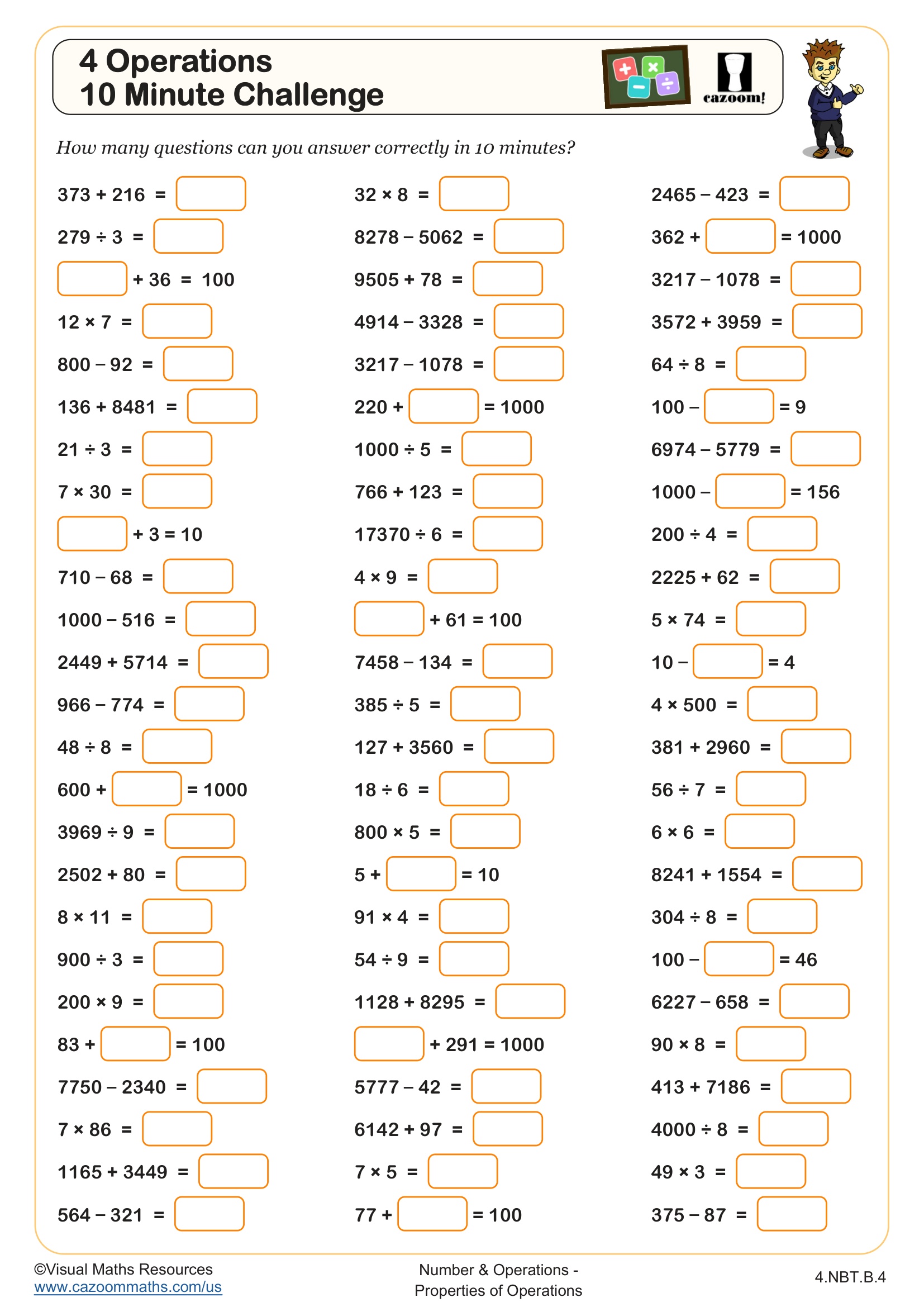
4 Operations 10 Minute Challenge
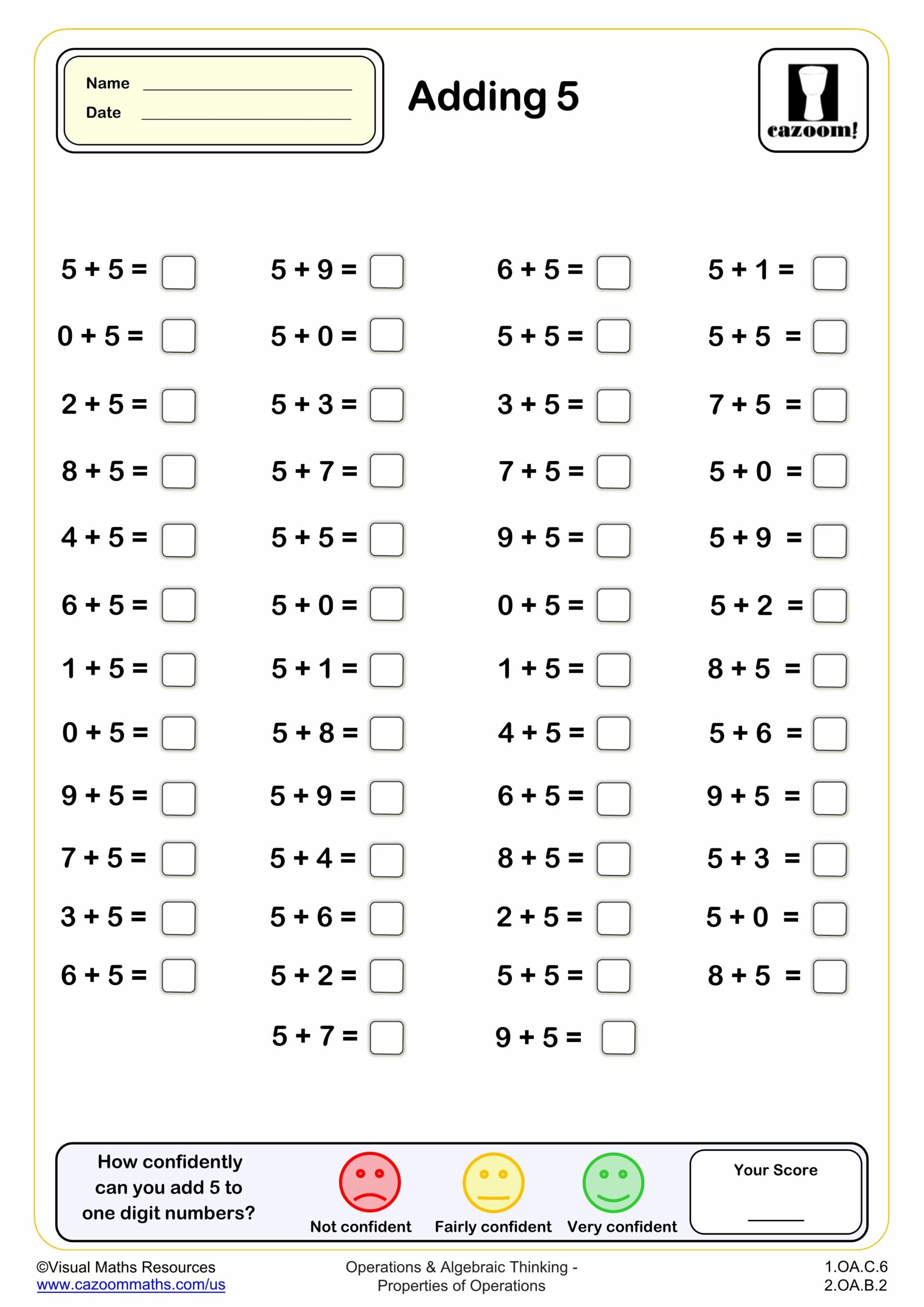
Adding 5 (50 questions)
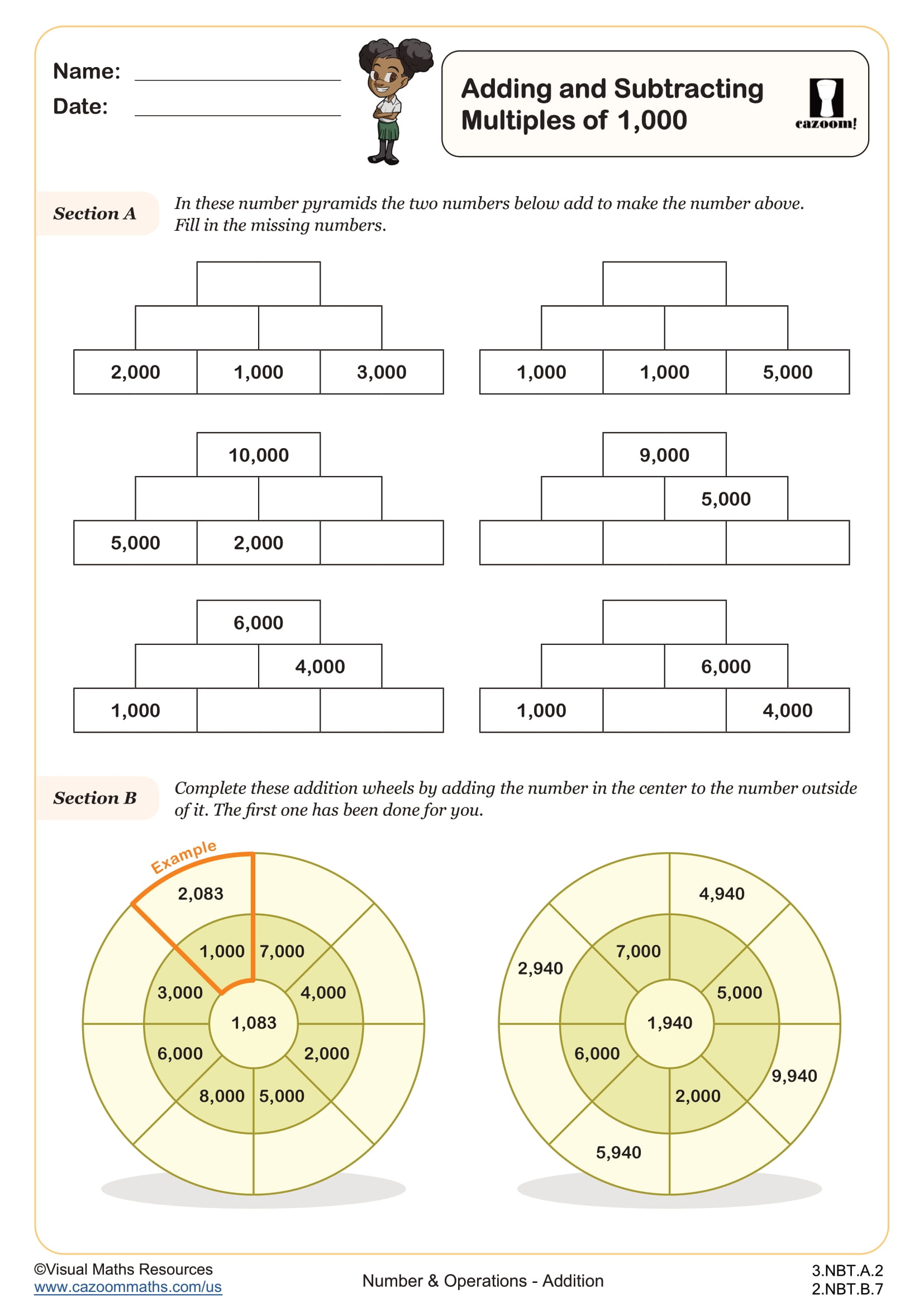
Adding and Subtracting Multiples of 1,000
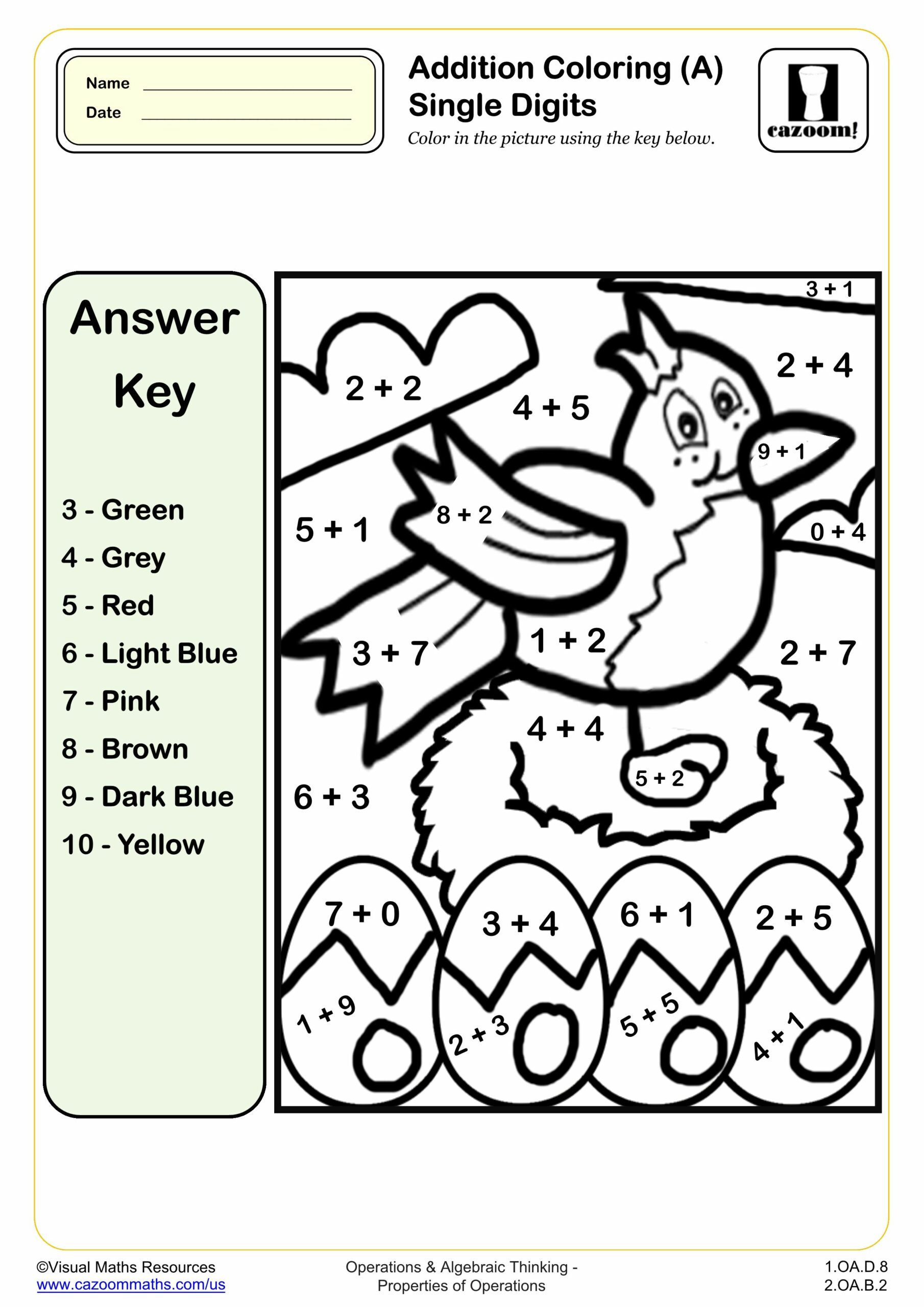
Addition Coloring (A) Single Digits
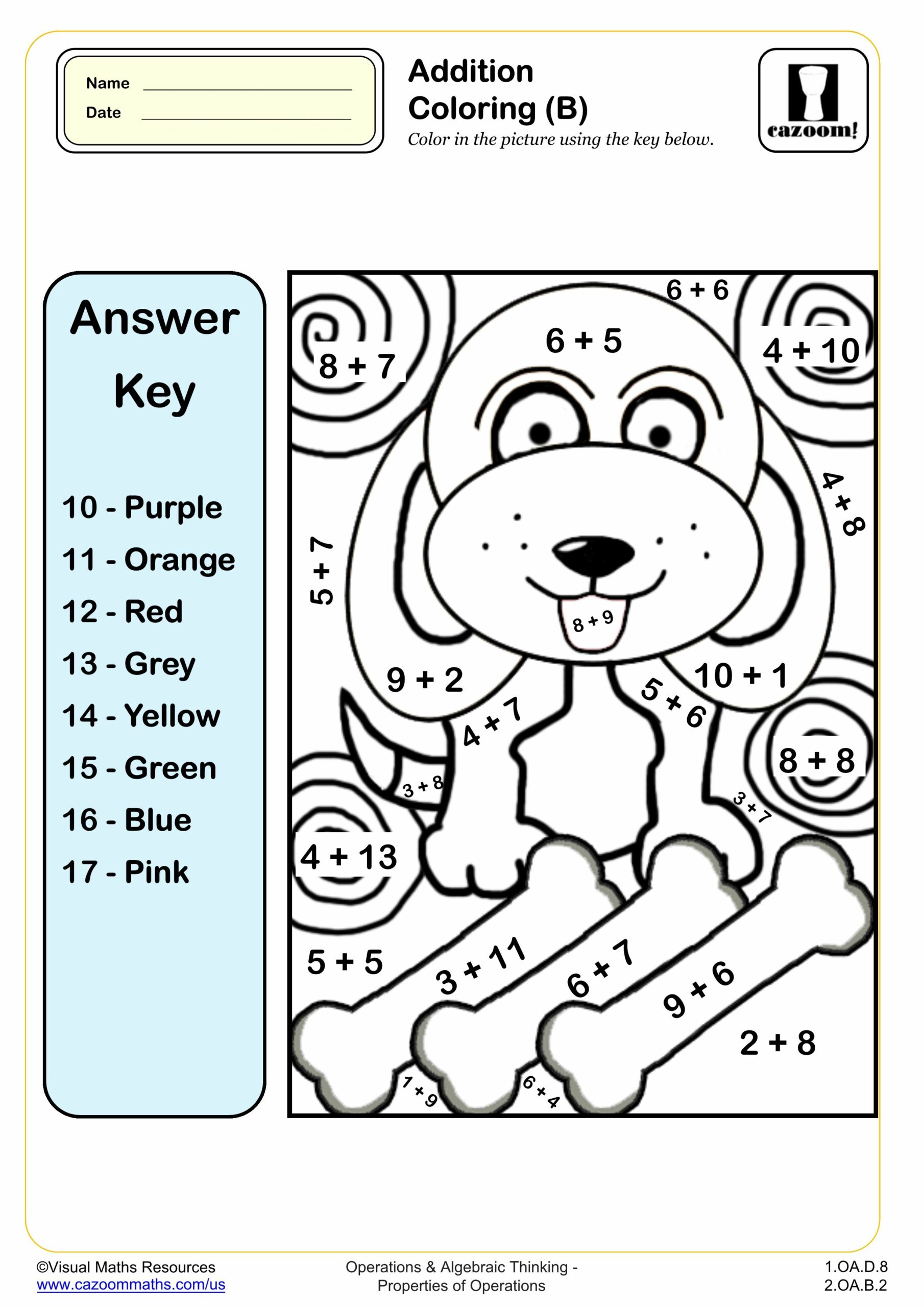
Addition Coloring (B)
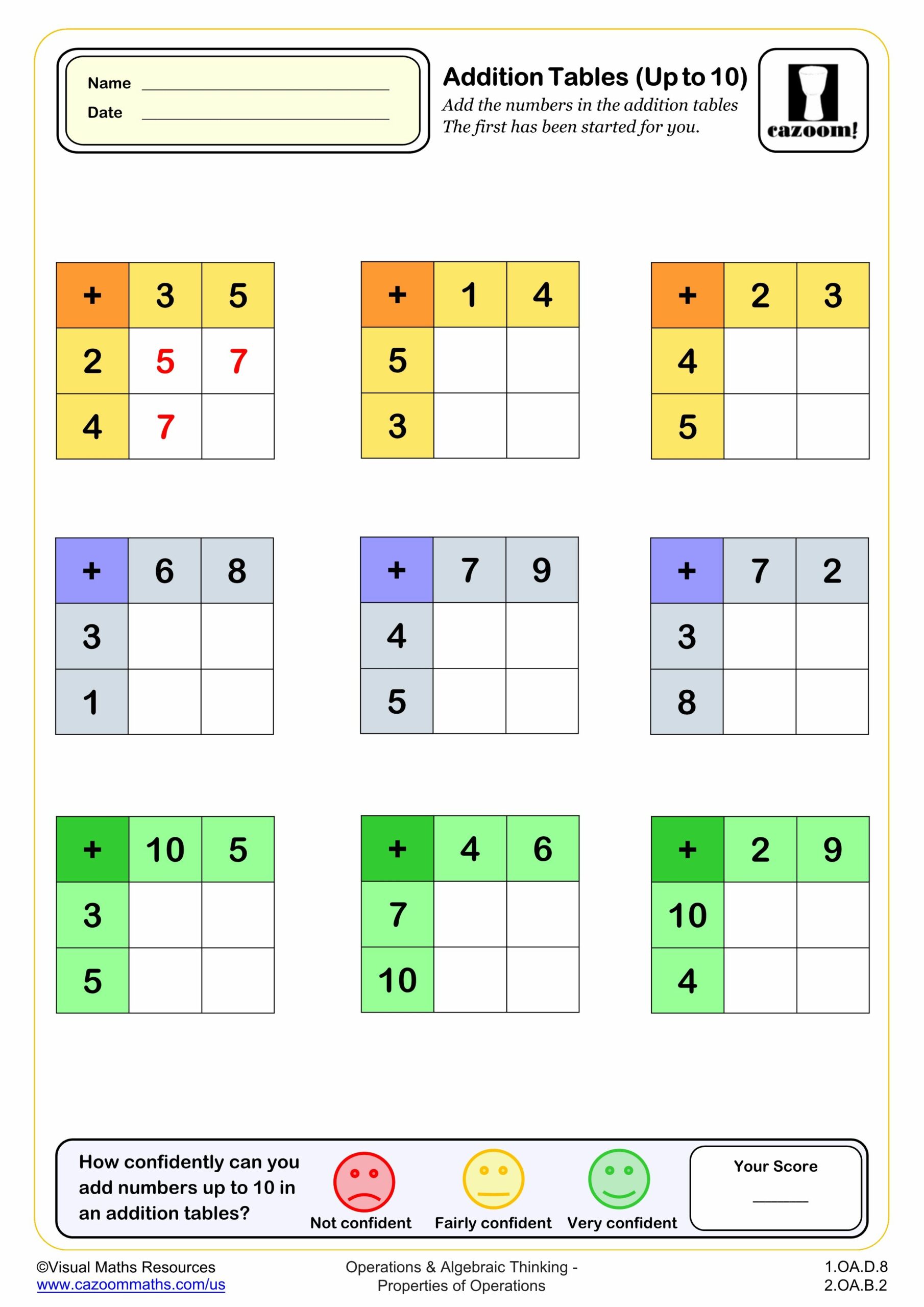
Addition Tables up to 10
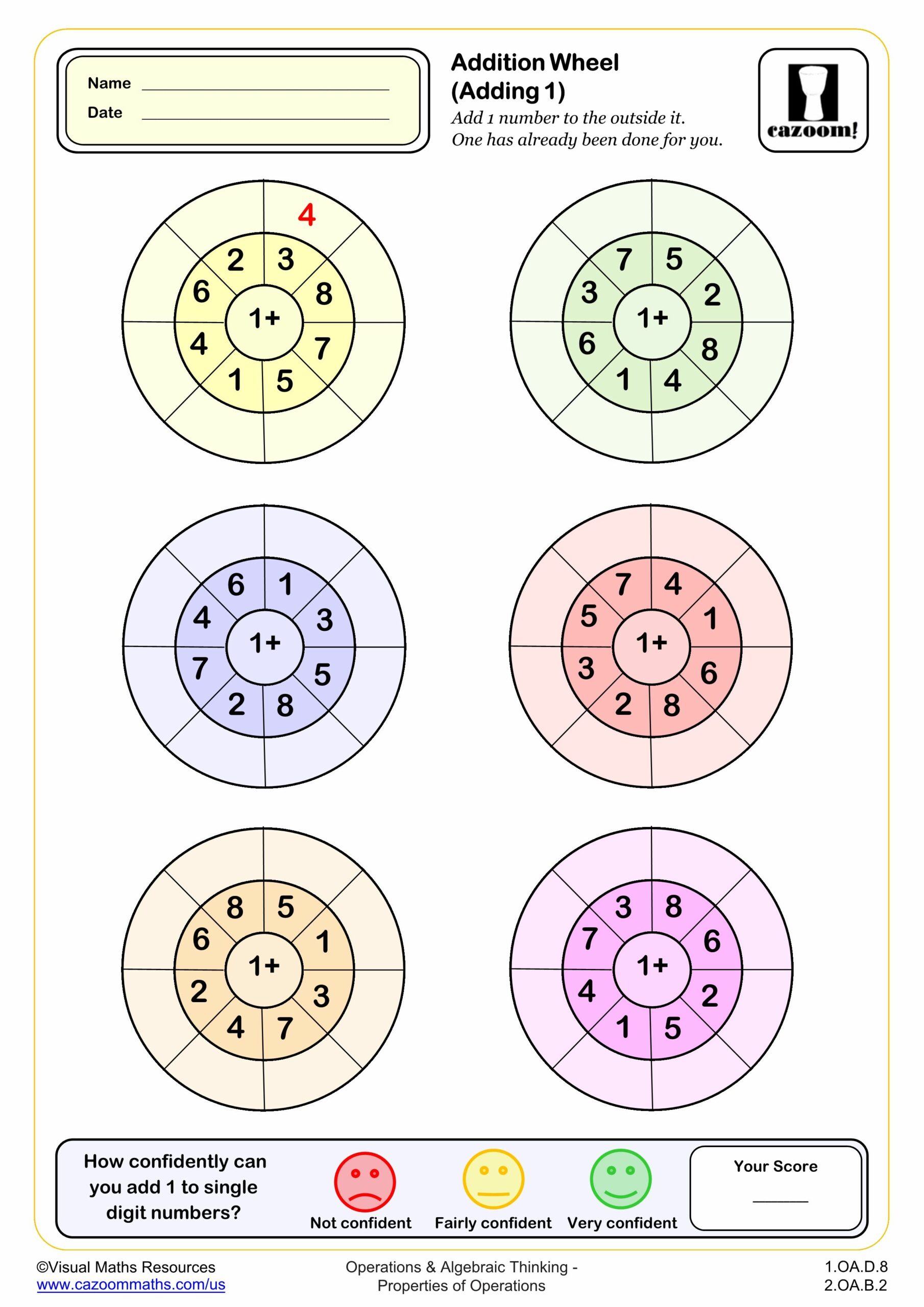
Addition Wheels (adding 1)
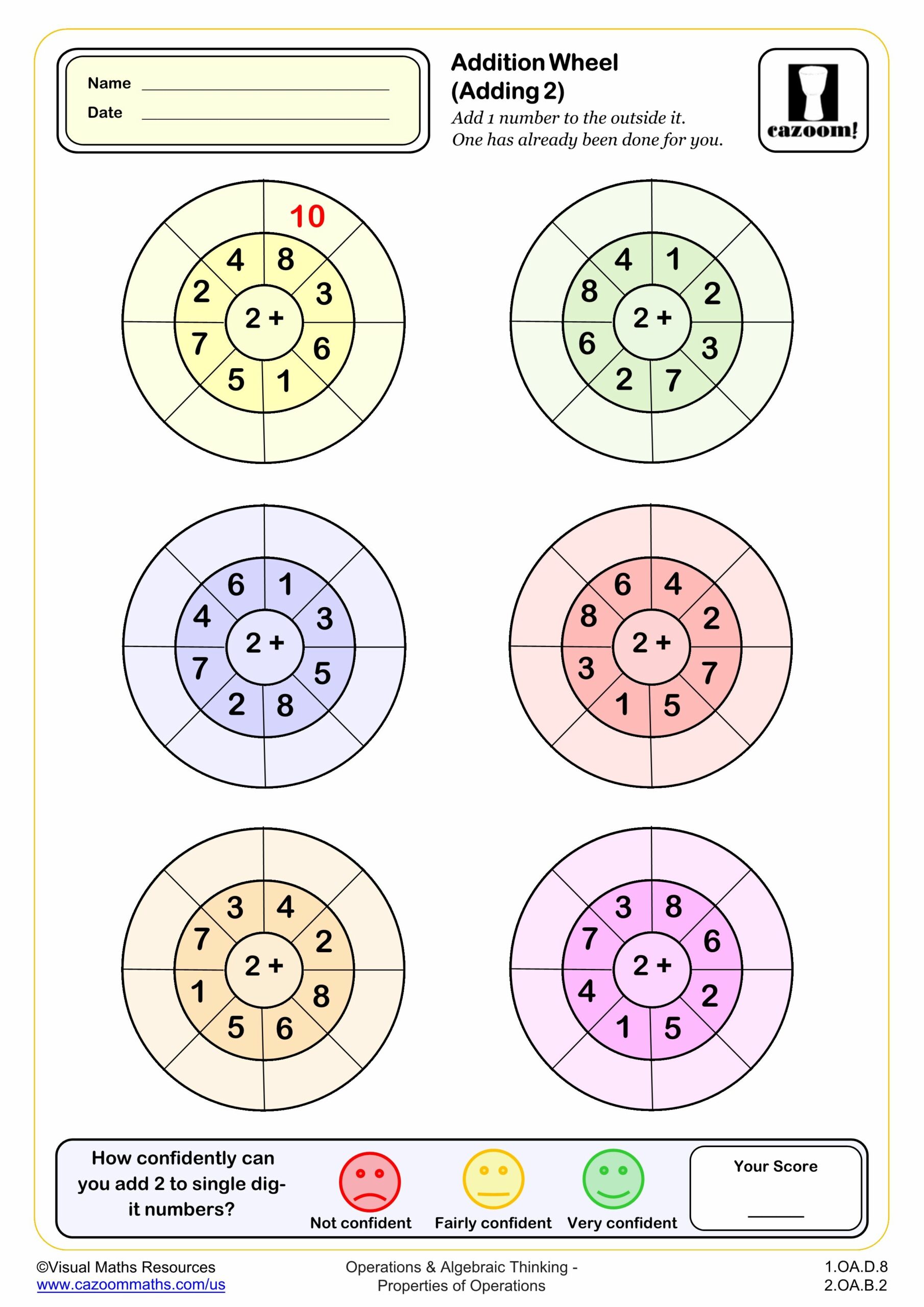
Addition Wheels (adding 2)
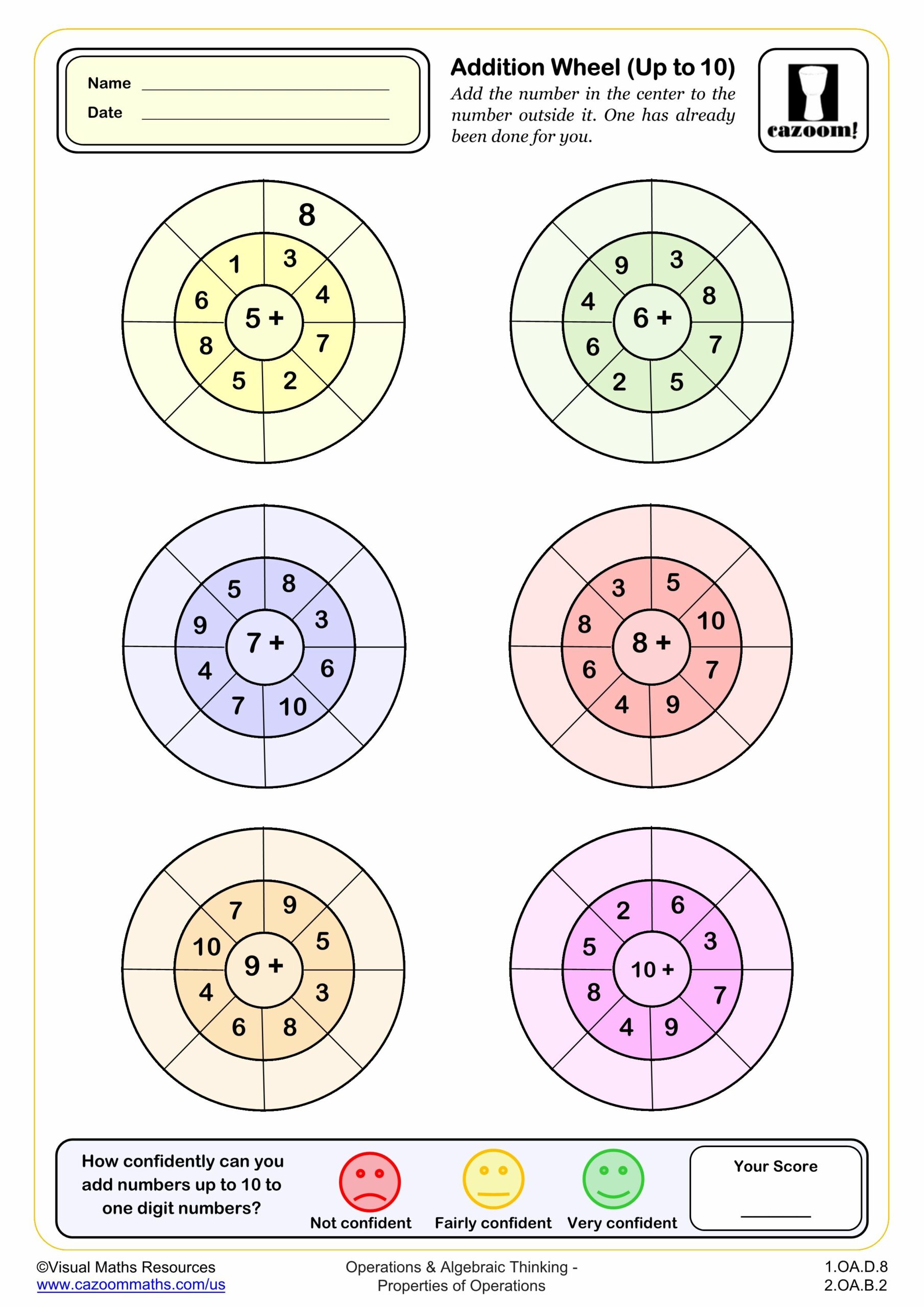
Addition Wheels (Up to 10)
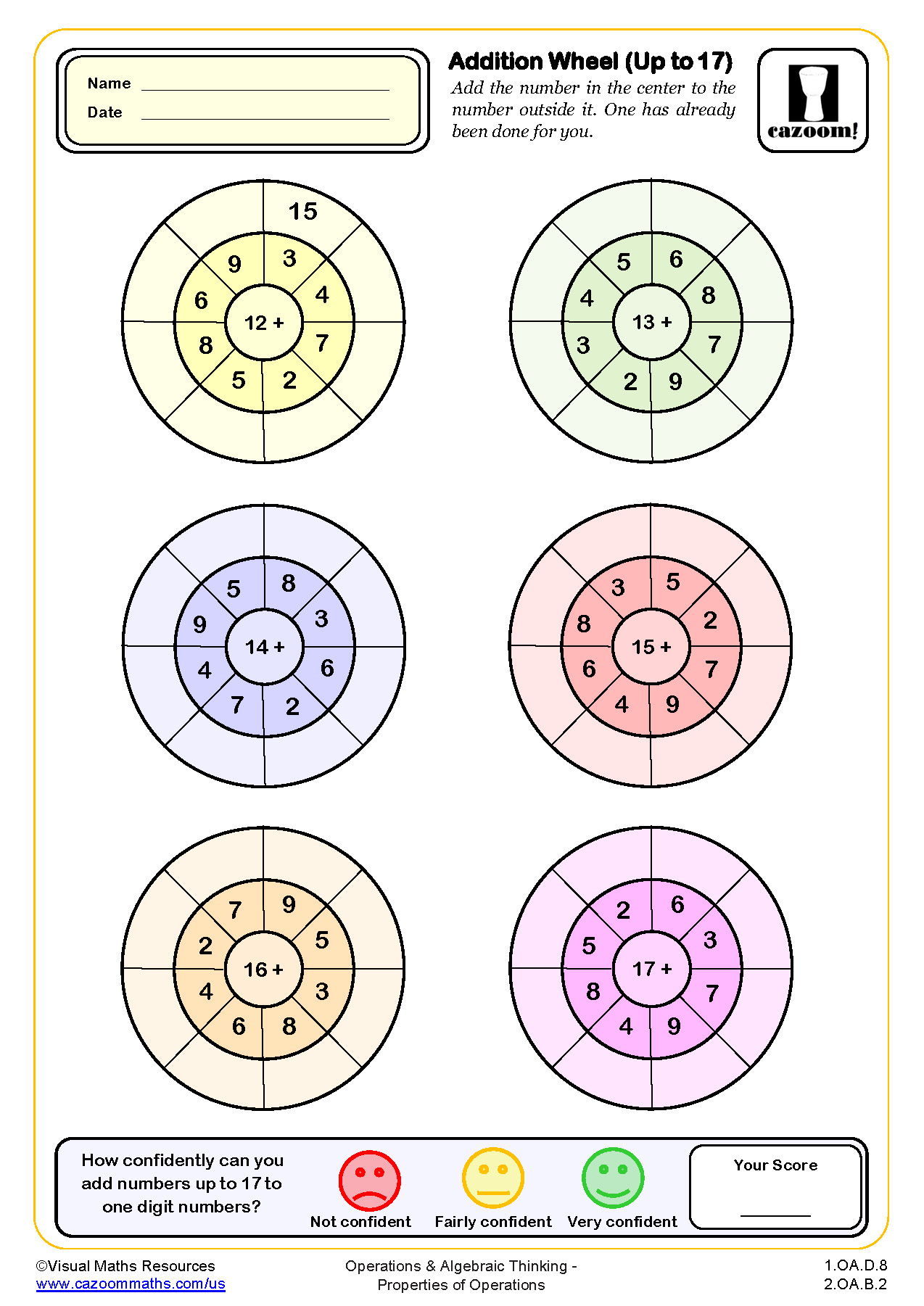
Addition Wheels (Up to 17)
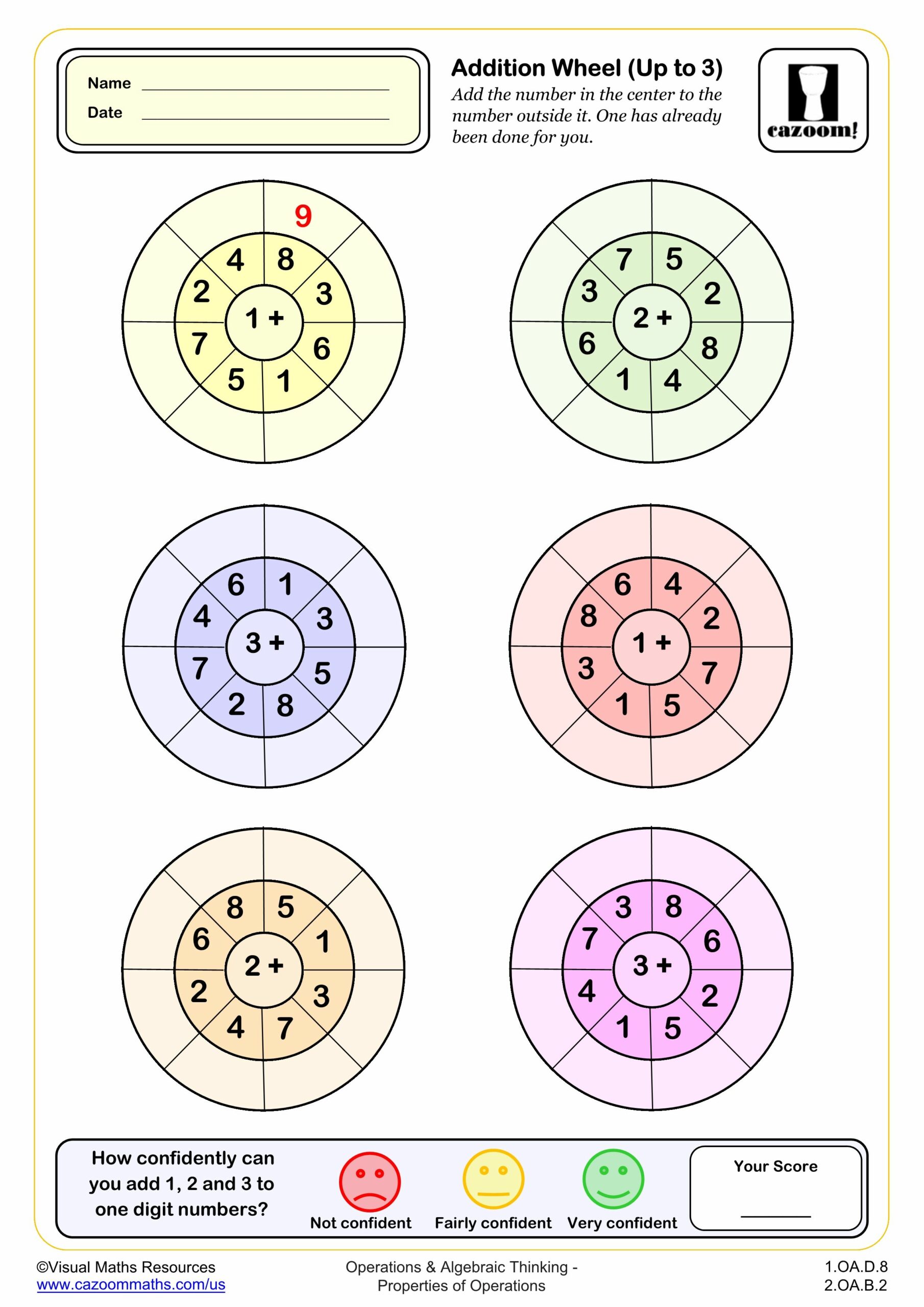
Addition Wheels (Up to 3)
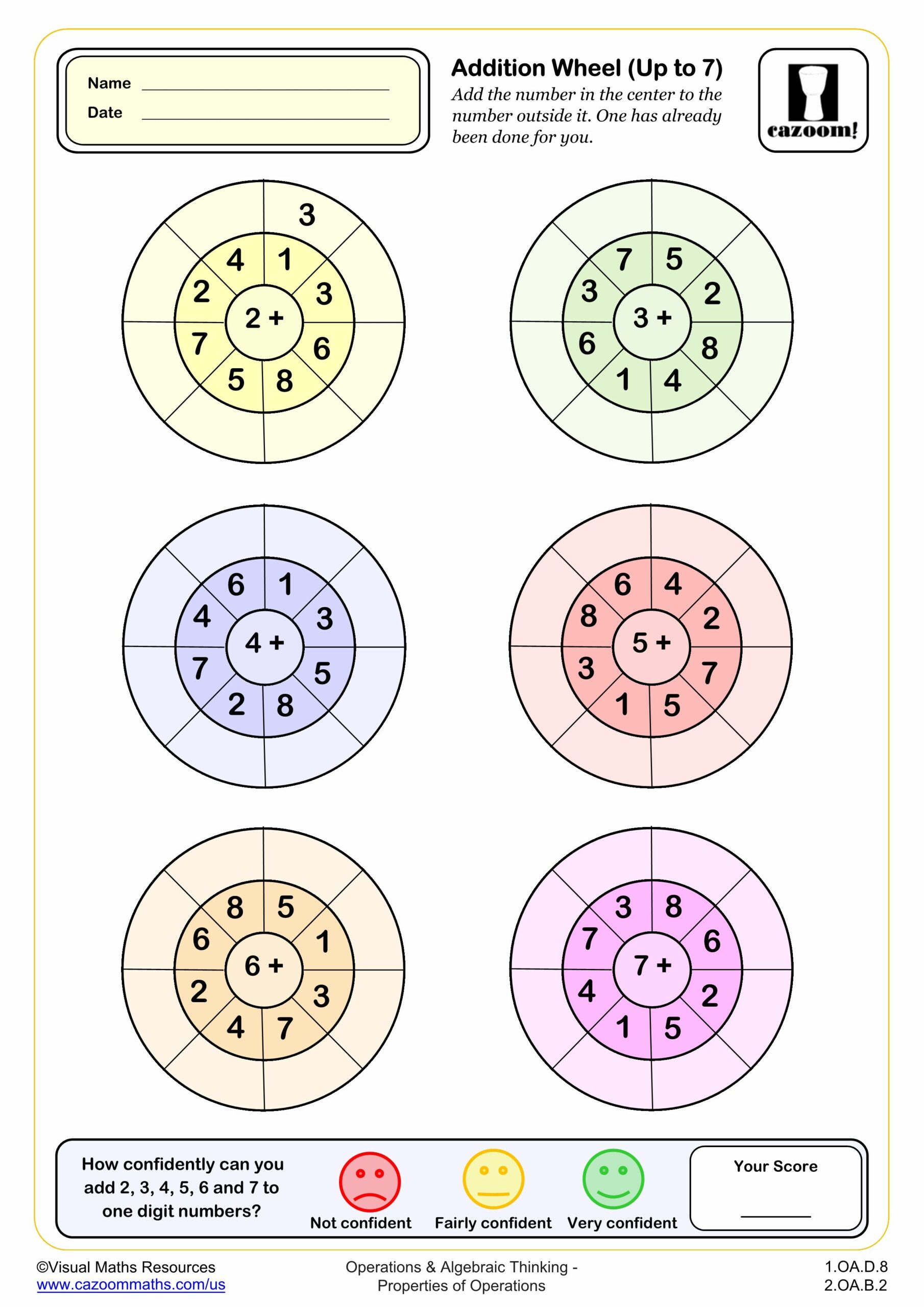
Addition Wheels (Up to 7)
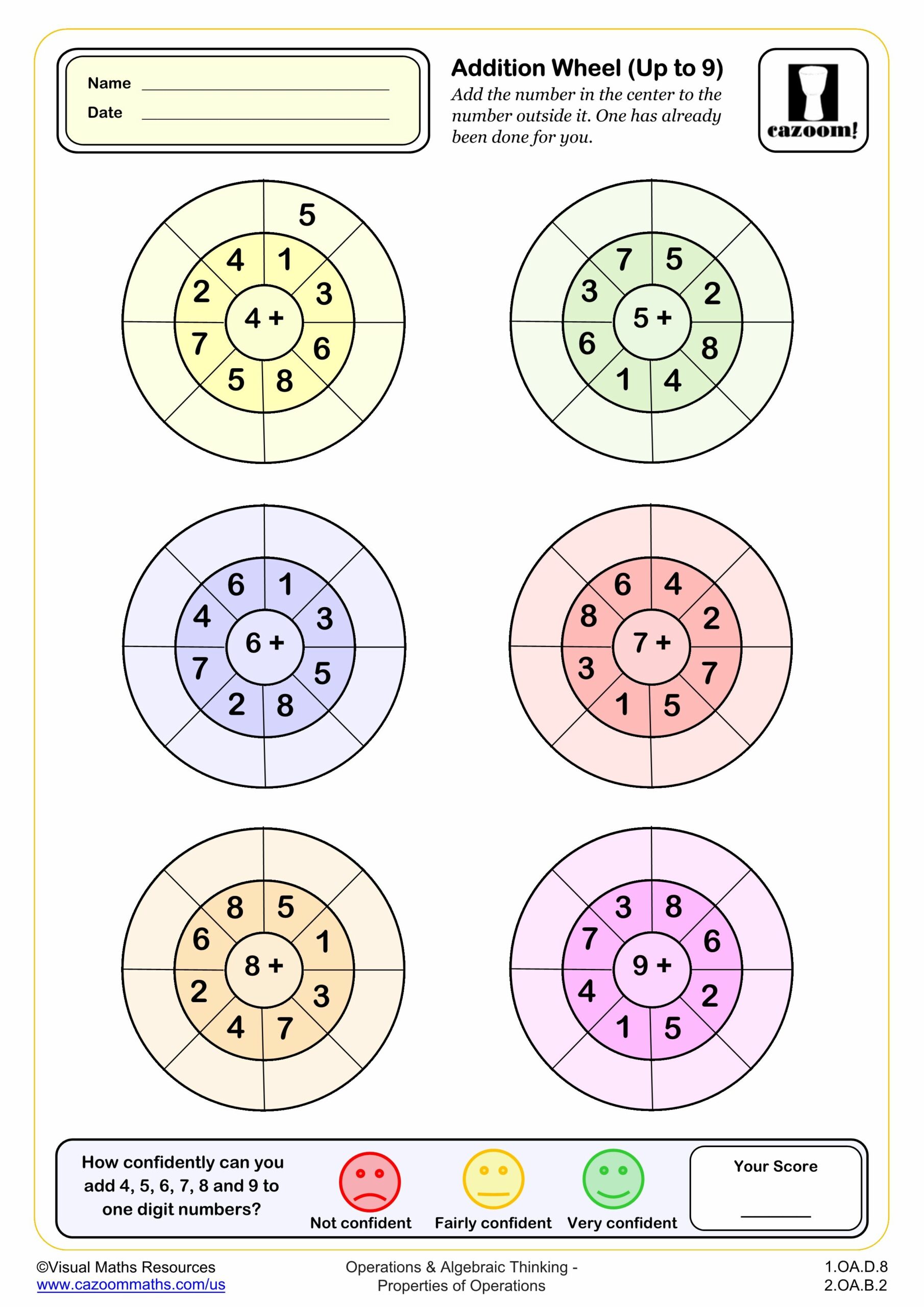
Addition Wheels (Up to 9)
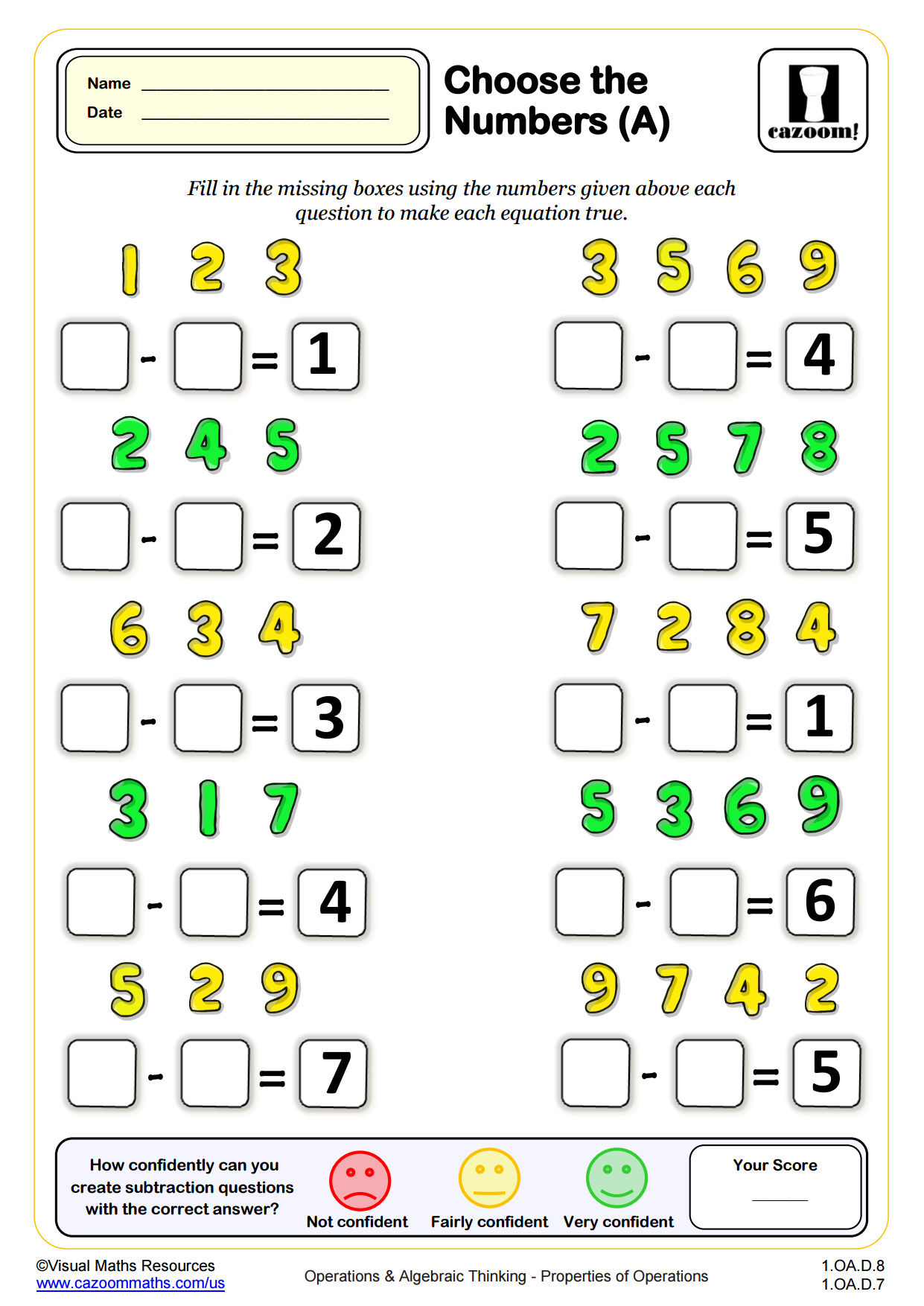
Choose the Numbers (A)
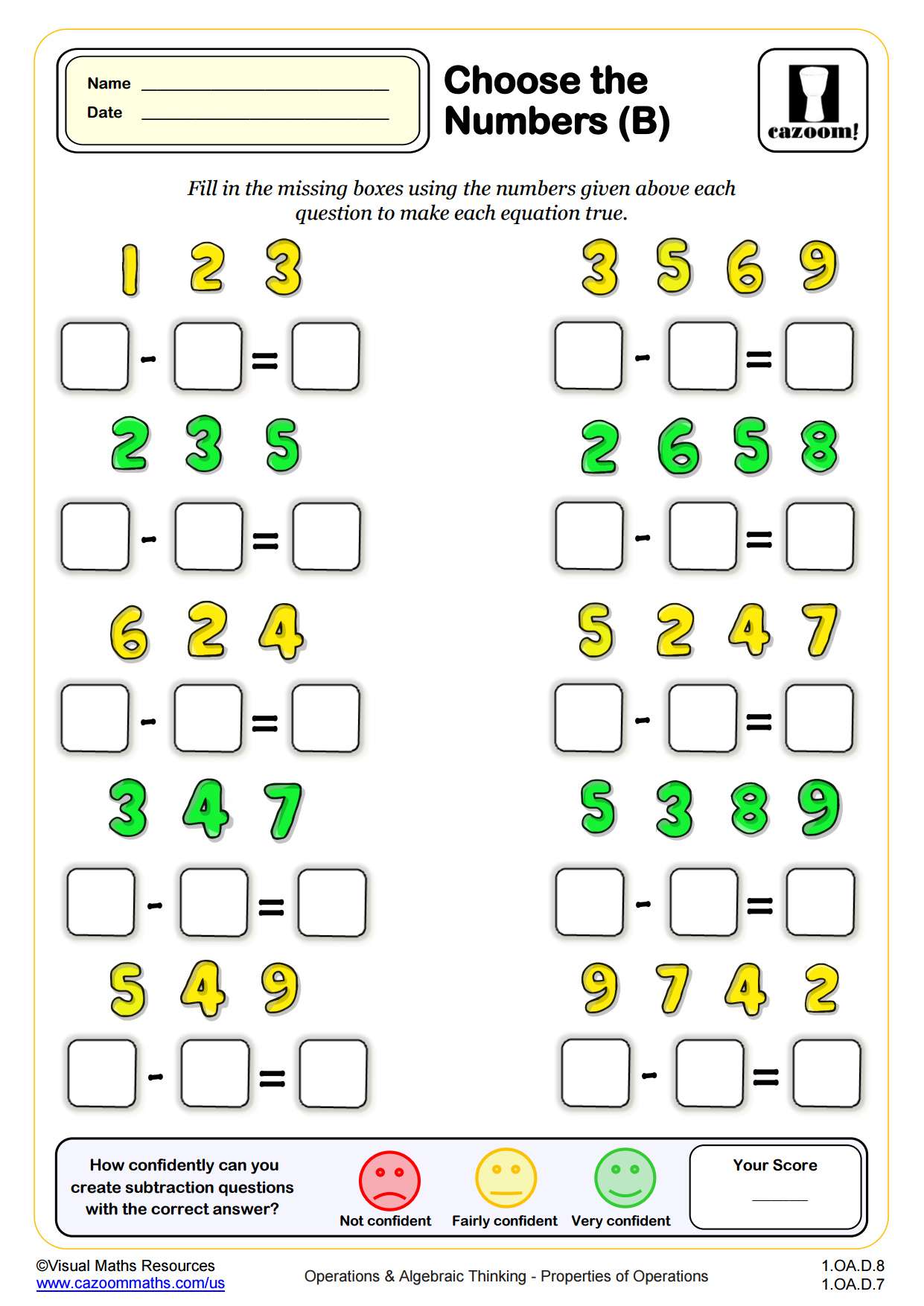
Choose the Numbers (B)
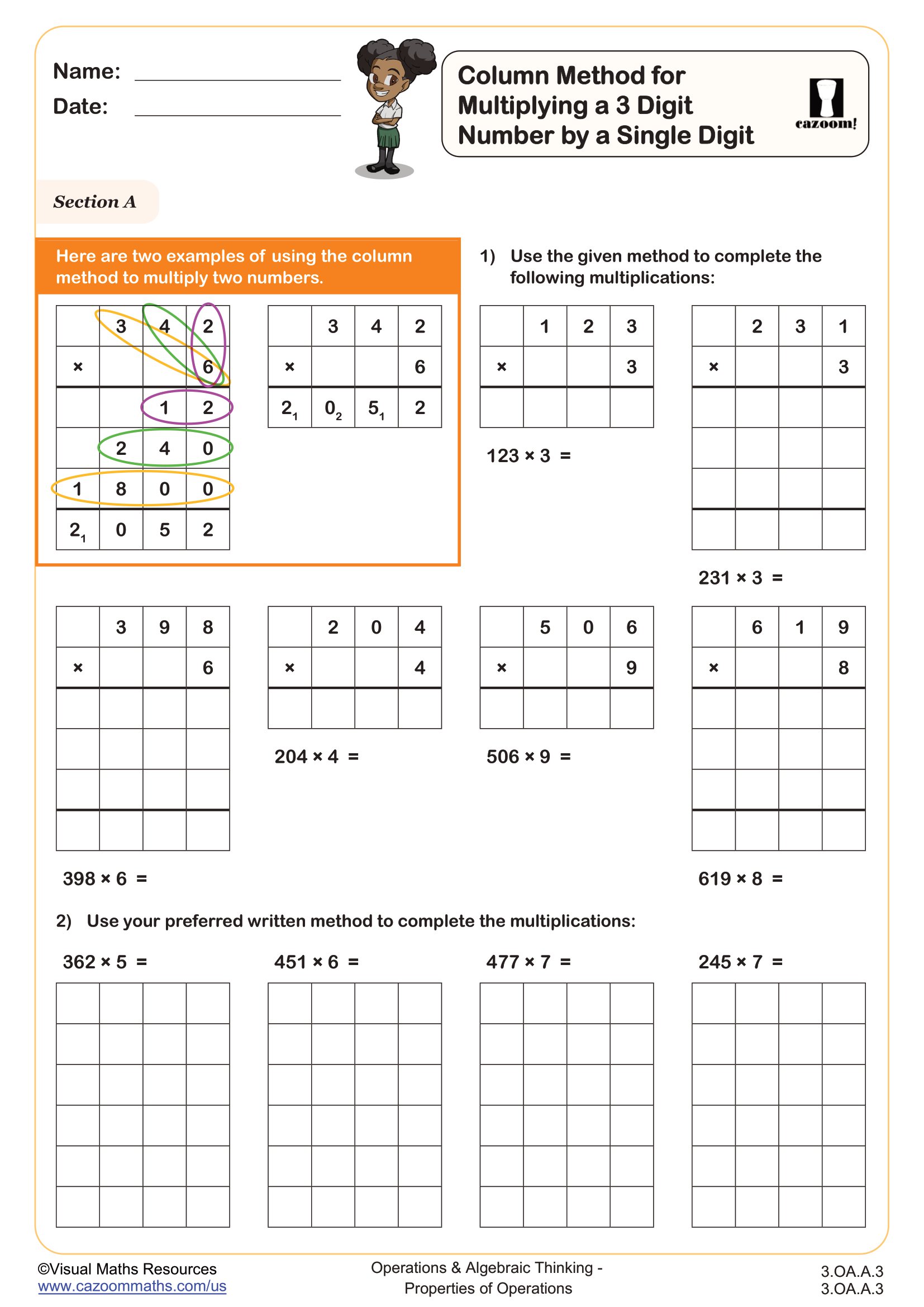
Column Method for Multiplying a 3 Digit Number by a Single Digit
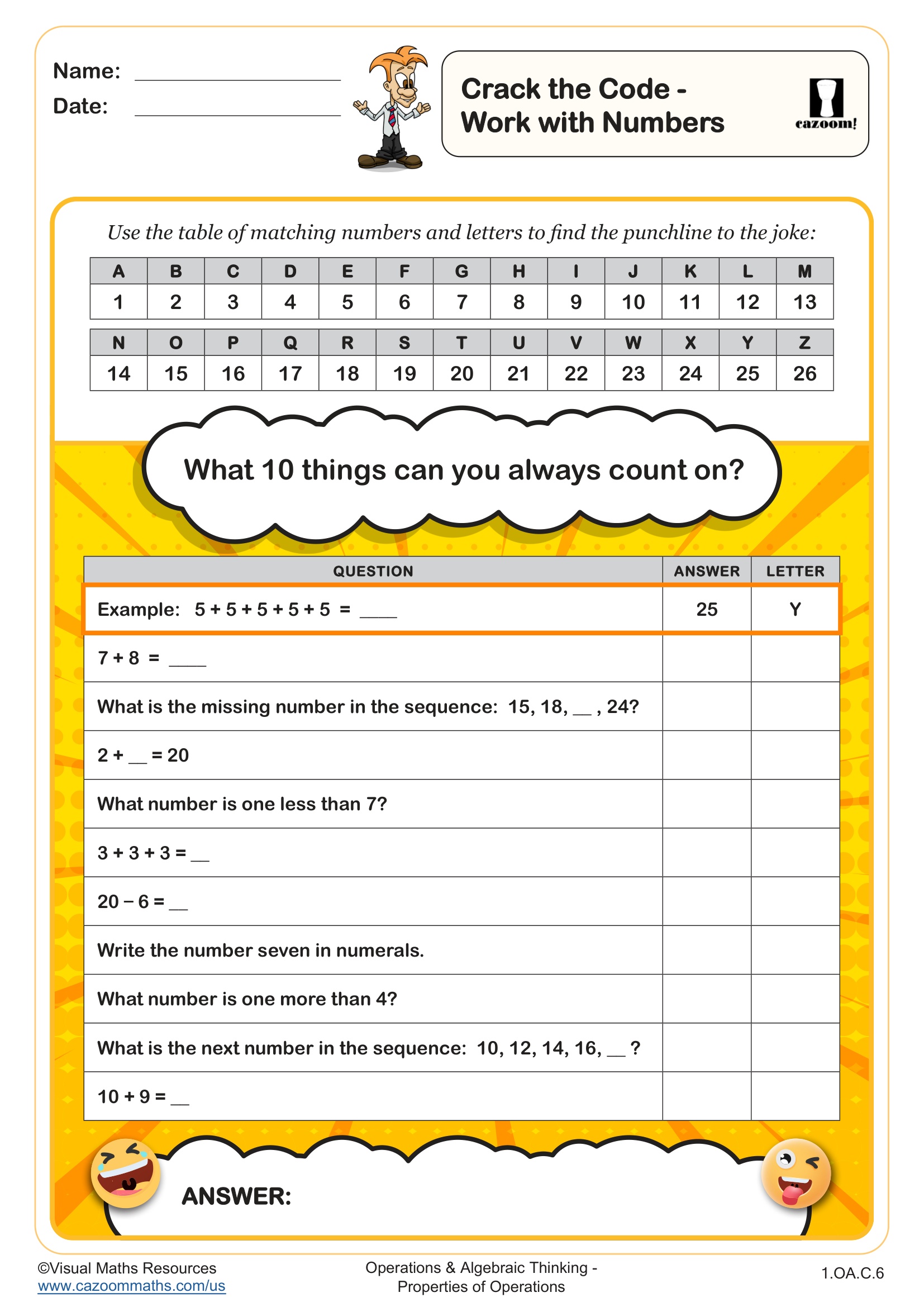
Crack the Code - Work with Numbers
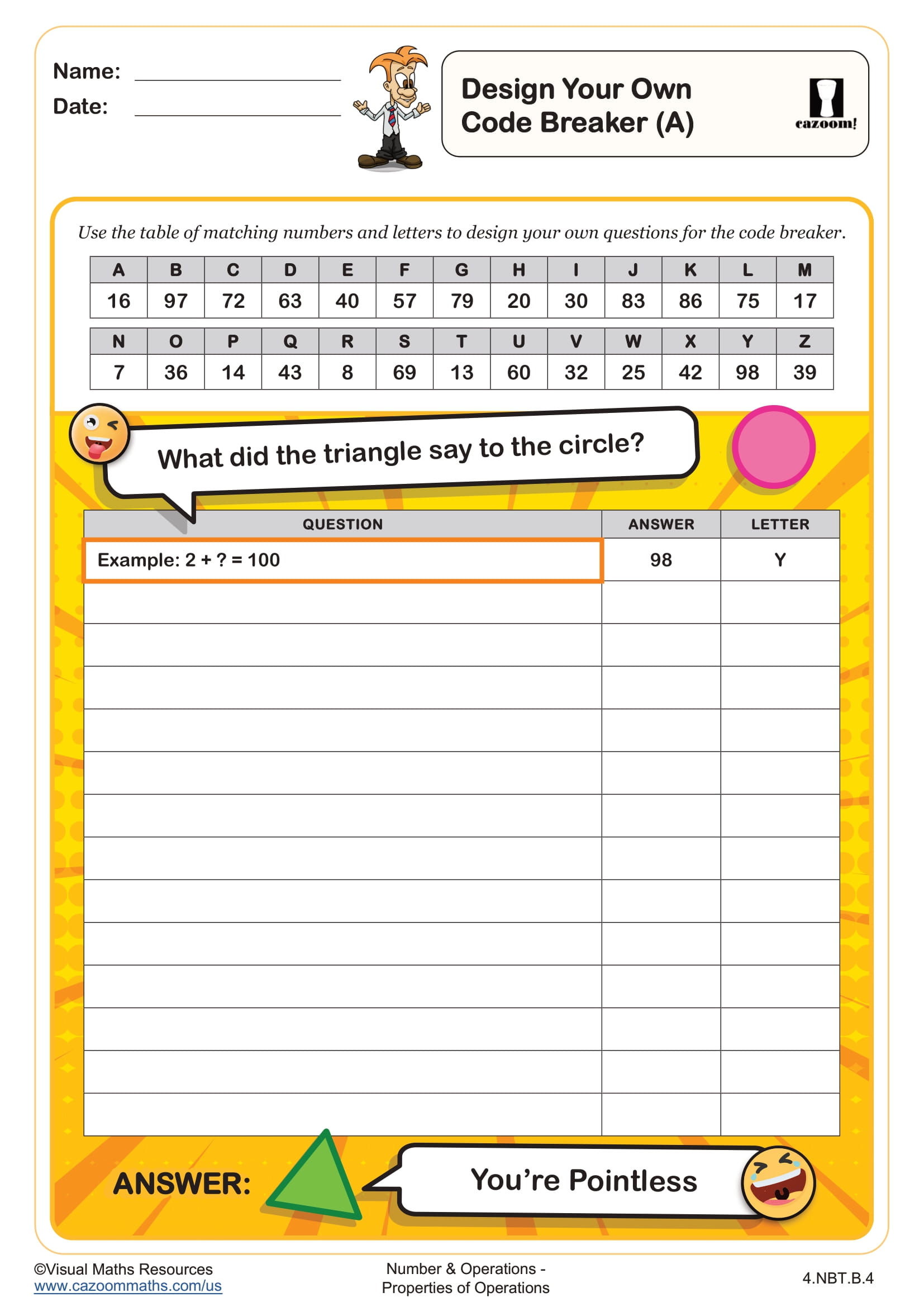
Design Your Own Code Breaker (A)
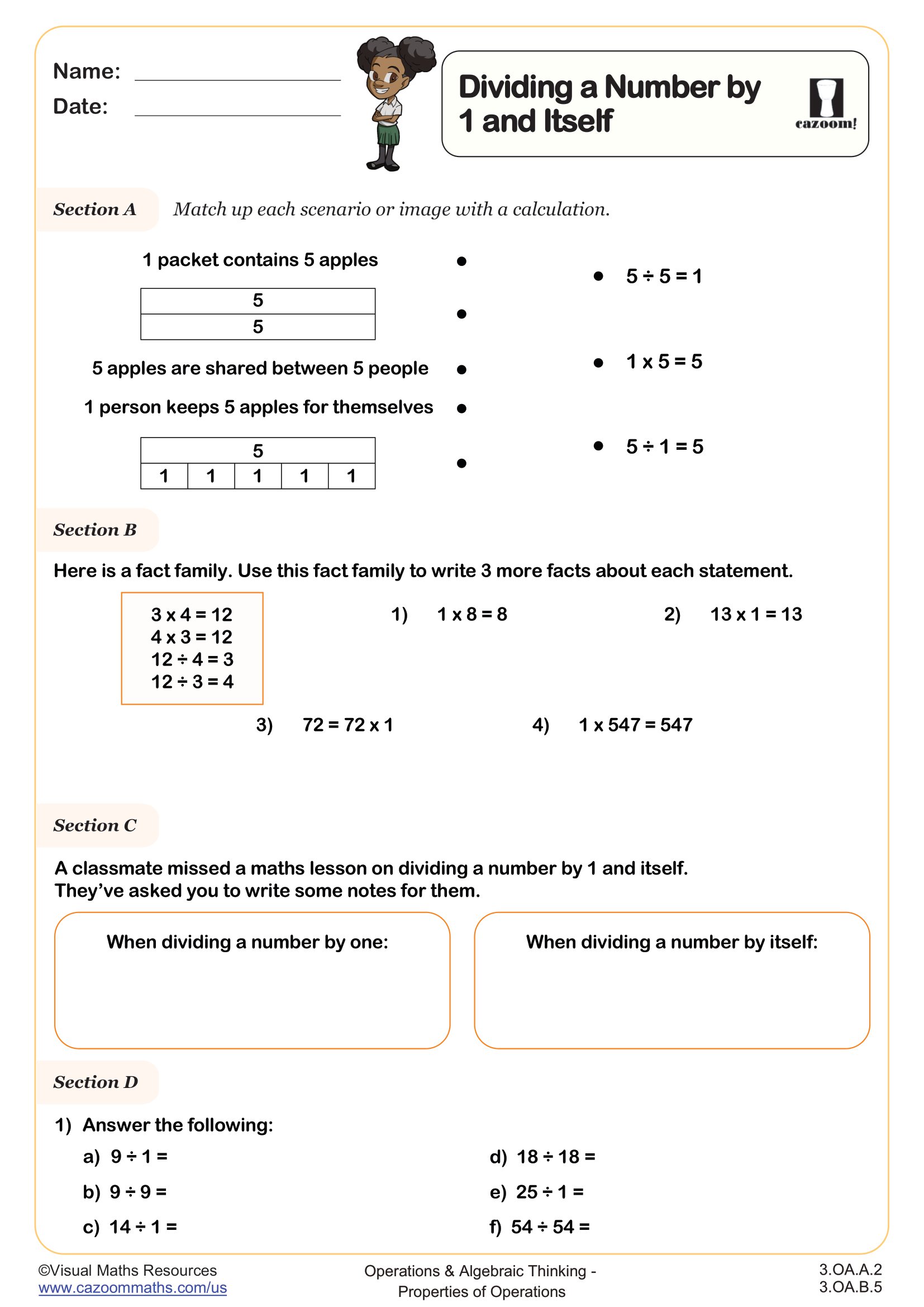
Dividing a Number by 1 and Itself
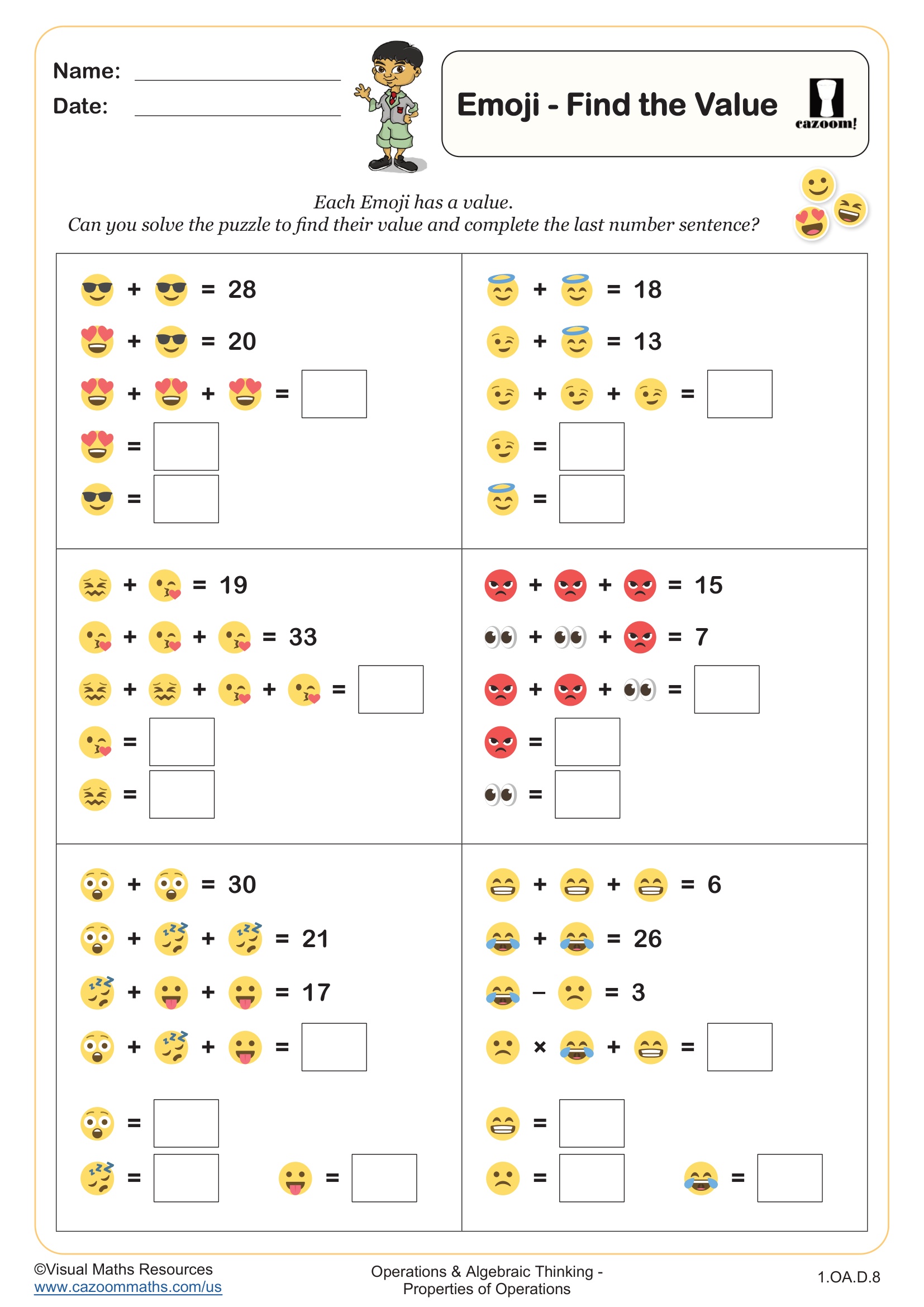
Emoji - Find the Value
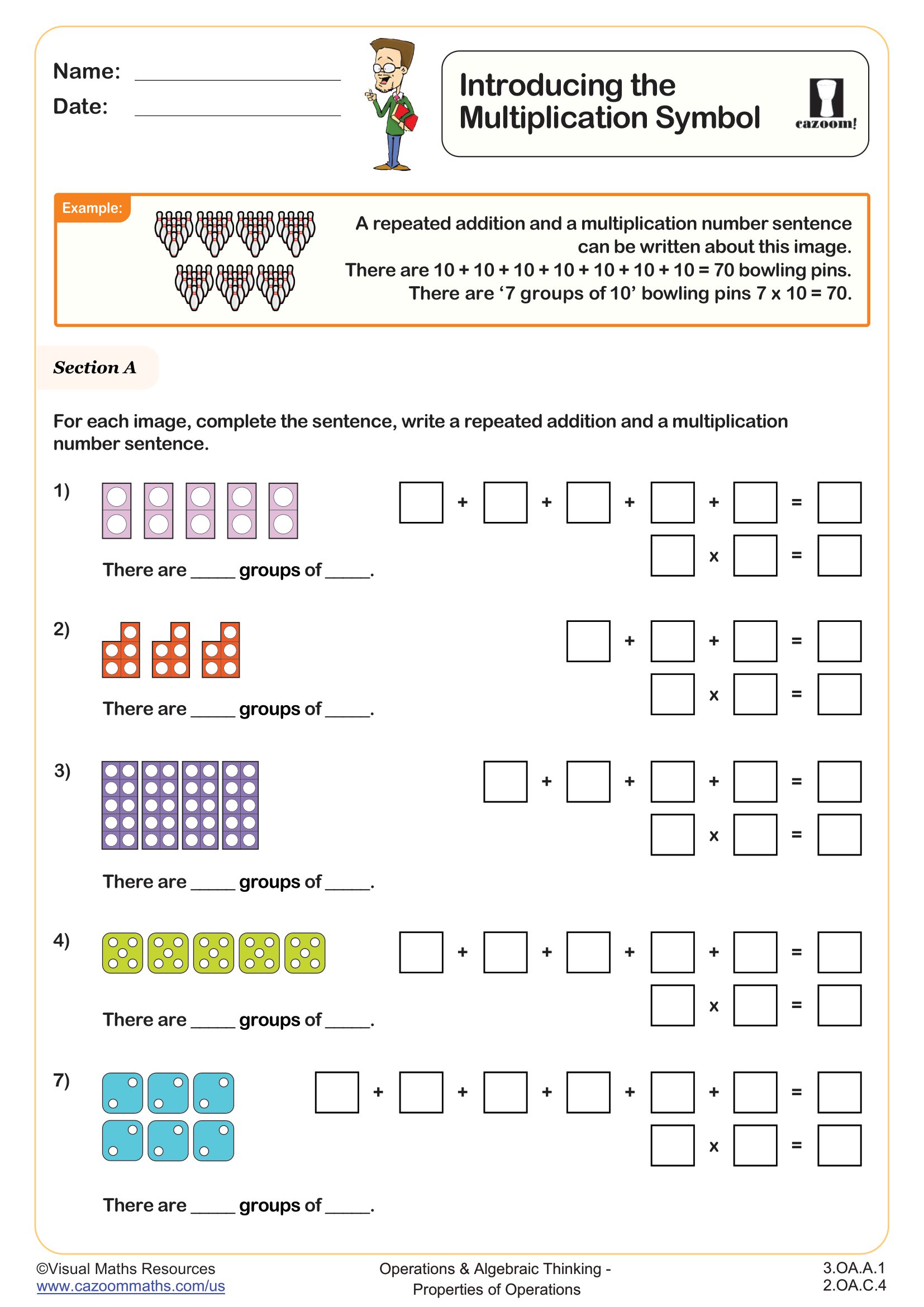
Introducing the Multiplication Symbol
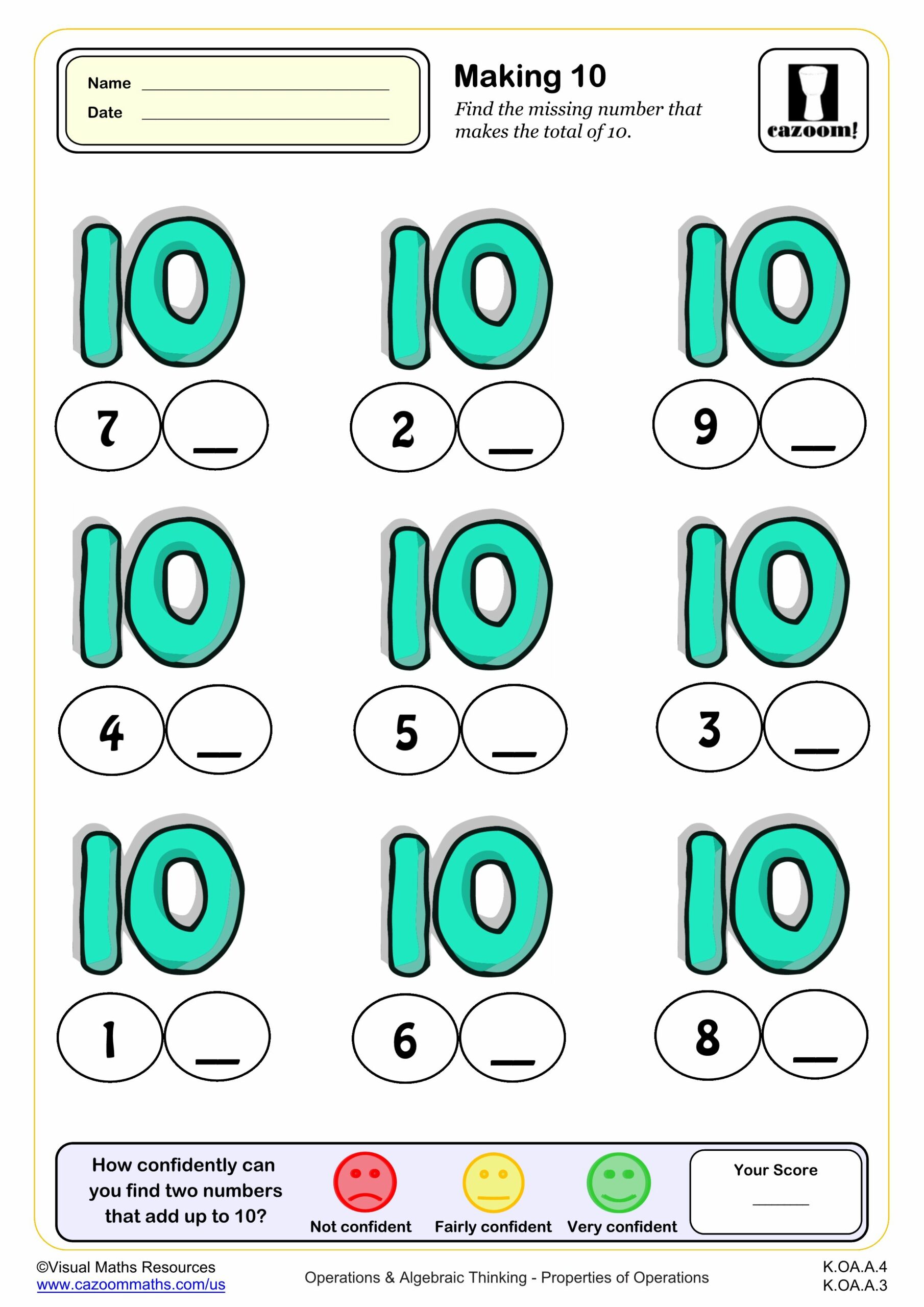
Making 10
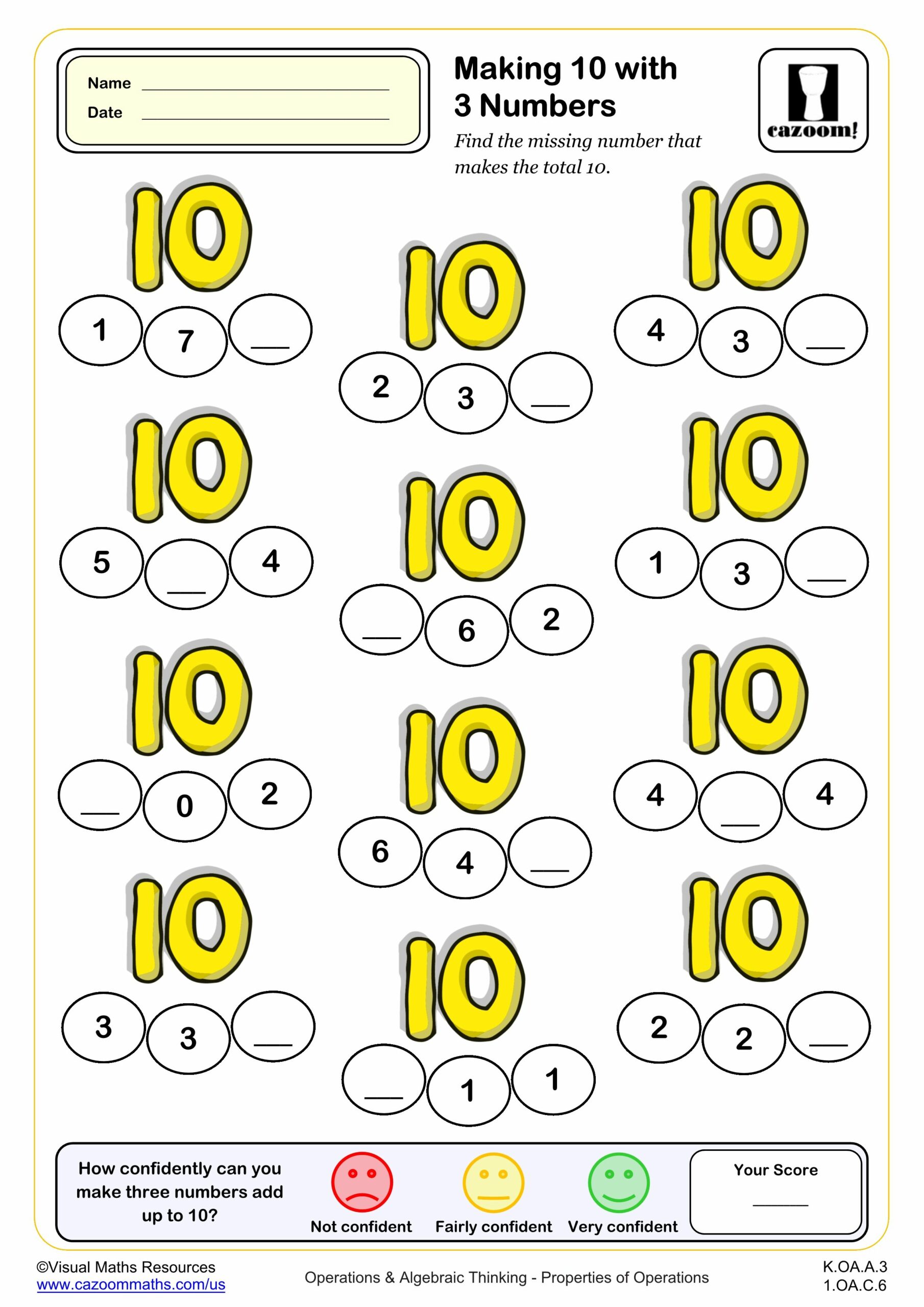
Making 10 with three numbers
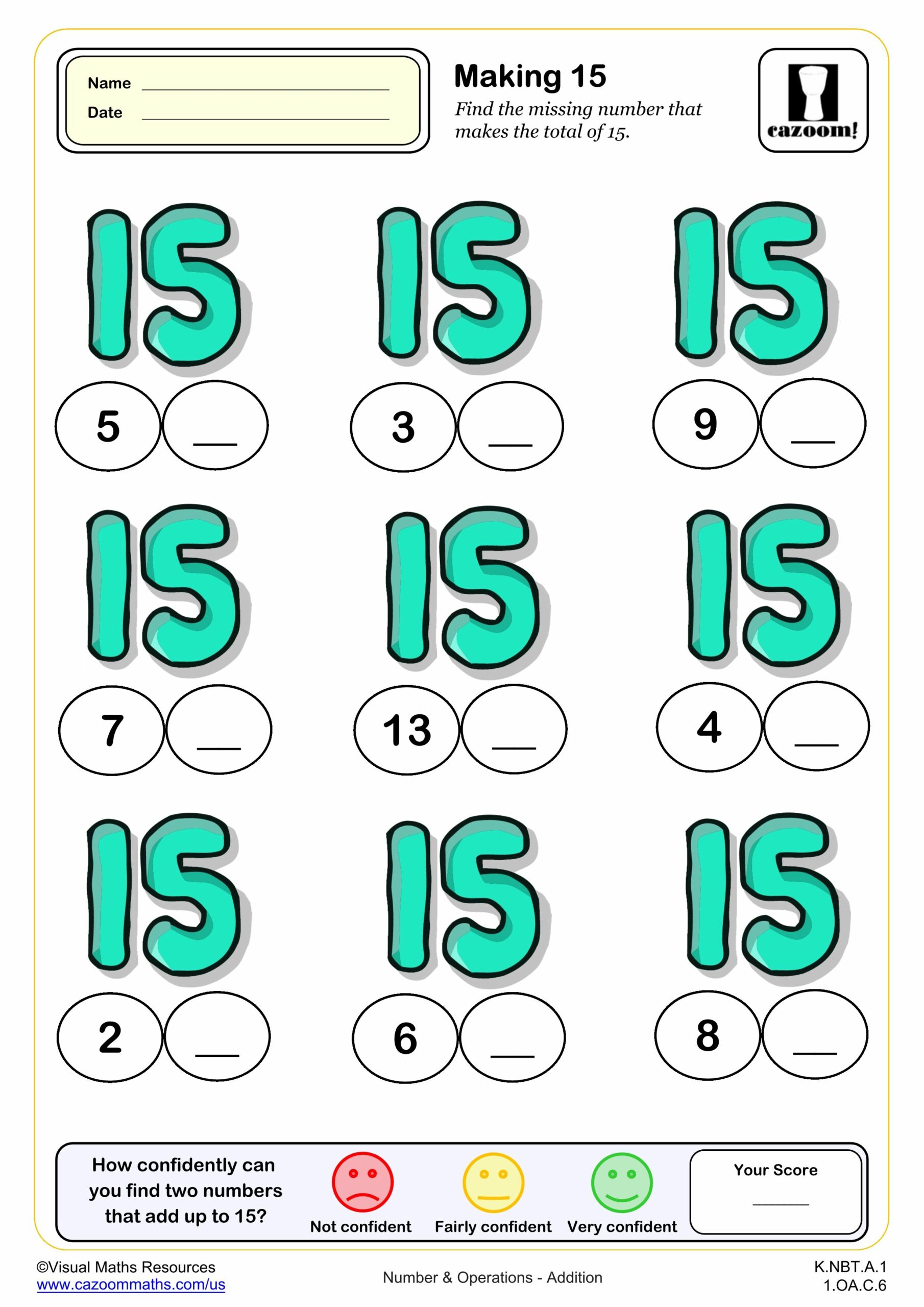
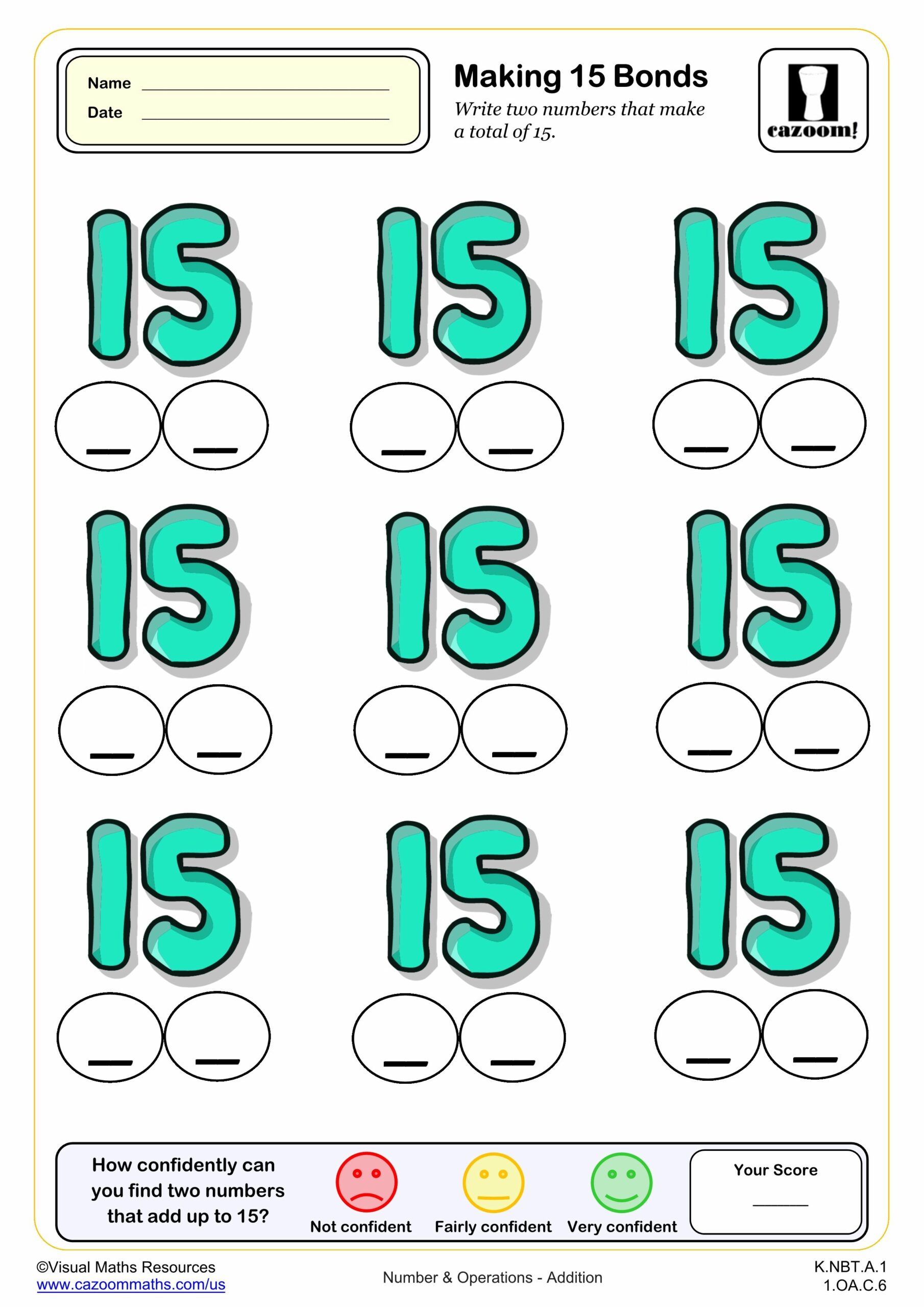
Making 15
Making 15 (BONDS)
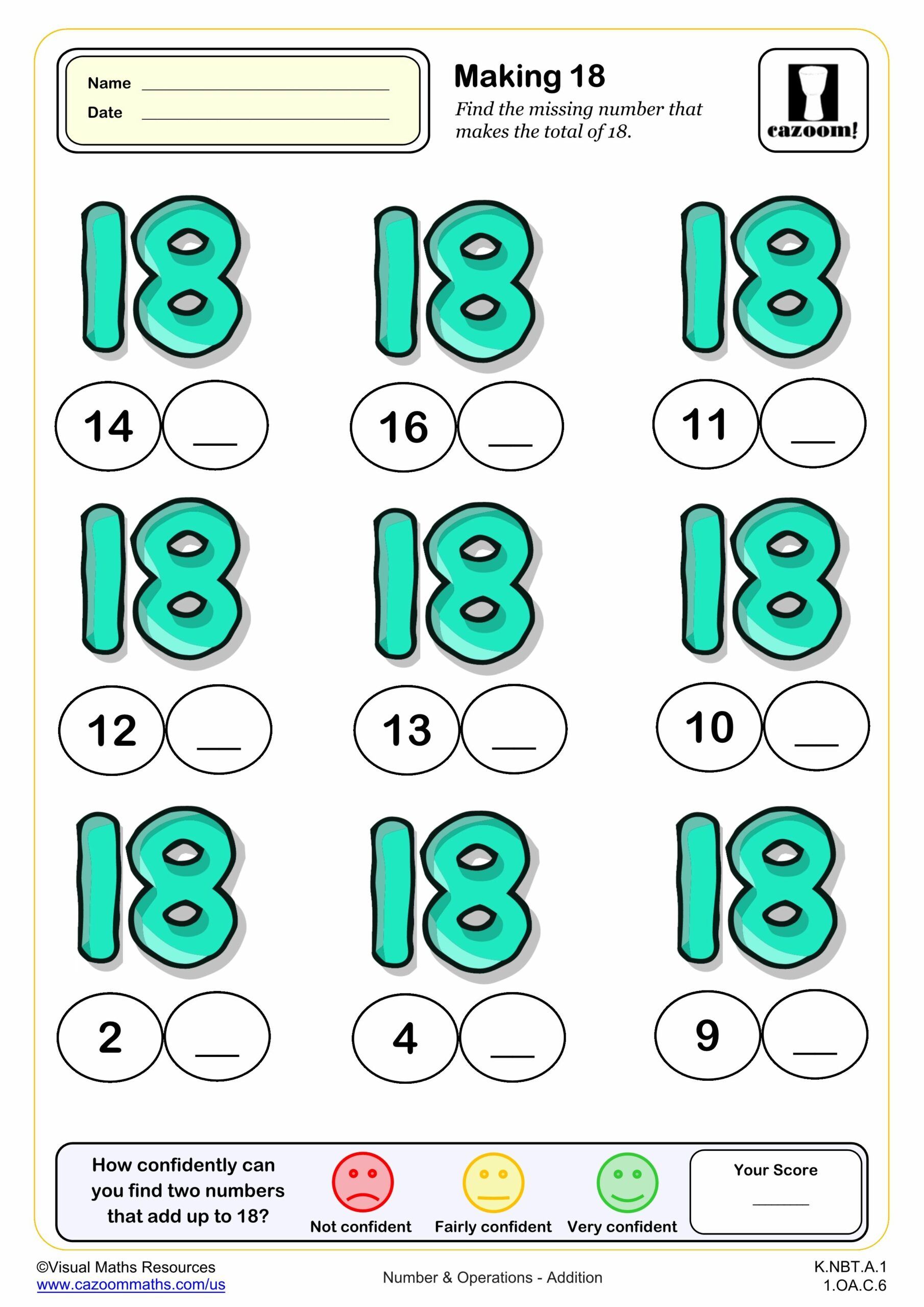
Making 18
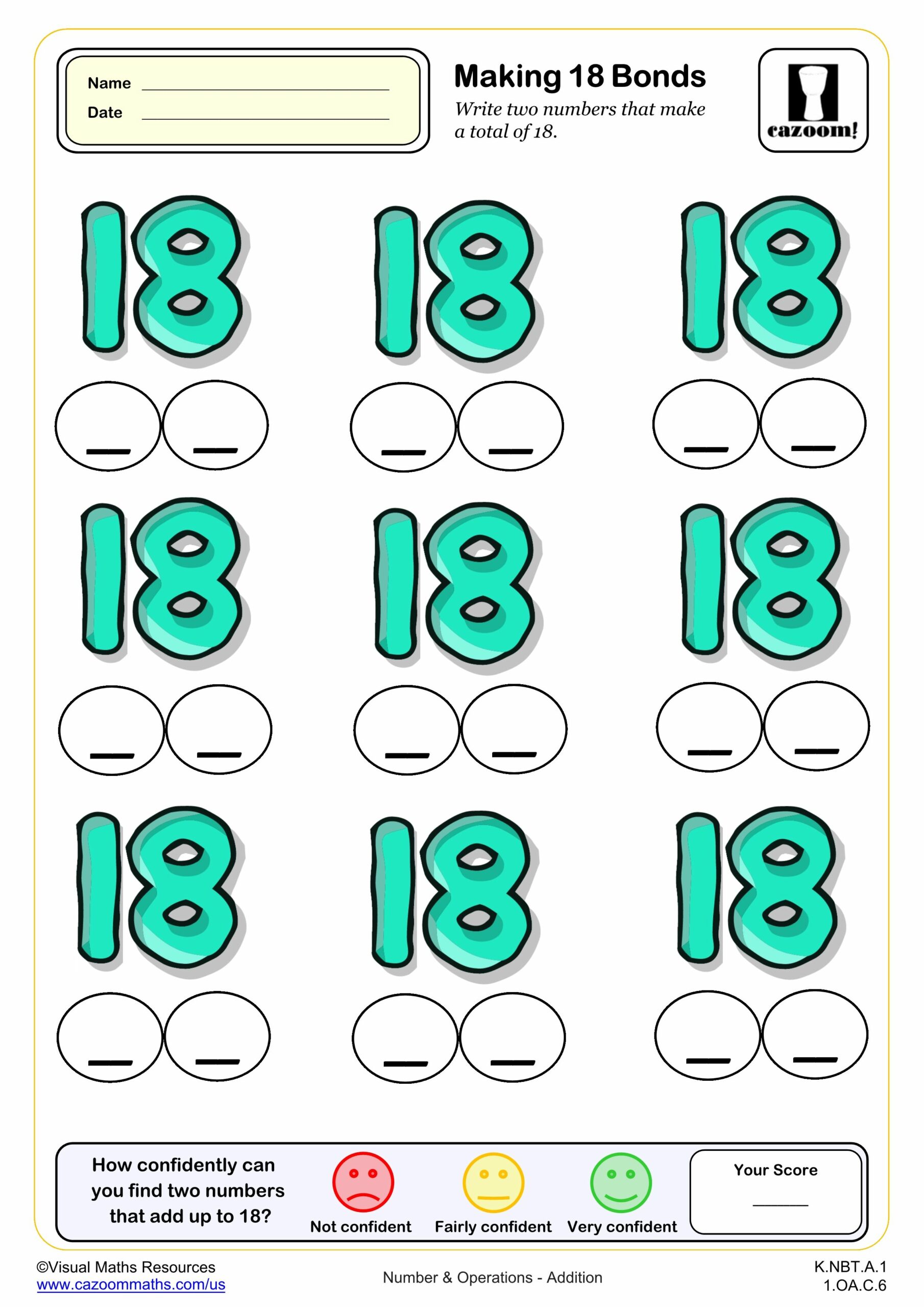
Making 18 (BONDS)
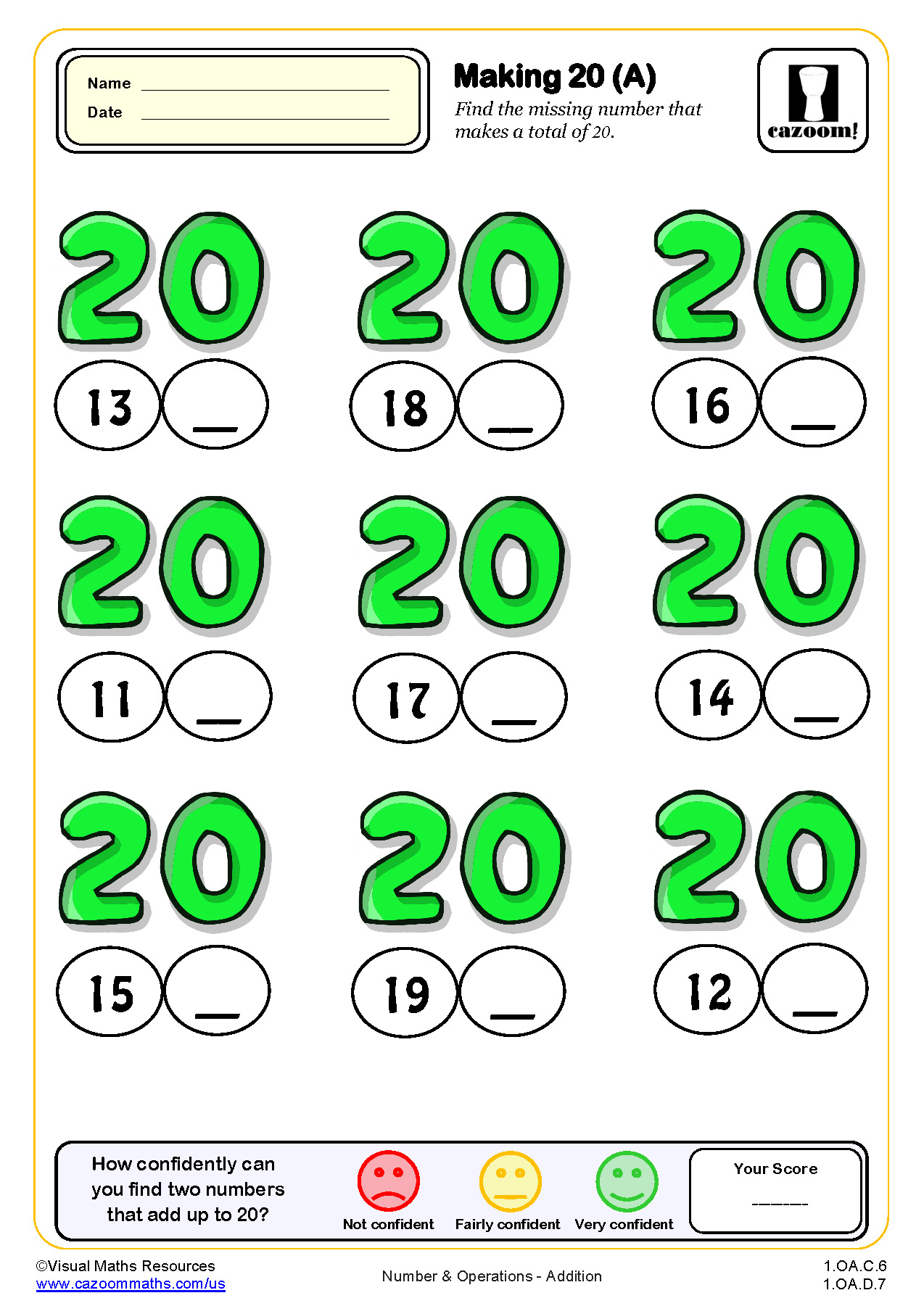
Making 20 (A)
Making 20 (B)
Making 20 (BONDS)
Making 20 (C)
Making 25 (Blanks)
Making 35 (blanks)
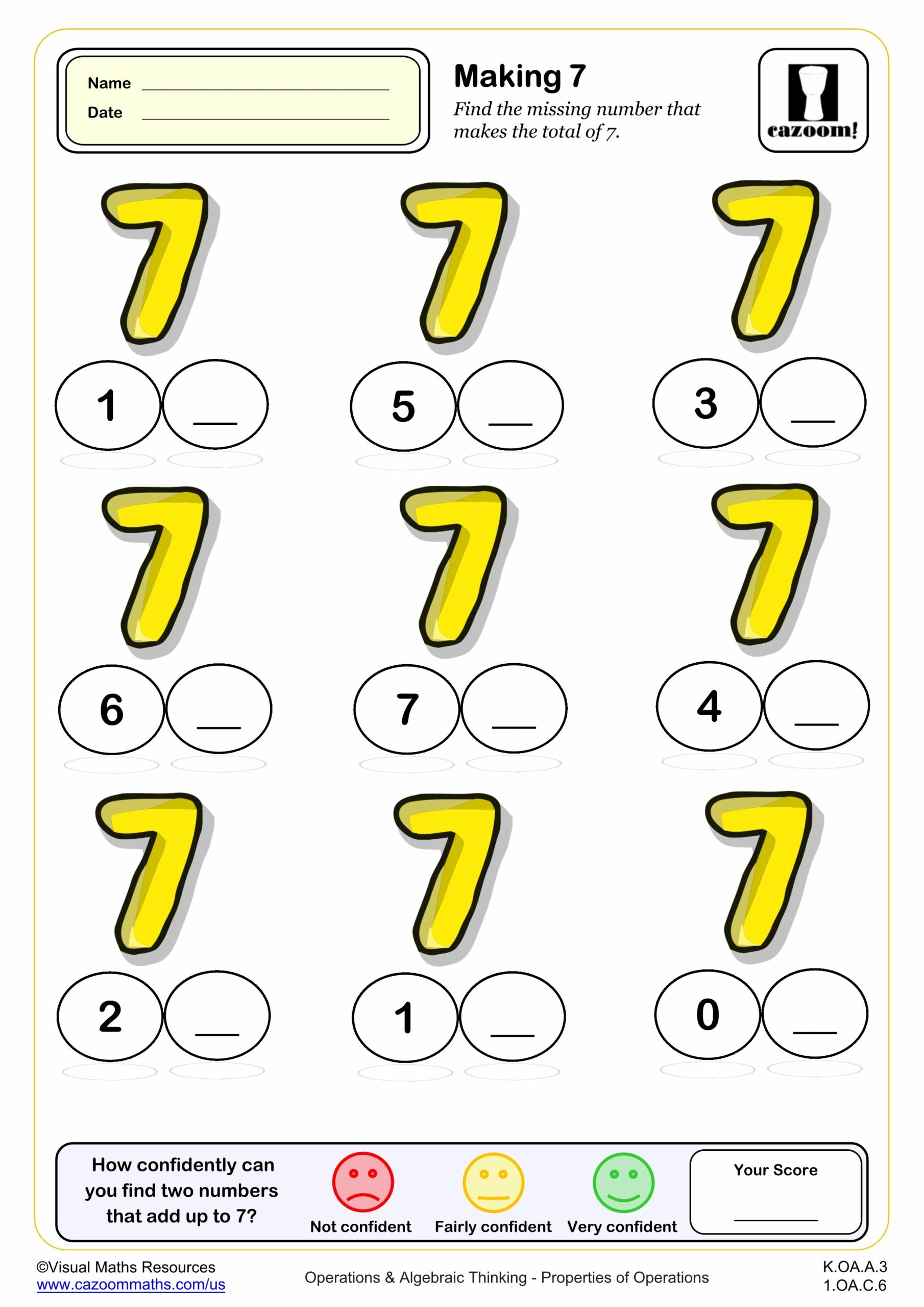
Making 7
Making 7 (Bonds)
Making 8 (BONDS)
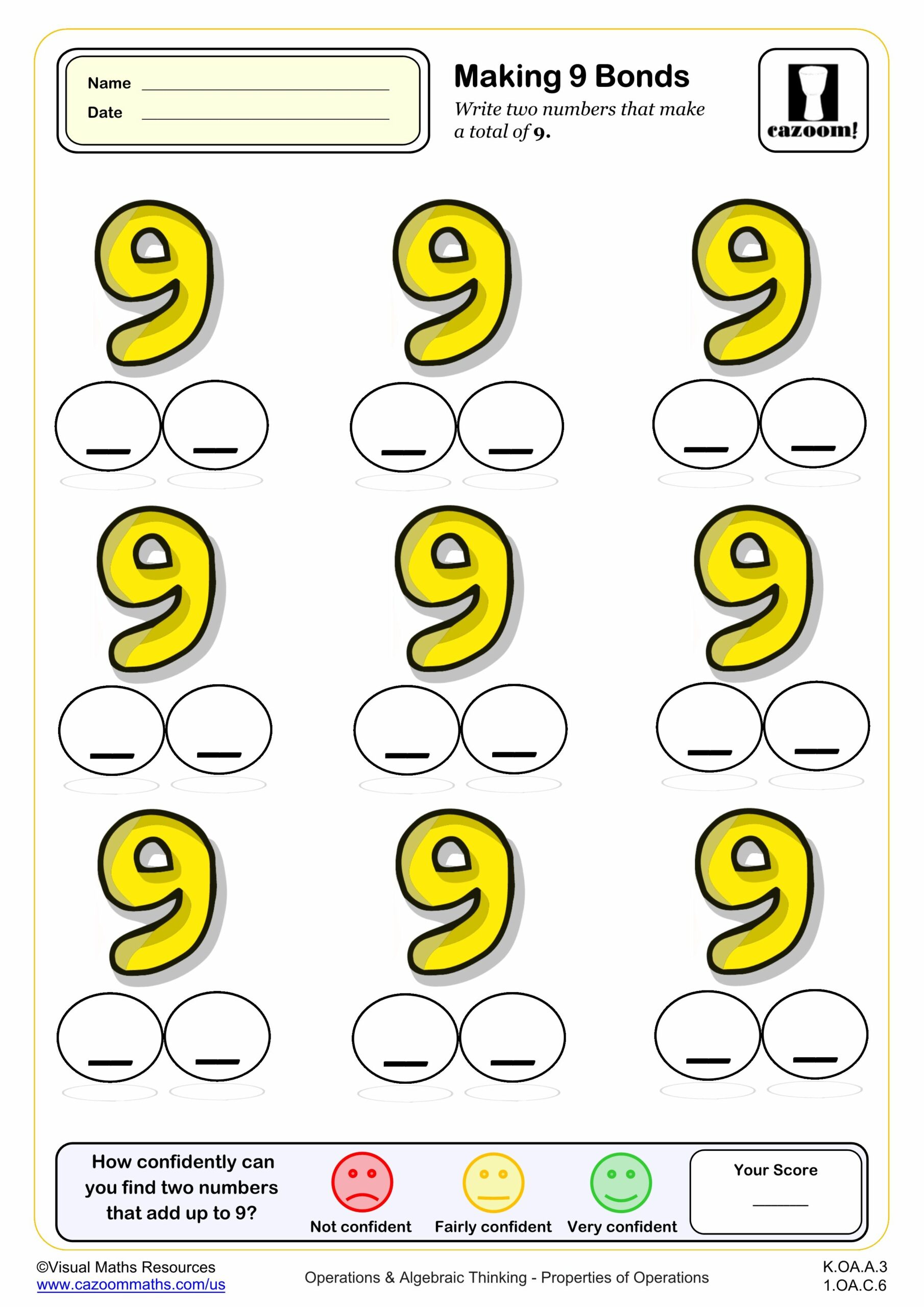
Making 9 (BONDS)
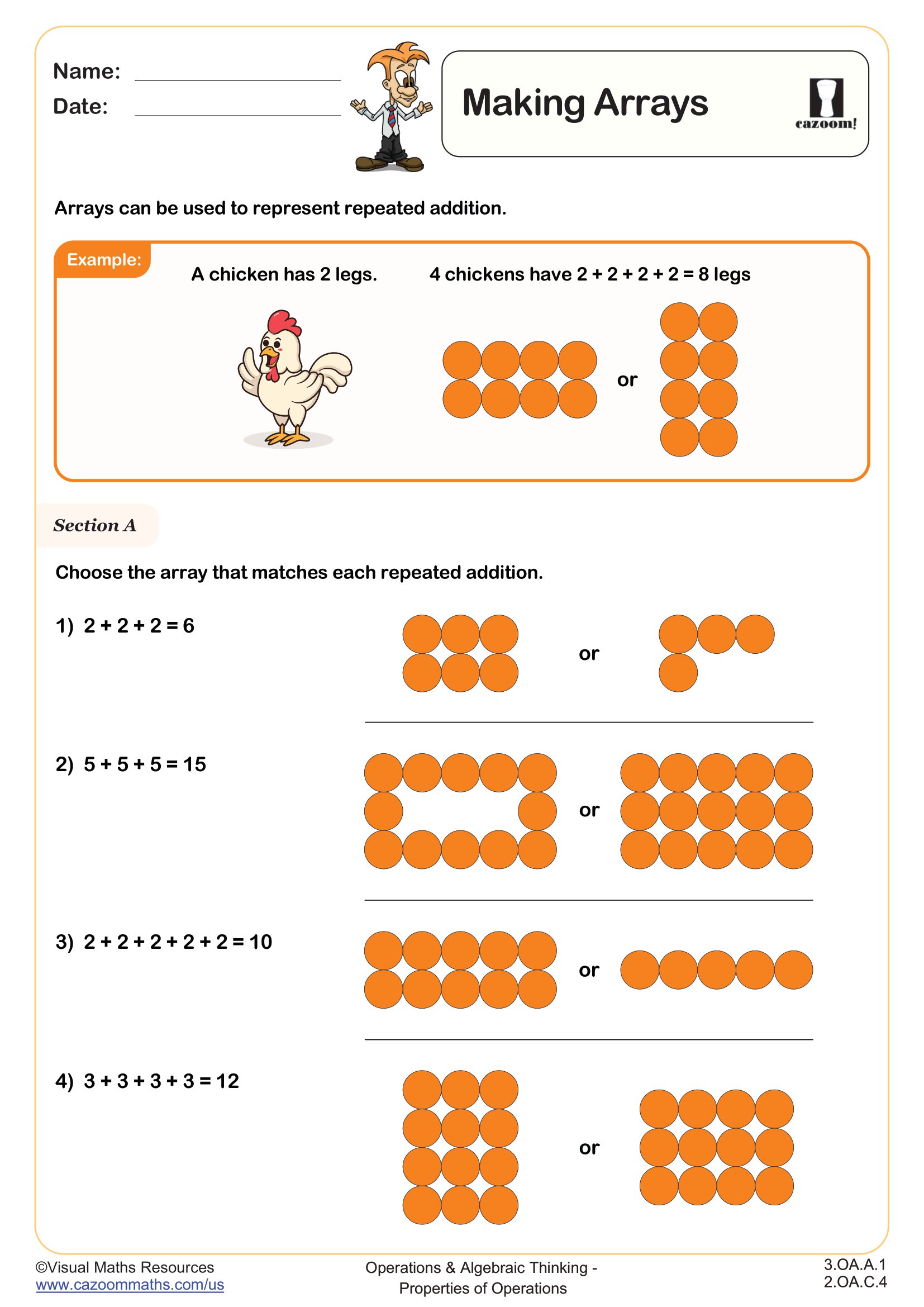
Making Arrays
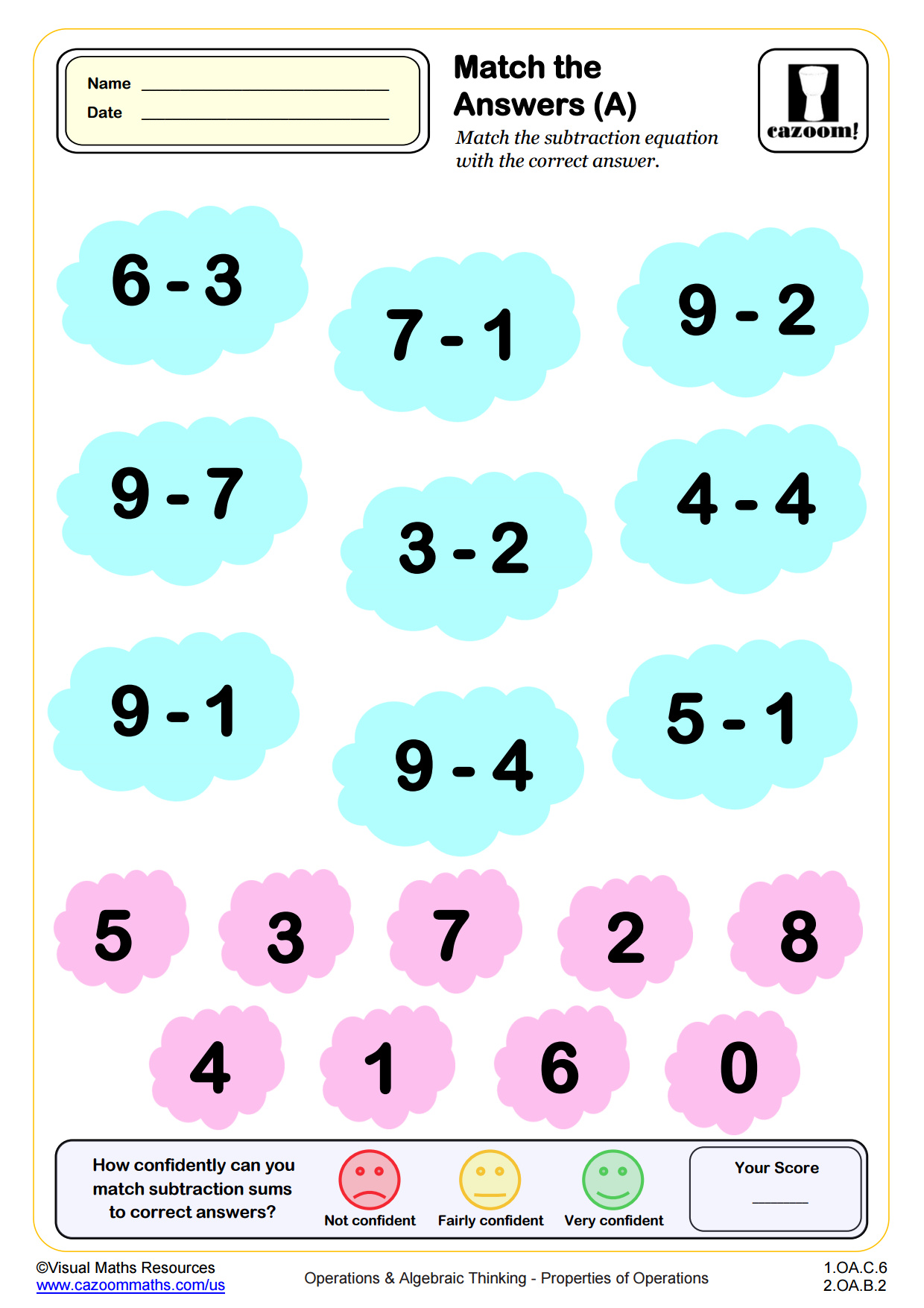
Match the Answers (A)
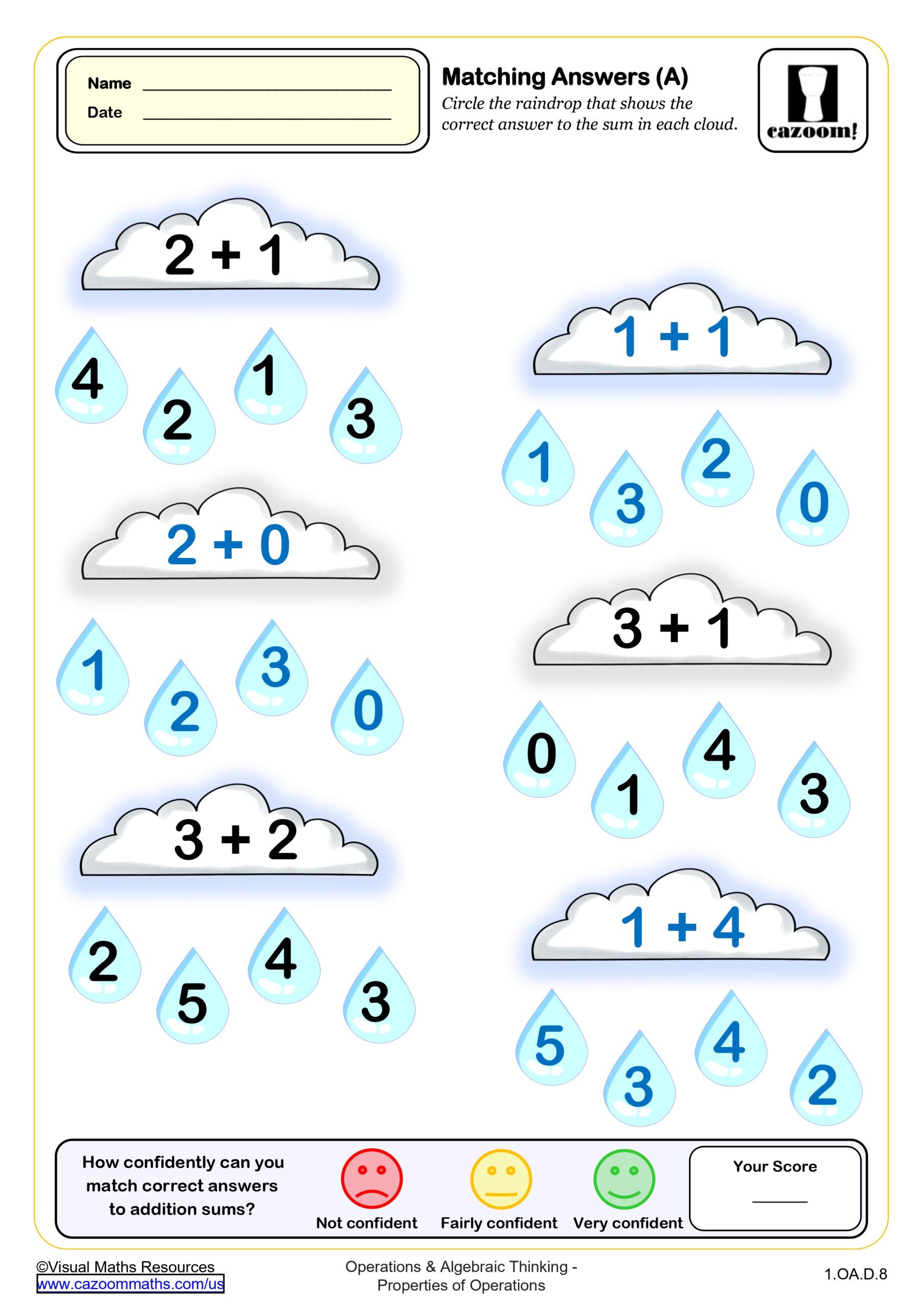
Matching Answers (A)
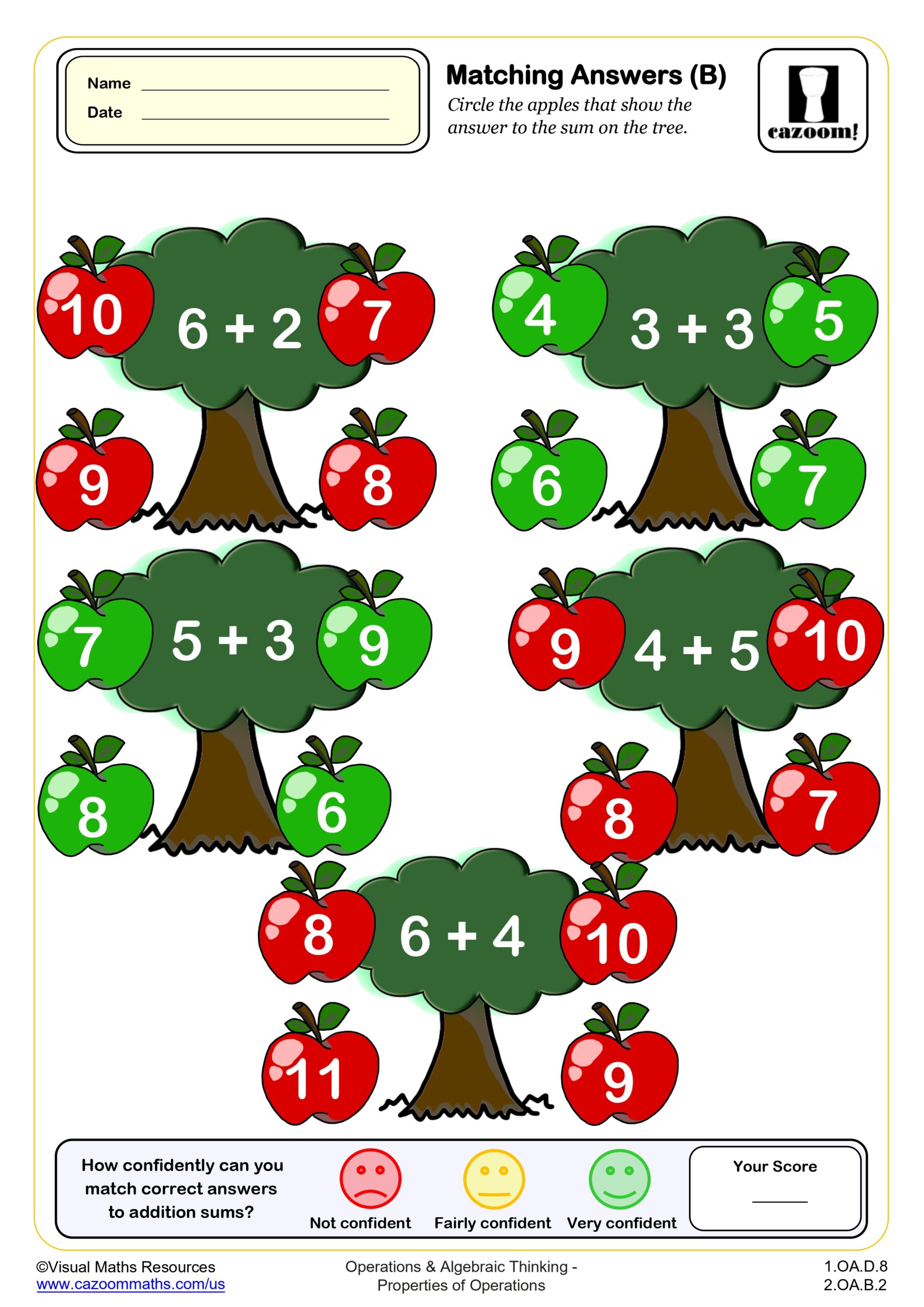
Matching Answers (B)
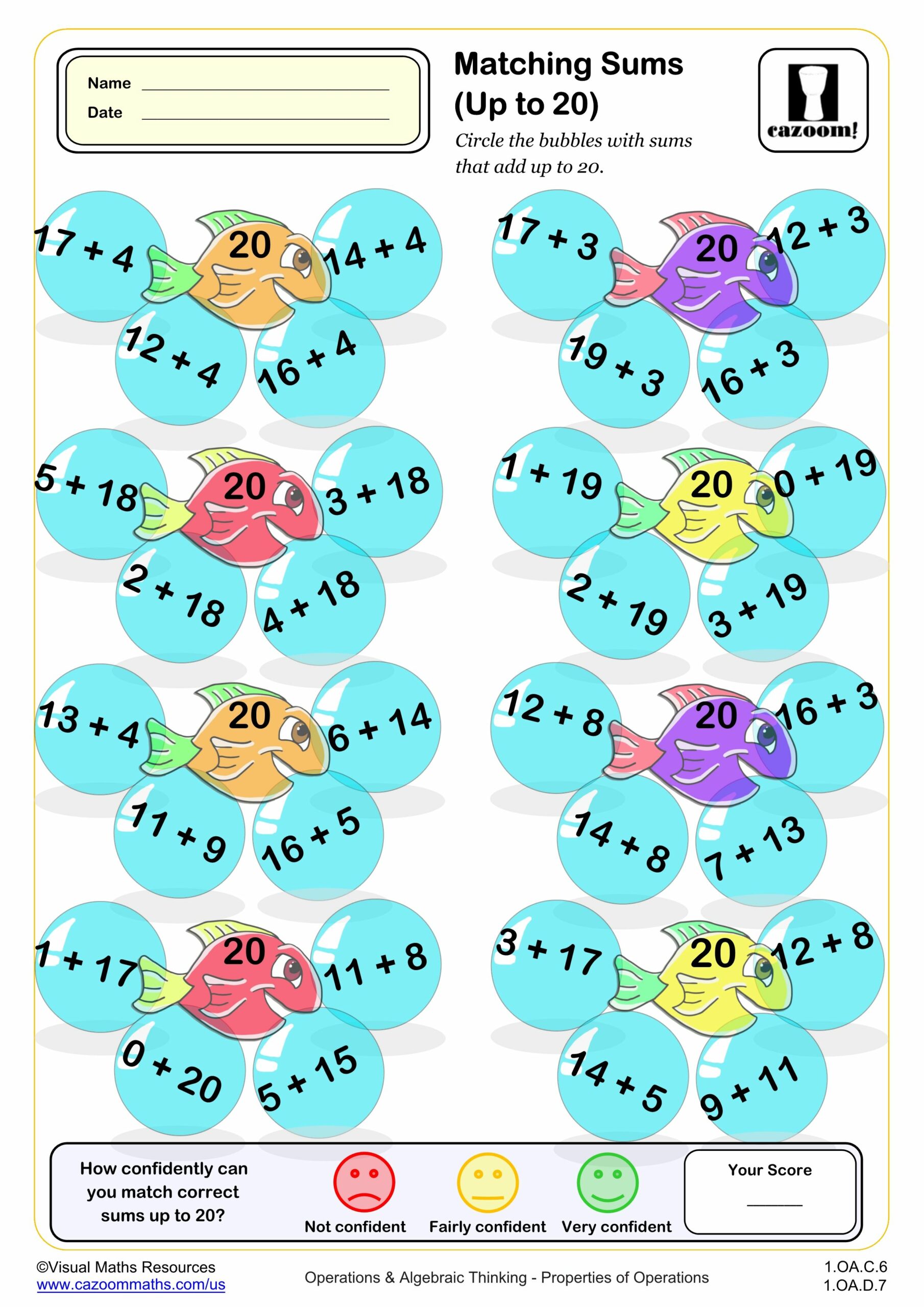
Matching sums (20 only)
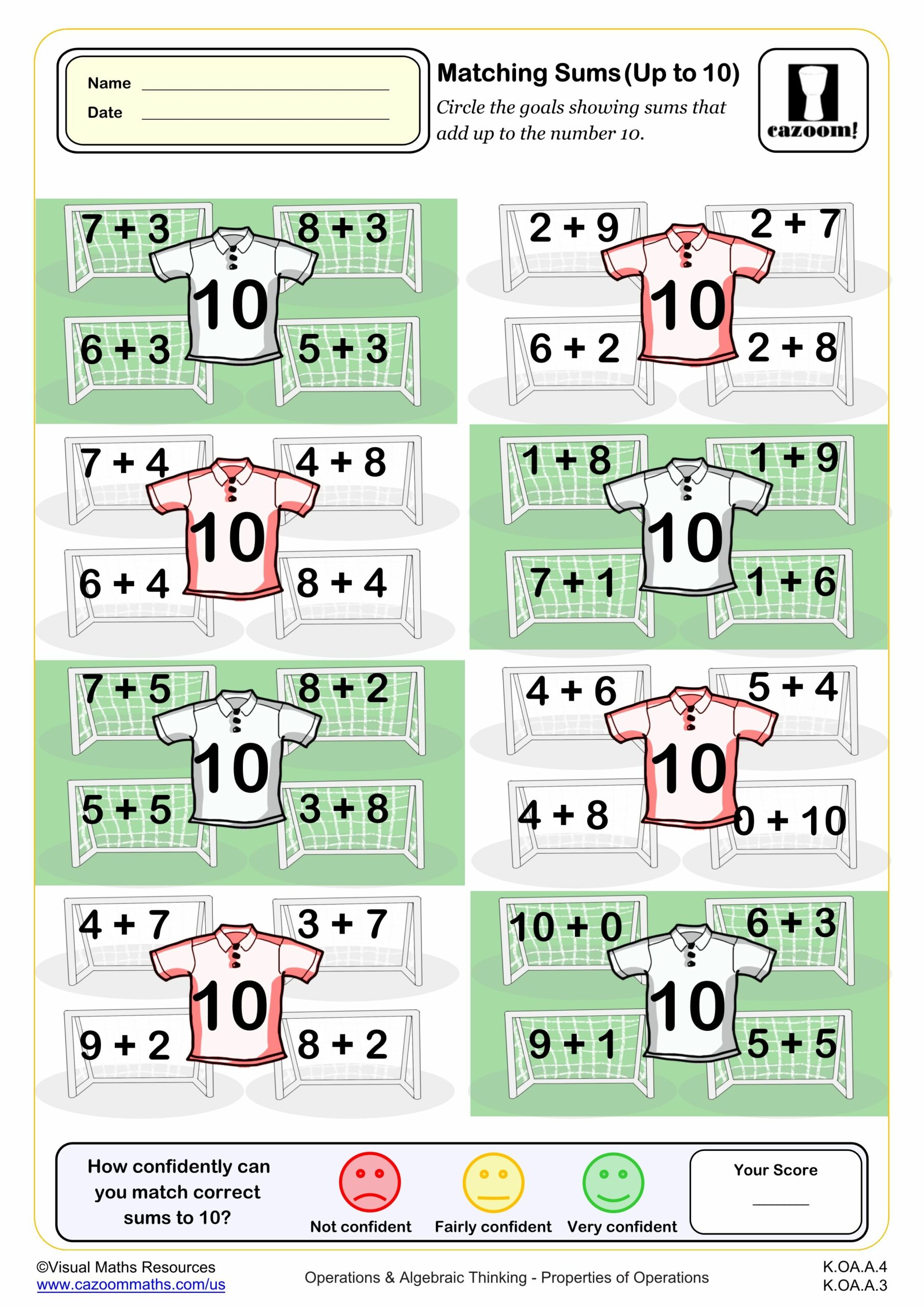
Matching Sums (to 10)
Misisng Gaps (B) (Without a Number Line)
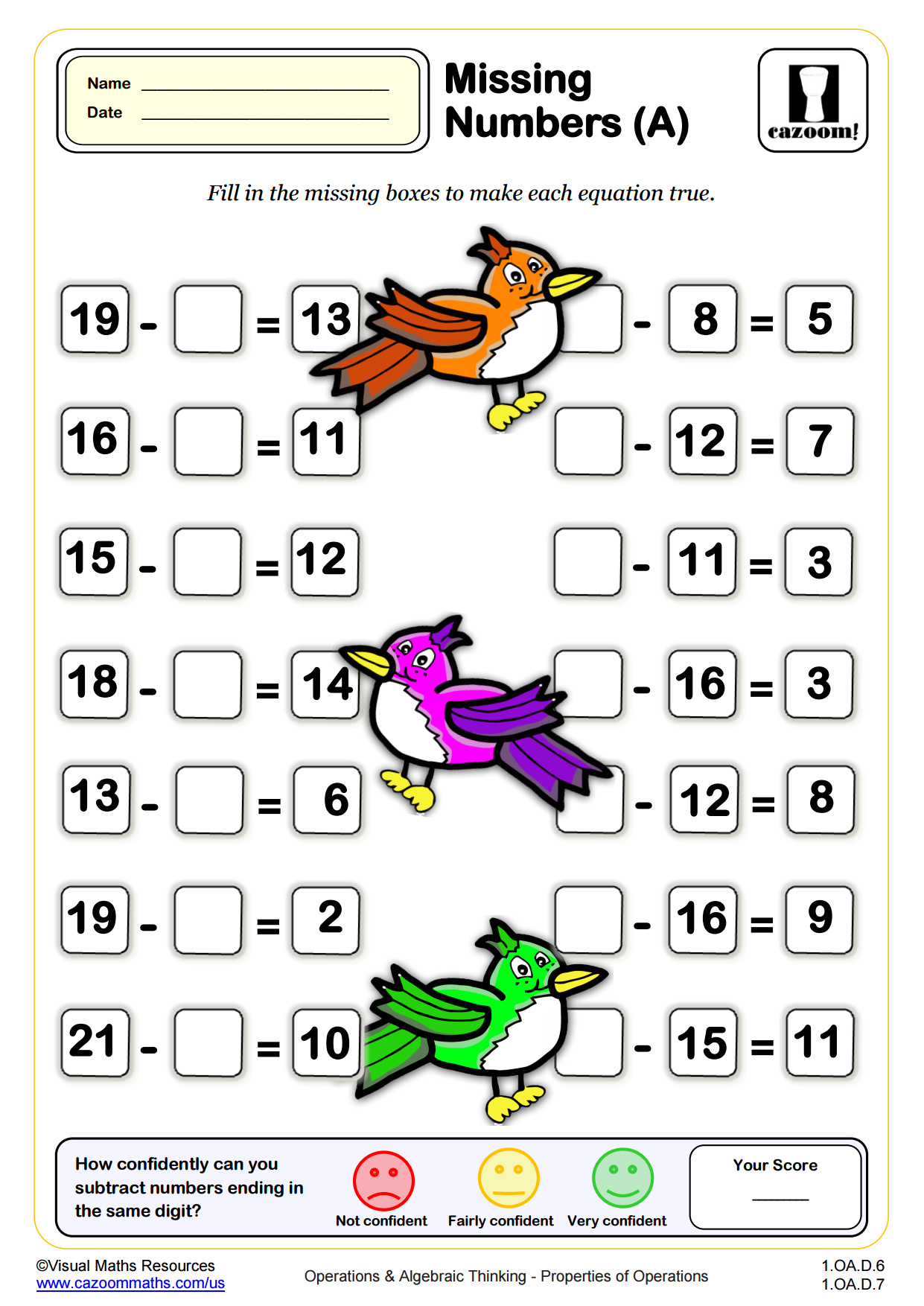
Missing Numbers (A)
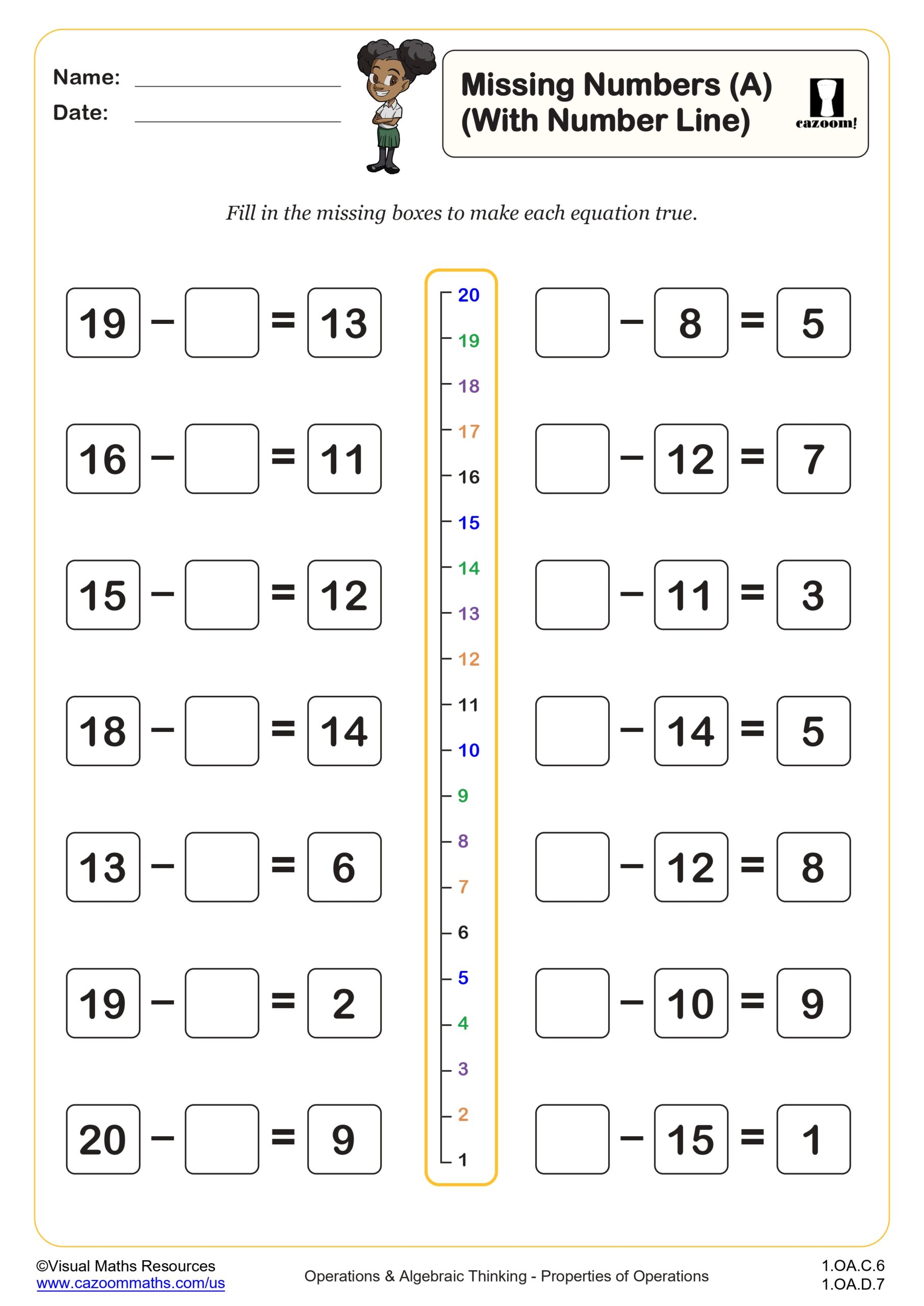
Missing Numbers (A) (With a Number Line)
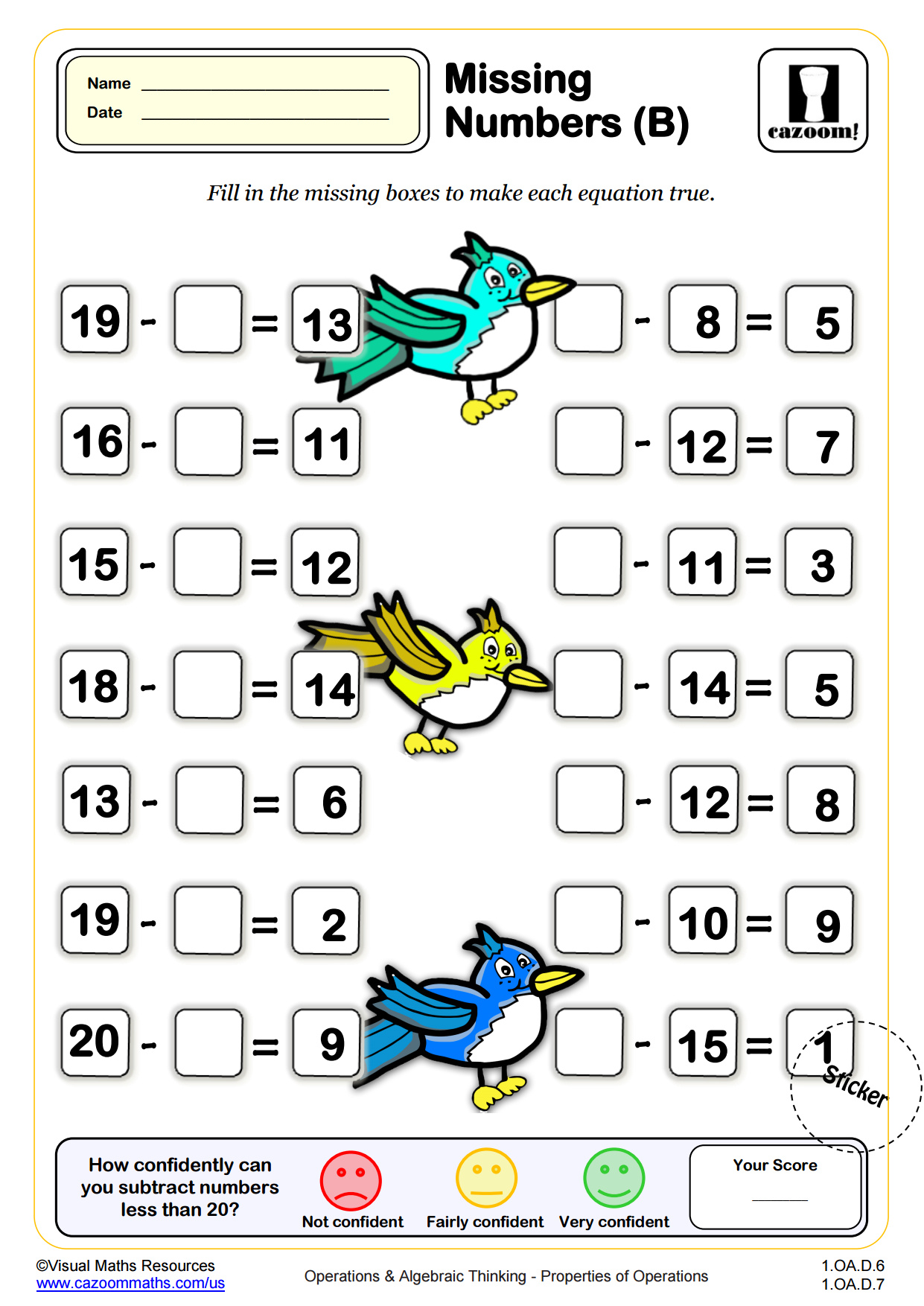
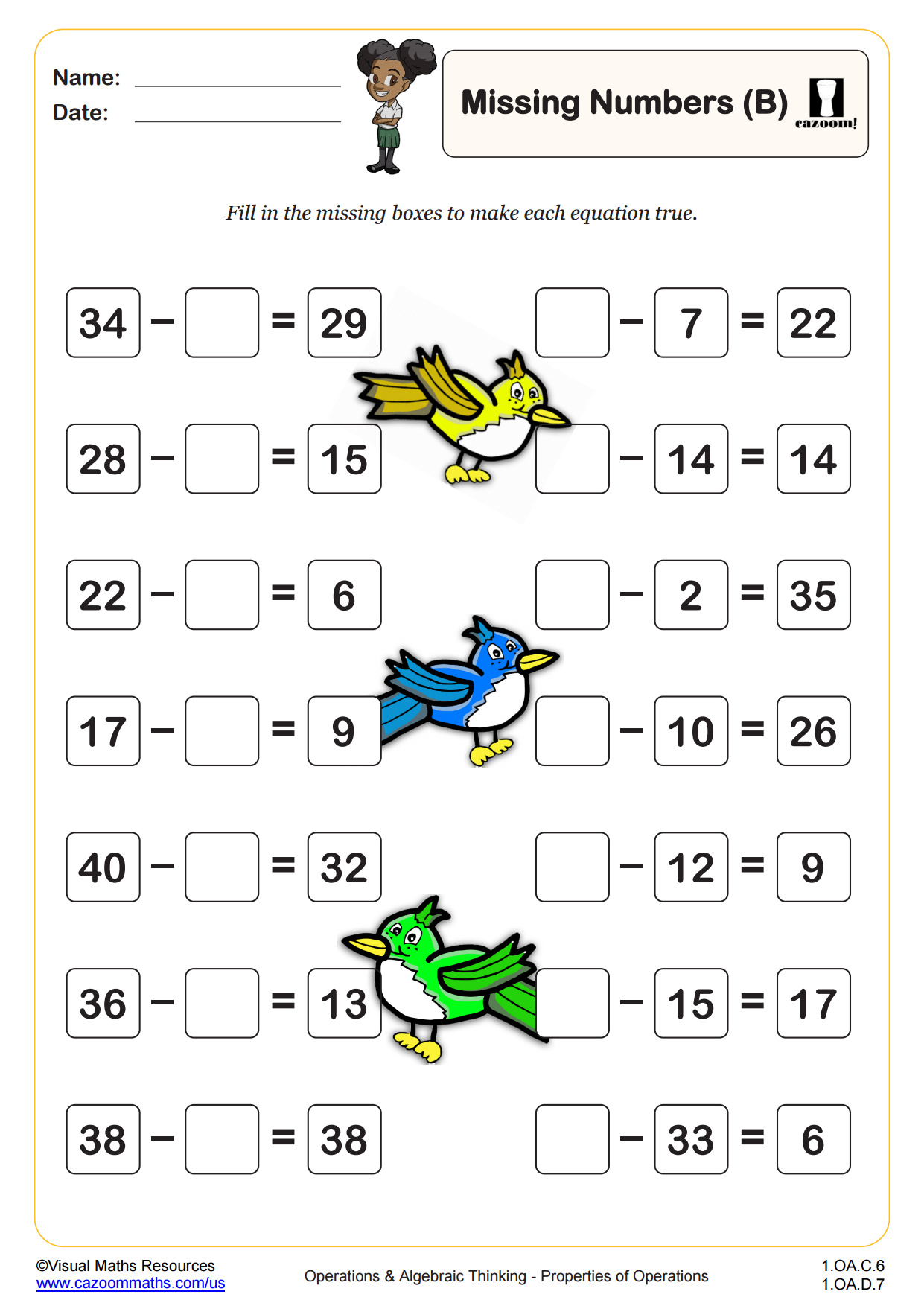
Missing Numbers (B)
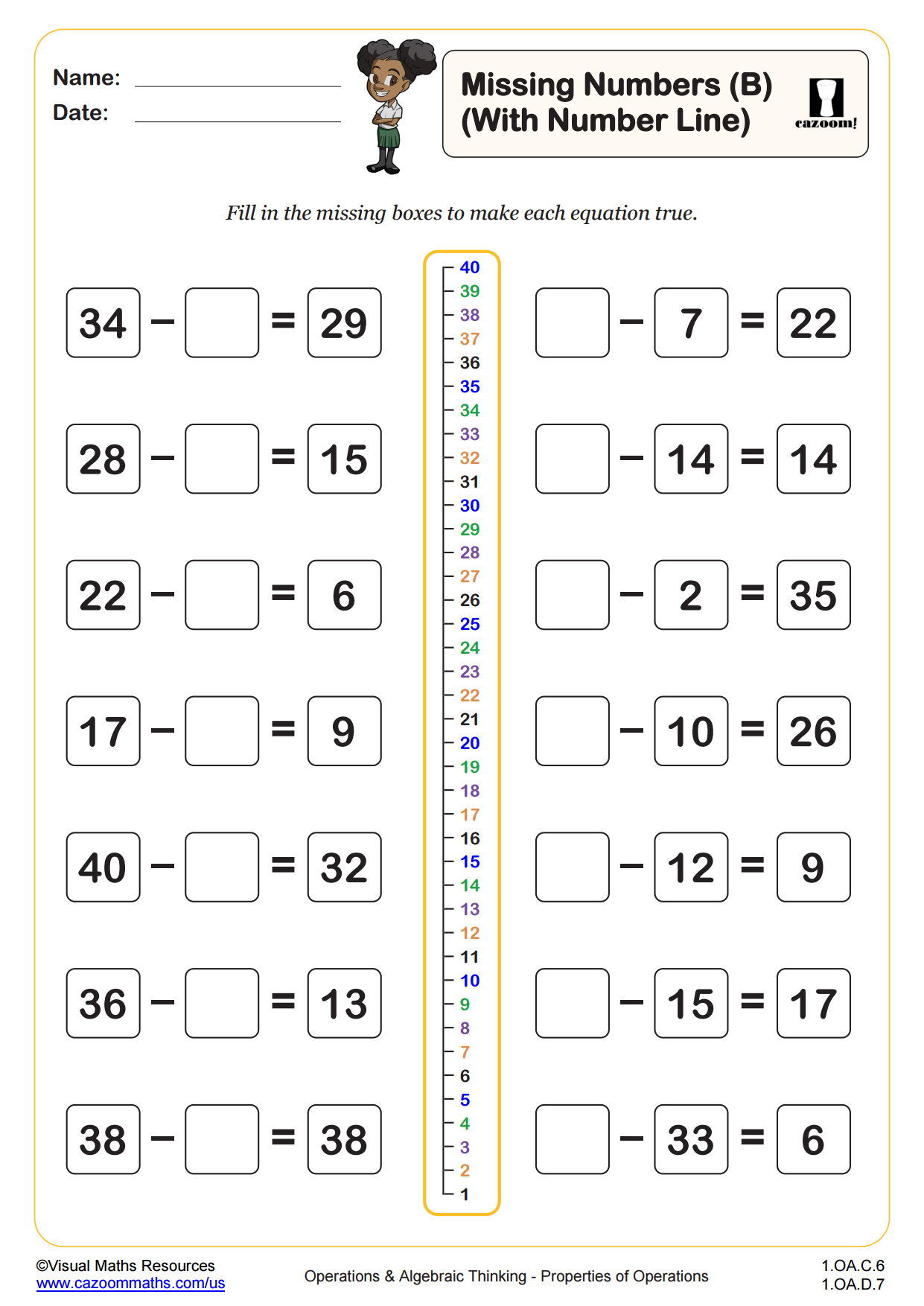
Missing Numbers (B) (With a Number Line)
Multiplication and Division Fact Families
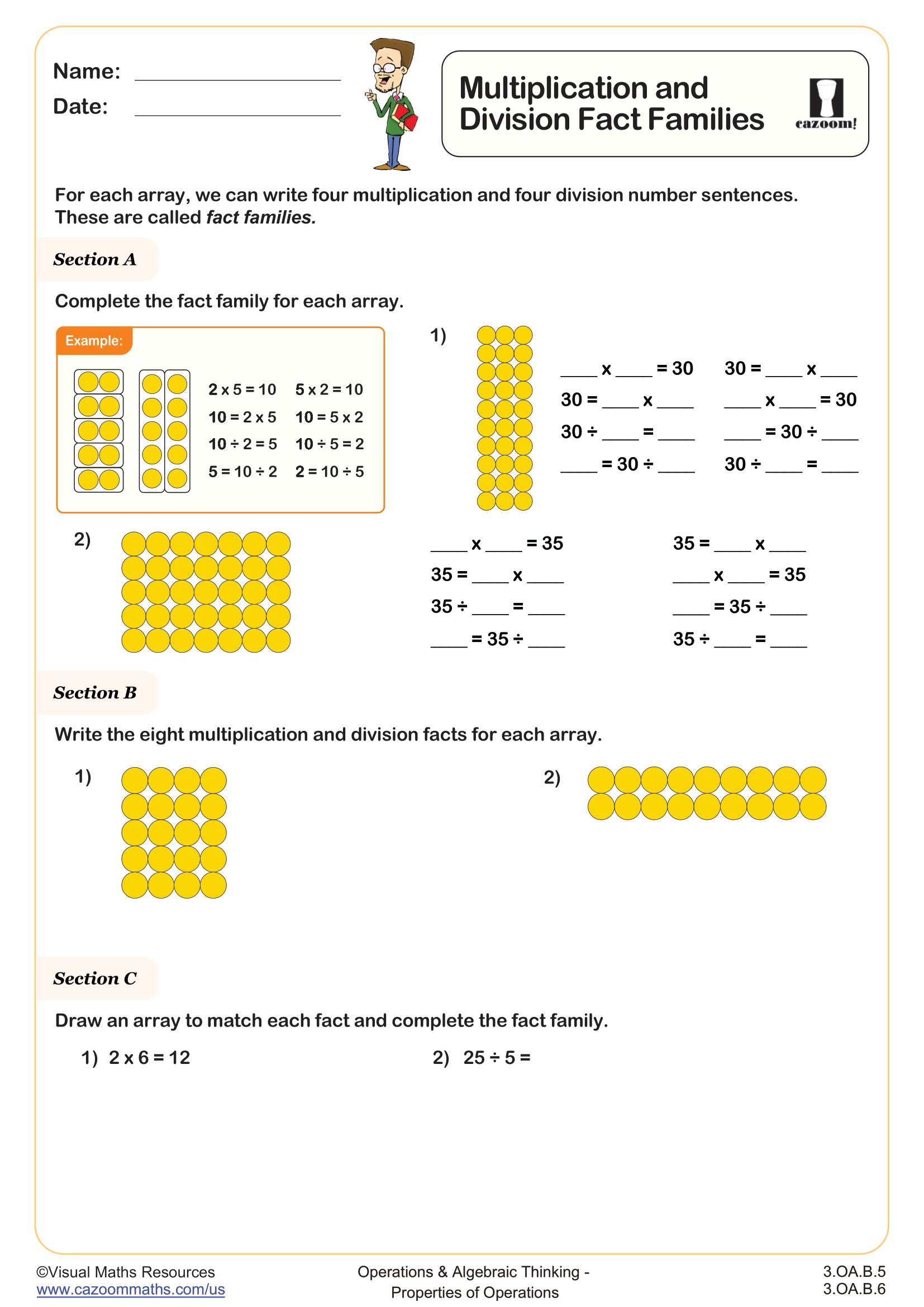
Multiplication Arithmagons
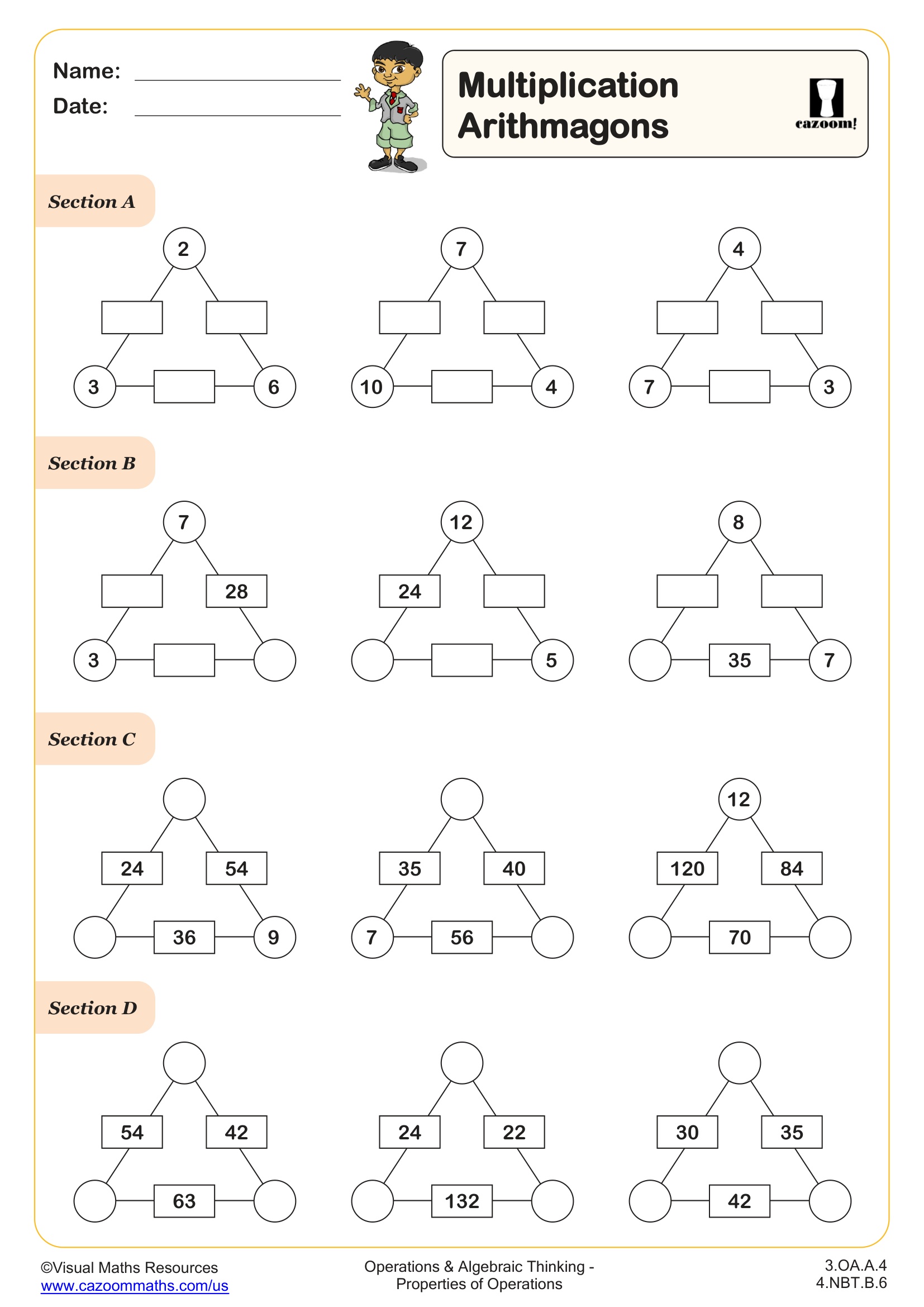
Multiplying by 1 and 0 (A)
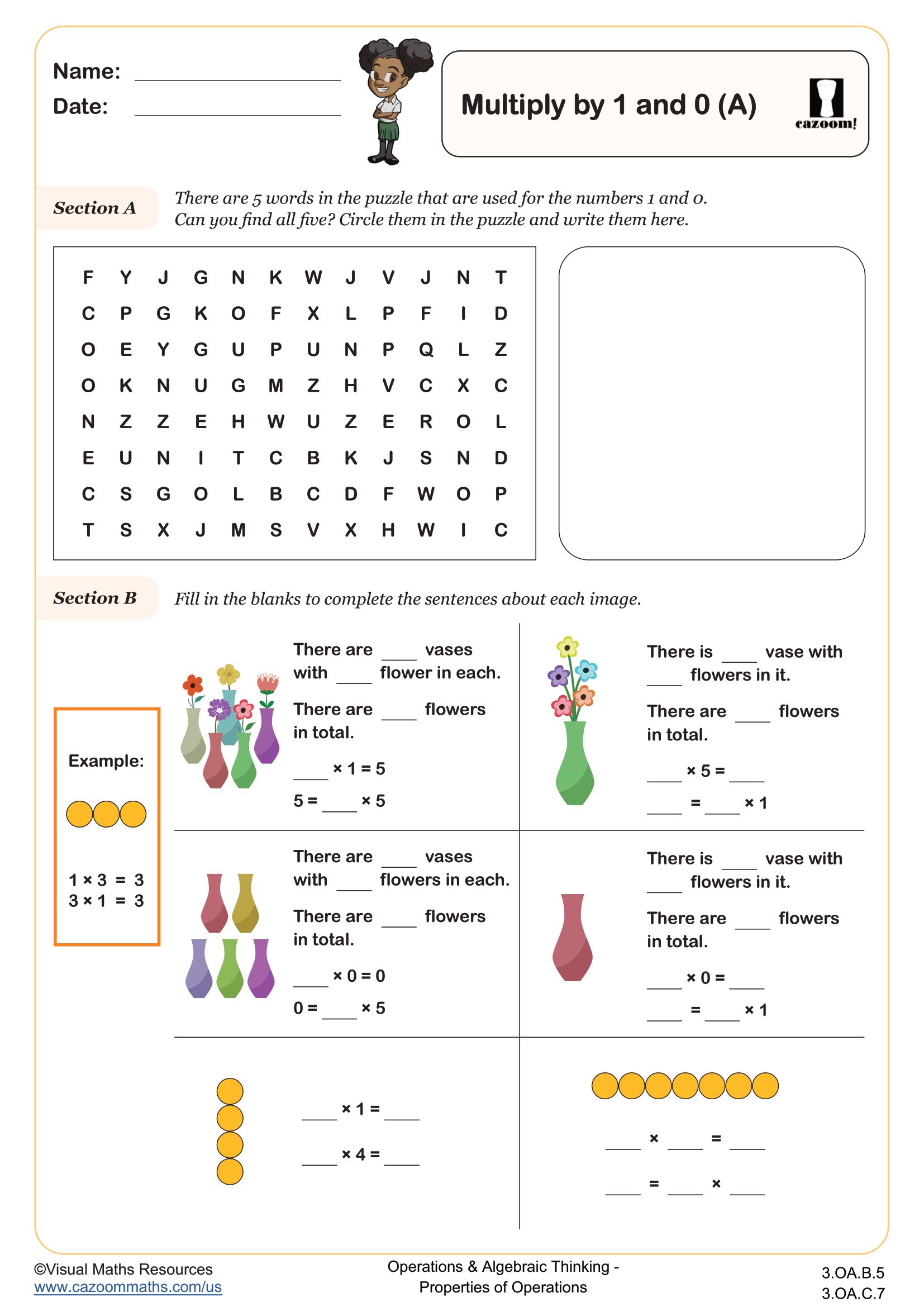
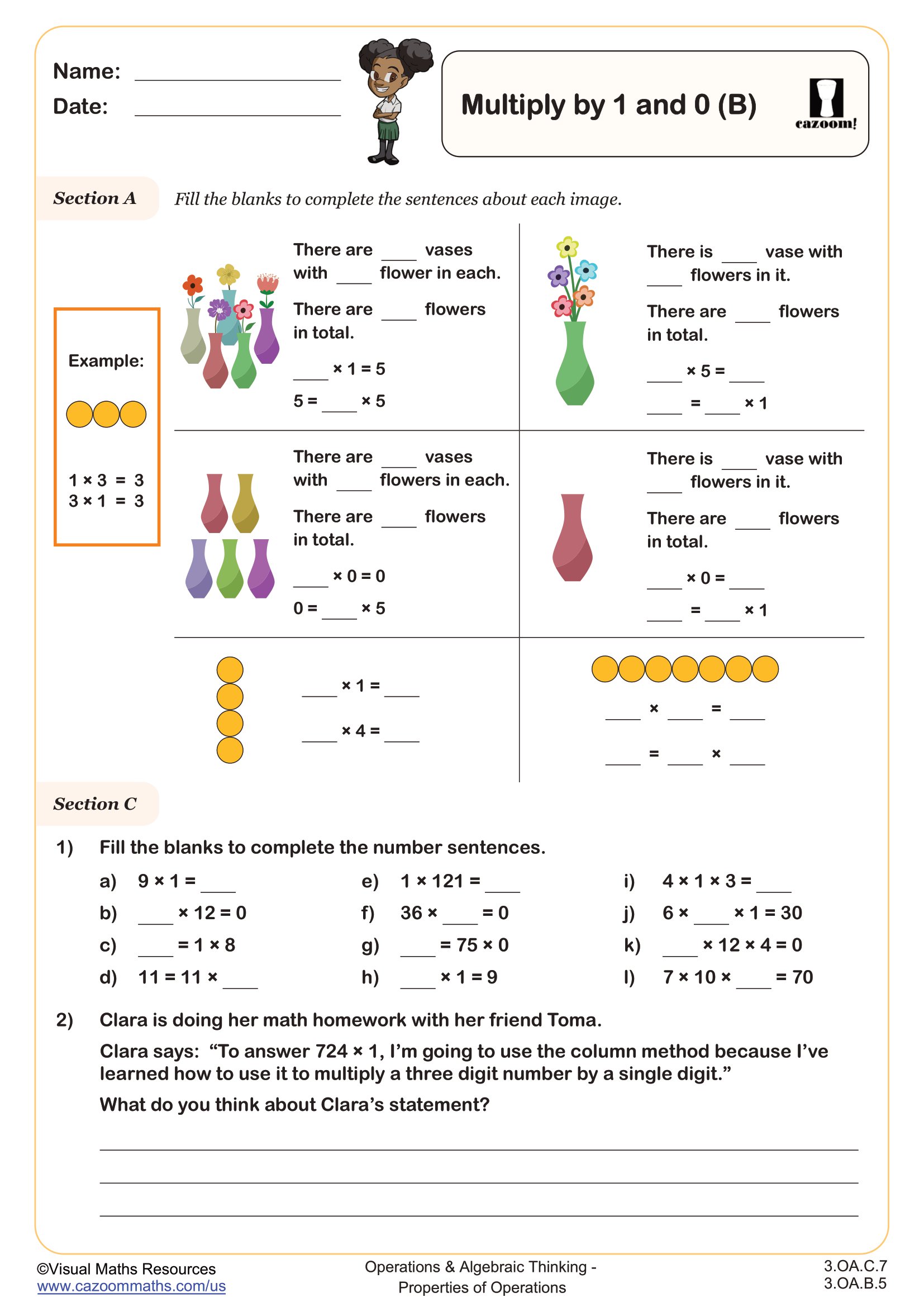
Multiplying by 1 and 0 (B)
Multiplying Three Numbers Together
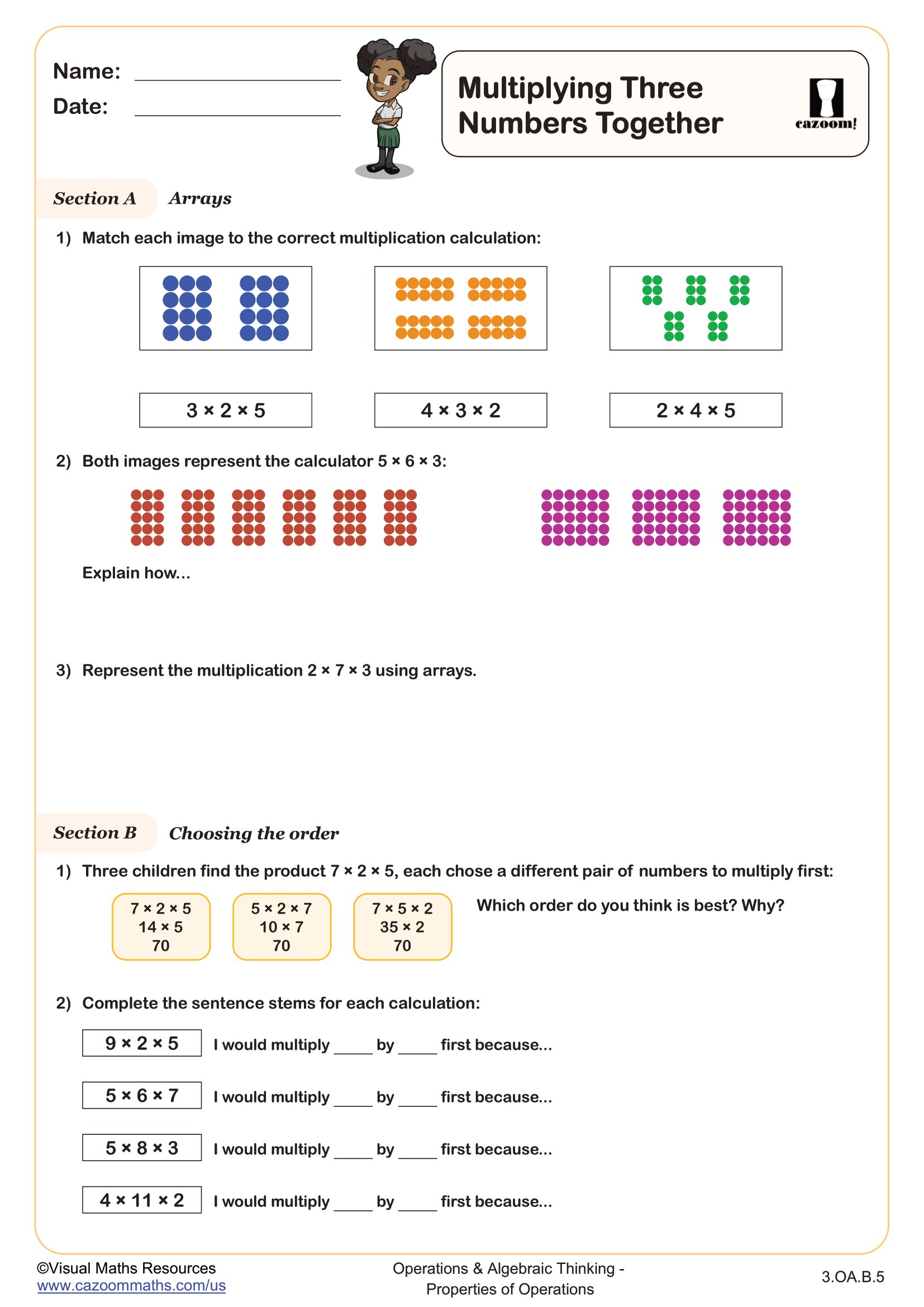
Number bond to 100 Drills (B) (50 questions)
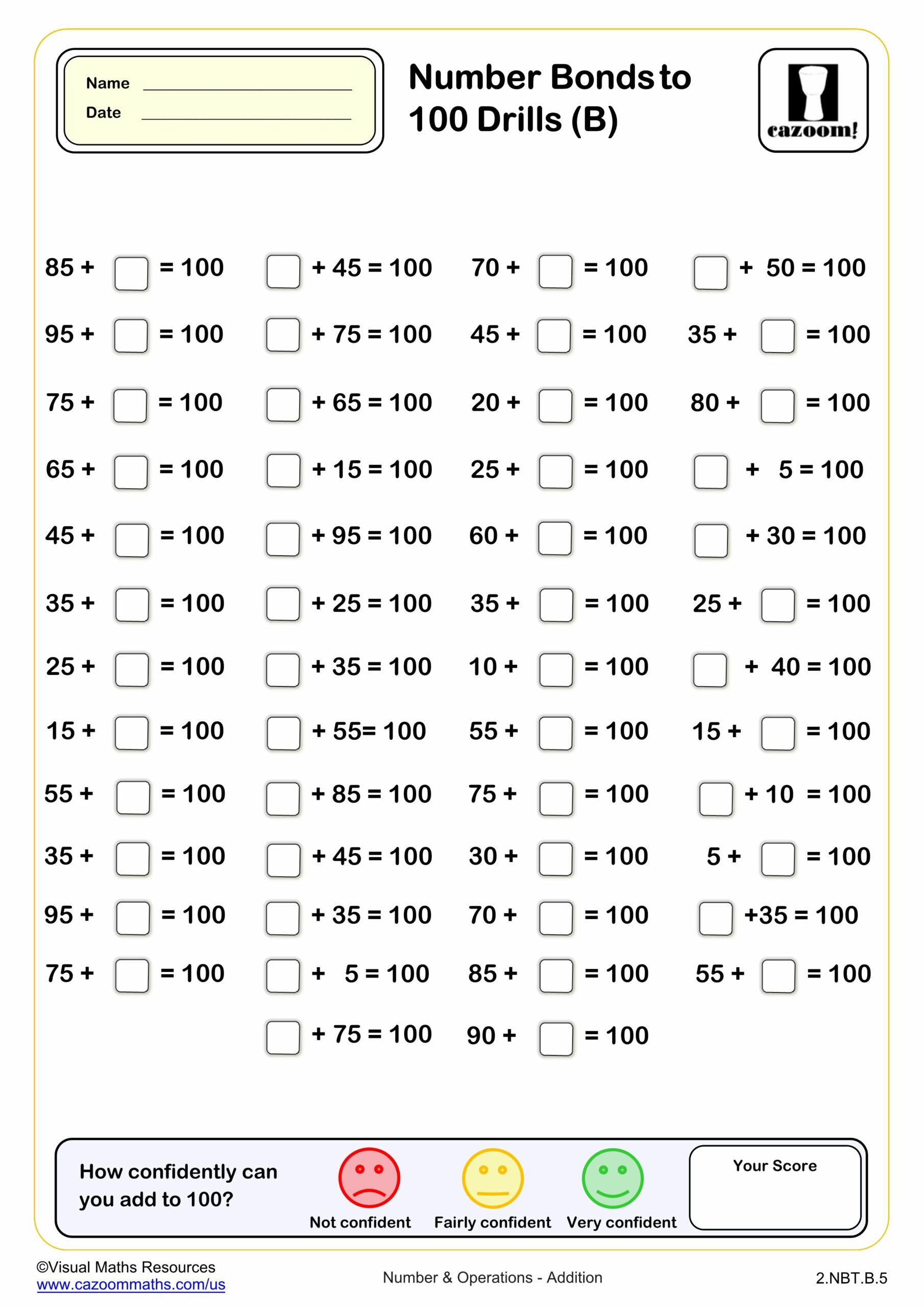
Number bond to 50 Drills (B) (20 questions)
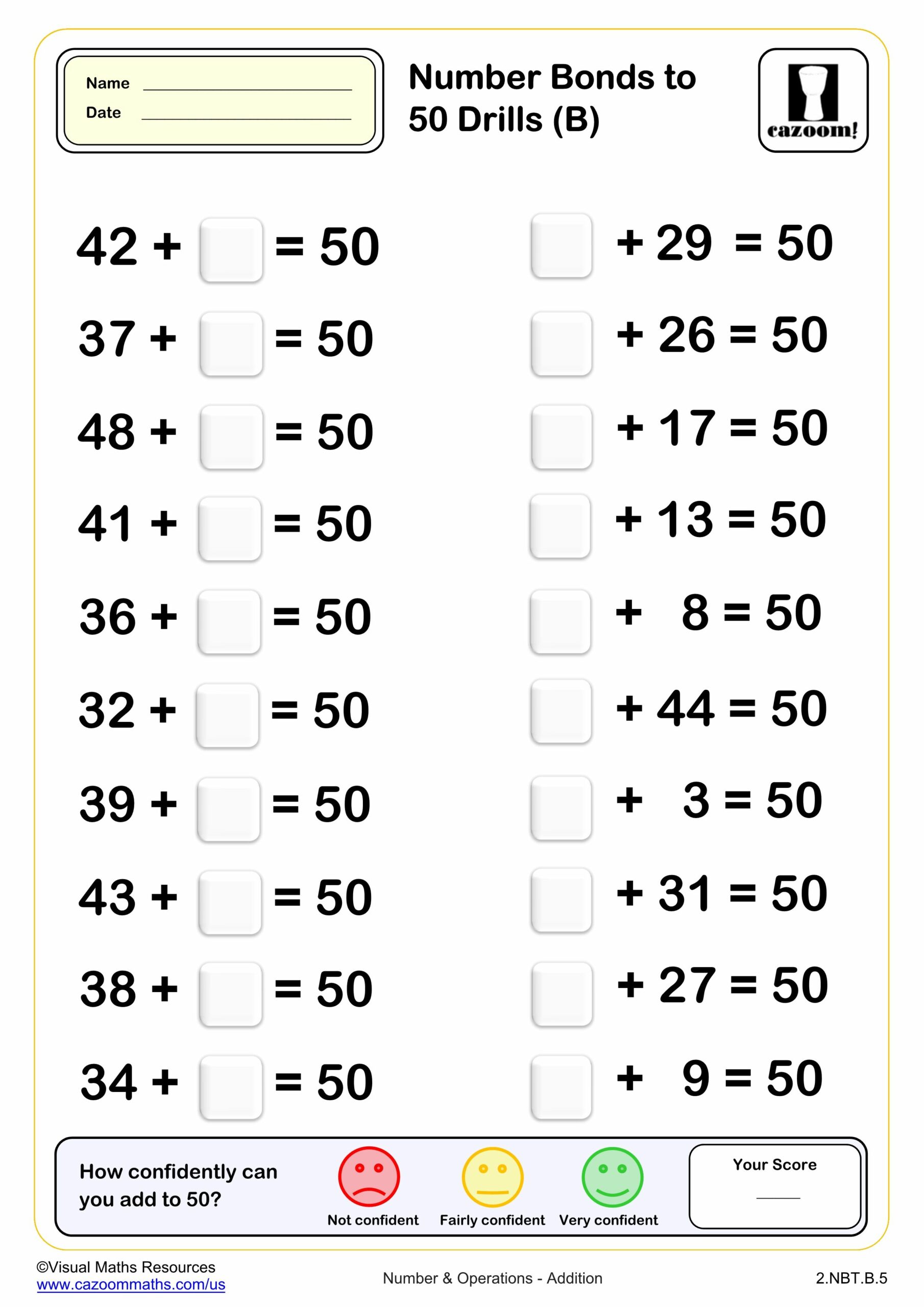
Number Bonds to 10 drills (10 questions)
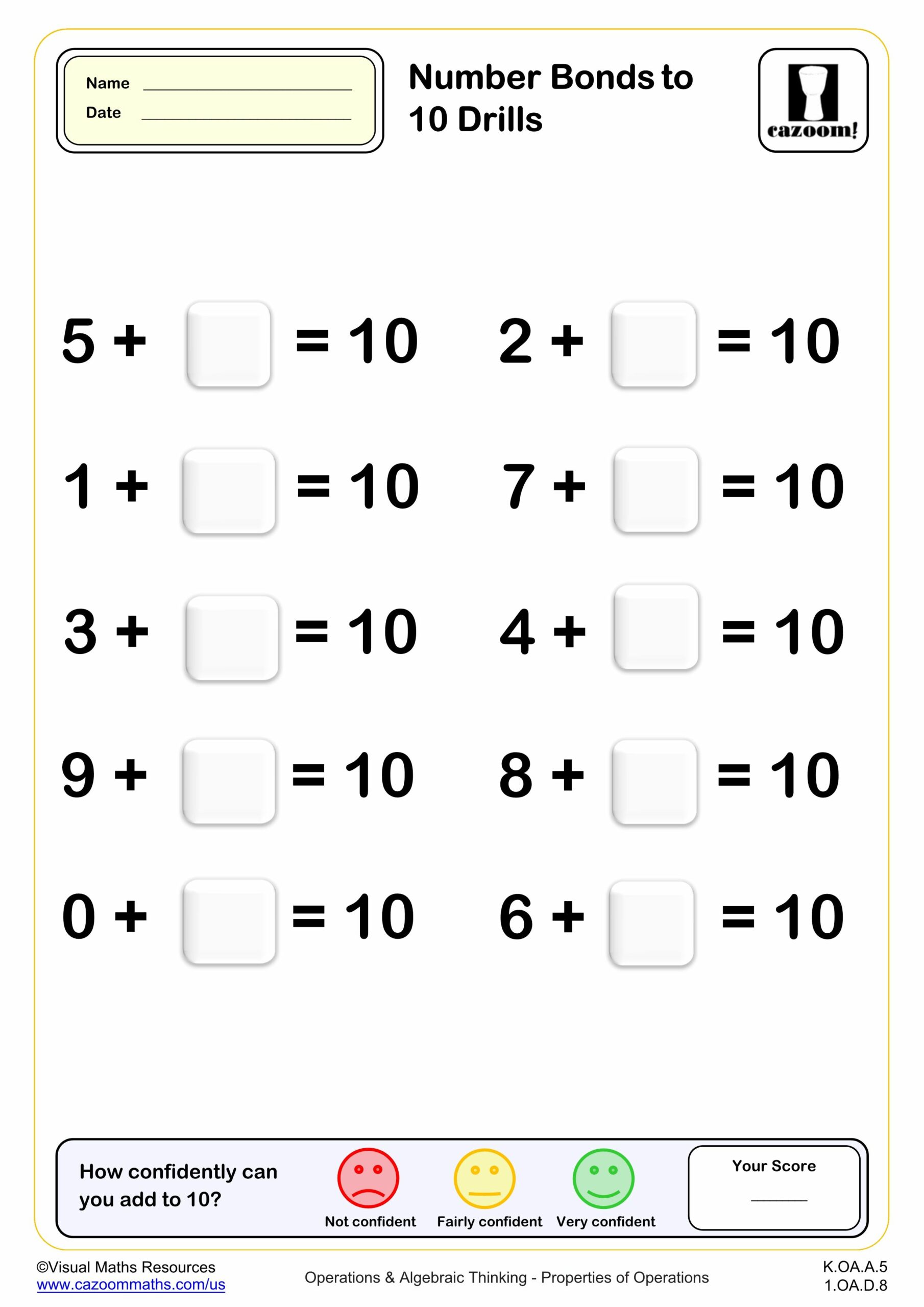
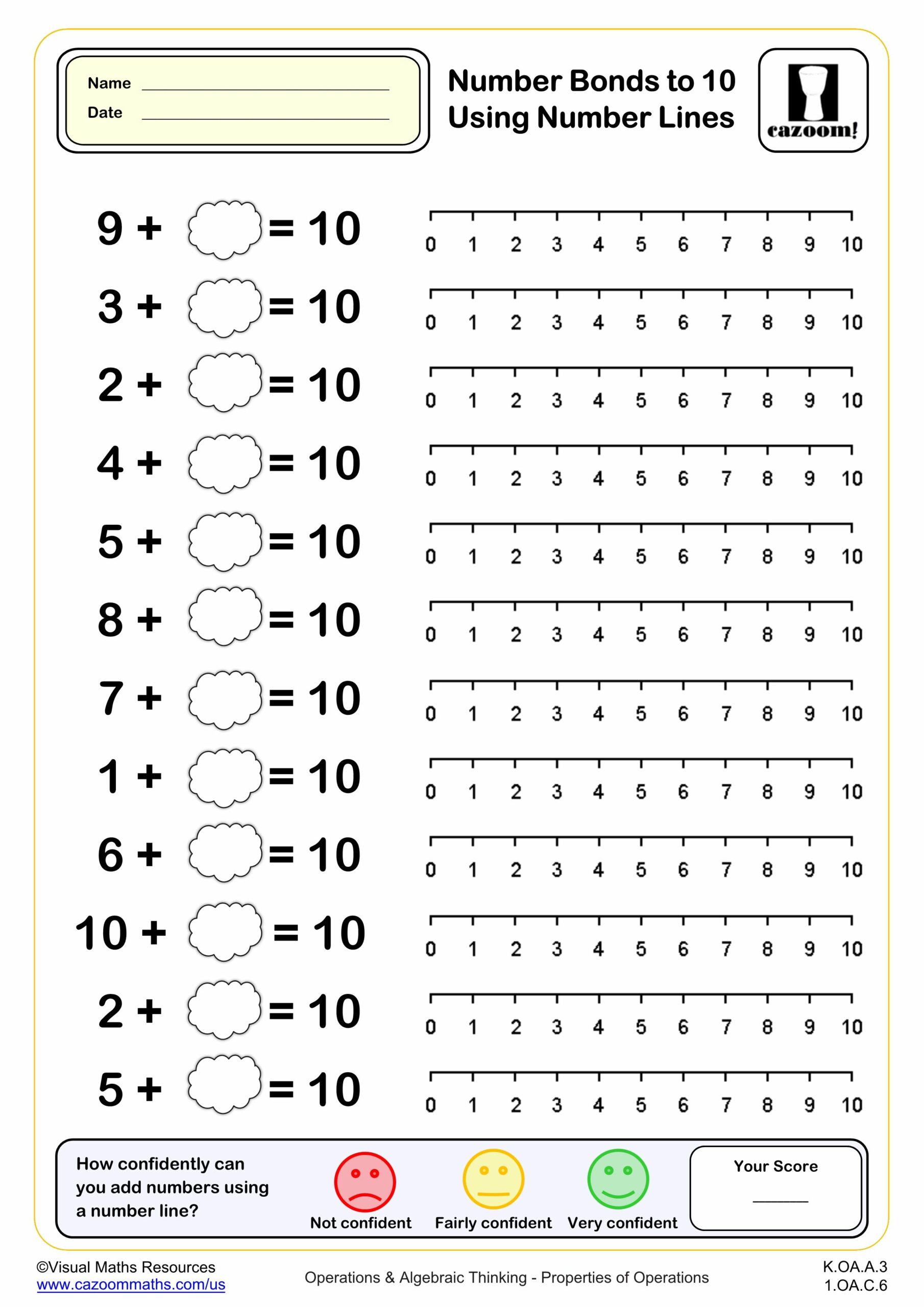
Number Bonds to 10 drills (20 questions)
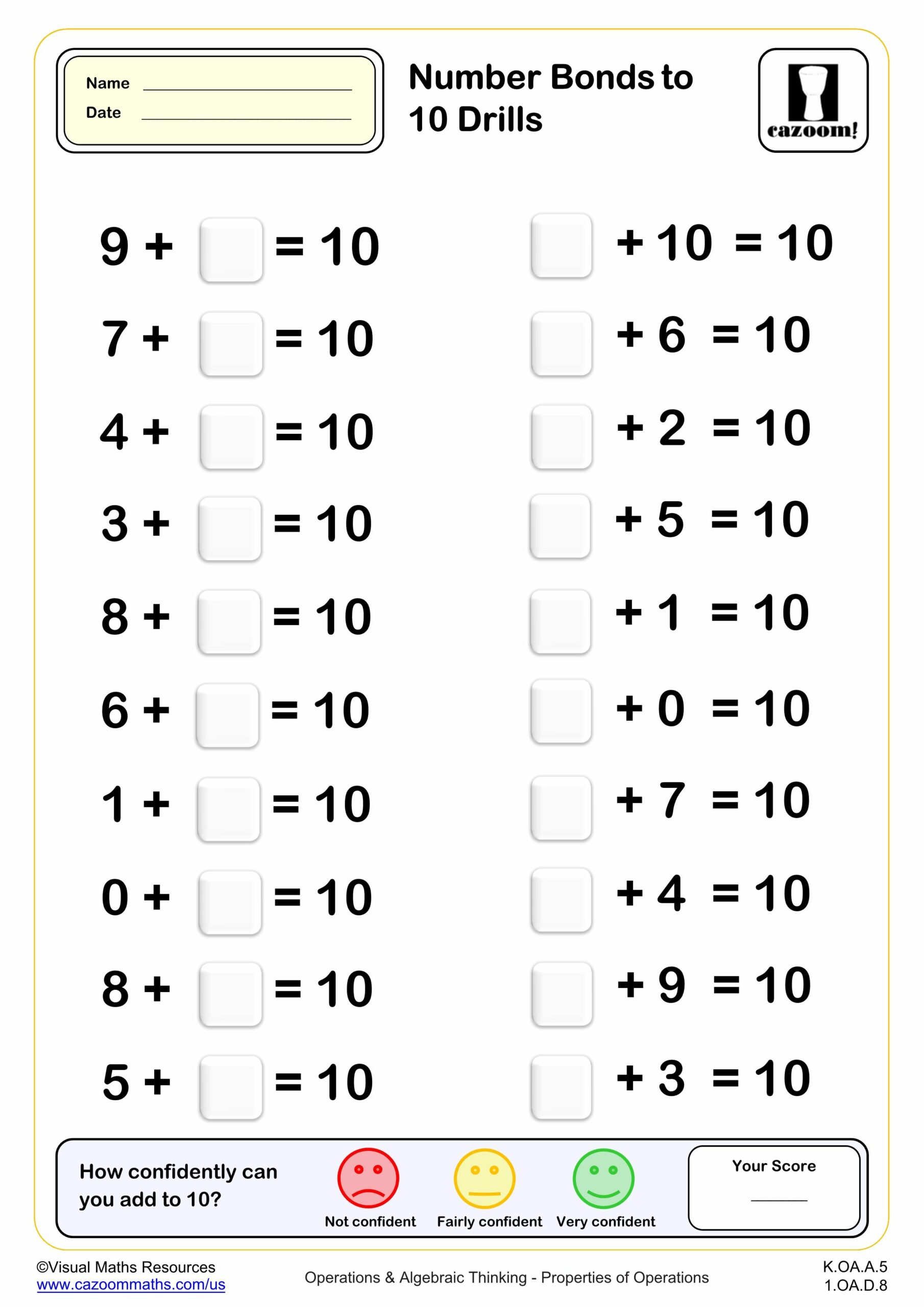
Number Bonds to 10 drills (50 questions)
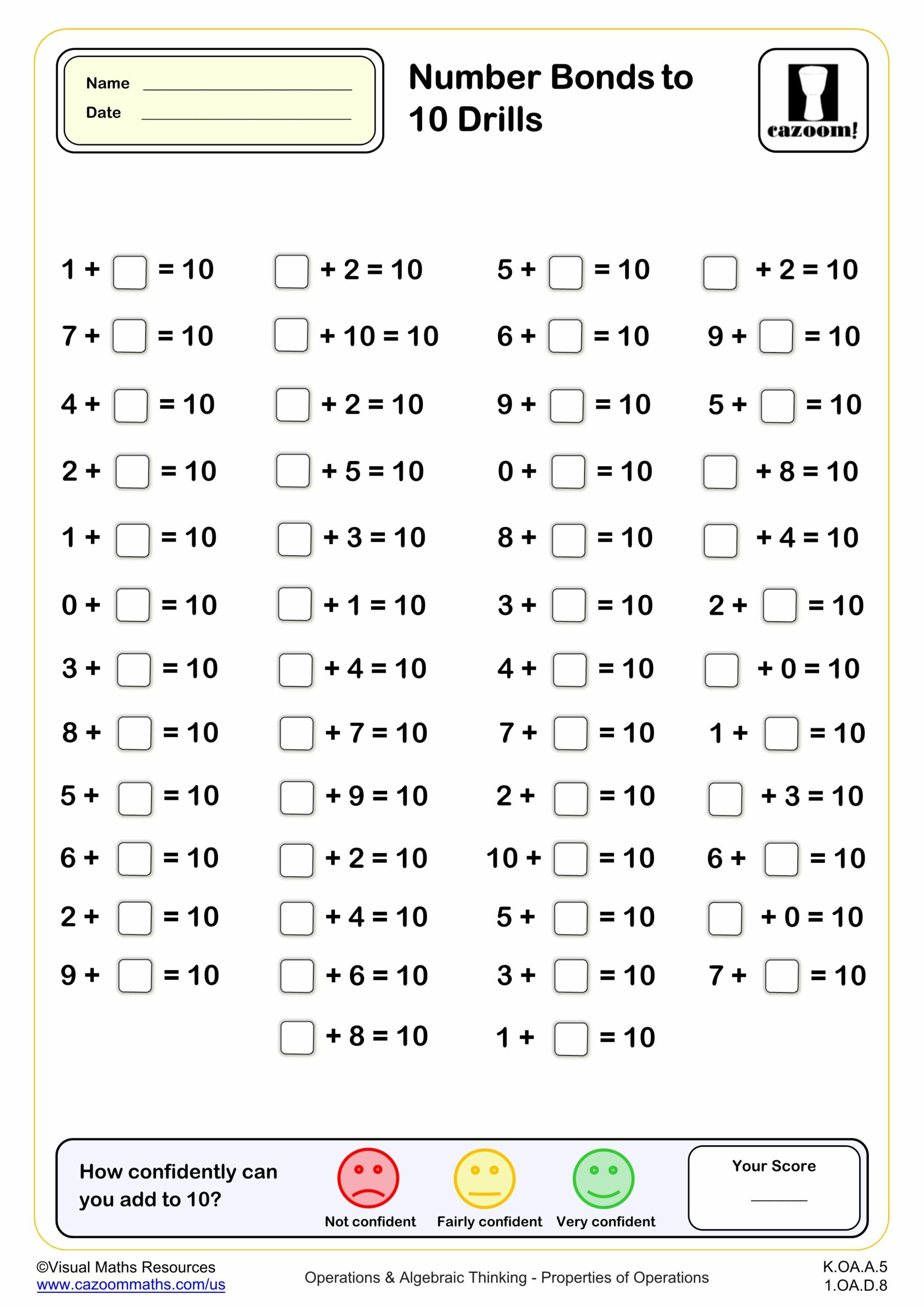
Number Bonds to 10 with Dots
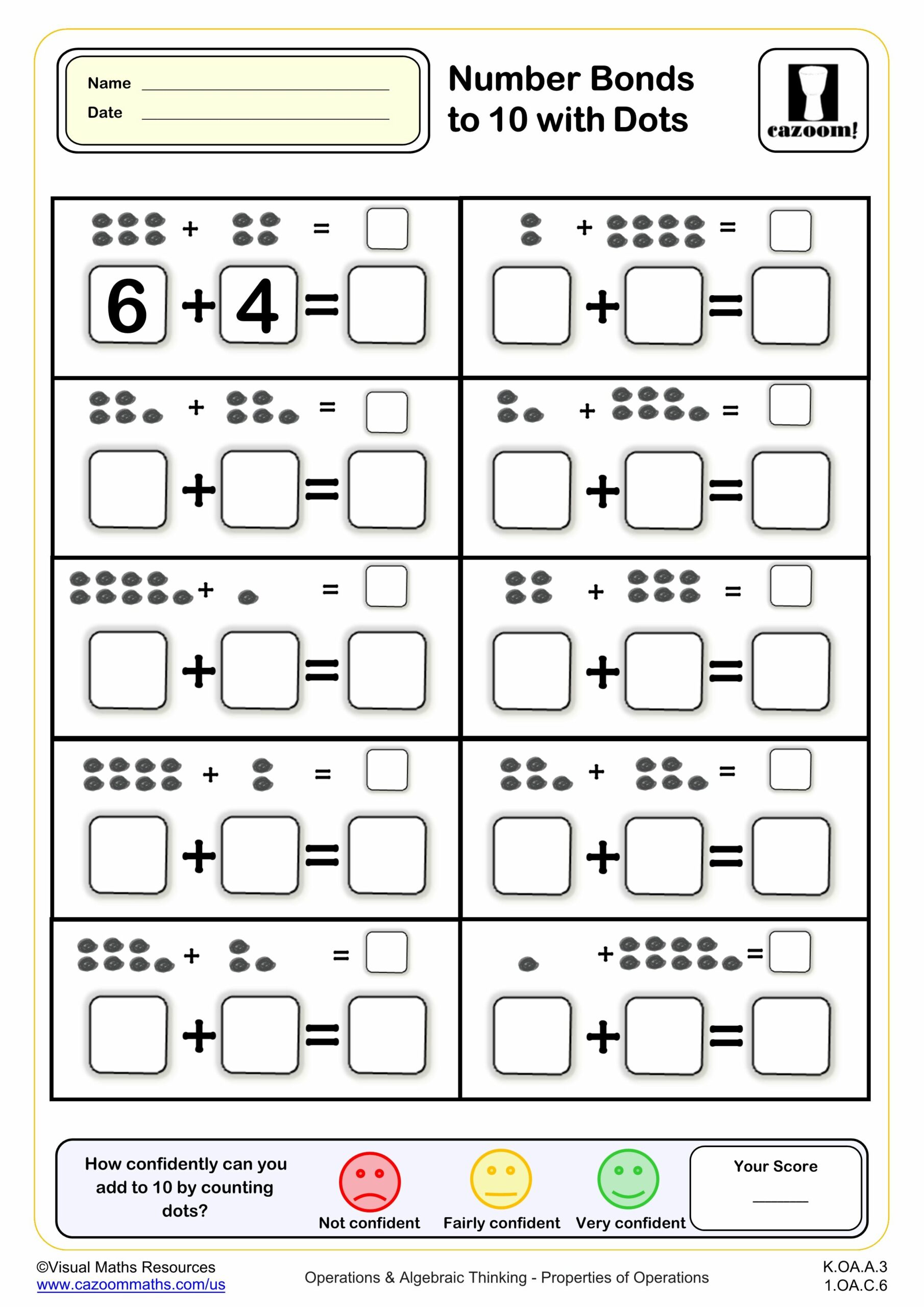
Number bonds to 10 with number lines
Number Bonds to 20 drills (10 questions)
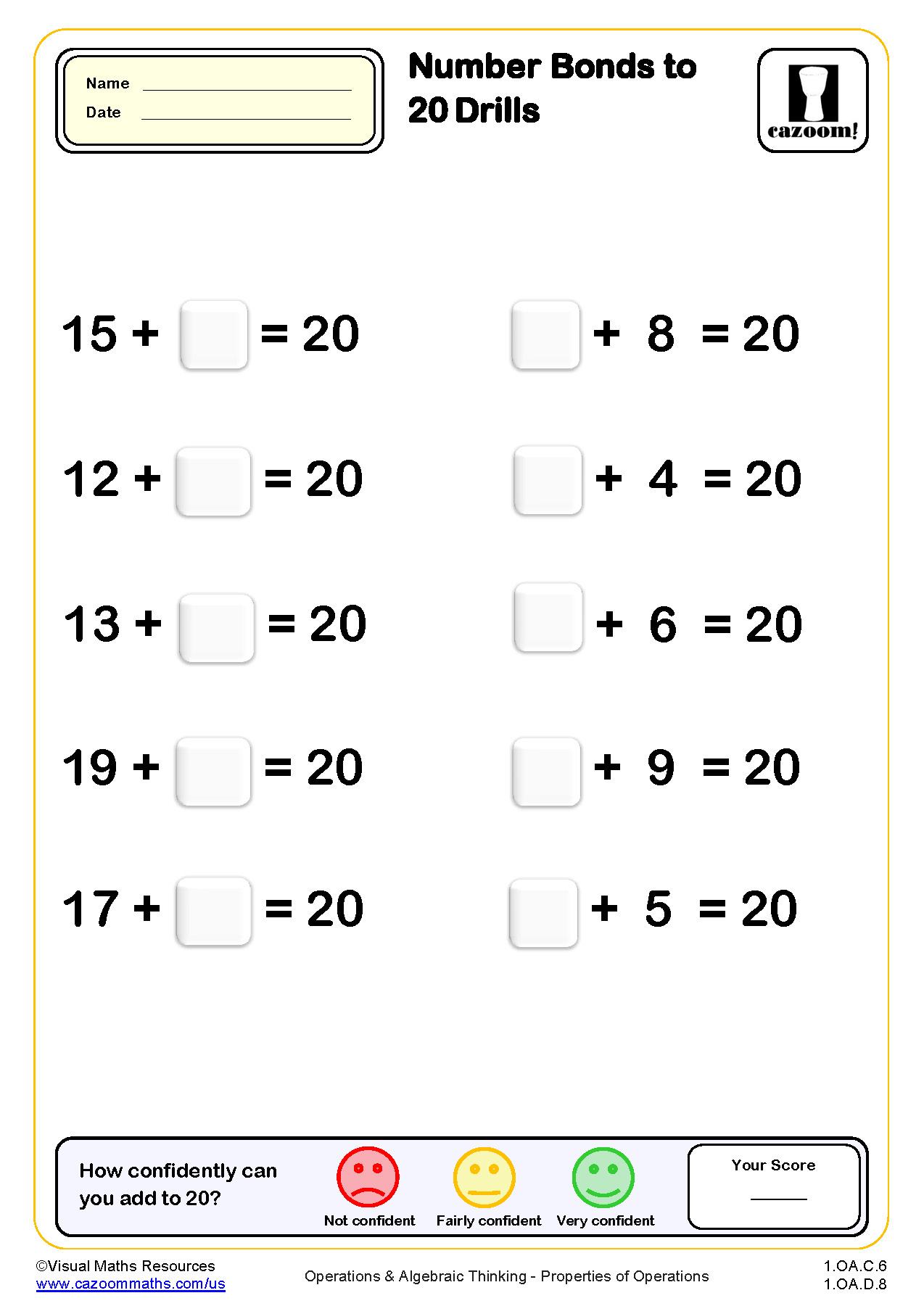
Number Bonds to 20 drills (20 questions)
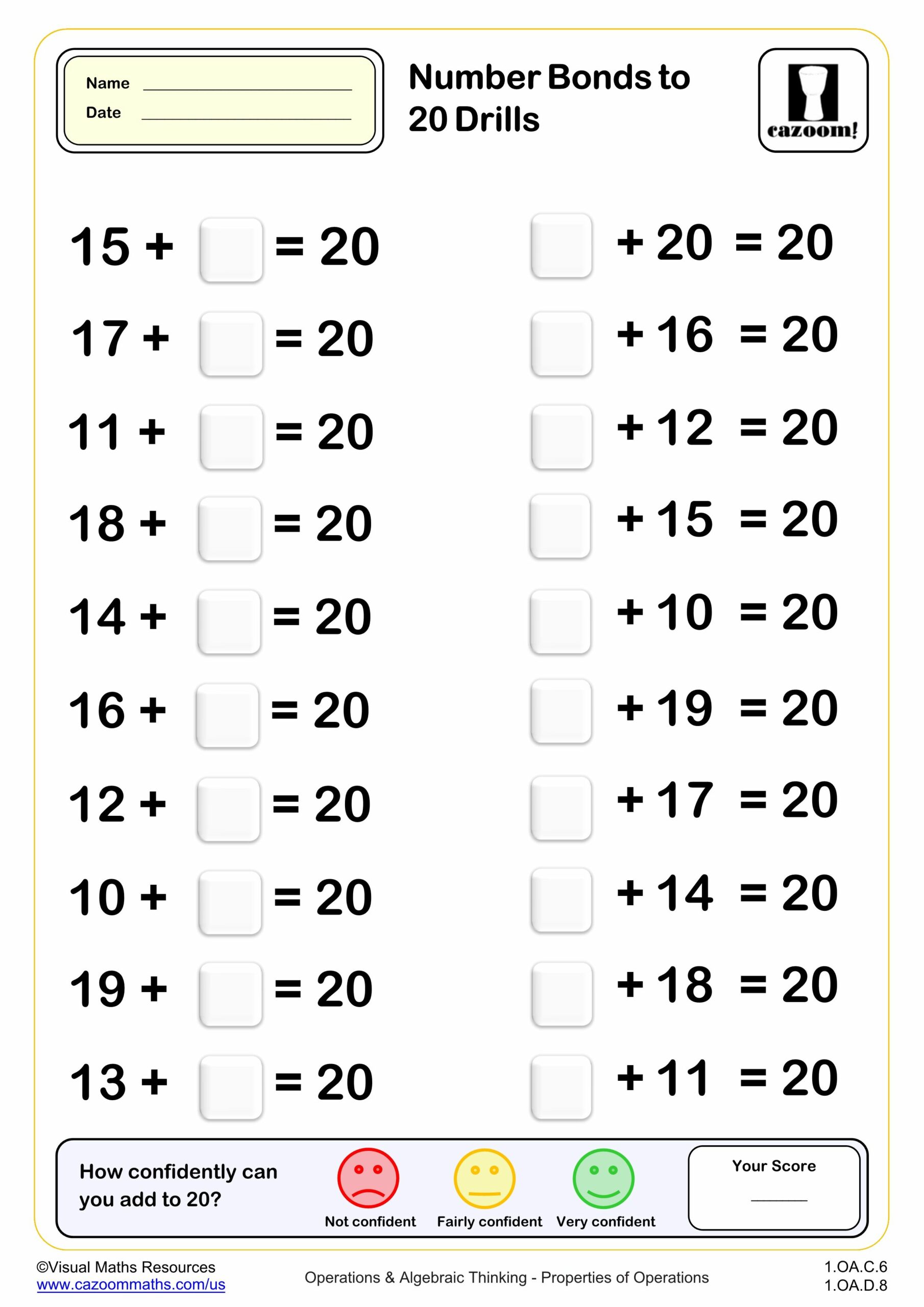
Number Bonds to 20 drills (50 questions)
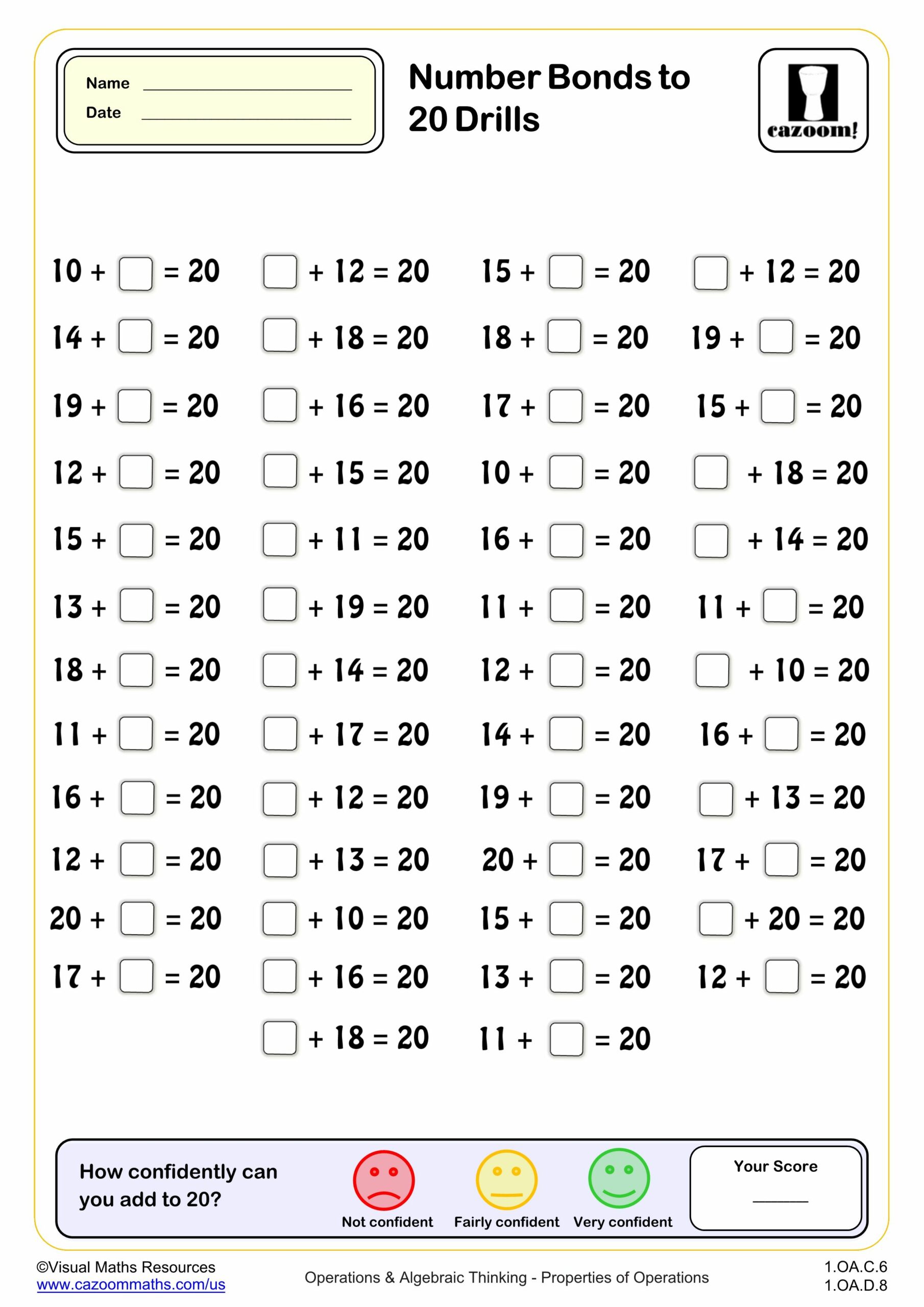
Number Bonds to 20 drills (B) (20 questions)
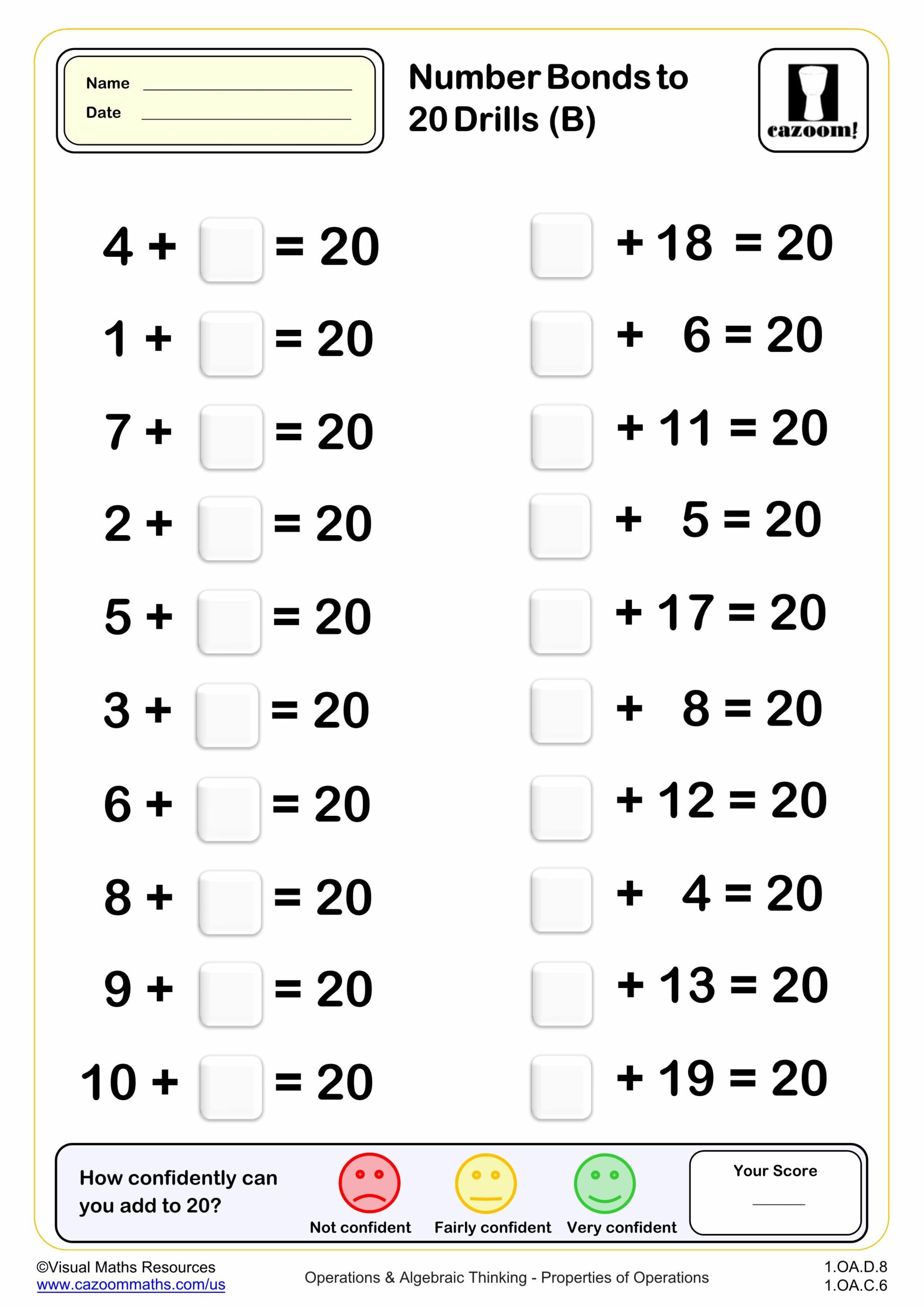
Number Bonds to 20 drills (B) (50 questions)
Number bonds to 20 with dots
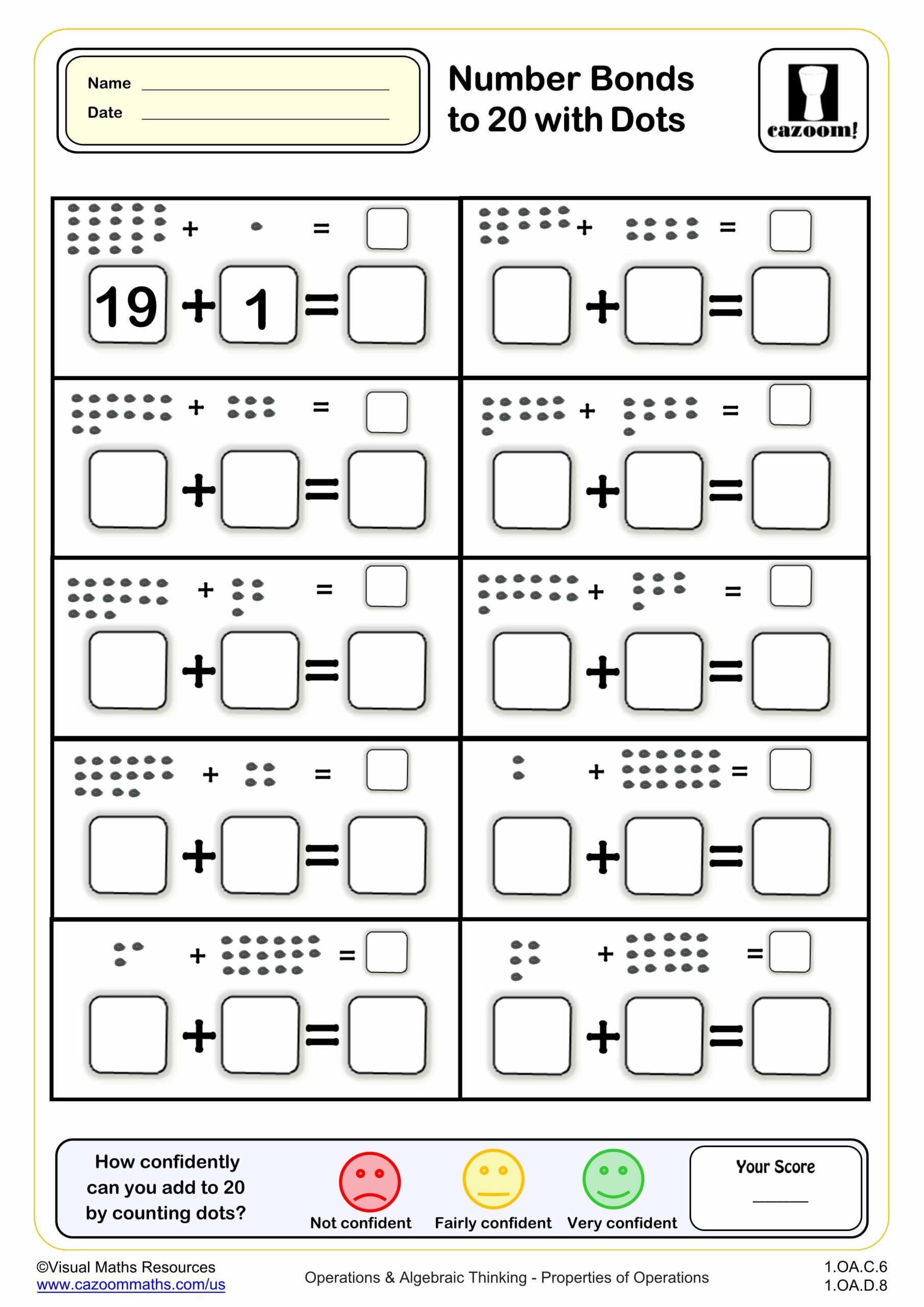
Number bonds to 20 with number lines
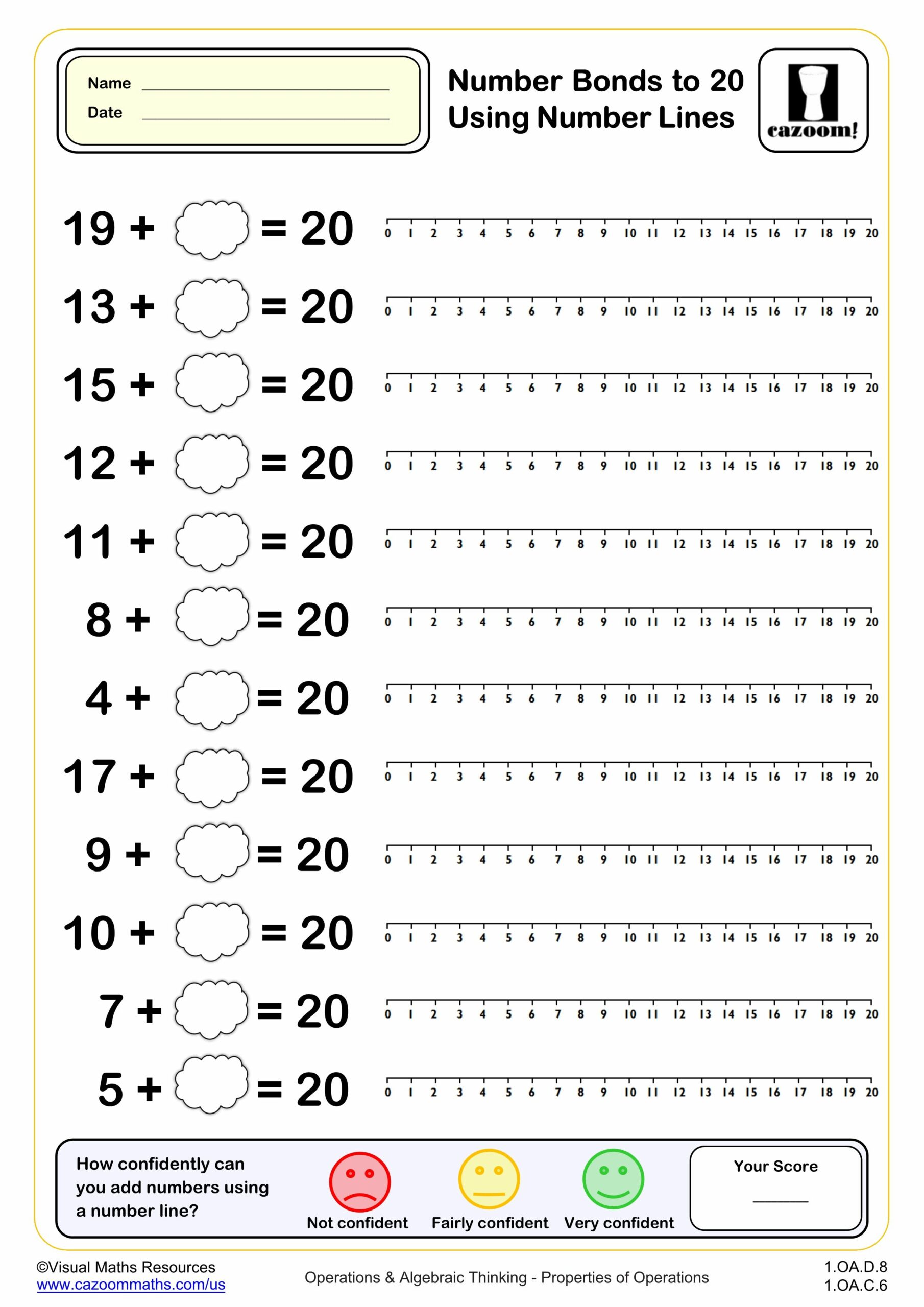
Number Bonds to 5 drills (10 questions)
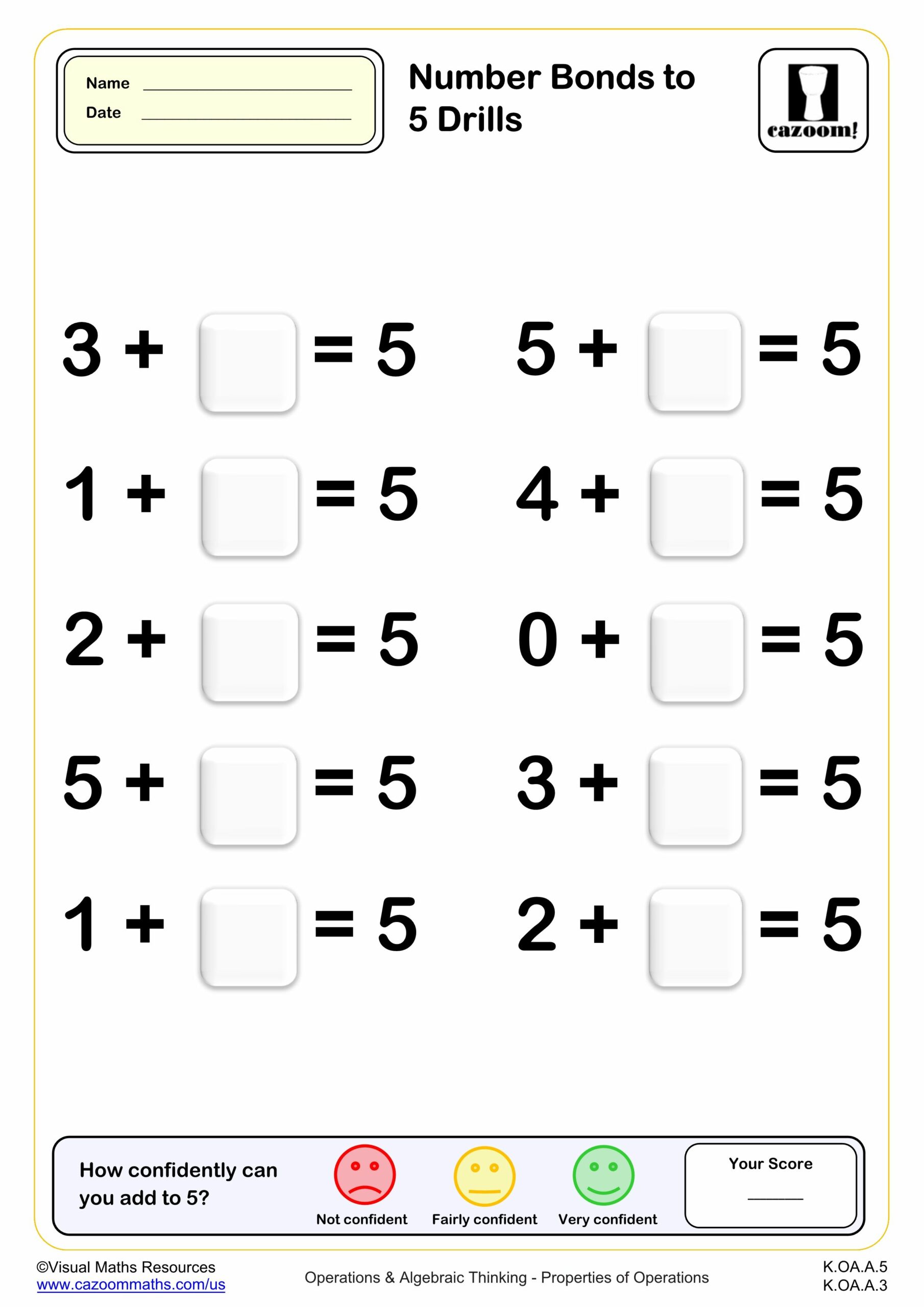
Number Bonds to 5 drills (20 questions)
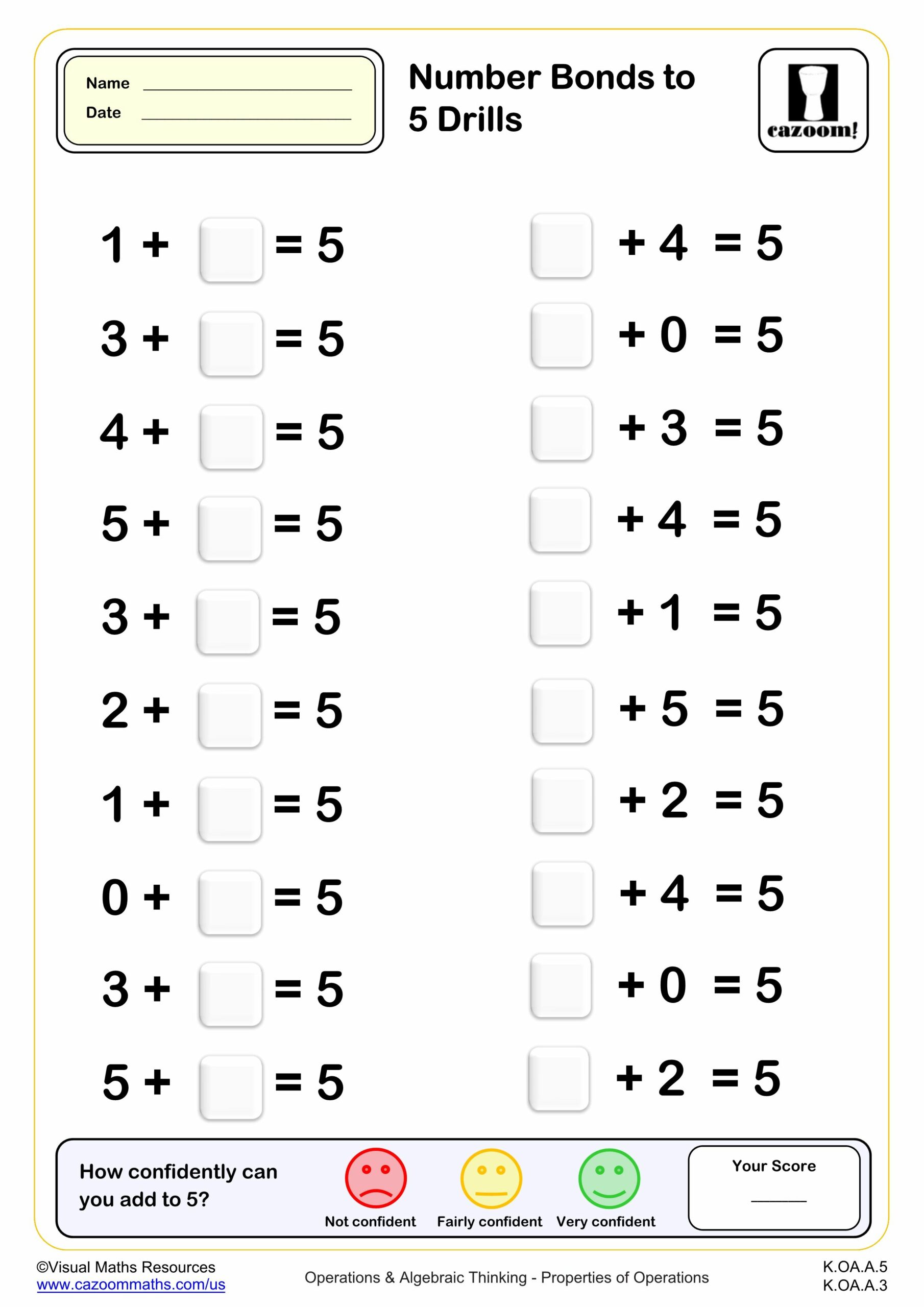
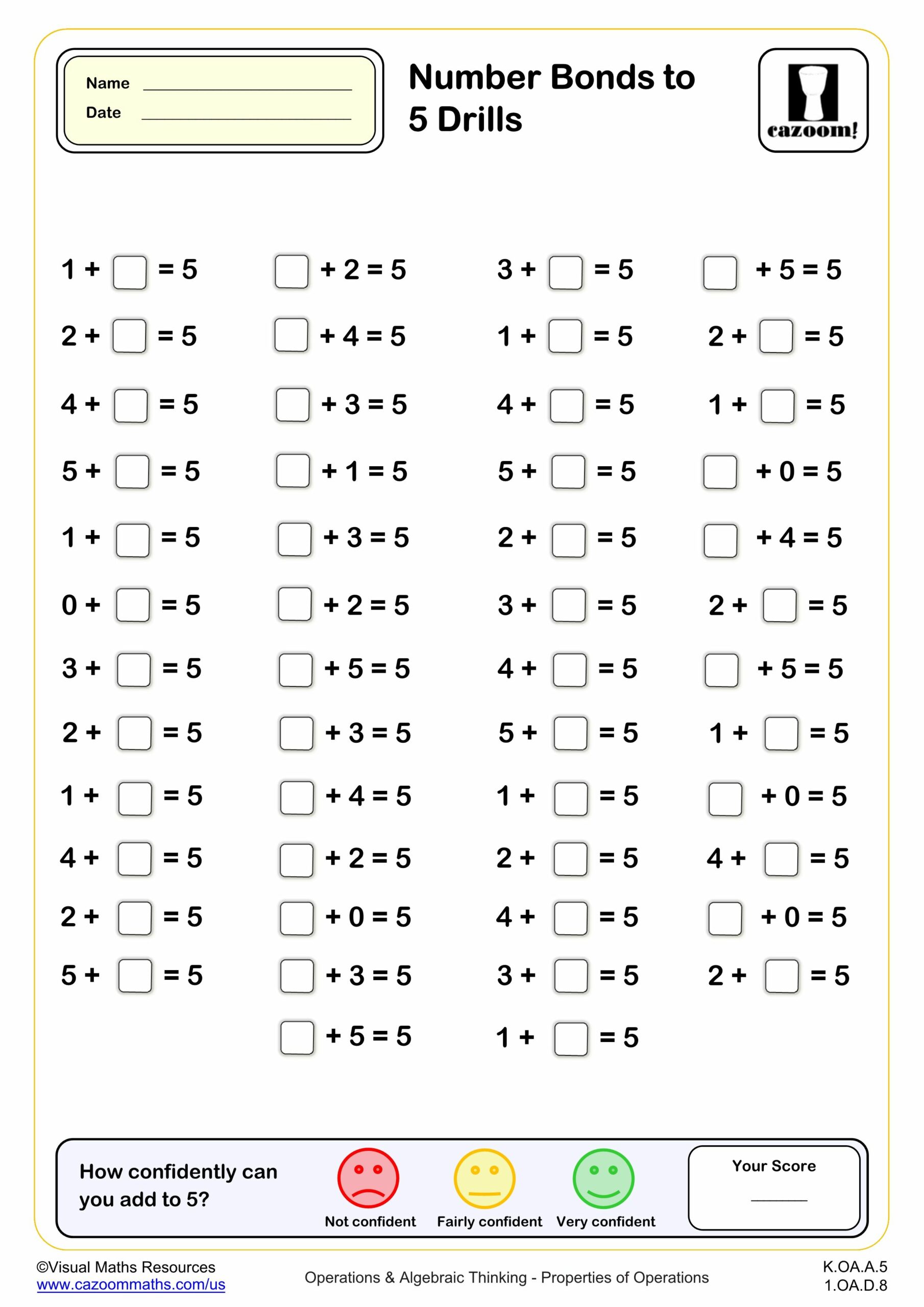
Number Bonds to 5 drills (50 questions)
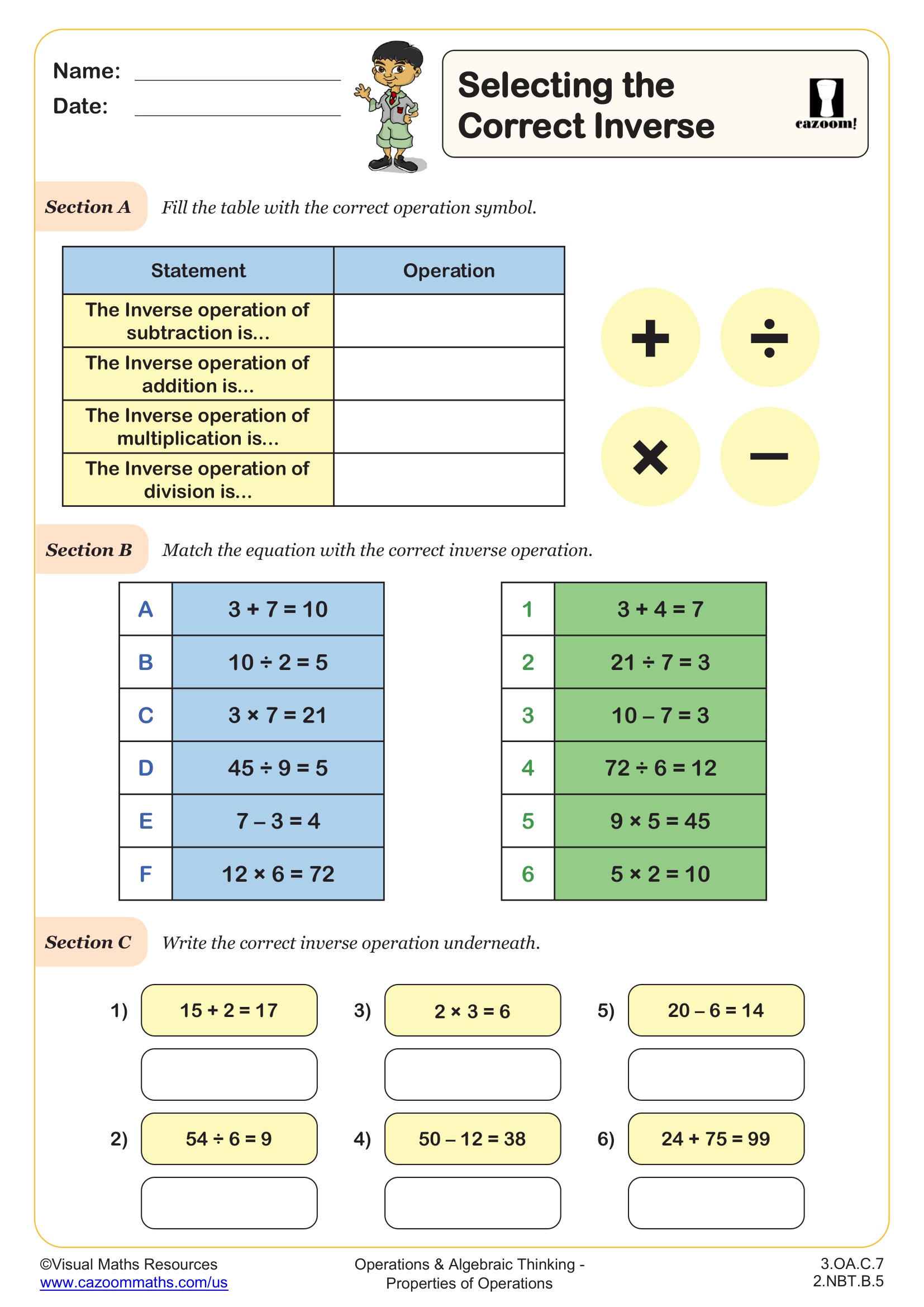
Selecting the Correct Inverse
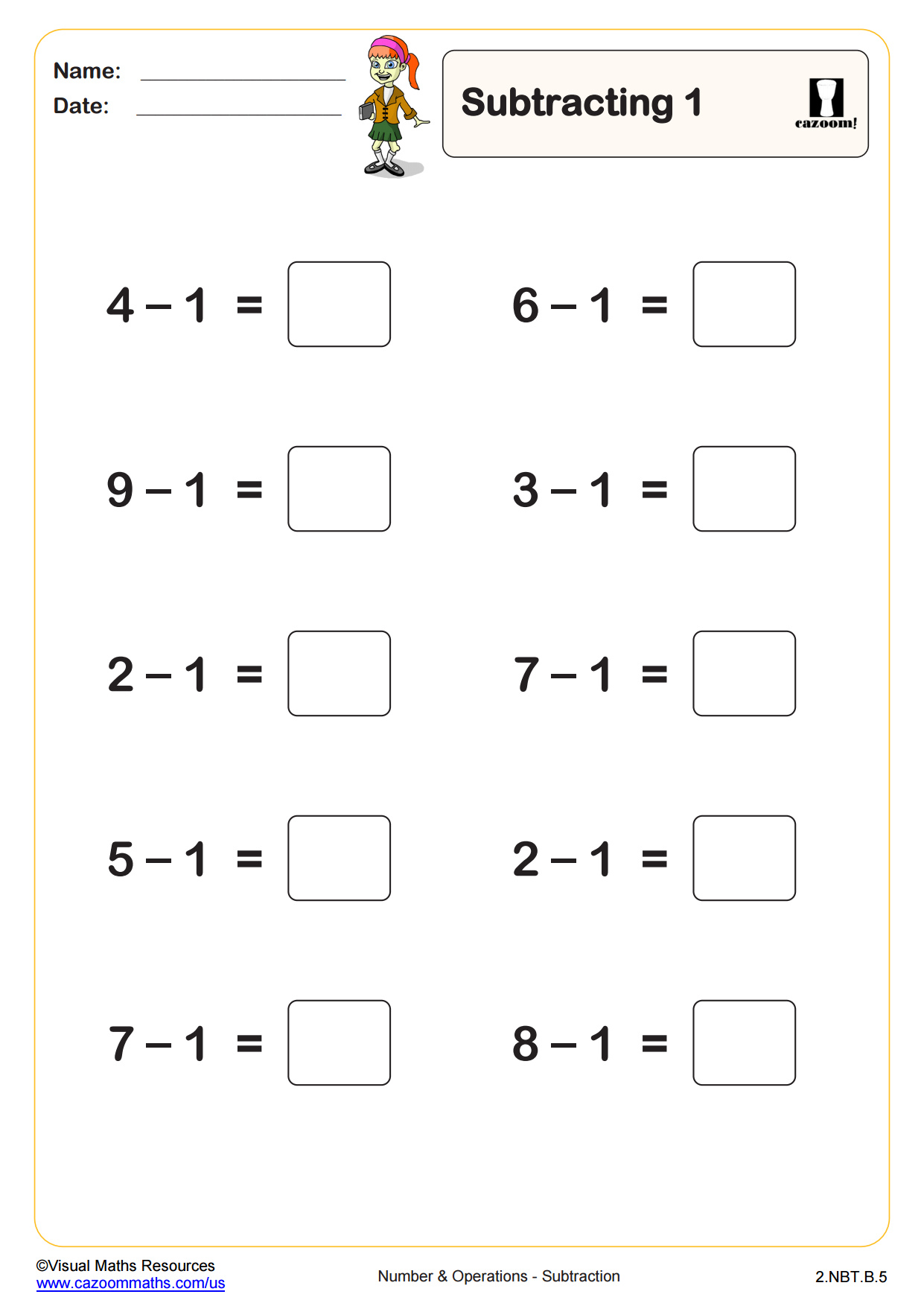
Subtracting 1 (10 questions)
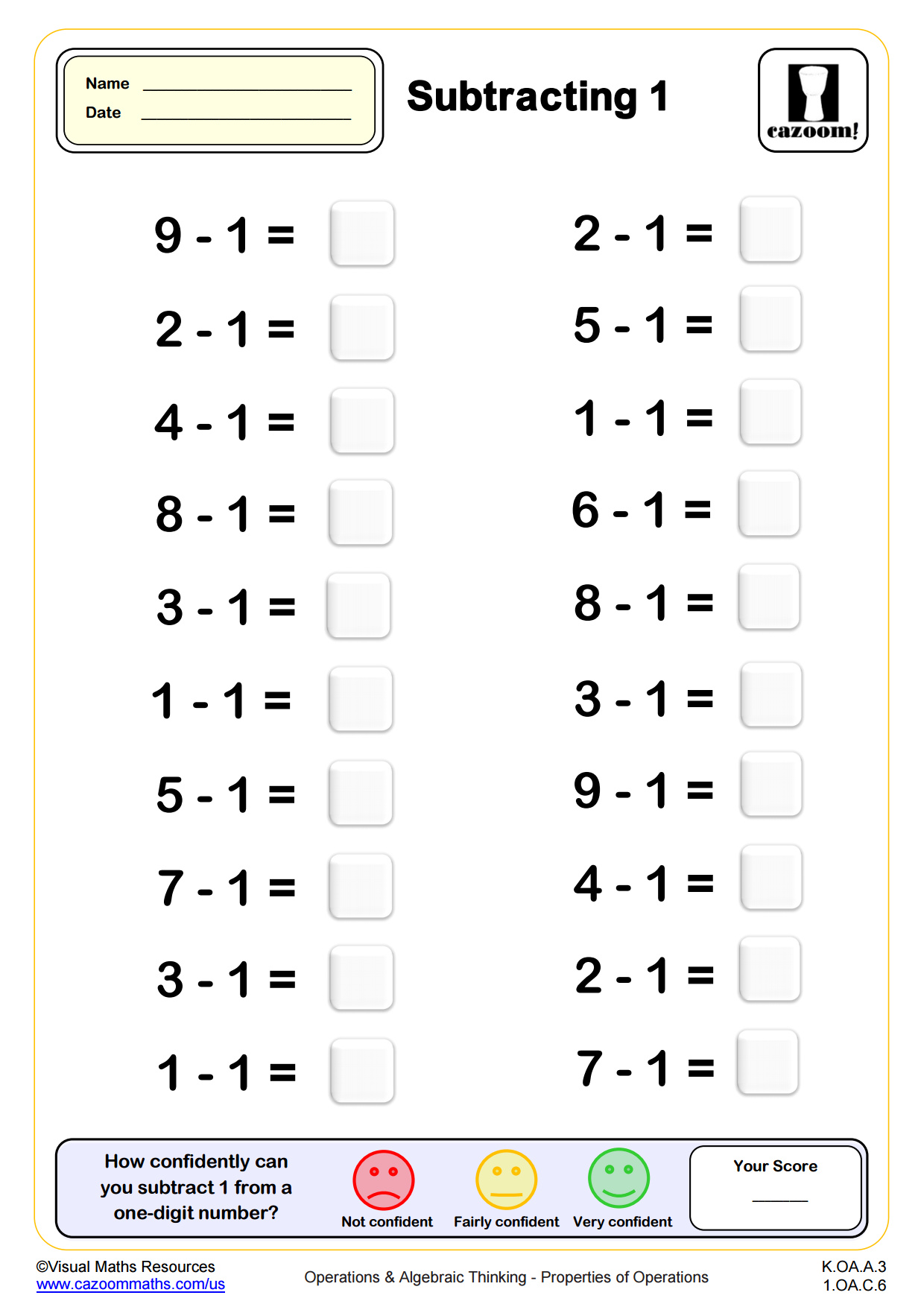
Subtracting 1 (20 questions)
Subtracting 1 (50 questions)
Subtracting 2 (10 questions)
Subtracting 2 (20 questions)
Subtracting 2 (50 questions)
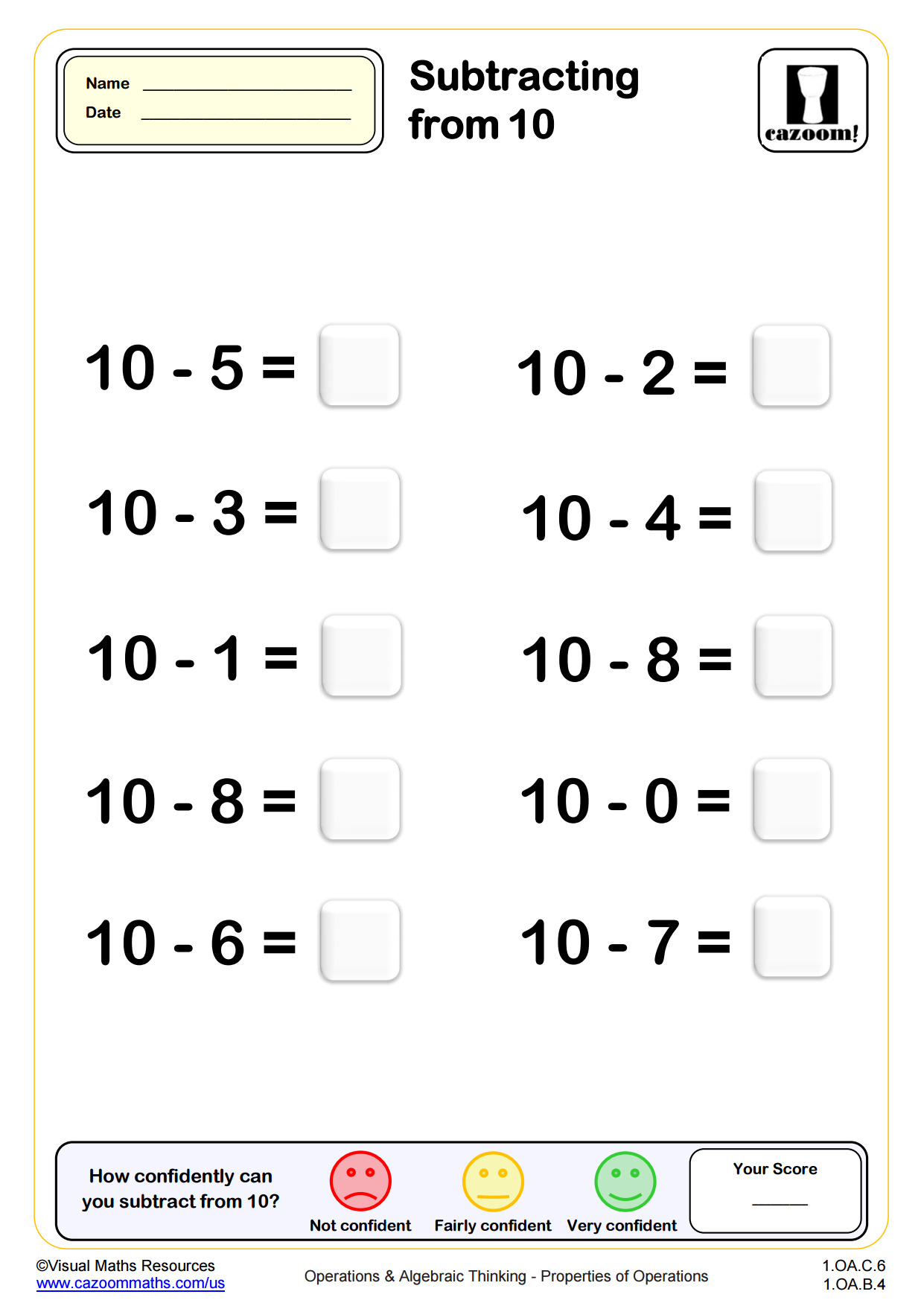
Subtracting from 10 Drills (10 questions)
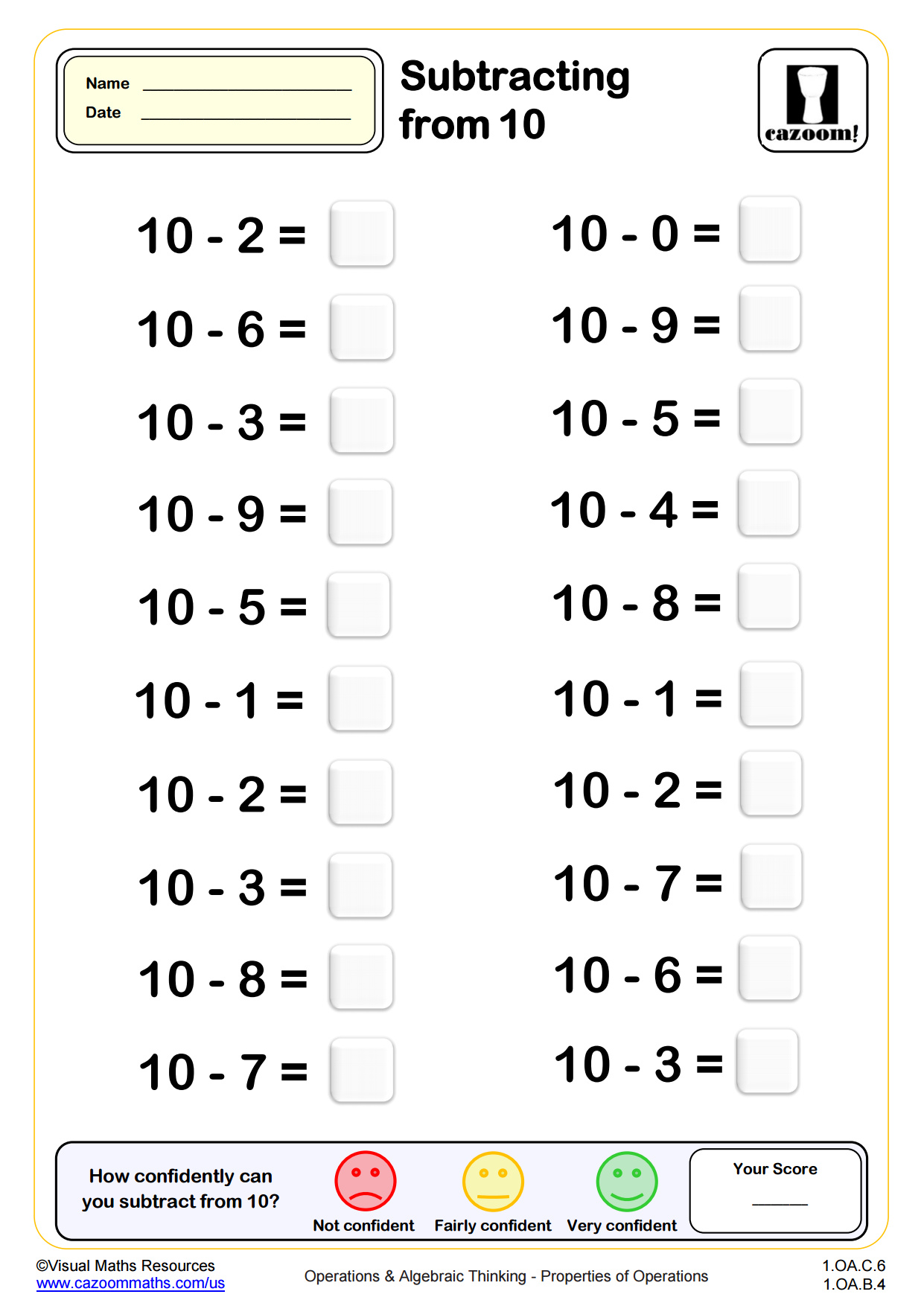
Subtracting from 10 Drills (20 questions)
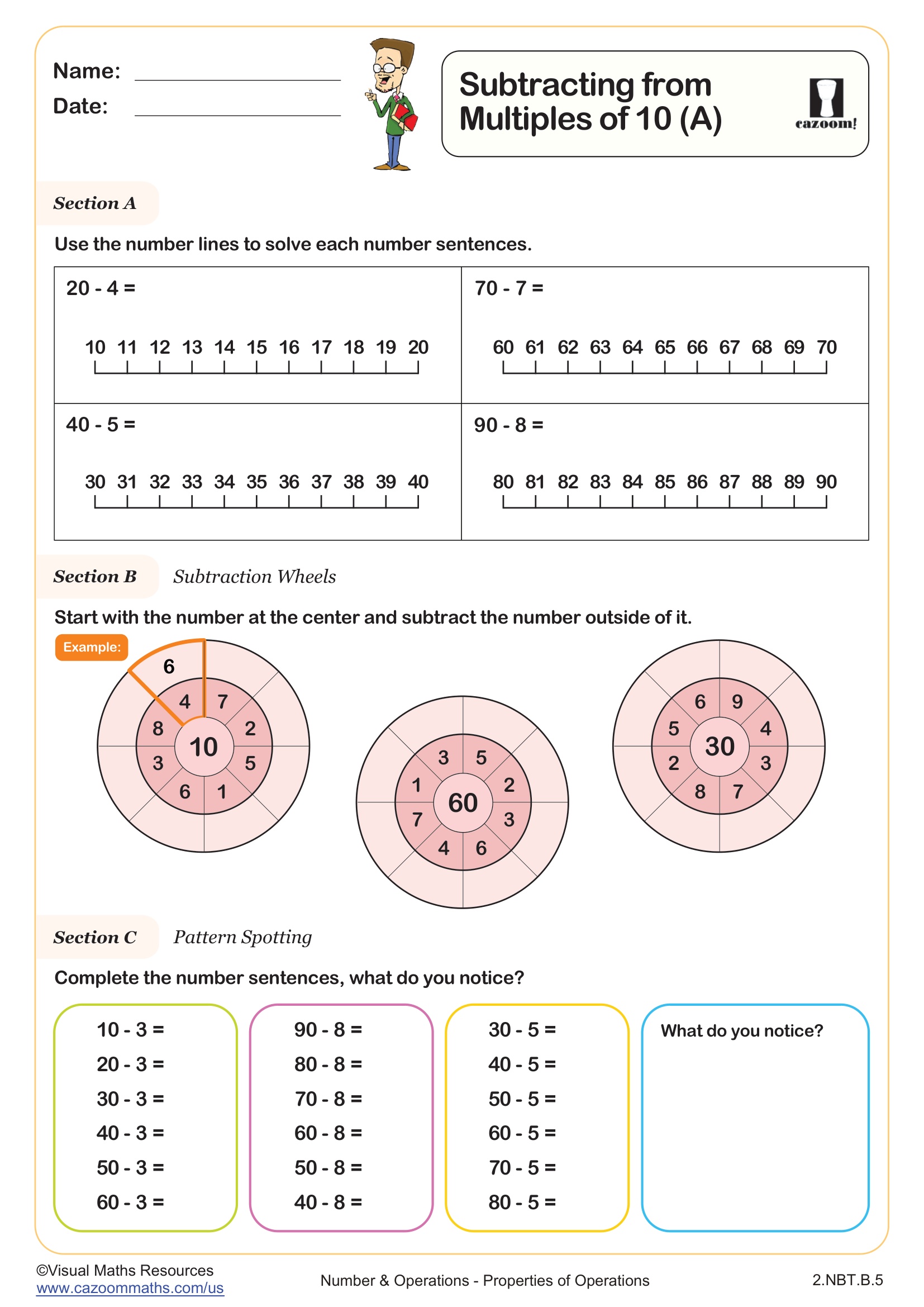
Subtracting from Multiples of 10 (A)
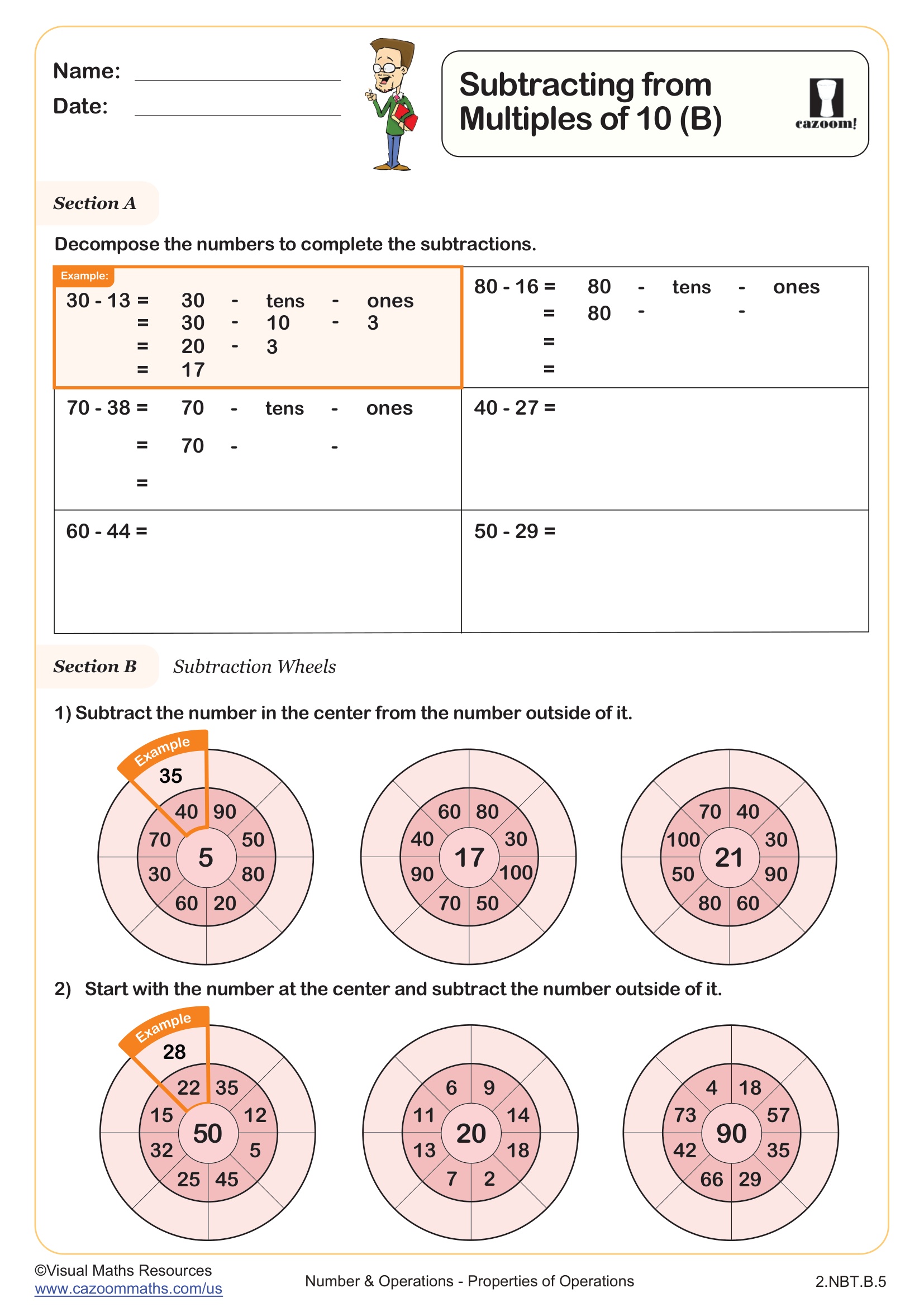
Subtracting from Multiples of 10 (B)
Subtracting Numbers Less Than 10 (A)
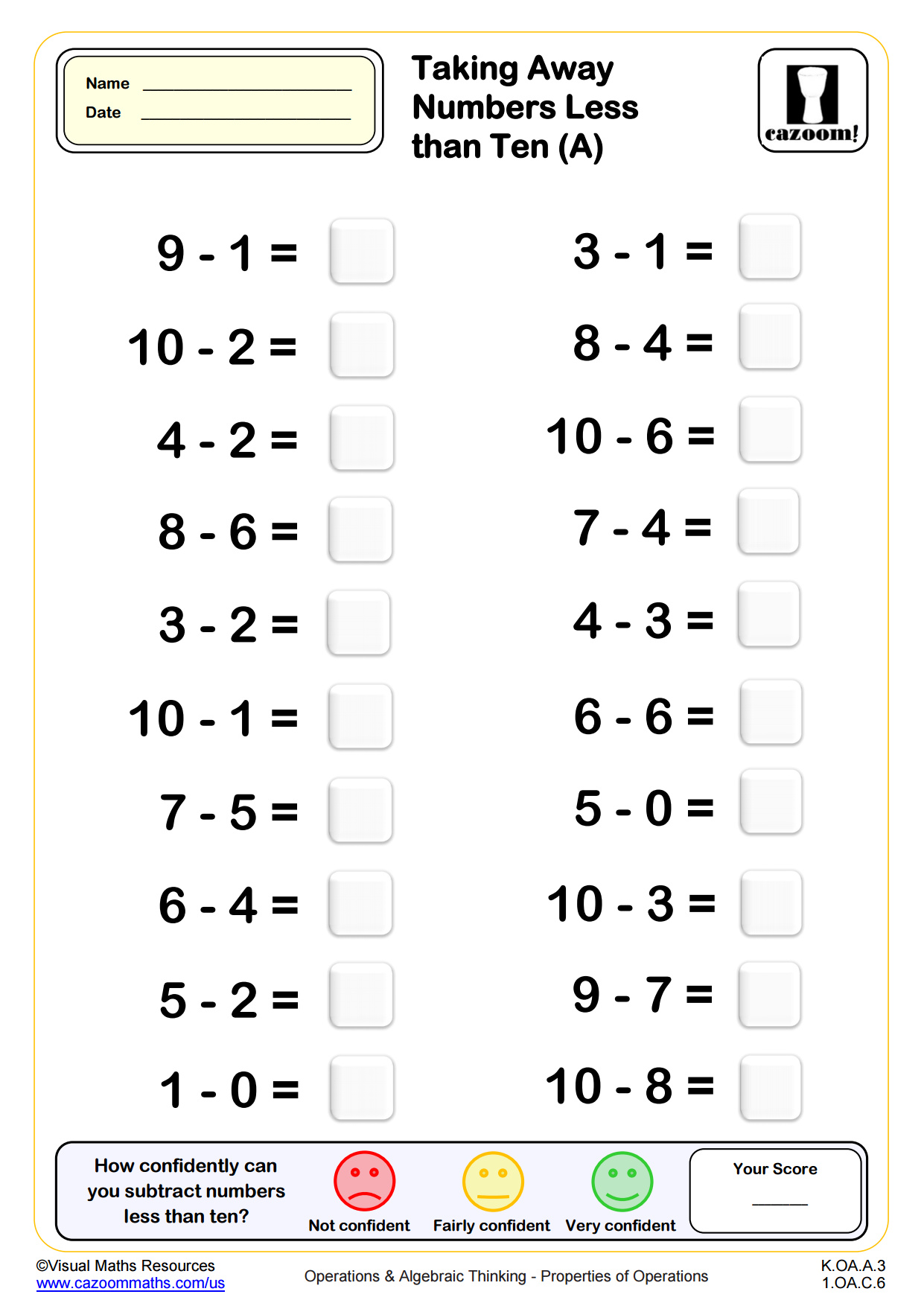
Subtracting Numbers Less Than 10 (B)
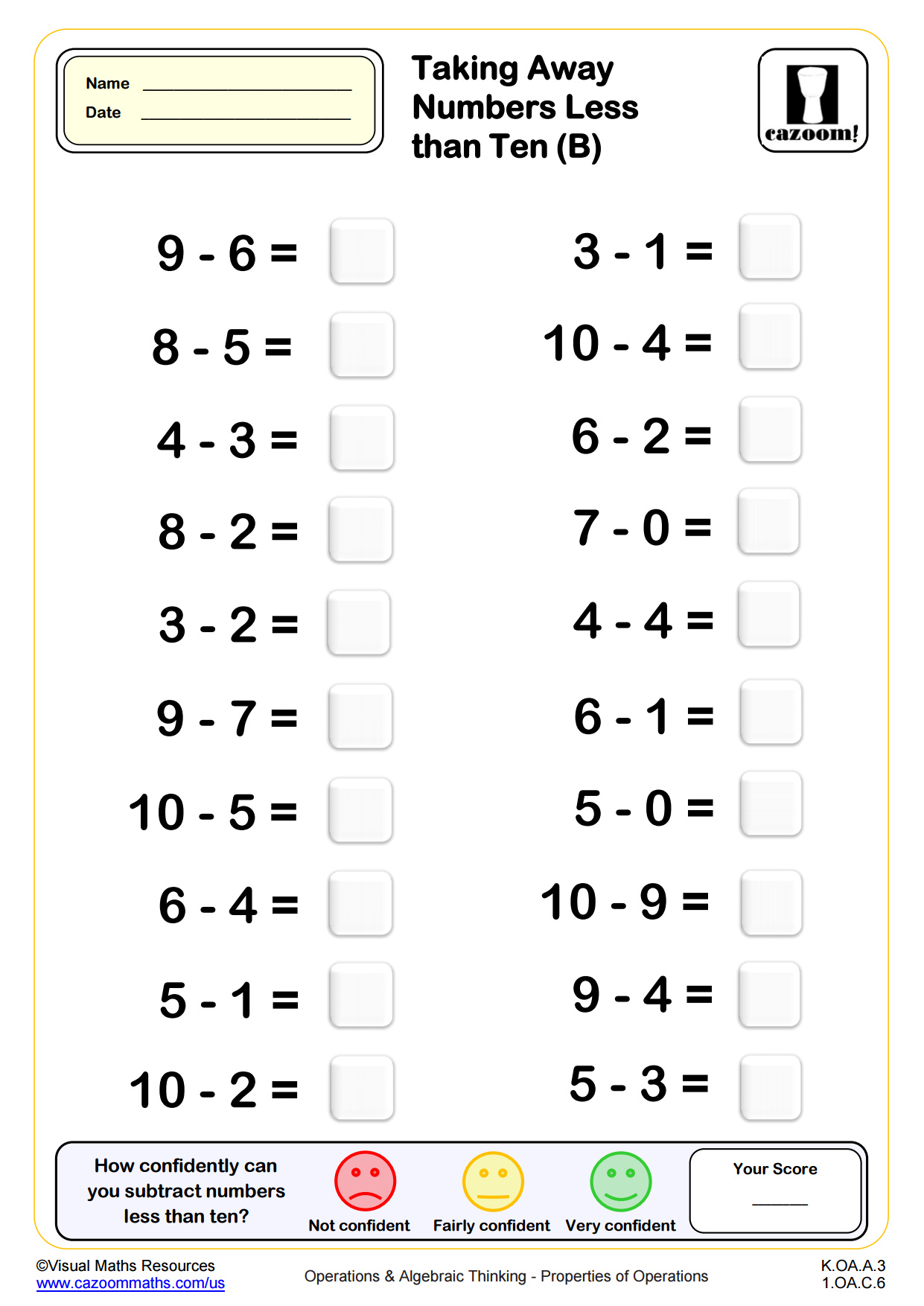
Subtracting Numbers Less Than 10 (C)
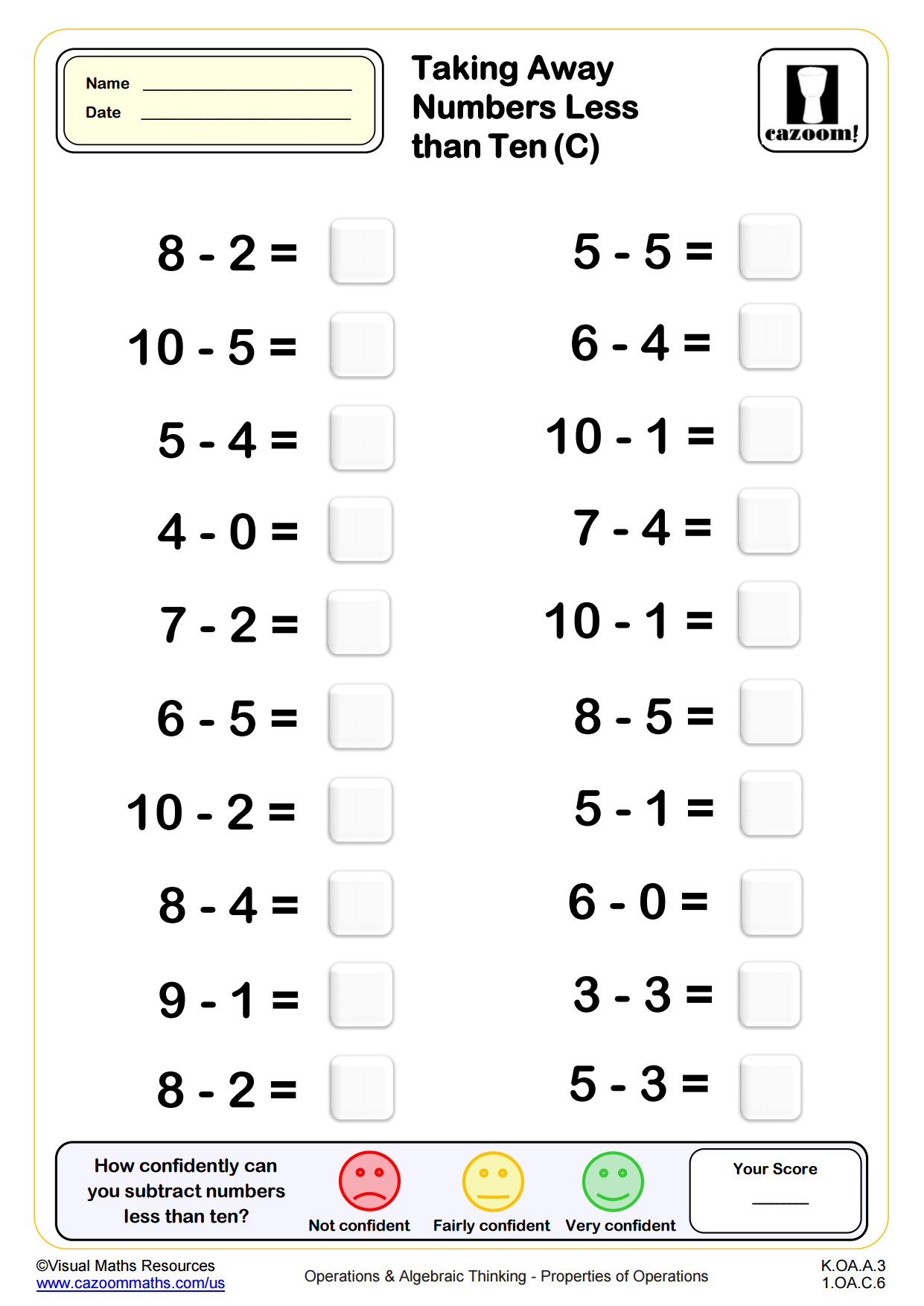
Subtracting Numbers Less Than 6 (A)
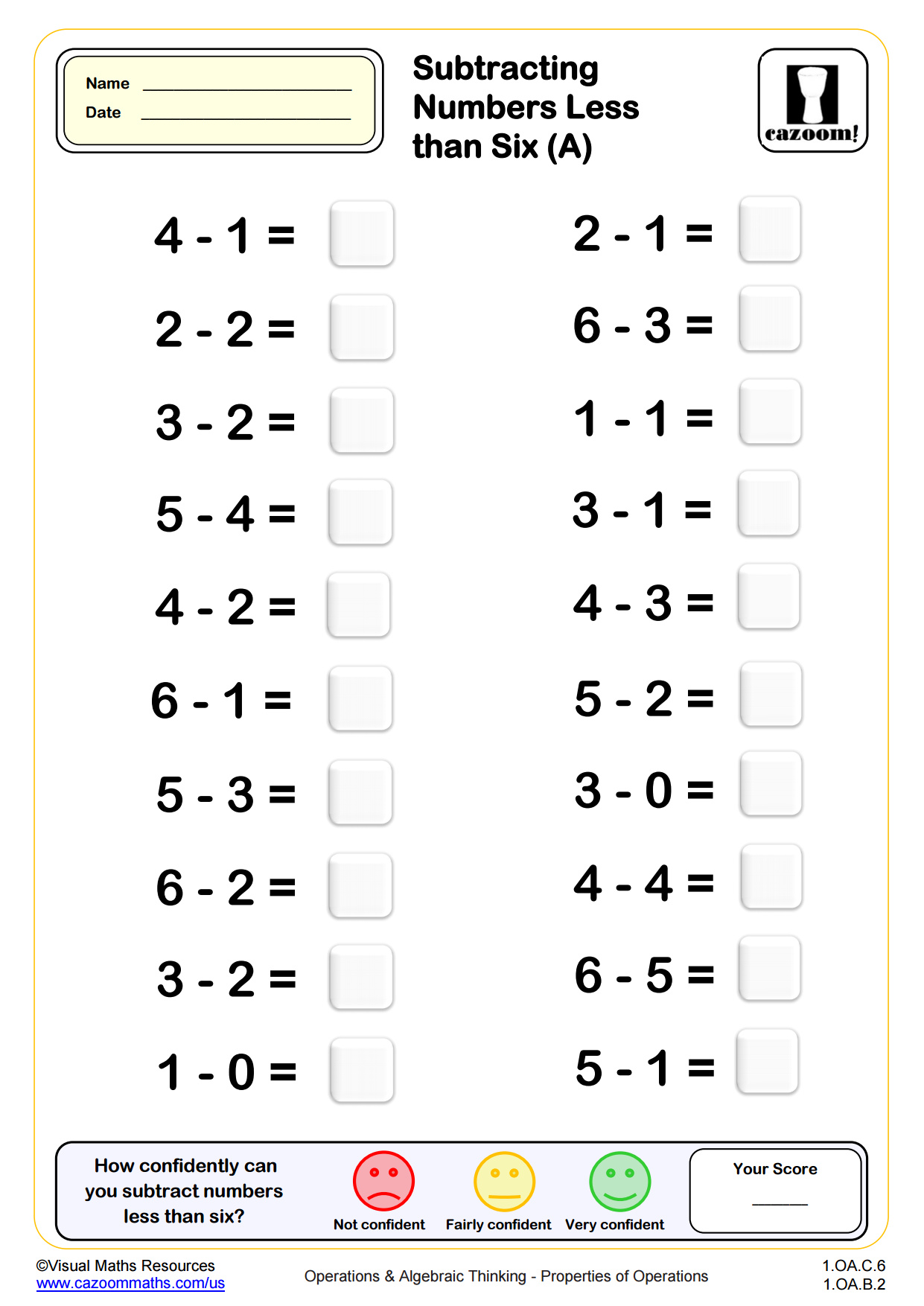
Subtracting Numbers Less Than 6 (B)
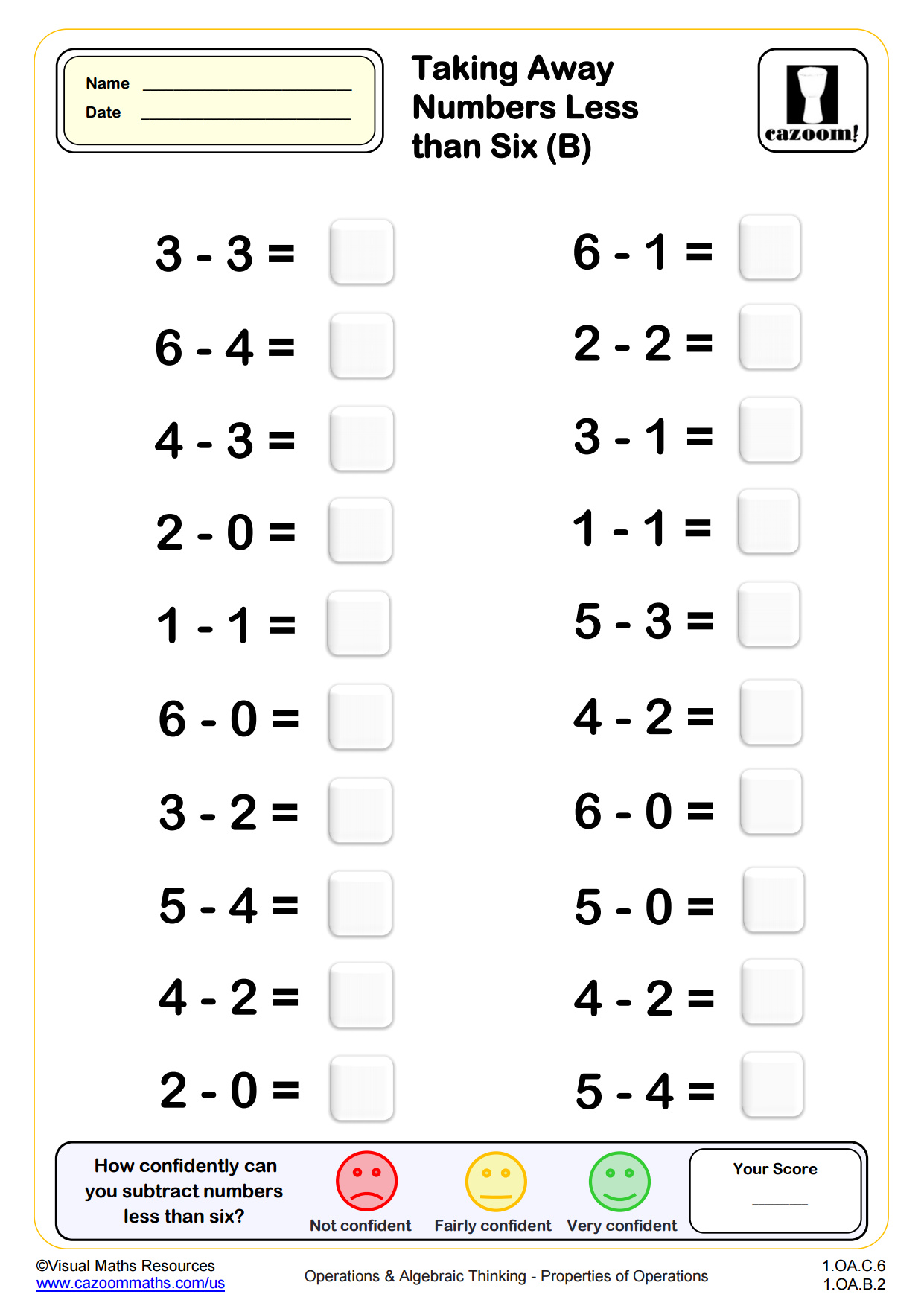
Subtracting Numbers Less Than 6 (C)
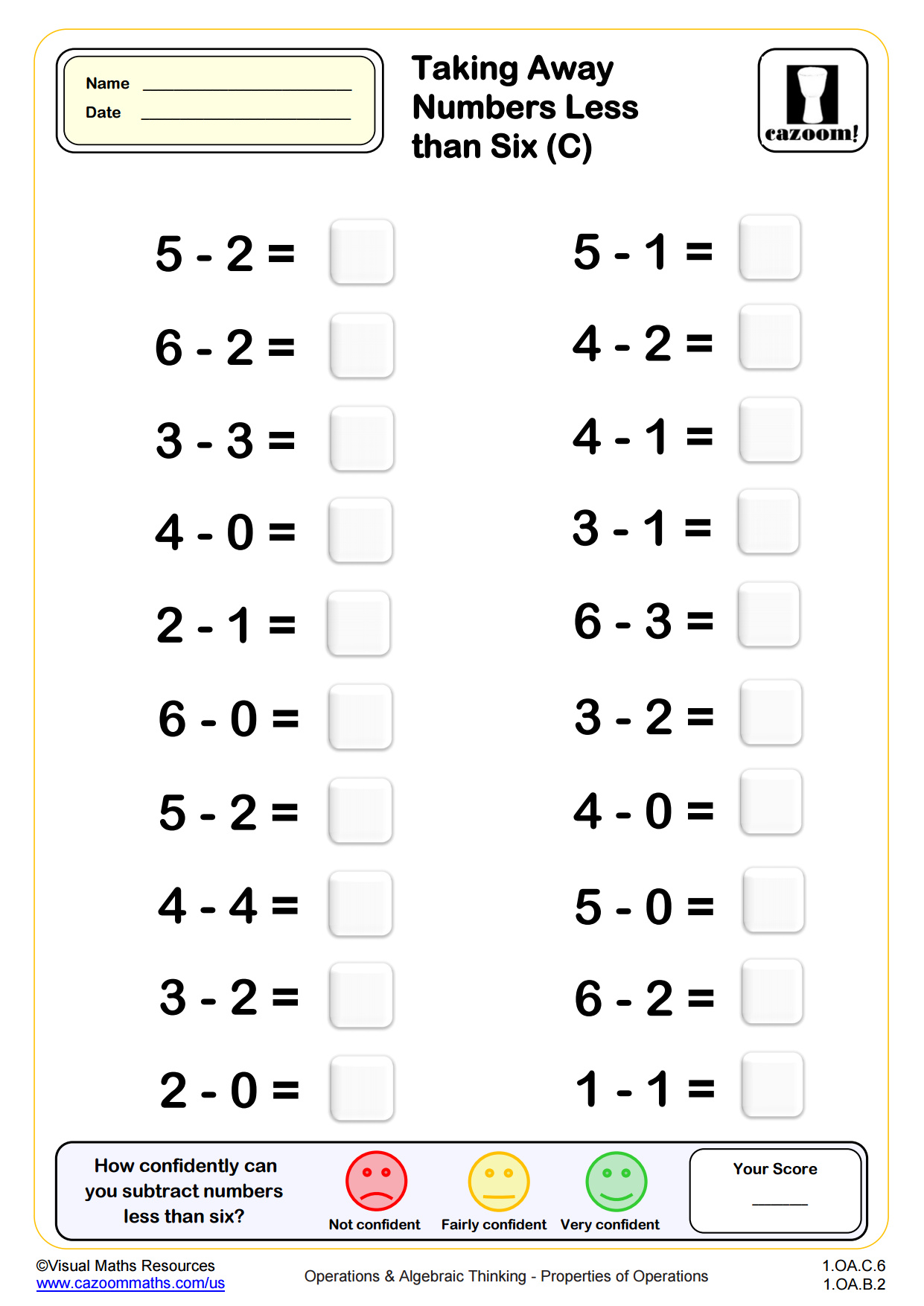
Subtracting Single Digits from Two Digit Numbers (Using Number Lines)
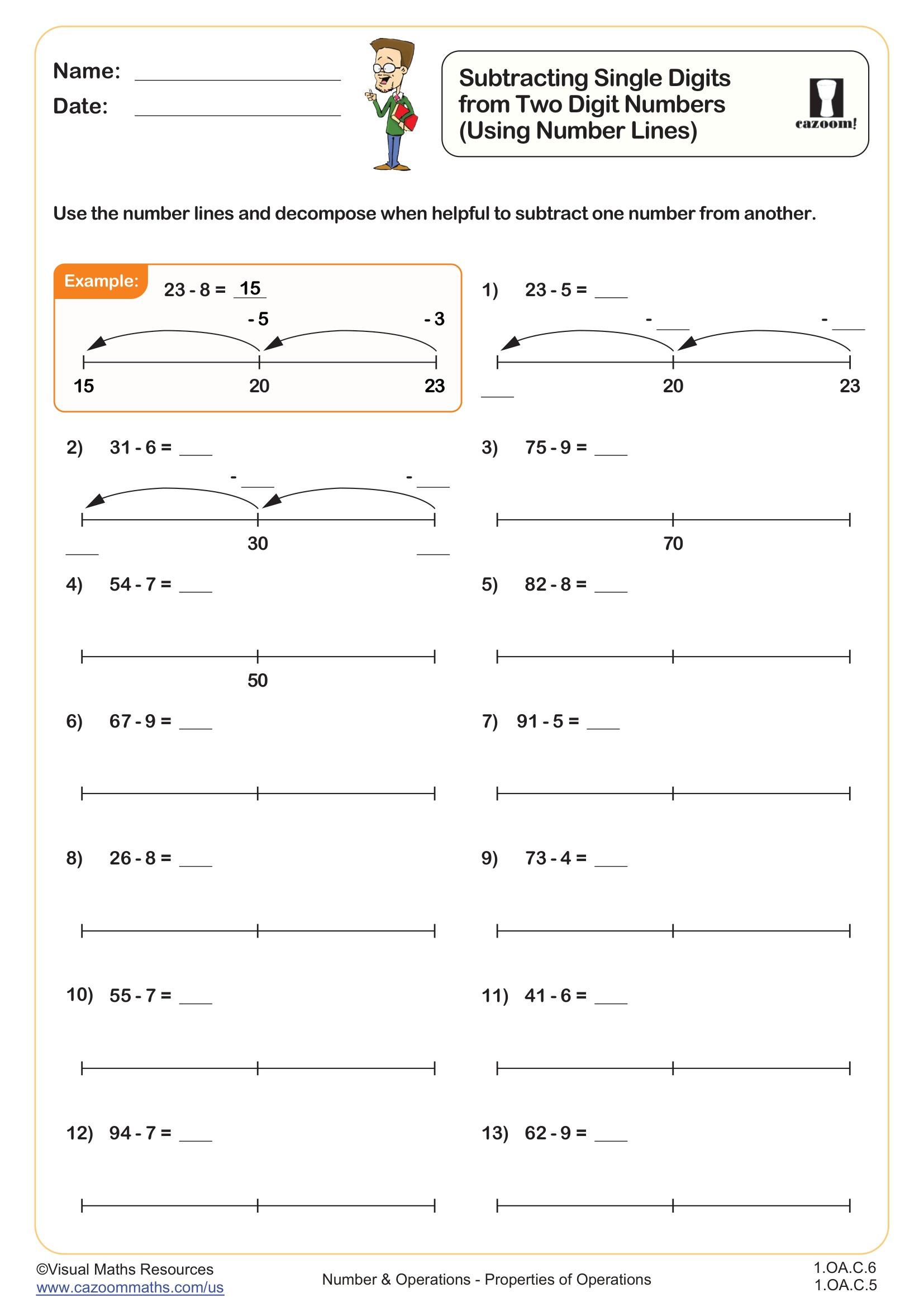
Subtraction Wheels (Subtracting 1)
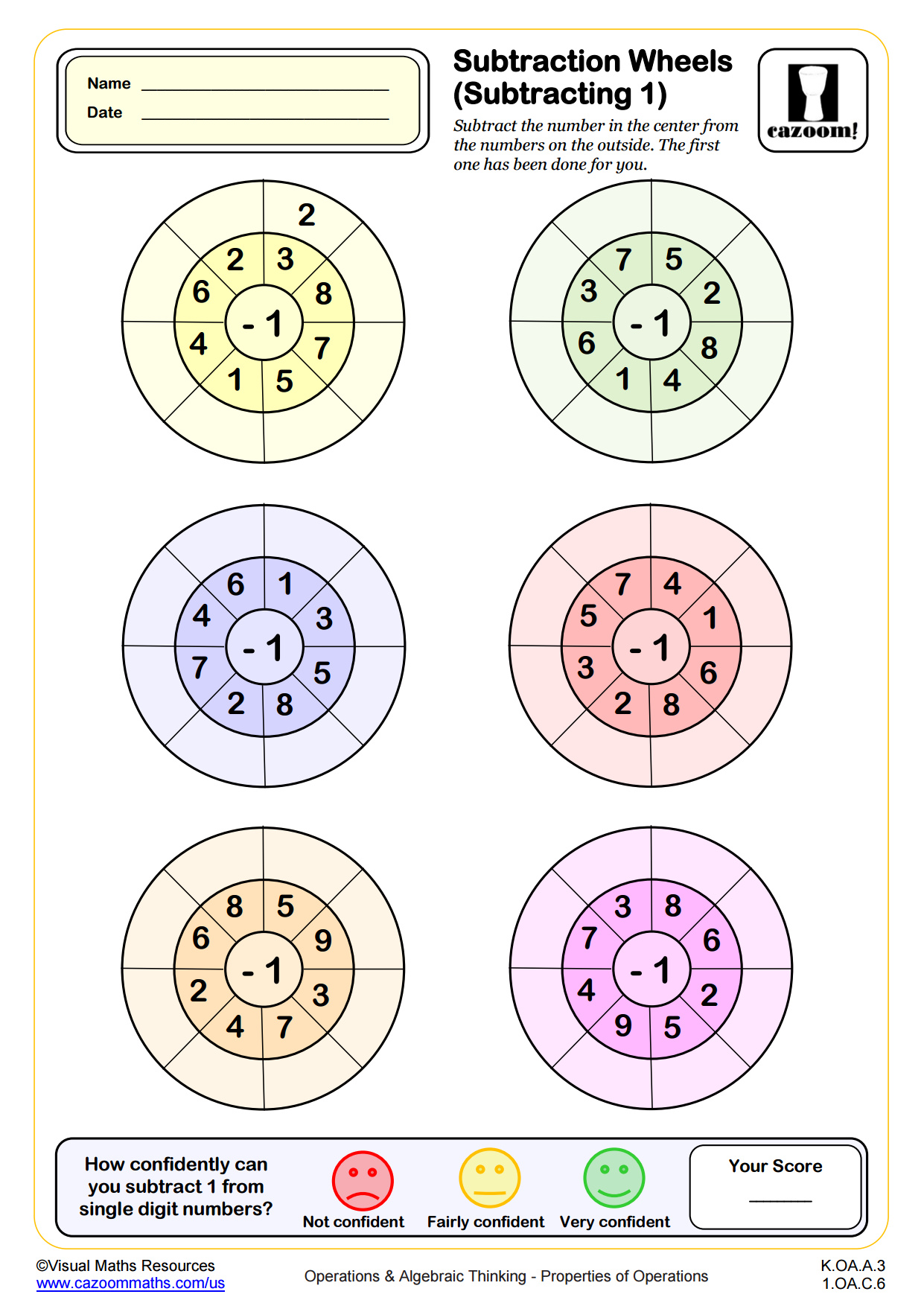
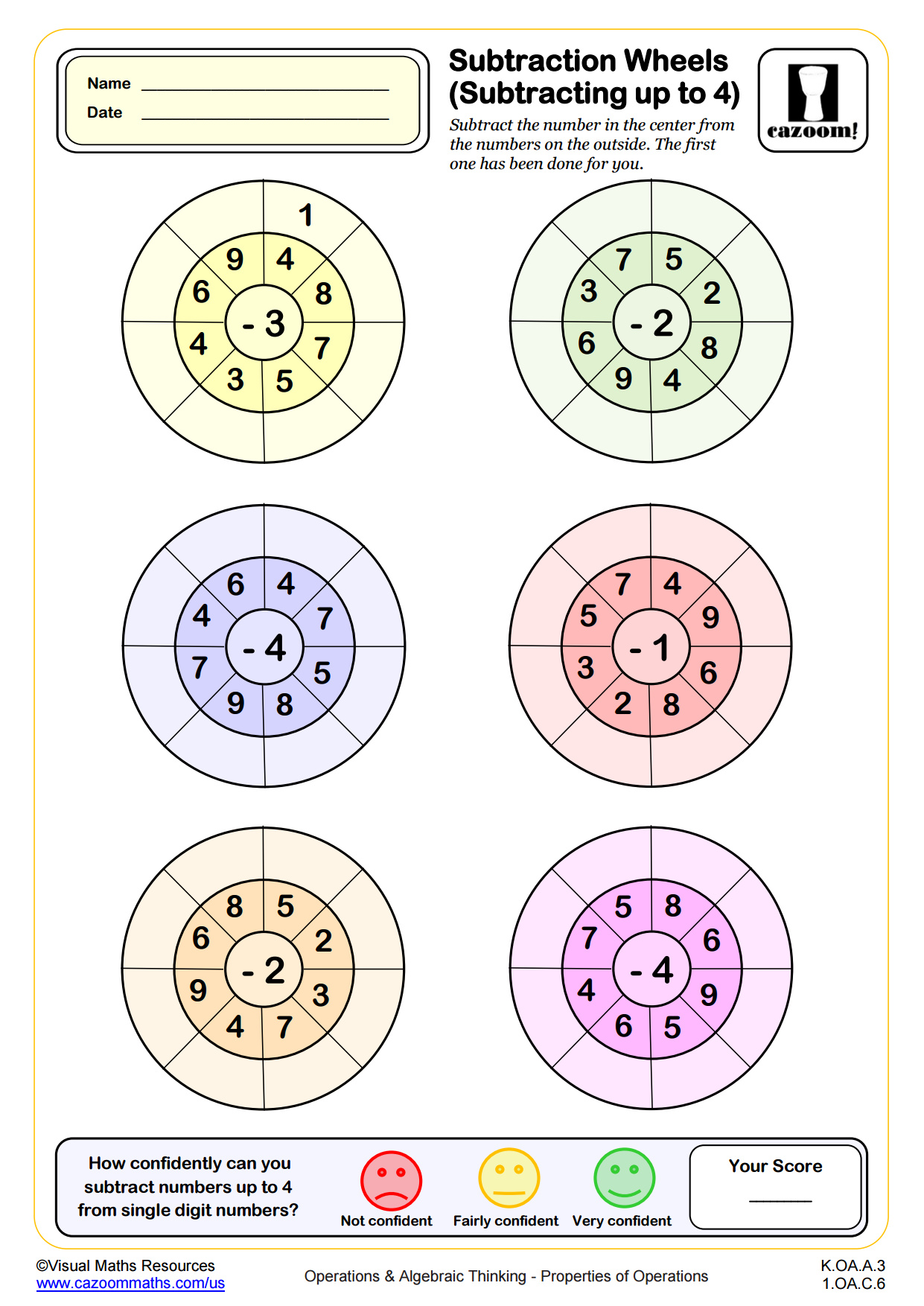
Subtraction Wheels (Subtracting 2)
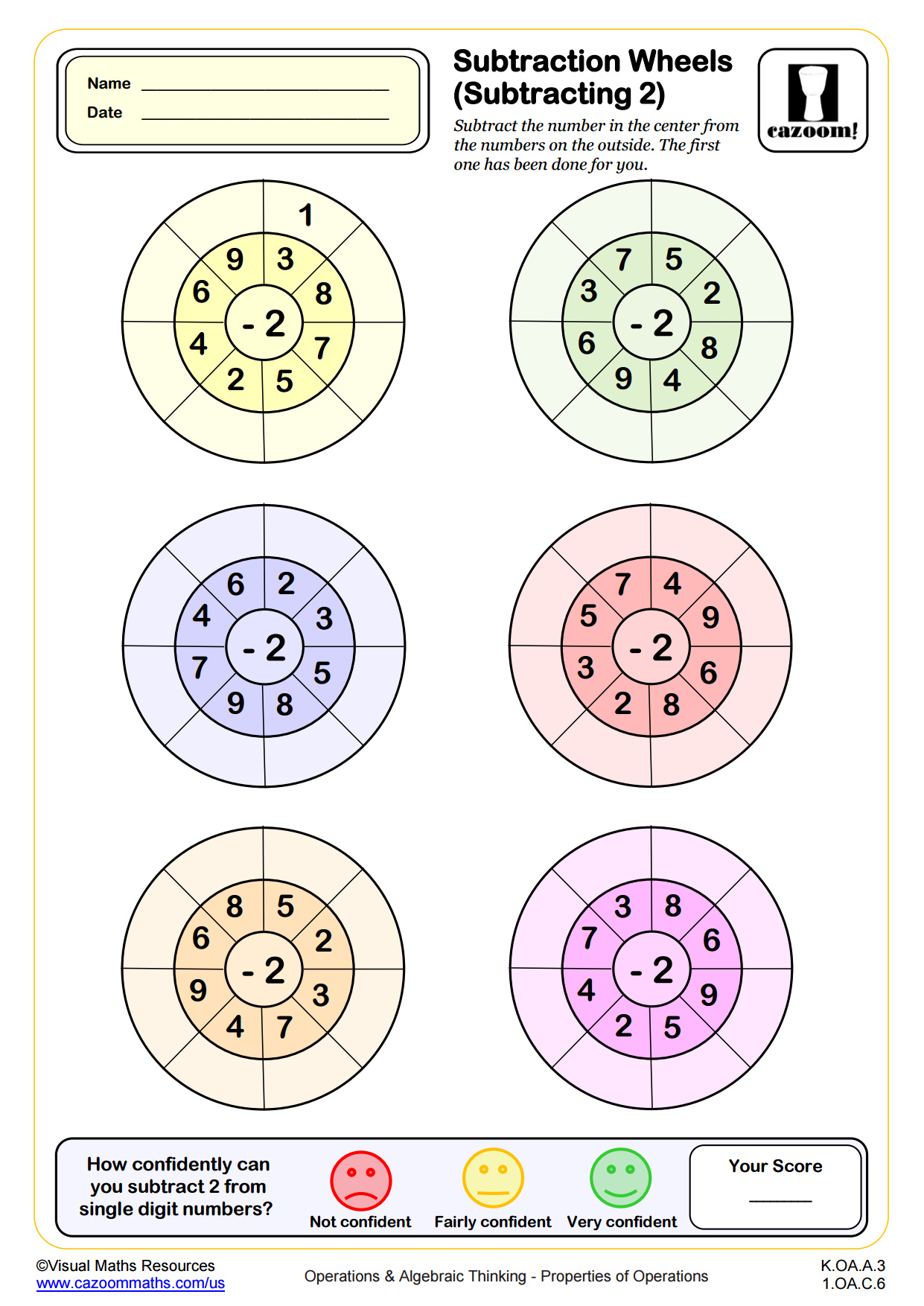
Subtraction Wheels (Subtracting 5)
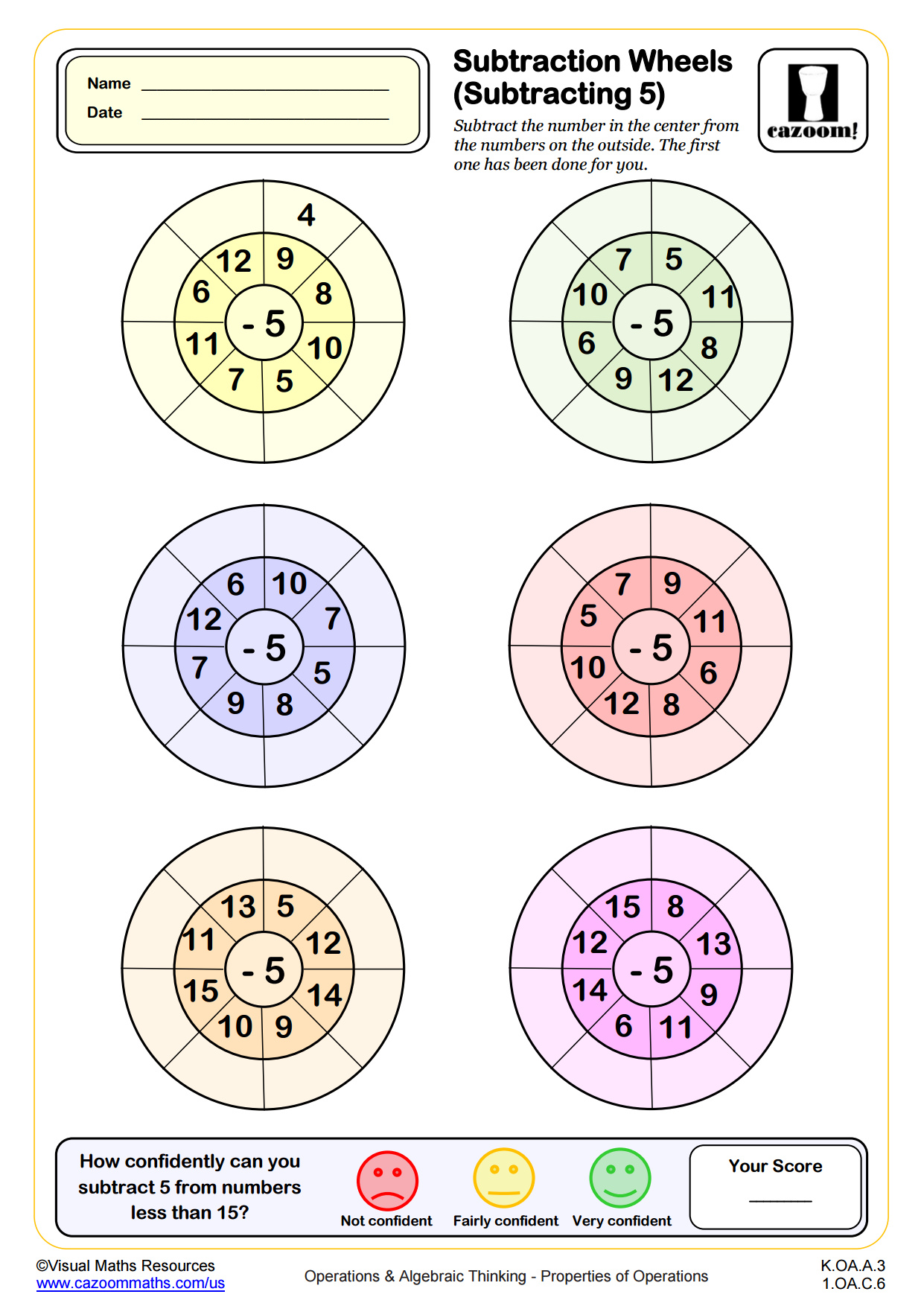
Subtraction Wheels (Subtracting up to 10) A
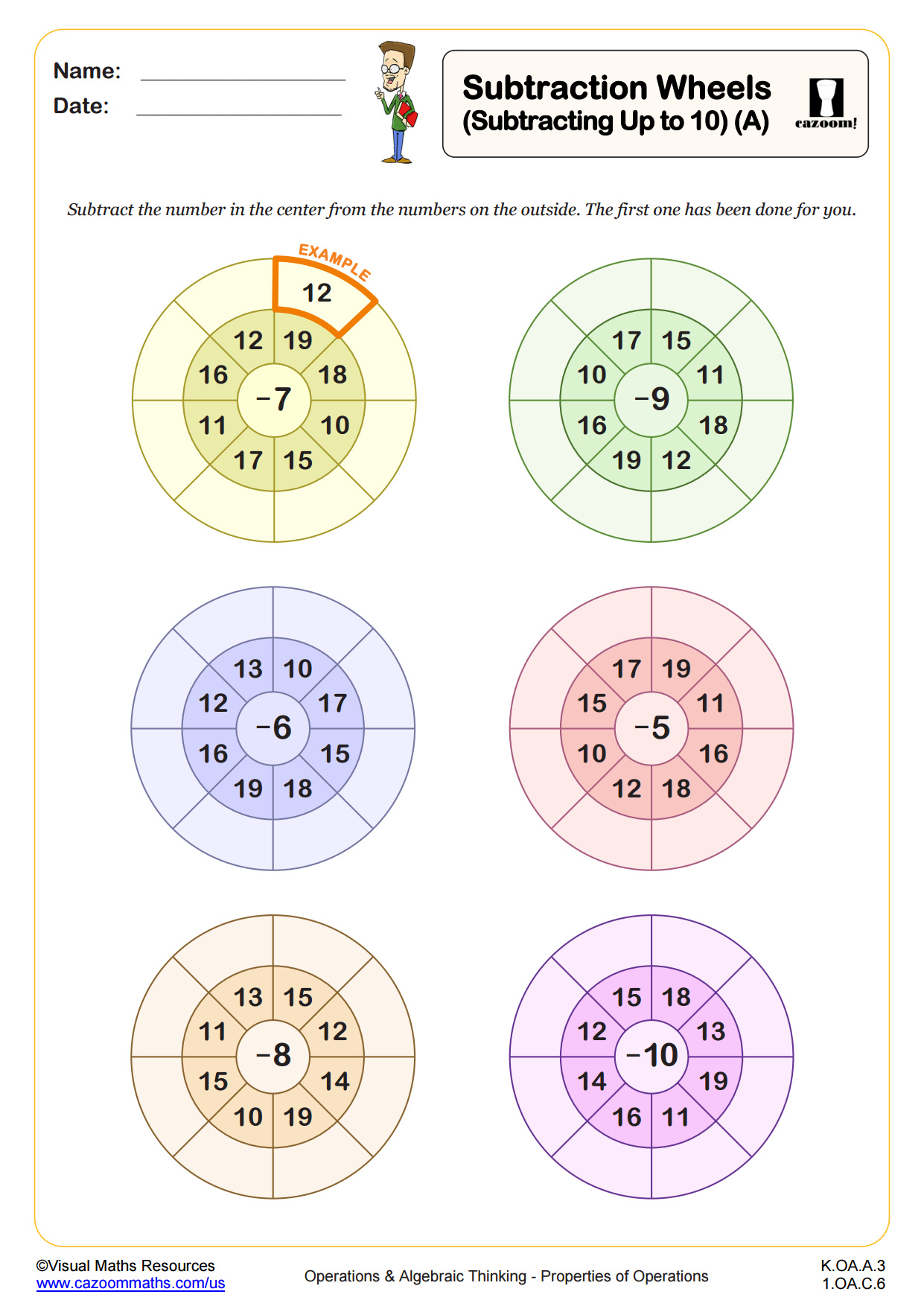
Subtraction Wheels (Subtracting up to 4)
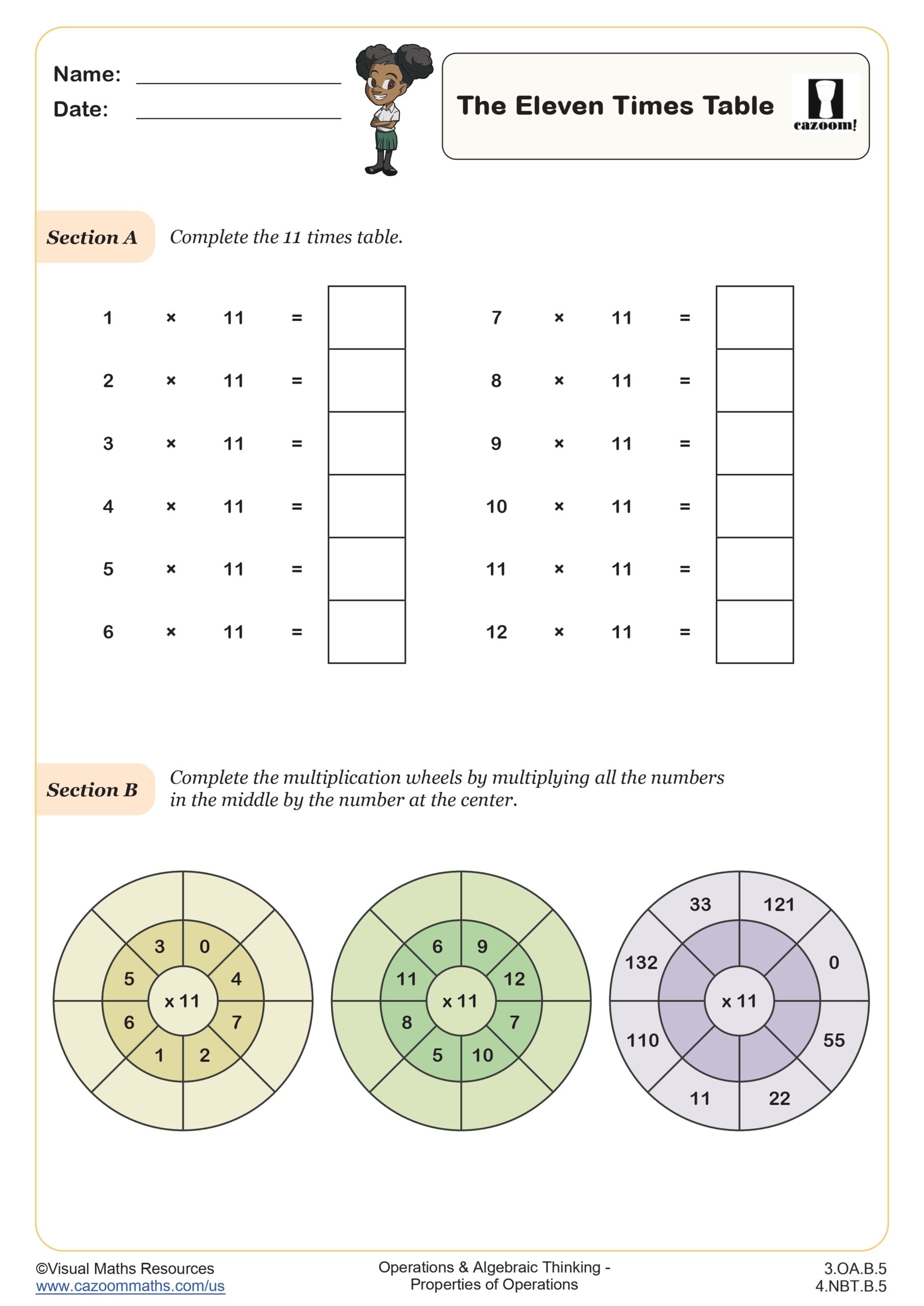
The 11 Times Table
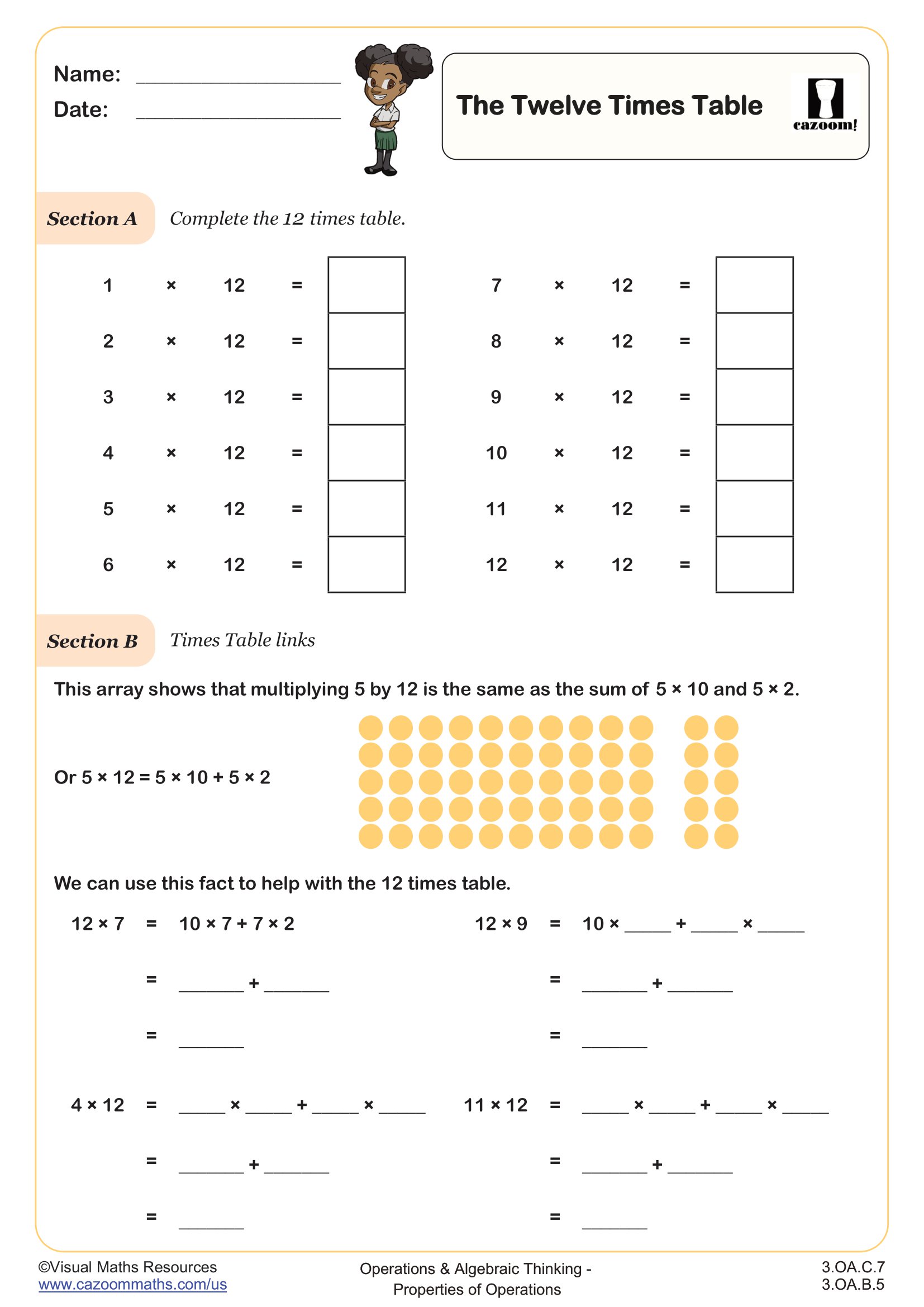
The 12 Times Table
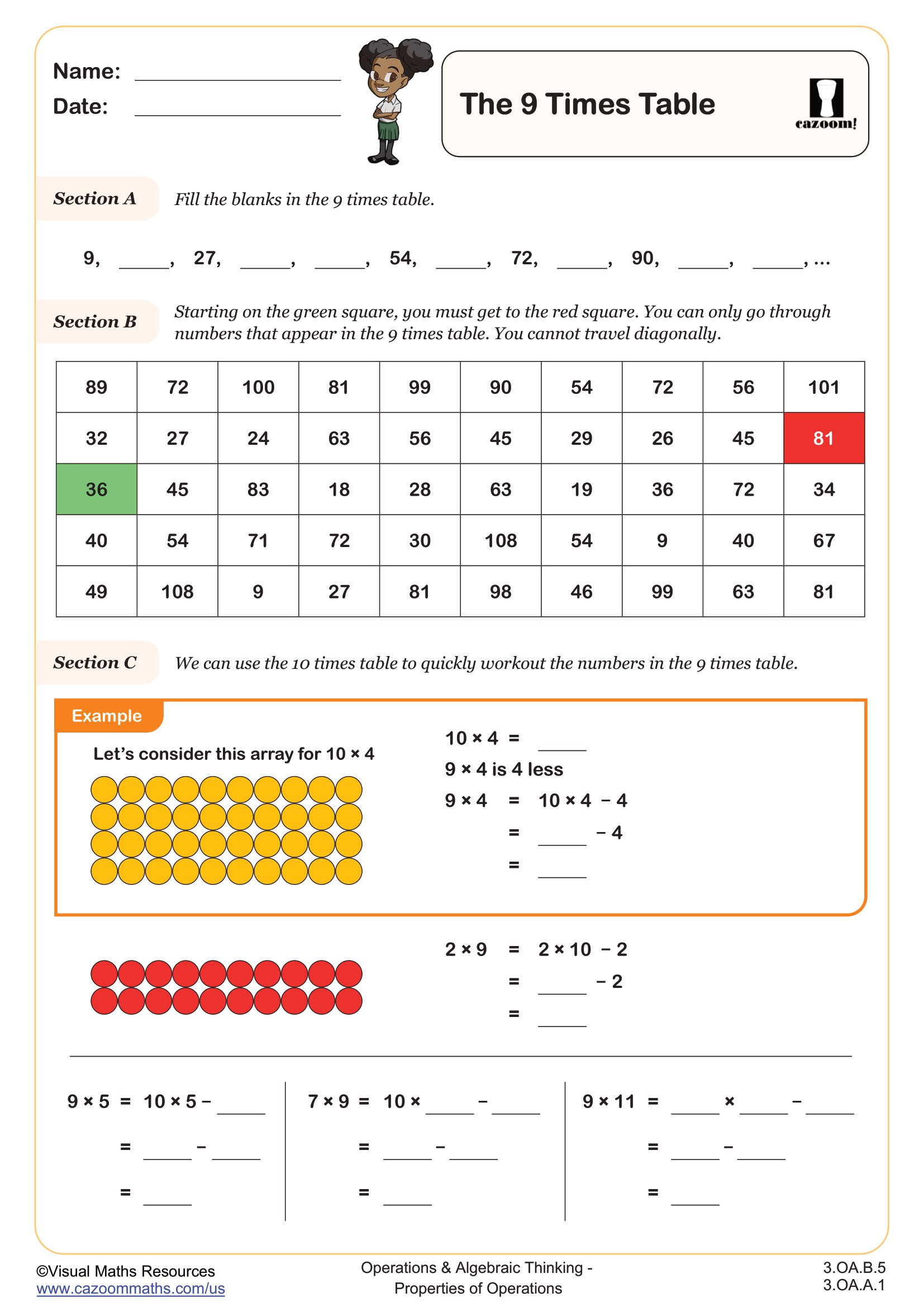
The 9 Times Table
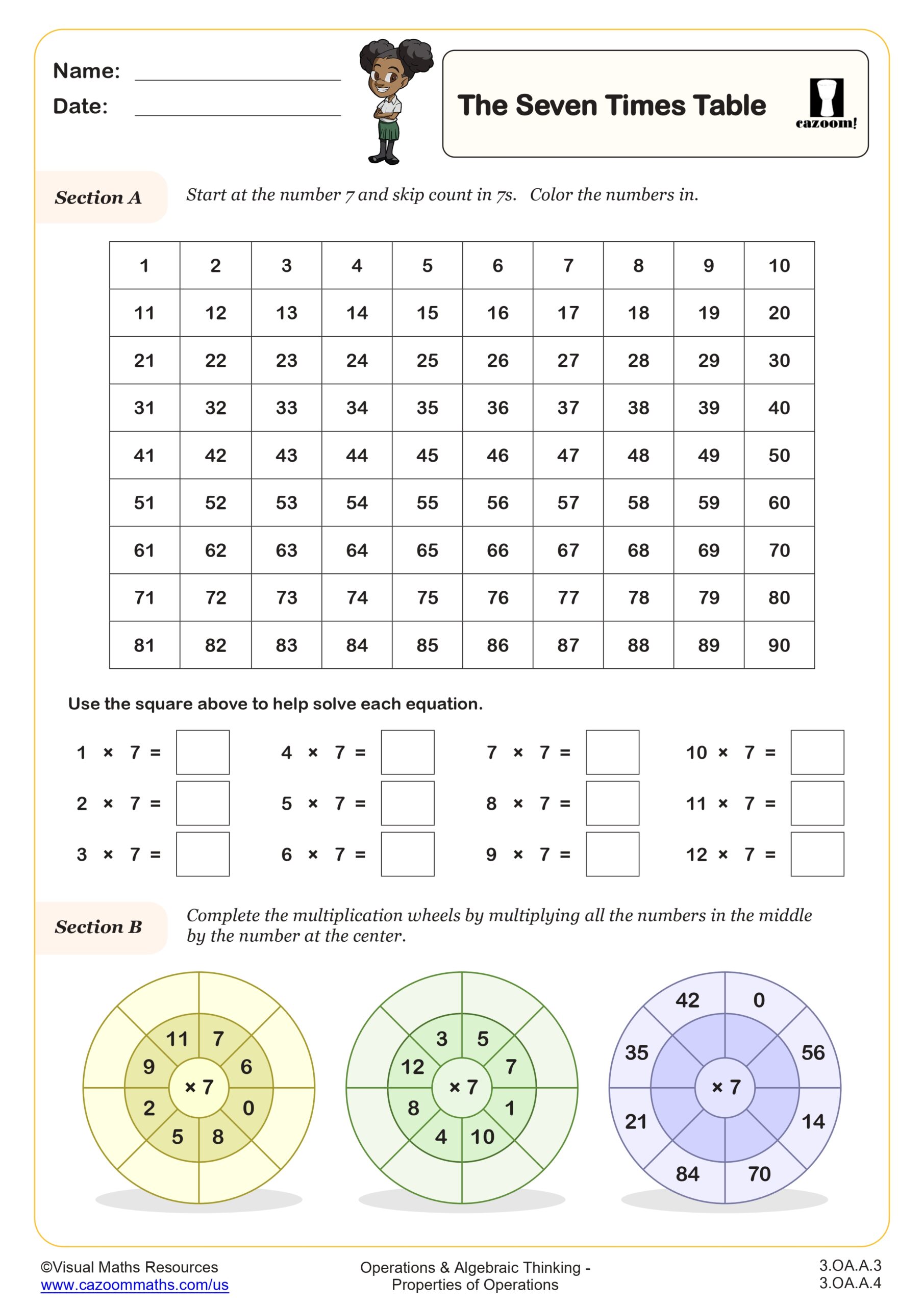
The Seven Times Table
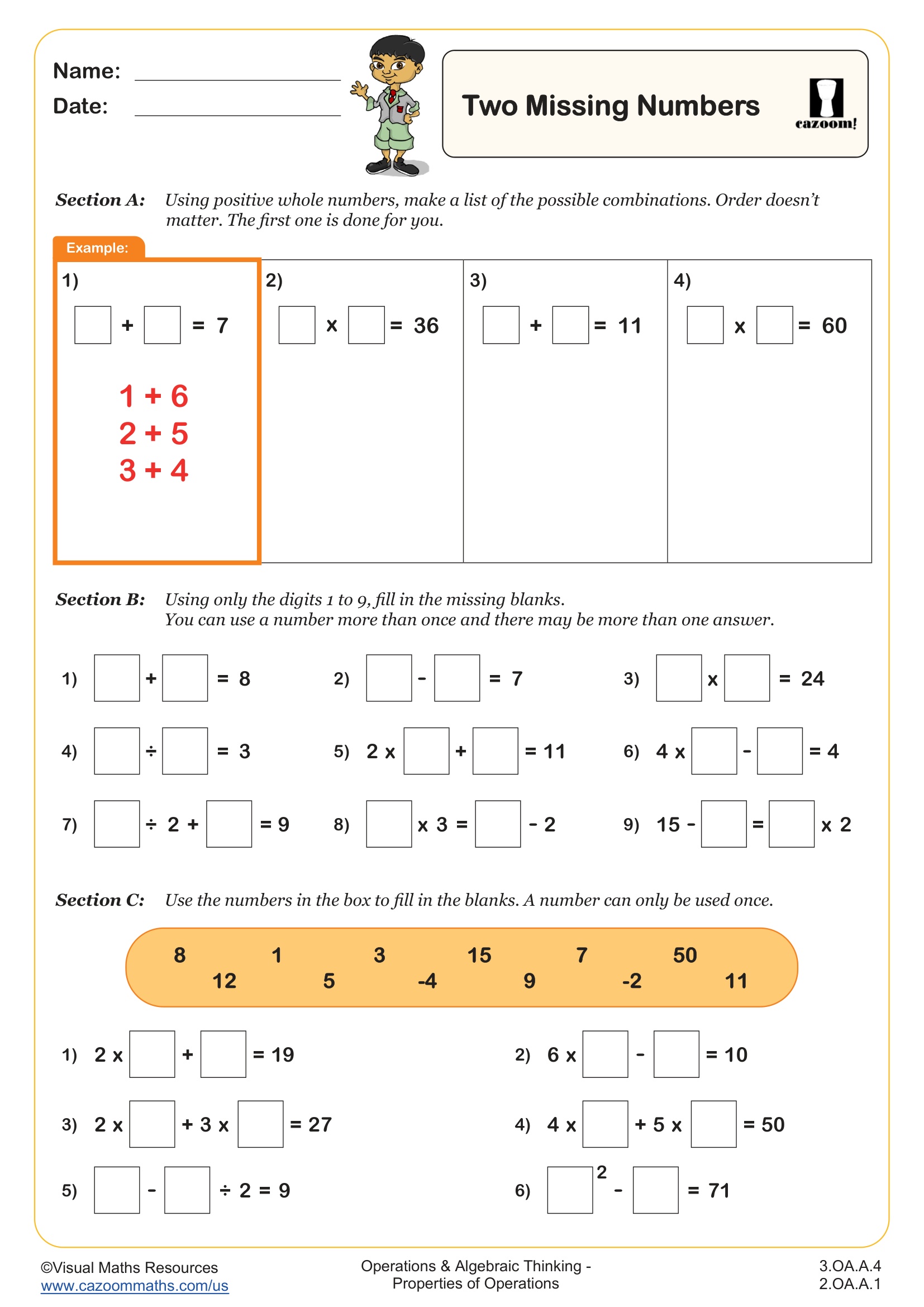
Two Missing Numbers
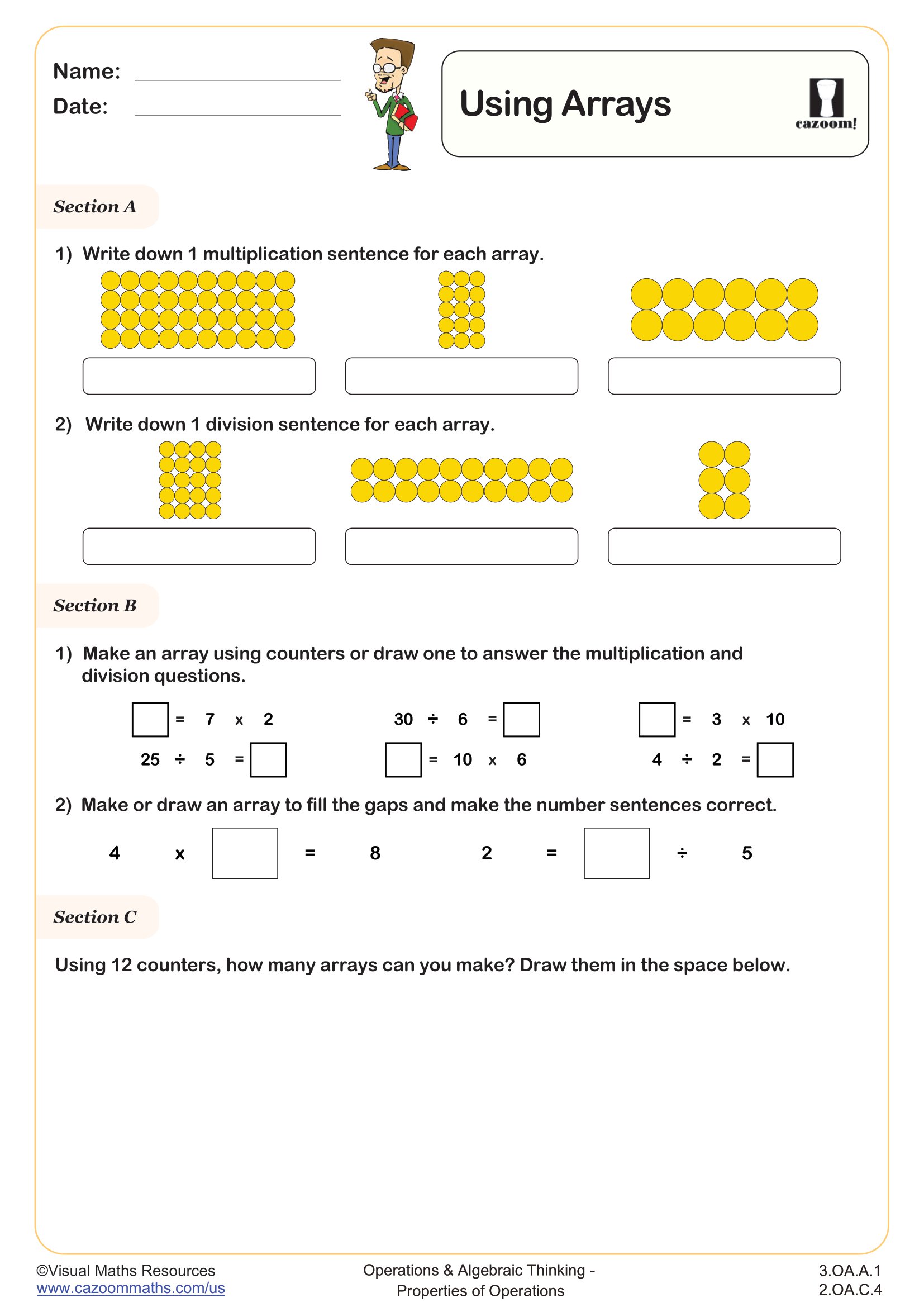
Using Arrays
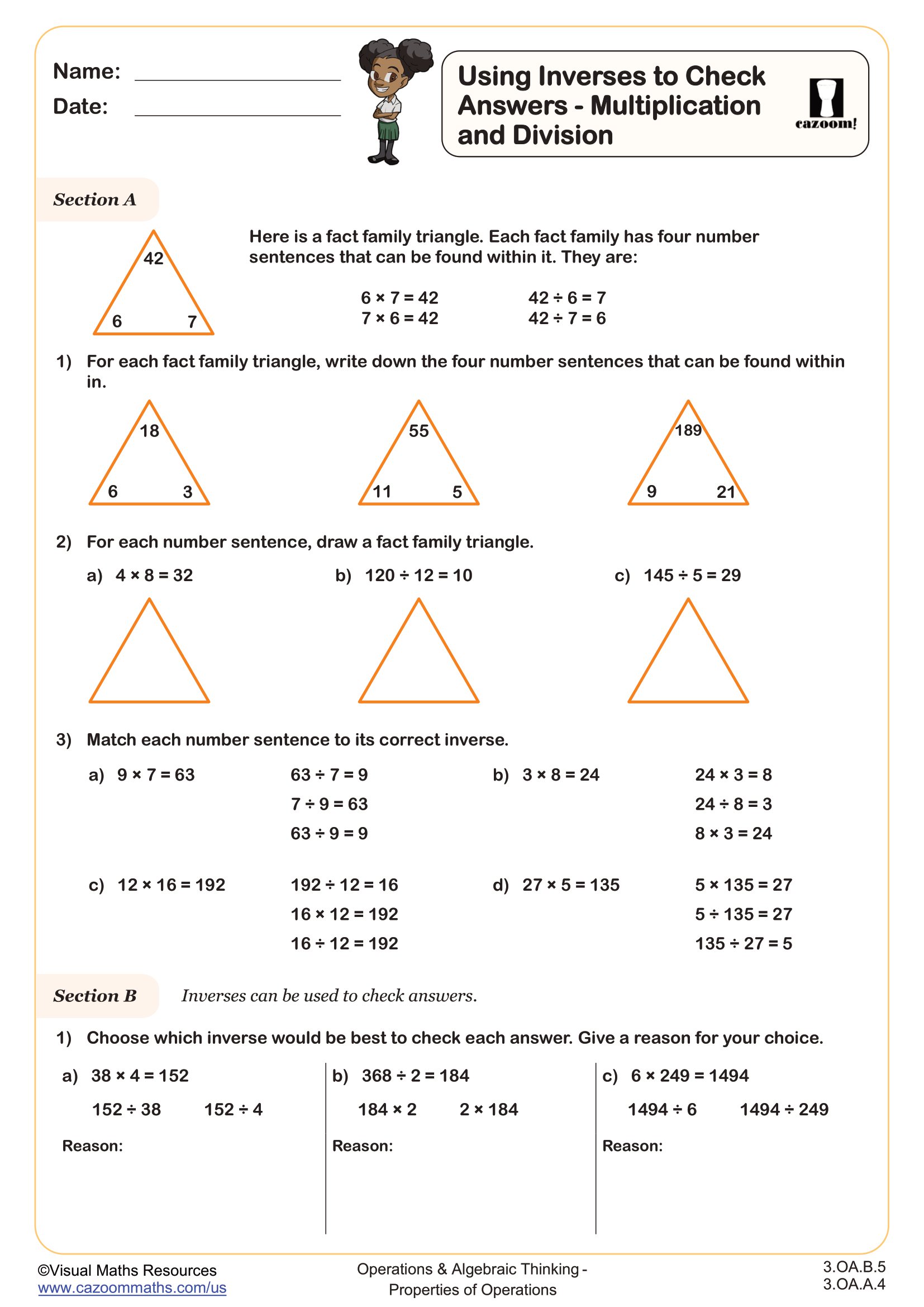
Using Inverses to Check Answers - Multiplication and Division
All worksheets are created by the team of experienced teachers at Cazoom Math.
What makes a good properties of operations grade 4 worksheet?
A quality properties of operations worksheet grade 4 should progress systematically from concrete examples to abstract application. The worksheet needs to include visual representations that help students see why 3 + 5 equals 5 + 3, moving toward symbolic manipulation. Problems should cover all three main properties with varied contexts that prevent students from simply memorizing patterns.
Teachers find that worksheets work best when they include word problems alongside numerical exercises. Students often miss the connection between mathematical properties and real-world applications, so problems involving arranging objects or calculating costs help bridge this gap. The most effective worksheets also include identifying which property was used, not just applying it.
How do properties of operations skills develop across elementary grades?
Properties of operations instruction begins informally in kindergarten through first grade with counting and basic addition facts. Second and third graders start recognizing patterns like "turn-around facts" (commutative property) without formal terminology. Fourth grade introduces the formal names and systematic application across larger numbers and more complex problems.
By fifth grade, students should fluently use these properties as mental math strategies and apply them to decimal operations. Teachers notice that students who master properties of operations in fourth grade show stronger algebraic reasoning skills in middle school. The progression from concrete to abstract understanding requires consistent practice with varied problem types throughout these grade levels.
Why do students find the distributive property most challenging?
The distributive property requires students to see multiplication as repeated addition and understand how to break apart numbers strategically. Unlike commutative and associative properties that feel intuitive, the distributive property asks students to transform problems in less obvious ways. Many fourth graders can recite that 6 × (4 + 2) equals (6 × 4) + (6 × 2) but struggle to apply this when calculating 7 × 18.
Classroom experience shows that students need extensive practice recognizing when the distributive property simplifies calculations. Visual models like area models help students see why breaking 18 into 10 + 8 makes 7 × 18 easier to compute mentally. The key is connecting the abstract property to practical mental math strategies students can use throughout their mathematical learning.
How should teachers introduce properties of operations worksheets in class?
Teachers get the best results when they introduce each property through hands-on activities before moving to worksheet practice. Start with manipulatives or real objects to demonstrate why 4 + 7 gives the same result as 7 + 4. Once students understand the concept concretely, properties of operations worksheets provide the repetition needed to build fluency and recognize applications.
Many teachers use a gradual release model where they complete the first few worksheet problems together as a class. Students benefit from discussing their thinking and hearing how classmates approach problems differently. The answer keys allow for immediate feedback, but teachers should focus on the reasoning process rather than just correct answers when reviewing completed worksheets.