Elementary School Units and Dimensions Worksheets
All worksheets are created by the team of experienced teachers at Cazoom Math.
What Are Units and Dimensions in Elementary Math?
Units and dimensions in elementary math introduce students to measurement systems, focusing primarily on metric length units. Students learn to measure objects using standardized units like meters, centimeters, and millimeters, then progress to converting between these units and performing operations with measurements. This foundation aligns with Common Core standards from kindergarten through fifth grade, where measurement becomes increasingly sophisticated.
Teachers frequently notice that students who master the relationship between units—understanding that milli means one-thousandth and centi means one-hundredth—perform better on standardized assessments than those who memorize conversion factors. A common error occurs when students add measurements with different units without converting first, writing answers like "5 meters + 30 centimeters = 35" without specifying the final unit. Explicit practice with unit labels prevents this misconception.
Which Grade Levels Use Units and Dimensions Worksheets?
These units and dimensions worksheets span kindergarten through fifth grade in elementary school. Kindergartners begin by comparing lengths informally, first graders measure with standard units, and second graders work with meters and centimeters. Third through fifth graders tackle more complex conversions and operations involving multiple metric units.
The progression builds systematically—students confidently tackle conversions between meters and centimeters once they recognize place value patterns from their work with whole numbers. By fourth and fifth grade, students apply these measurement skills to multi-step problems and real measurement scenarios. Teachers often find that spiraling back to simpler conversions helps students who struggle with mixed operations, reinforcing the connection between unit size and numerical value.
What Does Converting Between Metric Units Involve?
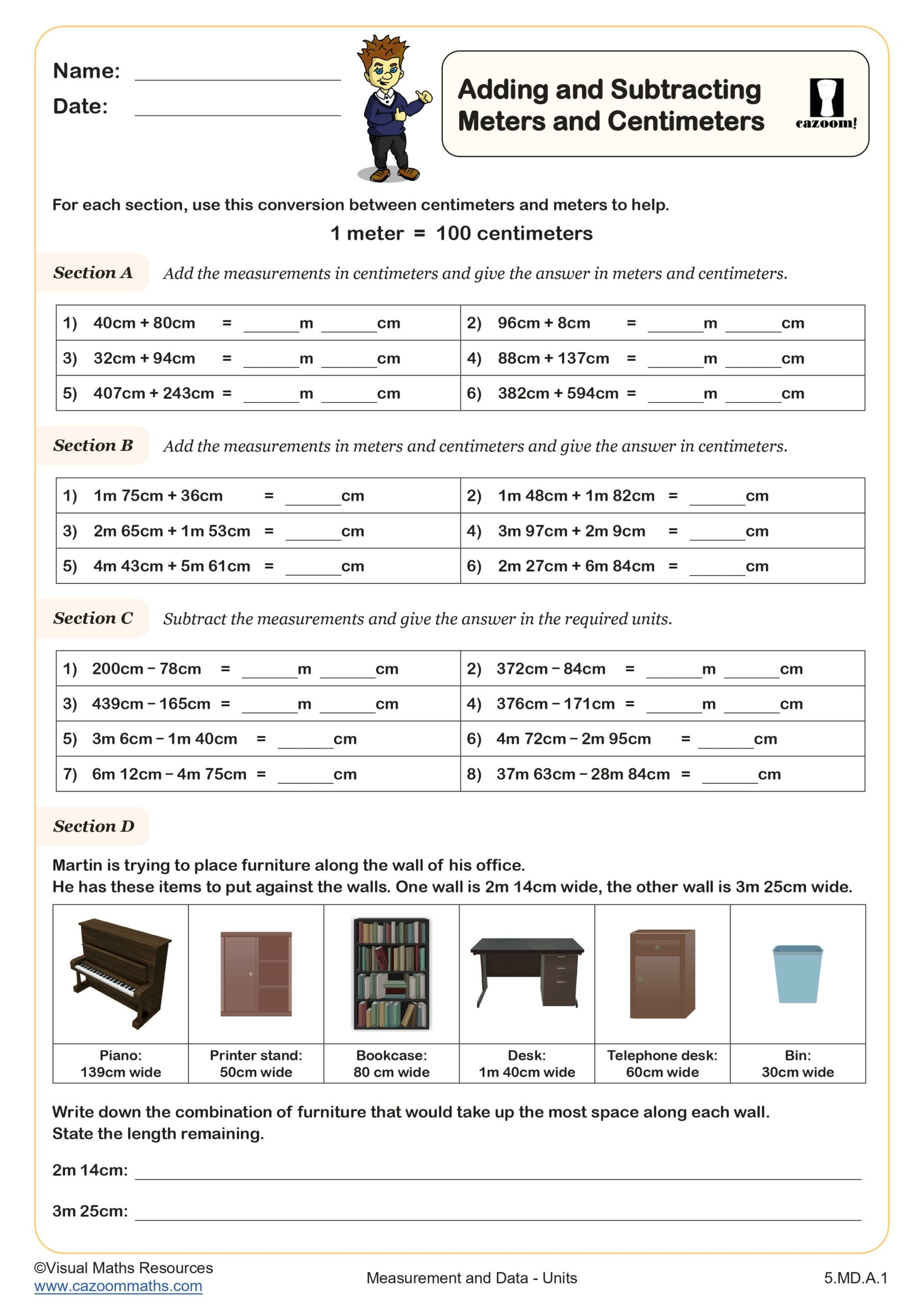
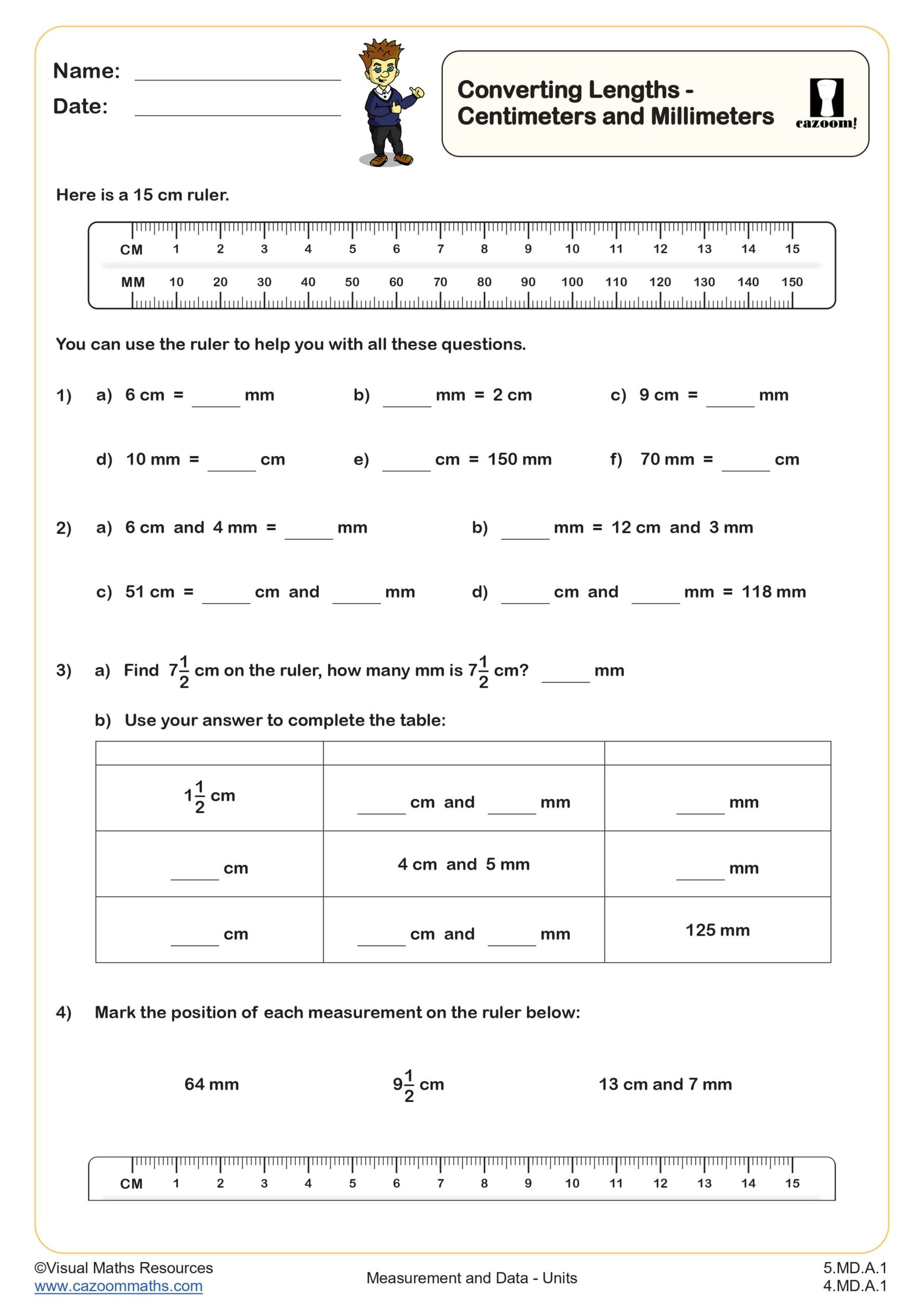
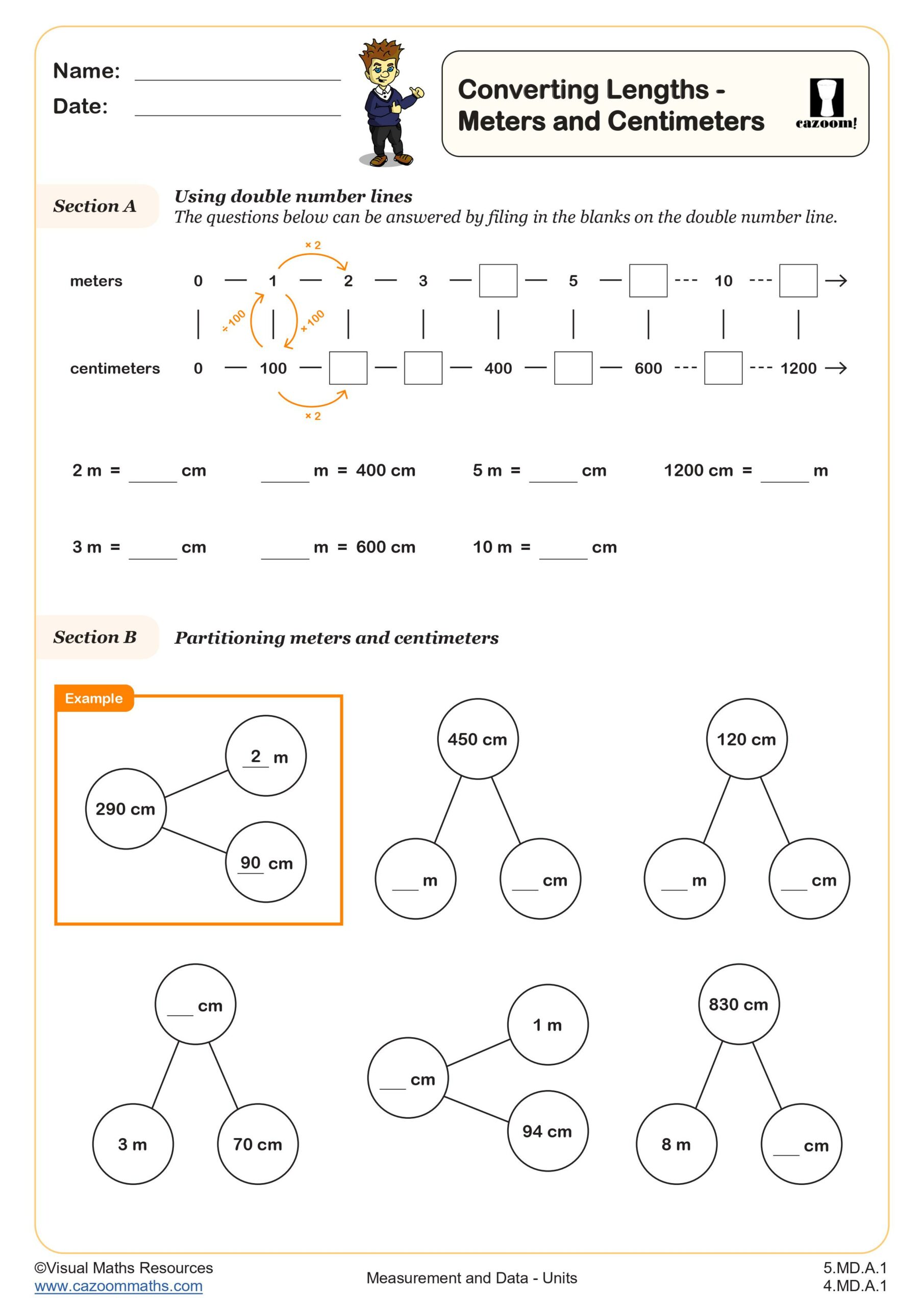
Converting between metric units requires students to understand the base-ten relationships within the metric system. When converting centimeters to millimeters, students multiply by 10 because each centimeter contains 10 millimeters. Converting meters to centimeters involves multiplying by 100, since 100 centimeters make 1 meter. Students also learn to convert in reverse by dividing, building number sense around scale and proportion.
This skill connects directly to STEM fields where precise measurements matter—engineers designing miniature circuits work in millimeters, while architects planning building dimensions use meters. Scientists studying elliptical orbits calculate astronomical distances using metric units, converting between kilometers, meters, and centimeters depending on scale. Understanding unit conversion helps students interpret data from scientific instruments that display measurements in different units, a practical skill across physics, engineering, and environmental science.
How Do These Worksheets Support Measurement Learning?
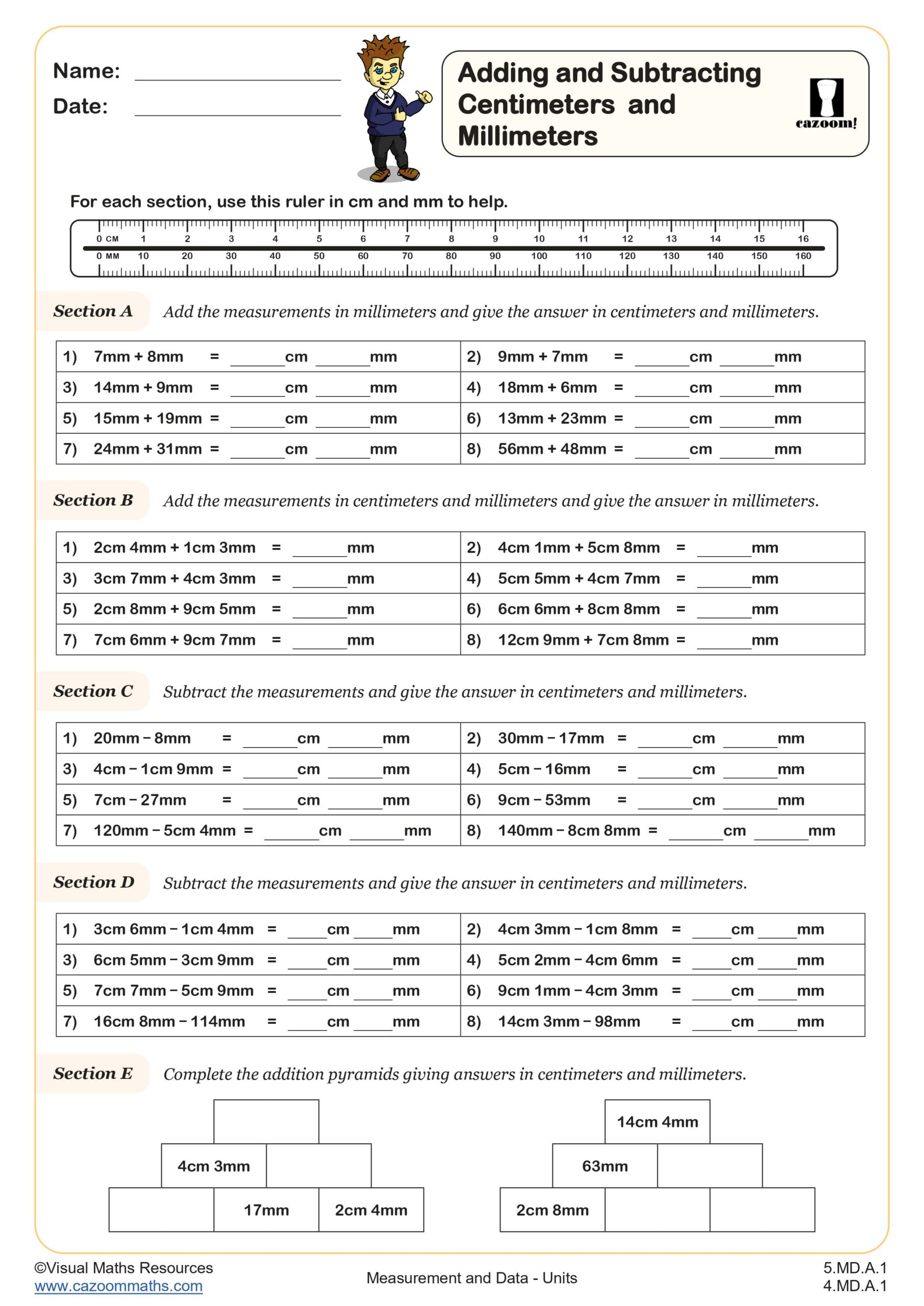
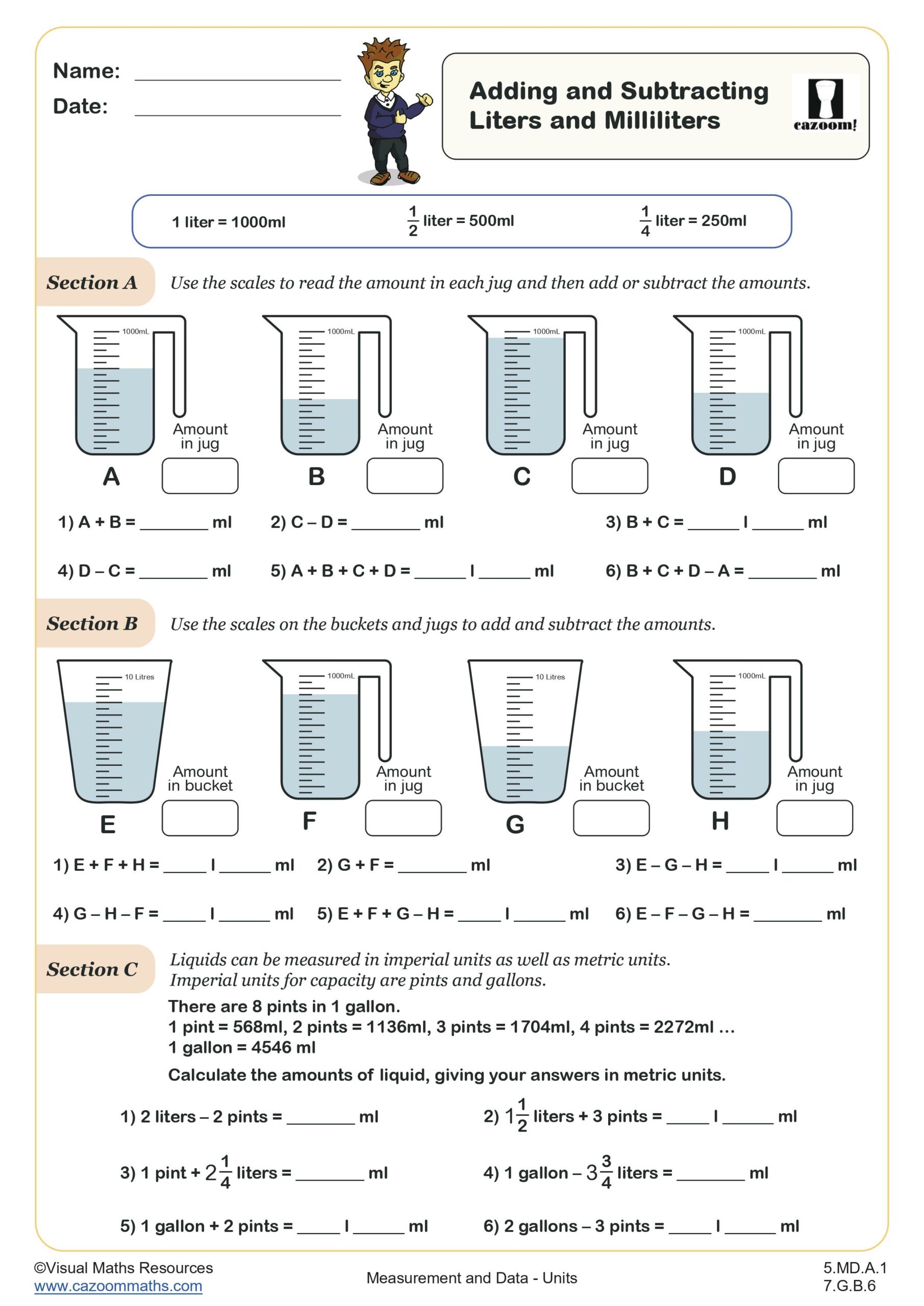
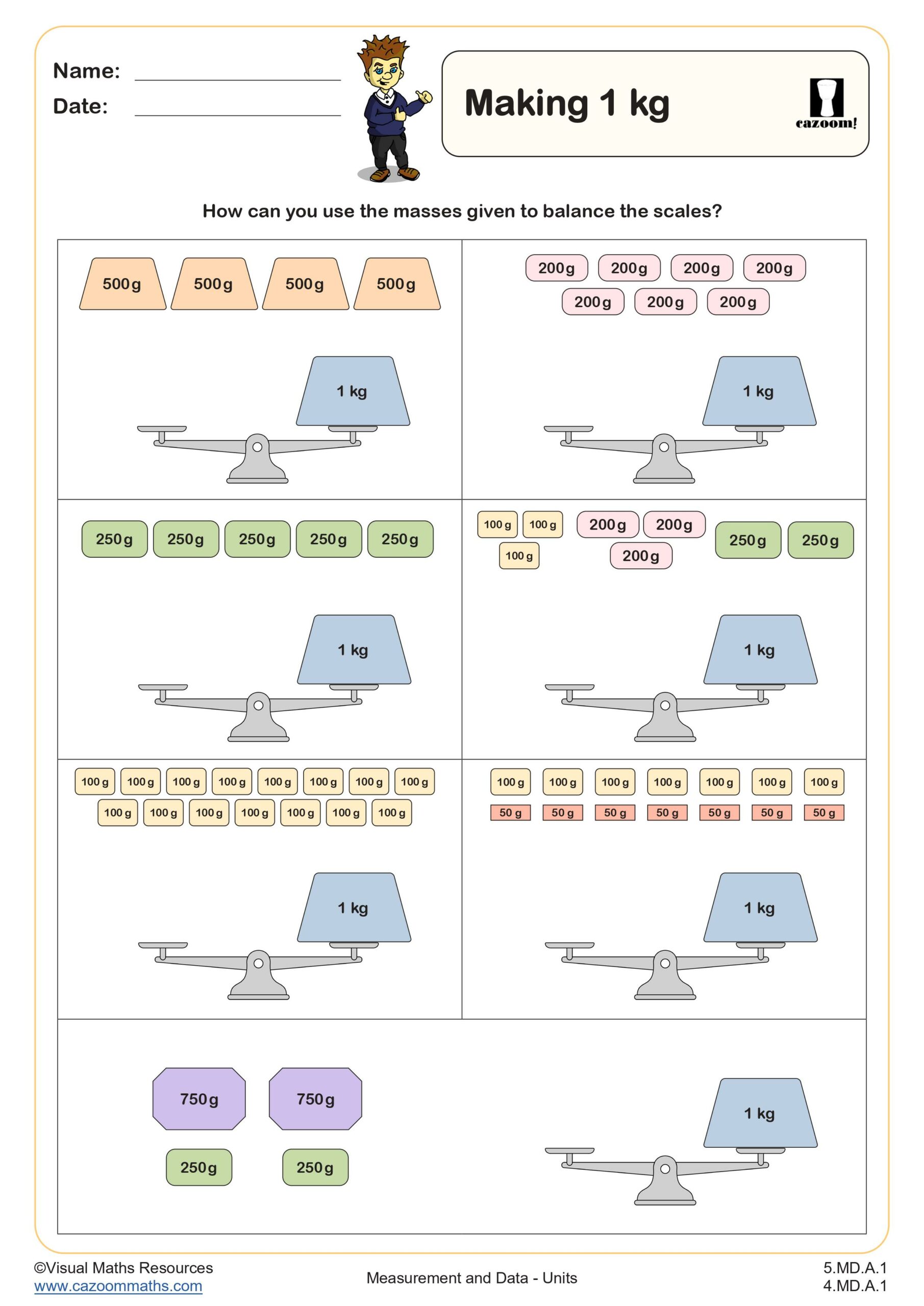
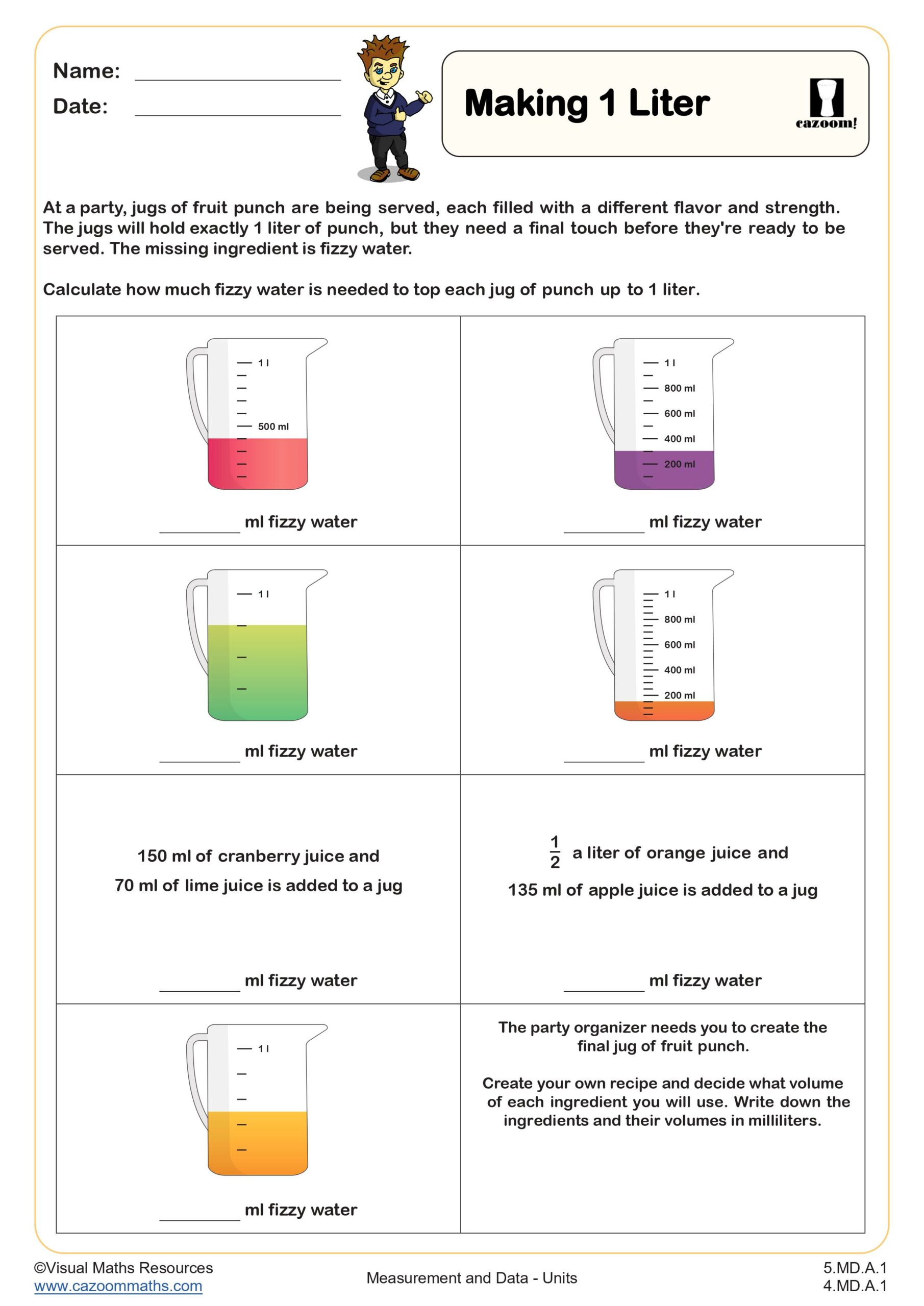
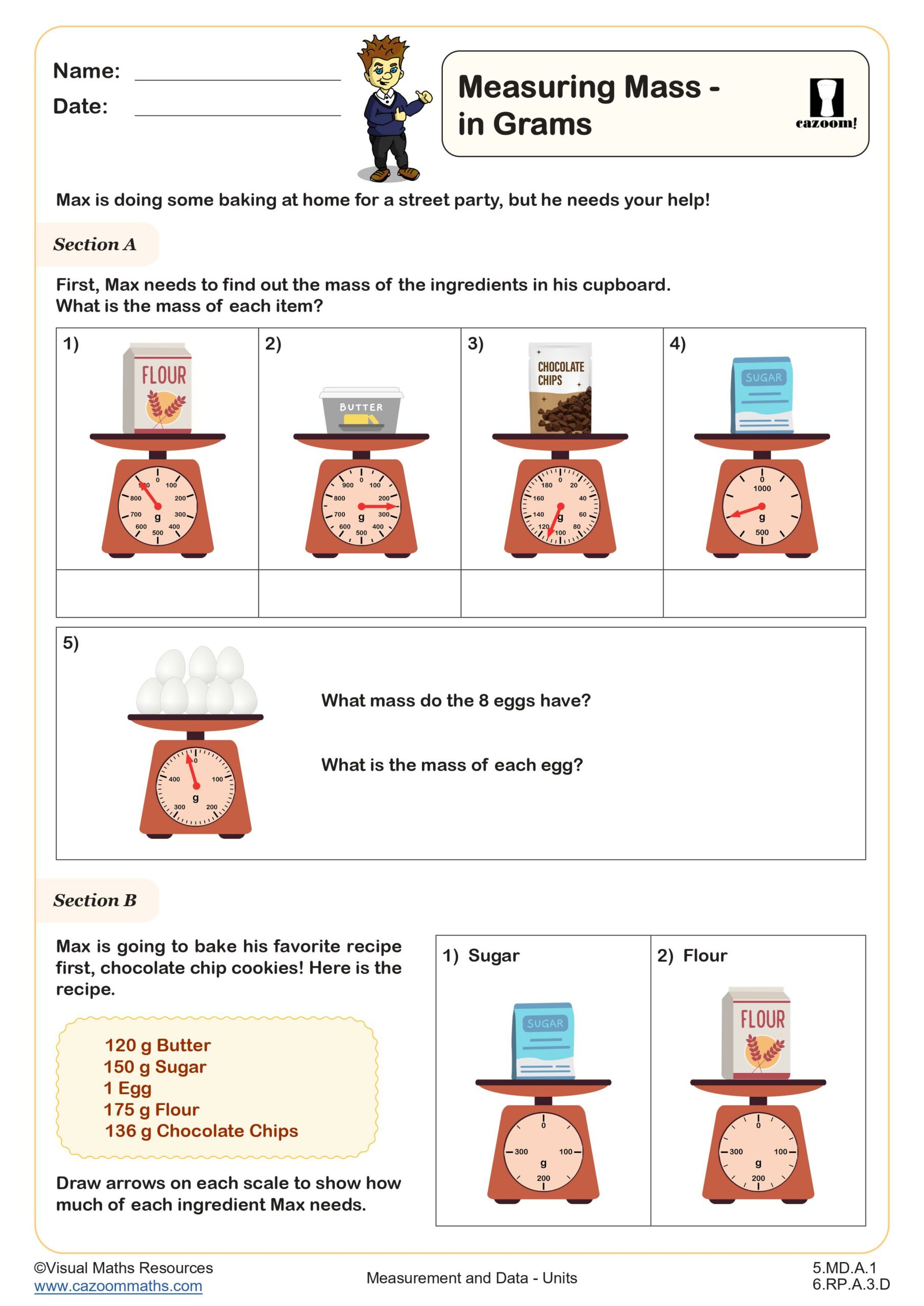
These worksheets provide structured practice with metric conversions and operations, progressing from straightforward conversions to adding and subtracting measurements with different units. Visual representations like number lines and measurement diagrams help students connect abstract unit relationships to concrete quantities. The answer keys allow students to check their work immediately, promoting self-correction and metacognitive skills.
Teachers use these worksheets during math stations for differentiated practice, assigning simpler conversion sheets to students still building fluency while challenging advanced learners with multi-step problems. The worksheets work well for intervention sessions where students need focused practice on specific conversion types. Many teachers pair students to work through problems collaboratively, encouraging mathematical discussion about when to multiply versus divide during conversions. The consistent format across difficulty levels helps students build confidence as they progress through increasingly complex measurement tasks.