K.G.A.1 Worksheets
Common Core State Standards K.G.A.1 Worksheets
Strand: Geometry
Objective: Identify and describe shapes (squares, circles, triangles, rectangles, hexagons, cubes, cones, cylinders, and spheres).
CCSS Description: Describe objects in the environment using names of shapes, and describe the relative positions of these objects using terms such as above, below, beside, in front of, behind, and next to.
Cazoom Math is a leading provider of Math Worksheets and used by over 50,000 teachers and parents around the world. Here you can find a set of math worksheets aligned to the common core standard K.G.A.1. These worksheets are perfect for learners to develop critical math skills.
You can click on the images below to find out more about each math worksheet, and download and print the resource.
We have a great range of resources for students in Kindergarten. Check out our Kindergarten Math Worksheets page for more details.
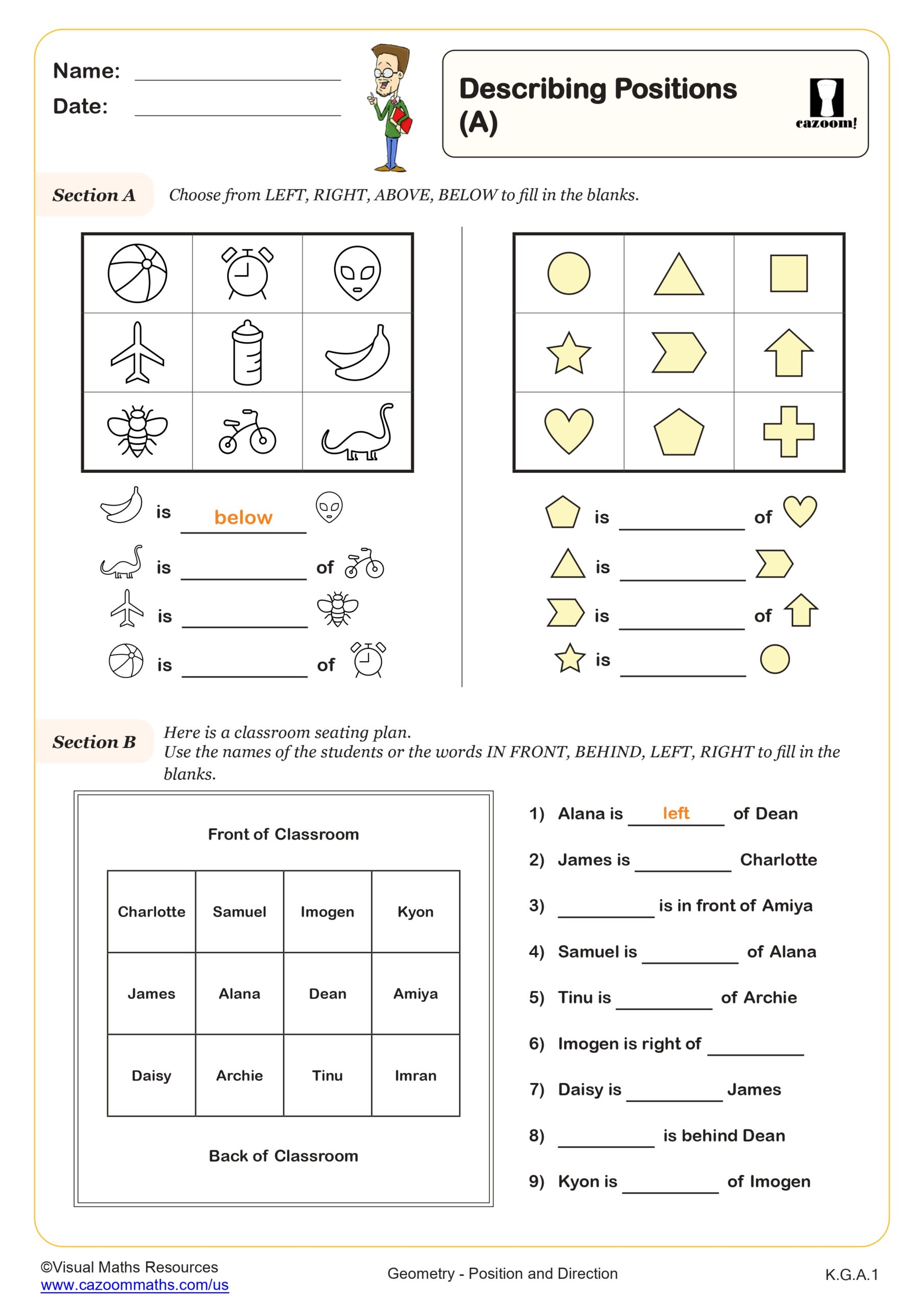
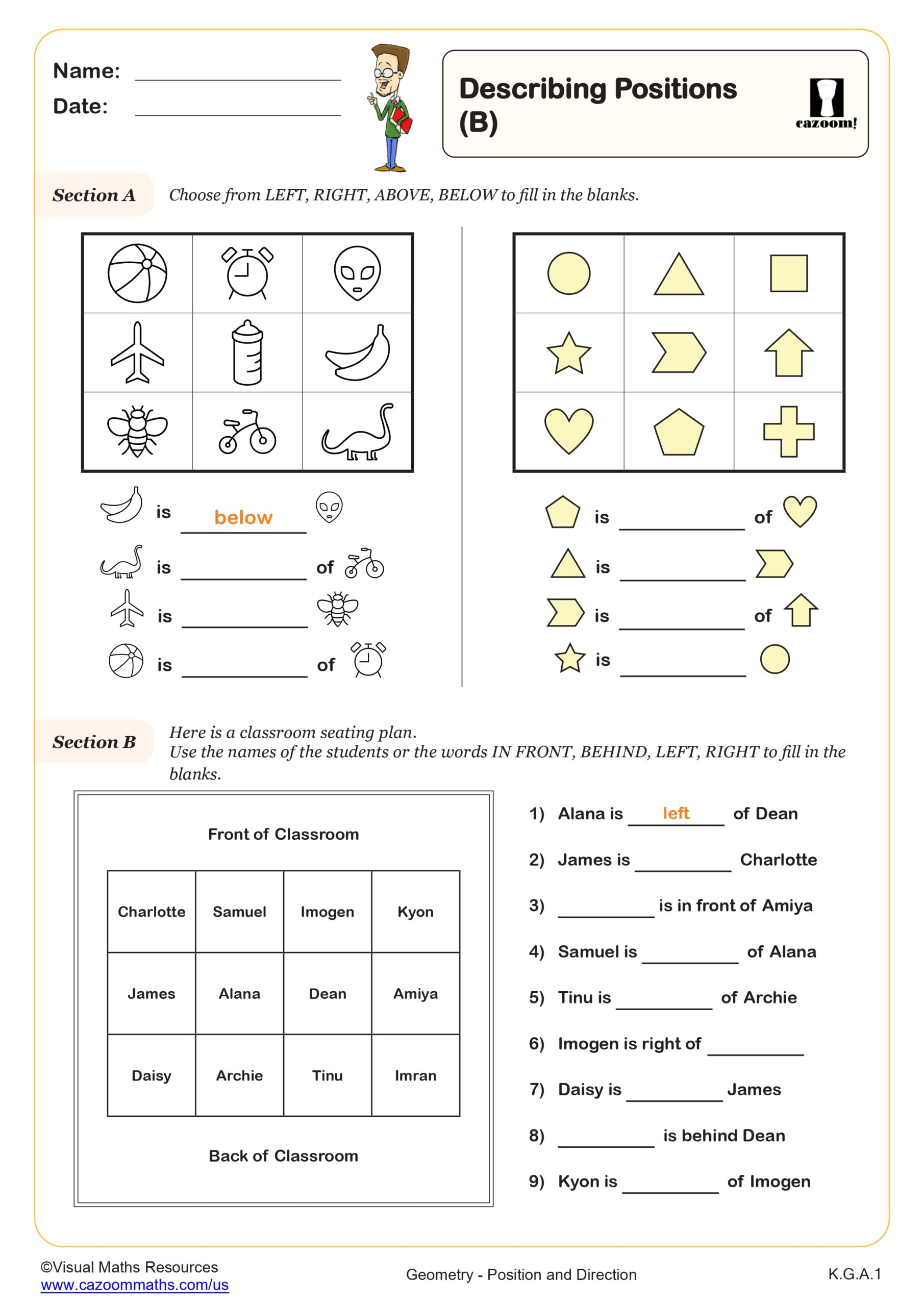
All worksheets are created by the team of experienced teachers at Cazoom Math.
How do teachers access worksheets after cazoom login?
After cazoom login, teachers can access K.G.A.1 worksheets through the geometry section of the kindergarten resources. The platform organizes materials by Common Core standards, making it easy to locate specific shape recognition activities that align with curriculum requirements.
Teachers report that the search function helps them quickly find worksheets targeting specific skills like identifying triangles versus circles. The download feature allows educators to prepare materials in advance, and many teachers print multiple copies to create shape sorting centers or small group activities during math rotations.
What grade levels benefit from K.G.A.1 shape recognition practice?
While K.G.A.1 specifically targets kindergarten students, teachers find these worksheets useful across various grades for different purposes. Kindergarten teachers use them as core instruction, while first grade educators often assign them as review or intervention support for students who need additional practice.
Preschool teachers sometimes adapt the simpler activities for advanced learners, and special education teachers use these worksheets with older students who need foundational geometry support. The visual nature of shape recognition makes these activities accessible to students at different developmental stages, regardless of their chronological age.
Why do students struggle with distinguishing squares from rectangles?
Many kindergarten students initially think squares and rectangles are completely different shapes because they focus on visual appearance rather than geometric properties. Teachers observe that students often categorize shapes based on orientation, mistaking a tilted square for a diamond or different shape entirely.
The key teaching moment comes when educators help students understand that squares are special rectangles with four equal sides. Effective worksheets include sorting activities where students group shapes by properties rather than just visual similarity, helping them solve classification problems through hands-on exploration and guided discovery.
How can teachers maximize learning with K.G.A.1 worksheets?
Teachers report the greatest success when they combine worksheet practice with hands-on manipulation activities using physical shapes or shape blocks. The worksheets work best as reinforcement after students have explored real shapes through touch and movement, connecting abstract representations to concrete experiences.
Many educators use these worksheets as assessment tools, observing which students can independently identify shapes versus those who still need visual supports. Teachers also find success in having students explain their thinking while completing worksheets, as this reveals misconceptions about shape attributes that might not be obvious from correct answers alone.