K.NBT.A.1 Worksheets
Common Core State Standards K.NBT.A.1 Worksheets
Strand: Number and Operations in Base Ten
Objective: Work with numbers 11–19 to gain foundations for place value.
CCSS Description: Compose and decompose numbers from 11 to 19 into ten ones and some further ones, e.g., by using objects or drawings, and record each composition or decomposition by a drawing or equation (e.g., 18 = 10 + 8); understand that these numbers are composed of ten ones and one, two, three, four, five, six, seven, eight, or nine ones.
Cazoom Math is a leading provider of Math Worksheets and used by over 50,000 teachers and parents around the world. Here you can find a set of math worksheets aligned to the common core standard K.NBT.A.1. These worksheets are perfect for learners to develop critical math skills.
You can click on the images below to find out more about each math worksheet, and download and print the resource.
We have a great range of resources for students in Kindergarten. Check out our Kindergarten Math Worksheets page for more details.
Addition with dots (A)
Grades: Kindergarten, 1st Grade
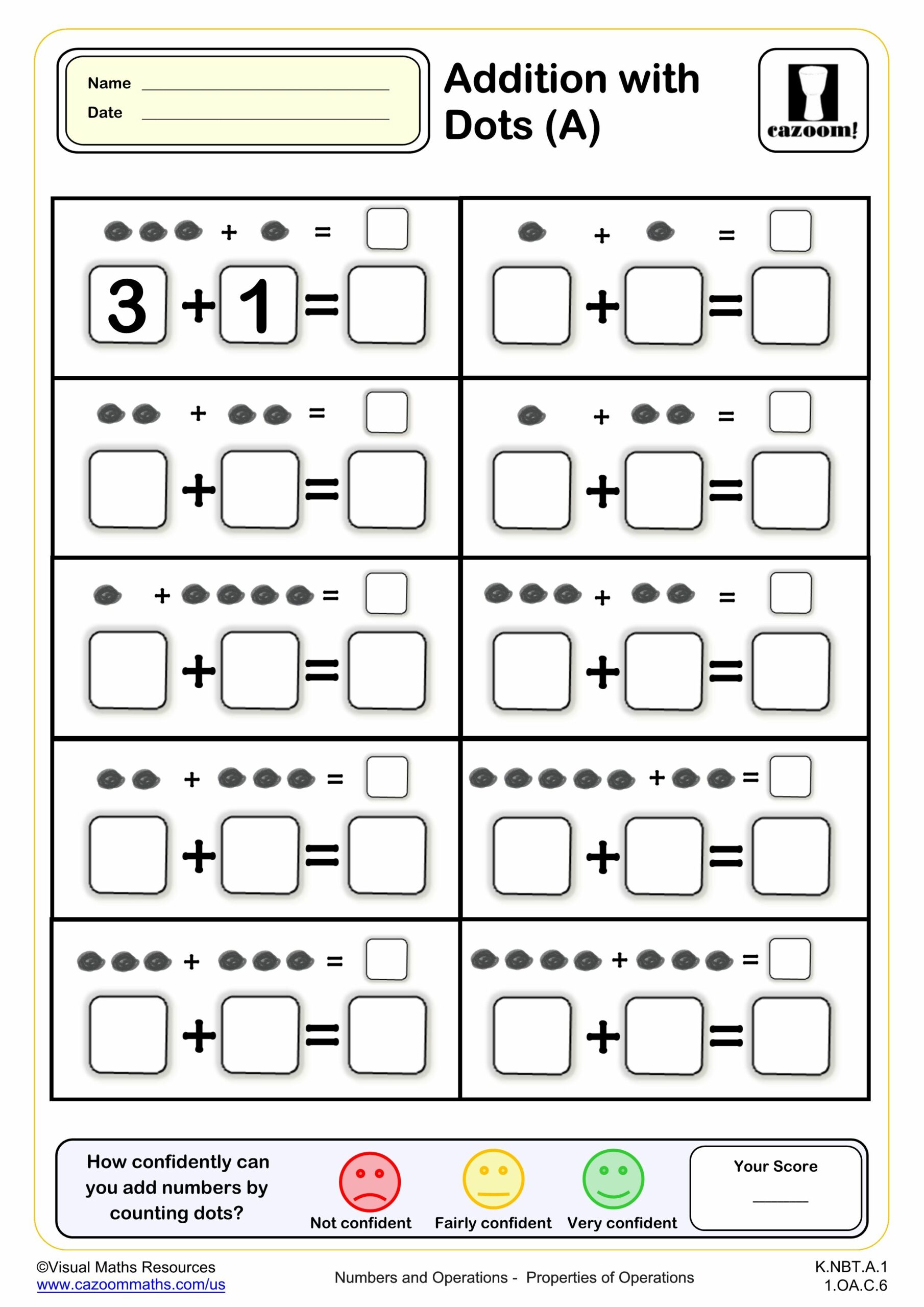
Addition with Dots (B)
Grades: Kindergarten, 1st Grade
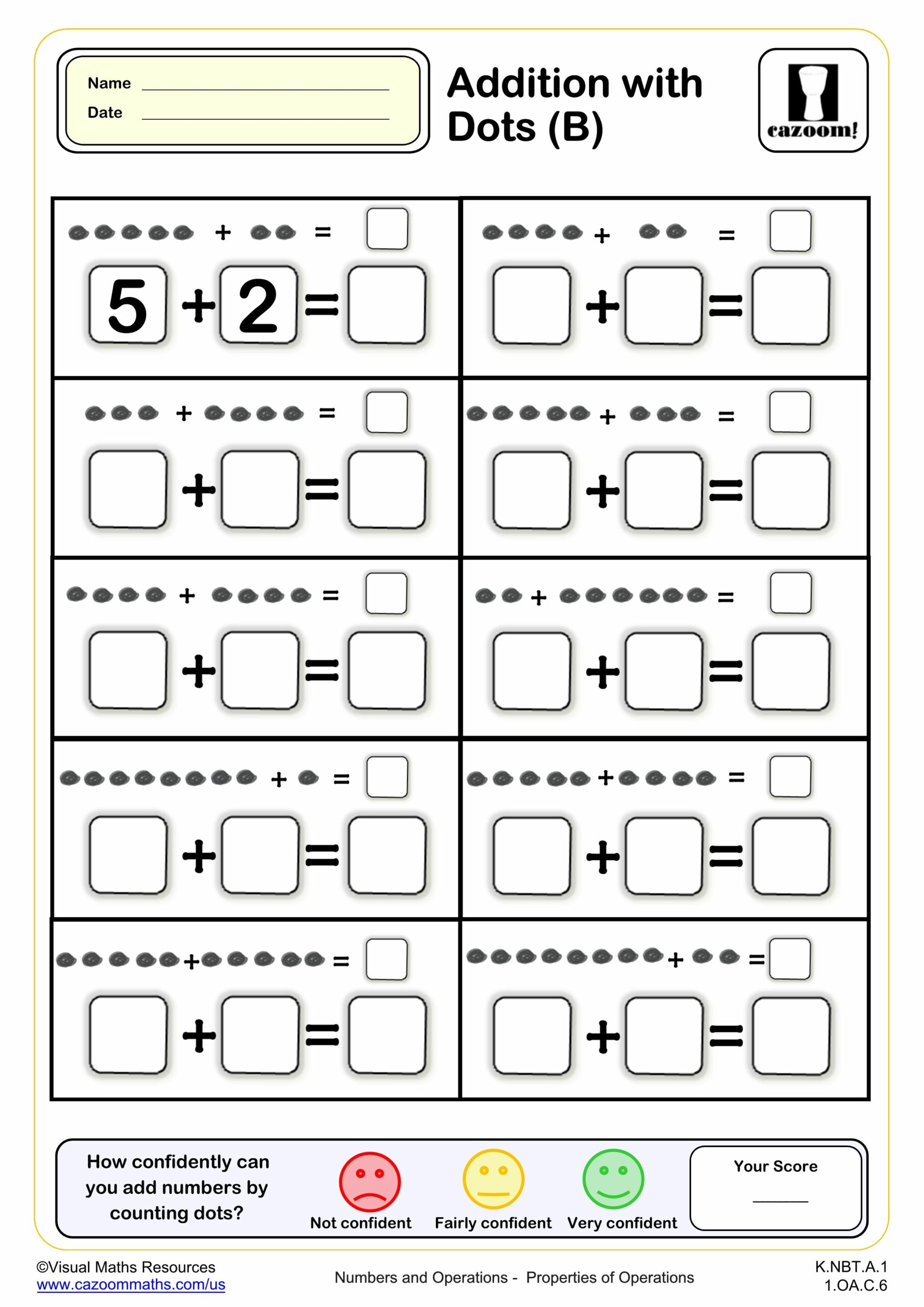
Addition with Dots (C)
Grades: Kindergarten, 1st Grade
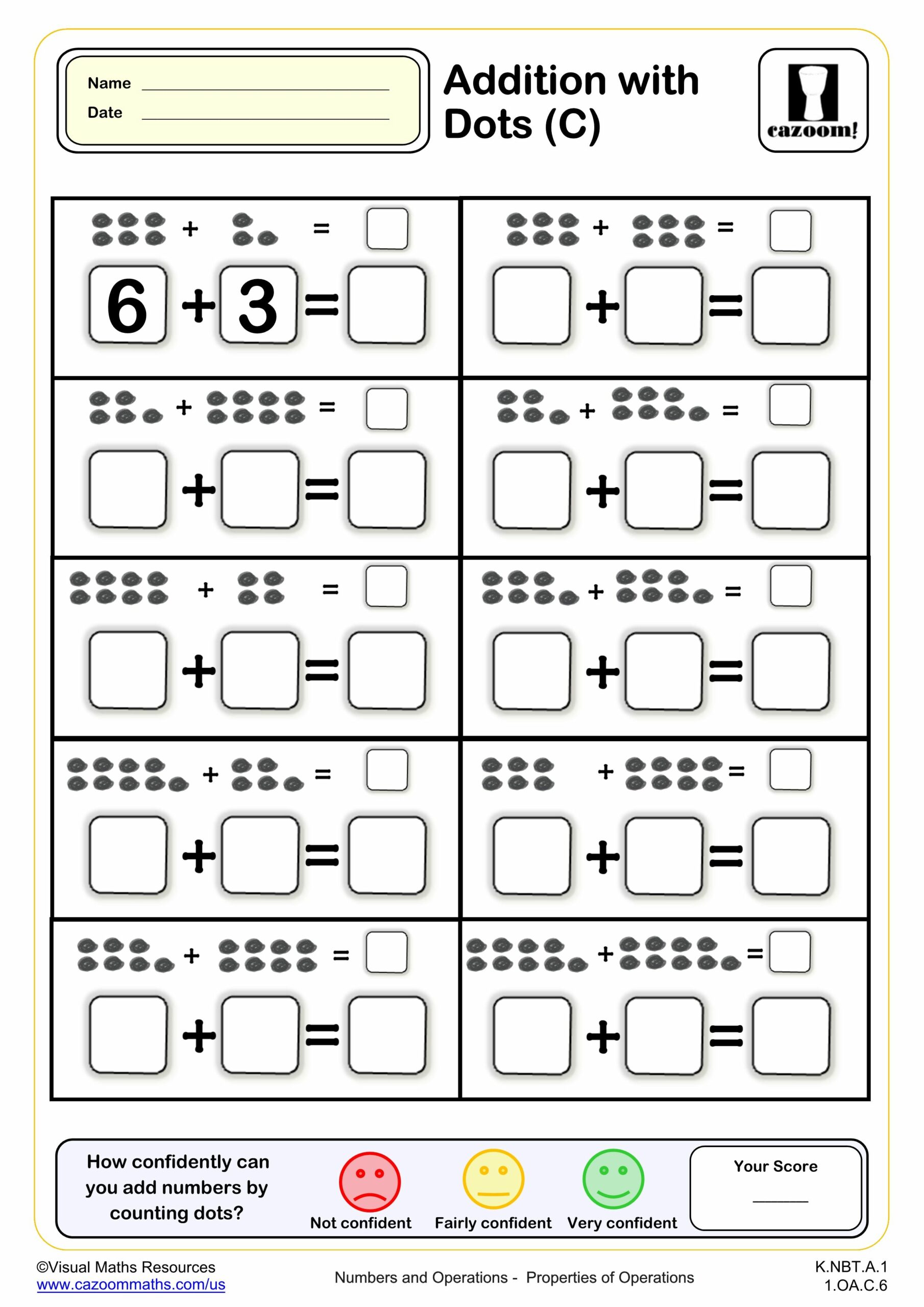
Addition with Number Lines (up to 10)
Grades: Kindergarten
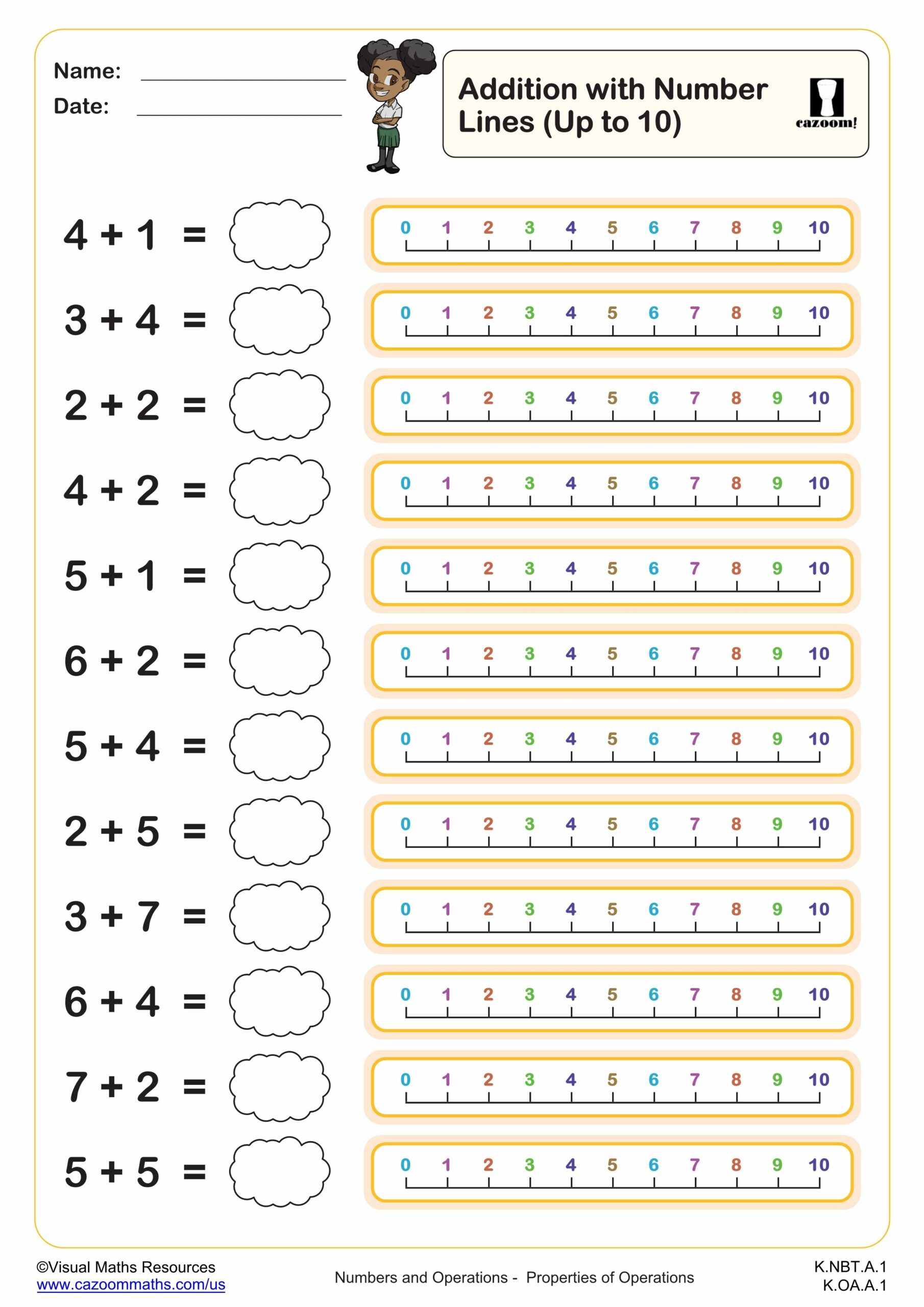
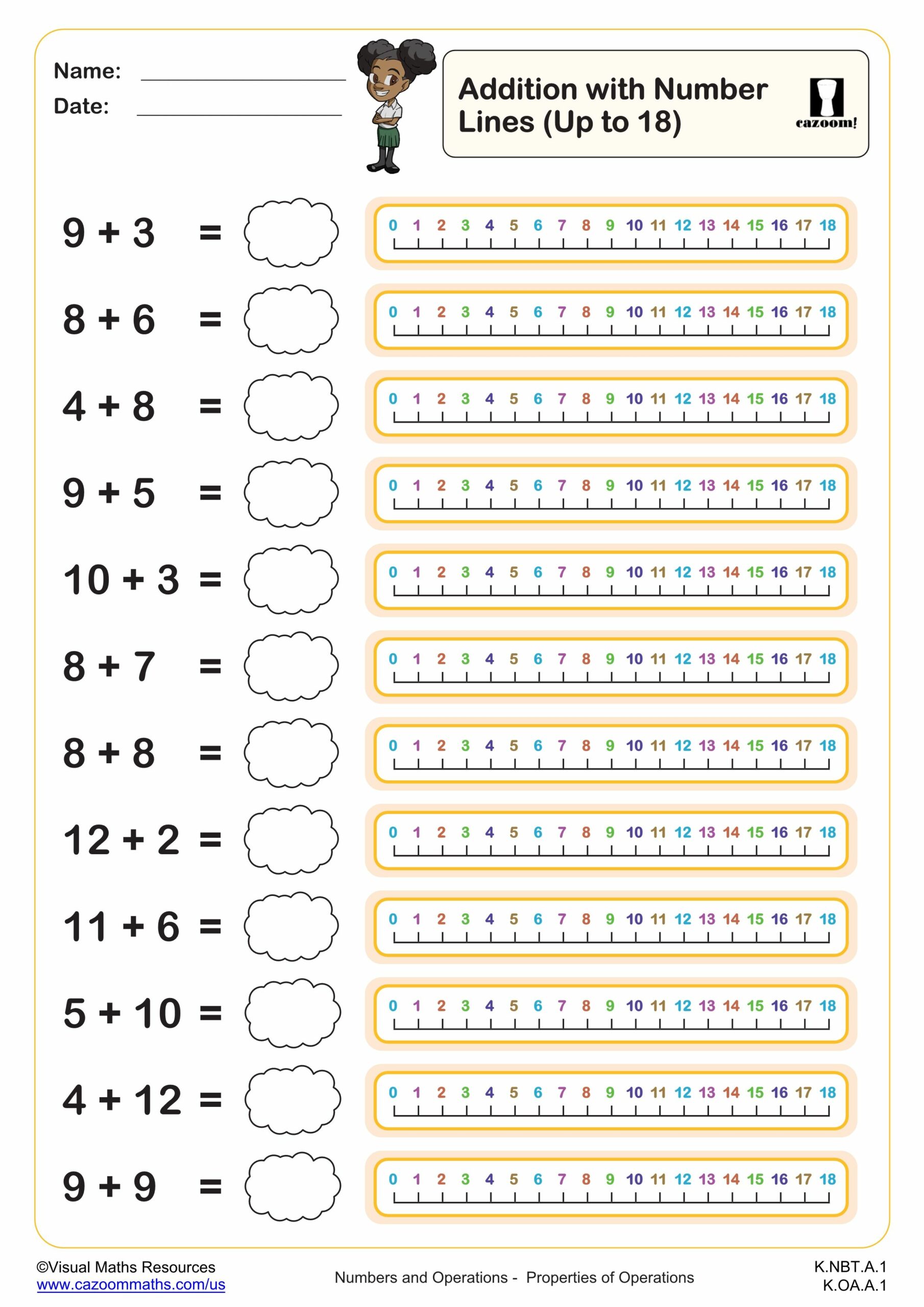
Addition with Number Lines (up to 18)
Grades: Kindergarten
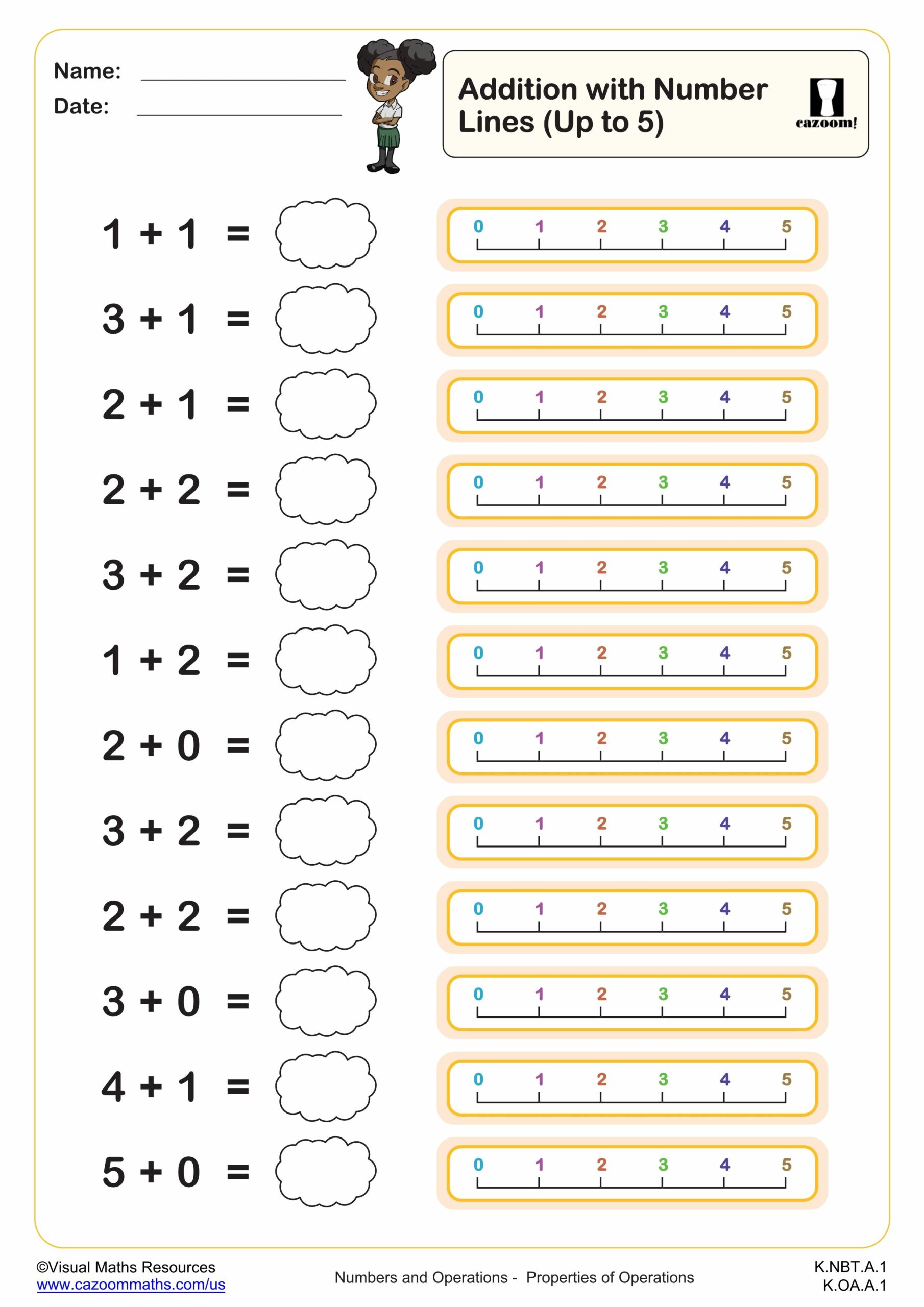
Addition with Number Lines (up to 5)
Grades: Kindergarten
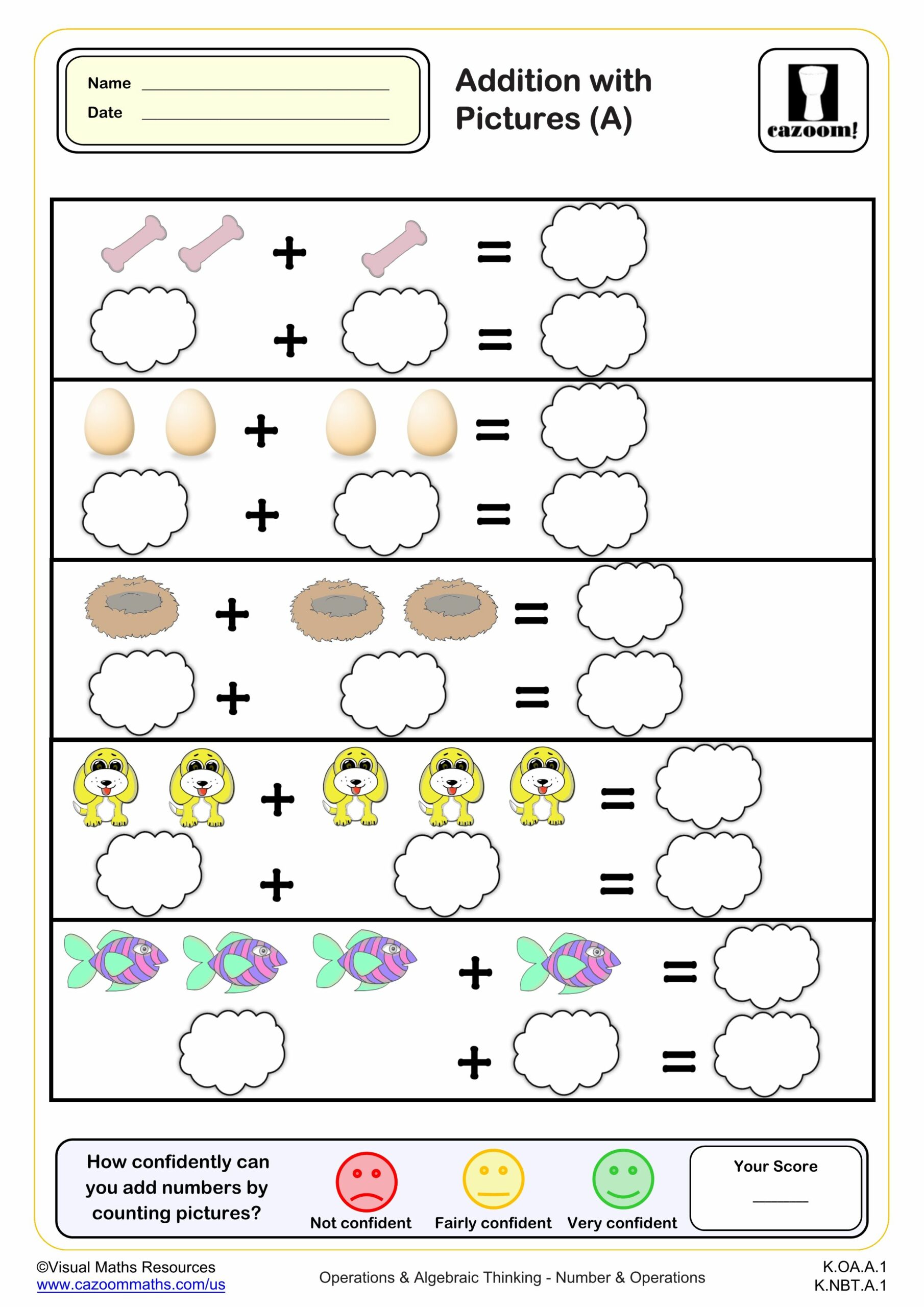
Addition with Pictures (A)
Grades: Kindergarten
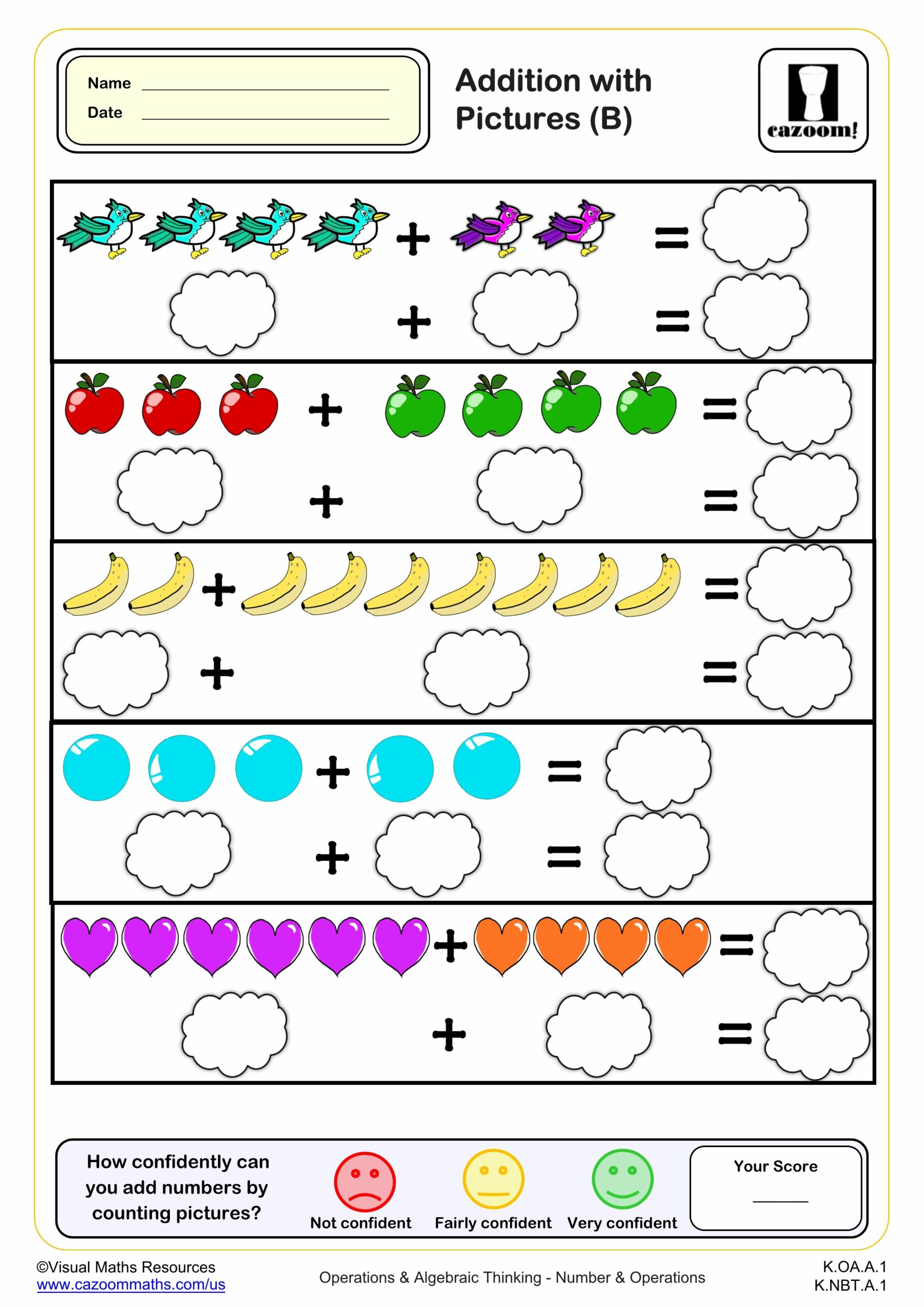
Addition with Pictures (B)
Grades: Kindergarten
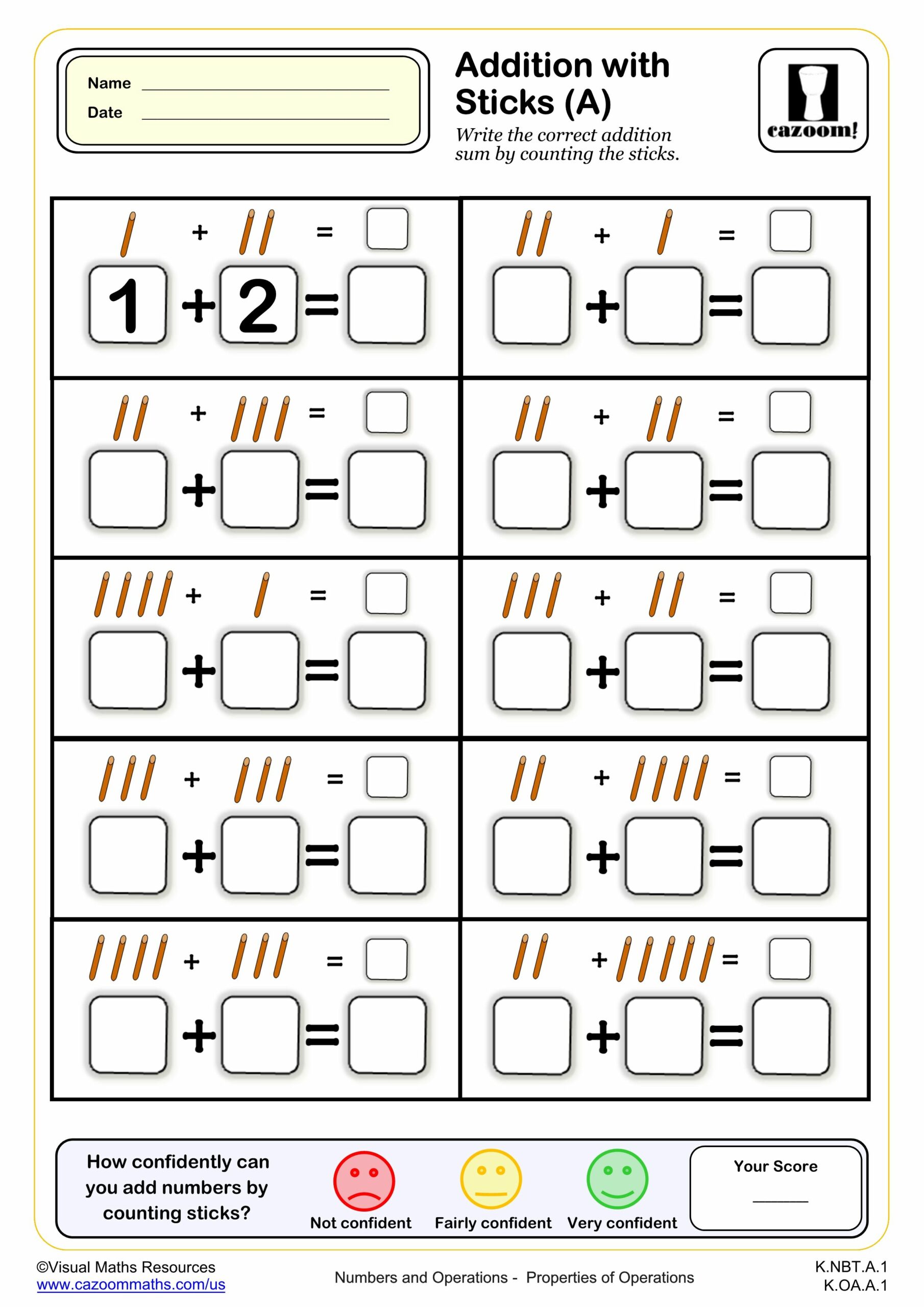
Addition with Sticks (A)
Grades: Kindergarten
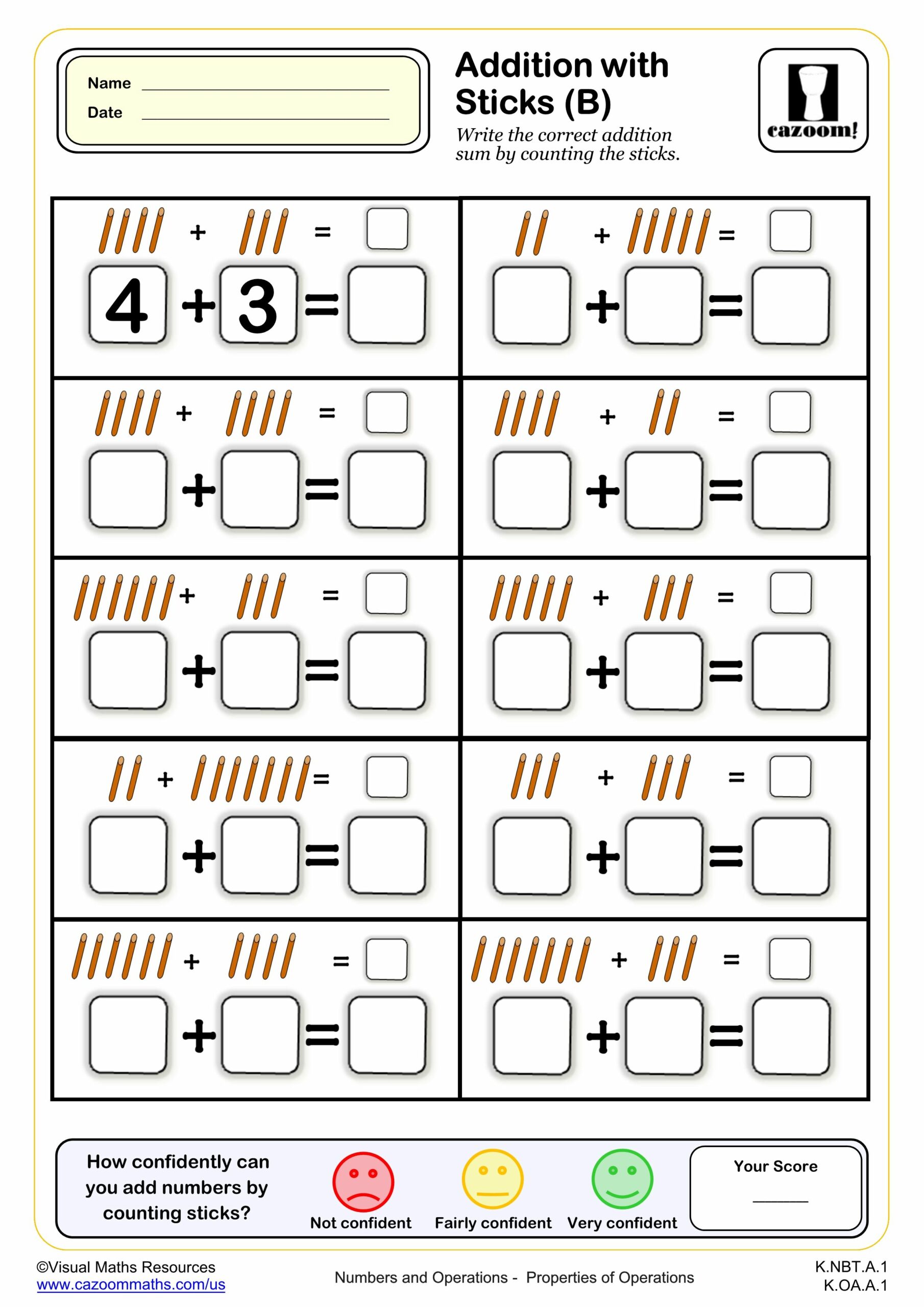
Addition with Sticks (B)
Grades: Kindergarten
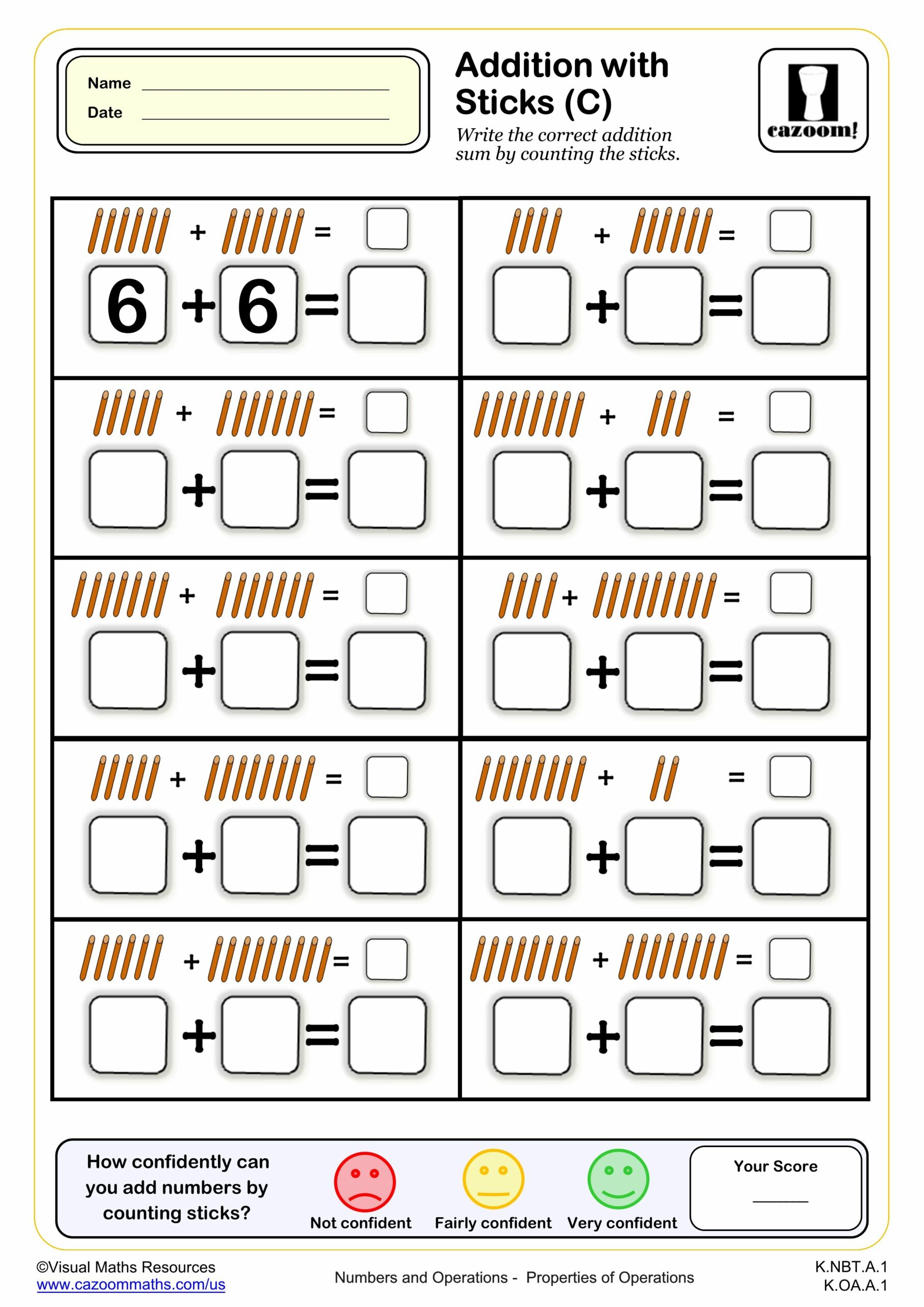
Addition with Sticks (C)
Grades: Kindergarten
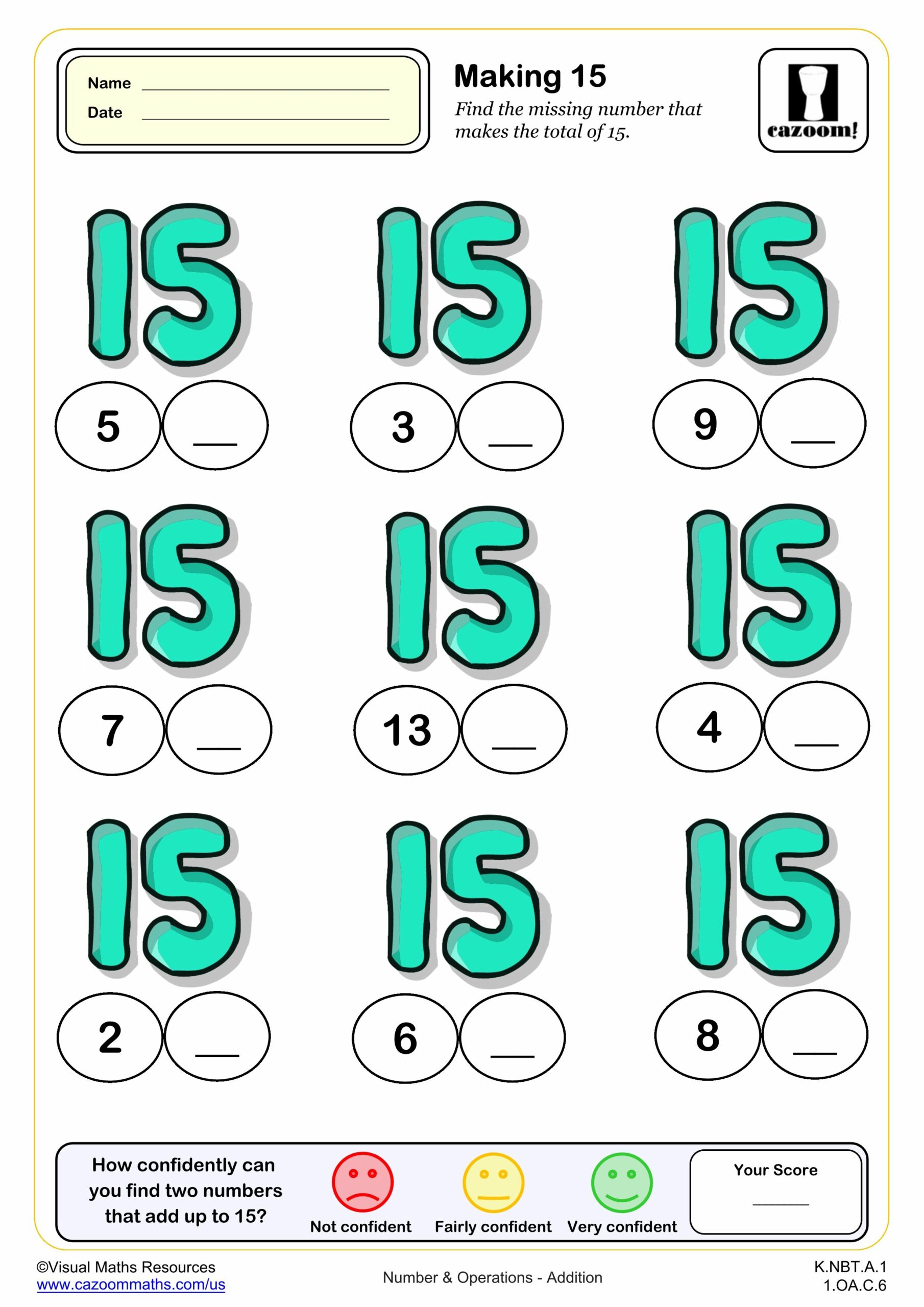
Making 15
Grades: Kindergarten, 1st Grade
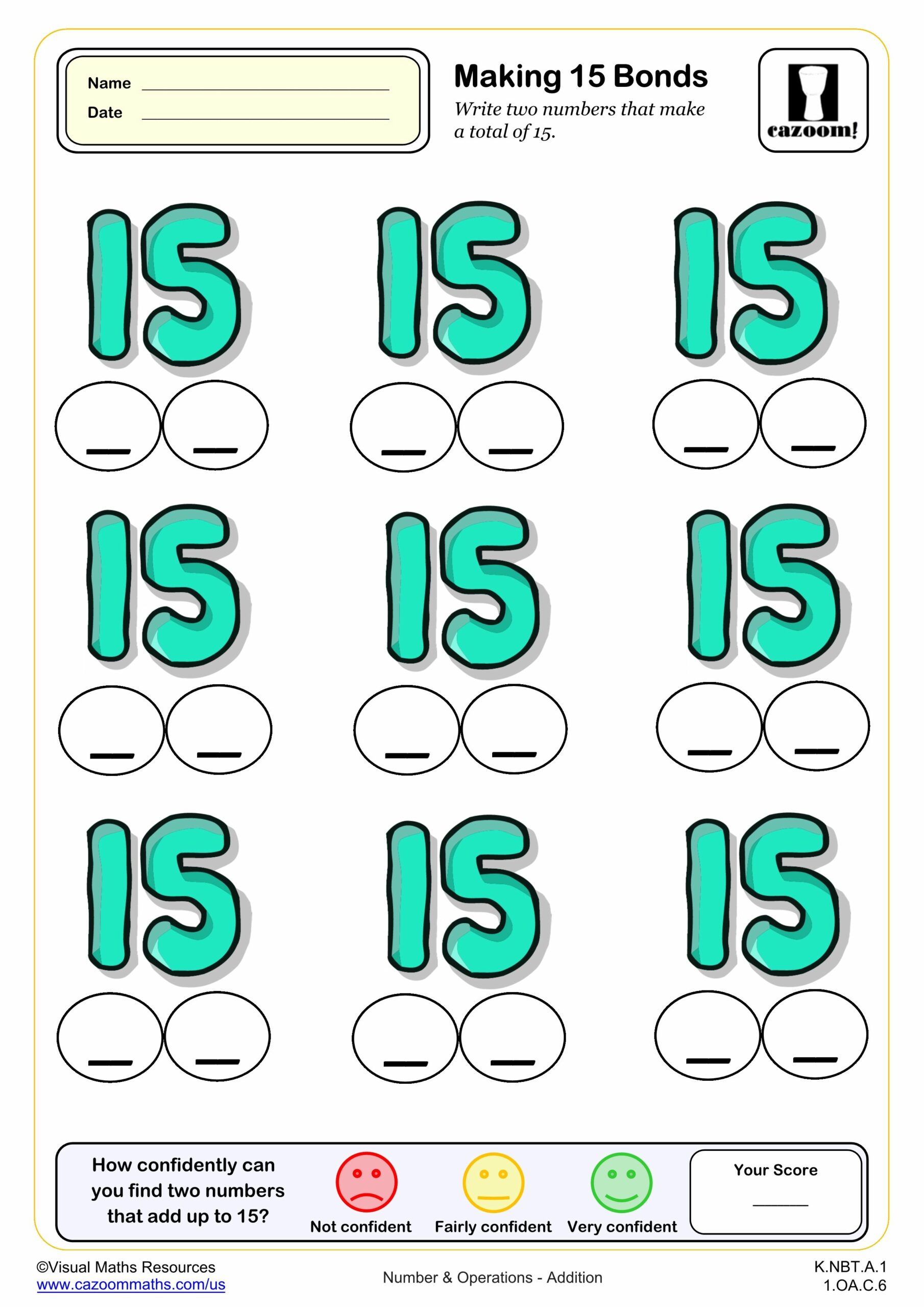
Making 15 (BONDS)
Grades: Kindergarten, 1st Grade
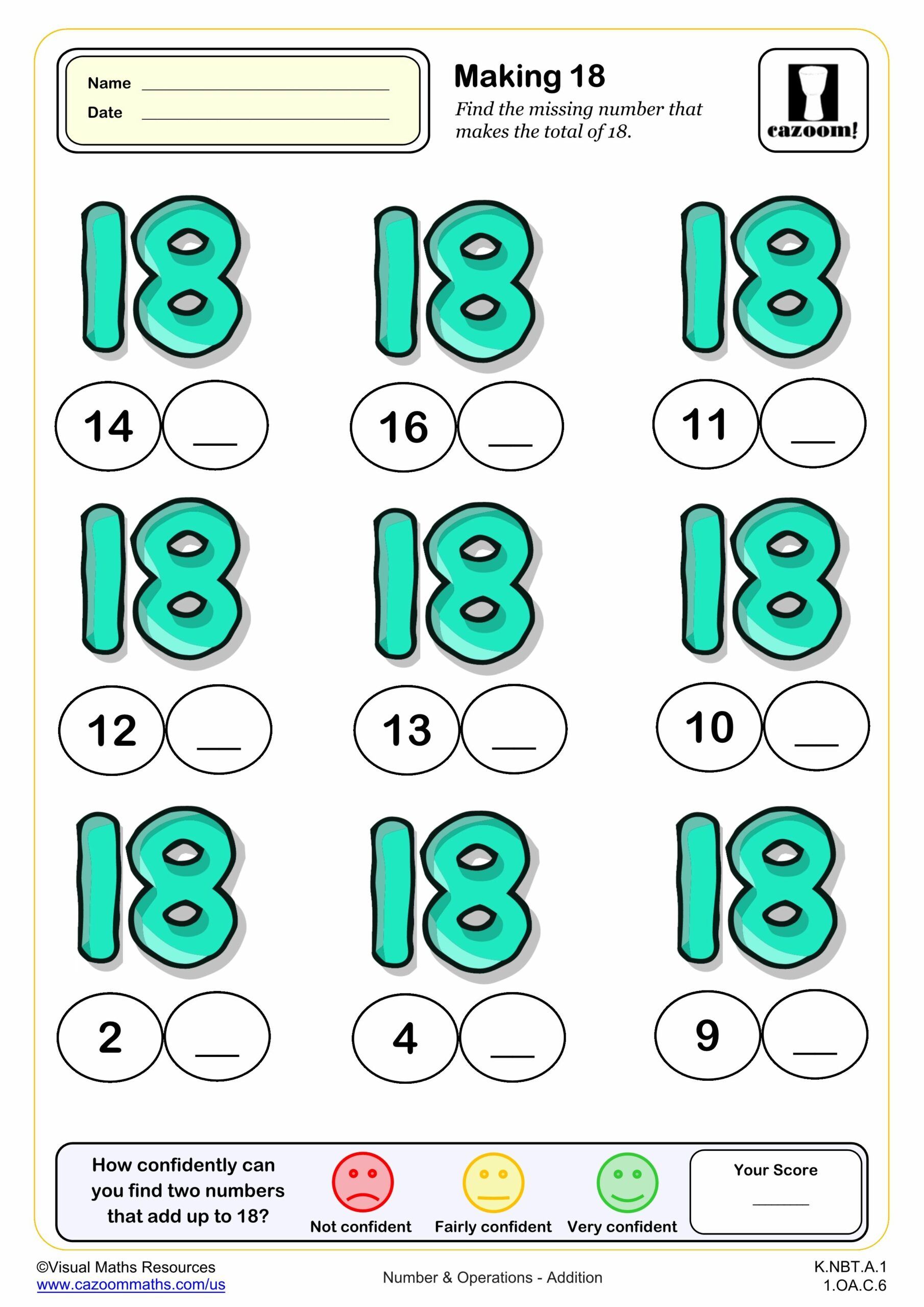
Making 18
Grades: Kindergarten, 1st Grade
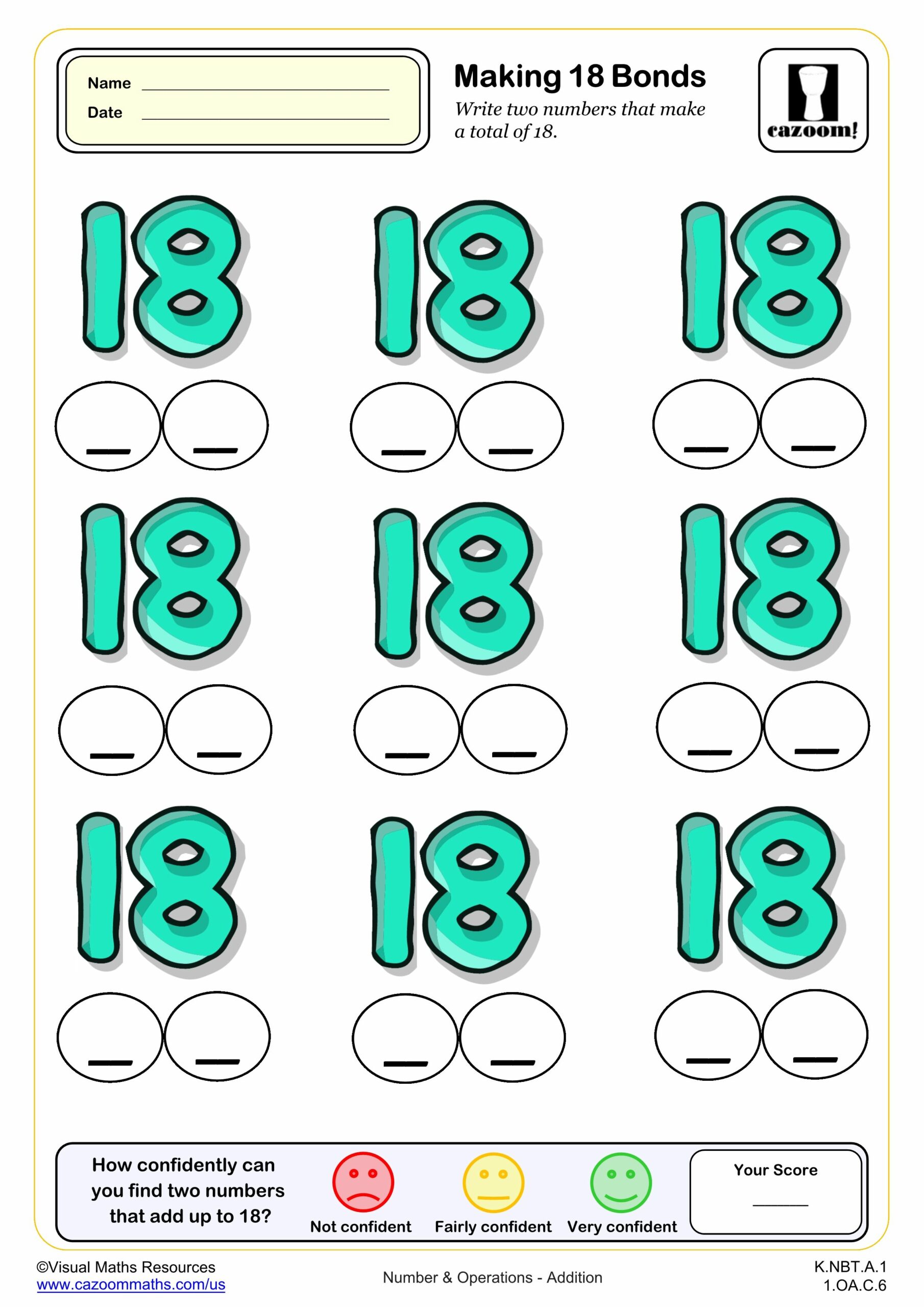
Making 18 (BONDS)
Grades: Kindergarten, 1st Grade
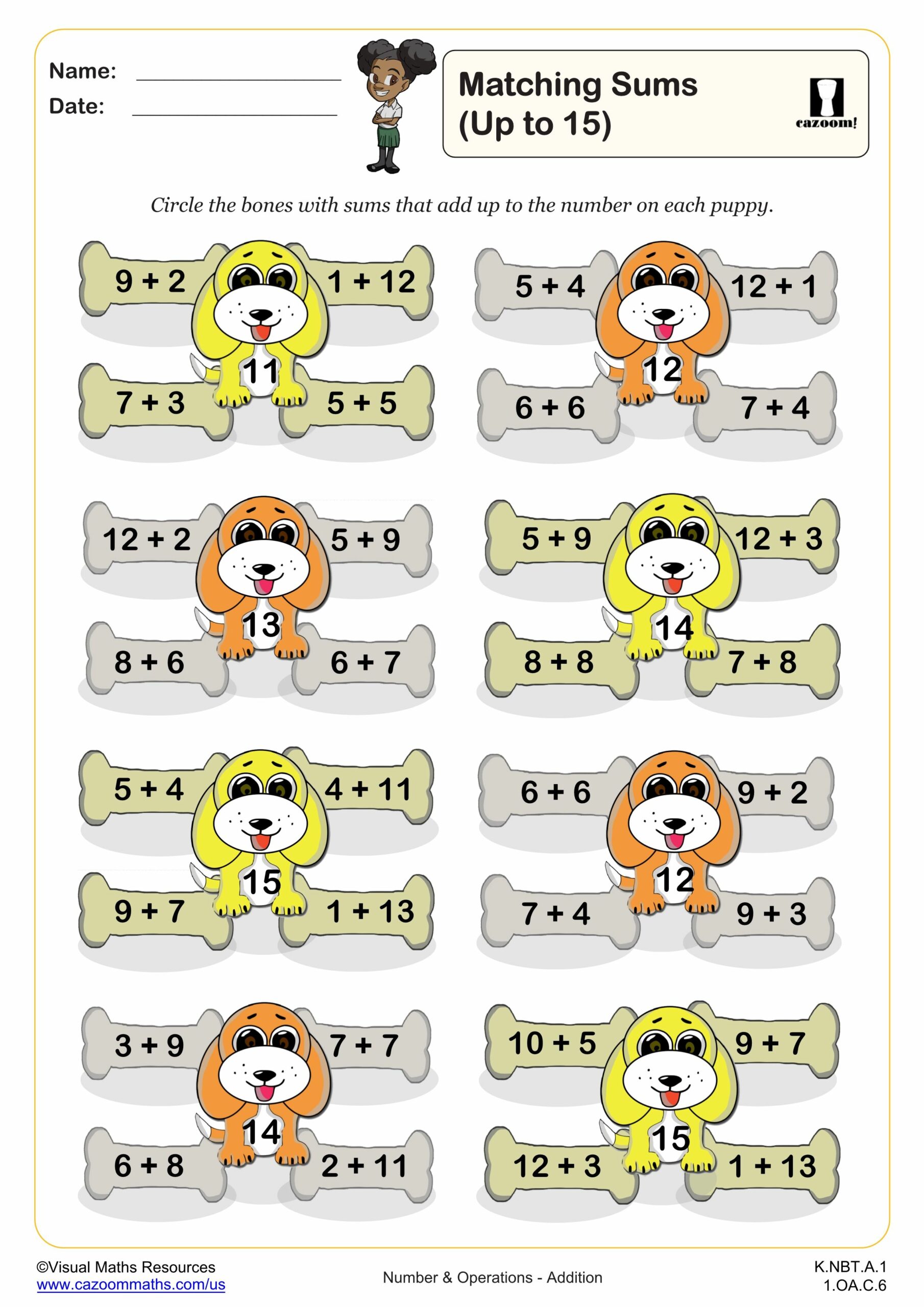
Matching sums (Up to 15)
Grades: Kindergarten, 1st Grade
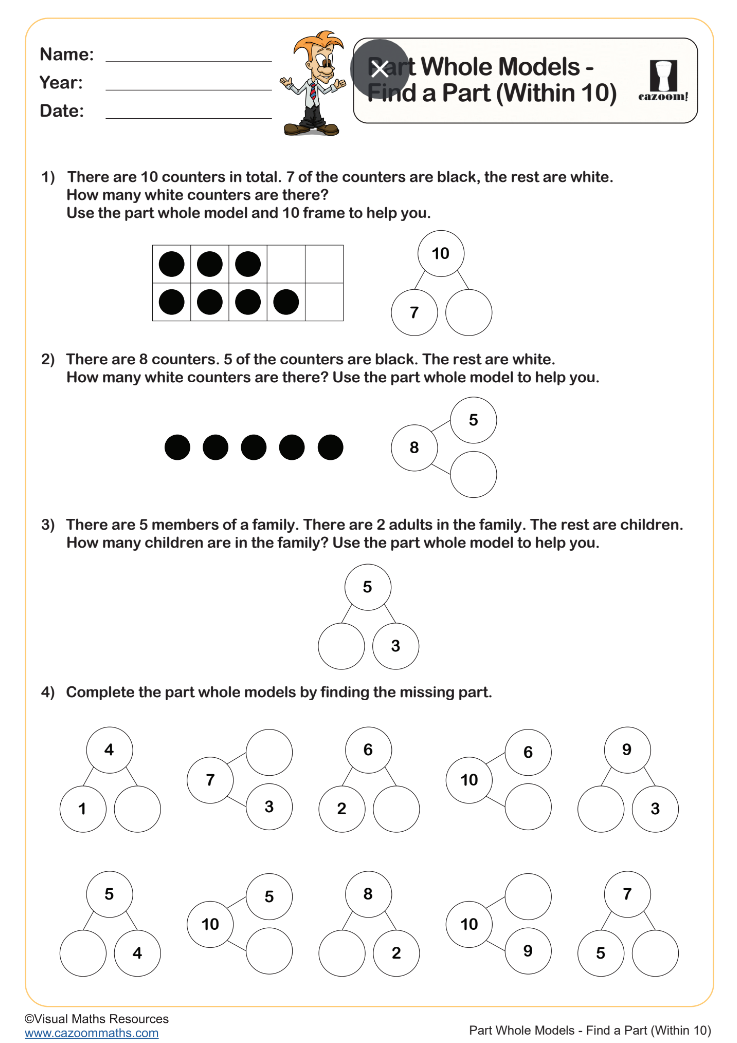
Part Part Whole Models - Find a Part (Within 10)
Grades: Kindergarten, 1st Grade
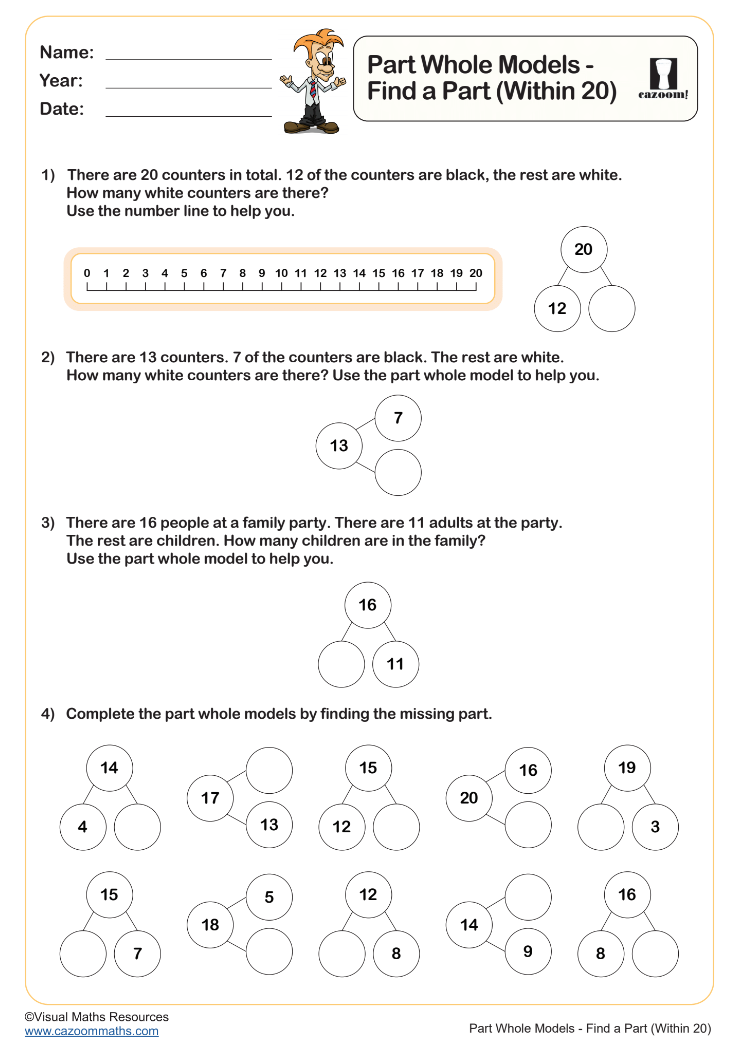
Part Part Whole Models - Find a Part (Within 20)
Grades: Kindergarten, 1st Grade
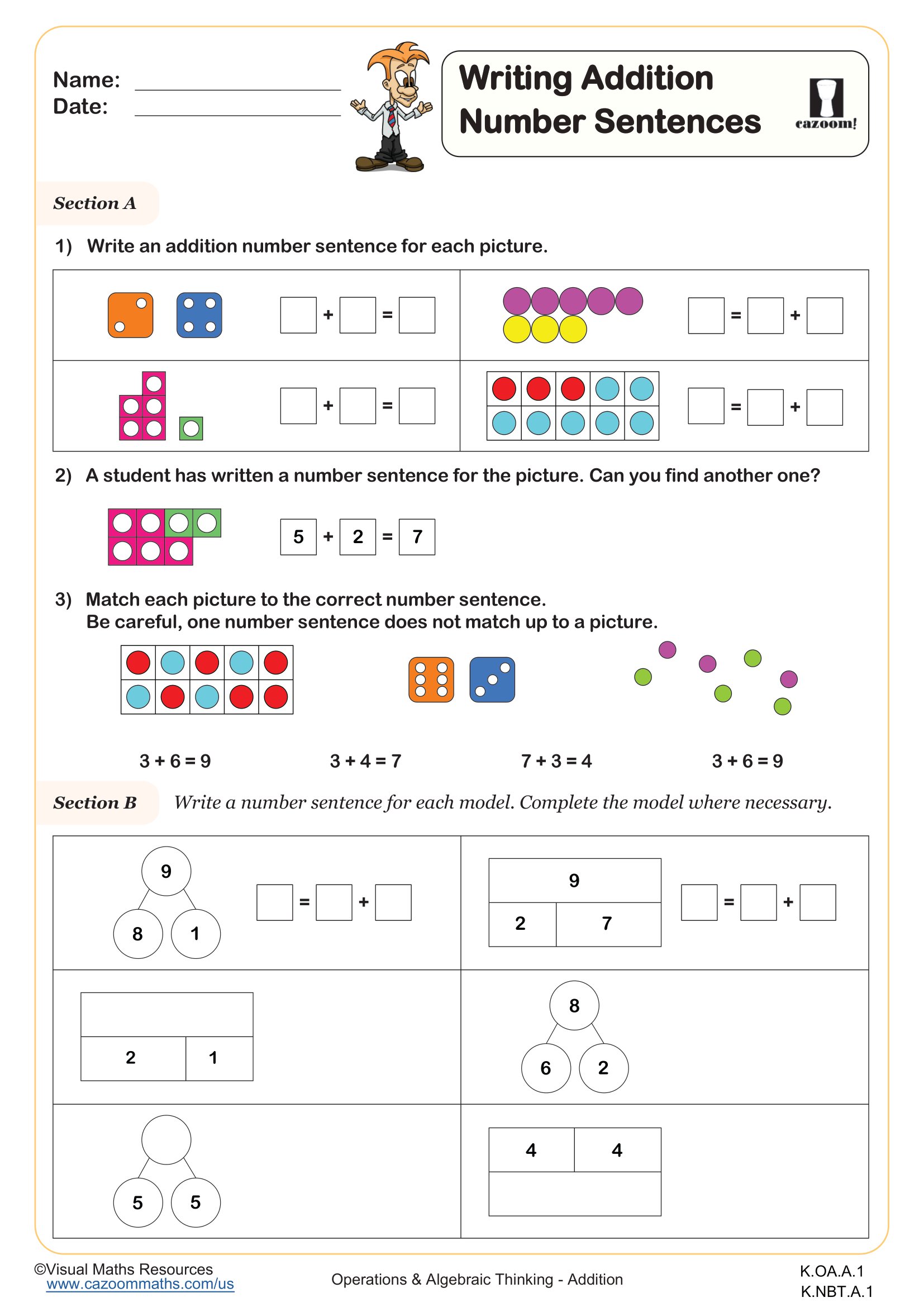
Writing Addition Number Sentences
Grades: Kindergarten
All worksheets are created by the team of experienced teachers at Cazoom Math.
What does k.nbt.1 cover in kindergarten math curriculum?
The k.nbt.1 standard requires kindergarten students to compose and decompose numbers from 11 to 19 into ten ones and some further ones. This Common Core standard builds the conceptual foundation for place value by teaching students that teen numbers consist of one group of ten plus additional single units.
Teachers frequently observe that students who master this concept early show stronger performance in first-grade place value topics. The most effective approach involves using manipulatives like counting bears or base-ten blocks, where students physically group ten objects together and then add the remaining ones. Students often make the error of simply reciting 'ten and three' for thirteen without truly understanding the grouping structure.
Which grade levels benefit from these number composition worksheets?
While k.nbt.a.1 worksheets target kindergarten students specifically, teachers often use these resources for differentiated instruction across multiple grade levels. Struggling first-grade students frequently need this foundational practice to strengthen their place value understanding before moving to larger numbers.
PreK teachers working with advanced students also find these worksheets valuable for introducing early place value concepts. The visual nature of ten frames and dot patterns makes the content accessible to younger learners while still challenging kindergarten students appropriately. Special education teachers particularly appreciate how these worksheets break down complex place value concepts into manageable steps.
How do ten frames help students understand teen number decomposition?
Ten frames provide a visual structure that makes the 'ten plus some more' concept concrete for kindergarten students. When students see a filled ten frame alongside additional dots, they naturally begin to recognize teen numbers as one complete group of ten plus extras, rather than just counting individual objects.
Classroom teachers report that students who struggle with abstract number concepts often experience breakthroughs when using ten frame activities. The key is ensuring students don't just fill in the frames mechanically but actually verbalize the decomposition: 'I see ten in the frame and four more, so this is fourteen.' This verbal component reinforces the mathematical relationship and prevents rote memorization without understanding.
What strategies work best when implementing these decomposition worksheets?
Successful implementation begins with concrete manipulatives before moving to worksheet practice. Teachers should model the decomposition process using physical objects, then transition to the visual representations found in the worksheets. Students benefit from saying the decomposition aloud as they work through each problem.
Answer keys become particularly valuable during small group instruction, allowing teachers to quickly identify students who need additional support with the concept. Many teachers find success in pairing worksheet practice with hands-on center activities, creating multiple opportunities for students to practice the same skill through different modalities. The worksheets work best when used as reinforcement rather than initial instruction.