Middle School Constructions Worksheets
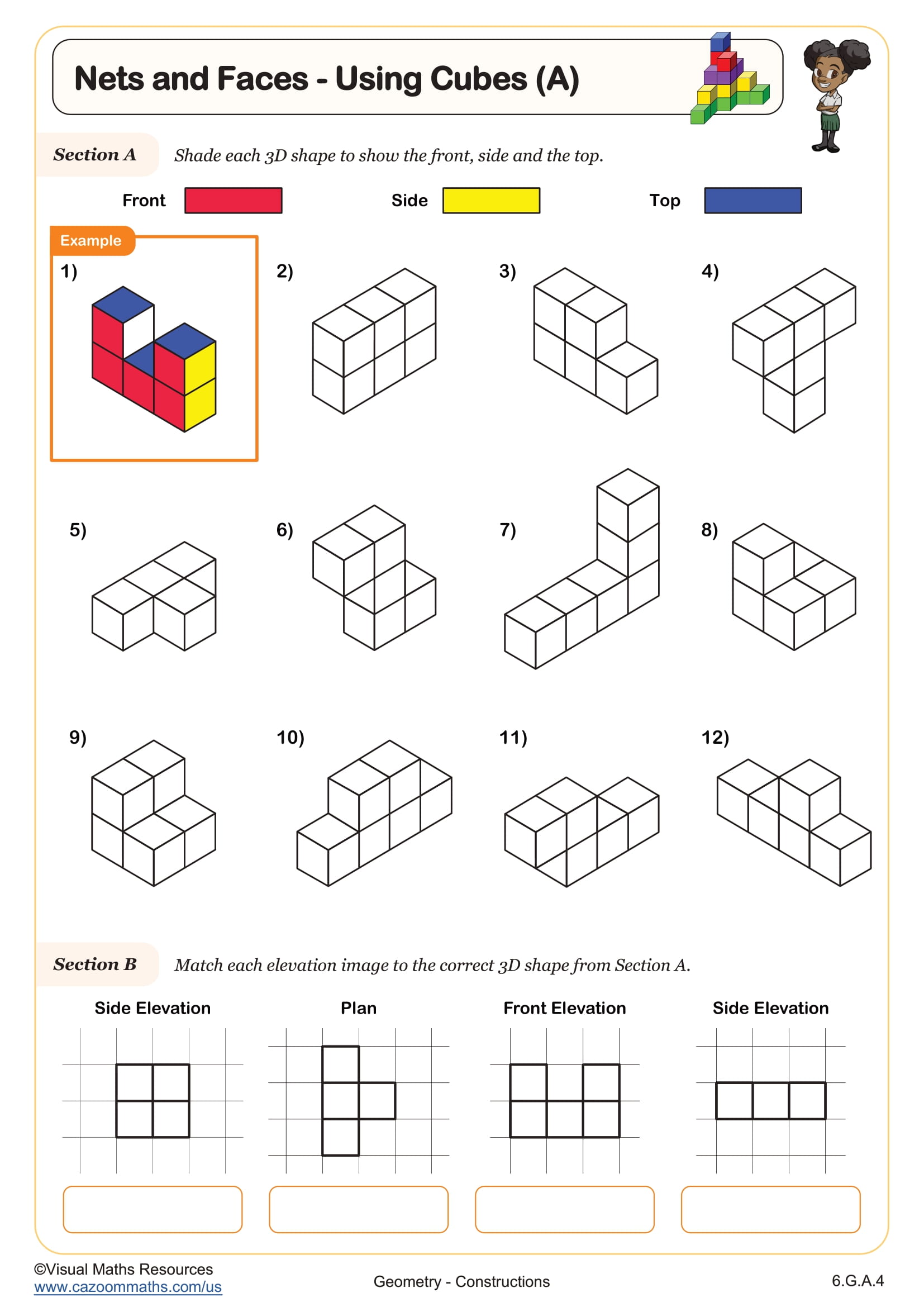
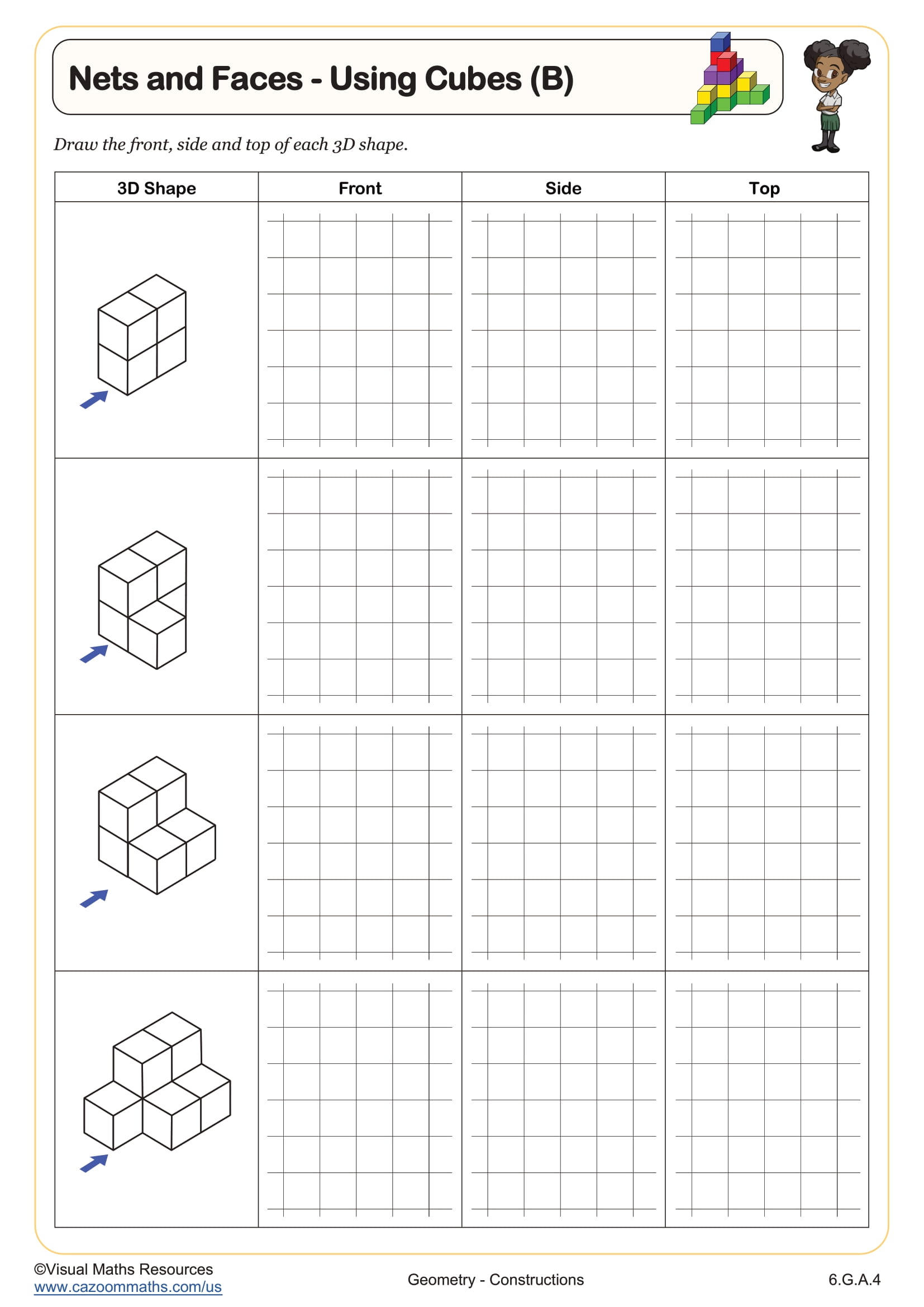
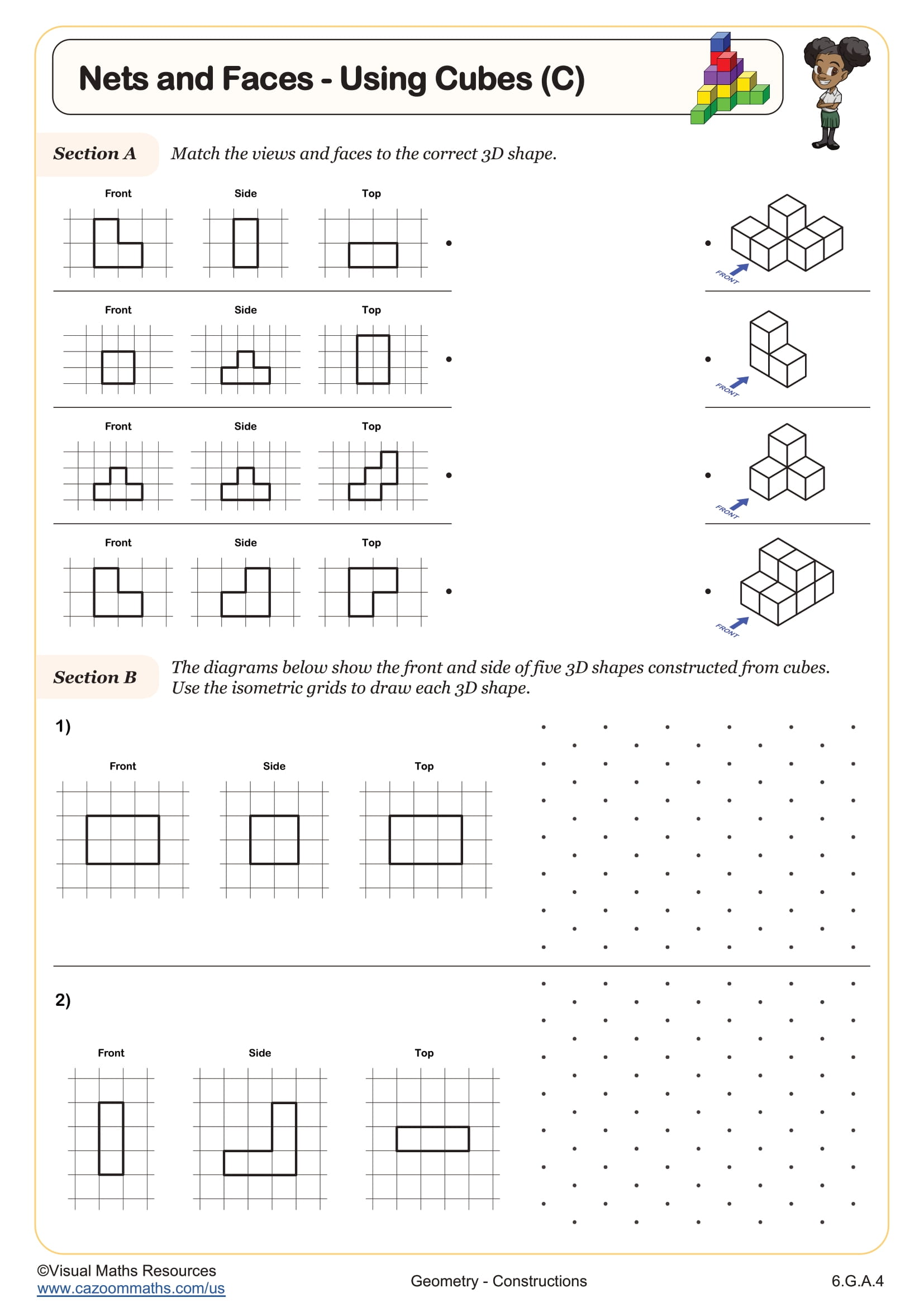
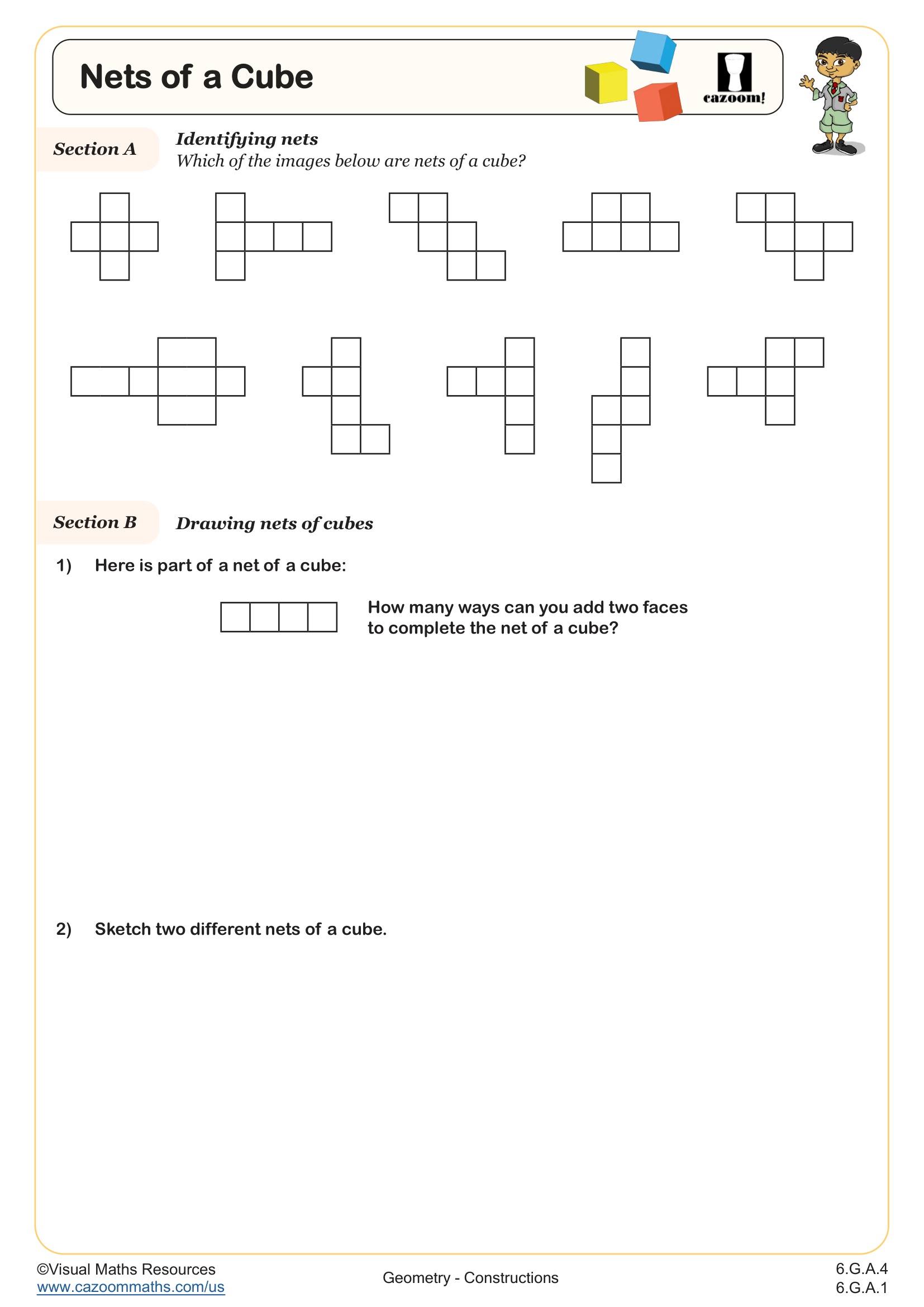
All worksheets are created by the team of experienced teachers at Cazoom Math.
What Makes a Quality Geometry Constructions Worksheet for Middle School Students?
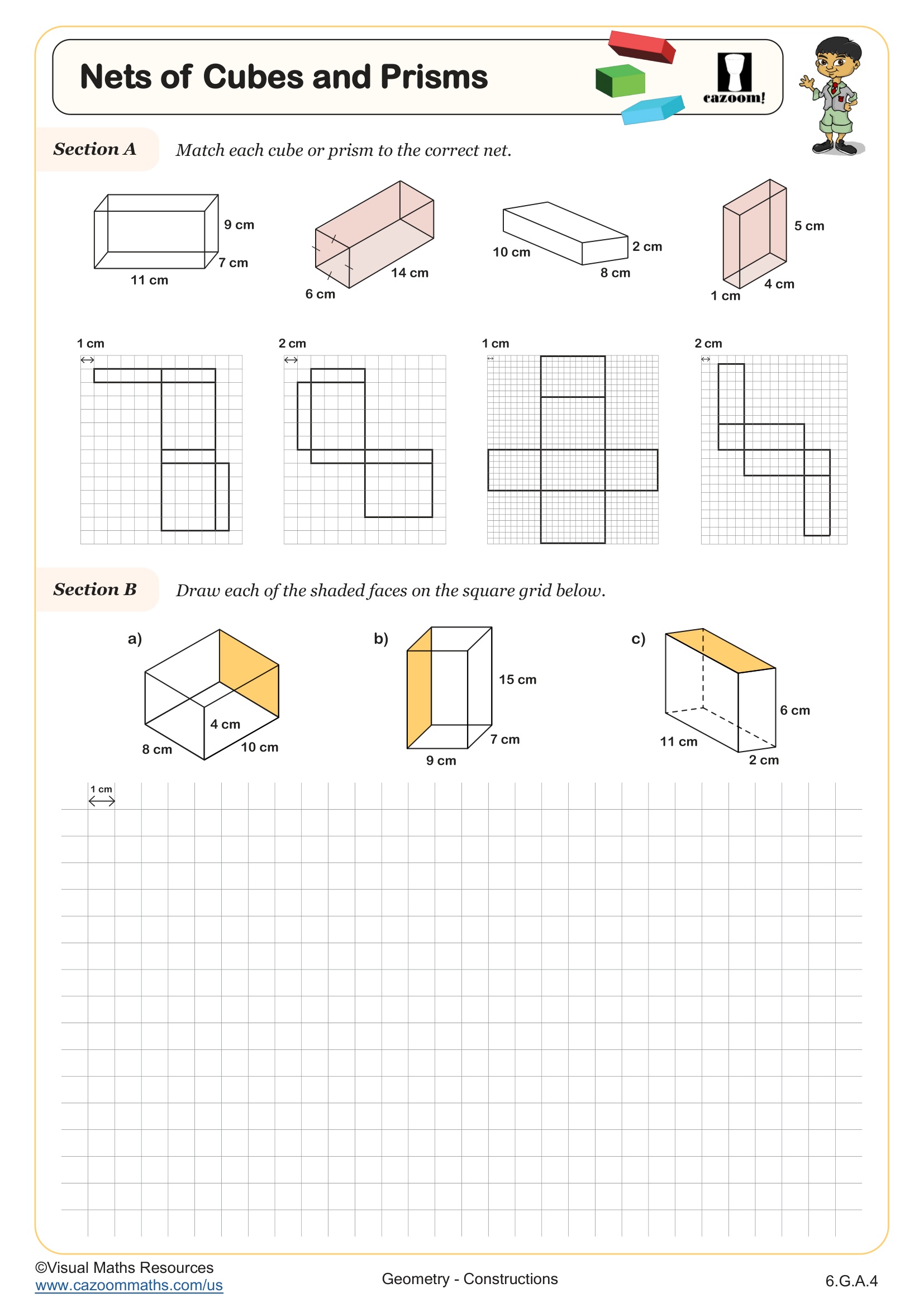
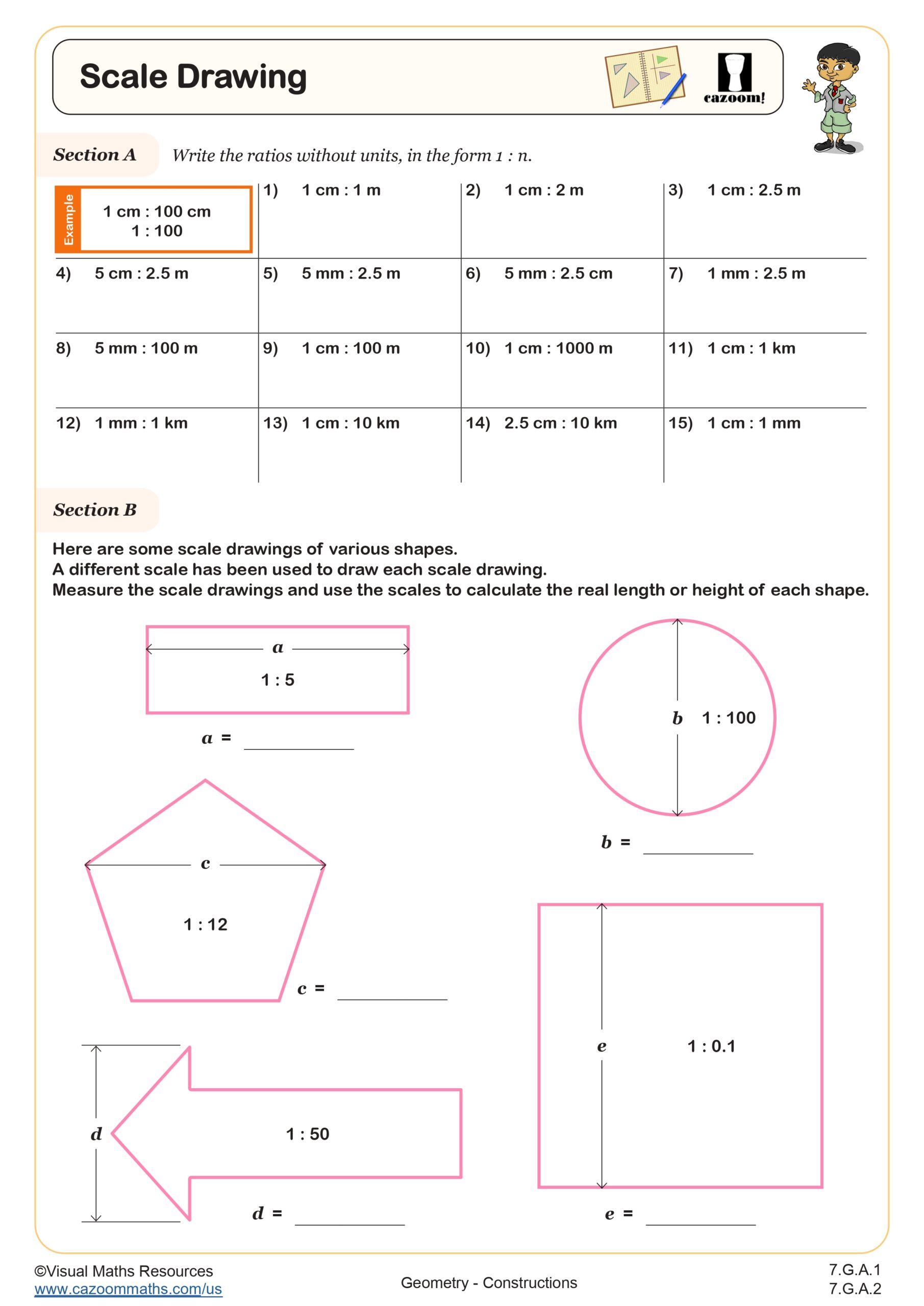
A quality geometric construction worksheet aligns with Common Core geometry standards 7.G.2, focusing on hands-on construction activities that build understanding of geometric relationships. The worksheet should include clear diagrams, step-by-step instructions, and a variety of construction types from basic perpendicular lines to more complex angle bisections.
Teachers report that students benefit most from worksheets that progress logically from simple constructions to complex ones. The most effective constructions worksheet includes space for students to show their compass marks and construction lines, as graders can then identify where errors occur in the construction process rather than just marking final answers as incorrect.
Which Grade Levels Should Use Geometric Construction Worksheets?
Geometric constructions typically appear in grades 6-8, with grade 7 being the primary focus according to Common Core standards. Sixth-grade students often begin with basic constructions like copying line segments and angles, while eighth-graders tackle more complex constructions involving parallel lines and triangle constructions.
Many middle school teachers introduce constructions earlier than required because the hands-on nature helps students who struggle with abstract geometric concepts. Advanced sixth-grade classes can handle basic constructions worksheet activities, while struggling eighth-graders may need to revisit fundamental construction skills before attempting more complex geometric proofs that rely on construction understanding.
How Do Students Master Perpendicular Bisector Constructions?
Perpendicular bisector construction requires students to find the exact midpoint of a line segment and create a line perpendicular to it. The key steps involve placing compass points at each endpoint, using identical radius lengths greater than half the segment length, and marking intersection points above and below the segment.
Classroom observations show students commonly make two critical errors: changing compass width between steps and not opening the compass wide enough initially. When the compass radius is too small, the arcs don't intersect, frustrating students. Teachers find success by having students practice compass control separately before attempting full constructions, emphasizing that construction accuracy depends entirely on maintaining consistent measurements throughout the process.
How Should Teachers Use Construction Worksheets Effectively in Class?
Construction worksheets work best when combined with hands-on demonstration and guided practice rather than independent work initially. Teachers should model each construction type using document cameras or interactive whiteboards, emphasizing the reasoning behind each step and connecting constructions to real-world applications like architectural drafting and engineering design.
Effective implementation involves checking student compass and straightedge technique before worksheet completion. Many teachers create construction checkpoints where students must demonstrate proper tool usage before proceeding to worksheet problems. The answer keys prove valuable for peer checking sessions, allowing students to compare their construction methods and identify technique improvements while building collaborative problem-solving skills.