Elementary School Multiplication Worksheets
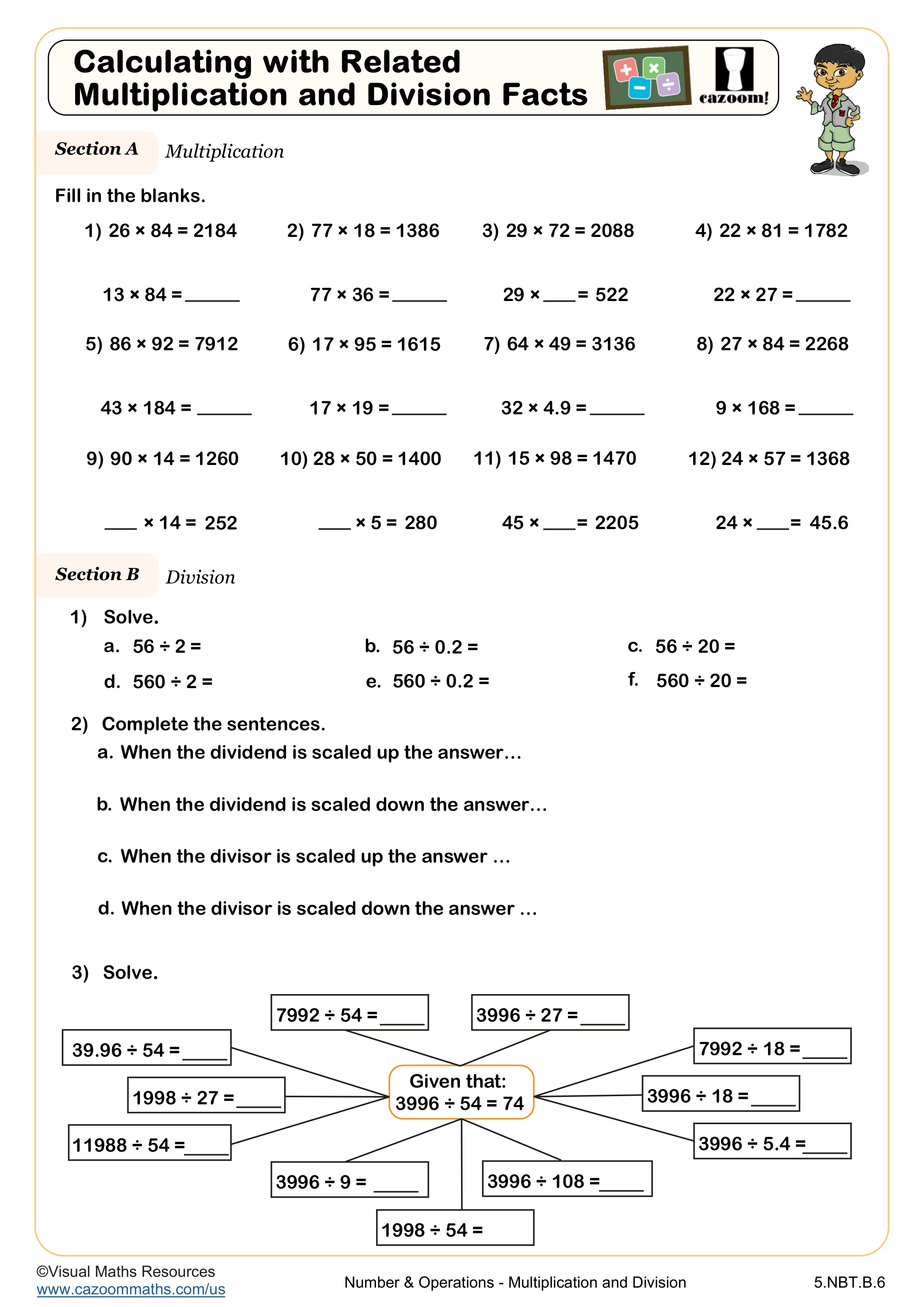
Calculating with Related Multiplication and Division Facts
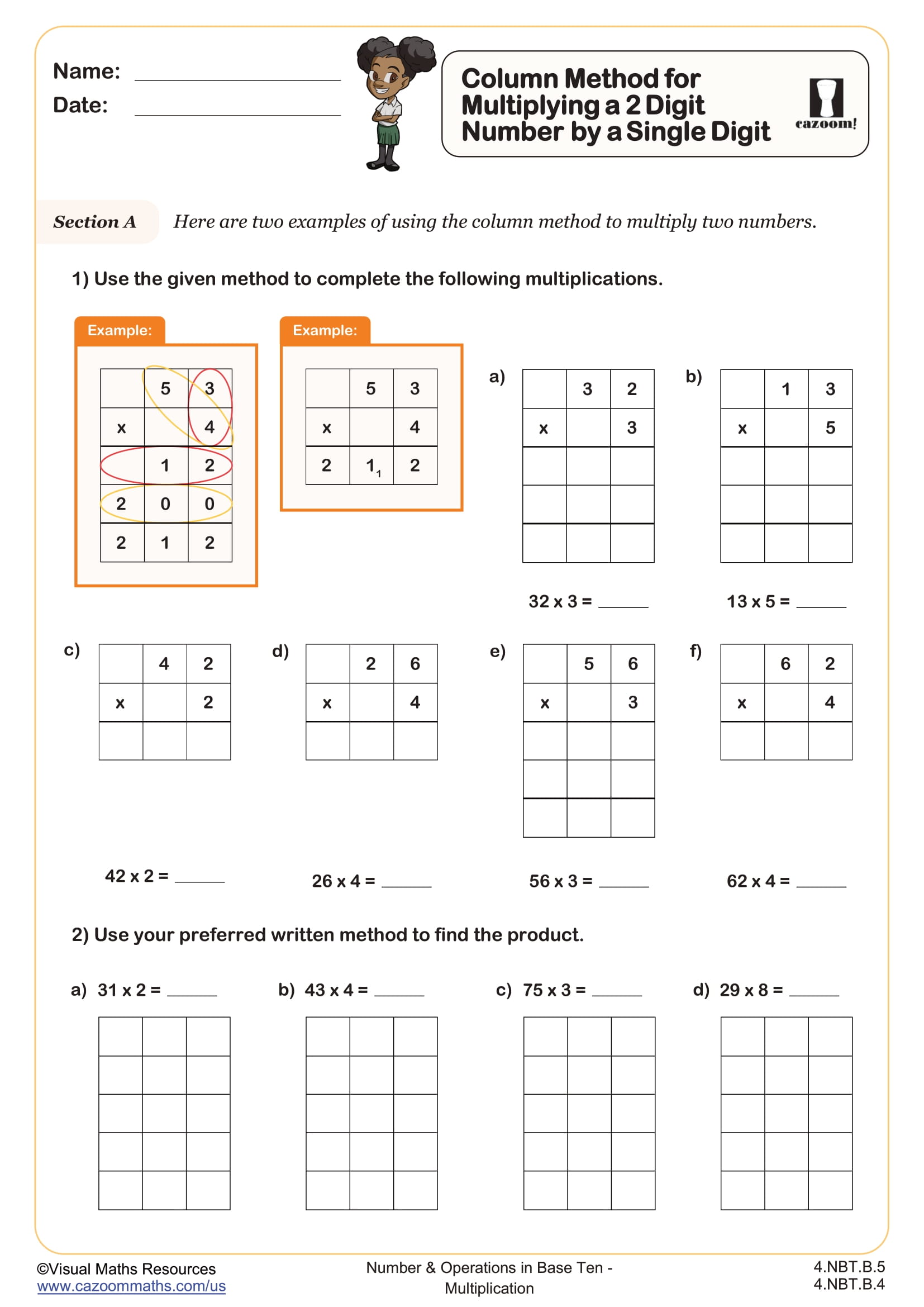
Column Method for Multiplying a 2 Digit Number by a Single Digit
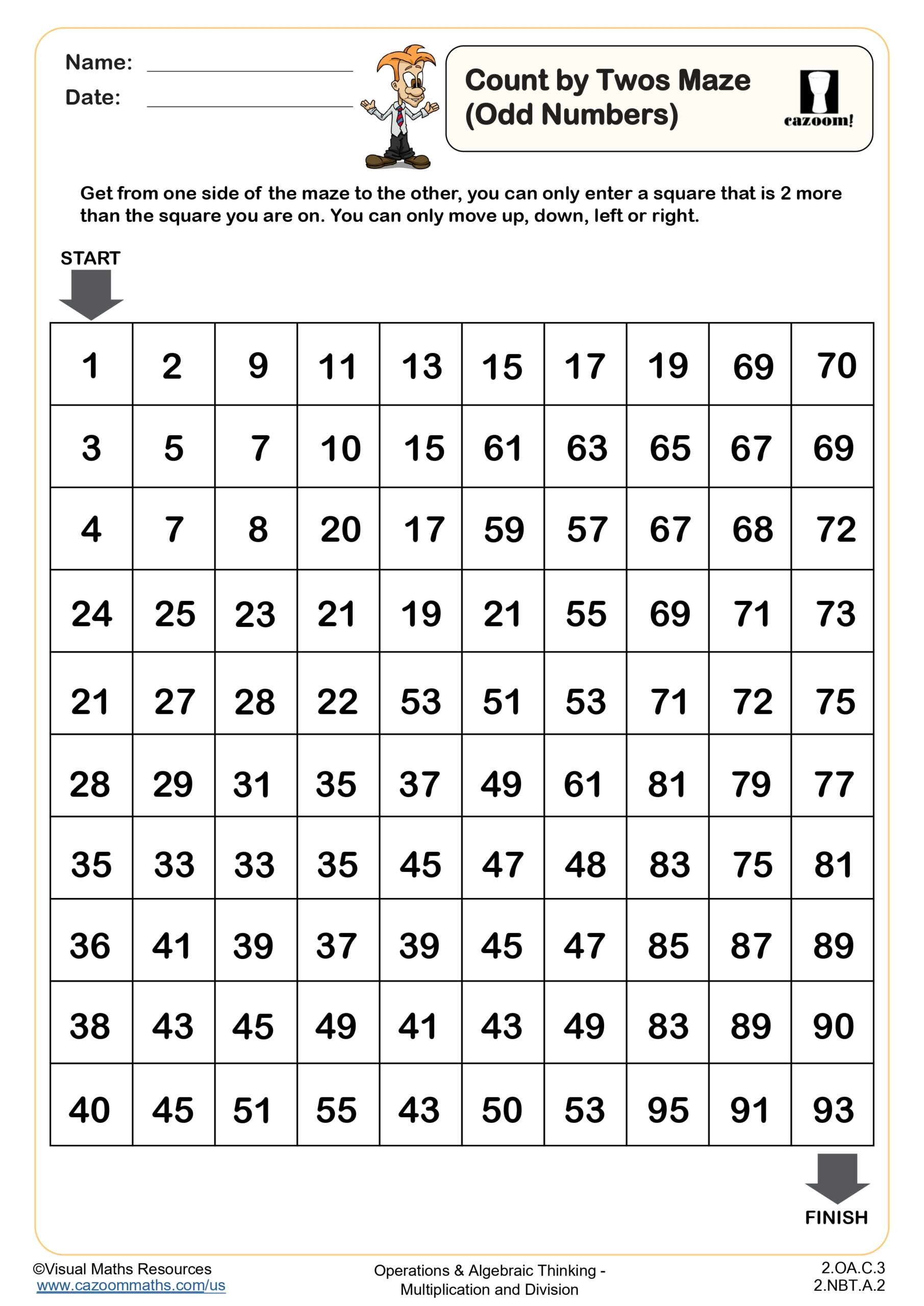
Count By Twos Maze (Odd Numbers)
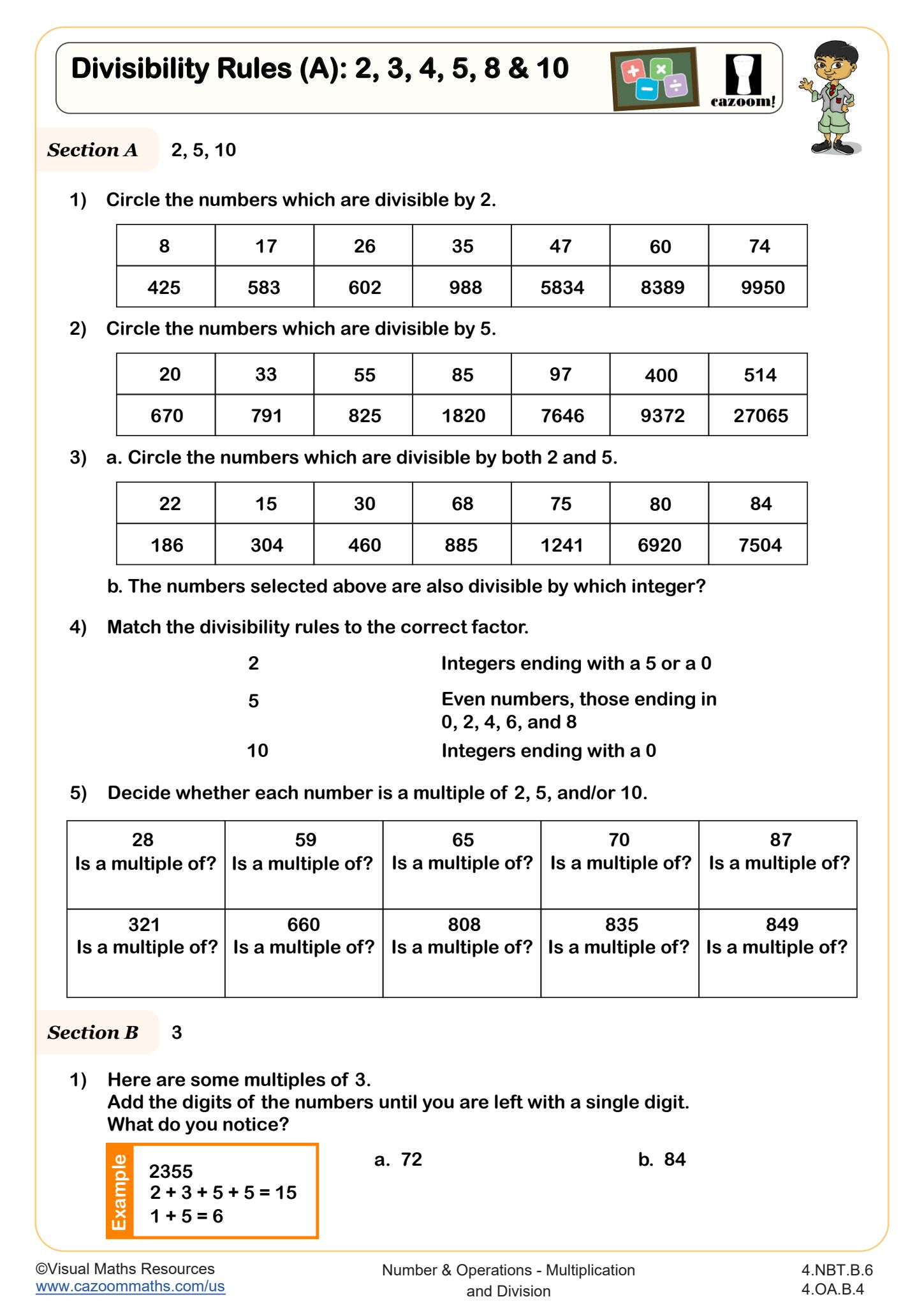
Divisibility Rules (A): 2, 3, 4, 5, 8 & 10
Divisibility Rules (B): 7, 9, 11
-7-9-11.jpg?w=3840)
Divisibility Rules (C): Combining Tests for Composite Factors
-Combining-Test-%20for-Composite-Factors.jpg?w=3840)
Division Facts
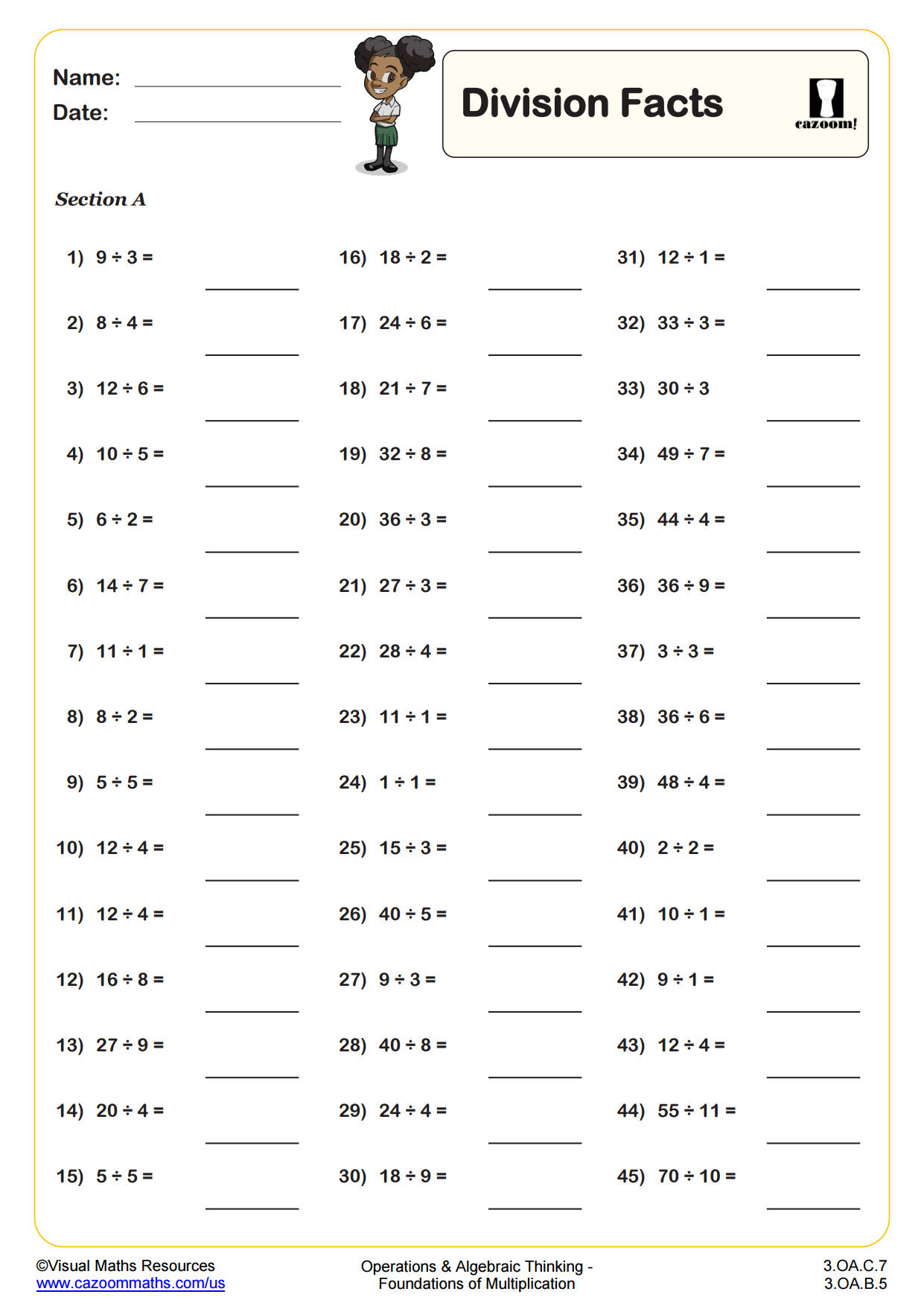
Doubling 2 Digit Numbers
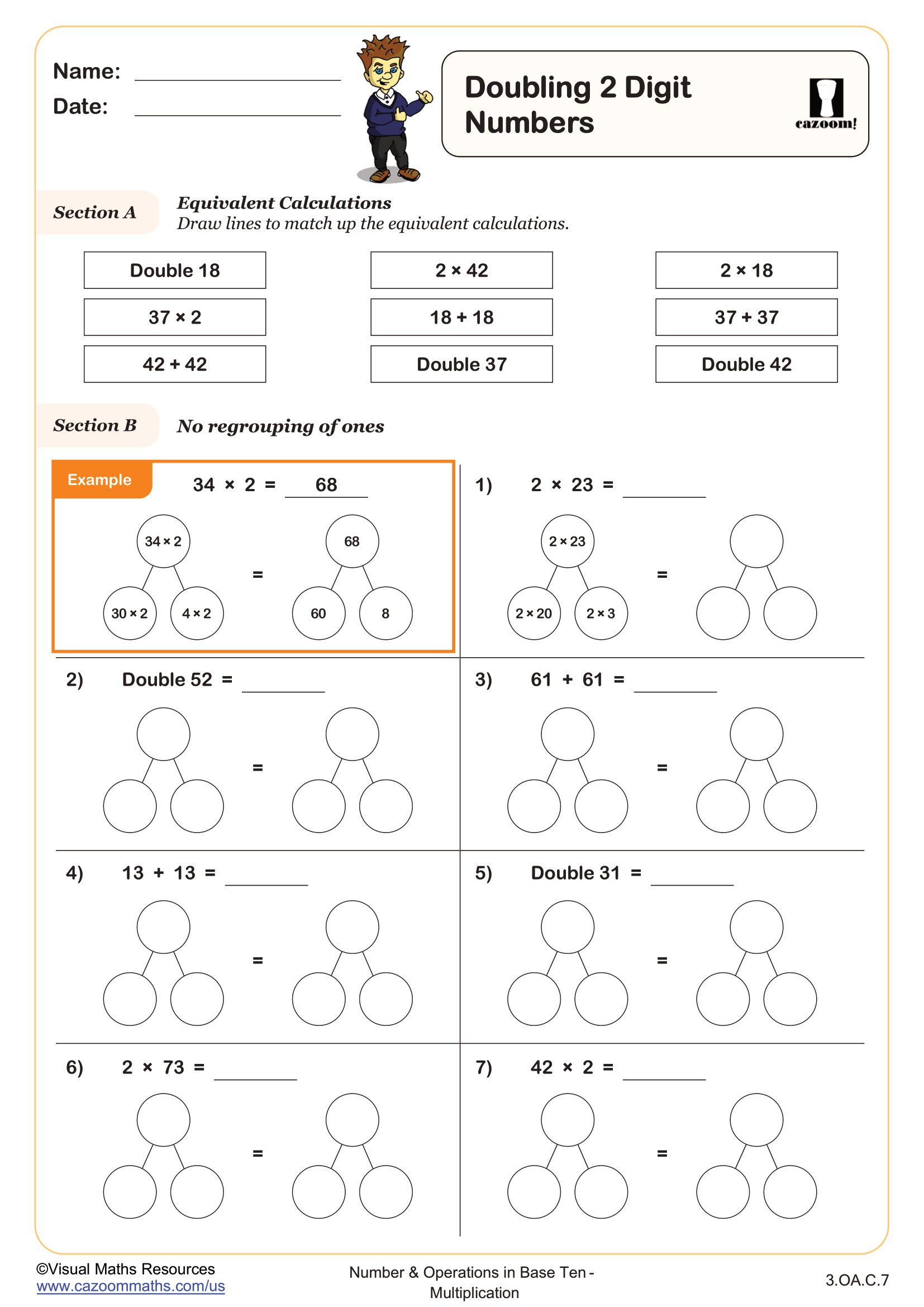
Doubling using Pictorial Representation
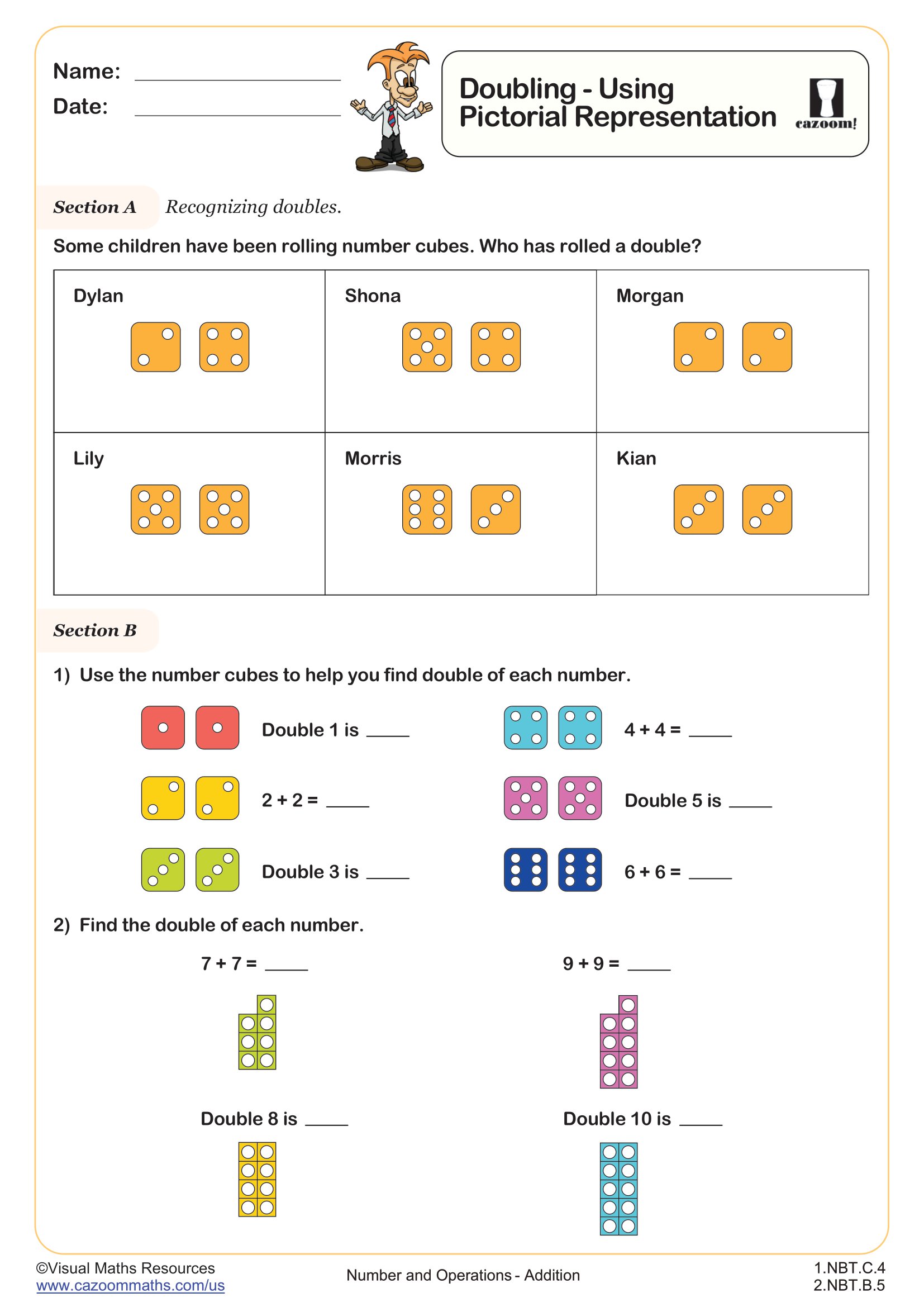
Emoji Colour by Numbers - Multiplication
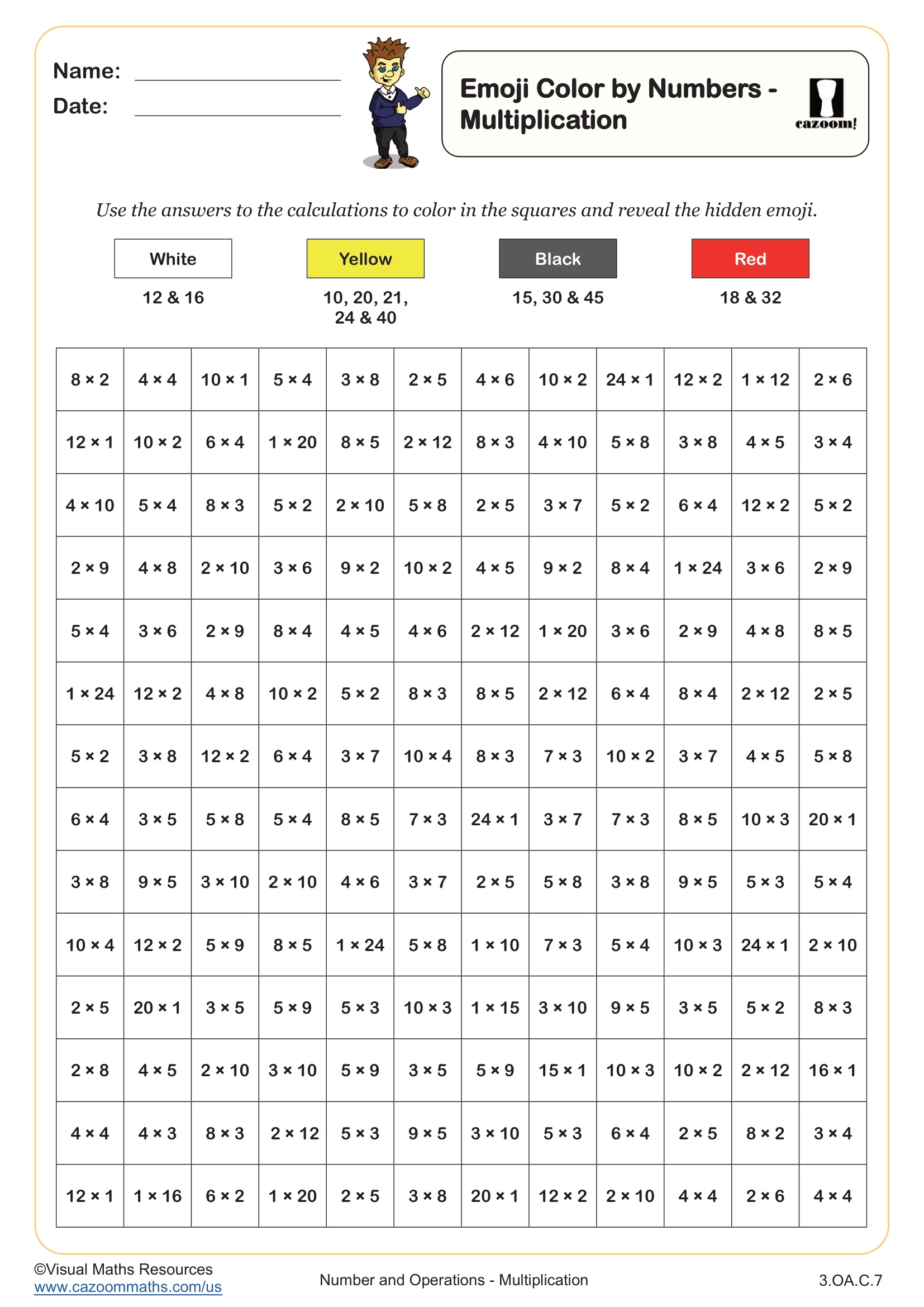
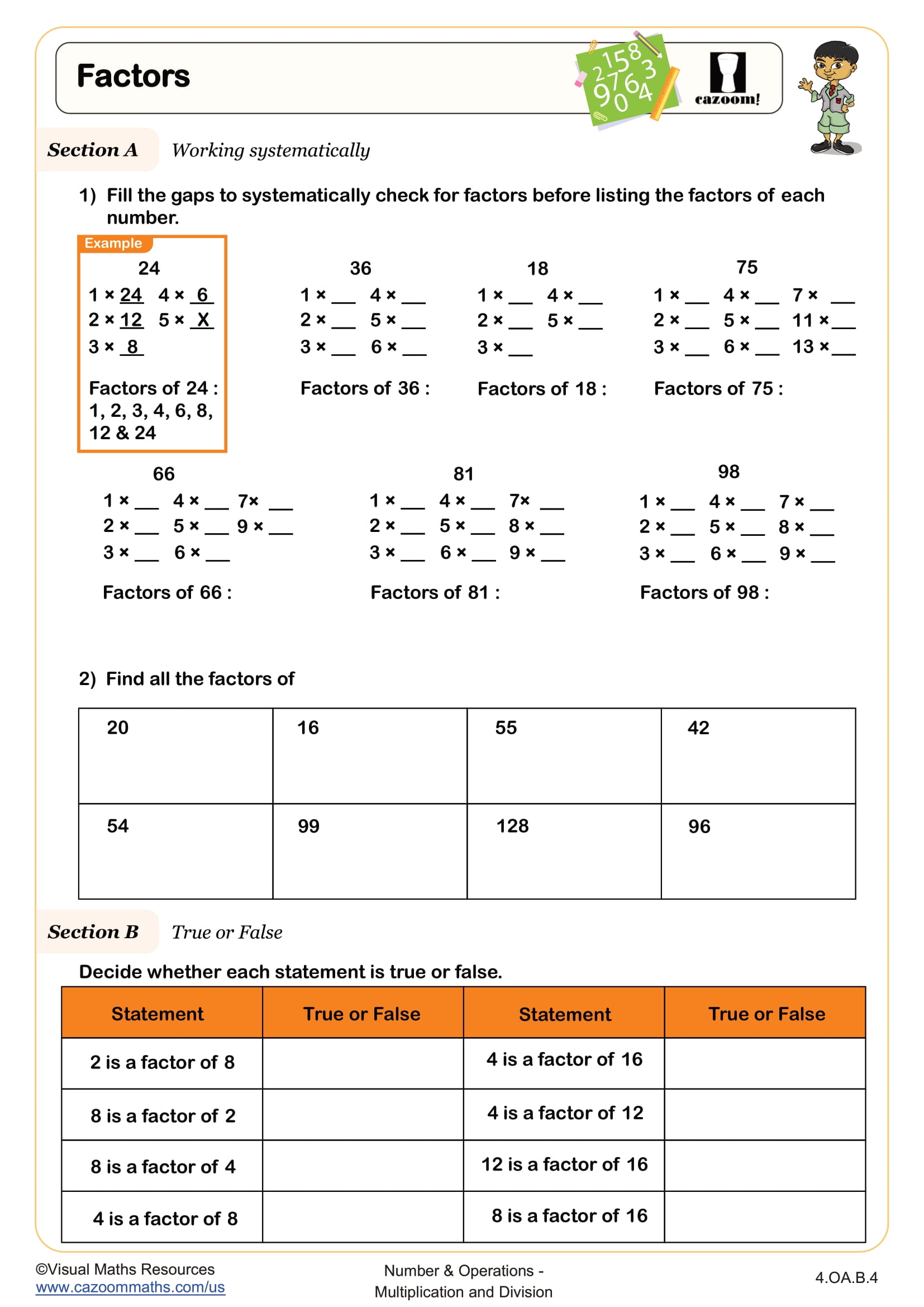
Factors
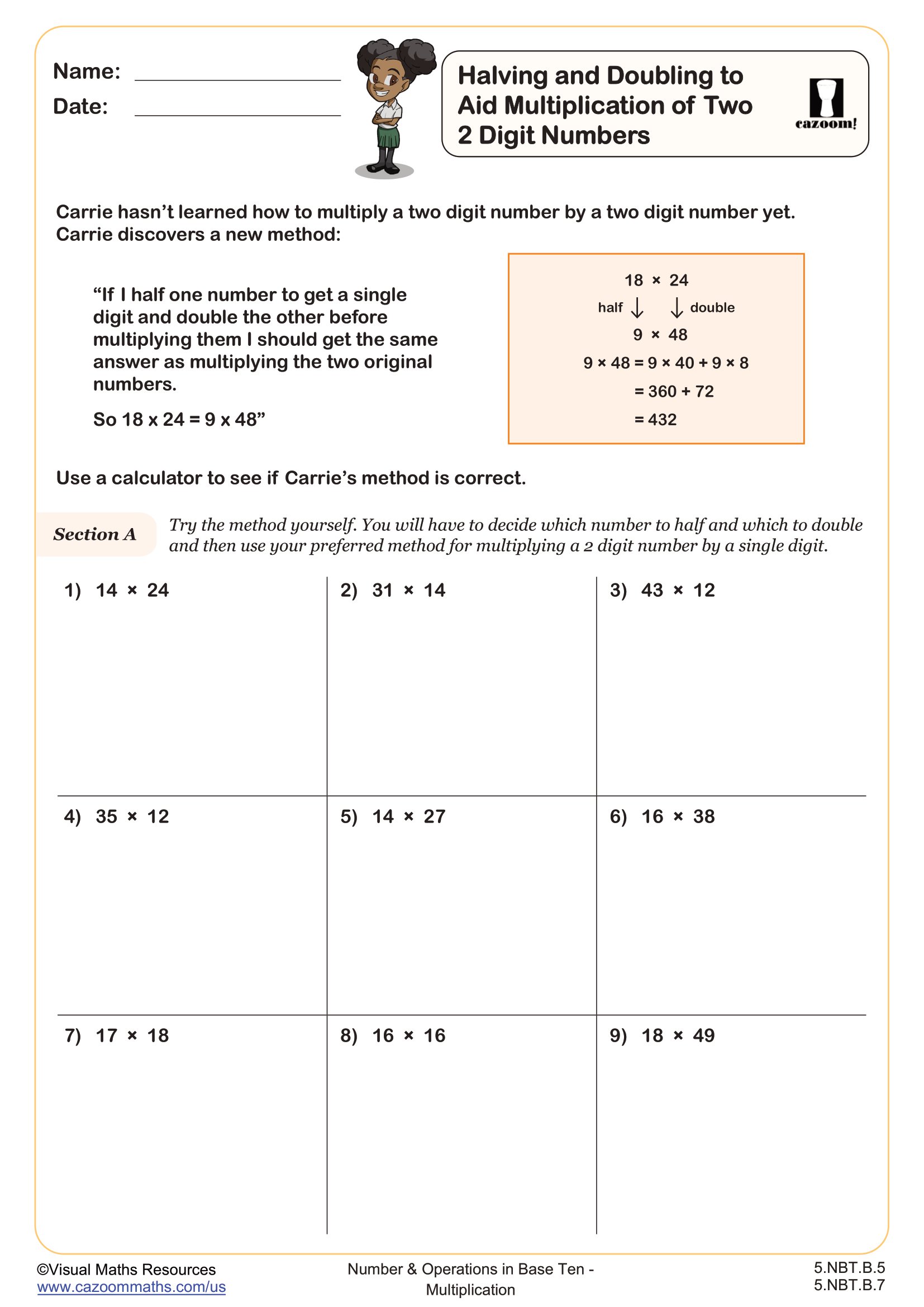
Halving and Doubling to Aid Multiplication of Two 2 Digit Numbers
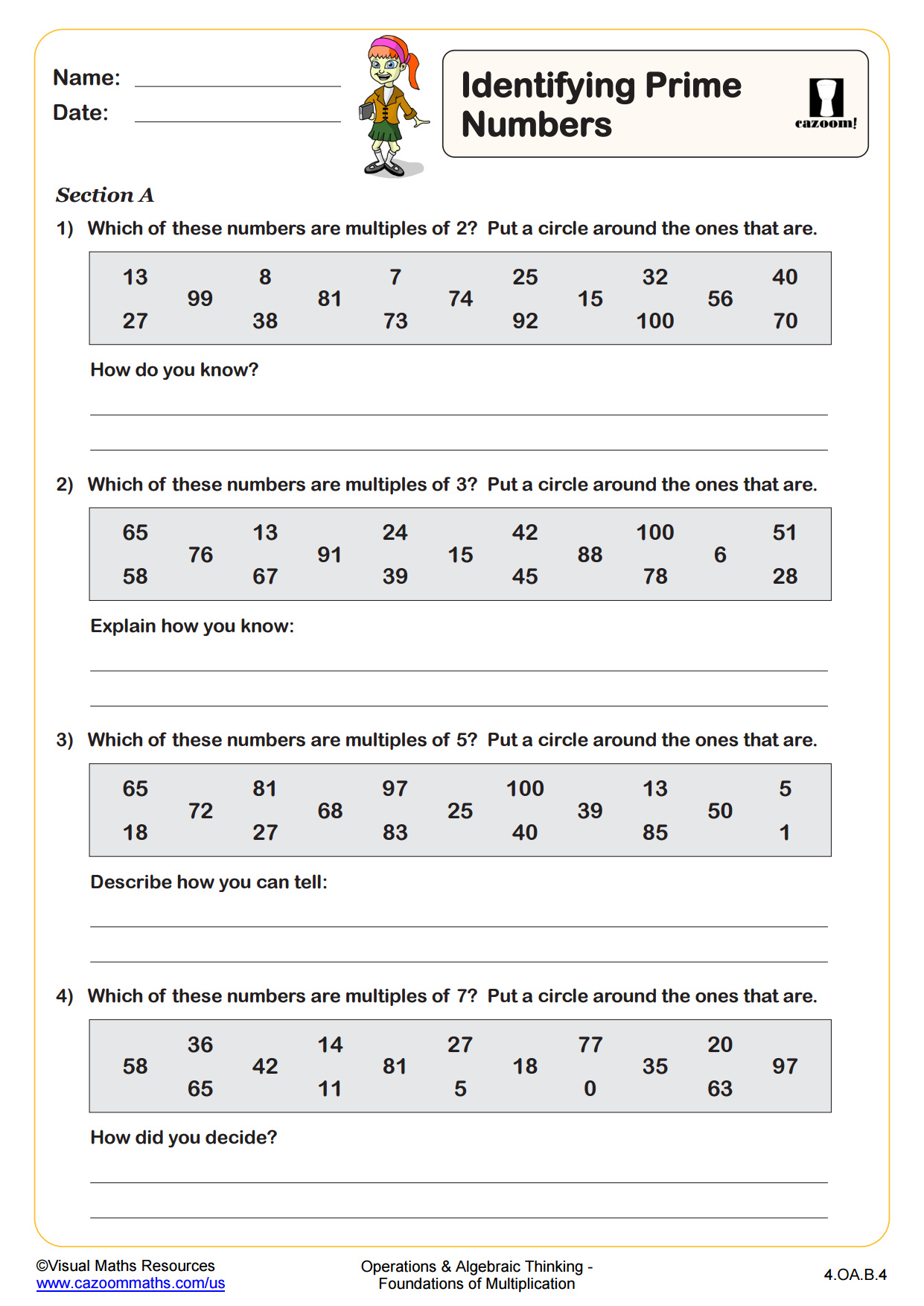
Identifying Prime Numbers
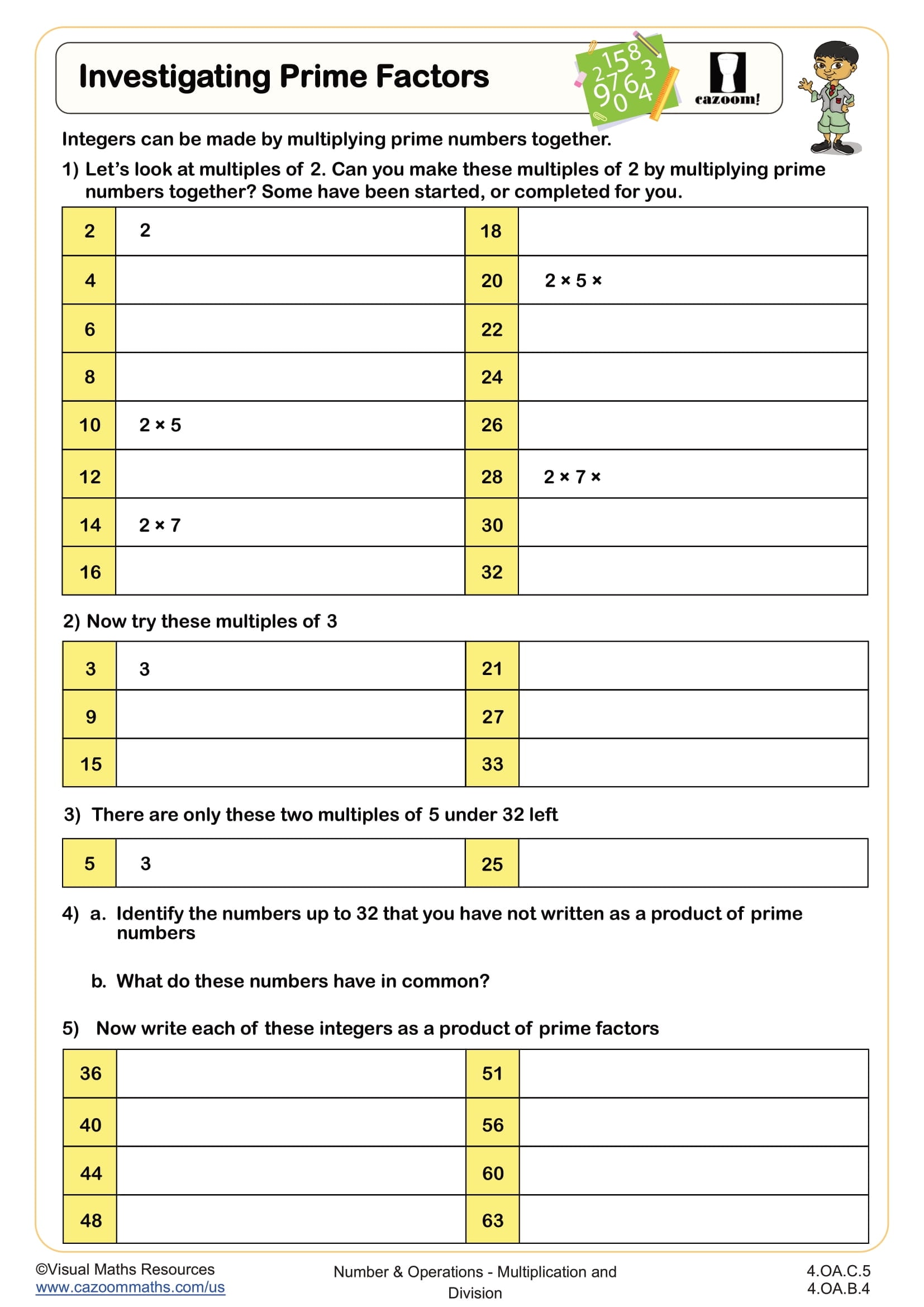
Investigating Prime Factors
LCM (Lowest Common Multiple)
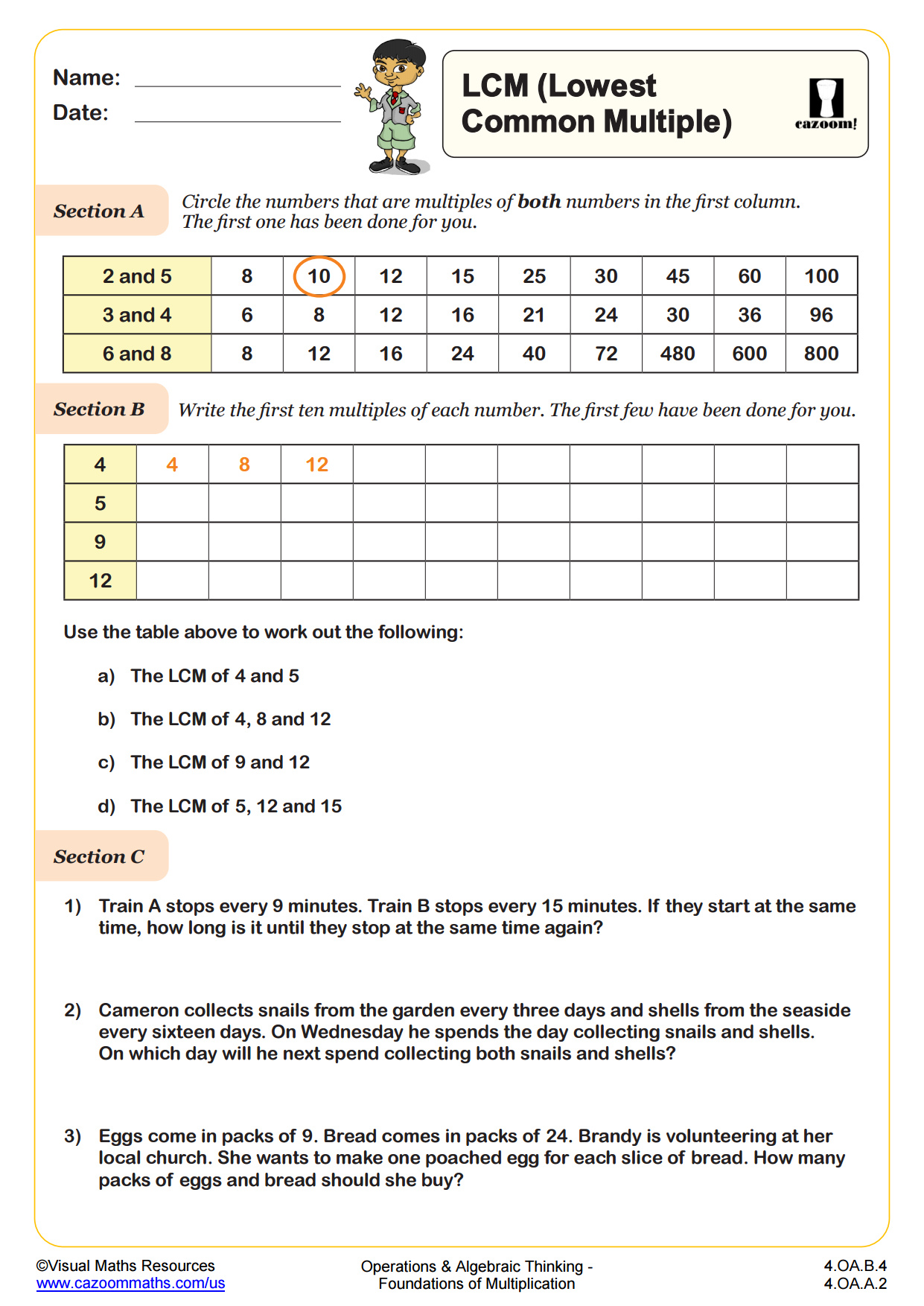
Money Problems (B)
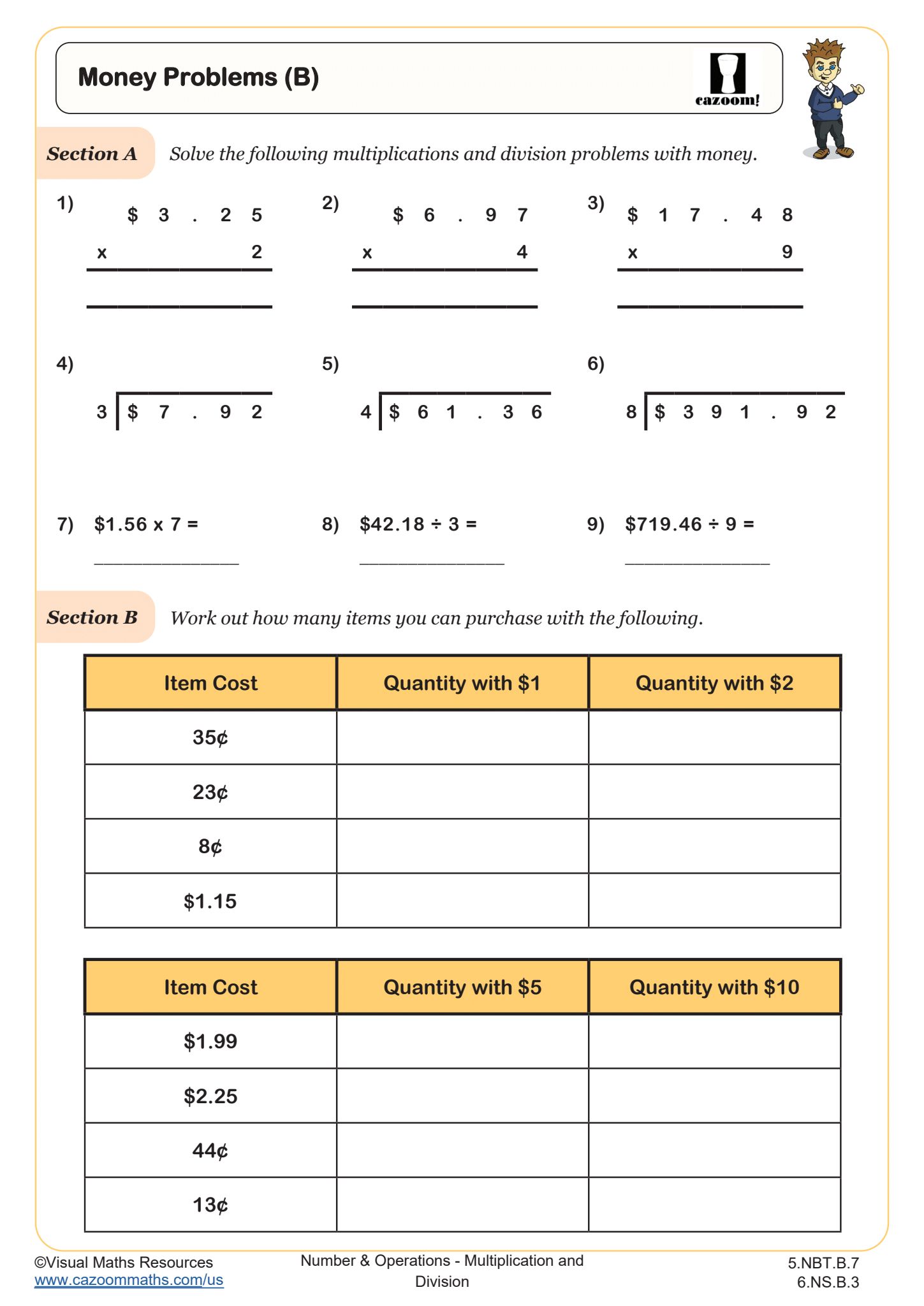
Multiples
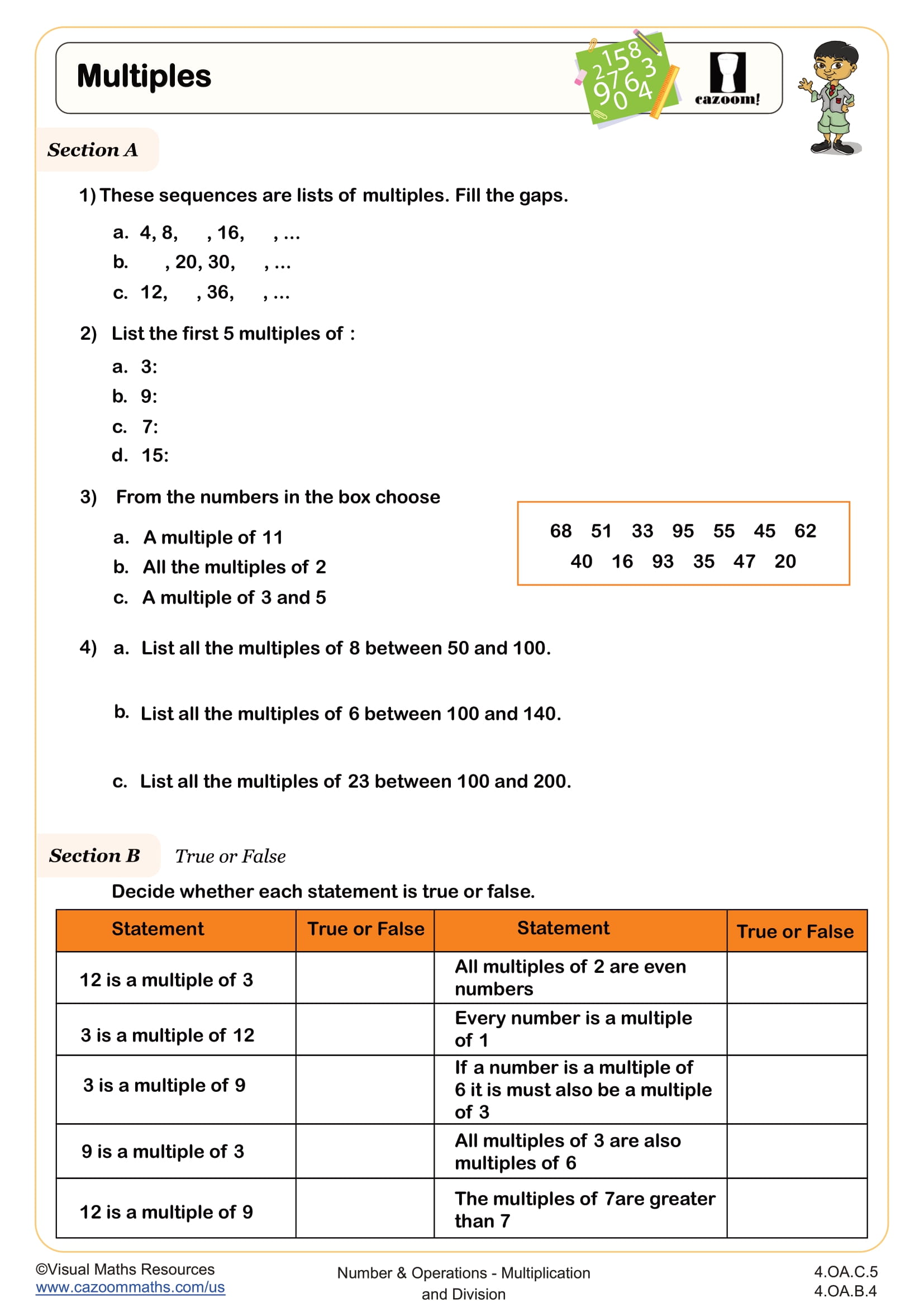
Multiply 2 Digits by 1 Digit
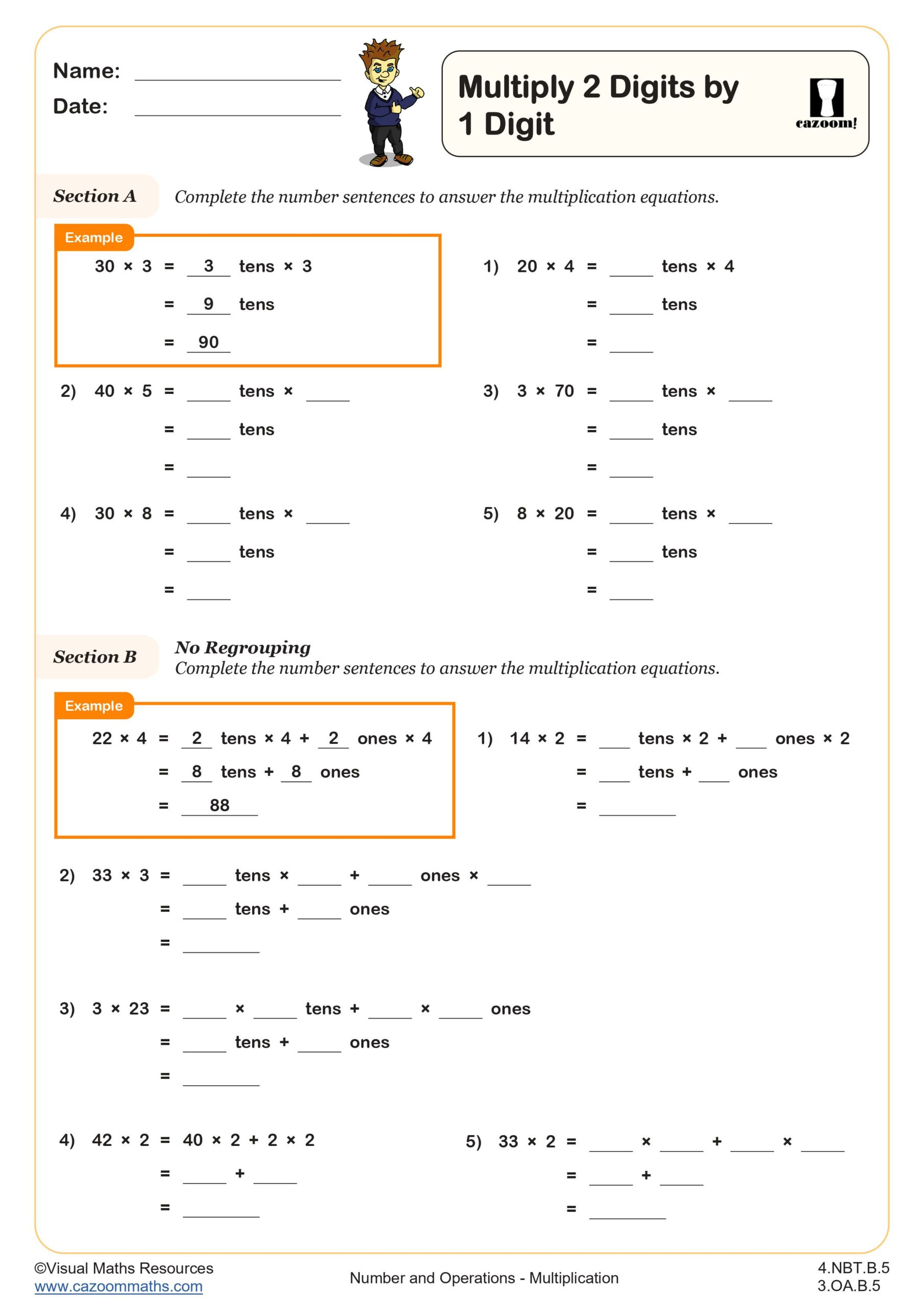
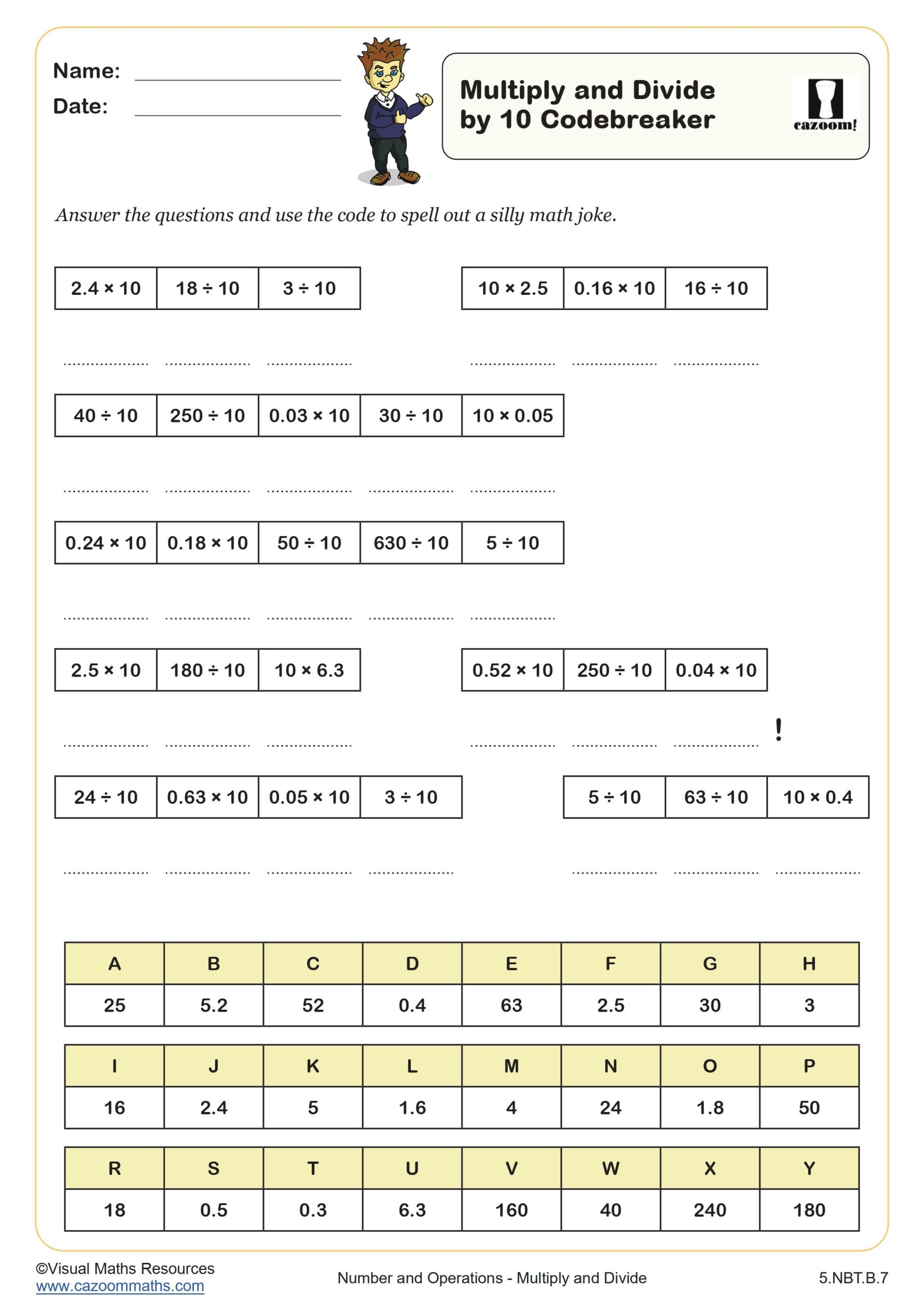
Multiply and Divide by 10 Codebreaker
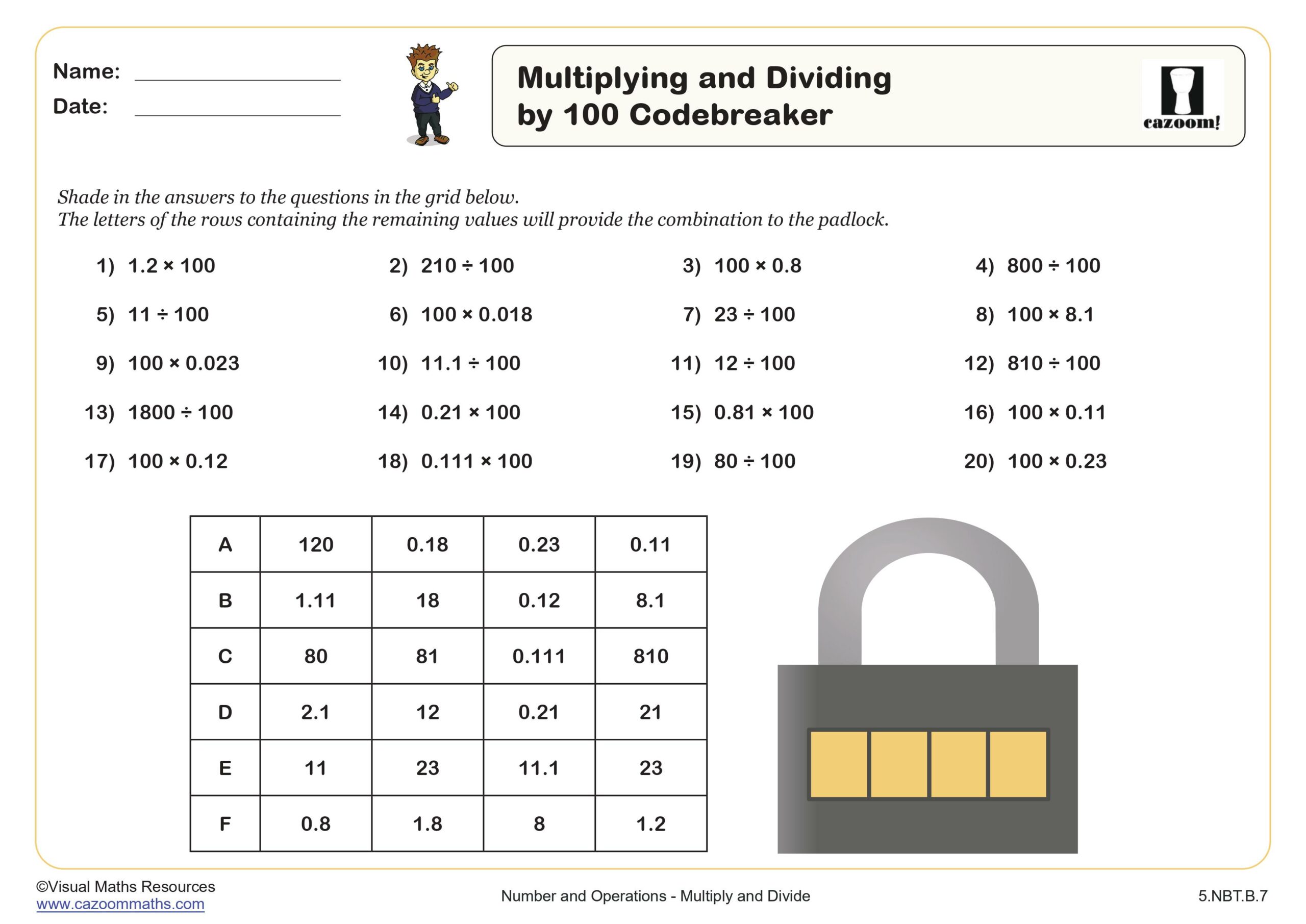
Multiply and Divide by 100 Codebreaker
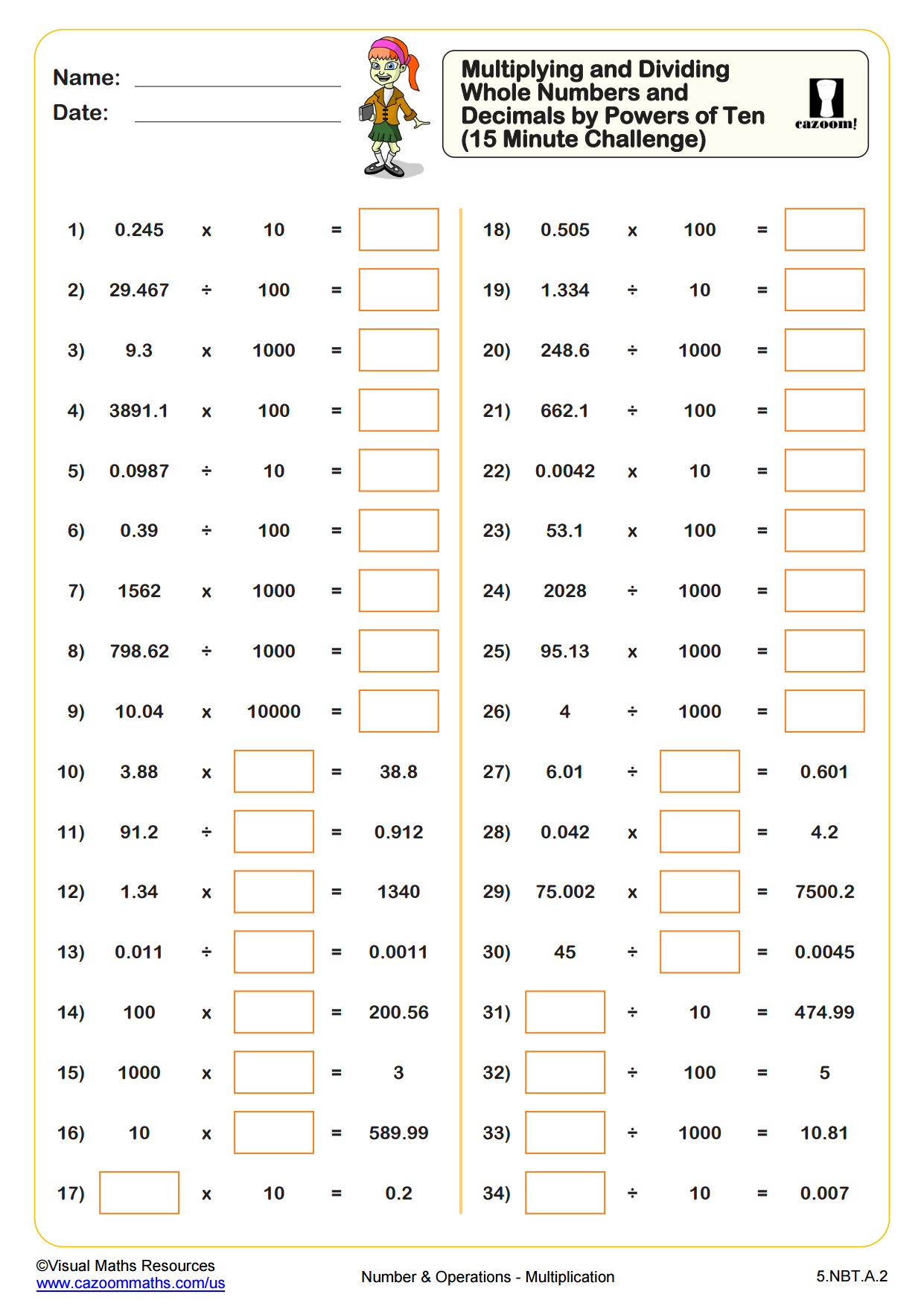
Multiply and Divide by Powers of Ten (15 Minute Challenge)
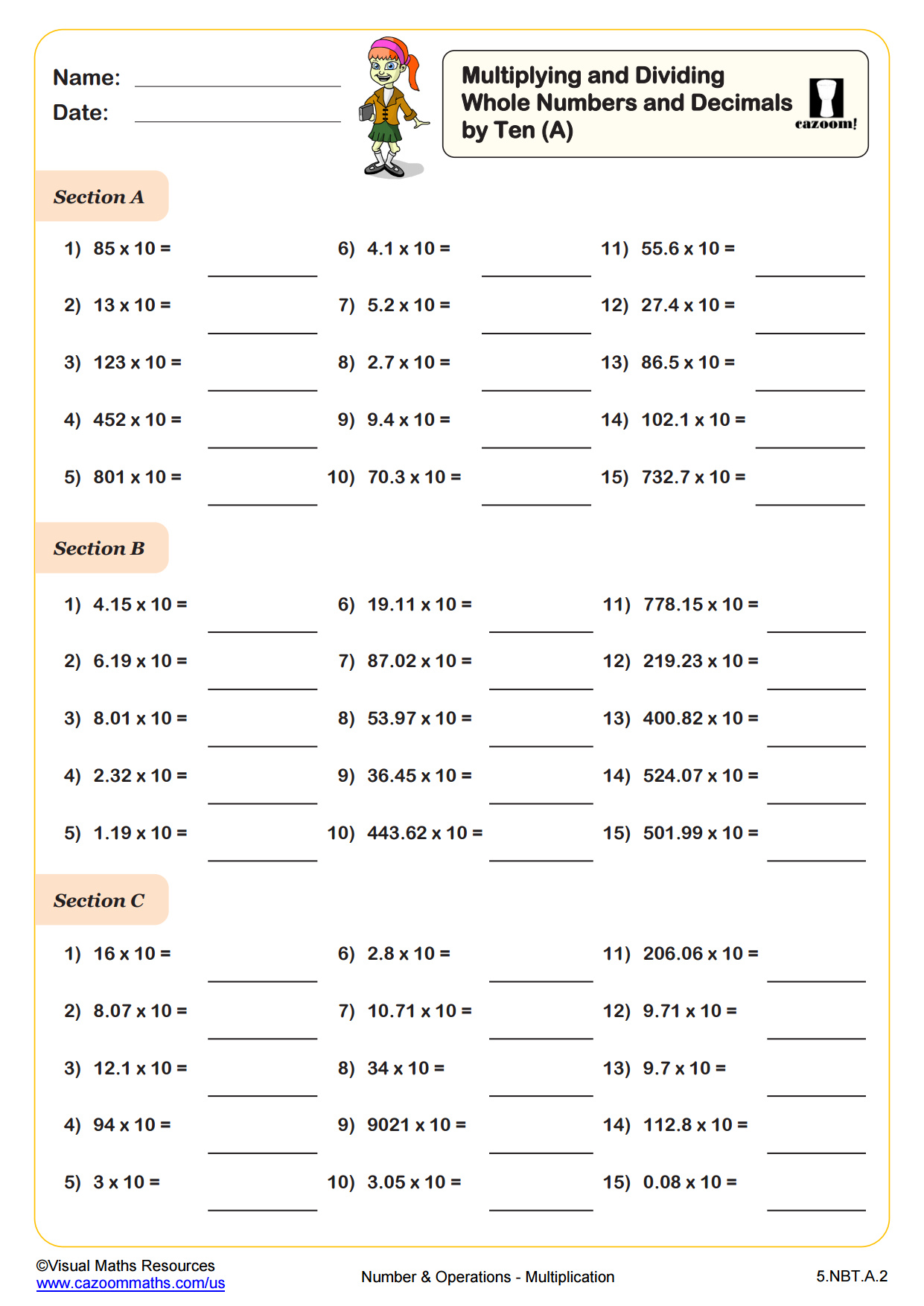
Multiply and Divide Whole Numbers and Decimals by Ten (A)
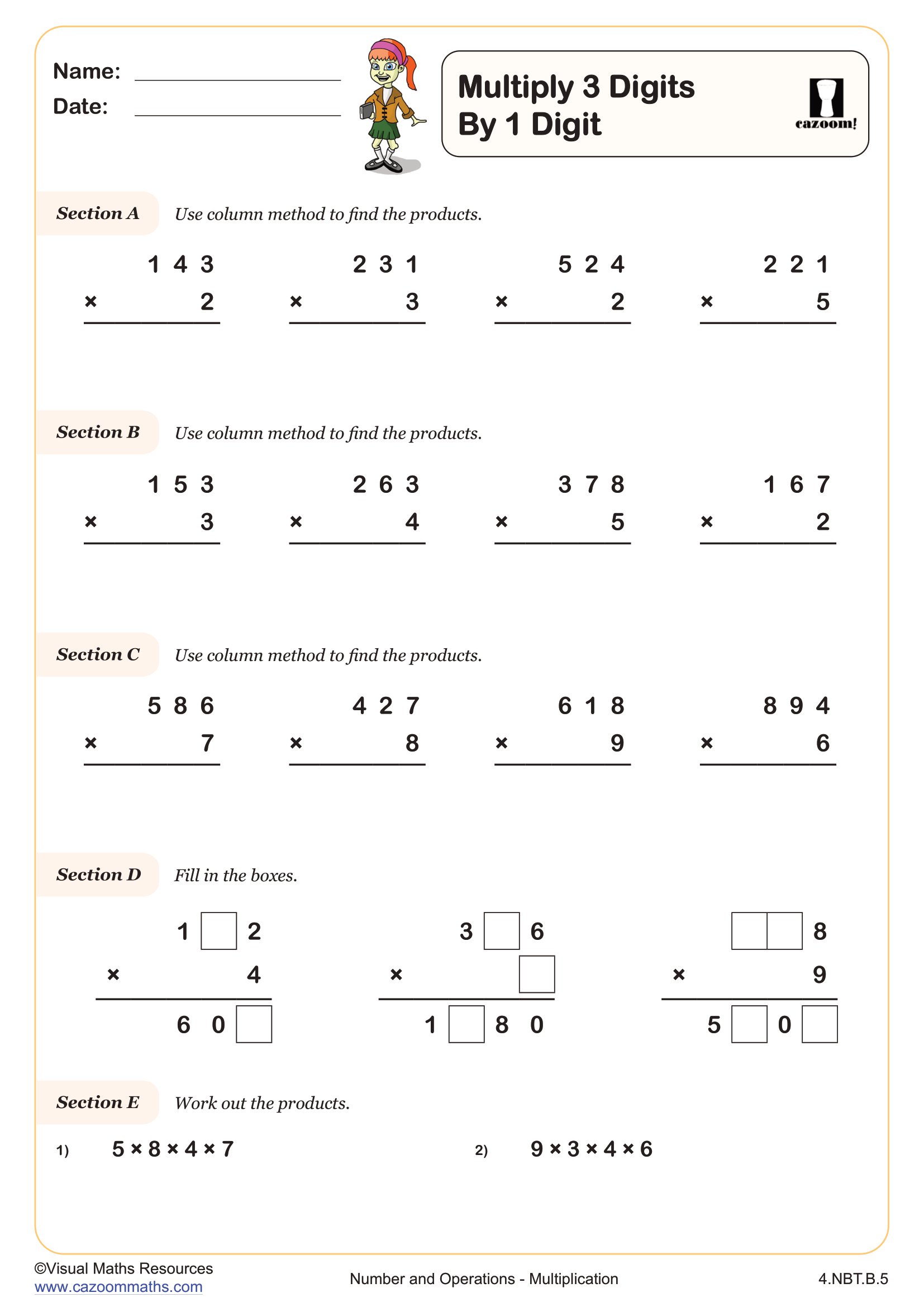
Multiplying 3 Digits by 1 Digit
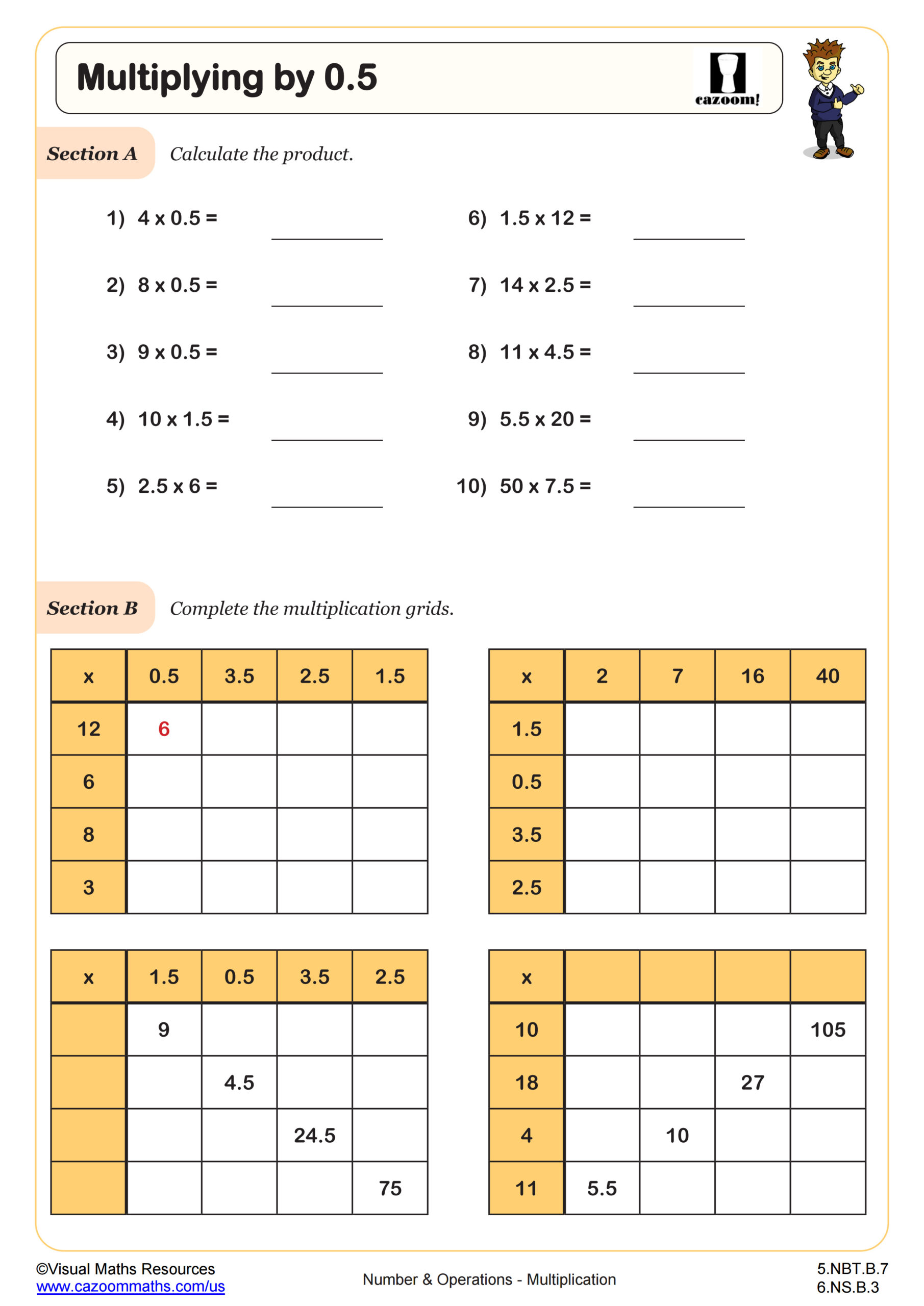
Multiplying by 0.5
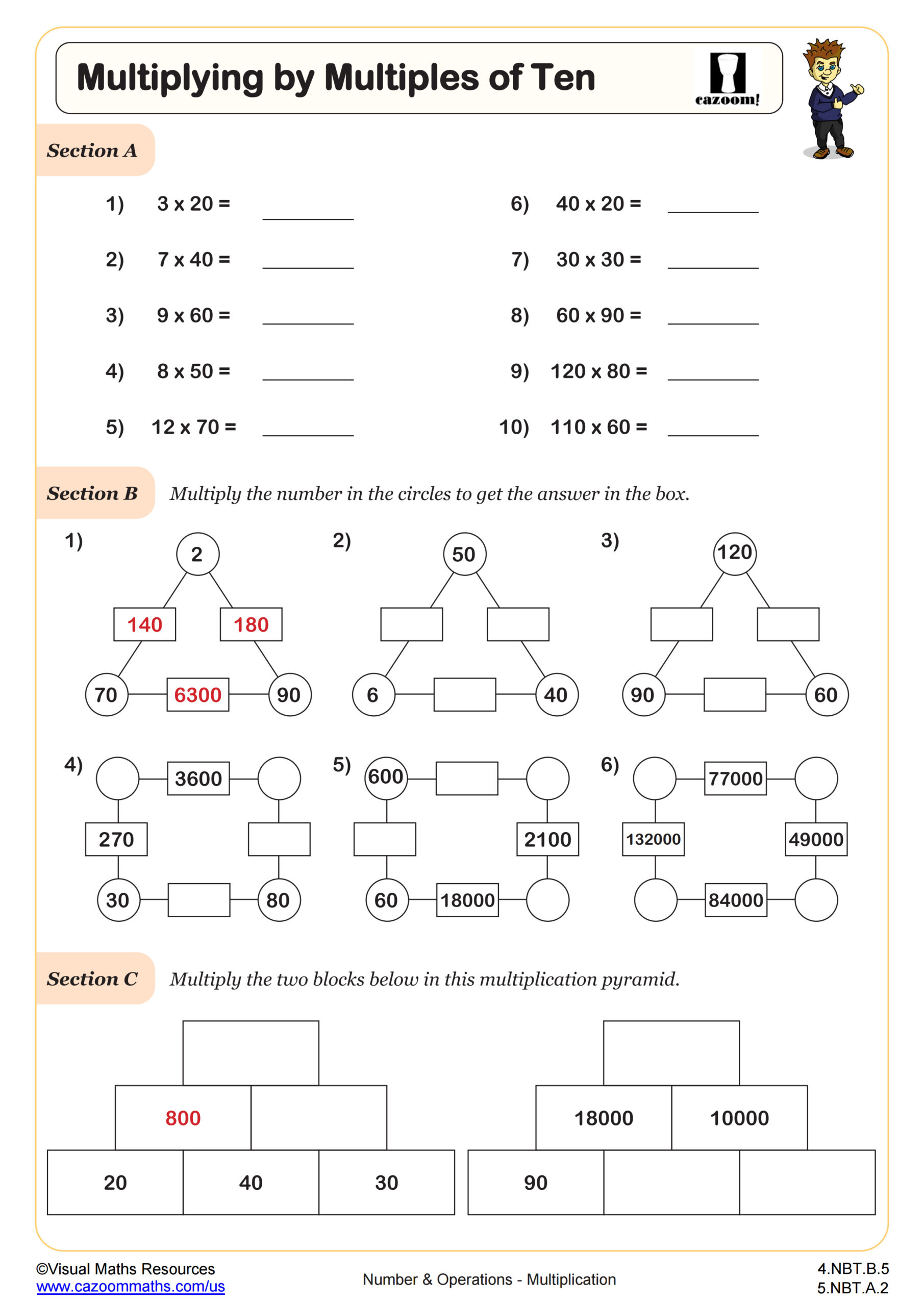
Multiplying by Multiples of Ten
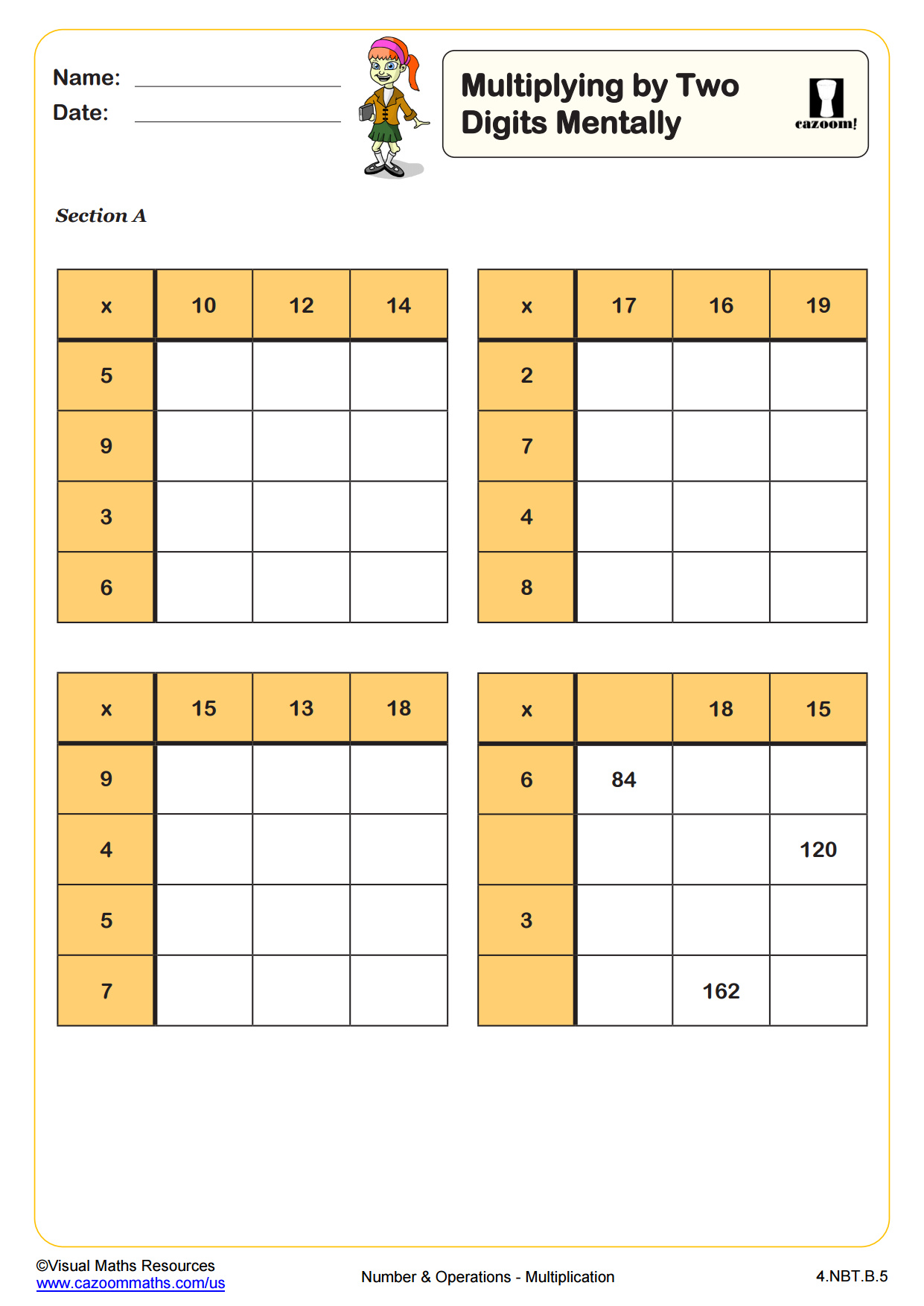
Multiplying by Two Digits Mentally
Practicing the box method for long multiplication
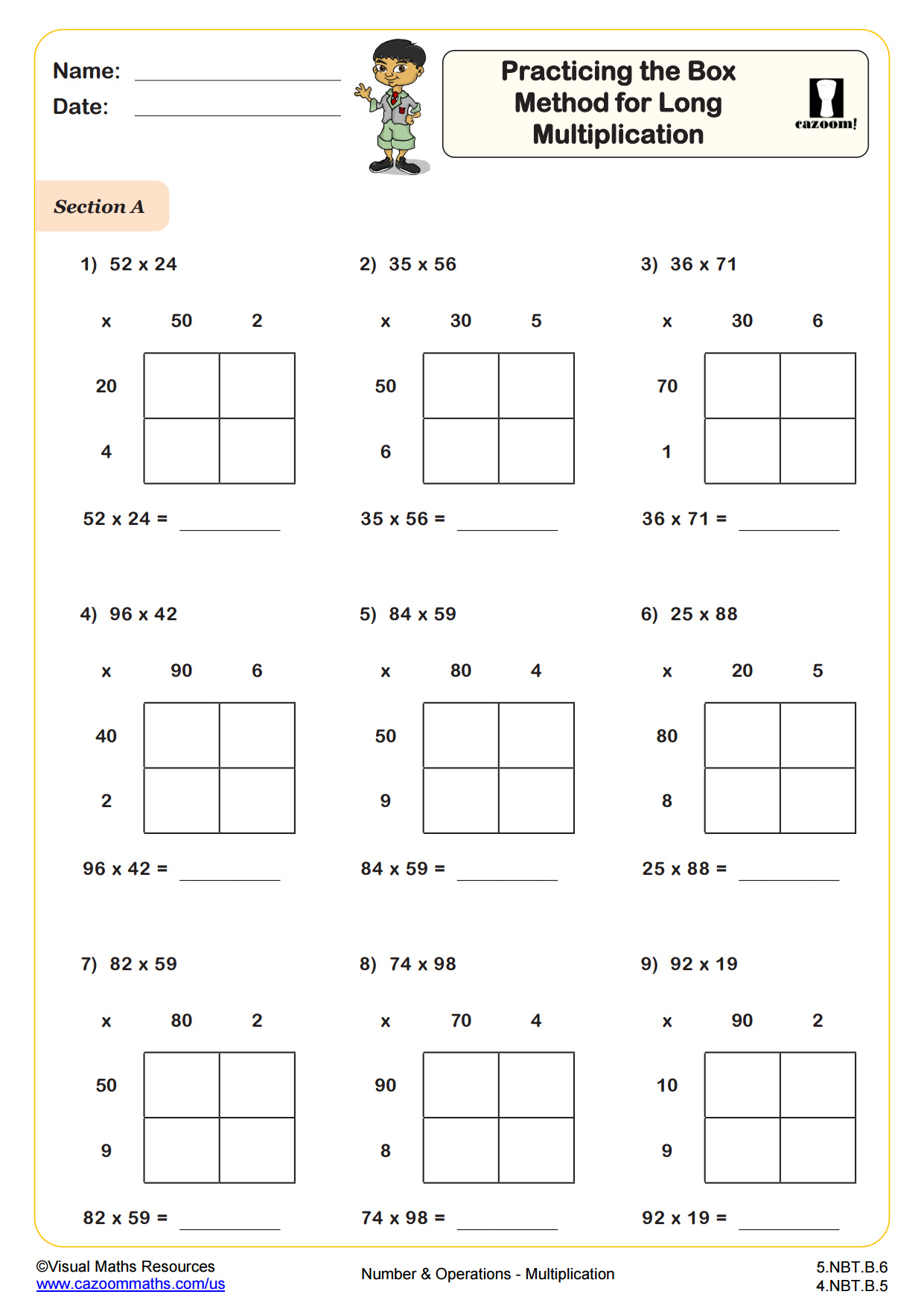
Practicing the Box Method for Multiplication (A)
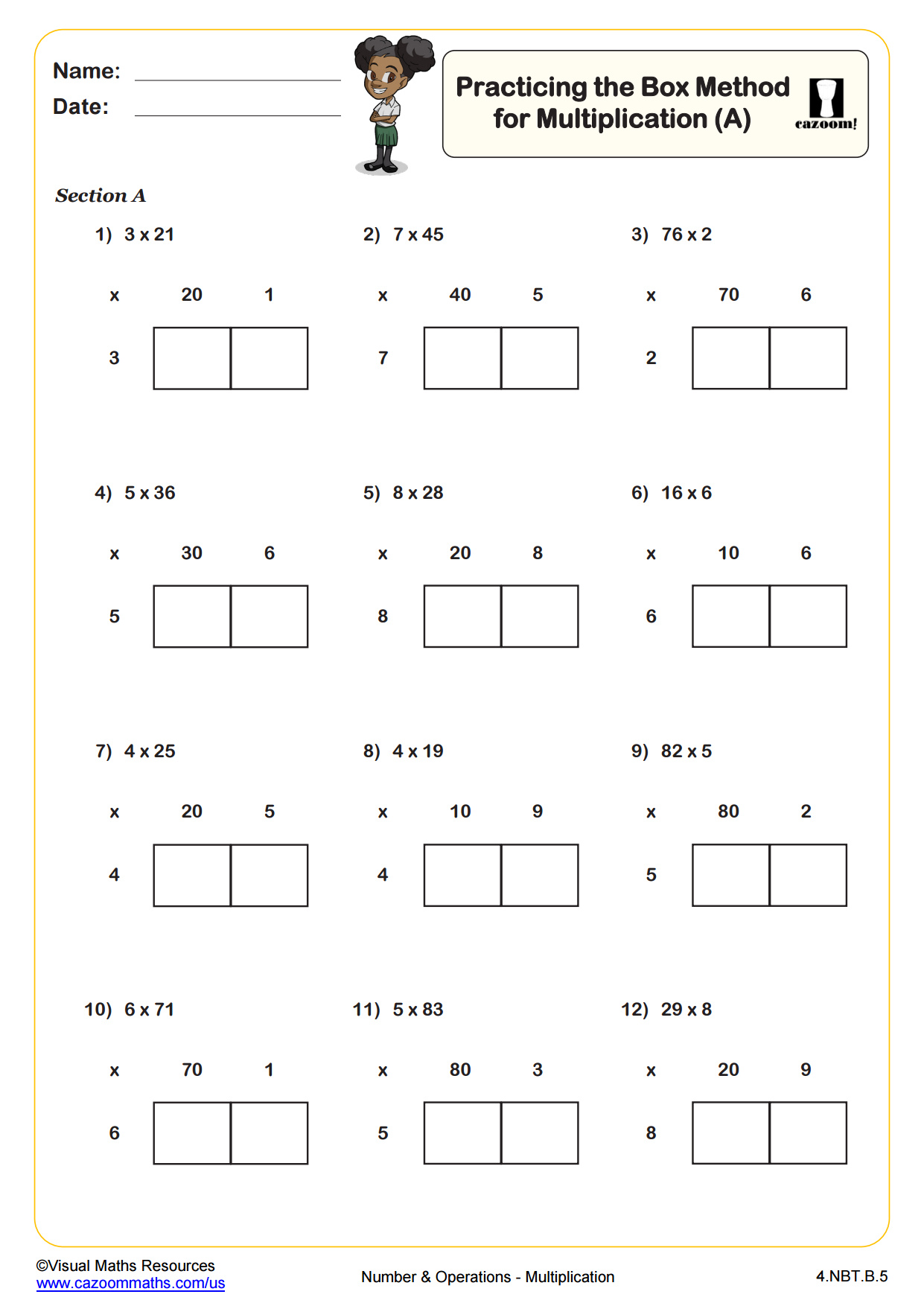
Practicing the Column Method for Long Multiplication (A)
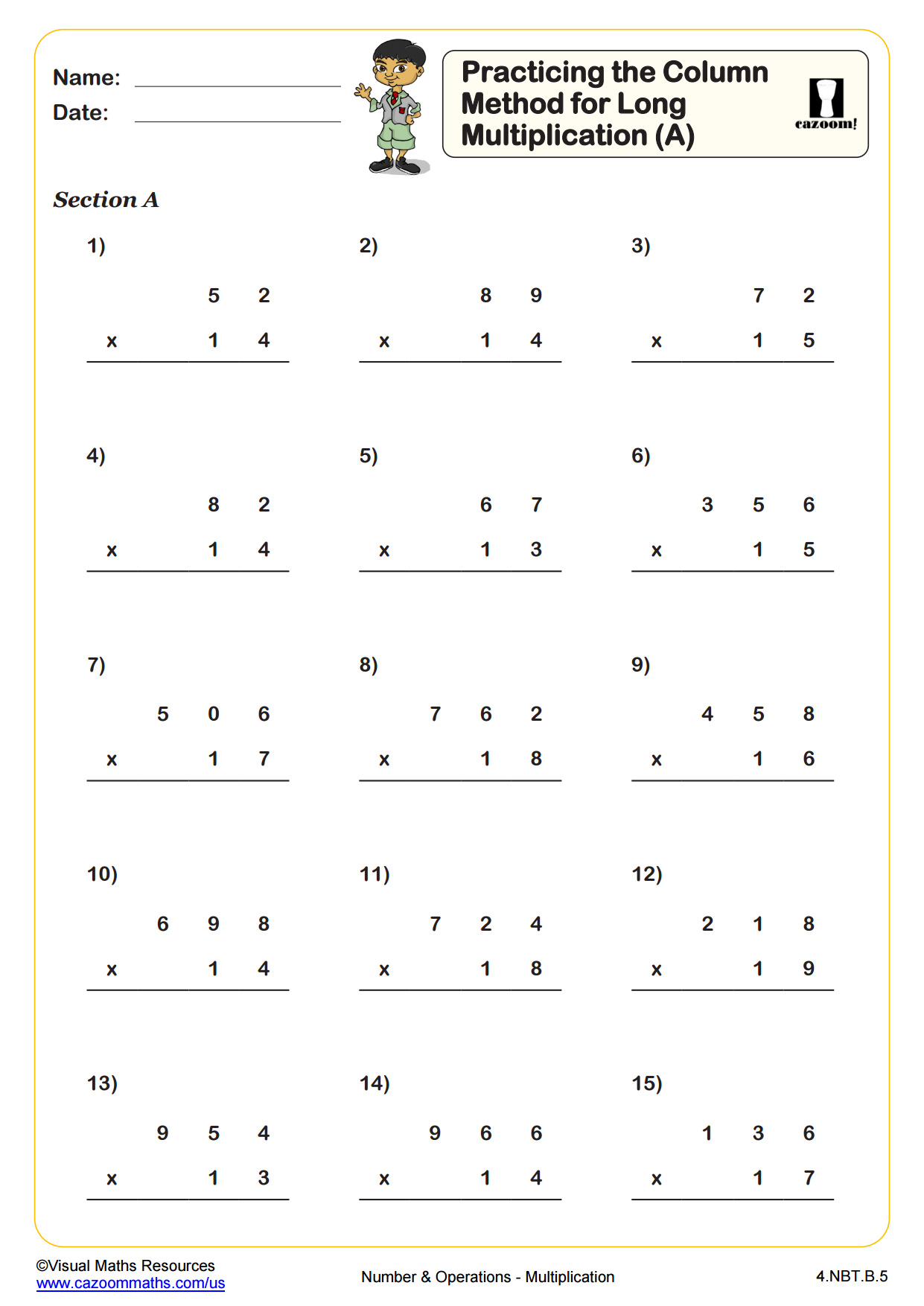
Practicing the Column Method for Long Multiplication (B)
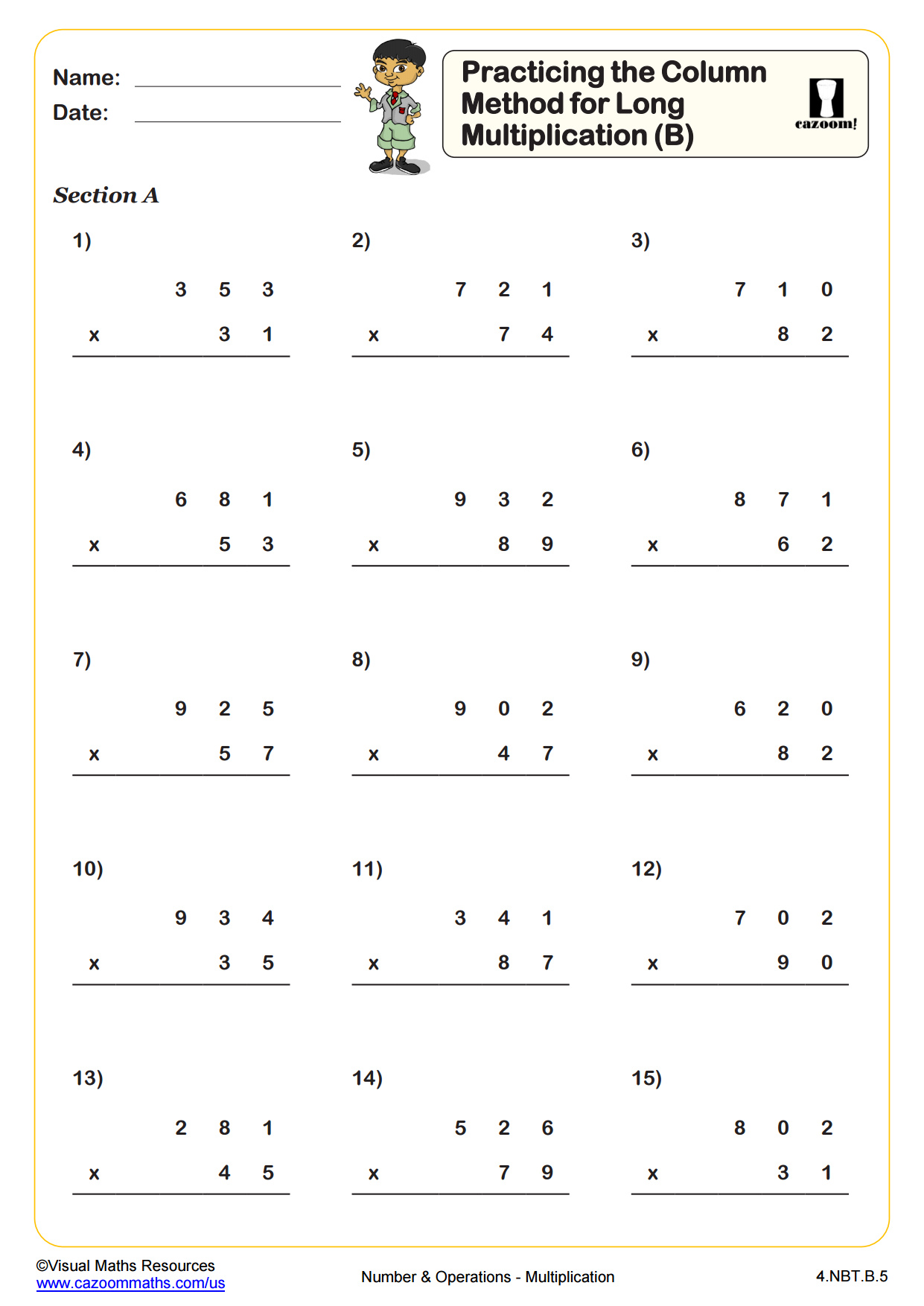
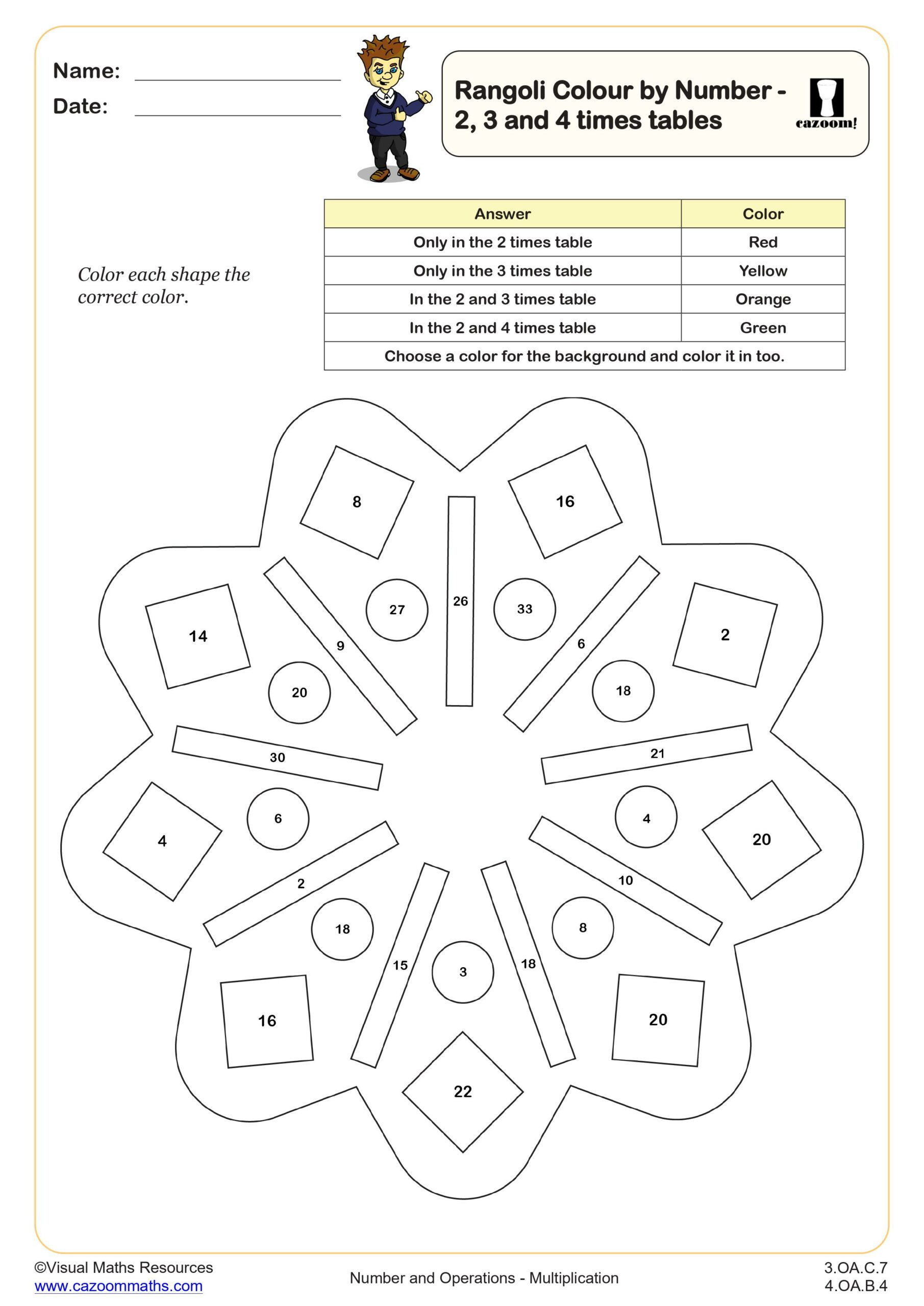
Rangoli Color by Number - 2, 3 and 4 times tables
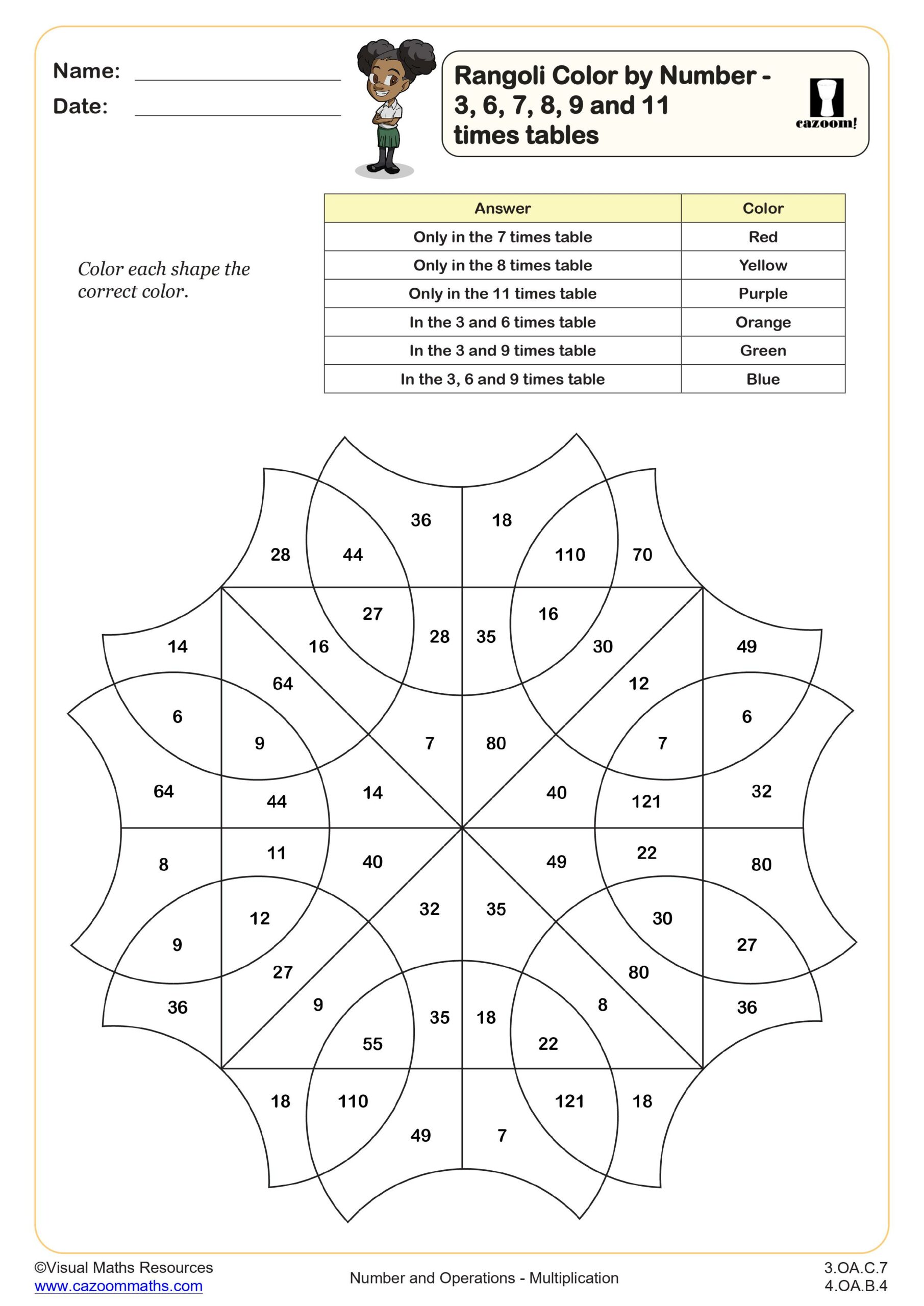
Rangoli Color by Number - 3, 6, 7, 8, 9 and 11 times tables
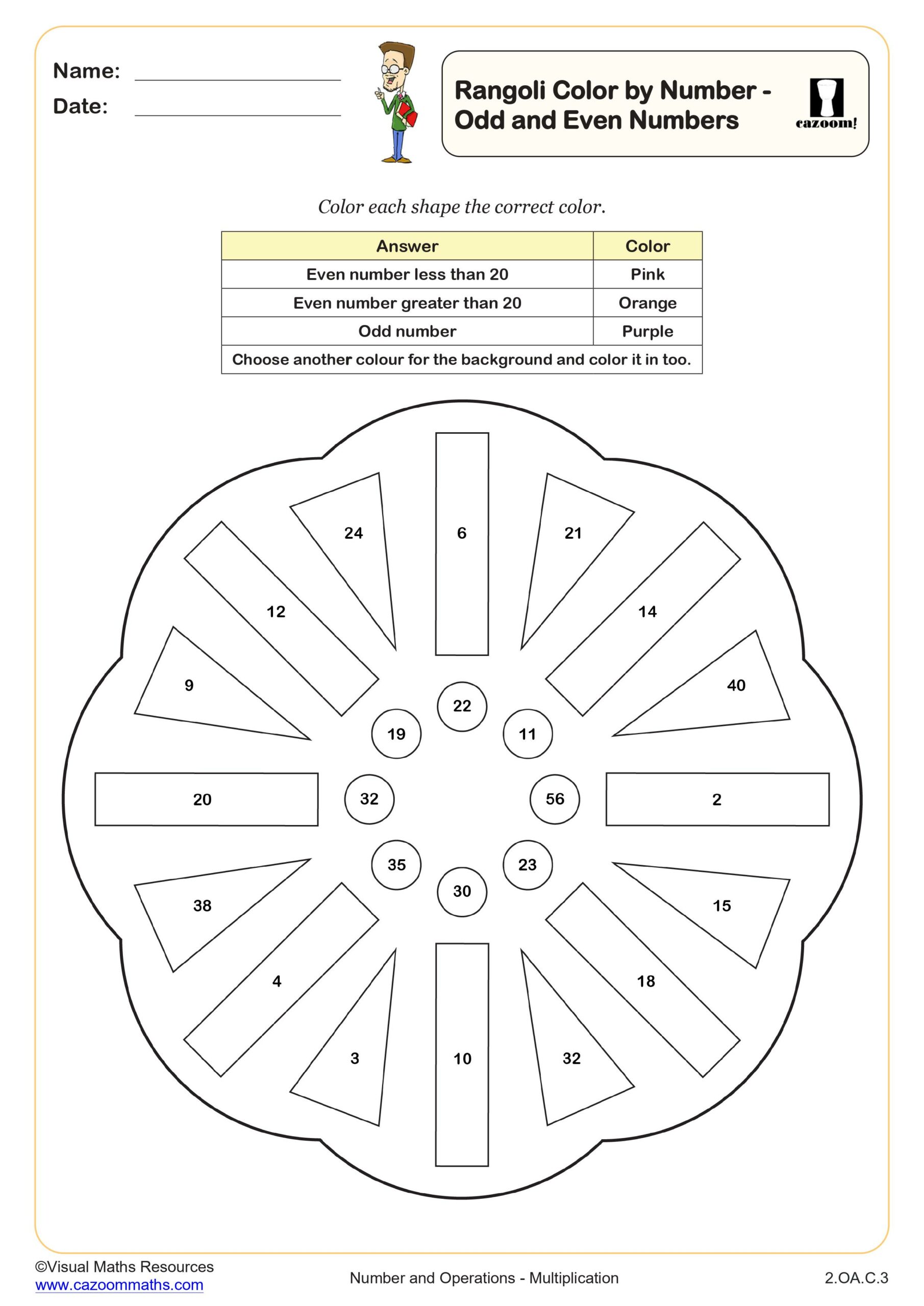
Rangoli Color by Number - Odd and Even Numbers
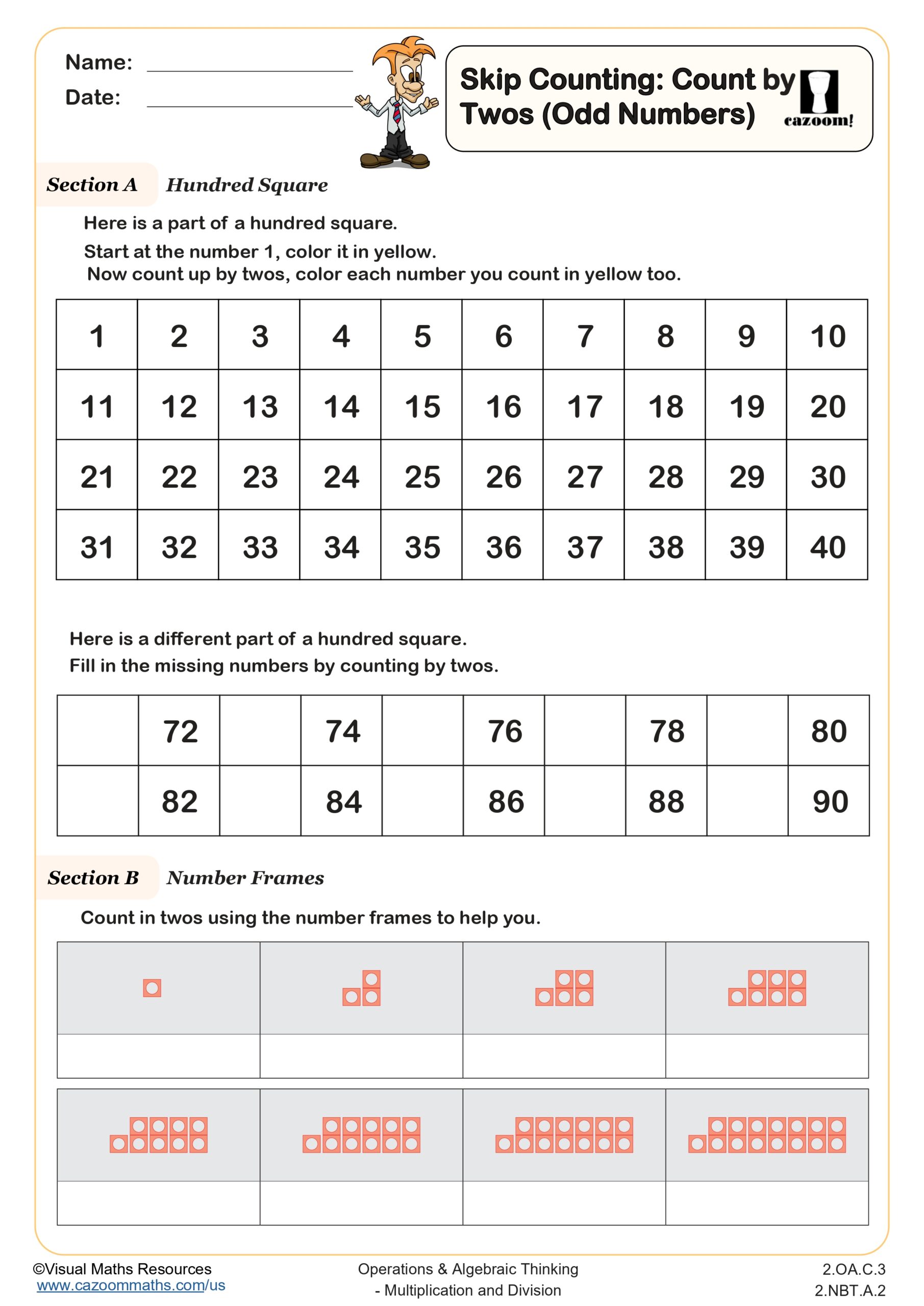
Skip Counting: Count By Twos (Odd Numbers)
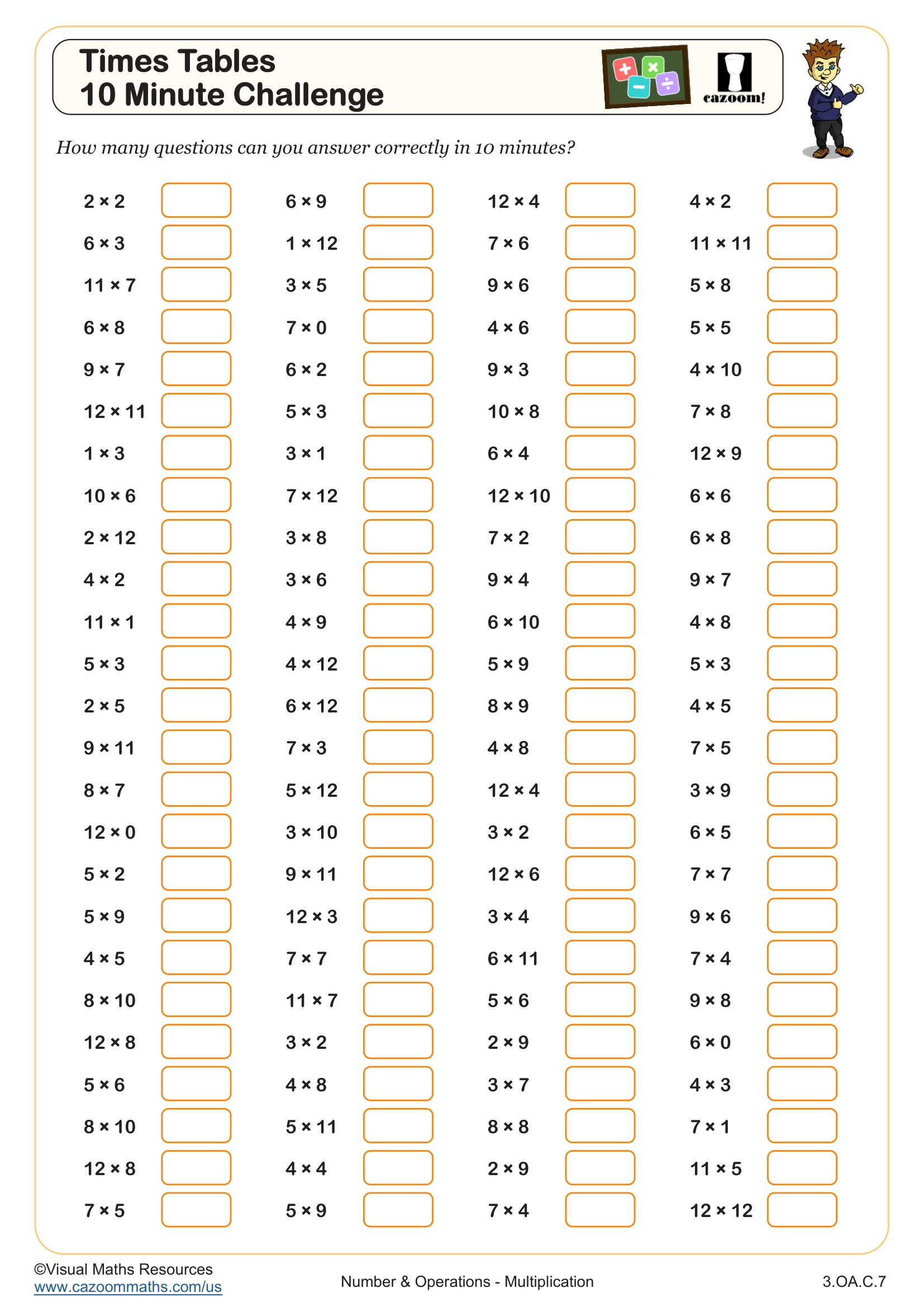
Times Tables 10 minute Challenge
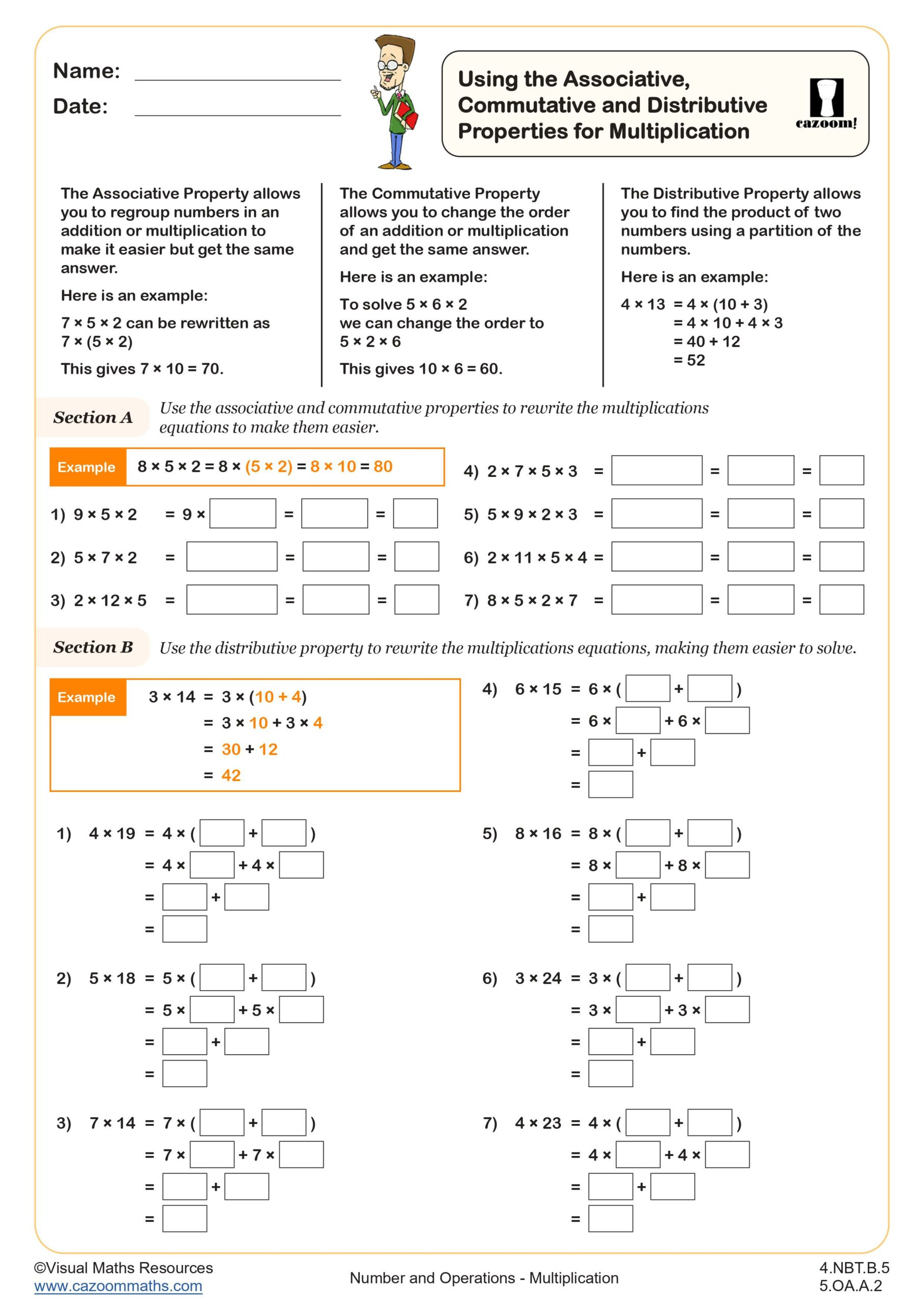
Using the Associative, Commutative and Distributive Properties for Multiplication
All worksheets are created by the team of experienced teachers at Cazoom Math.
What makes multiplication worksheets 1-10 effective for building fact fluency?
Multiplication worksheets 1-10 focus specifically on the foundational multiplication facts that Common Core State Standards emphasize for grades 3-5. These worksheets provide systematic practice with facts from 1x1 through 10x10, which research shows are critical for developing number sense and computational fluency. The structured format helps students recognize patterns within multiplication families while building automatic recall.
Teachers notice that students benefit most when these worksheets progress from concrete visual representations to abstract number sentences. Many students initially rely on skip counting or repeated addition, but consistent practice with multiplication worksheets 1 10 helps them transition to instant recall. The variety of problem formats within these worksheets prevents students from memorizing answer positions rather than learning the actual multiplication relationships.
Which grade levels should use elementary multiplication worksheets?
Elementary multiplication worksheets typically serve students in grades 2-5, though timing varies based on individual readiness and district pacing guides. Second graders often begin with foundational concepts like equal groups and arrays, while third graders focus intensively on memorizing facts through 10x10 as required by Common Core standards. Fourth and fifth graders use these worksheets for review and to maintain fluency while learning multi-digit multiplication.
Teachers observe that students who master multiplication facts early show greater confidence in higher-level math concepts. Some advanced second graders benefit from introduction to easier multiplication families like 2s, 5s, and 10s, while struggling fifth graders may still need intensive practice with basic facts. The key is matching worksheet difficulty to individual student needs rather than grade level alone.
How do these worksheets help students learn multiplication rules?
These worksheets systematically introduce multiplication rules through pattern recognition and repeated practice. Students discover the commutative property when they notice that 3x4 equals 4x3, and they learn the identity property by observing that any number times 1 equals itself. The worksheets also reinforce the zero property and help students recognize multiplication as repeated addition in structured formats.
Teachers find that students grasp multiplication rules more effectively when worksheets include visual models alongside abstract problems. Many students initially struggle with the concept that multiplication creates equal groups, often confusing it with simple addition. Strategic worksheet selection helps students move from concrete understanding using arrays and groups to abstract rule application, building both conceptual knowledge and procedural fluency.
What strategies work best when using these multiplication worksheets in class?
Effective implementation involves using these worksheets as part of a balanced approach that includes manipulatives, visual models, and timed practice sessions. Teachers achieve best results when they introduce new multiplication families using concrete materials first, then transition to worksheet practice for reinforcement and assessment. Short, frequent practice sessions with these worksheets prove more effective than lengthy drilling sessions.
Classroom observations show that students respond well when teachers use the answer keys for immediate feedback and self-correction opportunities. Many teachers implement a progression from untimed practice worksheets to timed assessments, helping students build both accuracy and speed. Incorporating these worksheets into math centers, homework assignments, and intervention sessions provides multiple exposure opportunities that support long-term retention of multiplication facts.