Elementary School Place Value Worksheets
10 More 10 Less
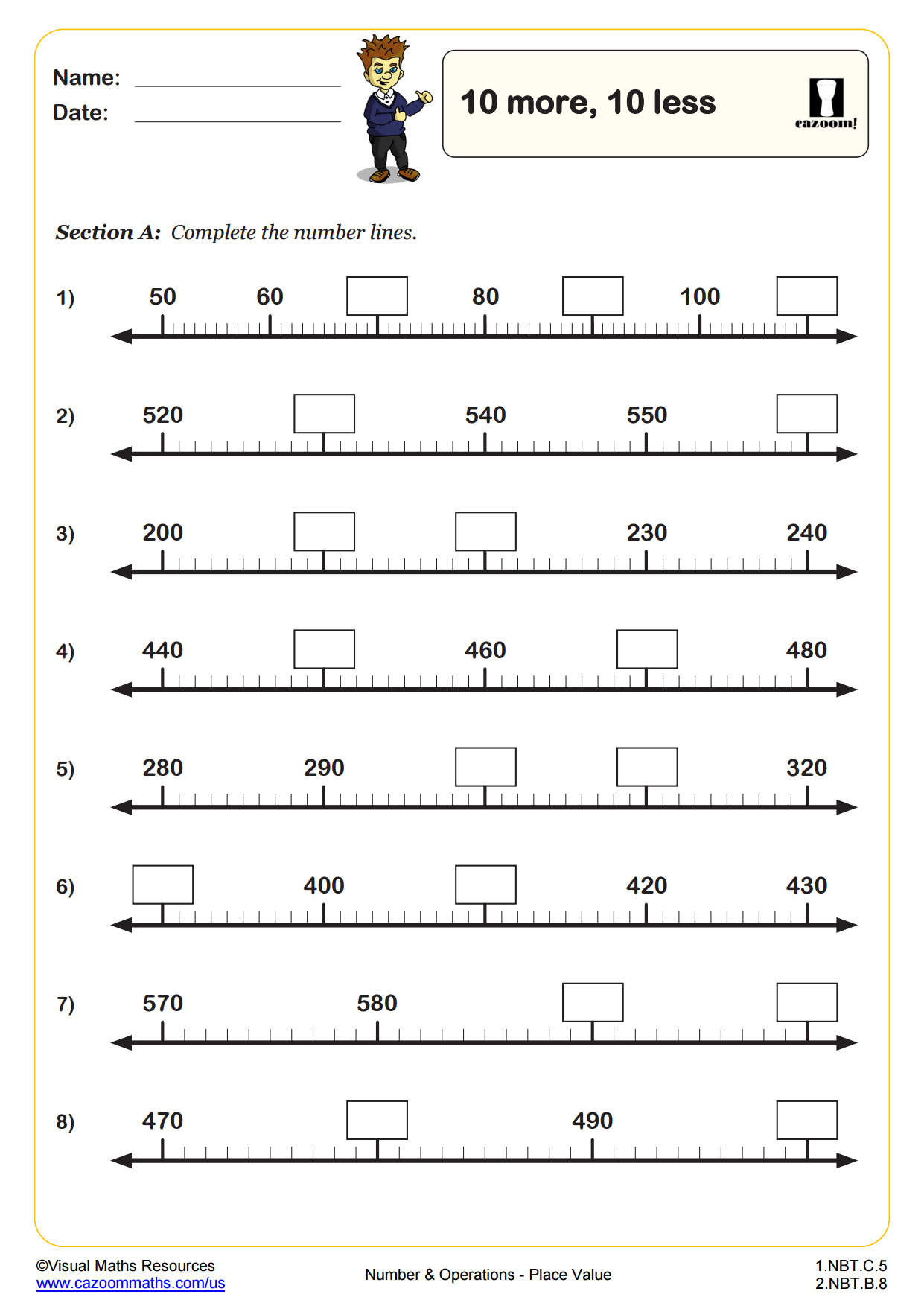
100 More 100 Less
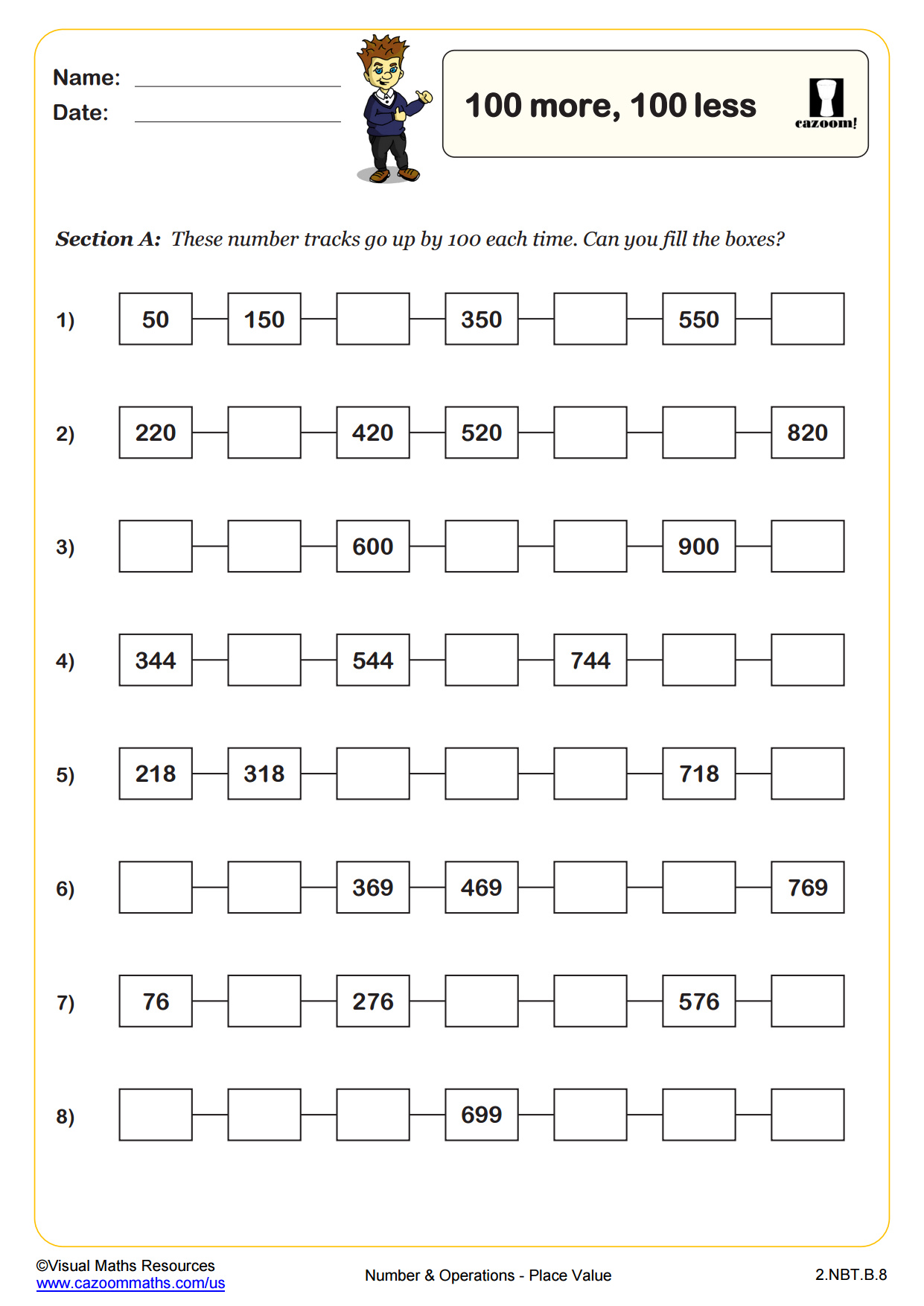
1000 More 1000 Less (A)
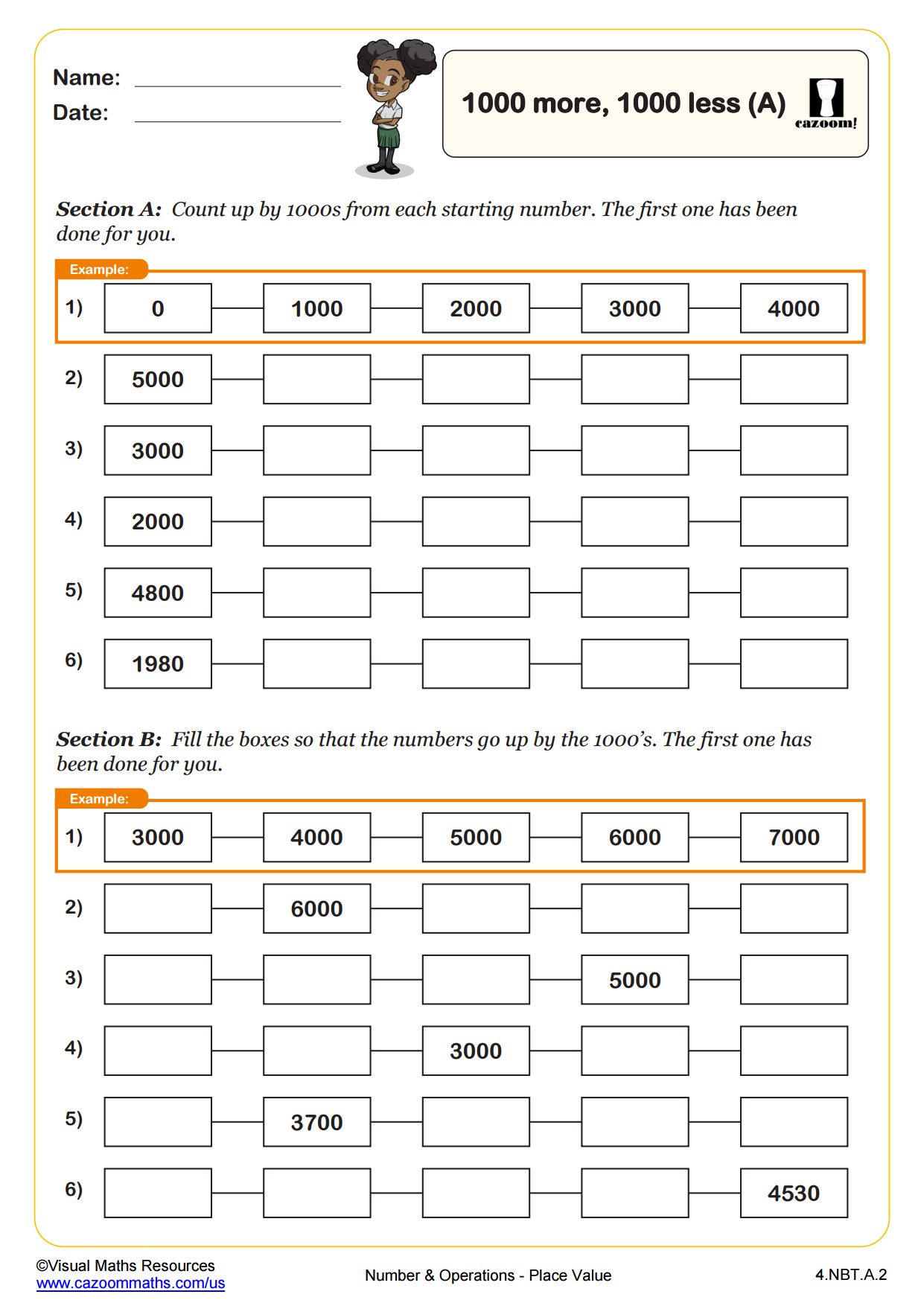
1000 More 1000 Less (B)
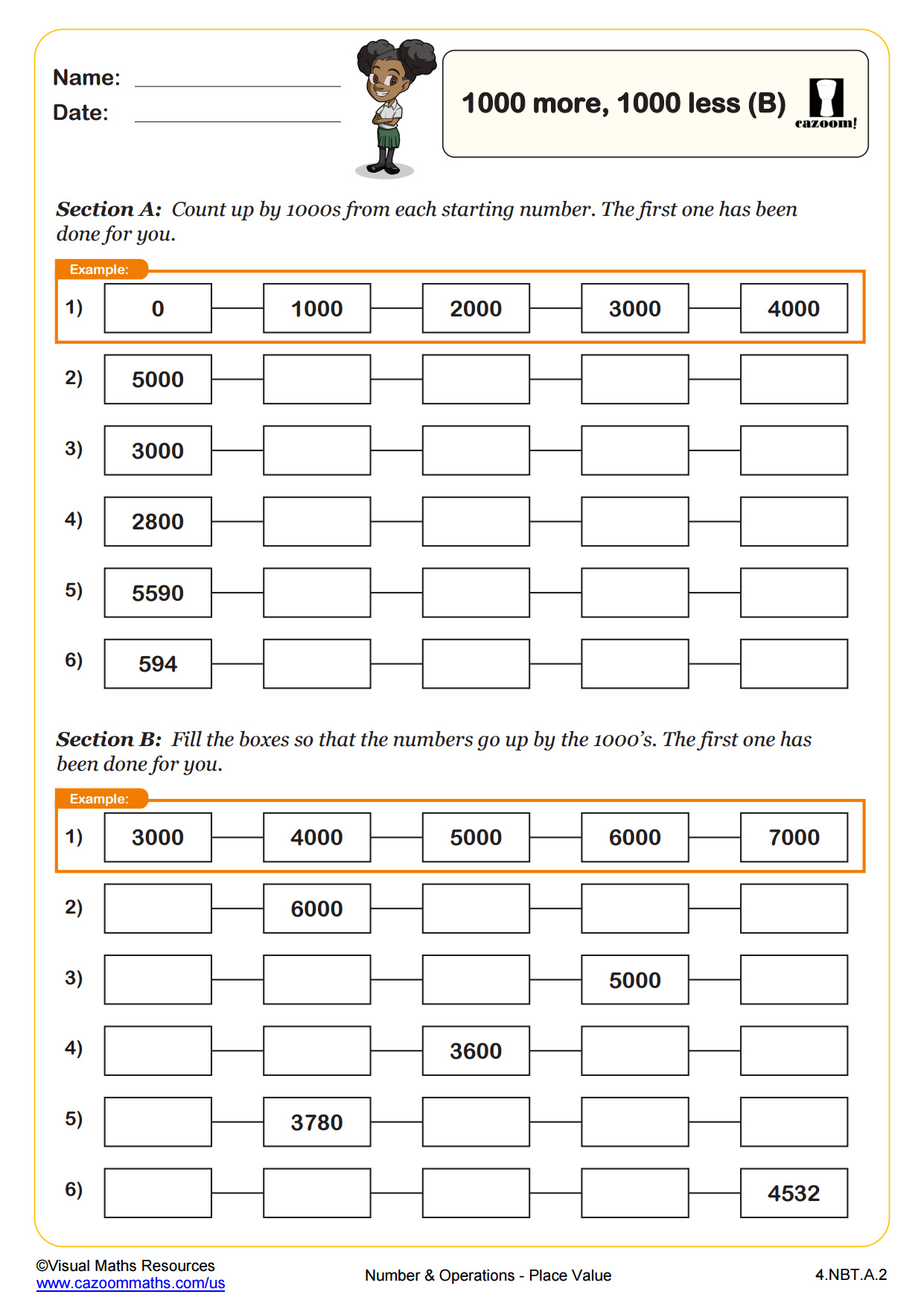
1000 More 1000 Less (C)
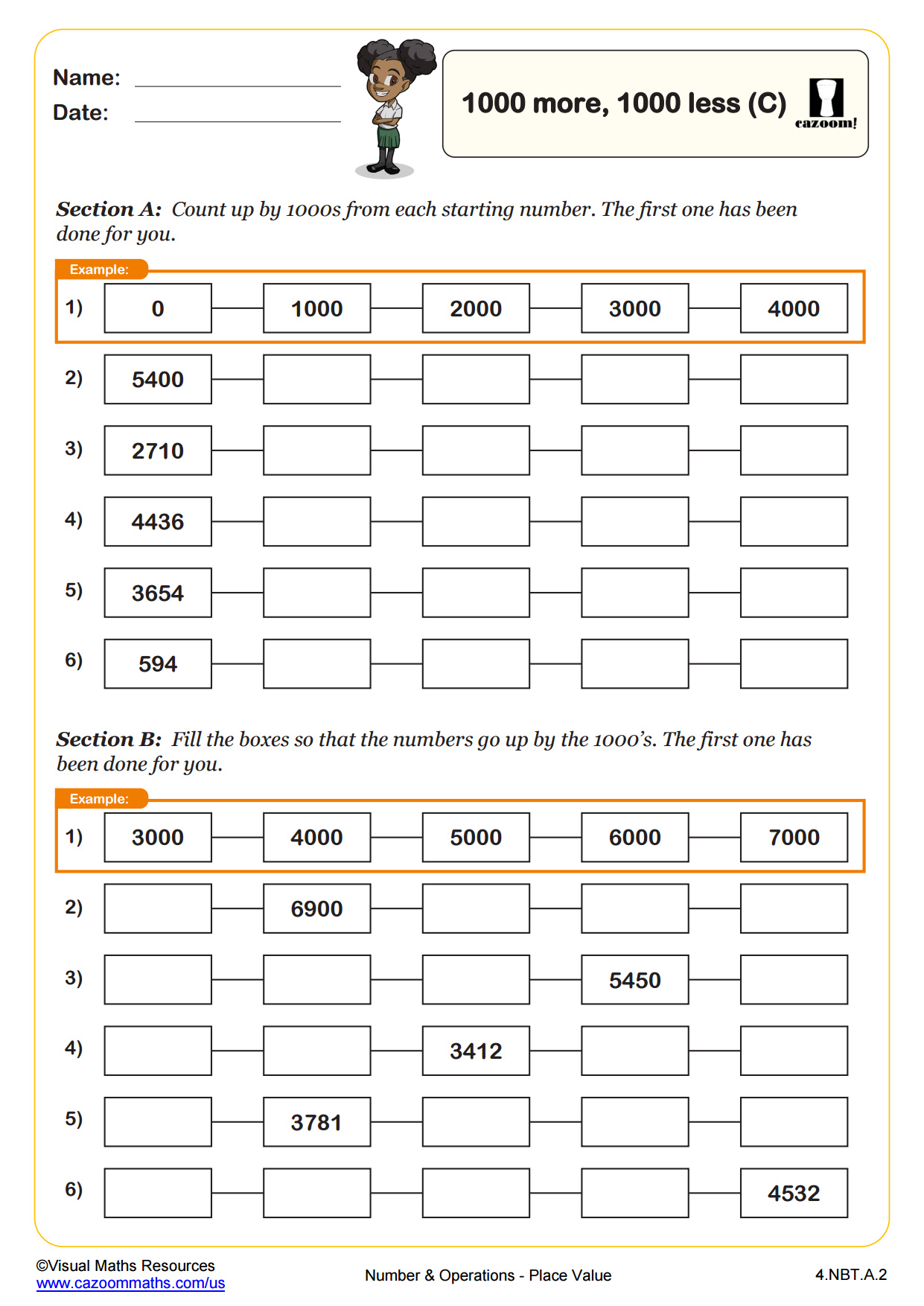
Compare and Order Numbers to 10,000
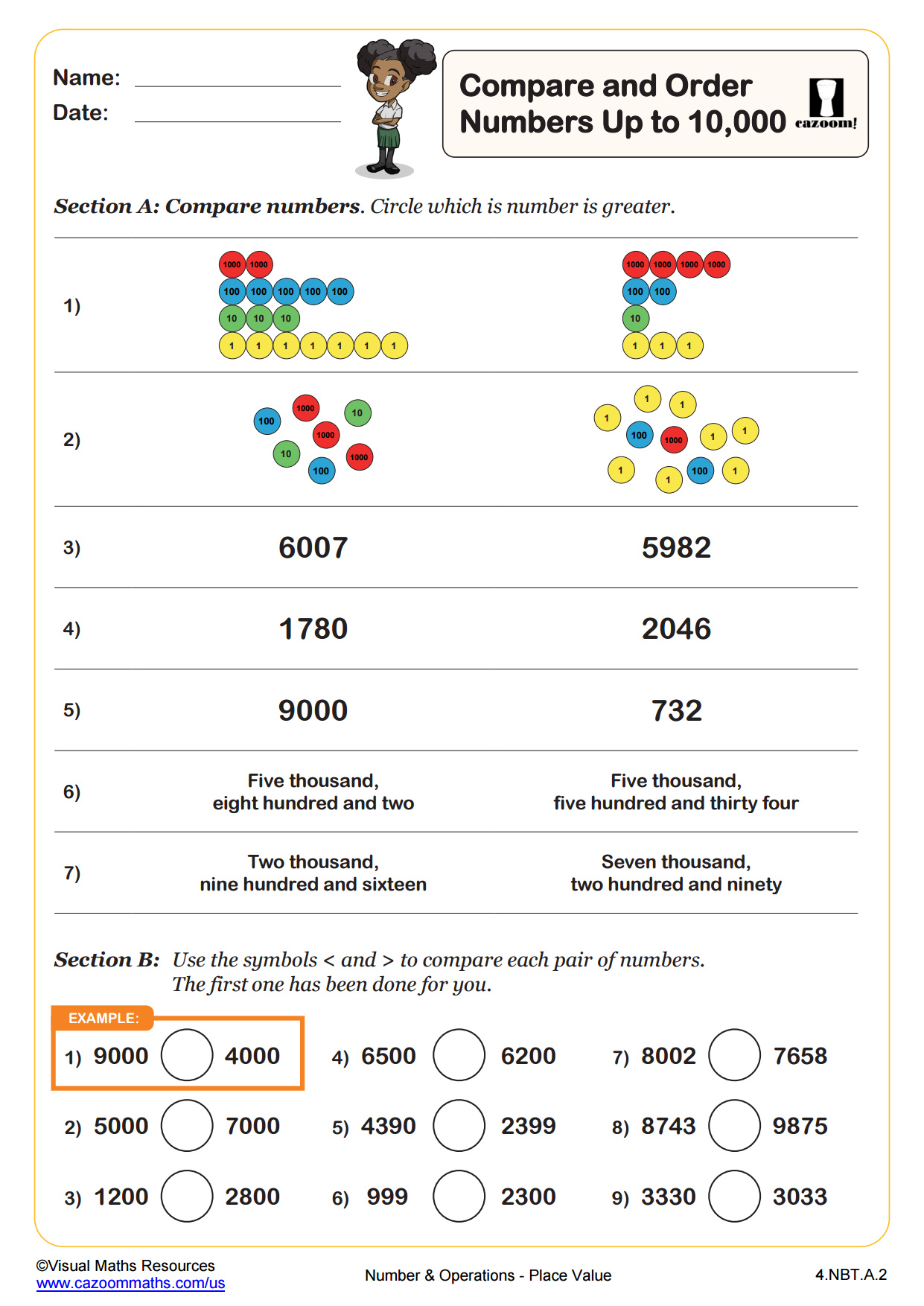
Compare and Order Numbers to 100
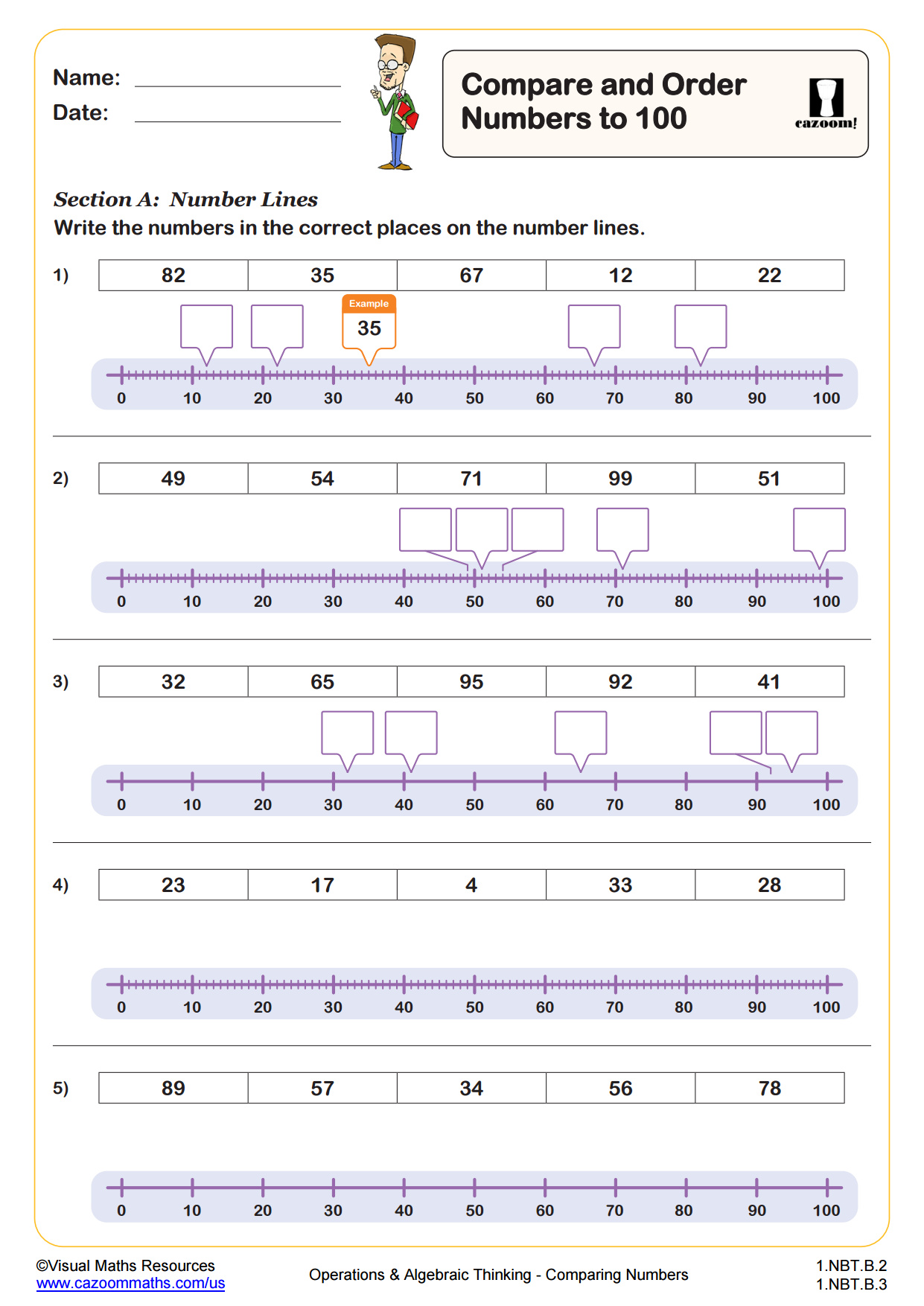
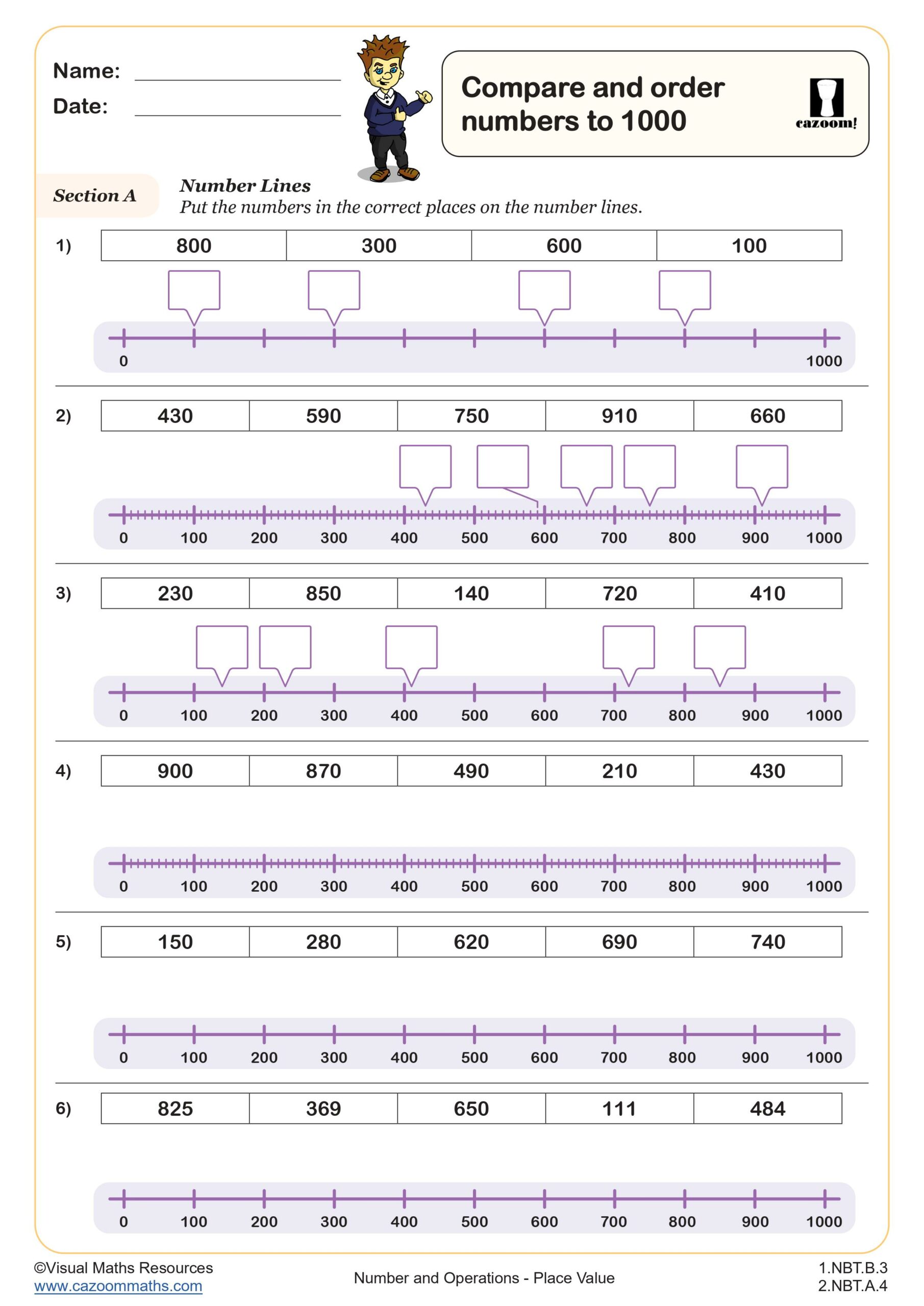
Compare and Order Numbers to 1000
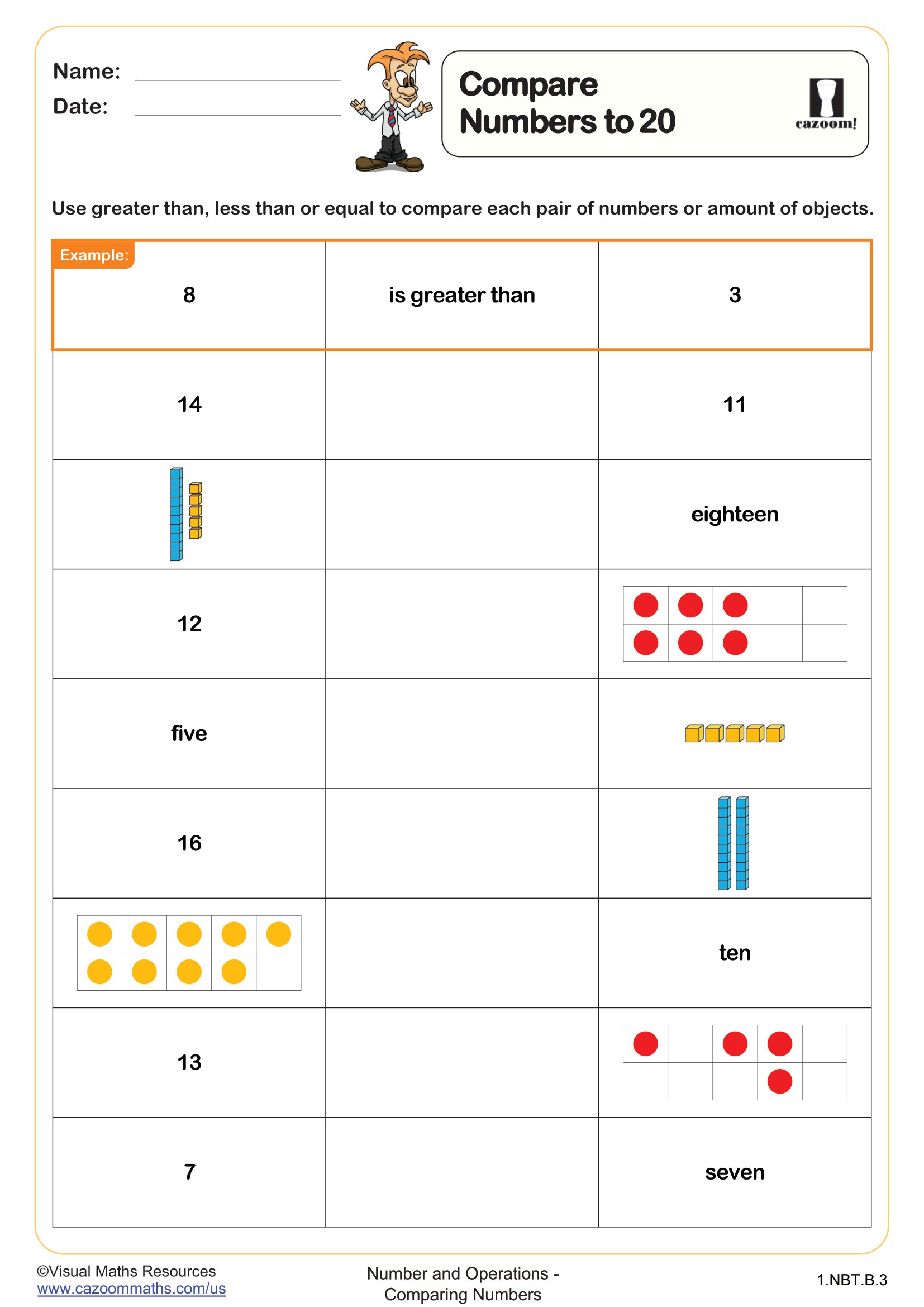
Compare Numbers to 20
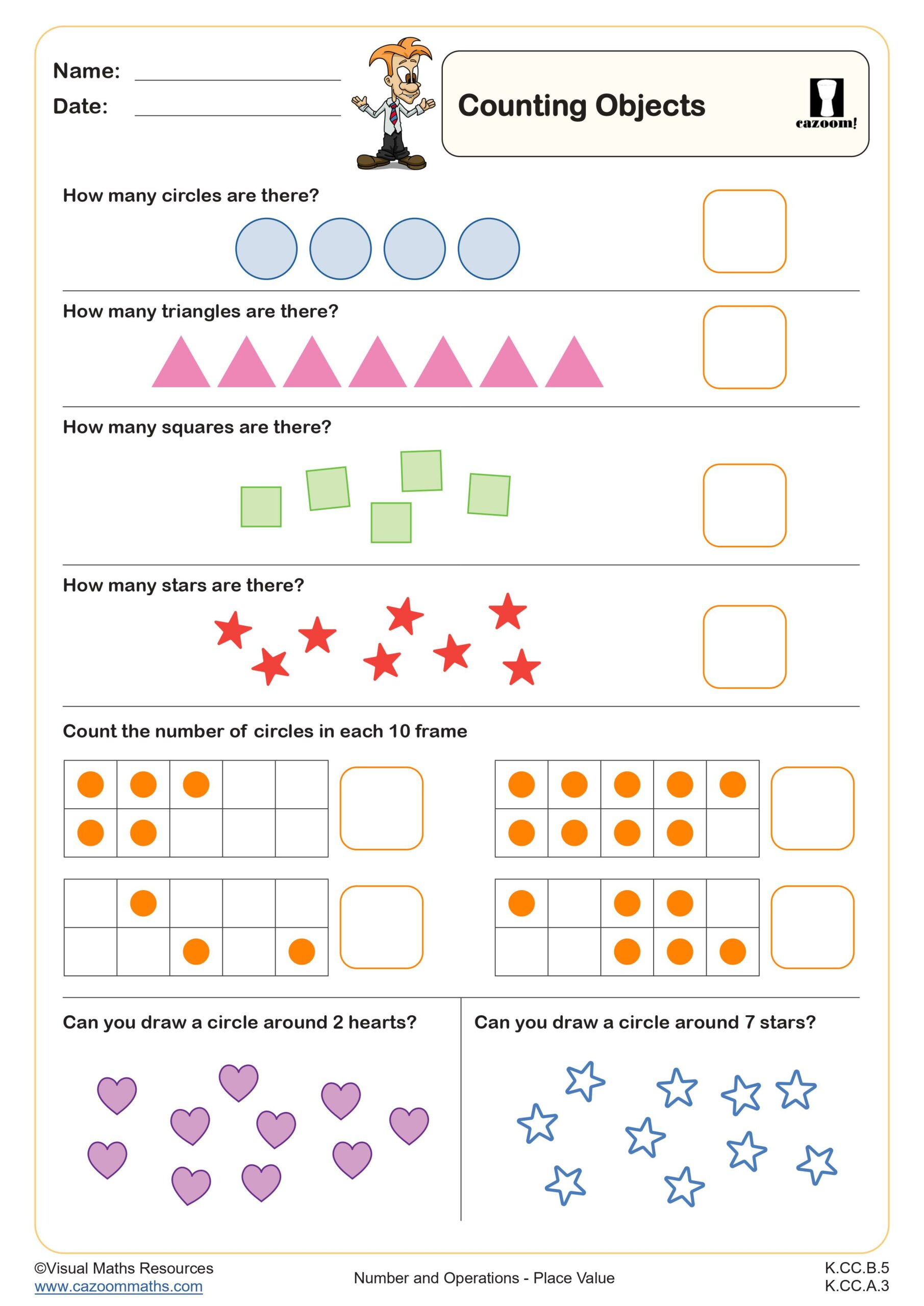
Counting Objects
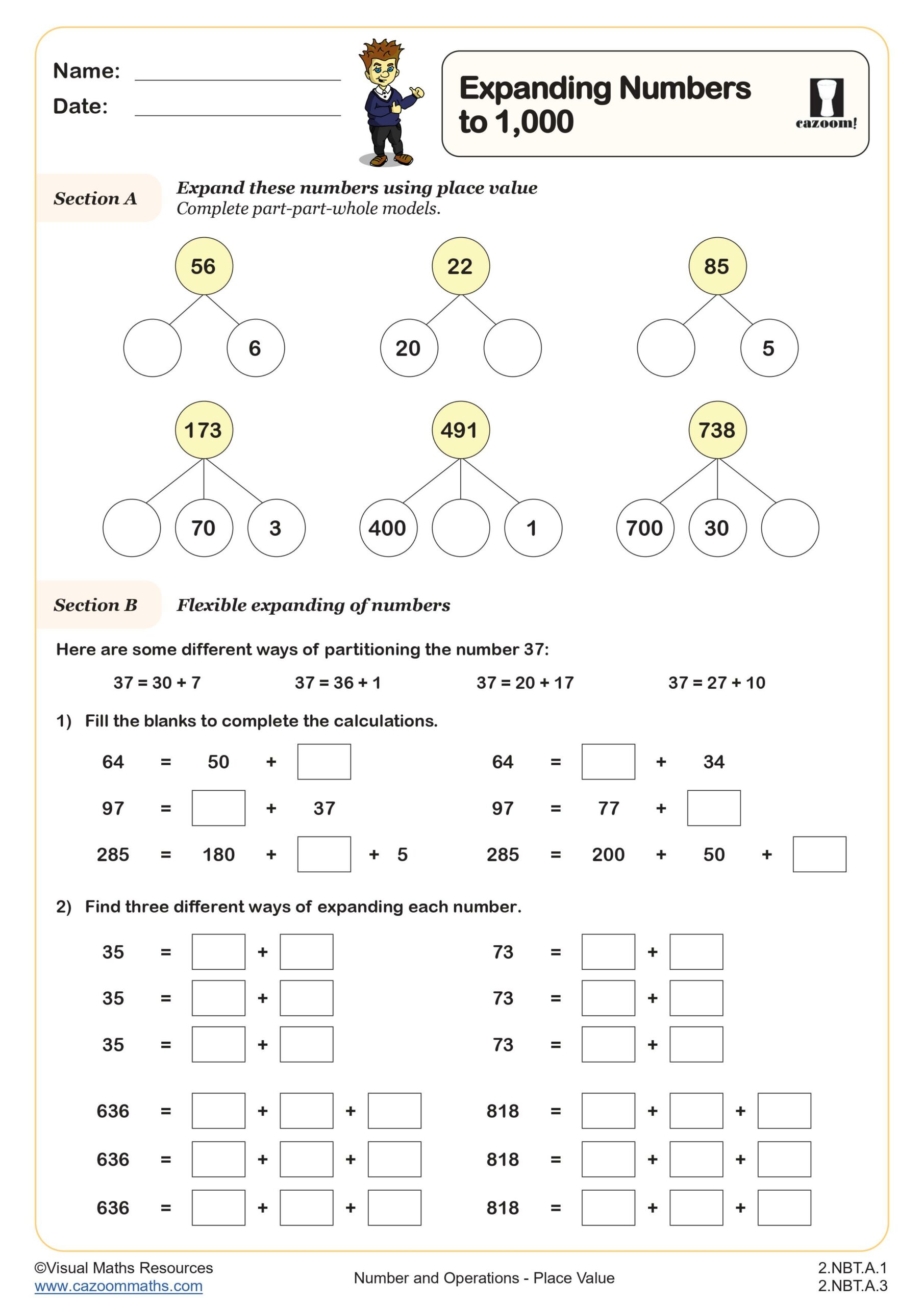
Expanding Numbers to 1,000
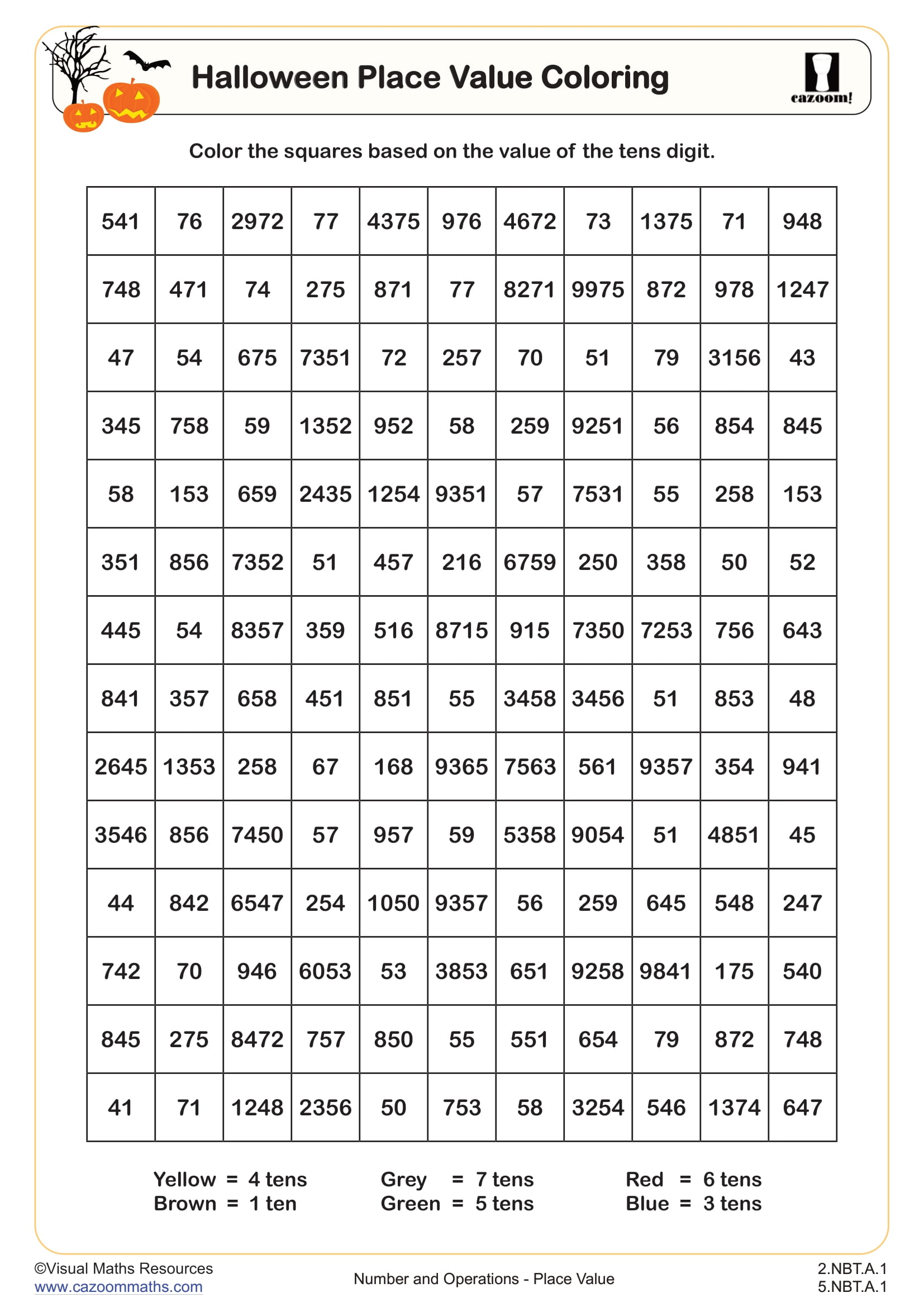
Halloween Place Value Coloring
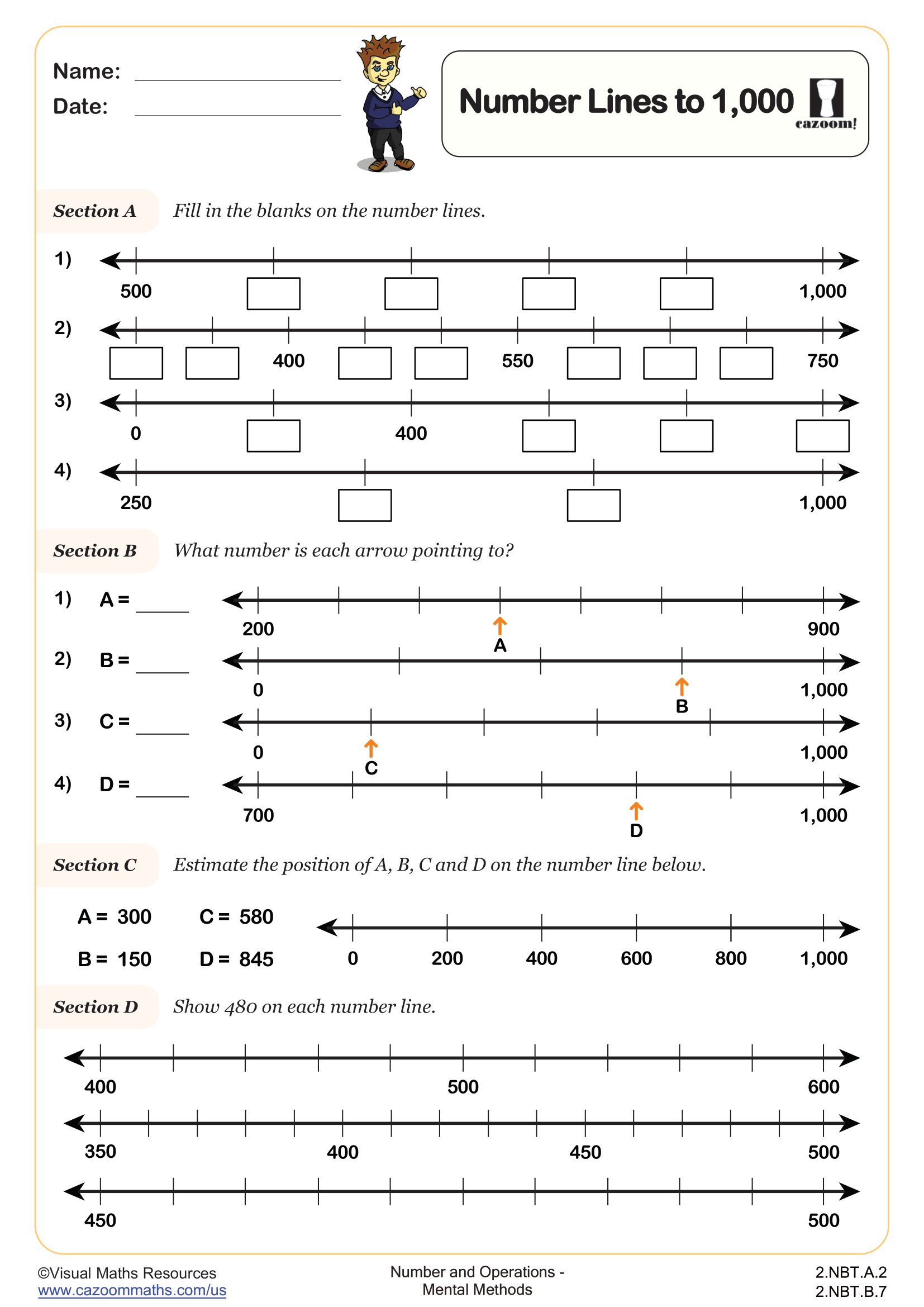
Number Lines to 1,000
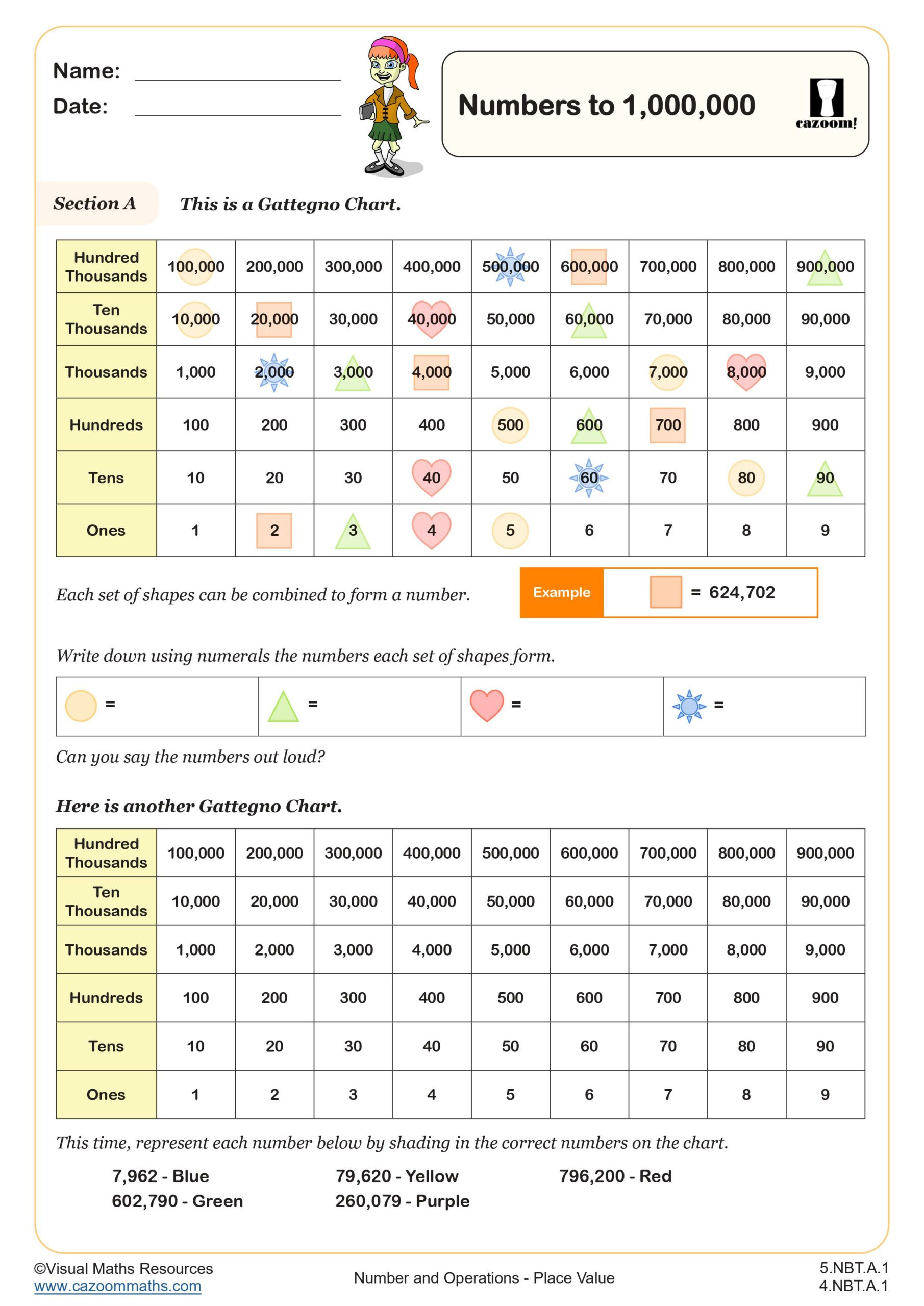
Numbers to 1,000,000
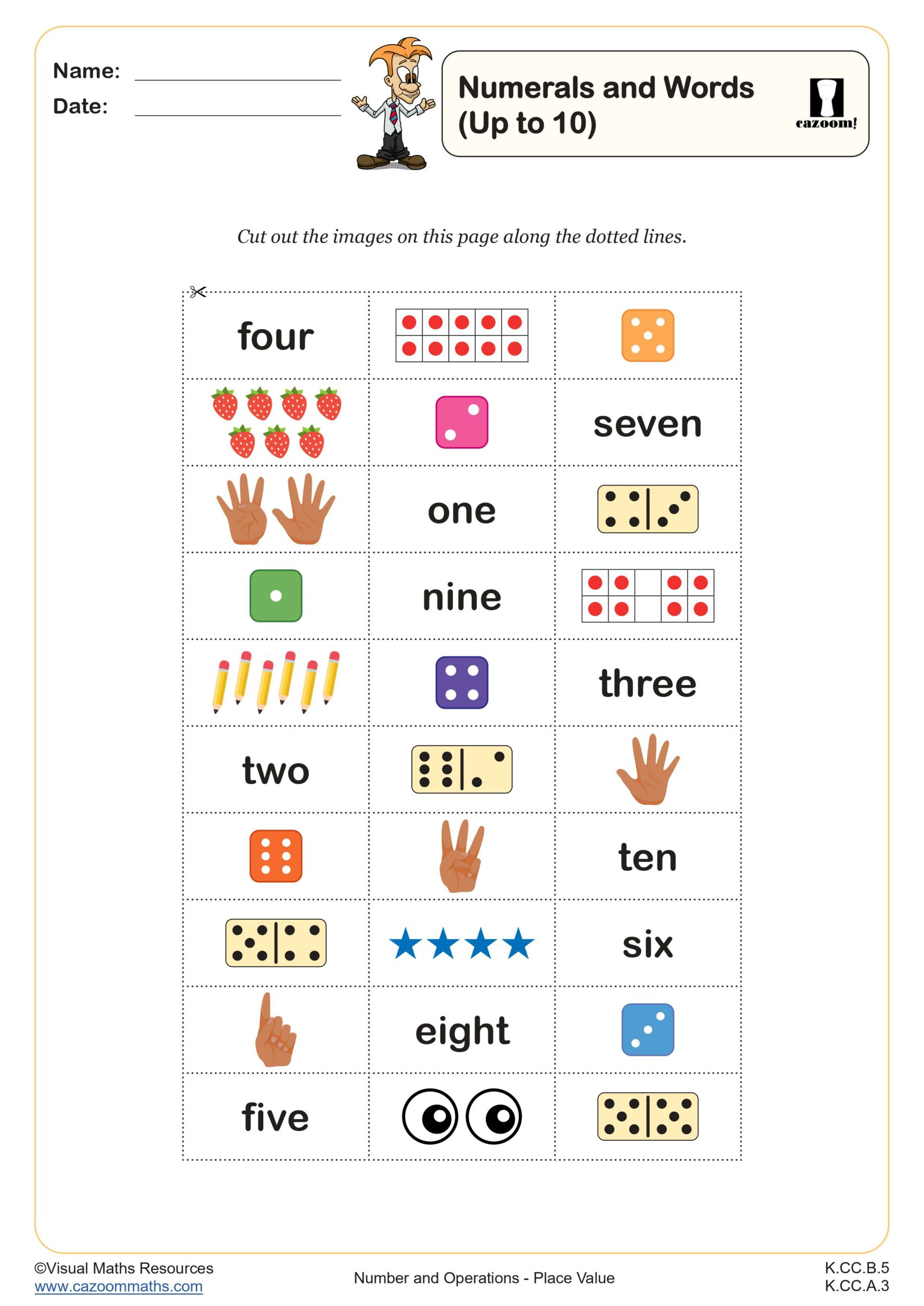
Numerals and Words (up to 10)
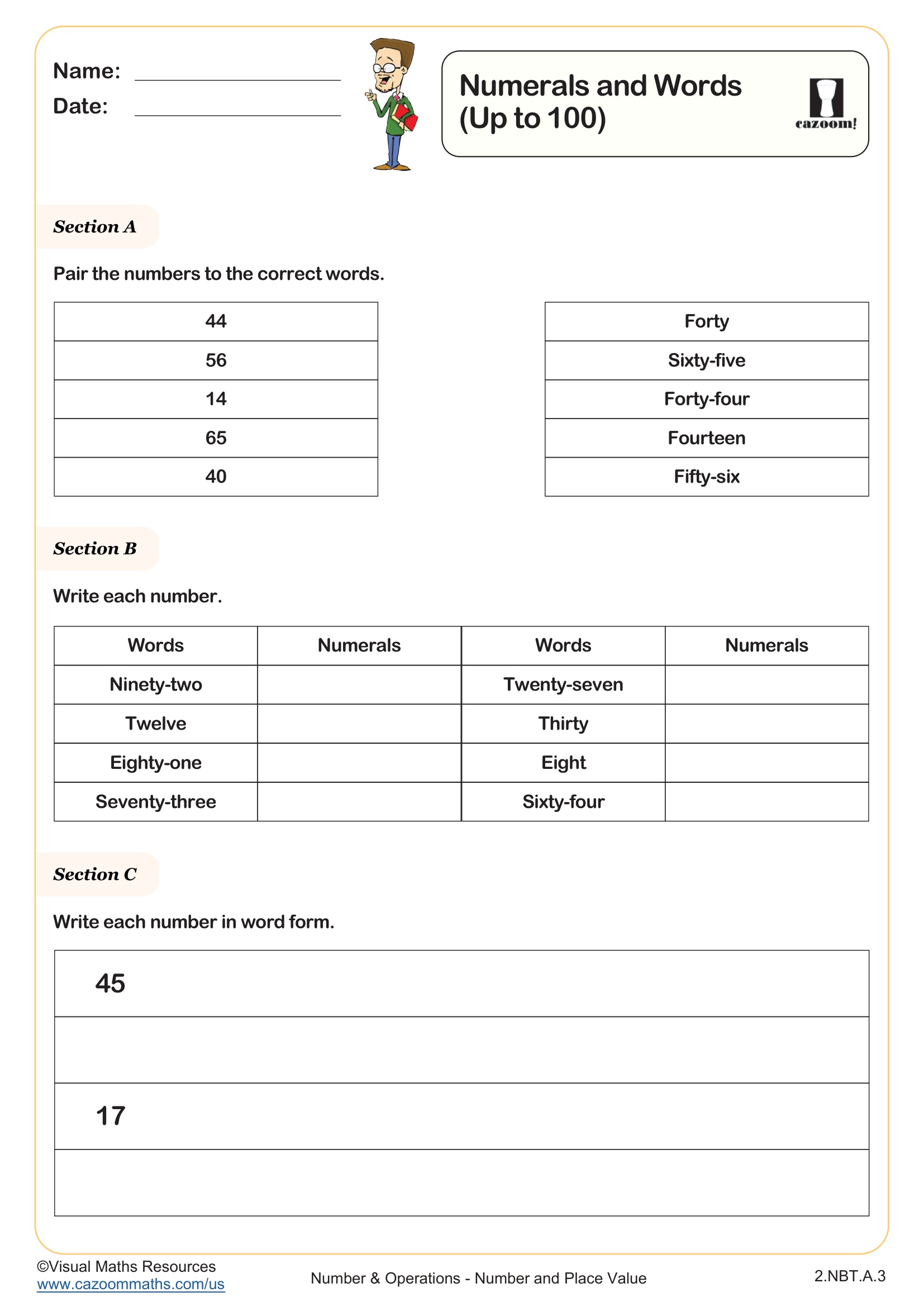
Numerals and Words (up to 100)
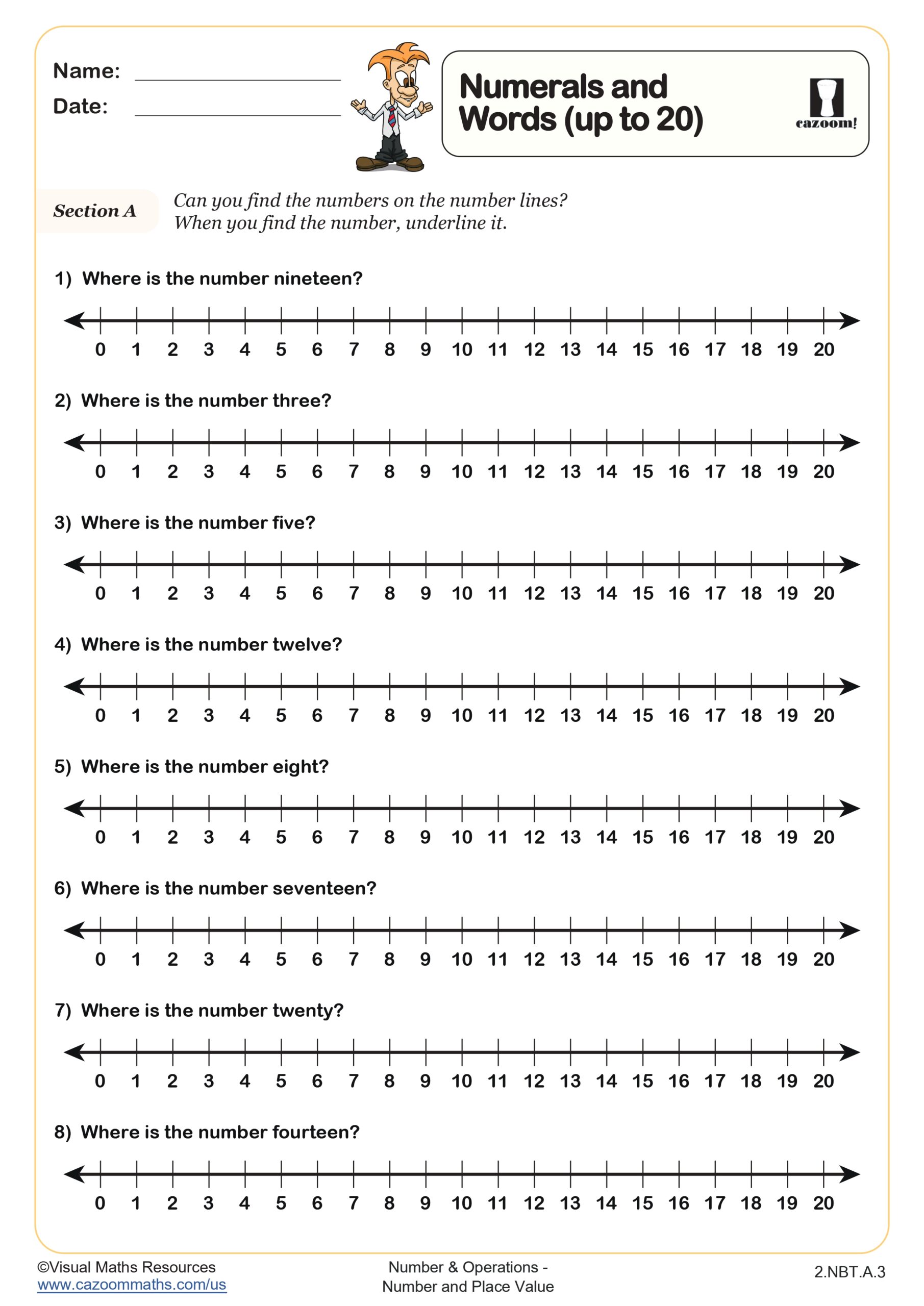
Numerals and Words (up to 20)
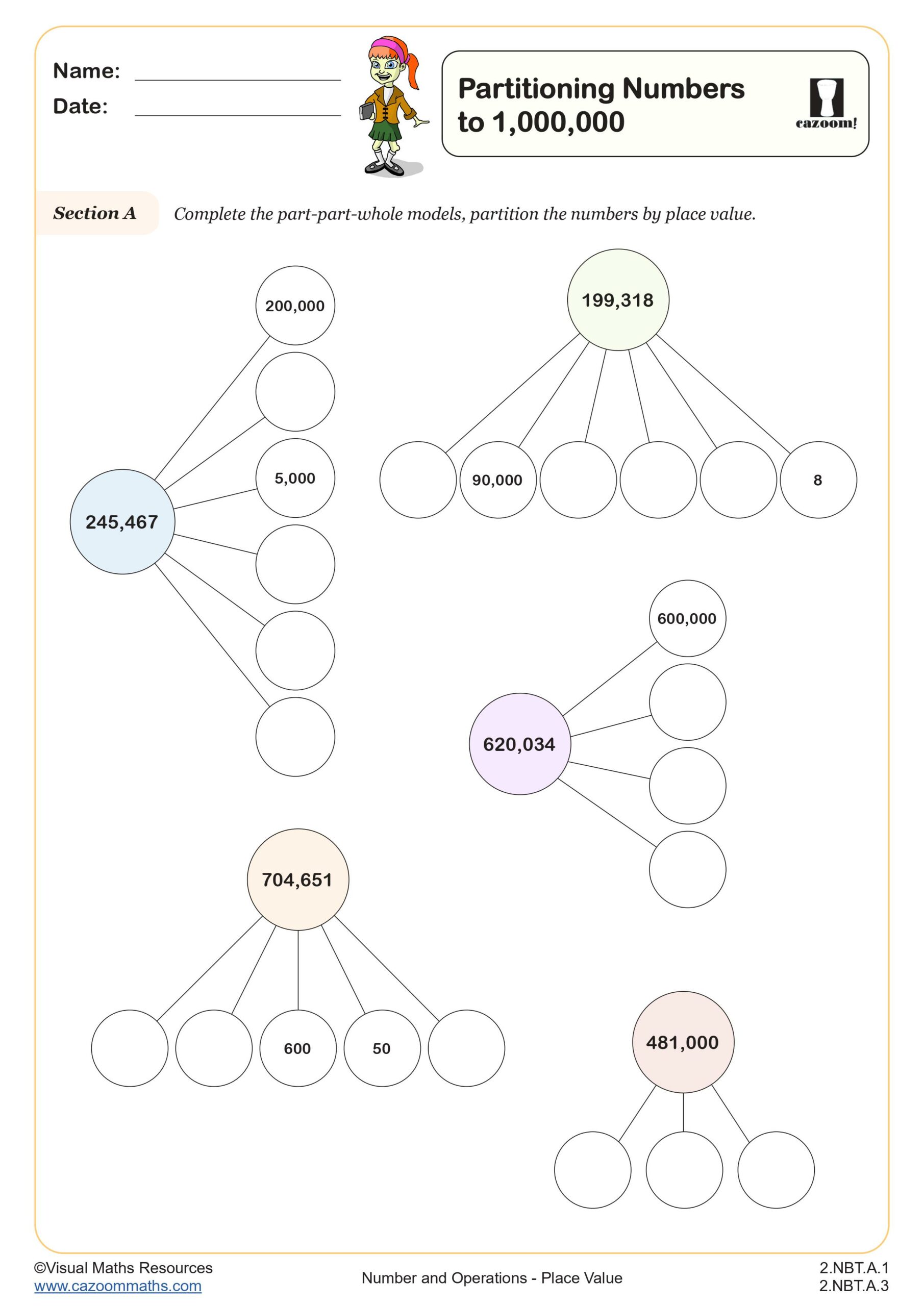
Partitioning Numbers to 1,000,000
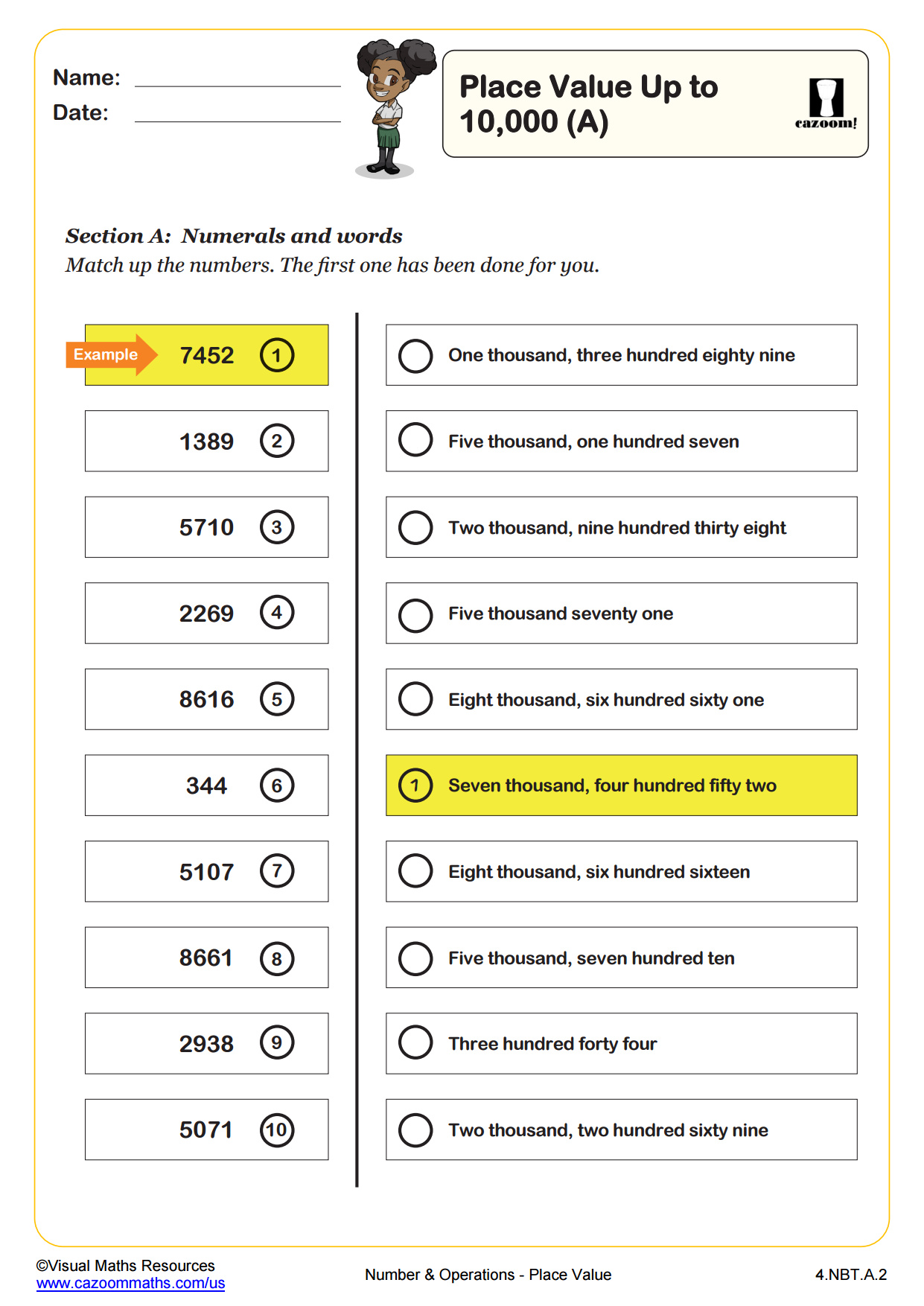
Place Value up to 10,000 (A)
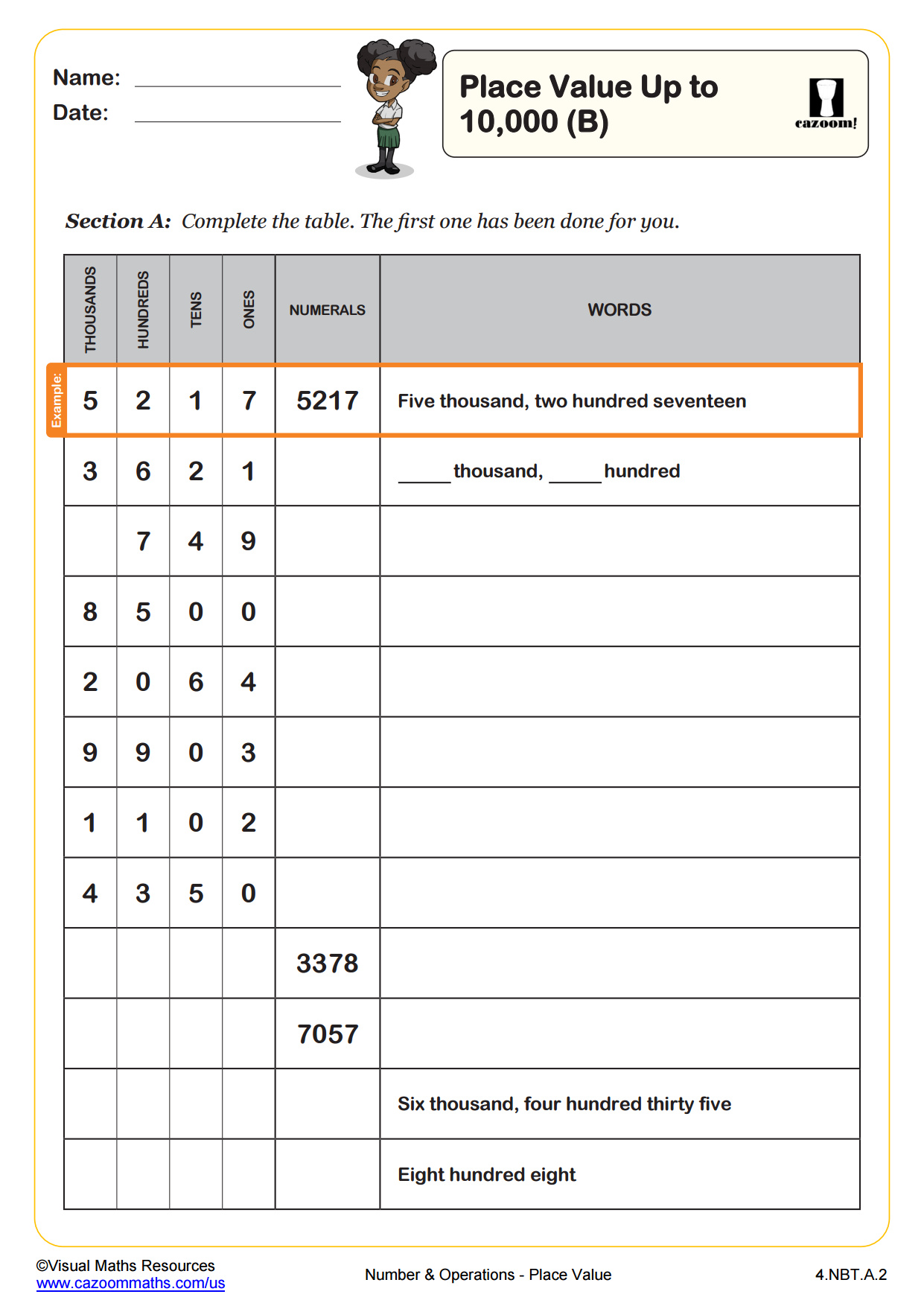
Place Value up to 10,000 (B)
Place Value up to 10,000 (C)
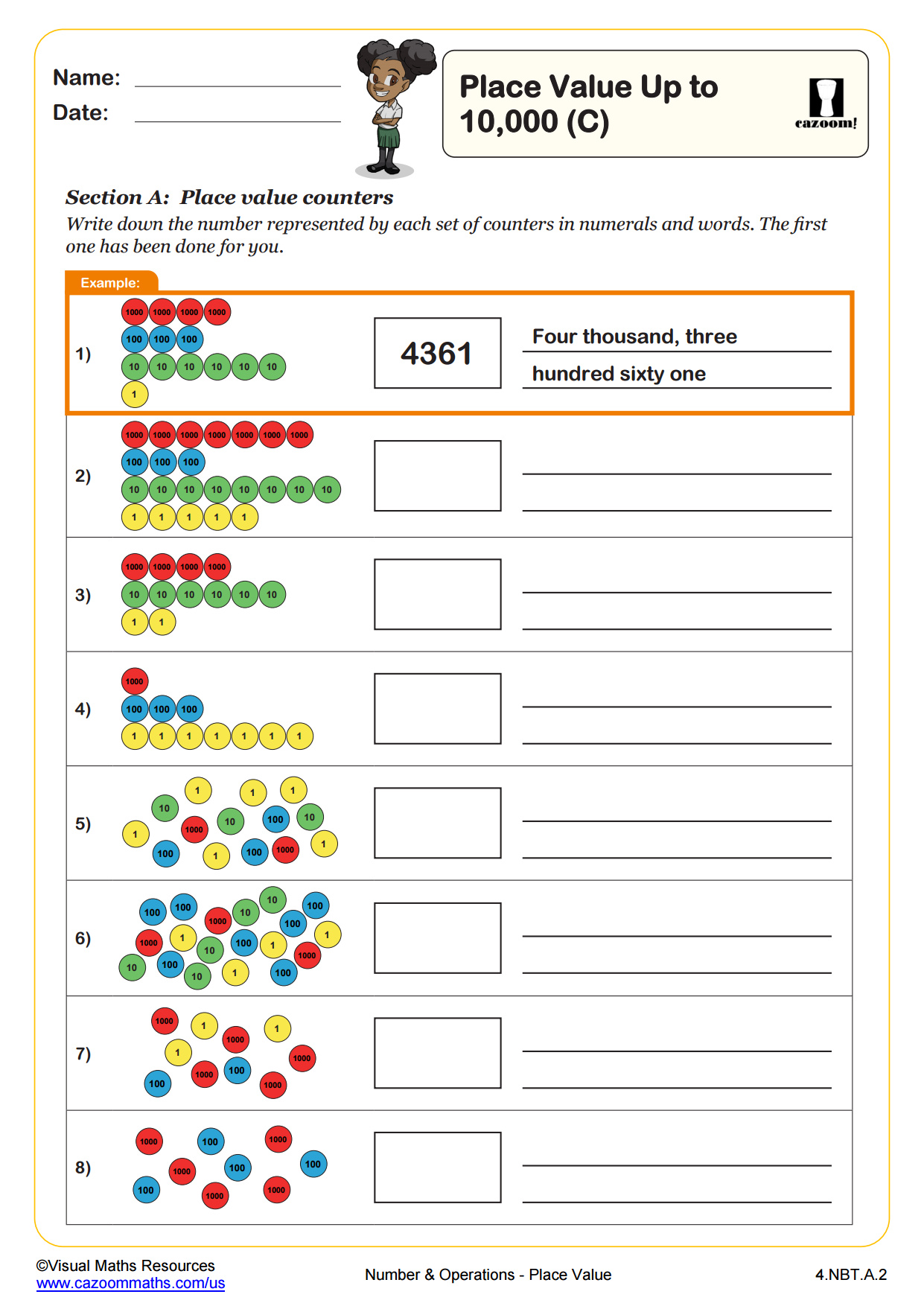
Place Value up to 100 (A)
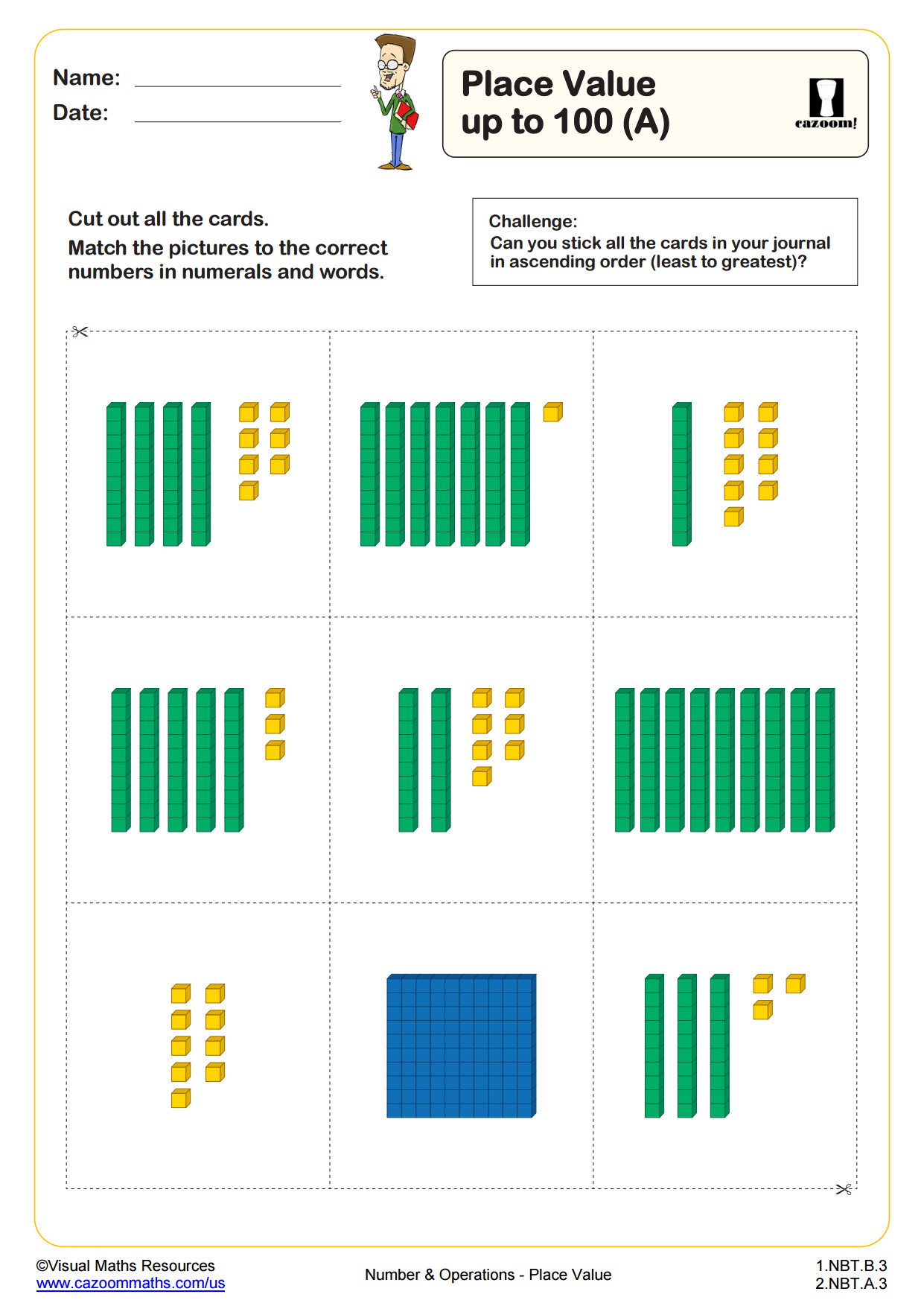
Place Value up to 100 (B)
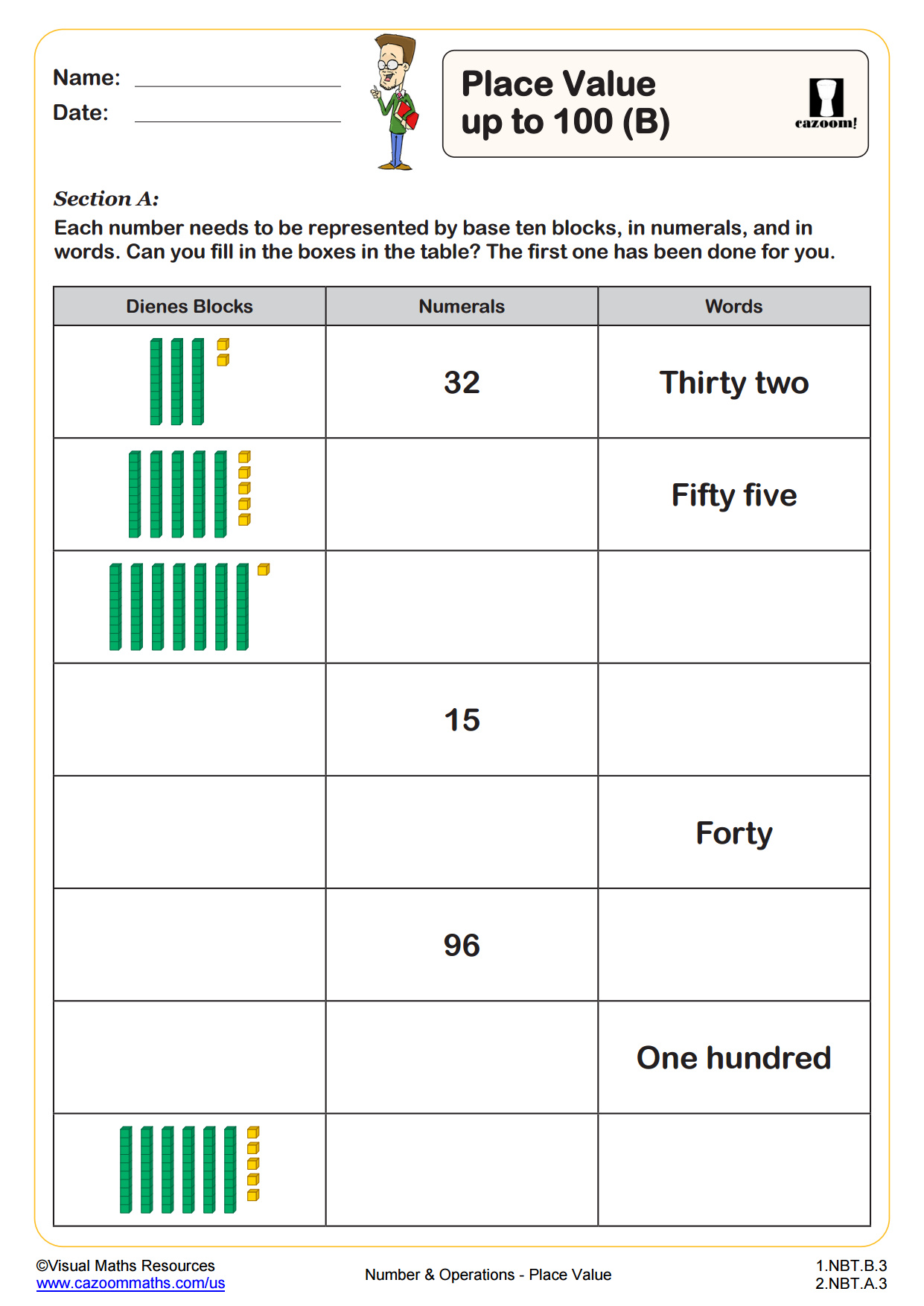
Place Value up to 1000
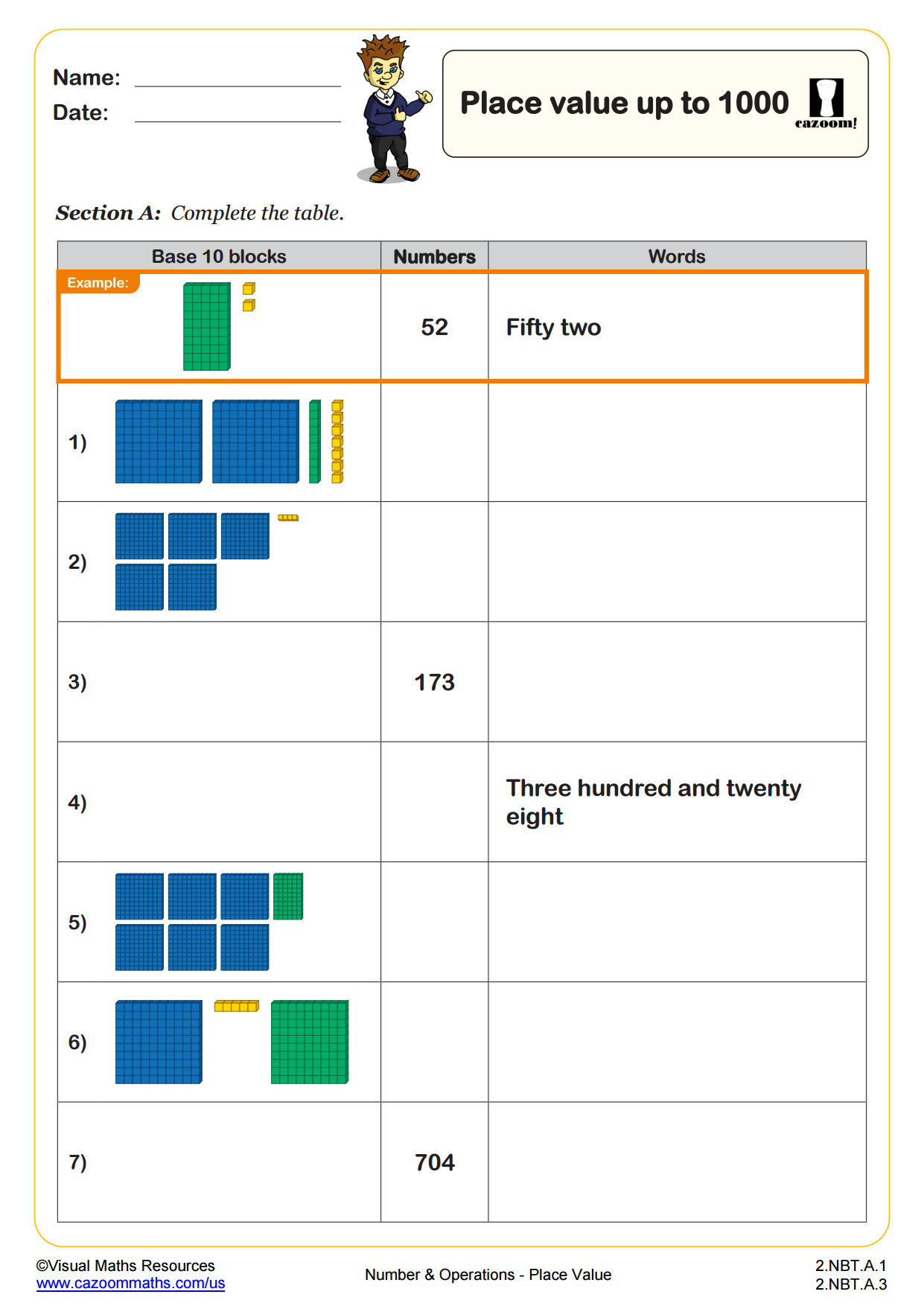
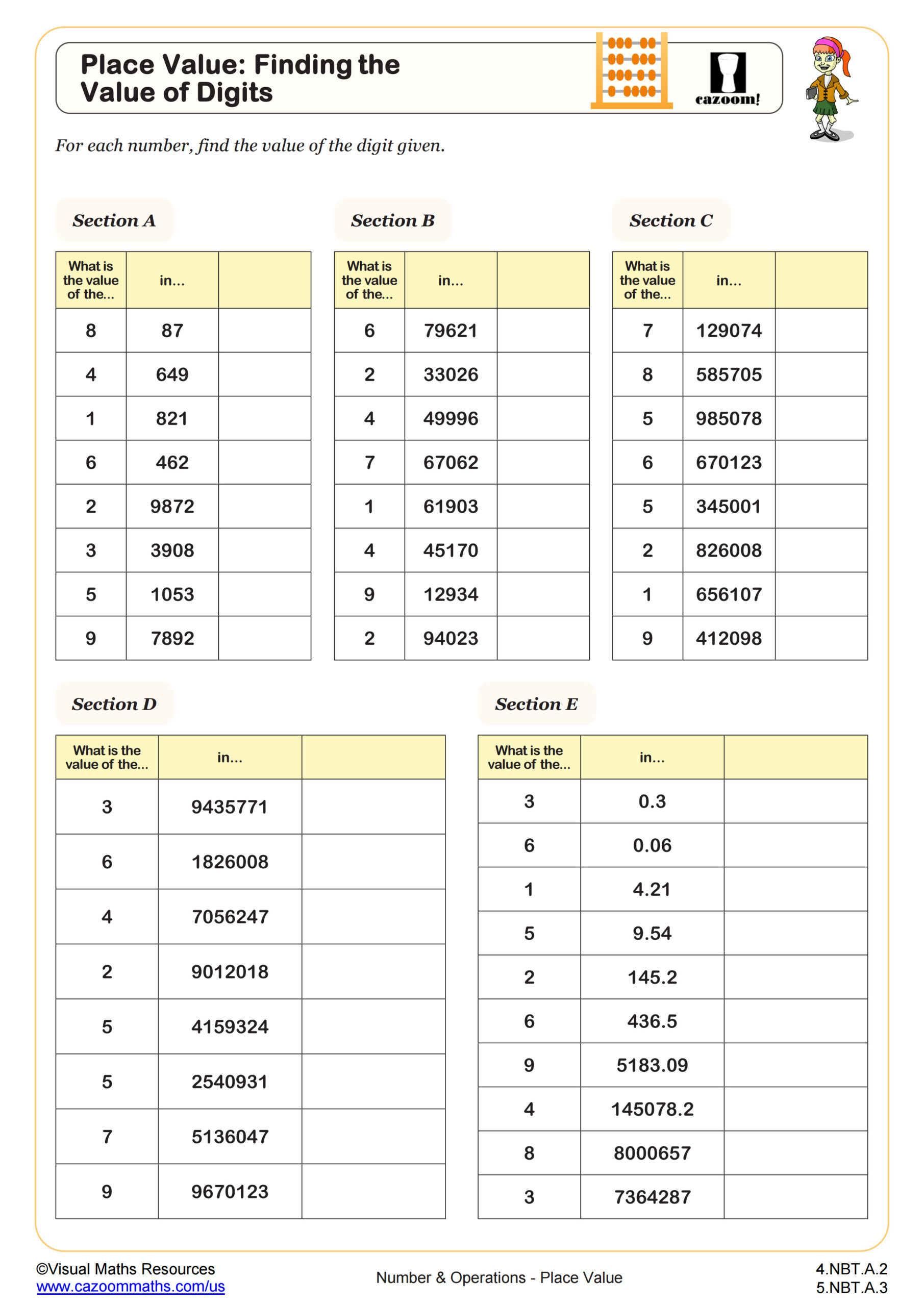
Place Value: Finding the Value of Digits
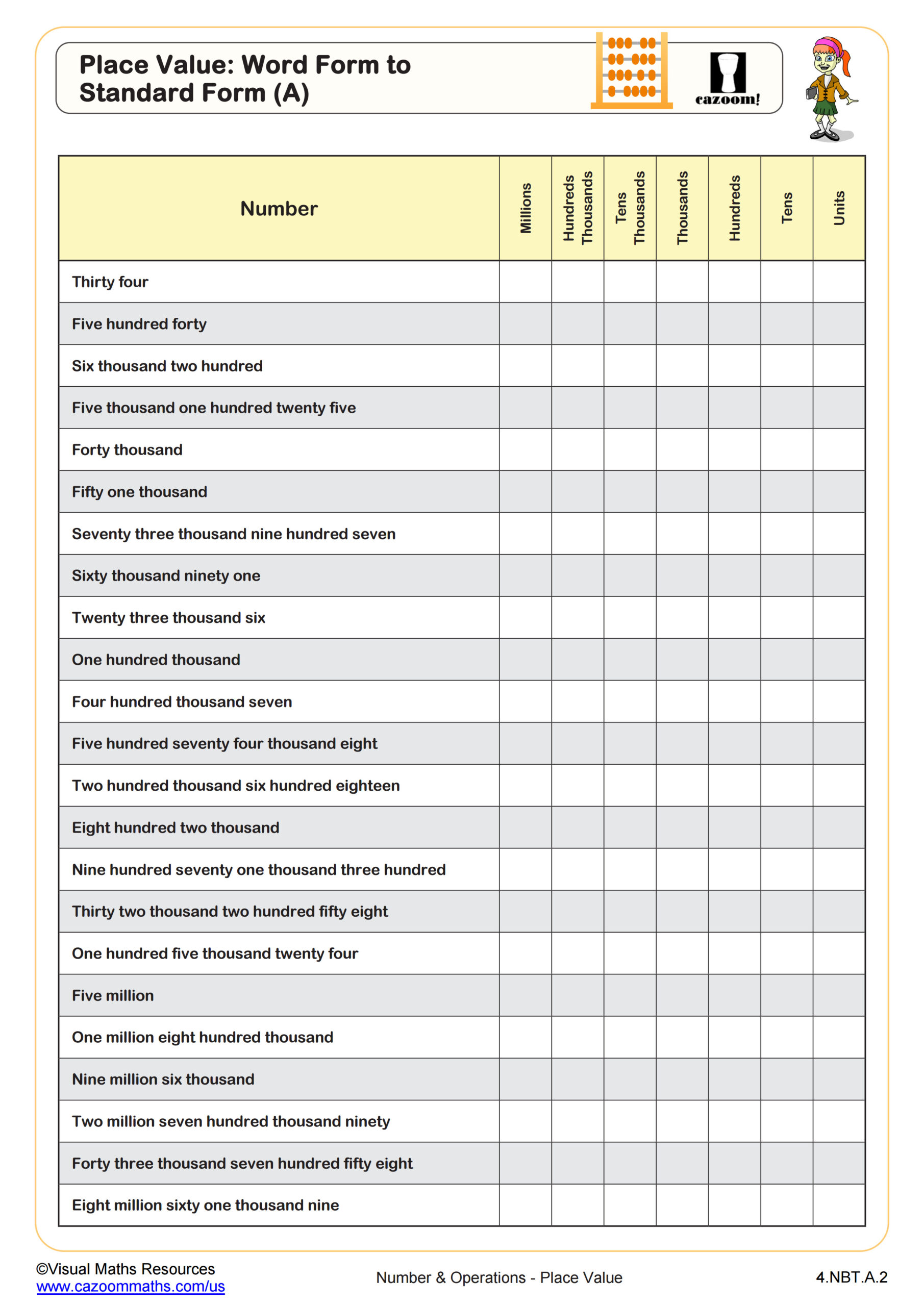
Place Value: Word Form to Standard Form (A)
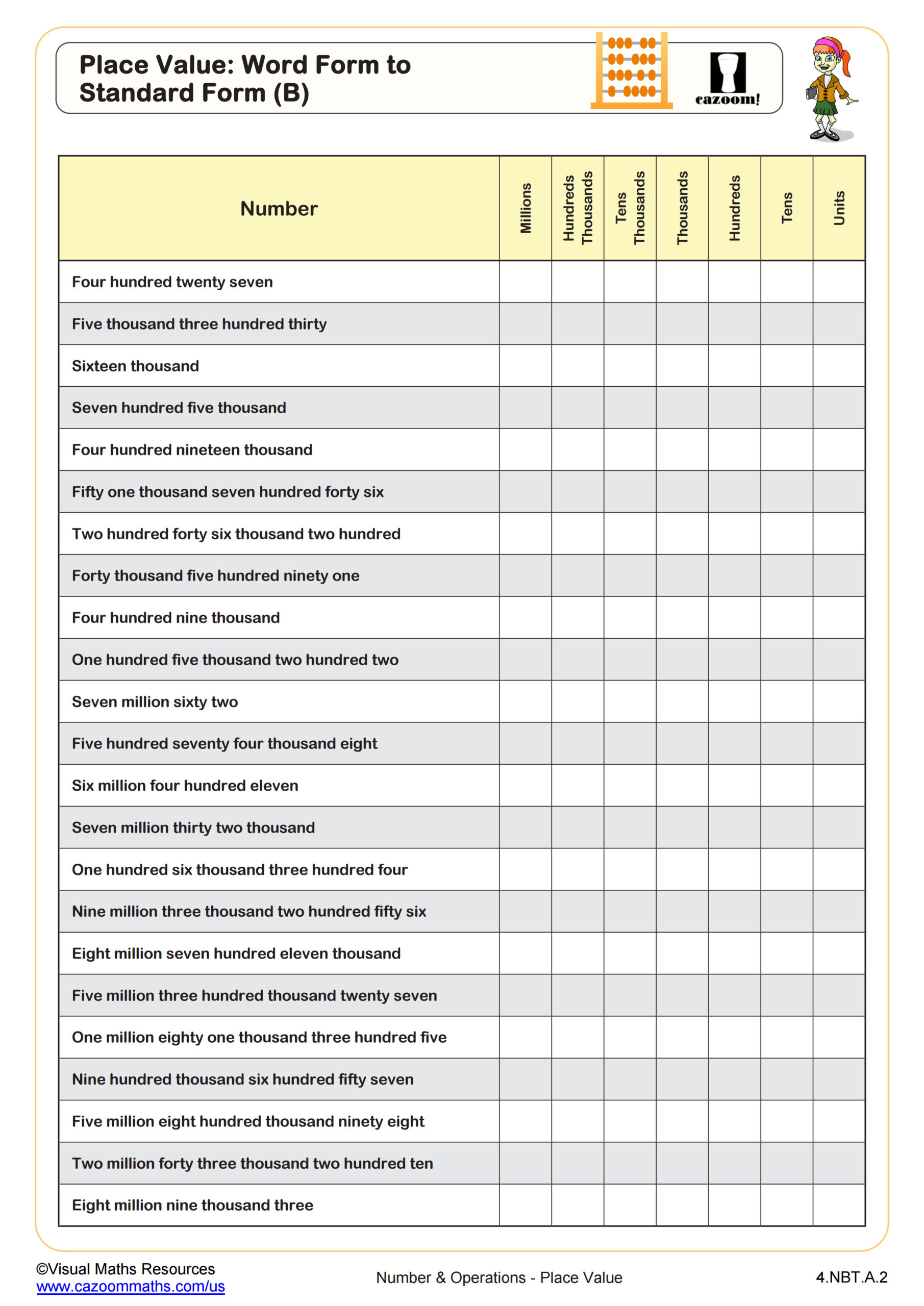
Place Value: Word Form to Standard Form (B)
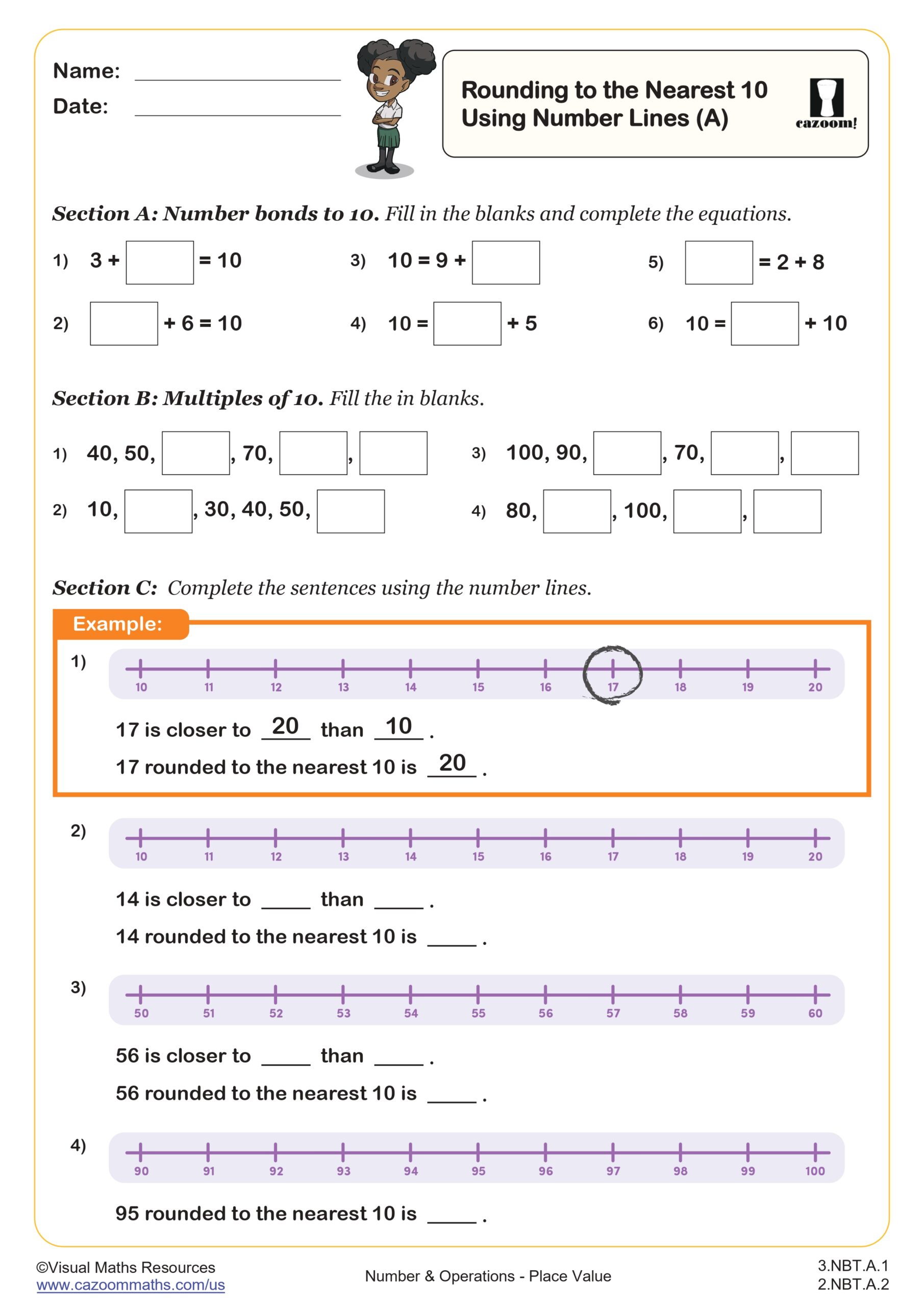
Rounding Numbers to the Nearest 10 Using Number Lines (A)
Rounding Numbers to the Nearest 10 Using Number Lines (B)
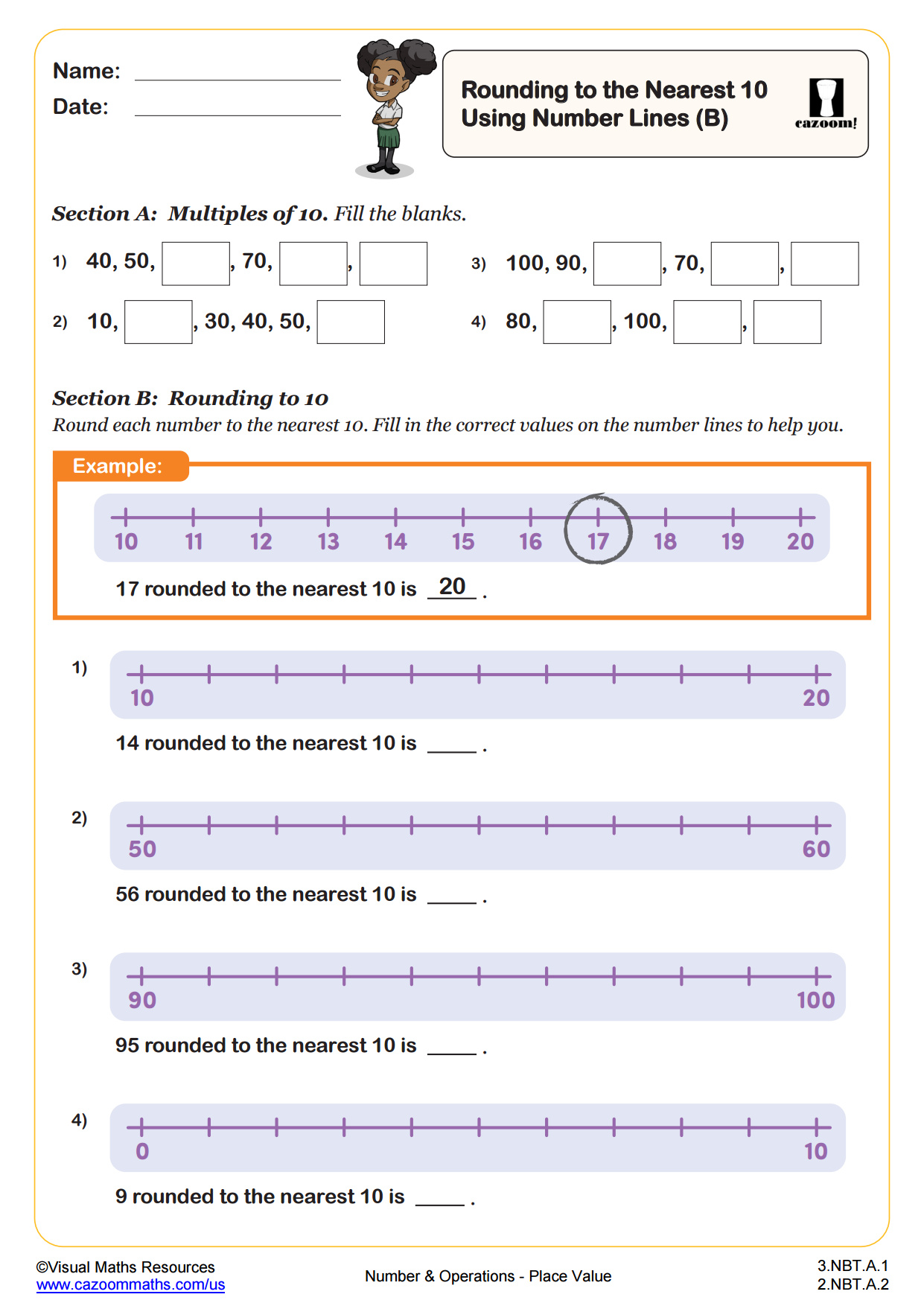
Rounding Numbers to the Nearest 10 Using Number Lines (C)
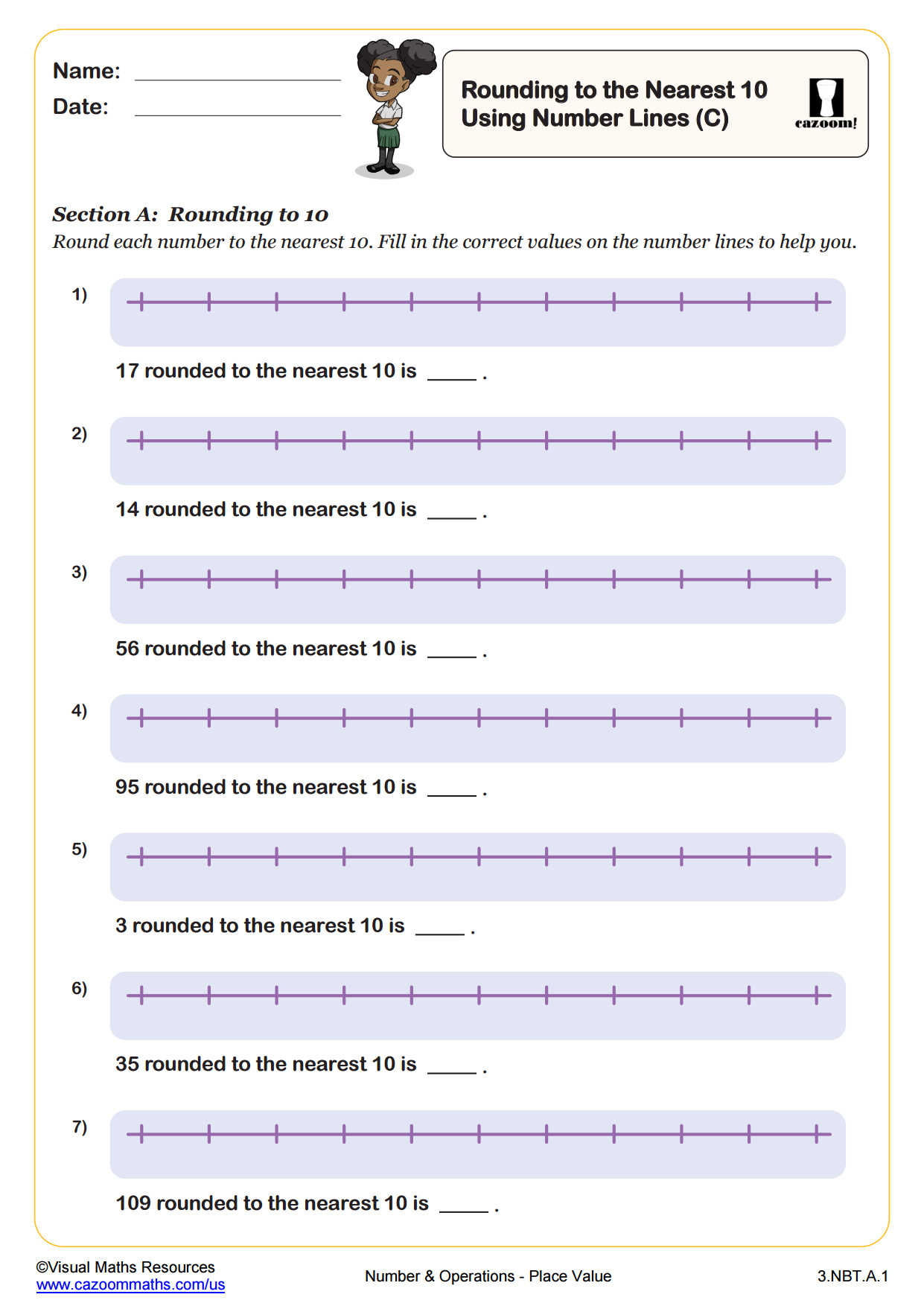
Rounding Numbers to the Nearest 100 Using Number Lines (A)
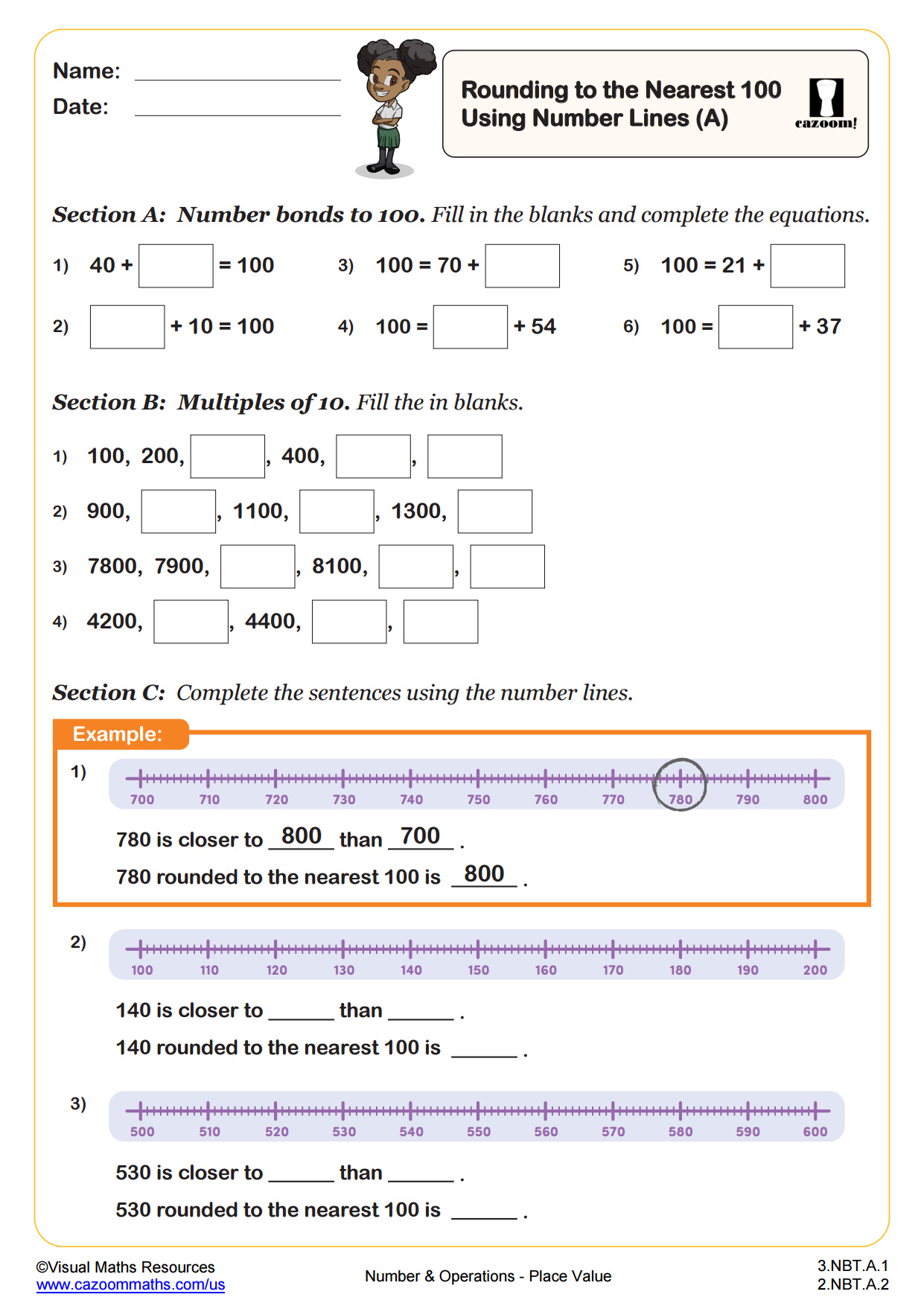
Rounding Numbers to the Nearest 100 Using Number Lines (B)
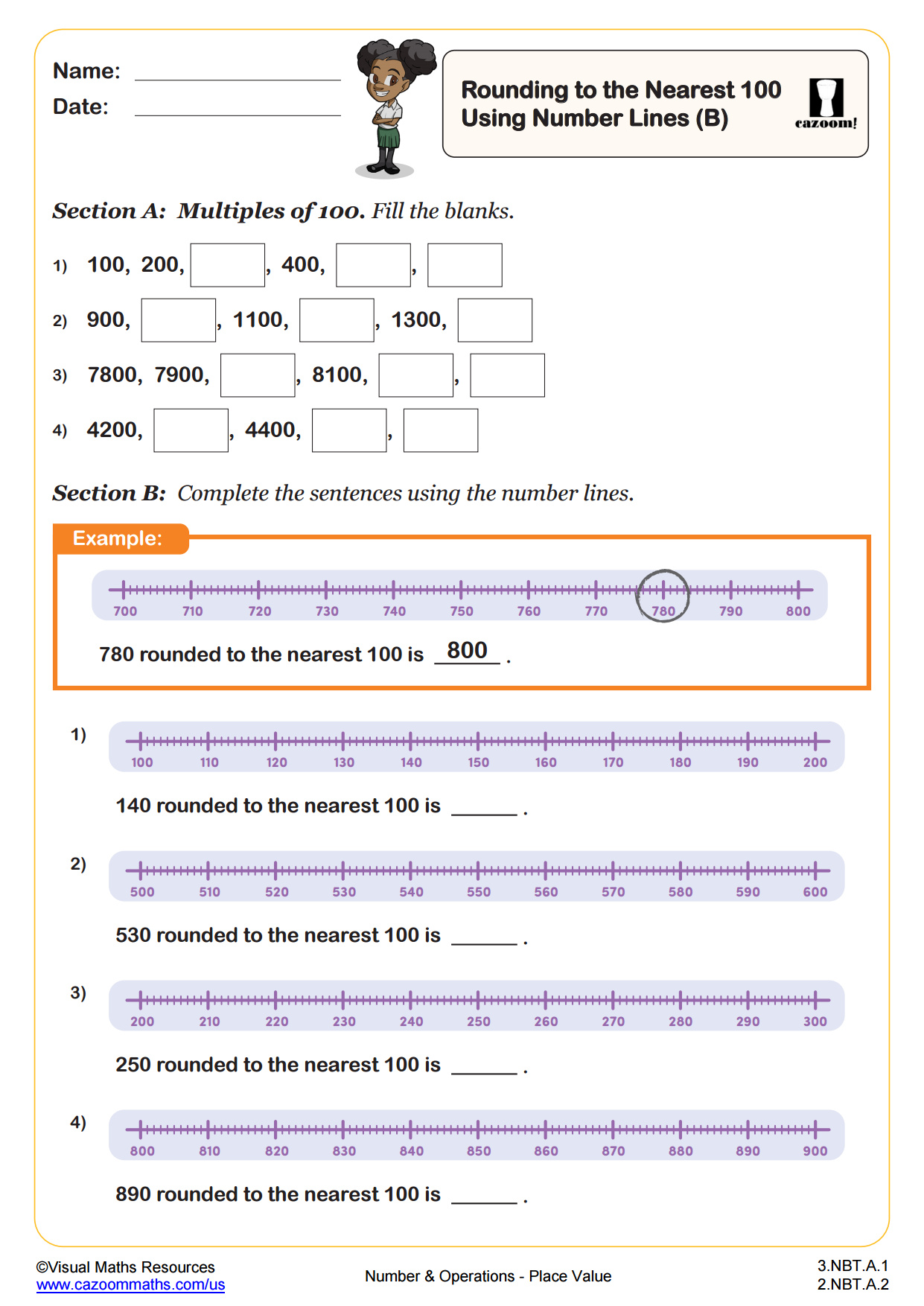
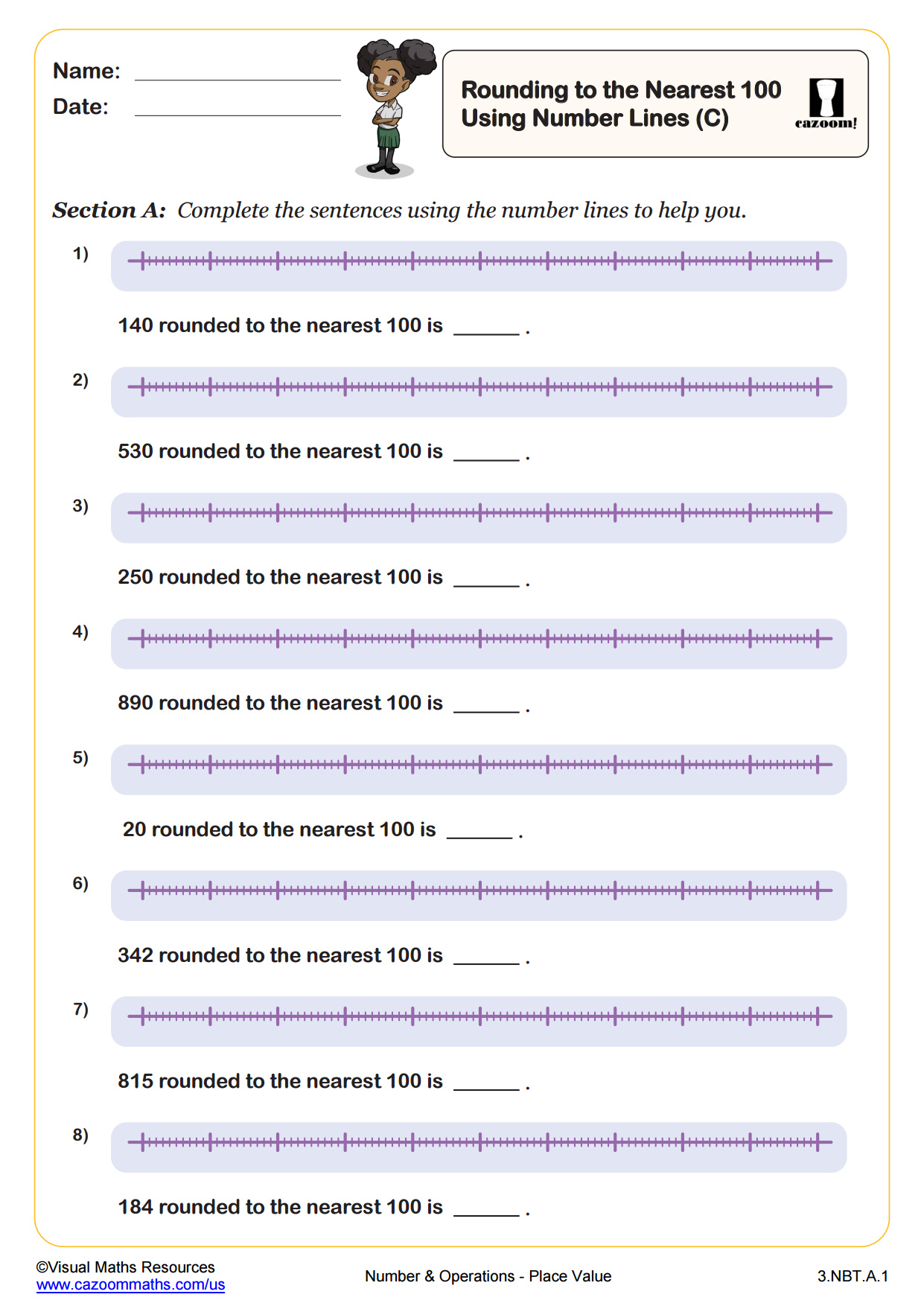
Rounding Numbers to the Nearest 100 Using Number Lines (C)
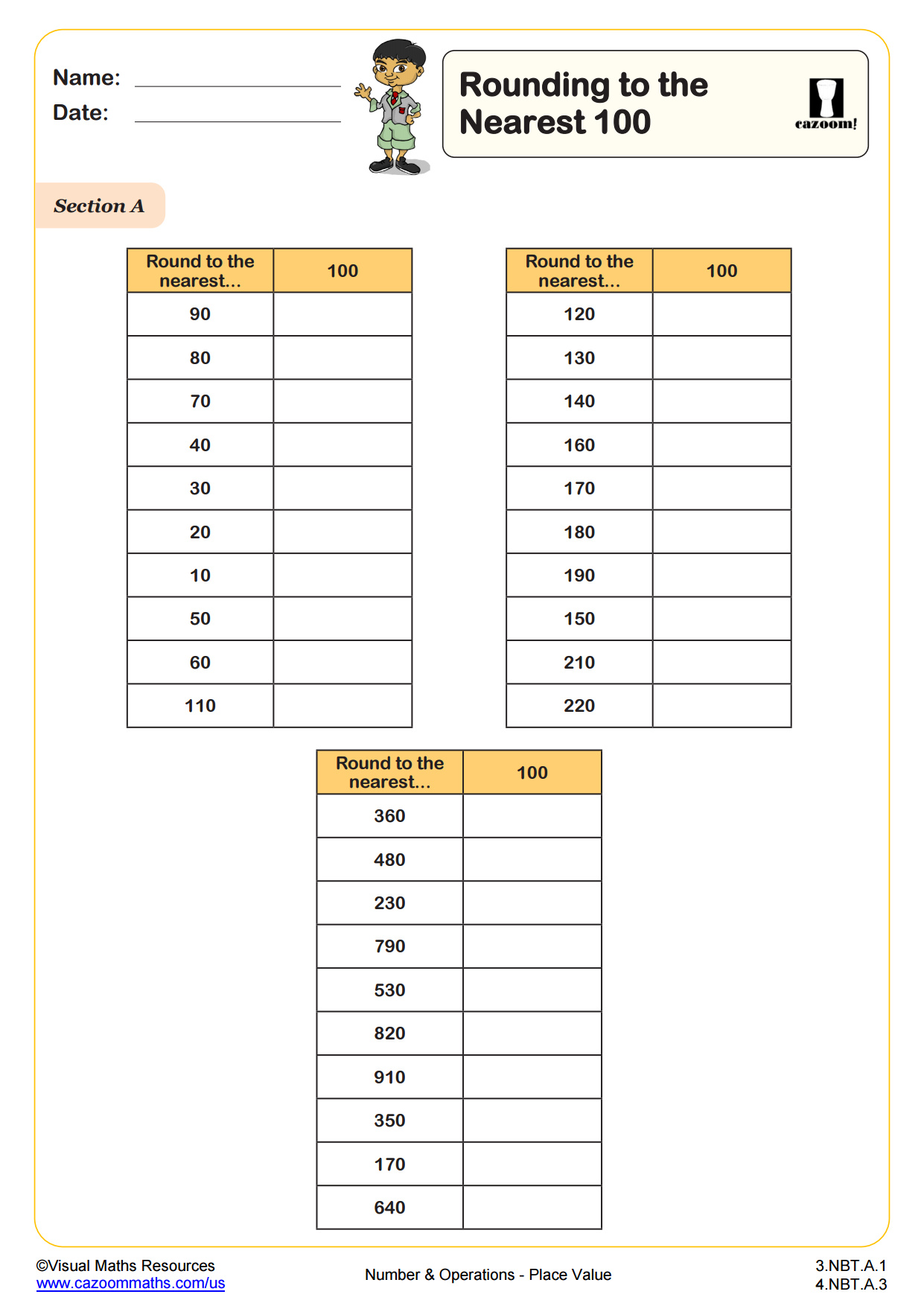
Rounding to the Nearest 100
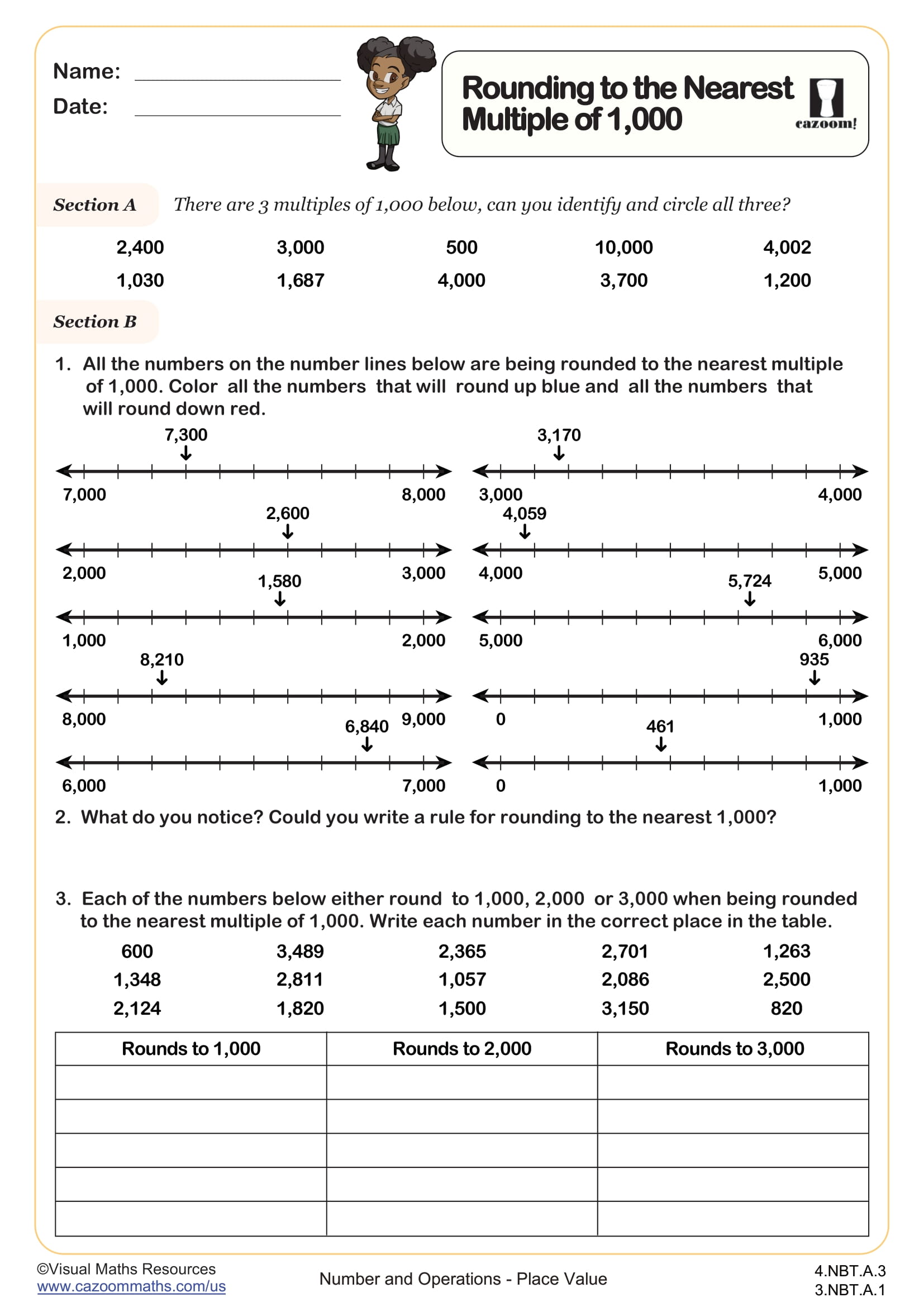
Rounding to the Nearest Multiple of 1,000
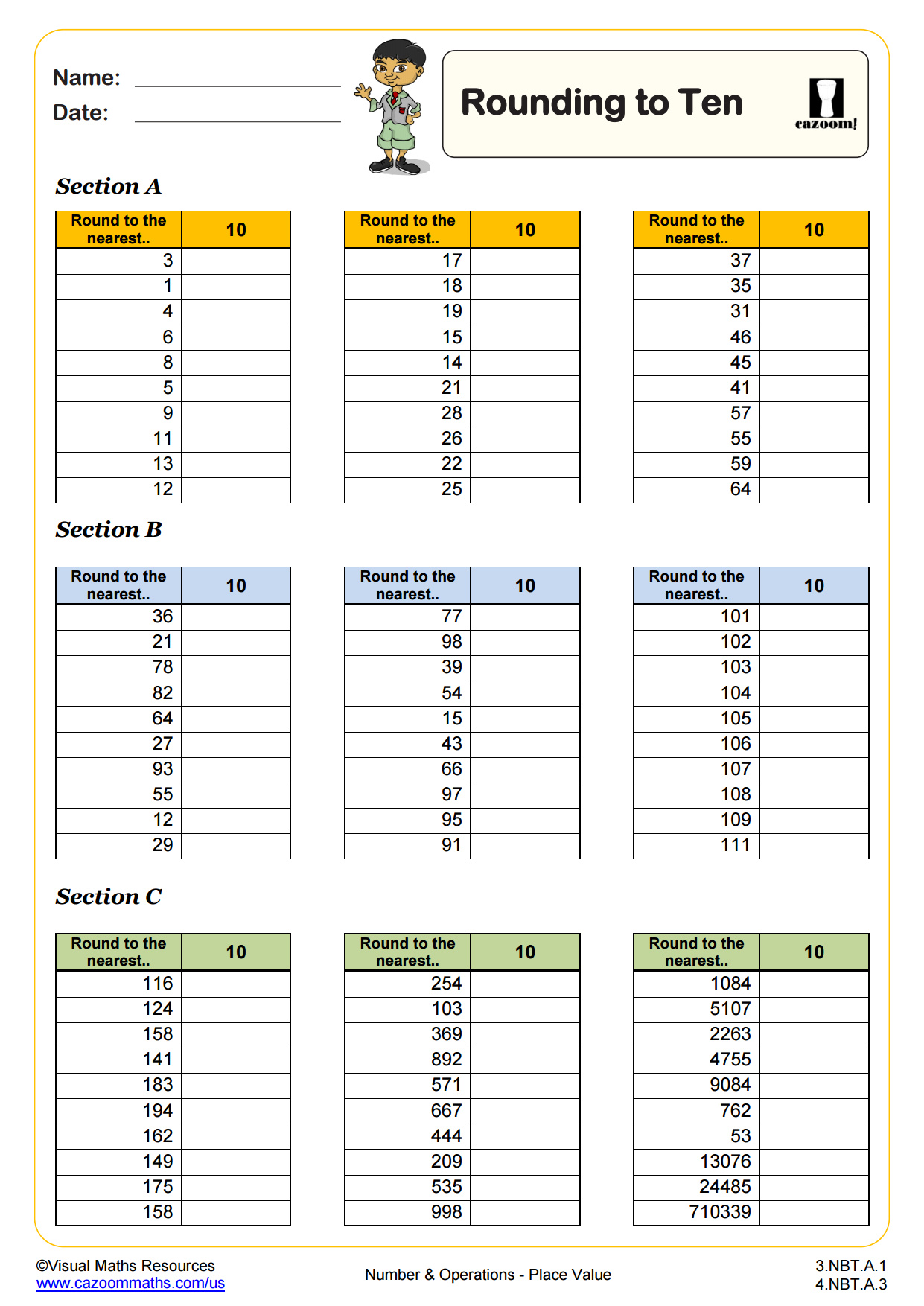
Rounding to the Nearest Ten
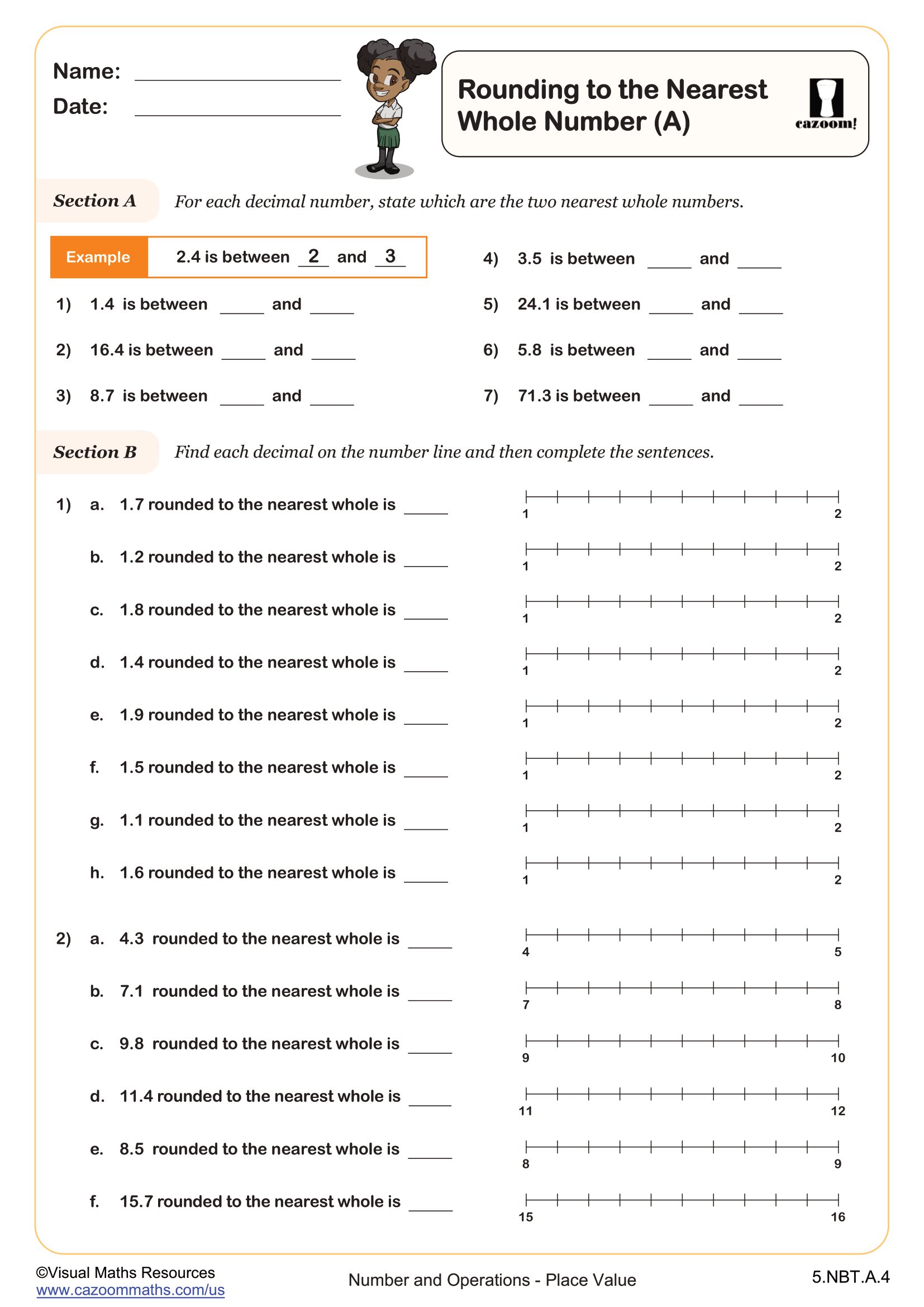
Rounding to the Nearest Whole Numbers (A)
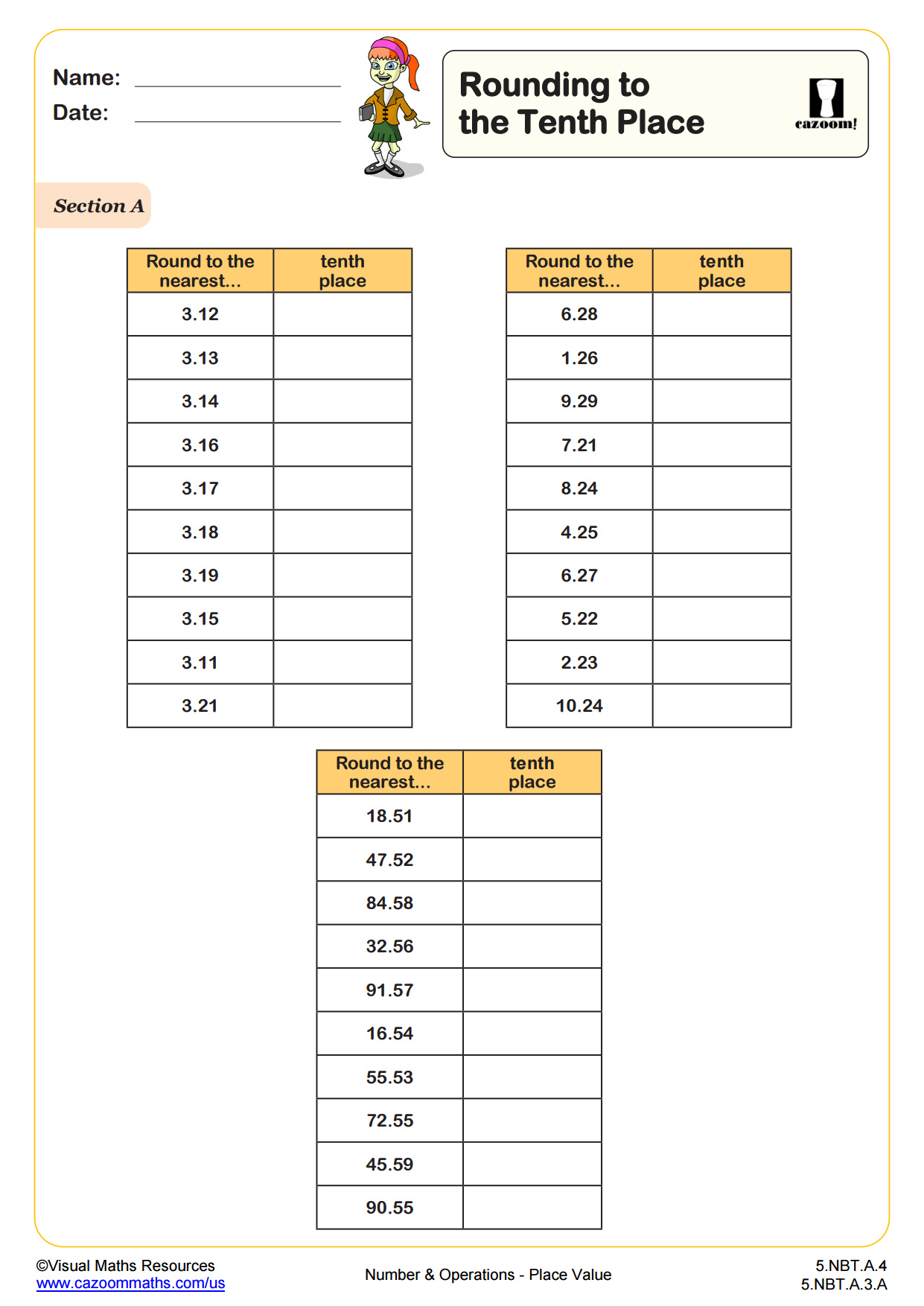
Rounding to the Tenth's Place
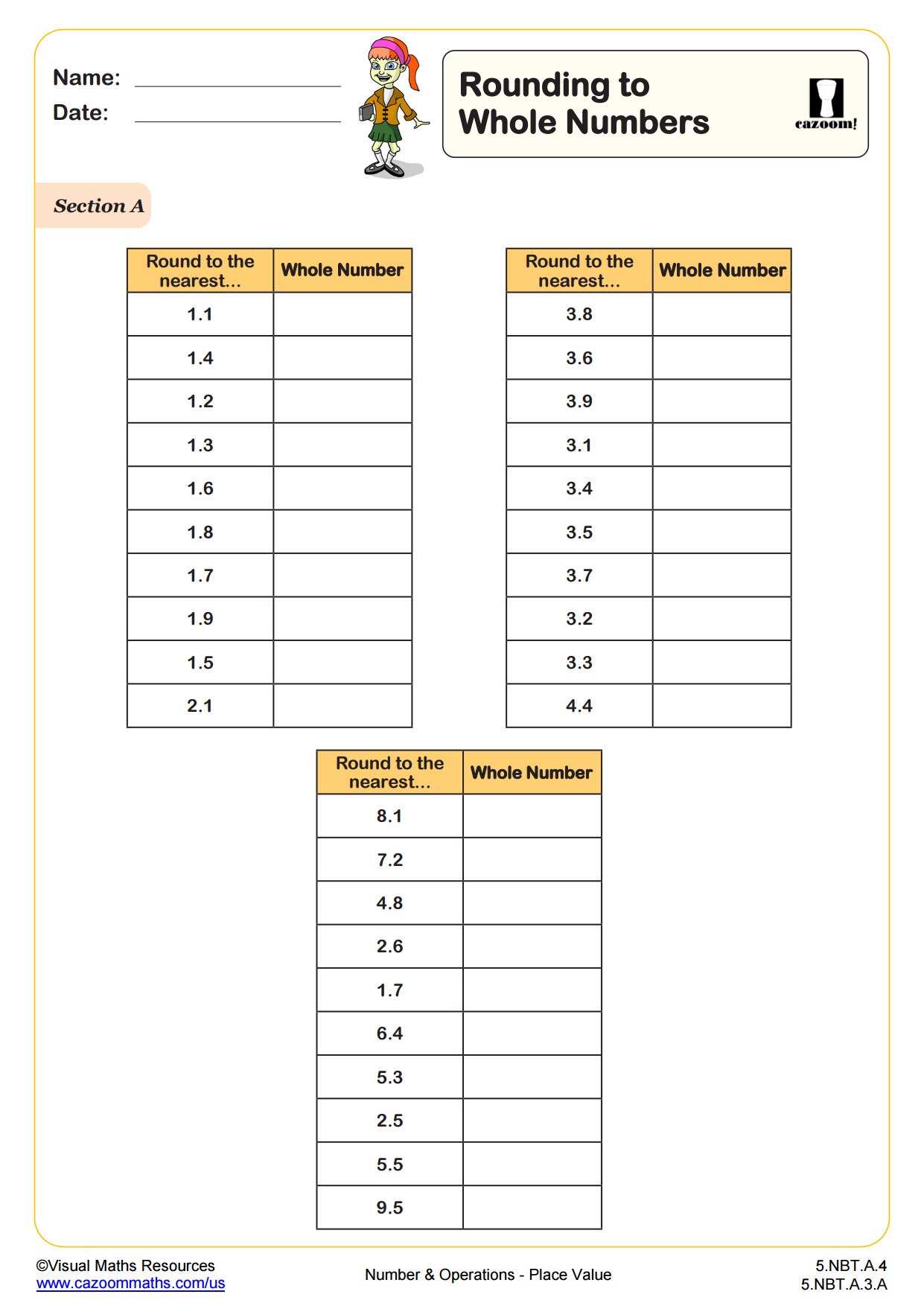
Rounding to Whole Numbers
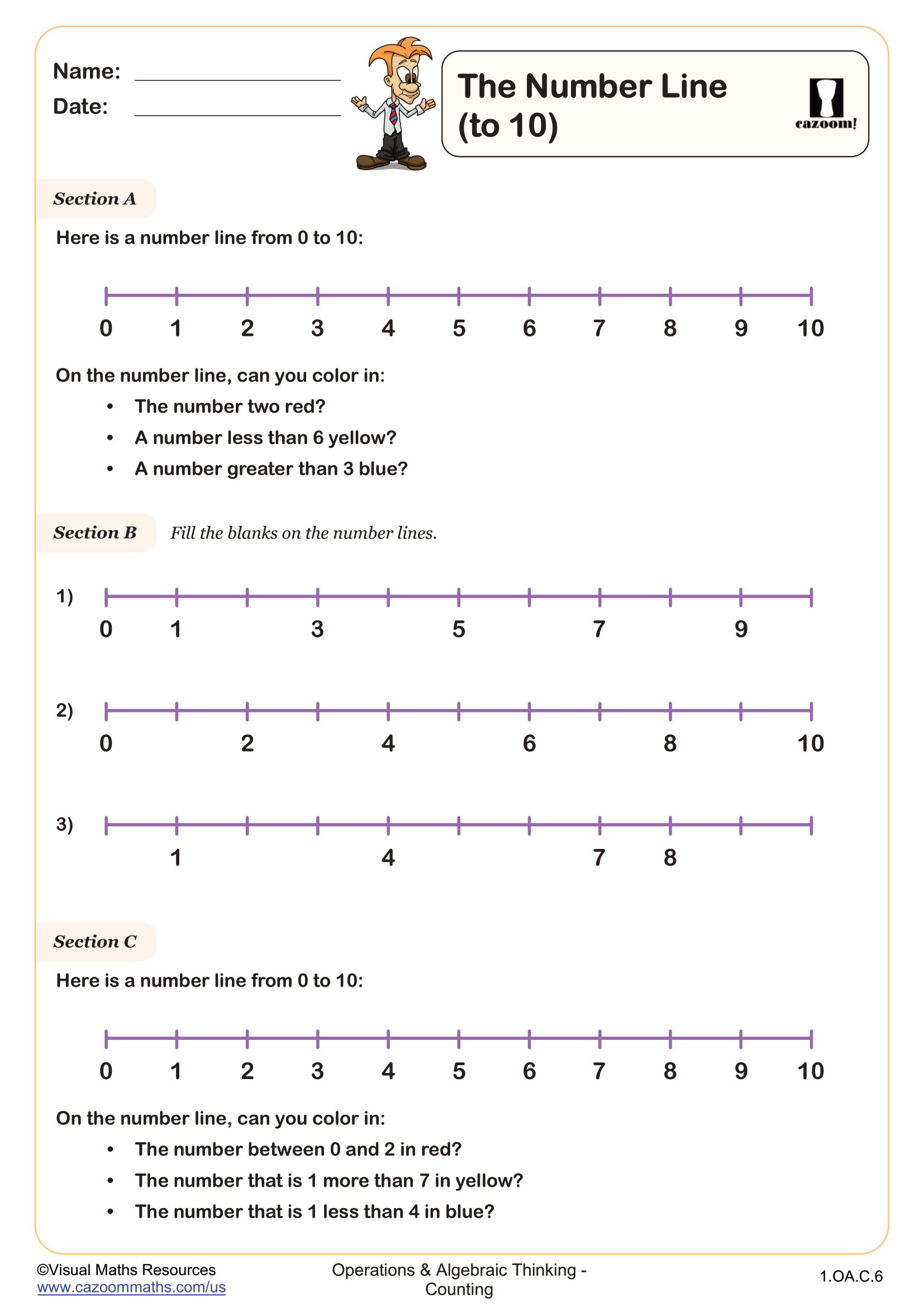
The Number Line (to 10)
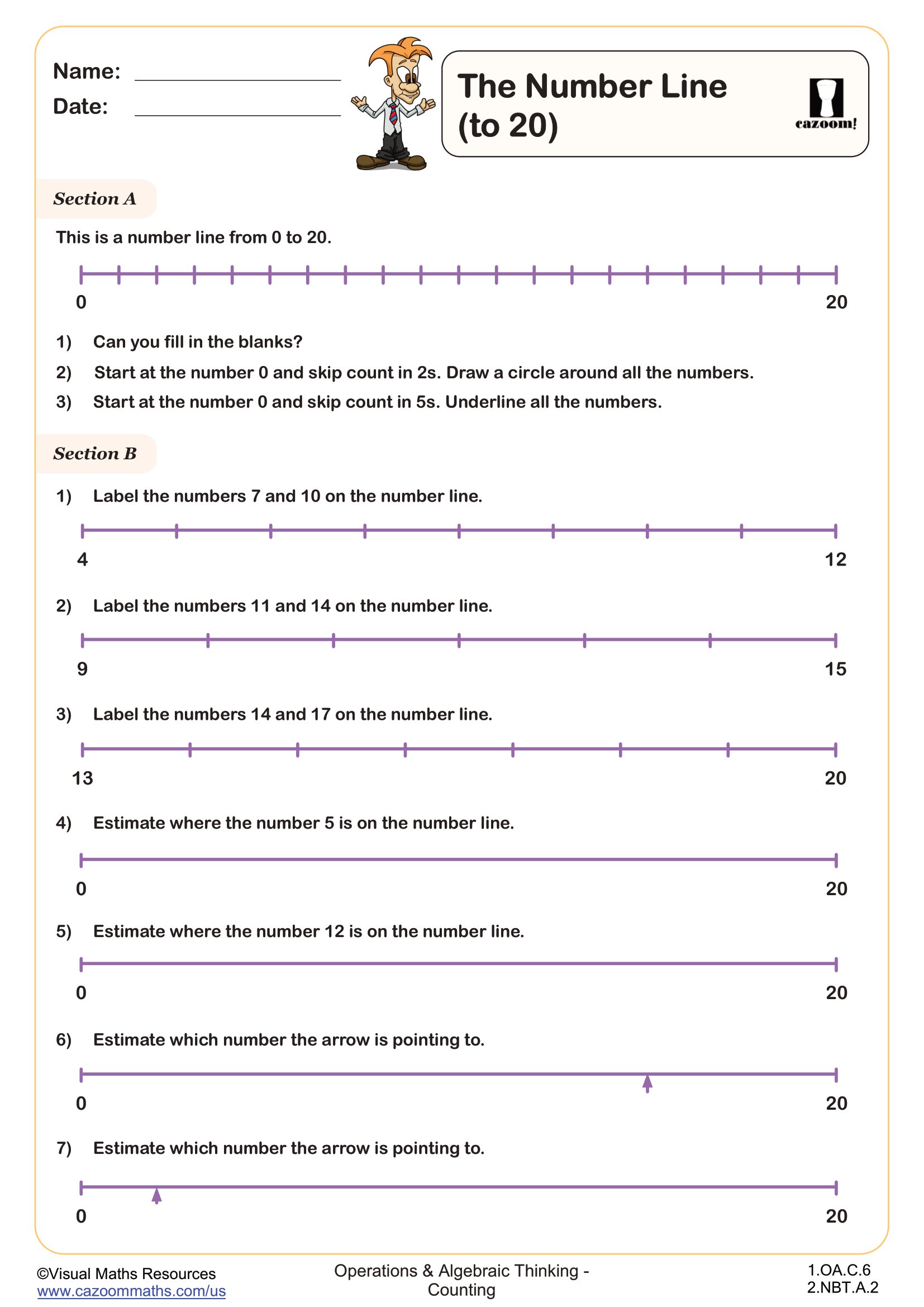
The Number Line (to 20)
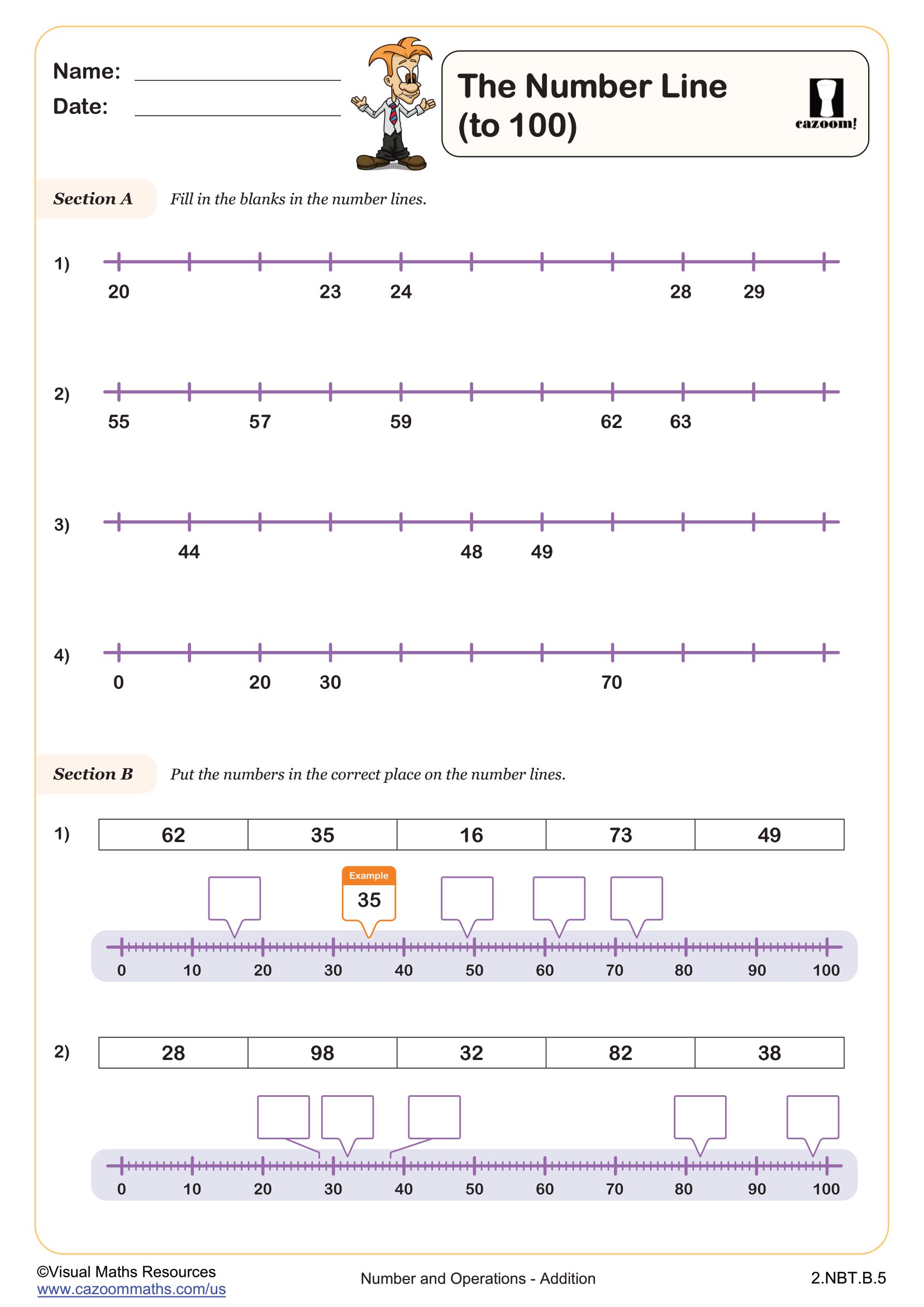
The Number Line to 100
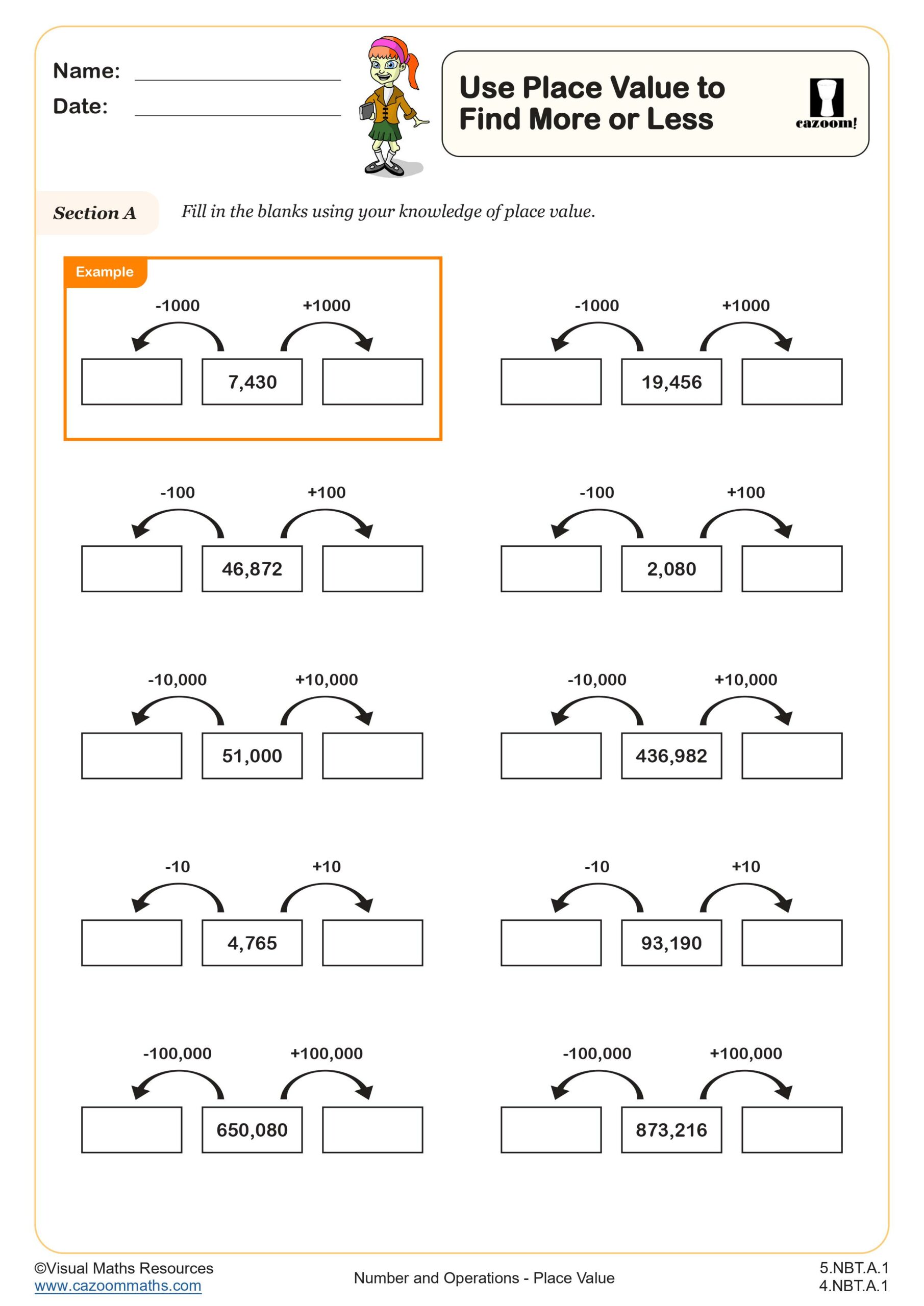
Use Place Value to Find More or Less
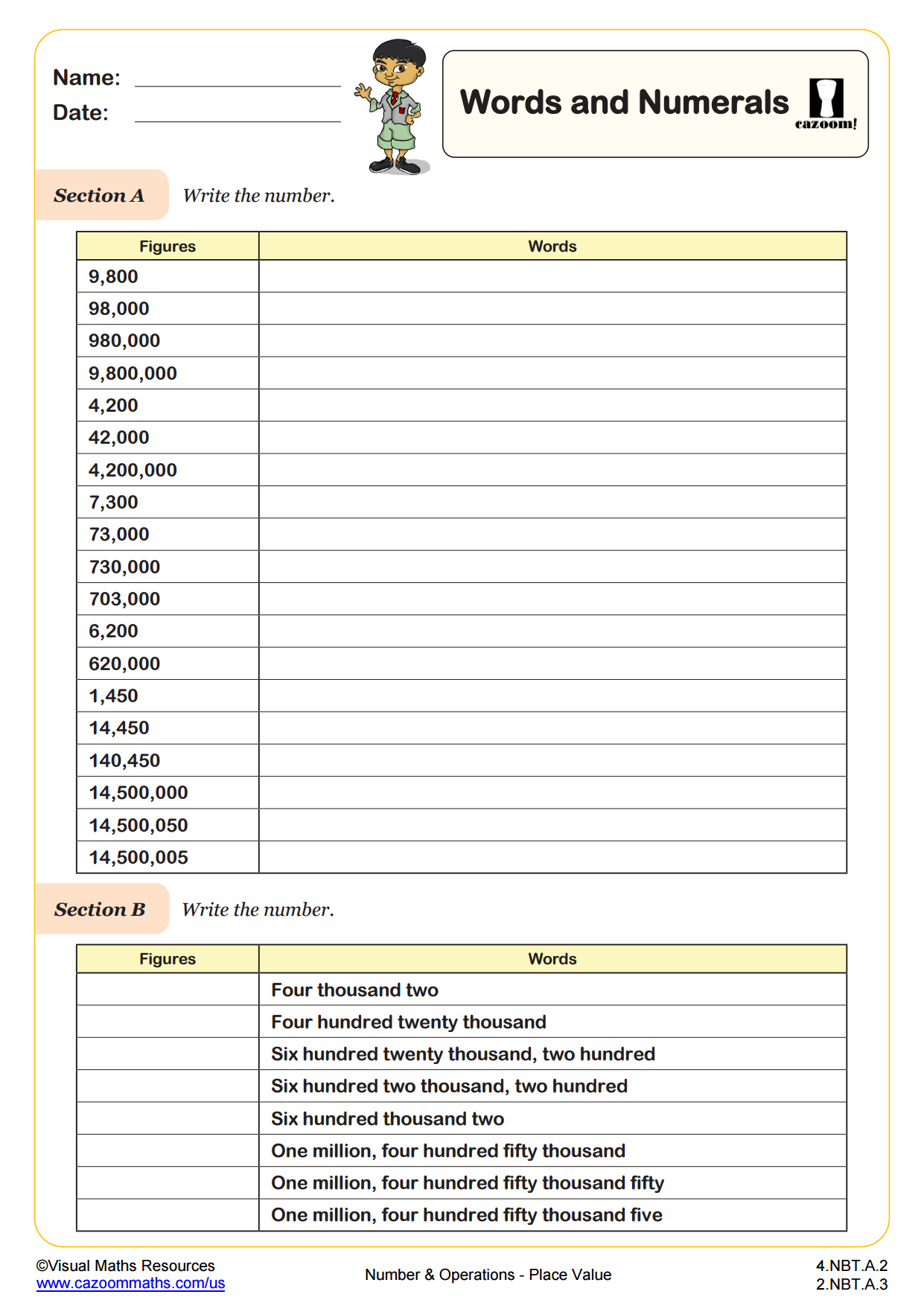
Words and Numerals
All worksheets are created by the team of experienced teachers at Cazoom Math.
What topics are covered in place value to 1000 worksheets?
Place value to 1000 worksheets typically cover identifying digit values in the hundreds, tens, and ones places, writing numbers in expanded form, and comparing three-digit numbers. Students practice reading and writing numbers from 100 to 999, understanding that each position represents a different power of ten. These skills align with Common Core standards for second and third grade mathematics.
Teachers notice that students often confuse the position names with the actual values, such as saying the digit 5 in 456 is in the "tens place" but forgetting it represents 50, not 5. Effective worksheets include visual representations like base-ten blocks and place value charts to bridge this conceptual gap between position and value.
Which grade levels should use elementary place value worksheets?
Elementary place value worksheets span kindergarten through fifth grade, with concepts building systematically from single digits to multi-digit numbers. Kindergarten and first grade focus on teen numbers and counting to 100, while second grade introduces three-digit numbers and place value to 1000. Third grade extends to four-digit numbers, and fourth and fifth grades work with larger numbers and decimal place value.
Most teachers find that second graders need extensive practice with hundreds, tens, and ones before advancing to larger numbers. Even students who can count to 1000 may struggle with place value concepts, so targeted practice with place value worksheet activities helps solidify understanding before introducing more complex operations with larger numbers.
How do worksheets help students circle the smallest number accurately?
Worksheets that ask students to circle the smallest number develop crucial number comparison skills by requiring them to analyze place values systematically. Students learn to compare numbers by examining the leftmost digits first, then moving right when digits are equal. This process reinforces place value understanding while building logical thinking skills key for ordering and comparing numbers.
Teachers observe that students often make errors by focusing on individual digits rather than place values, such as thinking 89 is larger than 156 because 9 is greater than 6. Structured worksheet practice helps students develop the habit of comparing from left to right, starting with the highest place value, which prevents these common misconceptions about number magnitude.
How can teachers use place value worksheets most effectively in their classrooms?
Teachers find success using place value worksheets as both introductory activities and reinforcement tools, often pairing them with manipulatives like base-ten blocks for concrete understanding. The included answer keys allow for immediate feedback during independent practice or homework review. Many educators use these worksheets for differentiation, providing additional support for struggling students while offering extension activities for advanced learners.
Effective implementation involves starting with guided practice using the worksheets as a whole-class activity, then transitioning to independent work. Teachers report that students benefit from discussing their thinking process when completing place value problems, as verbalizing the steps helps identify and correct misconceptions before they become entrenched in student understanding.