Middle School Geometry Worksheets
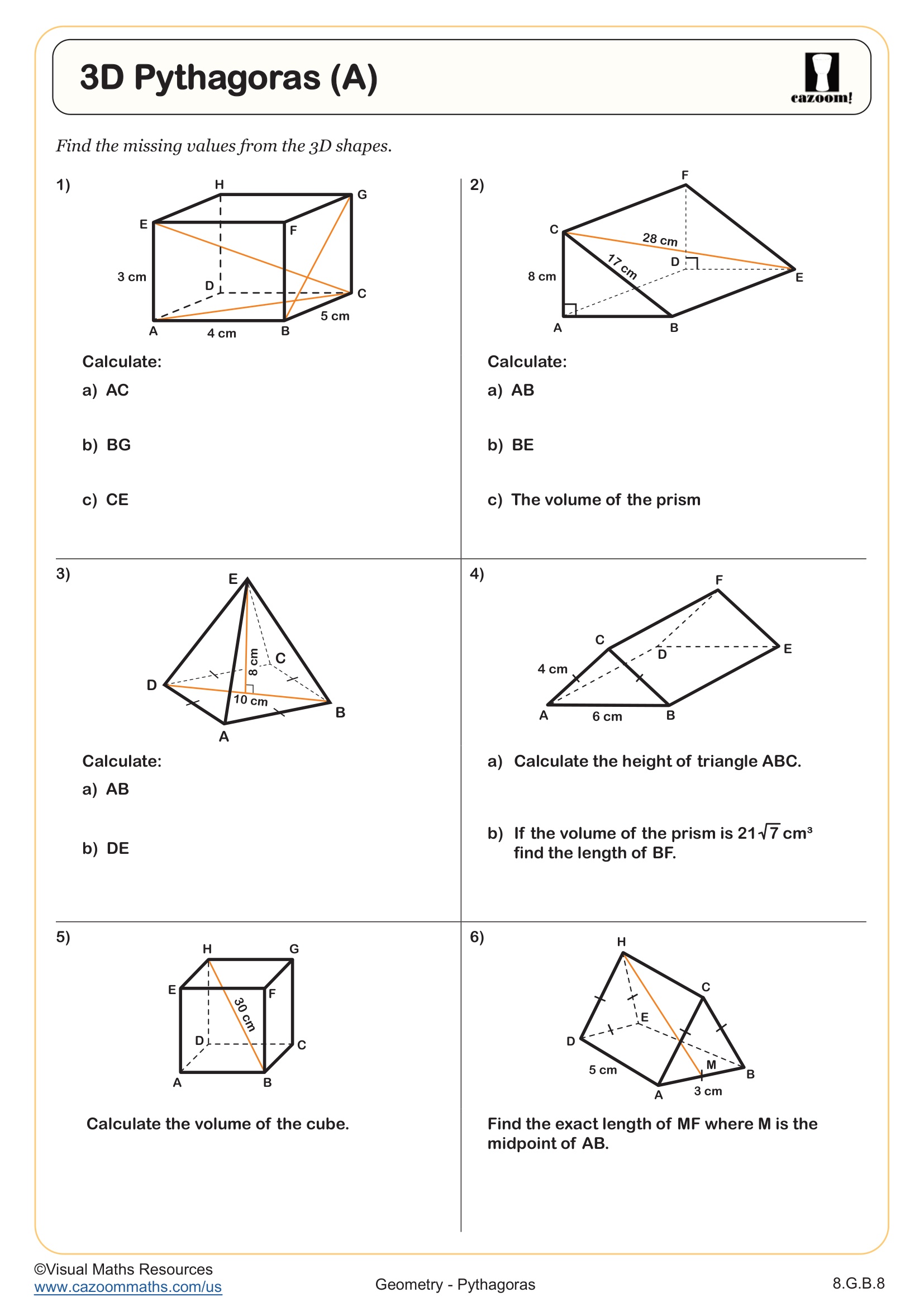
3D Pythagoras (A)
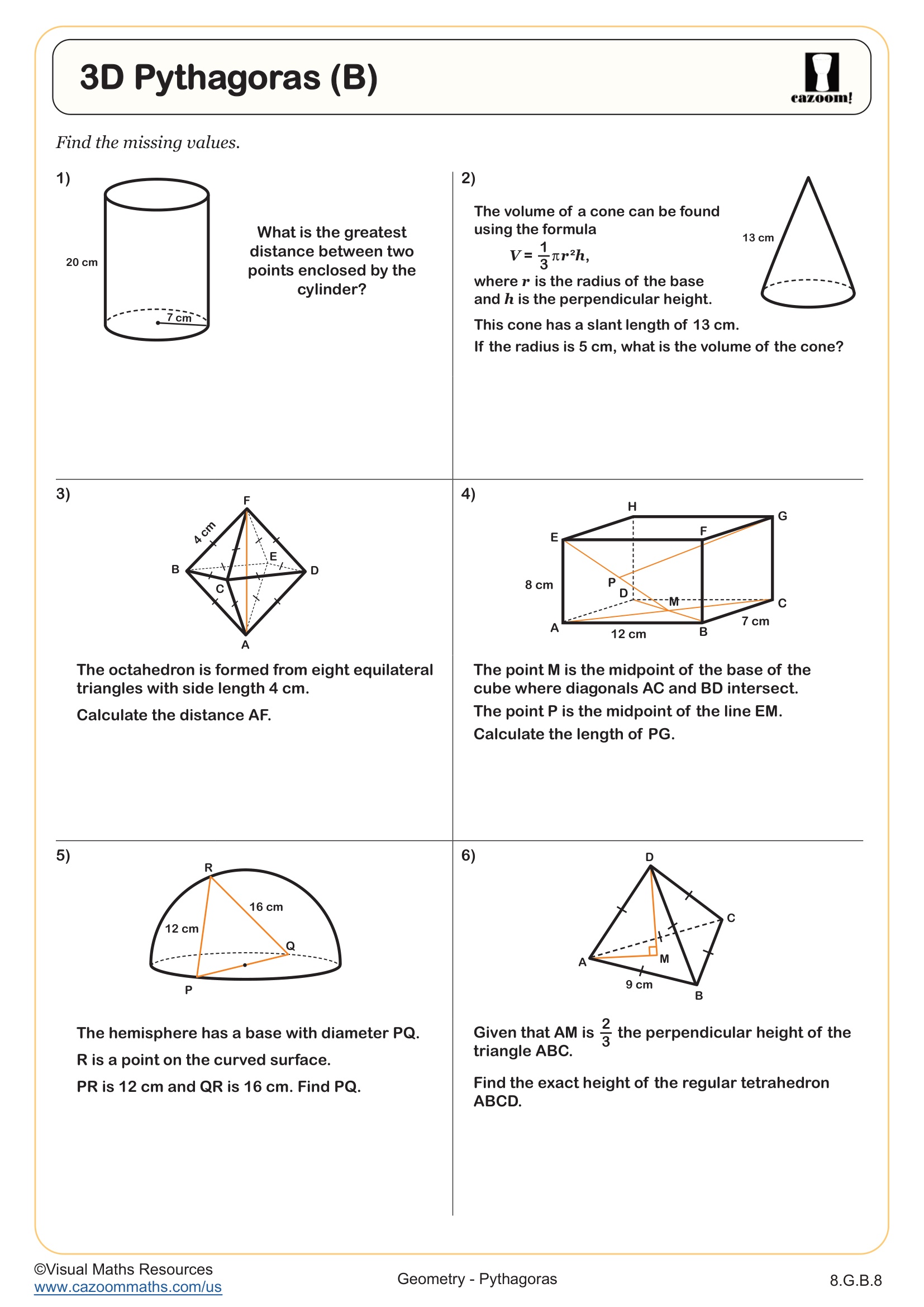
3D Pythagoras (B)
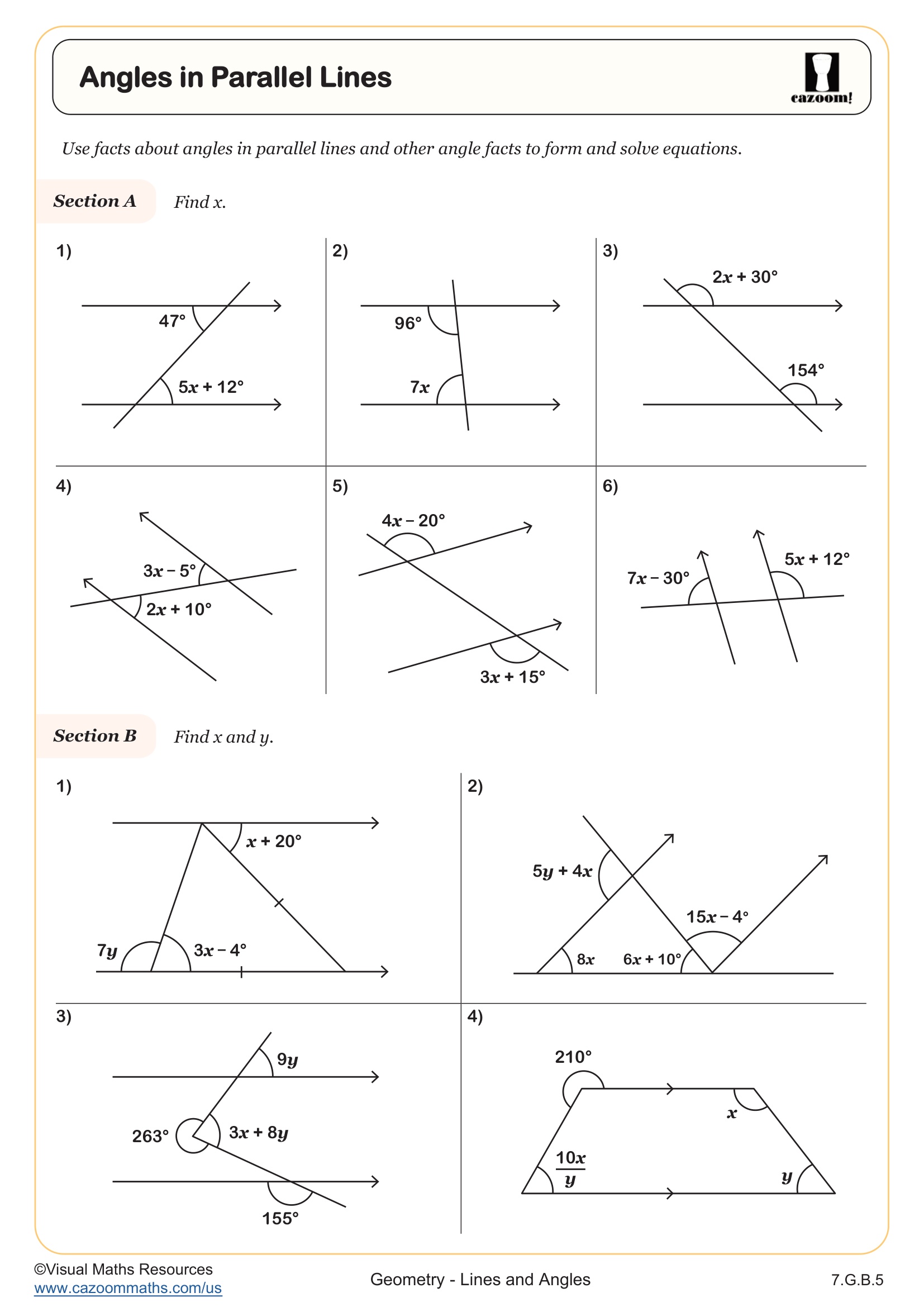
Algebraic Angles in Parallel Lines
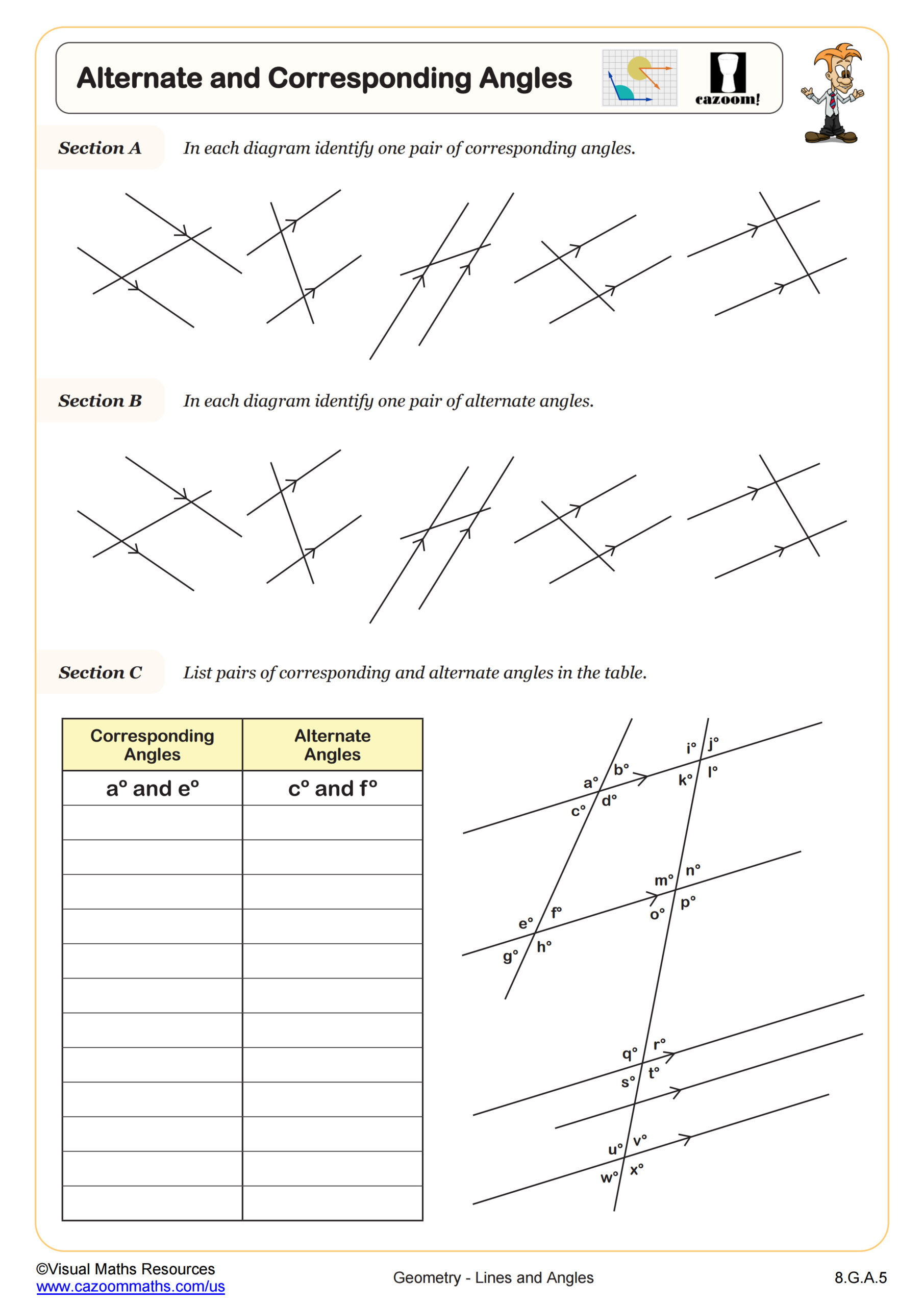
Alternate and Corresponding Angles
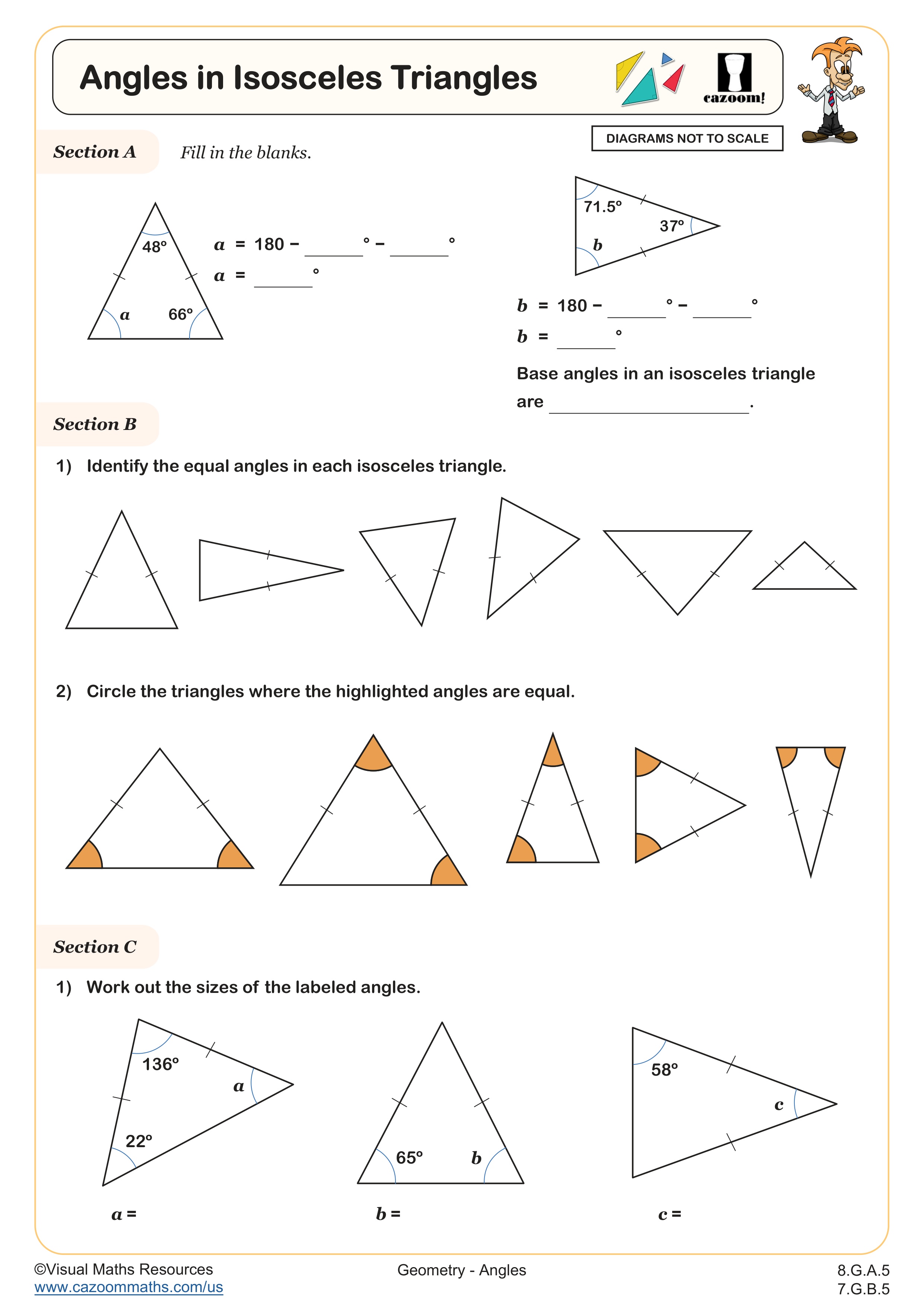
Angles in Isosceles Triangles
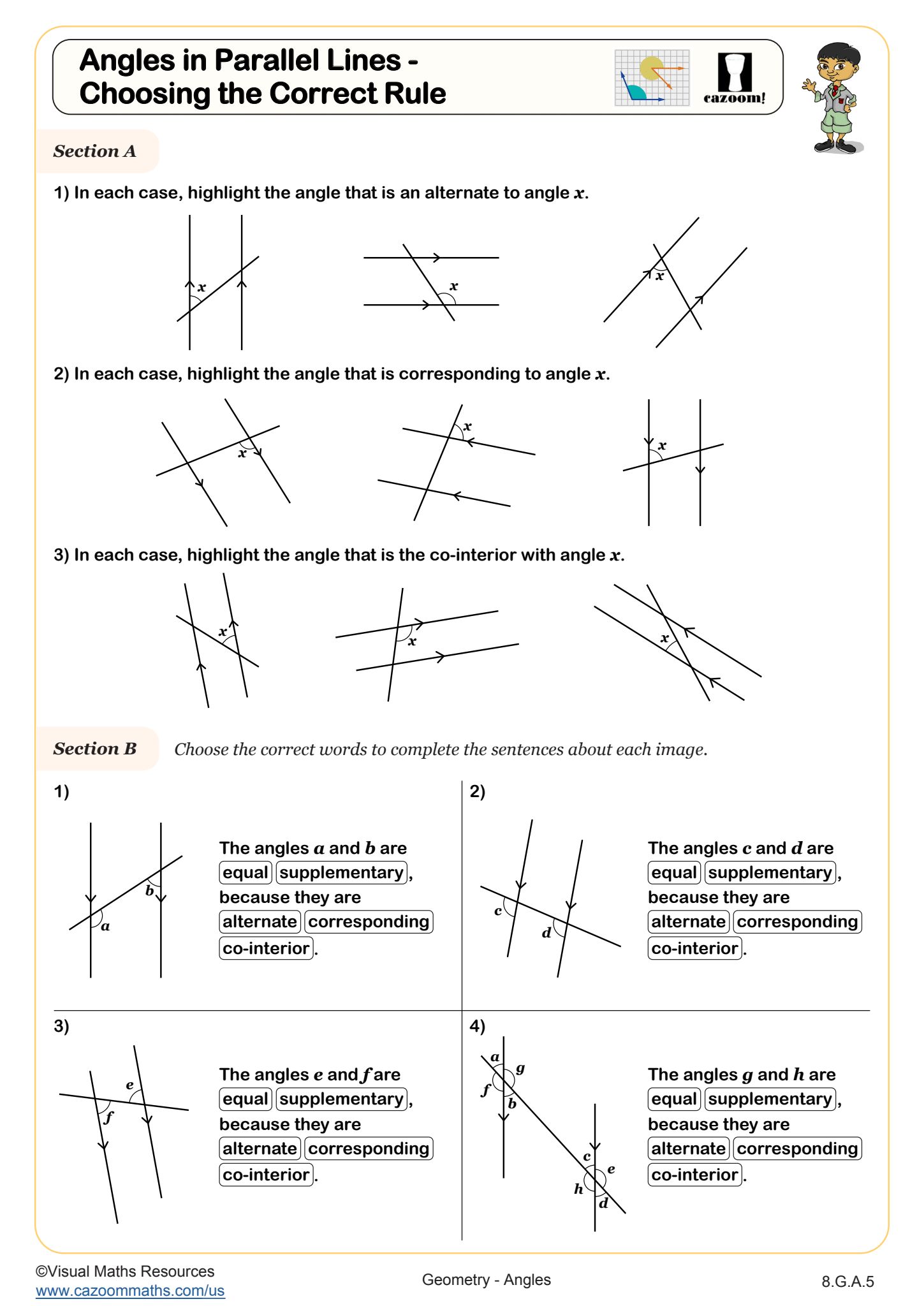
Angles in Parallel Lines - Choosing the Correct Rule
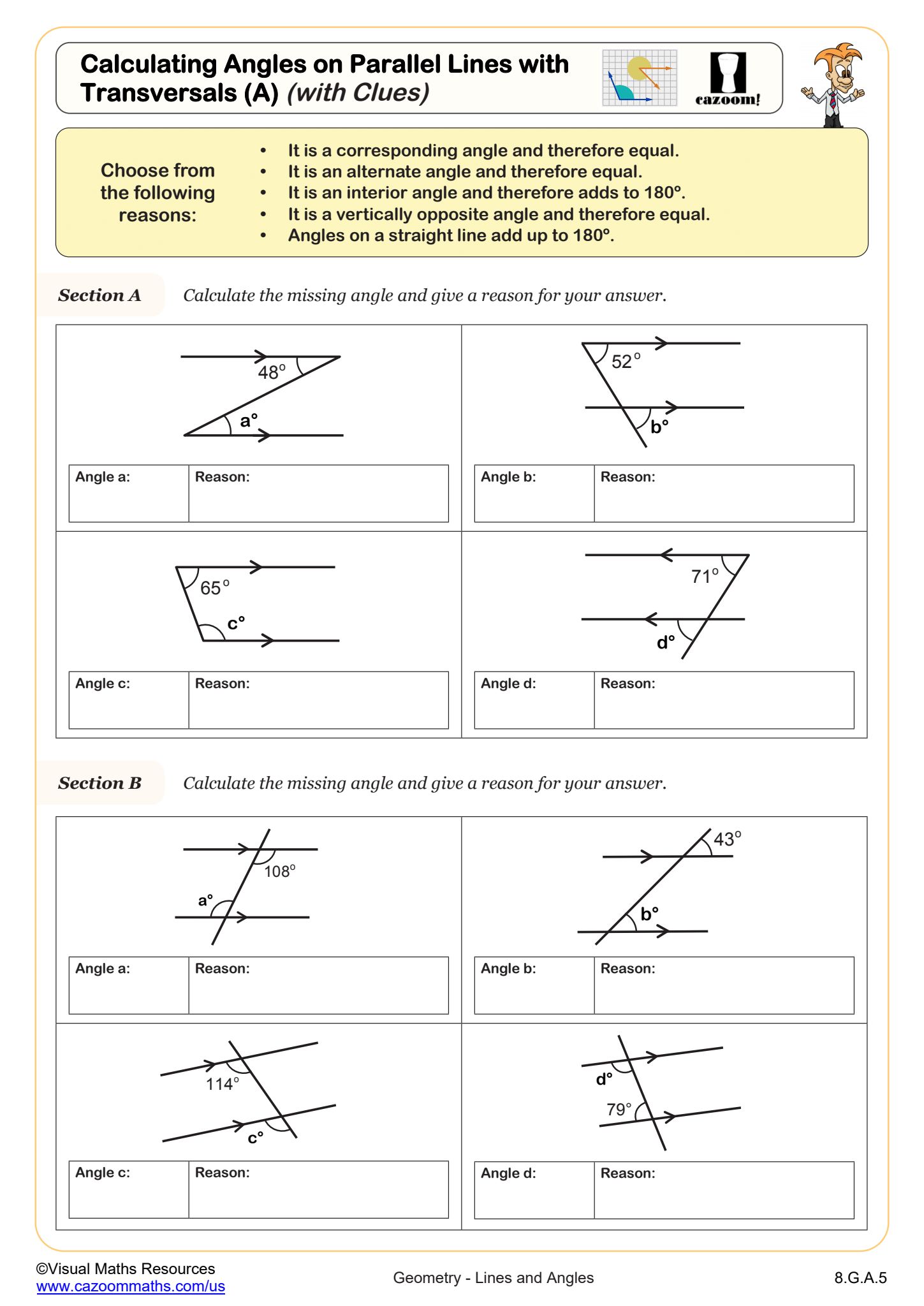
Calculating Angles on Parallel Lines with Transversals (A) (with clues)
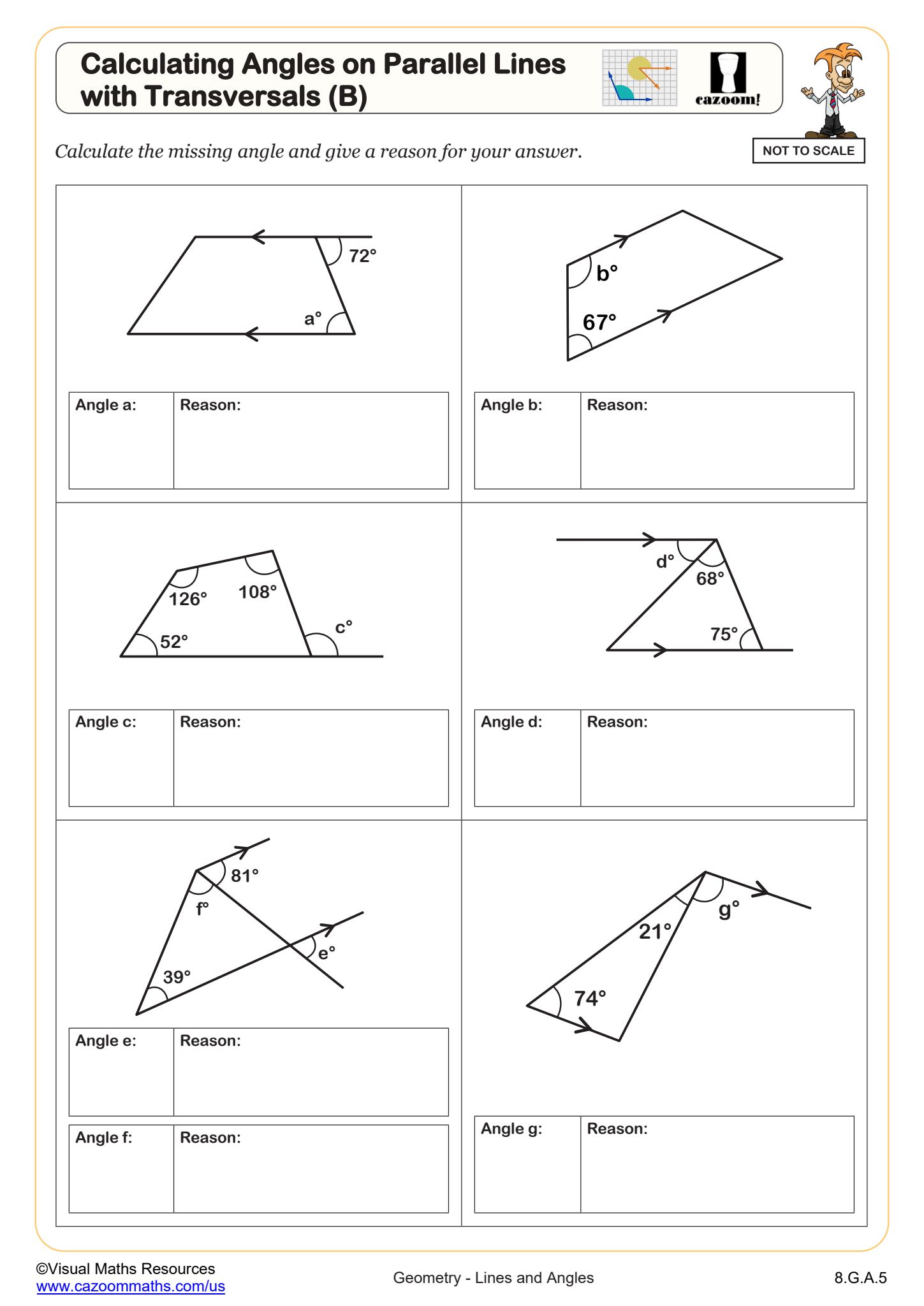
Calculating Angles on Parallel Lines with Transversals (B)
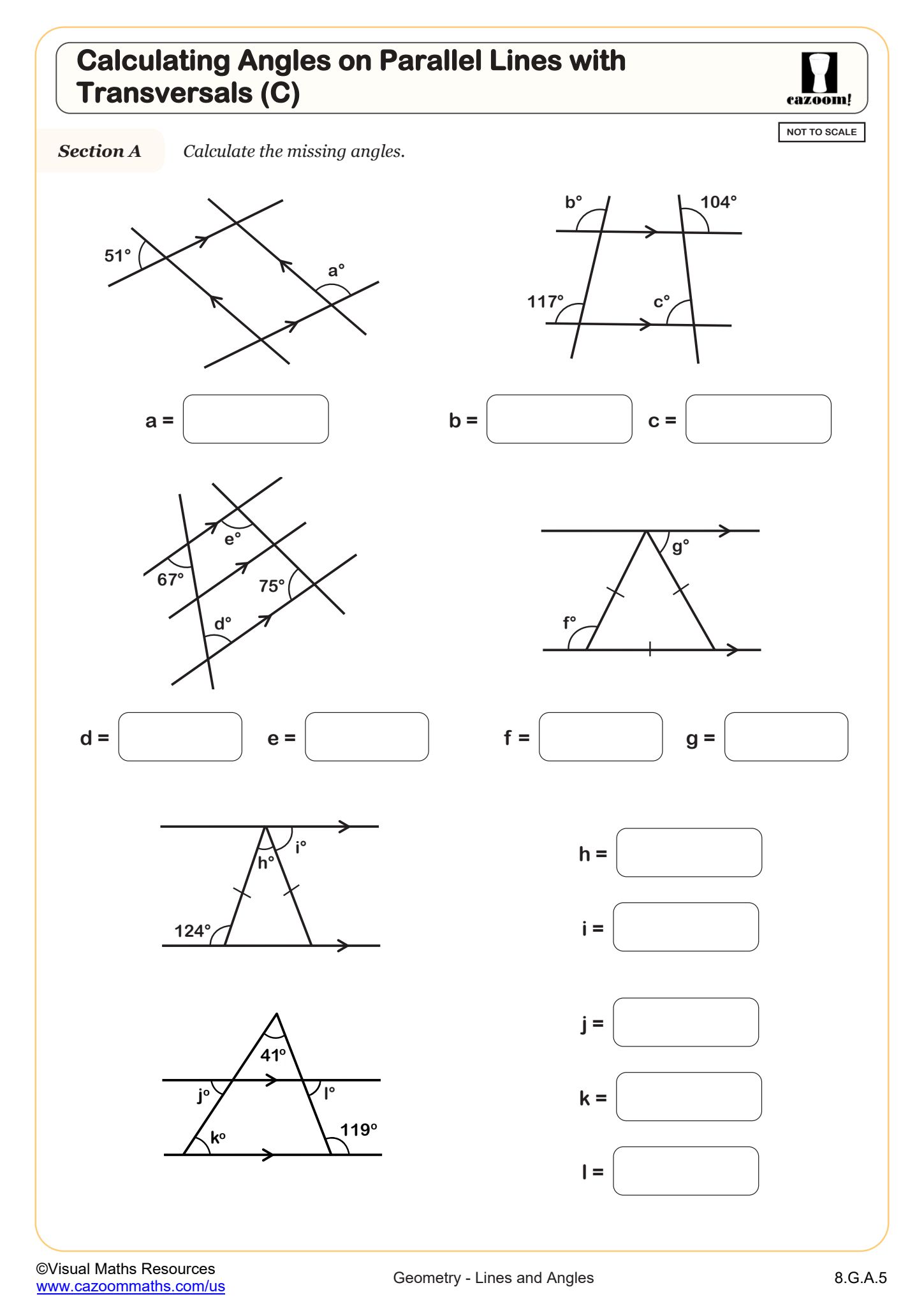
Calculating Angles on Parallel Lines with Transversals (C)
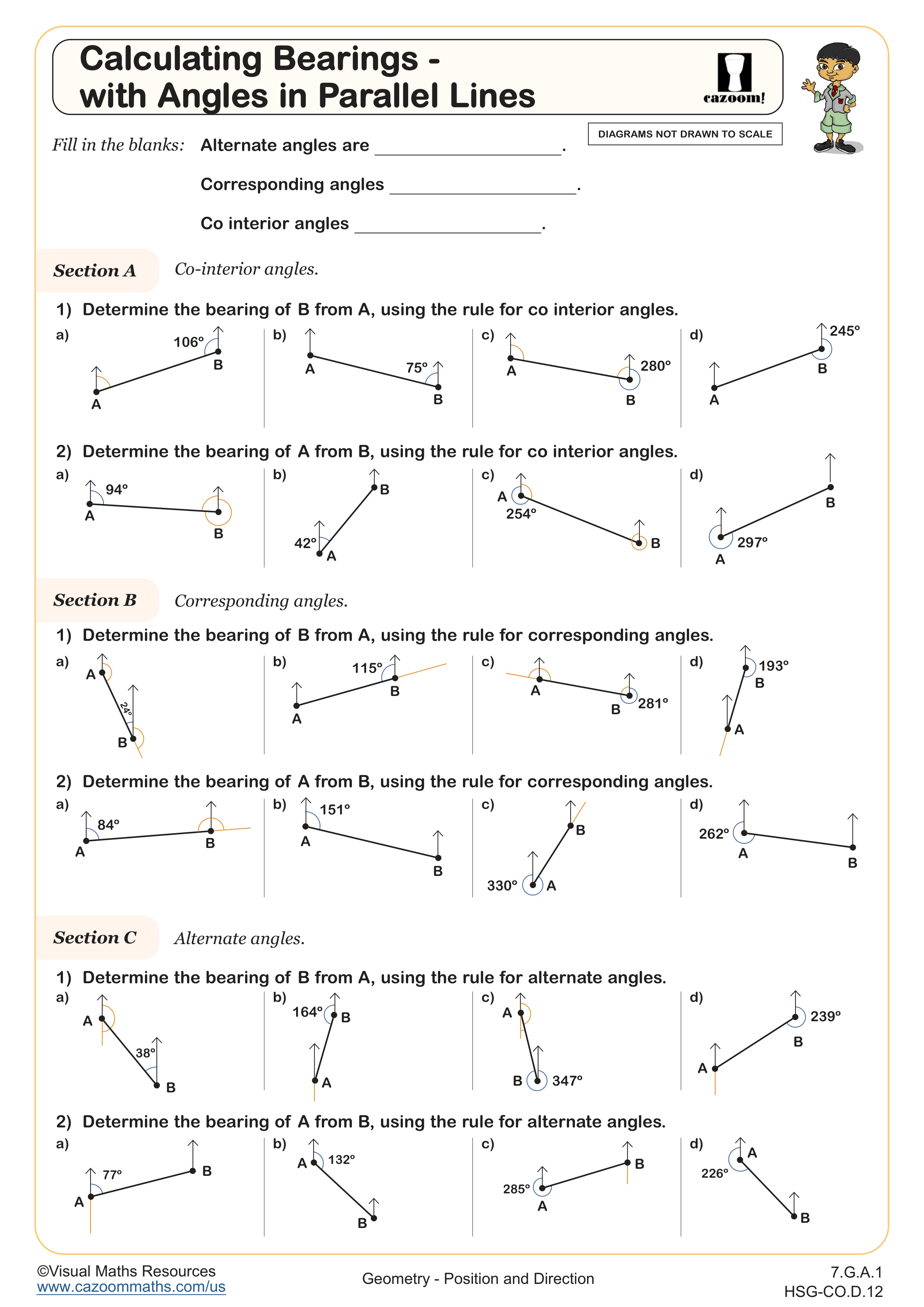
Calculating Bearings - with Angles in Parallel Lines
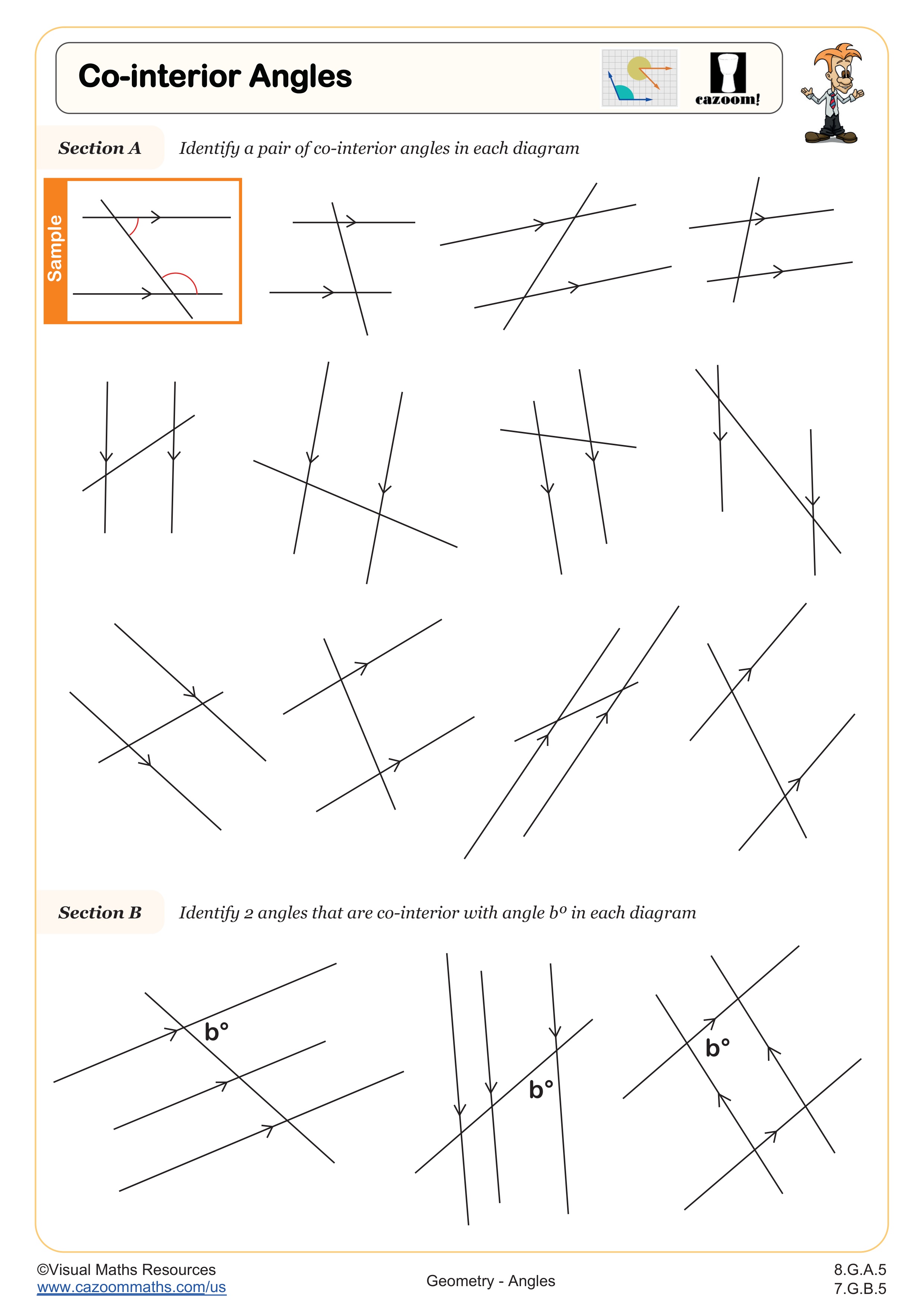
Co-interior Angles
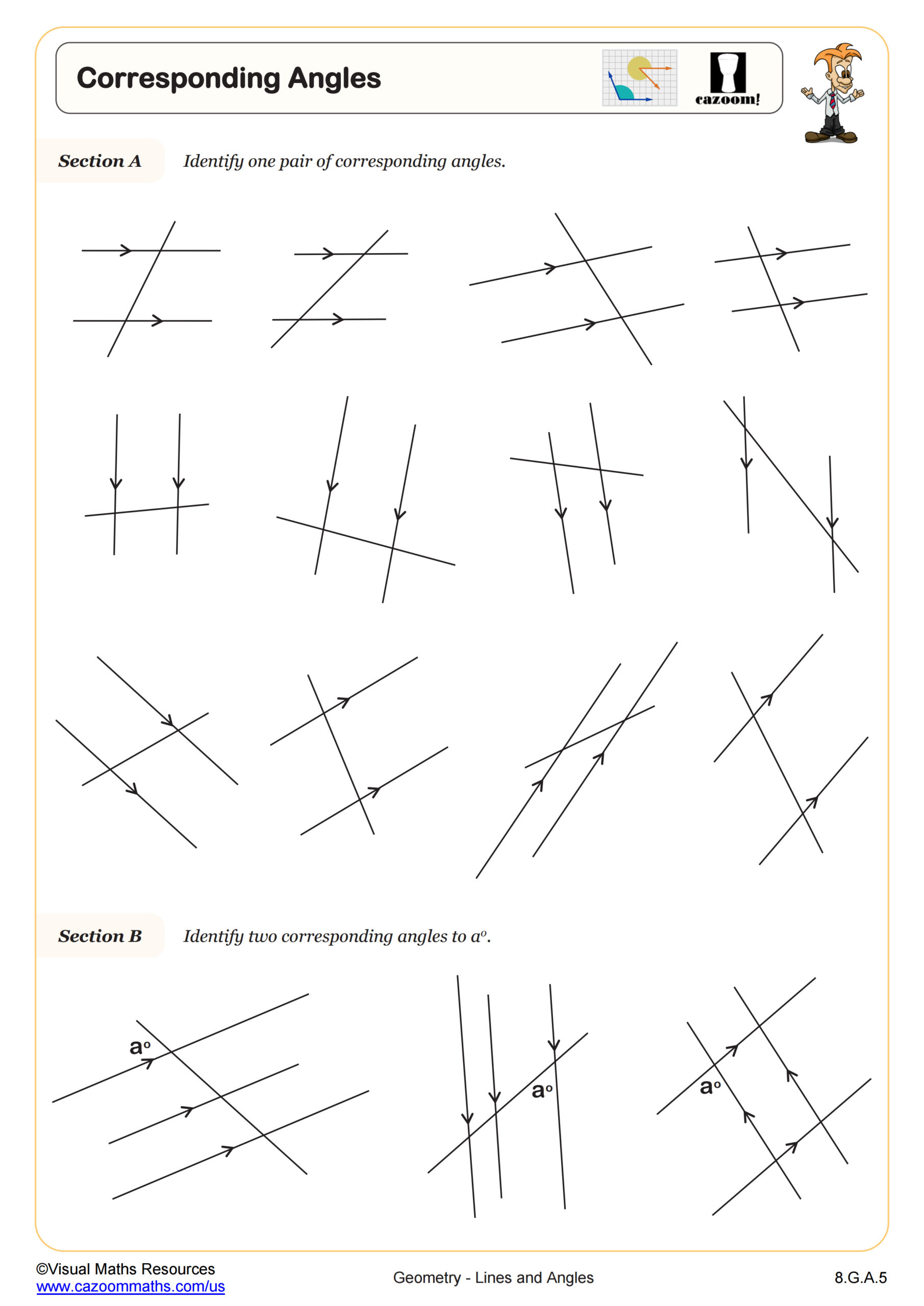
Corresponding Angles
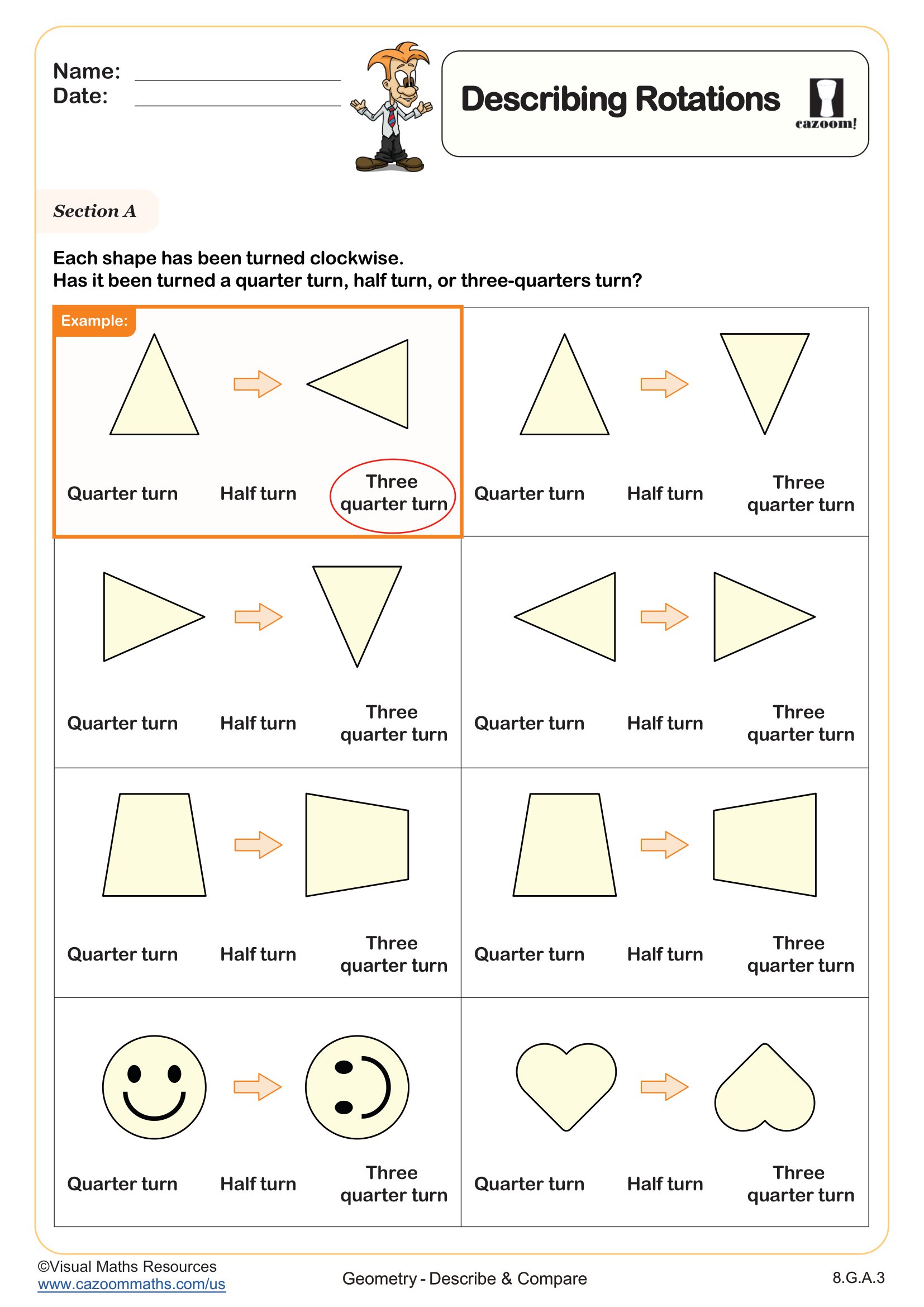
Describing Rotations
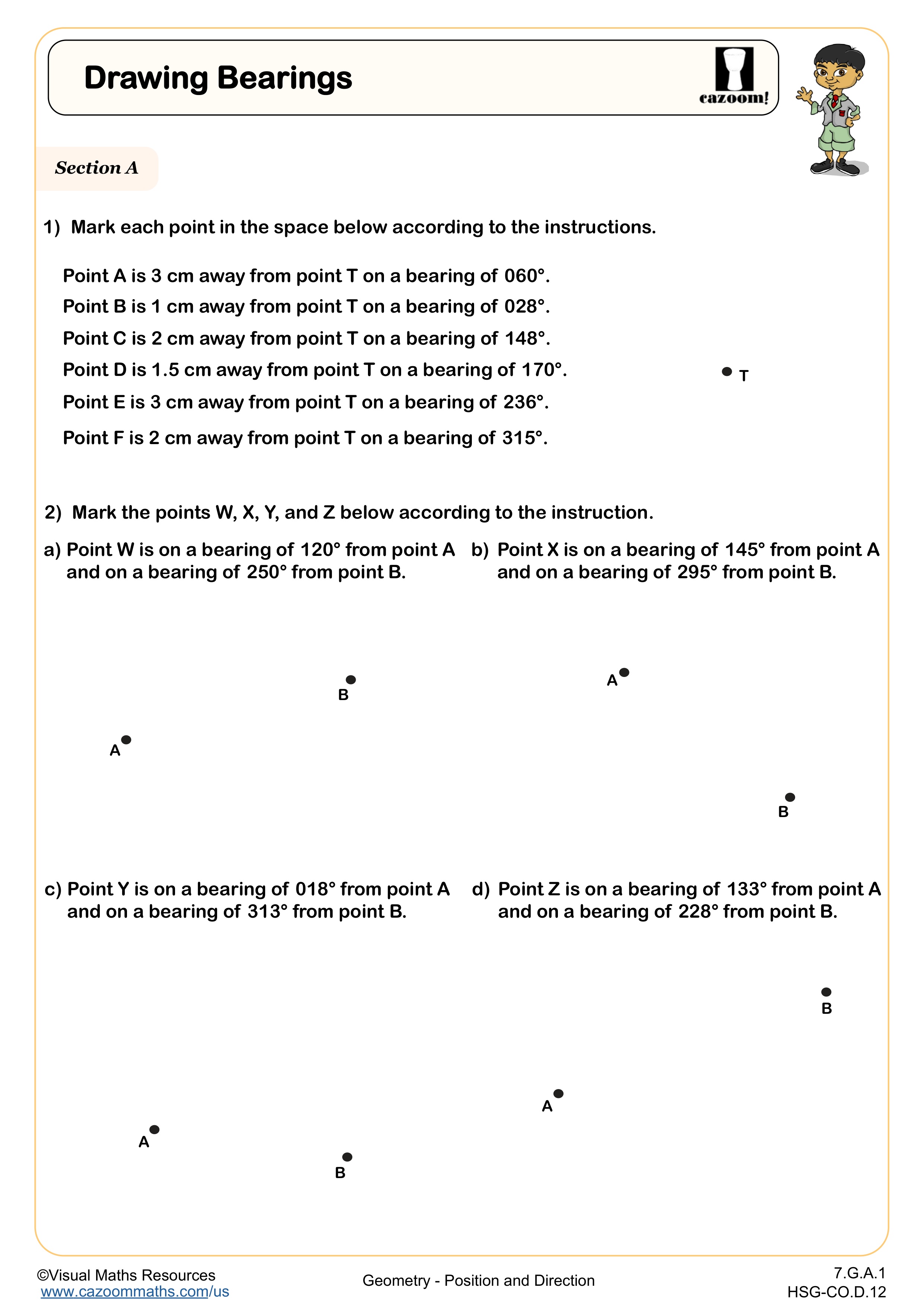
Drawing Bearings
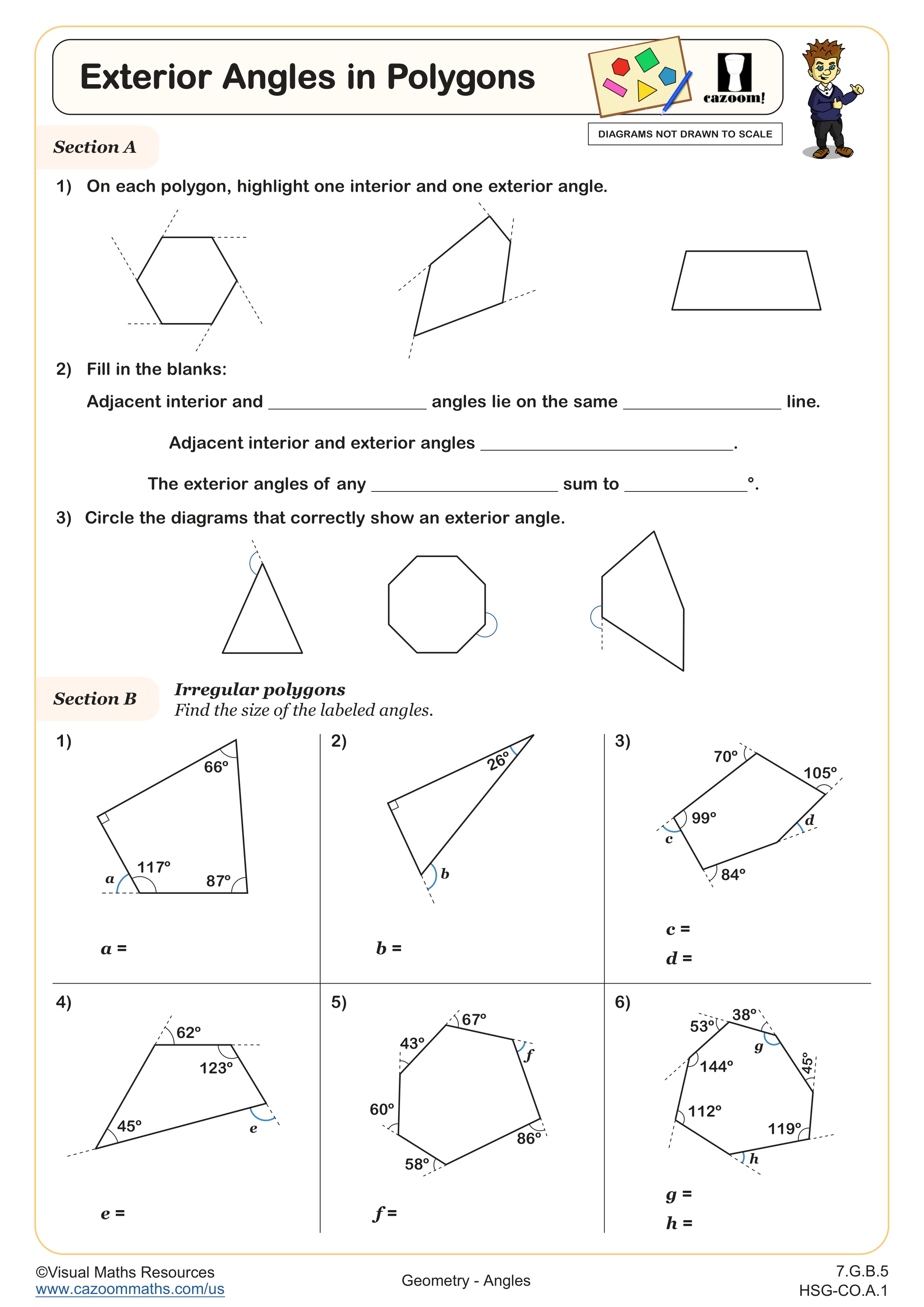
Exterior Angles in Polygons
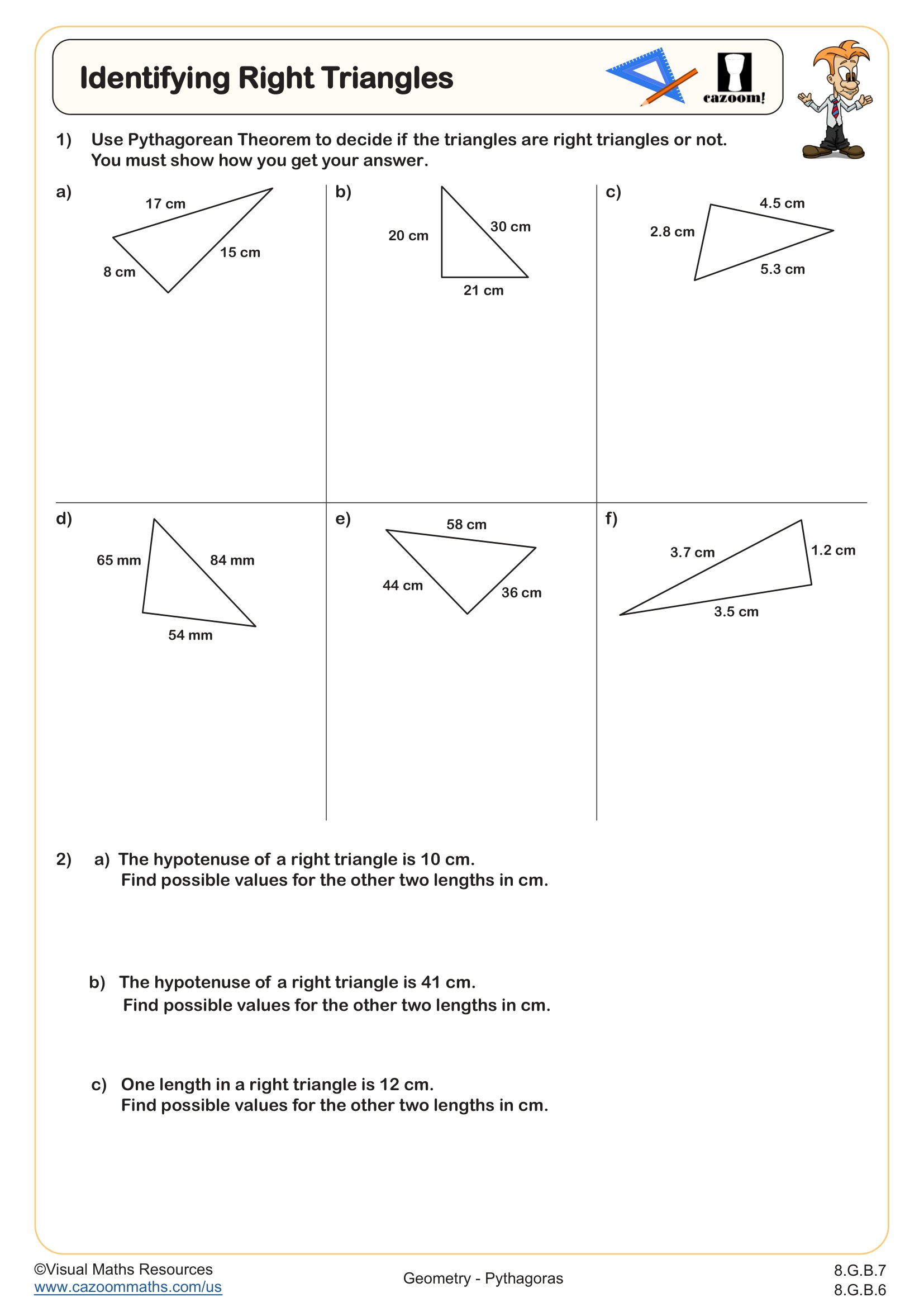
Identifying Right Triangles
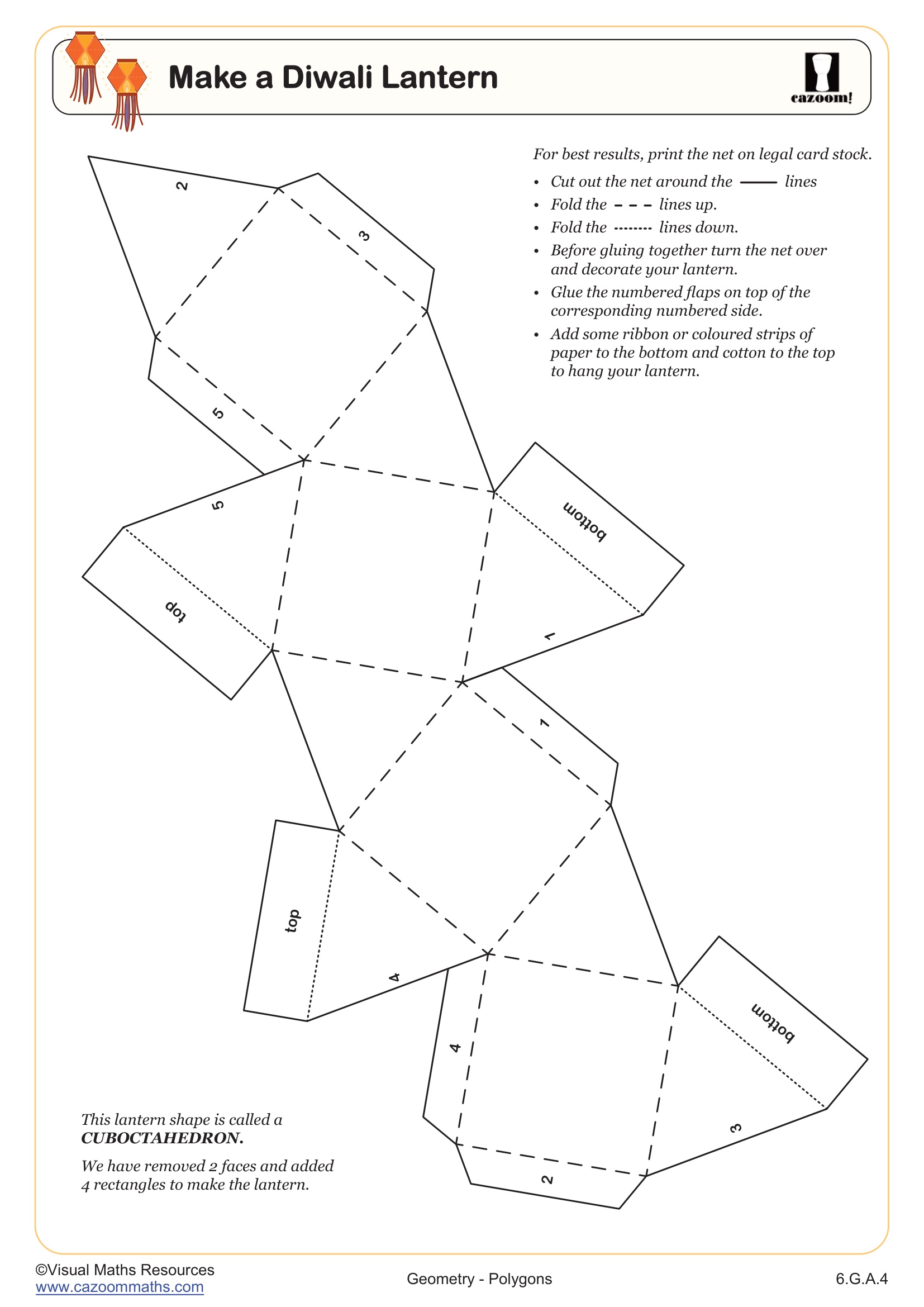
Make a Diwali Lantern
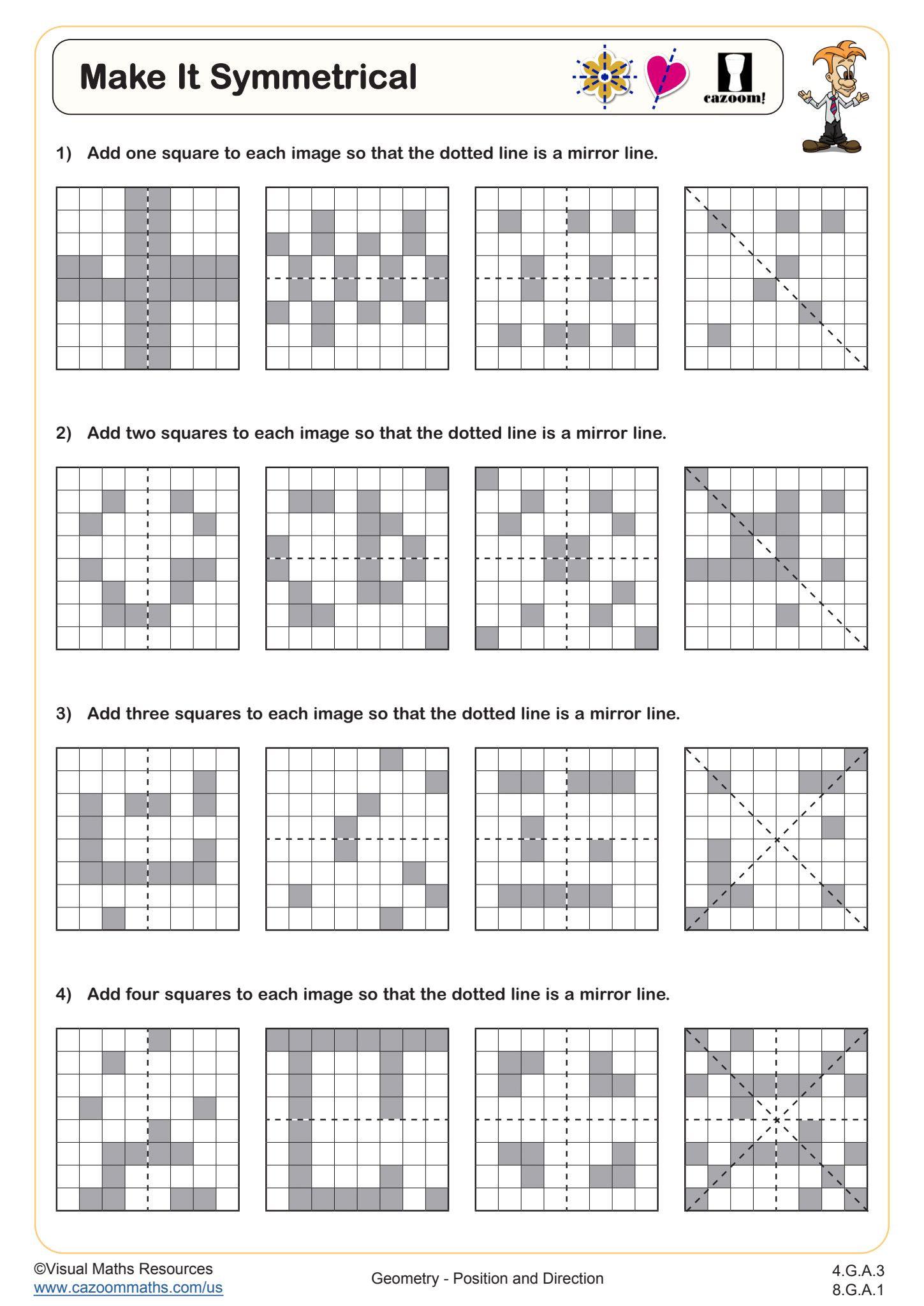
Make it Symmetrical
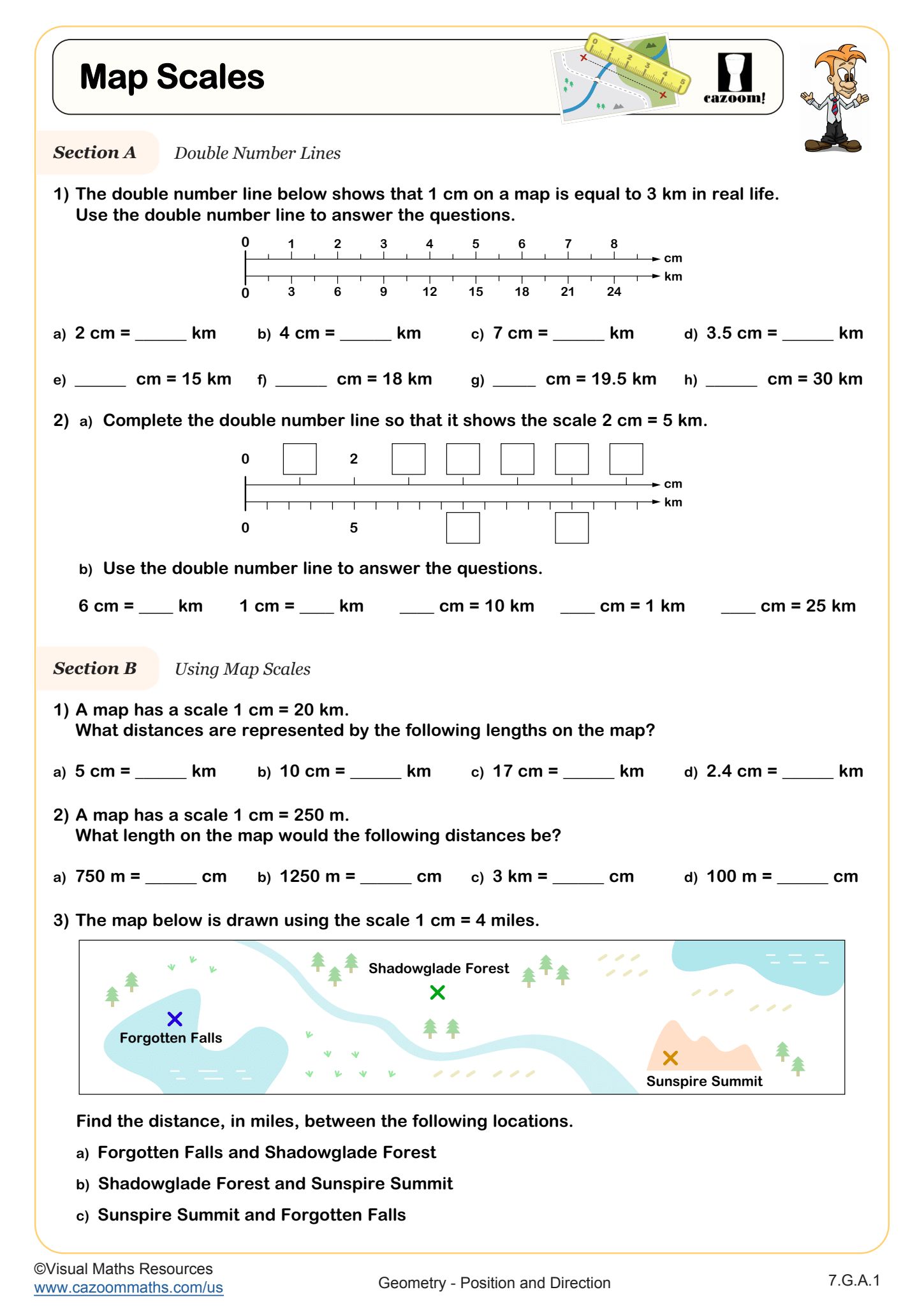
Map Scales
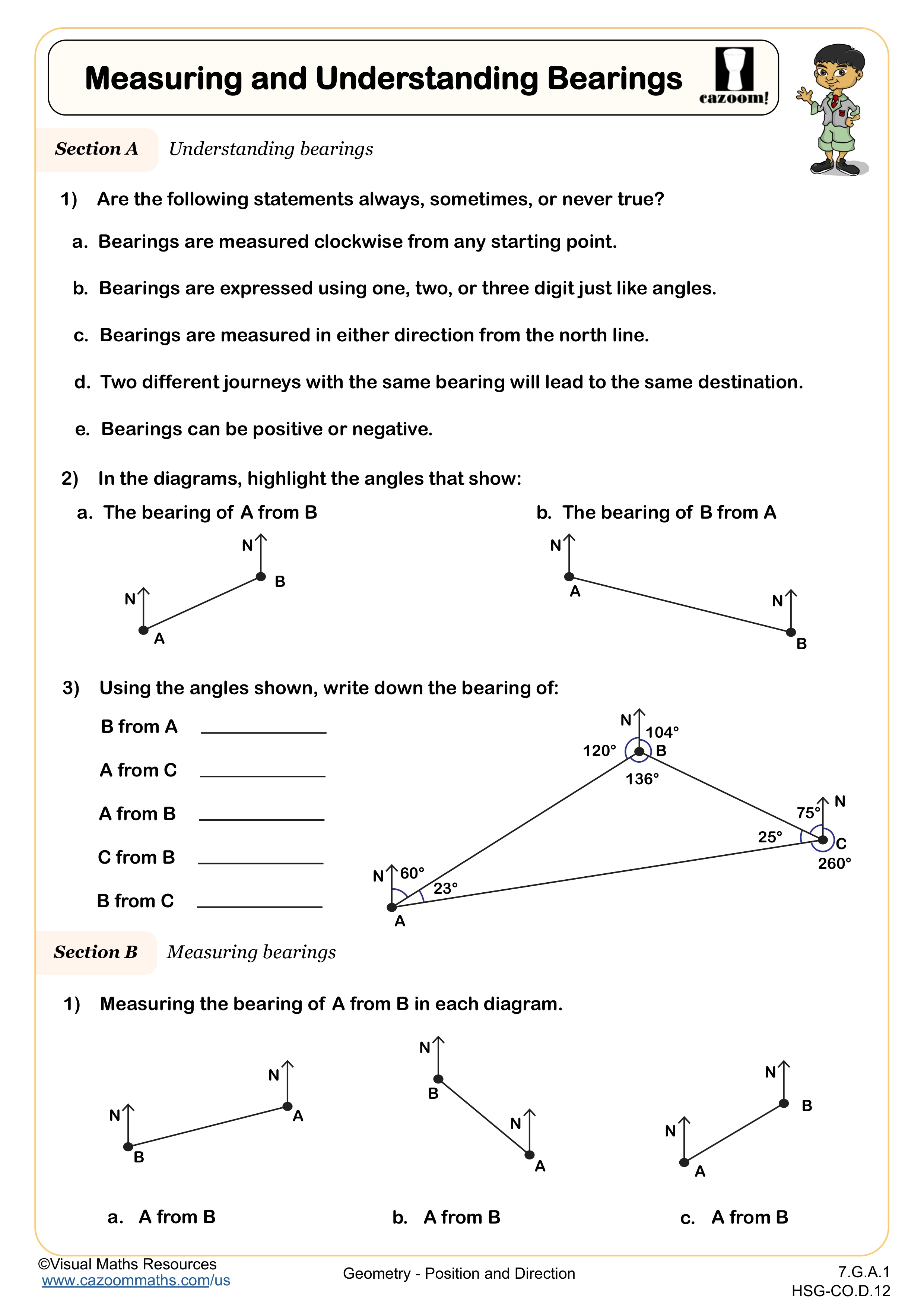
Measuring and Understanding Bearings
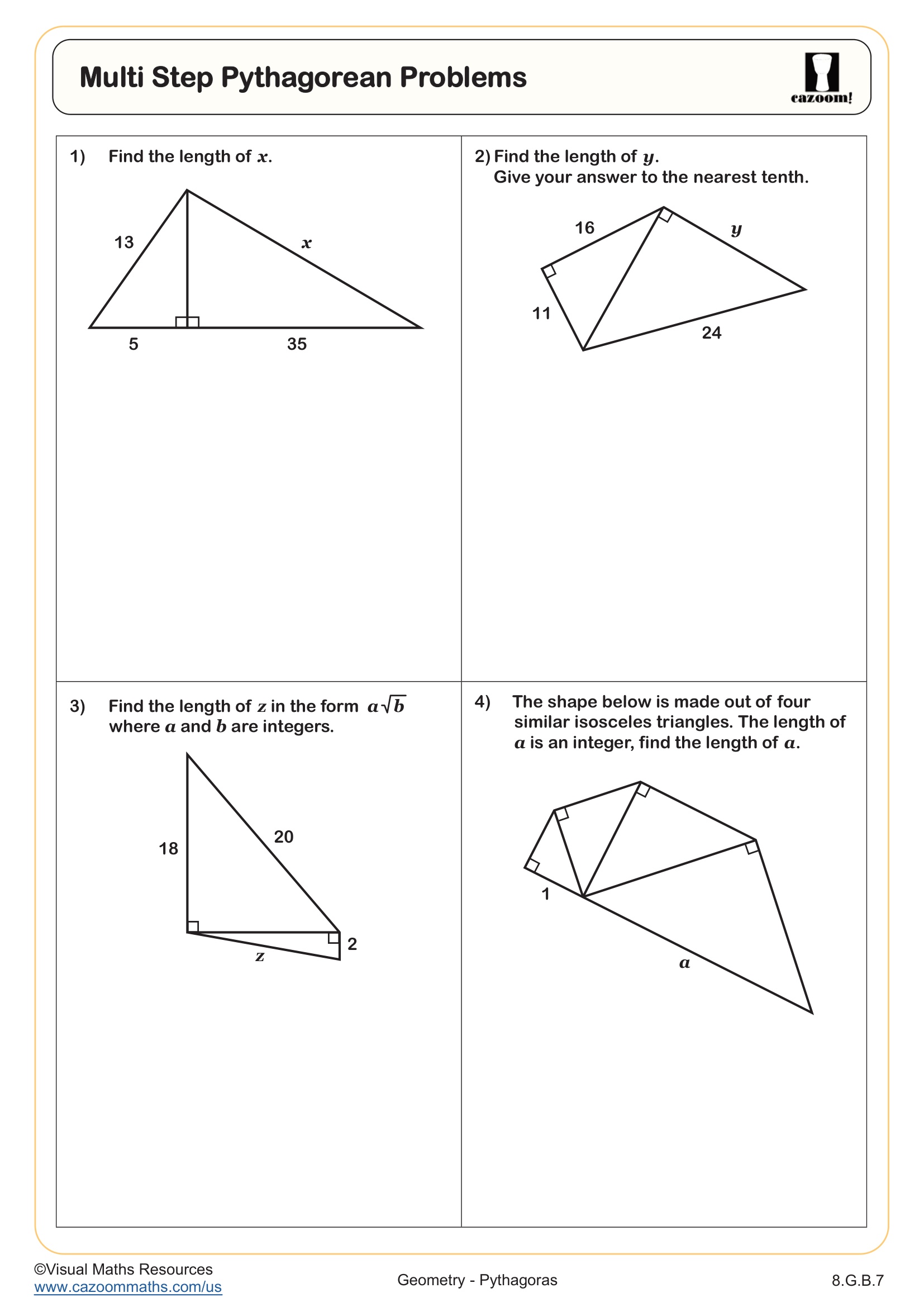
Multi Step Pythagorean Problems
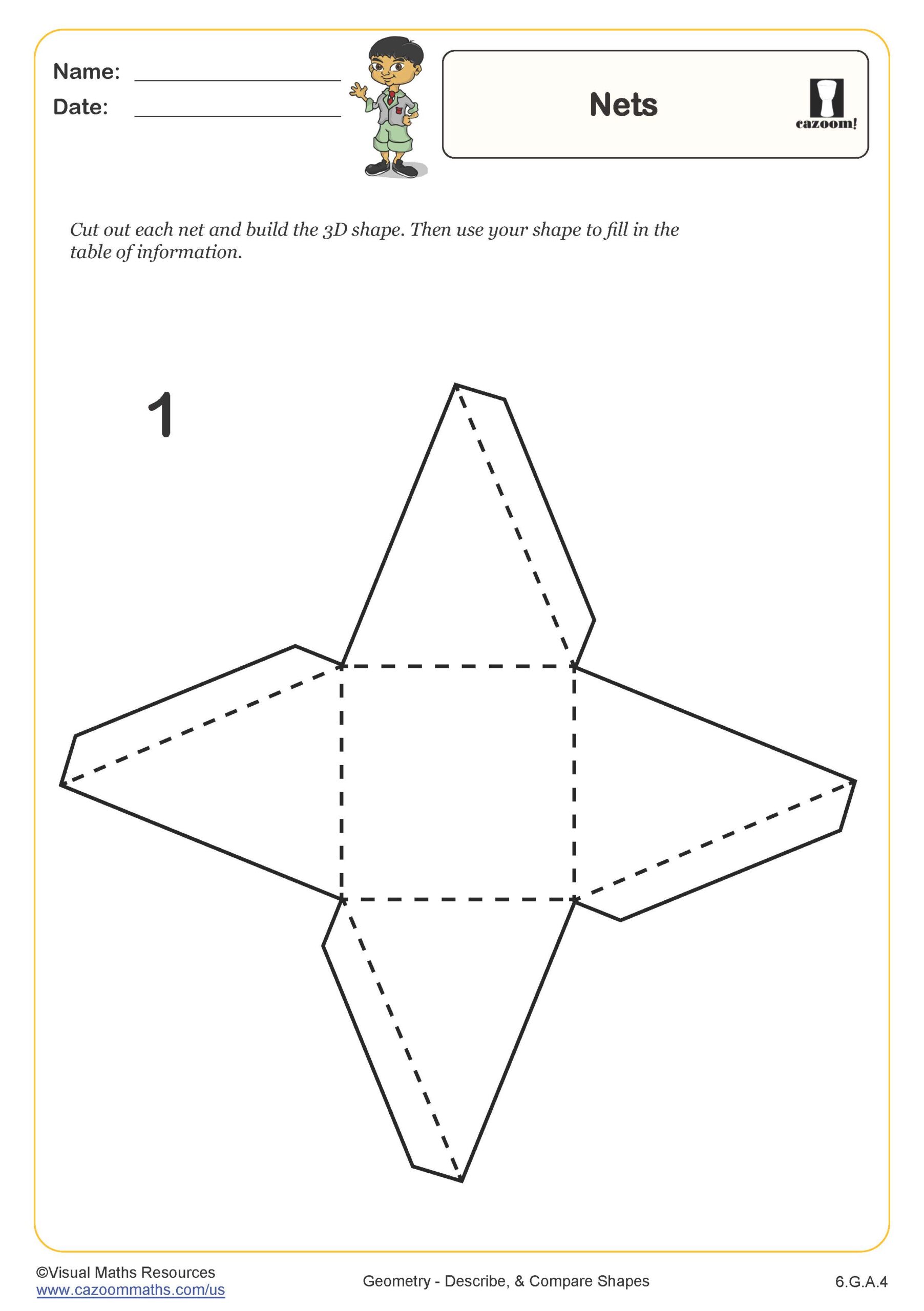
Nets
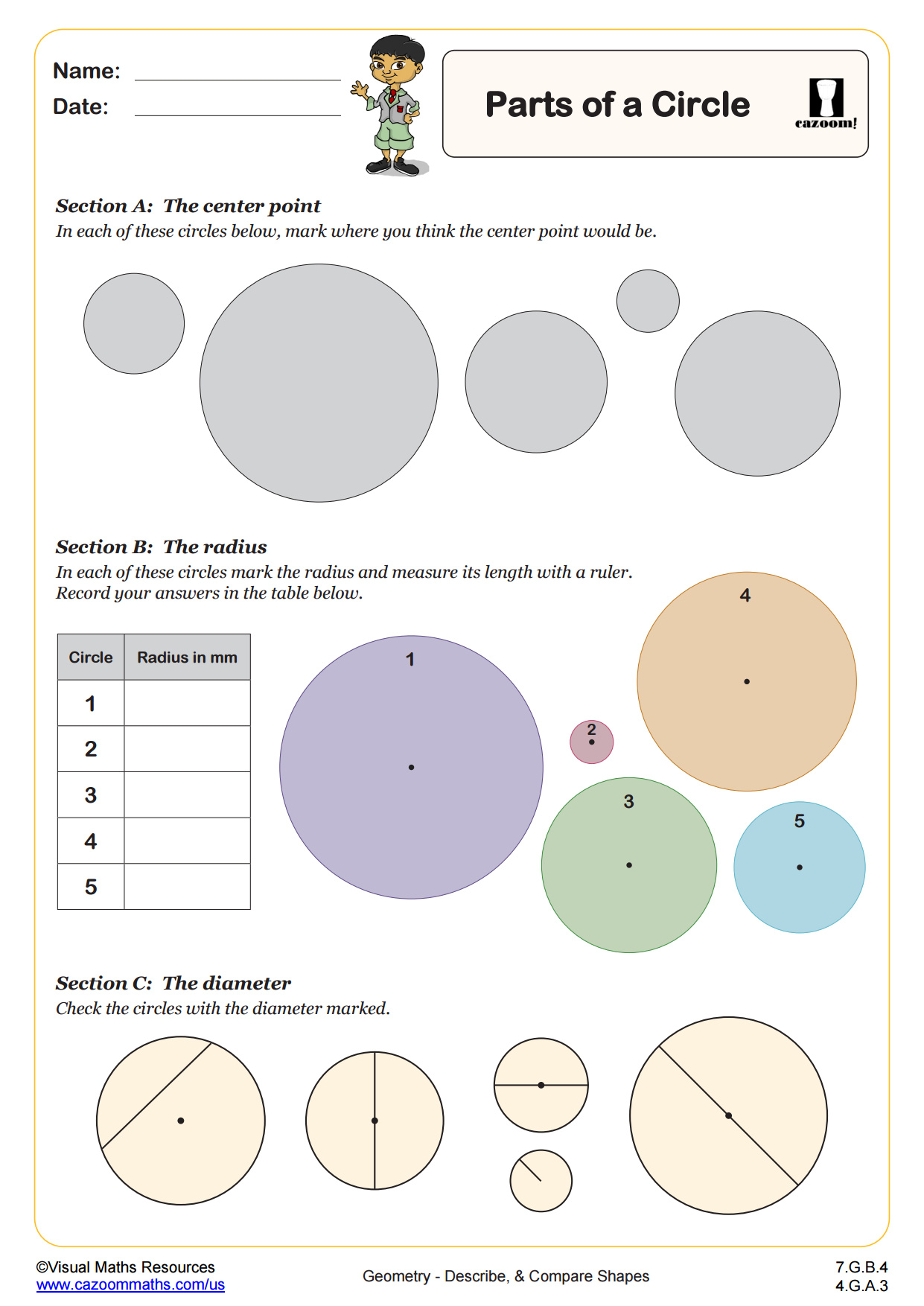
Parts of a Circle
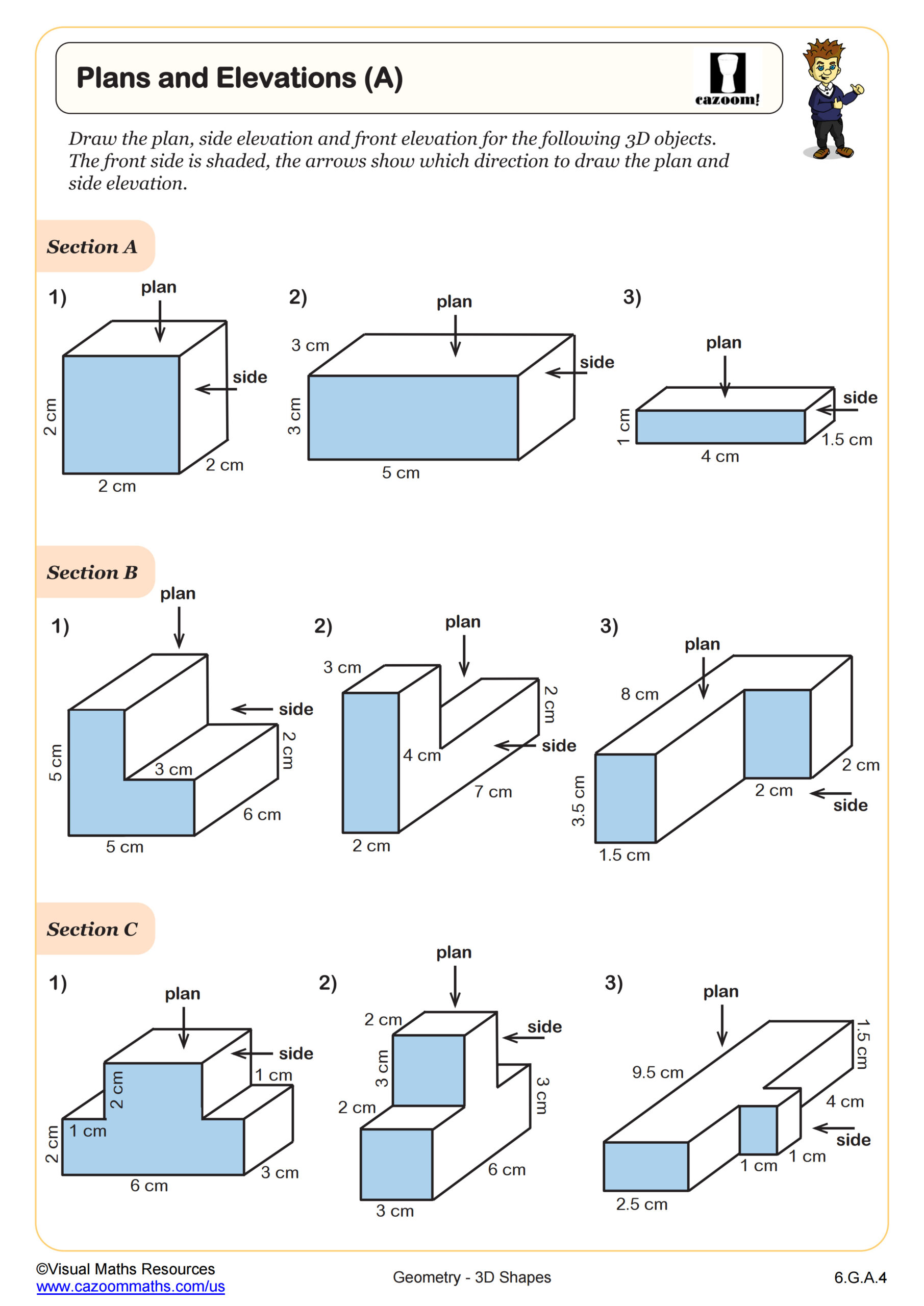
Plans and Elevations (A)
Plans and Elevations (B)
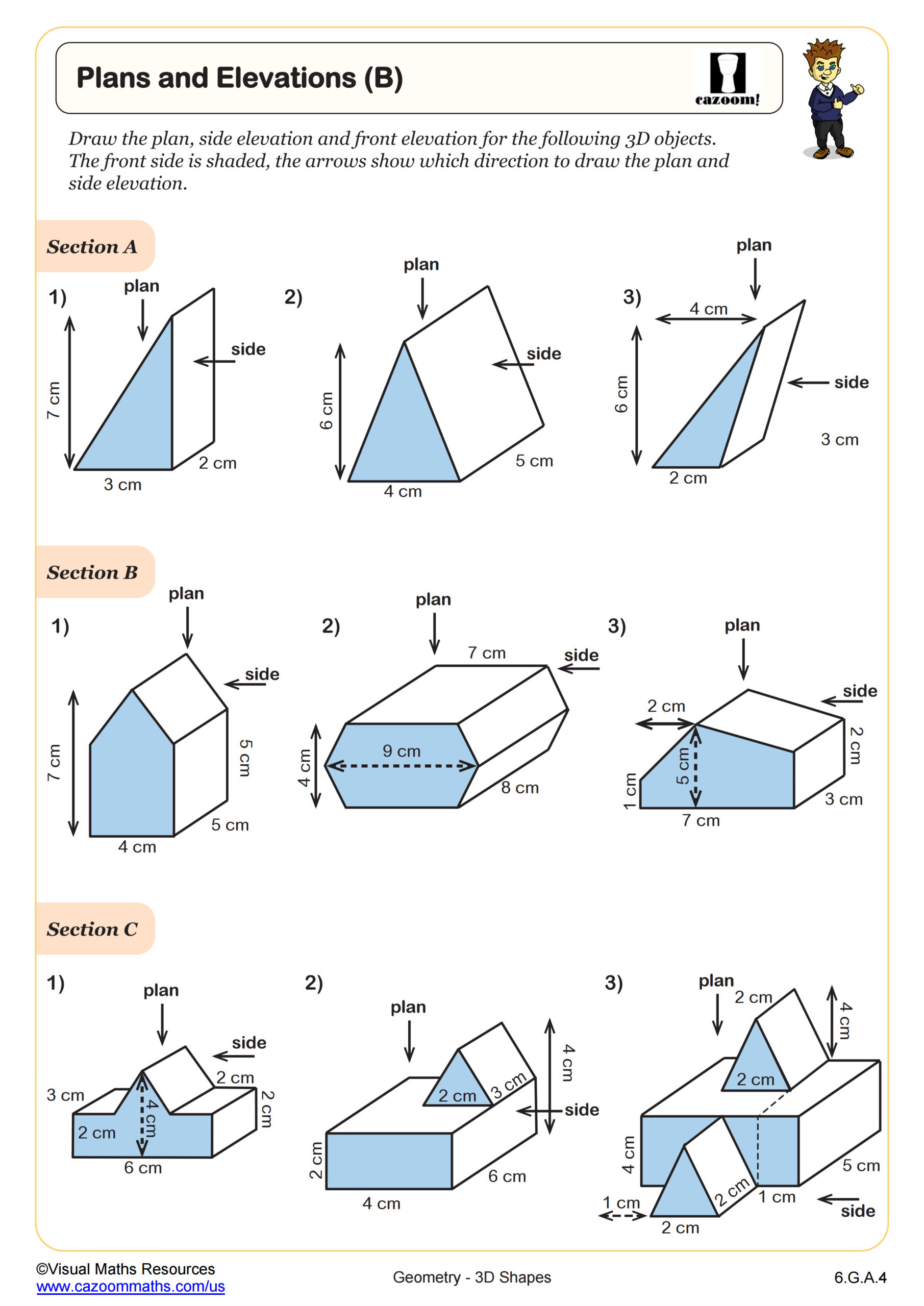
Plans and Elevations (C)
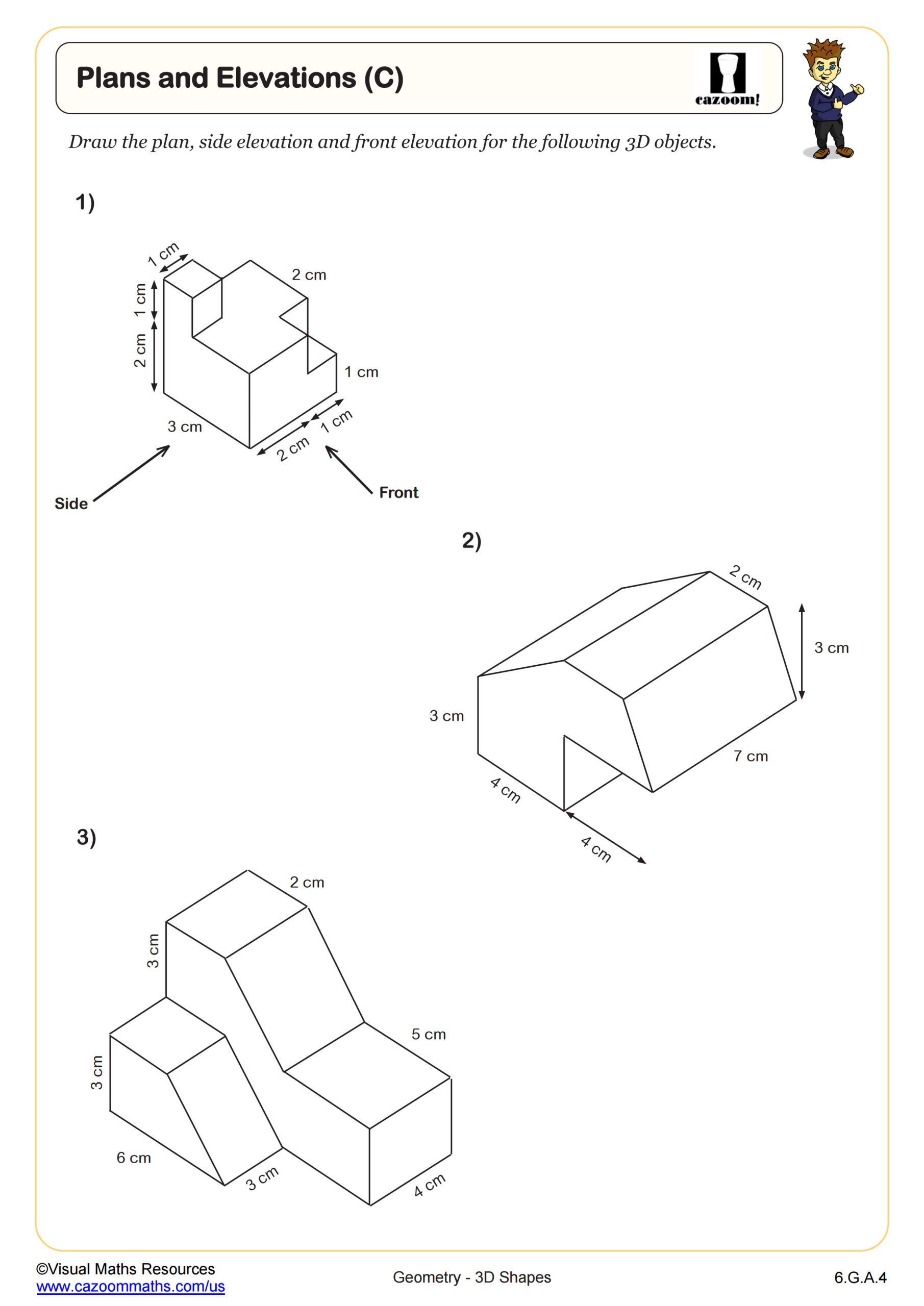
Pythagorean Theorem and coordinates
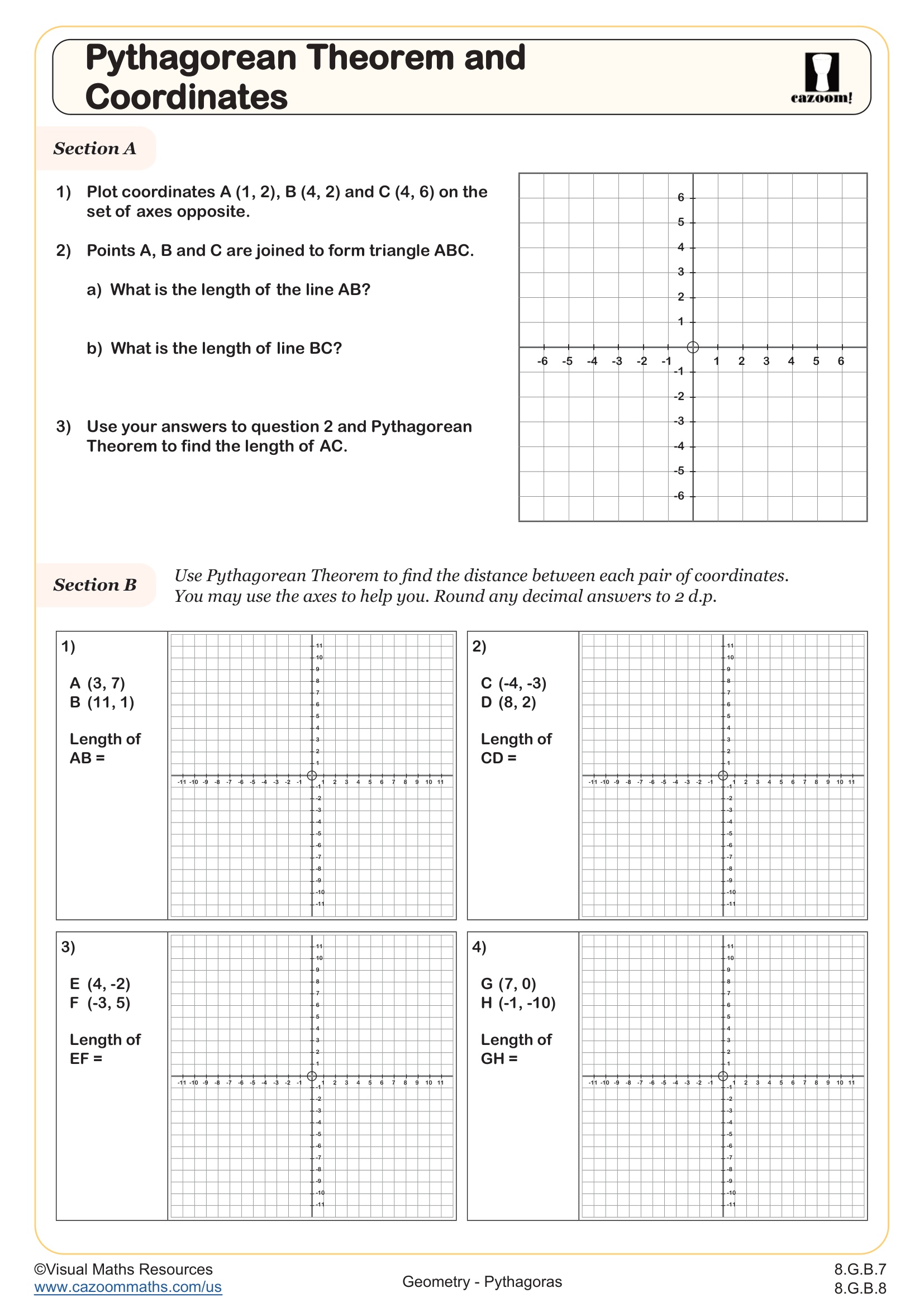
Pythagorean Theorem Word Problems
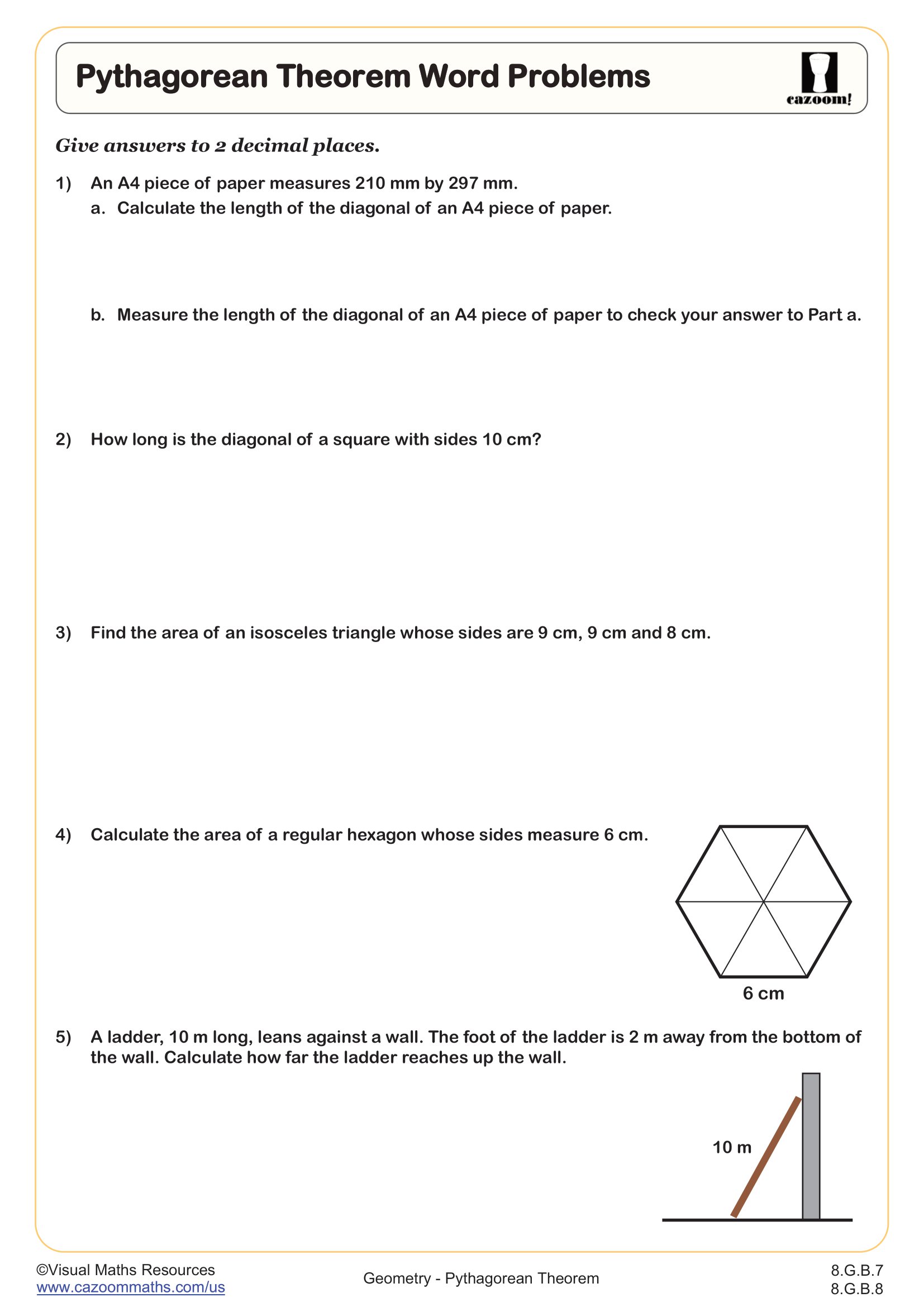
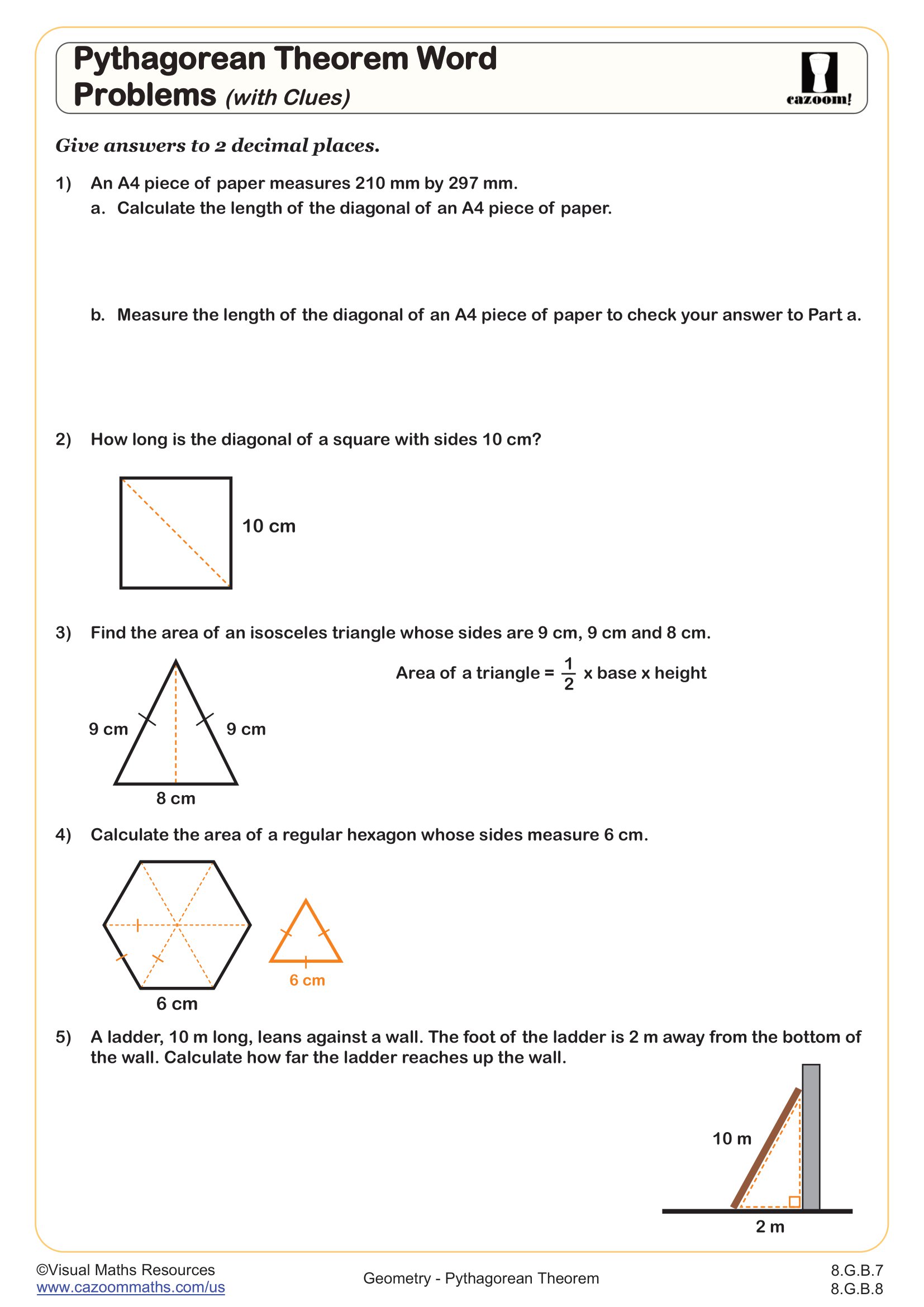
Pythagorean Theorem Word Problems (with clues)
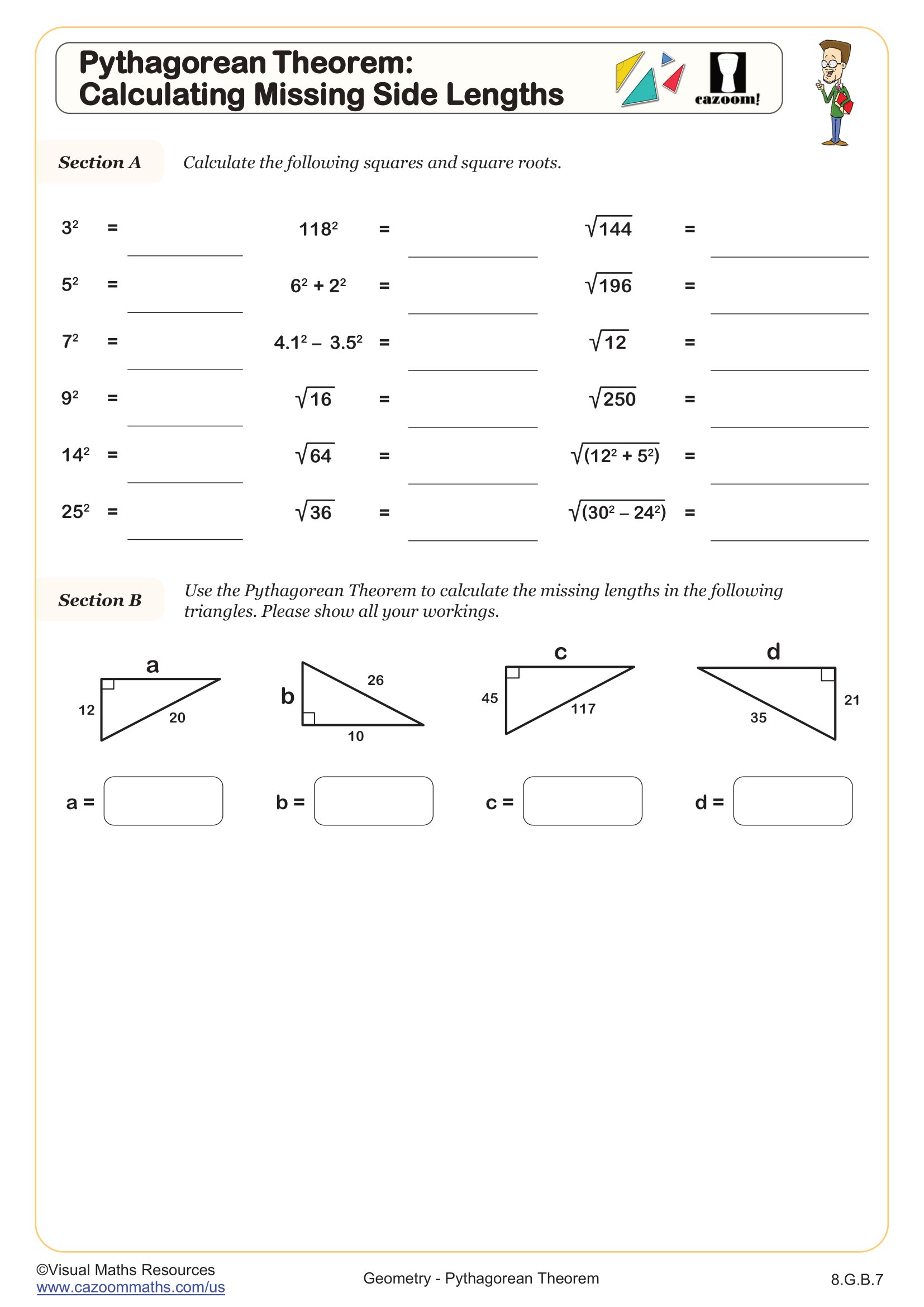
Pythagorean Theorem: Calculating Missing Side Lengths
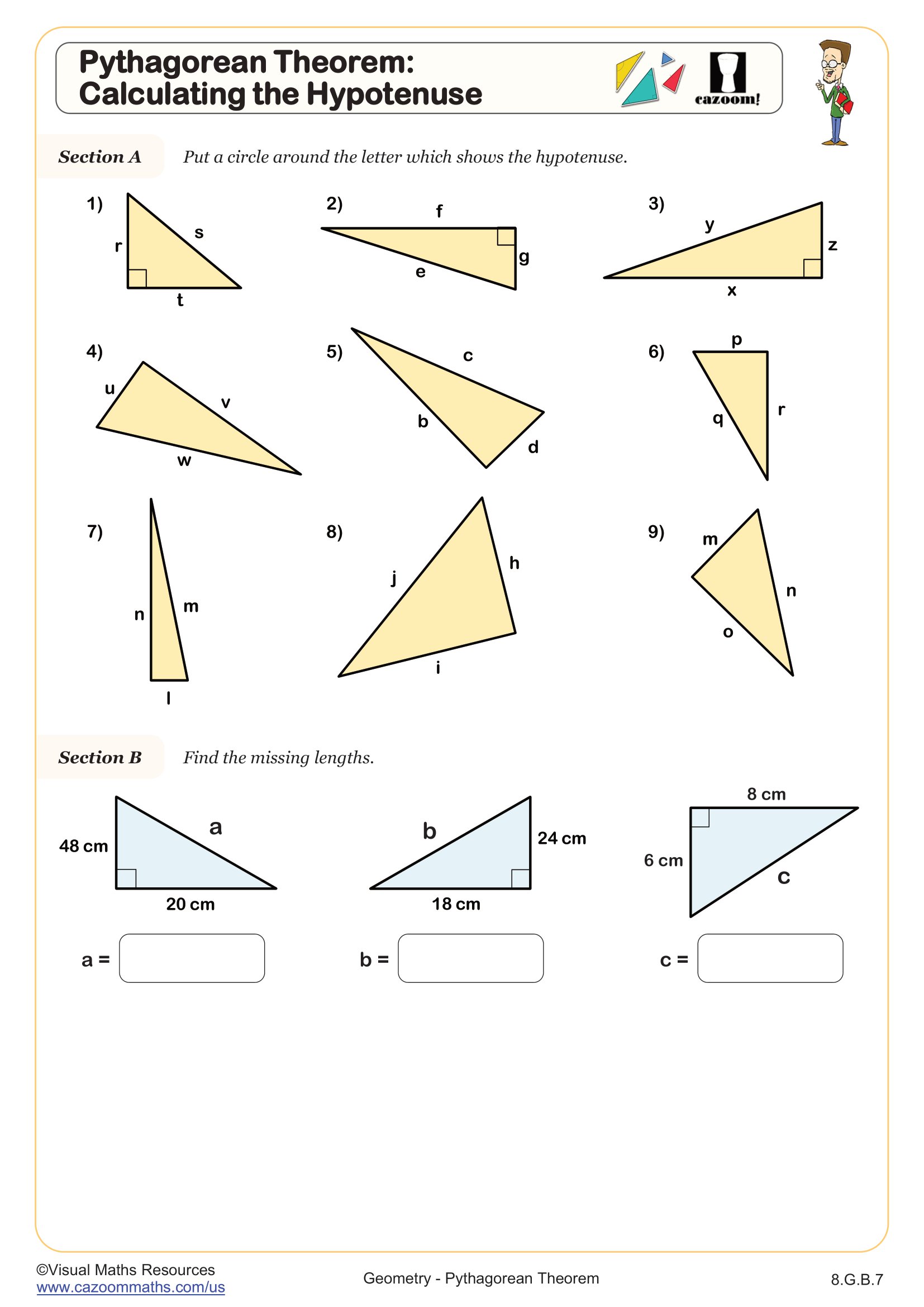
Pythagorean Theorem: Calculating the Hypotenuse
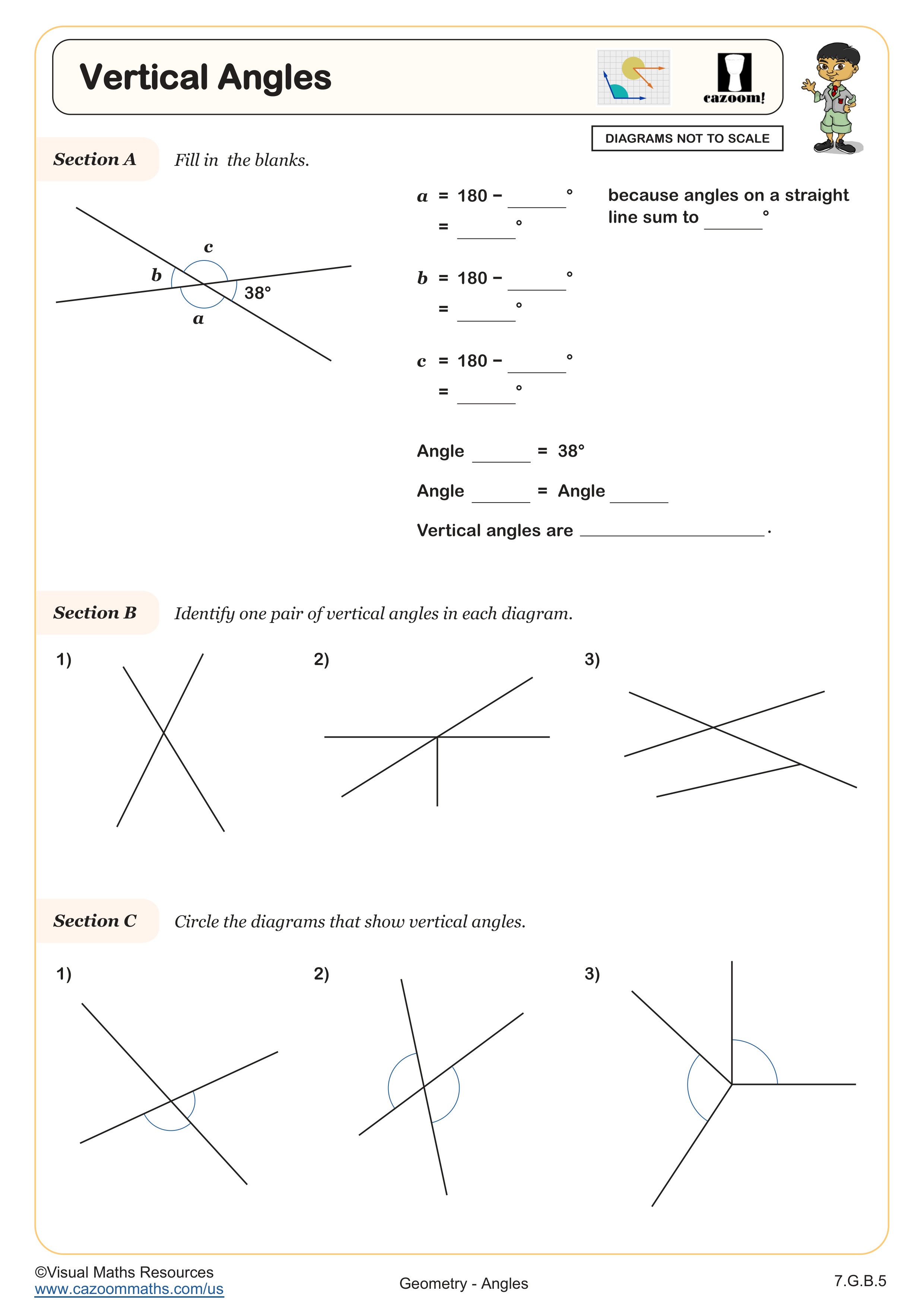
Vertical Angles
All worksheets are created by the team of experienced teachers at Cazoom Math.
Why Should Teachers Start With Our Printable Middle School Geometry Worksheets?
Students arrive at middle school with experience identifying basic shapes and measuring angles. The worksheets build on this knowledge by requiring students to solve problems involving parallel lines and transformations, coordinate planes, and three-dimensional shapes. Students learn angle rules by participating in activities that help them build logical thinking skills while showing how algebra relates to geometric shapes. Regular practice enables students to recognize patterns in diagrams, which allows them to develop their visualization skills needed for proof-based work. The methods used at this school help students develop skills required for trigonometry, vectors, and calculus in their high school studies. Students who practice these problems regularly develop spatial thinking skills, which become essential for their STEM academic success and future technical work.
Topics at a Glance: Angles, Pythagorean Theorem, Circles, and More
Students progress from concrete measurements to abstract geometric reasoning and proof. They begin with angle relationships and parallel lines before advancing to coordinate geometry, transformations, and 3D applications of the Pythagorean theorem. Each worksheet provides complete solutions for self-checking. Covering angles, transformations, Pythagorean reasoning, circles, nets, and 3D visualization, this collection develops a complete understanding of geometry from foundational to applied levels.
Trusted by Educators: Why Parents Value Cazoom Math Middle School Geometry Resources
These worksheets save planning time because each one targets a specific skill and includes differentiated versions for mixed-ability groups. Teachers can assign easier sheets to students who need more support and challenging extension problems to those ready to stretch. The solutions show clear reasoning at each step, which helps teachers address misconceptions during feedback sessions and gives students a model for writing their own geometric justifications. The consistent structure means less time explaining instructions and more time focused on mathematical thinking. The variety of problem types keeps students engaged across topics ranging from angle calculations to three-dimensional visualization.
From Gardening to Architecture: Where These Skills Show Up in Real Life
The field of geometry offers professional opportunities in architecture and engineering, as well as in design and technology. Students apply angle rules for planning furniture arrangements and material preparation, and map navigation. The Pythagorean theorem finds applications in construction and screen design, as well as in any situation that requires measuring diagonal distances. Knowledge of transformations enables students to use graphic software, study artistic and natural symmetry, and interpret technical manufacturing drawings.
• Calculating room dimensions for furniture
• Reading construction blueprints
• Programming game environments
• Measuring diagonal bracing in carpentry