Cambridge iGCSE Algebra and graphs Revision Worksheets
Browse our iGCSE revision worksheets for the Algebra and graphs section of Cambridge iGCSE Mathematics (0580). All worksheets include full answers and worked solutions.
C2.1Core
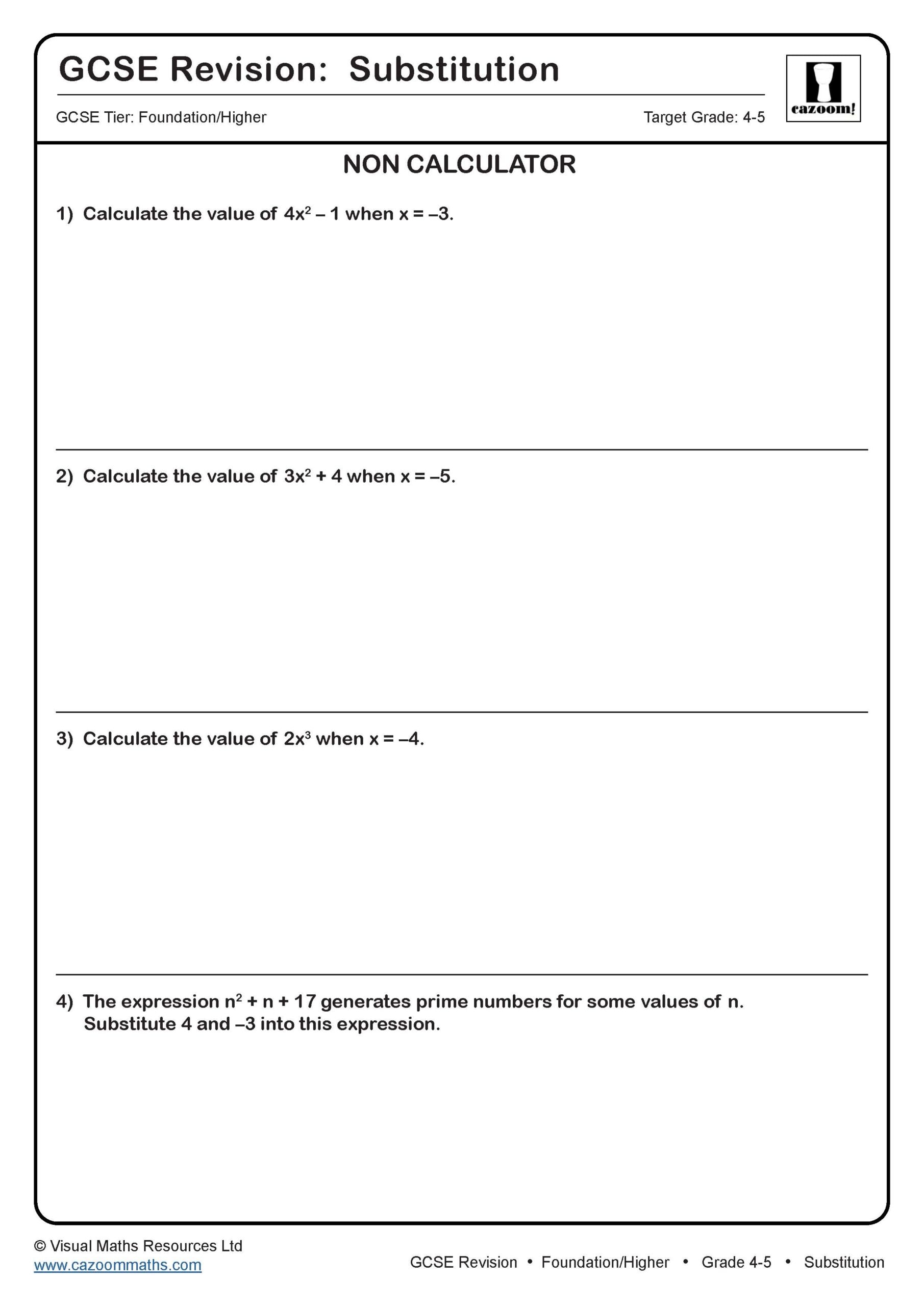
Use letters to express generalised numbers and express basic arithmetic processes algebraically. Substitute numbers for words and letters in formulae. Construct and transform simple formulae and equations
E2.1Extended
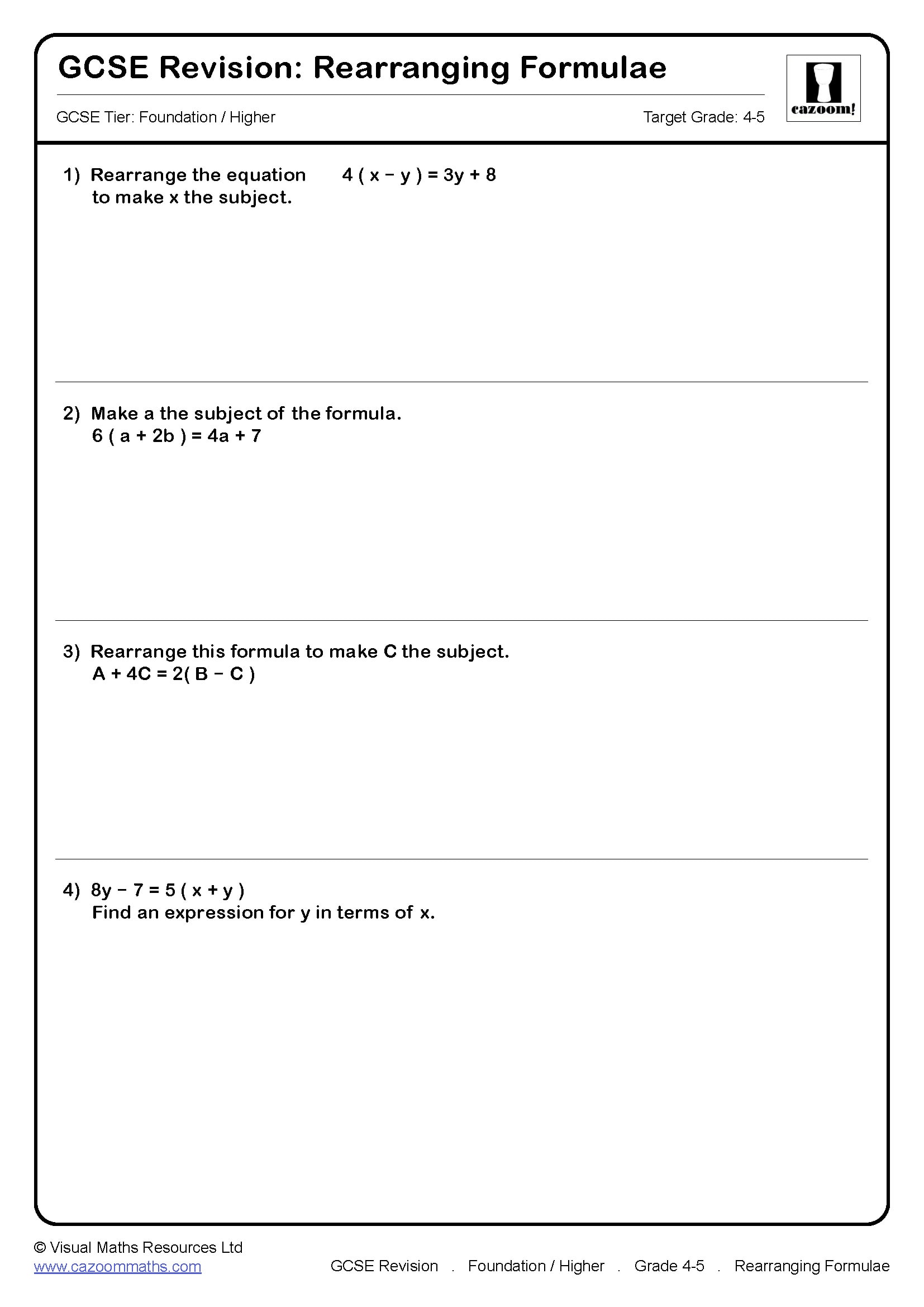
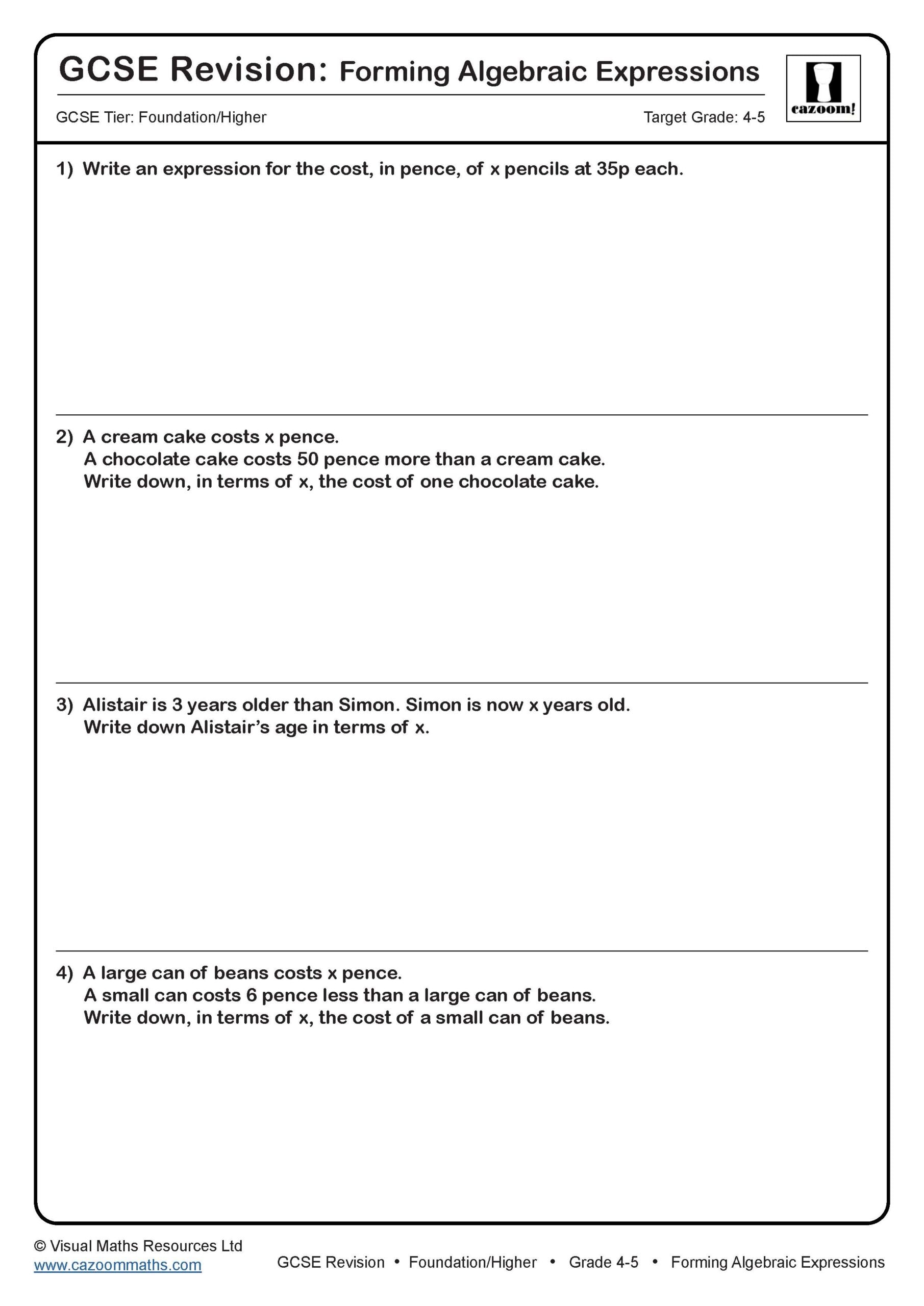
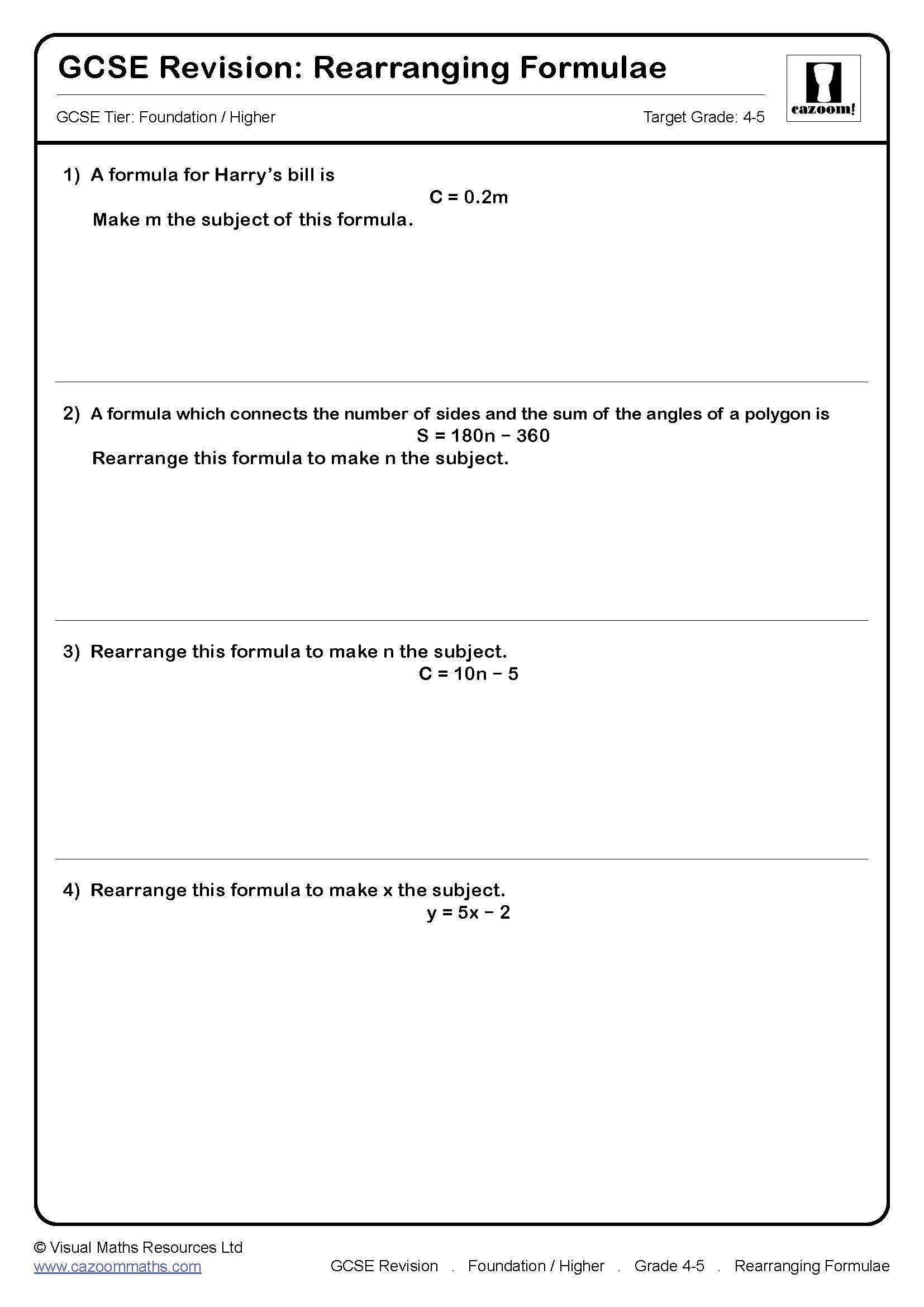
Use letters to express generalised numbers and express basic arithmetic processes algebraically. Substitute numbers for words and letters in formulae. Construct and transform formulae and equations
C2.2Core
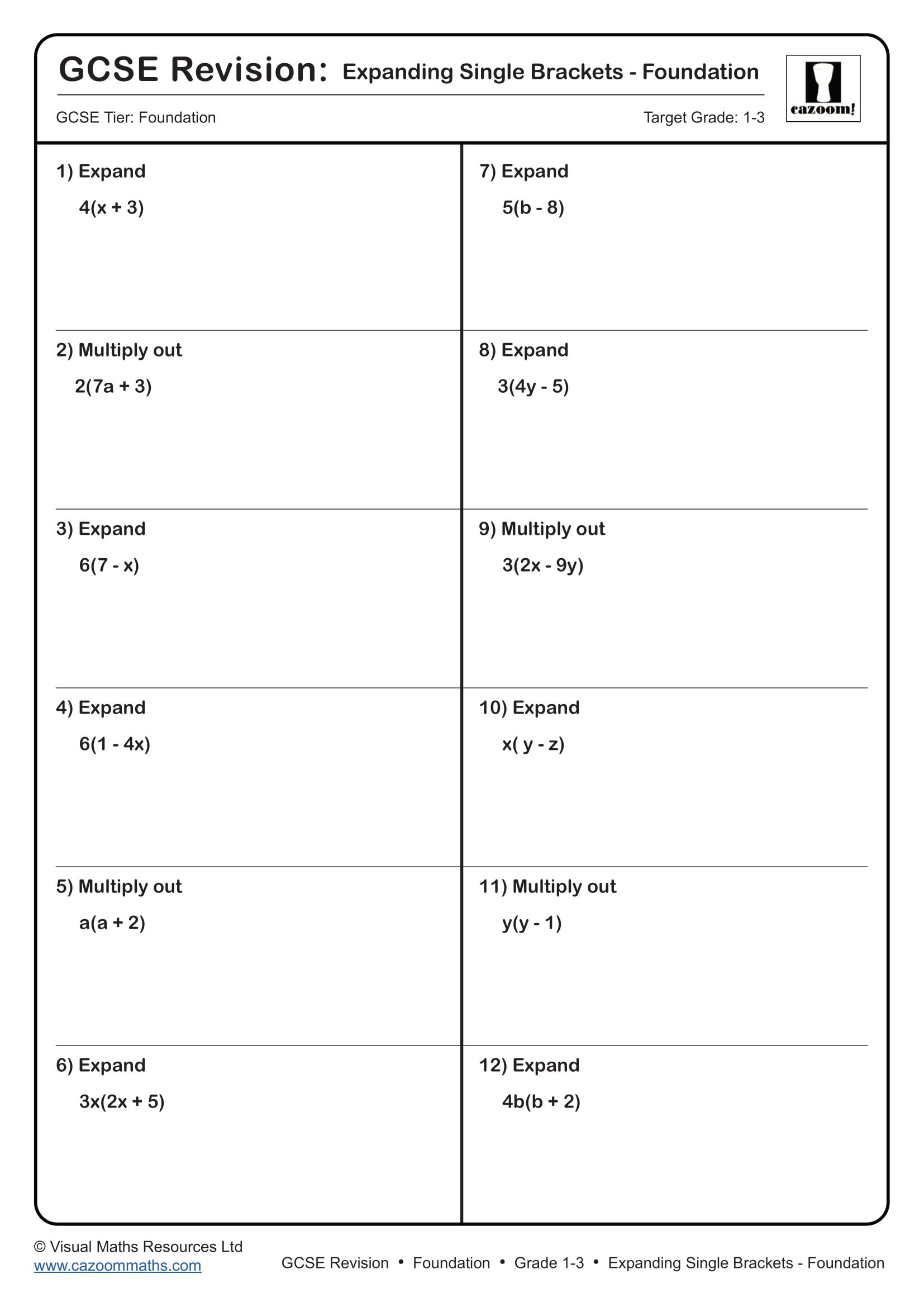
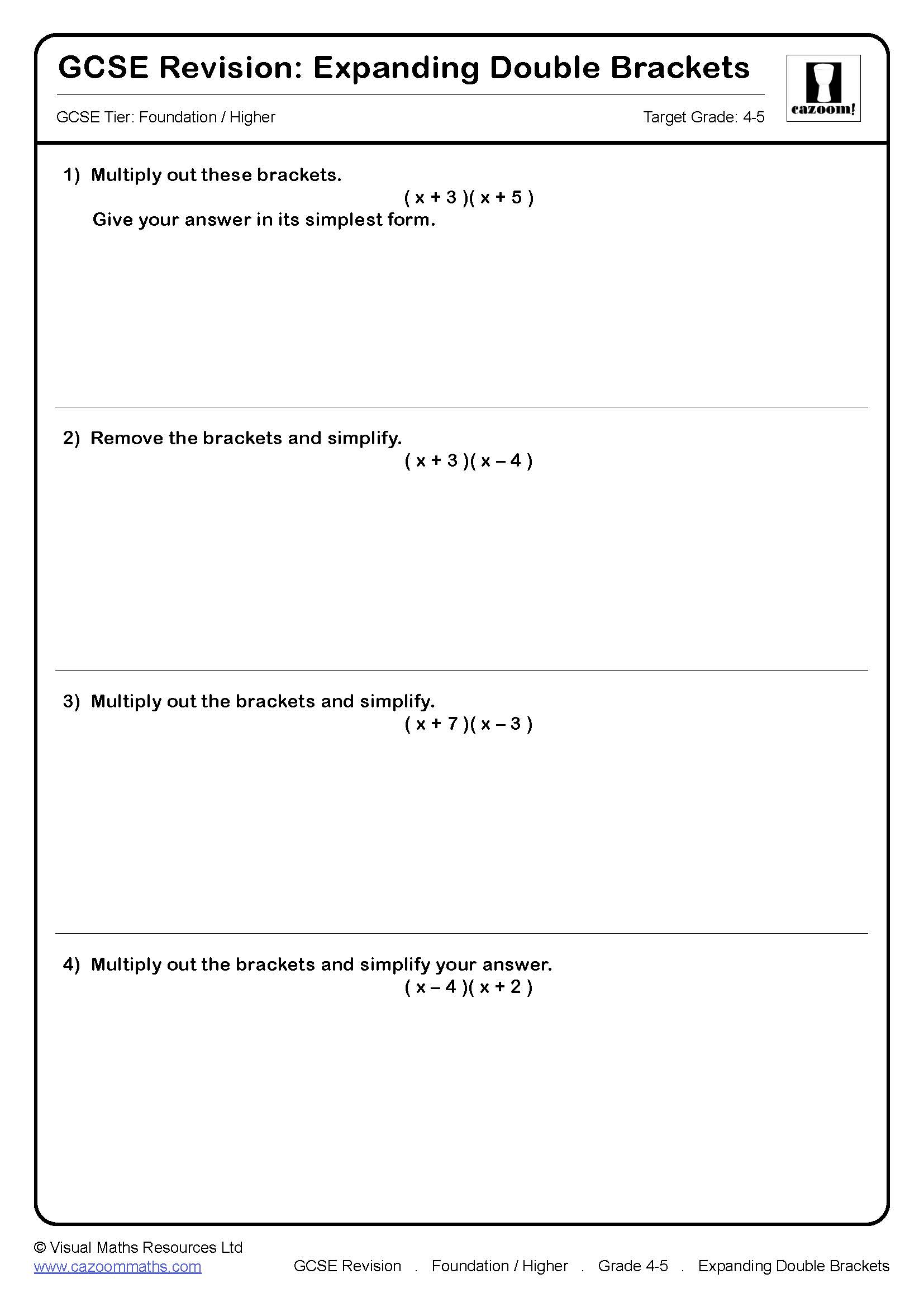
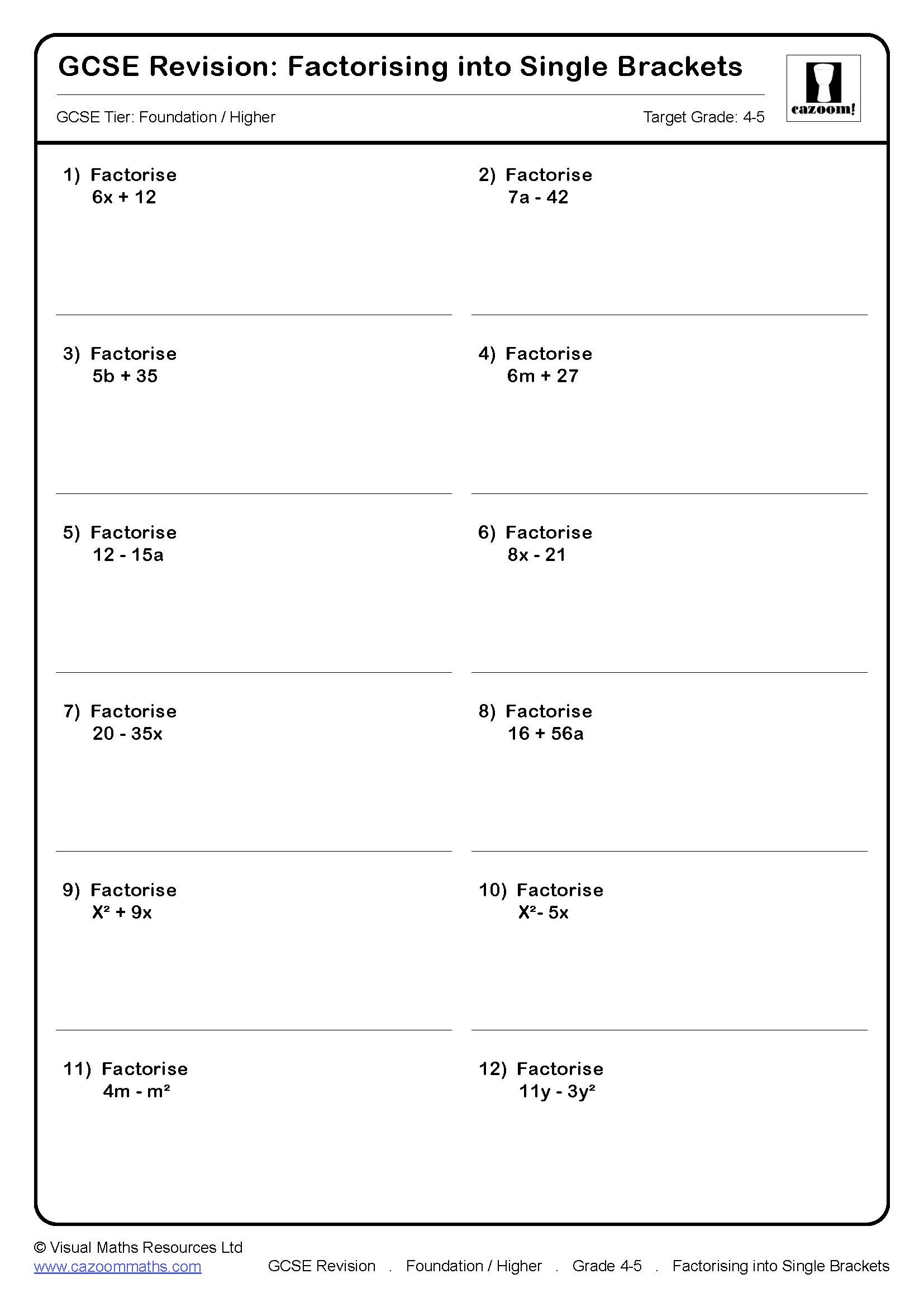
Manipulate directed numbers. Use brackets and extract common factors. Expand products of algebraic expressions
E2.2Extended
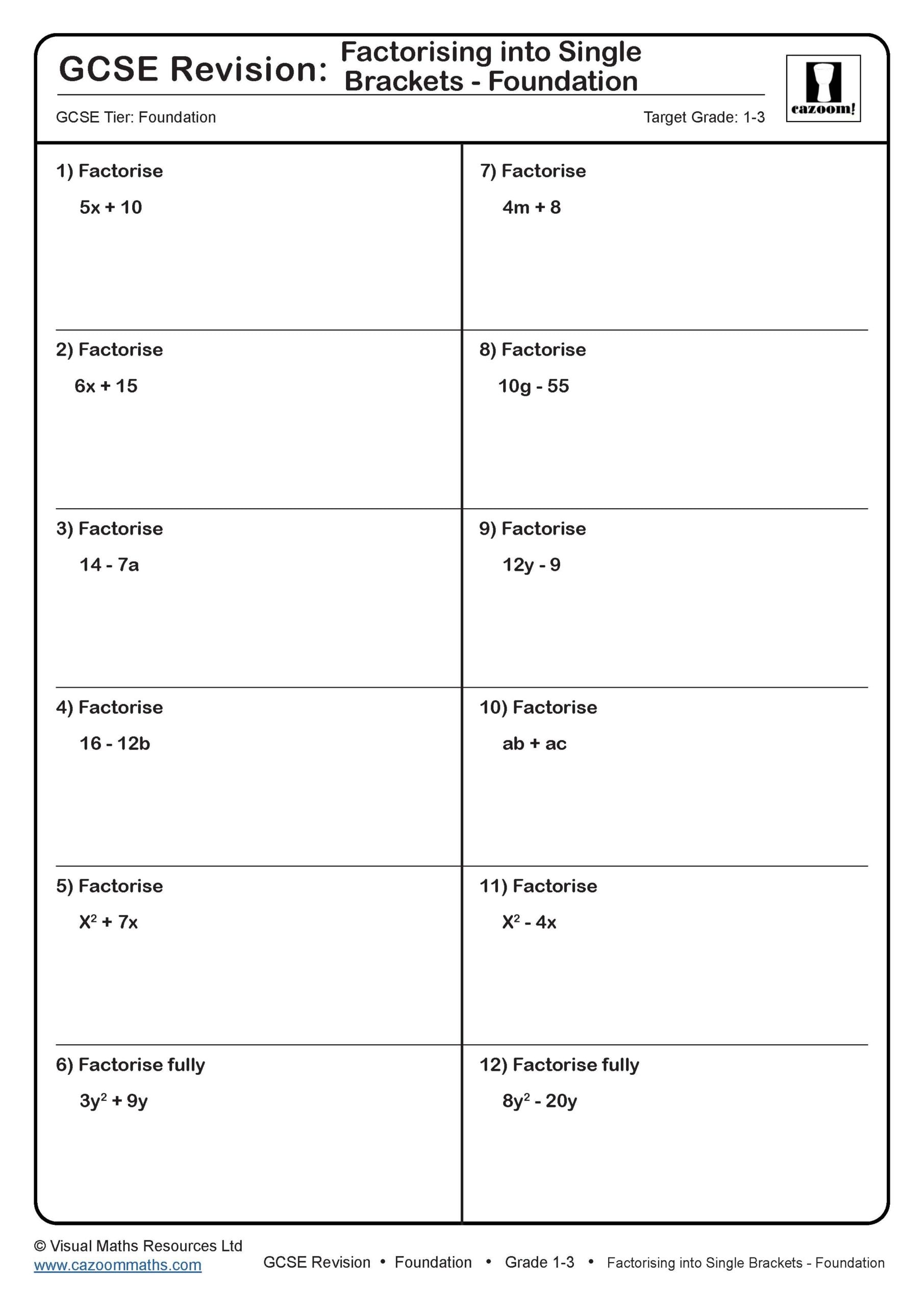
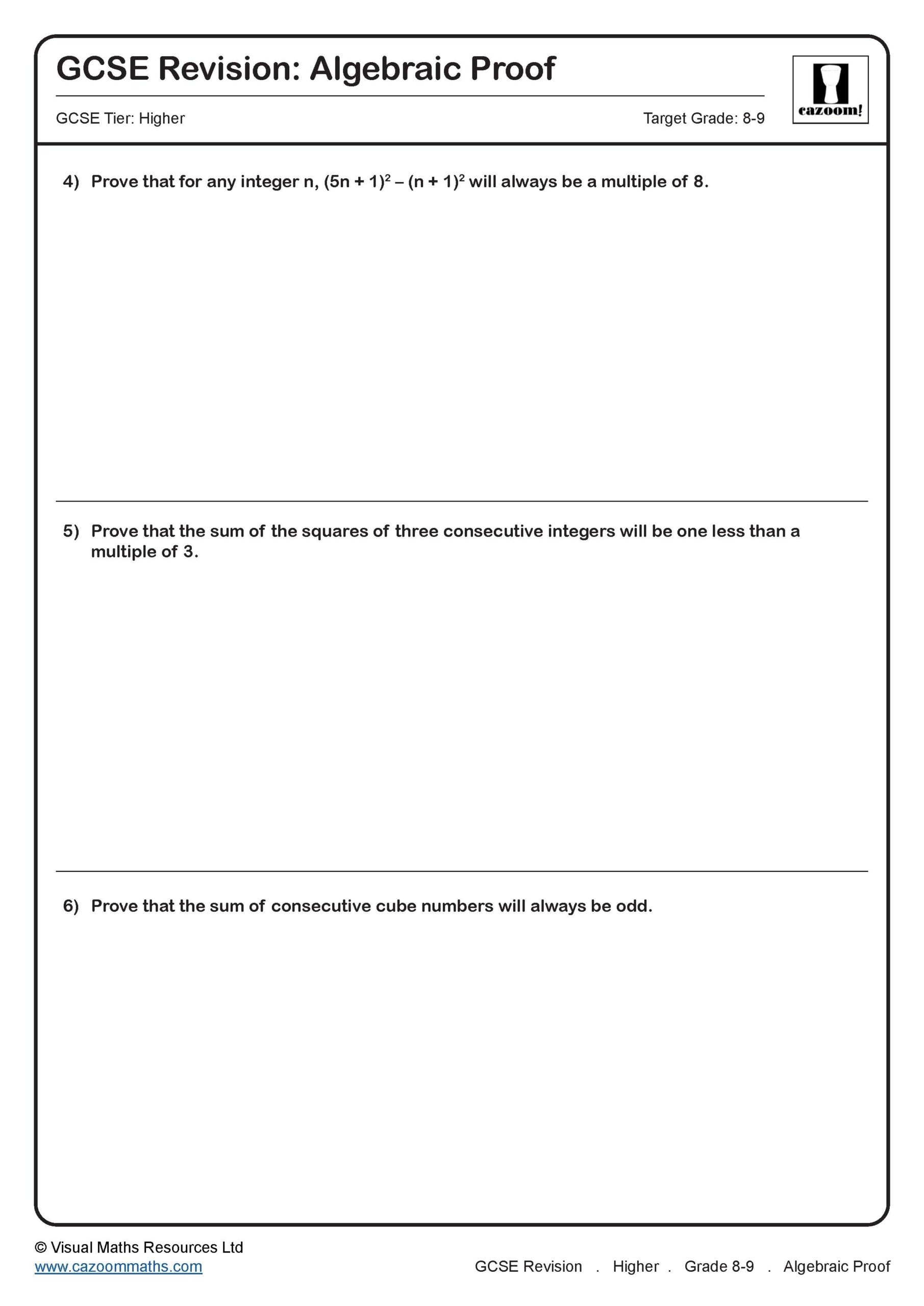
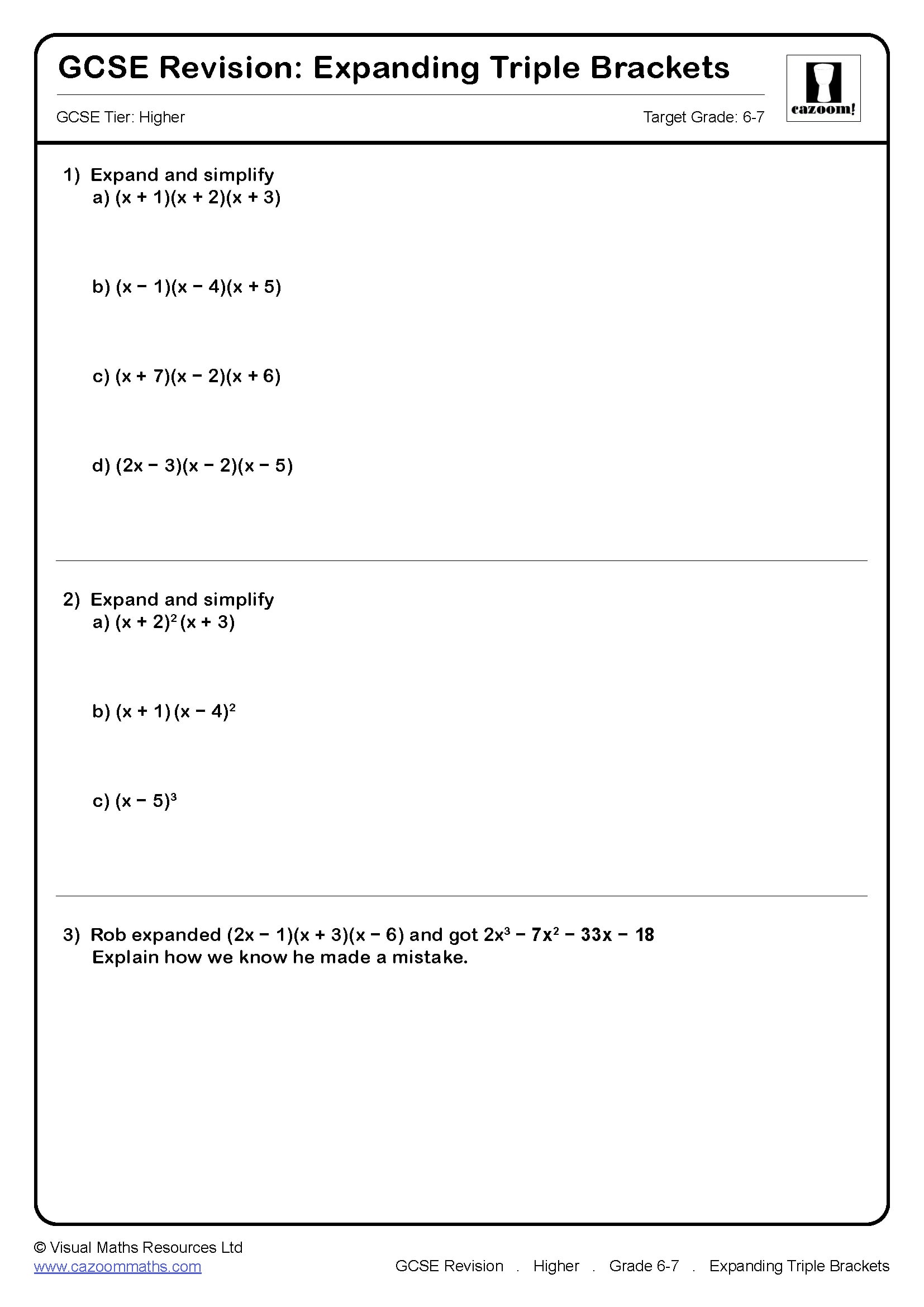
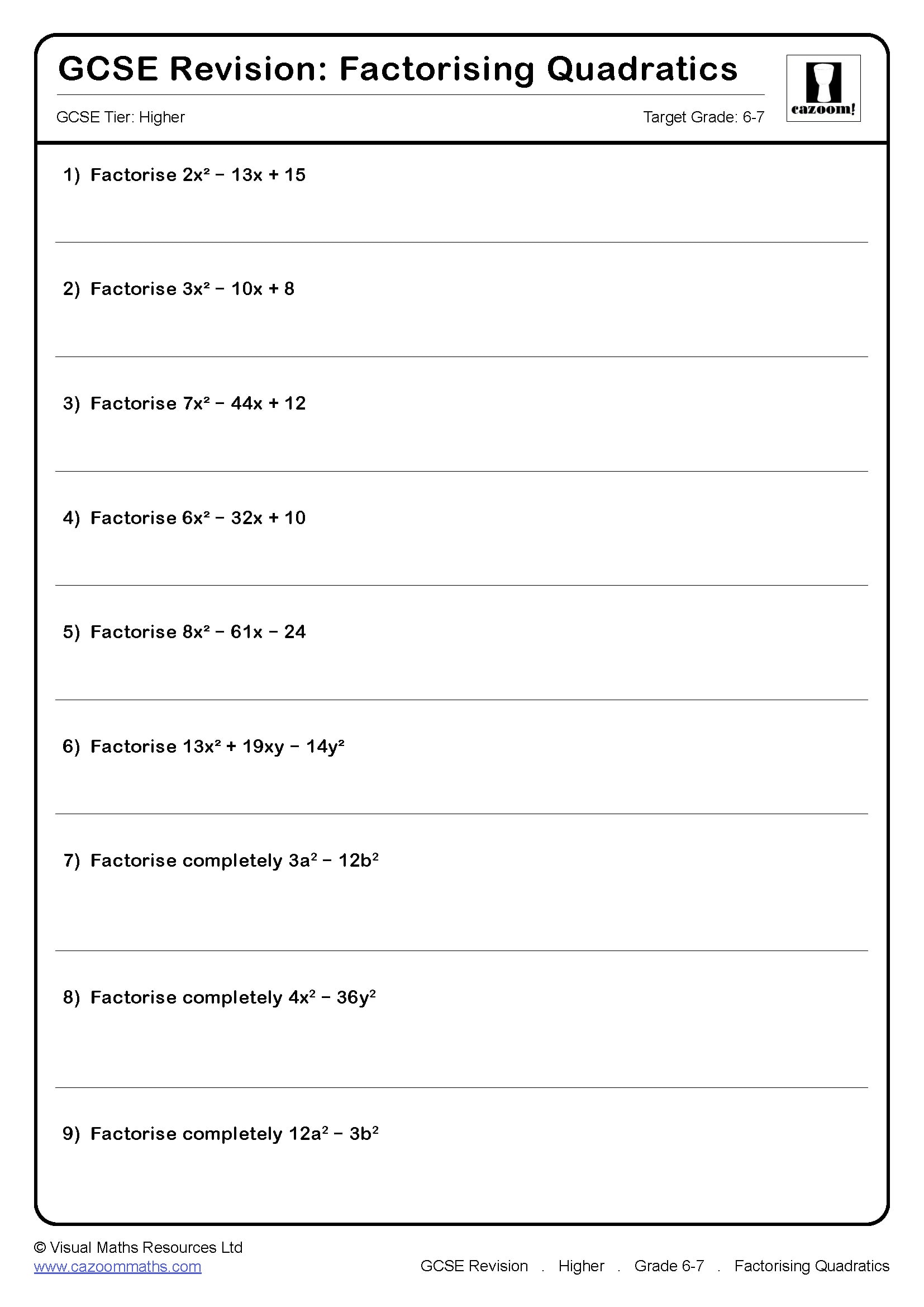
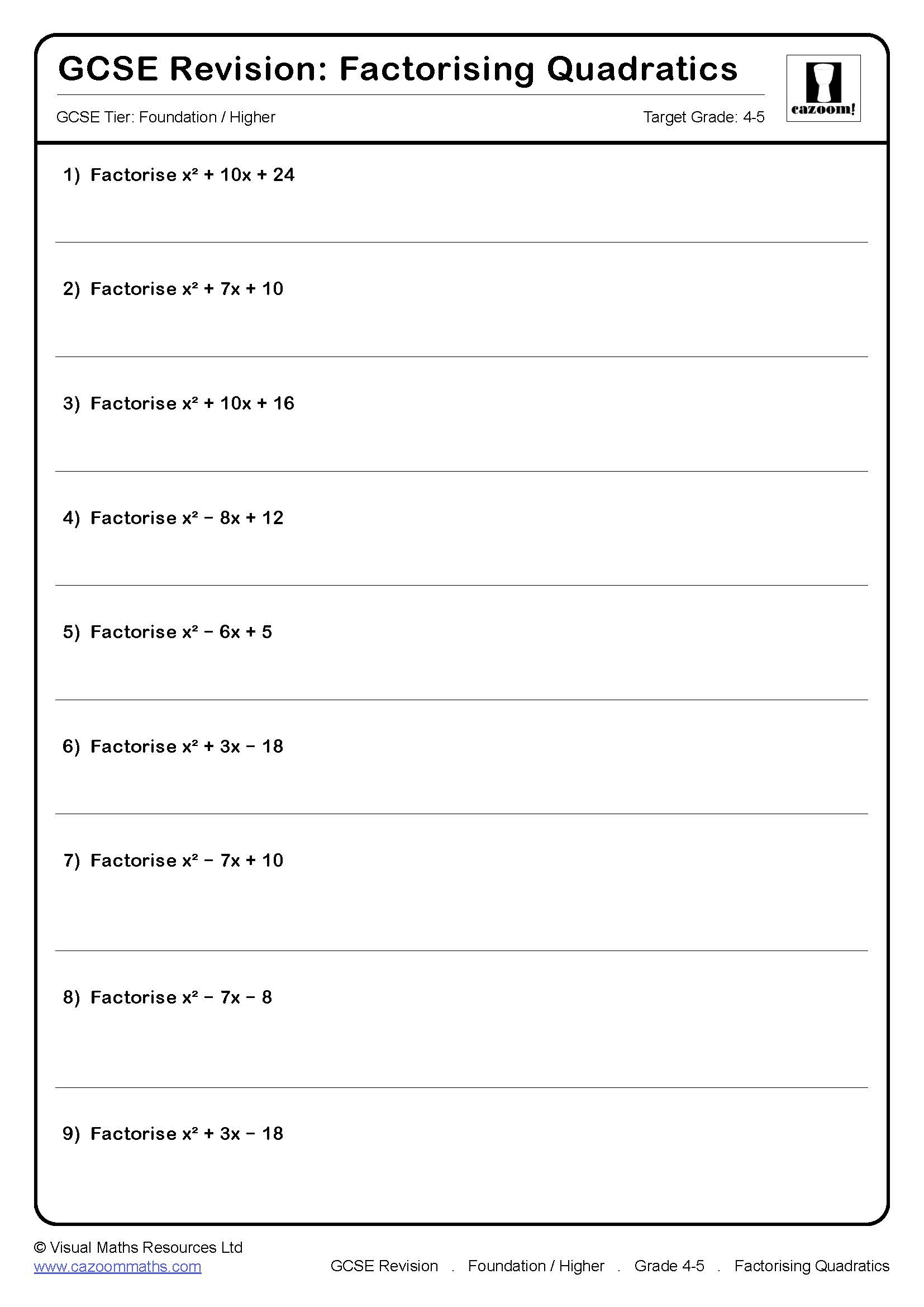
Manipulate directed numbers. Use brackets and extract common factors. Expand products of algebraic expressions. Factorise expressions including quadratics. Complete the square for quadratic expressions
C2.3Core
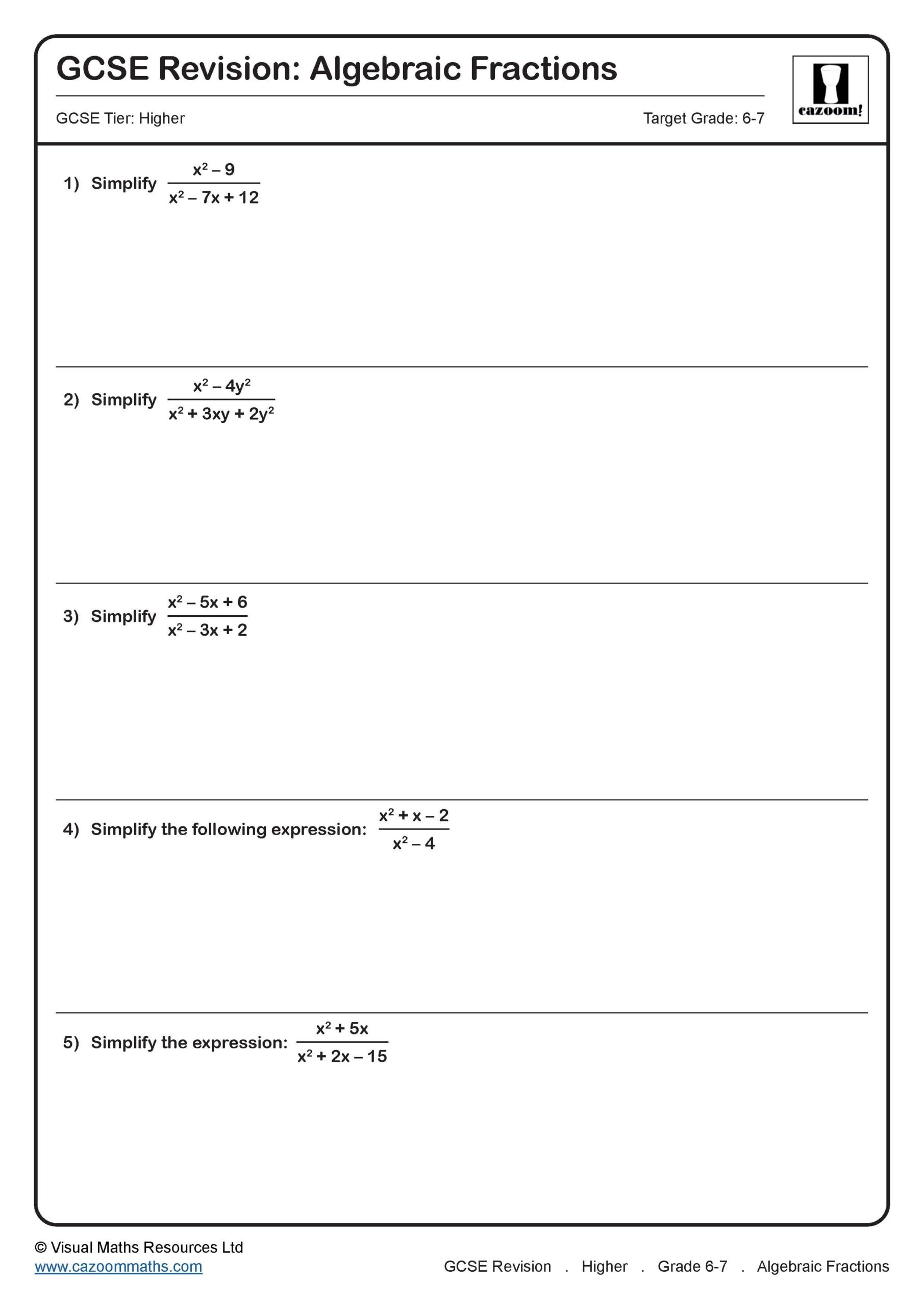
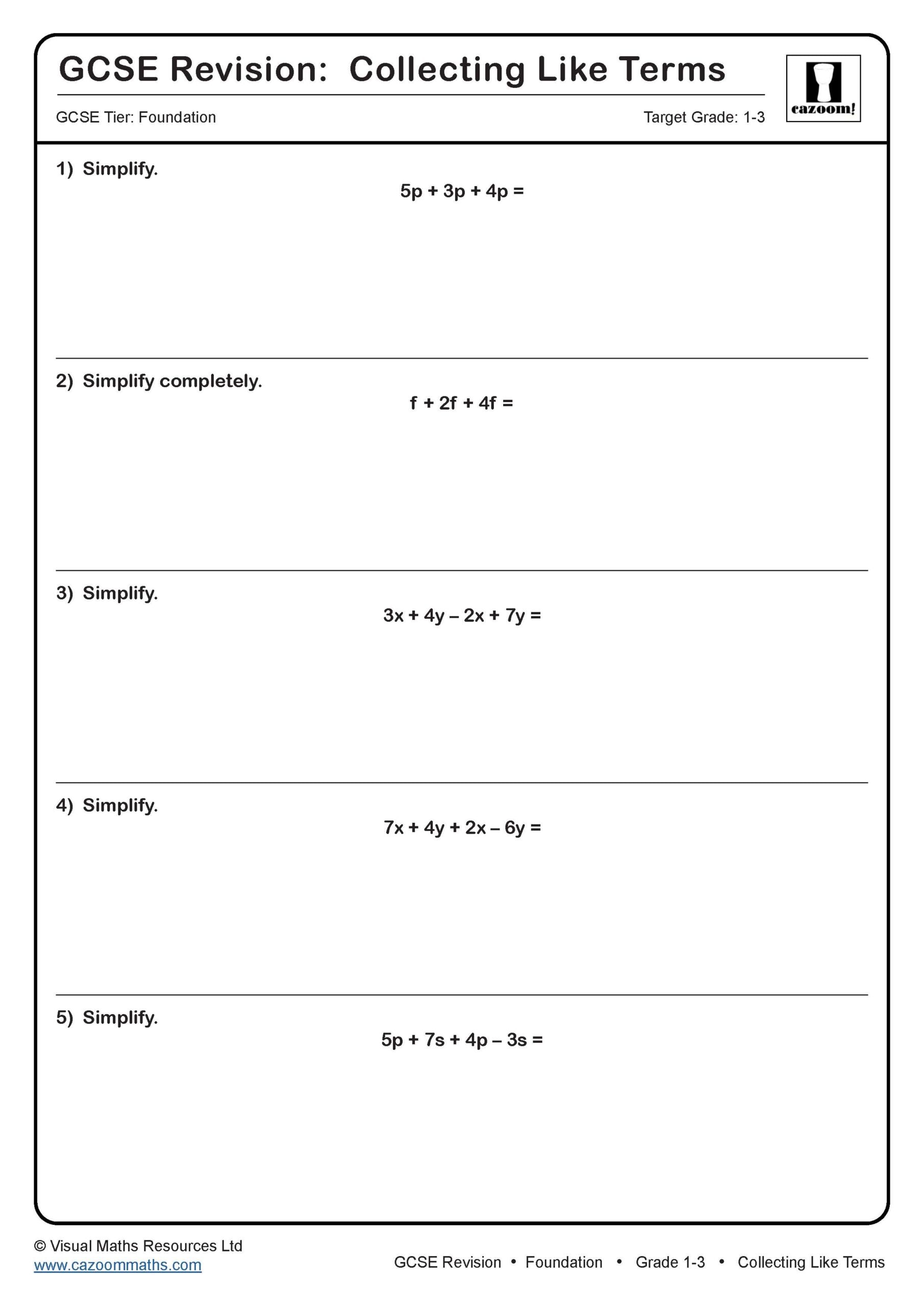
Manipulate algebraic fractions. Factorise and simplify expressions
E2.3Extended
Manipulate algebraic fractions. Factorise and simplify expressions including algebraic fractions
C2.4Core
Derive and solve simple linear equations in one unknown. Derive and solve simultaneous linear equations in two unknowns
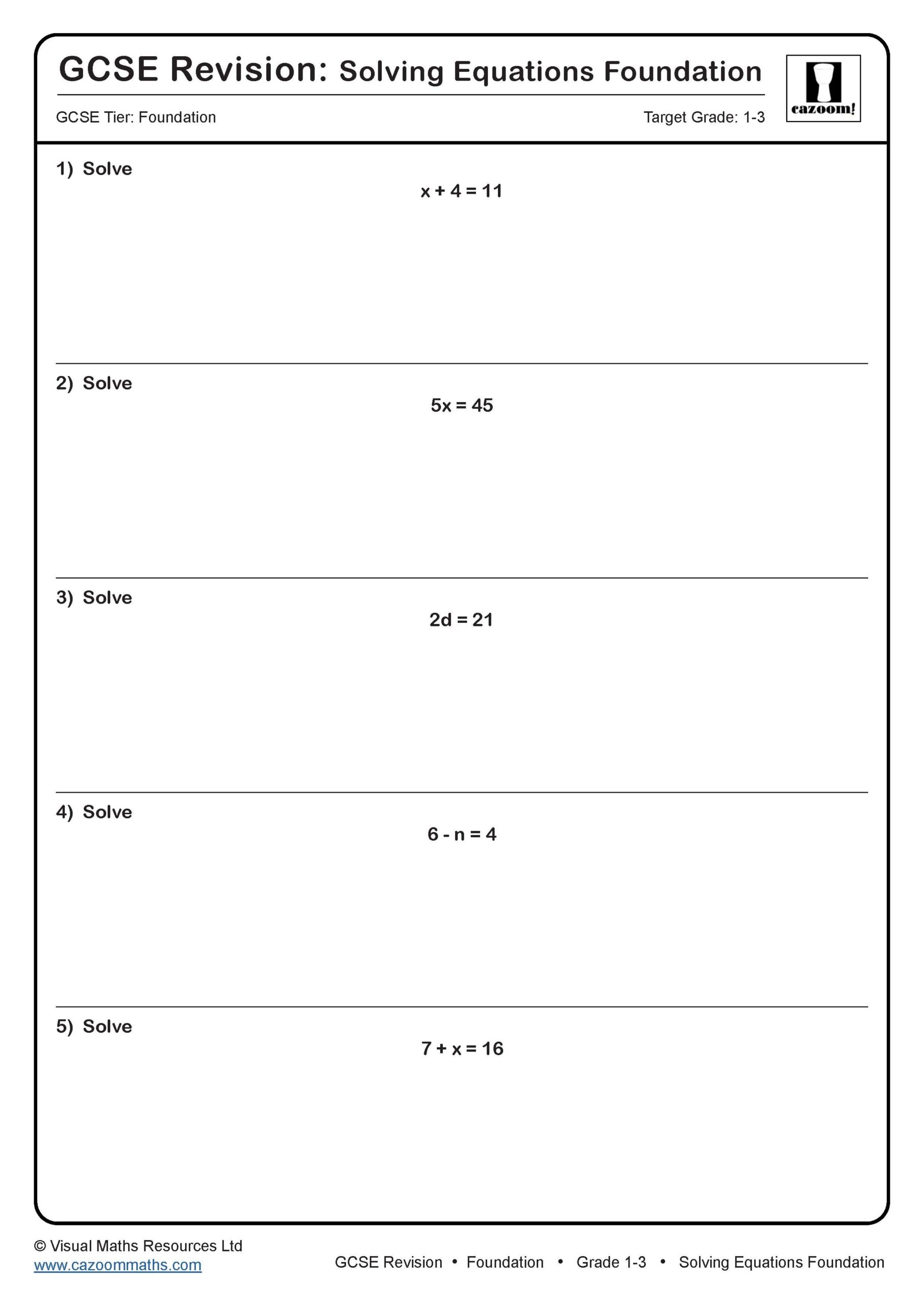
Solving Equations
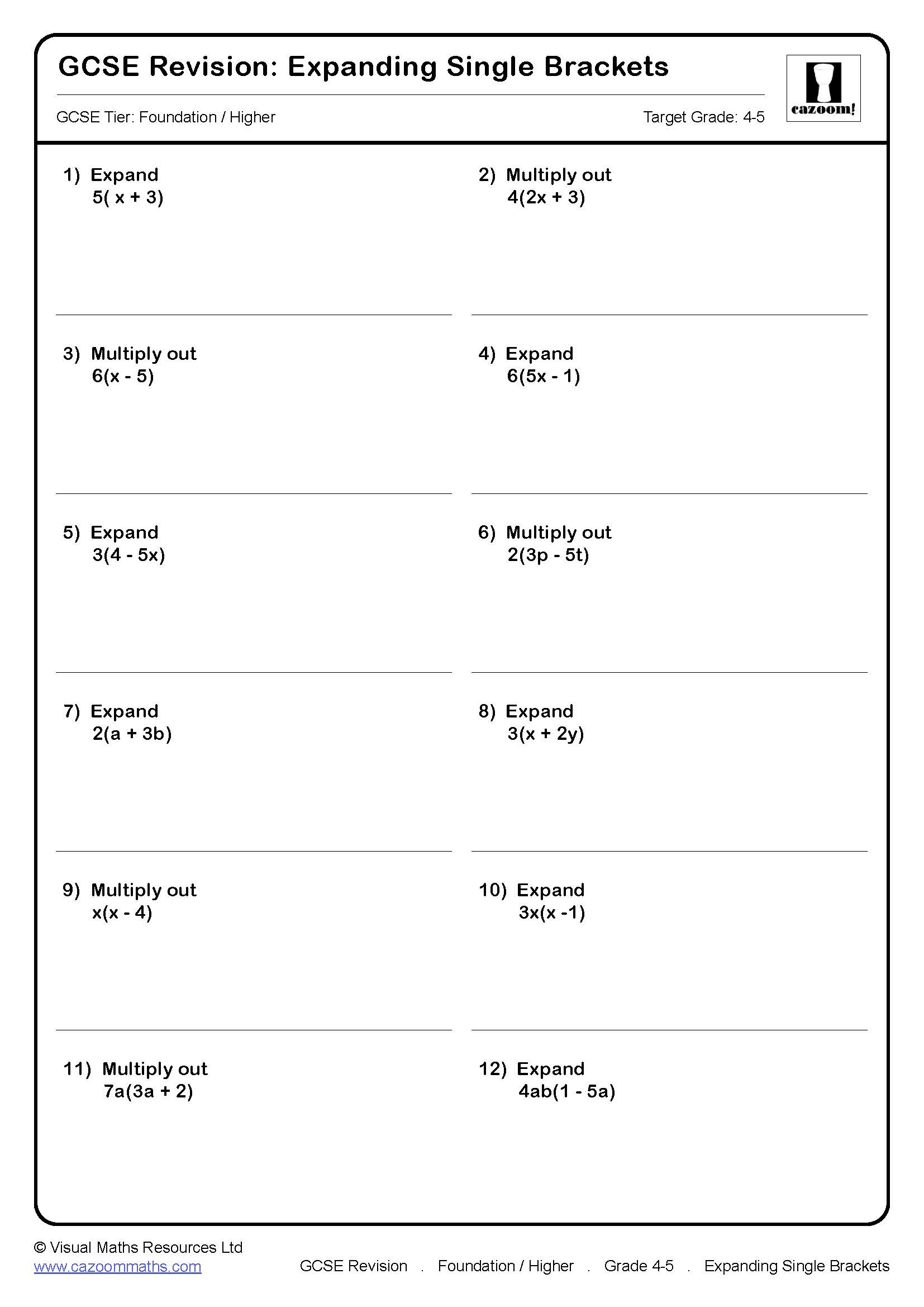
Expanding Single Brackets (B)
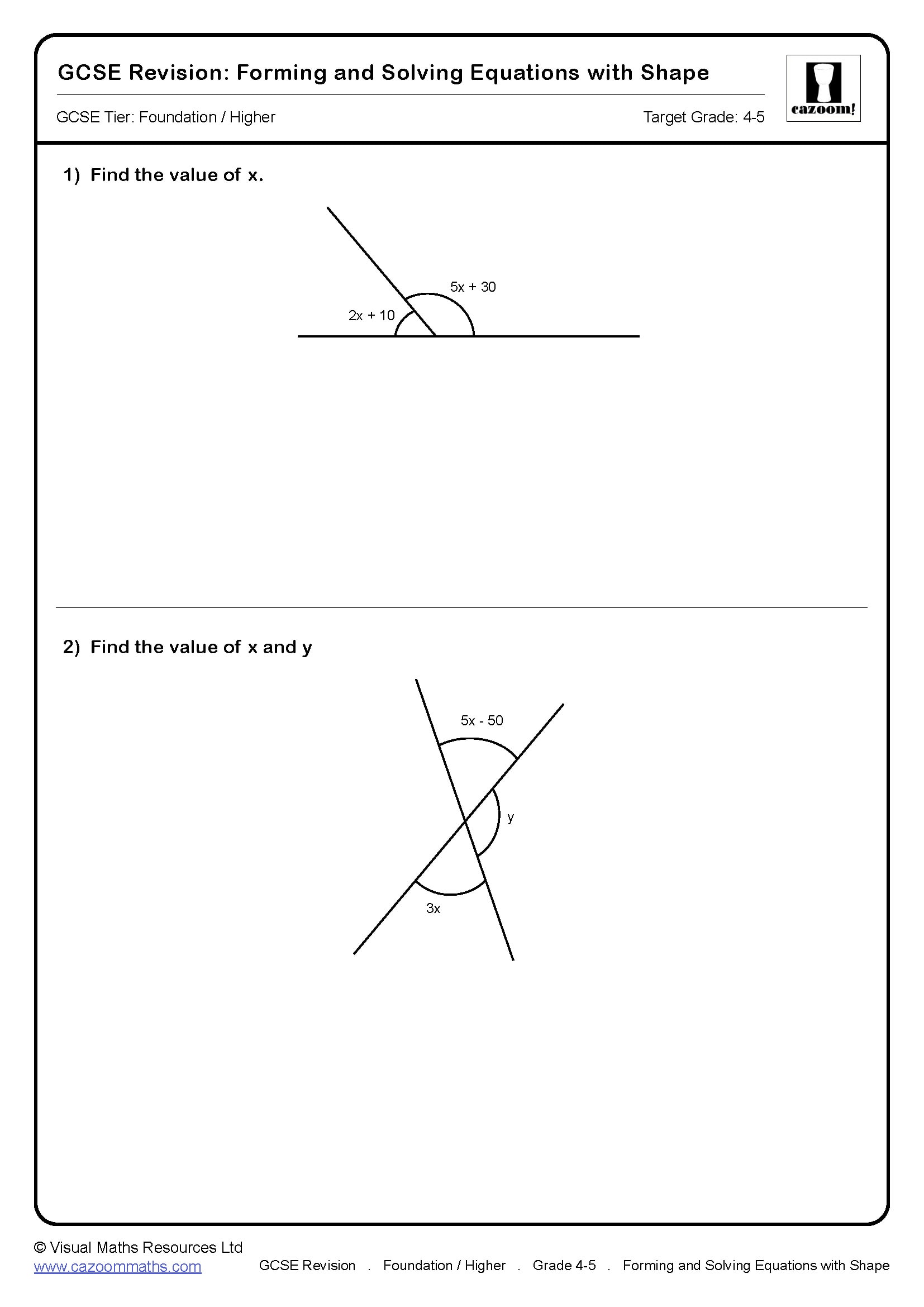
Forming and Solivng Equations with Shape
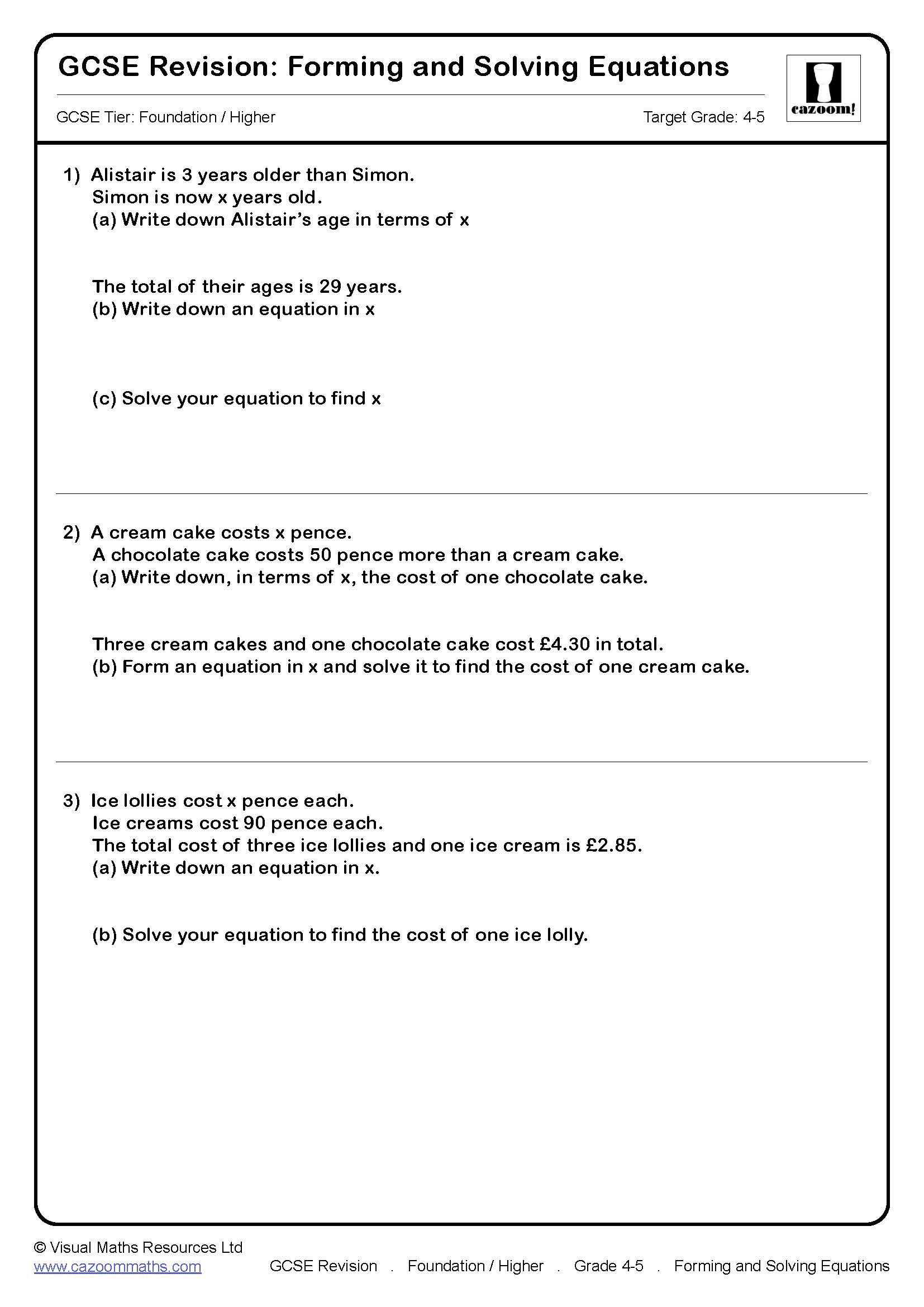
Forming and Solving Equations
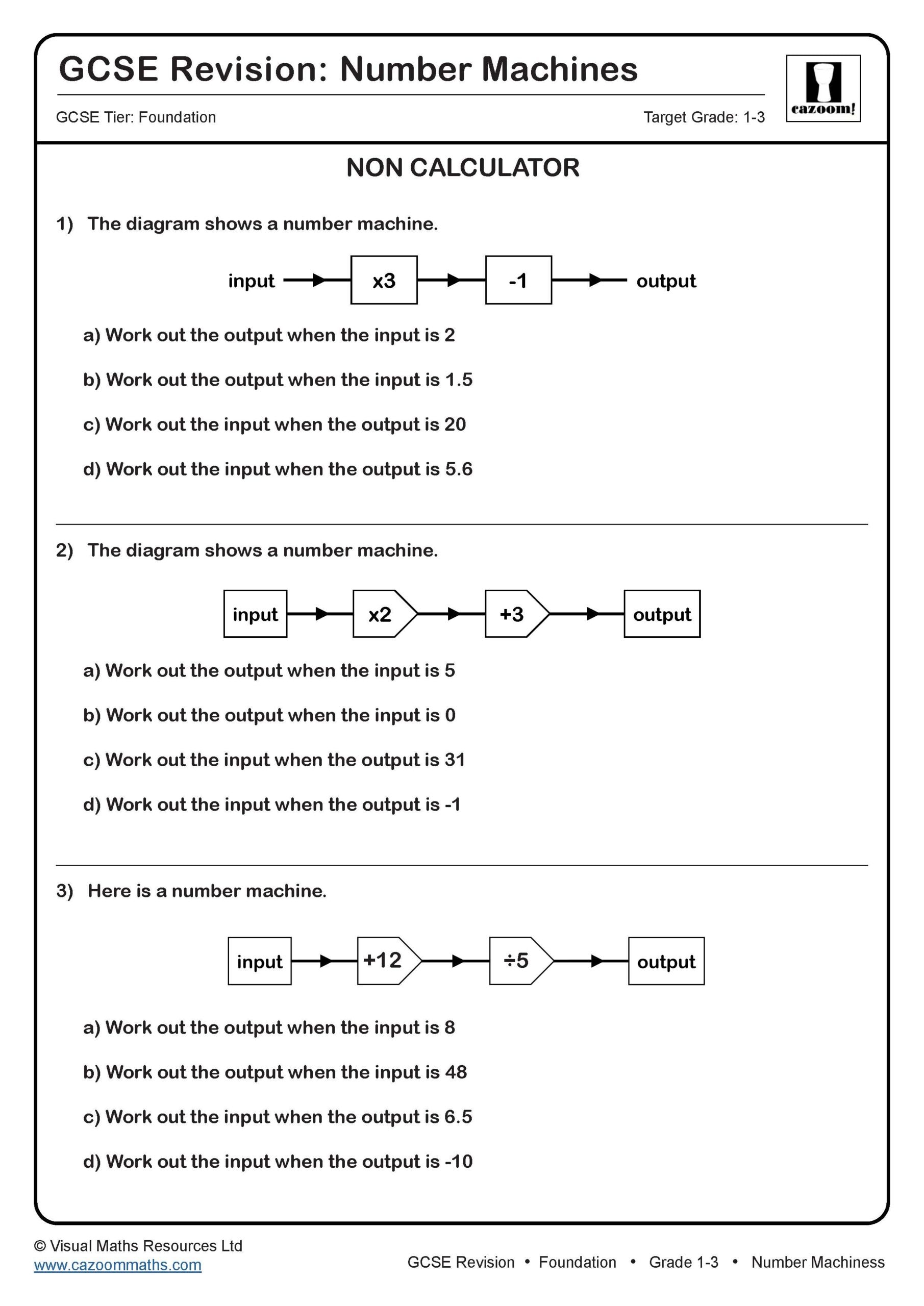
Number Machines
Number Problems
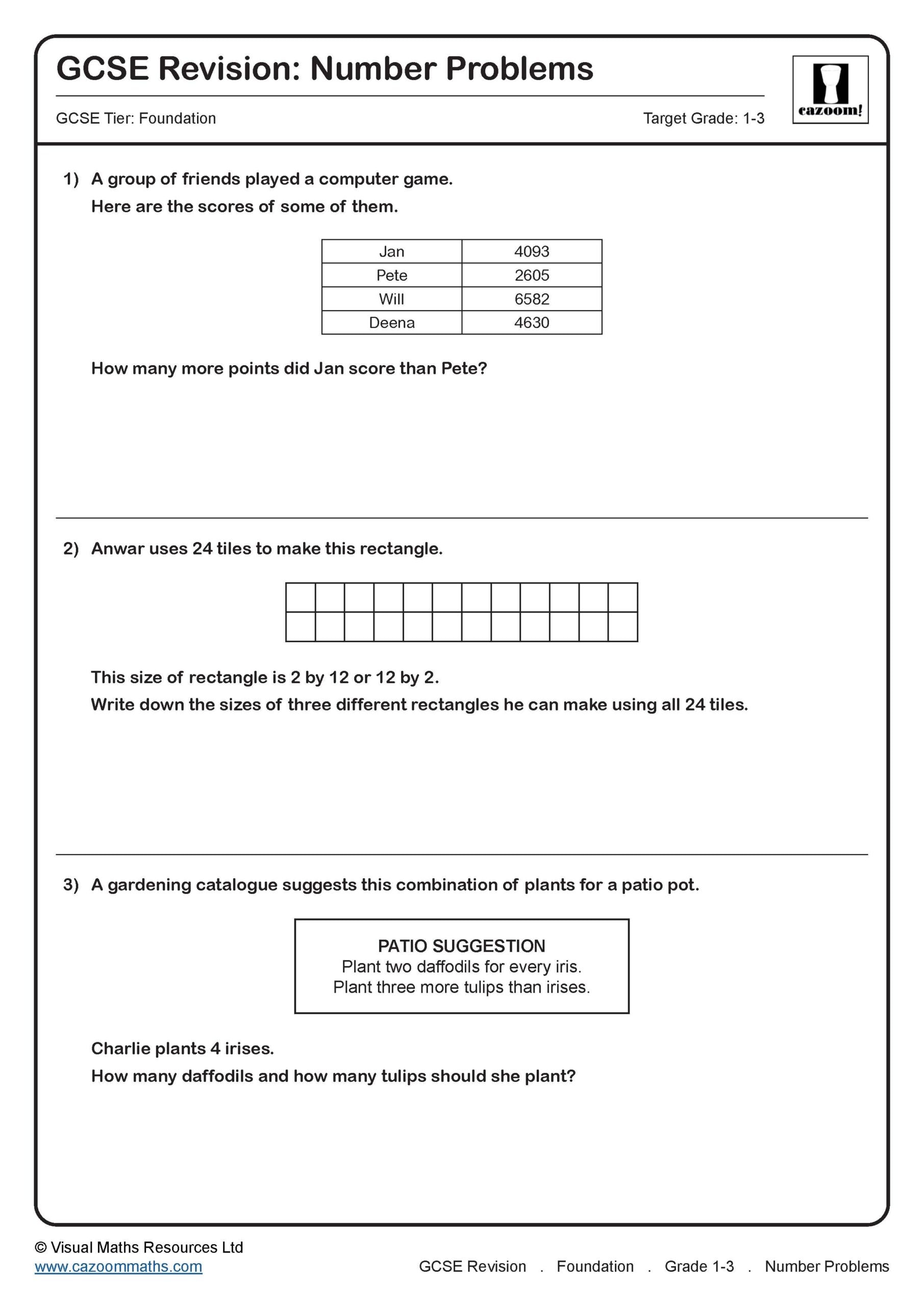
Solving Equations with Brackets and Unknowns on both sides
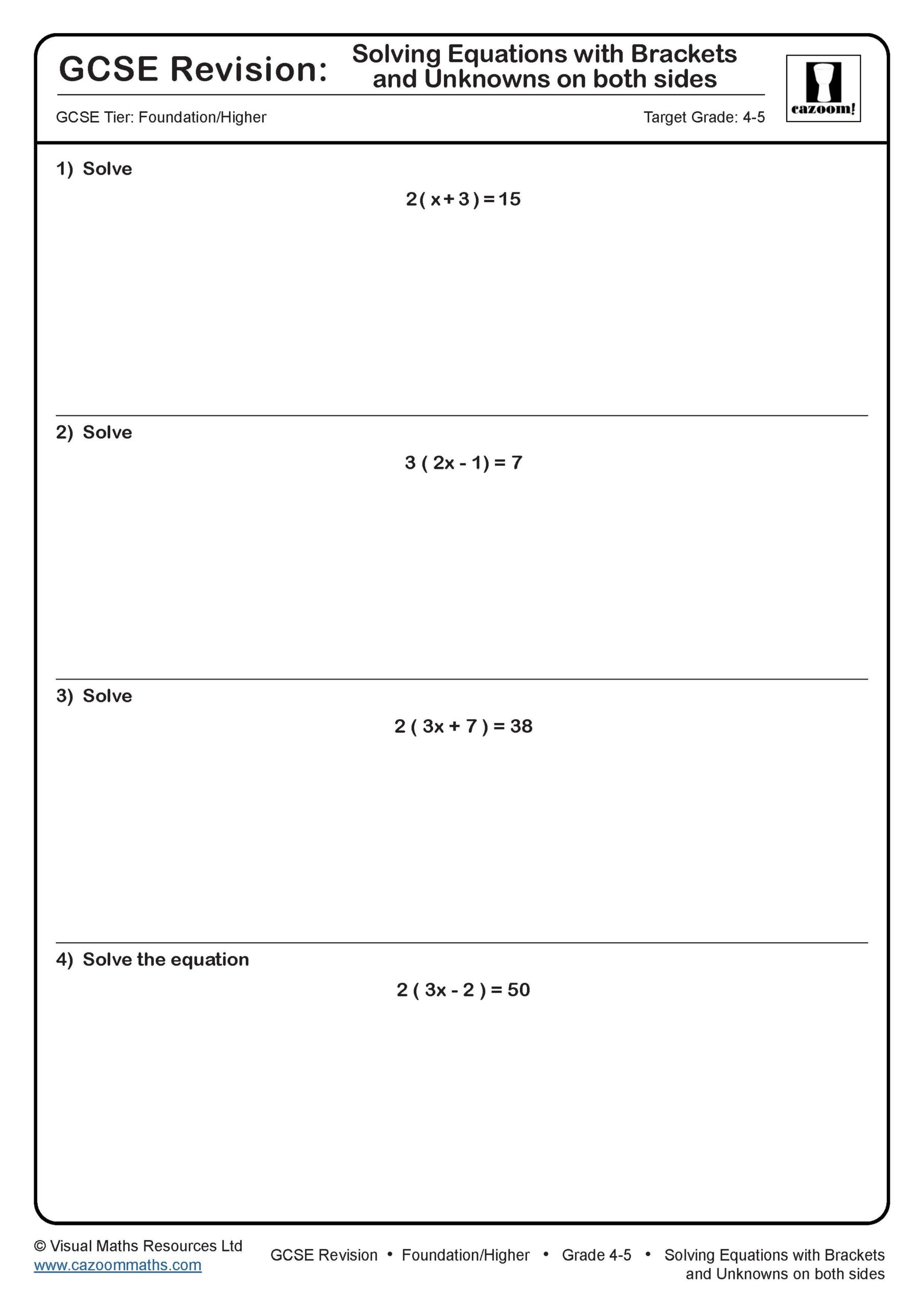
Solving Simultaneous Equations Graphically
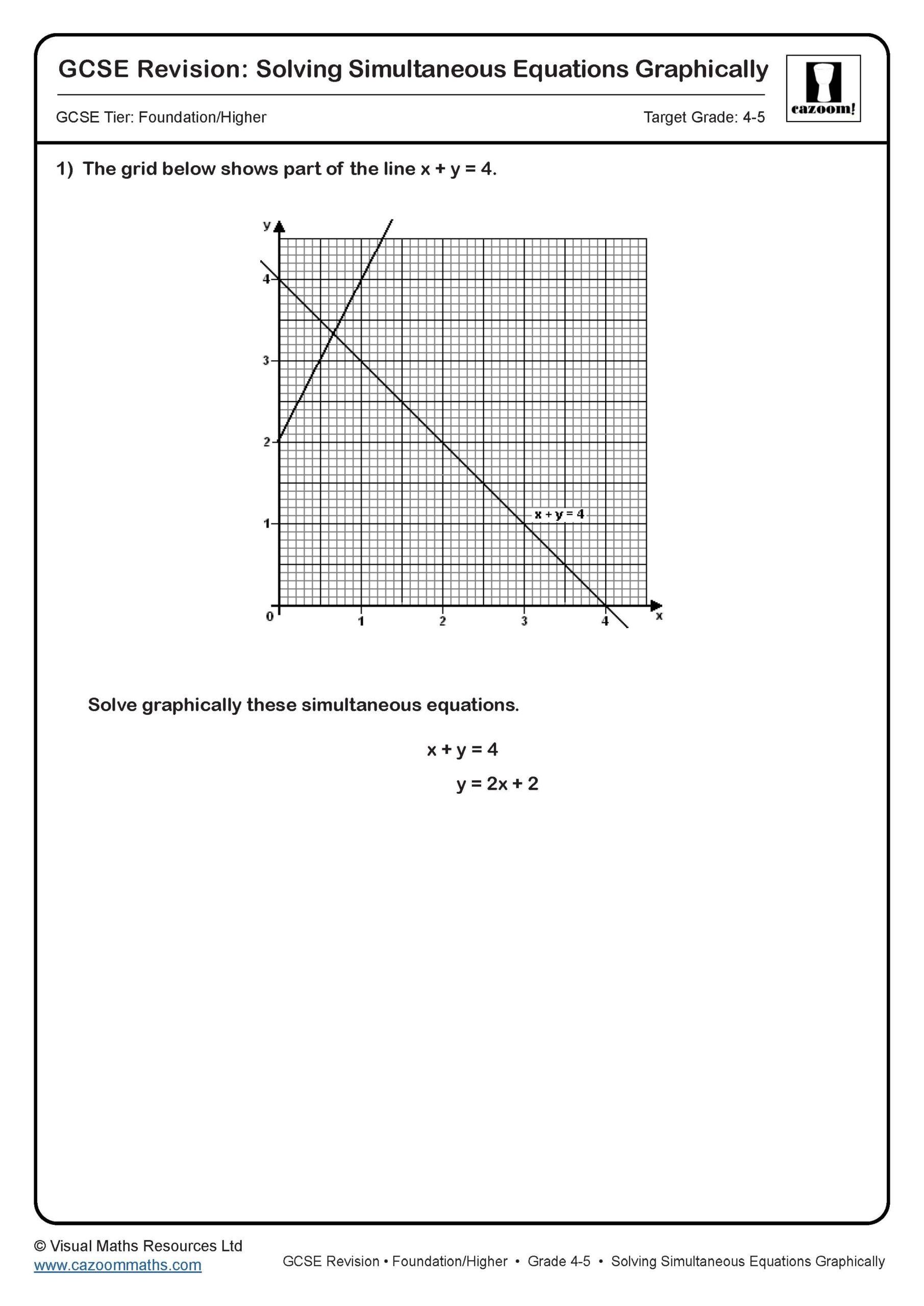
Solving Simultaneous Equations
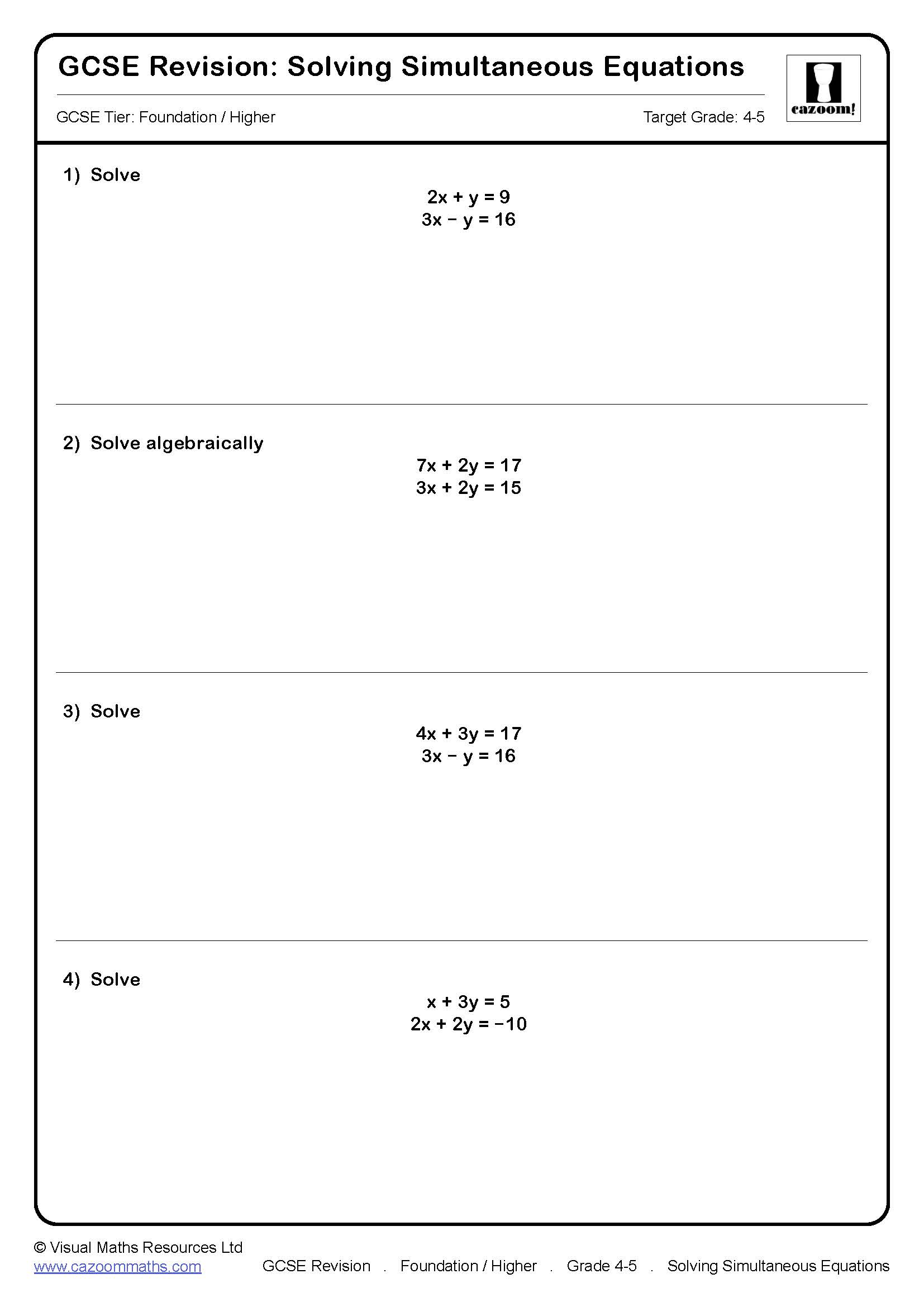
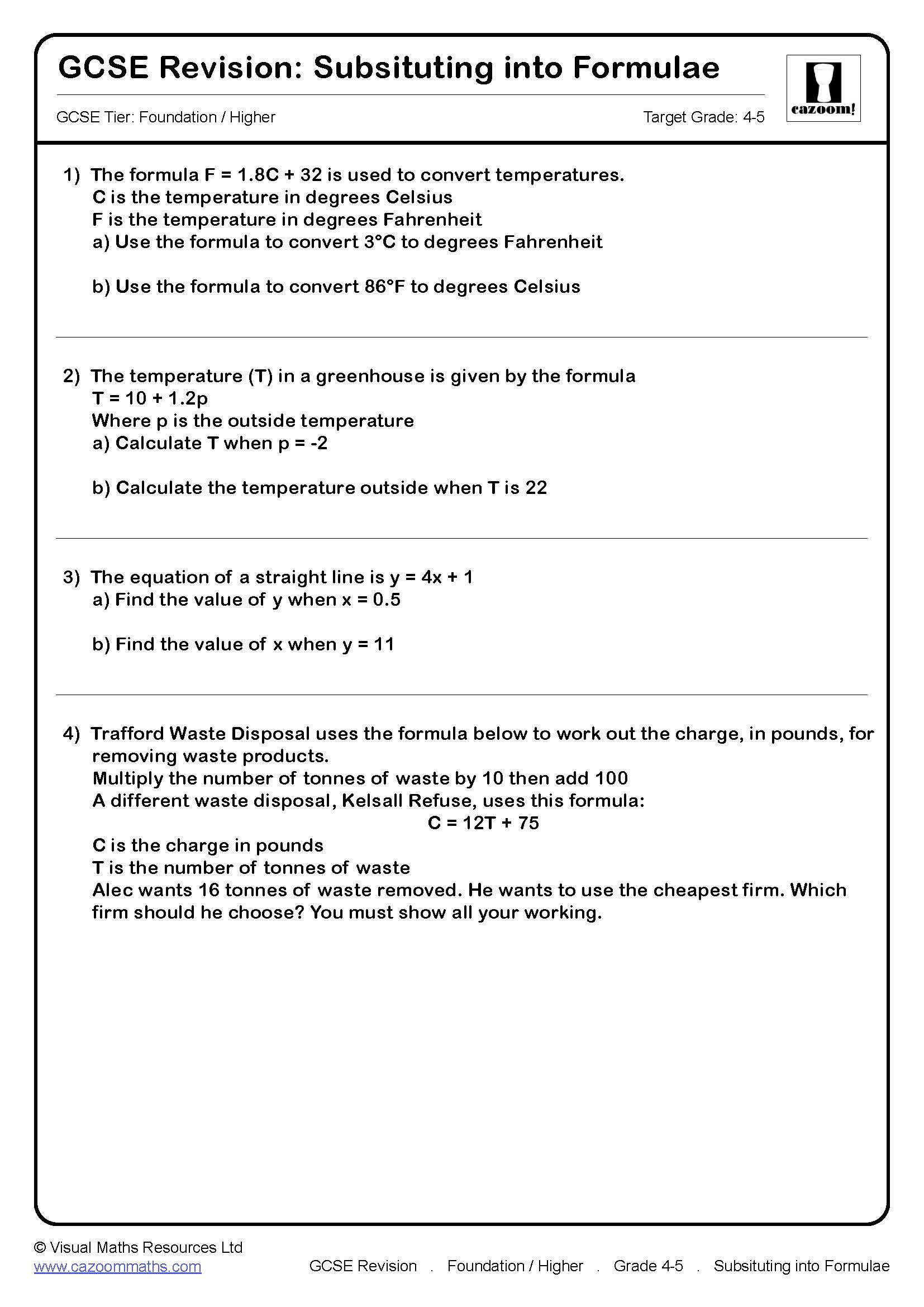
Substituting into Formulae
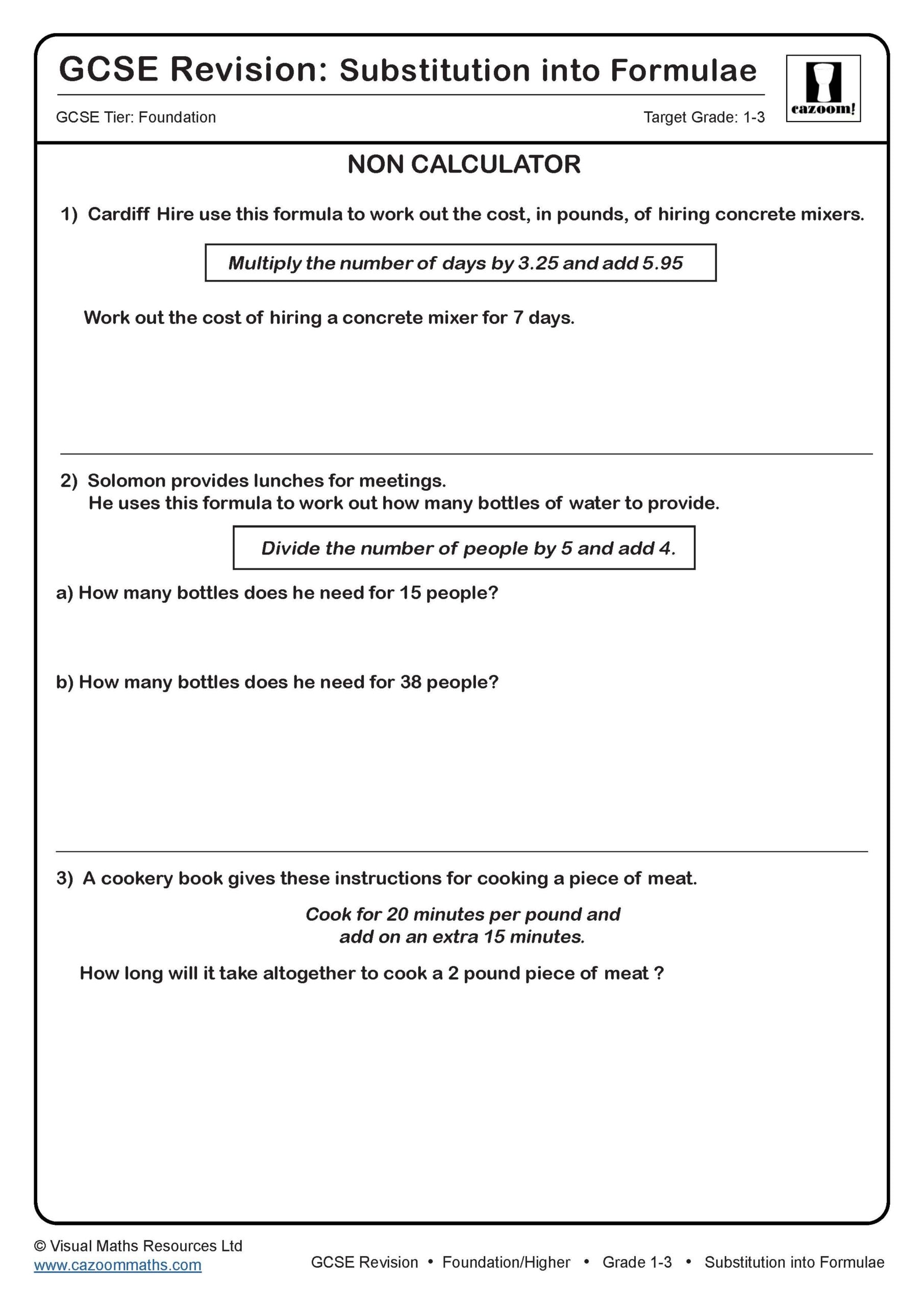
Substitution Foundation
E2.4Extended
Derive and solve linear equations. Derive and solve simultaneous linear equations. Derive and solve simultaneous equations, one linear and one quadratic. Derive and solve quadratic equations by factorising, completing the square and using the quadratic formula. Solve simple exponential equations
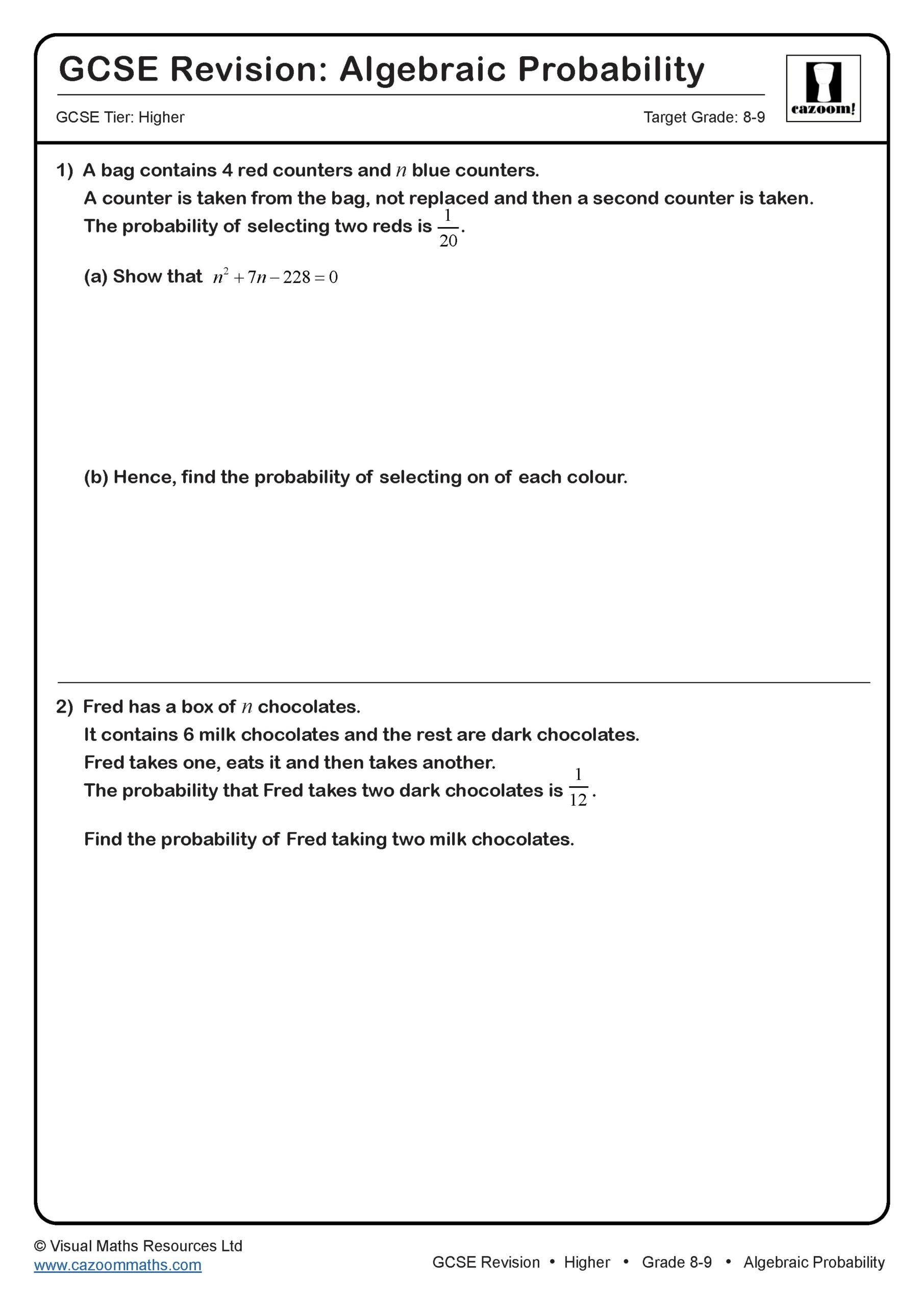
Algebraic Probabilty
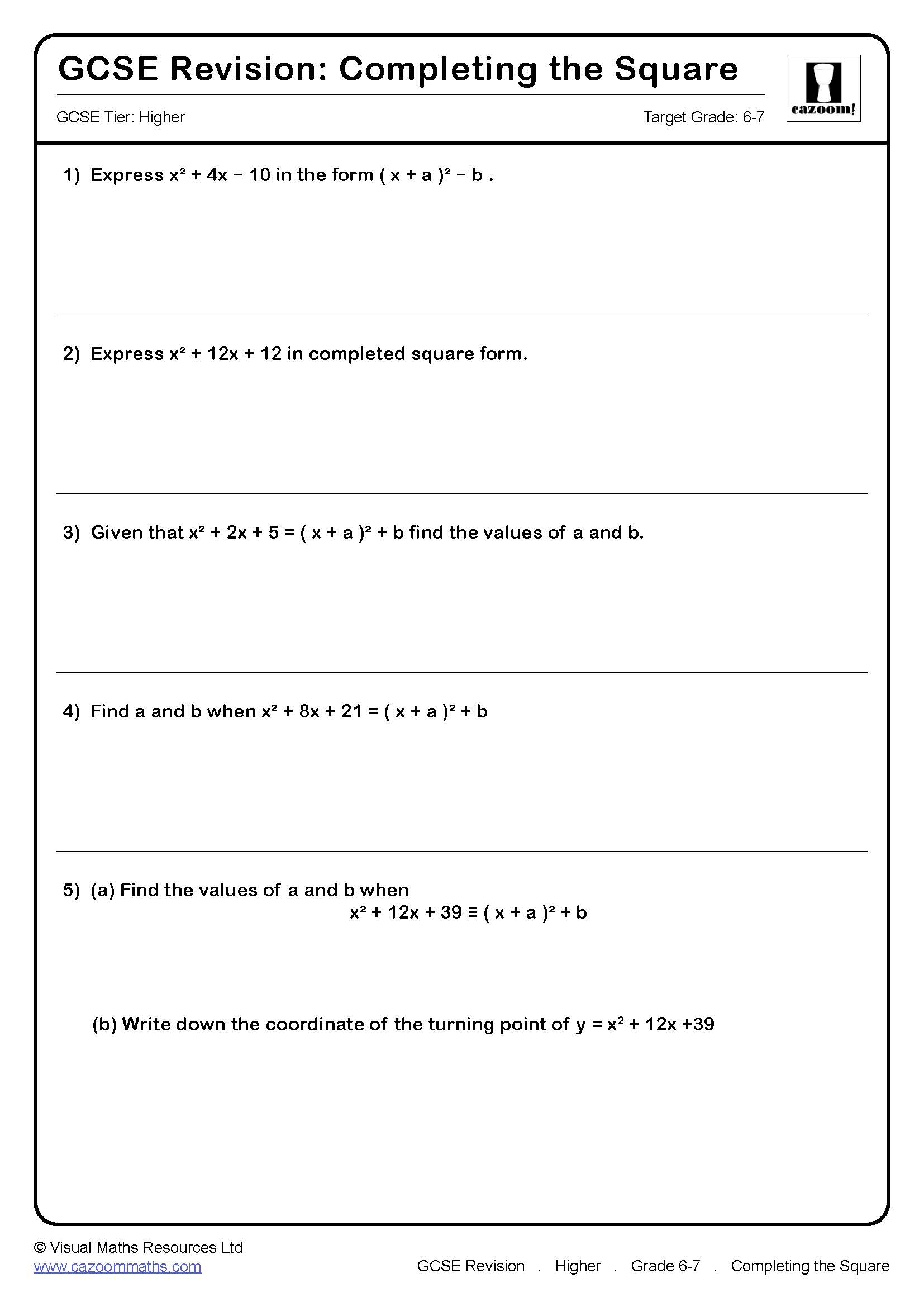
Completing the Square
Forming and Solivng Equations with Shape
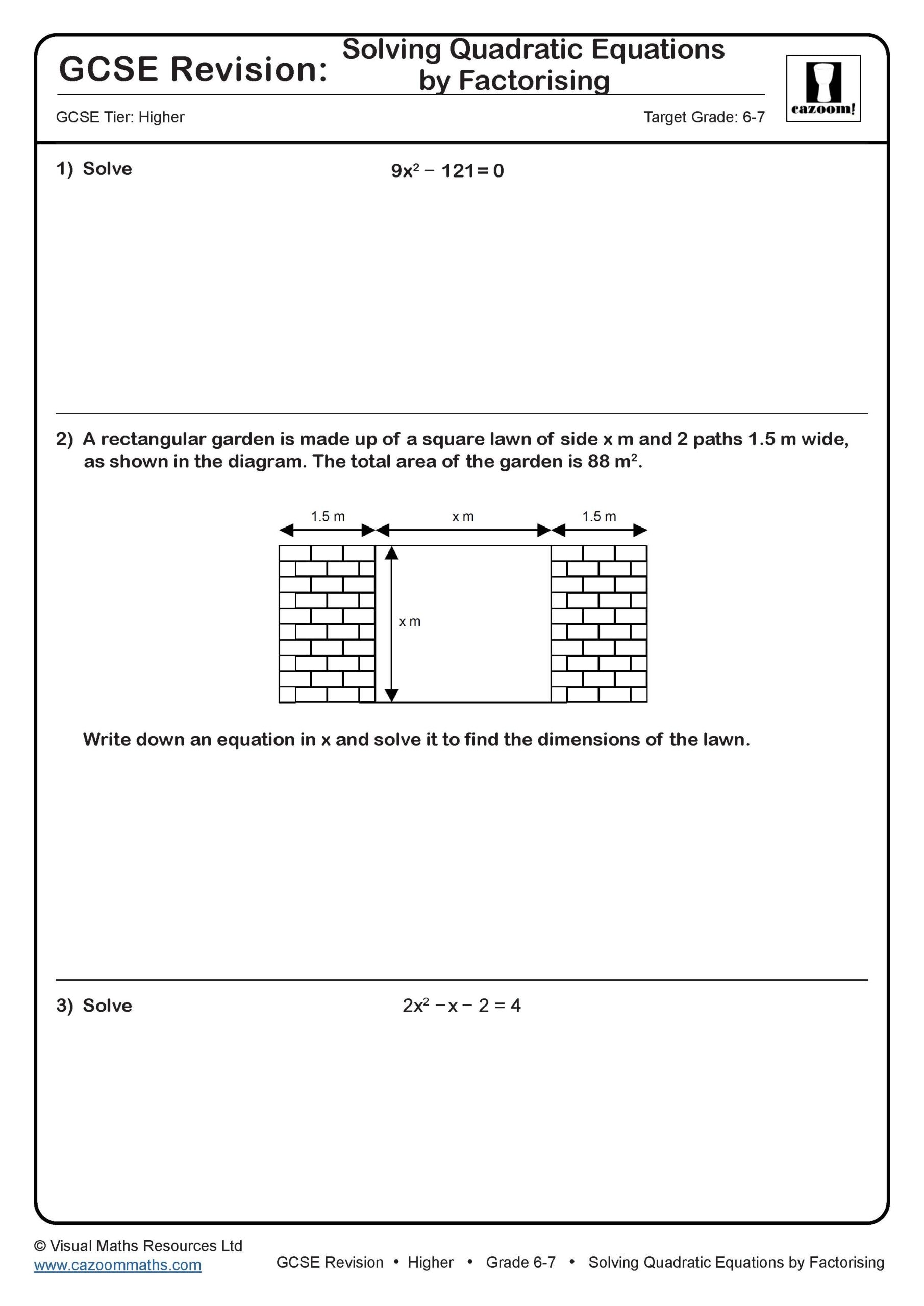
Solving Quadratic Equations by Factorising (B)
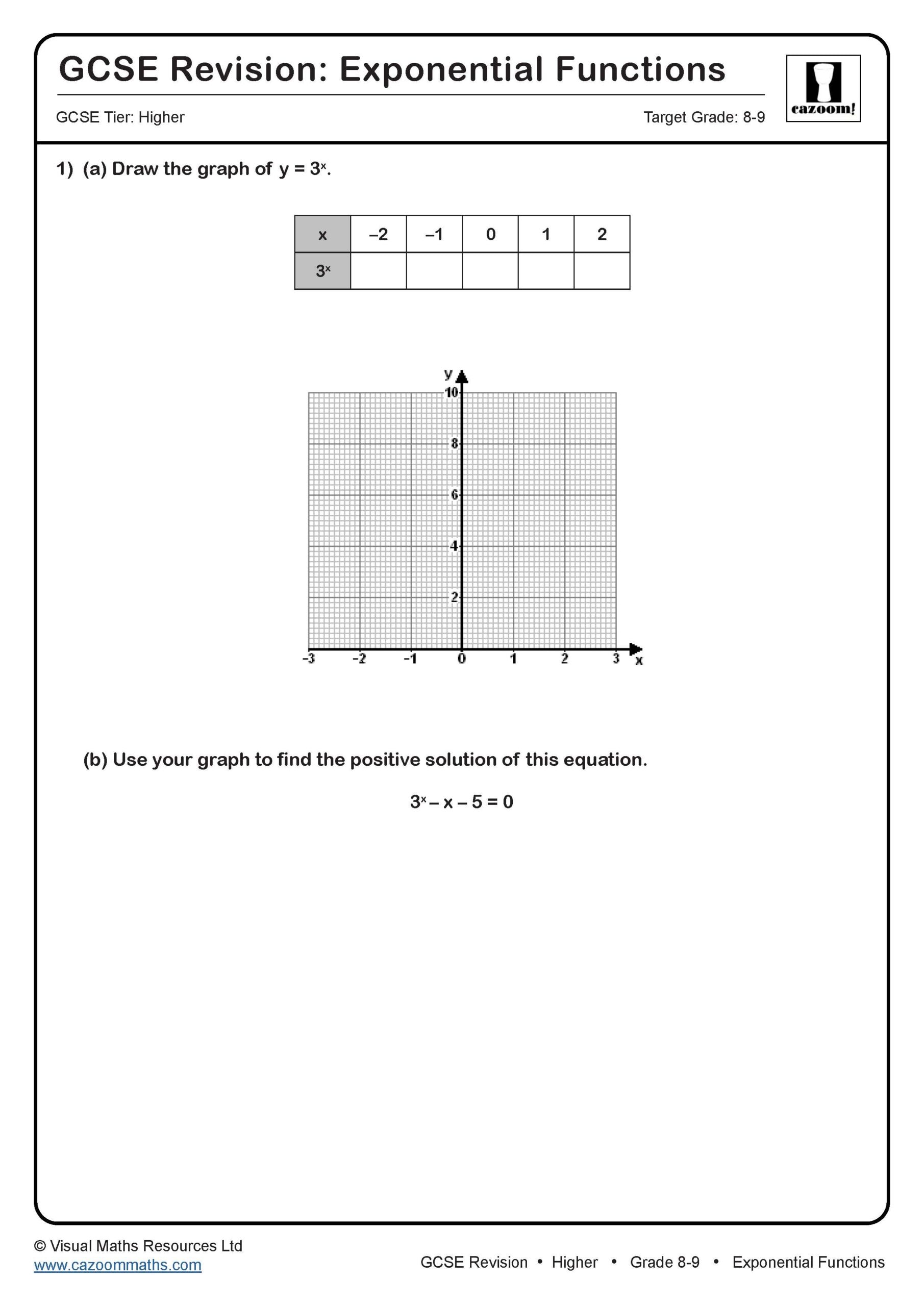
Exponential Functions
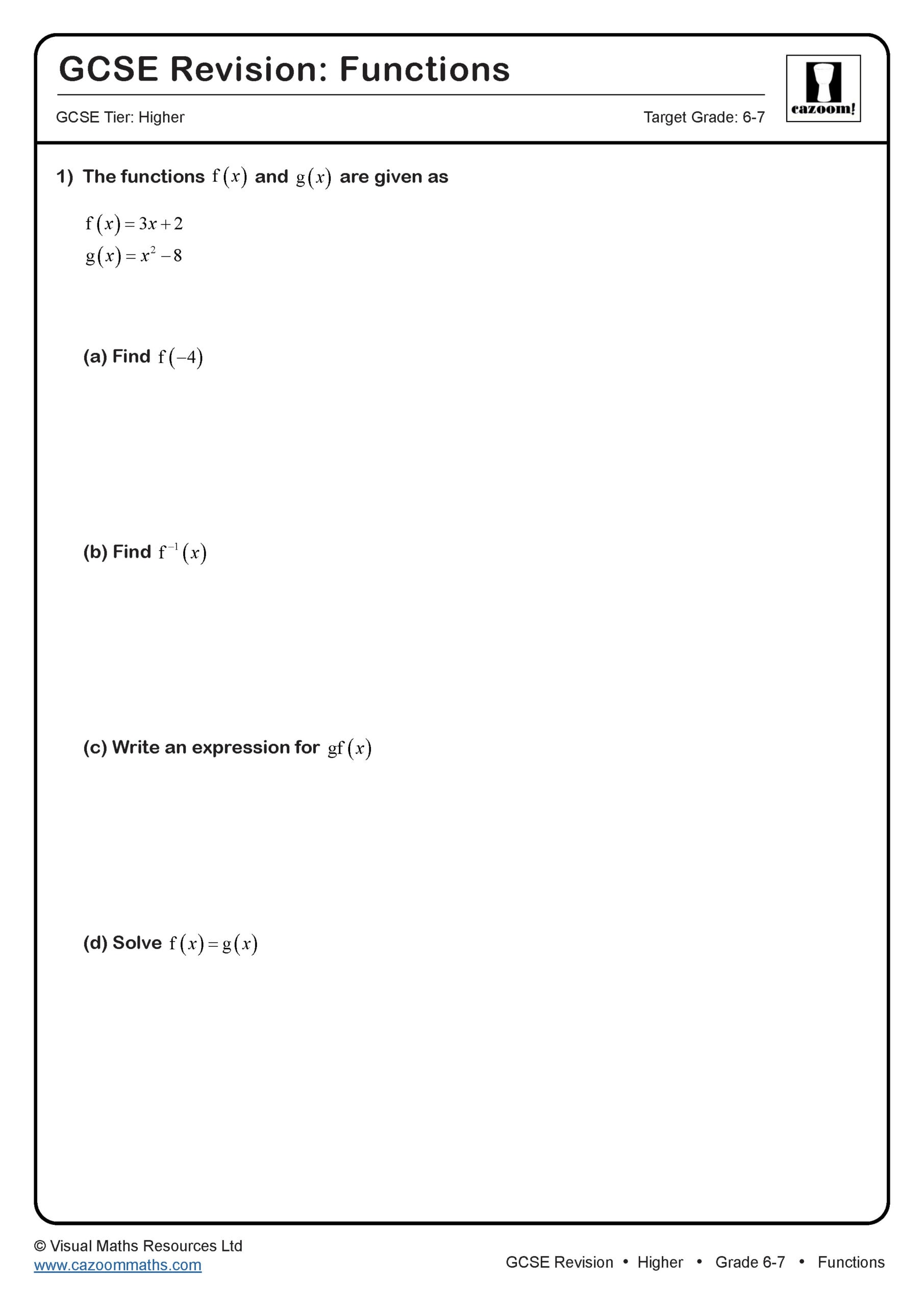
Functions
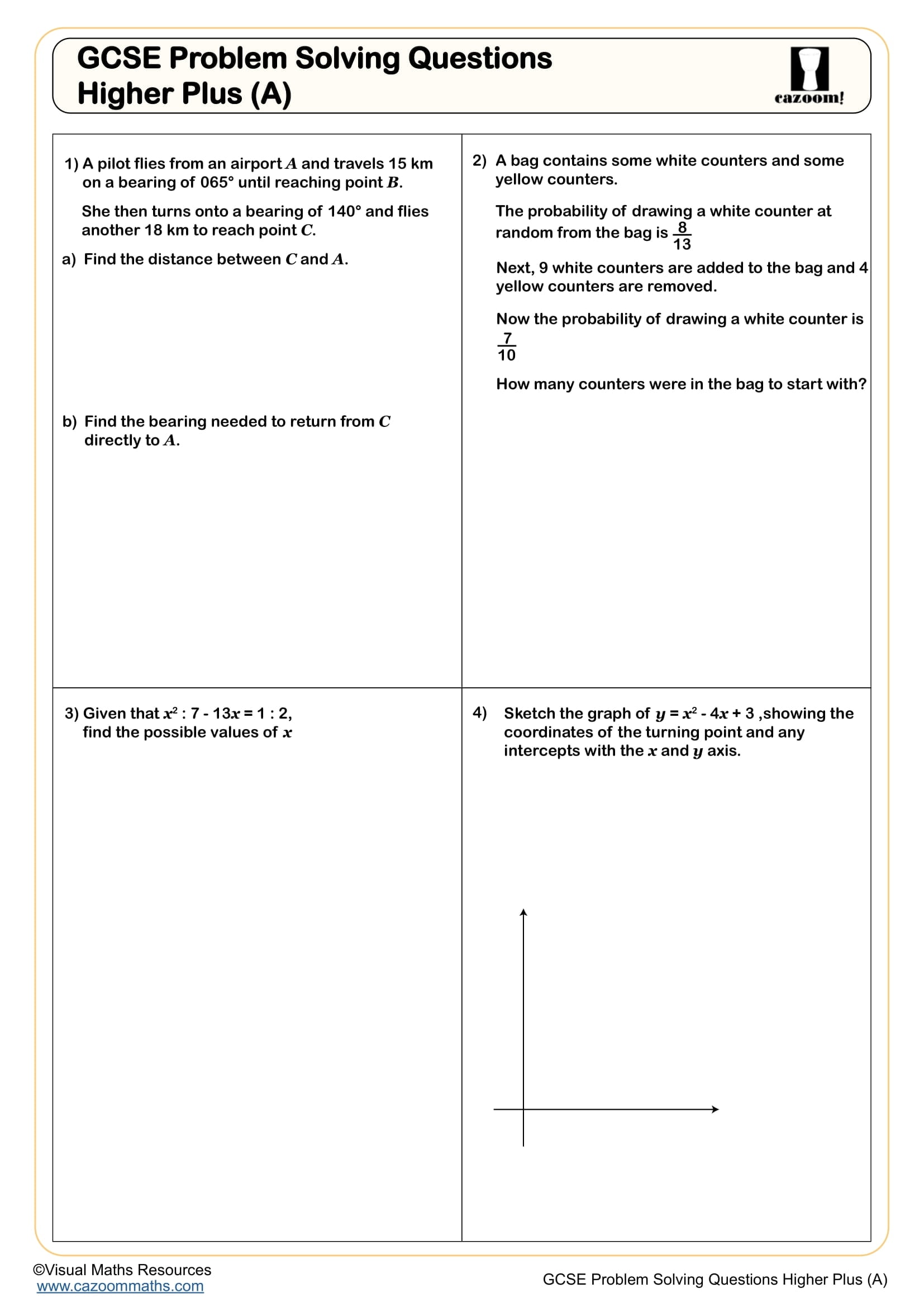
GCSE Problem Solving Questions Higher Plus (A)
Geometric and Other Sequences
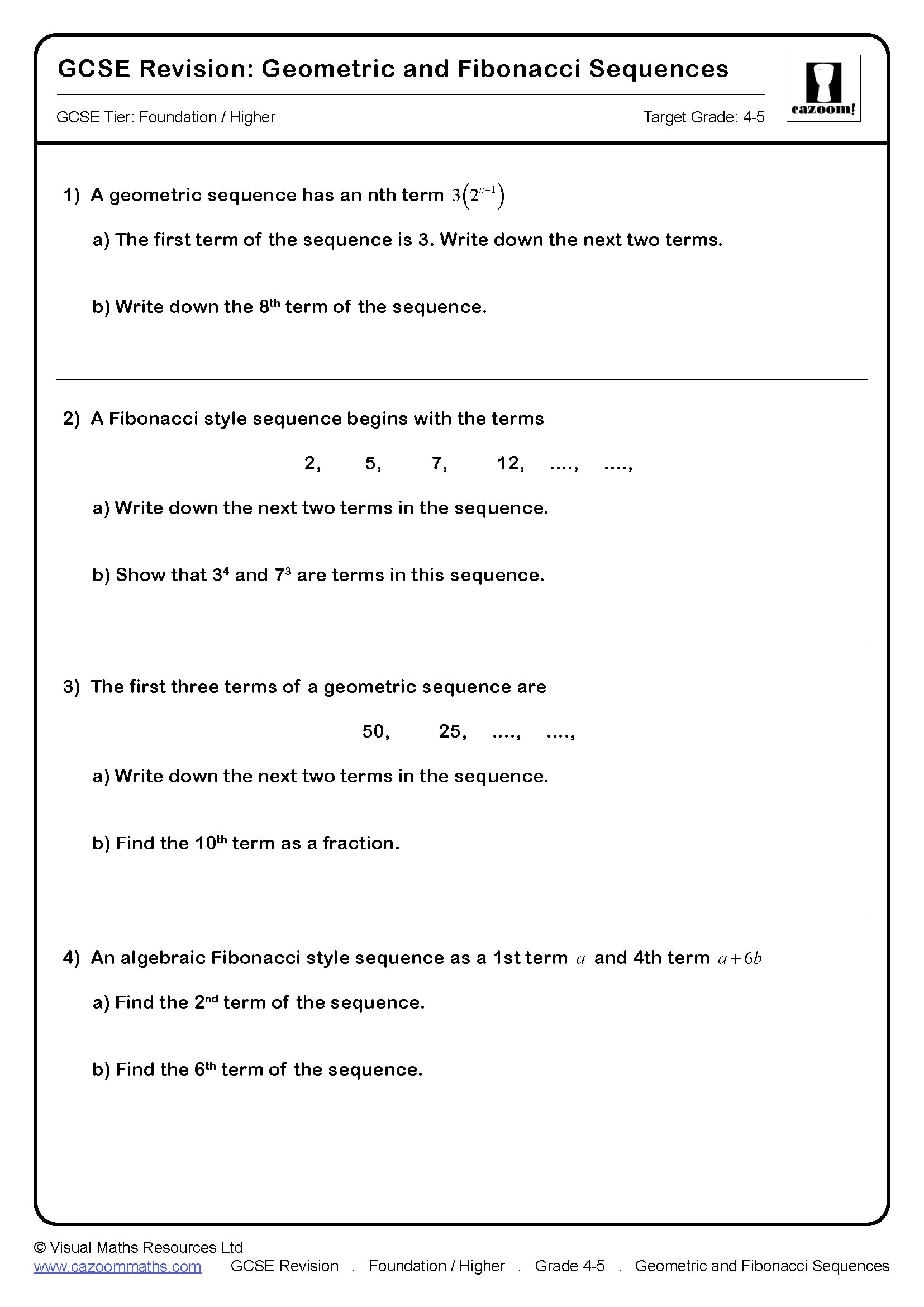
Quadratic Simultaneous Equations
Solving Equations with Brackets and Unknowns on both sides
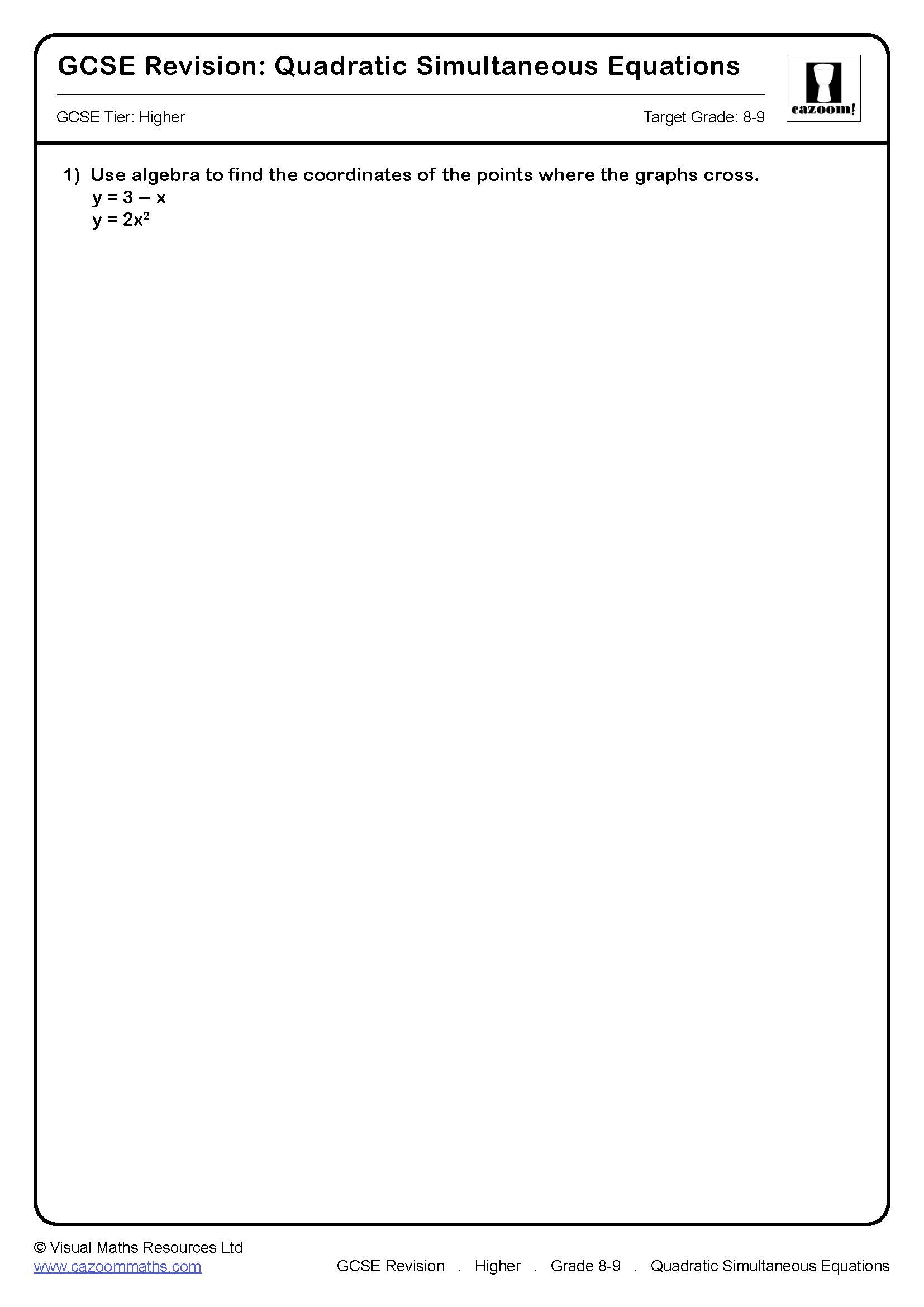
Solving Quadratic Equations by Factorising
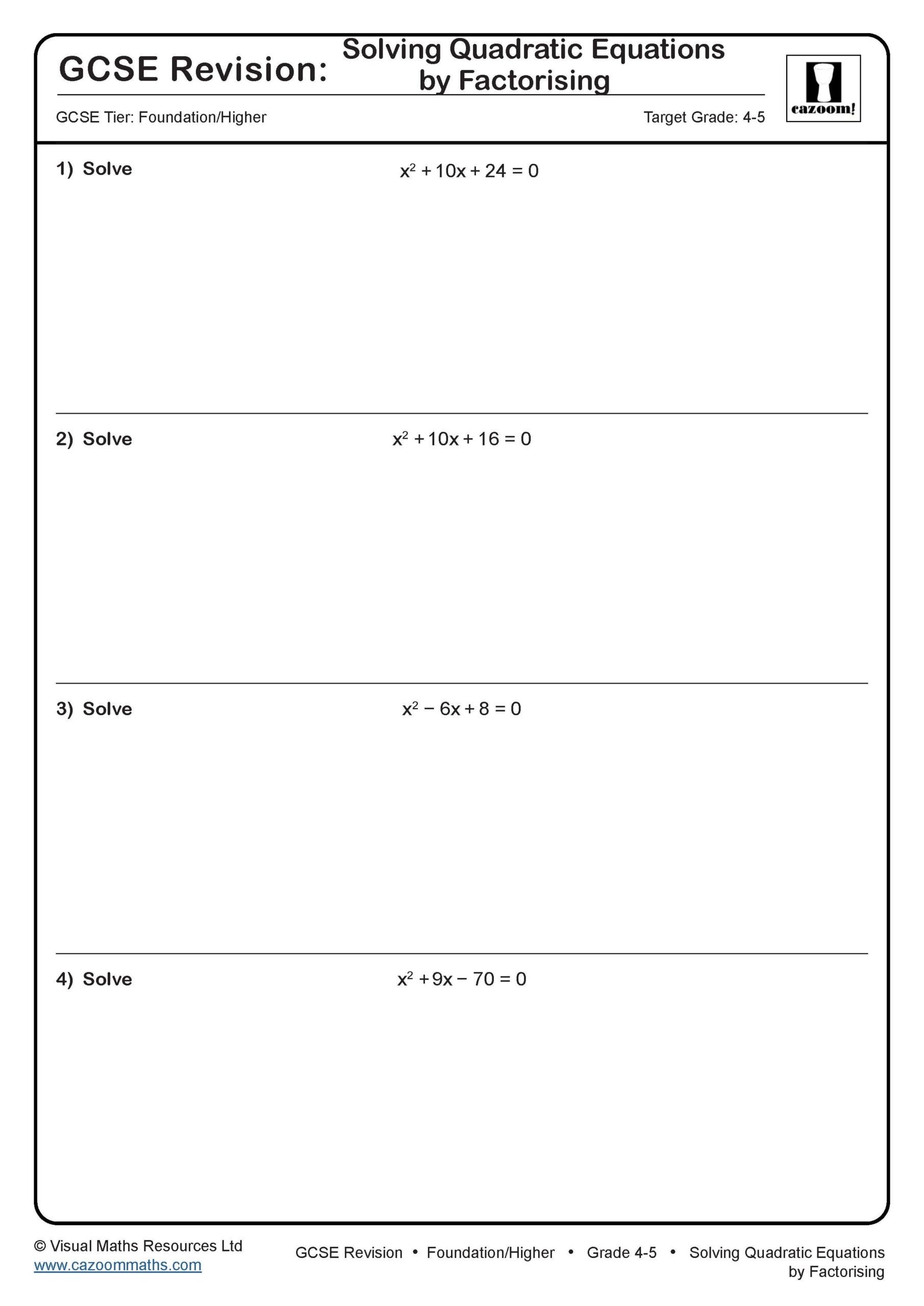
Solving Quadratic Equations
Solving Simultaneous Equations Graphically (B)
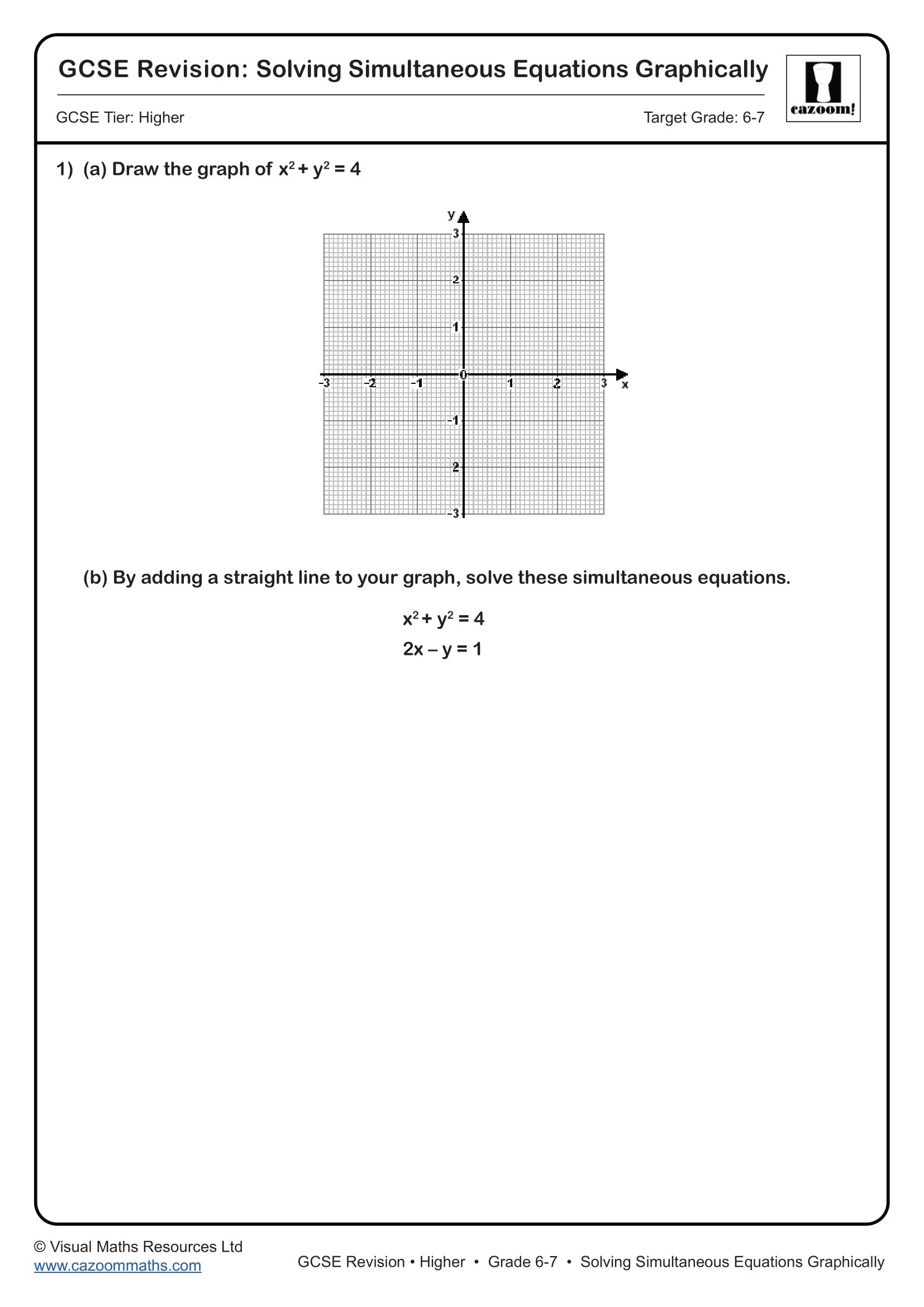
Solving Simultaneous Equations Graphically
Solving Simultaneous Equations
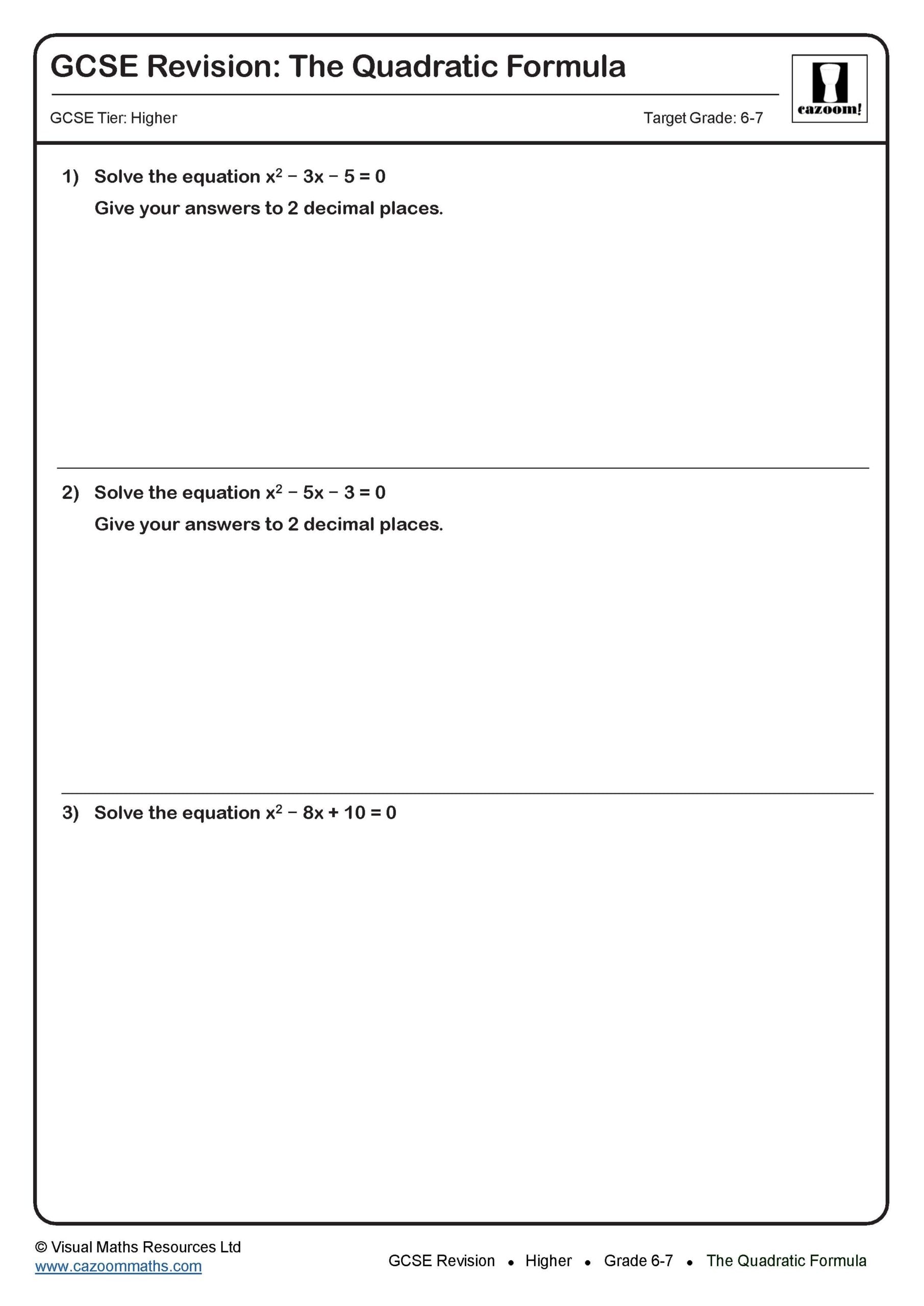
The Quadratic Formula
C2.5Core
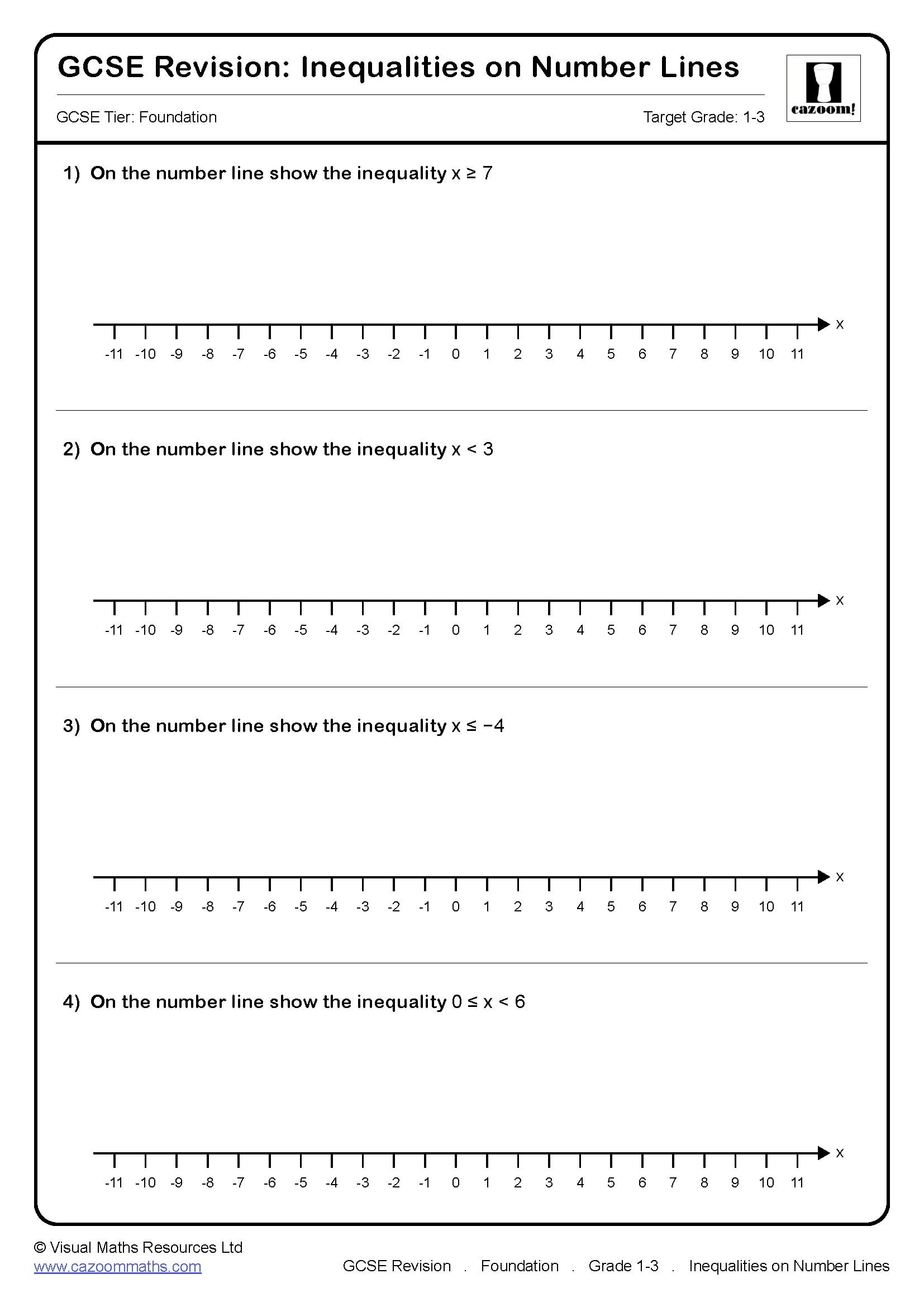
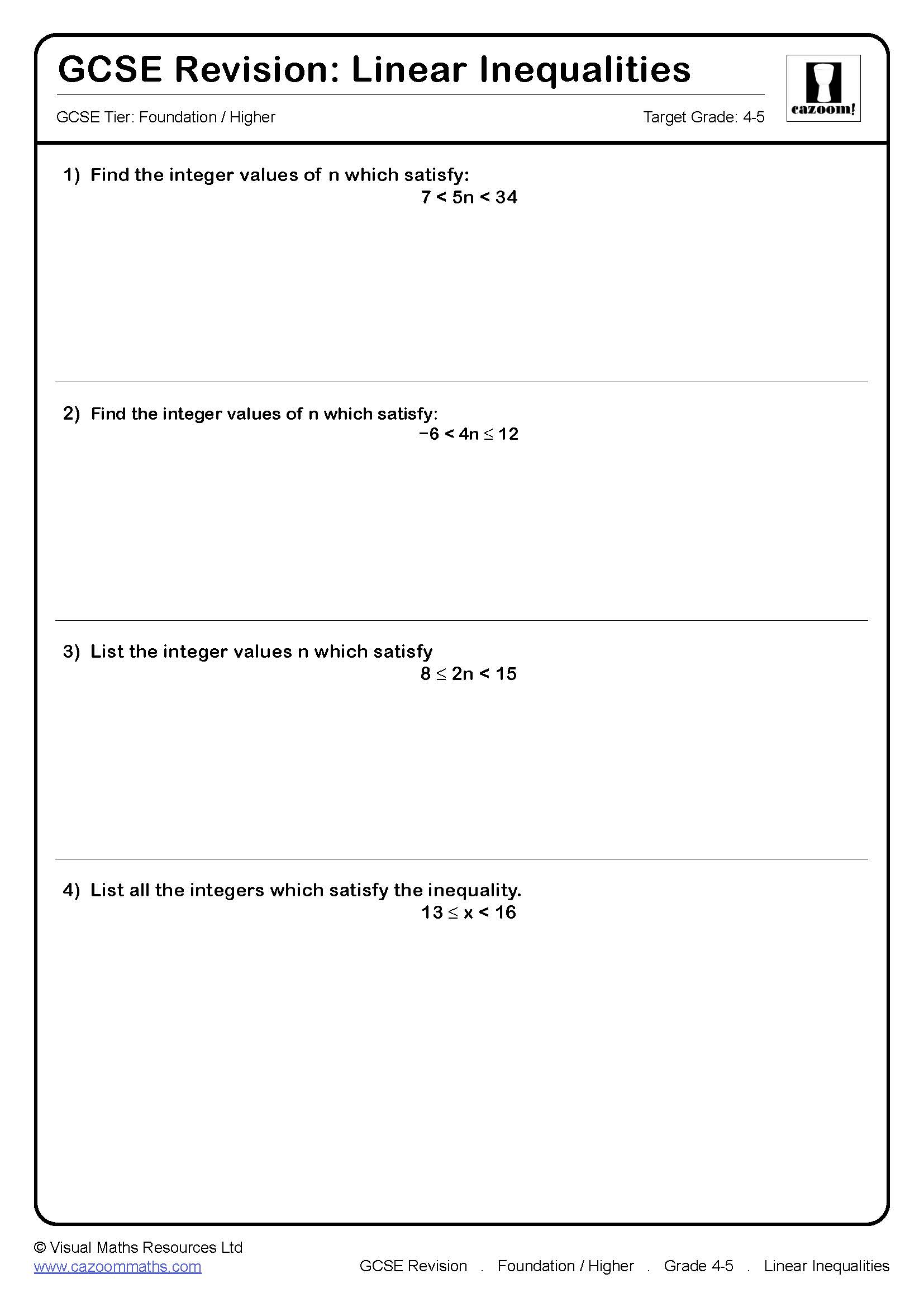
Derive and solve linear inequalities
E2.5Extended
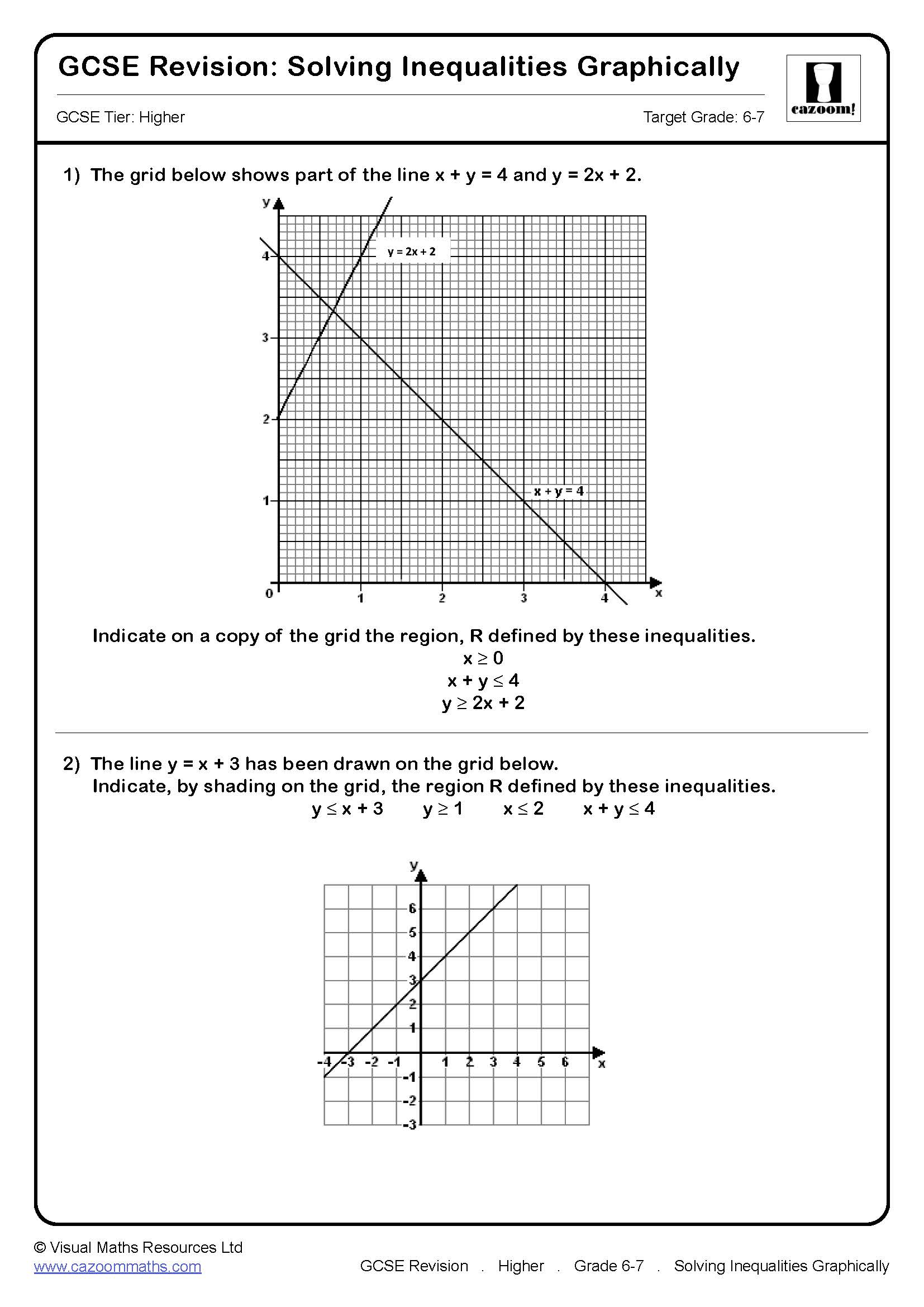
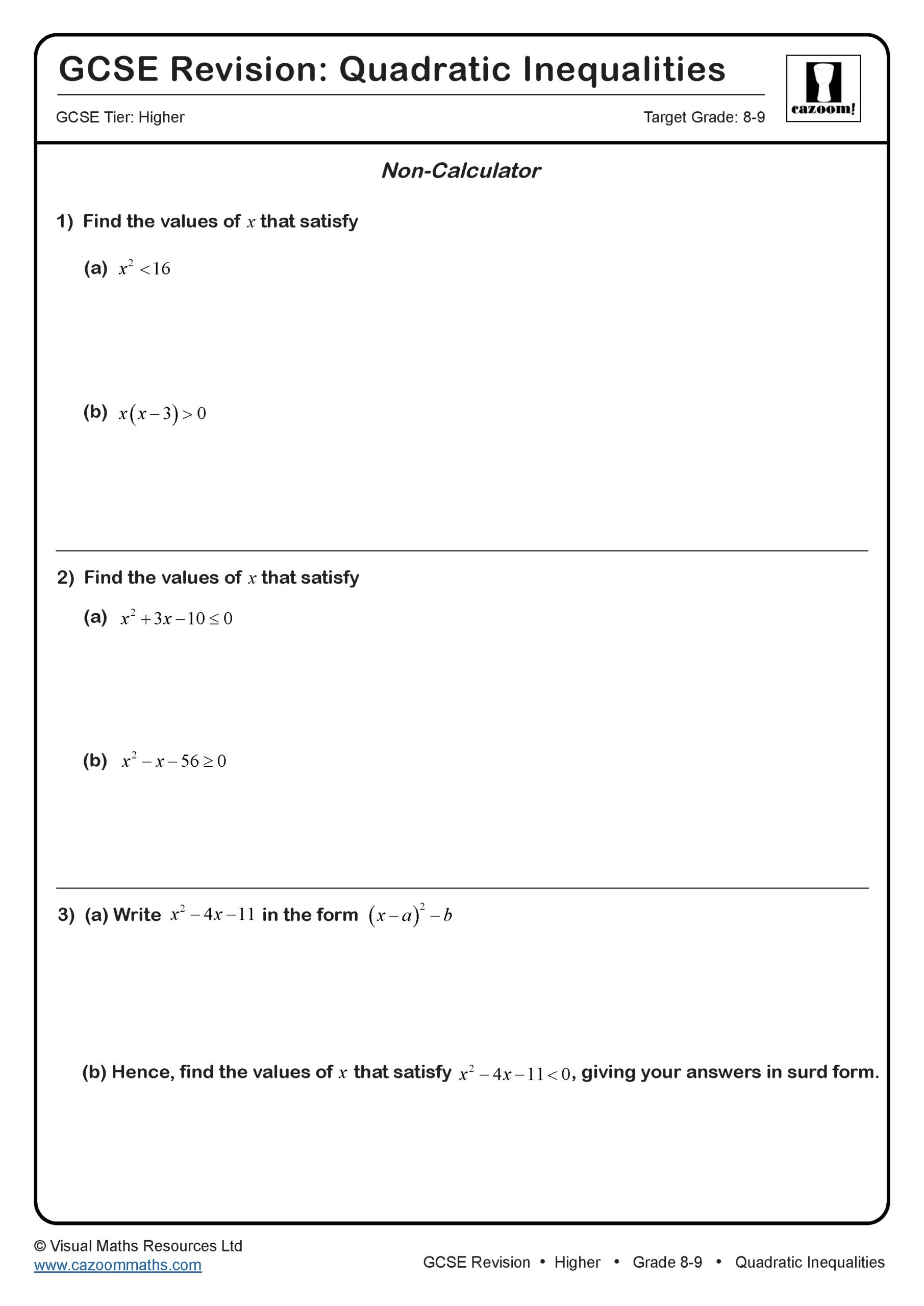
Derive and solve linear inequalities. Derive and solve quadratic inequalities. Represent and interpret inequalities graphically
C2.6Core
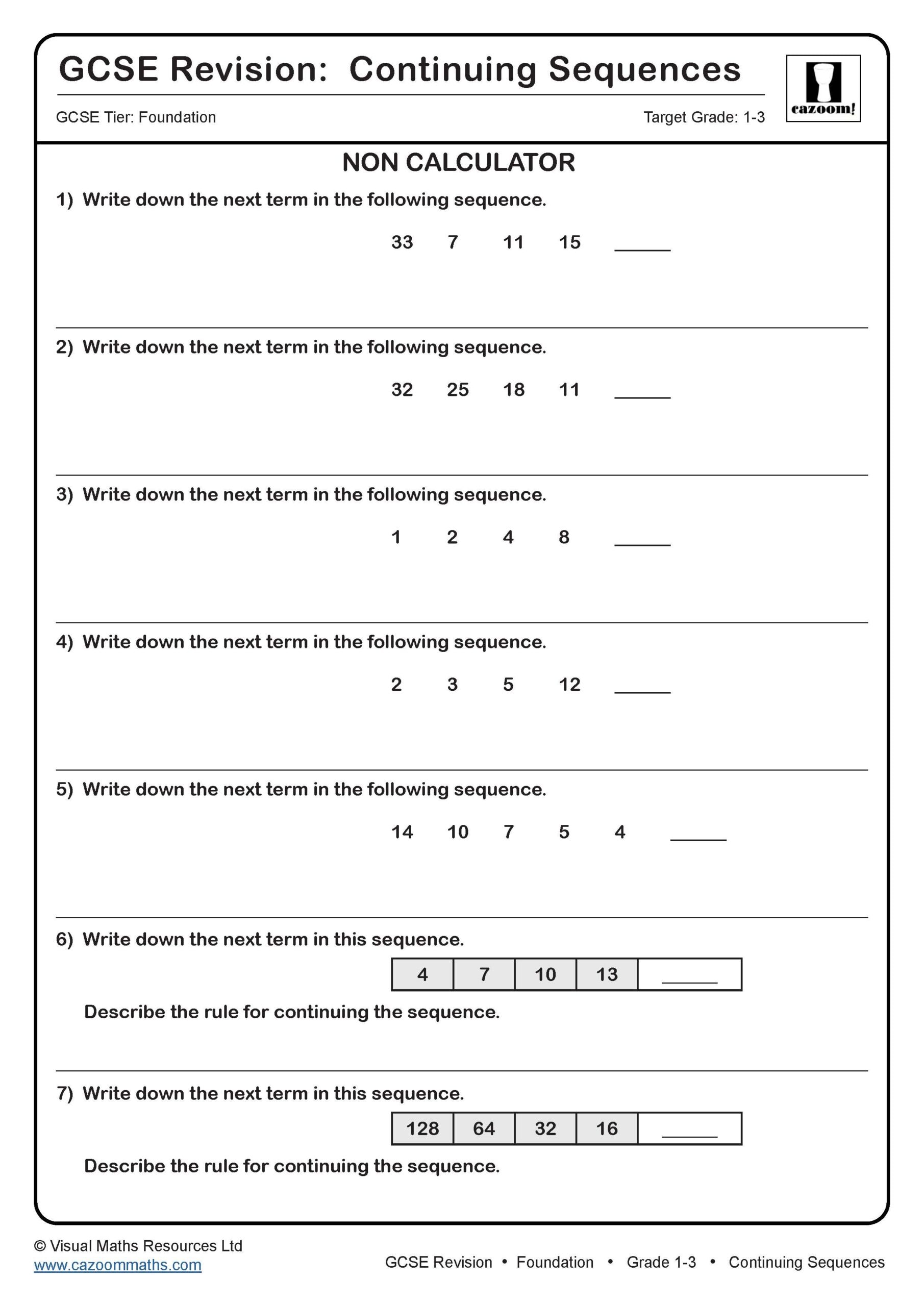
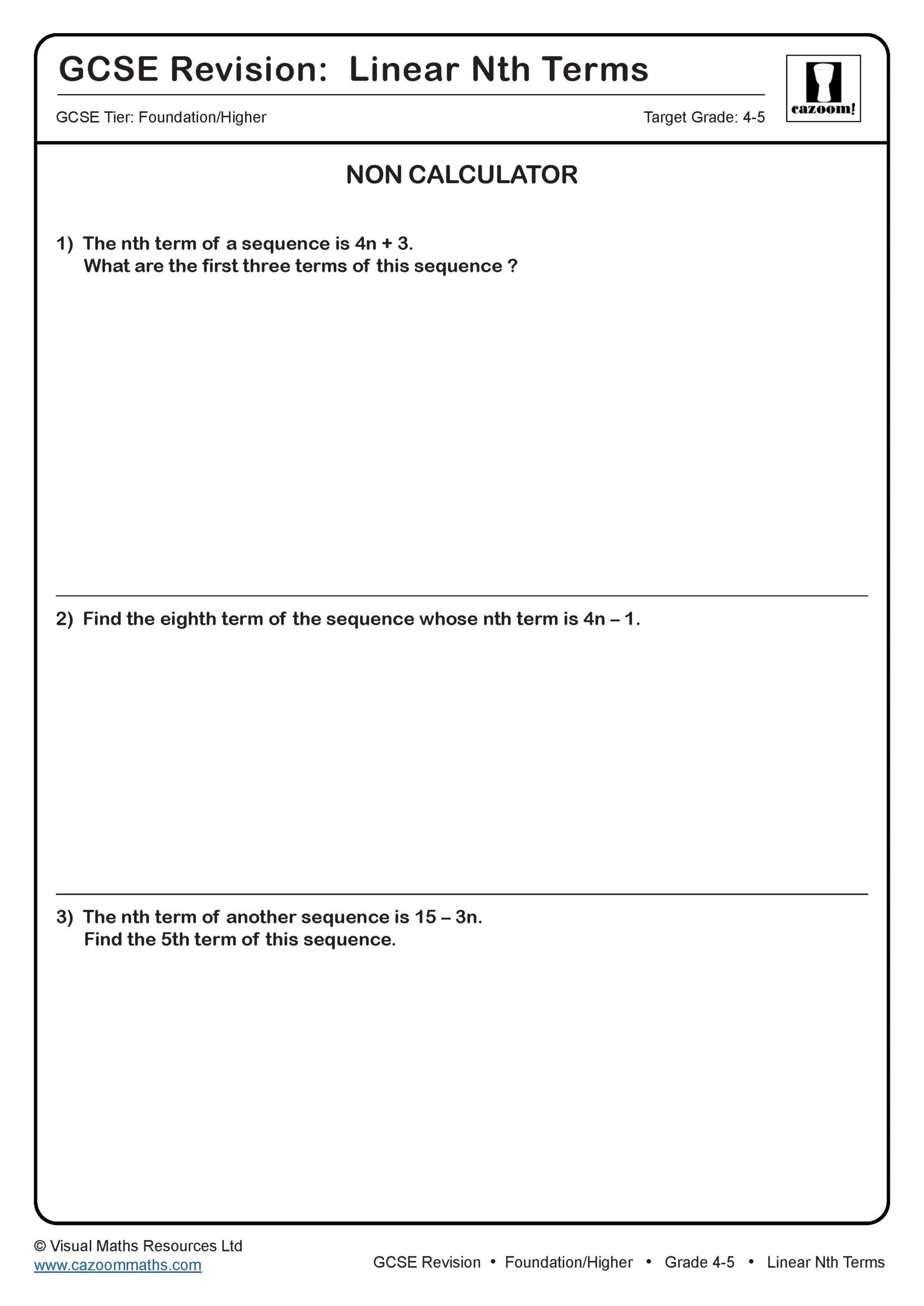
Continue a given number sequence. Recognise patterns in sequences, including the term-to-term rule. Find the nth term of a simple linear sequence
E2.6Extended
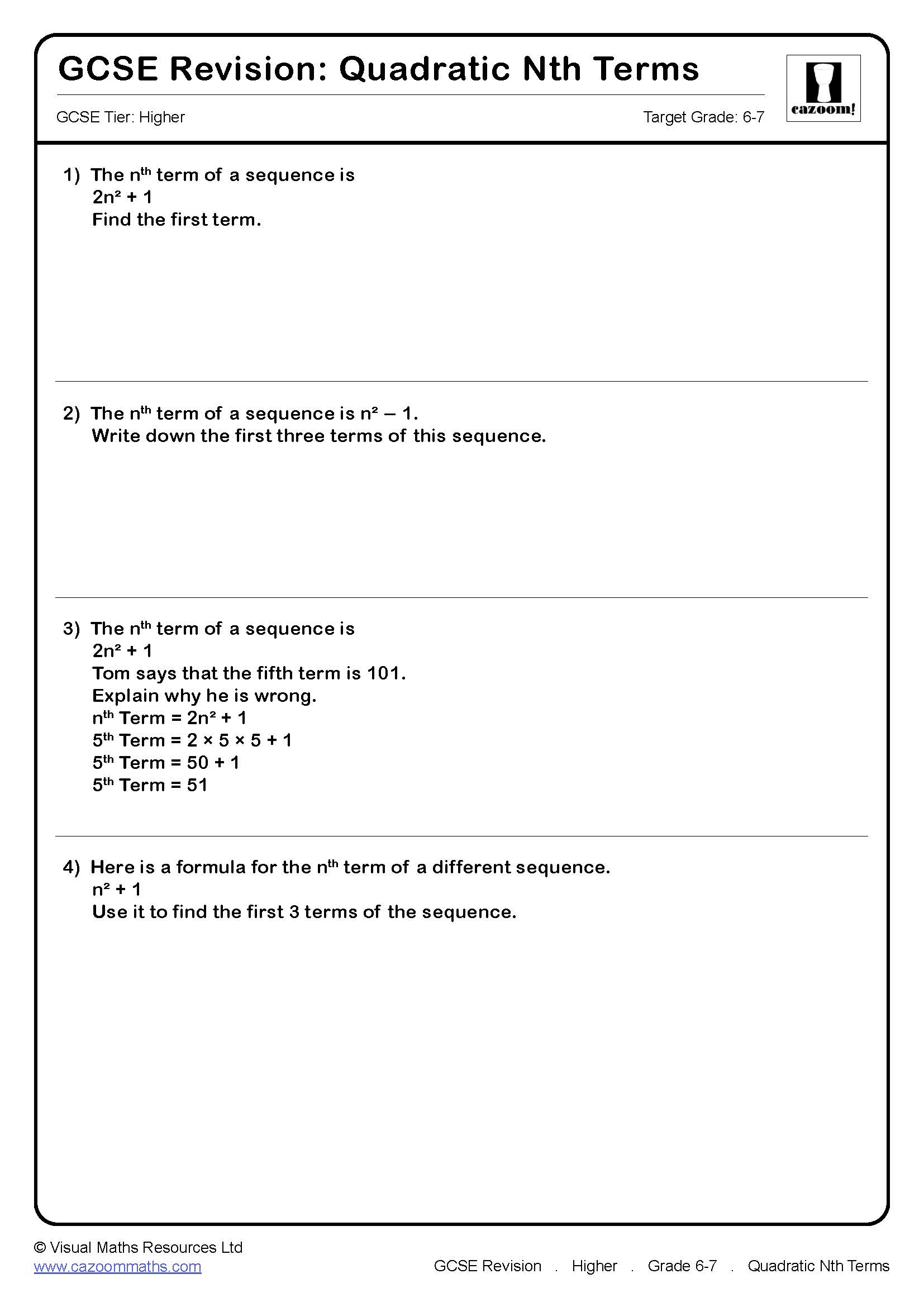
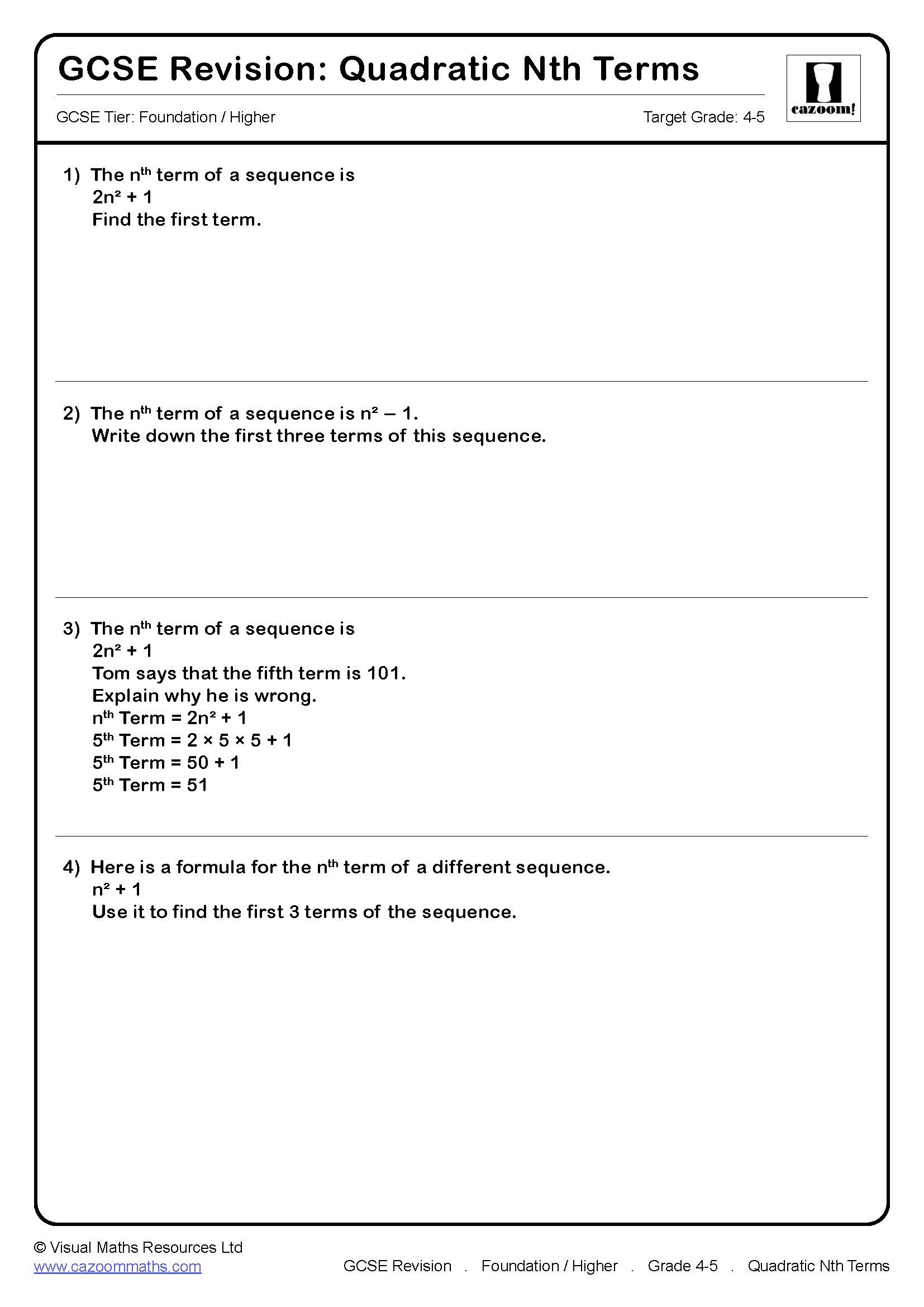
Continue a given number sequence. Recognise patterns in sequences, including the term-to-term rule. Find and use the nth term of linear and quadratic sequences
E2.7Extended
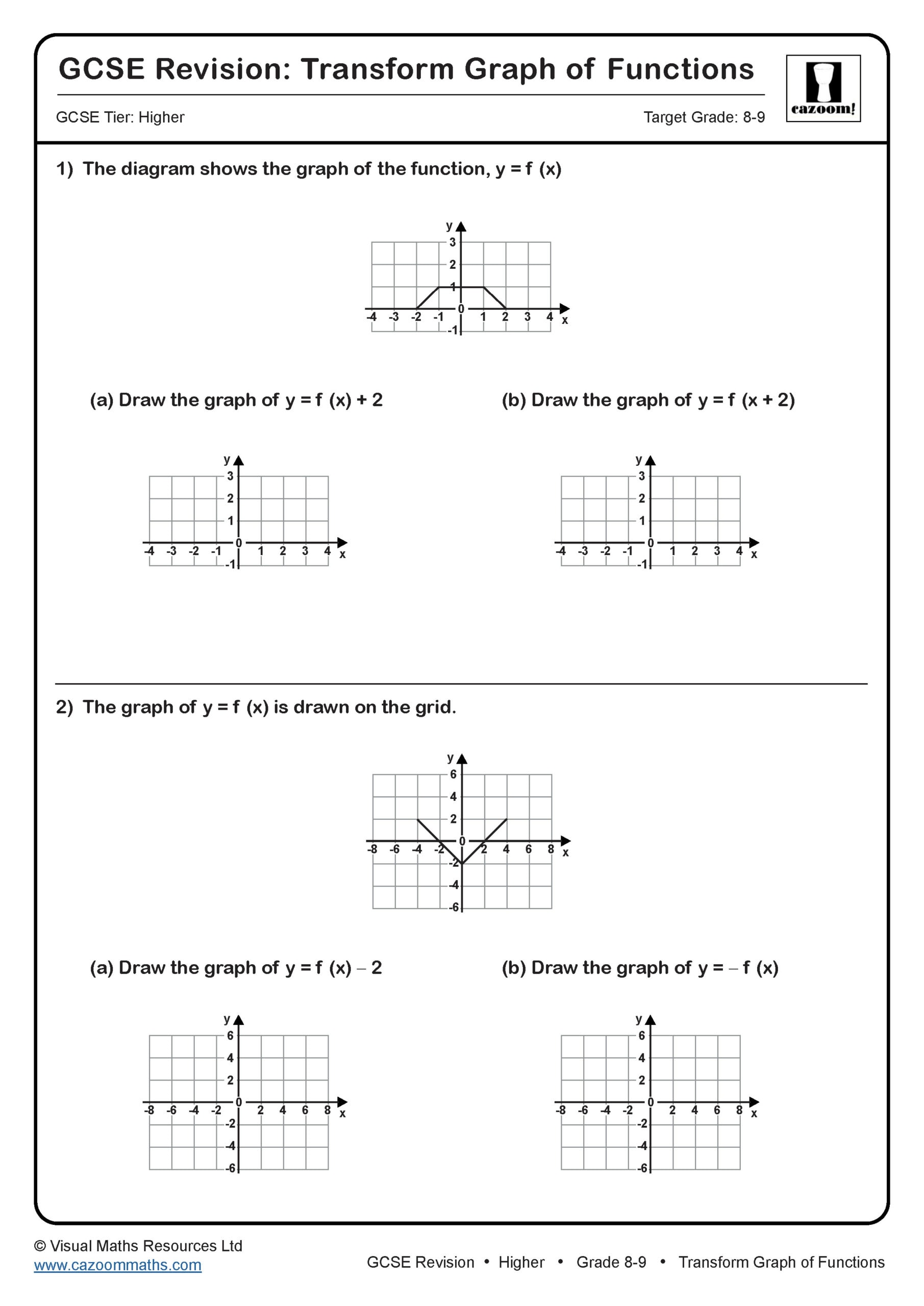
Understand the concept of a function. Use function notation. Find inverse functions f^(-1)(x). Form composite functions
C2.8Core
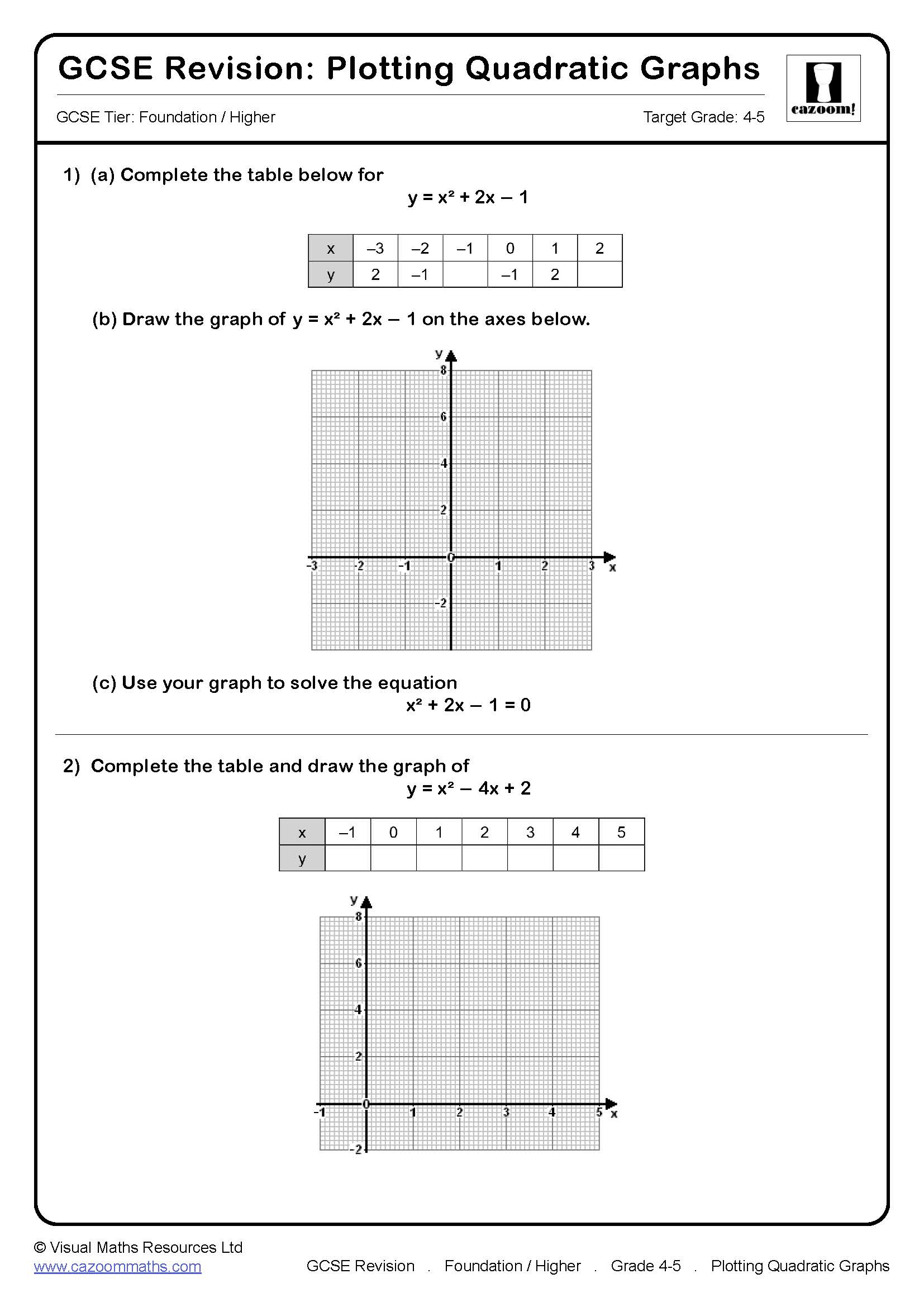
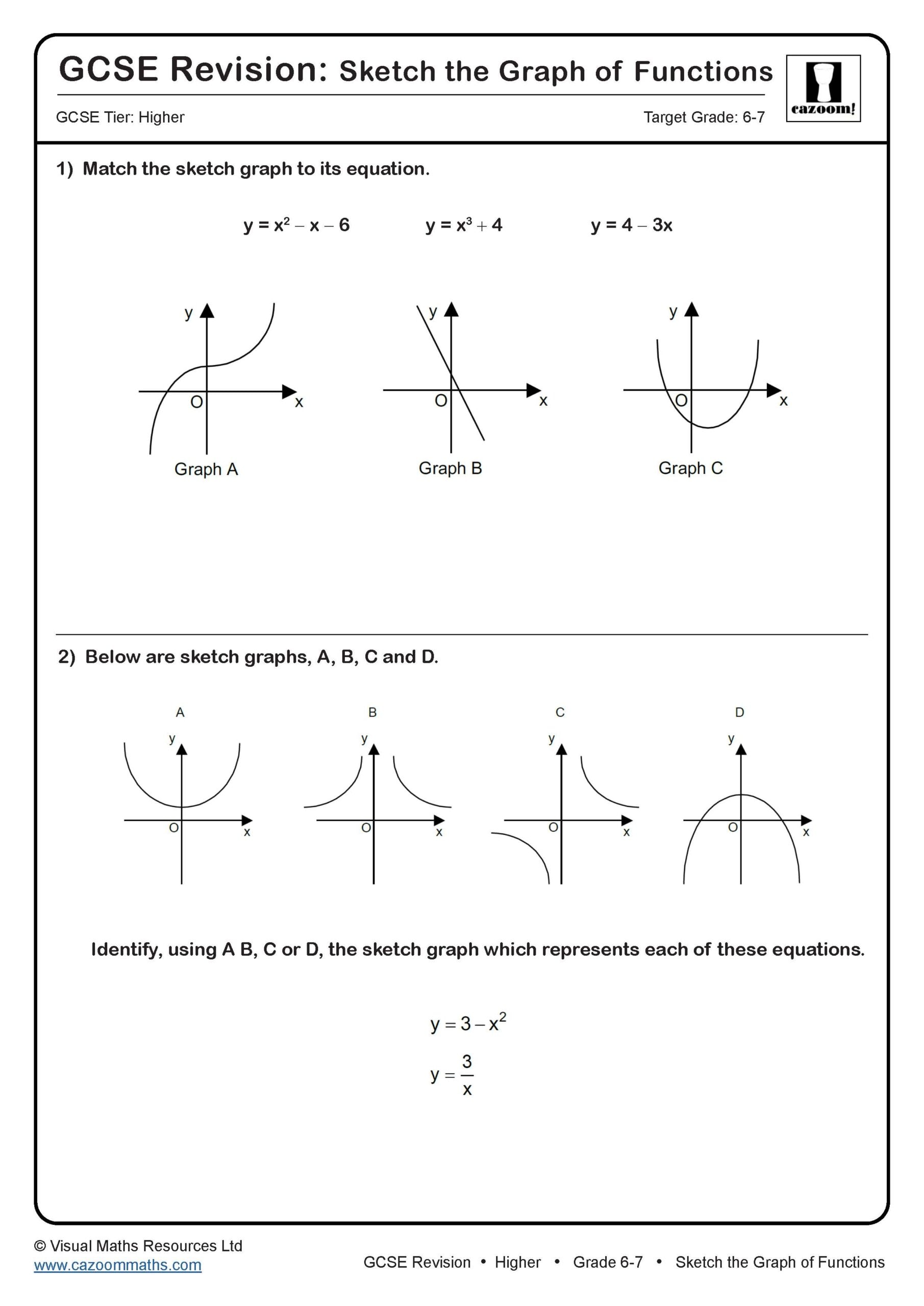
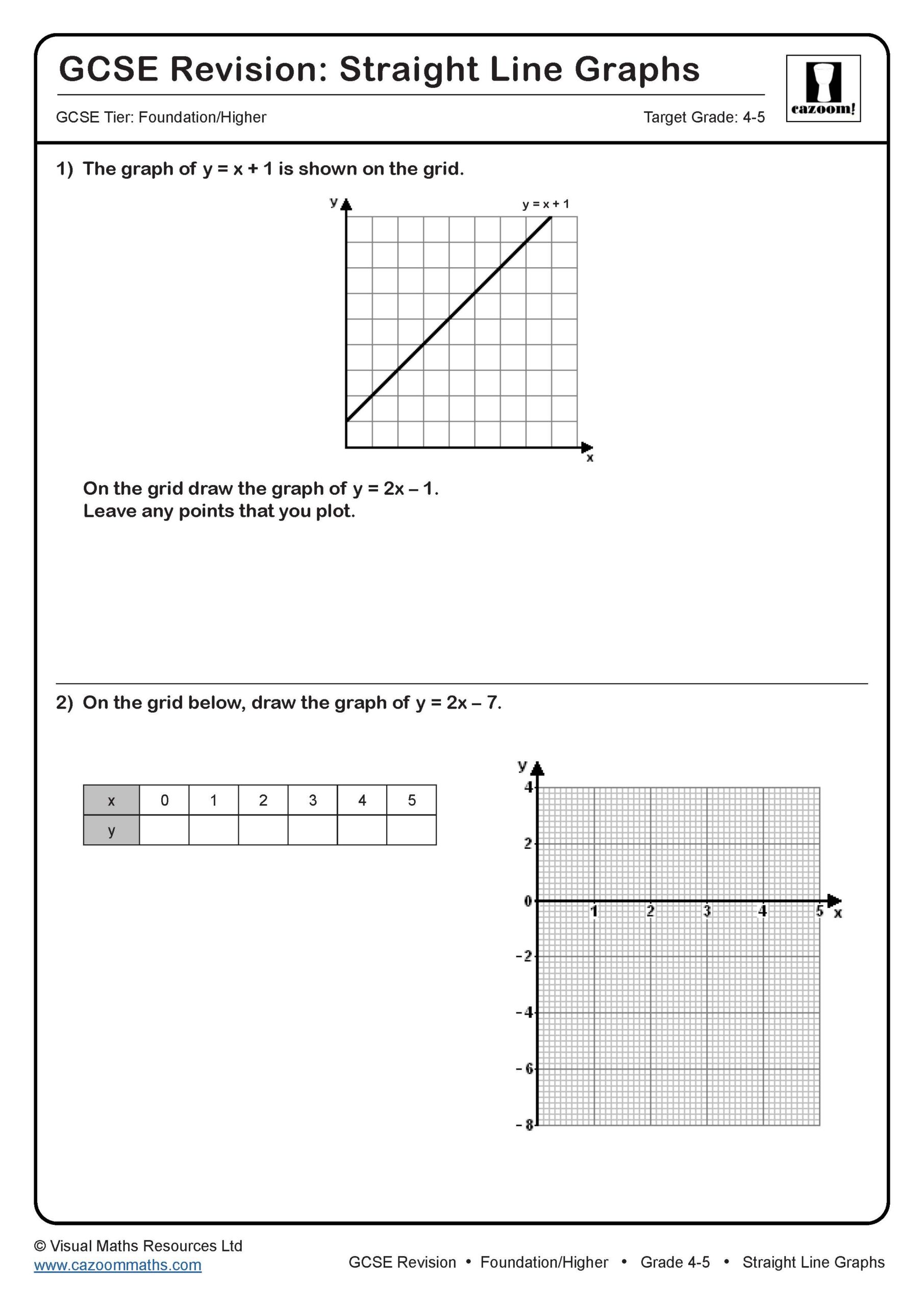
Construct tables of values for functions of the form ax + b, ±x² + ax + b. Draw and interpret such graphs. Solve associated equations approximately by graphical methods
E2.8Extended
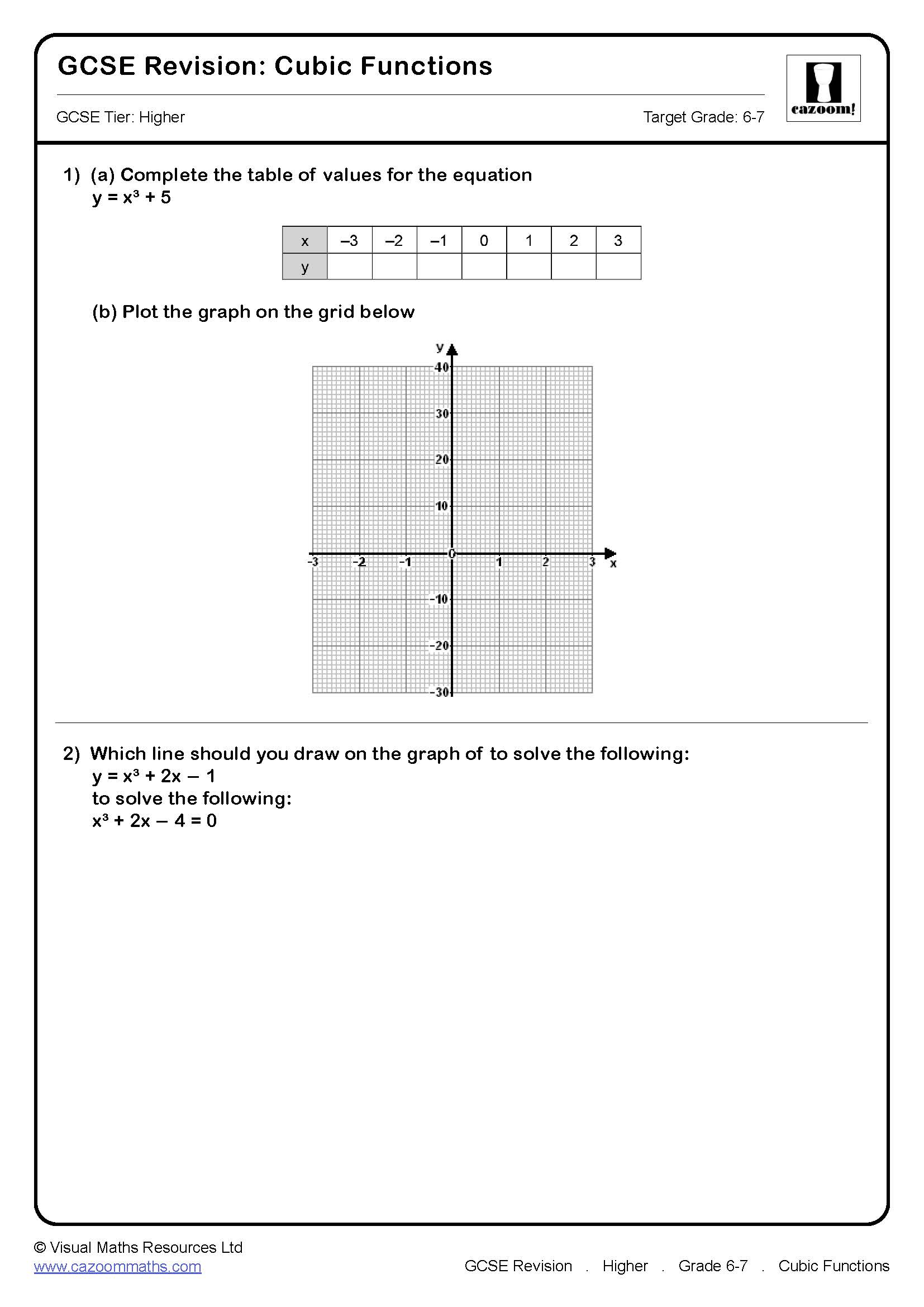
Construct tables of values and draw graphs for functions of the form ax^n (and simple sums of these), a^x + c, and trigonometric functions. Solve associated equations approximately by graphical methods. Draw and interpret graphs representing exponential growth and decay
C2.9Core
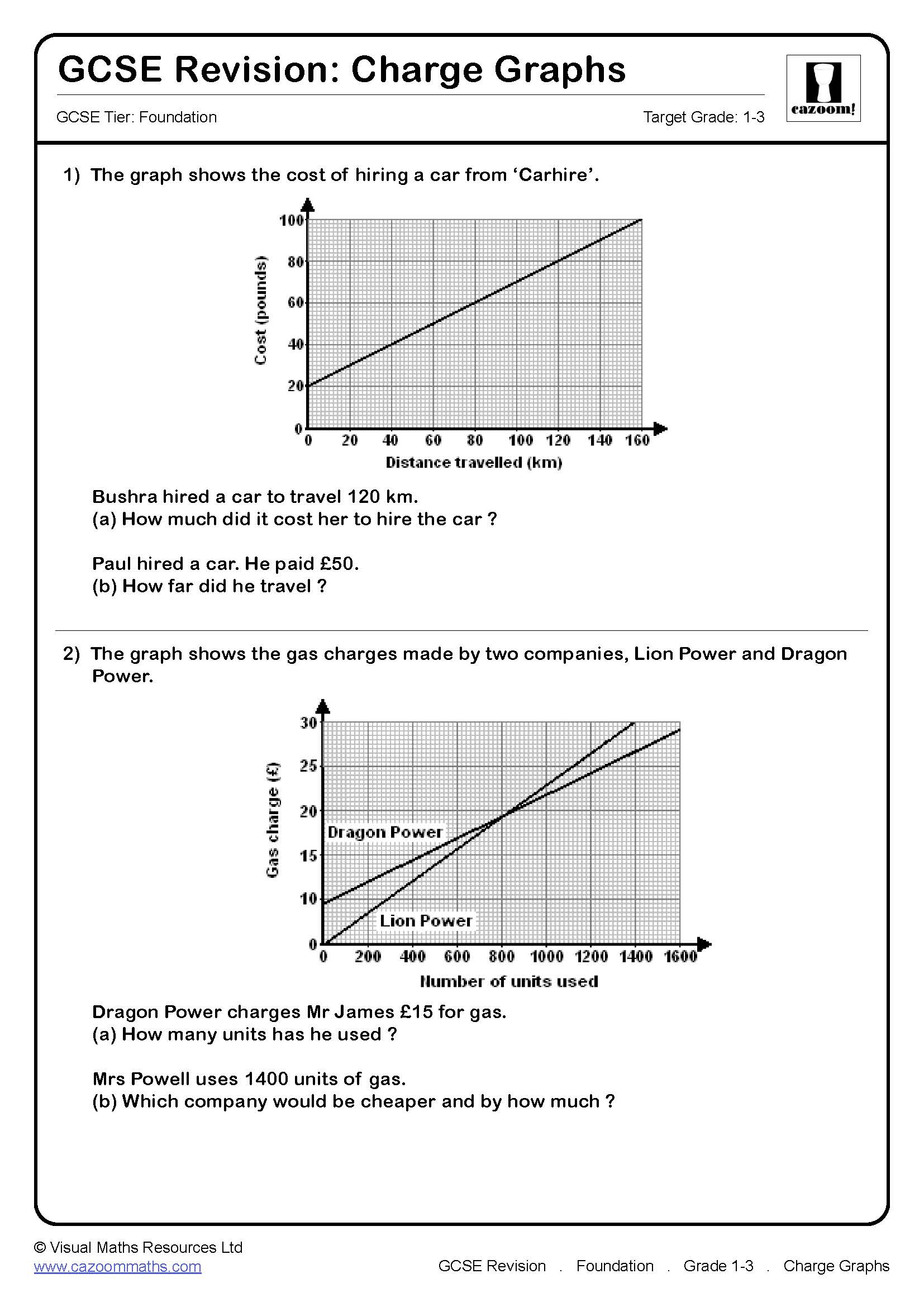
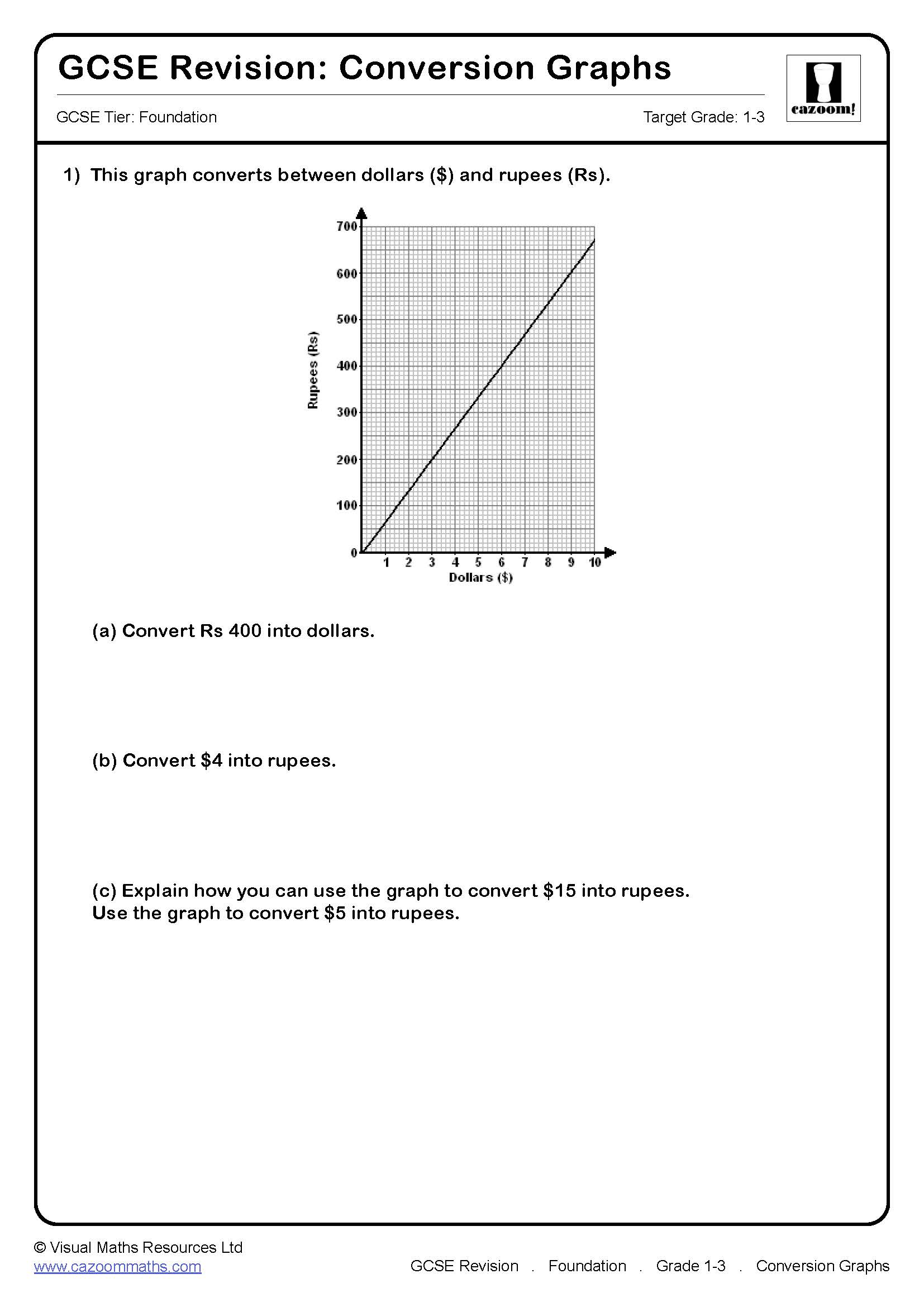
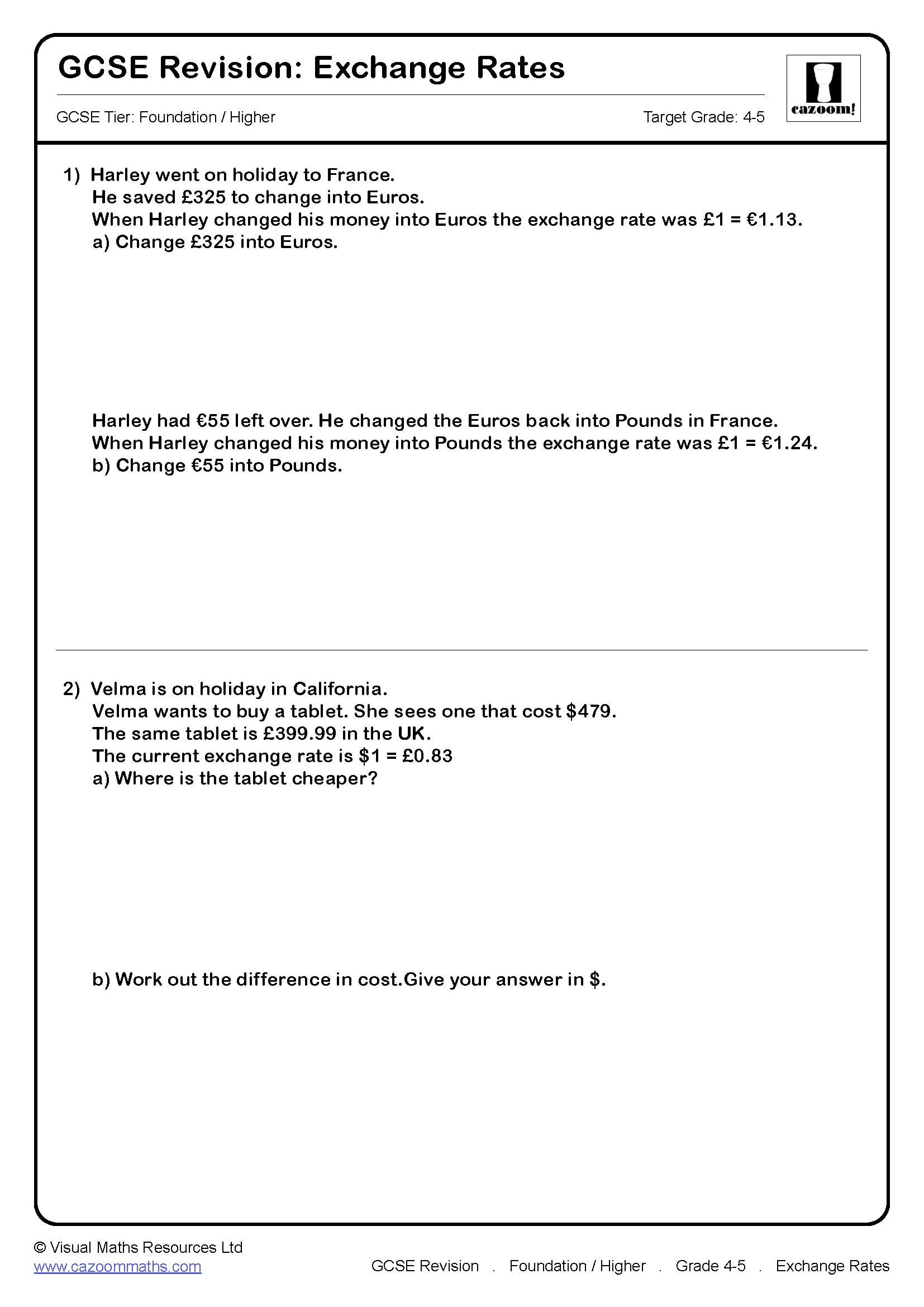
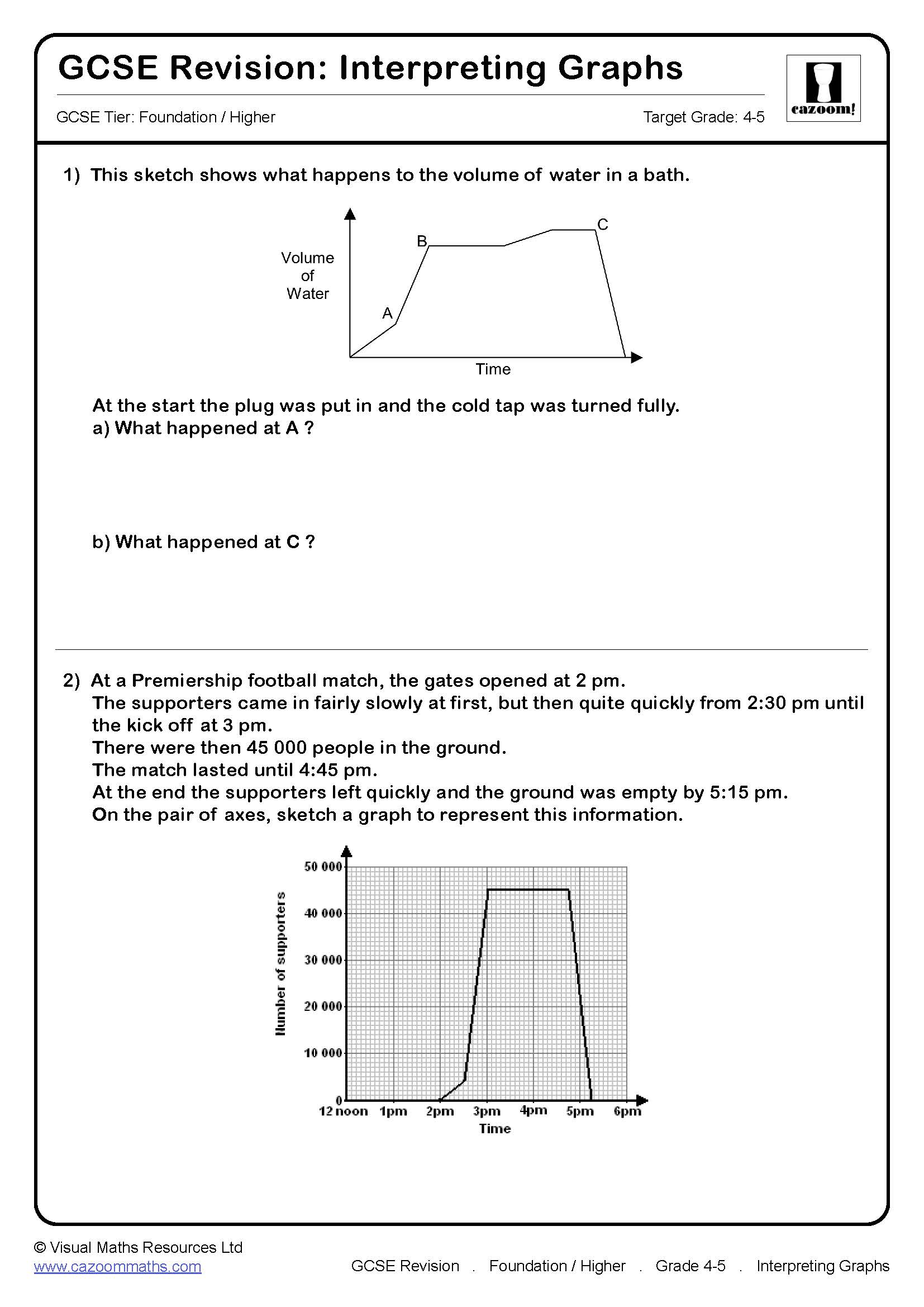
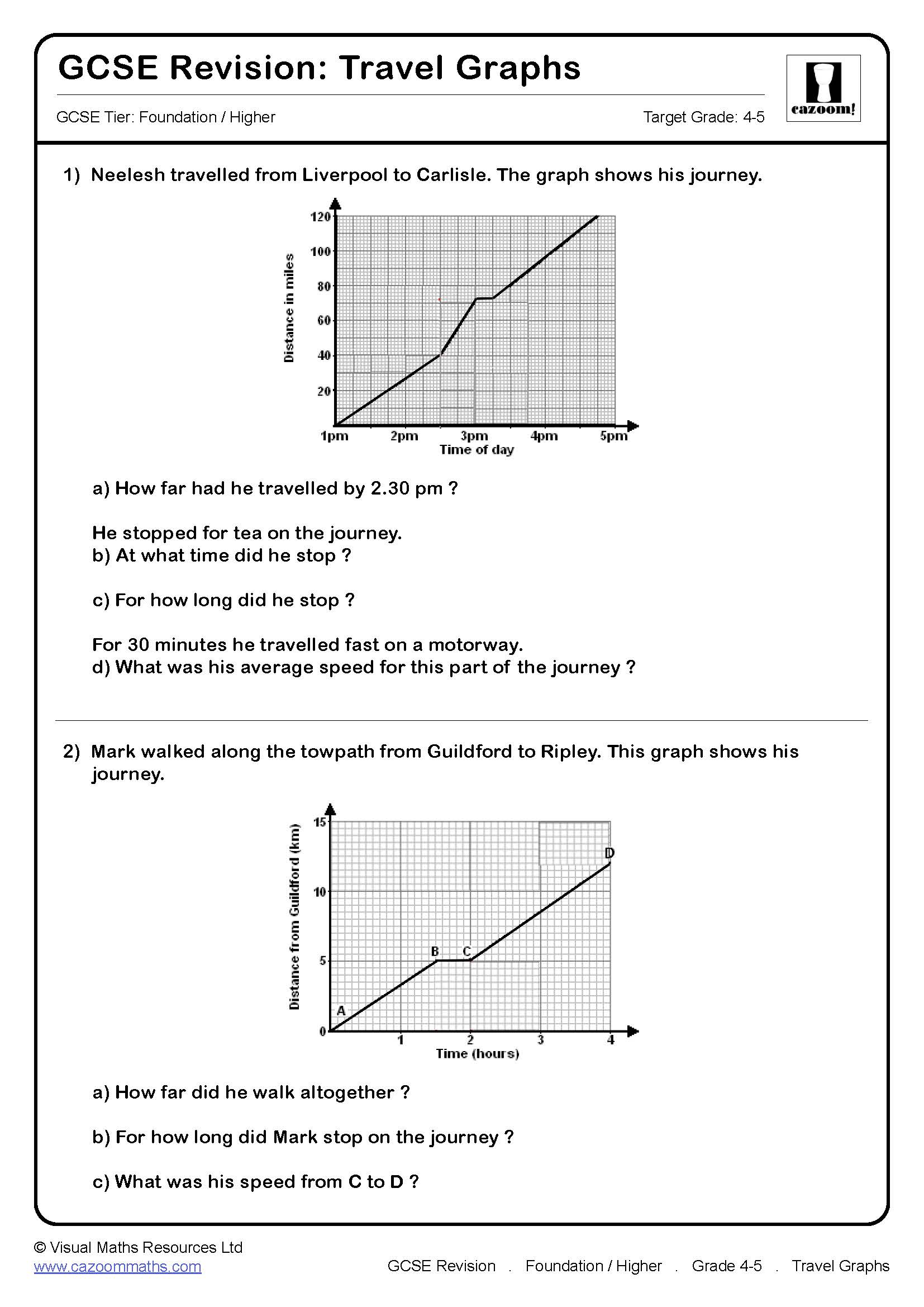
Interpret and use graphs in practical situations including travel graphs and conversion graphs. Draw graphs from given data
E2.9Extended
Interpret and use graphs in practical situations including travel graphs and conversion graphs. Draw graphs from given data. Calculate distance travelled as area under a speed–time graph
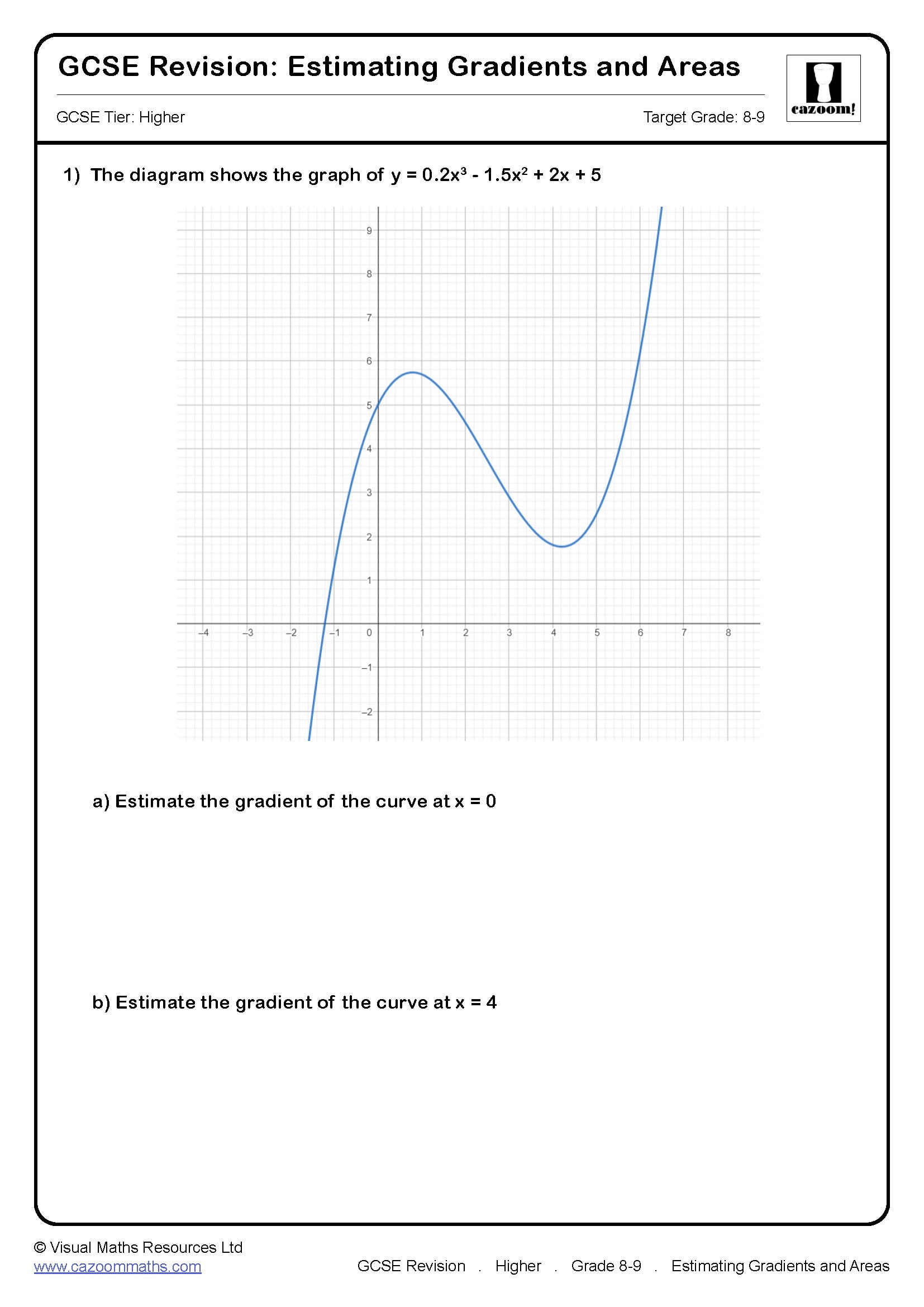
E2.10Extended
Estimate gradients of curves by drawing tangents. Understand the idea of a derived function. Use the derivatives of functions of the form ax^n, including f(x) = ax² + bx + c