Edexcel iGCSE Geometry Revision Worksheets
Browse our iGCSE revision worksheets for the Geometry section of Edexcel International GCSE Mathematics (4MA1). All worksheets include full answers and worked solutions.
3.1Foundation & Higher
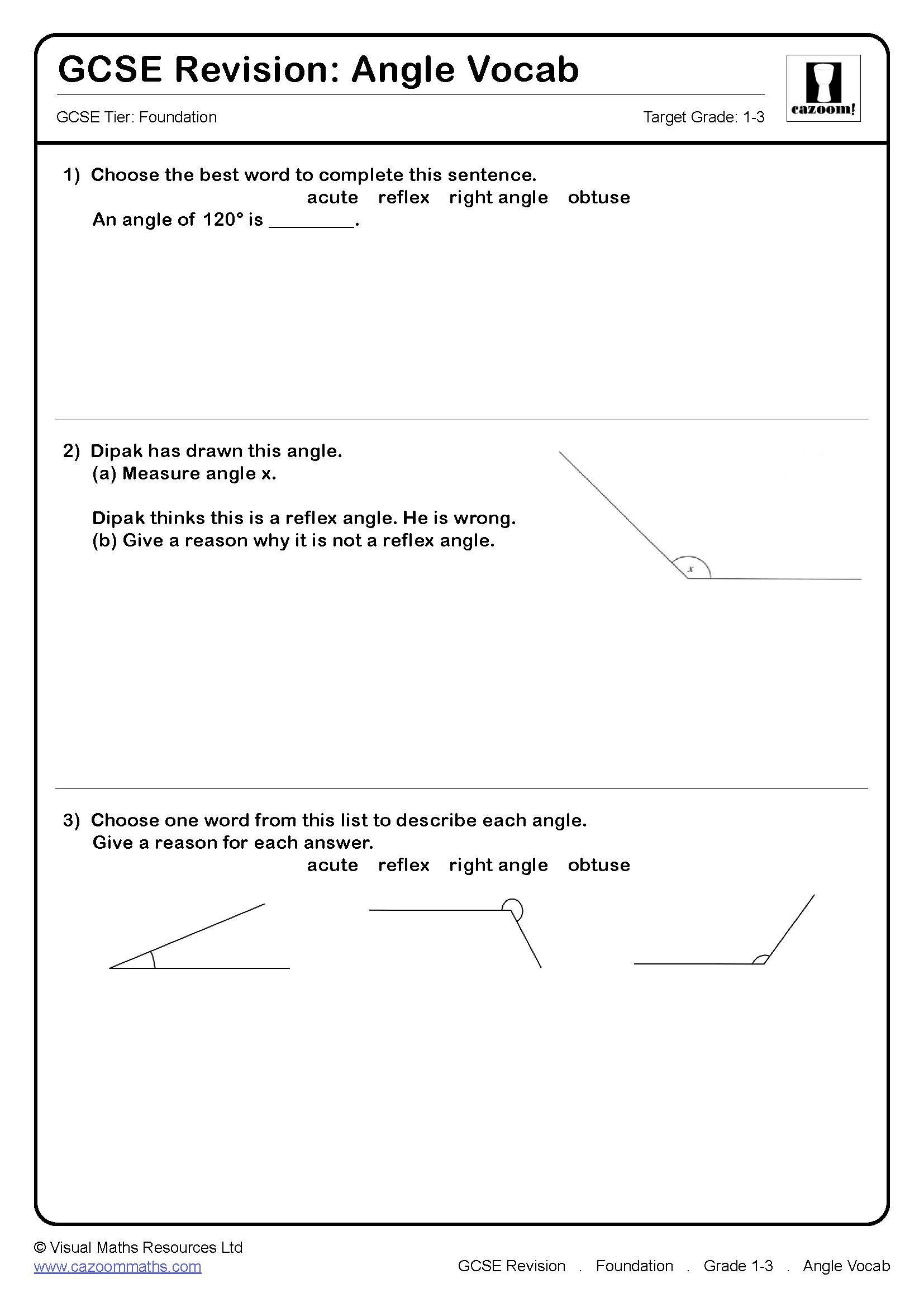
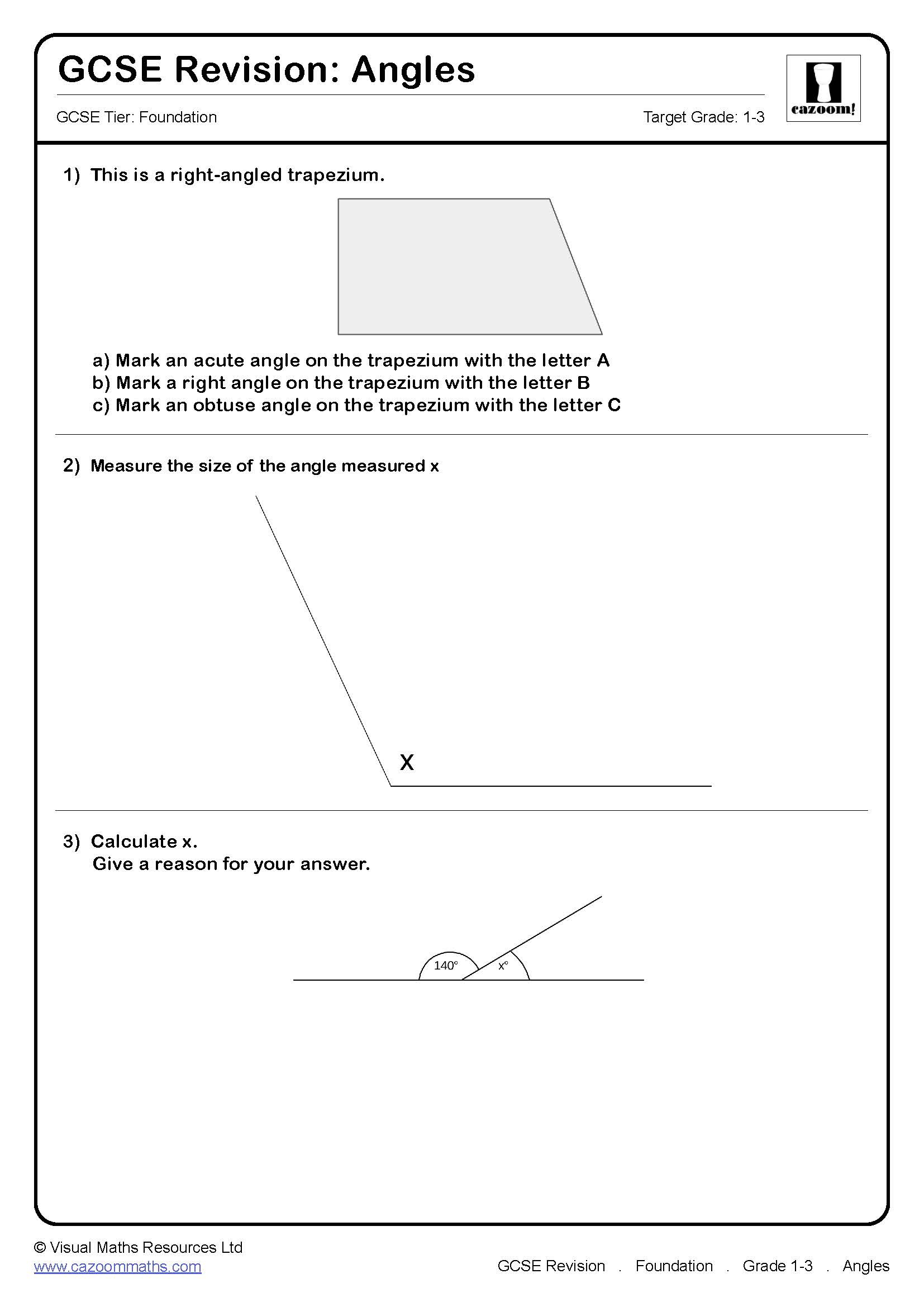
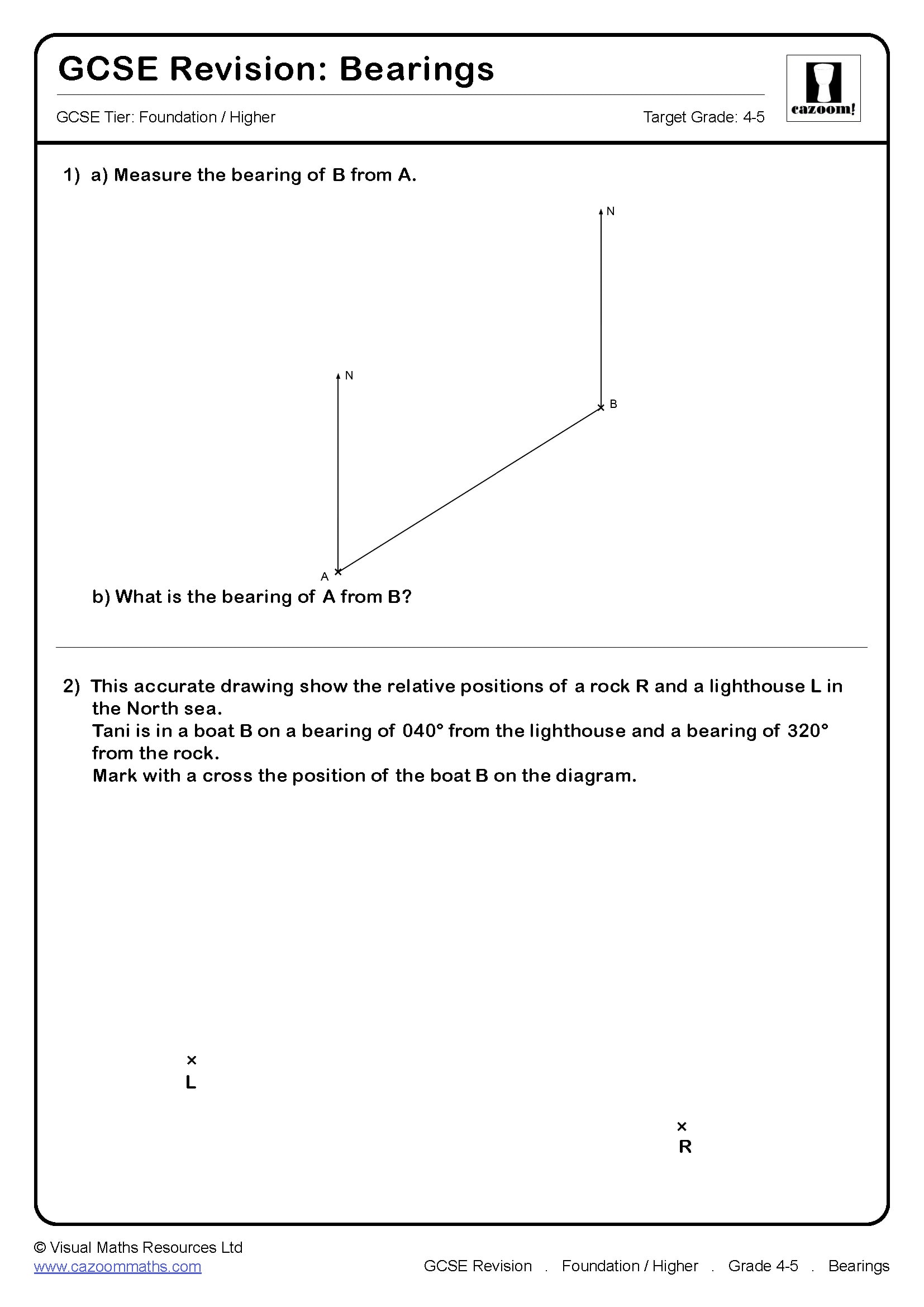
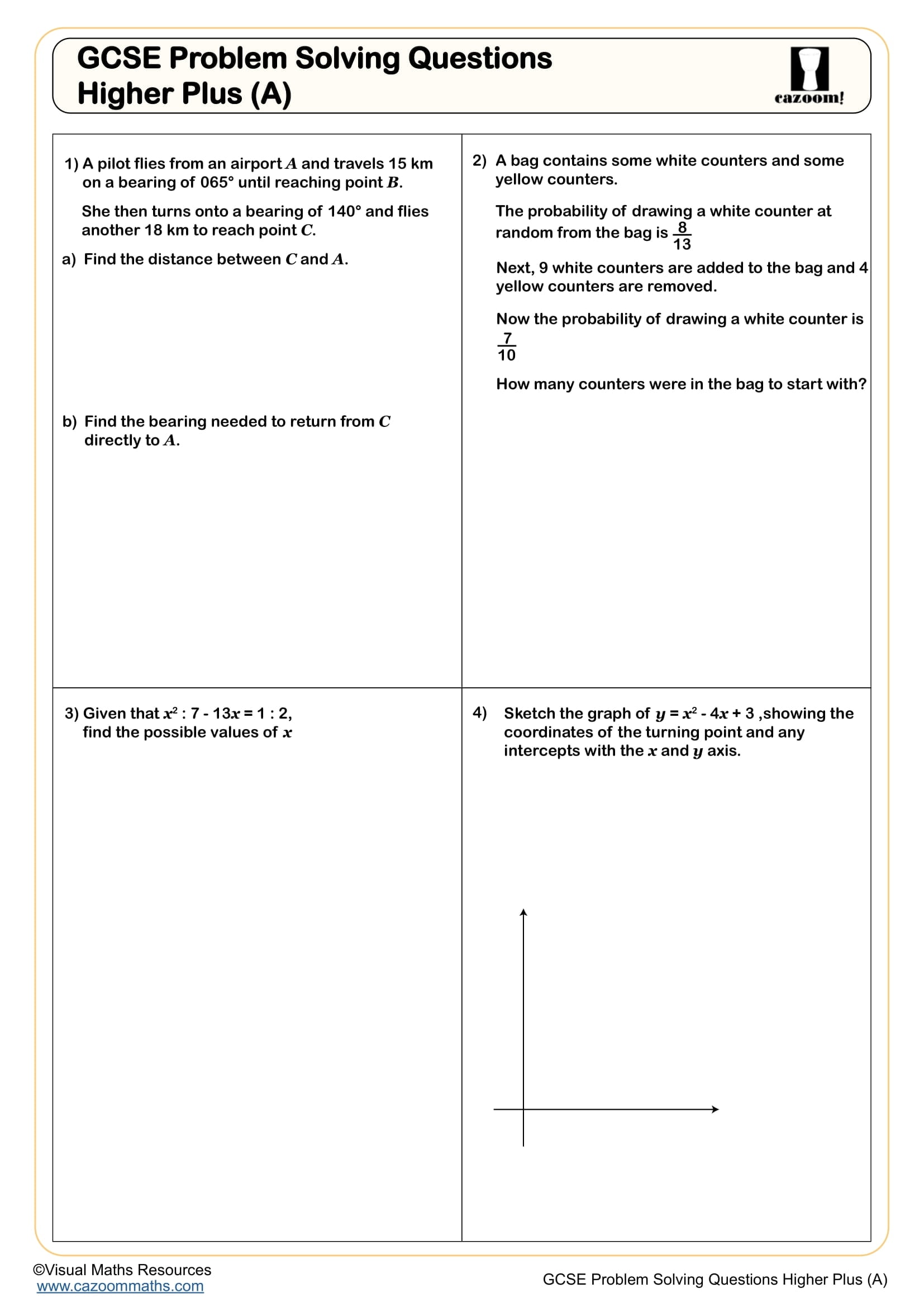
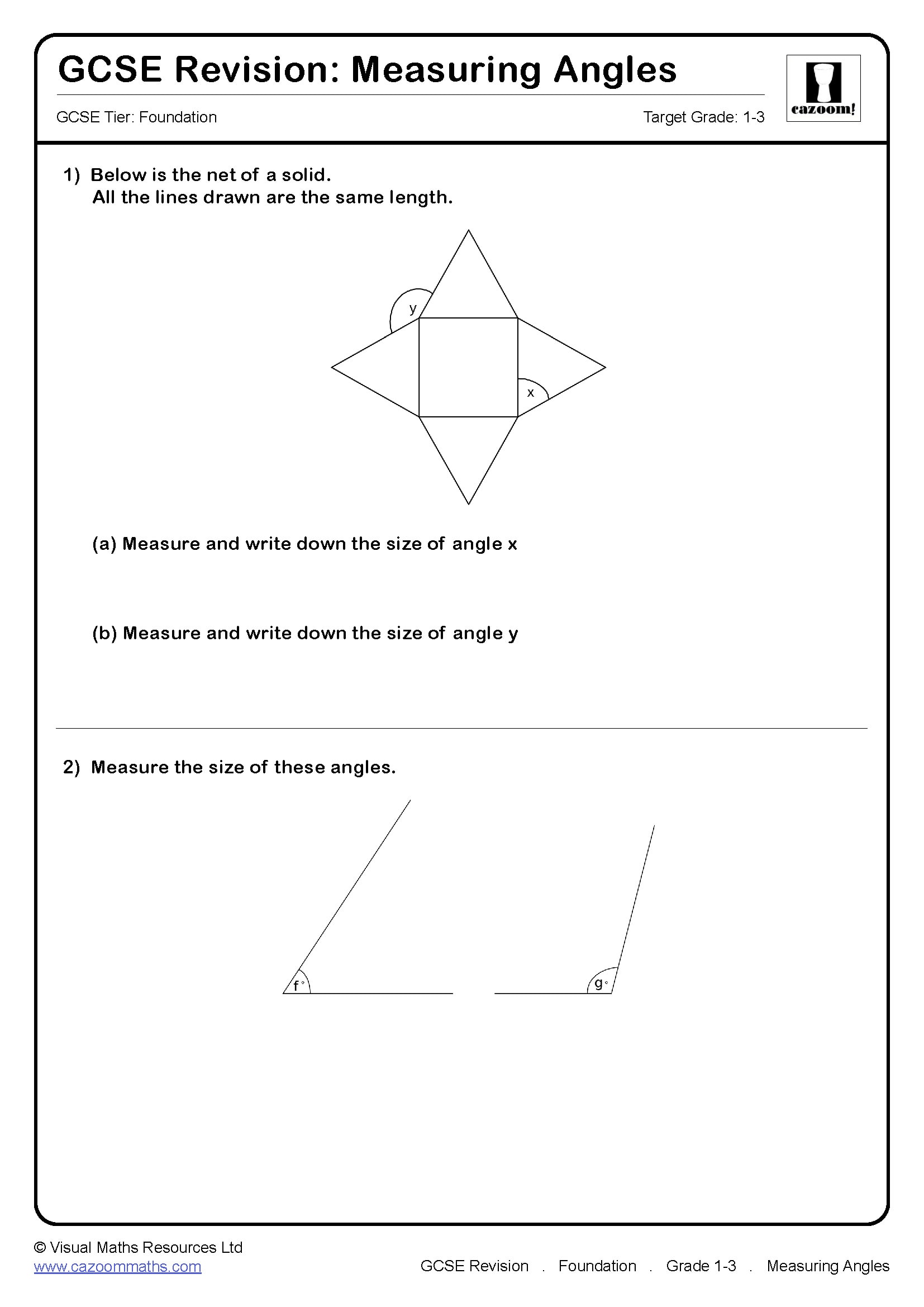
Use conventional terms and notation. Measure and draw angles to the nearest degree. Understand compass directions and three-figure bearings. Identify acute, obtuse, reflex and right angles
3.2Foundation & Higher
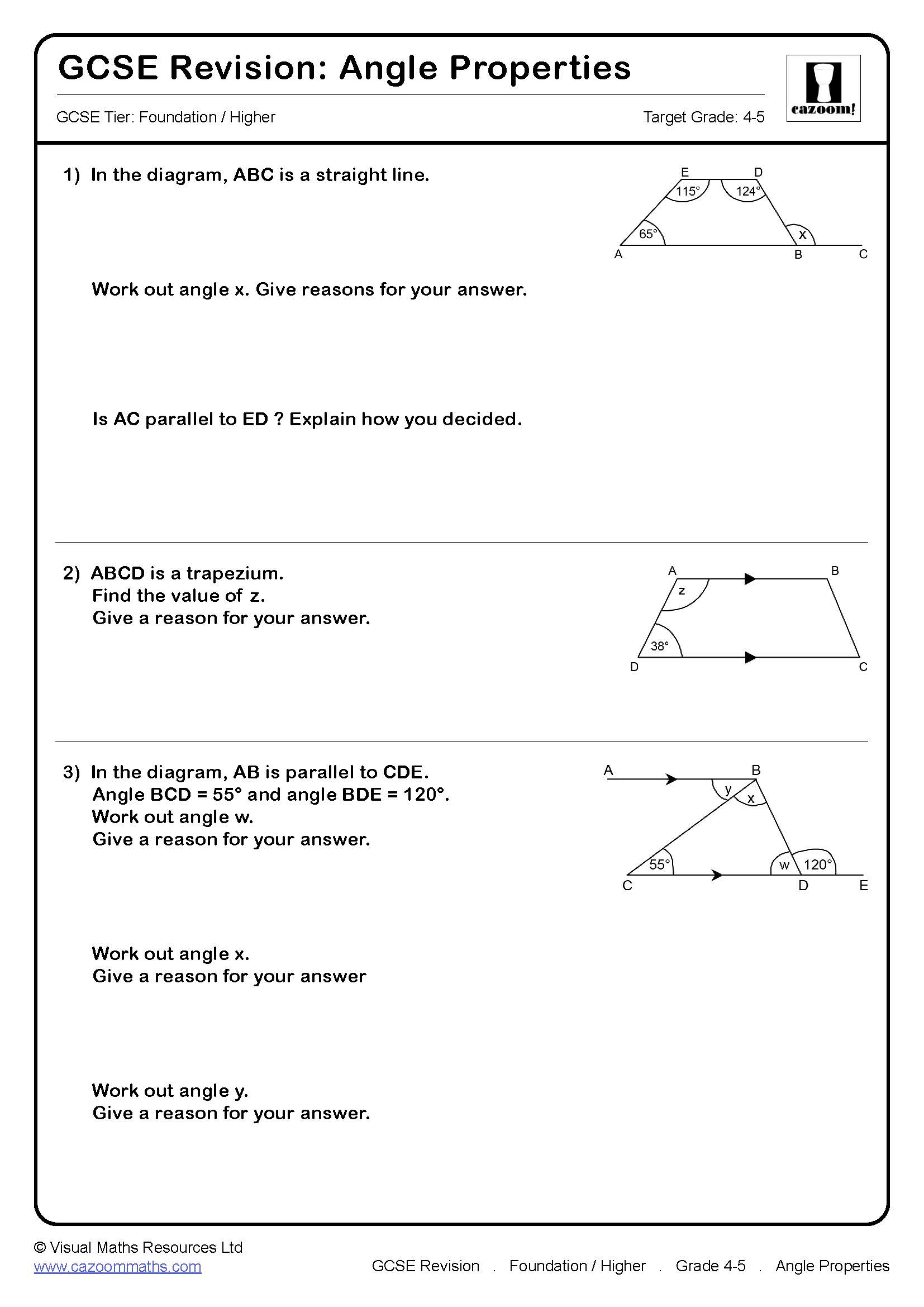
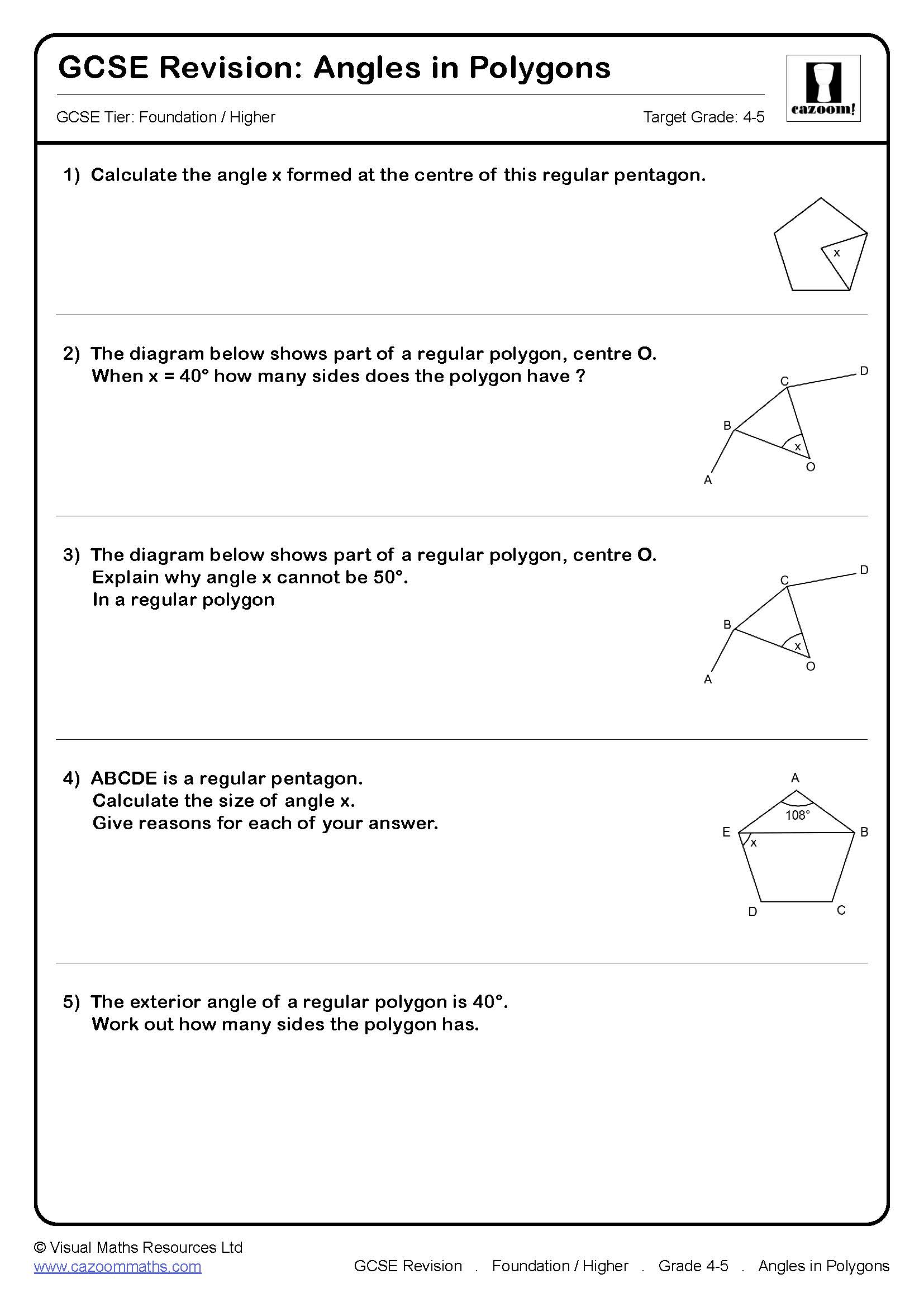
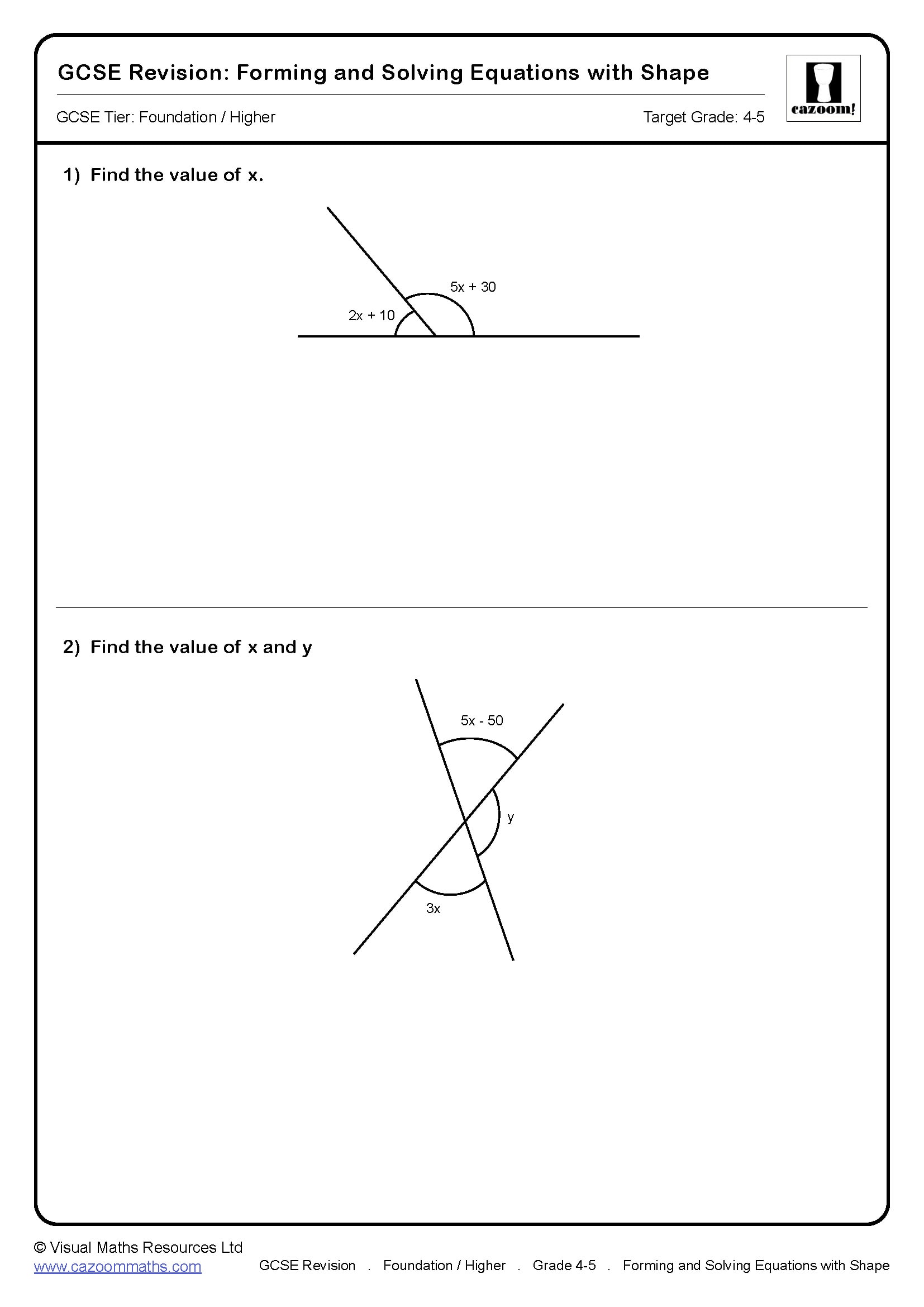
Understand and use angle properties of parallel lines, triangles and quadrilaterals. Calculate interior and exterior angles of regular and irregular polygons
3.3Foundation & Higher
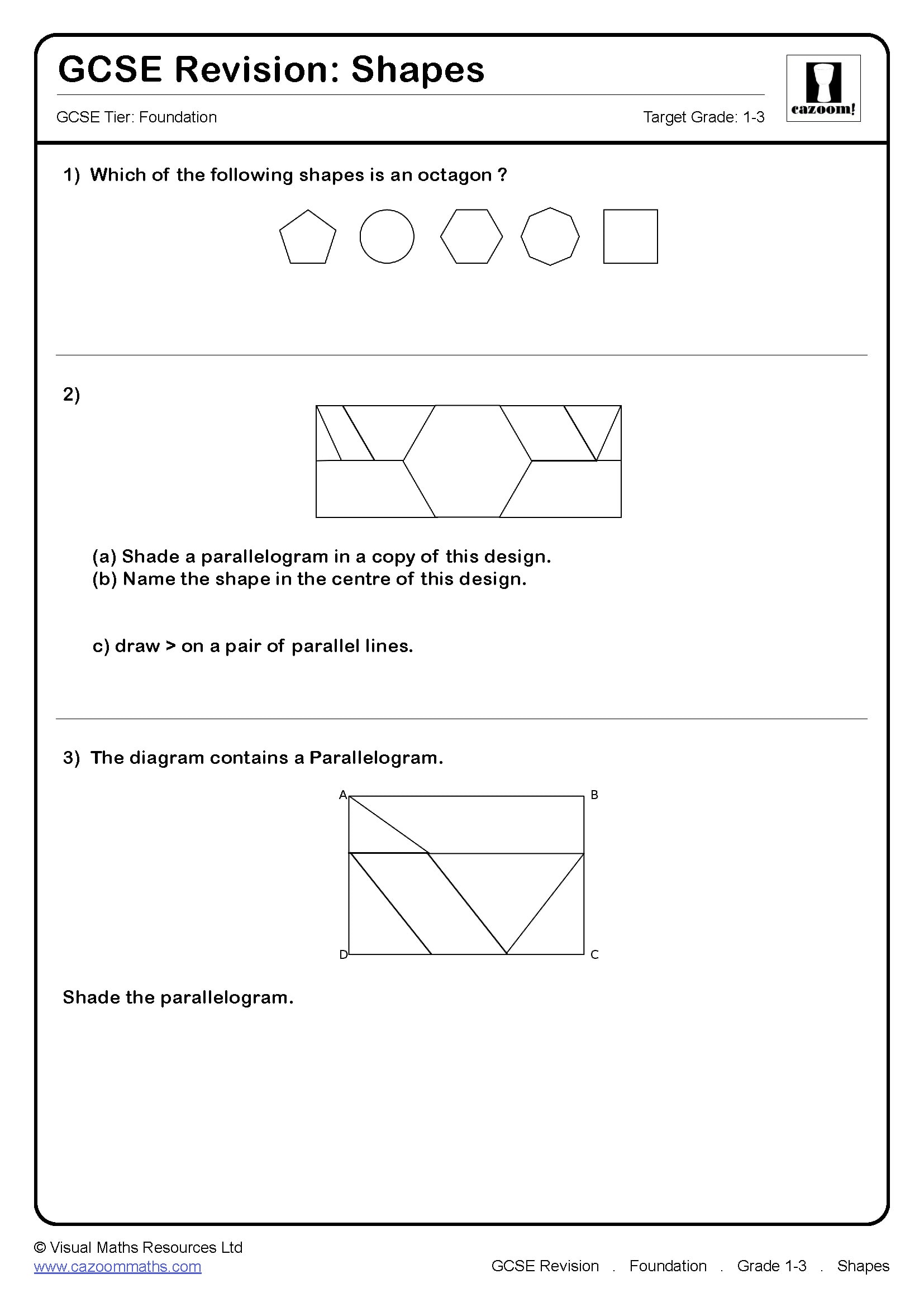
Understand and use the properties of special triangles (isosceles, equilateral, right-angled, scalene) and quadrilaterals (square, rectangle, parallelogram, trapezium, kite, rhombus)
3.4Foundation & Higher
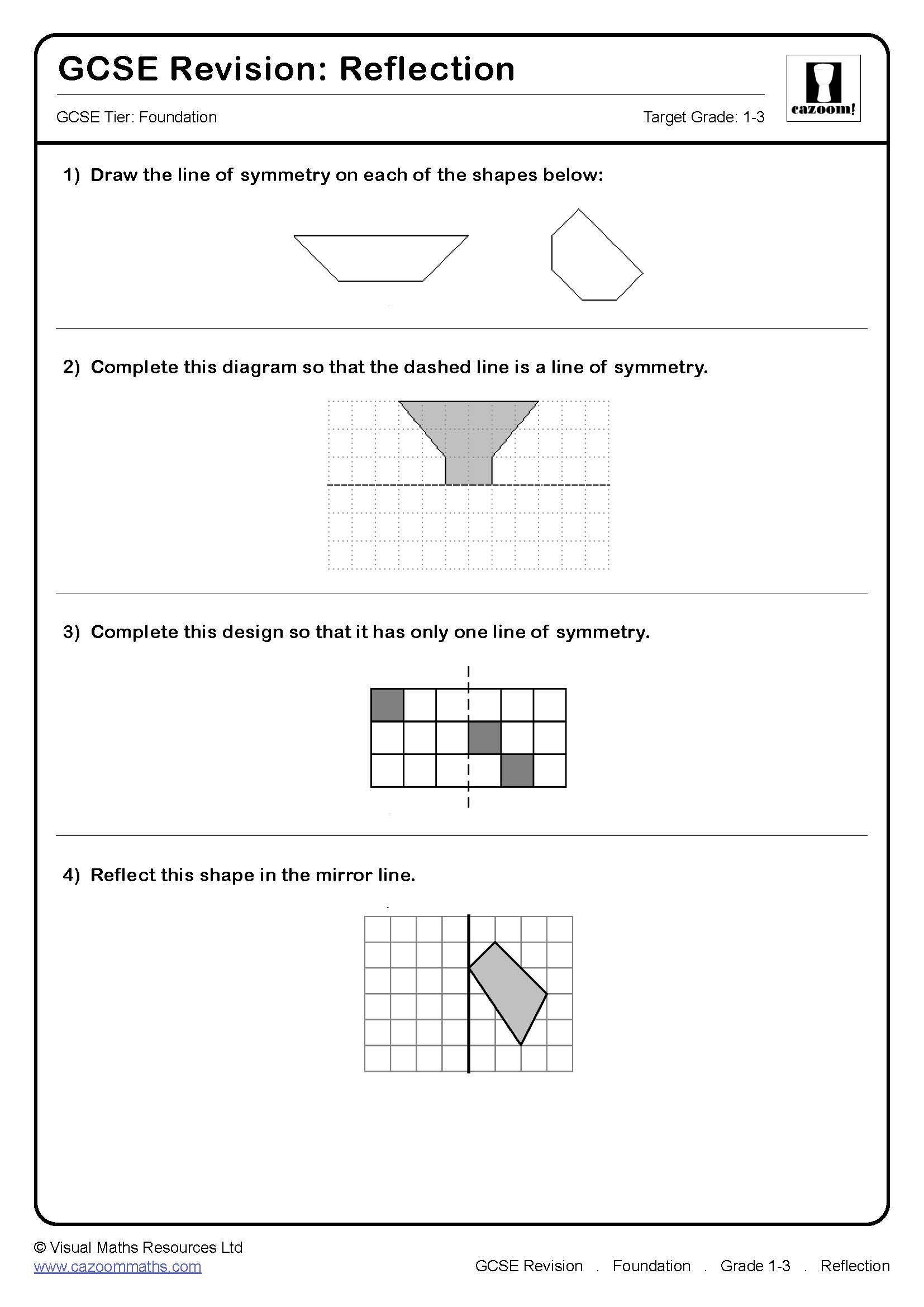
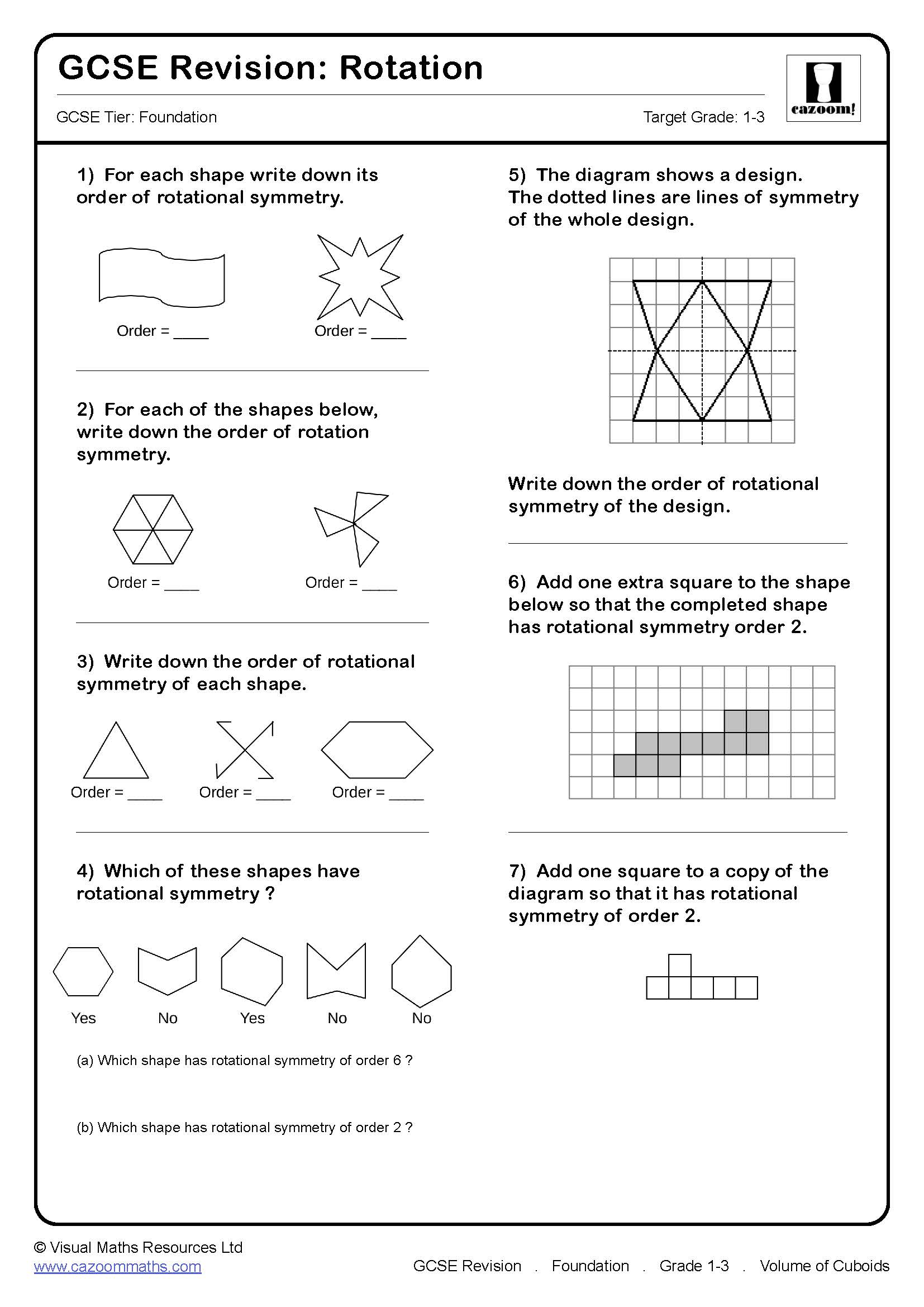
Identify and use line and rotational symmetry in two dimensions
3.5Foundation & Higher
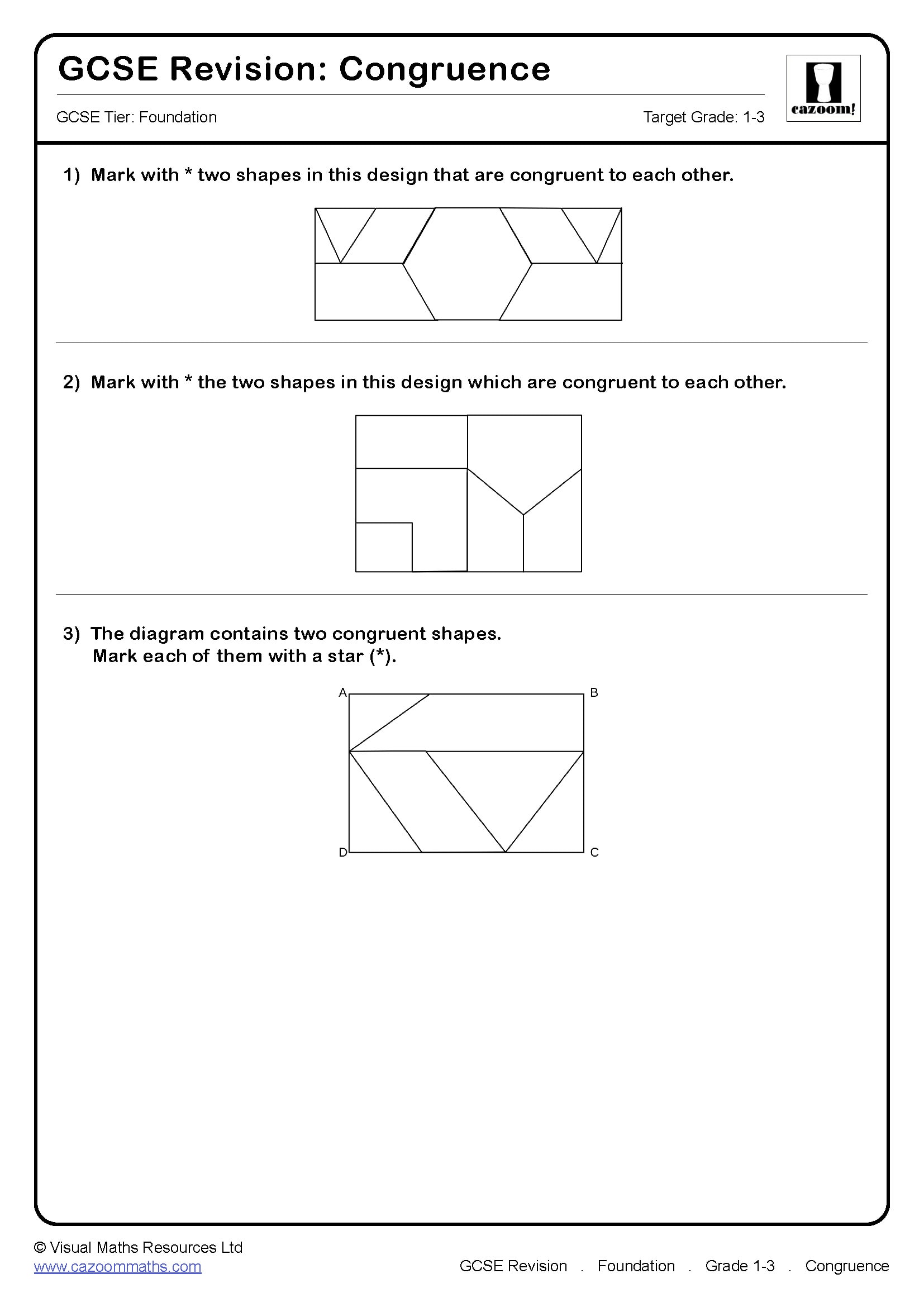
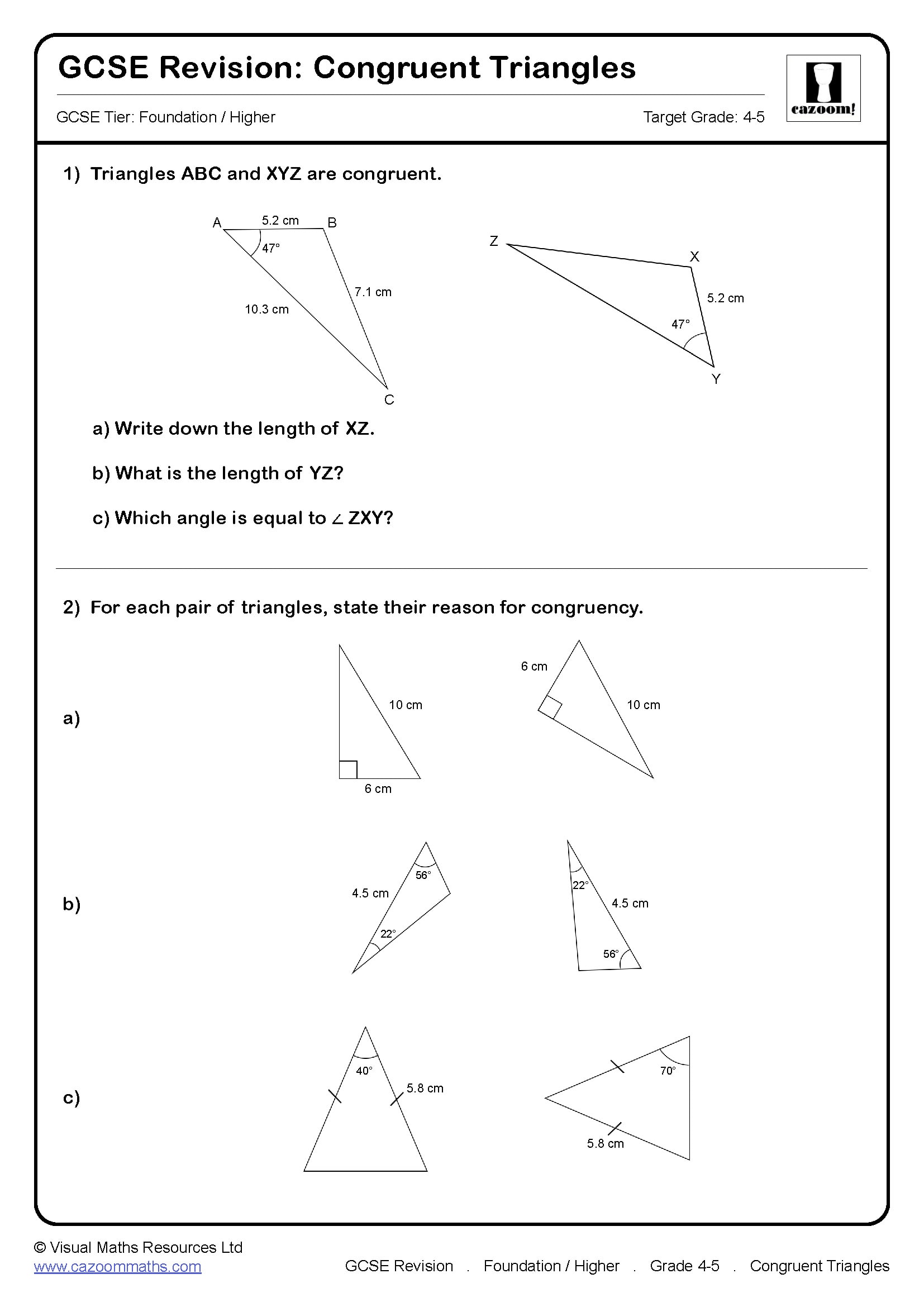
Understand congruence as meaning the same shape and size. Understand that two or more polygons with the same shape and size are said to be congruent to each other
3.6Foundation & Higher
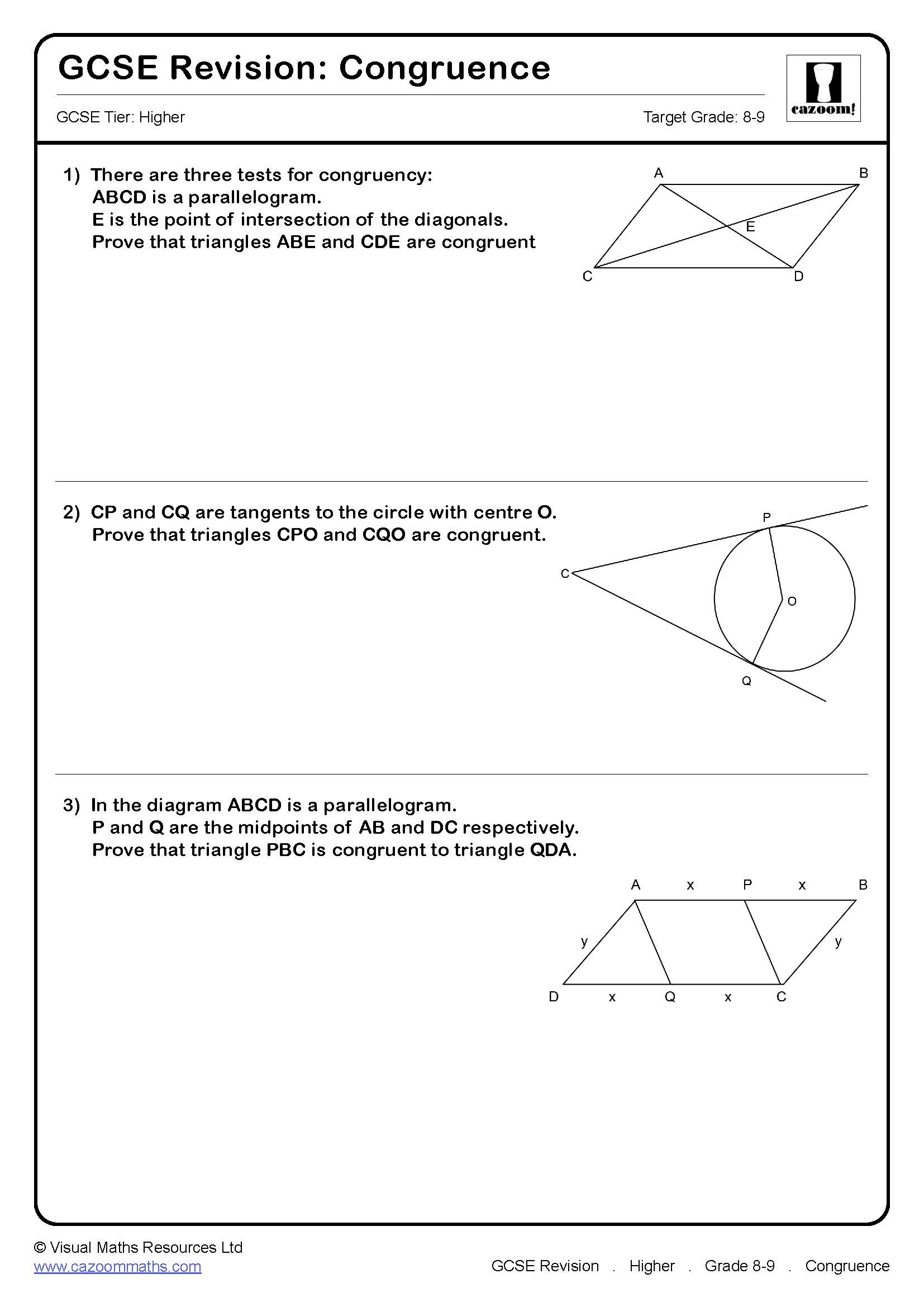
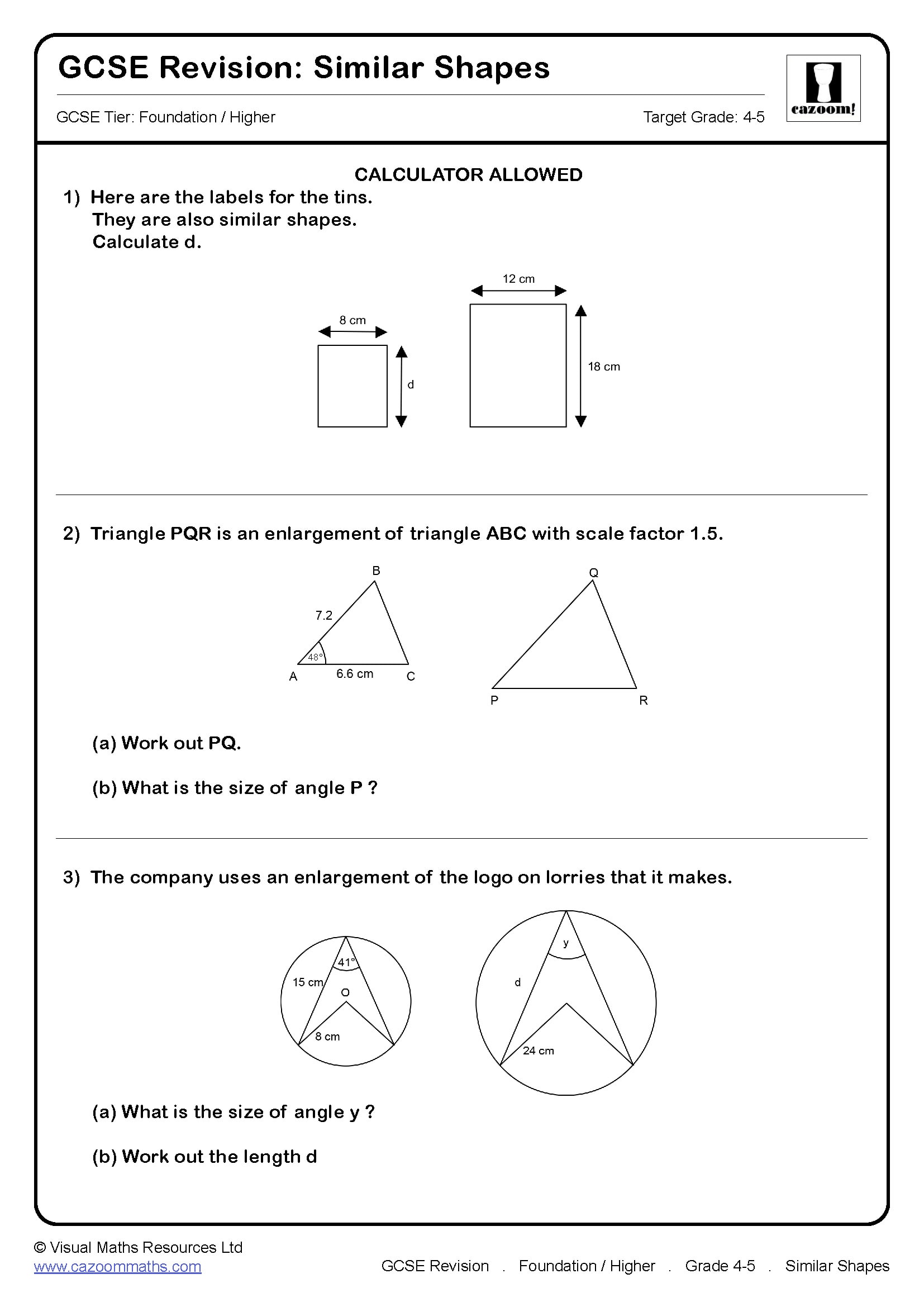
Understand similarity of shapes. Use SSS, SAS, ASA and RHS conditions to prove congruence. Understand and use the effect of enlargement on perimeter, area and volume of shapes and solids
3.7Foundation & Higher
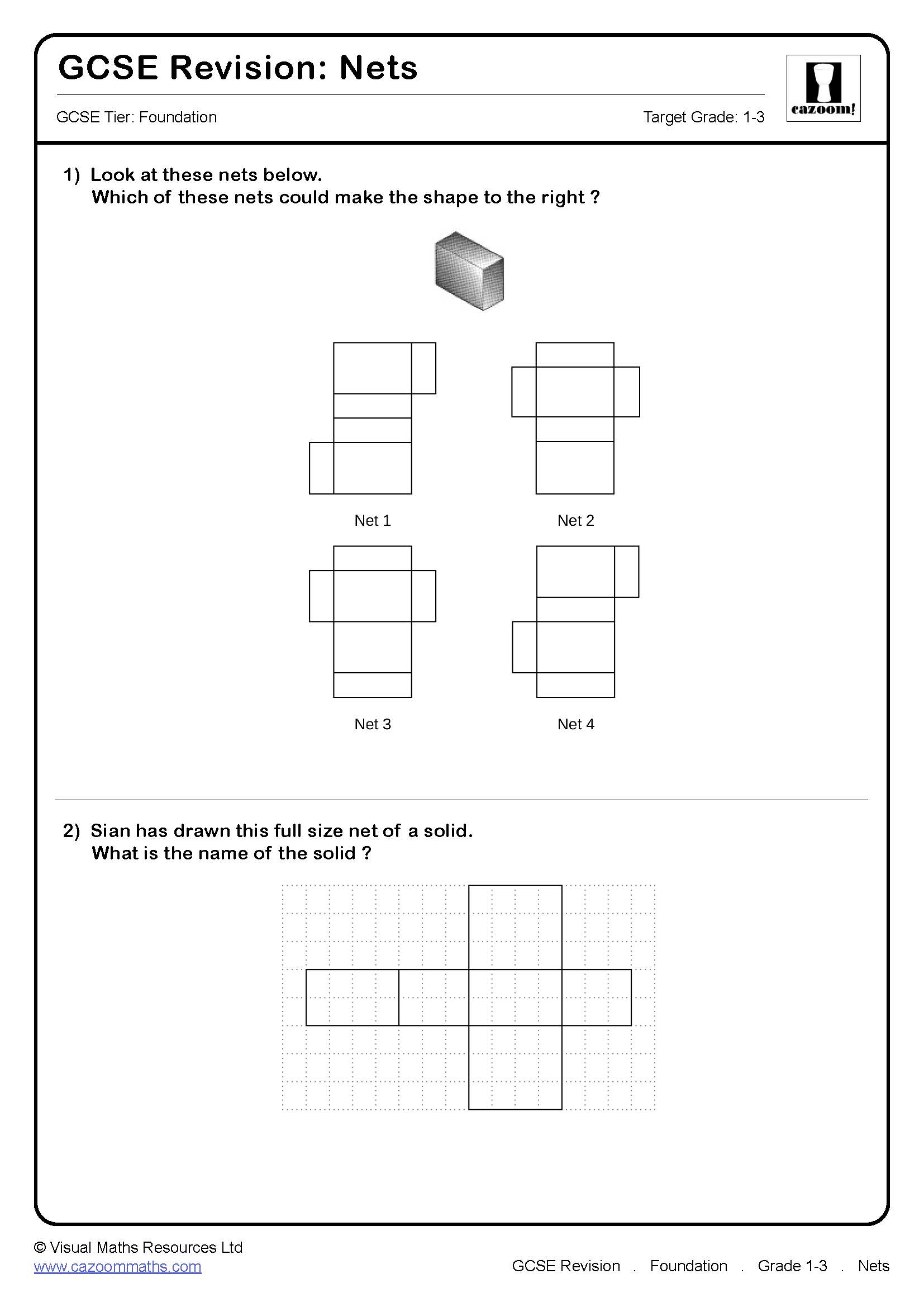
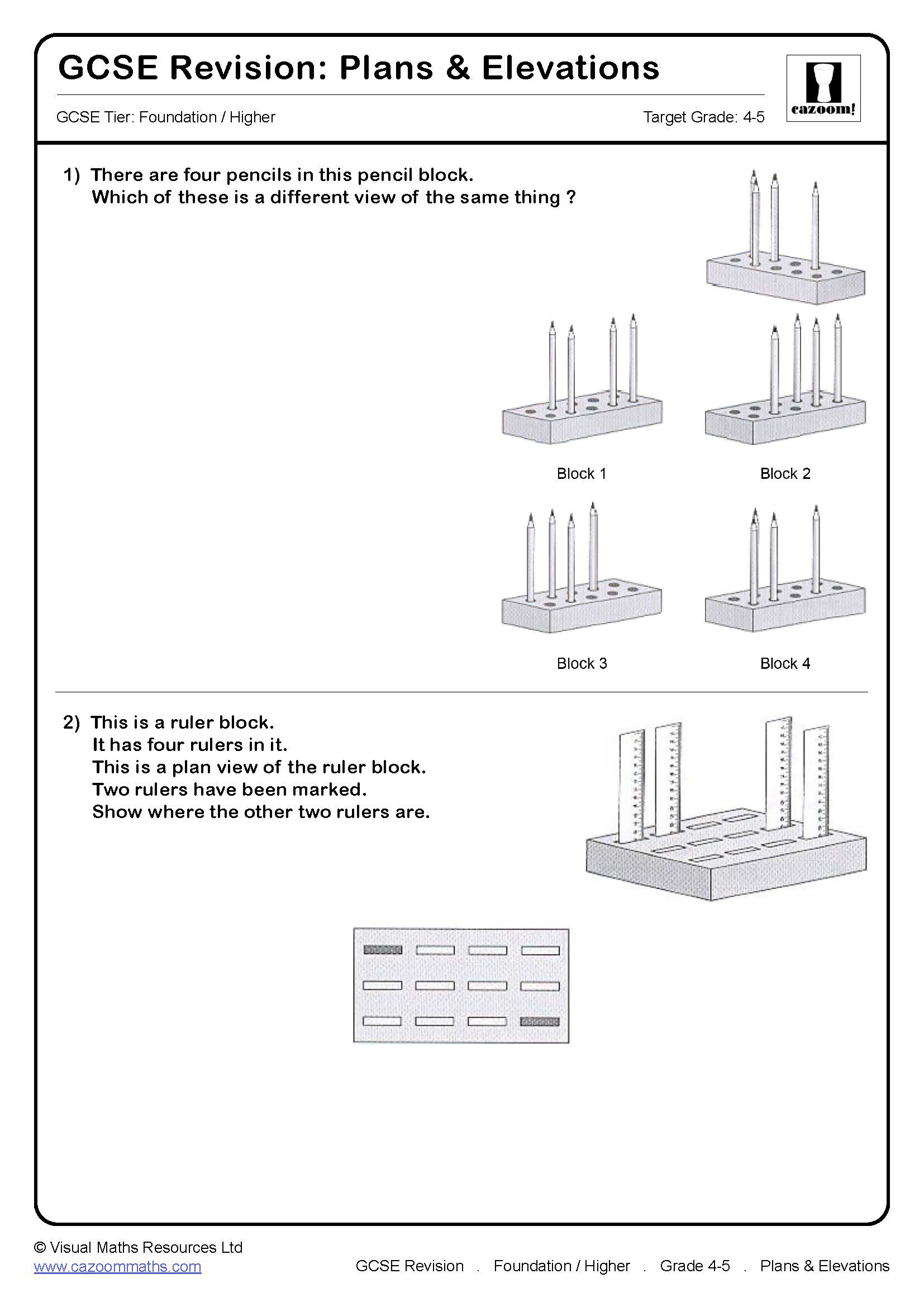
Recognise, visualise and use 2D representations of 3D shapes. Use isometric drawings, plans and elevations
3.8Foundation & Higher
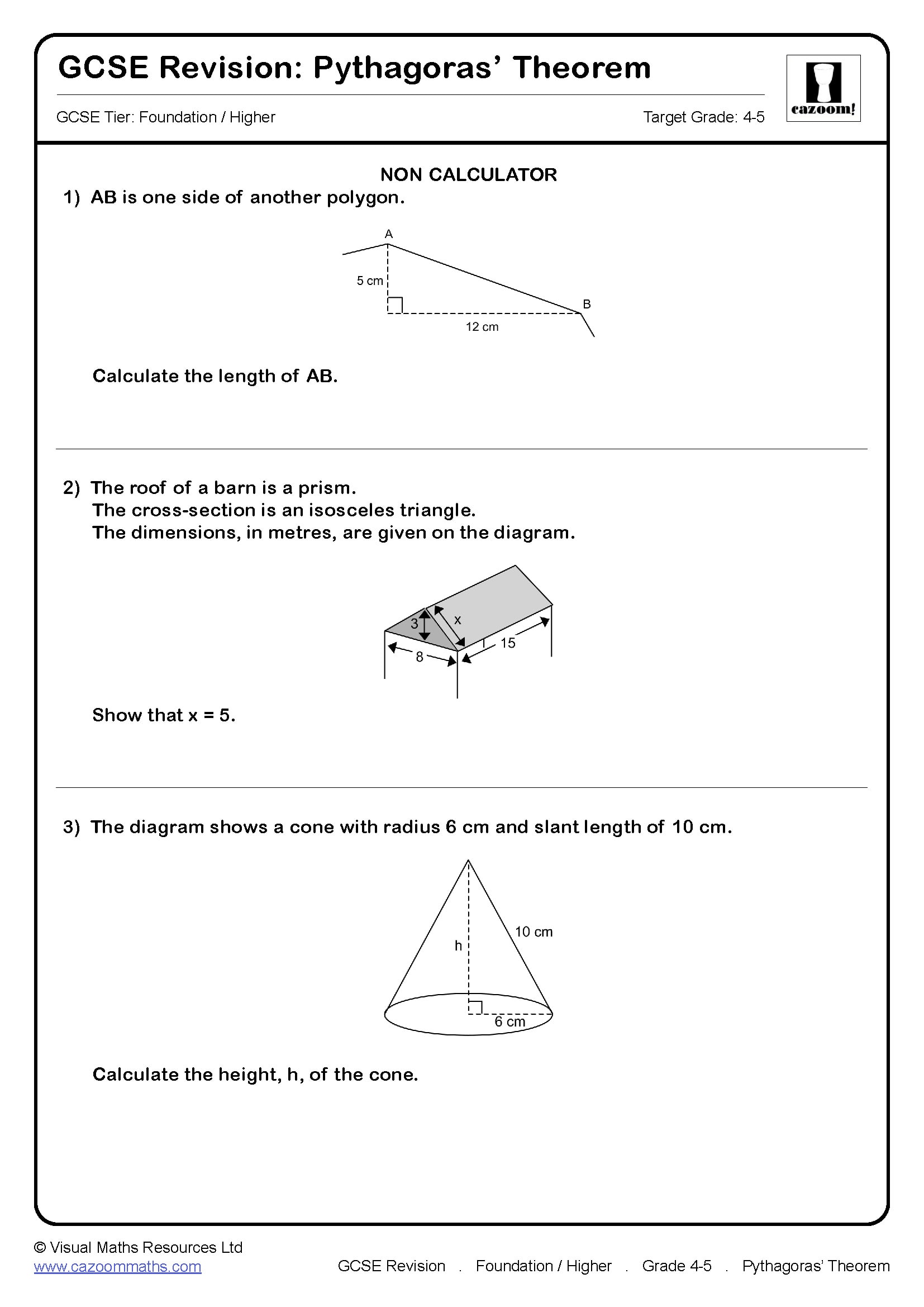
Understand and use Pythagoras' theorem in 2D. Apply Pythagoras' theorem in 3D
3.9Foundation & Higher
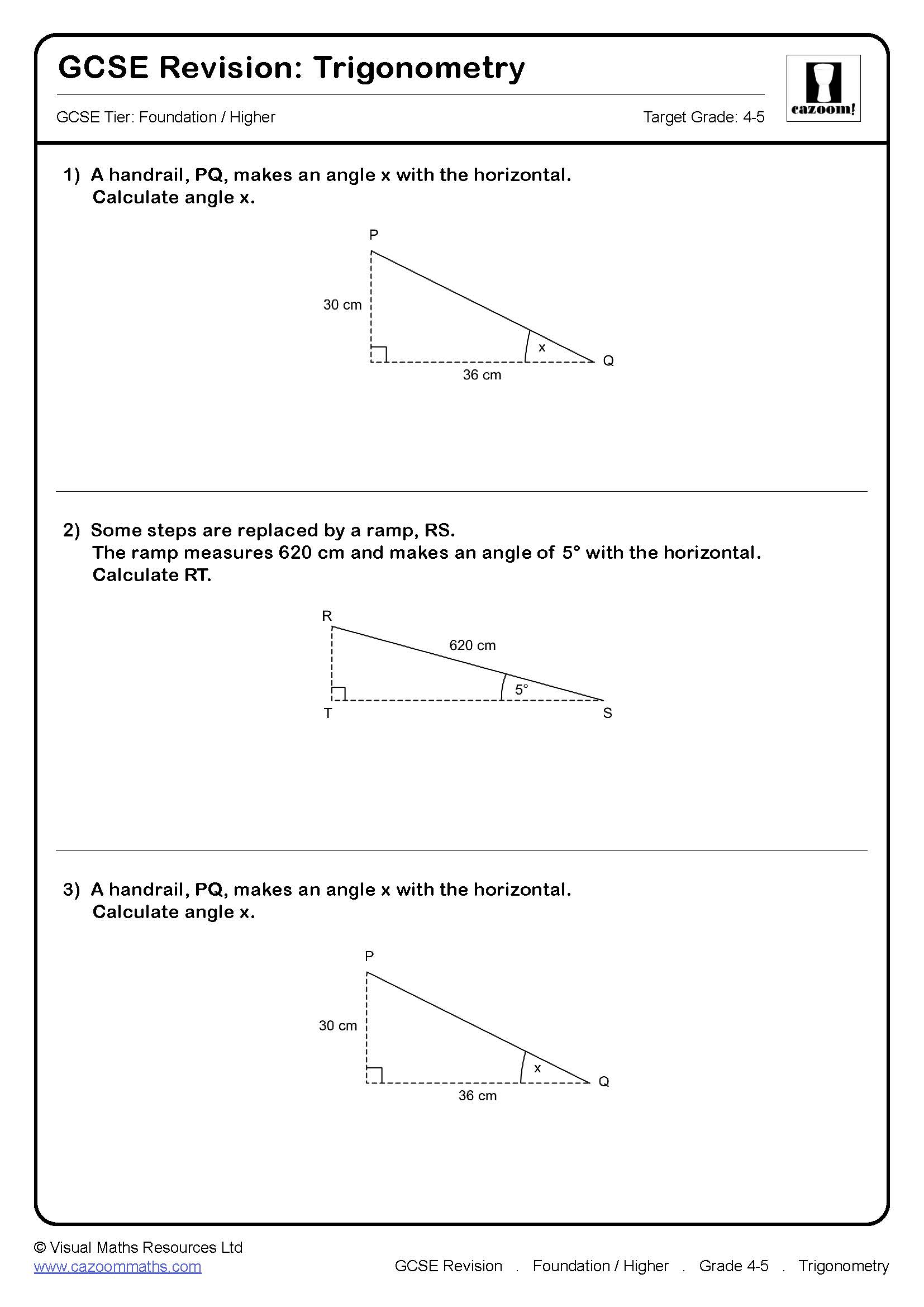
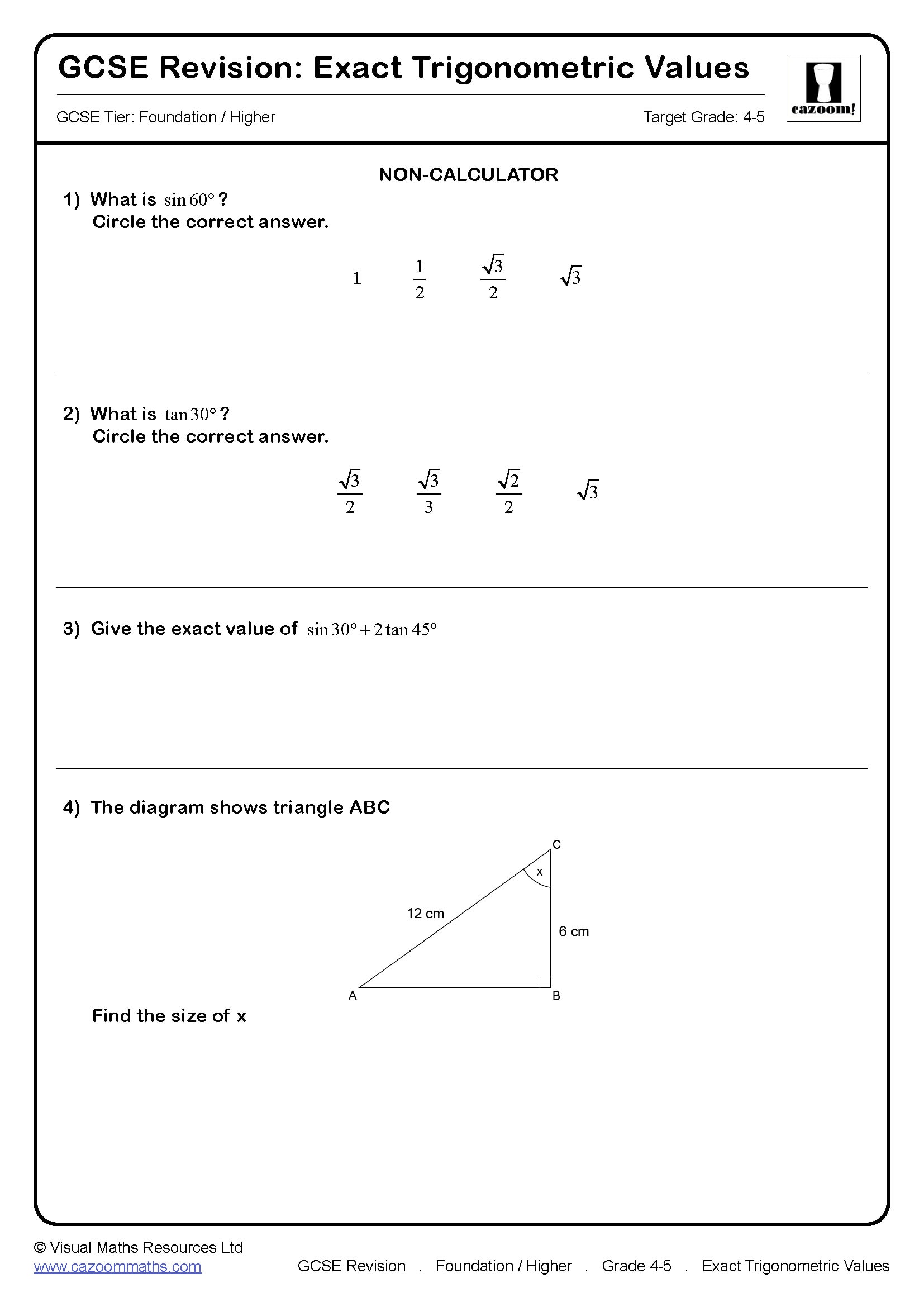
Know and apply sine, cosine and tangent ratios for acute angles in calculations involving sides and angles of a right-angled triangle
3.10Higher
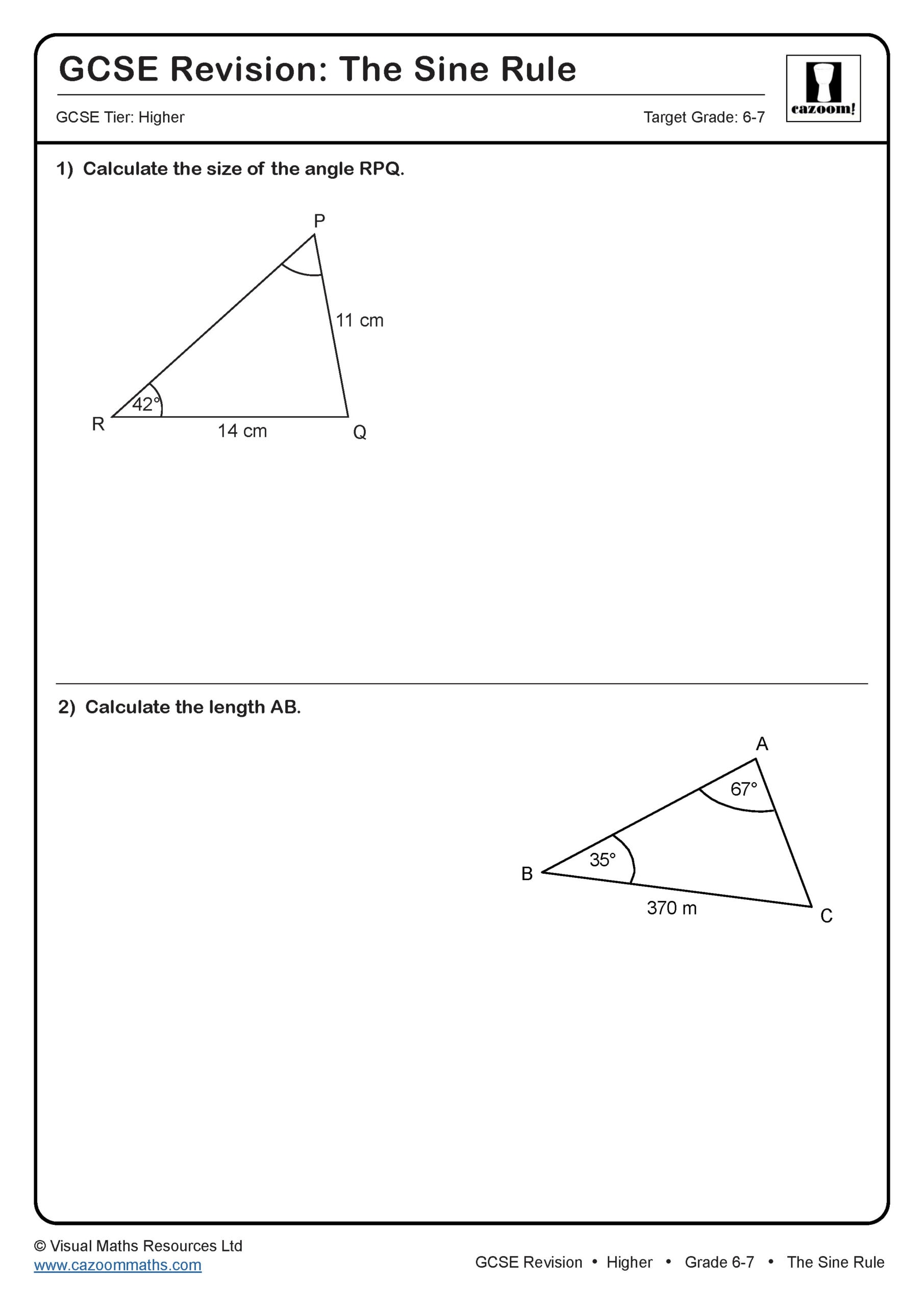
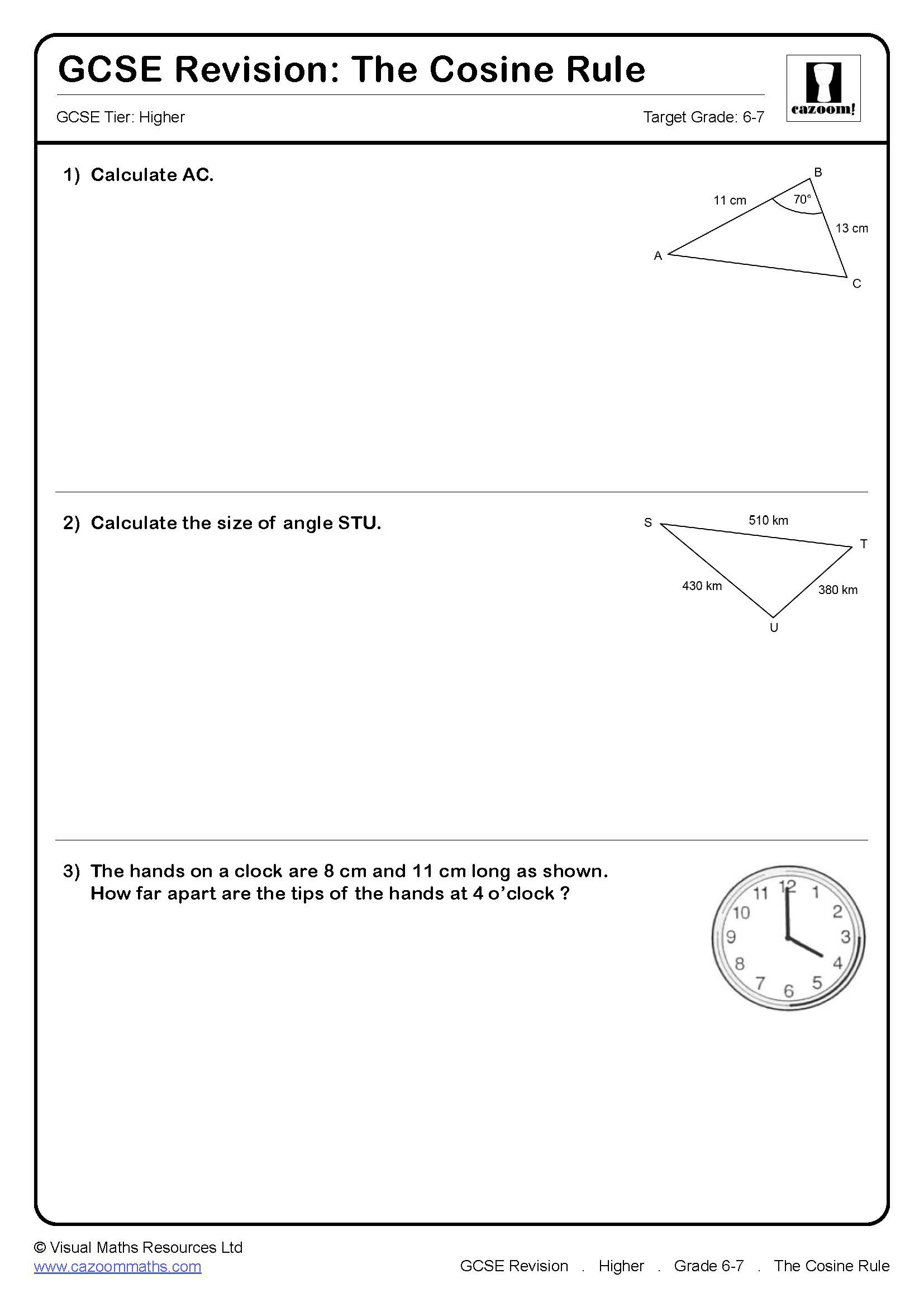
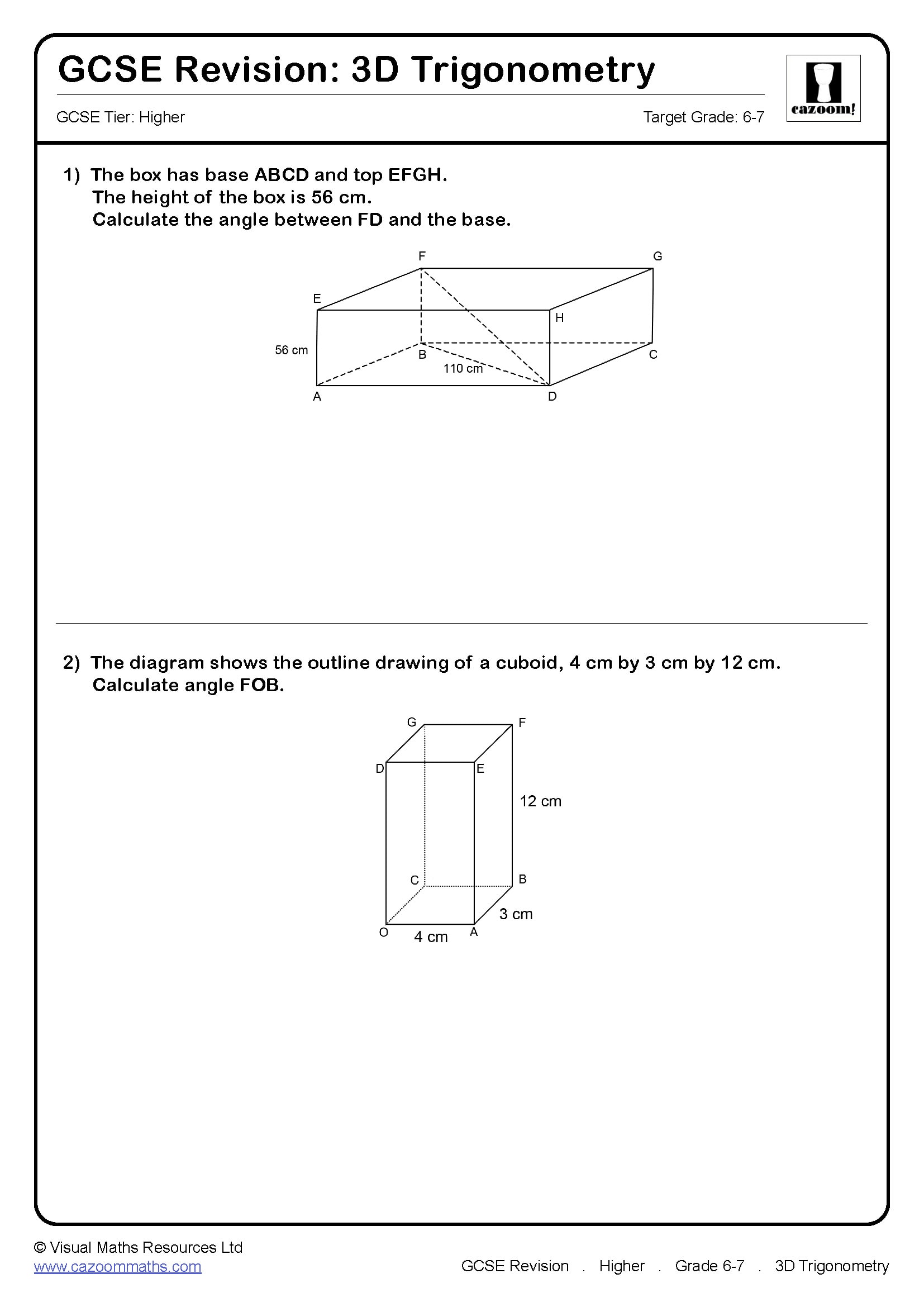
Apply trigonometric ratios to find angles and lengths in right-angled triangles in 3D. Use the sine rule, cosine rule and area = ½ab sin C. Solve trigonometric problems in 2D and 3D
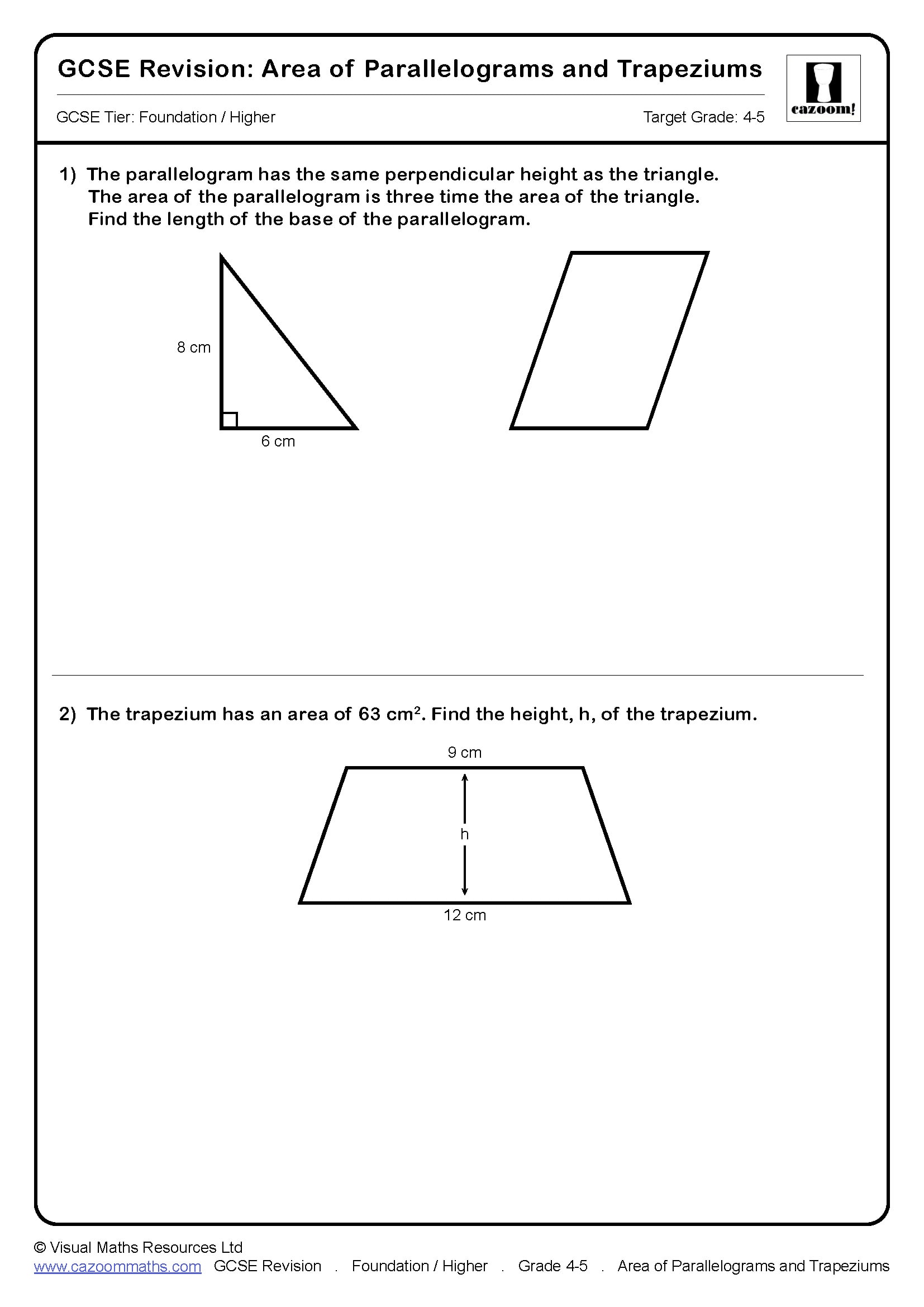
3.11Foundation & Higher
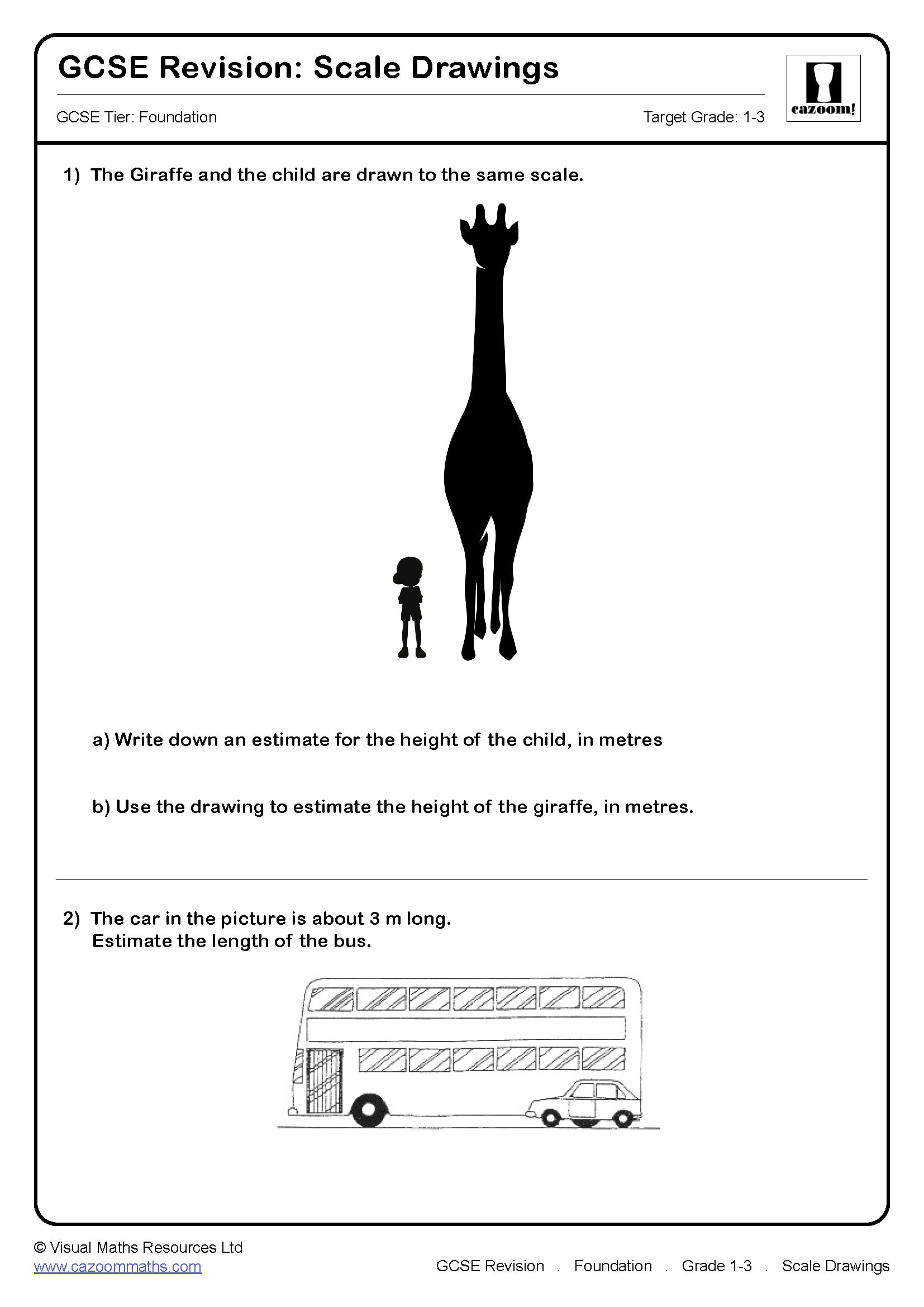
Use and interpret maps and scale drawings. Use scale factors, scale diagrams and maps. Understand and use the effect of enlargement
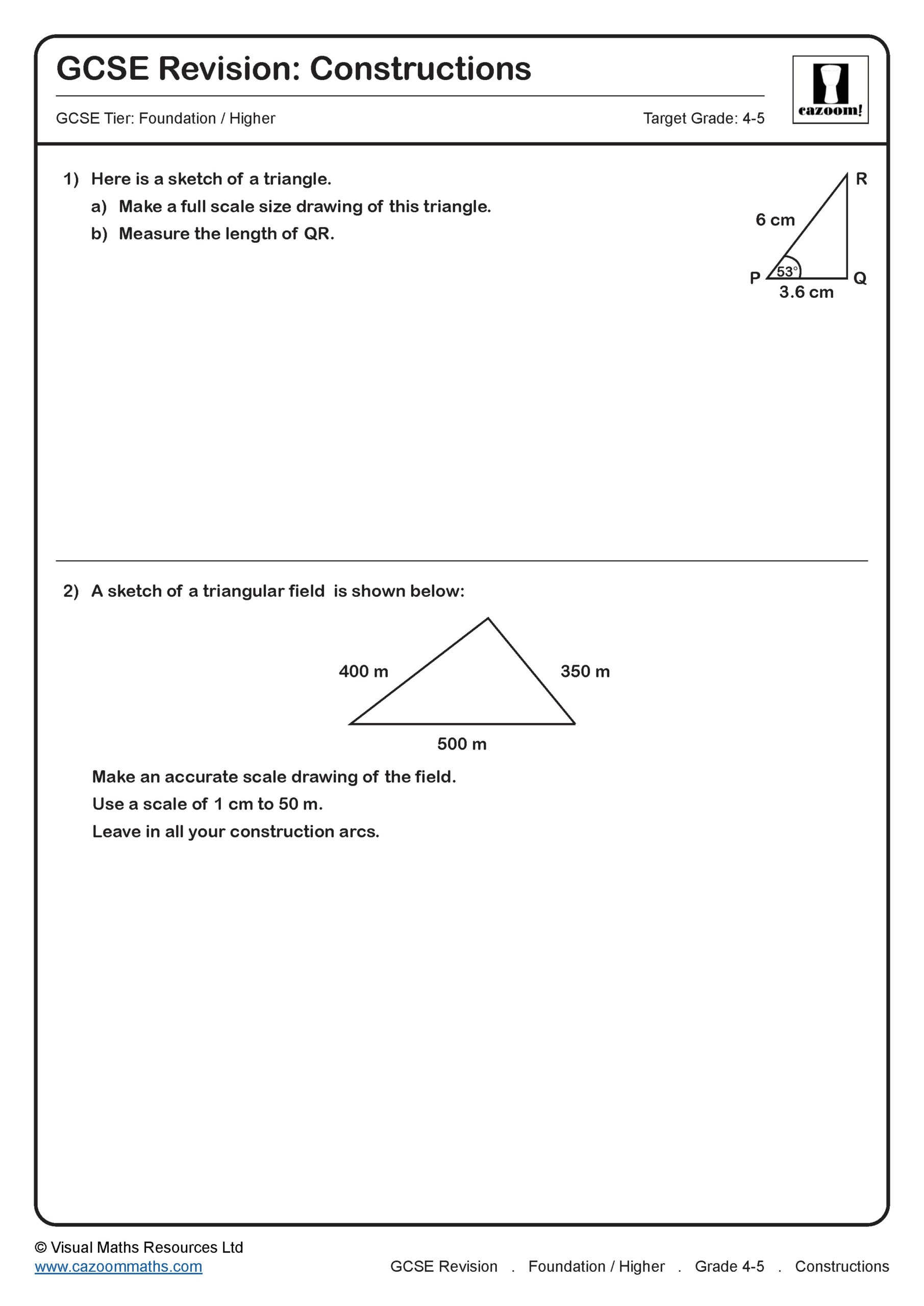
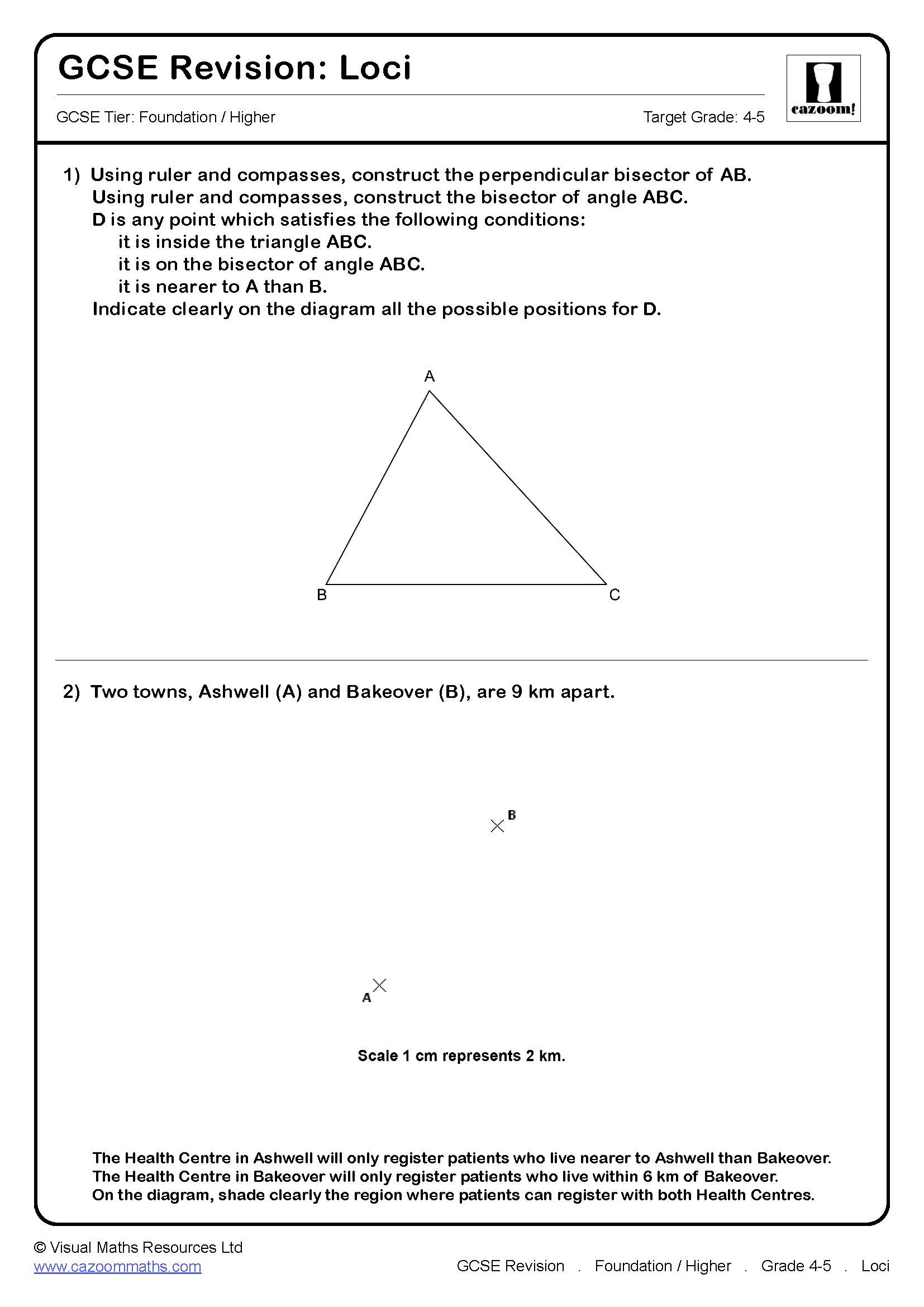
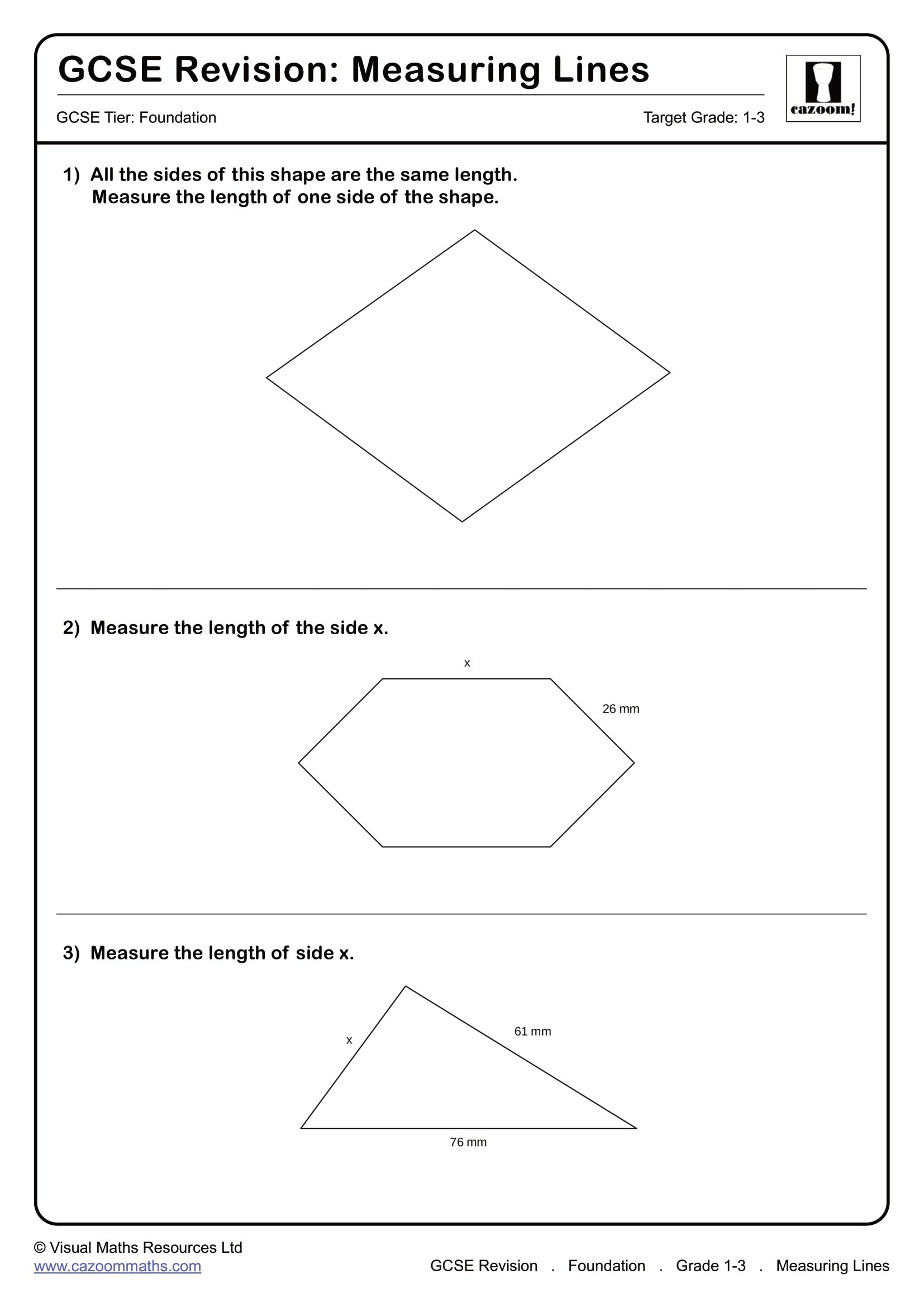
3.12Foundation & Higher
Measure and draw lines and angles. Construct triangles and other 2D shapes using a ruler, angle measurer and compasses. Construct perpendicular bisectors, angle bisectors, perpendiculars from a point to a line
3.13Foundation & Higher
Understand the concept of a locus. Construct loci, including the locus of a point that moves such that it satisfies certain conditions
3.14Foundation & Higher
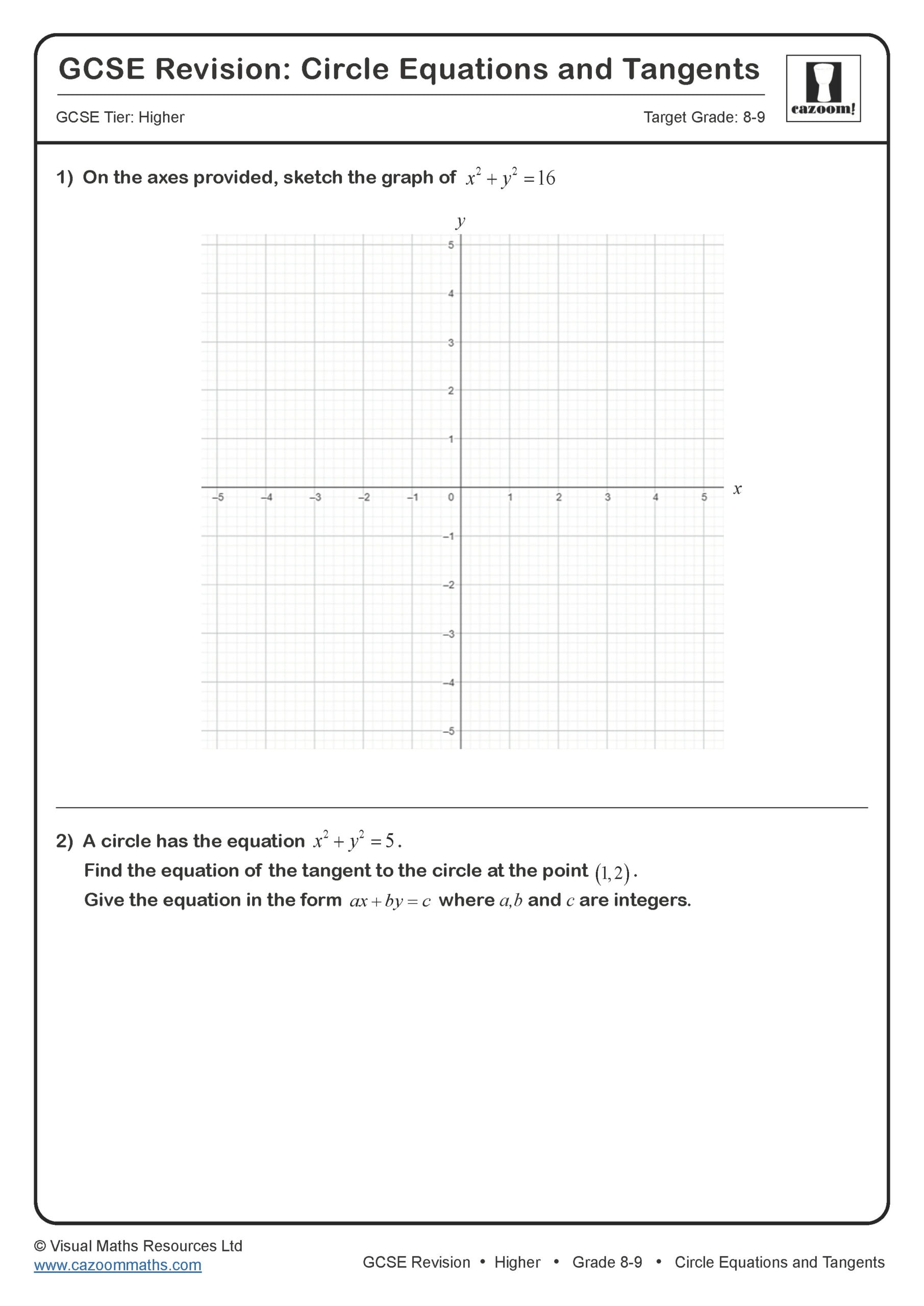
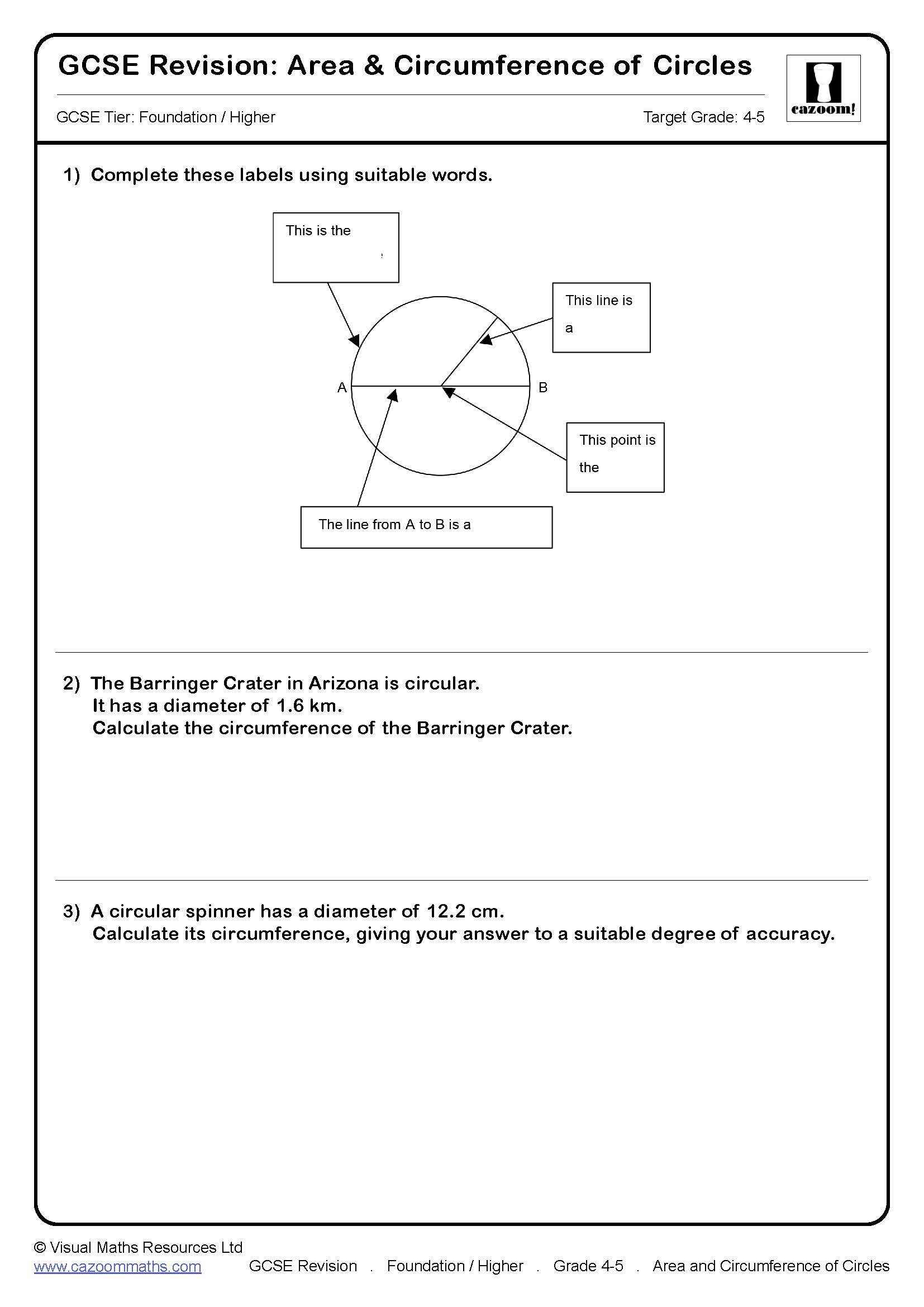
Recognise and use circle terminology: centre, radius, diameter, circumference, chord, tangent, arc, sector, segment
3.15Higher
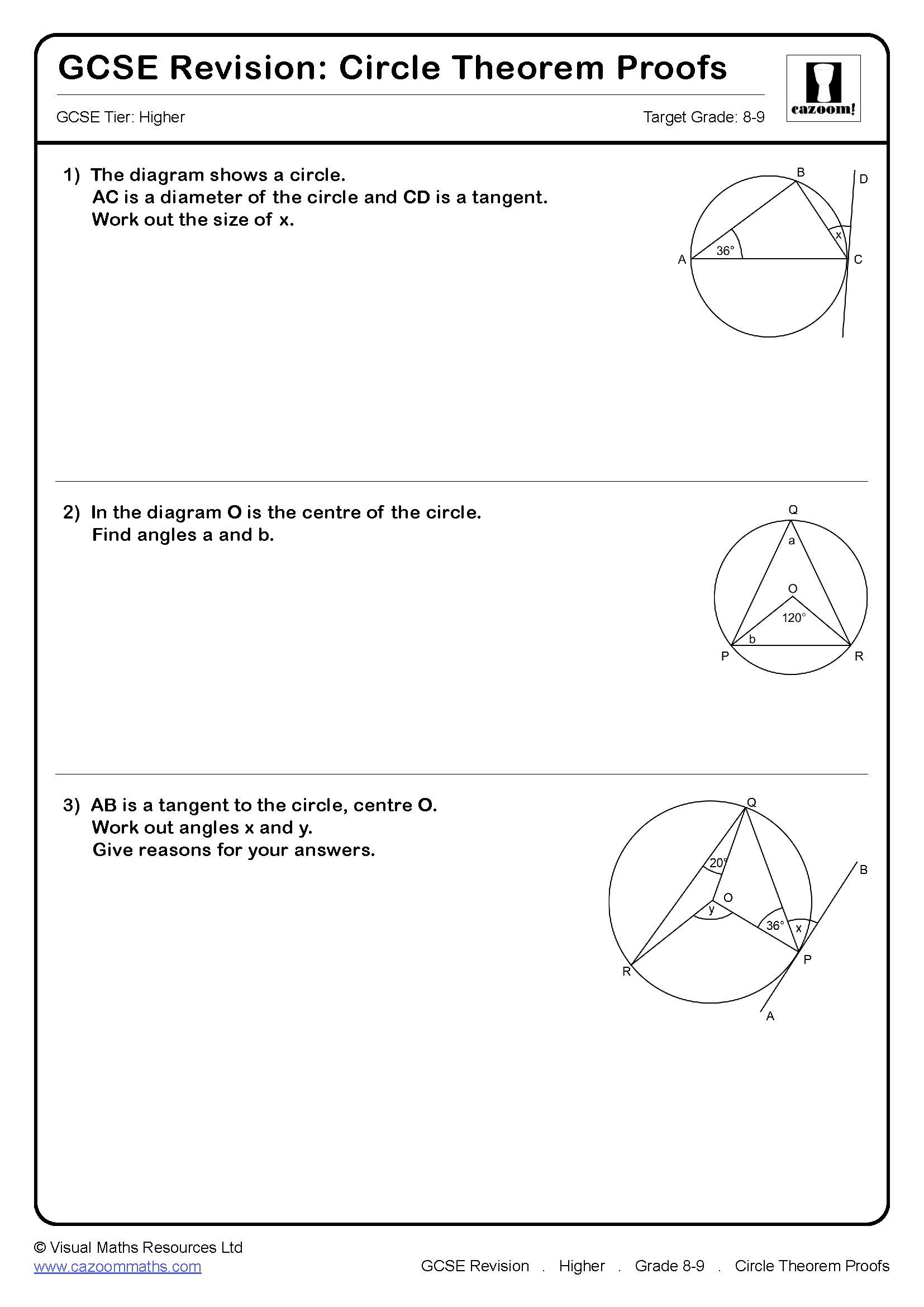
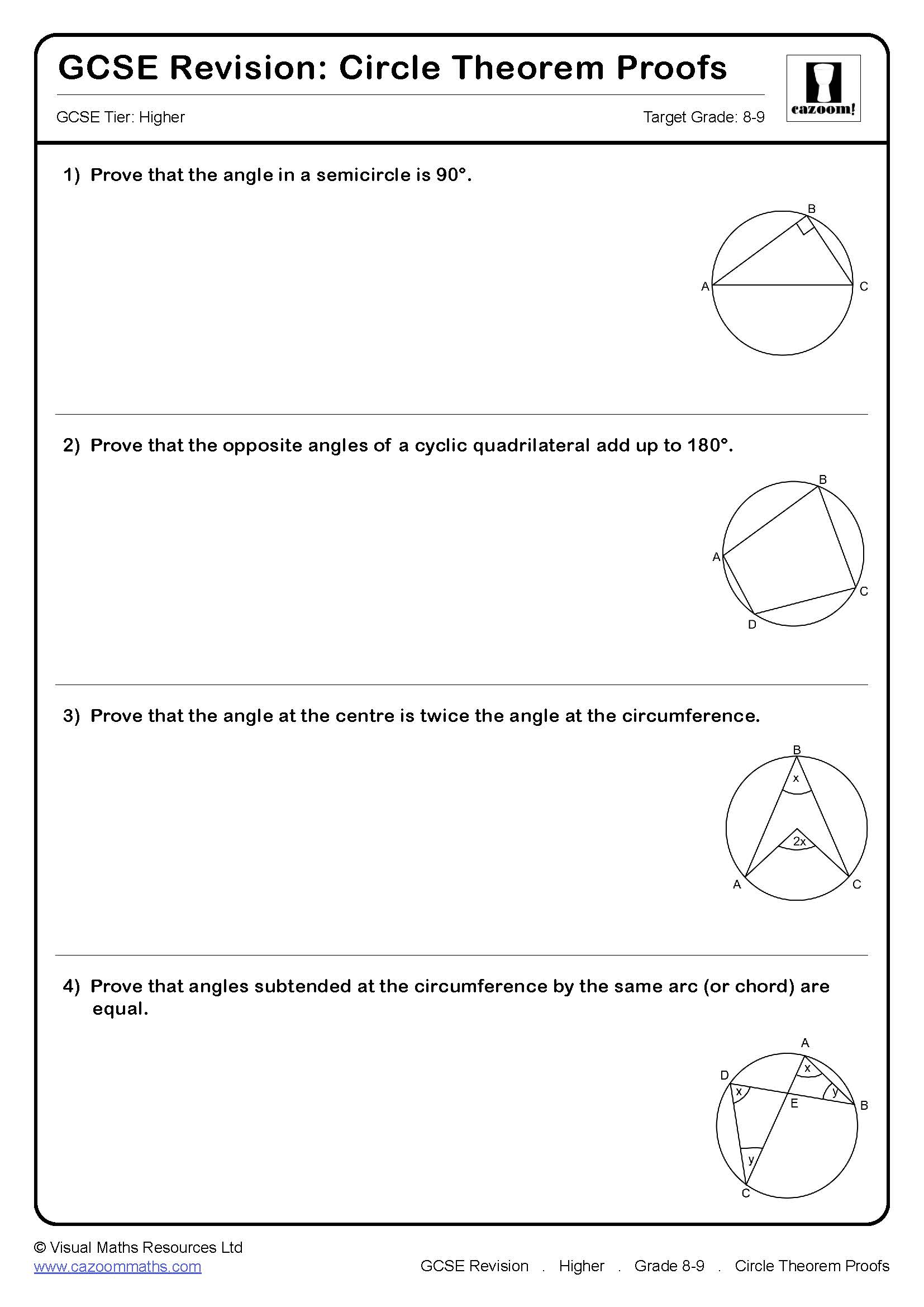
Understand and use circle theorems: angle in a semicircle is 90°; angle at centre is twice angle at circumference; angles in the same segment are equal; opposite angles of a cyclic quadrilateral sum to 180°; alternate segment theorem; tangent to a circle is perpendicular to the radius