Edexcel iGCSE Number Revision Worksheets
Browse our iGCSE revision worksheets for the Number section of Edexcel International GCSE Mathematics (4MA1). All worksheets include full answers and worked solutions.
1.1Foundation & Higher
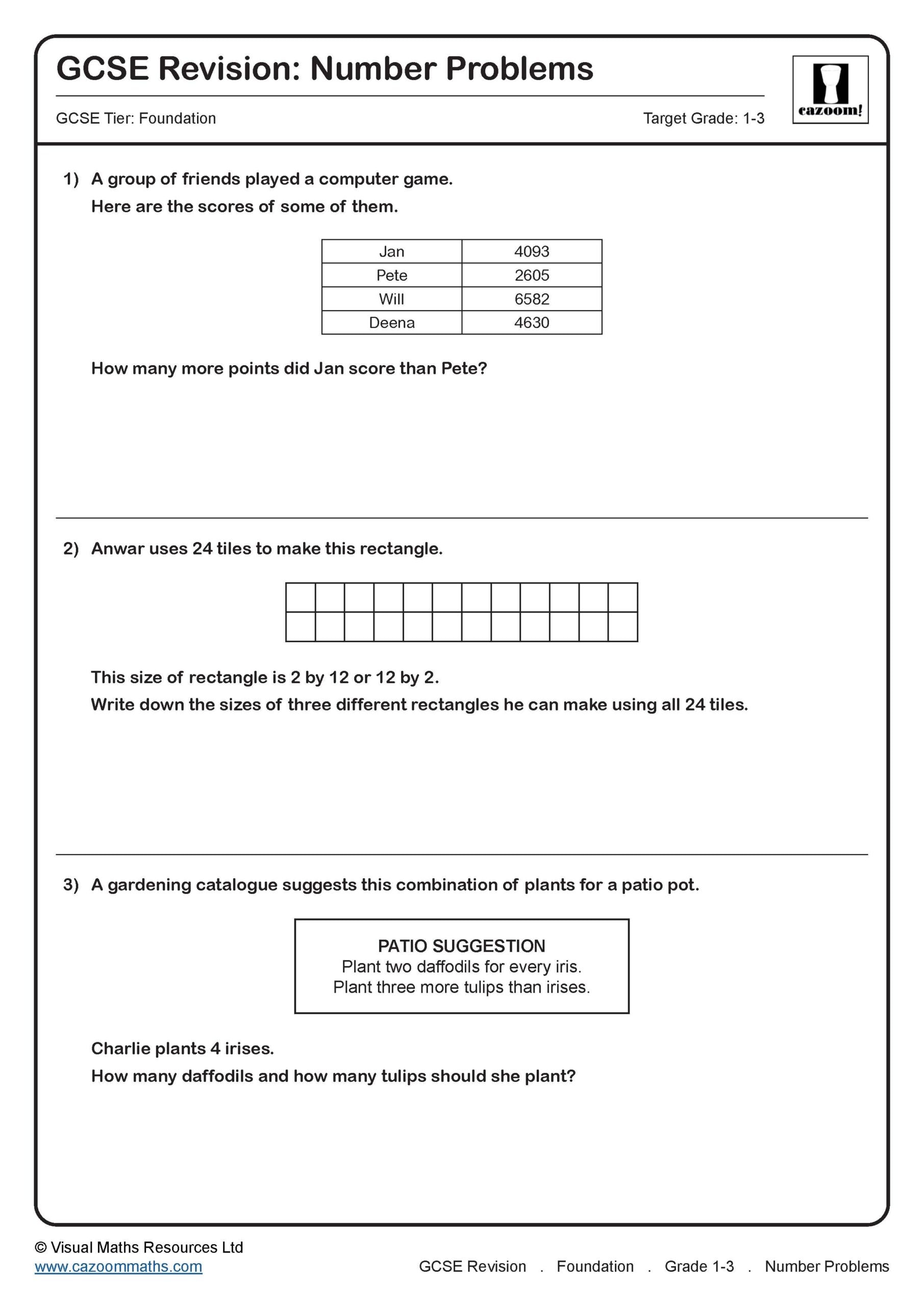
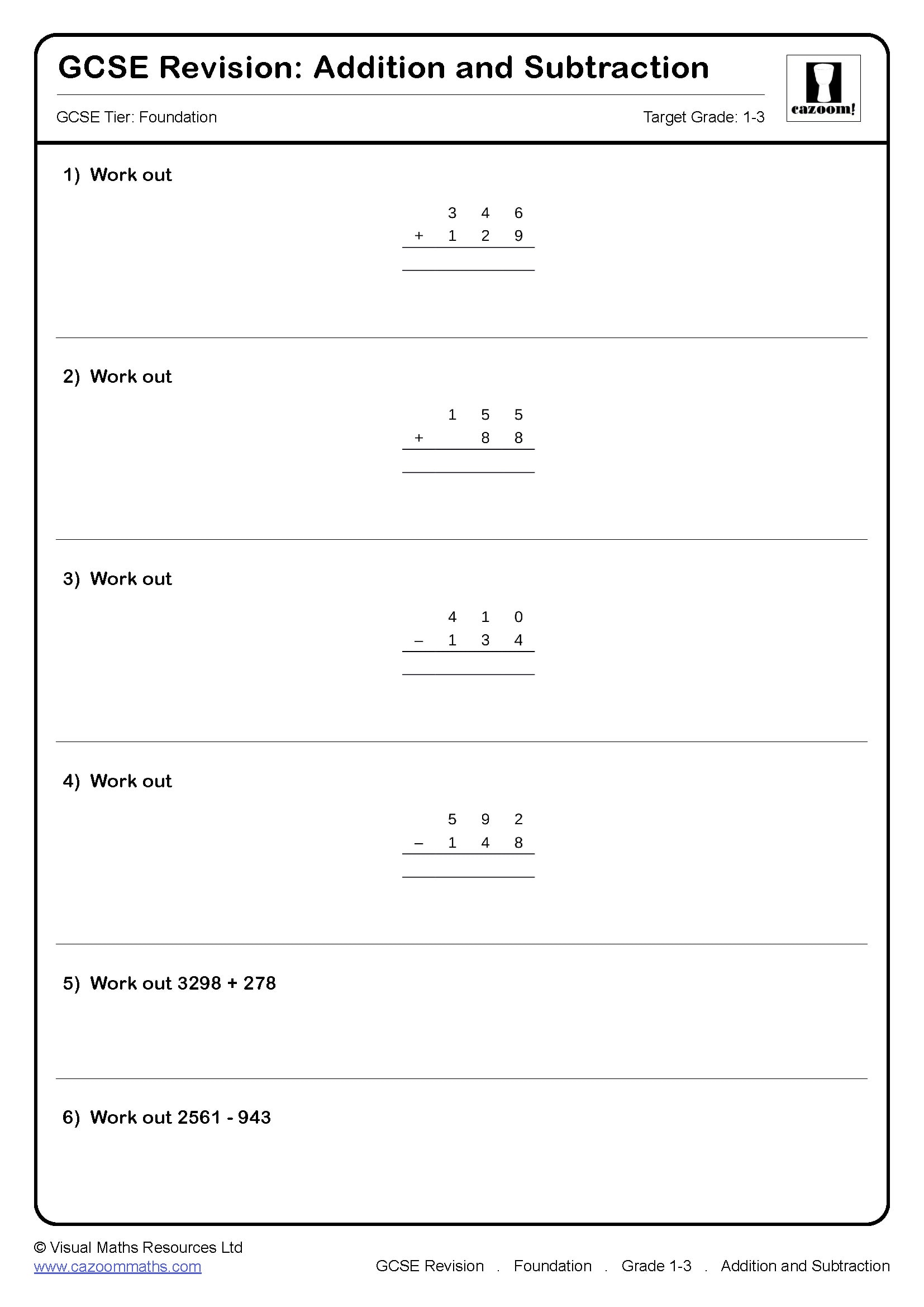
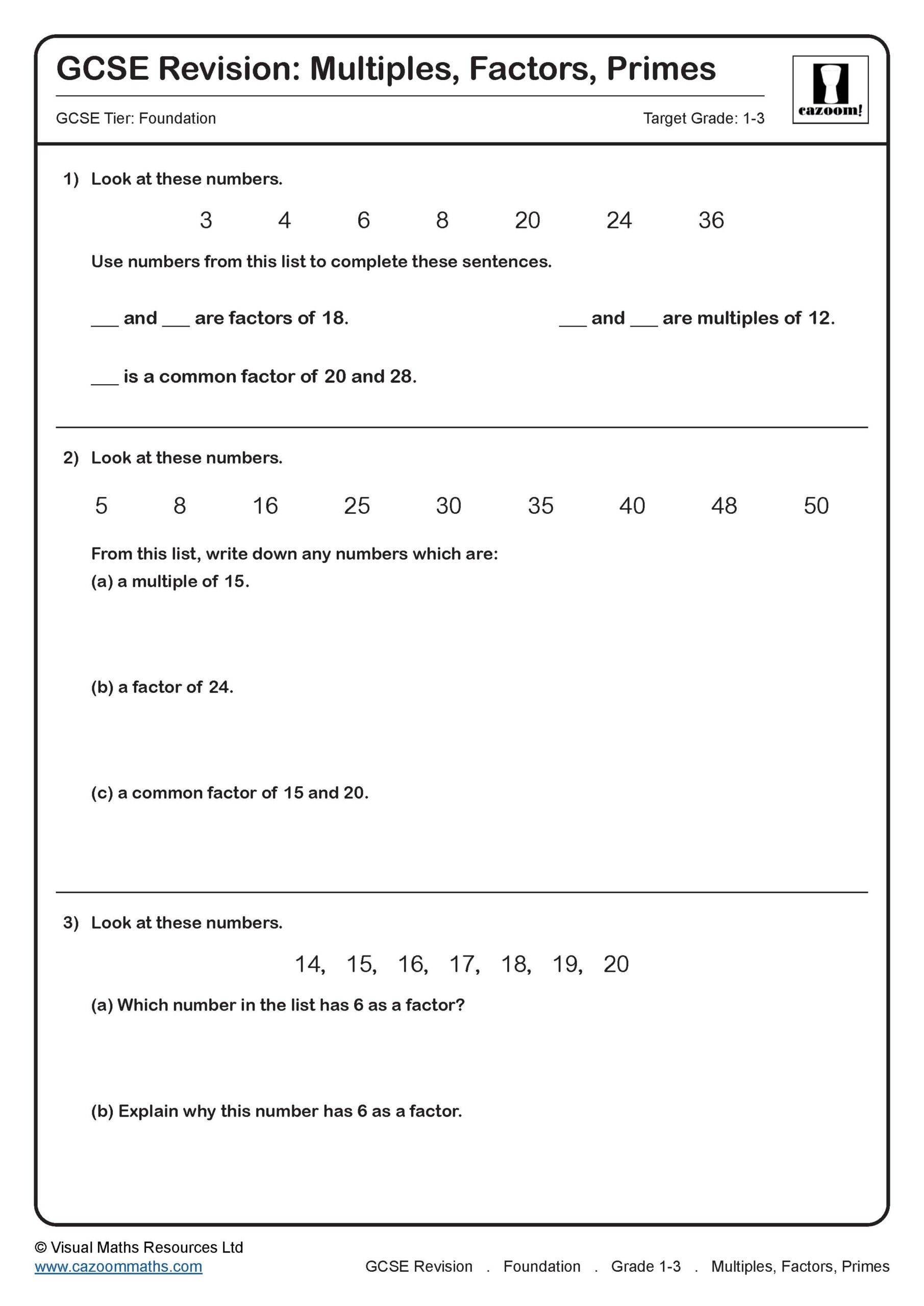
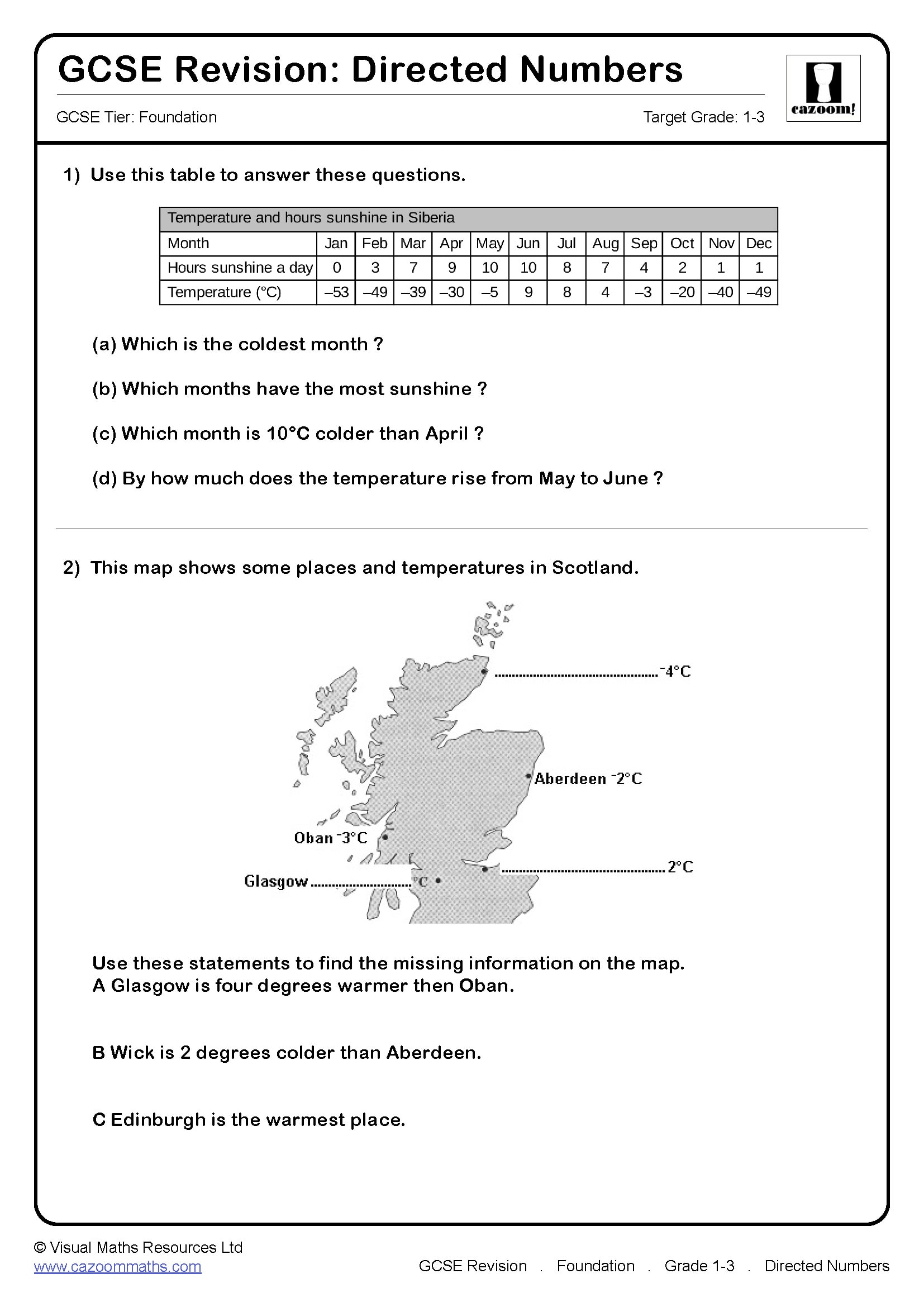
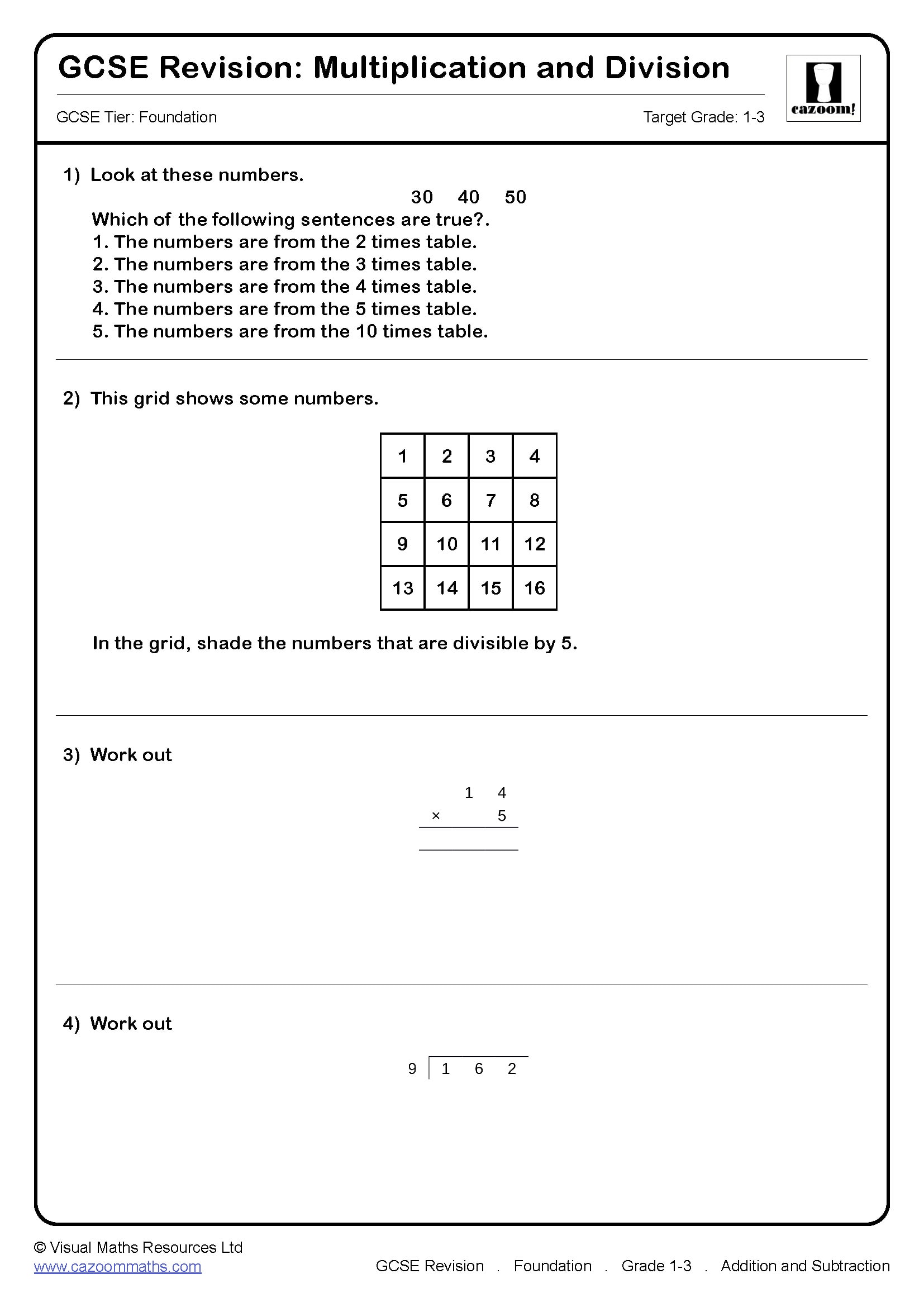
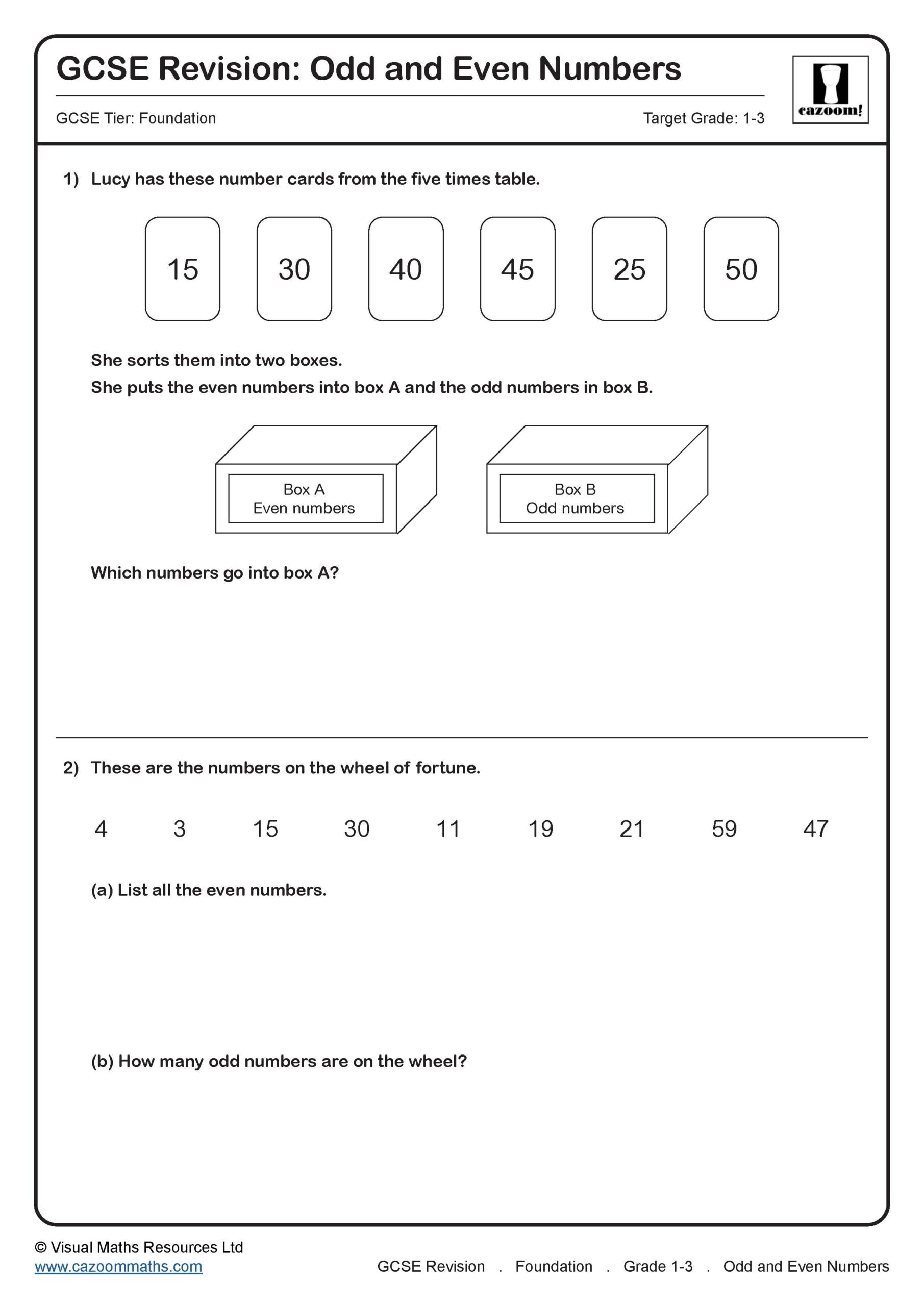
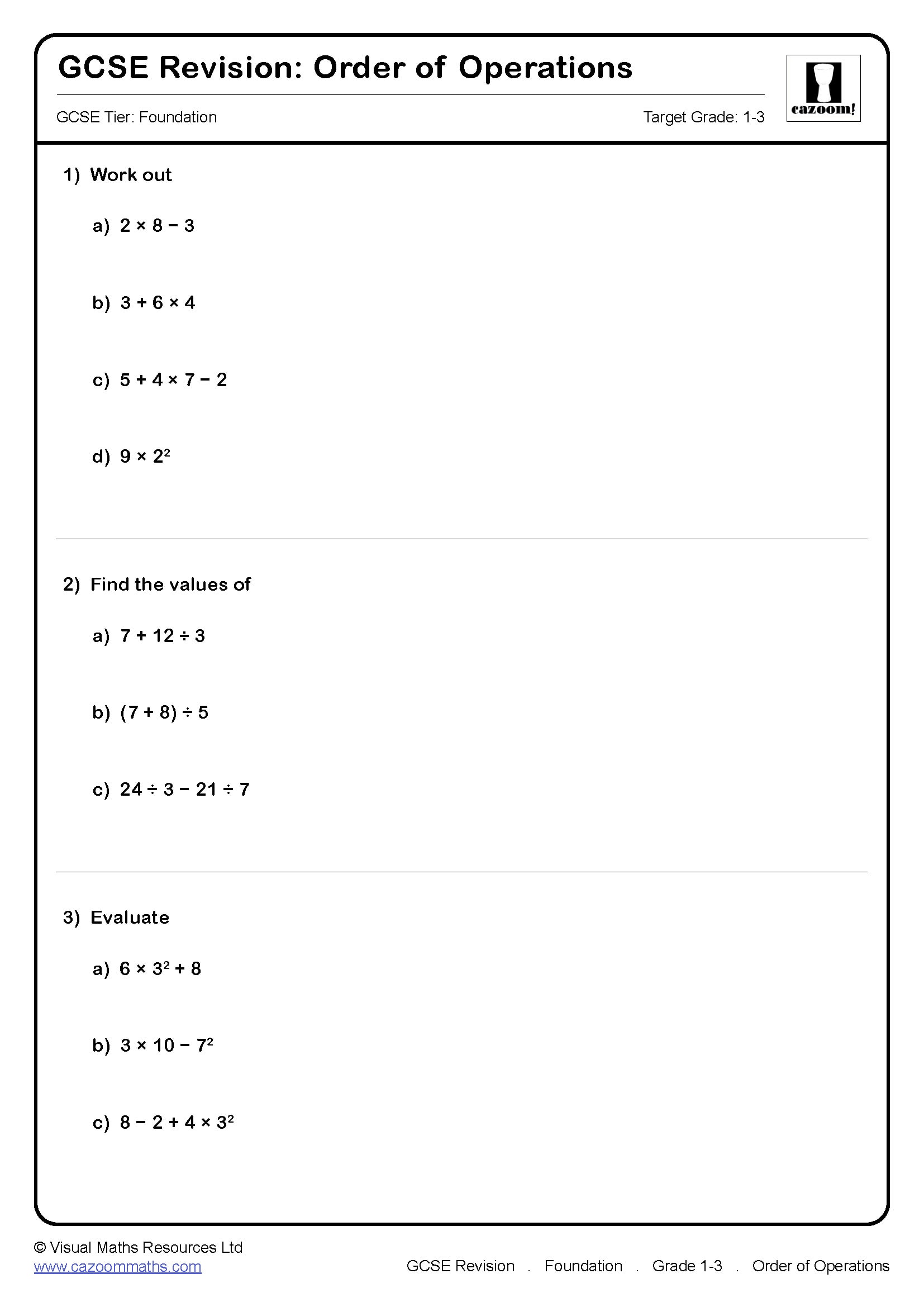
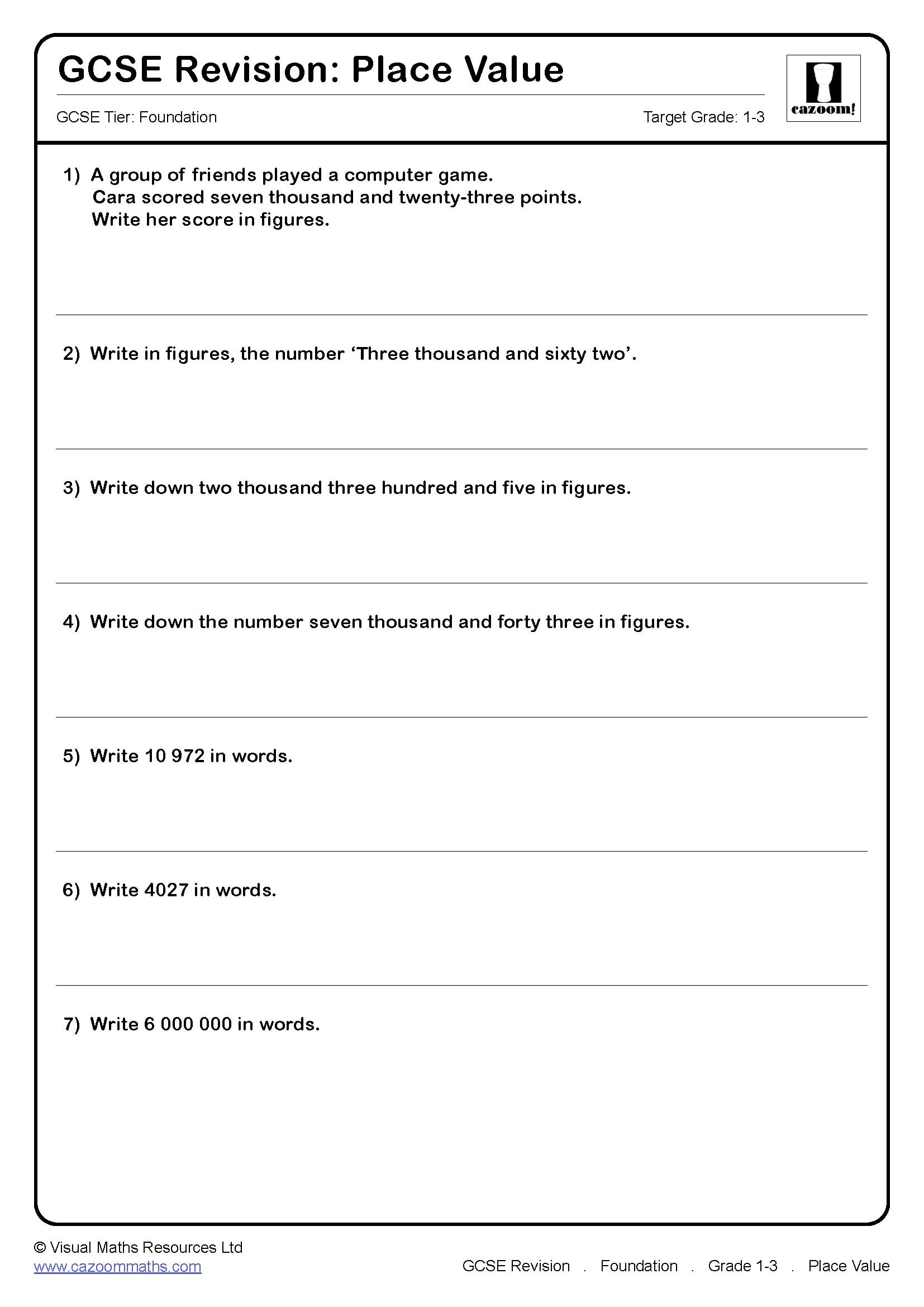
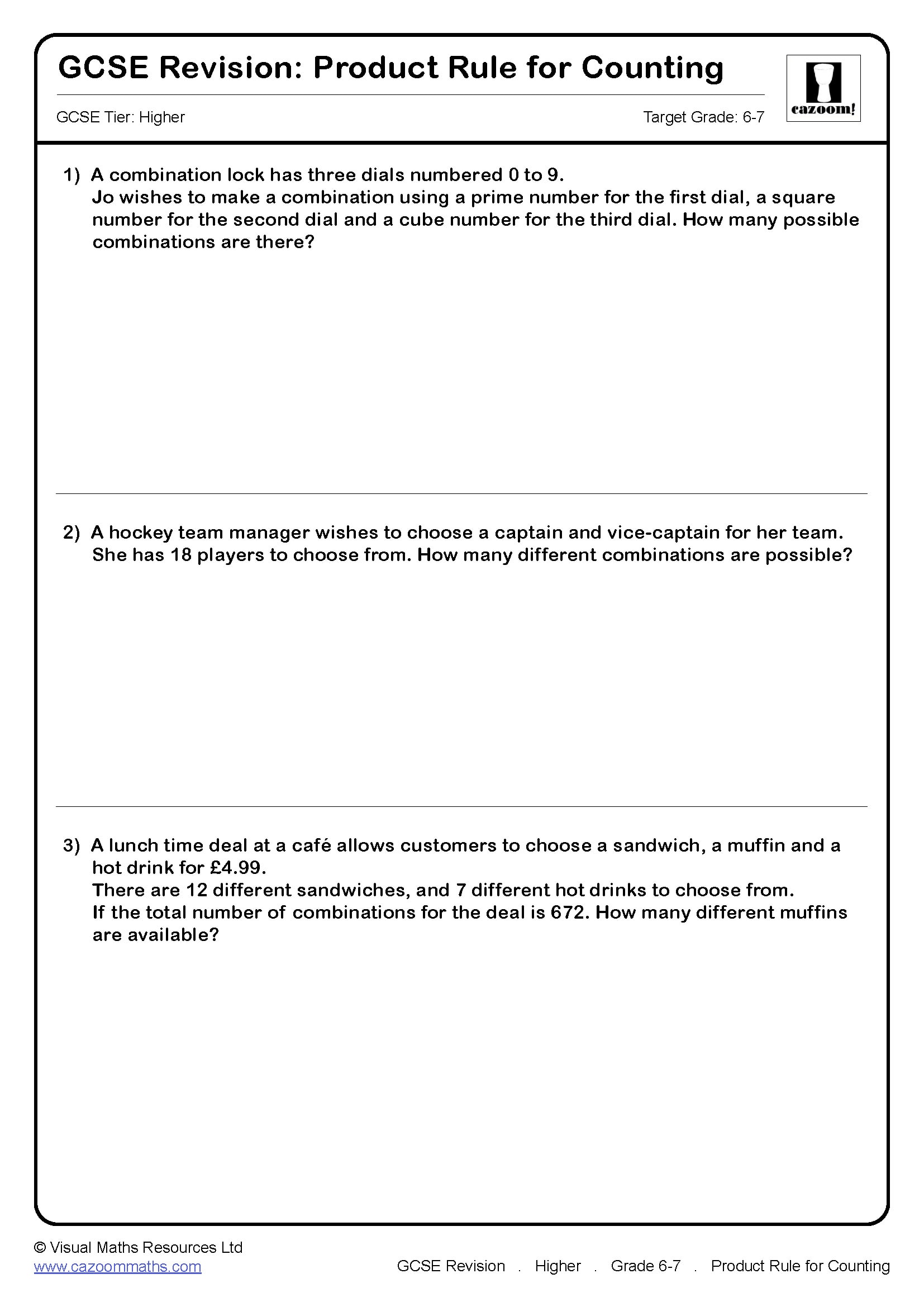
Understand and use integers (positive, negative and zero). Understand place value. Use directed numbers in practical situations. Order integers. Use the four rules of addition, subtraction, multiplication and division. Use brackets and the hierarchy of operations. Use the terms odd, even, prime numbers, factors and multiples
1.2Foundation & Higher
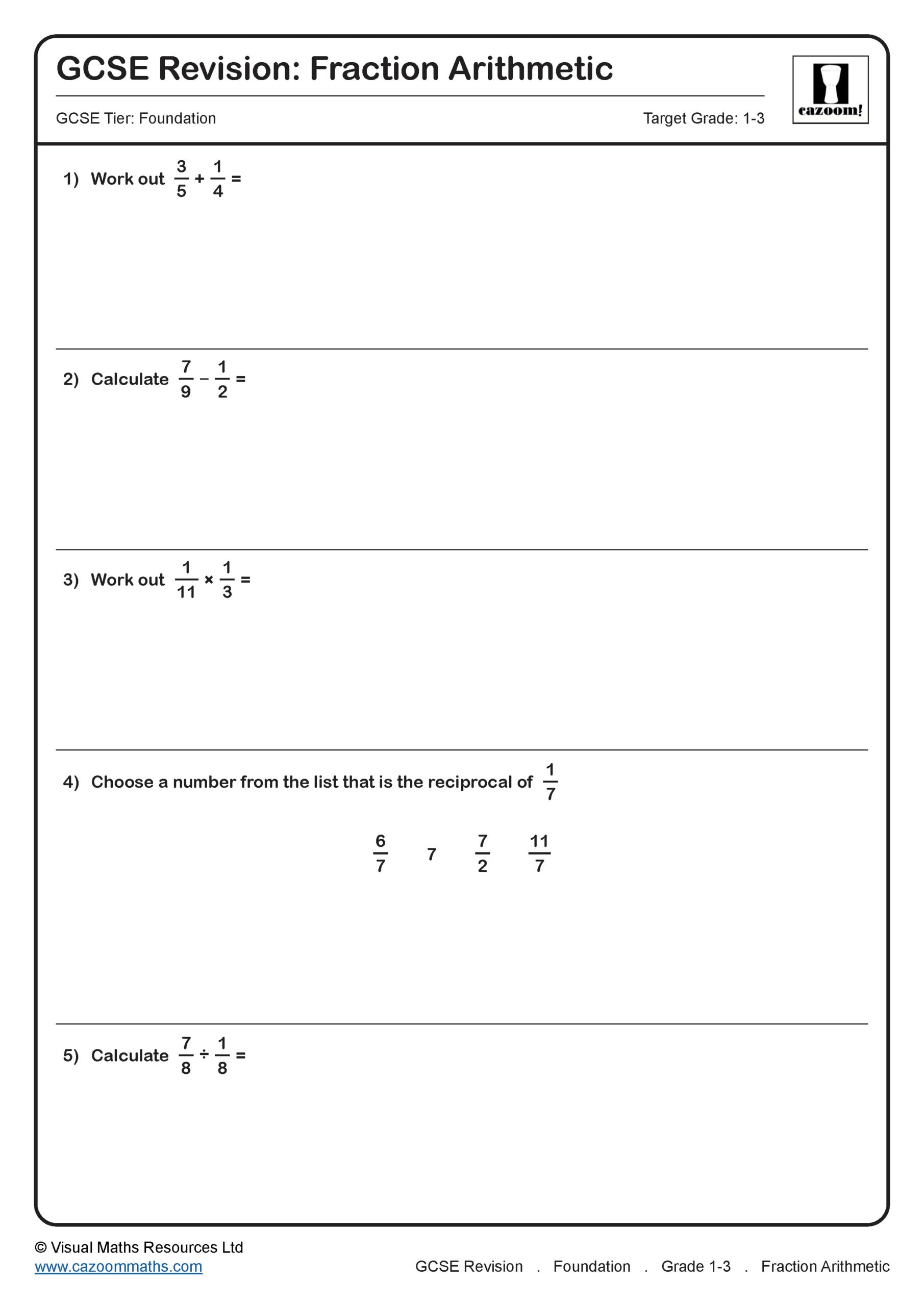
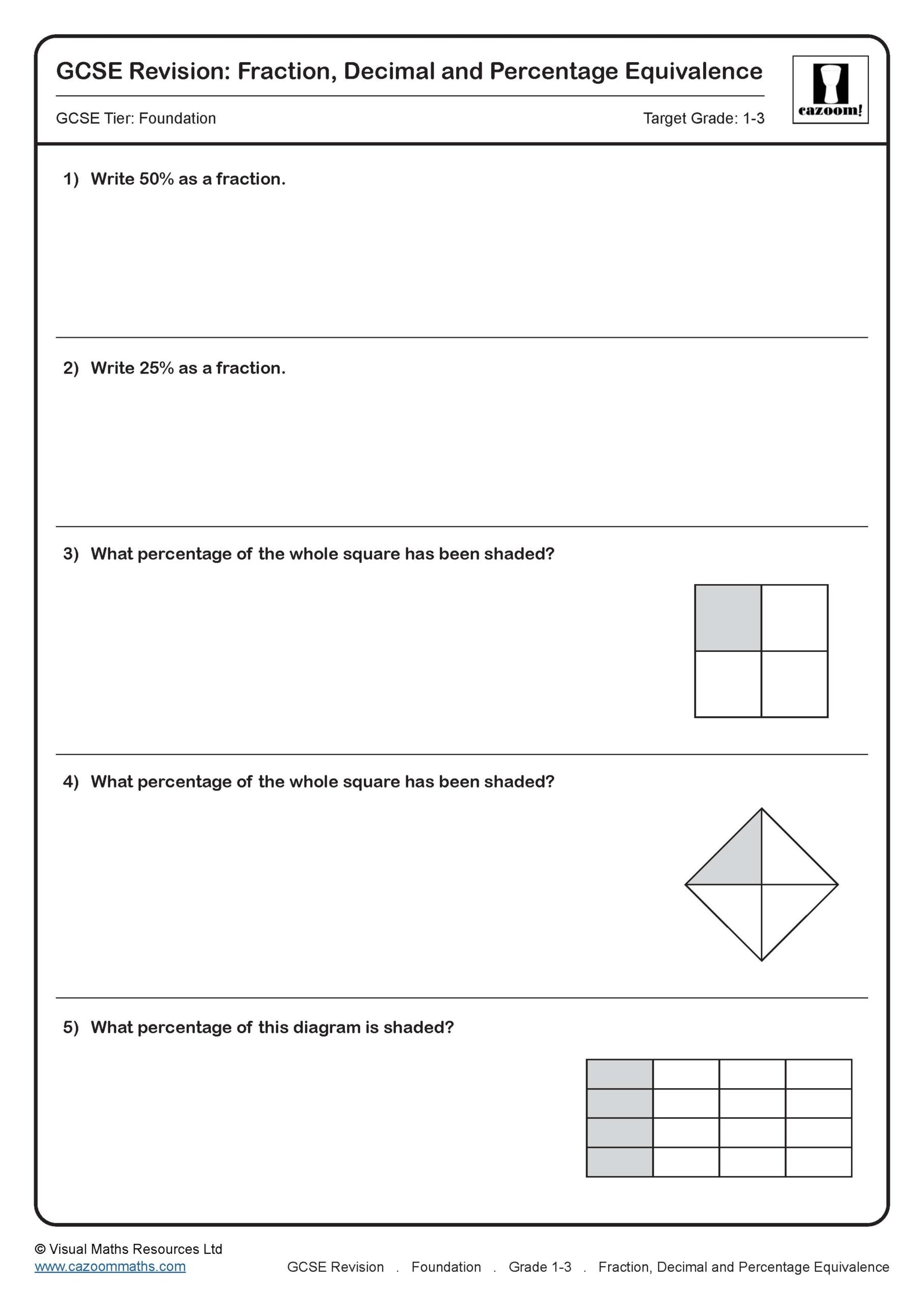
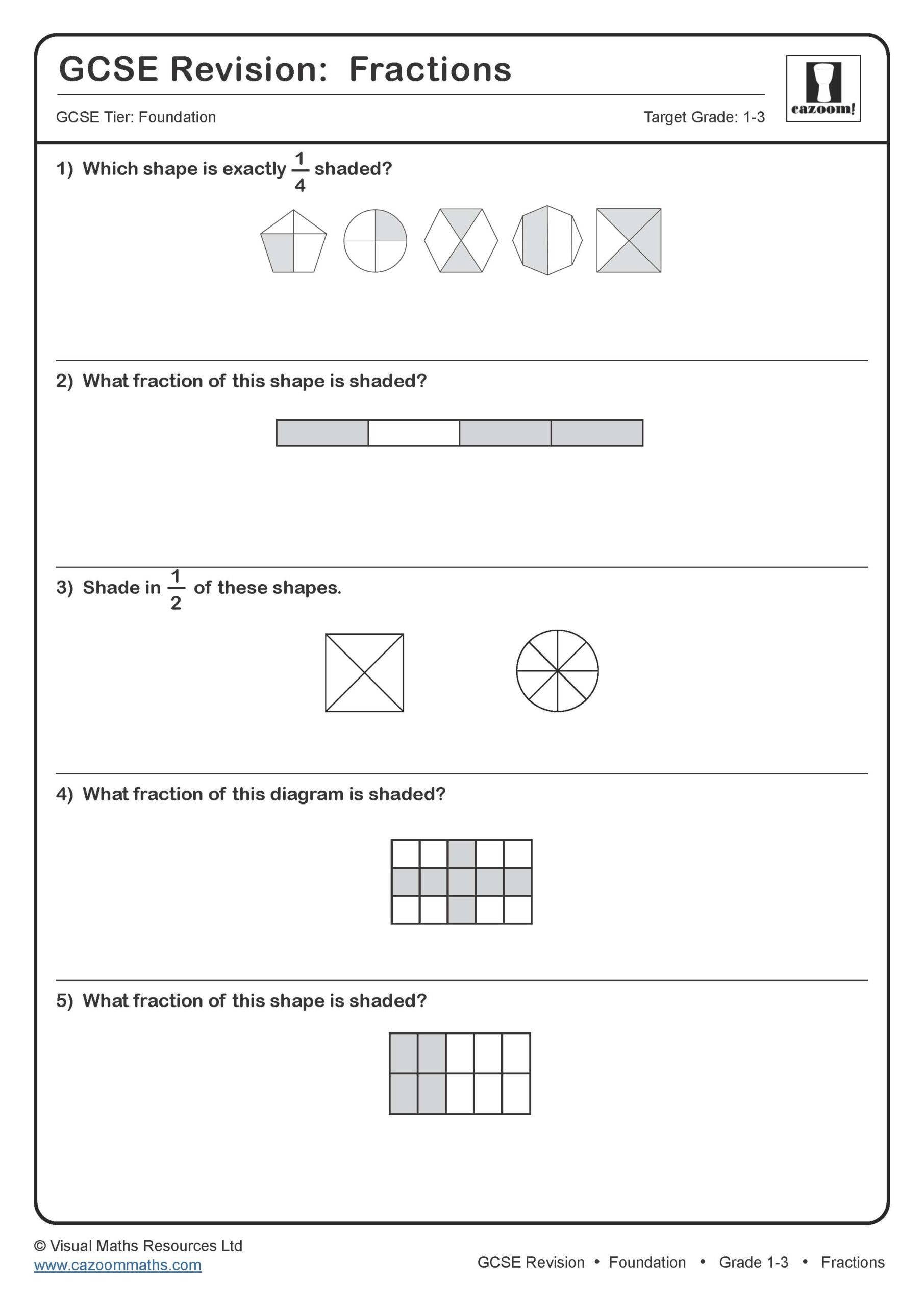
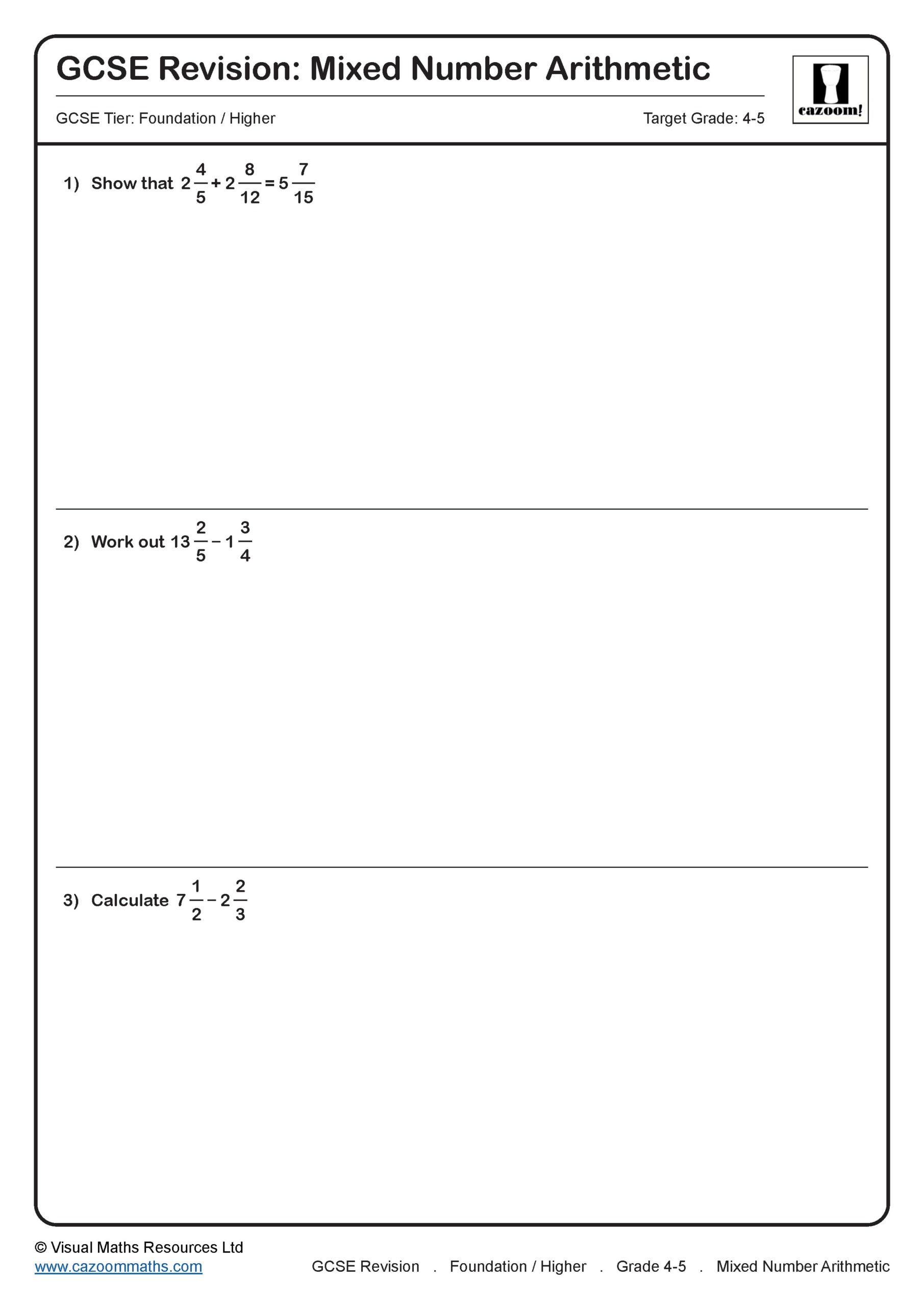
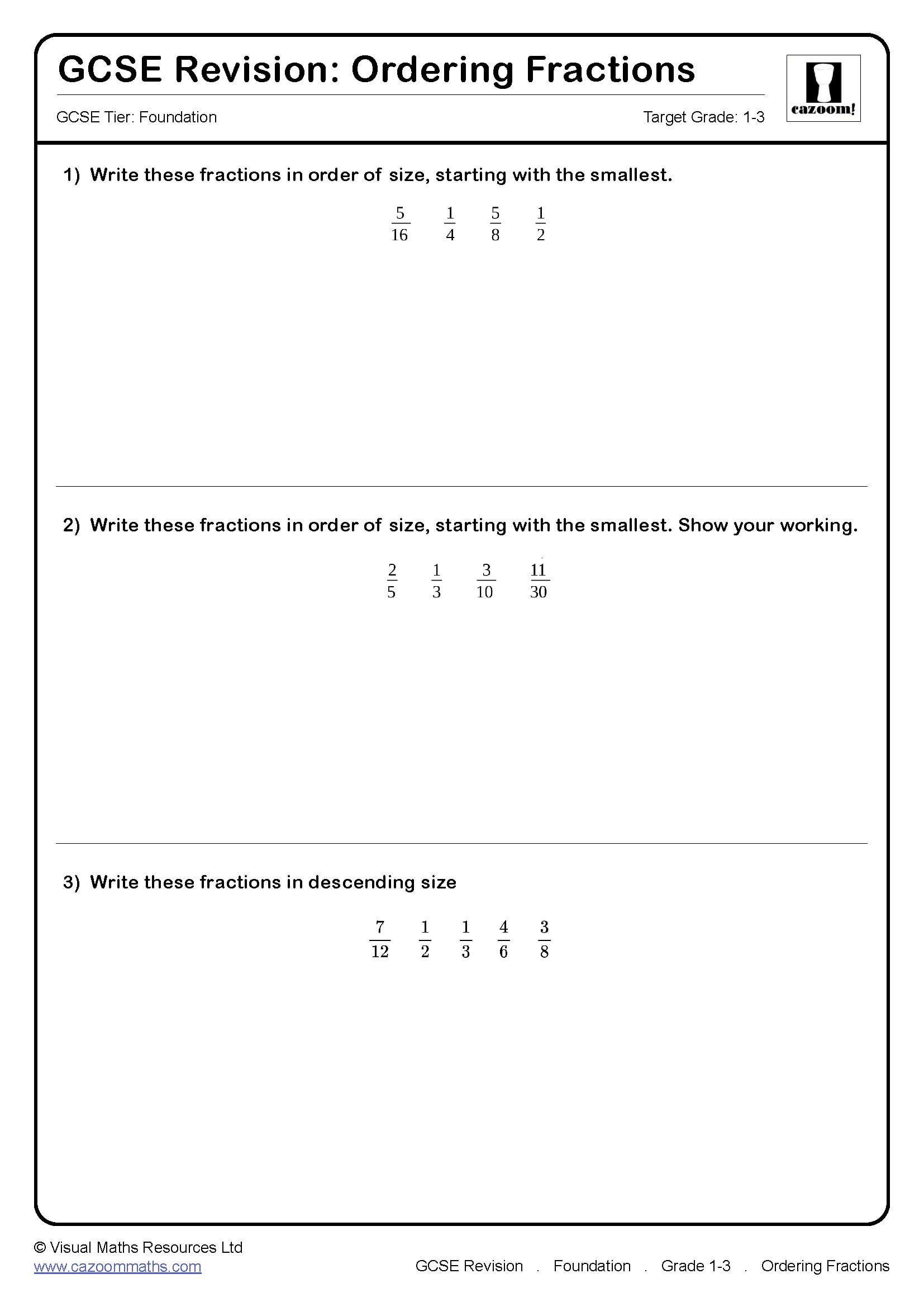
Understand and use equivalent fractions, simplifying a fraction by cancelling common factors. Add, subtract, multiply and divide fractions and mixed numbers. Convert a fraction to a decimal or a percentage. Understand and use unit fractions as multiplicative inverses. Order fractions using a common denominator
1.3Foundation & Higher
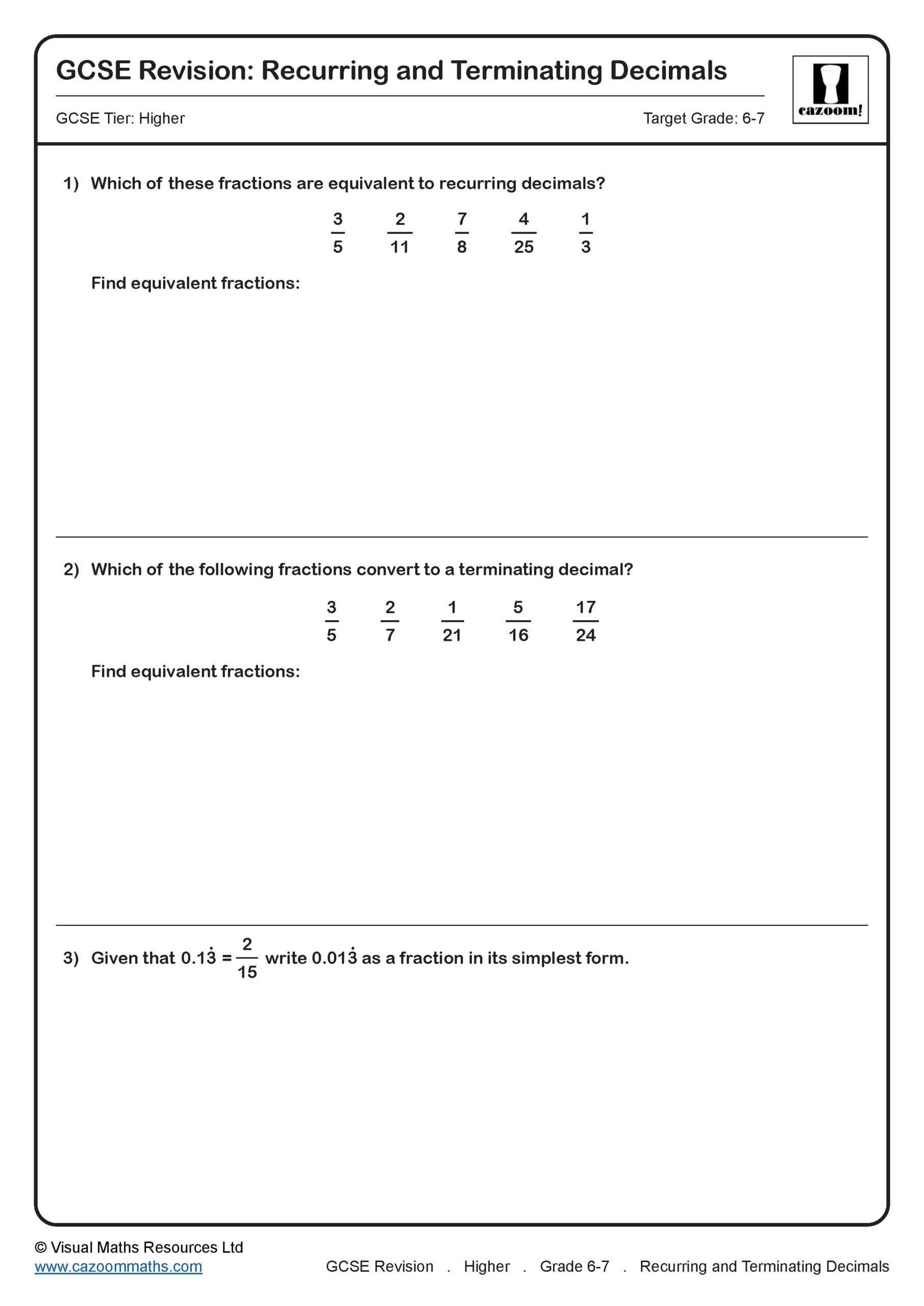
Understand and use decimal notation. Understand place value. Order decimals. Convert a decimal to a fraction or a percentage. Recognise recurring decimals and convert them to fractions
1.4Foundation & Higher
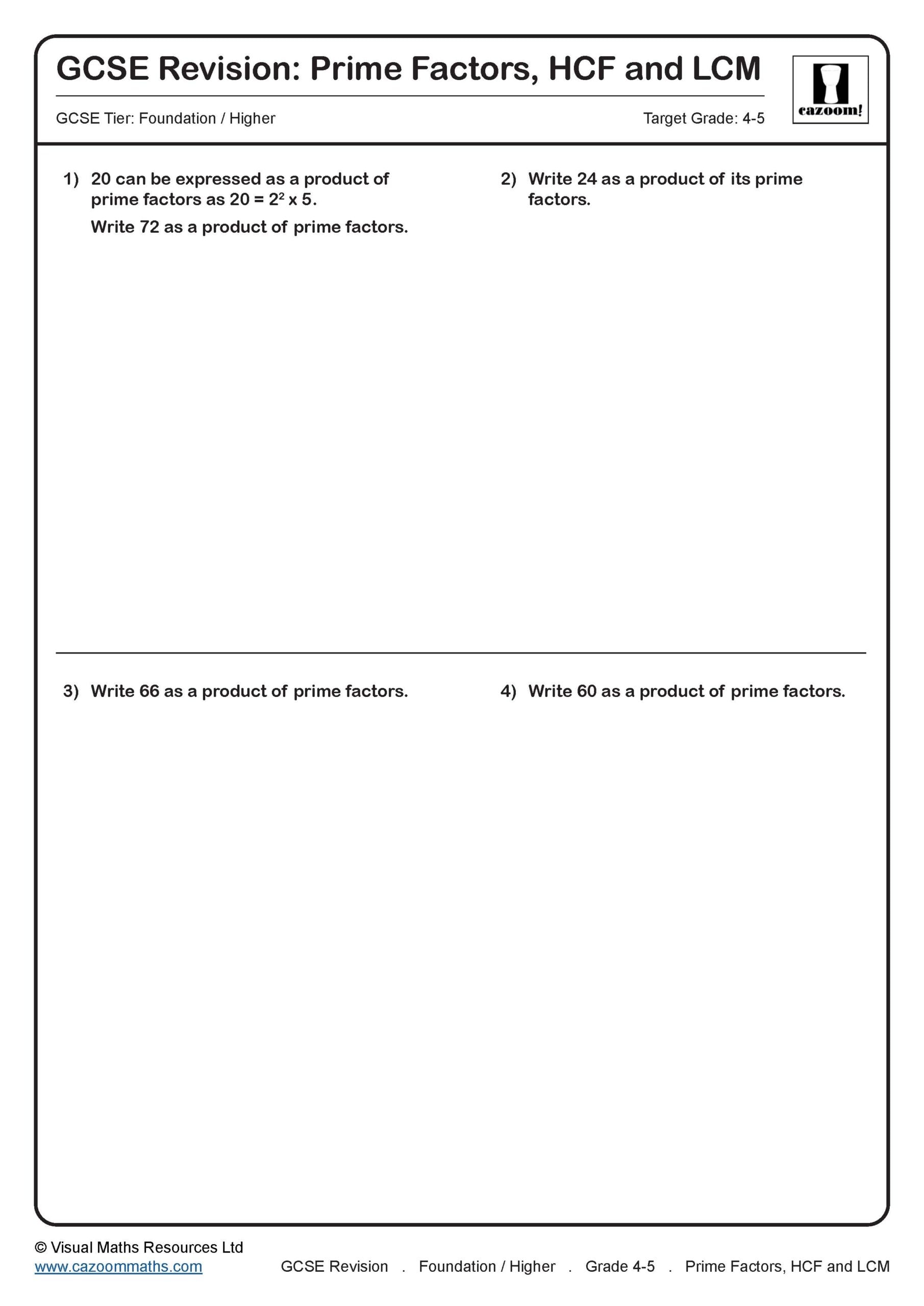
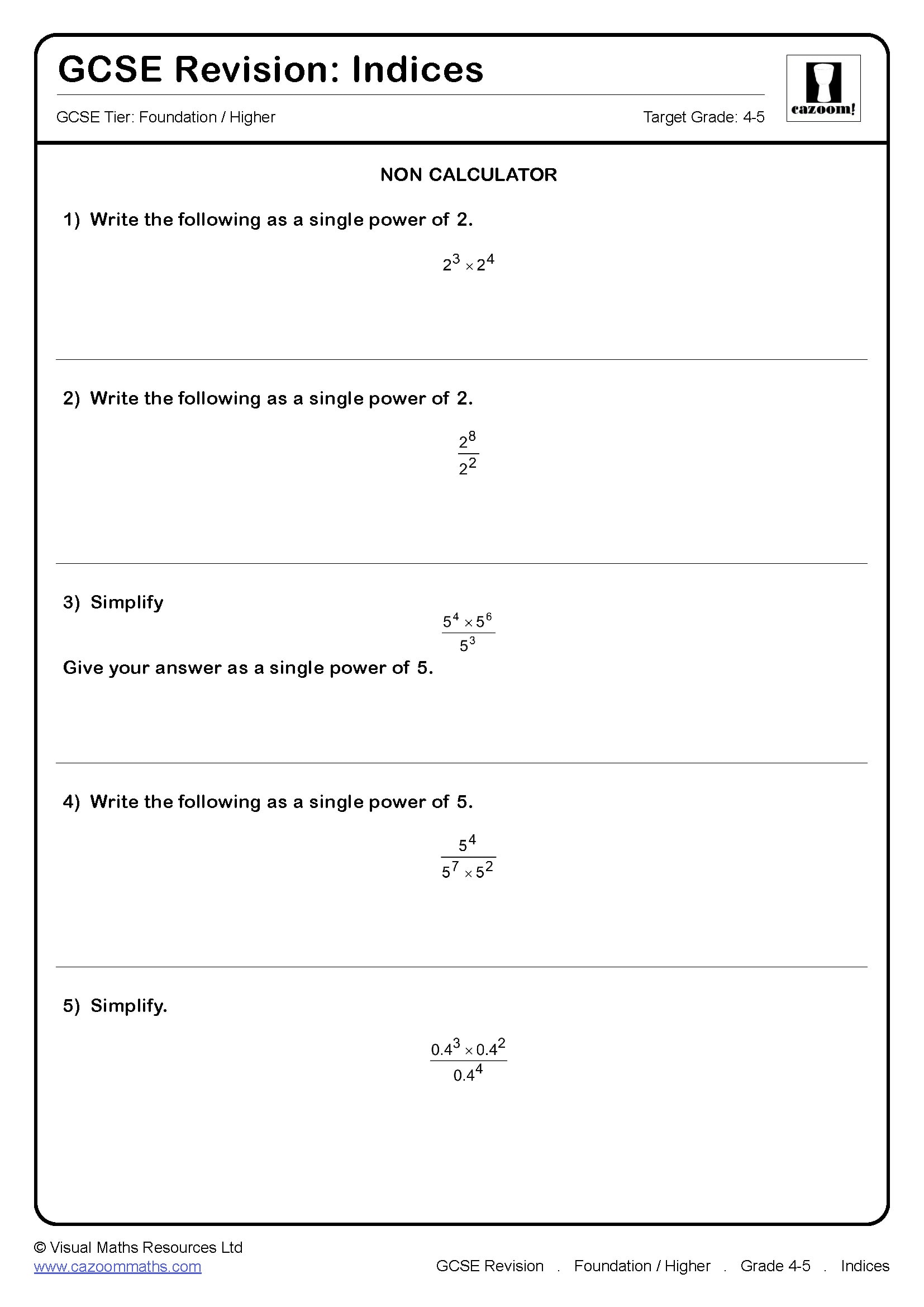
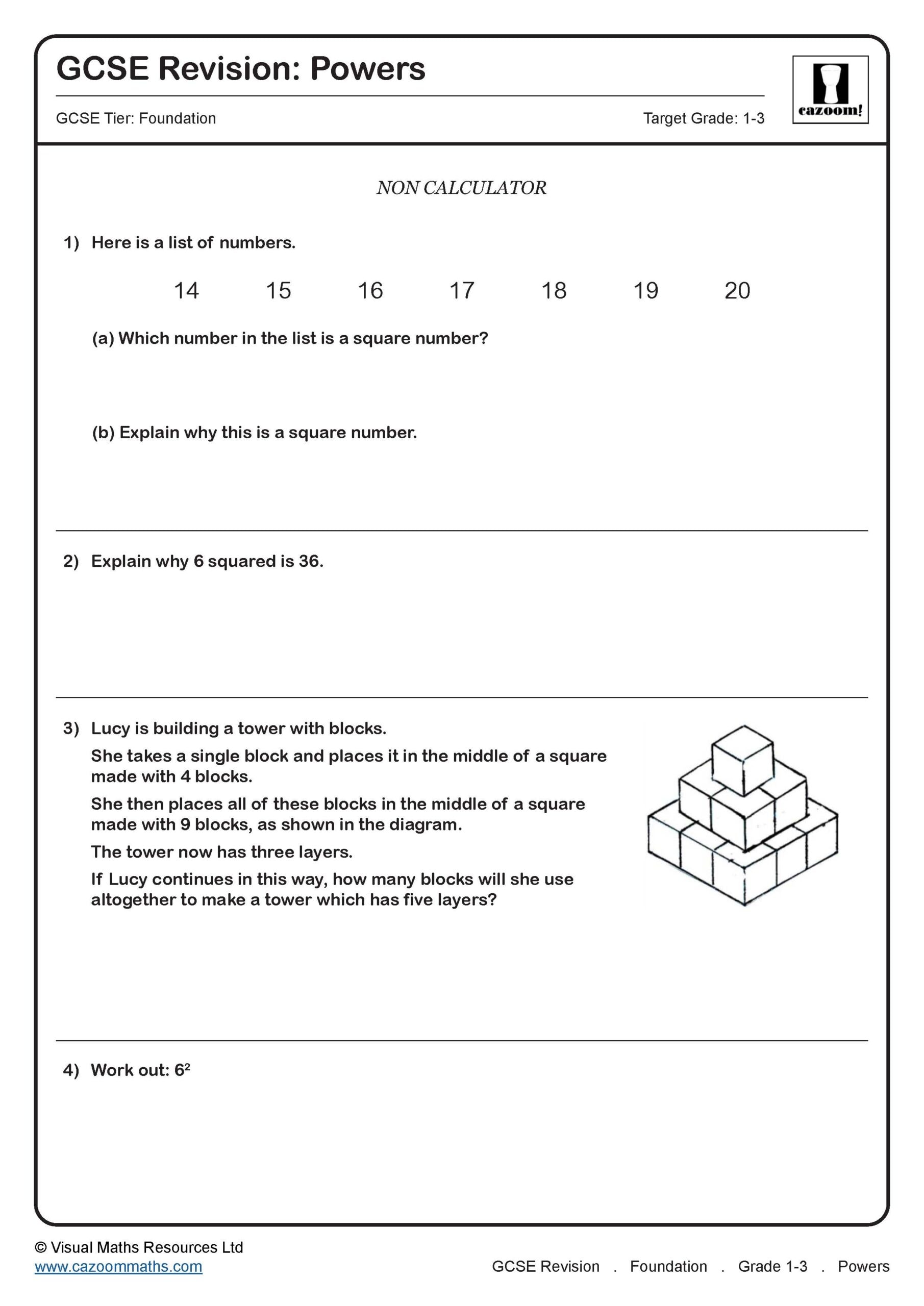
Identify square numbers and cube numbers. Calculate squares, square roots, cubes and cube roots. Use index notation and index laws for multiplication and division of positive integer powers. Express integers as a product of powers of prime factors
1.5Higher
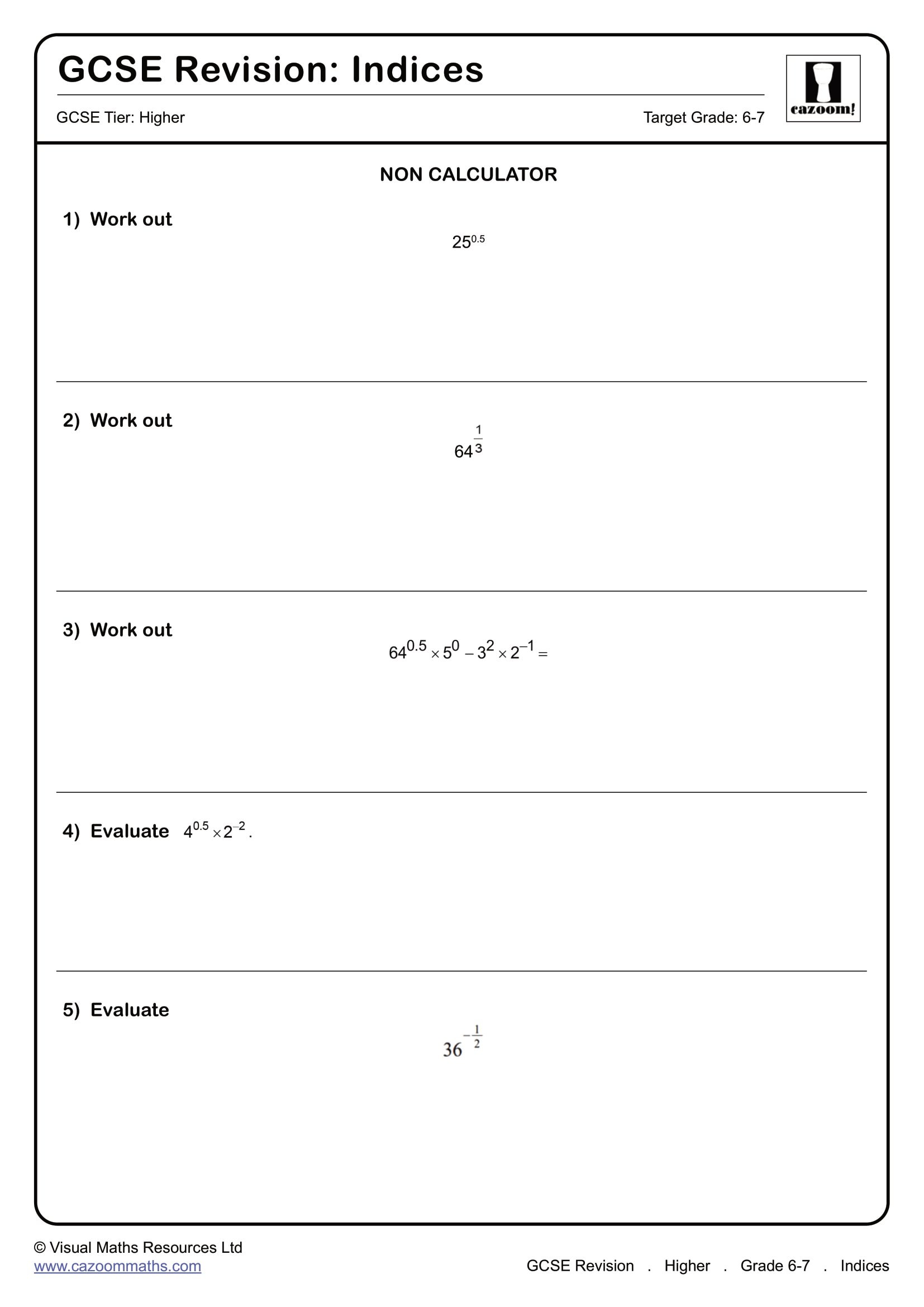
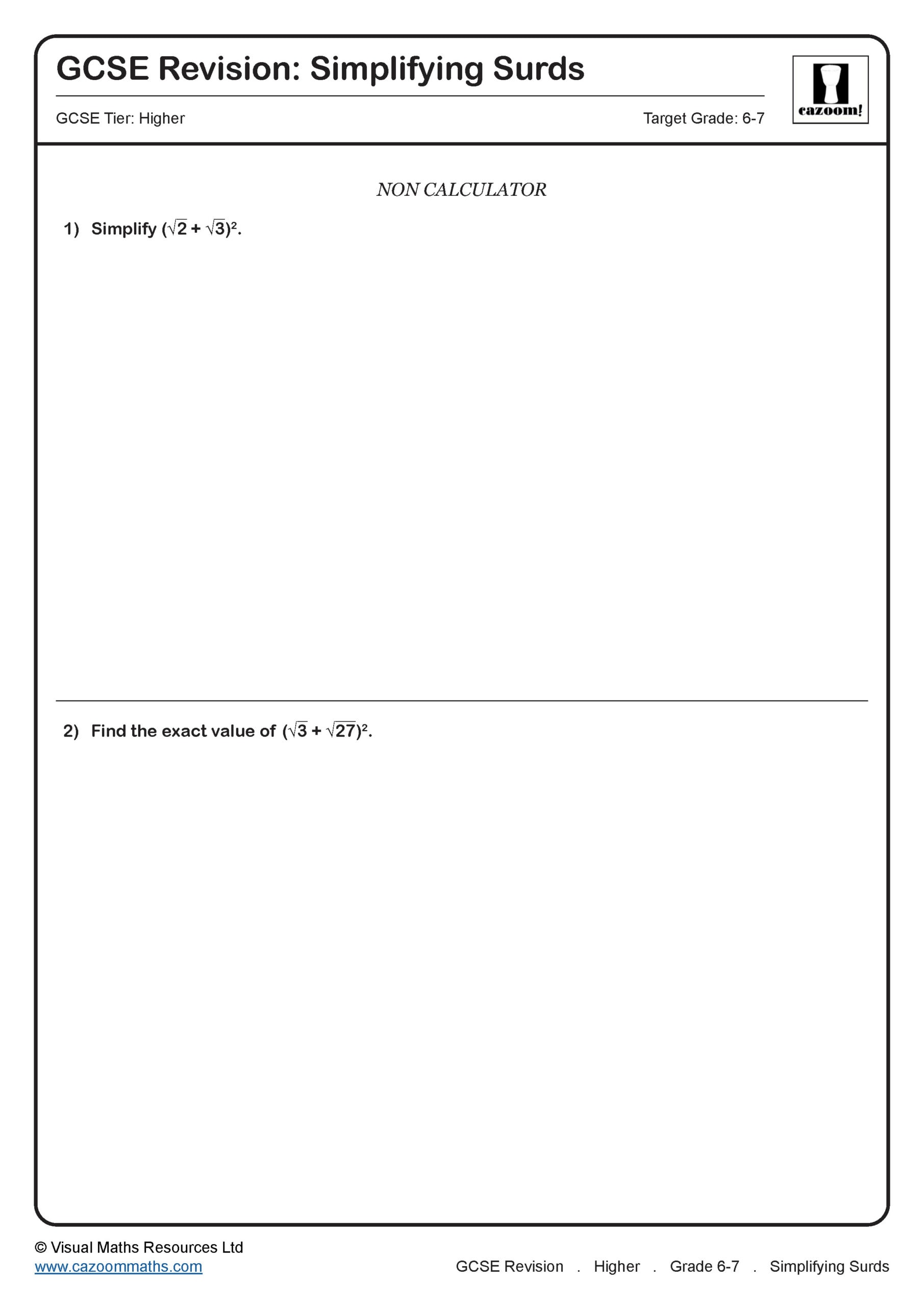
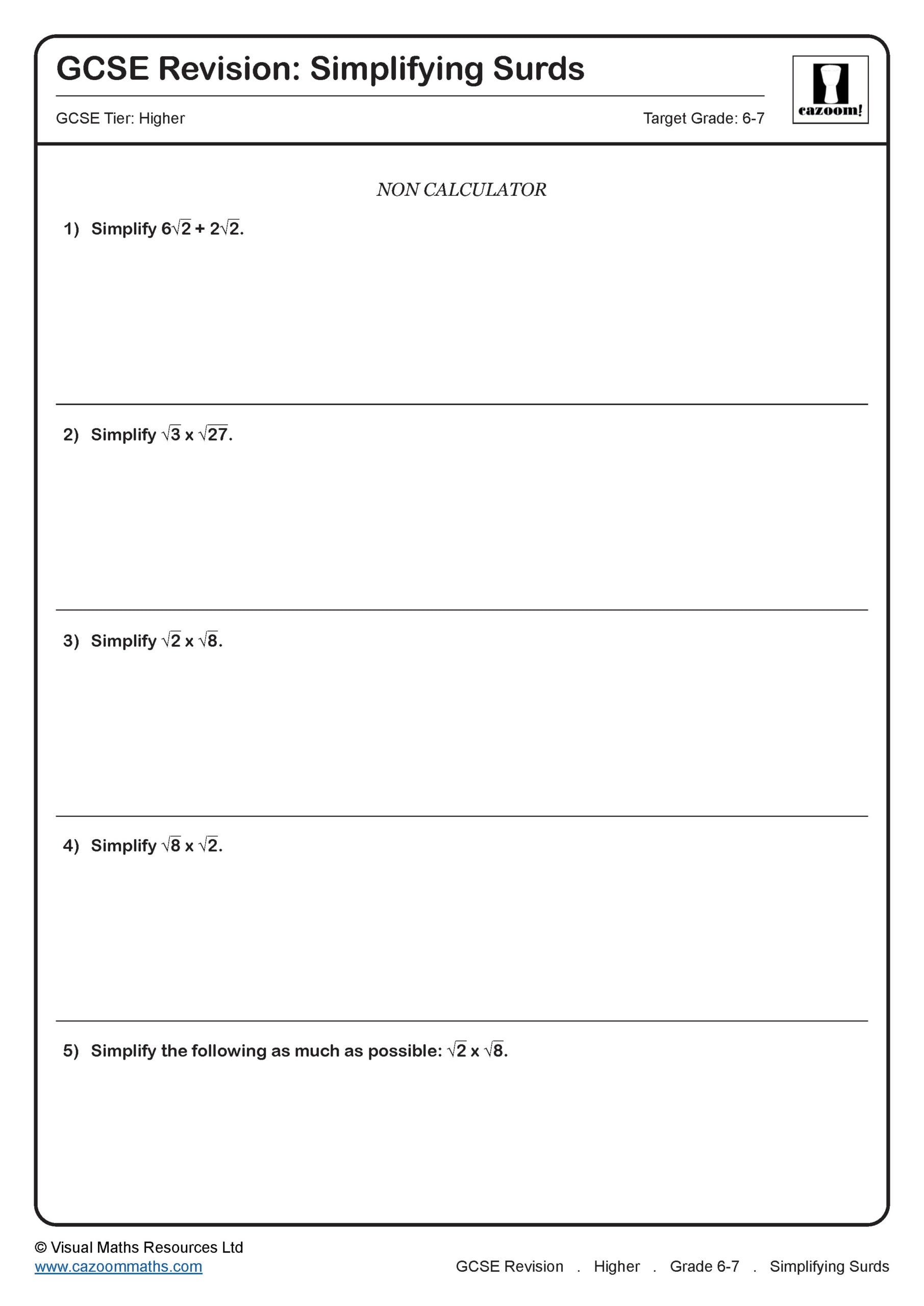
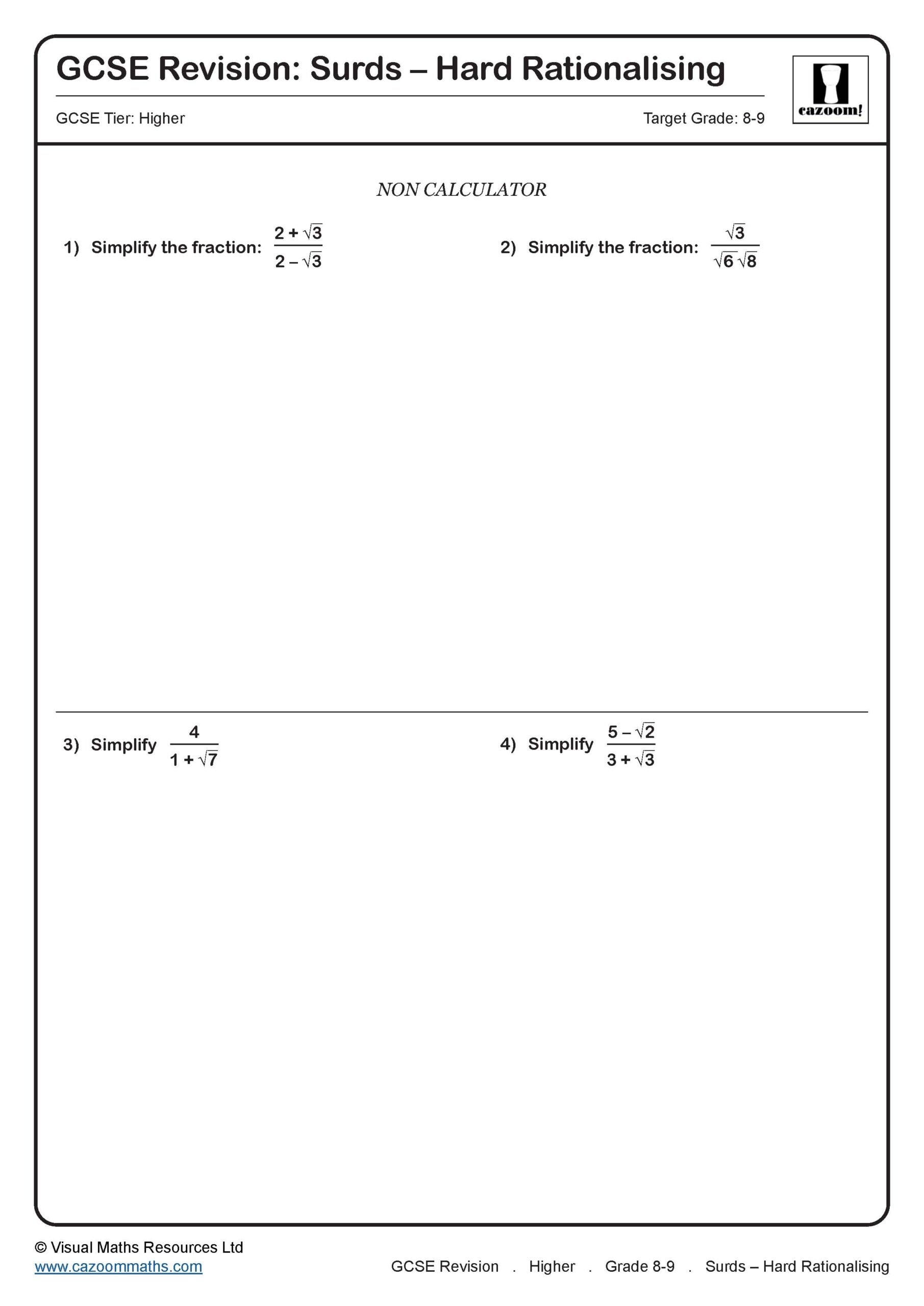
Use index laws to simplify and evaluate numerical expressions involving integer, fractional and negative powers. Understand and use surds. Simplify expressions involving surds including rationalising the denominator
1.6Foundation & Higher
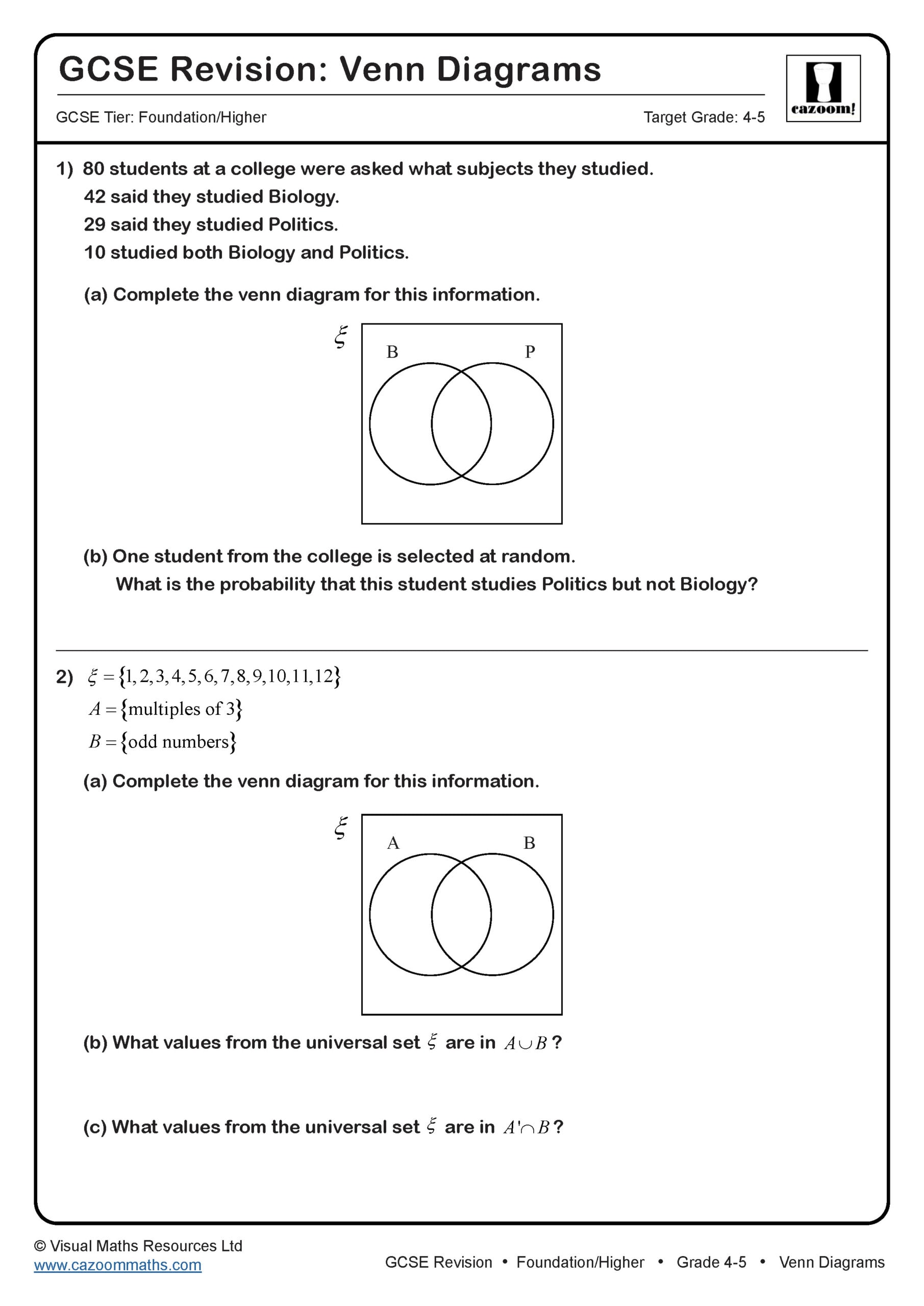
Understand sets defined in algebraic terms, and understand and use subsets. Use Venn diagrams to represent sets and the number of elements in sets. Use the notation n(A), A ∪ B, A ∩ B, ξ, A′, ∅, ⊂. Use sets in practical situations
1.7Foundation & Higher
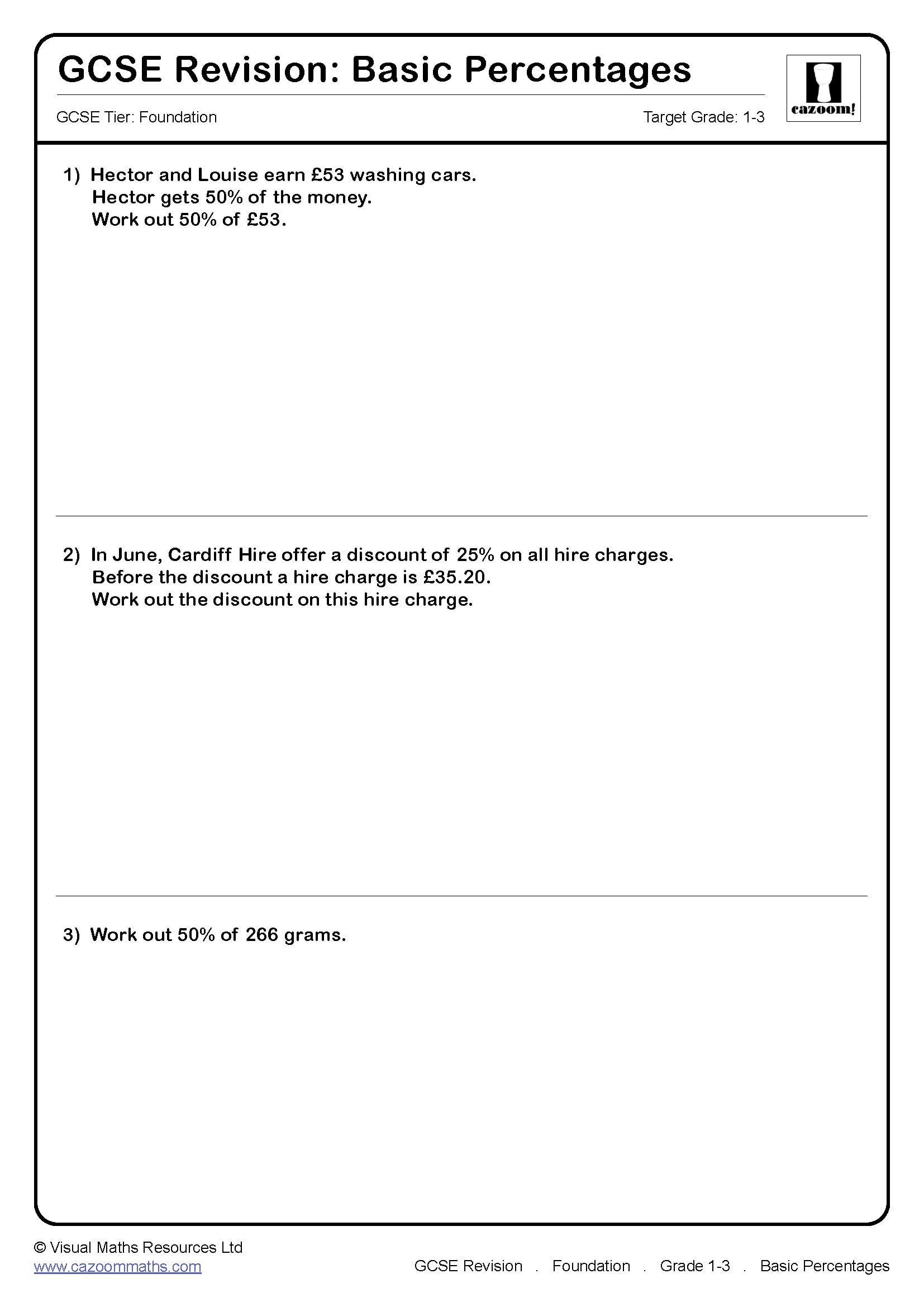
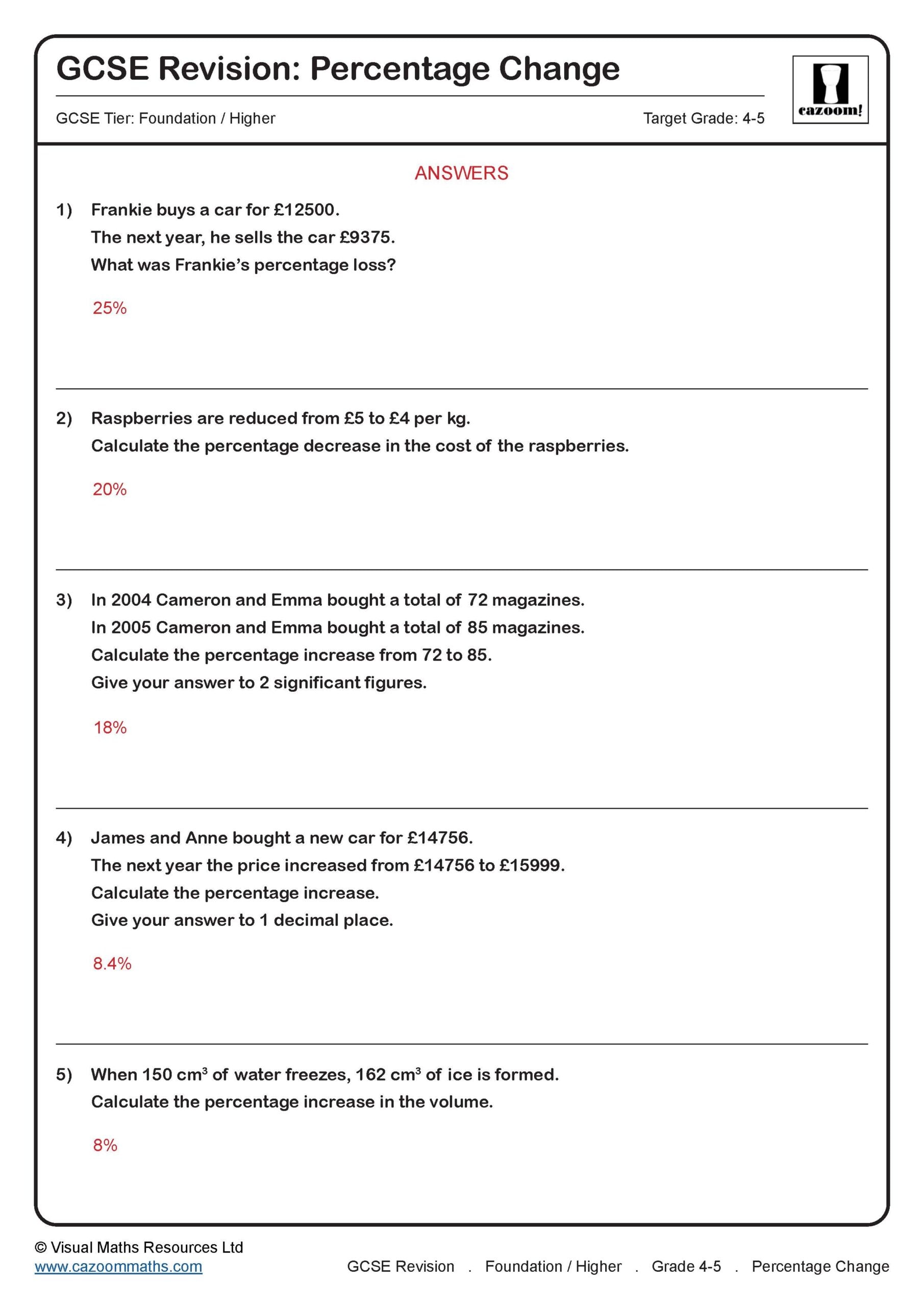
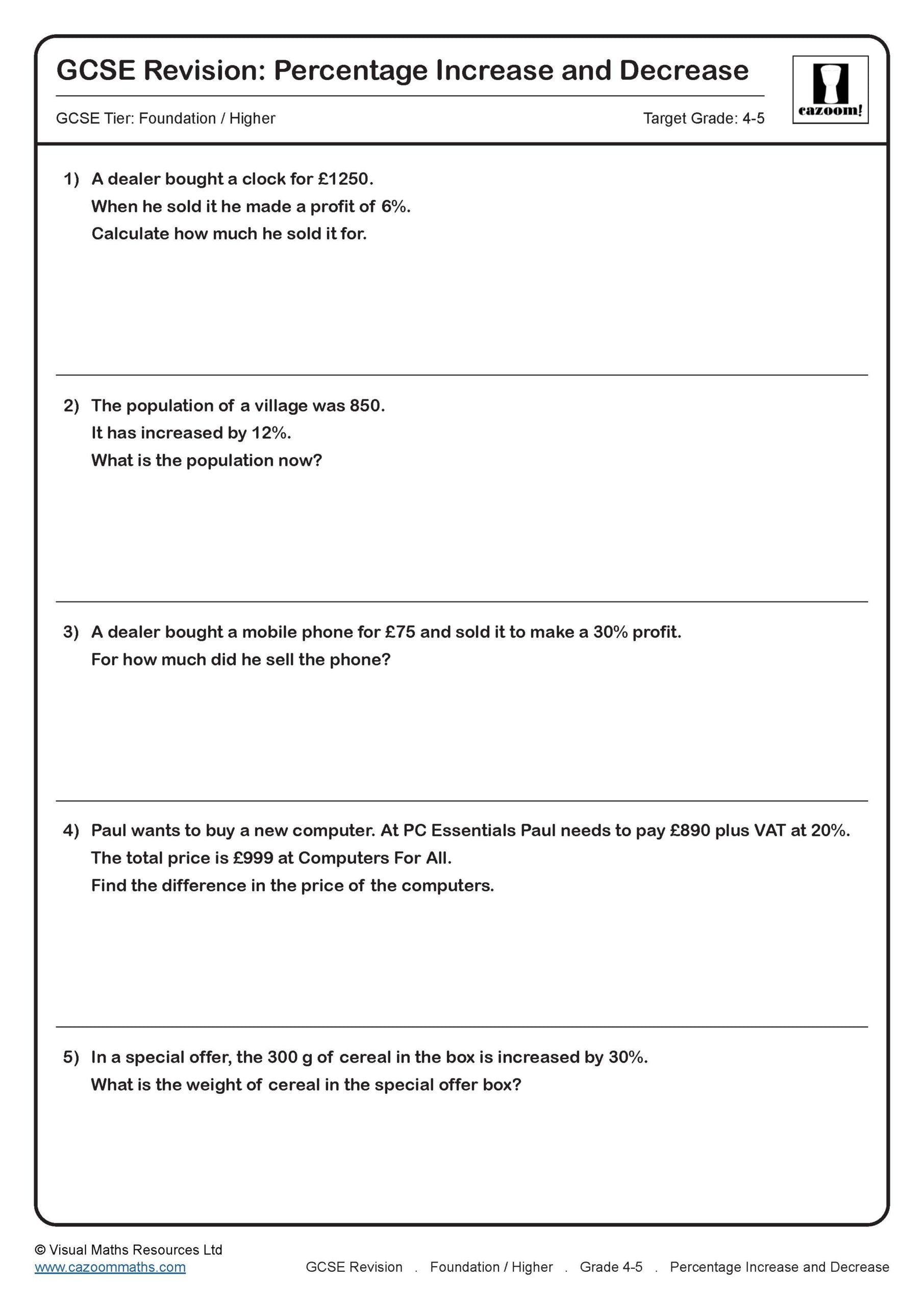
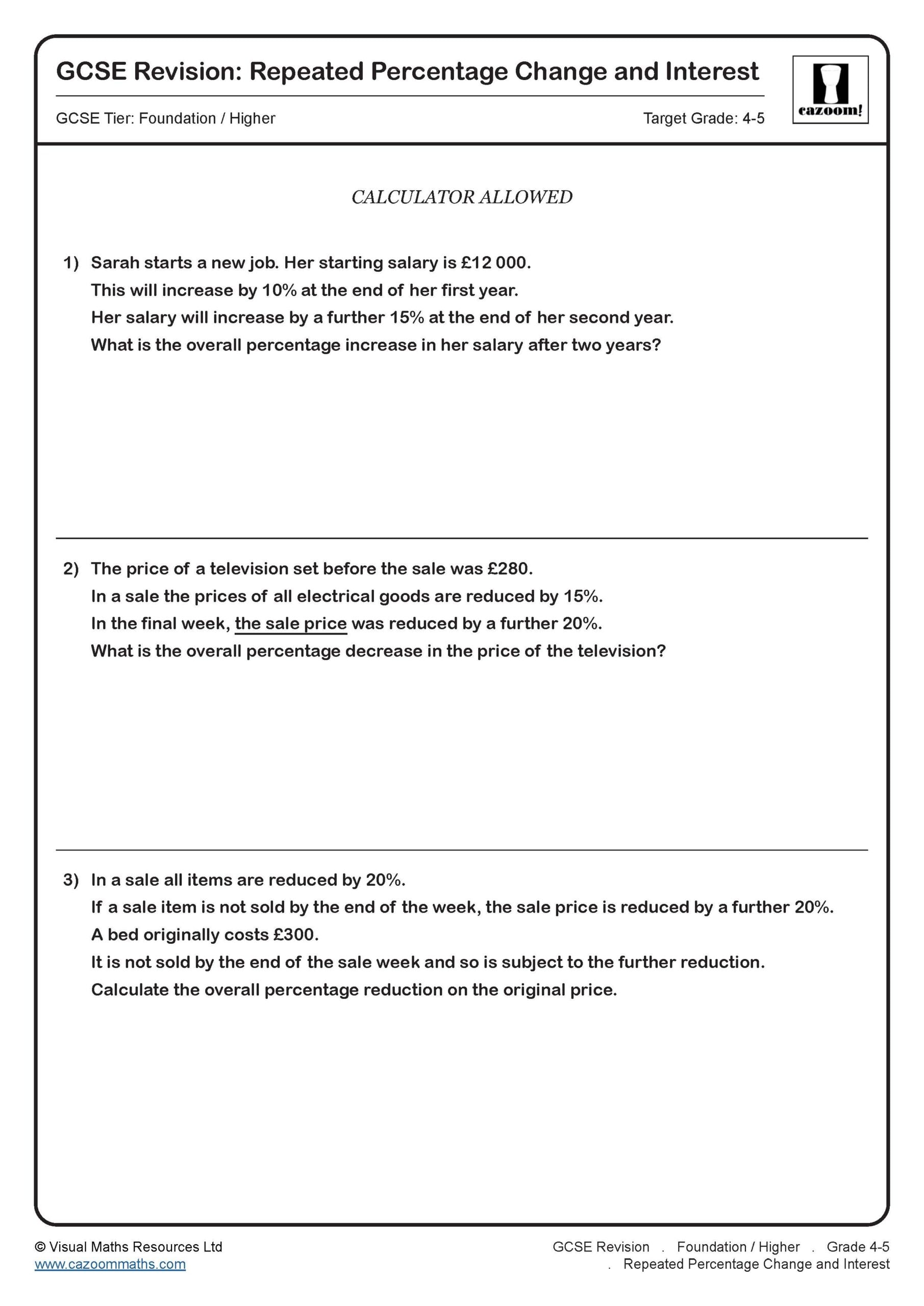
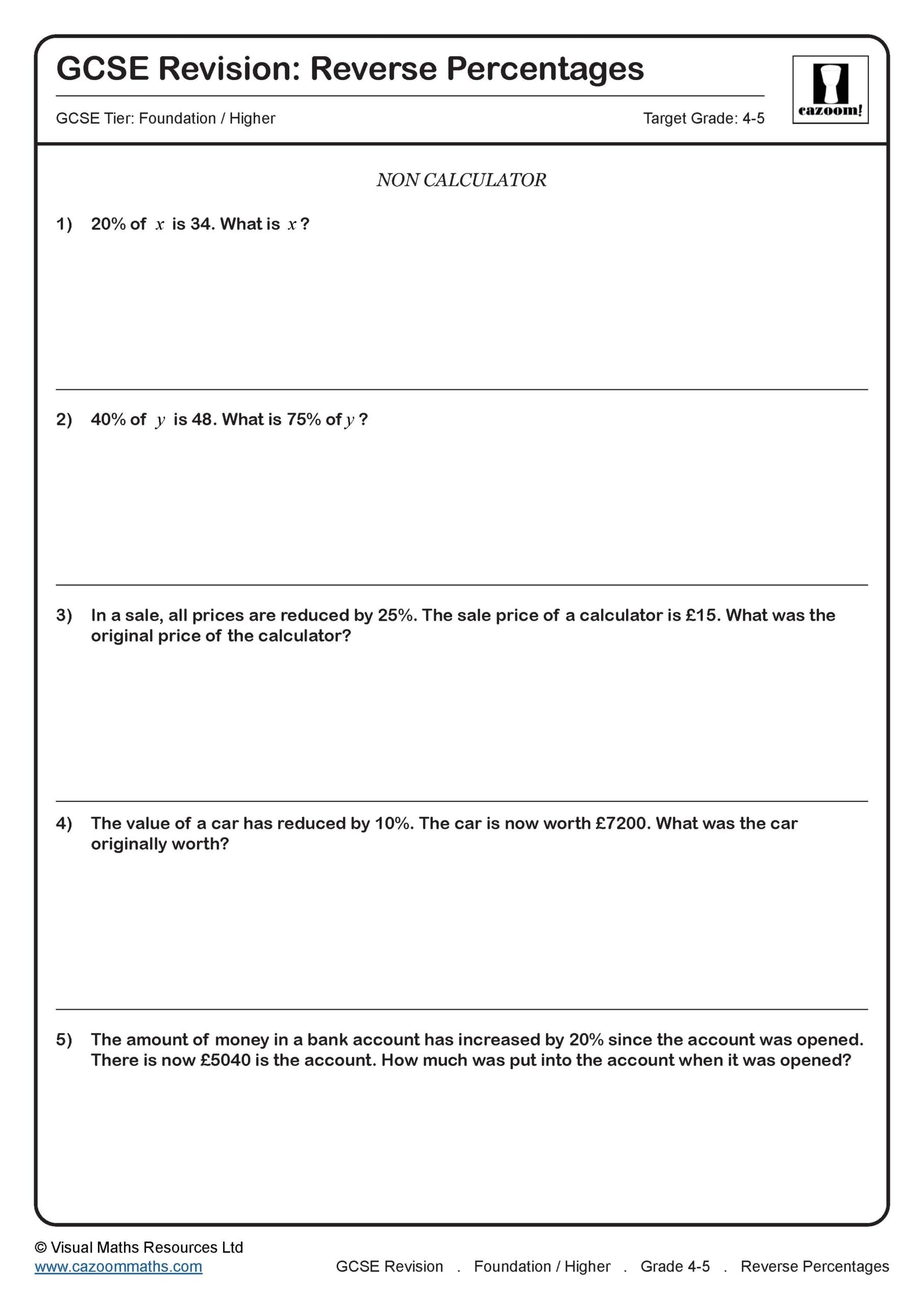
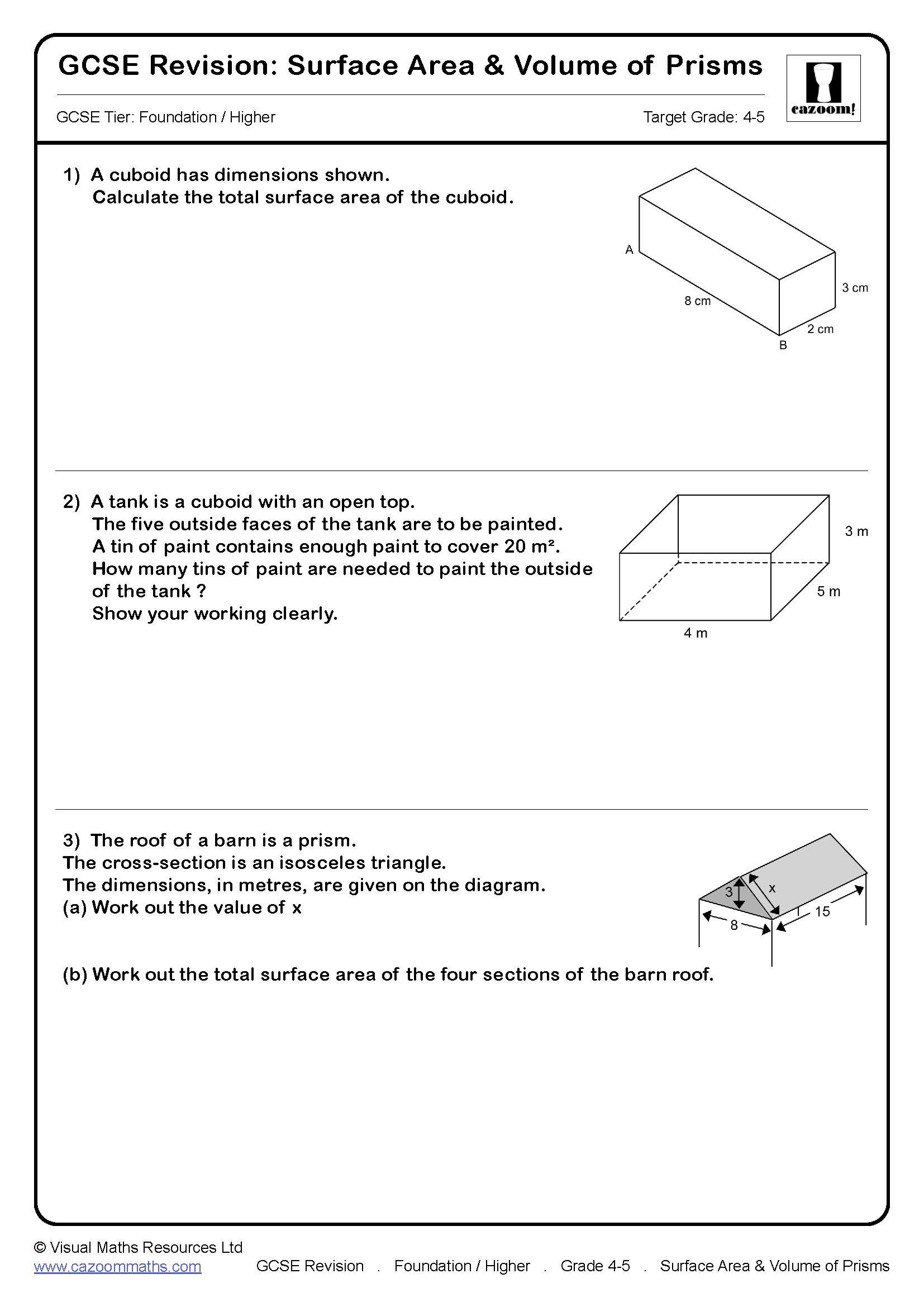
Understand that percentage means 'number of parts per hundred'. Express a number as a percentage of another. Understand and use percentage increase and decrease, including repeated percentage change. Use reverse percentages. Use compound interest and depreciation
1.8Foundation & Higher
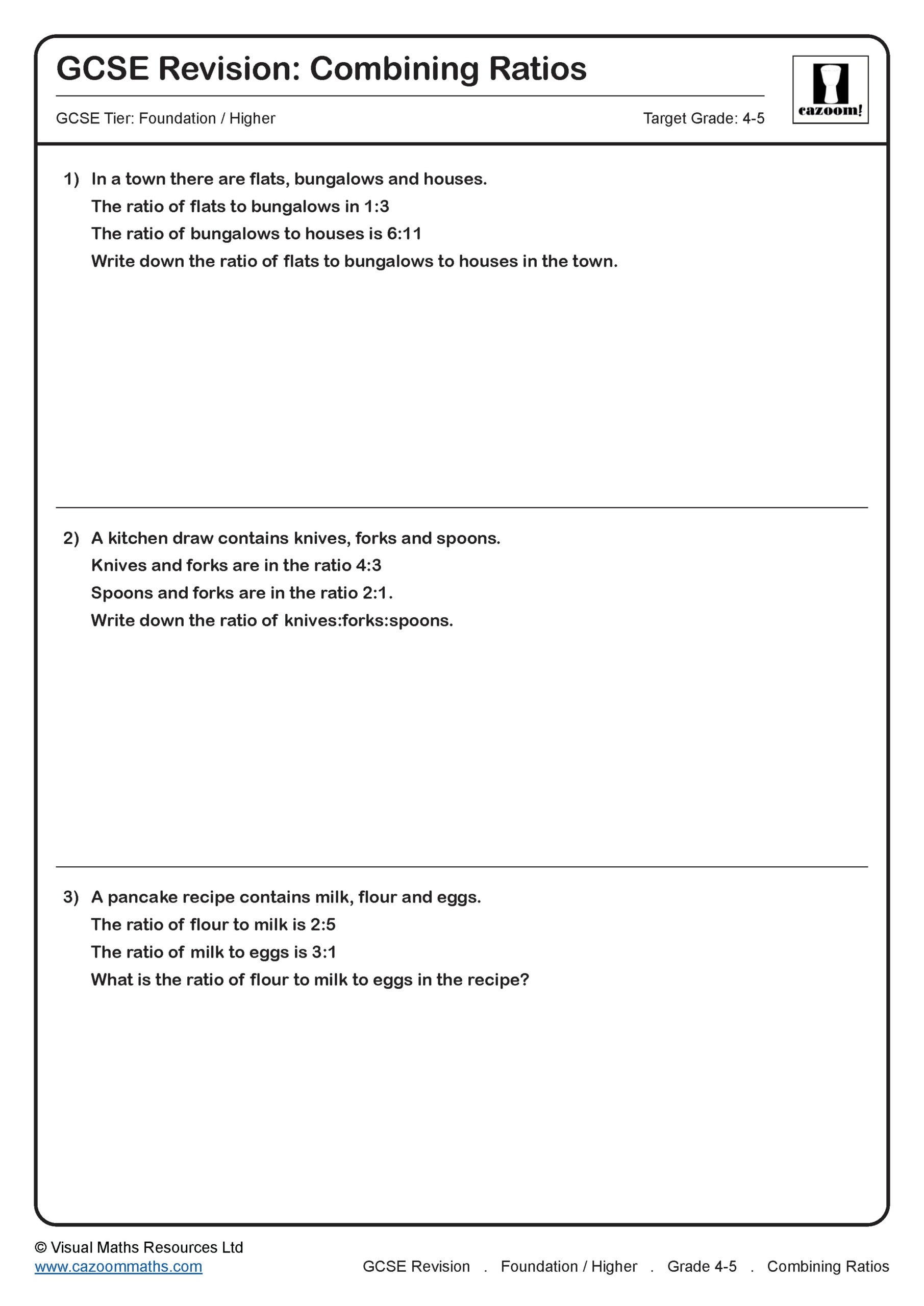
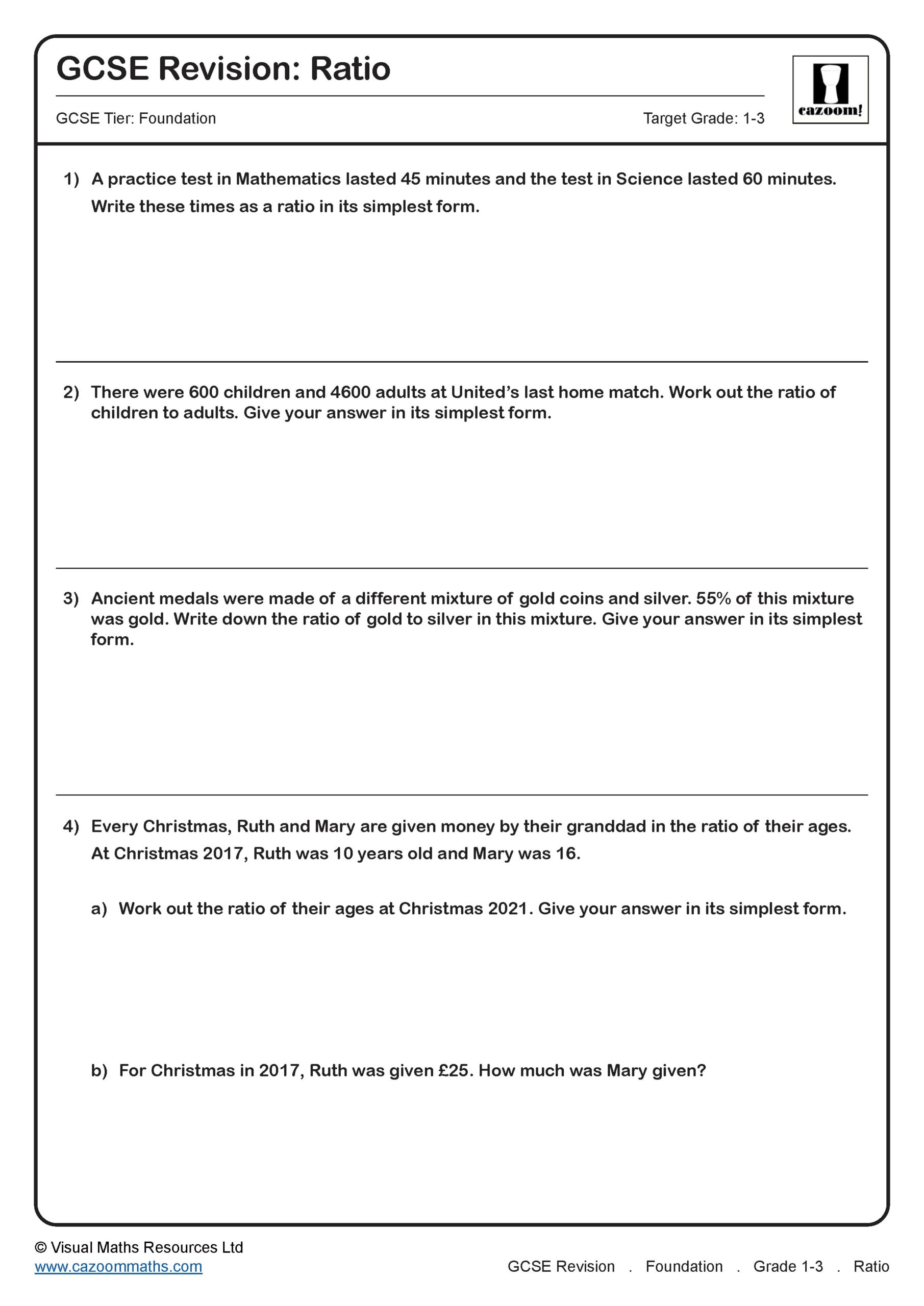
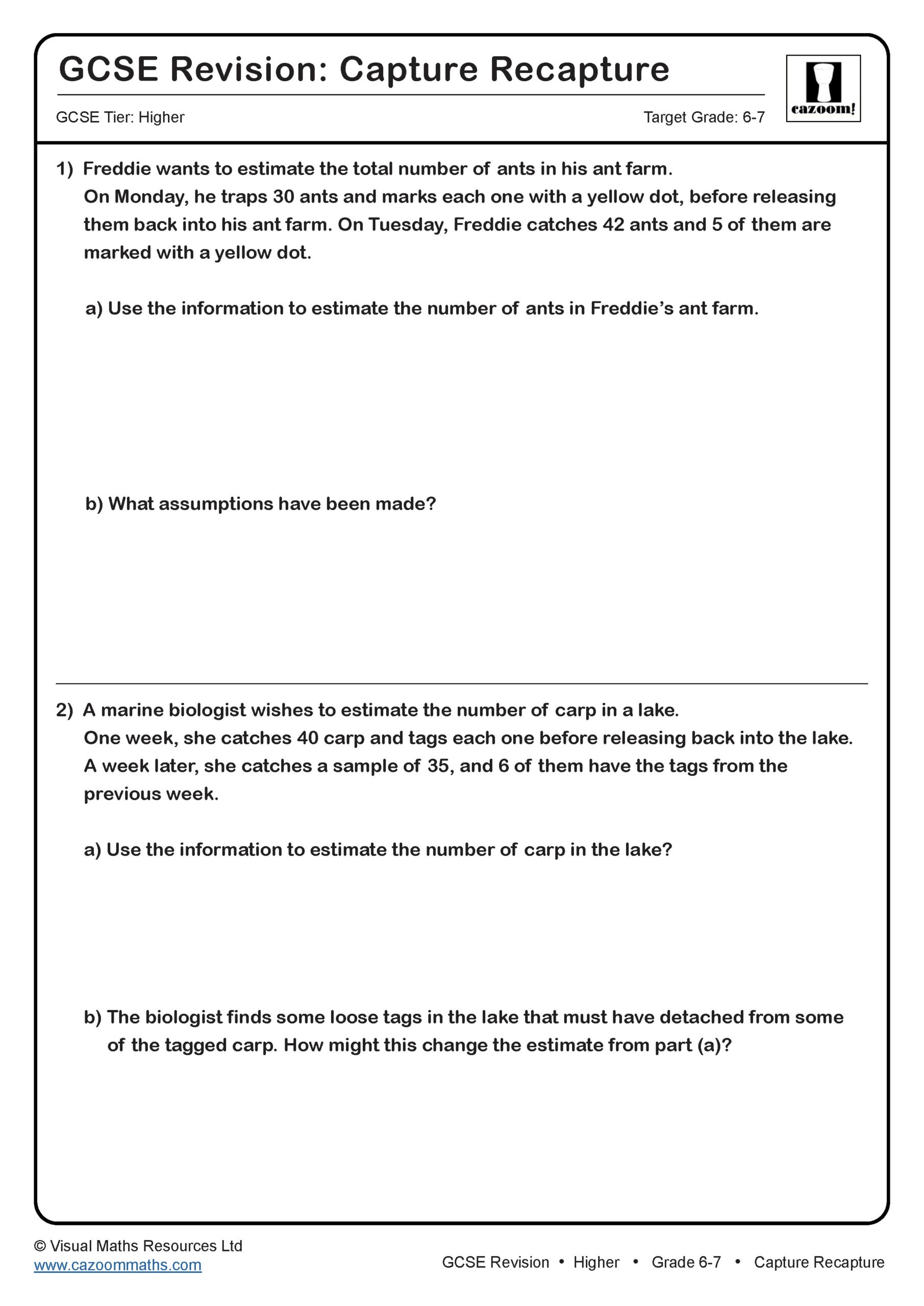
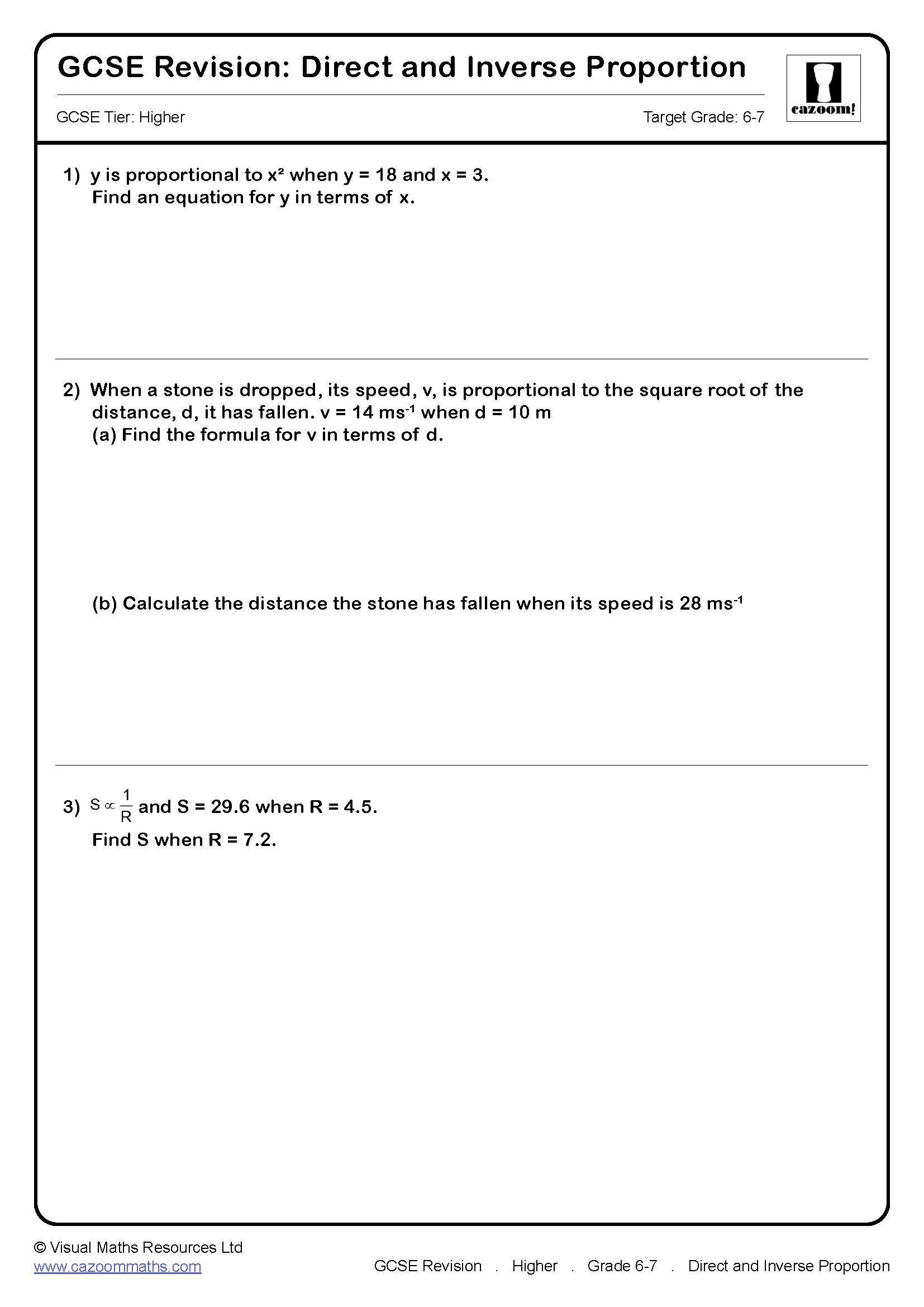
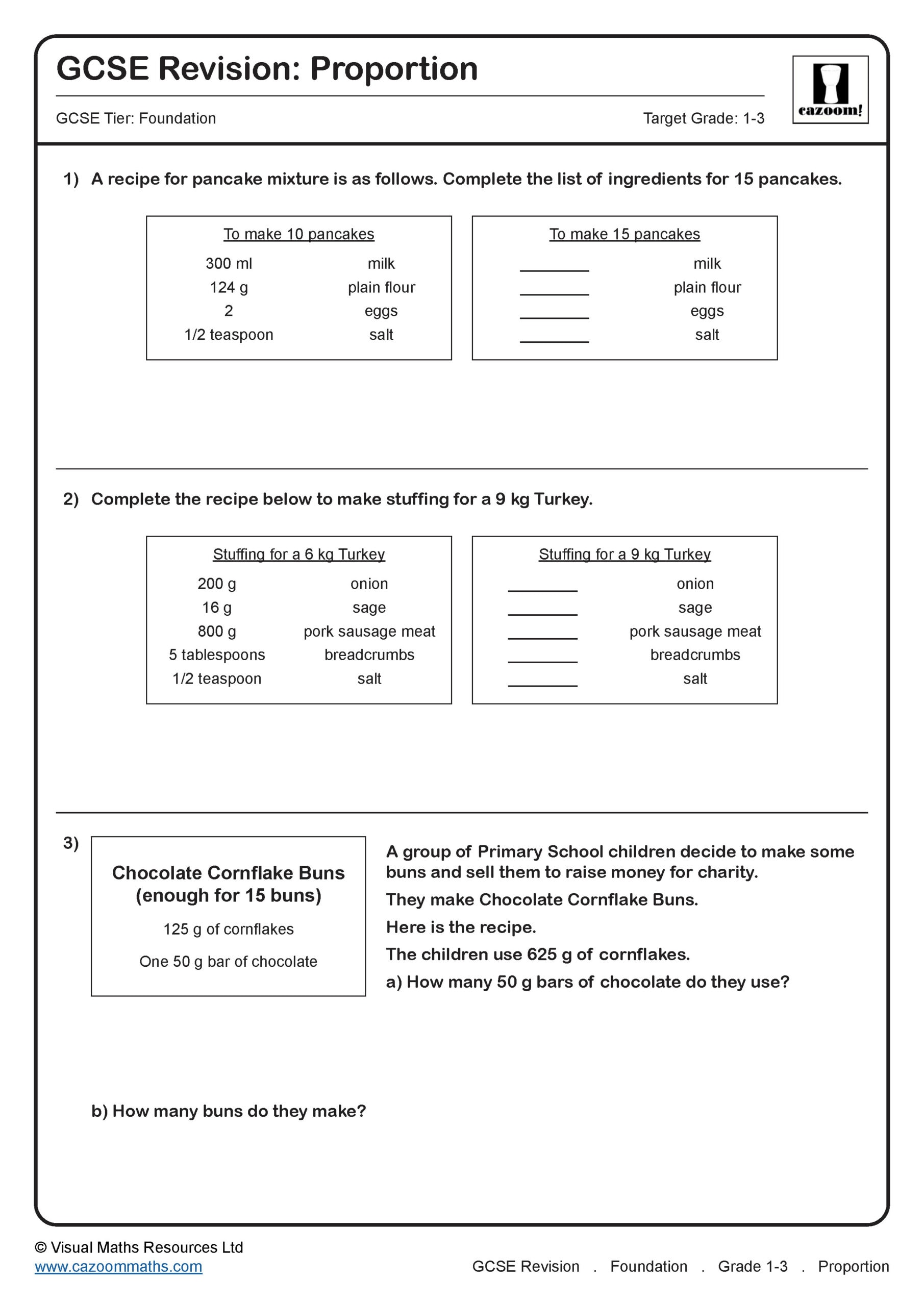
Use ratio notation, including reduction to its simplest form. Divide a quantity in a given ratio. Use proportion. Understand and use direct and inverse proportion
1.9Foundation & Higher
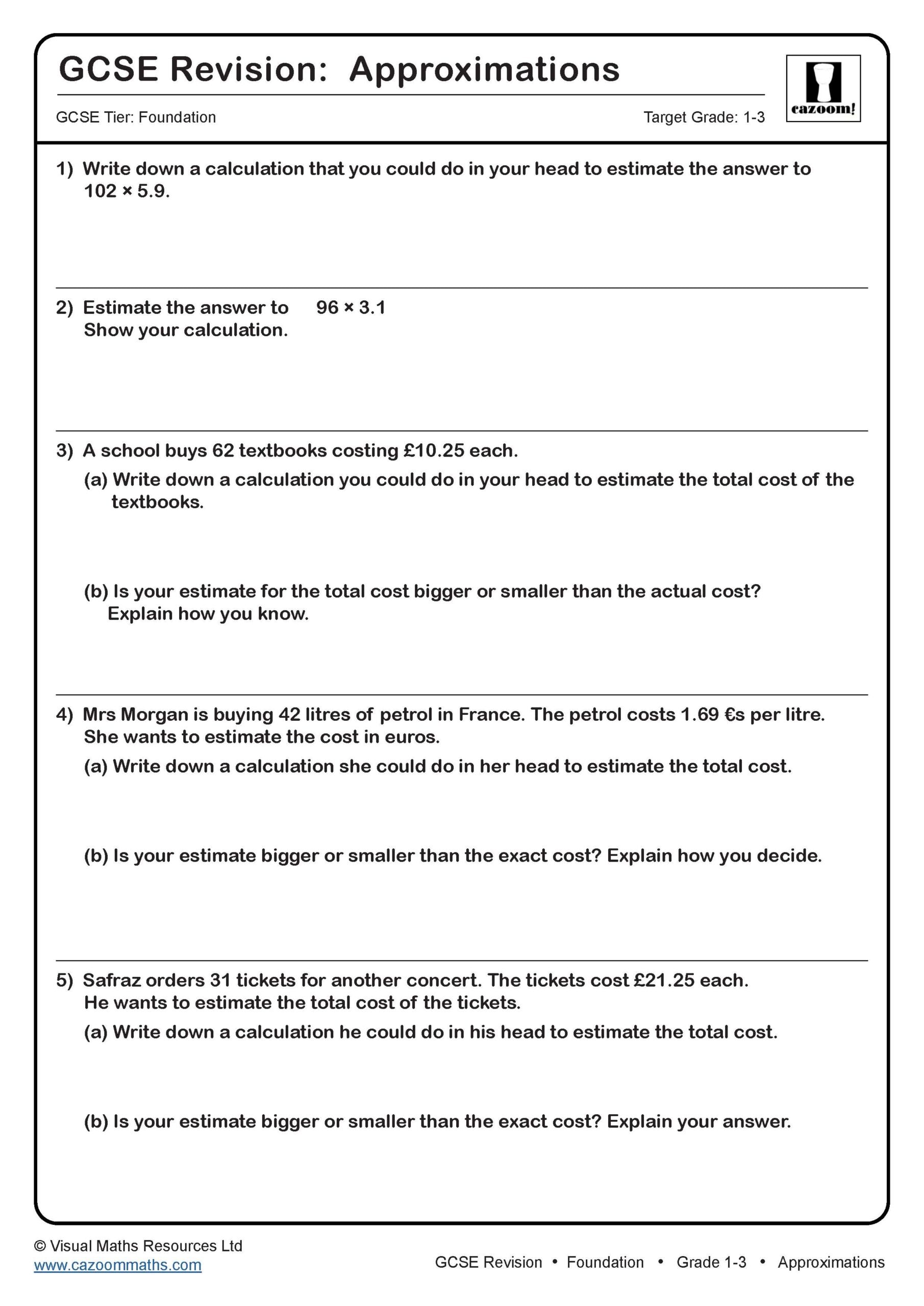
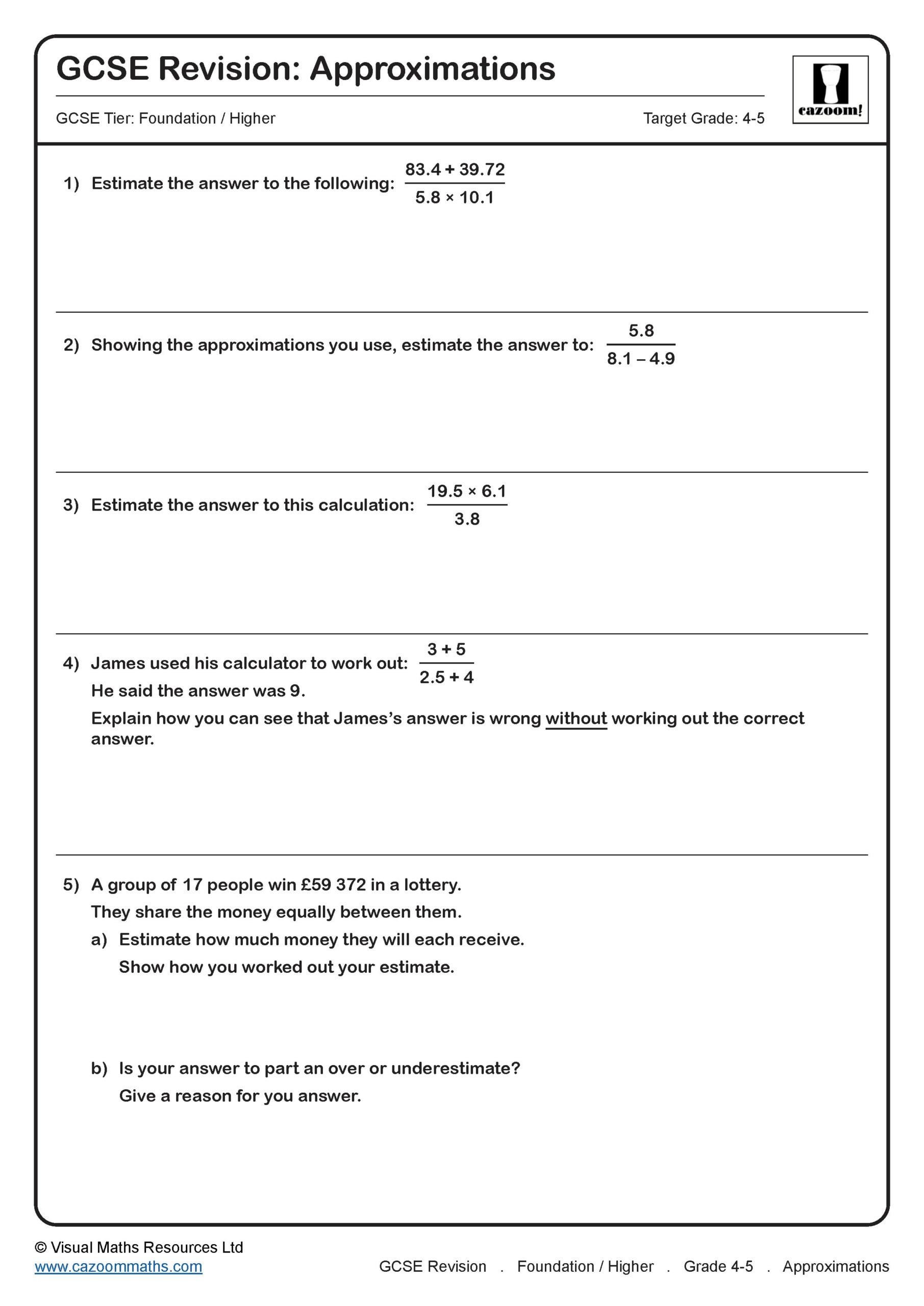
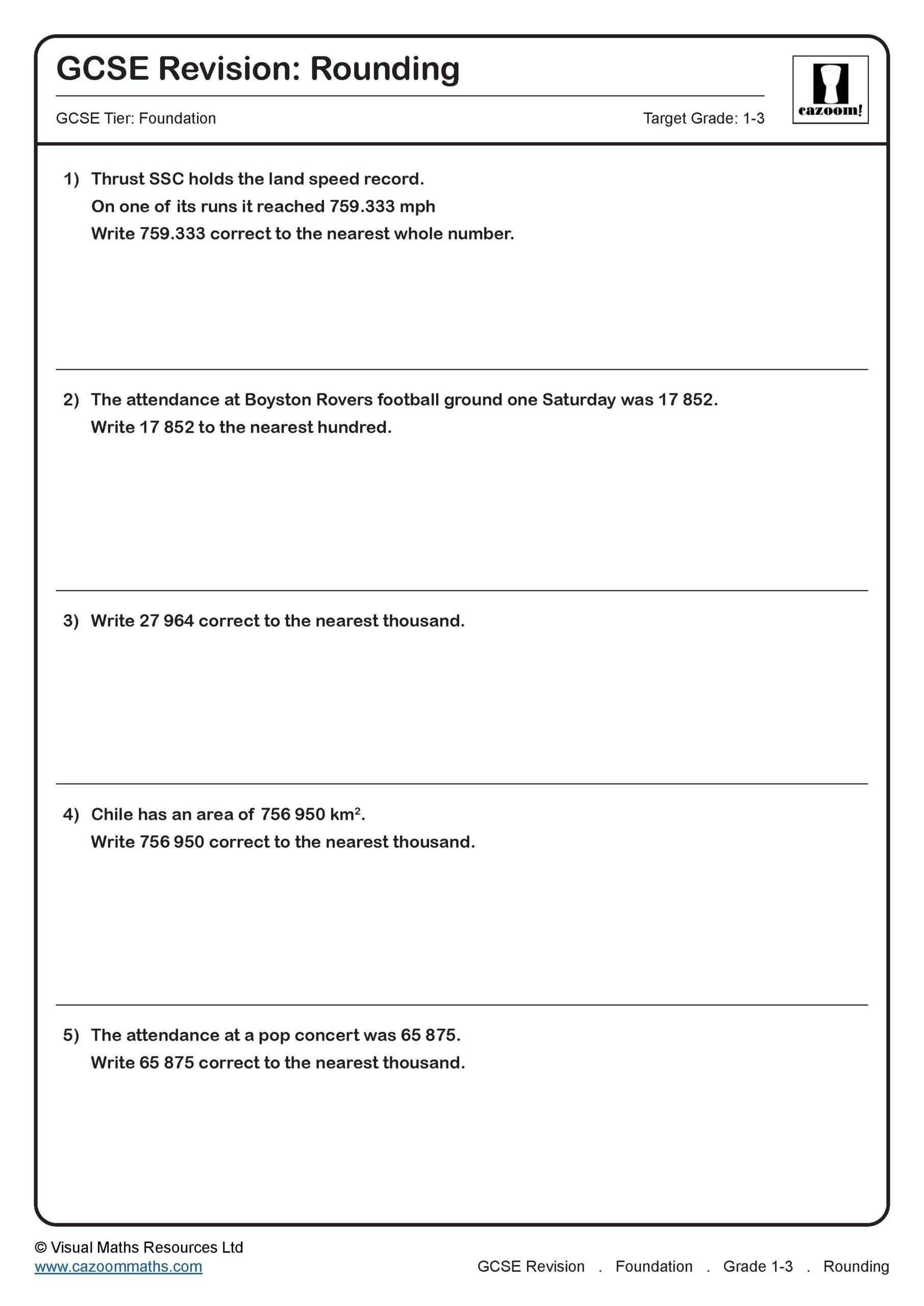
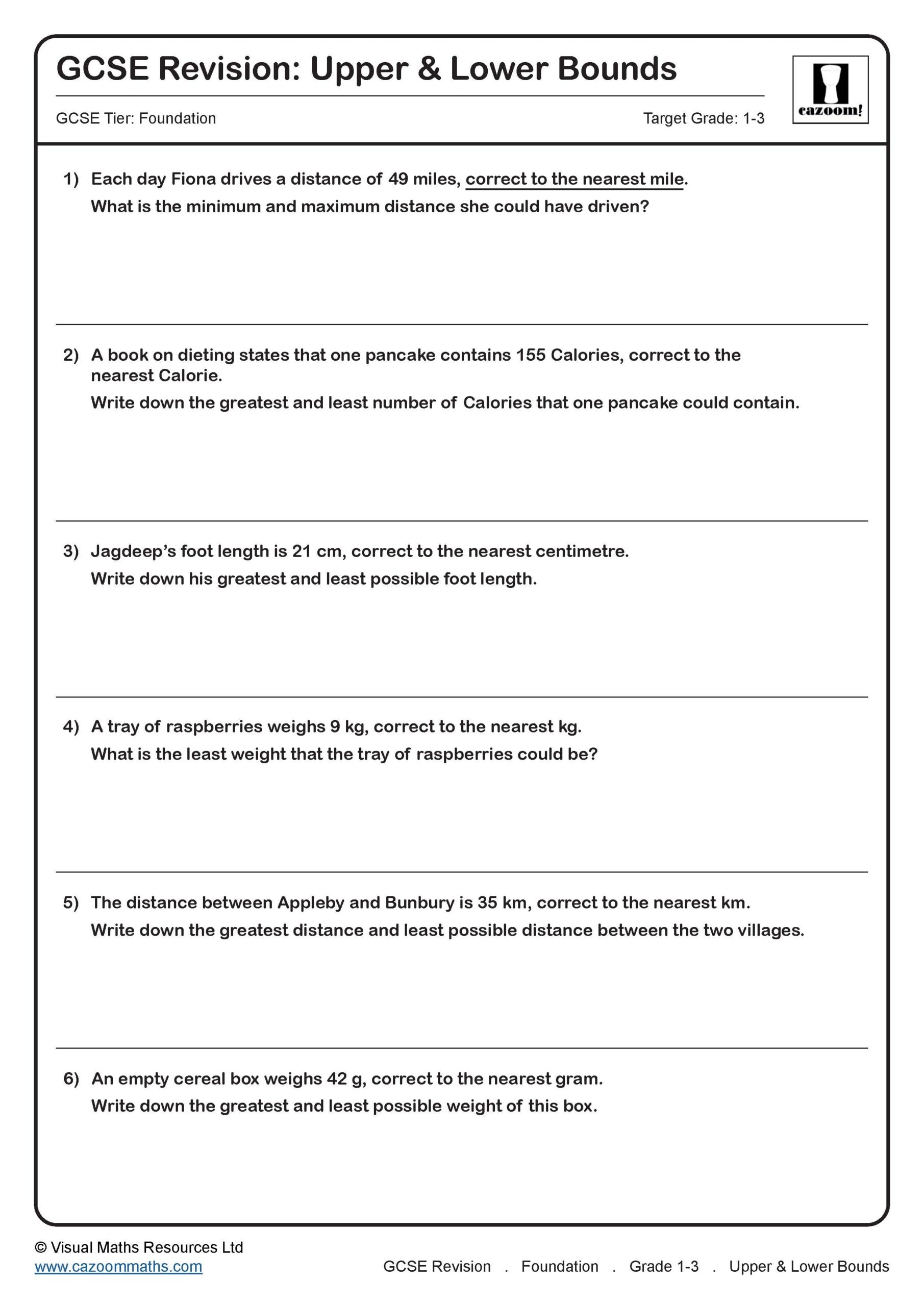
Round integers to a given power of 10. Round to a given number of significant figures or decimal places. Identify upper and lower bounds where values are given to a degree of accuracy. Use estimation to evaluate approximations to numerical calculations
1.10Higher
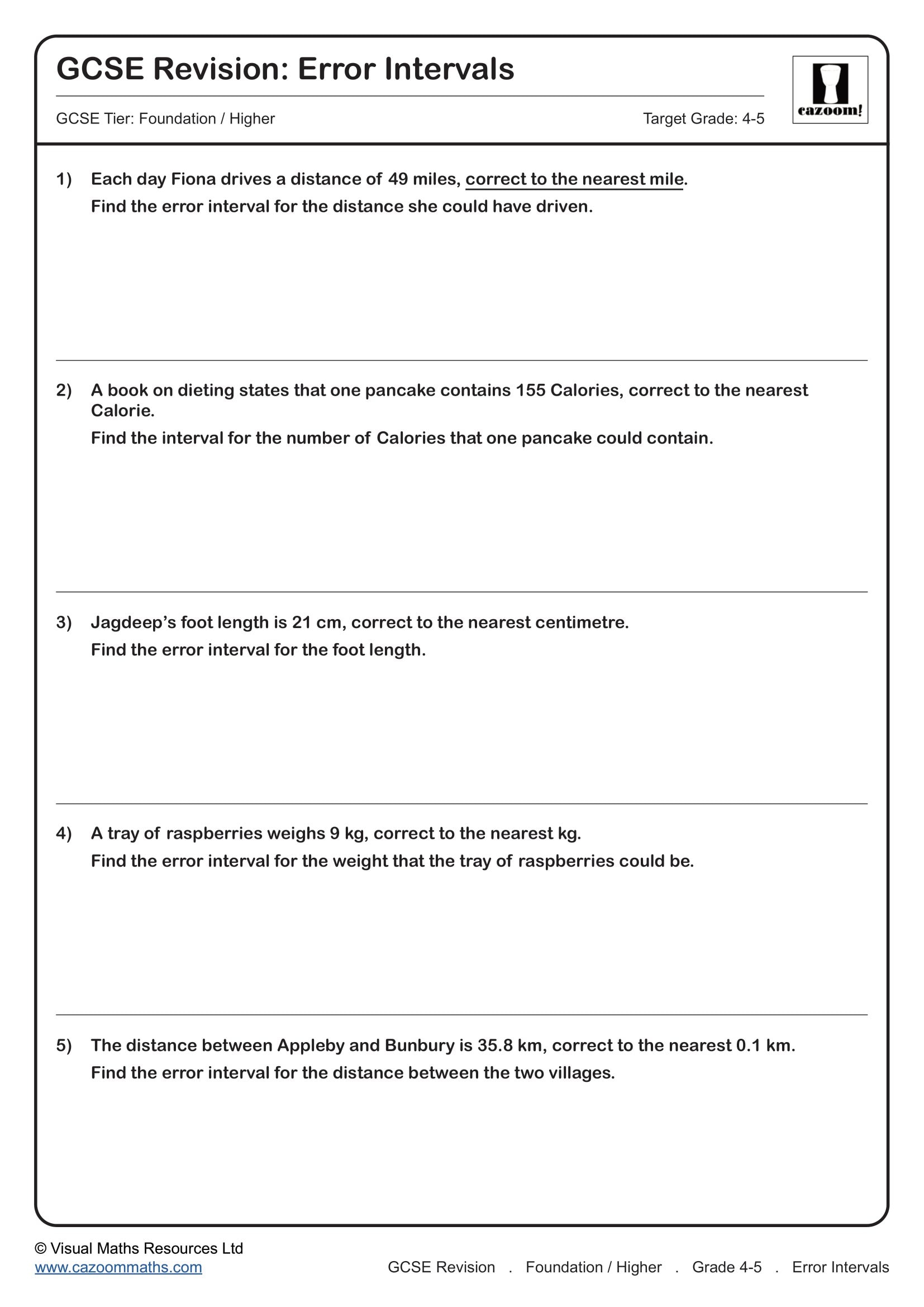
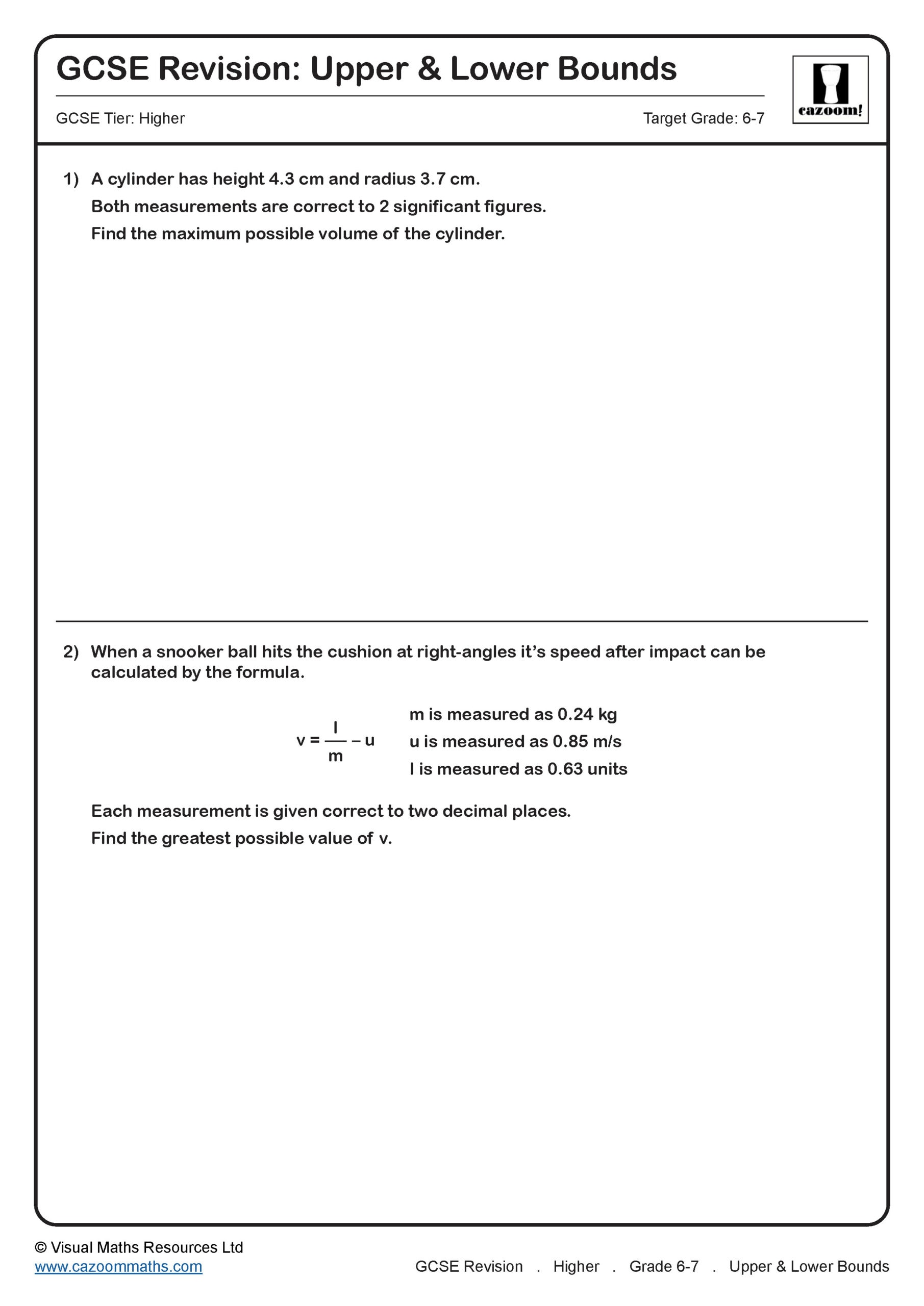
Calculate upper and lower bounds to solutions of problems. Apply and interpret limits of accuracy when using data given to a specified degree of accuracy
1.11Foundation & Higher
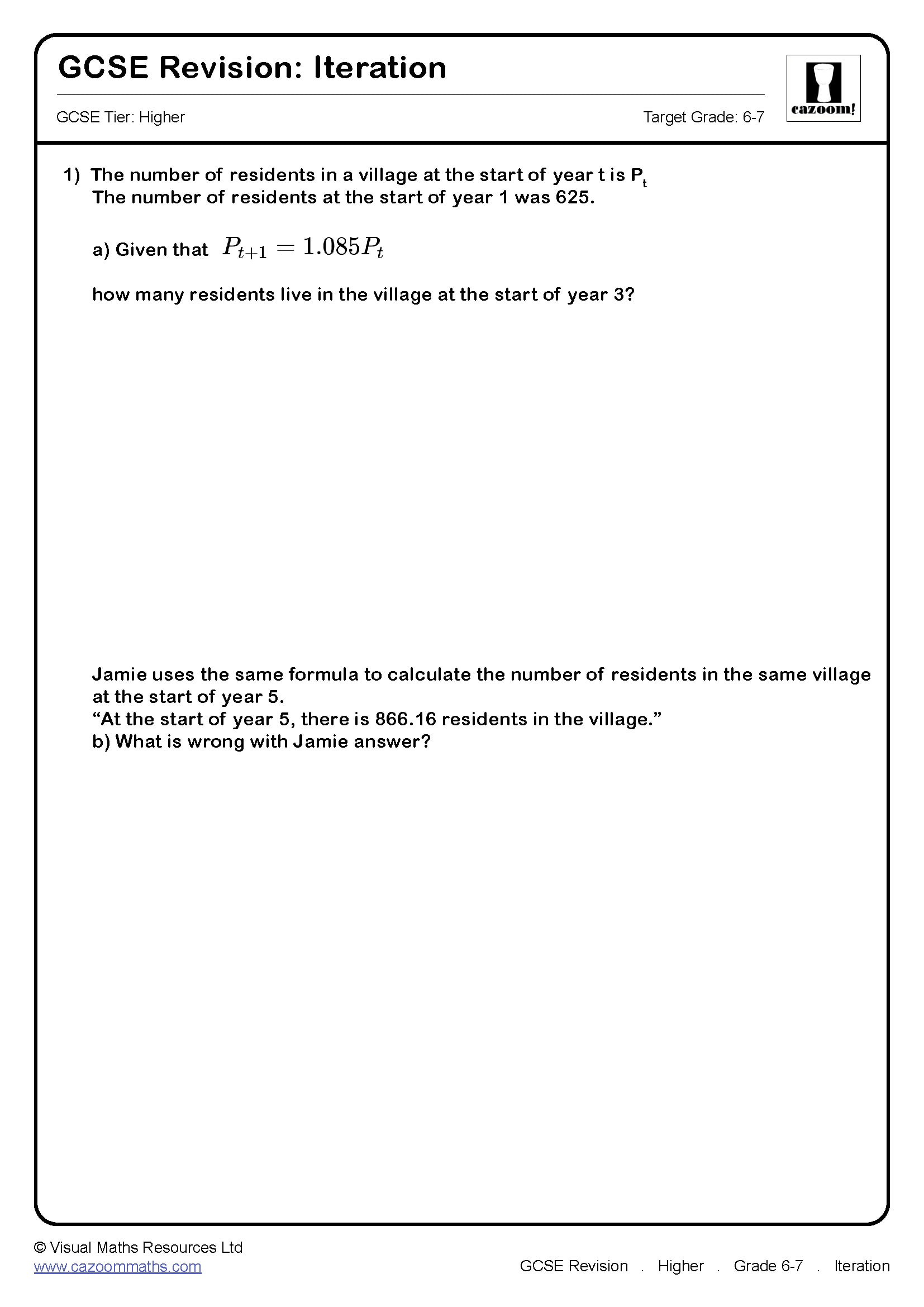
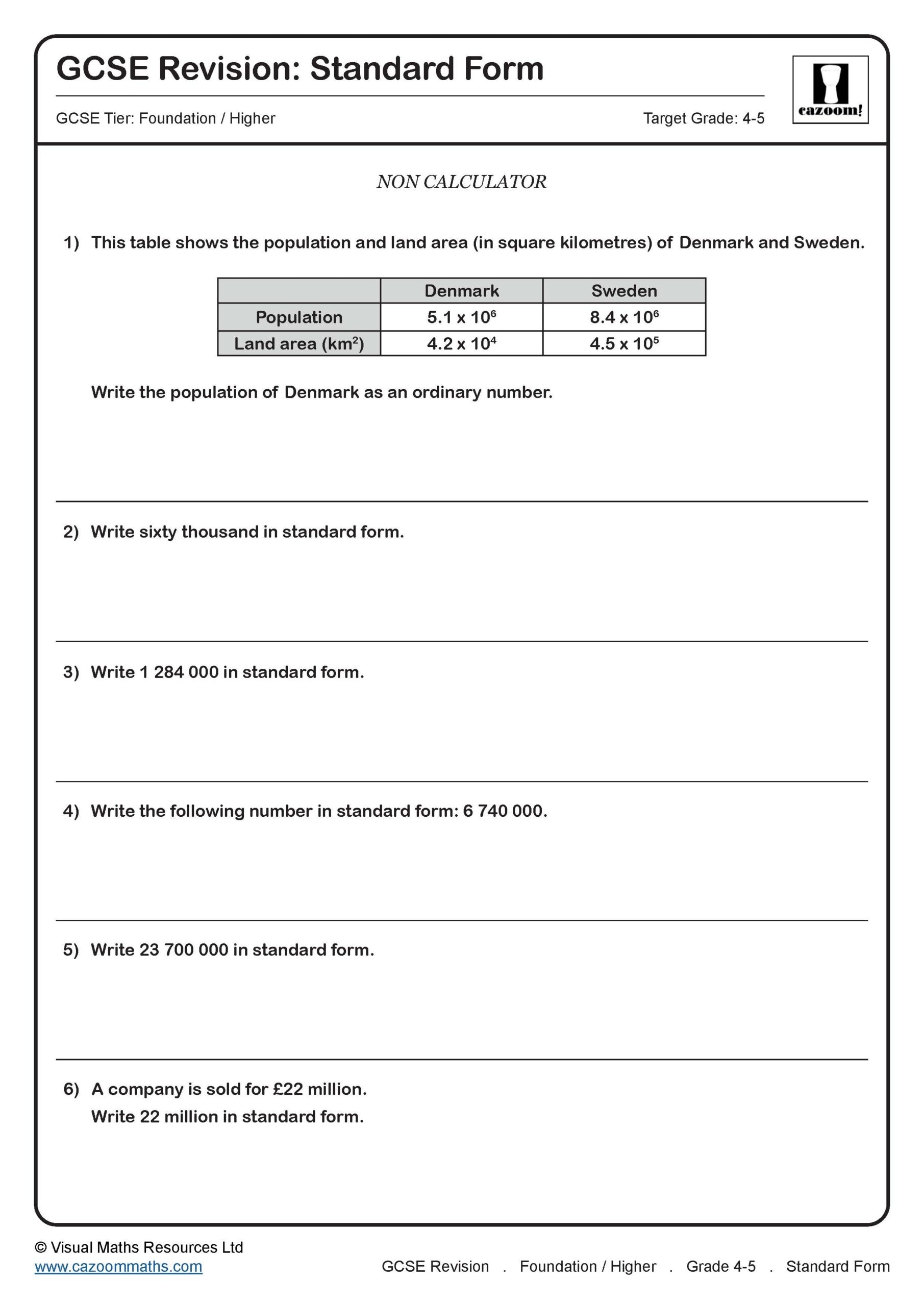
Use standard form to express large and small numbers. Calculate with values in standard form
1.12Foundation & Higher
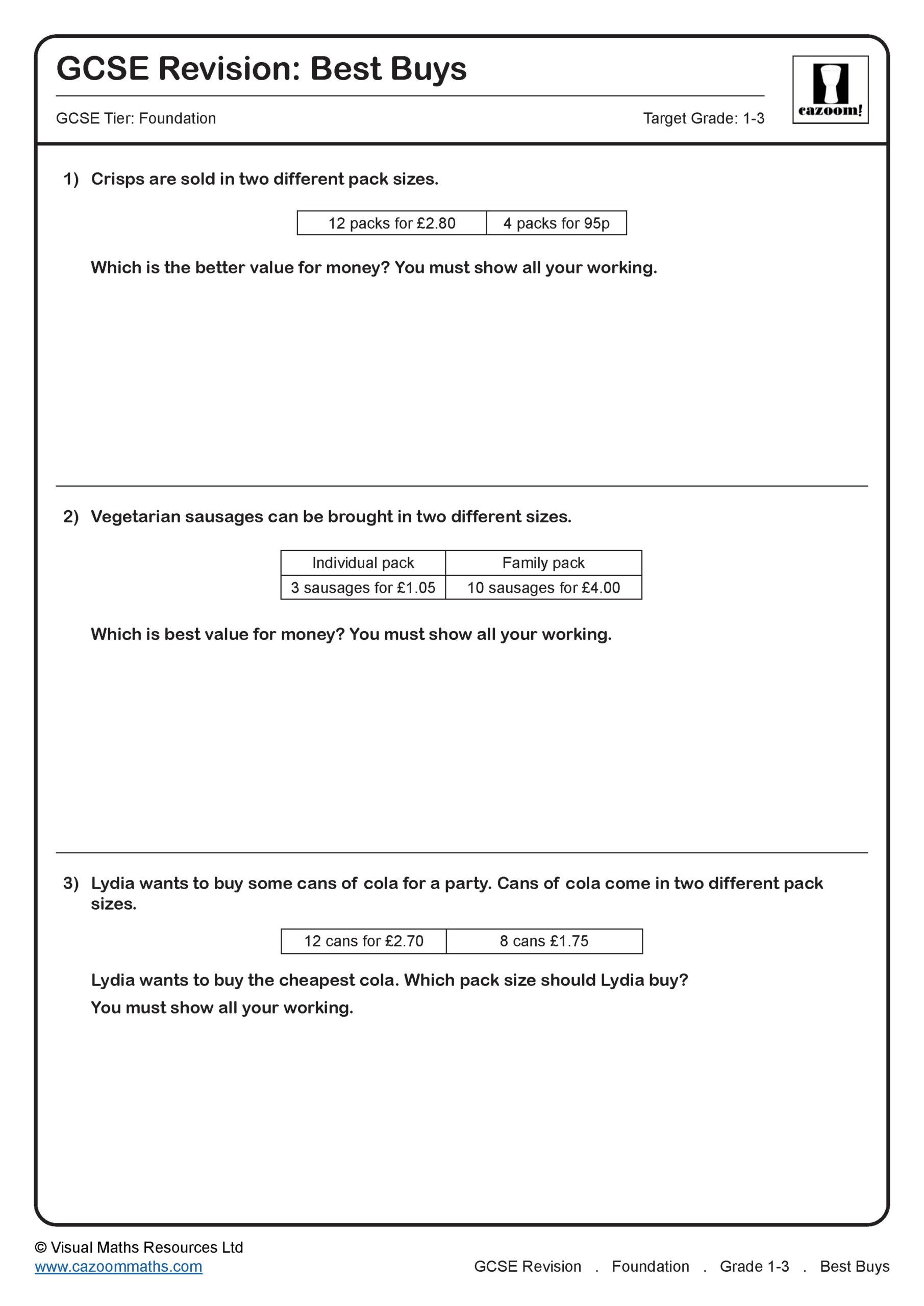
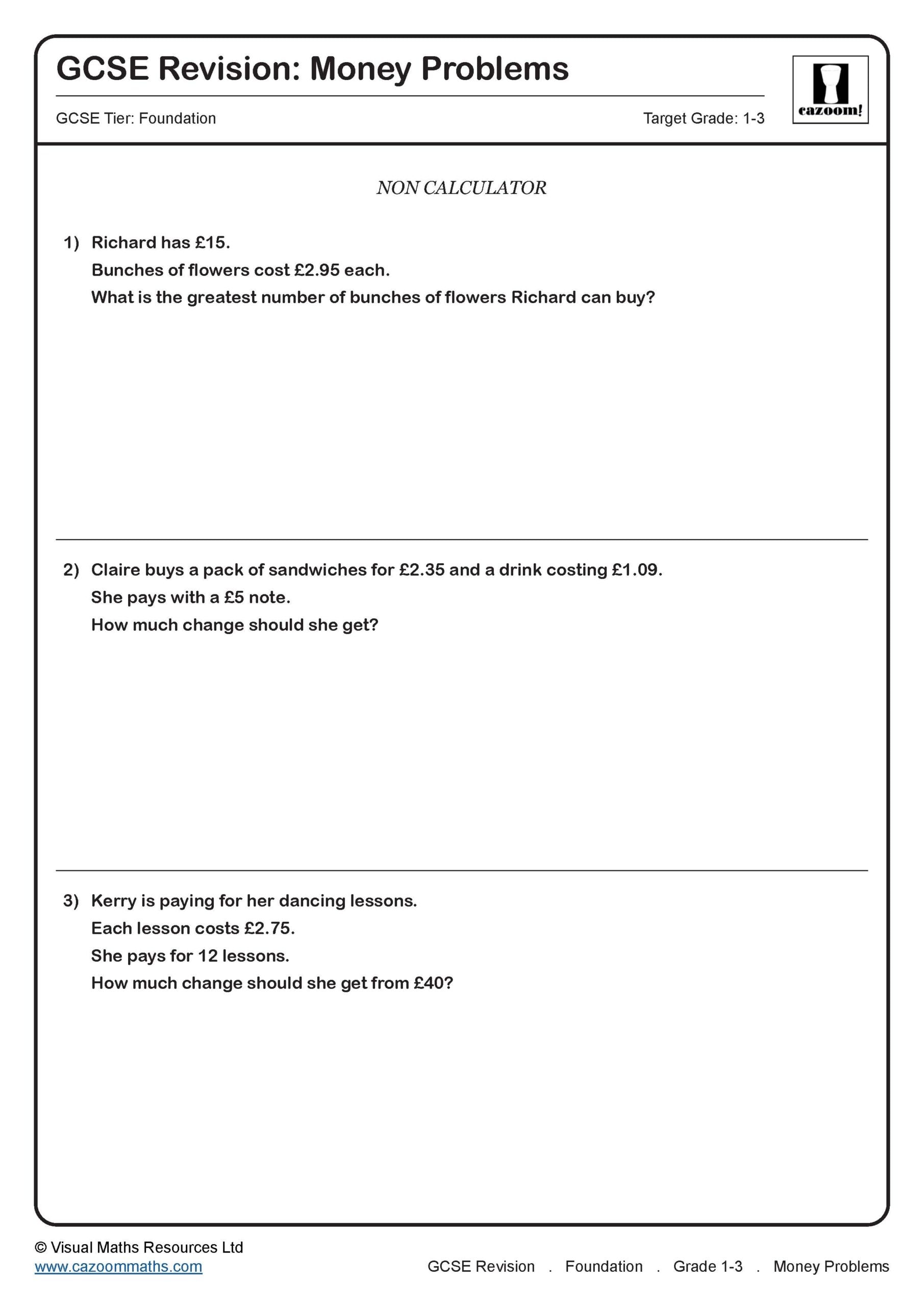
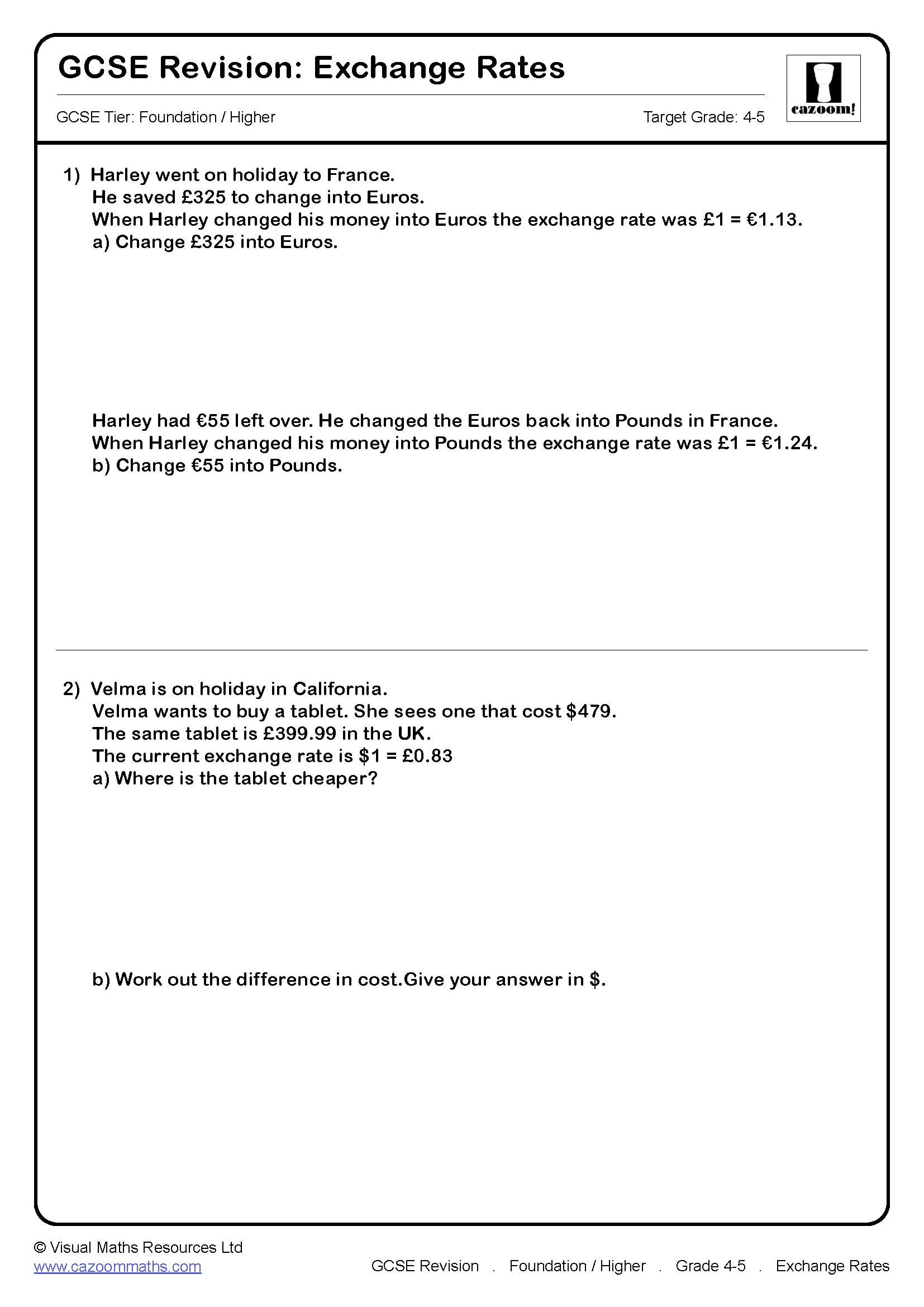
Apply number to practical and real-life problems, including exchange rates, taxes, wages and salaries, discount, profit, loss, and household finance
1.13Foundation & Higher
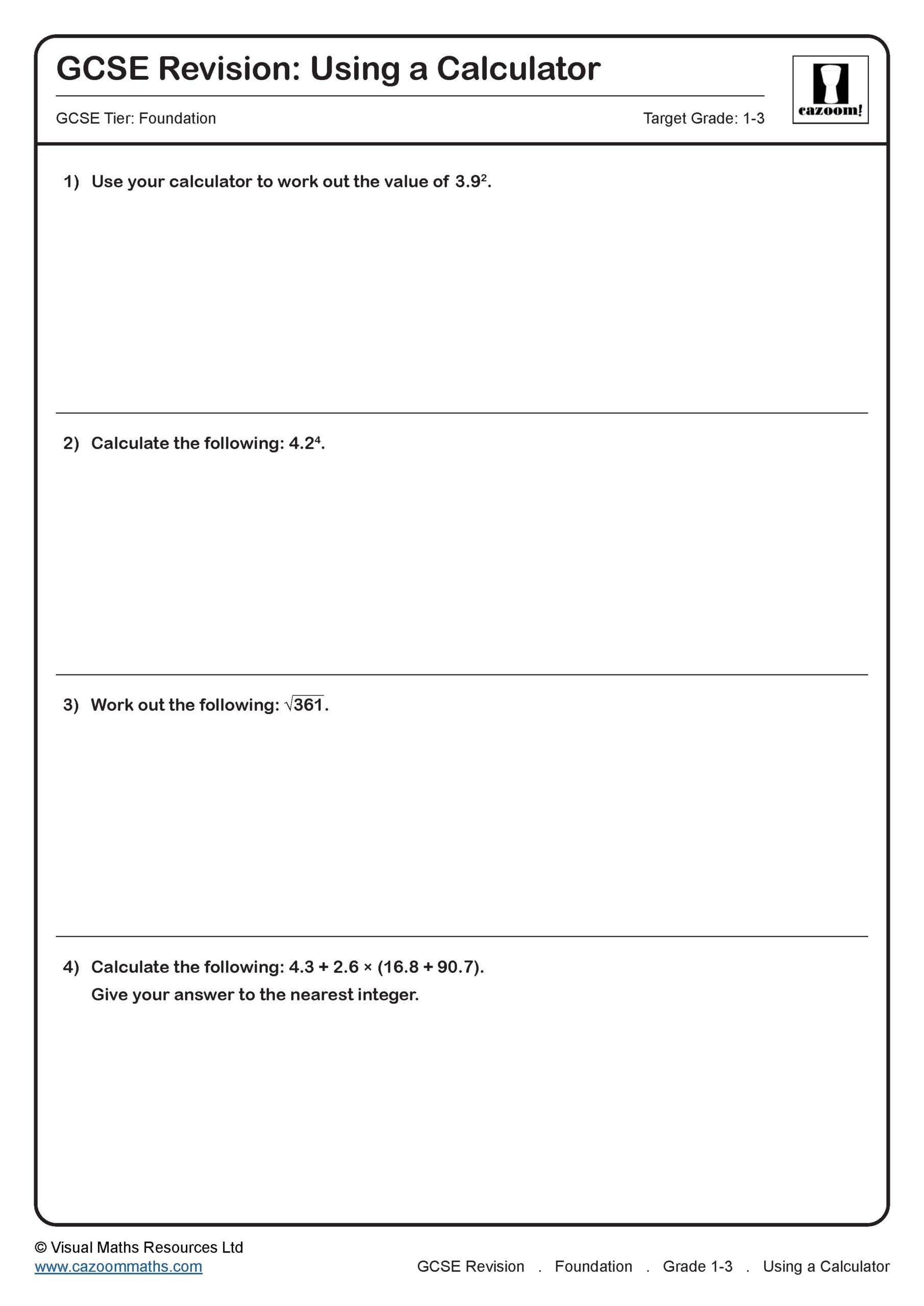
Use a calculator effectively and efficiently