GCSE Problem Solving Questions Higher Plus (A) iGCSE REVISION WORKSHEET
About This Worksheet
This iGCSE revision worksheet covers GCSE Problem Solving Questions Higher Plus (A), aligned to Cambridge iGCSE (0580) syllabus codes E6.2, E6.1, C8.1, E2.4, E2.8, E2.9, E6.5 and Edexcel iGCSE (4MA1) codes 3.10, 3.1, 7.1, 2.9, 2.16, 2.17, 2.18. Answers and worked solutions are included.
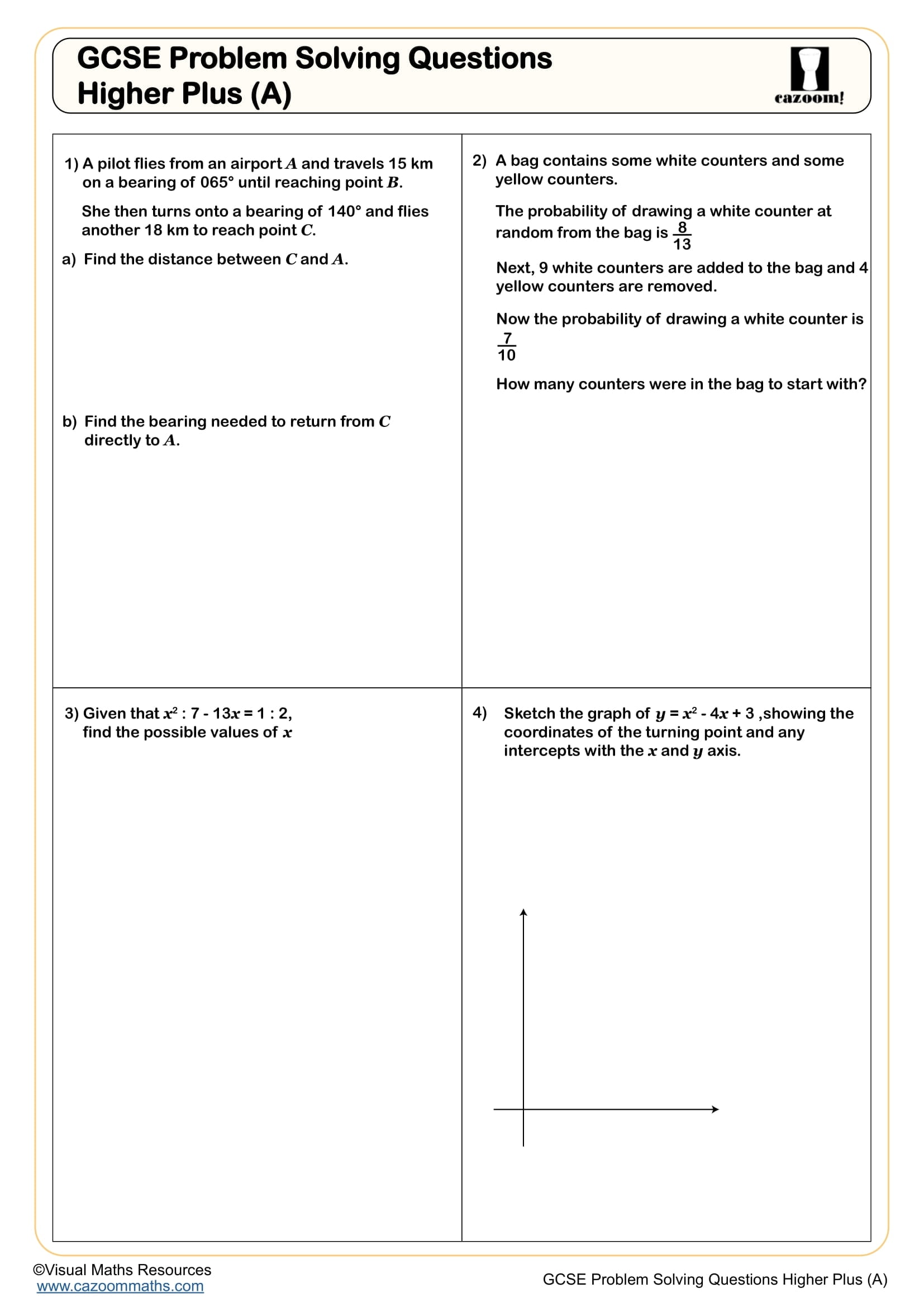
This Higher Plus set is designed to stretch and challenge high-attaining students aiming for GCSE grades 8–9. The problems demand a deep understanding of advanced topics such as geometric proof, the cosine rule, circle theorems, trig graphs, and graph transformations. Learners will also tackle questions involving equations of circles, speed/time graphs, and completing the square.
These tasks reflect the complexity of the most demanding exam questions and are ideal for sharpening problem-solving strategies. Full solutions are included to guide students through their thinking and support mastery of top-grade content.
All worksheets are created by the team of experienced teachers at Cazoom Maths.
iGCSE Syllabus Alignment
Cambridge iGCSE Maths (0580)
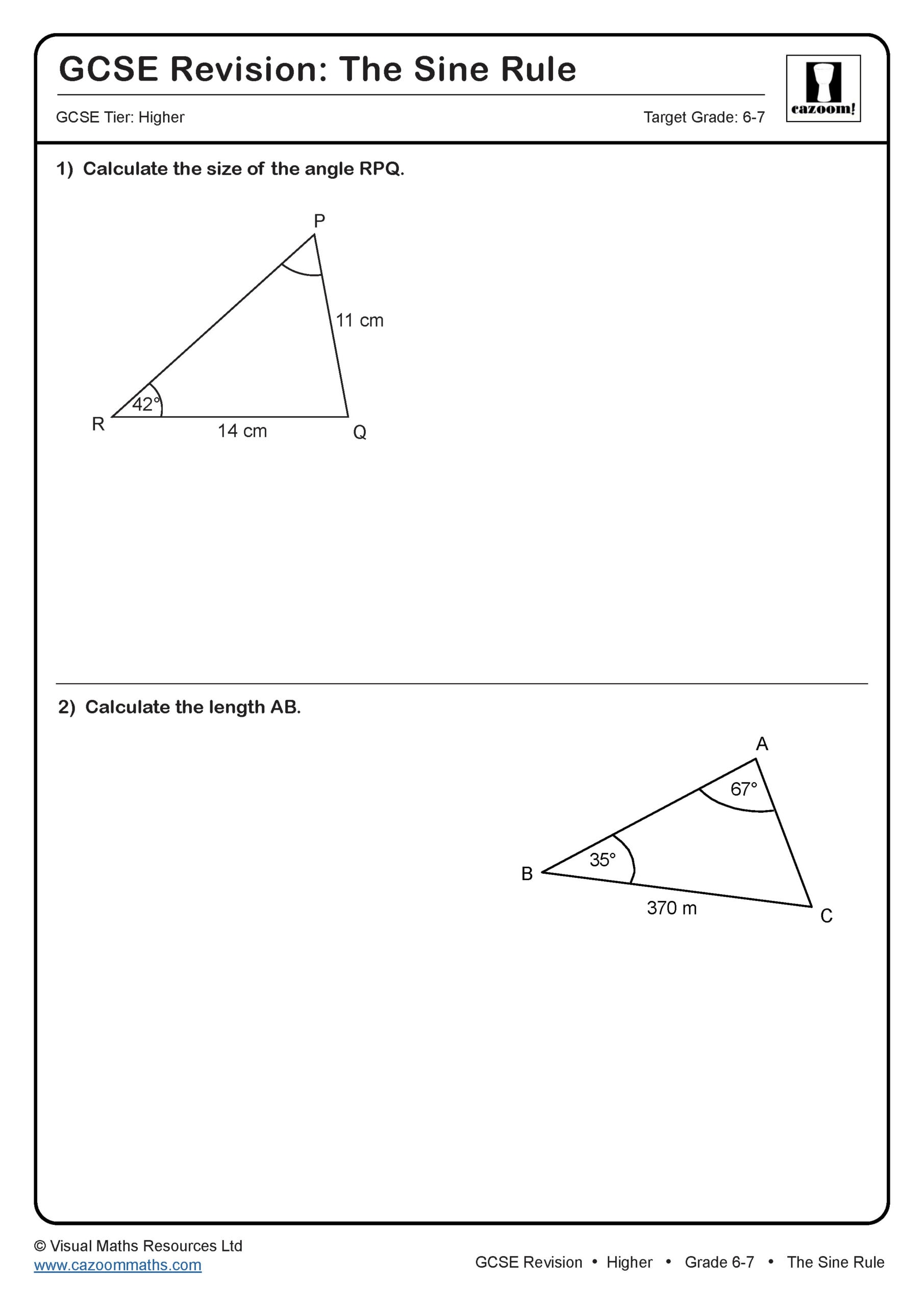
Apply sine, cosine and tangent ratios for any angle. Solve problems using the sine and cosine rules for any triangle. Use the formula area = ½ab sin C
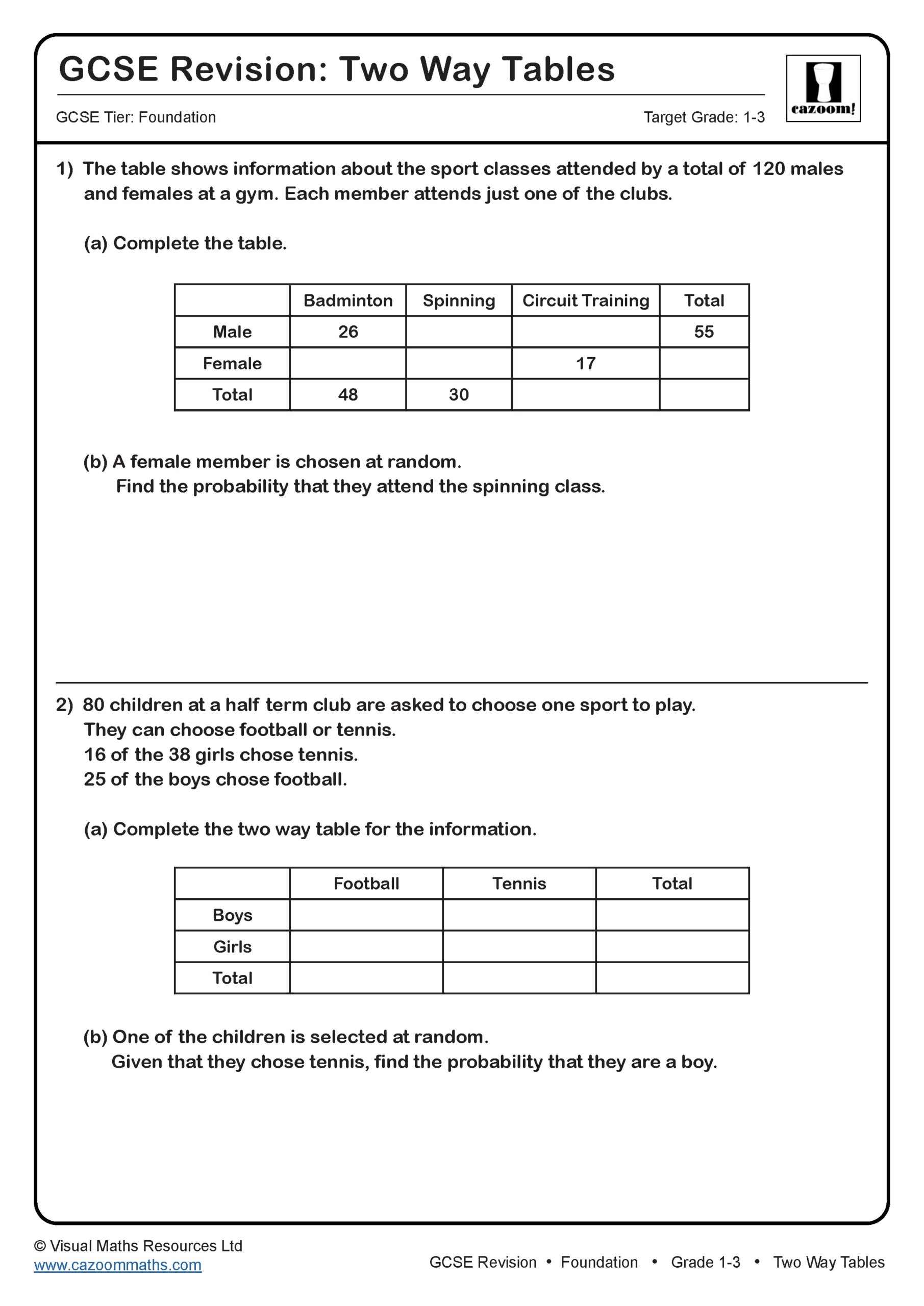
TrigonometryCalculate the probability of a single event as either a fraction, decimal or percentage
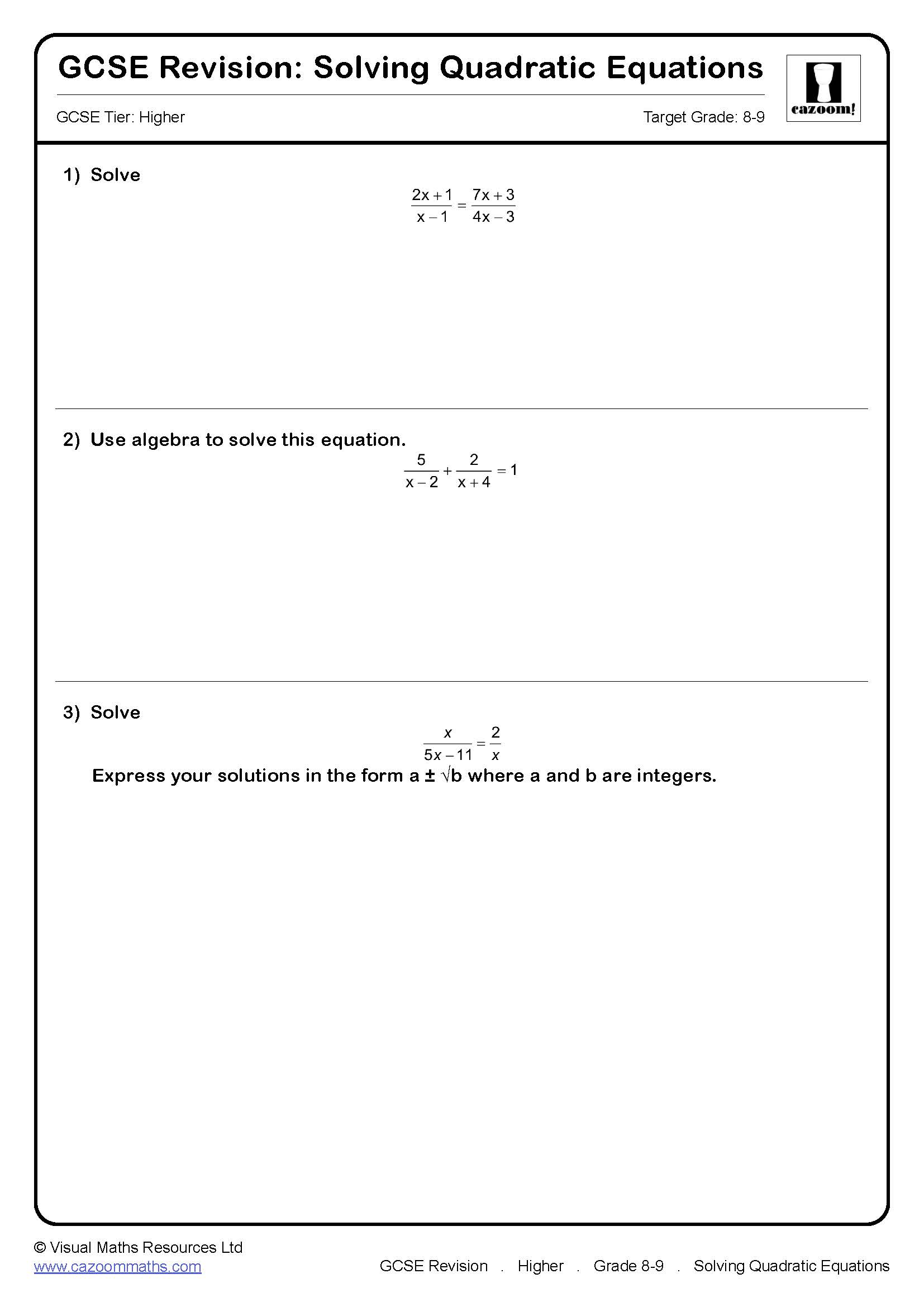
ProbabilityDerive and solve linear equations. Derive and solve simultaneous linear equations. Derive and solve simultaneous equations, one linear and one quadratic. Derive and solve quadratic equations by factorising, completing the square and using the quadratic formula. Solve simple exponential equations
Algebra and graphsConstruct tables of values and draw graphs for functions of the form ax^n (and simple sums of these), a^x + c, and trigonometric functions. Solve associated equations approximately by graphical methods. Draw and interpret graphs representing exponential growth and decay
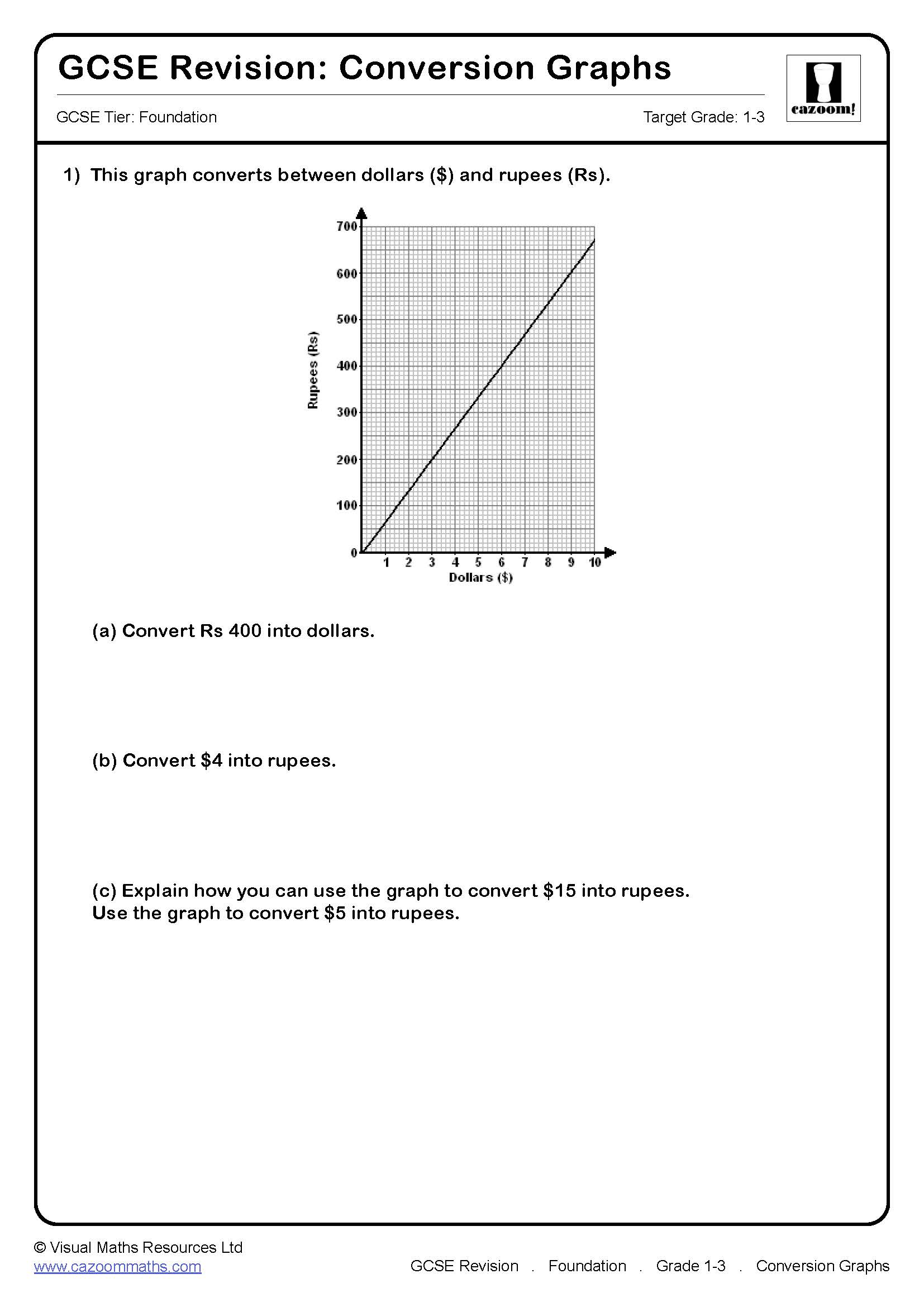
Algebra and graphsInterpret and use graphs in practical situations including travel graphs and conversion graphs. Draw graphs from given data. Calculate distance travelled as area under a speed–time graph
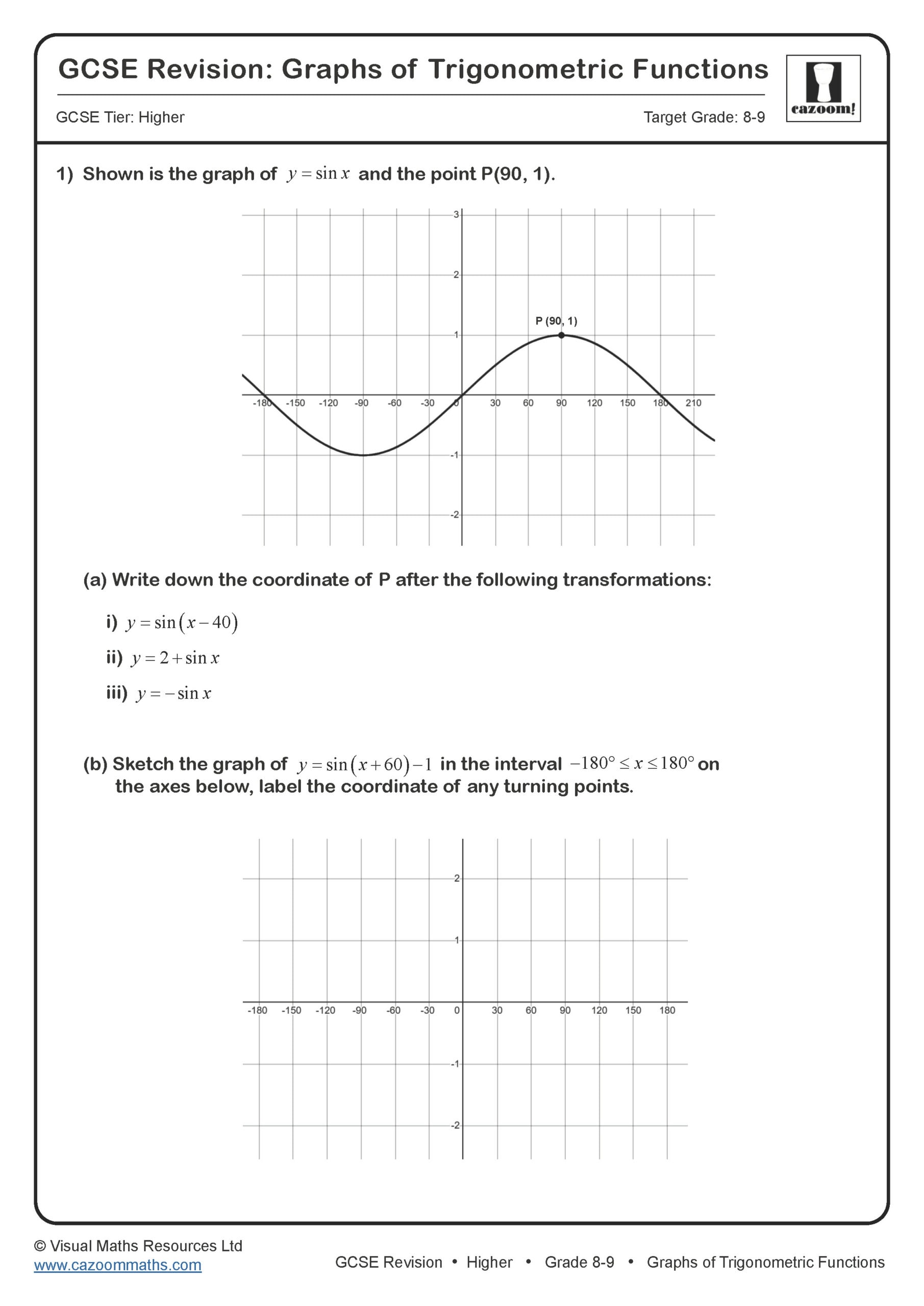
Algebra and graphsRecognise, sketch and interpret graphs of sin x, cos x and tan x for 0° ≤ x ≤ 360°. Solve simple trigonometric equations for values between 0° and 360°
TrigonometryEdexcel iGCSE Maths (4MA1)
Apply trigonometric ratios to find angles and lengths in right-angled triangles in 3D. Use the sine rule, cosine rule and area = ½ab sin C. Solve trigonometric problems in 2D and 3D
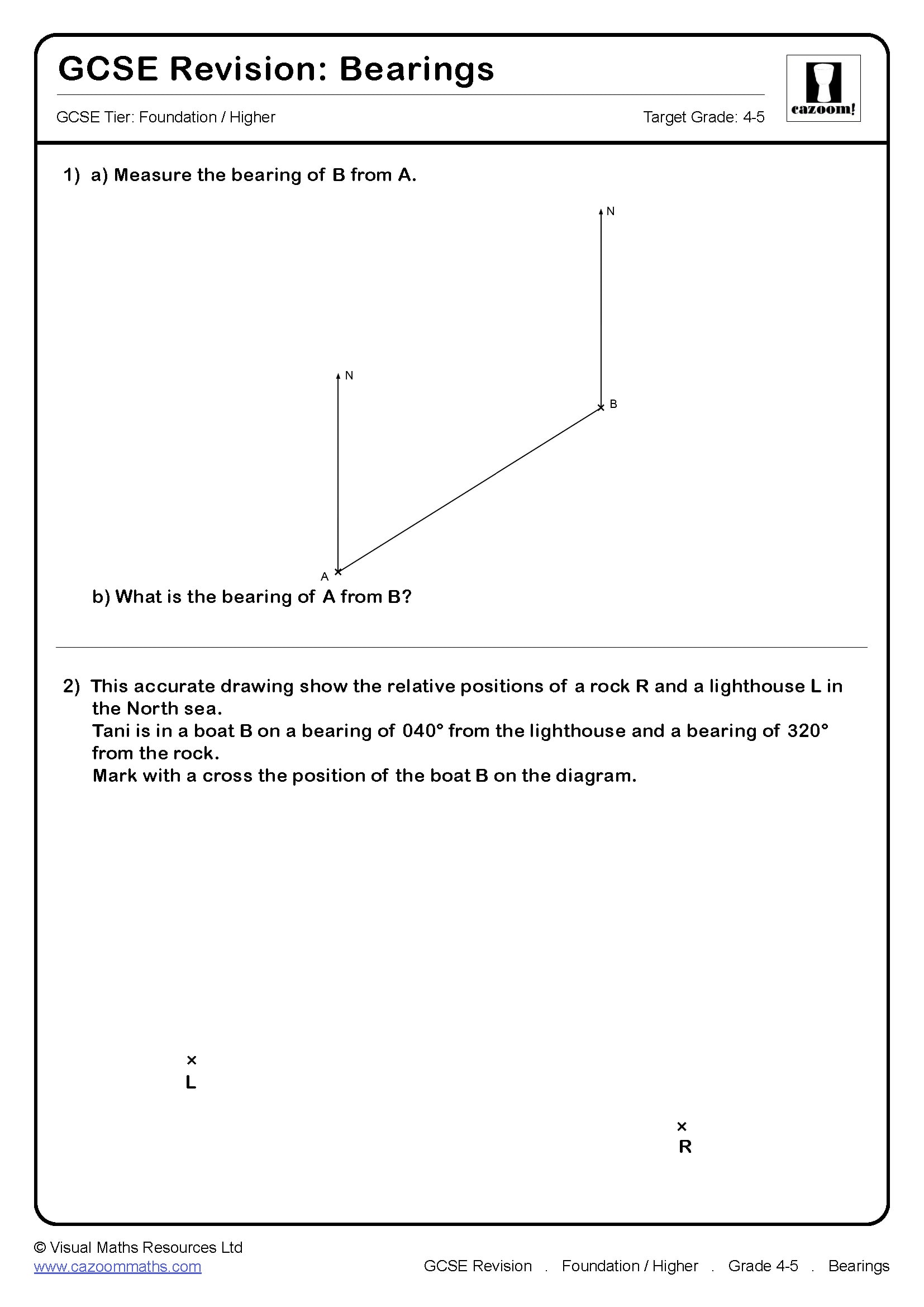
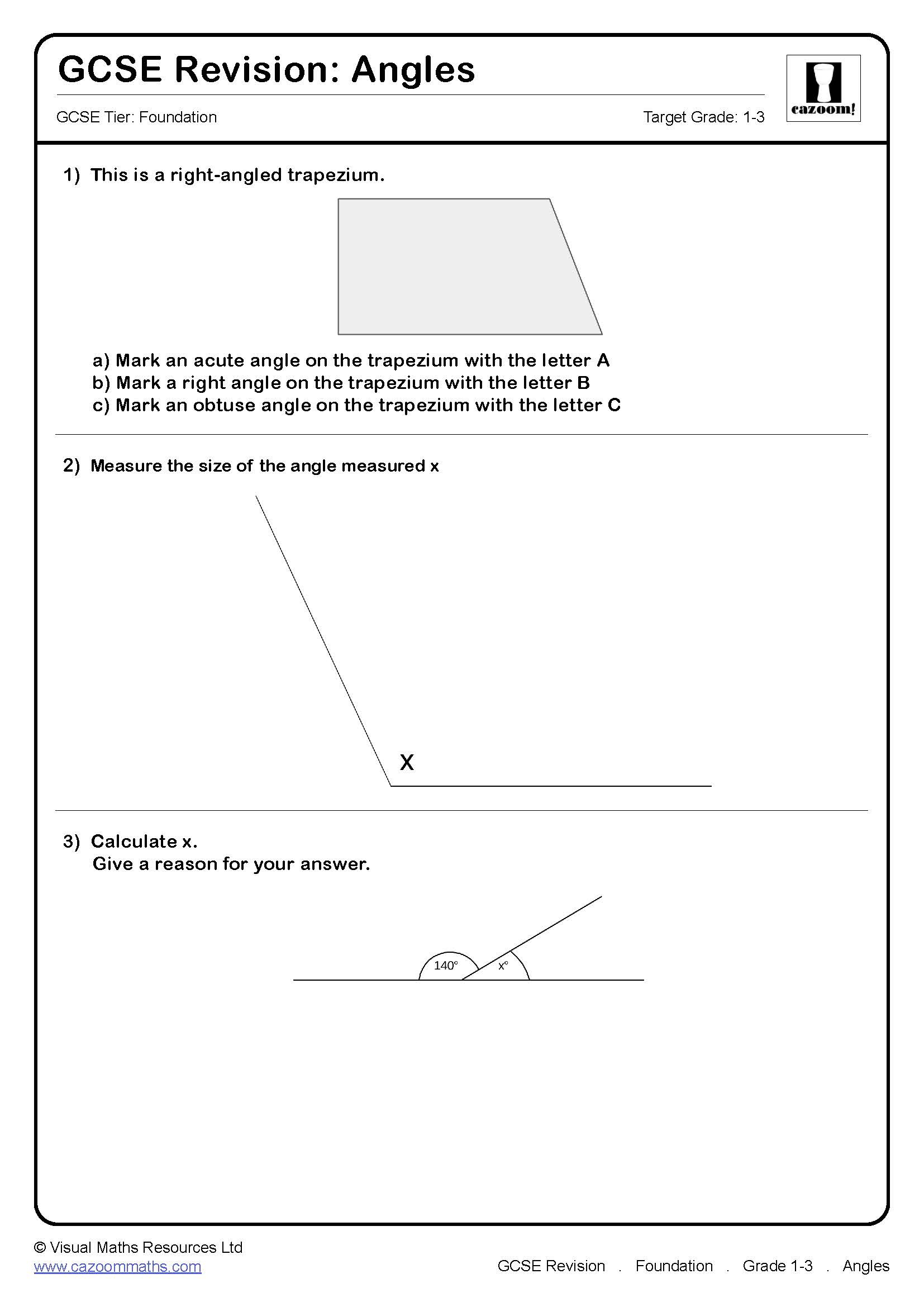
GeometryUse conventional terms and notation. Measure and draw angles to the nearest degree. Understand compass directions and three-figure bearings. Identify acute, obtuse, reflex and right angles
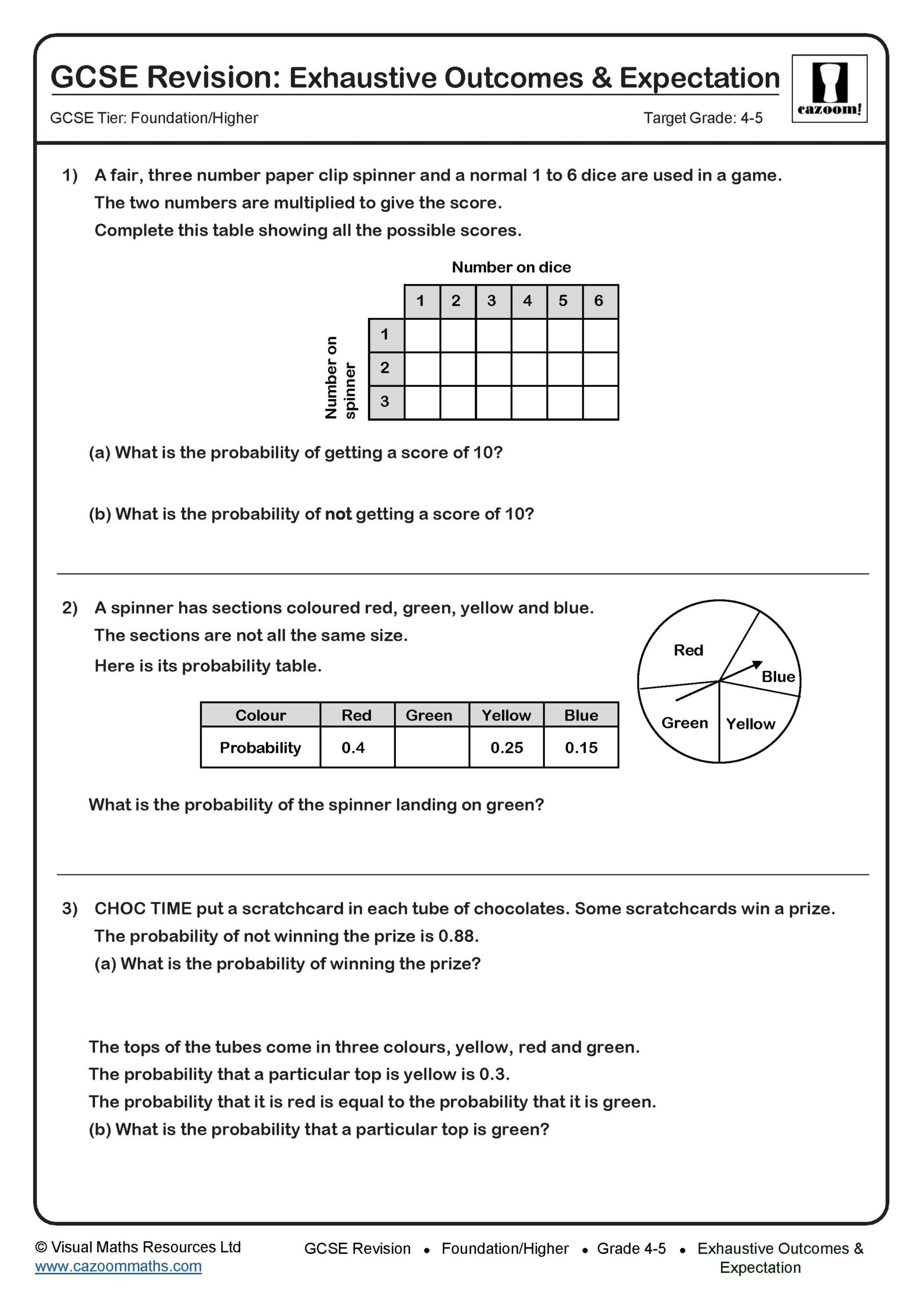
GeometryUnderstand and use the probability scale. Understand and use theoretical and experimental probability. Understand that the sum of all probabilities for all outcomes is 1. Use P(not A) = 1 − P(A)
ProbabilitySolve quadratic equations by factorisation. Solve quadratic equations by using the quadratic formula. Solve quadratic equations by completing the square
AlgebraRecognise, plot and draw graphs of quadratic, cubic, reciprocal and exponential functions. Use graphs to solve equations, read off solutions and find approximate solutions. Use the graphs of these functions to find approximate solutions to related equations
Algebra