KS1 Number bonds up to 20 Worksheets
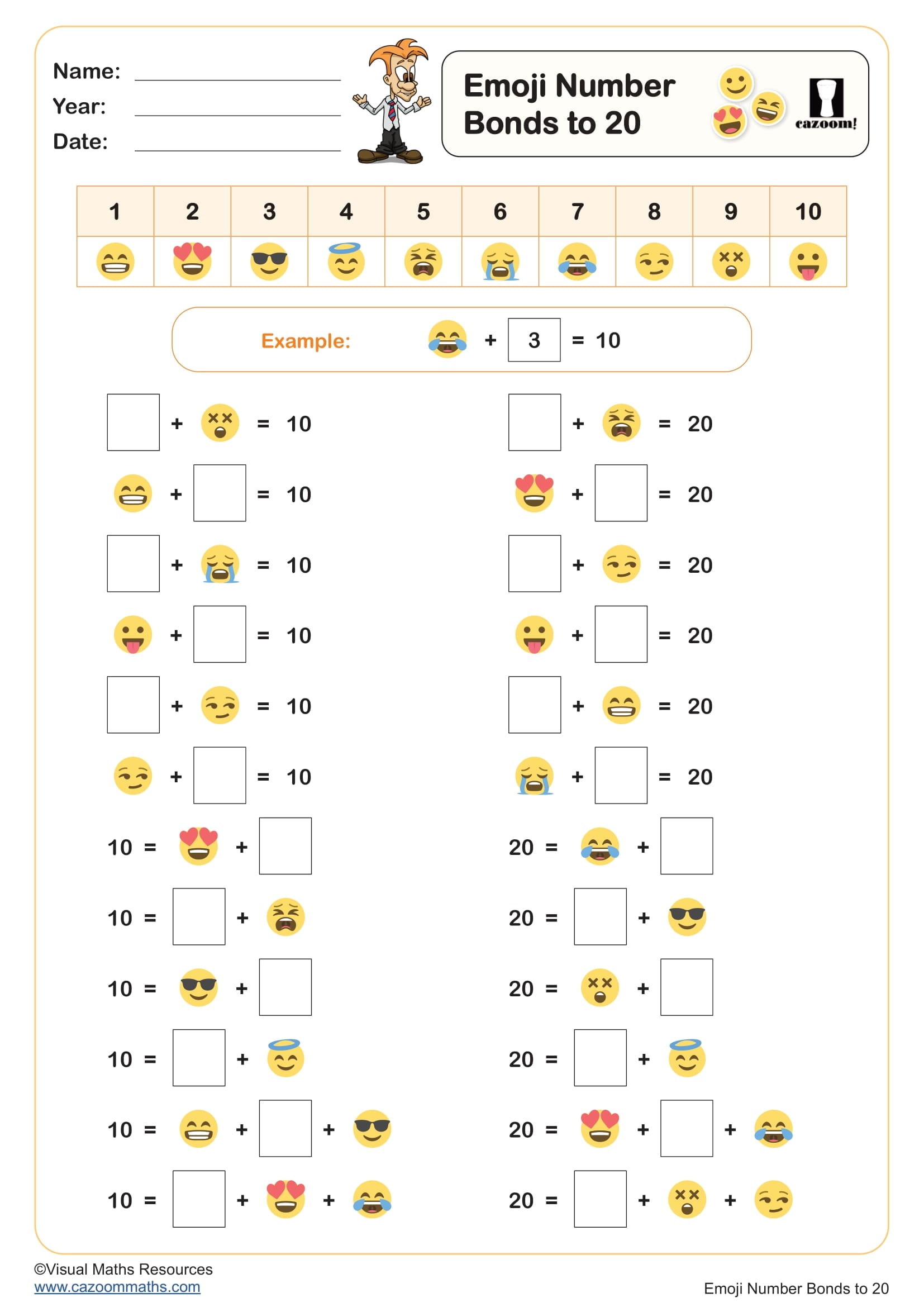
Emoji Number Bonds to 20
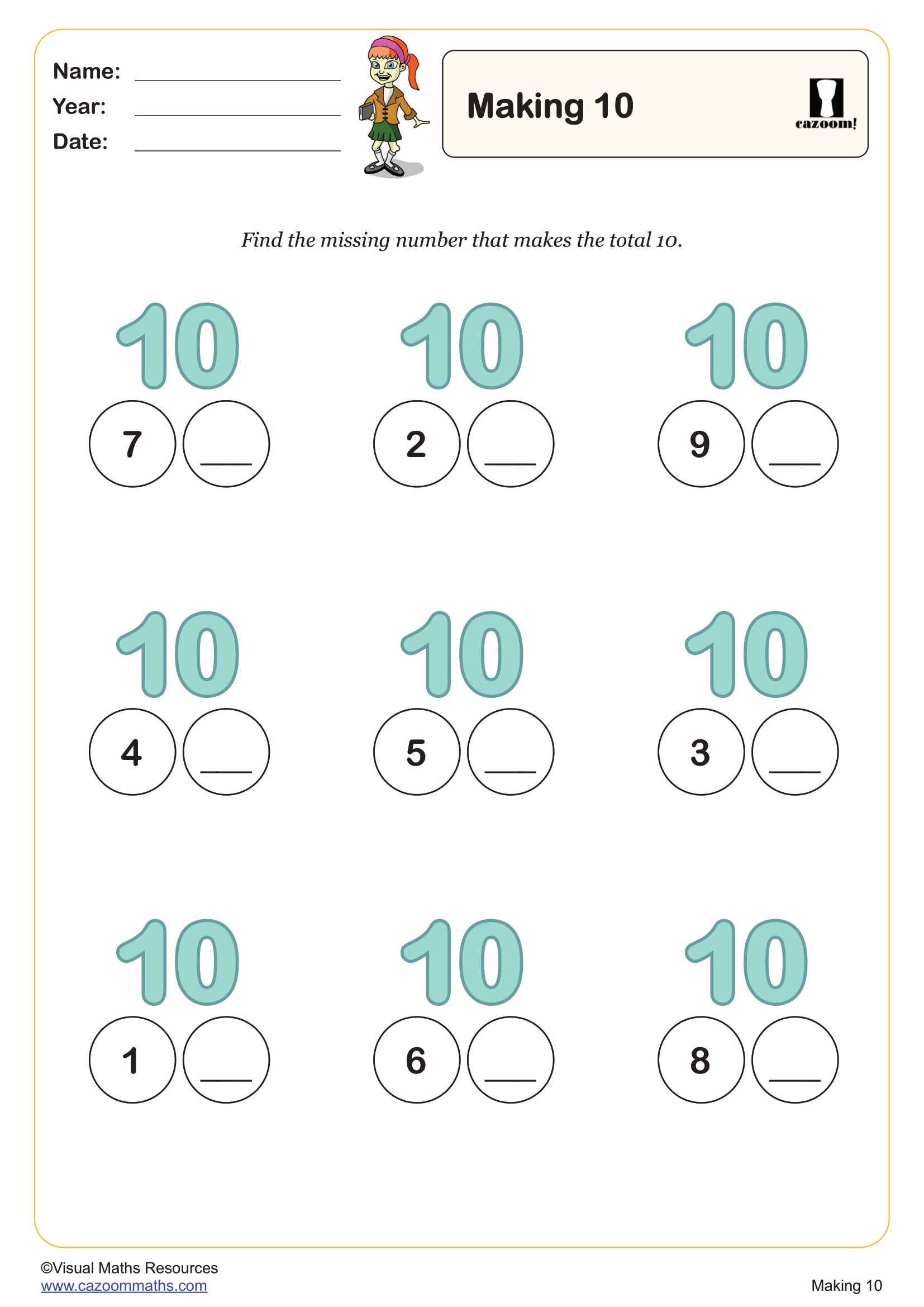
Making 10
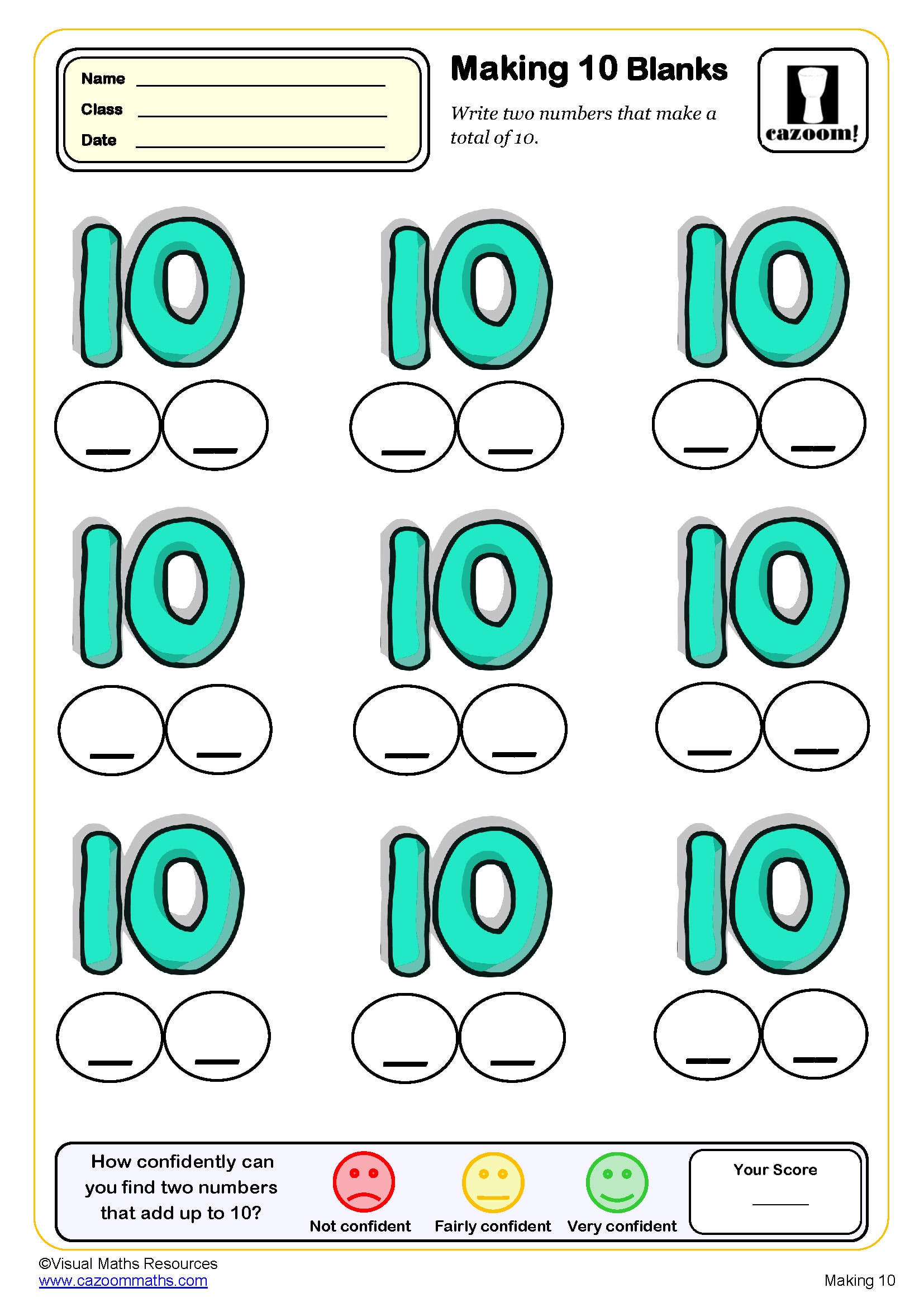
Making 10 (Blanks)
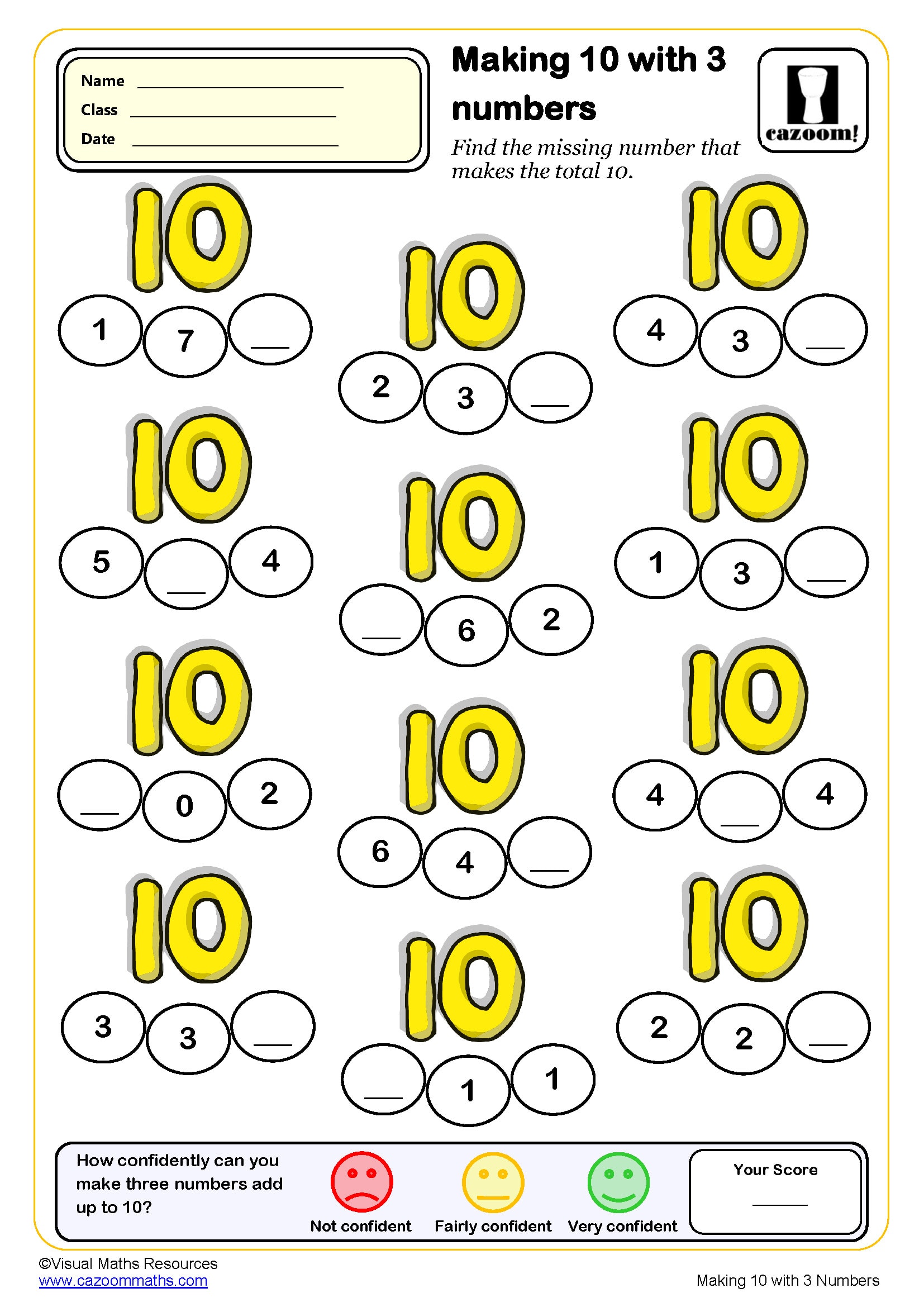
Making 10 with three numbers
Making 10 with three numbers (Blanks)
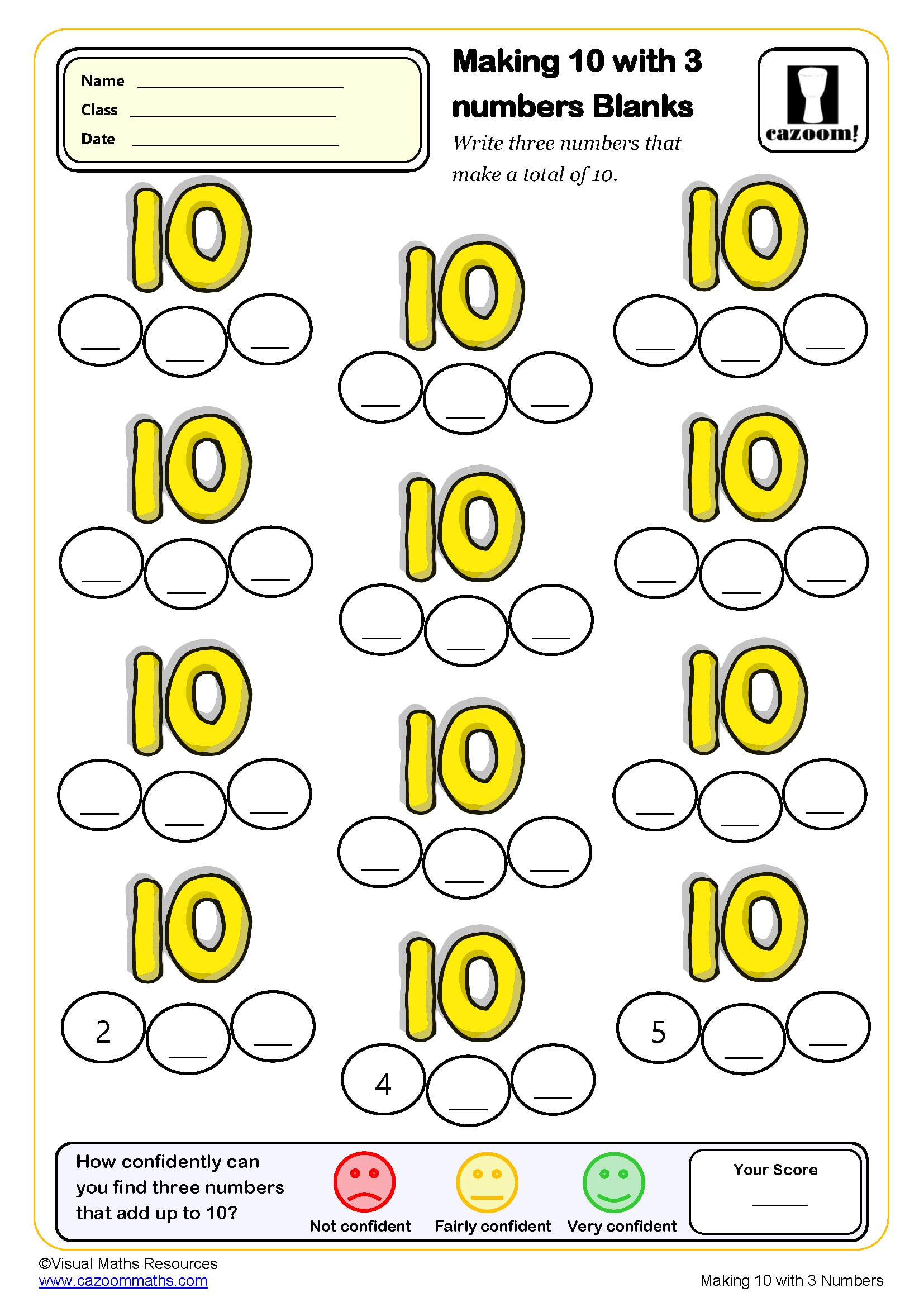
Making 15
Making 15 (Blanks)
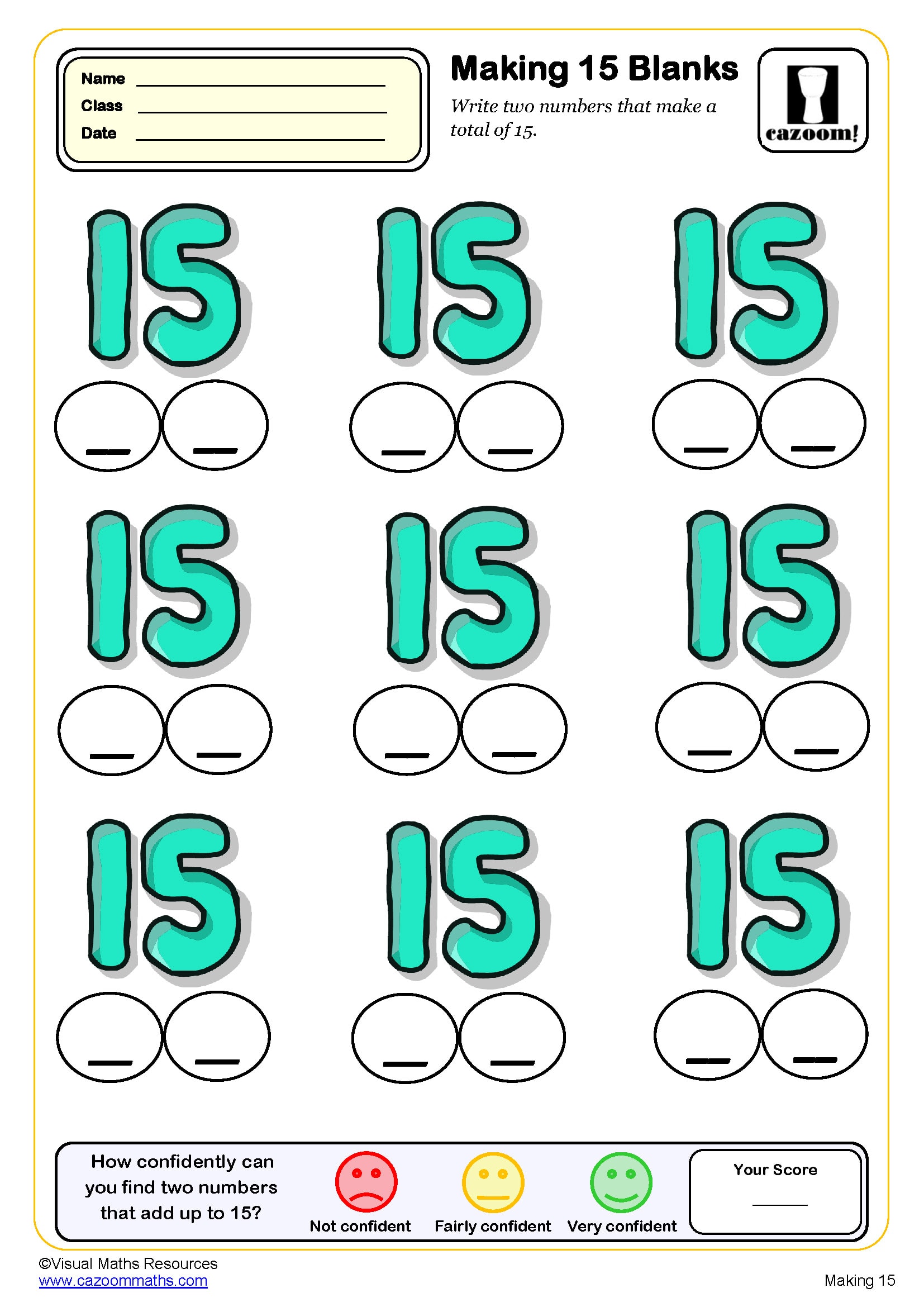
Making 18
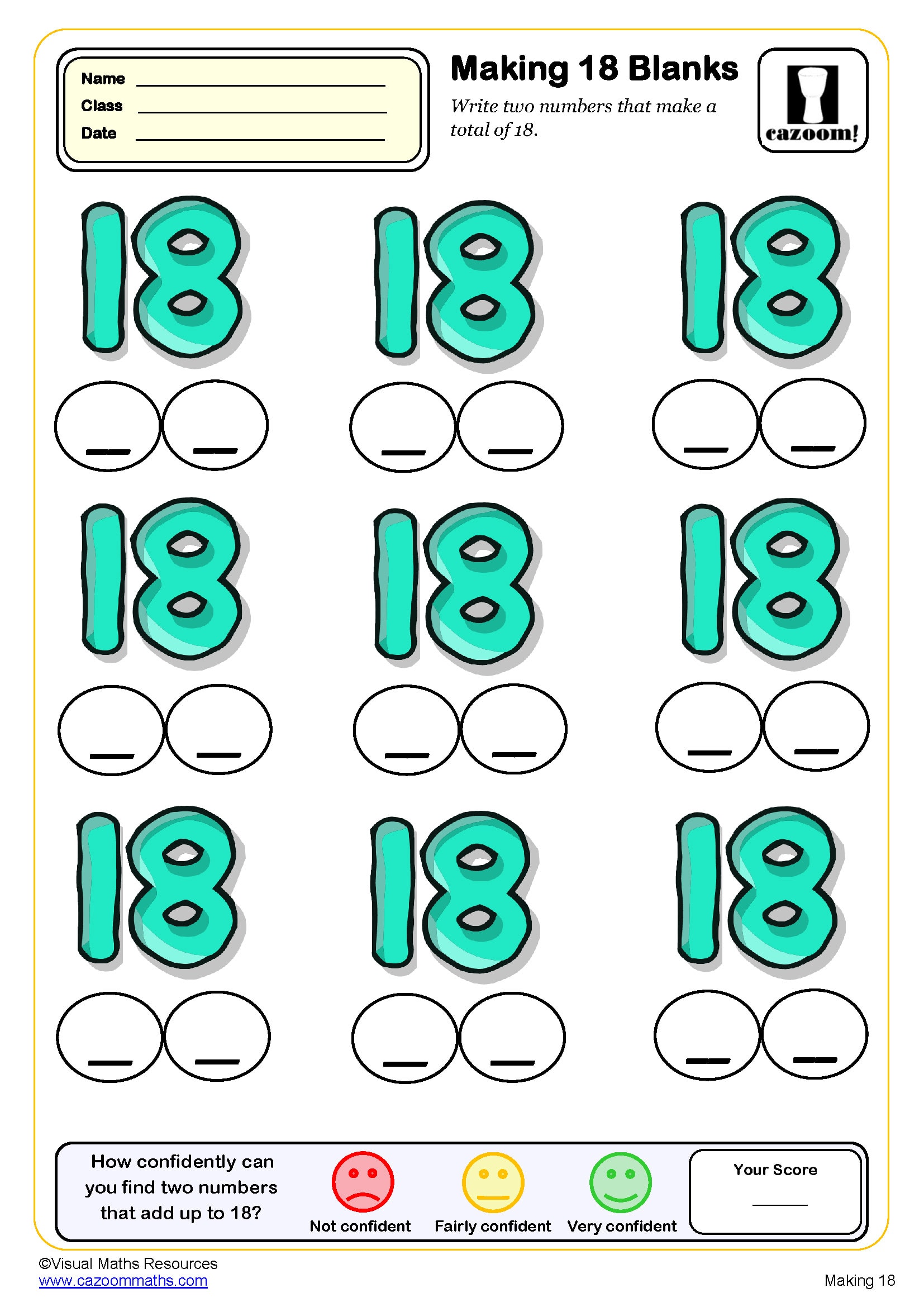
Making 18 (Blanks)
Making 20 (A)

Making 20 (B)
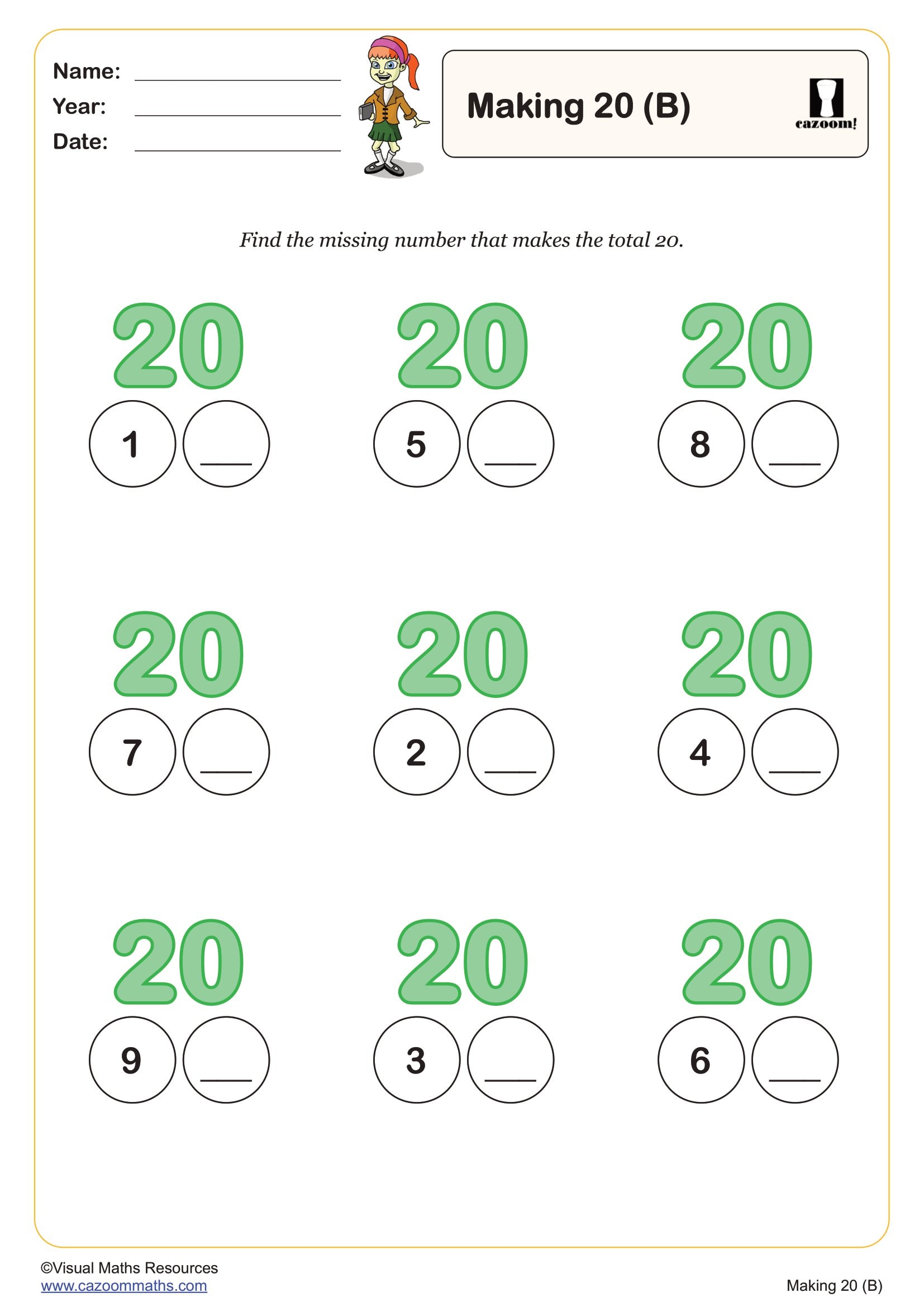
Making 20 (Blanks)
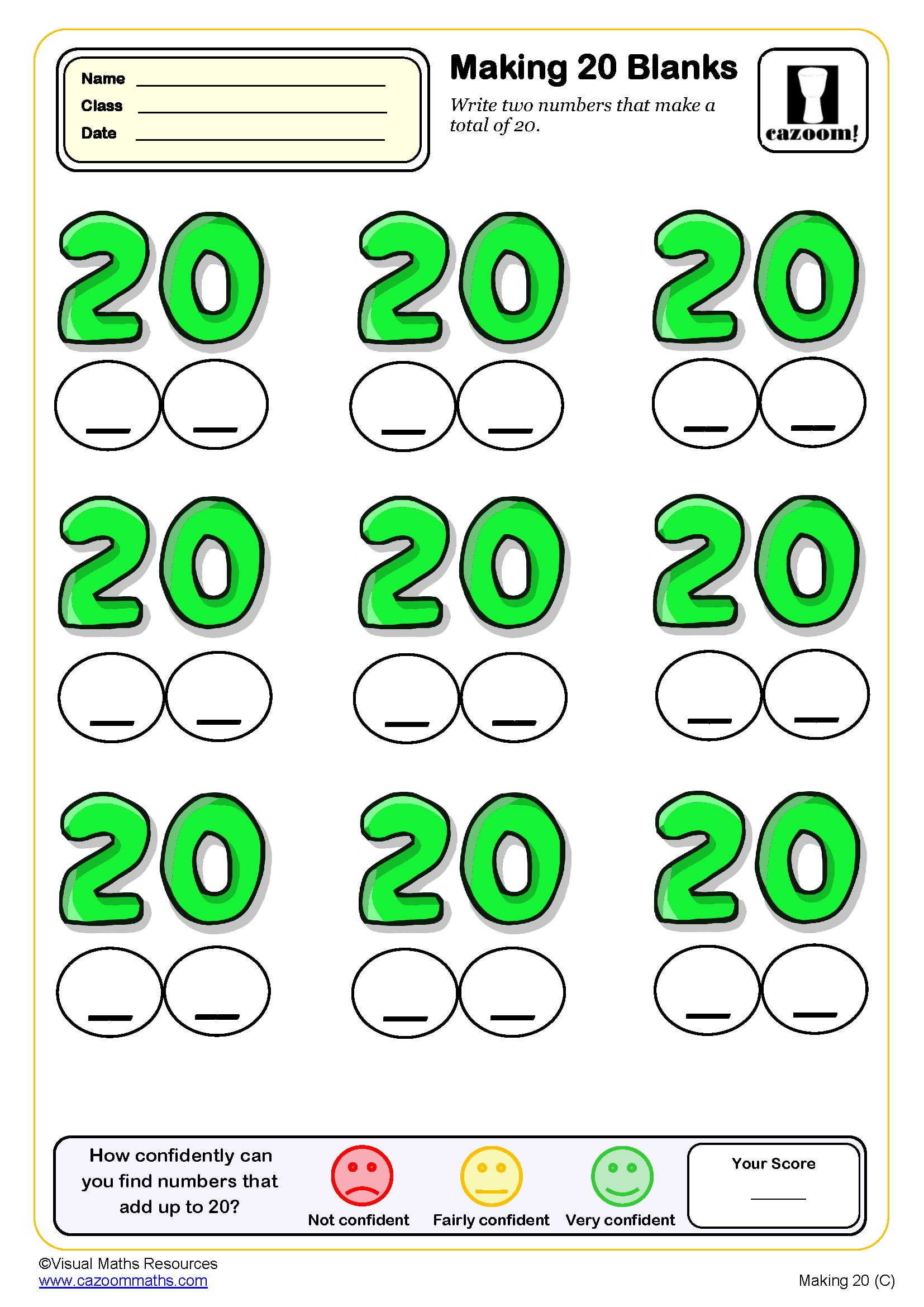
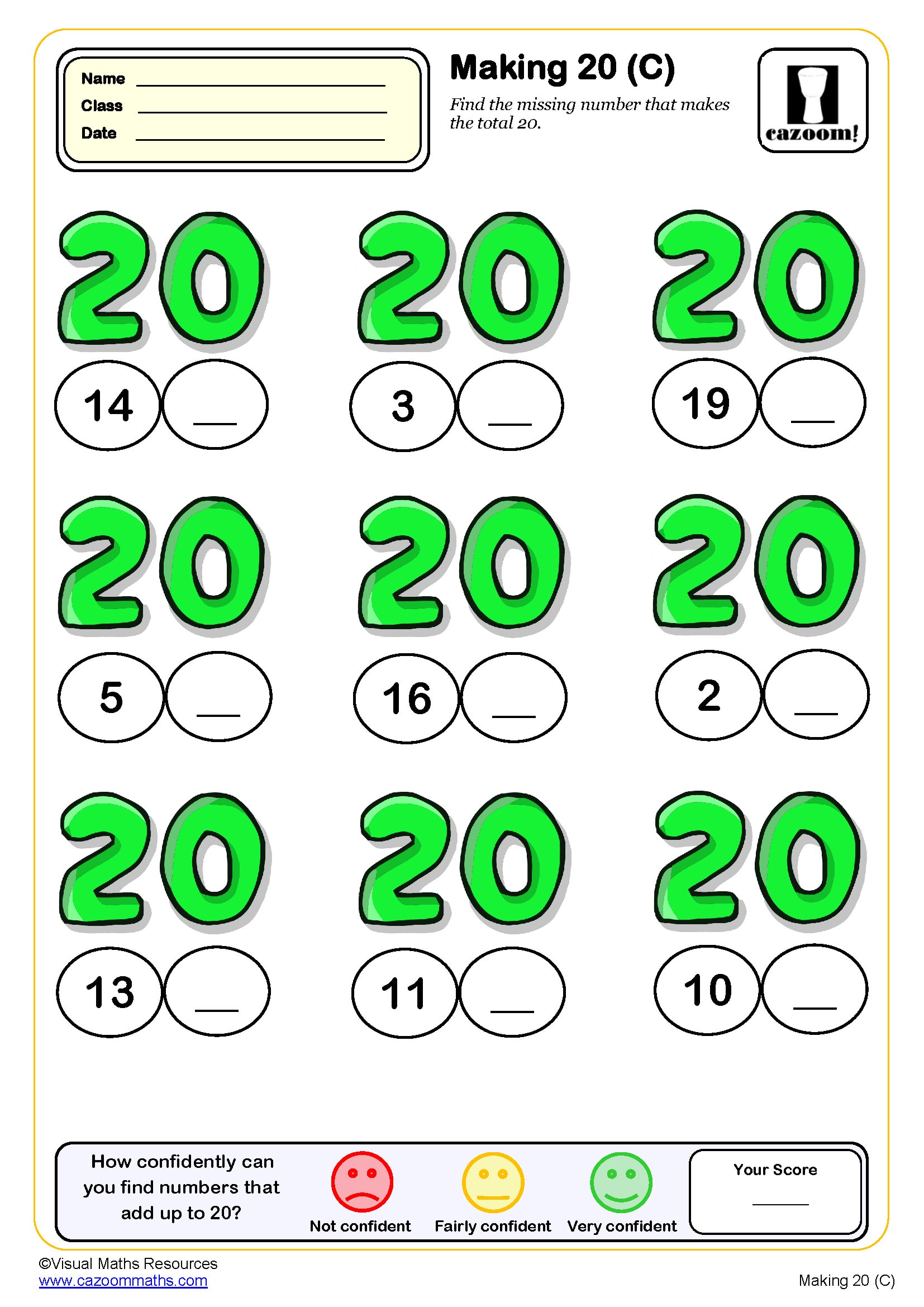
Making 20 (C)
Making 20 with three numbers
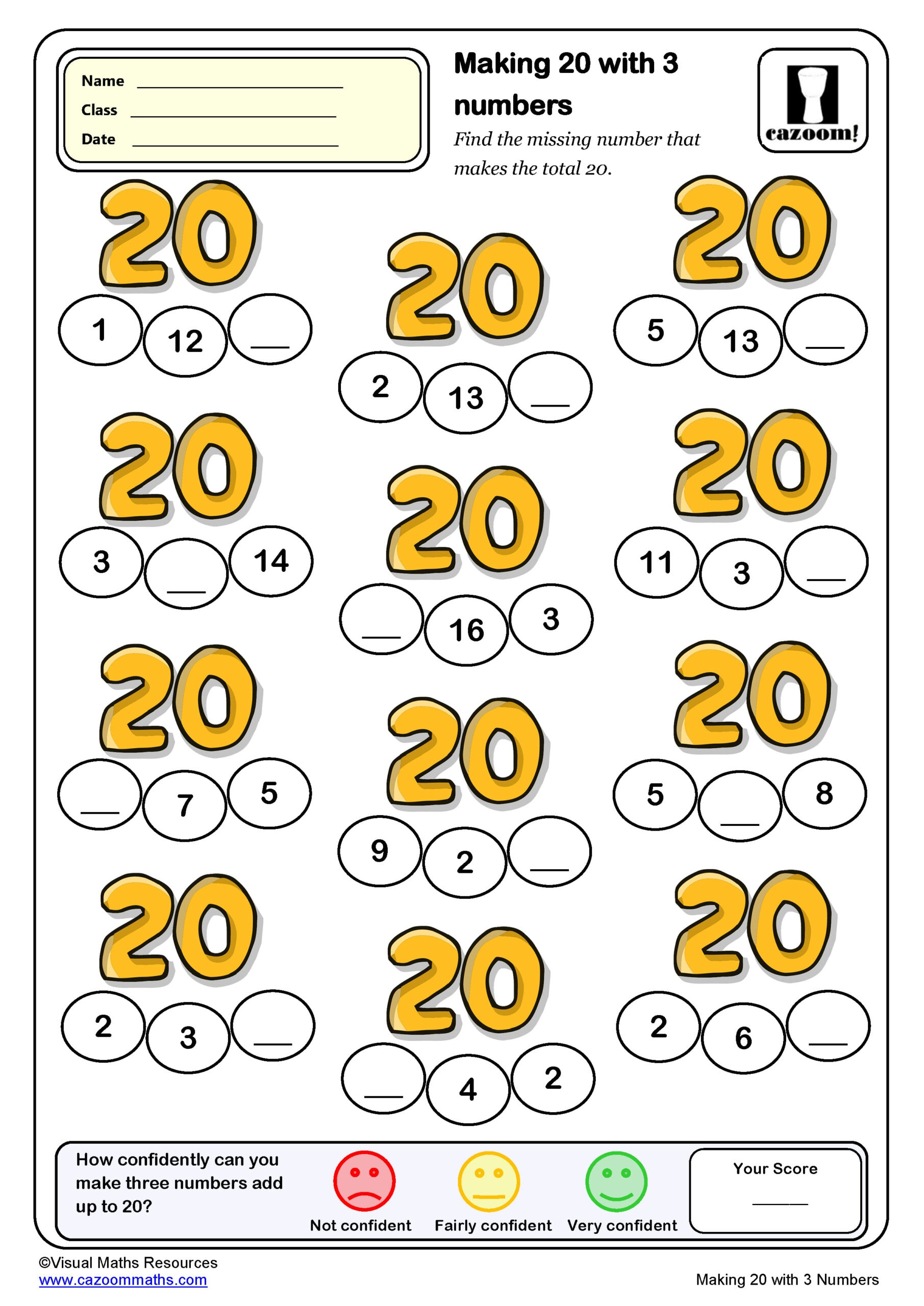
Making 20 with three numbers (Blanks)
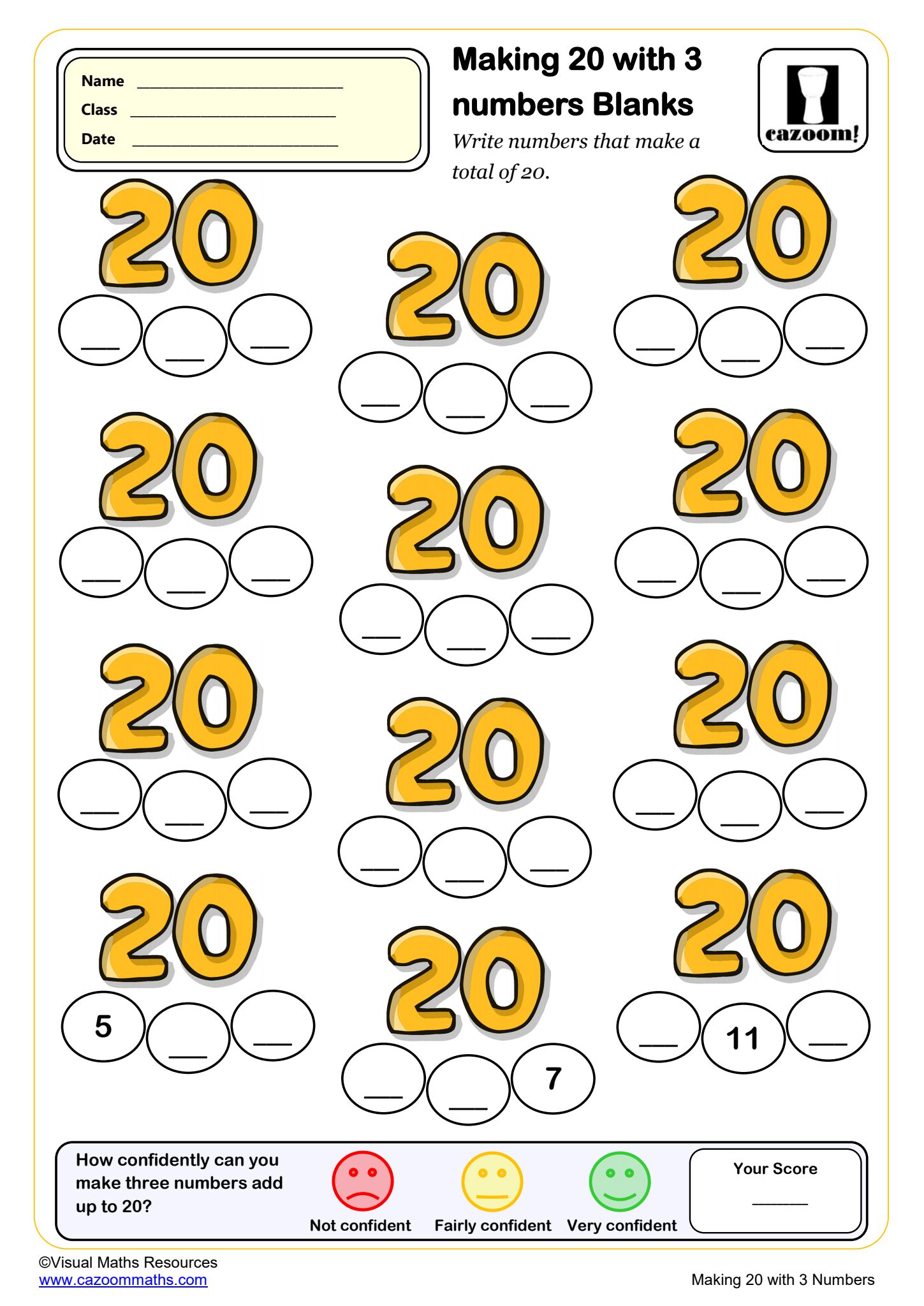
Making 7
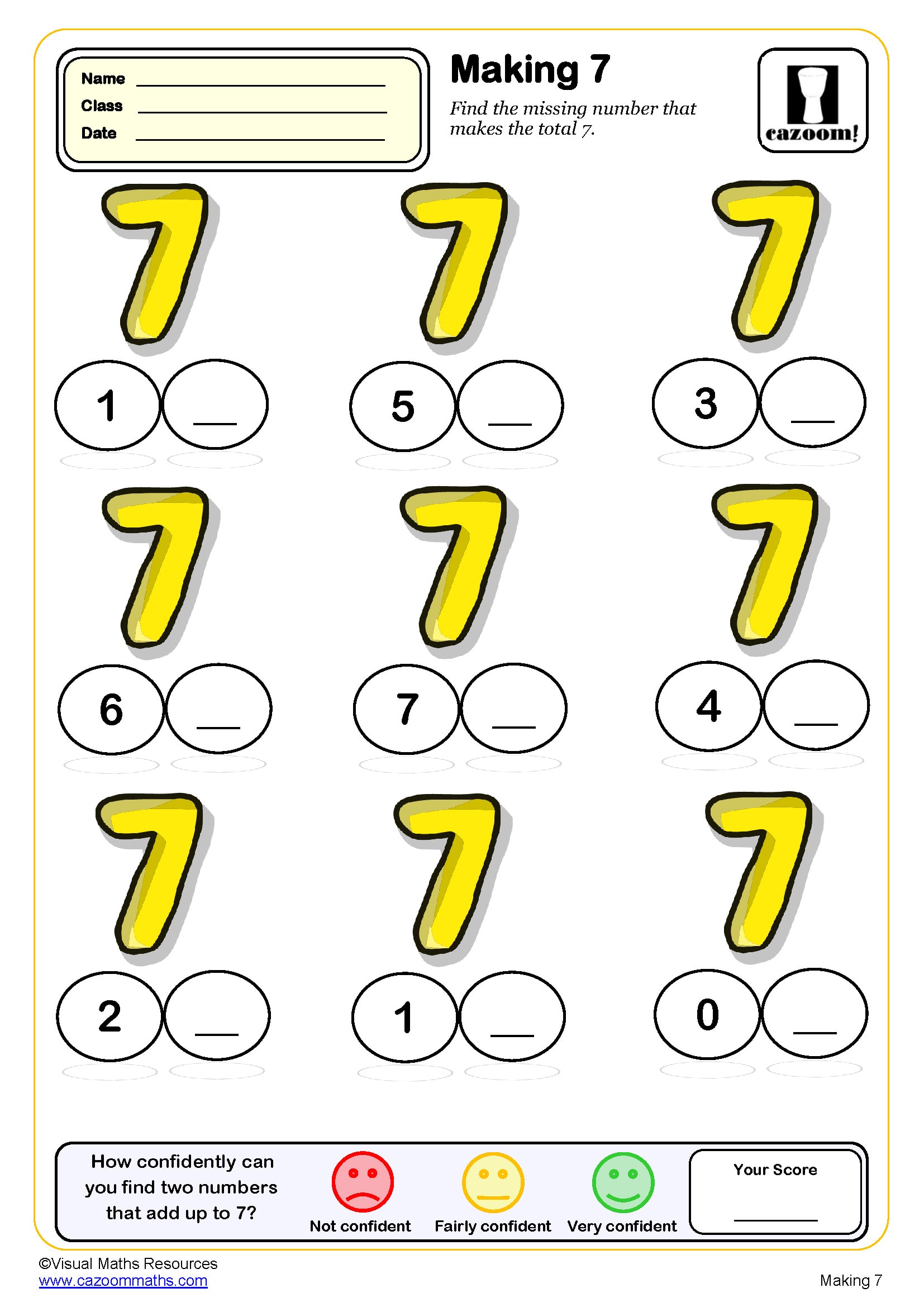
Making 7 (Blanks)
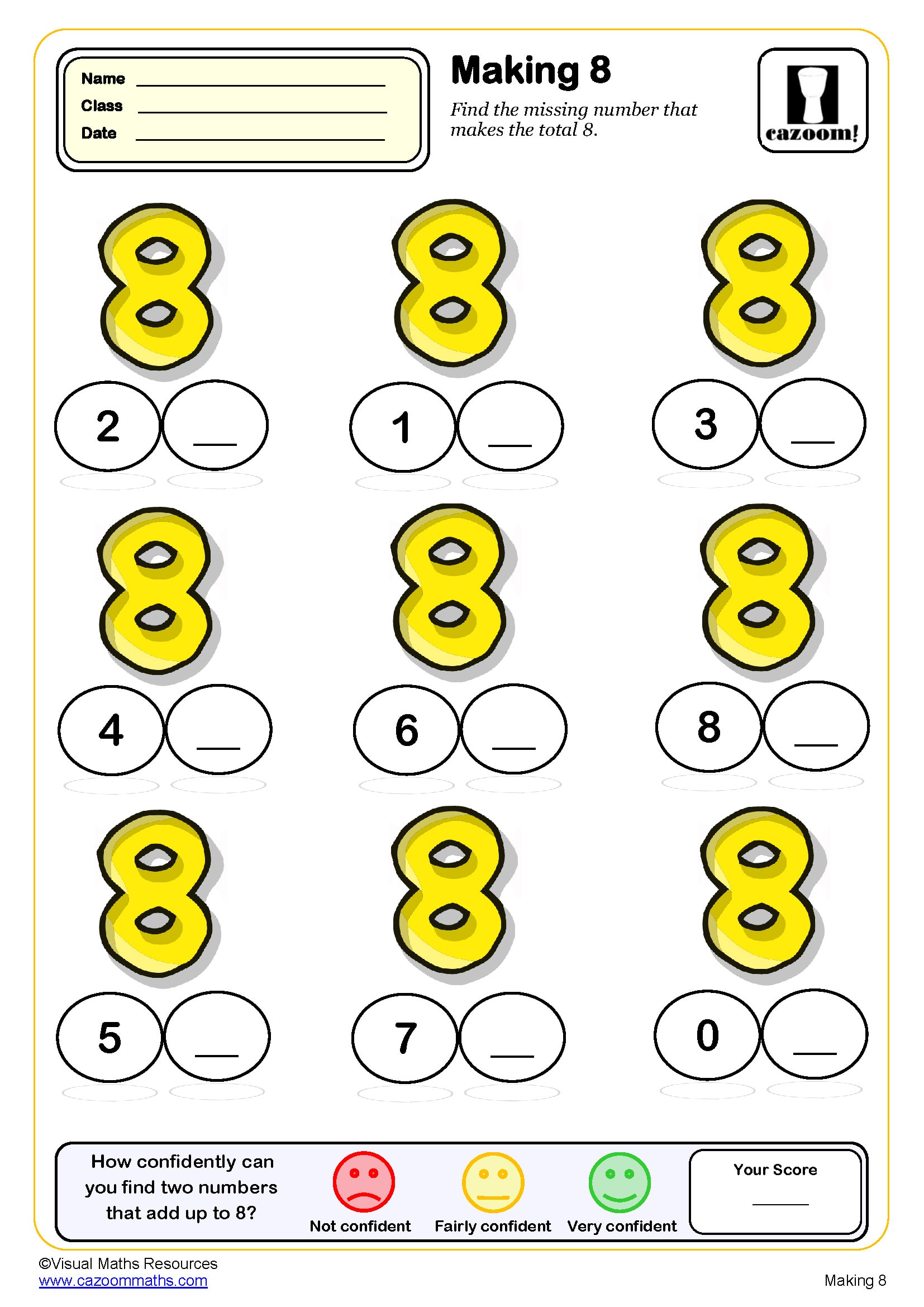
Making 8
Making 8 (Blanks)
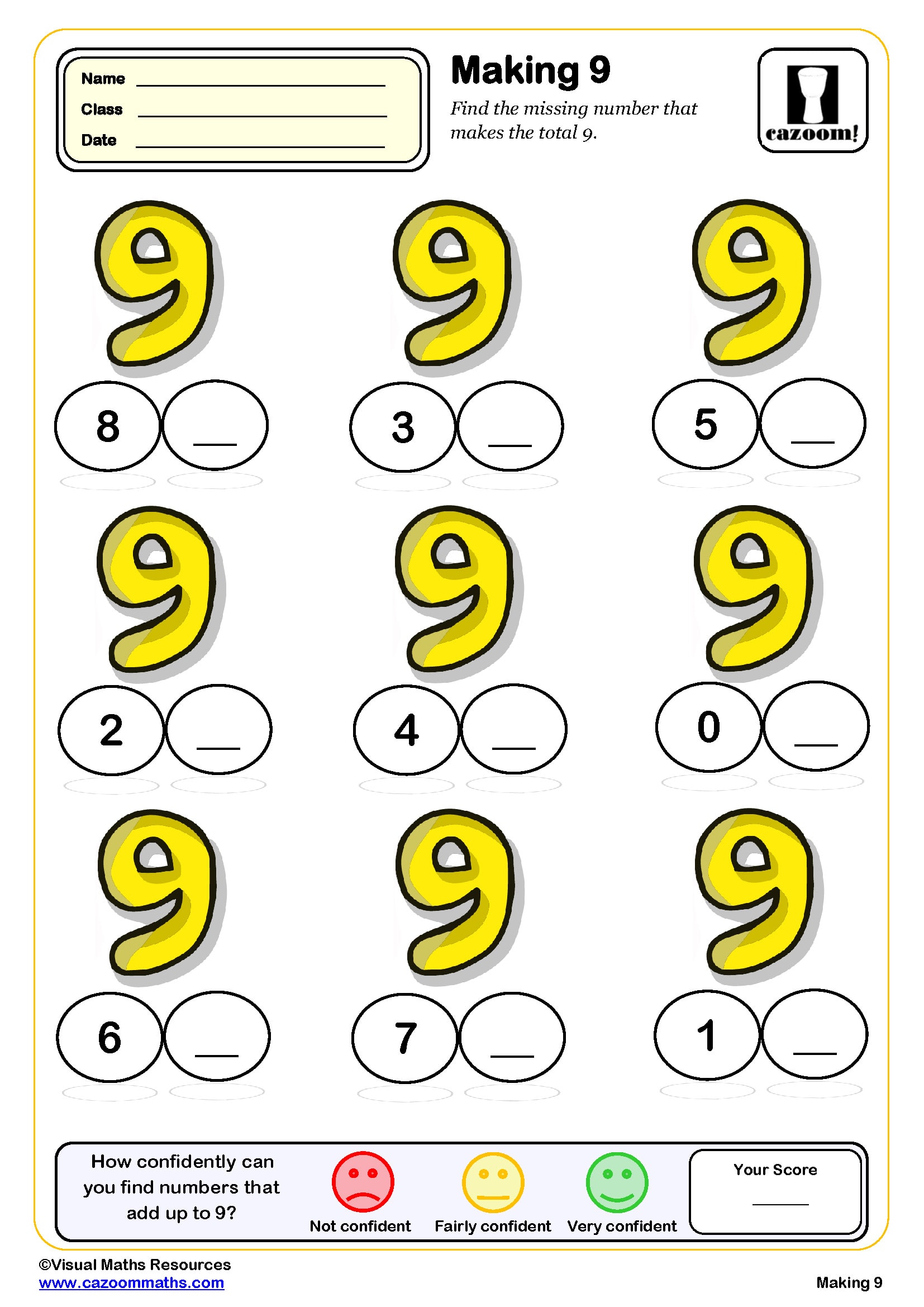
Making 9
Making 9 (Blanks)
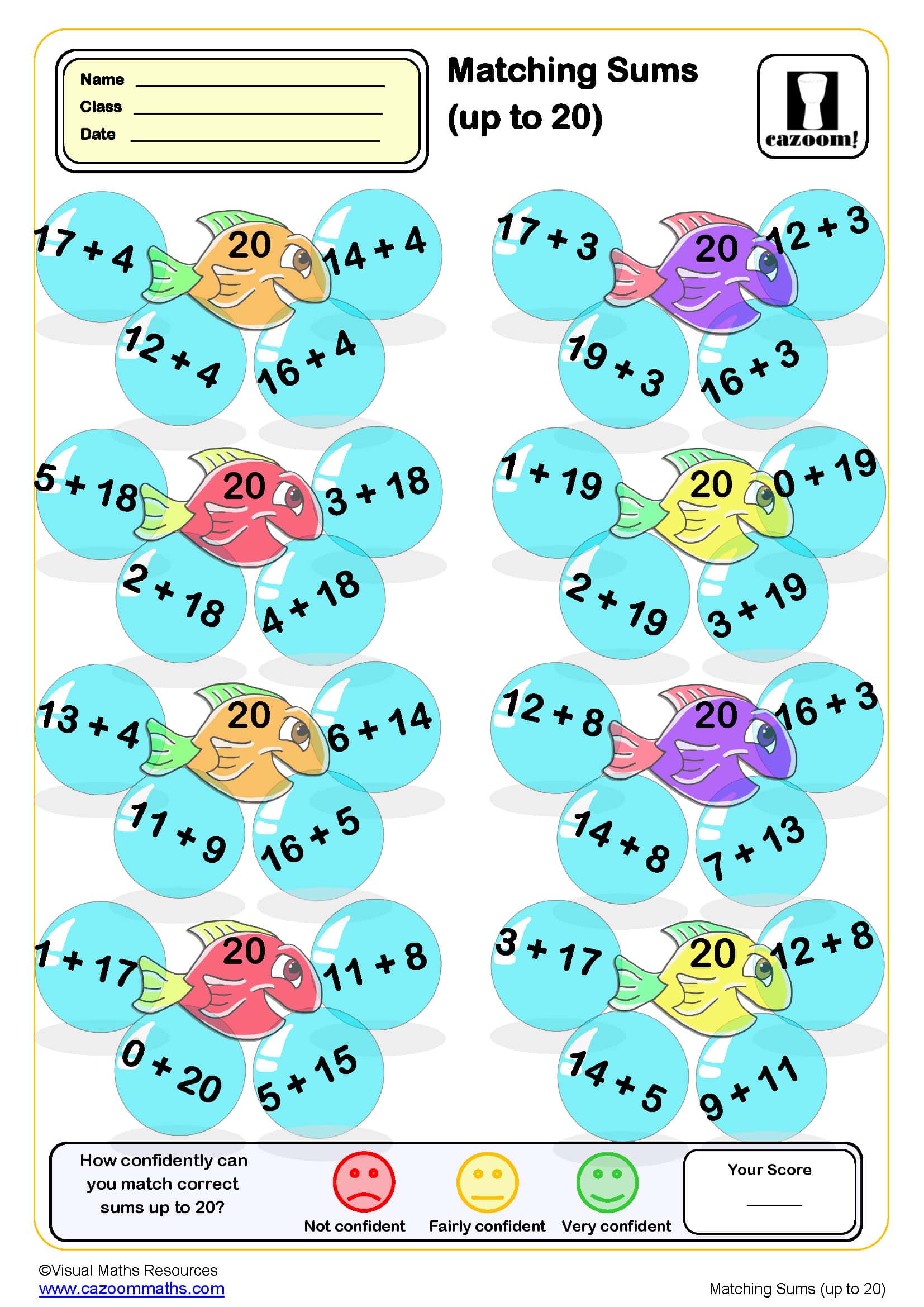
Matching sums (20 only)
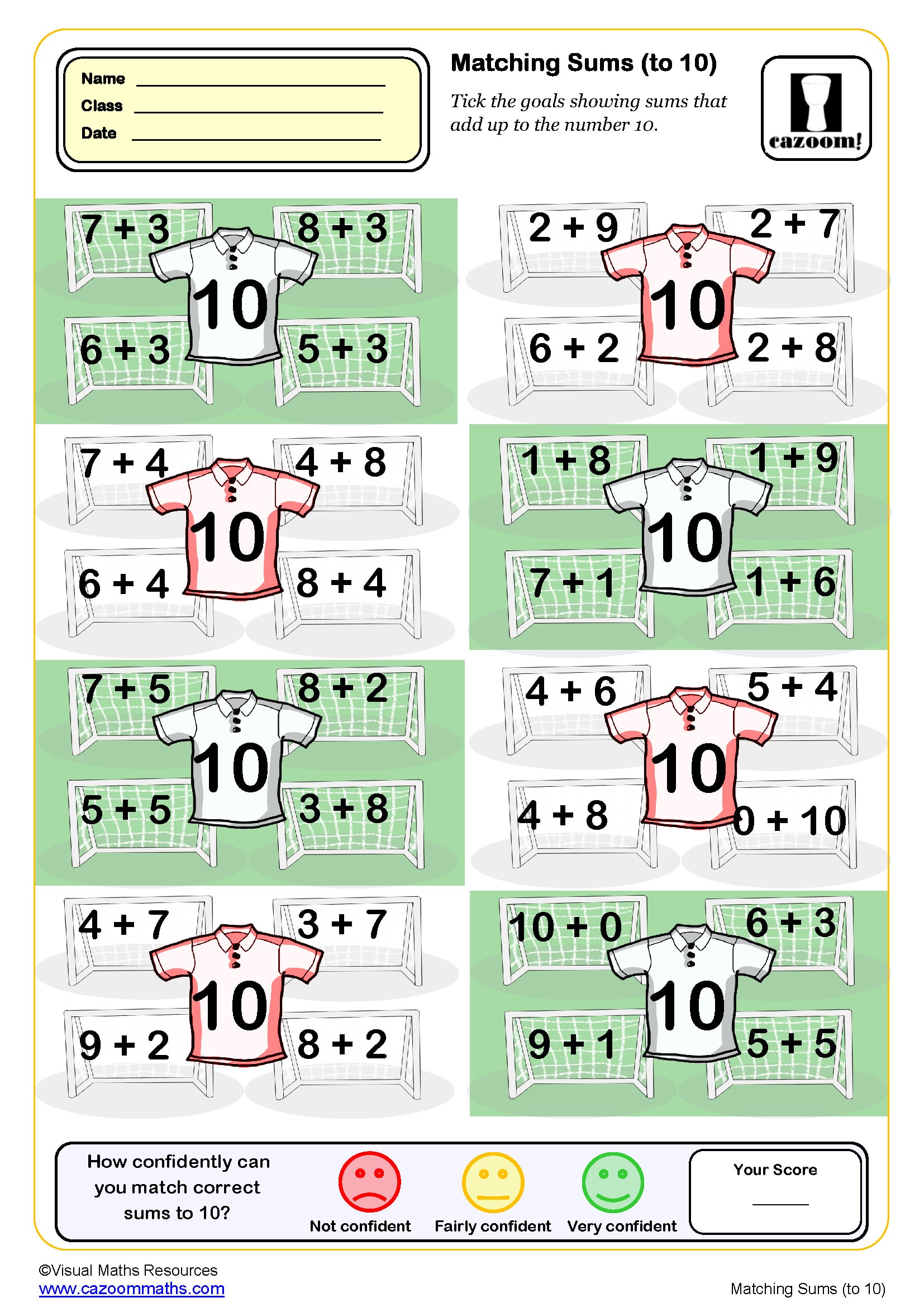
Matching Sums (to 10)
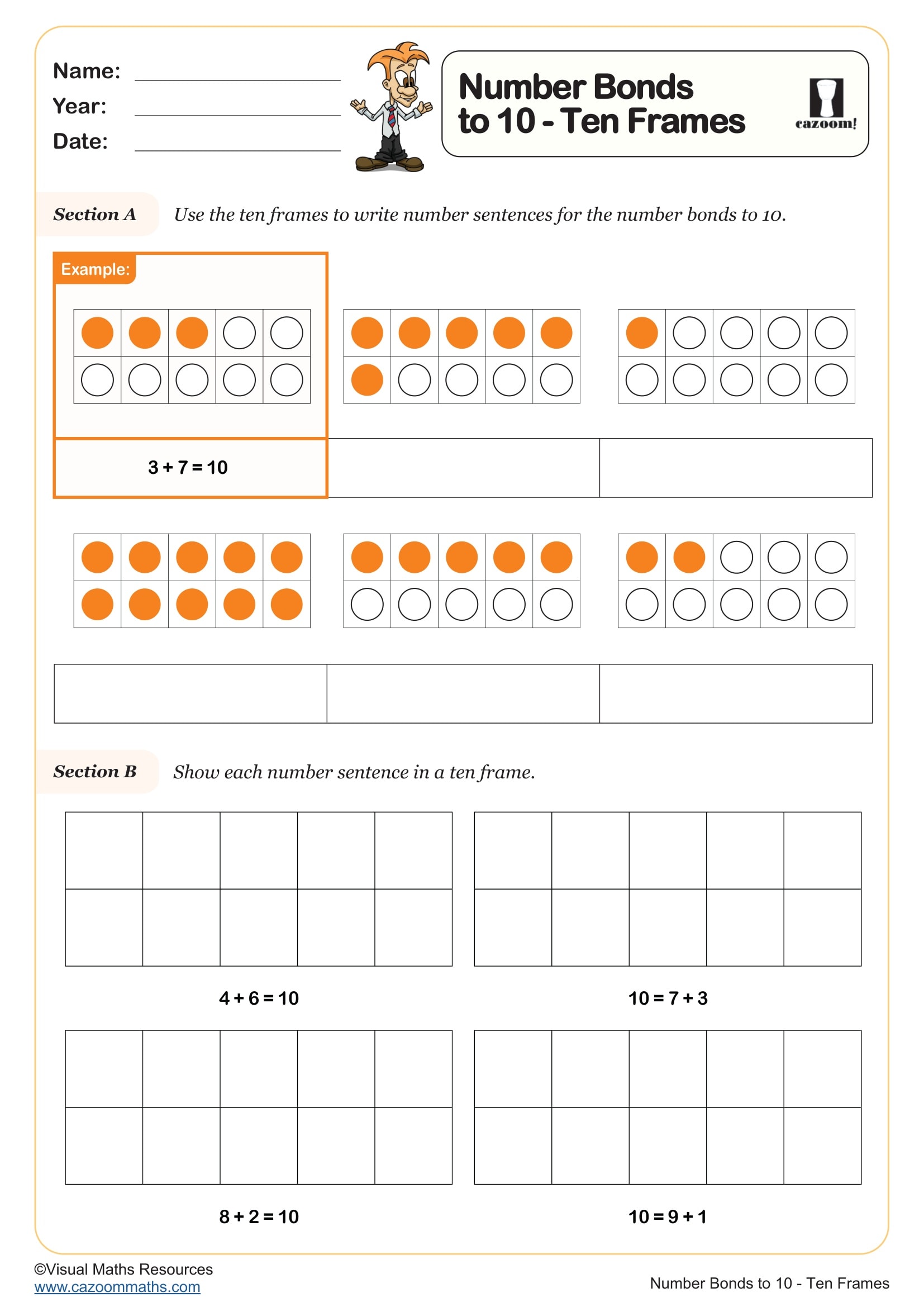
Number Bonds to 10 - Ten Frames
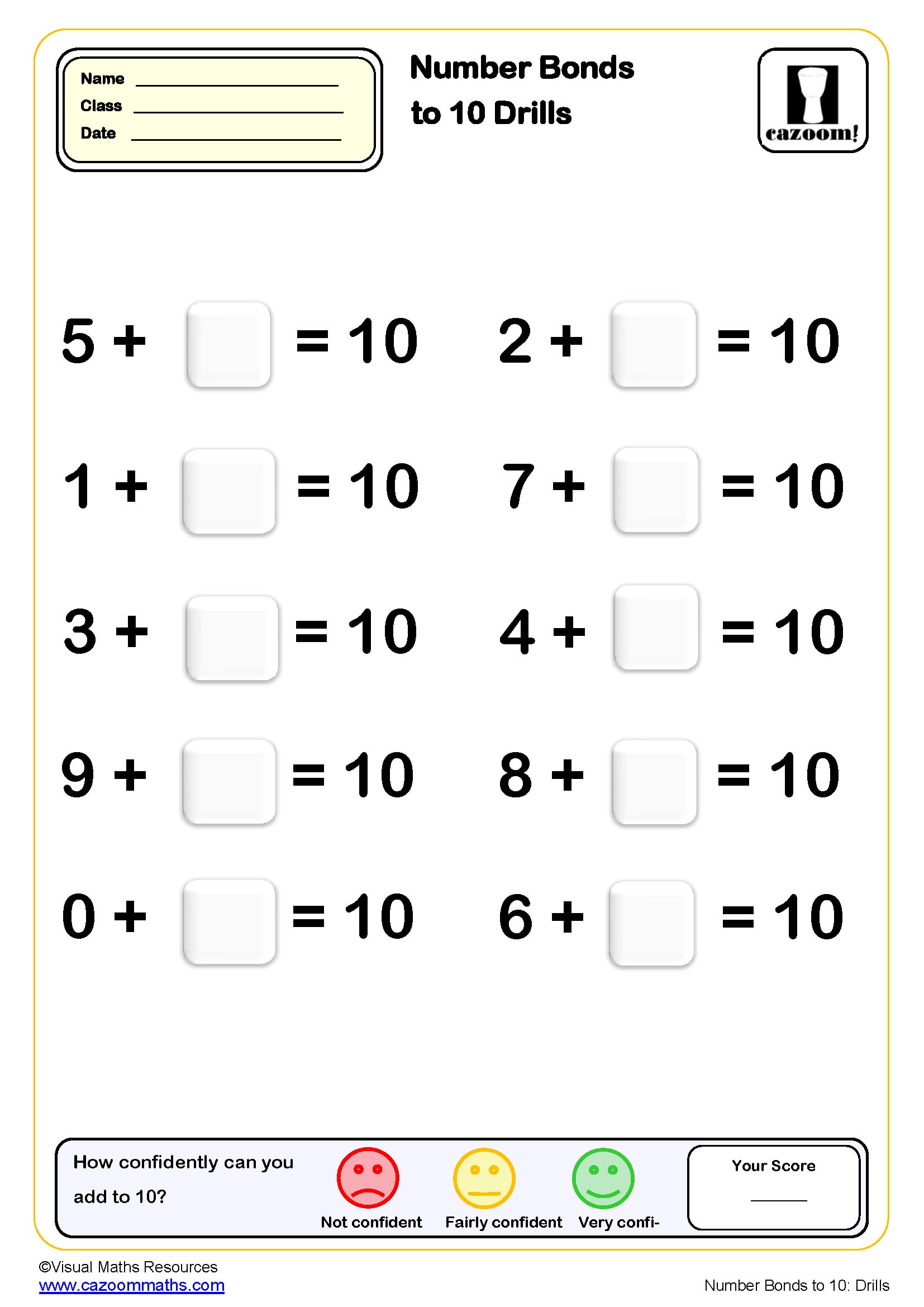
Number Bonds to 10 drills (10 questions)
Number Bonds to 10 drills (20 questions)
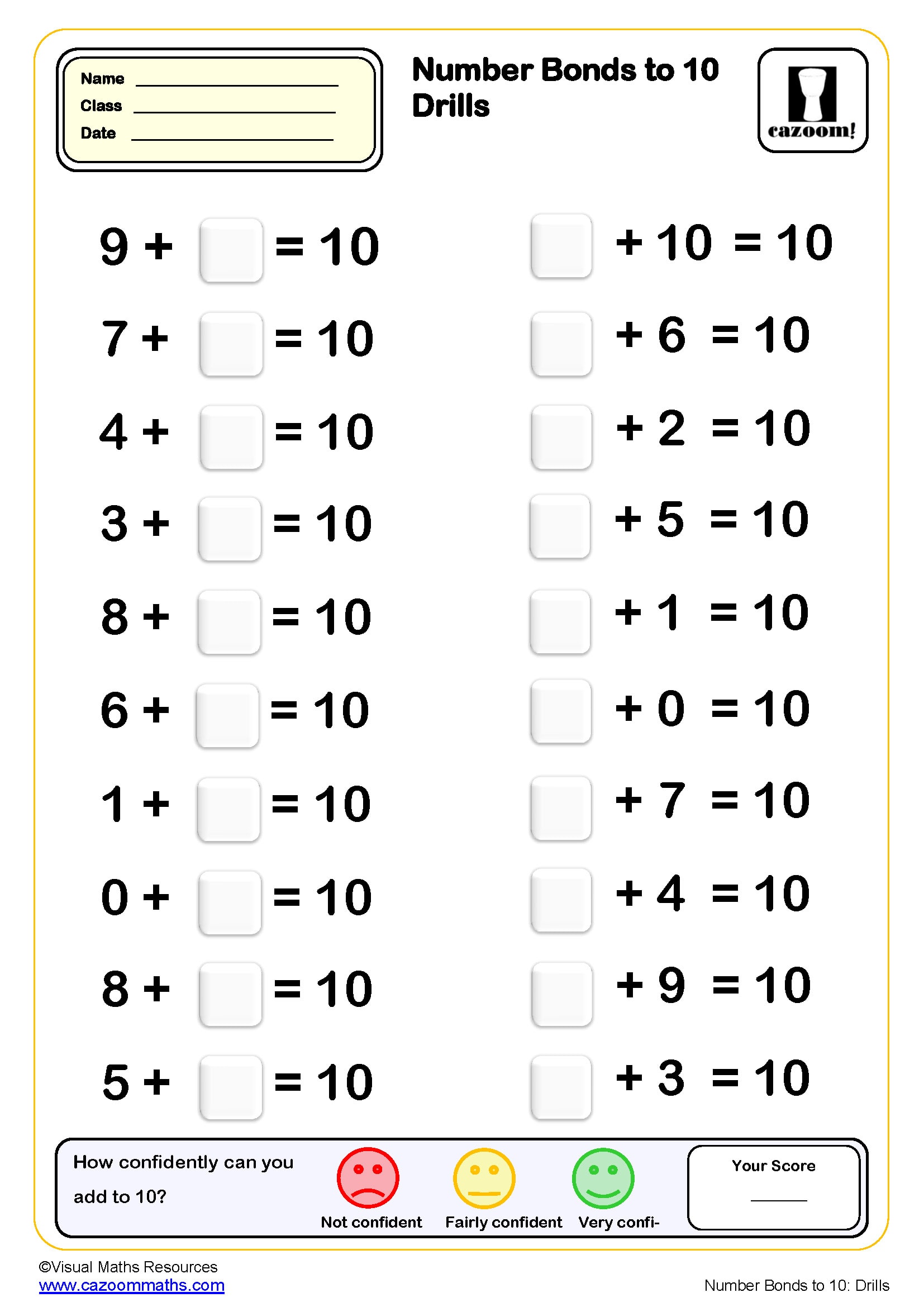
Number Bonds to 10 drills (50 questions)
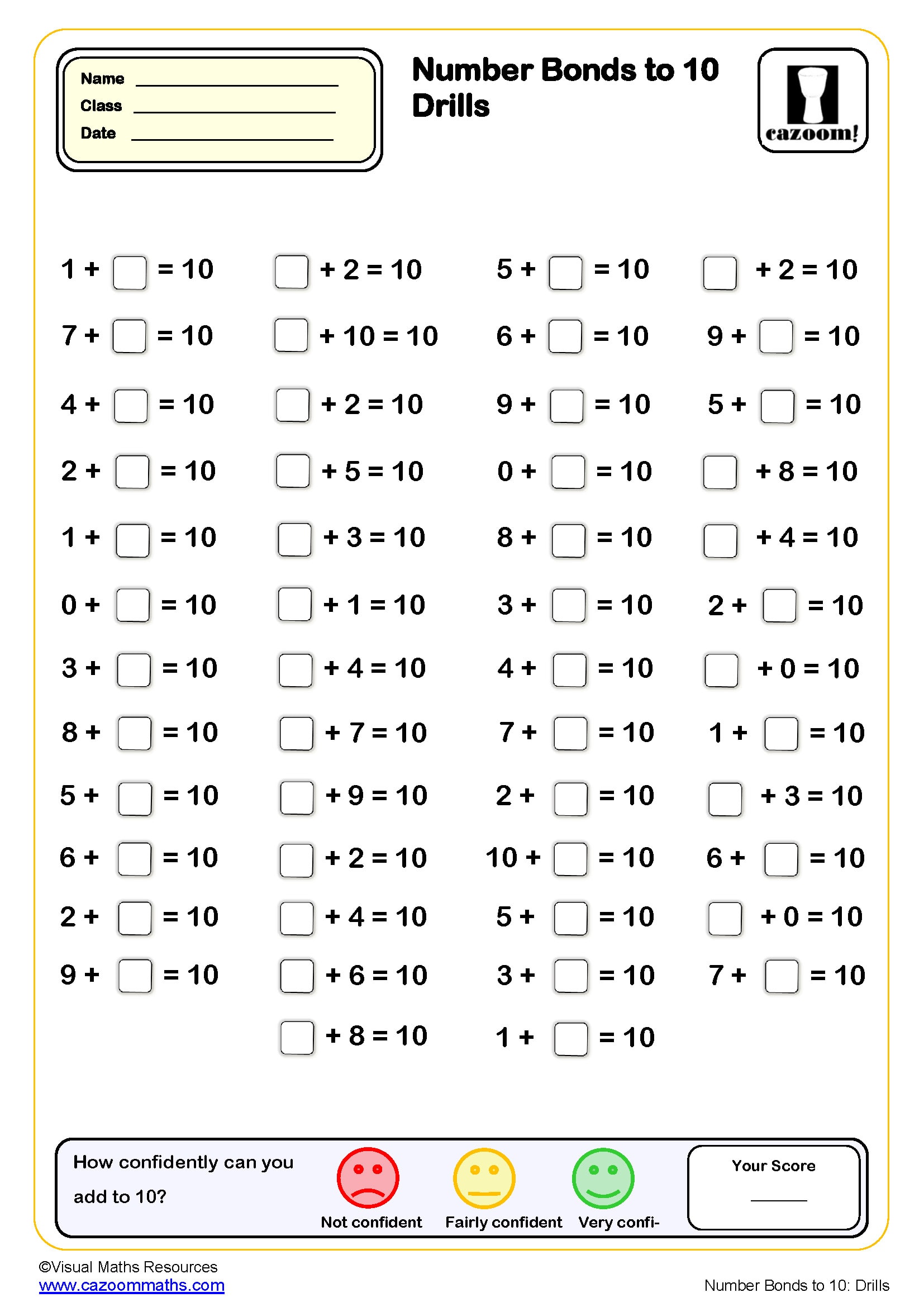
Number Bonds to 10 with Dots
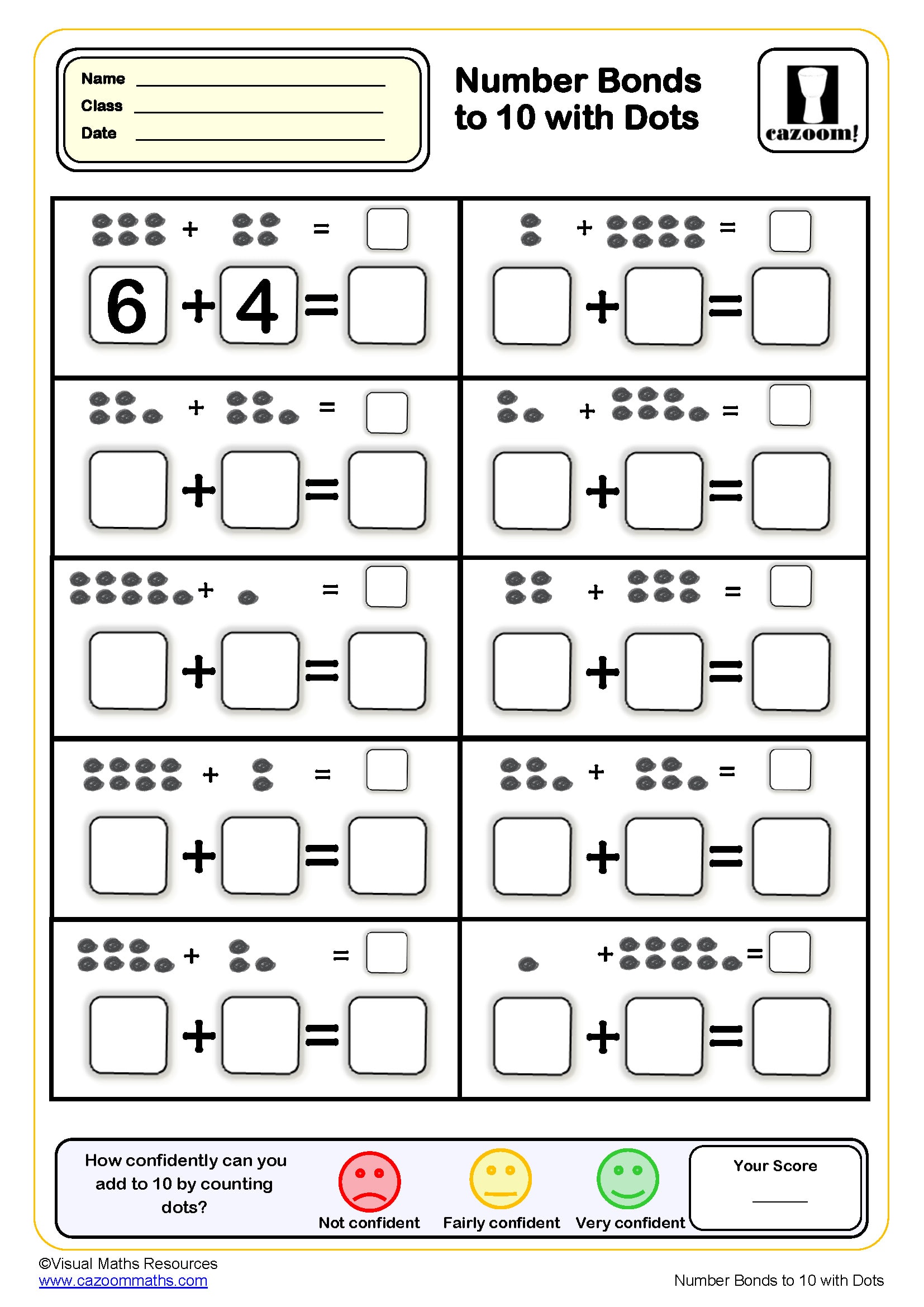
Number bonds to 10 with number lines
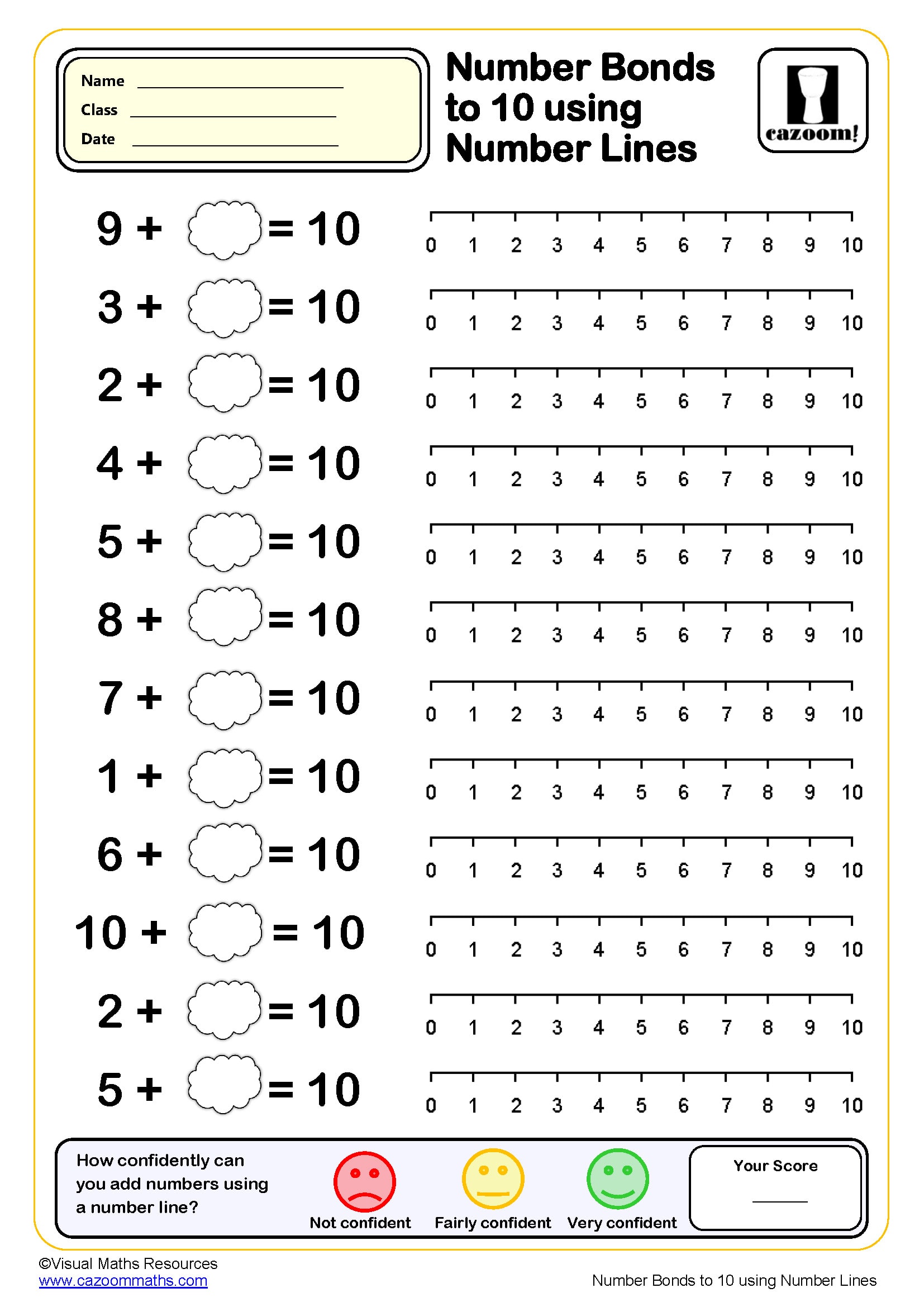
Number Bonds to 20 drills (10 questions)
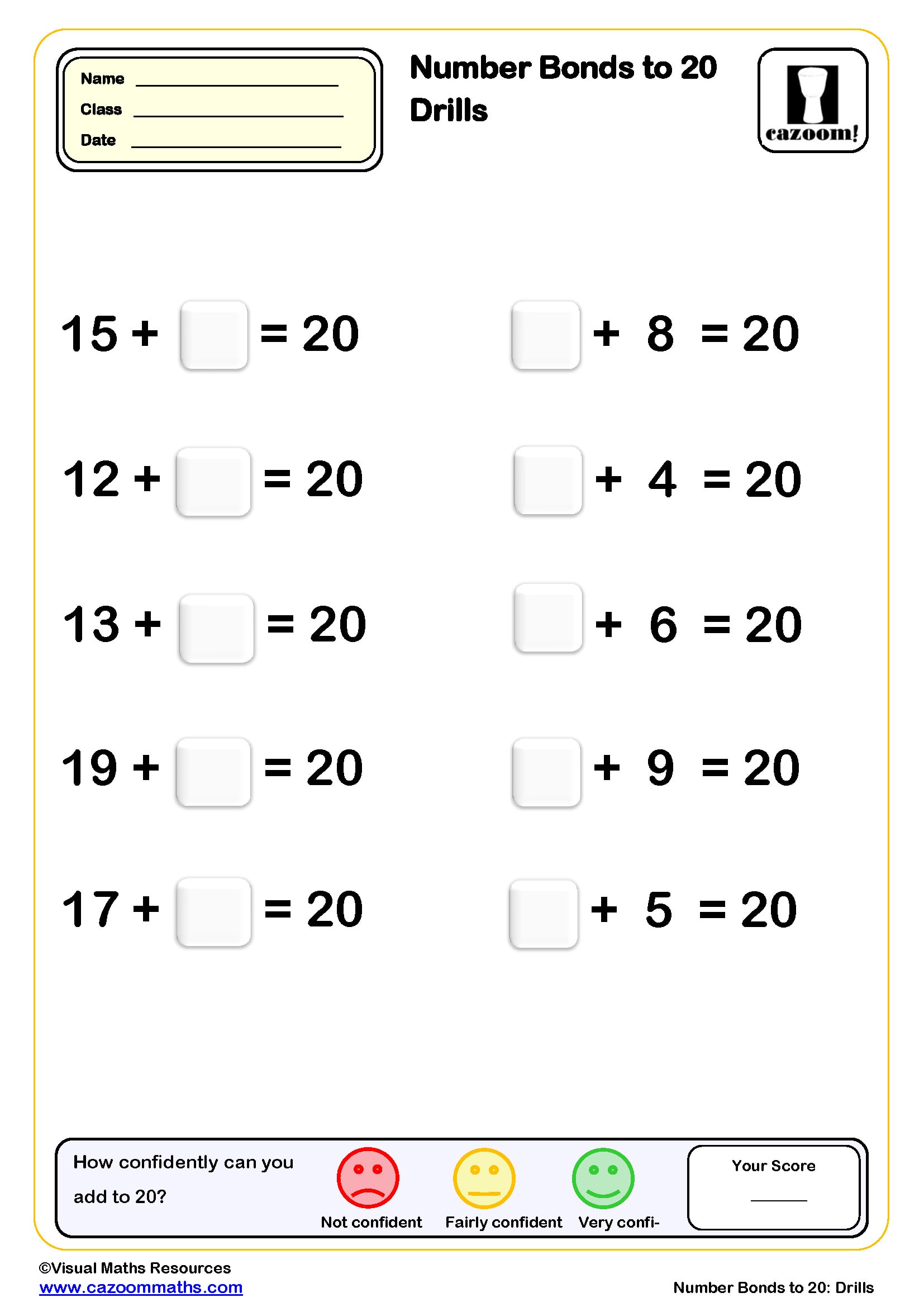
Number Bonds to 20 drills (20 questions)
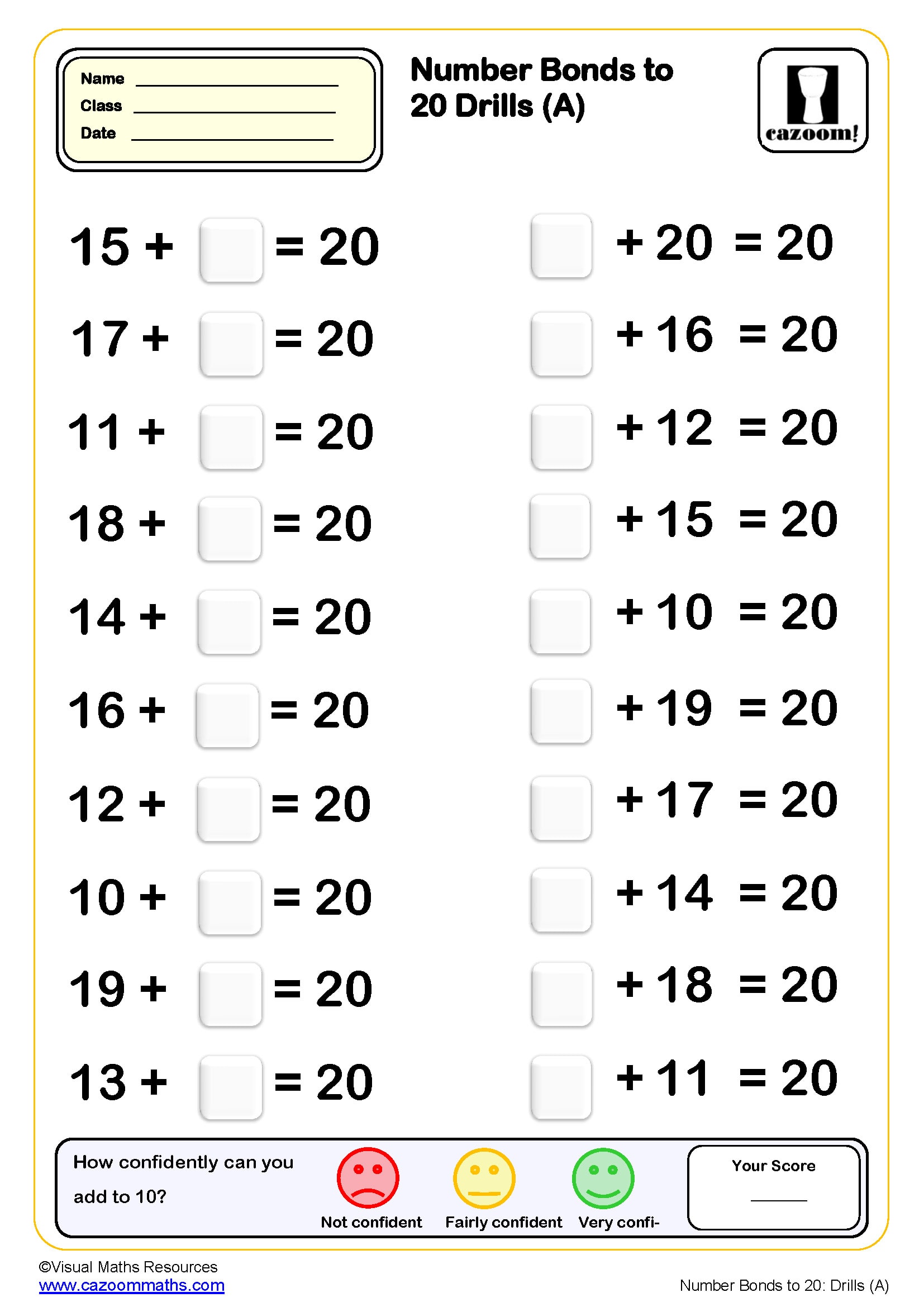
Number Bonds to 20 drills (50 questions)
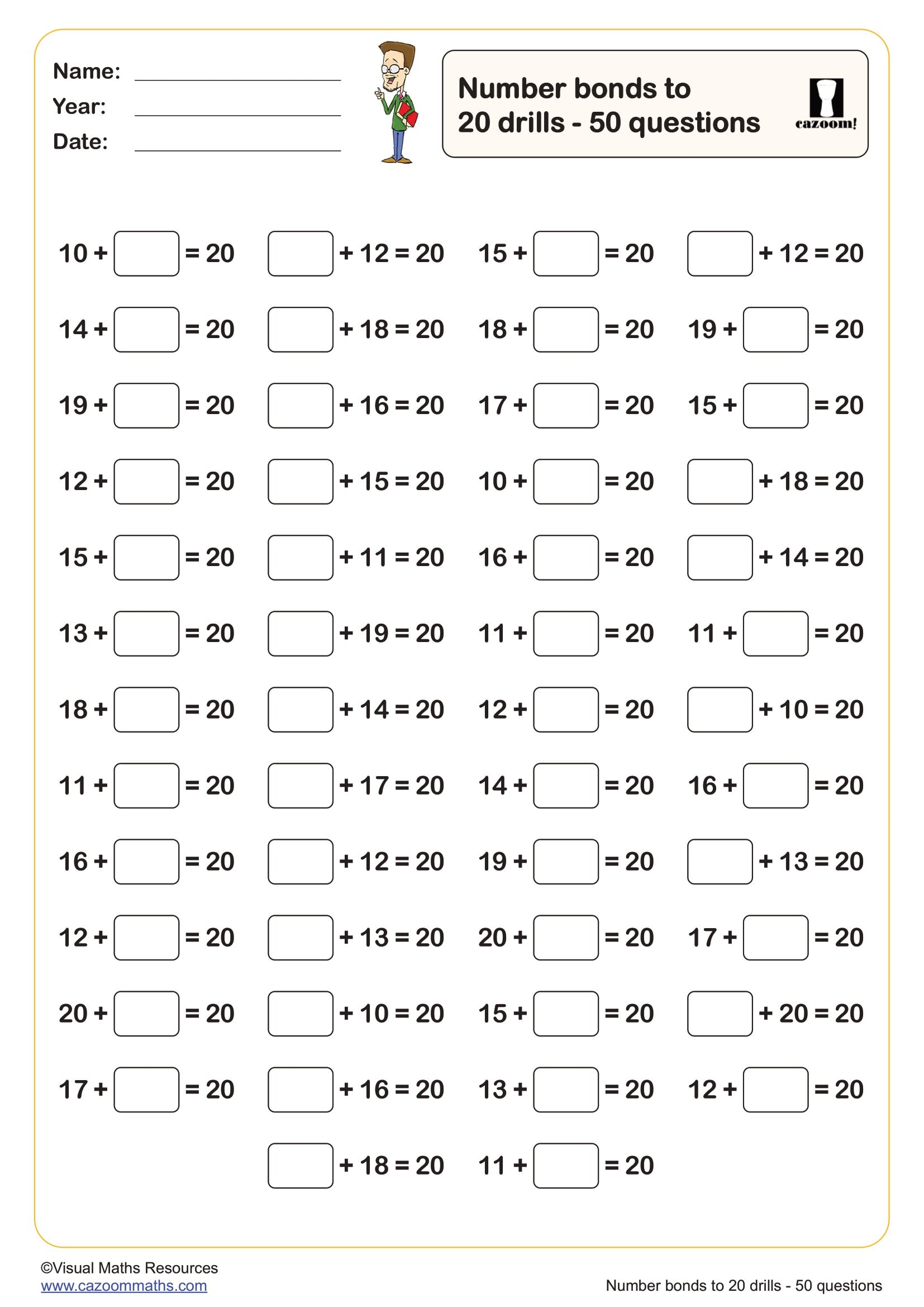
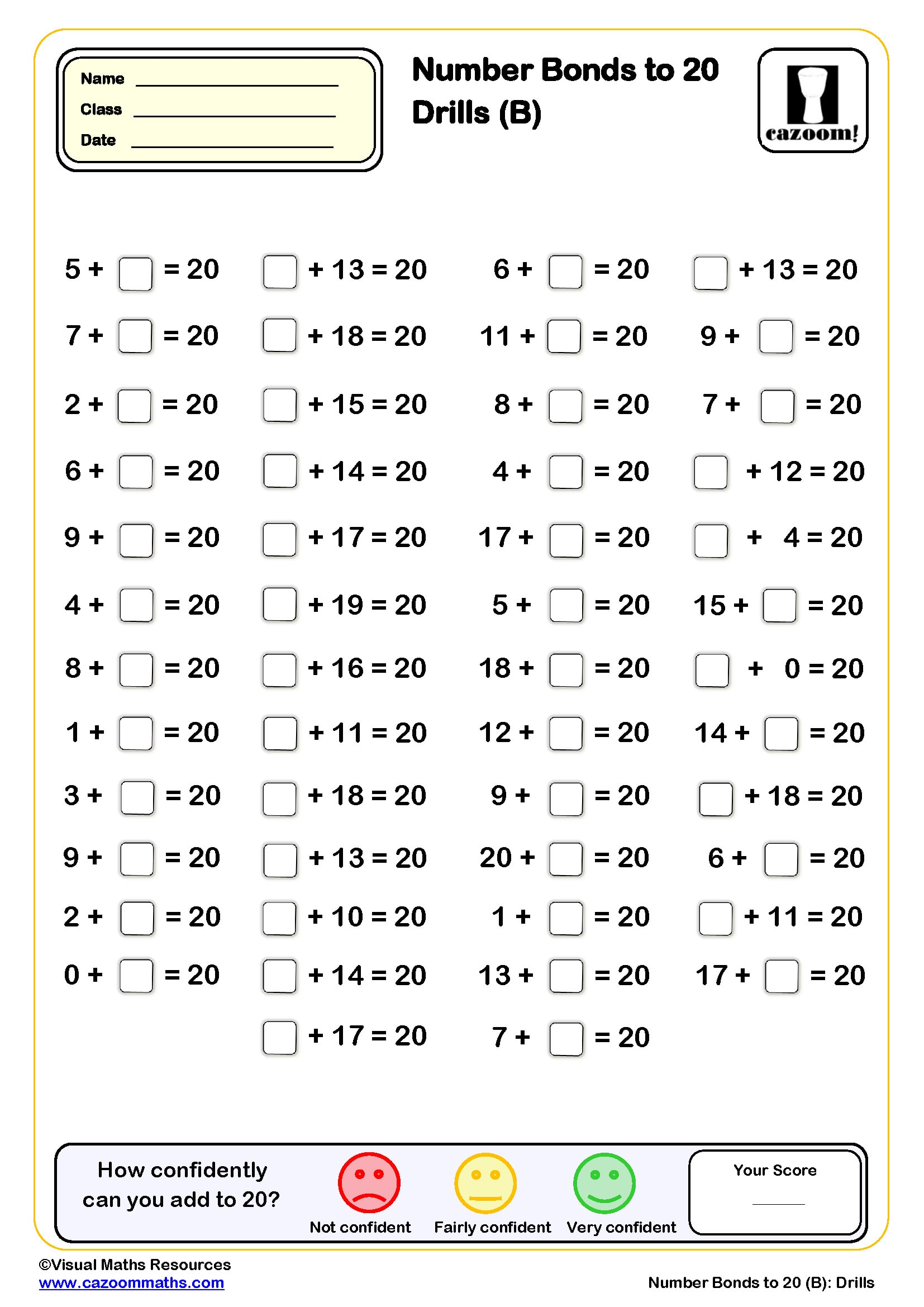
Number Bonds to 20 drills (B) (20 questions)
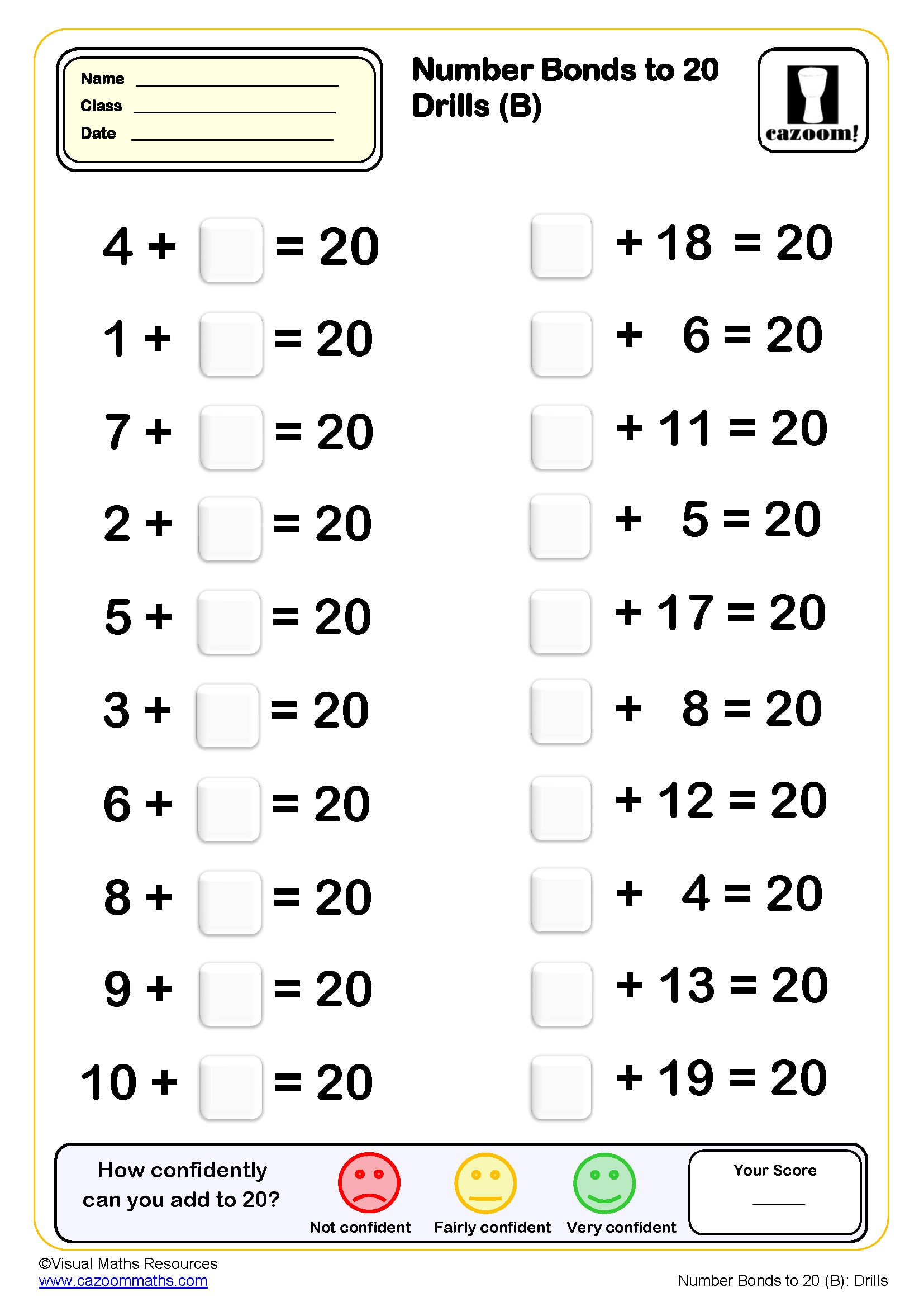
Number Bonds to 20 drills (B) (50 questions)
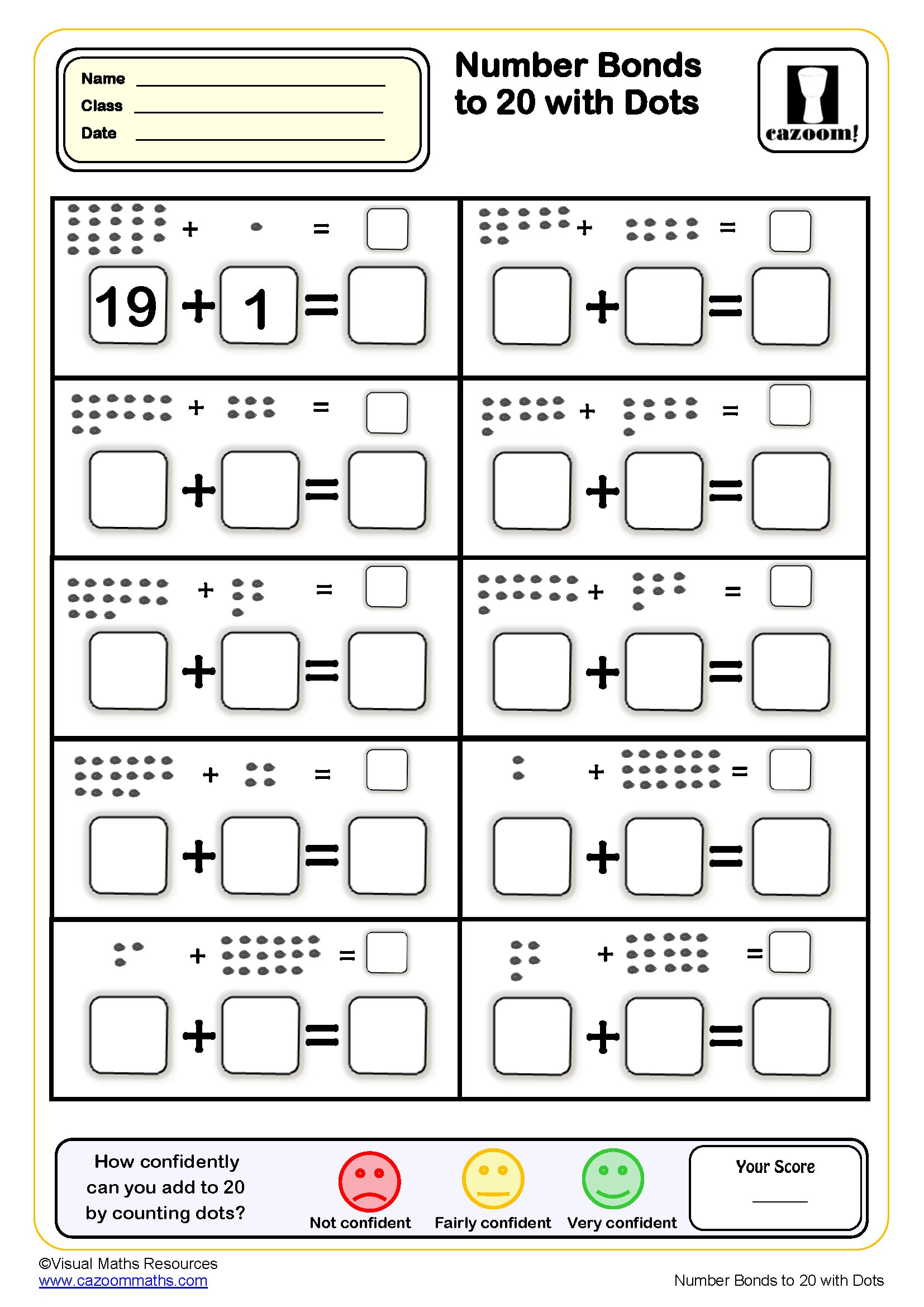
Number bonds to 20 with dots
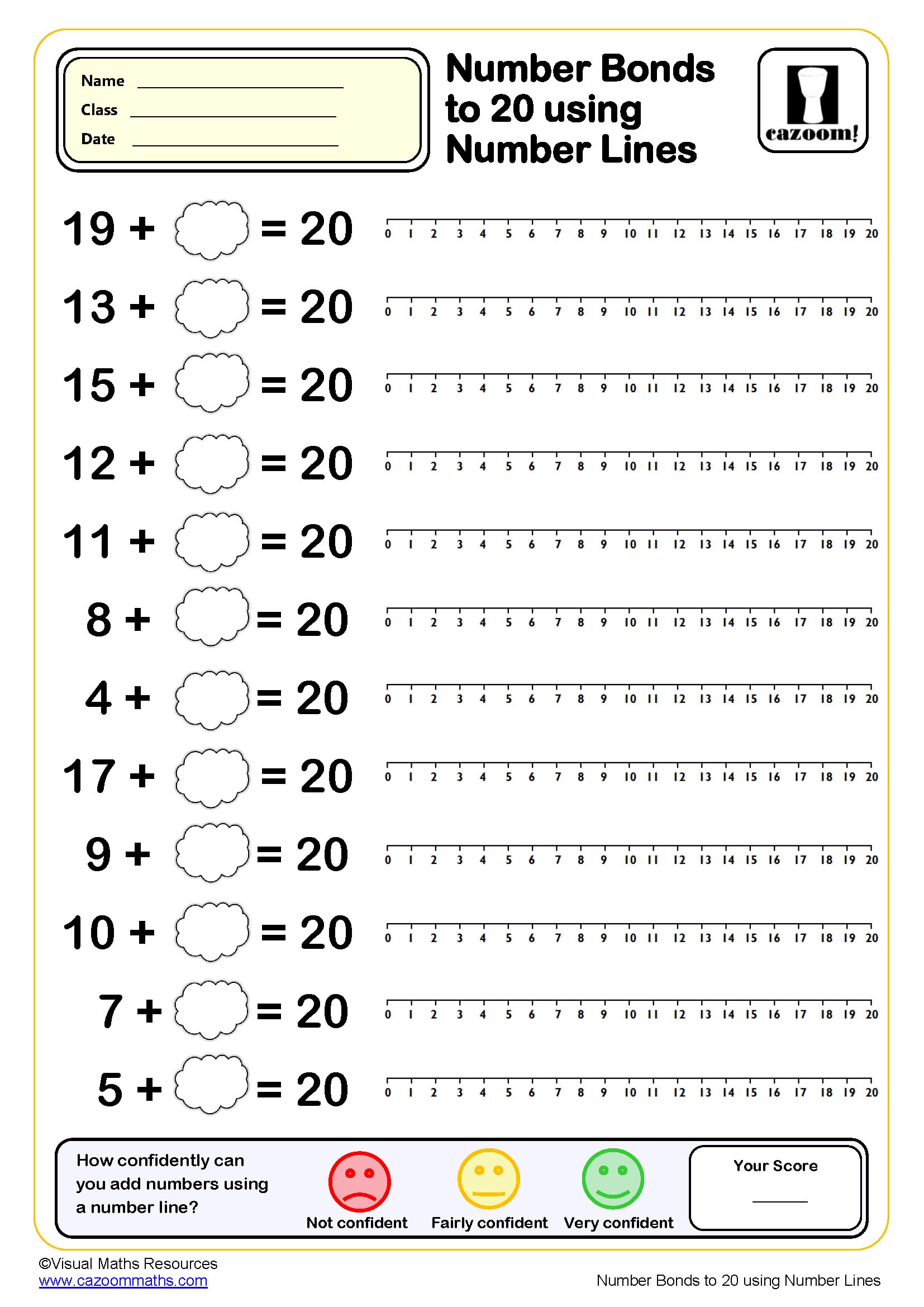
Number bonds to 20 with number lines
Number Bonds to 5 drills (10 questions)
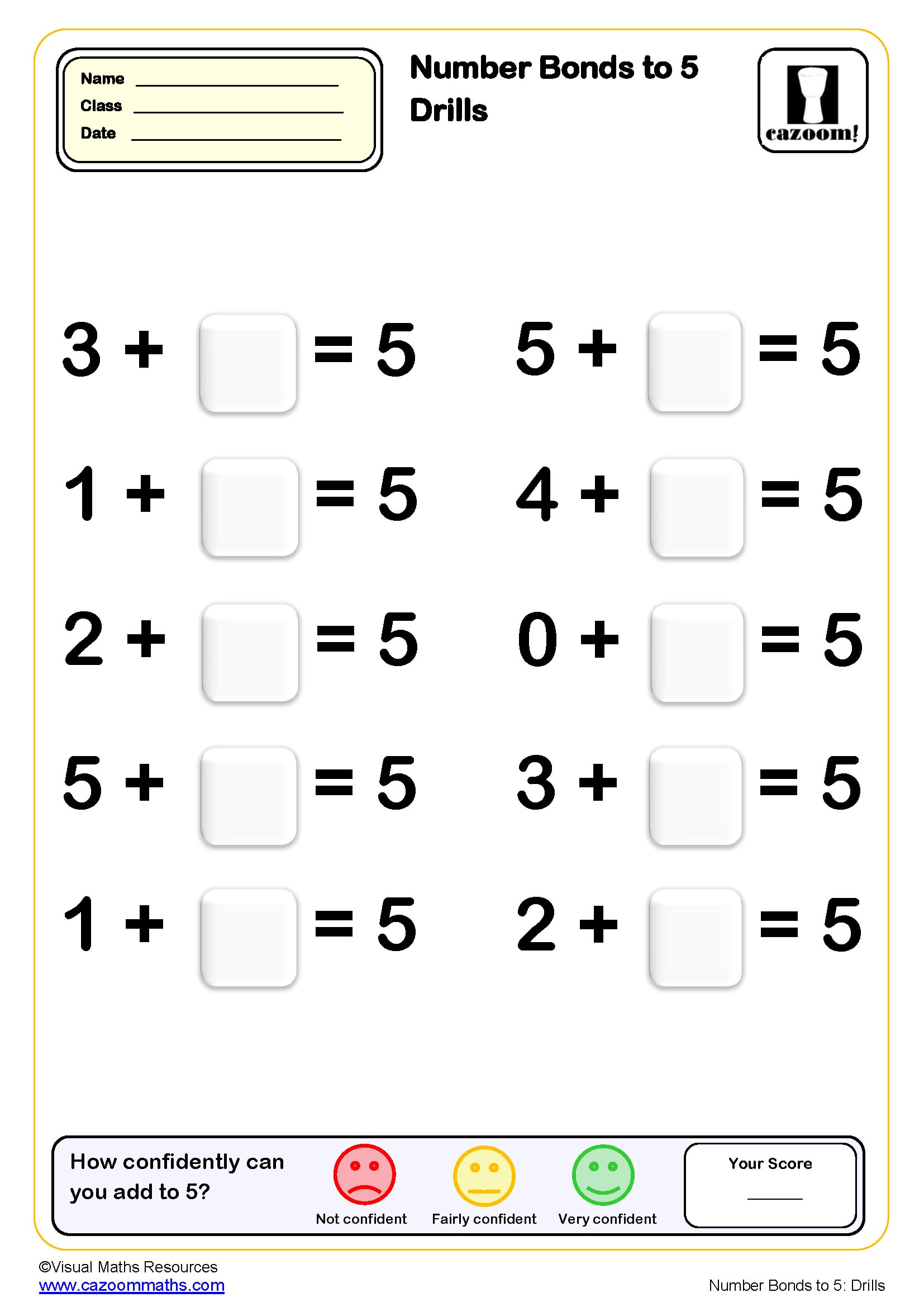
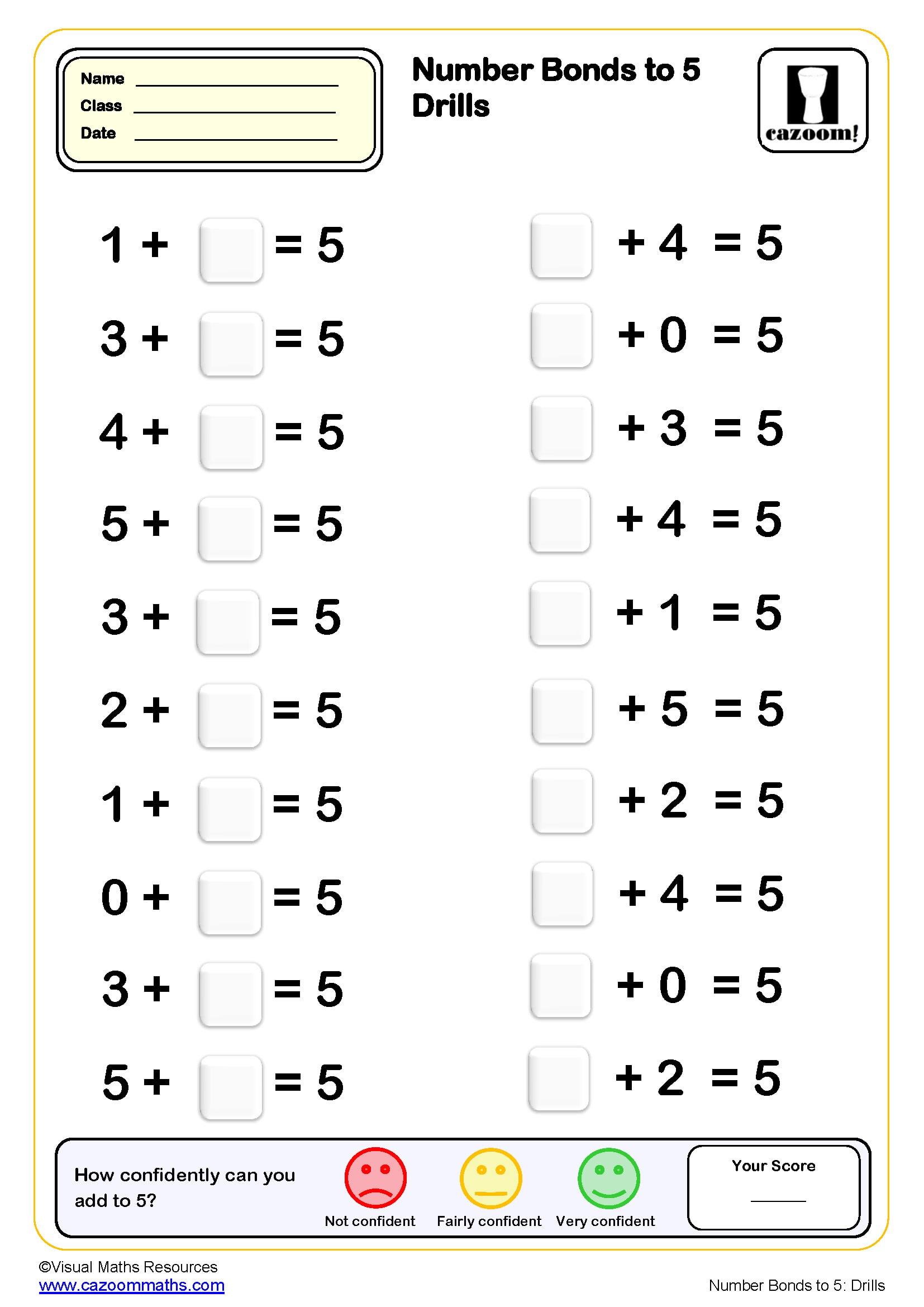
Number Bonds to 5 drills (20 questions)
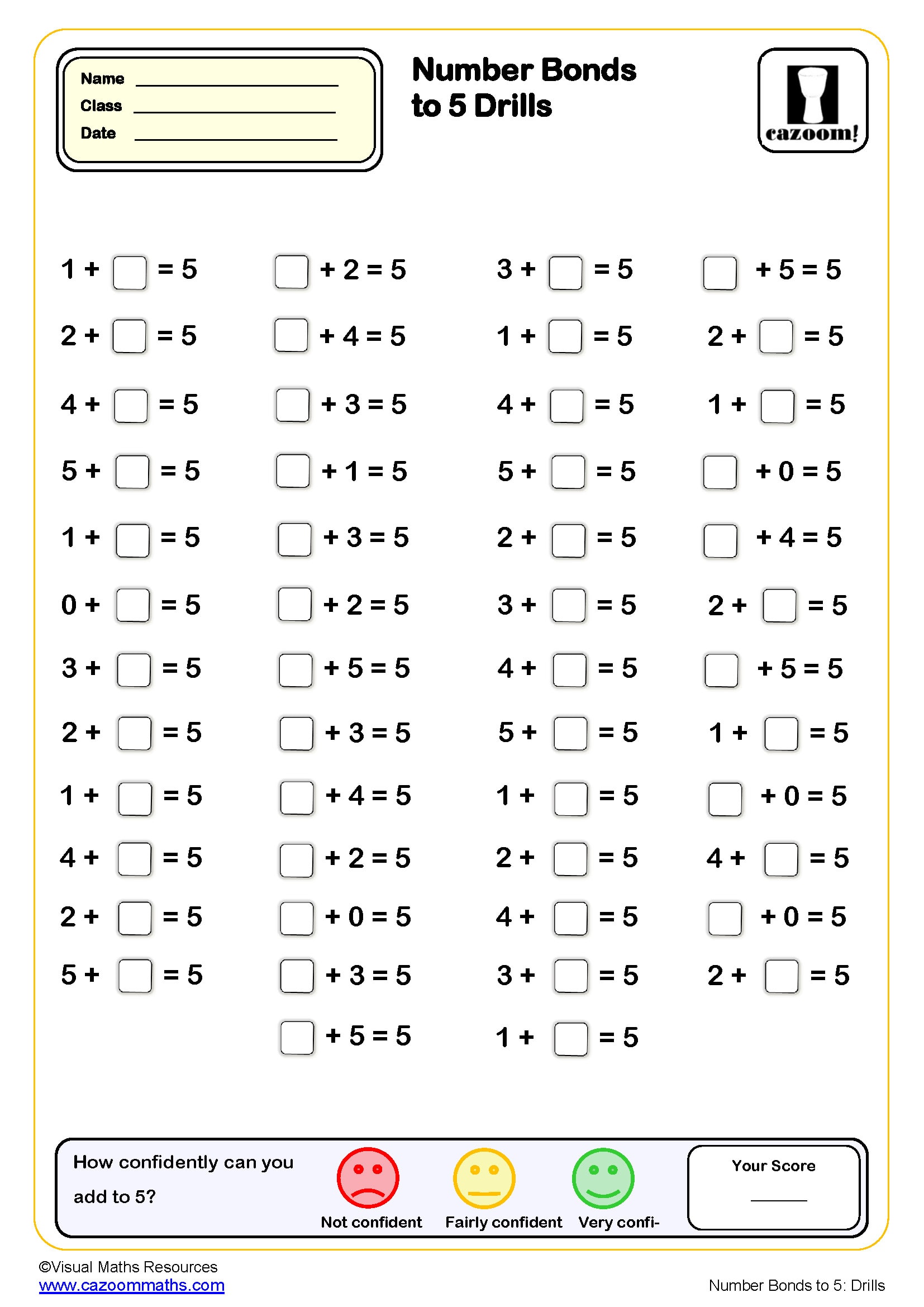
Number Bonds to 5 drills (50 questions)
All worksheets are created by the team of experienced teachers at Cazoom Maths.
What are number bonds to 20?
Number bonds to 20 are pairs of numbers that combine to make 20. For example, 12 + 8 = 20, so 12 and 8 are number bonds to 20. Understanding these pairs helps children develop mental calculation skills and see the relationships between numbers. Pupils typically learn number bonds to 10 first, then progress to bonds within 20 during Year 1 and Year 2.
Which year groups study number bonds to 20?
Number bonds to 20 are covered in Key Stage 1, specifically across Year 1 and Year 2. In Year 1, children consolidate their understanding of number bonds to 10 before beginning to explore bonds to 20. They start recognising addition facts and understanding that numbers can be partitioned in different ways to reach the same total.
How do part-whole models help with number bonds?
Part-whole models represent numbers visually by showing how a total can be split into two or more parts. For number bonds to 20, a circle contains the whole (20) at the top, with two circles below showing the parts that combine to make it. This concrete representation helps children understand that numbers can be partitioned in multiple ways whilst the total remains constant.
What's included with these number bonds worksheets?
Each worksheet in this collection comes as a downloadable PDF with a complete answer sheet included. The worksheets present number bonds through varied question types including missing number problems, part-whole diagrams, bar models, and fluency grids. This variety ensures pupils engage with number bonds in different contexts, strengthening their understanding and recall.