KS1 Base Ten Blocks Ten Frames Worksheets
All worksheets are created by the team of experienced teachers at Cazoom Maths.
What Are Base Ten Blocks and Ten Frames in KS1 Maths?
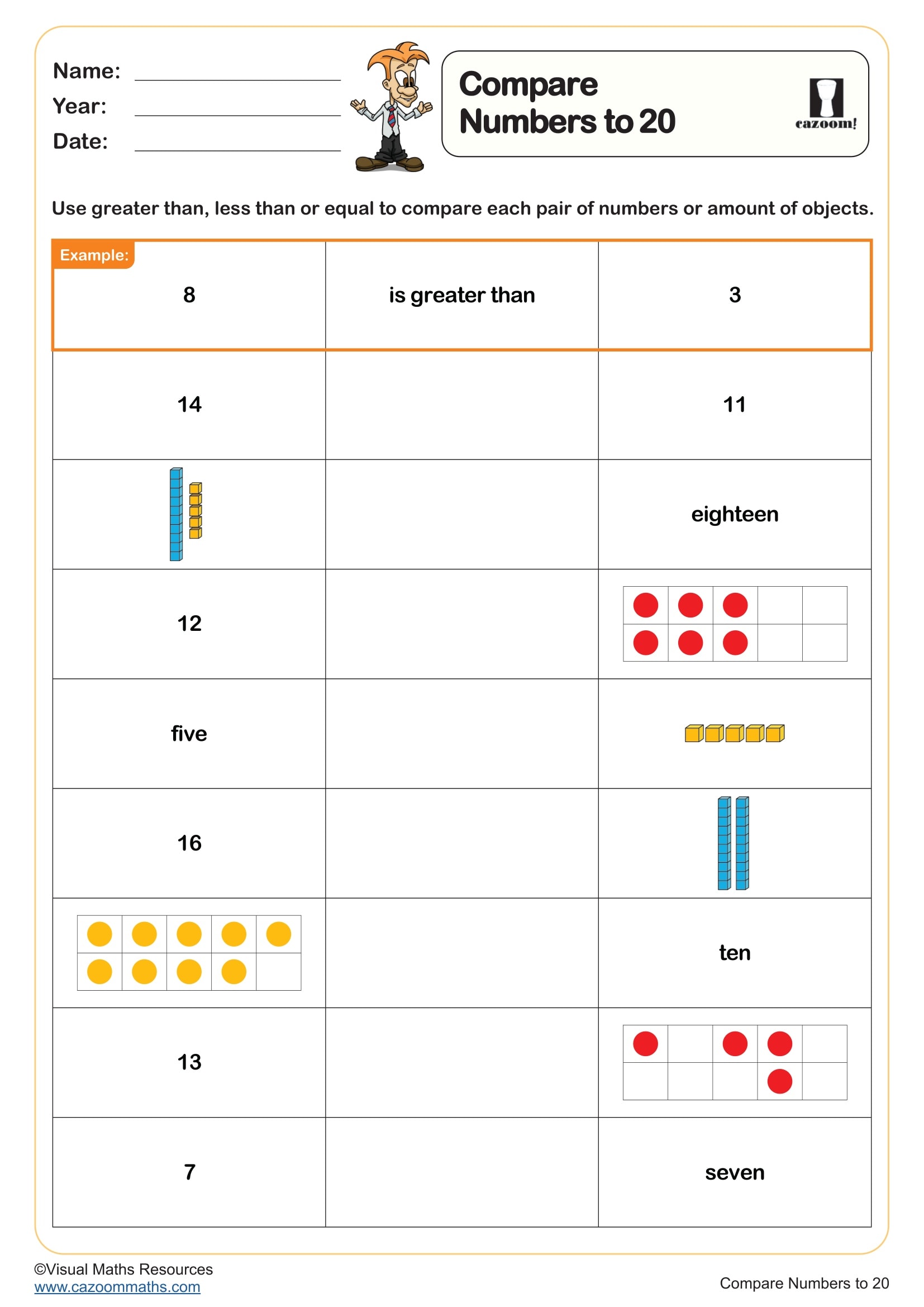
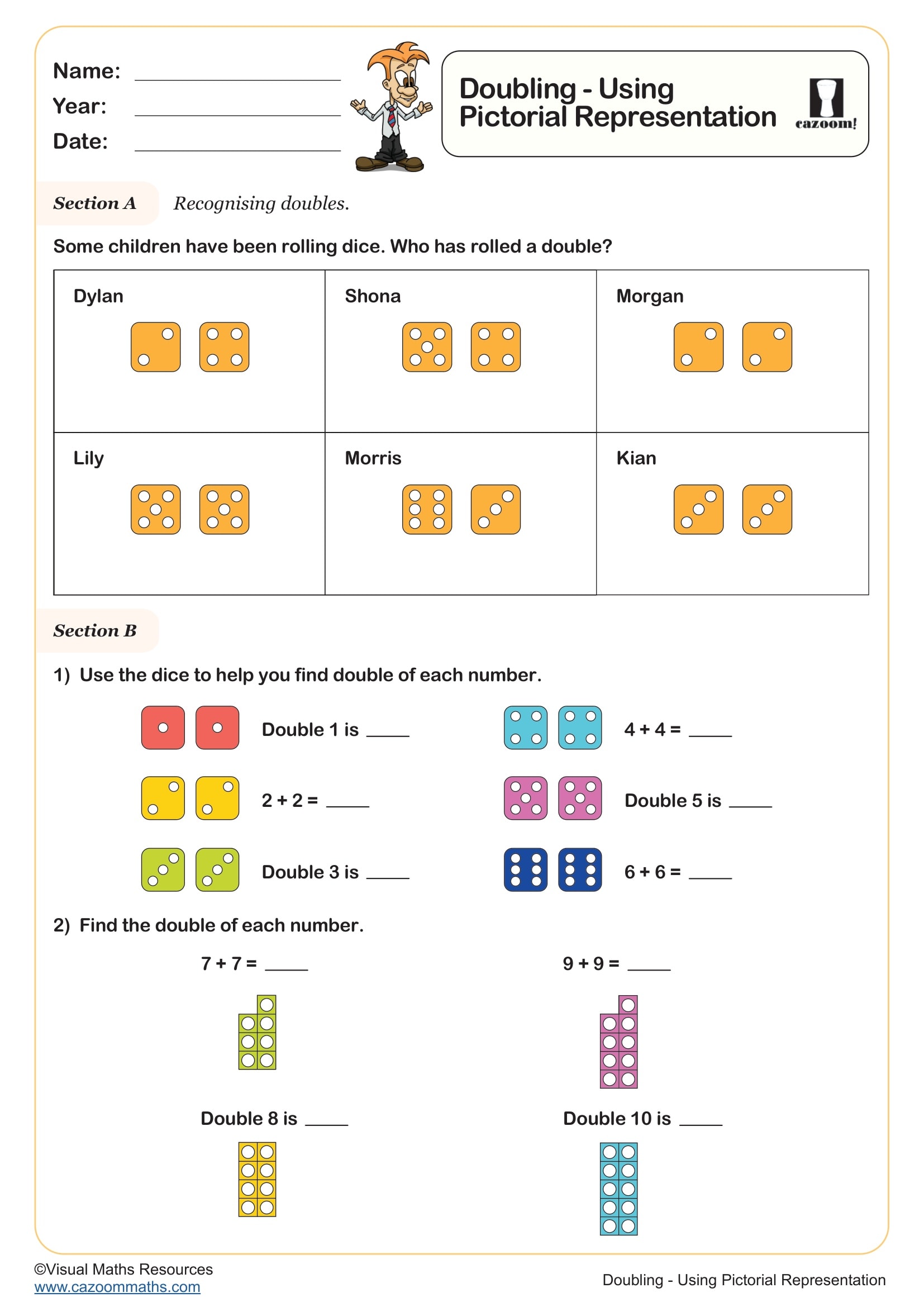
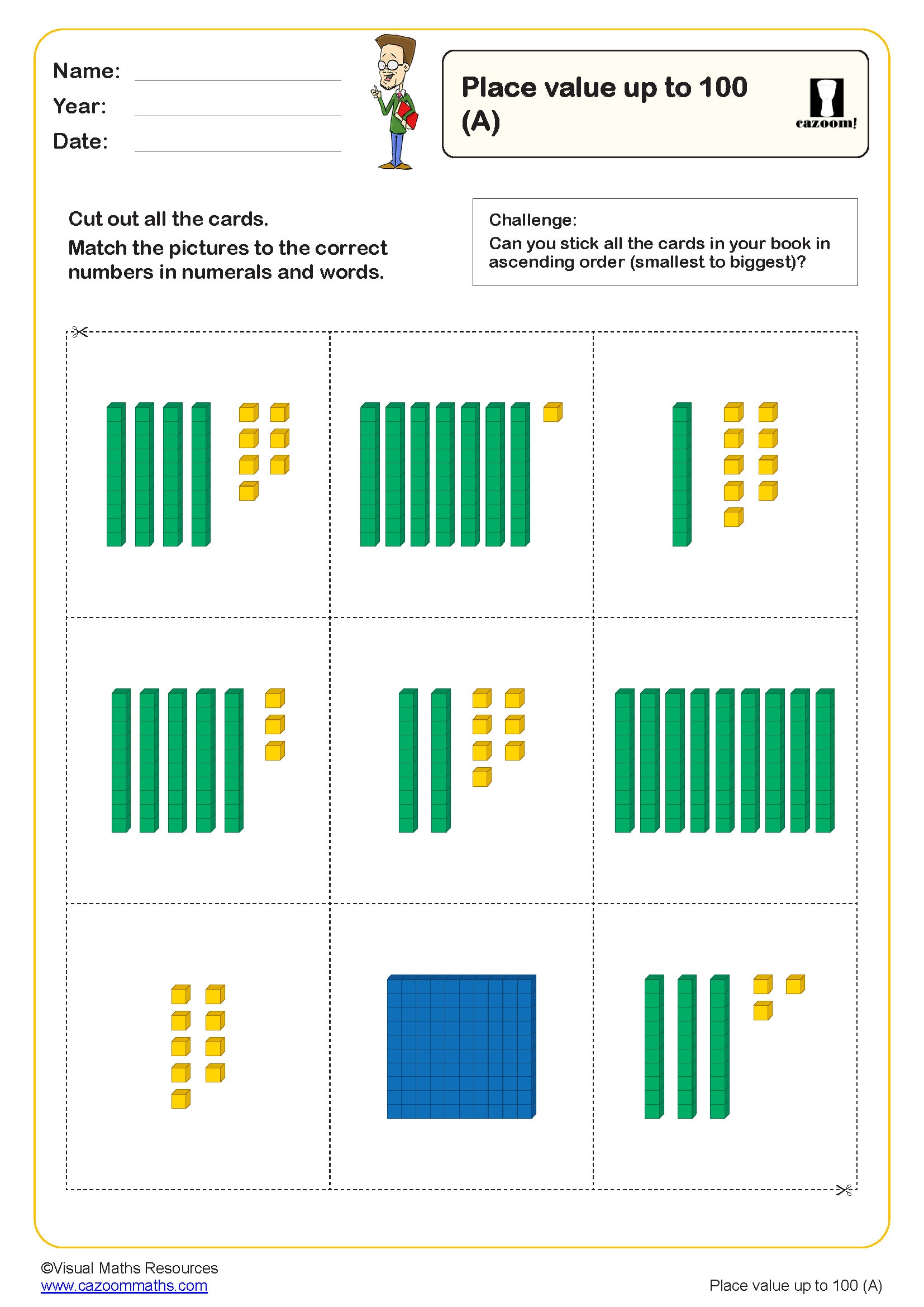
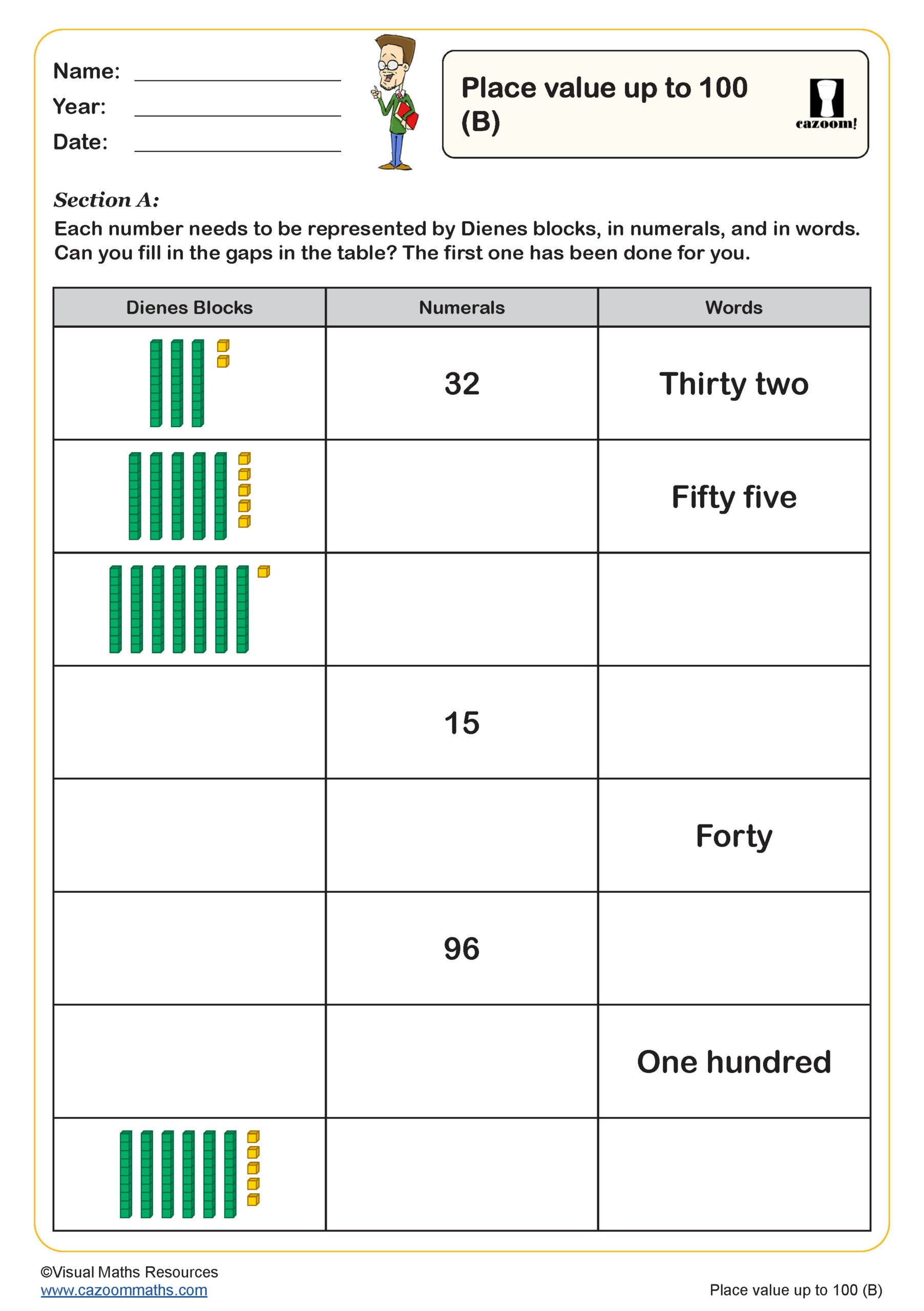
Base ten blocks and ten frames are visual tools that help young children understand place value and number structure. Ten frames are rectangular grids with two rows of five squares, allowing pupils to see numbers within 10 and develop subitising skills. Base ten blocks represent ones as individual units and tens as rods, making the relationship between single digits and groups of ten concrete and visible.
Which Year Groups Use Base Ten Blocks and Ten Frames Worksheets?
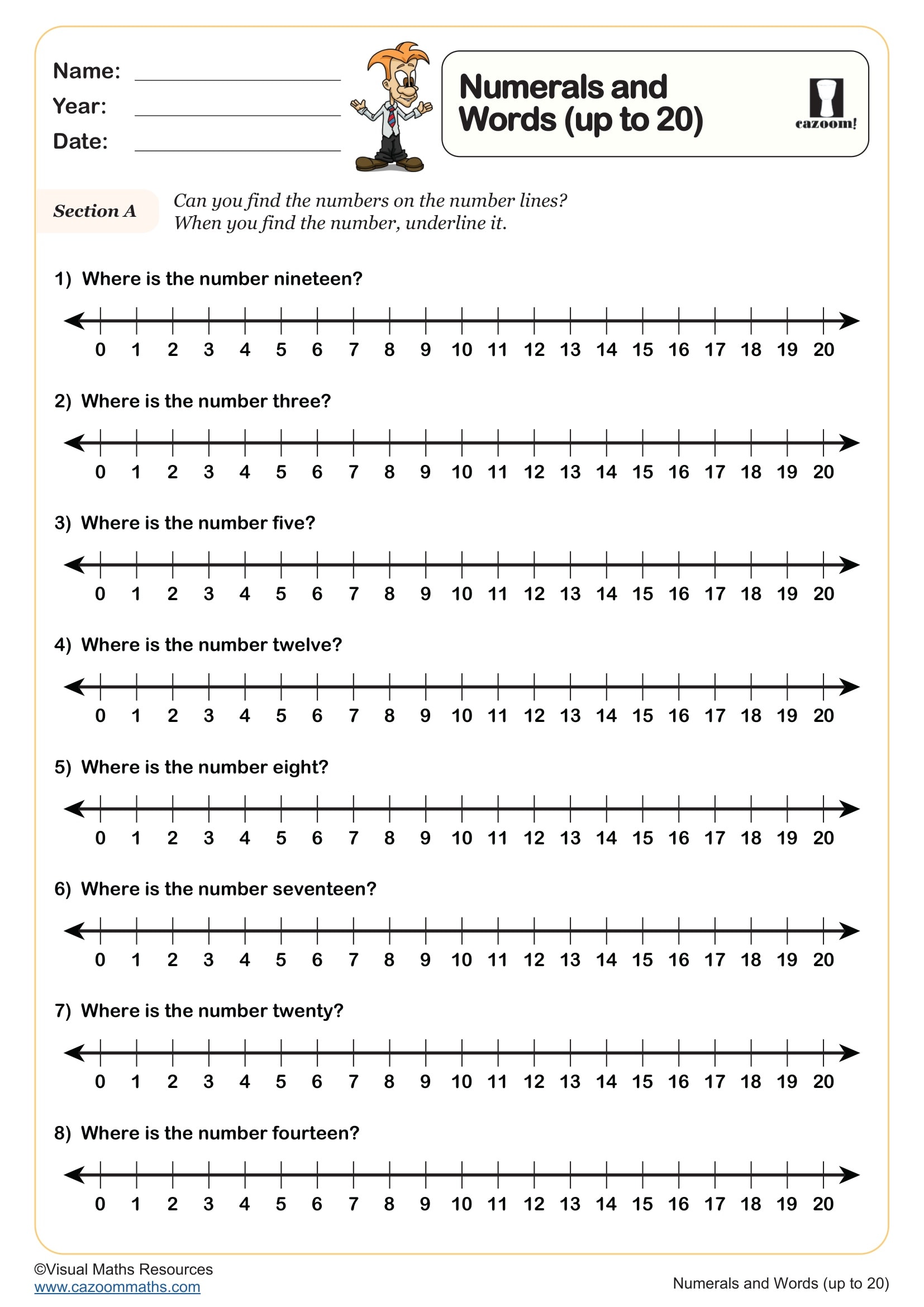
These worksheets are designed specifically for Key Stage 1, covering Year 1 and Year 2 pupils aged 5 to 7. In Year 1, children use ten frames to count reliably within 20, recognise number patterns and begin to understand place value through tens and ones. Year 2 pupils extend this knowledge to work with numbers up to 100, using base ten representations to compare quantities and perform calculations.
How Do Ten Frames Help with Addition and Subtraction?
Ten frames make addition and subtraction visible by showing how numbers combine and separate. When adding, children can see how numbers fill the frame and potentially move into a second frame, developing early understanding of bridging through ten. For subtraction, removing counters from the frame provides a clear visual record of what remains, supporting accurate calculation.
What's Included with These Worksheets?
Every worksheet in this collection comes with a complete answer sheet, allowing teachers and parents to mark work quickly and identify any misconceptions. The worksheets are provided as downloadable PDFs, formatted for straightforward printing on standard A4 paper. This makes them practical for classroom use, homework assignments or additional practice at home.