KS1 Metric Measures Worksheets
All worksheets are created by the team of experienced teachers at Cazoom Maths.
What are metric measures in KS1 maths?
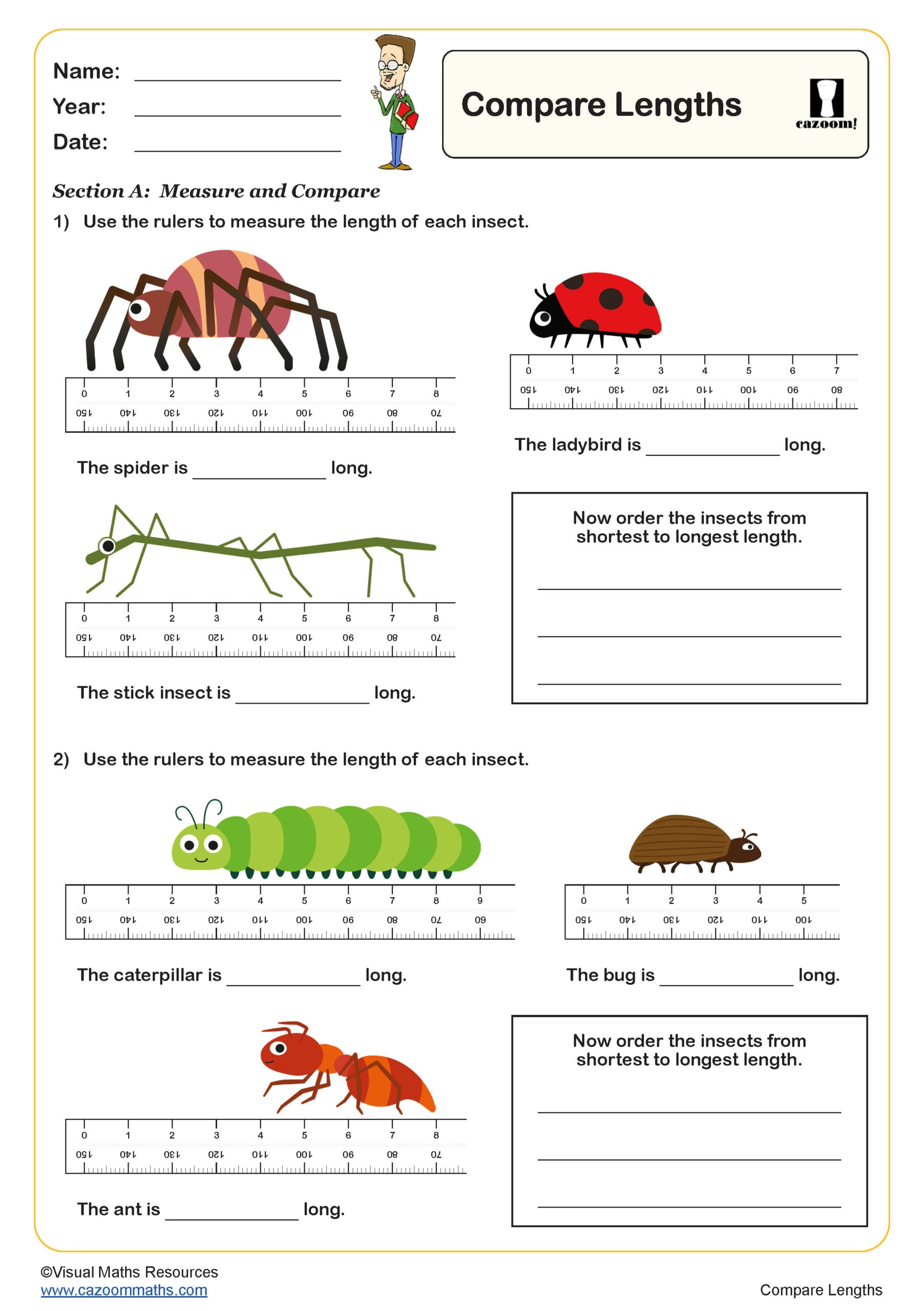
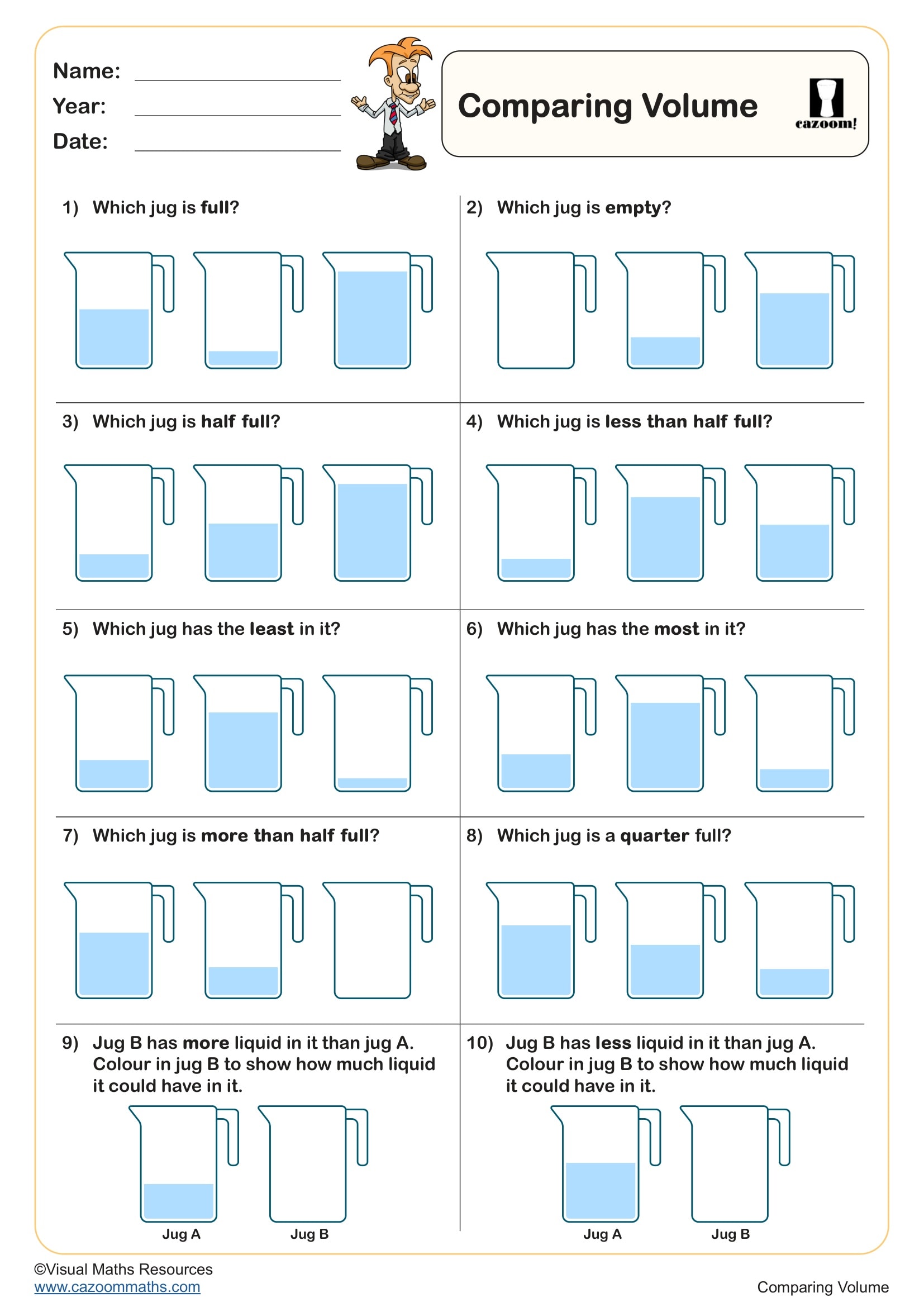
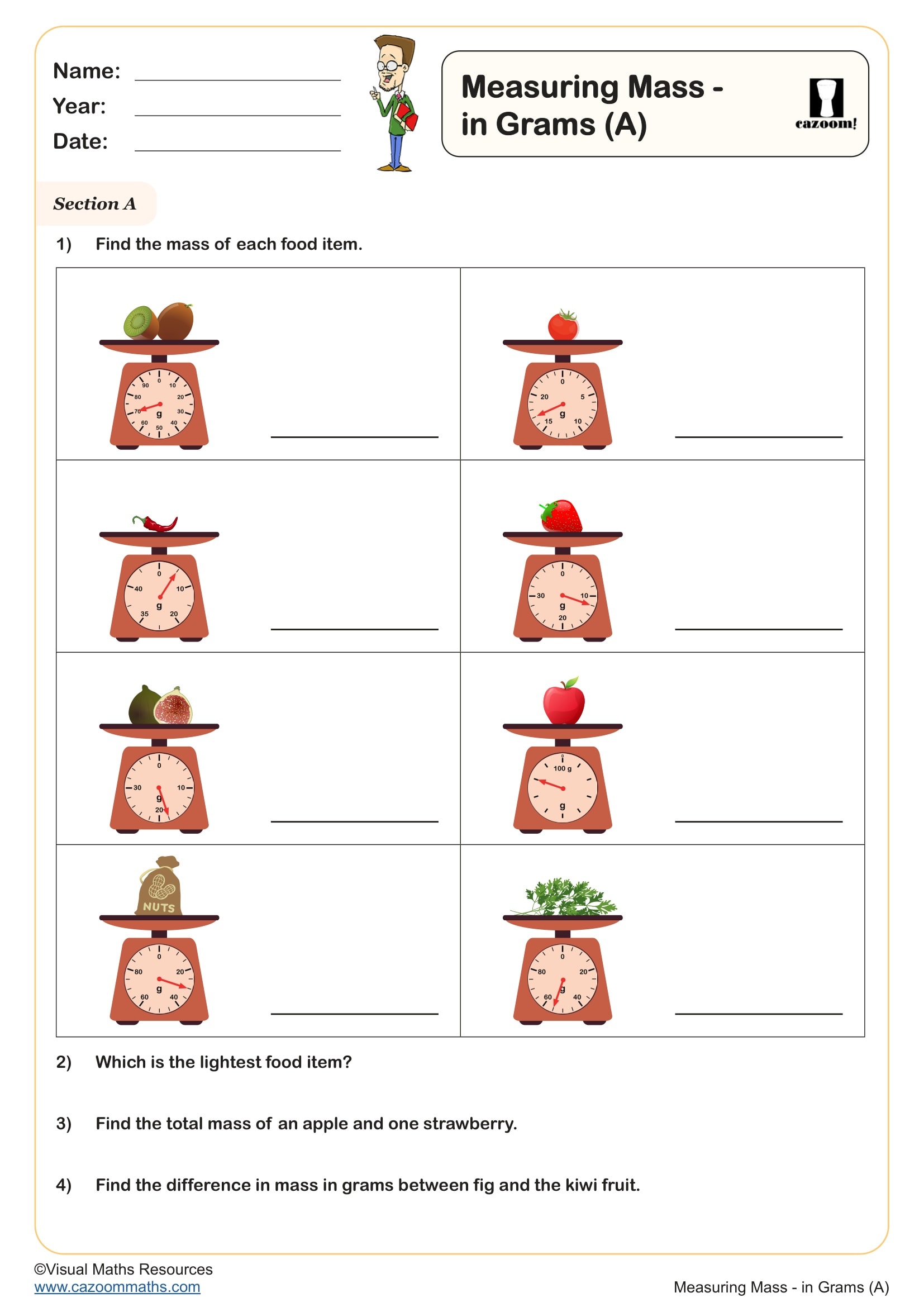
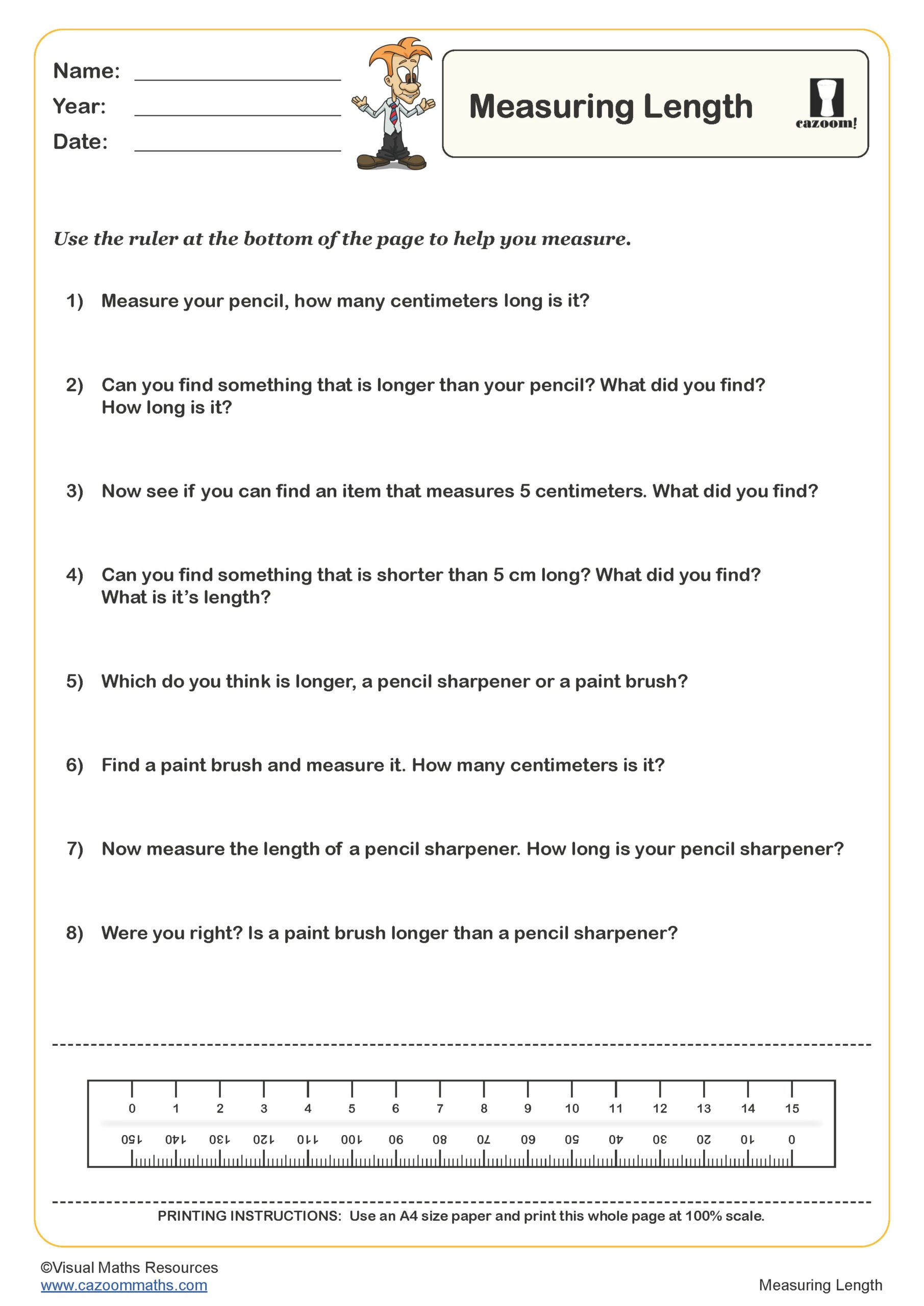
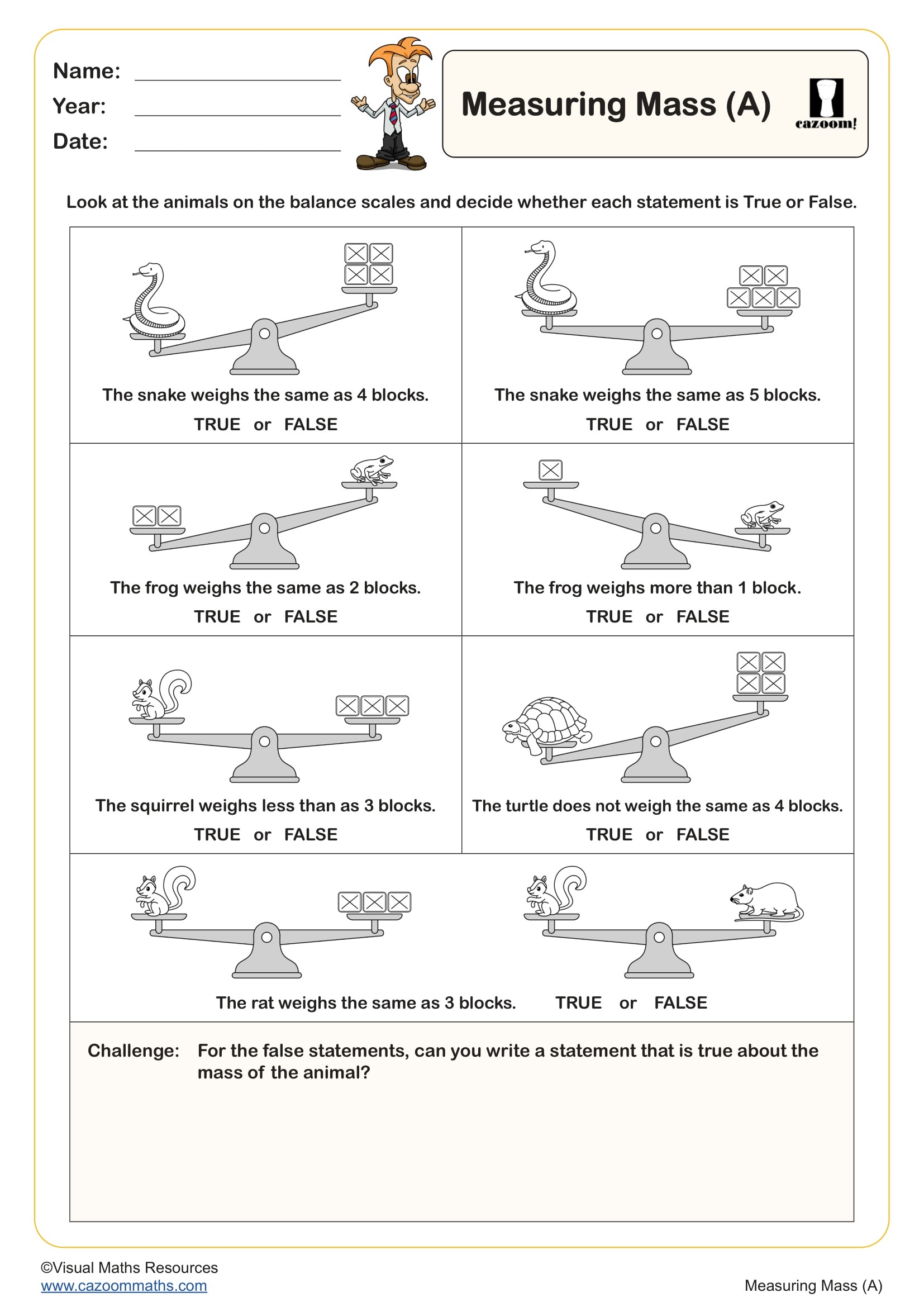
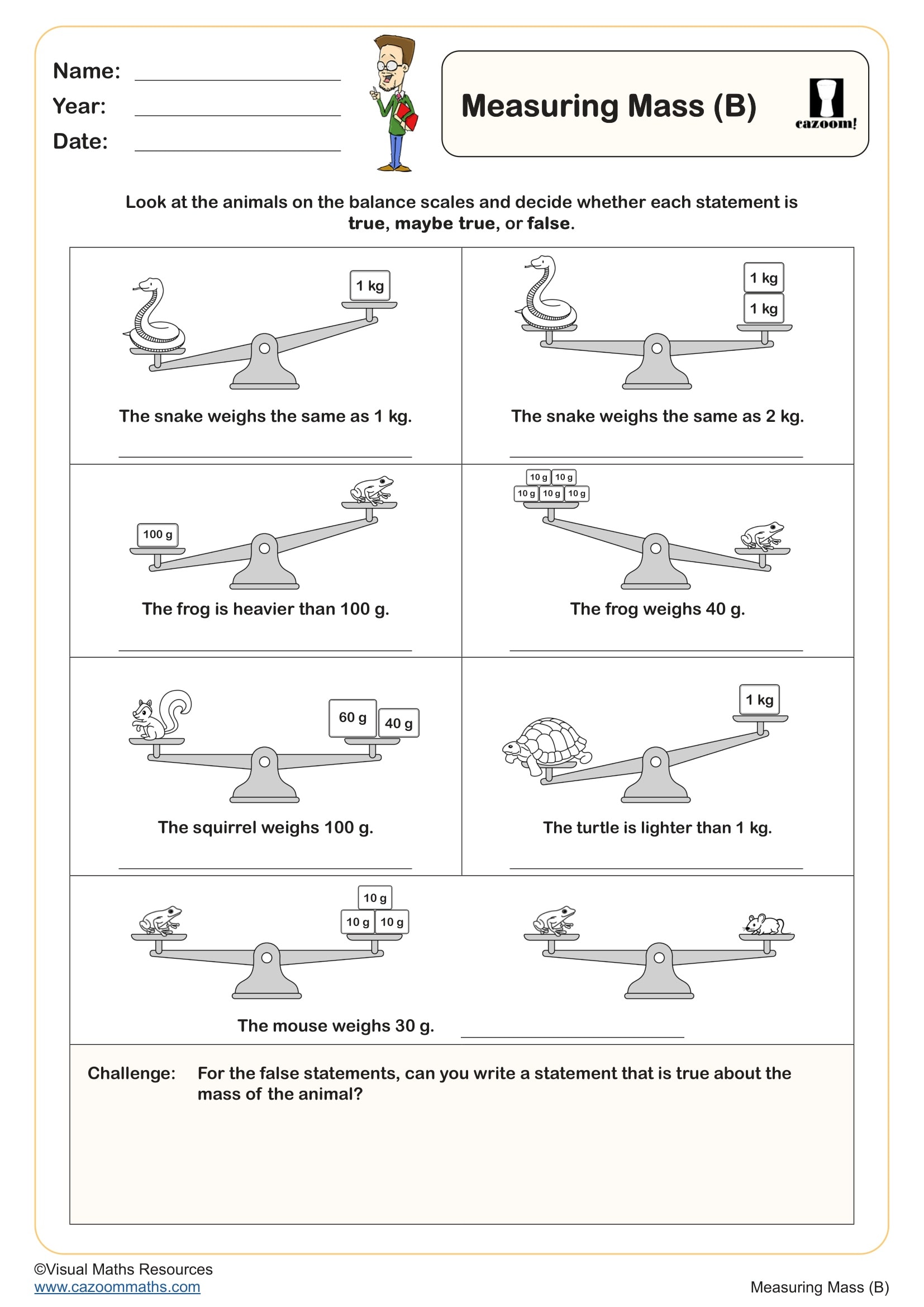
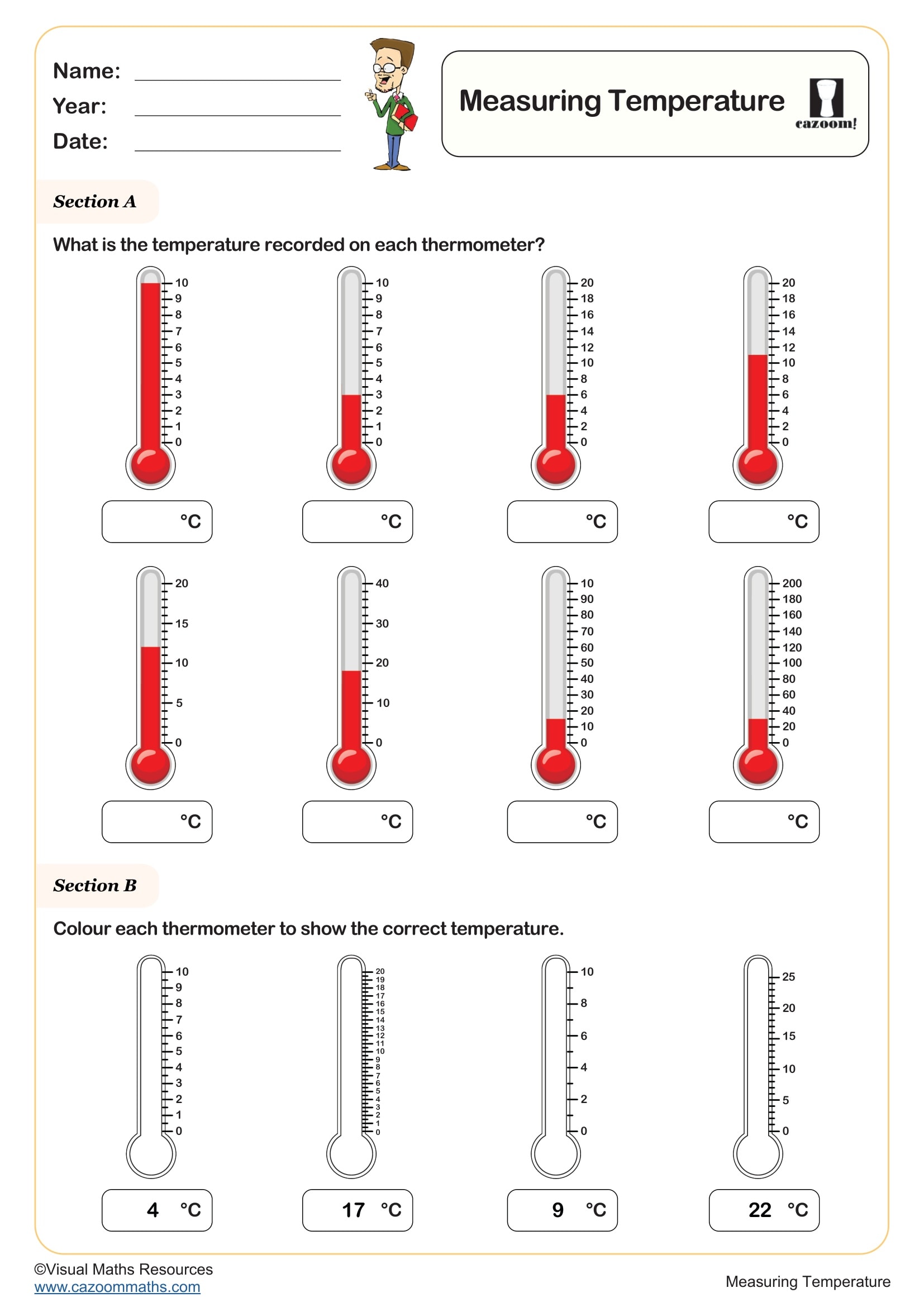
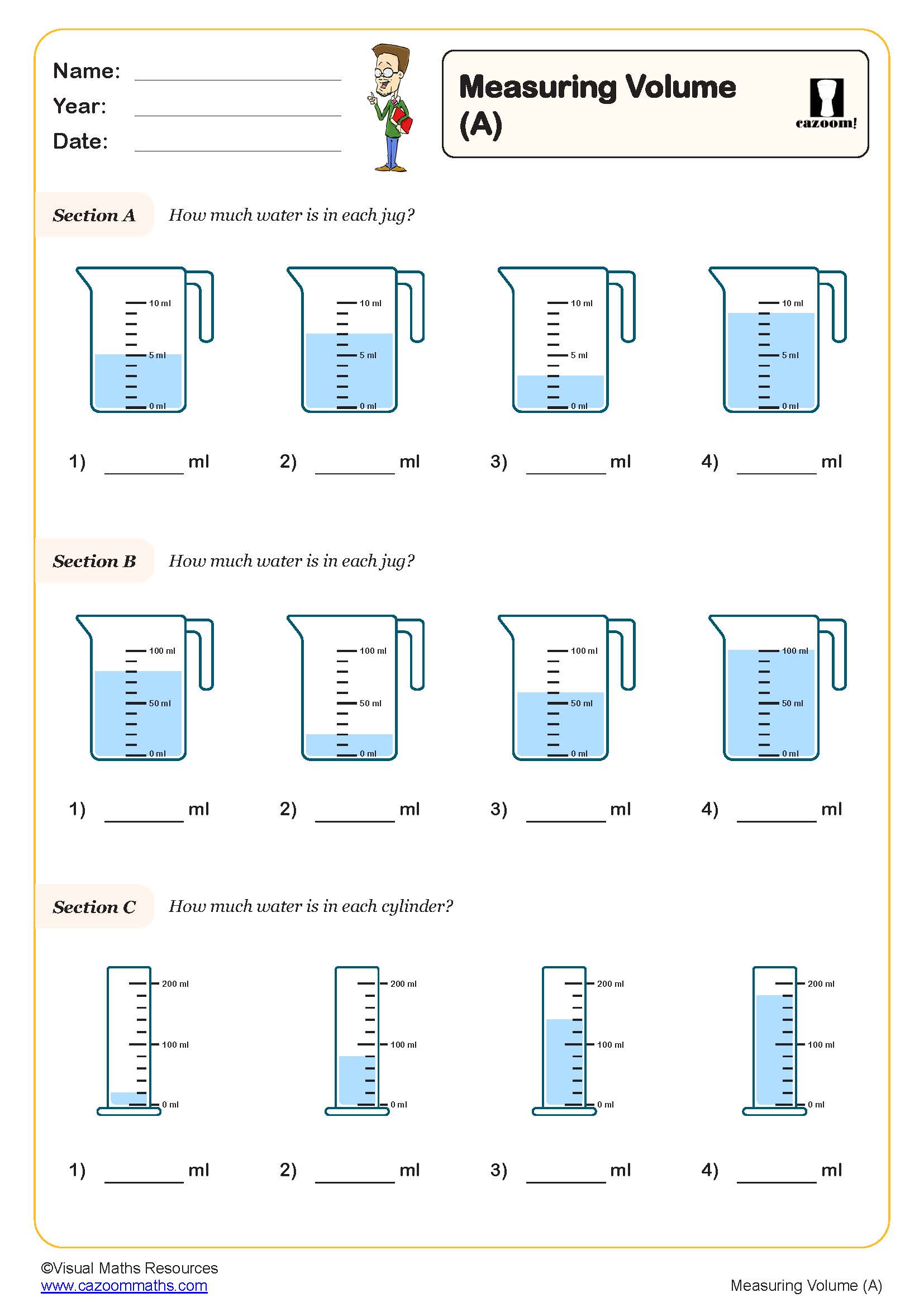
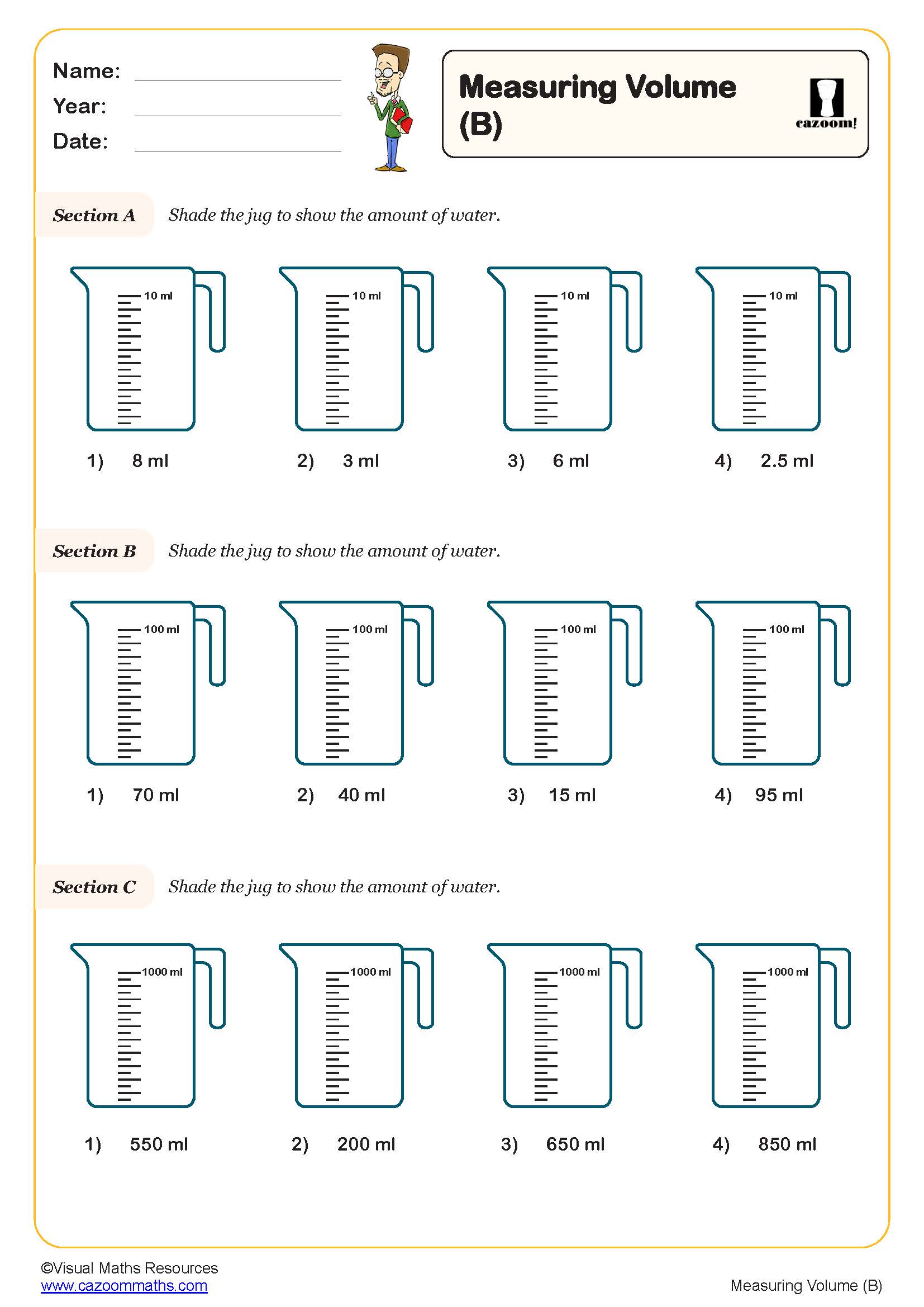
Metric measures introduce young learners to the standard system of measurement used throughout the UK and most of the world. In KS1, pupils begin with length (centimetres and metres), mass (grams and kilograms), and capacity (litres and millilitres). Children learn to recognise and use rulers, scales, and measuring jugs whilst developing their understanding that measurement involves numbers and units working together.
Which year groups use metric measures worksheets?
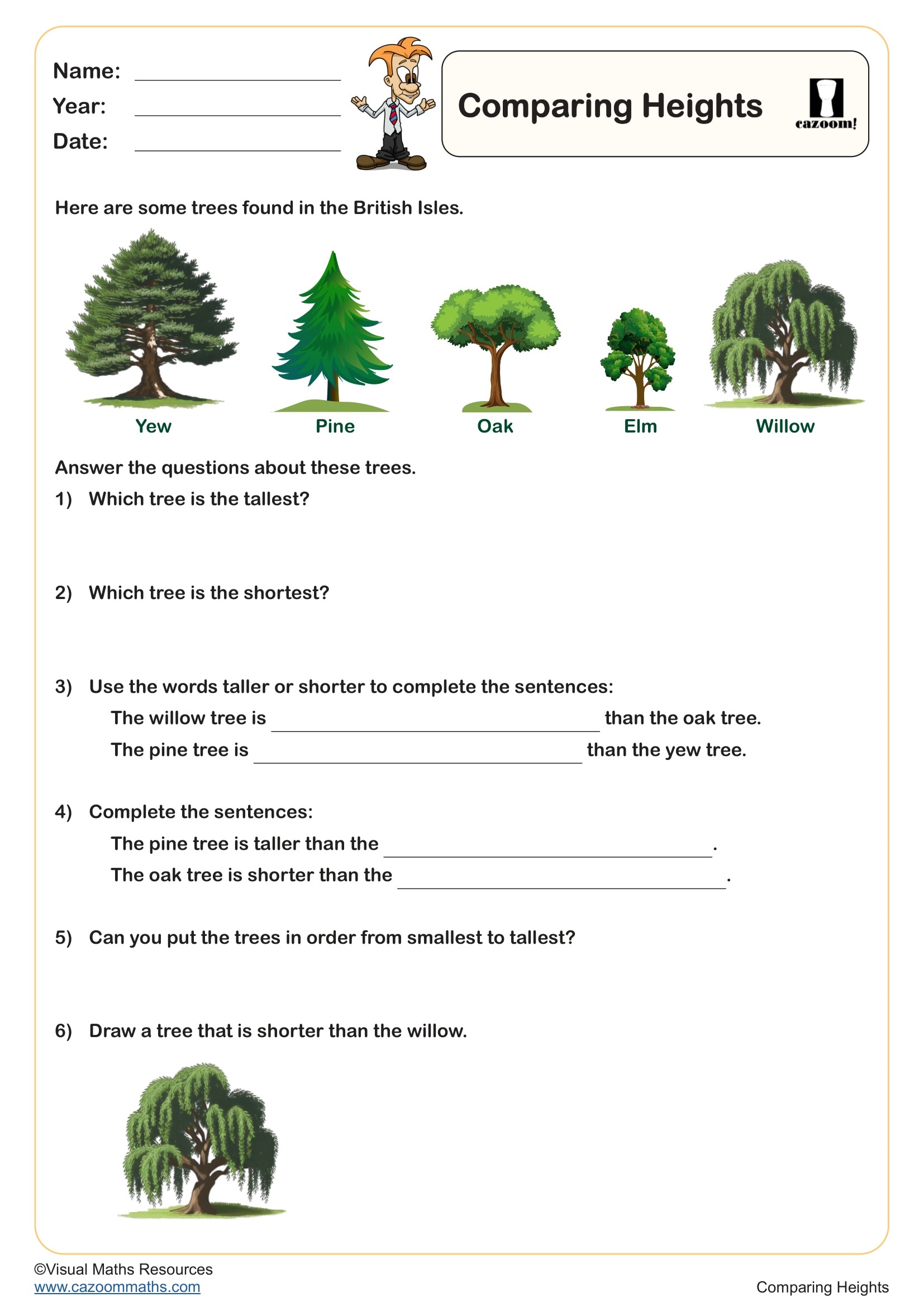
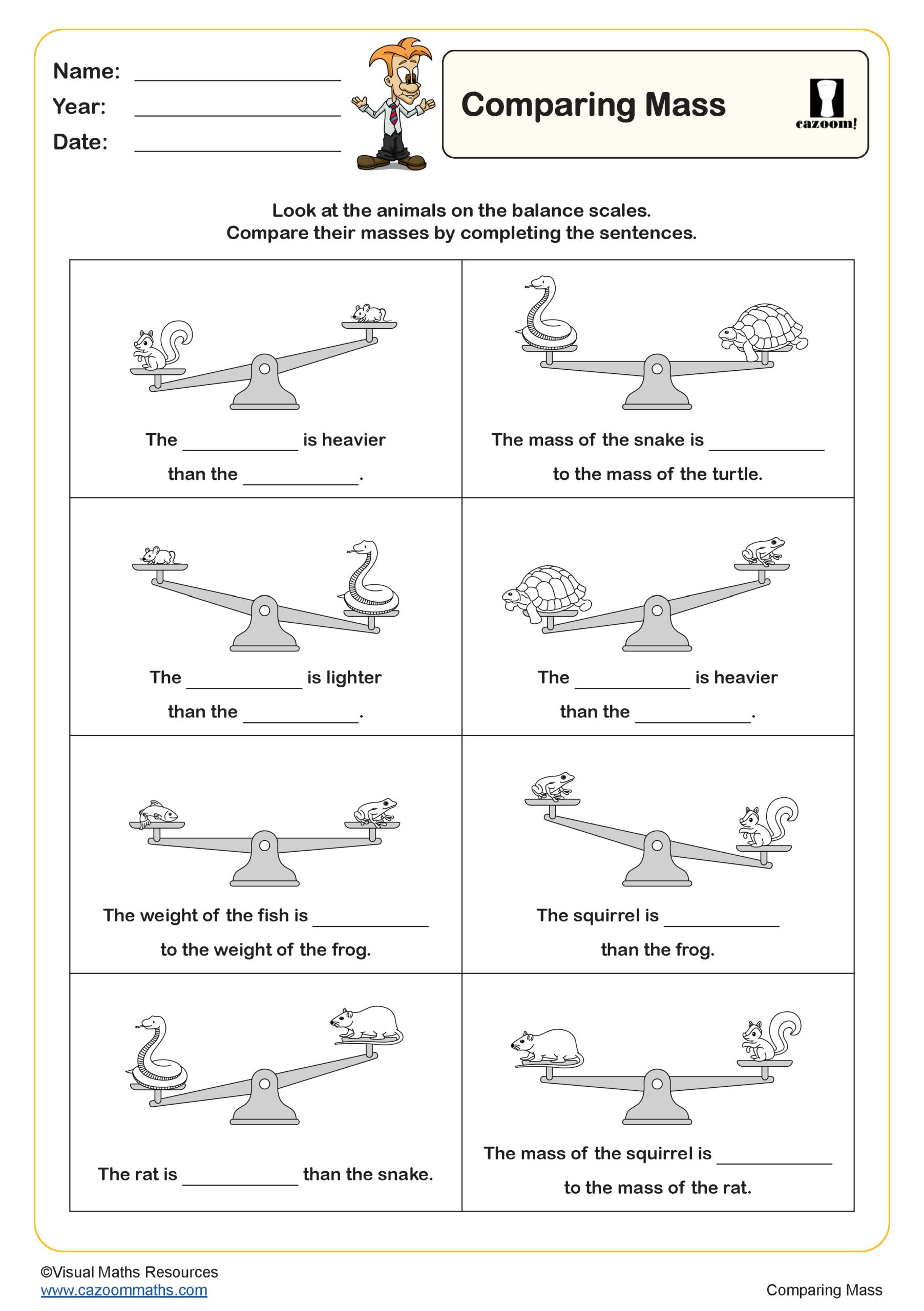
Our metric measures worksheets are designed specifically for Year 1 and Year 2 pupils working within Key Stage 1. In Year 1, children begin by comparing lengths and heights using non-standard units before progressing to centimetres and metres. They also explore mass and capacity through practical comparison activities. The worksheets introduce measuring equipment and help pupils understand that different objects require different units of measurement.
How do children learn to use suitable metric units?
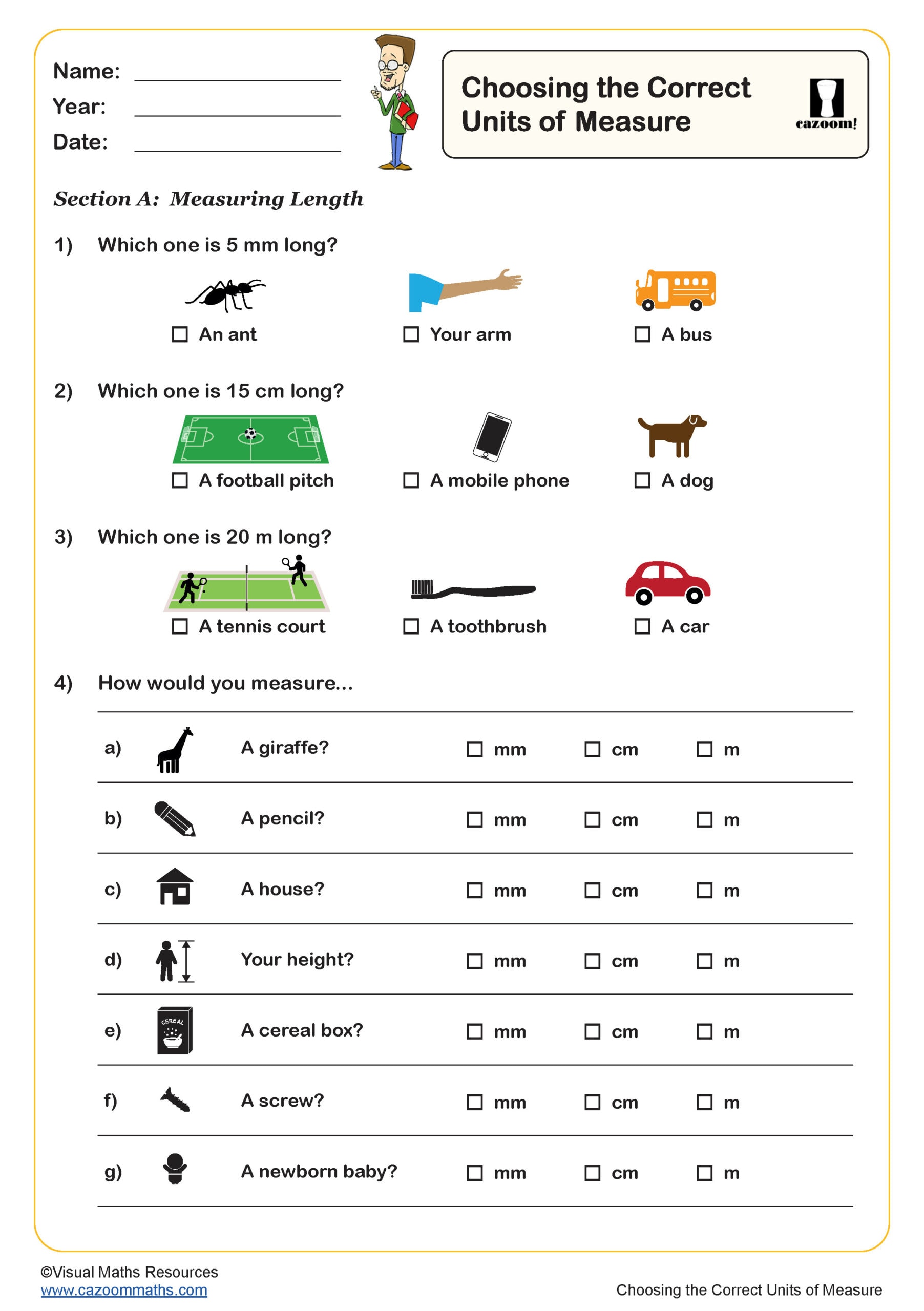
Learning to select suitable metric units is a key skill in KS1 measurement. Children develop this through comparing different objects and discussing which unit makes most sense—would you measure a pencil in metres or centimetres? A bottle of water in millilitres or litres? Our worksheets provide structured practice where pupils identify appropriate units for everyday objects, building their mathematical reasoning alongside practical measurement skills.
What's included with these metric measures worksheets?
Every metric measures worksheet comes with a complete answer sheet, making marking straightforward whether you're teaching a full class or supporting learning at home. The worksheets are provided as downloadable PDFs, so you can print them immediately or save them for future use. This flexibility means you can differentiate easily, providing specific worksheets to match individual pupil needs or revisiting particular measurement concepts when required.