KS2 Manipulatives Worksheets
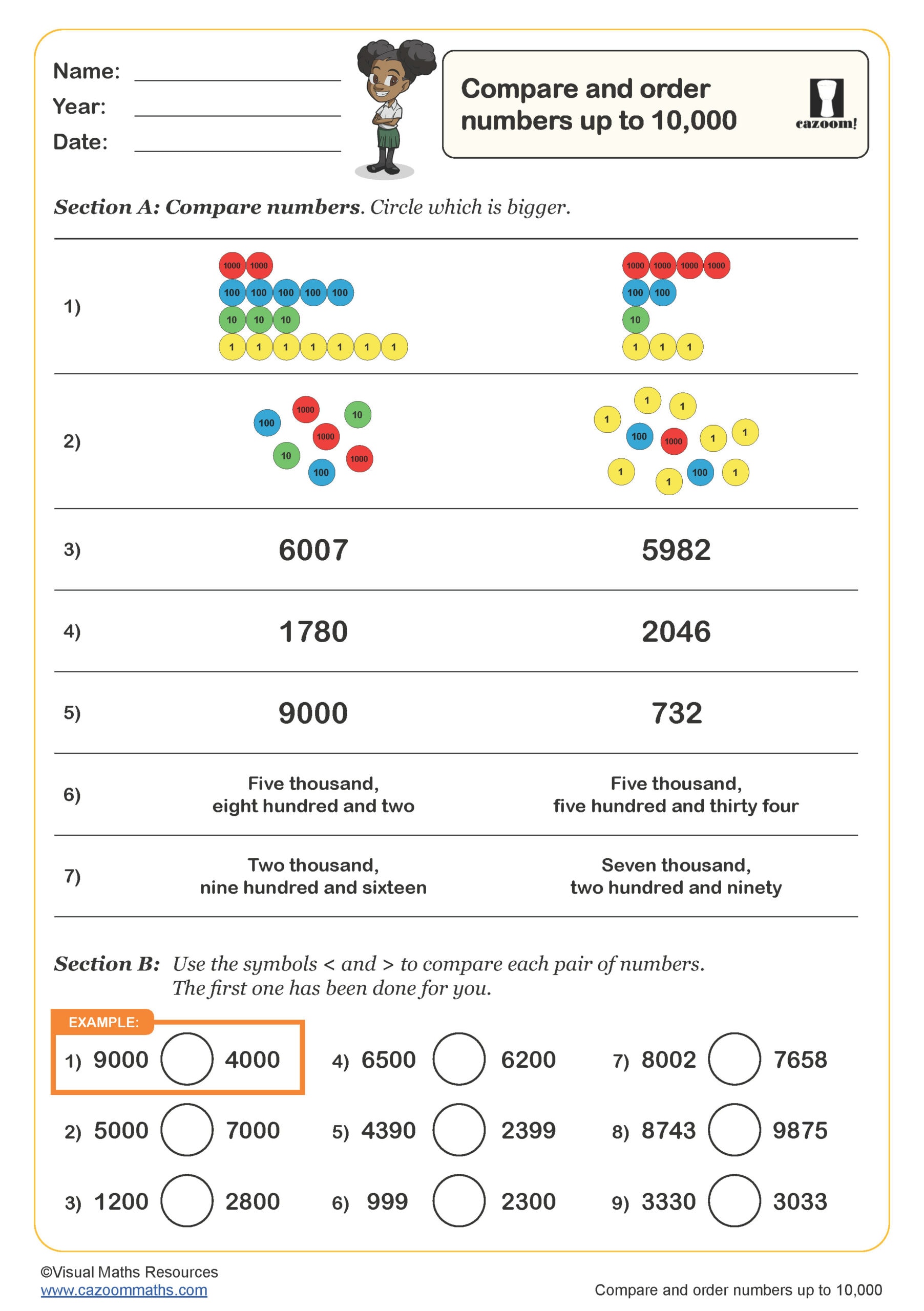
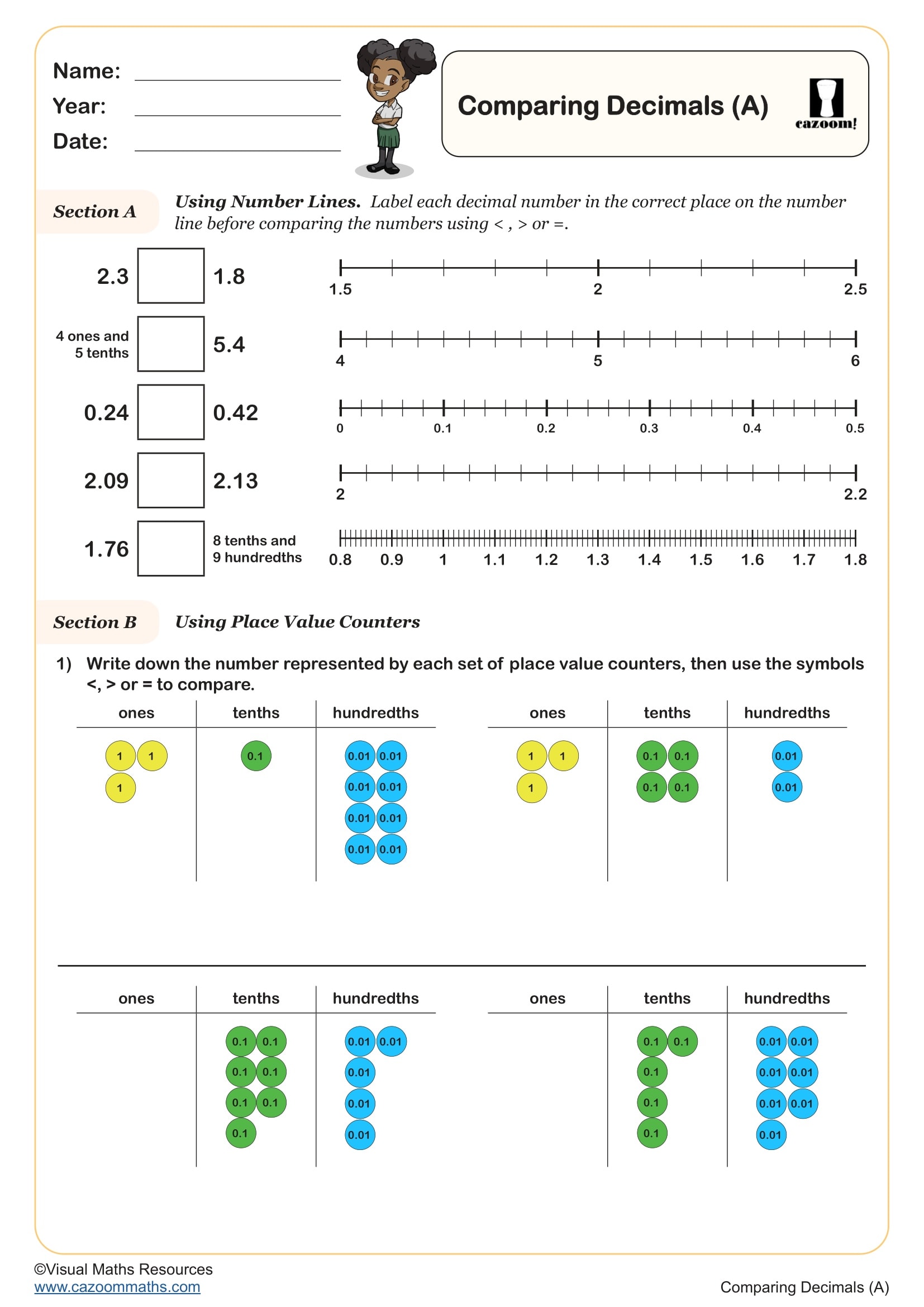
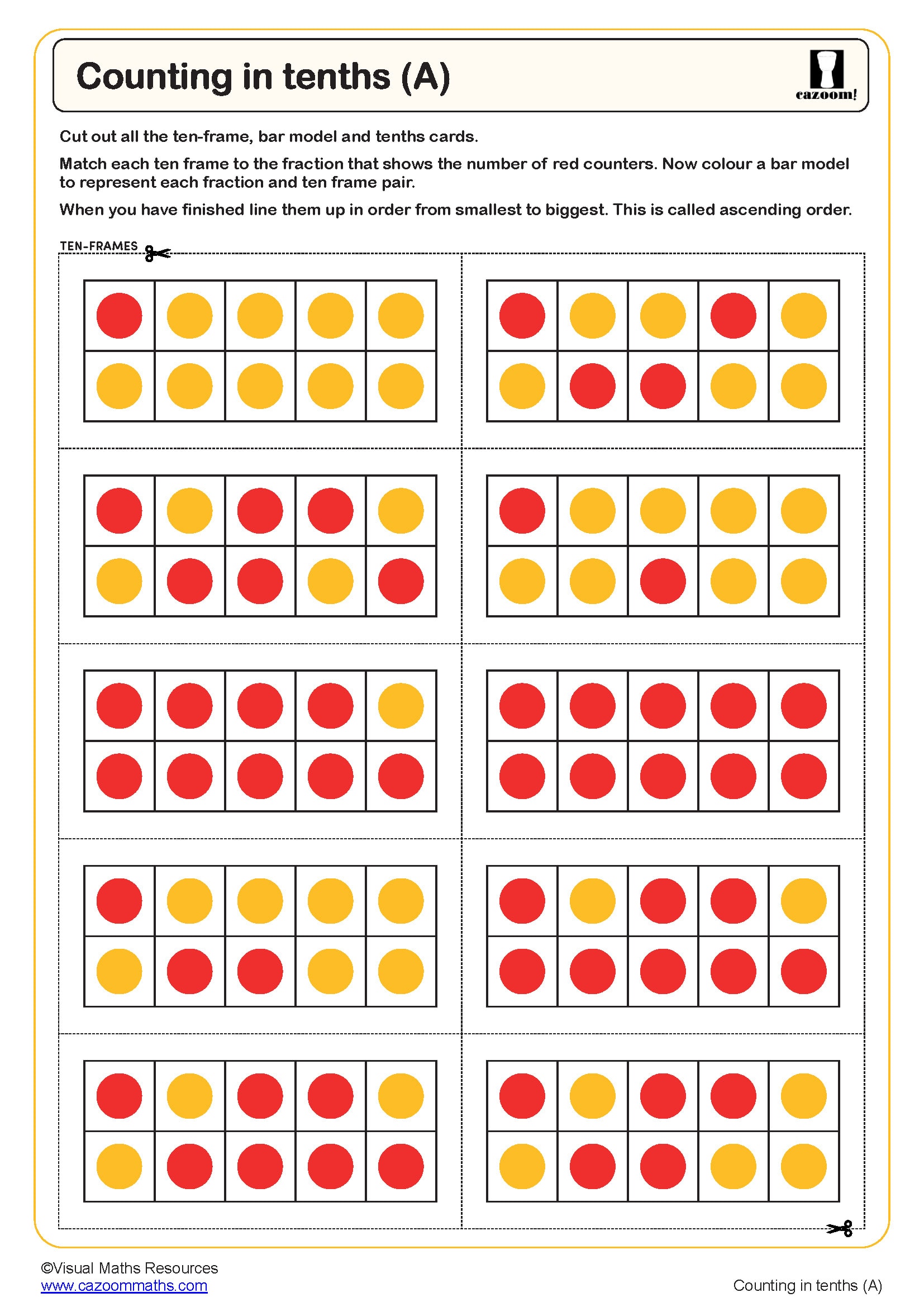
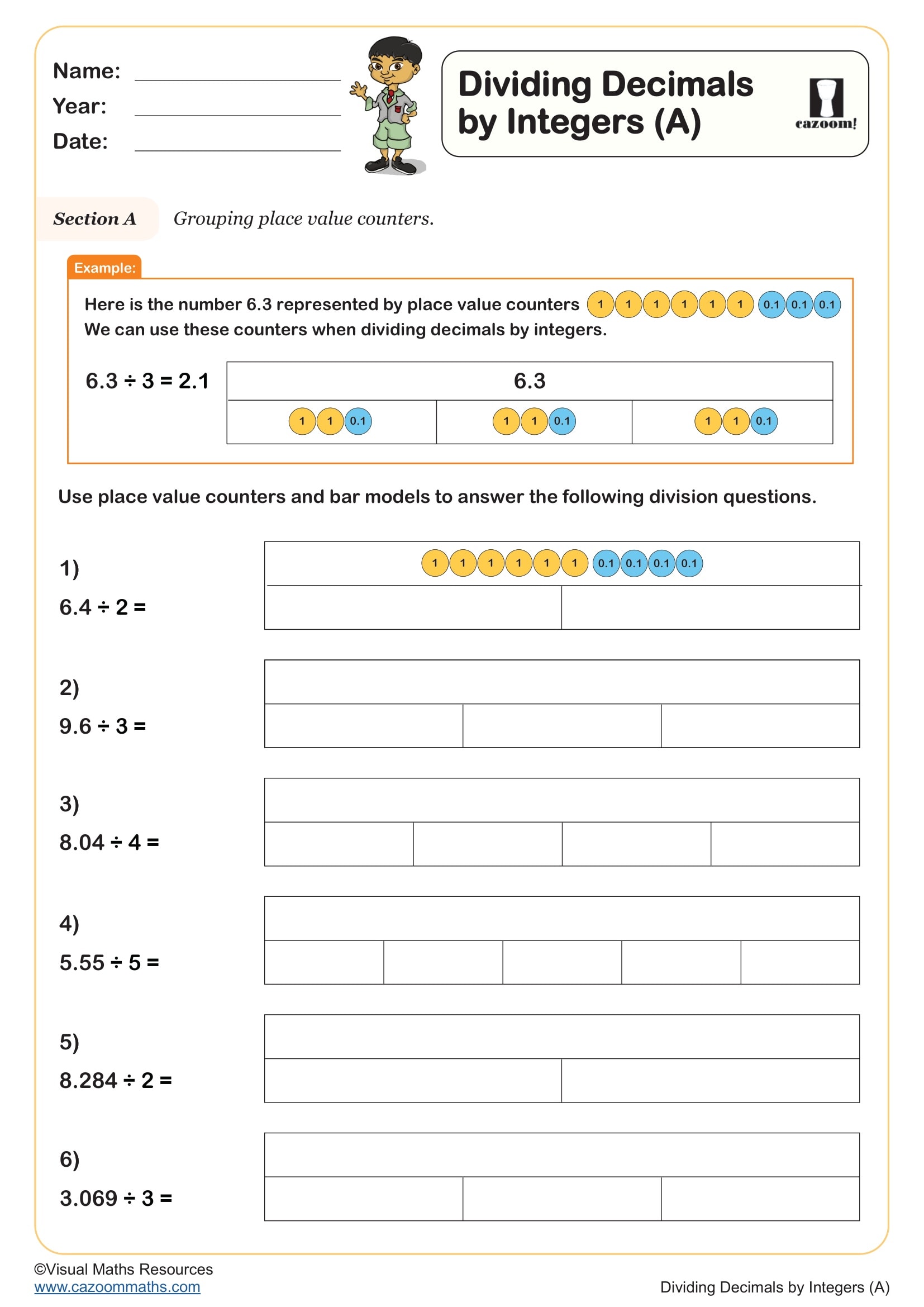
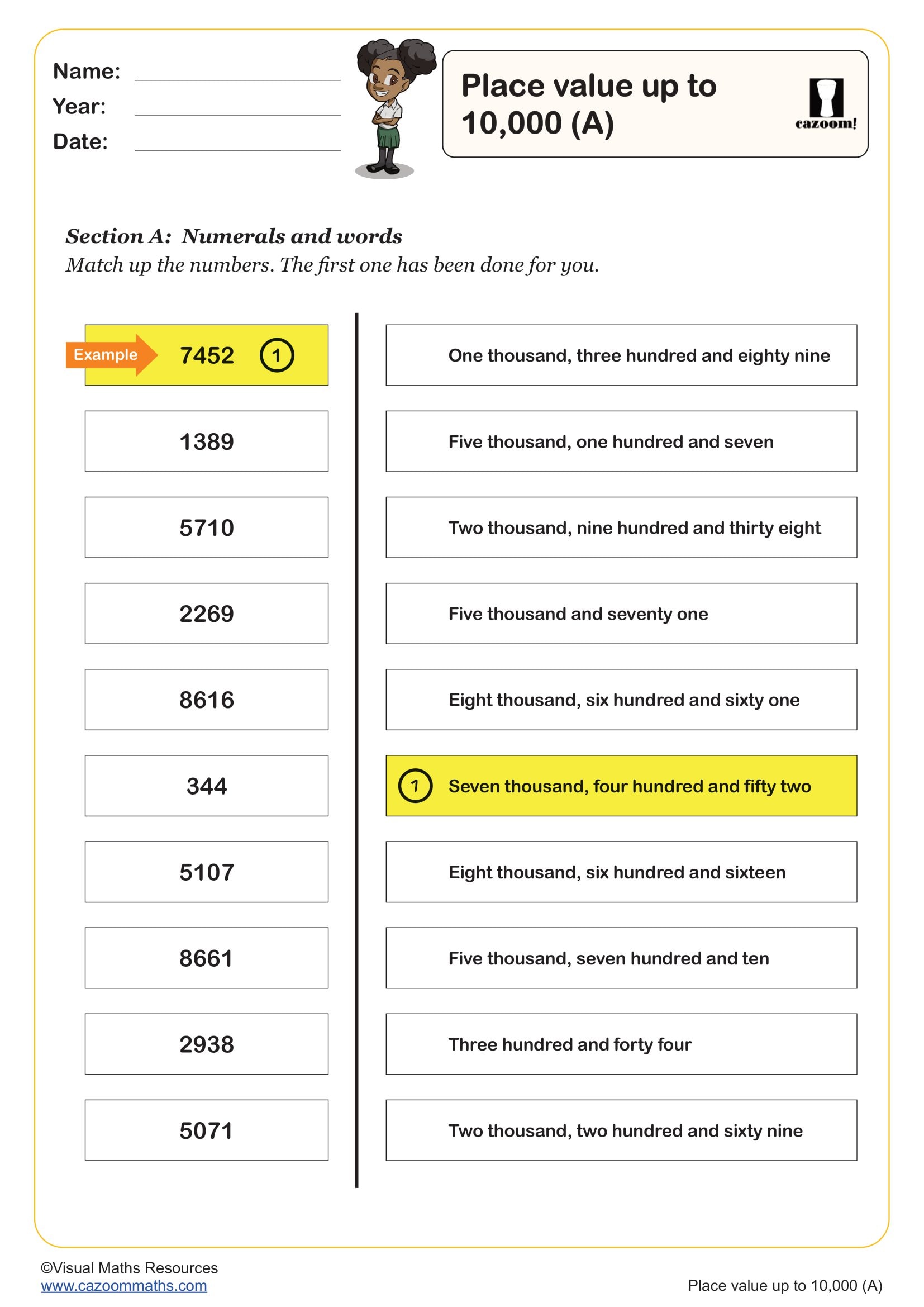
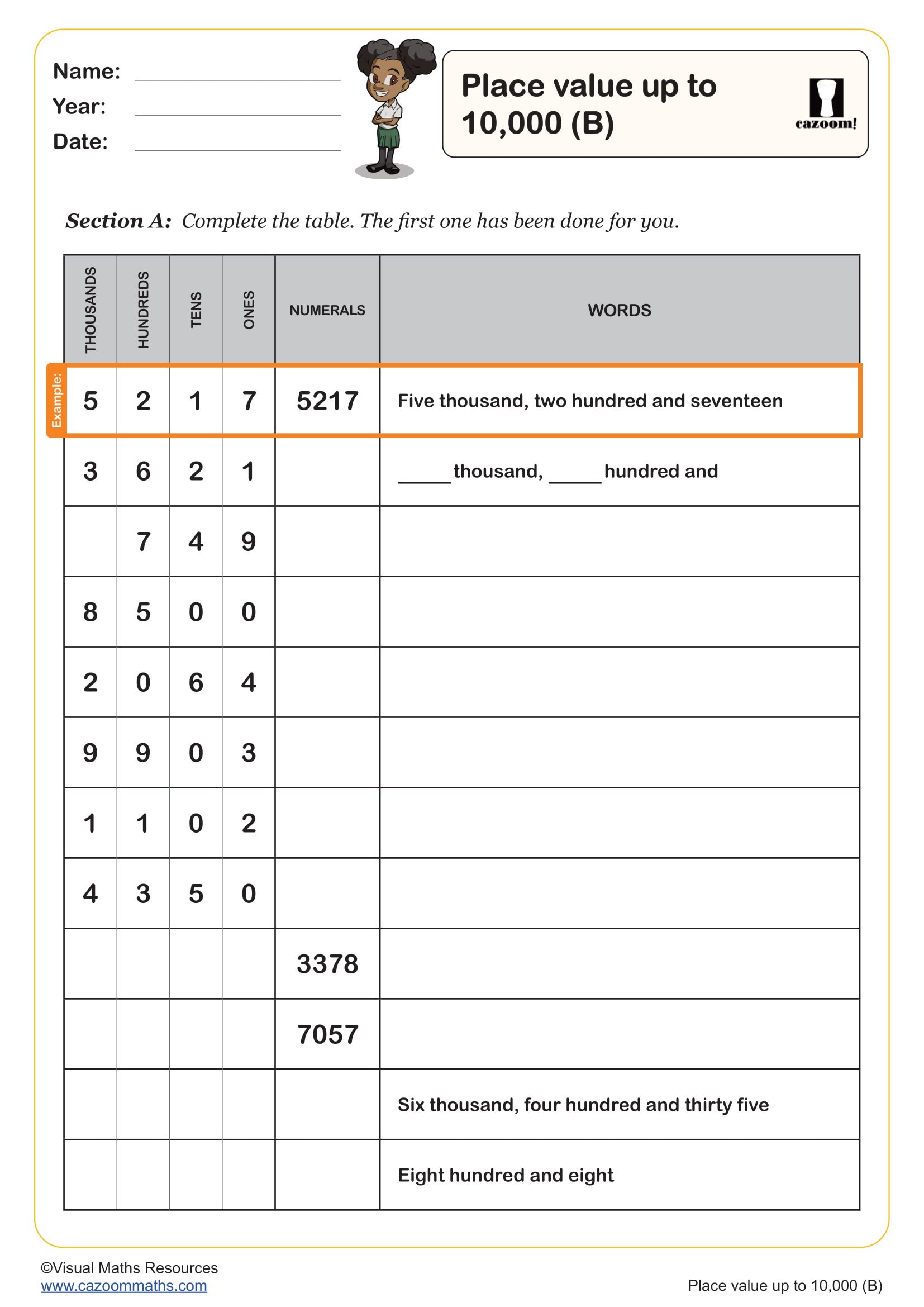

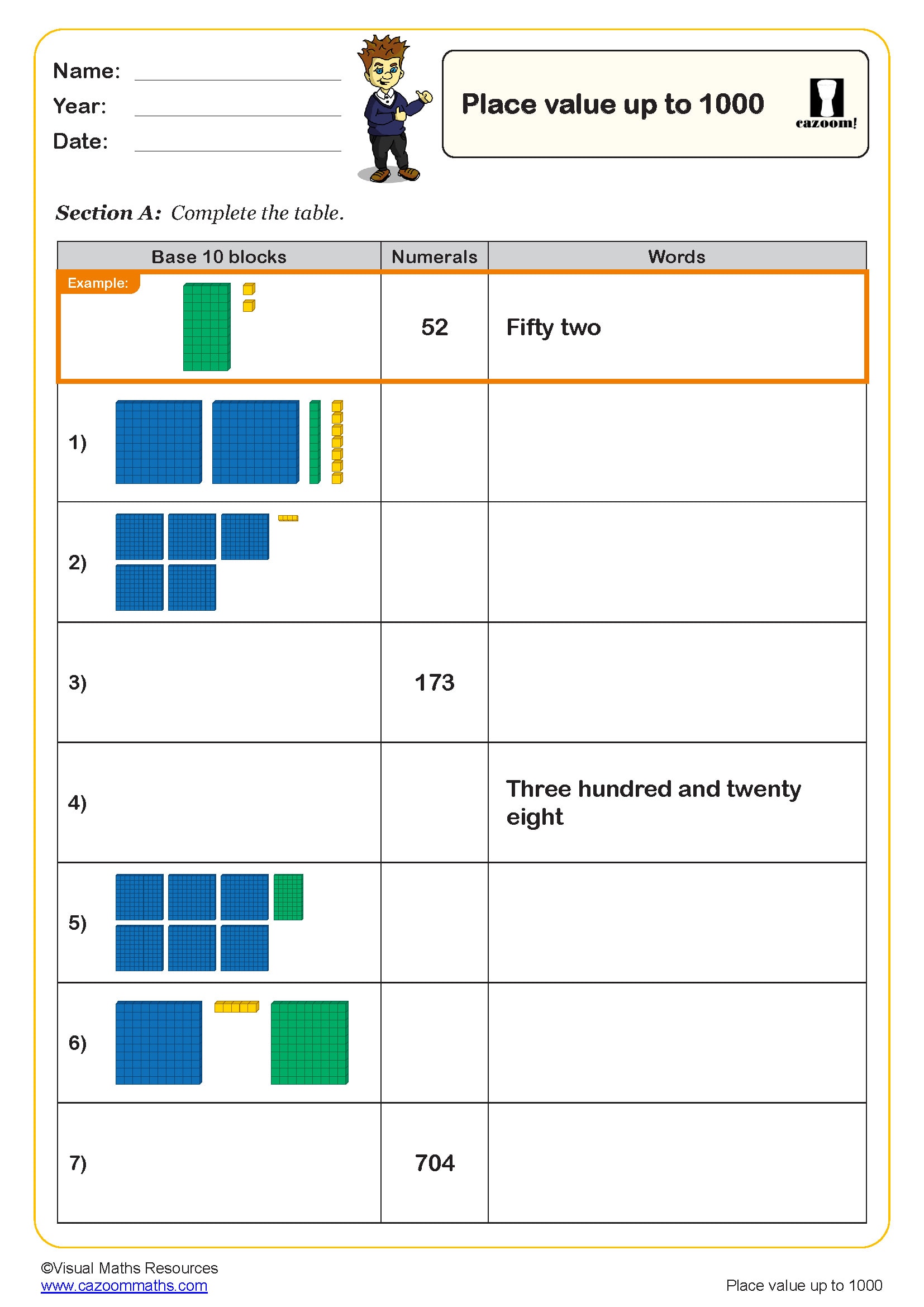
All worksheets are created by the team of experienced teachers at Cazoom Maths.
What are manipulatives in KS2 maths?
Manipulatives are physical or visual tools that help pupils understand mathematical concepts by providing concrete representations of abstract ideas. In KS2, common manipulatives include place value counters, base ten blocks, Dienes apparatus, fraction strips, number lines, and hundred squares. These tools support the concrete-pictorial-abstract approach recommended in the National Curriculum.
Using manipulatives allows children to physically manipulate objects whilst solving problems, which deepens their conceptual understanding before moving to purely symbolic working. Our worksheets incorporate these representations systematically, showing pupils how to apply manipulatives effectively when tackling calculations, fractions, place value, and algebraic concepts throughout Years 3 to 6.
Which year groups are these manipulatives worksheets suitable for?
These worksheets cover the full KS2 range, with resources specifically designed for Year 3, Year 4, Year 5, and Year 6. Each year group's content aligns with National Curriculum expectations, ensuring pupils work with manipulatives appropriate to their developmental stage and curriculum objectives.
Younger KS2 pupils typically work with place value representations and simpler fraction models, whilst upper KS2 students progress to more sophisticated applications including decimal representations, more complex fractions, and early algebraic thinking. This progression ensures manipulatives remain a valuable tool throughout Key Stage 2, supporting increasingly abstract mathematical understanding as pupils mature.
How do manipulatives help with place value understanding?
Place value manipulatives like base ten blocks and place value counters make the structure of our number system visible to pupils. Children can physically see that one ten-rod equals ten unit cubes, or that a hundred square contains ten tens, making abstract place value concepts tangible and memorable.
Our worksheets guide pupils through representing numbers with these tools, then linking those representations to standard notation. This approach helps children understand regrouping in addition and subtraction, grasp the significance of zero as a placeholder, and develop confidence with larger numbers. By regularly connecting manipulatives to formal written methods, pupils build robust mental models that support calculation accuracy throughout their mathematical education.
Do these worksheets include answer sheets?
Yes, every manipulatives worksheet includes a complete answer sheet. These answers show the correct use of visual representations alongside numerical solutions, helping teachers and parents understand the intended approach for each question. This is particularly valuable when working with manipulatives, where multiple representations might be possible.
The answer sheets support efficient marking and enable pupils to self-check their work independently. Teachers can use them to identify common misconceptions about how manipulatives represent mathematical ideas, whilst parents gain confidence supporting home learning even when they're unfamiliar with specific concrete resources. All worksheets download as PDFs, making printing and distribution straightforward for classroom or home use.