KS1 Number and Place Value Worksheets
Compare and Order Numbers to 100
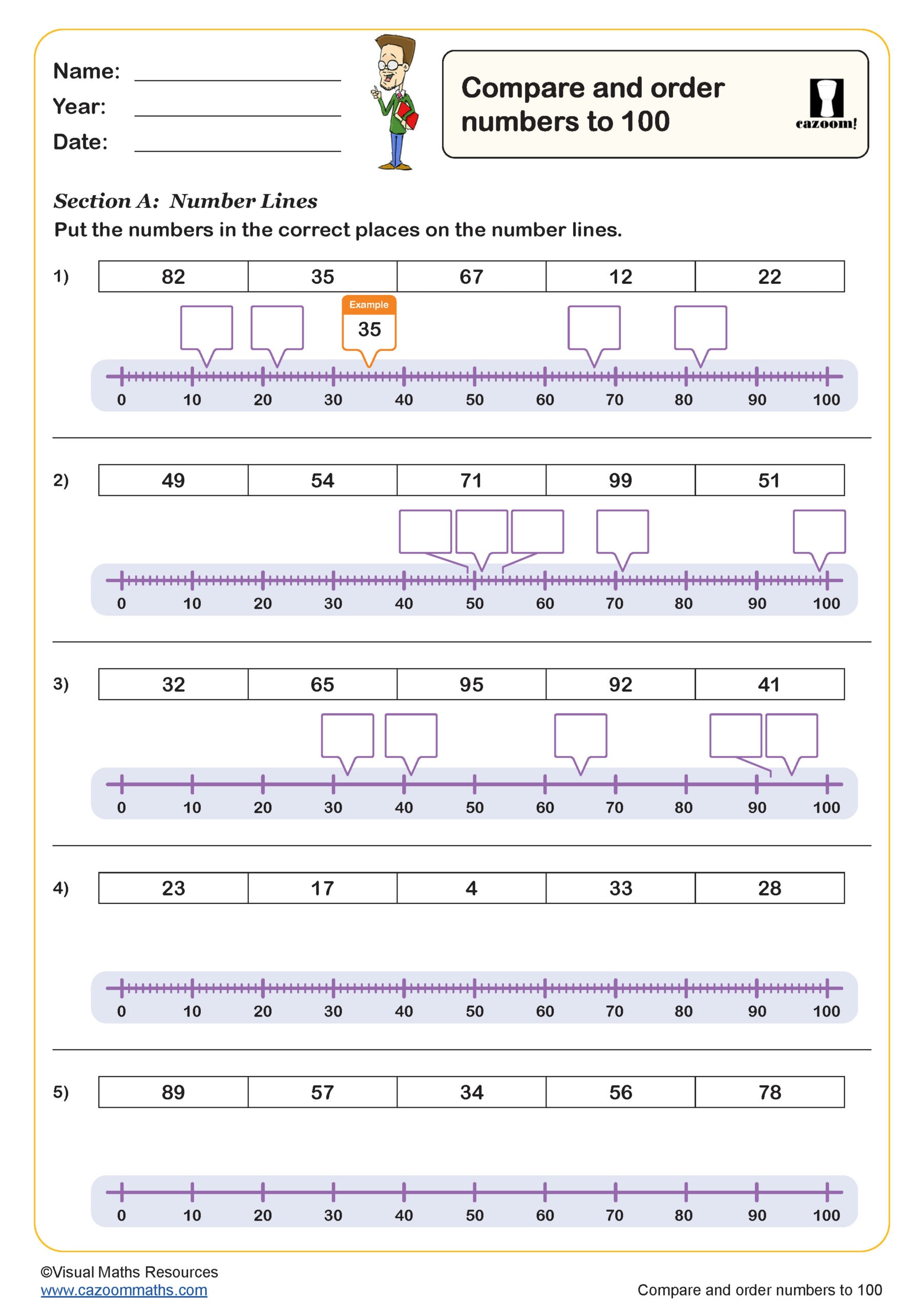
Compare Numbers to 20
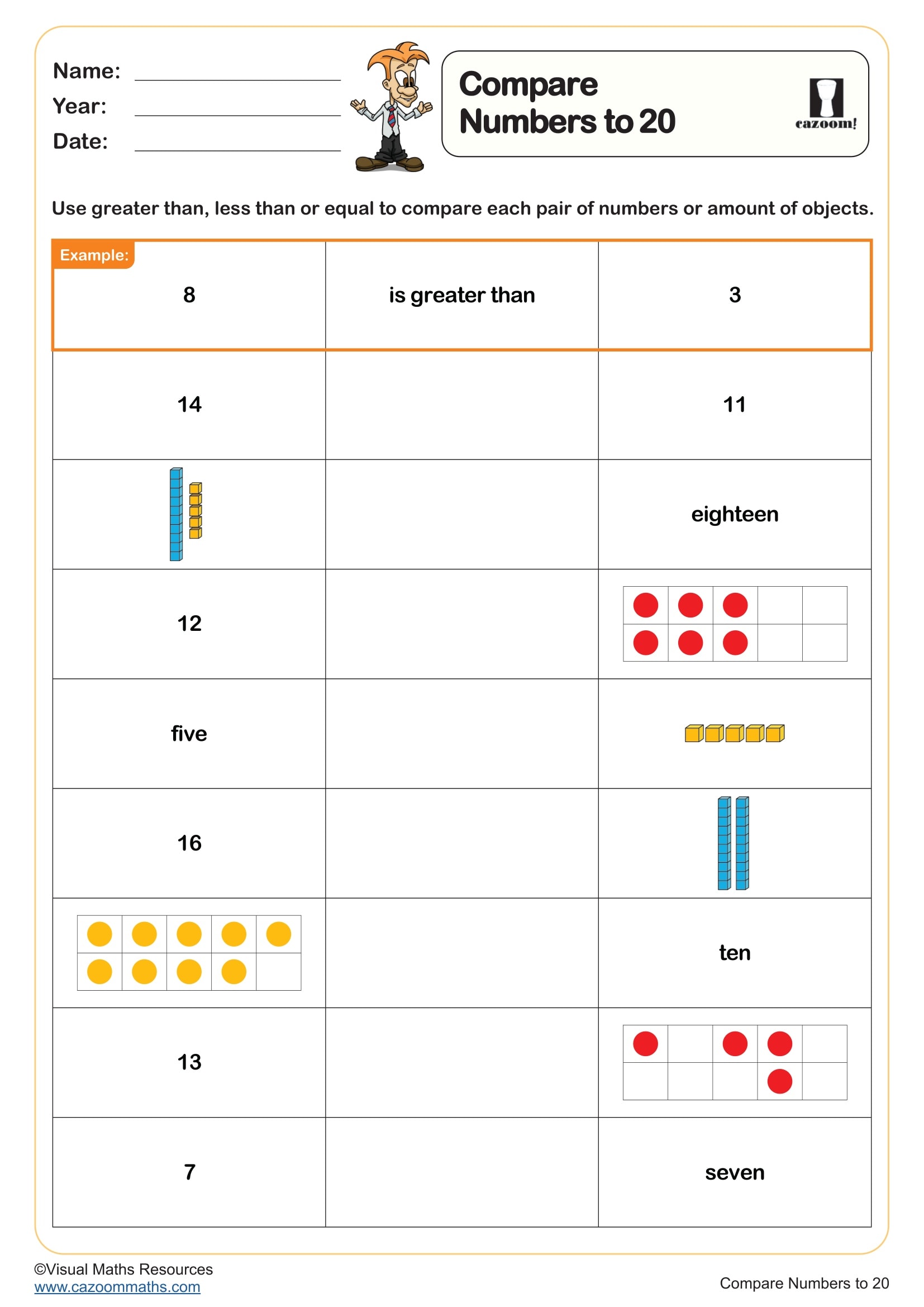
Comparing Numbers to 10
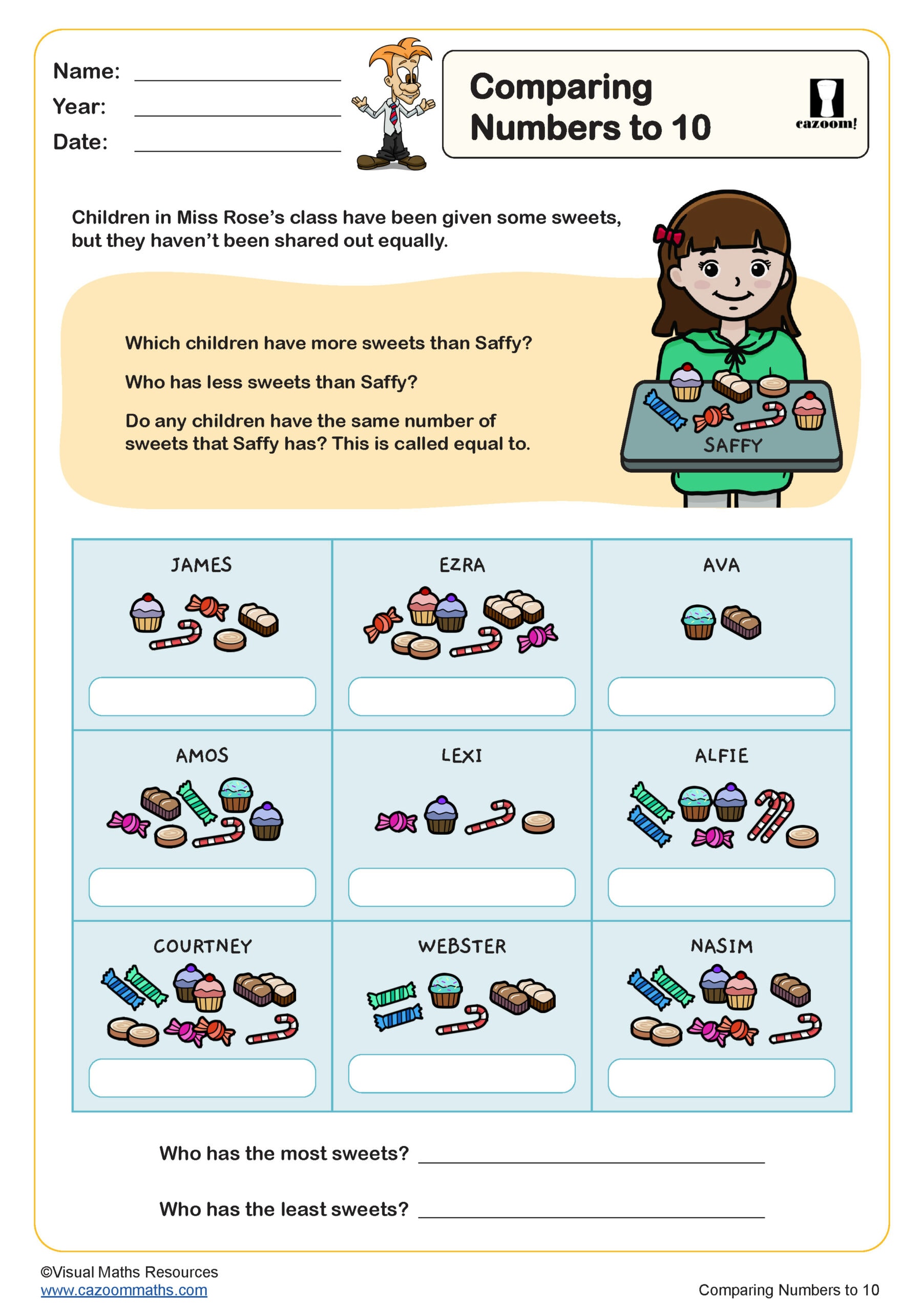
Count in 2s Maze
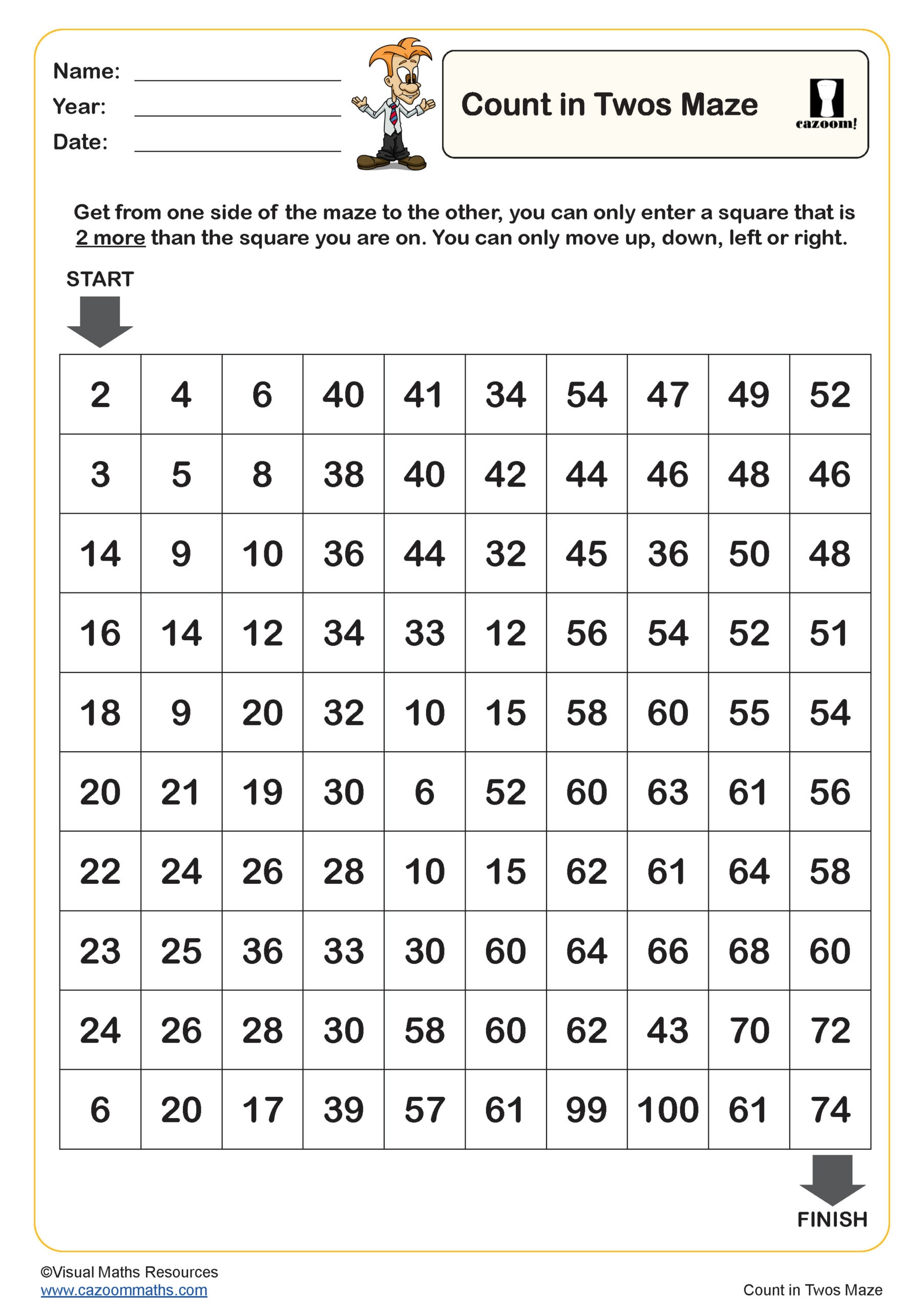
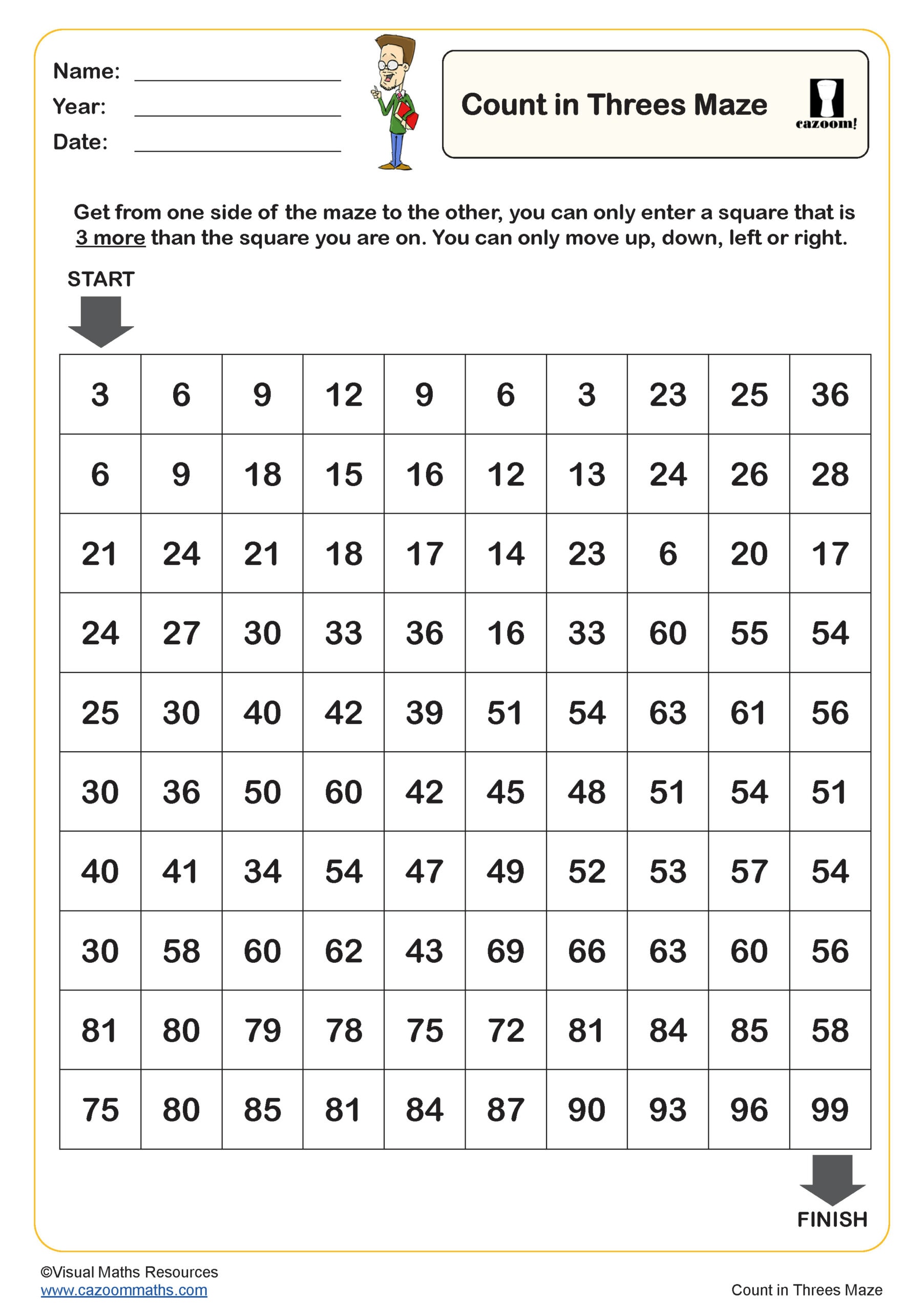
Count in 3s Maze
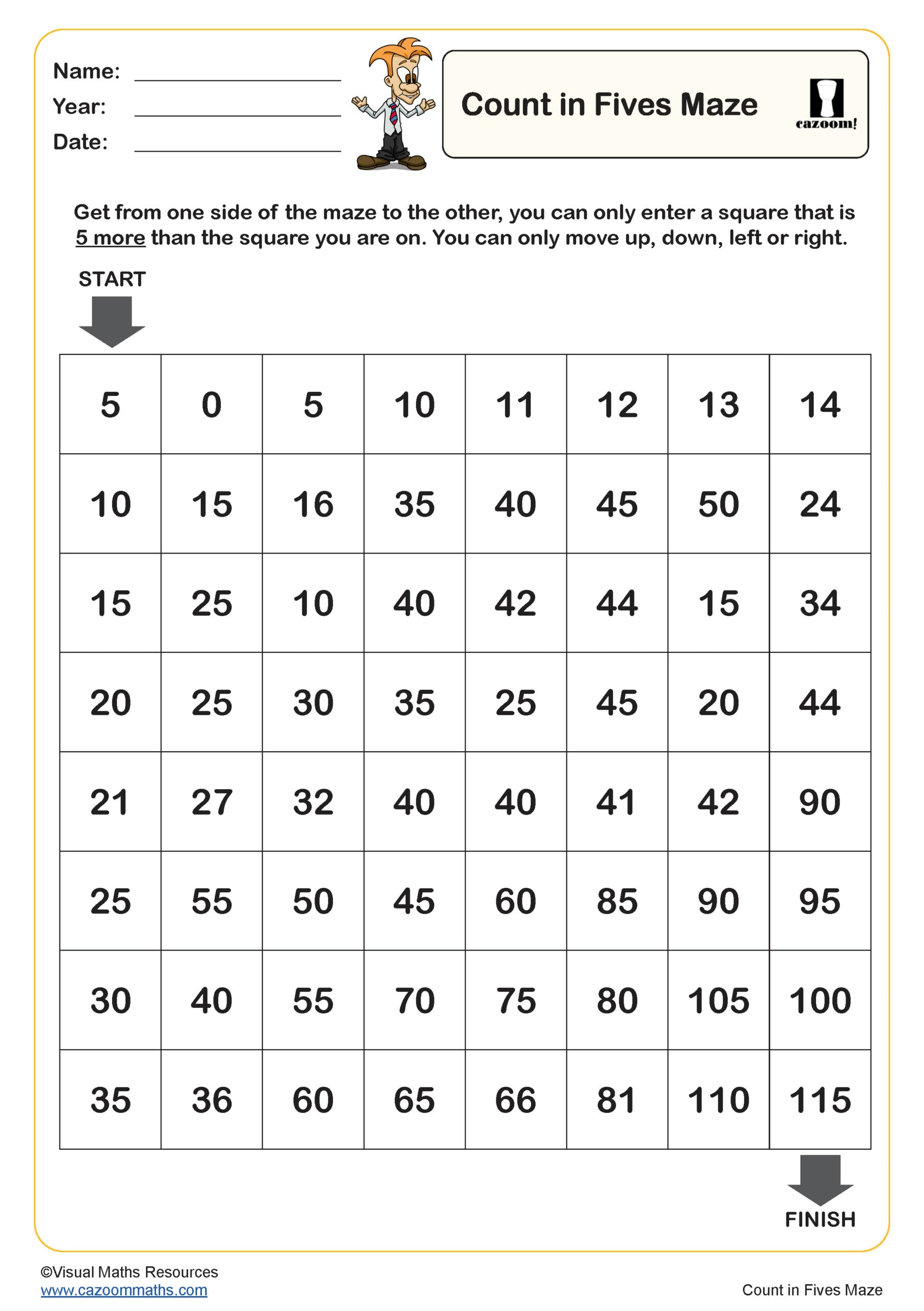
Count in 5s Maze
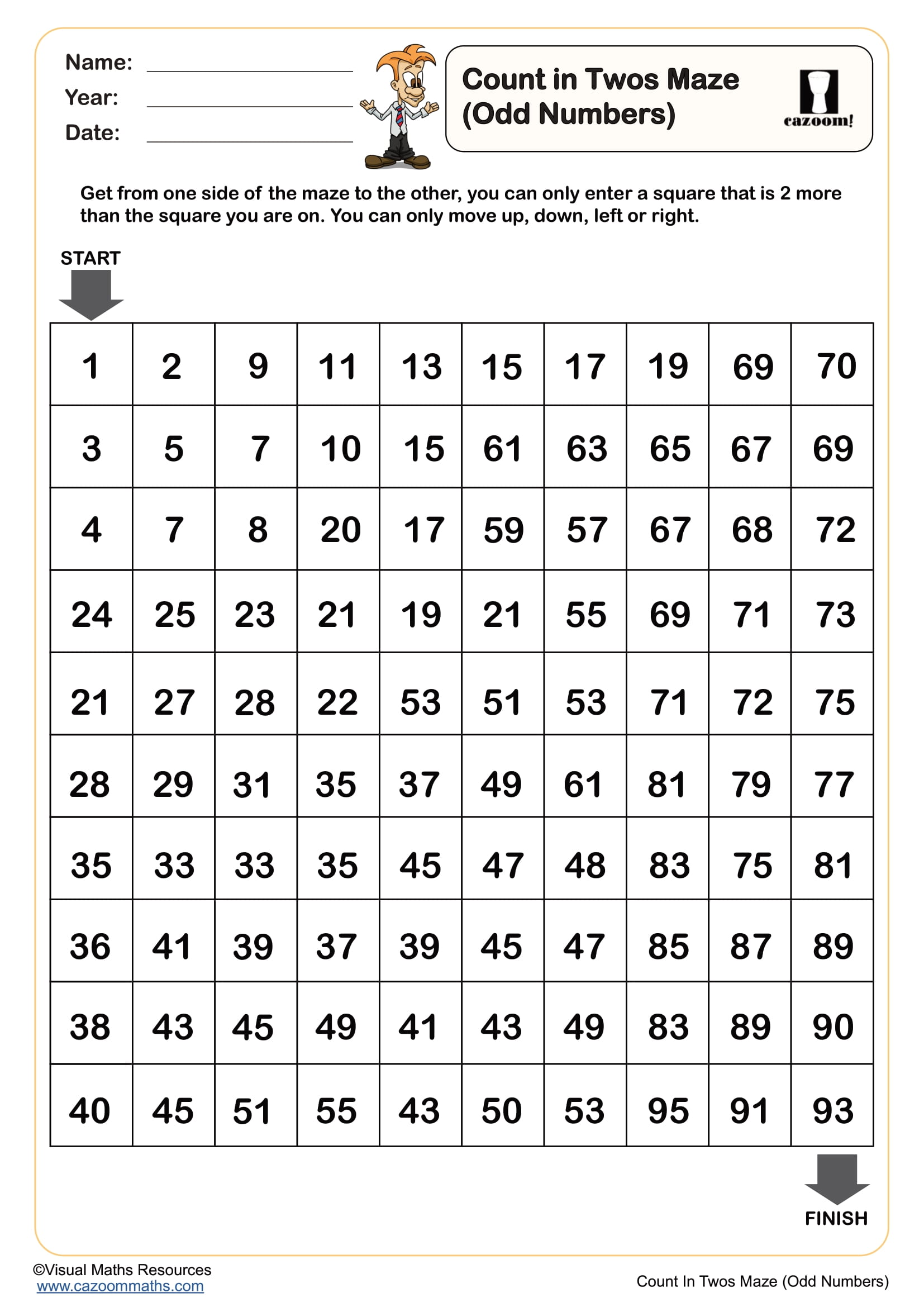
Count In Twos Maze (Odd Numbers)
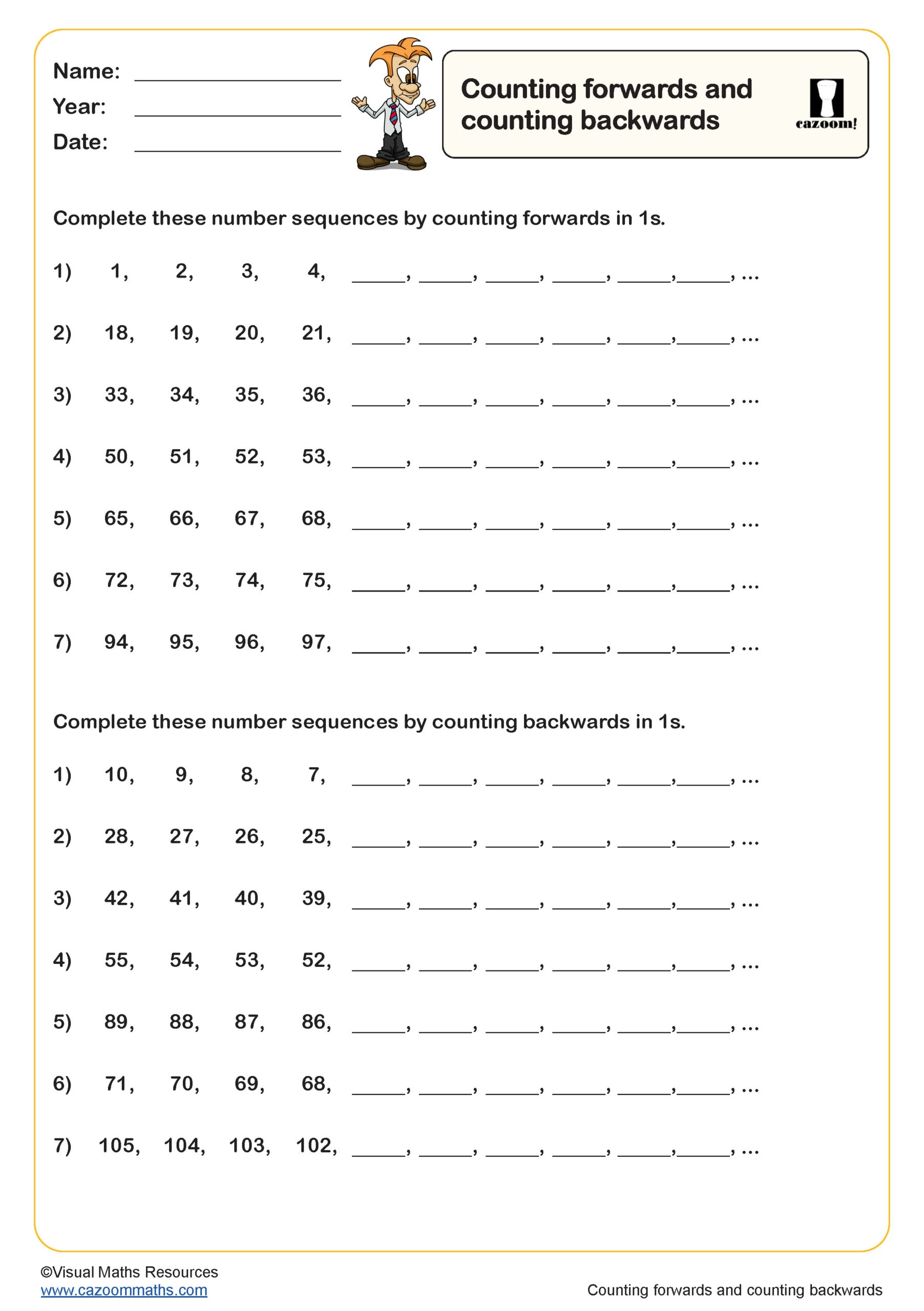
Counting Forwards and Counting Backwards
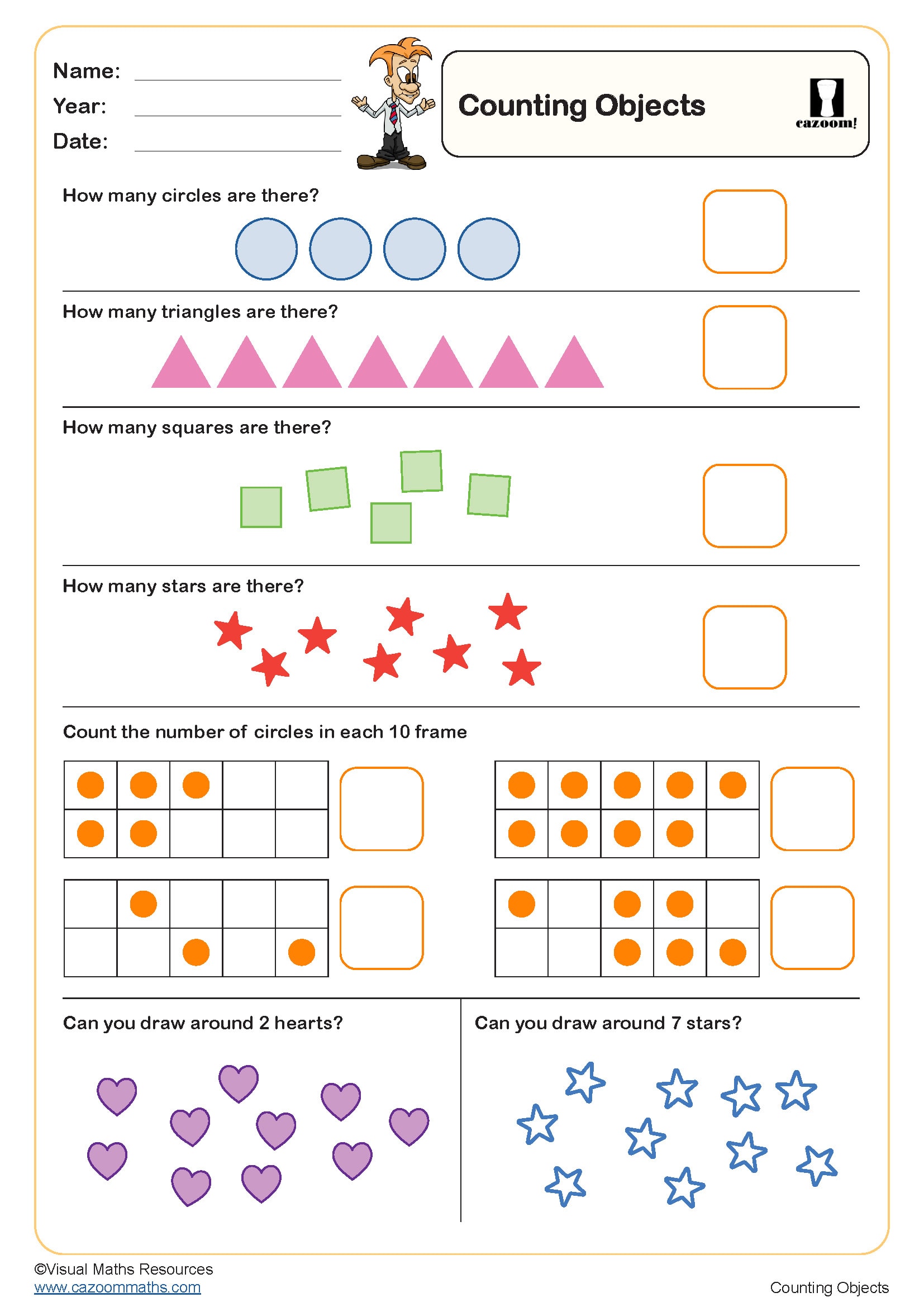
Counting Objects
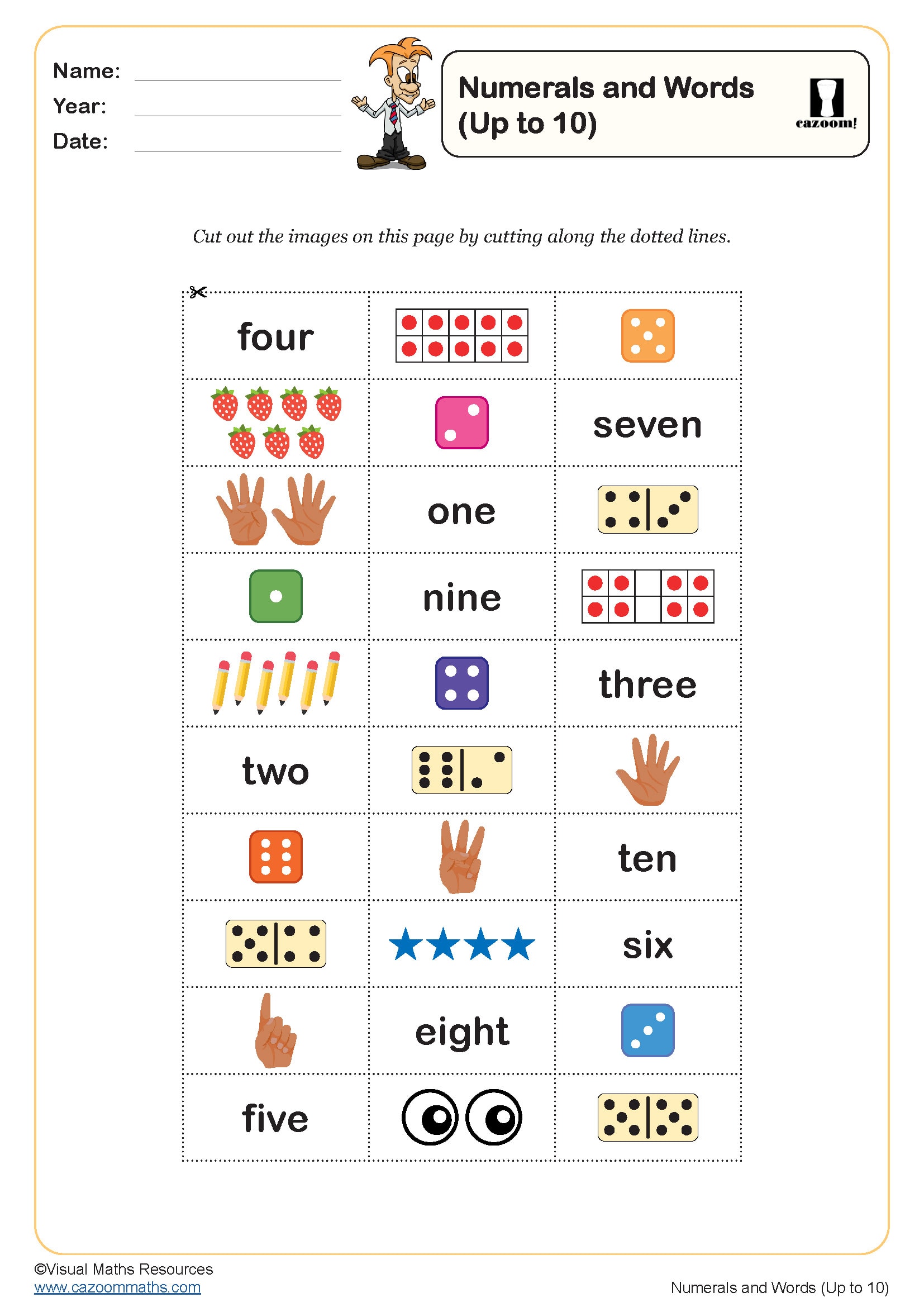
Numerals and Words (up to 10)
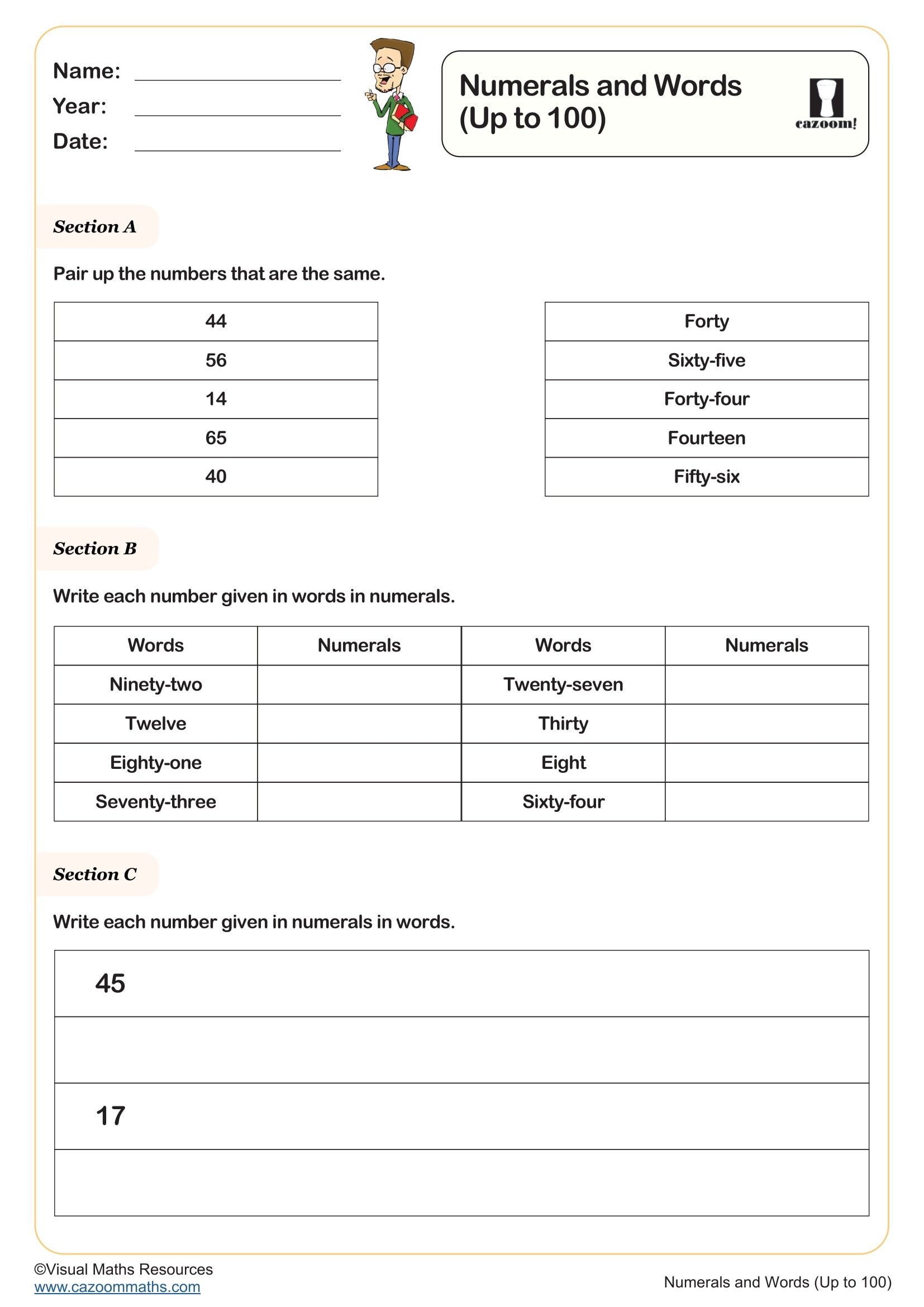
Numerals and Words (up to 100)
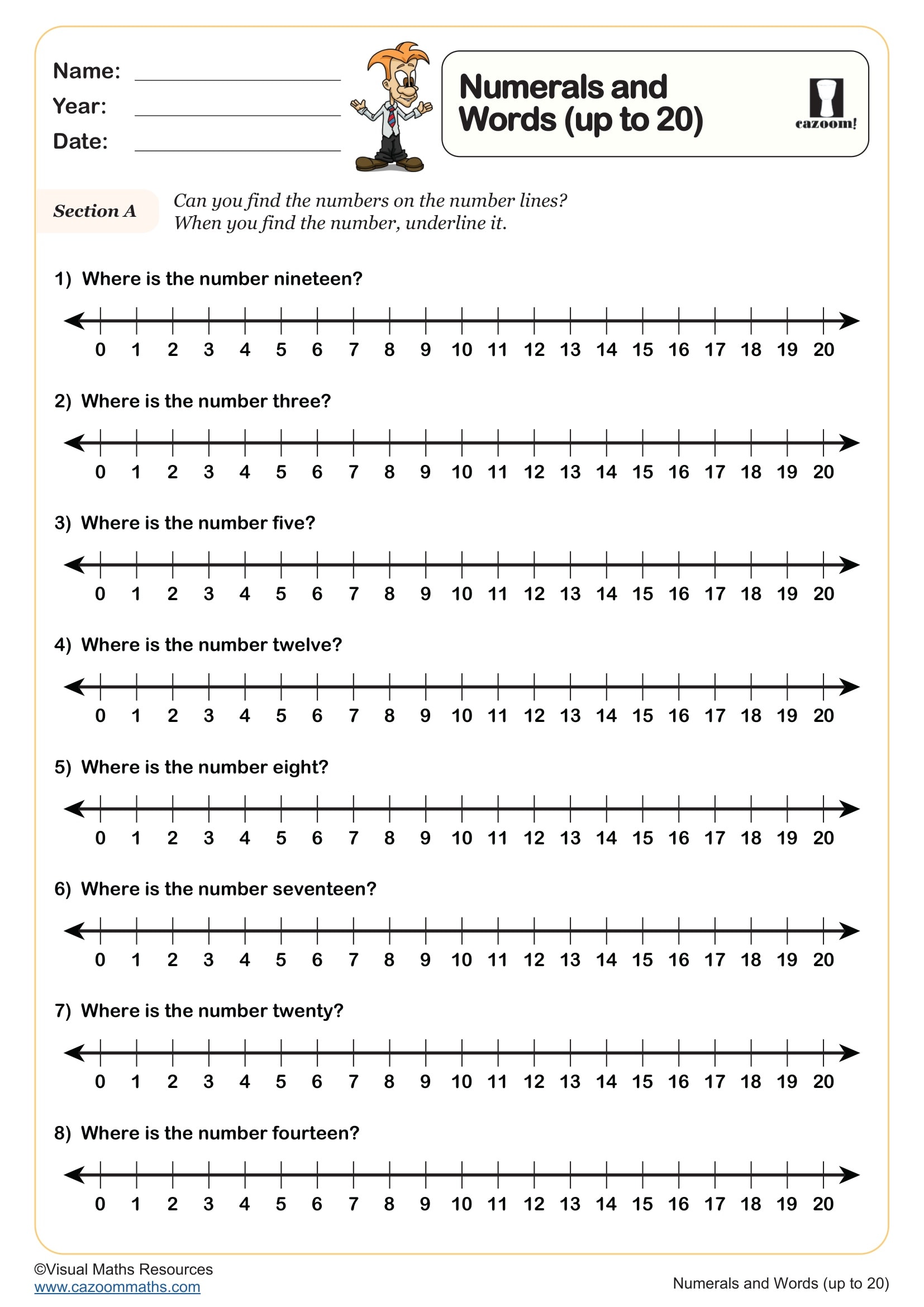
Numerals and Words (up to 20)
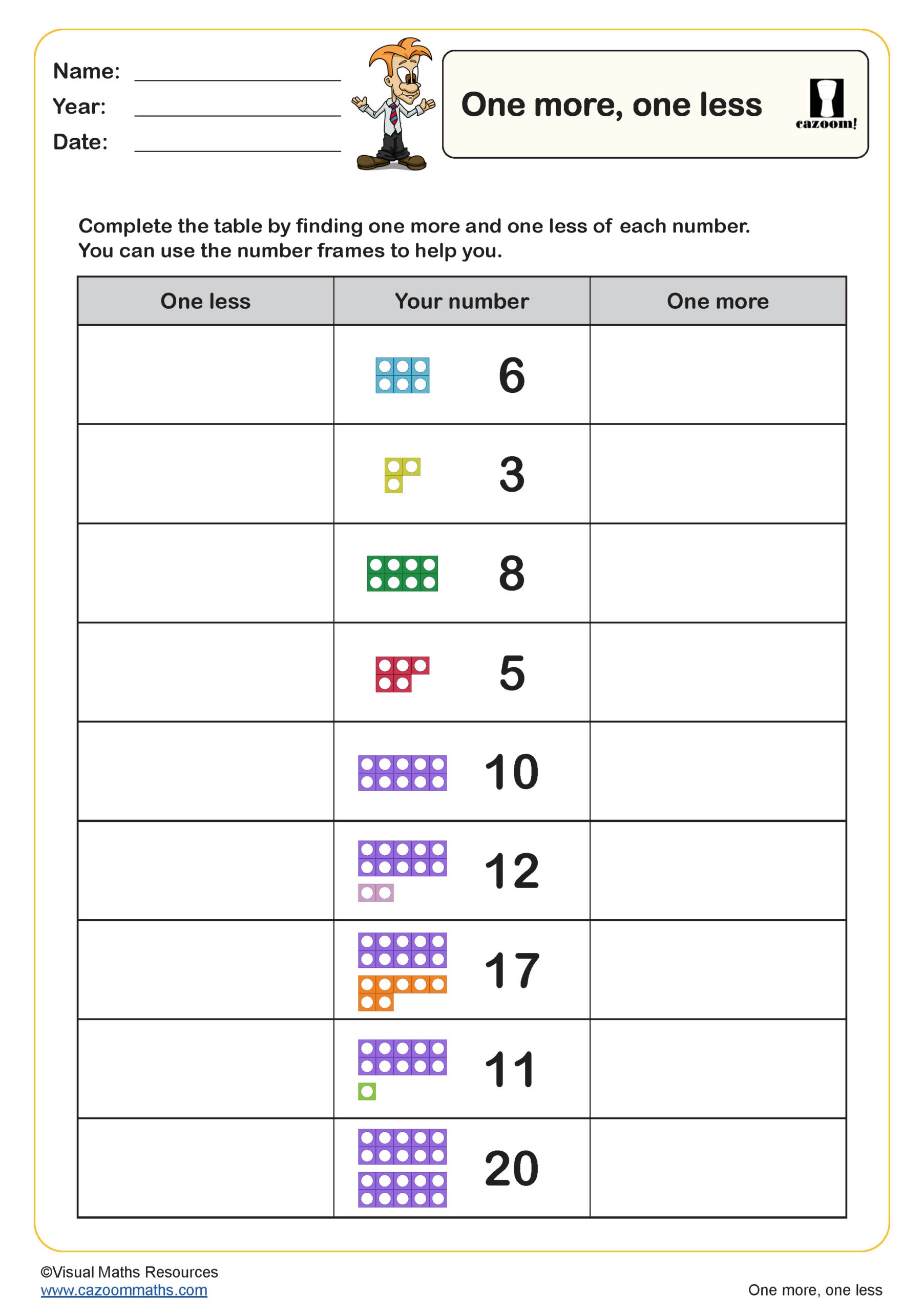
One More, One Less
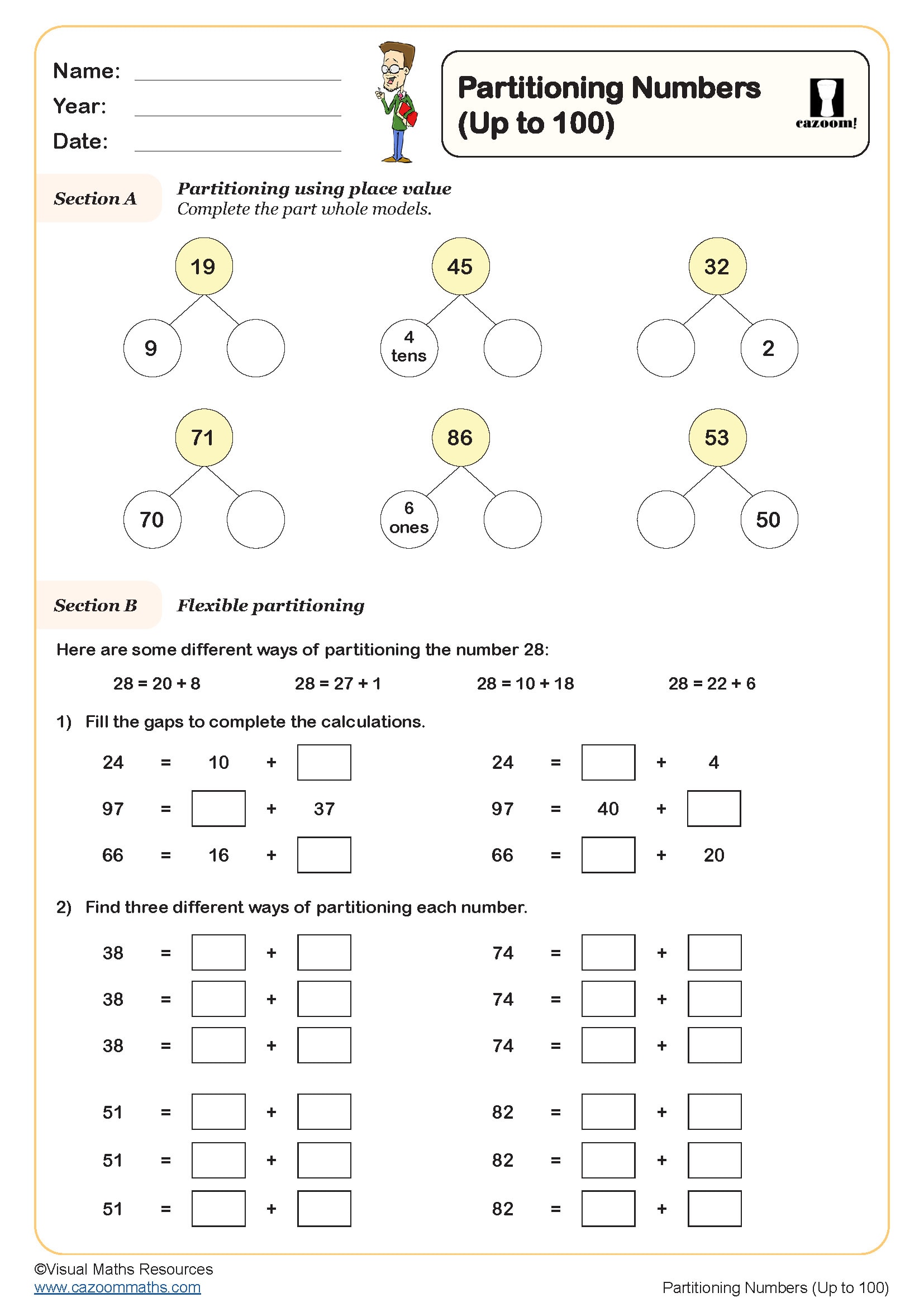
Partitioning Numbers to 100
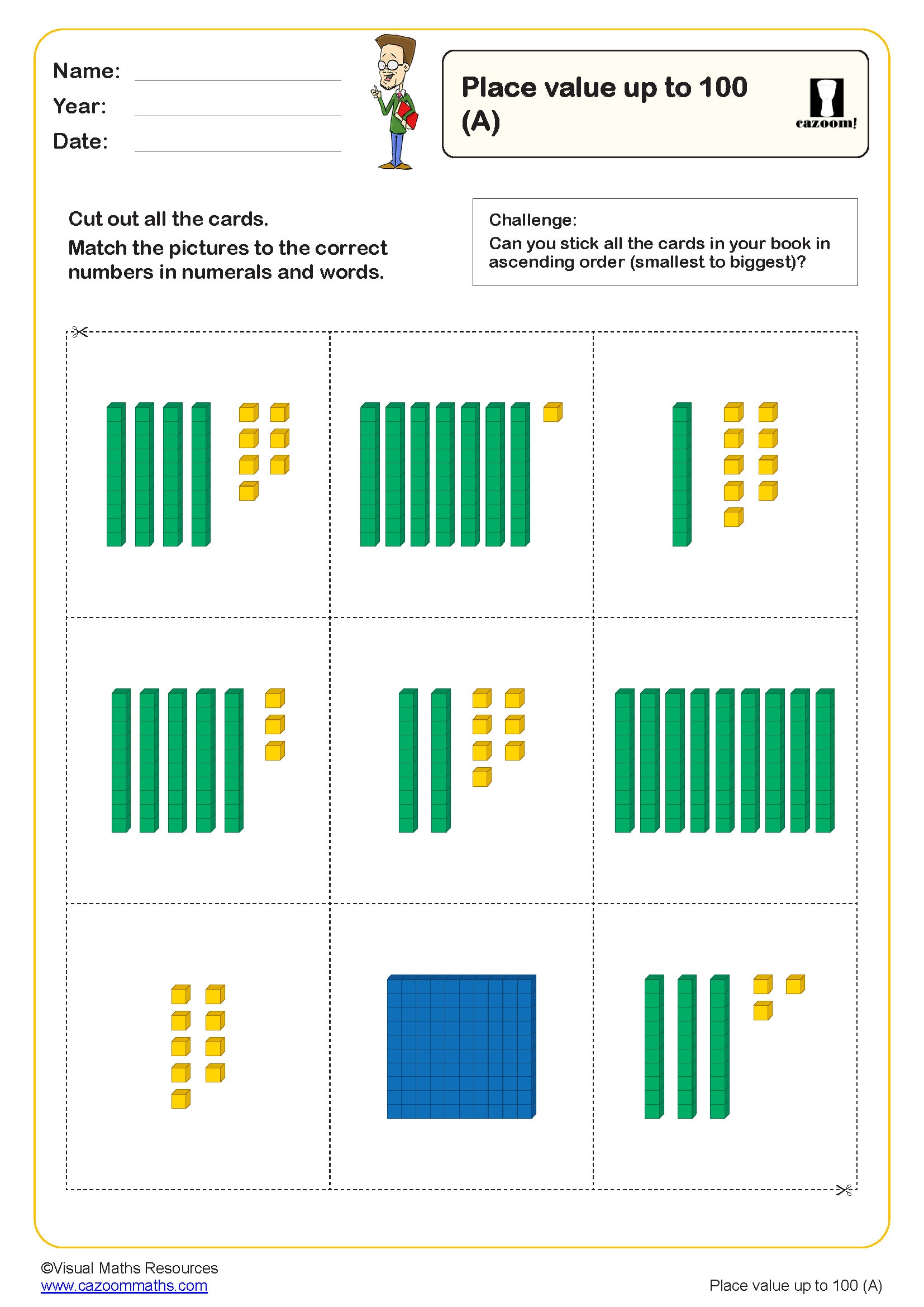
Place Value up to 100 (A)
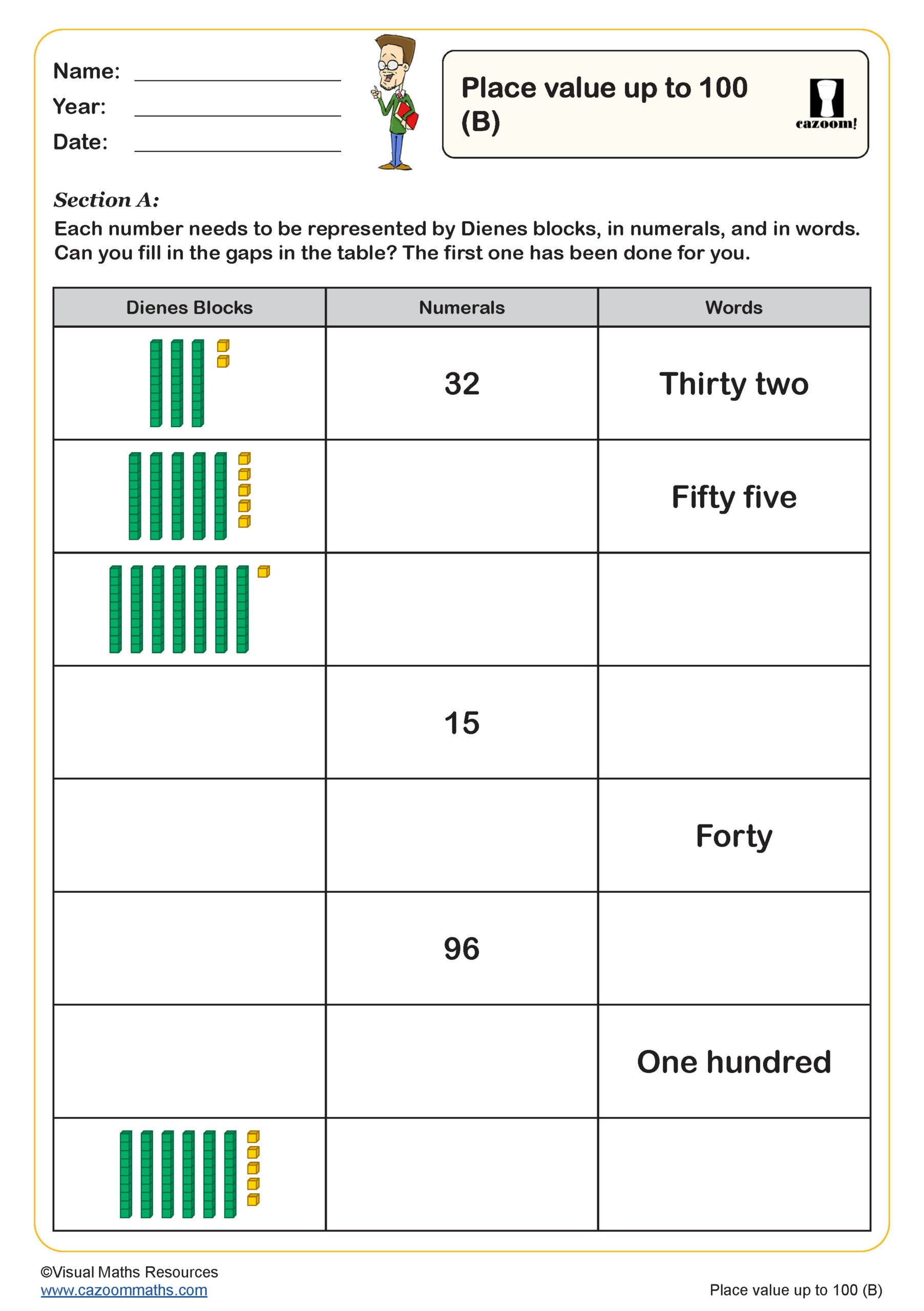
Place Value up to 100 (B)
Skip Counting (count in 10s)
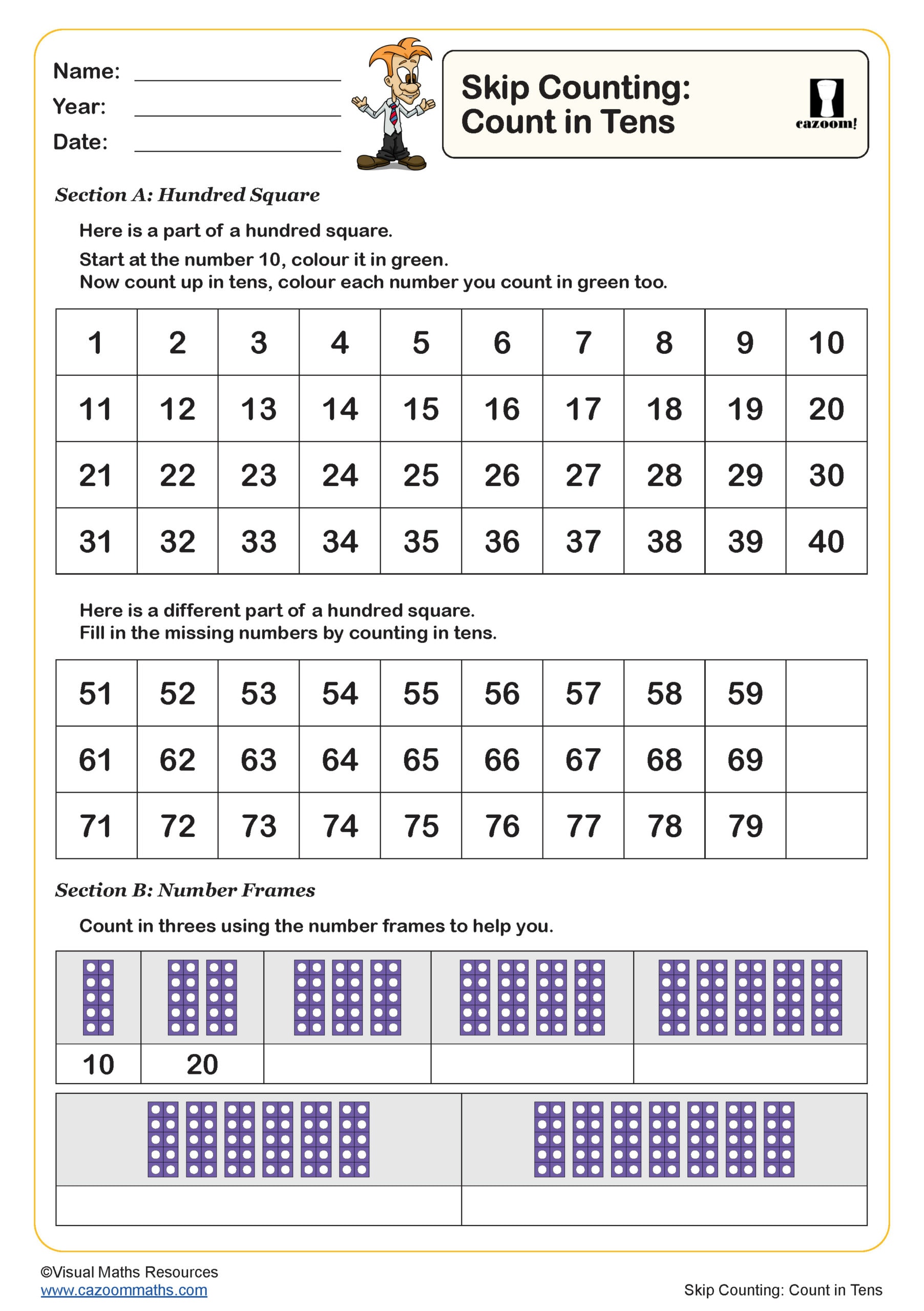
Skip Counting (count in 2s)
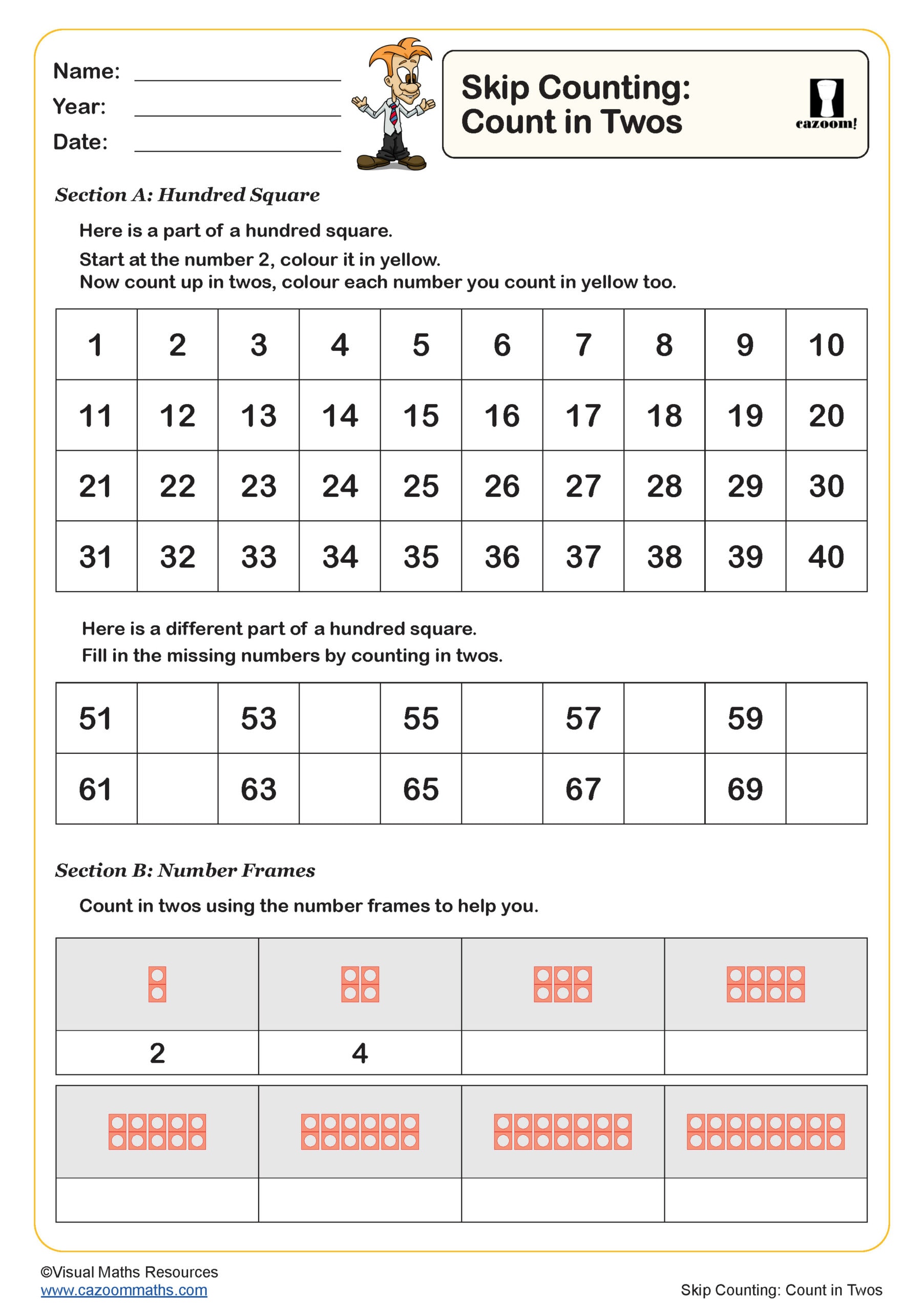
Skip Counting (count in 5s)
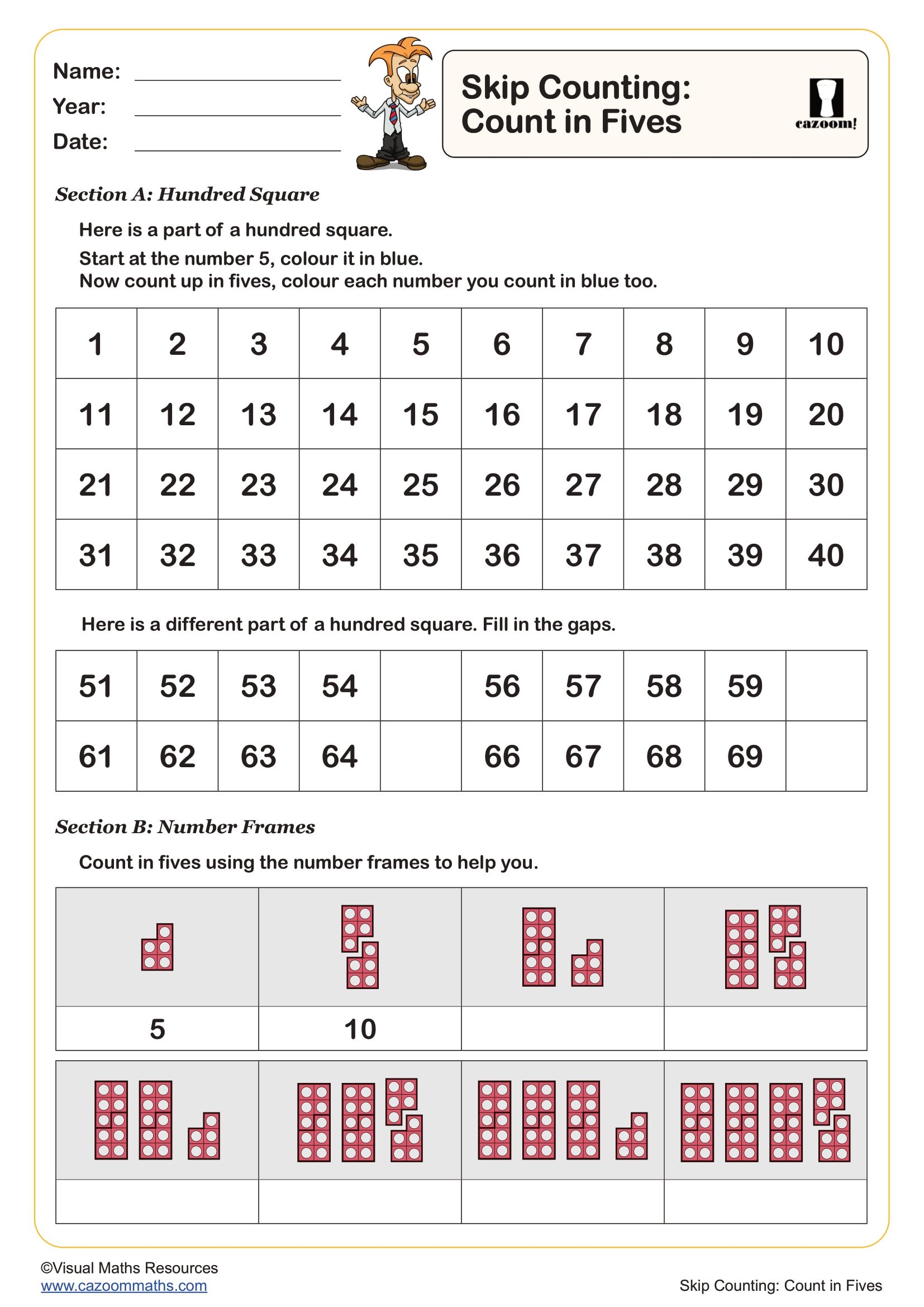
Skip Counting: Count In Twos (Odd Numbers)
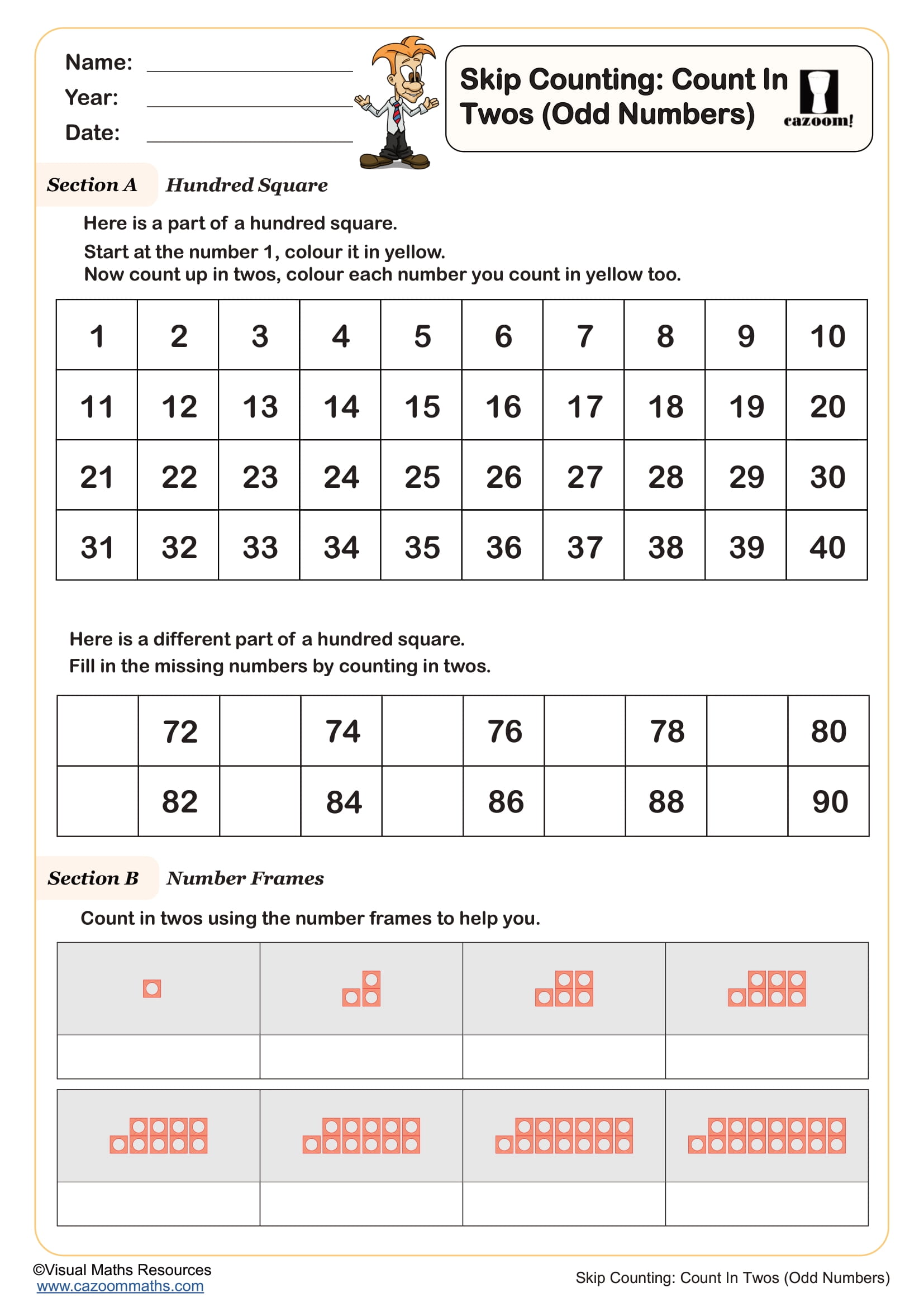
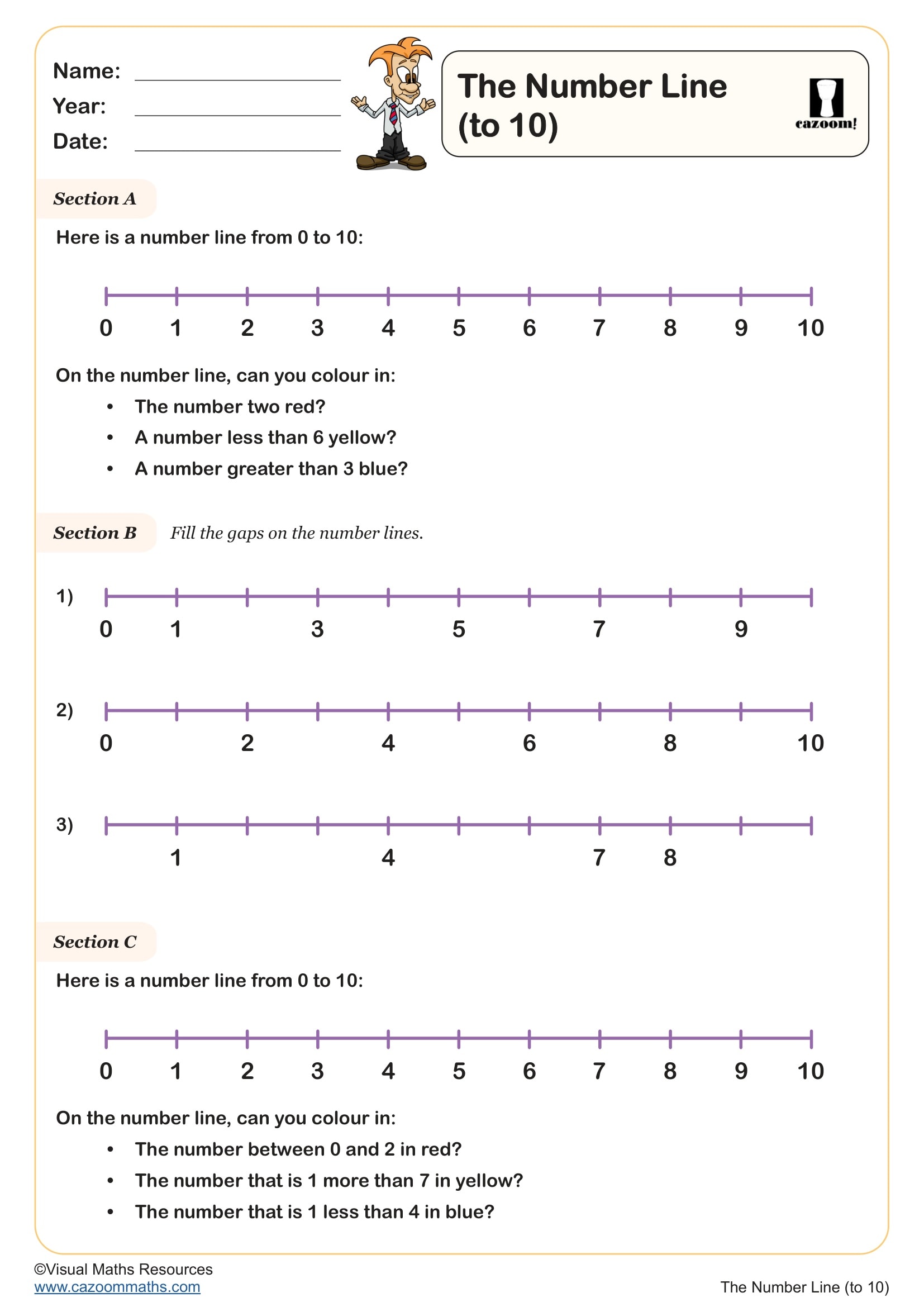
The Number Line (to 10)
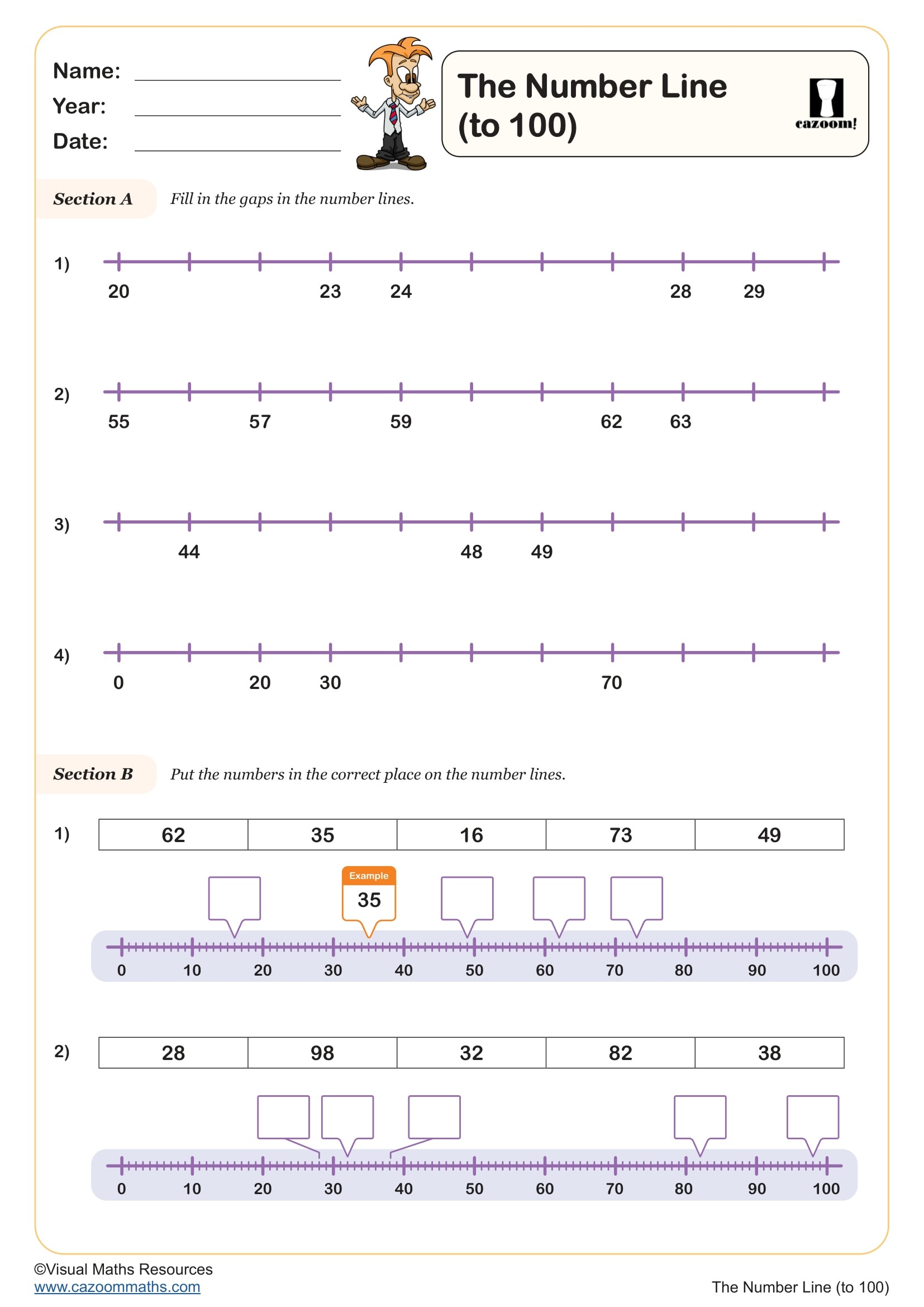
The Number Line (to 100)
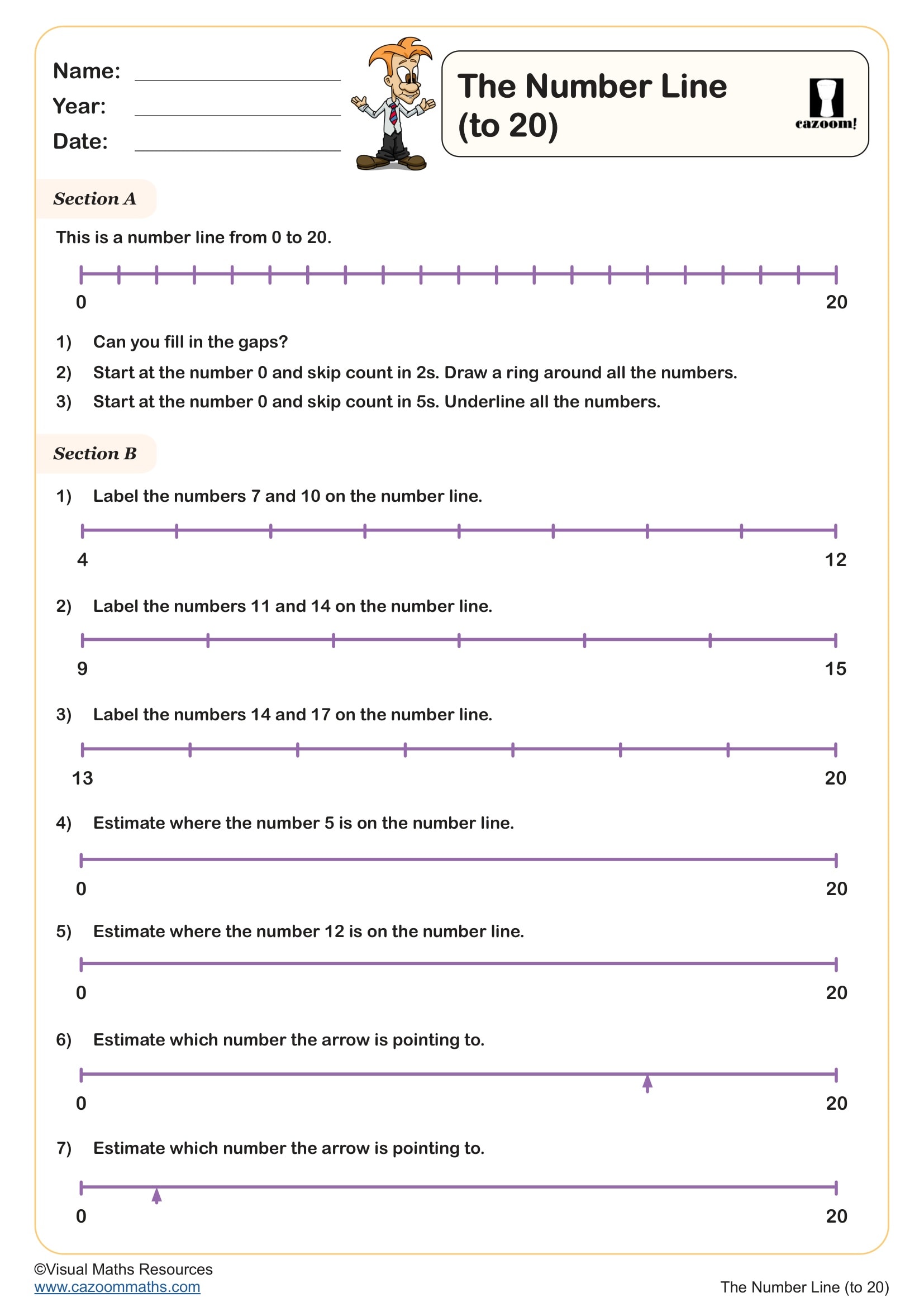
The Number Line (to 20)
All worksheets are created by the team of experienced teachers at Cazoom Maths.
What is place value and why is it important at KS1?
Place value is the understanding that the position of a digit determines its value. In the number 23, the '2' represents two tens (20) and the '3' represents three ones. This concept underpins all future work with numbers, from addition and subtraction through to decimals and percentages in later years. At KS1, children learn to recognise that numbers are built from tens and ones, using concrete resources like base-ten blocks alongside visual representations. The National Curriculum requires Year 1 pupils to count to 100 and identify one more or less, whilst Year 2 pupils must understand two-digit numbers as combinations of tens and ones. Secure place value knowledge at this stage prevents misconceptions that can hinder progress throughout primary school. Our worksheets break these skills into manageable steps, allowing children to build confidence gradually.
Which year groups are these number and place value worksheets suitable for?
These worksheets are specifically designed for Year 1 and Year 2 pupils working within Key Stage 1 of the National Curriculum. Year 1 worksheets focus on counting forwards and backwards within 100, reading and writing numbers to 100 in numerals and words, and understanding one more and one less. They introduce the concept that a two-digit number is made up of tens and ones in a concrete way. Year 2 worksheets develop this further, requiring children to recognise the place value of each digit in two-digit numbers, compare and order numbers using the symbols <, > and =, and use place value knowledge to solve problems. The progression across these two year groups is carefully structured to match curriculum expectations, ensuring children develop secure understanding before moving to more complex work with larger numbers in KS2.
How do these worksheets help children compare and order numbers?
Comparing and ordering numbers requires children to apply their place value understanding practically. Our worksheets use various approaches to develop this skill, including number lines where pupils position numbers correctly, comparison exercises using greater than and less than symbols, and ordering sets of numbers from smallest to largest. Many worksheets incorporate visual representations such as base-ten blocks or part-whole models, helping children see why 34 is greater than 29 by understanding that the tens digit matters most. Year 2 worksheets particularly focus on this skill, as it's explicitly required in the National Curriculum statutory requirements. The exercises progress from comparing numbers with different tens (easier, as 40 is clearly more than 20) to comparing numbers with the same tens digit (requiring closer attention to the ones). This systematic approach builds the reasoning skills children need to explain their thinking mathematically.
What's included with each worksheet and how do I access them?
Every worksheet in this collection comes as a downloadable PDF with a complete answer sheet included. Once you've subscribed to Cazoom Maths, you can browse the worksheets, preview them, and download as many as you need for your teaching or home learning. The PDFs are print-ready and clearly formatted, with space for children to show their working and sufficient practice questions to embed learning without overwhelming pupils. Answer sheets show all solutions, making marking straightforward and allowing children to self-check their work where appropriate. You can use these worksheets for whole-class teaching, differentiated group work, homework assignments, or intervention sessions. Because they're PDFs, you can print multiple copies or laminate them for repeated use with whiteboard markers. The flexibility of having both the worksheet and answers instantly available saves preparation time whilst ensuring high-quality resources that match curriculum requirements.