KS2 Number and Place Value Worksheets
10 More 10 Less
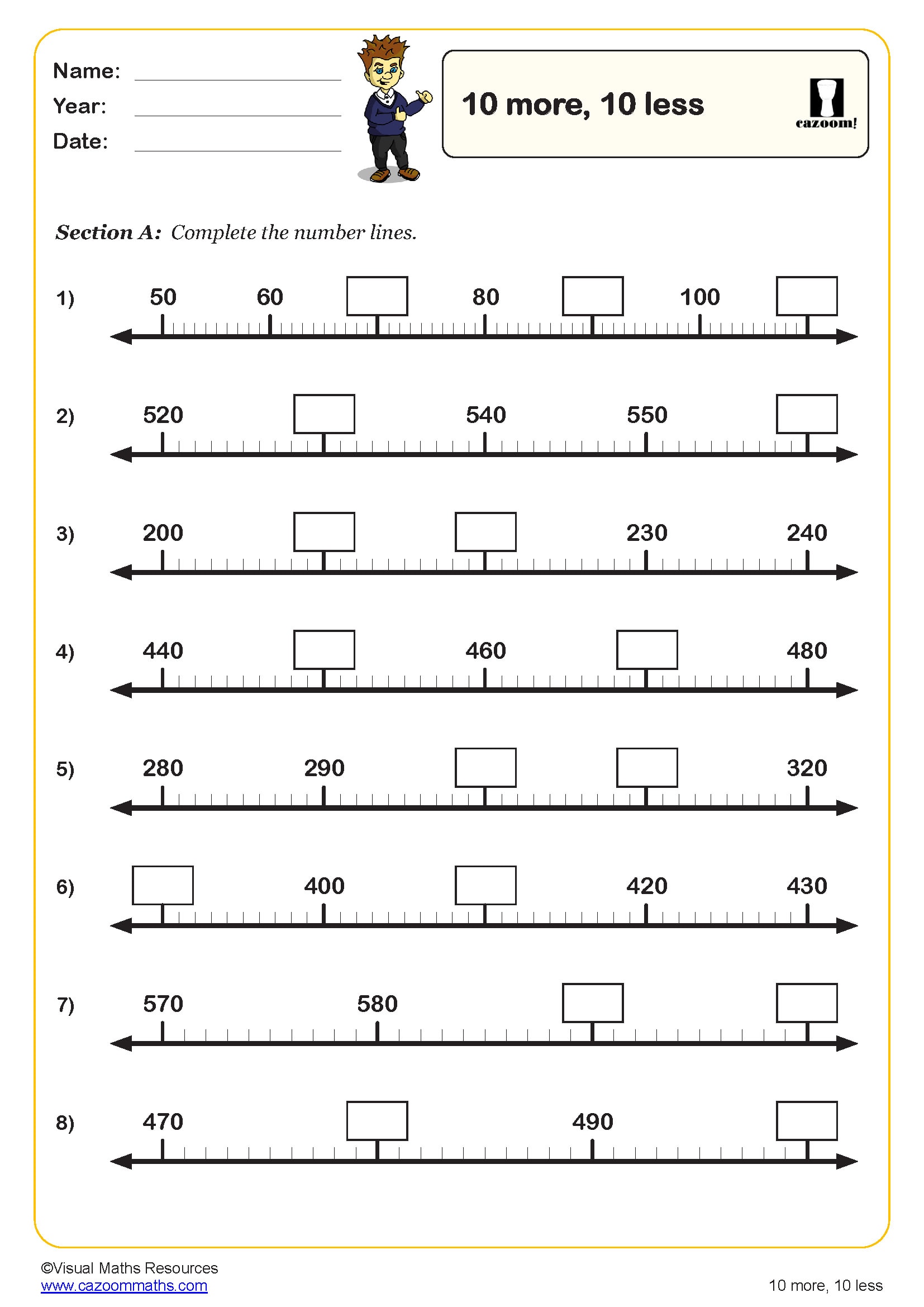
100 More 100 Less
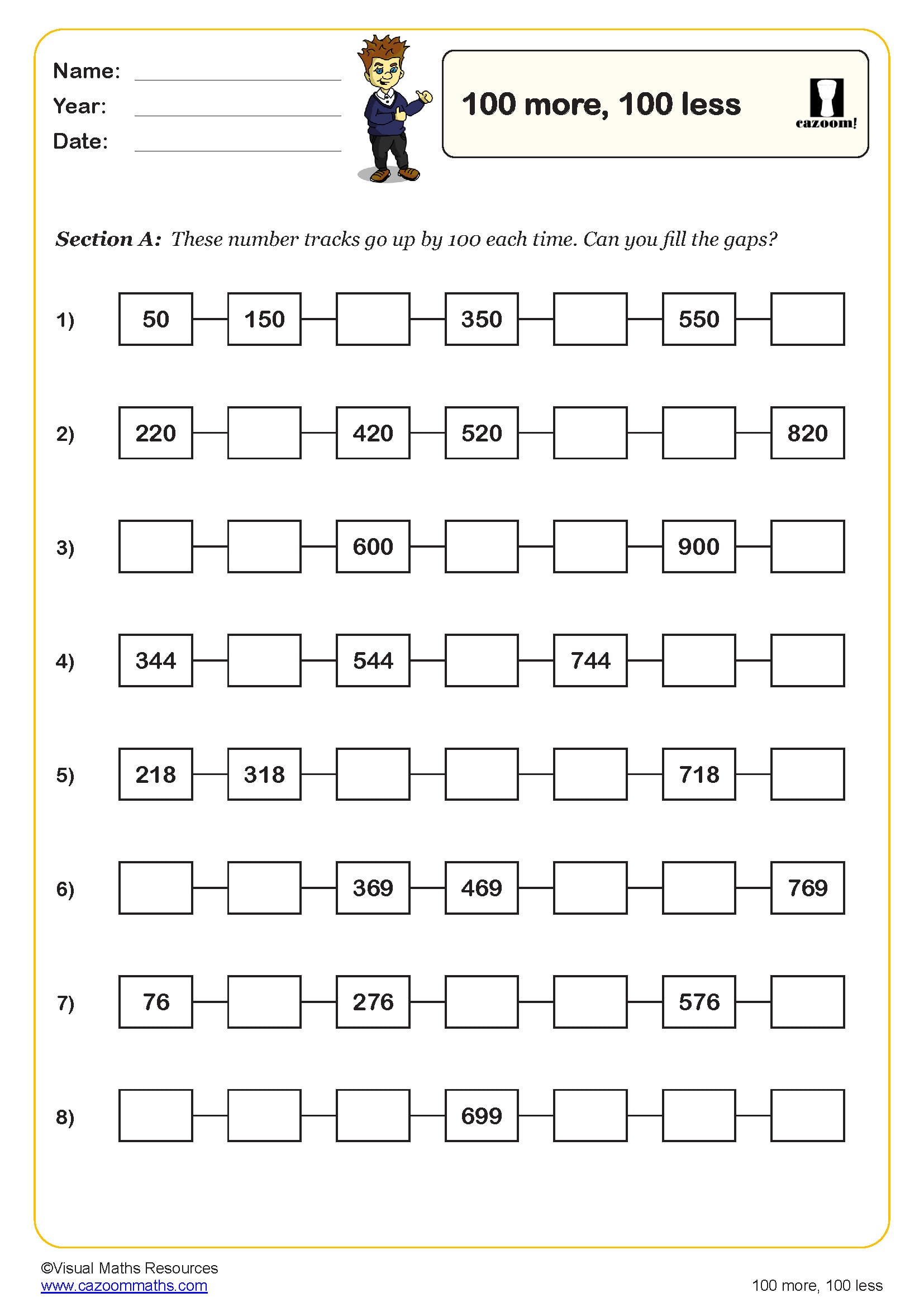
1000 More 1000 Less (A)
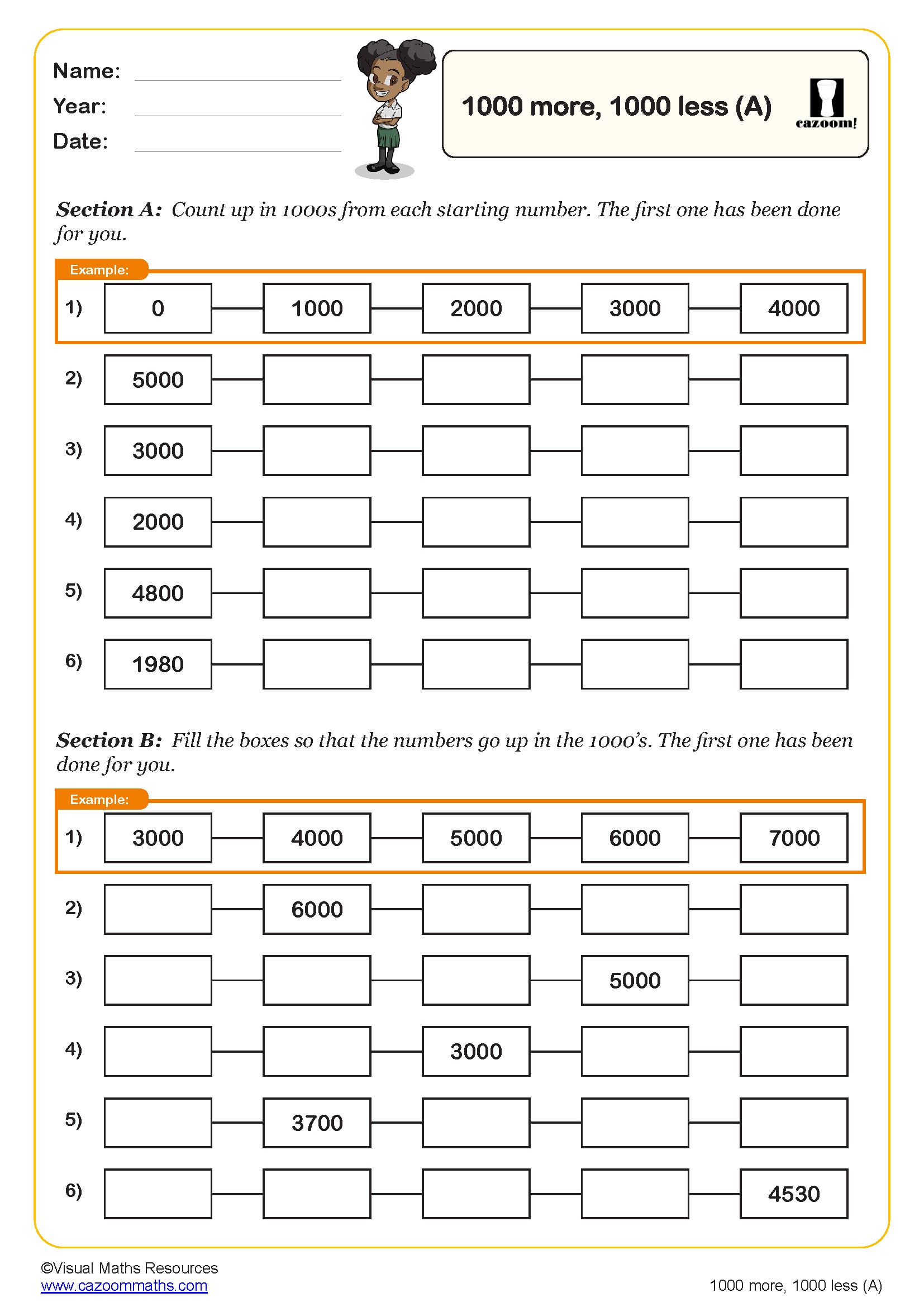
1000 More 1000 Less (B)
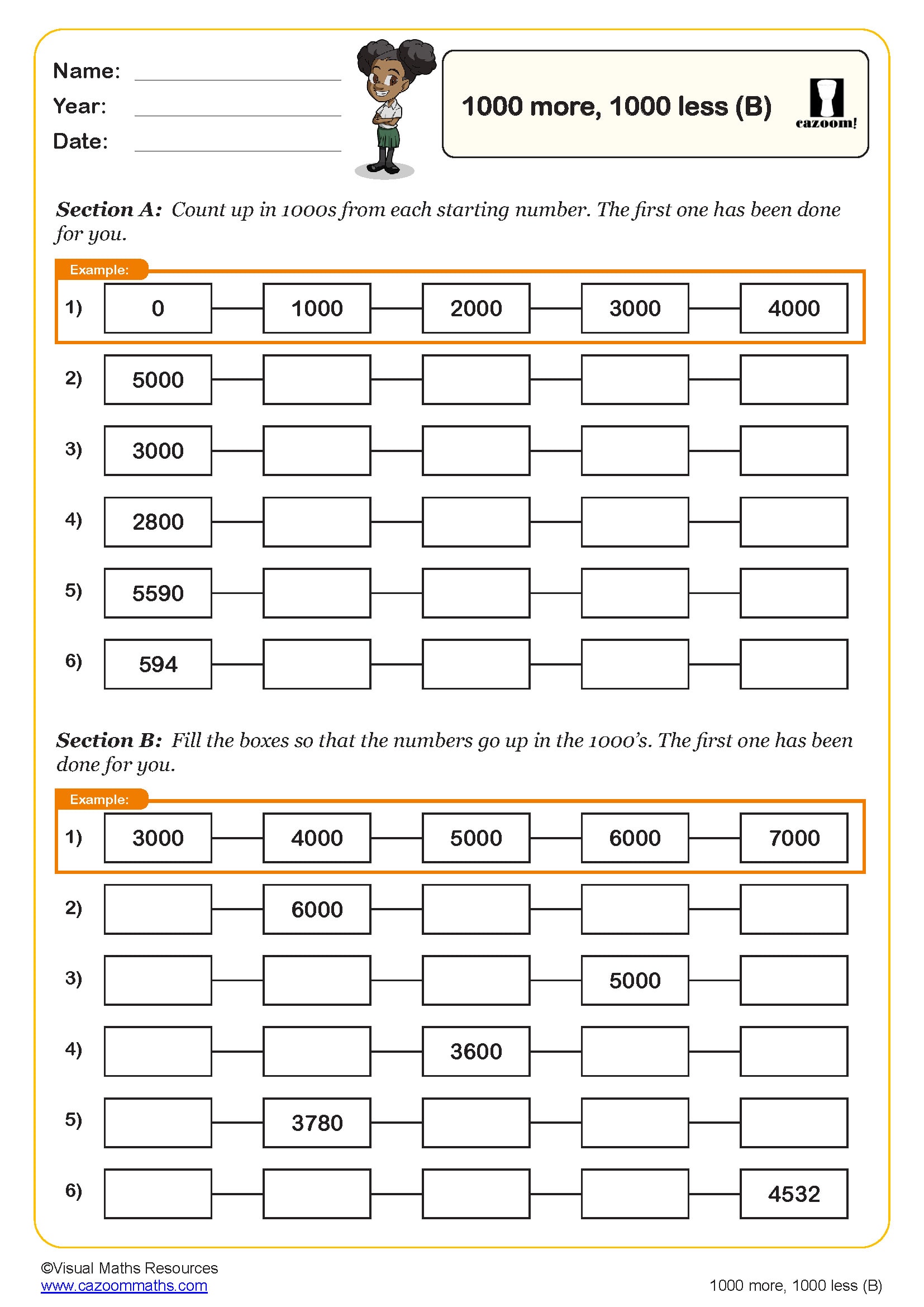
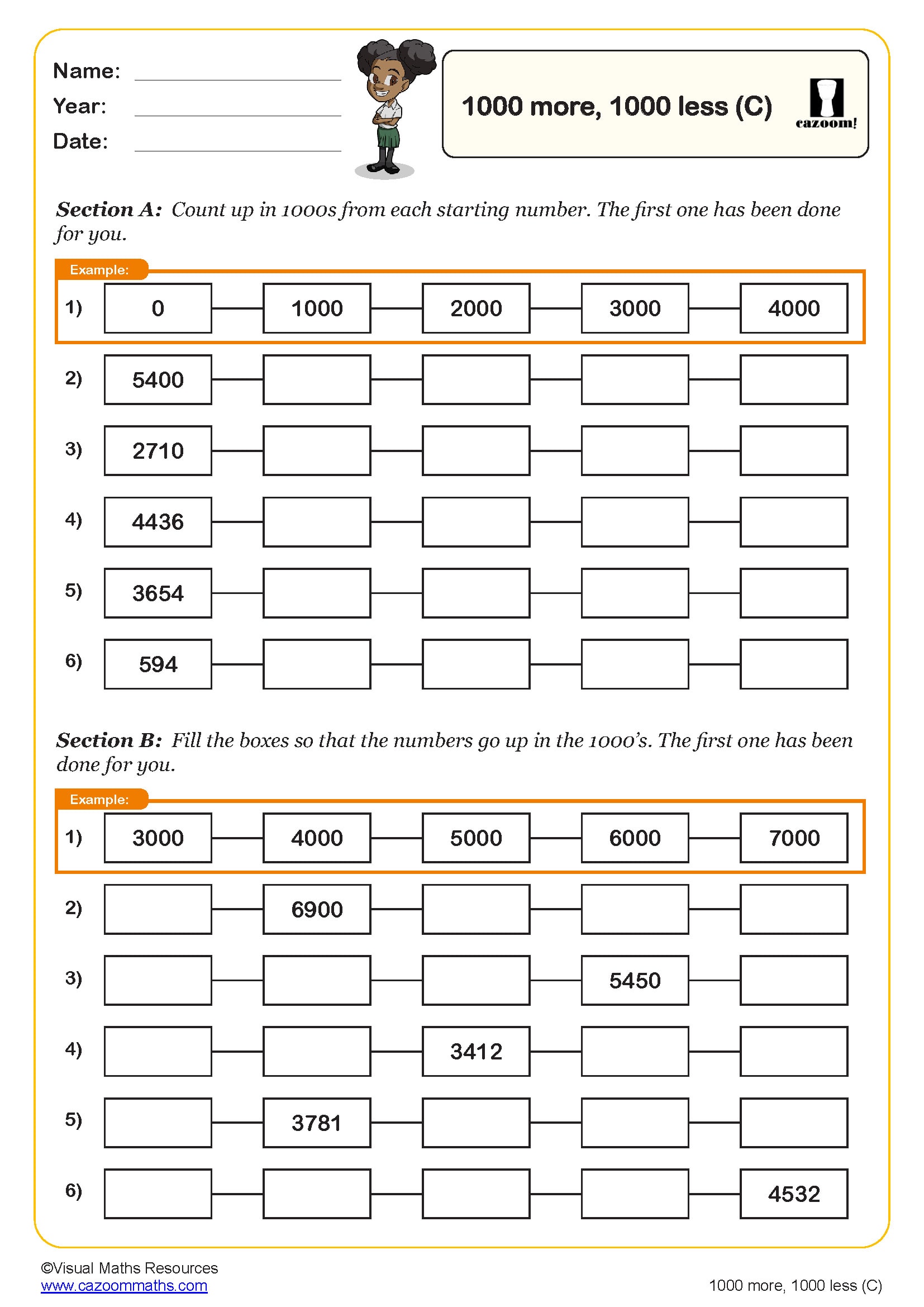
1000 More 1000 Less (C)
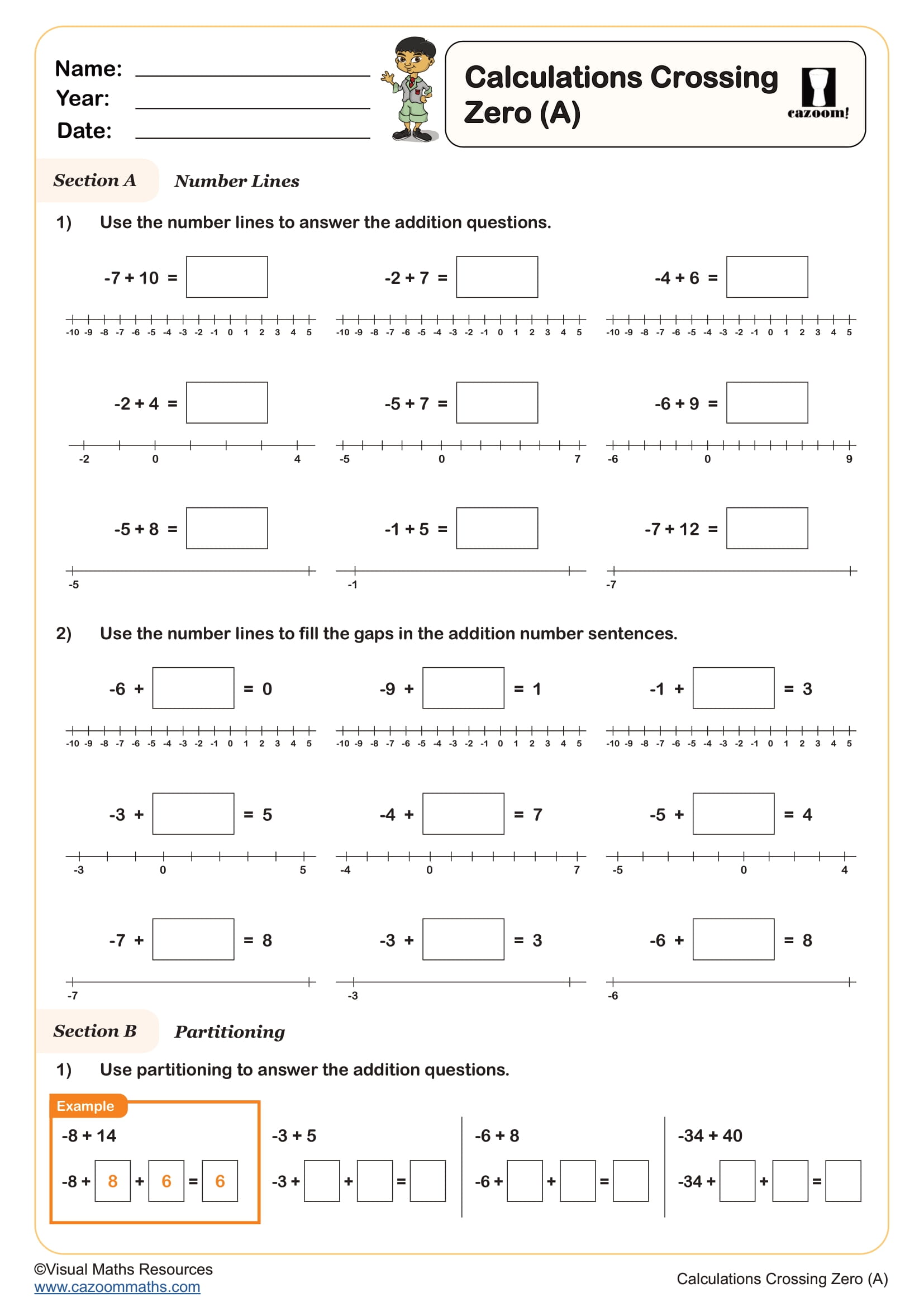
Calculations Crossing Zero (A)
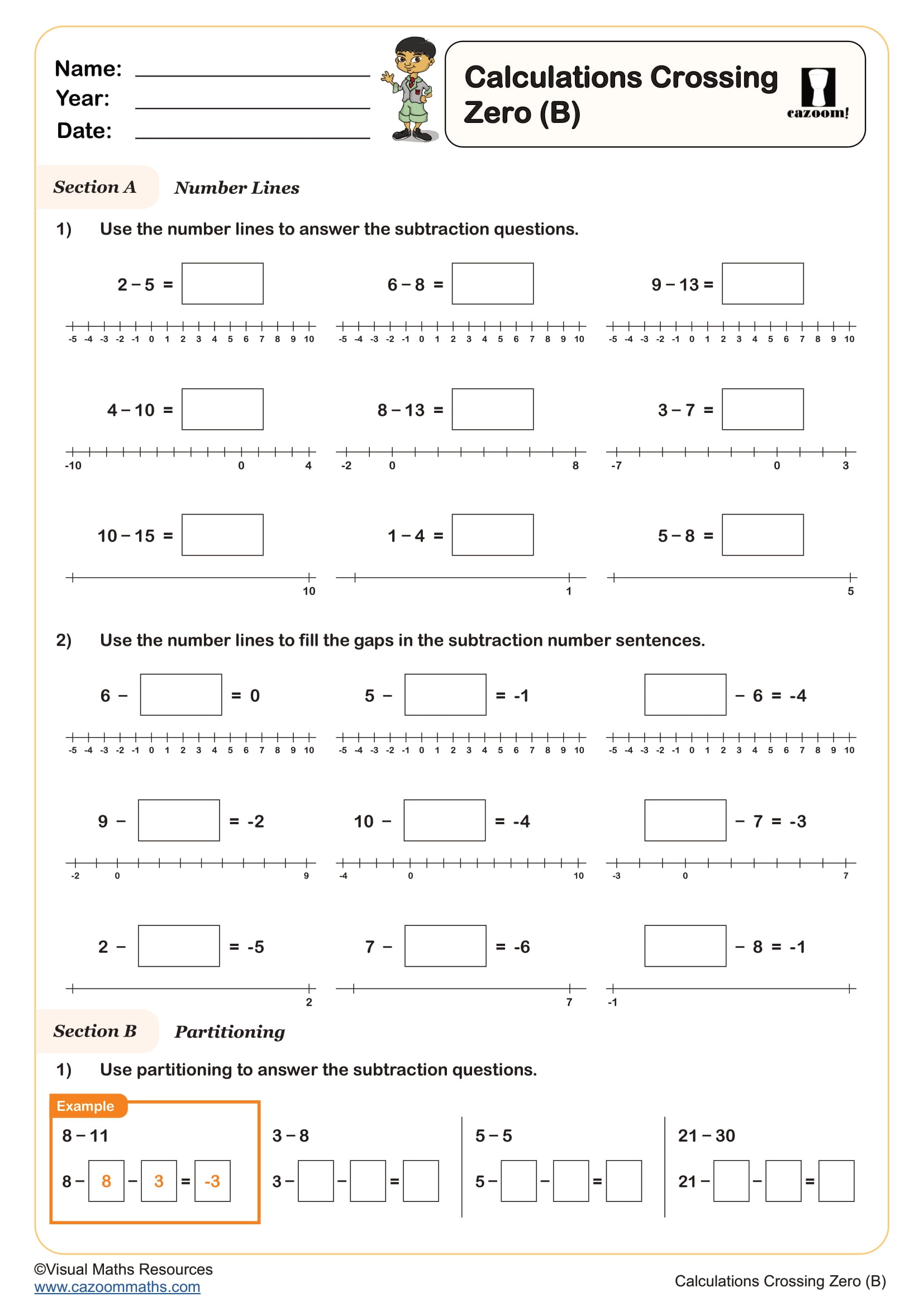
Calculations Crossing Zero (B)
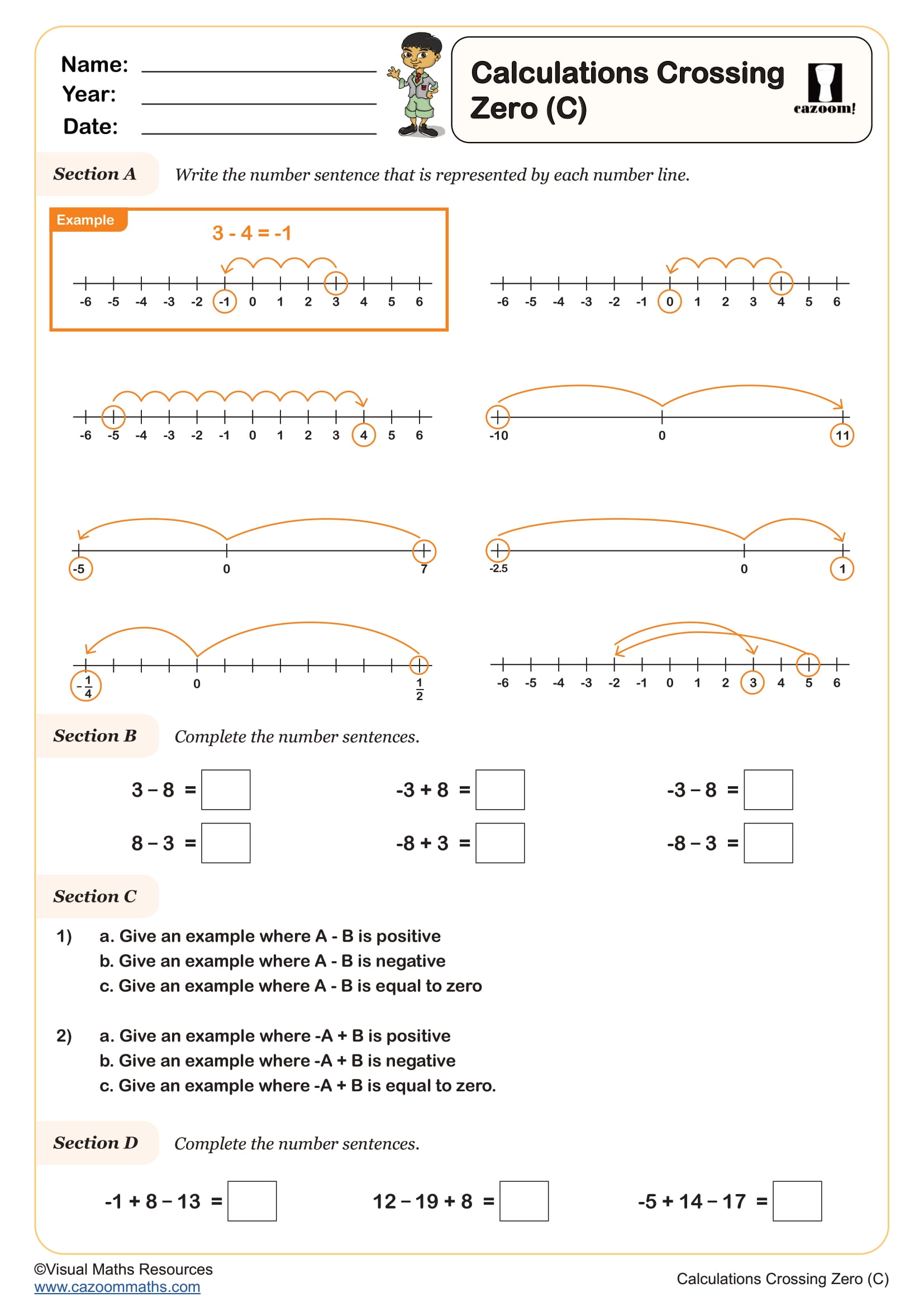
Calculations Crossing Zero (C)
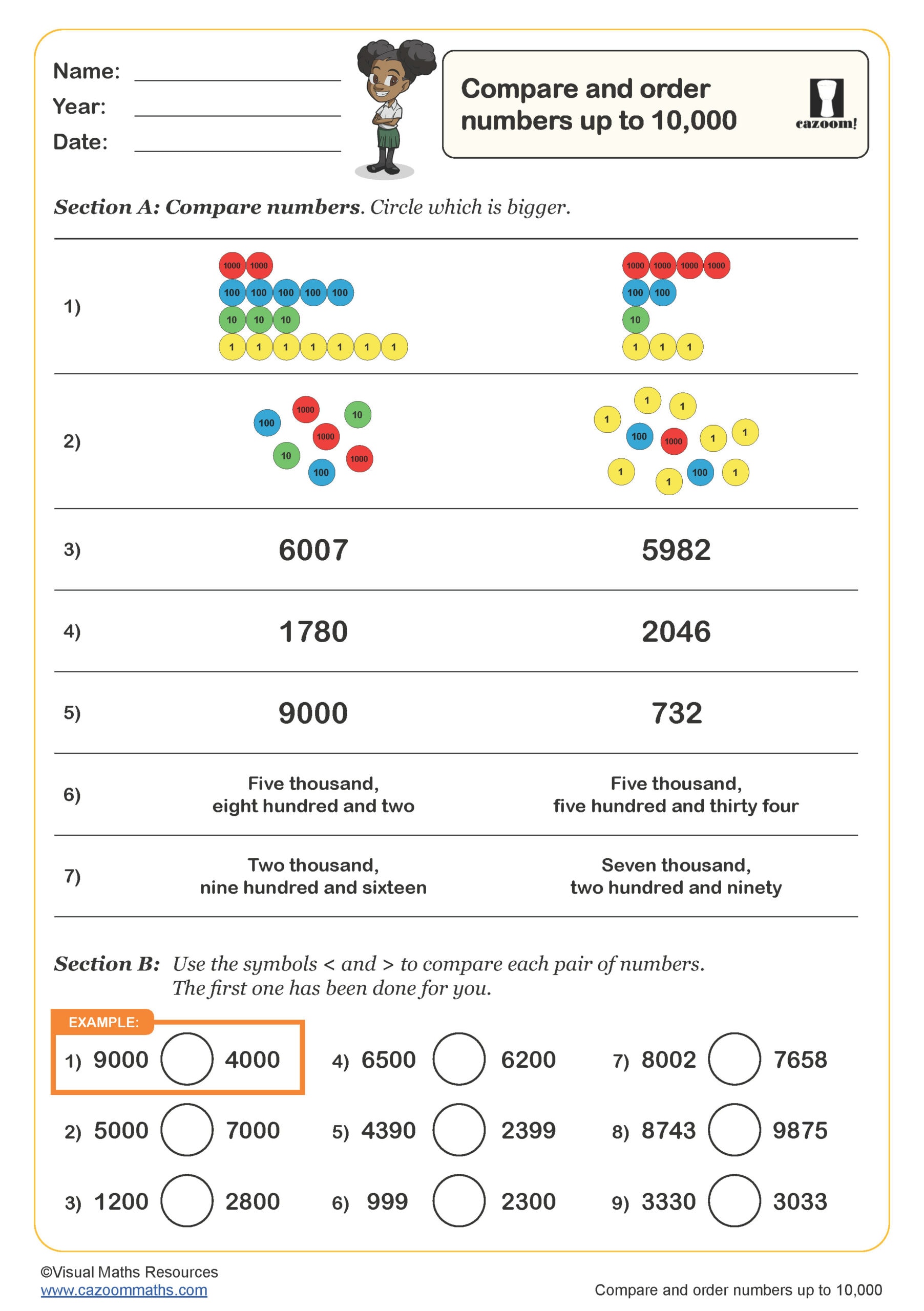
Compare and Order Numbers to 10,000
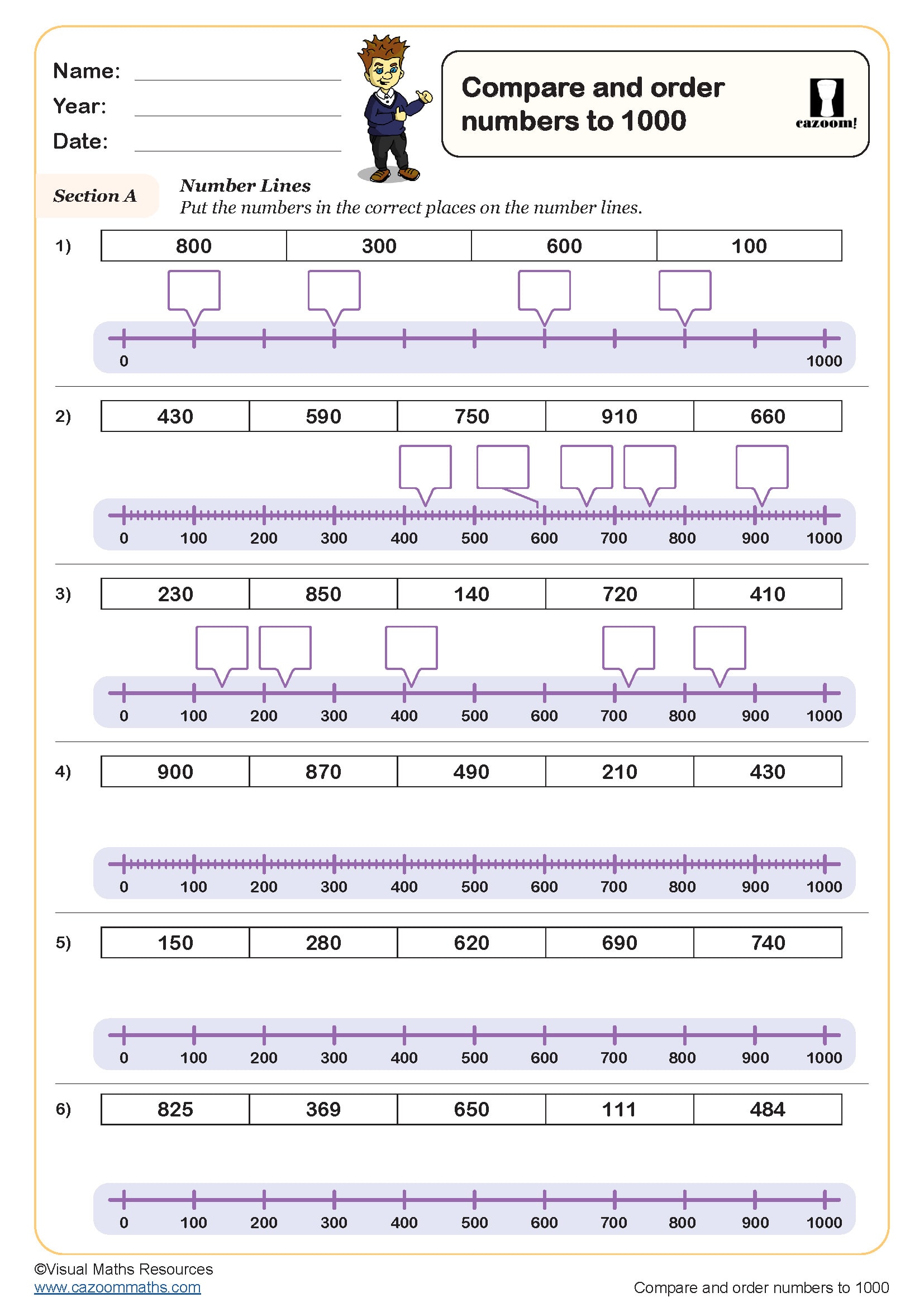
Compare and Order Numbers to 1000
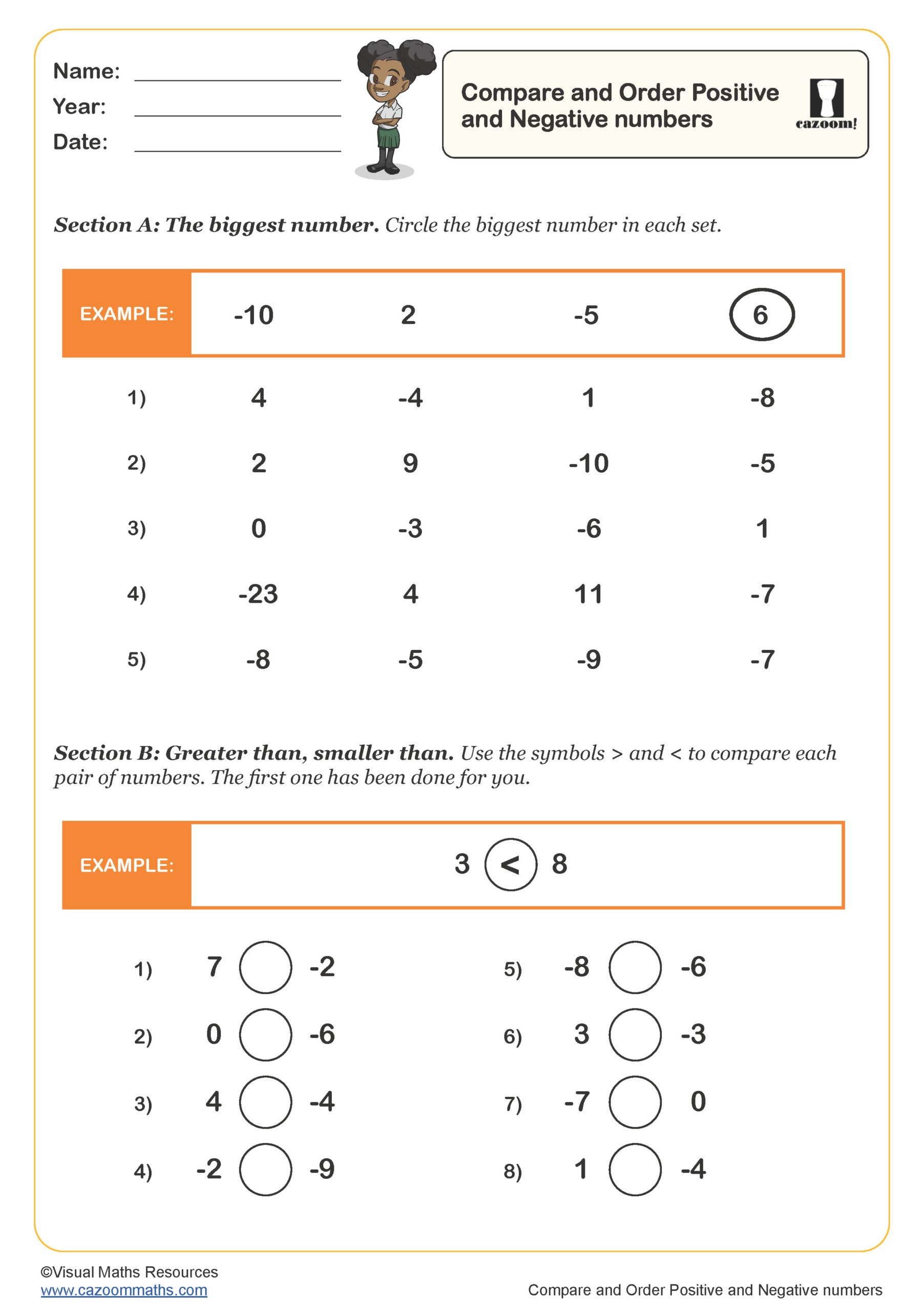
Compare and Order Positive and Negative Numbers
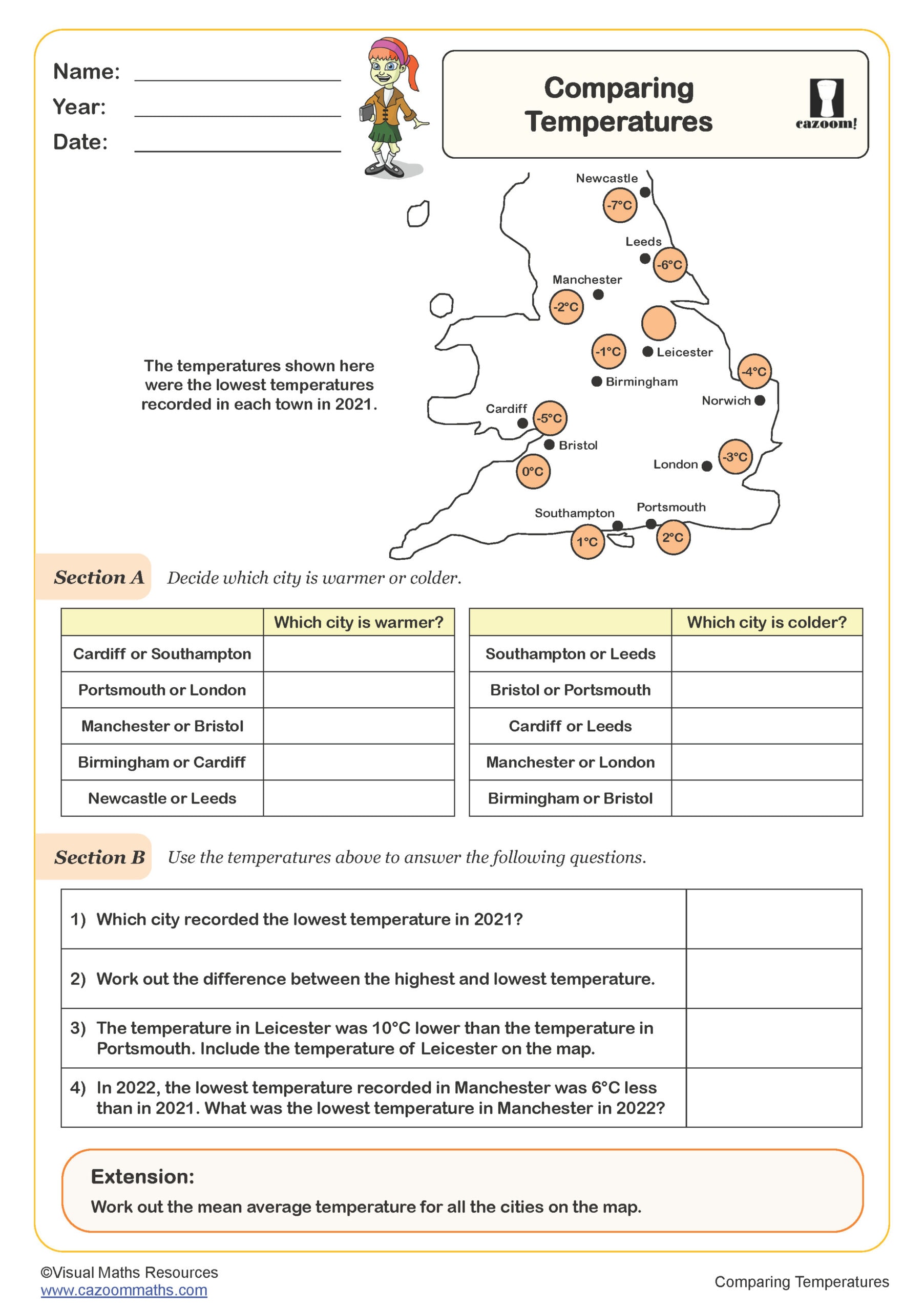
Comparing Temperatures
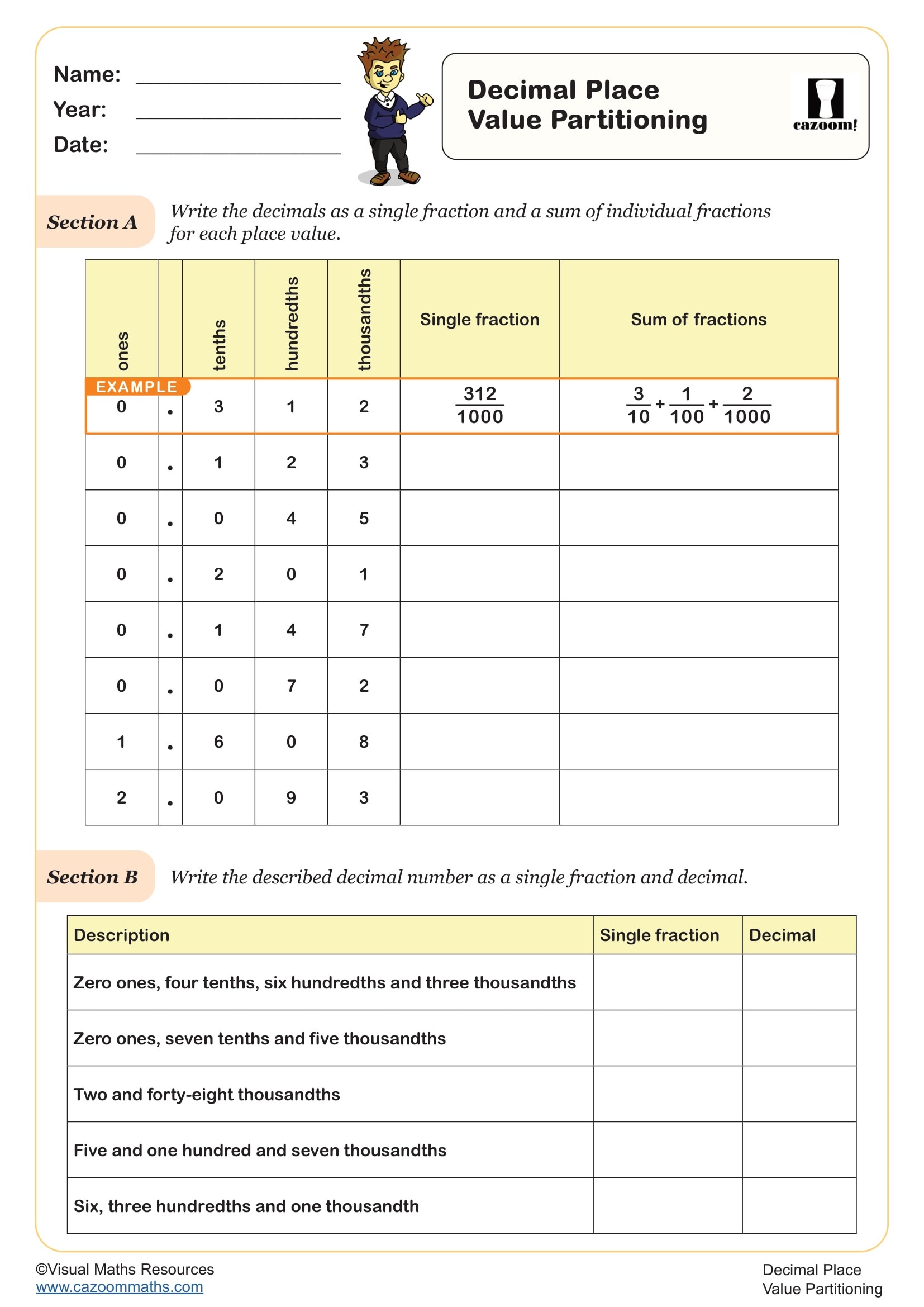
Decimal Place Partitioning
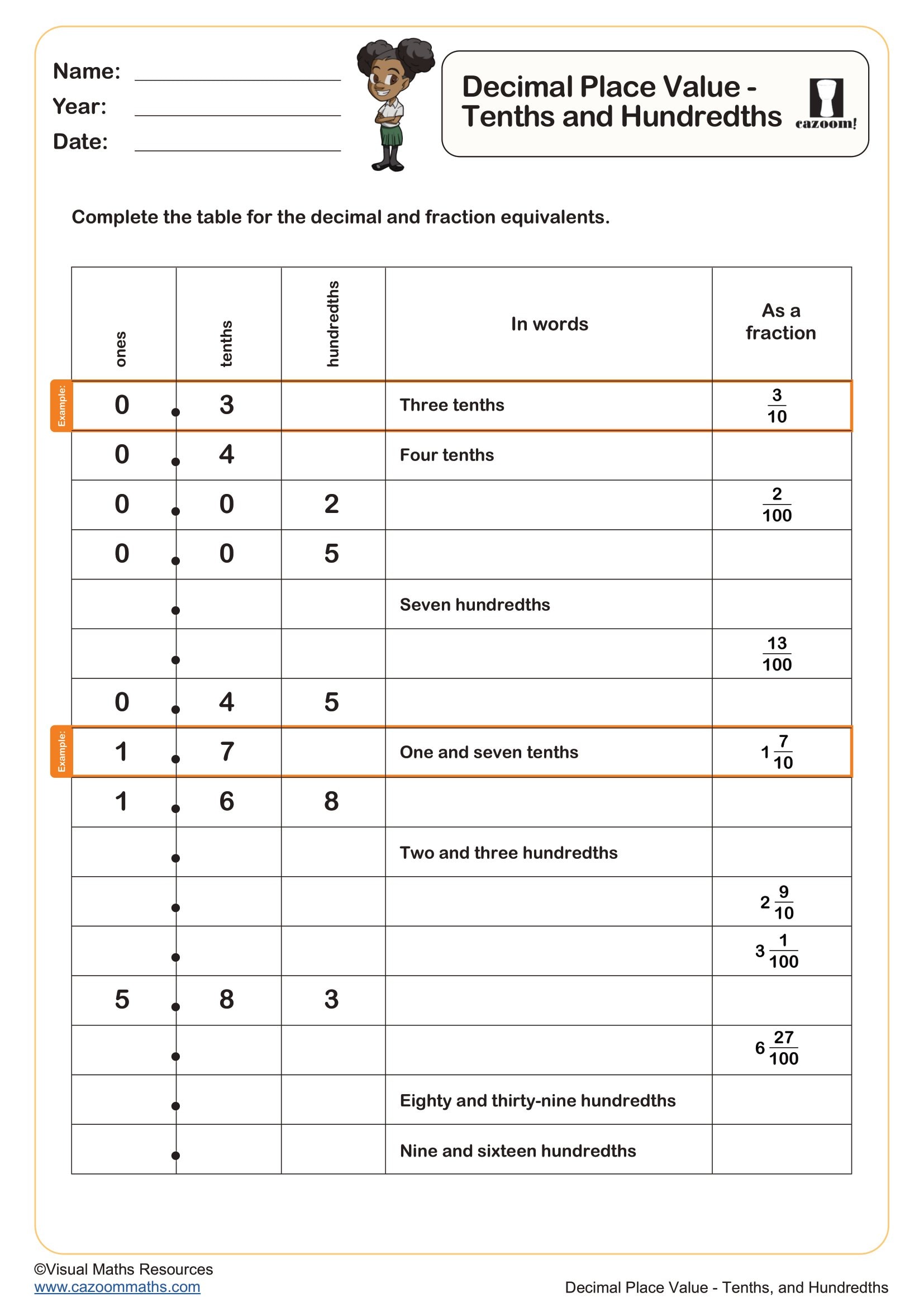
Decimal Place Value - Tenths and Hundredths
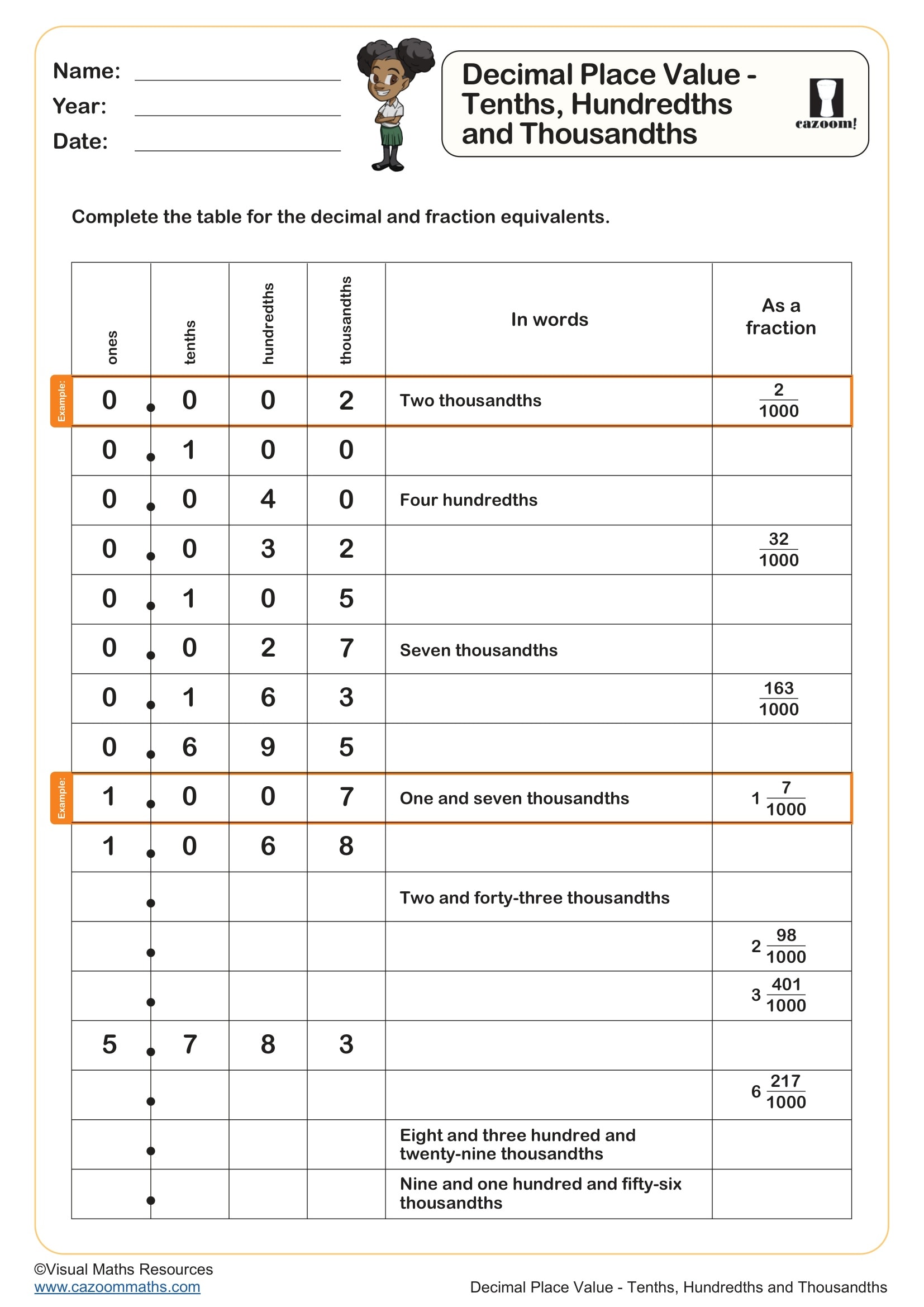
Decimal Place Value - Tenths, Hundredths and Thousandths
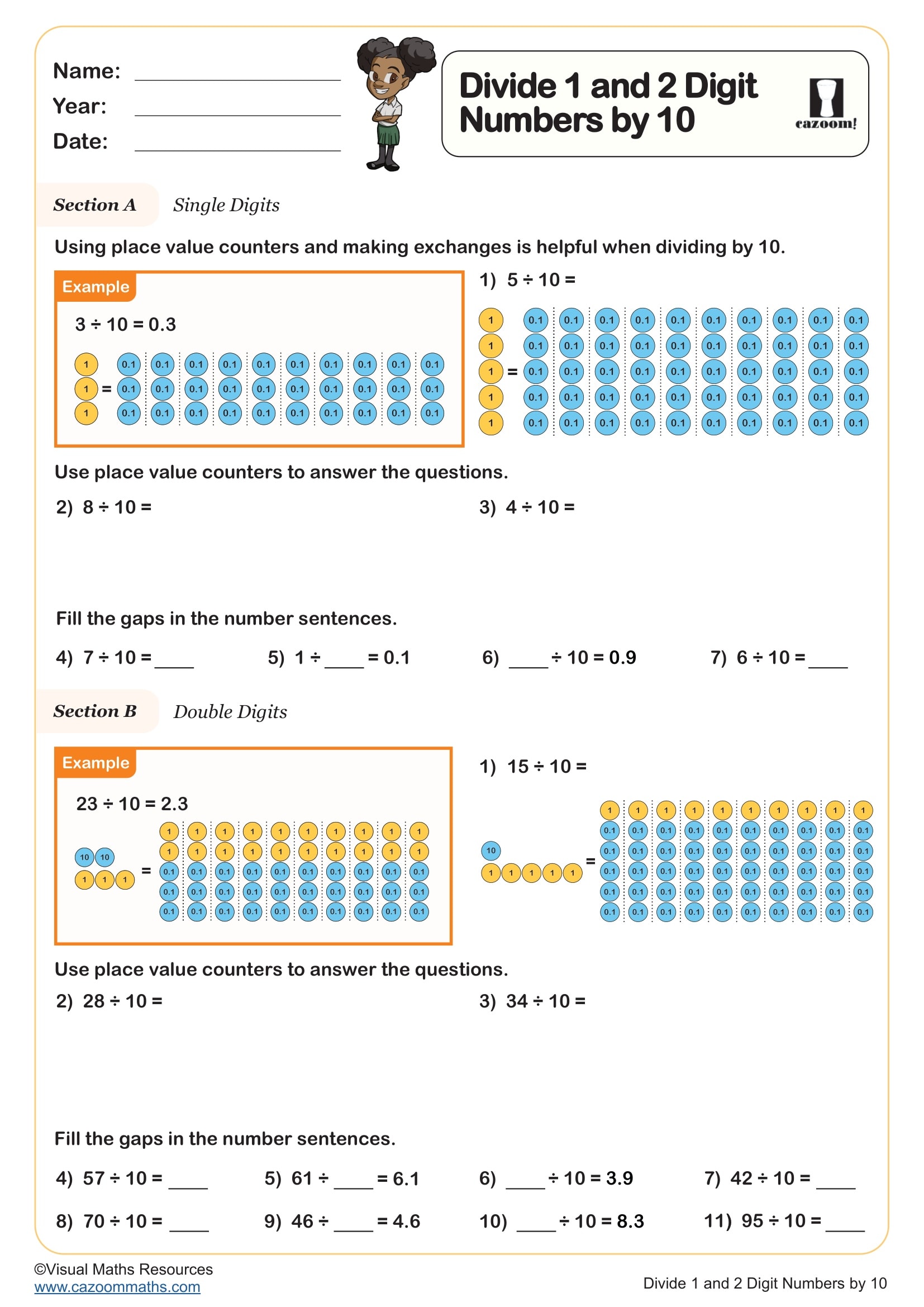
Divide 1 and 2 Digit Numbers by 10
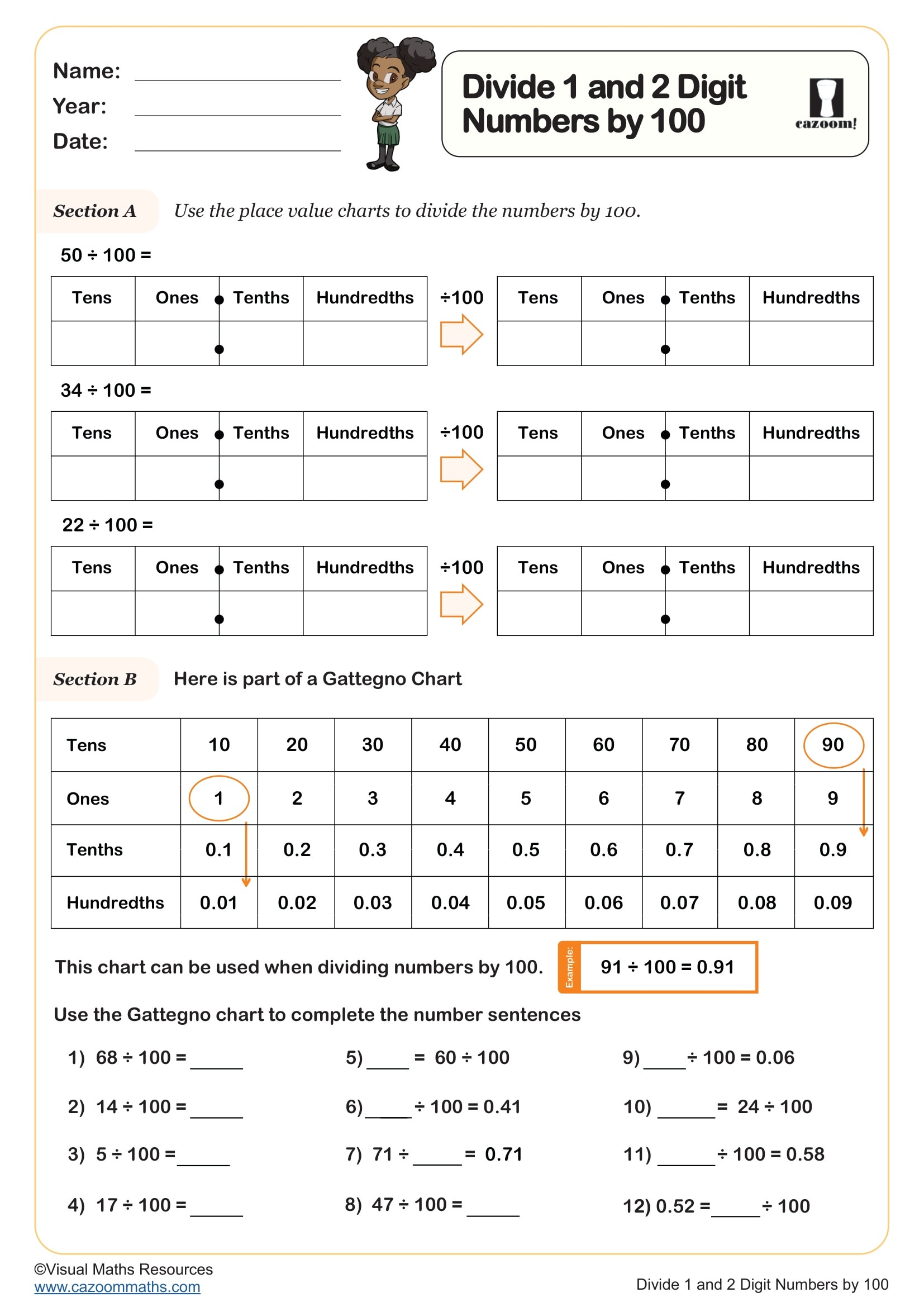
Divide 1 and 2 Digit Numbers by 100
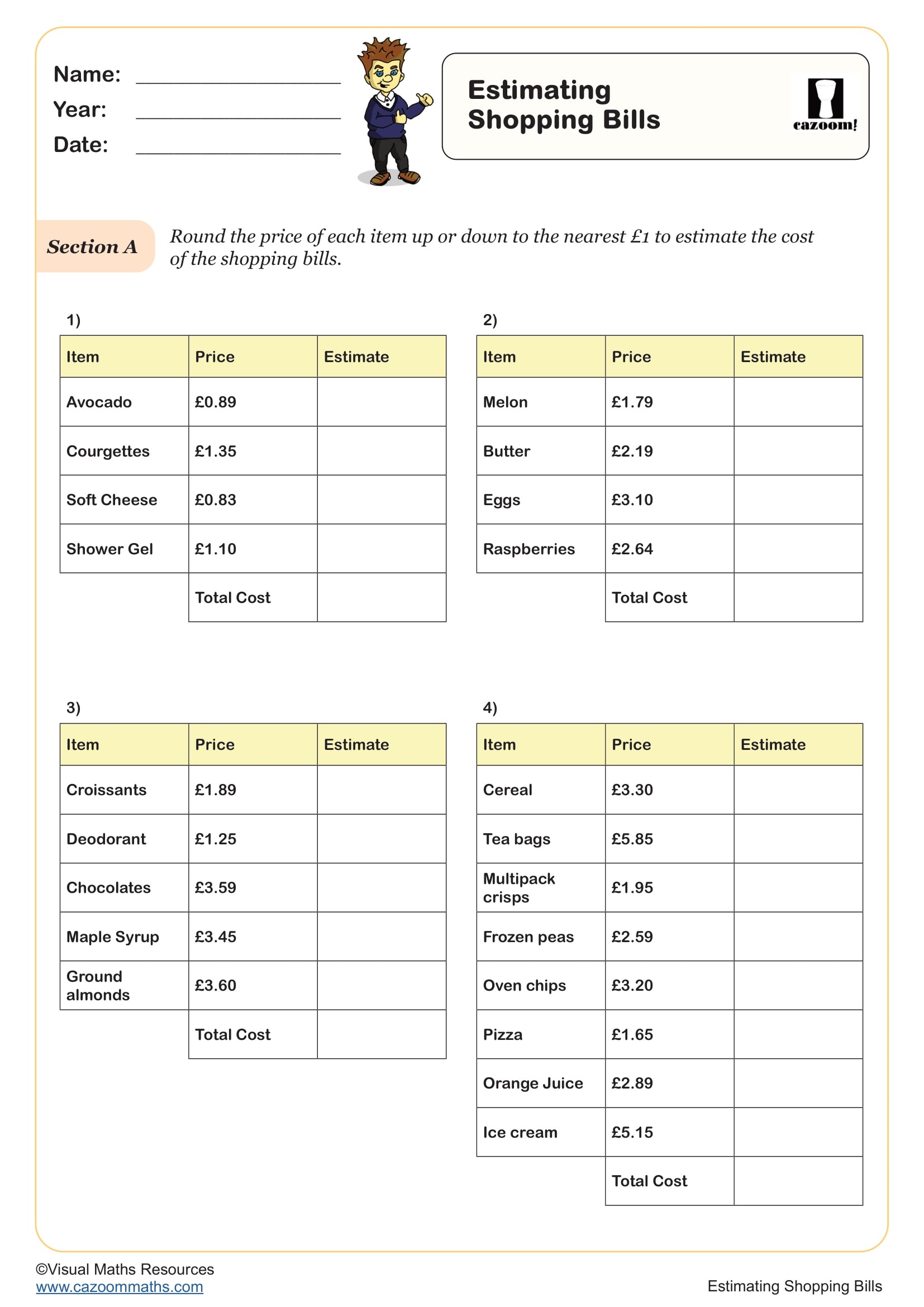
Estimating Shopping Bills
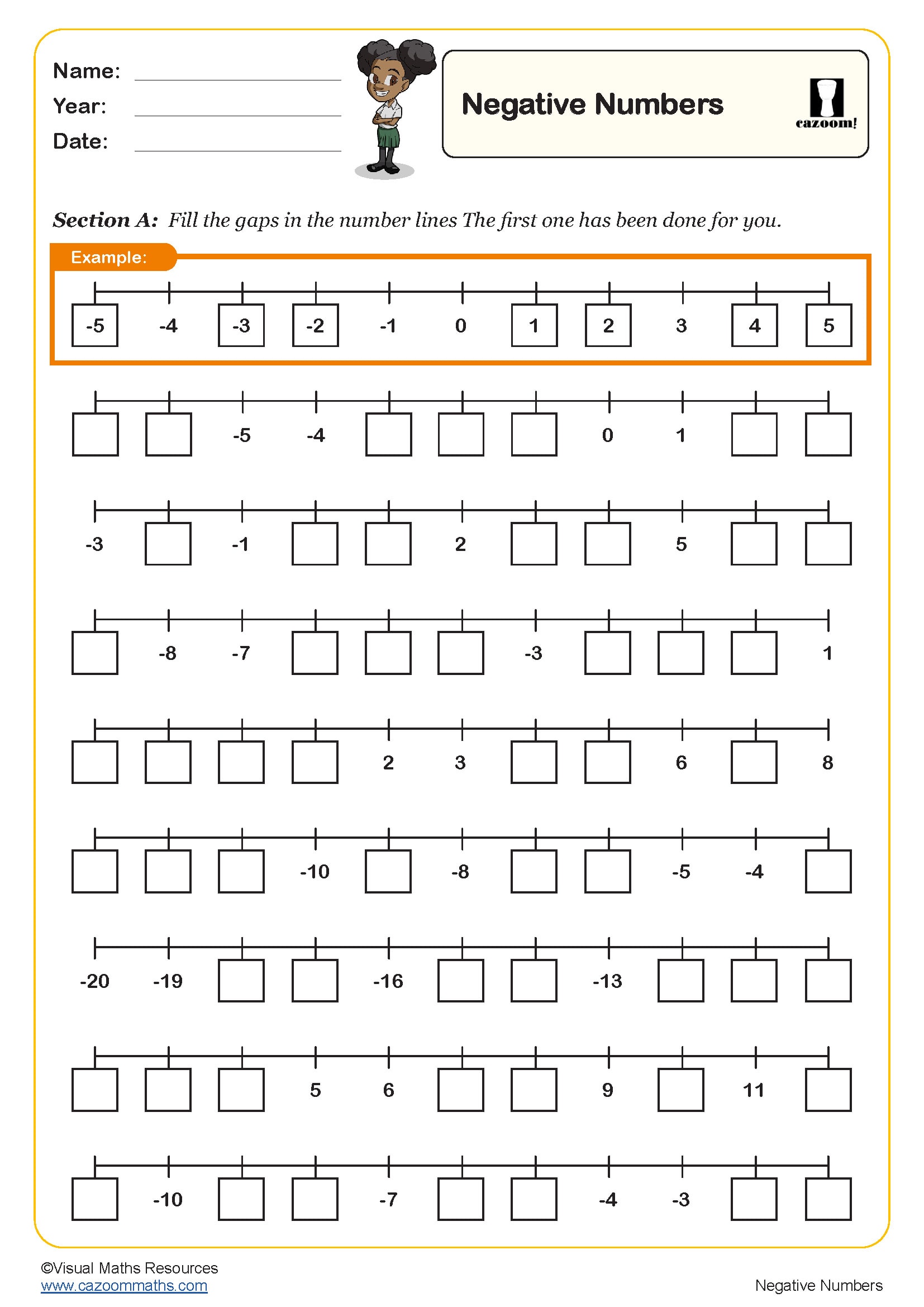
Negative Numbers
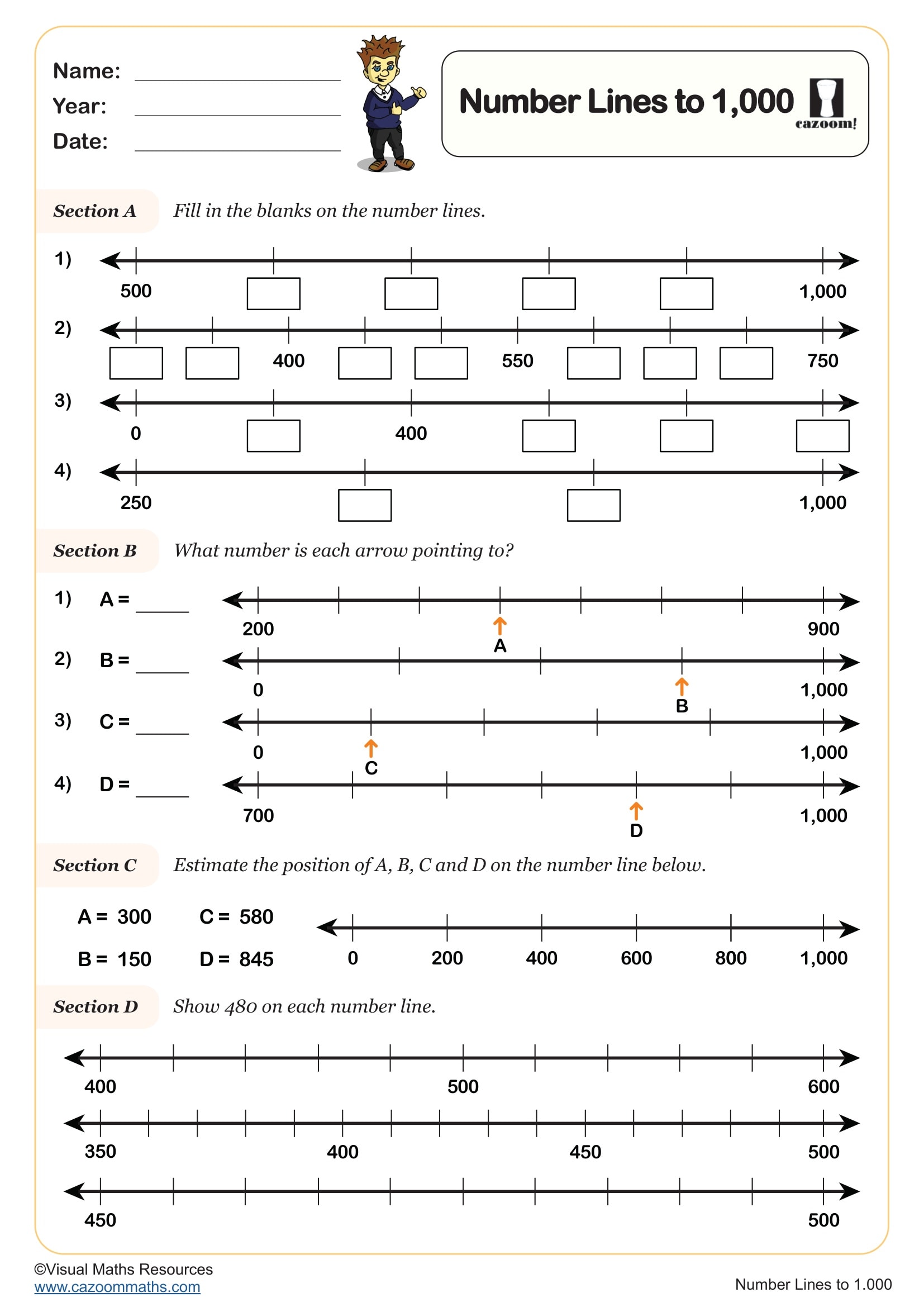
Number Lines to 1,000
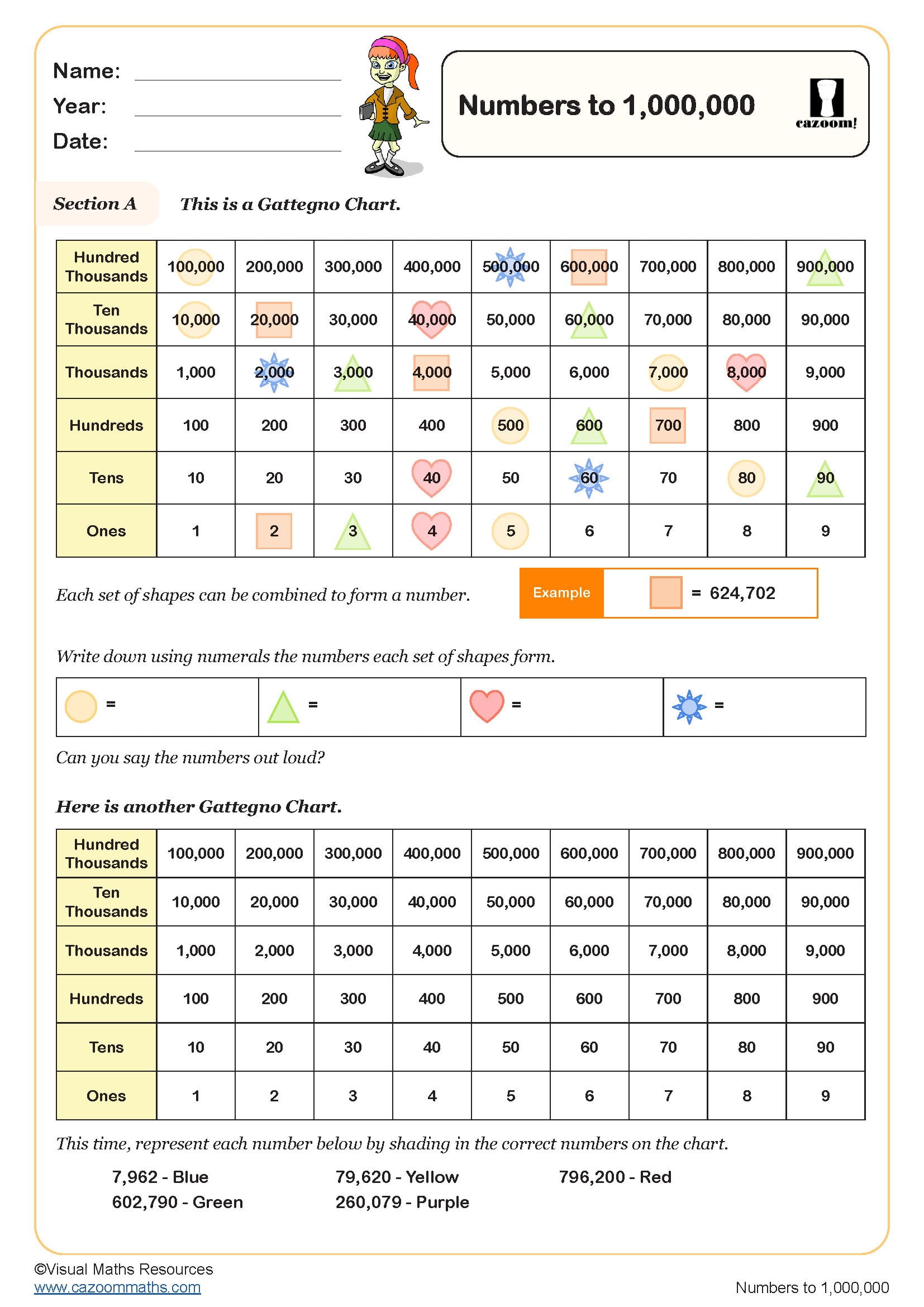
Numbers to 1,000,000
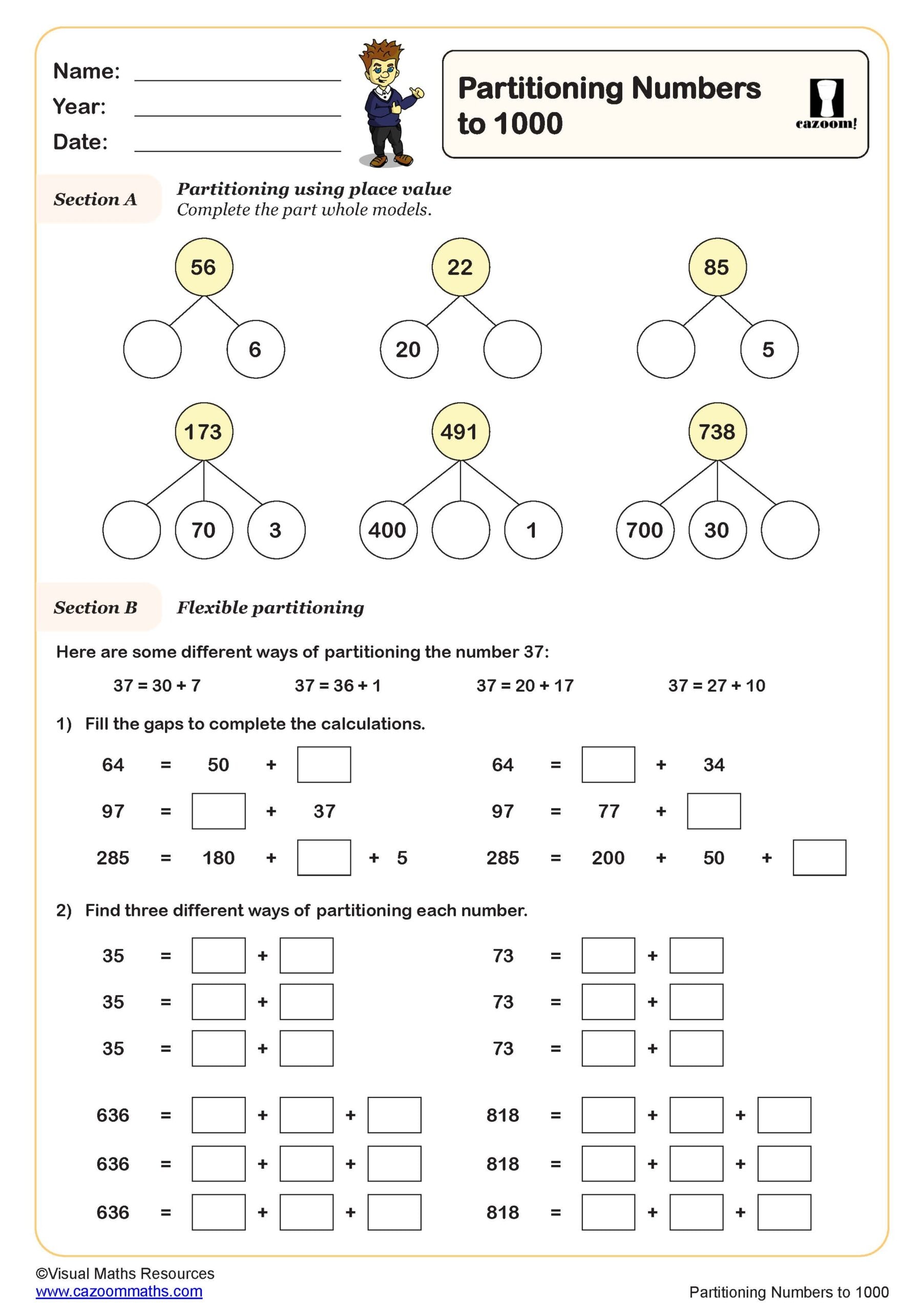
Partitioning Numbers to 1,000
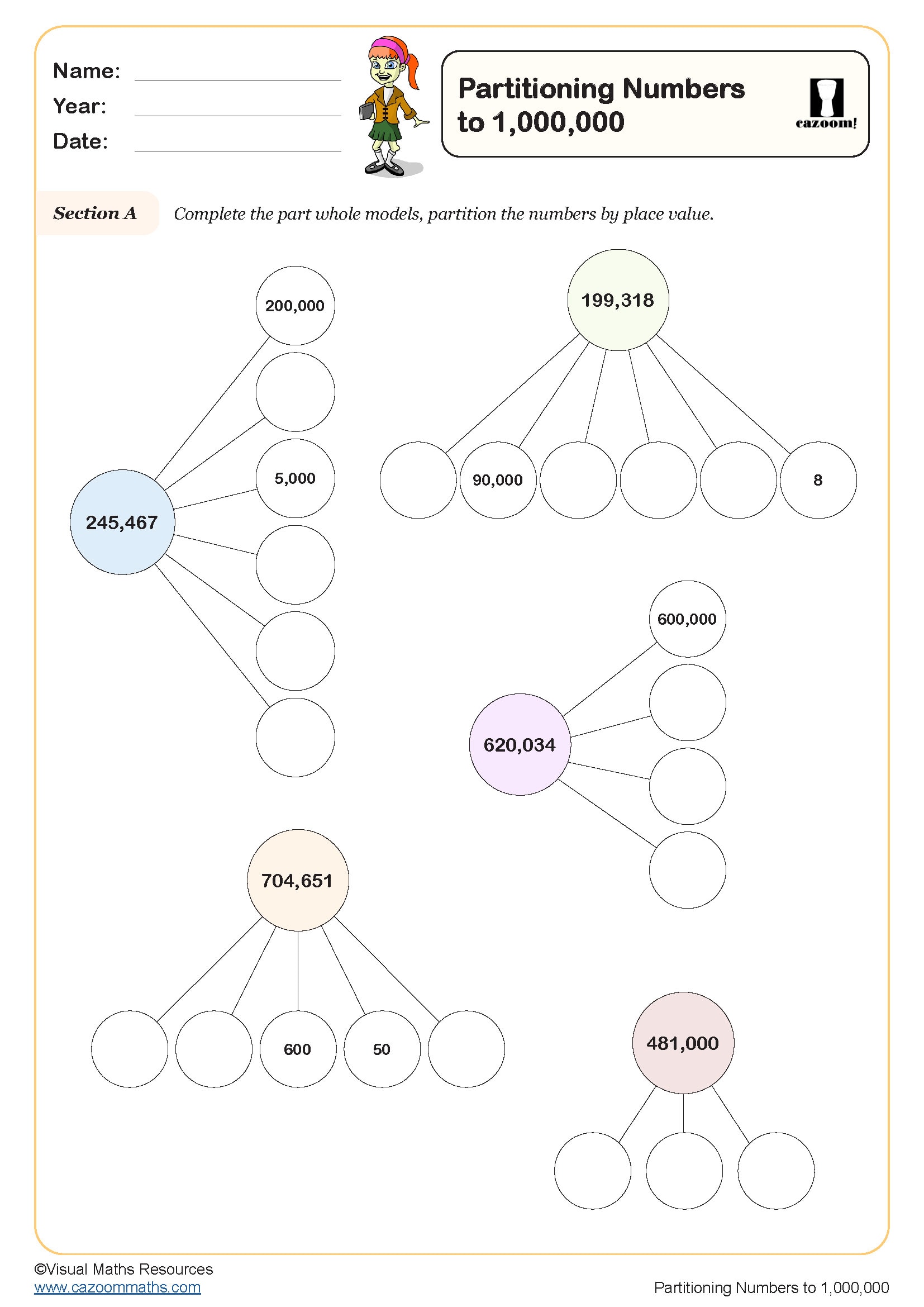
Partitioning Numbers to 1,000,000
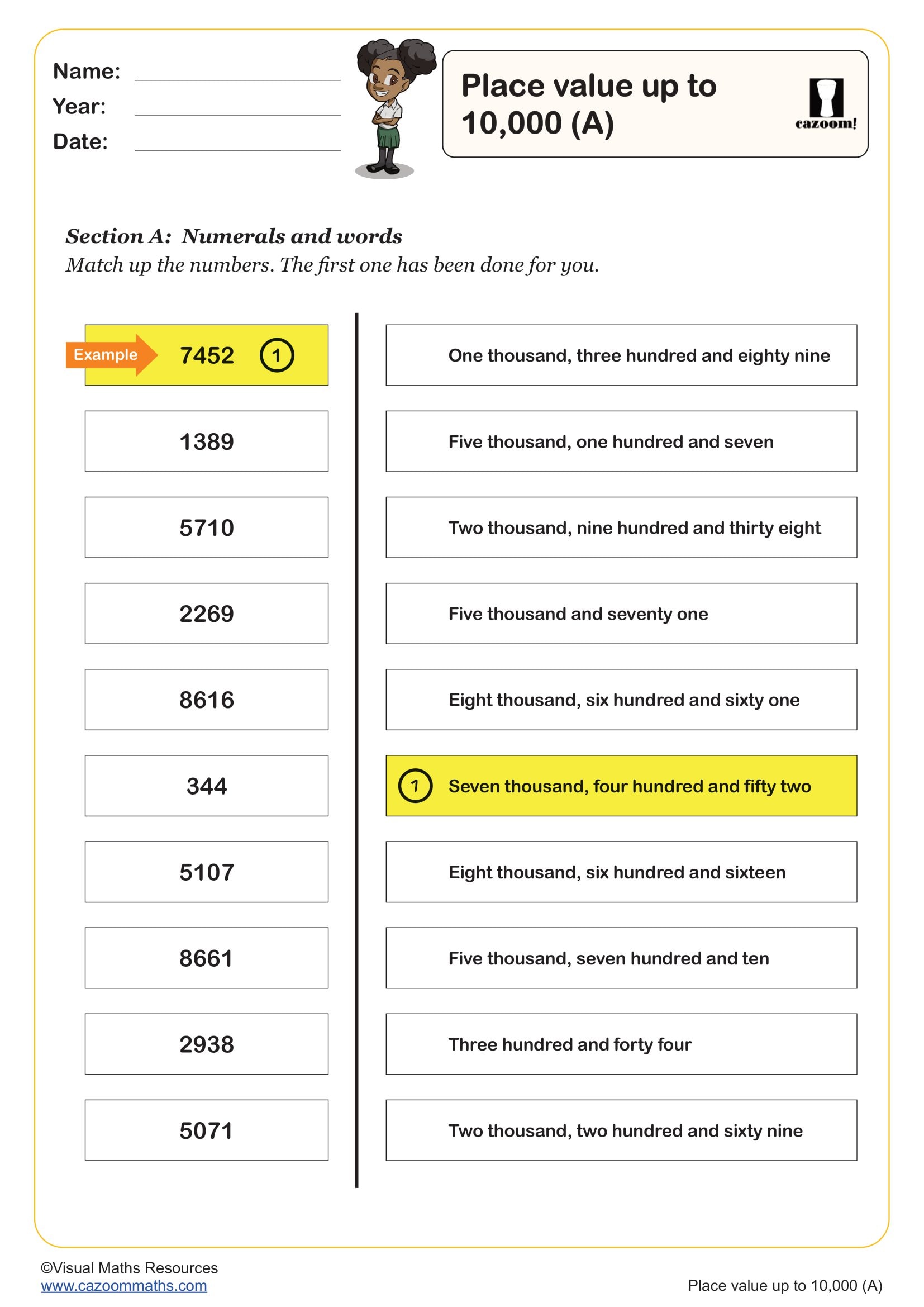
Place Value up to 10,000 (A)
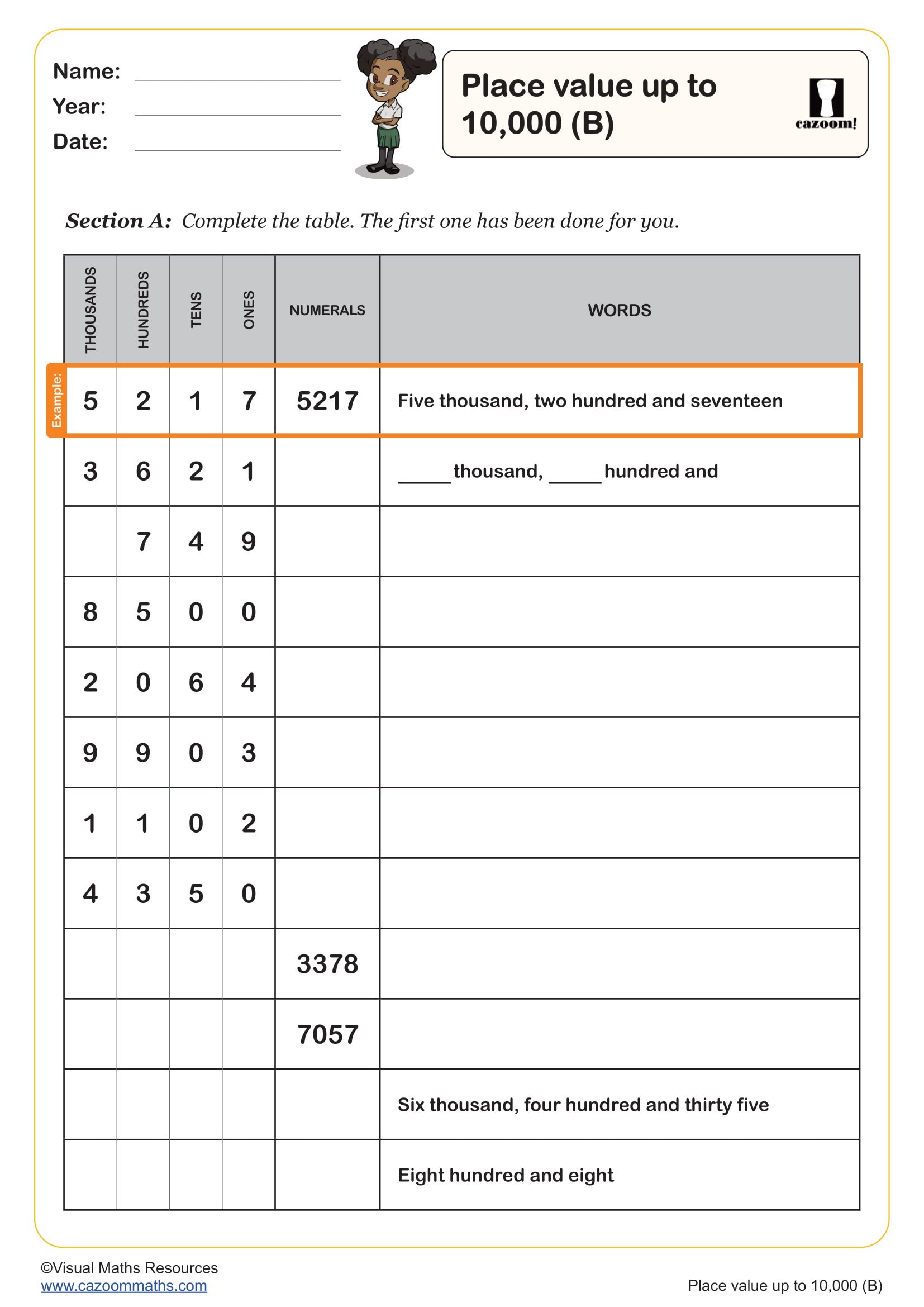
Place Value up to 10,000 (B)
Place Value up to 10,000 (C)

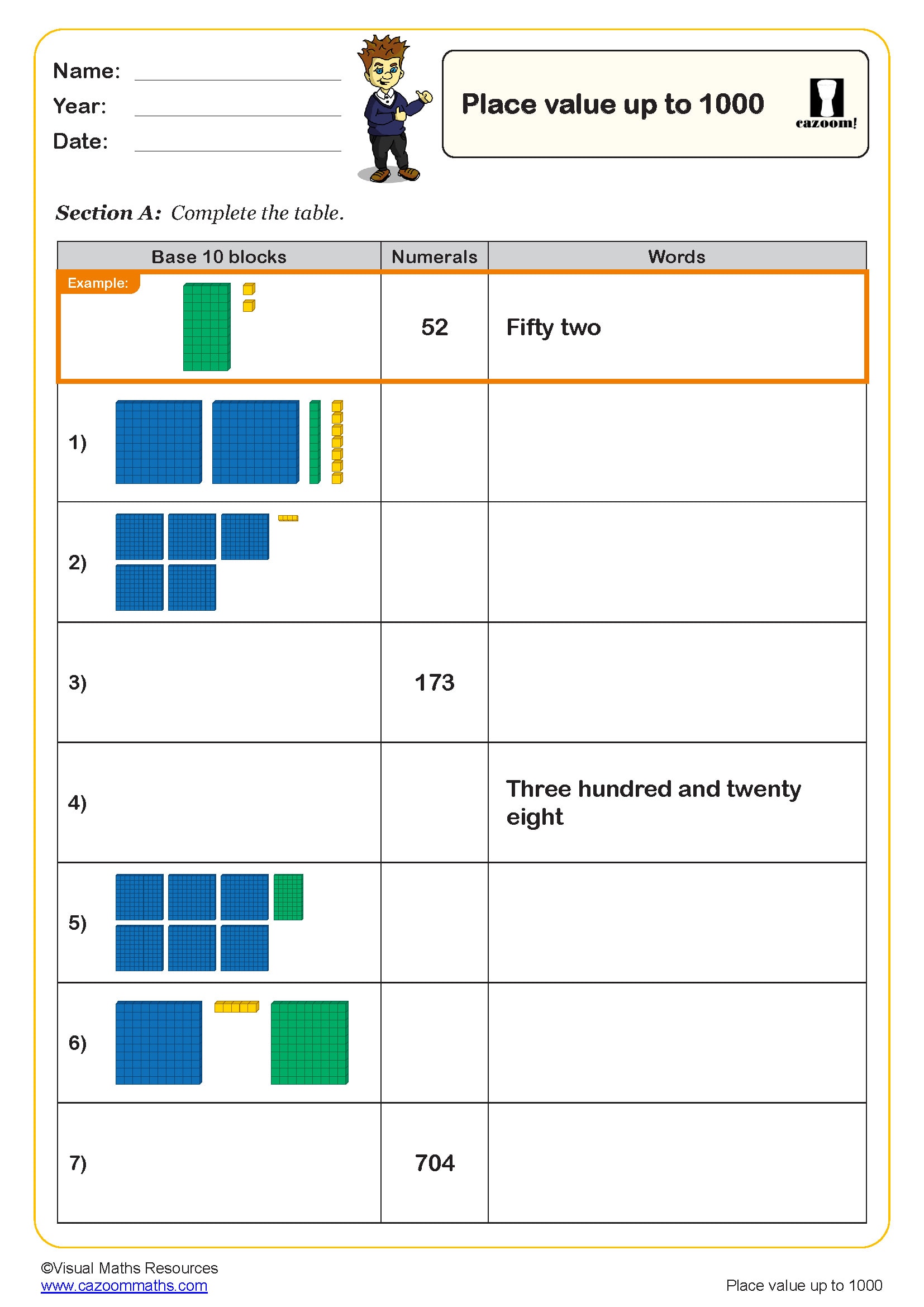
Place Value up to 1000
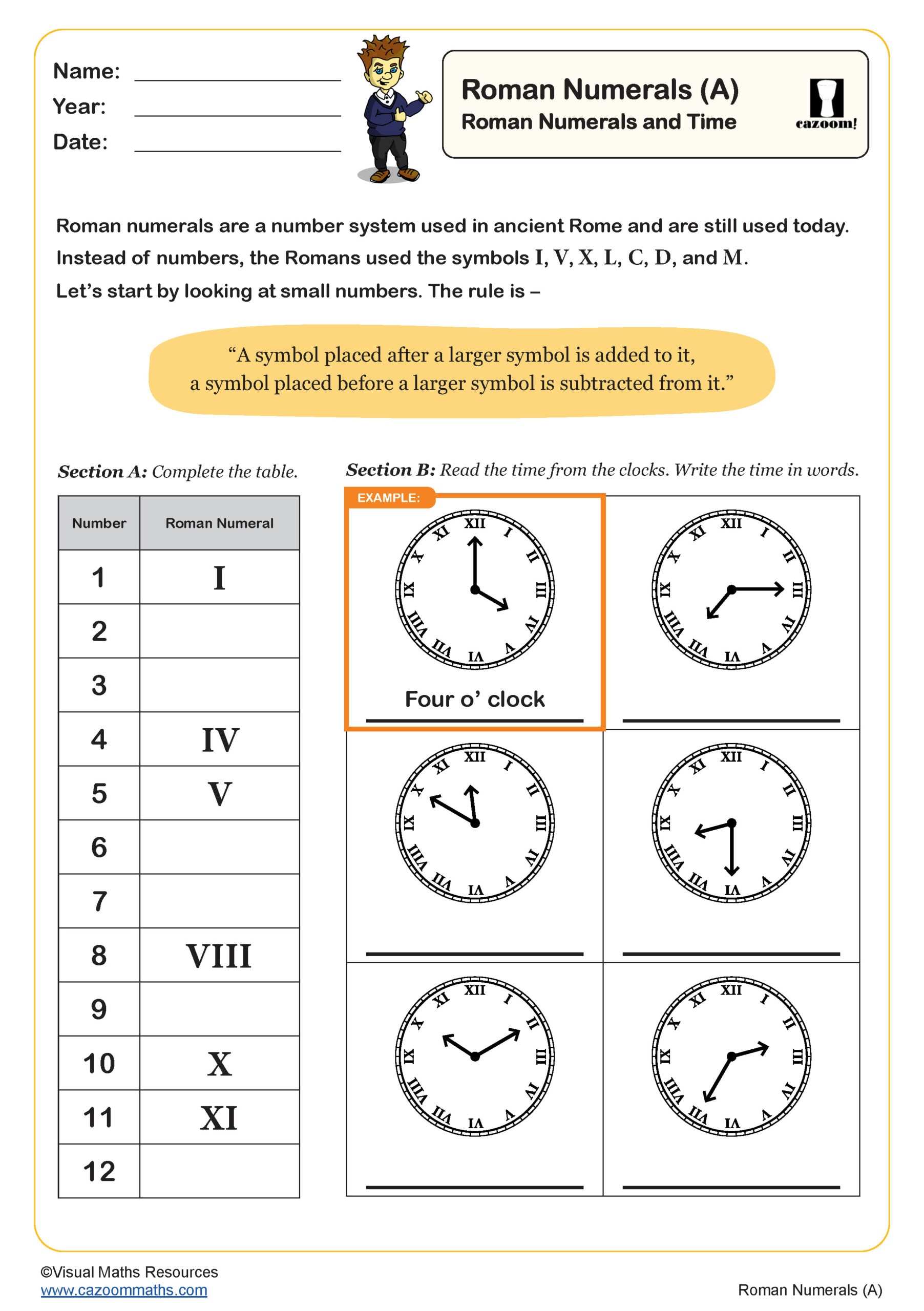
Roman Numerals (A)
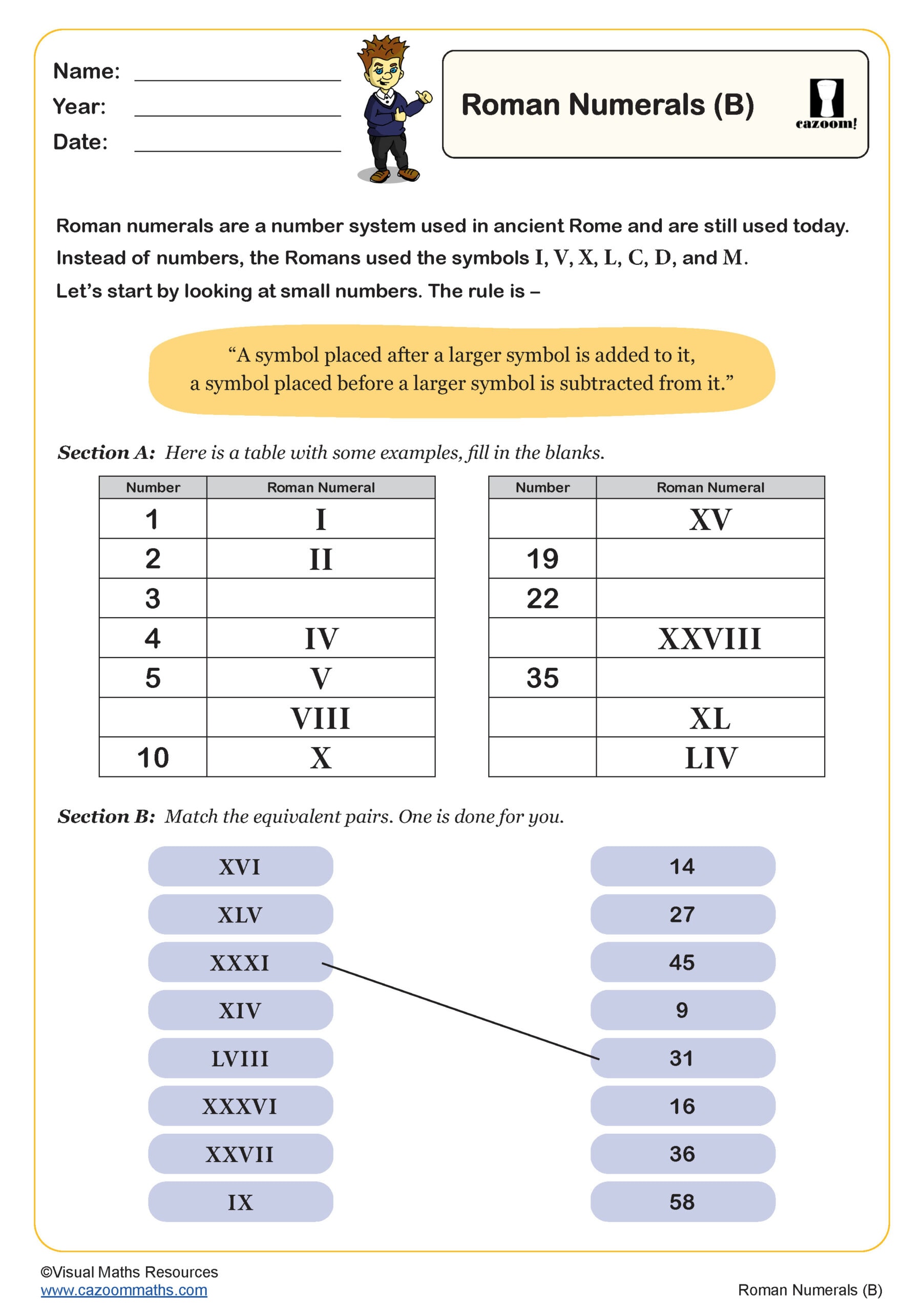
Roman Numerals (B)
Roman Numerals (C)
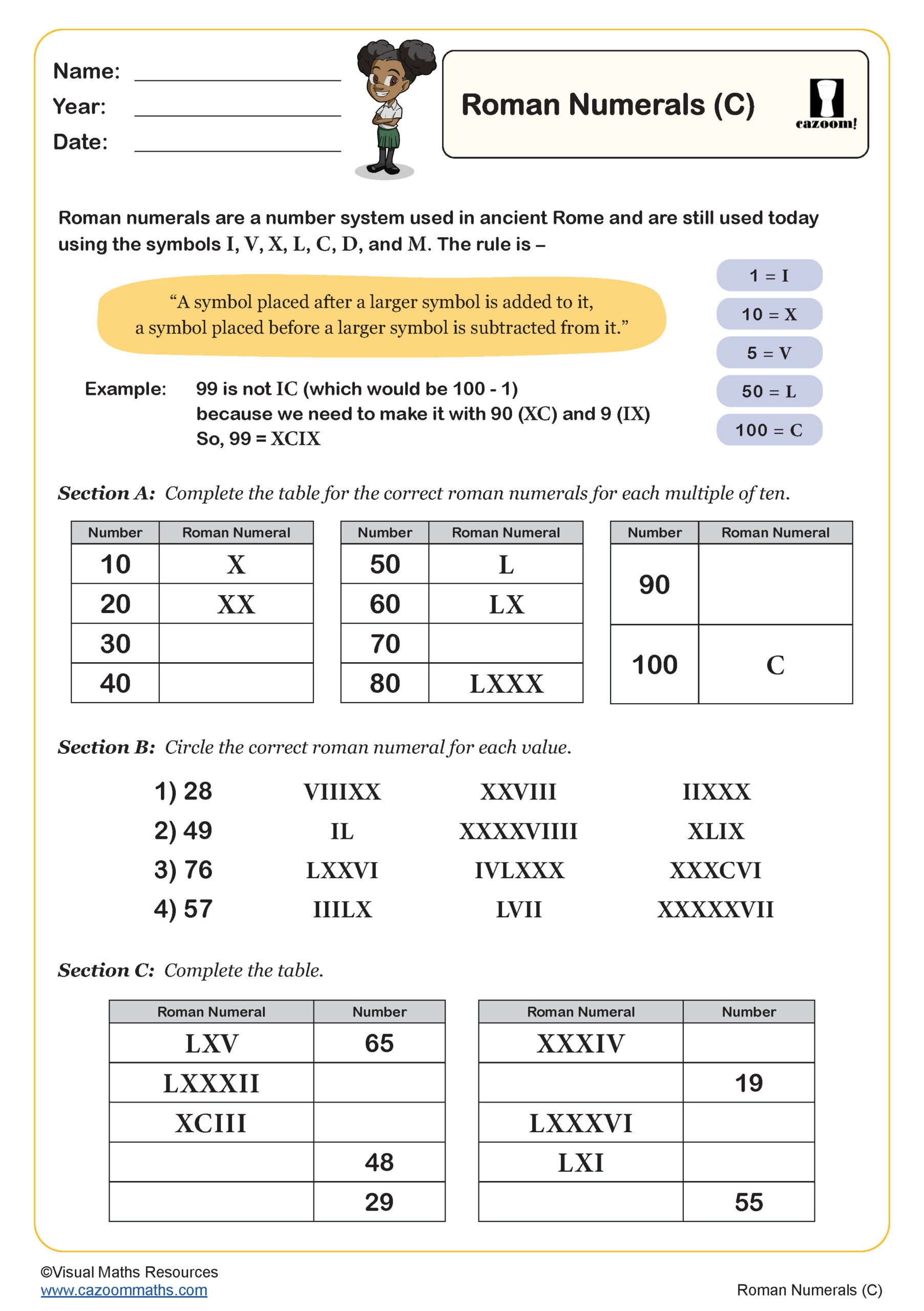
Roman Numerals (D)
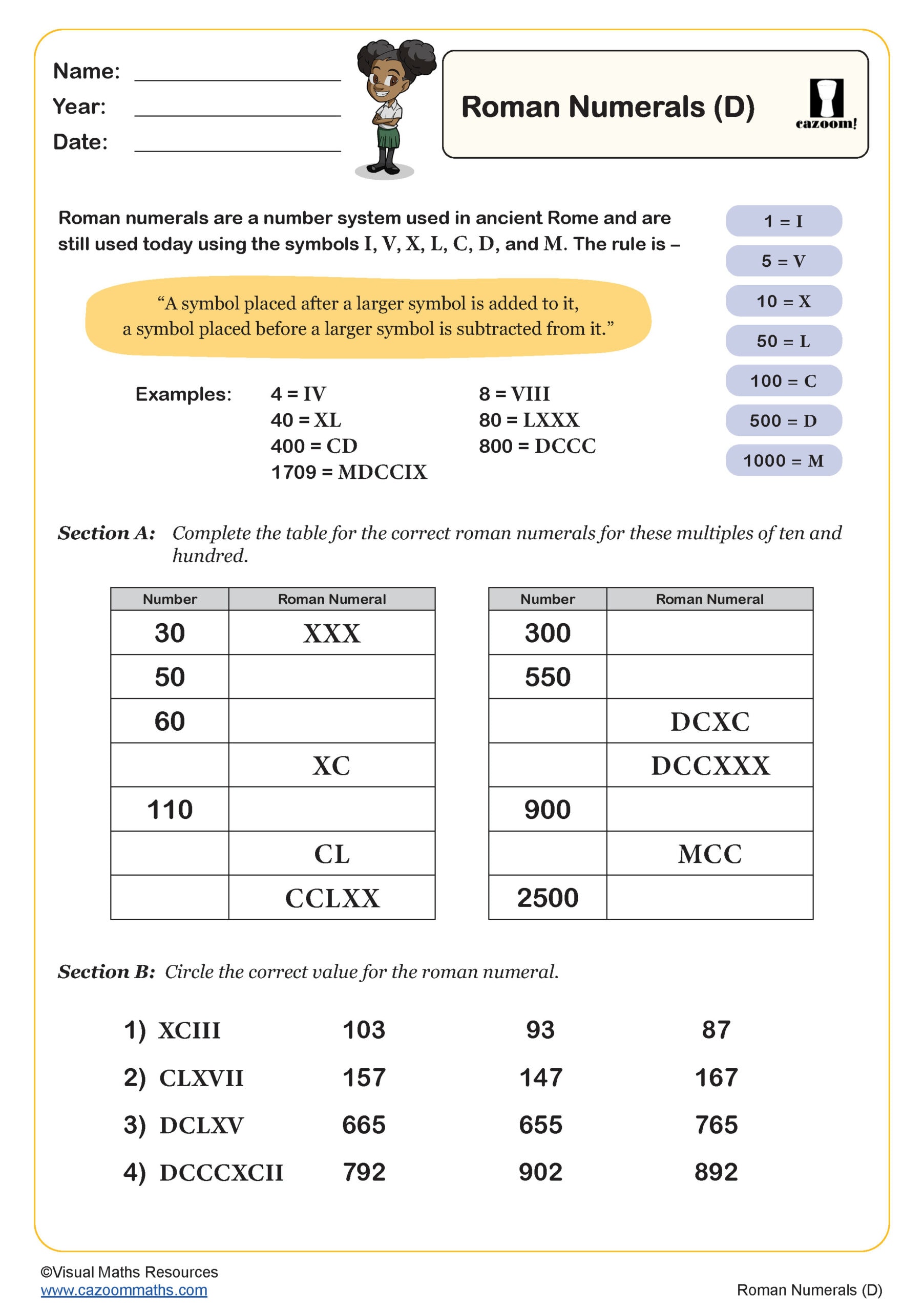
Round to the Nearest 10, 100 or 1,000
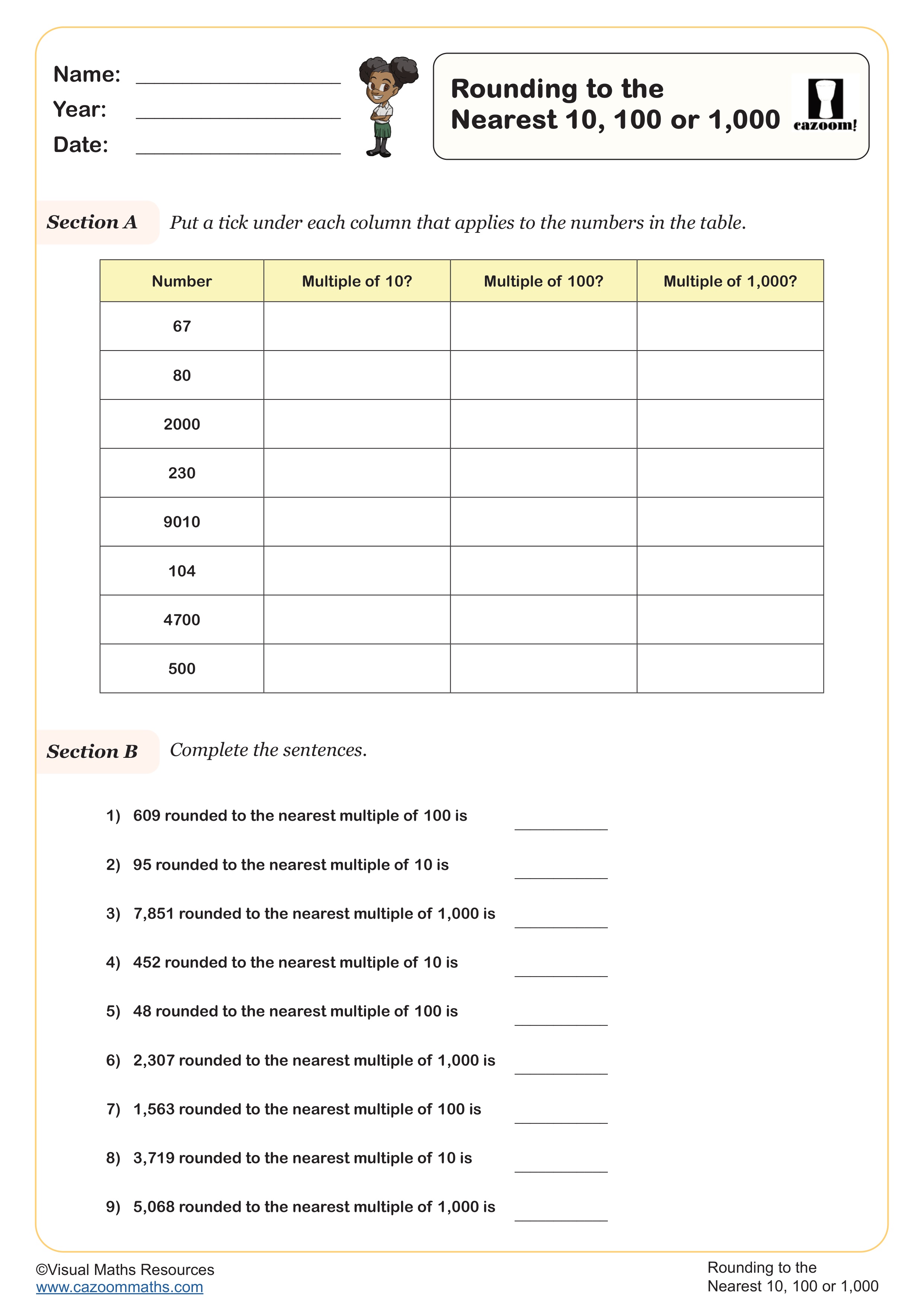
Rounding Charts
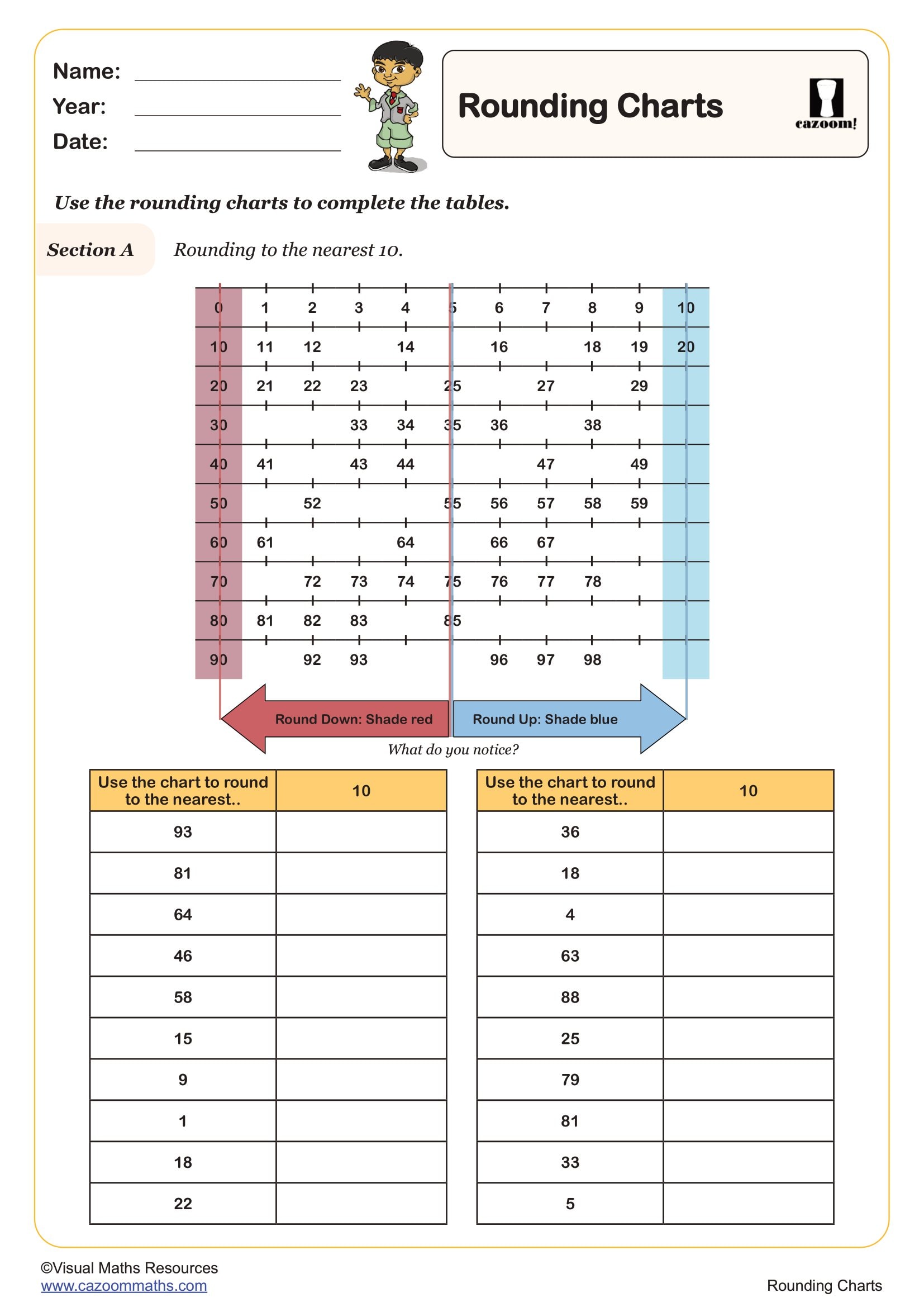
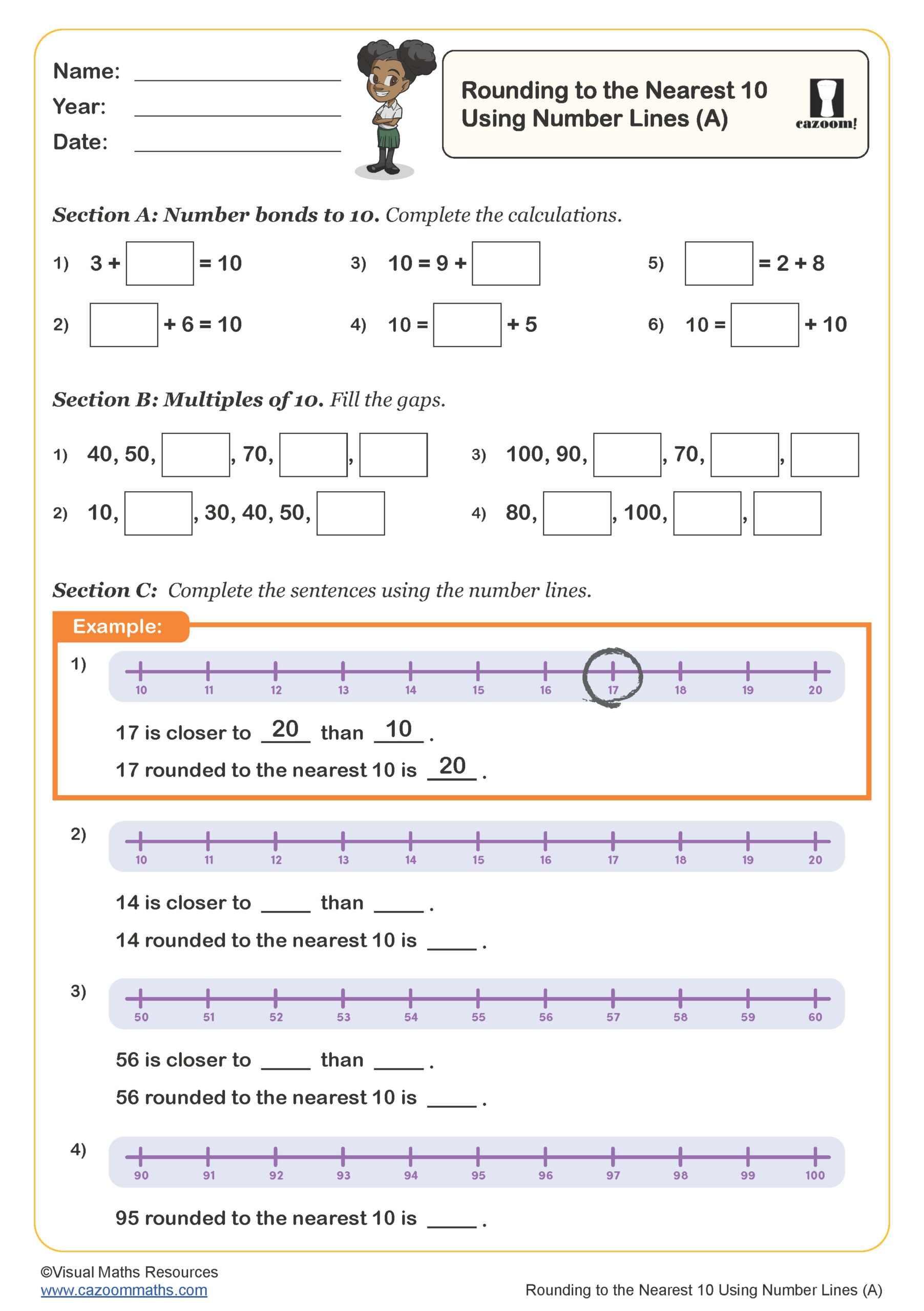
Rounding Numbers to the Nearest 10 Using Number Lines (A)
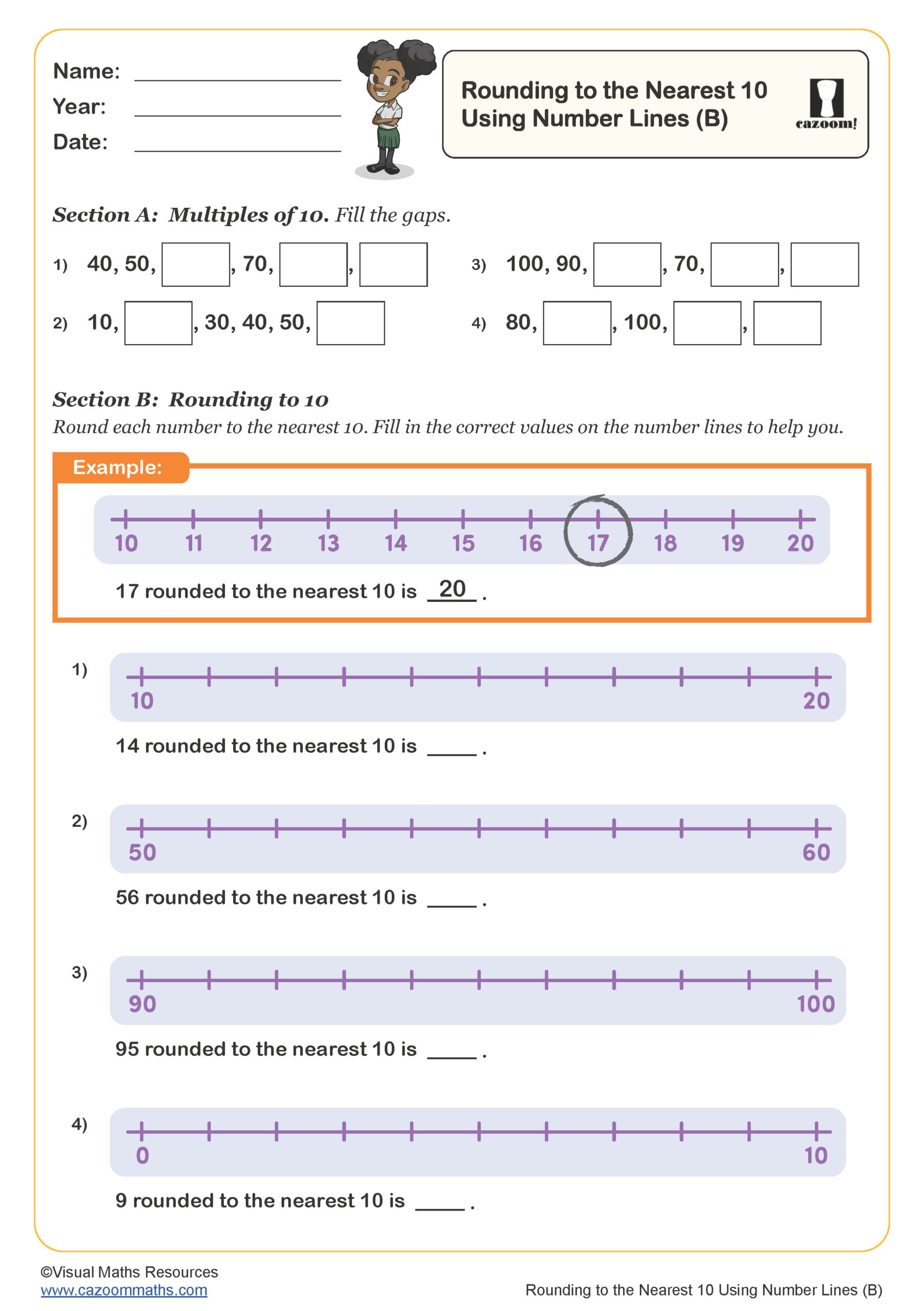
Rounding Numbers to the Nearest 10 Using Number Lines (B)
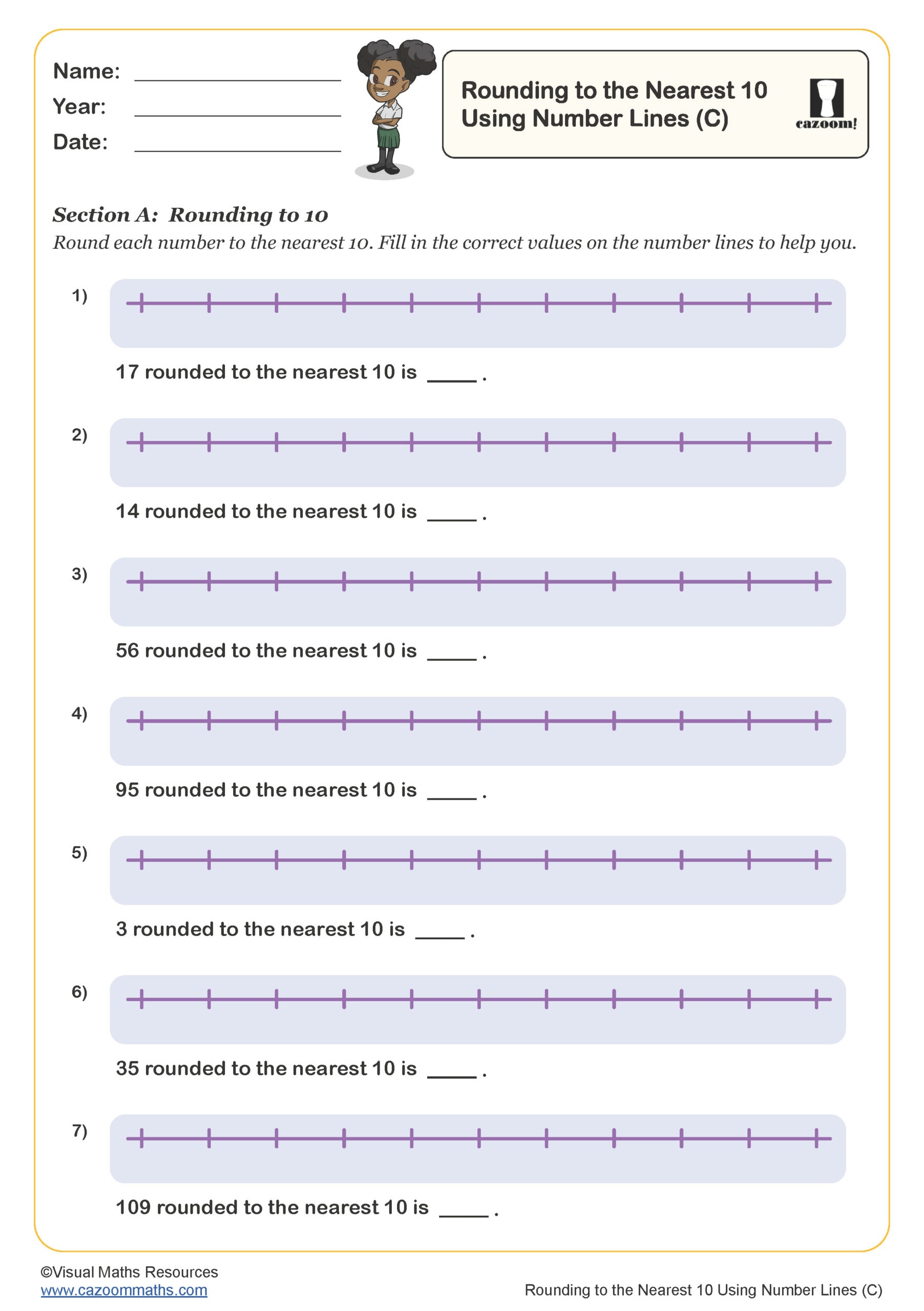
Rounding Numbers to the Nearest 10 Using Number Lines (C)
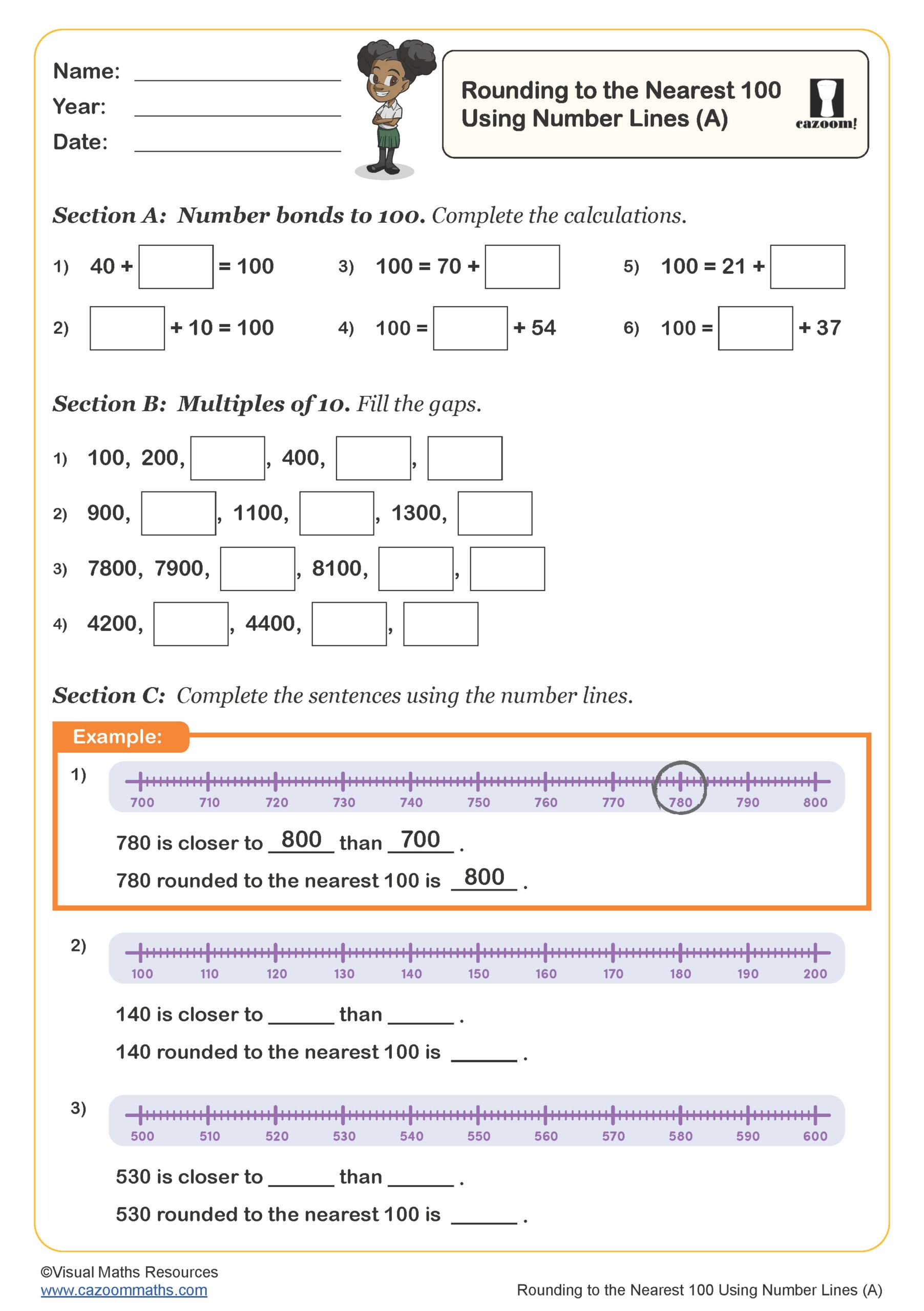
Rounding Numbers to the Nearest 100 Using Number Lines (A)
Rounding Numbers to the Nearest 100 Using Number Lines (B)
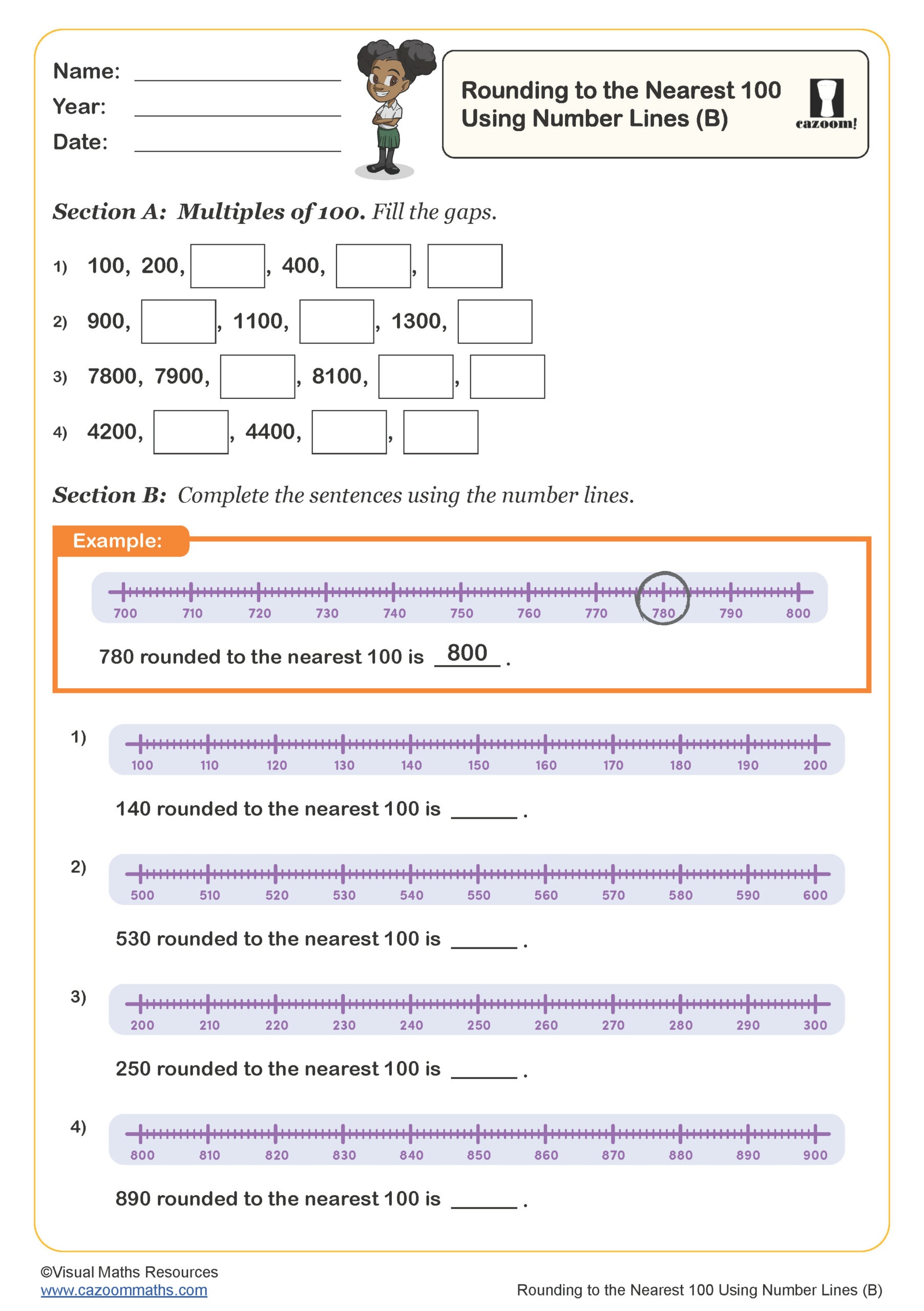
Rounding Numbers to the Nearest 100 Using Number Lines (C)
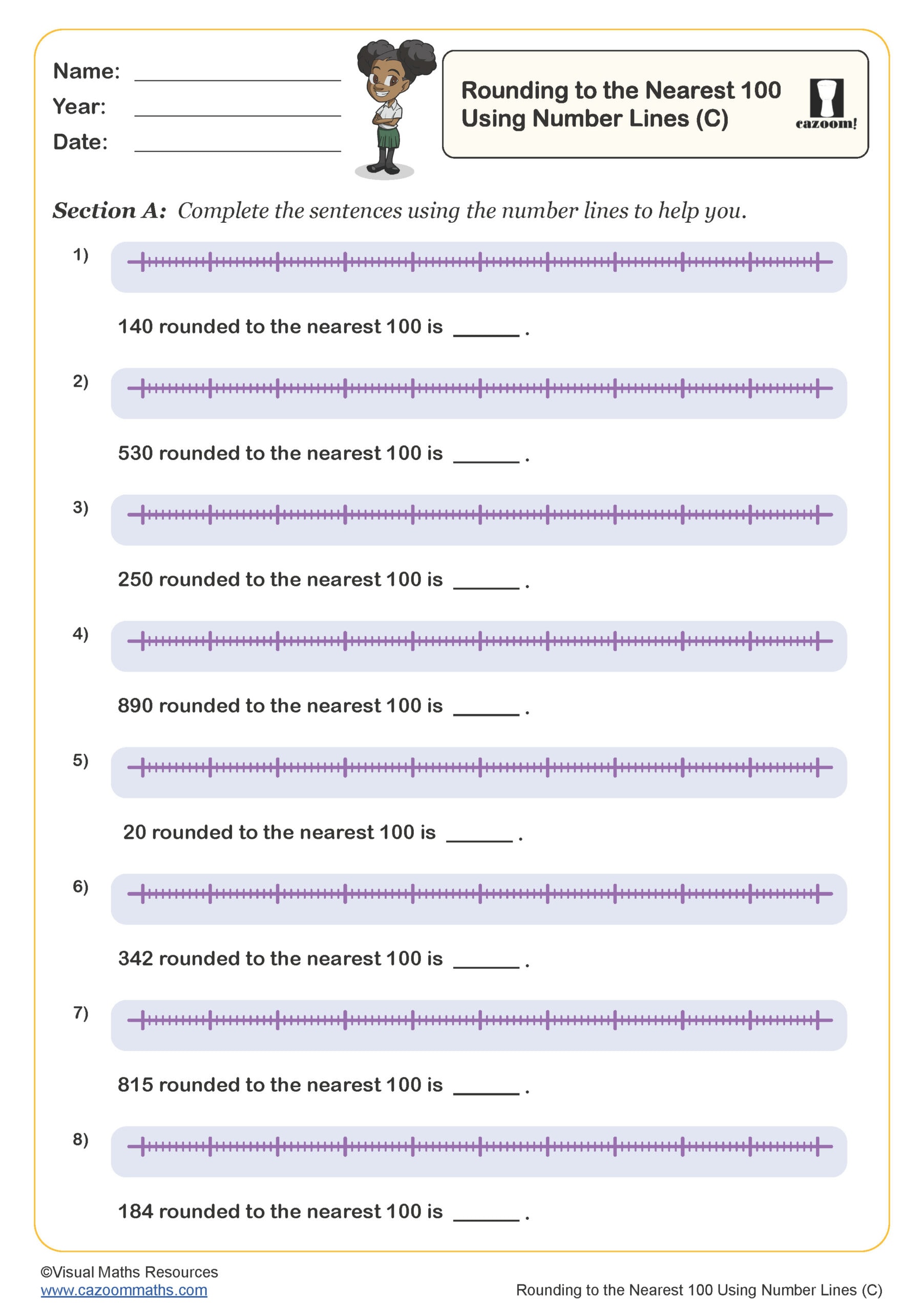
Rounding to one Decimal Place
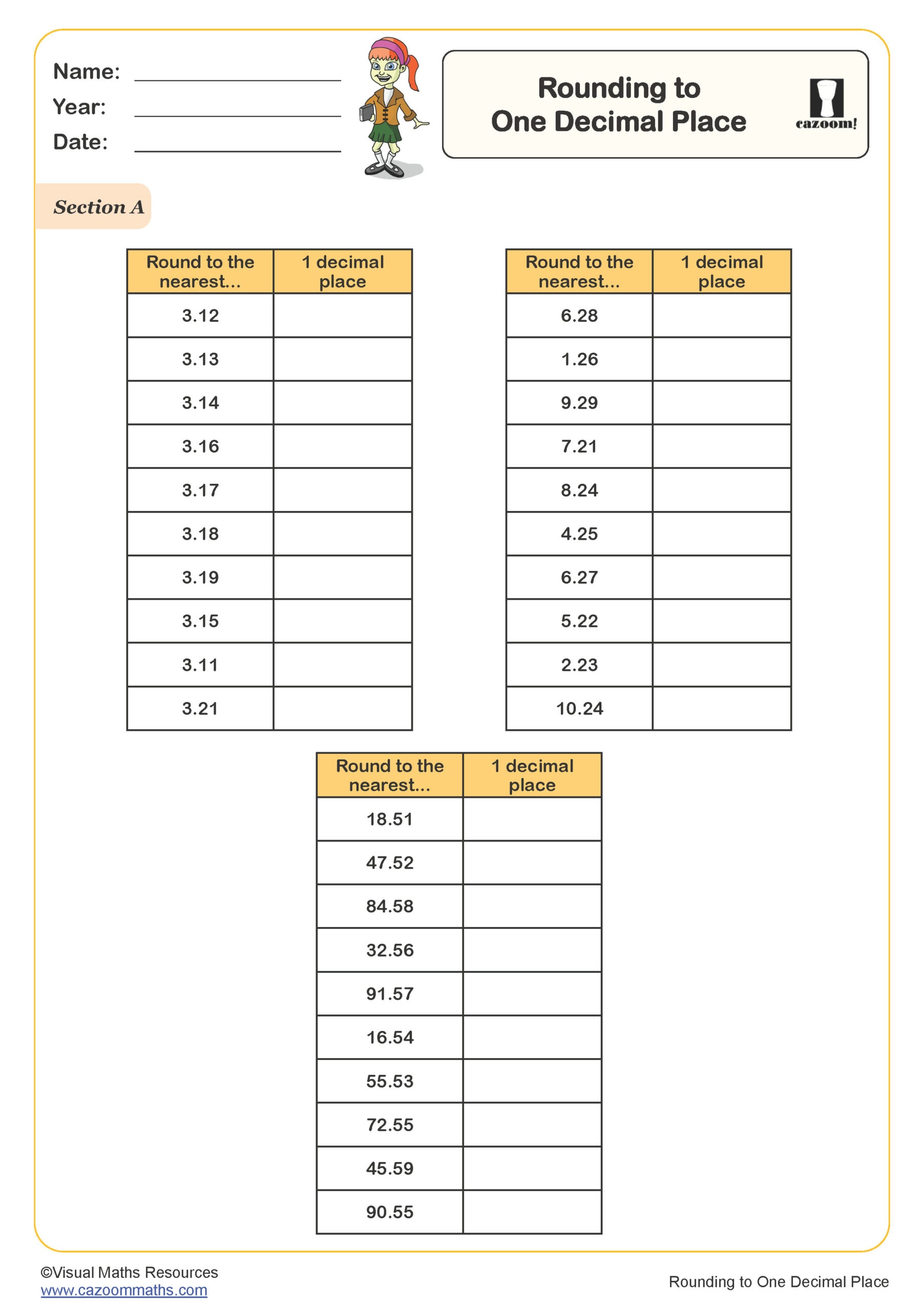
Rounding to the Nearest 100
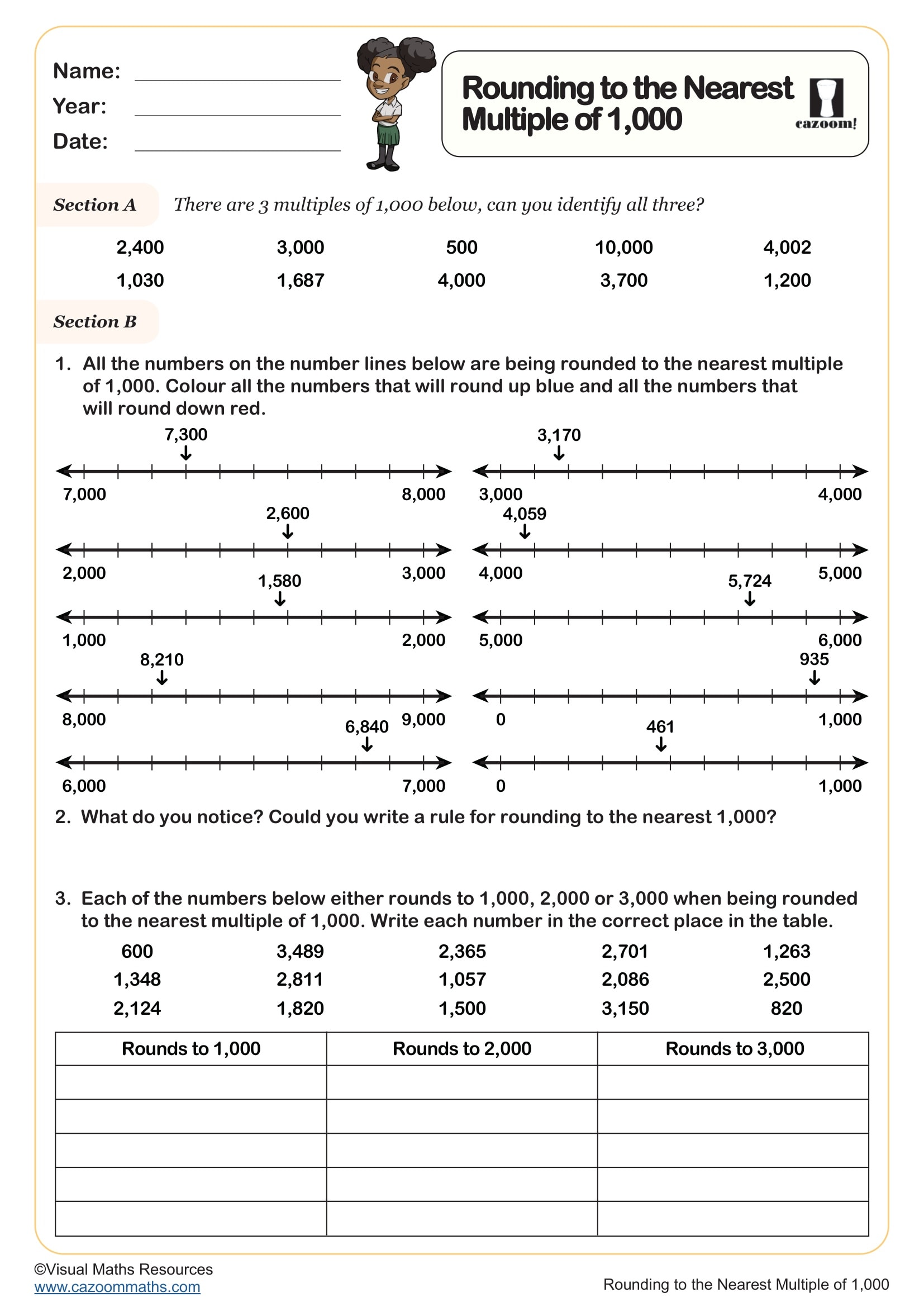
Rounding to the Nearest Multiple of 1,000
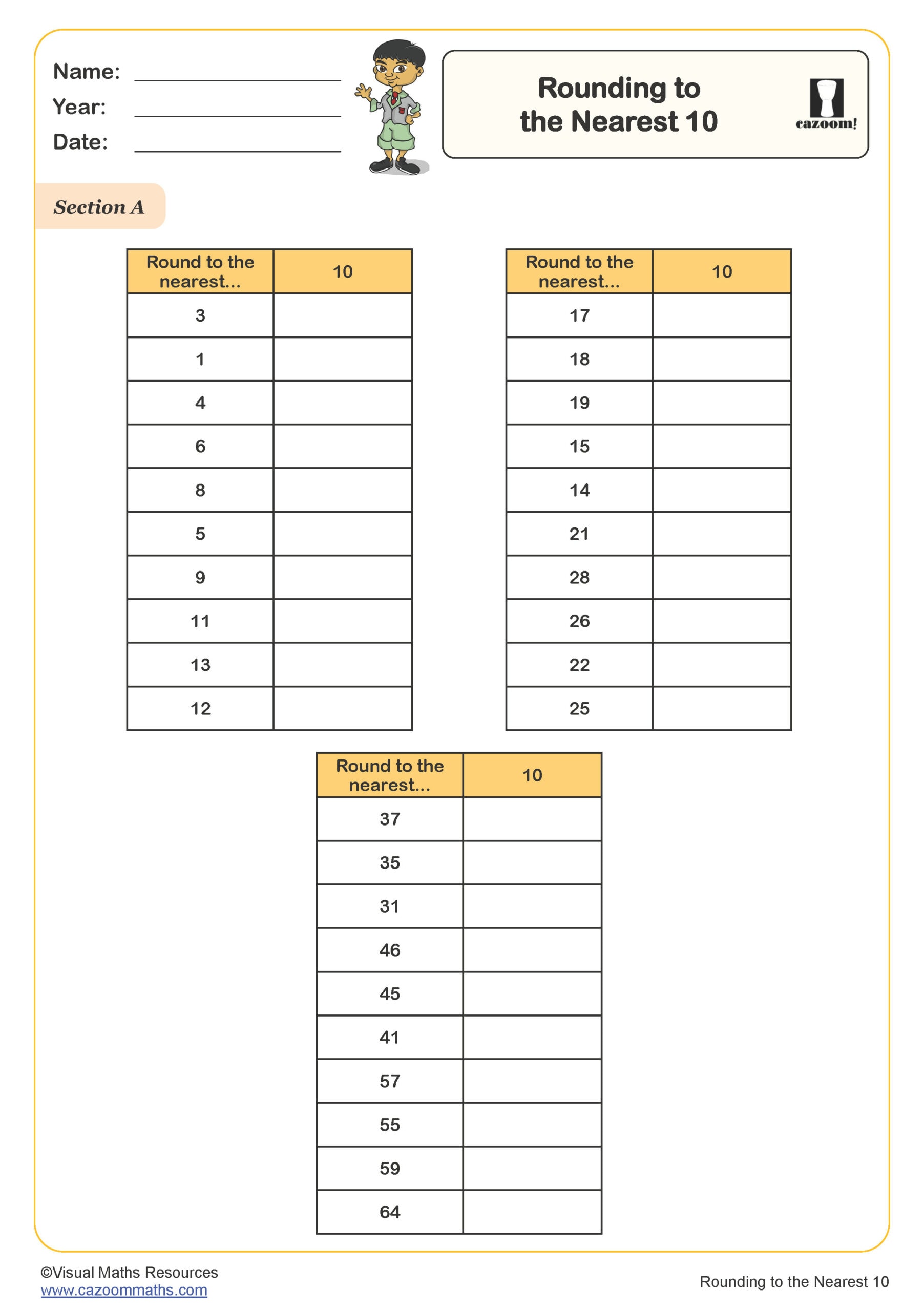
Rounding to the Nearest Ten
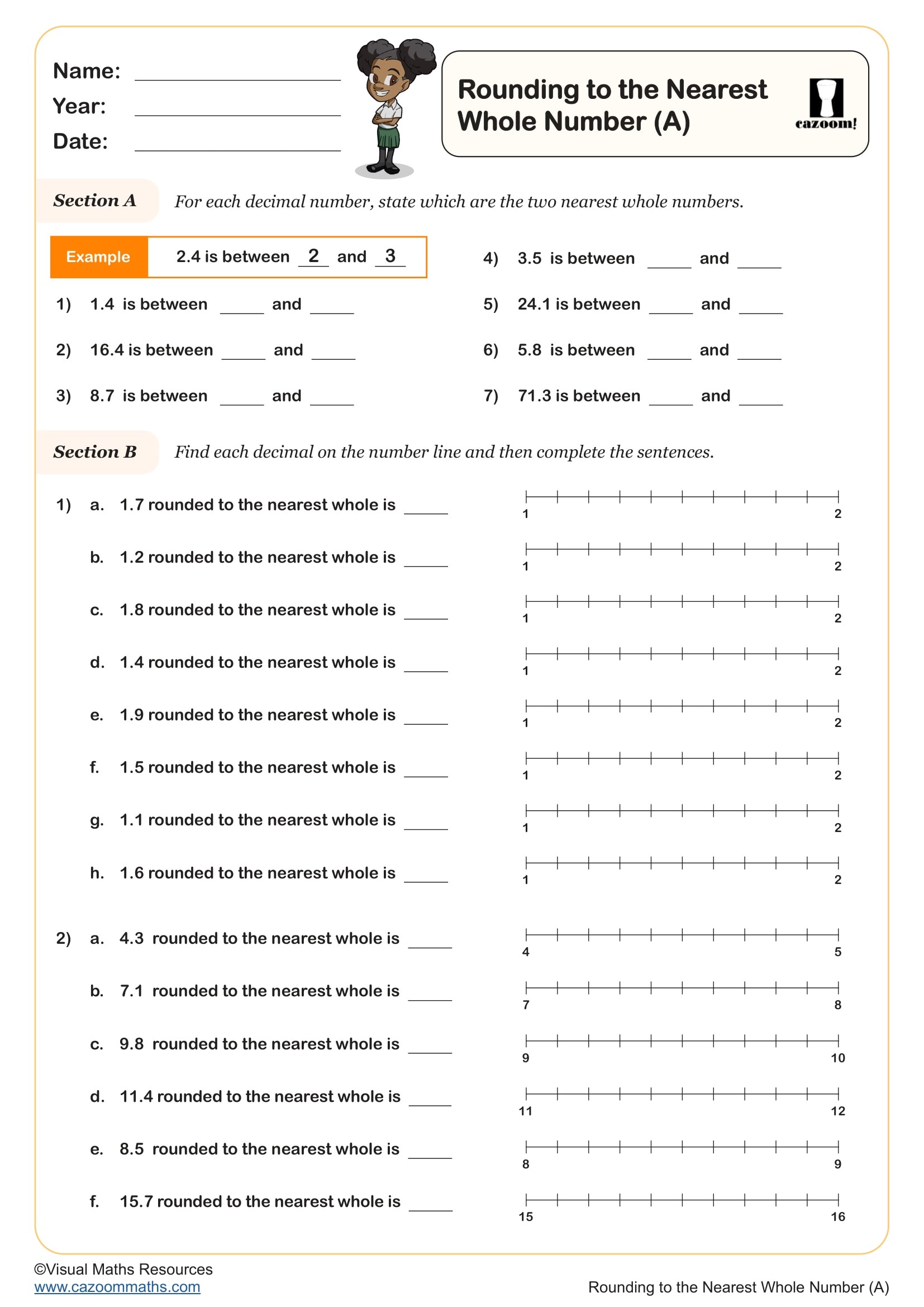
Rounding to Whole Numbers (A)
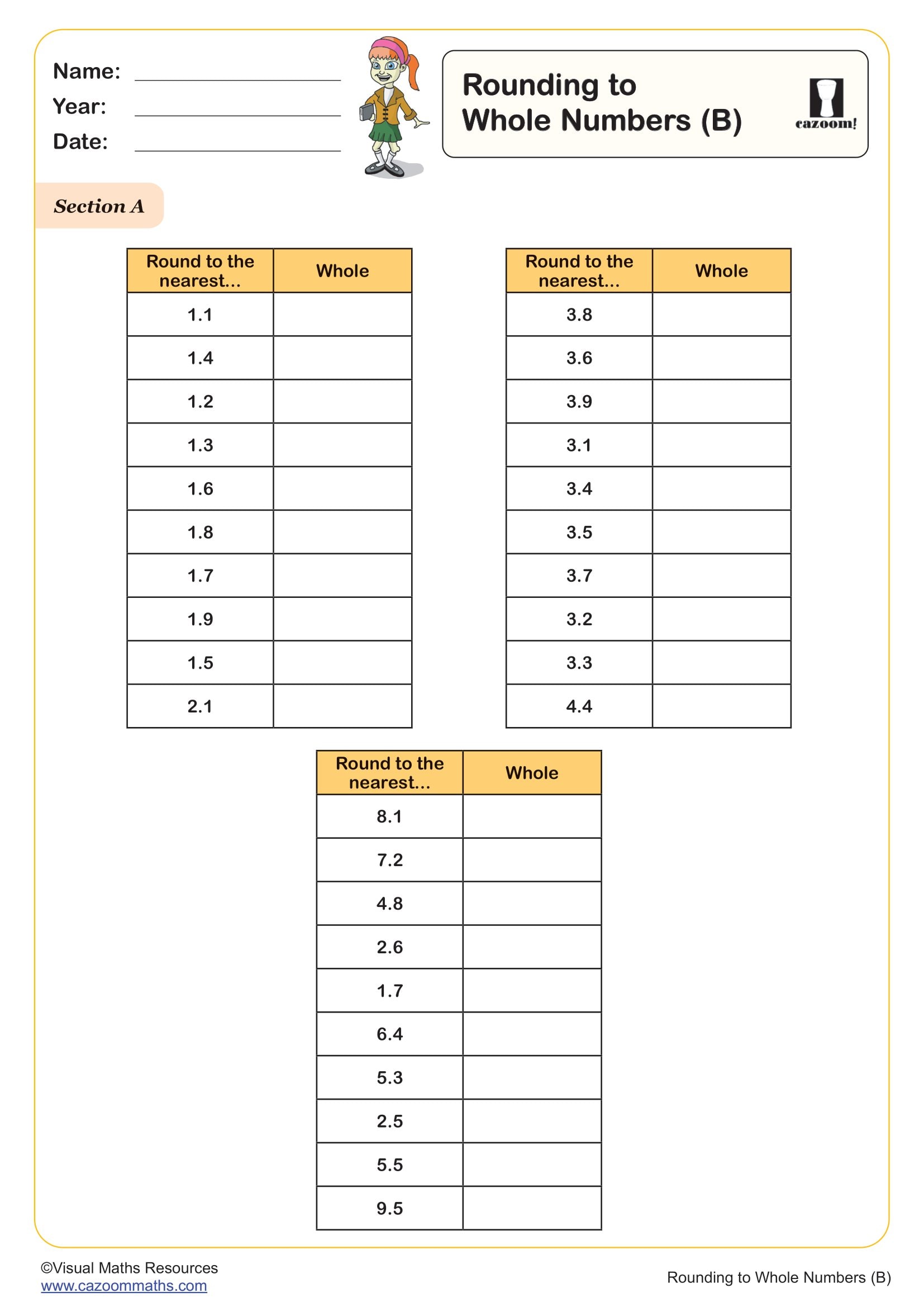
Rounding to Whole Numbers (B)
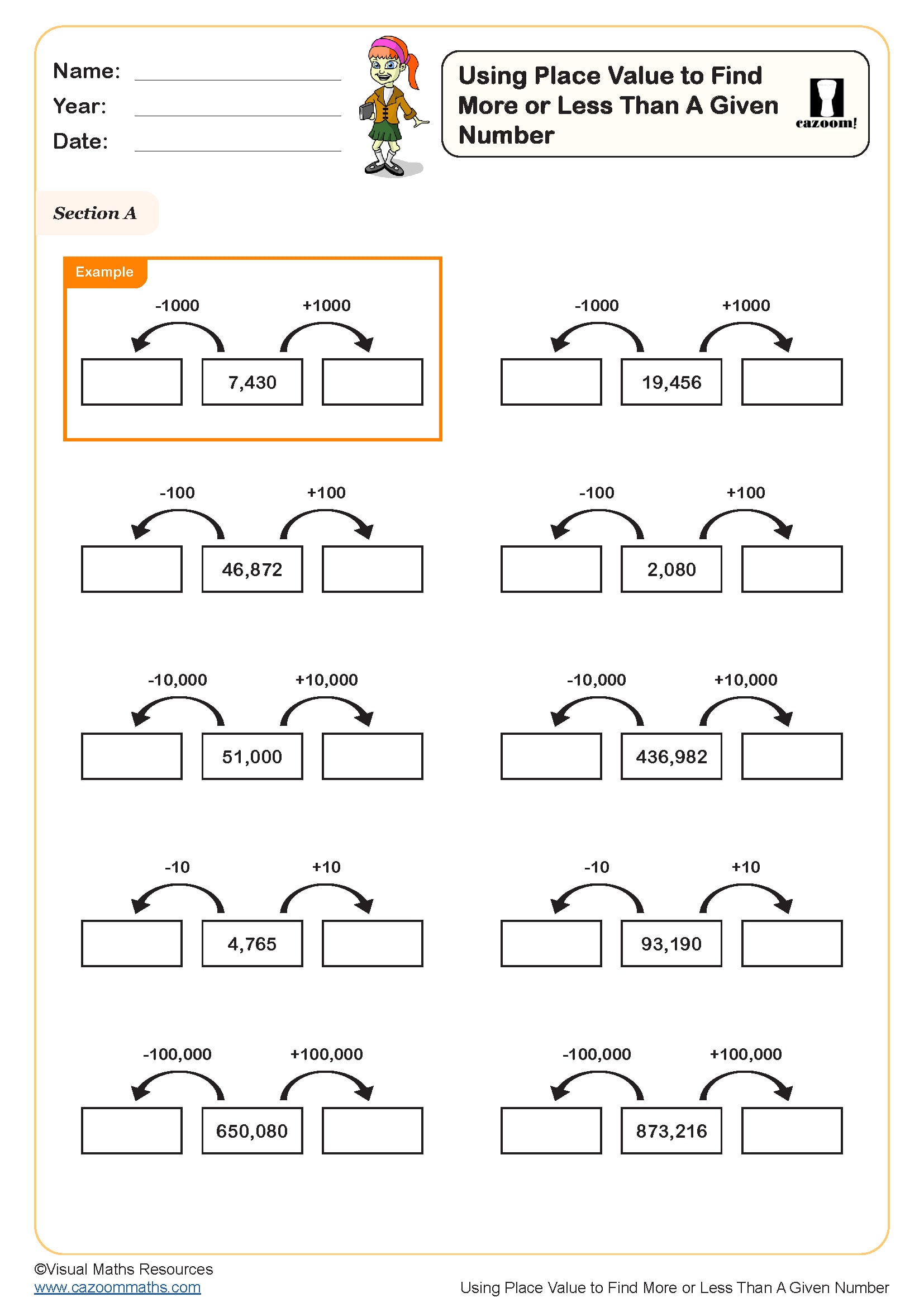
Using Place Value to Find More or Less Than A Given Number
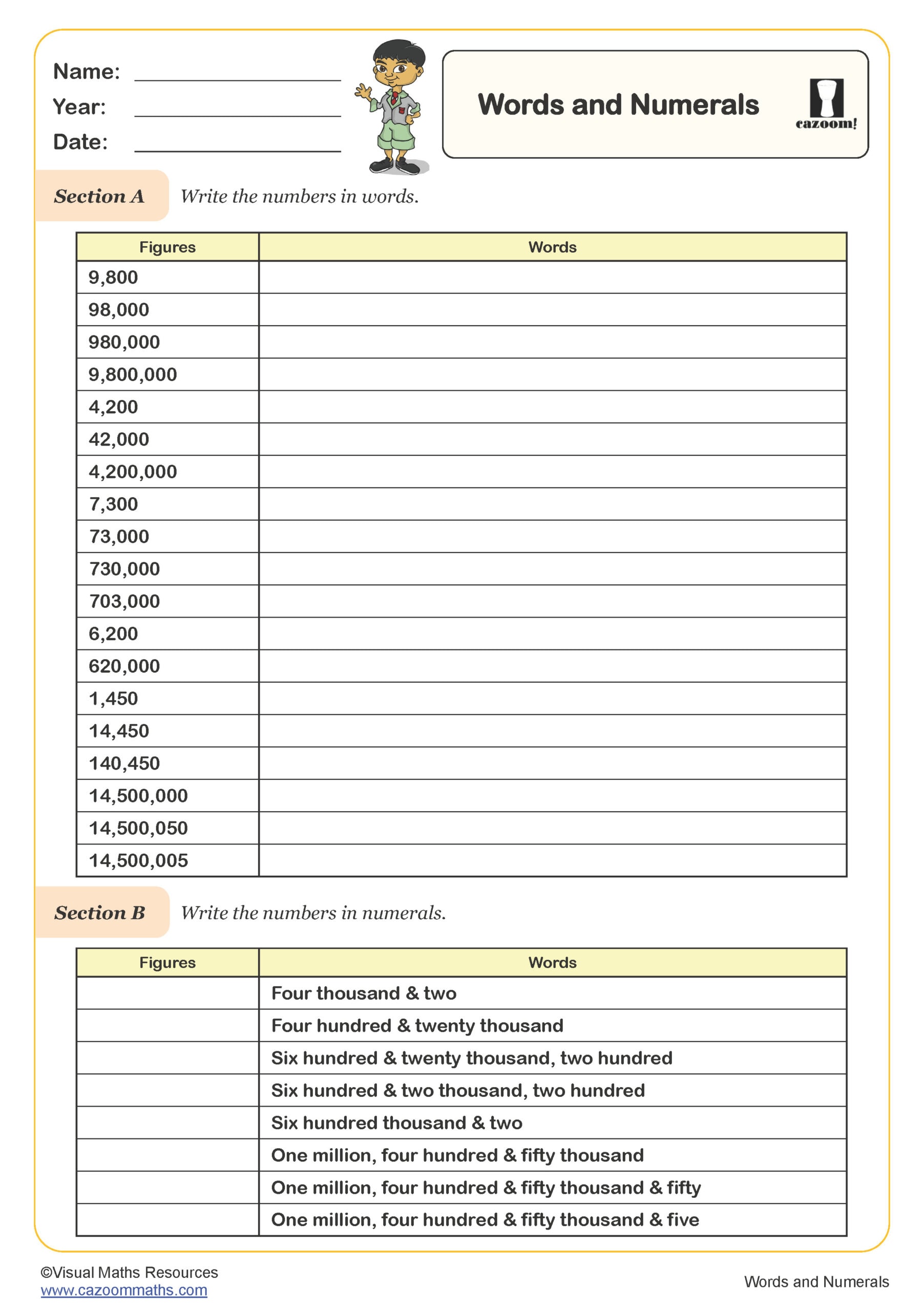
Words and Numerals
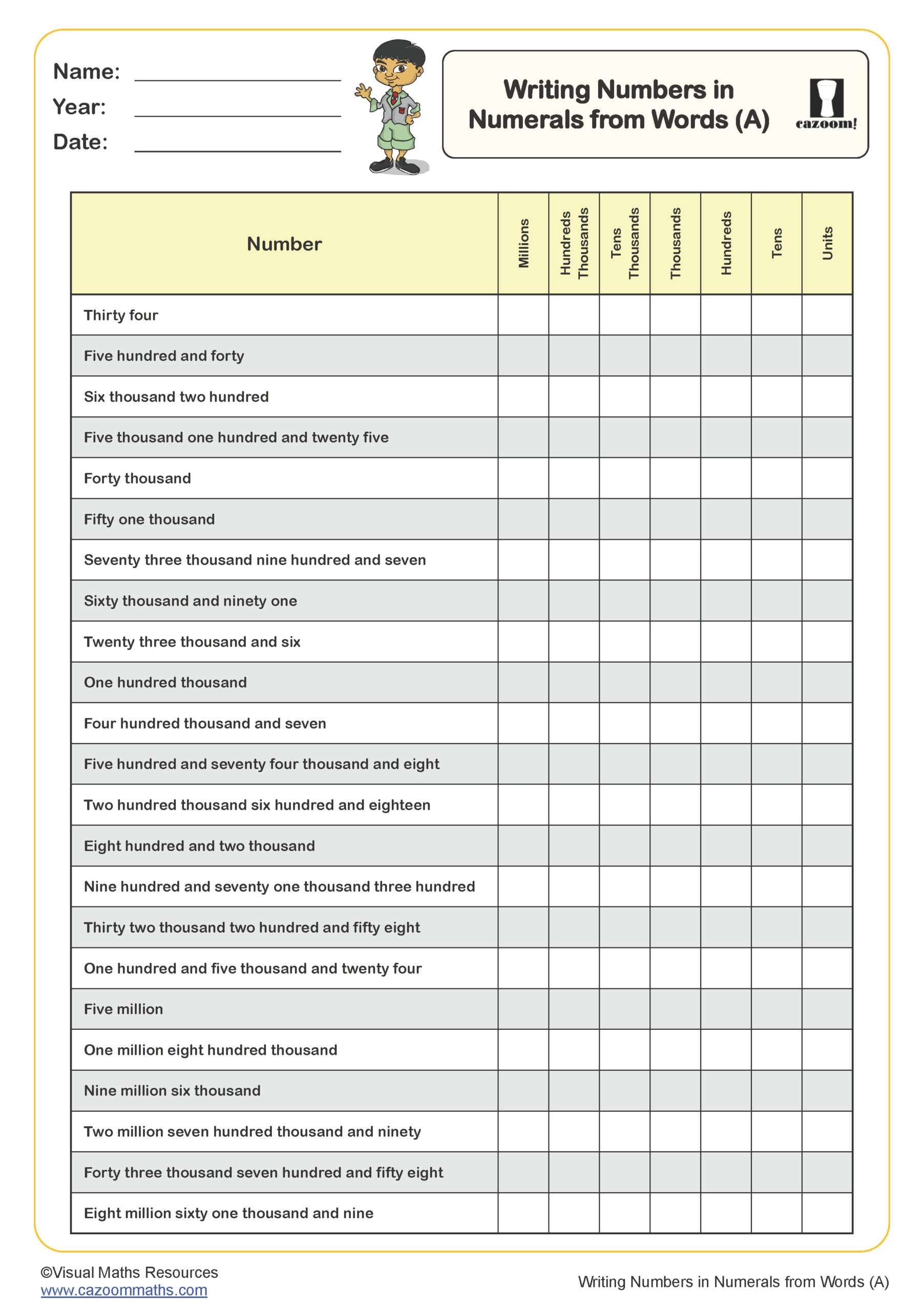
Writing numbers in numerials from words (A)
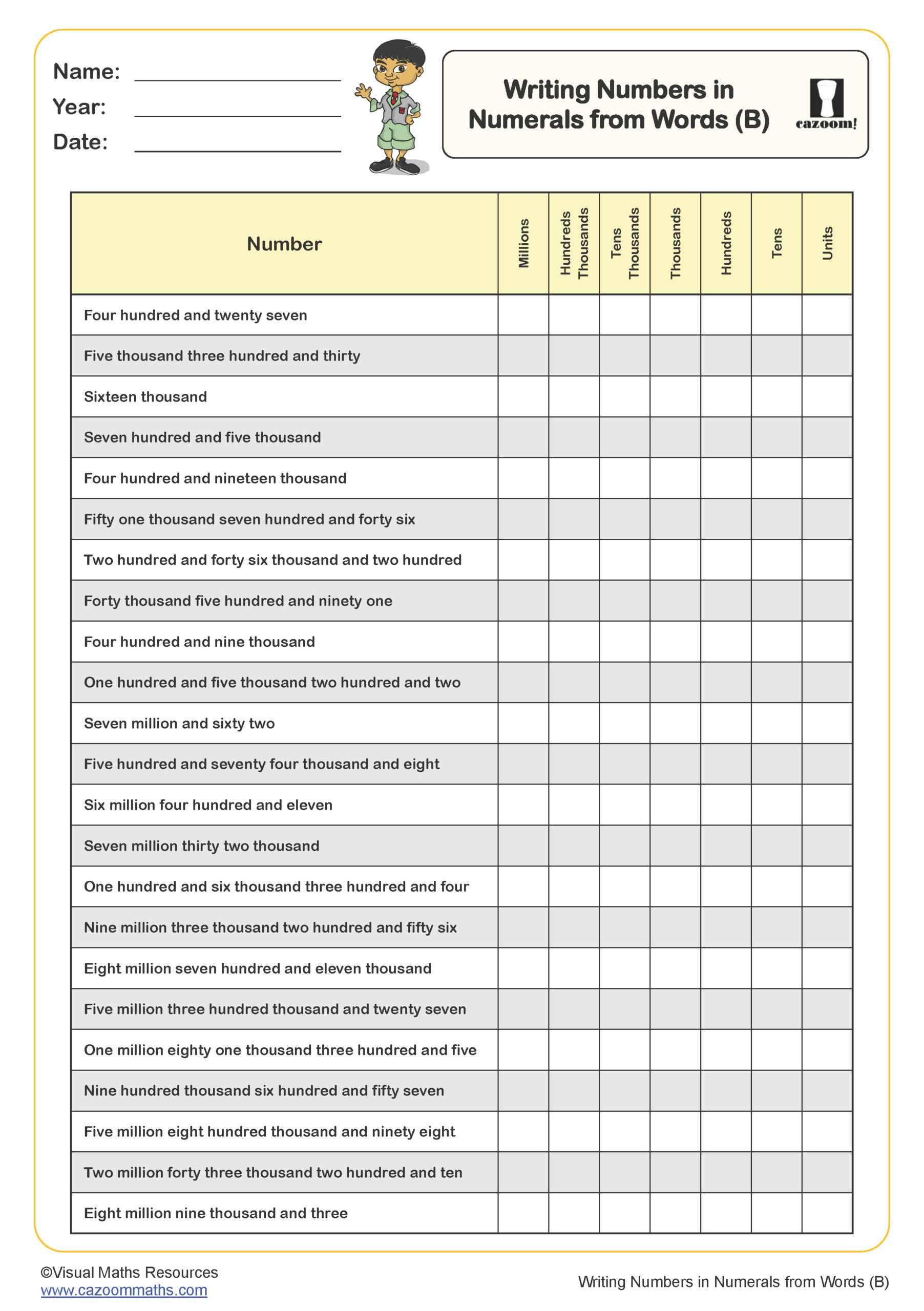
Writing numbers in numerials from words (B)
All worksheets are created by the team of experienced teachers at Cazoom Maths.
What do KS2 place value worksheets cover?
Place value worksheets for KS2 build progressively across the four years, starting with three-digit numbers in Year 3 and extending to numbers with up to seven digits by Year 6. Pupils practise reading and writing numbers in numerals and words, identifying the value of digits in different positions, and understanding how the position of a digit determines its value.
The worksheets also cover essential related skills such as partitioning numbers into hundreds, tens and ones (or thousands, hundreds, tens and ones), comparing and ordering numbers using inequality symbols, and rounding to the nearest 10, 100 or 1000. These foundational skills underpin all further work with the four operations and problem-solving throughout KS2.
Which year groups are these place value worksheets suitable for?
These resources cover all four years of Key Stage 2: Year 3, Year 4, Year 5 and Year 6. Each year group builds on prior learning, with carefully structured progression that matches National Curriculum expectations. Year 3 pupils work with numbers up to 1000, whilst Year 4 extends to 10,000 and introduces negative numbers.
By Year 5, pupils handle numbers up to 1,000,000 and develop understanding of place value in decimal numbers. Year 6 consolidates these skills with numbers up to 10,000,000 and deepens conceptual understanding needed for secondary school mathematics. The worksheets are differentiated within each year group to support varied attainment levels.
How do the worksheets teach rounding and estimation?
Rounding appears throughout KS2 place value work, with worksheets introducing the concept systematically. Pupils begin by rounding two-digit and three-digit numbers to the nearest 10 or 100, learning to identify which multiple a number sits between and apply the rounding rules. Visual representations such as number lines help build understanding before pupils tackle abstract problems.
As pupils progress through KS2, the worksheets introduce rounding to different degrees of accuracy including the nearest 1000, 10,000 and eventually any given power of 10. Estimation skills develop alongside rounding, with questions requiring pupils to use rounded numbers to approximate answers to calculations. This skill proves essential for checking the reasonableness of answers in problem-solving contexts.
Do the worksheets include answer sheets?
Yes, every worksheet includes a complete answer sheet showing worked solutions. This feature saves considerable marking time and ensures consistency in feedback, particularly valuable when multiple adults support pupils' learning. The answer sheets allow teachers to quickly identify misconceptions and target intervention where needed.
Pupils can also use the answer sheets for self-assessment or peer marking, developing their ability to check work independently. For parents supporting home learning, the detailed answers provide confidence when helping with homework or additional practise. All worksheets download as PDFs, so you can print individual copies or sets as required for your classroom or home teaching situation.