KS1 Multiplication and Division Worksheets
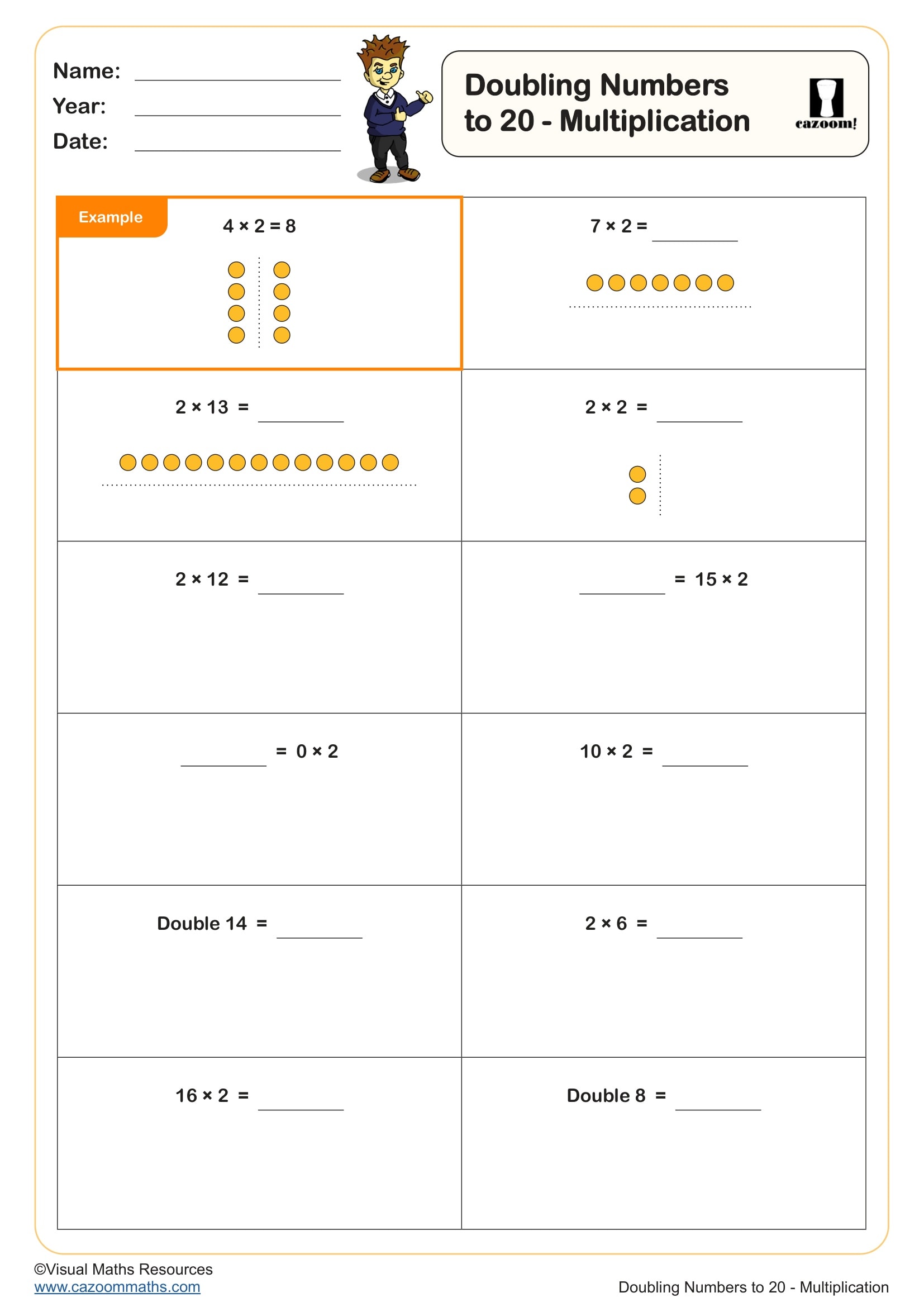
Doubling Numbers to 20 Multiplication
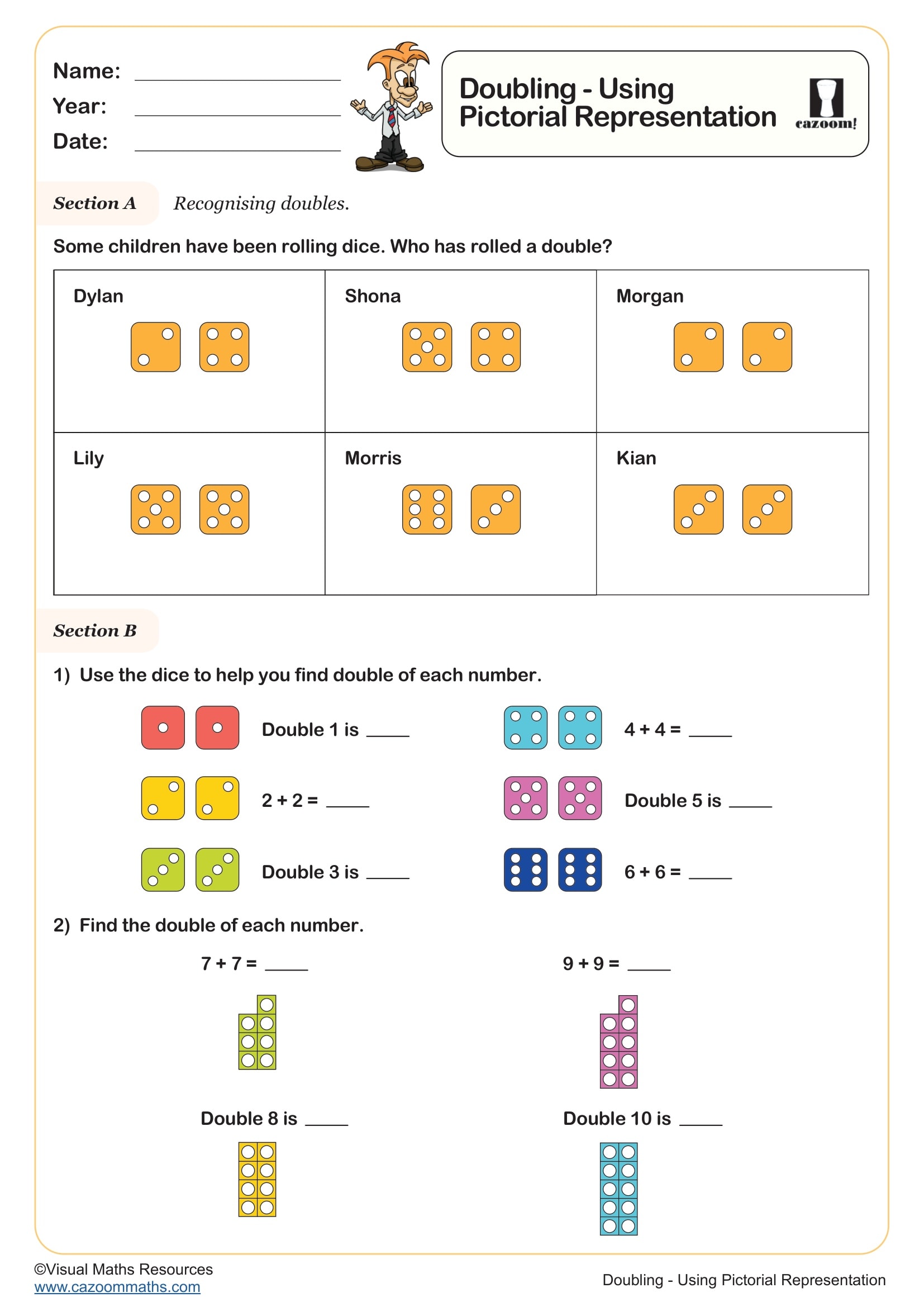
Doubling using Pictorial Representation
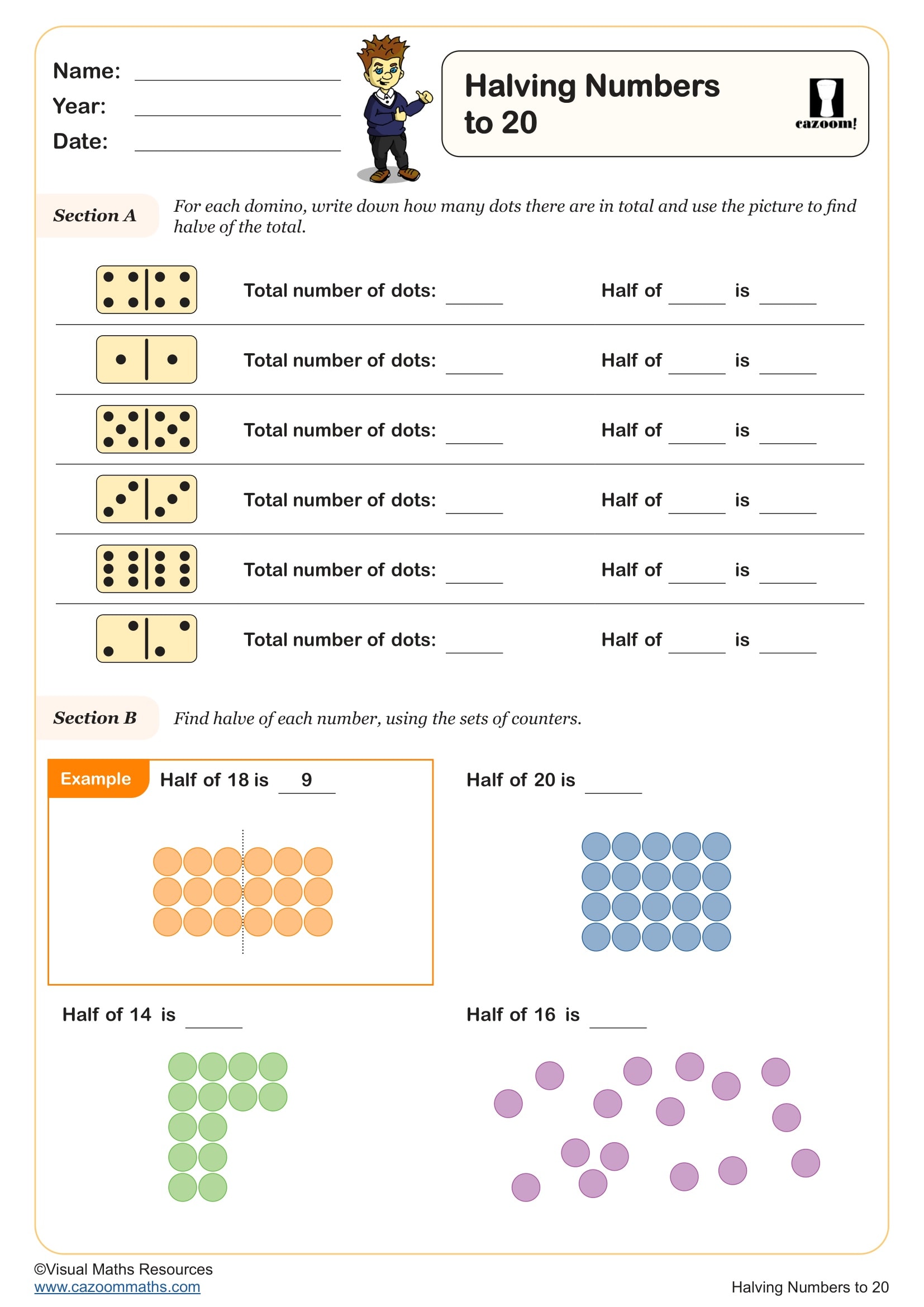
Halving Numbers to 20
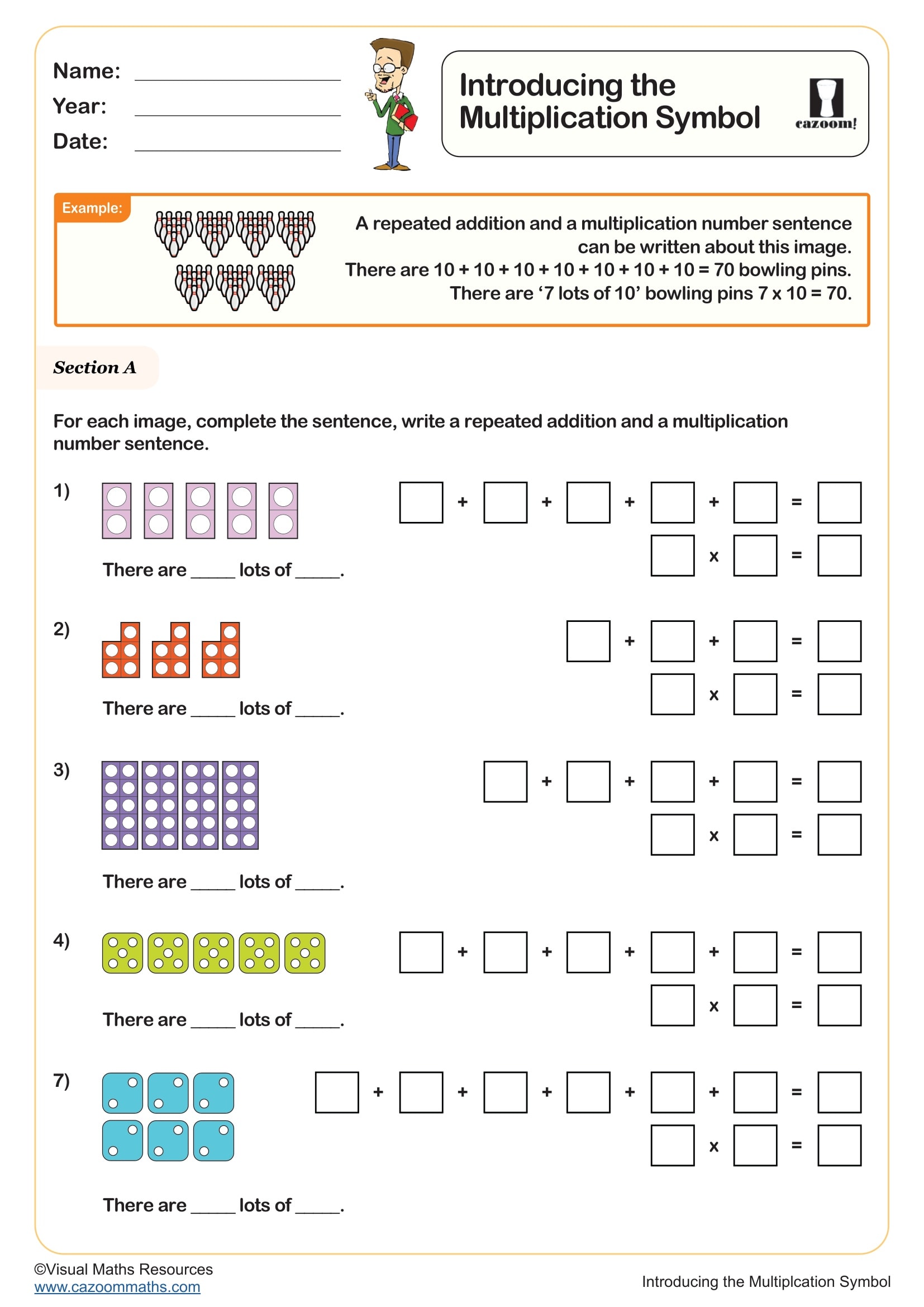
Introducing the Multiplication Symbol
Making Arrays
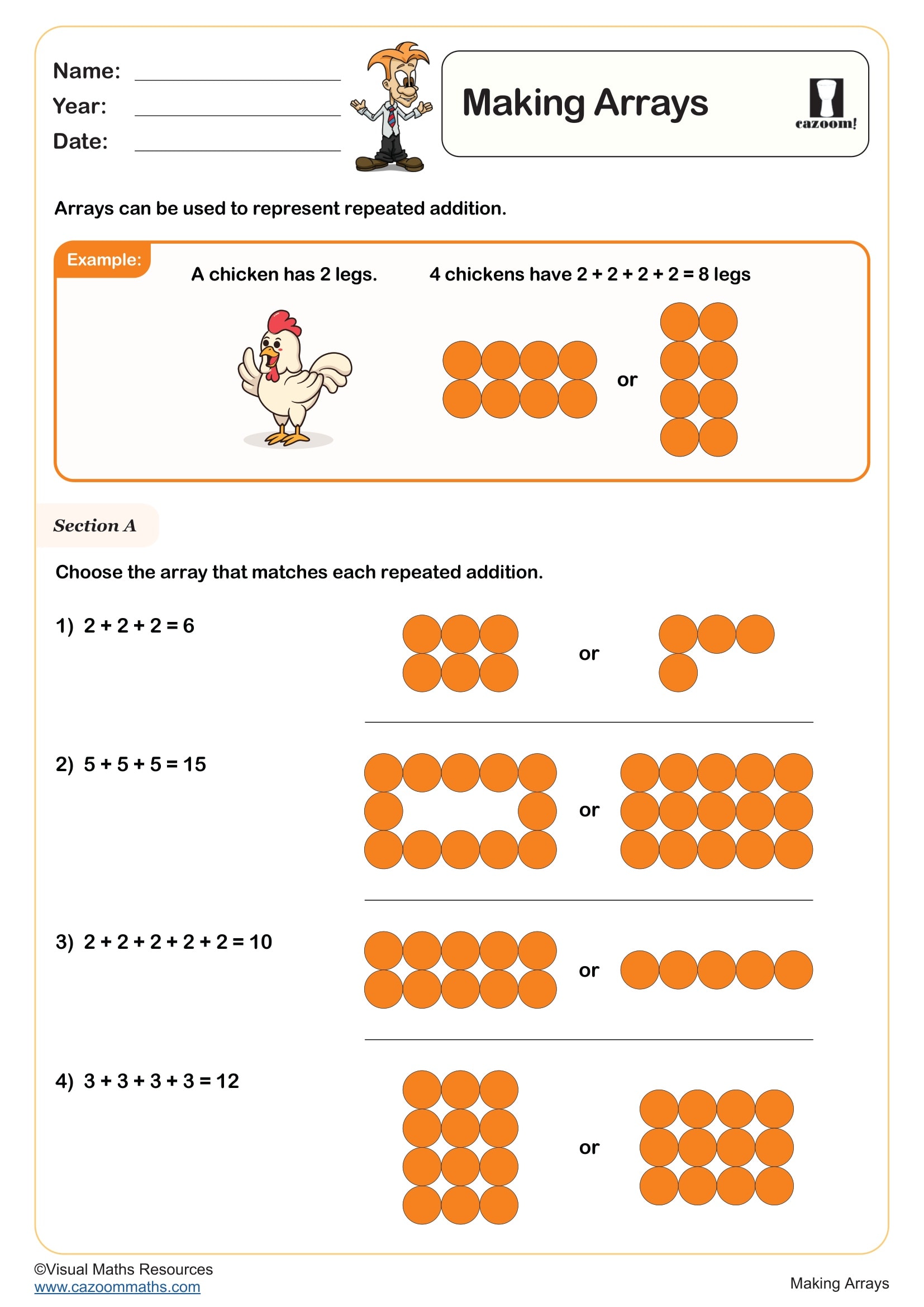
Multiplication and Division Fact Families
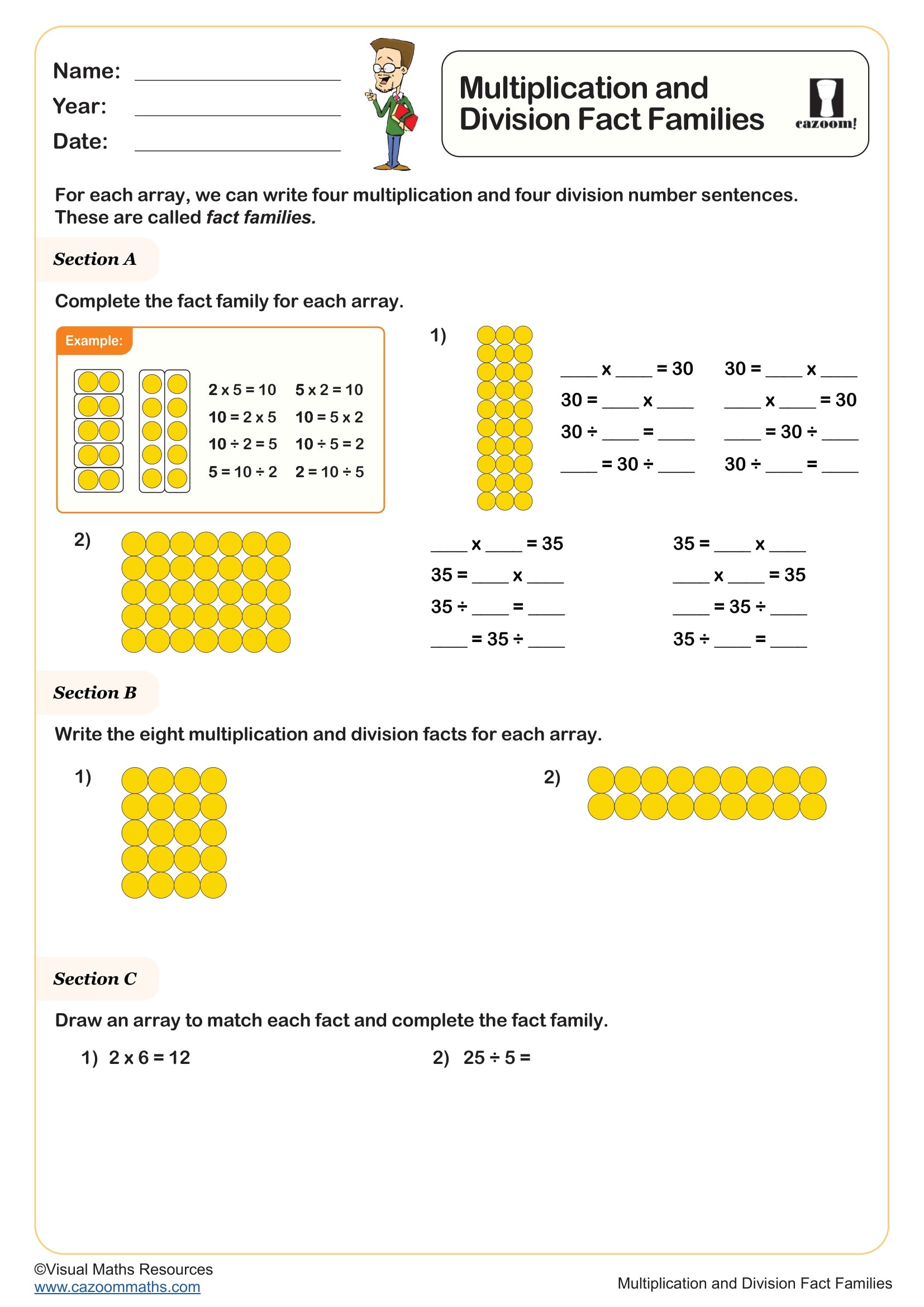
Odd and Even Numbers (A)
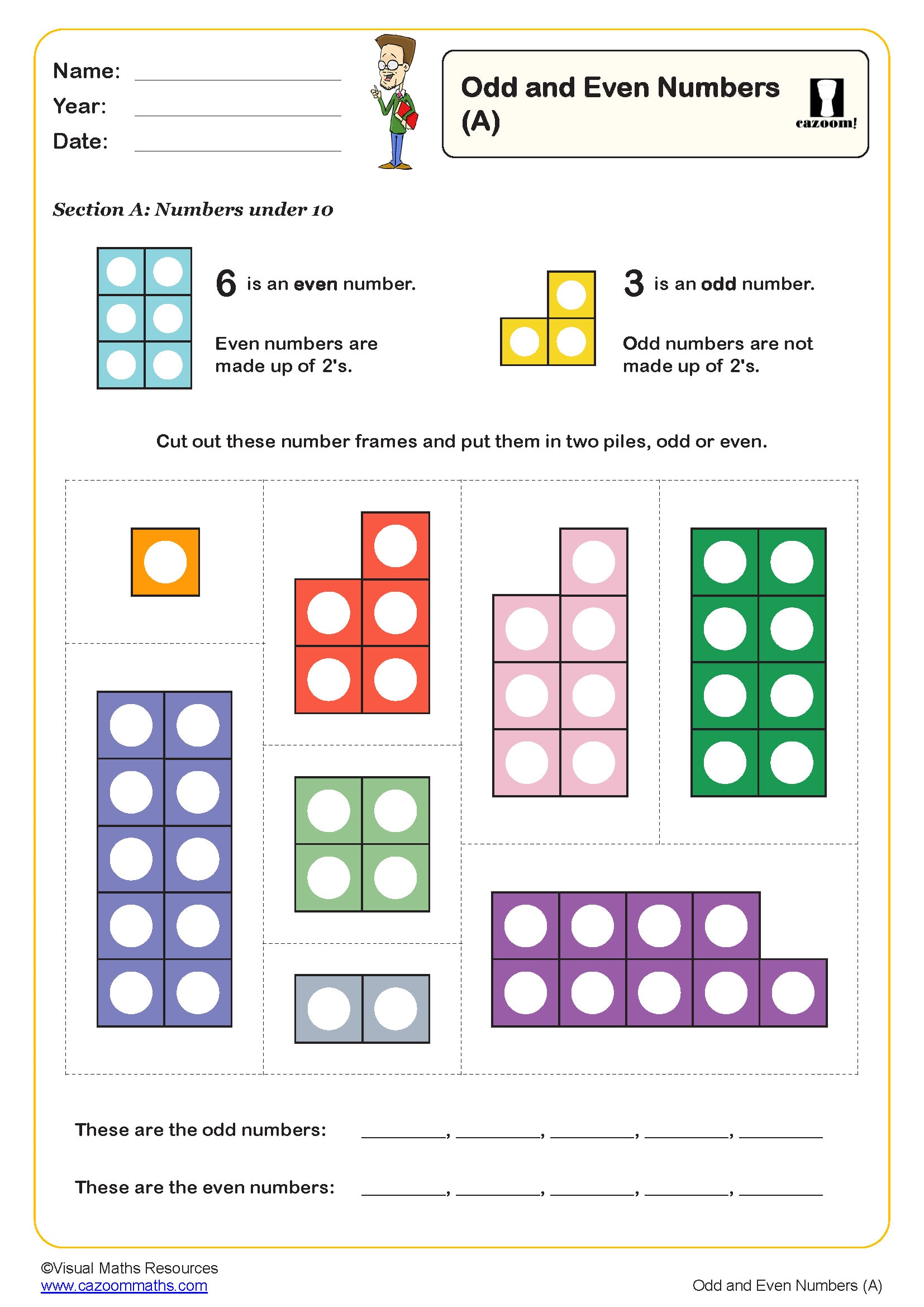
Odd and Even Numbers (B)
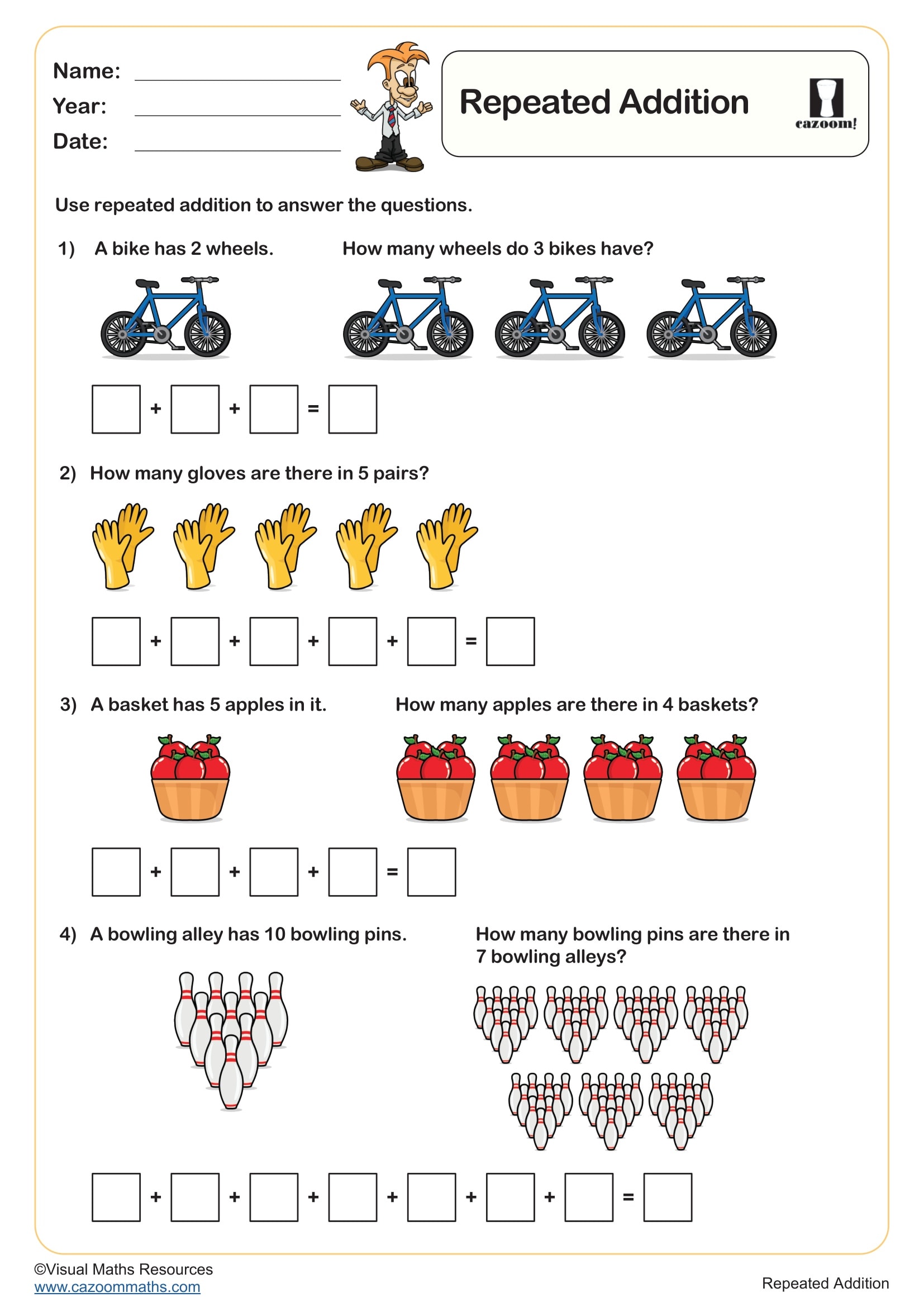
Repeated Addition
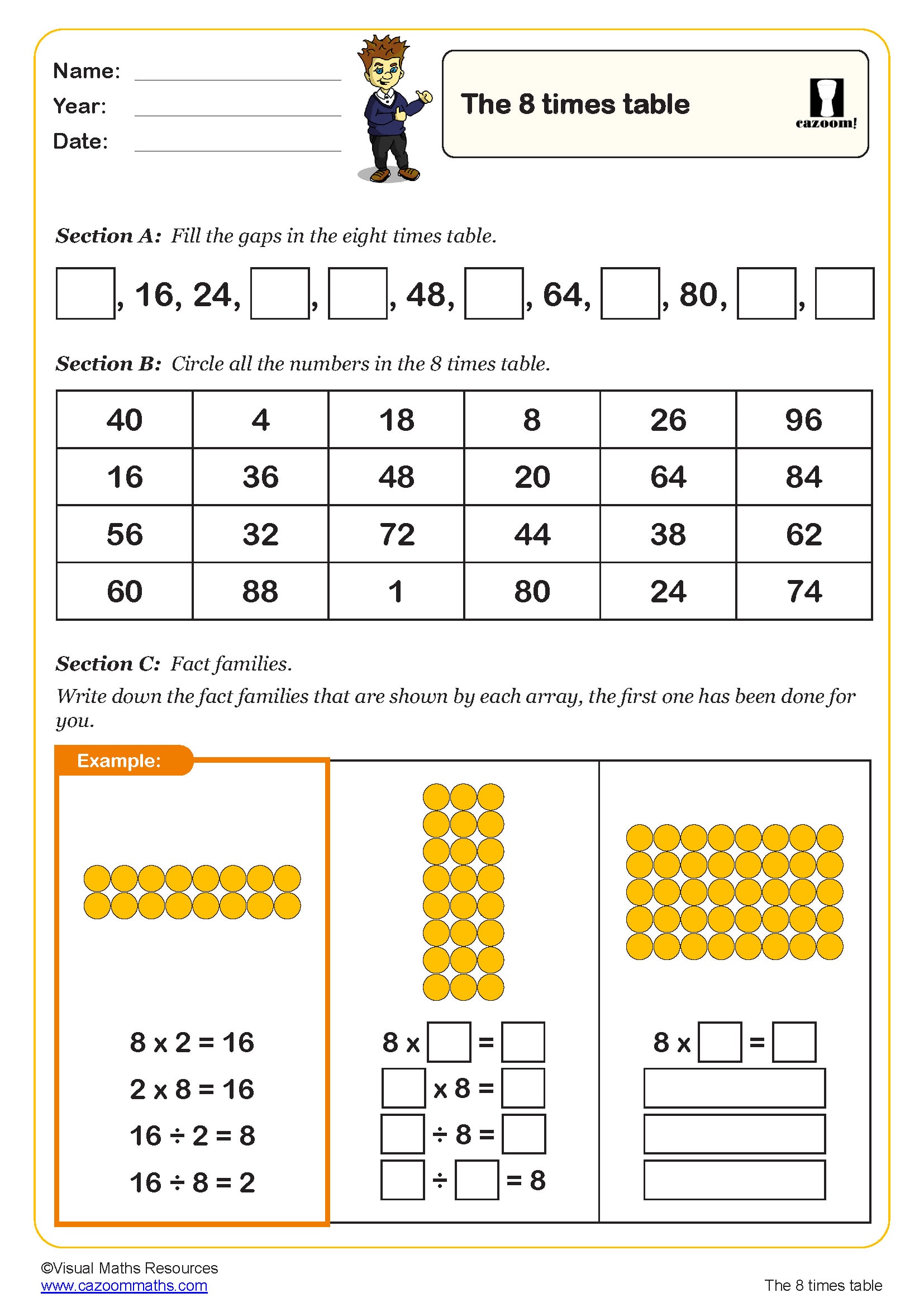
The Eight Times Table
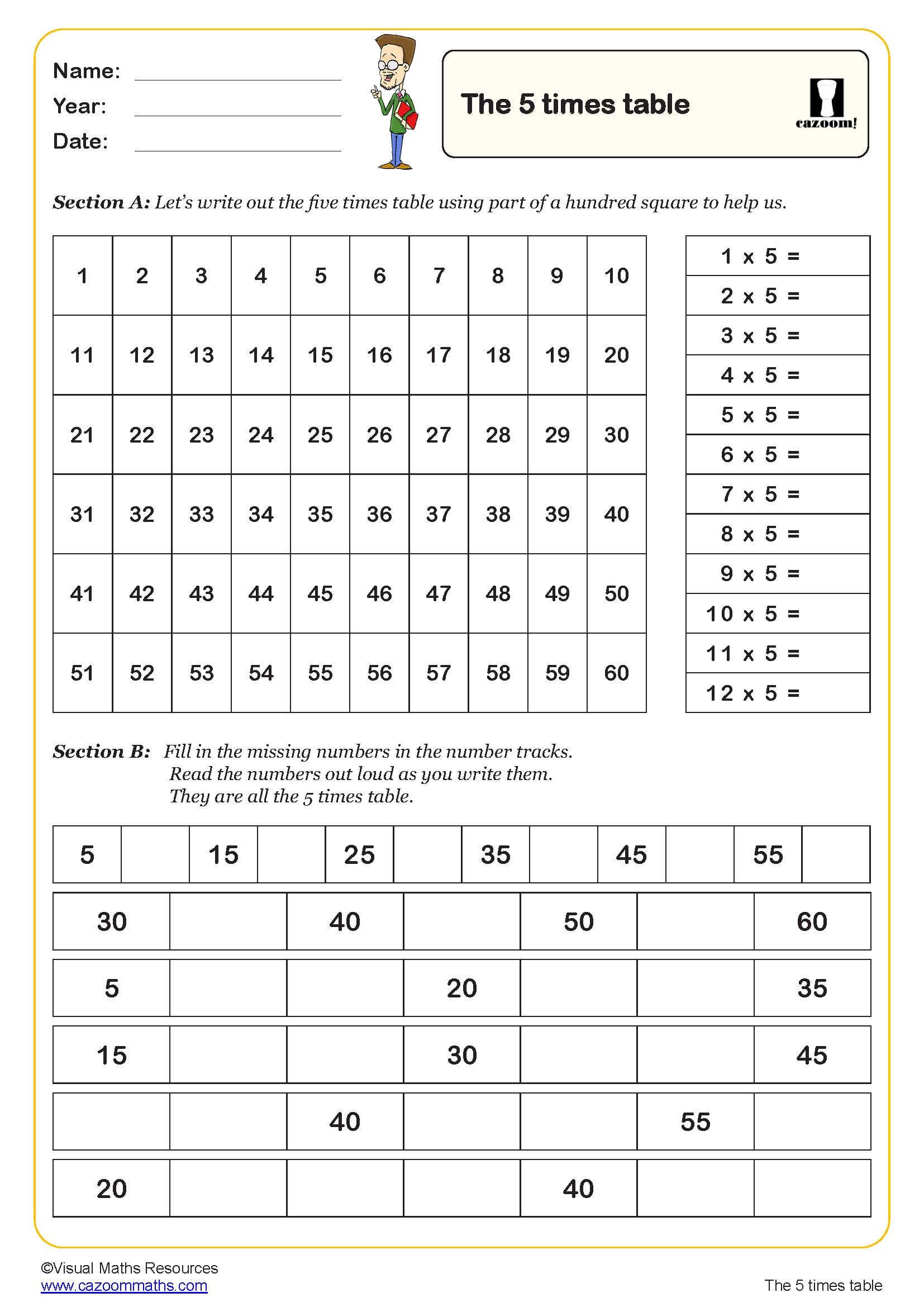
The Five Times Table
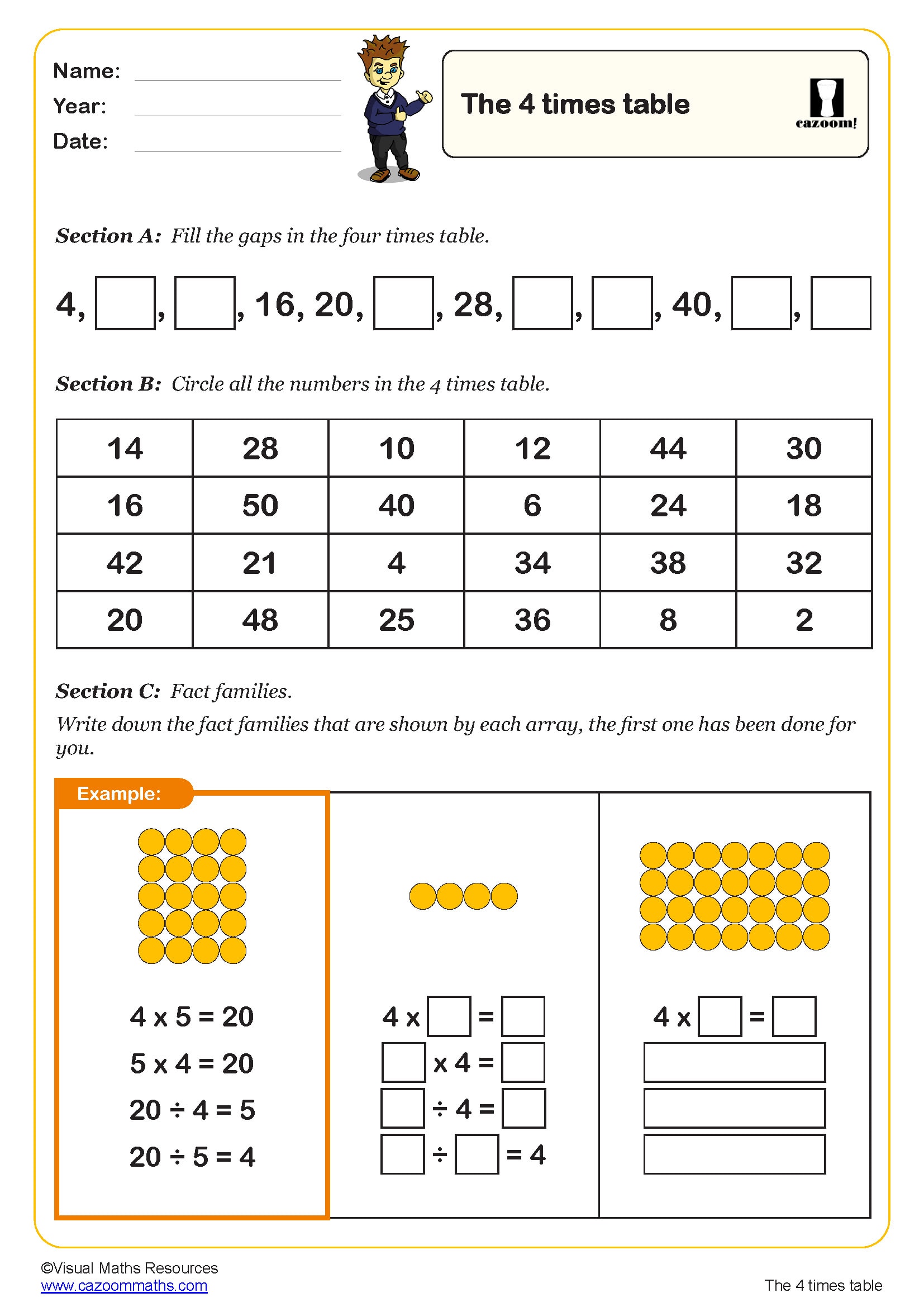
The Four Times Table
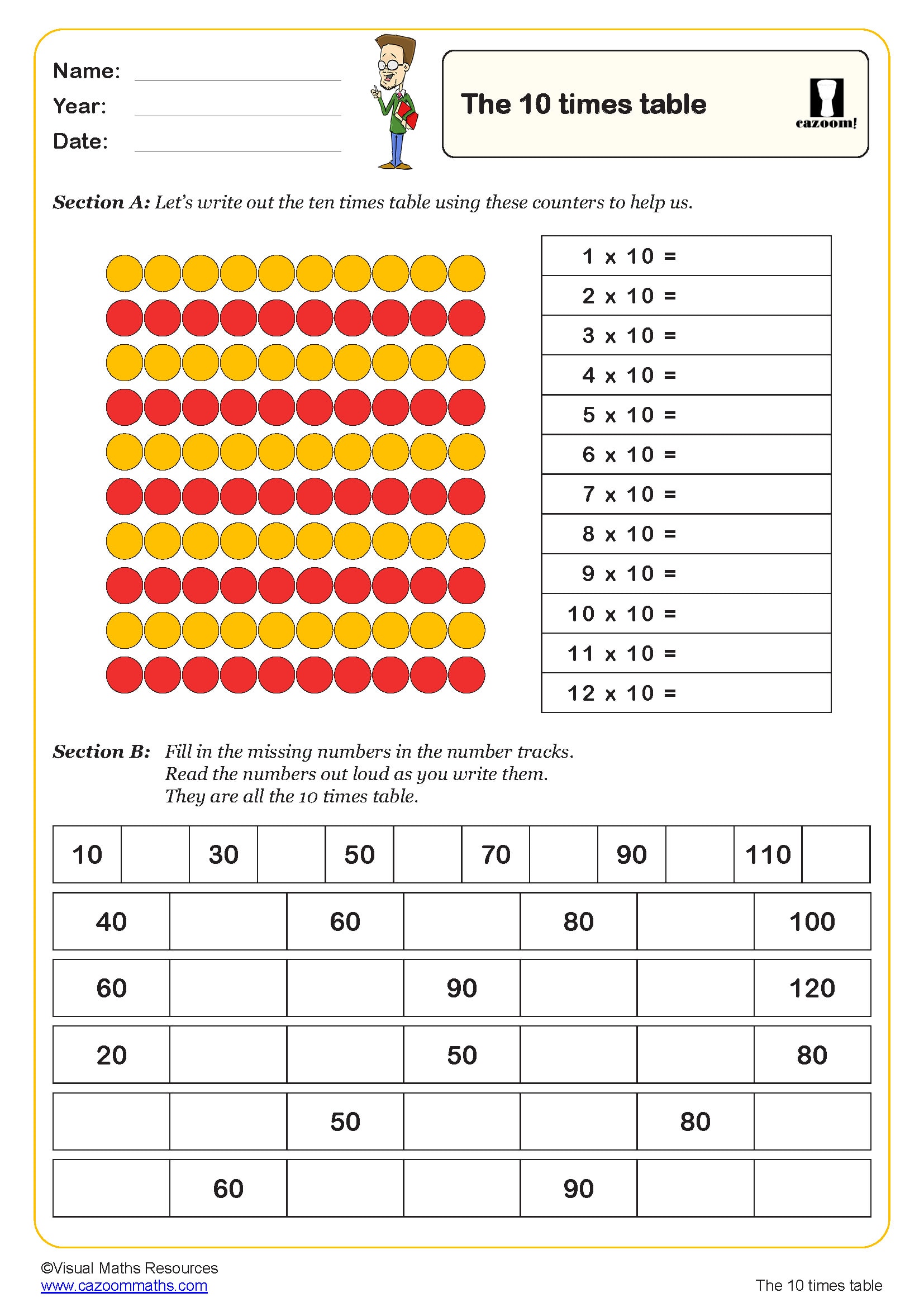
The Ten Times Table
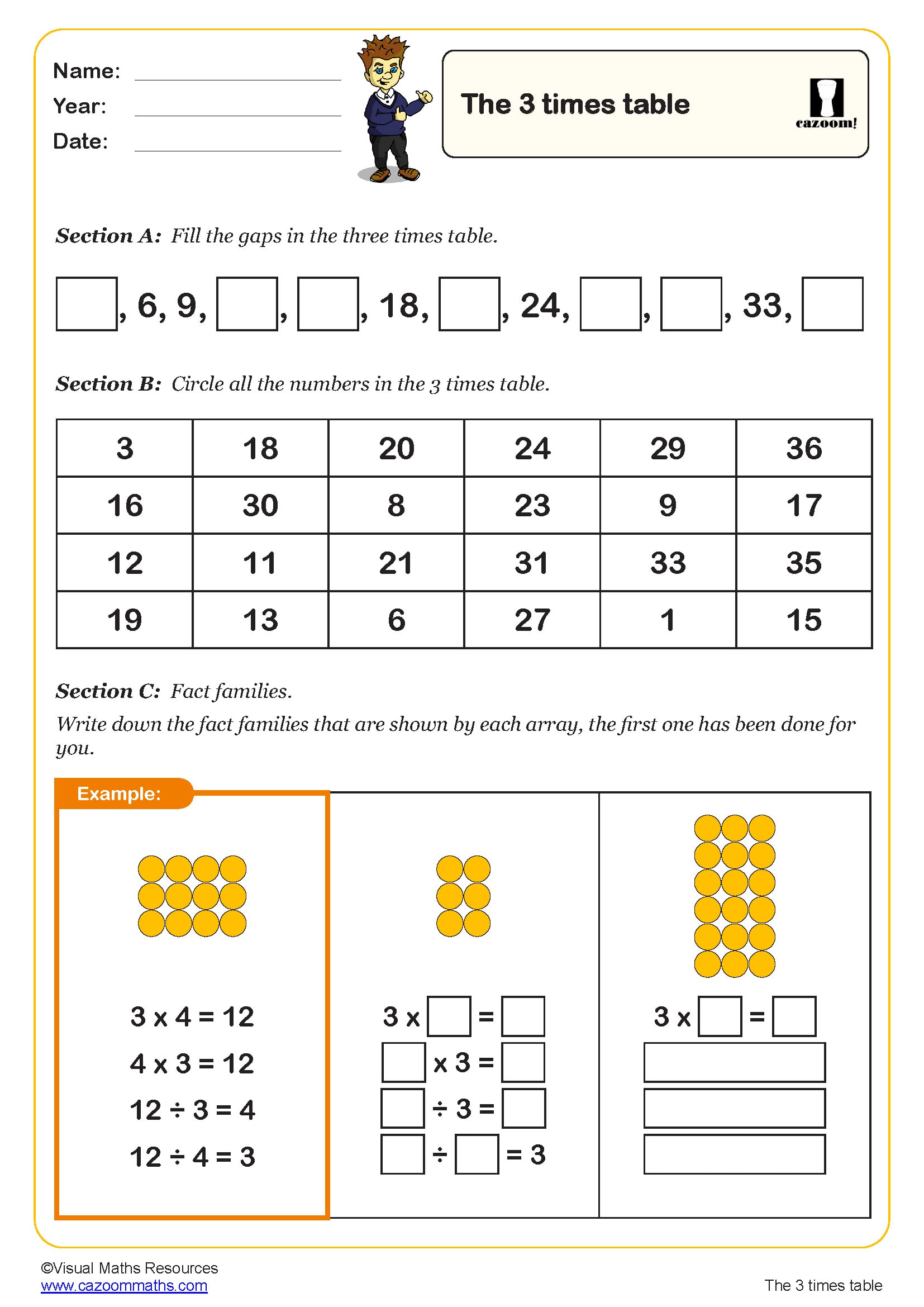
The Three Times Table
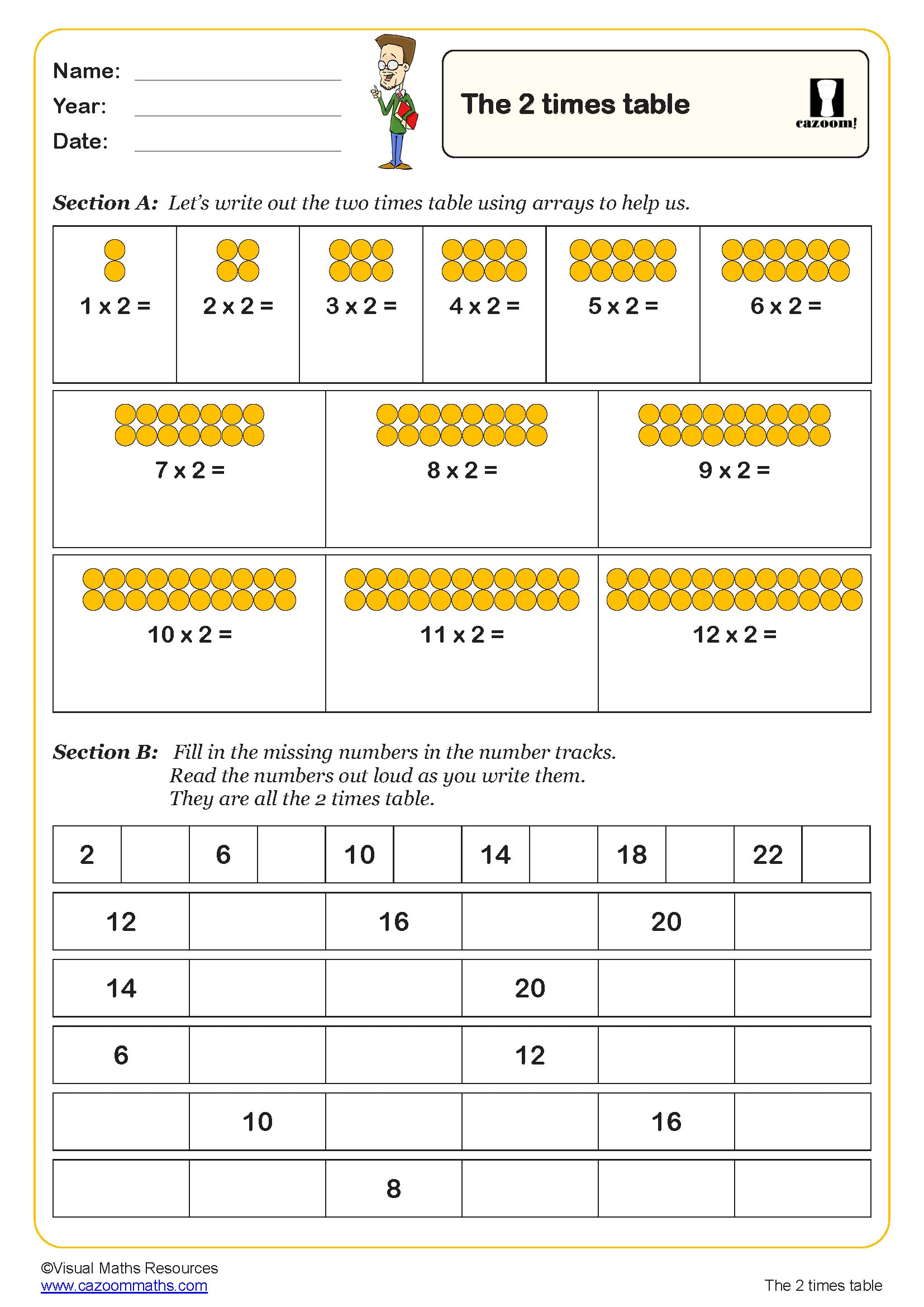
The Two Times Table
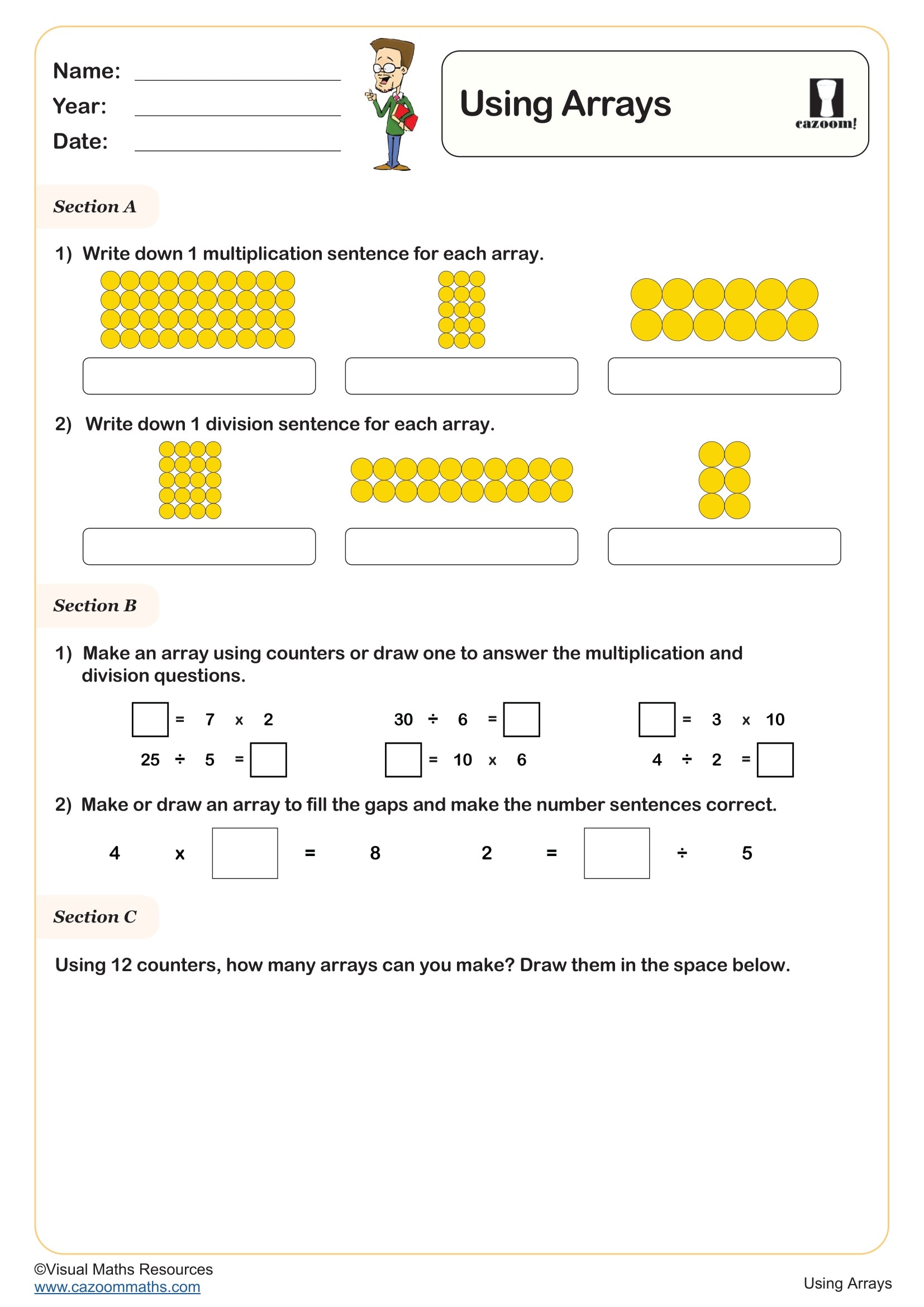
Using Arrays
All worksheets are created by the team of experienced teachers at Cazoom Maths.
What makes effective KS1 division worksheets?
Effective KS1 division worksheets present division as both sharing and grouping, using visual representations alongside numerical problems. At this stage, pupils need concrete examples that connect to real-world contexts—sharing objects equally between groups or dividing quantities into equal parts. Quality worksheets scaffold learning carefully, beginning with pictorial support before moving to abstract calculations. They should reinforce the relationship between multiplication and division, helping children understand these as inverse operations. Division pyramids work particularly well at KS1 because they provide a visual structure that shows how numbers relate to each other. Worksheets should also include fact families, where pupils explore how one set of numbers creates both multiplication and division statements, building fluency and deeper understanding of number relationships.
Which year groups use these multiplication and division worksheets?
These worksheets are designed specifically for Year 1 and Year 2 pupils working within Key Stage 1 of the National Curriculum. In Year 1, children focus on understanding multiplication as repeated addition and division as sharing into equal groups, typically working within the 2, 5, and 10 times tables. Year 2 builds on these foundations, introducing the concept of division as grouping (how many groups can be made?) alongside sharing, and extending multiplication and division facts to include the 3 and 4 times tables. The progression across both year groups ensures pupils develop fluency in recalling multiplication and division facts whilst understanding the relationship between these operations. Our resources address the specific statutory requirements for calculation at KS1, providing appropriate challenge for both year groups.
How do division facts connect to multiplication?
Understanding the connection between multiplication and division facts is fundamental to developing fluency in both operations. When pupils learn that 3 × 4 = 12, they should simultaneously recognise that 12 ÷ 4 = 3 and 12 ÷ 3 = 4. This relationship, often taught through fact families or number triangles, helps children see that division is the inverse of multiplication. Our worksheets reinforce these related multiplication and division facts through paired questions and visual representations that make the connection explicit. Rather than treating multiplication and division as separate topics, pupils learn to move flexibly between them. This approach reduces the memory load—children don't need to memorise separate division facts if they understand how to derive them from known multiplication facts. It also strengthens conceptual understanding, showing how operations relate within our number system.
What's included with each worksheet?
Every multiplication and division worksheet in this collection comes as a downloadable PDF with a complete answer sheet included. This means you can print resources as needed and mark work efficiently, or provide answer sheets for pupils to self-assess and identify areas for improvement. The worksheets feature clear instructions and well-structured questions that progress logically through each concept. Visual aids appear where appropriate to support understanding, particularly for division pyramids and pictorial division problems. Questions vary in style, from straightforward calculations to worded problems that require pupils to identify the appropriate operation. The answer sheets show all solutions clearly, making them suitable for display on whiteboards during whole-class feedback sessions or for individual pupil use during independent practice. This complete package saves preparation time whilst ensuring thorough coverage of KS1 multiplication and division objectives.