KS2 Multiplication and Division Worksheets
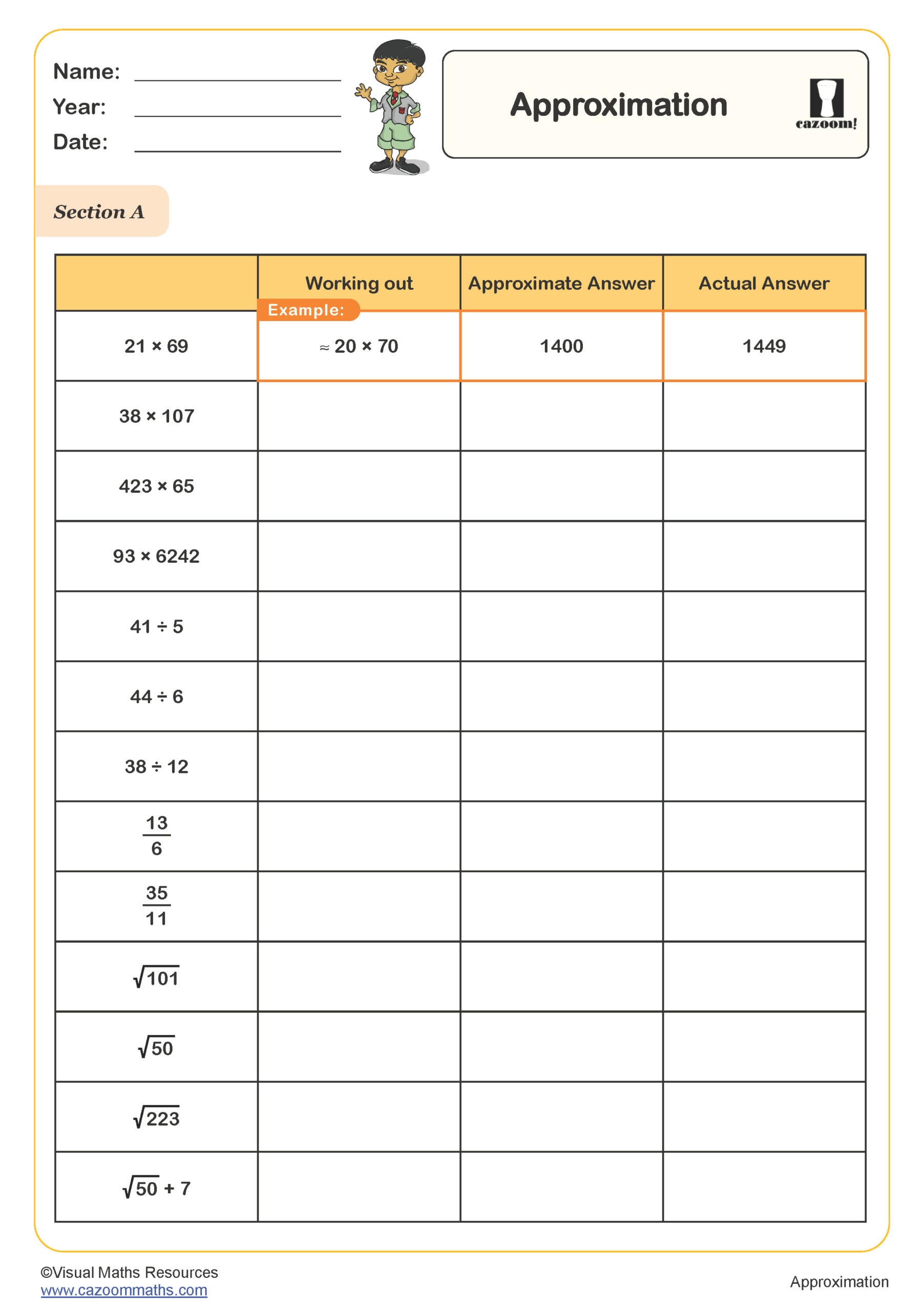
Approximation
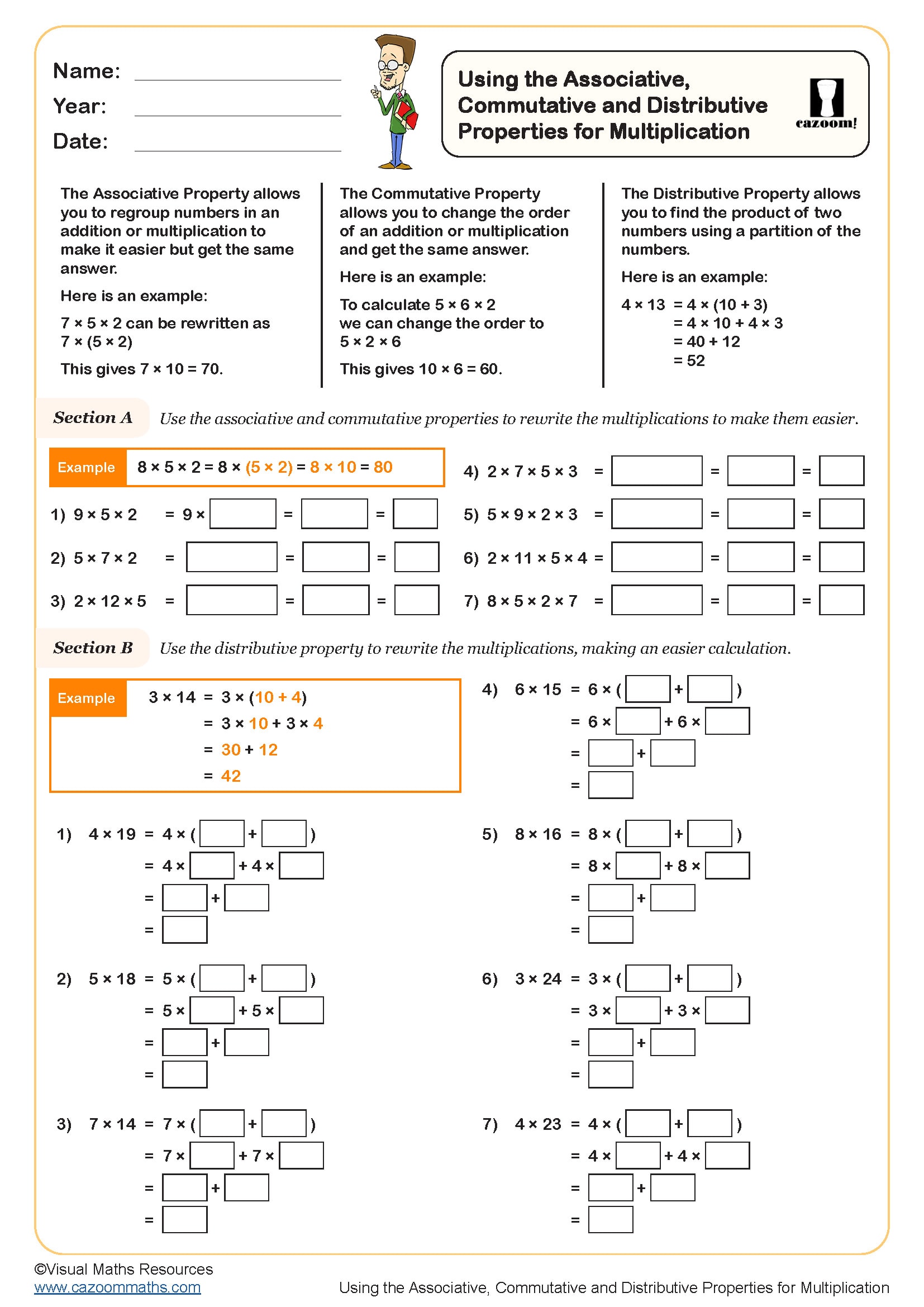
Associative, Commutative and Distributive Properties
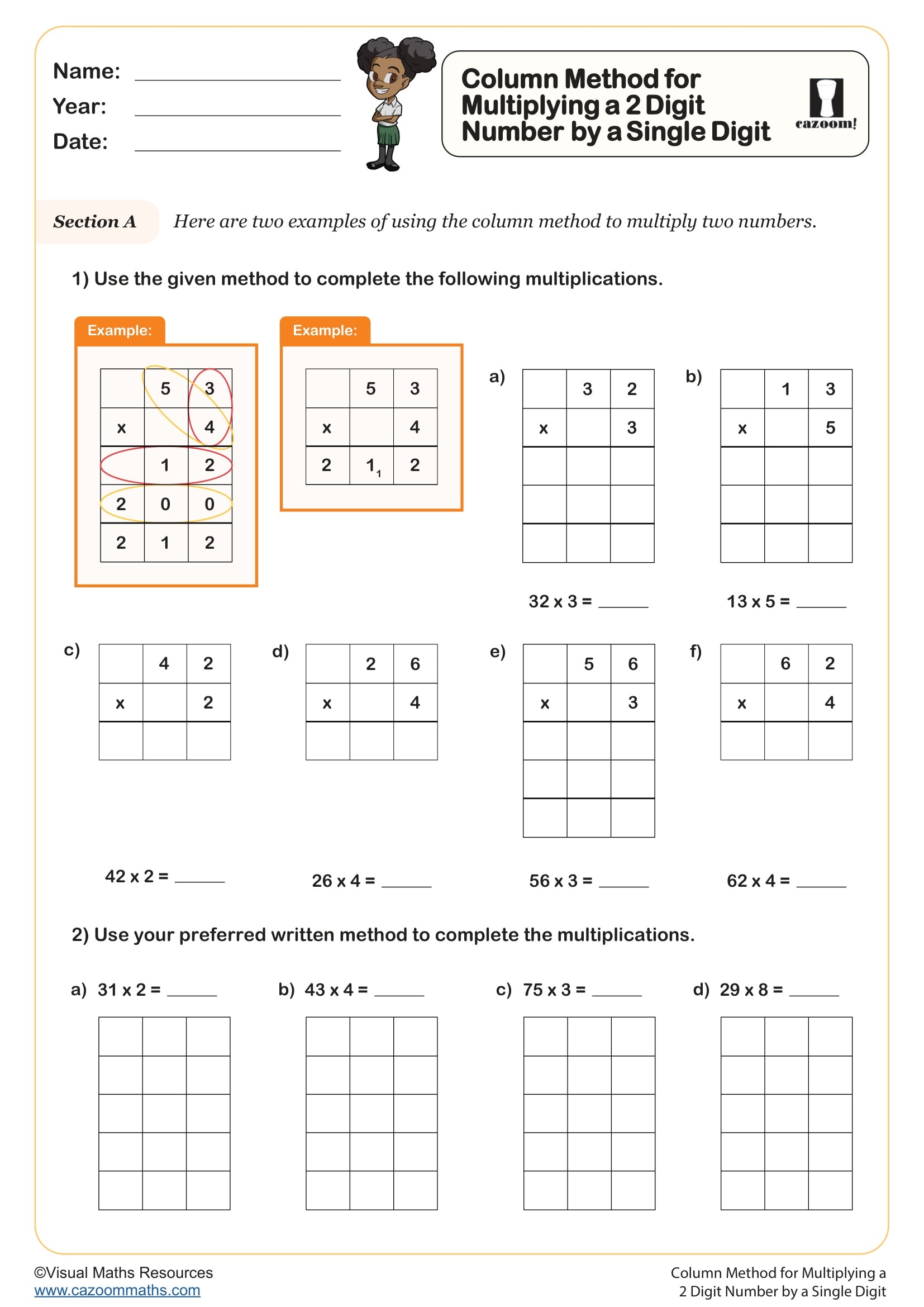
Column Method for Multiplying a 2 Digit Number by a Single Digit
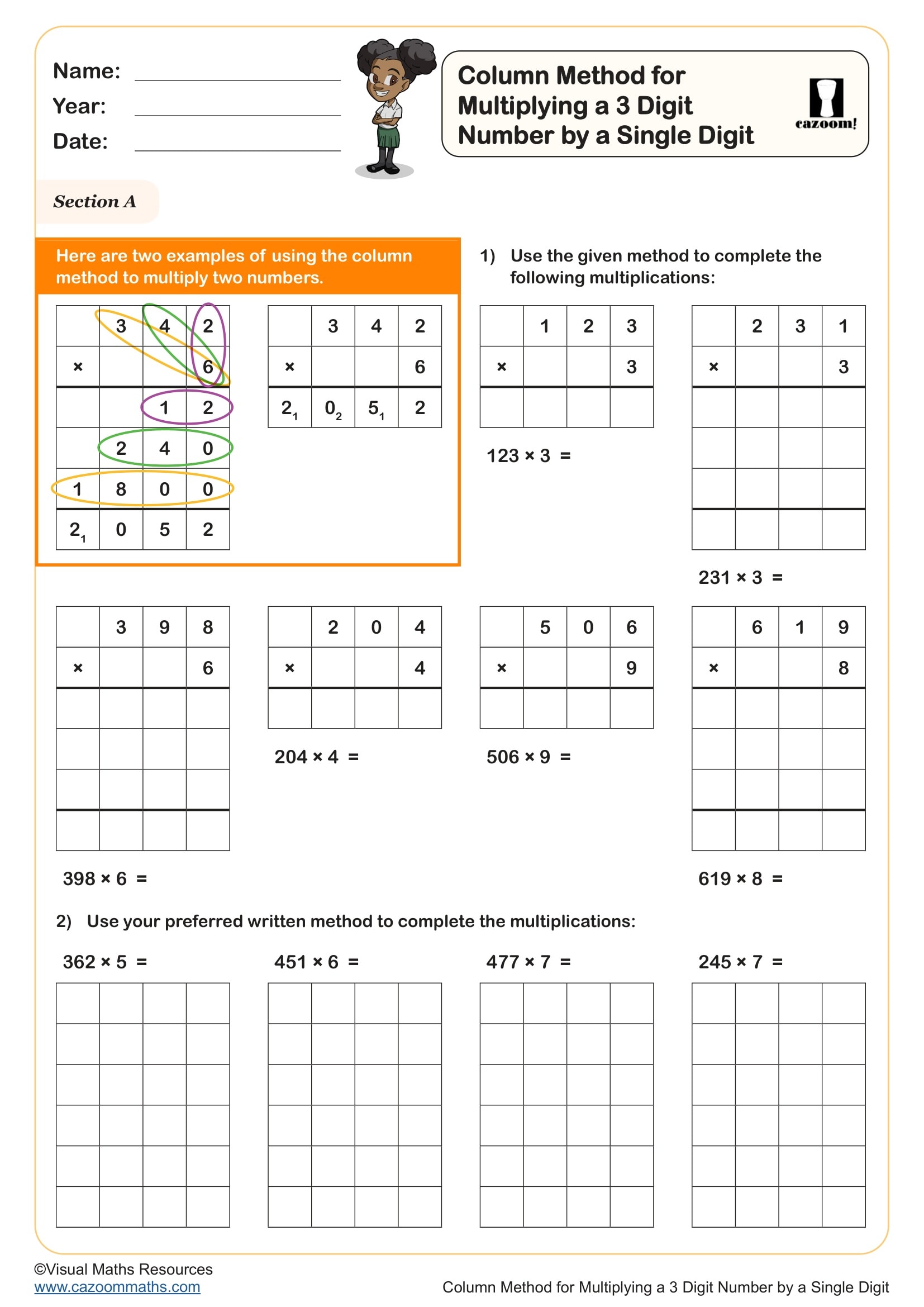
Column Method for Multiplying a 3 Digit Number by a Single Digit
Combinations
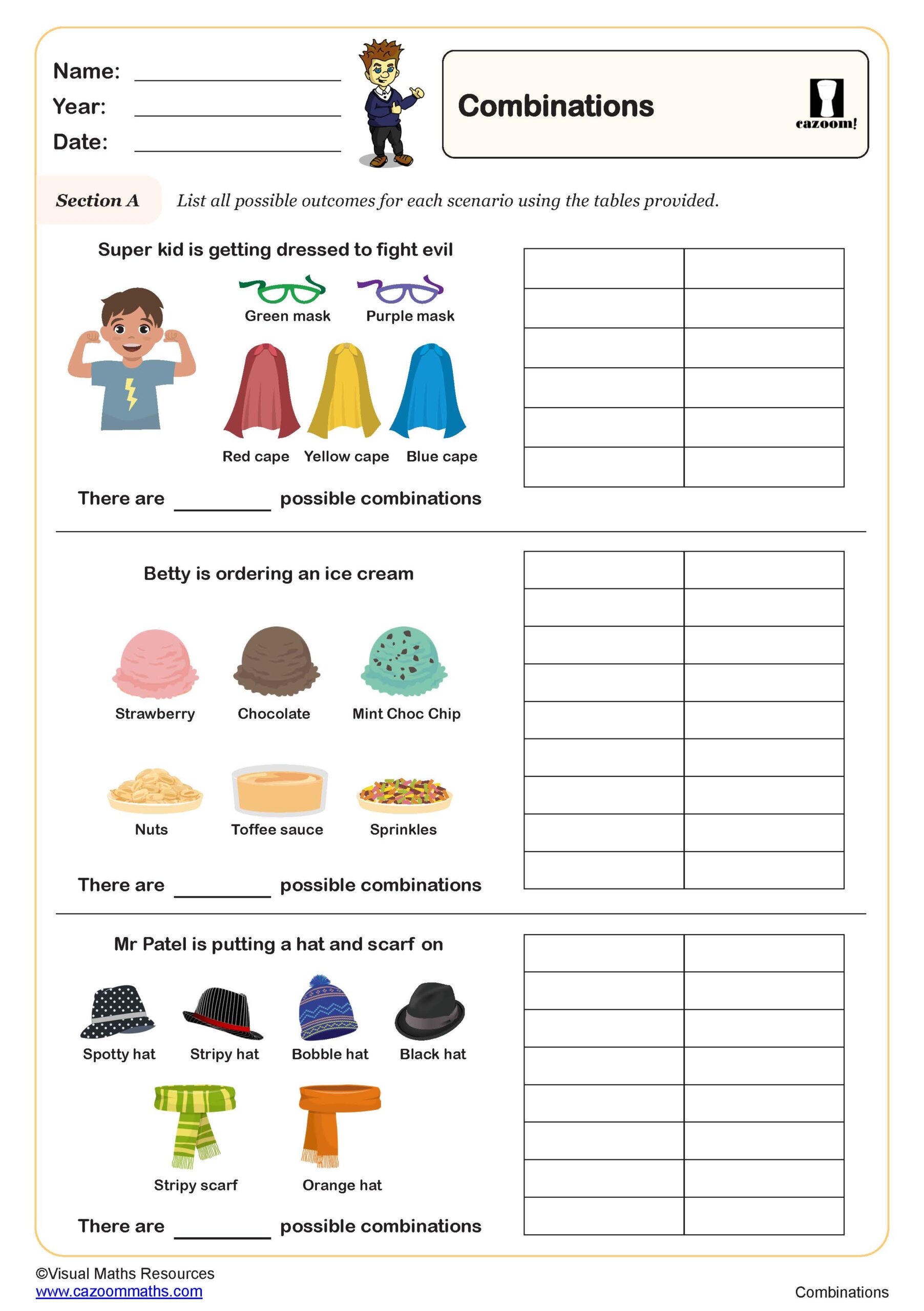
Cube Numbers
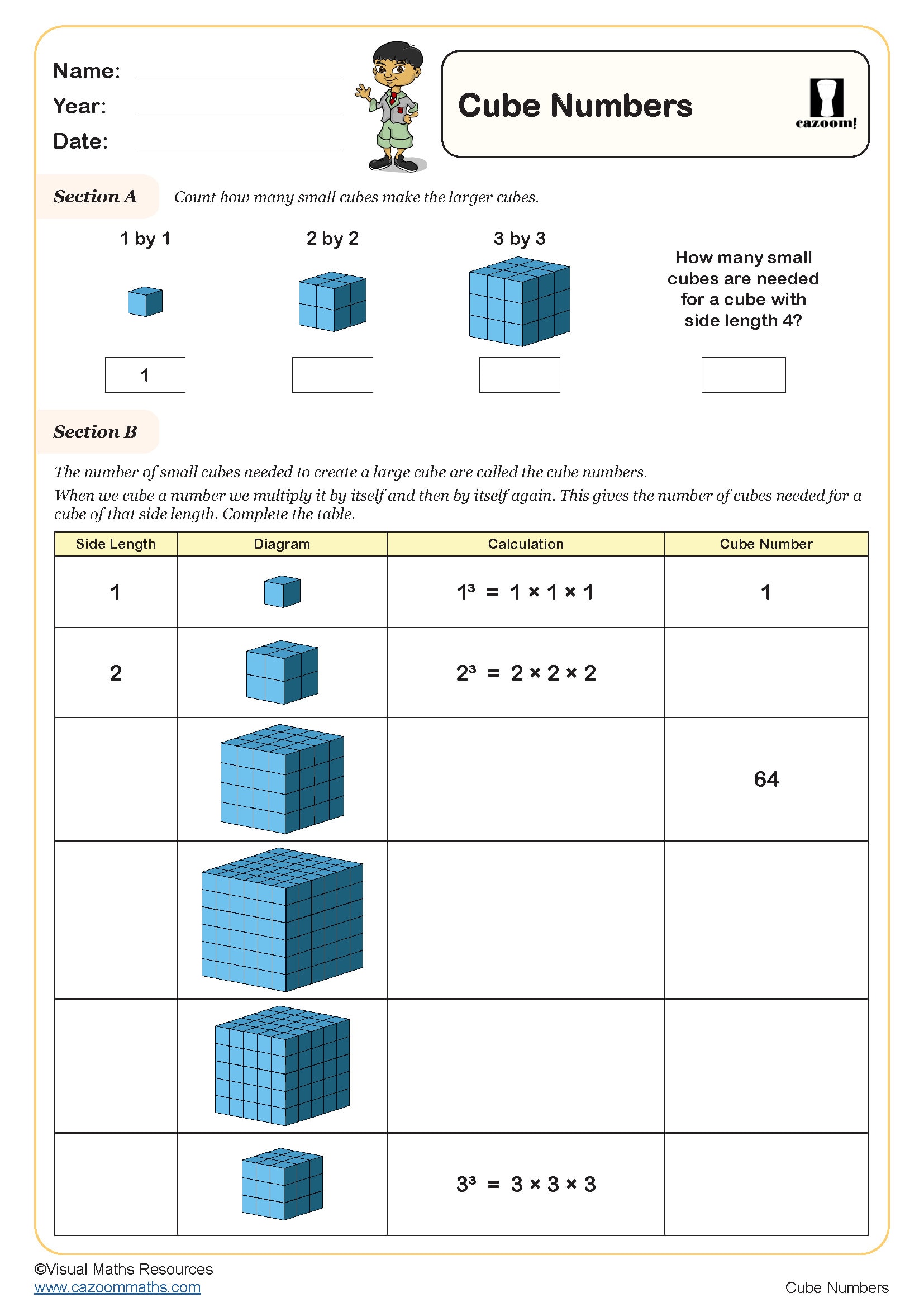
Divide Decimals by Integers (A)
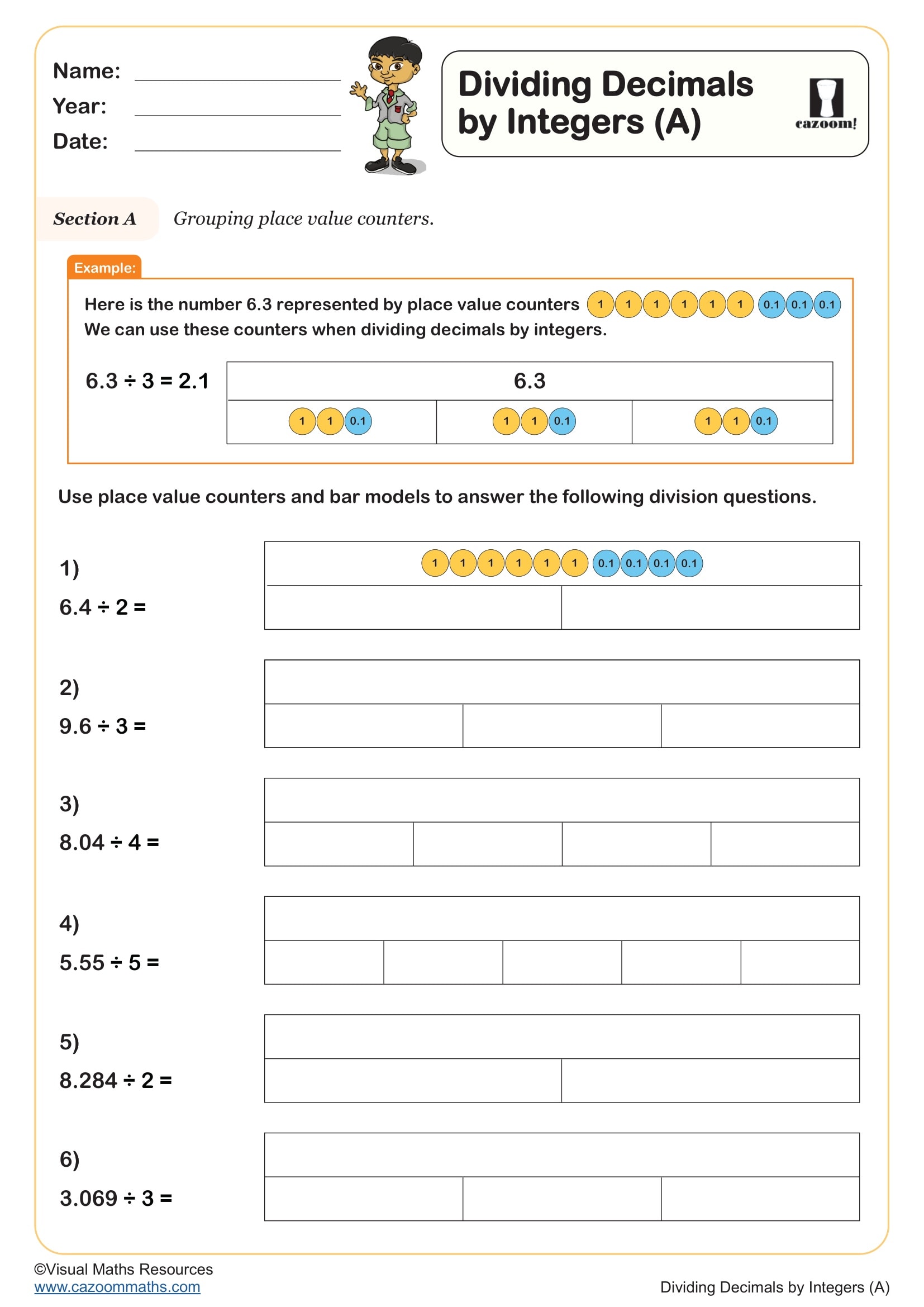
Divide Decimals by Integers (B)
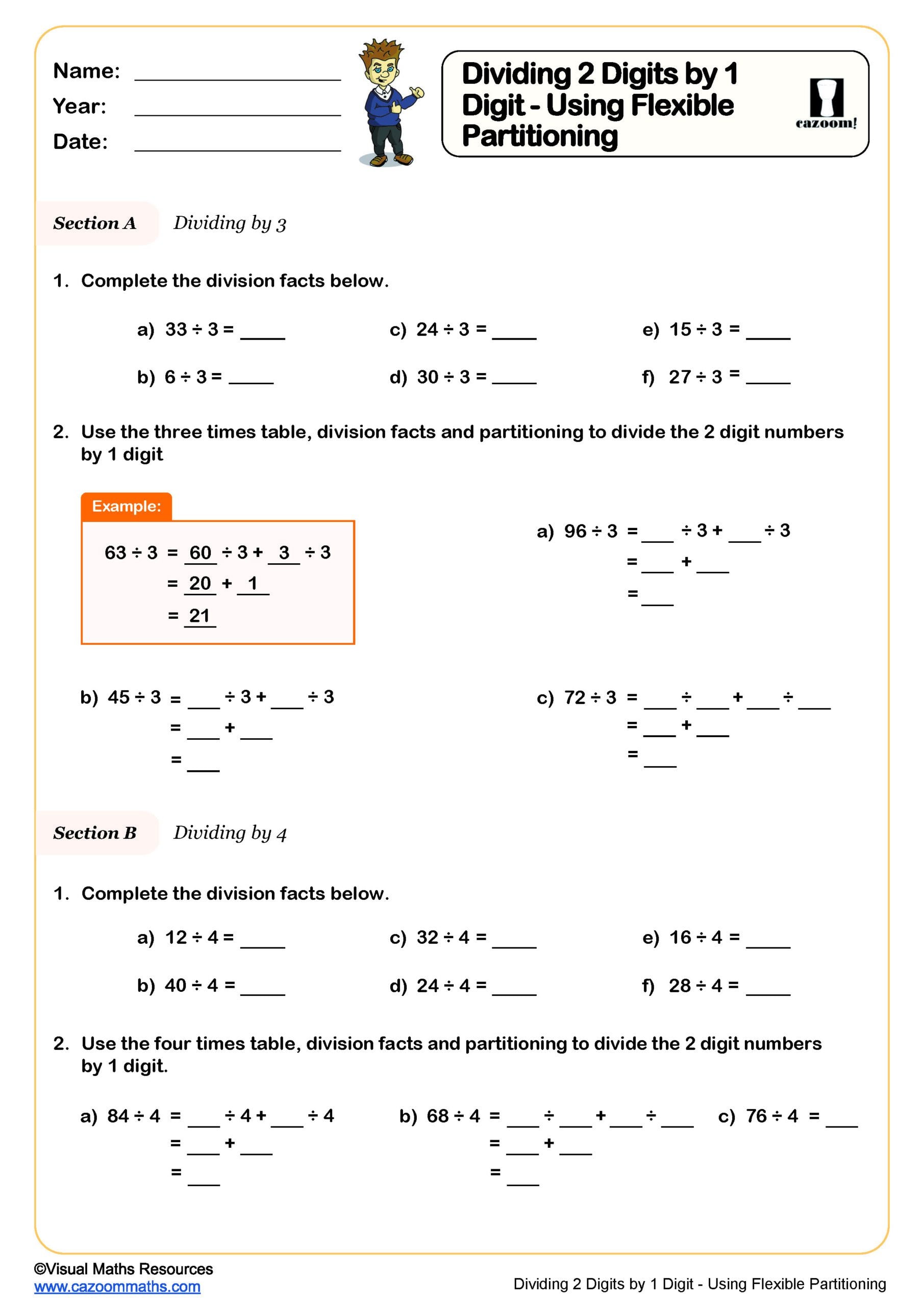
Dividing 2 Digits by 1 Digit - Using Flexible Partitioning
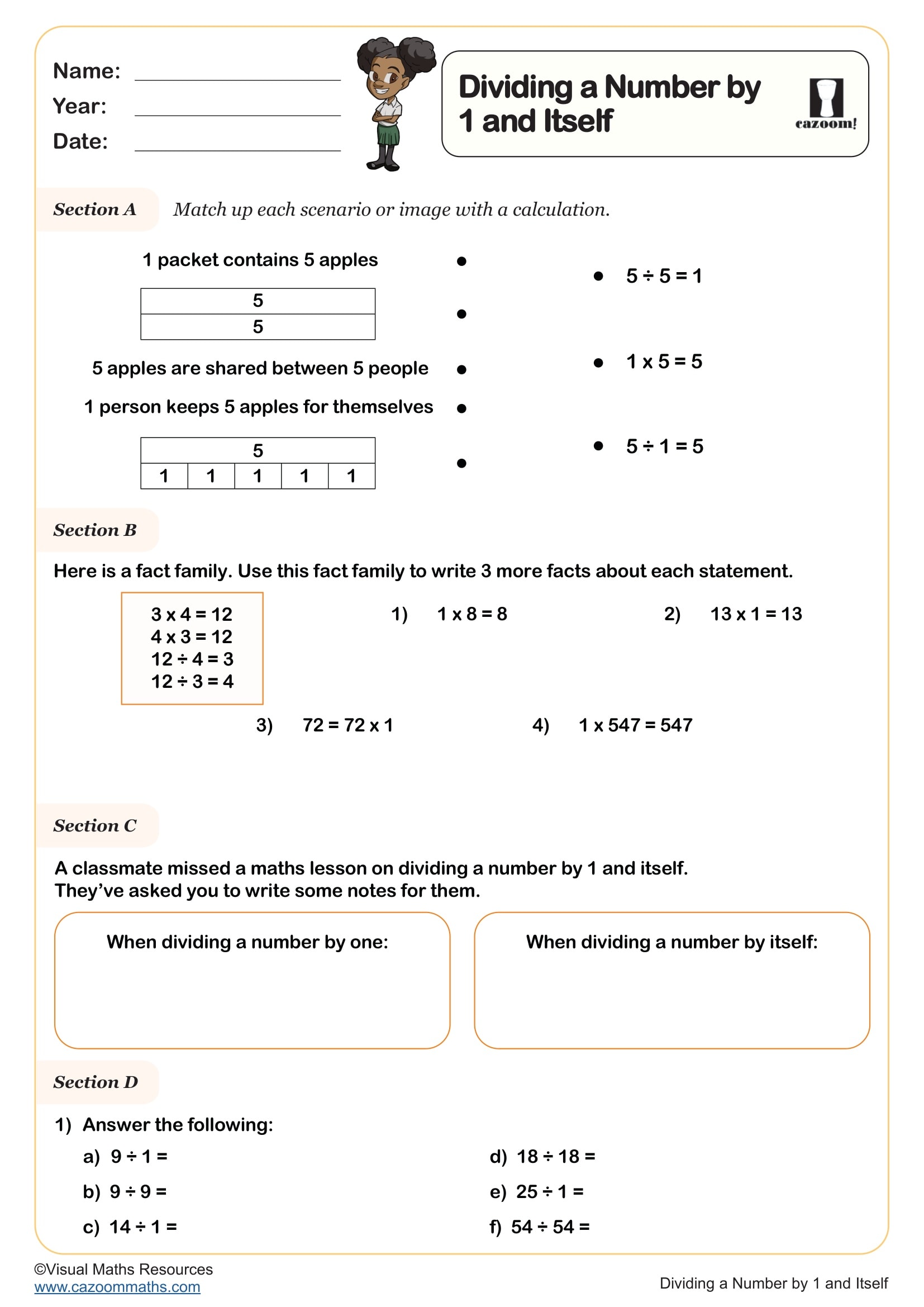
Dividing a Number by 1 and Itself
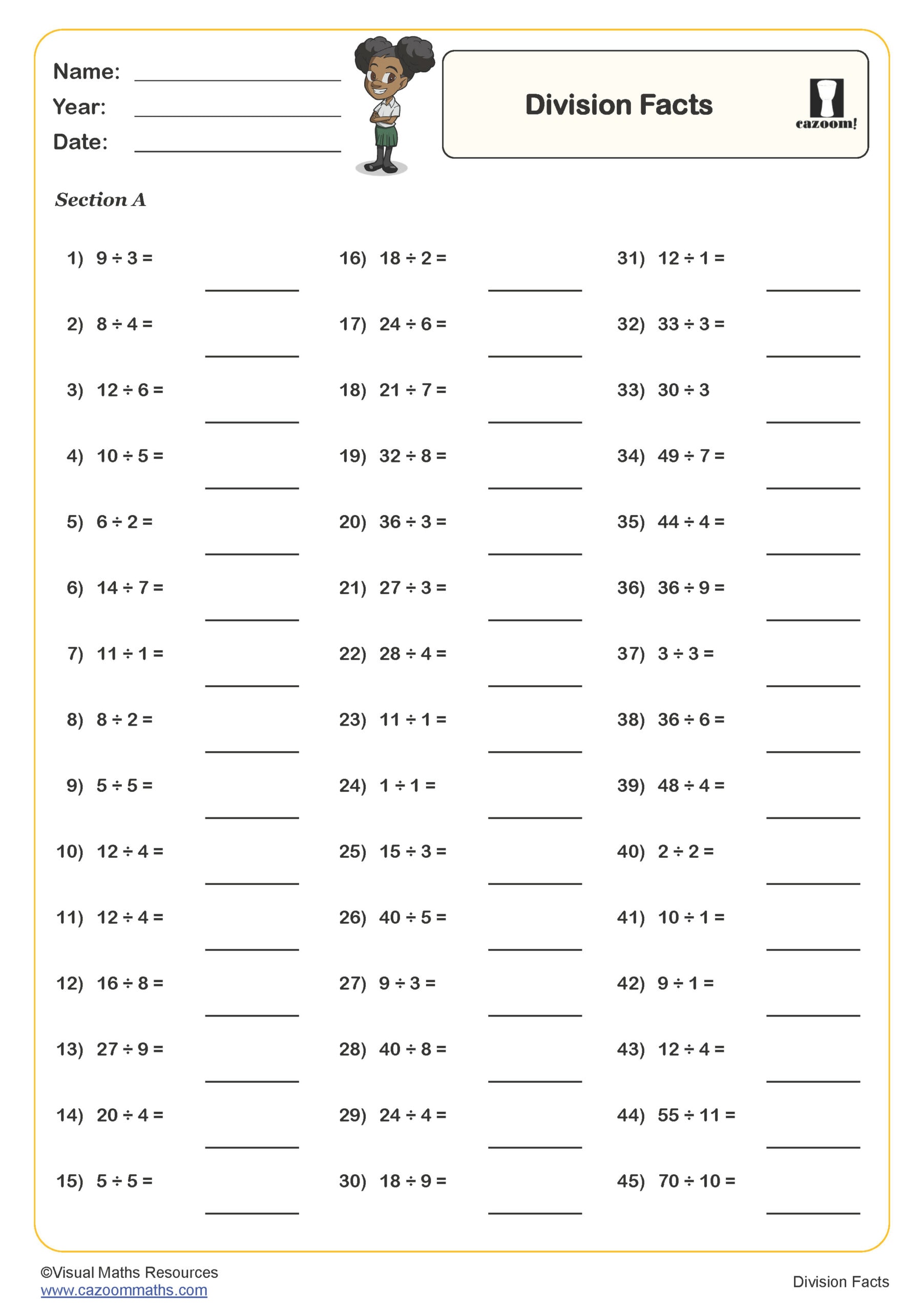
Division Facts
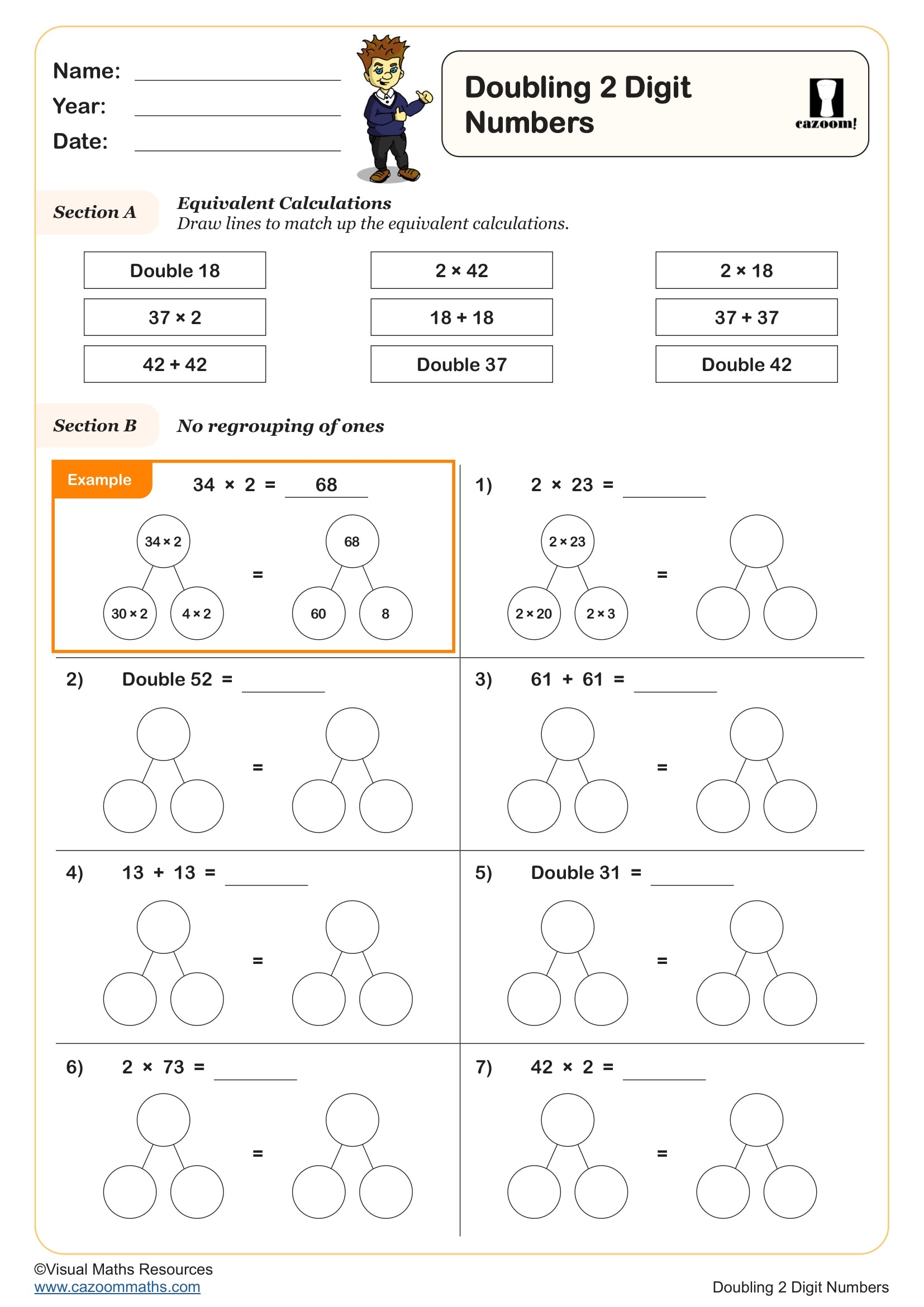
Doubling 2 Digit Numbers
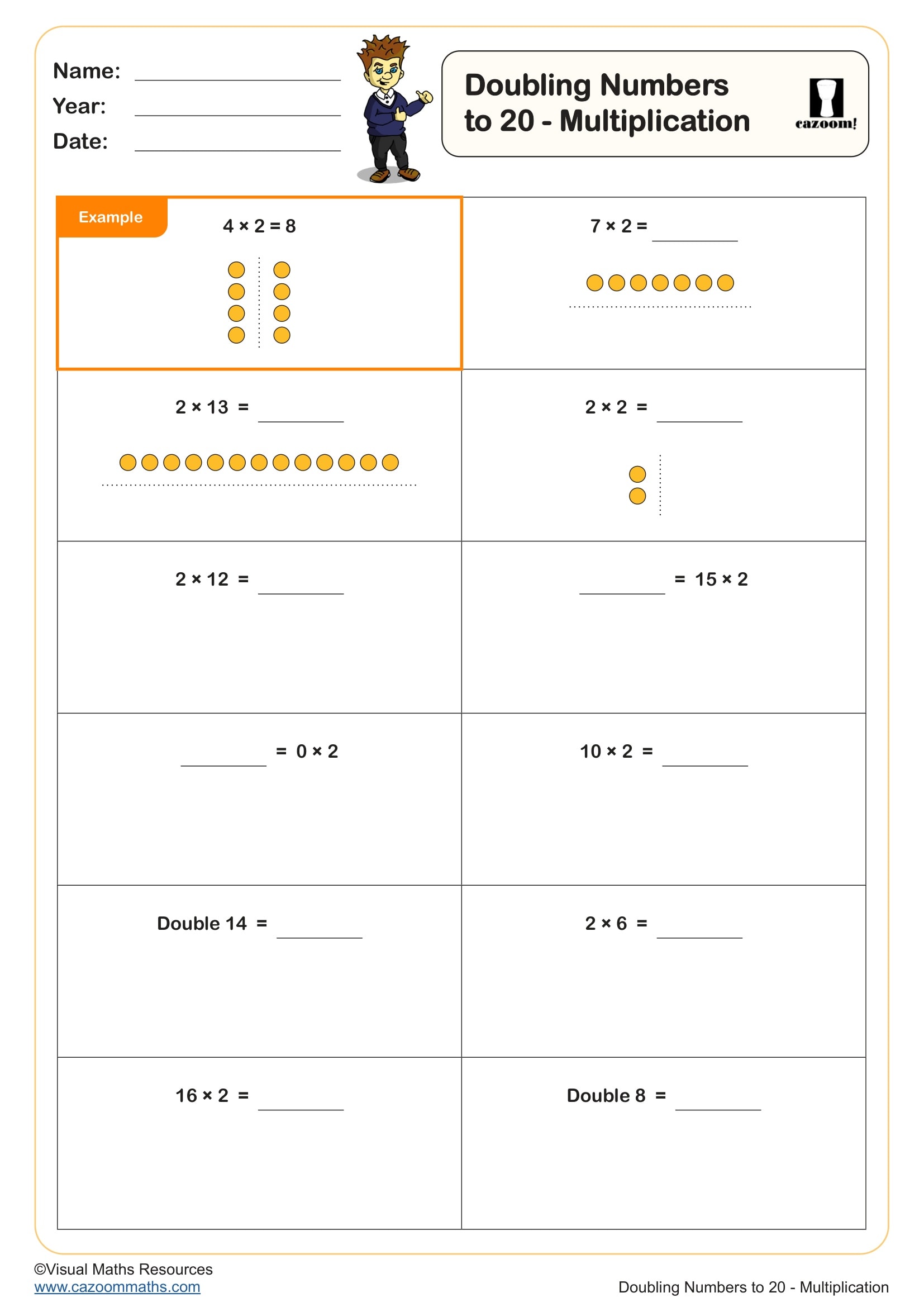
Doubling Numbers to 20 Multiplication
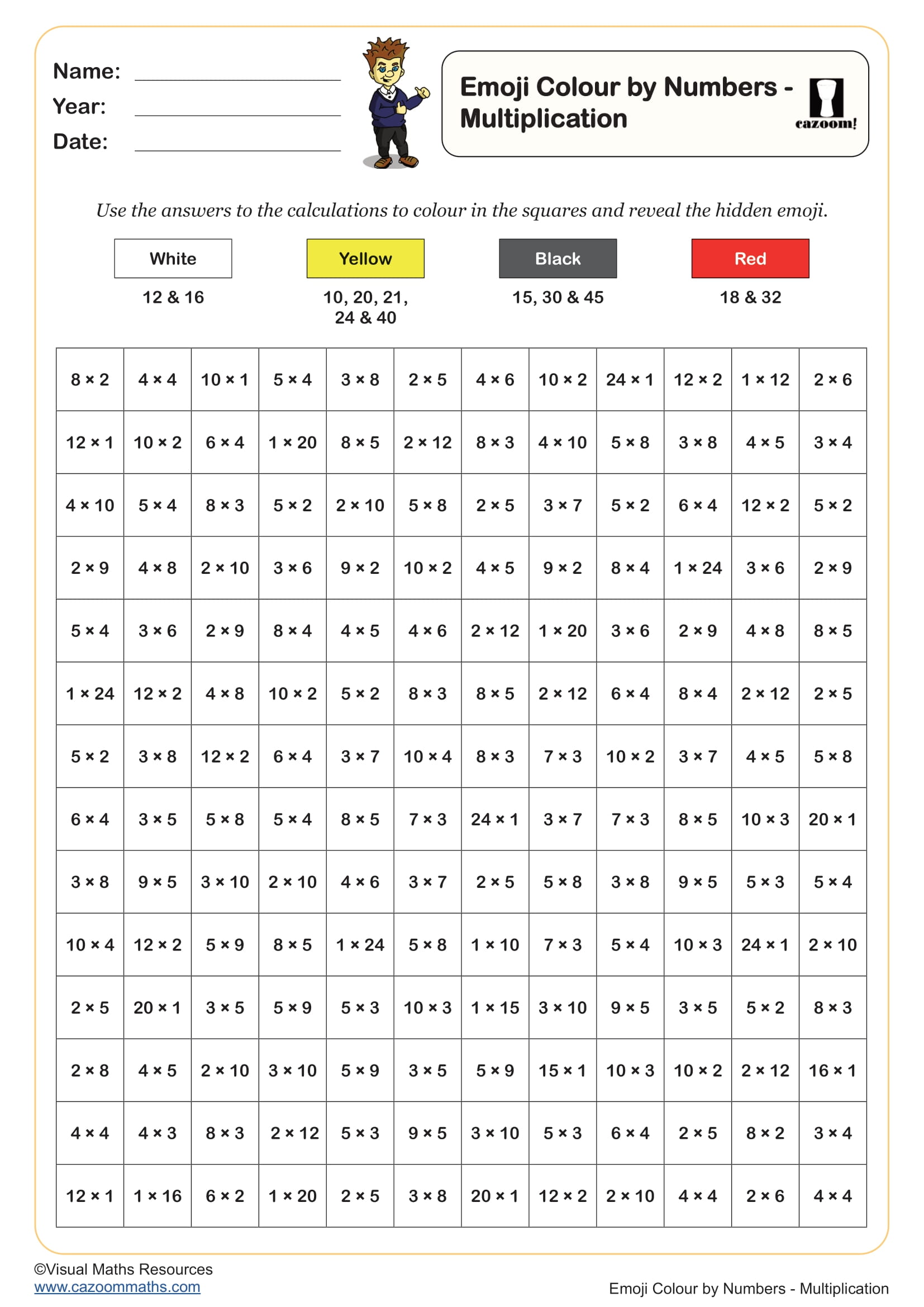
Emoji Colour by Numbers - Multiplication
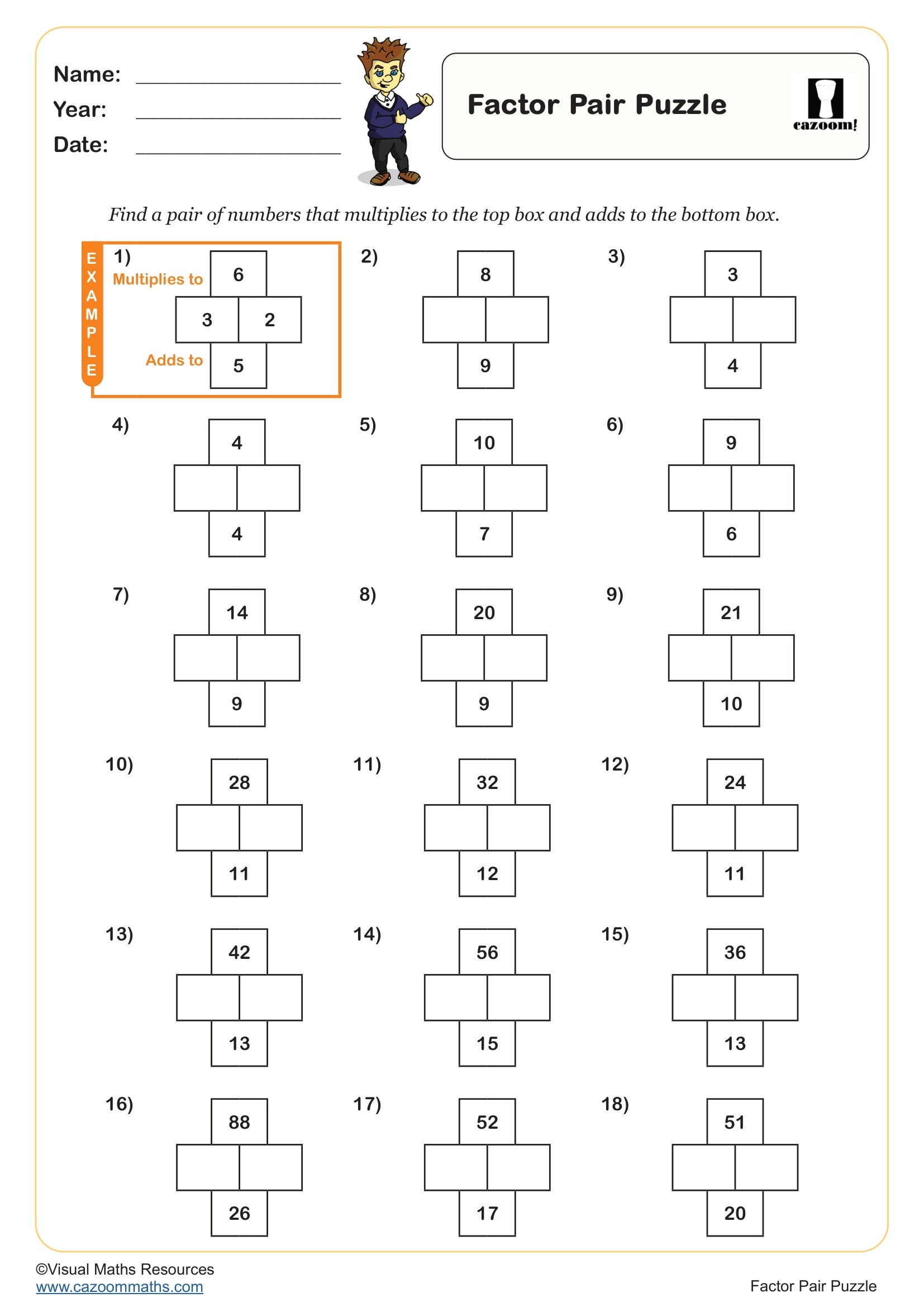
Factor Pair Puzzle
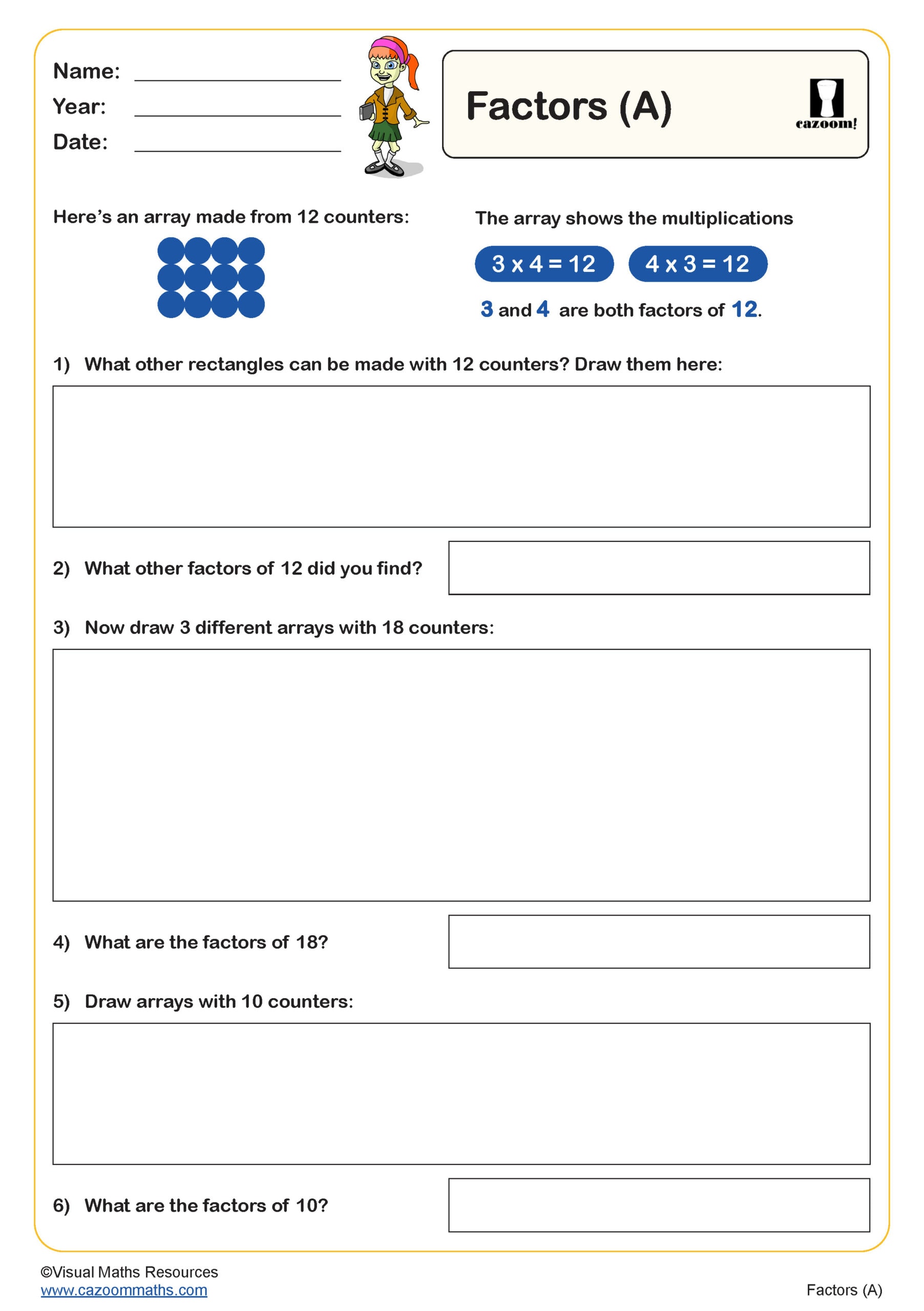
Factors (A)
Factors (B)
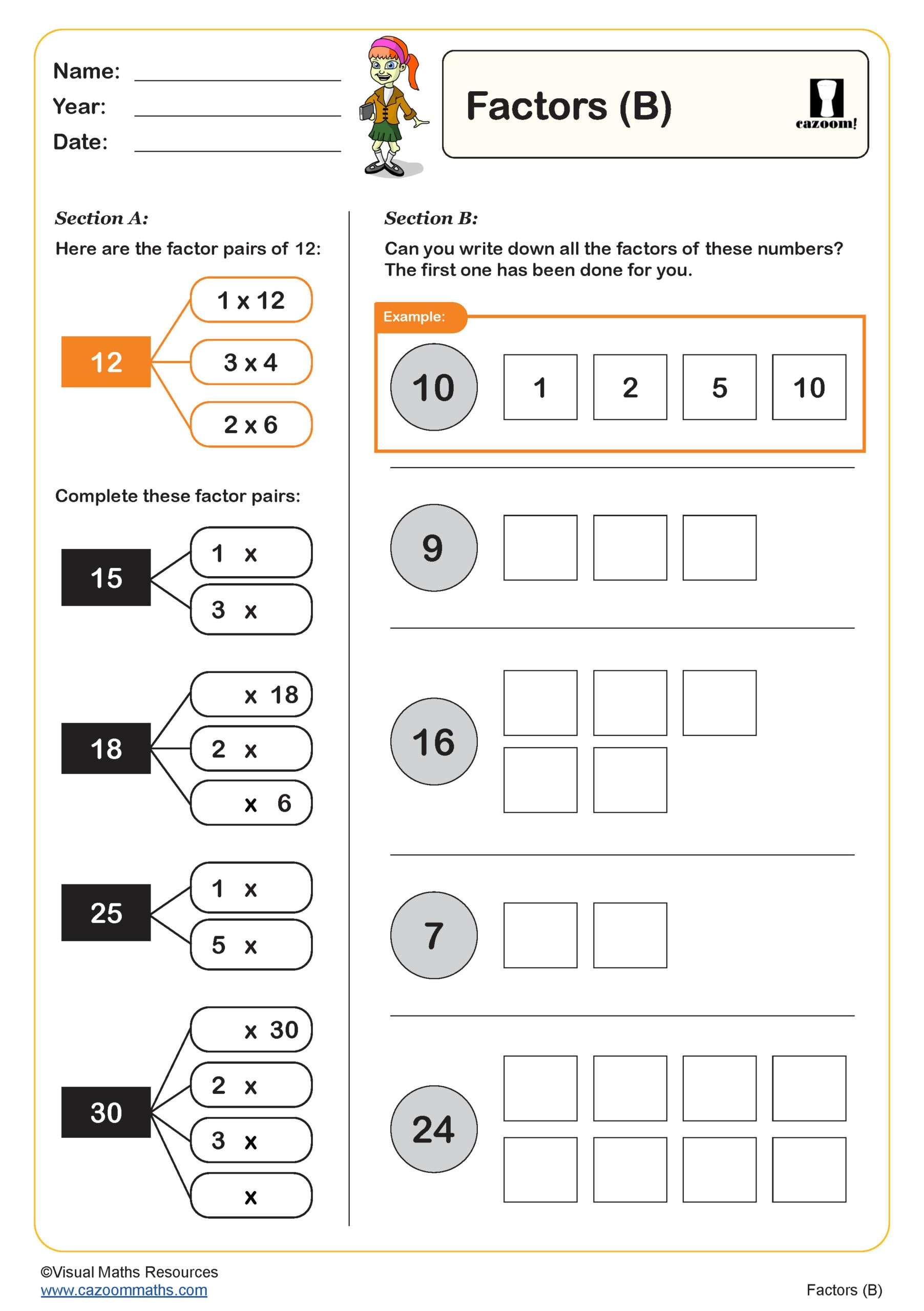
Factors and Multiples
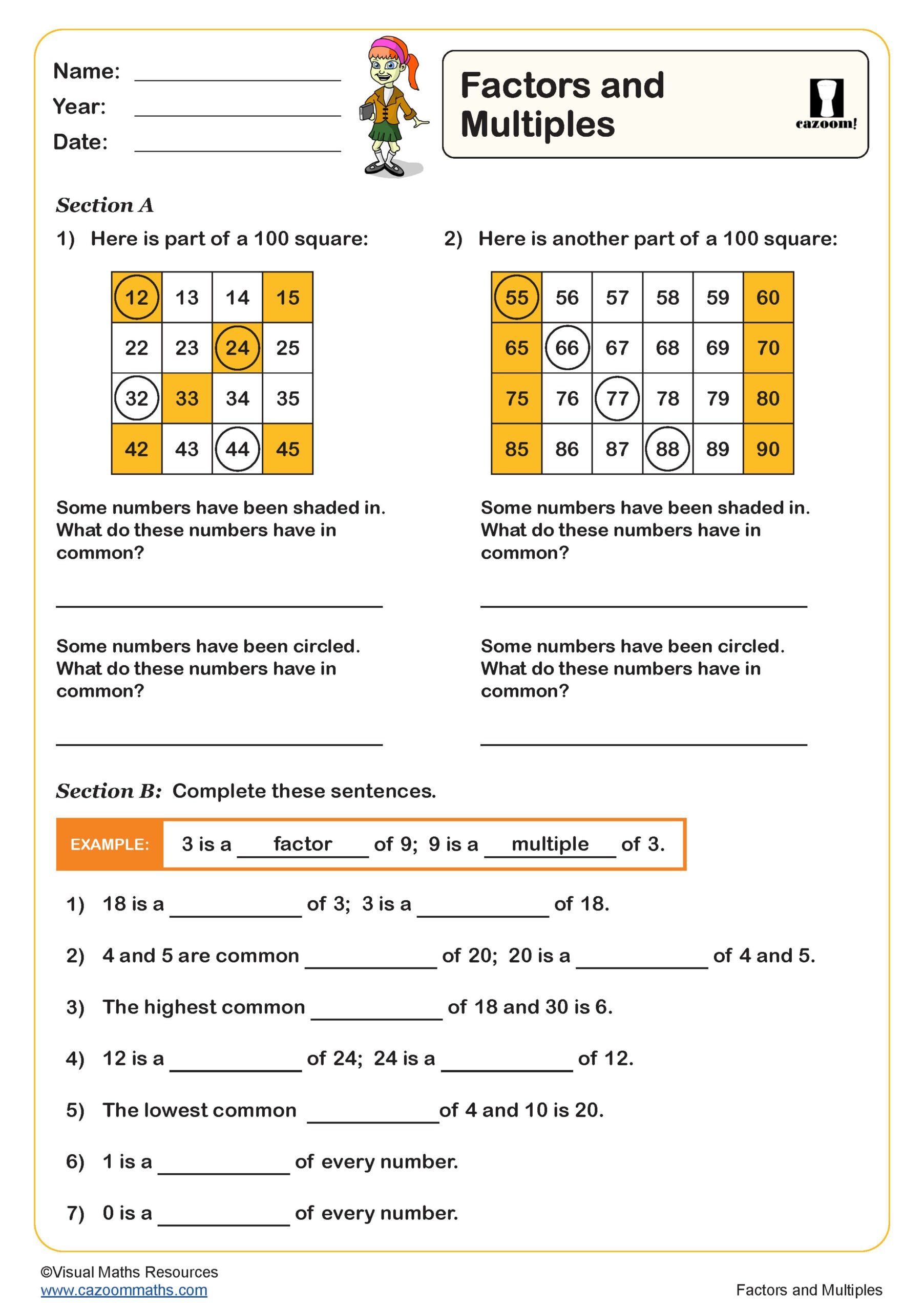
Four Operation Word Problems (A)
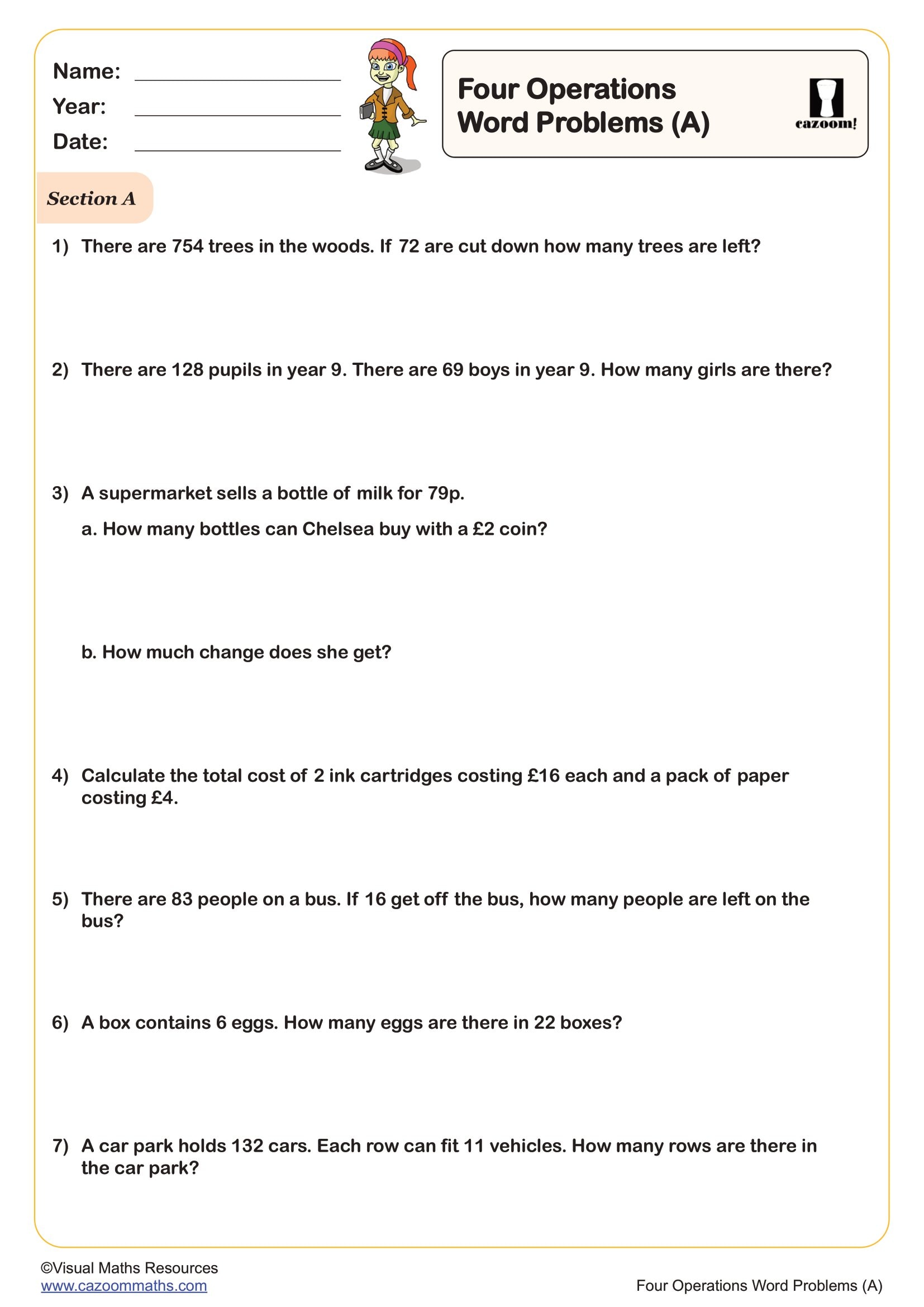
Four Operation Word Problems (A) with clues
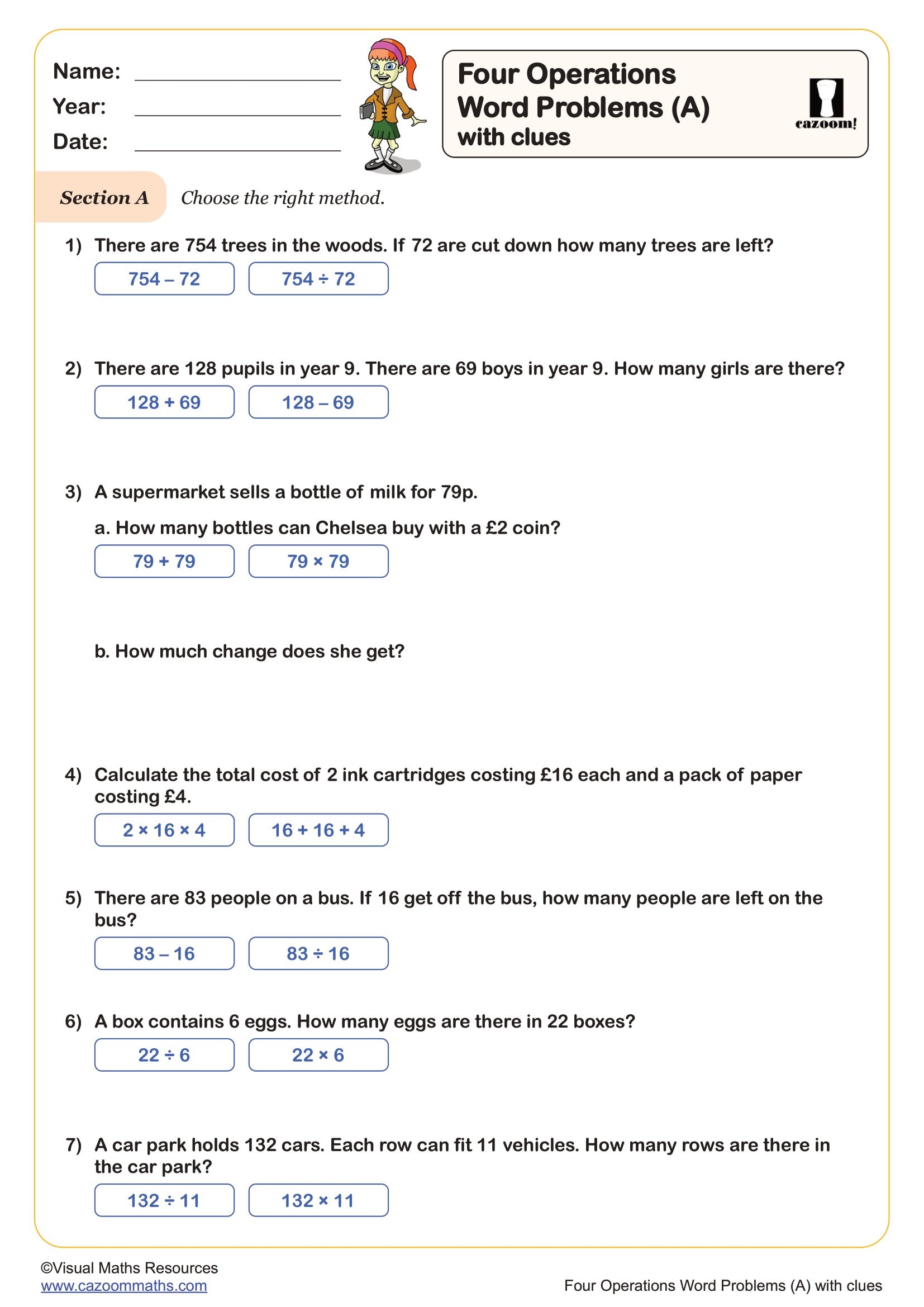
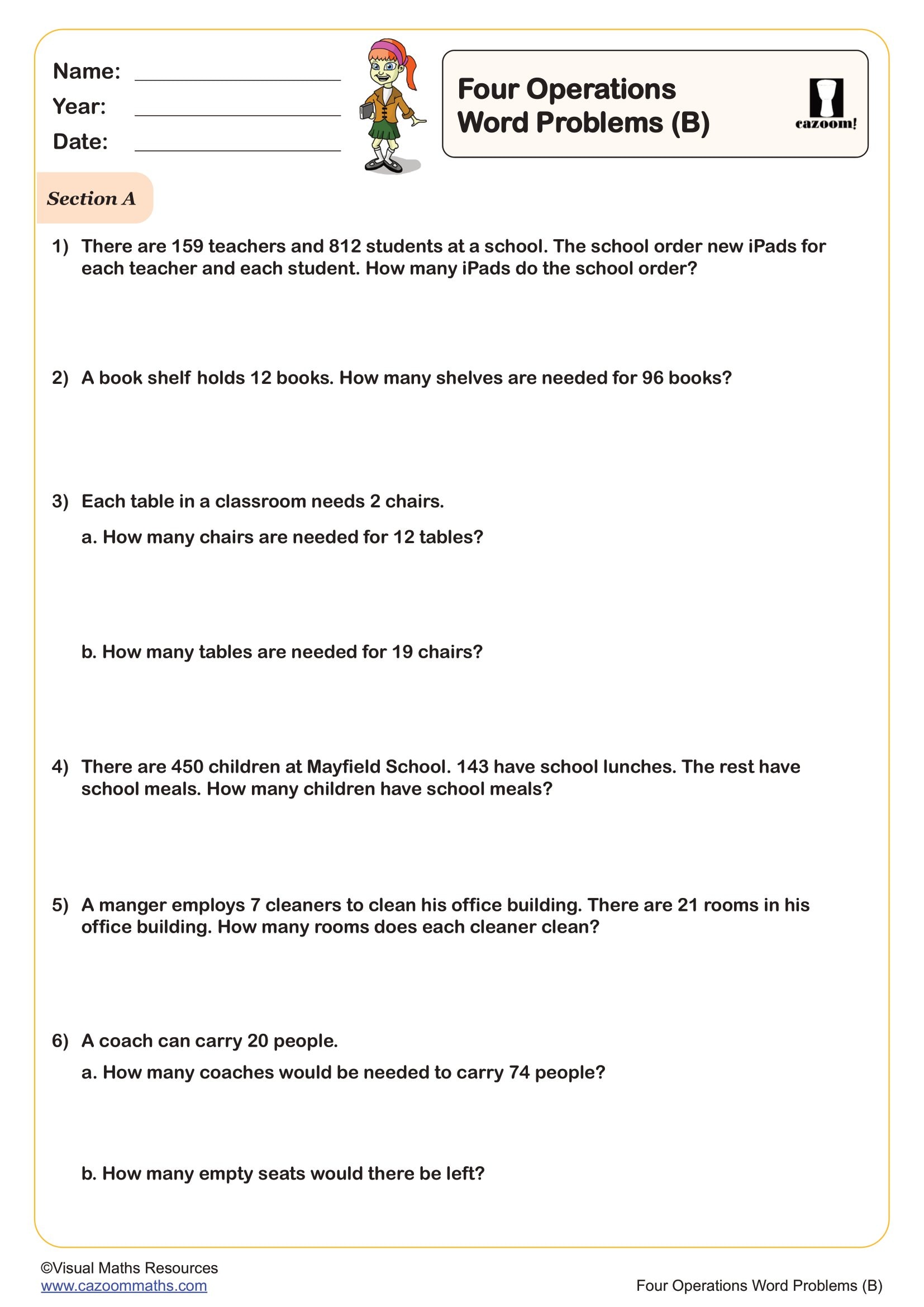
Four Operation Word Problems (B)
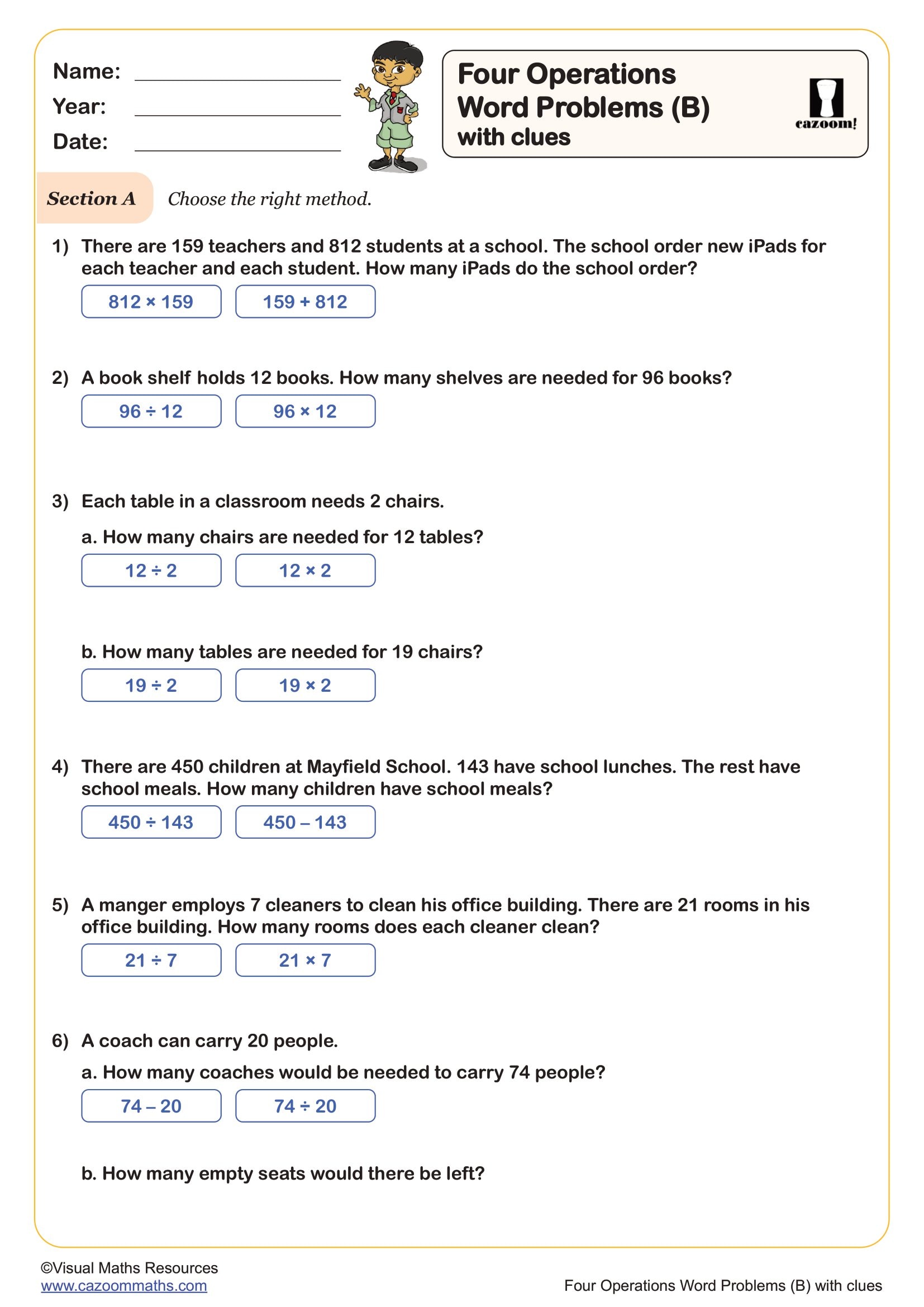
Four Operation Word Problems (B) with clues
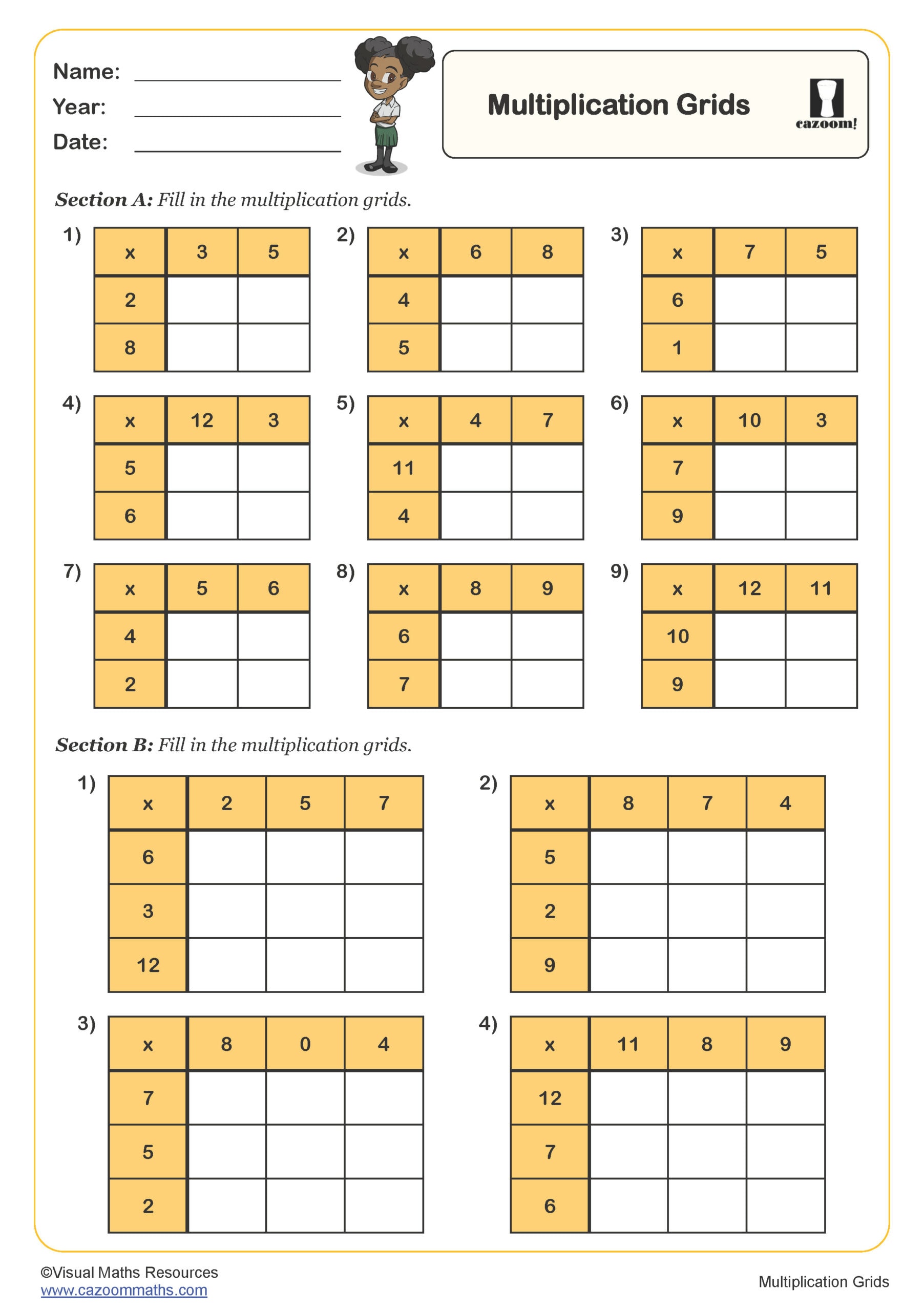
Grid Multiplication
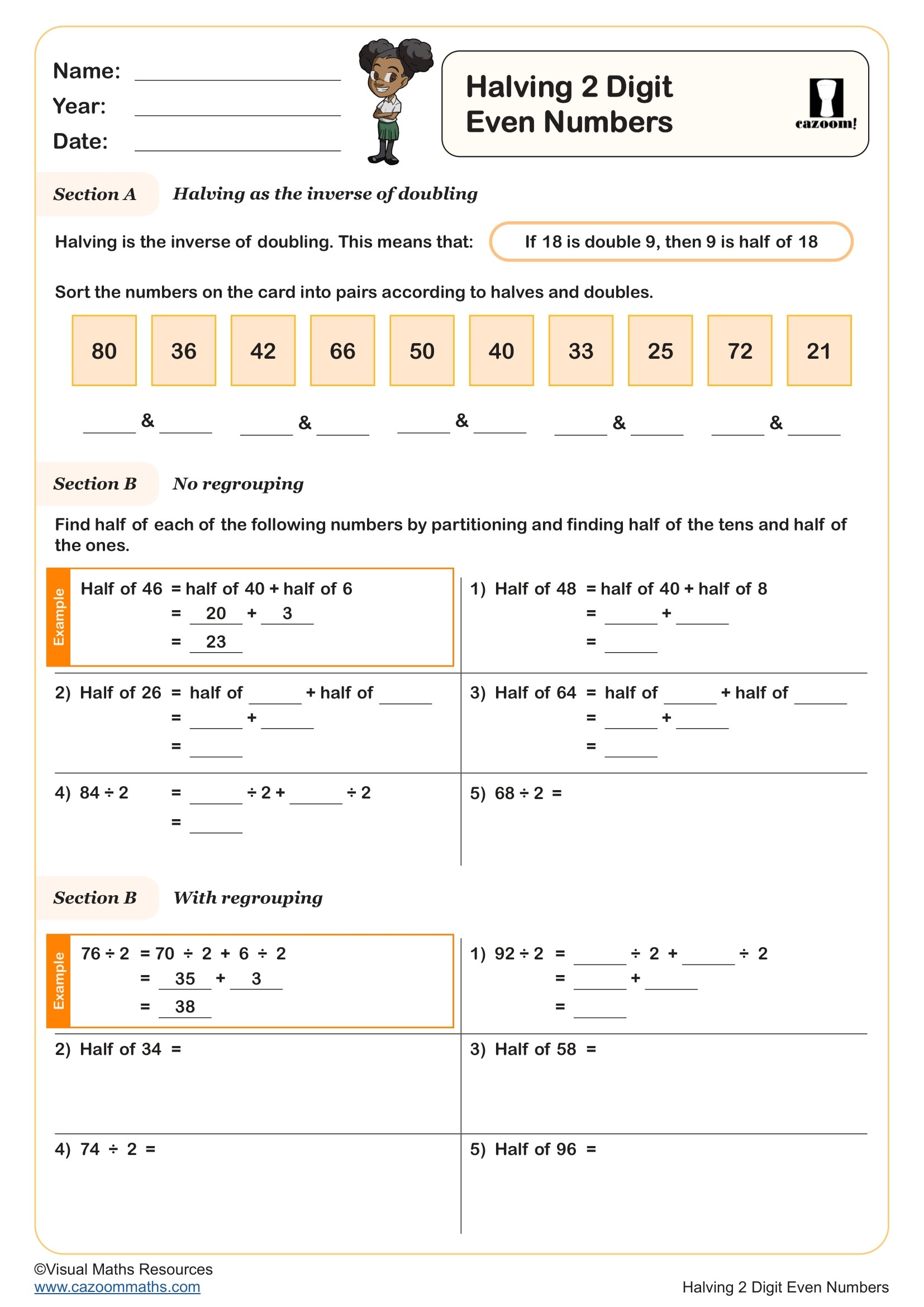
Halving 2 Digit Even Numbers
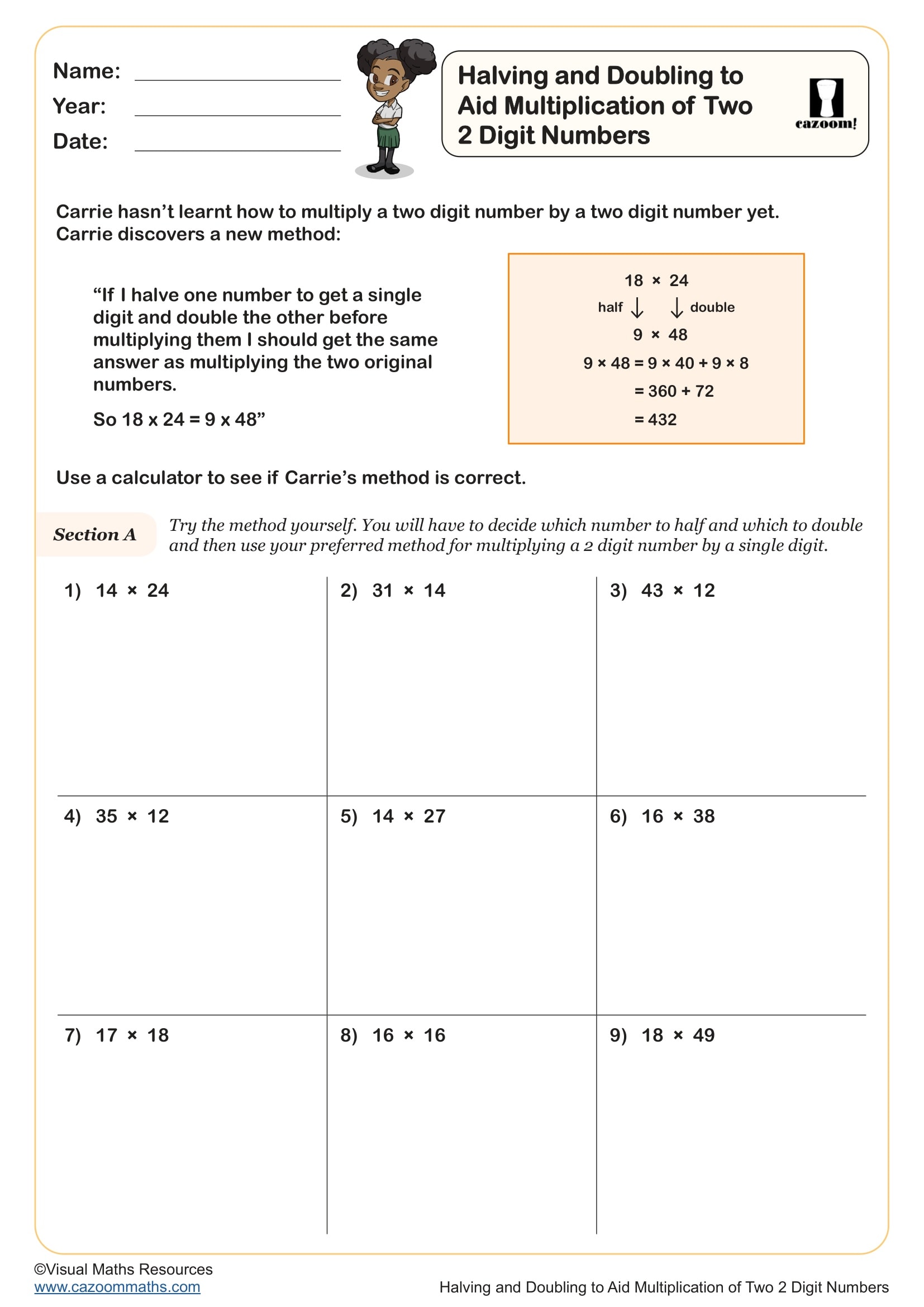
Halving and Doubling to Aid Multiplication of Two 2 Digit Numbers
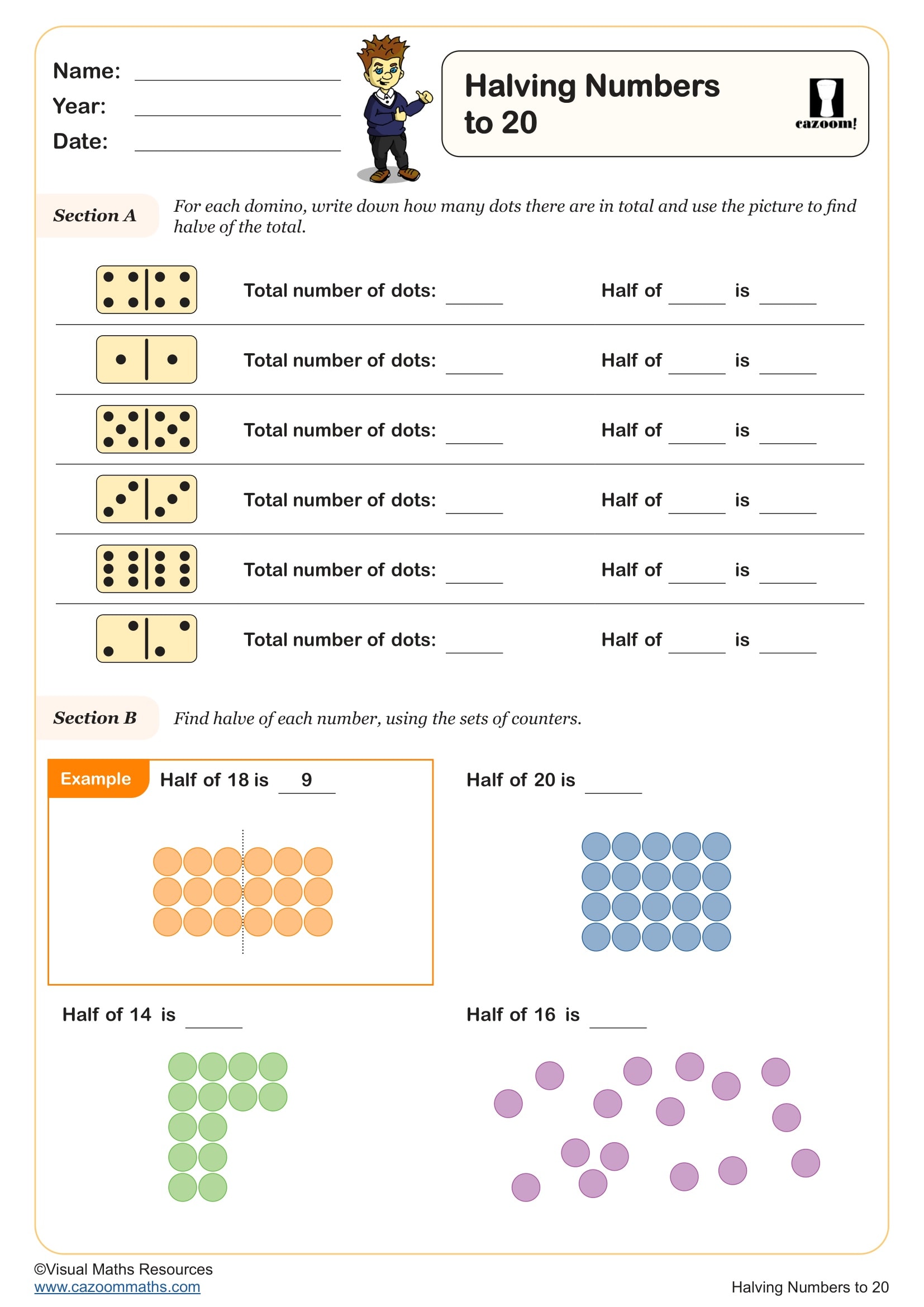
Halving Numbers to 20
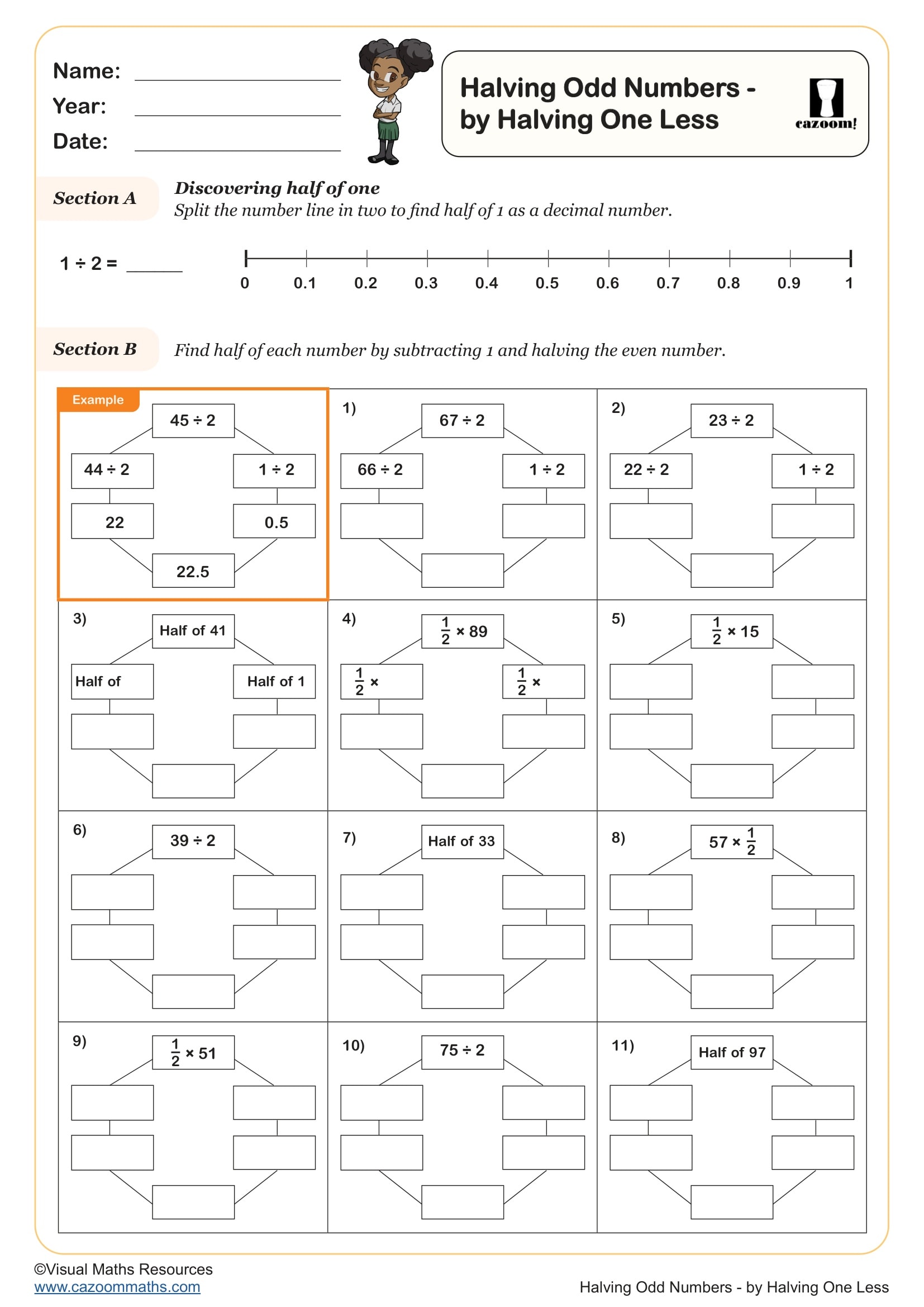
Halving Odd Numbers by Halving One Less
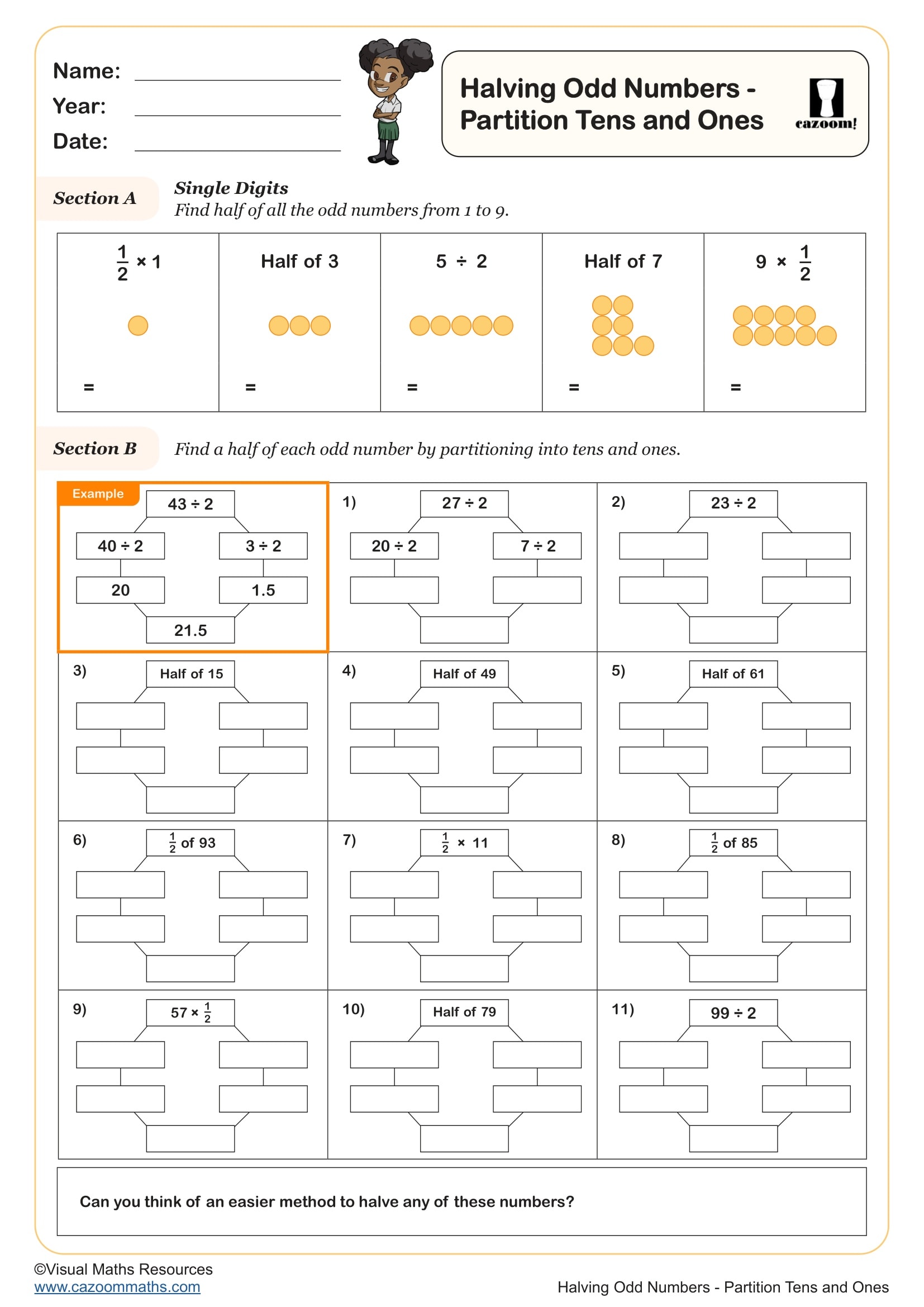
Halving Odd Numbers Partition Tens and Ones
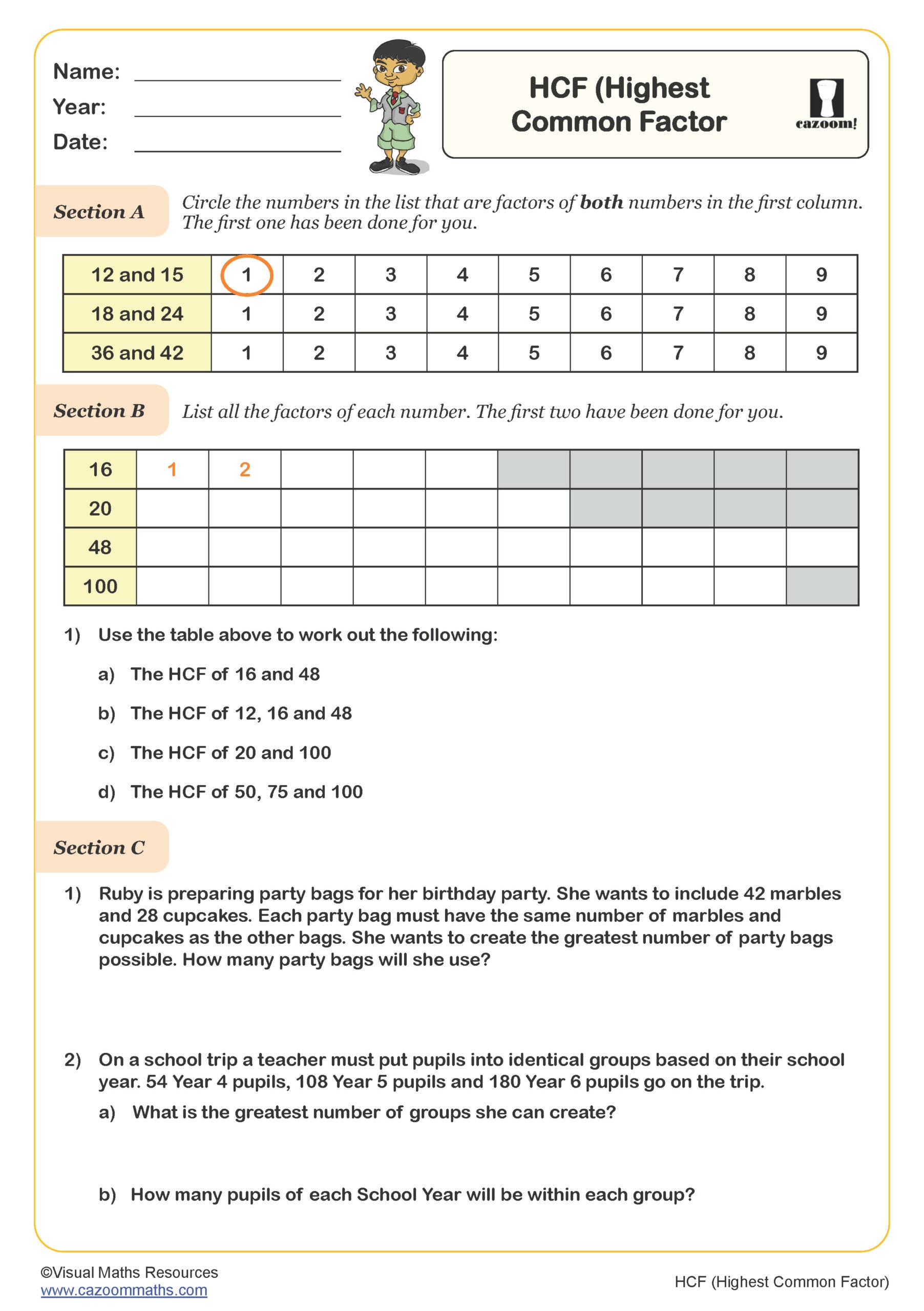
HCF (Highest Common Factor)
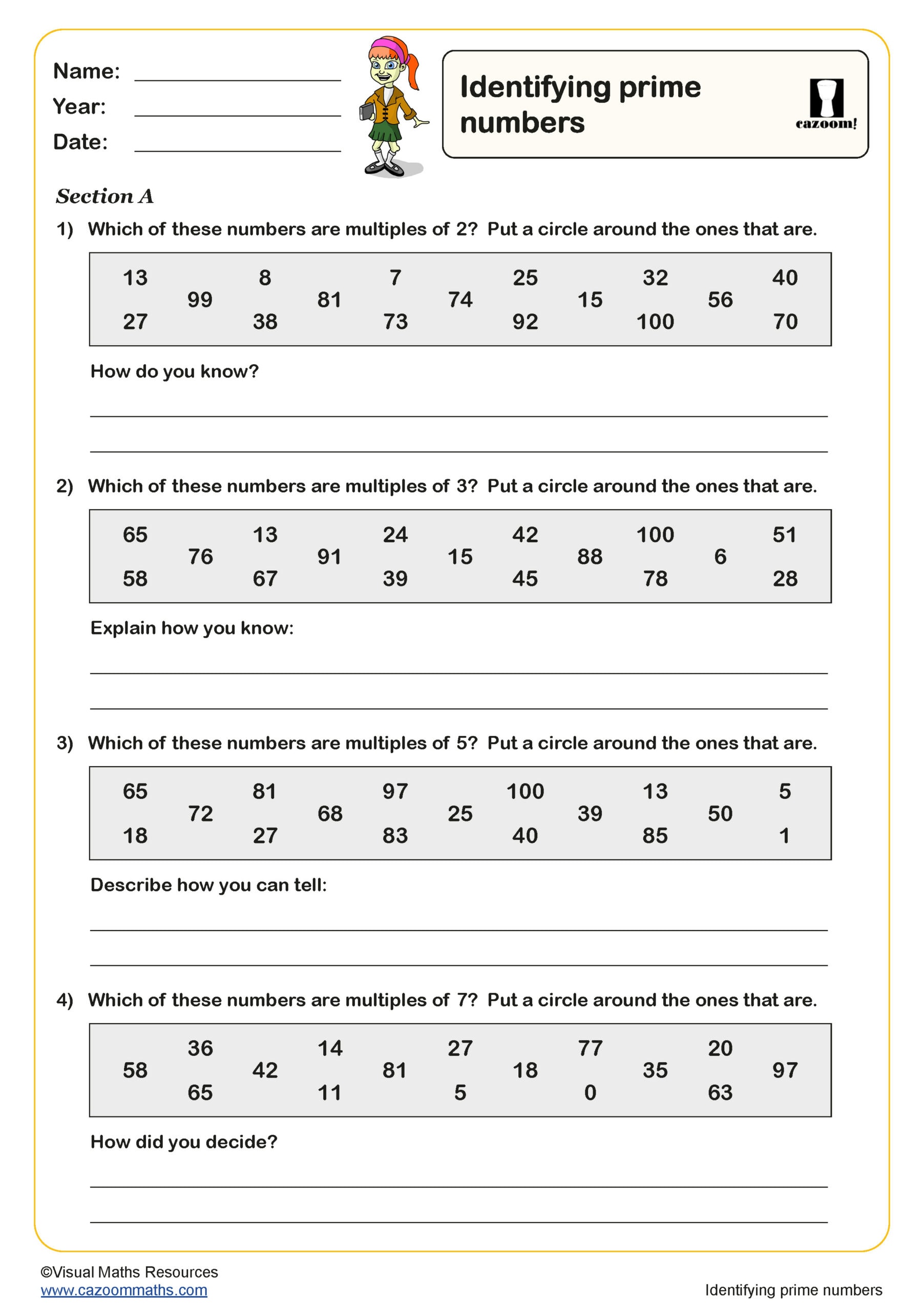
Identifying Prime Numbers
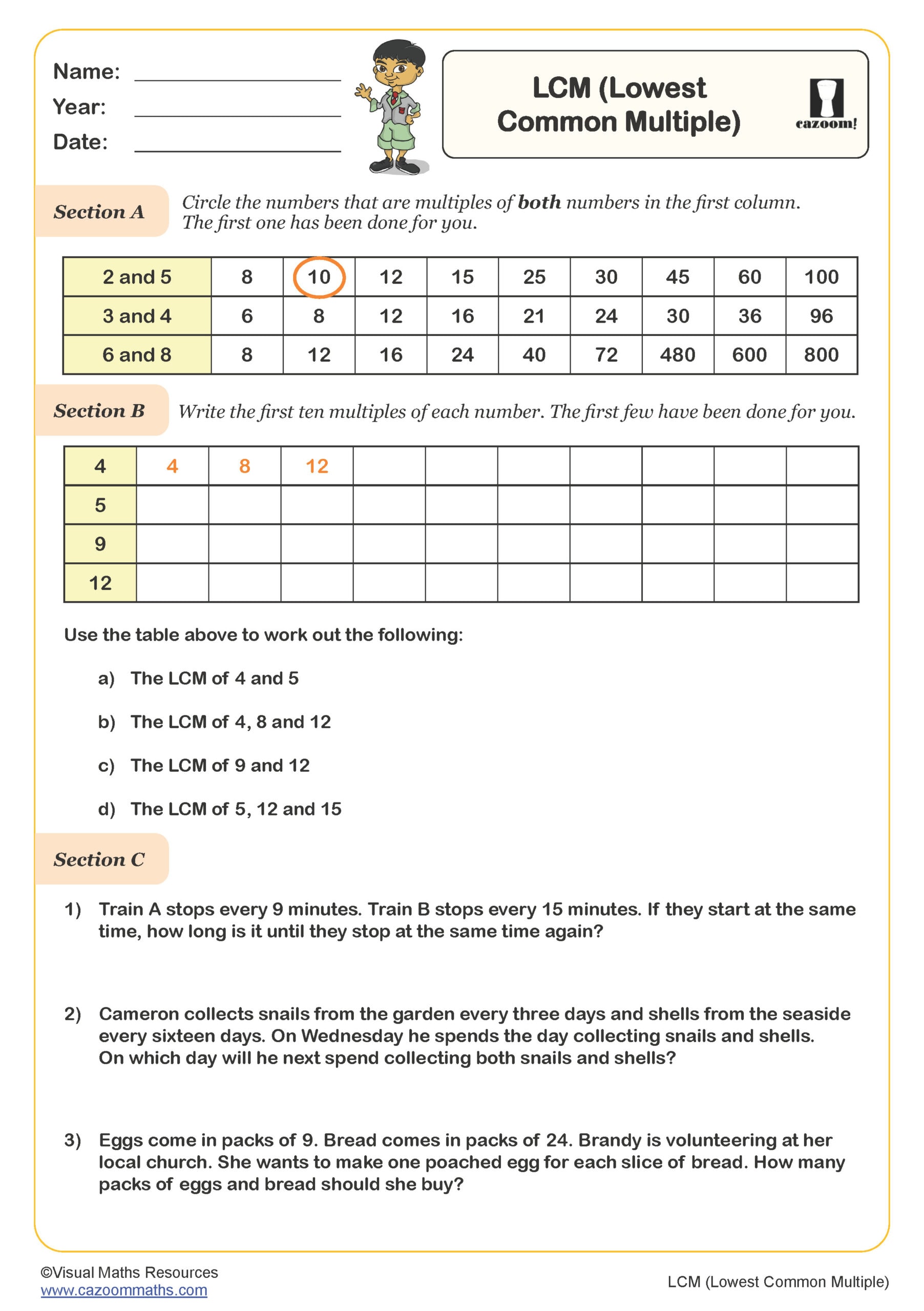
LCM (Lowest Common Multiple)
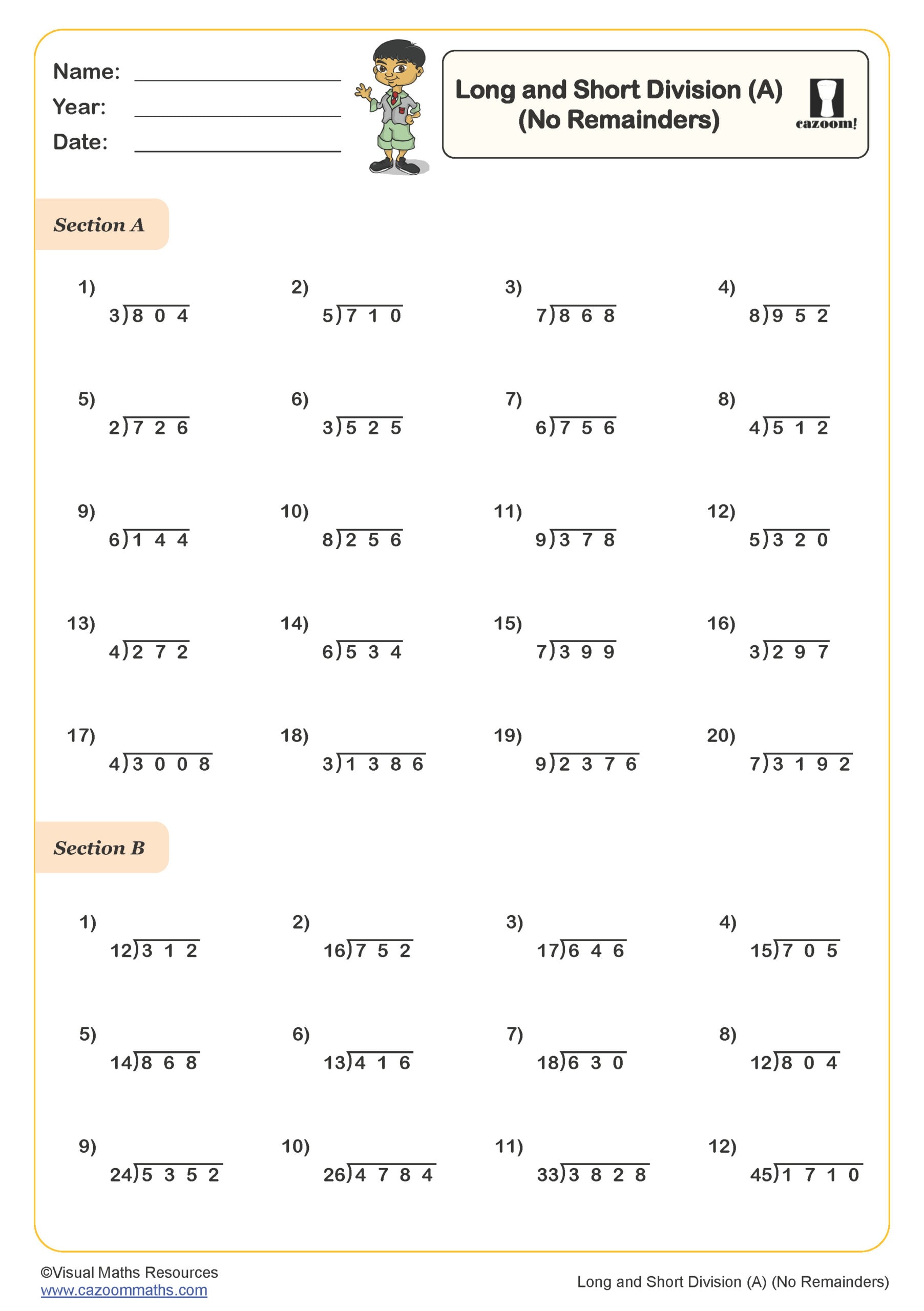
Long and Short Division (A) (No Remainders)
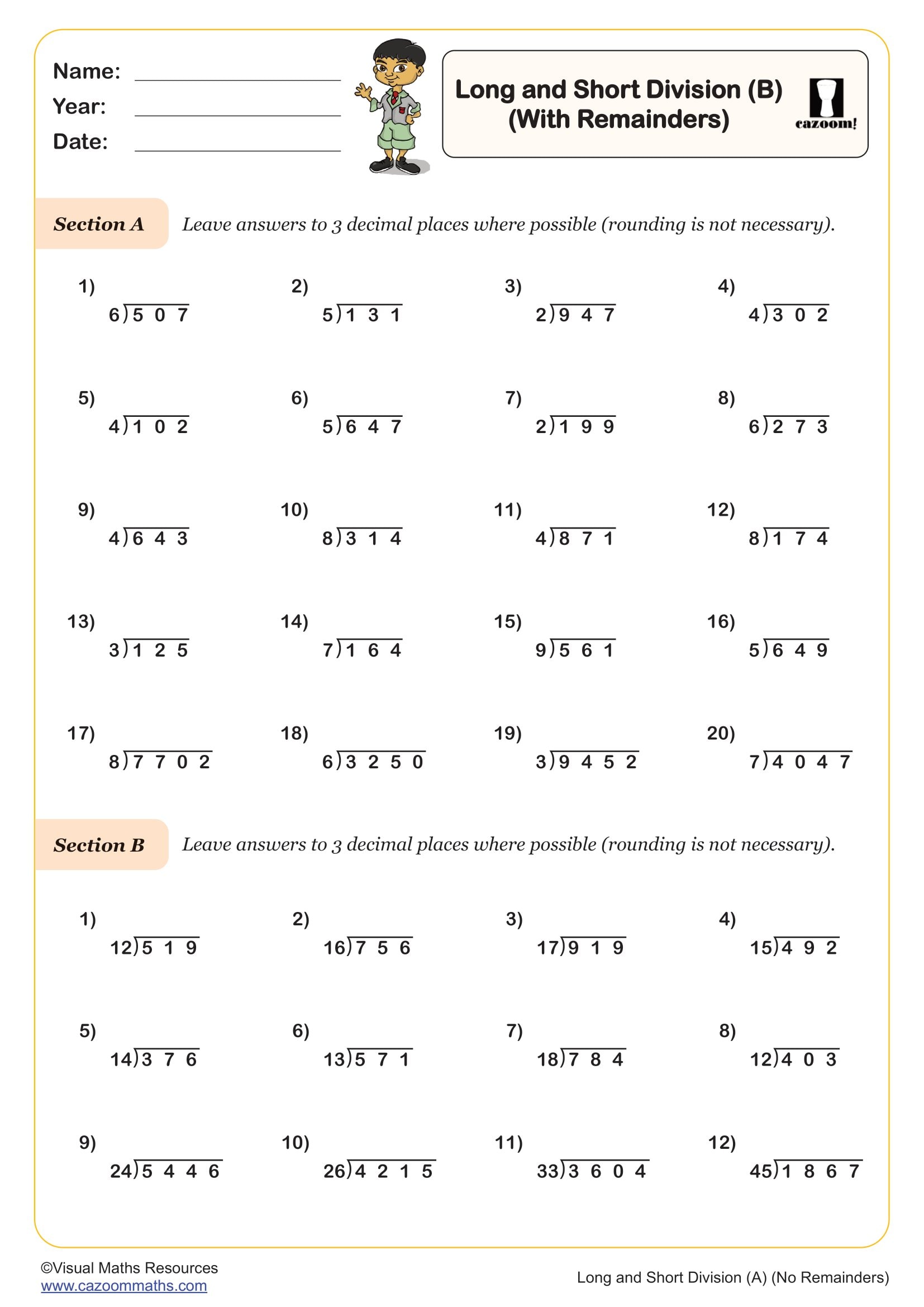
Long and Short Division (B) (With Remainders)
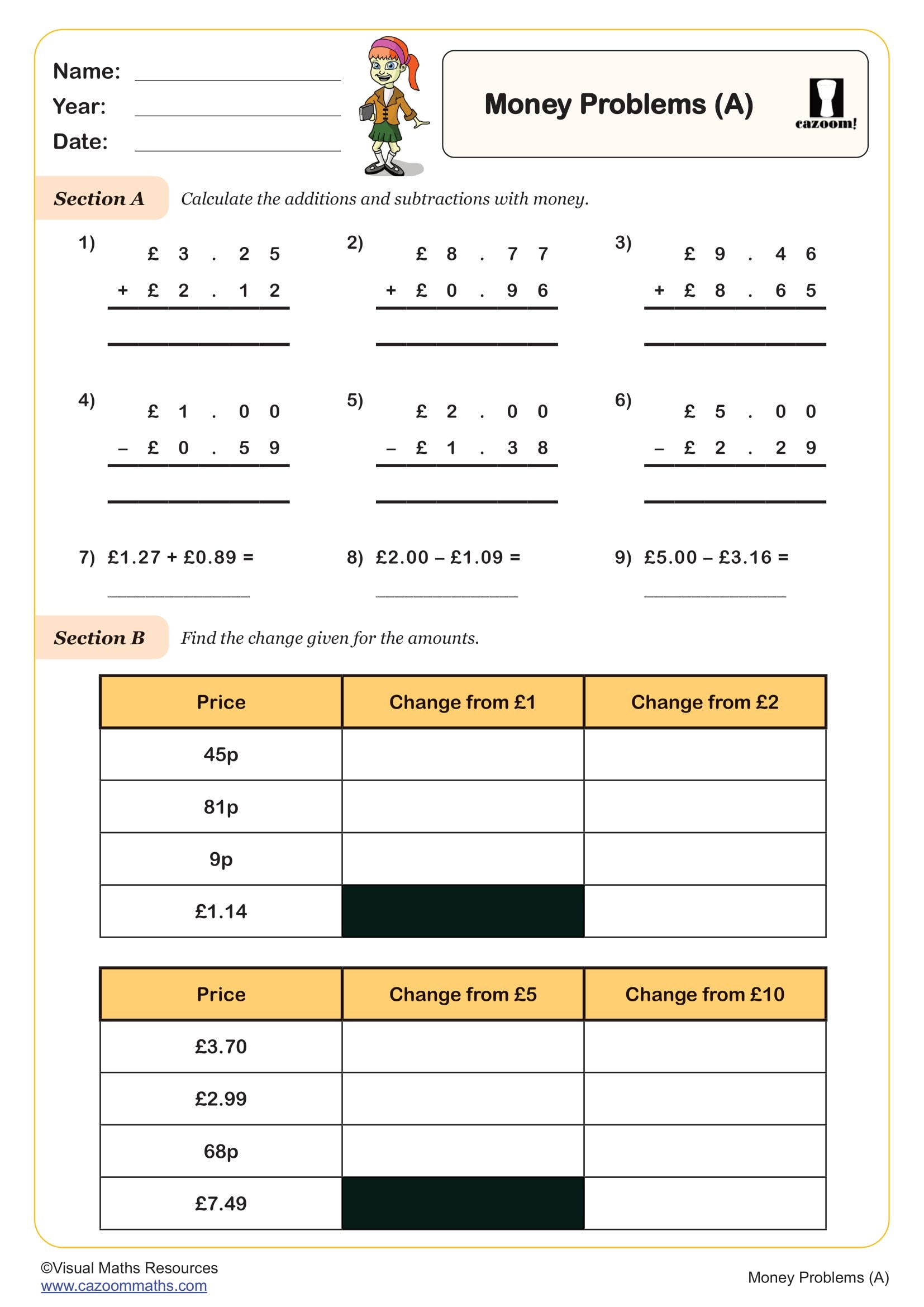
Money Problems (A)
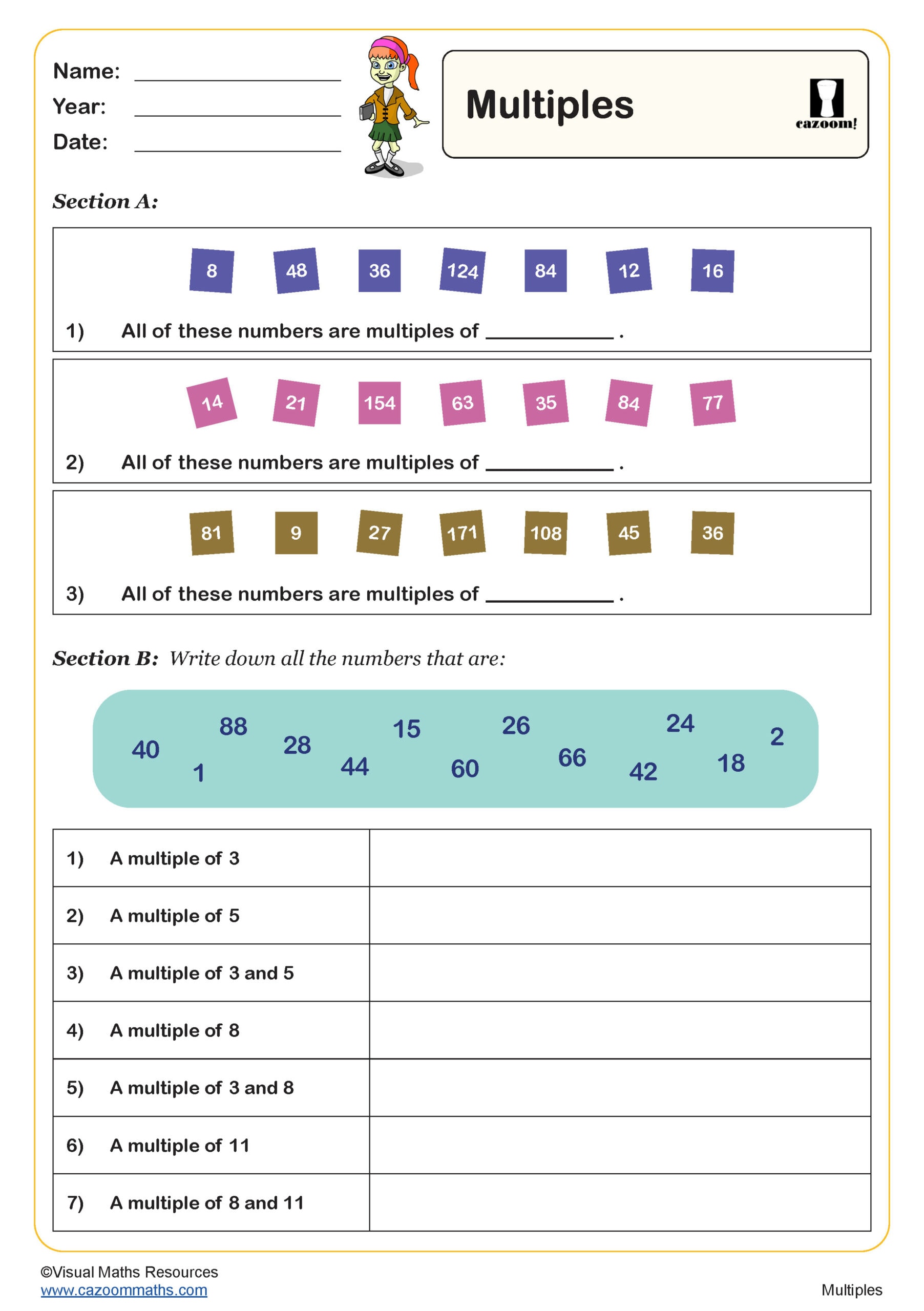
Multiples
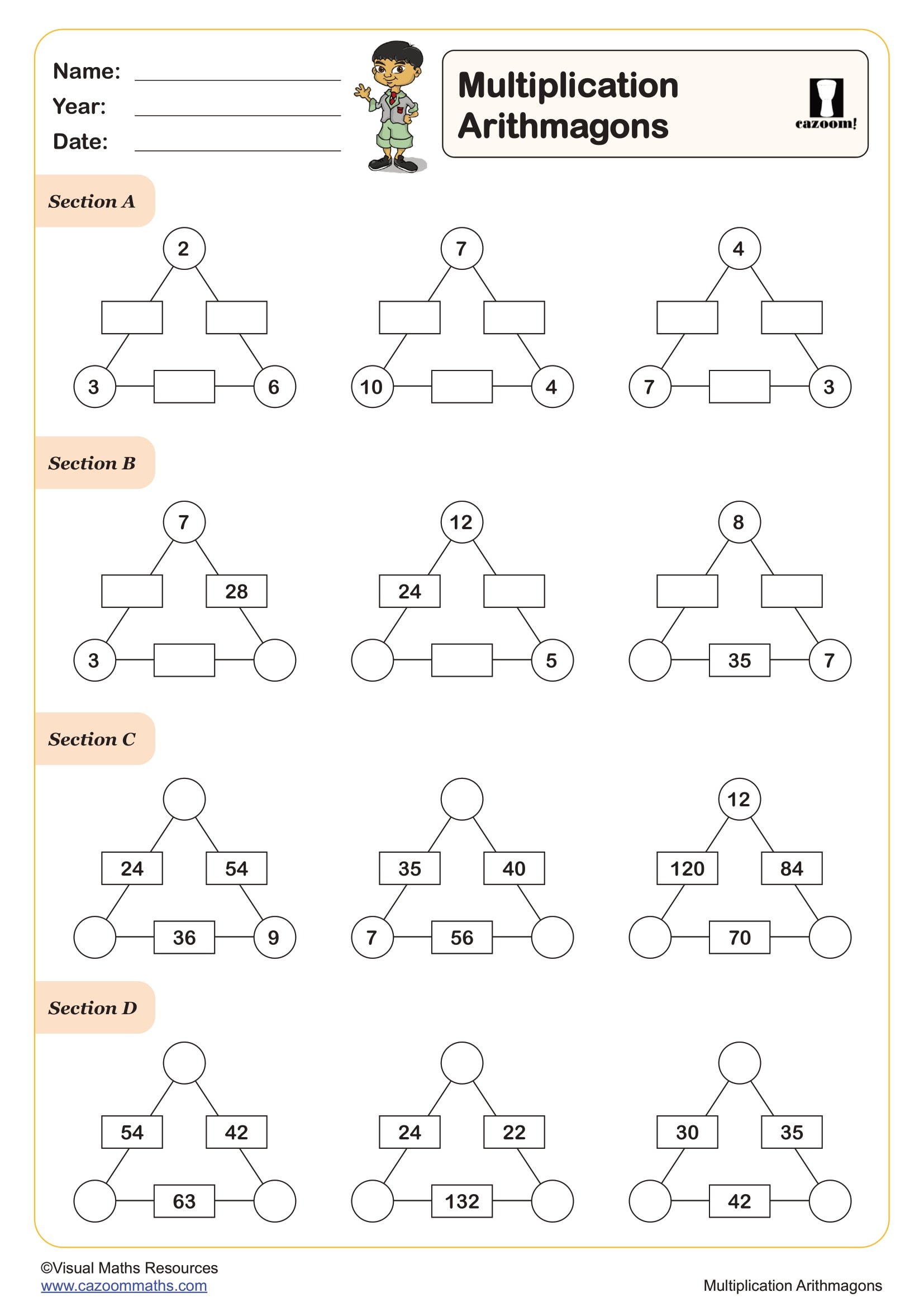
Multiplication Arthimagons
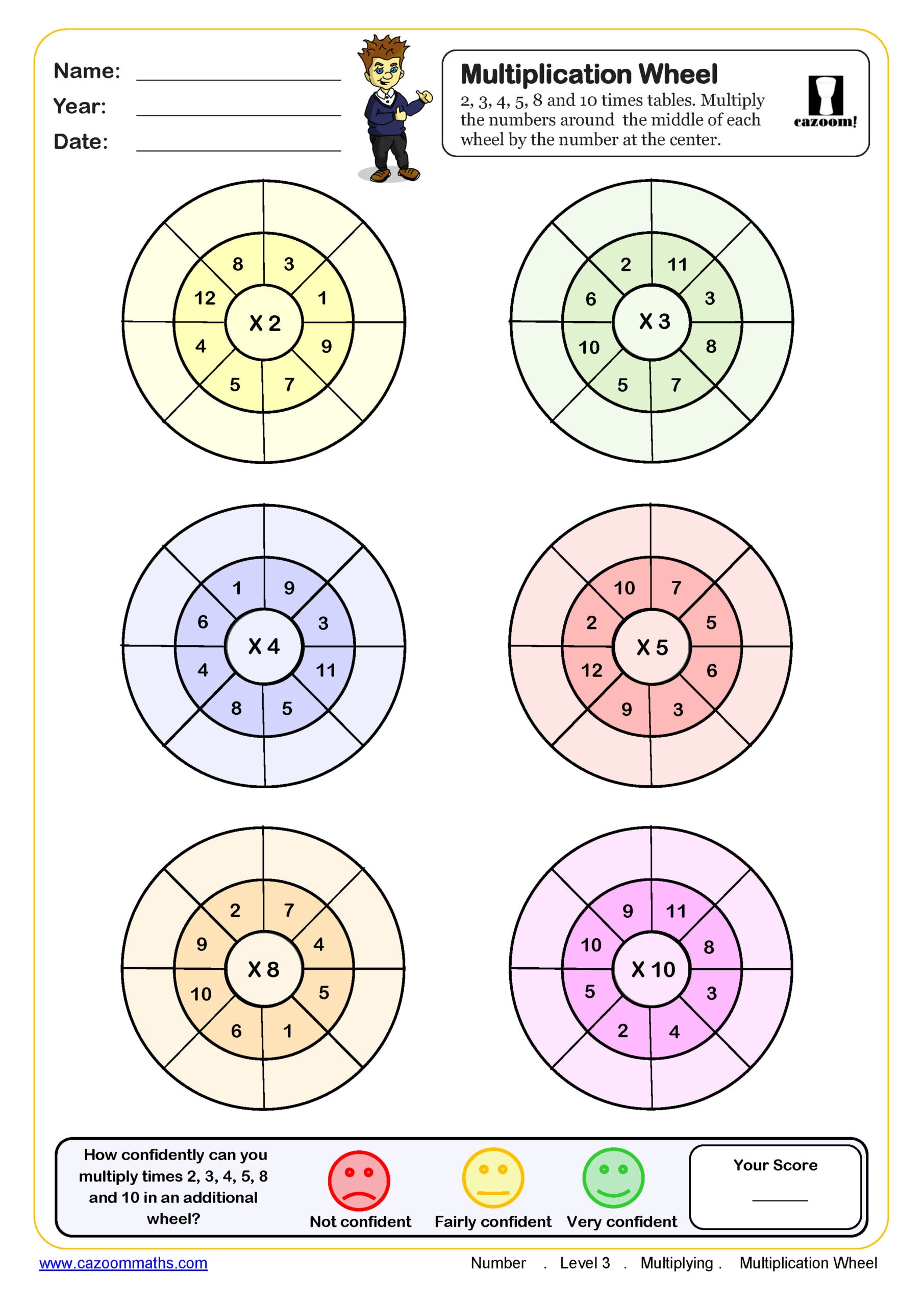
Multiplication Wheels (2,3,4,5,8,&10 Times Tables)
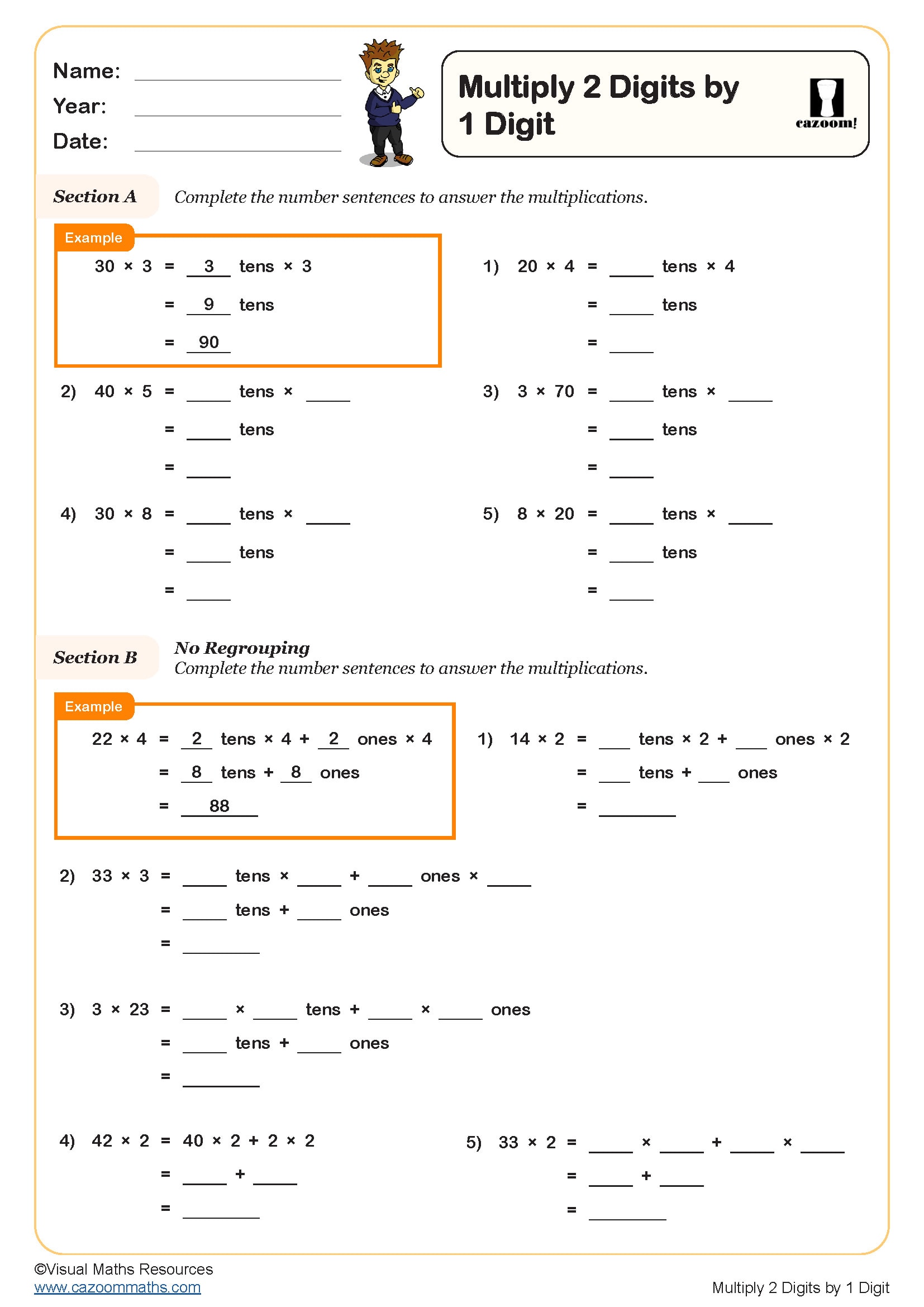
Multiply 2 Digits by 1 Digit
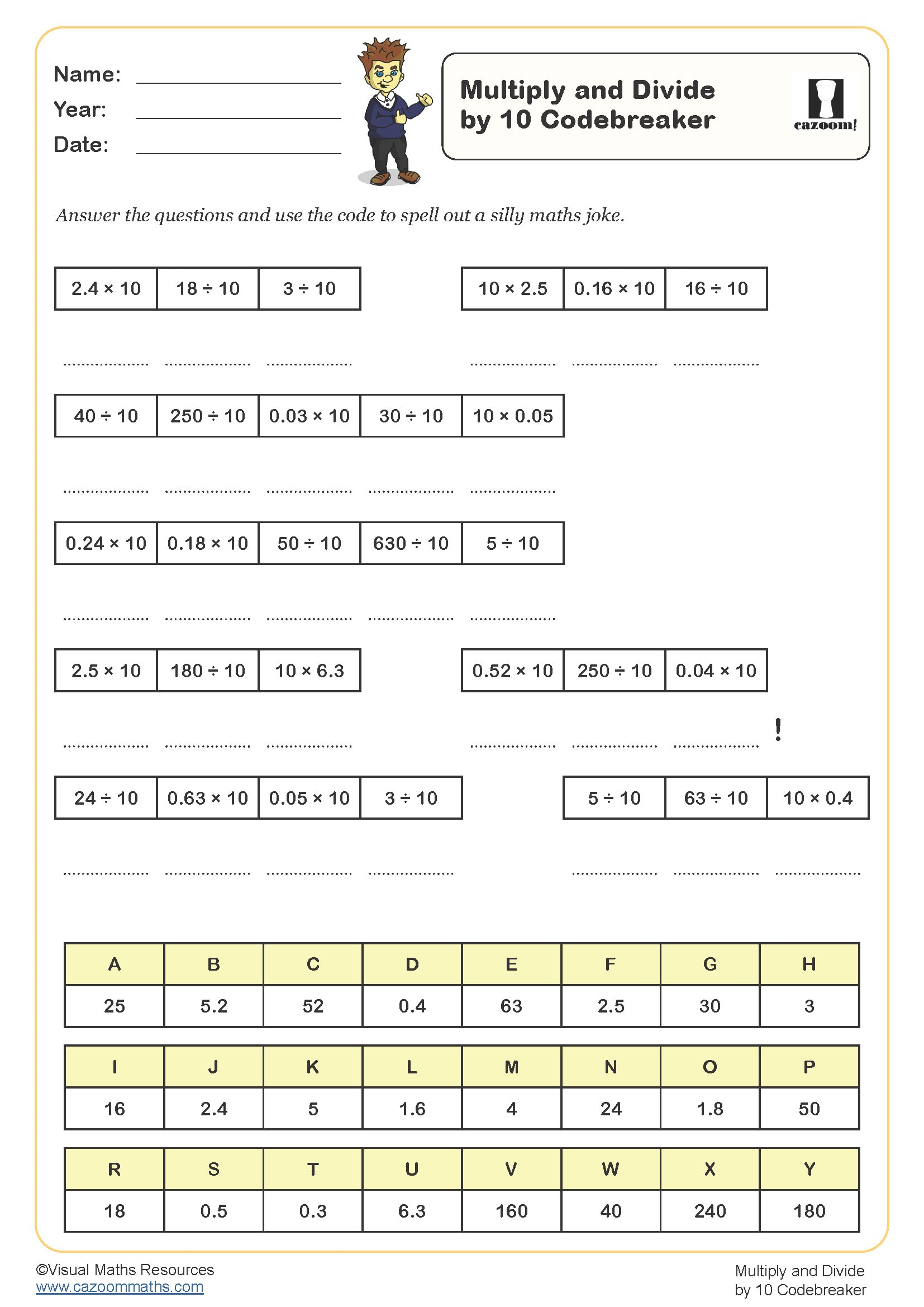
Multiply and Divide by 10 Codebreaker
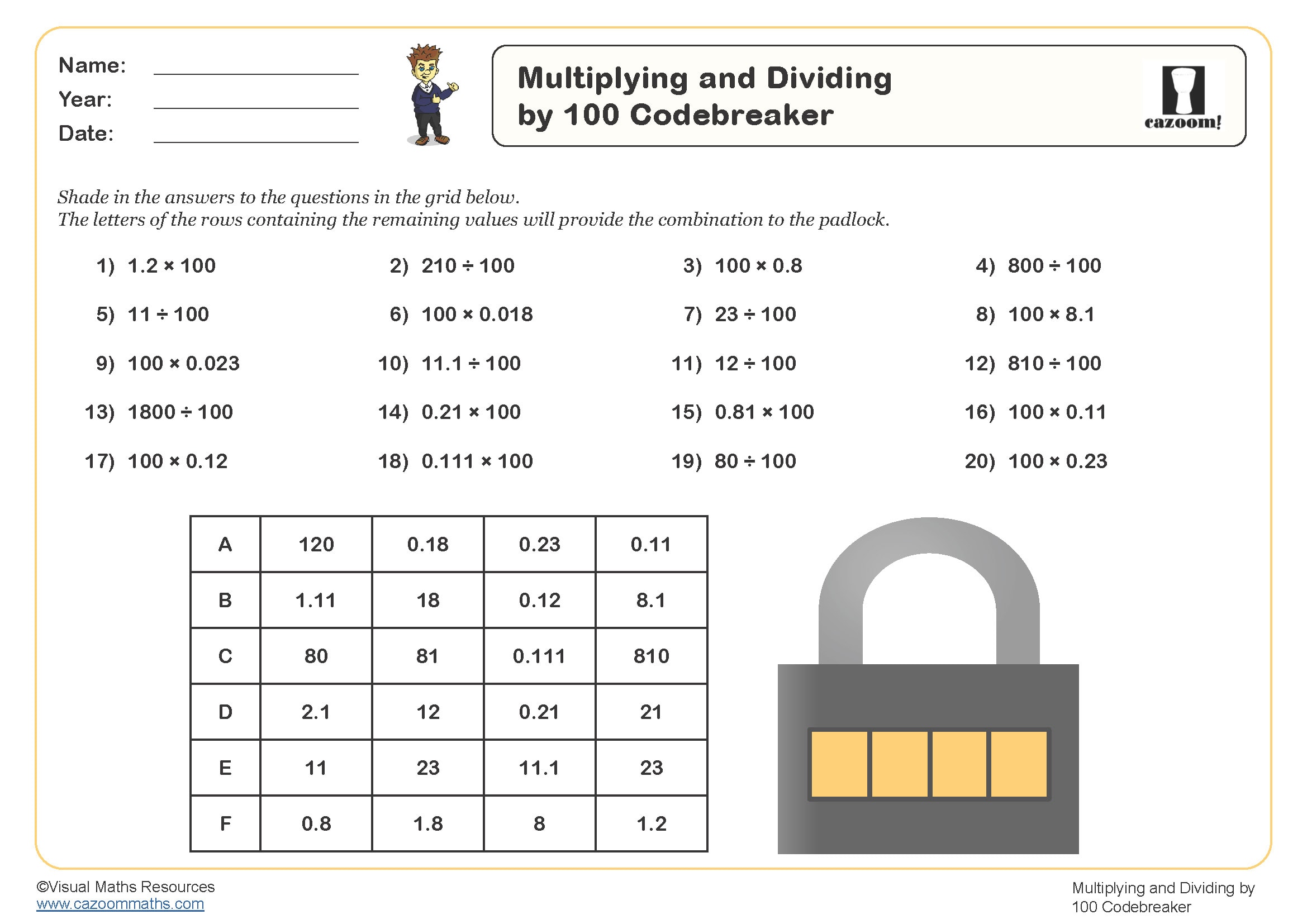
Multiply and Divide by 100 Codebreaker
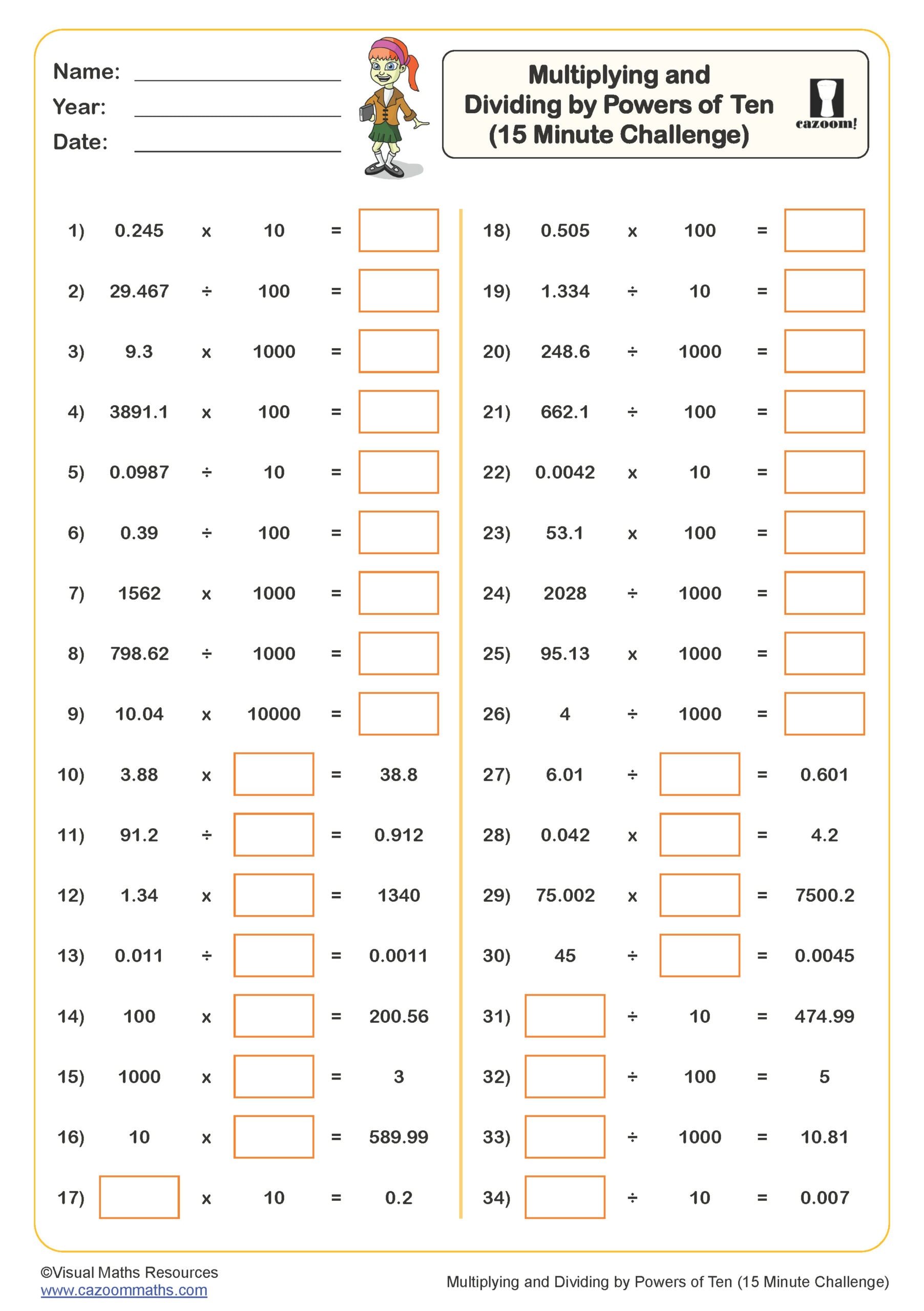
Multiply and Divide by Powers of Ten - 15 Minute Challenge
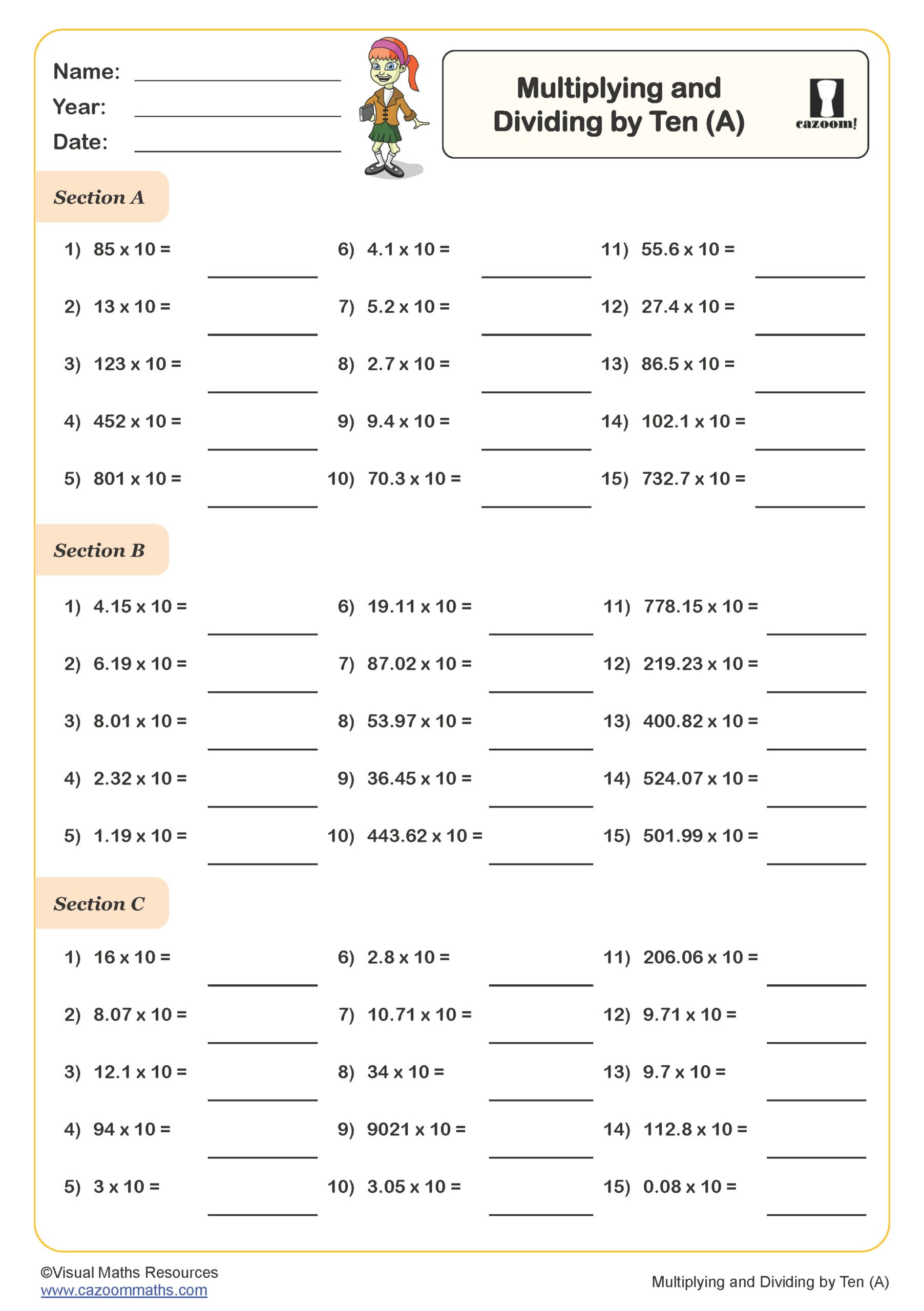
Multiply and Divide by Ten (A)
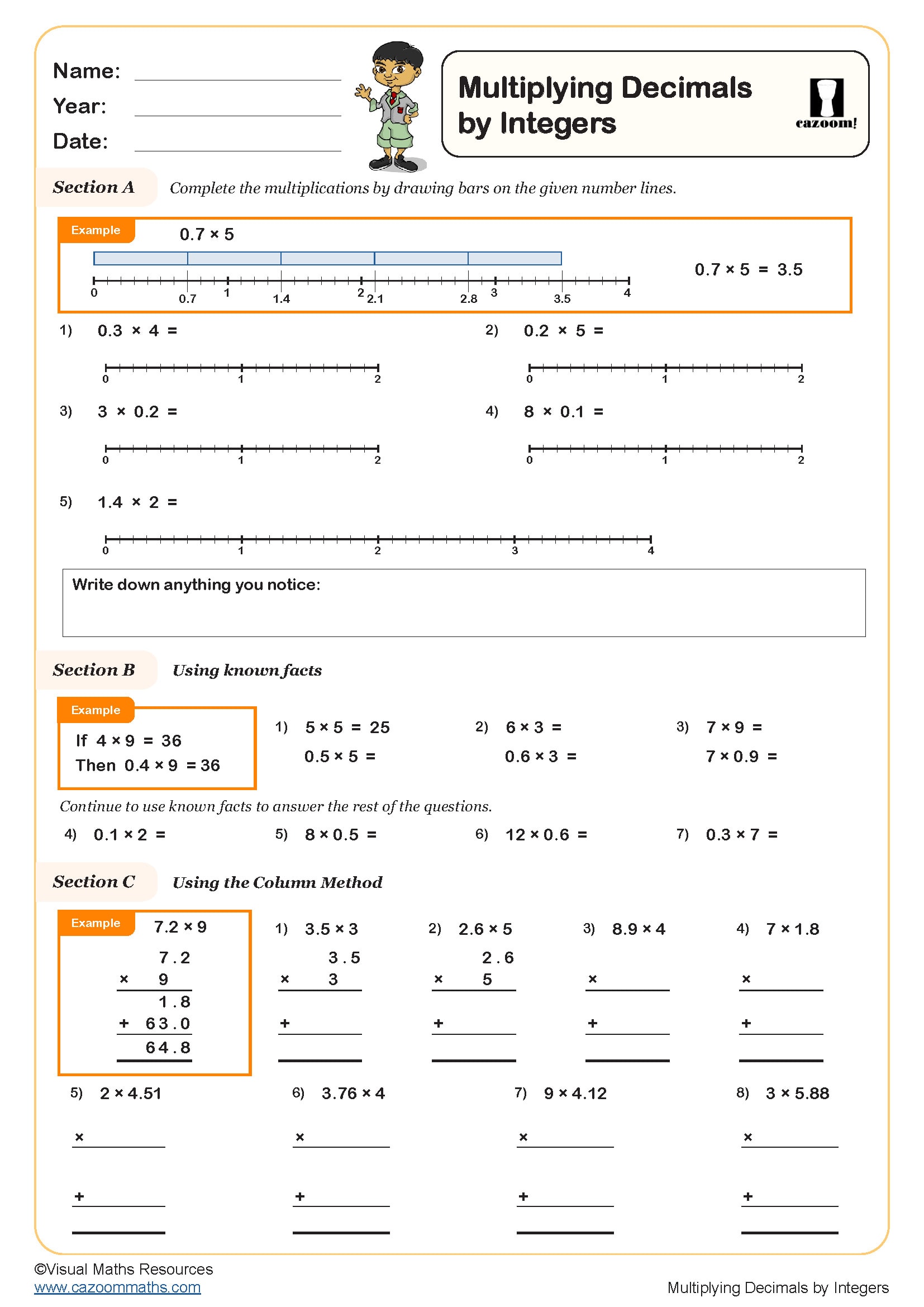
Multiply decimals by integers
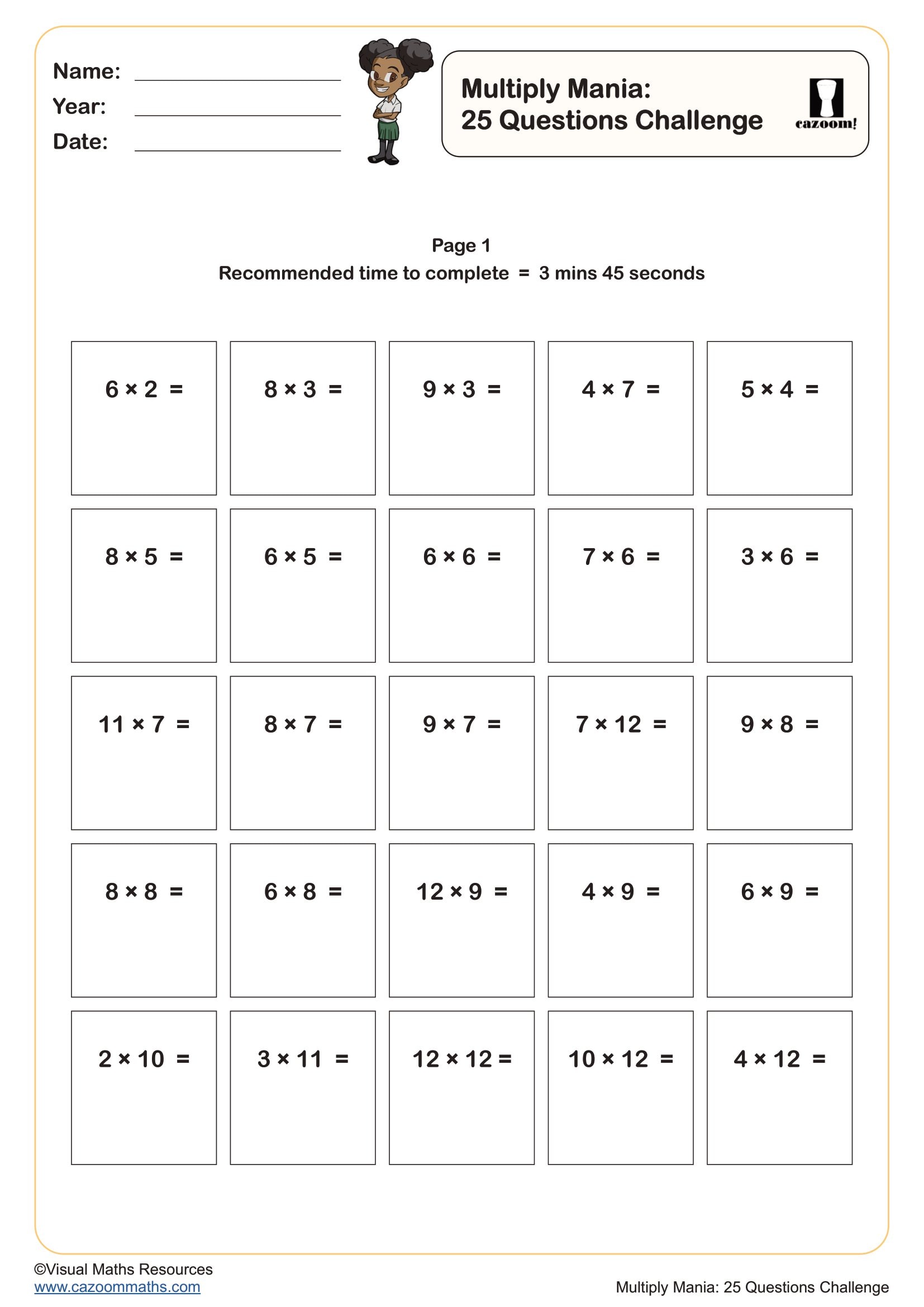
Multiply Mania: 25 Questions Challenge
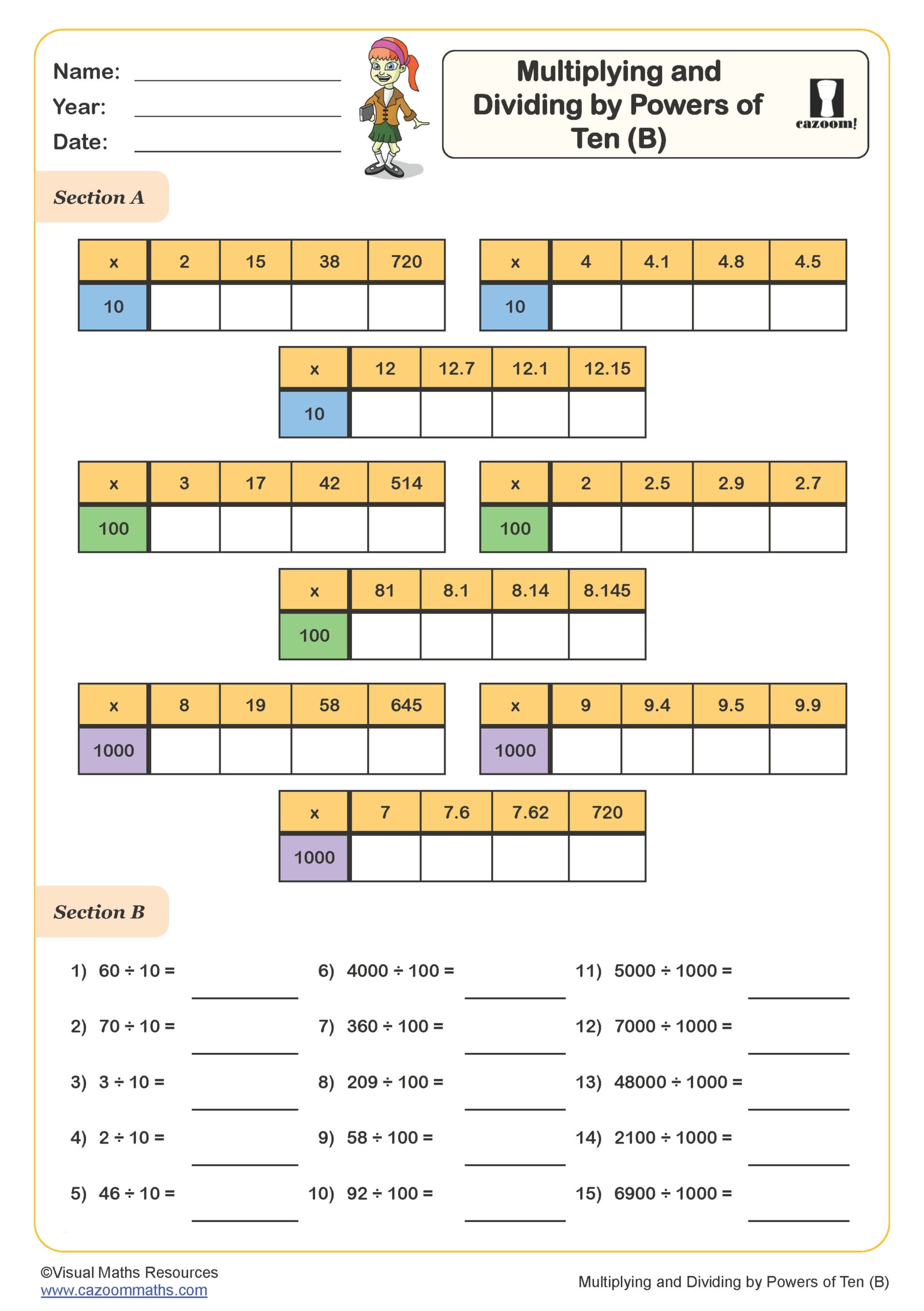
Multiplying & Dividing by Powers of Ten (B)
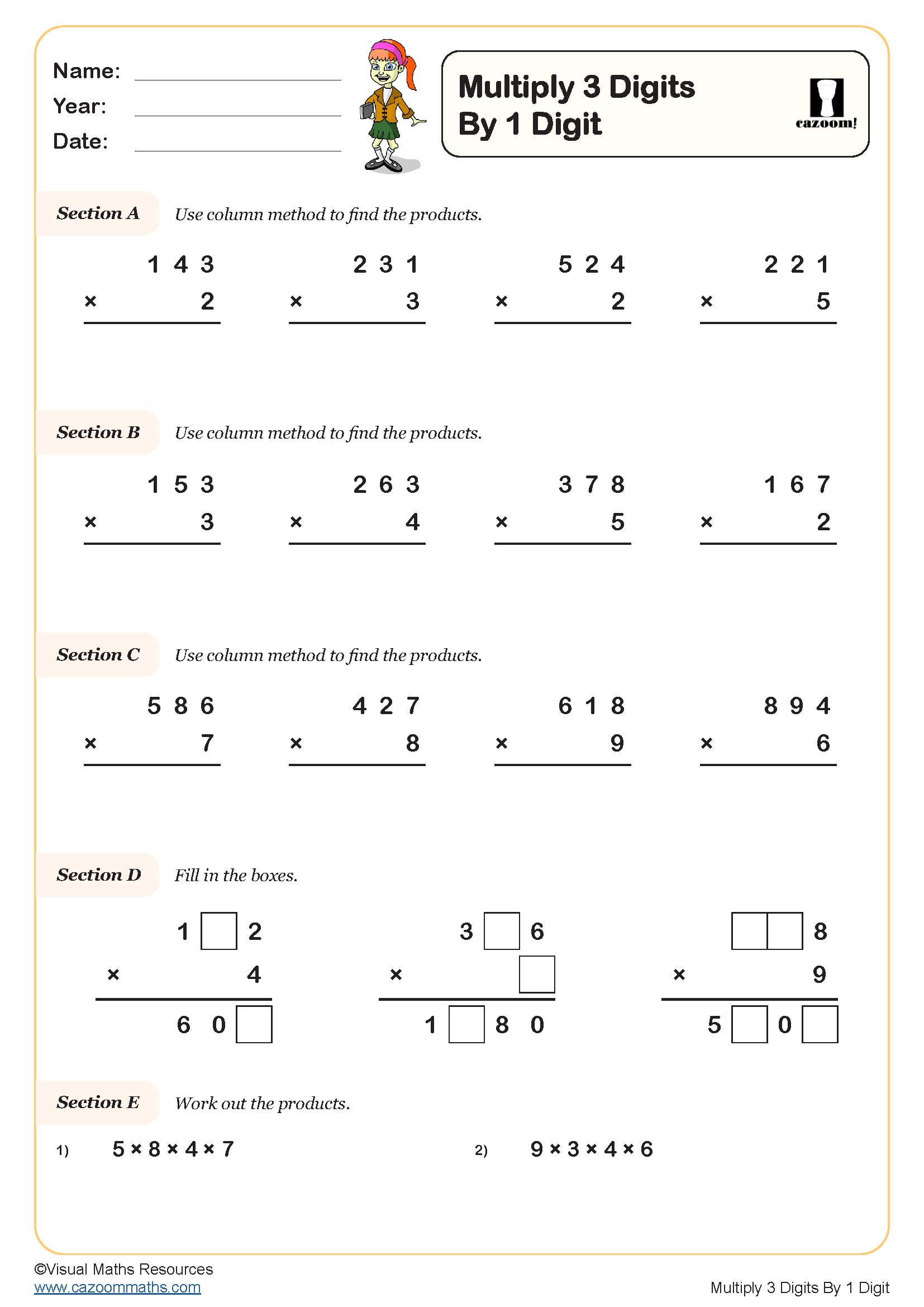
Multiplying 3 digits by 1 digit
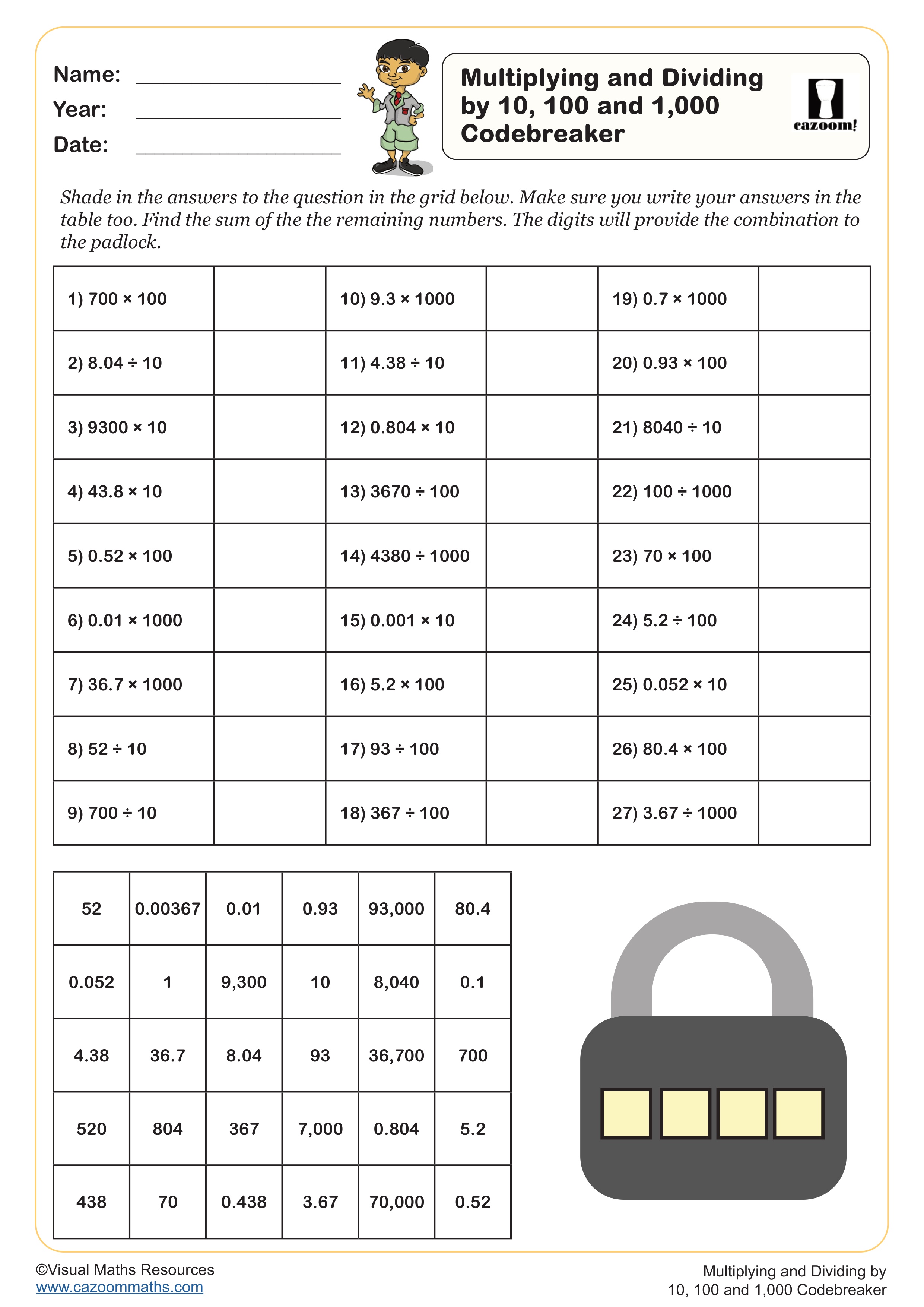
Multiplying and Dividing by 10, 100 and 1,000 Codebreaker
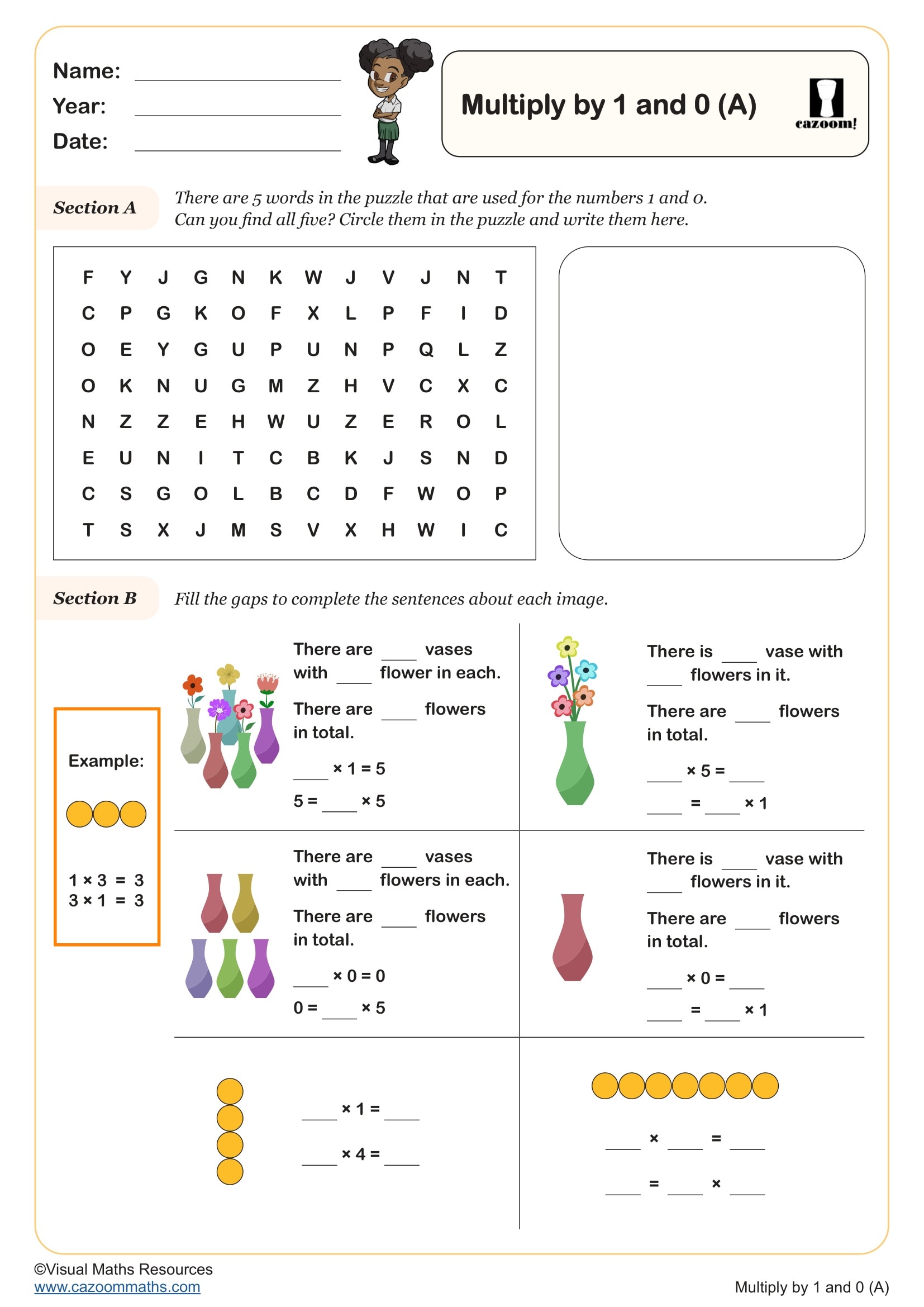
Multiplying by 1 and 0 (A)
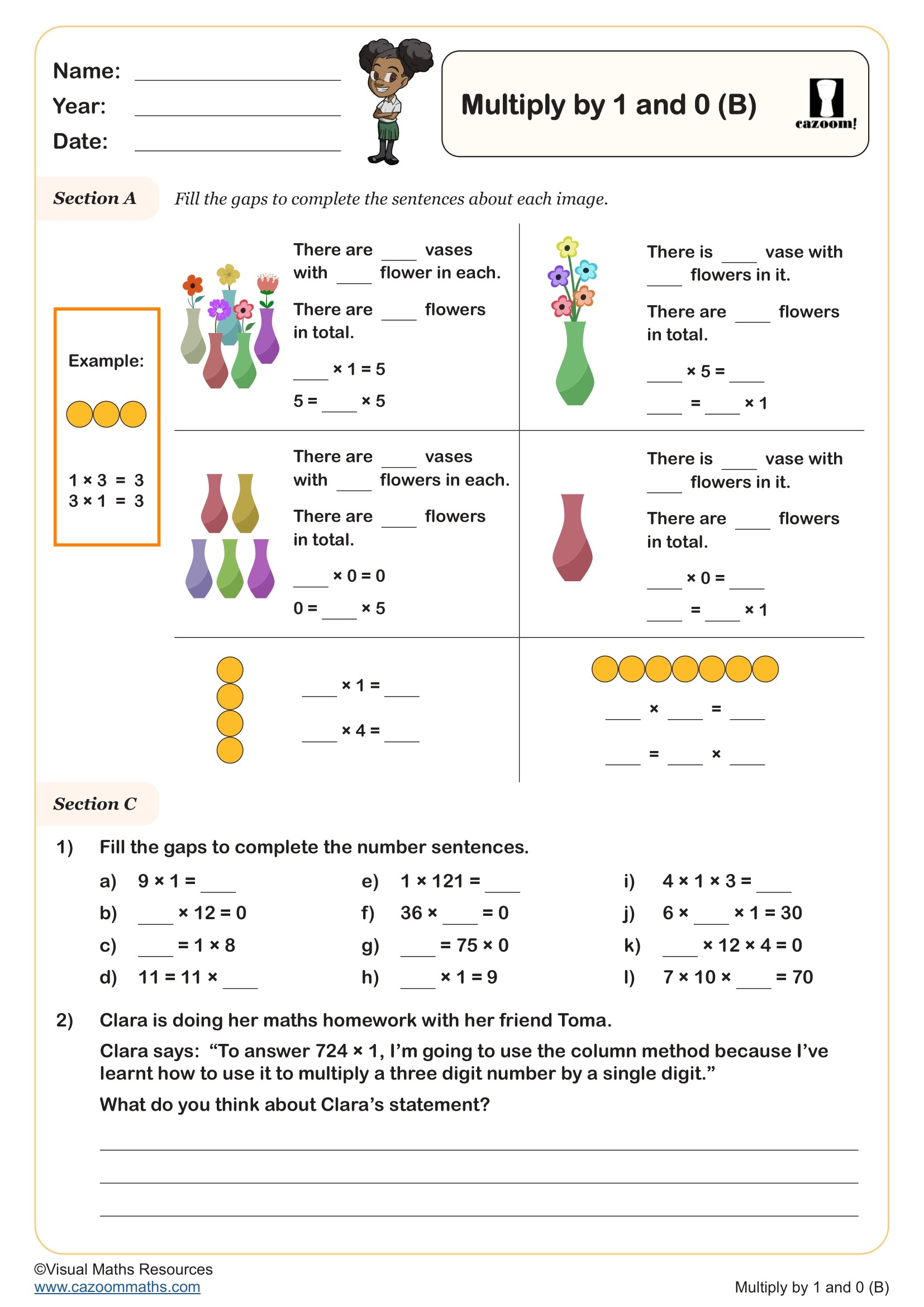
Multiplying by 1 and 0 (B)
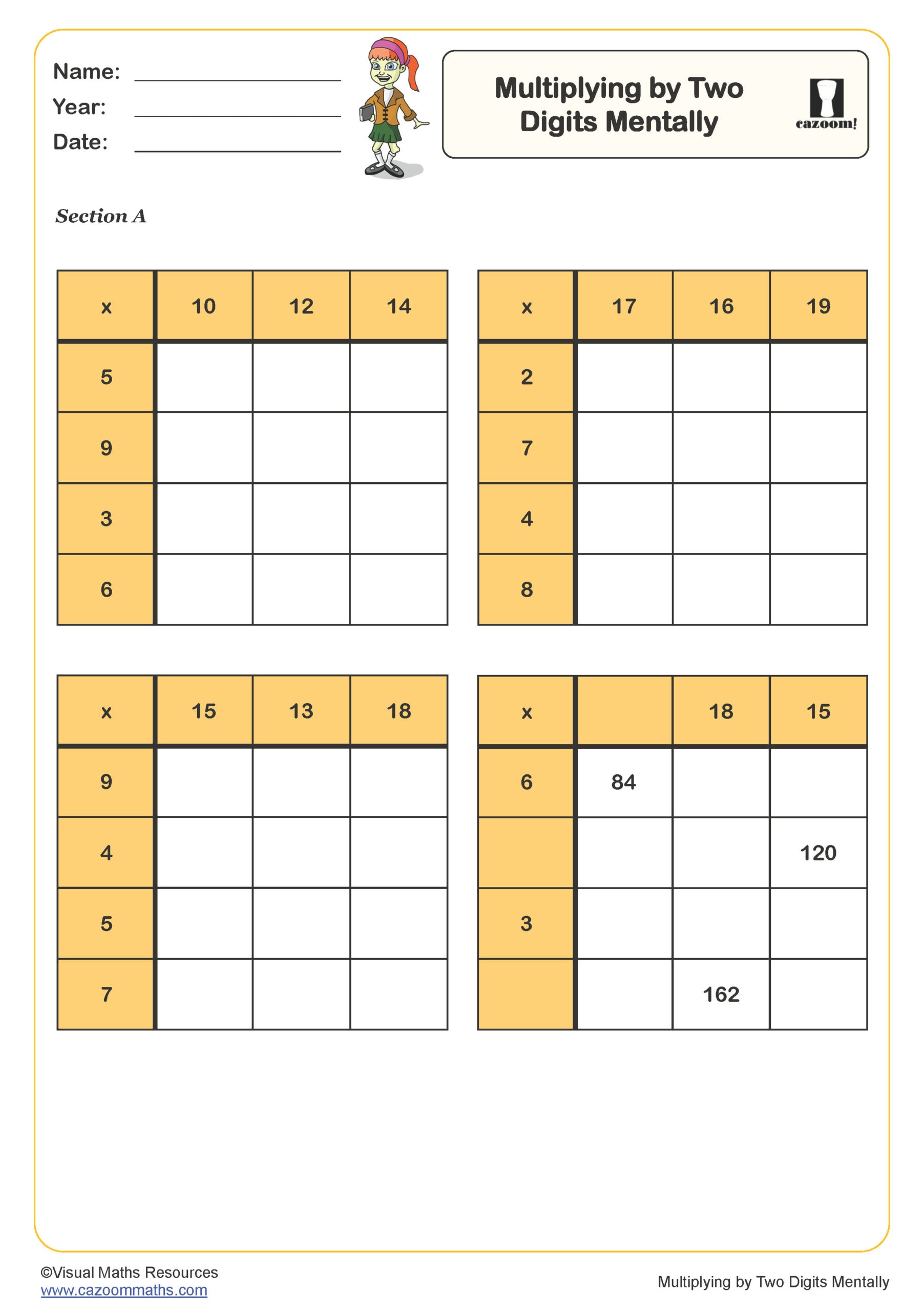
Multiplying by Two Digits Mentally
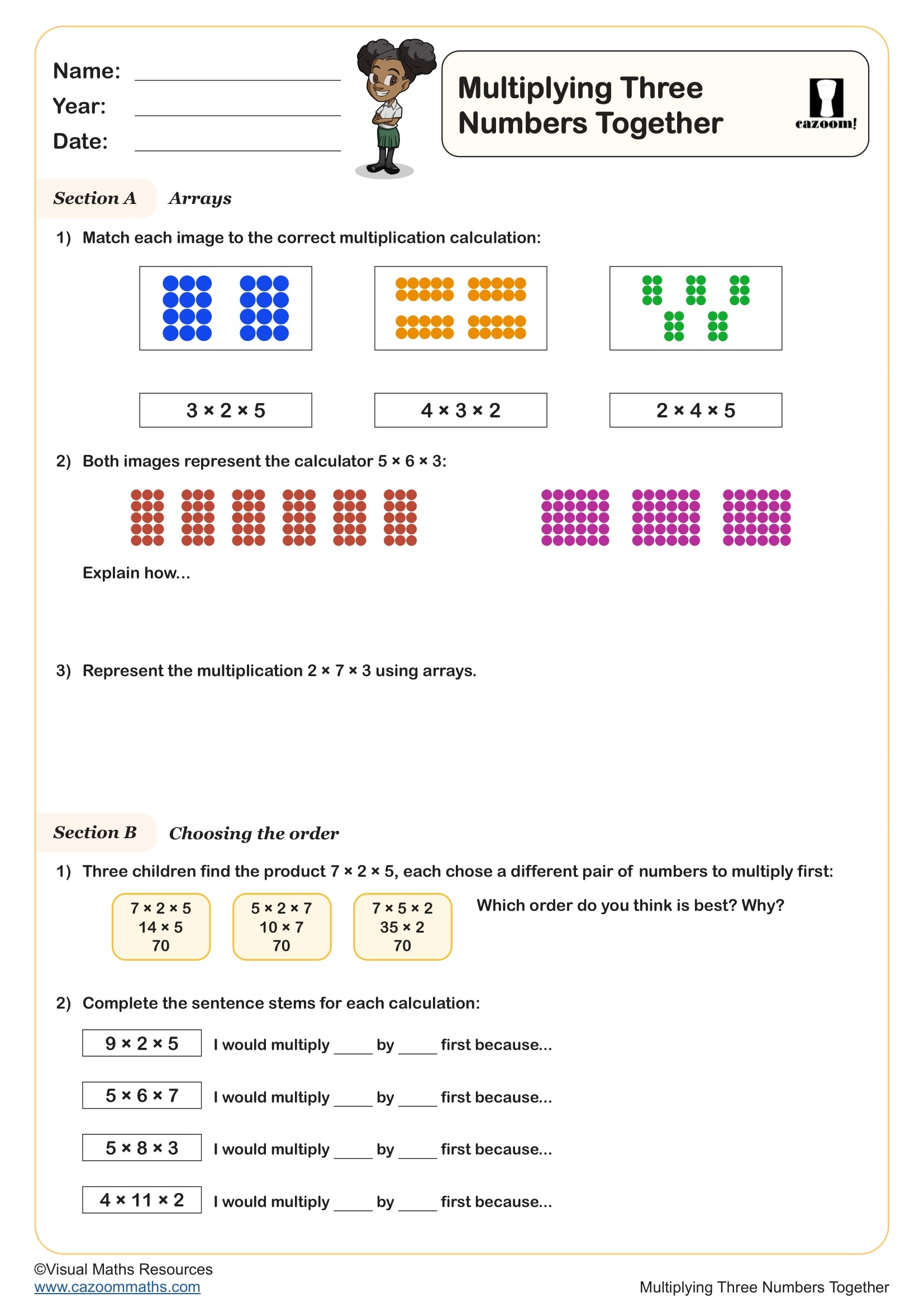
Multiplying Three Numbers Together
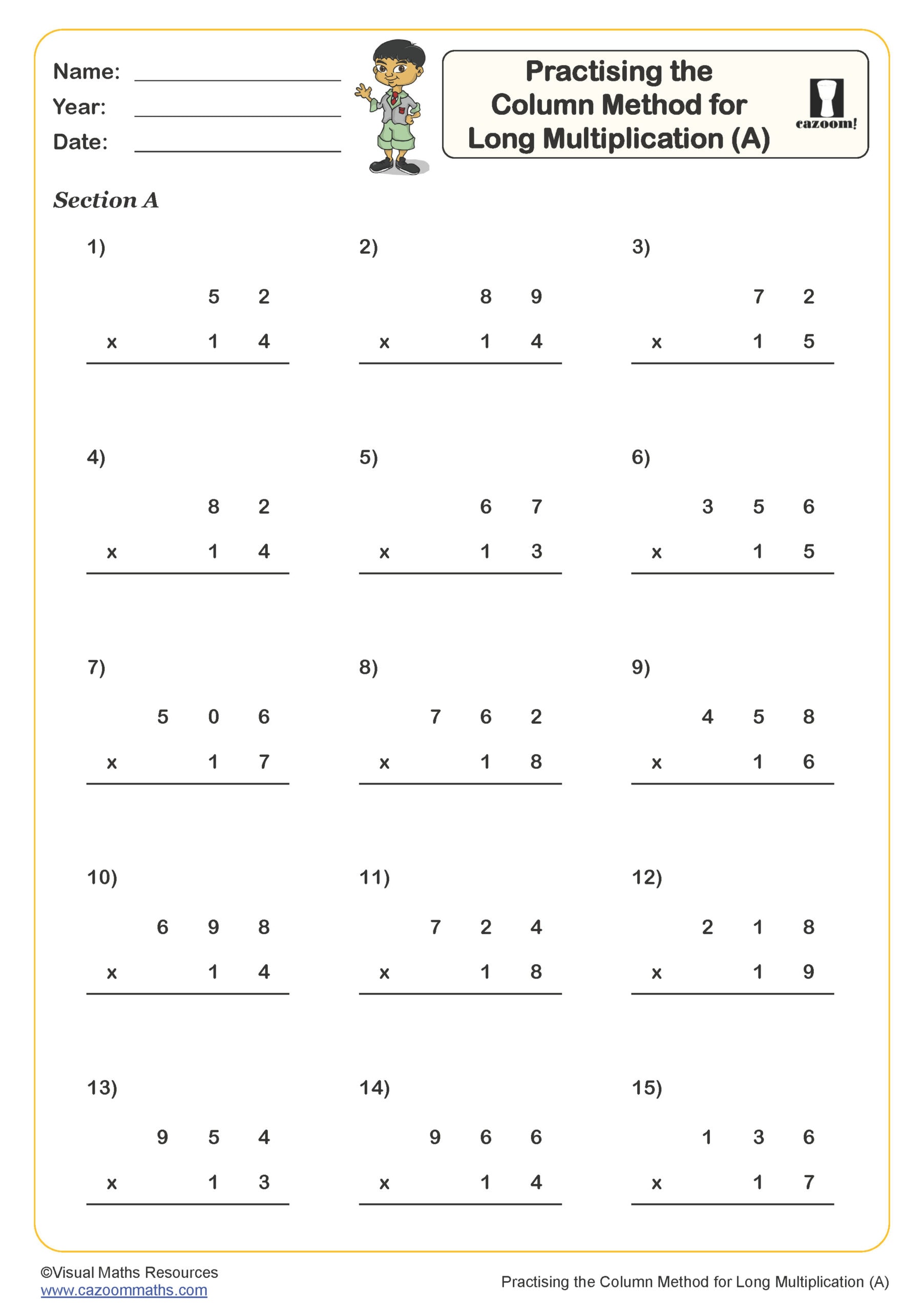
Practising the Column Method for Long Multiplication (A)
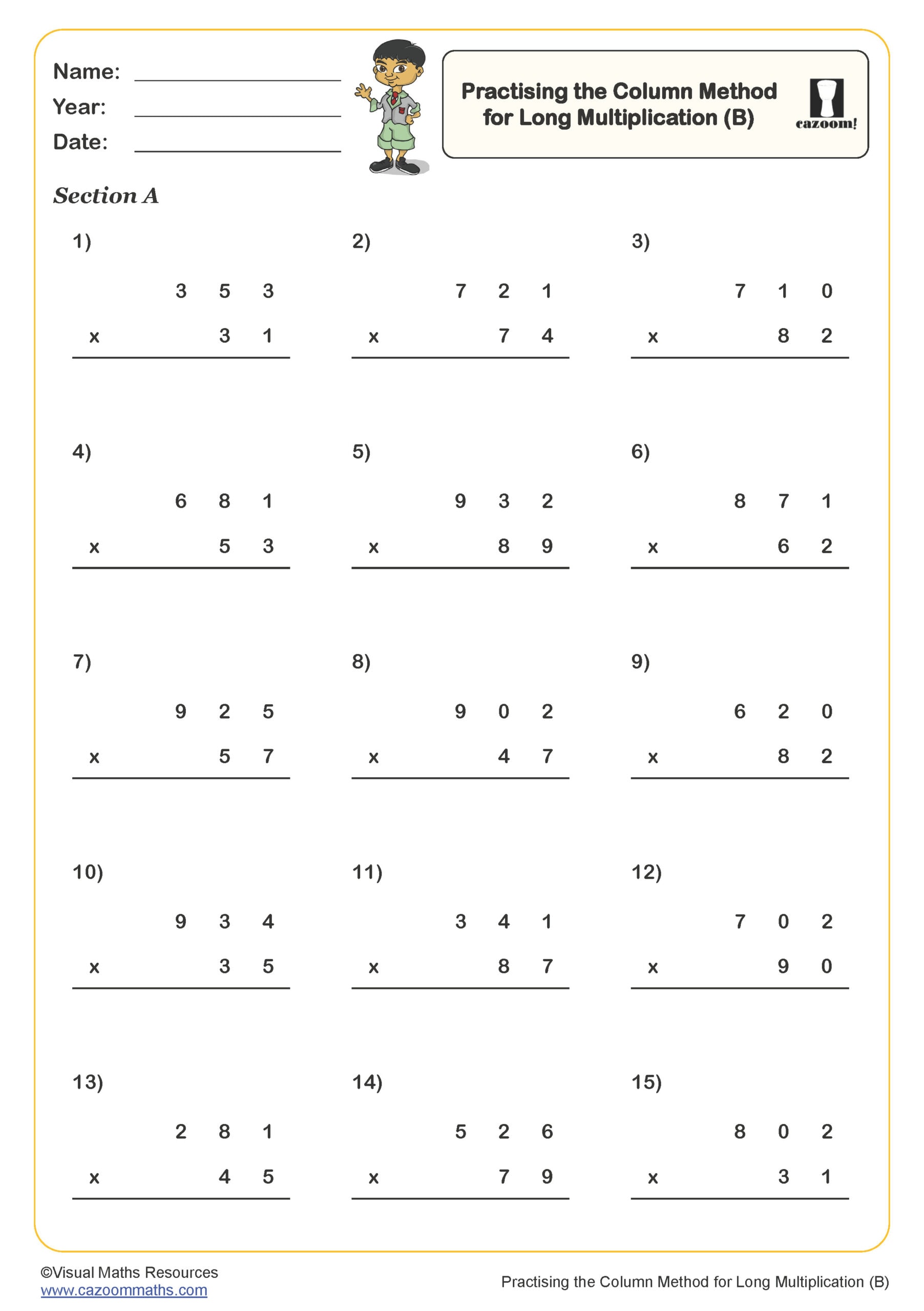
Practising the Column Method for Long Multiplication (B)
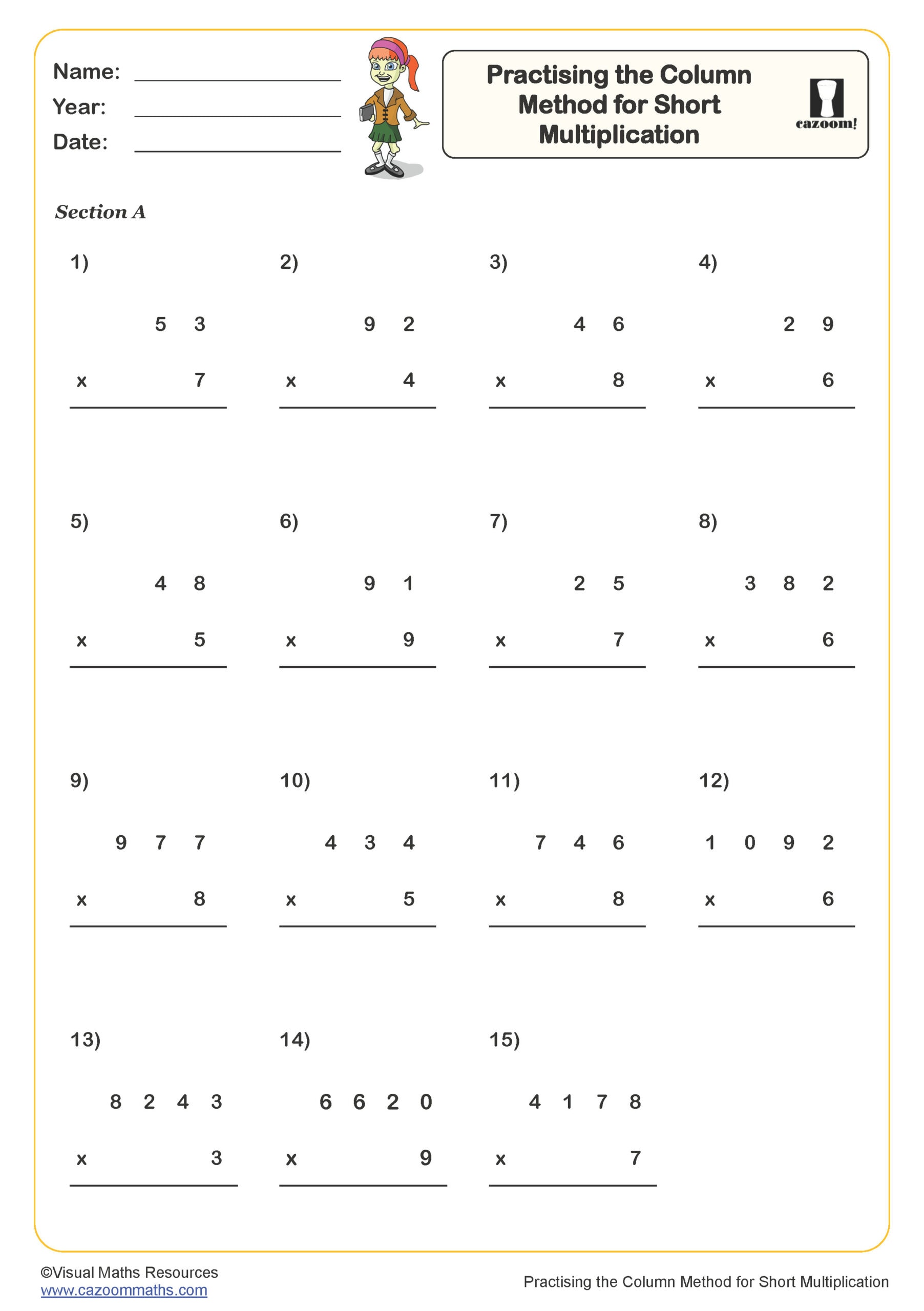
Practising the Column Method for Short Multiplication
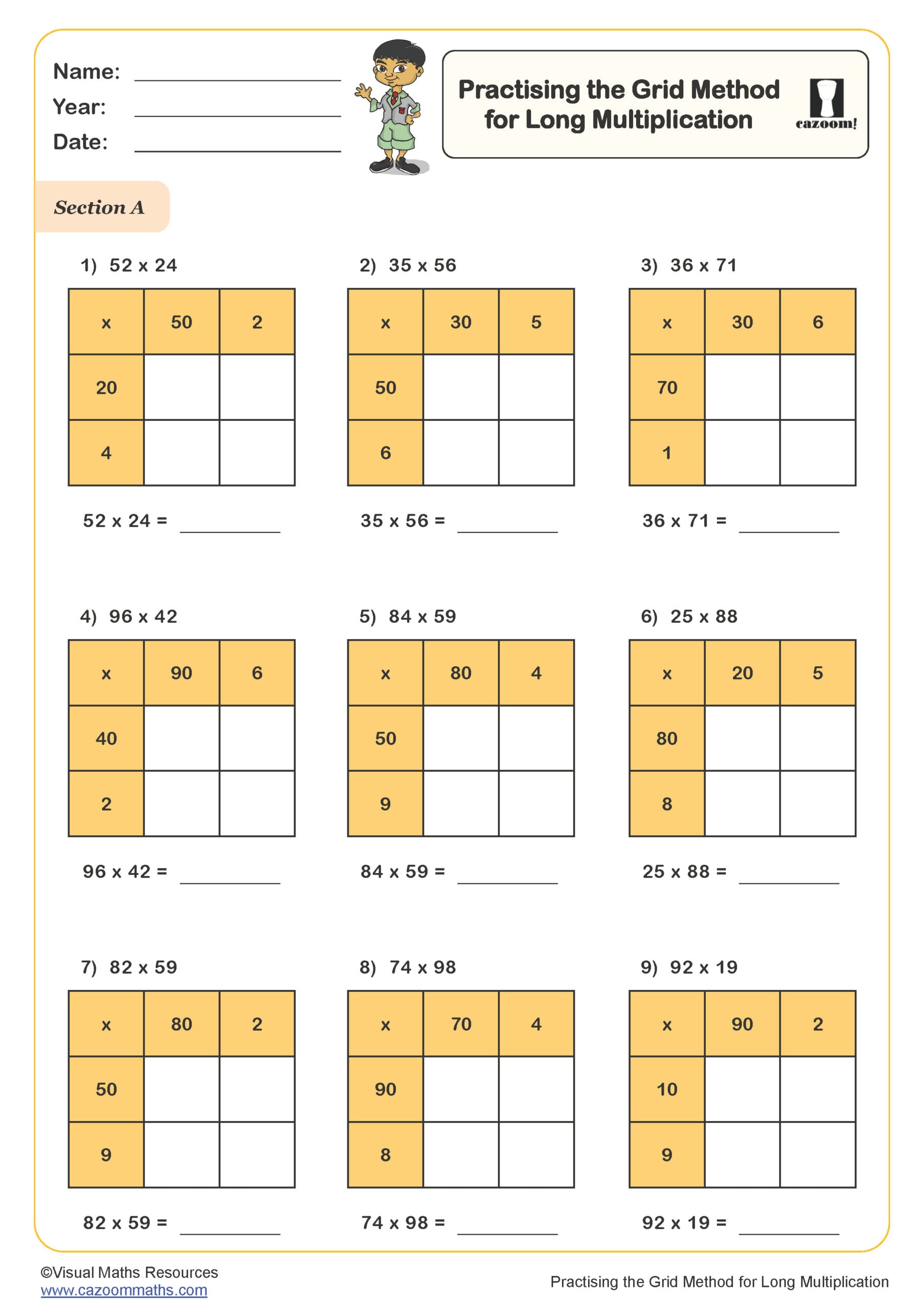
Practising the grid method for long multiplication
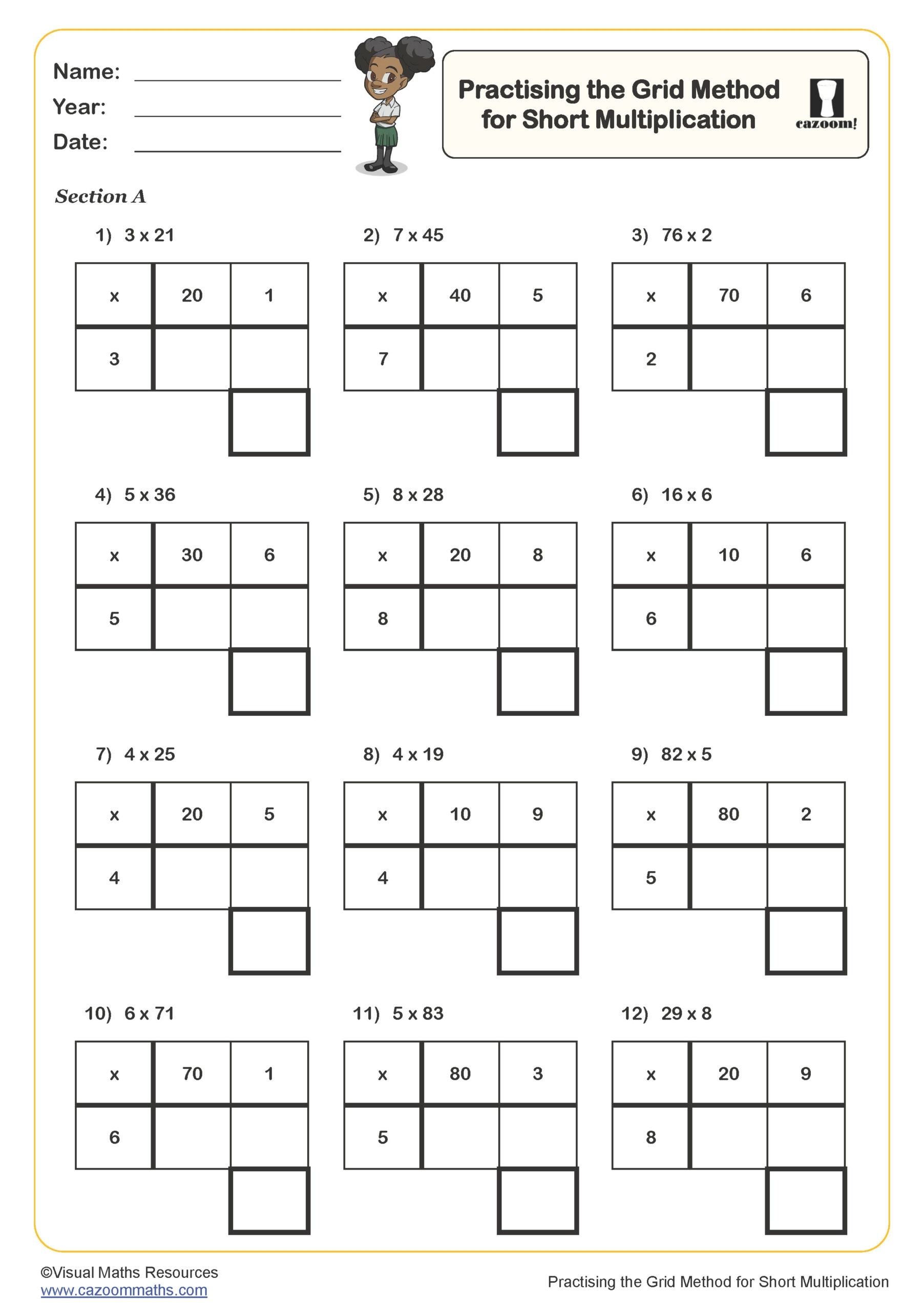
Practising the Grid Method for Short Multiplication
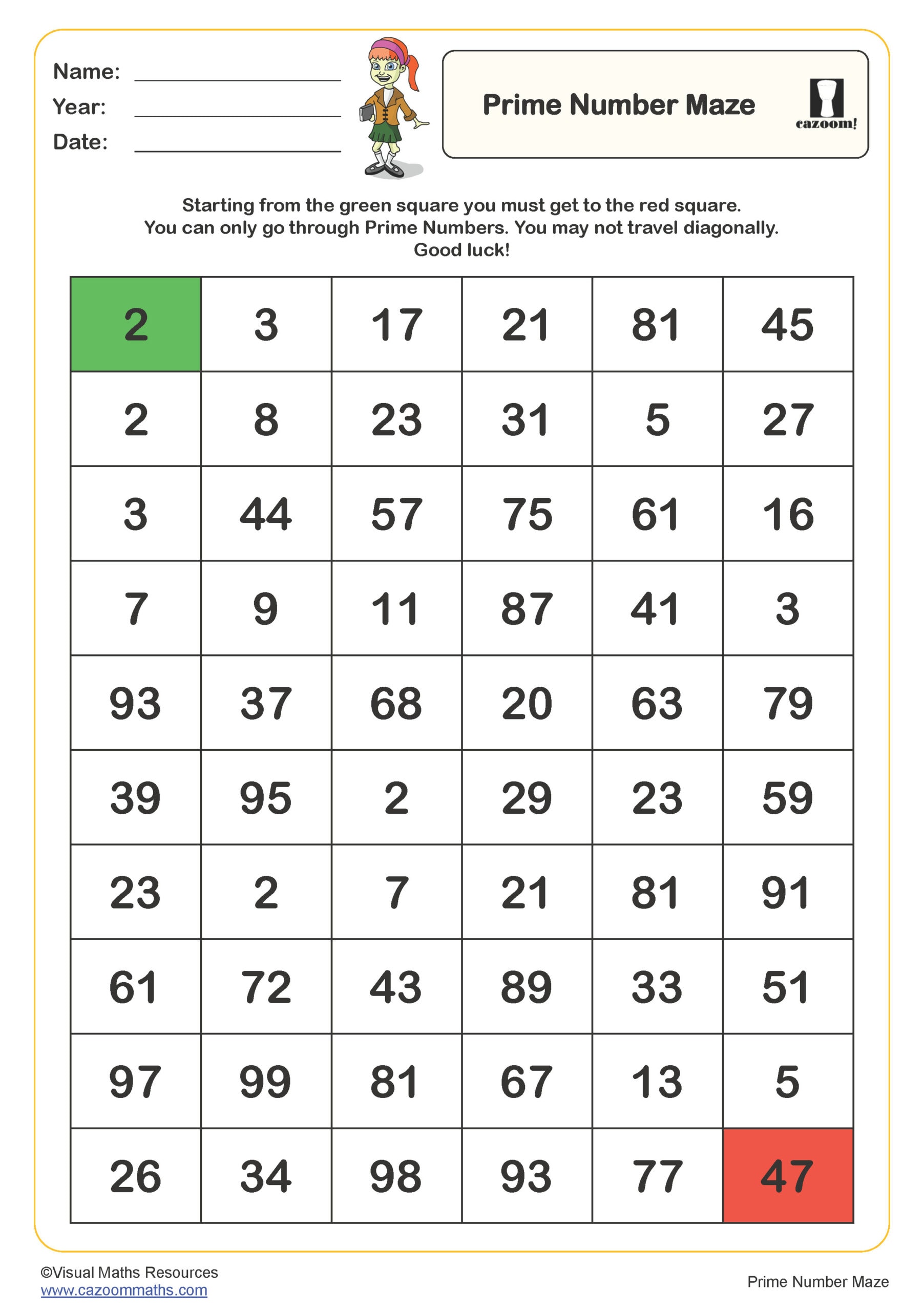
Prime Number Maze
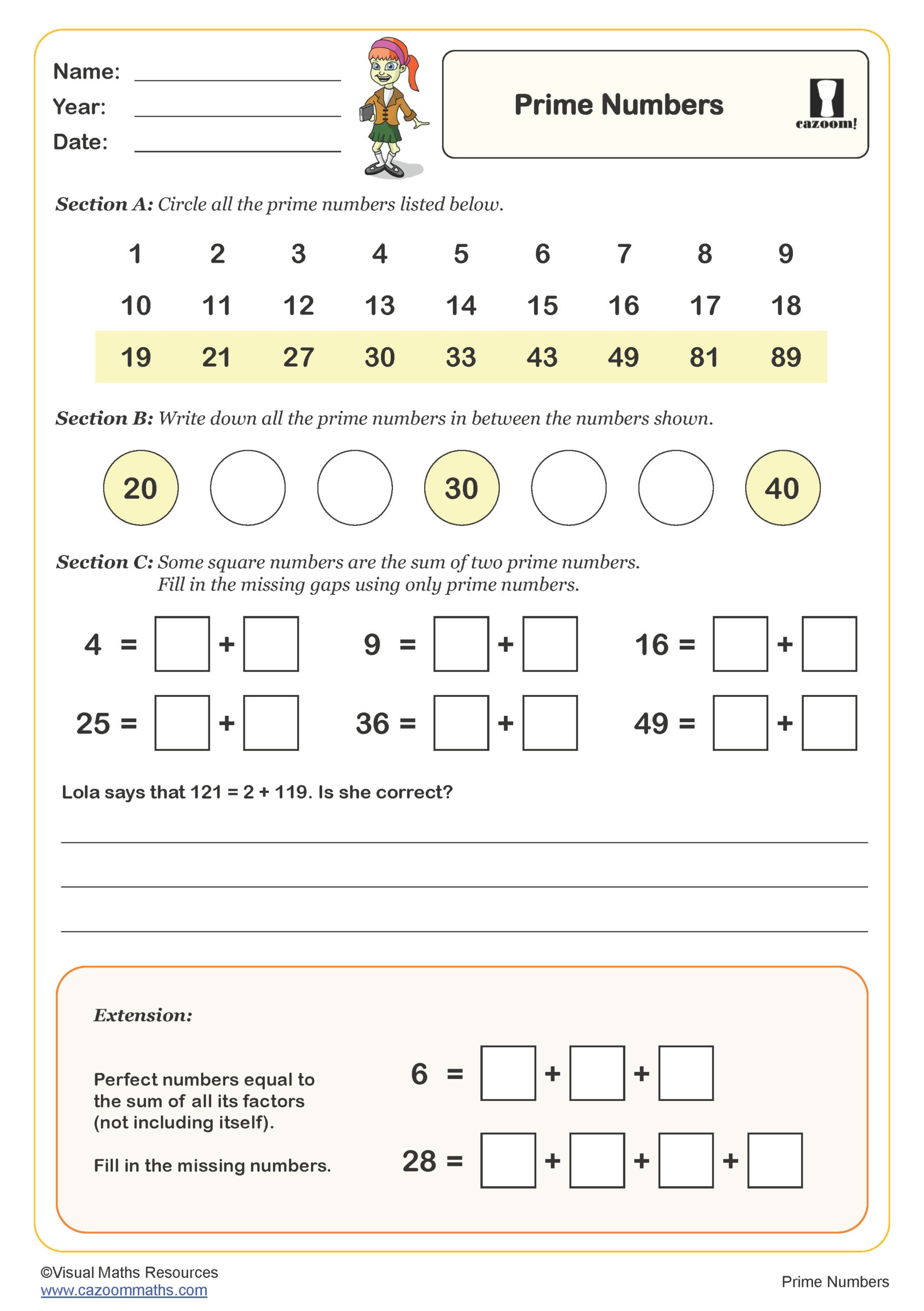
Prime Numbers
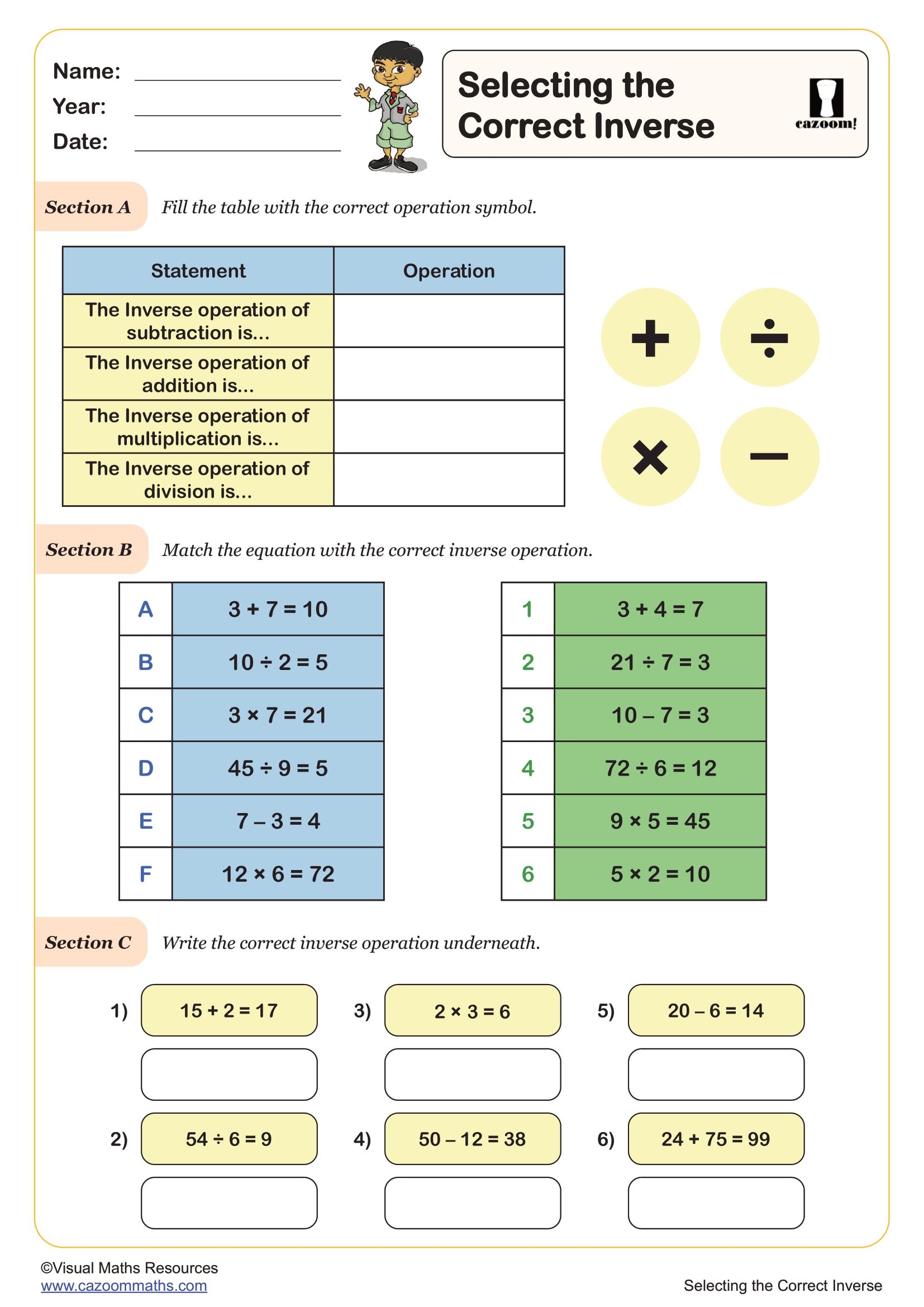
Selecting the Correct Inverse
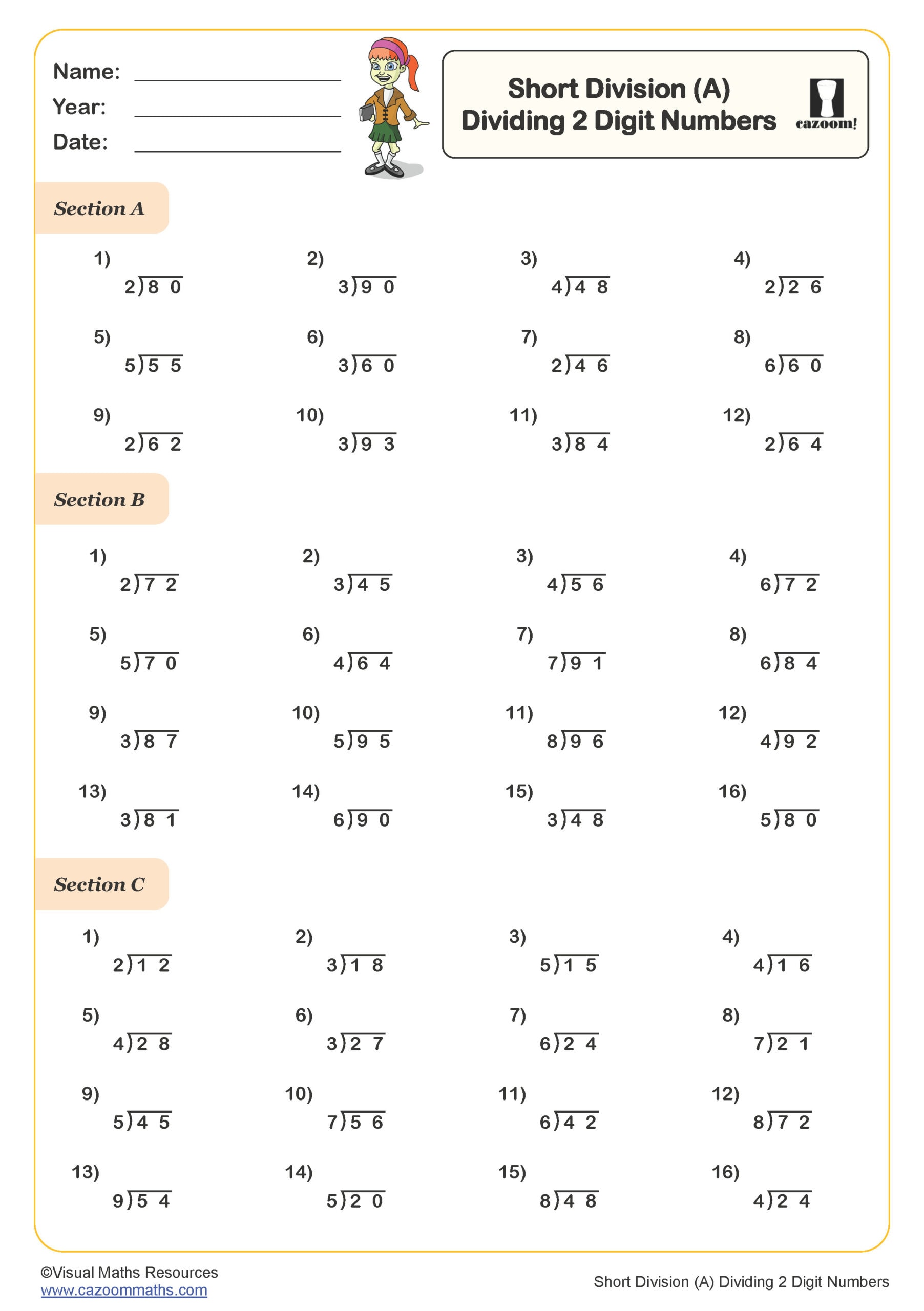
Short Division (A) Dividing 2 Digit Numbers
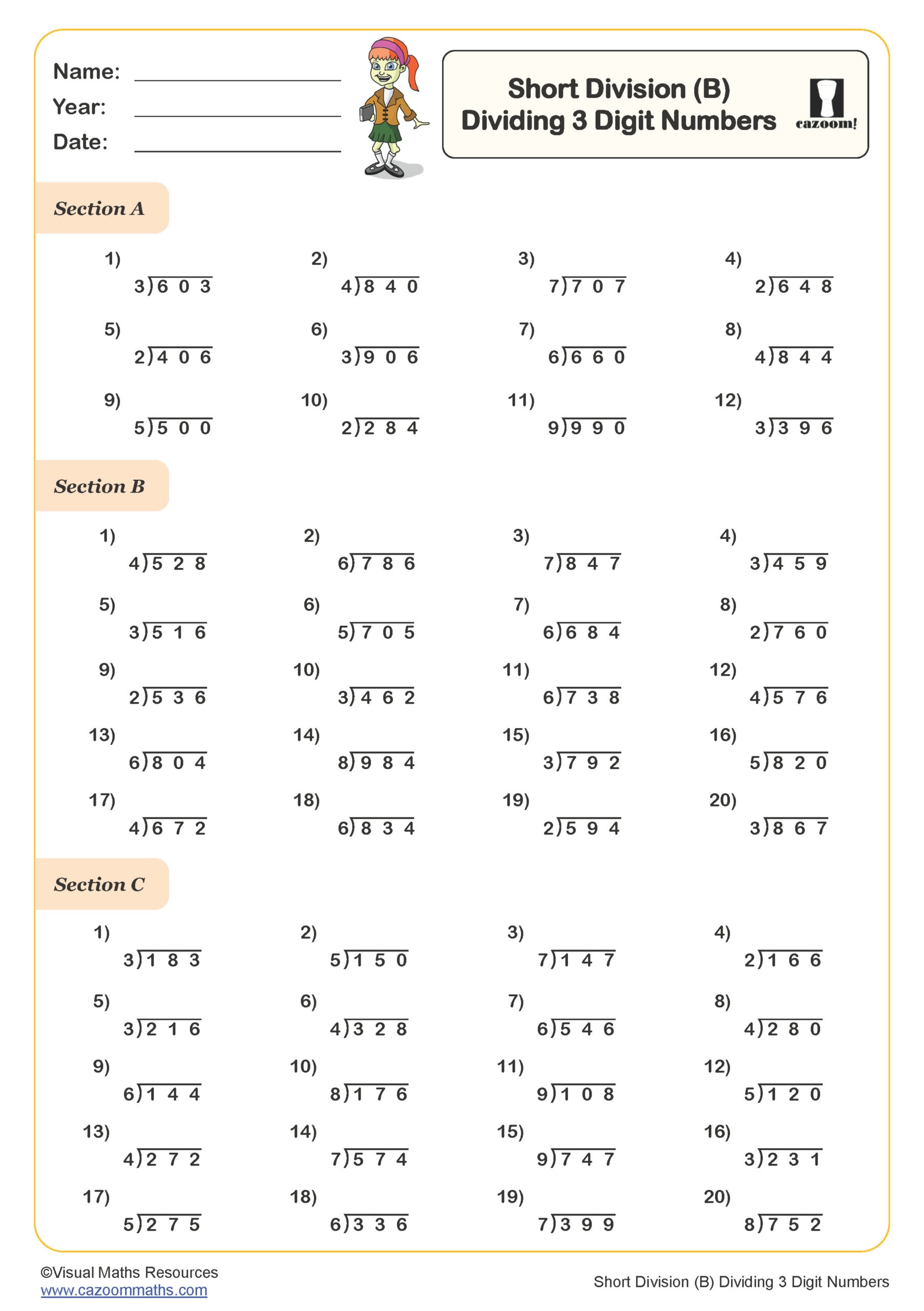
Short Division (B) Dividing 3 Digit Numbers
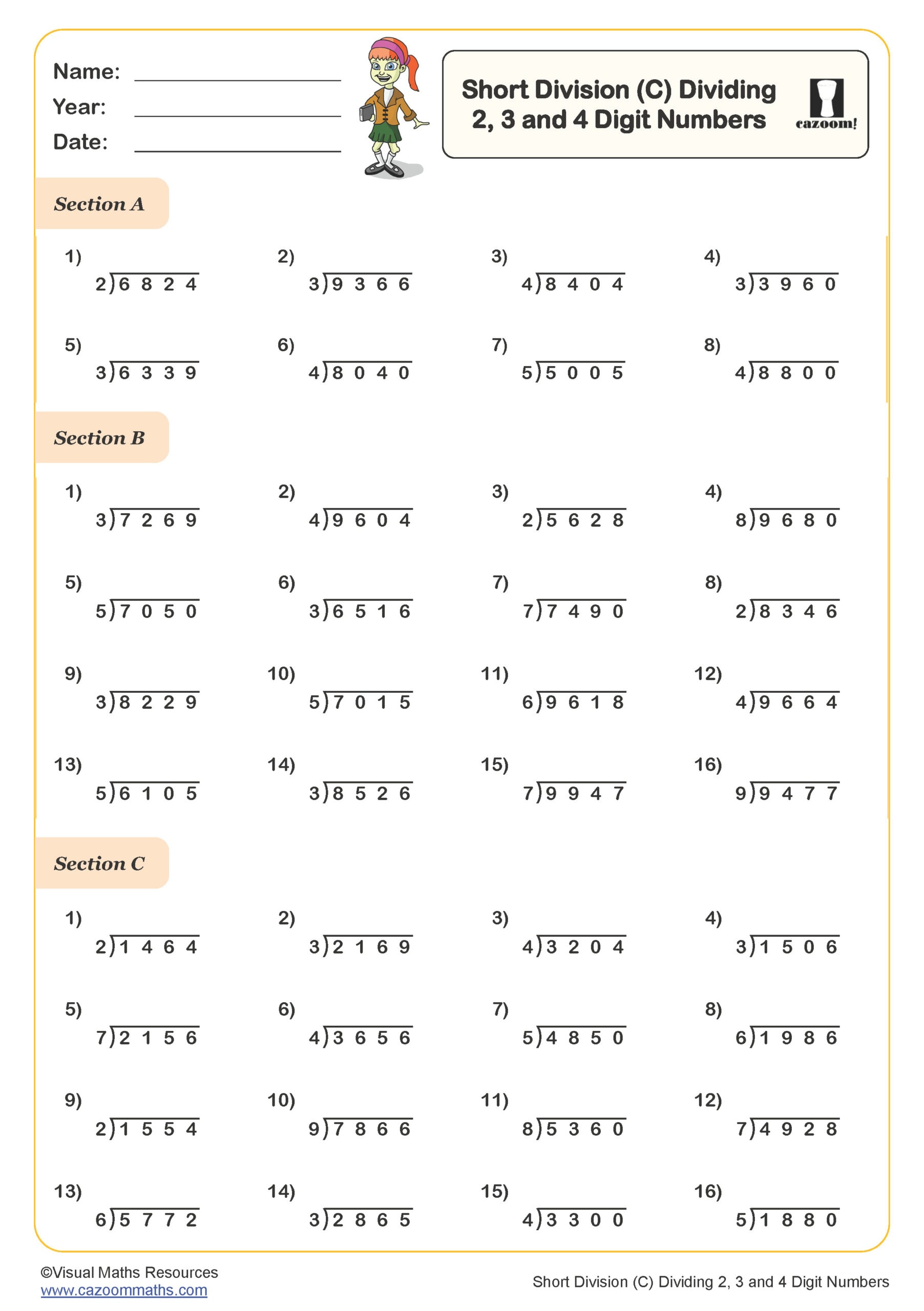
Short Division (C) Dividing 2,3 and 4 Digit Numbers
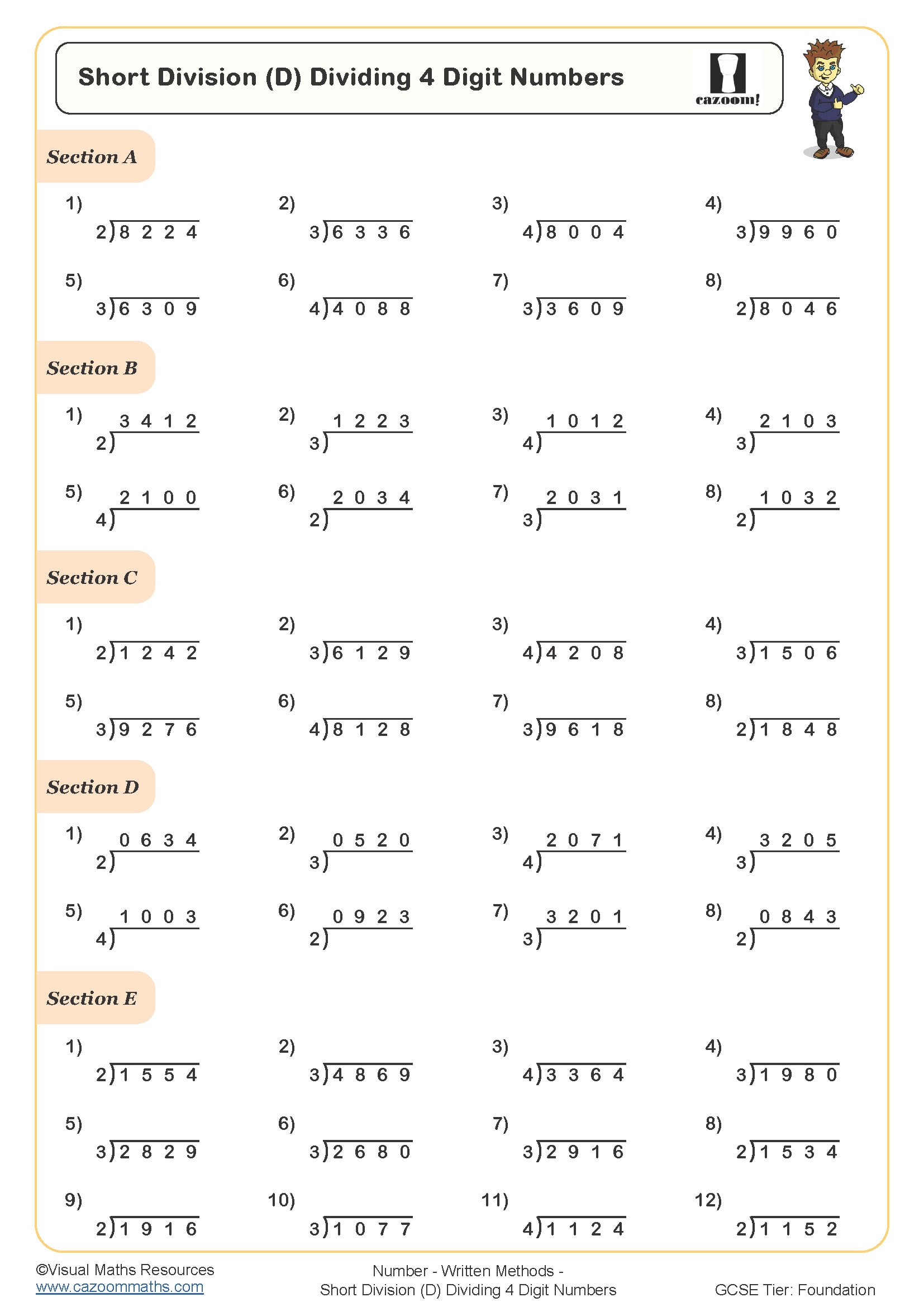
Short Division (D) Dividing 4 Digit Numbers
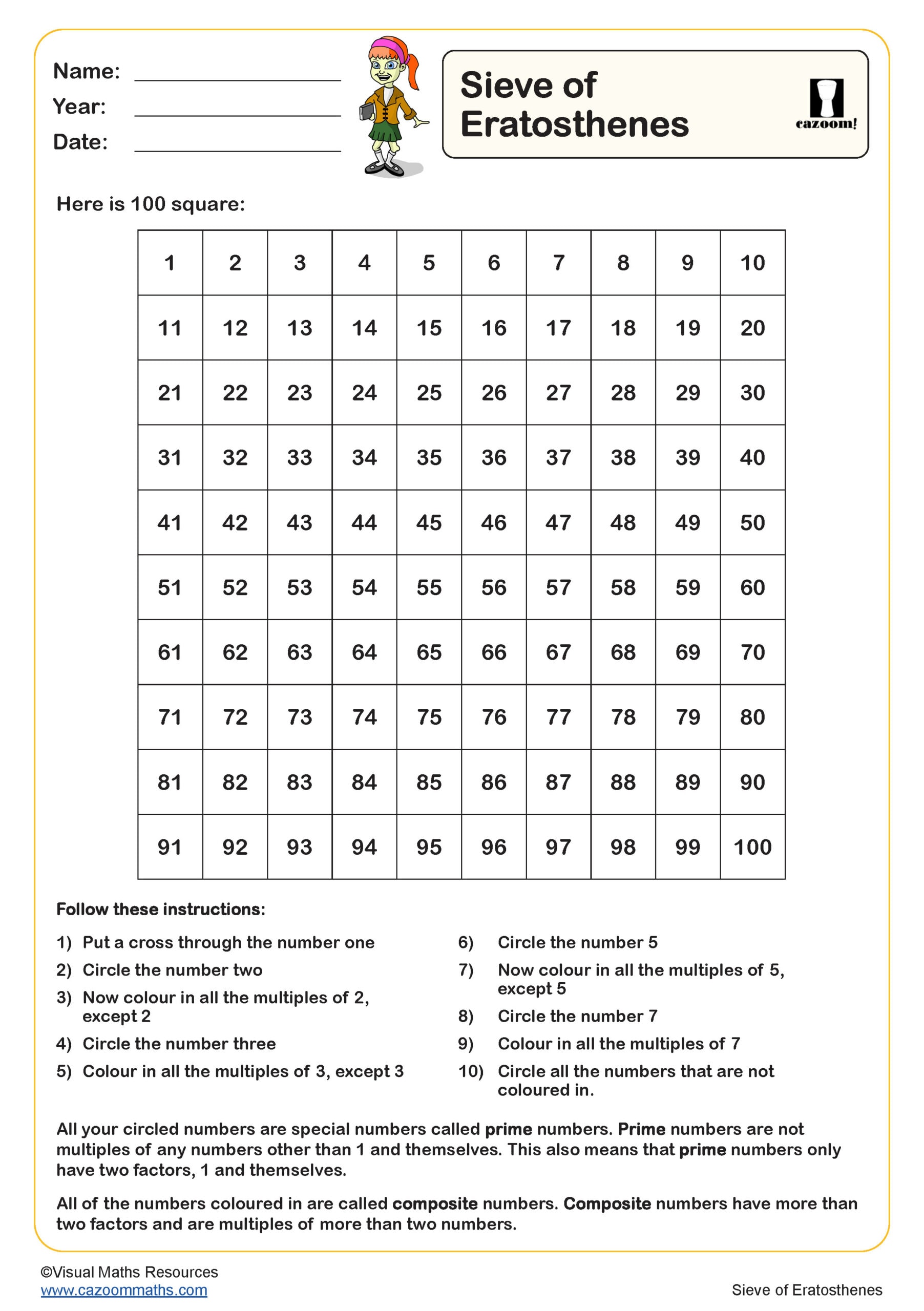
Sieve of Eratosthenes
Square Numbers
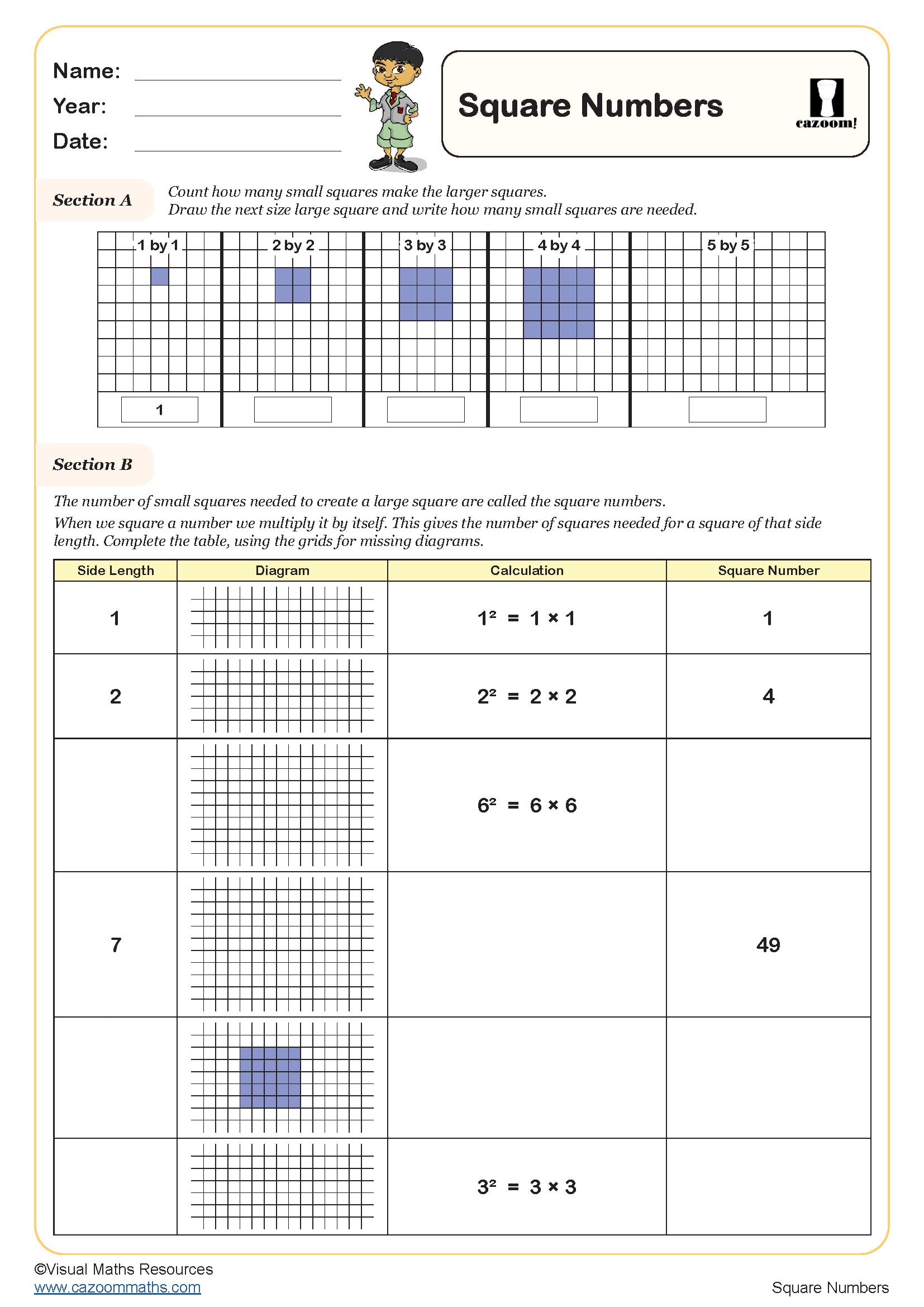
Square Numbers, Cube numbers and other Powers
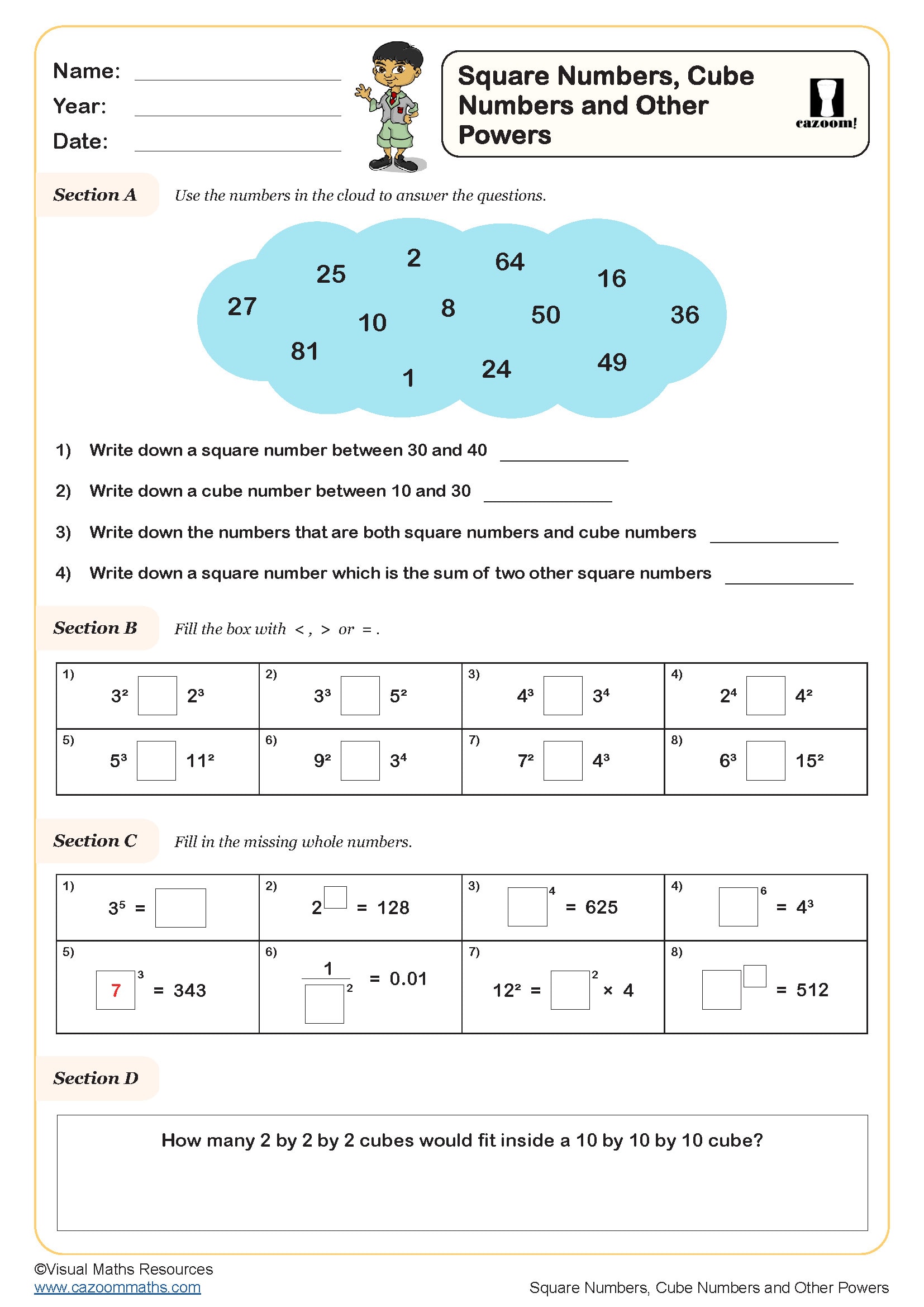
The 11 Times Table
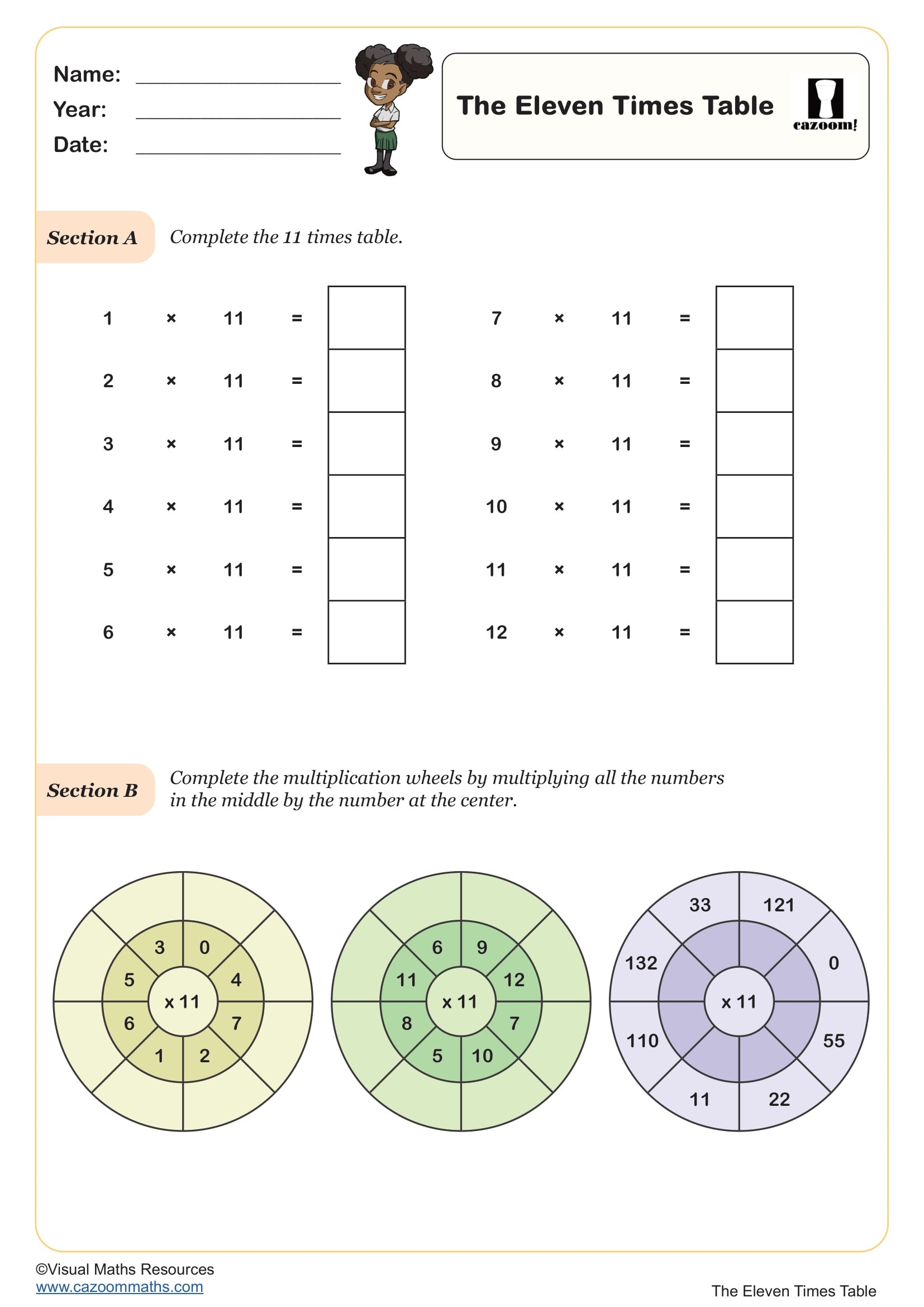
The 12 Times Table
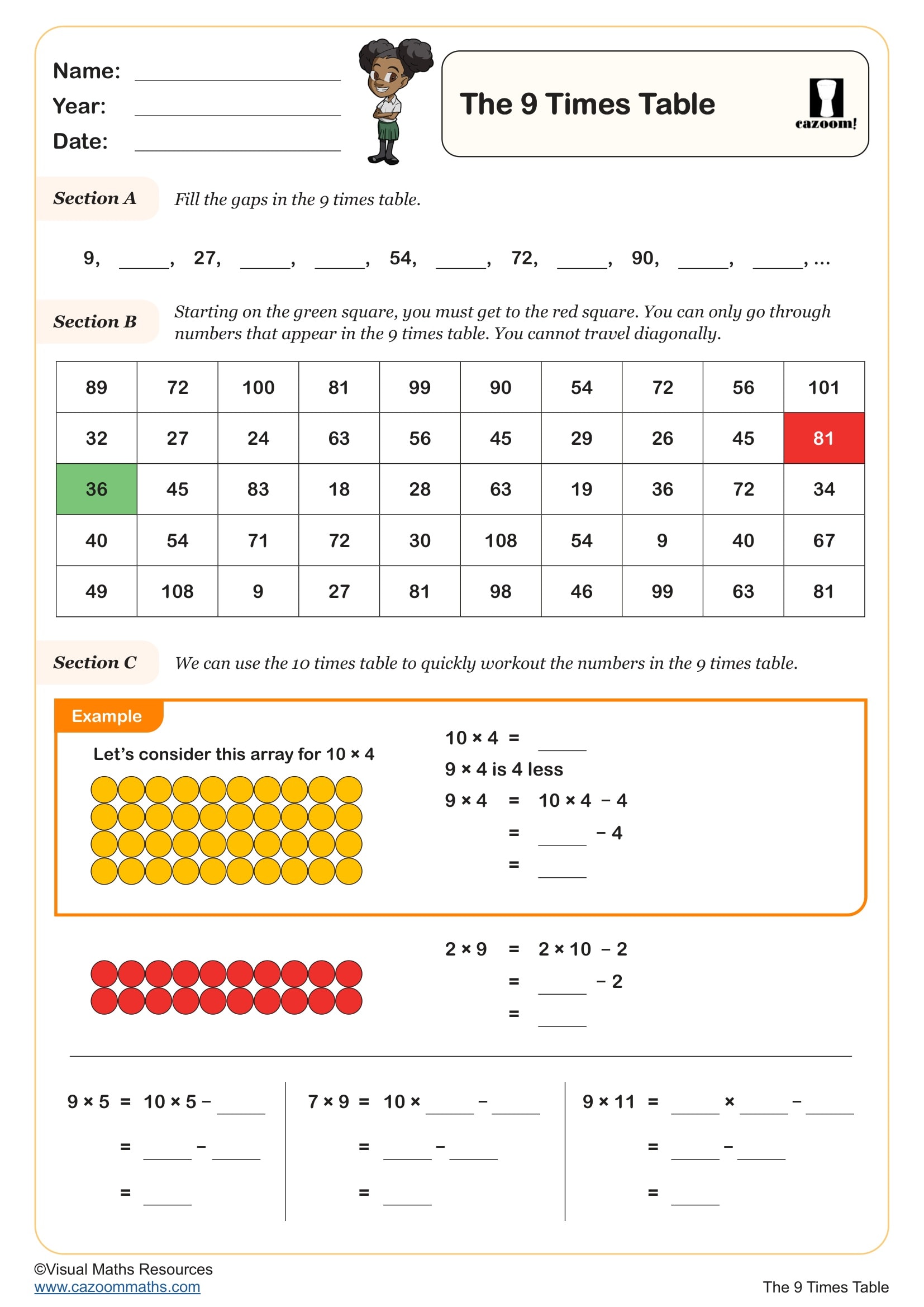
The 9 Times Table
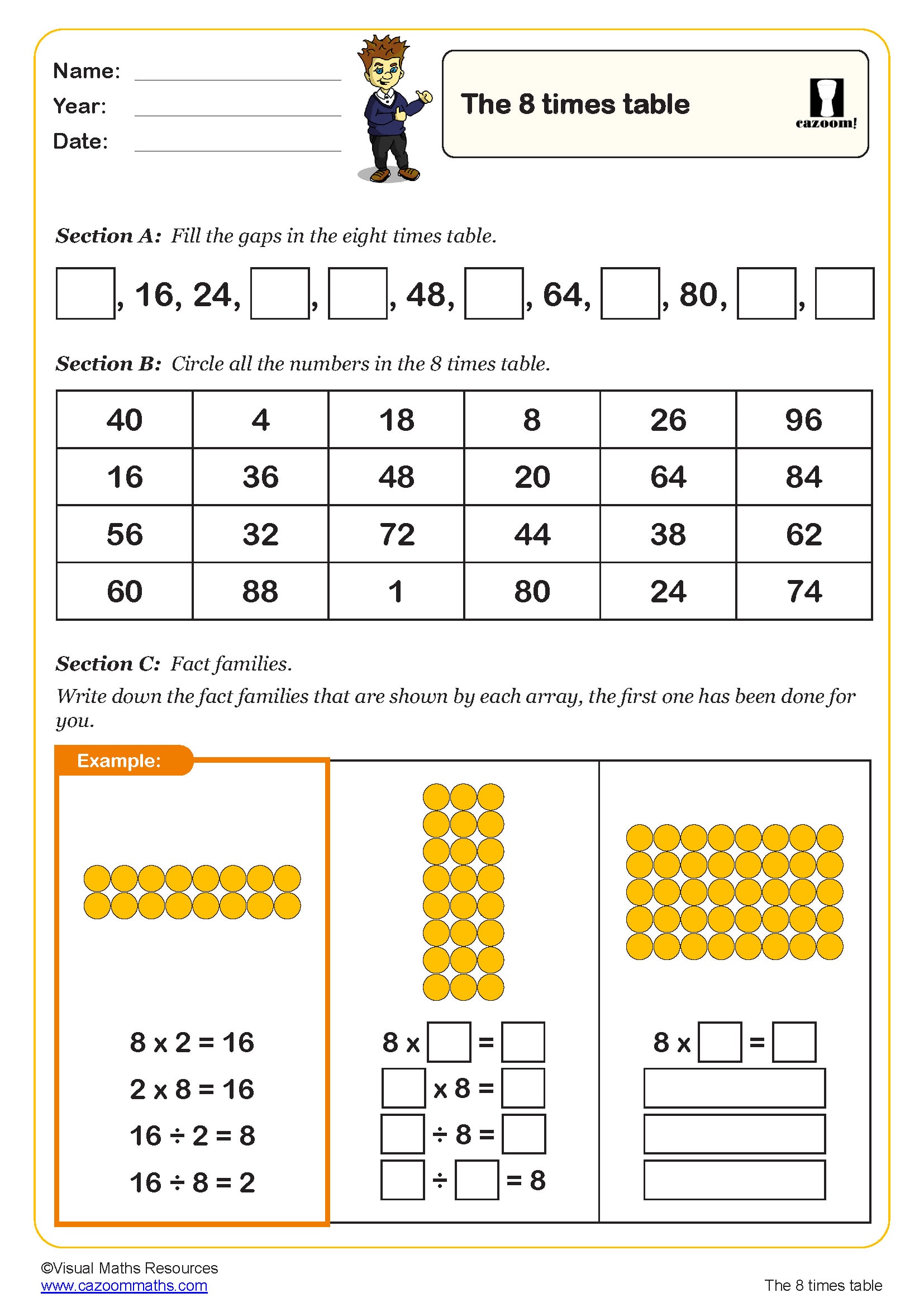
The Eight Times Table
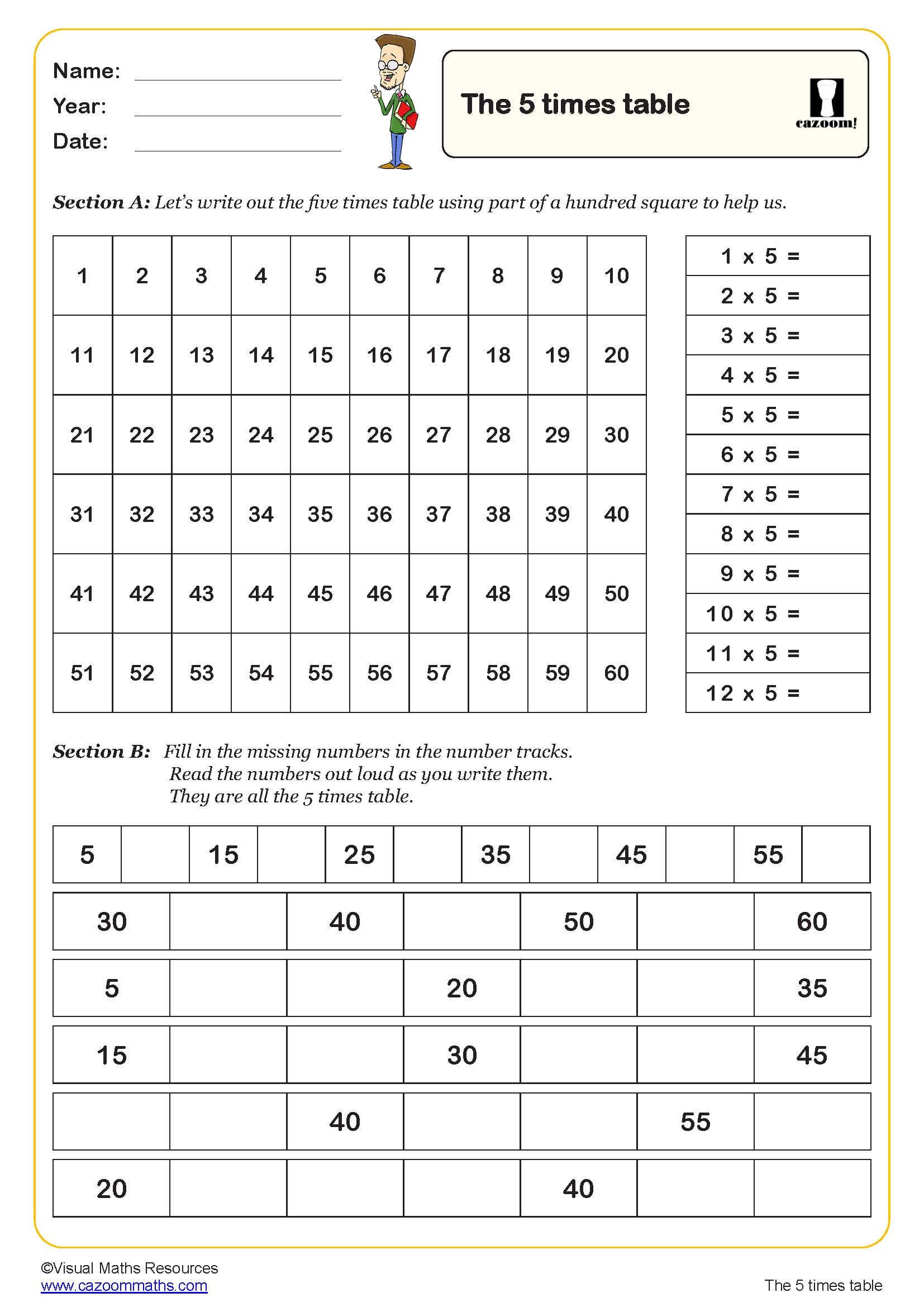
The Five Times Table
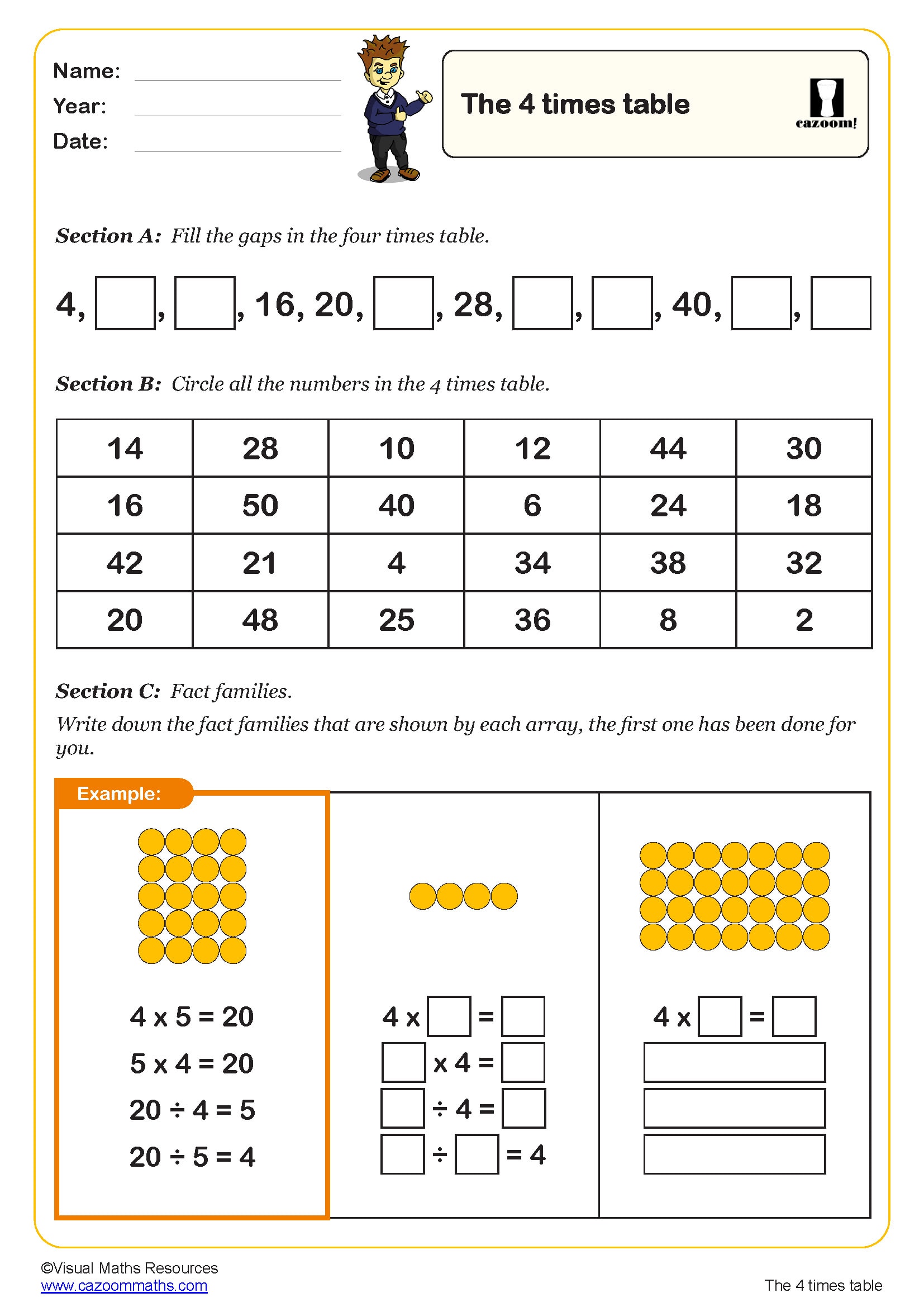
The Four Times Table
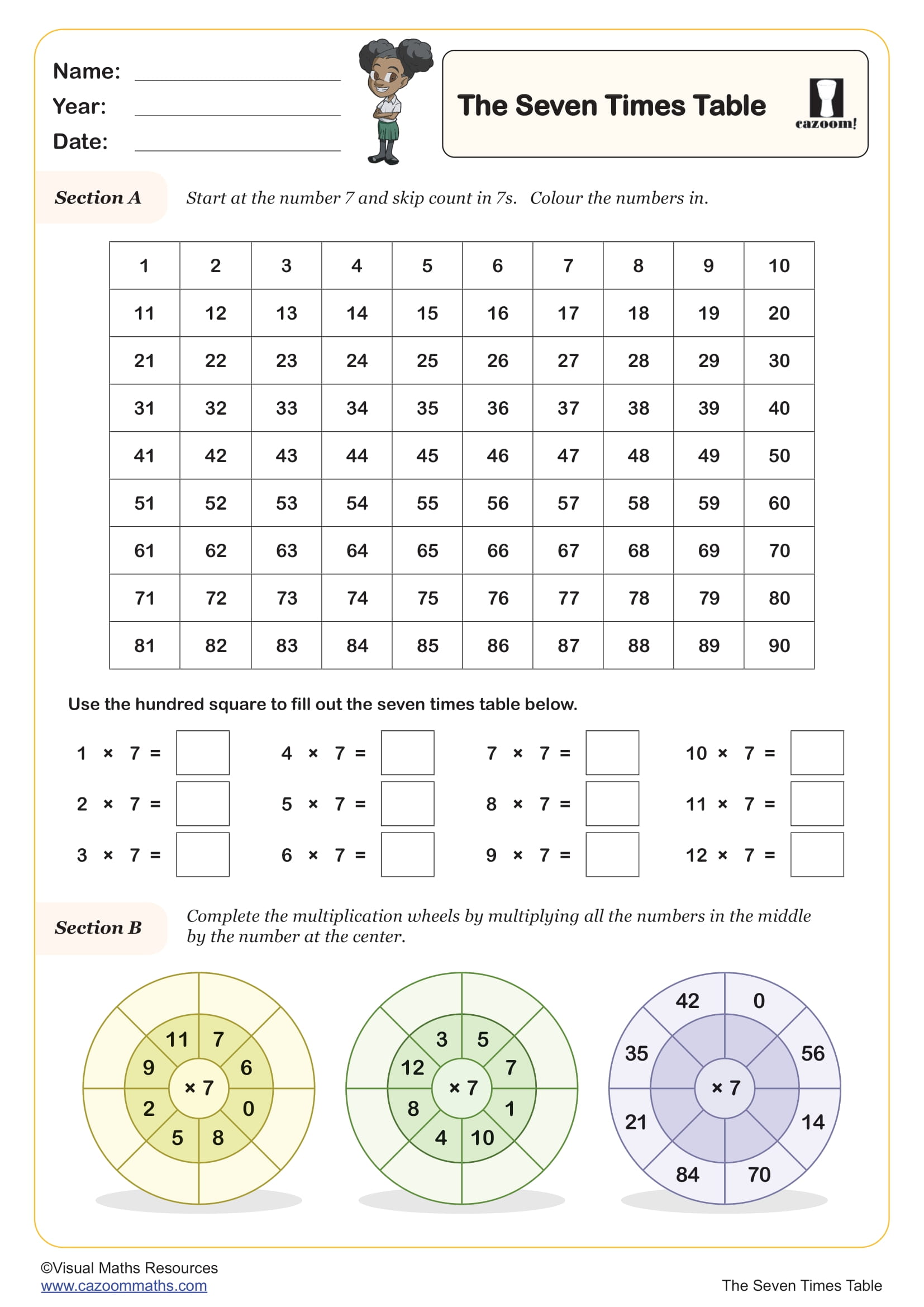
The Seven Times Table
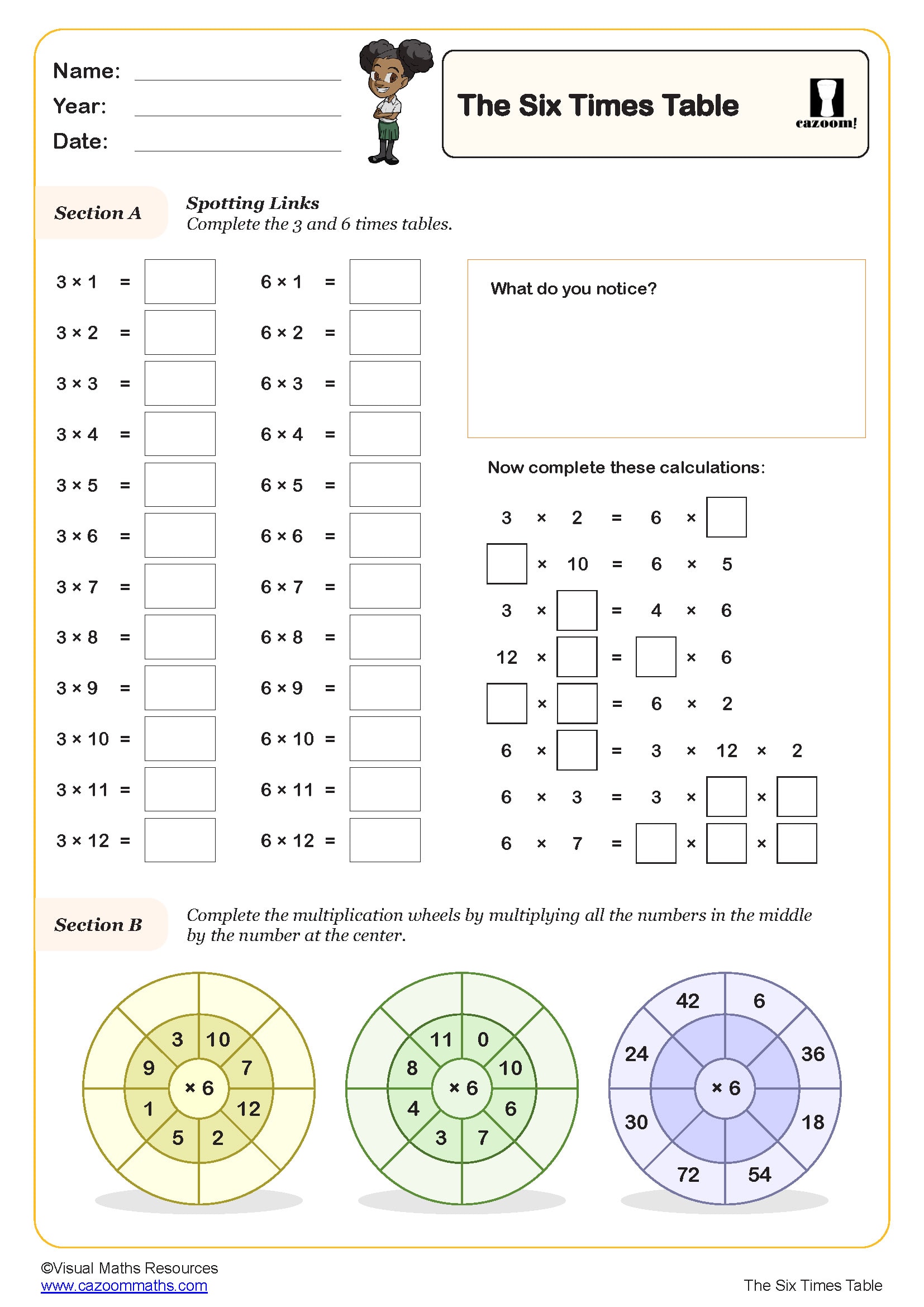
The Six Times Table
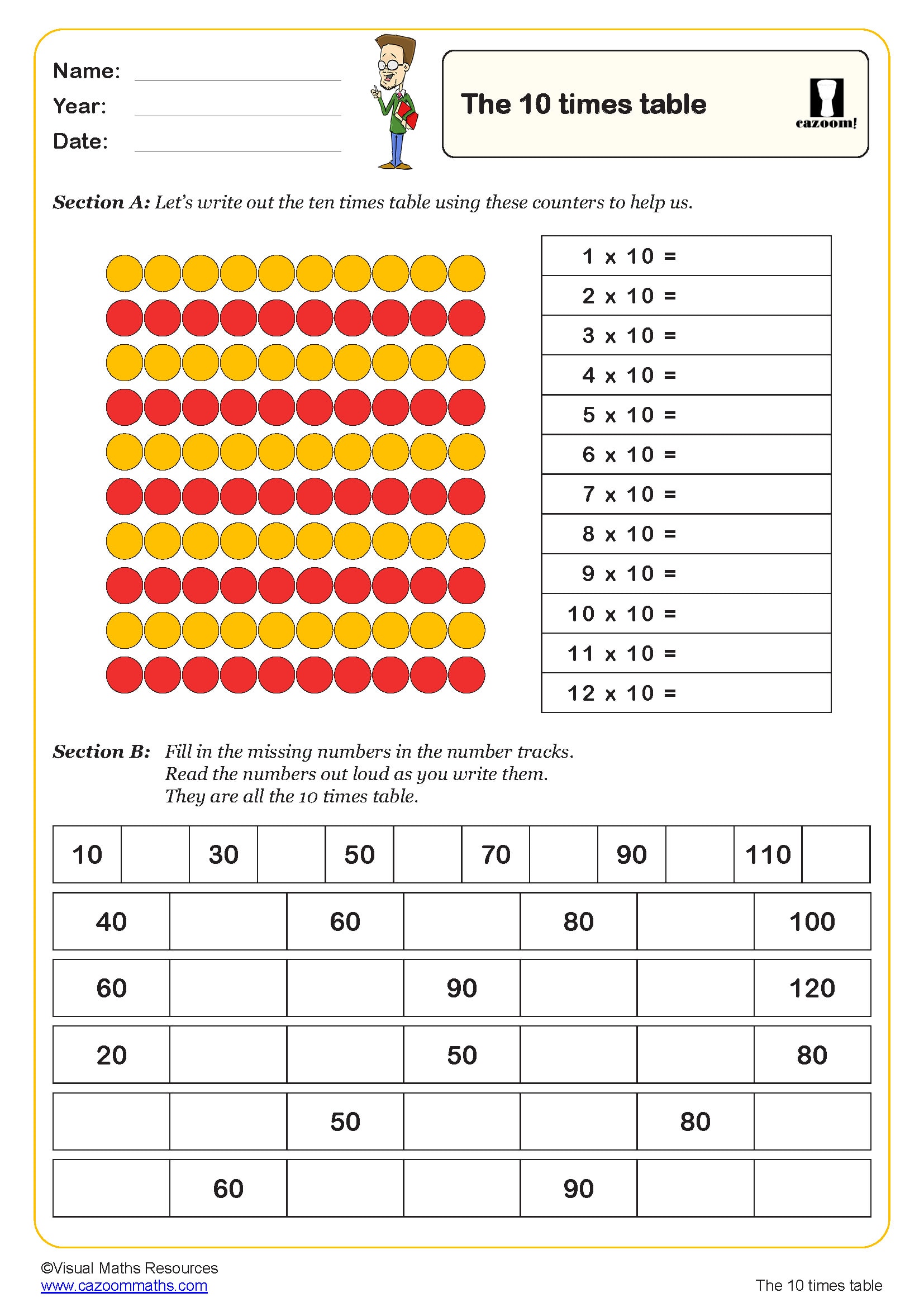
The Ten Times Table
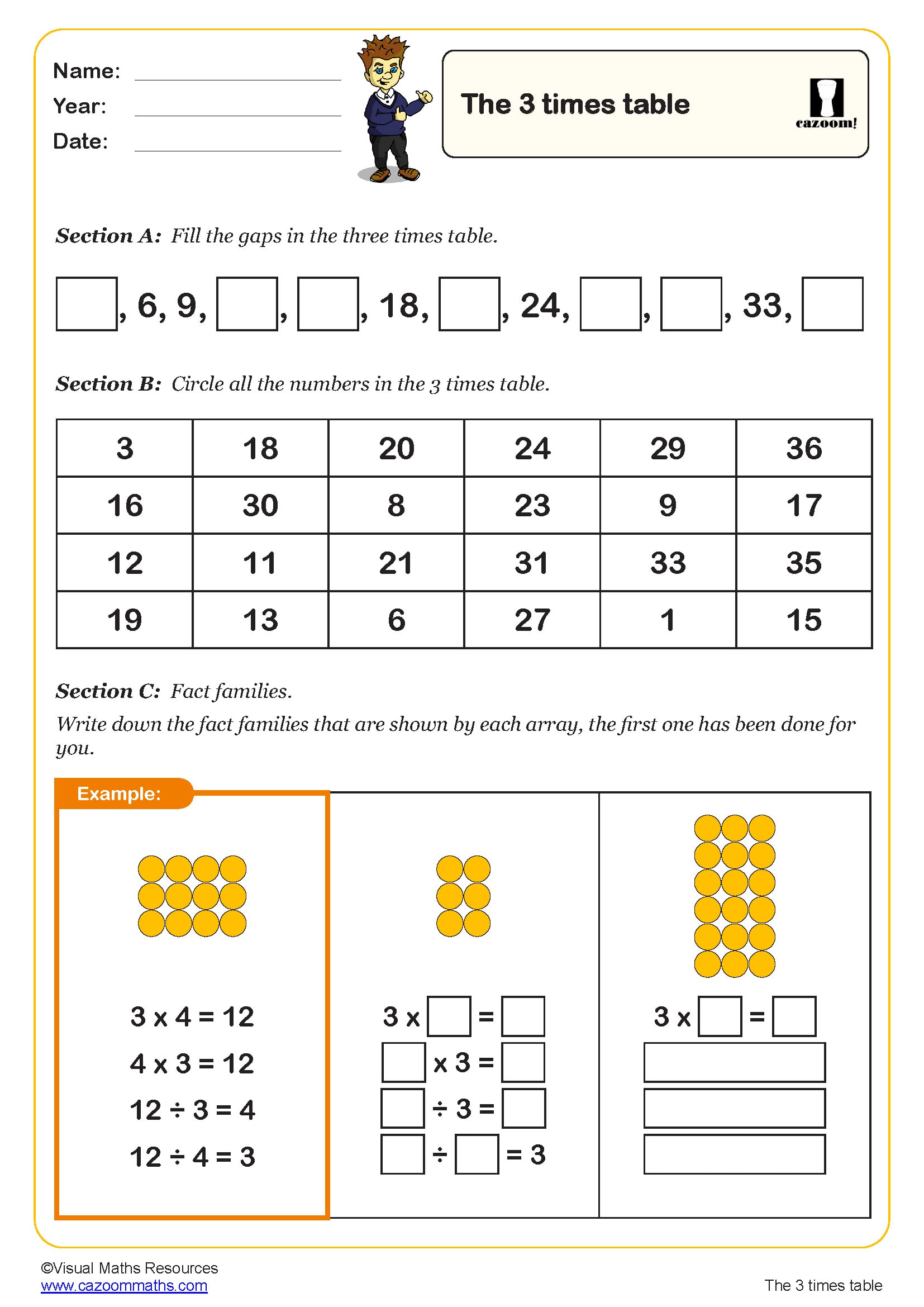
The Three Times Table
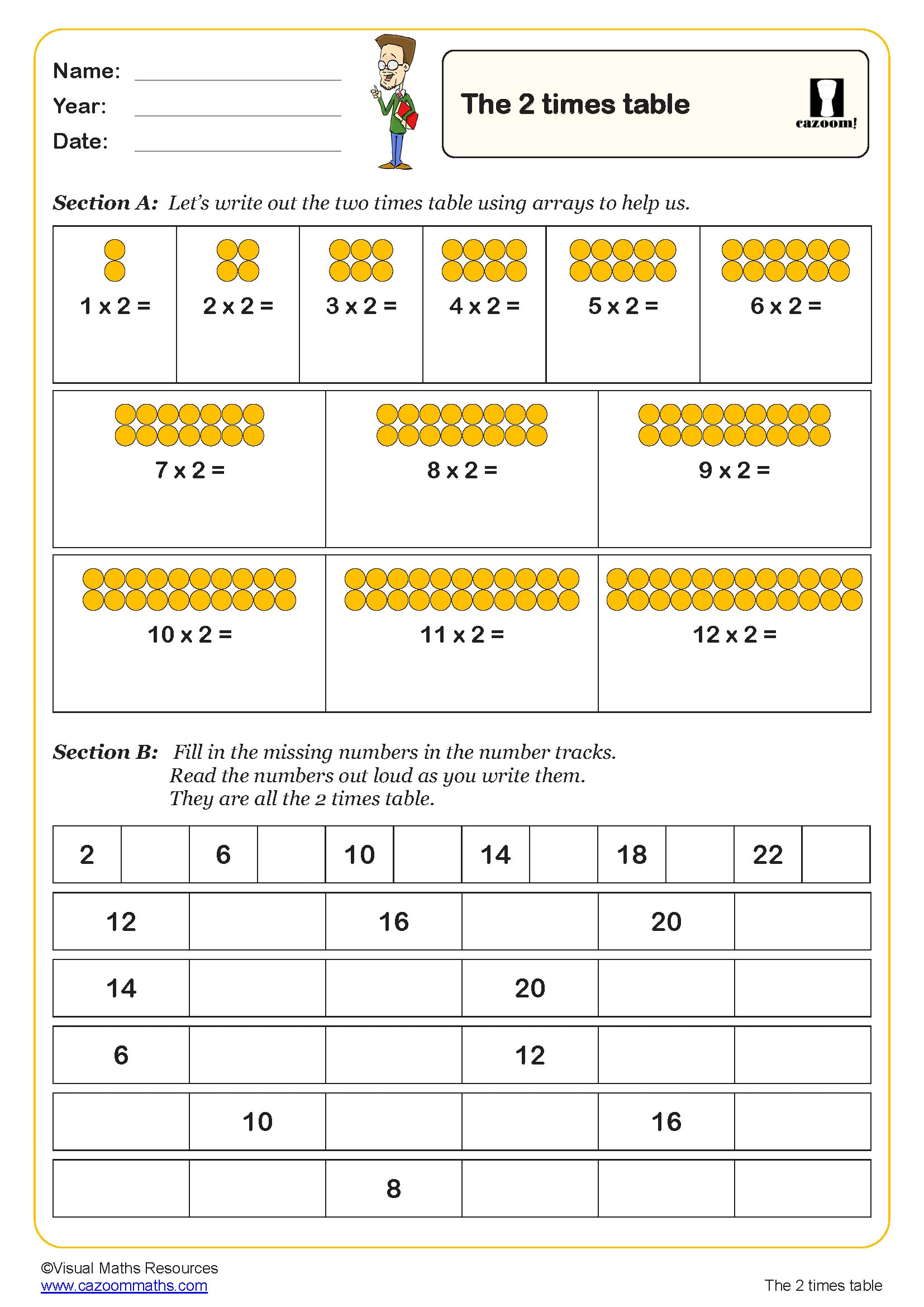
The Two Times Table
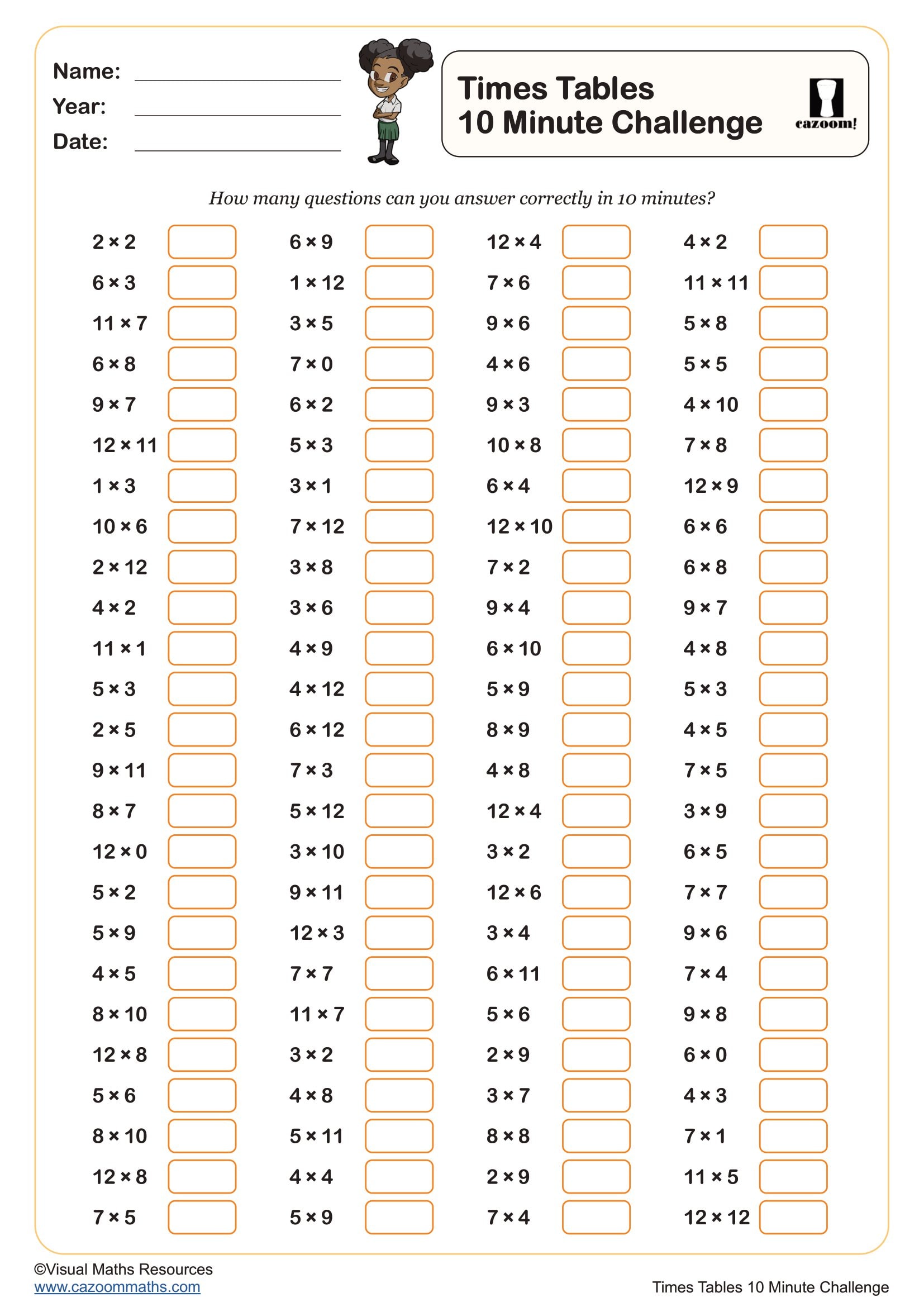
Times Tables 10 minute Challenge
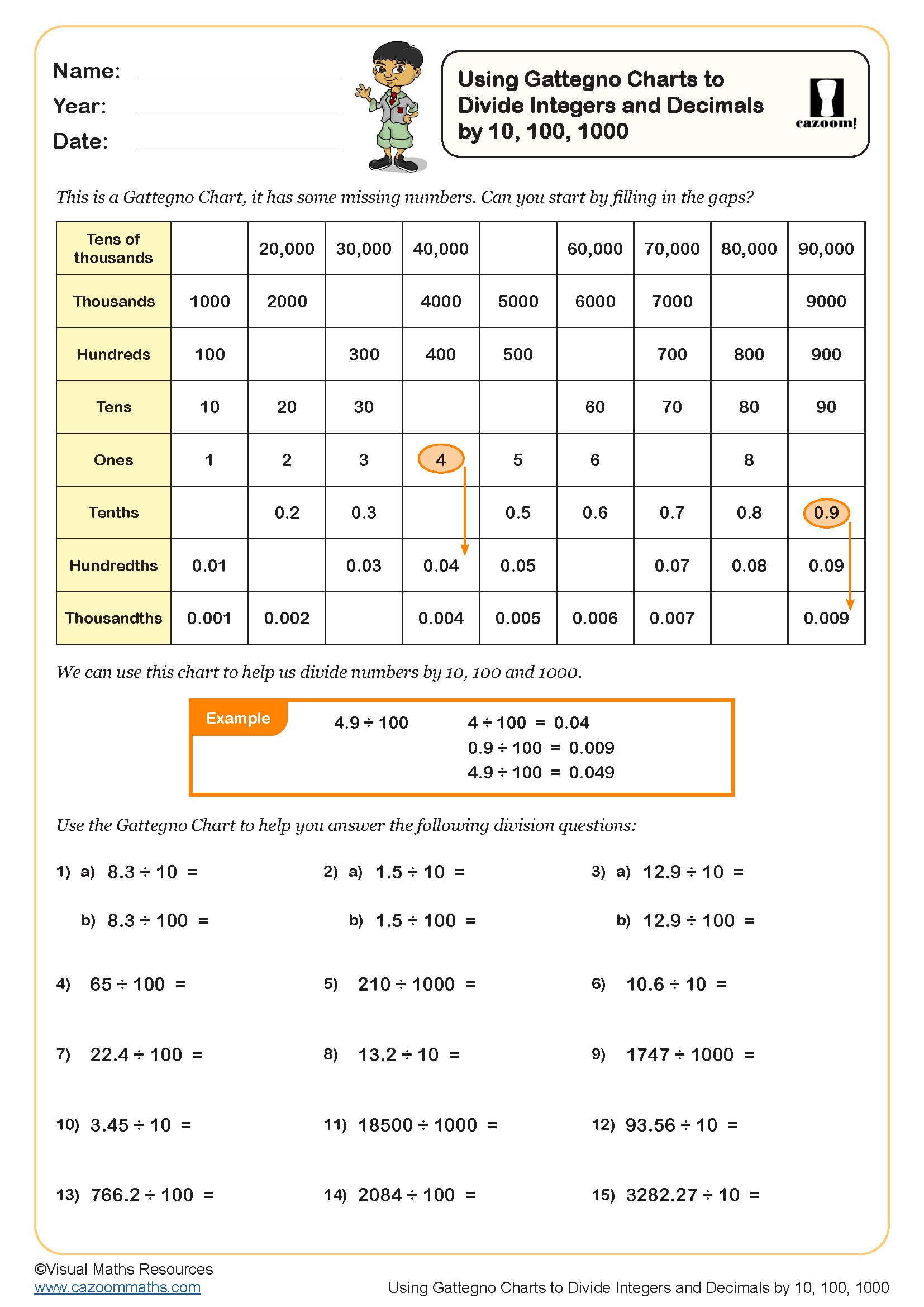
Using Gattegno Charts to Divide Integers and Decimals by 10, 100, 1000
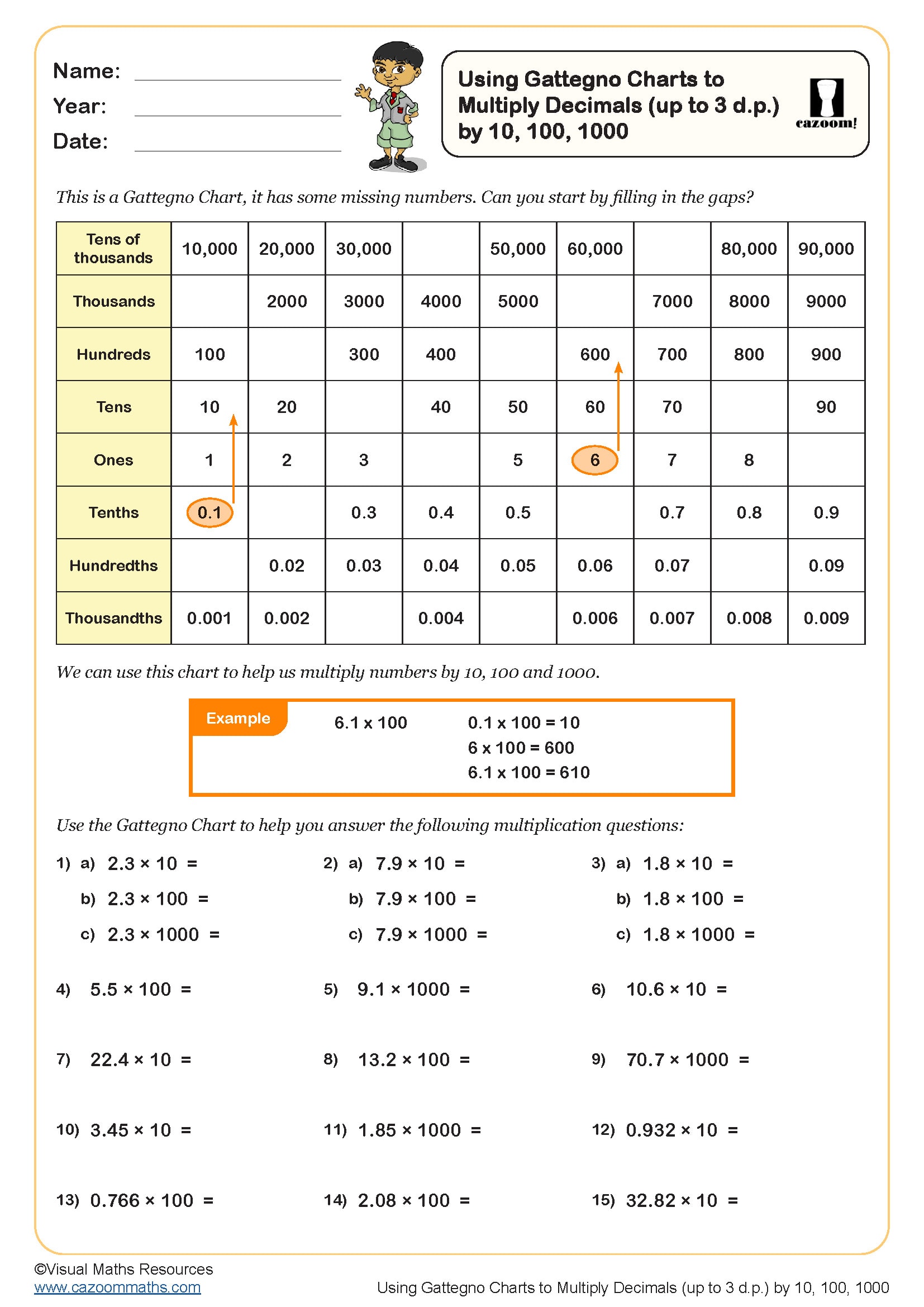
Using Gattegno Charts to Multiply Decimals ( up to 3 d.p.) by 10, 100, 1000
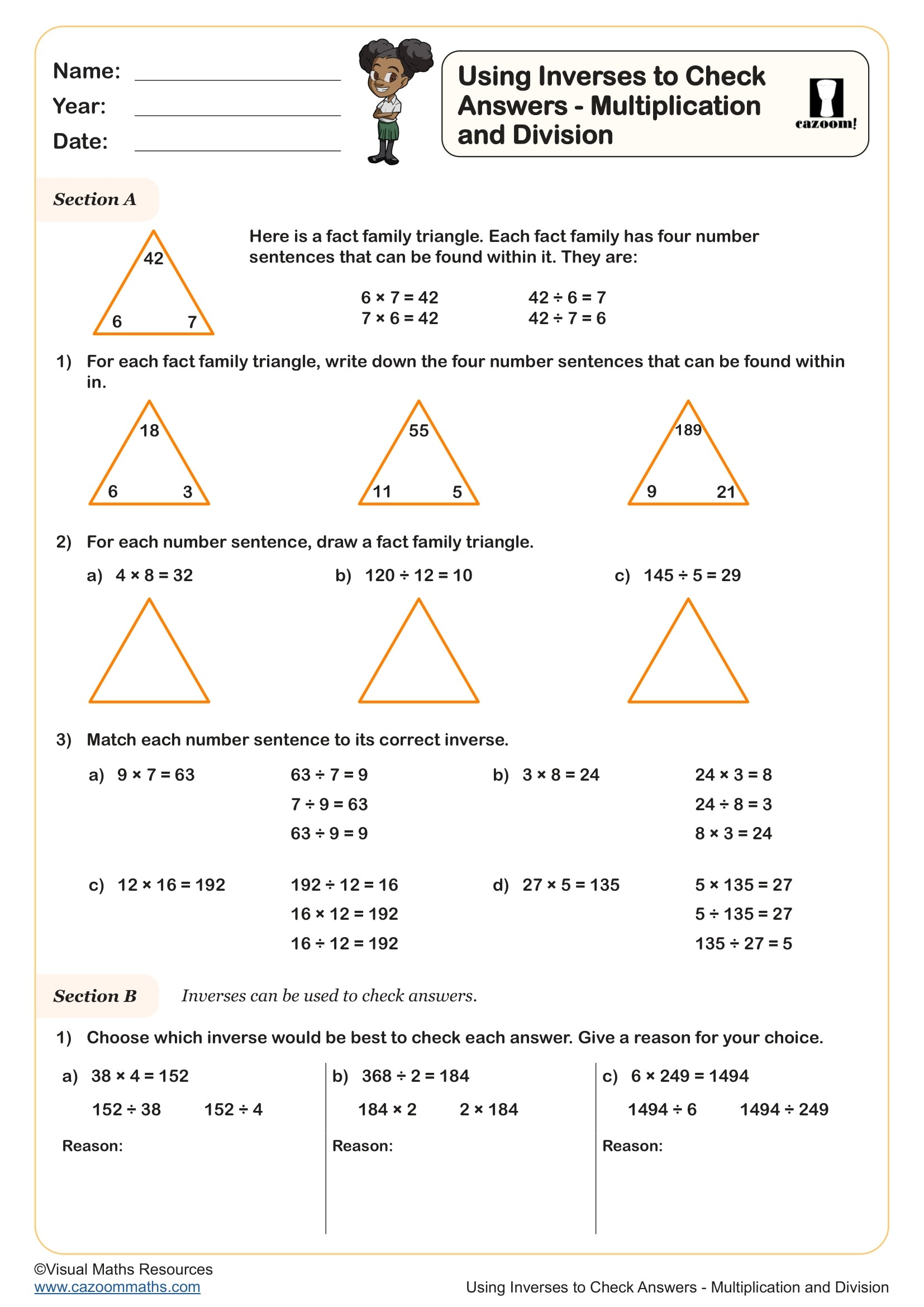
Using Inverses to Check Answers - Multiplication and Division
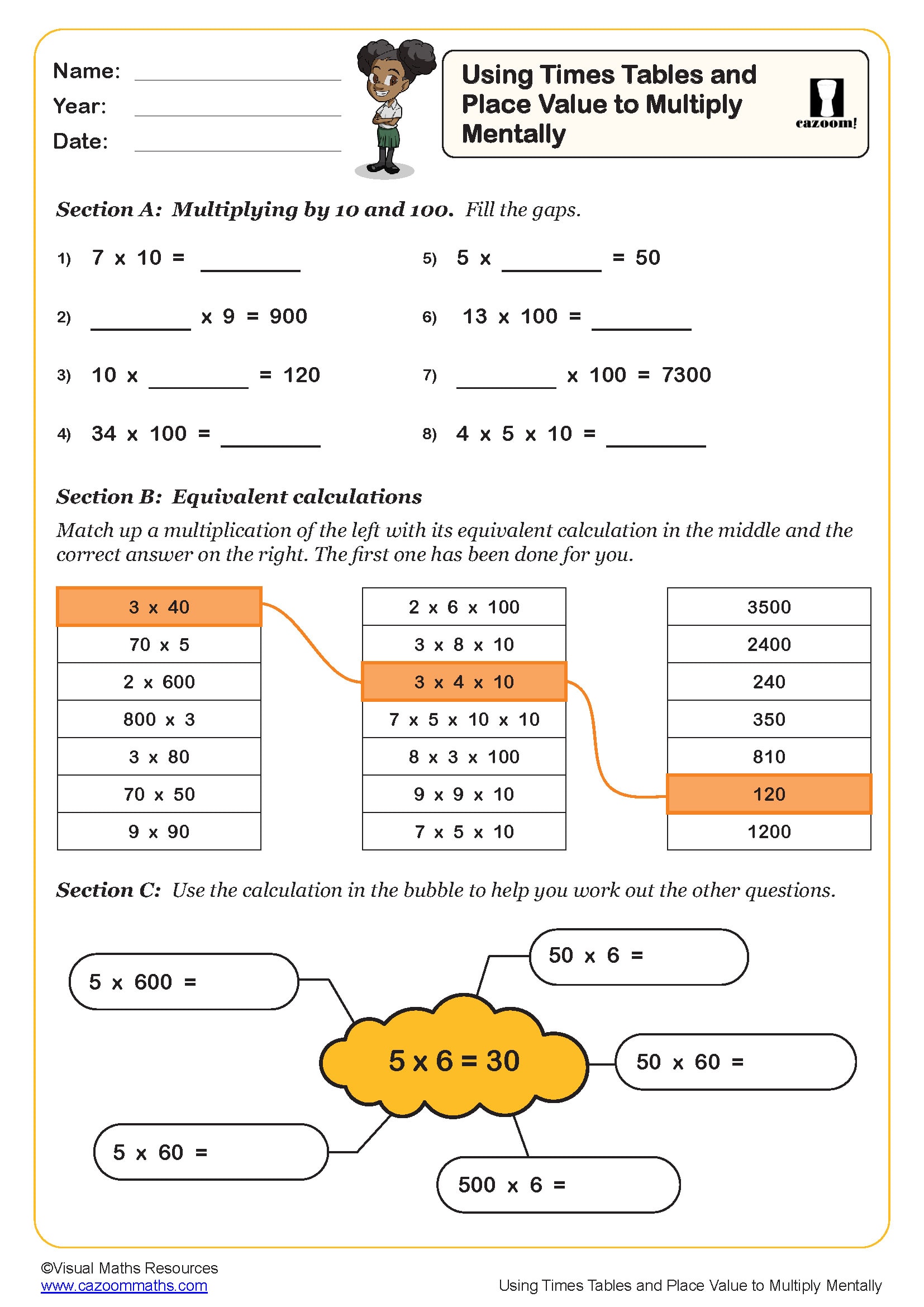
Using Times Tables and Place Value to Multiply Mentally
All worksheets are created by the team of experienced teachers at Cazoom Maths.
What multiplication and division skills do KS2 worksheets cover?
KS2 multiplication worksheets build from recalling times tables up to 12×12 in Years 3 and 4, through to multiplying multi-digit numbers using formal written methods by Year 6. Students practise short multiplication, long multiplication, and multiplying by powers of ten. The worksheets include varied question types that develop both procedural fluency and conceptual understanding of multiplication as repeated addition and scaling.
KS2 division worksheets progress from dividing two-digit numbers by one-digit numbers with remainders, through to formal short and long division methods. Pupils work with division as grouping and sharing, interpret remainders appropriately, and explore the relationship between multiplication and division through fact families and inverse operations. Division pyramids provide visual scaffolding that helps students see patterns and connections.
Which year groups are these multiplication and division worksheets suitable for?
These worksheets cover the complete KS2 curriculum from Year 3 through to Year 6, with content carefully matched to National Curriculum expectations for each year group. Year 3 worksheets focus on multiplication tables, mental multiplication and division, and written methods with two-digit and three-digit numbers. Year 4 extends to multiplying and dividing larger numbers with increasing complexity.
Year 5 worksheets introduce formal written methods including short multiplication and short division, whilst Year 6 resources develop long multiplication and long division with four-digit numbers and two-digit divisors. The progression ensures students build secure foundations before tackling more demanding calculations, with regular opportunities to apply multiplication and division in context.
How do division pyramids help students understand division?
Division pyramids present division in a visual structure where students work systematically to find missing values. Each number in the pyramid is formed by dividing the number above it by adjacent numbers, creating interconnected relationships that reveal patterns. This format helps pupils see division not as isolated calculations but as part of a connected mathematical structure.
Working with division pyramids develops logical reasoning and problem-solving strategies beyond rote calculation. Students must consider which operations to apply and in what order, often using inverse operations to check their working. The pyramids also reinforce factor relationships and divisibility rules, whilst providing engaging challenge that goes beyond standard column division practice. They're particularly effective for consolidating division facts and building multiplicative reasoning.
Do these worksheets include answers?
Every worksheet in this collection includes a complete answer sheet, which saves considerable preparation time and makes marking straightforward. The answer sheets show all solutions clearly, allowing teachers to mark work efficiently and parents to support home learning with confidence. Having answers readily available means pupils can self-mark and identify errors independently, promoting metacognitive skills.
All worksheets download as PDFs that print cleanly at A4 size, maintaining consistent formatting across different printers and devices. You can print individual worksheets for specific pupils or sets for whole-class teaching. The answer sheets are formatted separately, making it simple to distribute worksheets without accidentally revealing solutions. This flexibility suits differentiated teaching, intervention sessions, and homework assignments across KS2.