KS2 Number Lines Worksheets
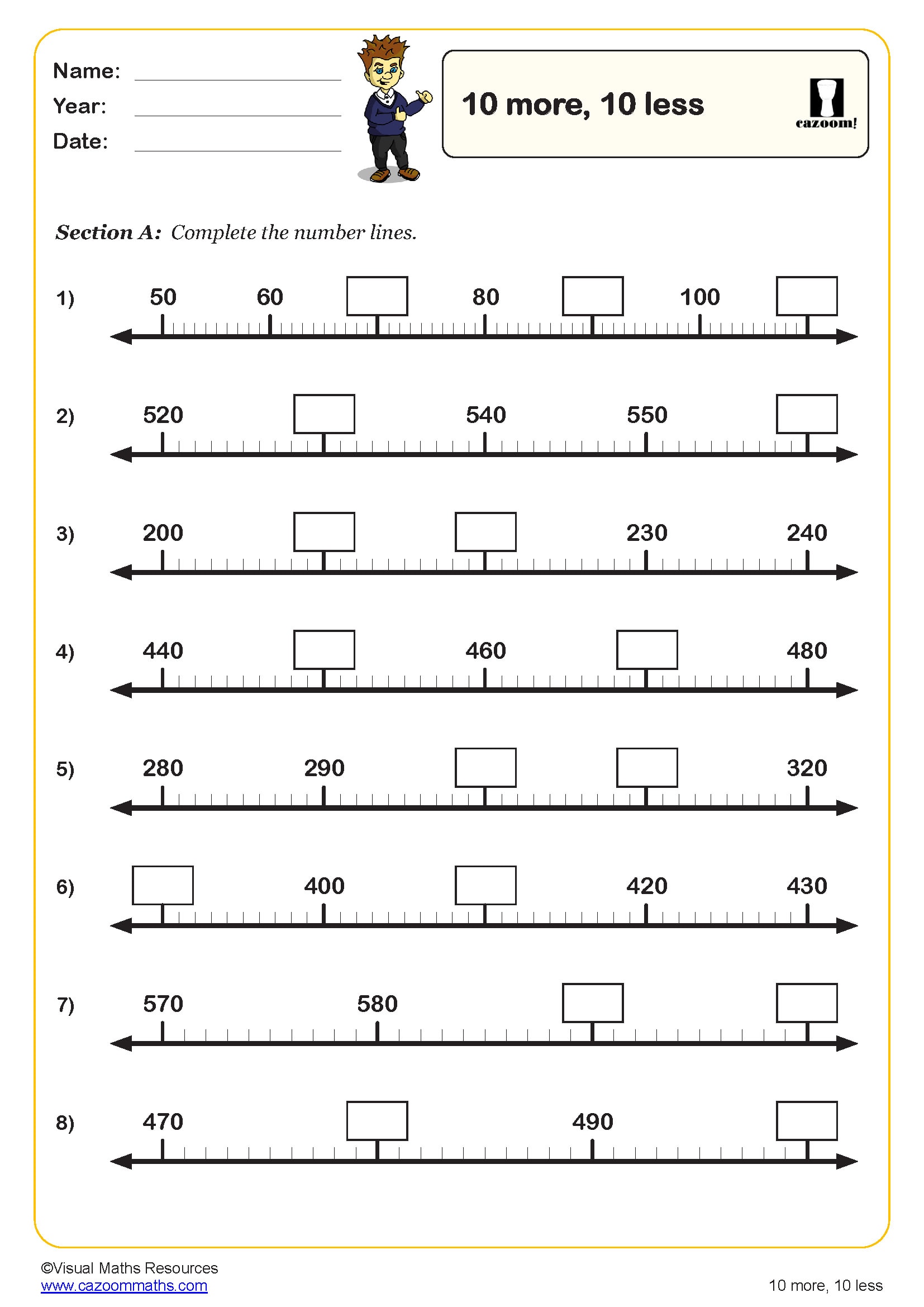
10 More 10 Less
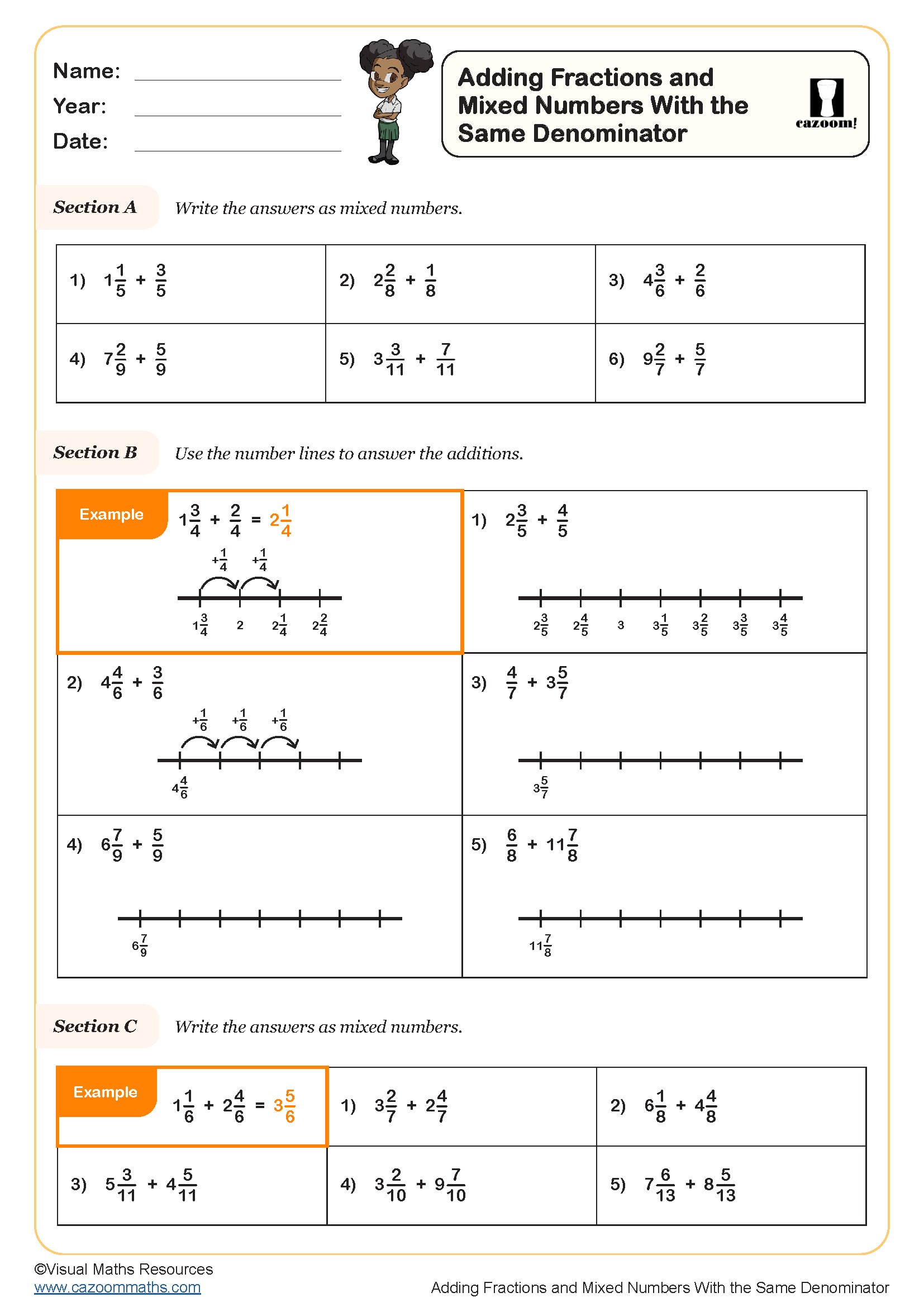
Adding Fractions and Mixed Numbers with the Same Denominator
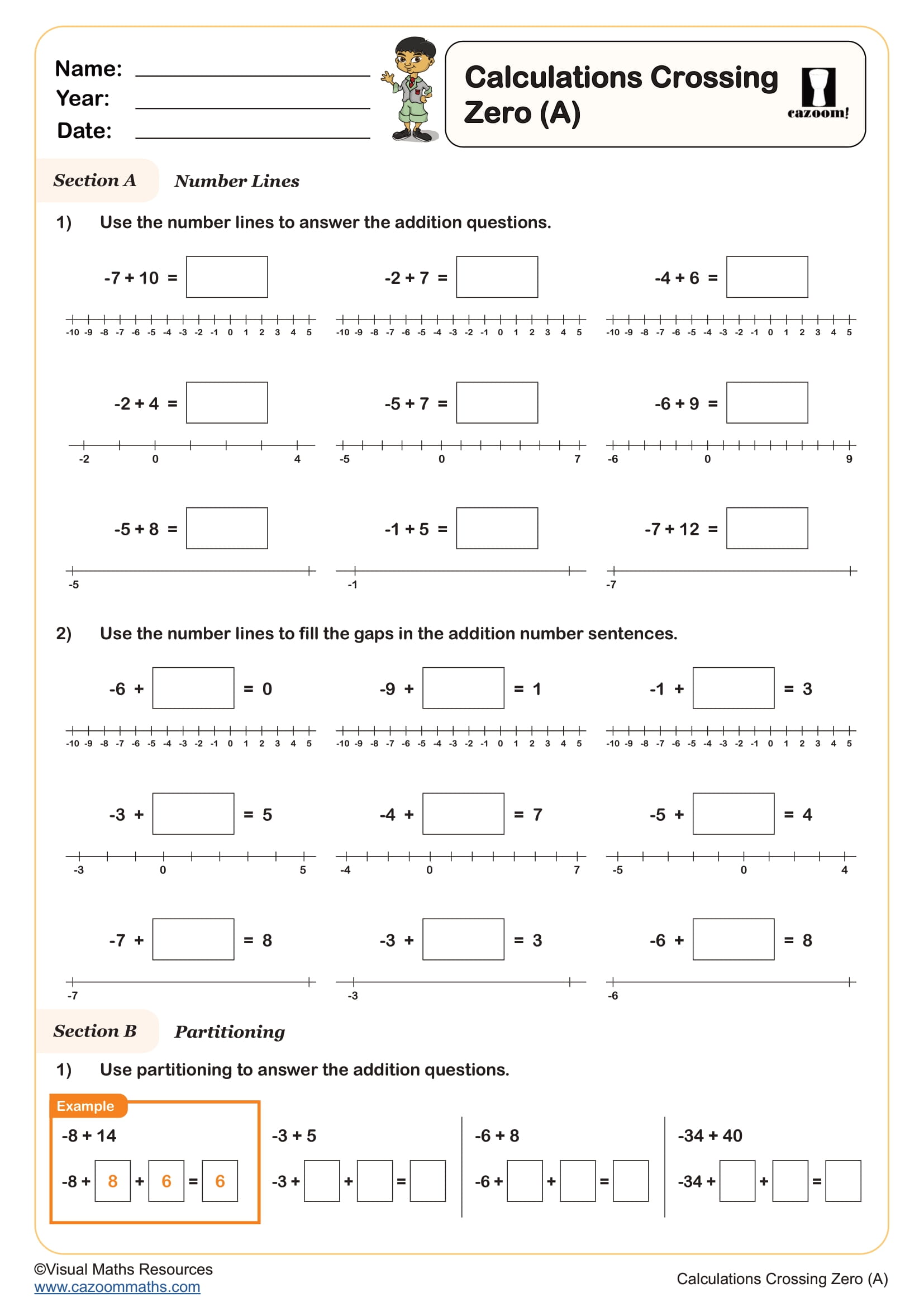
Calculations Crossing Zero (A)
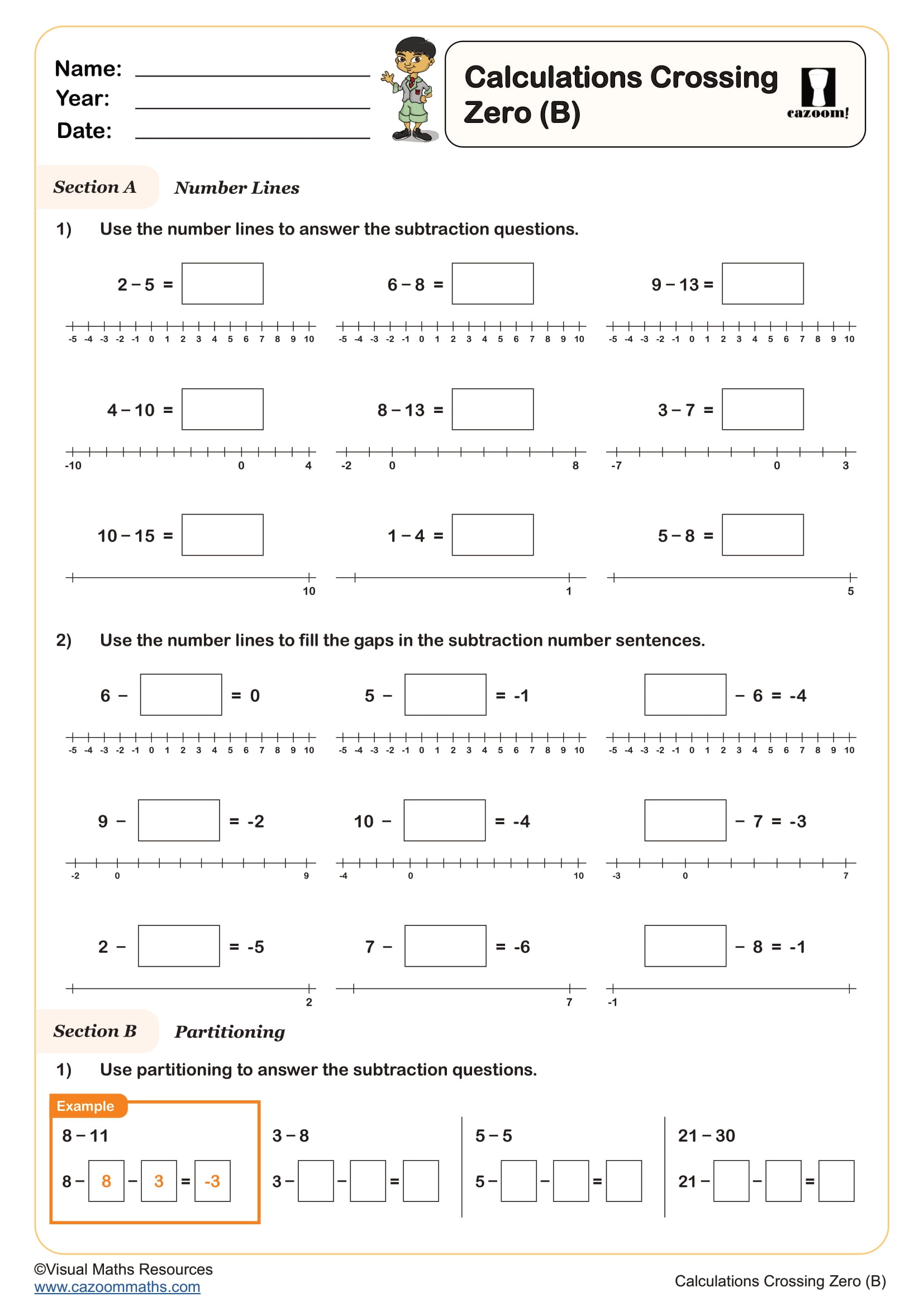
Calculations Crossing Zero (B)
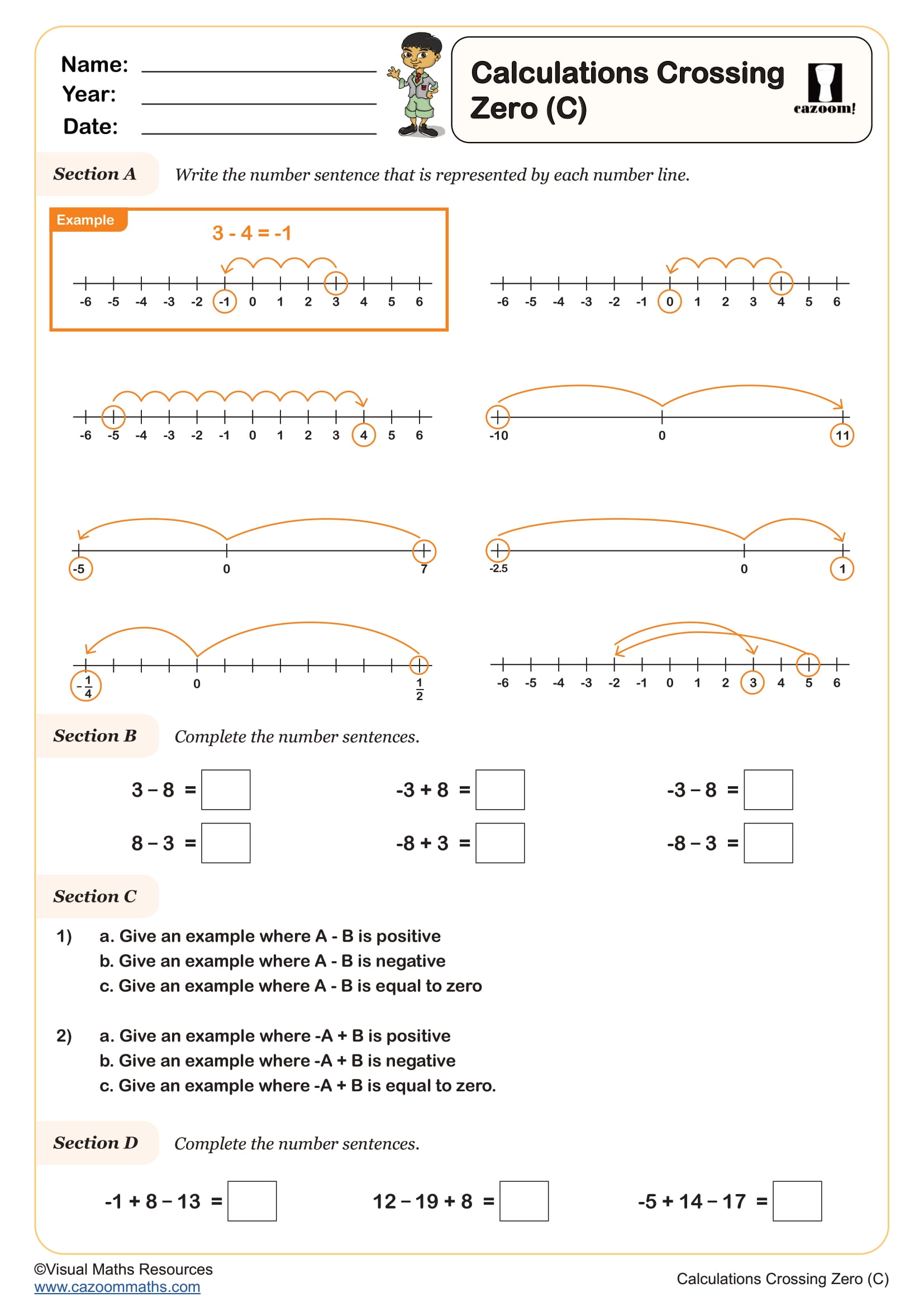
Calculations Crossing Zero (C)
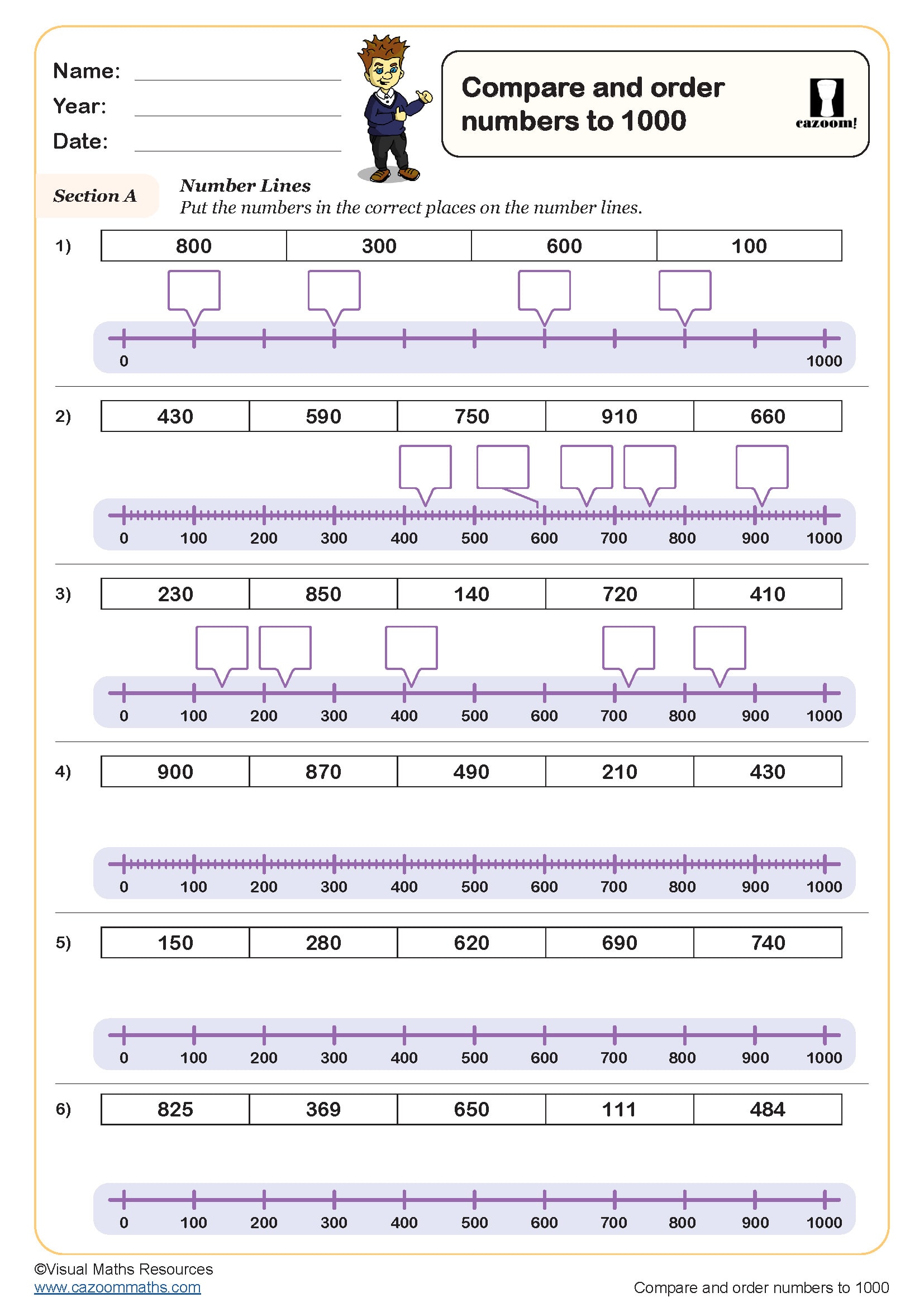
Compare and Order Numbers to 1000
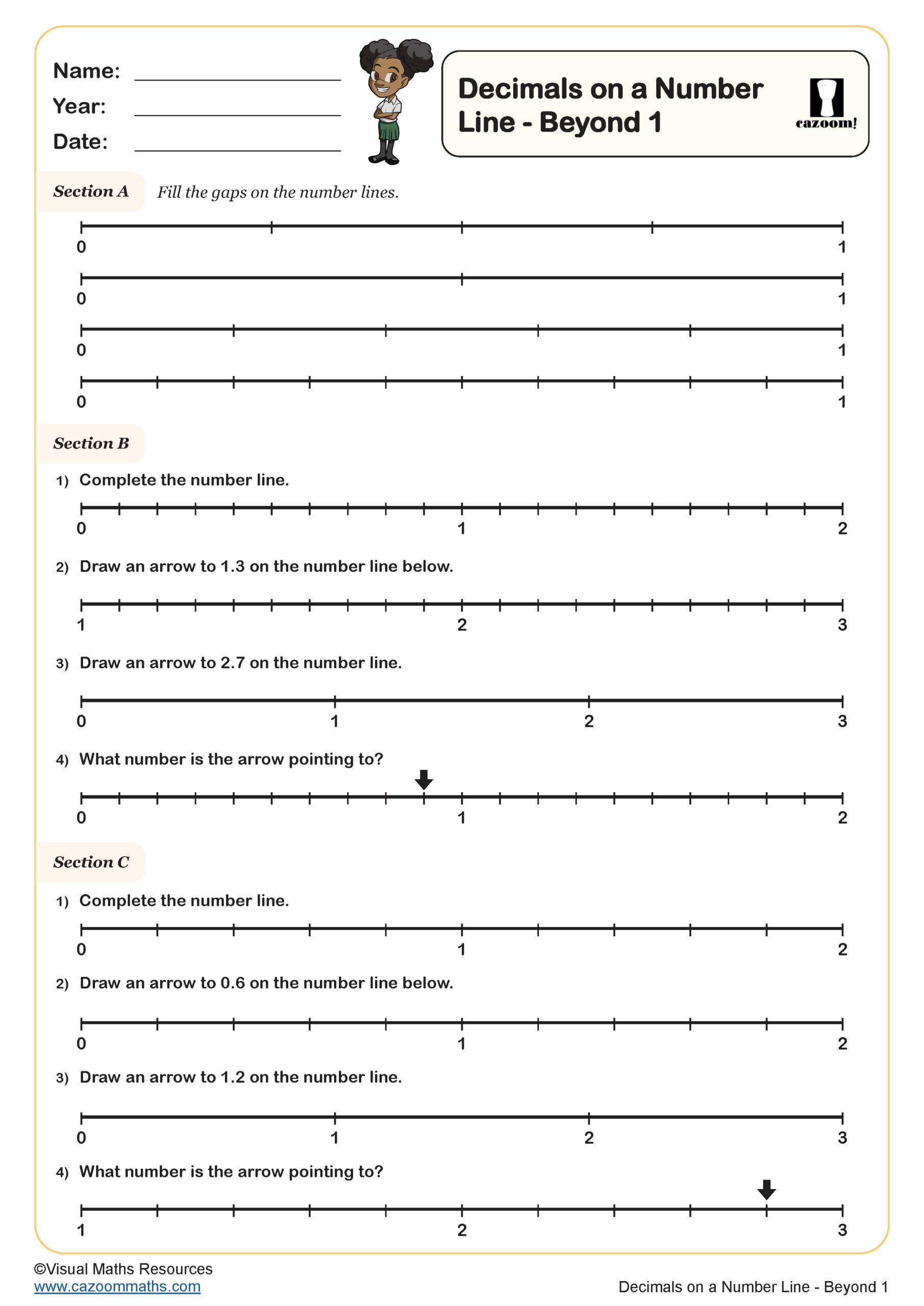
Decimals on a Number Line - Beyond 1
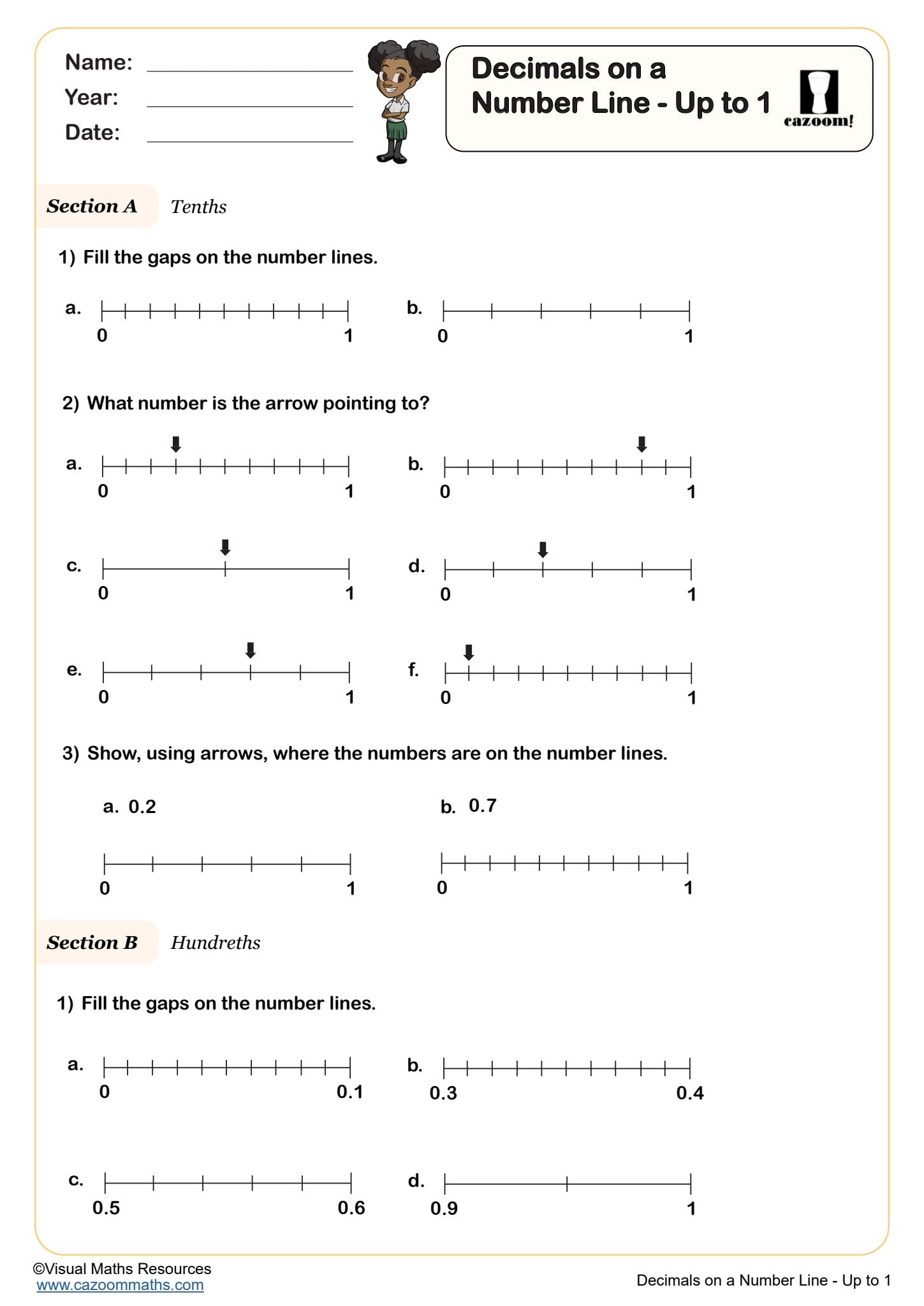
Decimals on a Number Line - Up to 1
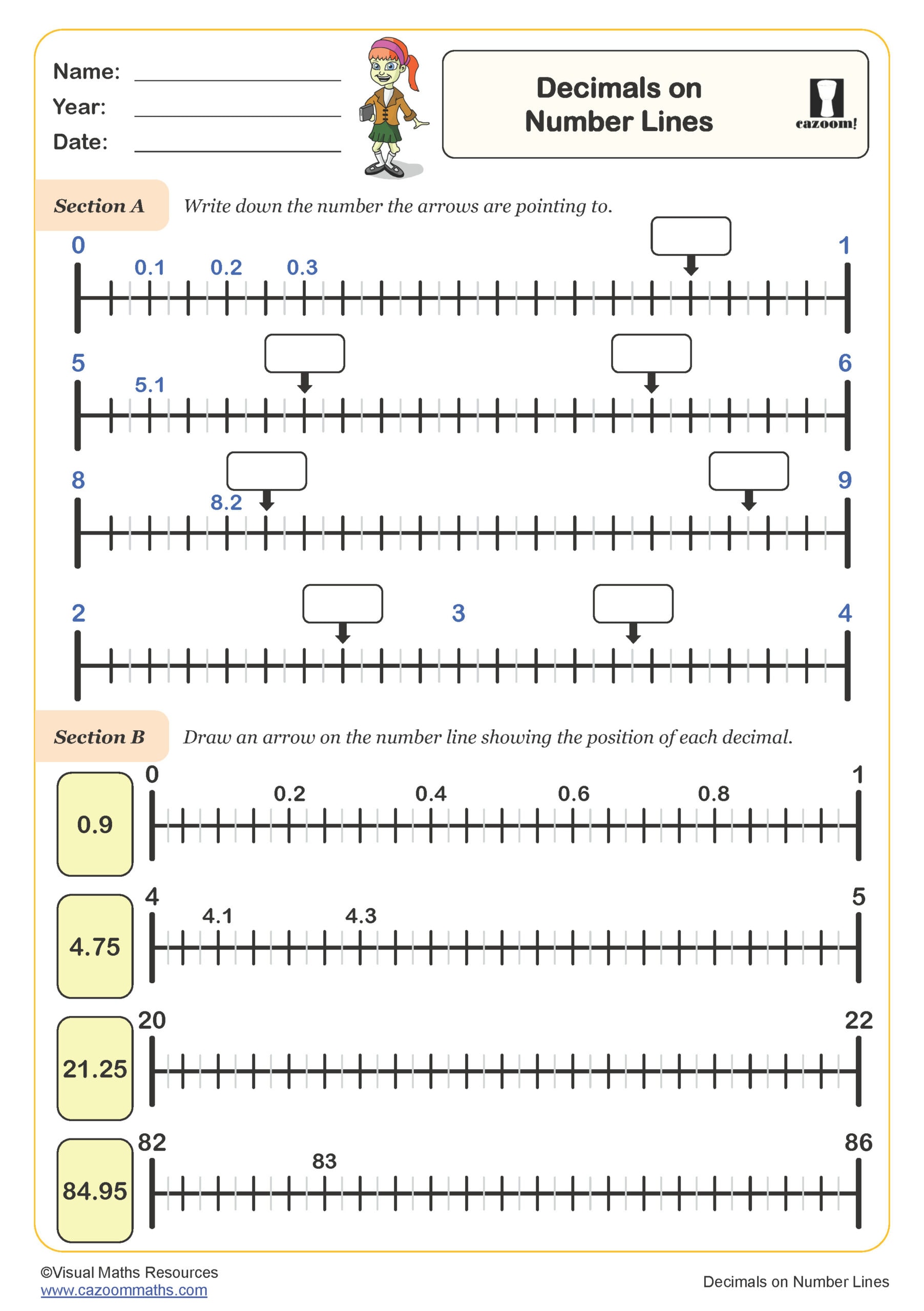
Decimals on Number Lines
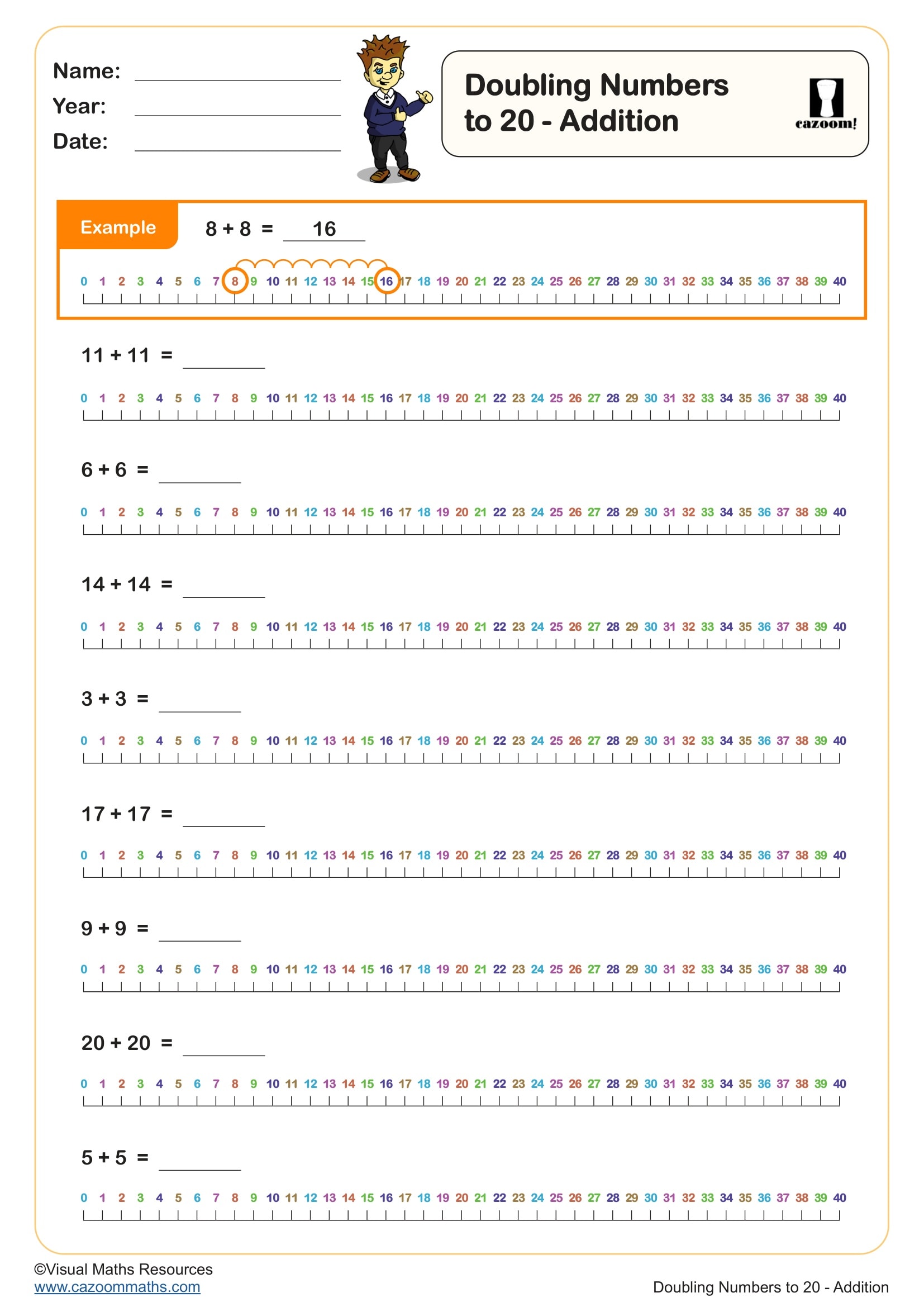
Doubling Numbers to 20 - Addition
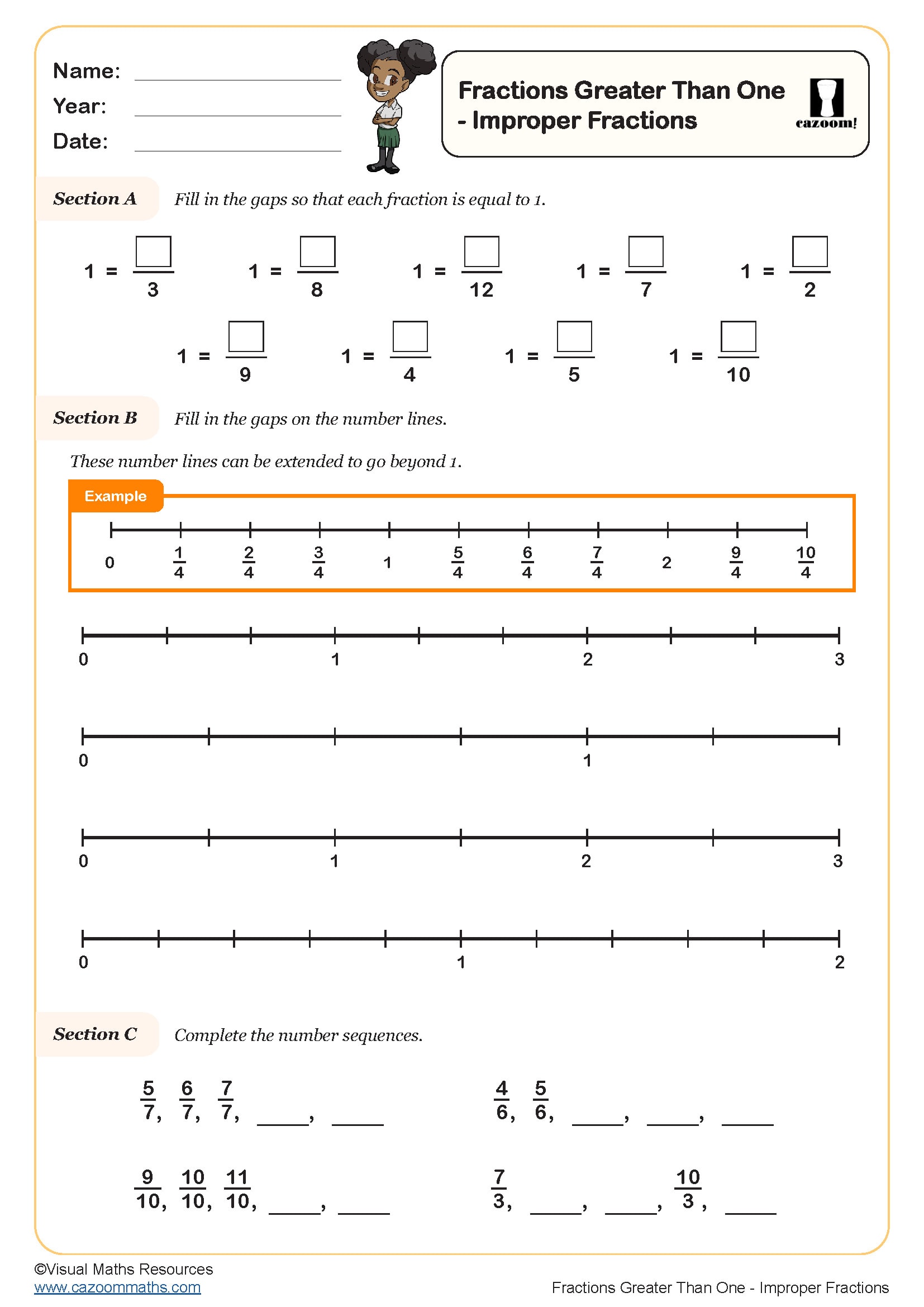
Fractions Greater Than One - Improper Fractions
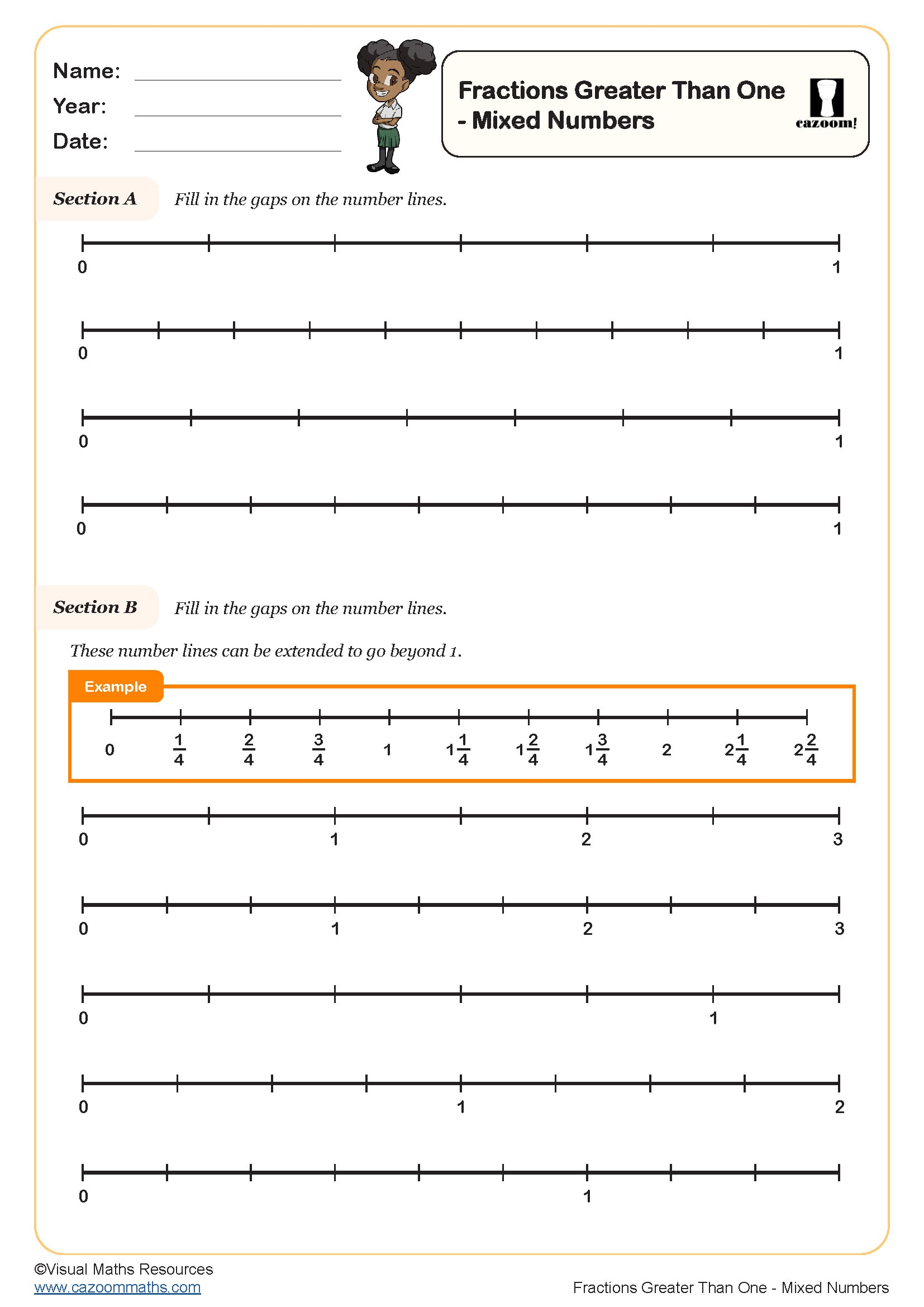
Fractions Greater Than One - Mixed Numbers
Fractions on Number Lines (A)
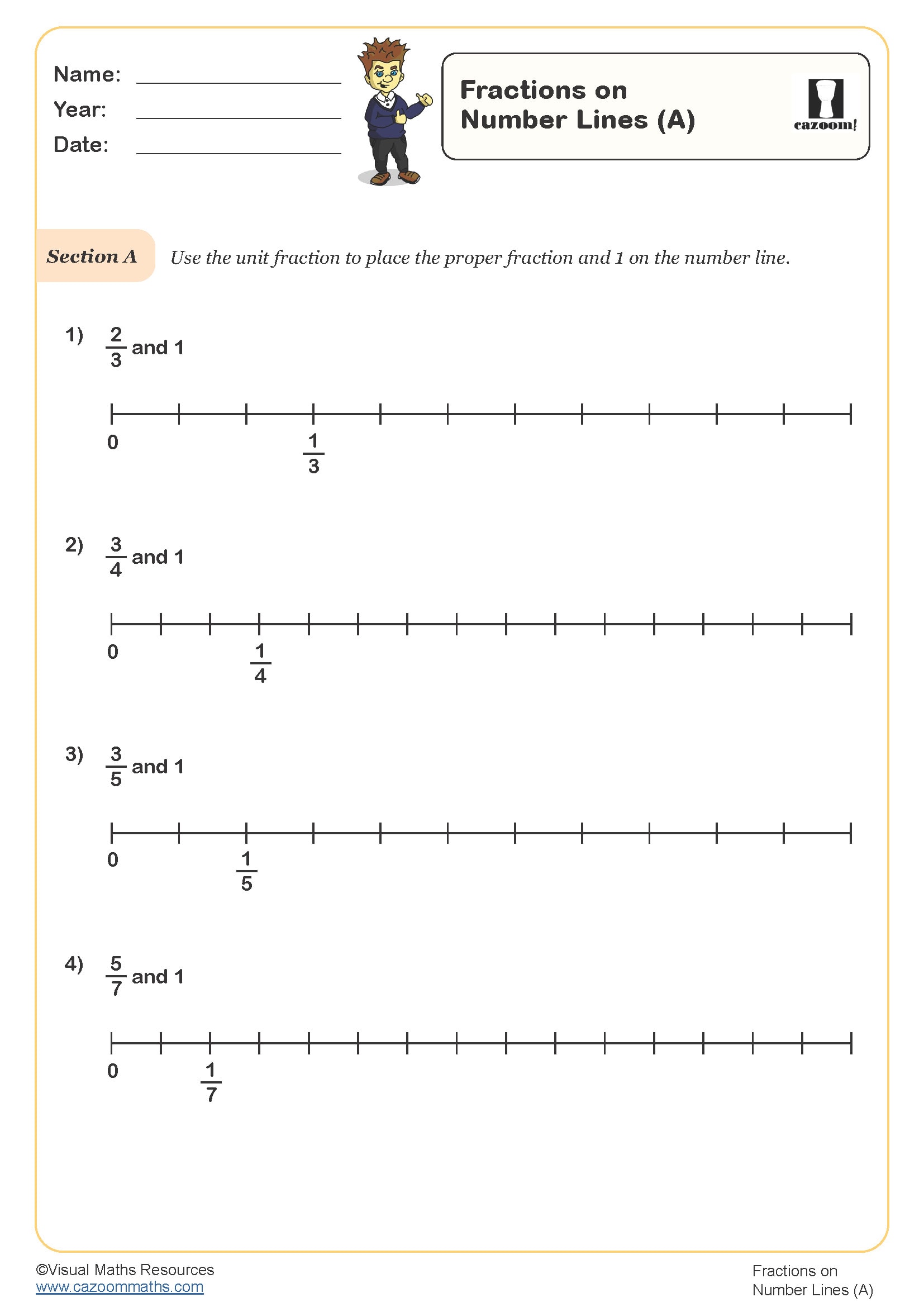
Fractions on Number Lines (B)
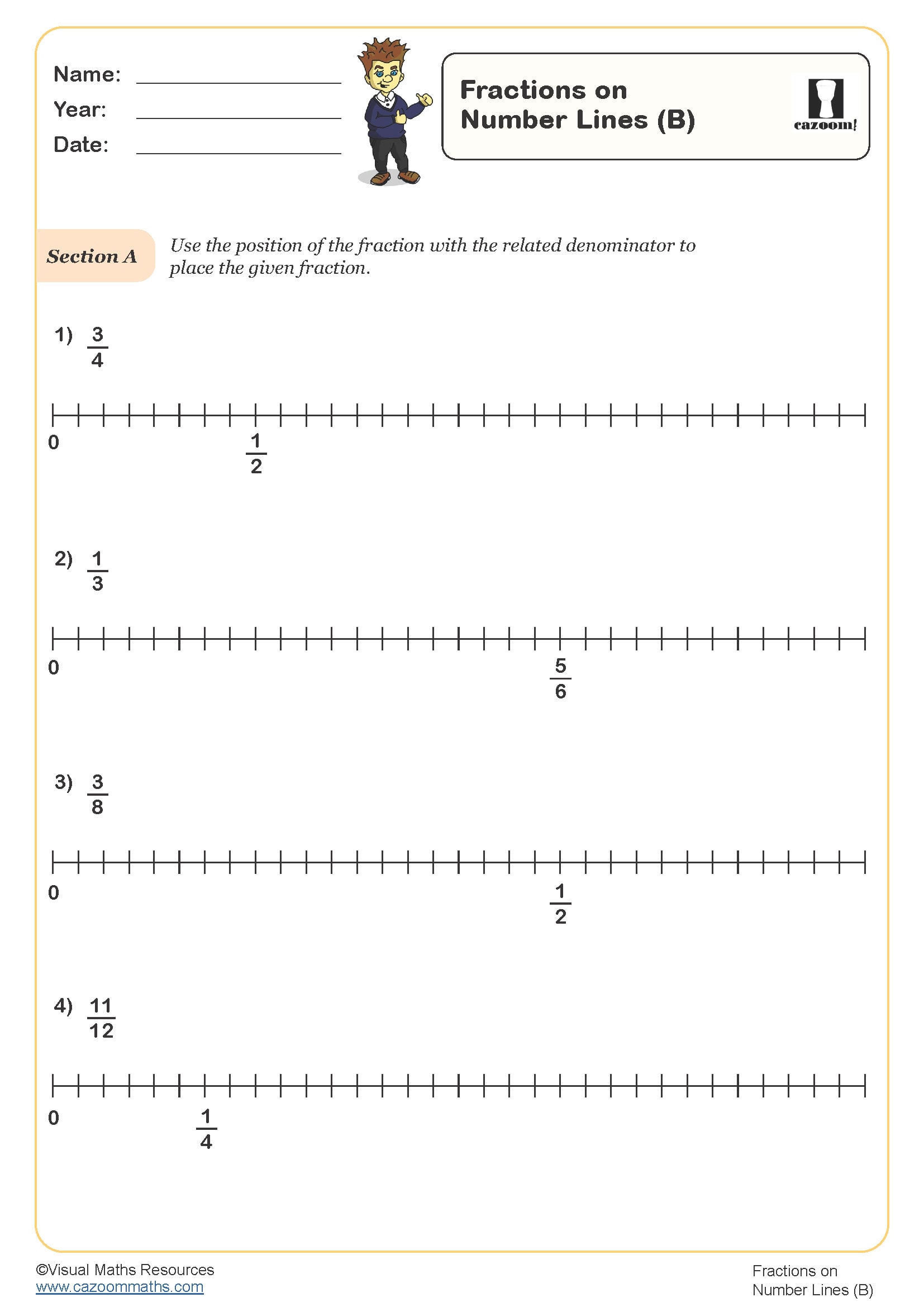
Labelling a Number Line with Fractions
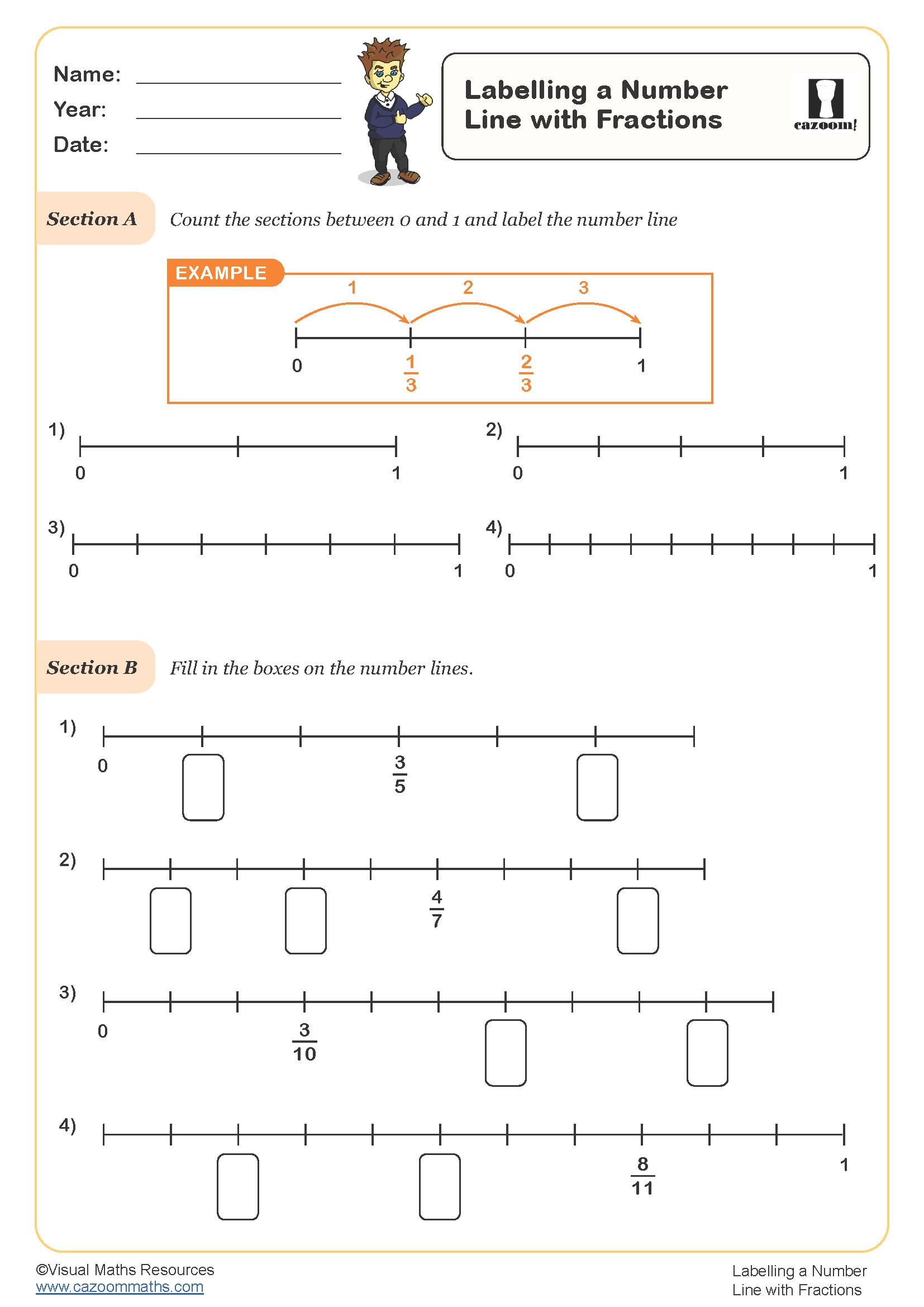
Labelling a Number Line with Mixed Numbers
Making One
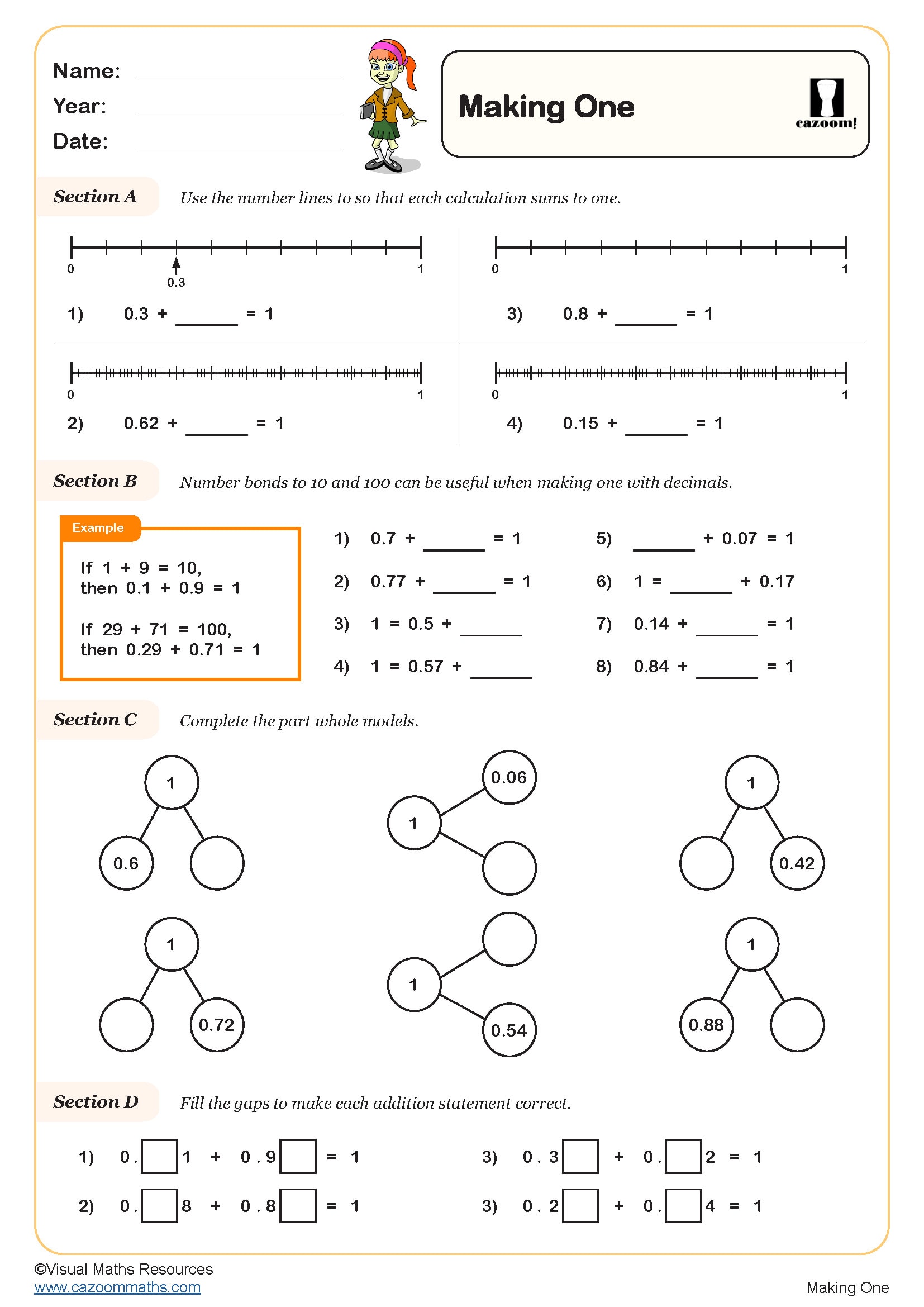
Negative Numbers
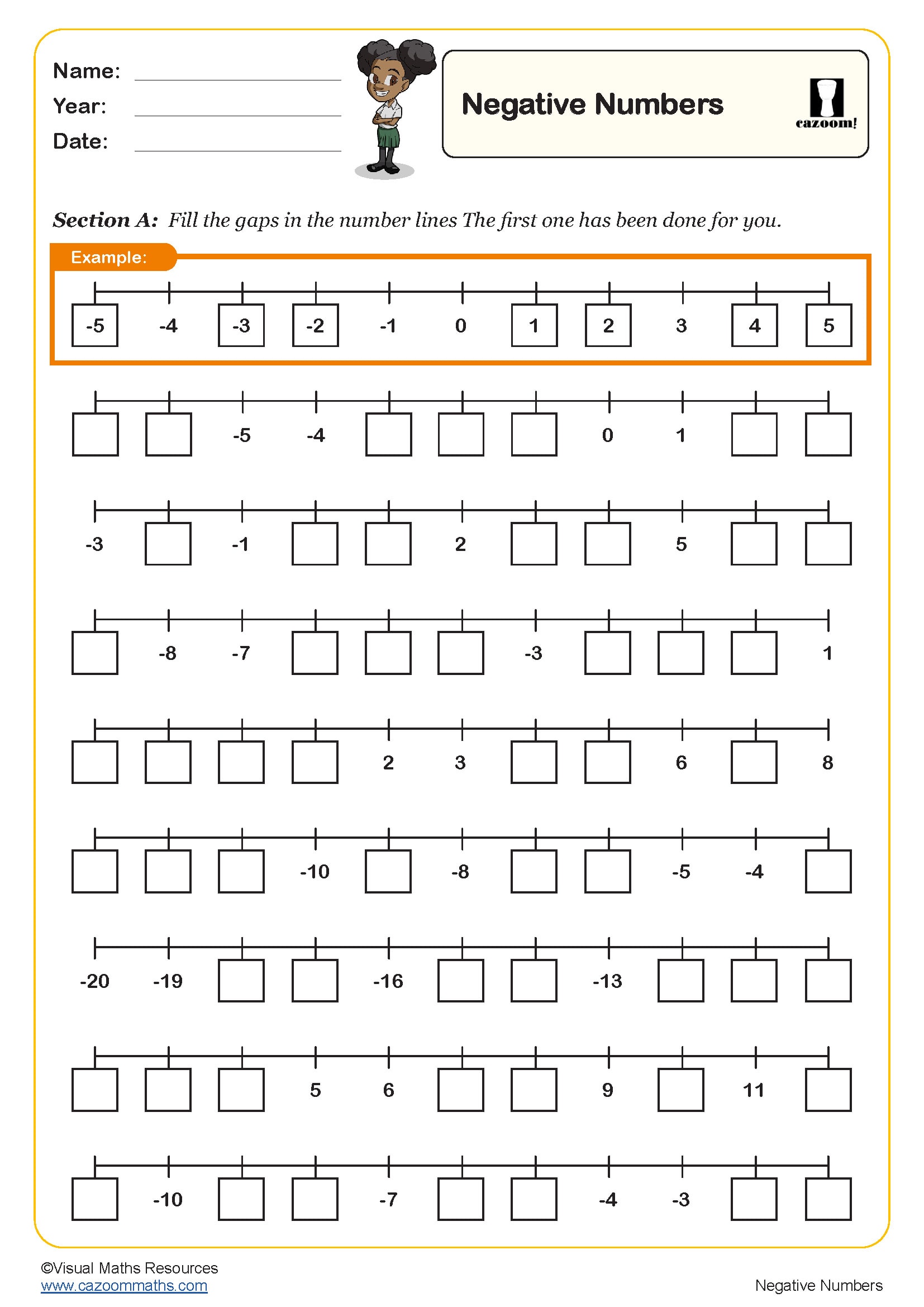
Number Lines to 1,000
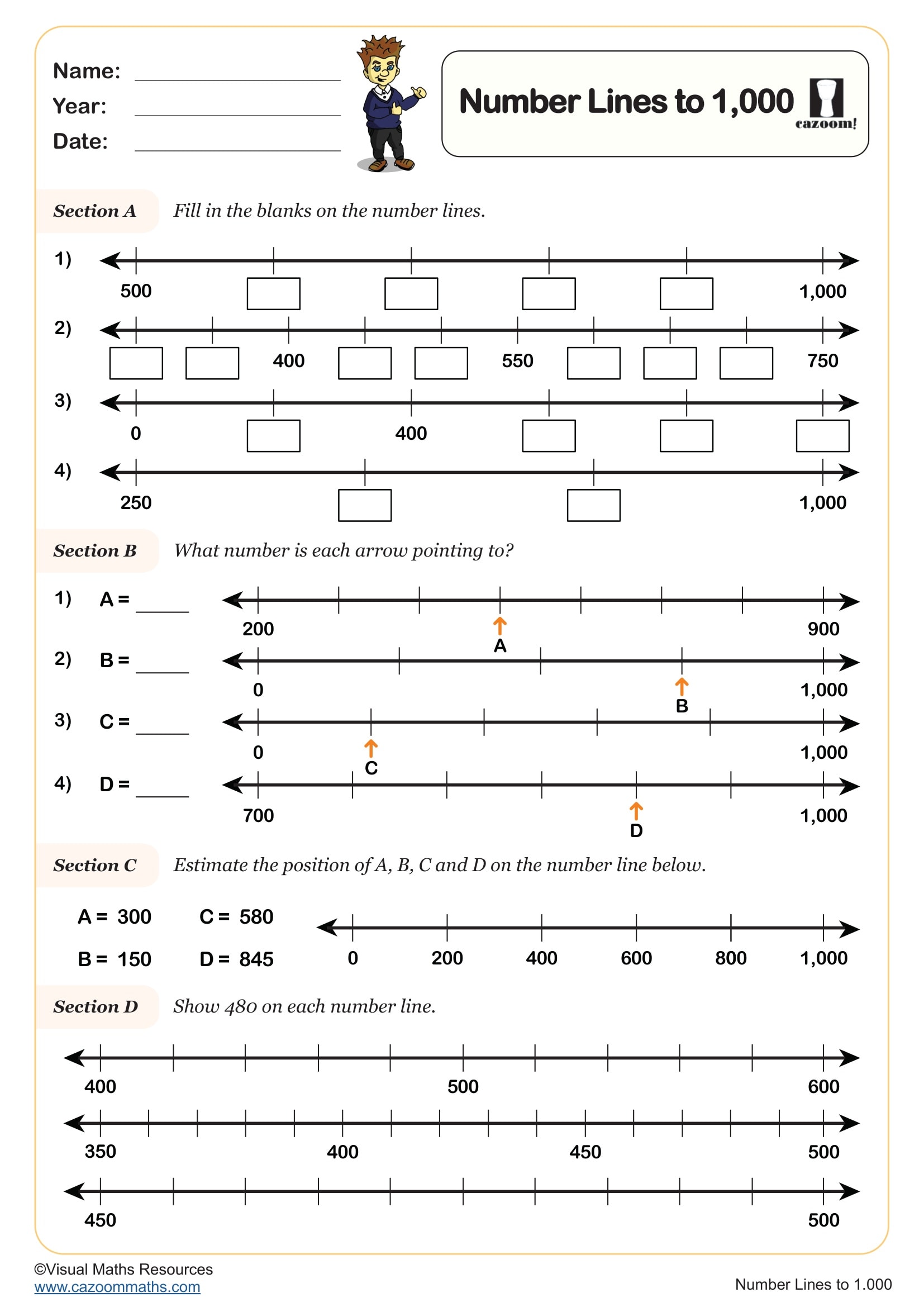
Rounding Charts
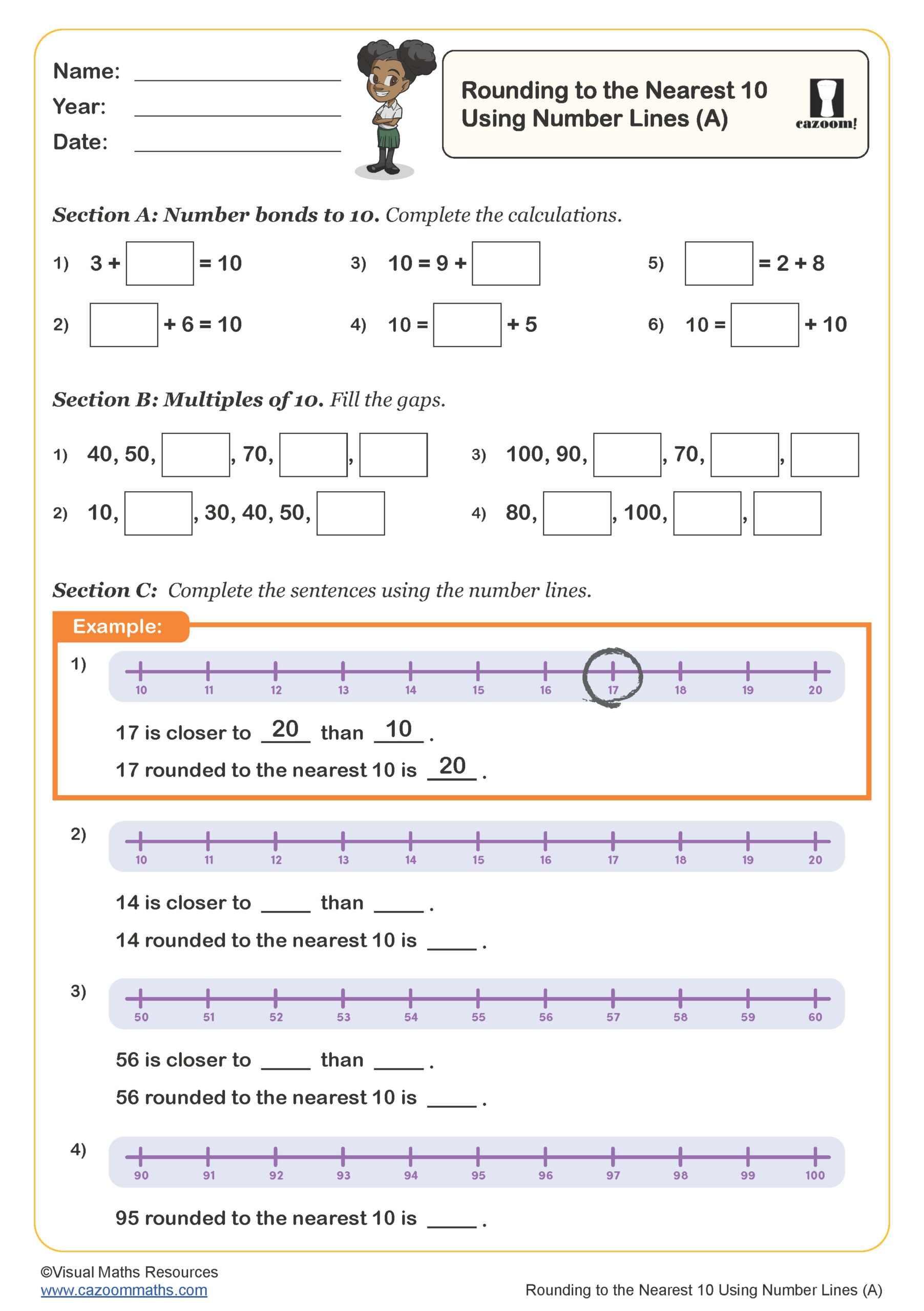
Rounding Numbers to the Nearest 10 Using Number Lines (A)
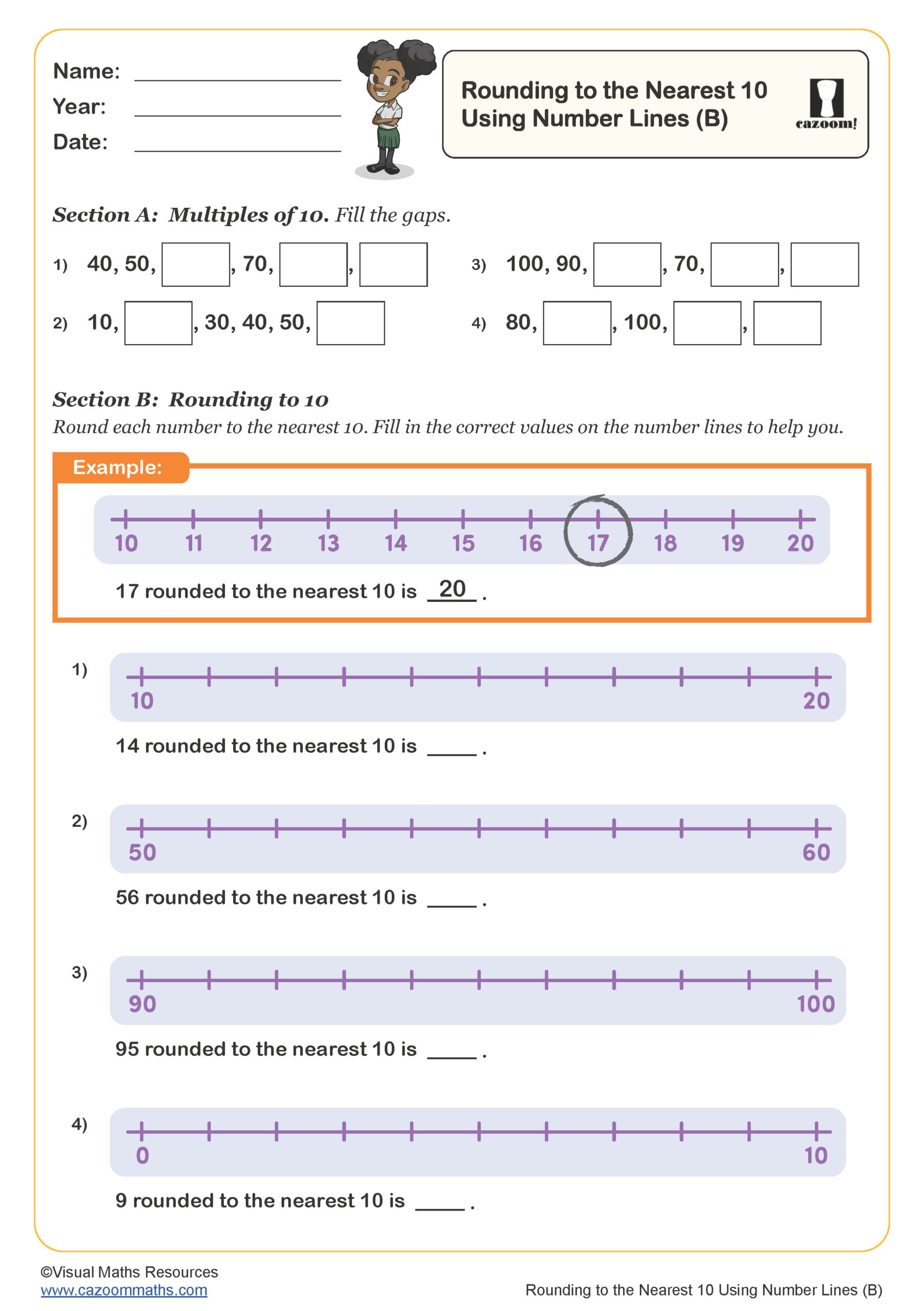
Rounding Numbers to the Nearest 10 Using Number Lines (B)
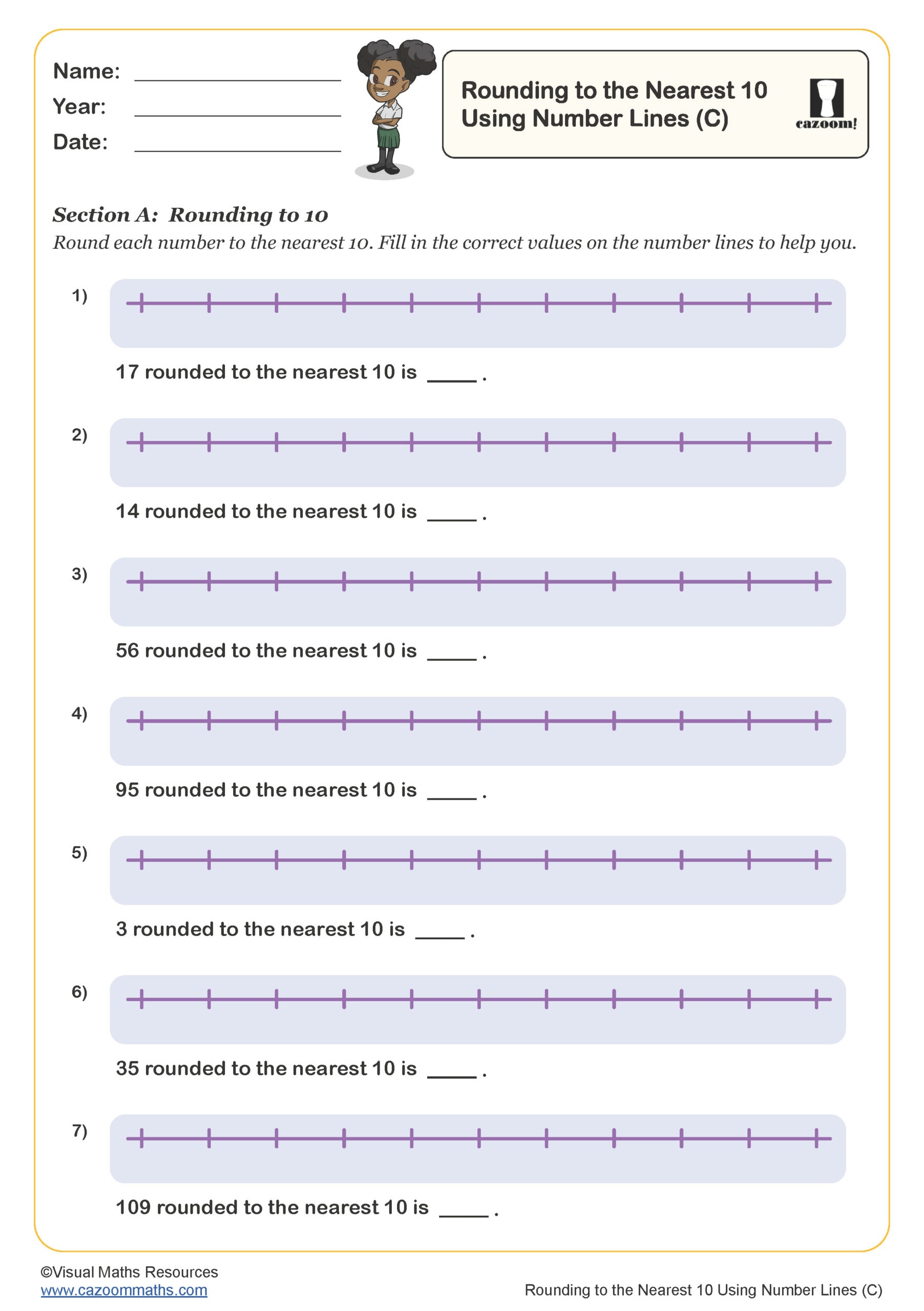
Rounding Numbers to the Nearest 10 Using Number Lines (C)
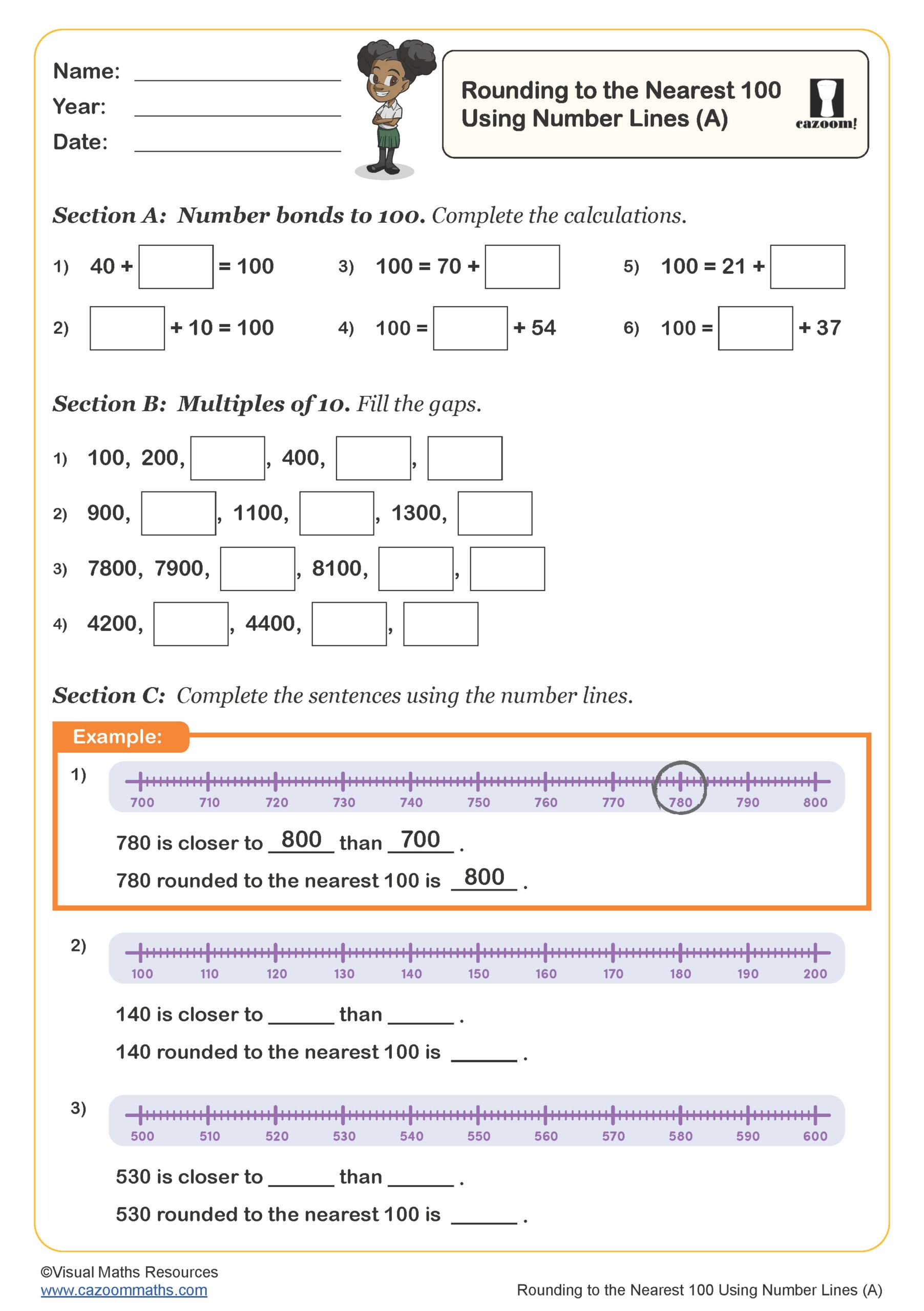
Rounding Numbers to the Nearest 100 Using Number Lines (A)
Rounding Numbers to the Nearest 100 Using Number Lines (B)
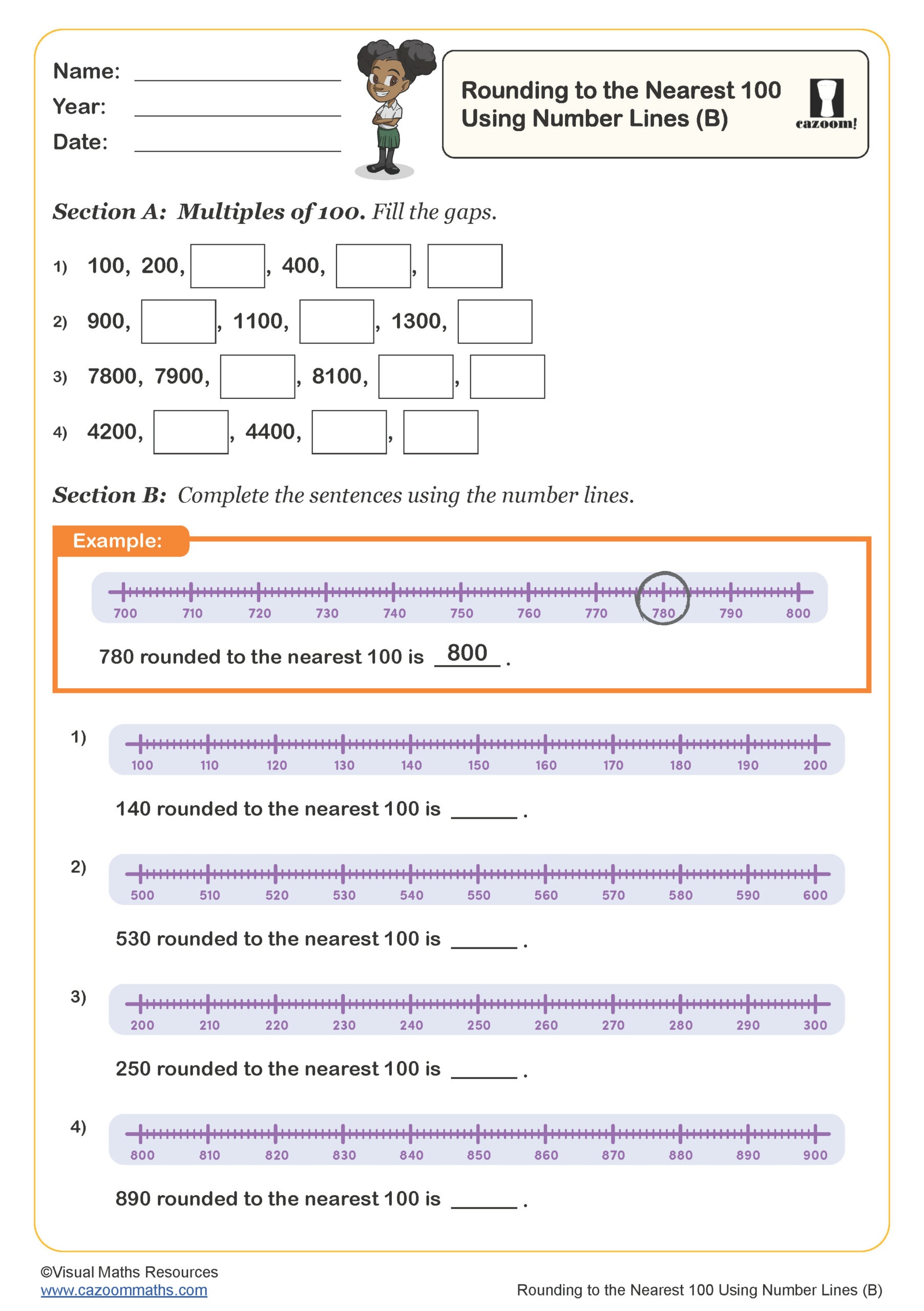
Rounding Numbers to the Nearest 100 Using Number Lines (C)
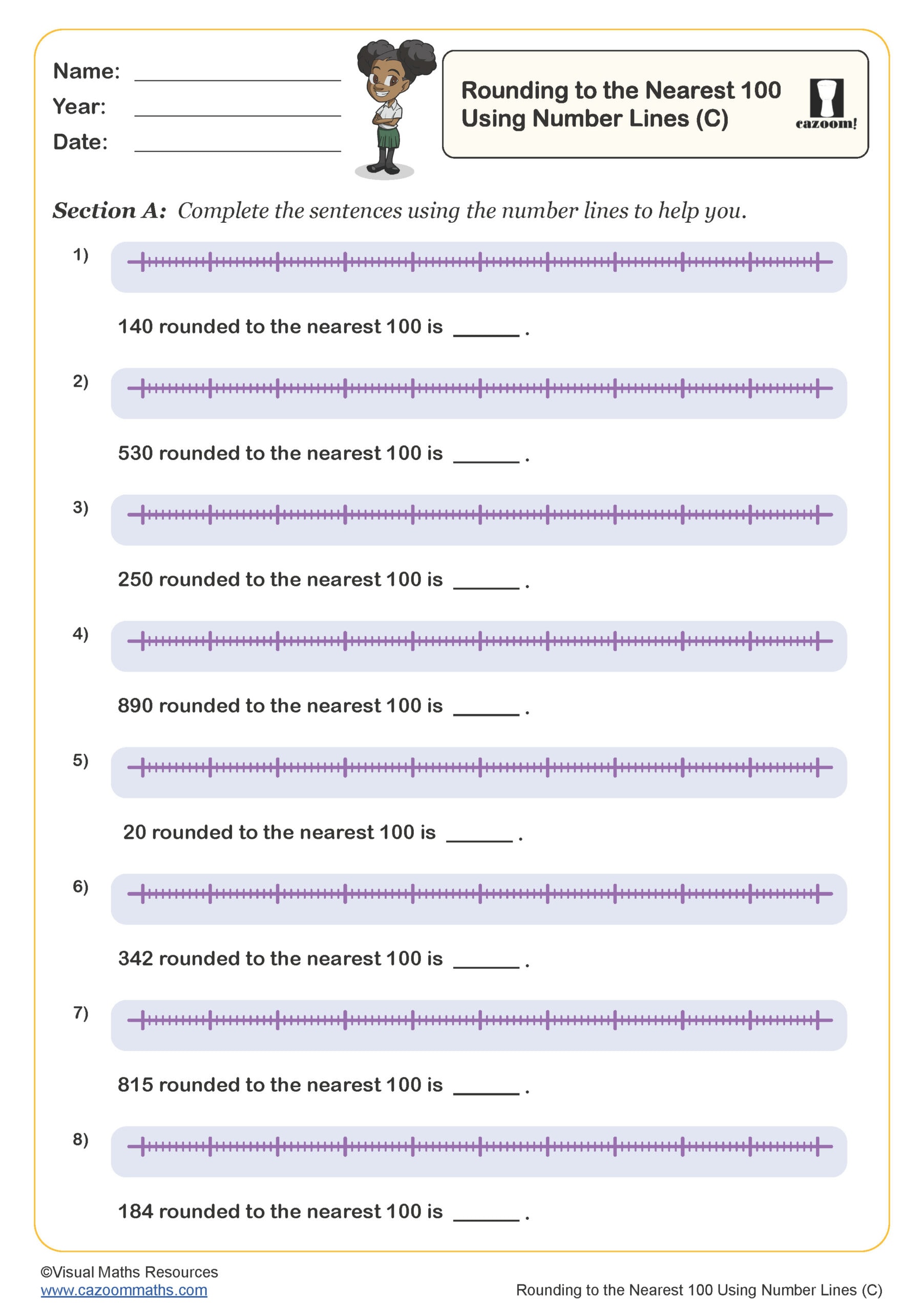
Rounding to the Nearest Multiple of 1,000
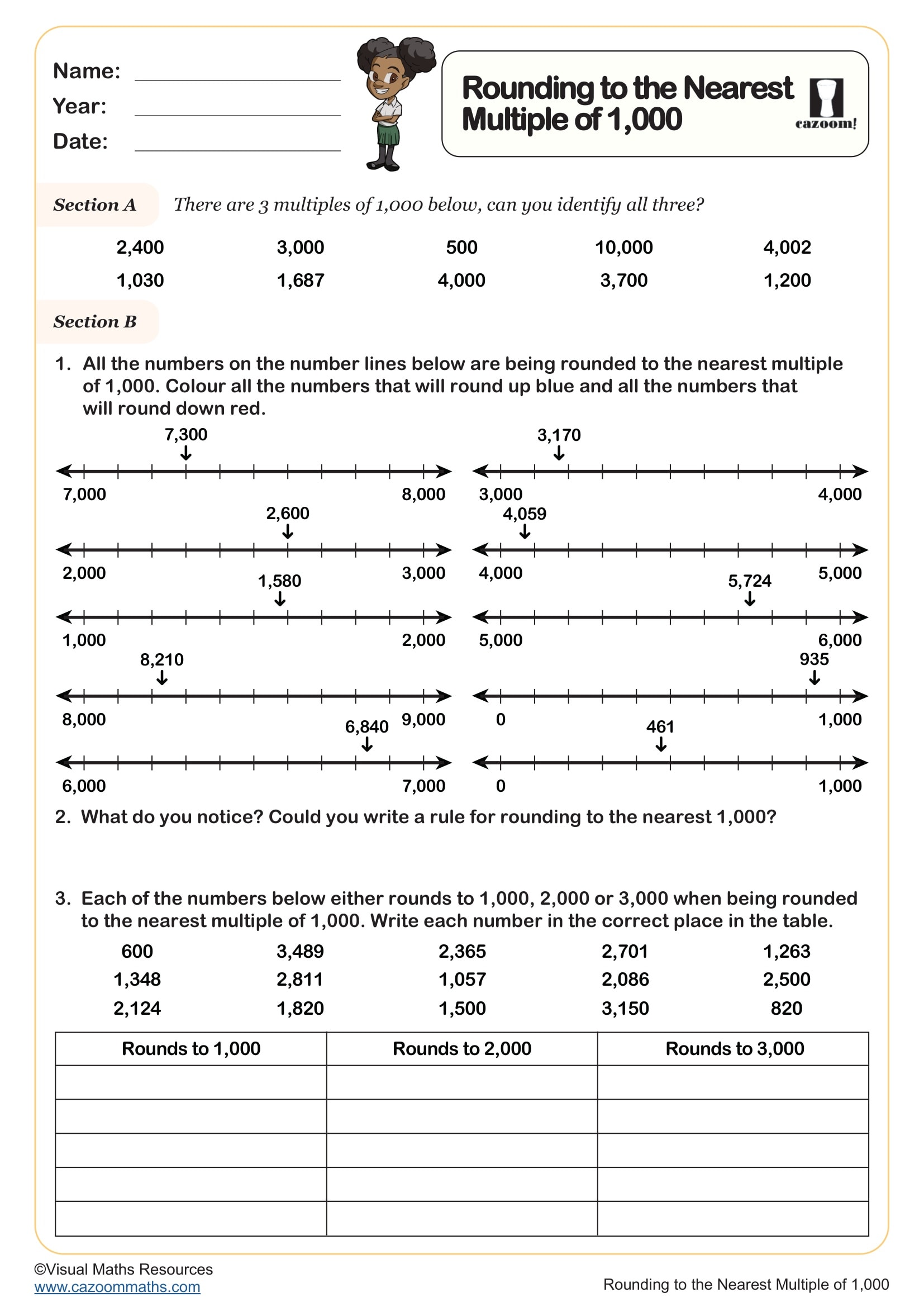
Rounding to Whole Numbers (A)
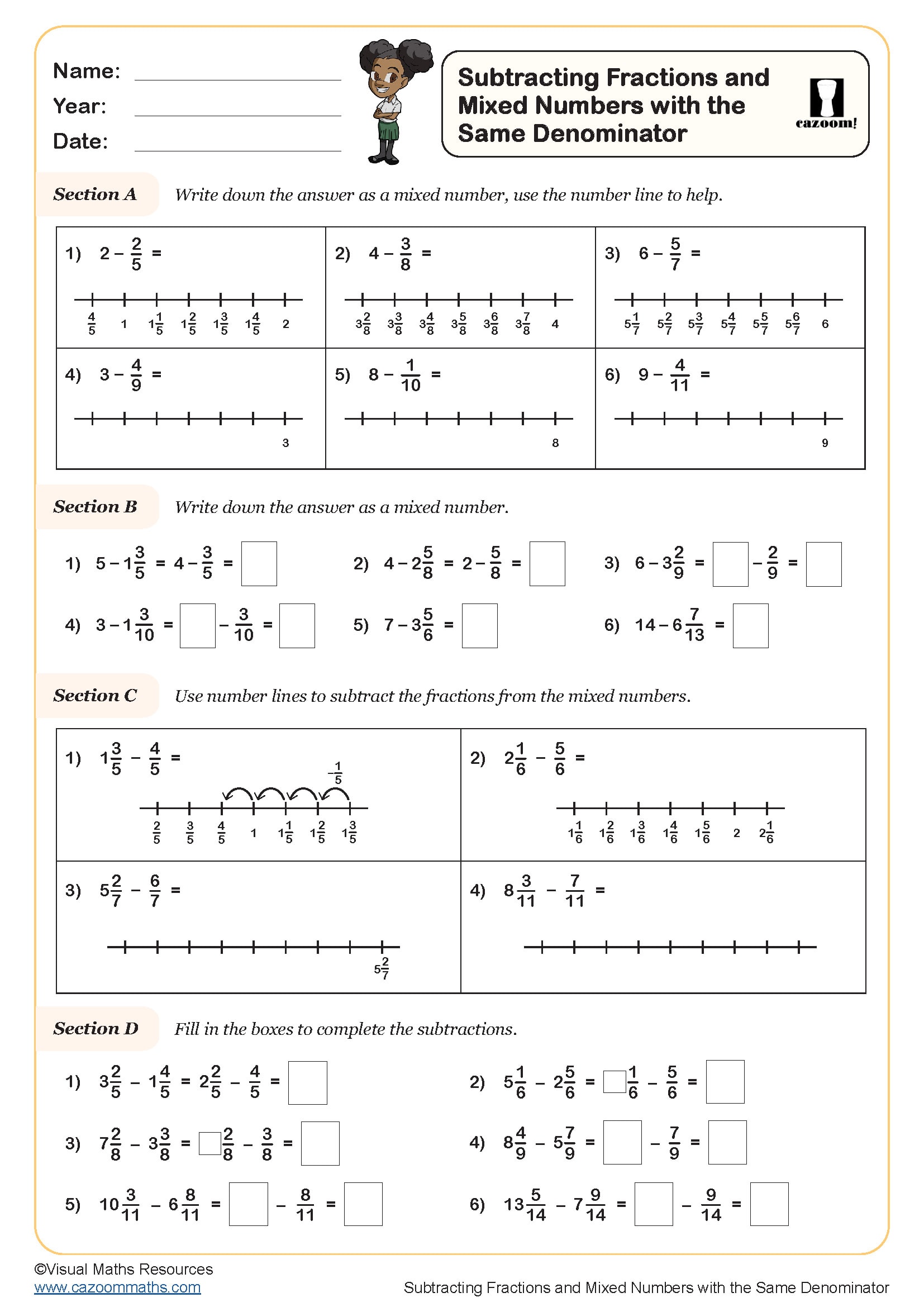
Subtracting Fractions and Mixed Numbers with the Same Denominator
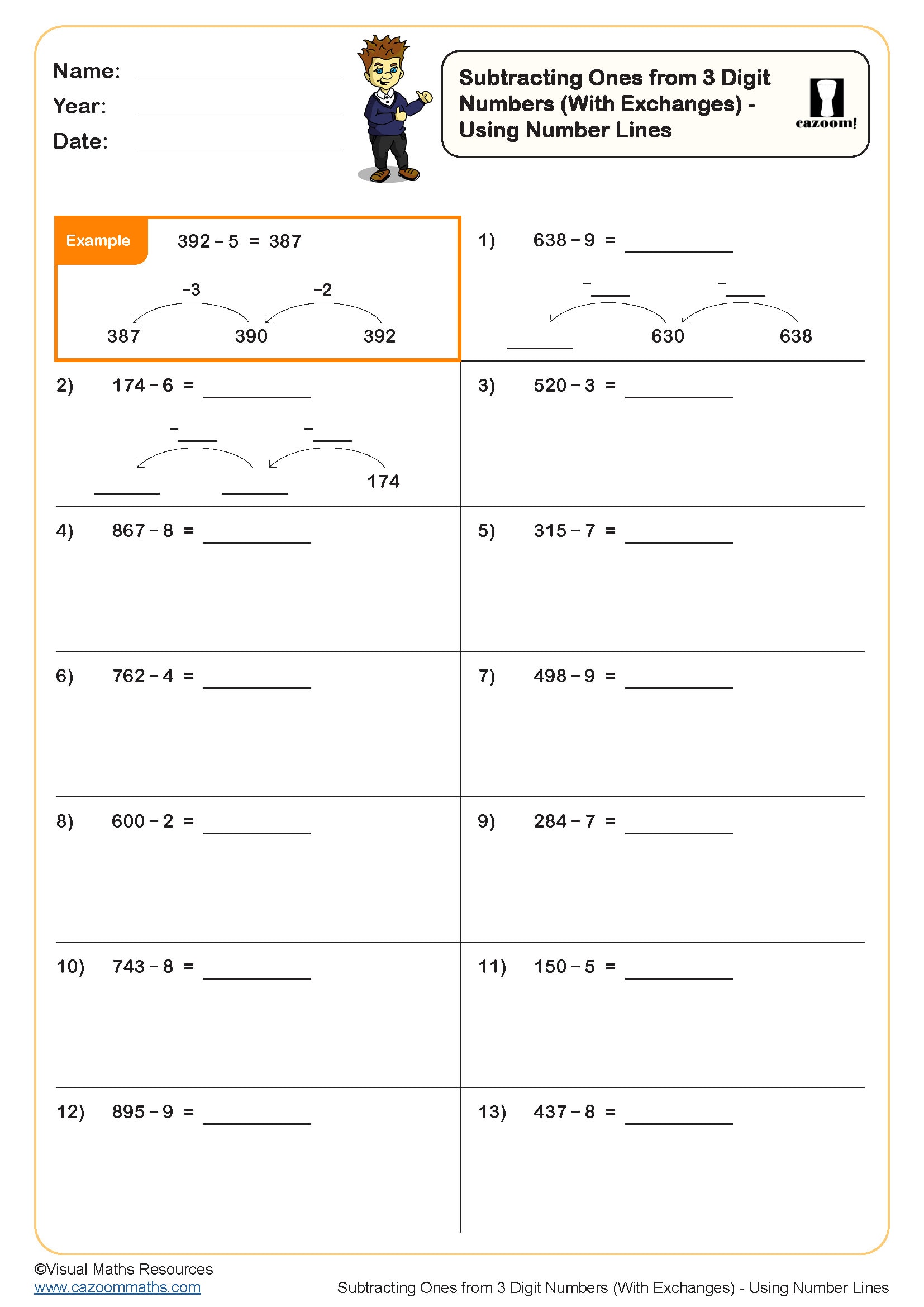
Subtracting Ones from 3 Digit Numbers (With Exchanges) - Using Number Lines
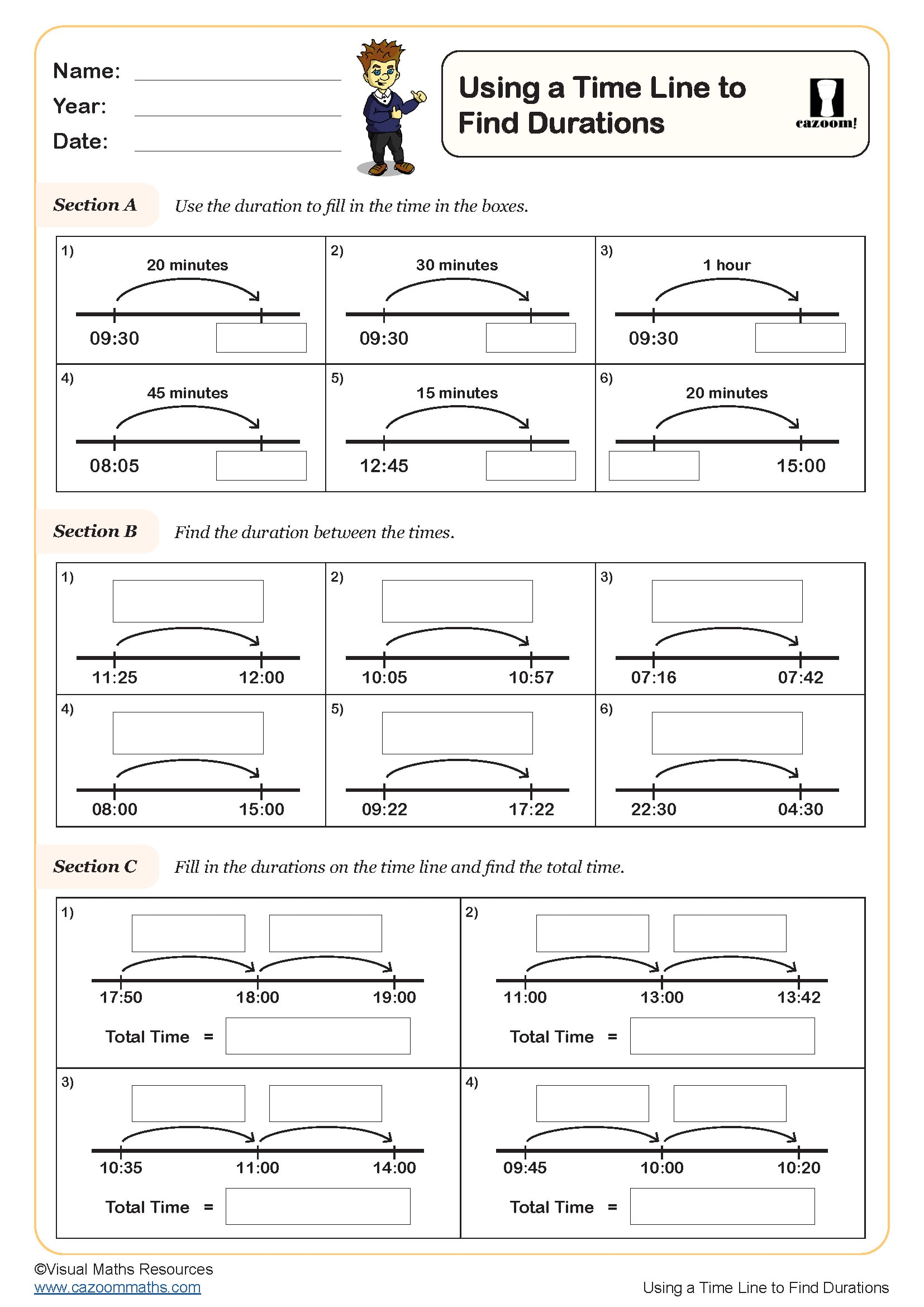
Using a Time Line to Find Durations
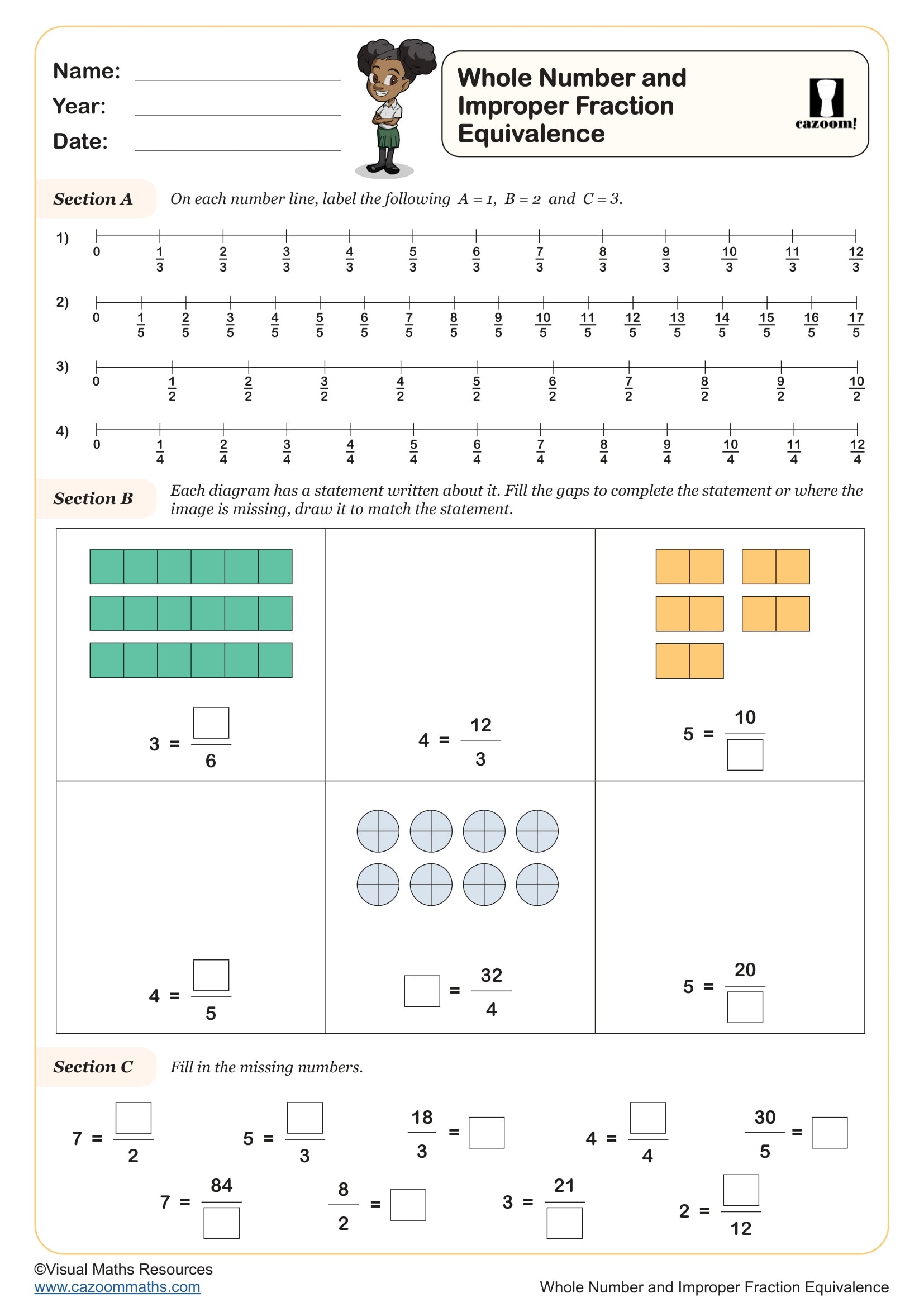
Whole Number and Improper Fraction Equivalence
All worksheets are created by the team of experienced teachers at Cazoom Maths.
What are number lines and why are they important in KS2 maths?
Number lines are visual representations showing numbers positioned at intervals along a line, helping children understand the relative size and order of numbers. In KS2, they become essential tools for mental calculation strategies, particularly when adding and subtracting across boundaries or working with decimals. The National Curriculum emphasises using number lines to support understanding of place value and to develop efficient calculation methods.
As students progress through KS2, number lines evolve from simple whole number sequences to more sophisticated applications including negative numbers, decimal intervals, and representing calculations. They're particularly valuable for helping children visualise jumps and differences, making abstract numerical relationships concrete. This visual approach supports all learners, from those needing additional support to those tackling more complex problems involving decimal subtraction and exchanges.
Which year groups do these number line worksheets cover?
These worksheets span the entire KS2 curriculum, covering Years 3, 4, 5, and 6. Each year group builds systematically on prior knowledge, with carefully pitched activities matching National Curriculum expectations. Year 3 worksheets focus on positioning numbers and simple sequences, whilst Year 4 introduces more complex intervals and decimal number lines.
Year 5 and 6 resources tackle increasingly sophisticated skills including subtracting decimals on number lines, understanding exchanges, and using graduated scales with precision. The progression ensures students develop both accuracy and fluency, preparing them thoroughly for secondary school mathematics. Teachers can select worksheets appropriate to their class's current understanding, whether for whole-class teaching, targeted intervention, or extension work for confident mathematicians.
How do these worksheets help with subtracting decimals?
Subtracting decimals on number lines provides a visual method that helps students understand the process rather than simply following procedural rules. By marking positions and counting back in tenths or hundredths, children see why exchanges occur and how place value operates across the decimal point. This approach builds genuine understanding of decimal subtraction before moving to formal written methods.
The worksheets progress from simple decimal differences to more complex calculations involving exchanges between whole numbers and decimal places. Students practise reading graduated scales accurately, positioning decimal numbers correctly, and calculating differences systematically. This visual strategy proves particularly effective for children who struggle with column subtraction, offering an alternative route to understanding that reinforces both calculation skills and decimal place value simultaneously.
Do these worksheets include answers?
Yes, every worksheet comes with a complete answer sheet, providing full solutions for all questions. This makes marking efficient for teachers managing busy classrooms and enables parents to support home learning confidently without needing to work through each problem themselves. Answer sheets also support students in developing self-assessment skills and understanding where misconceptions occur.
The worksheets are provided as downloadable PDFs, ready to print for immediate use in lessons or to send home for additional practice. Having answers readily available means you can quickly identify which students need further support with specific skills and which are ready to move forward. This efficient resource format saves valuable planning time whilst ensuring comprehensive coverage of number line skills across KS2.