KS2 Fractions Decimals Percentages Worksheets
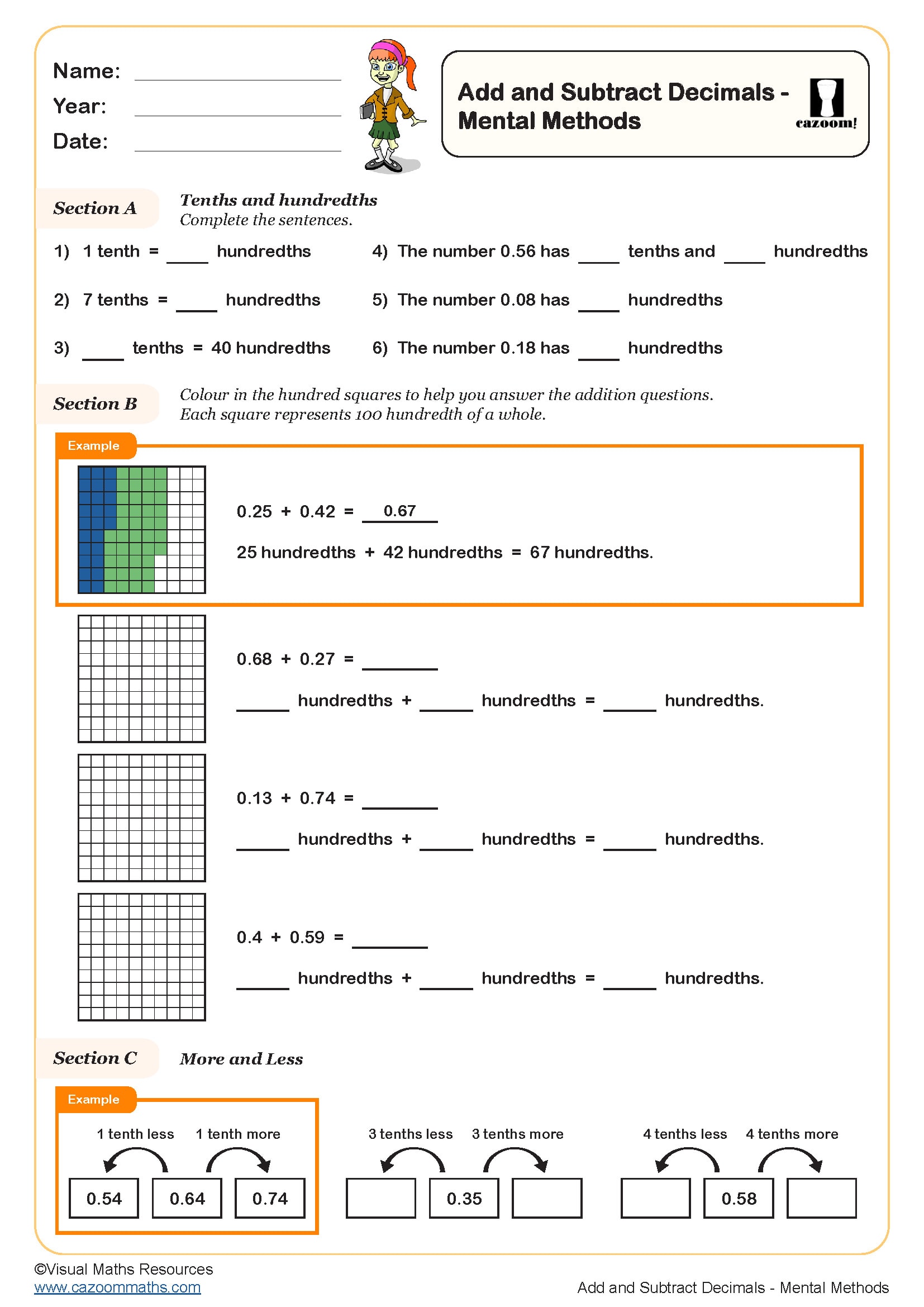
Add and Subtract Decimals - Mental Methods
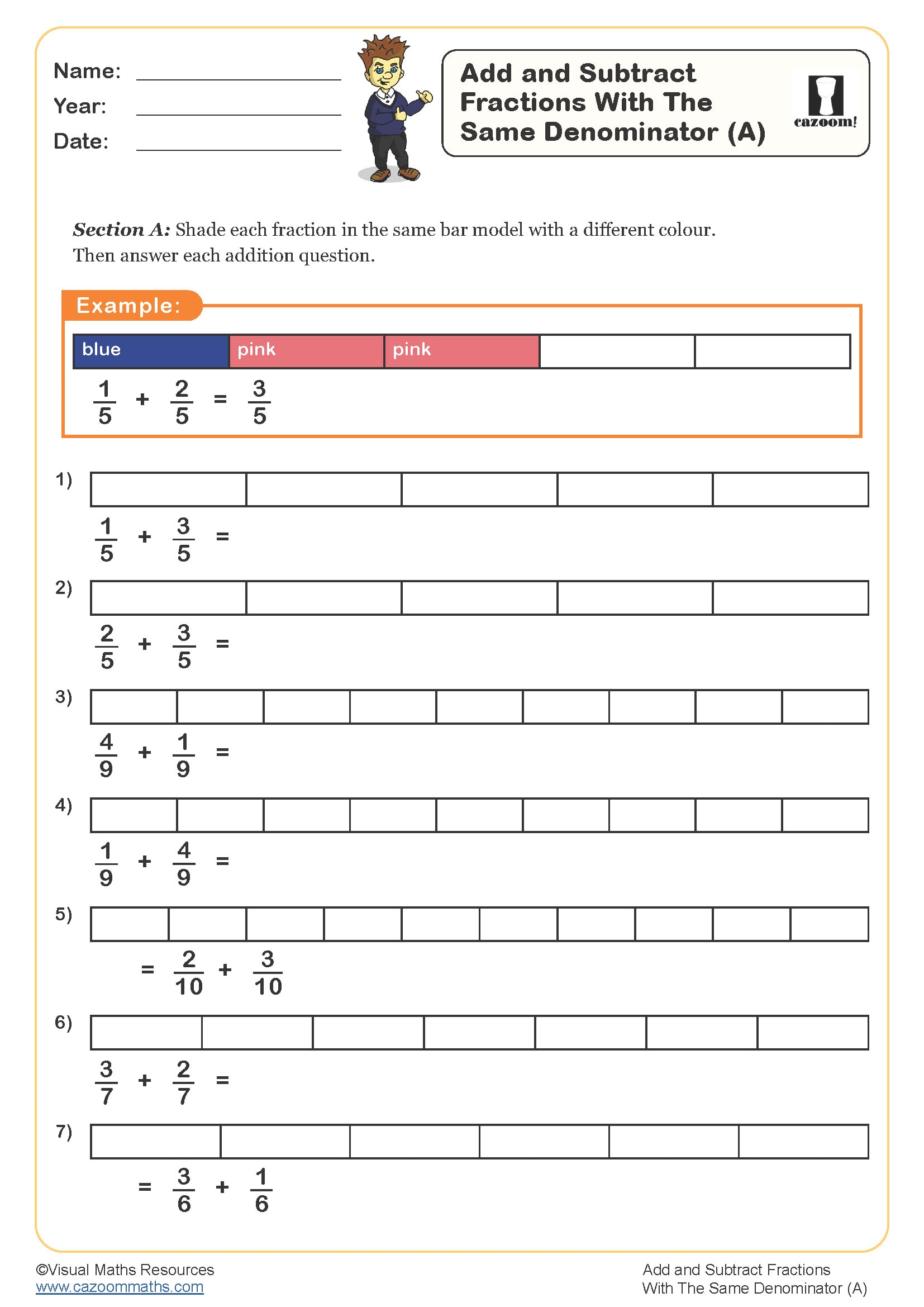
Add and Subtract Fractions (A)
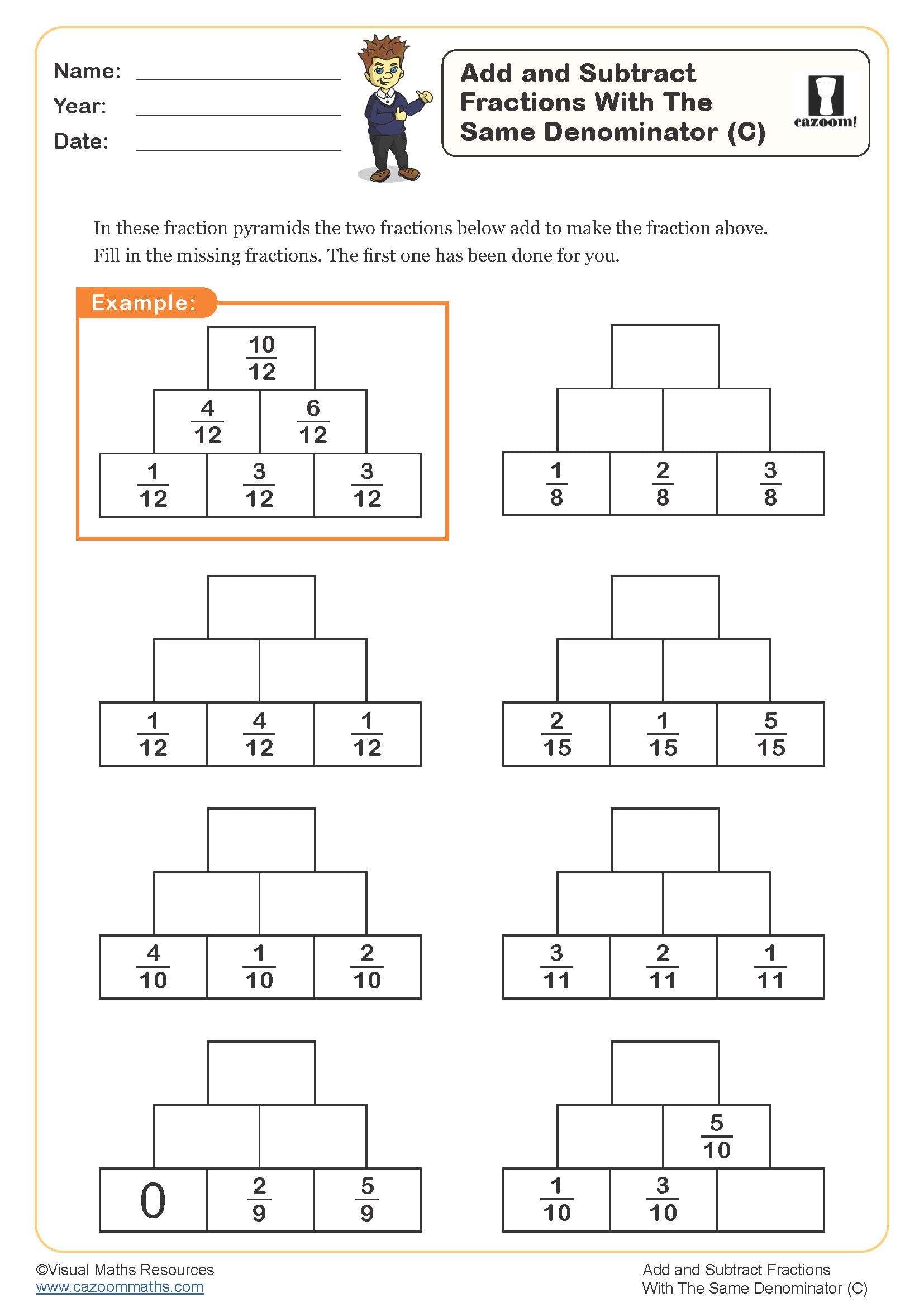
Add and Subtract Fractions (C)
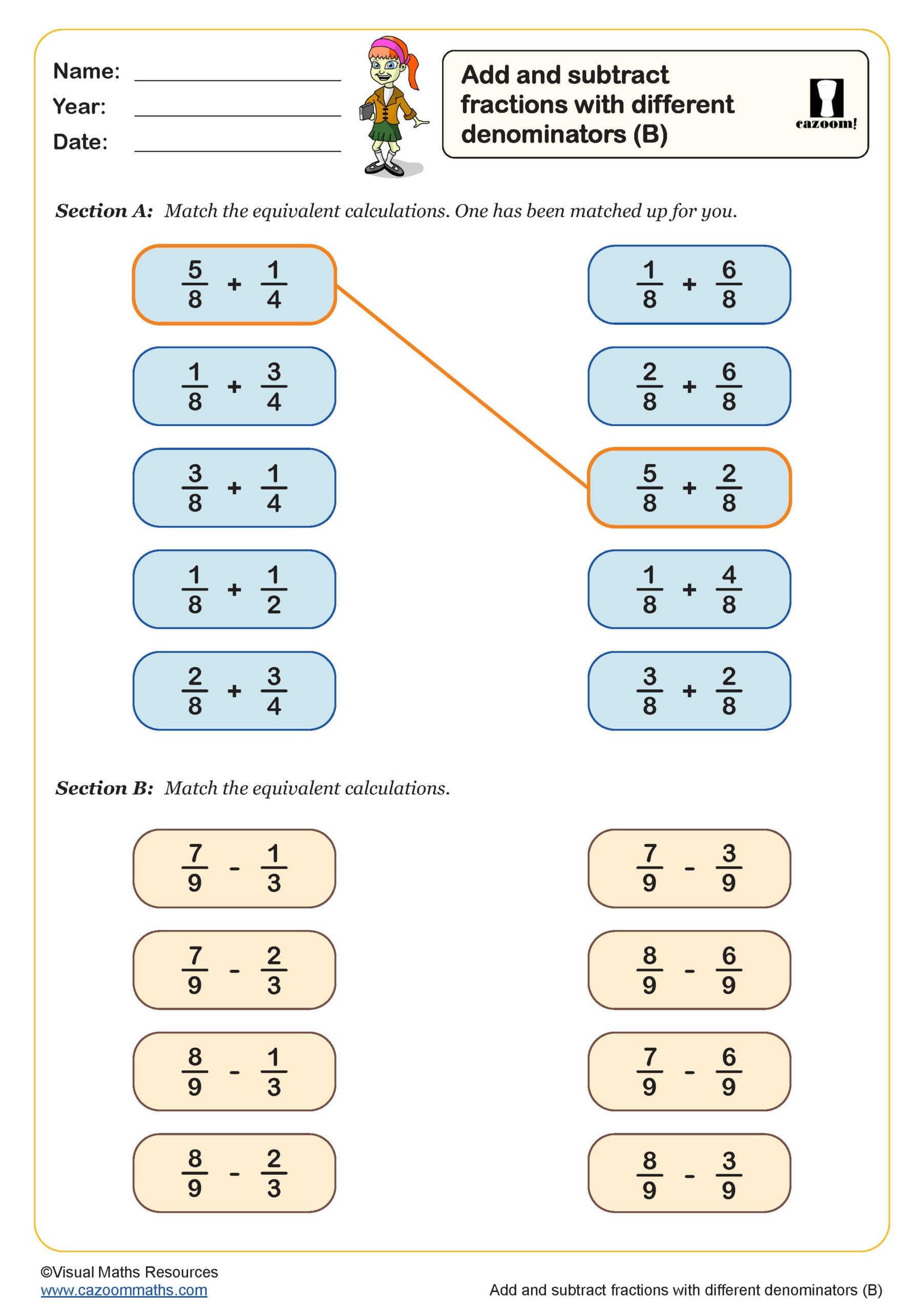
Add and Subtract Fractions with Different Denominators (B)
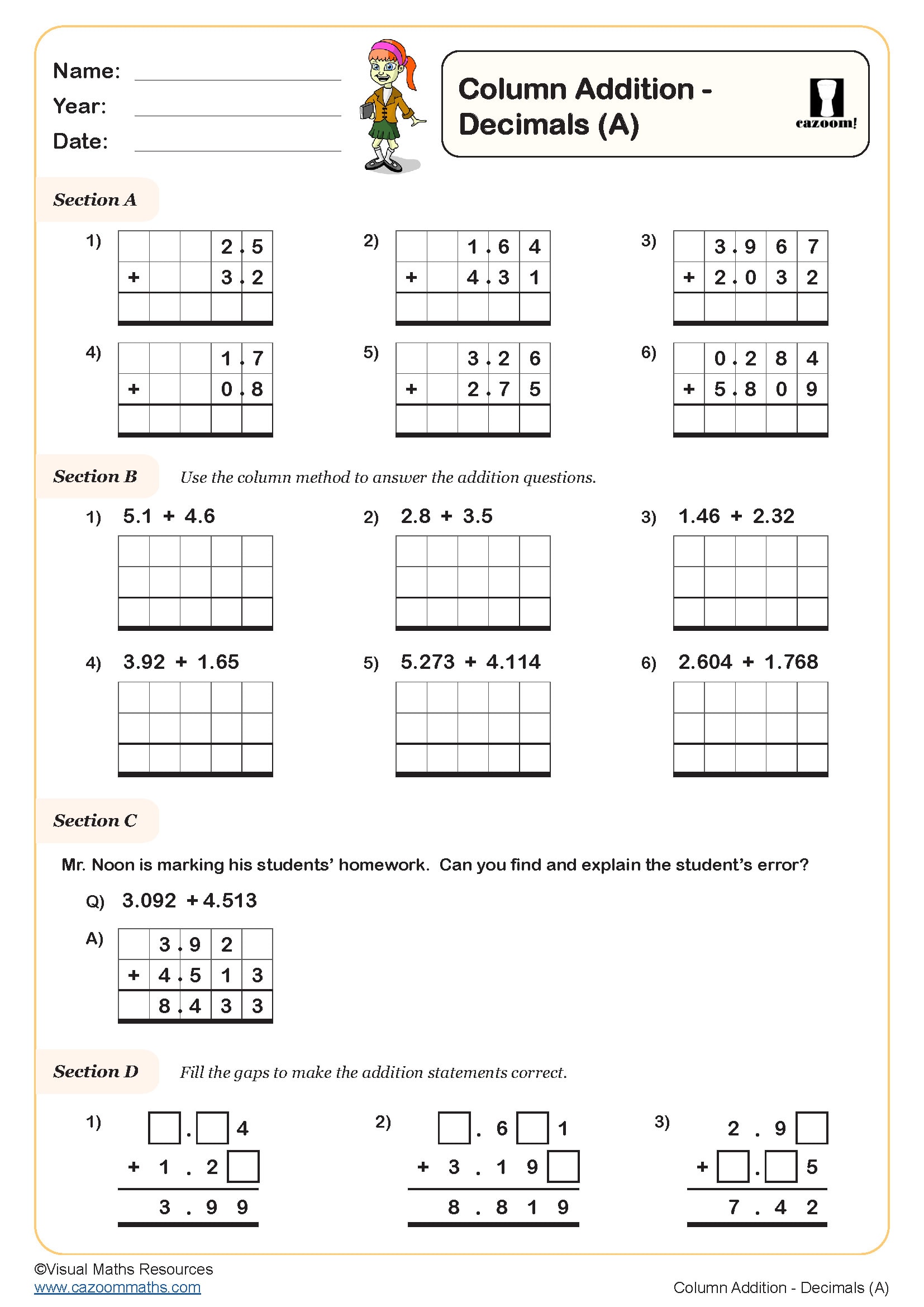
Adding and Subtracting Fractions
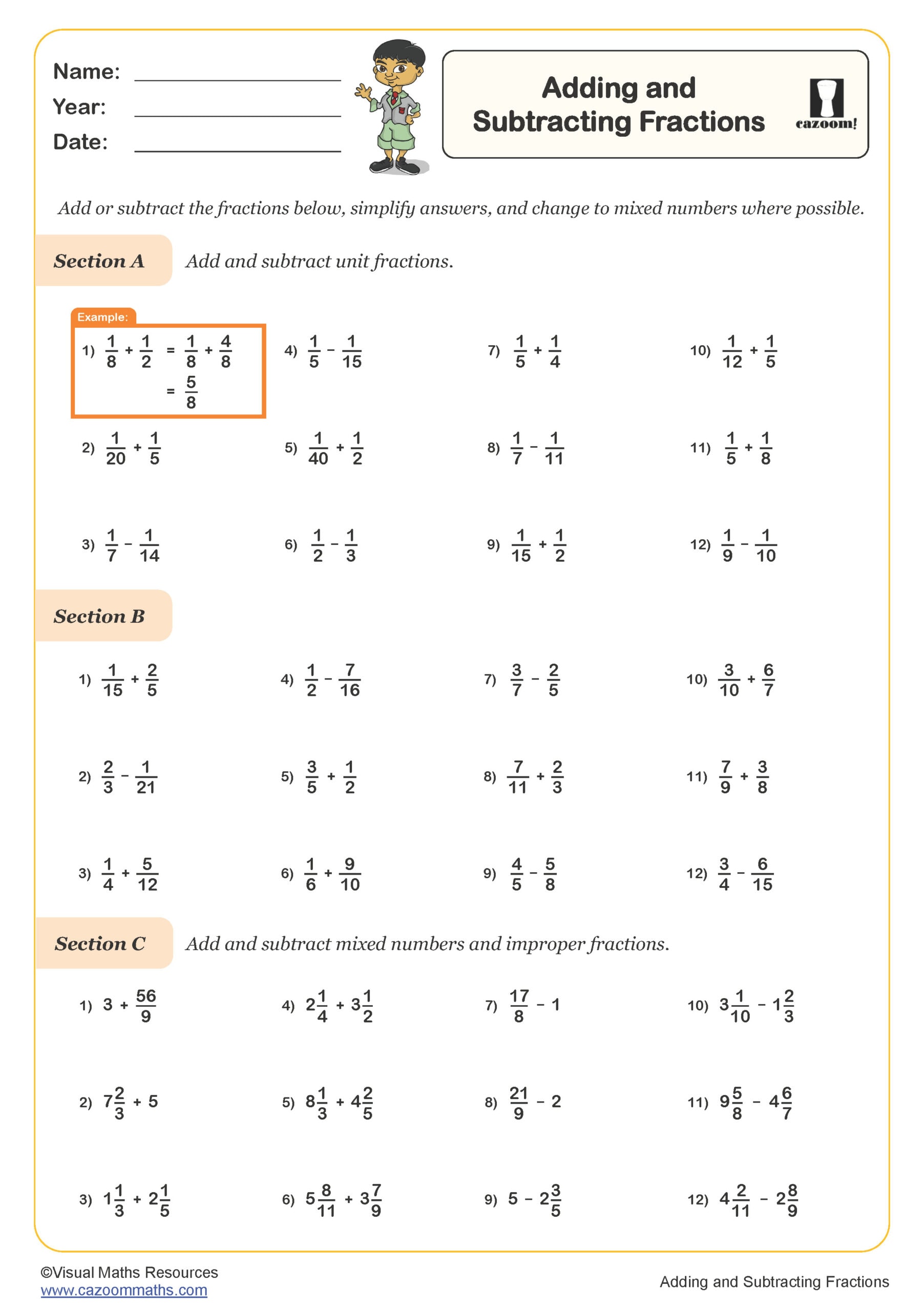
Adding Fractions and Mixed Numbers with the Same Denominator
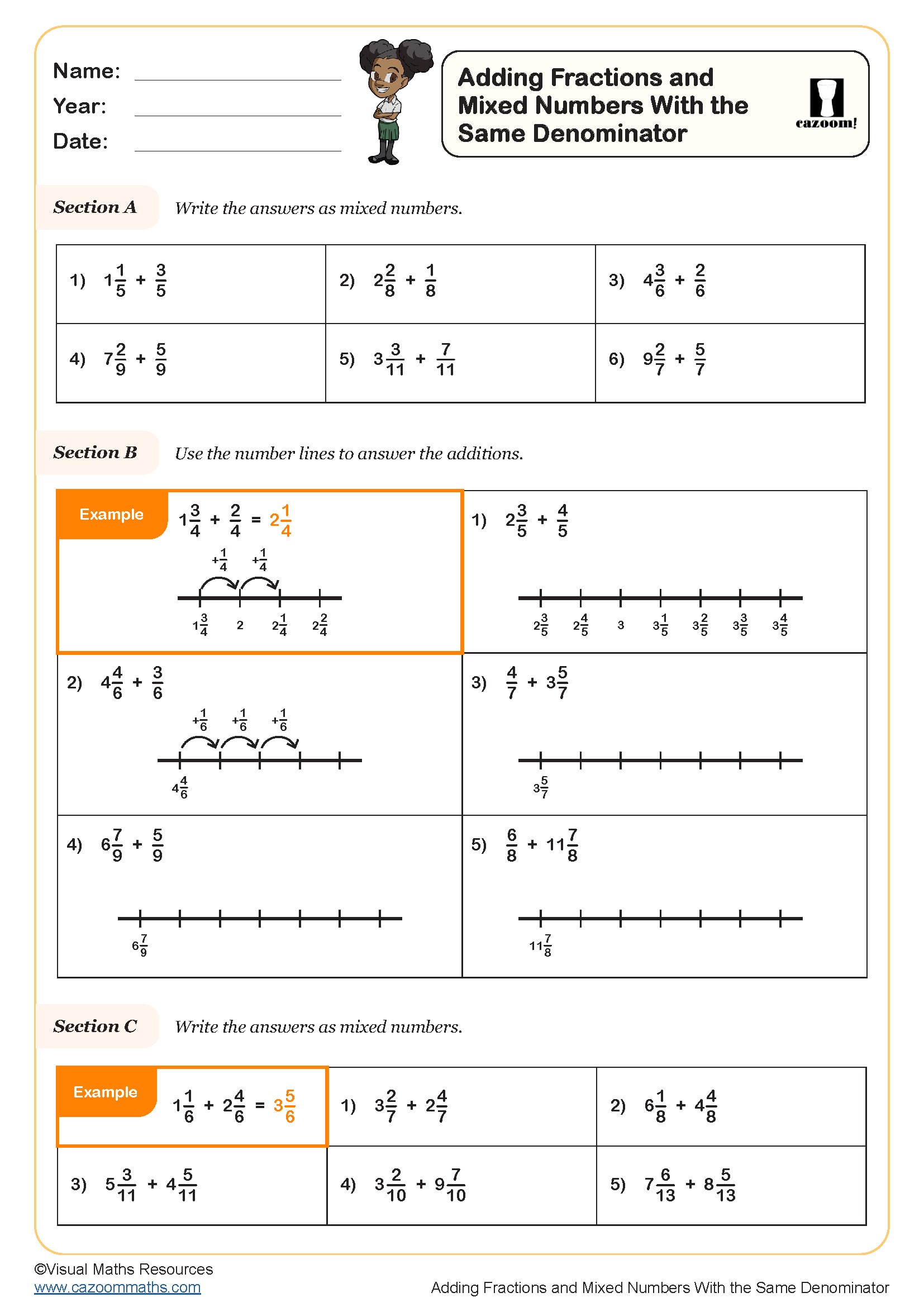
Colourful Equivalances (A)
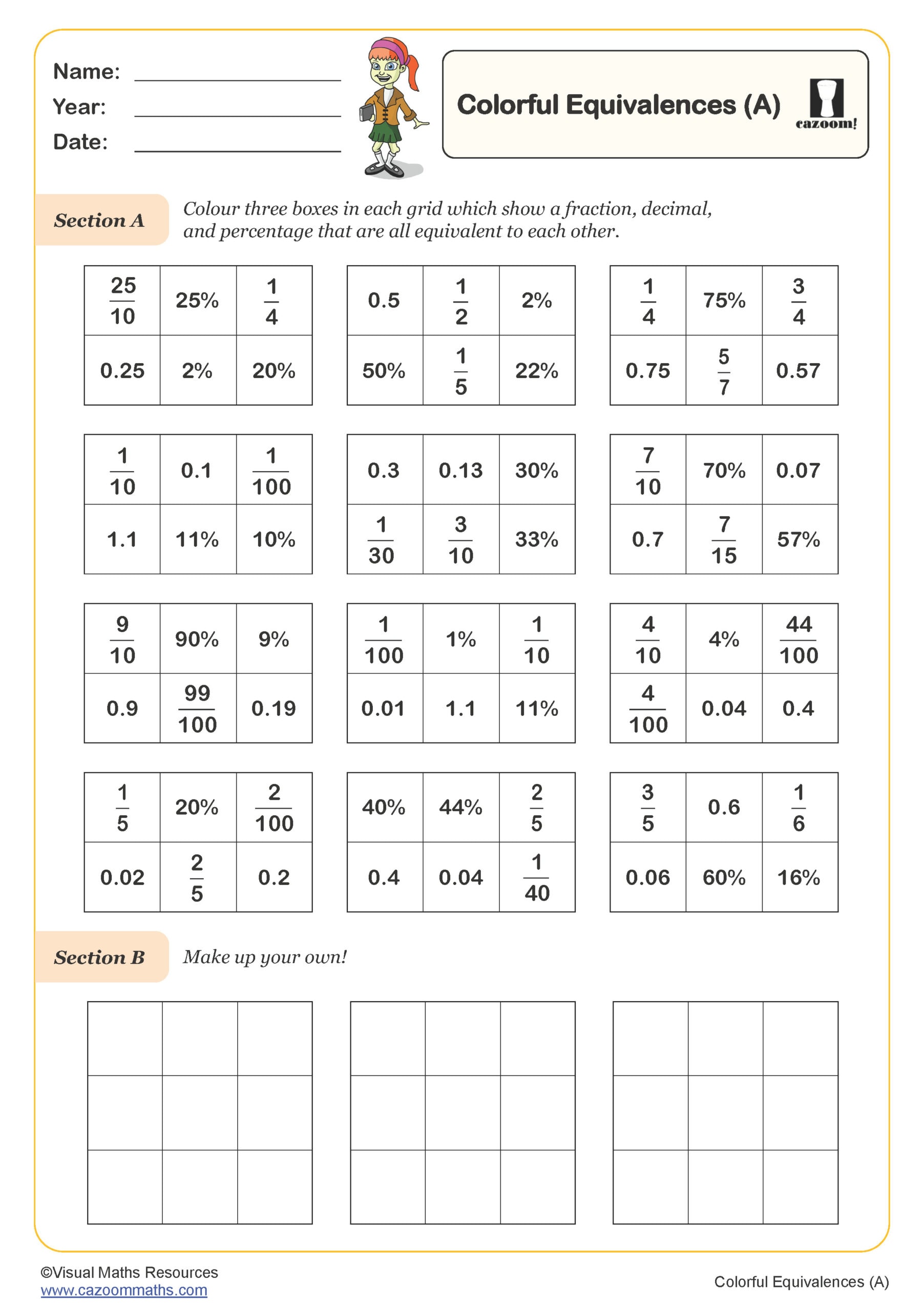
Column Addition - Decimals (A)
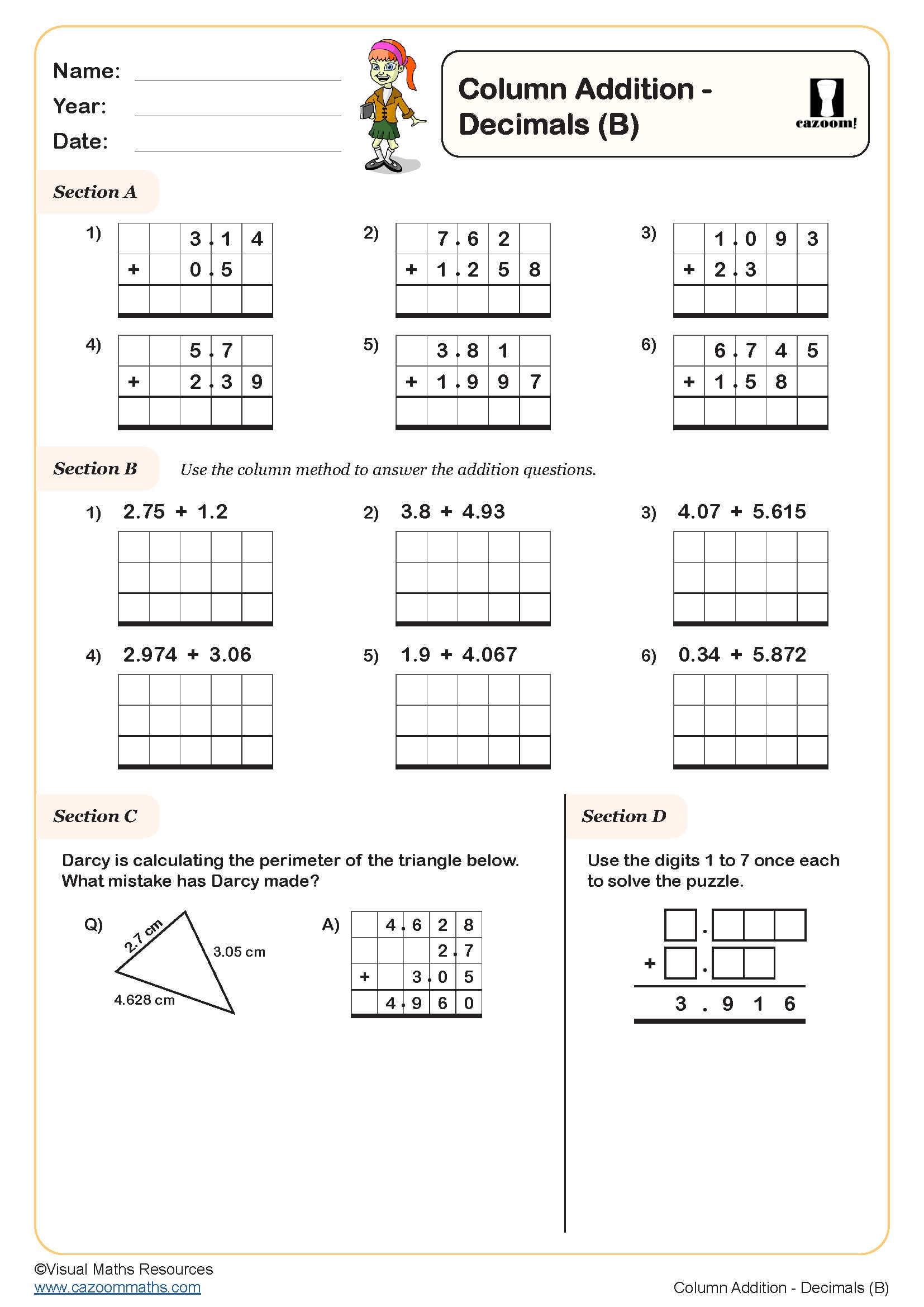
Column Addition - Decimals (B)
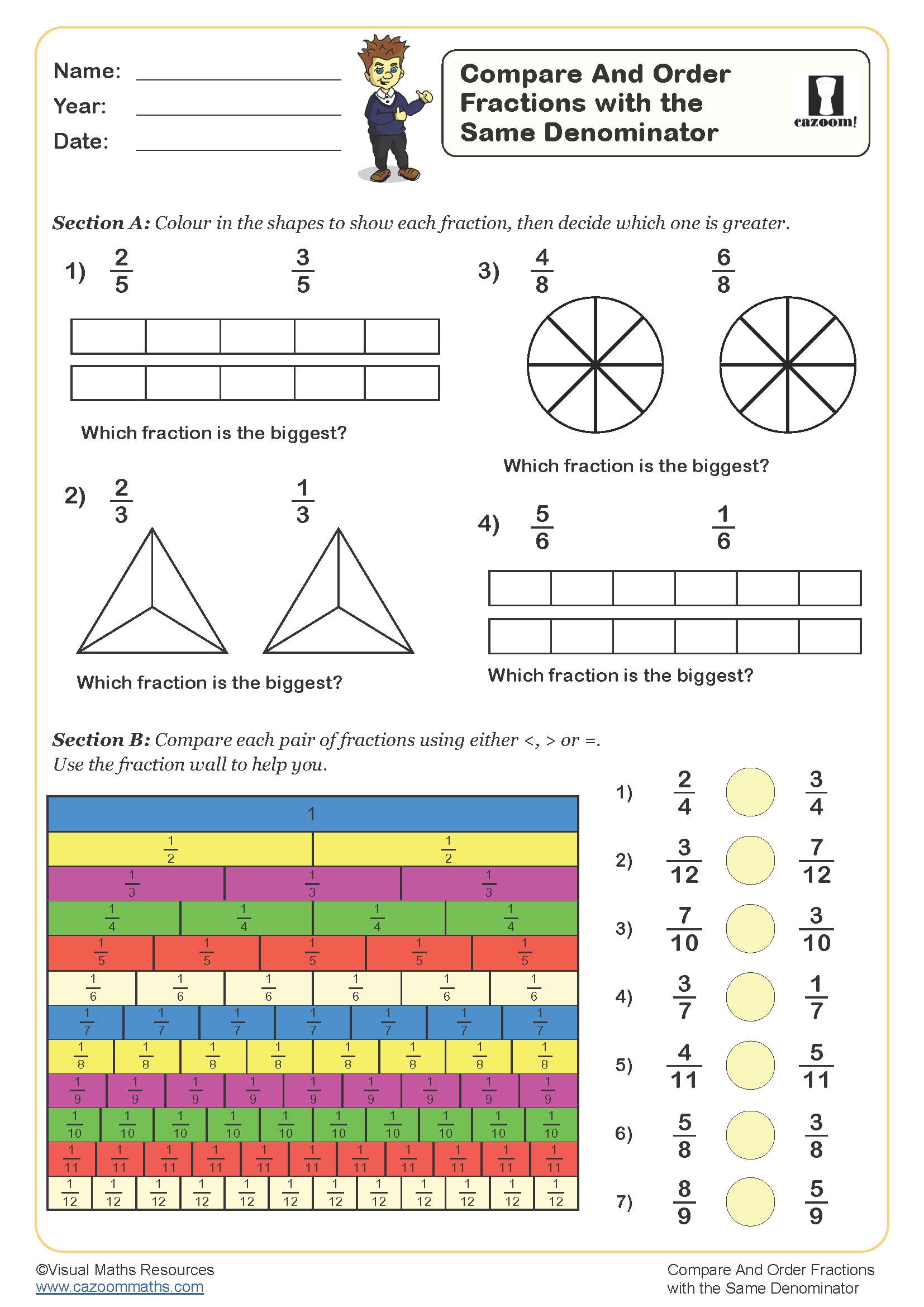
Compare and Order Fractions with the Same Denominator
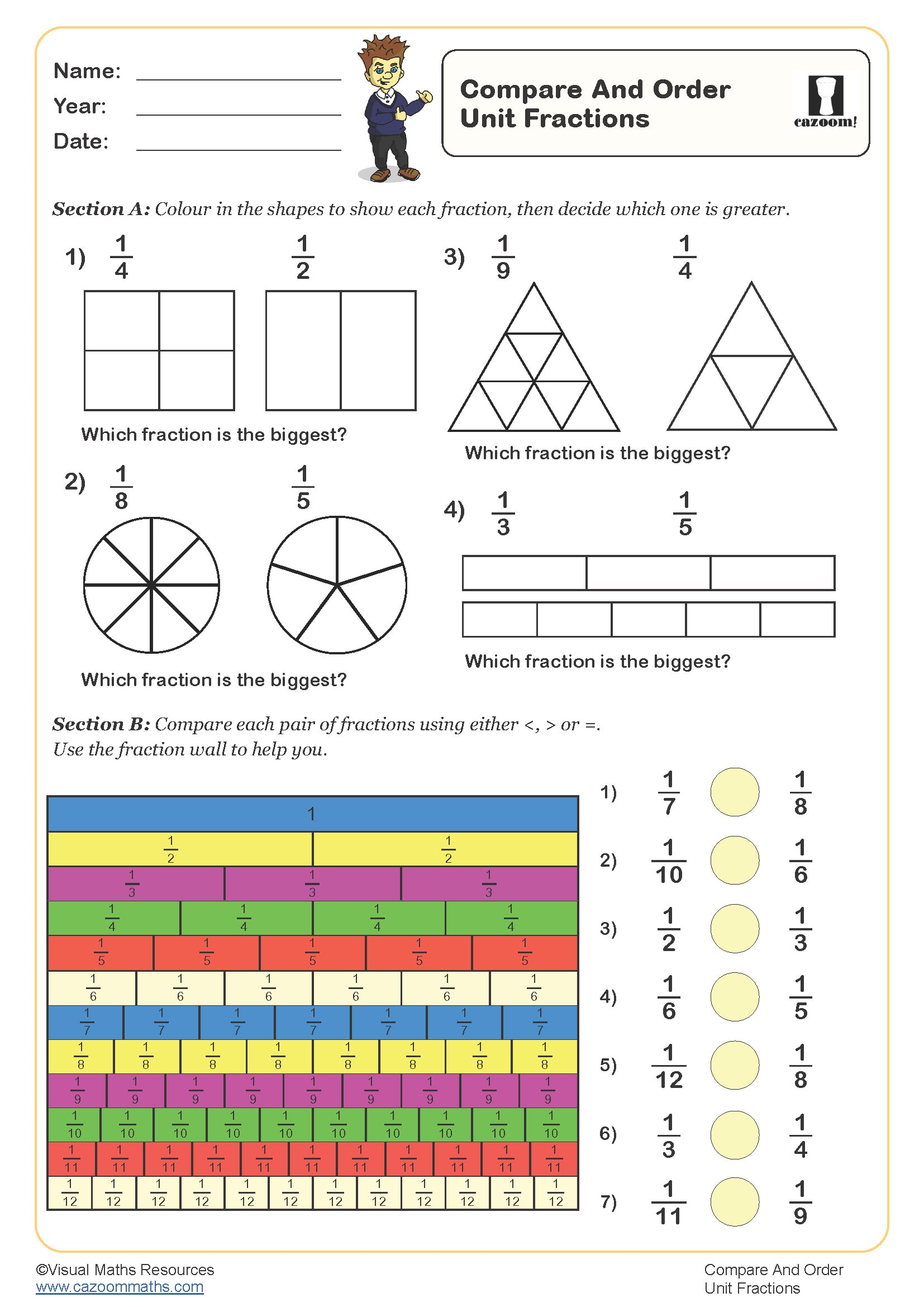
Compare and Order Unit Fractions
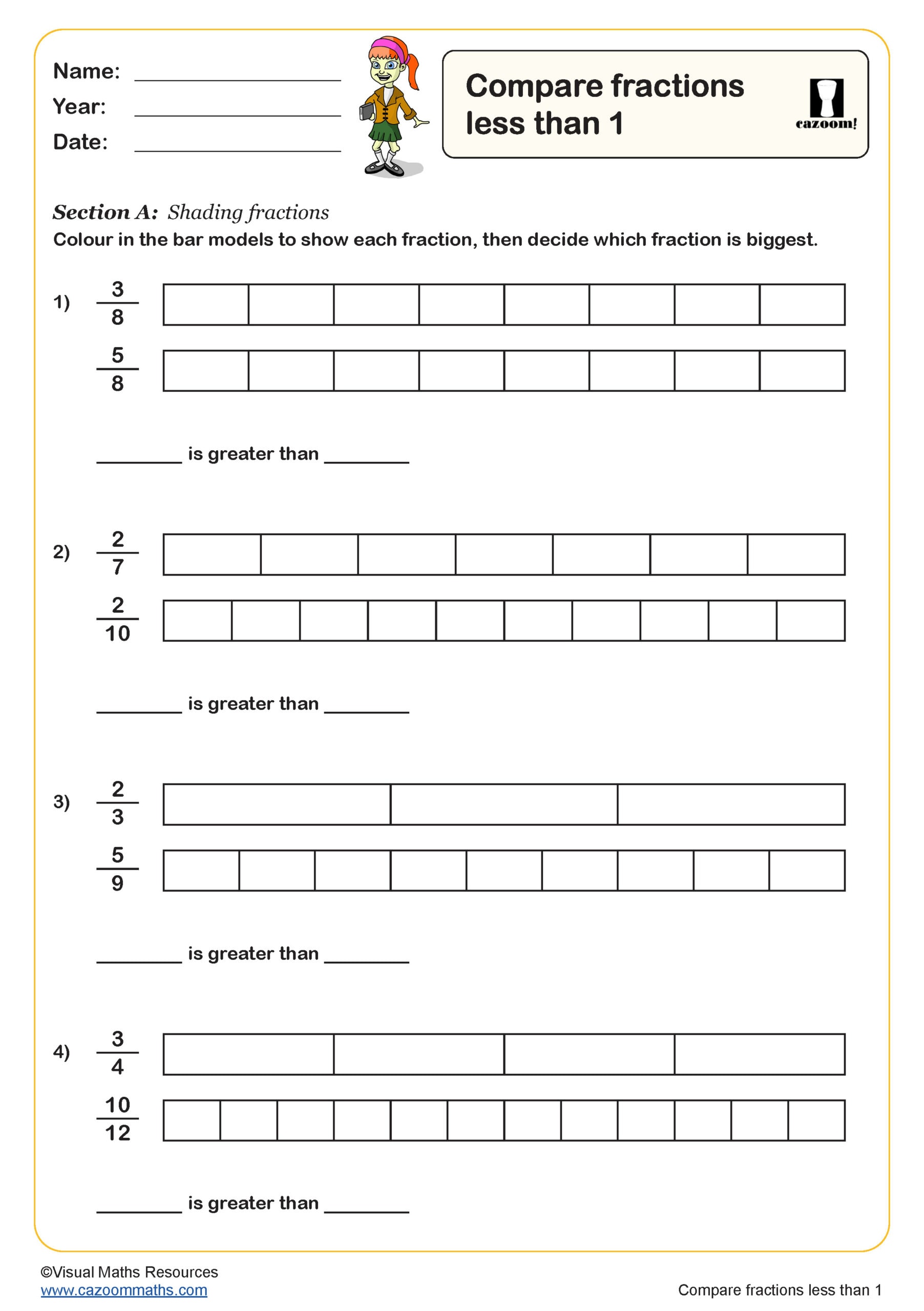
Compare Fractions Less Than 1
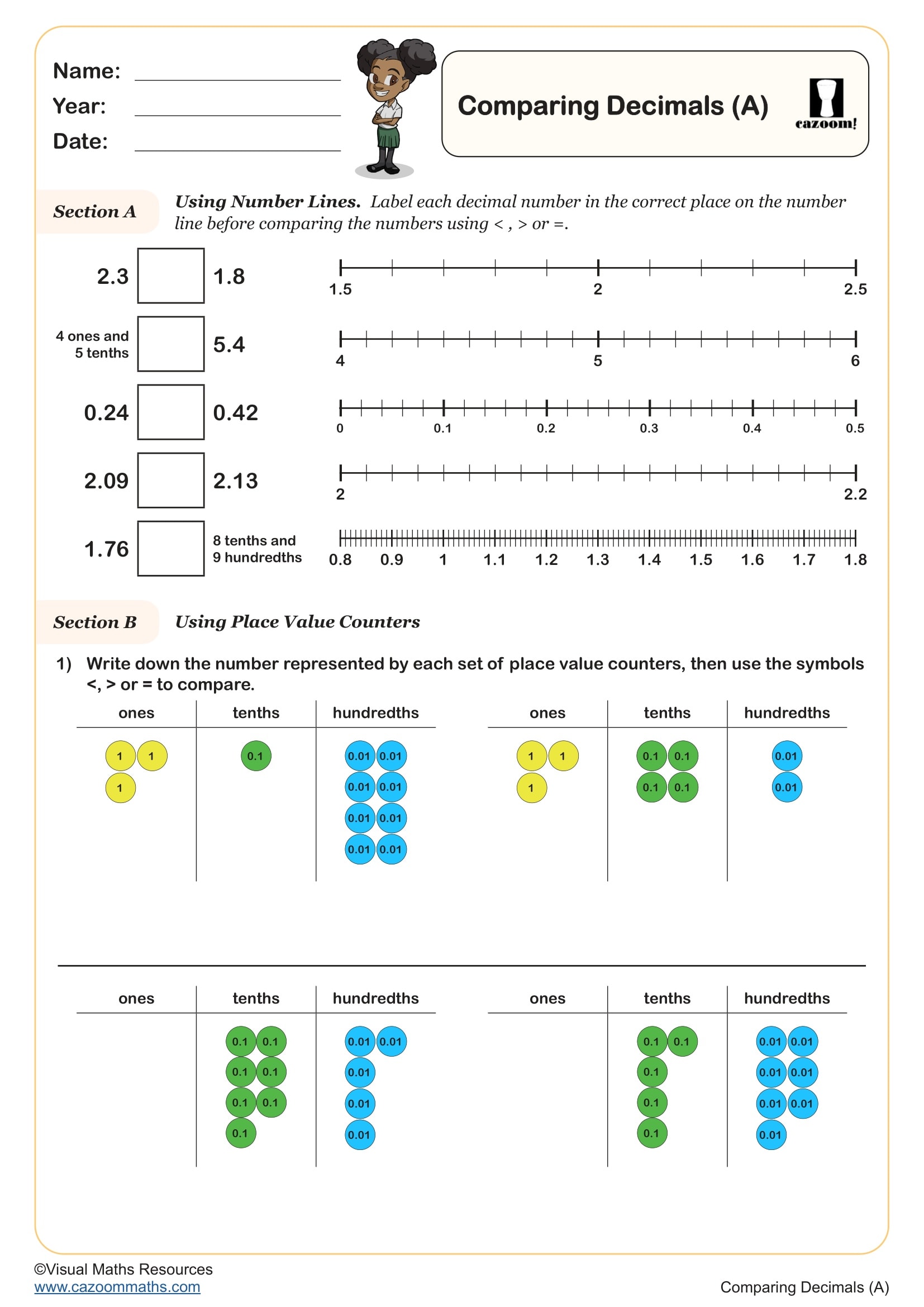
Comparing Decimals (A)
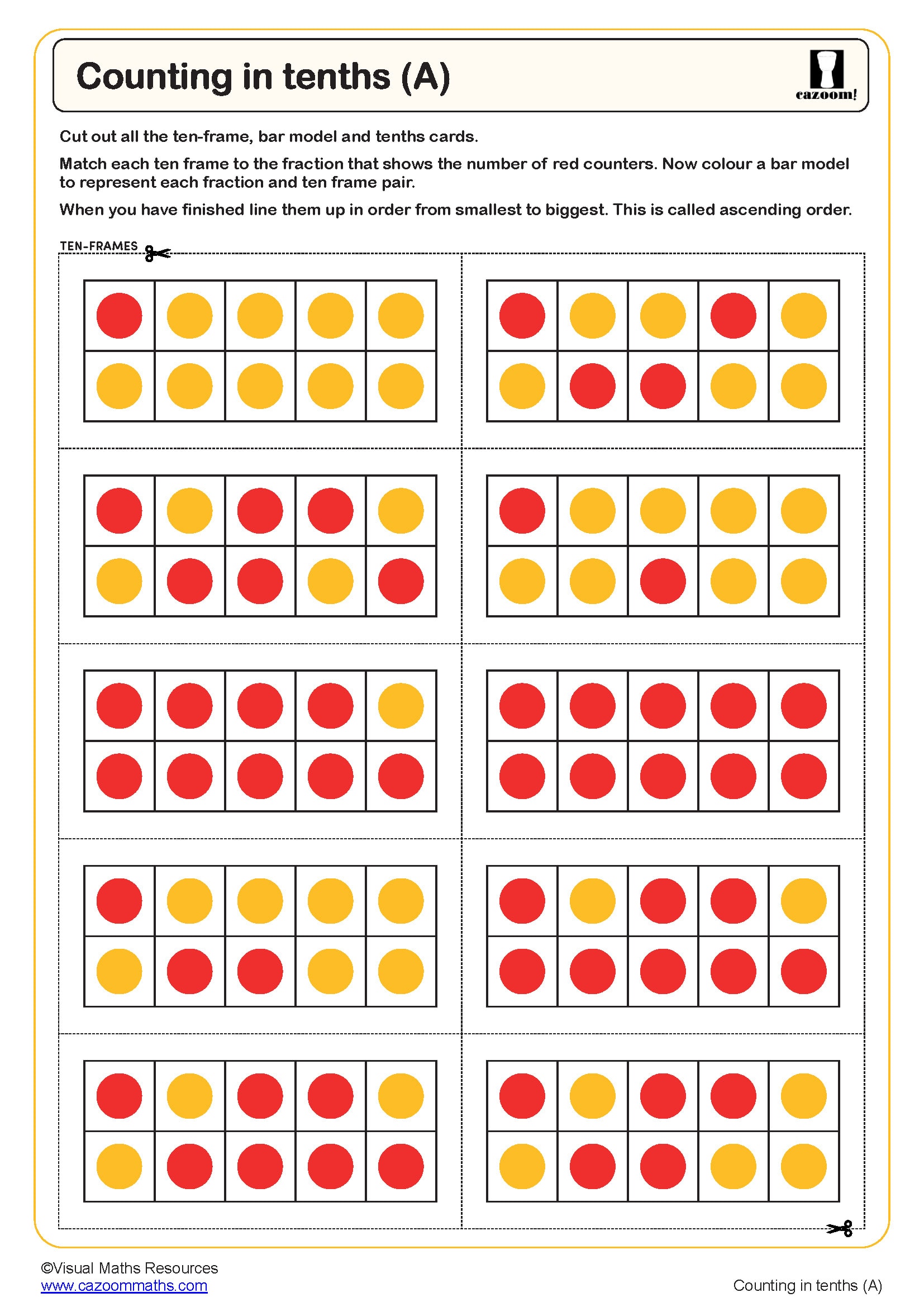
Counting in Tenths (A)
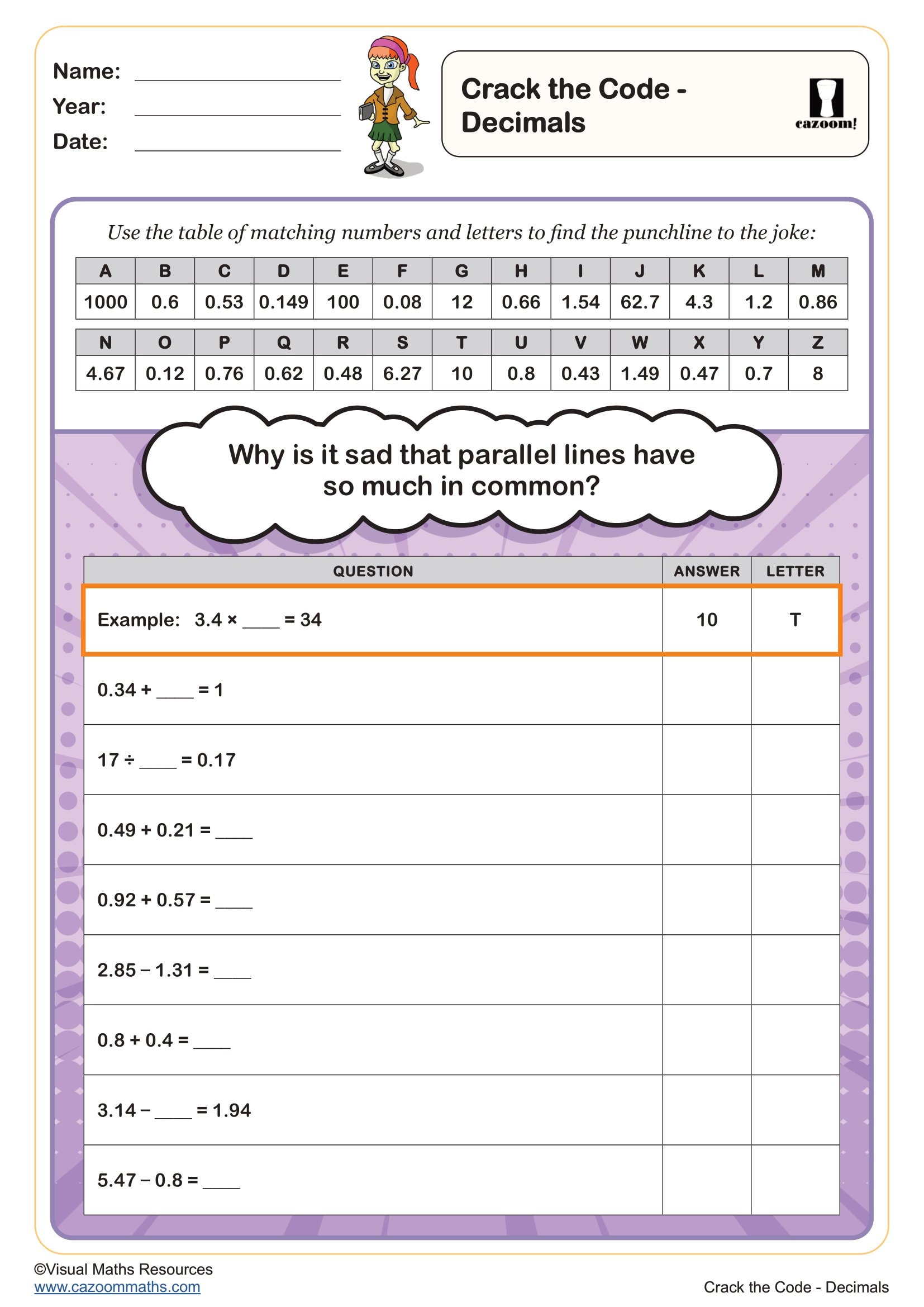
Crack the Code - Decimals
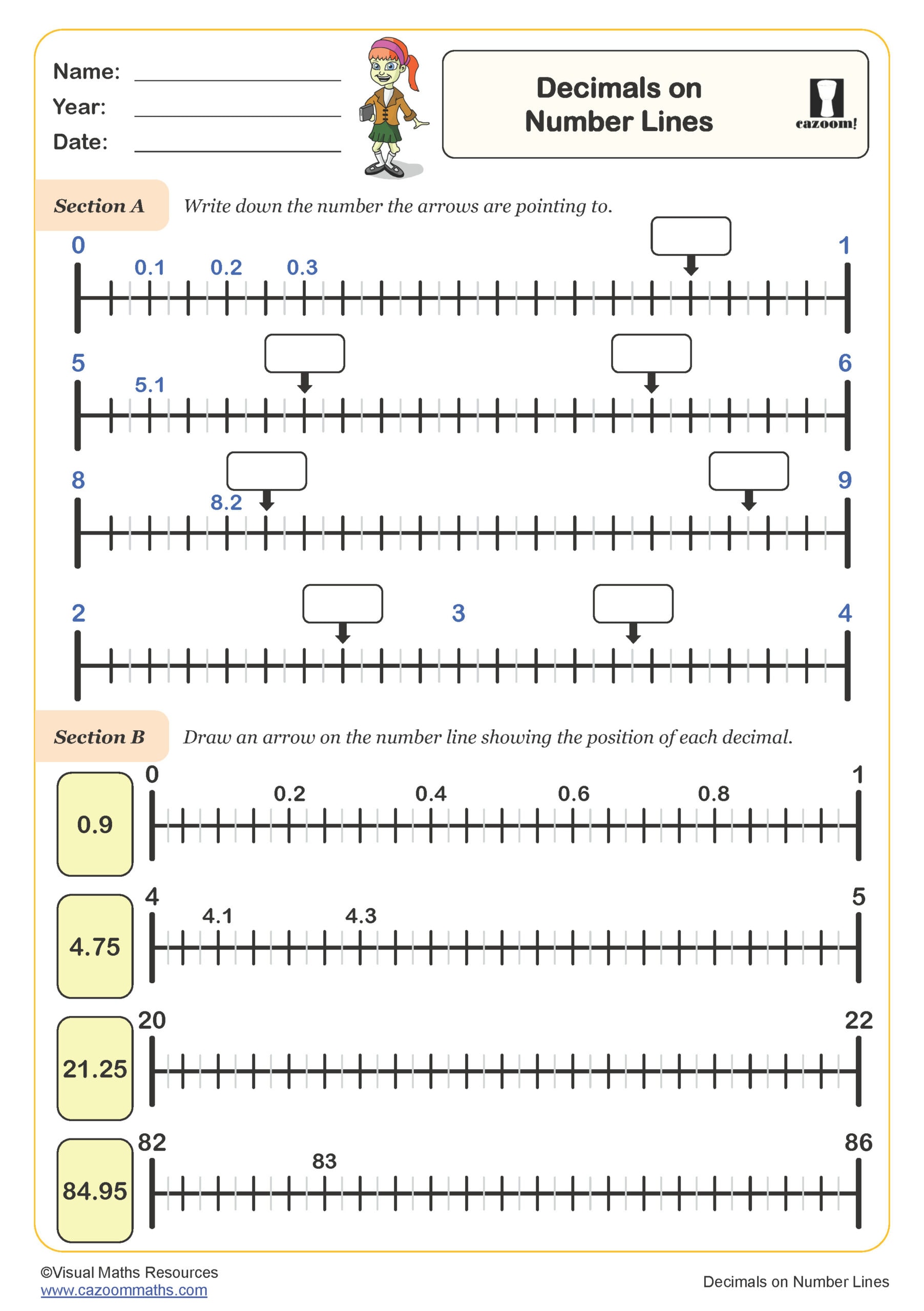
Decimals on Number Lines
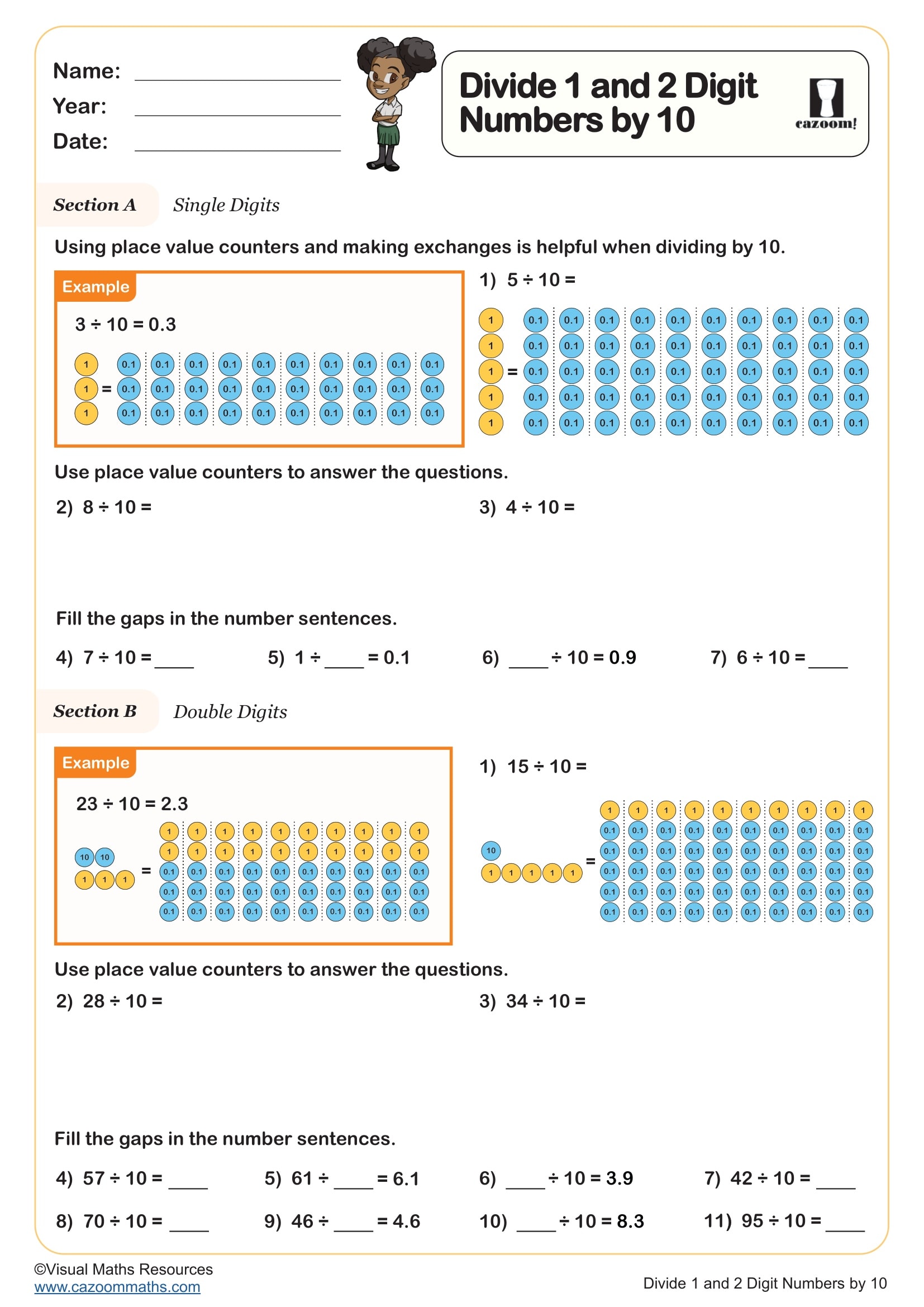
Divide 1 and 2 Digit Numbers by 10
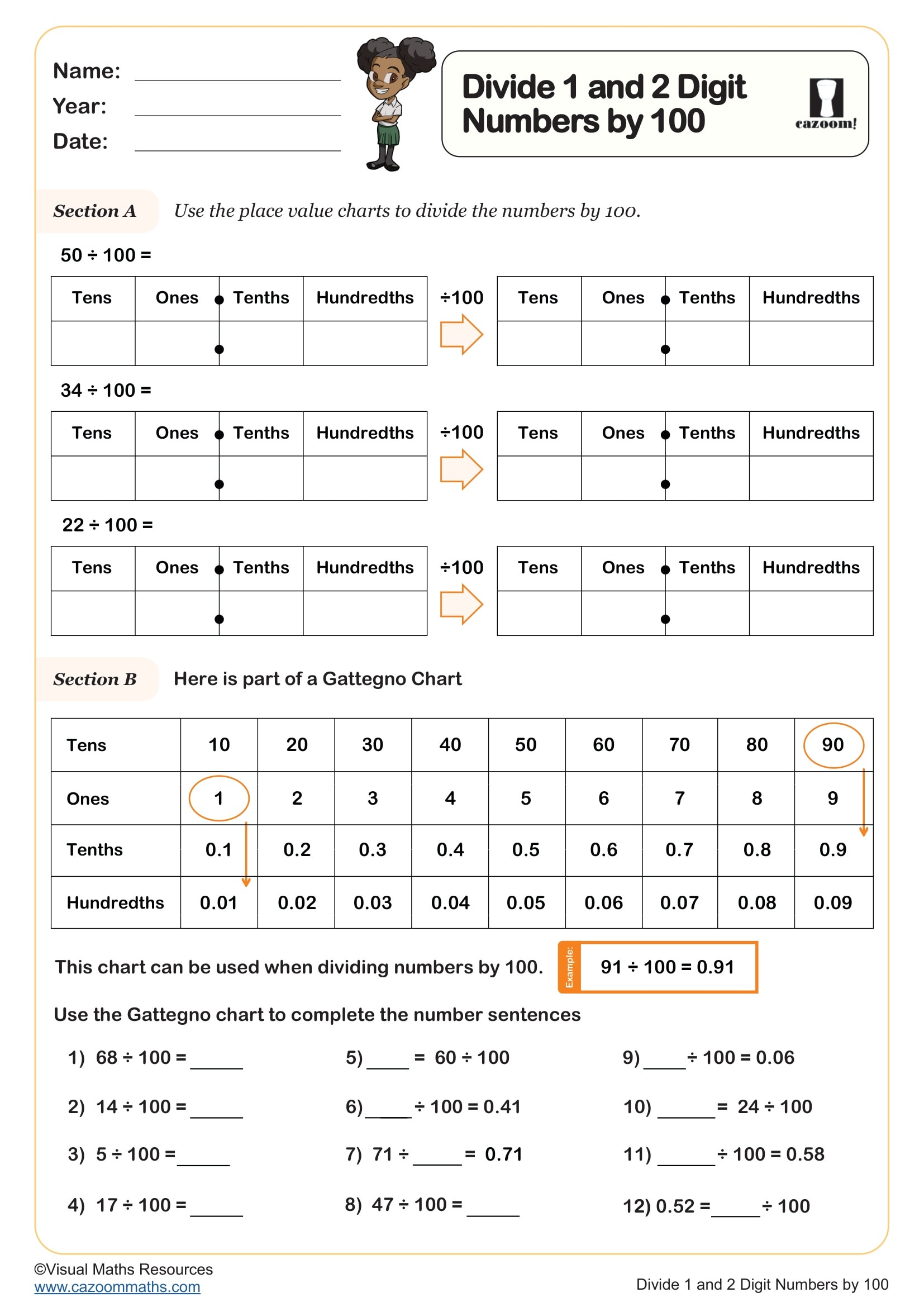
Divide 1 and 2 Digit Numbers by 100
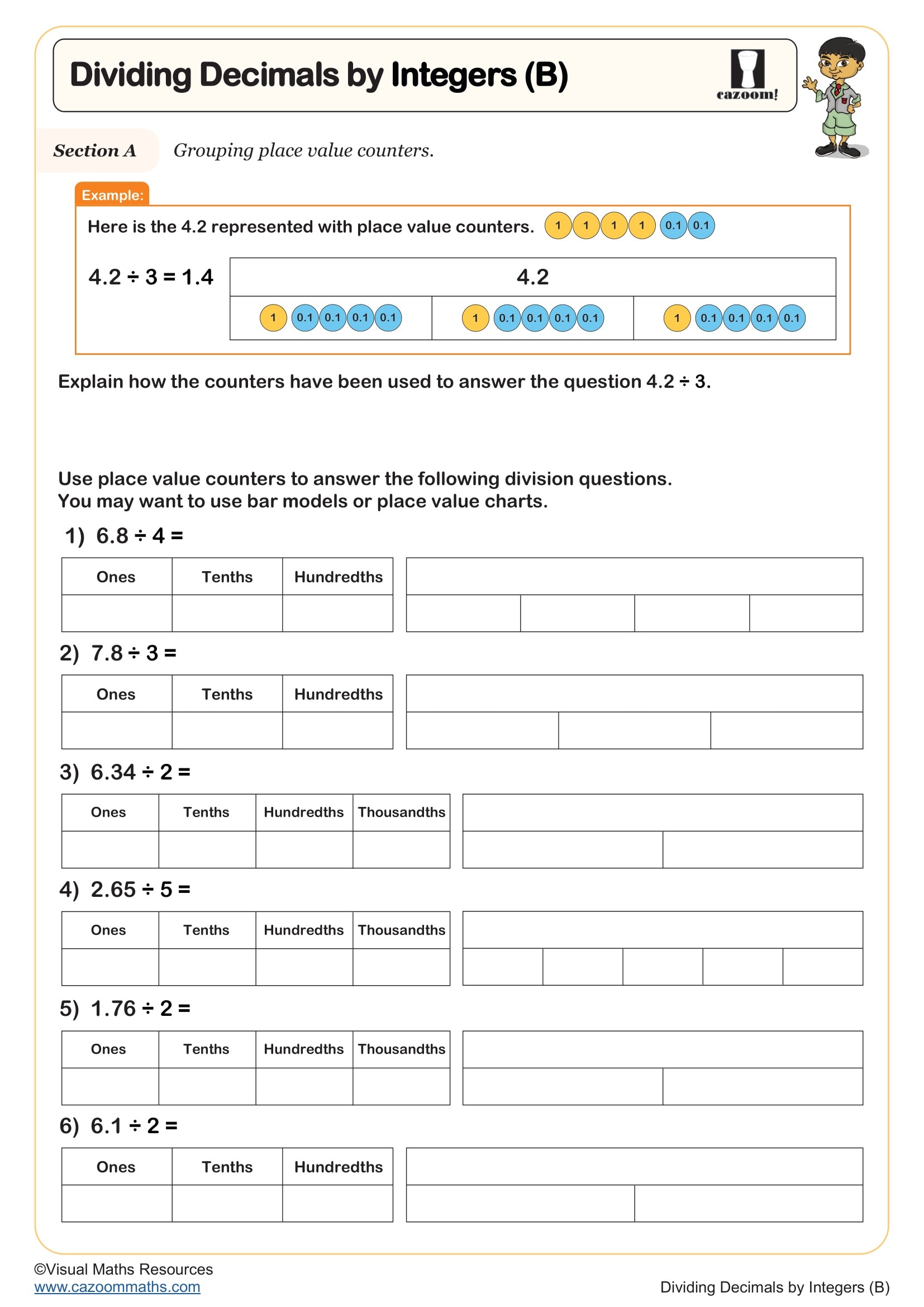
Divide Decimals by Integers (B)
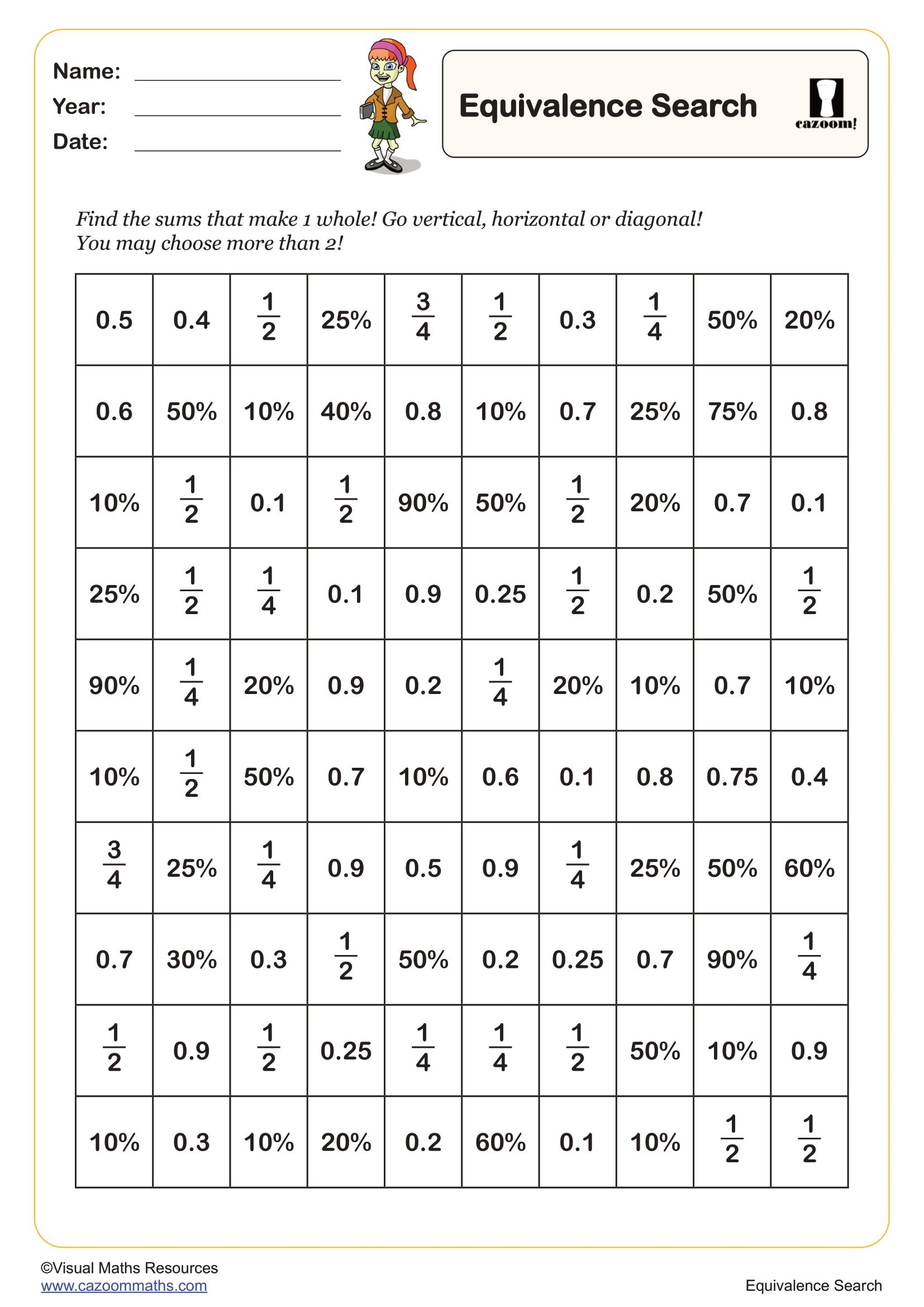
Equivalence Search
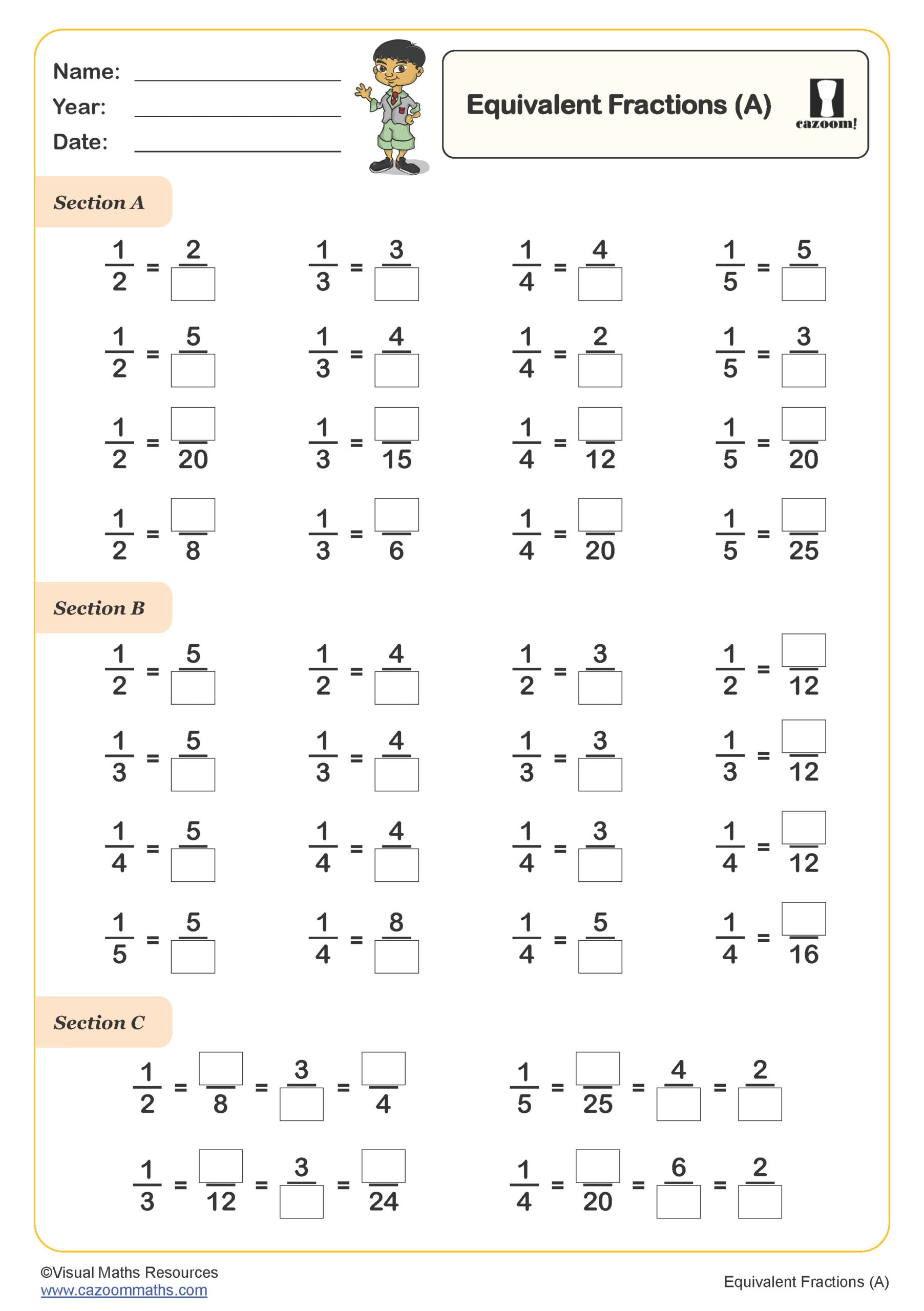
Equivalent Fractions (A)
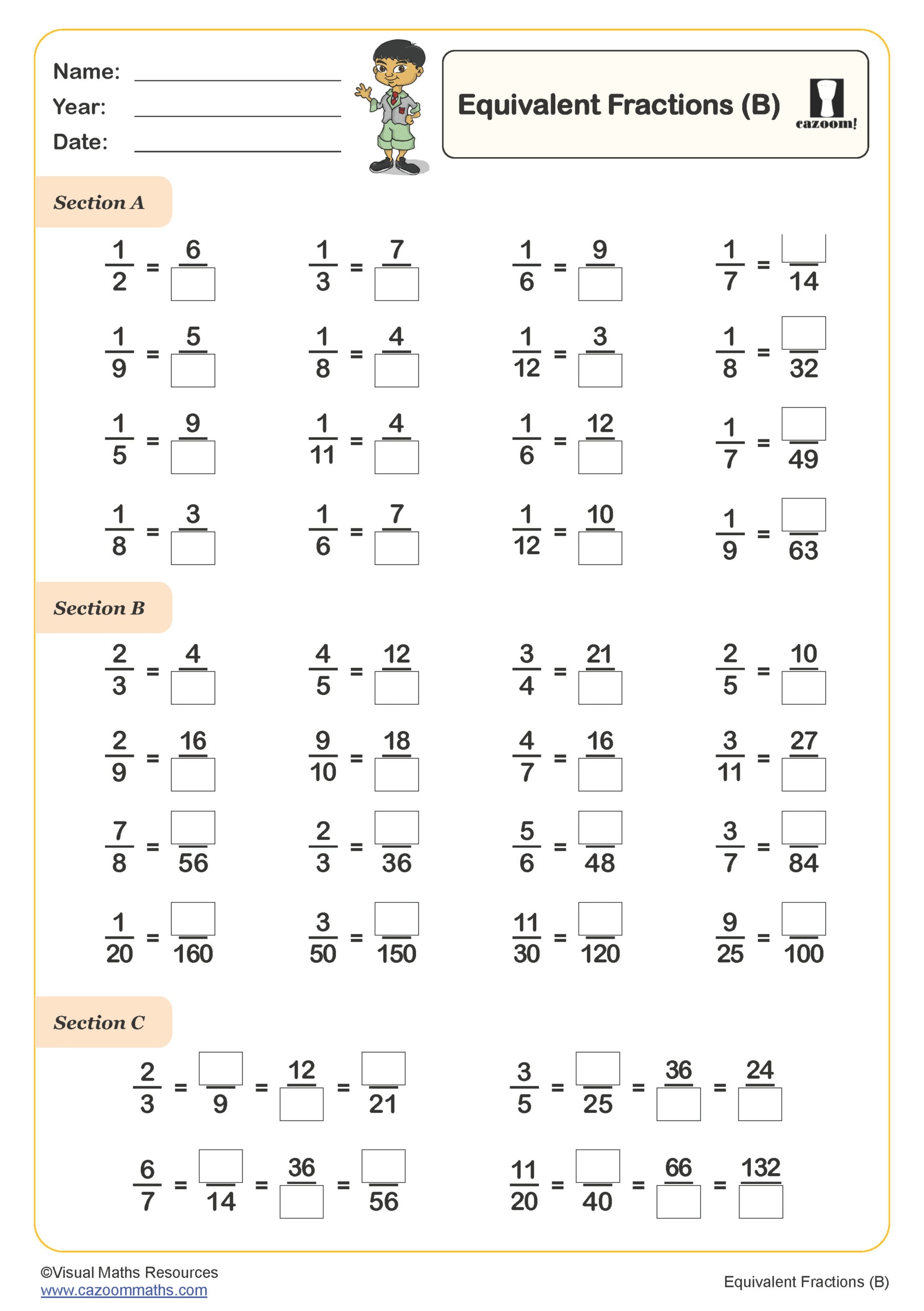
Equivalent Fractions (B)
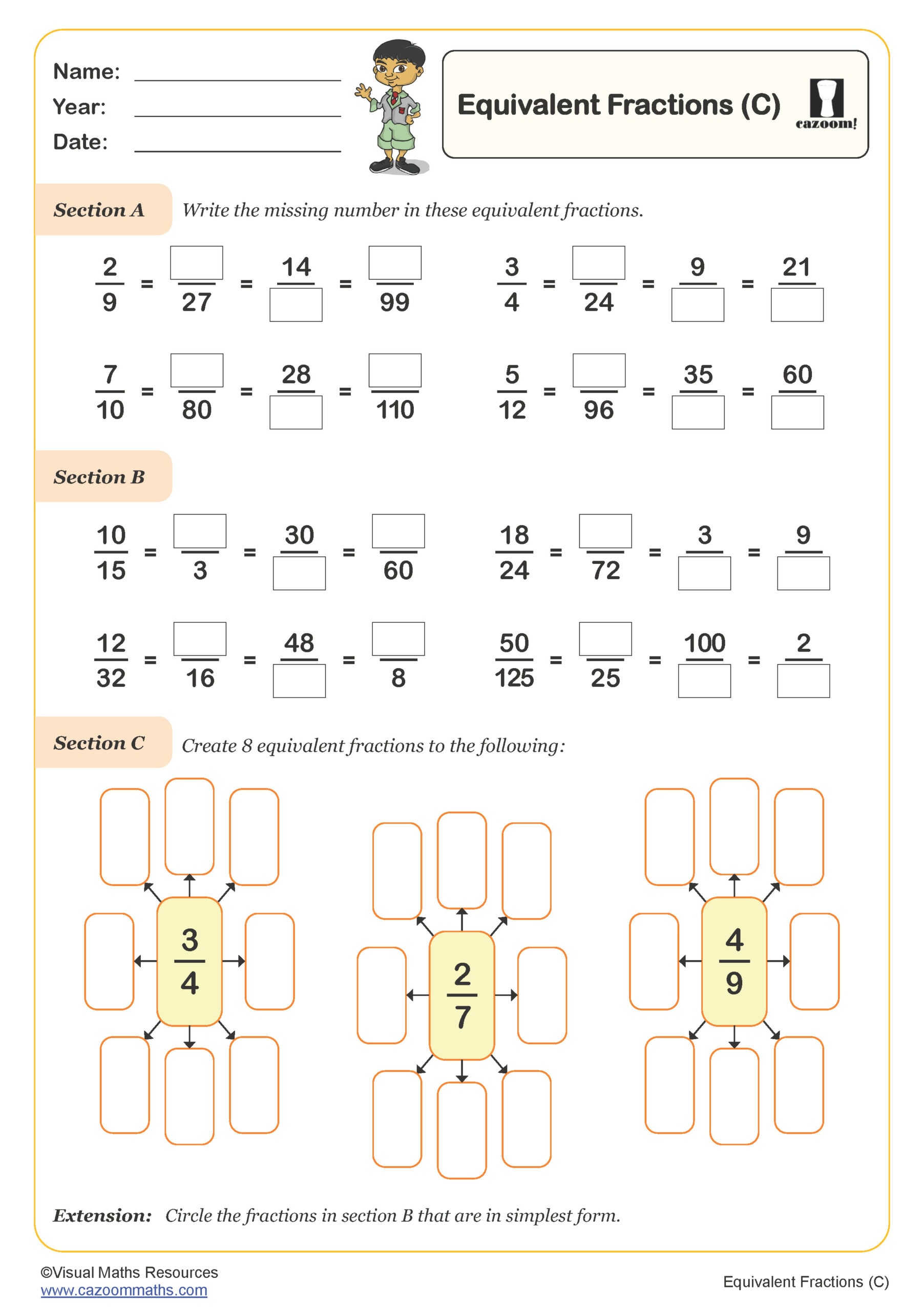
Equivalent Fractions (C)
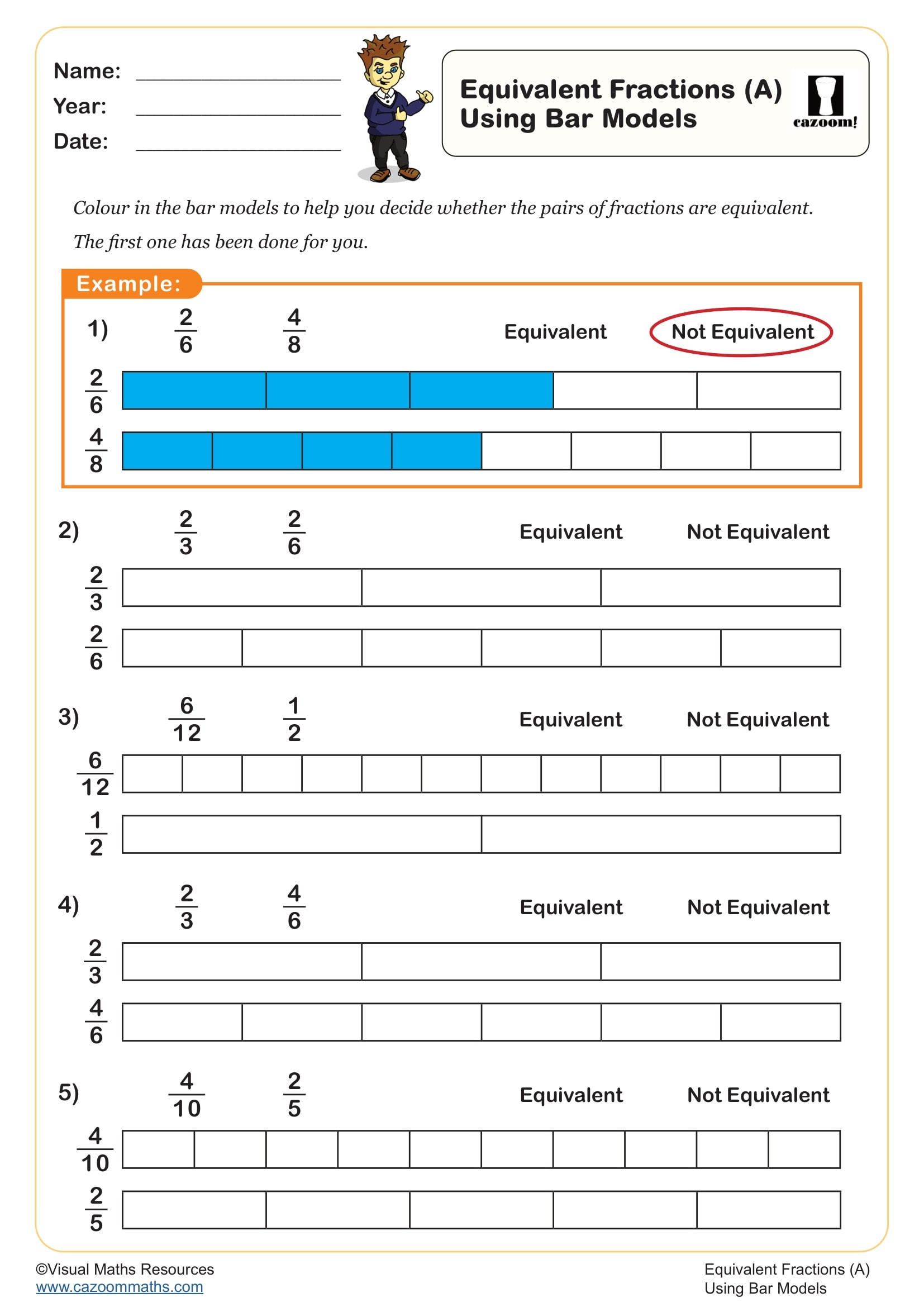
Equivalent Fractions Using Bar Models (A)
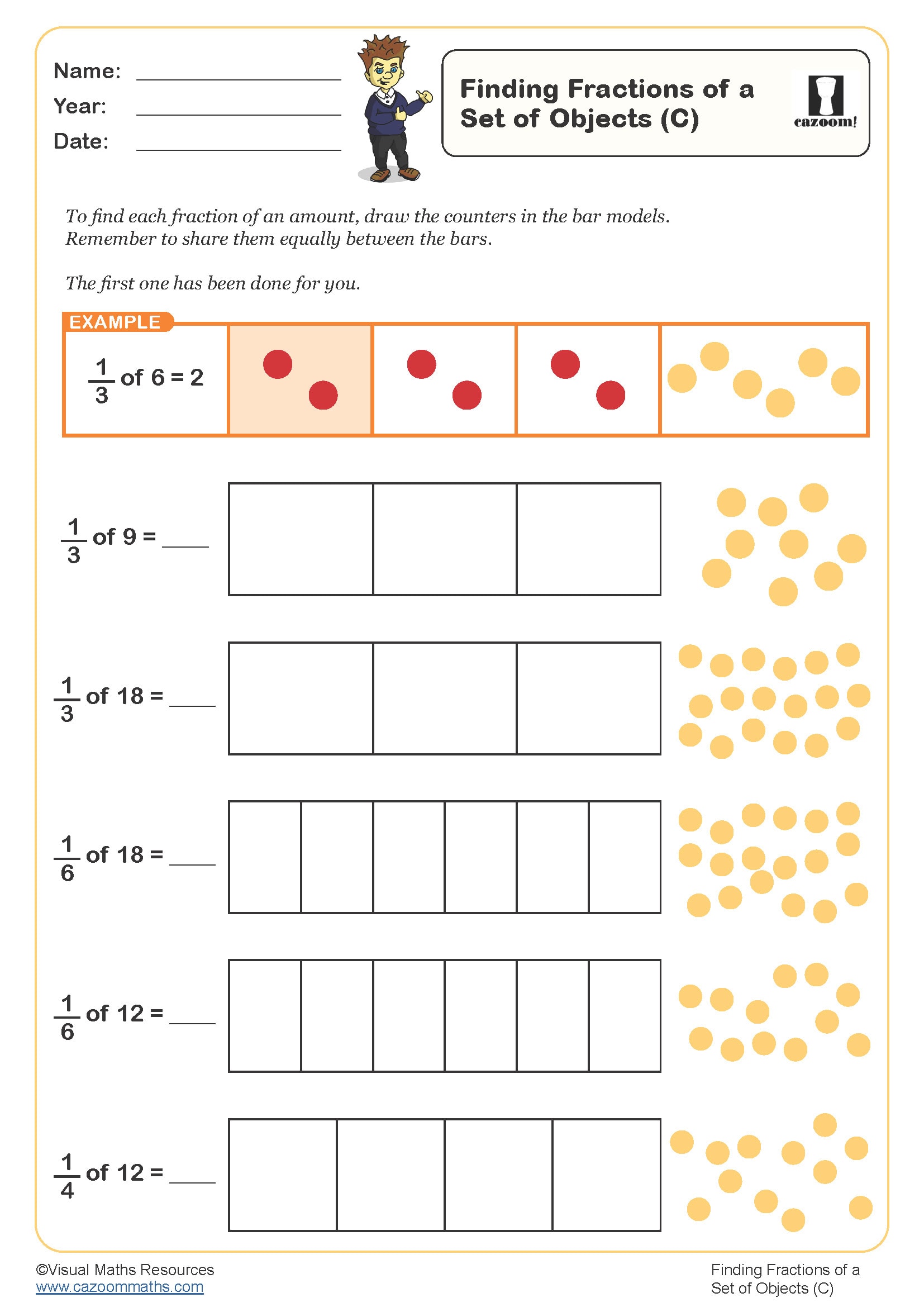
Finding fractions of a set of objects (C)
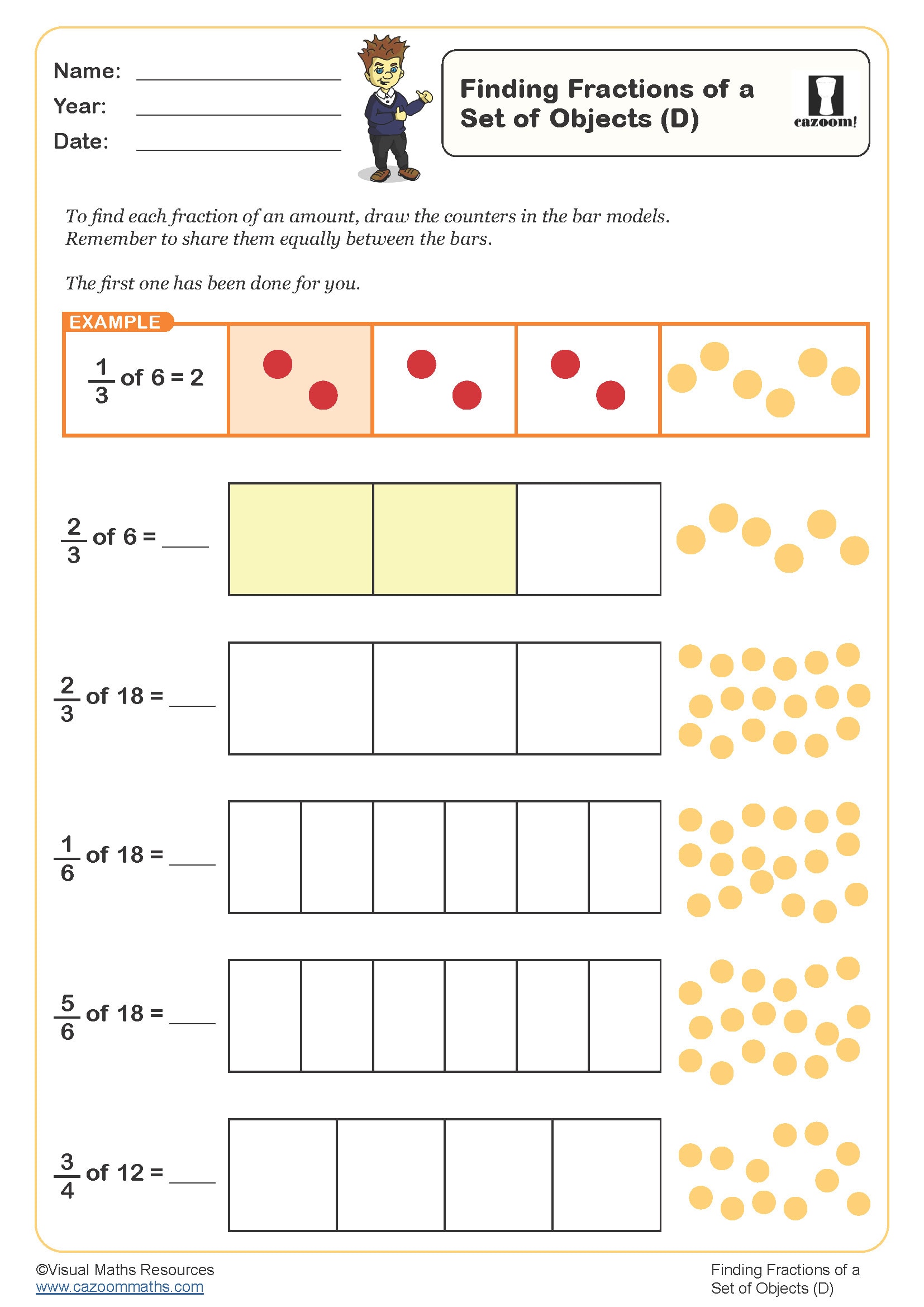
Finding fractions of a set of objects (D)
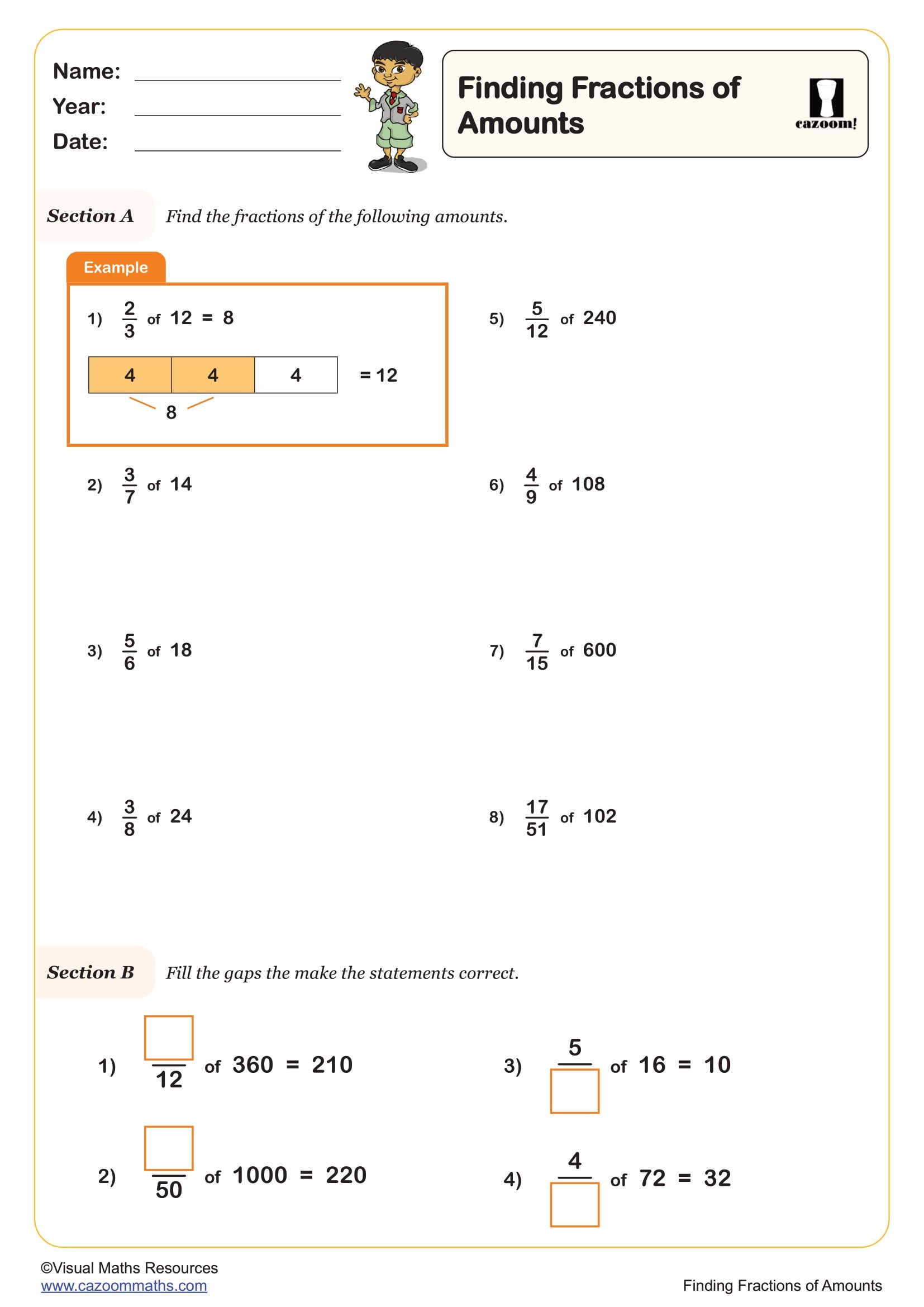
Finding Fractions of Amounts
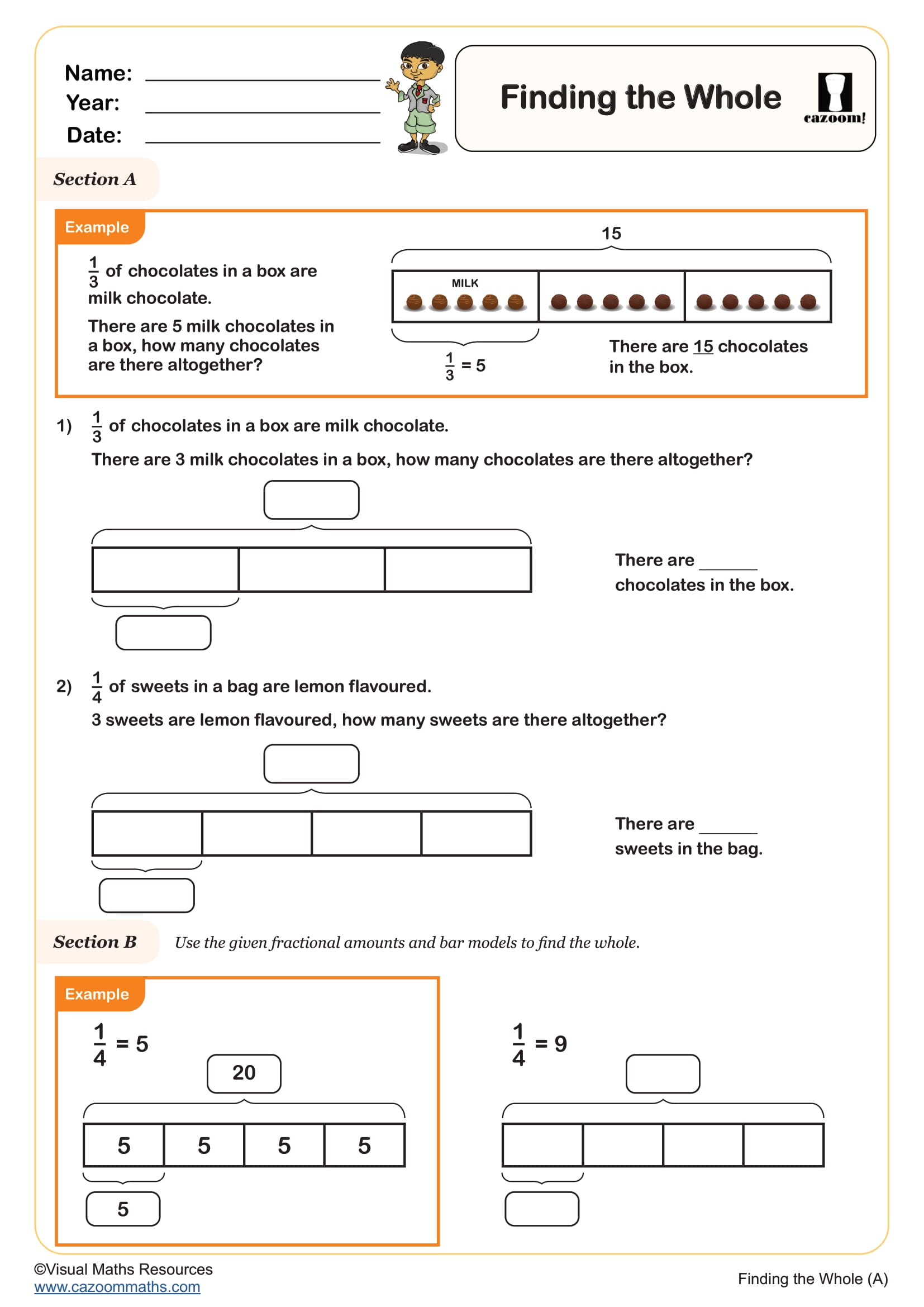
Finding the Whole
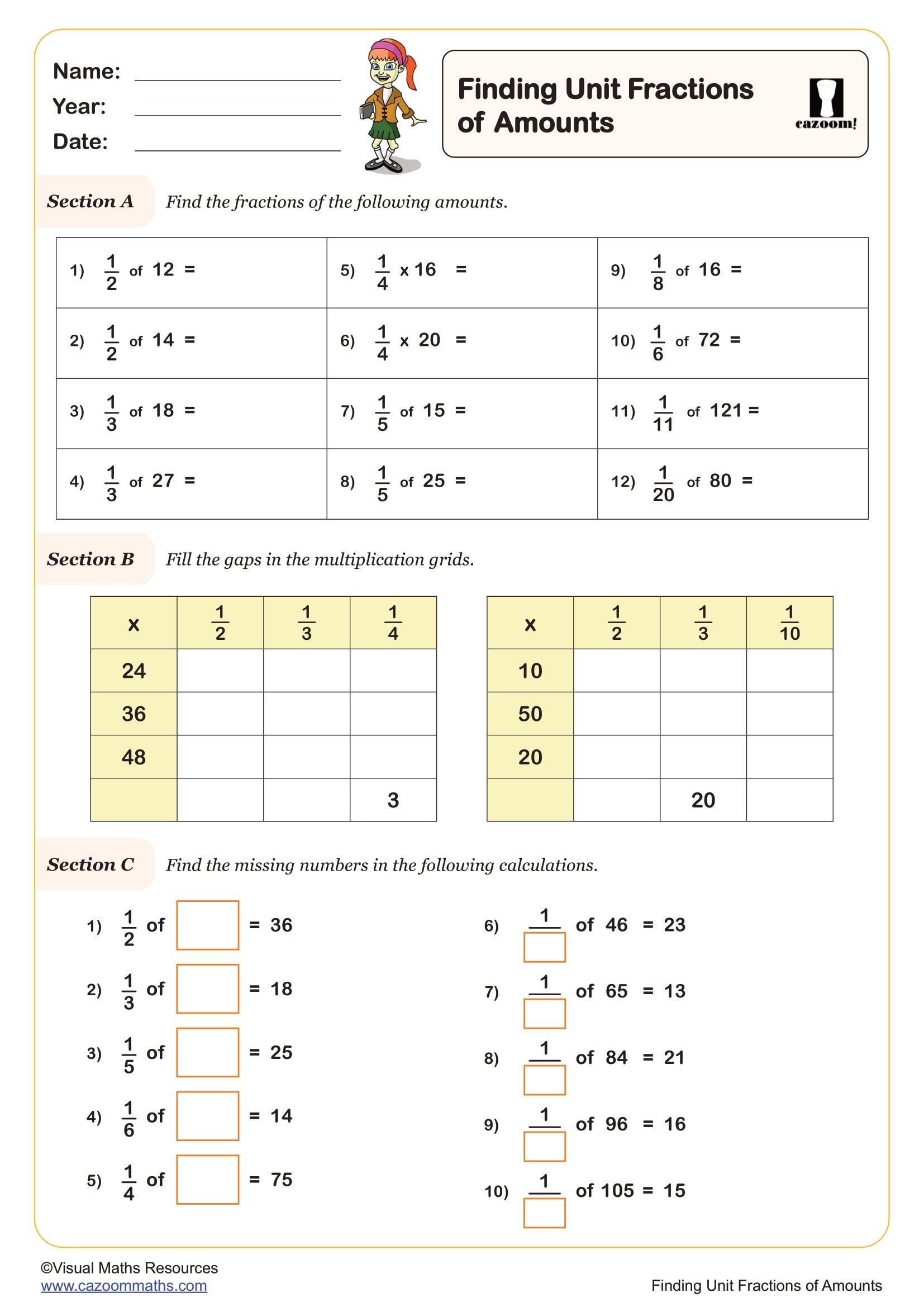
Finding Unit Fractions of Amounts
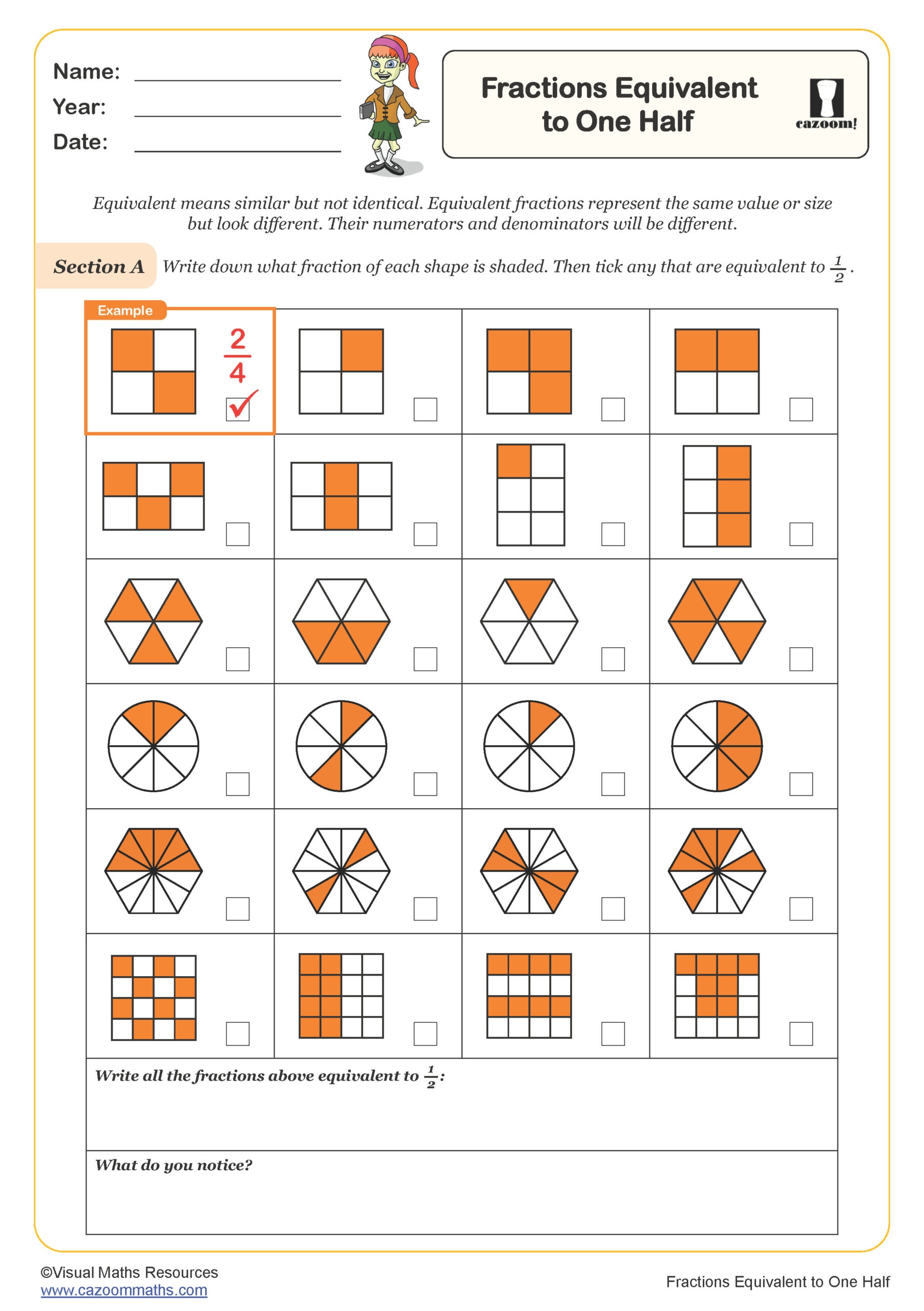
Fractions Equivalent to One Half
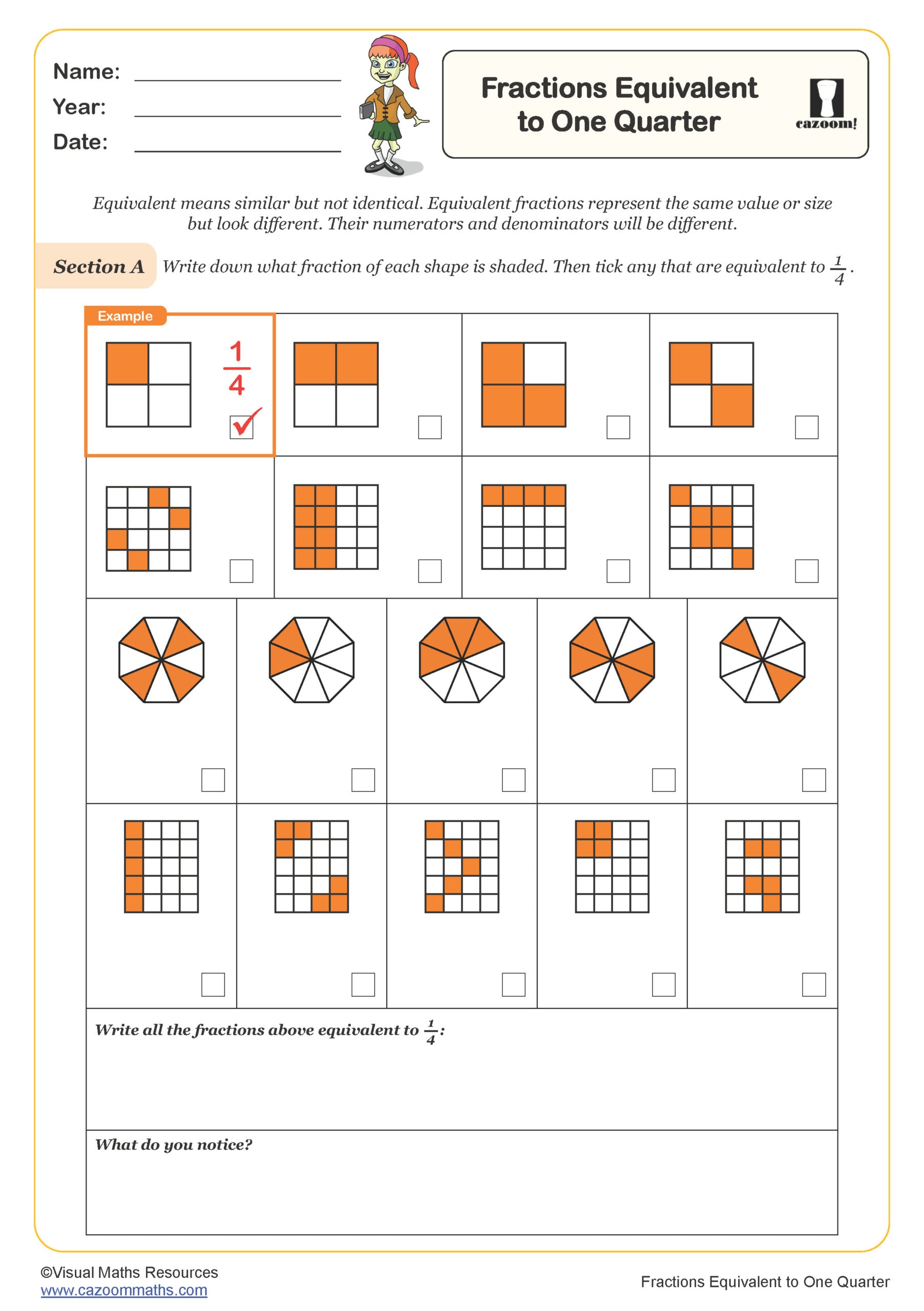
Fractions Equivalent to One Quarter
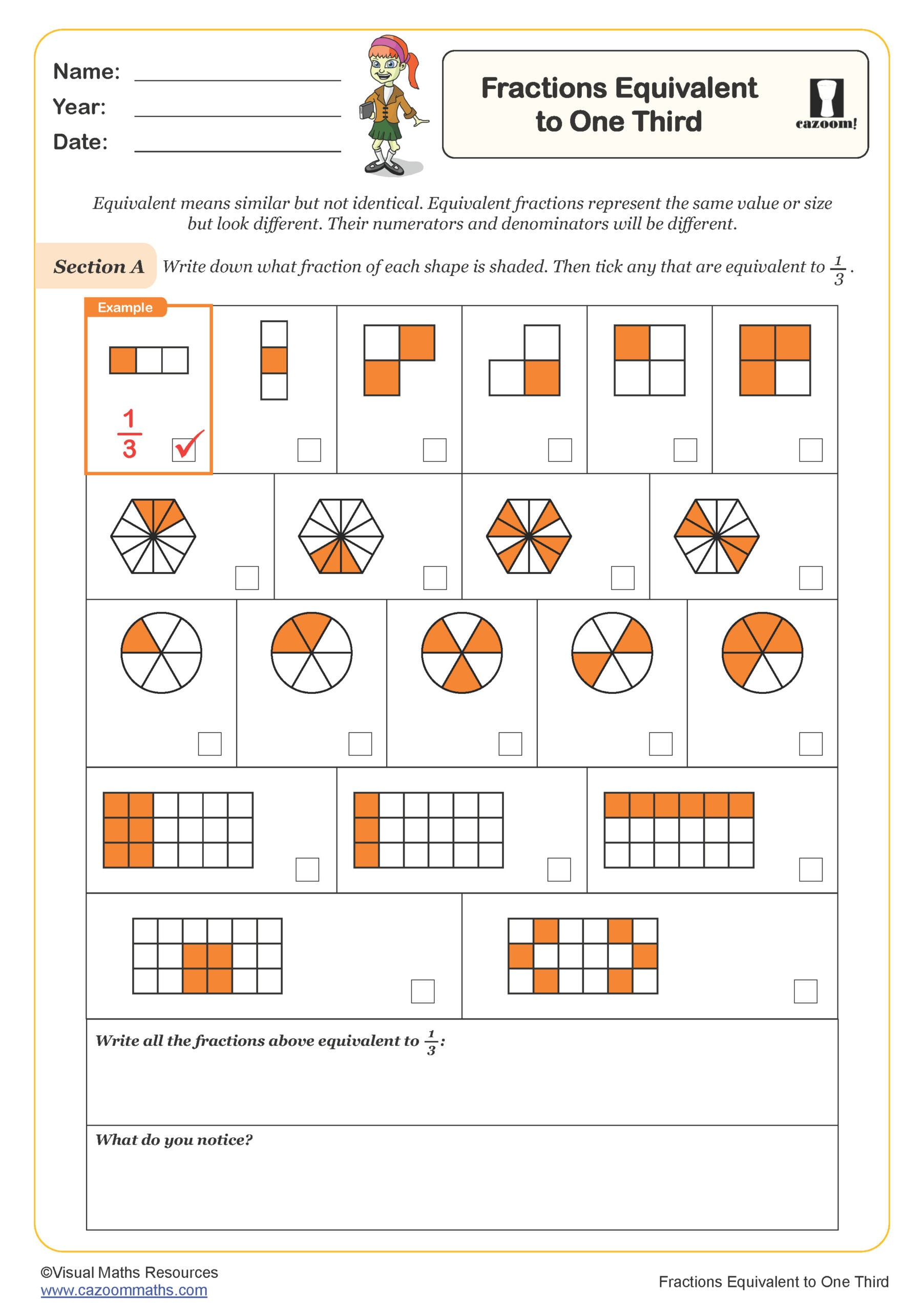
Fractions Equivalent to One Third
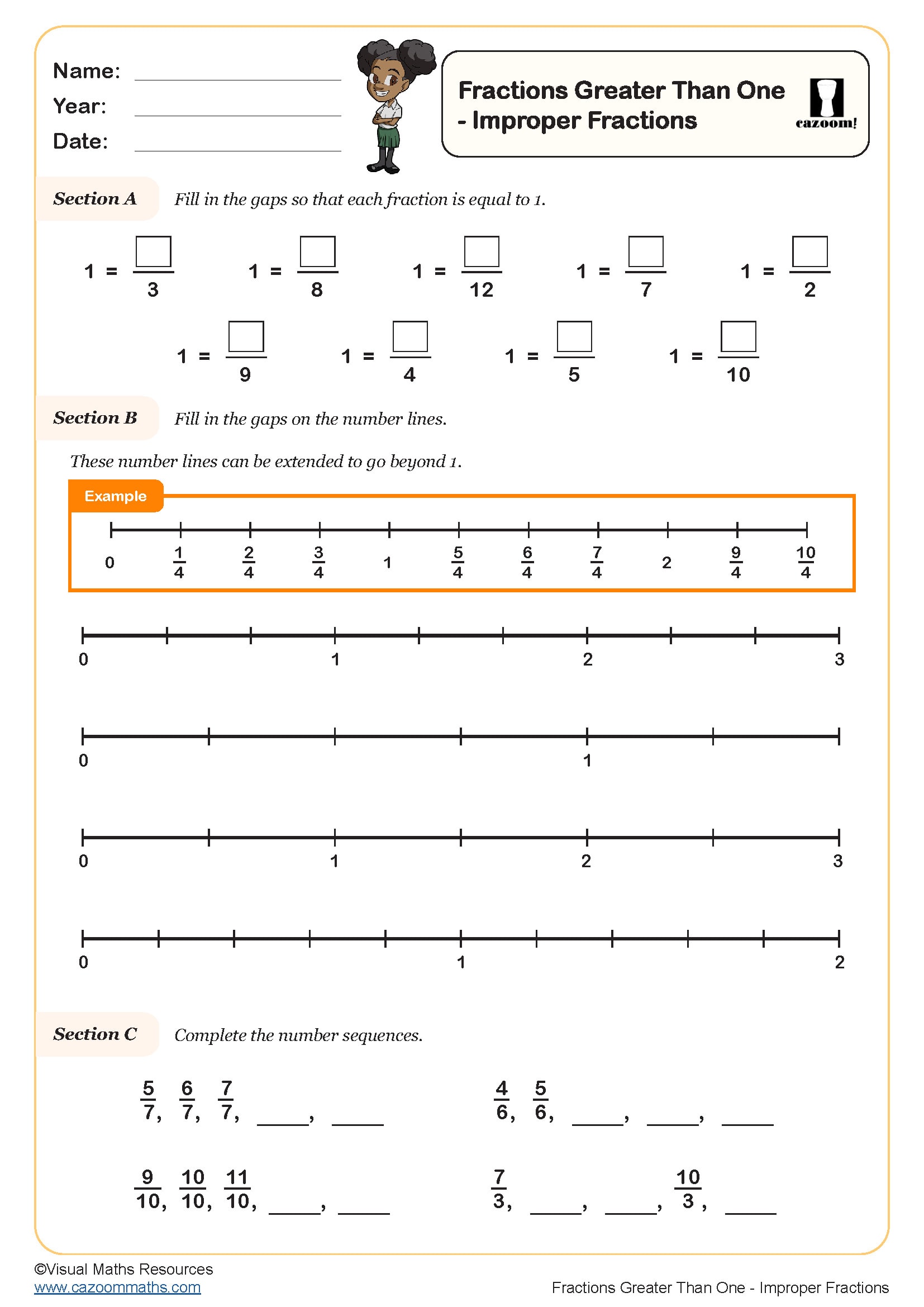
Fractions Greater Than One - Improper Fractions
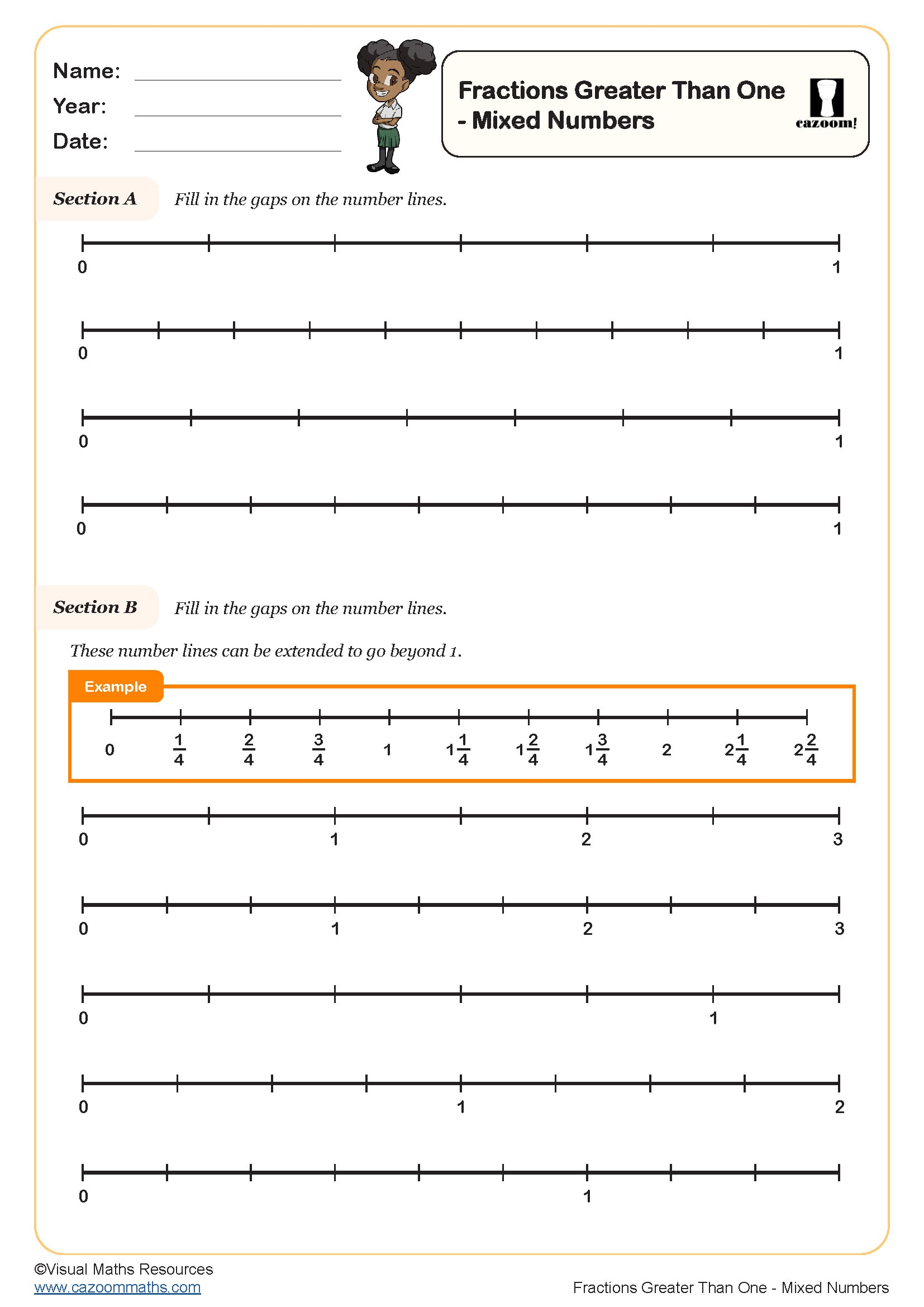
Fractions Greater Than One - Mixed Numbers
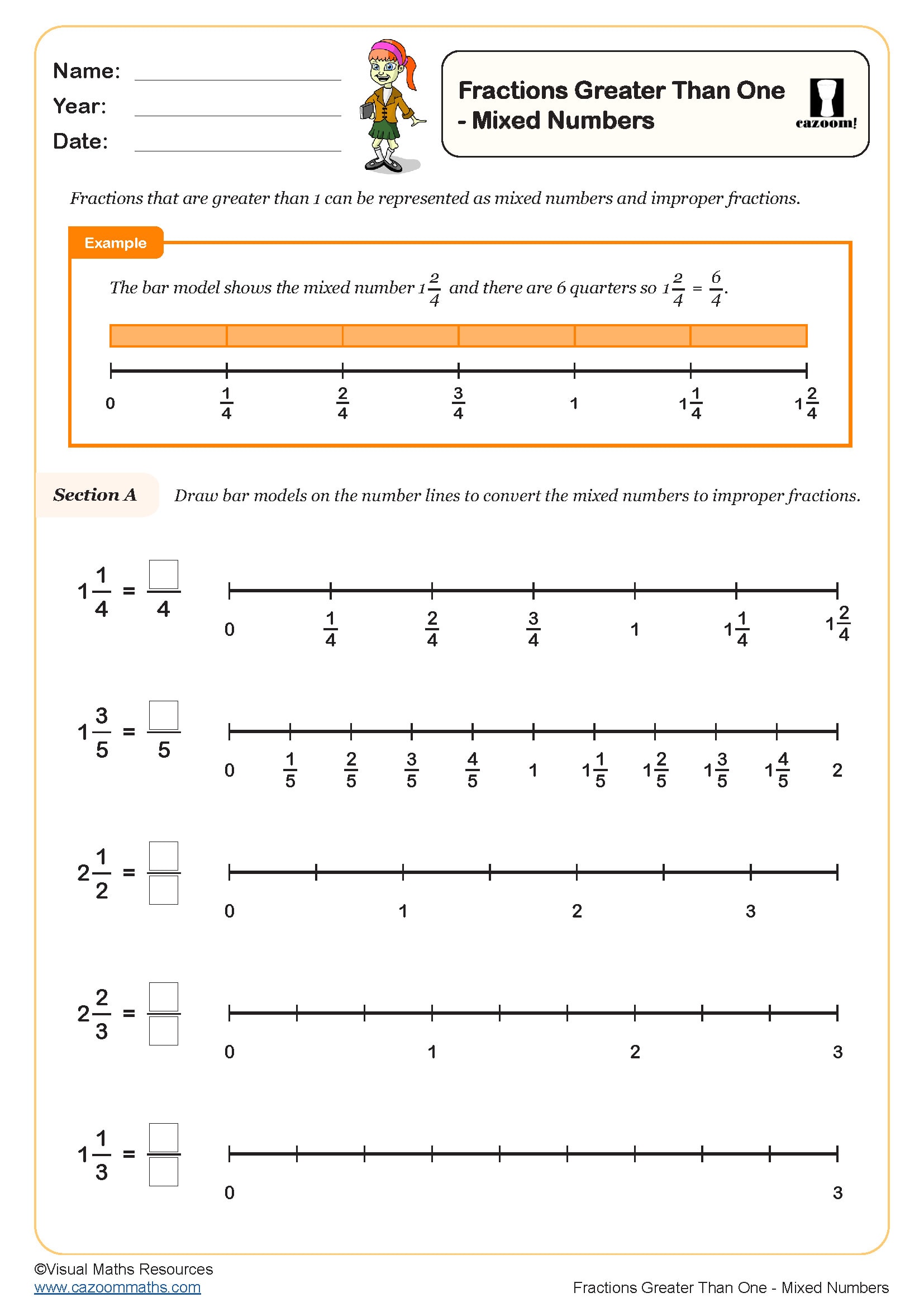
Fractions Greater Than One - Mixed Numbers and Improper Fractions
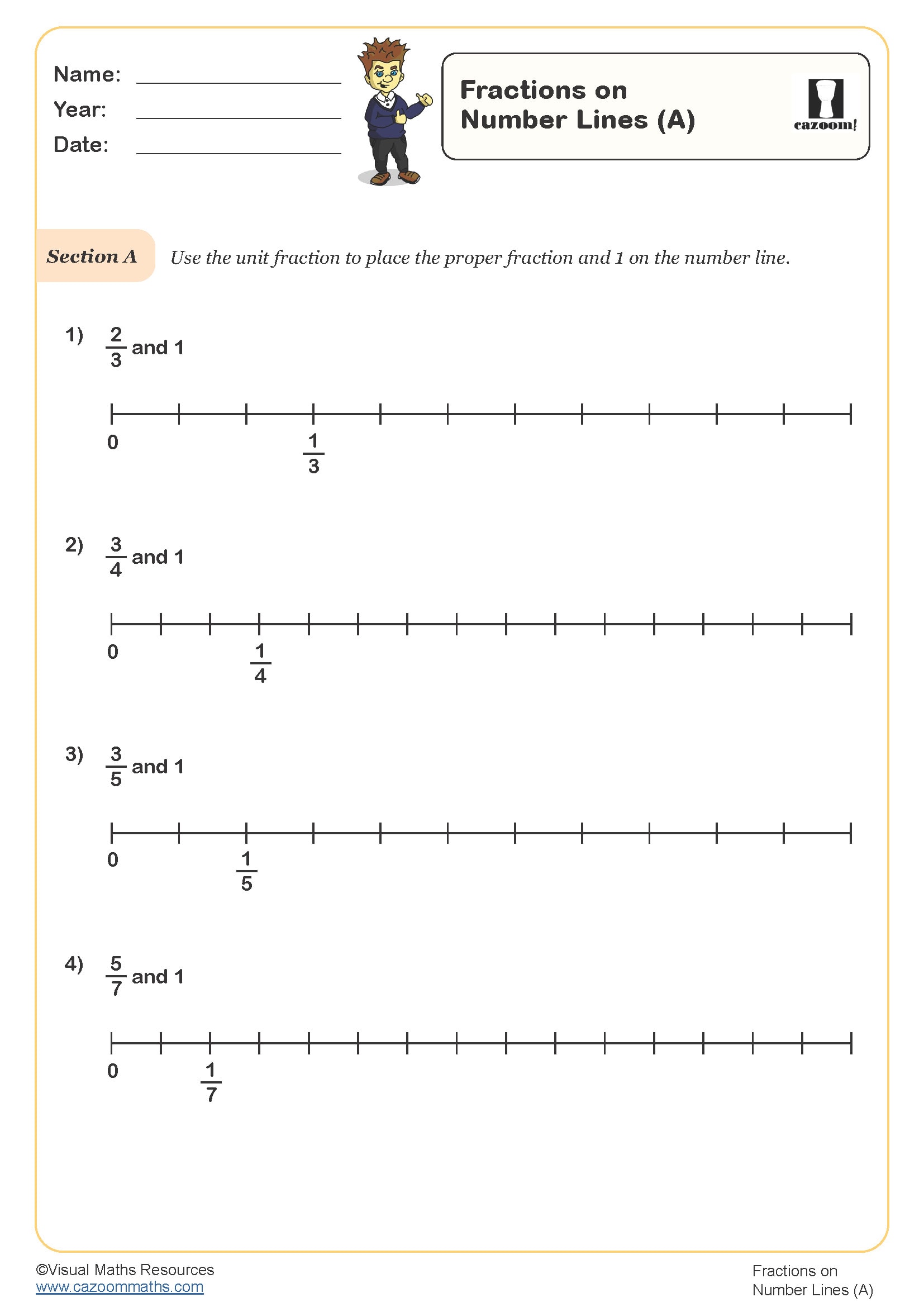
Fractions on Number Lines (A)
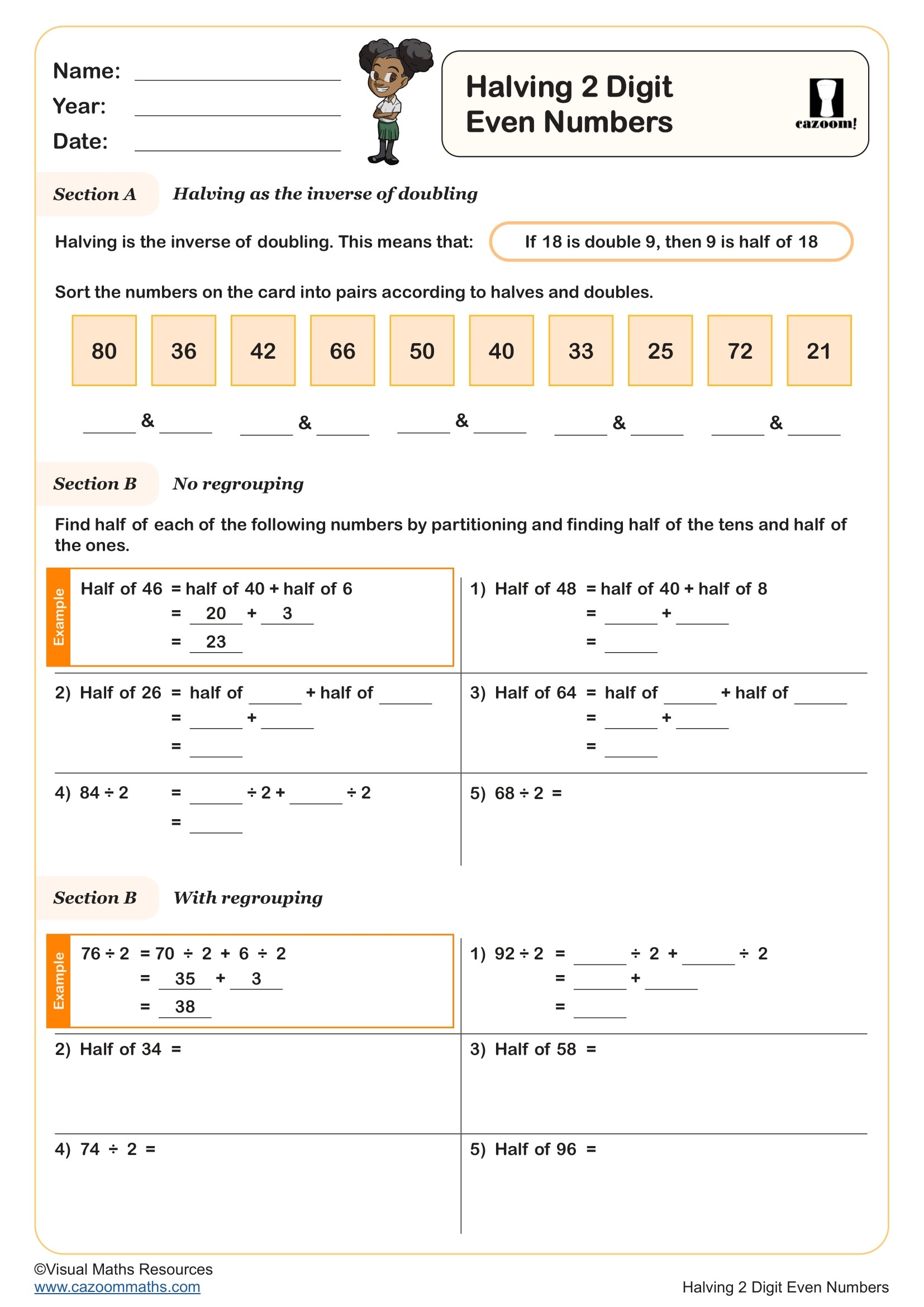
Halving 2 Digit Even Numbers
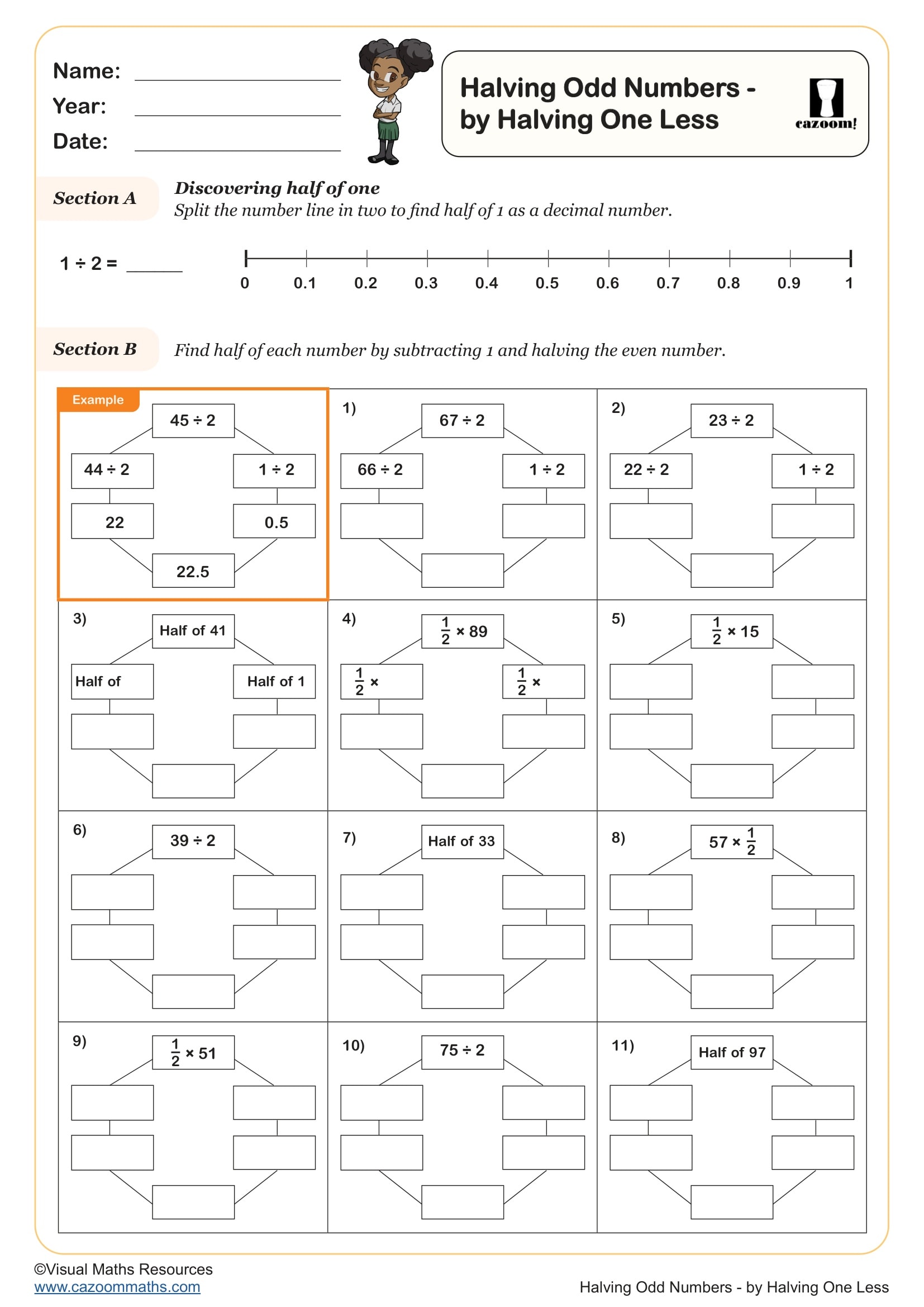
Halving Odd Numbers by Halving One Less
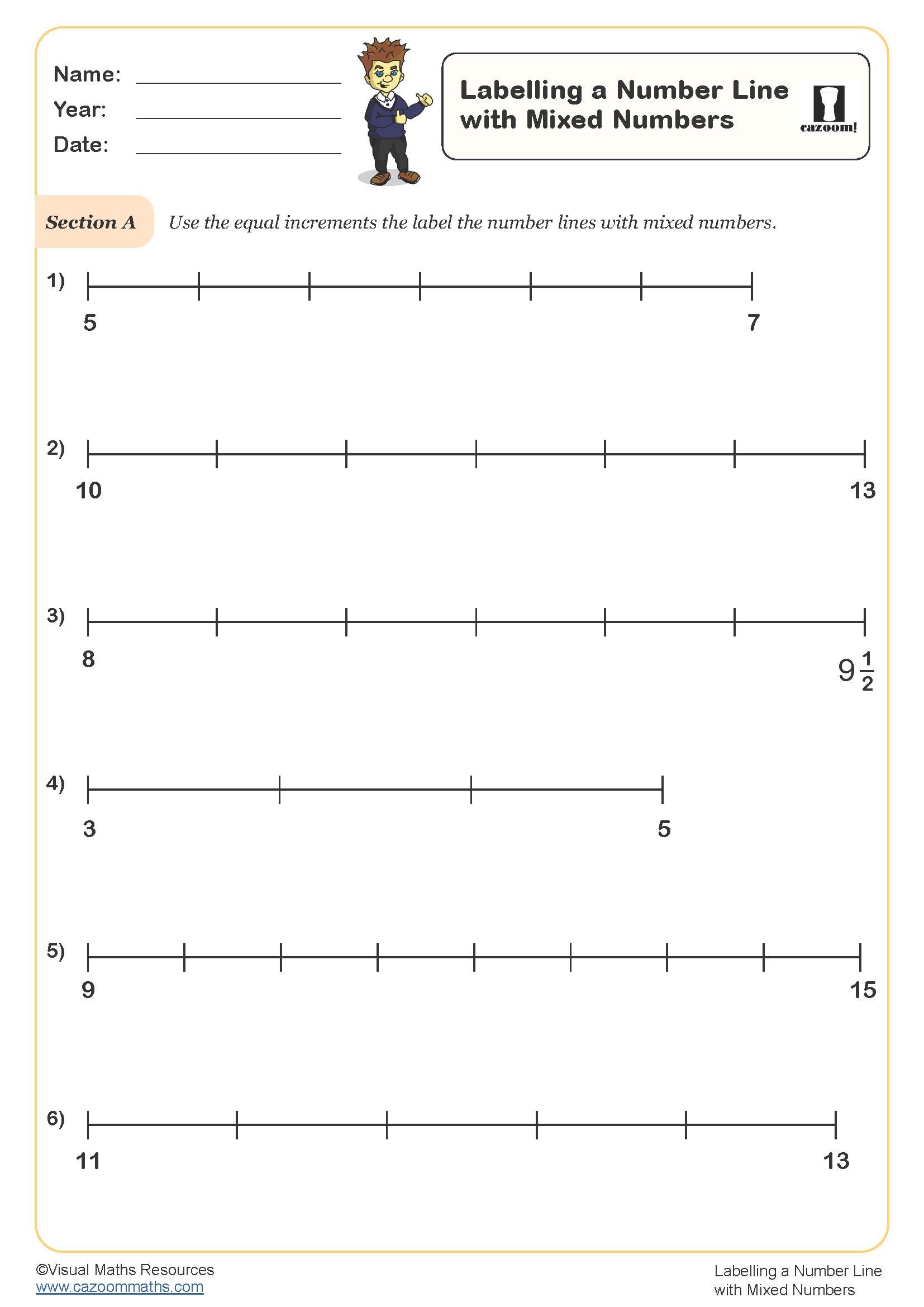
Labelling a Number Line with Mixed Numbers
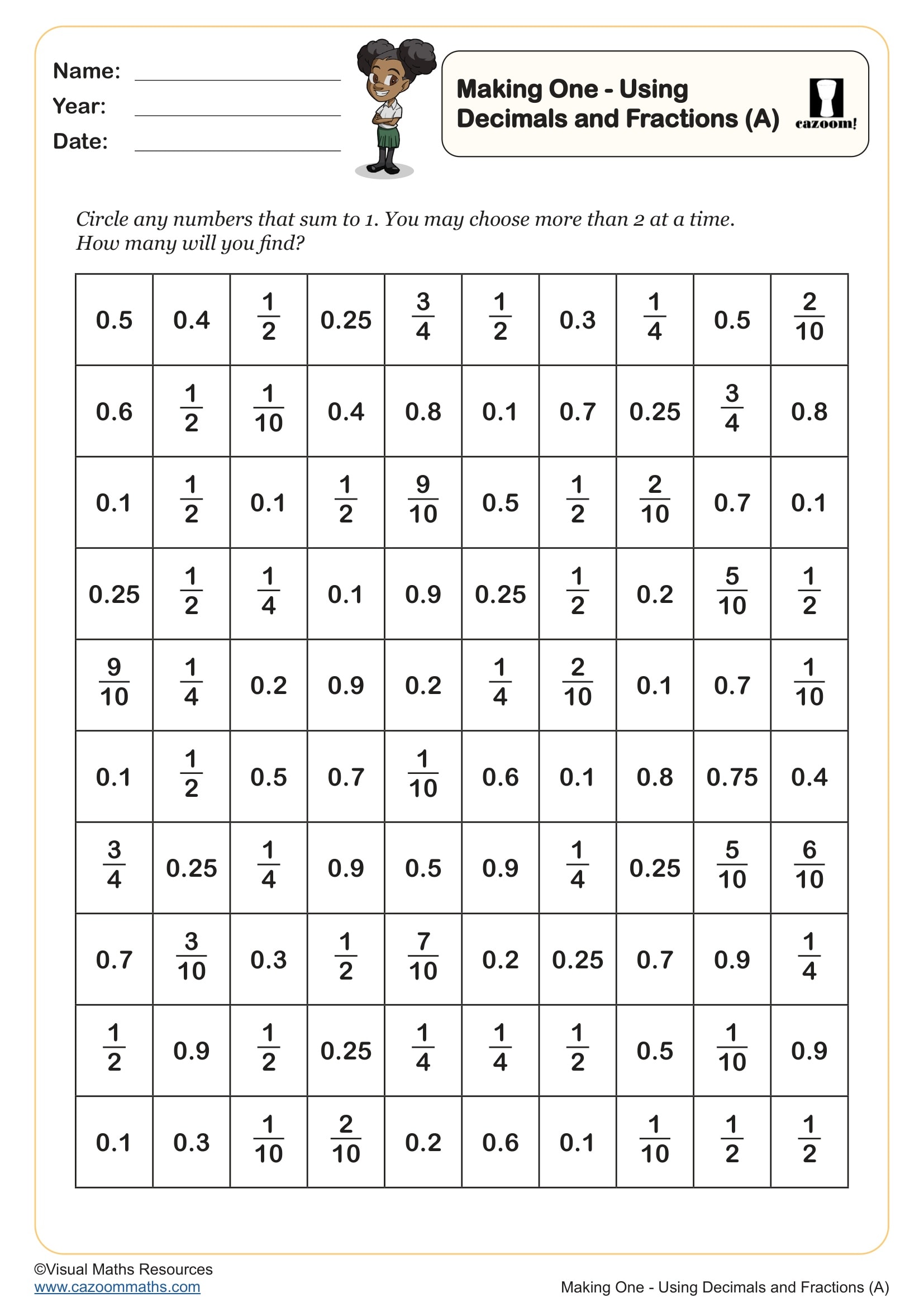
Making One Using Decimals and Fractions (A)
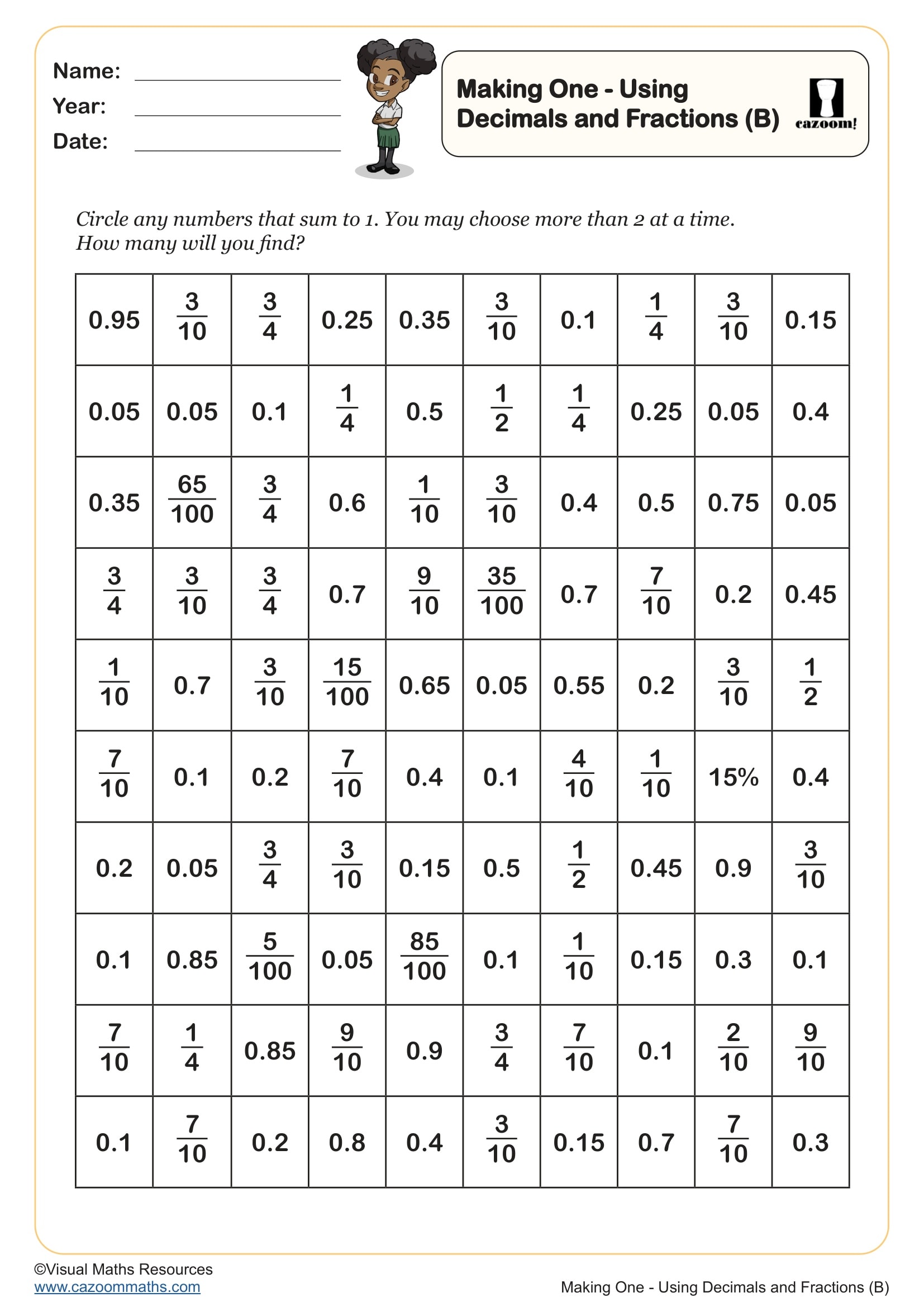
Making One Using Decimals and Fractions (B)
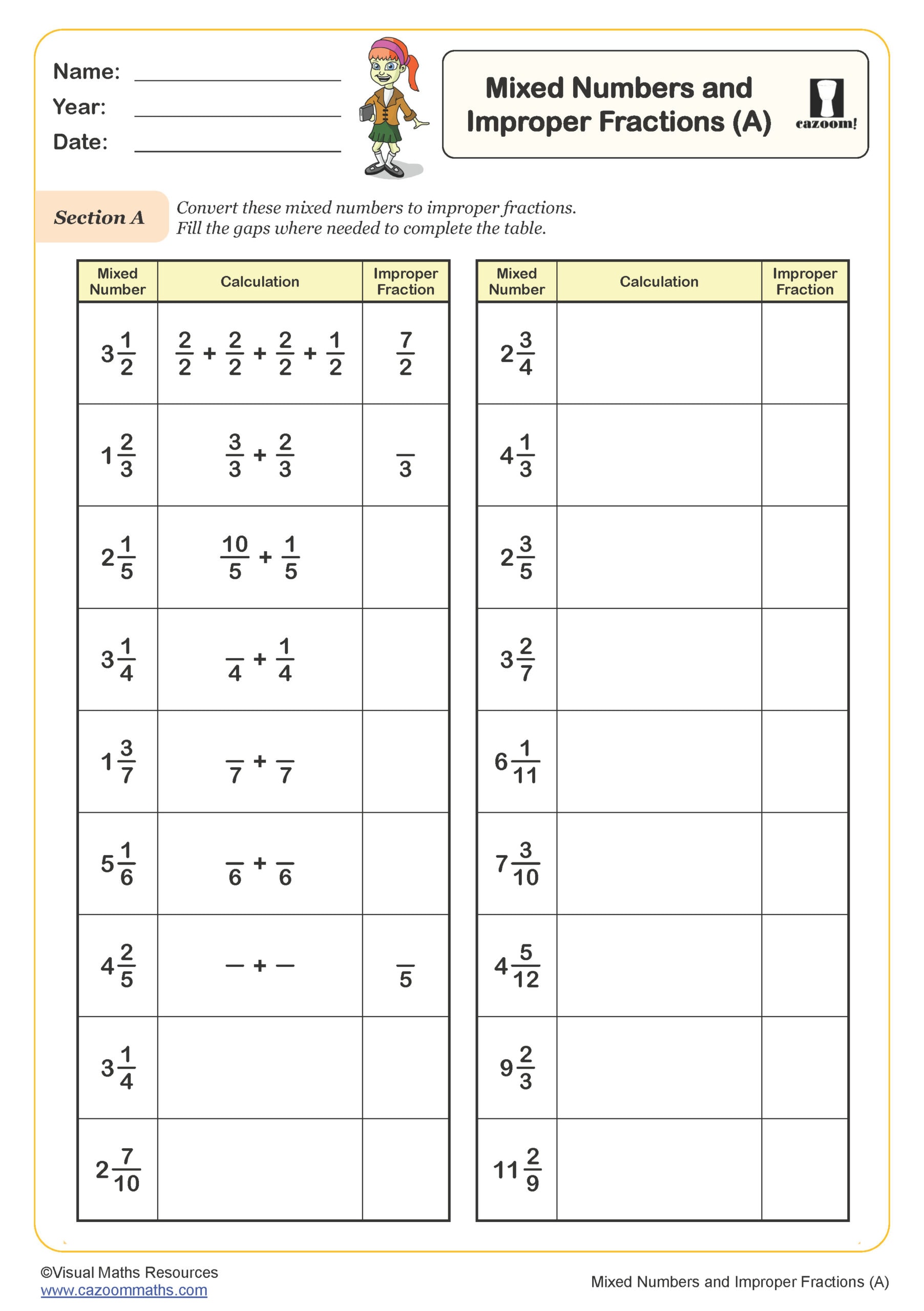
Mixed Numbers and Improper Fractions (A)
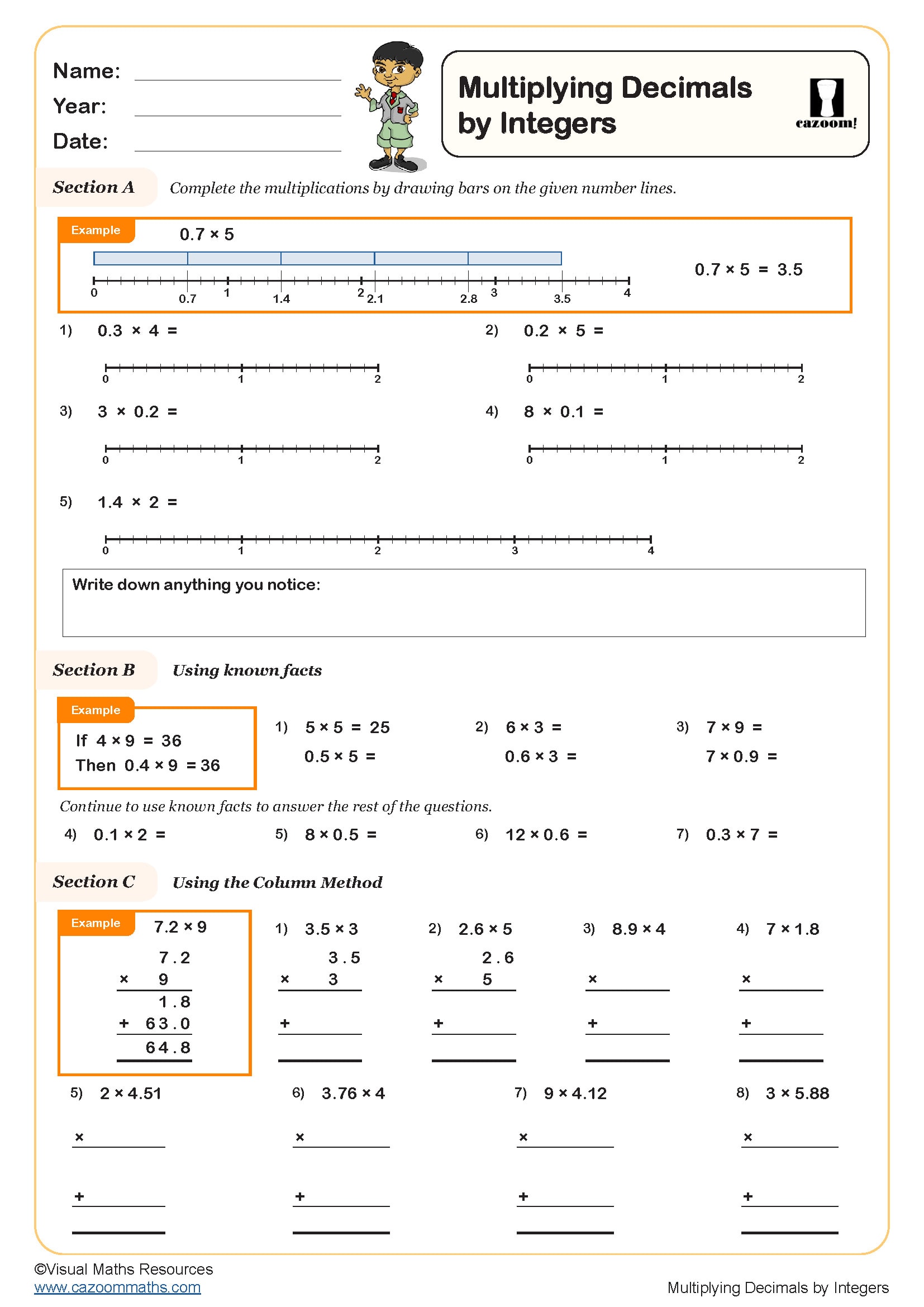
Multiply decimals by integers
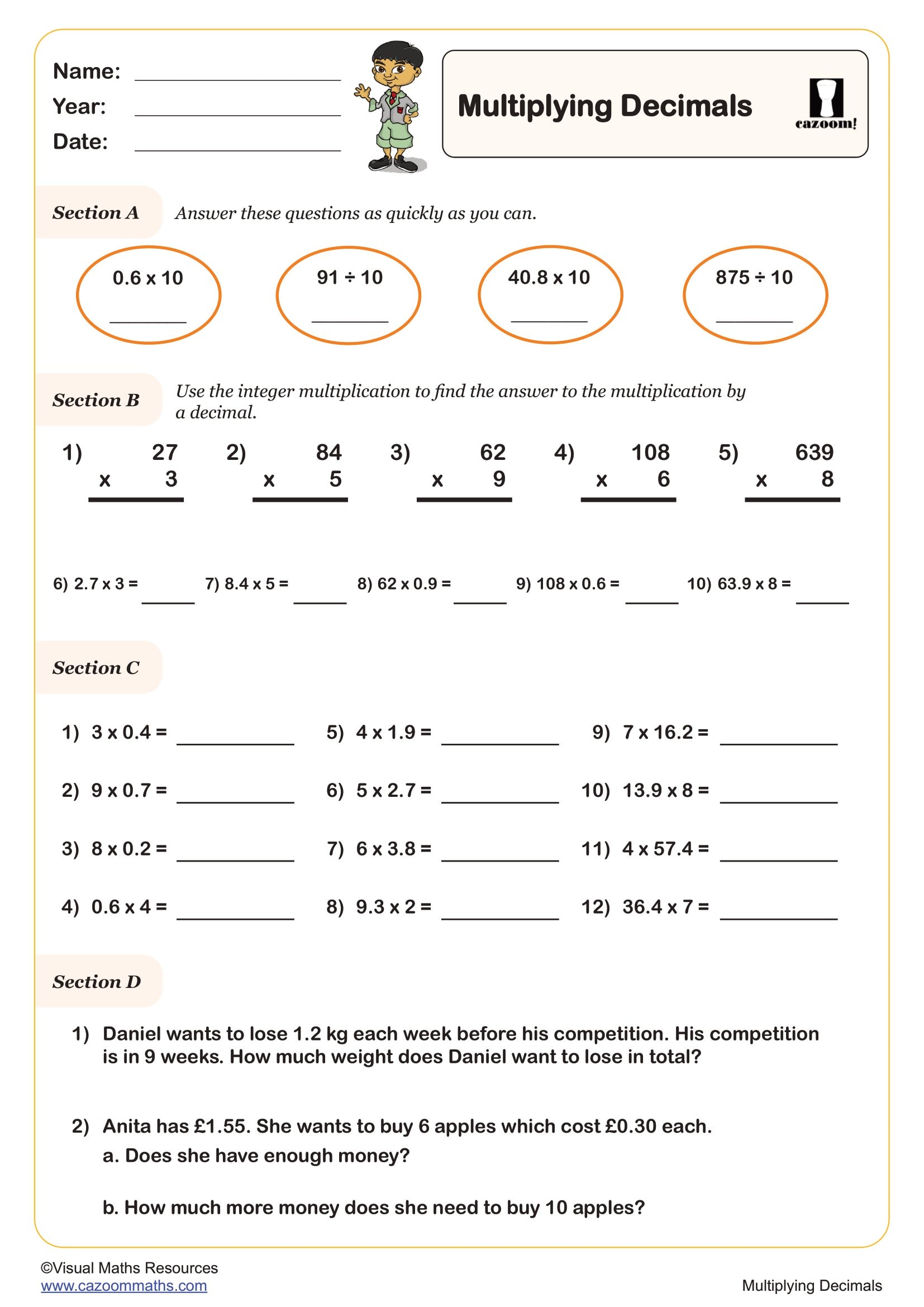
Mutiplying Decimals (A)
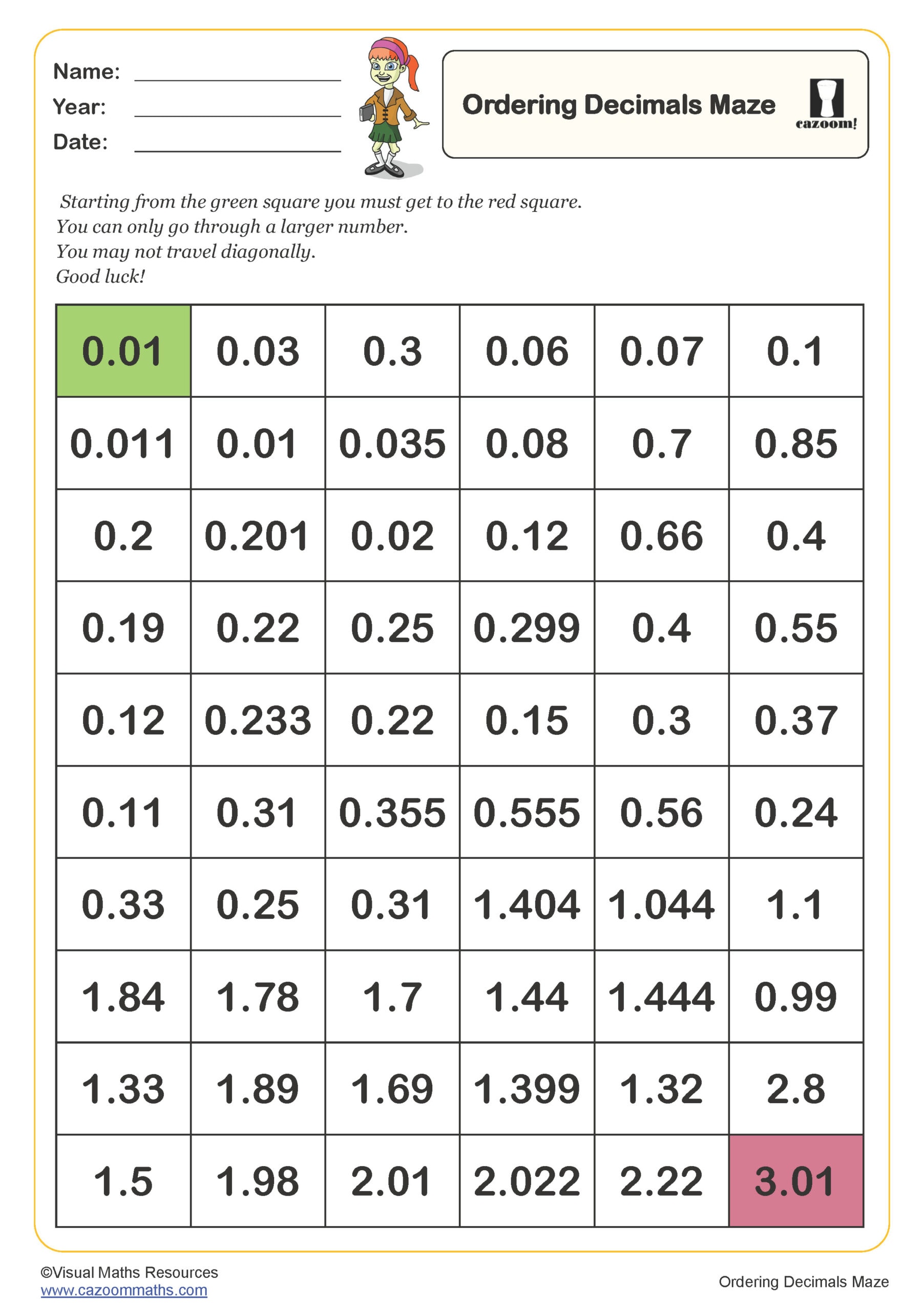
Ordering Decimals Maze
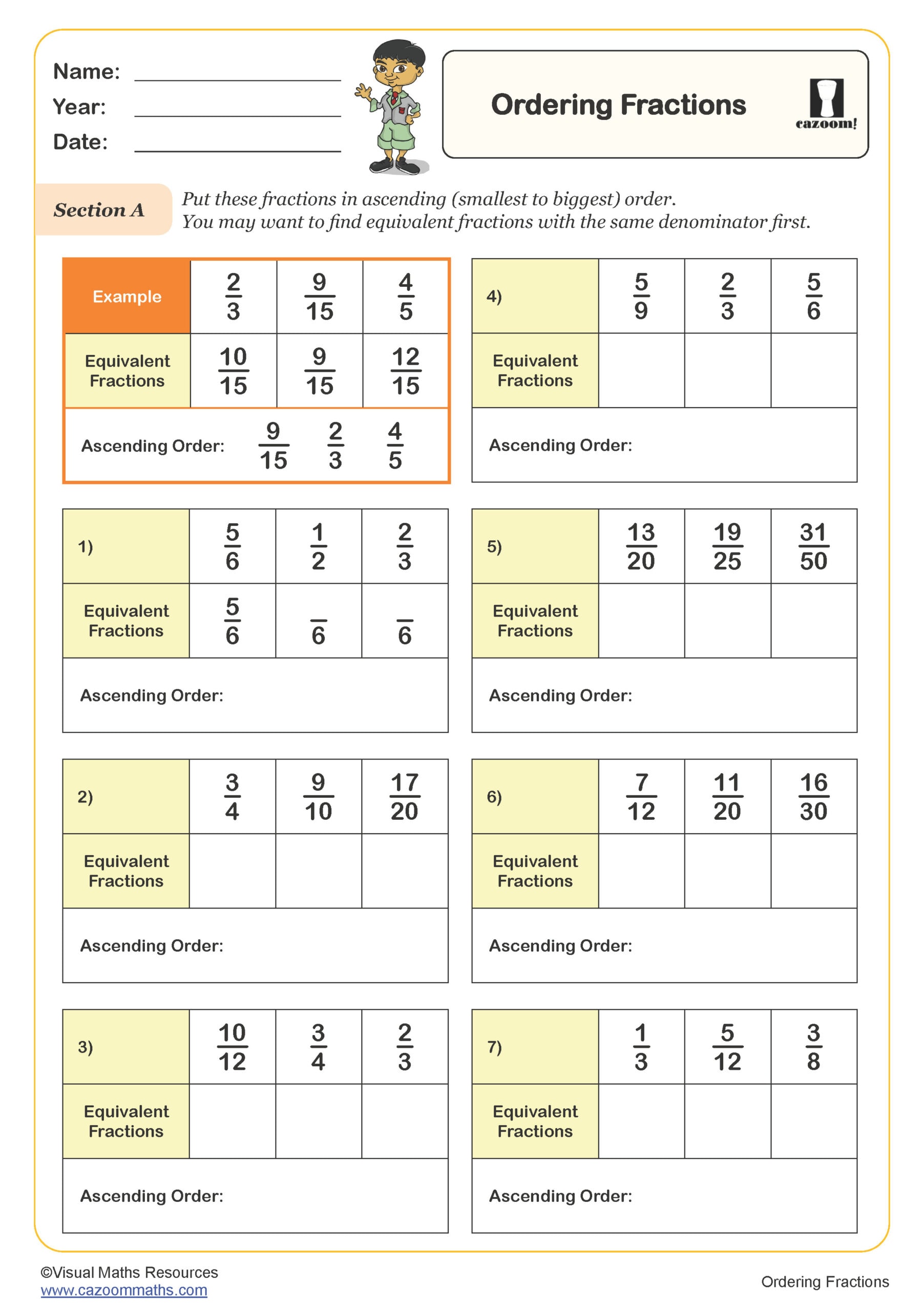
Ordering Fractions
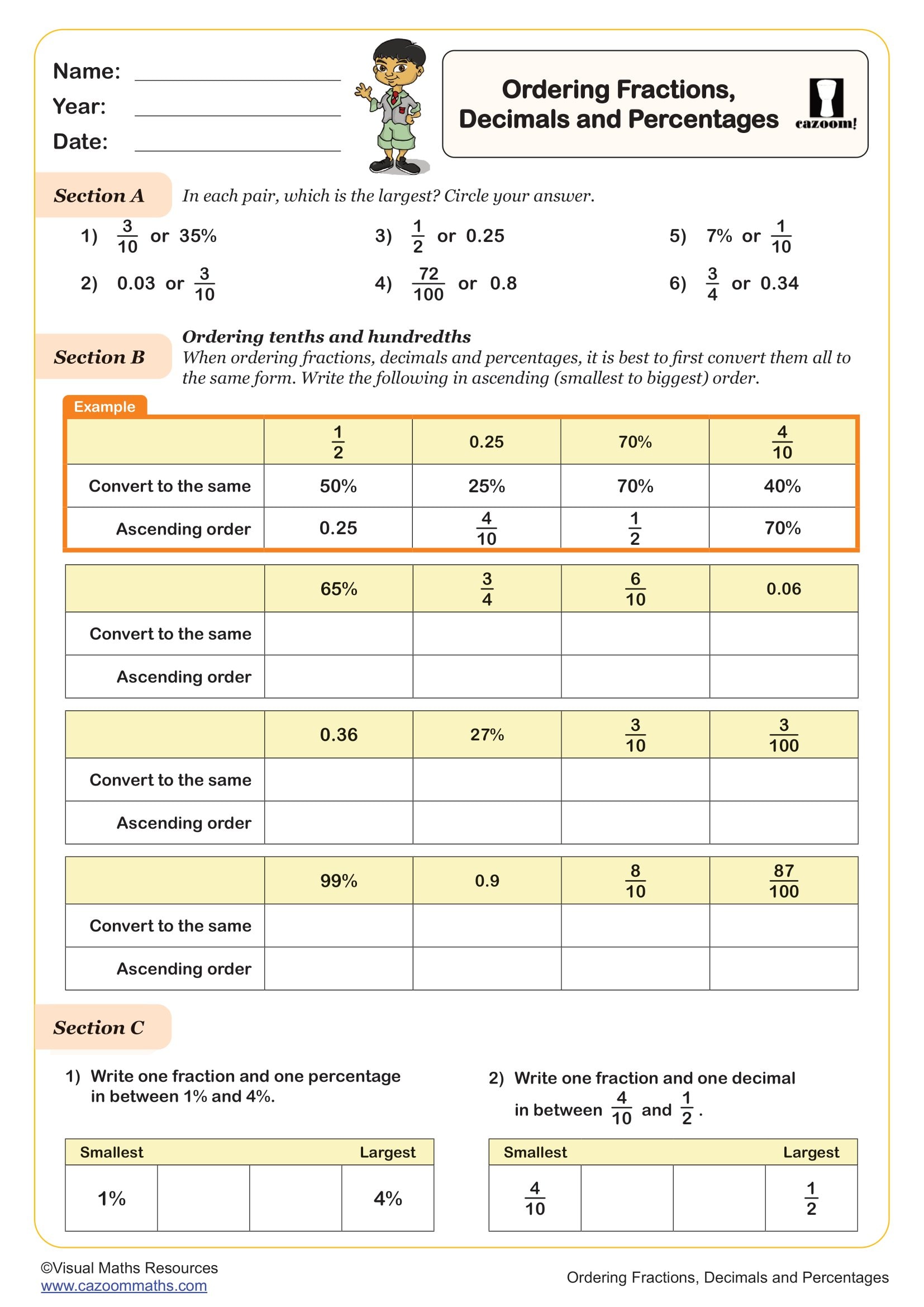
Ordering Fractions, Decimals and Percentages
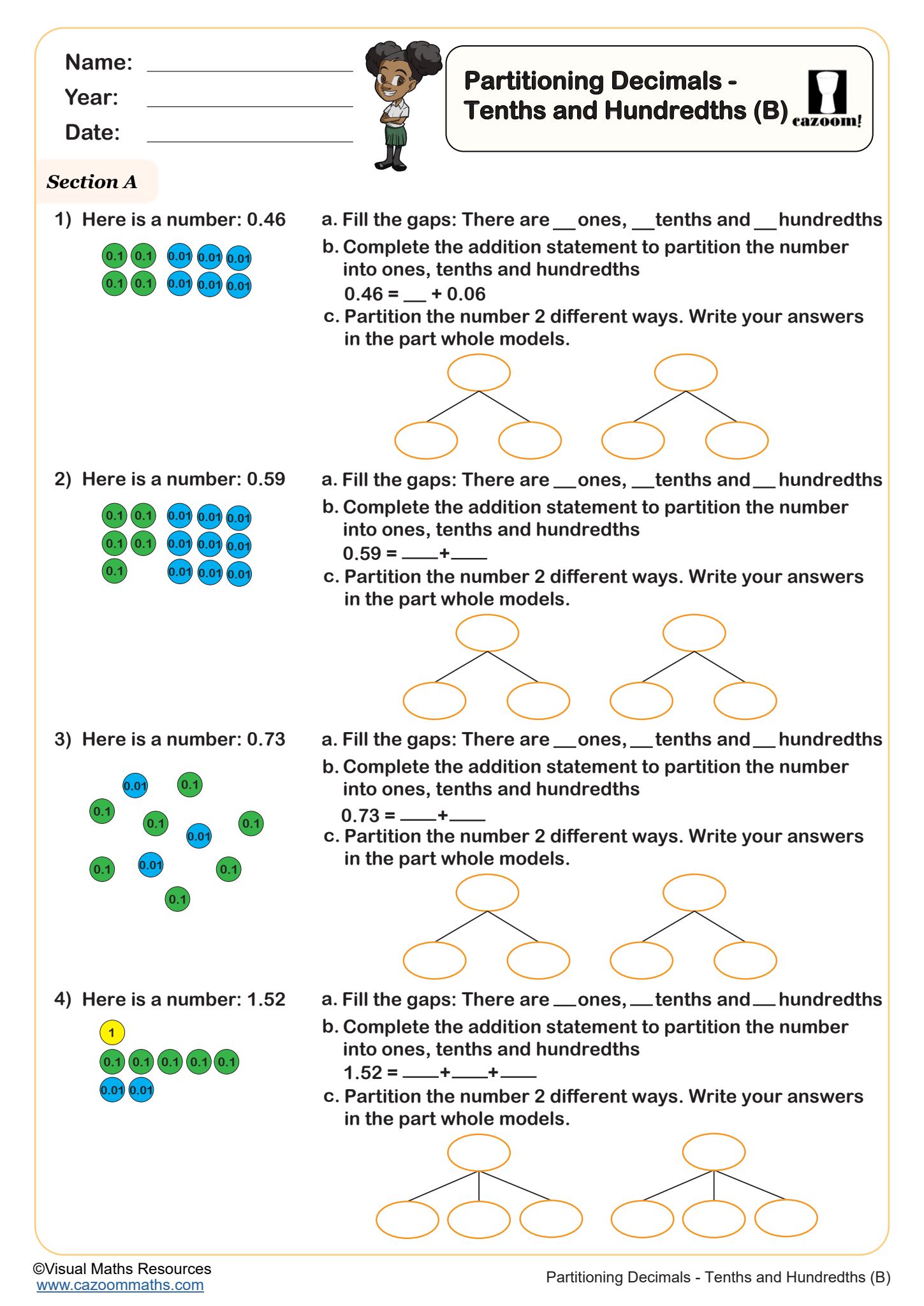
Partitioning Decimals - Tenths and Hundredths (B)
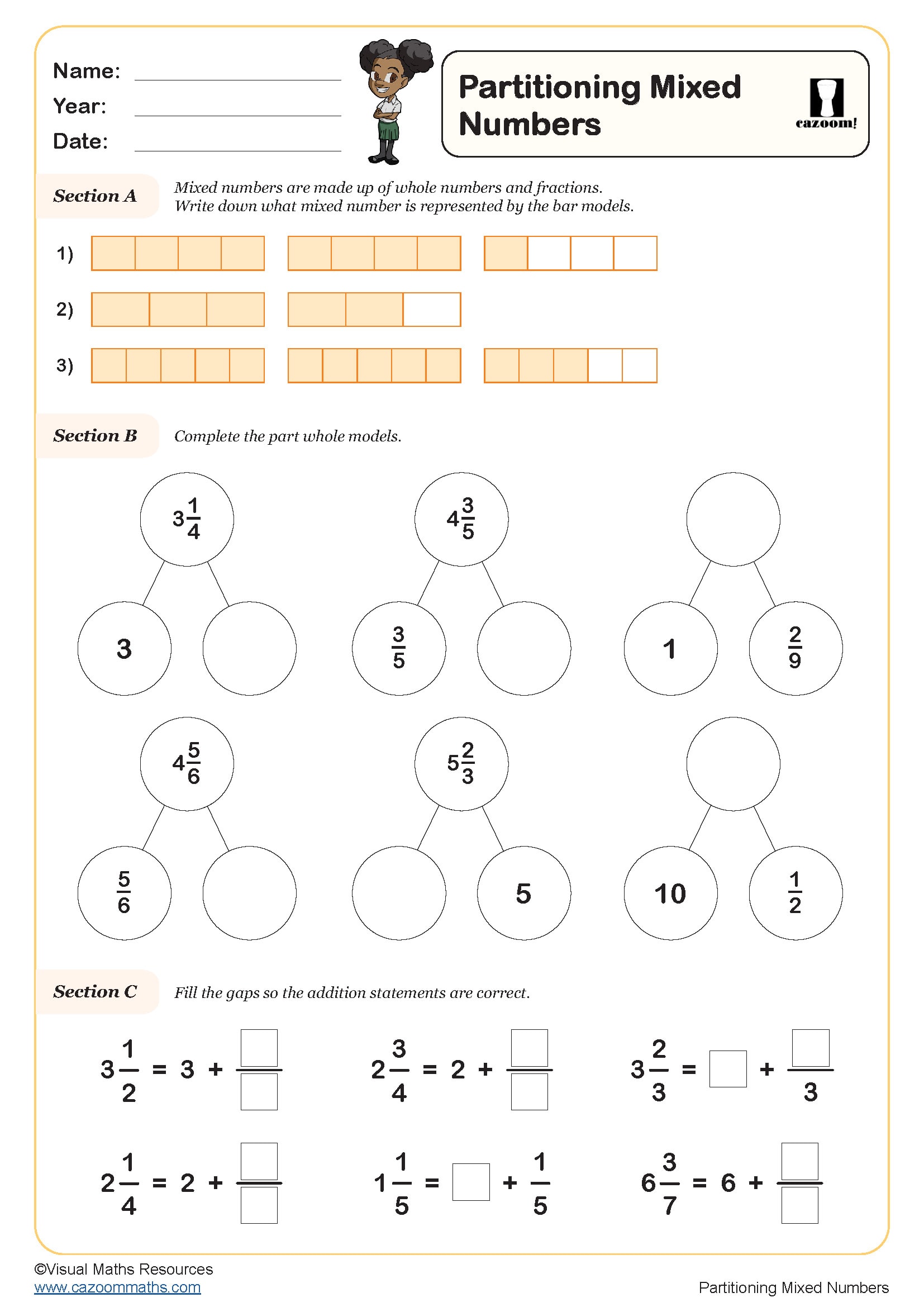
Partitioning Mixed Numbers
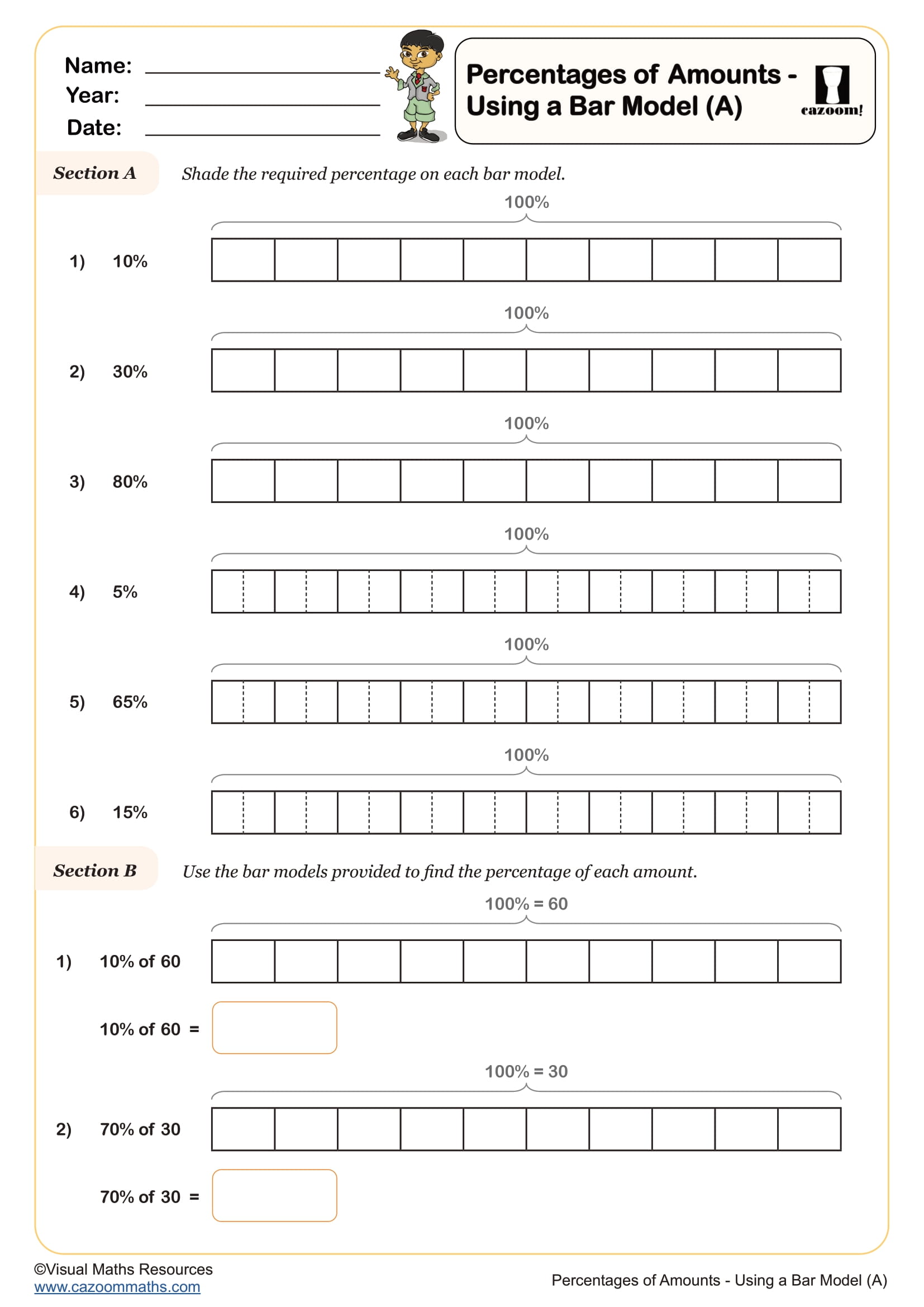
Percentages of Amounts - Using a Bar Model (A)
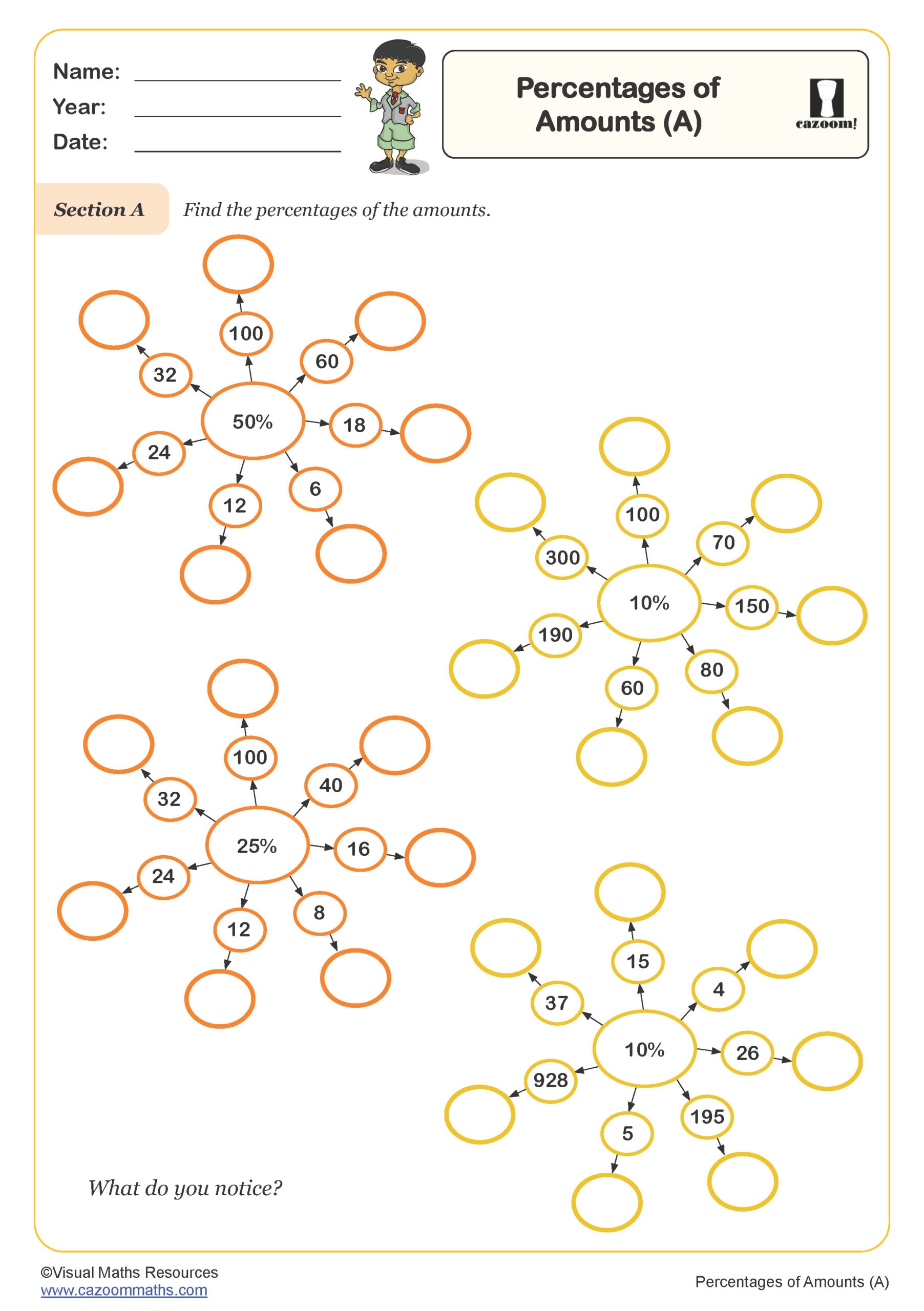
Percentages of Amounts (A)
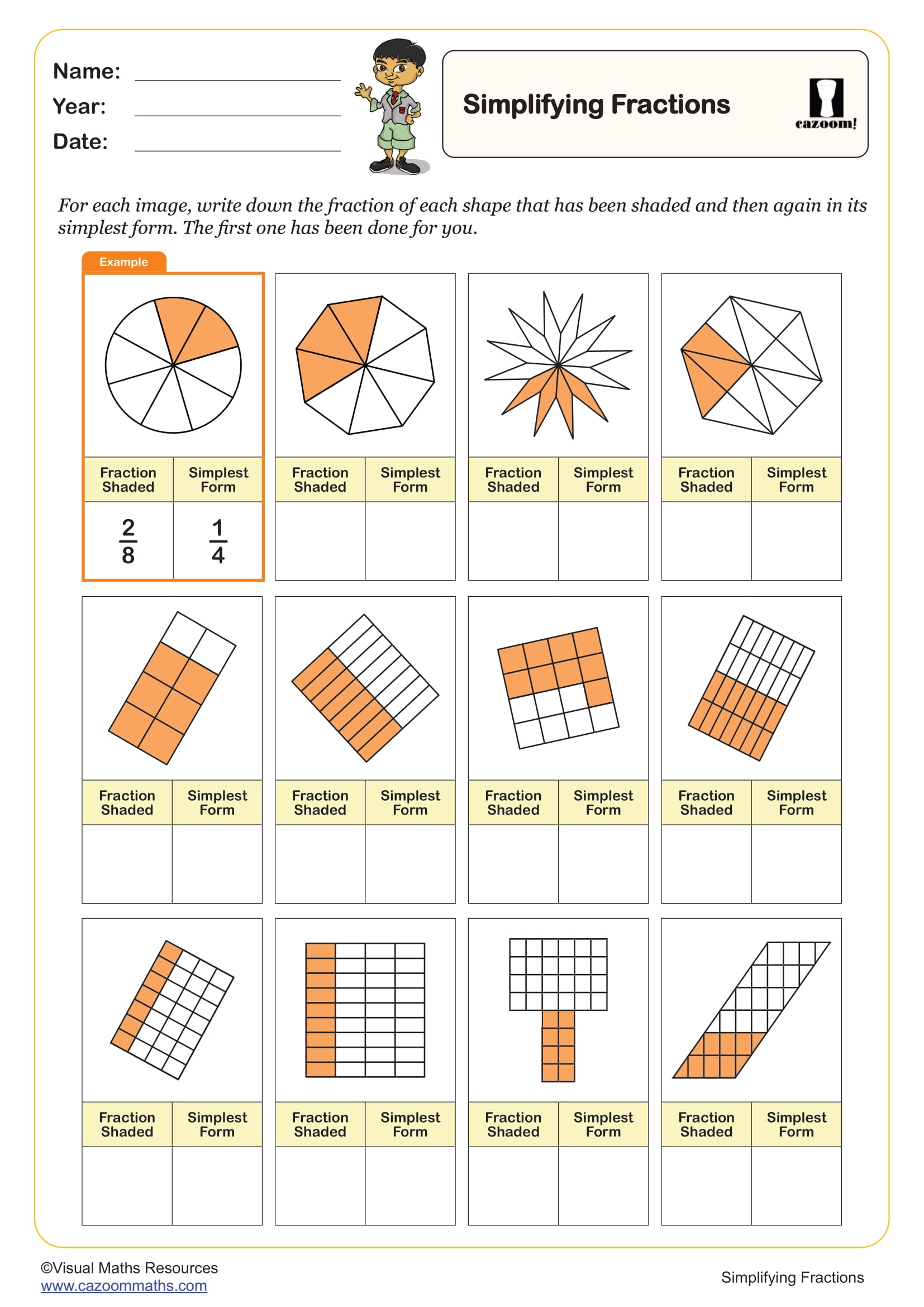
Simplifying Fractions
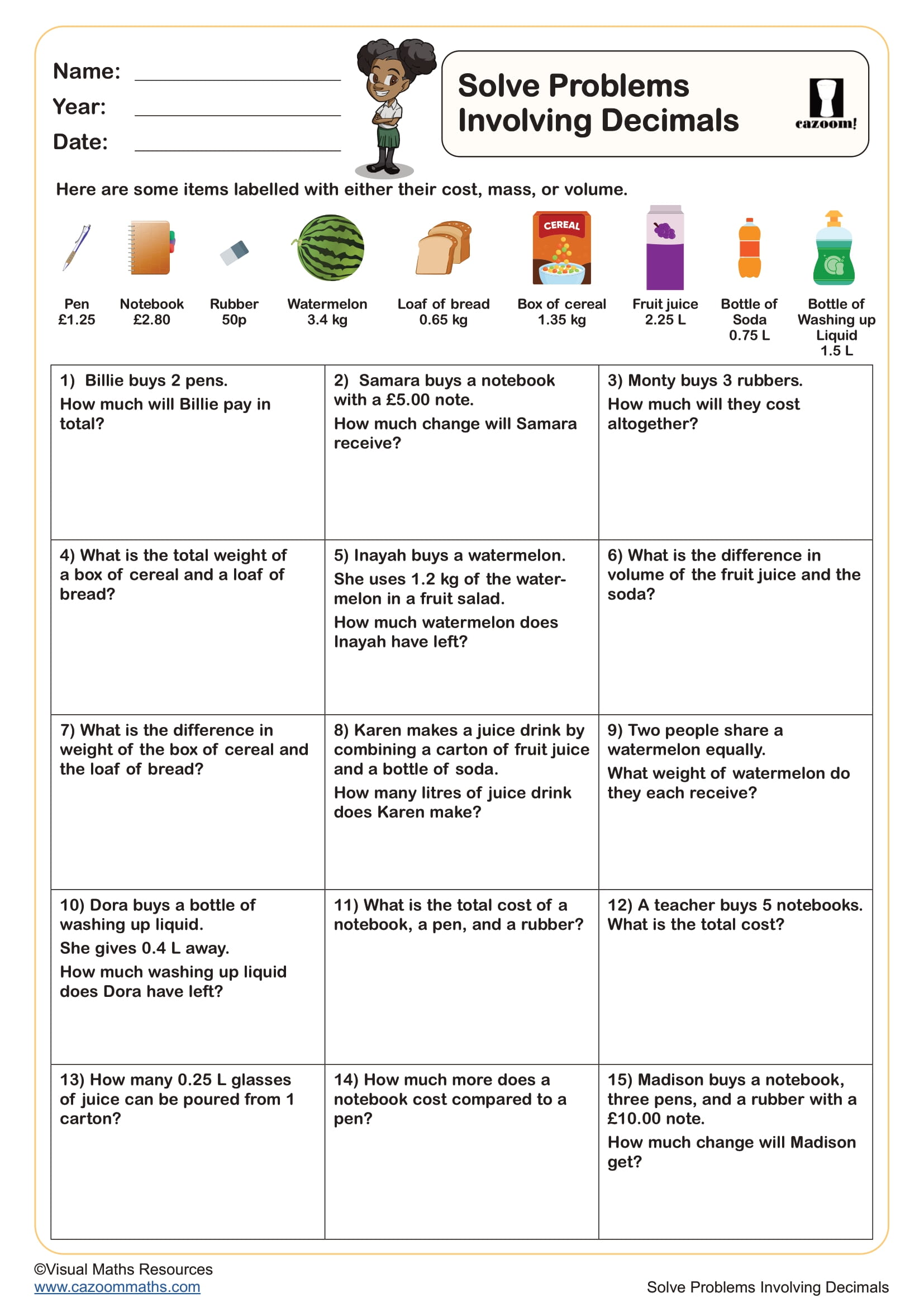
Solve Problems Involving Decimals
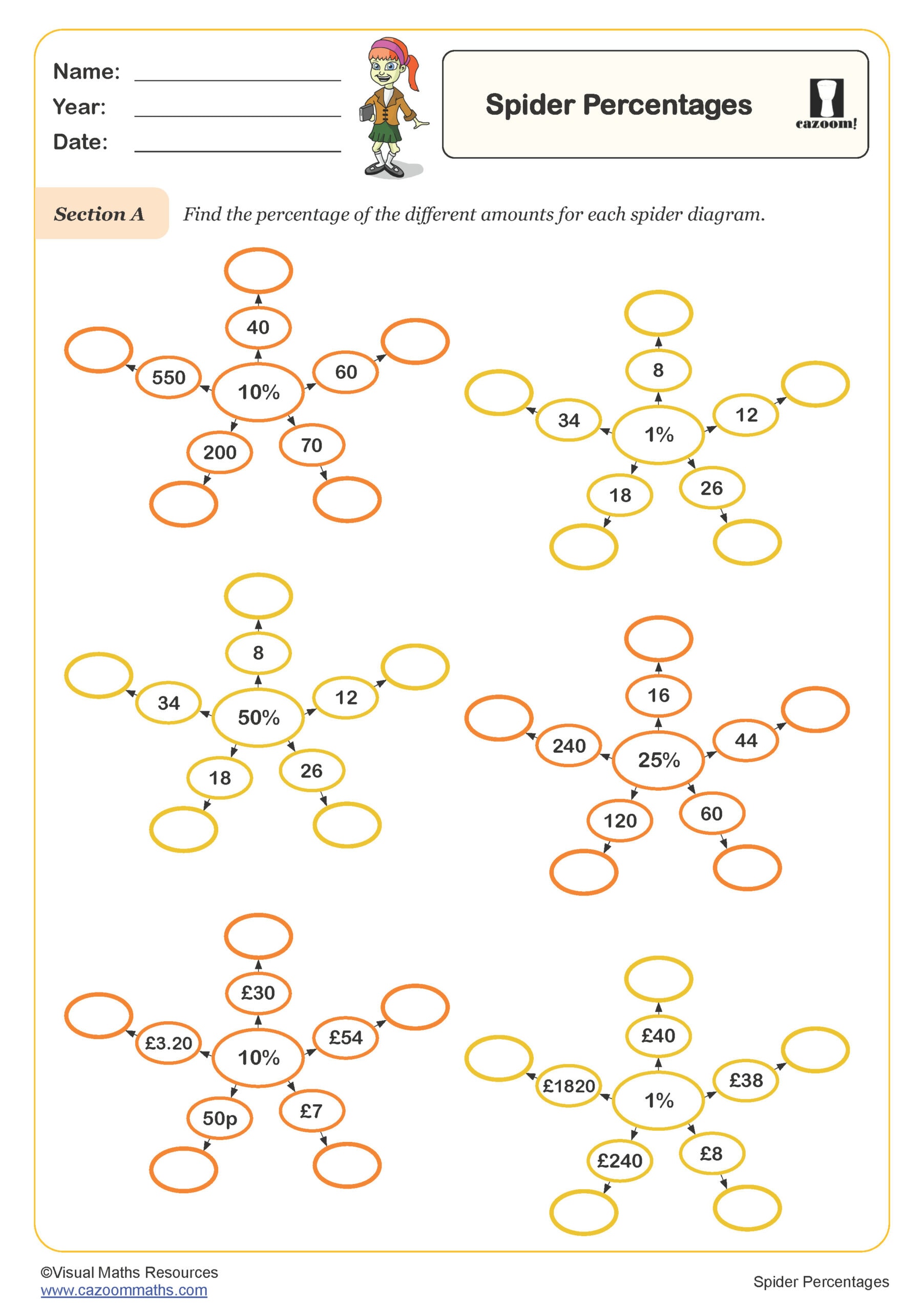
Spider Percentages
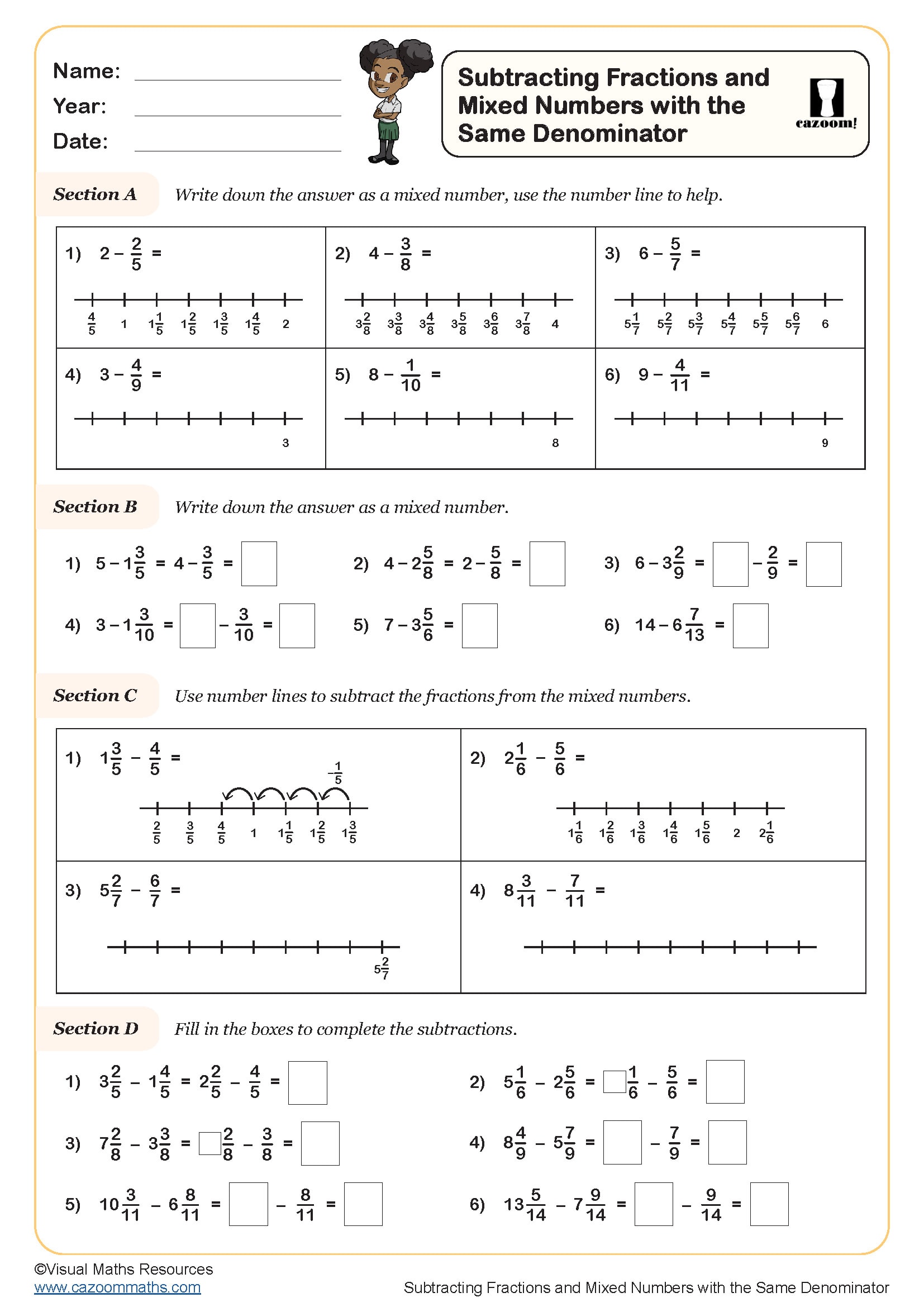
Subtracting Fractions and Mixed Numbers with the Same Denominator
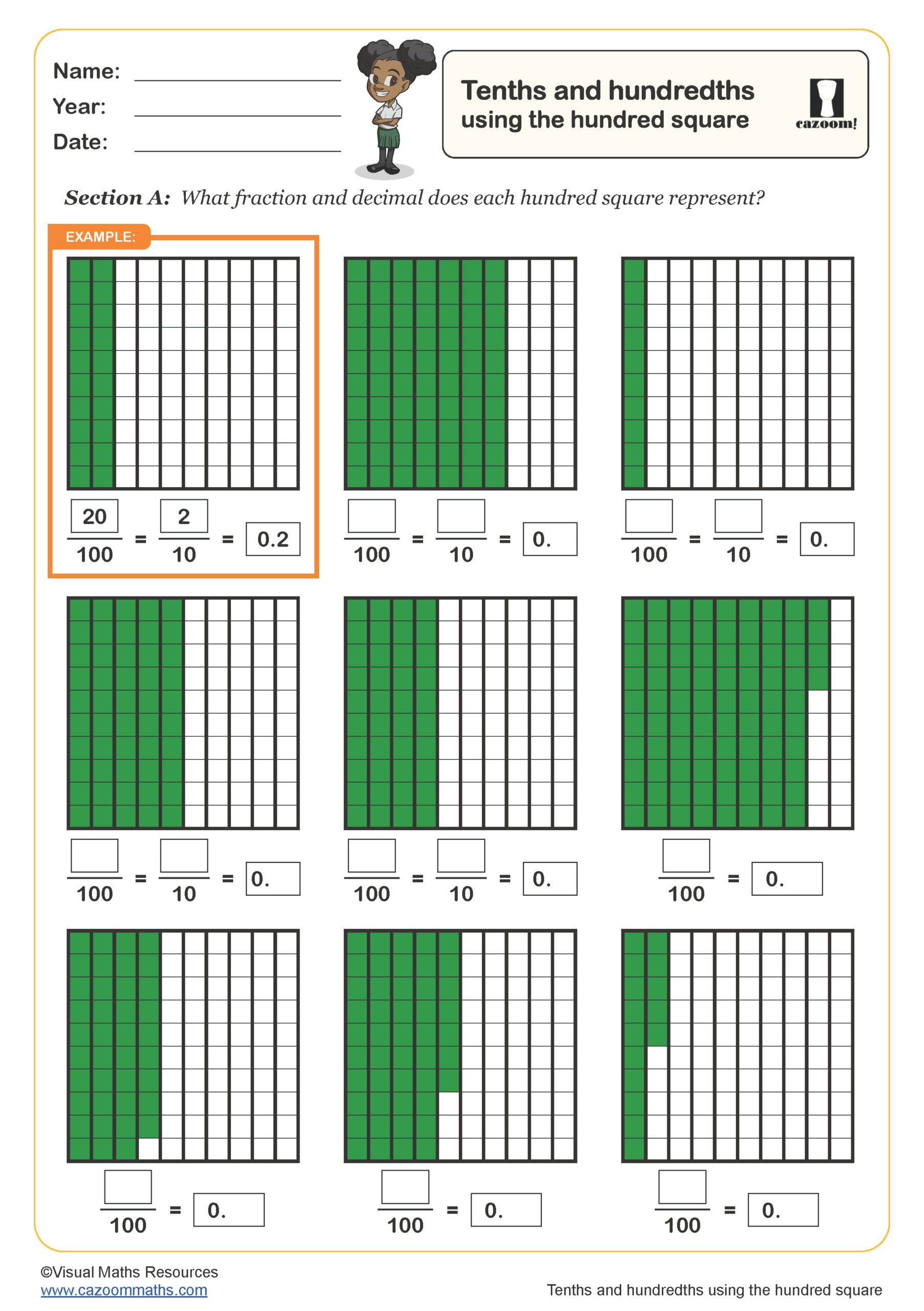
Tenths and Hundredths Using the Hundred Square
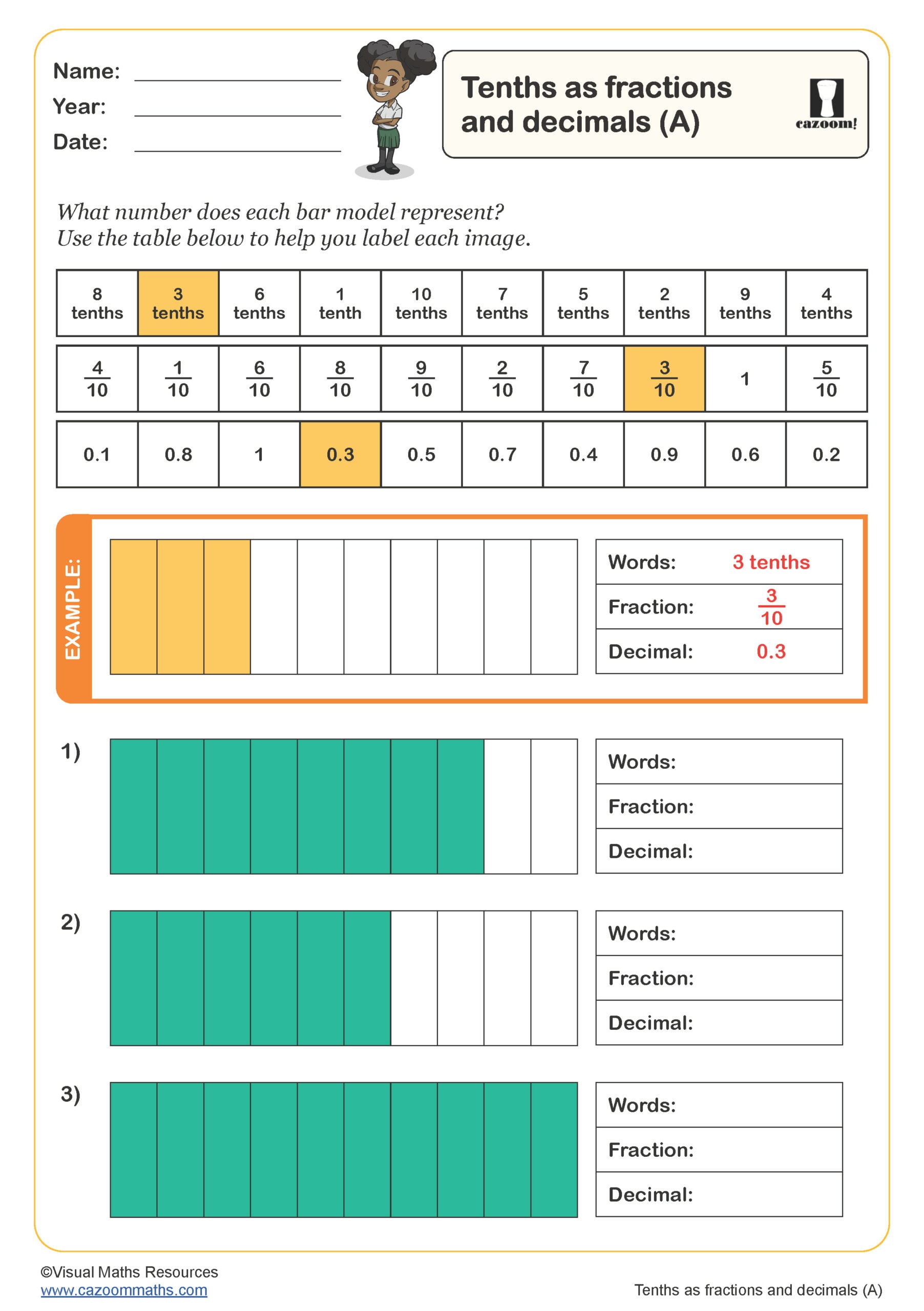
Tenths as Fractions and Decimals (A)
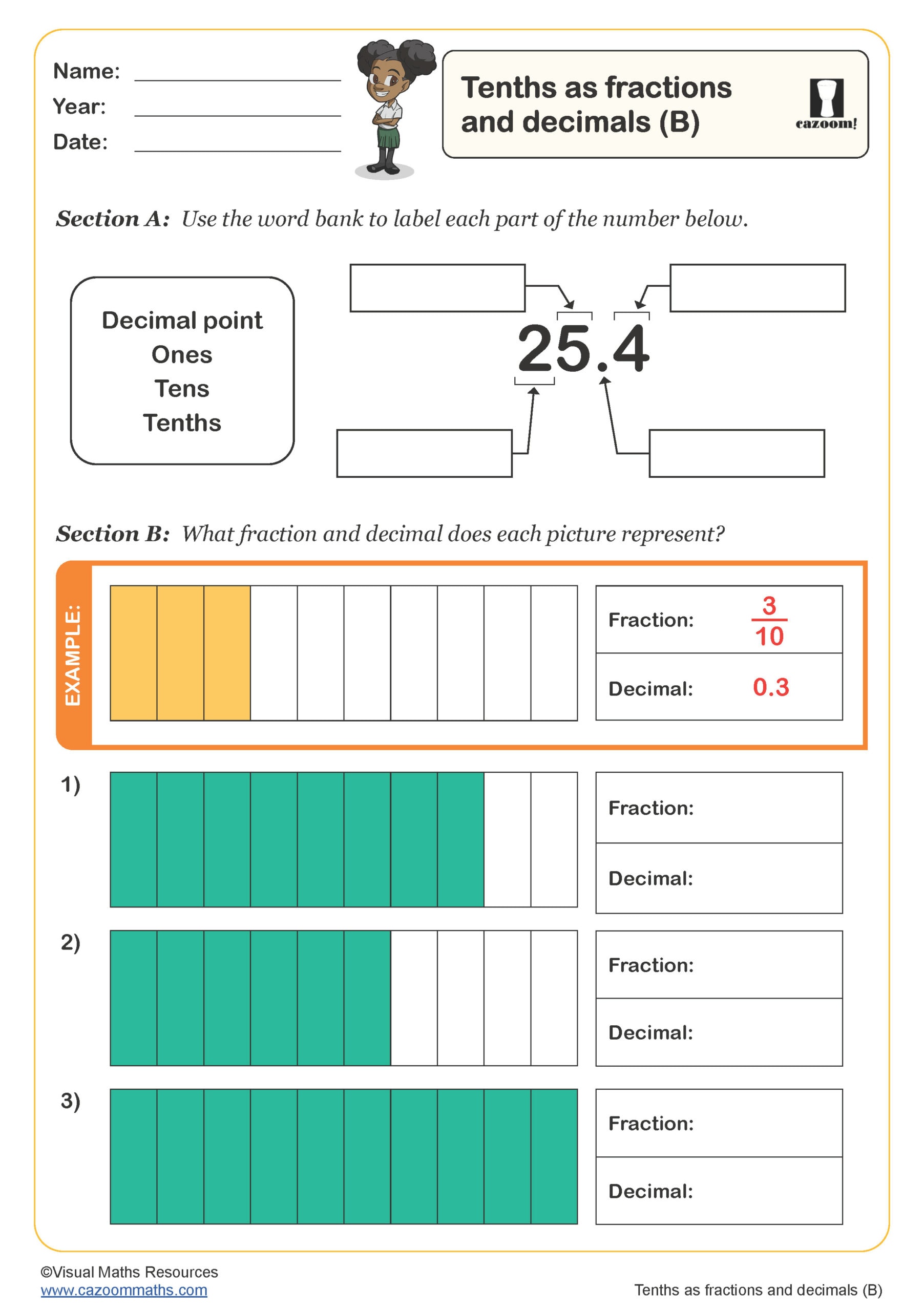
Tenths as Fractions and Decimals (B)
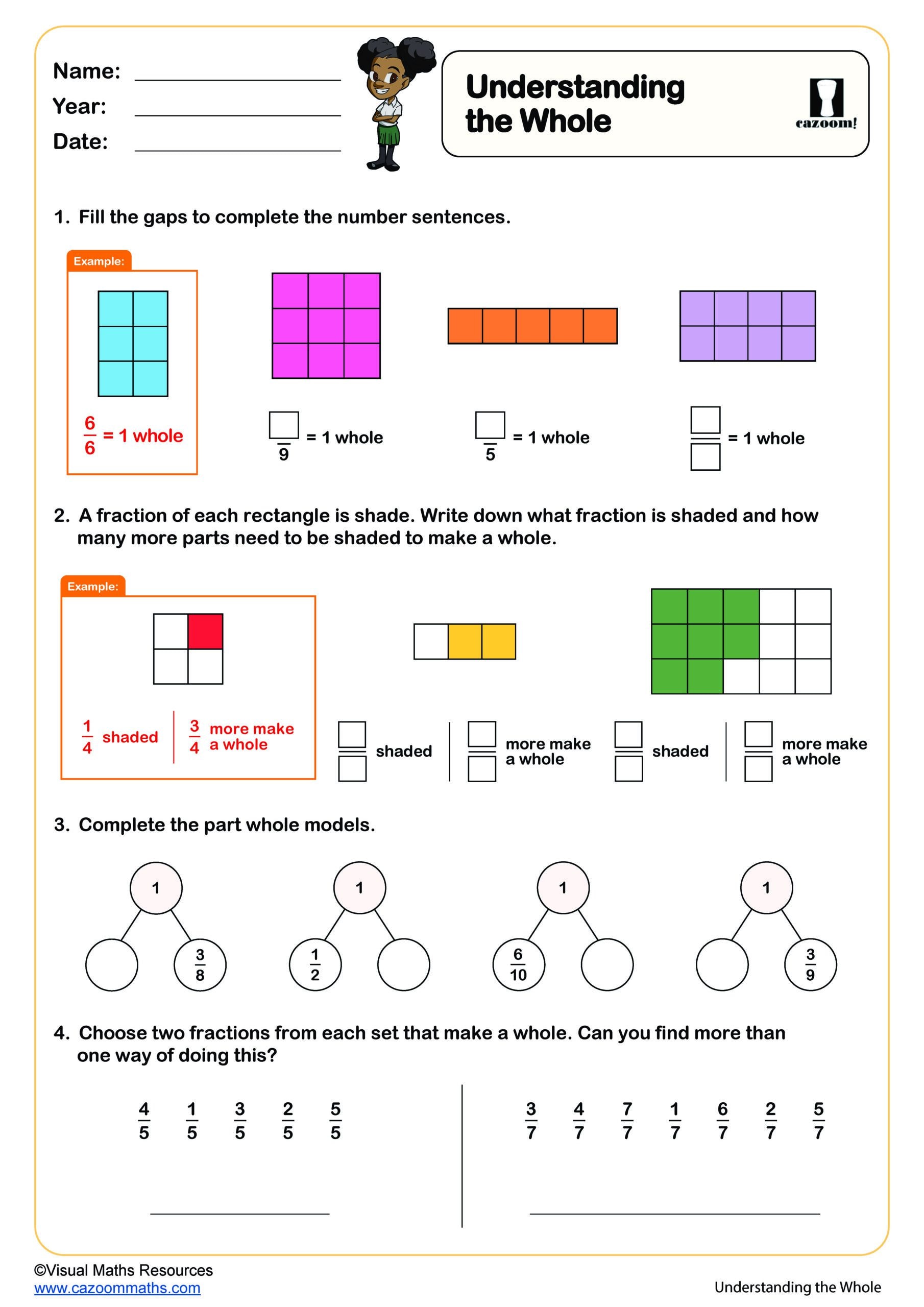
Understanding the Whole
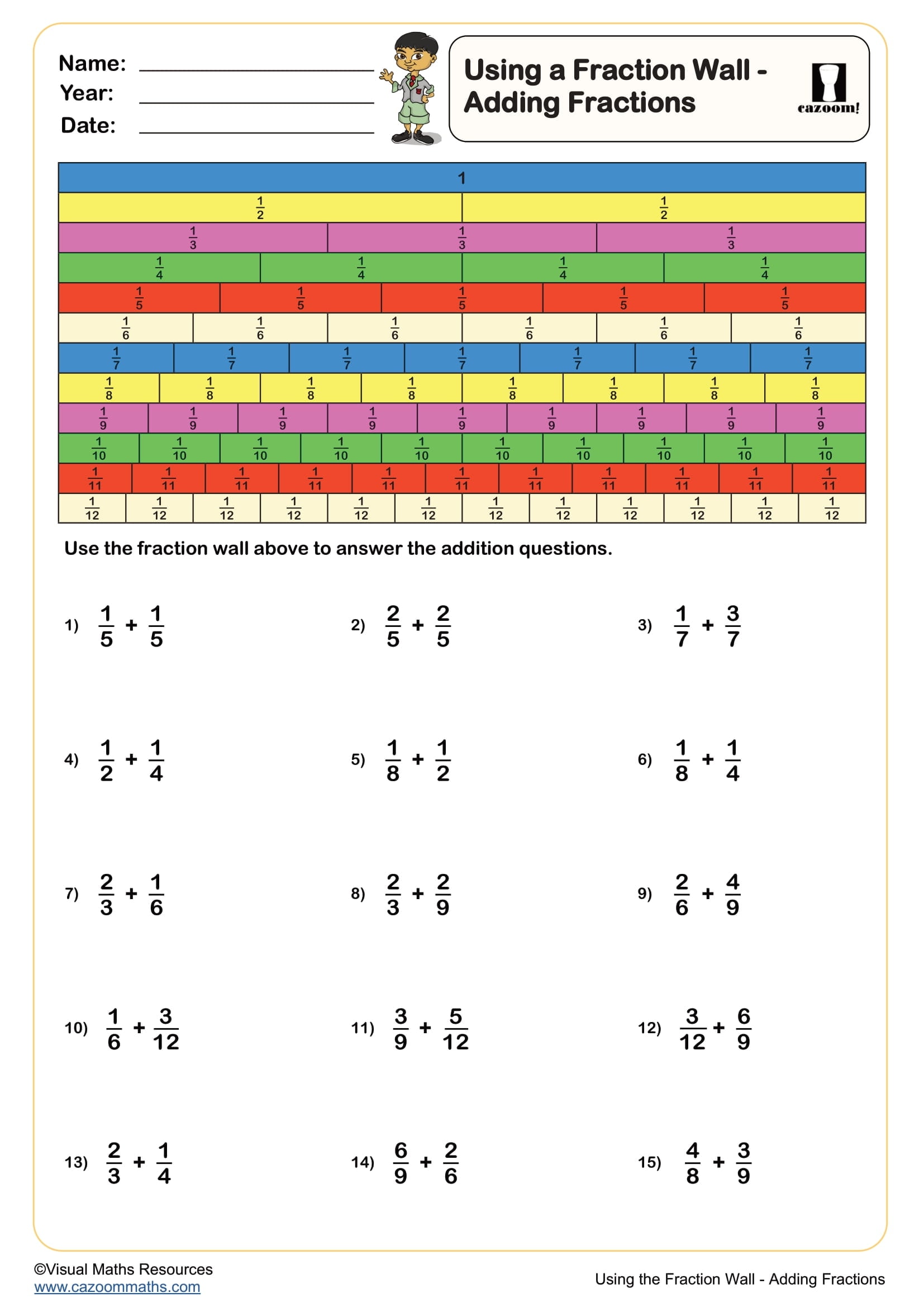
Using a Fraction Wall - Adding Fractions
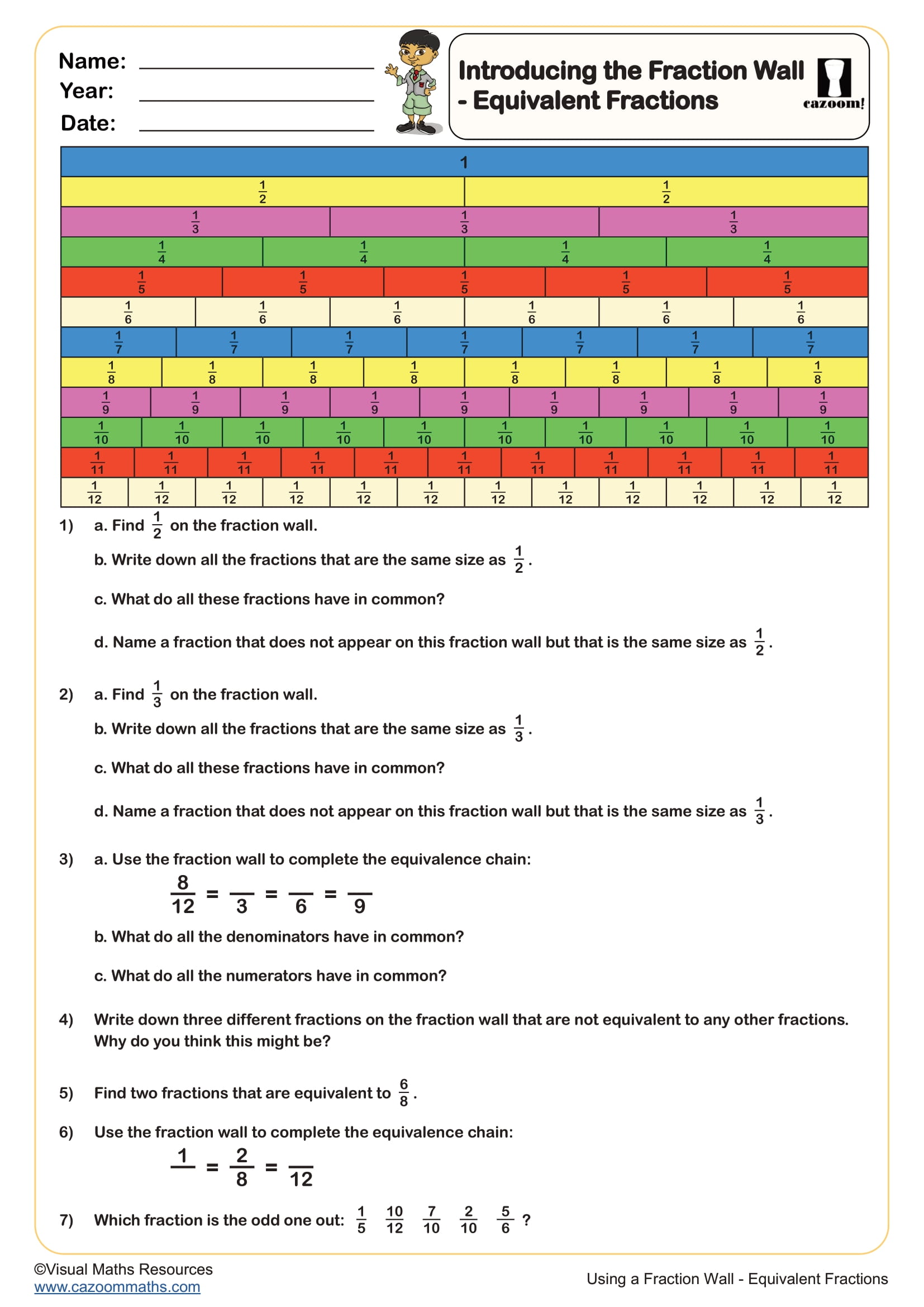
Using a Fraction Wall - Equivalent Fractions
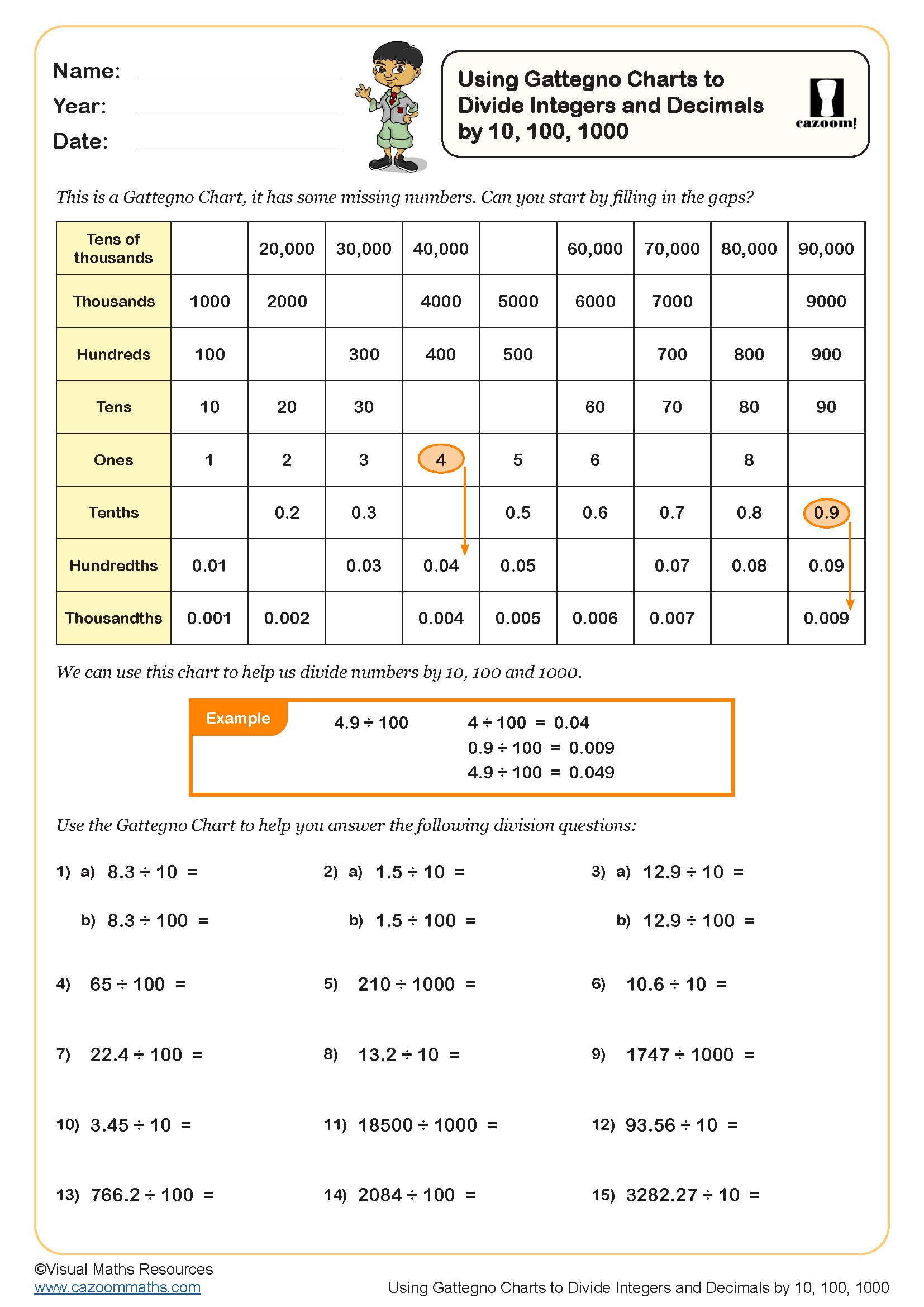
Using Gattegno Charts to Divide Integers and Decimals by 10, 100, 1000
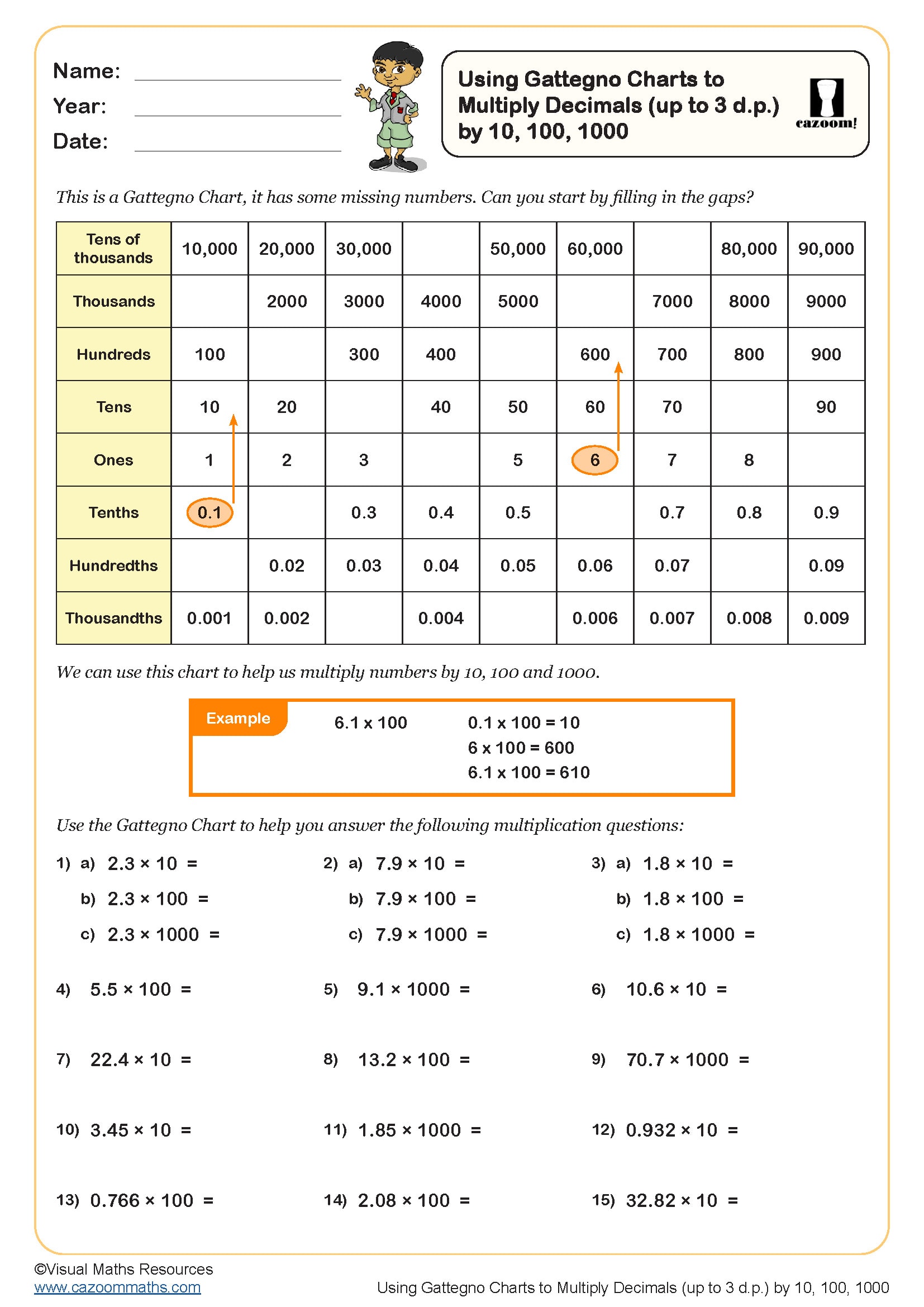
Using Gattegno Charts to Multiply Decimals ( up to 3 d.p.) by 10, 100, 1000
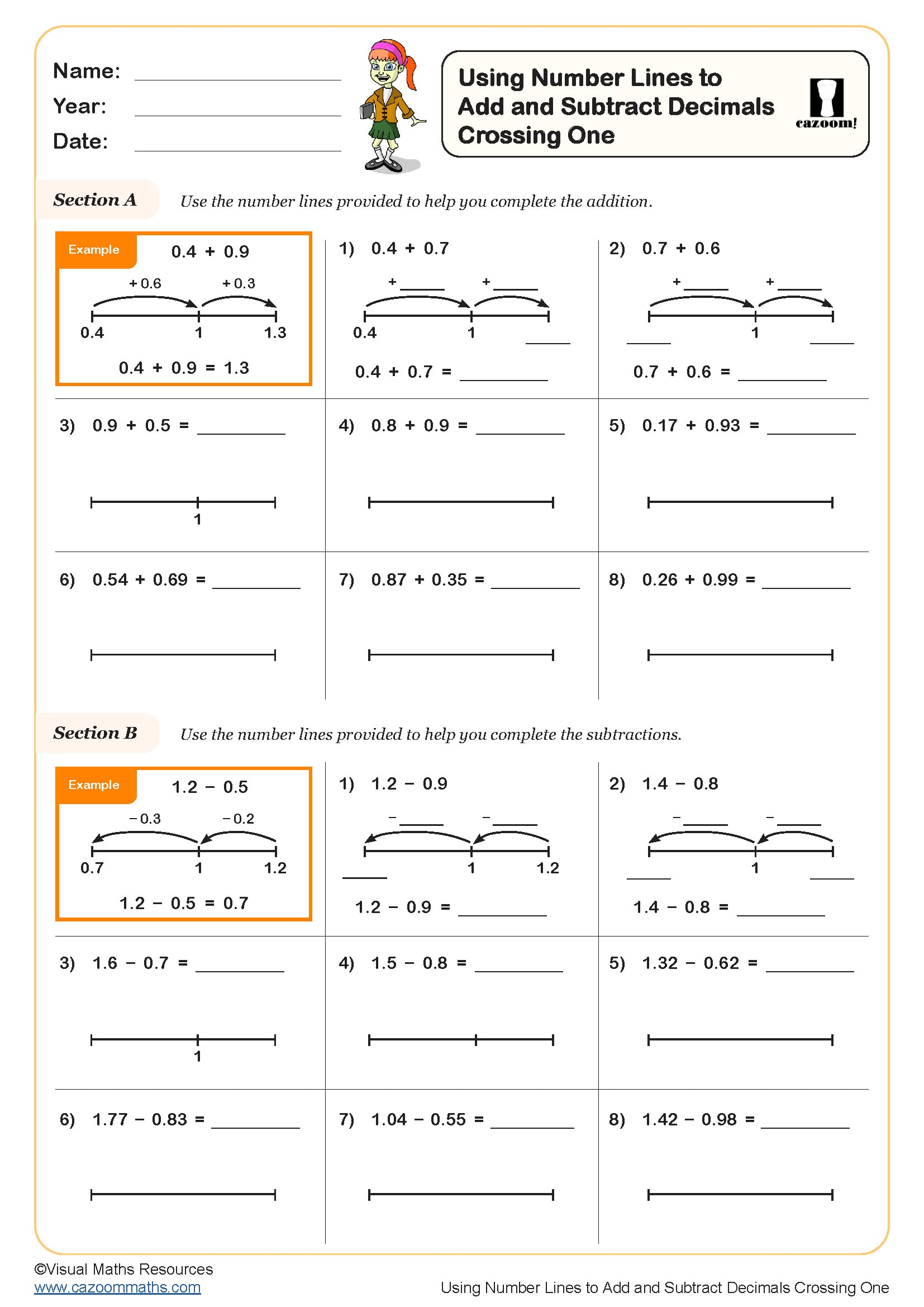
Using Number Lines to Add and Subtract Decimals Crossing One
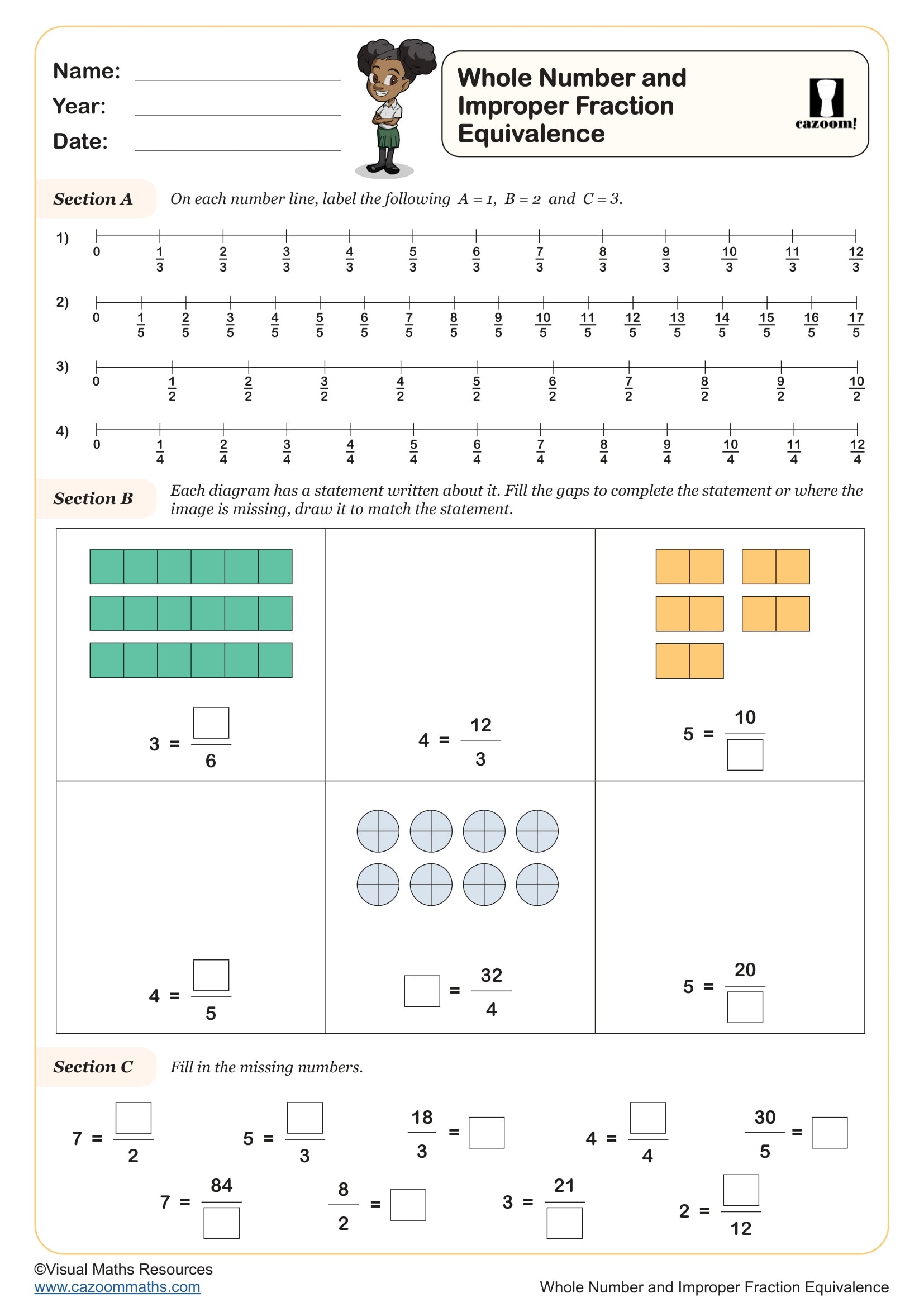
Whole Number and Improper Fraction Equivalence
All worksheets are created by the team of experienced teachers at Cazoom Maths.
What topics do these KS2 percentages worksheets cover?
The worksheets cover the full progression of fractions, decimals and percentages across Key Stage 2. Pupils start with recognising and writing simple fractions, understanding decimal notation, and identifying common percentage values. As they progress through the key stage, activities include comparing and ordering fractions with different denominators, converting between improper fractions and mixed numbers, and understanding decimal place value to three decimal places.
More advanced worksheets focus on calculating percentages of amounts, finding percentage increases and decreases, and solving problems involving all three representations. The collection also includes equivalence work, helping pupils recognise that fractions, decimals and percentages are different ways of expressing the same value. This systematic approach ensures pupils develop both procedural fluency and conceptual understanding throughout KS2.
Which year groups are these fractions, decimals and percentages worksheets suitable for?
These worksheets are specifically designed for Key Stage 2, covering Year 3, Year 4, Year 5 and Year 6. Each year group has worksheets matched to their National Curriculum expectations, ensuring age-appropriate challenge. Year 3 pupils work with unit and non-unit fractions, tenths as decimals, and basic fraction-decimal equivalents, whilst Year 4 extends to hundredths, decimal equivalents, and simple percentages.
Year 5 worksheets introduce comparing and ordering fractions, percentages and decimals, whilst Year 6 materials tackle more complex applications including percentage problems, ratio connections, and multi-step reasoning. This careful progression means teachers can select worksheets that match their current teaching focus, provide extension for confident learners, or offer consolidation for pupils needing additional practice.
How do the worksheets help pupils convert between fractions, decimals and percentages?
Conversion between representations is a core focus throughout the collection. Worksheets systematically build pupils' understanding that these are equivalent ways of expressing proportion. Early activities establish common conversions such as ½ = 0.5 = 50%, using visual models and number lines to strengthen conceptual foundations before moving to procedural methods.
Later worksheets develop efficient conversion techniques, including dividing to change fractions to decimals, multiplying decimals by 100 for percentages, and recognising when to simplify. Pupils practise converting in all directions and selecting the most appropriate representation for different contexts. This thorough approach ensures they develop flexibility in mathematical thinking and can confidently choose which representation best suits a particular problem or situation.
Do the worksheets include answer sheets?
Yes, every worksheet includes a complete answer sheet. This makes marking straightforward and allows pupils to check their own work, promoting independent learning and self-assessment. The answer sheets show all solutions clearly, which is particularly valuable for multi-step problems where understanding the working method is as important as reaching the correct answer.
For teachers, having instant access to answers saves preparation time and makes the worksheets practical for homework, cover lessons, or intervention groups. Parents supporting home learning will also appreciate being able to verify answers confidently, even if they feel uncertain about the mathematical methods. All materials are provided as downloadable PDFs, so you can print worksheets as needed or share them digitally with pupils.