Algebra Worksheets
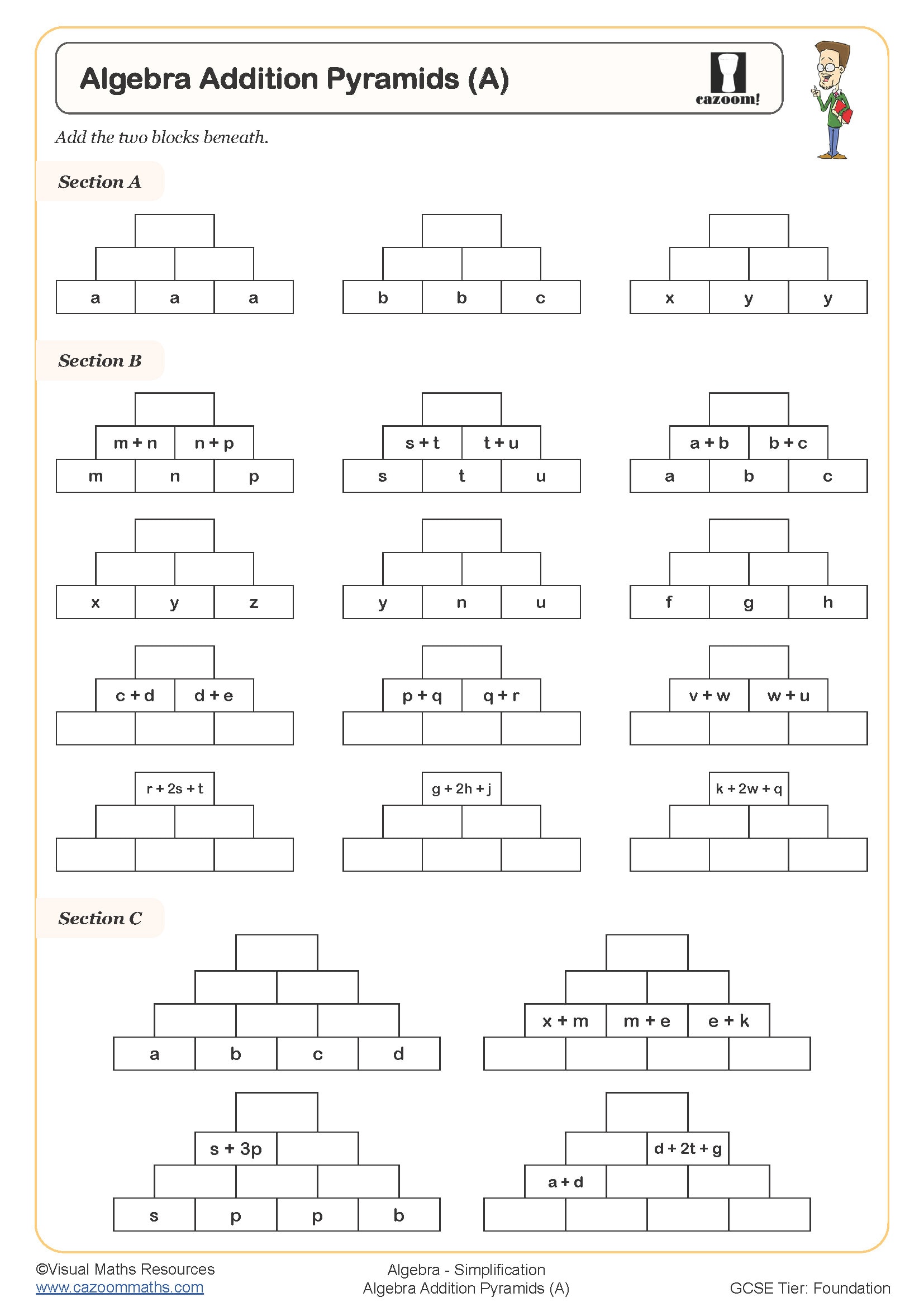
Algebra Addition Pyramids (A)
Year groups: 7, 8
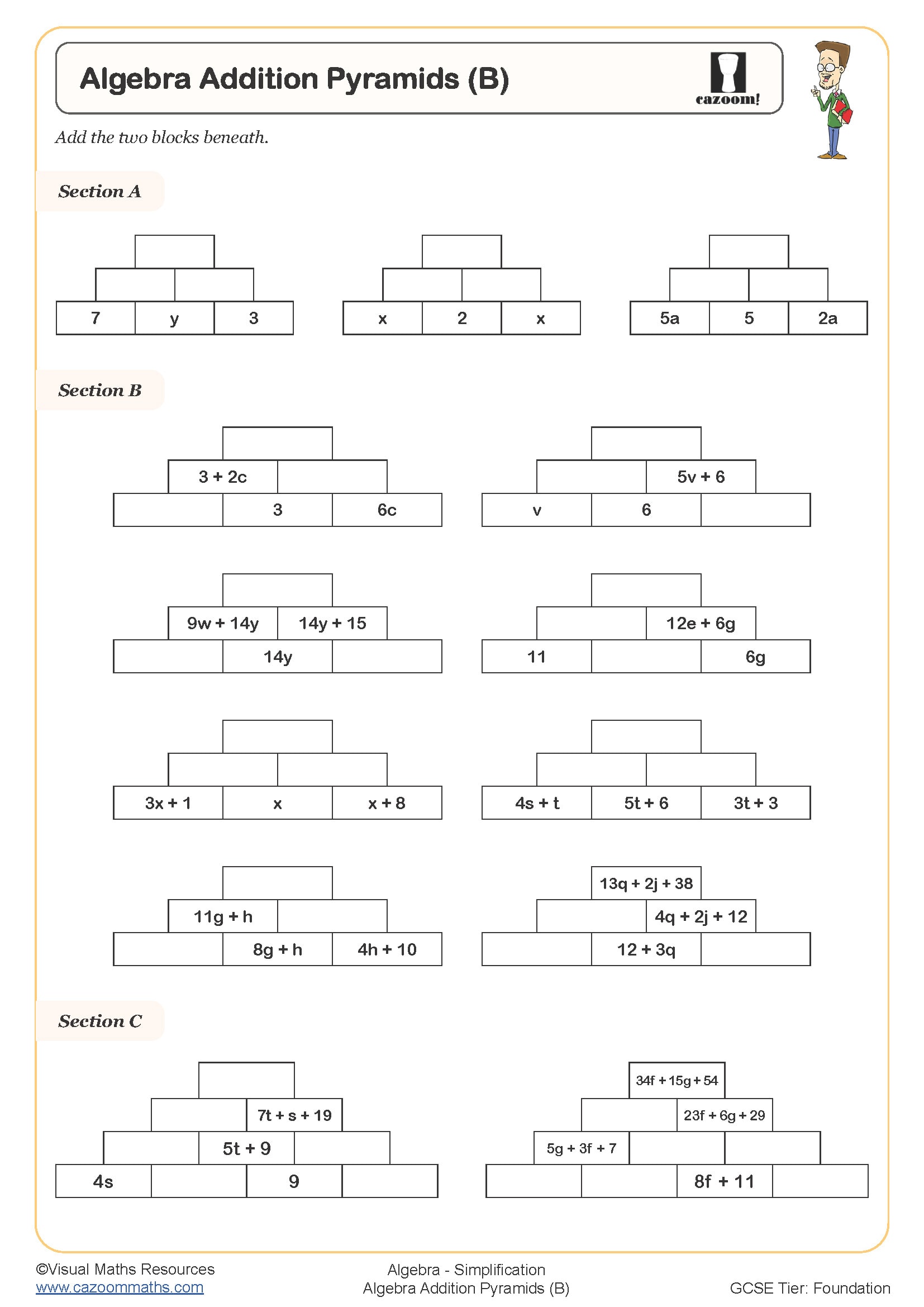
Algebra Addition Pyramids (B)
Year groups: 7, 8
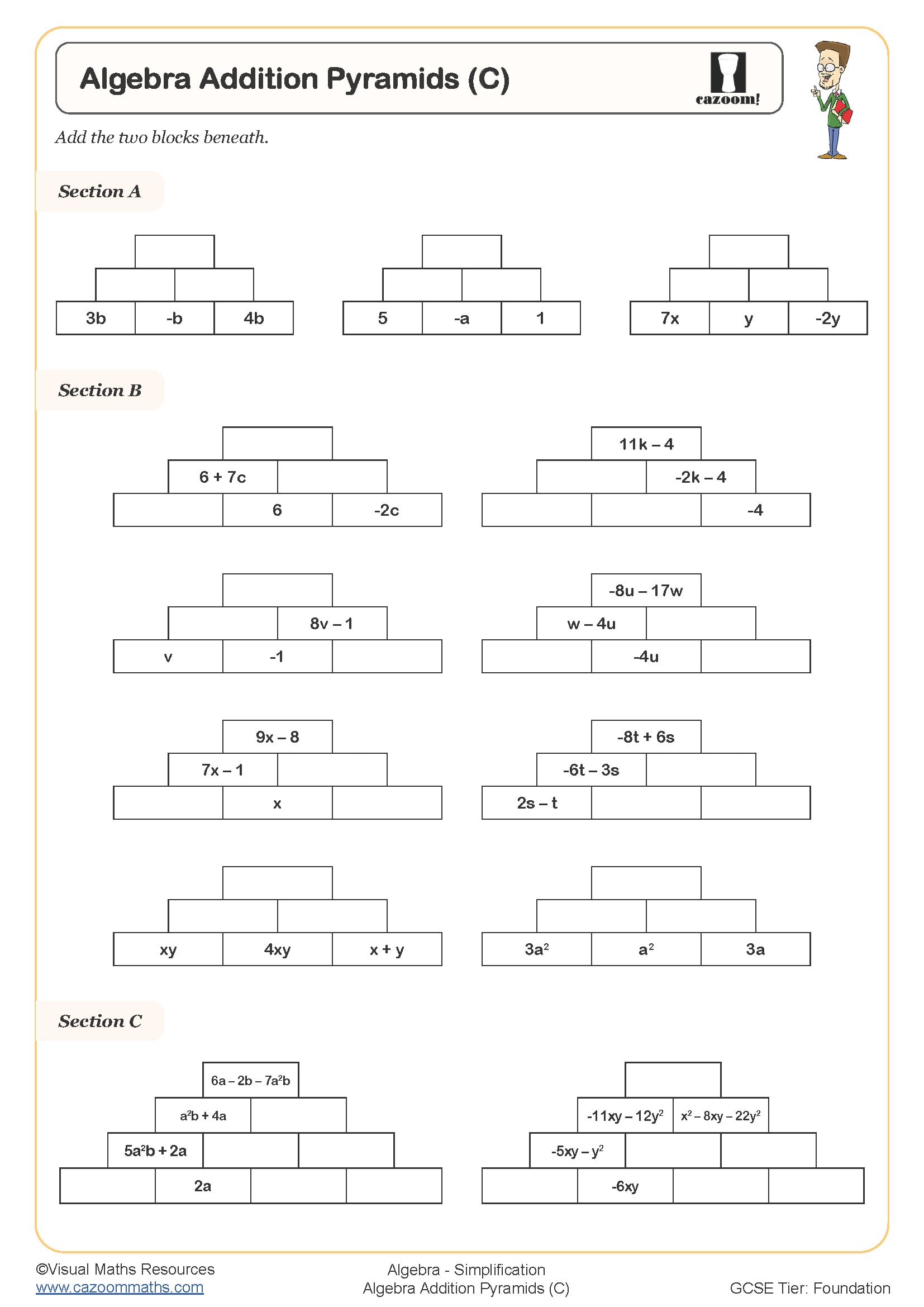
Algebra Addition Pyramids (C)
Year groups: 7, 8
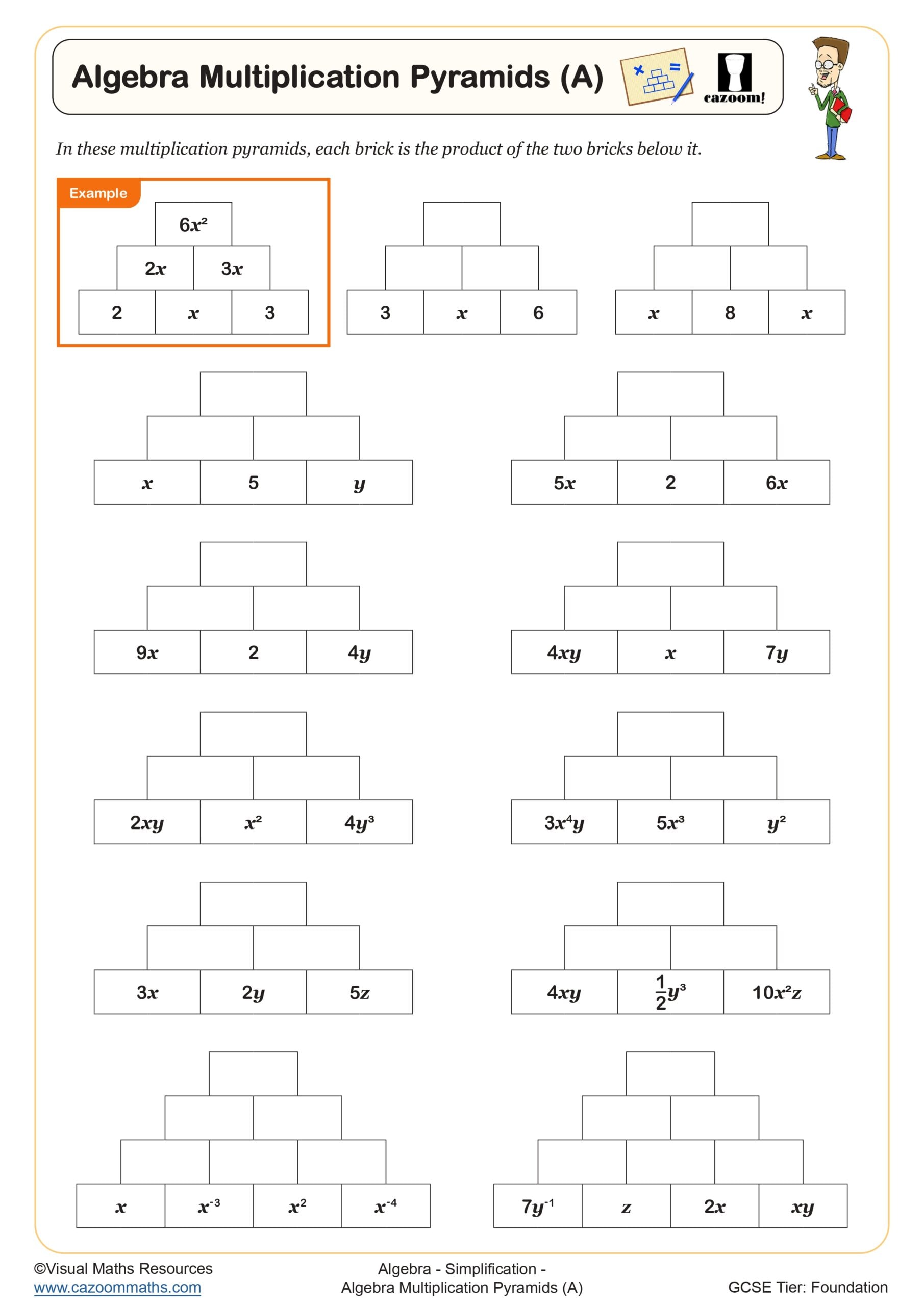
Algebra Multiplication Pyramids (A)
Year groups: 7, 8
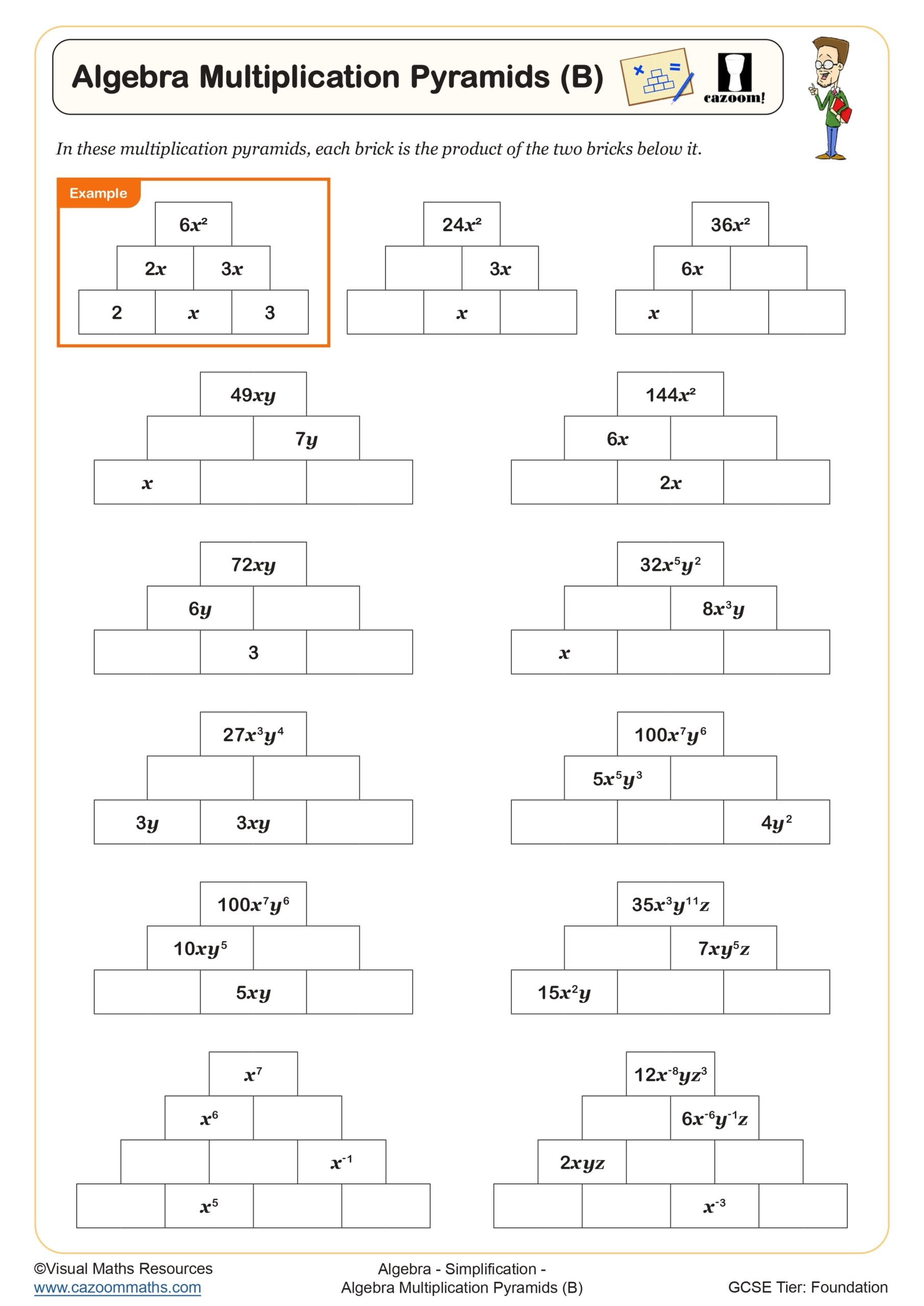
Algebra Multiplication Pyramids (B)
Year groups: 7, 8
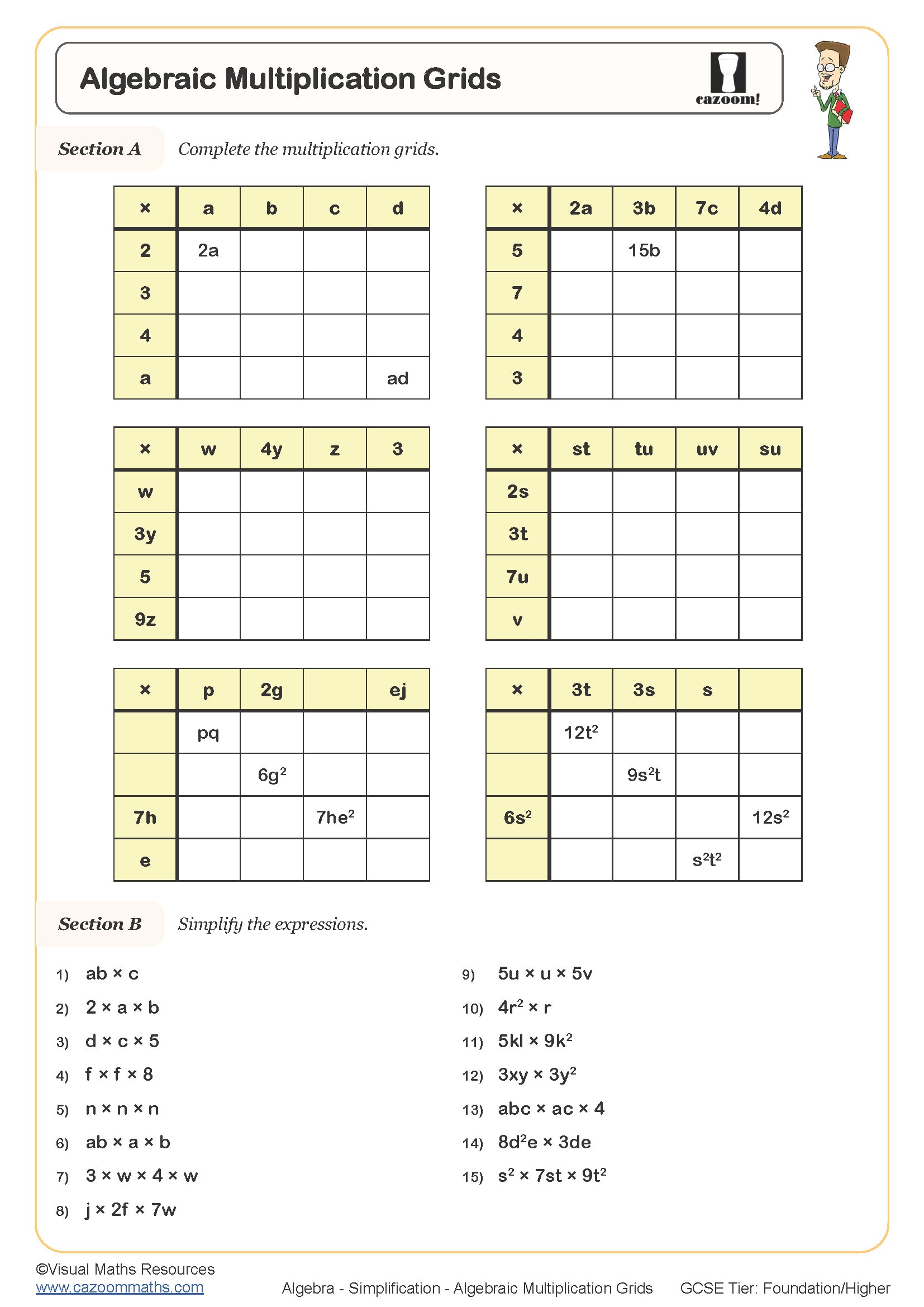
Algebraic Multiplication Grids
Year groups: 7, 8
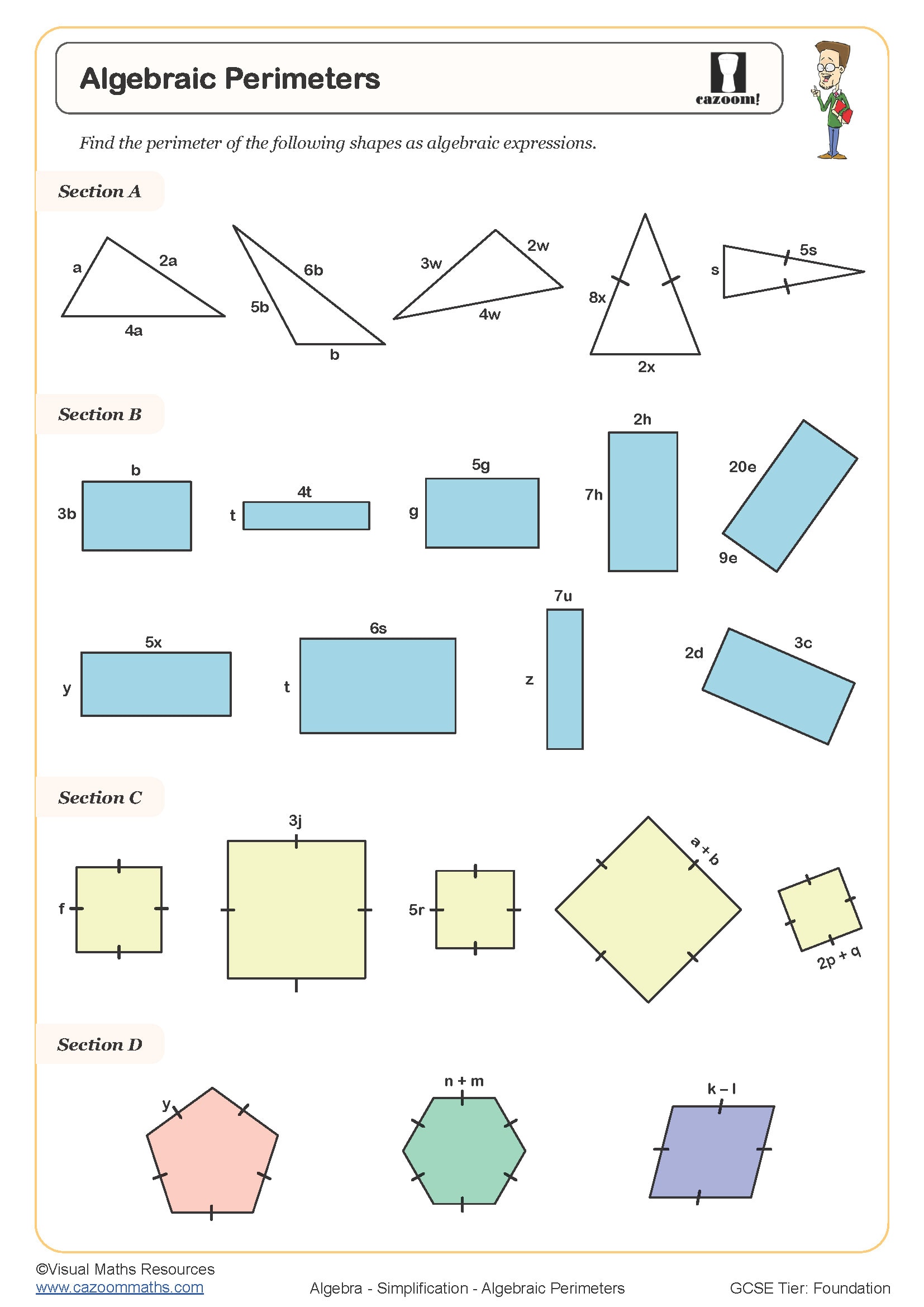
Algebraic Perimeters
Year groups: 7, 8
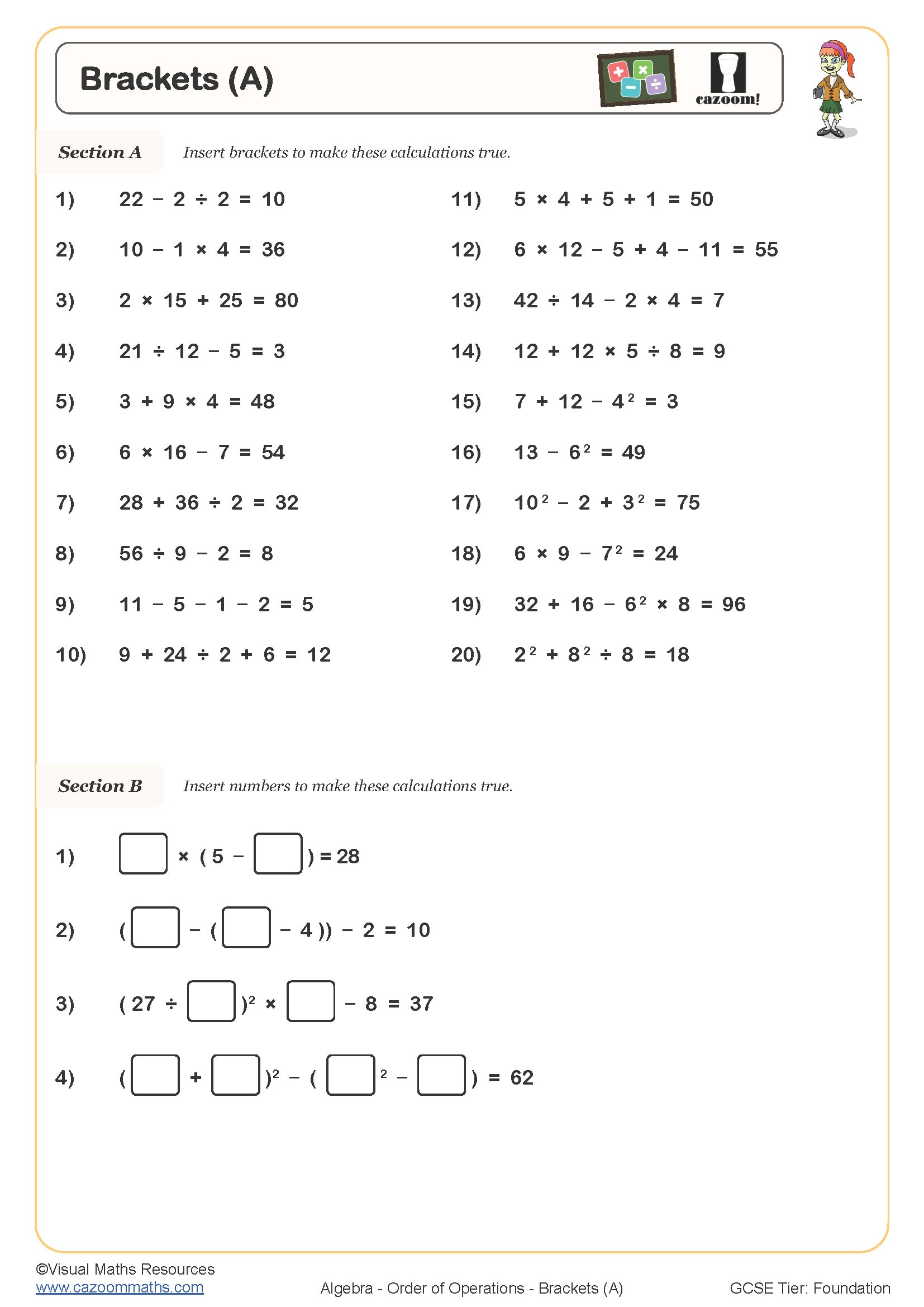
Brackets (A)
Year groups: 7, 8, 9
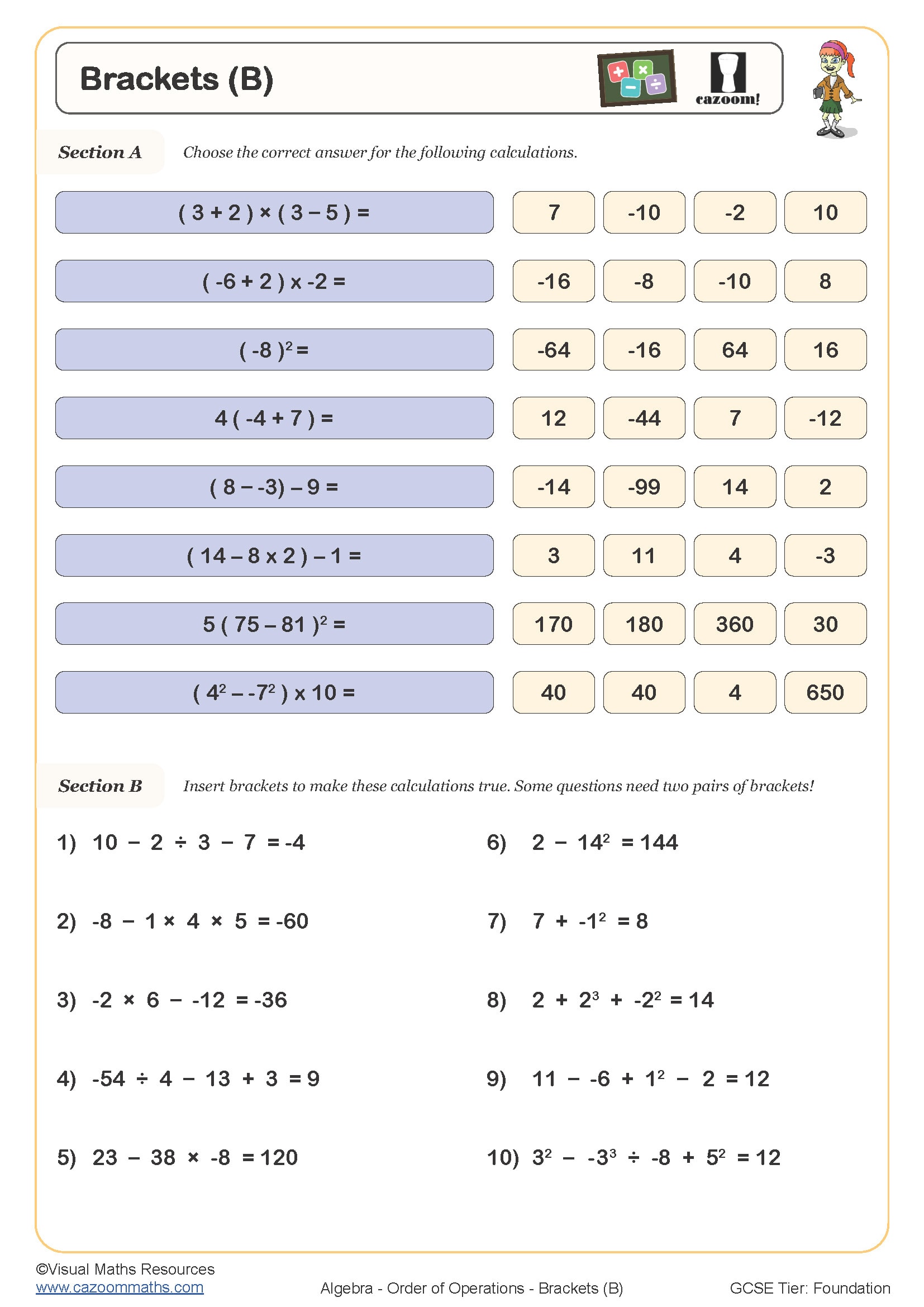
Brackets (B)
Year groups: 7, 8, 9
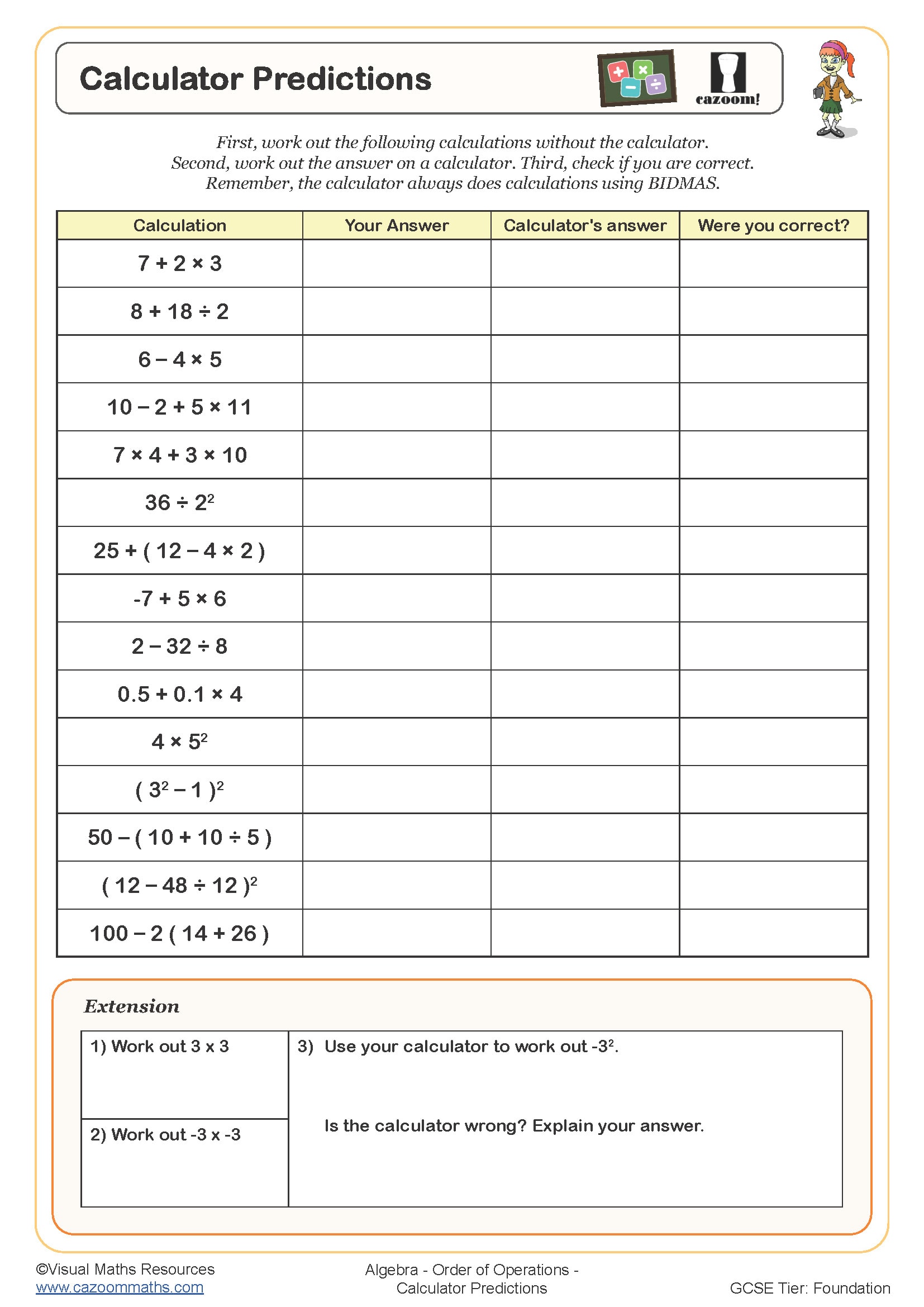
Calculator Predictions
Year groups: 7, 8
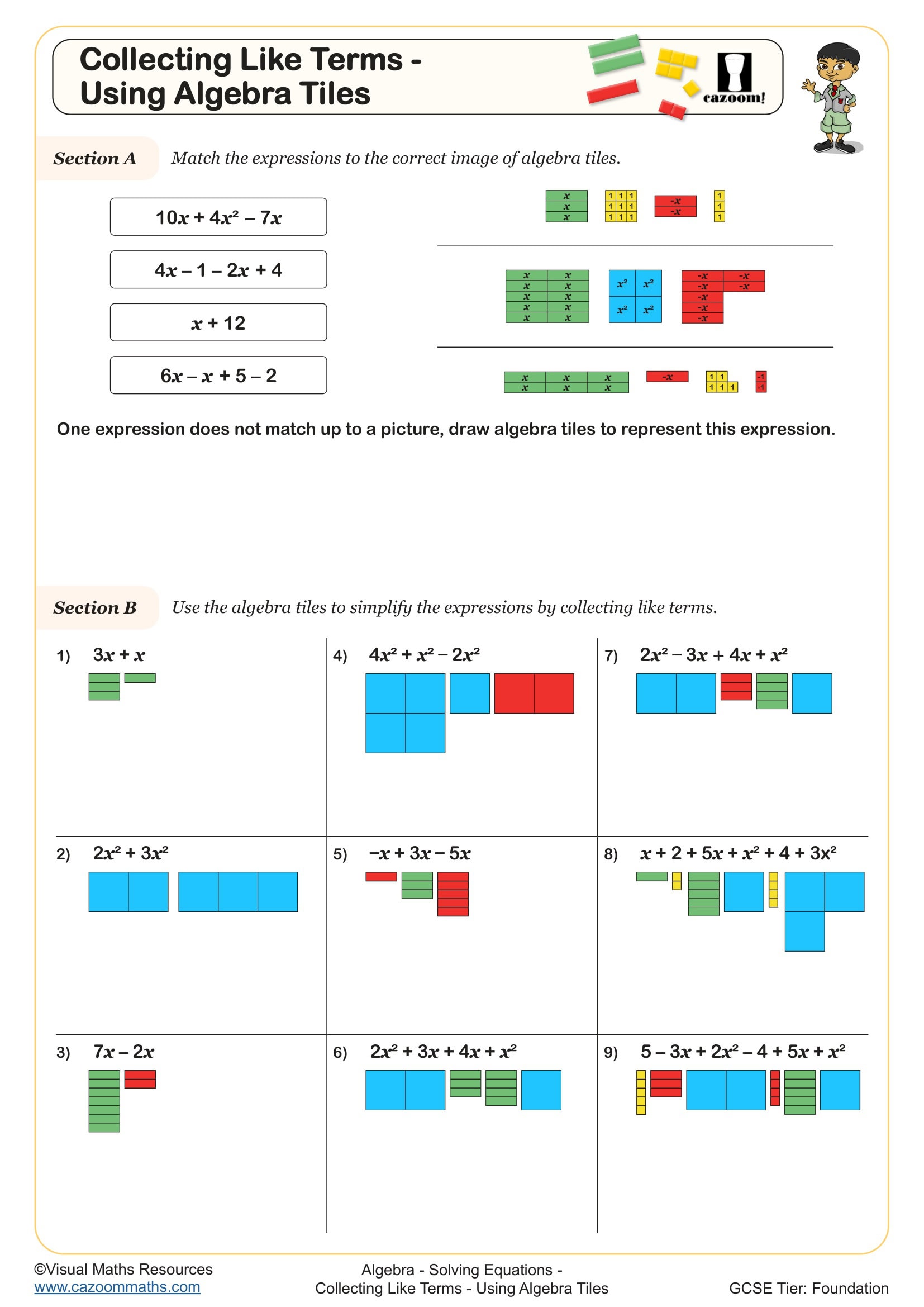
Collecting Like Terms - Using Algebra Tiles
Year groups: 7, 8
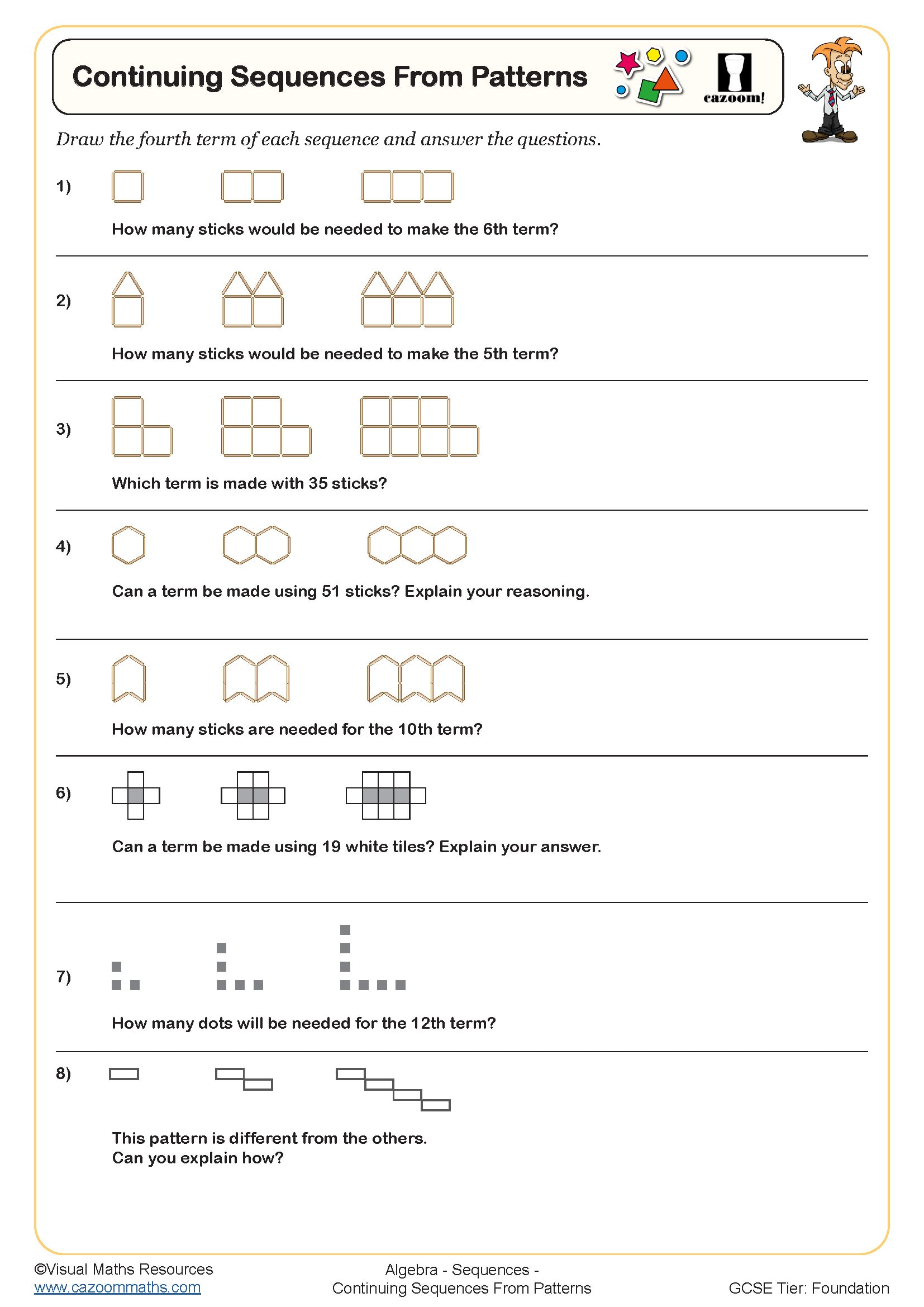
Continuing Sequences from Patterns
Year groups: 7
Drawing Straight Line Graphs
Year groups: 7, 8, 9
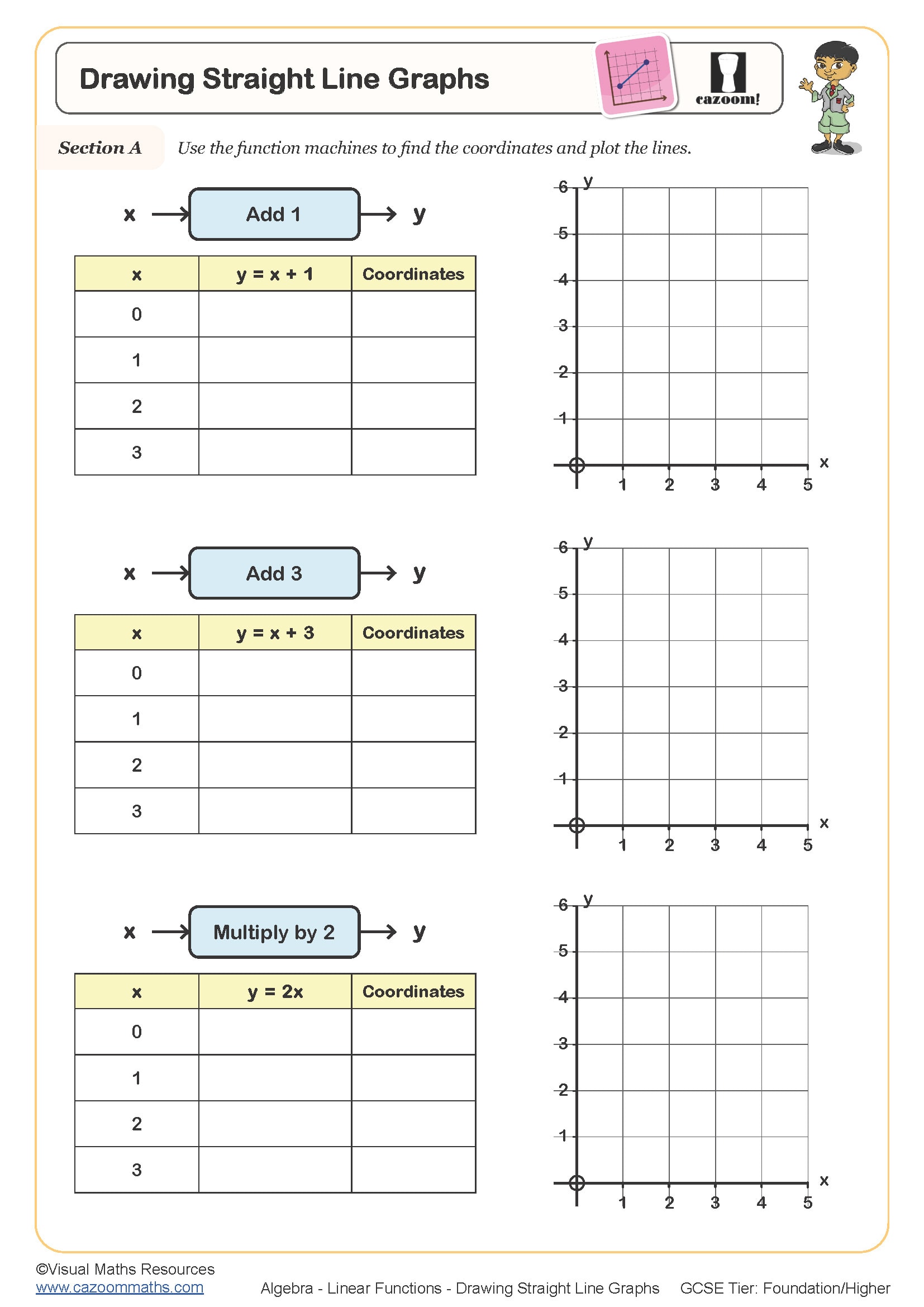
Find the Missing Functions
Year groups: 7, 8
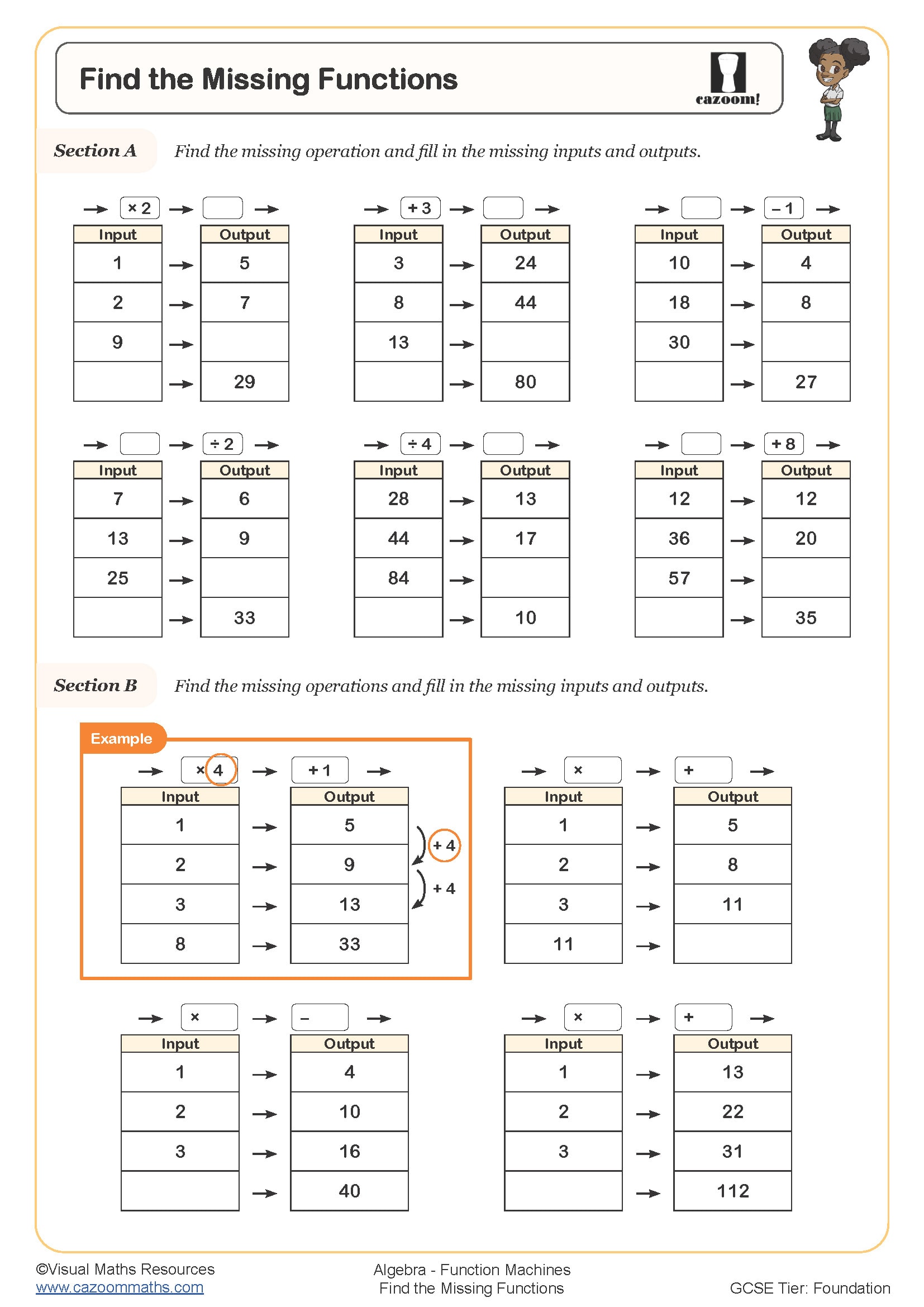
Finding Arithmetic nth Terms Worksheet
Year groups: 7, 8
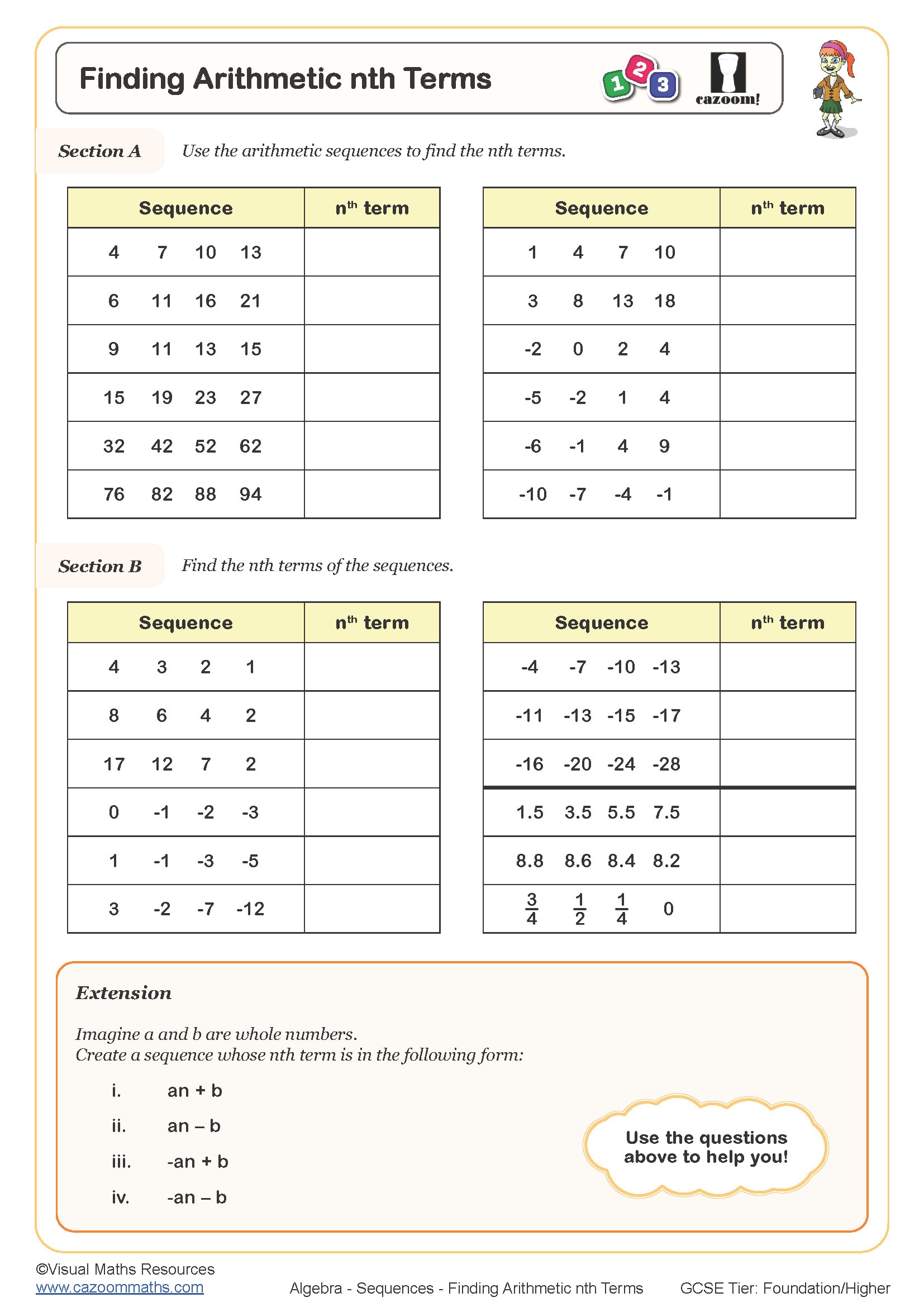
Finding nth Terms from Patterns
Year groups: 7, 8
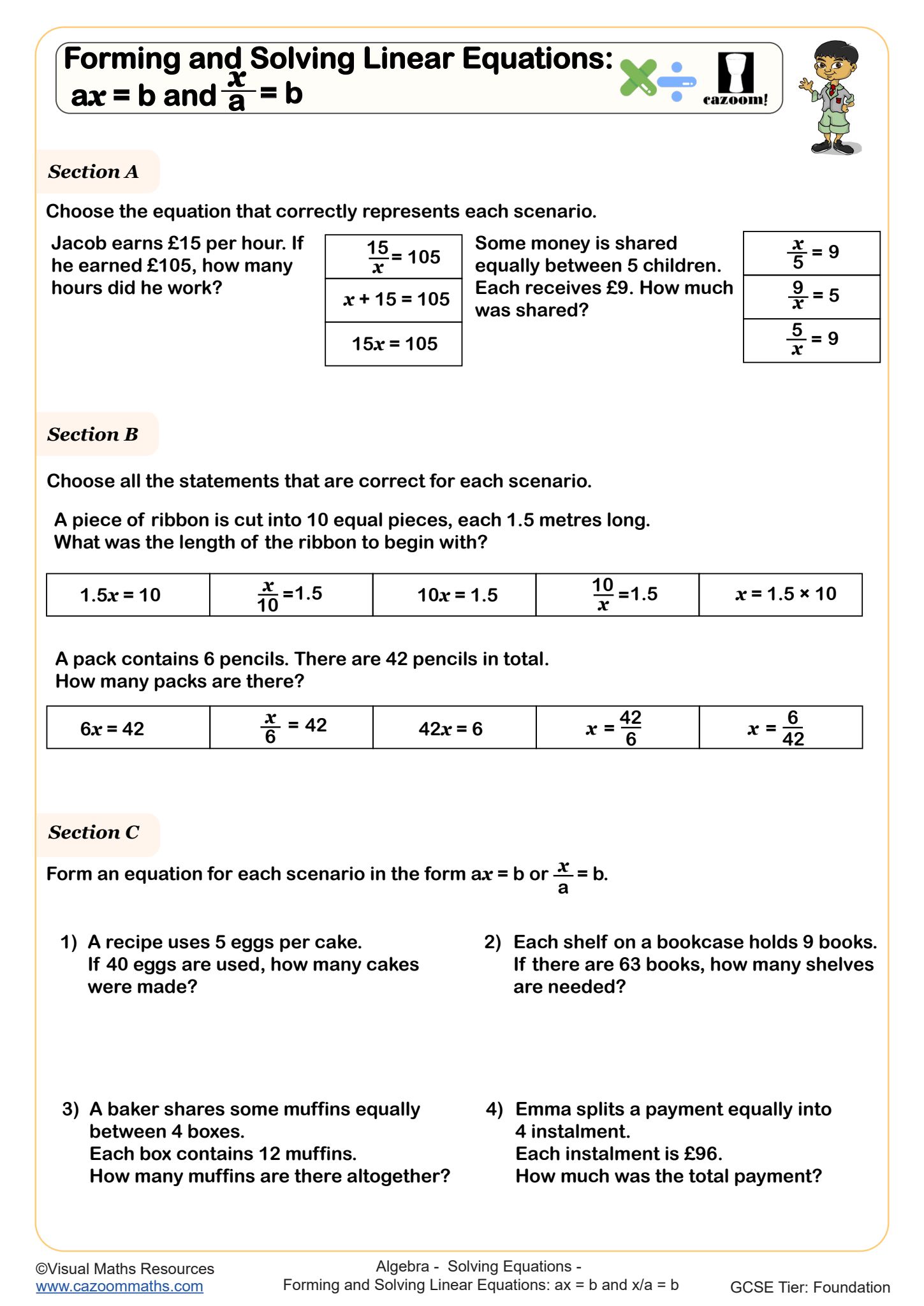
Forming and Solving Linear Equations: a𝑥 = b and 𝑥/a = b
Year groups: 7, 8
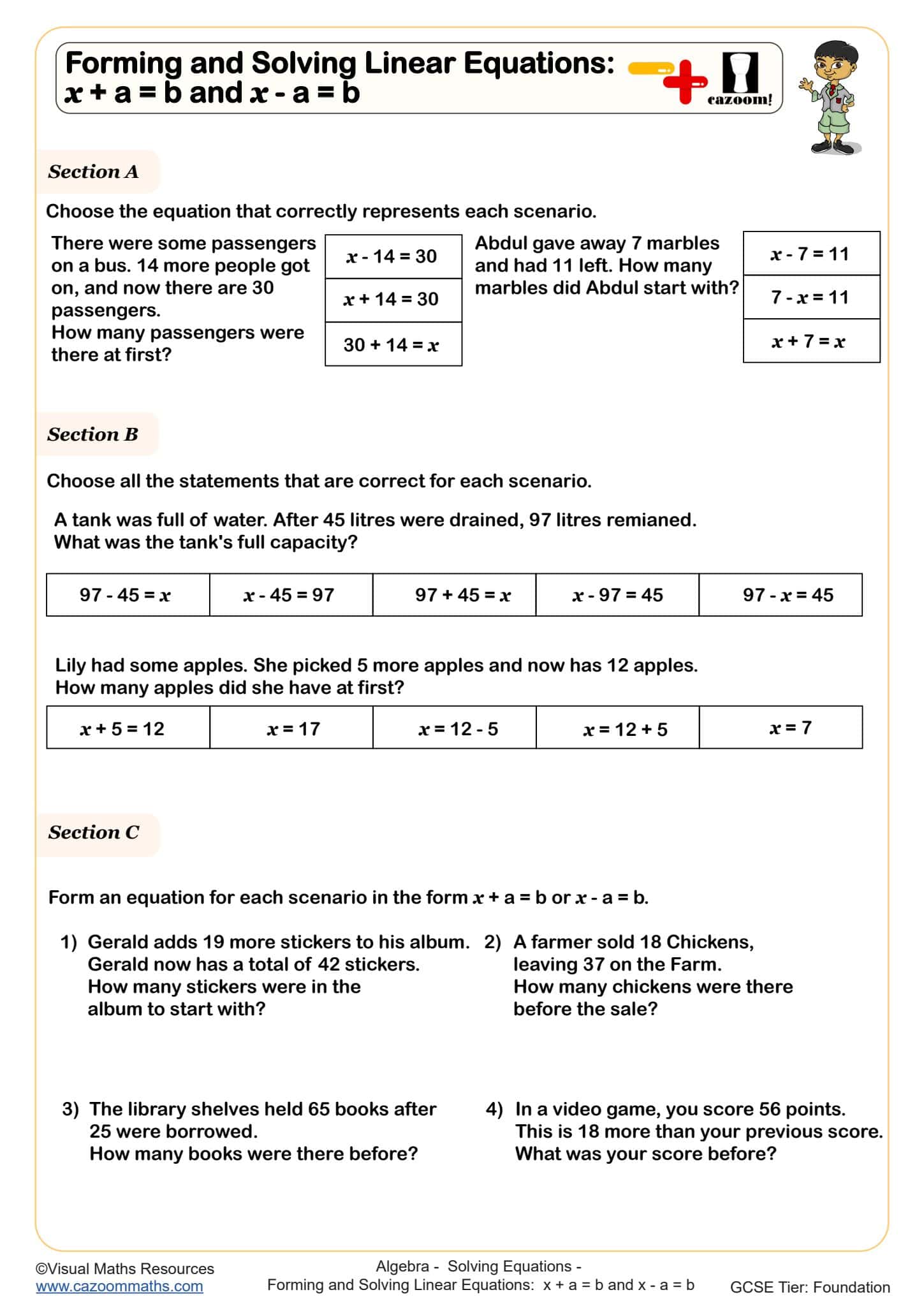
Forming and Solving Linear Equations: x + a = b and x - a = b
Year groups: 7, 8
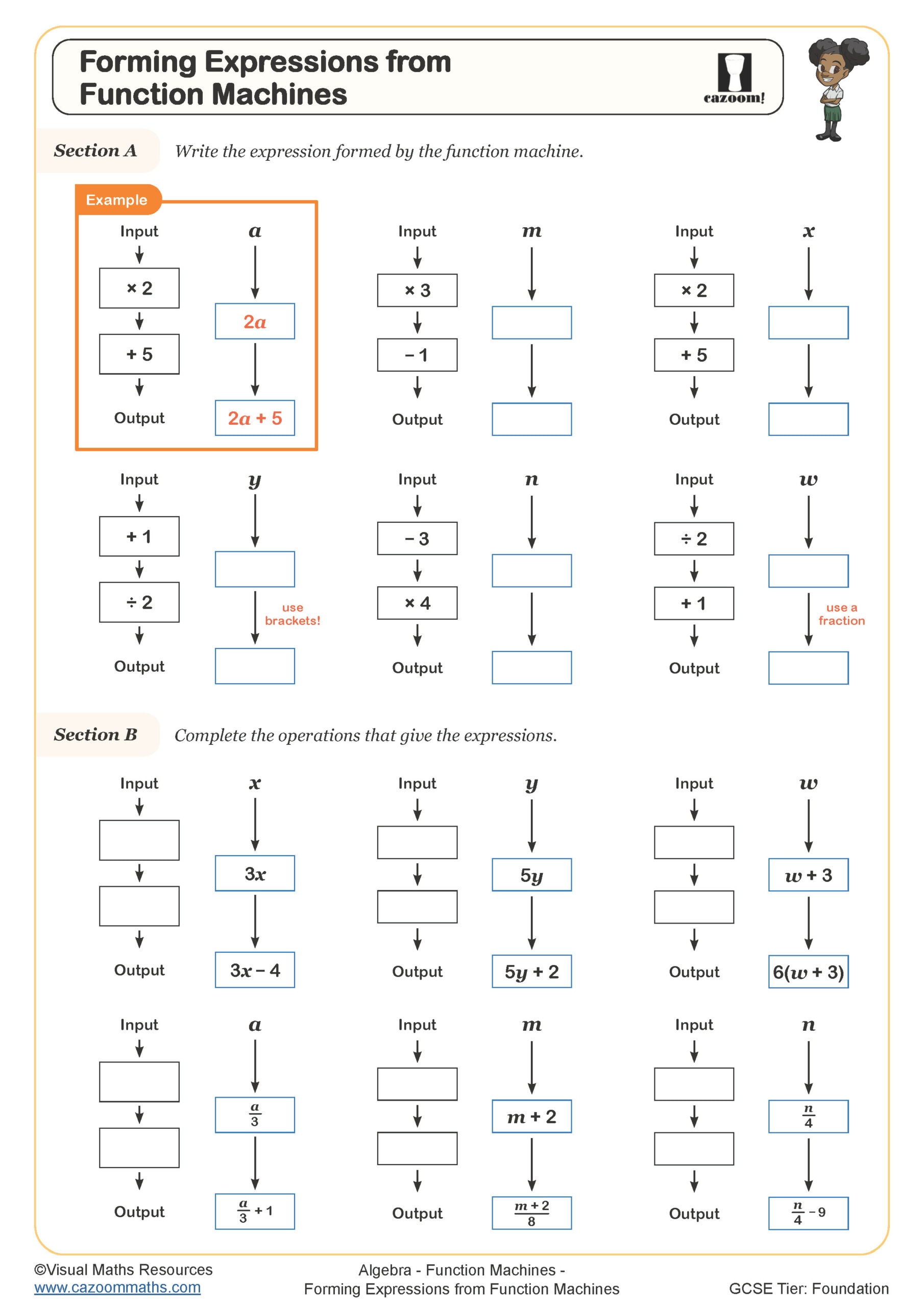
Forming Expressions from Function Machines
Year groups: 7, 8, 9
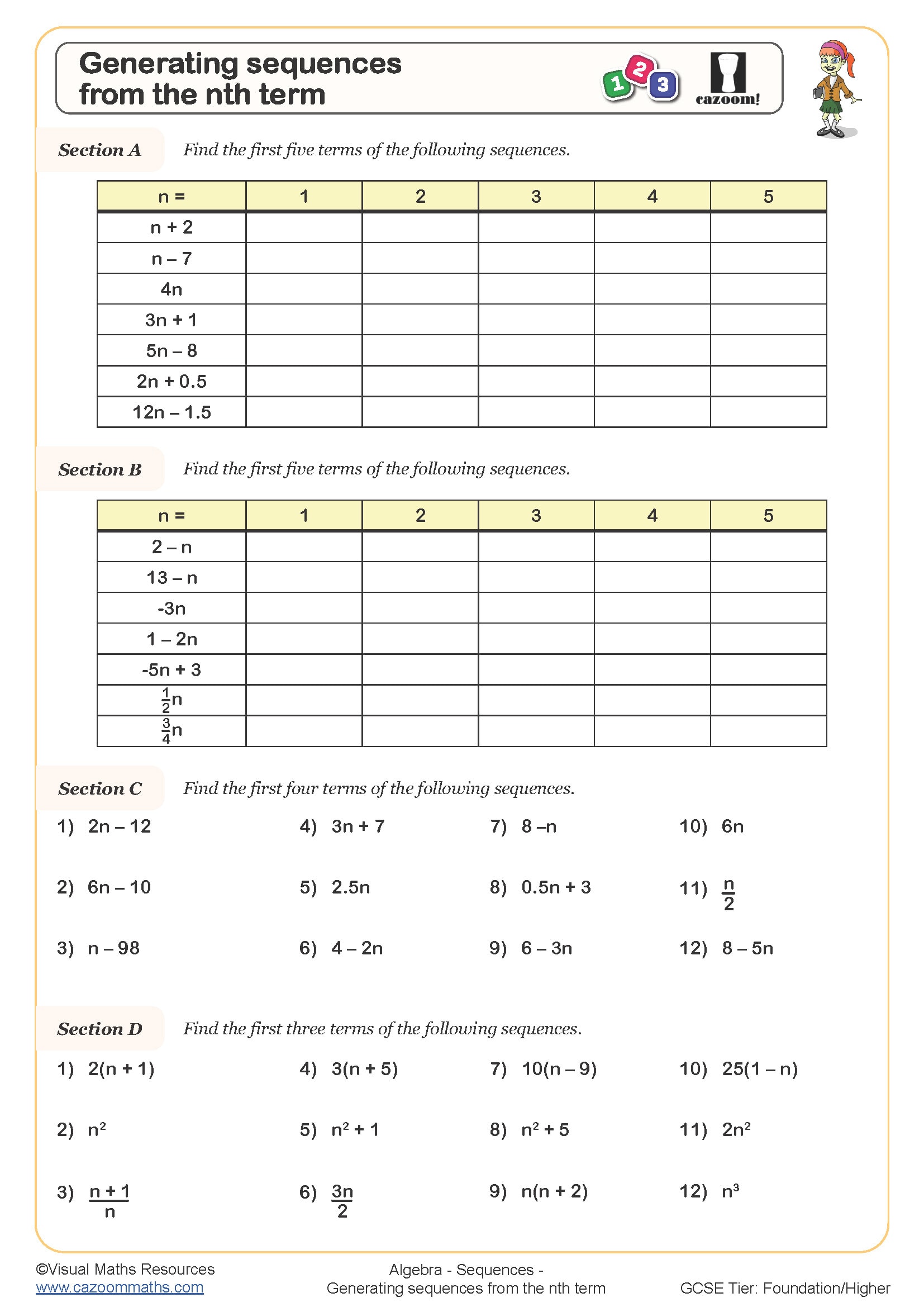
Generating Sequences from the Nth Term
Year groups: 7, 8
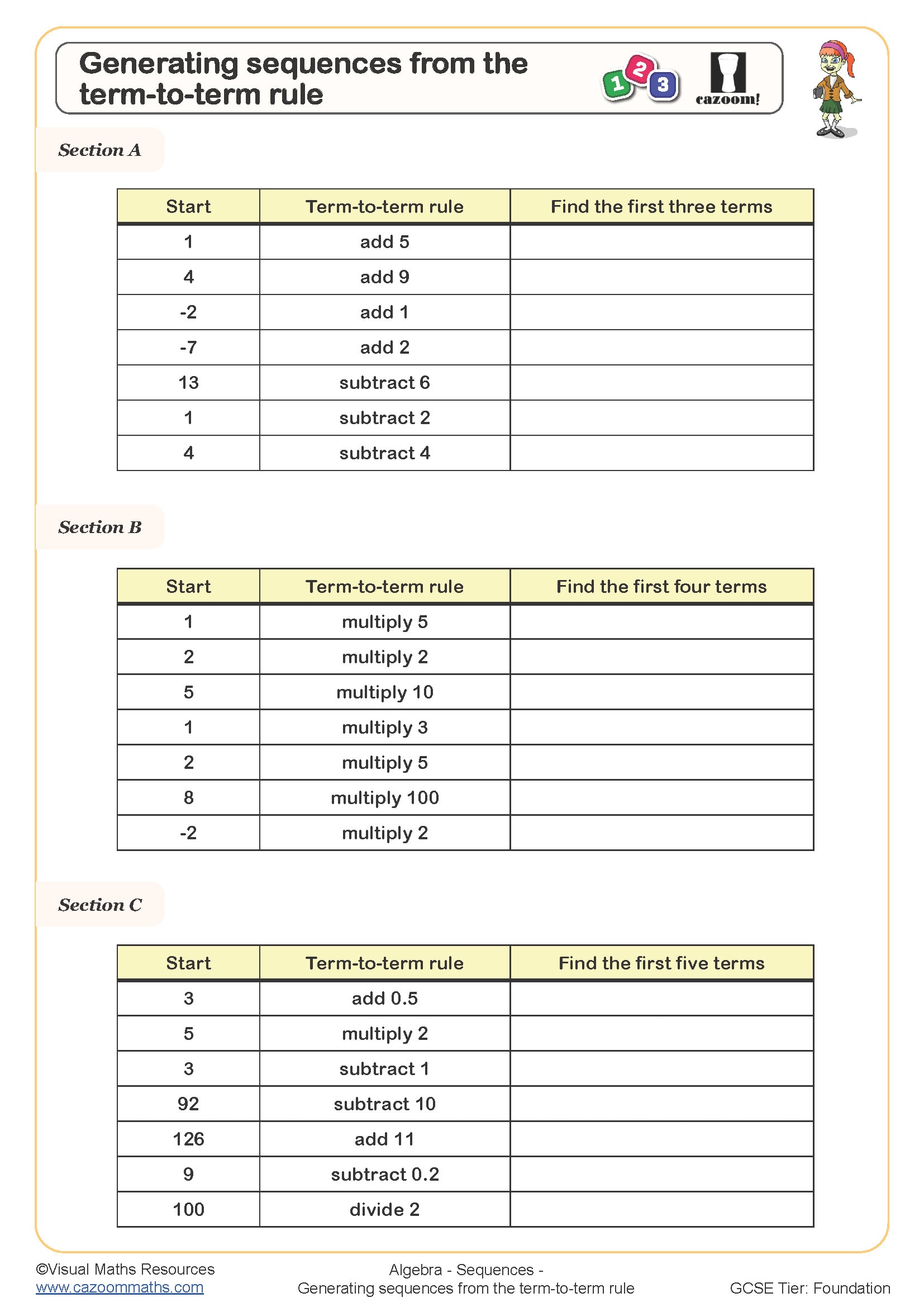
Generating Sequences from the Term to Term Rule
Year groups: 7, 8
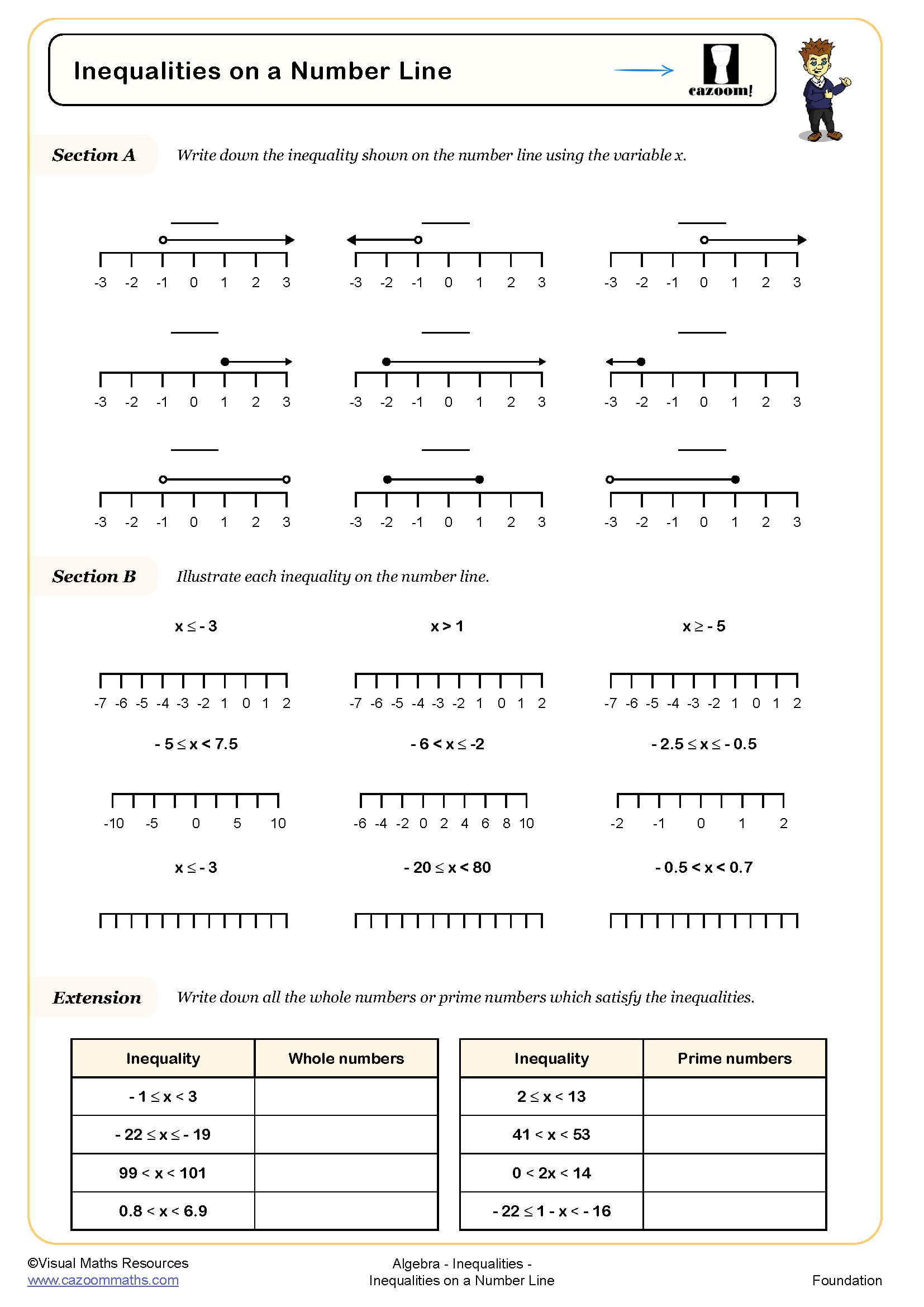
Inequalities on a Number Line
Year groups: 7, 8
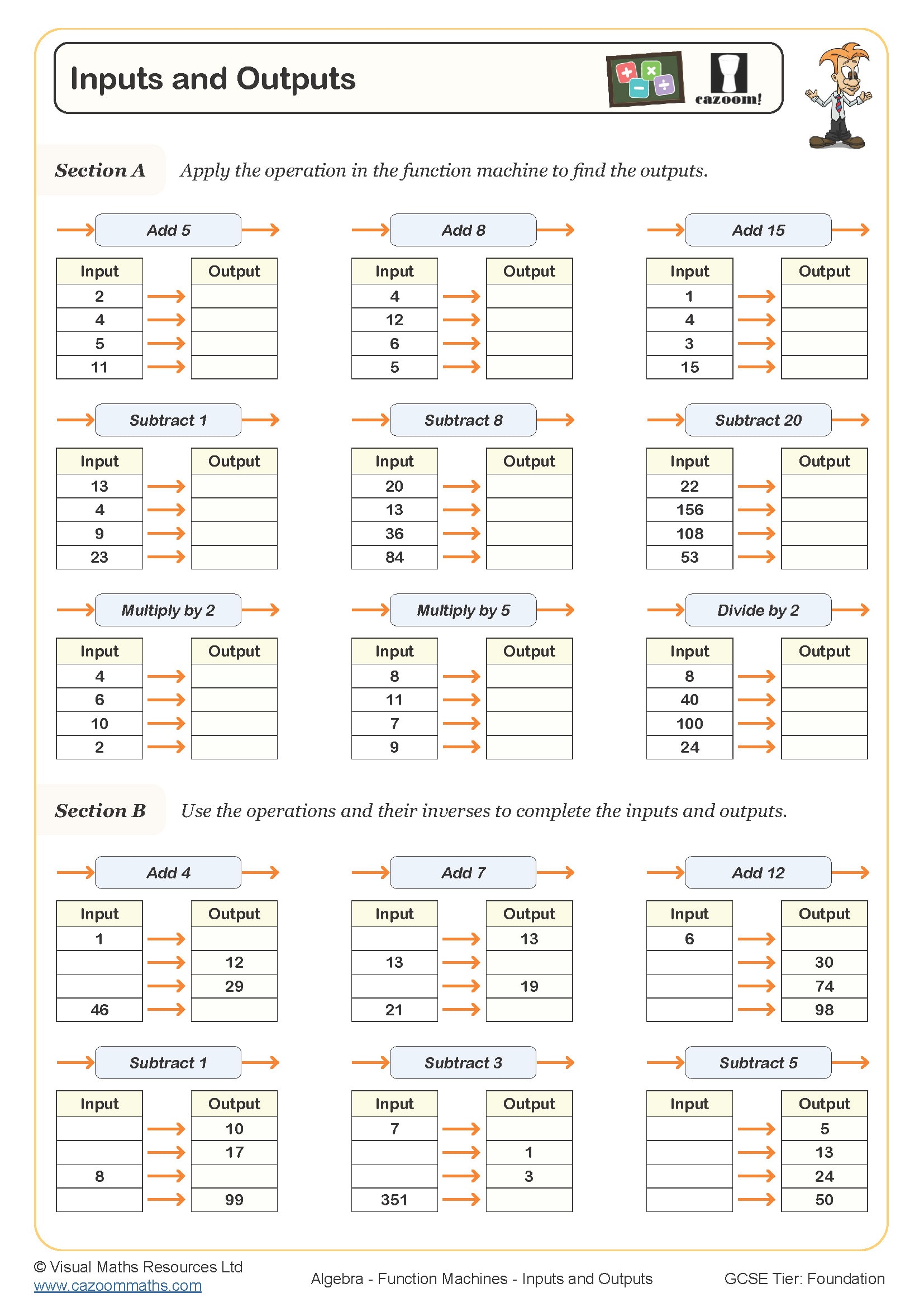
Inputs and Outputs
Year groups: 7, 8
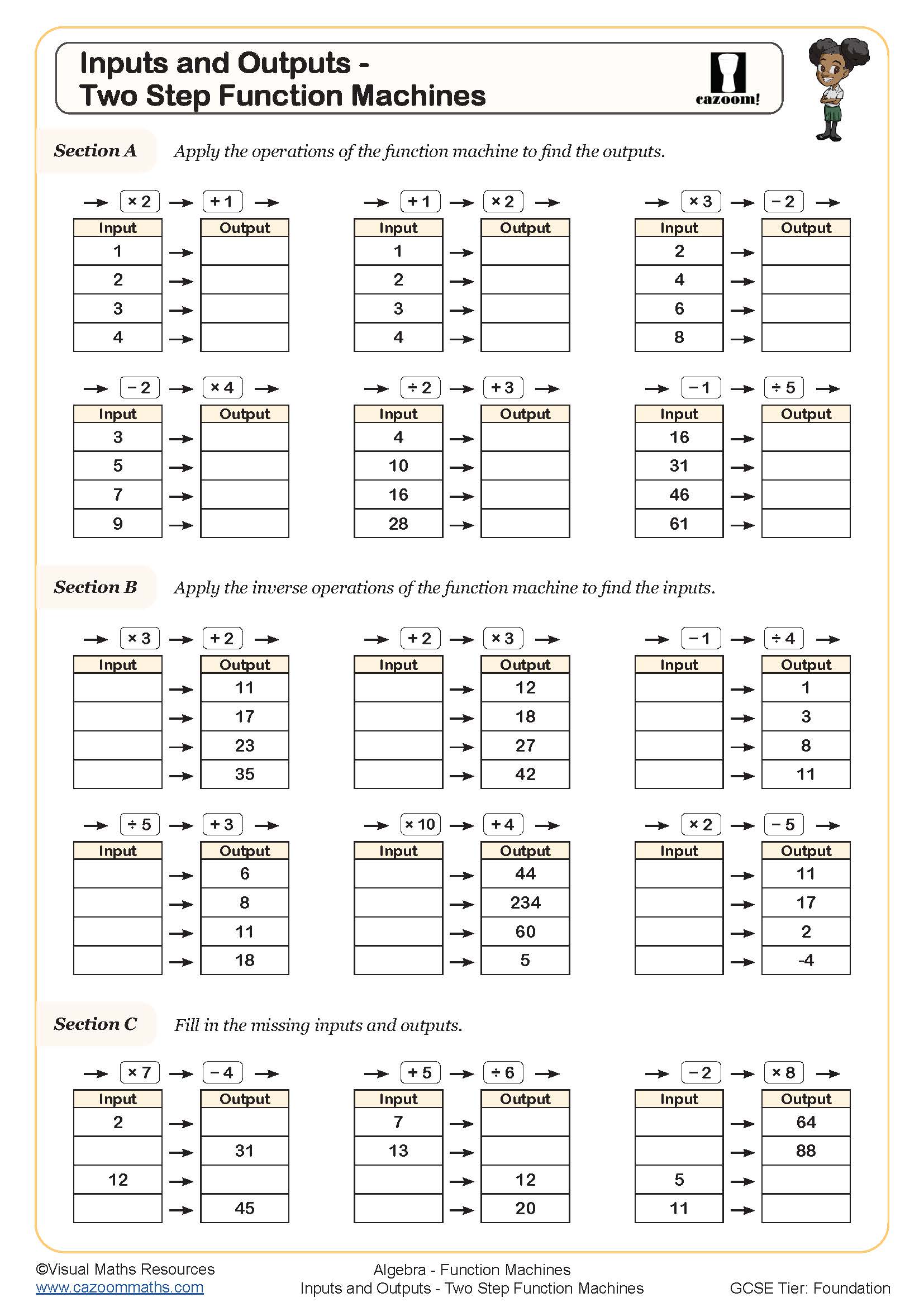
Inputs and Outputs - Two Step Function Machines
Year groups: 7, 8
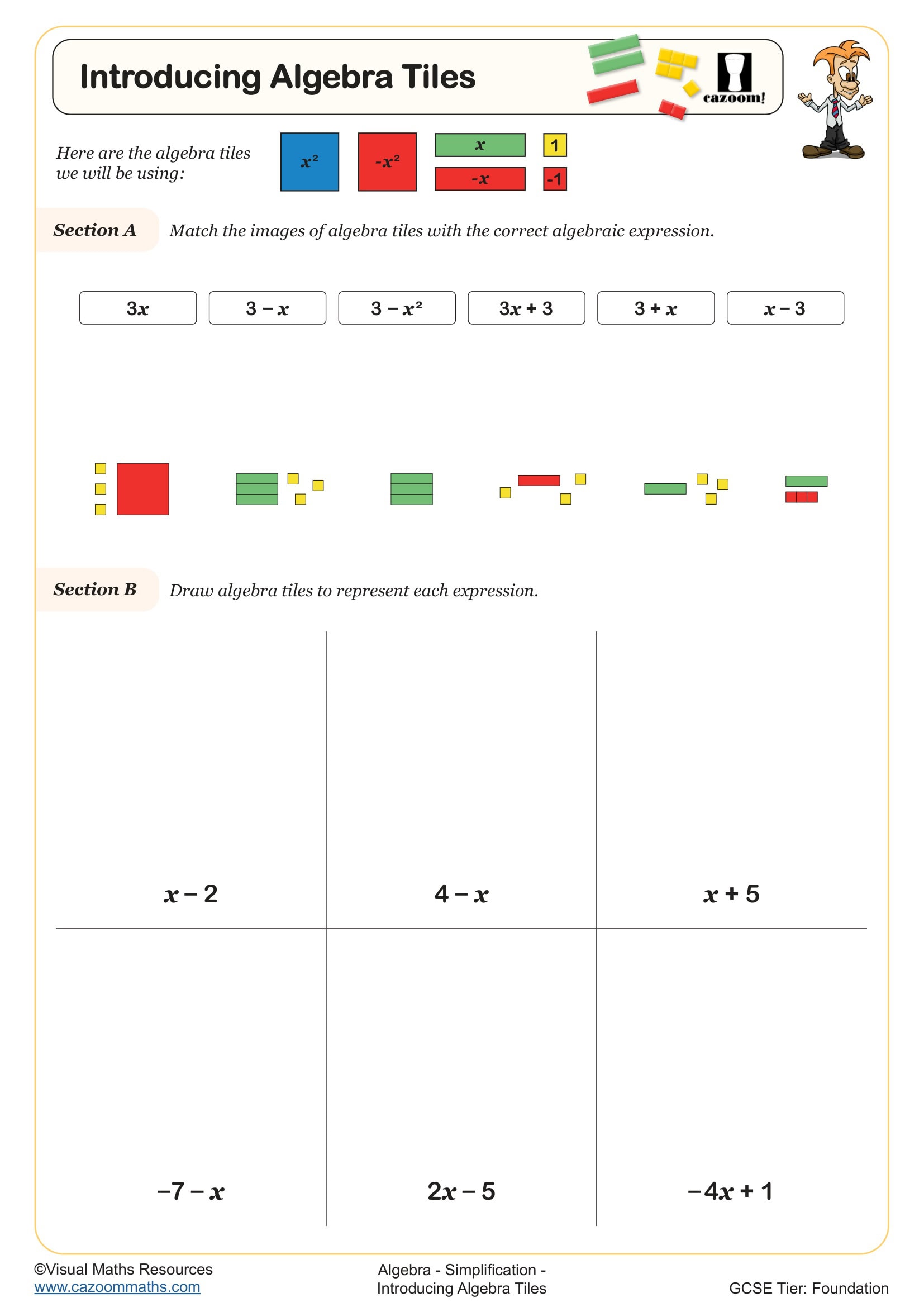
Introducing Algebra Tiles
Year groups: 7
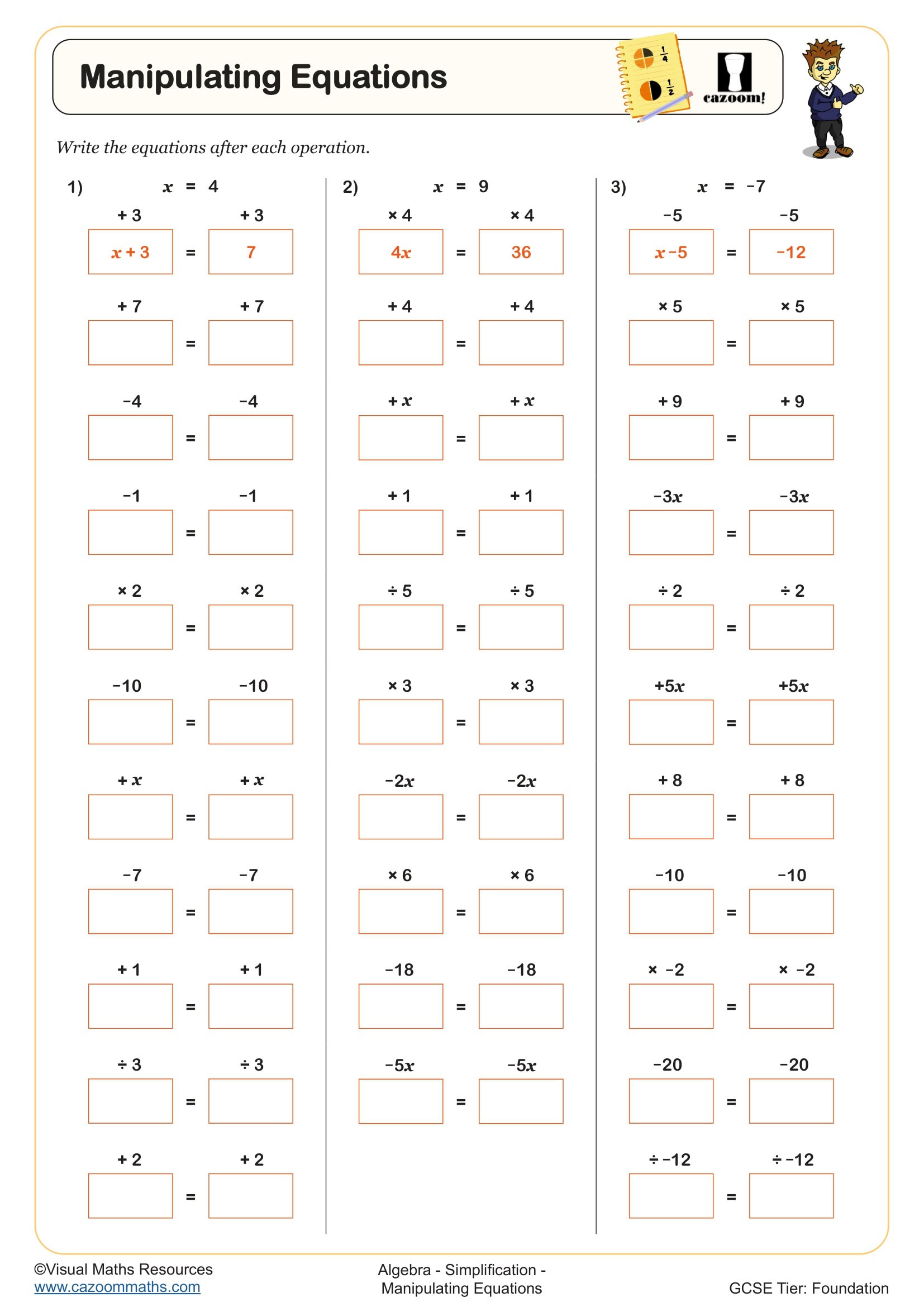
Manipulating Equations
Year groups: 7, 8
Order of Operations - Calculating with Indices
Year groups: 7, 8

Order of Operations - Addition and Subtraction
Year groups: 7

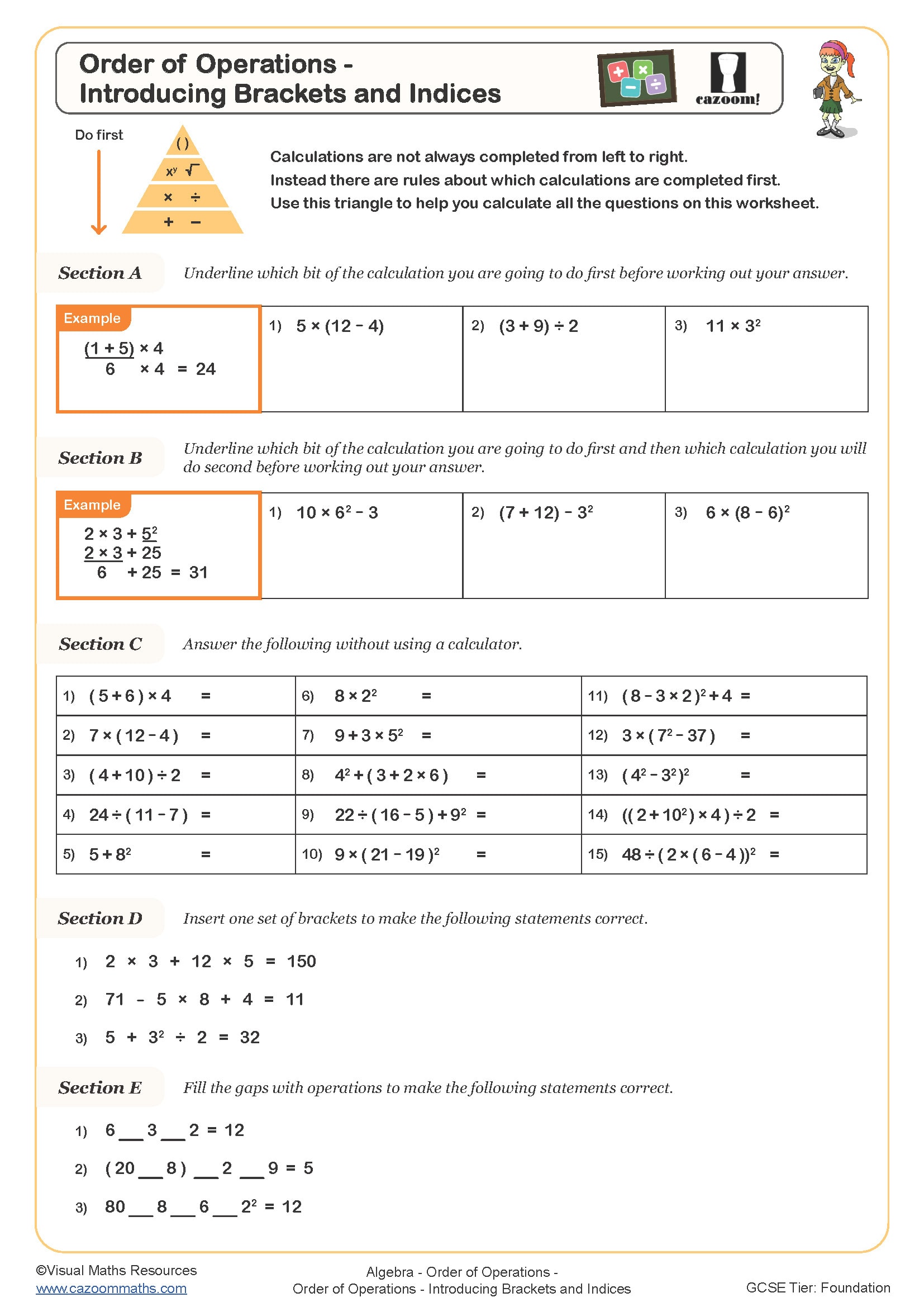
Order of Operations - Introducing Brackets and Indices
Year groups: 7, 8
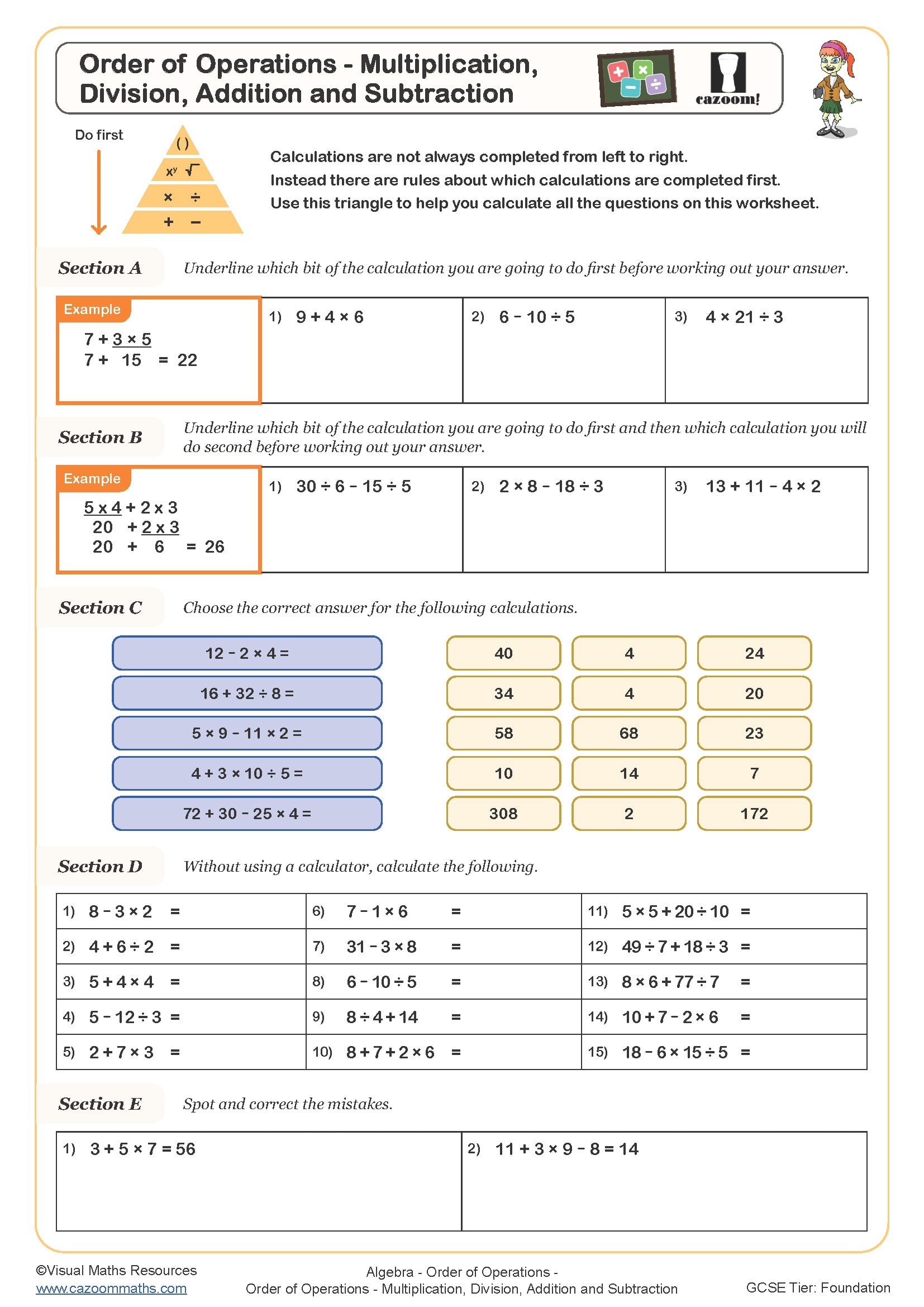
Order of Operations - Multiplication, Division, Addition and Subtraction
Year groups: 7, 8
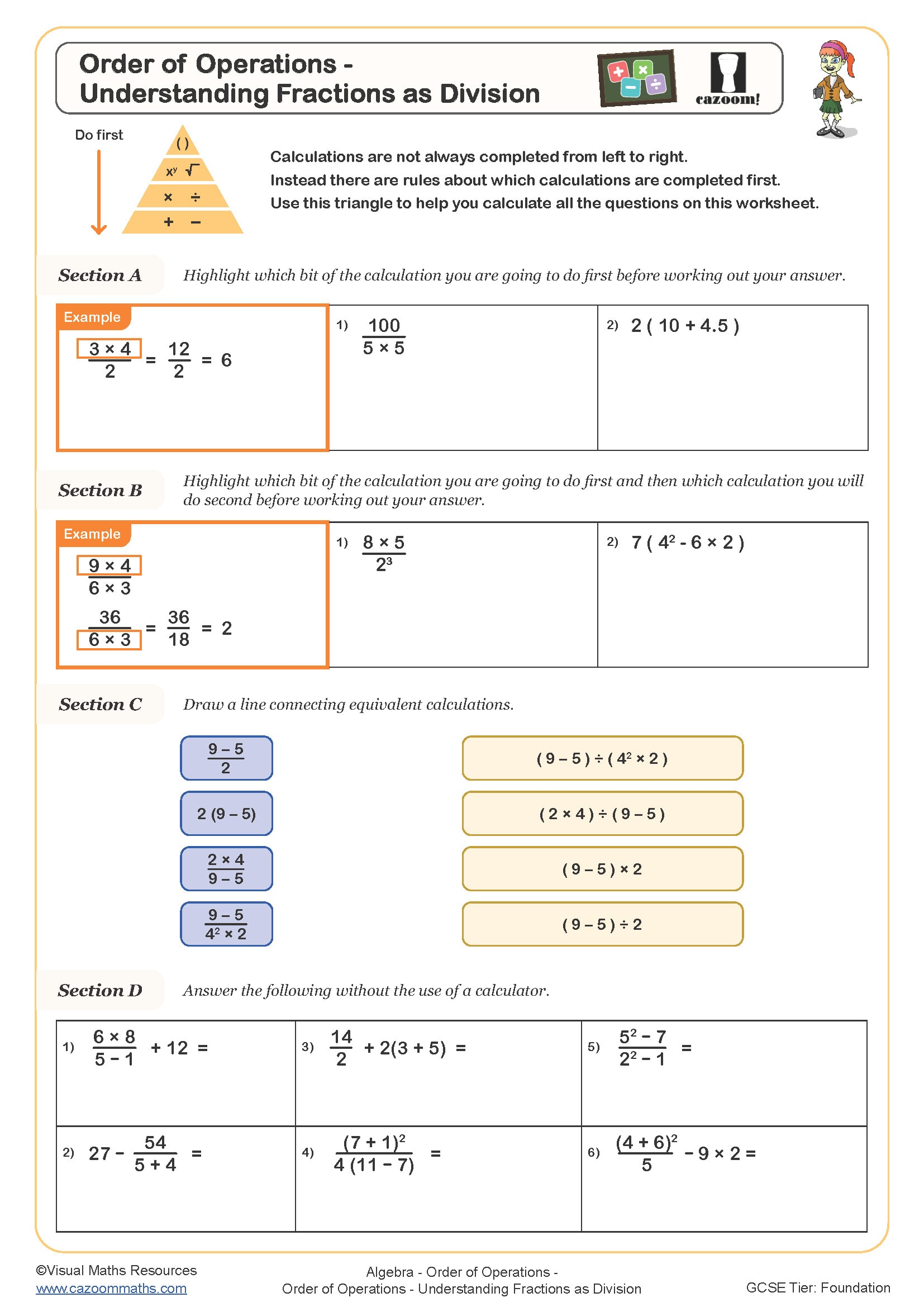
Order of Operations - Understanding Fractions as Division
Year groups: 7, 8, 9
Order of Operations – Expression Trails
Year groups: 7, 8

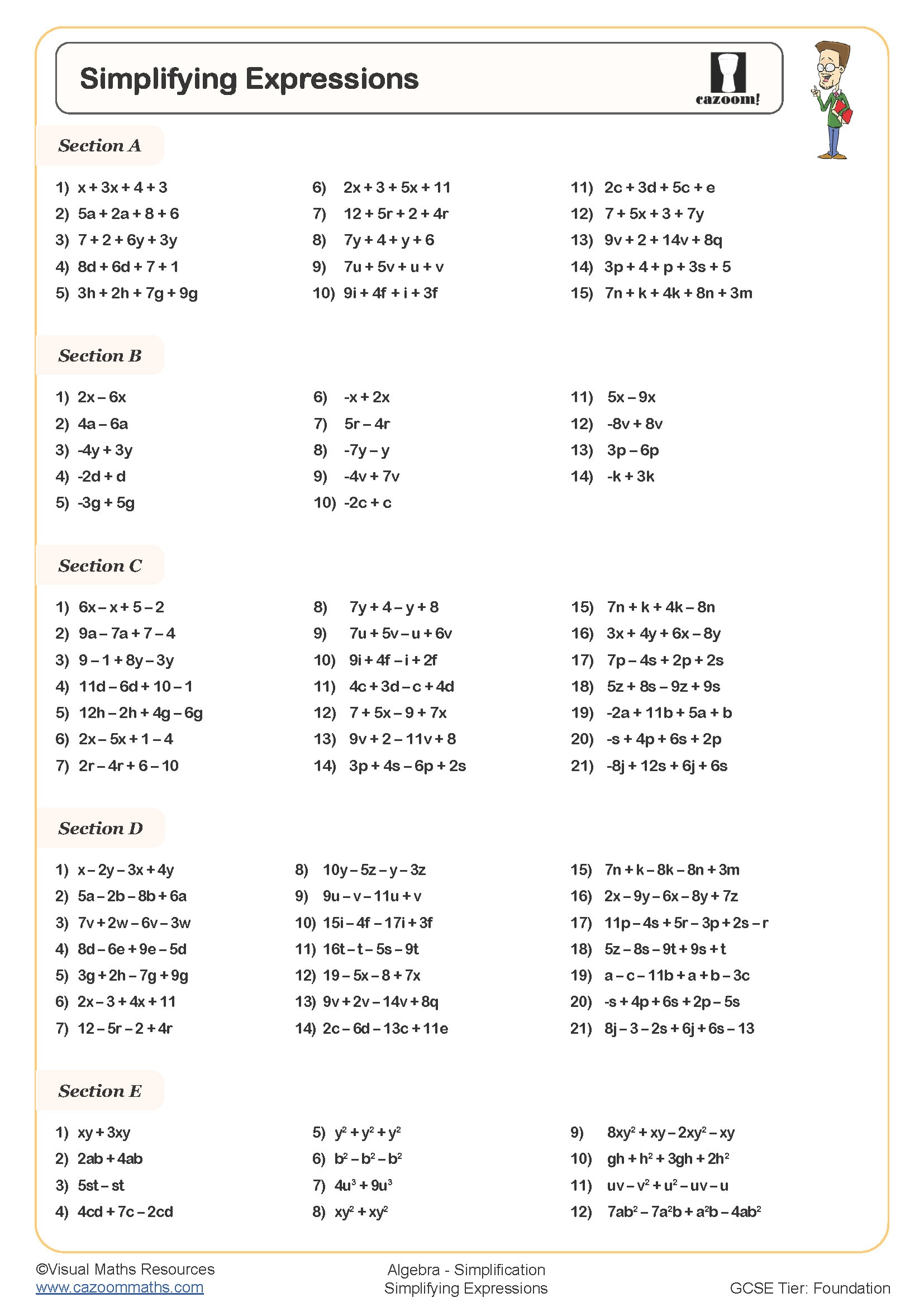
Simplifying Expressions
Year groups: 7, 8
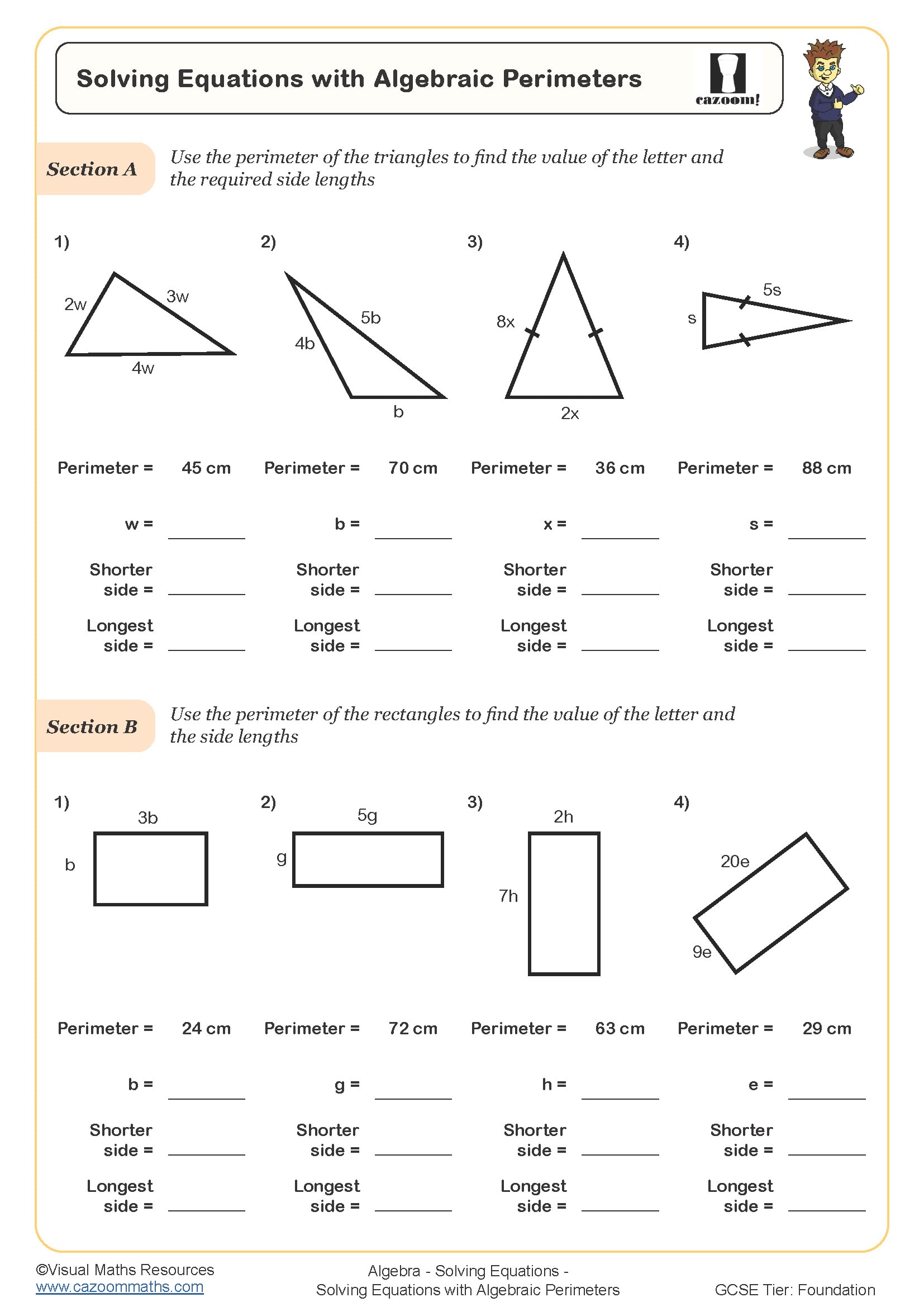
Solving Equations with Algebraic Perimeters
Year groups: 7, 8
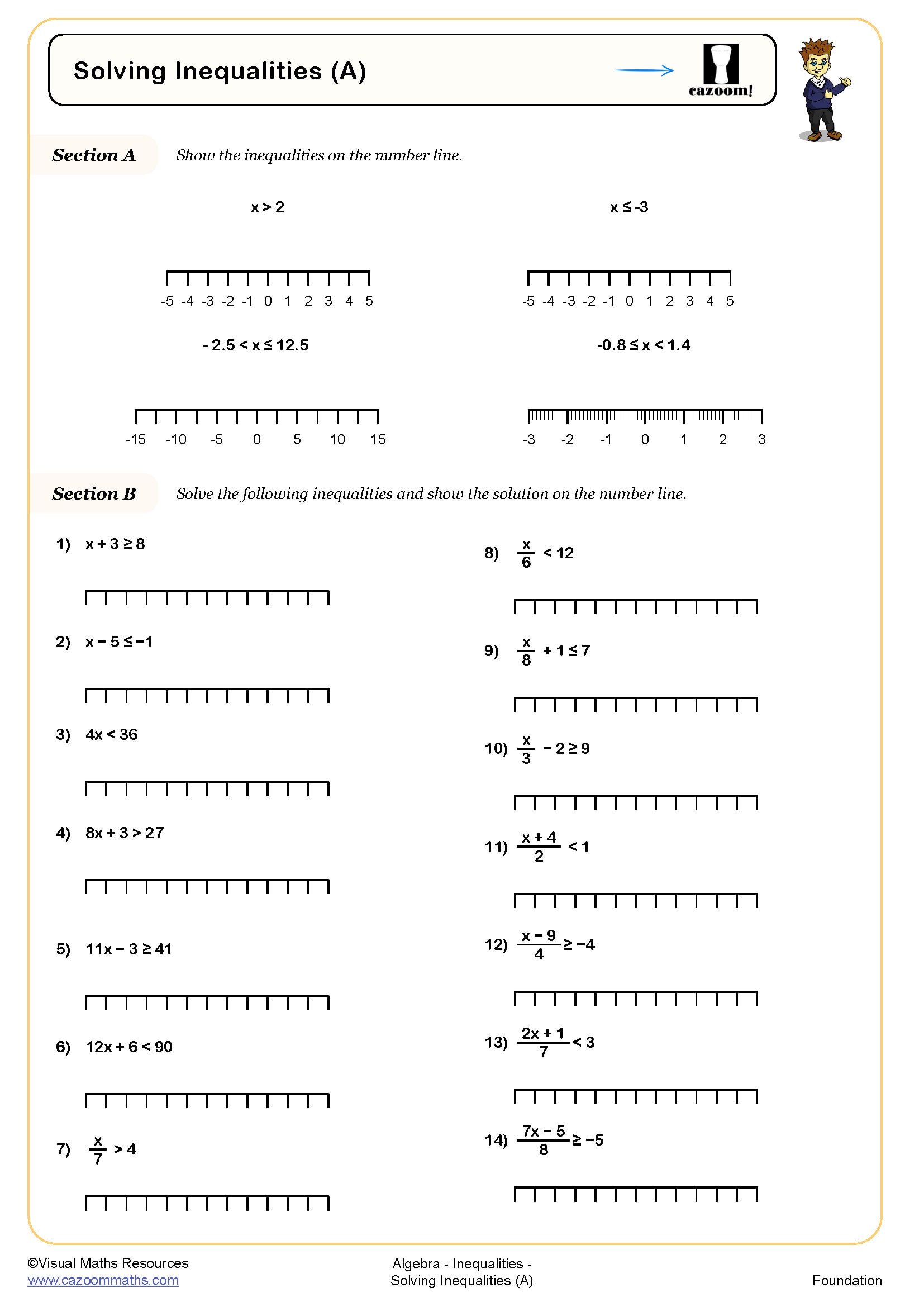
Solving Inequalities (A)
Year groups: 7, 8
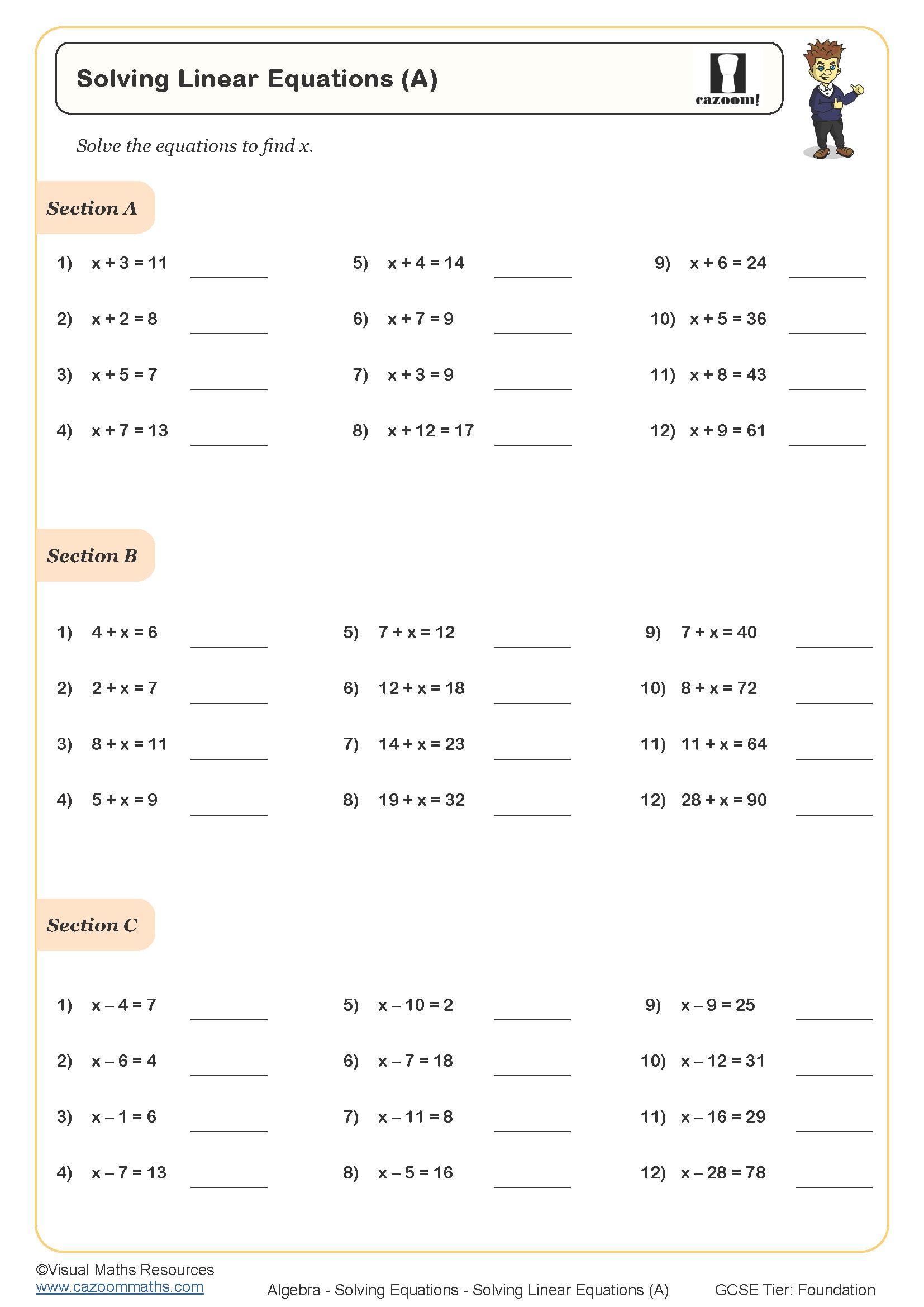
Solving Linear Equations (A)
Year groups: 7, 8
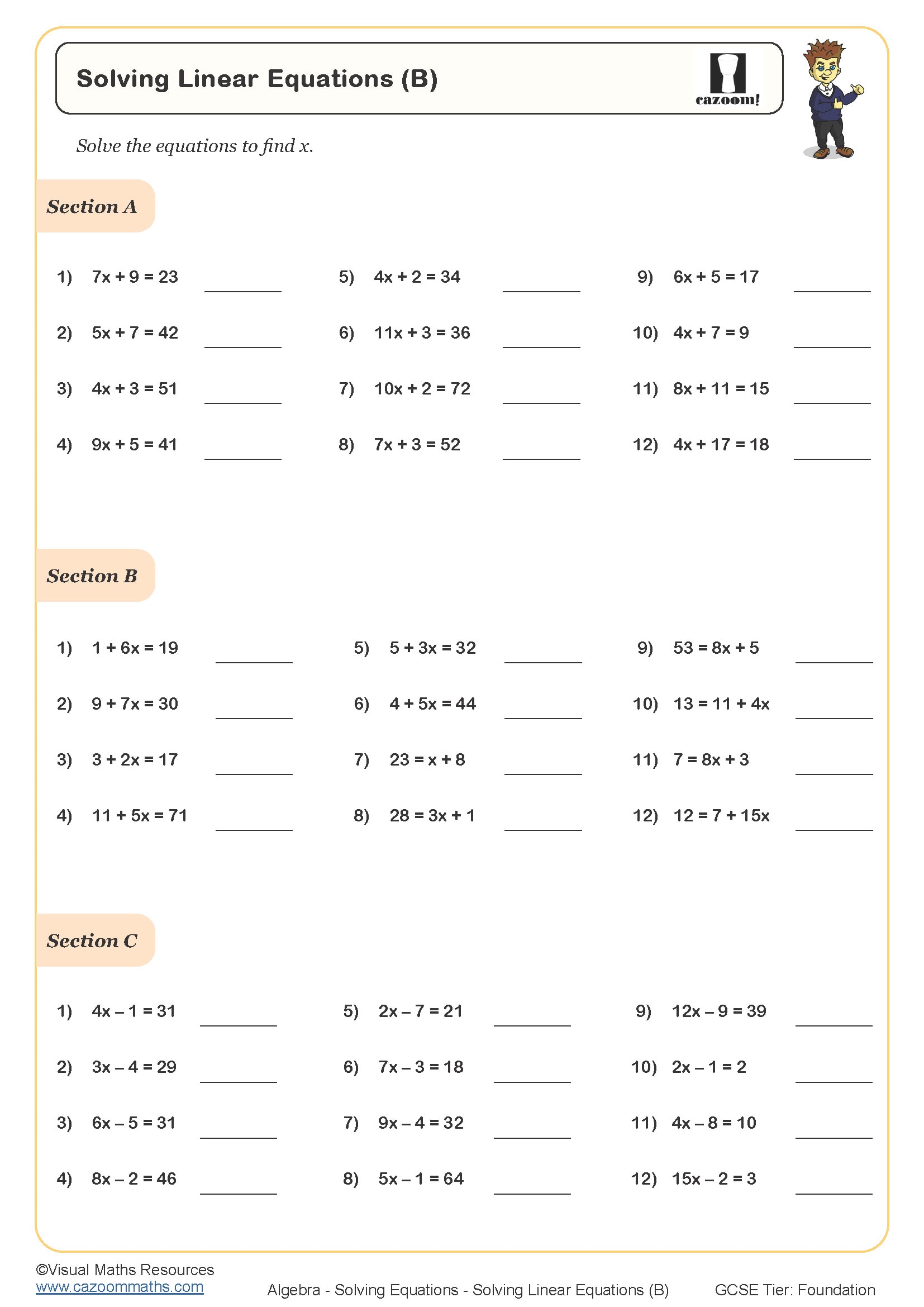
Solving Linear Equations (B)
Year groups: 7, 8
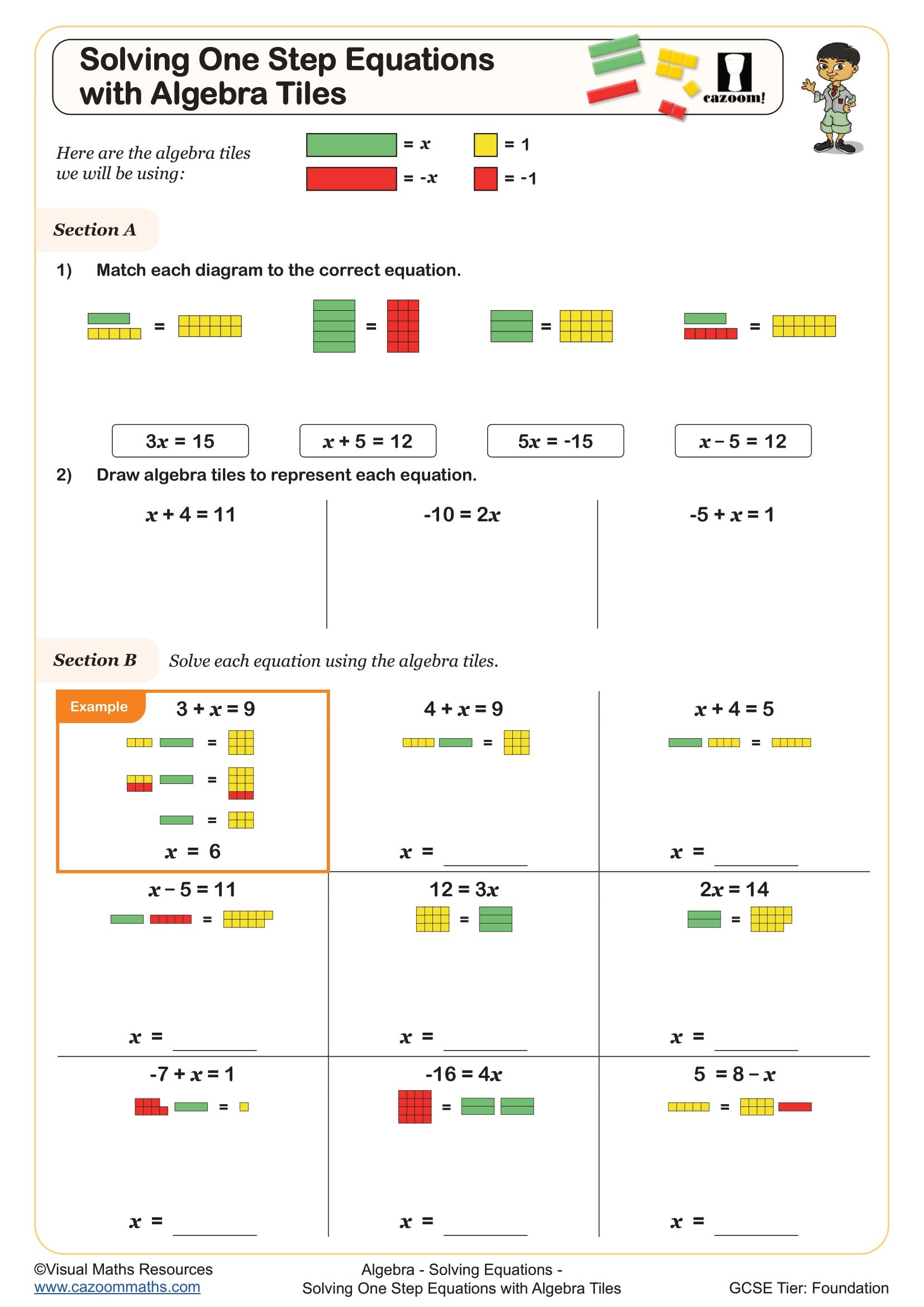
Solving One Step Equations with Algebra Tiles
Year groups: 7, 8
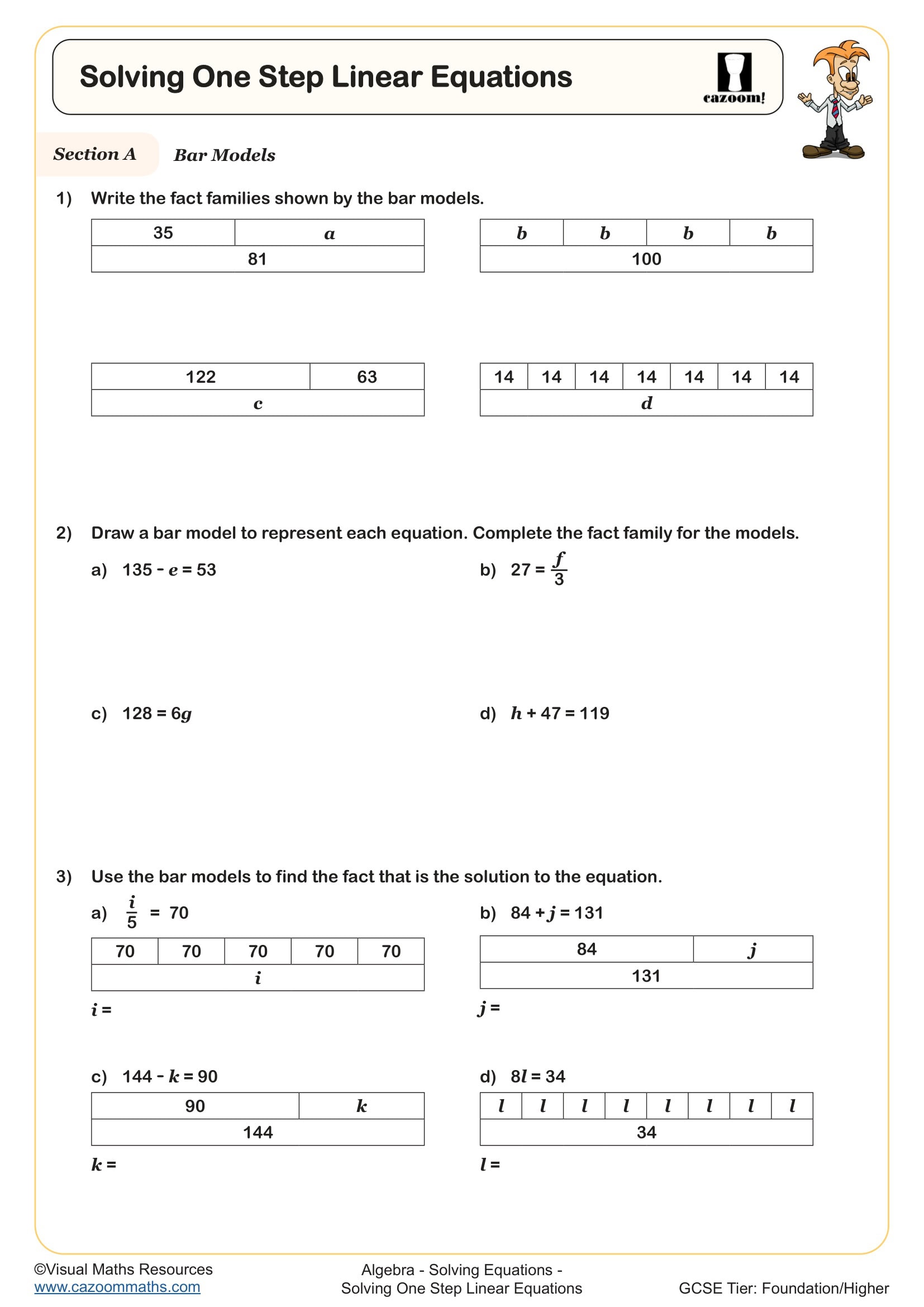
Solving One Step Linear Equations
Year groups: 7
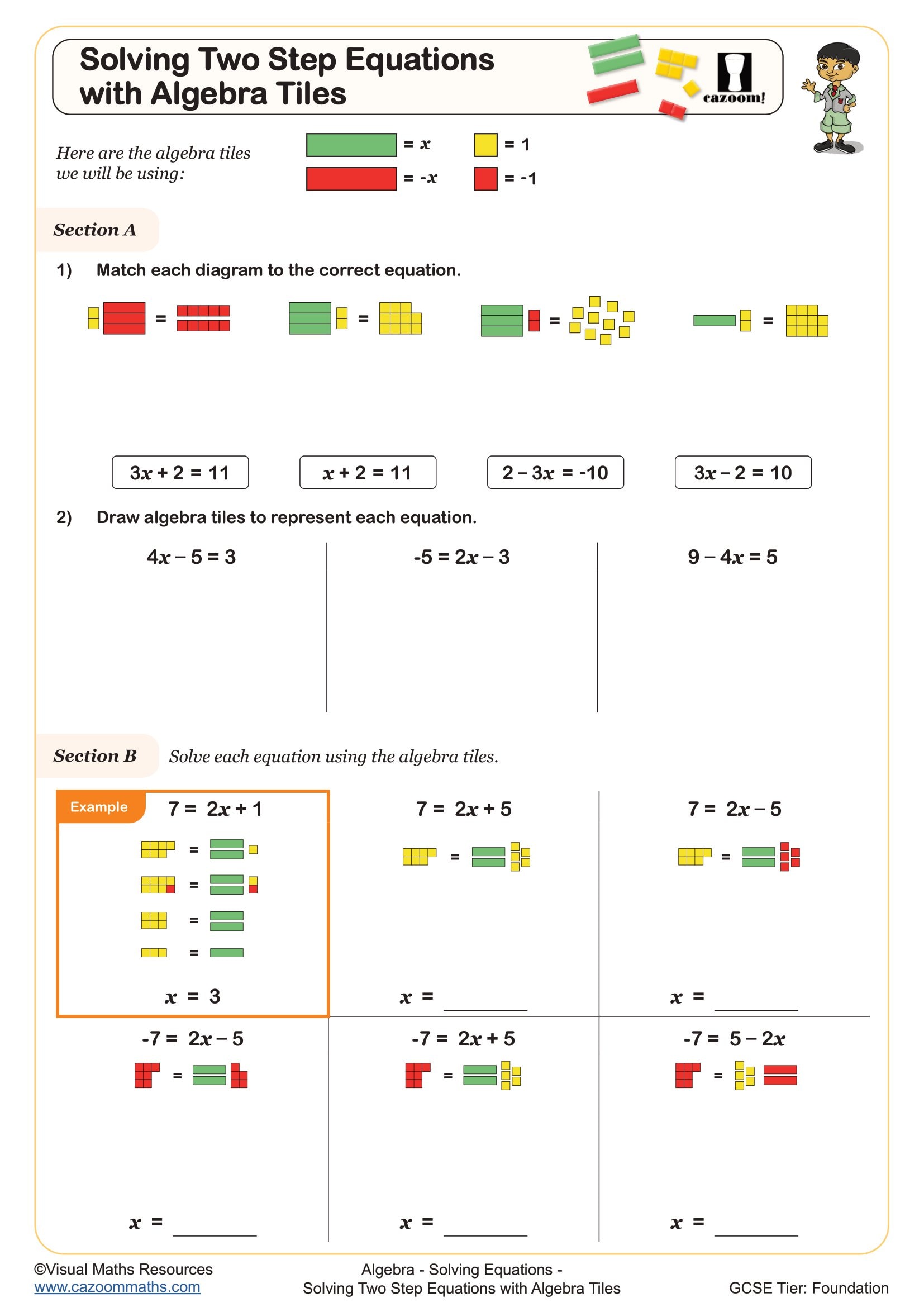
Solving Two Step Equations with Algebra Tiles
Year groups: 7, 8
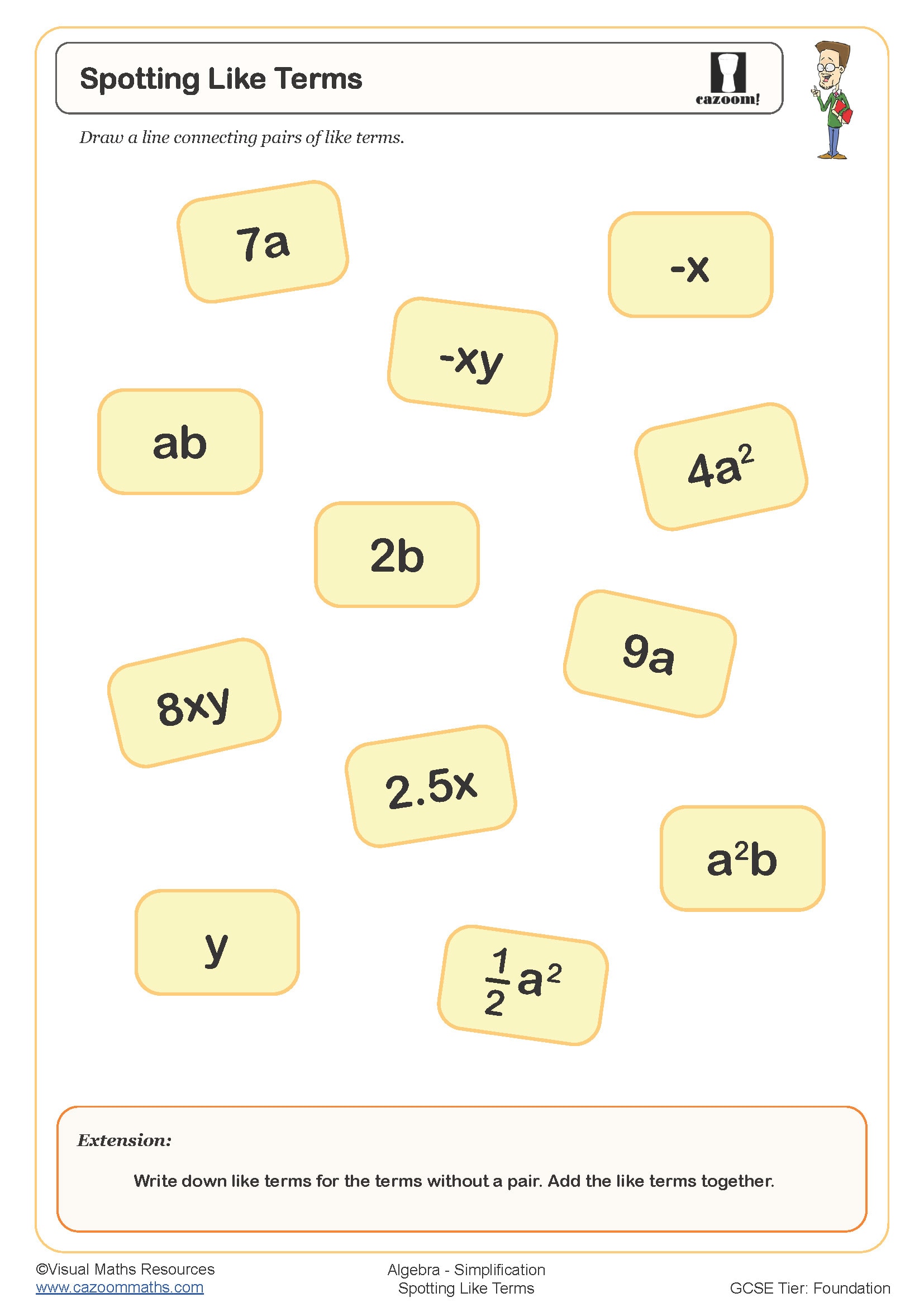
Spotting Like Terms
Year groups: 7, 8
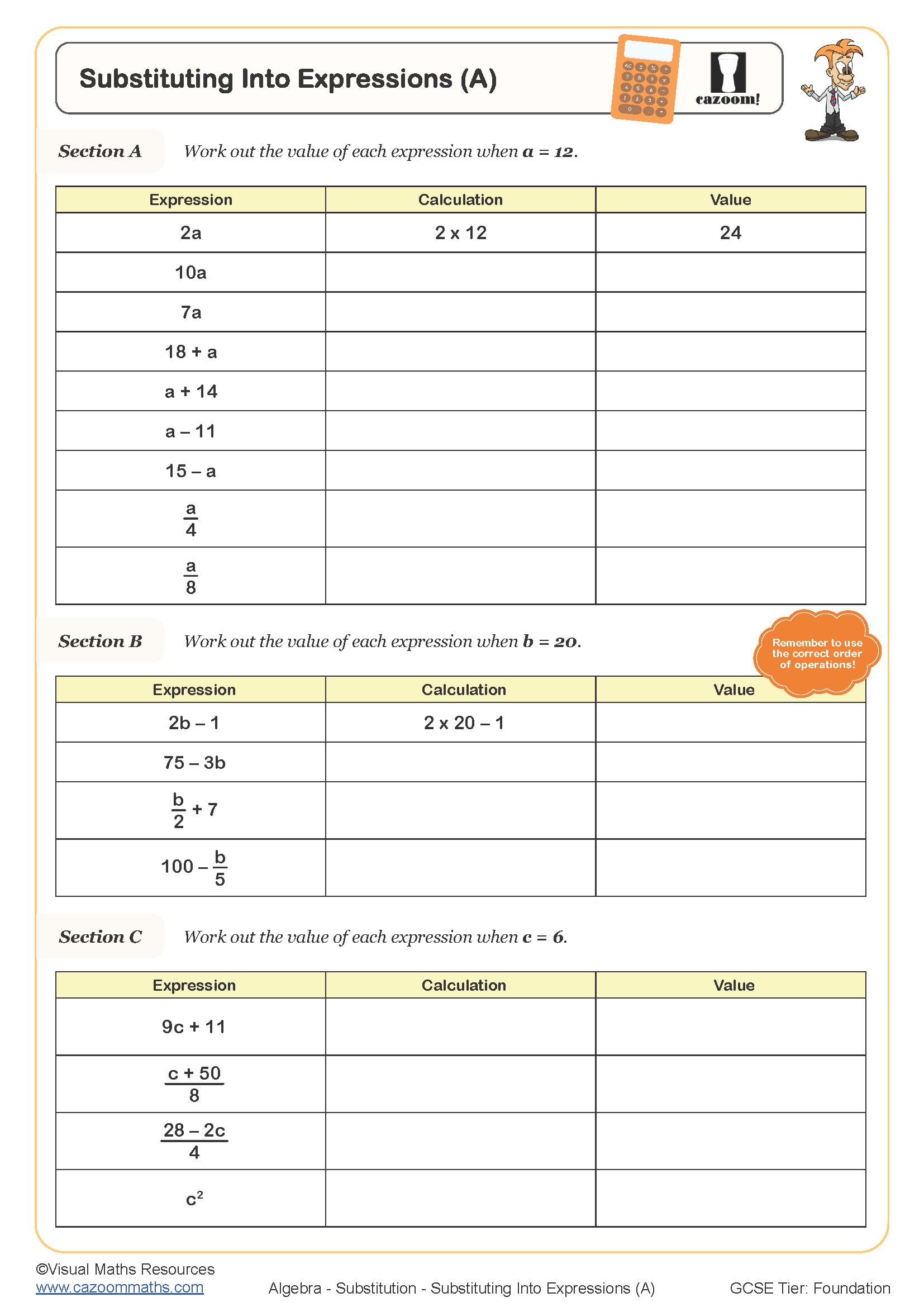
Substituting into Expressions (A)
Year groups: 7, 8, 9
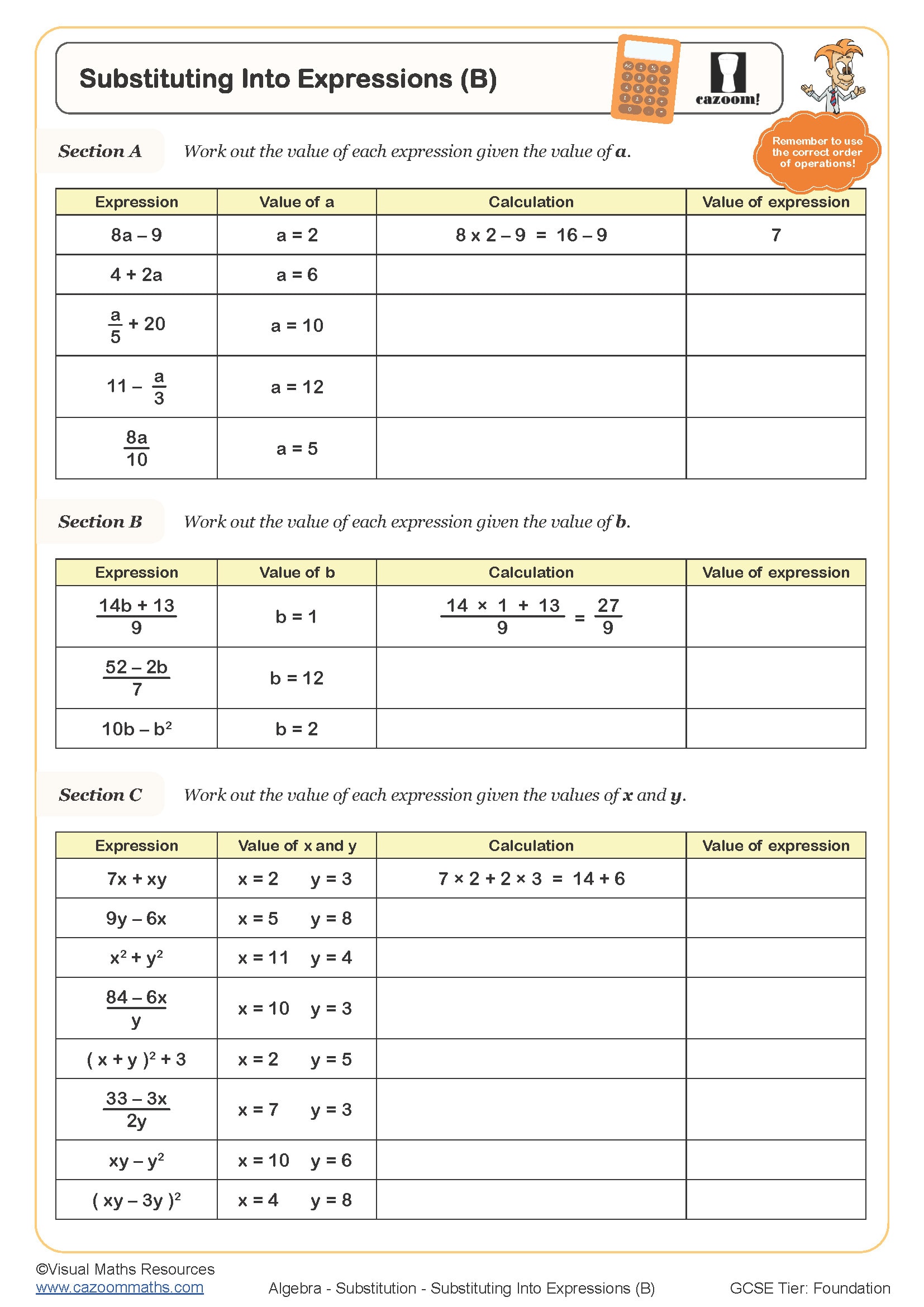
Substituting into Expressions (B)
Year groups: 7, 8, 9
Substituting into Expressions using Negative Numbers
Year groups: 7, 8, 9
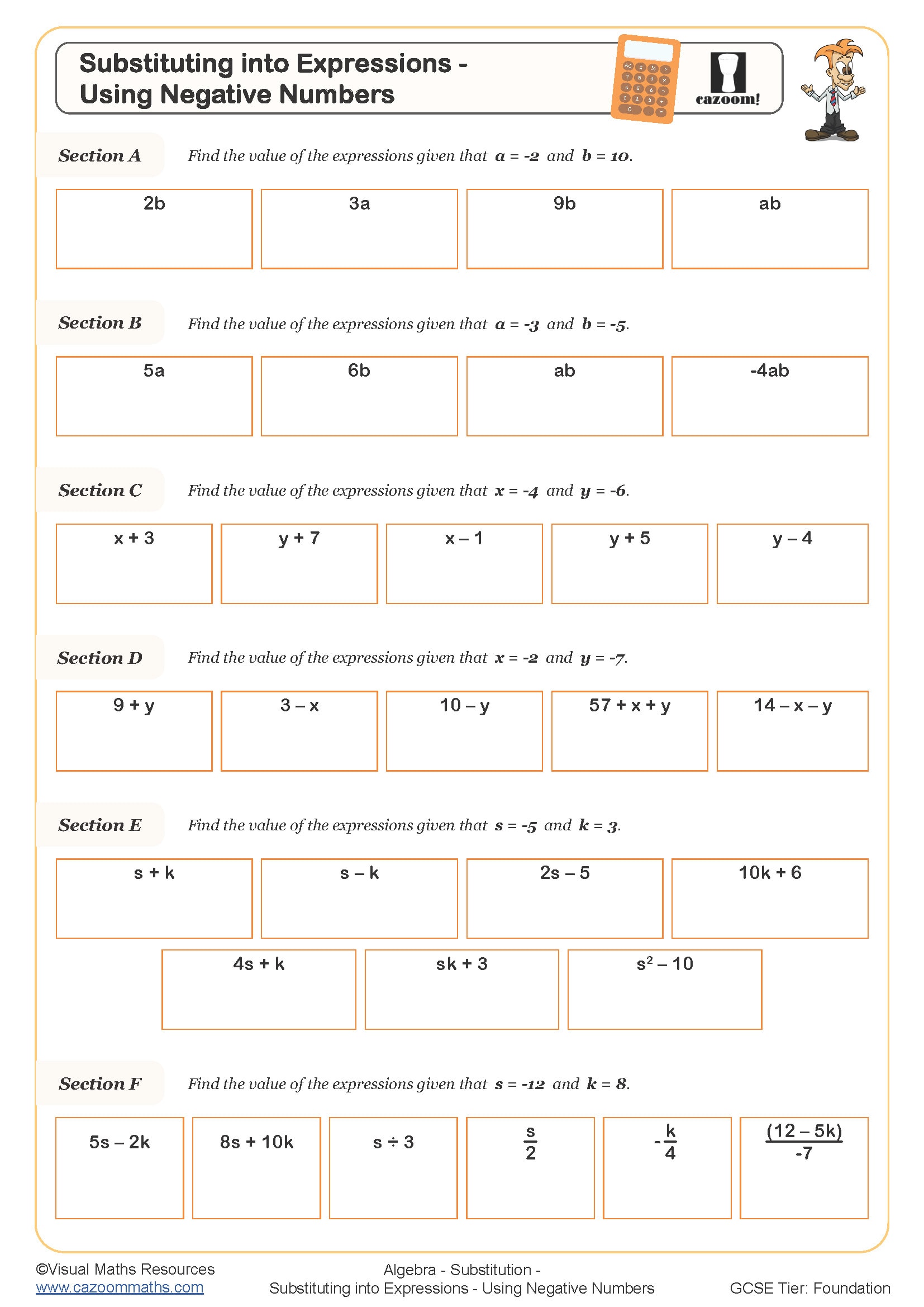
Substituting into Formulae (A) (With Clues)
Year groups: 7, 8, 9
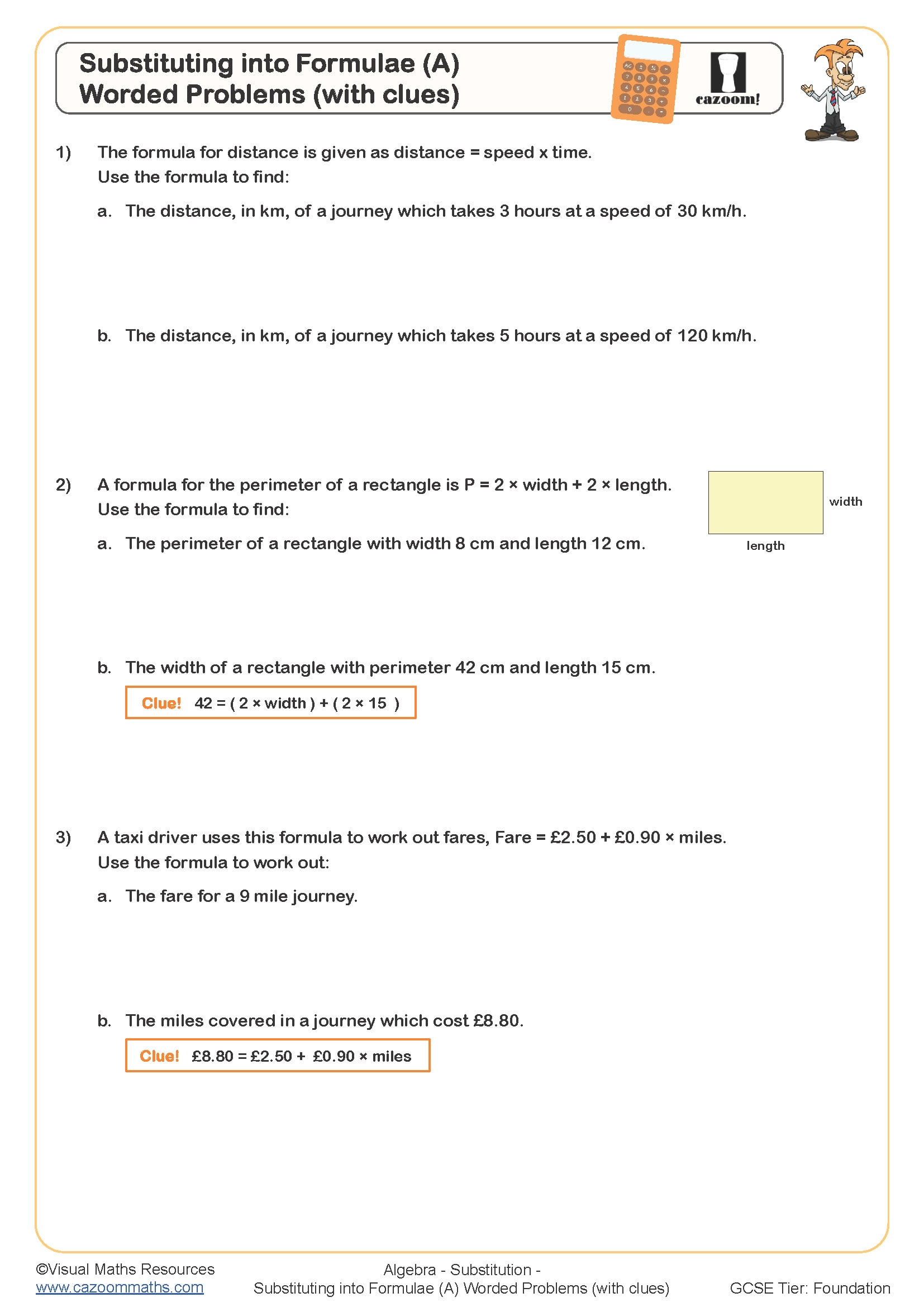
Substituting into Formulae (A) Word Problems
Year groups: 7, 8, 9
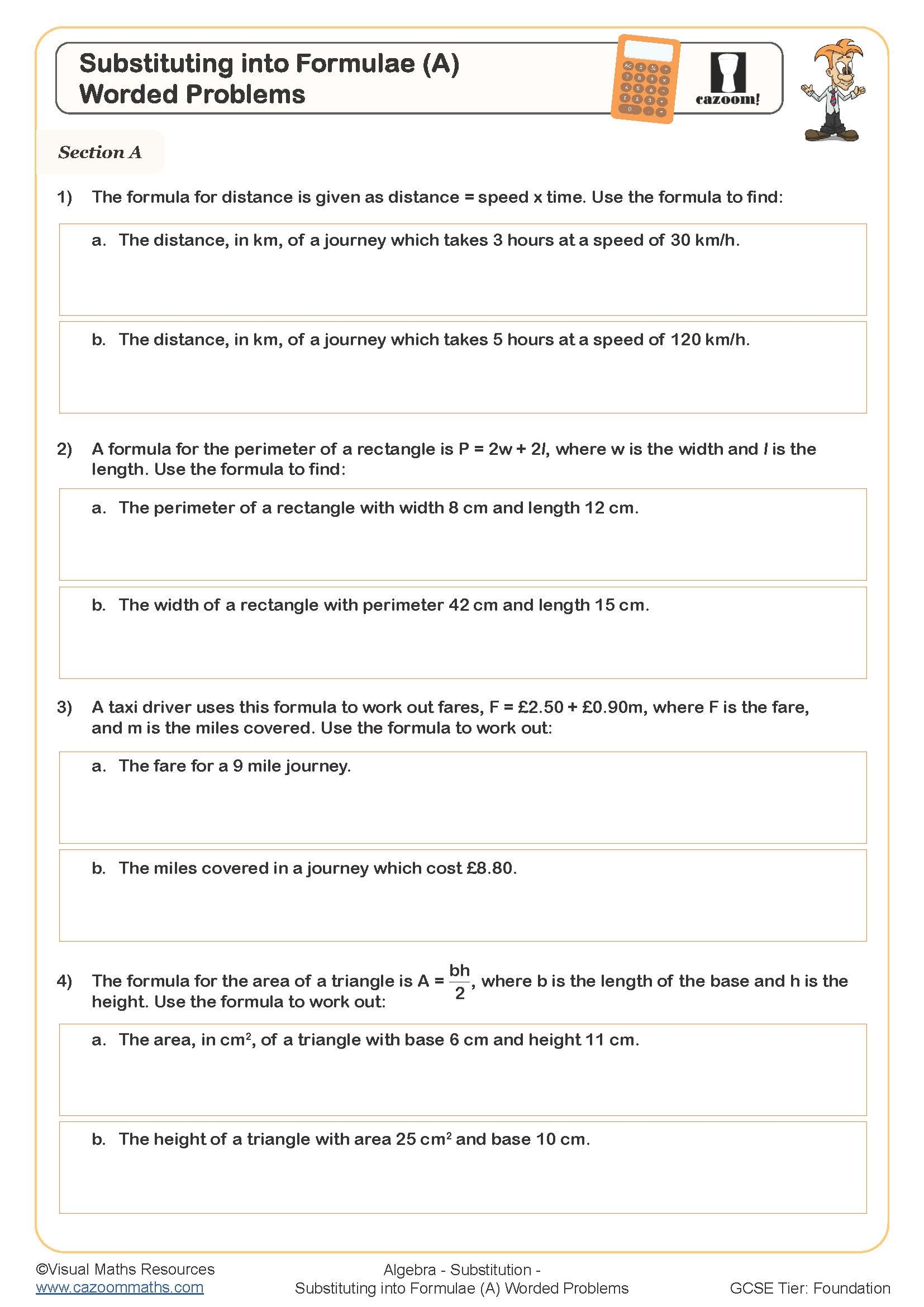
Substitution - Using Algebra Tiles
Year groups: 7, 8
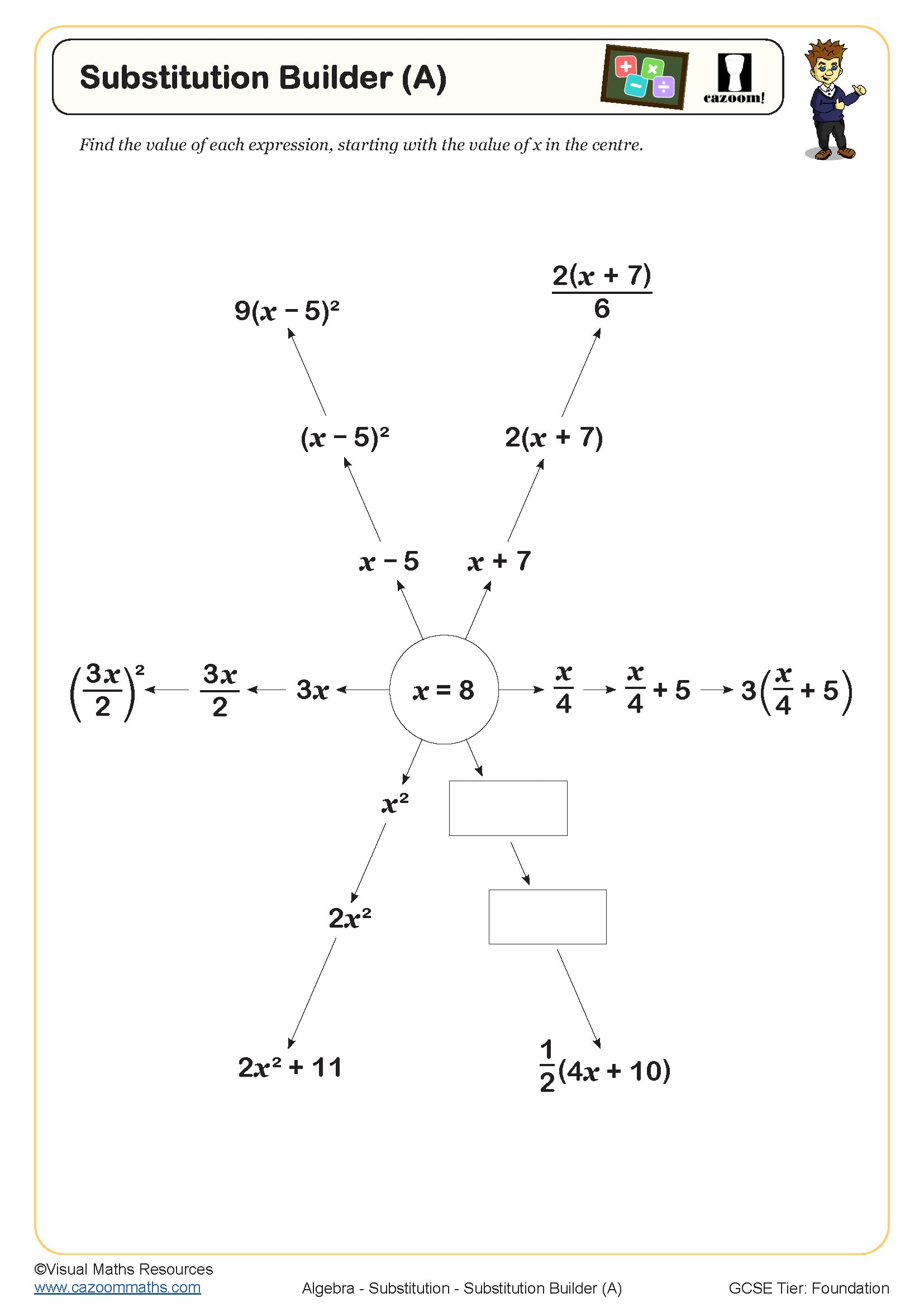
Substitution Builder (A)
Year groups: 7, 8, 9
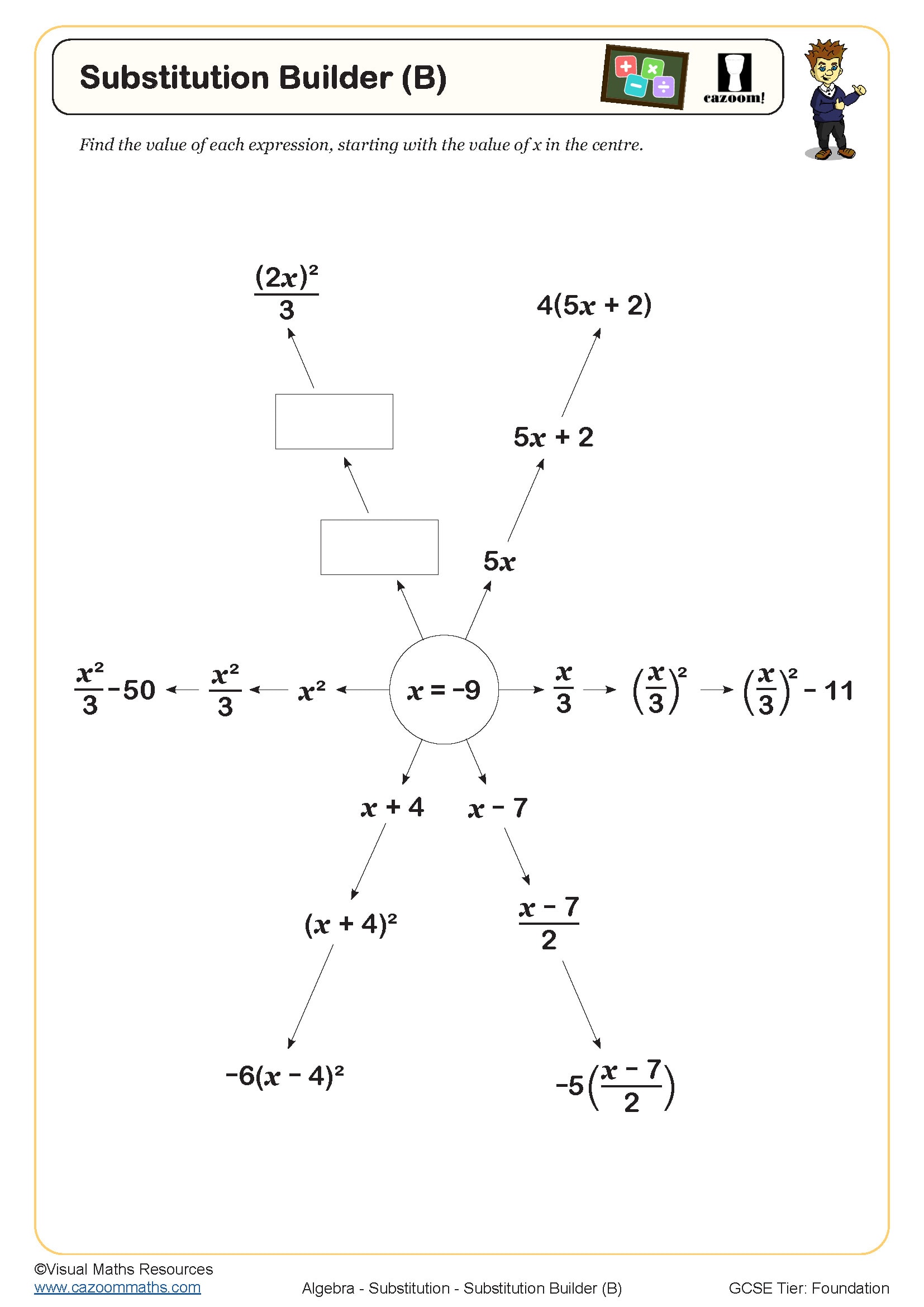
Substitution Builder (B)
Year groups: 7, 8, 9
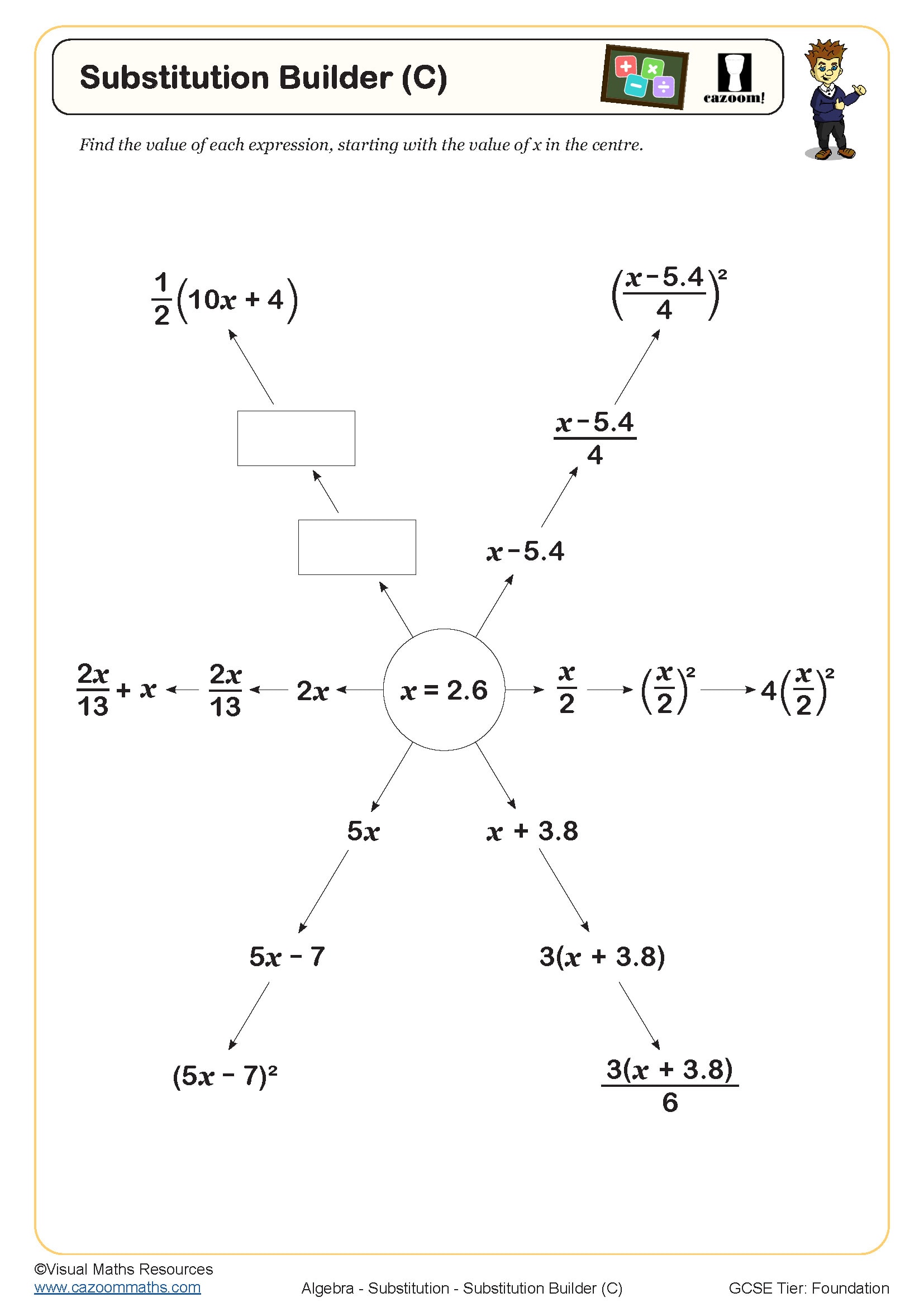
Substitution Builder (C)
Year groups: 7, 8, 9
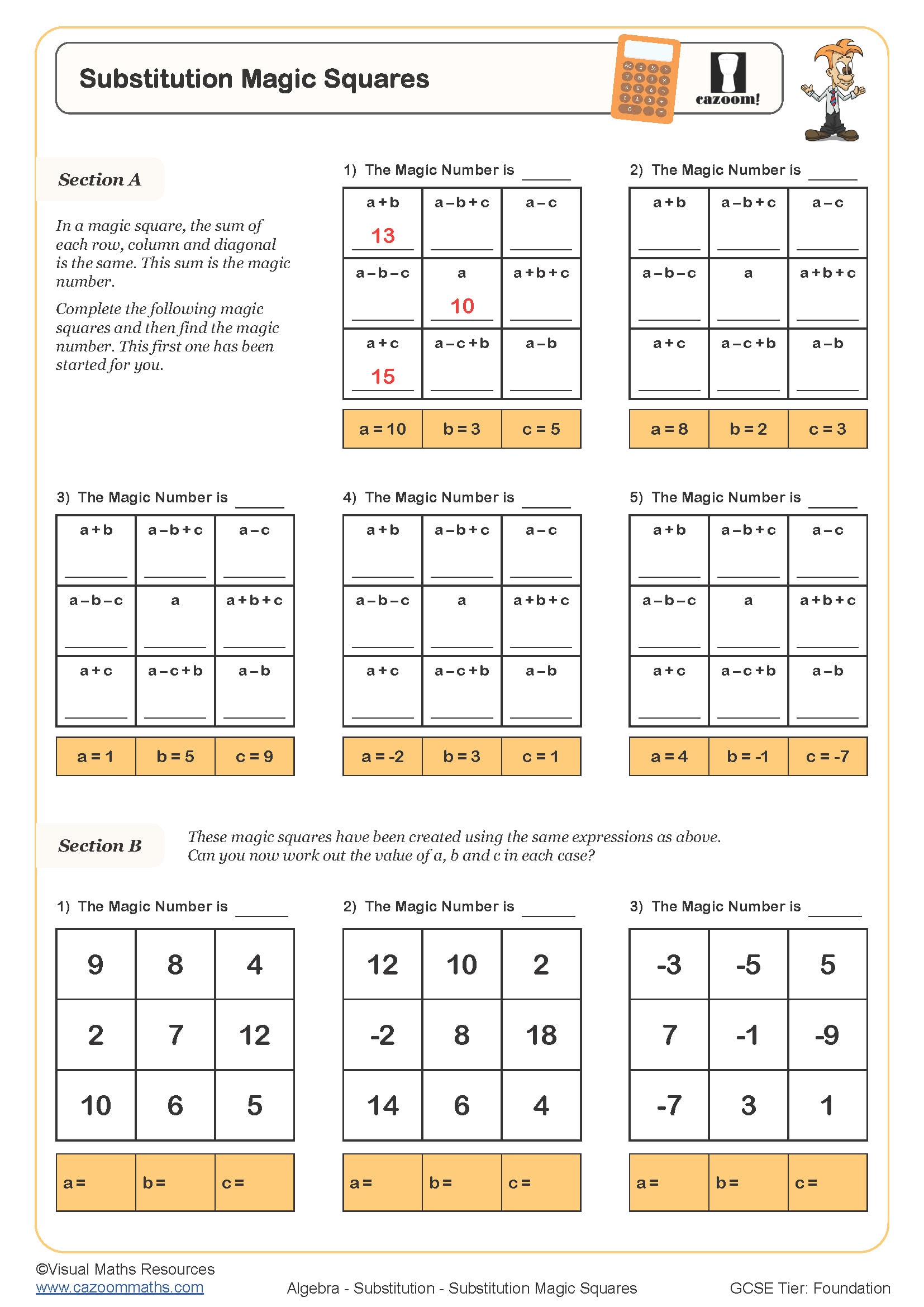
Substitution Magic Squares
Year groups: 7, 8, 9
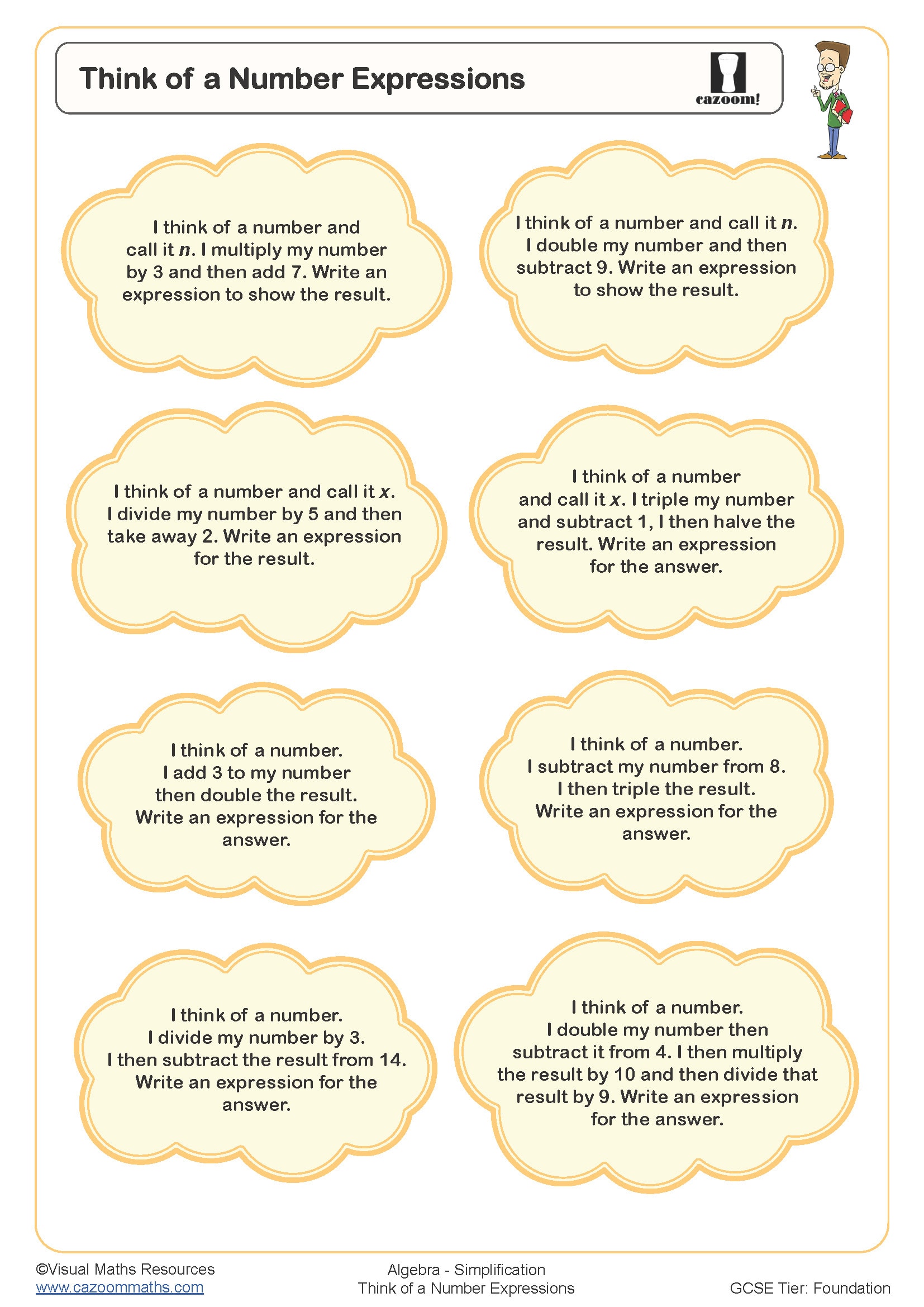
Think of A Number Expressions
Year groups: 7, 8
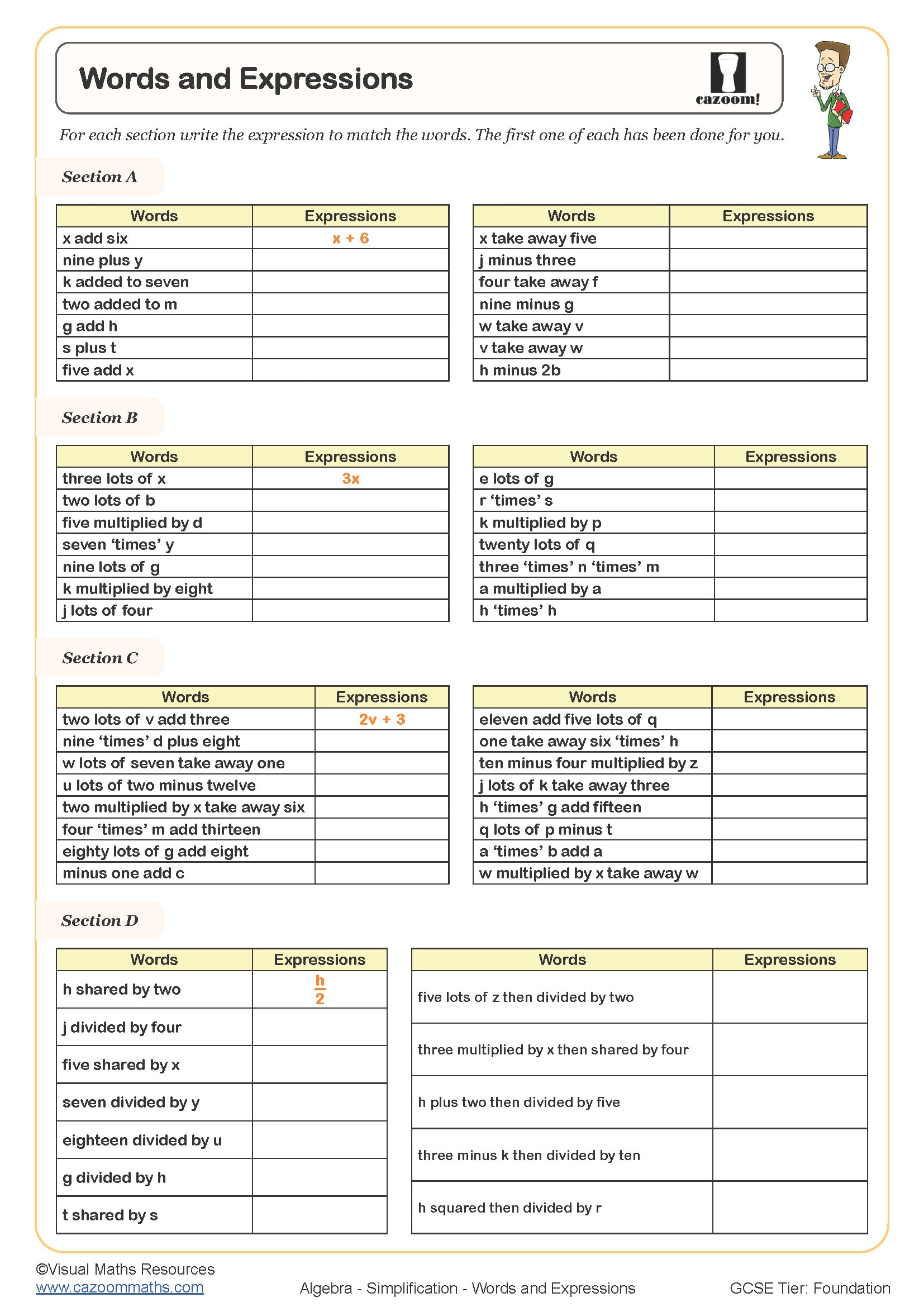
Words and Expressions
Year groups: 7, 8
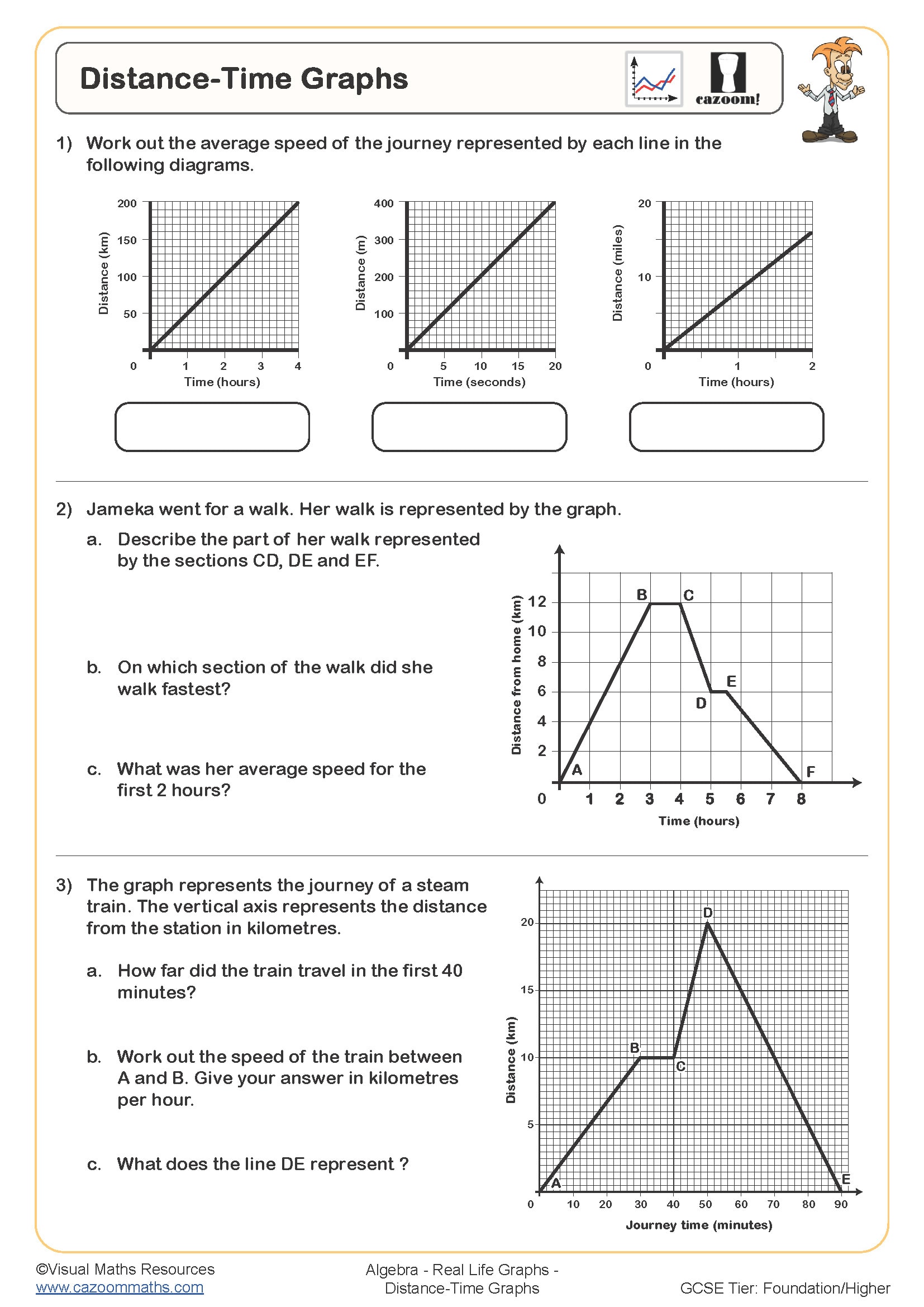
Distance Time Graphs
Year groups: 8, 9
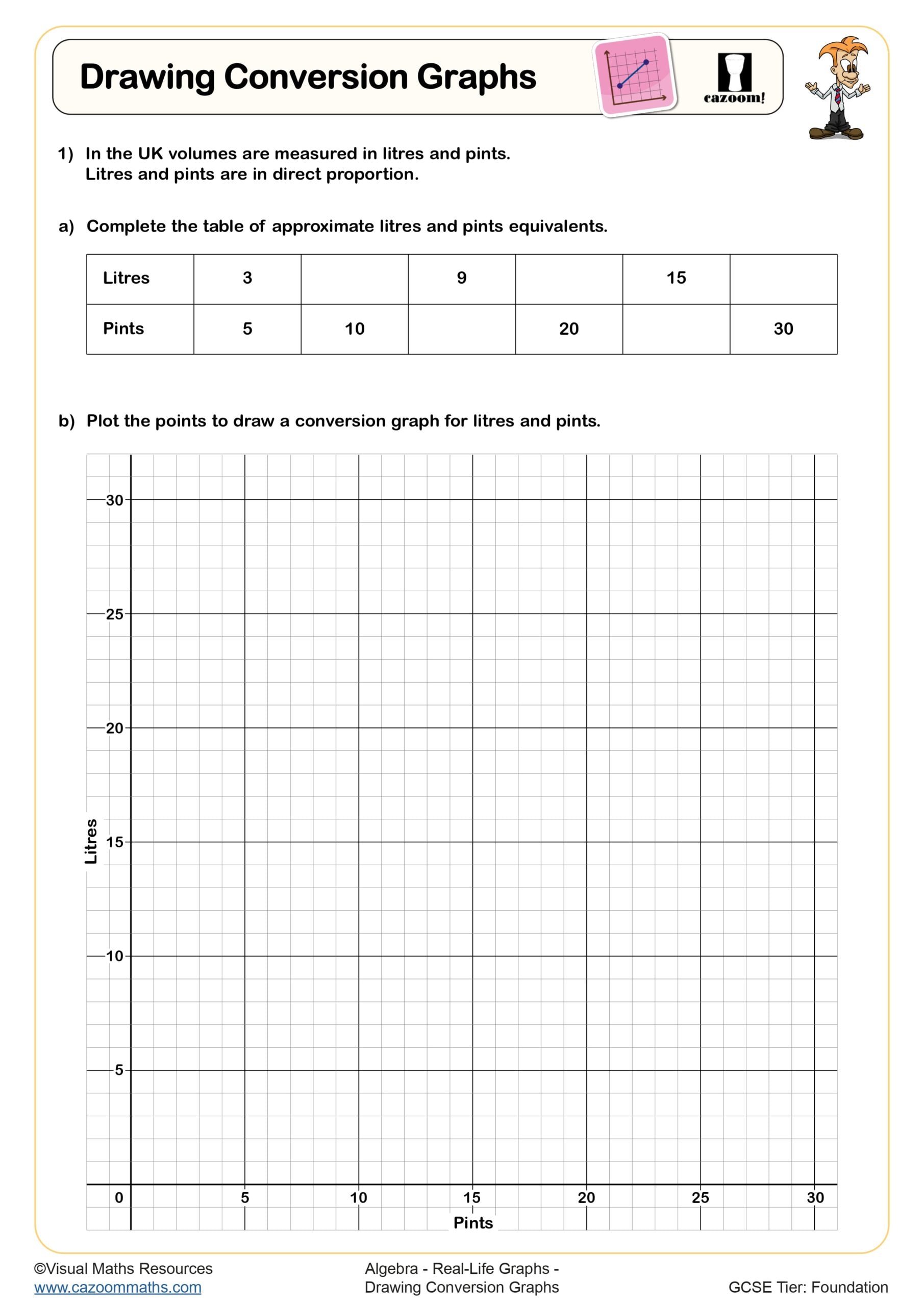
Drawing Conversion Graphs
Year groups: 8, 9
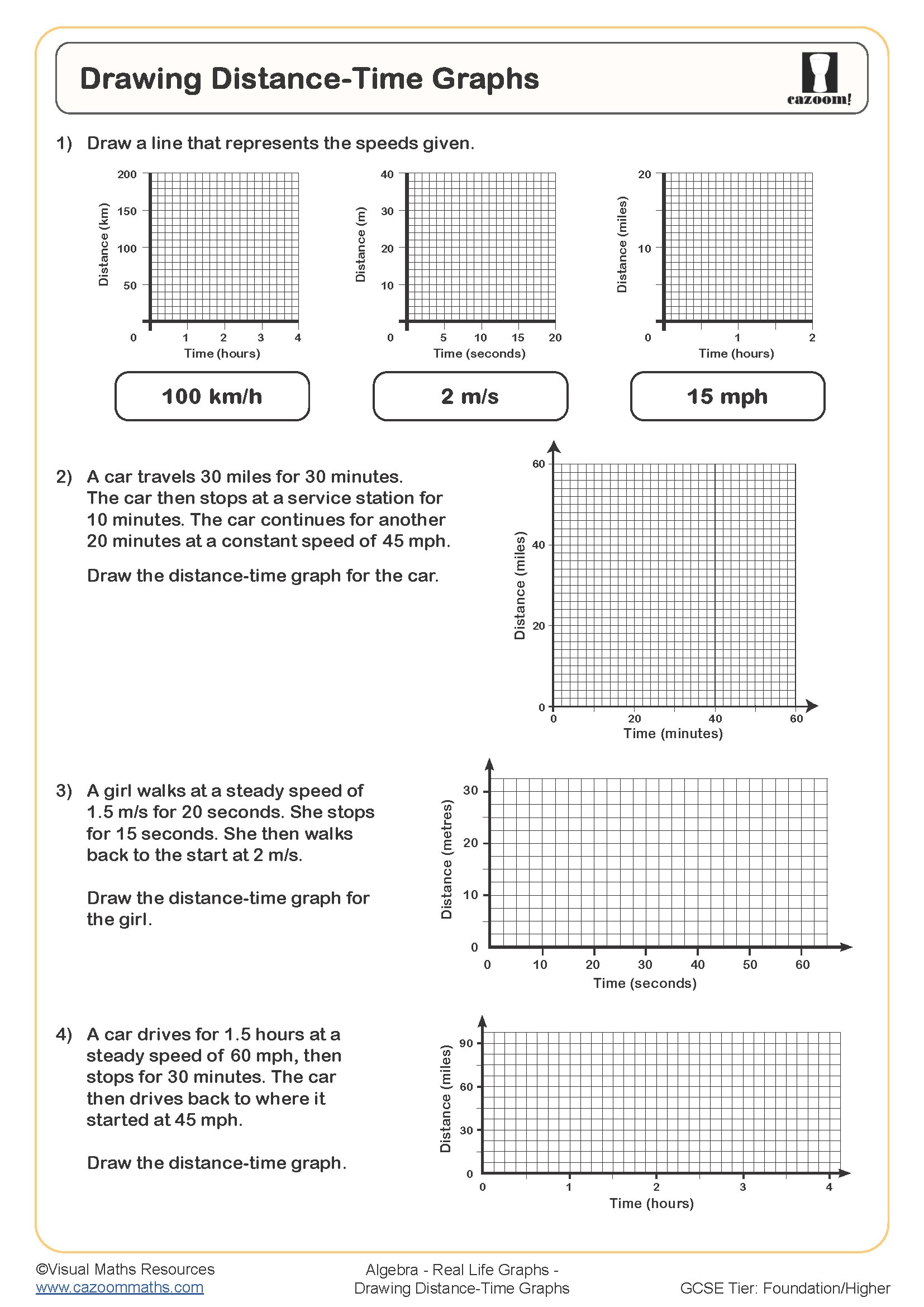
Drawing Distance Time Graphs
Year groups: 8, 9
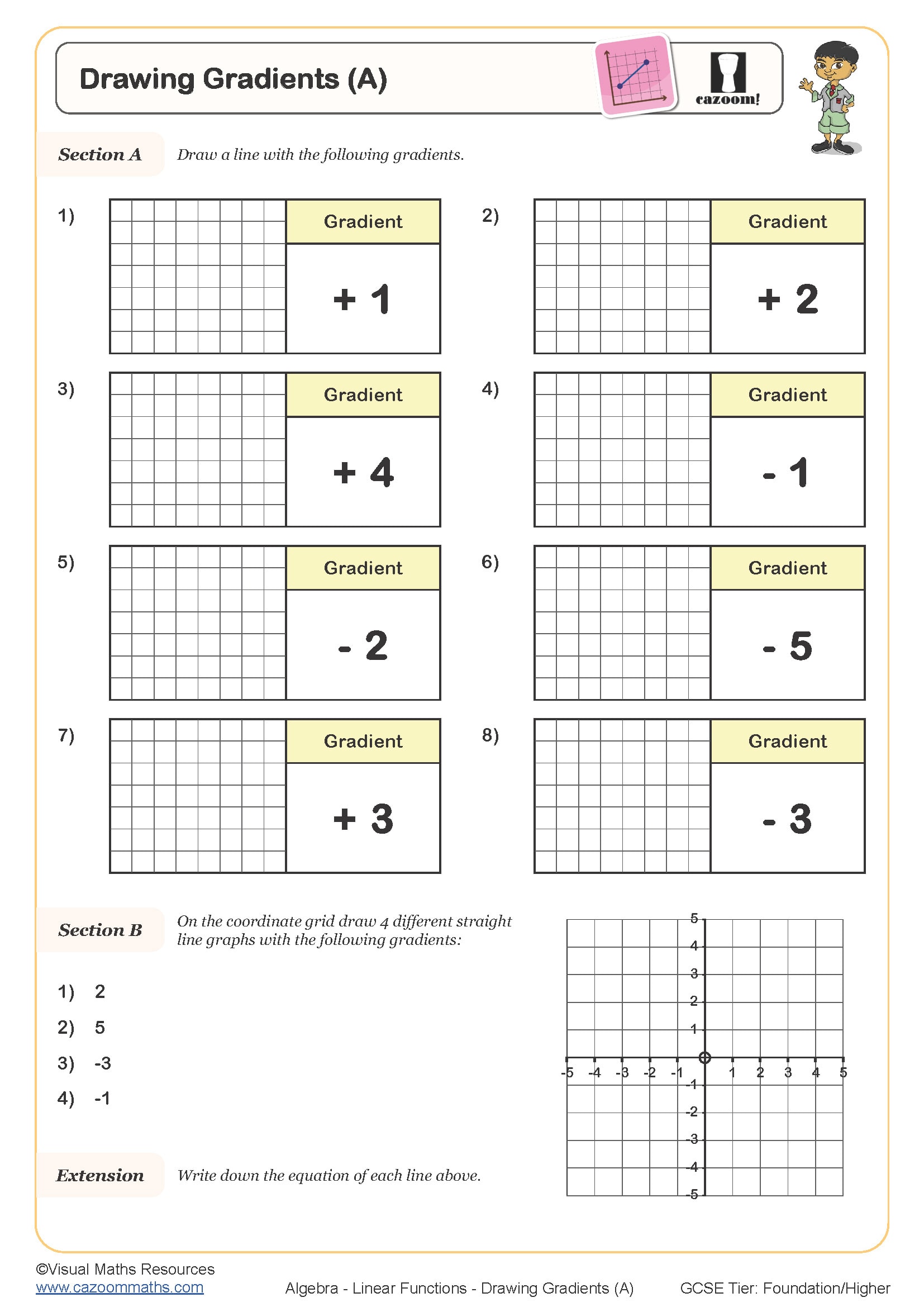
Drawing Gradients (A)
Year groups: 8, 9, 10
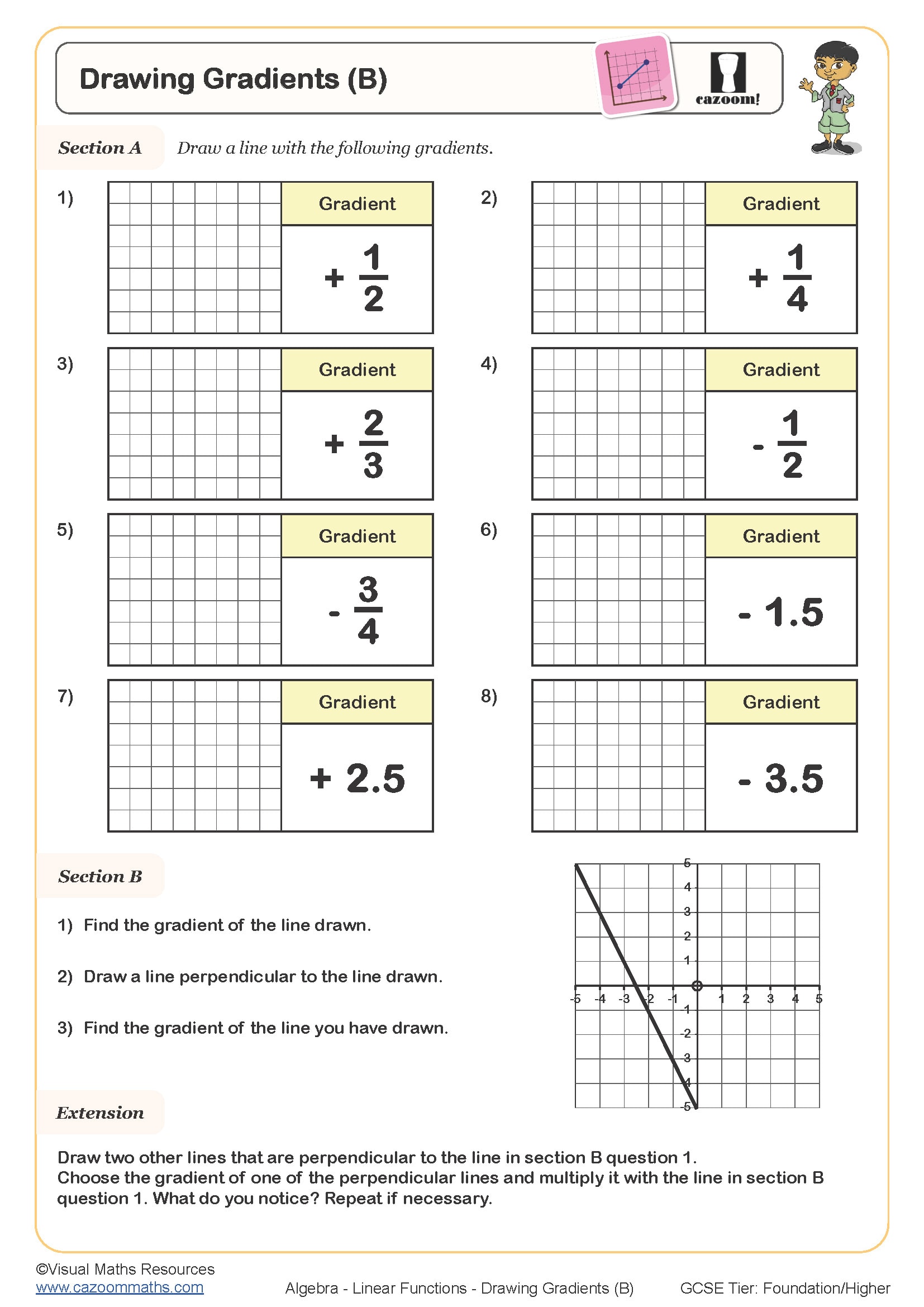
Drawing Gradients (B)
Year groups: 8, 9, 10
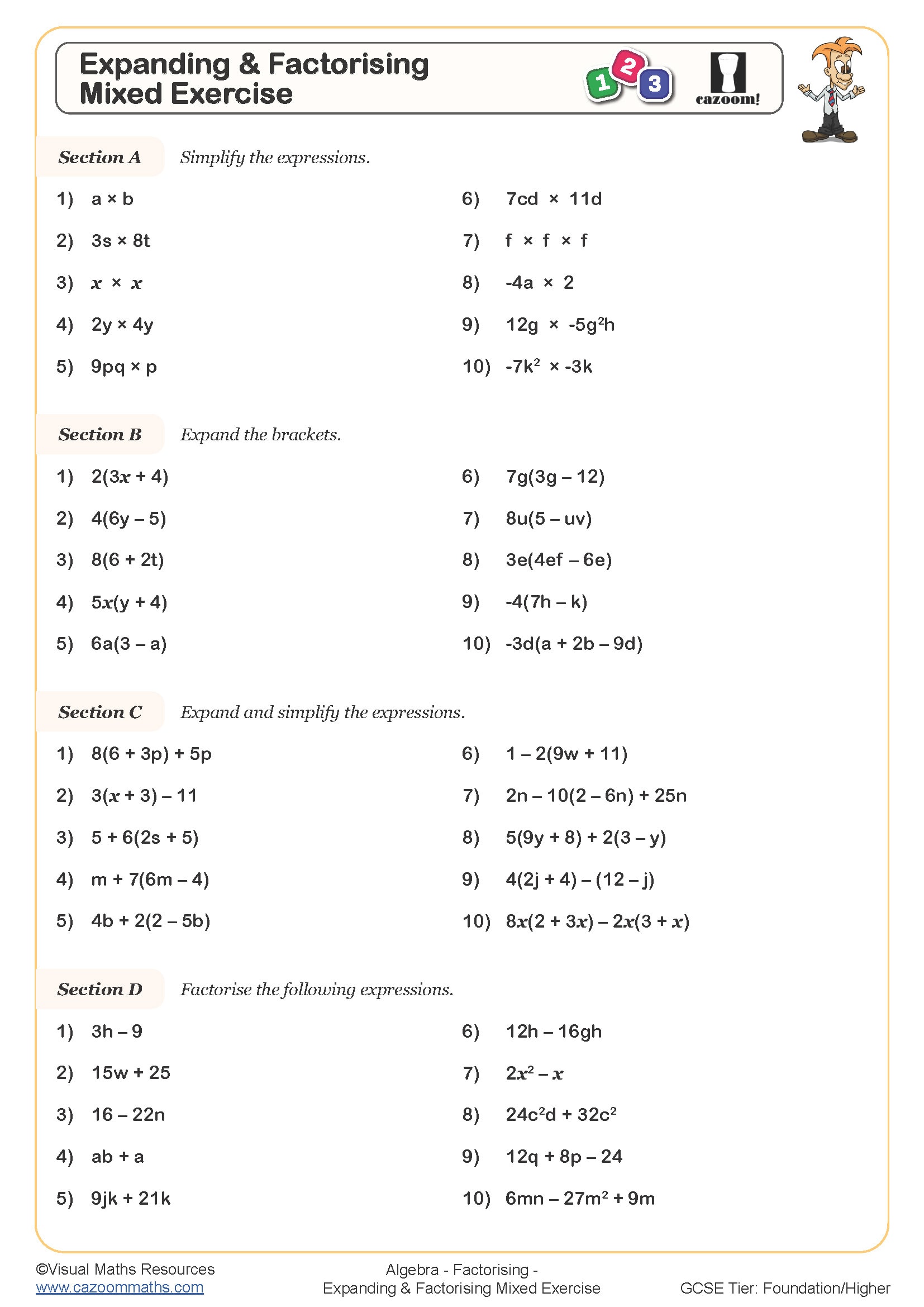
Expanding and Factorising Mixed Exercise
Year groups: 8, 9, 10
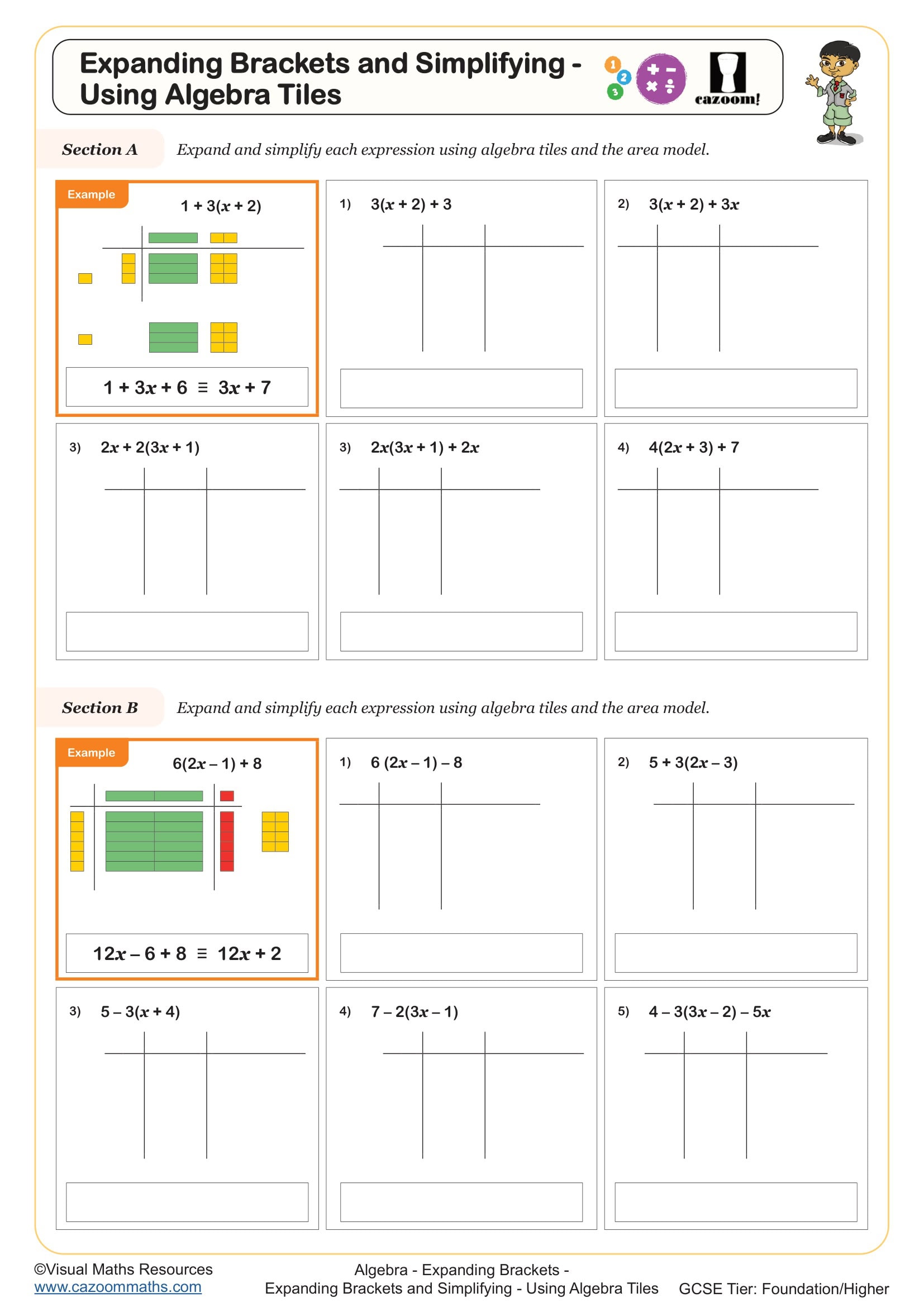
Expanding Brackets and Simplifying - Using Algebra Tiles
Year groups: 8, 9
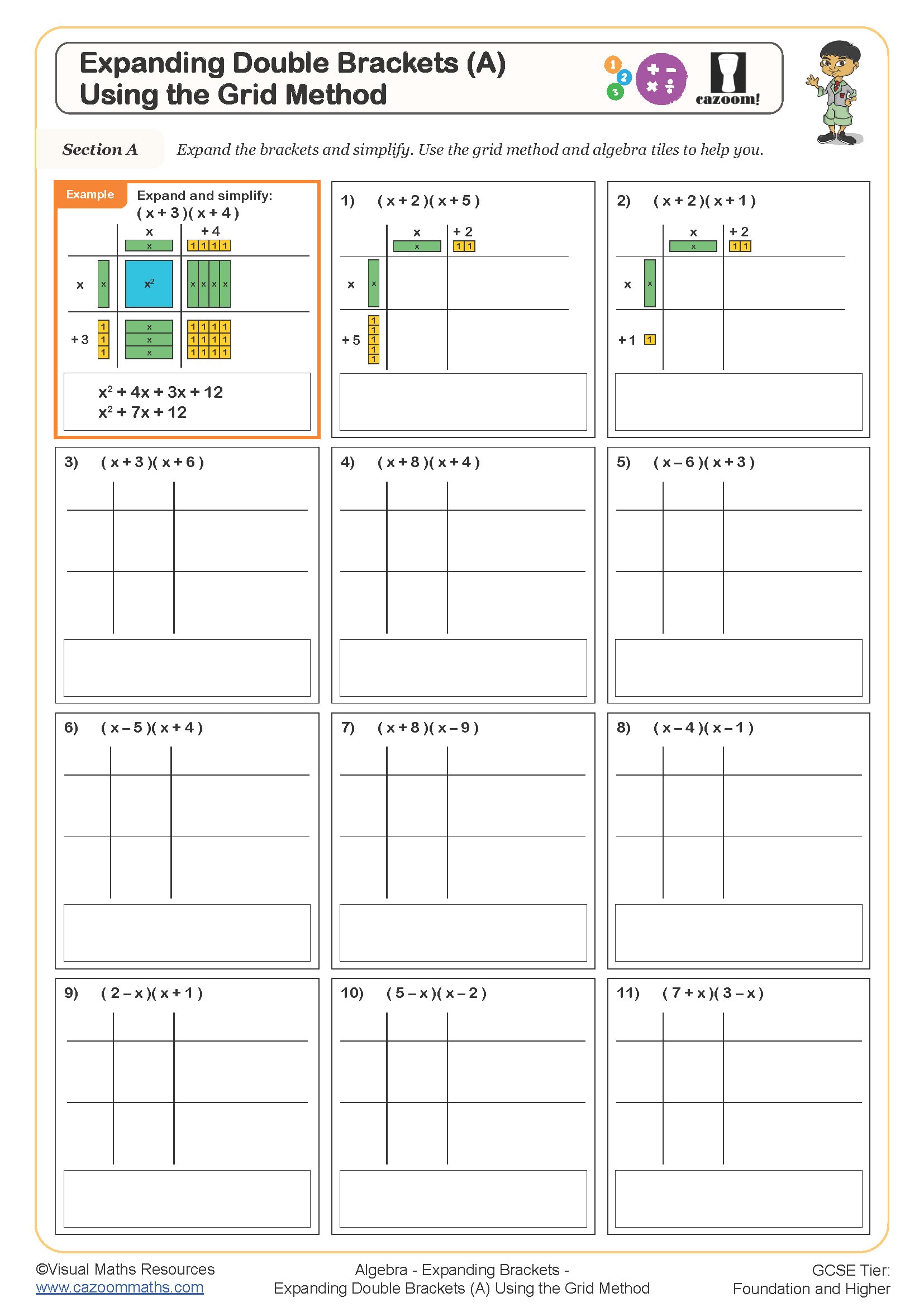
Expanding Double Brackets (A) Using the Grid Method
Year groups: 8, 9, 10
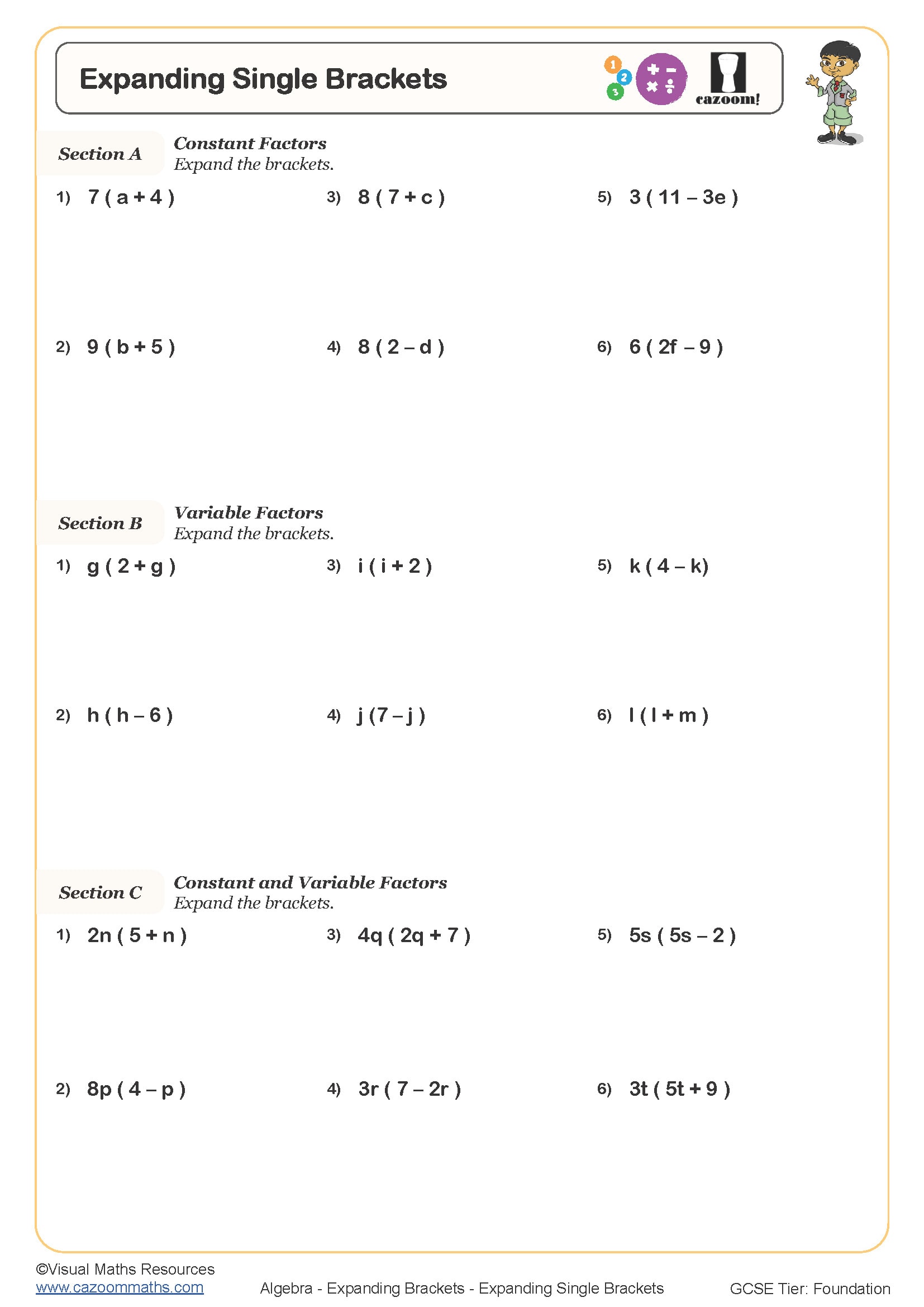
Expanding Single Brackets
Year groups: 8, 9, 10
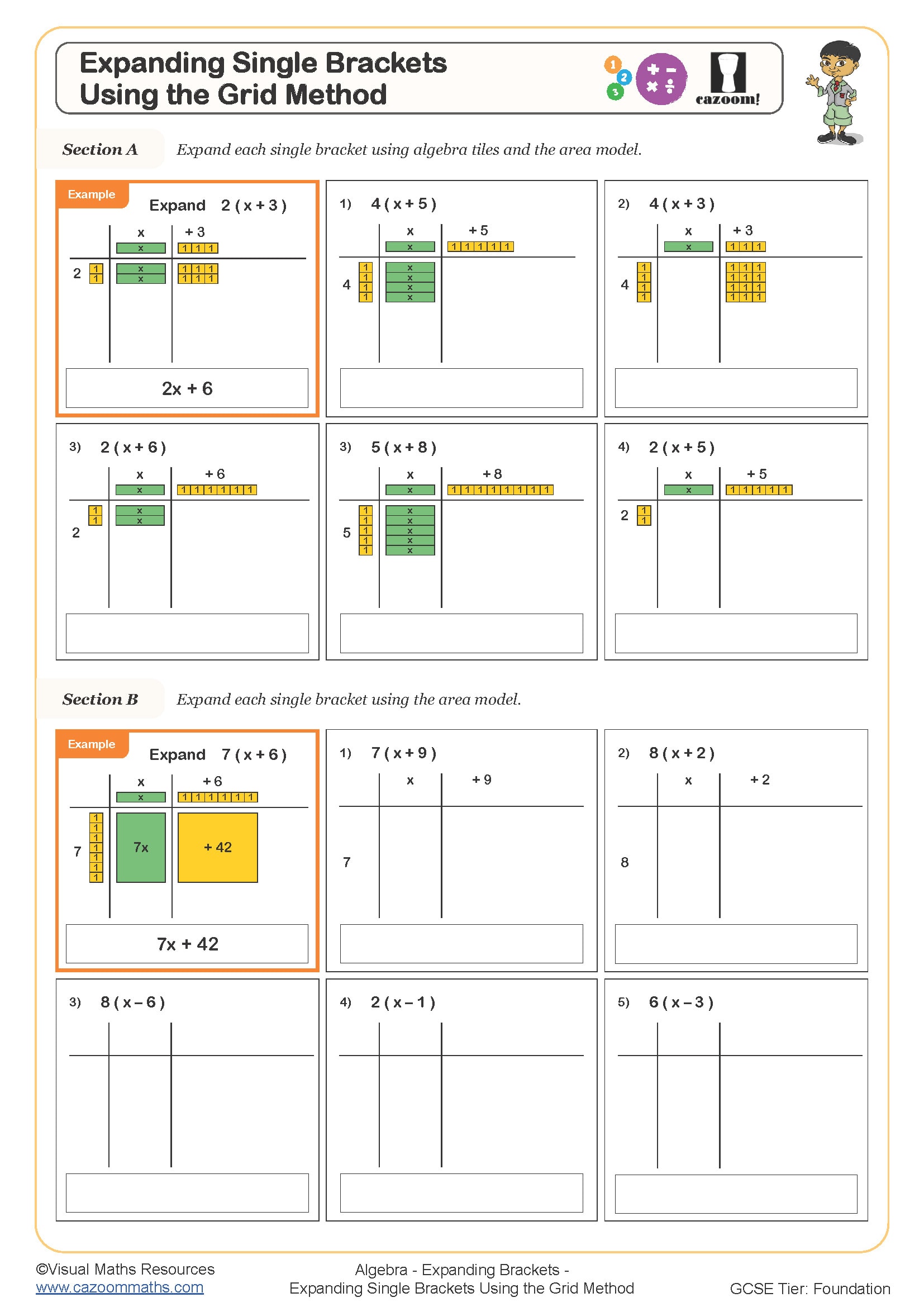
Expanding Single Brackets - Using the Grid Method
Year groups: 8, 9
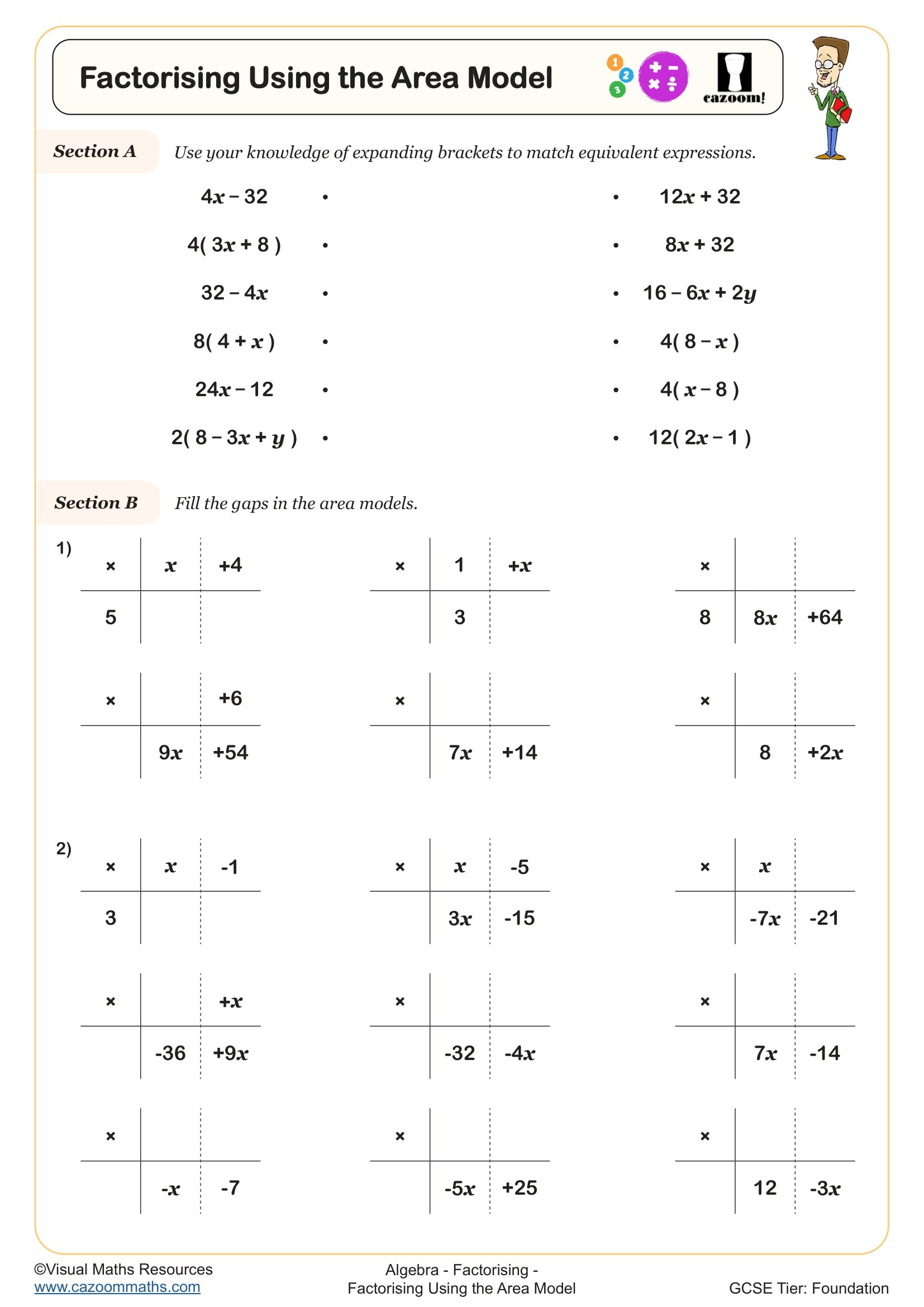
Factorising Using the Area Model
Year groups: 8, 9
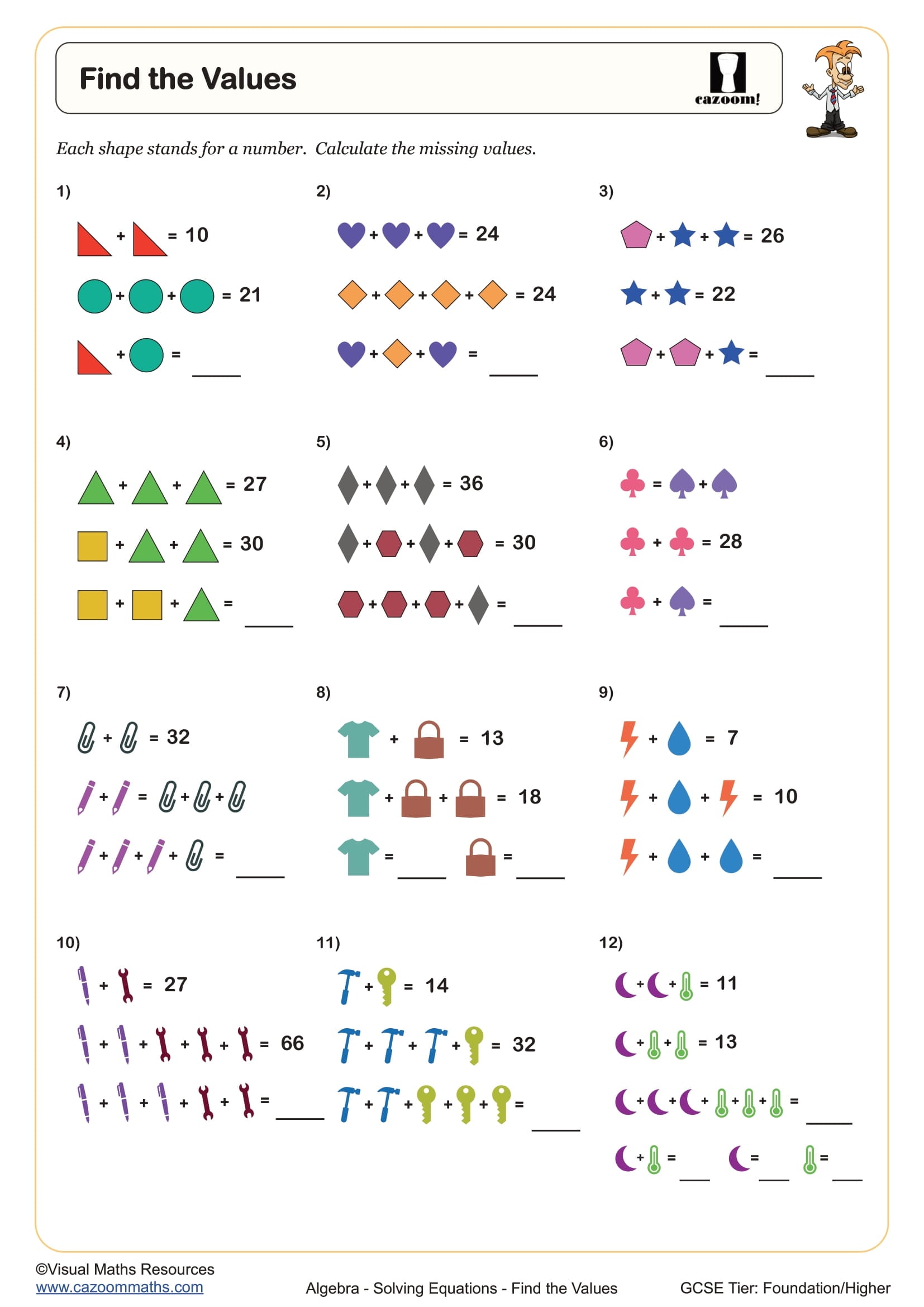
Find the Values
Year groups: 8, 9
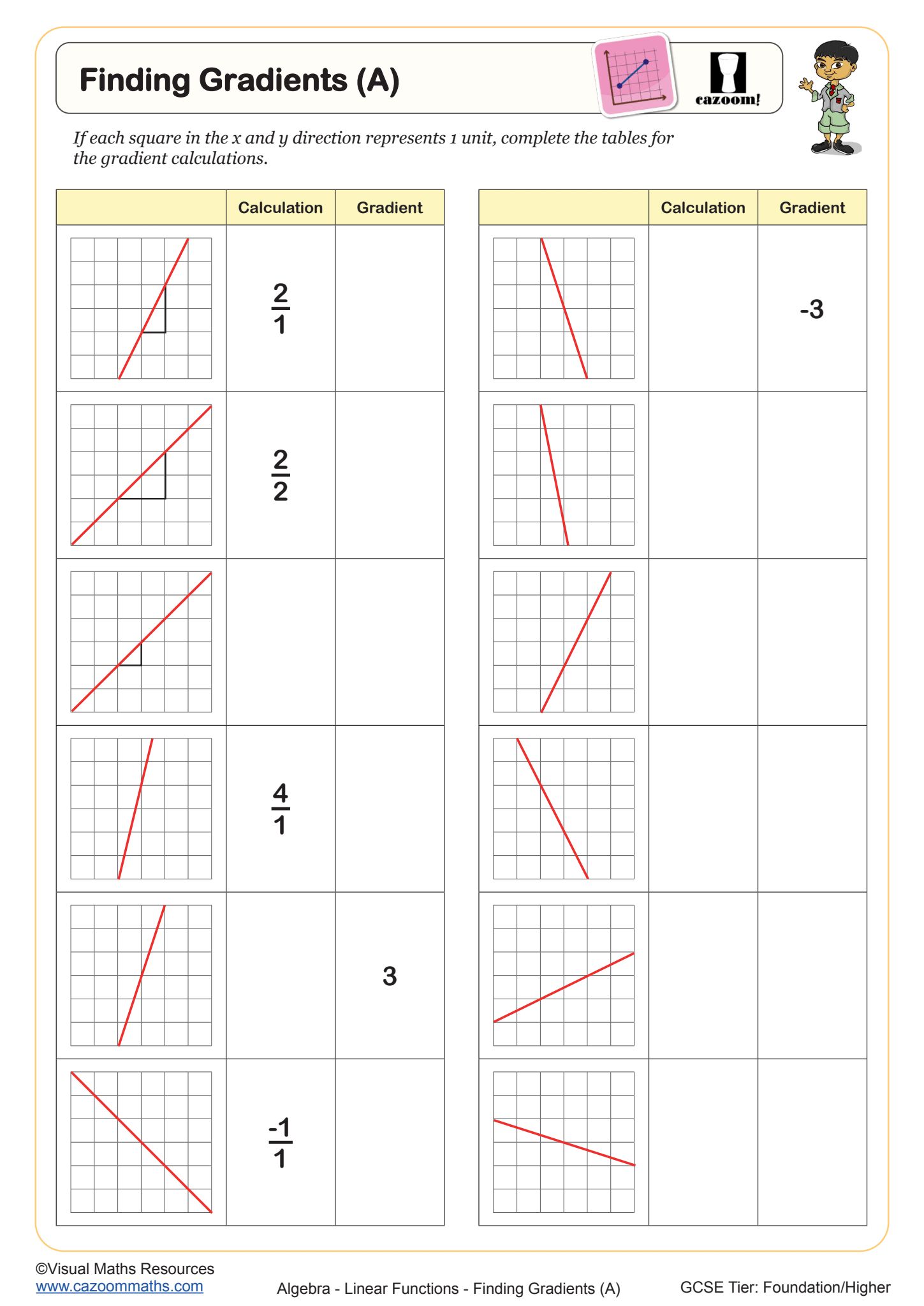
Finding Gradients (A)
Year groups: 8, 9, 10
Finding Gradients (B)
Year groups: 8, 9, 10

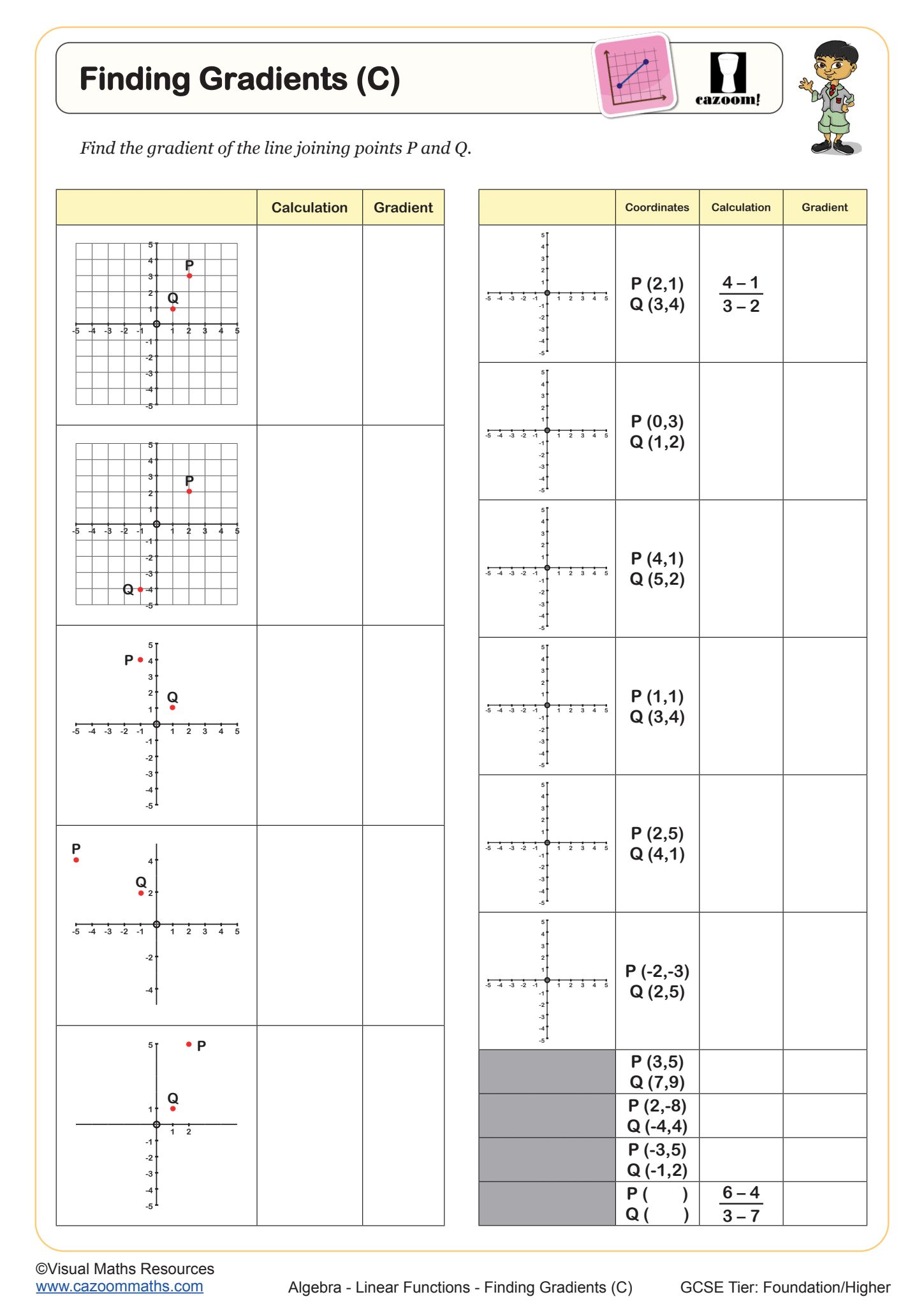
Finding Gradients (C)
Year groups: 8, 9, 10
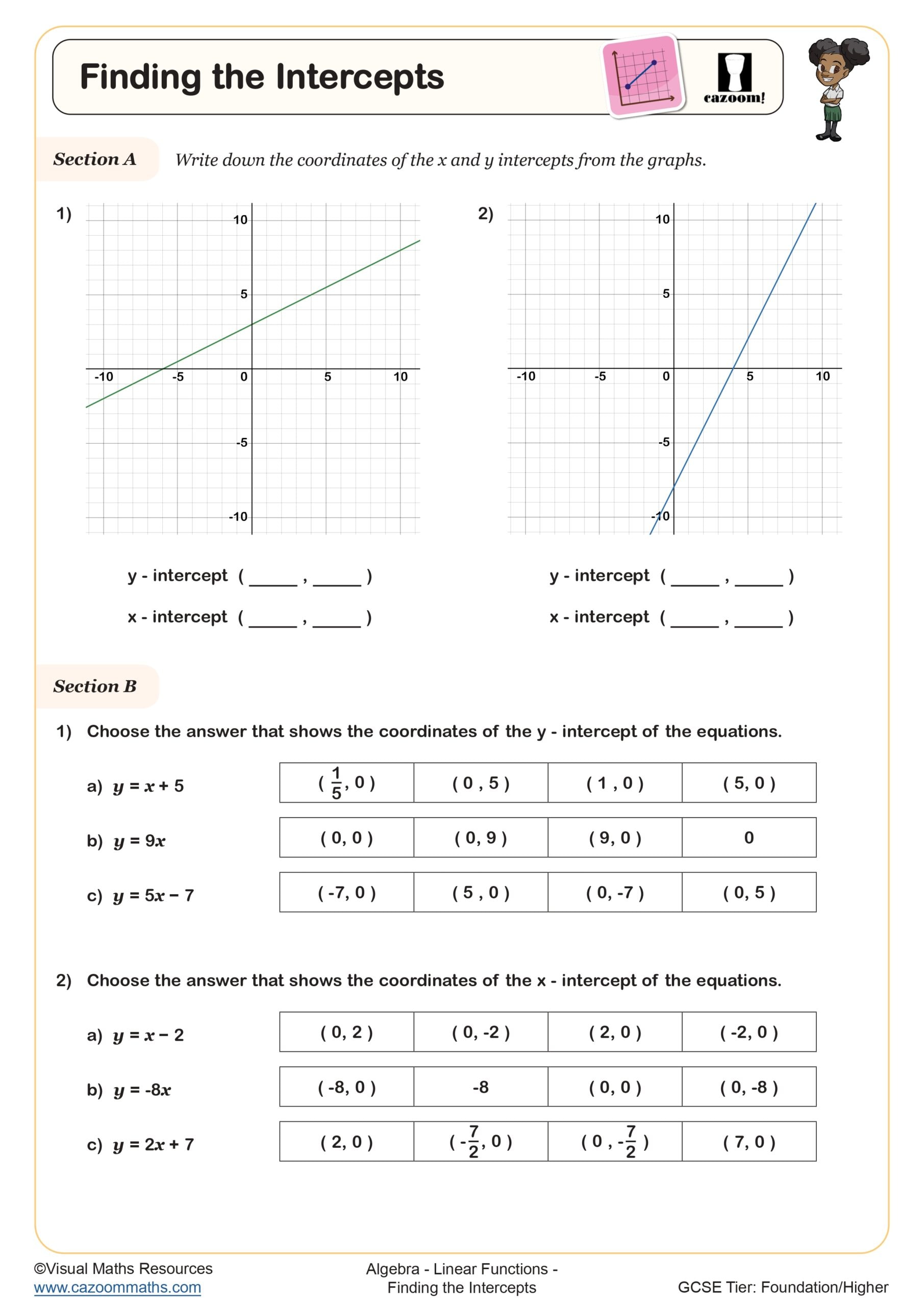
Finding the Intercepts
Year groups: 8, 9
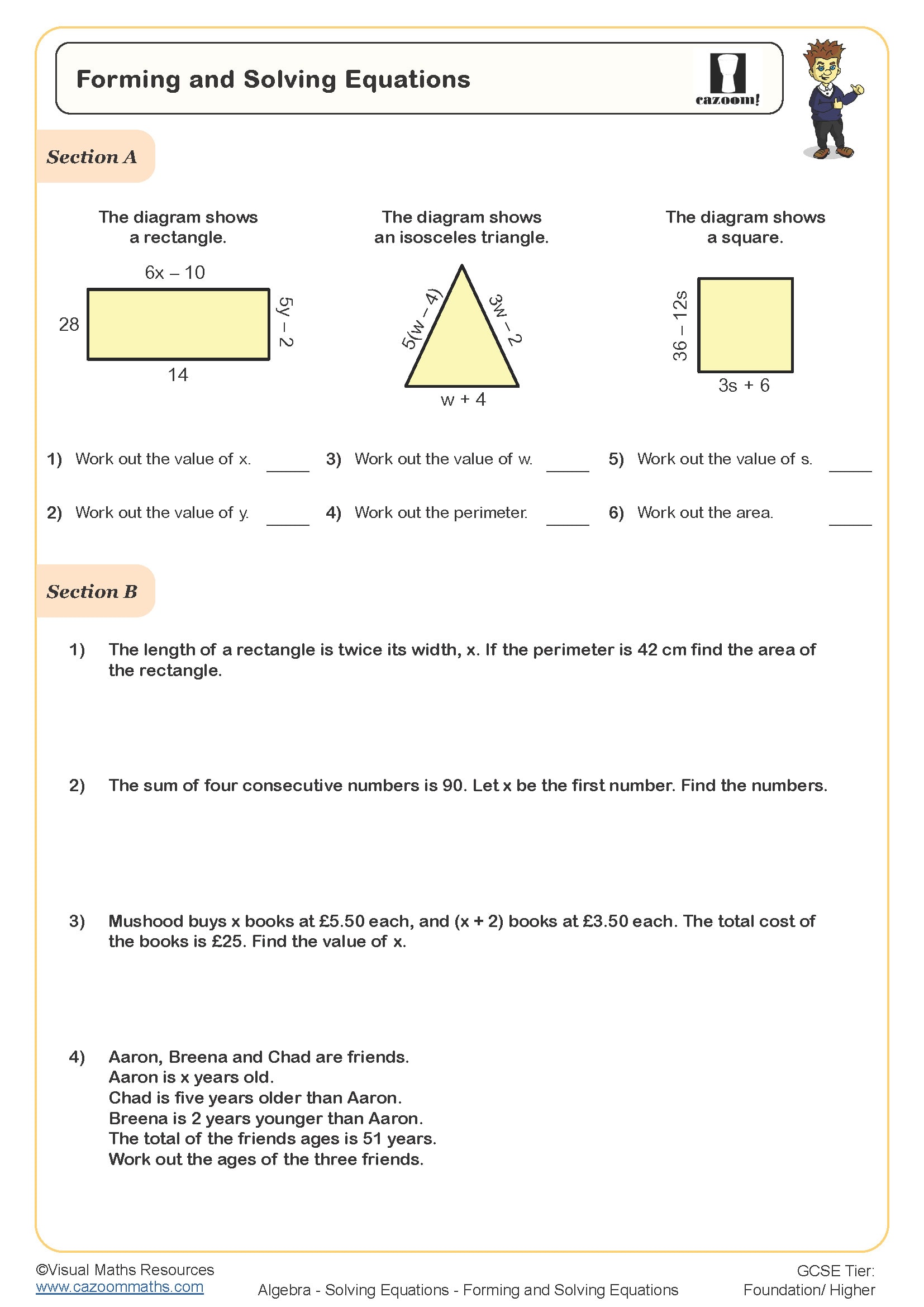
Forming and Solving Equations
Year groups: 8, 9
Forming and Solving Equations Involving Angles (A)
Year groups: 8, 9
-Worksheet.jpg?w=3840)
Forming and Solving Equations Involving Angles (B)
Year groups: 8, 9
-Worksheet.jpg?w=3840)
Forming and Solving Linear Inequalities
Year groups: 8, 9

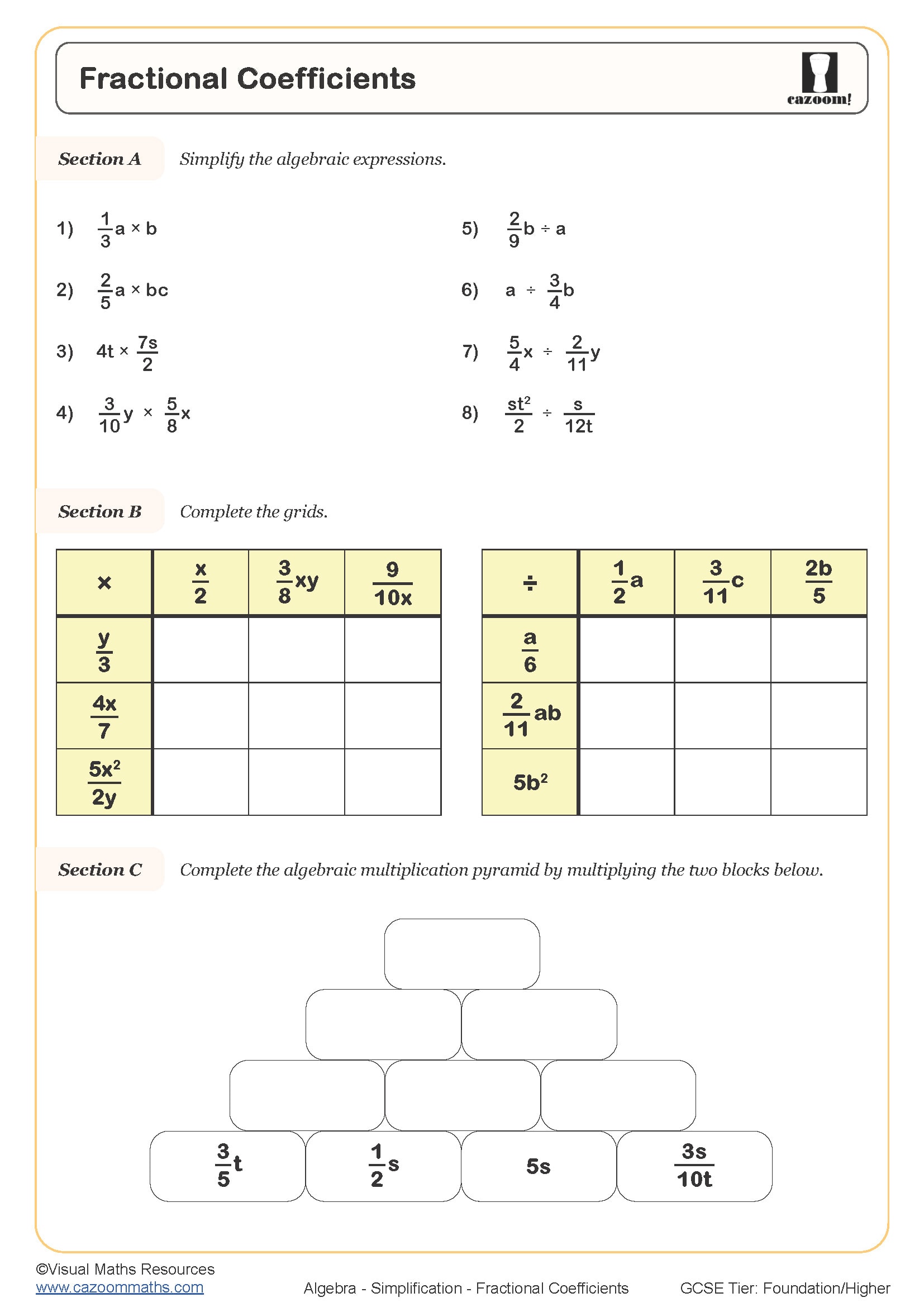
Fractional Coefficients
Year groups: 8, 9
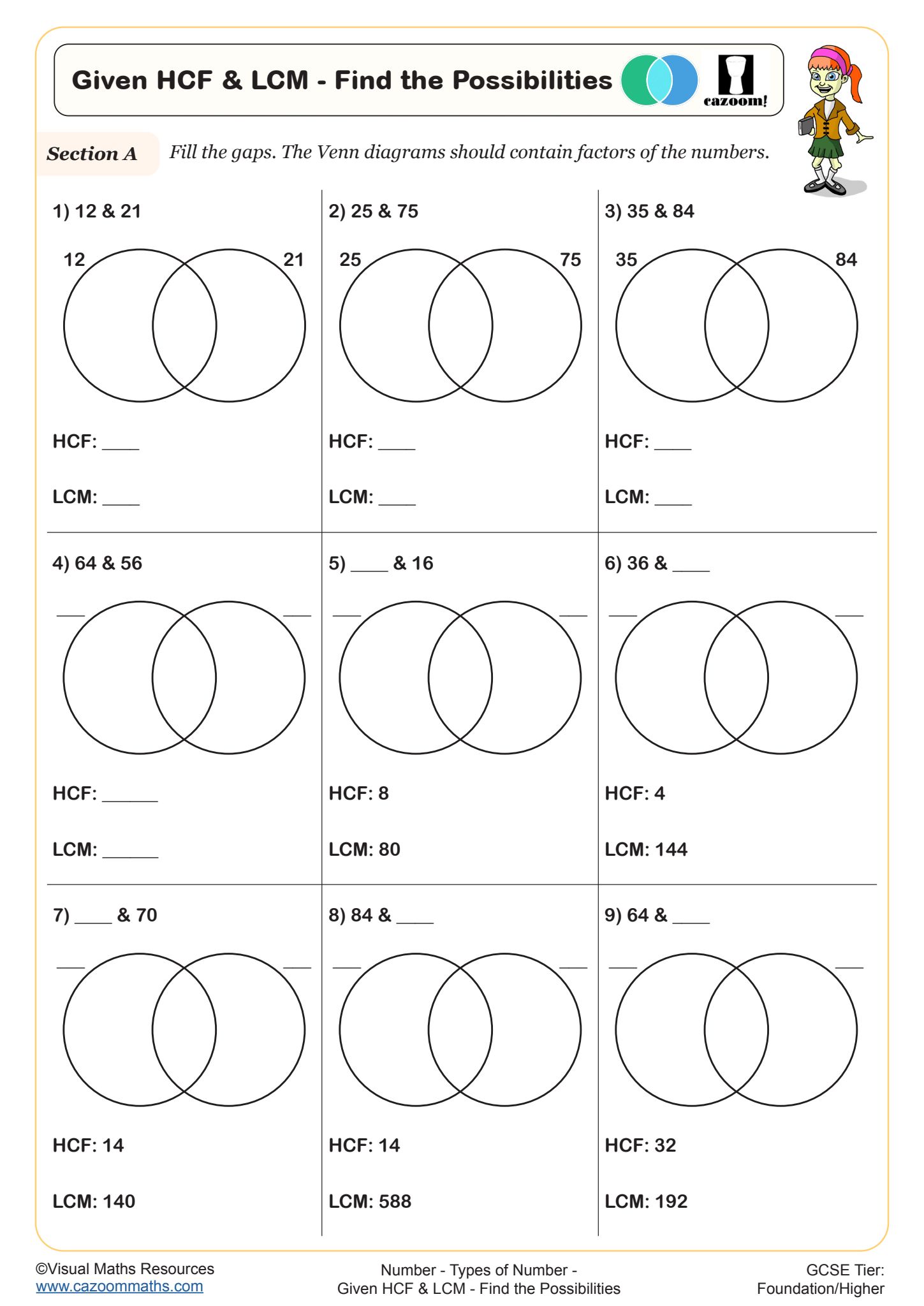
Given HCF & LCM - Find Possible Numbers
Year groups: 8, 9
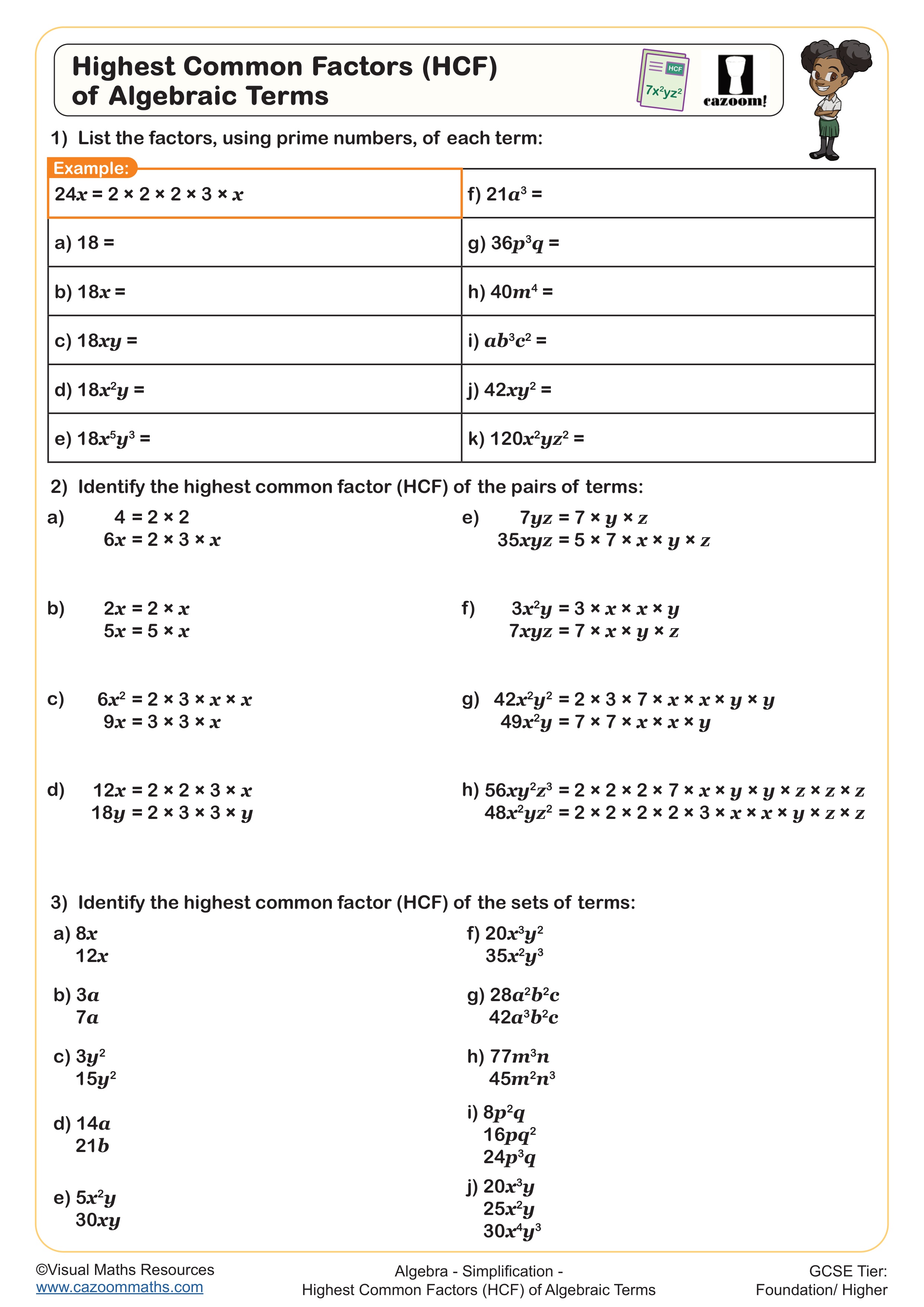
Highest Common Factors (HCF) of Algebraic Terms
Year groups: 8, 9
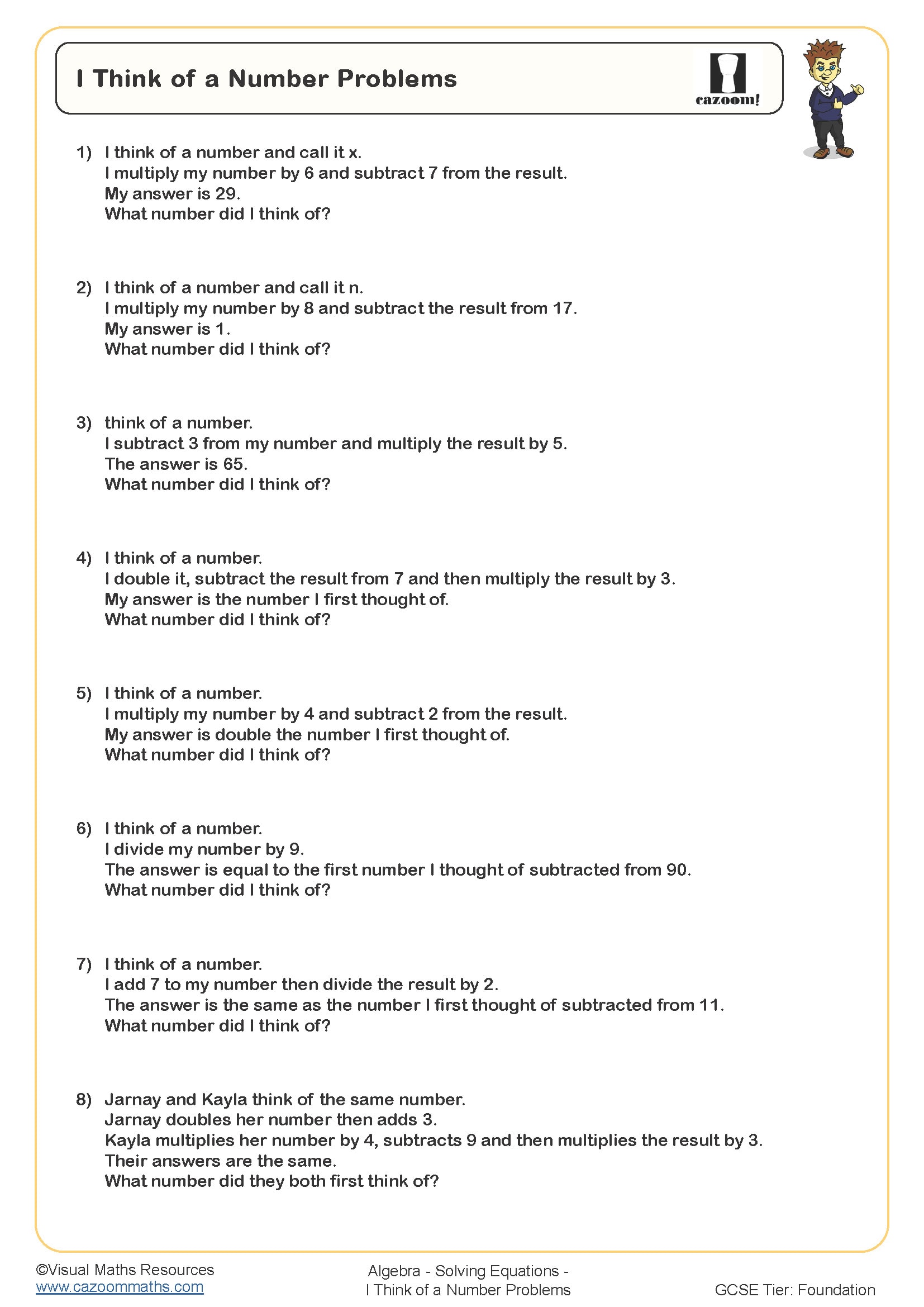
I Think of A Number Problems
Year groups: 8, 9
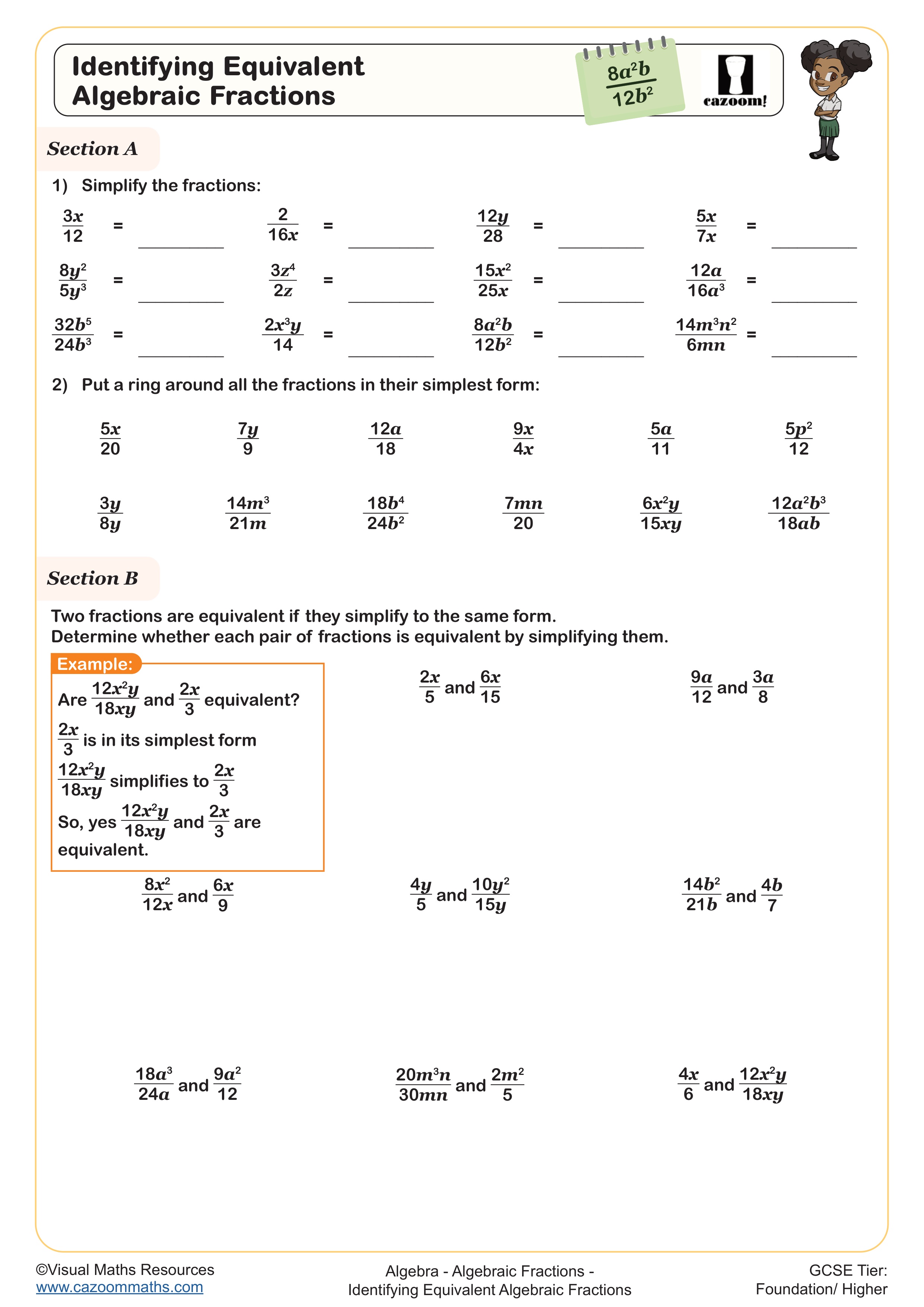
Identifying Equivalent Algebraic Fractions
Year groups: 8, 9
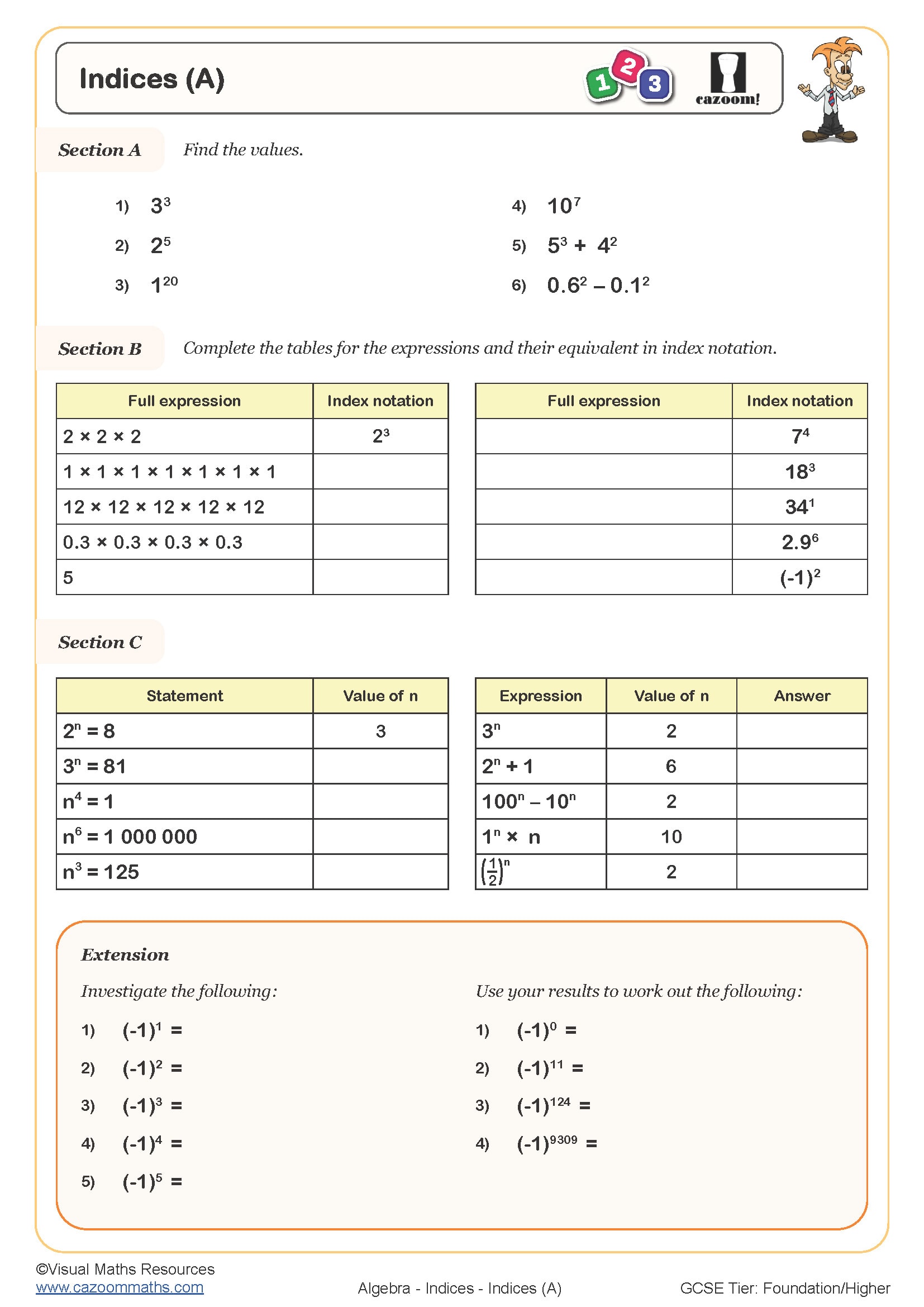
Indices (A)
Year groups: 8, 9
Indices (B)
Year groups: 8, 9, 10
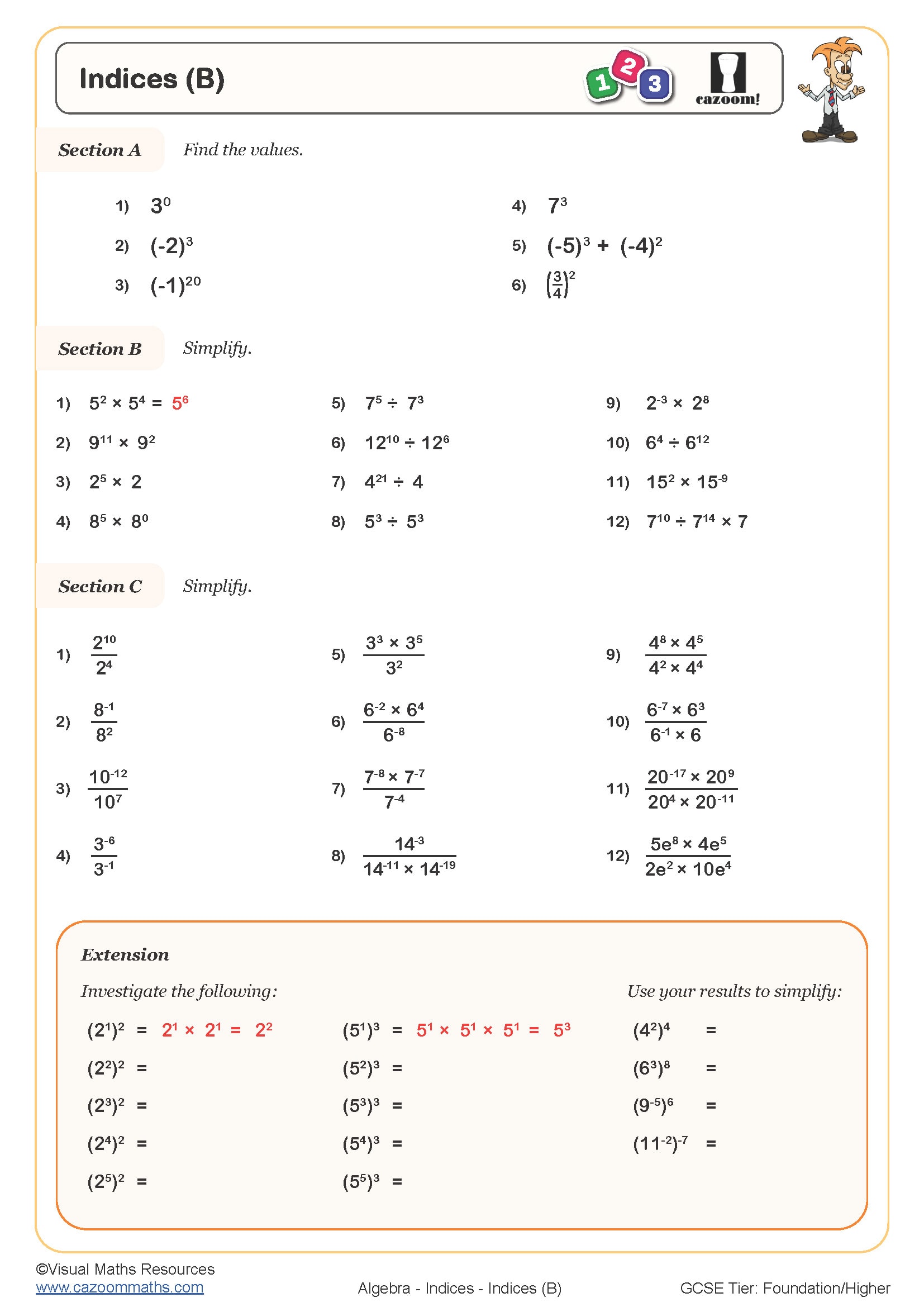
Interpreting Graphs
Year groups: 8, 9
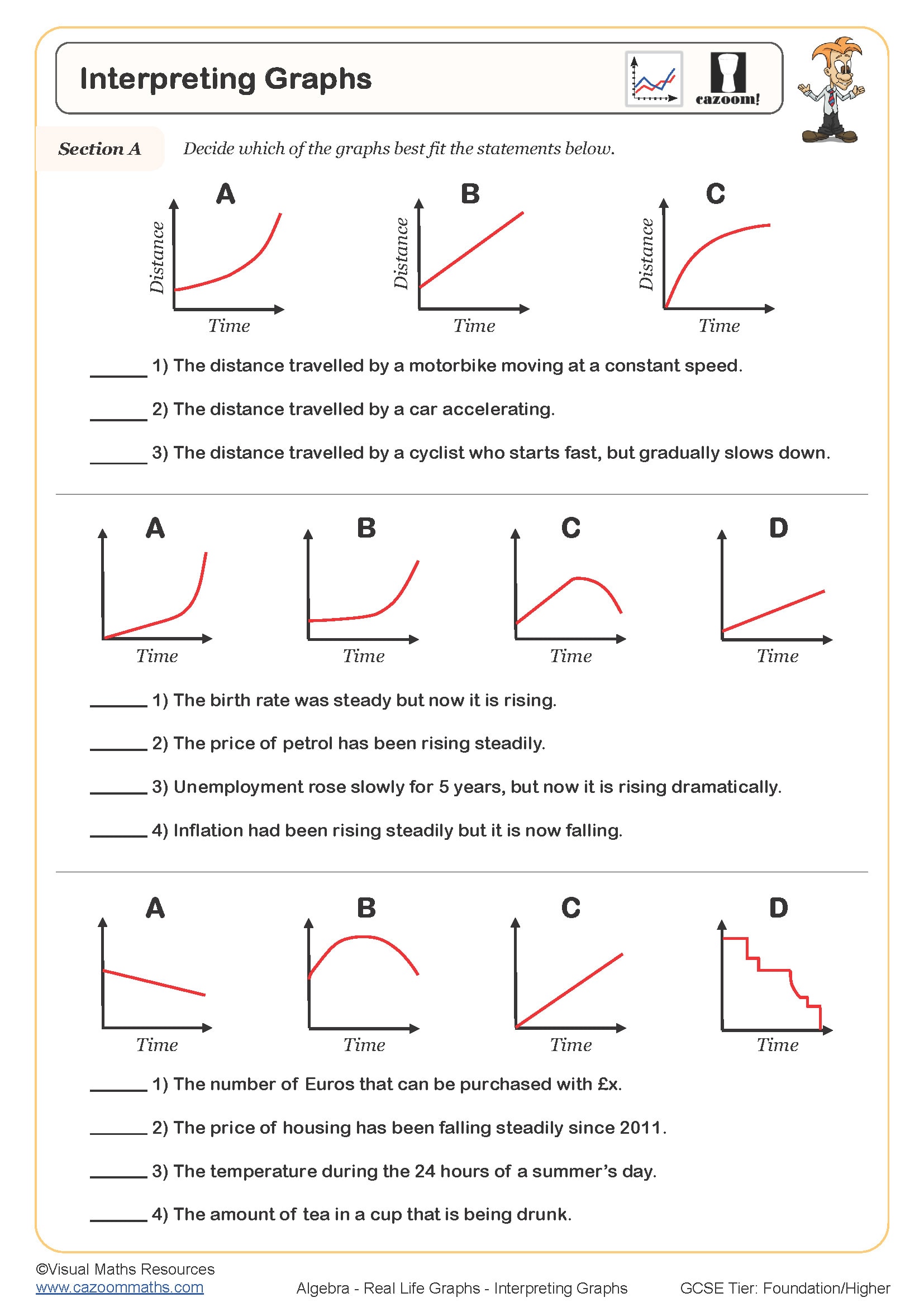
Introducing Factorisation
Year groups: 8, 9, 10
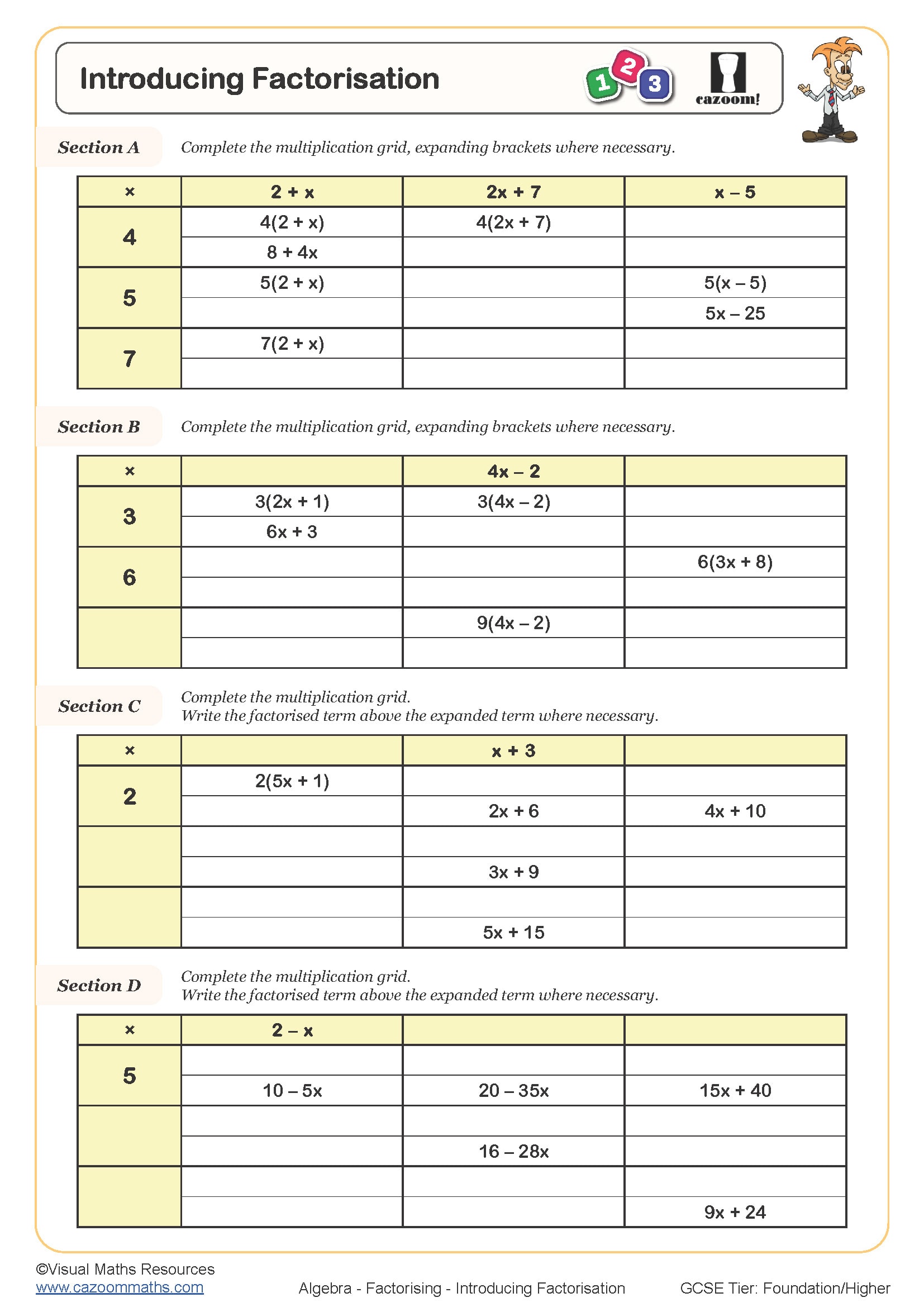
Investigating Straight Line Graphs
Year groups: 8, 9

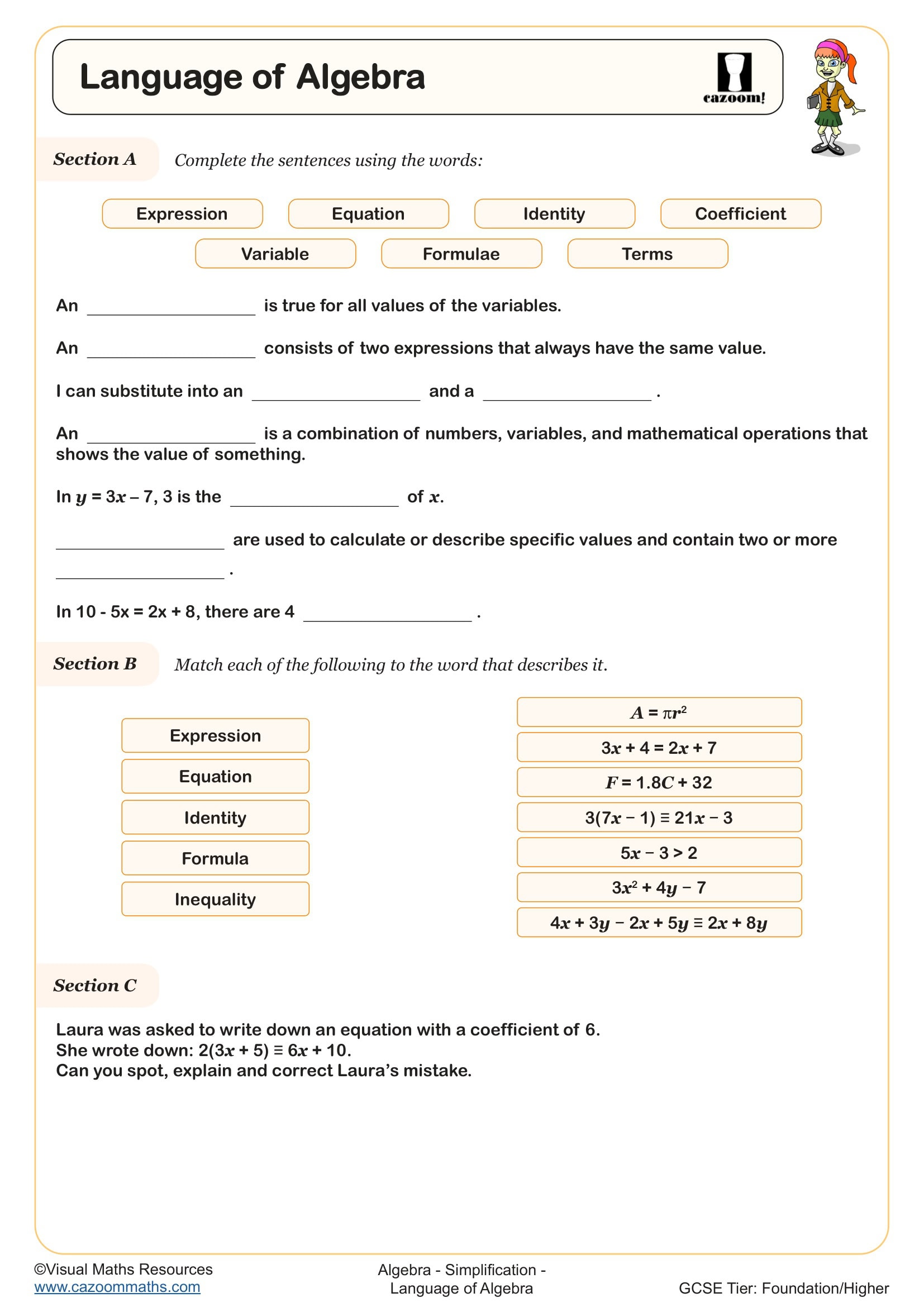
Language of Algebra
Year groups: 8, 9
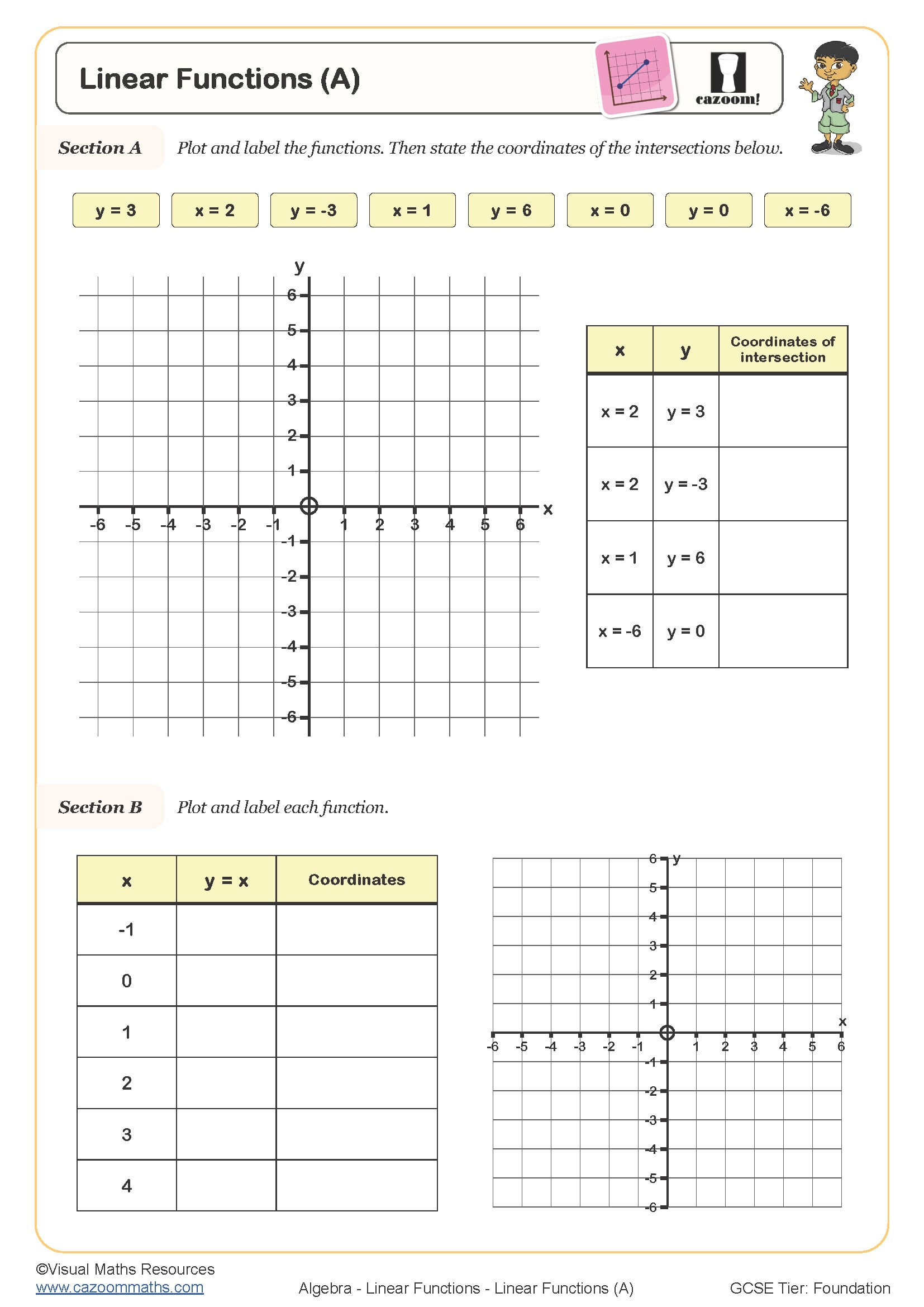
Linear Functions (A)
Year groups: 8, 9
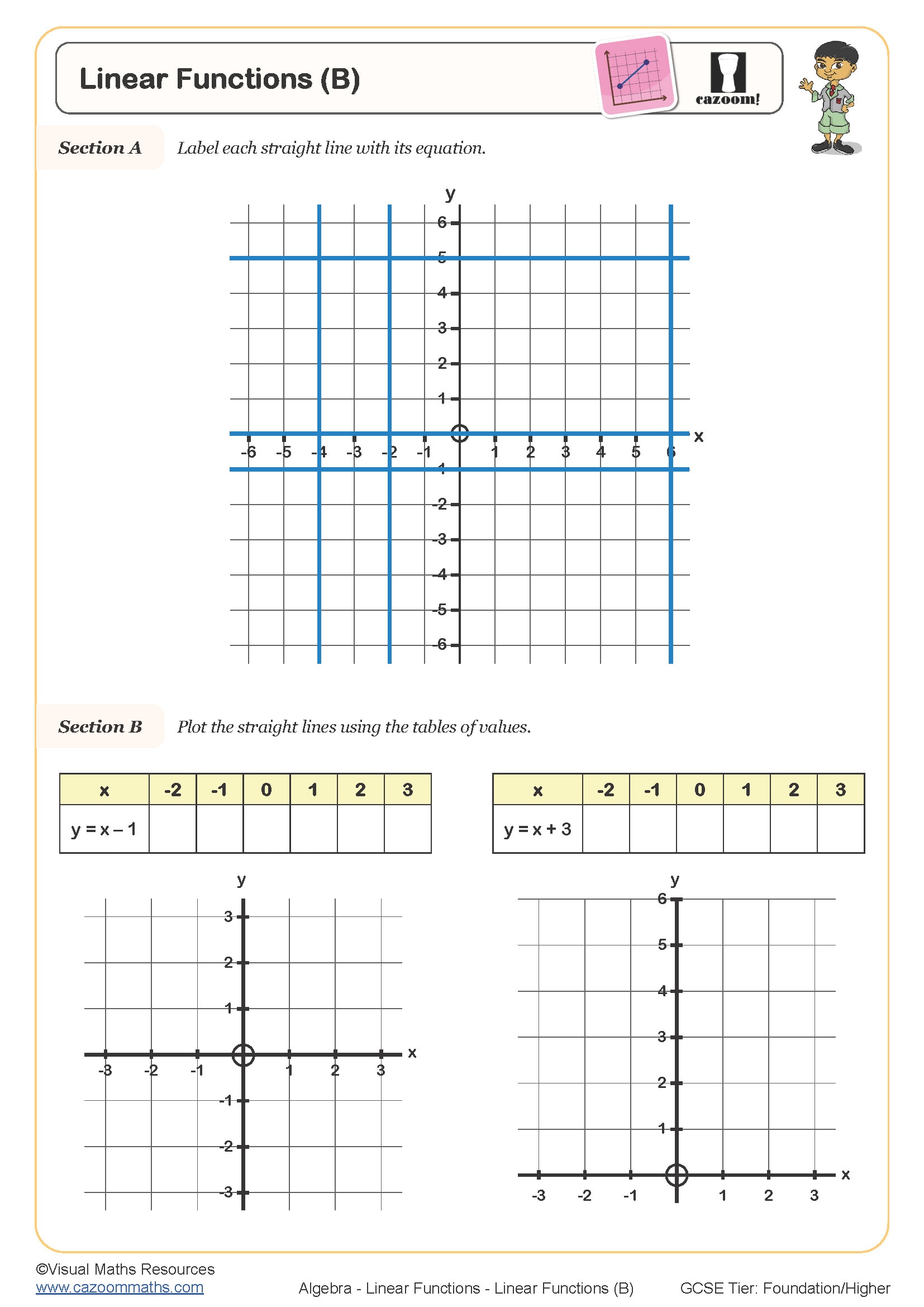
Linear Functions (B)
Year groups: 8, 9, 10
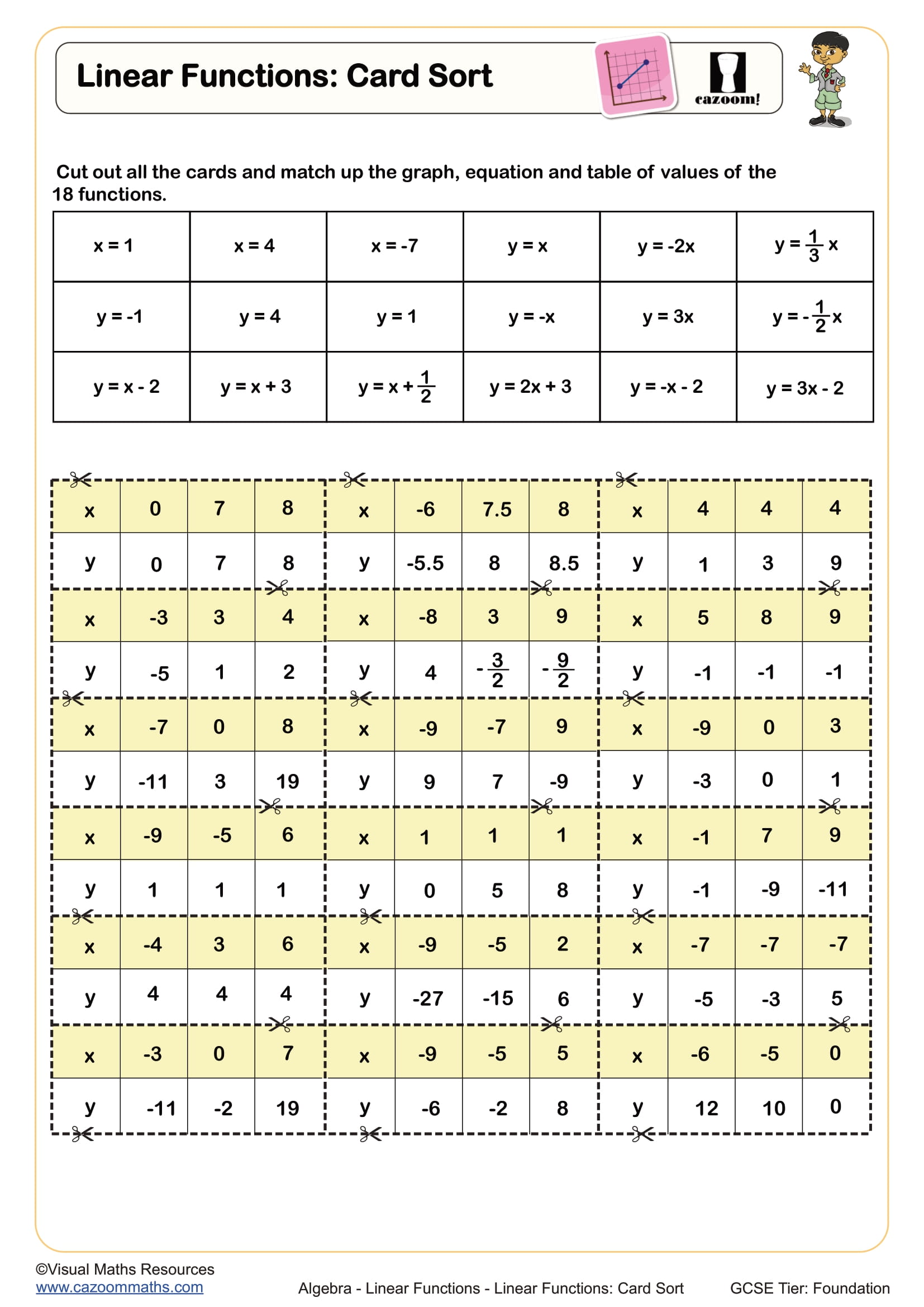
Linear Functions: Card Sort
Year groups: 8, 9
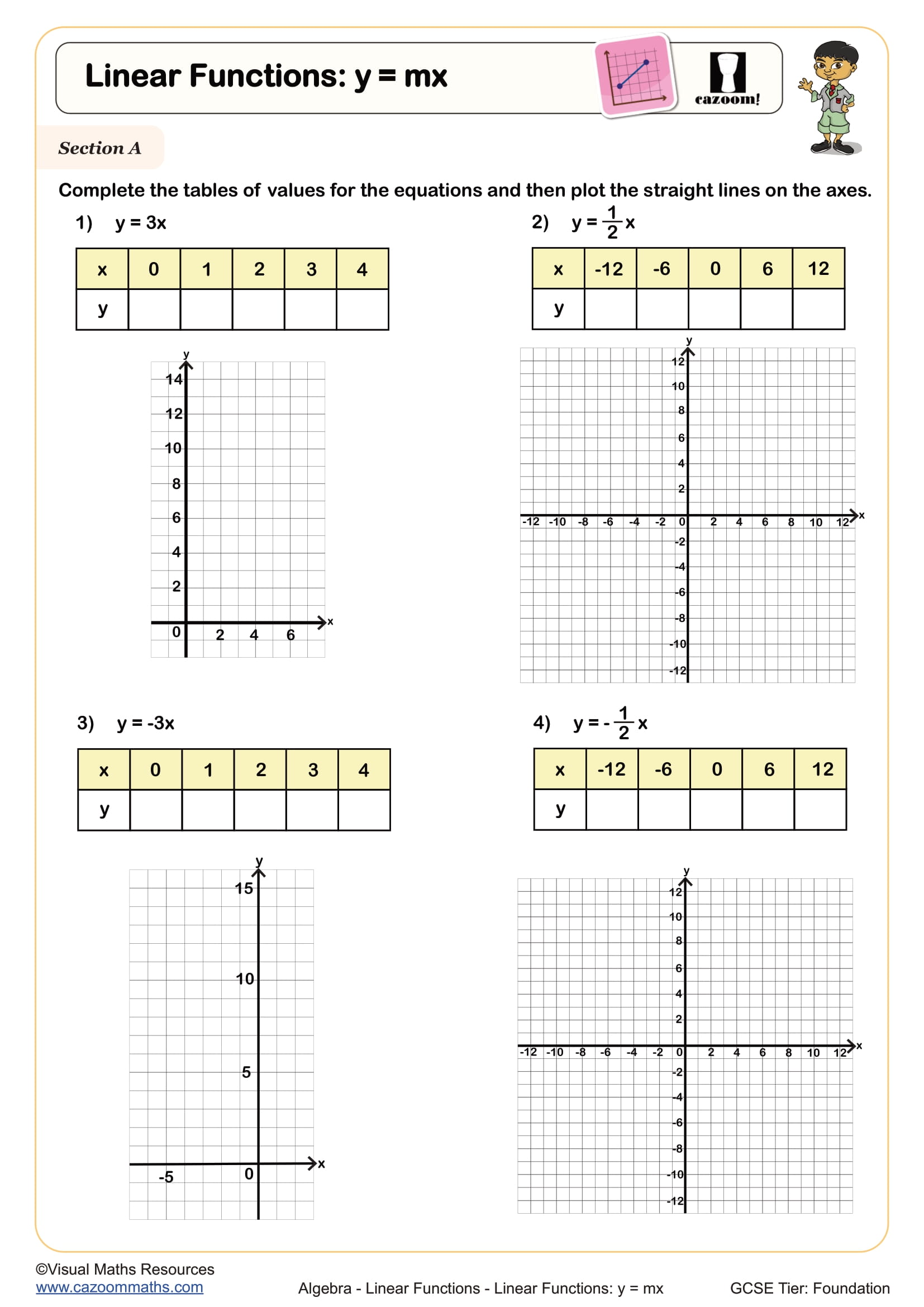
Linear Functions: y = mx
Year groups: 8, 9
Linear Functions: y = x + c
Year groups: 8, 9
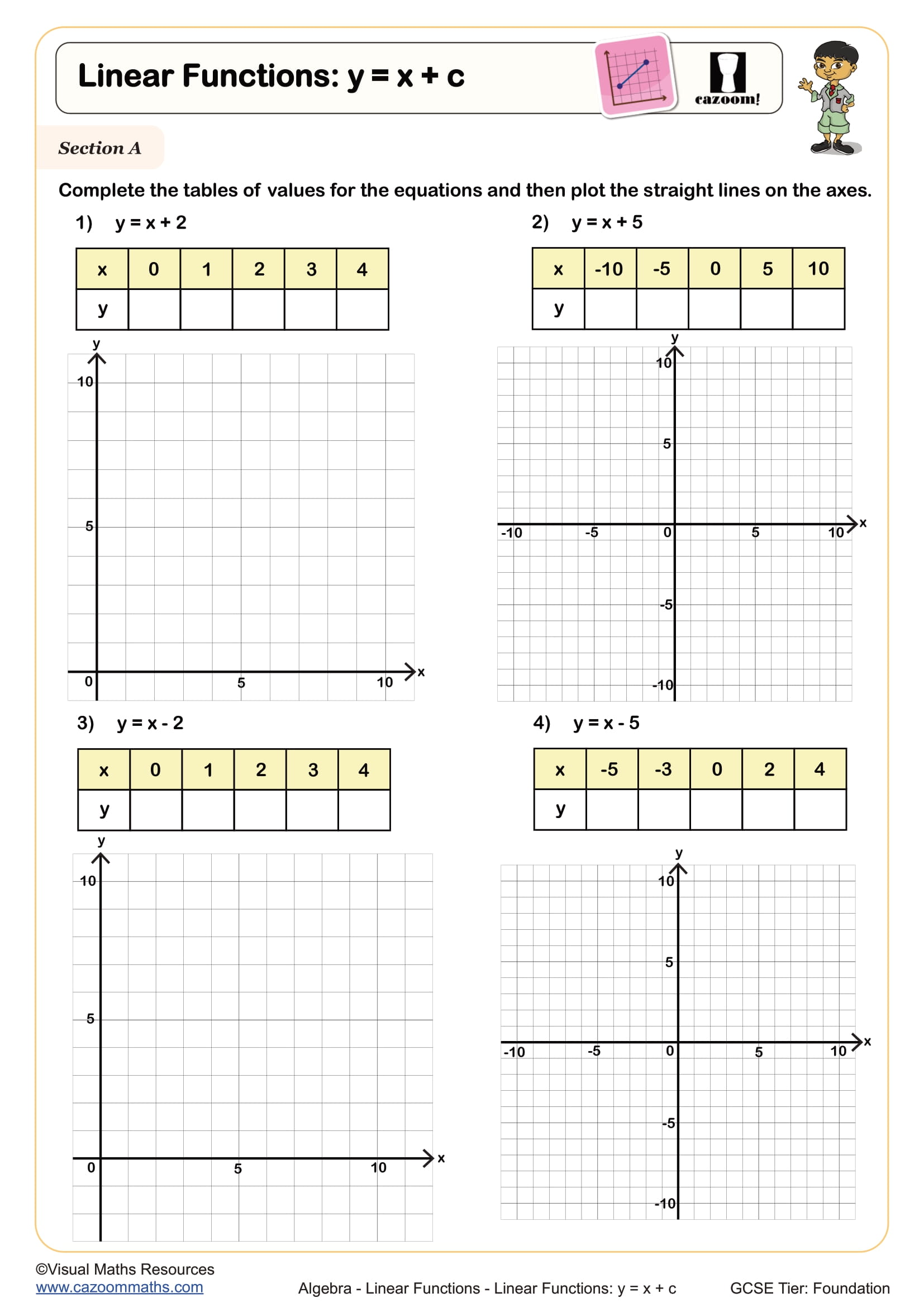
Lines Parallel to the Axes
Year groups: 8, 9
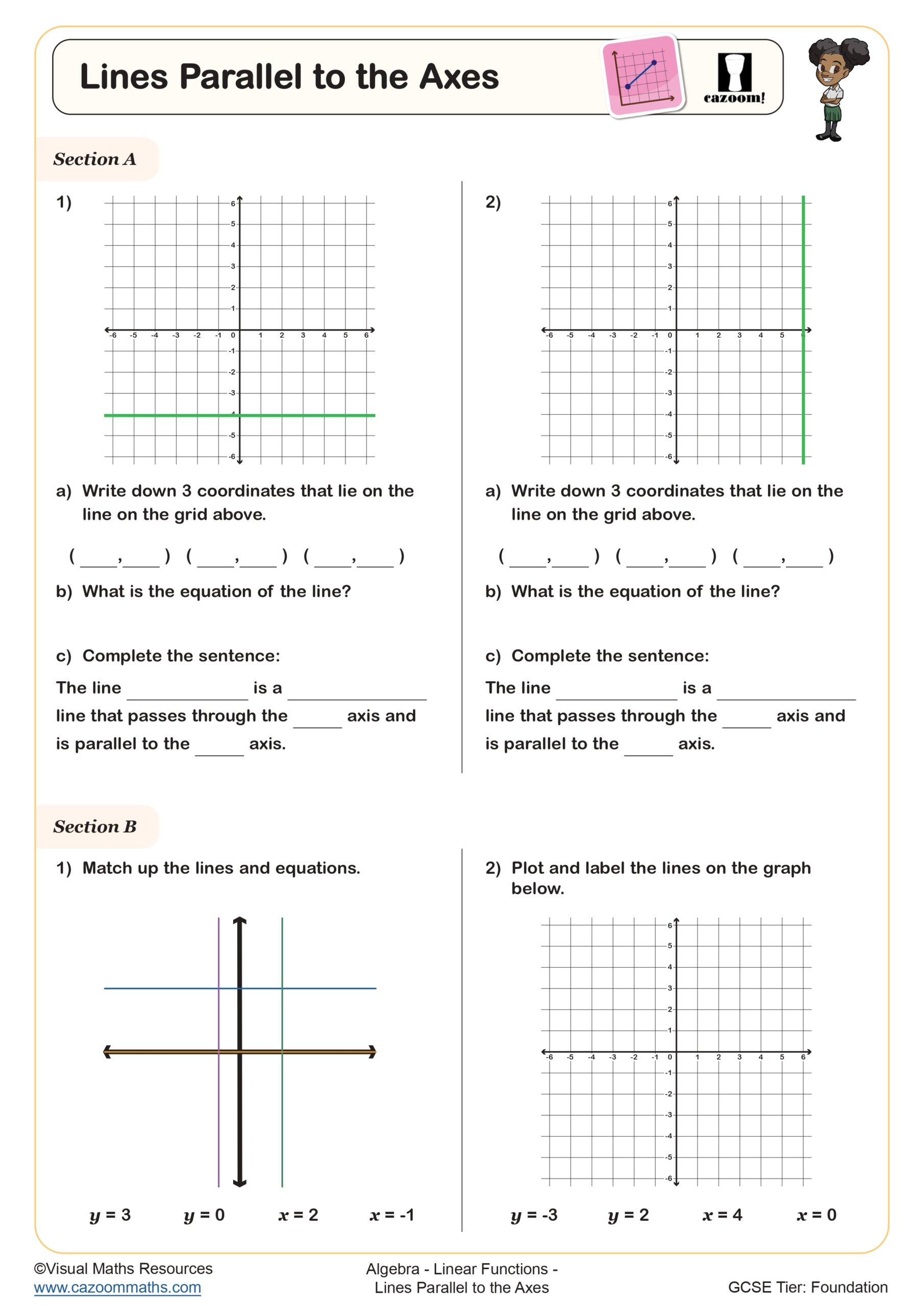
Solving Equations - Unknowns on Both Sides
Year groups: 8, 9
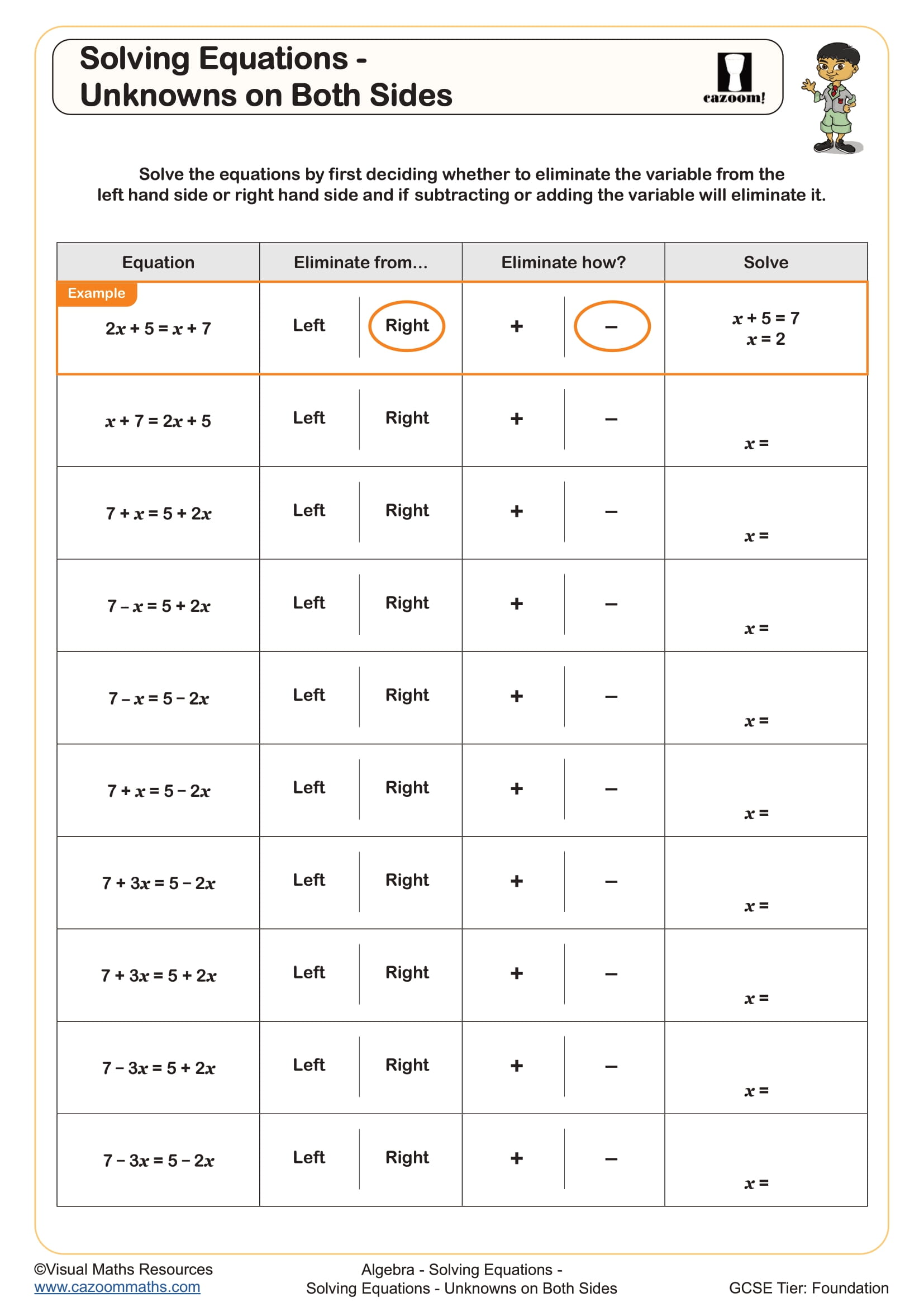
Solving Equations 15 Minute Challenge (B)
Year groups: 8, 9
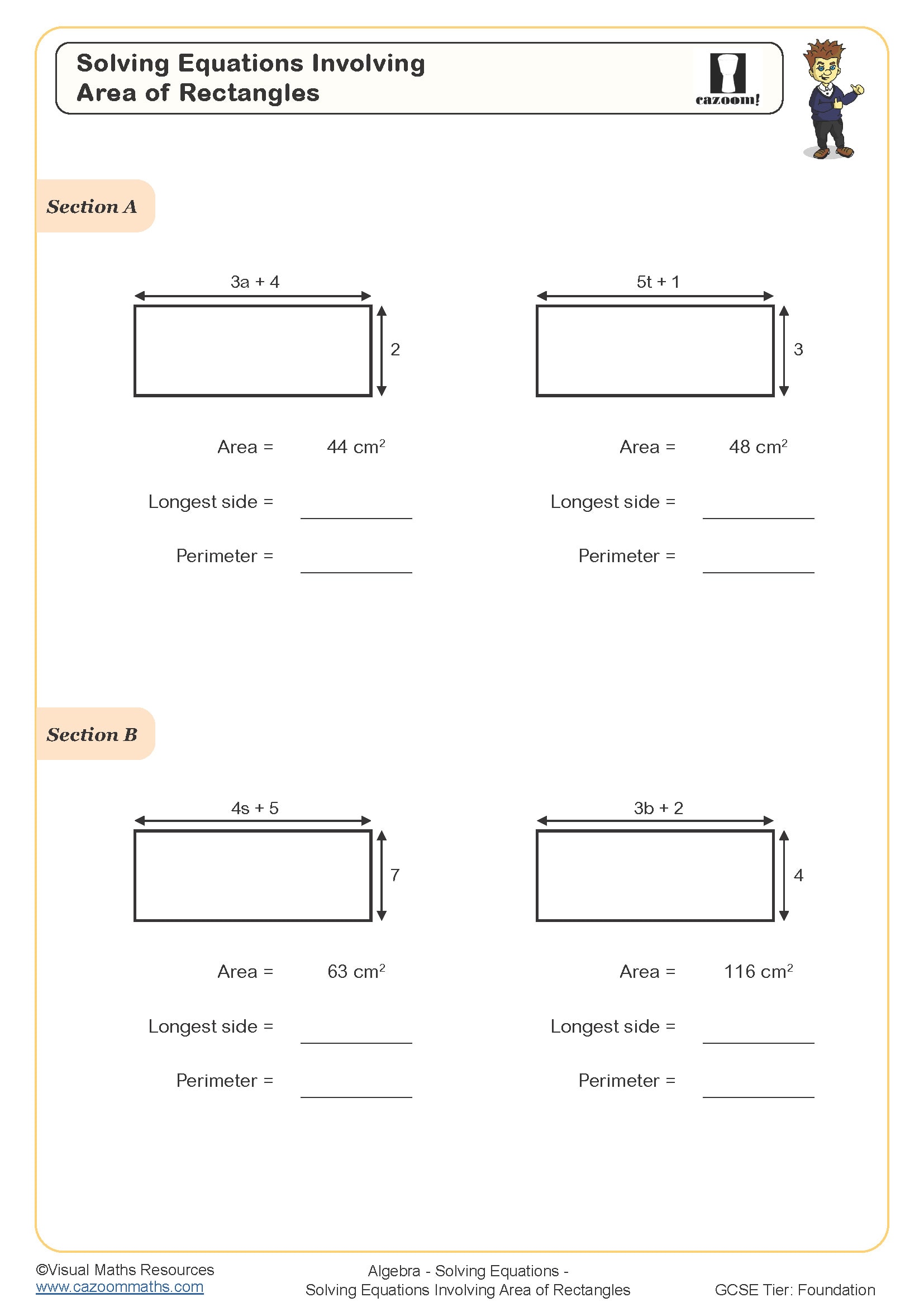
Solving Equations Involving Area of Rectangles
Year groups: 8, 9
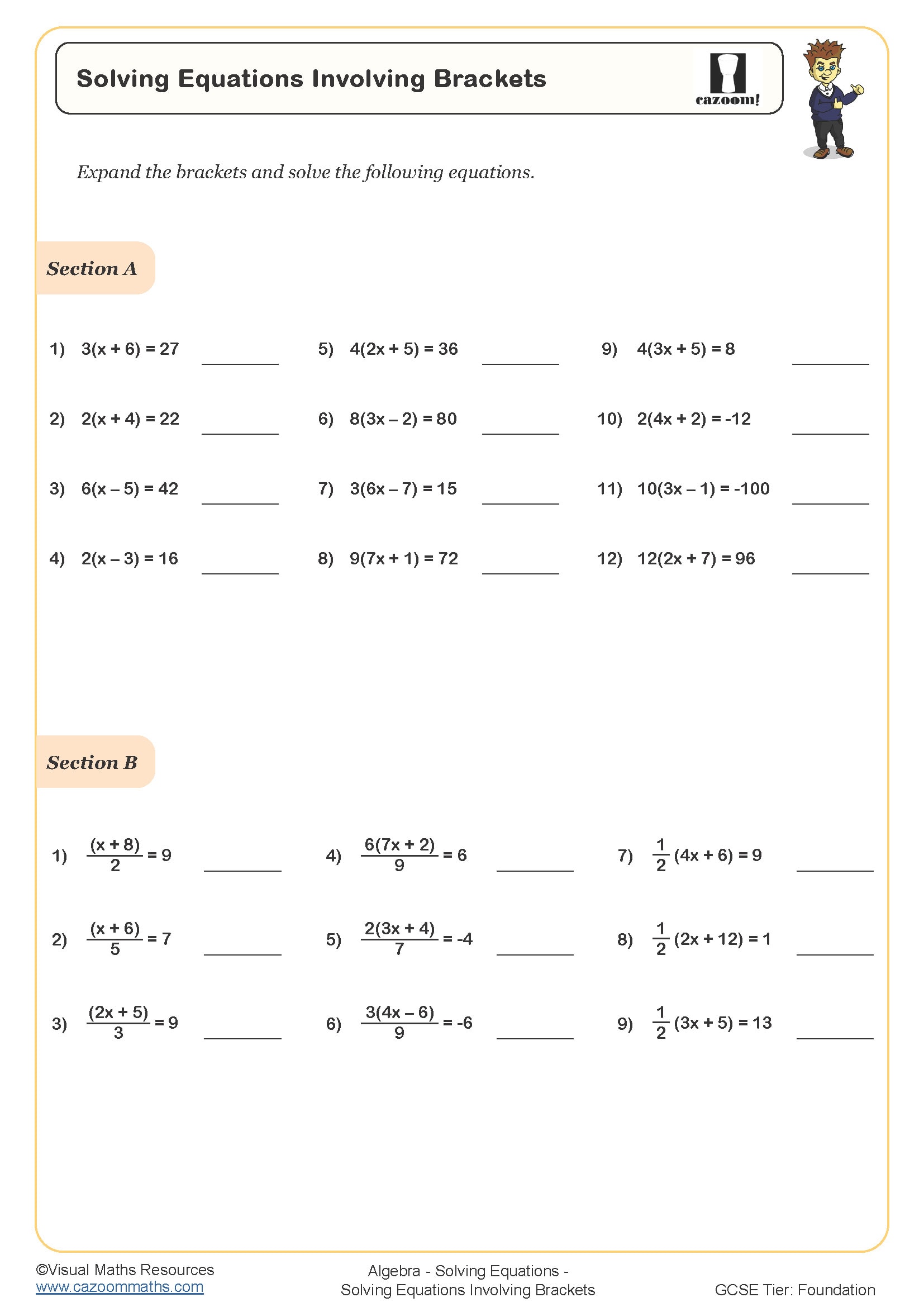
Solving Equations Involving Brackets
Year groups: 8, 9
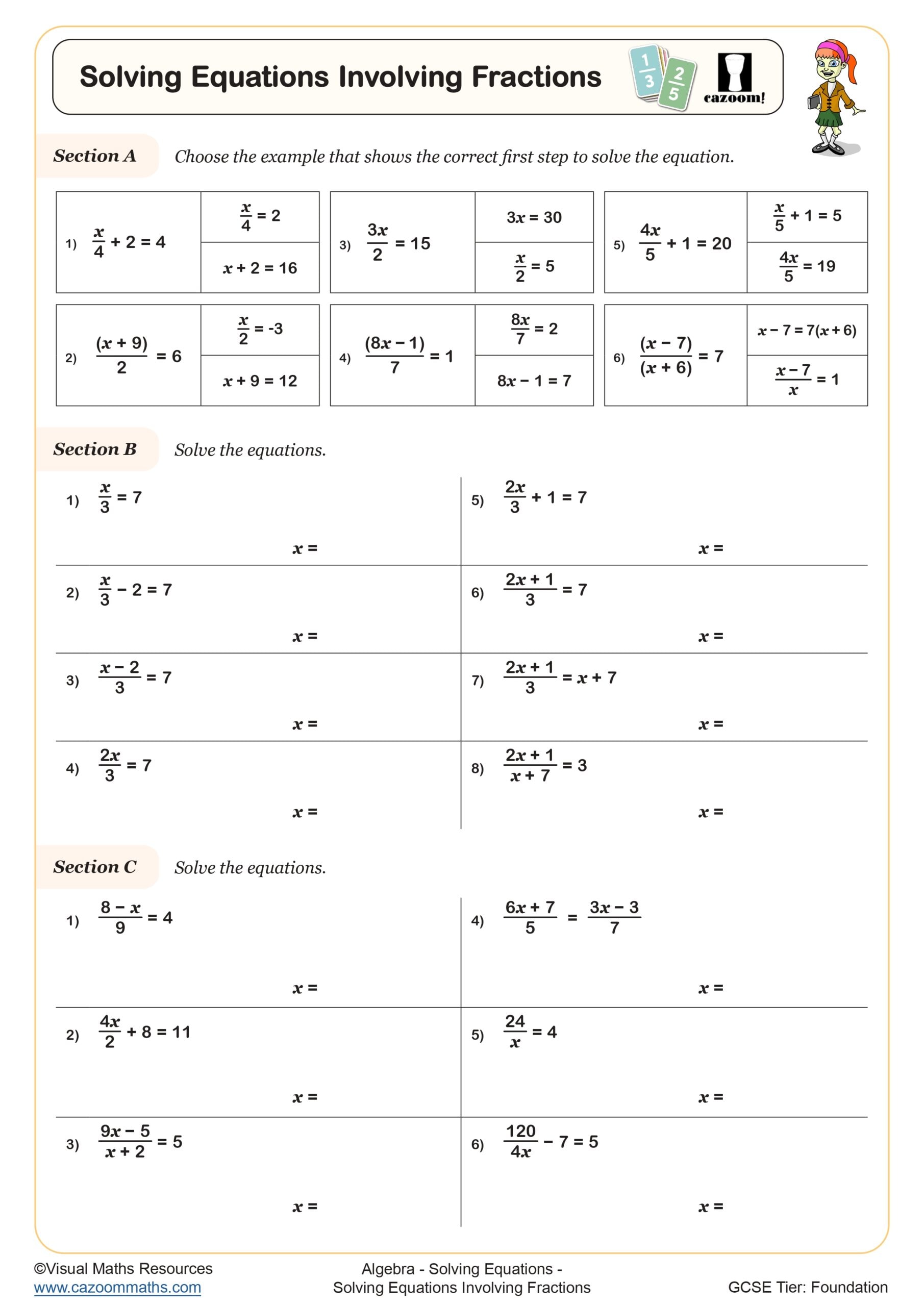
Solving Equations Involving Fractions
Year groups: 8, 9
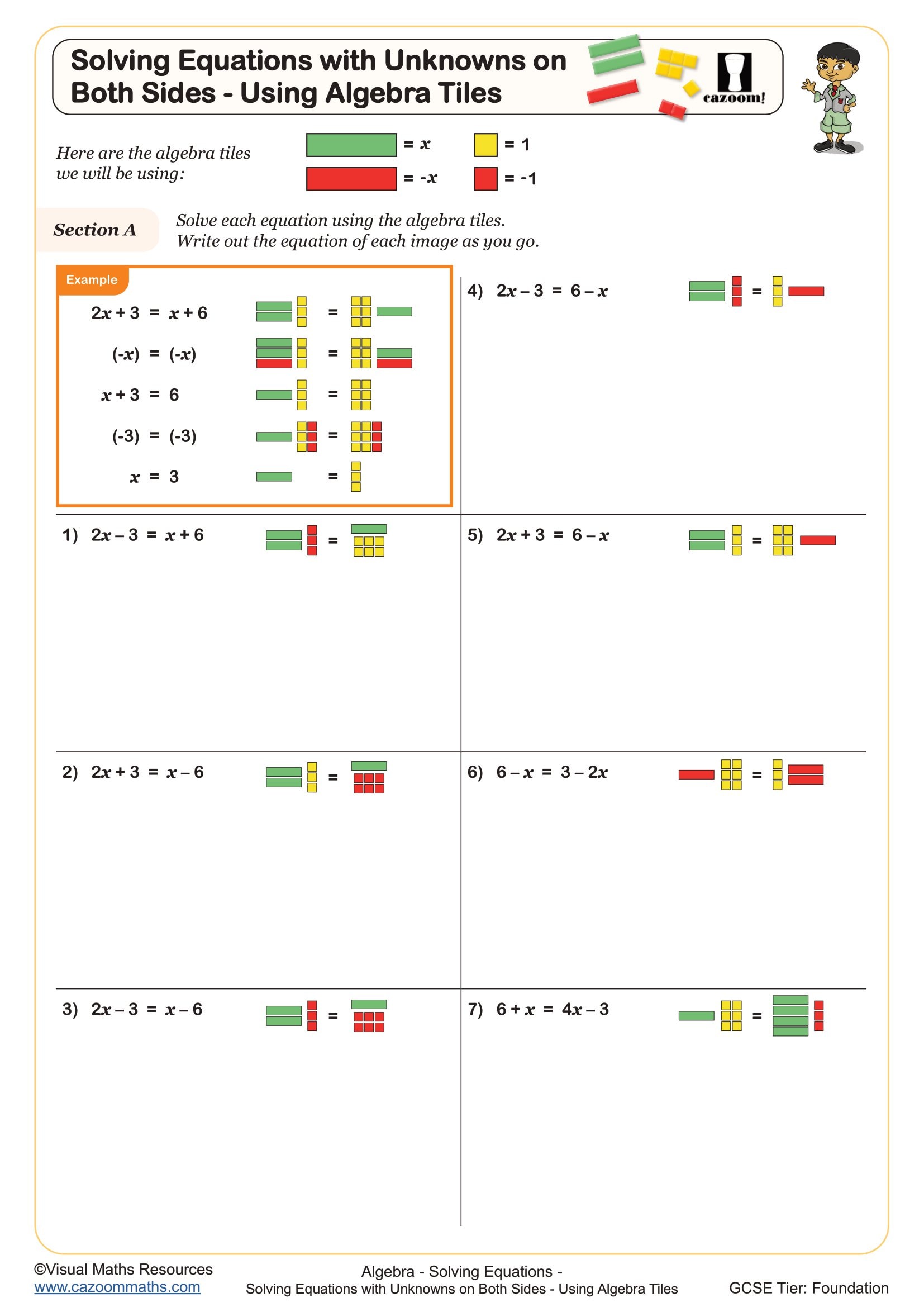
Solving Equations with Unknowns on Both Sides - Using Algebra Tiles
Year groups: 8, 9, 10
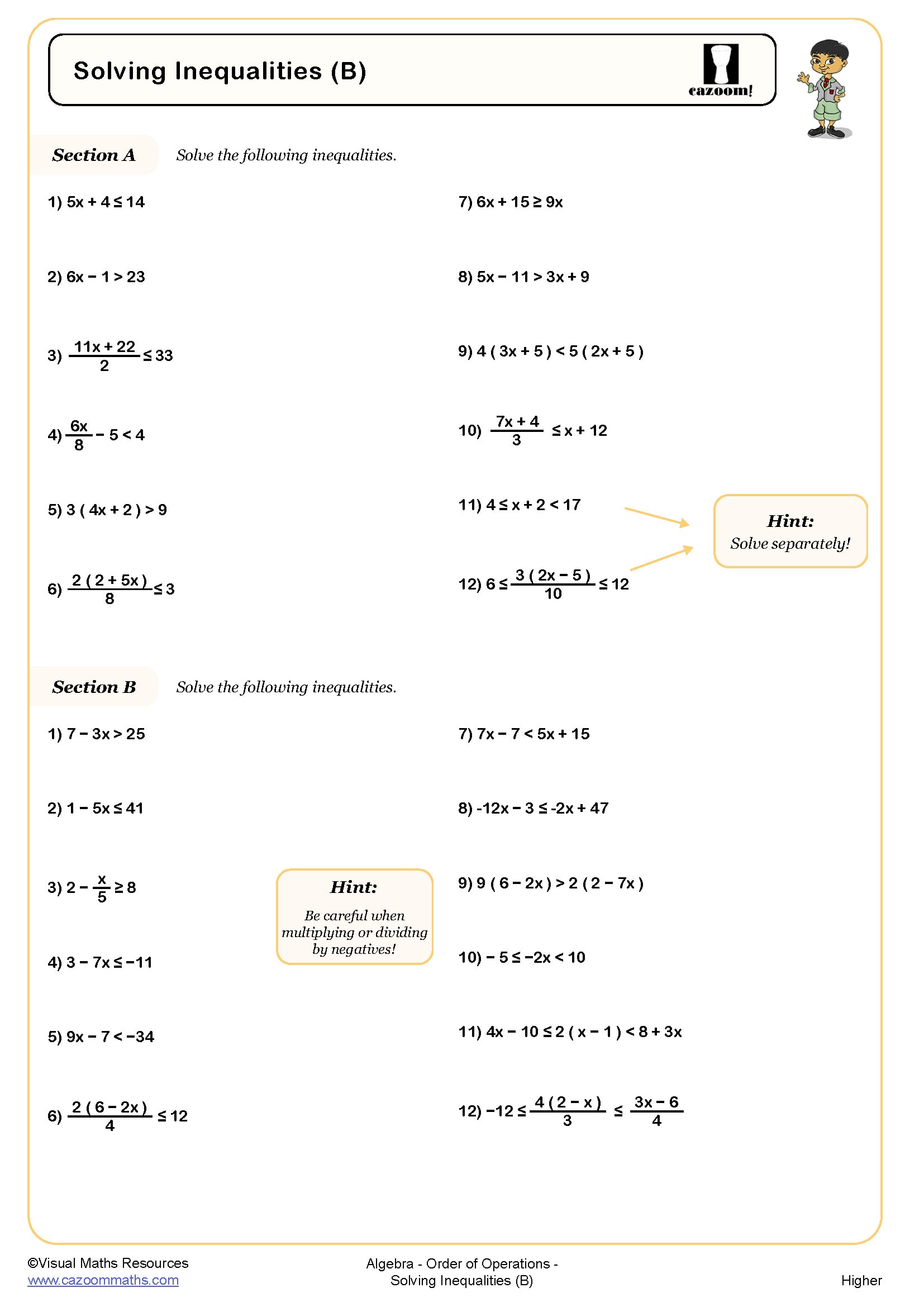
Solving Inequalities (B)
Year groups: 8, 9
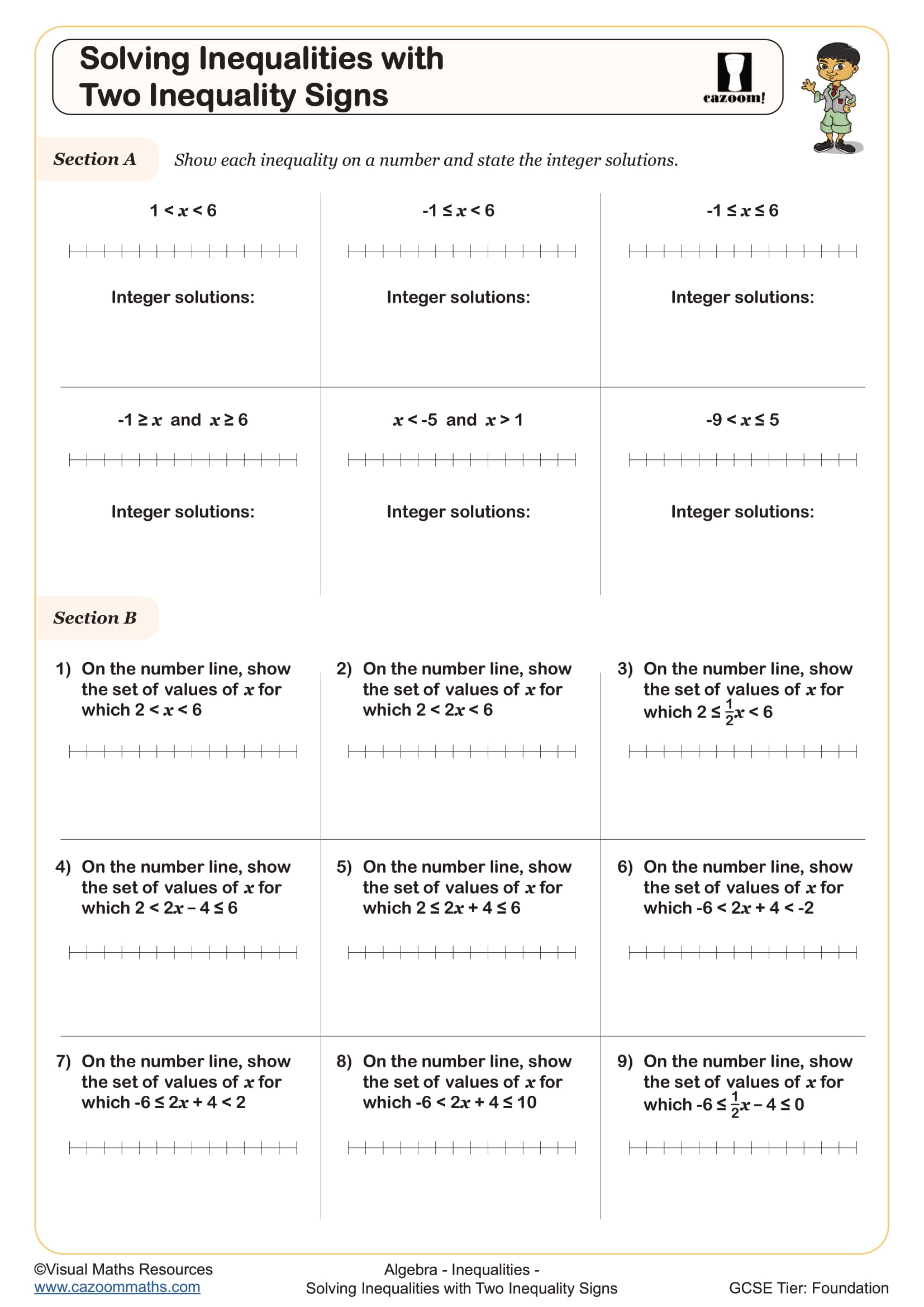
Solving Inequalities with Two Inequality Signs
Year groups: 8, 9
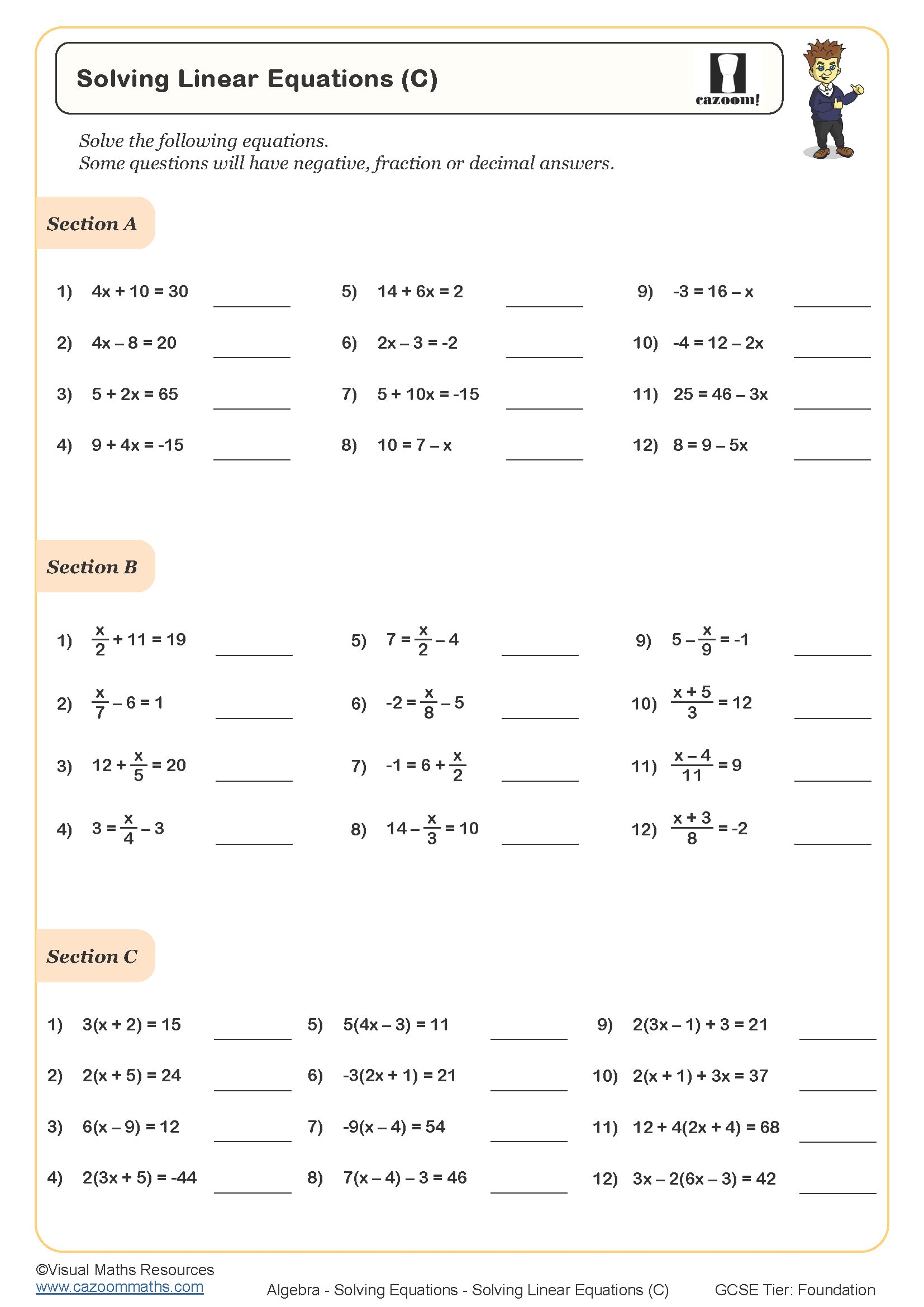
Solving Linear Equations (C)
Year groups: 8, 9
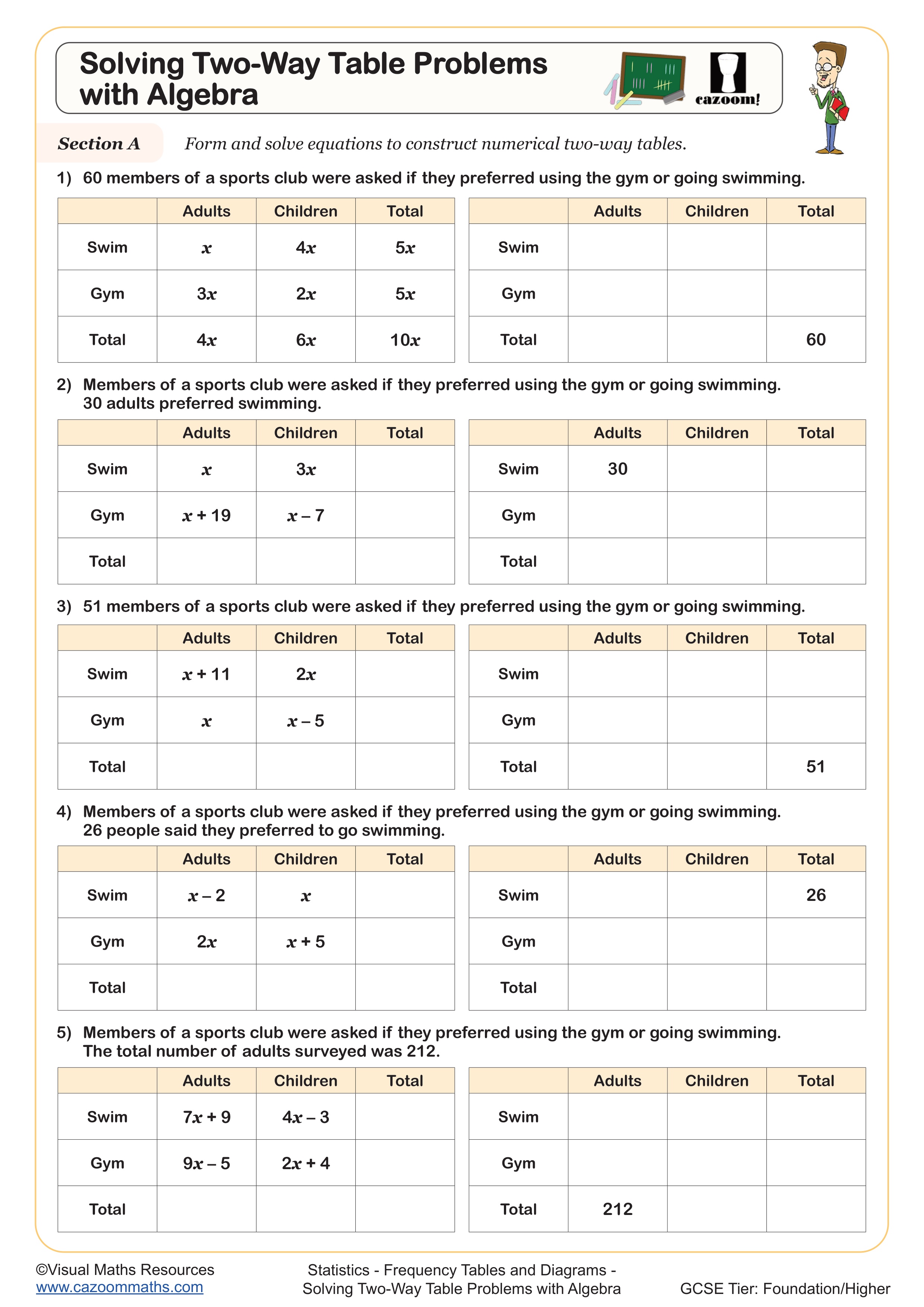
Solving Two-Way Table Problems with Algebra
Year groups: 8, 9
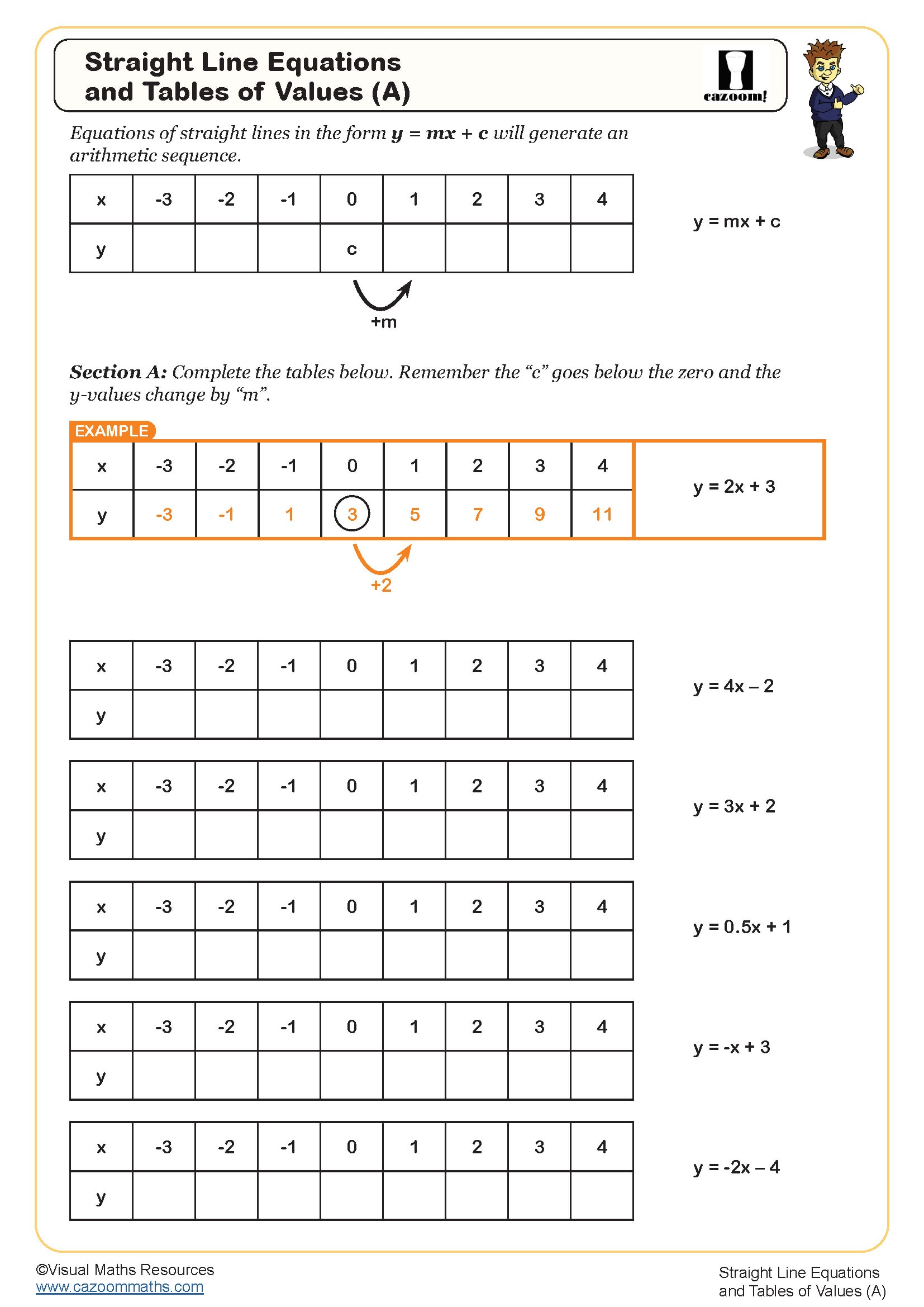
Straight Line Equations and Tables of Values (A)
Year groups: 8, 9
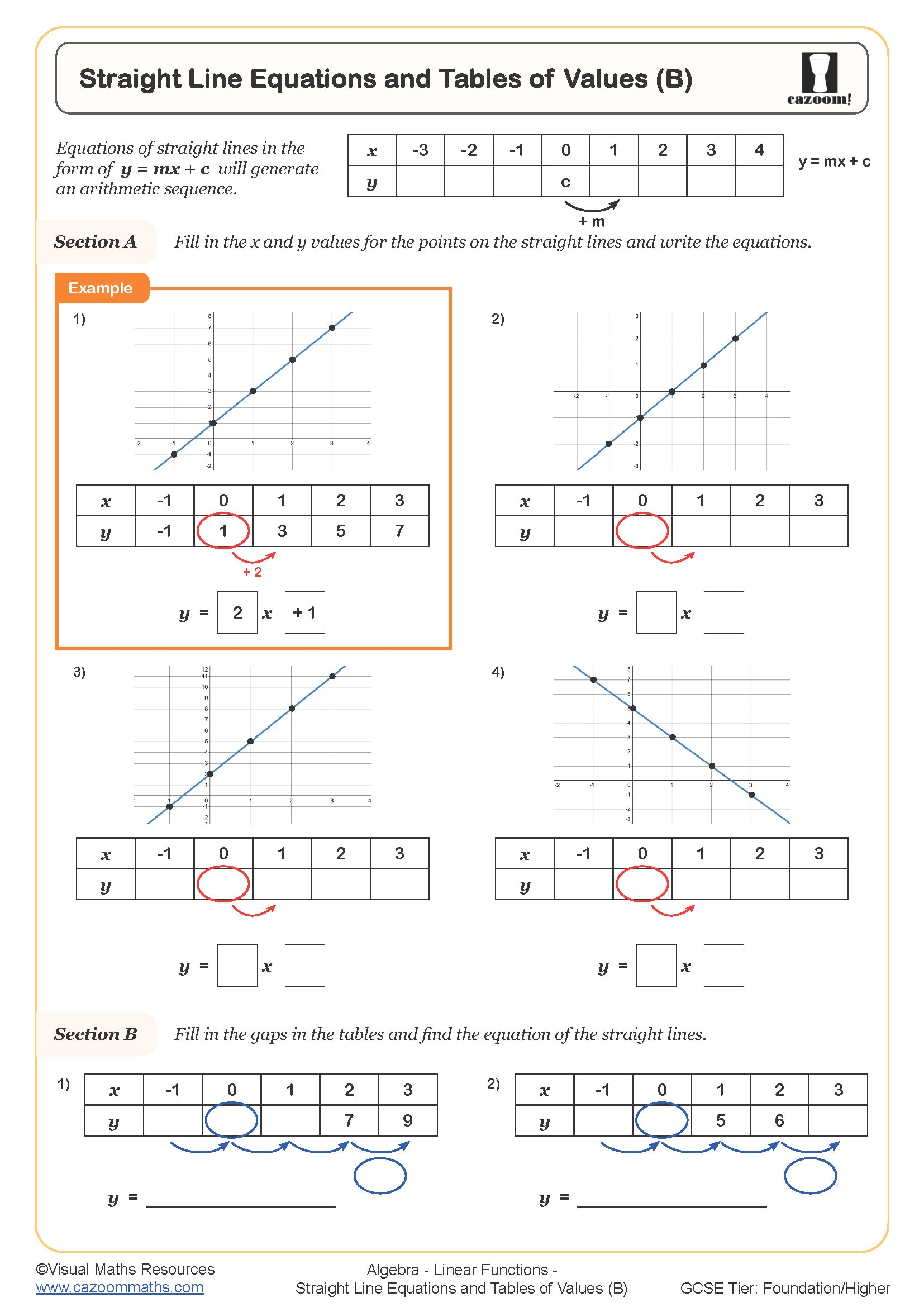
Straight Line Equations and Tables of Values (B)
Year groups: 8, 9
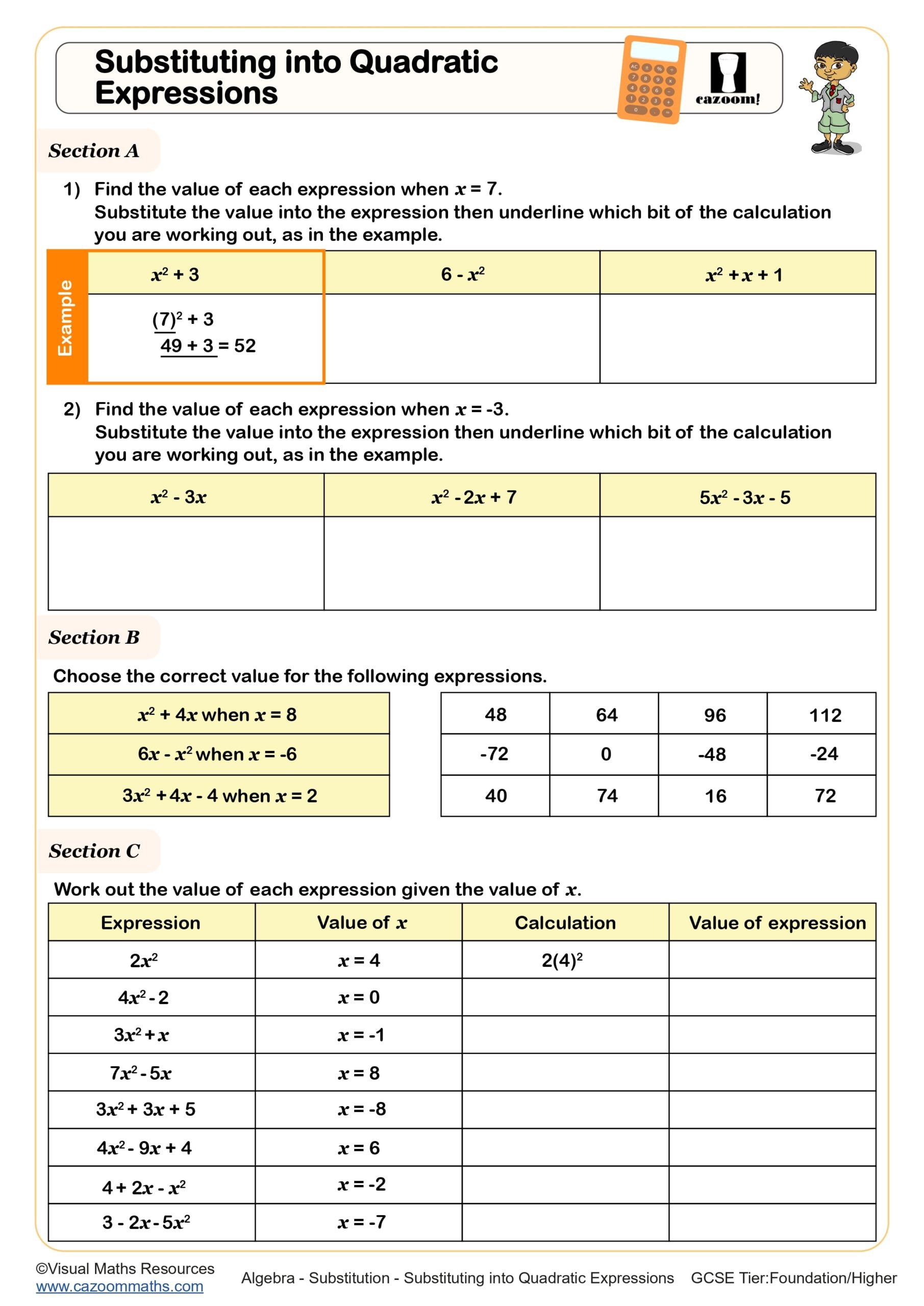
Substituting into Quadratic Expressions
Year groups: 8, 9
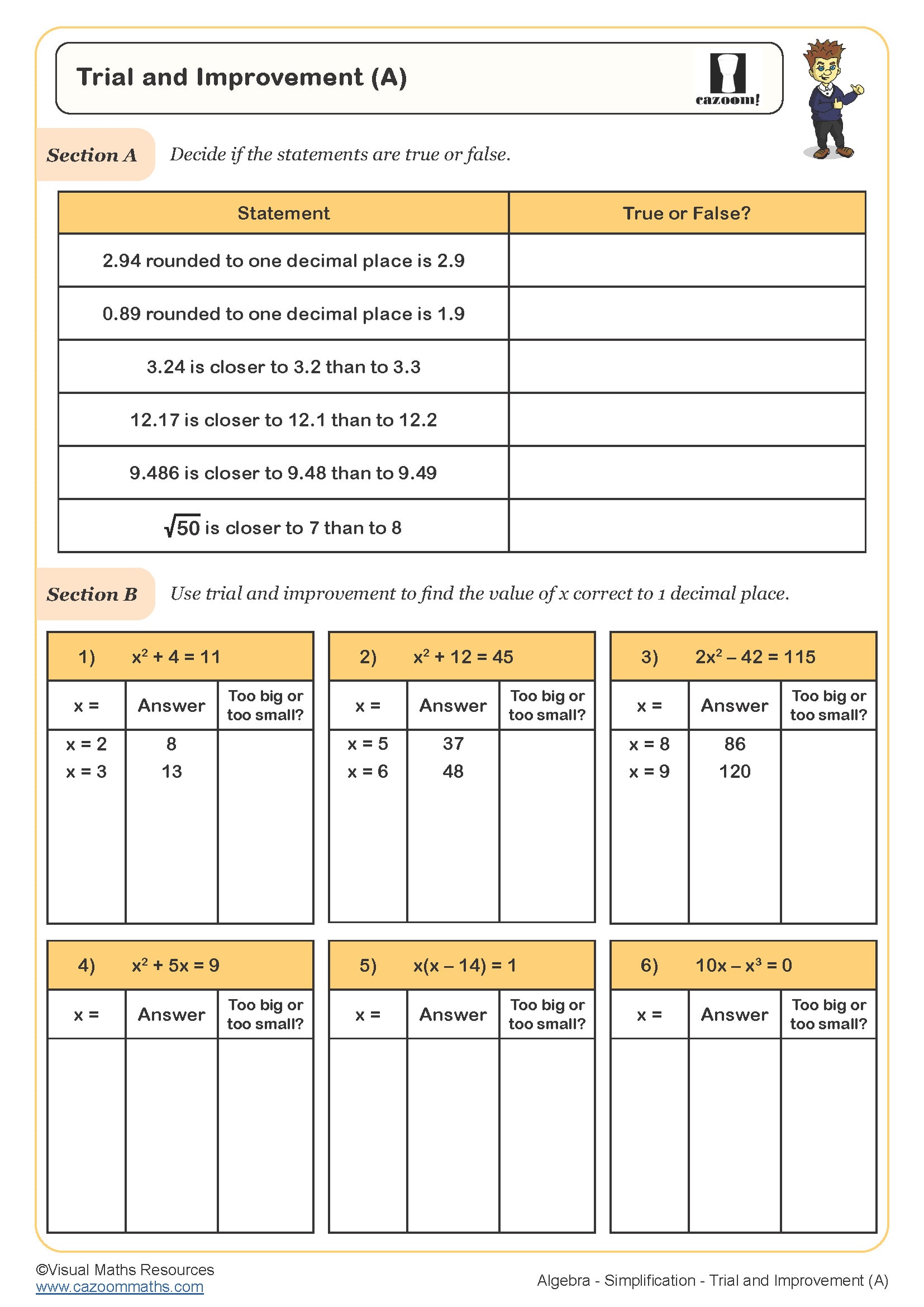
Trial and Improvement (A)
Year groups: 8, 9
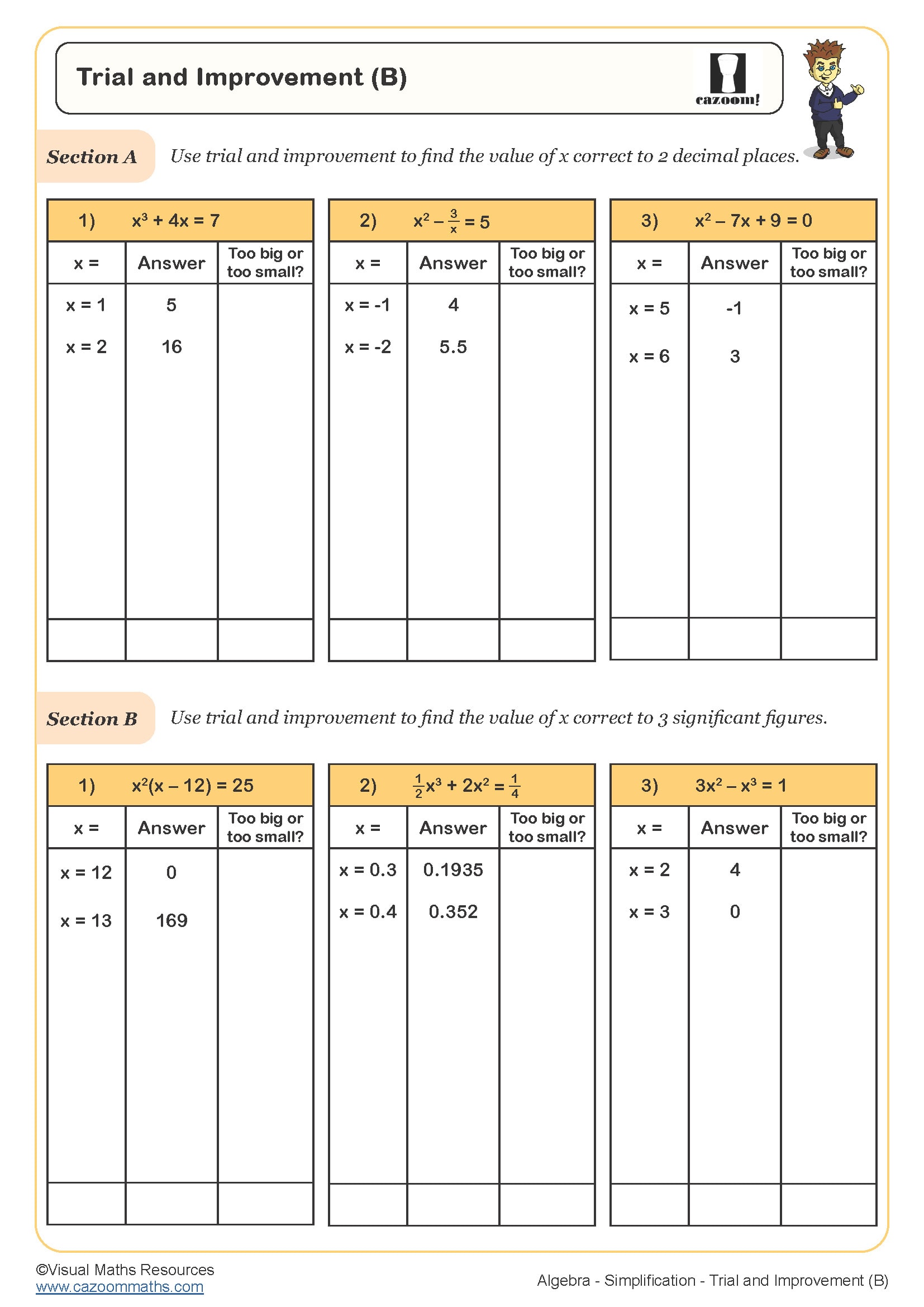
Trial and Improvement (B)
Year groups: 8, 9
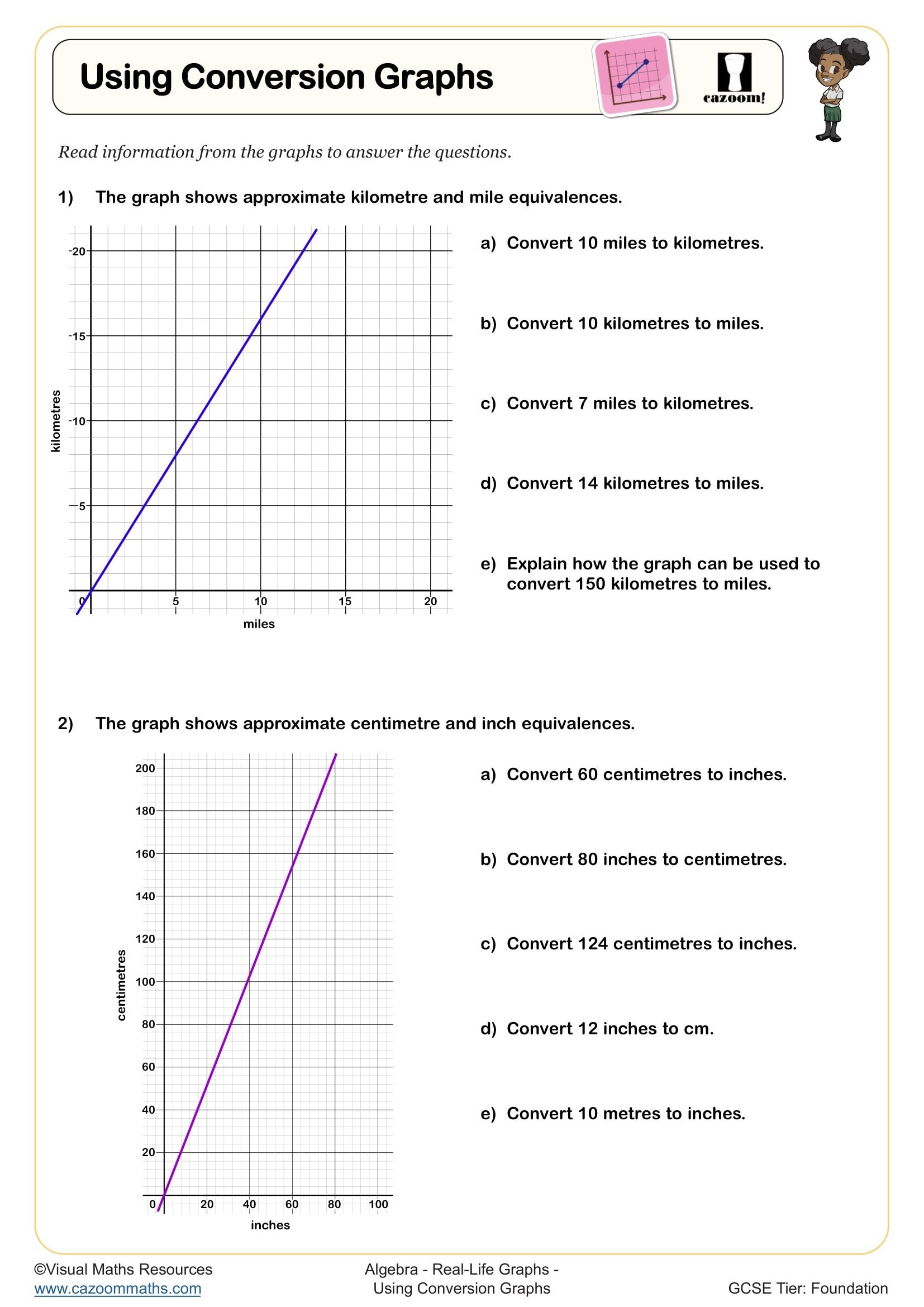
Using Conversion Graphs
Year groups: 8, 9
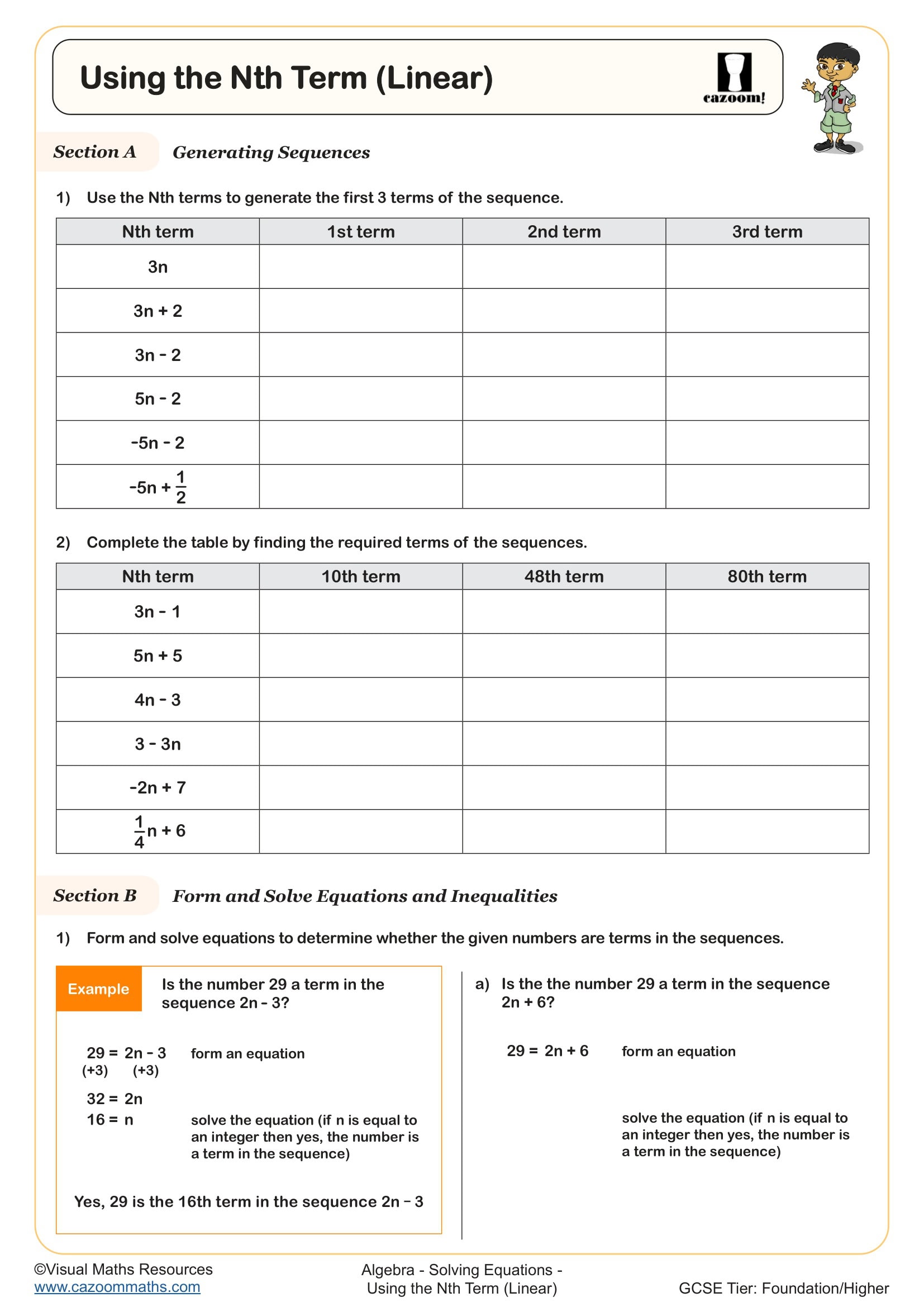
Using the Nth Term (Linear)
Year groups: 8, 9
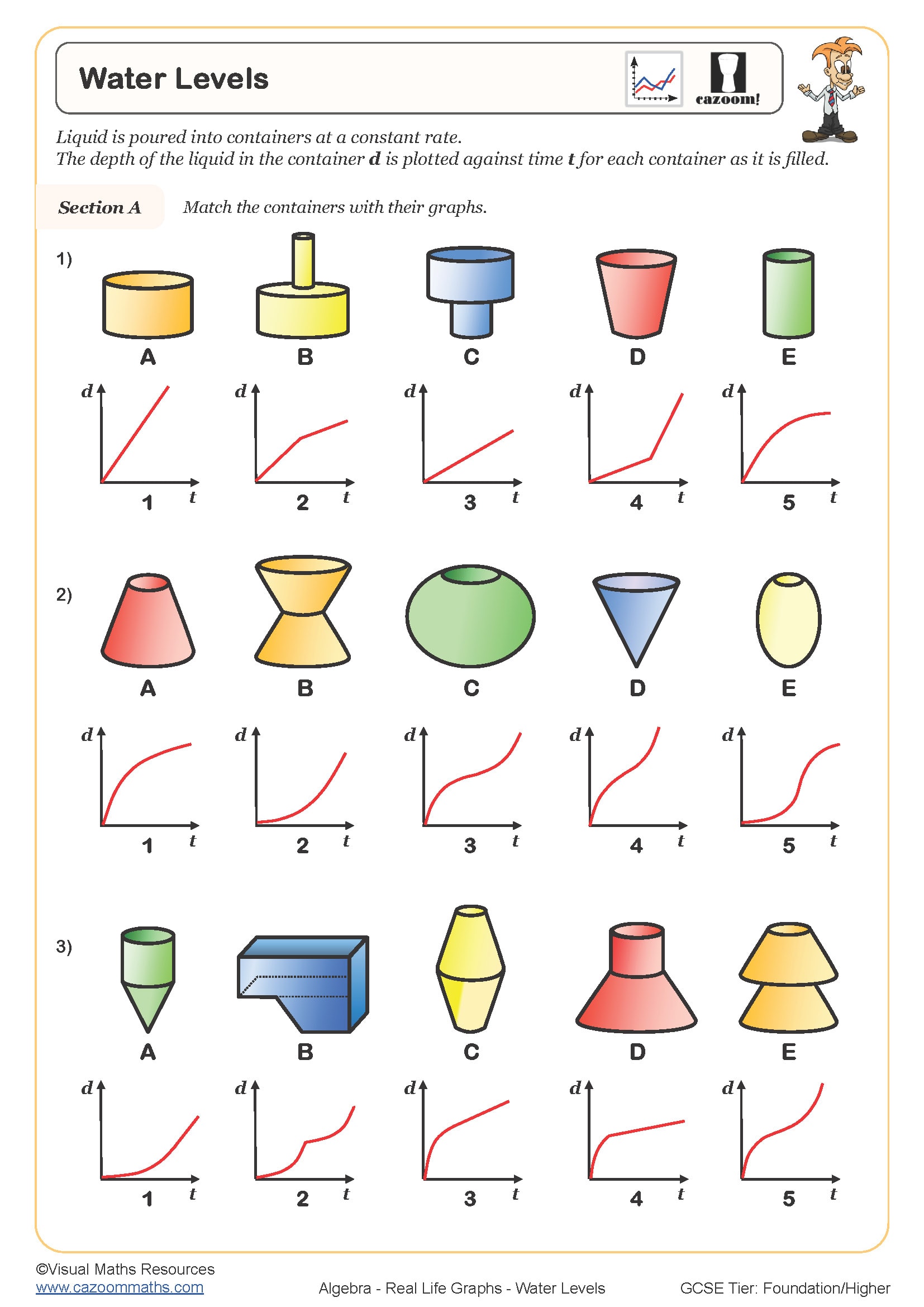
Water Levels
Year groups: 8, 9
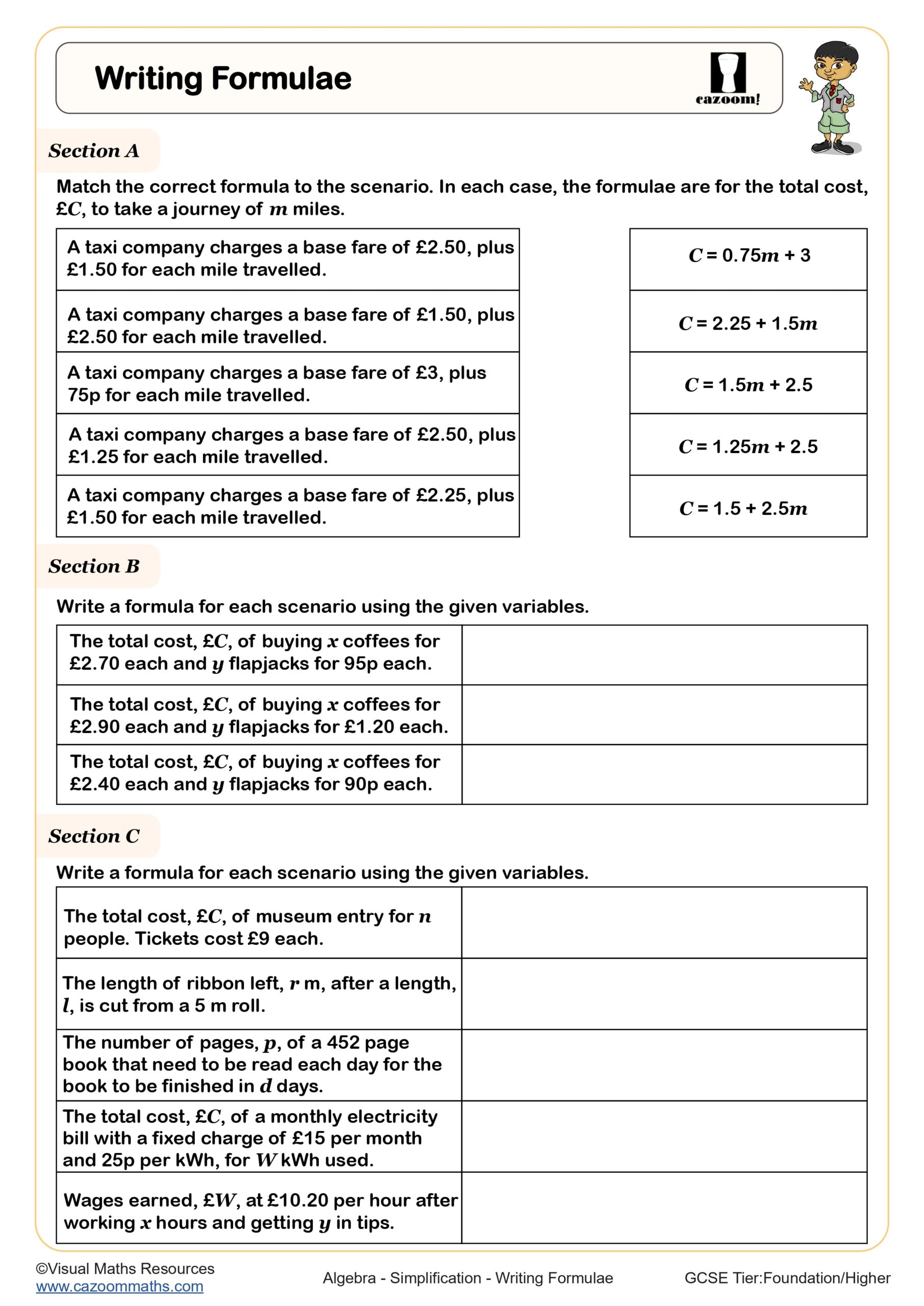
Writing Formulae
Year groups: 8, 9
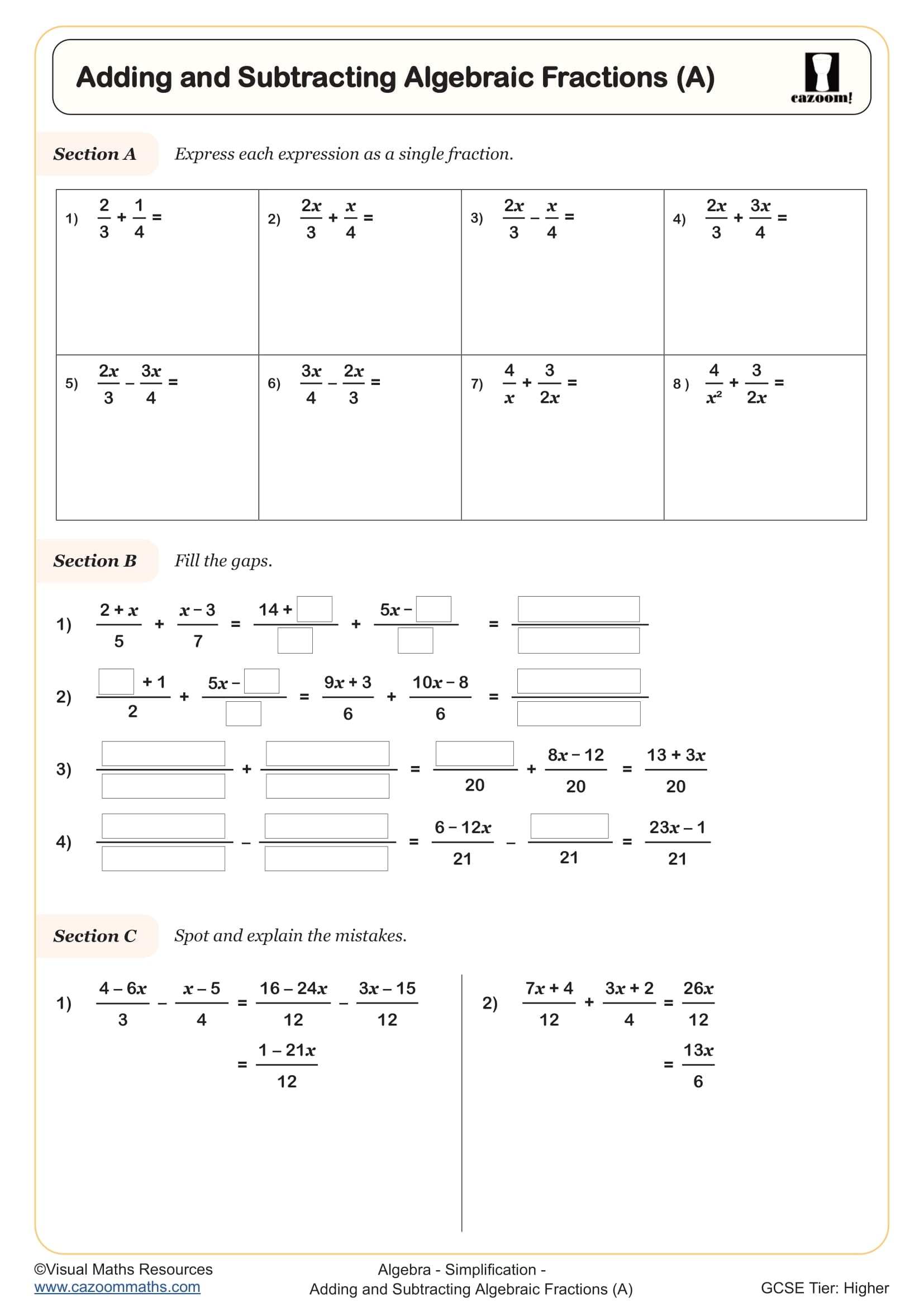
Adding and Subtracting Algebraic Fractions (A)
Year groups: 9, 10
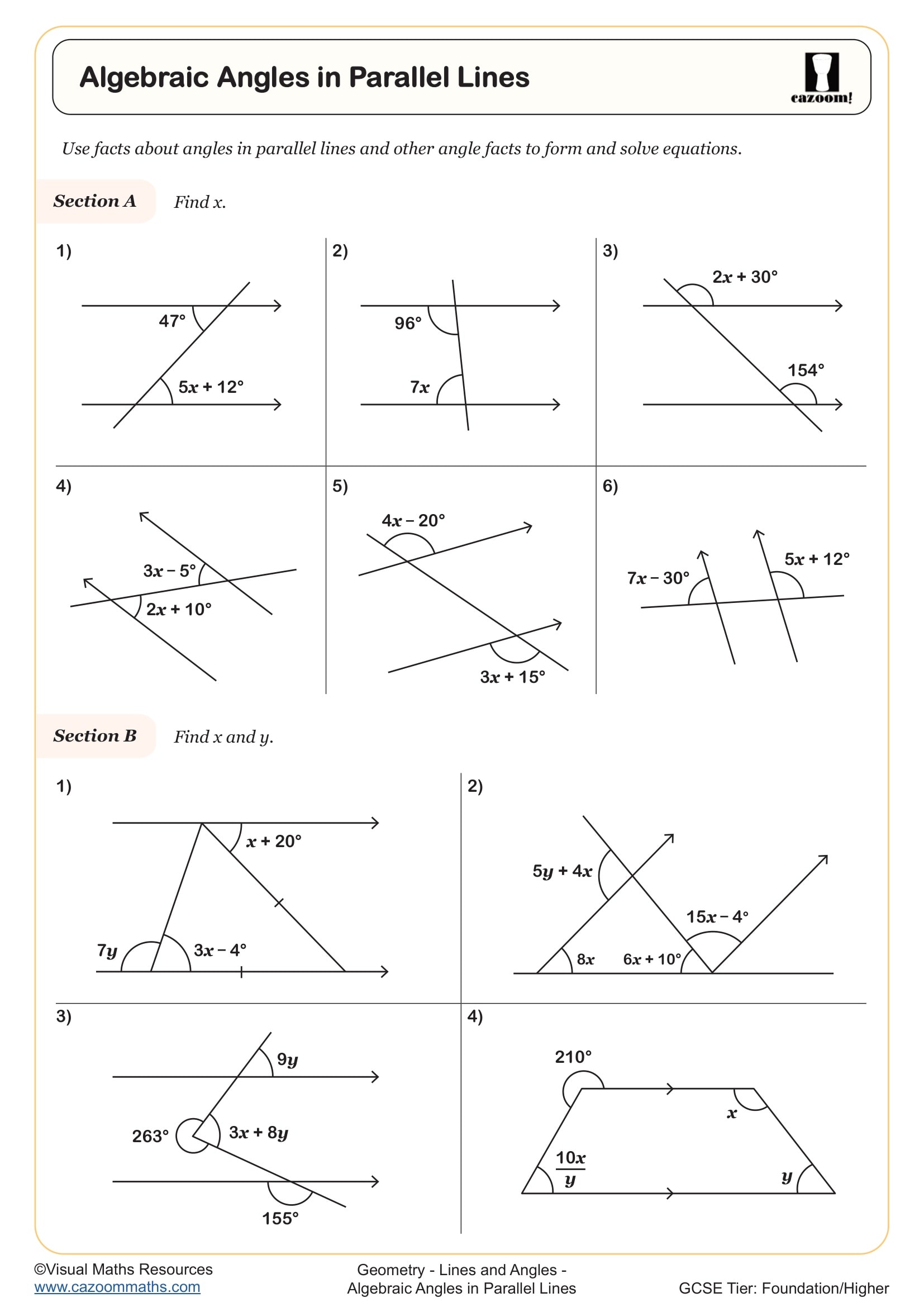
Algebraic Angles in Parallel Lines
Year groups: 9
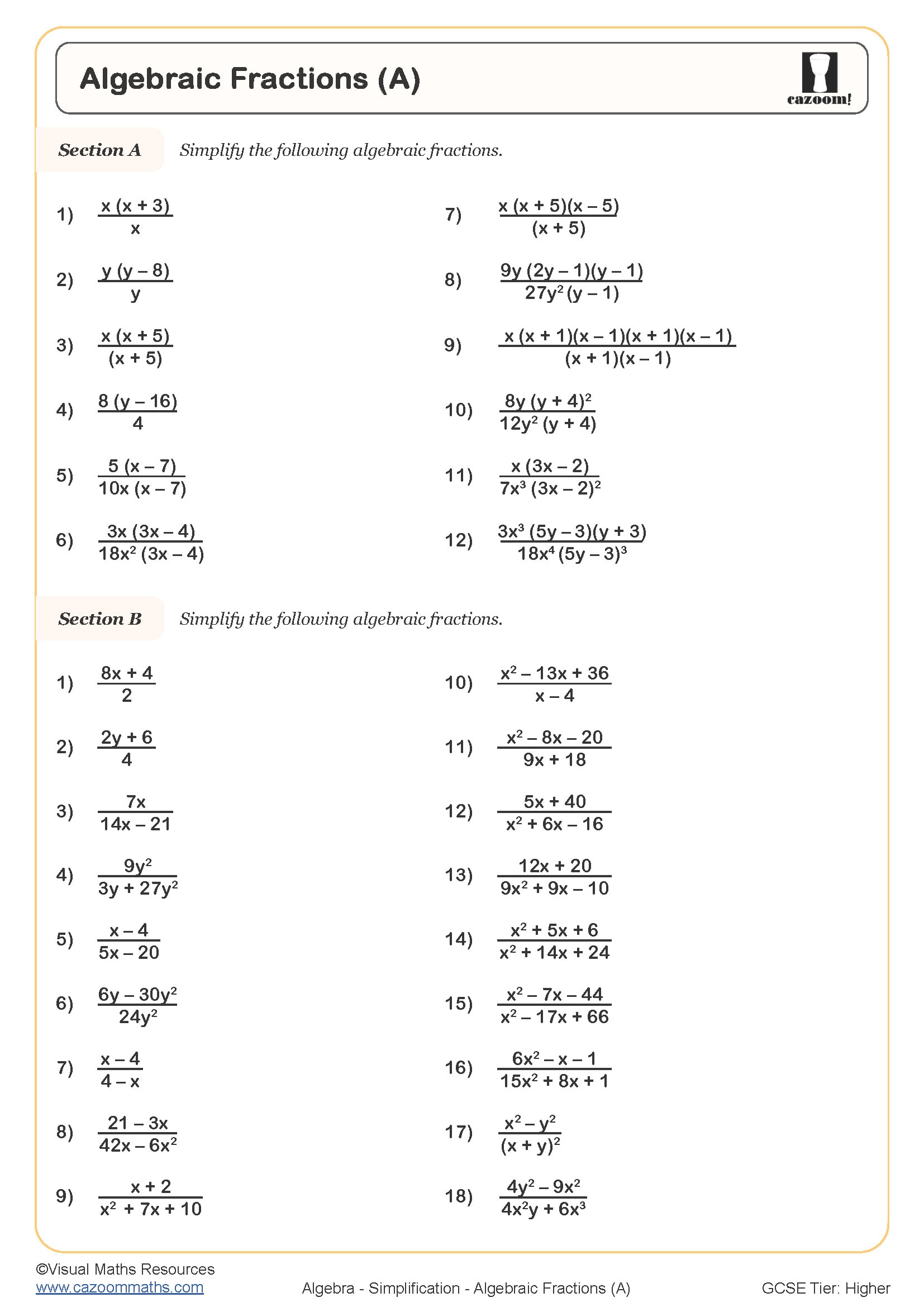
Algebraic Fractions (A)
Year groups: 9, 10
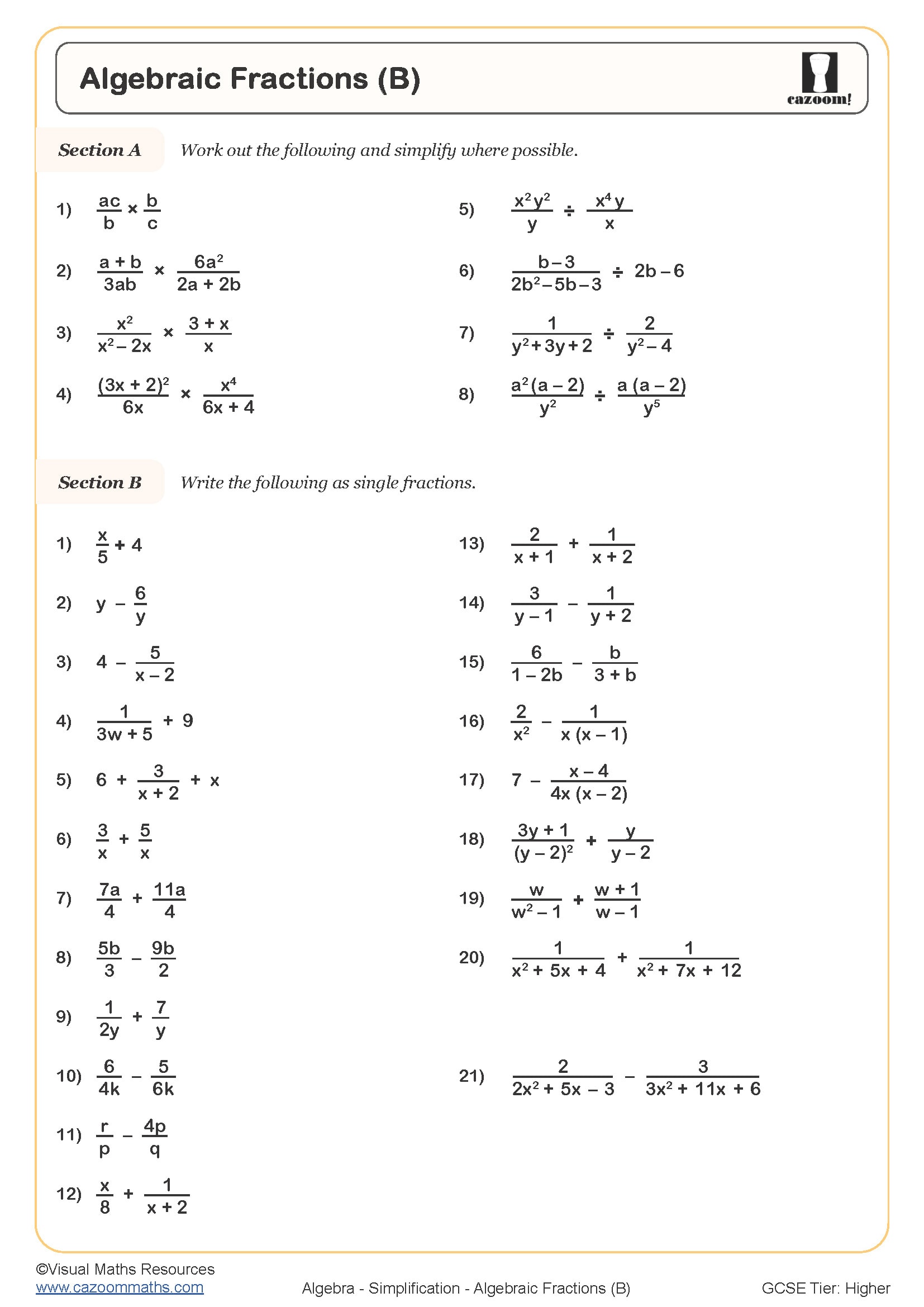
Algebraic Fractions (B)
Year groups: 9, 10
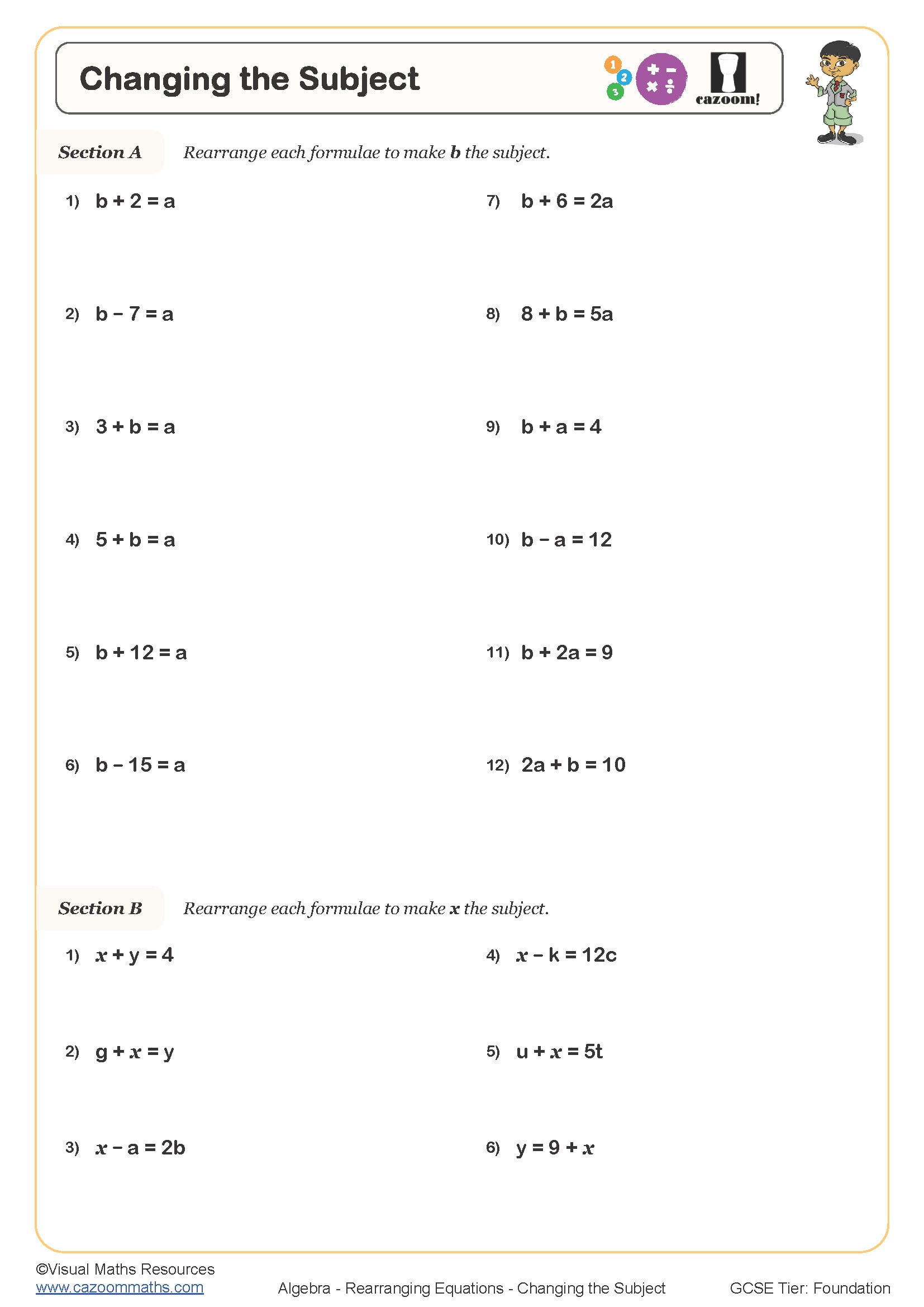
Changing the Subject
Year groups: 9, 10, 11
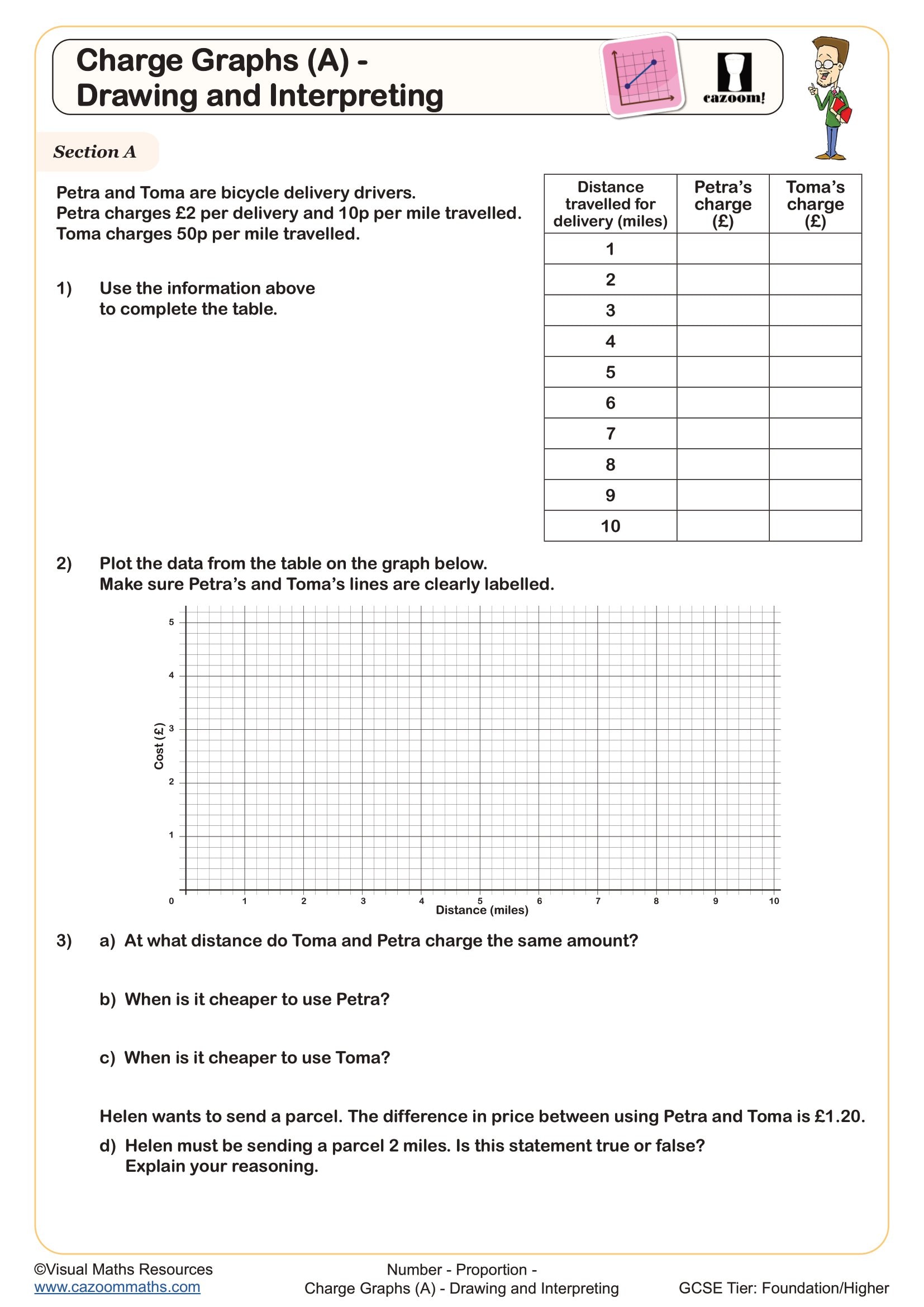
Charge Graphs (A) - Drawing and Interpreting
Year groups: 9, 10
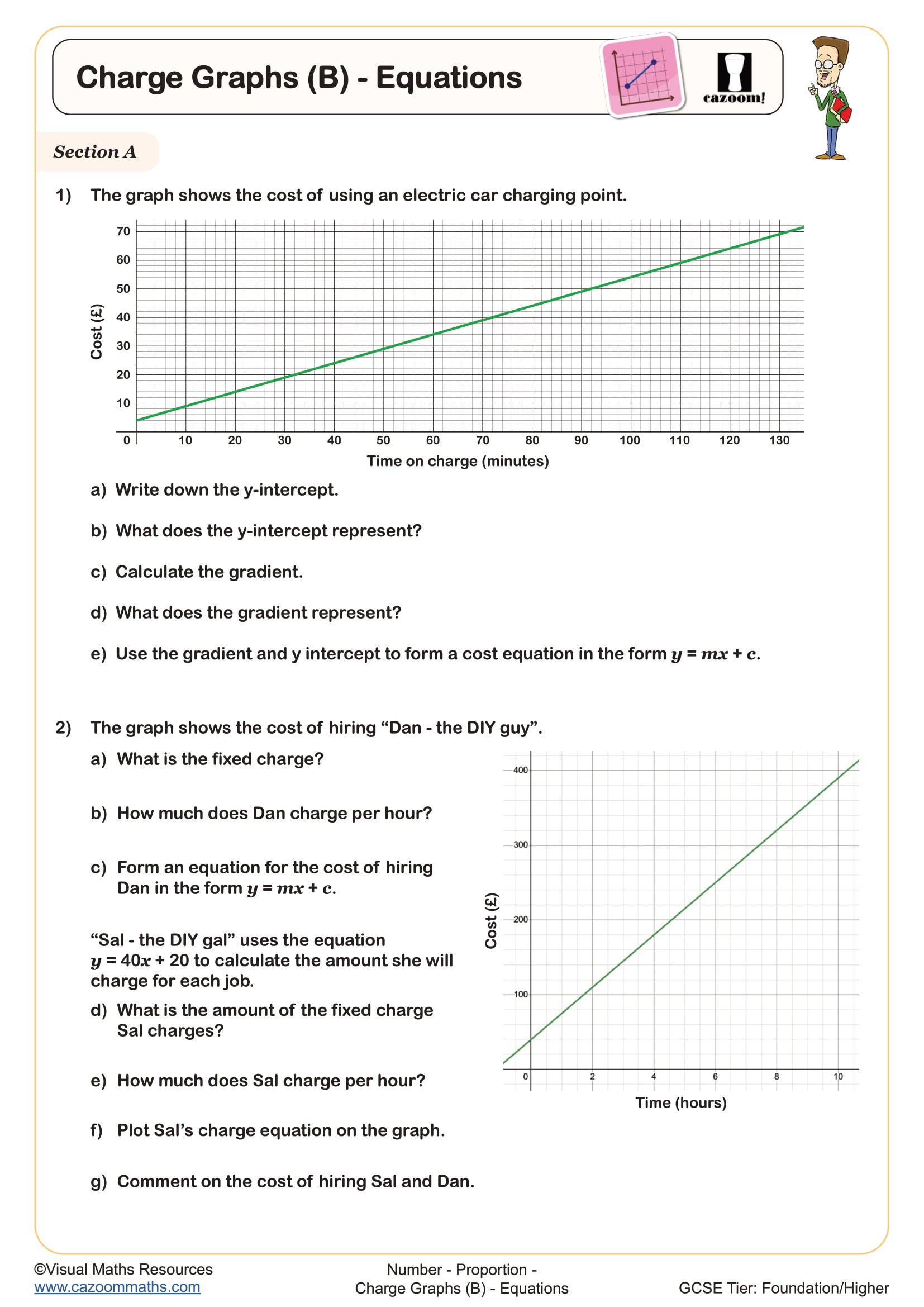
Charge Graphs (B) - Equations
Year groups: 9, 10
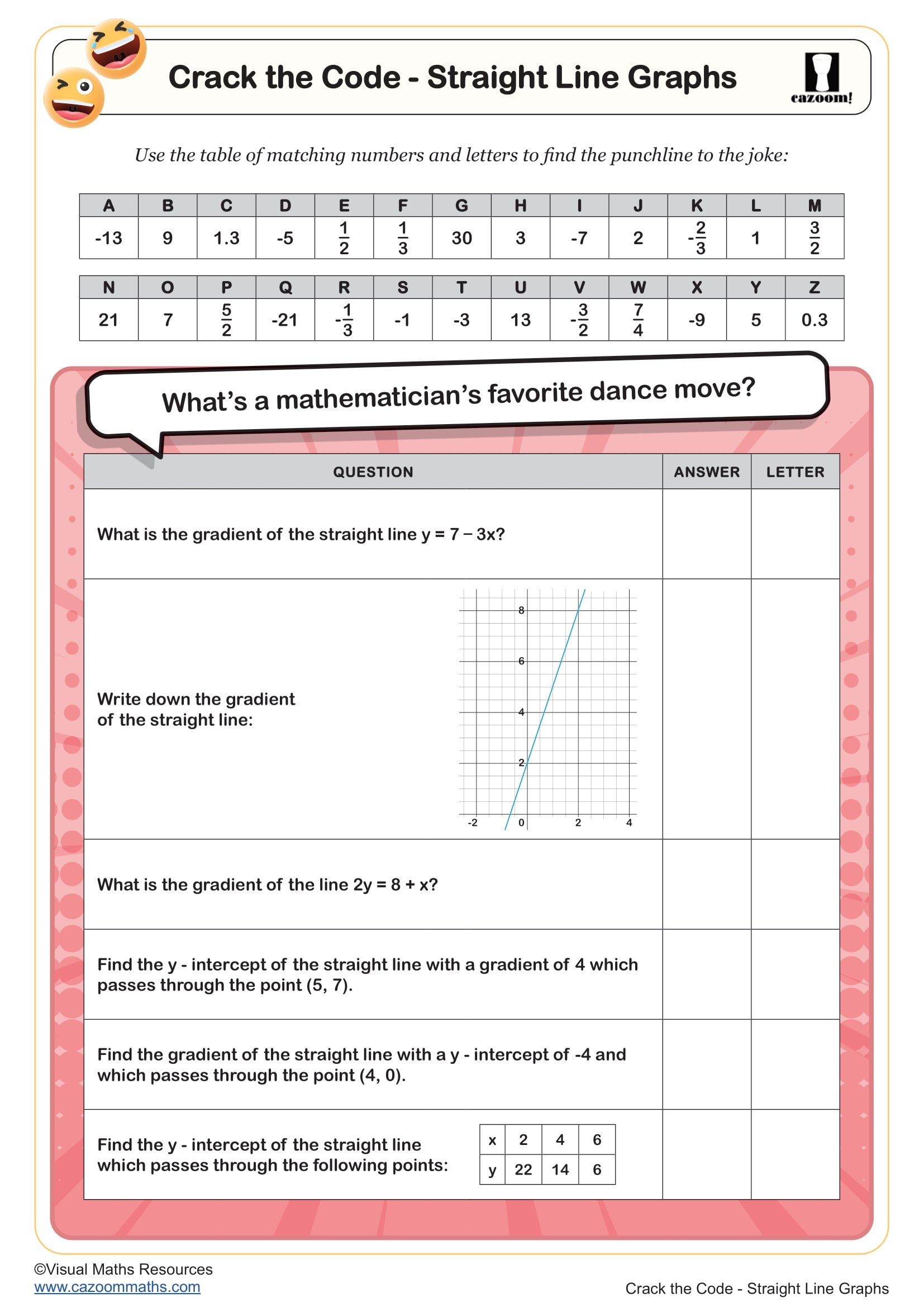
Crack the Code - Straight Line Graphs
Year groups: 9, 10
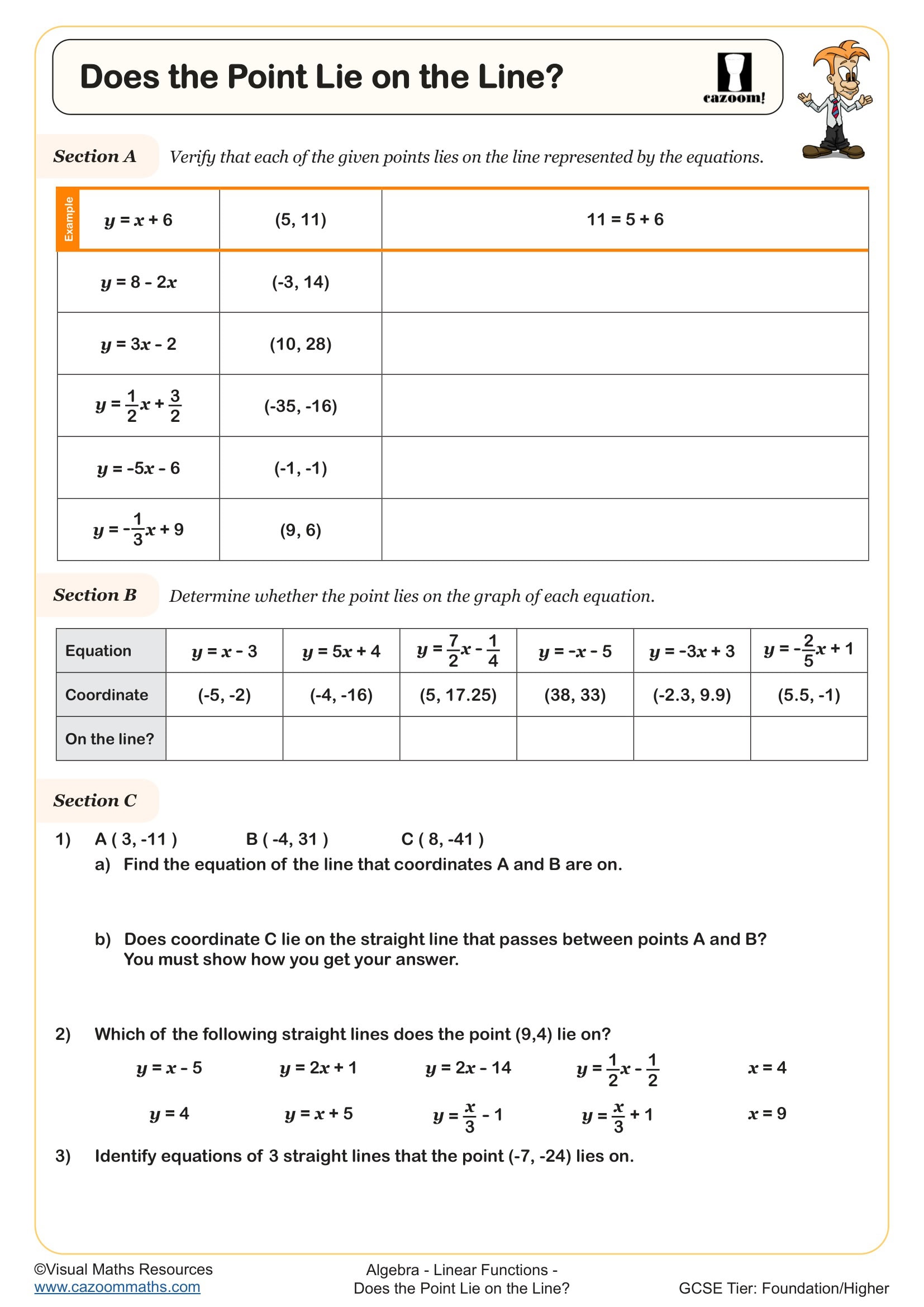
Does the Point Lie on the Line?
Year groups: 9, 10, 11
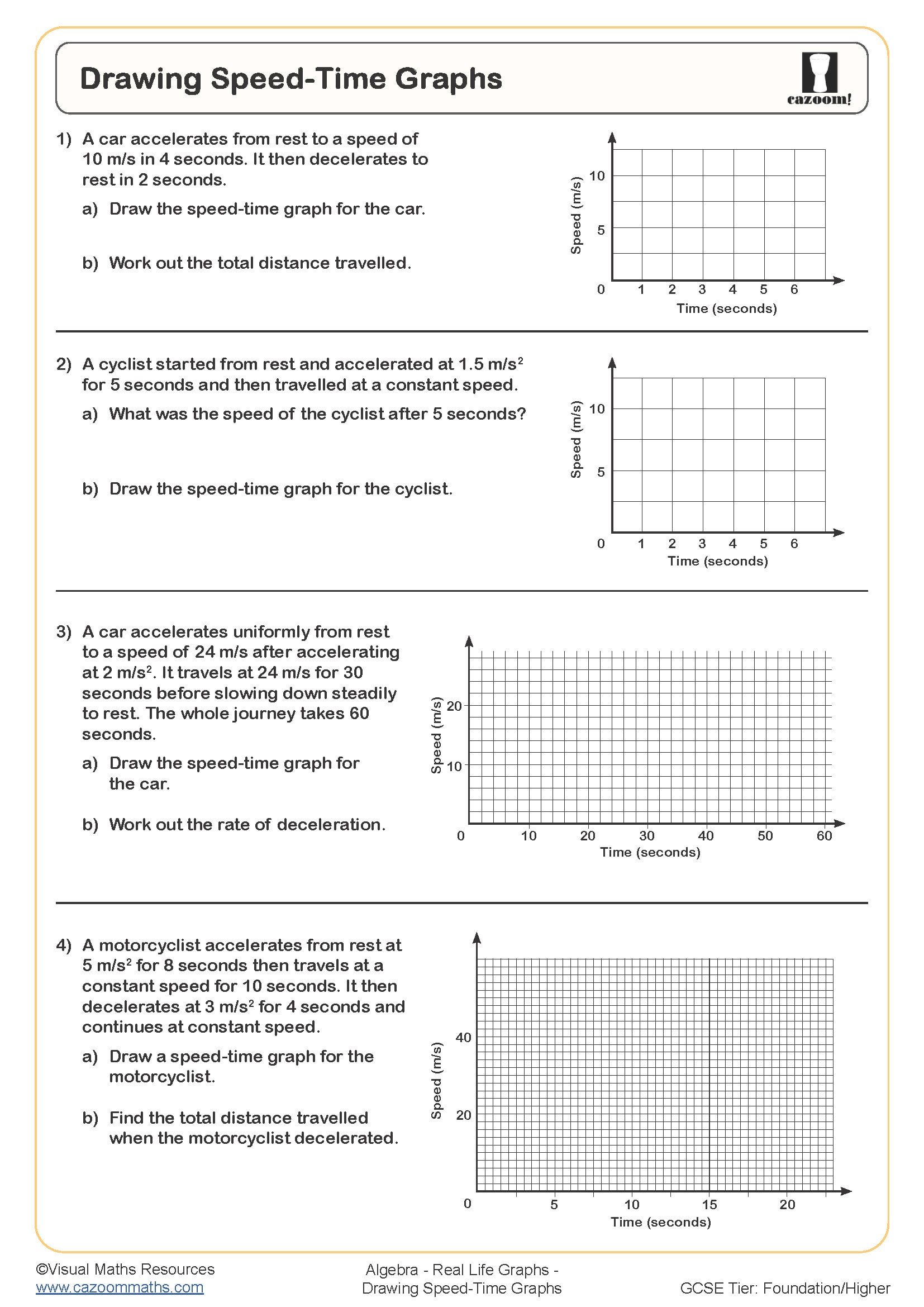
Drawing Speed Time Graphs
Year groups: 9, 10
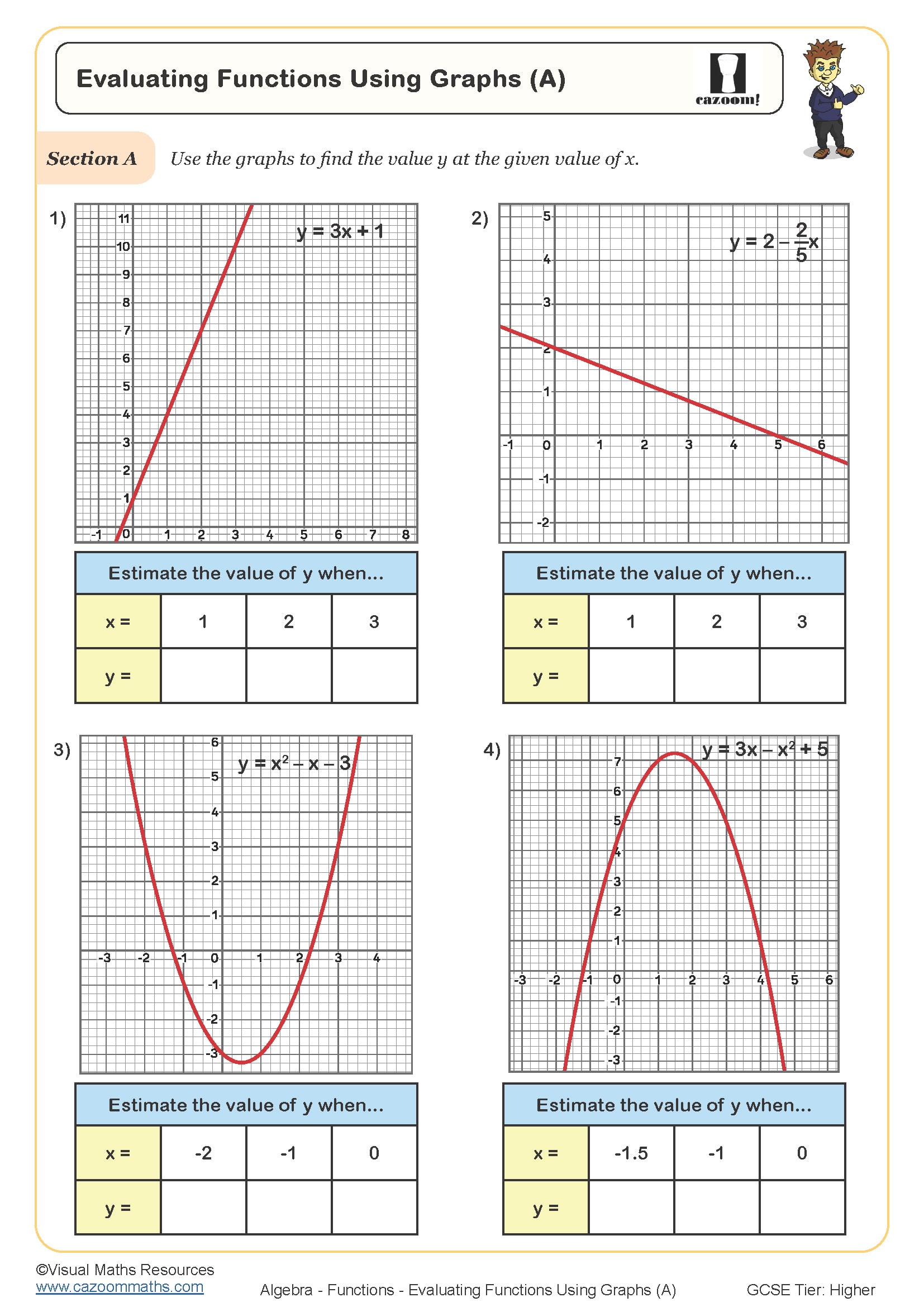
Evaluating Functions Using Graphs (A)
Year groups: 9, 10
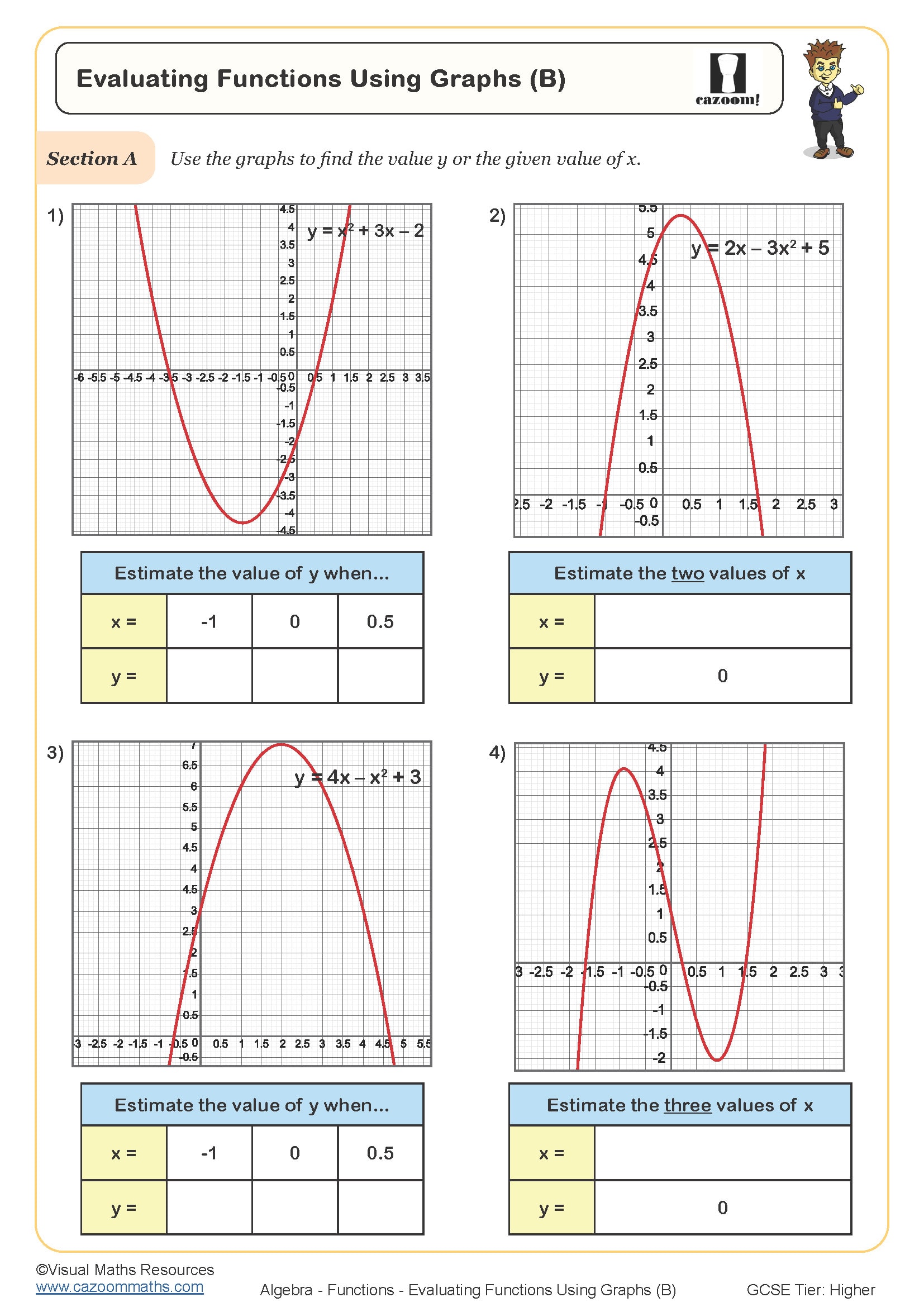
Evaluating Functions Using Graphs (B)
Year groups: 9, 10
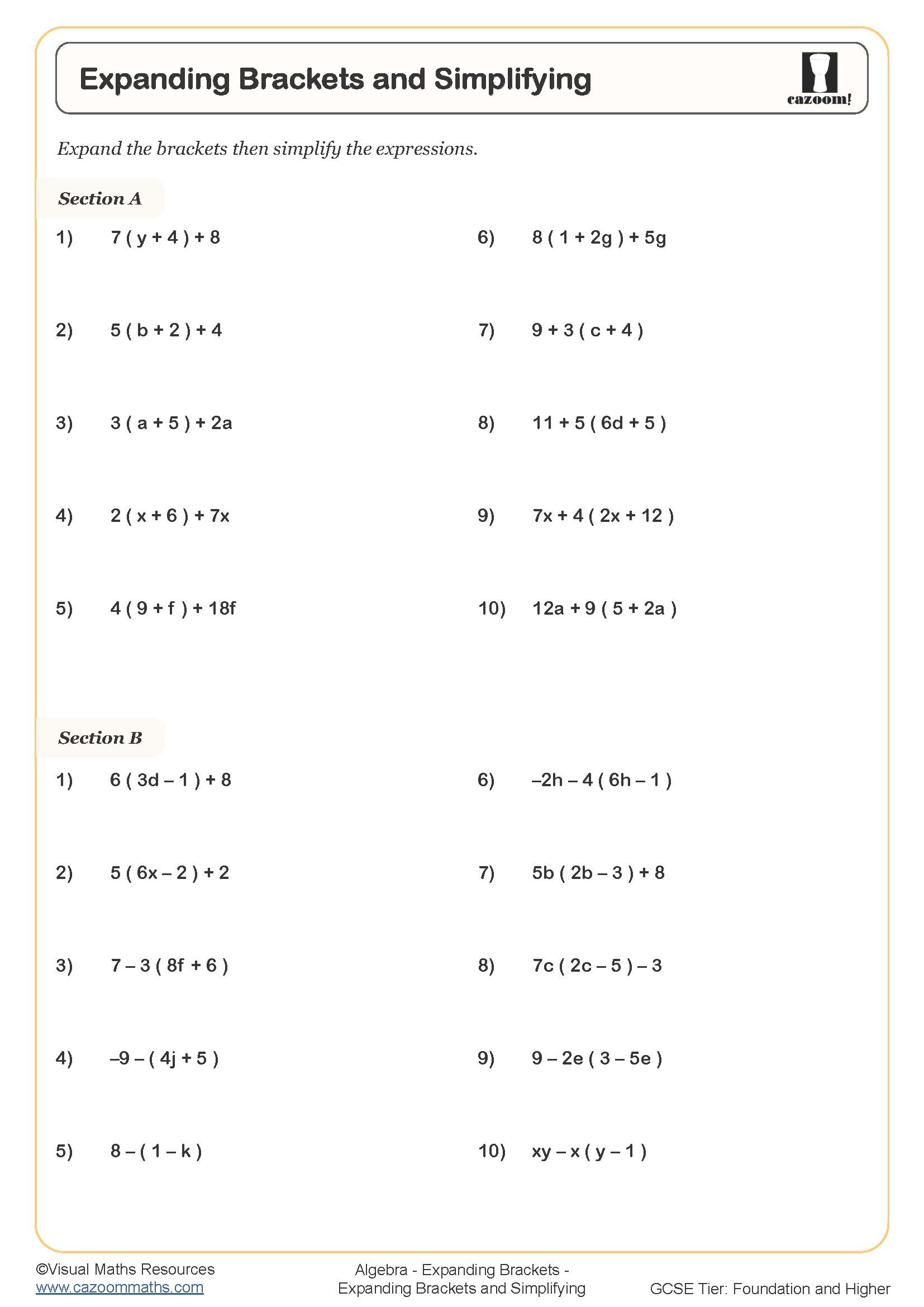
Expanding Brackets and Simplifying
Year groups: 9, 10, 11
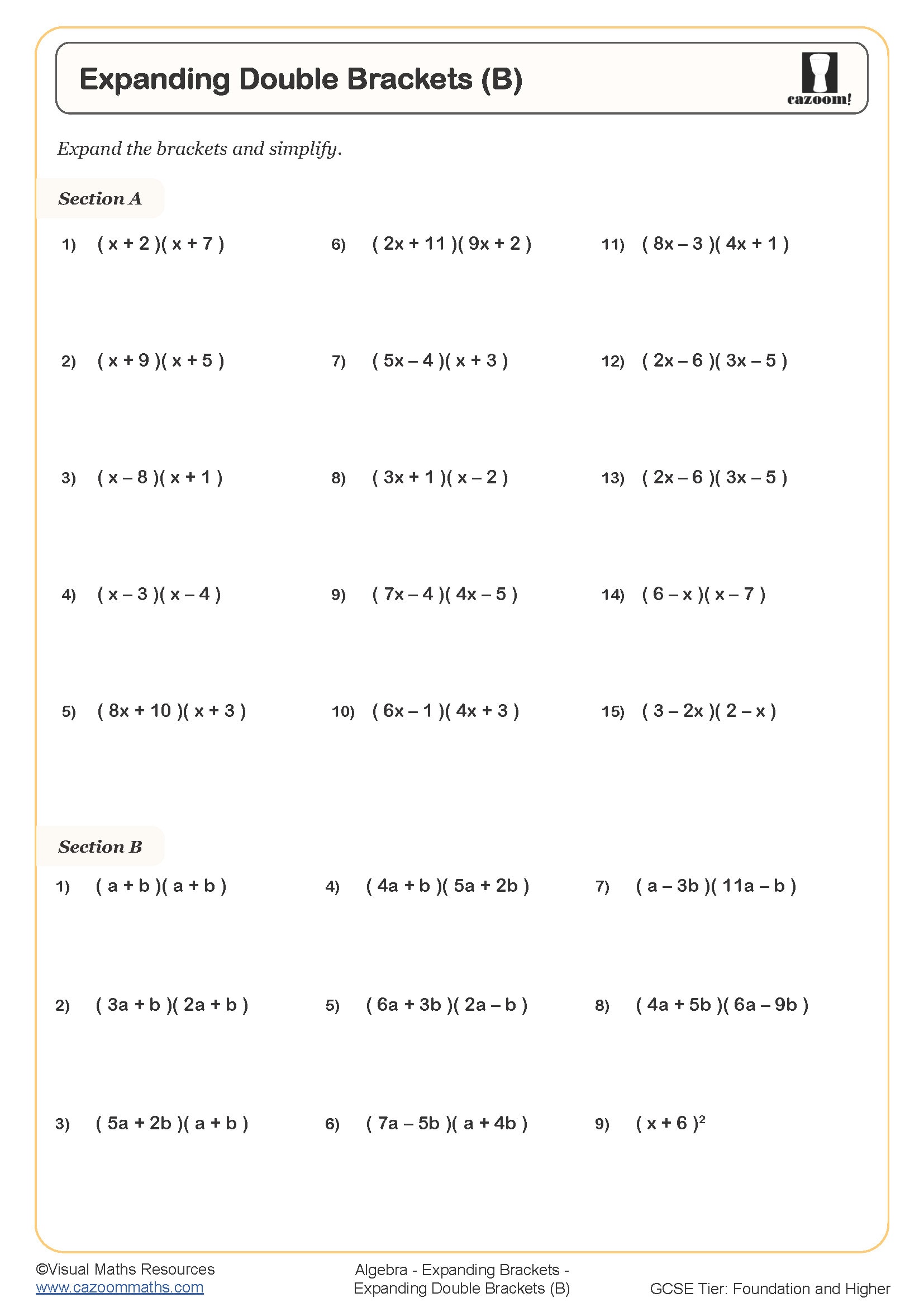
Expanding Double Brackets (B)
Year groups: 9, 10, 11
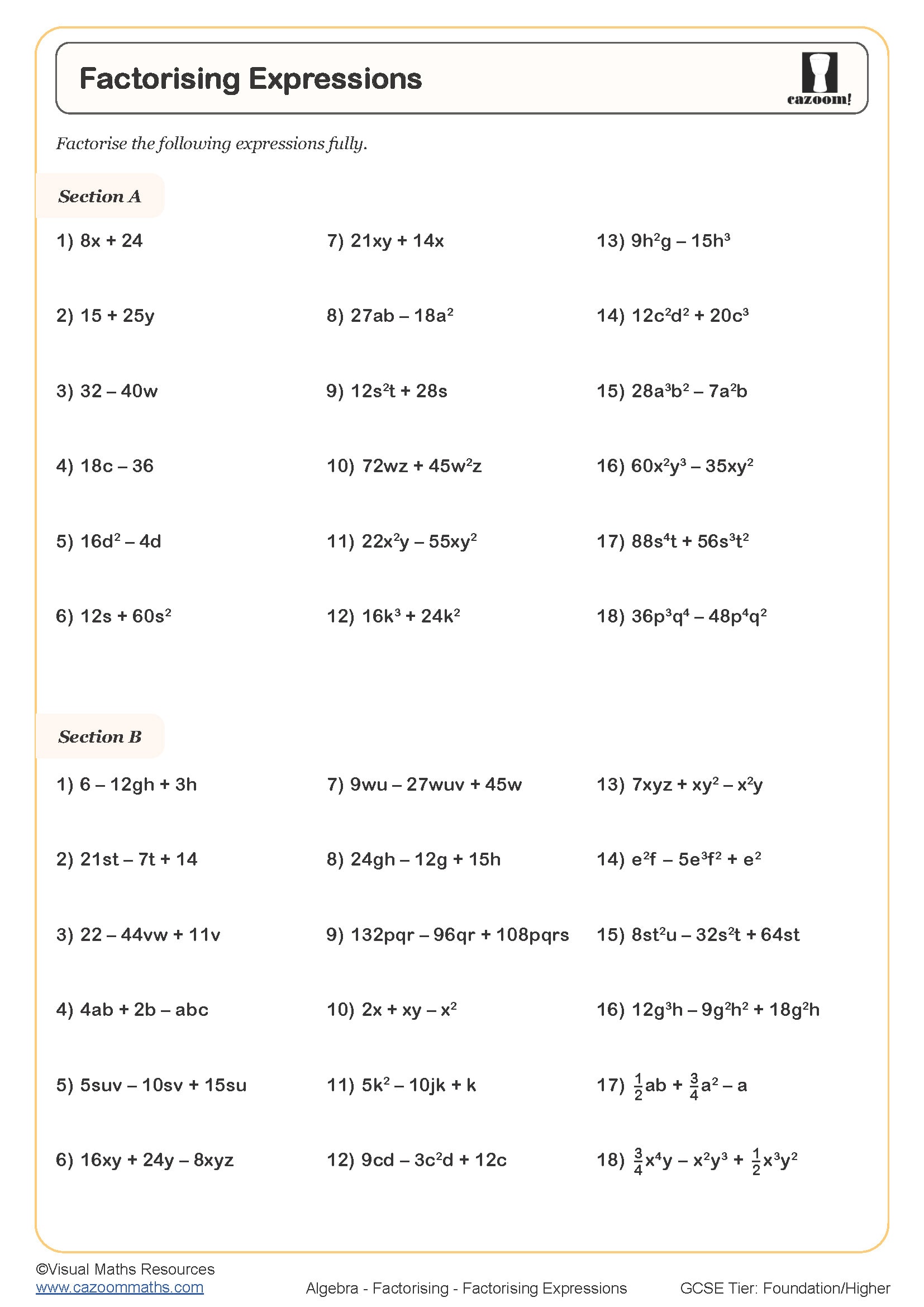
Factorising Expressions
Year groups: 9, 10, 11
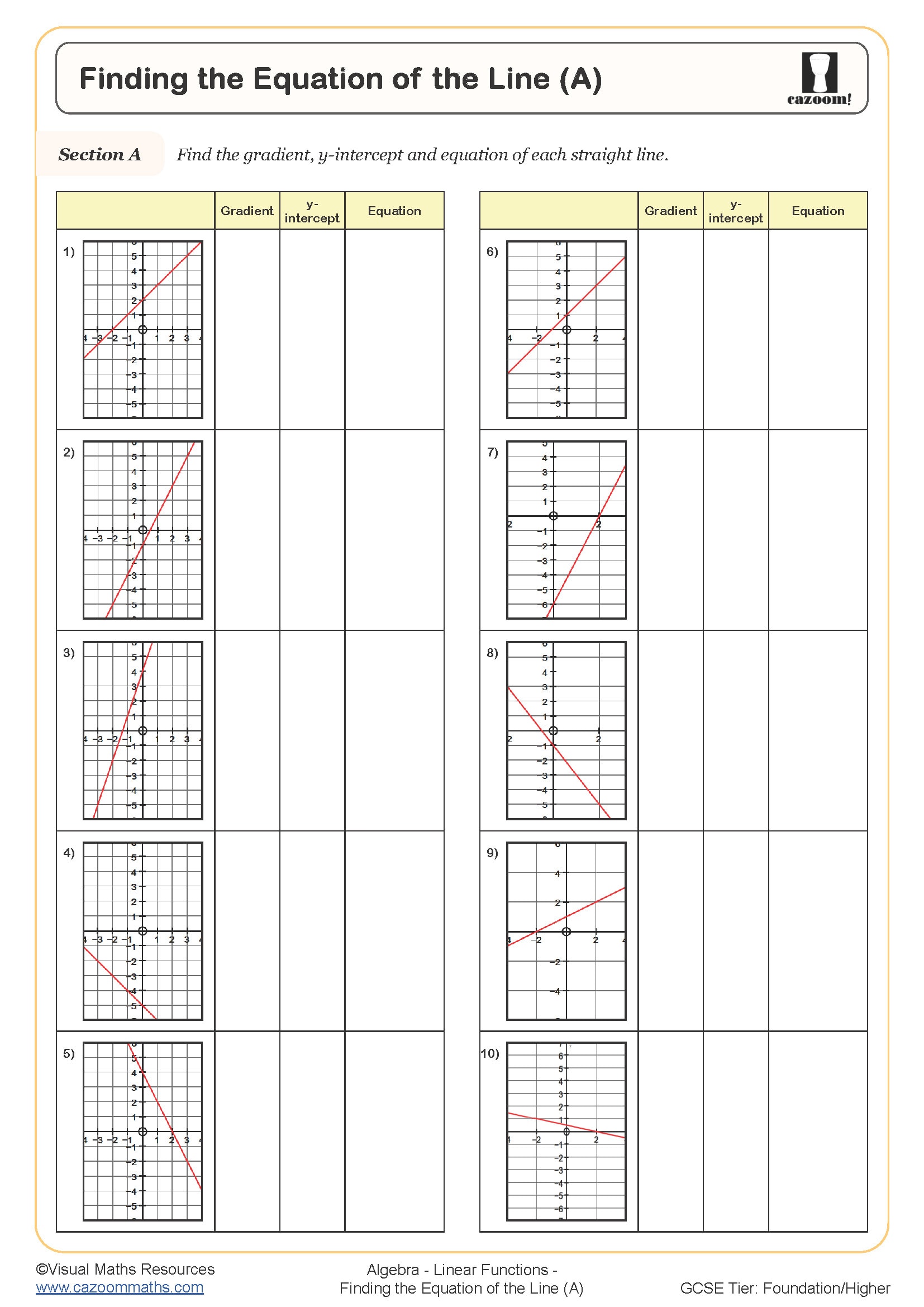
Finding the Equation of the Line (A)
Year groups: 9, 10, 11
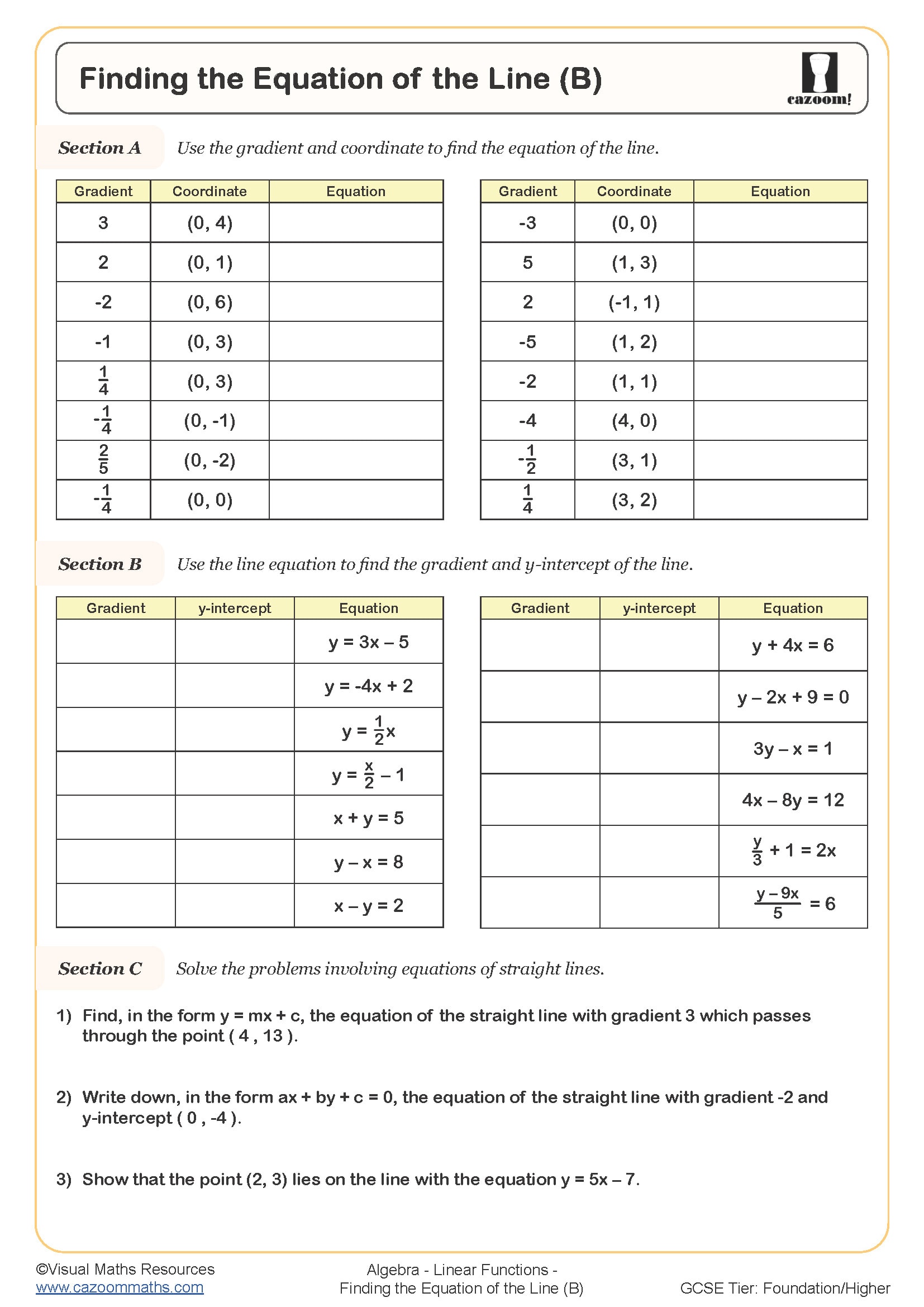
Finding the Equation of the Line (B)
Year groups: 9, 10, 11
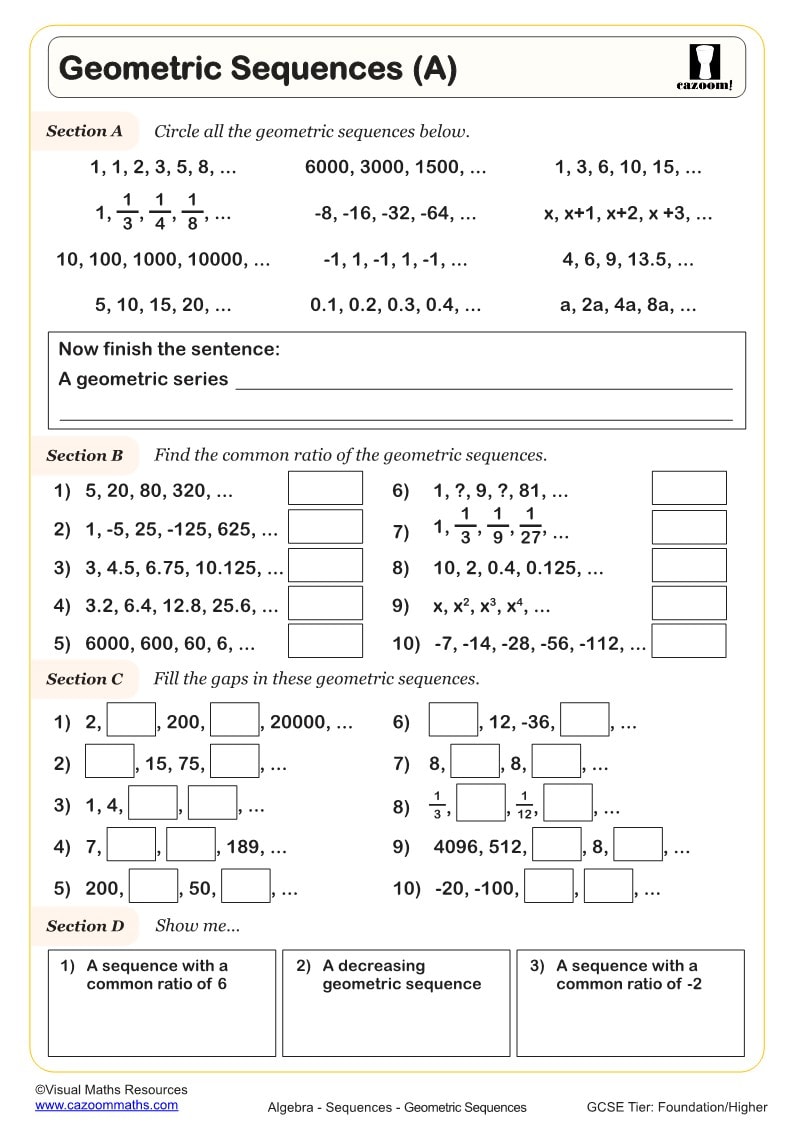
Geometric Sequences (A)
Year groups: 9, 10
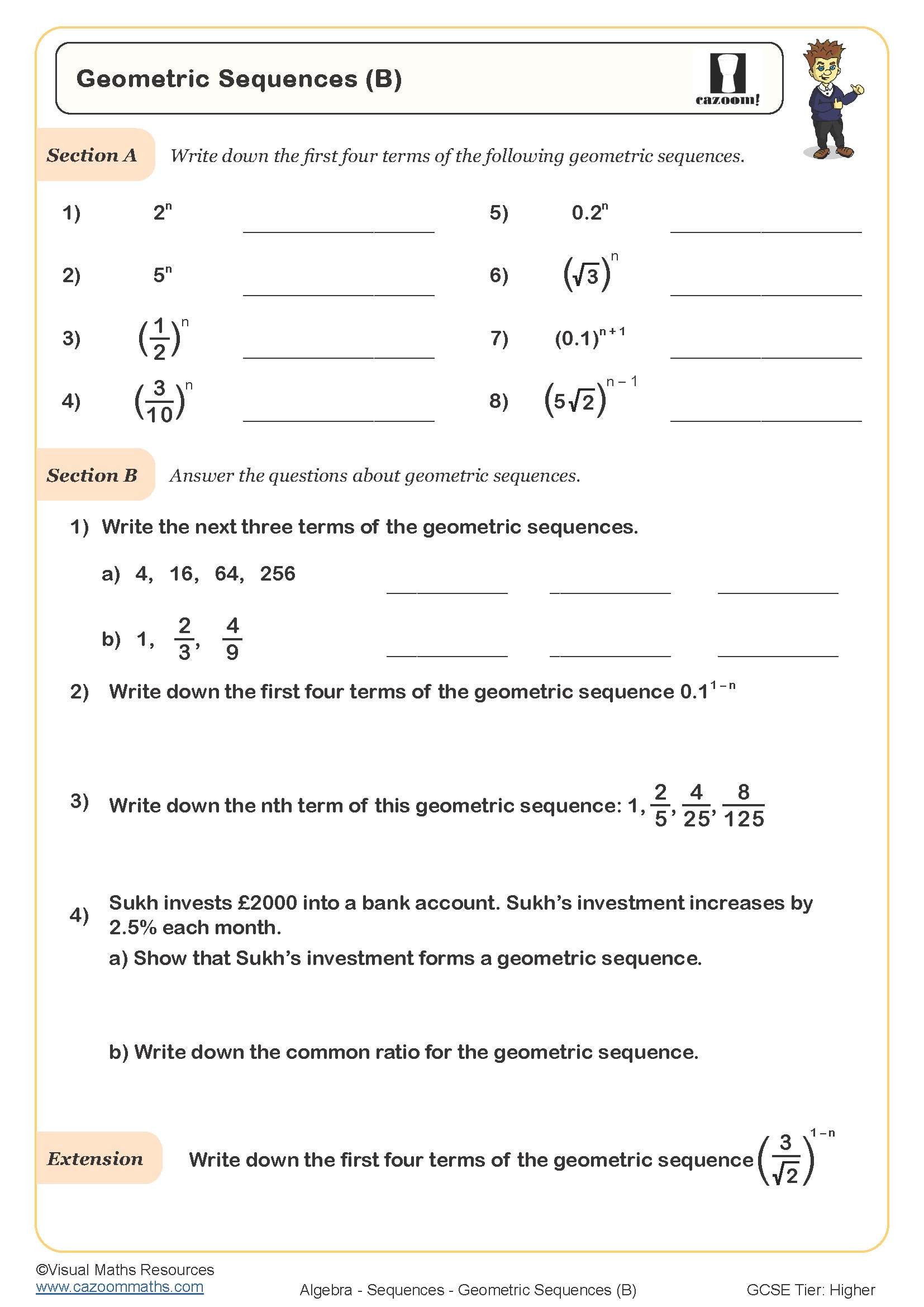
Geometric Sequences (B)
Year groups: 9, 10
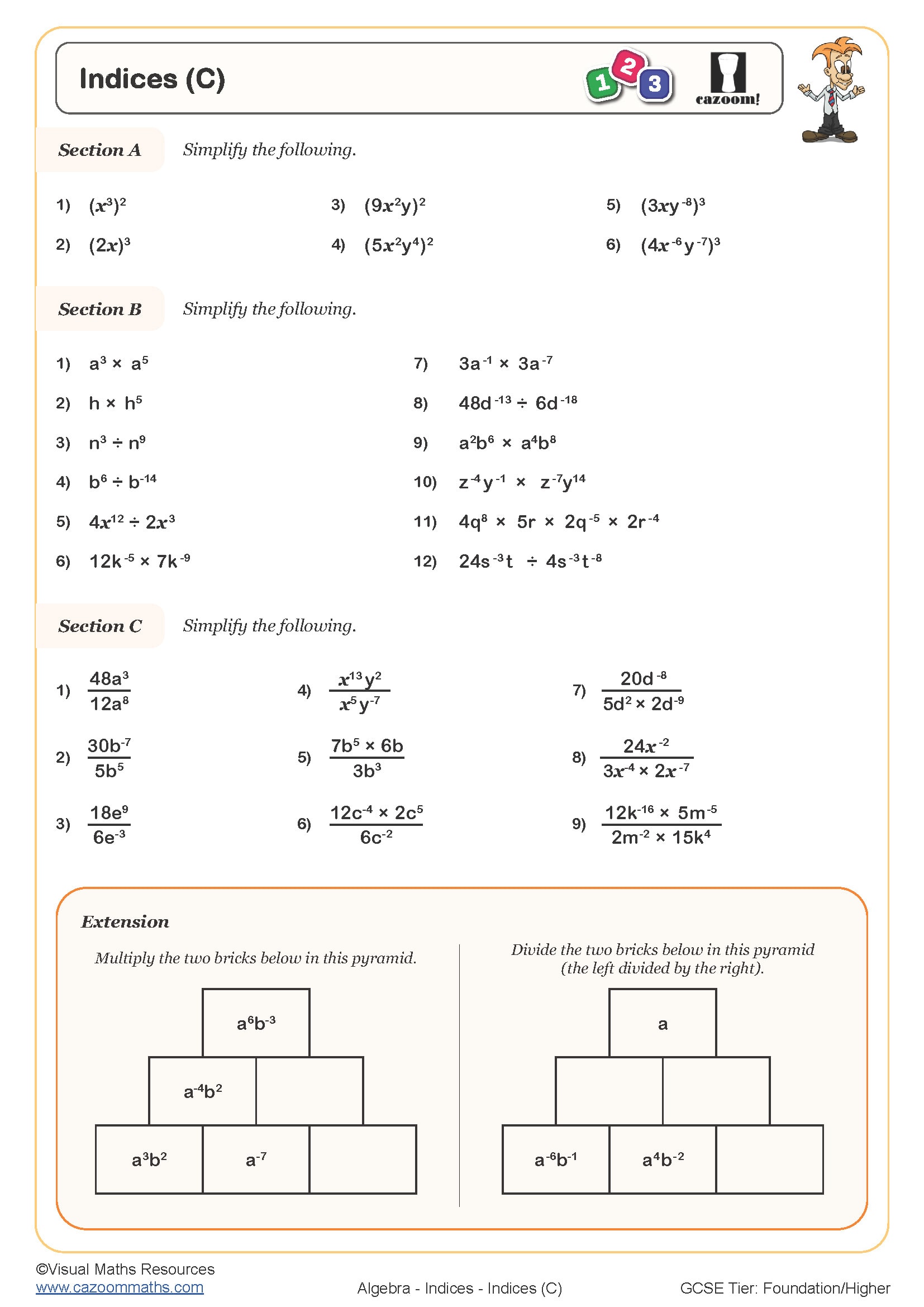
Indices (C)
Year groups: 9, 10, 11
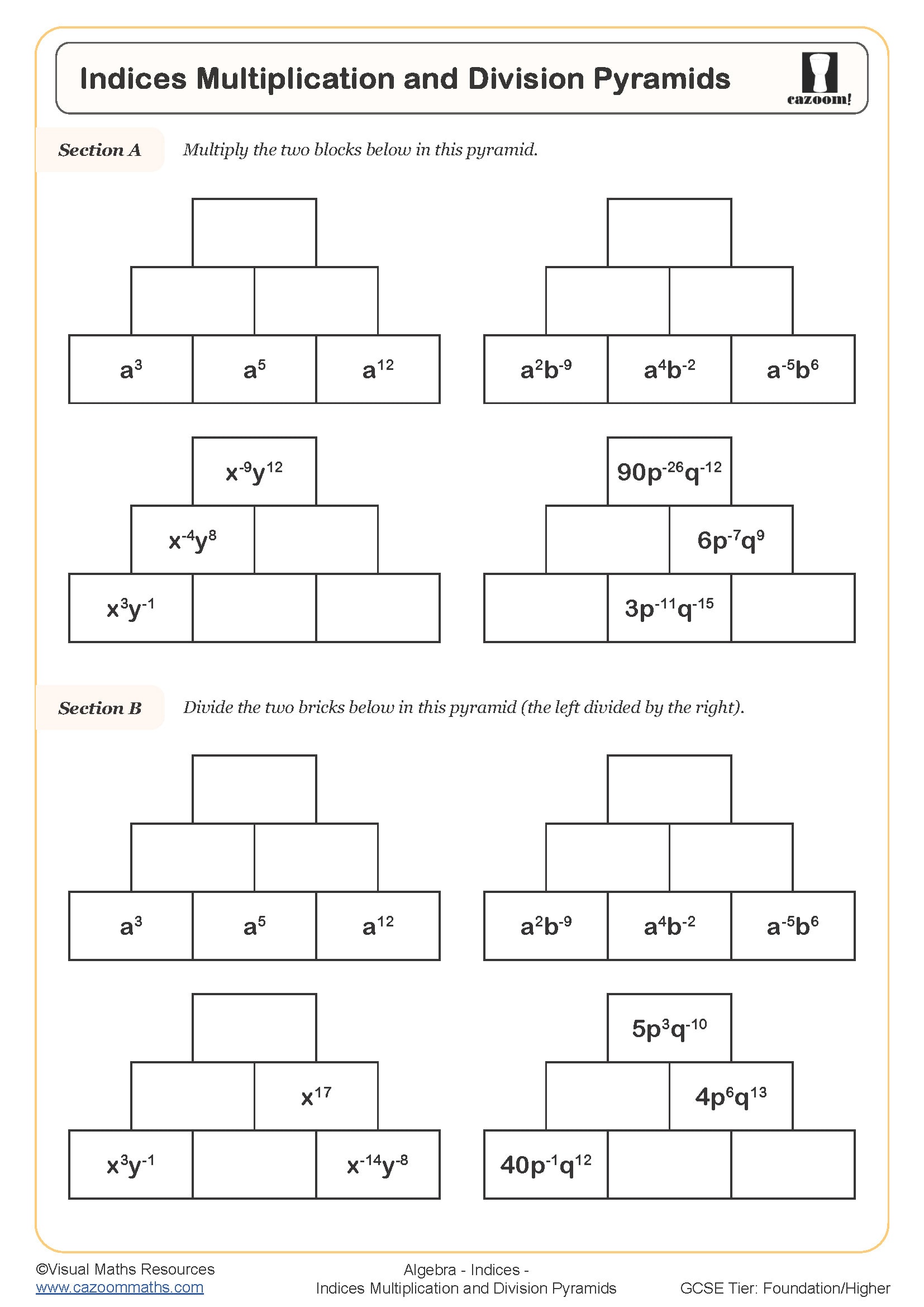
Indices Multiplication and Division Pyramids
Year groups: 9, 10, 11
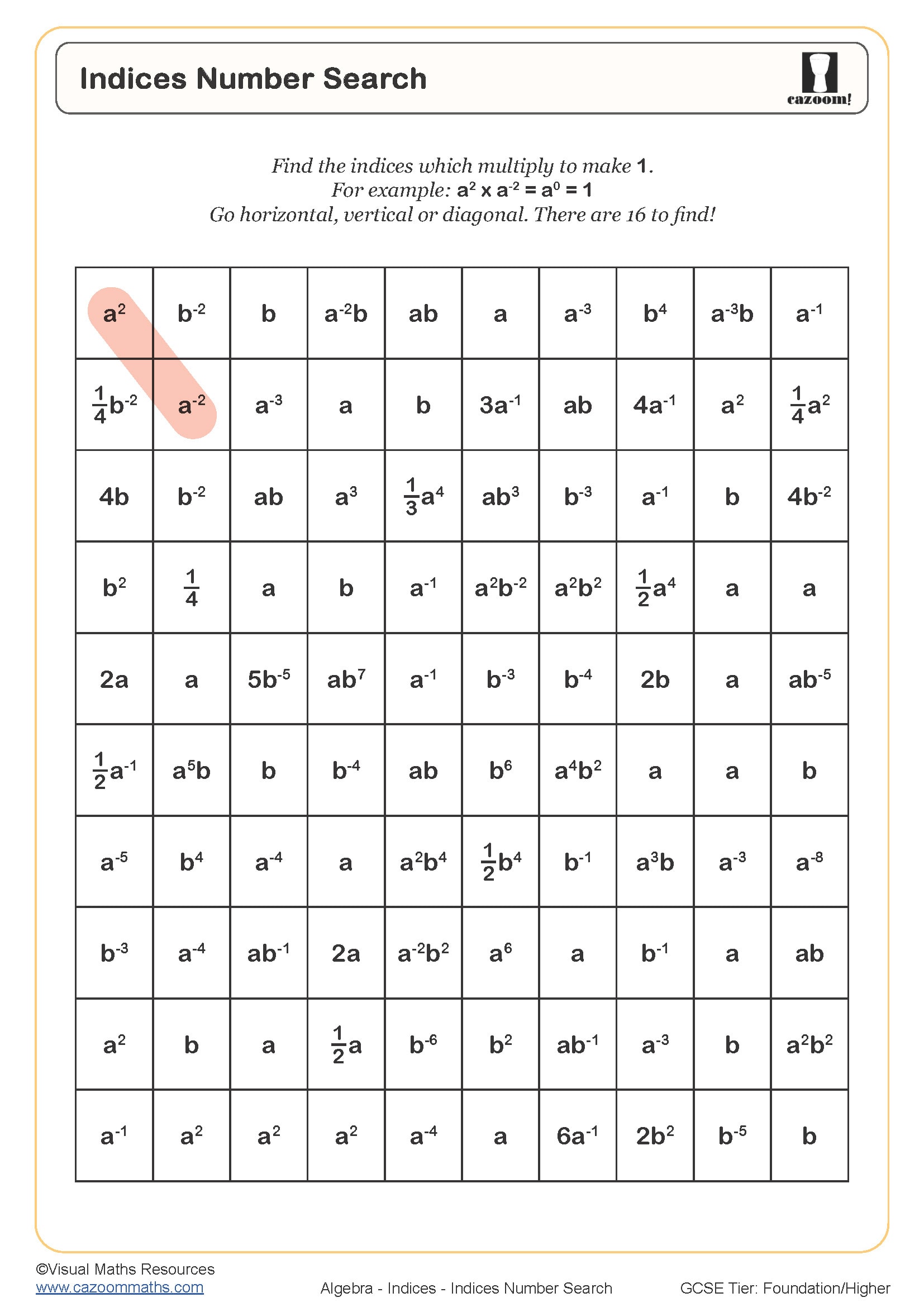
Indices Number Search
Year groups: 9, 10, 11
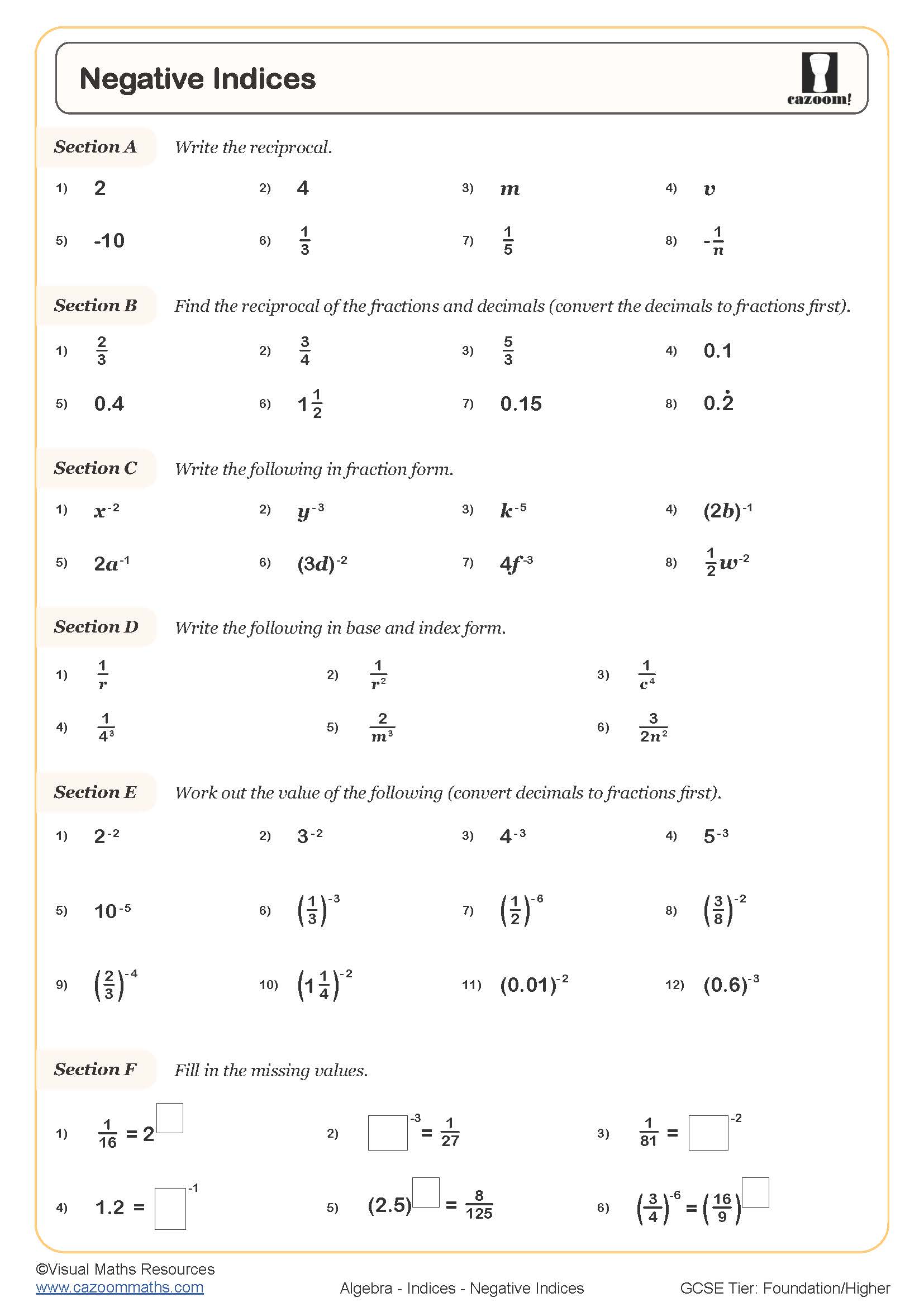
Negative Indices
Year groups: 9, 10
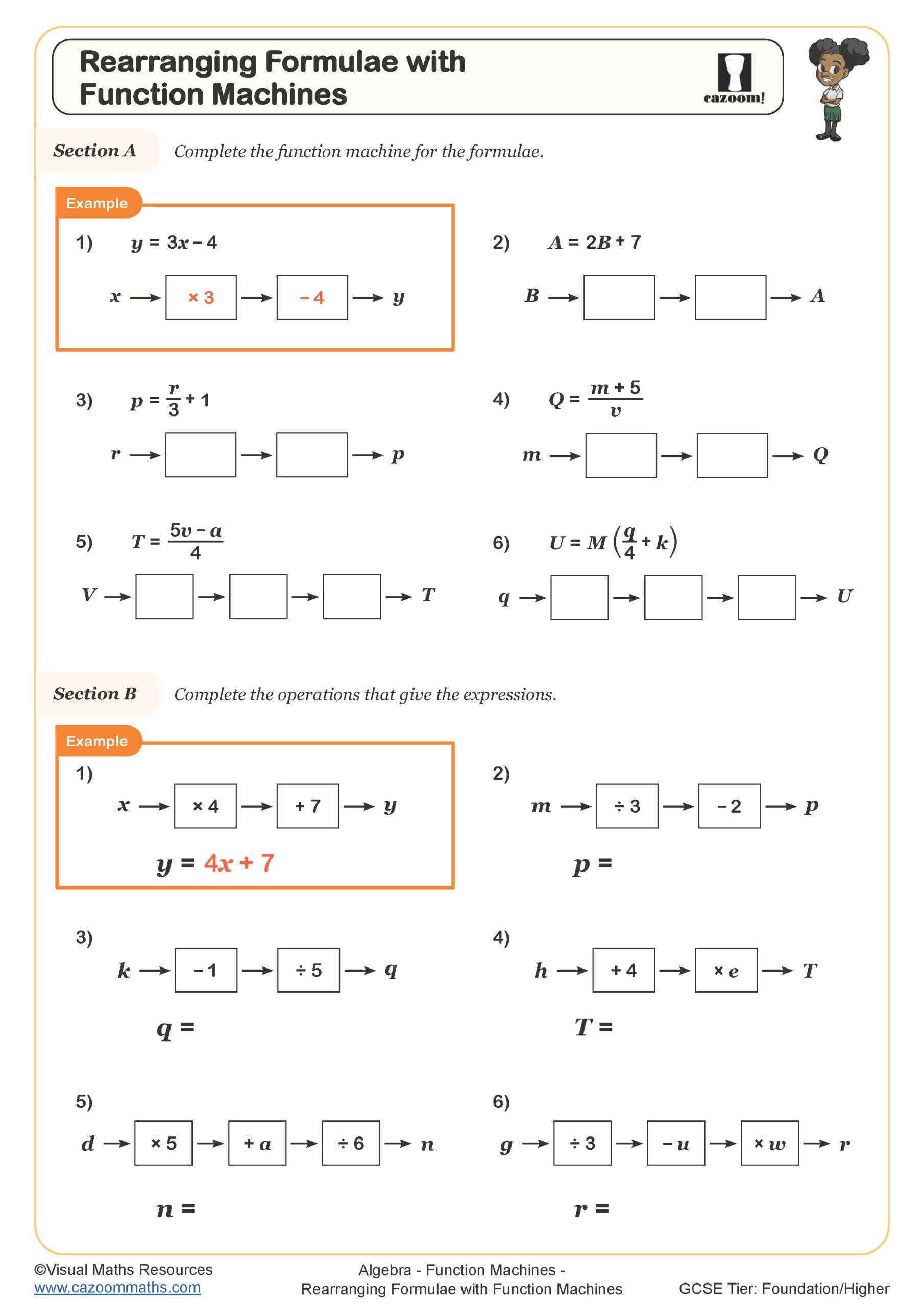
Rearranging Formulae with Function Machines
Year groups: 9, 10
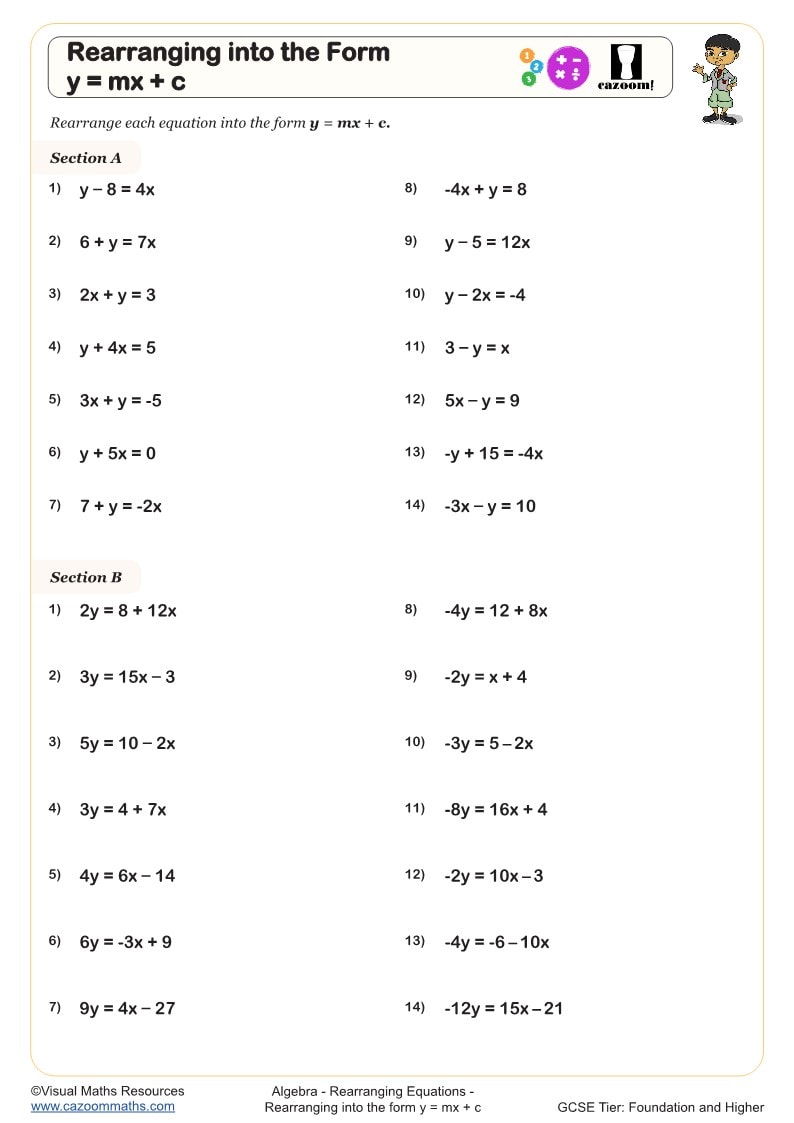
Rearranging into the Form y = mx + c
Year groups: 9, 10, 11
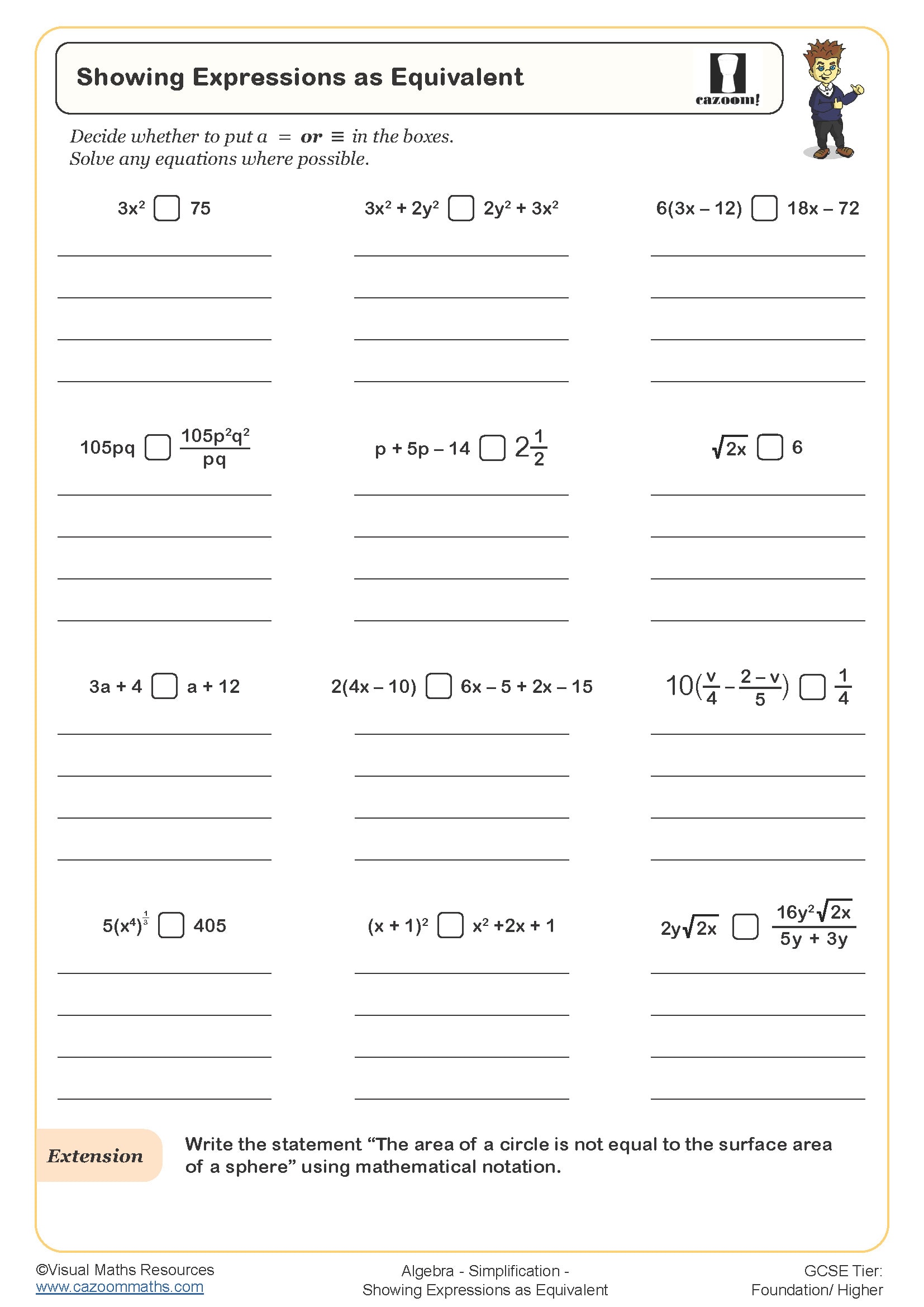
Showing Expressions as Equivalent
Year groups: 9, 10
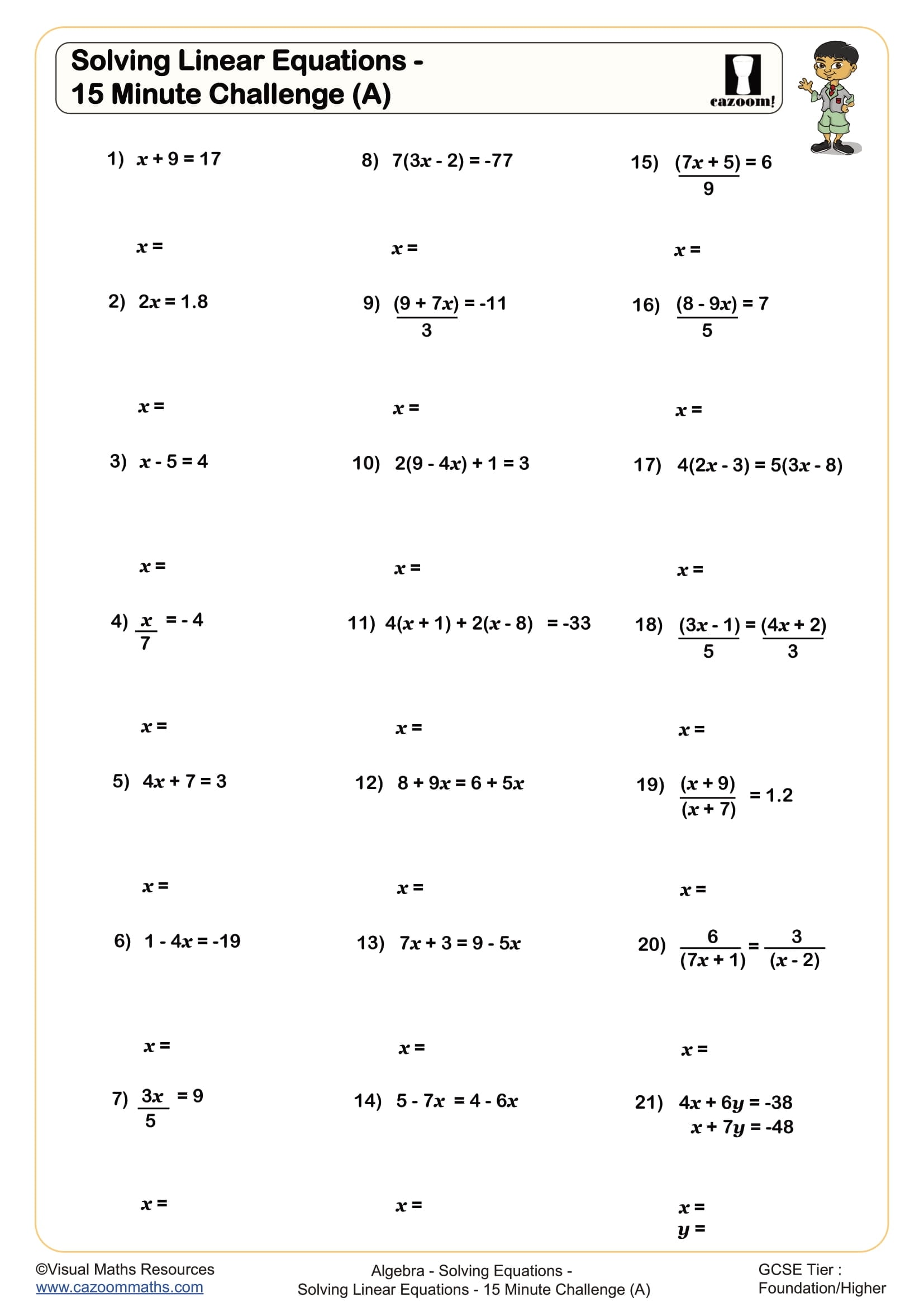
Solving Equations 15 Minute Challenge (A)
Year groups: 9, 10
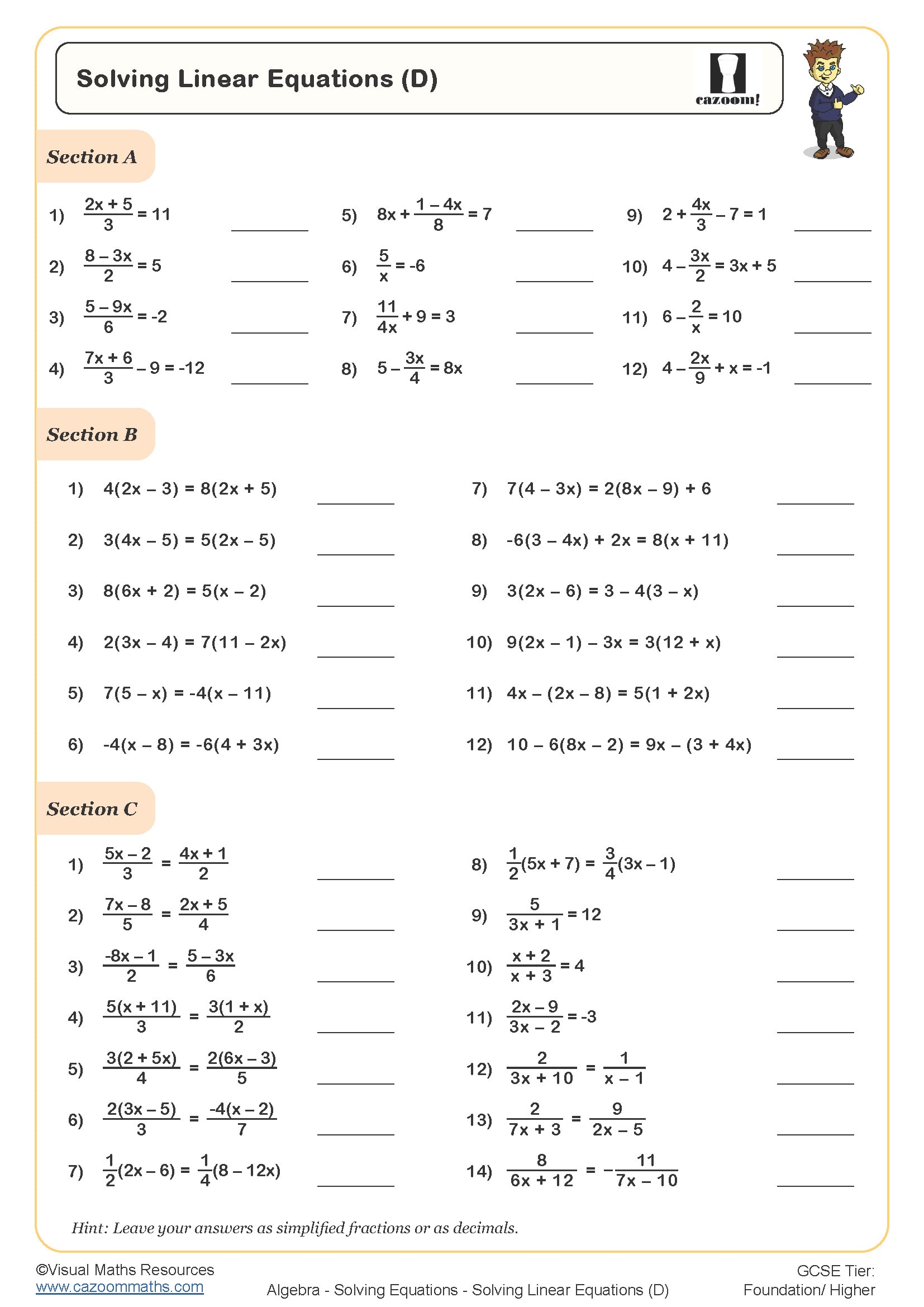
Solving Linear Equations (D)
Year groups: 9, 10
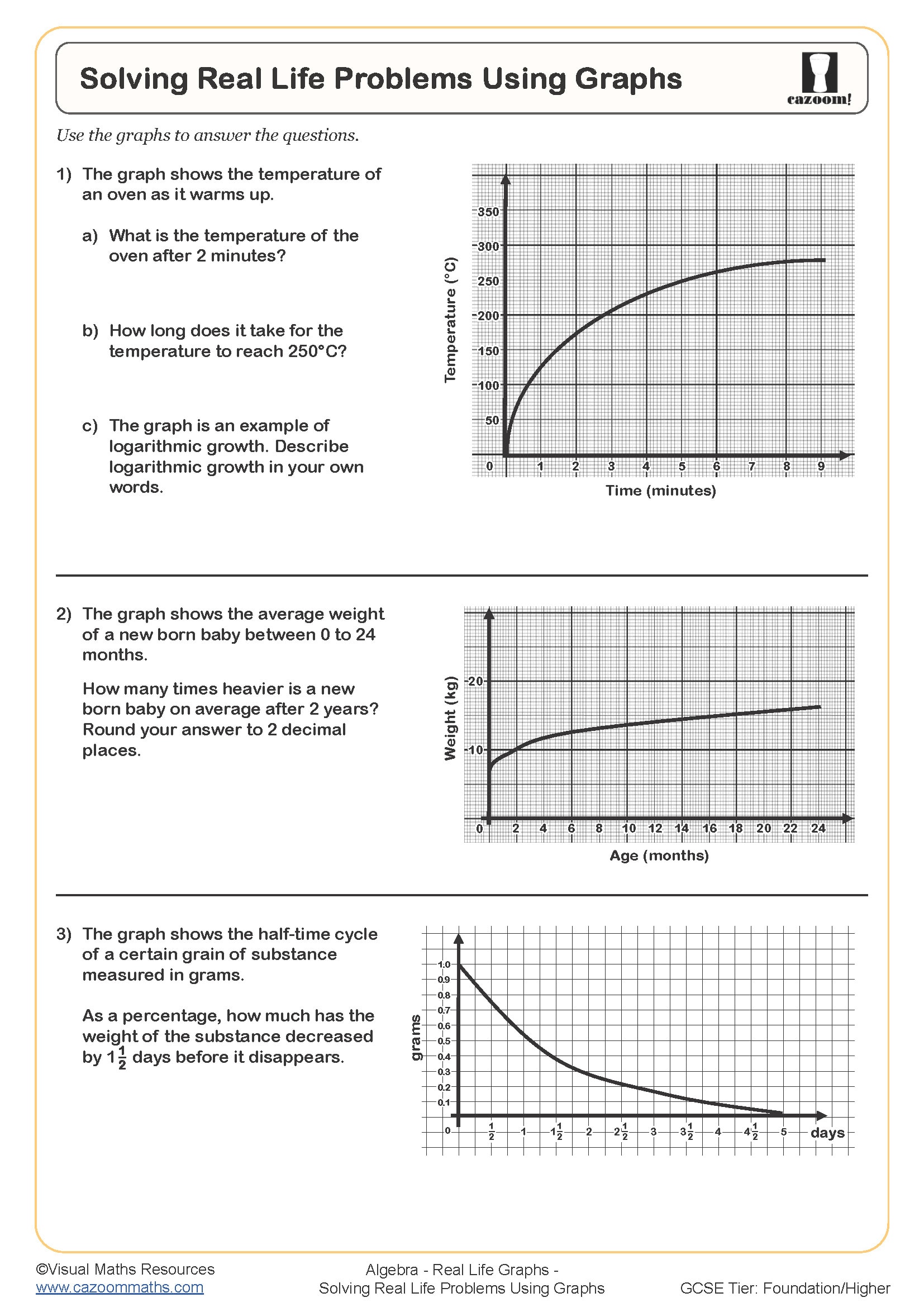
Solving real life problems using graphs
Year groups: 9, 10
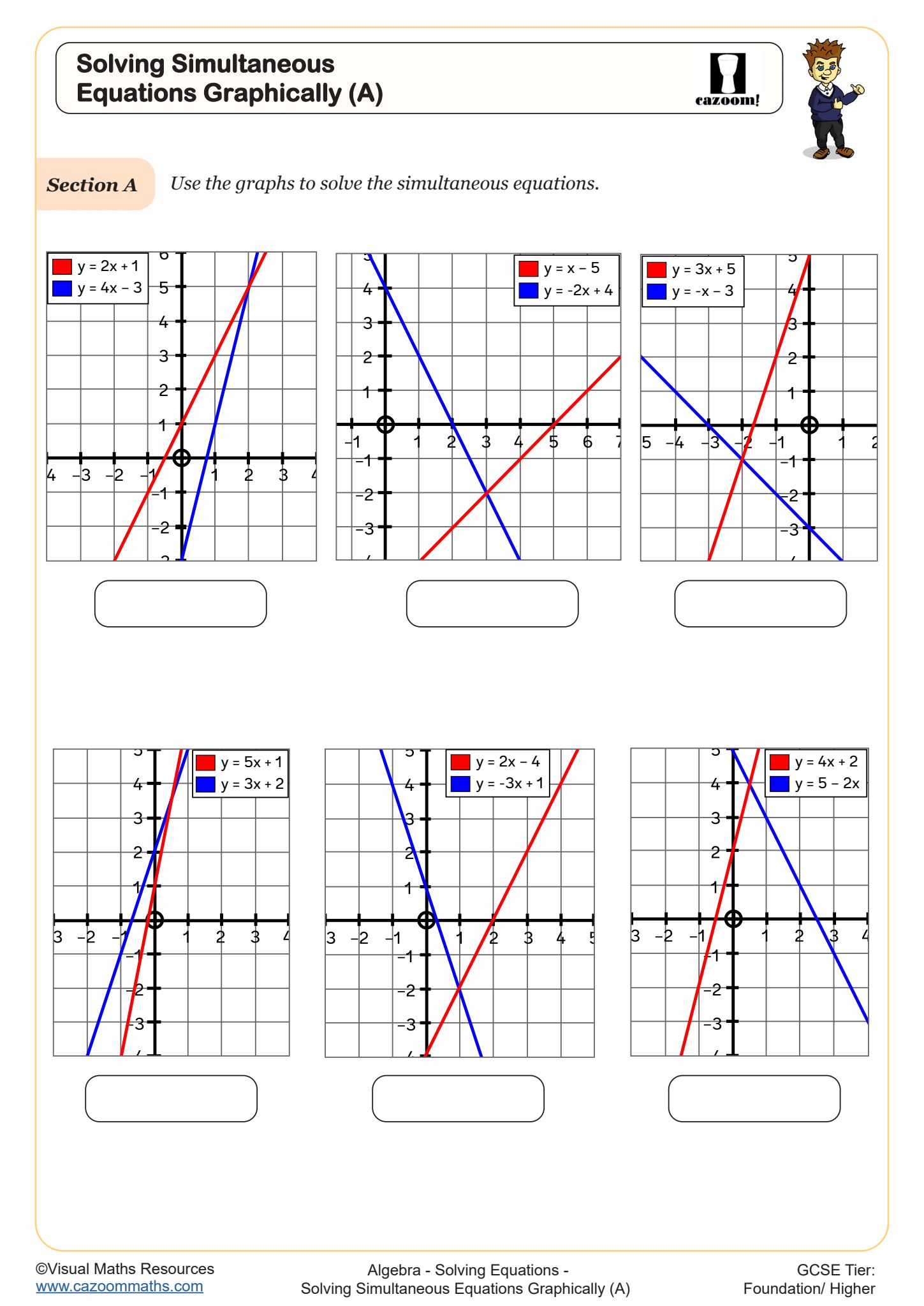
Solving Simultaneous Equations Graphically (A)
Year groups: 9, 10
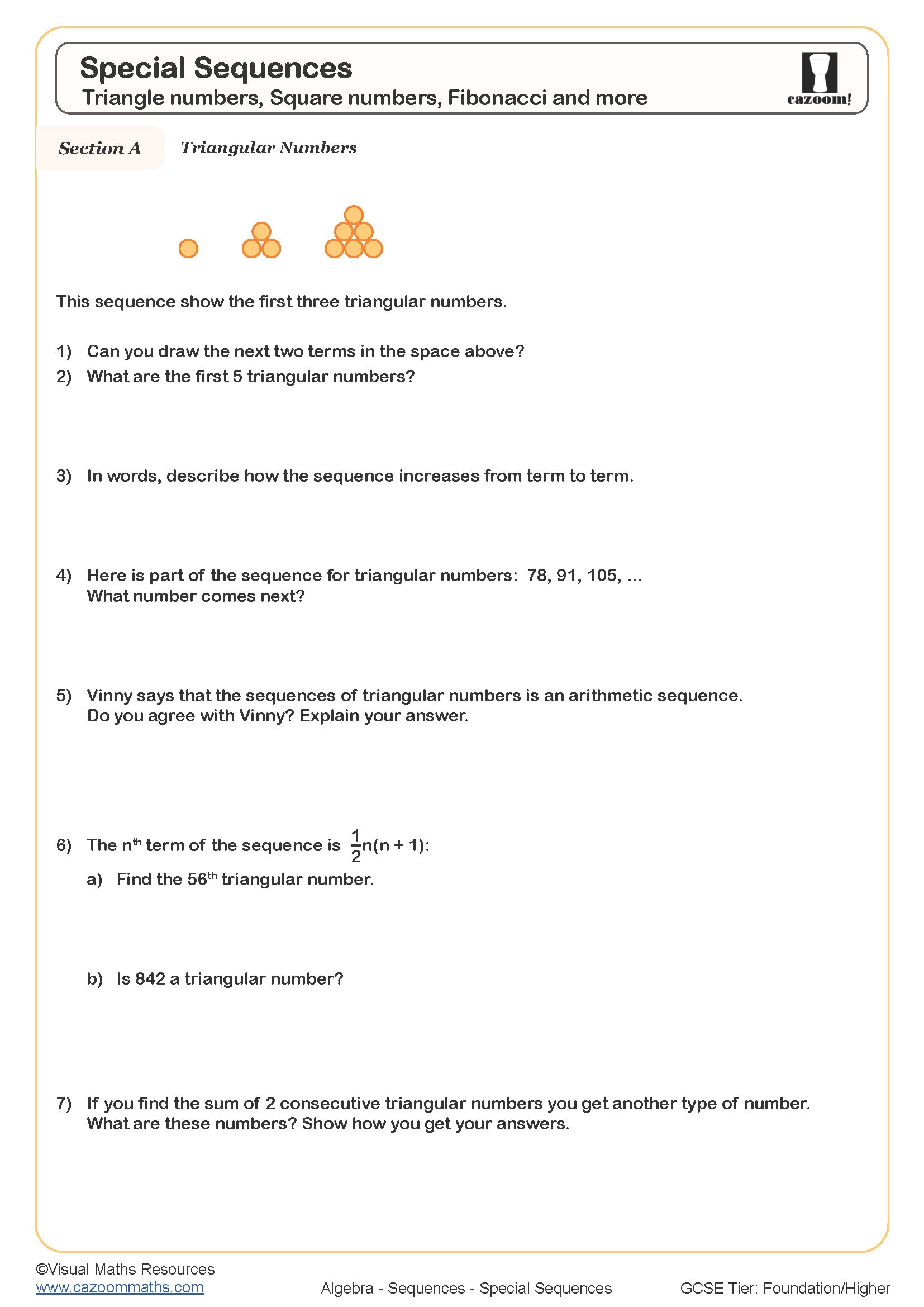
Special Sequences
Year groups: 9, 10
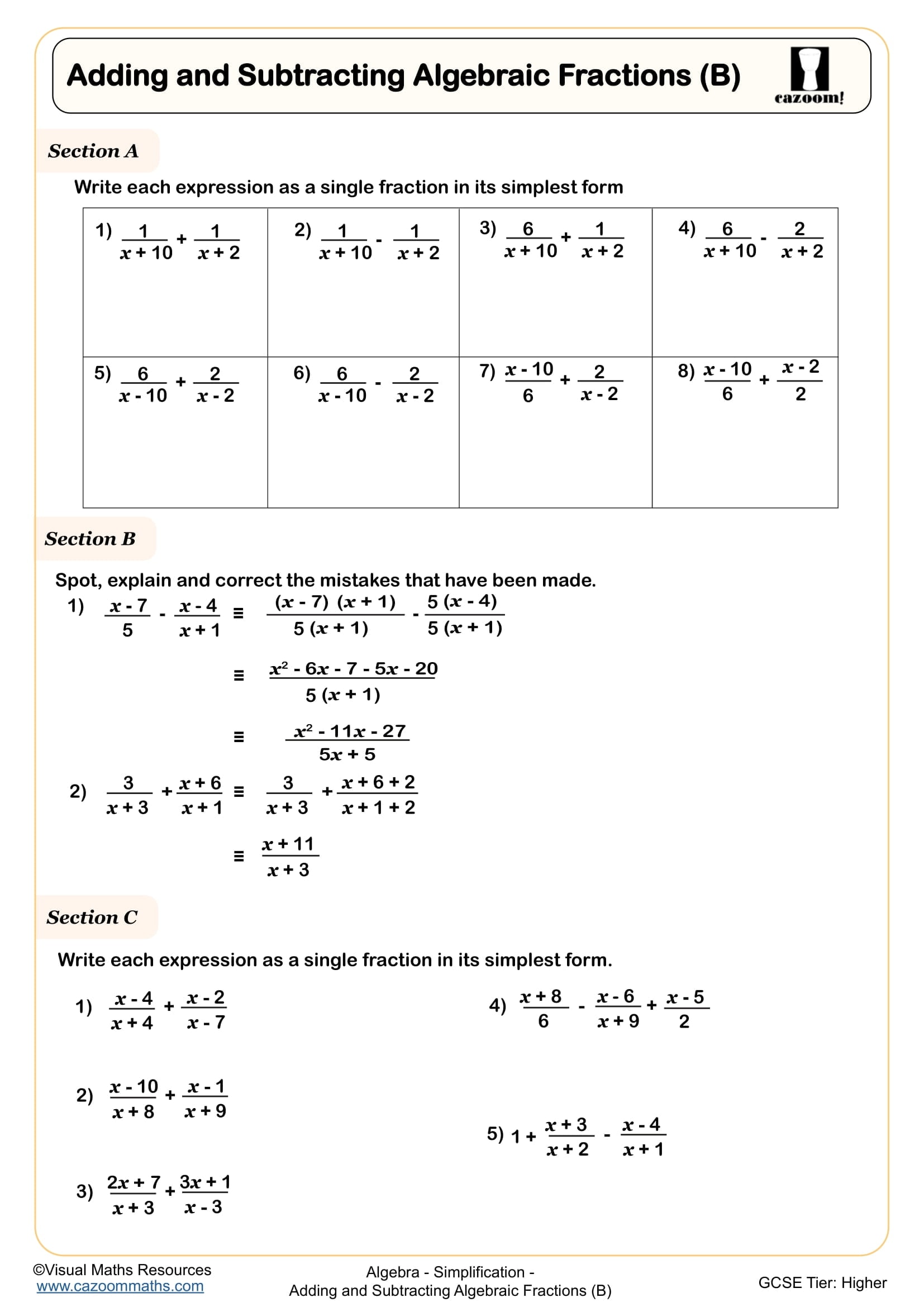
Speed Time Graphs
Year groups: 9, 10
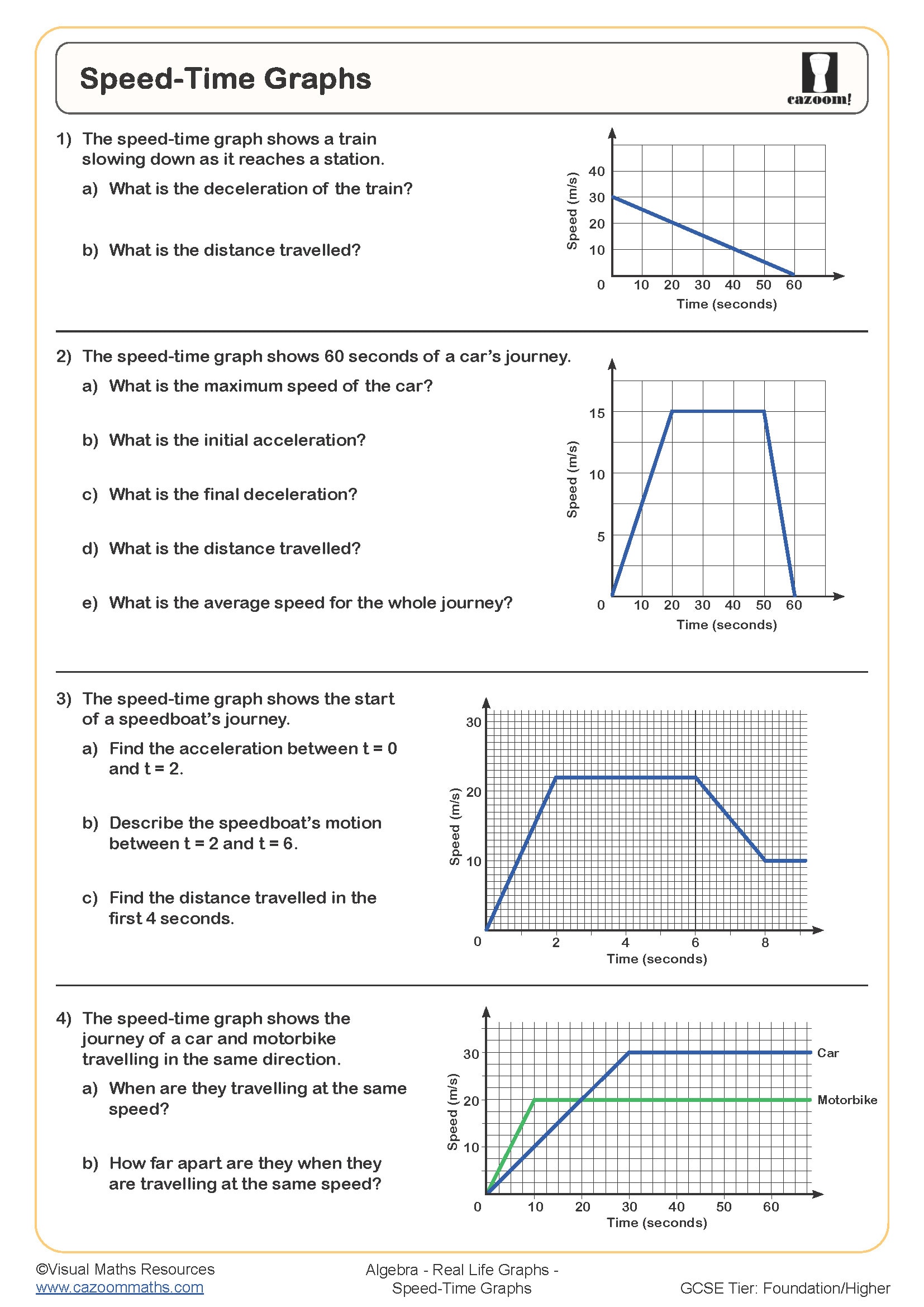
Substituting into Expressions (C)
Year groups: 9, 10, 11
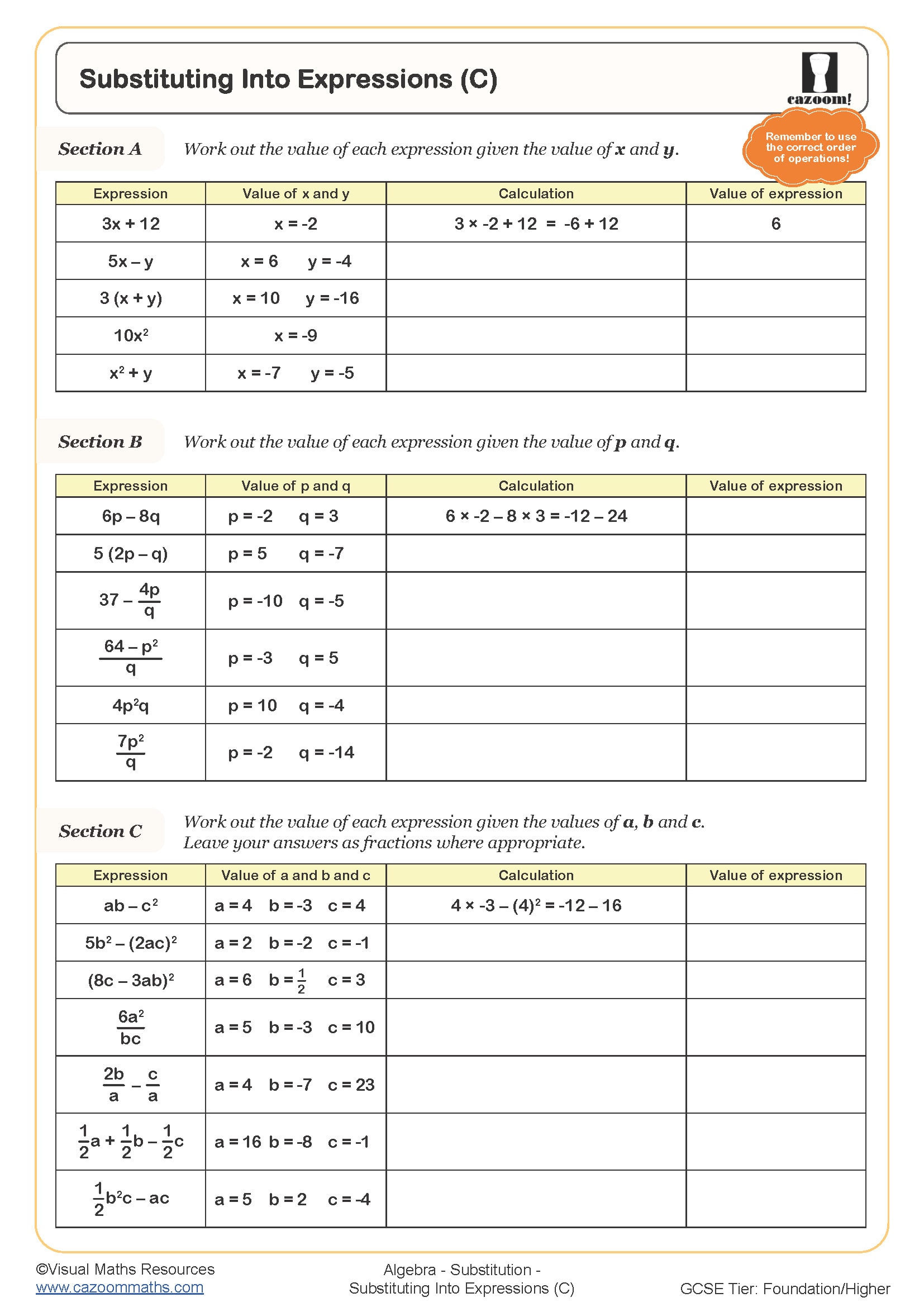
Substituting into Formulae (B)
Year groups: 9, 10, 11
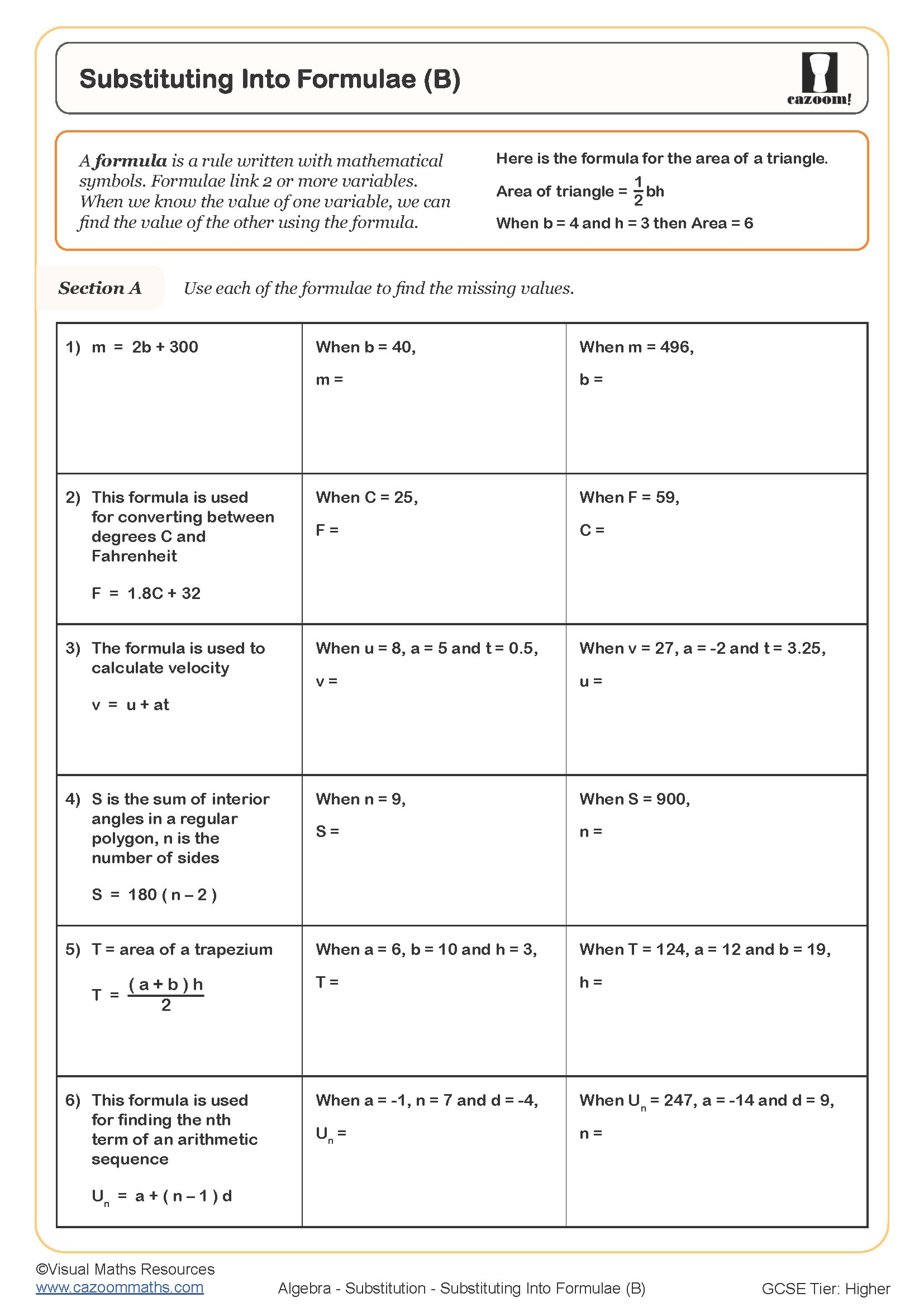
Add and Subtract Algebraic Fractions (B)
Year groups: 10, 11
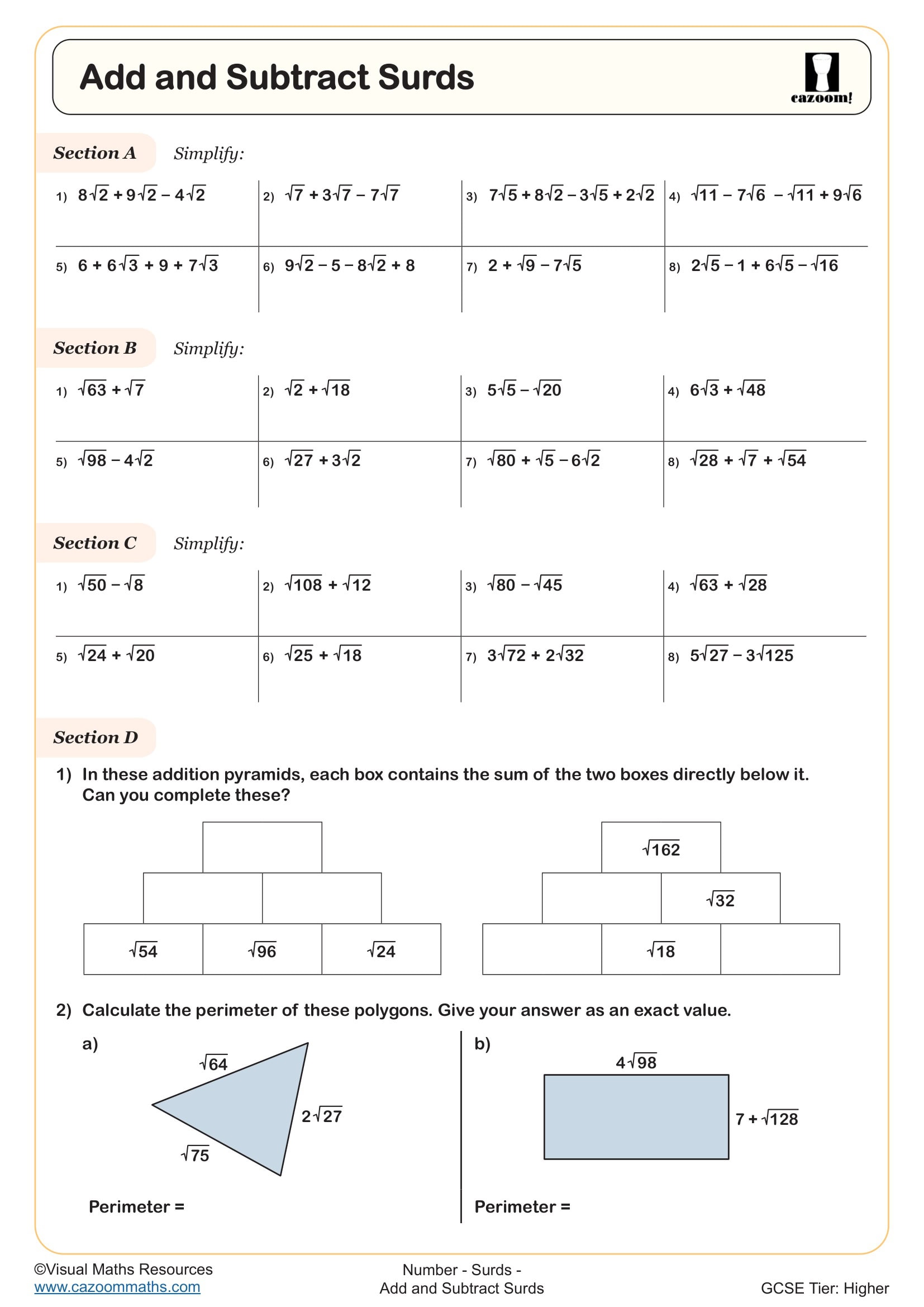
Add and Subtract Surds
Year groups: 10, 11
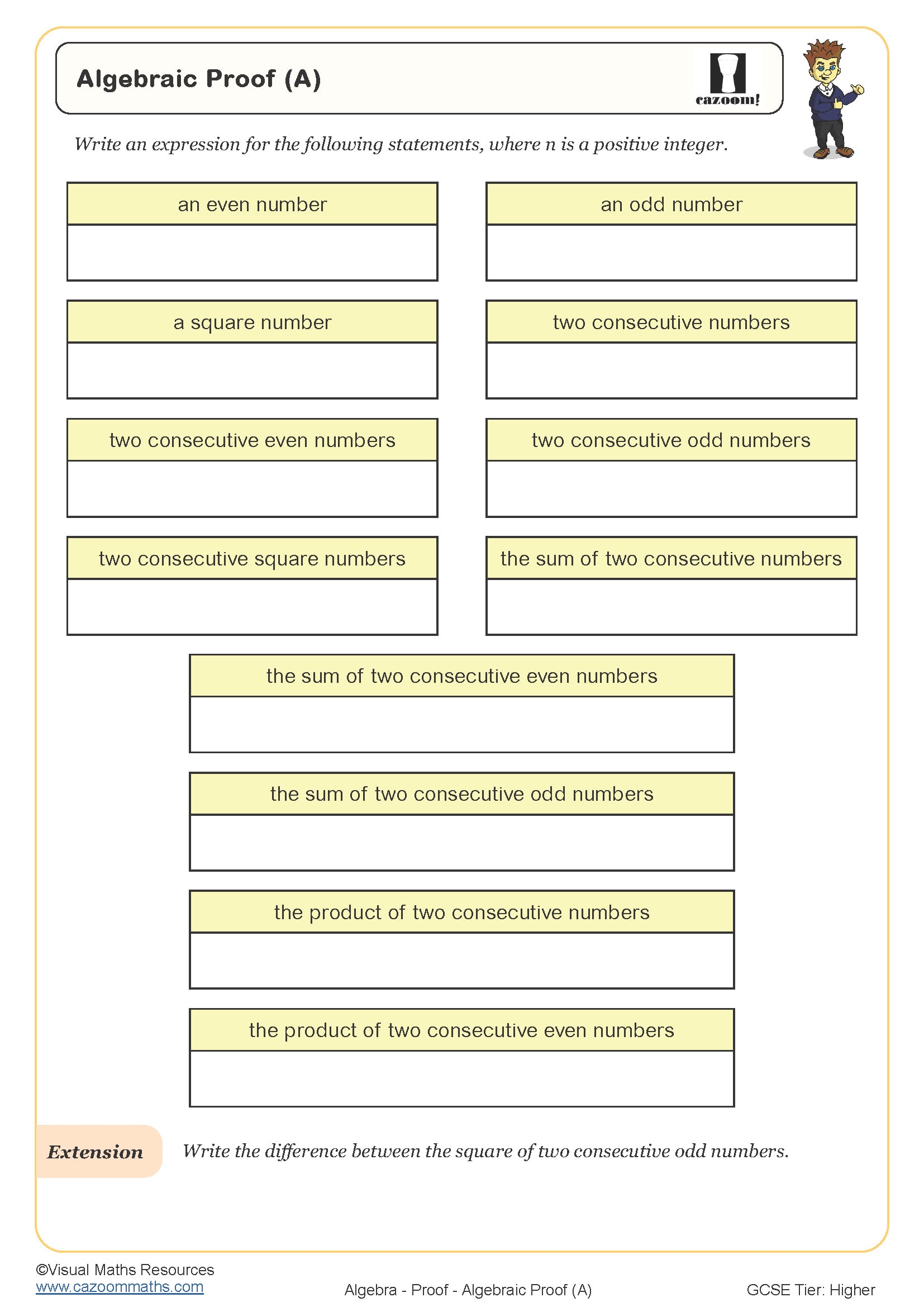
Algebraic Proof (A)
Year groups: 10, 11
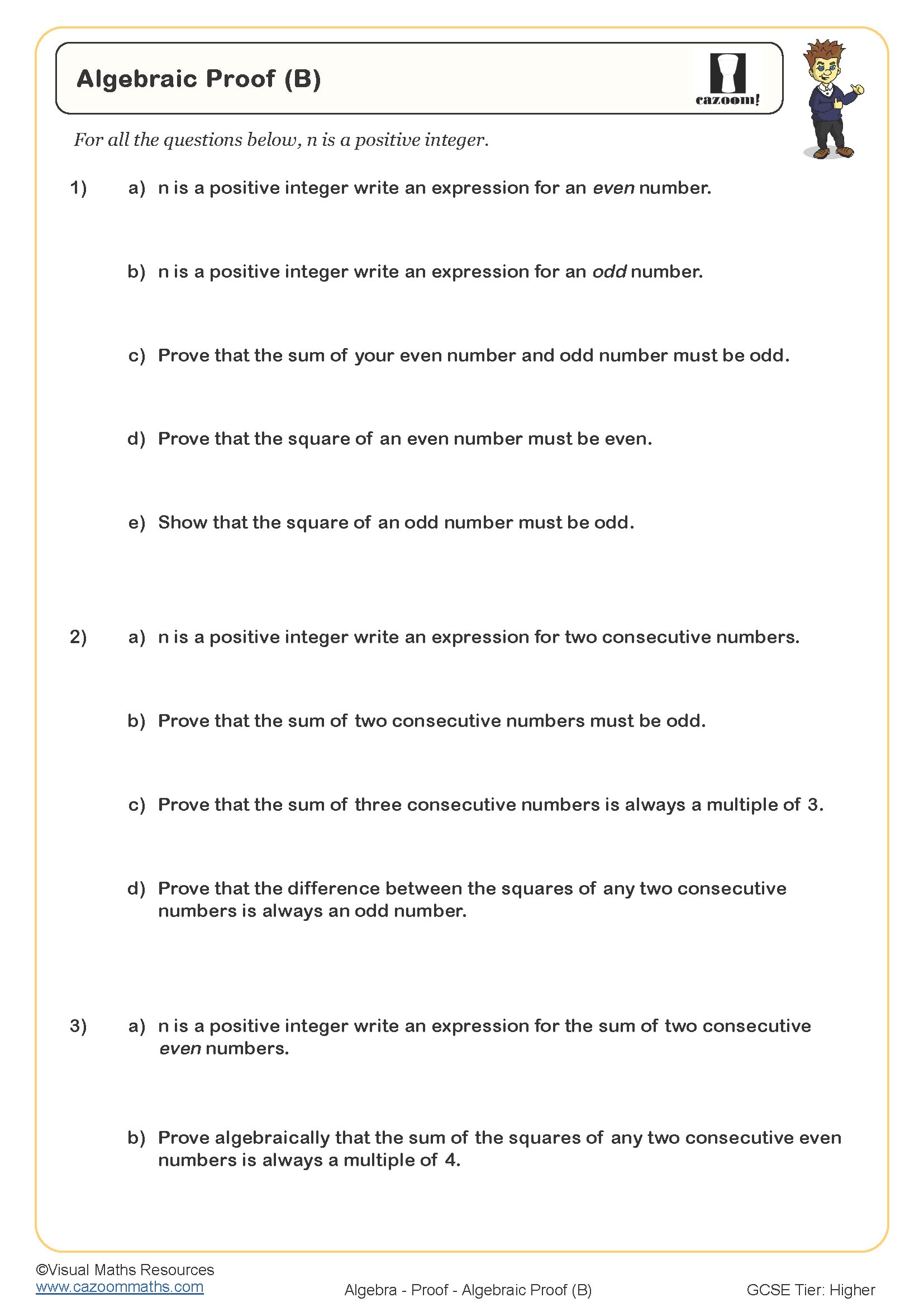
Algebraic Proof (B)
Year groups: 10, 11
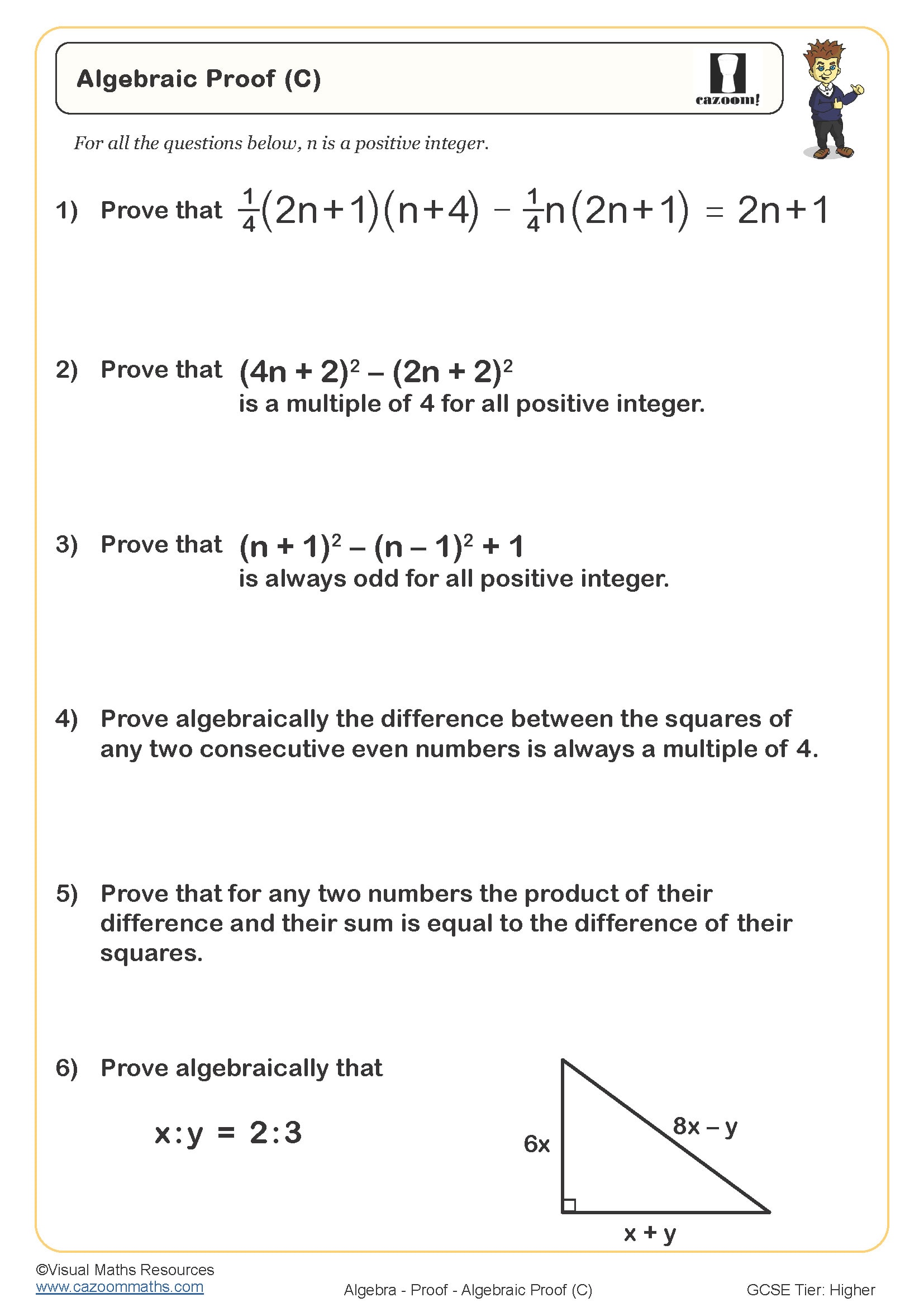
Algebraic Proof (C)
Year groups: 10, 11
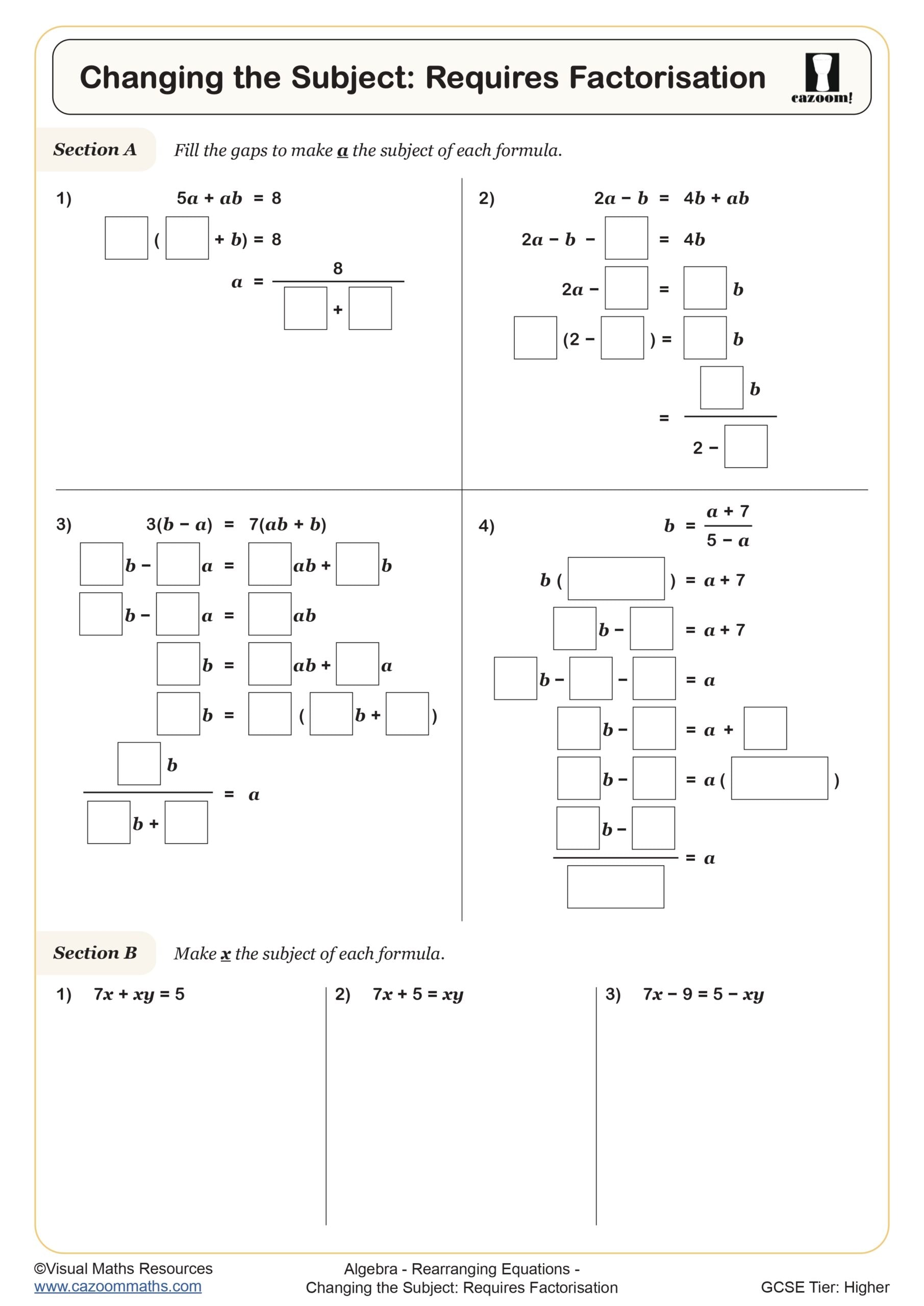
Changing the Subject: Requires Factorisation
Year groups: 10, 11
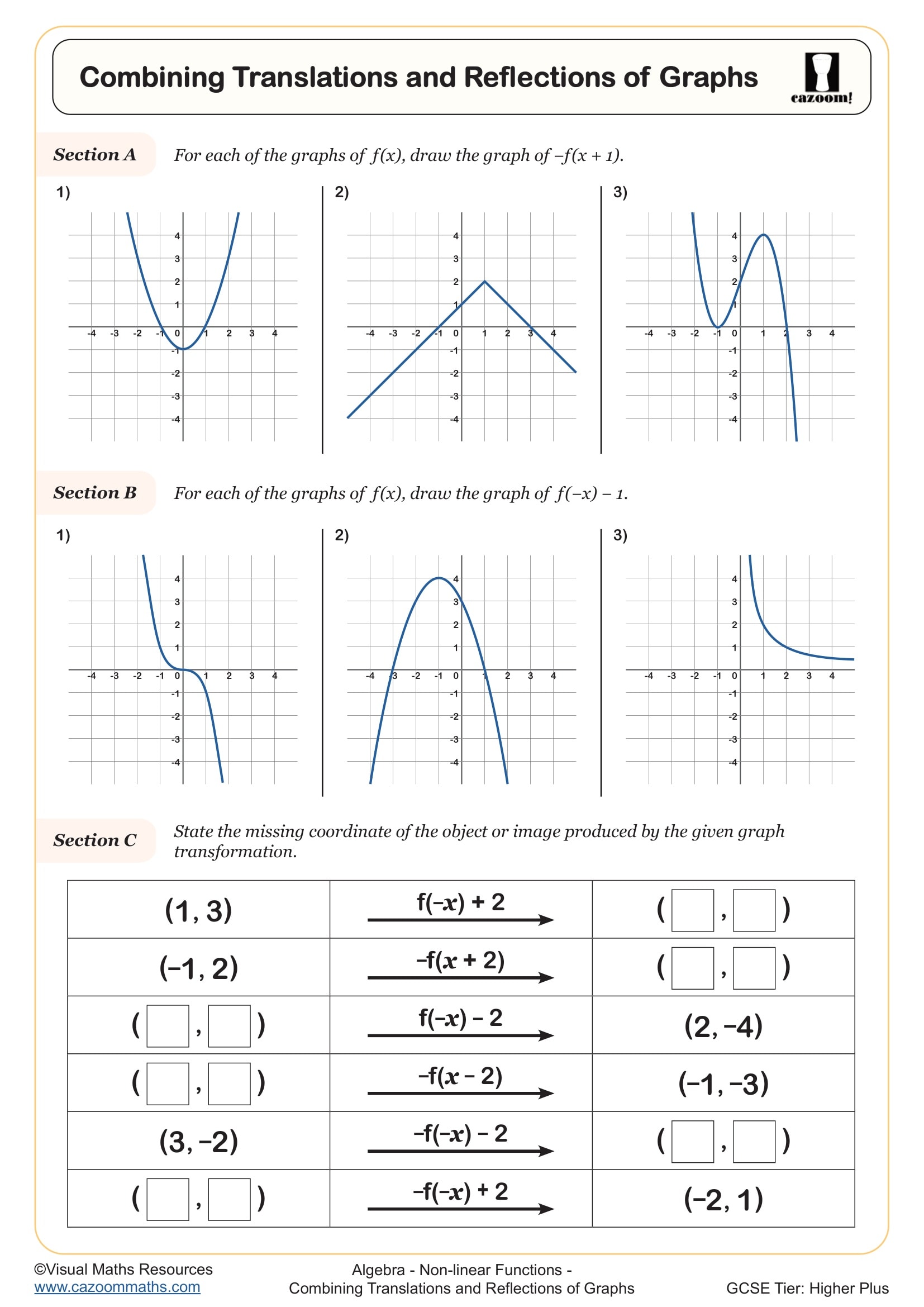
Combining Translations and Reflections of Graphs
Year groups: 10, 11
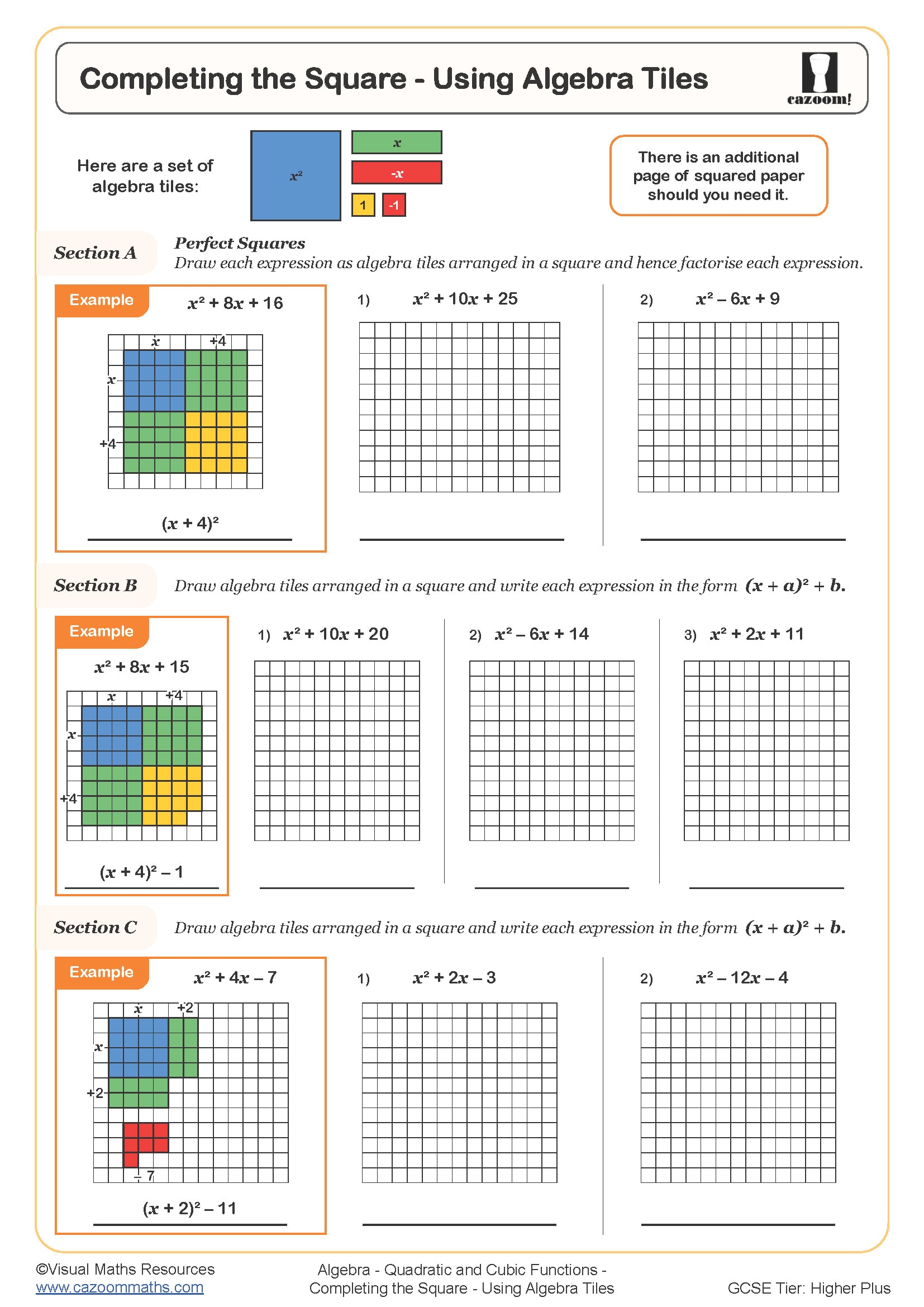
Completing the Square - Using Algebra Tiles
Year groups: 10, 11
Completing the Square (A)
Year groups: 10, 11
-Worksheet.jpg?w=3840)
Completing the Square (B)
Year groups: 10, 11
-Worksheet.jpg?w=3840)
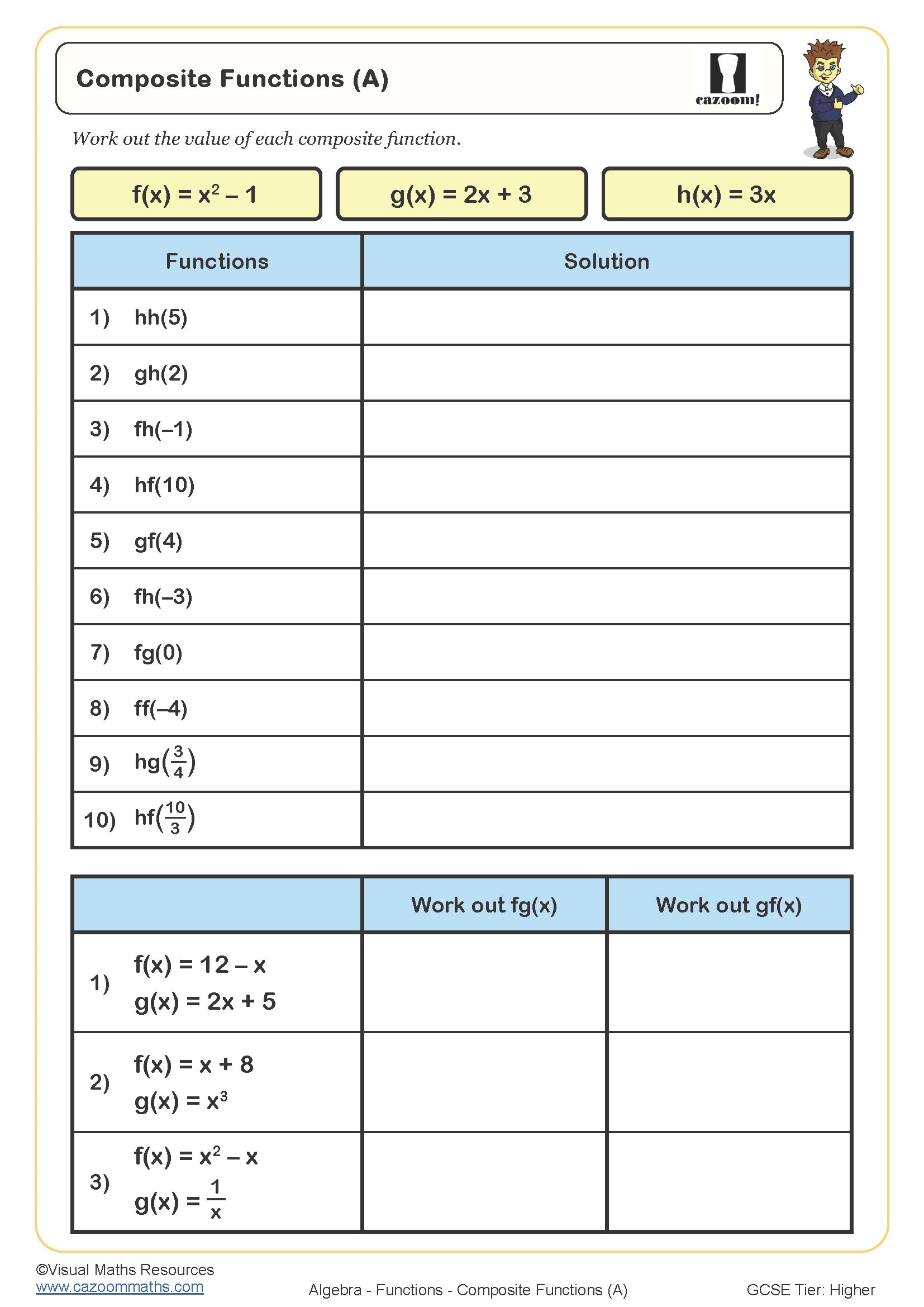
Composite Functions (A)
Year groups: 10, 11
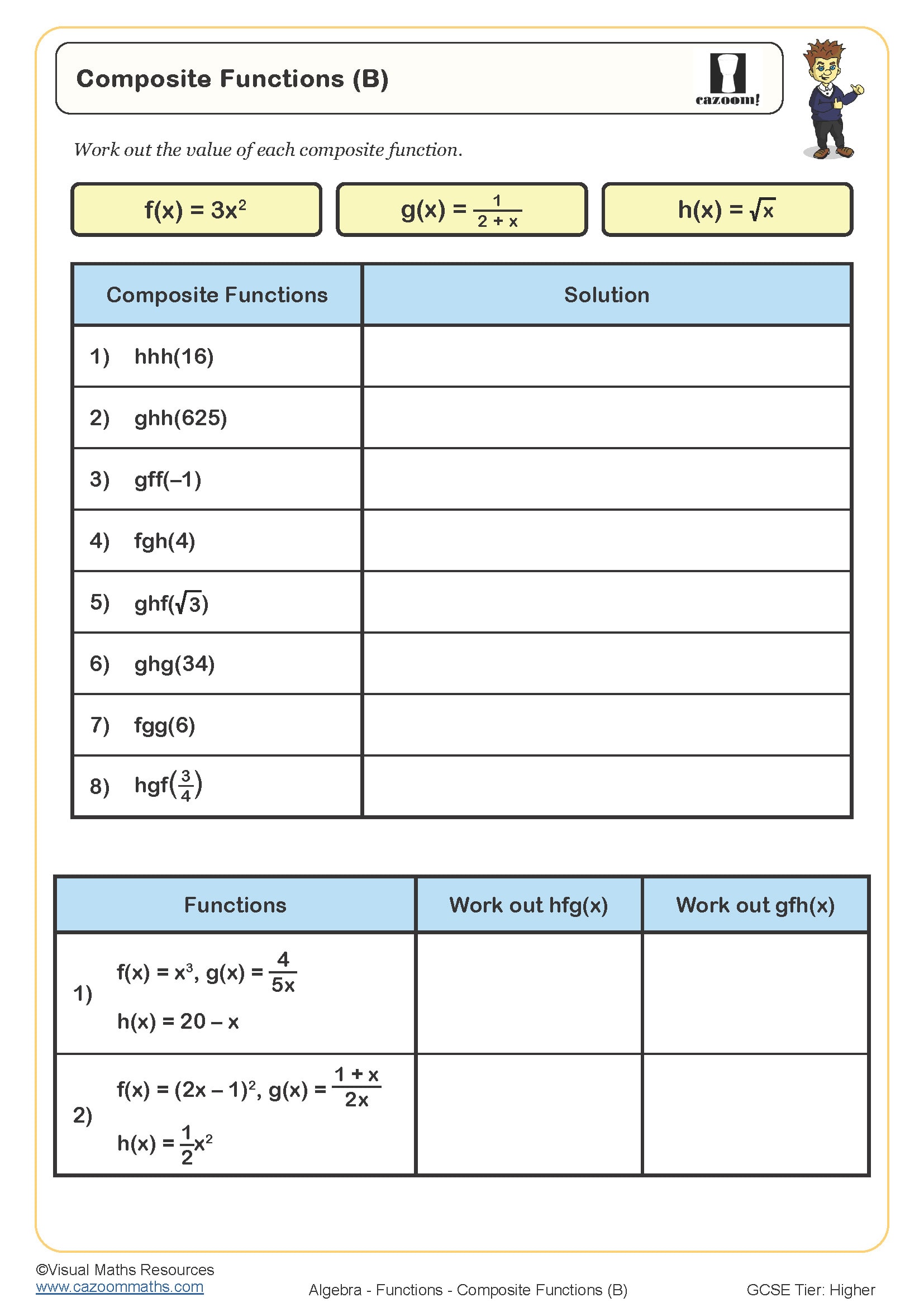
Composite Functions (B)
Year groups: 10, 11
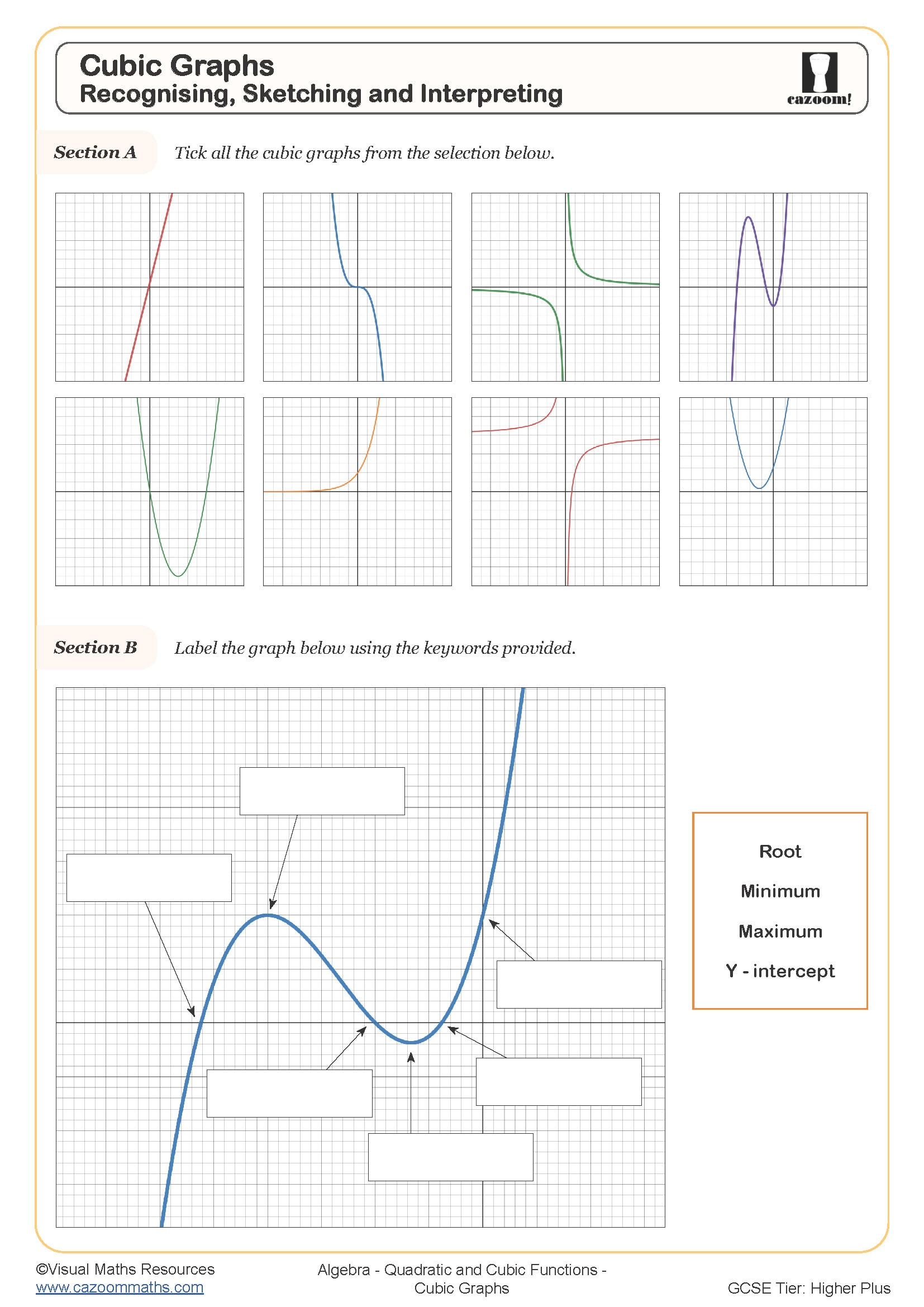
Cubic Graphs - Recognising, Sketching and Interpreting
Year groups: 10, 11
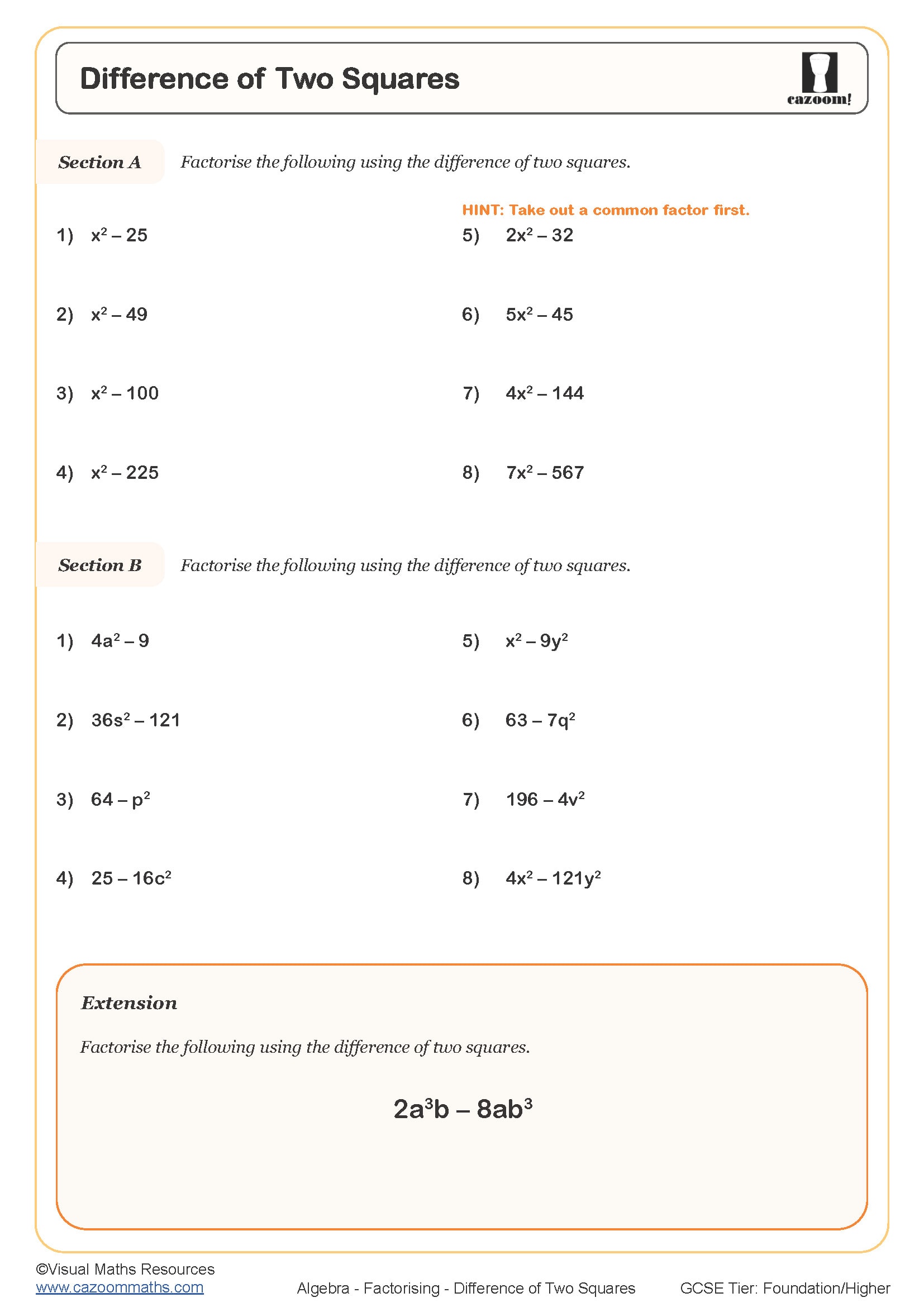
Difference of Two Squares
Year groups: 10, 11
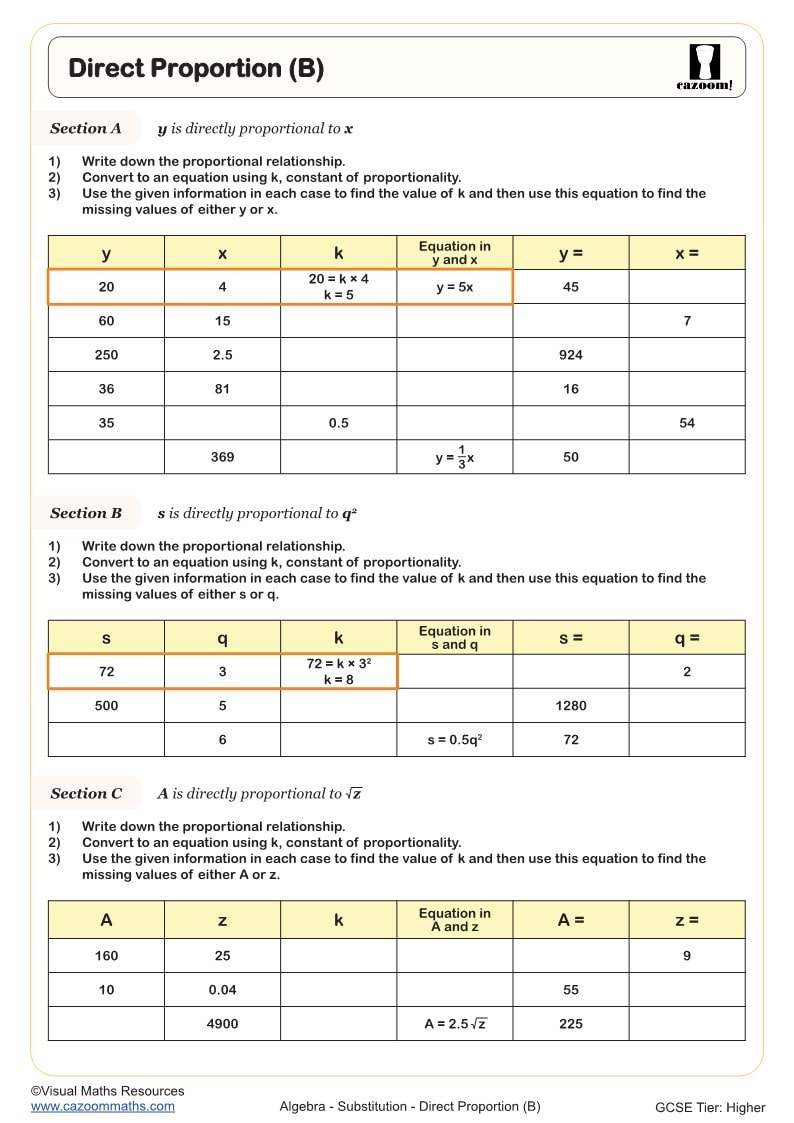
Direct Proportion B
Year groups: 10, 11
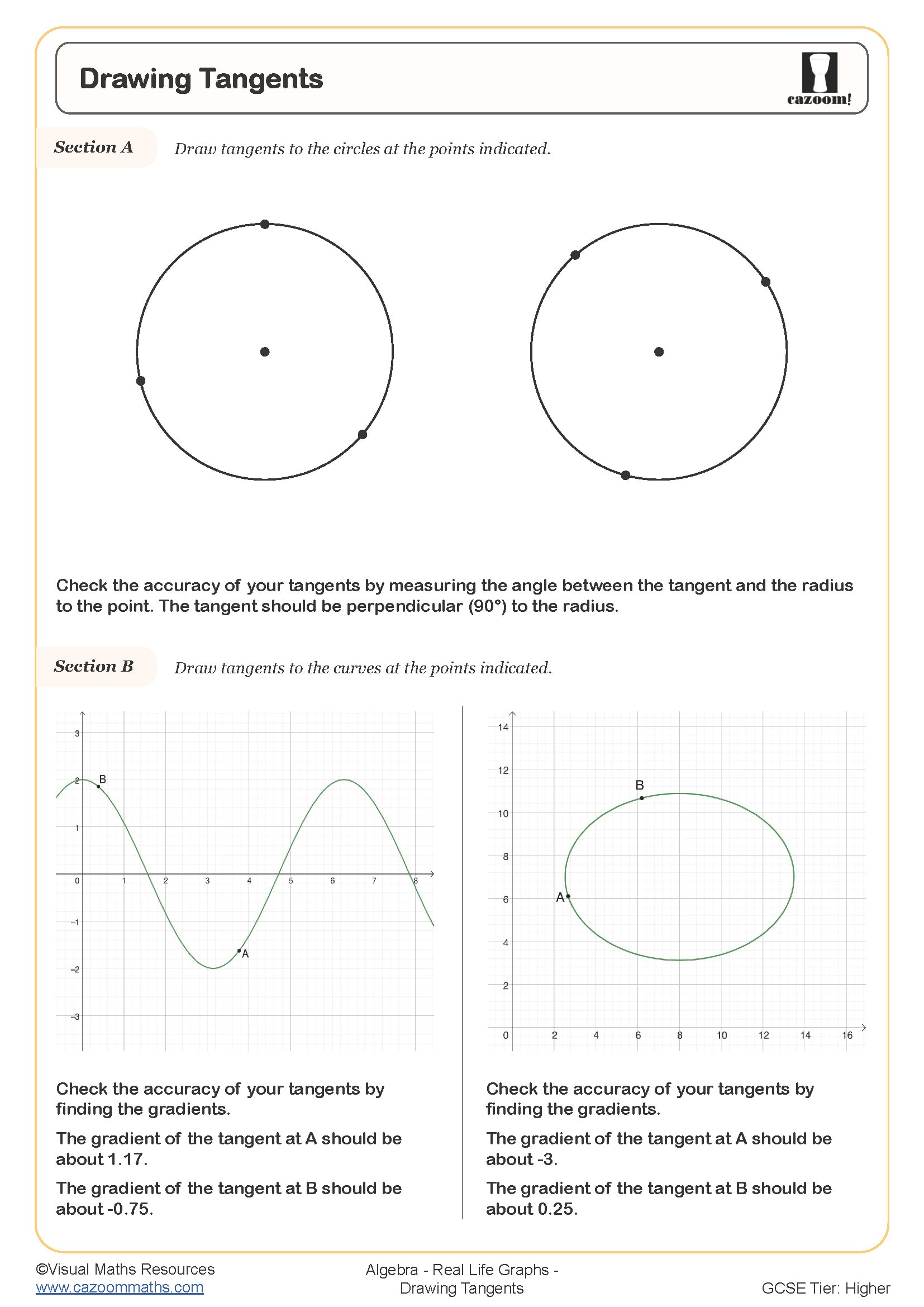
Drawing tangents
Year groups: 10, 11
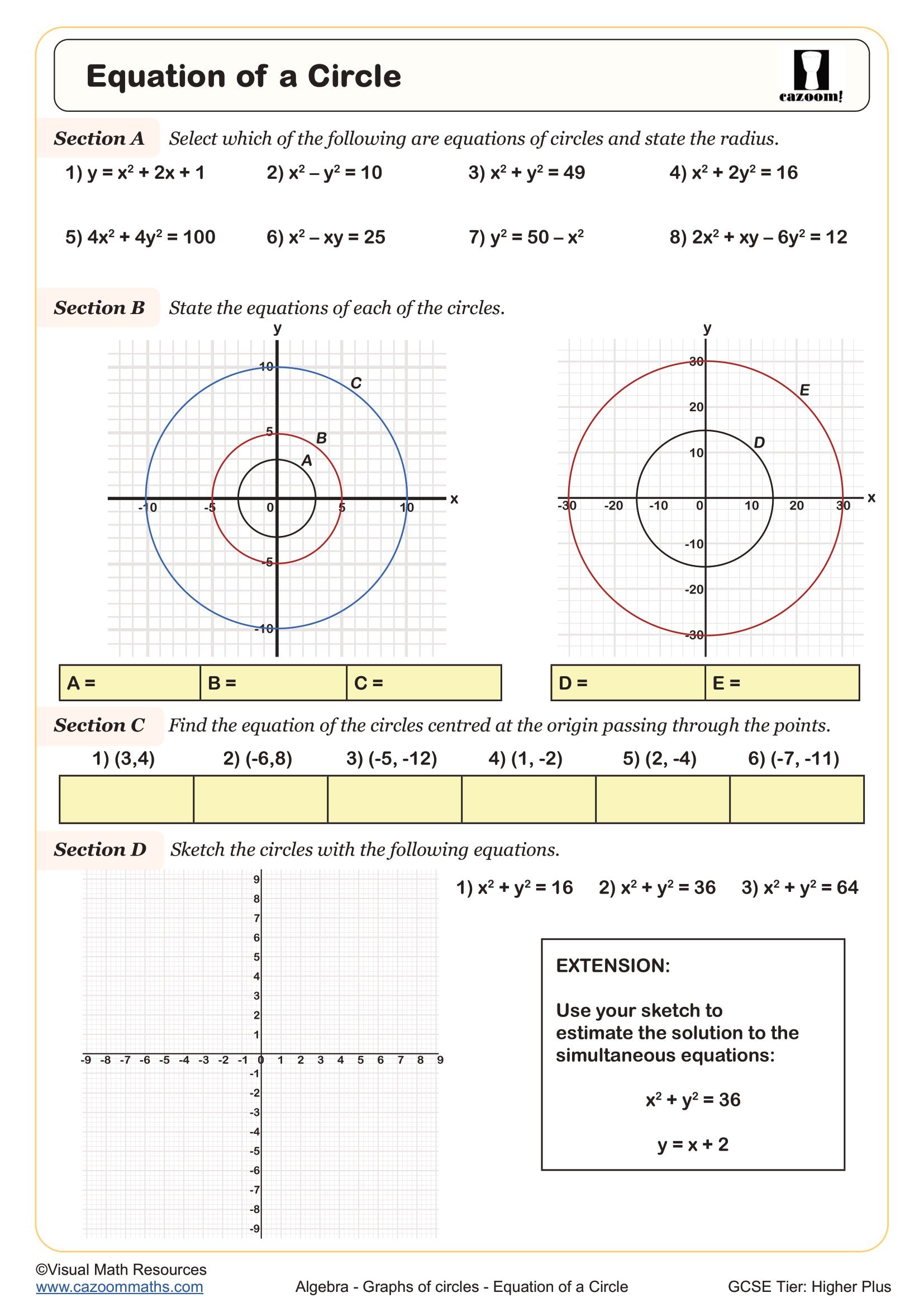
Equation of a circle
Year groups: 10, 11
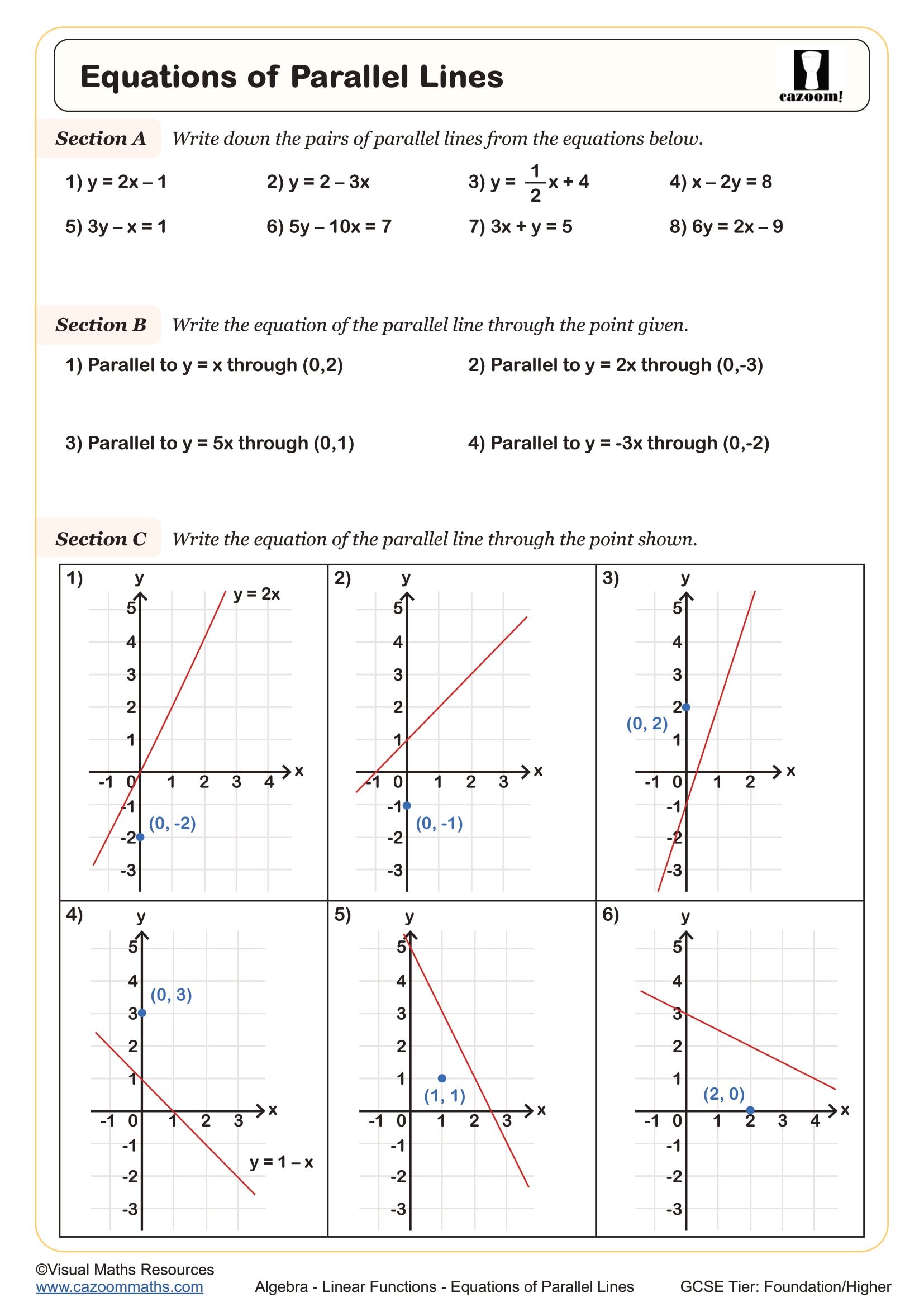
Equations of Parallel Lines
Year groups: 10, 11
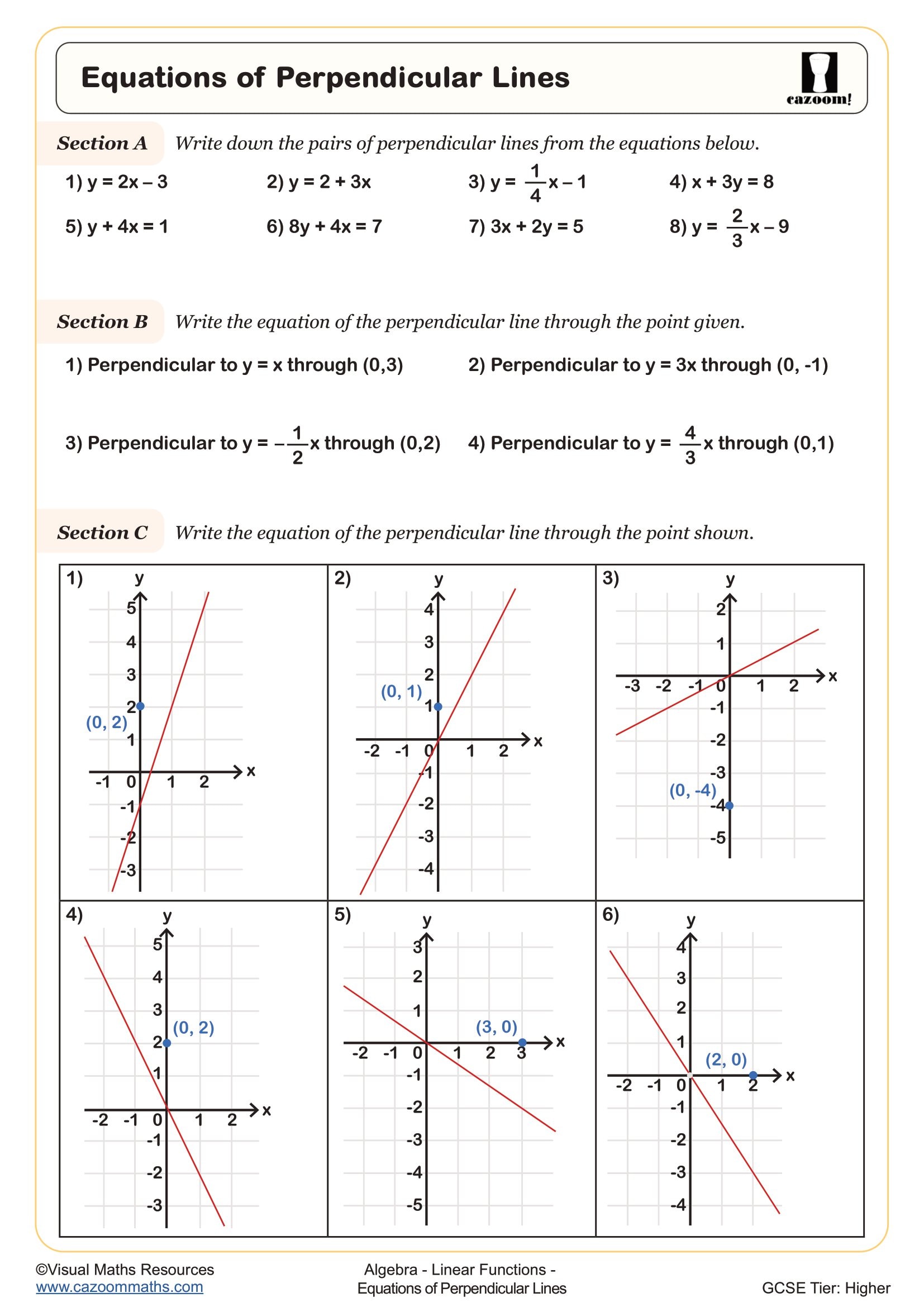
Equations of Perpendicular Lines
Year groups: 10, 11
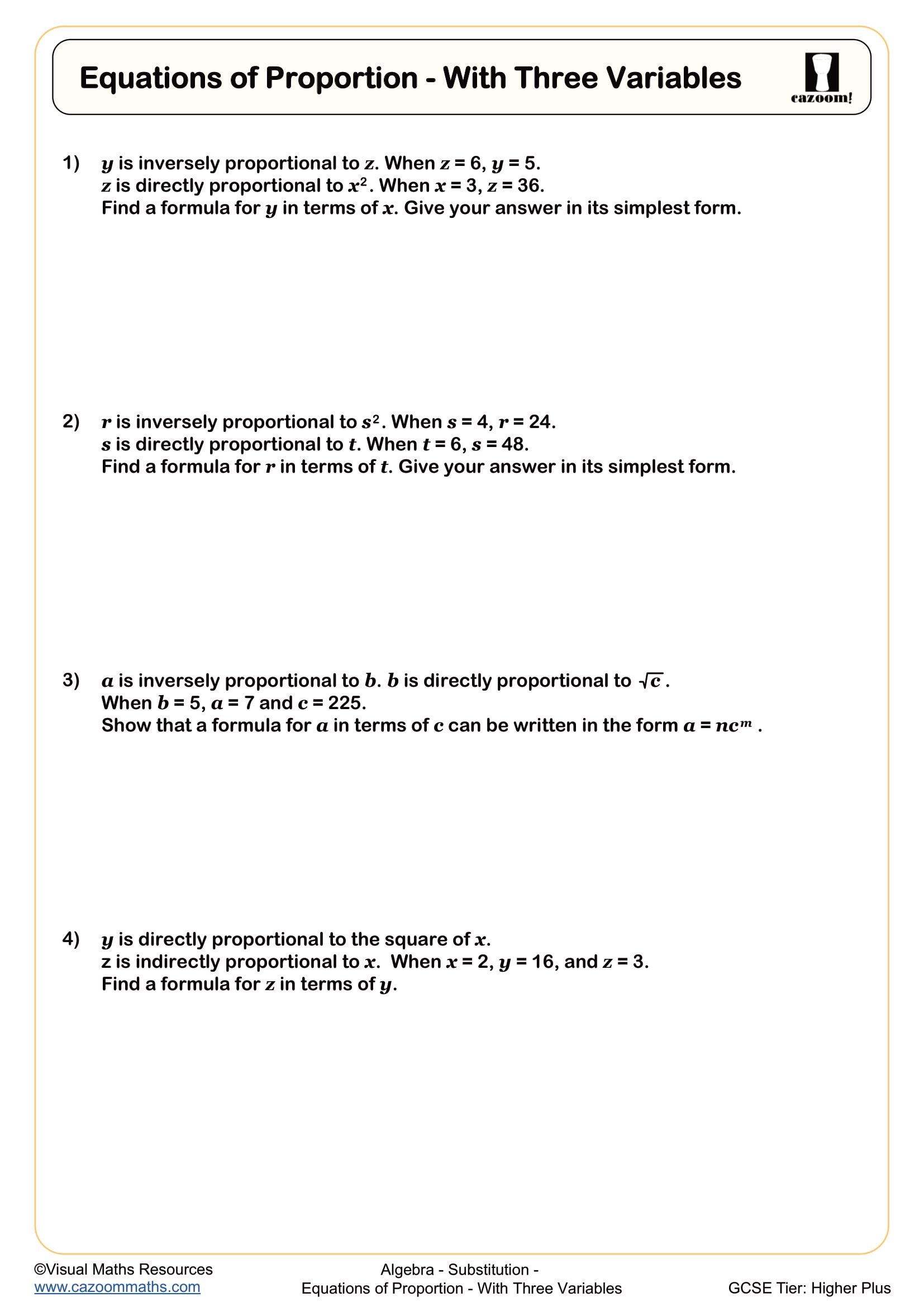
Equations of Proportion - with Three Variables
Year groups: 10, 11
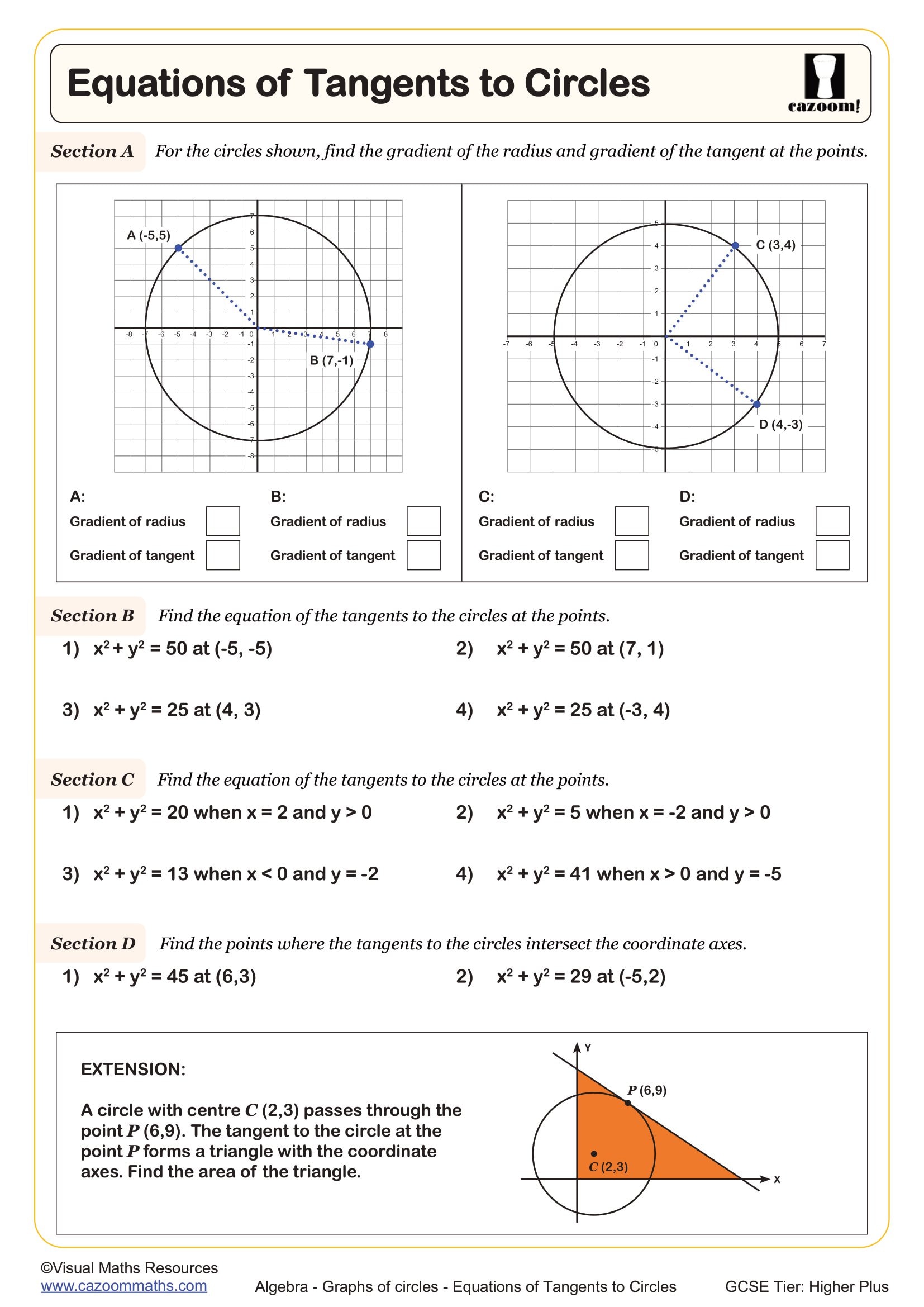
Equations of Tangents to Circles
Year groups: 10, 11
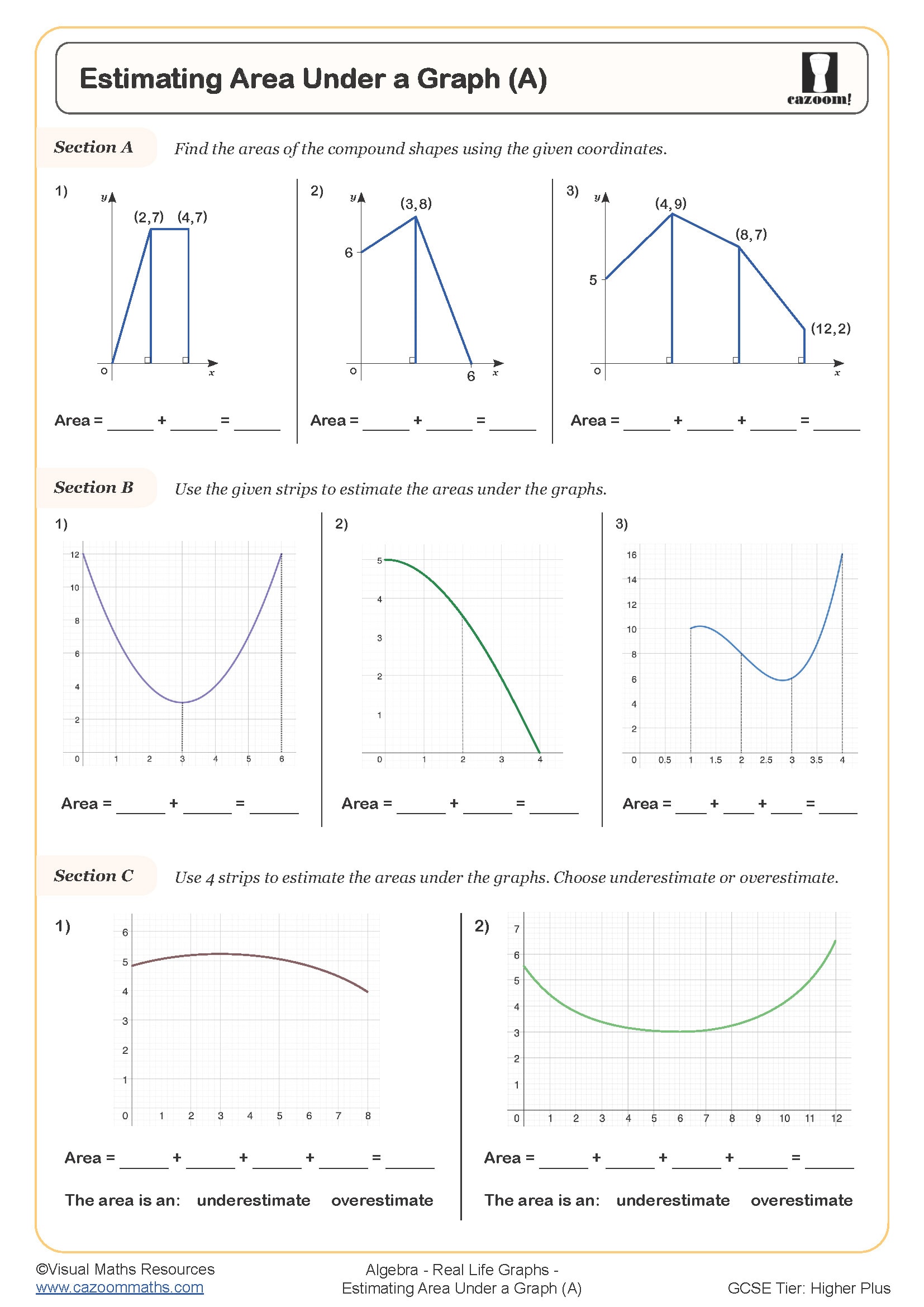
Estimating Area Under a Graph (A)
Year groups: 10, 11
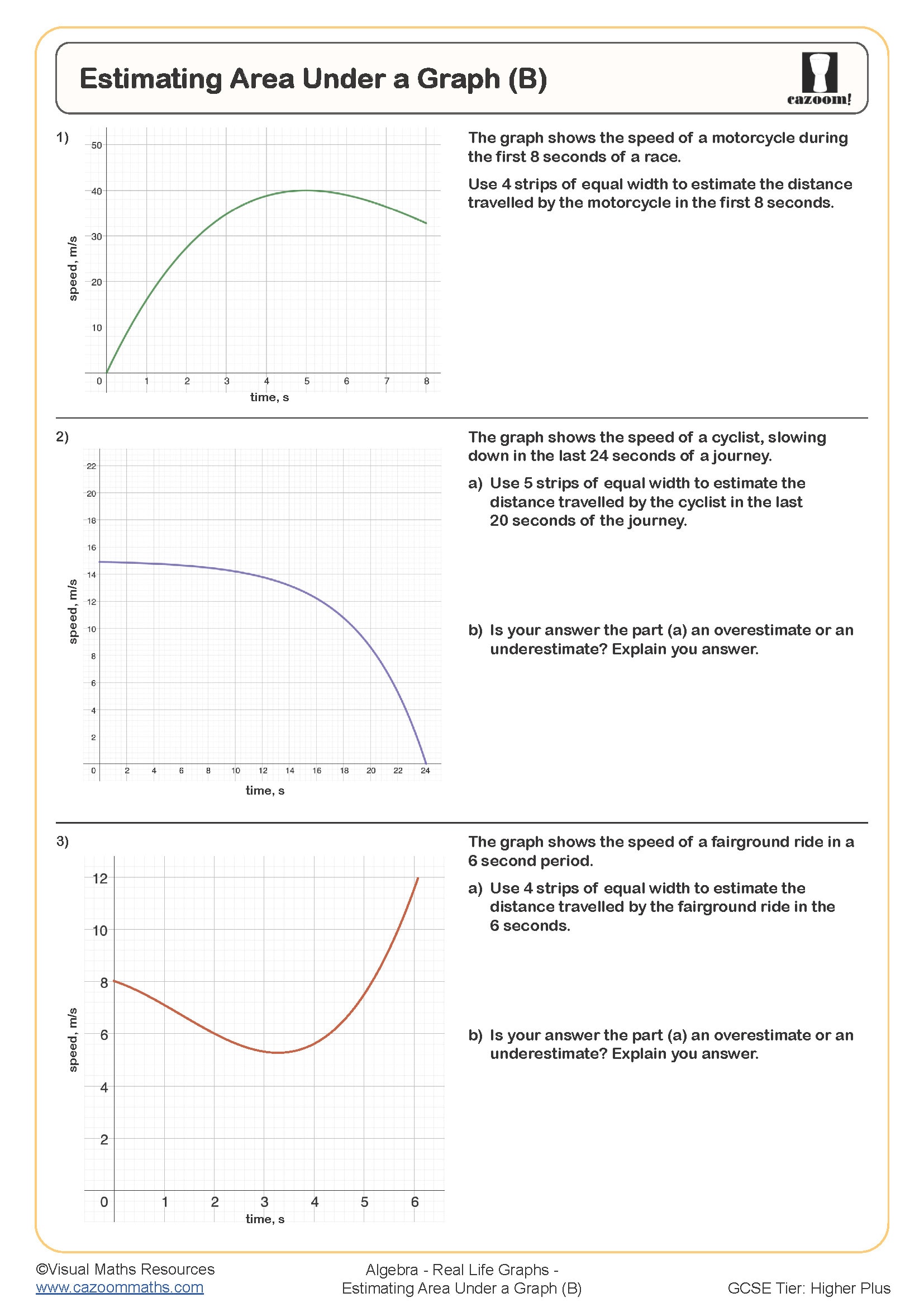
Estimating Area Under a Graph (B)
Year groups: 10, 11
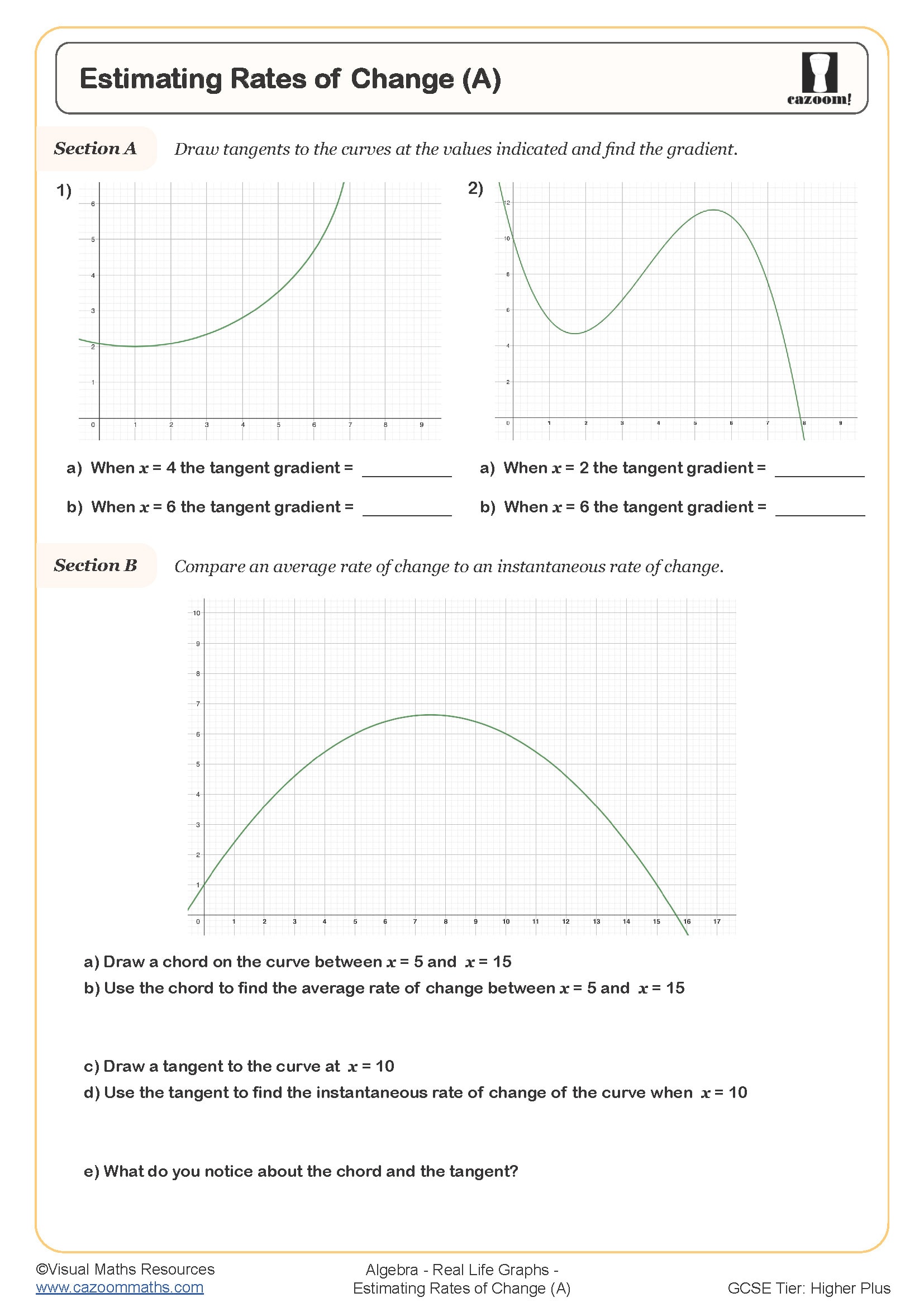
Estimating Rates of Change (A)
Year groups: 10, 11
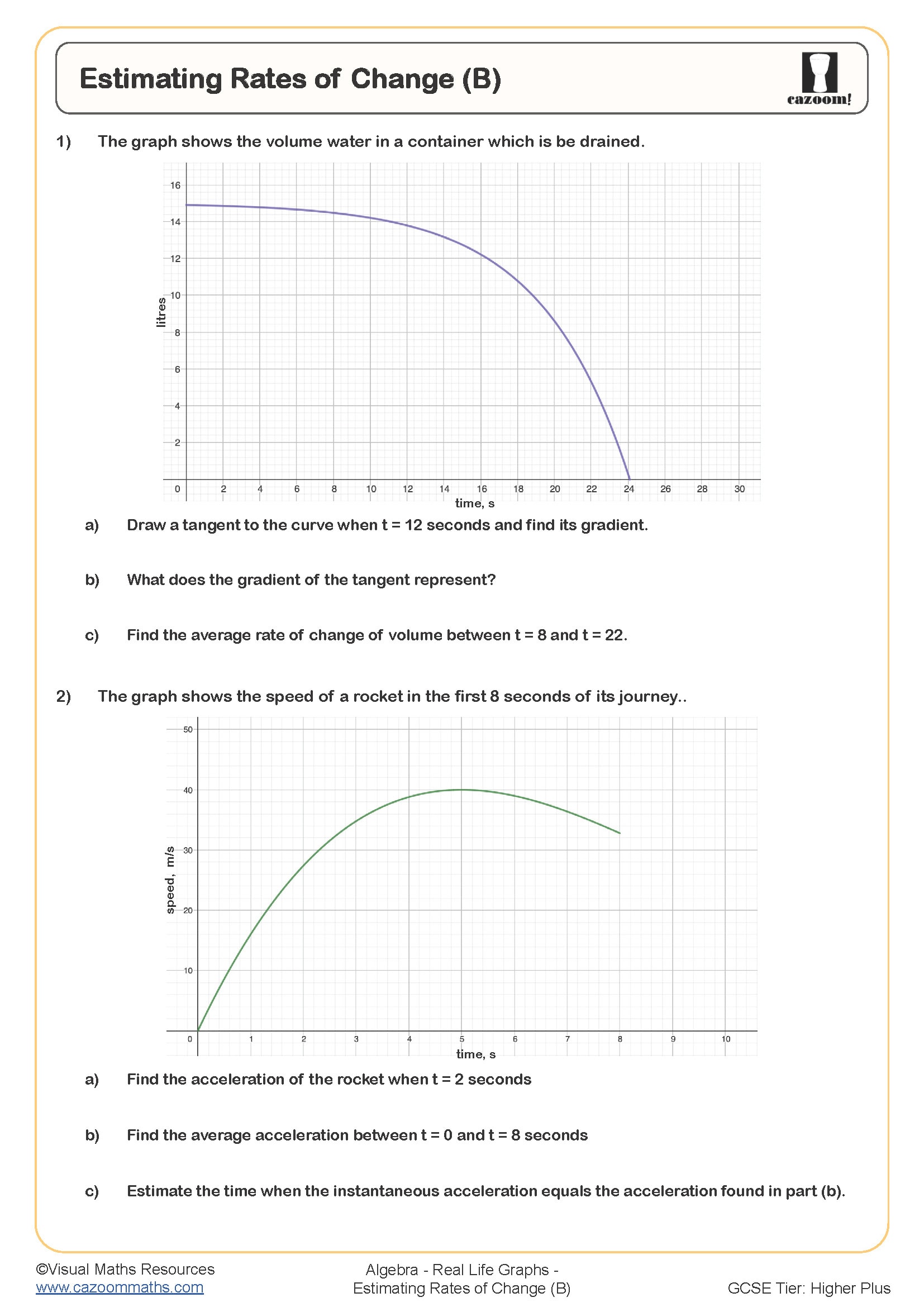
Estimating Rates of Change (B)
Year groups: 10, 11
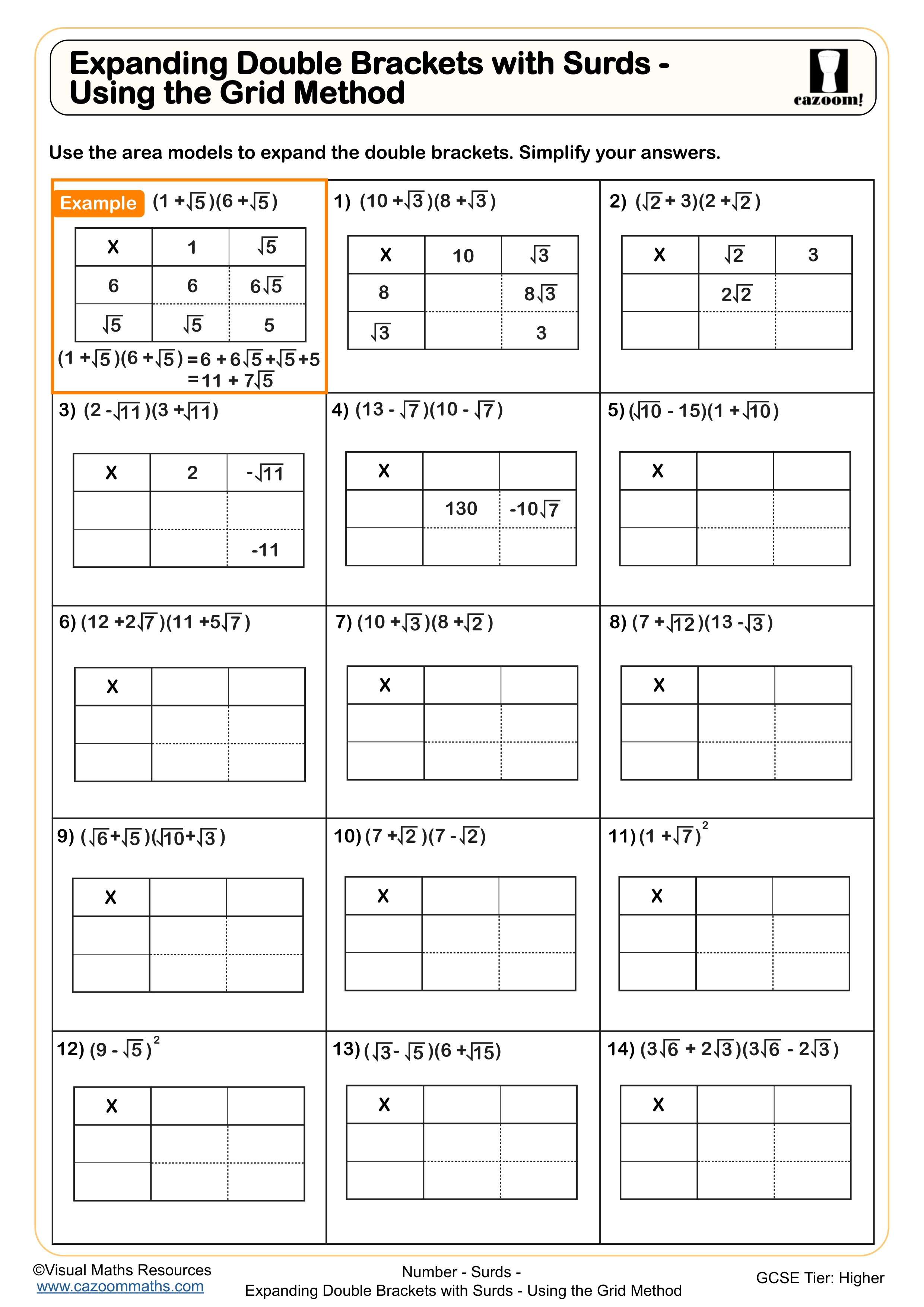
Expanding Double Brackets with Surds - Using the Grid Method
Year groups: 10, 11
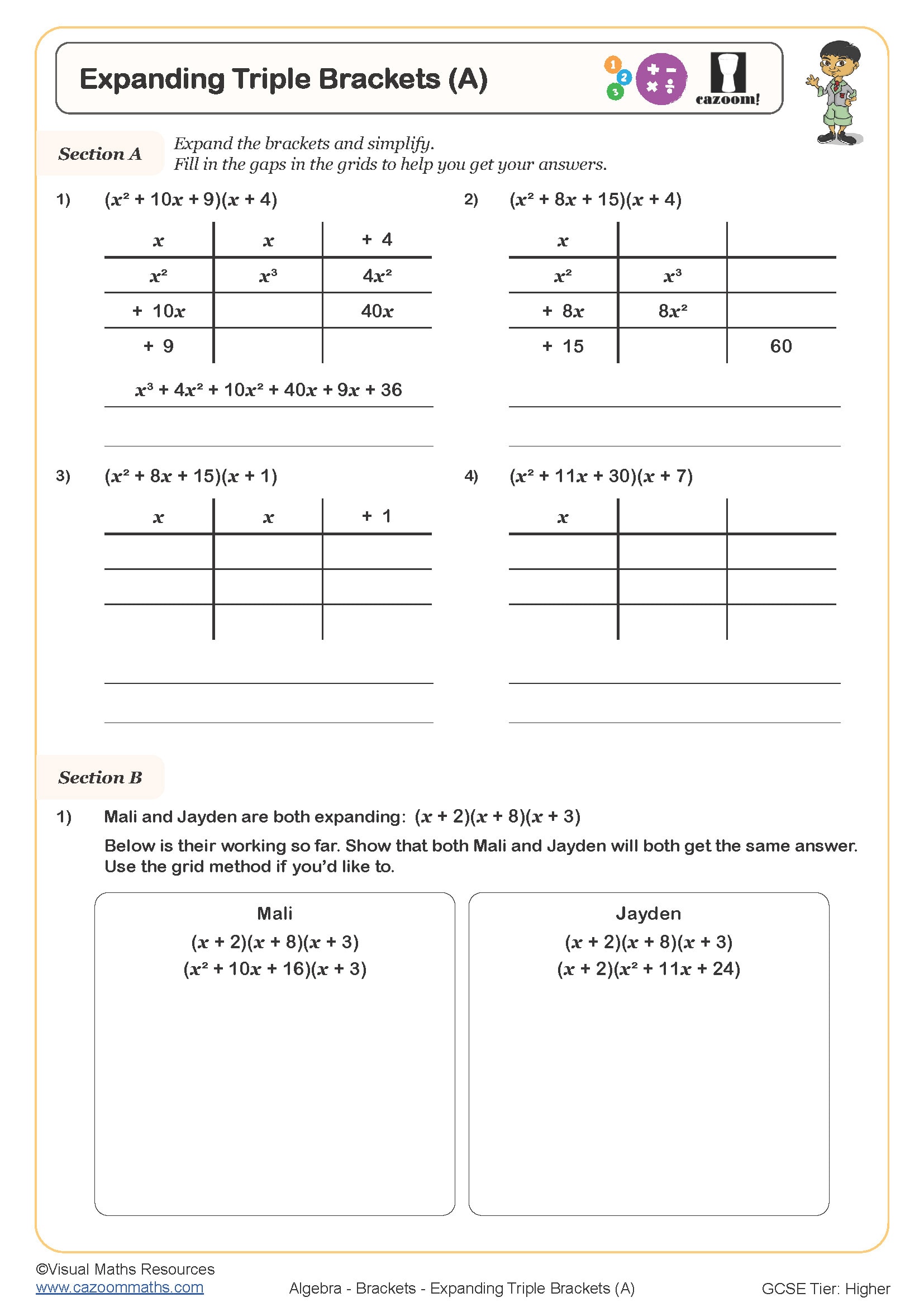
Expanding Triple Brackets (A)
Year groups: 10, 11
Expanding Triple Brackets (B)
Year groups: 10, 11
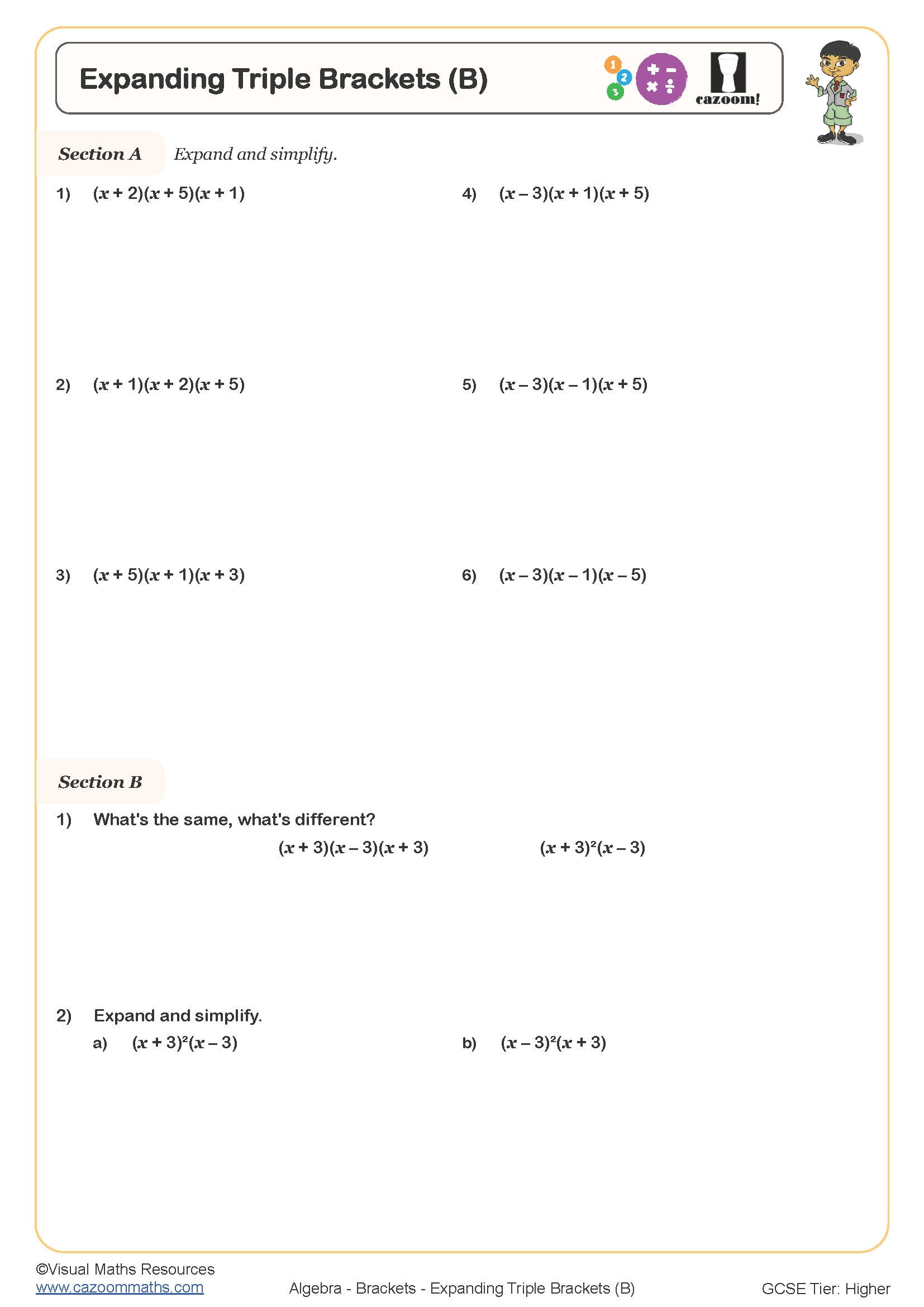
Exponential Graphs and Equations
Year groups: 10, 11
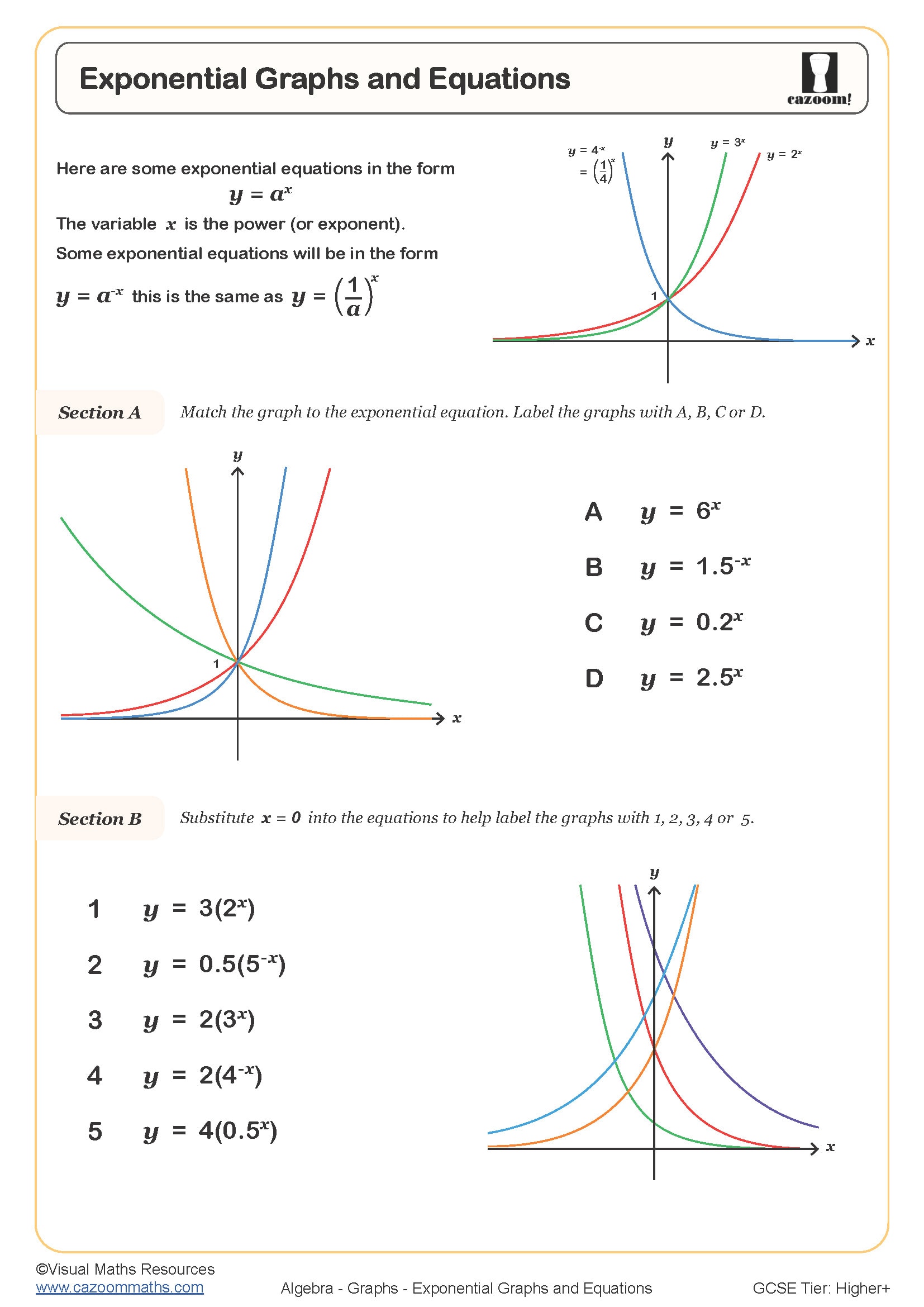
Expressions and Functions
Year groups: 10, 11
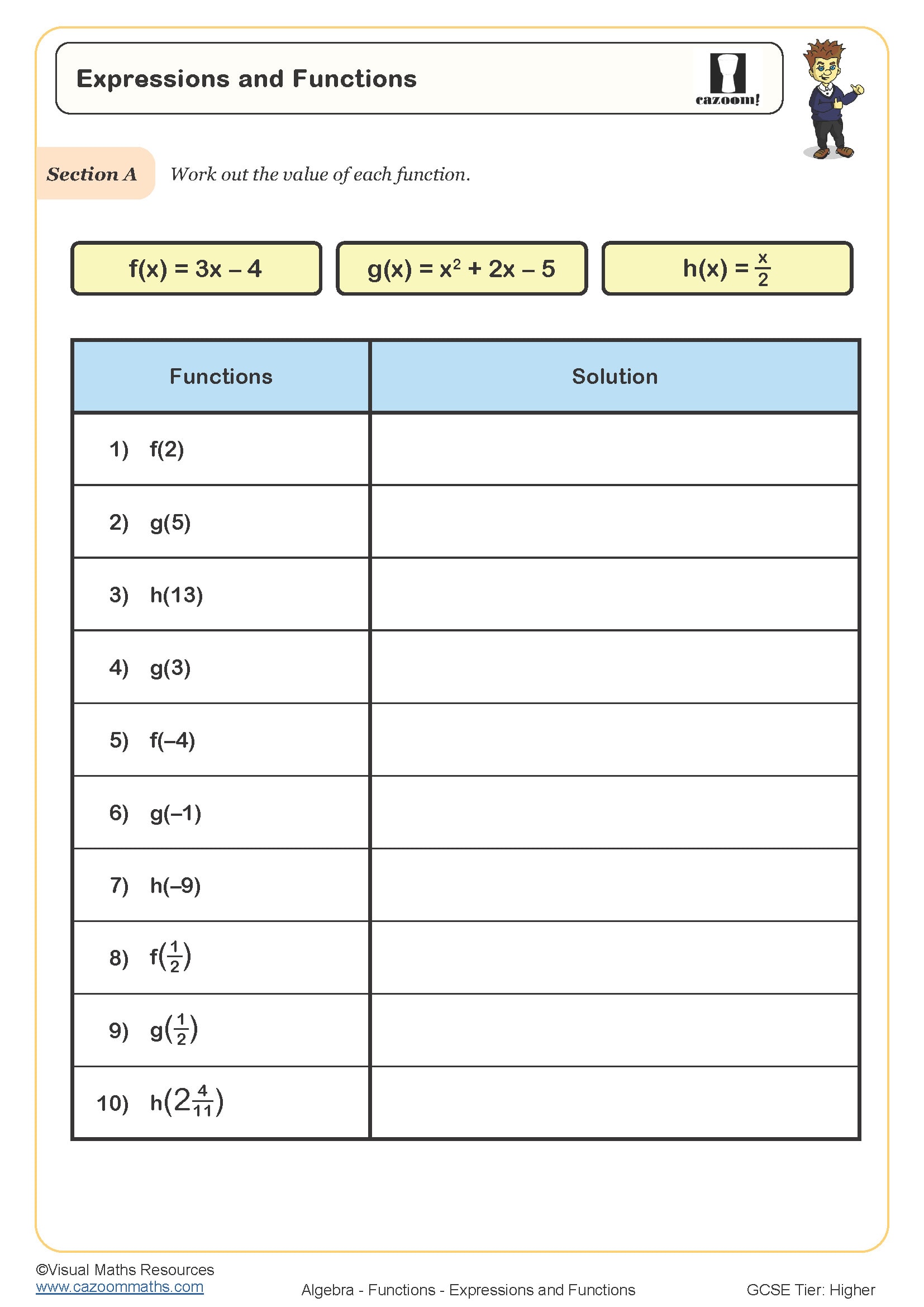
Factorising Quadratic Expressions - Splitting Down the Middle
Year groups: 10, 11
Factorising Quadratic Expressions - Using the Area Model (A)
Year groups: 10, 11
-Questions-1.jpg?w=3840)
Factorising Quadratic Expressions - Using the Area Model (B)
Year groups: 10, 11
-Worksheet.jpg?w=3840)
Factorising Quadratic Expressions (A)
Year groups: 10, 11
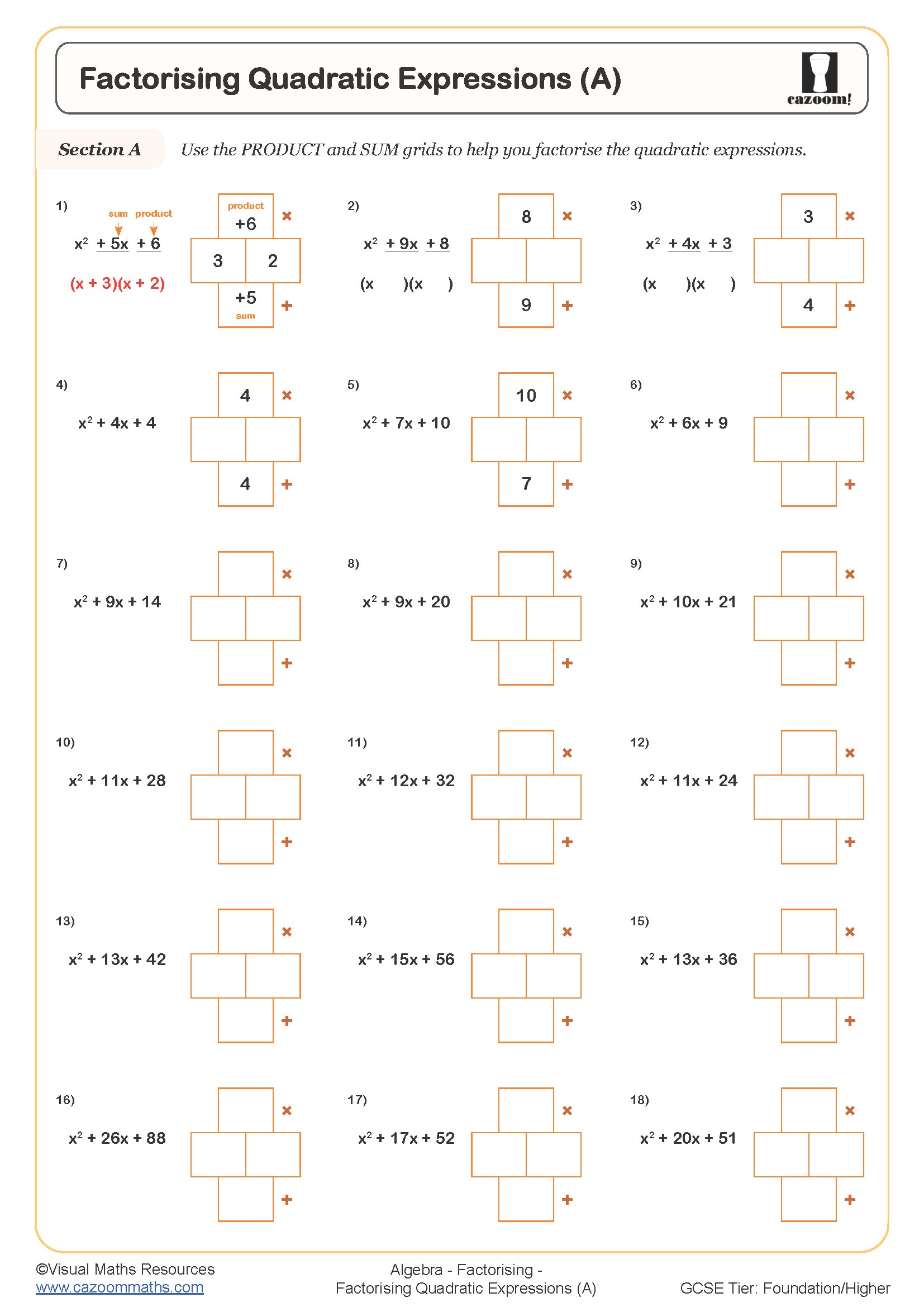
Factorising Quadratic Expressions (B)
Year groups: 10, 11
.jpg?w=3840)
Factorising Quadratic Expressions (C)
Year groups: 10, 11
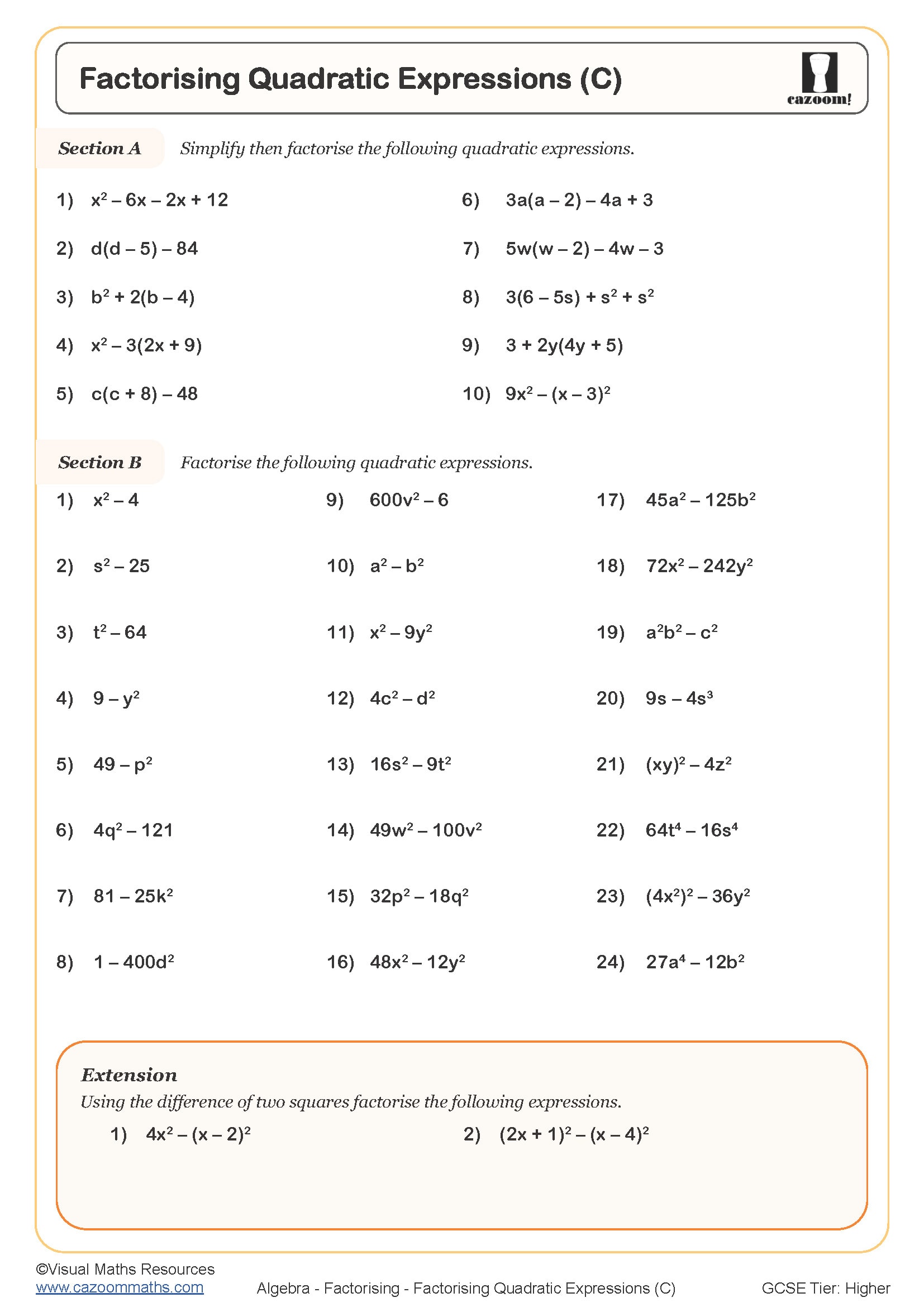
Fibonacci Sequences
Year groups: 10, 11
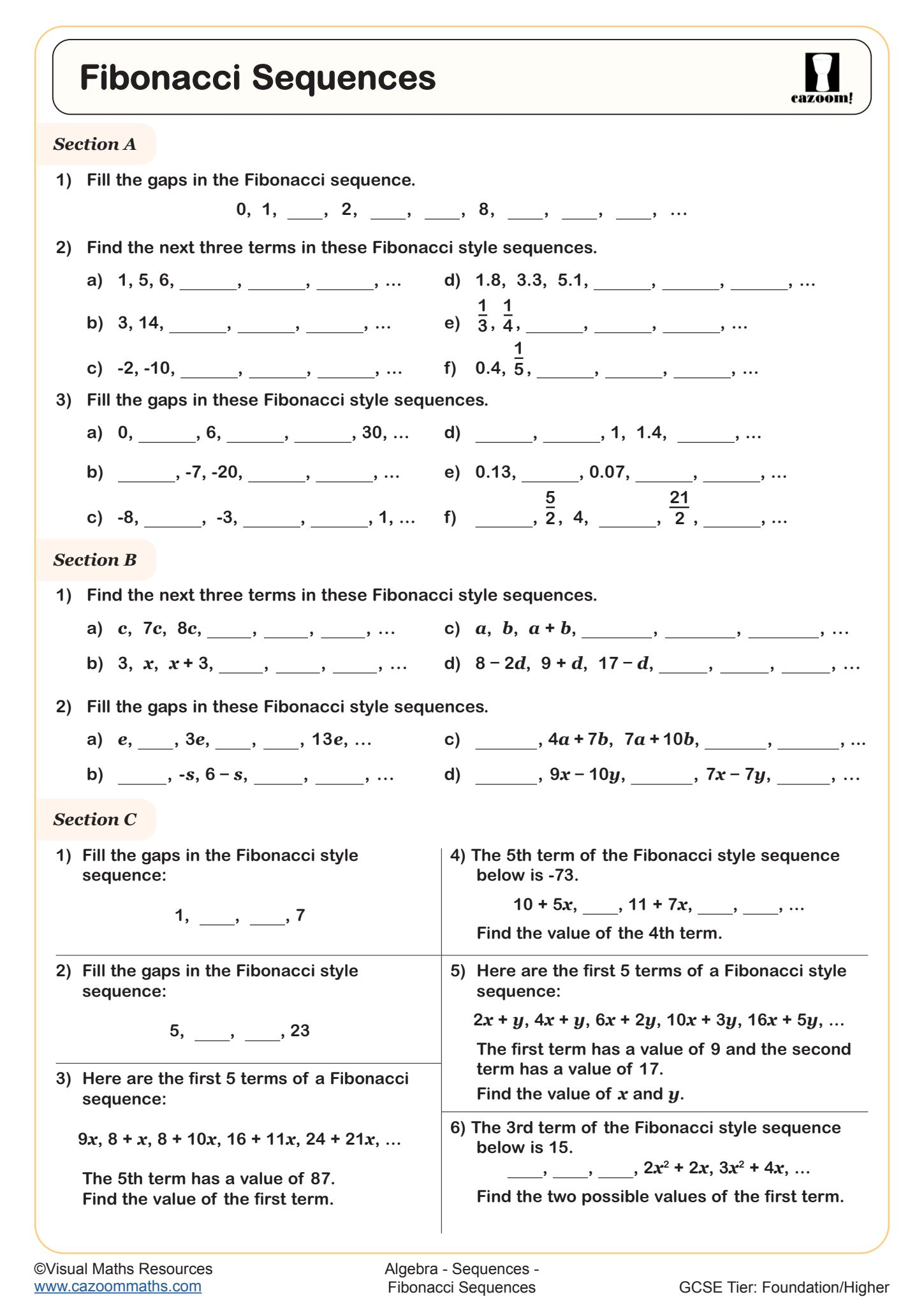
Finding Inverse Functions - Using Function Machines
Year groups: 10, 11
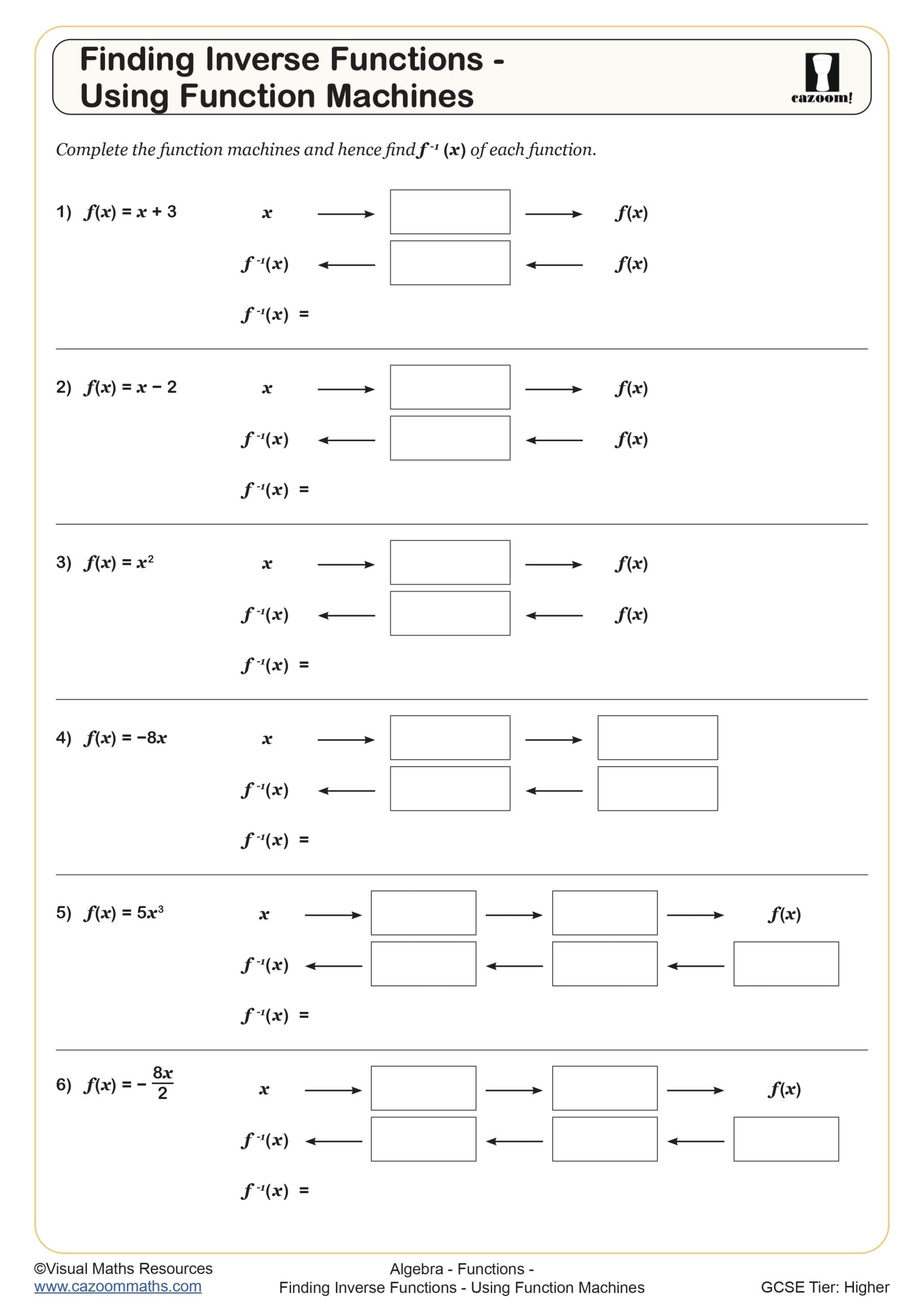
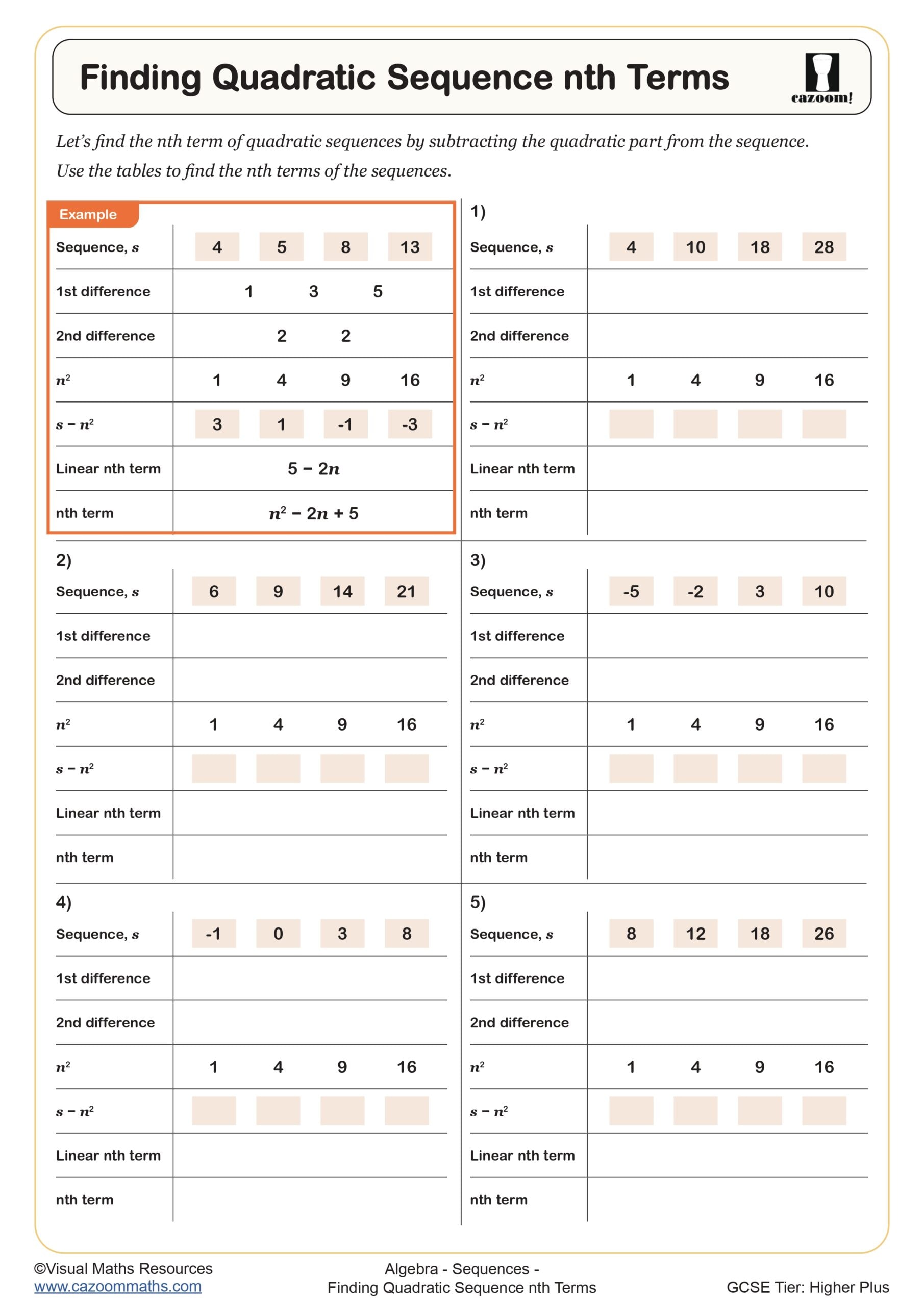
Finding Quadratic Sequence nth Terms
Year groups: 10, 11
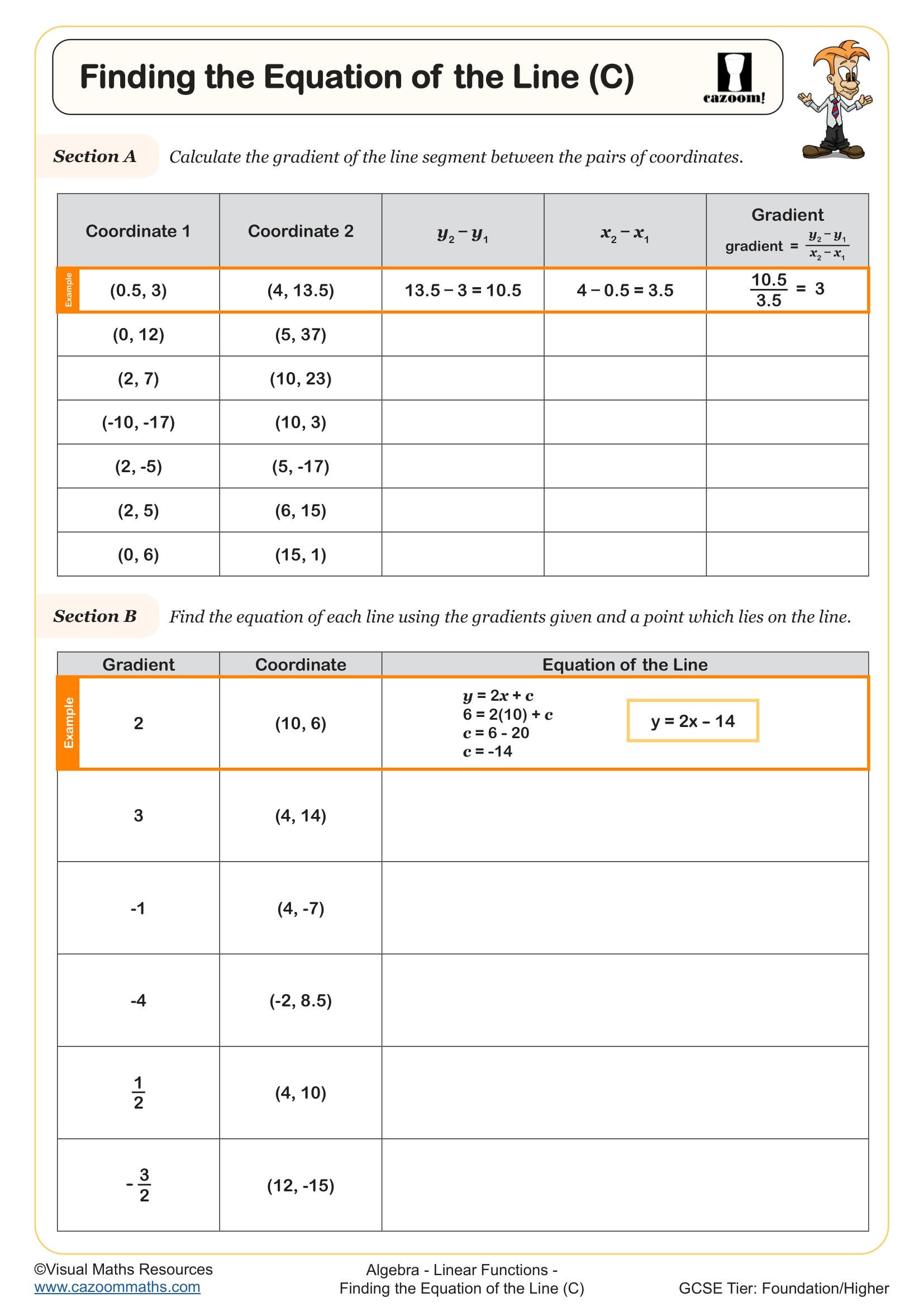
Finding the Equation of the Line (C)
Year groups: 10, 11
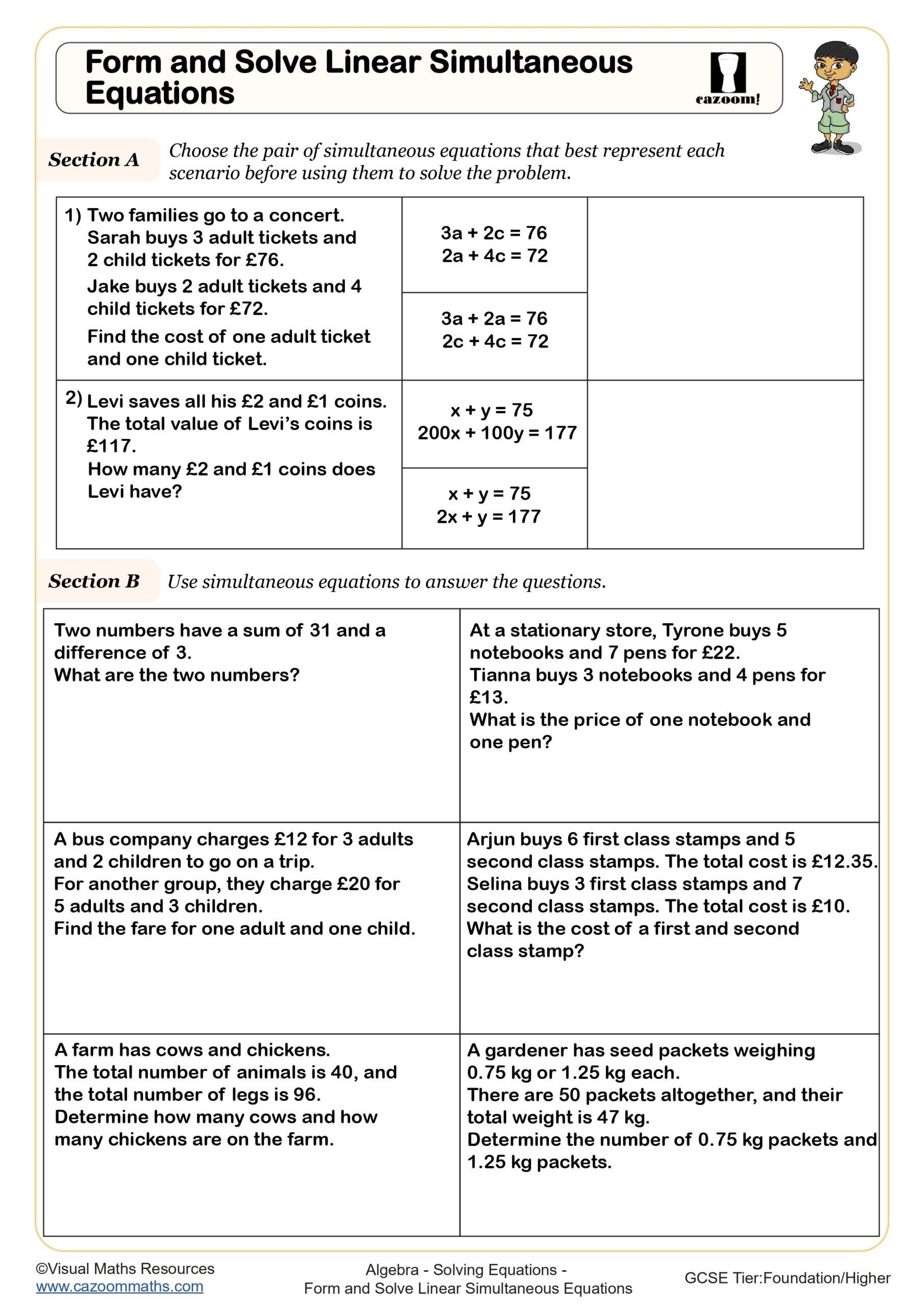
Form and Solve Linear Simultaneous Equations
Year groups: 10, 11
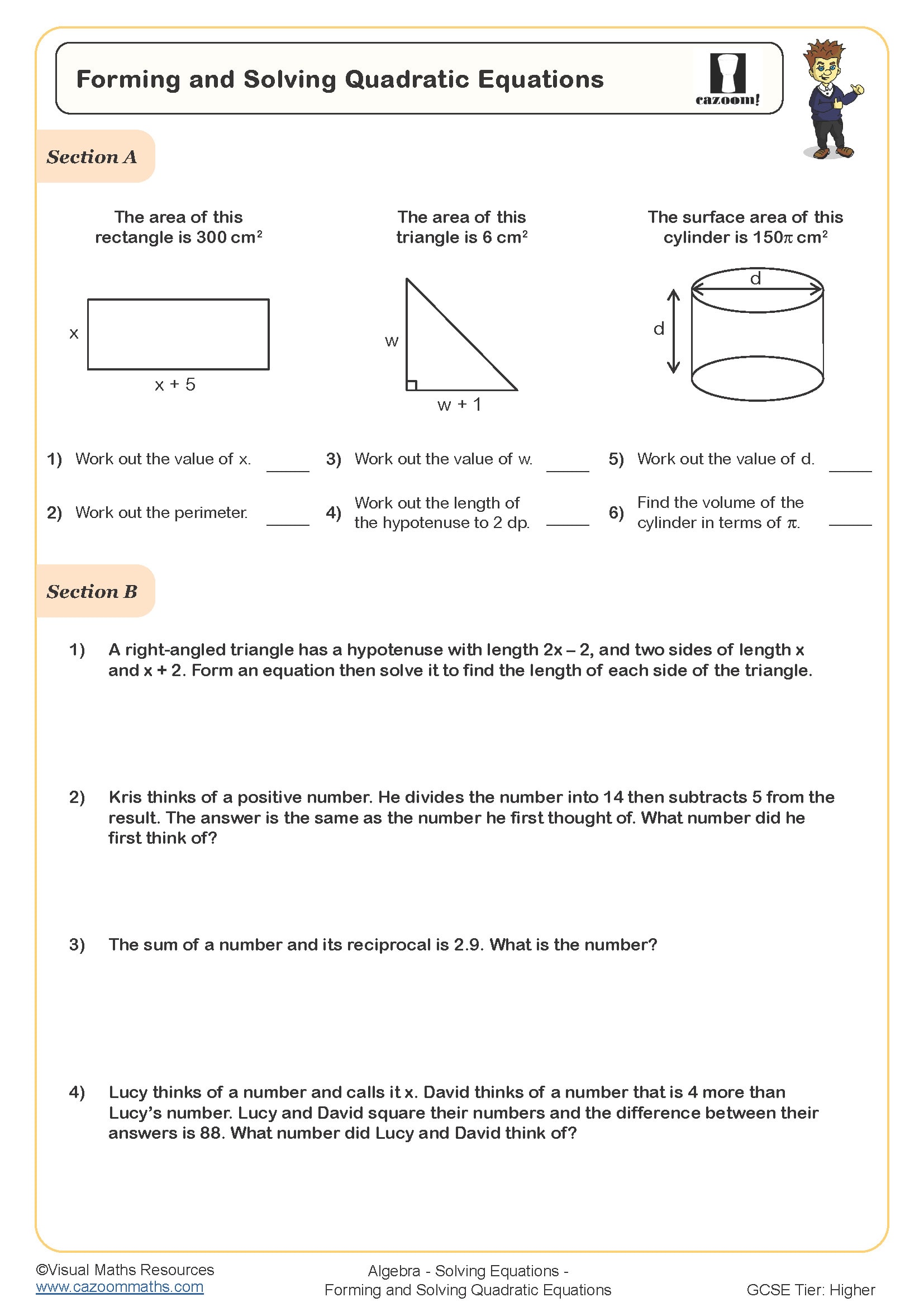
Forming and Solving Quadratic Equations
Year groups: 10, 11
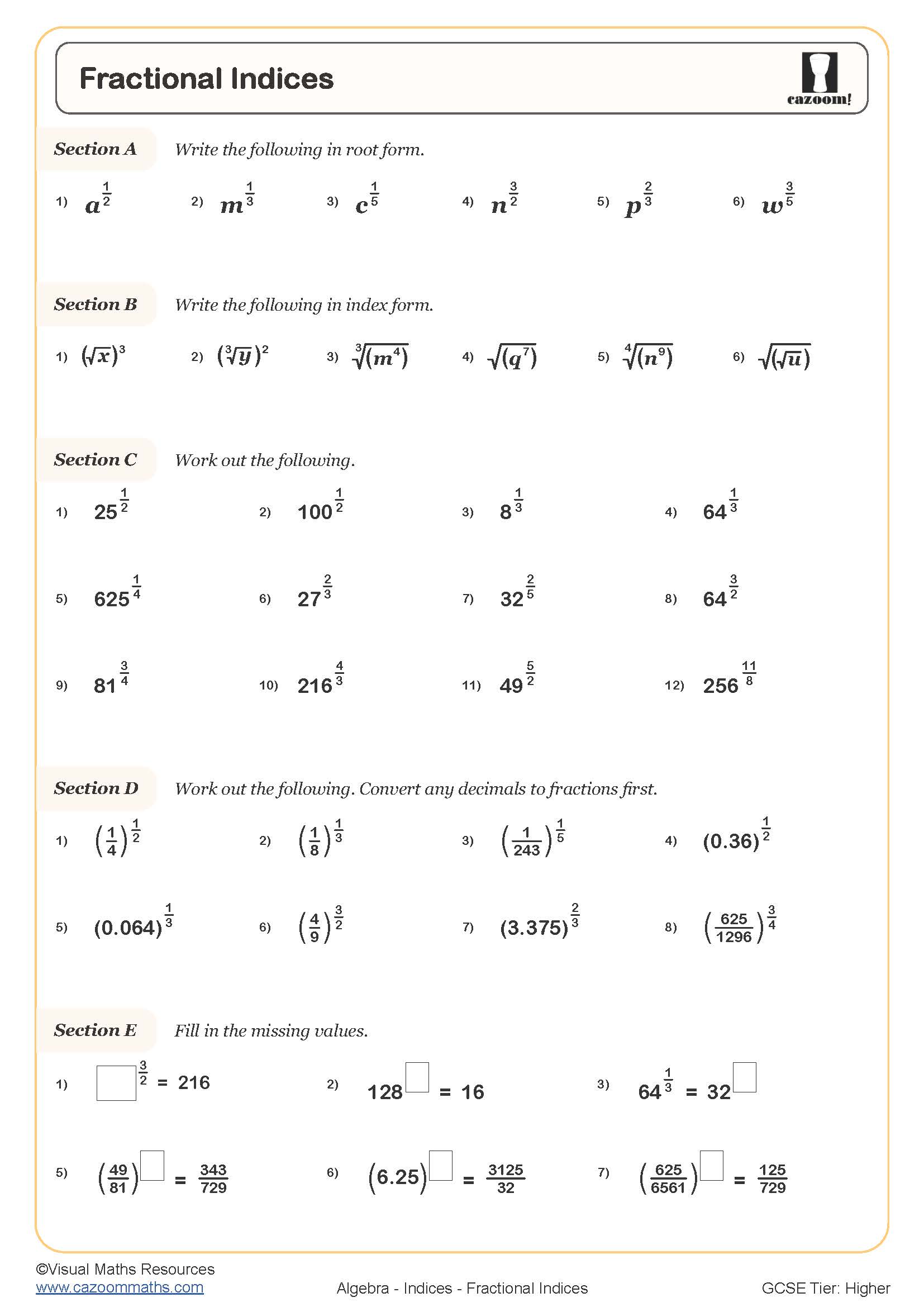
Fractional Indices
Year groups: 10, 11
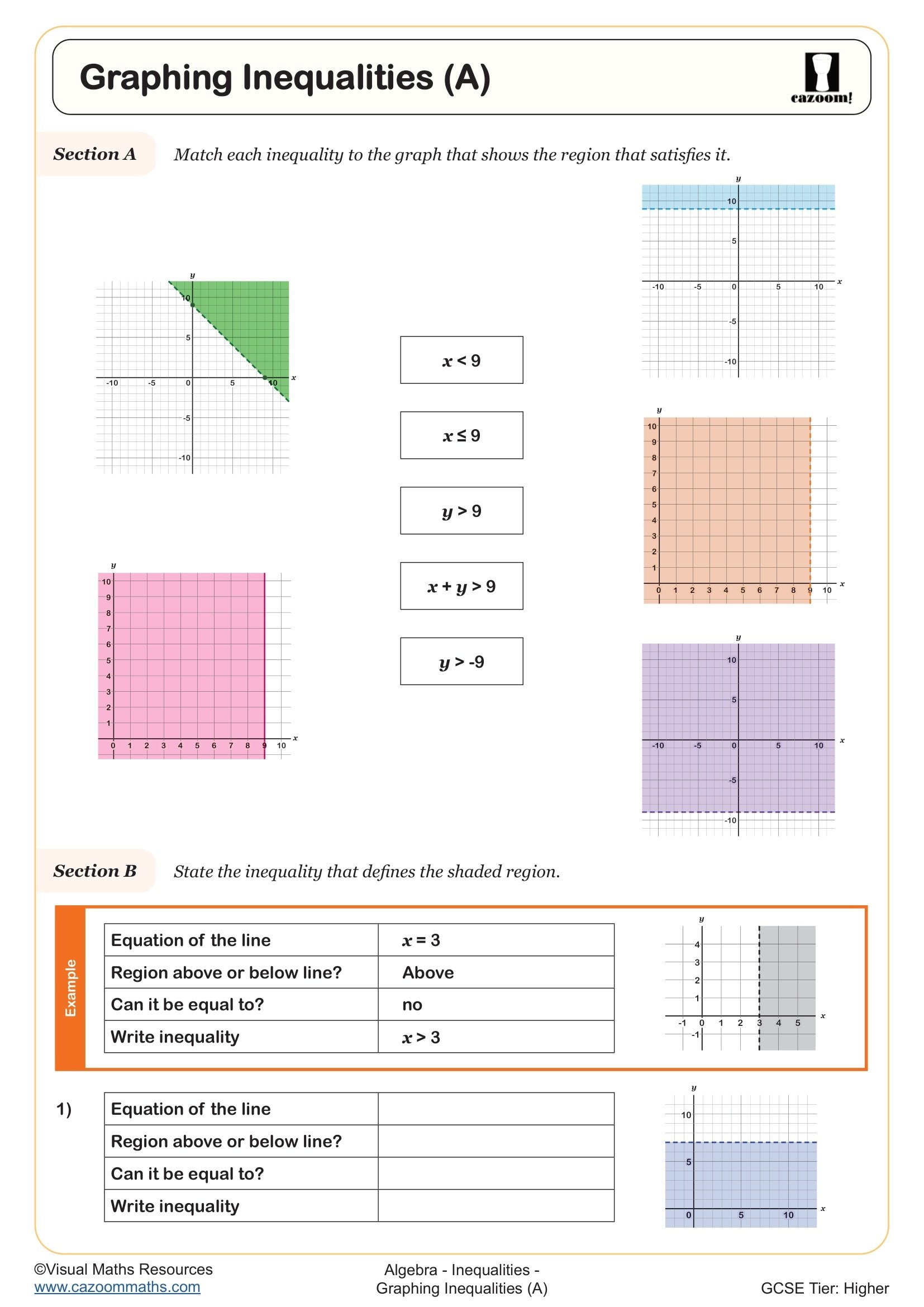
Graphing Inequalities (A)
Year groups: 10, 11
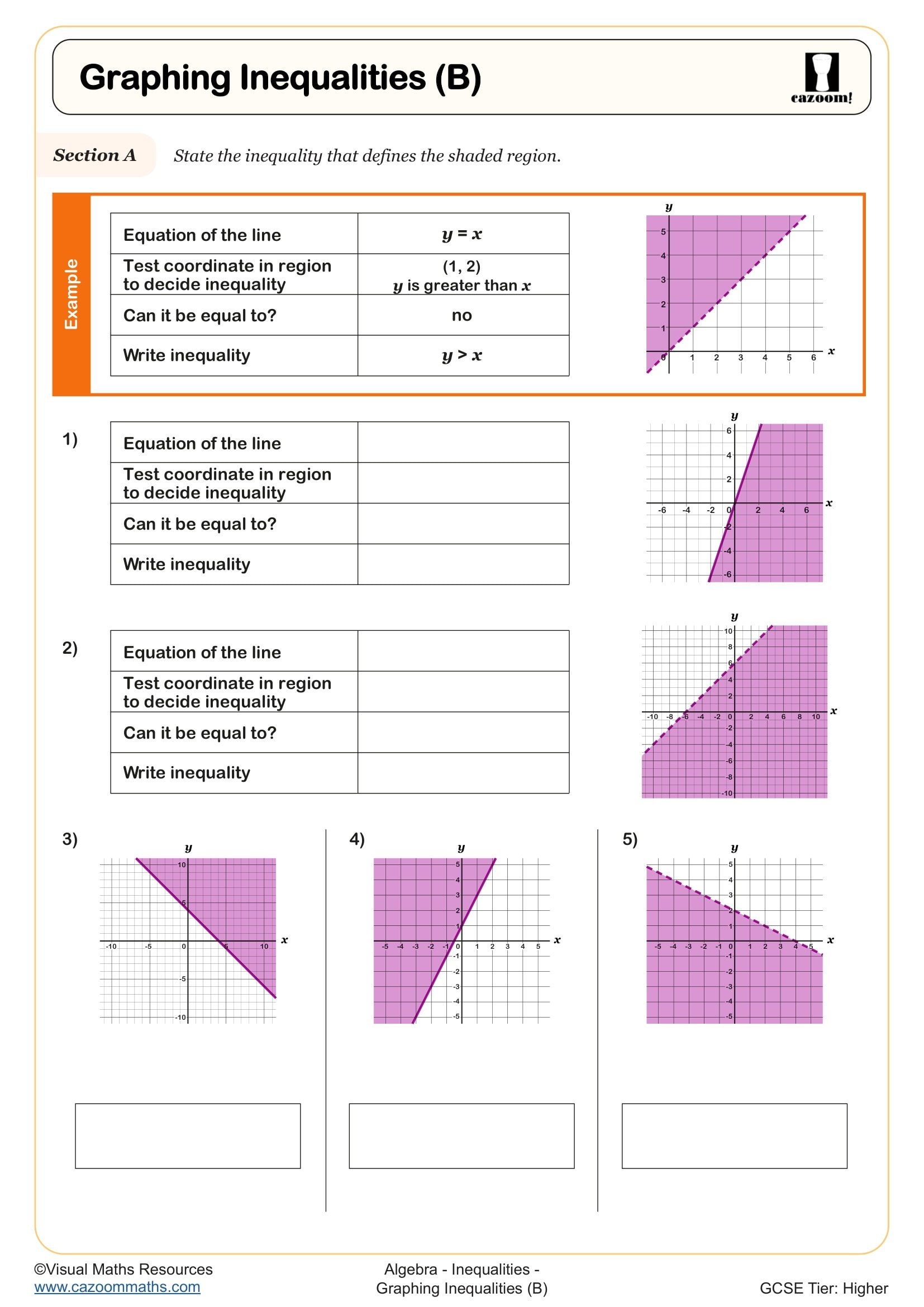
Graphing Inequalities (B)
Year groups: 10, 11
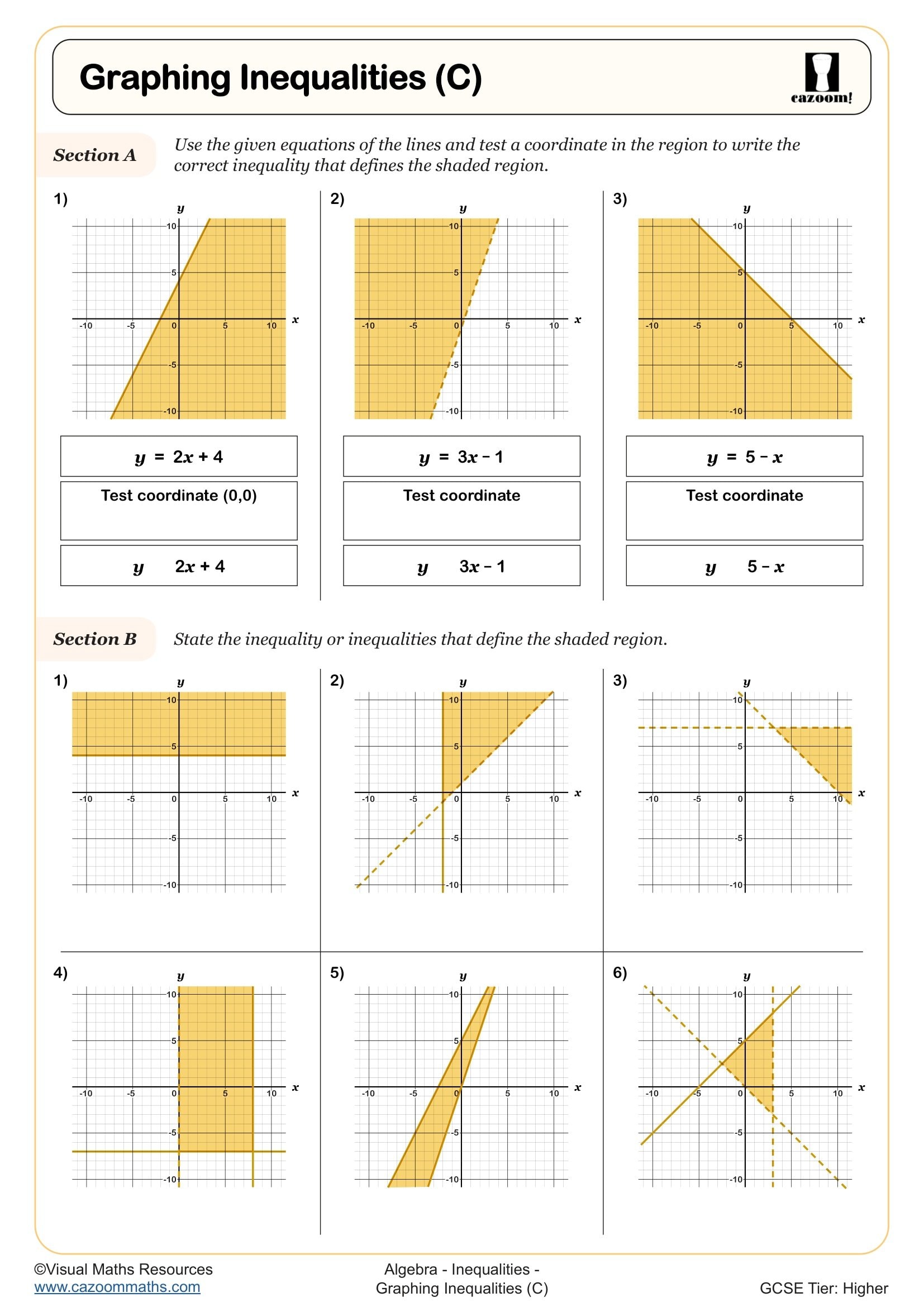
Graphing Inequalities (C)
Year groups: 10, 11
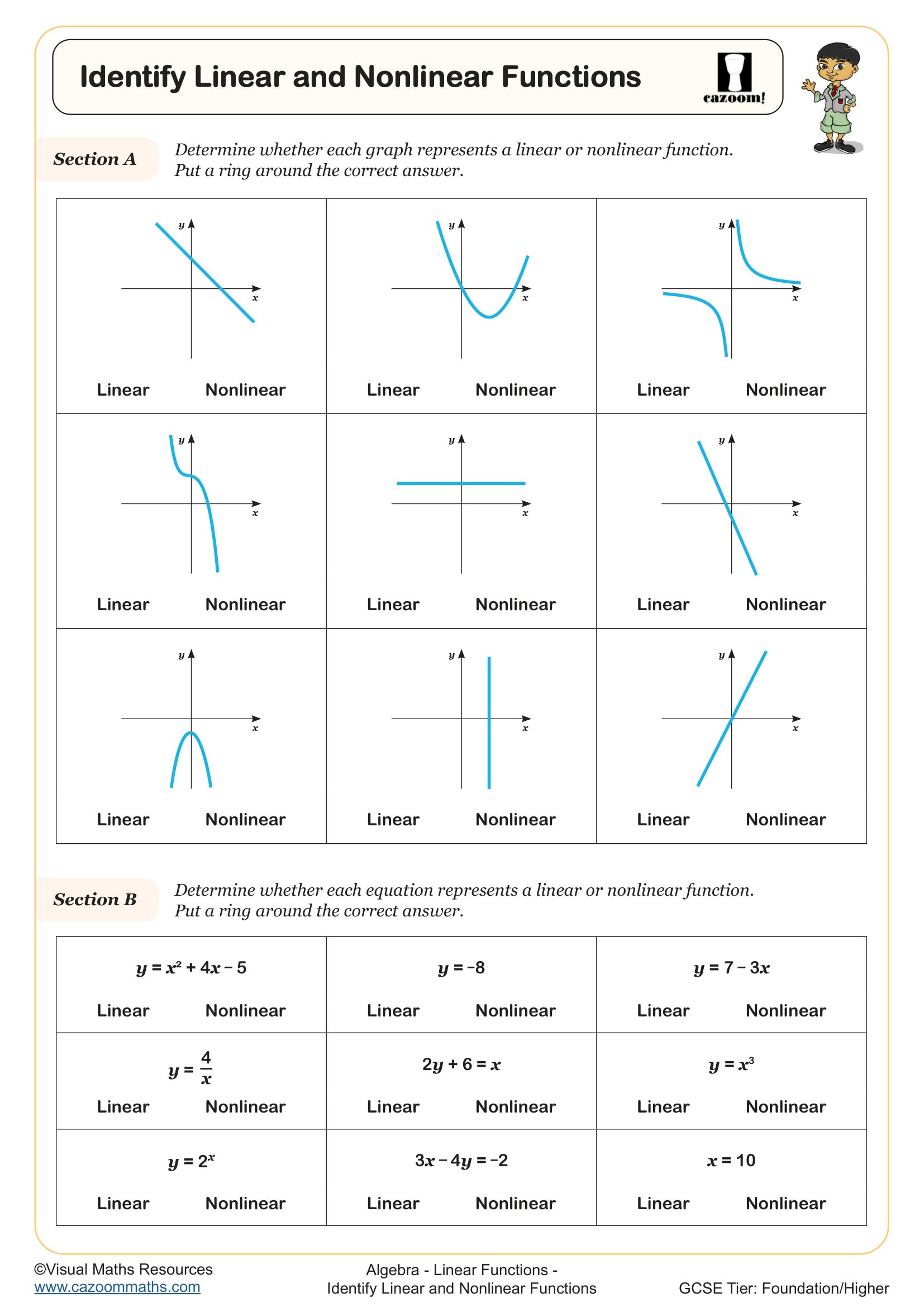
Identify Linear and Non Linear Functions
Year groups: 10, 11
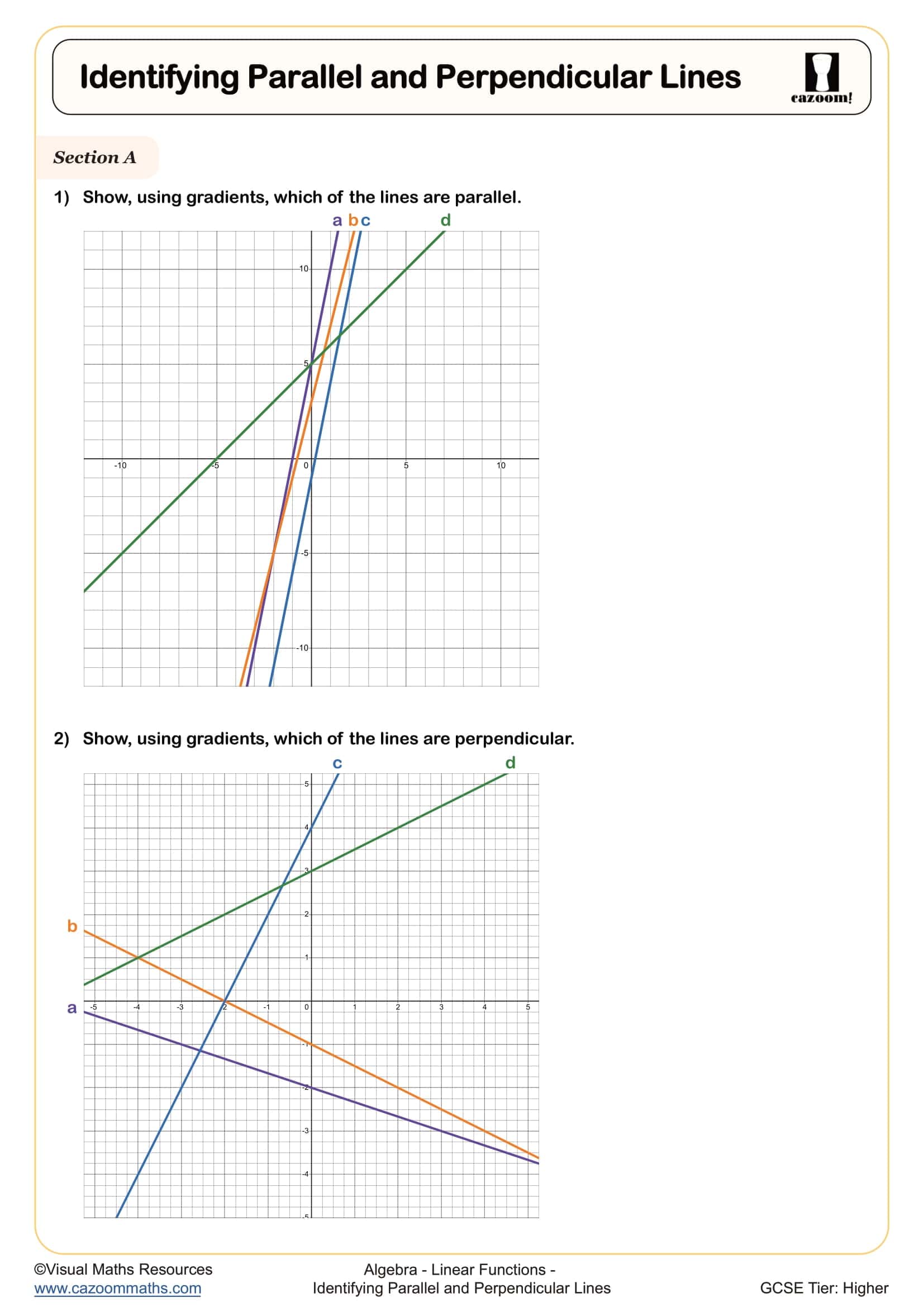
Identifying Parallel and Perpendicular Lines
Year groups: 10, 11
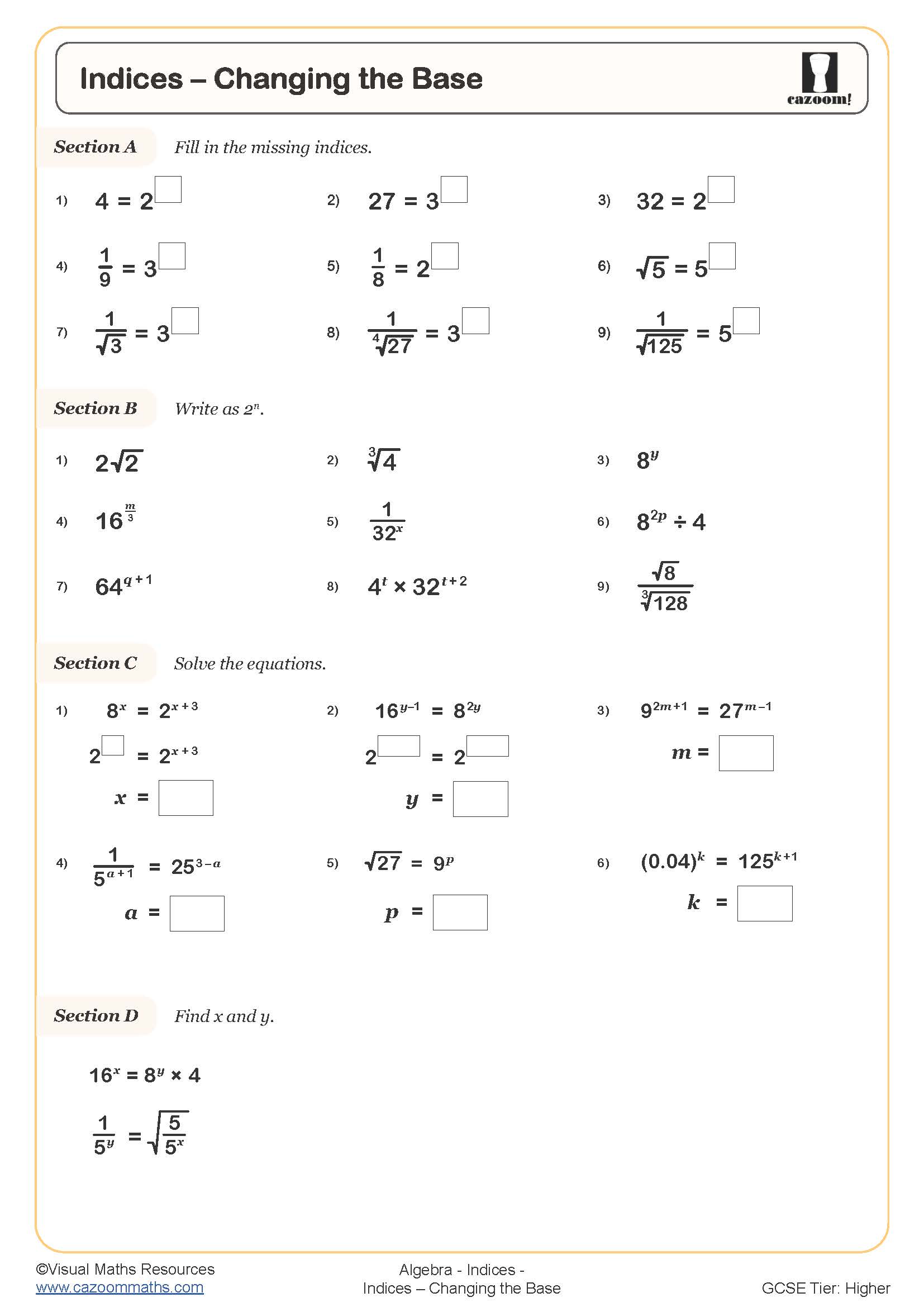
Indices - Changing the Base
Year groups: 10, 11
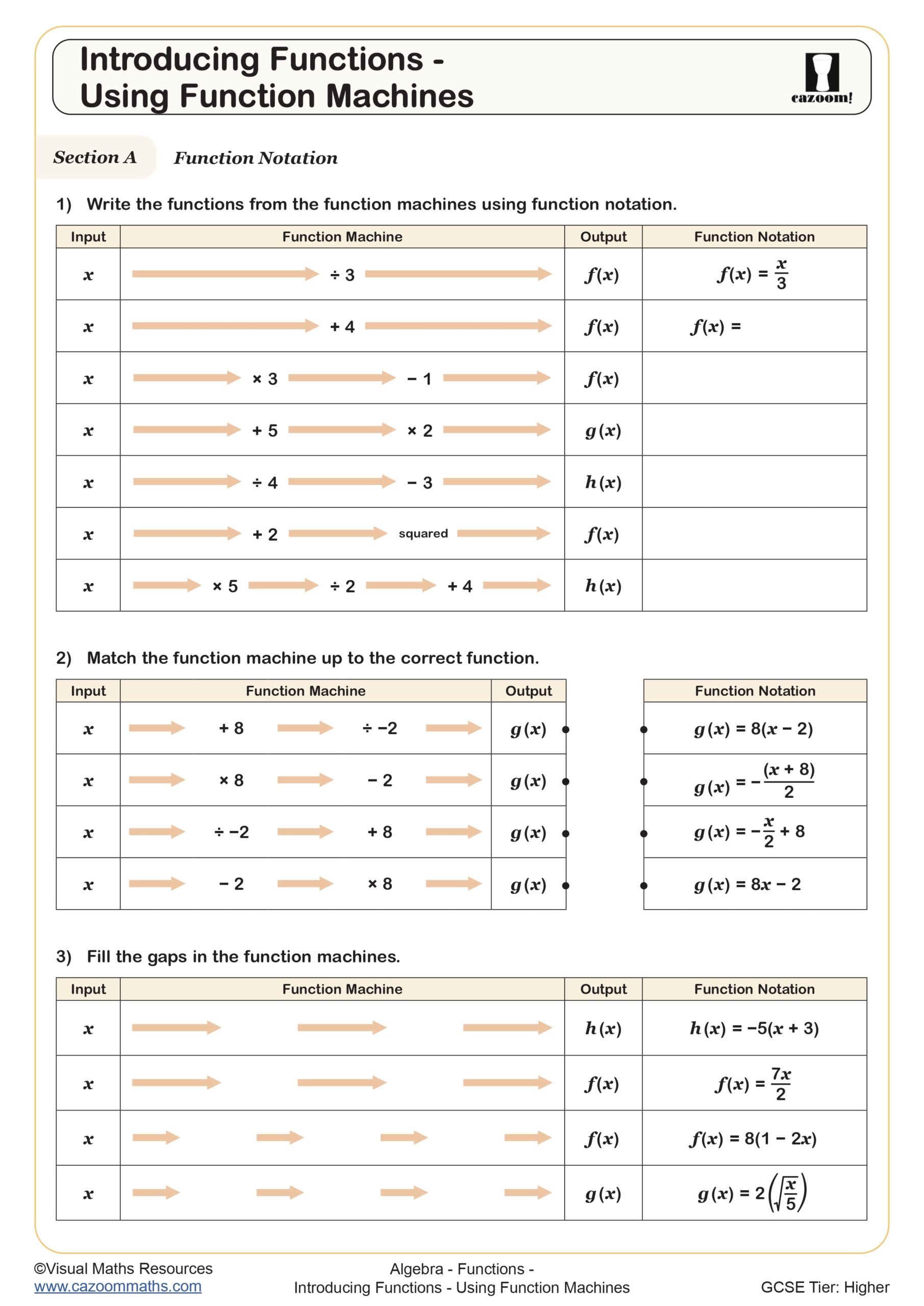
Introducing Functions - Using Function Machines
Year groups: 10, 11
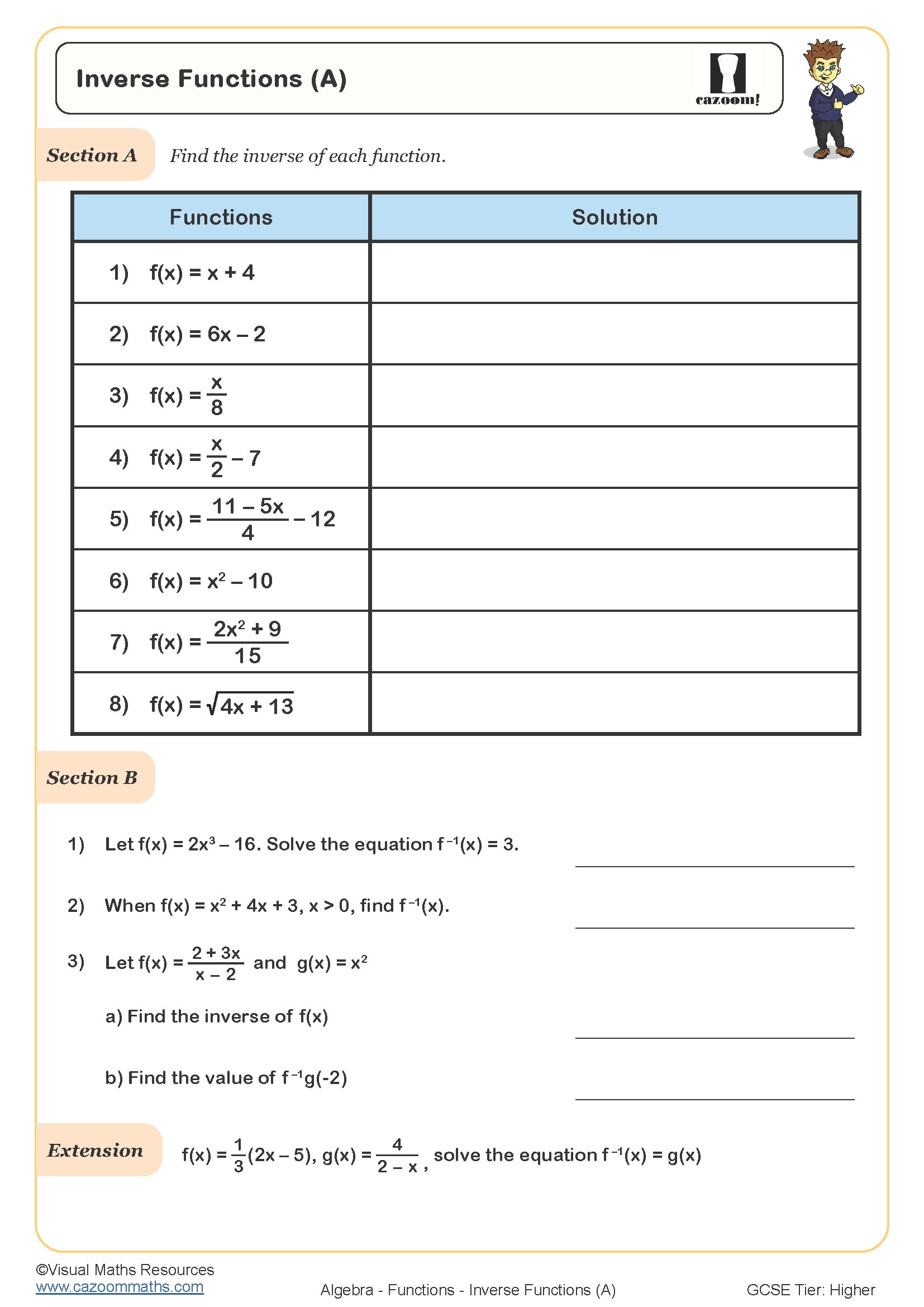
Inverse Functions (A)
Year groups: 10, 11
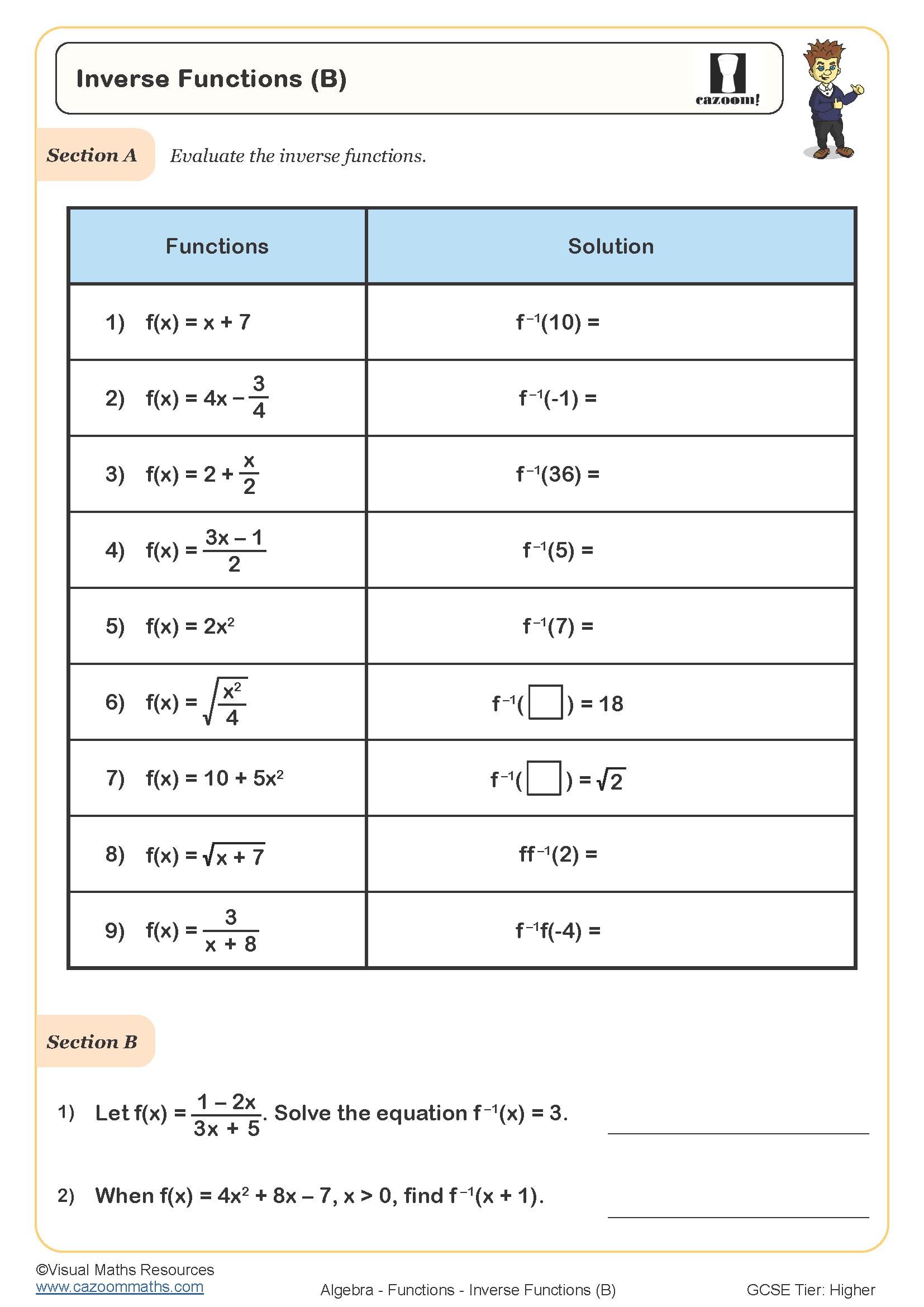
Inverse Functions (B)
Year groups: 10, 11
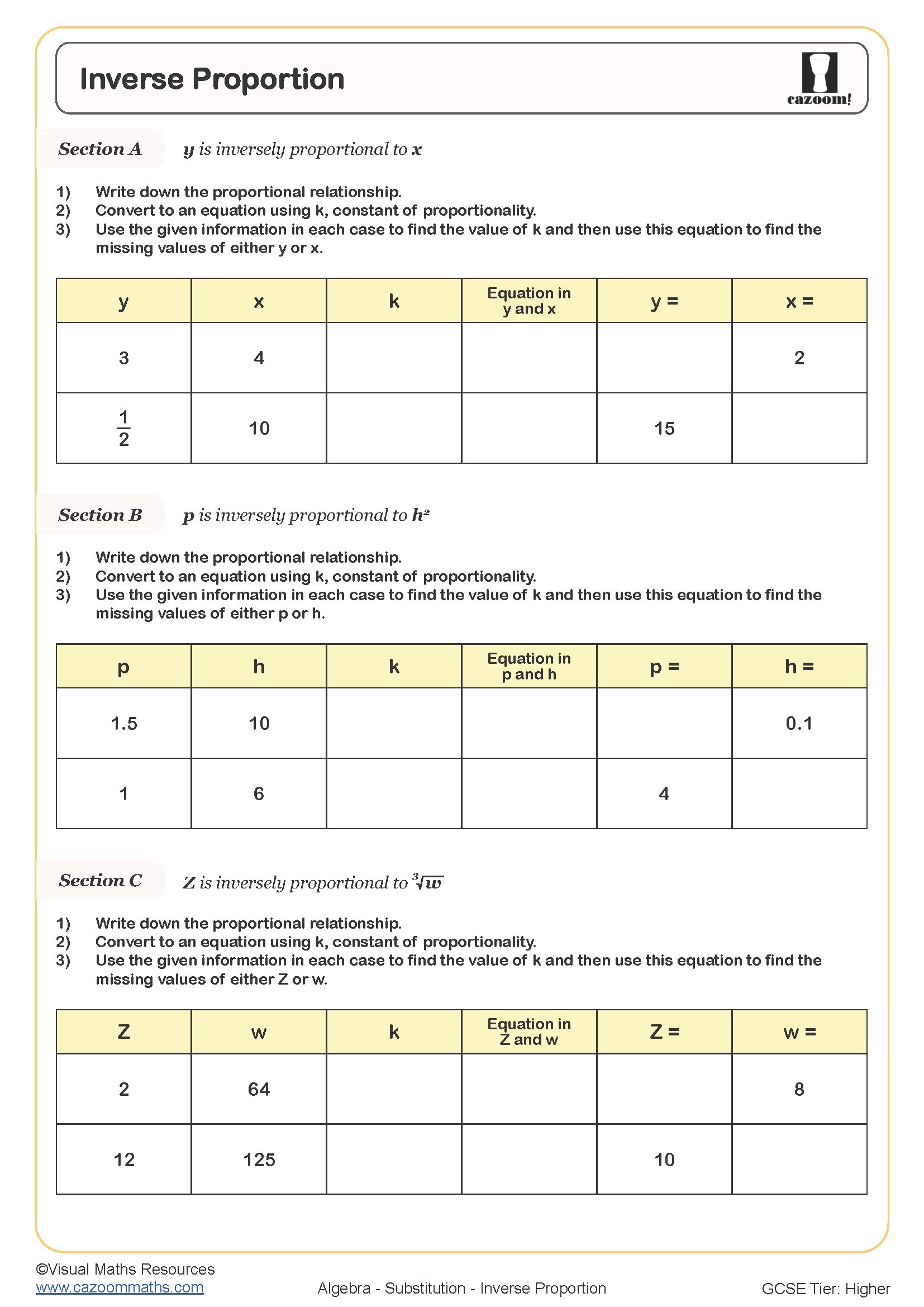
Inverse Proportion
Year groups: 10, 11
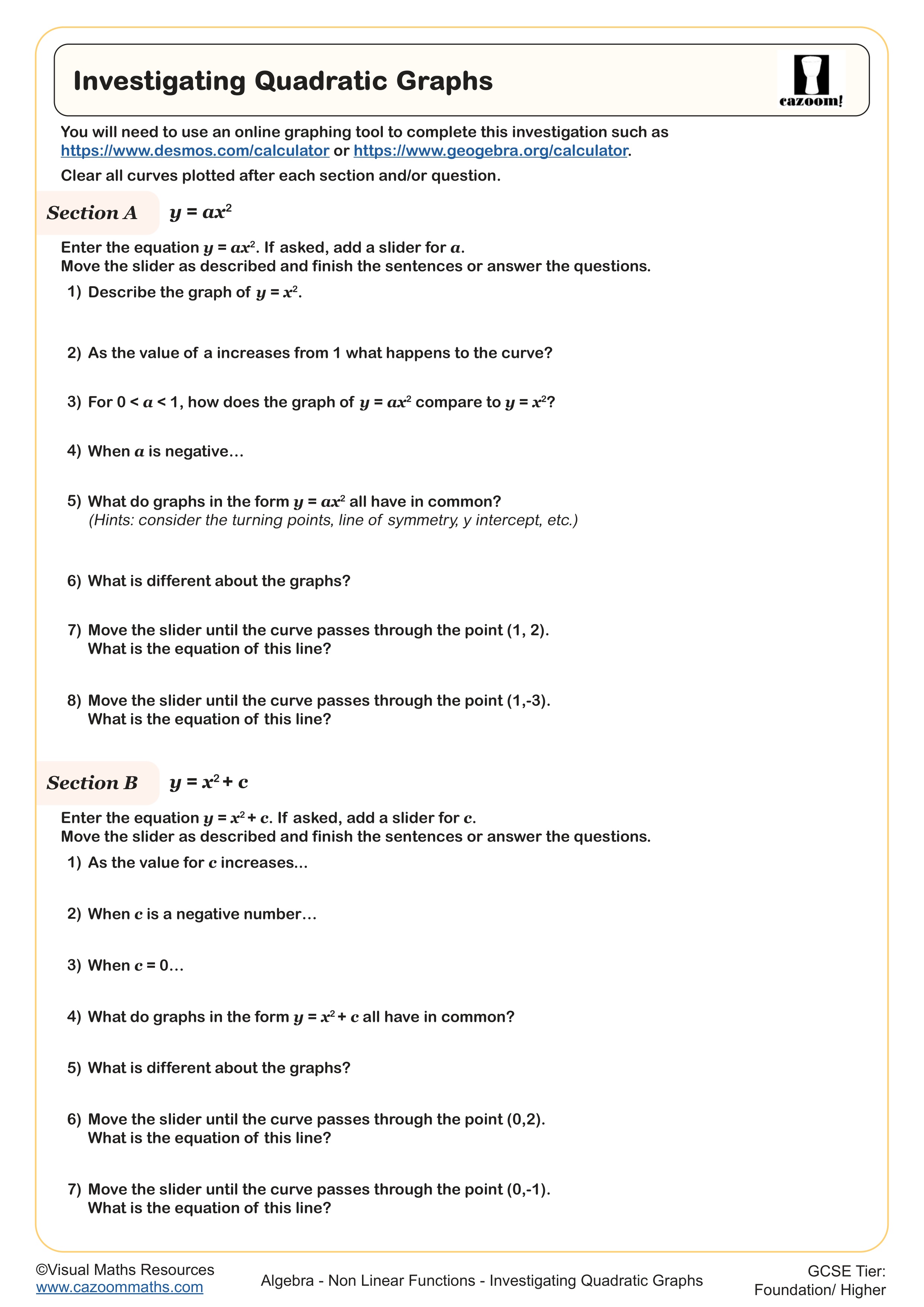
Investigating Quadratic Graphs
Year groups: 10, 11
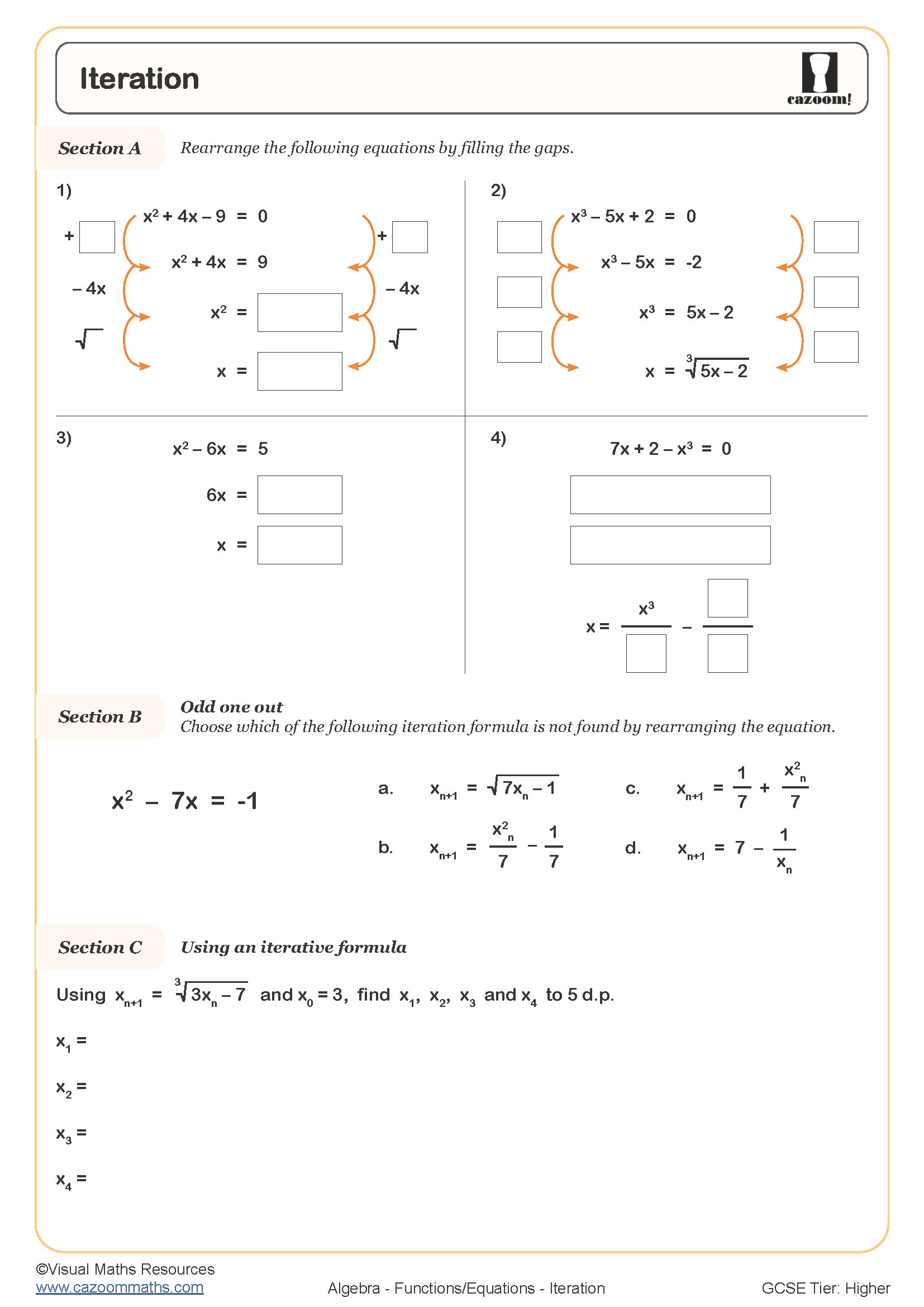
Iteration
Year groups: 10, 11
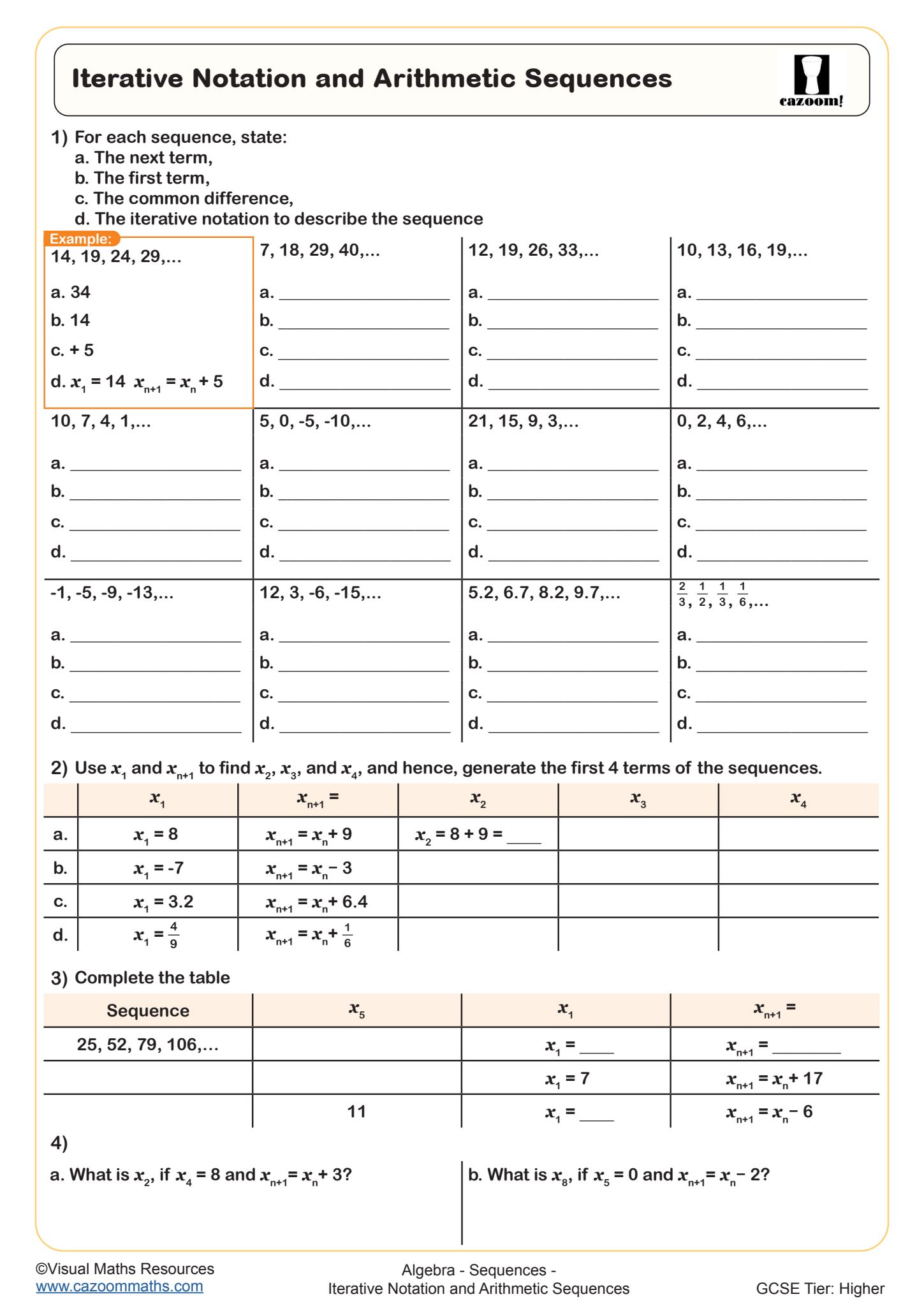
Iterative Notation and Arithmetic Sequences
Year groups: 10, 11
Iterative Notation and Geometric Sequences
Year groups: 10, 11

All worksheets are created by the team of experienced teachers at Cazoom Maths.
What makes effective KS3 algebra worksheets for classroom use?
Effective ks3 algebra worksheets provide structured progression from concrete examples to abstract concepts, matching the National Curriculum's emphasis on algebraic fluency. They should include varied question types that address common misconceptions whilst building towards GCSE-level problem solving.
Teachers consistently observe that students benefit most from worksheets that explicitly connect numerical patterns to algebraic representations. Questions that ask students to 'show your working' are particularly valuable because they reveal whether students understand the underlying processes or are simply applying memorised procedures without comprehension.
How do algebra worksheets progress from Year 7 to Year 8?
Year 7 algebra questions typically focus on basic substitution, collecting like terms, and solving simple linear equations with one operation. Students work with positive integers initially before introducing negative numbers and fractional coefficients as confidence builds.
Year 8 algebra worksheets extend this foundation to include solving equations with unknowns on both sides, expanding single brackets, and introducing factorisation. Many teachers find that students who struggled with basic algebraic manipulation in Year 7 often experience breakthrough moments when tackling these more complex Year 8 topics, suggesting the extra practice time allows conceptual understanding to develop.
Why do students find solving equations with brackets particularly challenging?
Equations involving brackets require students to coordinate multiple algebraic skills simultaneously: expanding brackets correctly, collecting like terms, and maintaining equality throughout their working. This cognitive load often overwhelms students who haven't yet automated the component skills.
Experienced teachers report that the most common errors occur when students expand brackets but forget to apply operations to every term, or when they attempt to 'cancel' terms inappropriately. Worksheets that isolate bracket expansion before combining it with equation solving help students develop the procedural fluency needed for more complex problems.
How can teachers use algebra worksheets to address common misconceptions?
The most persistent algebra misconception involves treating the equals sign as an instruction to 'do something' rather than a statement of equivalence. Worksheets that include activities like 'find the missing number in 7 + __ = 12' help students understand equality before introducing algebraic notation.
Answer sheets become particularly valuable when they show complete working methods, allowing teachers to identify where student thinking diverges from correct procedures. Many teachers use www.cazoommathsworksheets.com answers to model correct algebraic reasoning during whole-class feedback, explicitly discussing why certain approaches work whilst others lead to errors.